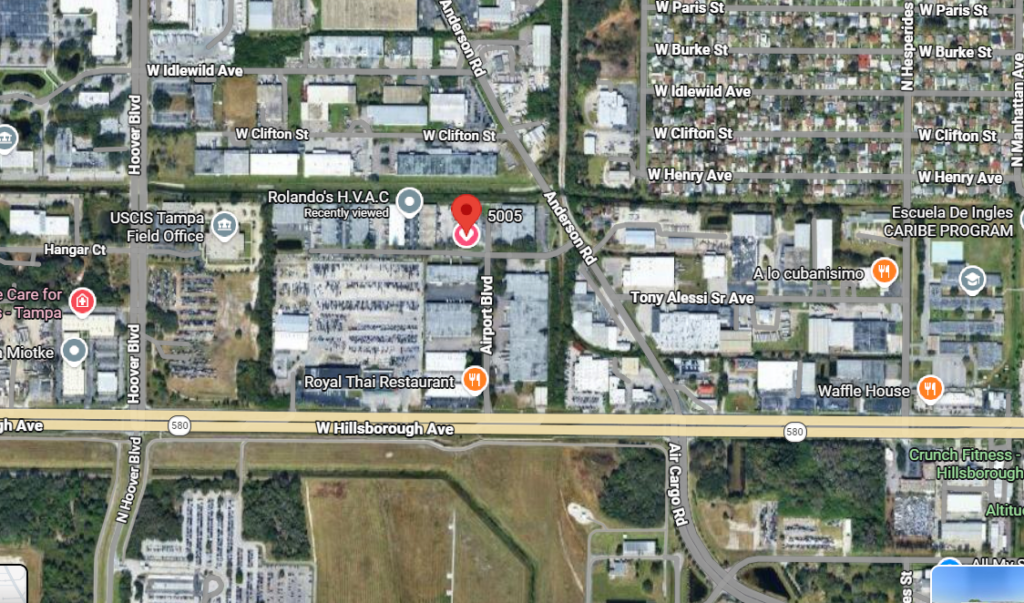

Air Conditioner Breaker Tripping Diagnosis and Whip Replacement in St. Petersburg, FL 33712
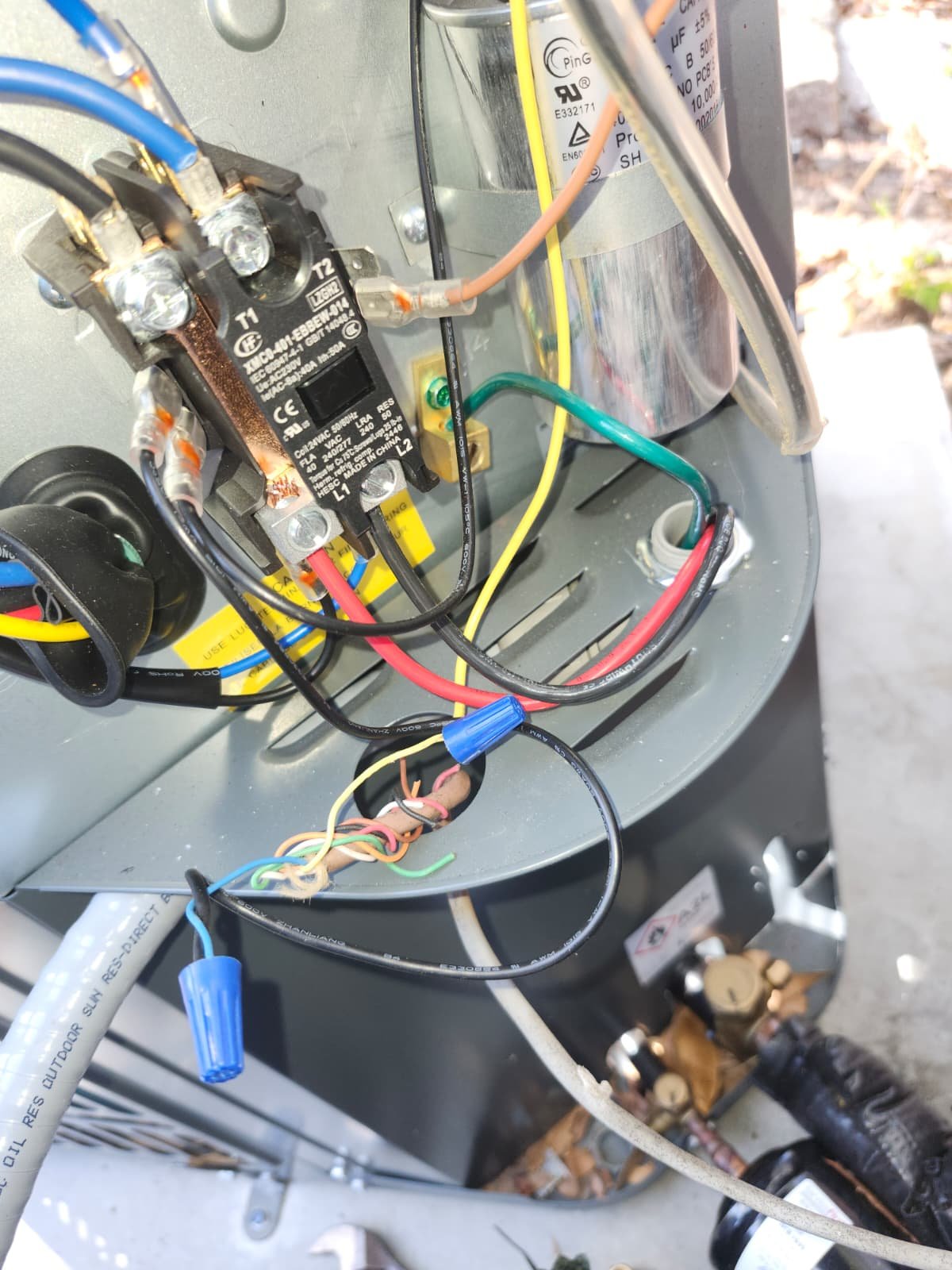
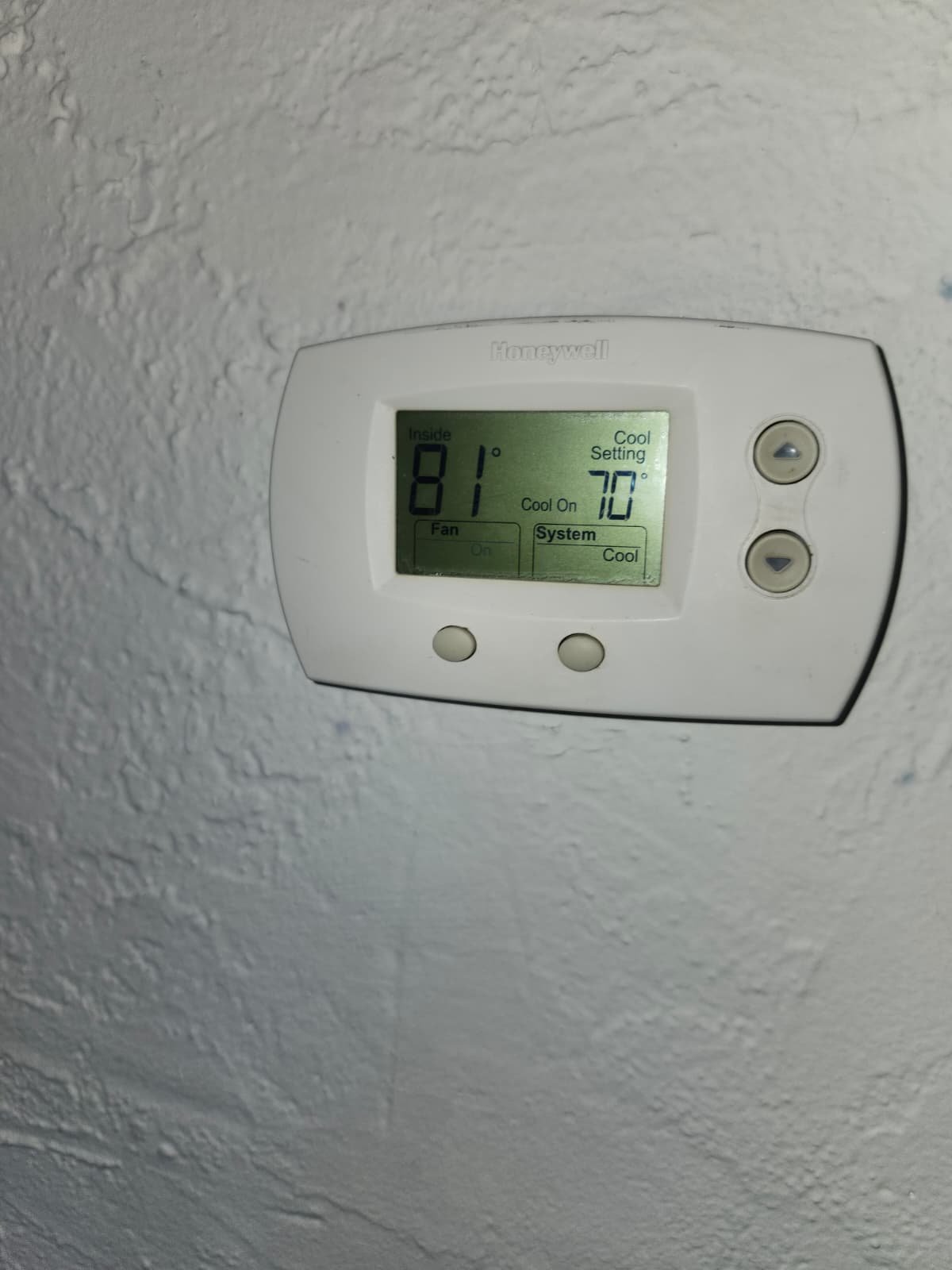
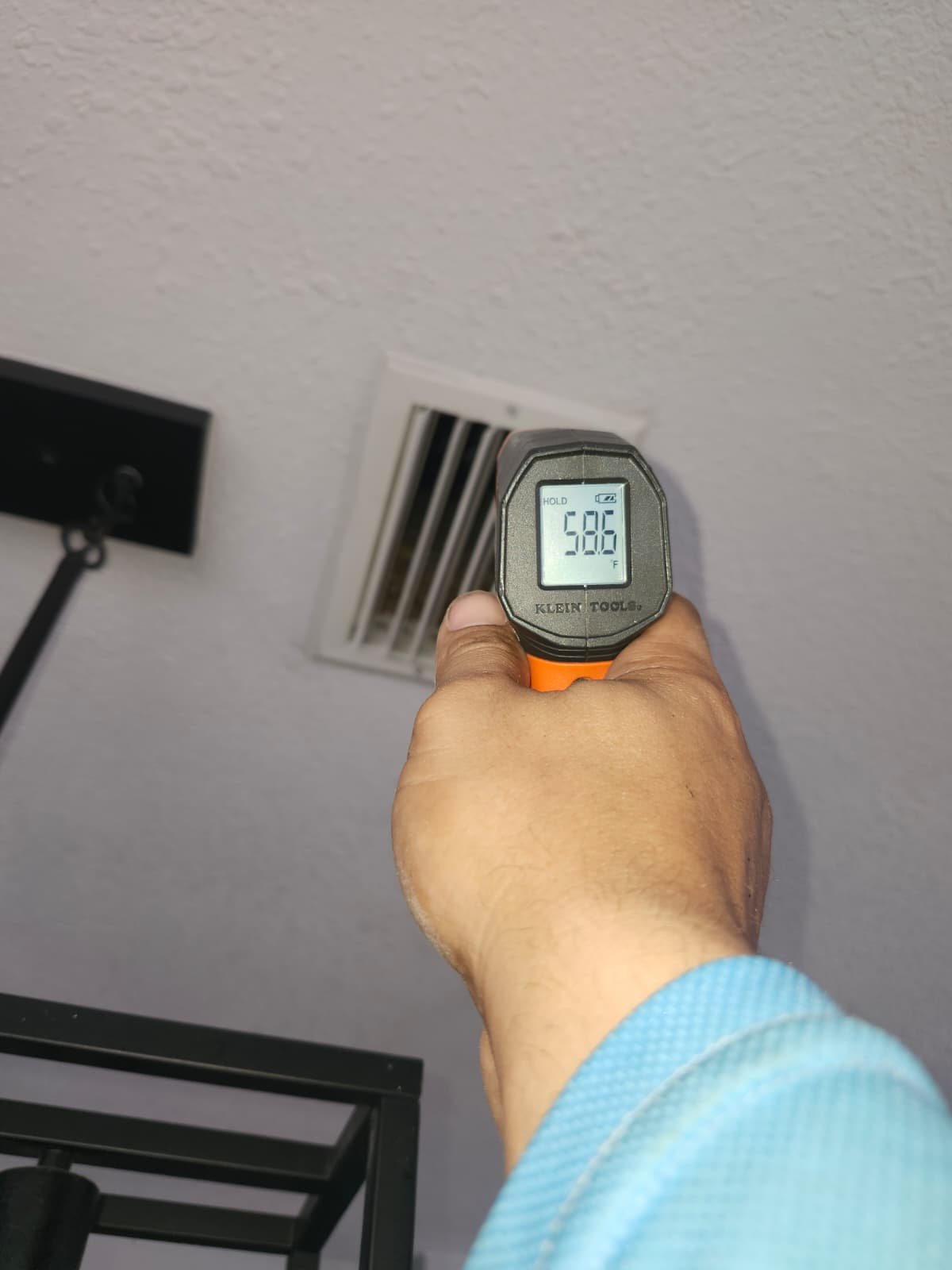
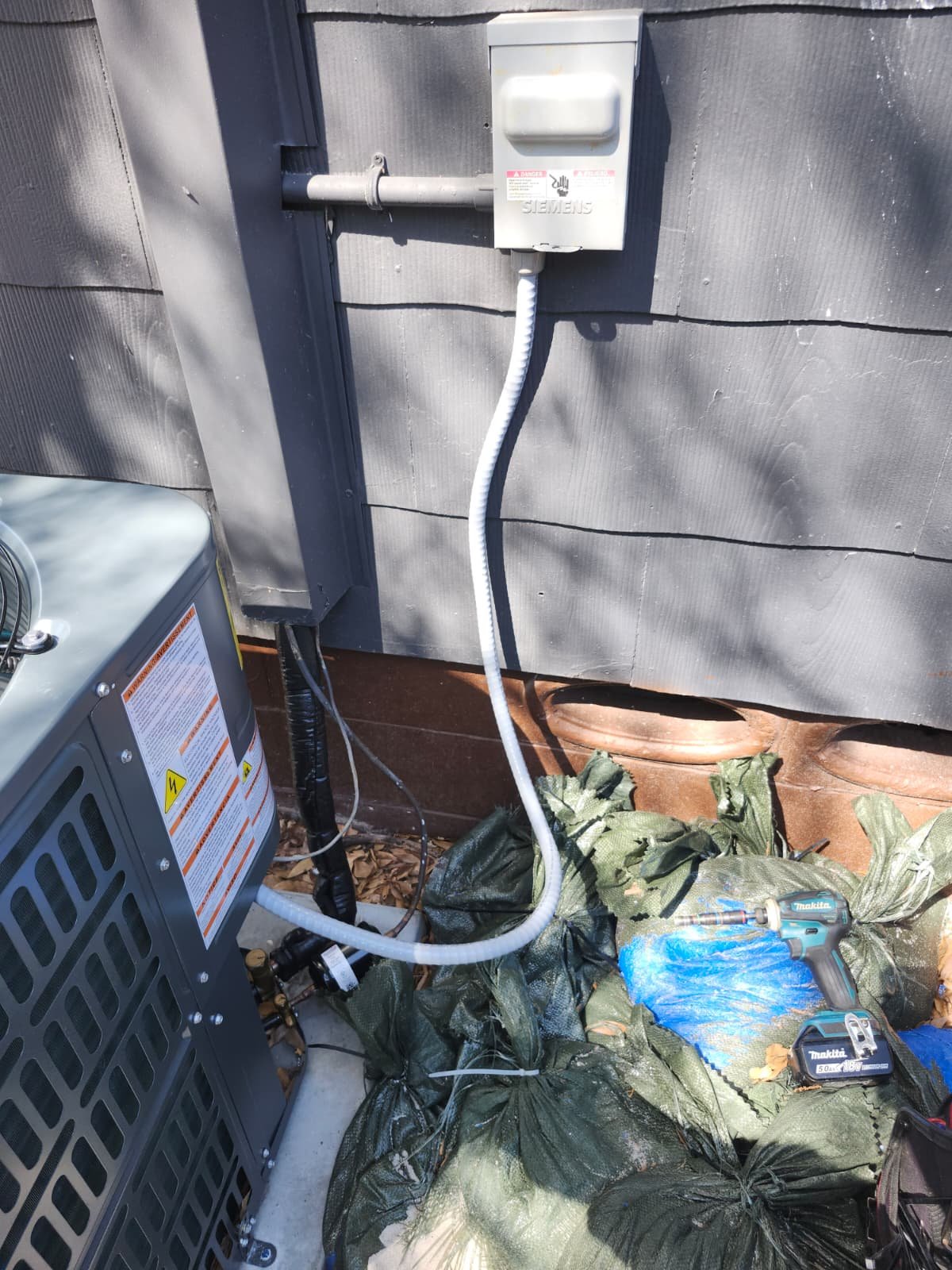
When your air conditioner keeps tripping the breaker in the middle of a hot Florida day, it’s more than an inconvenience – it’s stressful and uncomfortable. Recently, we visited a homeowner in St. Petersburg, FL 33712 who was dealing with this exact problem. Their outdoor condenser would run for a bit, the breaker would trip, and the whole system would shut down.
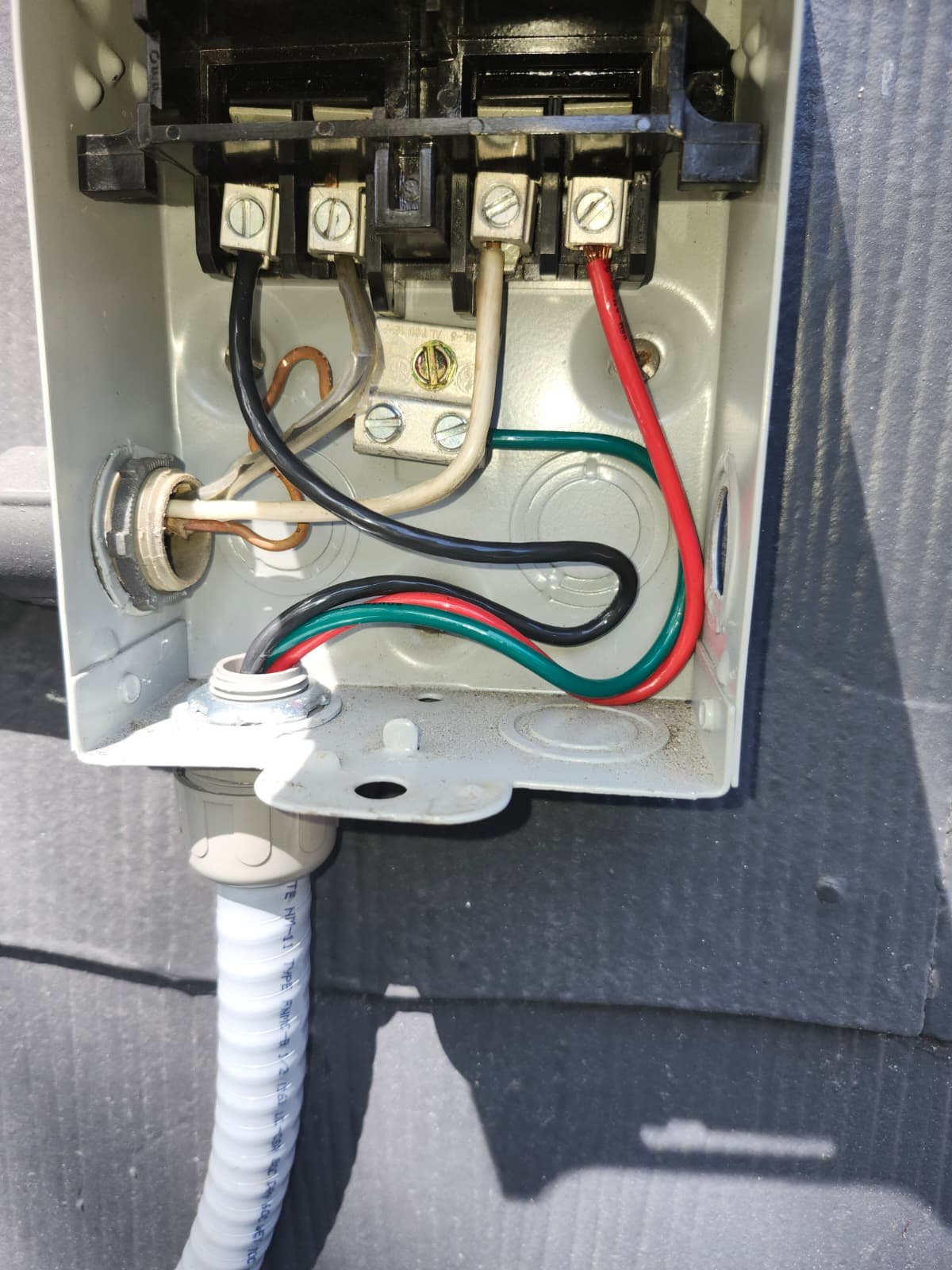
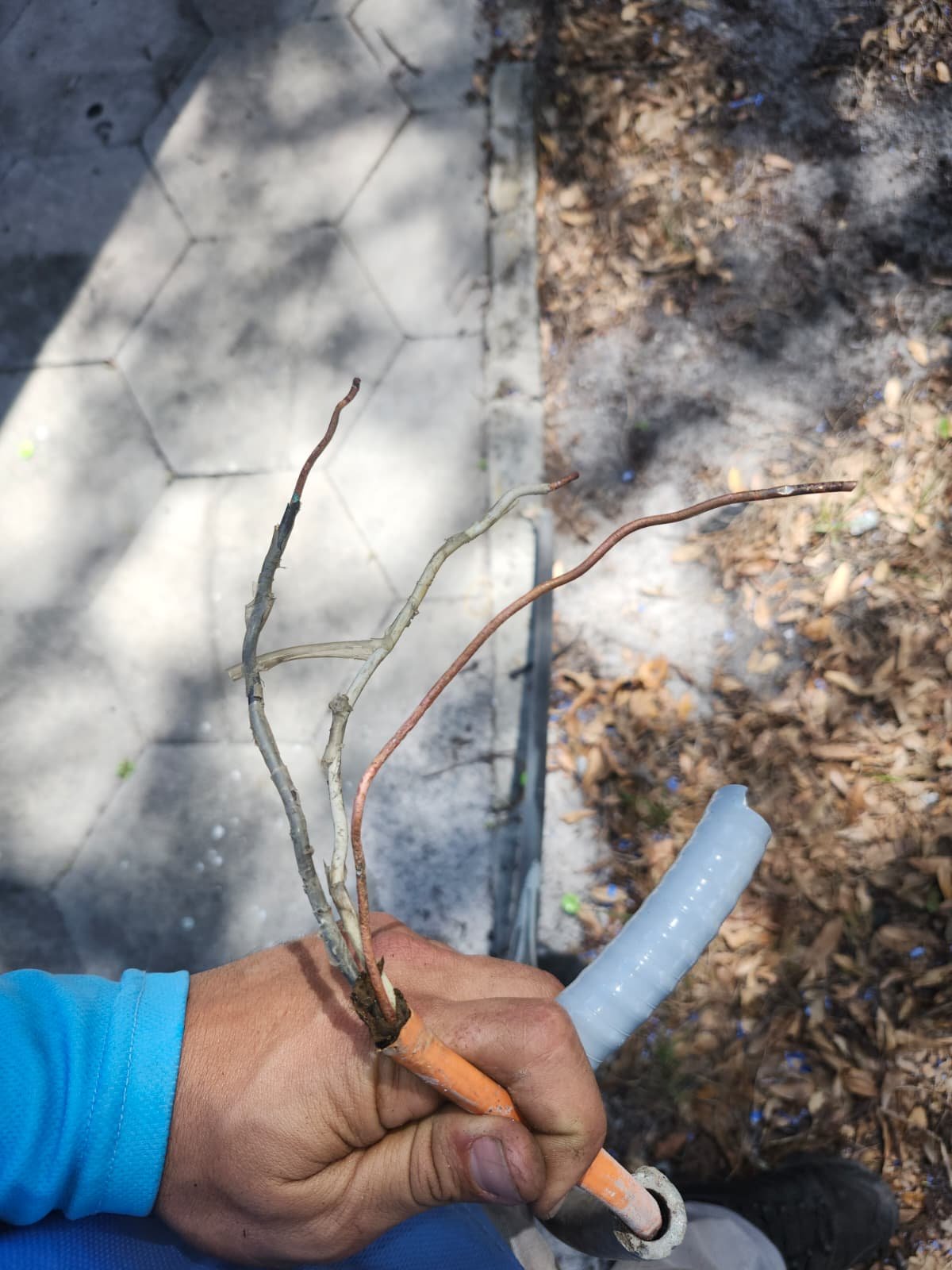
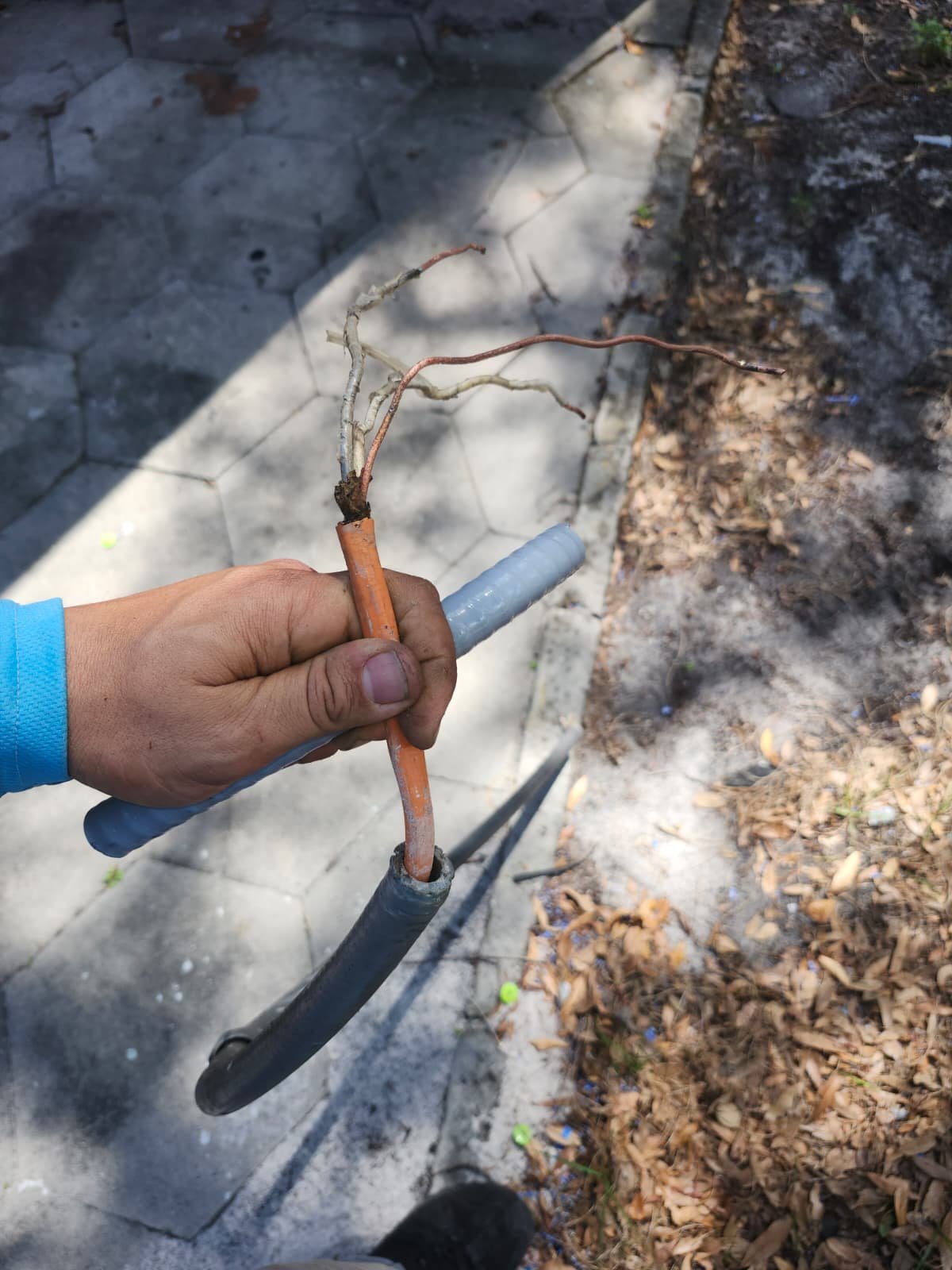
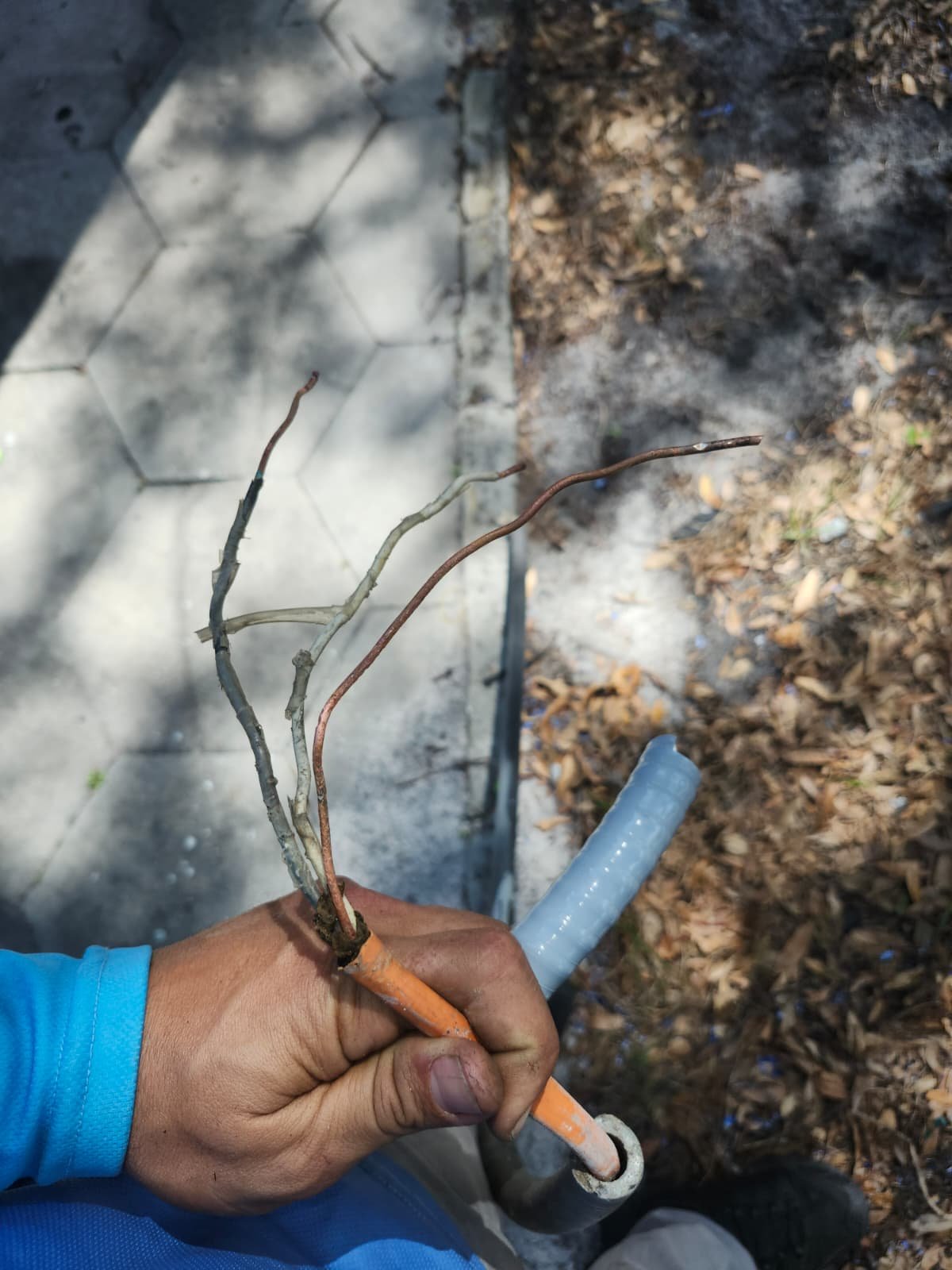
On this visit, our Home Therapist technician tracked the issue down to a damaged and wet electrical whip (the flexible cable that carries power from the disconnect box to the outdoor unit). Moisture had entered the disconnect box, deteriorating the cable’s insulation and causing a short circuit that repeatedly shut off the breaker. We replaced the whip and addressed the opening that was allowing water in, restoring safe, reliable cooling for the home.
Case Recap
- Location: Single-family home in St. Petersburg, FL 33712
- Primary complaint: AC breaker kept tripping and shutting the system down
- Findings: Deteriorated, wet electrical whip from disconnect to condenser with damaged insulation
- Cause: Water intrusion through an opening in the outdoor disconnect box
- Solution: Replace the condenser whip and address the opening in the disconnect to prevent future water intrusion
- Outcome: AC system operating normally again, with improved electrical safety and reliability
Customer Problem: Breaker That Wouldn’t Stop Tripping
The homeowner in St. Petersburg, FL 33712 called us because their air conditioner would try to start, run briefly (if at all), and then the breaker would trip. They had to keep walking back to the panel to reset it, and the system never stayed on long enough to cool the house properly.
They were concerned about three things:
- Comfort – The home wasn’t staying cool in the Florida heat.
- Safety – A breaker that keeps tripping can be a sign of a serious electrical issue.
- Damage – They didn’t want to harm their air conditioning system by forcing it to restart over and over.
They did the right thing by calling for professional AC repair service instead of repeatedly resetting the breaker. In a humid climate like we have around Tampa Bay and St. Petersburg, electrical components around outdoor units are especially vulnerable to moisture, so it was important to find out exactly why the breaker was protecting the circuit.
Inspection and Diagnosis: Tracing the Short to the Whip
On arrival, our technician started with a safety-focused, step-by-step inspection. When a breaker keeps tripping on an air conditioning system, we look for anything that could cause an overcurrent or short circuit.
Our diagnostic process at this St. Petersburg, FL 33712 home included:
- Verifying the breaker rating and condition in the electrical panel.
- Inspecting visible wiring and connections at the outdoor condenser.
- Checking the disconnect box next to the condenser for signs of overheating, corrosion, or water intrusion.
- Examining the flexible electrical whip that carries power from the disconnect to the unit.
As soon as we opened the disconnect and inspected the whip, the problem became clear. The whip was noticeably deteriorated and wet. The insulation that should protect the internal conductors from touching each other or grounded metal had been compromised. We also found an opening in the disconnect box where water was able to enter, likely during rain or from wind-driven moisture.
When moisture gets into a deteriorated cable like this, it can create a short circuit. The breaker senses that excessive current is flowing and trips to protect the wiring and equipment. That’s exactly what was happening here: the breaker wasn’t the problem – it was doing its job.
Repair and Service Process: Replacing the Whip and Addressing Moisture Entry
Once we confirmed the source of the issue, we explained our findings to the homeowner in clear terms: the whip feeding the condenser was shorting out due to damage and moisture, and water was entering through an opening in the disconnect box. We also reviewed the repair plan and pricing before starting any work so there were no surprises.
Here’s how we resolved the problem at this St. Petersburg, FL 33712 property:
1. Power Safely Shut Off and Verified
Before touching any electrical components, we shut off power at the breaker and used proper testing to verify the circuit was de-energized. Electrical safety is always our first priority for both our technicians and the homeowner.
2. Removal of the Damaged Whip
The existing whip, which ran from the disconnect box to the outdoor AC unit, was carefully disconnected and removed. We could clearly see signs of deterioration and moisture impact. This confirmed that replacement was the right call, not just a quick patch.
3. Installation of a New Whip Assembly
We installed a new whip assembly to carry power from the disconnect to the condenser. For this visit, the scope included a standard-length whip (around six feet). When whip runs need to be substantially longer, additional planning and materials may be required, but in this case a standard length was appropriate.
The new whip included fresh wiring with intact insulation, proper fittings, and secure terminations. All connections at both the disconnect and the condenser were tightened and checked for solid contact.
4. Addressing the Opening in the Disconnect Box
Replacing the whip alone would not have been enough. Because the root cause involved water entering through an opening in the disconnect box, we also addressed that issue to help prevent future moisture problems. By repairing or sealing this opening, we reduced the chance that wind-driven rain or standing water would reach the new electrical components.
5. Final Safety Checks and System Test
Once the new whip was in place and the disconnect issue was addressed, we:
- Restored power at the breaker.
- Verified that the breaker held and did not trip on startup.
- Started the air conditioner and observed its operation.
- Confirmed that the system ran as expected without nuisance tripping.
The homeowner now has a properly supplied outdoor unit, without the unsafe short circuit that was previously taking the system down. After the work, we made sure the area around the condenser was clean and tidy, just as we found it.
For homeowners across the Tampa Bay area, including St. Petersburg, our team follows a similar thorough process on all AC repair and maintenance visits, focusing on both comfort and electrical safety.
Why This Fix Works: Stopping Shorts and Protecting Your System
The whip might look like a simple flexible conduit, but it plays a critical role in your HVAC system’s electrical safety. Here’s why this repair is so effective for homeowners in St. Petersburg, FL 33712 and throughout our humid Florida climate.
The whip:
- Protects conductors from weather, sun, and physical damage.
- Provides a safe, flexible link between the fixed disconnect box and the slightly vibrating outdoor unit.
- Keeps hot, neutral, and ground conductors properly separated and insulated.
When insulation breaks down and moisture gets into the cable, electricity can jump or travel where it shouldn’t – either between conductors or from a conductor to grounded metal. This can cause:
- Breaker trips
- Damage to electrical components
- Potential fire or shock hazards if not corrected
By replacing the damaged, wet whip with a properly rated new one and addressing the opening in the disconnect, we removed the fault path that was causing the short. The breaker no longer sees a dangerous overcurrent condition, so it stays on, and the system operates normally.
This type of repair doesn’t just get the air conditioner running again – it restores an essential layer of electrical protection for the equipment and the home.
Pro Tips for Homeowners in St. Petersburg
Living in St. Petersburg and the greater Tampa Bay area means dealing with heat, sun, and frequent storms. That combination is hard on outdoor HVAC equipment and electrical components. Here are some practical tips to help avoid similar problems:
- Don’t keep resetting a tripping breaker. If your AC breaker trips more than once, stop resetting it and call for professional service. The breaker is trying to tell you something important.
- Visually inspect around your outdoor unit. You don’t need to open anything up, but you can look for obvious issues like open holes in the disconnect box cover, broken covers, or loose conduit. If you see something concerning, let us know during your next AC maintenance visit.
- Keep vegetation trimmed back. Plants, vines, and debris can trap moisture around your outdoor unit and its electrical components. Keeping the area clear improves air flow and reduces the chance of prolonged moisture contact.
- Schedule regular AC checkups. In our climate, annual or semi-annual maintenance helps us spot early signs of wear – including cracking insulation, rusted boxes, or loose fittings – before they turn into outages.
- Watch after big storms. If you notice your AC acting differently after a heavy rain or windstorm in St. Petersburg, it’s a good idea to have a technician look things over. Storm-driven water can find its way into boxes and conduits that were previously dry.
- Consider system upgrades when appropriate. If your outdoor unit or electrical components around it are very old, upgrading to newer, safer equipment – including properly installed whips and disconnects – can improve both efficiency and safety. We can discuss this during any repair or new system consultation.
FAQ: Breaker Tripping and Whip Replacement
Why did my AC breaker keep tripping?
In this St. Petersburg, FL 33712 home, the breaker was tripping because the whip feeding the outdoor unit was wet and deteriorated. The damaged insulation allowed a short circuit, causing the breaker to shut off power to protect the wiring and equipment. A breaker that trips repeatedly is usually responding to a real problem somewhere in the circuit.
What is an AC whip and why is it important?
The whip is the flexible electrical conduit and wiring that runs from the disconnect box to your outdoor air conditioning unit. It protects the conductors from the elements and allows for a safe, flexible connection to the unit. If the whip deteriorates or fills with water, it can create shorts or other electrical hazards.
Is it safe to keep resetting a tripping breaker for my AC?
No. If your AC breaker trips more than once, it’s best to leave it off and contact a licensed HVAC professional. Repeatedly resetting a tripping breaker can mask an underlying electrical issue and potentially lead to equipment damage or safety risks.
Can Florida’s humidity really damage AC wiring outside?
Yes. In areas like St. Petersburg and Tampa Bay, high humidity, frequent rain, and intense sun can accelerate the breakdown of outdoor electrical components. If boxes aren’t sealed properly or covers are damaged, moisture can get inside and attack wiring insulation, leading to shorts and corrosion.
How do I know if I need my whip or disconnect replaced?
Common signs include breakers that trip, visible damage or cracking on the conduit, rusted or broken disconnect boxes, or an AC that won’t start even though the thermostat is calling for cooling. A professional inspection can confirm whether replacement is necessary.
Will replacing the whip fix my AC completely?
Replacing a damaged whip will resolve issues related to that specific electrical fault, as it did for this home in St. Petersburg, FL 33712. However, your system may have other age- or wear-related issues that should be checked during a full HVAC inspection. We always test the system after repairs to confirm it’s operating as expected.
Why Choose Home Therapist for AC Service in Tampa Bay
When you invite someone to work on your home in St. Petersburg or anywhere in the Tampa Bay area, you want more than a quick fix. You want licensed professionals who take your comfort and safety seriously.
At Home Therapist Cooling, Heating, and Plumbing, our technicians are trained to look beyond the obvious symptom and find the real cause, just like we did with the shorted whip and moisture intrusion on this job. We communicate clearly, explain options in plain language, and get your approval before moving forward with any work.
Here’s what you can expect from our team:
- Licensed and professional technicians who follow proper electrical and HVAC safety practices.
- Transparent communication about what we find, what we recommend, and what it will cost.
- Clean, respectful work around your home and property – we treat your space like our own.
- Focus on long-term reliability, not just temporary band-aid fixes.
- Commitment to Tampa Bay homeowners, including those in St. Petersburg, FL 33712 and surrounding communities.
If you’d like to stay connected with our team and see more examples of our work around Tampa Bay, you can find us on social media:
For added peace of mind, you can also see our presence on trusted directories and organizations:
- Home Therapist on the Better Business Bureau
- Home Therapist in the Tampa Bay Chamber of Commerce
- Home Therapist on Google Maps
Need Help with a Tripping AC Breaker in St. Petersburg, FL 33712?
If your air conditioner is shutting off and tripping the breaker, don’t ignore it and don’t keep resetting the switch. Our local Tampa Bay technicians are ready to help homeowners in St. Petersburg, FL 33712 with safe, professional diagnosis and repair.
Whether it’s a shorted whip, a problem inside the disconnect, or another electrical or mechanical issue, we’ll track it down, explain it clearly, and restore your comfort as quickly as possible.
Contact Home Therapist Cooling, Heating, and Plumbing today to schedule trusted HVAC service in St. Petersburg, FL 33712 and the surrounding Tampa Bay area.