

Air Conditioning System Replacement Recommendation in Tampa, FL 33610
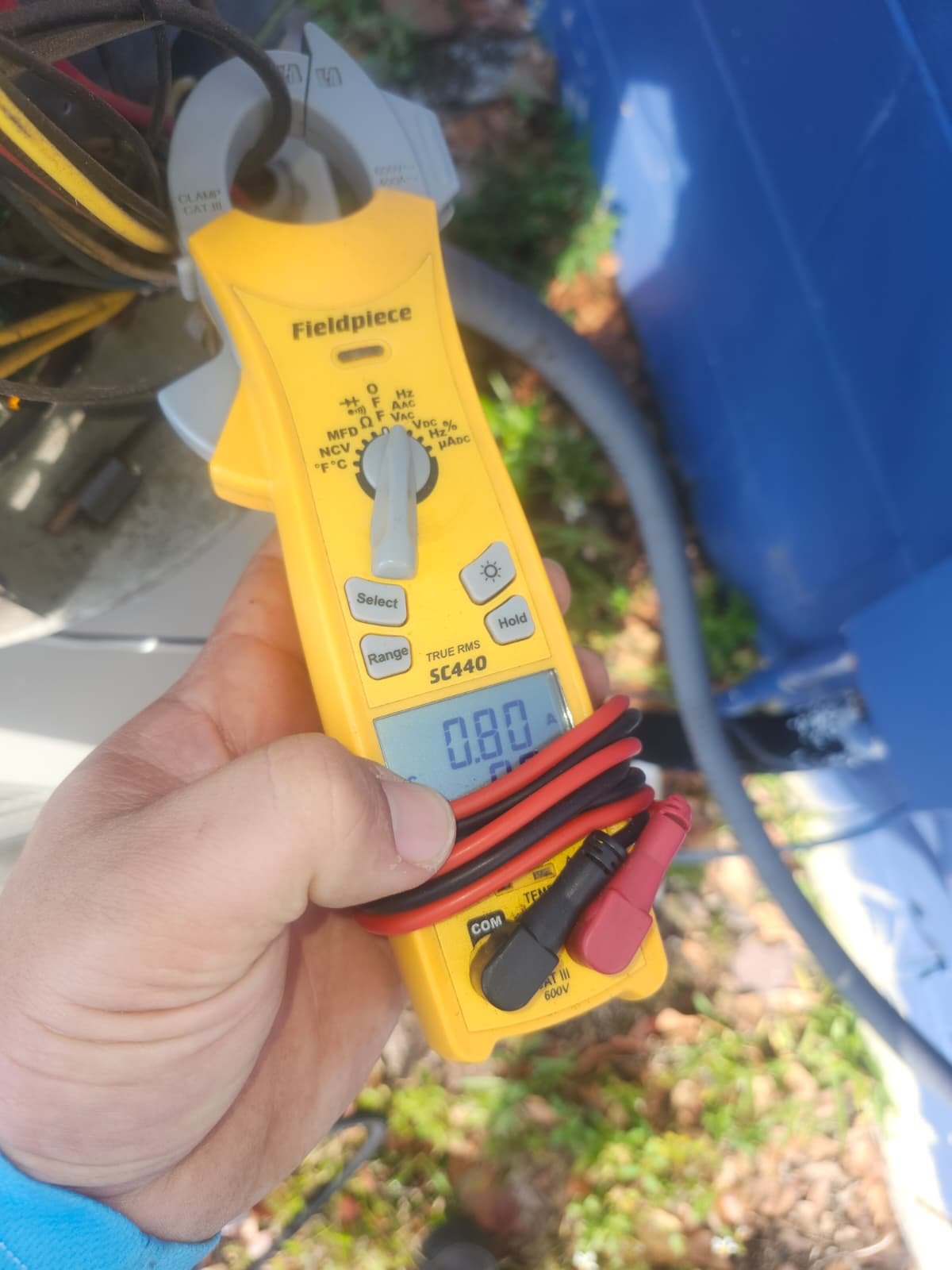
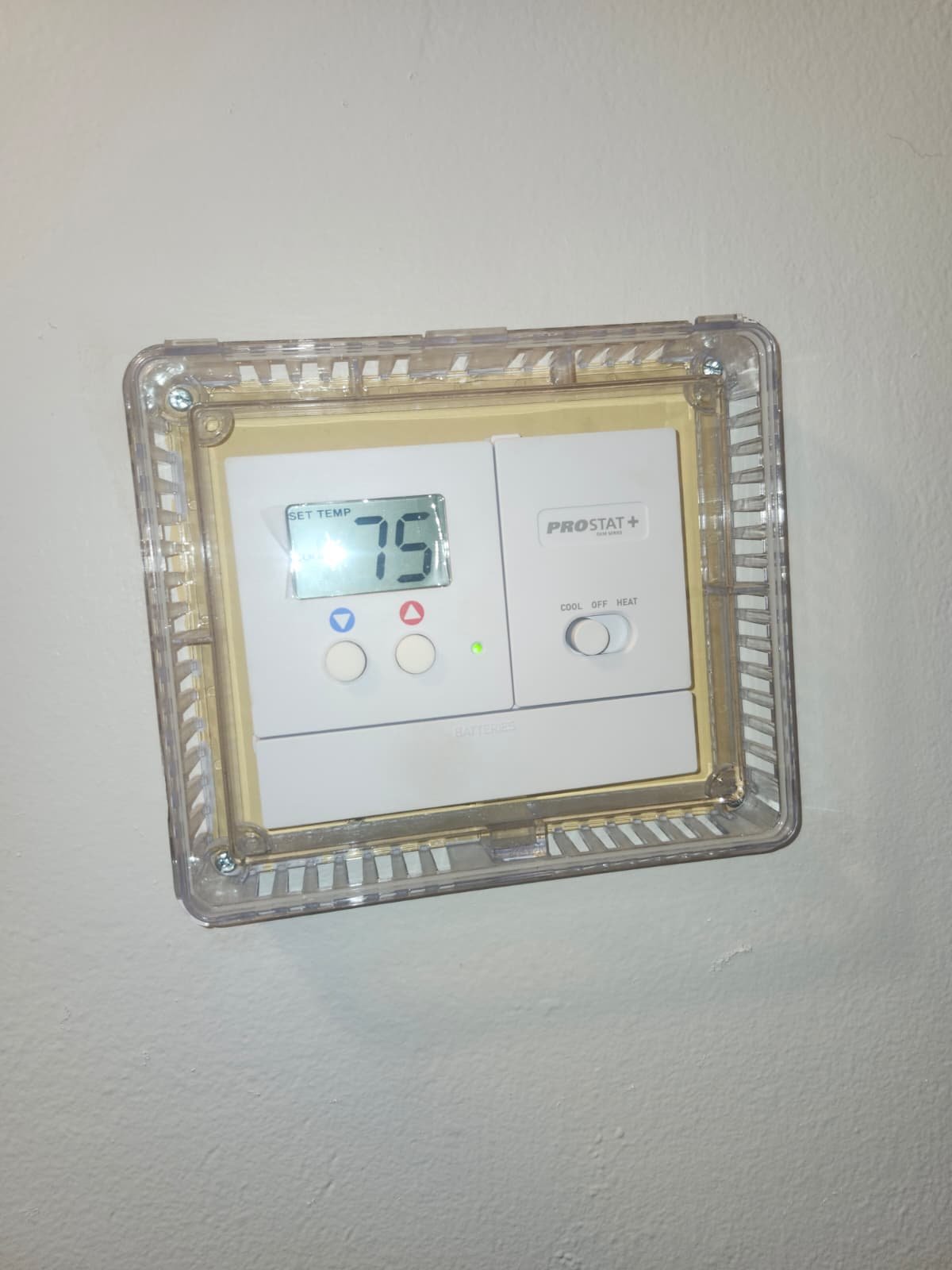
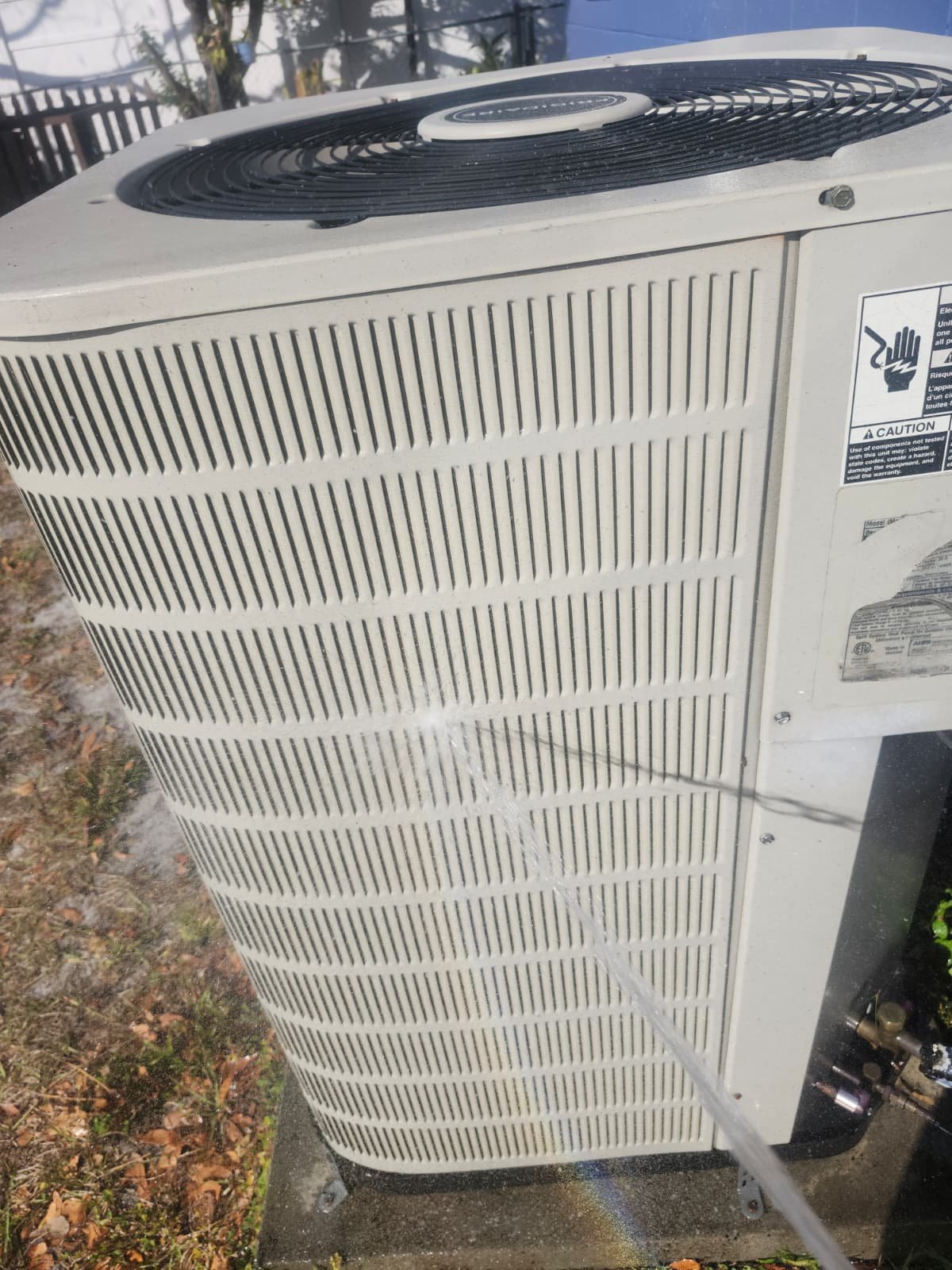
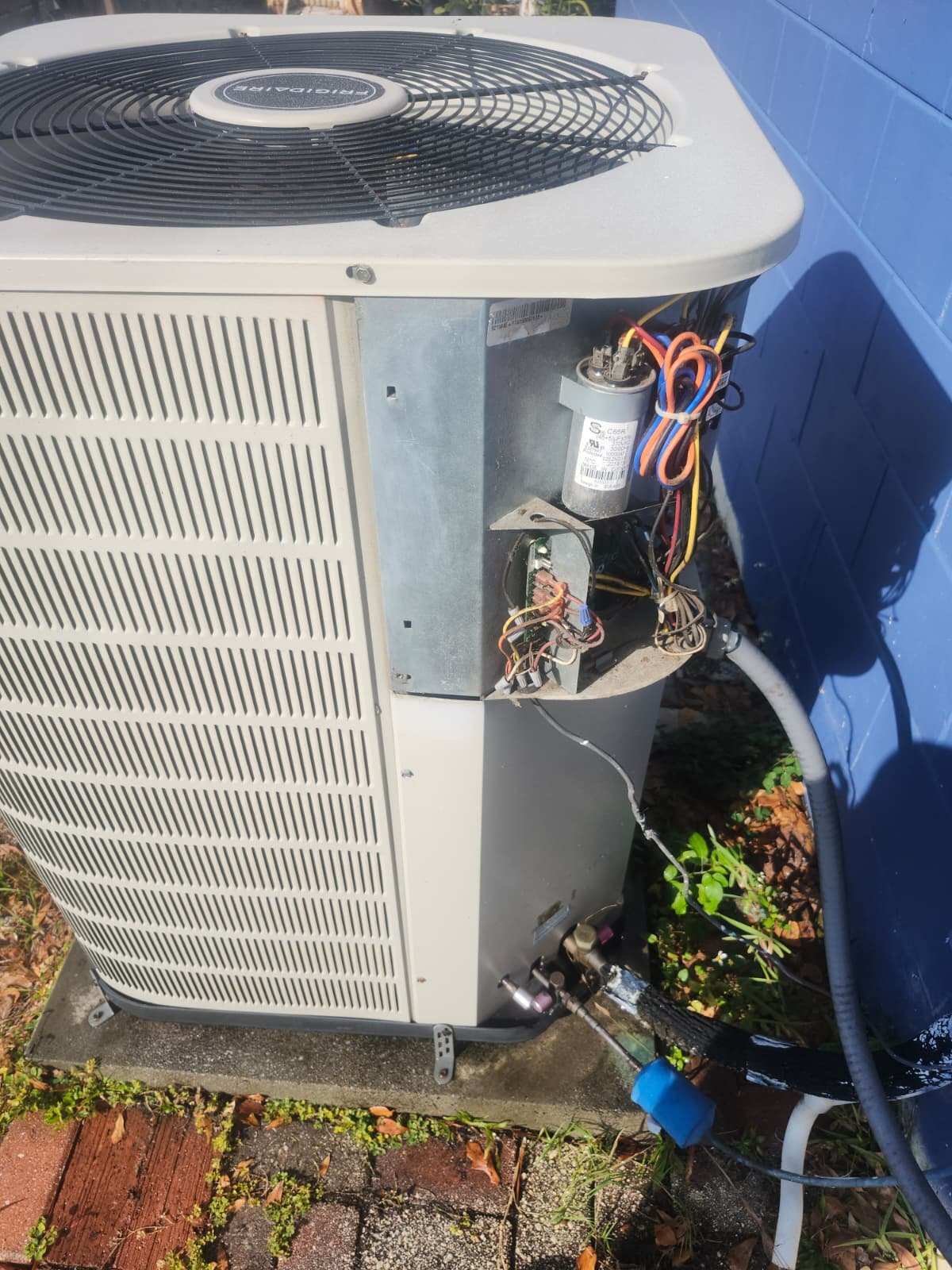
On a recent maintenance visit for a Premium Home Therapy Plan homeowner in Tampa, FL 33610, we were called out for a routine check-up that turned into a very important conversation about comfort, safety, and long-term costs. What started as a regular tune-up revealed an aging, low-efficiency air conditioning system and a ceiling issue caused by condensation from an uninsulated refrigerant line. Our goal during every visit is simple: give clear, honest information and help the homeowner make the best decision for their home and health.
In this case, we carefully evaluated the 15-year-old system, identified the cause of the leakage and ceiling damage, and then walked the homeowner through why a system replacement is the most reliable path forward. We also respected her situation—recovering from a recent surgery—by coordinating arrival times and making sure the visit was as low-stress as possible.
Case Recap
- Location: Premium maintenance visit for a homeowner in Tampa, FL 33610
- System age: Approximately 15 years old, low efficiency and high energy use
- Issue found: Ceiling damage caused by condensation from a poorly insulated low-side copper line
- Service performed: Full system inspection, diagnosis, and detailed replacement recommendations
- Outcome: Multiple system replacement estimates provided; homeowner reviewing with family
- Comfort and care: Extra scheduling consideration due to homeowner’s recent surgery
Customer Problem
This visit in Tampa, FL 33610 was part of our Premium Home Therapy Plan, which means we see this homeowner regularly to keep her system in the best shape possible. She relies on her air conditioning not only for comfort, but also for recovery and day-to-day wellbeing—especially in Florida’s heat and humidity.
When we arrived, there wasn’t a sudden breakdown or emergency. Instead, the main concern was making sure her system stayed reliable and that any small issues were caught early. However, she had noticed a problem in one of the rooms: signs of moisture and damage on the ceiling. This kind of issue is easy to dismiss as a minor nuisance, but over time it can lead to more serious damage and indoor air quality concerns if not addressed correctly.
As we walked through the home and discussed her concerns, we focused on two key points:
- How efficiently the system was running and whether it still made sense to keep investing in it
- Where the moisture in the ceiling was coming from and how it related to the AC system
She also shared that she is recently post-surgery, so comfort and stability in the home are especially important right now. Because of that, we coordinated our arrival by calling ahead about 20 minutes before getting there, giving her time to prepare without rushing or stress.
Inspection and Diagnosis
Even on a routine maintenance visit, we treat the system like we are seeing it for the first time. For this homeowner in Tampa, FL 33610, our inspection had two main goals: evaluate the overall health and efficiency of the 15-year-old unit, and track down the source of the ceiling damage.
Our inspection process included:
- Visual inspection of the indoor and outdoor units for signs of wear, corrosion, and age
- Checking refrigerant lines and insulation along the low-side (suction) copper line
- Inspecting the area around the ceiling damage to look for signs of active moisture or past leaks
- Evaluating airflow and general system condition to understand efficiency and performance
During this process, a few critical things became clear:
1. The system is at the end of its typical service life. At around 15 years old, most air conditioning systems are well past the point where they operate efficiently. Even if they still cool, they typically use more energy, run longer, and are more likely to suffer unexpected breakdowns. That was the case here—the system was still operating, but it was outdated and working harder than it should.
2. The ceiling damage was linked to the AC system. In the room with the damaged ceiling, we traced the path of the low-side copper refrigerant line. This is the line that carries cold refrigerant back to the outdoor unit while the system is in cooling mode. We found that the insulation on this line was damaged and incomplete in that section.
Without proper insulation, this cold line is exposed to warm, humid indoor air. That causes condensation—essentially, the moisture in the air turns to water droplets on the outside of the copper line. Over time, this water can drip onto surrounding materials, such as drywall, and eventually show up as stains, bubbling paint, or soft spots in the ceiling. That’s exactly what was happening here.
3. Risk of future failure is high. While we did not have a sudden mechanical failure during the visit, the combination of advanced age, reduced efficiency, and the visible impact of related issues (like condensation damage) tells us that this system is at a stage where breakdowns can occur with little warning. That’s why we were very clear in our recommendation: it’s time to seriously consider replacing the system.
Repair or Service Process
During this maintenance visit in Tampa, FL 33610, our role was to stabilize the situation, clearly explain what we found, and help the homeowner plan next steps. Here is how we approached the service process:
1. Routine maintenance checks. As part of her Premium Home Therapy Plan, we performed our standard maintenance tasks—cleaning, checking components, and verifying that the system was operating as expected during the visit. Regular maintenance helps catch issues early and keeps the system running as safely and efficiently as possible, even when it’s older.
2. Detailed inspection of the low-side copper line. Once we identified the area with ceiling damage, we focused on the route of the low-side refrigerant line that passes through that space. We confirmed that the insulation was damaged and incomplete, which allowed the cold line to sweat (condense moisture) while the AC was in cooling mode. This repeated condensation was the source of the staining and damage on the ceiling.
3. Explained the immediate and long-term options. We always aim to be transparent and practical. In this situation, there are two levels of response:
- Address the insulation issue: Restoring proper insulation on the low-side copper line can significantly reduce or eliminate the condensation that caused the ceiling problem. This is important to prevent further damage.
- Plan for full system replacement: Given the system’s age and low efficiency, replacement is the best long-term solution. A new system can offer better comfort, lower electric bills, and improved reliability.
4. Provided multiple replacement estimates. We prepared several replacement options tailored to the home and her comfort needs. These estimates give a clear picture of initial investment, expected efficiency improvements, and what’s included with installation. That way, she can compare options and decide what fits best with her budget and long-term plans.
5. Respected the homeowner’s need to consult family. The homeowner let us know she wanted to discuss everything with her grandson before making a decision. We fully support that. System replacement is a major decision, and we’d rather you feel confident and informed than rushed. We left all the information in writing and made sure she understood what each option included, so that conversation with her family would be easier.
6. Scheduled-friendly communication due to her health. Because she is recently post-operative, we made sure to note clearly that technicians should always call about 20 minutes before arriving for any future visits. This allows her time to prepare without overexerting herself and keeps the process as comfortable as possible.
Why This Fix and Recommendation Work
There are two main principles behind our recommendations in this Tampa, FL 33610 home: controlling moisture and improving overall system reliability and efficiency.
1. Moisture control through proper insulation. The low-side refrigerant line gets very cold when the AC is running. In Florida’s humid climate, warm air holds a lot of moisture. When that warm, moist air touches a cold surface—like an uninsulated copper line—it naturally condenses into water. Proper insulation creates a barrier between the cold line and the humid air, dramatically reducing how much water forms on the pipe. By restoring or improving this insulation, we help prevent ongoing condensation and protect ceilings, walls, and other building materials from moisture damage.
2. Reliability and comfort with system replacement. A 15-year-old AC system is usually near the end of its service life. Even if it still cools today, components are worn, efficiency has dropped, and the likelihood of a sudden breakdown—especially during peak summer heat—is much higher. Replacing the system proactively allows the homeowner to:
- Enjoy more consistent cooling and humidity control
- Reduce monthly energy costs with a more efficient unit
- Lower the risk of emergency breakdowns and surprise repair bills
By addressing both the moisture source (insulation on the low-side line) and the bigger picture (system age and efficiency), we’re not just putting a bandage on the problem—we’re helping the homeowner move toward a safer, more comfortable, and more predictable home environment.
Pro Tips for Homeowners in Tampa
For homeowners in Tampa, FL 33610 and across the Tampa Bay area, this visit highlights a few practical lessons about living with air conditioning in a hot, humid climate. Here are some tips to help protect your home and your system:
- Keep an eye on ceilings and walls near AC lines. If you notice stains, bubbling paint, or soft spots in ceilings or walls, especially near where refrigerant lines run, don’t ignore it. Early attention can prevent more expensive repairs down the road.
- Ask about insulation on refrigerant lines. During your next maintenance visit, ask your technician to inspect the insulation on the low-side (suction) line. In our Florida humidity, proper insulation is essential to prevent condensation and energy loss.
- Don’t wait on very old systems. If your system is 12–15 years old or older, it’s wise to start planning for replacement before a failure happens in the middle of a Tampa summer. Early planning gives you time to compare options instead of making a rushed decision under pressure.
- Use a maintenance plan to stay ahead of issues. A maintenance plan like our Premium Home Therapy Plan helps catch problems early—before they turn into leaks, ceiling damage, or breakdowns. Regular visits are especially valuable in our region, where systems work hard almost year-round.
- Communicate health or mobility needs. If you have medical or mobility concerns, let your HVAC company know. Simple steps like calling ahead before arrival can make visits more comfortable and less stressful, just as we did for this homeowner.
- Listen to your energy bills. A steady rise in your power bill without a big change in how you use your home can be a sign that your system is working too hard. In older systems, that often means it’s time to look at higher-efficiency replacement options.
FAQ: AC System and Ceiling Moisture in Tampa, FL 33610
Why did my ceiling get damaged even though my AC is still cooling?
Your AC can still cool the home while creating hidden issues. In this case, a damaged or missing insulation layer on the low-side copper refrigerant line allowed condensation to form and drip over time. That moisture collected on the ceiling materials and eventually showed up as visible damage. The system is cooling, but the side effects of poor insulation caused the problem.
Is a 15-year-old AC system automatically unsafe?
Not automatically, but it is typically well past its peak efficiency and reliability. At around 15 years, many systems are more prone to unexpected failures, may cool less effectively, and often use more energy than newer models. We focus on giving honest guidance: if we see clear signs of age and wear, we’ll recommend replacement so you can plan ahead instead of being caught off guard.
Can just fixing the insulation solve the ceiling issue?
Repairing or replacing the insulation on the low-side copper line can greatly reduce condensation in that area and help prevent future ceiling damage. However, that doesn’t change the age or efficiency of the overall system. It addresses the moisture source but doesn’t upgrade the older equipment. That’s why we often recommend both addressing the specific issue and planning for long-term system replacement.
Do I have to decide on a new system right away?
No. We provide clear estimates and explanations so you can review them with family members or trusted advisors, just like this homeowner did with her grandson. While we do recommend planning sooner rather than later—especially in our Tampa heat—the final decision is always yours, and we’re here to answer questions at your pace.
What does a Premium Home Therapy Plan include?
A maintenance plan like the Premium Home Therapy Plan typically includes regular system check-ups, cleaning, and performance checks aimed at keeping your system running as reliably and efficiently as possible. It’s designed to catch issues early, extend the life of your equipment, and provide peace of mind for homeowners in Tampa and the surrounding Tampa Bay communities.
How do you handle visits for homeowners with medical needs?
We make note of any special instructions—like calling 20 minutes before arrival—so each visit is as smooth and comfortable as possible. Our technicians respect your health, privacy, and routines. In this case, we followed those instructions carefully so the homeowner, who was recently operated on, had time to prepare and didn’t feel rushed.
Why Choose Home Therapist
When you invite us into your home in Tampa, FL 33610, you’re trusting us with your comfort, your safety, and often your health. We take that responsibility seriously. Every technician on our team is licensed and trained to work carefully, cleanly, and respectfully in your home, whether it’s a quick maintenance visit or a full system replacement.
We believe in transparent communication. That means explaining what we find in plain language, outlining your options clearly, and never pressuring you into a choice. In this visit, that meant being honest about the reality of a 15-year-old system while also helping the homeowner feel confident taking time to consult with her grandson before deciding.
Cleanliness is another priority. We treat your home as if it were our own—protecting work areas, cleaning up after ourselves, and respecting your schedule and health considerations. For Tampa Bay homeowners, especially those dealing with medical issues or recovery, that level of care makes a real difference.
Most importantly, our focus is on long-term reliability, not quick fixes. We address immediate concerns, like damaged insulation and condensation, but we also look ahead—how can we help you avoid surprise breakdowns, reduce your energy use, and keep your home comfortable for years to come? That mindset guides every recommendation we make.
Schedule Your AC Service in Tampa, FL 33610
If you’re a homeowner in Tampa, FL 33610 and you’ve noticed ceiling stains, rising energy bills, or you know your air conditioning system is getting older, now is a good time to have it checked. A straightforward maintenance visit can reveal issues early and help you plan for repair or replacement on your terms.
The team at Home Therapist Cooling, Heating, and Plumbing is here to help you stay comfortable, protect your home, and make informed decisions—without pressure or alarm. When you’re ready, schedule a visit and let us take a careful, professional look at your system so you can move forward with clarity and confidence.


