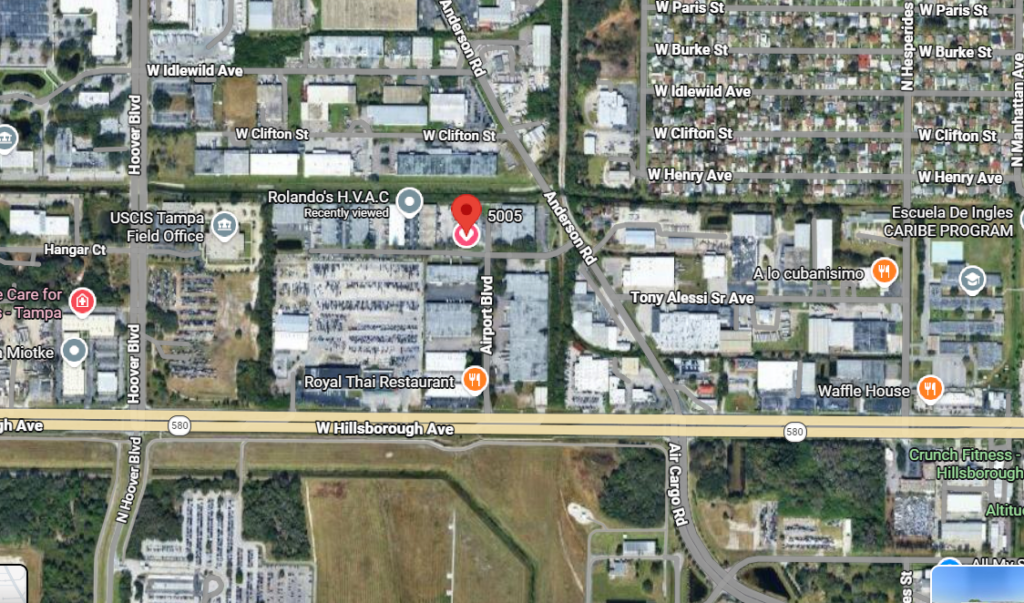
Bathroom Plumbing Rough-In and Sewage Grinder Pump Installation in Tampa, FL 33611
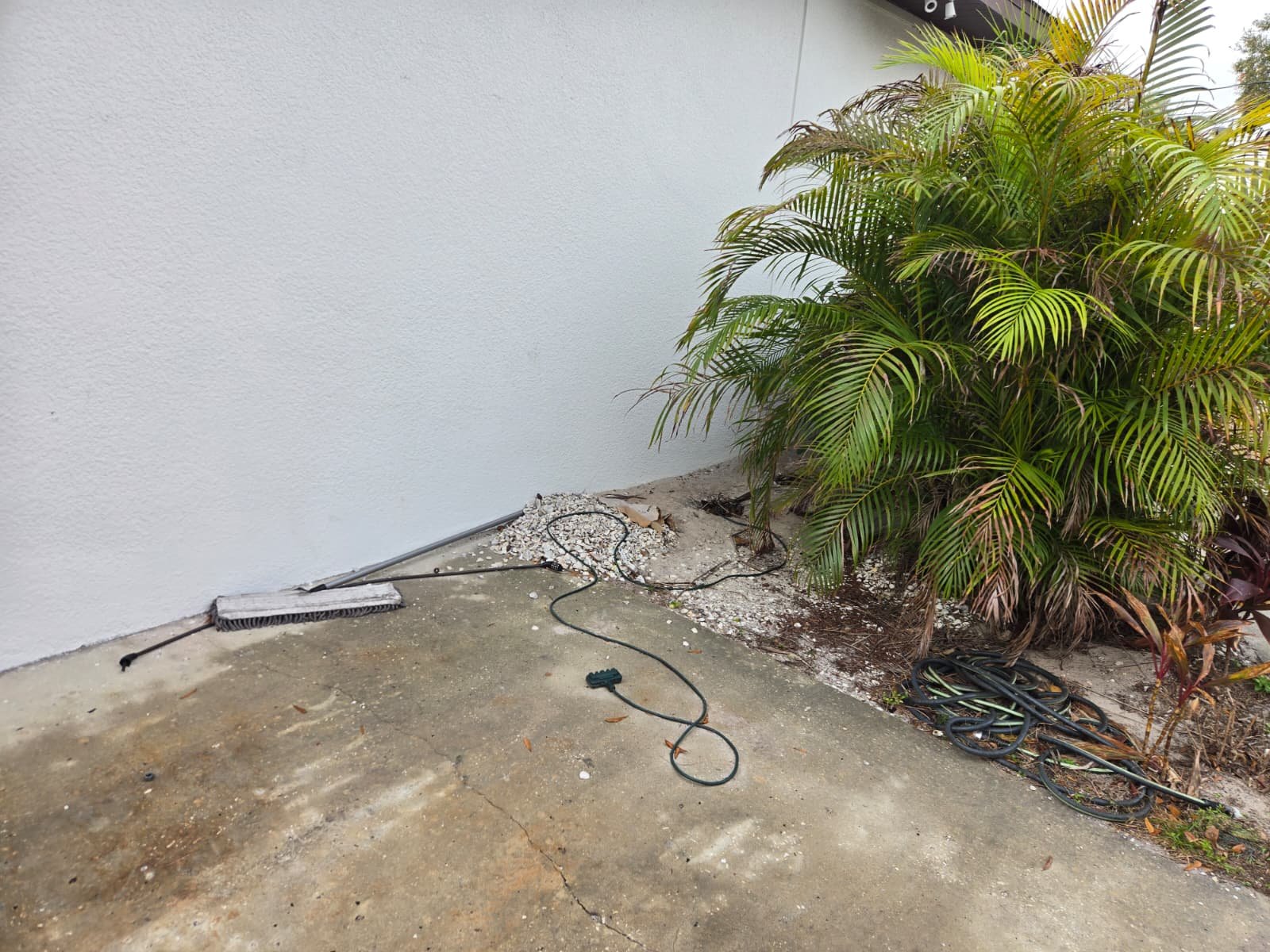
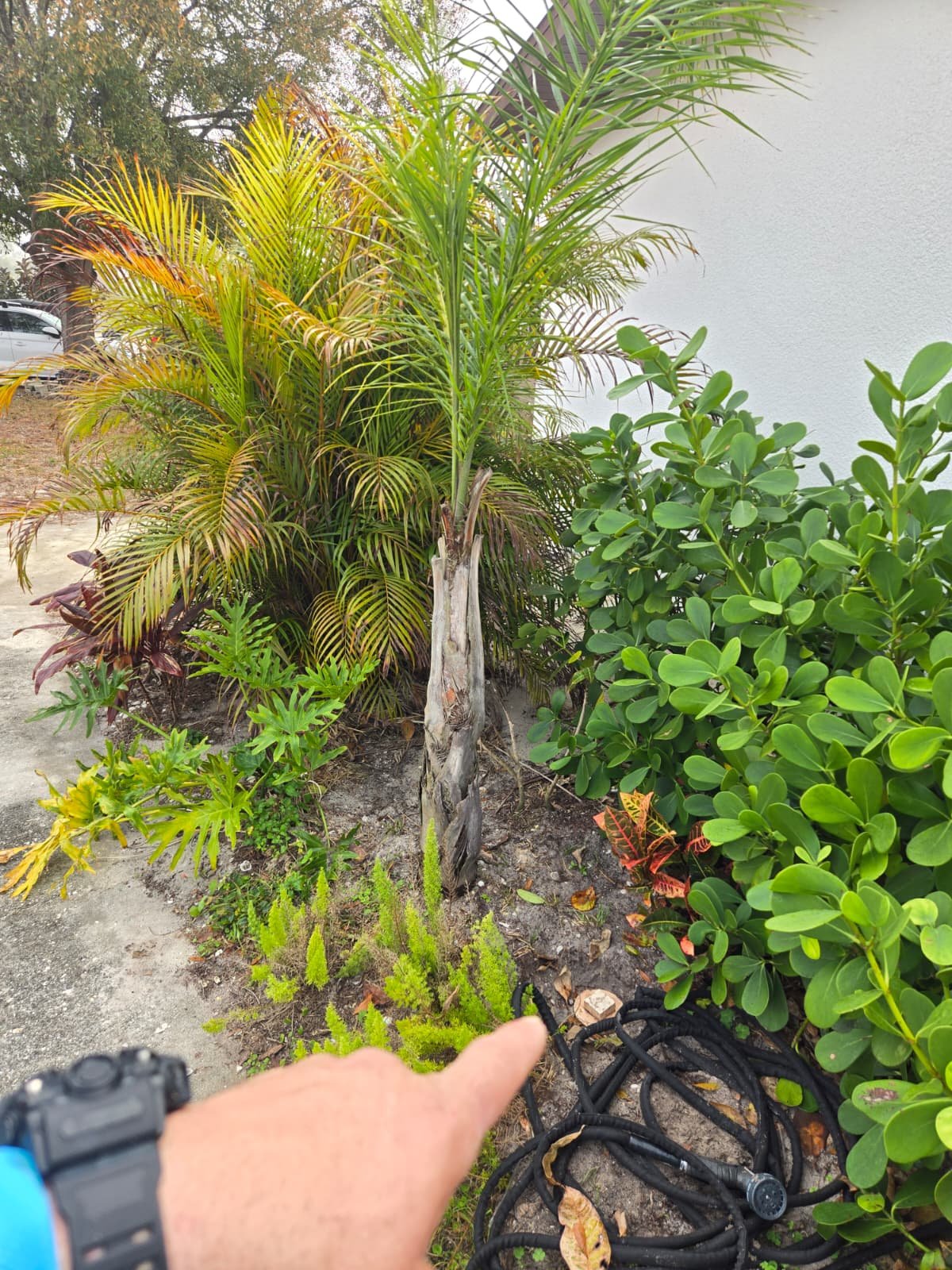
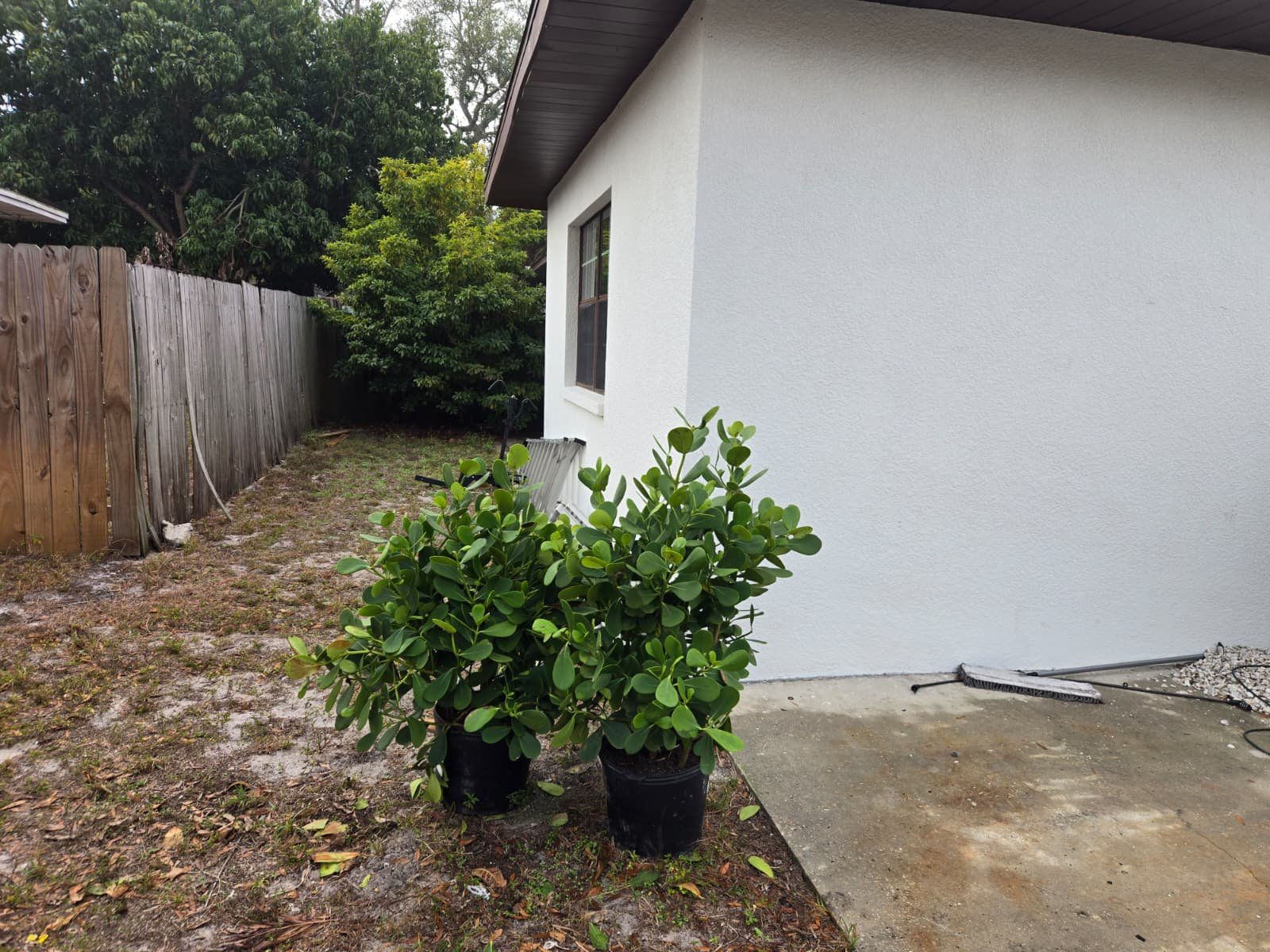
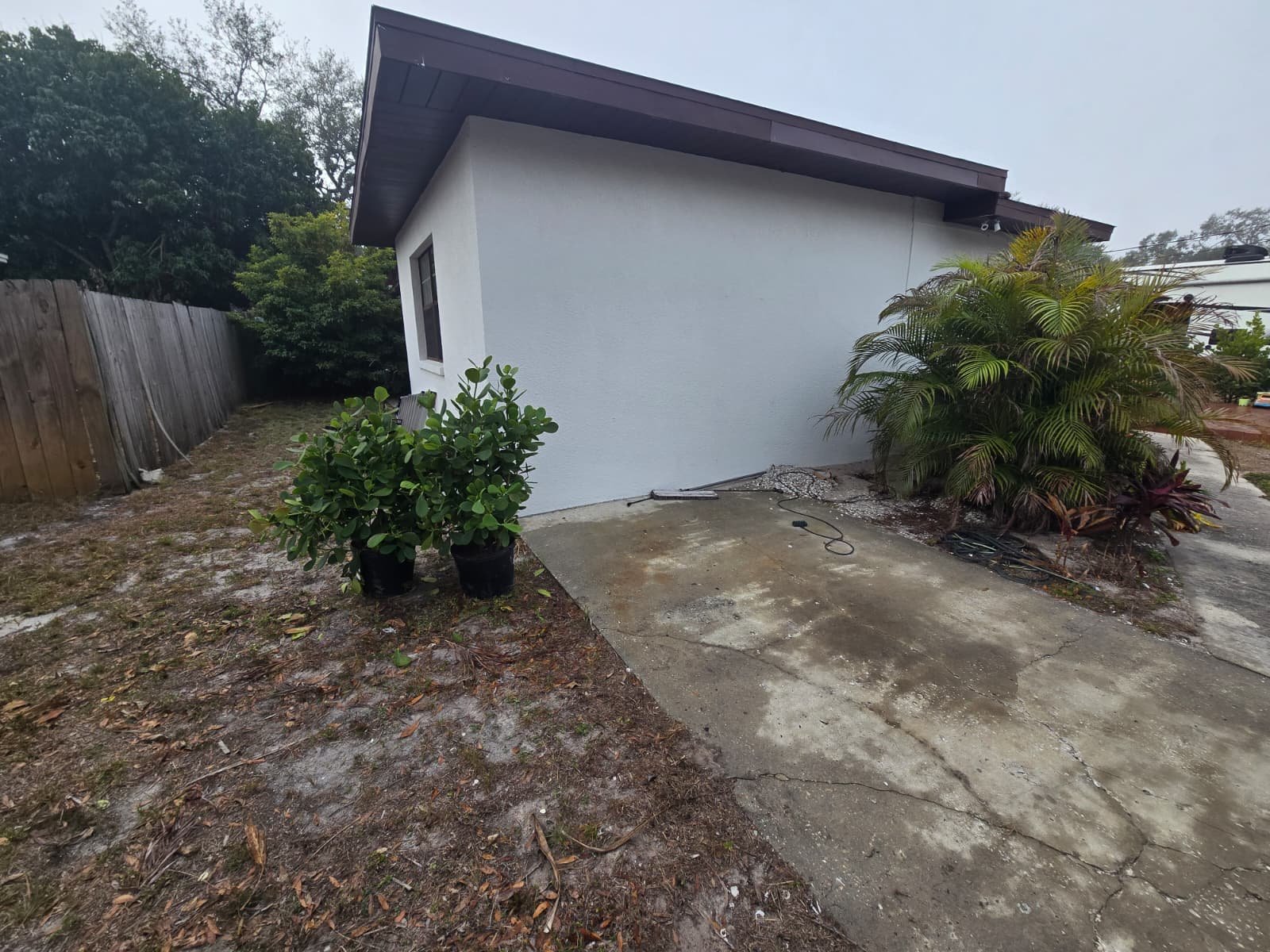
When you add a new bathroom or remodel an existing space in Tampa, FL 33611, the hidden plumbing work under the floors and behind the walls is what ultimately makes everything function safely and reliably. For one homeowner in this area, our team at Home Therapist was called in to provide a full plumbing rough-in for a new bathroom, install an owner-supplied sewage grinder pump system, and get everything ready for rough-in and final inspections.
The project involved cutting into the concrete slab, running new PEX water lines and PVC drains and vents, installing a grinder pump basin and discharge piping, and completing all the functional plumbing work so the independent general contractor (GC) could review it before the permitting official arrived. Our goal was to deliver a clean, code-compliant installation that would support the new bathroom for years to come.
Case Recap
- Location: New bathroom plumbing project for a homeowner in Tampa, FL 33611.
- Scope: Full plumbing rough-in for a new bathroom, including water supply, drains, vents, and sewage grinder pump system.
- Materials: PEX for hot and cold water, PVC for drain and vent piping, pump basin, check valve, and owner-supplied fixtures.
- Concrete work: Cutting, trenching, and functional concrete pour-back after plumbing installation.
- Fixtures: Tub, shower valve and trim, toilet, vanity, water heater, sewage grinder pump, and roof vent termination—all supplied by the owner.
- Outcome: Plumbing work completed ready for rough-in and final inspections, with electrical and roofing handled by other licensed professionals.
Customer Problem
The homeowner in Tampa wanted to add a full bathroom in a space that didn't have existing plumbing in place. That meant everything had to be built from the ground up: water lines, drainage, venting, and a way to move wastewater into the existing sewer system even though the new bathroom location wasn't ideal for simple gravity drainage.
Because of the layout and elevations, the project required a sewage grinder pump system. This type of pump takes wastewater from the bathroom, grinds solids, and discharges it under pressure to tie into the existing sewer line. The homeowner supplied the grinder pump system and fixtures, and our job was to install them correctly as part of a complete plumbing rough-in.
There were a few key concerns:
- Making sure the sewer trench path around the house was properly planned so our team could install the new line efficiently.
- Ensuring the slab openings and trenches were cut cleanly and restored after plumbing installation, without compromising the structure.
- Coordinating scopes with other trades: the homeowner's licensed electrician for the pump power connection, and a roofer to handle any final roof sealing where the vent exited.
In the job notes, our technician Adalberto also documented a scheduling need: the homeowner requested that we arrive as close to 8:00 a.m. as possible. This particular visit was for measuring where the trench would go and how deep and wide it needed to be. Getting those details right early is important on any bathroom rough-in project, especially on a concrete slab.
Inspection and Diagnosis
Even though this wasn't a “repair” visit, there is still a diagnostic phase in any new rough-in project. In Tampa, FL 33611 homes, every property has a slightly different layout, elevation, and existing sewer configuration. Before we brought in tools to start cutting concrete, we walked through a careful inspection and planning process.
During the visit, our technician focused on:
- Evaluating the sewer path: Measuring where the new sewer line would need to run around the house, and what depth and width the trench should be. The homeowner planned to dig this trench themselves, so we had to be crystal clear about the layout and depth.
- Confirming tie-in location: Identifying the best point to connect the grinder pump discharge into the existing sewer line without creating future flow or maintenance issues.
- Planning slab penetrations: Determining where to cut the concrete for each drain, the pump basin, and any necessary trenching under the slab.
- Vent routing: Mapping a path for the plumbing vent up through the structure and out through the roof, while staying within the plumbing scope and leaving roof sealing to a roofer.
By confirming all of these details in advance, we reduce the risk of surprises once the work starts. In a bathroom rough-in, a couple of inches in the wrong direction can cause problems lining up the toilet, shower, or vanity later. That's why planning and measurement are so important at this stage.
Repair or Service Process
Once the planning was complete and the homeowner prepared the exterior trench path, we moved into the actual plumbing rough-in work for this Tampa, FL 33611 bathroom project. Here's how we approached it, step by step.
1. Concrete Cutting and Trenching
We started by carefully cutting the concrete slab where new pipes needed to penetrate or run beneath the floor. This included openings for:
- The toilet drain and flange area.
- The tub or shower drain location.
- The vanity drain and water connections.
- The grinder pump basin.
- Any necessary interior trenching to reach the pump basin and main sewer connection.
After cutting, we removed the concrete in sections, excavated the soil beneath to create trenches, and shaped the paths so all piping could be properly sloped and supported. The goal is always a clean, intentional trench—never a random or overcut opening.
2. Drain and Vent Rough-In (PVC)
With access created, we installed the PVC drain and vent piping. Drain lines were run from each fixture location (toilet, tub or shower, vanity) to the grinder pump basin and to the main discharge connection. Proper slope on the drains is critical to keep waste moving and to avoid standing water or clogs.
We also installed the plumbing venting system. Vents allow air into the system so drains can flow freely and traps don't get siphoned out. On this project, the vent piping was run up through the structure and out through the roof to a vent termination. Our scope covered the plumbing-side work and creating the roof penetration if needed, while a roofer would be responsible for sealing and flashing the roof afterward.
3. Grinder Pump Basin and Discharge Plumbing
The owner supplied a sewage grinder pump system, and our team handled the plumbing-side installation. That included:
- Setting the pump basin at the proper depth and orientation.
- Connecting the incoming drains from the bathroom fixtures to the basin.
- Installing and connecting the grinder pump and discharge piping.
- Installing a check valve and required pump-side fittings to prevent backflow and protect the pump.
- Running the discharge line to tie into the existing sewer system.
The electrical connection for the grinder pump was specifically excluded from the plumbing scope and was to be completed by the homeowner's licensed electrician. Clear separation of responsibilities like this keeps each trade working within their license and expertise.
4. Water Supply Rough-In (PEX)
For the hot and cold water supply, we installed new PEX piping as part of the rough-in. Lines were run to serve:
- The tub or shower valve.
- The vanity faucet.
- The toilet (cold water supply).
- The water heater and associated connections.
PEX is a great option in Tampa Bay homes because it's flexible, durable, and handles our local temperature and humidity swings well when installed to code. We supplied all the PVC and PEX piping for the job as part of the agreed-upon plumbing scope.
5. Concrete Backfill and Functional Pour-Back
After pressure-checking the water lines and verifying the layout of drains and vents, we backfilled the trenches and prepared the slab for pour-back. Our responsibility was to provide a functional concrete finish—strong, level, and suitable to support the finished flooring and fixtures later. Decorative finishes or special flooring prep are handled by others, such as the GC or flooring contractor.
6. Fixture and Equipment Installation
Once rough-in was completed and the project progressed to the right stage, we returned for final connections. Using the owner-supplied fixtures and equipment, we:
- Set and connected the tub.
- Installed the shower valve, showerhead, and trim.
- Set the toilet and connected it to the rough-in flange and water supply.
- Installed the pre-assembled vanity and tied in water and drain connections.
- Installed and connected the water heater on the plumbing side.
- Completed plumbing connections for the sewage grinder pump and confirmed discharge routing.
- Installed the roof vent termination for the plumbing vent system.
The shower liner was also installed as part of our scope. If a standard drain was used, it was provided by us; if a linear drain was selected, the owner supplied it, and we installed it to match the rough-in.
All work was completed with the understanding that rough-in and final inspections would first be reviewed by an independent GC, and then by the permitting official for code compliance.
Why This Fix Works
In a new bathroom project like this in Tampa, FL 33611, the “fix” isn't about repairing a failure; it's about designing and building a system that will work reliably for the long term. A few key plumbing principles make this installation successful:
- Proper drainage and slope: Drain lines must be sloped correctly so wastewater flows by gravity from fixtures into the grinder pump basin. Even with a pump, the sections of pipe leading to the basin still depend on gravity to move waste.
- Ventilation and trap protection: Vents keep air pressure balanced in the plumbing system. Without good venting, water can get pulled out of traps, leading to sewer odors and sluggish drainage. The roof vent termination helps the entire system breathe.
- Grinder pump operation: The pump collects wastewater, grinds solids, and then pushes the discharge under pressure to the existing sewer line. This allows a bathroom to be installed in locations where gravity flow alone would not work.
- Separation of trades: Having a licensed plumber install the piping and a licensed electrician handle the pump's power supply ensures each component is installed according to the correct codes and best practices.
- Concrete restoration: Cutting and replacing the slab correctly protects the structure and ensures the finished bathroom feels solid underfoot, not patched or unstable.
By following these principles and verifying proper operation at the end, we help ensure the homeowner's new bathroom will drain, vent, and supply water the way it's supposed to.
Pro Tips for Homeowners in Tampa
If you're planning a new bathroom or a major plumbing addition in Tampa, FL 33611 or anywhere in the Tampa Bay area, here are some practical tips based on projects like this one:
- Plan the layout before you demo: Work with your plumber early to confirm where fixtures can realistically go based on drain and vent routing. Moving a toilet a few feet after concrete is cut can get expensive.
- Coordinate trenches and access: If you're digging your own exterior trench for a sewer line, get exact measurements from your plumber first—depth, width, and route. A little planning avoids re-digging or running into other utilities.
- Choose quality fixtures and pumps: Owner-supplied equipment is common, but make sure the grinder pump, water heater, and fixtures are appropriate for your home's needs and local code requirements.
- Don't skip venting details: In Florida's humid climate, good venting helps keep odors under control and maintains smooth drainage. Shortcuts on venting can lead to nuisance issues later.
- Use licensed professionals for electrical and roofing: For grinder pumps and roof penetrations, always involve licensed electricians and roofers. This protects you, your home, and your warranties.
- Schedule inspections thoughtfully: Allow time for your GC to review the rough-in before the official inspection. Catching small issues early keeps projects moving instead of stalling at inspection time.
FAQ: New Bathroom Plumbing Rough-In and Grinder Pumps
Do I always need a grinder pump for a new bathroom in Tampa, FL 33611?
No. You only need a grinder or sewage pump when the new bathroom is too low or too far from the existing sewer line to rely on gravity alone. In this project, a grinder pump was the right solution to move wastewater reliably to the home's sewer connection.
Who is responsible for the grinder pump's electrical connection?
On this job, the electrical connection for the grinder pump was specifically handled by the homeowner's licensed electrician. As plumbers, we installed the pump basin, plumbing connections, and discharge line, but left the electrical work to a qualified electrician.
What does “functional finish” mean for concrete pour-back?
A functional finish means the concrete we replace is structurally sound, level, and ready for flooring and finishes. It's not a decorative or polished finish—that part is typically handled by the GC or flooring contractor as part of the overall remodel.
Can I supply my own fixtures and pump?
Yes, many Tampa homeowners provide their own tubs, toilets, vanities, and even grinder pumps. We'll install owner-supplied equipment as long as it's appropriate for the application and installed within the agreed scope, just like we did on this project.
Who handles inspections on a project like this?
In this case, the work was completed ready for rough-in and final inspection. An independent GC reviewed the work before the permitting official came for the official codes inspection. We make sure our plumbing is installed to support a smooth inspection process.
Will you open the roof for the vent and also seal it?
Our plumbing scope includes running the vent pipe and opening a hole in the roof if needed. A roofer then seals and flashes that penetration. This division of work helps keep both plumbing and roofing within their proper specialties.
Why Choose Home Therapist for Plumbing Projects in Tampa Bay
When you're adding a bathroom or taking on a major plumbing project in Tampa, FL 33611, you want a team that treats your home like a system, not just a set of pipes. At Home Therapist Cooling, Heating, and Plumbing, we approach every job with the same mindset we used on this project:
- Licensed and professional technicians: Our plumbers are trained, licensed, and experienced with Florida codes and local conditions, from slab construction to sewer layouts.
- Transparent communication: We clearly define what's included in our scope—like plumbing rough-in, fixture connections, and pump piping—and what's handled by others, such as electrical hook-ups and roof sealing.
- Clean, respectful work: Concrete cutting and trenching can be messy, but we plan carefully, contain debris as much as possible, and leave the job in a safe, ready-for-next-step condition.
- Long-term reliability focus: We're not just trying to get you through inspection; we're aiming for a bathroom that drains, vents, and supplies water reliably for the long term.
- Commitment to Tampa Bay homeowners: We live and work here, so we understand the unique needs of homes in the Tampa Bay area—from high groundwater concerns to older sewer connections and slab foundations.
Whether it's a new bathroom rough-in, a grinder pump installation, or a complete plumbing upgrade, our goal is to give you peace of mind from the first measurement to the final inspection.
Need Bathroom Plumbing Help in Tampa, FL 33611?
If you're planning a new bathroom or a major plumbing change in Tampa, FL 33611, Home Therapist can walk you through the process from rough-in to final fixture connection. We'll help you plan the layout, coordinate with your GC and other trades, and install your plumbing system so it's ready for inspection and everyday use.
Reach out to our team today to schedule a visit. We'll take the time to listen, measure carefully, explain your options in plain language, and provide a clear scope and price before work begins. Your comfort and confidence in your home's plumbing are always our top priorities.