
Commercial HVAC R22 Replacement in Tampa FL: What a 27-Year System on W Rio Vista Ave Tells You
Commercial HVAC R22 replacement in Tampa FL was the clear recommendation after Micheal spent 180 minutes on a 27-year-old R22 unit on W Rio Vista Ave in Tampa, FL 33634 on February 9, 2026. The system would cool but had stopped providing heat reliably. Micheal found rust, organic growth inside the cabinet, and deterioration consistent with a unit well past its expected service life. After completing the scheduled quarterly maintenance, he gave a direct replacement recommendation. Invoice after the Premium Quarterly Agreement discount: $10.
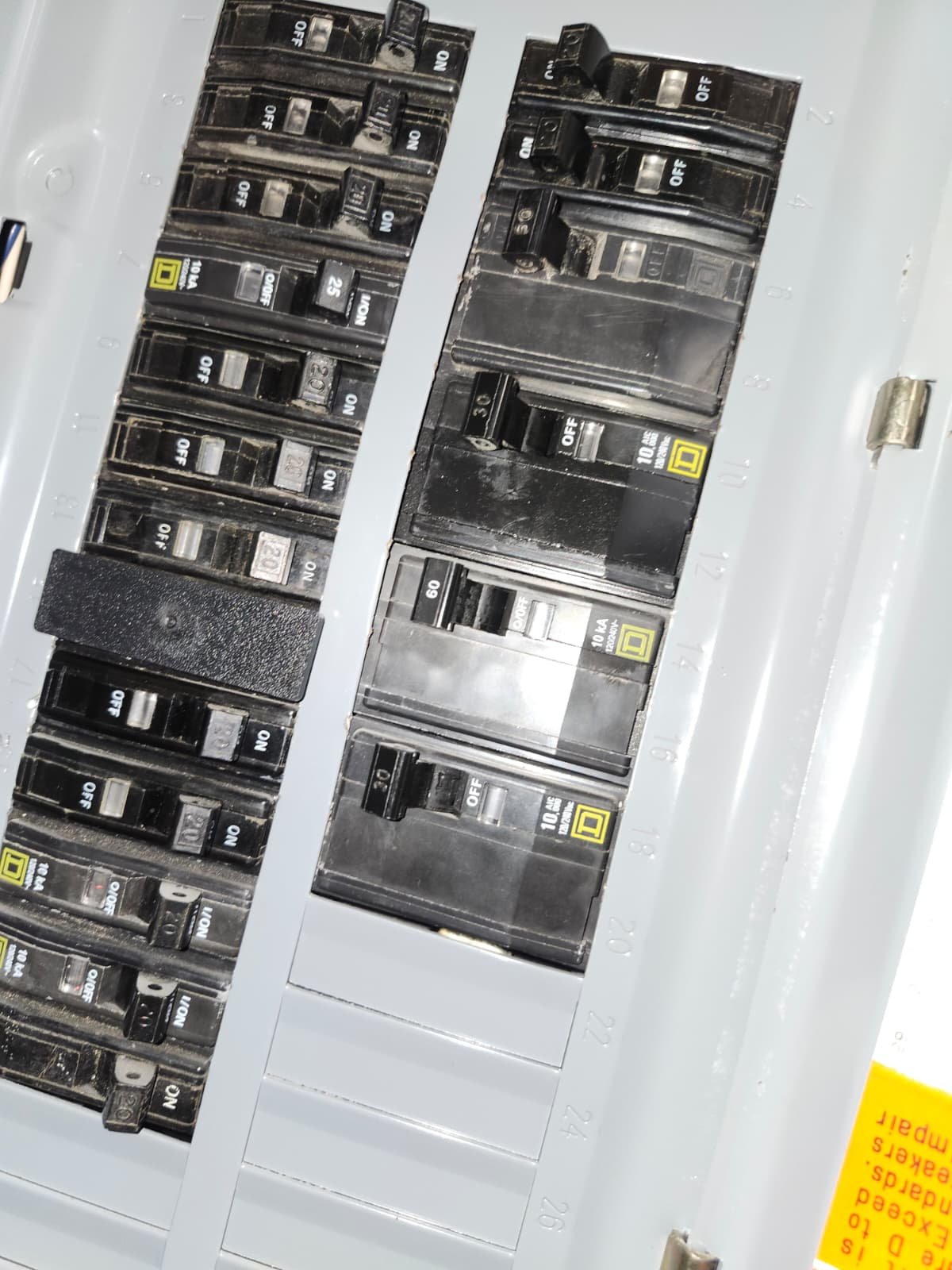
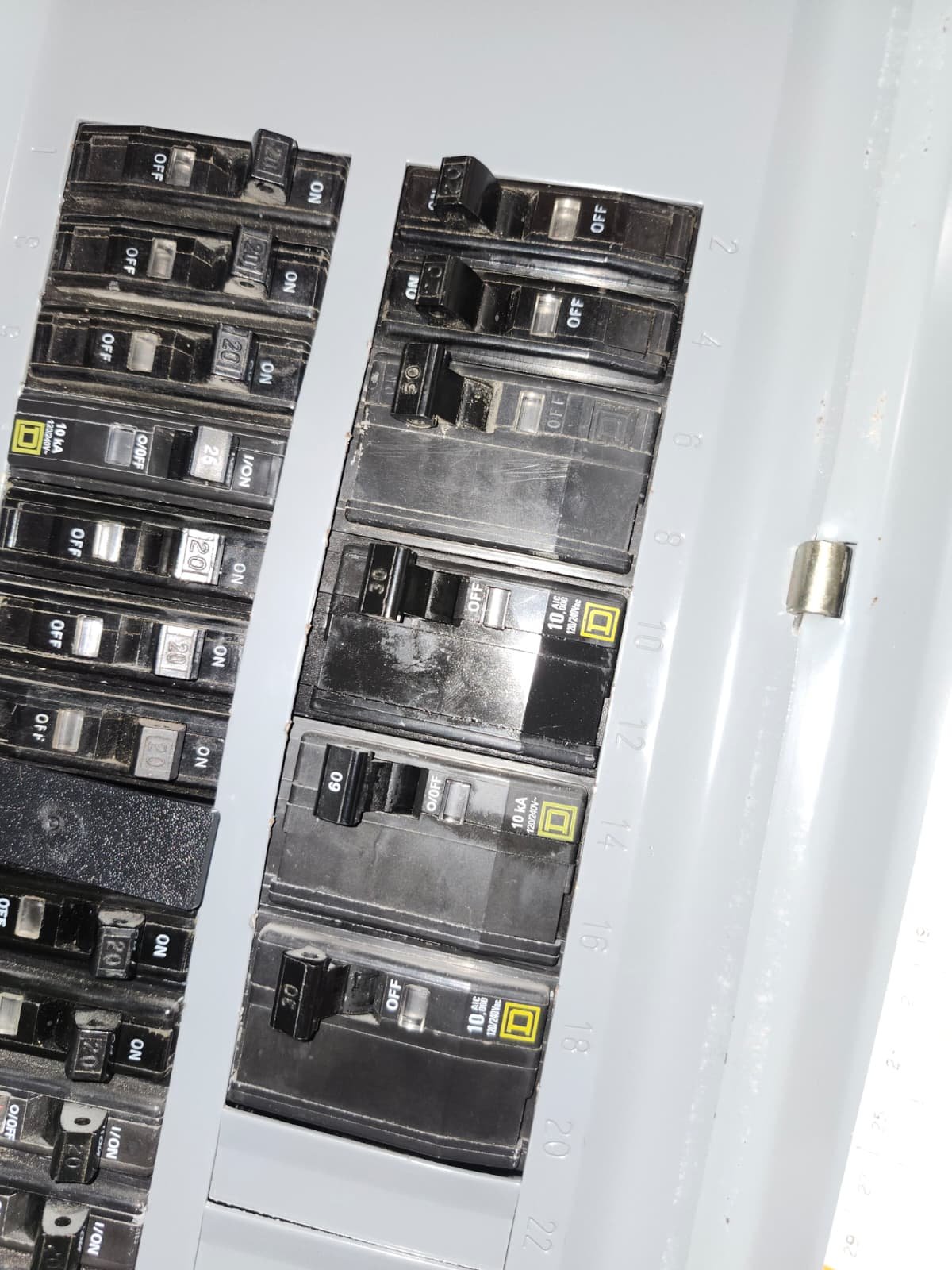
Why Would a Commercial HVAC System in Tampa Cool But Not Heat?
When a commercial unit in the 33634 zip code cools adequately but fails to produce heat, the cause is almost always on the heating side of the equipment rather than the refrigerant circuit. On R22 systems, the most common culprits at advanced age include:
- Failed or failing reversing valve (heat pump configurations)
- Deteriorated heat exchanger or heating elements
- Control board failures that prevent the heating sequence from initiating
- Wiring corrosion that interrupts the heating call signal
What Micheal found on W Rio Vista Ave went deeper than any single component. A 27-year-old R22 unit with visible rust and organic growth inside the cabinet is not suffering from one failed part. It is in the final stage of an entire system’s lifecycle. Repairing one symptom on a unit this old typically reveals the next failure within weeks or months.
What Micheal Found During the 180-Minute Service Visit
Micheal’s February 9 visit was part of a standing quarterly maintenance agreement. The business operates around a 10 AM opening, so the visit was coordinated to arrive on time without disrupting operations. The 180 minutes on site reflects a thorough diagnostic process, not just a filter swap.
Confirmation That the System Cools but Does Not Heat
Micheal ran the system in cooling mode and confirmed normal operation in that mode. Switching to heat revealed the reported problem: the unit would not provide heat. He verified thermostat calls, control signals, and the heating-side components to understand why.
Rust and Corrosion on Internal Components
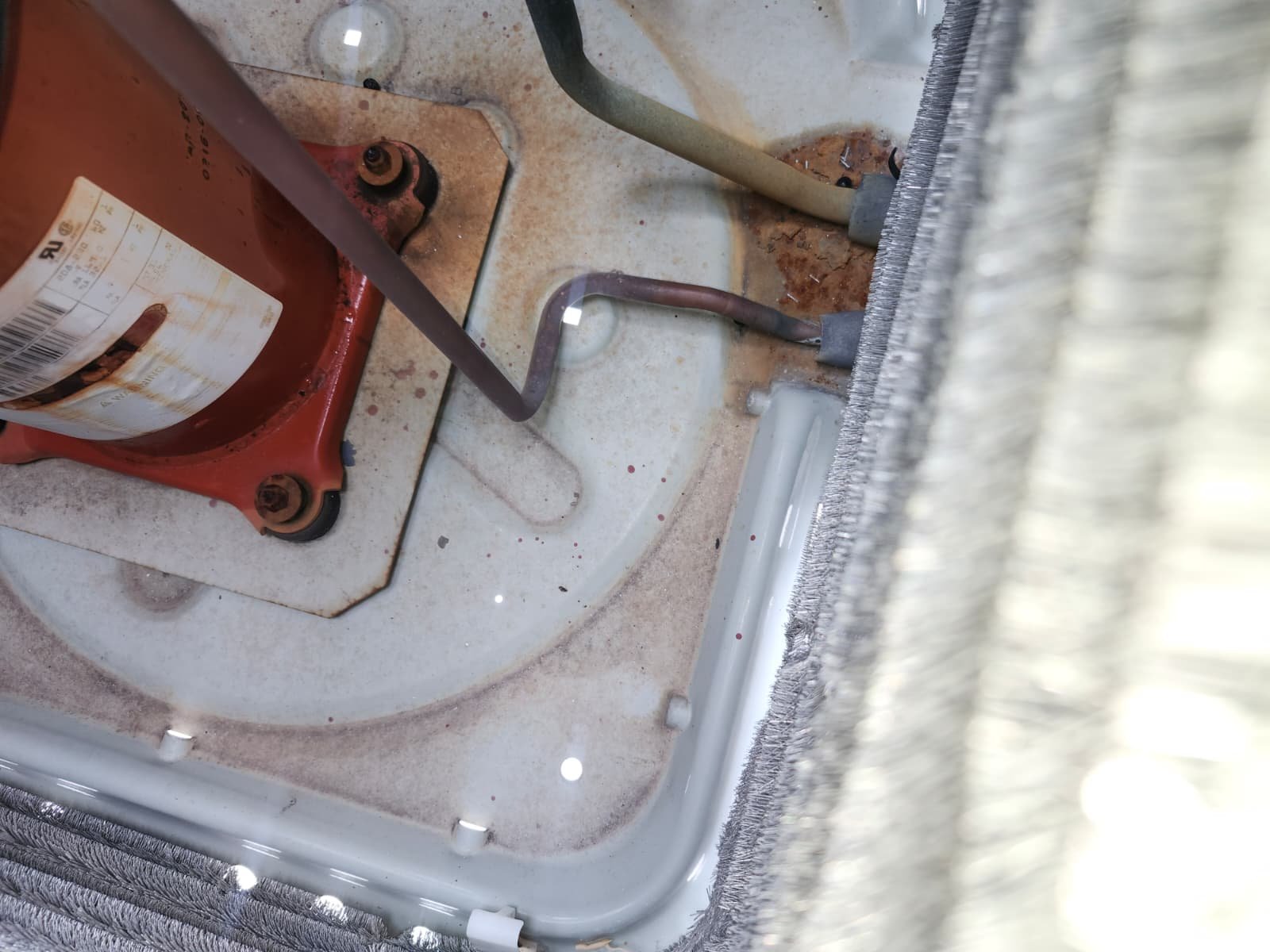
Inside the cabinet, Micheal documented rust on multiple internal components. Twenty-seven years in Tampa’s coastal-influenced, high-humidity environment accelerates metal corrosion significantly. Rust on heat exchanger surfaces, cabinet panels, and mounting brackets is a visual record of cumulative moisture exposure over nearly three decades of service.
Organic Growth Inside the Cabinet
Organic growth, mold and microbial buildup, was present inside the unit. This is not uncommon in commercial systems in Tampa’s climate that have high runtime hours and condensate moisture cycling through the cabinet over long periods. Beyond the air quality implications for a commercial space, organic growth on coil surfaces reduces heat transfer efficiency and can accelerate corrosion of the aluminum and copper components it contacts.
High Energy Consumption Pattern
A 27-year-old system, even one that is still partially functional, draws significantly more power than modern equipment to move the same amount of heat or cooling. SEER ratings on commercial units from the late 1990s ranged from roughly 8 to 10. Current minimum commercial efficiency standards under DOE energy efficiency guidelines start considerably higher. The energy premium this business has been paying for years to run an inefficient, aging unit is a real cost that compounds every month.
Job Documentation: W Rio Vista Ave Commercial HVAC Visit, February 9, 2026
| Field | Details |
|---|---|
| Technician | Micheal |
| Date | February 9, 2026 |
| Location | W Rio Vista Ave, Tampa, FL 33634 |
| Service type | Quarterly maintenance + FREE diagnosis |
| System age | 27 years |
| Refrigerant type | R22 (phased out of production 2020) |
| Time on site | 180 minutes |
| Complaint | Cools but does not heat |
| Findings | Rust, organic growth, high energy use, age-related deterioration |
| Outcome | Maintenance completed; full replacement recommended |
| Invoice total | $10 (after Premium Quarterly Agreement discount) |
Key Takeaways
- Commercial HVAC R22 replacement in Tampa FL becomes necessary when a system exceeds its expected service life and shows multiple simultaneous failure indicators.
- R22 was phased out of production in 2020. Any repair requiring refrigerant on an R22 system means paying spot-market pricing for a shrinking supply.
- Rust, organic growth, and a heating failure on a 27-year-old unit are not independent problems. They are a system-wide end-of-life signal.
- Consistent quarterly maintenance is likely the primary reason this unit lasted 27 years, but maintenance cannot reverse age.
- Home Therapist provides a FREE diagnosis on every commercial service call in Tampa, FL 33634. Call (813) 343-2212.
Why Does R22 Refrigerant Status Make Commercial HVAC Replacement Urgent in Tampa?
R22 refrigerant was phased out of U.S. production on January 1, 2020, under EPA regulations implementing the Clean Air Act. What that means for a Tampa commercial property still running an R22 system is straightforward: if the unit develops a refrigerant leak, restoring the charge requires sourcing R22 from stockpiles or recovered refrigerant supplies. According to EPA Section 608 regulations, this refrigerant cannot be vented and must be recaptured and recycled. The combination of limited supply and required handling procedures has pushed R22 prices to three to ten times what R-410A or R-454B costs.
Micheal noted that this W Rio Vista Ave unit was still holding its refrigerant charge on the February 9 visit. That is a meaningful positive, because if the unit had a leak, the economics of repair would immediately tip further toward replacement. But the charge status does not change the bigger picture: rust, organic growth, and a non-functioning heating system on a 27-year-old platform are findings that point in one direction.
What the Replacement Decision Actually Looks Like for a Tampa Commercial Property
Recommending replacement on a 27-year-old commercial unit in Tampa, FL 33634 is not guesswork. It is the result of applying a straightforward repair-versus-replace analysis:
- System age vs. expected lifespan. Commercial HVAC units typically have a 15 to 20-year service life when properly maintained. This unit is 27 years old, seven to twelve years past that benchmark.
- Refrigerant type. R22 availability and pricing add cost and uncertainty to any repair requiring refrigerant work.
- Multiple simultaneous failure indicators. Rust, organic growth, and a heating failure together are not a coincidence. They are concurrent expressions of the same underlying issue: age.
- Energy penalty. Running a significantly inefficient unit costs money every month. That monthly penalty factors into the total cost of ownership comparison with a new system.
- Downtime risk. A unit this old has a higher probability of an unexpected total failure during a business day than any individual component failure suggests. Downtime for a commercial property in Tampa’s summer heat has real operational costs.
When Should You Repair vs. Replace an Aging Commercial HVAC System in Tampa, FL 33634?
Not every old commercial unit needs immediate replacement. Here is how we approach the decision with Tampa commercial clients:
- If the unit is under 15 years old with one isolated failure and no history of refrigerant loss, repair is usually the right answer.
- If the unit is 15 to 20 years old with recurring repairs or a major component failure (compressor, coil), the repair-versus-replace math starts favoring replacement.
- If the unit is over 20 years old with multiple concurrent issues, especially on an R22 system, replacement is almost always the more cost-effective long-term decision.
For more context on what drives HVAC replacement recommendations in Tampa Bay, see our guide on signs of HVAC inefficiency and our overview of commercial AC services in Tampa.
For properties in the 33634 zip code and the broader Hillsborough County area, our commercial and residential AC maintenance team can provide a detailed system assessment. If replacement is the recommendation, we install equipment built for Tampa’s demanding climate and offer options across multiple price points.
To understand what ongoing quarterly service looks like before any replacement is needed, our Therapy Maintenance Plans page describes how we structure commercial service agreements. And for businesses managing older ductwork alongside aging equipment, our air duct cleaning service in Tampa can address accumulated contamination that affects indoor air quality.
Why would my commercial HVAC system cool fine but not provide heat in Tampa?
When a commercial system cools but will not heat, the problem is typically on the heating side of the unit: a failed reversing valve, deteriorated heating elements, control board failure, or wiring corrosion that blocks the heating call. On a 27-year-old R22 system with rust and organic growth, this symptom is usually part of broader end-of-life decline rather than an isolated component failure.
Is R22 refrigerant still available for commercial HVAC repair in Tampa?
R22 is available through recovered and stockpiled supplies, but production ended in 2020. The limited supply means pricing is significantly higher than modern refrigerants. For a commercial system that already has age-related issues, any repair requiring R22 refrigerant work should be weighed against the cost of replacing the system with modern R-410A or R-454B equipment.
How long does a well-maintained commercial HVAC system last in Tampa, FL?
With consistent quarterly maintenance, commercial HVAC systems in Tampa typically reach 15 to 20 years of service life. The unit Micheal inspected on W Rio Vista Ave reached 27 years, which is a testament to consistent maintenance, though it still reached end-of-life. No amount of maintenance can reverse the cumulative effects of age on a commercial unit.
Does organic growth inside a commercial HVAC unit affect air quality in my Tampa business?
Yes. Organic growth on coil surfaces and inside HVAC cabinets can release spores and particulates into the air circulating through the building. This is a concern for any commercial space but is especially significant for businesses where occupant health or air quality standards matter. Regular maintenance, coil cleaning, and drain line treatment reduce the conditions that allow organic growth to develop.
What does Home Therapist recommend to replace an R22 commercial system in Tampa?
We recommend commercial systems from brands built for Florida’s humidity and long cooling season. We hold HVAC license CAC1819196 and can provide a free estimate on replacement options sized for your specific building. Call (813) 343-2212 to schedule a no-cost assessment.
More AC Maintenance Articles
- Visit #4 With a Locked Door: Outdoor-Only AC Maintenance on 30th Ave N, St. Petersburg, FL 33710
- AC Maintenance Pinellas Park FL 33782: Visit #4 on a Dual-Unit Home With No Thermostat Access
- Rodent-Chewed Wiring Knocked Out a UV REME HALO on Terrace Trail Lane: HVAC Maintenance in Tampa, FL 33637
- A $89 Tune-Up on 42nd St S Reveals How Well a Well-Kept St. Petersburg AC Can Perform | 33711
- Blower Motor Dead, Float Switch Gone, Drain Line Cracked: Alejandro Restores a Rooftop HVAC System on Johns Rd, Tampa FL 33634


