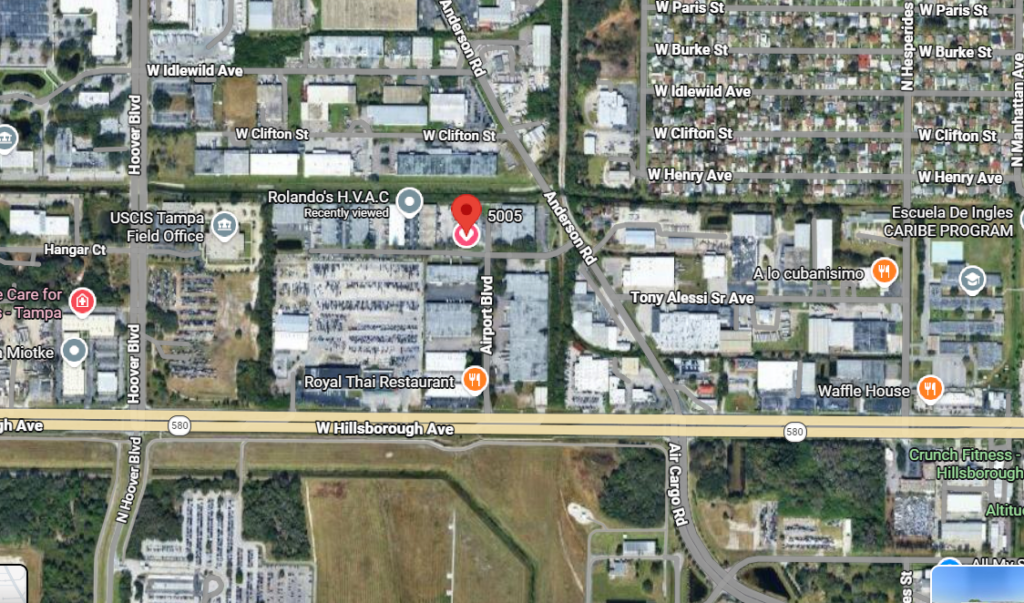
Ductwork Replacement and Static Pressure Improvement in Tampa, FL 33602
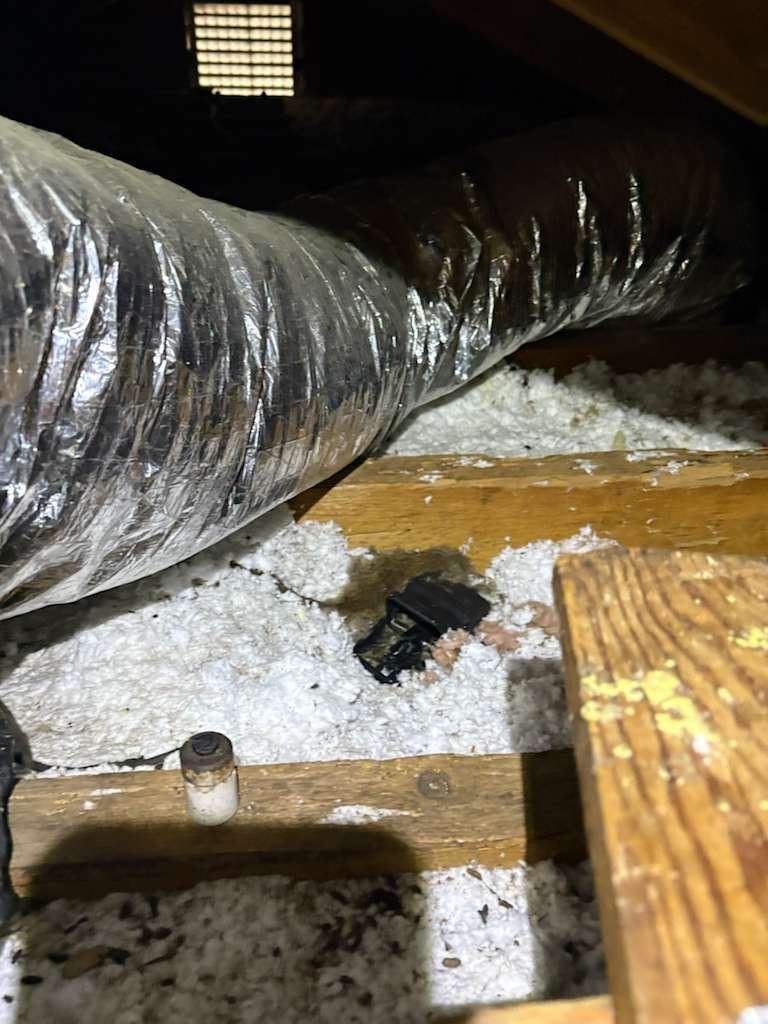
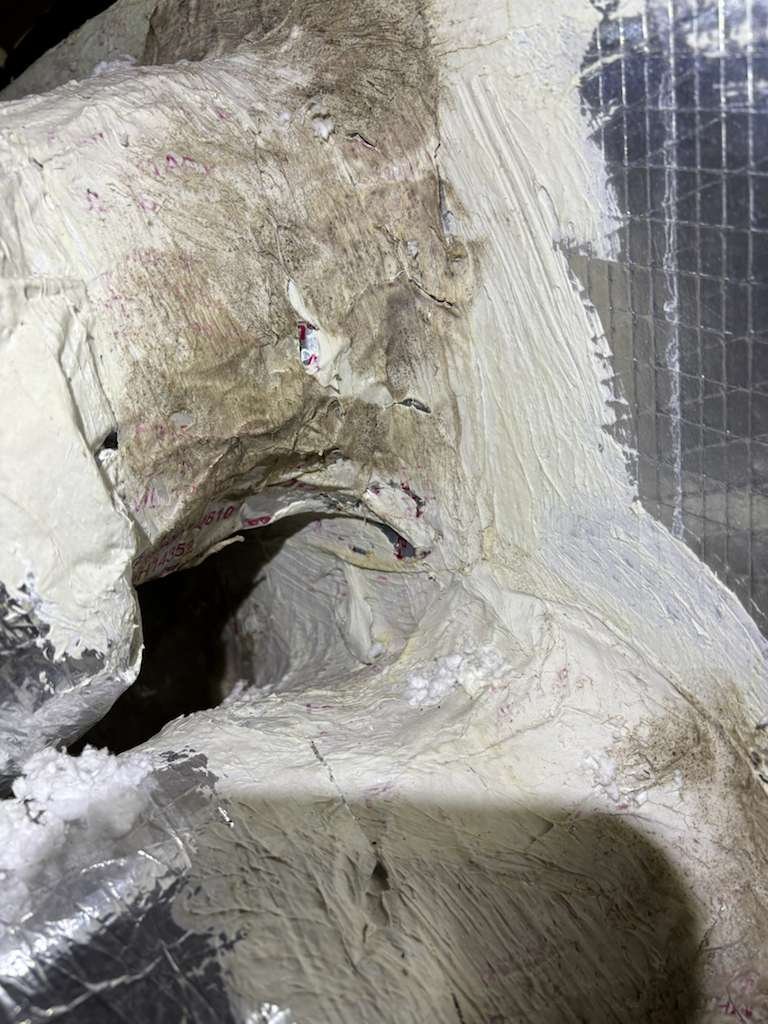
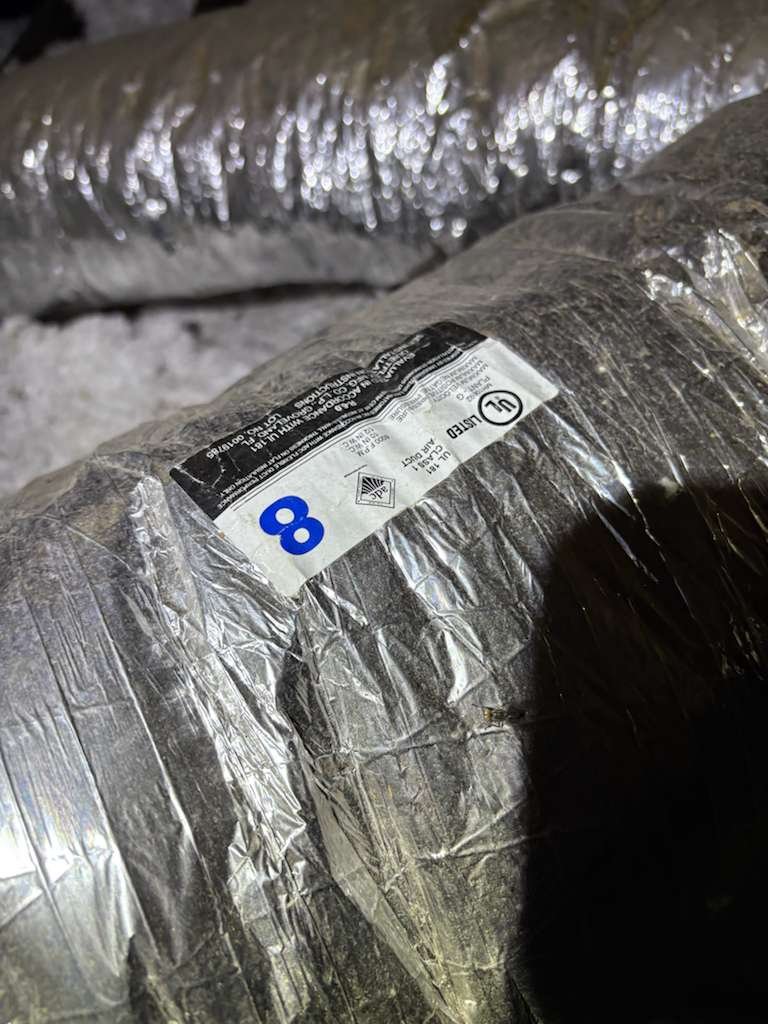
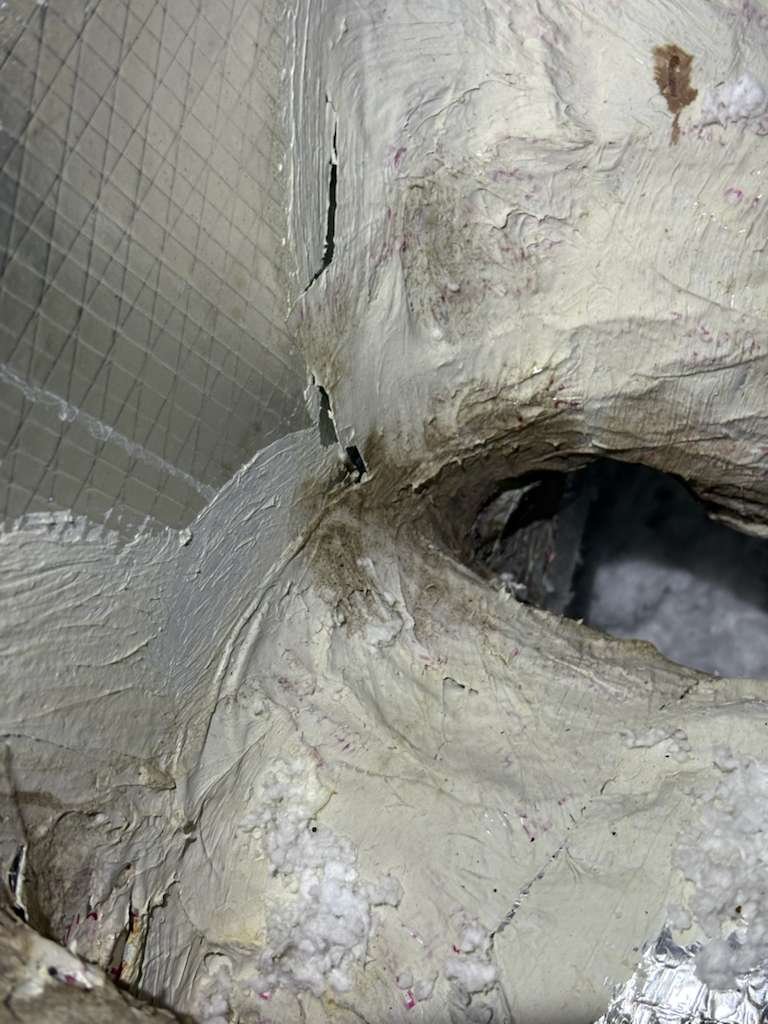
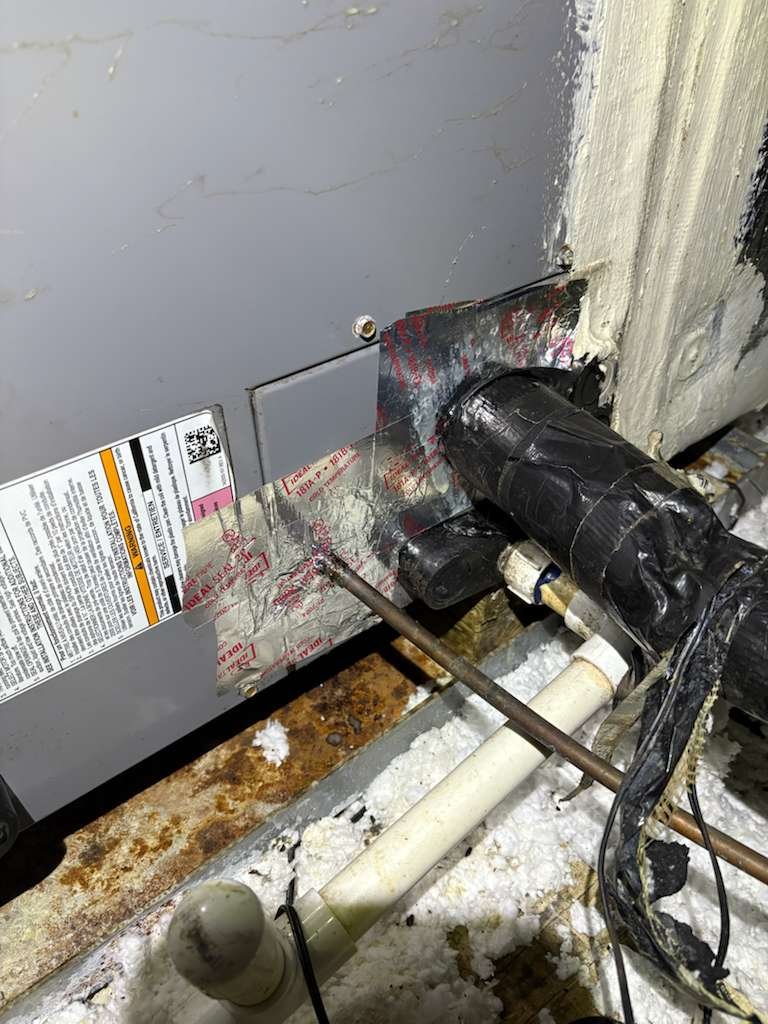
When the airflow in your home isn’t quite right, comfort starts to slip long before the air conditioner itself fails. That was the situation for a homeowner in Tampa, FL 33602 who called us out with concerns about duct damage, poor return airflow, and questions about static pressure in their HVAC system. Our team at Home Therapist Cooling, Heating, and Plumbing was asked to evaluate the ductwork, replace damaged sections, add new returns, and document whether the changes actually improved system performance.
In this case, we focused on replacing damaged duct sections caused by rodent activity, installing new supply and return drops, sealing potential leakage points, and preparing the system for a possible 5″ media filter upgrade. We also measured static pressure before and after the work so the homeowner had clear, honest data on what changed and why it mattered.
Case Recap
- Location: Single-family home in Tampa, FL 33602
- Concerns: Duct damage from rodents, suspected return air leaks, poor airflow, and static pressure questions
- Work performed: Replacement of damaged duct sections, new supply and return drops, sealing at the return boot, and preparation for a 5″ media filter housing
- Static pressure measured before and after the ductwork changes
- Outcome: Improved static pressure readings and better return air circulation within normal residential parameters
- Homeowner now has a clearer path forward for future duct design or filtration upgrades
Customer Problem
This homeowner in Tampa, FL 33602 had multiple concerns centered around their duct system rather than the air conditioning equipment itself. They had experienced rodent activity in the attic, which had damaged sections of ductwork and allowed air to escape instead of reaching the living spaces. On top of that, one of the returns was not installed correctly, there were open or leaking areas, and they were worried about possible leaks around the return boot.
From the homeowner’s perspective, it felt like the system was working harder than it should, with uneven comfort and uncertainty about whether the duct system was helping or hurting airflow. They specifically requested:
- Replacement of damaged duct sections to stop air loss caused by rodents
- An additional return vent to improve circulation in a particular room
- Another new return to an additional bedroom, with the exact location to be finalized on site
- A static pressure test before and after the work, to confirm if the changes made a measurable difference
- Evaluation of the existing return boot to see if it was leaking and if it could be sealed
- Possibility of adding a 5″ media filter housing, depending on how it could be installed
The homeowner also understood that their concerns about static pressure might not be completely resolved just by replacing certain ducts. They agreed to a scope of work that focused on repairing damage and improving airflow in key areas, with the understanding that a full duct design and system evaluation would be required to fully optimize static pressure throughout the home.
Inspection and Diagnosis
When we arrive at any ductwork or airflow complaint in Tampa, we take a methodical approach. At this home, our first step was to visually inspect the existing duct system, focusing on the areas the homeowner mentioned:
- Damaged or chewed duct sections from rodent activity
- Improperly installed or leaking return duct connections
- Existing return boot condition and possible leaks
- Attic conditions and access, since duct runs in tight spaces can affect cost and feasibility
We also needed to plan ahead for duct sizing and placement. For proper ductwork design, we typically measure each room and attic space so the new ducts can be tailored to the home’s layout and load. In this case, the approved scope of work included:
- One new supply drop (6″, 7″, or 8″, depending on final design and load needs)
- One 8″ return drop with a 10×10 return box and grille
- One additional return drop and grille to an extra bedroom, with the exact location selected on site with the homeowner
Because static pressure was a key concern, the homeowner requested that we test it before and after our work. This is a smart approach when you’re investing in duct improvements. On our follow-up visit when the work was performed, we measured static pressure before beginning any changes. The reading was approximately 0.01, while the equipment manufacturer specifies 0.2 as its target value. After completing the duct replacement and added returns, static pressure increased to about 0.3.
That post-work reading of 0.3 is slightly above the specific manufacturer’s stated target, but still within typical residential guidelines, which generally consider 0.3 to 0.5 as an acceptable range. The homeowner was informed that while this project significantly improved static pressure and airflow, a complete duct design overhaul would be required to fully optimize performance to the manufacturer’s preferred number.
Repair and Service Process
With the findings and scope confirmed, we moved into the actual ductwork replacement and installation. Our process for this Tampa, FL 33602 project included several key steps.
1. Protecting the Home and Work Area
Anytime we work in an attic and around vents, there’s a chance dust or insulation can be dislodged. As part of our standard practice, we:
- Covered or moved critical items beneath vents as much as reasonably possible
- Advised the homeowner to cover or move furniture, electronics, baby items, clothes, and food prior to our arrival
- Kept pathways clear for the crew to move safely and efficiently
We also reminded the homeowner that ductwork is physically demanding and detailed work, so giving our technicians the space to focus helps us finish accurately and on time. At the end of each workday, we performed a cleanup of the areas we affected.
2. Removing and Replacing Damaged Duct Sections
We removed damaged duct runs that had been affected by rodent activity. These compromised sections were allowing conditioned air to escape into the attic rather than reaching the living areas. We then installed new R6 flexible ducts, boots, and, if needed and quoted, plenums and distribution boxes. The new duct materials included:
- Johns Manville Formaldehyde-free fiberglass insulation
- GREENGUARD certified insulated products
- Quietflex Rip Stop Silver Jacket with a metalized polyester vapor barrier and reinforced “rip-stop” scrim
All old ducts removed during the process were hauled away as part of the project, keeping the attic cleaner and making future inspections easier.
3. Installing New Supply and Return Drops
Next, we installed:
- One new supply drop (final size determined based on the layout and load needs of that branch)
- One 8″ return drop, connected to a new 10×10 return box and grille
- An additional return drop and grille to an extra bedroom specified by the homeowner on site
Adding return air capacity helps reduce strain on the system, supports more balanced airflow, and can significantly influence static pressure readings. In older or previously modified homes in Tampa, return air is often undersized or poorly placed, so these upgrades can have an outsized impact on comfort.
4. Addressing the Return Boot Concerns
The homeowner was particularly concerned that the return boot might be leaking. While on site, we examined the boot and surrounding connections. Where we found potential leakage paths, we sealed as appropriate to reduce unconditioned air infiltration and prevent conditioned air from being pulled from unwanted spaces. Proper sealing at this point is crucial because a leaky return can pull hot, dusty attic air into the system, hurting both efficiency and indoor air quality.
5. Preparing for a 5″ Media Filter Housing
The homeowner was also interested in improving filtration with a 5″ media filter housing on the return side of the air handler. Our scope of work included installing this housing, provided the configuration was feasible without removing or relocating the air handler. The homeowner was advised that if the air handler had to be removed for a vertical installation, that additional labor and materials would be a separate cost.
We came prepared with the necessary materials to evaluate the best location for the media filter housing and to move forward if the homeowner approved it on site. A properly installed media filter housing not only improves air quality but must also be considered in relation to static pressure, so it was important to tie this into our testing plan.
6. Static Pressure Testing Before and After
As requested, we performed static pressure testing before and after the ductwork changes. The readings were:
- Before work: approximately 0.01
- Manufacturer’s stated requirement for this equipment: 0.2
- After work: approximately 0.3
While the after-reading of 0.3 is above the exact number listed by the manufacturer, it is within normal residential ranges of roughly 0.3 to 0.5. We explained this clearly to the homeowner in Tampa, FL 33602, and documented that the project did not claim to fully resolve every static pressure concern, but did measurably improve system conditions.
Why This Fix Works
Airflow in an HVAC system is all about balance. Static pressure is essentially the resistance the air encounters as it moves through the system. Several factors affect it:
- Duct size and length
- Number and layout of supply and return vents
- Condition of ductwork (leaks, kinks, crushed sections)
- Filters and accessories, including high-efficiency media filters
In this home, damaged ducts and limited return air paths were causing the system to operate outside of its ideal conditions. By replacing damaged duct sections, sealing leaks at the return boot, and adding new return drops, we reduced restrictions and brought more air back to the air handler. That’s why the static pressure moved into a more appropriate residential range after the work.
The upgraded materials—such as insulated, GREENGUARD certified duct and the Quietflex Rip Stop jacket—also help with long-term durability and condensation control. When paired with a correctly installed 5″ media filter housing, the system can filter air more effectively without introducing unnecessary restrictions, as long as the design accounts for that added resistance.
The key takeaway is that targeted duct replacement and added returns won’t always bring static pressure to a manufacturer’s exact preferred number, but they can significantly improve performance, comfort, and system health when designed and installed correctly.
Pro Tips for Homeowners in Tampa
For homeowners in Tampa, FL 33602 and the greater Tampa Bay area, the combination of heat, humidity, and attic conditions puts a lot of stress on ductwork. Here are some practical tips to keep your system healthy:
- Have your ducts inspected if you hear critters. Rodent activity in the attic is more than a nuisance; it often leads to chewed insulation and torn ducts. If you’ve heard scratching or seen droppings, consider a professional duct inspection.
- Pay attention to rooms that never feel right. A bedroom that’s always stuffy or a living room that cools slowly could be a sign of undersized ducts, poor return placement, or leaks that need attention.
- Don’t overlook return air. Many Tampa homes were built with minimal return air. Adding returns, like we did in this project, can make a big difference in comfort and noise levels.
- Be cautious with filter upgrades. High-efficiency filters and media filter cabinets are great, but they must be sized and installed correctly. Improperly selected filters can increase static pressure and strain the system.
- Schedule routine maintenance. A regular AC tune-up that includes checking filters, drains, and basic airflow can catch issues early before they turn into bigger duct or comfort problems. Our AC maintenance services in Tampa are designed with that in mind.
- Consider full duct design if you’re remodeling. If you’re already opening up ceilings or reworking rooms, that’s an ideal time to have a full duct design and evaluation done so your comfort matches your investment.
FAQ: Ductwork and Static Pressure in Tampa, FL 33602
Will replacing a few ducts completely fix my static pressure?
Not always. In this Tampa, FL 33602 home, we improved static pressure significantly, but we were clear with the homeowner that fully optimizing static pressure would require a complete duct system design and evaluation. Targeted repairs and added returns help, but they don’t always address every restriction or design limitation in the system.
Why did my static pressure go up after the work instead of down?
In this project, the pre-work reading was very low compared to the manufacturer’s stated requirement. After improving duct connections and return airflow, the static pressure moved into a more typical residential range. The goal isn’t always “lower is better”; it’s to reach a balanced, safe range where the equipment operates as intended.
Do new ducts really make my home more comfortable?
Yes, when installed correctly. Replacing damaged ducts, sizing supply and return drops properly, and sealing leaks help deliver the right amount of conditioned air to each room. In homes around Tampa, that often means more even temperatures, less noise, and shorter run times for your system.
What’s the benefit of a 5″ media filter housing?
A 5″ media filter housing allows you to use a deeper, high-quality filter that captures more dust and particles than a standard 1″ filter. It usually needs to be changed less often and can improve indoor air quality when installed correctly. However, it must be considered as part of your duct and airflow design so it doesn’t create excessive restriction.
Will you patch drywall if you need to open holes for ducts?
In this scope of work, as with many duct projects, we may need to open holes in sheetrock to run new ducts or reroute existing ones. We always inform the homeowner beforehand and proceed only with their approval. We do not perform drywall repair or patching as part of this type of HVAC ductwork project, so the homeowner arranges that separately.
How long is the warranty on this kind of ductwork job?
For this ductwork project, the homeowner received a one-year parts and labor warranty from The AC Therapist. That warranty does not cover damage caused by rodents, people, or similar issues like crushing or tearing ducts, nor does it cover ducts becoming dirty due to lack of maintenance.
Related Services for Tampa Bay Homeowners
If you’re dealing with similar duct or airflow concerns, you may benefit from some of our related services in the Tampa area:
- Ductwork replacement in Tampa for aging, damaged, or poorly performing duct systems
- Air duct repair services when only certain sections need to be fixed or reconfigured
- Air filtration solutions in Tampa if you’re considering media filters or other filtration upgrades
- Indoor air quality services to pair duct improvements with better air cleaning and ventilation
Why Choose Home Therapist for Ductwork in Tampa Bay
When you invite us into your home, you’re trusting us with your comfort, safety, and property. We take that seriously. For this ductwork replacement and static pressure improvement in Tampa, FL 33602, our focus was on clear communication, careful workmanship, and realistic expectations about what the scope of work would and would not accomplish.
Here’s what you can expect when you work with Home Therapist Cooling, Heating, and Plumbing:
- Licensed, professional technicians: Our team is trained to work safely in attics and tight spaces, handle duct design considerations, and test system performance honestly.
- Transparent communication: We explain what we’re doing, why we’re doing it, and what results you can reasonably expect. If a job won’t fully solve a problem—like static pressure that really needs a full redesign—we’ll tell you that upfront.
- Clean, respectful work: We do our best to protect critical areas from dust and debris, clean up at the end of the day, and treat your home as if it were our own.
- Focus on long-term reliability: We use quality materials and proven installation practices to support durable, efficient duct systems and HVAC performance.
- Commitment to Tampa Bay homeowners: We live and work in this climate, so we understand the unique challenges of Florida heat, humidity, and attic conditions.
If you’d like to get a feel for who we are and how we work, you can connect with us on social media:
- Follow Home Therapist on Facebook for updates and project highlights
- See our work on Instagram, including behind-the-scenes looks at real jobs
- Visit our YouTube channel for educational HVAC and plumbing content
And if you’re looking for extra peace of mind, you can view our company on local and national trust platforms:
- Home Therapist on the Better Business Bureau
- Home Therapist in the Tampa Bay Chamber of Commerce
- Our Google business listing to check reviews and get directions
Need Ductwork Help in Tampa, FL 33602?
If you’re noticing uneven temperatures, suspect duct damage, or you’ve been told your static pressure is off, we’re here to help. Our team can assess your ductwork, recommend practical next steps, and, if needed, plan a more complete duct design for your home in Tampa, FL 33602.
Whether you need targeted duct replacement, additional return vents, or upgrades like a 5″ media filter housing, we’ll walk you through the options in plain language and respect your home throughout the process. When you’re ready, you can reach out through our contact page to schedule a visit with one of our local Tampa Bay technicians.
Comfort issues don’t fix themselves. If your ductwork is part of the problem, we’d be glad to help make it part of the solution.