

AC Condenser Pad Installation in St. Petersburg, FL 33712

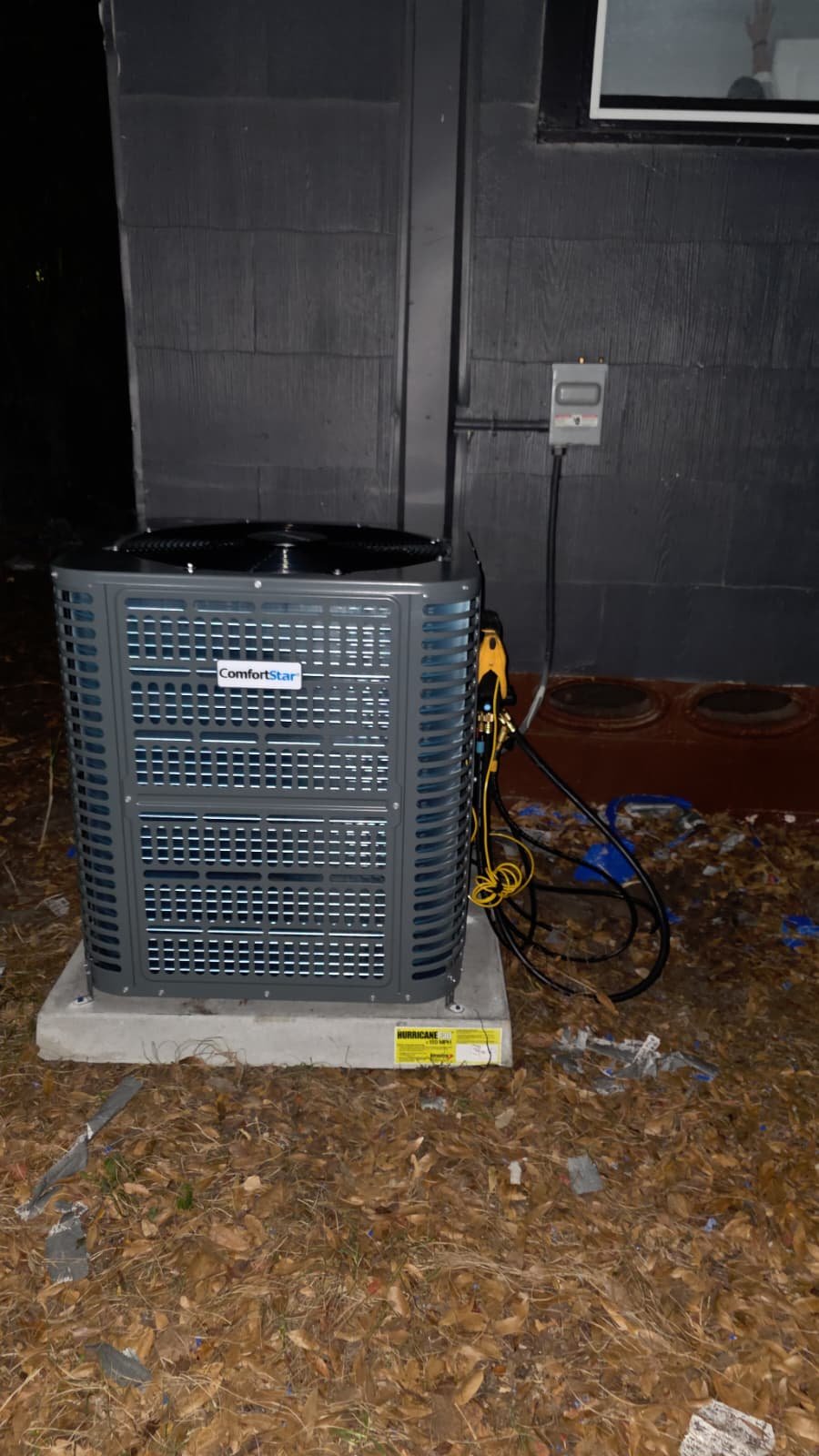
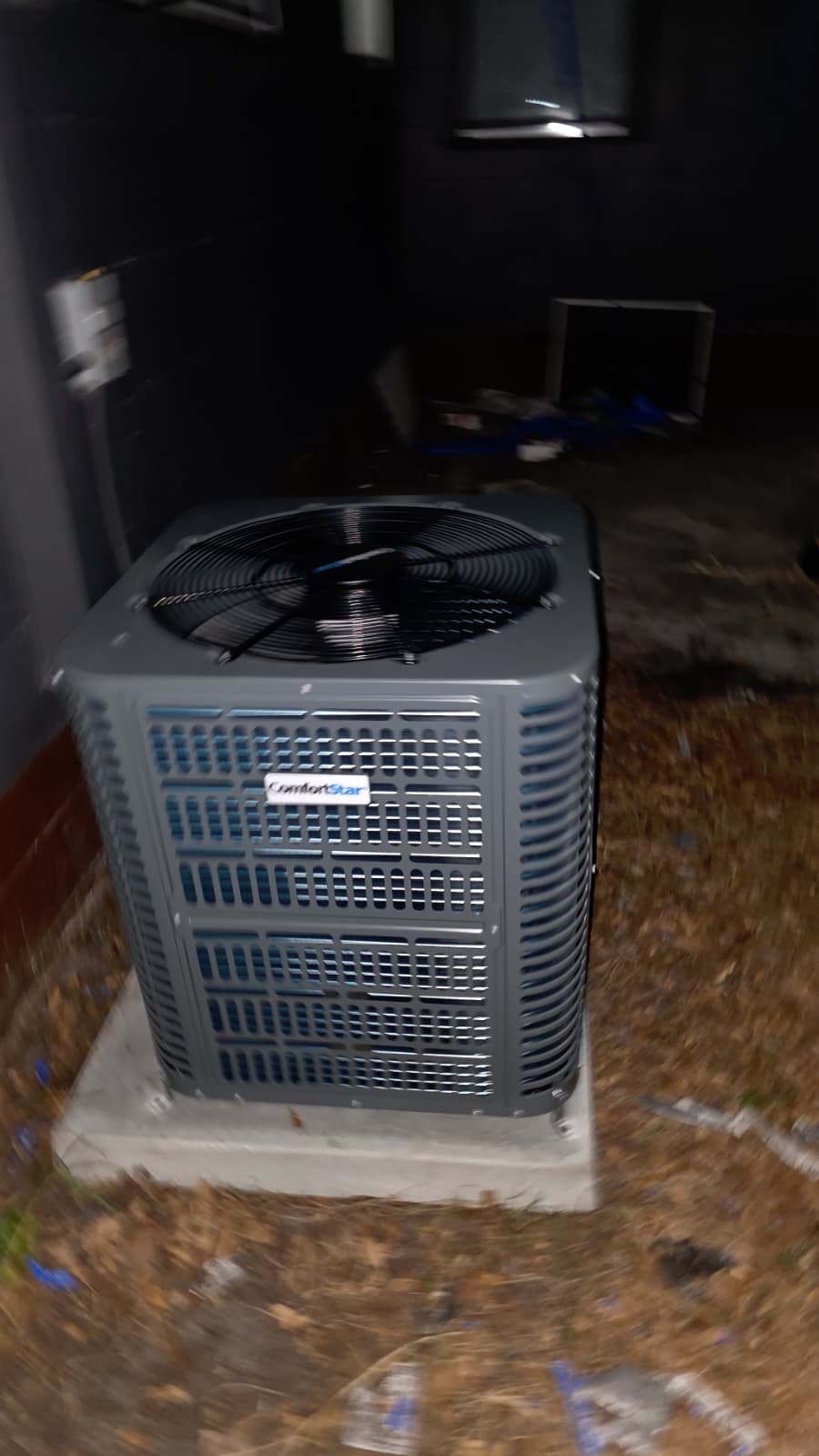

When you live in St. Petersburg, FL 33712, a reliable air conditioning system isn't a luxury—it's what keeps your home comfortable through our long, hot, and humid seasons. For one homeowner in this area, the project wasn't about a full system replacement or a major repair. Instead, it was a critical detail that often gets overlooked: installing a properly sized concrete pad for a new outdoor condenser.
On this visit, our Home Therapist technician, Barbaro, was called out to prepare for a new condenser by installing a 36"x36"x1" concrete pad. It sounds simple, but that pad plays a huge role in protecting the equipment, keeping it stable, and helping the system run smoothly for years to come. In this case, the existing pad wasn't the right match for the new unit, so our job was to provide a solid, level, and durable base that matched the new condenser's footprint and weight.
In this article, we'll walk through what the homeowner needed, why the concrete pad mattered, how we approached the work, and what homeowners in St. Petersburg and the surrounding Tampa Bay area should know about supporting their outdoor AC units correctly.
Case Recap
Here's a quick summary of this AC condenser pad project in St. Petersburg, FL 33712:
- Homeowner was preparing for a new outdoor AC condenser installation.
- The existing pad did not properly match the new condenser's size and needs.
- We installed a new 36"x36"x1" concrete pad to fit the new equipment.
- The new pad provides a level, stable, and durable base for the condenser.
- This helps protect refrigerant lines, electrical connections, and overall system reliability.
- Homeowner is now set up for a cleaner, safer, and more professional condenser installation.
Customer Problem
In many homes across St. Petersburg, FL 33712, outdoor AC units have been replaced or upgraded over time while the original pad was left in place. That can work for a while, but as equipment efficiency improves and unit footprints change, the old pad often no longer lines up properly with the new condenser.
In this case, the homeowner was getting a new condenser installed. The existing surface where the old unit sat was not ideal for the new equipment. There were two main concerns:
1. Size mismatch. The new condenser had a different footprint than the previous unit. Using an undersized or poorly matched pad can leave parts of the condenser hanging off the edge, or force the installer to position it awkwardly to make it fit.
2. Long-term stability and appearance. The homeowner wanted the new condenser to sit on a clean, professional-looking base that would support the unit evenly and help keep the surrounding area tidy. A proper concrete pad also helps keep the unit out of mud, standing water, and shifting soil, which are common issues in our Florida climate.
They approved an estimate for a new 36"x36"x1" concrete pad to match the size and requirements of the new condenser. Our job was to make sure that when the unit is installed, it has the strong foundation it needs to operate smoothly, safely, and quietly.
Inspection and Diagnosis
Even though this was a concrete pad project rather than a mechanical repair, we still treat it with the same level of care and evaluation that we bring to every HVAC service call in St. Petersburg, FL 33712.
Before installing the new pad, our technician focused on a few key areas:
Site condition. We looked at the ground where the new condenser would be located. This includes checking for:
- Soil condition and compaction
- Existing slopes or low spots that might collect water
- Clearances around the unit for service and proper airflow
Pad sizing and layout. The requested pad size of 36"x36"x1" was chosen to match the footprint of the new condenser. We confirmed that this size would:
- Fully support the base of the new unit
- Provide some margin around the edges for stability
- Fit within the available space without blocking access or pathways
Elevation and drainage. In Florida, especially in areas like St. Petersburg, standing water and high humidity can be tough on outdoor equipment. We evaluated the surrounding grade to ensure that once the pad was installed, water would naturally run away from the pad instead of pooling under or around the condenser.
Once we confirmed the location, size, and basic layout, we were ready to move forward with the installation of the new concrete pad.
Repair or Service Process
Installing a concrete pad for an AC condenser might sound straightforward, but the details matter. Here's how we approached this project to give the homeowner in St. Petersburg, FL 33712 a professional and lasting result.
1. Preparing the Area
First, we prepared the ground where the new pad would sit. That typically involves:
- Clearing away debris, vegetation, or old materials from the area.
- Ensuring there's enough space for the full 36"x36" footprint and future service access.
- Leveling and compacting the soil to provide a stable base that won't shift quickly.
This step is important because even the best concrete pad can settle or crack if the soil underneath is soft or uneven.
2. Setting the Base and Forms
With the area prepared, we created a base layer to support the pad. While the exact materials can vary by site conditions and design, the goal is the same: give the concrete something solid to sit on and help distribute the weight of the condenser more evenly.
We then laid out and set forms for the 36"x36"x1" pad. The forms define the shape, thickness, and edges of the finished slab. We carefully checked the measurements so that:
- The pad size matched what was approved.
- The corners were square.
- The top surface would be level once poured and finished.
3. Pouring the Concrete
Once the forms were set and the base prepared, we poured the concrete into the framed area to create the new pad. During the pour, we worked the concrete to remove air pockets and make sure it filled the form consistently.
The goal is a solid, uniform slab that will support the weight of the condenser without hollow spots or weak areas.
4. Leveling and Finishing
After the pour, we leveled the surface of the pad. This is one of the most important steps for protecting the new condenser. A level pad means:
- Internal components in the condenser aren't forced to operate at an angle.
- Compressor and fan assemblies experience less strain and vibration.
- Condensate and moisture drain away from the unit as intended.
We then finished the surface for a clean, professional look. The finish doesn't just make it look nice; it also makes it easier to keep the area clear of dirt and vegetation that can affect airflow.
5. Final Checks and Clean-Up
Before wrapping up, we confirmed that:
- The pad size matched the specified 36"x36"x1" dimensions.
- The surface was level and properly aligned with the planned condenser location.
- The surrounding area was left clean and tidy for the homeowner.
We always aim to leave the job site in good shape, with minimal disruption. That means clearing away extra material, removing forms, and making sure the homeowner can walk the area safely while the concrete cures.
Why This Fix Works
At first glance, a 36"x36"x1" concrete pad might just look like a slab on the ground. But for AC systems in St. Petersburg, FL 33712, it's a key part of maintaining comfort and protecting the system you've invested in.
Stable support reduces vibration. When a condenser sits on an uneven or undersized surface, it can vibrate more than it should. Over time, that extra vibration can contribute to wear on components, loosening of fasteners, and noise that travels into the home. A solid, level pad helps keep the unit stable and quieter.
Proper elevation protects against moisture. Our Florida climate brings heavy rain and high humidity. A properly installed pad raises the condenser off the soil, helping protect the unit from puddling water, mud, and shifting ground. This can help extend equipment life and reduce corrosion risk around the base.
Correct sizing keeps the unit supported. Matching the pad size to the condenser footprint is important. If the unit overhangs the pad, weight distribution becomes uneven, and some parts of the base may end up bearing more load than others. The 36"x36" pad for this project was selected to align with the new condenser's dimensions, supporting it evenly.
Professional layout aids service and airflow. Thoughtful placement of the pad also makes a difference. Leaving enough clearance around the condenser helps with future maintenance and allows air to move freely through the coil. That contributes to more efficient operation and helps the system keep your St. Petersburg home comfortable on the hottest days.
Pro Tips for Homeowners in St. Petersburg
If you're a homeowner in St. Petersburg, FL 33712 or elsewhere in the Tampa Bay area, here are some practical tips related to your outdoor AC condenser and its pad:
1. Take a quick look at your current pad. If your condenser is sitting crooked, hanging off the edge, or tilted, it's worth having it evaluated. A simple leveling or a new pad can prevent bigger issues down the road.
2. Keep vegetation trimmed back. Even with a solid concrete pad, grass, weeds, and shrubs can grow up around the unit. Keep at least a couple of feet of clearance on all sides so the condenser can breathe and your technician has space to work.
3. Avoid stacking blocks or makeshift shims. It can be tempting to slide bricks or wood under a sinking pad, but that often creates more instability. If the pad is sinking or cracked, it's better to have it properly corrected or replaced.
4. Watch for standing water. After a heavy Florida rain, take a look around your condenser. If water is consistently pooling around the pad, you may need grading or drainage improvements to protect the unit and foundation in the long term.
5. Coordinate pad work with equipment upgrades. When planning a new AC system, it's smart to address the pad at the same time. Matching the condenser and pad in one coordinated project helps ensure a clean, professional install and saves the hassle of reworking things later.
6. Schedule professional inspections. During routine HVAC maintenance, ask your technician to check the condition and level of the condenser pad. It's a small detail, but it supports the overall health of your system.
FAQ: AC Condenser Pads for St. Petersburg Homeowners
Do I really need a concrete pad for my outdoor AC unit?
Most central AC condensers are designed to sit on a solid, level surface such as a concrete pad. The pad helps support the weight of the unit, reduces vibration, and keeps it out of mud and standing water. In our humid St. Petersburg, FL 33712 climate, a proper pad is especially helpful for long-term reliability.
Why was a 36"x36"x1" pad used for this job?
For this homeowner, the 36"x36"x1" size was selected to match the footprint and support needs of the new condenser being installed. The goal was to provide full, even support for the unit without overhanging edges or wasted space.
Can an old or uneven pad damage my AC system?
An old, cracked, or uneven pad can contribute to vibration, noise, and stress on the condenser over time. While it may not cause immediate failure, it can add wear to components and affect comfort. Having the pad evaluated and corrected is a simple way to protect your system.
How long does it take to install a new condenser pad?
The active installation itself is usually completed in a relatively short time, but the concrete needs time to cure properly before the condenser is set in place. The exact timing will depend on site conditions and scheduling, but our goal is always to minimize disruption while giving the pad enough time to set correctly.
Is this something I can do myself?
Some homeowners are comfortable working with concrete, but for most people, it's best to have a professional handle the pad installation. Proper sizing, leveling, and placement are important, especially when coordinating with the new condenser installation and existing electrical and refrigerant line locations.
Will you check the rest of my system when installing a new pad?
When we're on site for any HVAC-related work in St. Petersburg, FL 33712, we stay attentive to the overall condition of the system. If we notice anything that looks concerning or worth a closer look, we'll point it out and discuss it with you clearly so you can decide how you'd like to proceed.
Why Choose Home Therapist
For homeowners in St. Petersburg, FL 33712 and across Tampa Bay, details like a properly sized concrete pad can make a real difference in how long your HVAC system lasts and how quietly and efficiently it runs. At Home Therapist, we treat these "small" jobs with the same care as a full system installation.
Licensed and professional technicians. Our team is trained to handle both the mechanical and structural pieces of HVAC work. That means when we install a condenser pad, we're doing it with a full understanding of how it will affect your system over time.
Transparent communication. We explain what we're doing, why we're doing it, and what you can expect. In this St. Petersburg project, the homeowner knew exactly what size pad was being installed and how it would support the new condenser.
Clean and respectful work. Whether we're pouring concrete or servicing your air handler, we respect your property. We keep the work area as tidy as possible and clean up when we're done so you're not left with a mess.
Focus on long-term reliability. A properly installed pad is about more than looks—it's about long-term stability, reduced vibration, and protecting your investment. Our goal is always to make choices that support the health of your system over the coming years, not just the day of the visit.
Committed to Tampa Bay homeowners. We live and work in the same climate you do, so we understand what Florida weather can do to equipment over time. From St. Petersburg to the rest of Tampa Bay, we're here to keep your home comfortable, safe, and efficient with practical, well-thought-out solutions.
Schedule Service in St. Petersburg, FL 33712
If you're planning a new AC condenser installation, upgrading an older system, or noticing that your current outdoor unit is sitting unevenly, we can help. A properly sized and installed concrete pad is a simple step that supports the comfort and reliability of your entire cooling system.
Homeowners in St. Petersburg, FL 33712 and the surrounding Tampa Bay area can count on Home Therapist for clear communication, professional workmanship, and respect for your home. Whether you need a new pad, a system checkup, or a full installation, we're here to make the process straightforward and stress-free.
Reach out today to schedule your service, and let our team make sure your outdoor condenser has the solid foundation it needs to keep your home comfortable through our Florida heat and humidity.


