AC Disconnect and High-Voltage Wiring Replacement in St. Petersburg, FL 33712
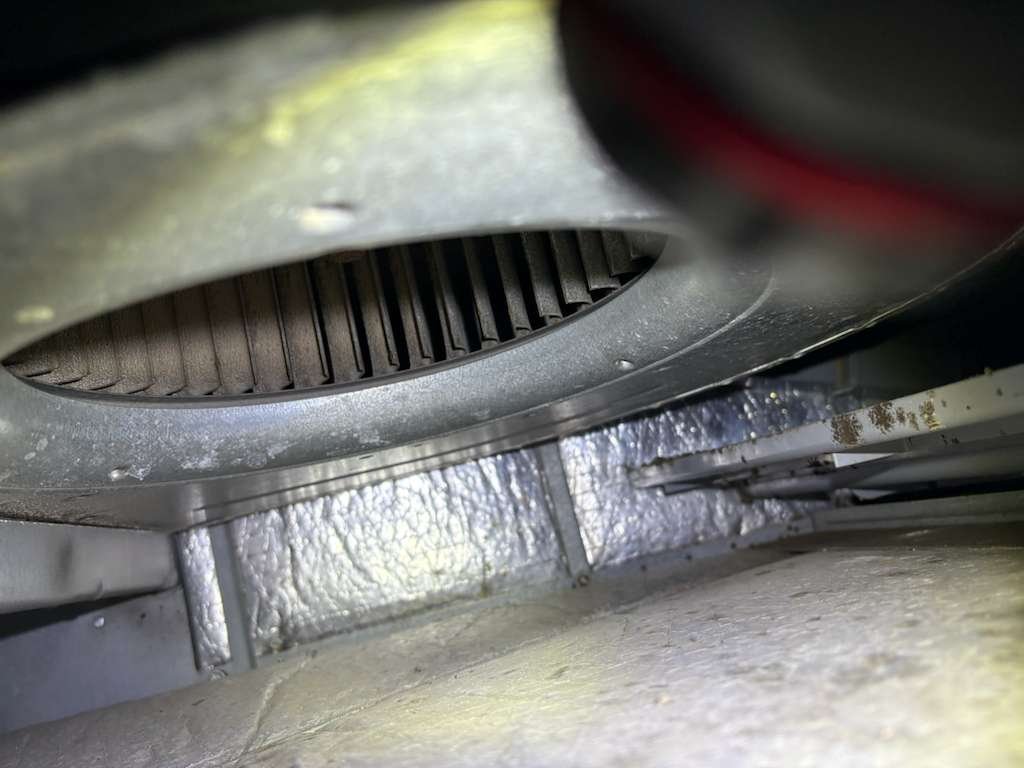
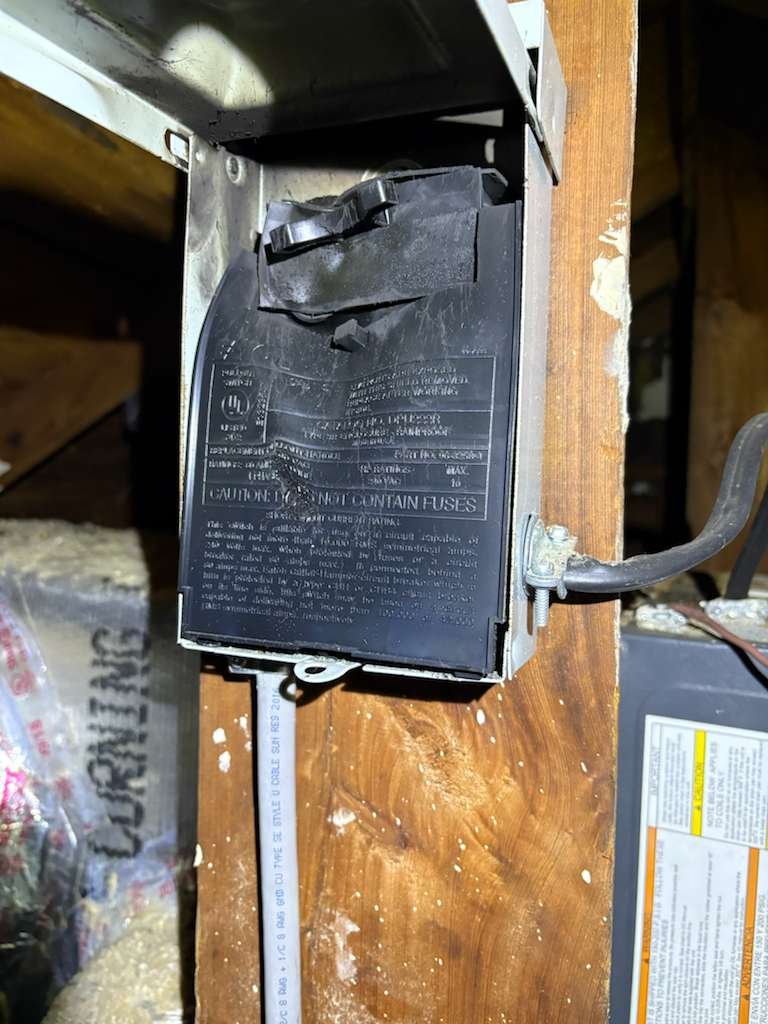

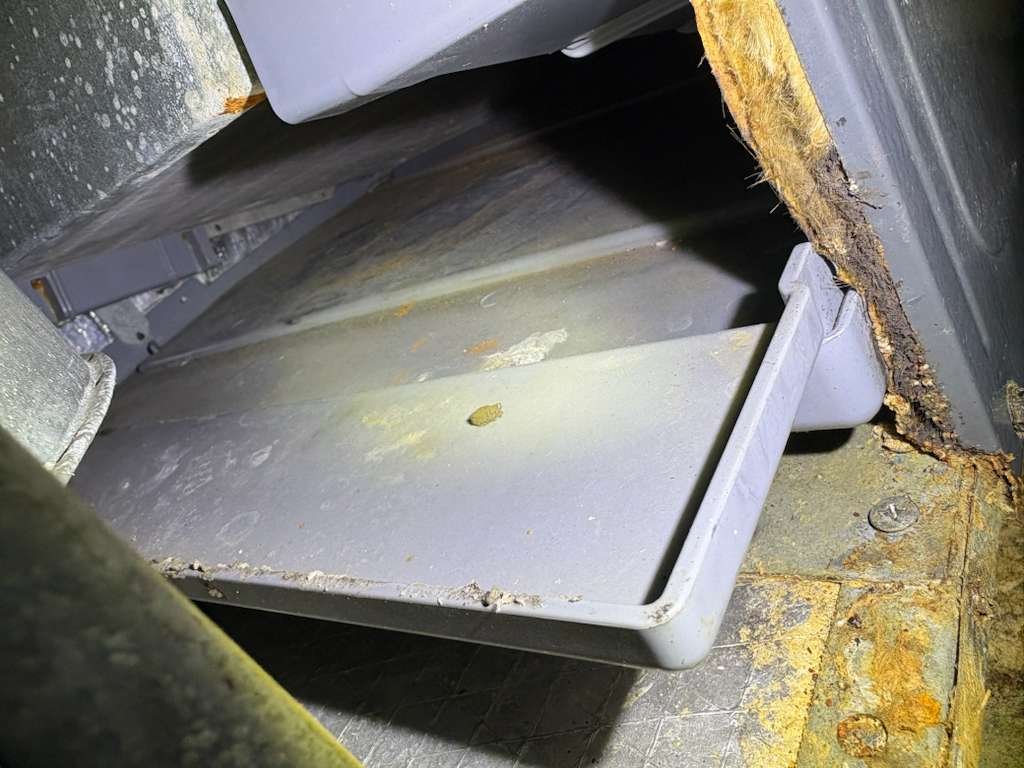

When your air conditioner’s power connections start to fail, it’s not just a comfort issue—it can quickly become a serious safety concern. A homeowner in St. Petersburg, FL 33712 called us because the electrical components feeding power to their air handler were in rough shape. During this visit, we replaced the outdoor disconnect switch, installed a new whip (the flexible conduit and wiring from the disconnect to the unit), and addressed dangerously damaged high-voltage wiring that had begun to melt. We also documented a potential refrigerant concern so the homeowner knows exactly what to watch for moving forward.
Case Recap: AC Disconnect and Wiring Repair in St. Petersburg, FL 33712
- Replaced a failing AC disconnect switch to restore safe power shutoff and serviceability.
- Installed a new electrical whip and wiring from the disconnect to the outdoor unit.
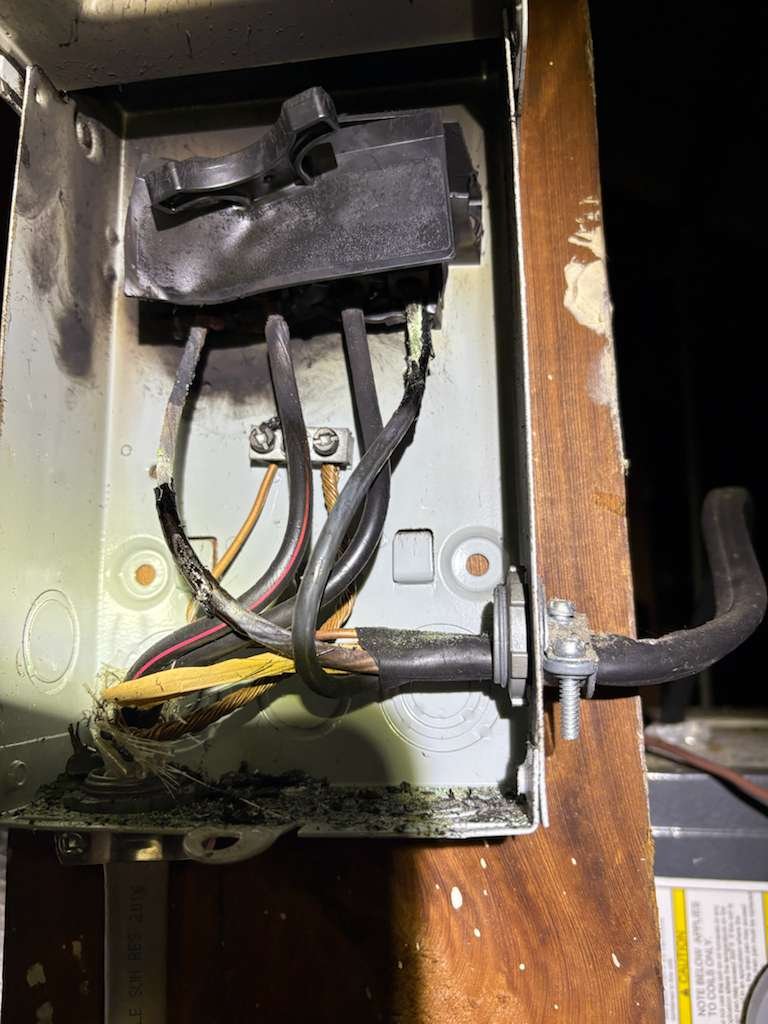
- Removed melted, unsafe high-voltage wiring between the disconnect and air handler that was a major fire hazard.
- Inspected the heater section and electrical load to help rule out the heater as the primary cause of damage.
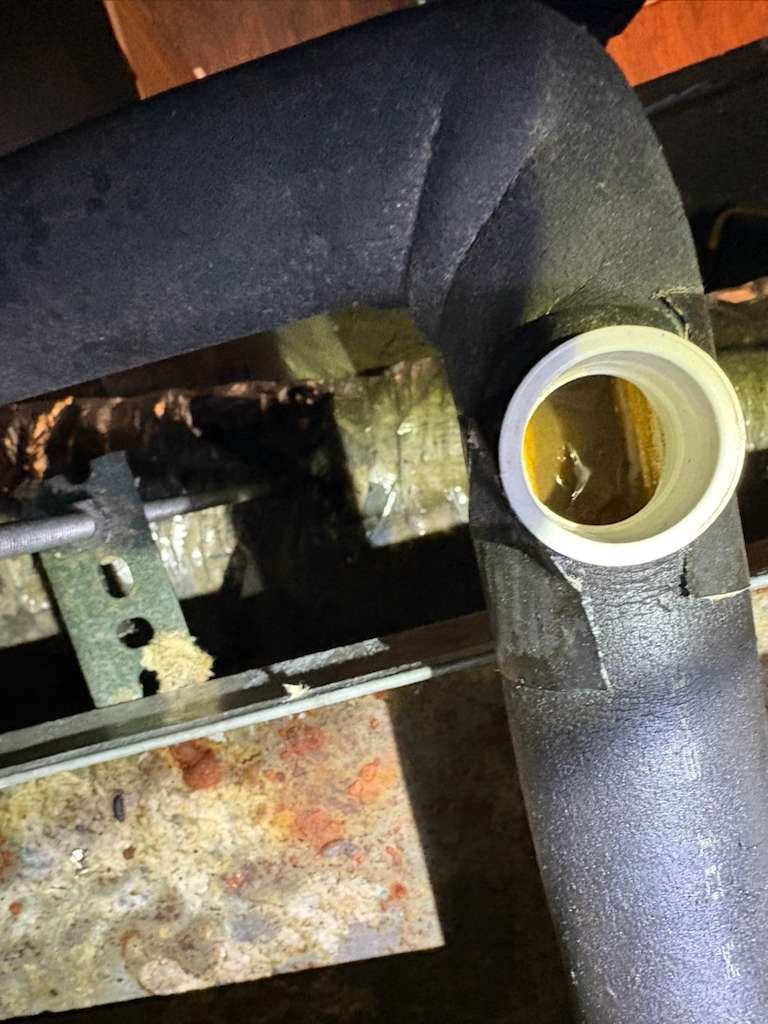
- Noted a small amount of oil at the air handler coil connection, which can indicate a minor refrigerant leak.
- System tested after repairs, with clear recommendations for monitoring performance and planning ahead.
The Customer’s Problem: Safety Concerns Around the AC Power Feed
In a Florida home, especially in a place like St. Petersburg, losing air conditioning is uncomfortable enough. But in this case, the bigger worry was safety. The homeowner reached out because there were issues with the power going to their indoor unit and concerns about the outdoor disconnect that supplies power to the system.
On arrival, we found that the high-voltage wiring between the disconnect and the air handler had been damaged so badly that it had melted approximately eight inches down the line. This isn’t just wear and tear—this level of damage is a significant fire hazard if it’s left in place. The disconnect itself also needed to be replaced, and the whip that connects the disconnect to the outdoor unit was due for an upgrade.
The homeowner simply wanted to know two things:
- Is my home safe?
- Will my AC keep running without more expensive surprises?
Our job was to make the system safe, restore proper power delivery, and give honest guidance about what we saw during the visit.
Inspection and Diagnosis: What We Checked and Why
Any time we see melted wiring or heat damage on an HVAC circuit, we slow down and work methodically. For this St. Petersburg, FL 33712 home, our inspection focused on three main areas:
1. The Outdoor Disconnect Switch
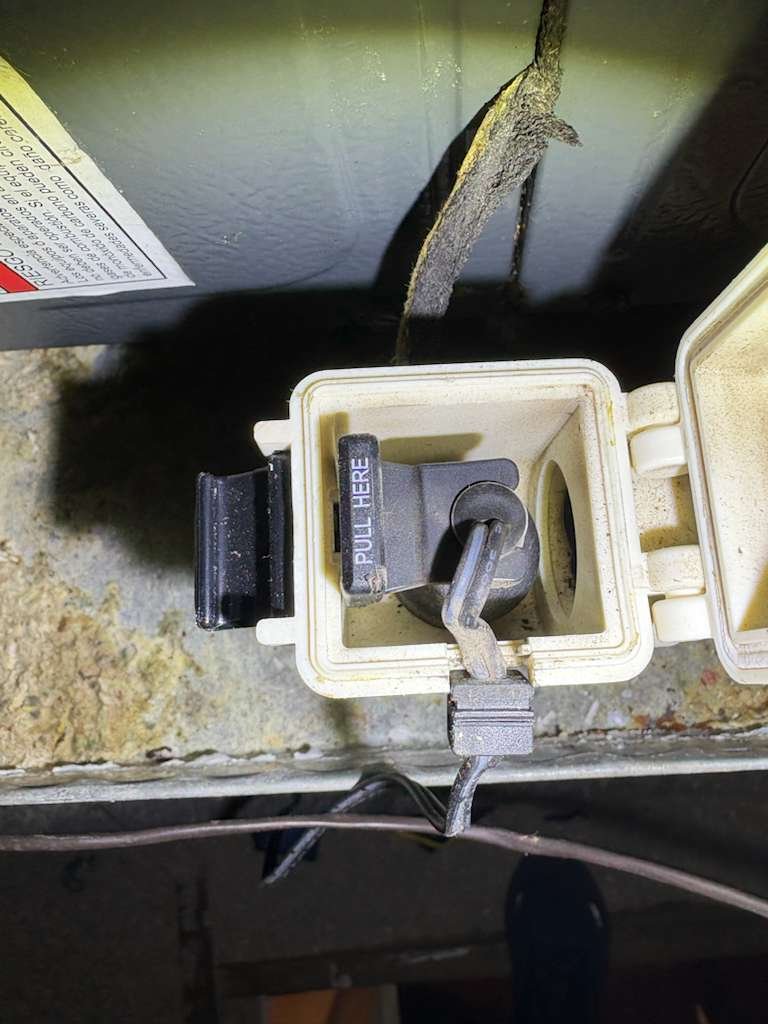
The disconnect is the small box mounted near the outdoor unit. It lets us safely shut off power when we’re working on the system and is part of the overall safety design of the installation. We inspected:
- The condition of the switch and internal contacts.
- Signs of overheating, corrosion, or loose connections.
- The wiring terminations inside the disconnect.
The existing disconnect showed enough wear and concern that replacement was the right call for both safety and reliability.
2. The Whip from the Disconnect to the Outdoor Unit
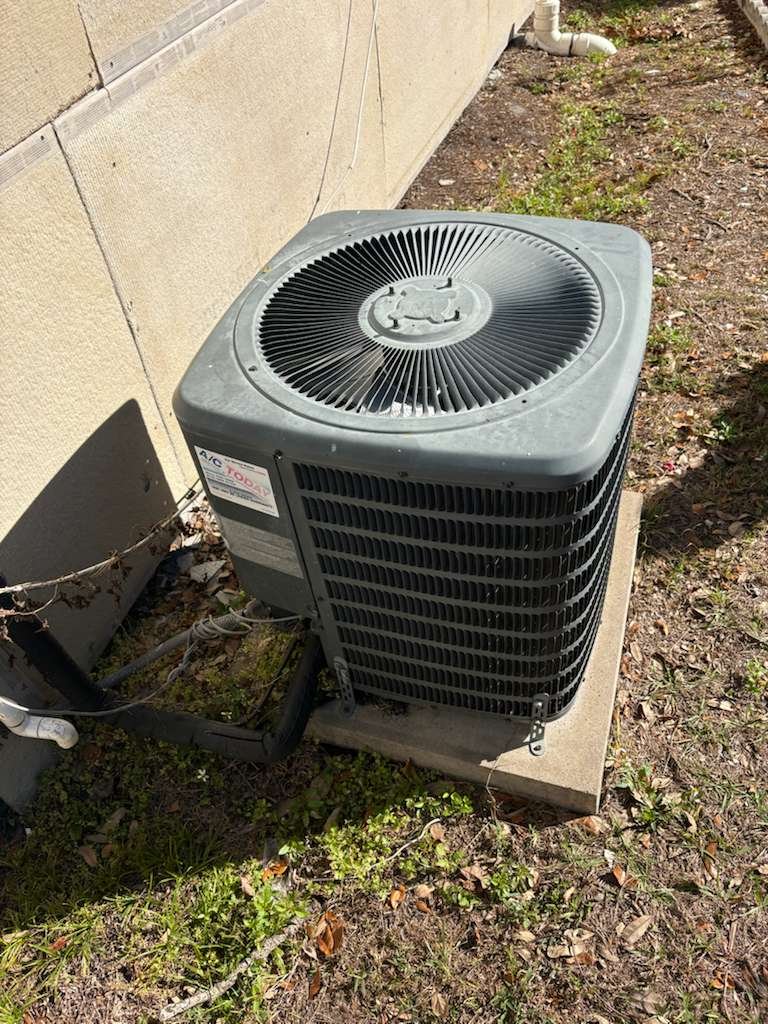
The whip is the flexible conduit and wire set that runs from the disconnect box to the outdoor condenser. In the Florida heat and sun, these can break down over time. We evaluated:
- Condition of the conduit and insulation.
- Any physical damage, brittleness, or exposed copper.
- Overall length and routing to ensure a proper fit for a standard 6-foot replacement.
Based on condition and age, we recommended replacing the whip along with the disconnect so that the entire power path to the outdoor unit would be brought up to a safe, reliable standard.
3. High-Voltage Wiring to the Air Handler and Heater Section
The most serious issue was the melted high-voltage wiring feeding the indoor air handler. We inspected:
- How far the damage had traveled down the wire.
- The connection points at the air handler and disconnect.
- The electric heater section (heat strips) to check for signs of overloading or abnormal operation.
The wiring was, in our professional opinion, “too far gone to save.” Roughly eight inches of melted insulation and heat damage is not something that can be patched or taped. It demands full replacement of that section of wiring. While the heater is a strong electrical load, we did not find clear signs that the heater itself was malfunctioning during this visit. However, any time wiring overheats to this extent, we document it carefully and make sure the homeowner understands that we’re treating it as a fire hazard correction, not just routine maintenance.
4. Refrigerant Circuit Check at the Air Handler
While working near the air handler, we also noticed a small amount of oil around the threaded connection near the coil. In refrigeration systems, oil often travels with the refrigerant, so oil at a connection can be one sign of a slow refrigerant leak. Because outdoor temperatures were unusually low at the time of our visit, proper refrigerant pressure readings would not have given us an accurate picture of system health.
Instead of guessing, we documented the finding and recommended monitoring system performance over the next several days, with a follow-up check if any comfort issues show up.
Repair and Service Process: How We Made the System Safe Again
Once we had a clear picture of the issues, we walked the homeowner through our plan and obtained approval before starting any work. Here’s what we did step by step at this St. Petersburg, FL 33712 property.
Step 1: Safe Power Shutdown and Verification
We started by shutting off power to the system at the breaker and at the existing disconnect. Whenever we work on high-voltage components, we verify power is off with proper instruments before touching any wiring. This protects both the home and our technicians.
Step 2: Removing the Old Disconnect
We removed the old disconnect box and inspected the mounting surface and incoming wires. Any signs of arcing or overheating are addressed before installing the new equipment. Removing the old box also lets us verify that the incoming feed from the main panel is in acceptable condition.
Step 3: Installing the New Disconnect Switch
We installed a new, properly rated disconnect switch to serve the outdoor unit. The new disconnect provides a reliable way to cut power at the equipment during future service and helps protect the system from unsafe power connections. We secured it properly, made clean terminations, and ensured that the enclosure closes and seals correctly.
Step 4: Replacing the Whip from Disconnect to Outdoor Unit
Next, we installed a new whip, including fresh wiring and flexible conduit, between the disconnect and the outdoor unit. For most residential systems, a 6-foot whip provides enough length for proper routing without leaving excessive slack. We kept the run neat and protected to minimize strain on the connections.
This step ensures that the final leg of the circuit, which is heavily exposed to weather, is solid and safe going forward.
Step 5: Replacing the Damaged High-Voltage Wiring to the Air Handler
The most critical part of this job was addressing the melted wiring between the disconnect and the indoor air handler. We removed the damaged wiring and replaced it with new, properly rated conductors sized appropriately for the system’s electrical load. Connections at both ends were cleaned up, tightened, and inspected.
Because the previous damage represented a major fire hazard, bringing this wiring back to code-conscious standards is one of the best safety upgrades we can provide for a system like this.
Step 6: Heater and Load Review
Given that this system uses electric heat strips, we also double-checked that the heater section appeared to be operating normally at the time of service. We looked for visible damage, signs of overheating at the terminals, and any issues that could have contributed to the wiring failure. While we did not see clear evidence that the heater was the direct cause, we always encourage homeowners to keep an eye on how the system behaves in both heating and cooling modes after any major electrical repair.
Step 7: System Testing and Final Checks
After completing all wiring and hardware replacements, we restored power and tested the system. We verified that:
- The outdoor unit powers on and off correctly.
- The air handler and heater respond to thermostat calls.
- There were no abnormal noises, smells, or immediate signs of electrical stress.
We also reminded the homeowner about the oil observed at the air handler coil connection and the limitations of refrigerant testing in cold outdoor temperatures. The unit is around eight years old, so we discussed that, depending on how it performs and what we find in any future diagnostics, a full system replacement may eventually be recommended.
Why This Fix Works: Safety and Reliability for Your AC Power Circuit
HVAC systems in St. Petersburg and across Tampa Bay work hard almost year-round, pulling a lot of electrical power—especially when electric heat strips are involved. When wiring is undersized, loose, damaged, or simply aged out, heat builds up at the connections. Over time, that heat can melt insulation and damage copper, just like we saw in this home.
By replacing the disconnect, whip, and compromised high-voltage wiring, we restored three critical pieces of the safety chain:
- Proper disconnect function: The new switch provides a dependable way to shut off power for service and emergencies.
- Healthy wiring and terminations: Fresh, appropriately rated wire reduces the risk of overheating under normal load.
- Protected outdoor run: A new whip shields conductors from weather, movement, and sun damage.
Combined, these steps reduce the fire risk, help your breakers function the way they’re supposed to during a fault, and support the long-term reliability of your air conditioning system.
Pro Tips for Homeowners in St. Petersburg
For homeowners in St. Petersburg, FL 33712 and the greater Tampa Bay area, electrical and AC issues often show up the most during peak heat or when using heat strips on cooler nights. Here are a few practical tips to keep your system safer and more reliable:
- Look at your disconnect and whip once or twice a year. Without opening anything, just visually check for cracked conduit, rusted boxes, or anything that looks obviously damaged. If you see it, call a licensed HVAC pro.
- Pay attention to burning smells. If you ever smell a burning or electrical odor when your AC or heat strips turn on, shut the system off at the thermostat and breaker, and schedule service immediately.
- Don’t ignore short-cycling or breaker trips. Frequent on/off cycles or repeated tripped breakers can be signs of deeper electrical or mechanical problems. They’re worth checking before they turn into bigger failures.
- Schedule routine AC maintenance. Regular maintenance helps catch loose connections, early refrigerant issues, and airflow restrictions. Our Tampa Bay team offers AC maintenance and cleaning specials designed for Florida homes.
- Watch for changes in performance after a repair. If your system starts running longer, struggling to maintain set temperature, or cooling unevenly, that can be a sign of a refrigerant or airflow issue that deserves a closer look.
- Plan ahead as systems age. Around the 8–10 year mark, it’s smart to start budgeting for future repairs or a full system replacement. If you’re not sure where you stand, we can provide clear air conditioner installation quotes tailored to Tampa Bay homes.
FAQ: AC Disconnect and Wiring Issues for St. Petersburg Homeowners
Is melted AC wiring really that dangerous?
Yes. When high-voltage AC wiring has melted insulation or visible heat damage, it’s a serious fire hazard. That wiring carries enough current that a bad connection can overheat, arc, and damage nearby materials. In this St. Petersburg home, replacing the damaged wiring was not optional—it was essential for safety.
Why didn’t the breaker trip if the wiring overheated?
Breakers are designed to trip under certain overload or fault conditions, but not every overheating situation triggers them right away. Loose connections, gradual heat buildup, and marginal contact can damage wiring over time without ever crossing the breaker’s trip threshold. That’s why regular inspections and visual checks by a professional matter, especially in high-demand climates like Tampa Bay.
What does the disconnect actually do for my AC system?
The disconnect is a safety switch located near your outdoor unit. It allows a technician to shut off power at the equipment when performing service or repairs. A worn, corroded, or damaged disconnect can lead to unreliable power delivery and unsafe working conditions, so replacement is recommended when they show signs of failure.
What is an AC whip, and why did it need to be replaced?
The whip is the flexible conduit and wiring that runs from the disconnect to your outdoor unit. Over time, Florida sun, heat, and weather can crack the conduit and weaken insulation. Replacing the whip ensures the final stretch of power to your AC is well-protected and properly connected.
Should I be worried about a little oil near my air handler coil?
A small amount of oil at a refrigerant connection doesn’t always mean an active leak, but it is something to take seriously. Oil often travels with the refrigerant, so oil at a threaded joint can be an early indicator of a slow leak. In this case, we recommended monitoring system performance and scheduling follow-up diagnostics if cooling declines, run times increase, or the system struggles to hold your set temperature.
My system is around 8 years old—should I repair or replace?
It depends on the overall condition, repair history, and how well the system is performing today. For this homeowner in St. Petersburg, FL 33712, we made the electrical repairs needed for safety and reliability now, and we were transparent that, depending on what future inspections reveal, a full system replacement may make sense down the road. We’re always happy to walk you through repair-versus-replace options so you can make a confident decision for your home.
Why Tampa Bay Homeowners Choose Home Therapist
At Home Therapist Cooling, Heating, and Plumbing, we approach every job the same way we handled this AC disconnect and wiring repair in St. Petersburg—by putting safety, honesty, and long-term reliability first.
- Licensed and professional technicians: Our team is trained to handle both HVAC and related electrical work, so you get thorough diagnostics and repairs done to professional standards.
- Transparent communication: We explain what we find in plain language, show you the problem when possible, and review your options before we start any work.
- Clean and respectful work: We treat your home like it’s our own—protecting work areas, cleaning up after ourselves, and respecting your time and schedule.
- Focus on long-term reliability: Whether it’s correcting a fire hazard in your wiring or guiding you toward a future system upgrade, we’re thinking about how your system will perform for years, not just today.
- Committed to Tampa Bay homeowners: We live and work in the same communities we serve, from St. Petersburg and Clearwater to Lutz and beyond.
If you’d like to see more of how we work and what other homeowners are saying, connect with us on social media or check our profiles:
- Follow us on Facebook for tips, updates, and real project stories.
- See behind-the-scenes work and Tampa Bay projects on Instagram.
- View our location, photos, and reviews on our Google Business Profile.
- Check independent details and credentials on BuildZoom or find us on Yelp.
For more about our service options and how we handle AC repairs, installs, and maintenance across Tampa Bay, you can also visit our main website at Home Therapist Cooling, Heating, and Plumbing or explore our overview of AC repairs, installs, and maintenance services.
Need AC Electrical or Disconnect Repair in St. Petersburg, FL 33712?
If you’re in St. Petersburg, FL 33712 and you’ve noticed melted wiring, a worn-out disconnect, a damaged whip, or just something that doesn’t look right near your AC equipment, it’s worth having it checked by a licensed professional. Issues like the ones we corrected at this home can start quietly and turn into major safety concerns if they’re ignored.
Our local Tampa Bay team is here to help you restore safety, protect your home, and keep your system running as reliably as possible. Whether you need targeted electrical repairs, routine maintenance, or you’re starting to think about a future system replacement, we’ll walk you through your options clearly and calmly.
When you’re ready, reach out to Home Therapist Cooling, Heating, and Plumbing to schedule AC service in St. Petersburg, FL 33712. We’ll take the time to do it right, explain what we find, and leave you feeling confident about the system that keeps your home comfortable.