

AC Maintenance Value Plan Visit in Tampa, FL 33615

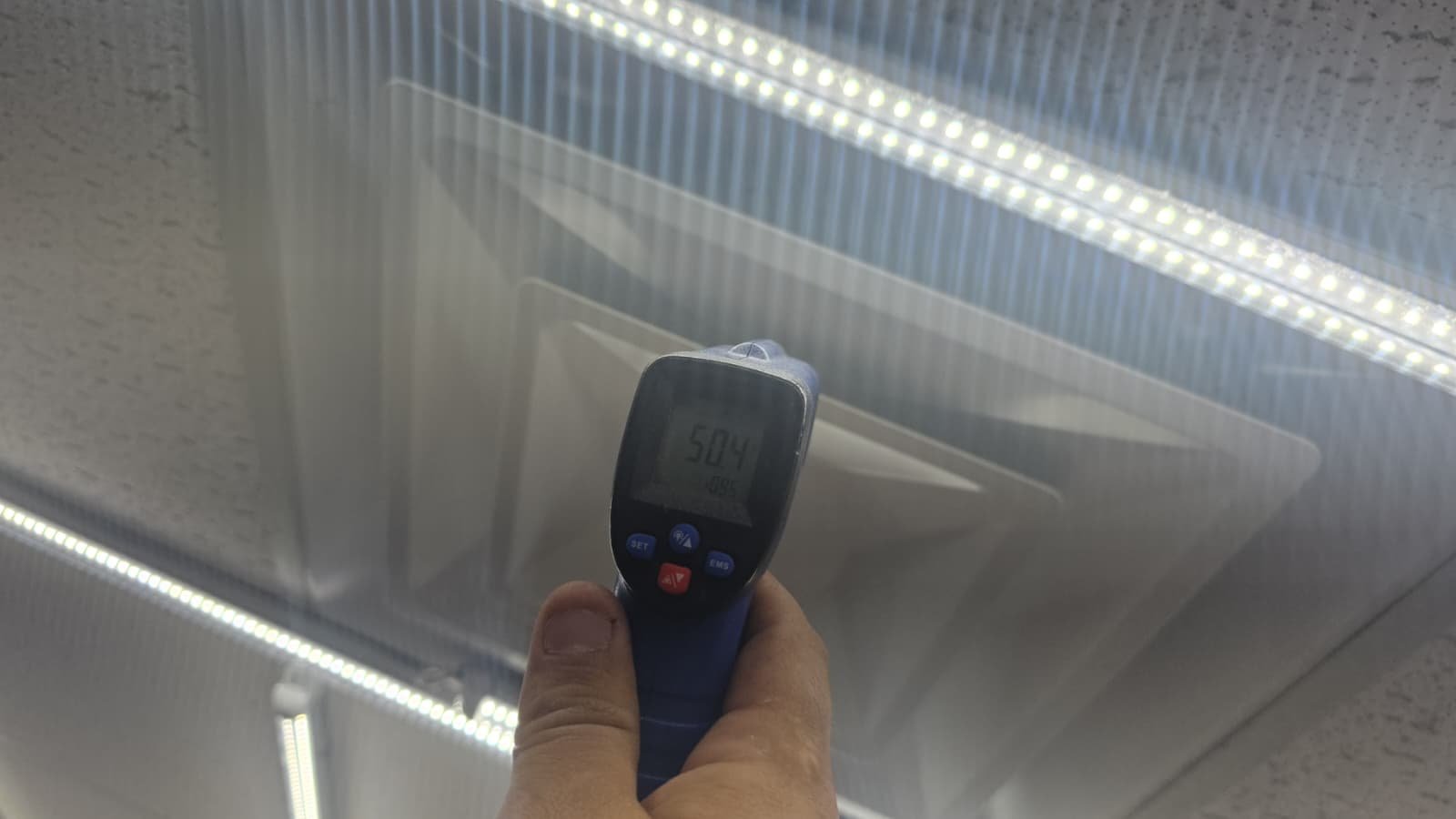

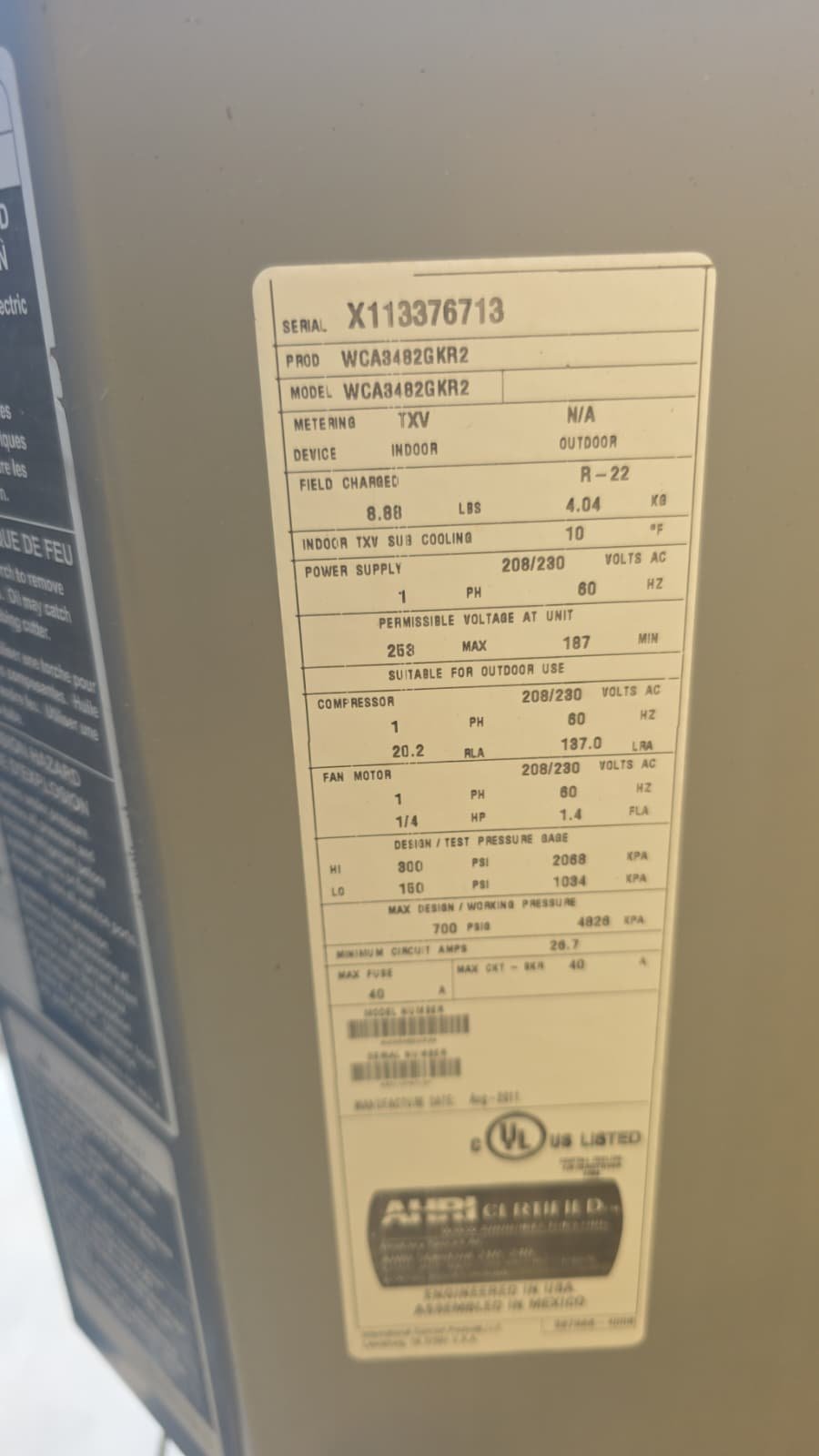
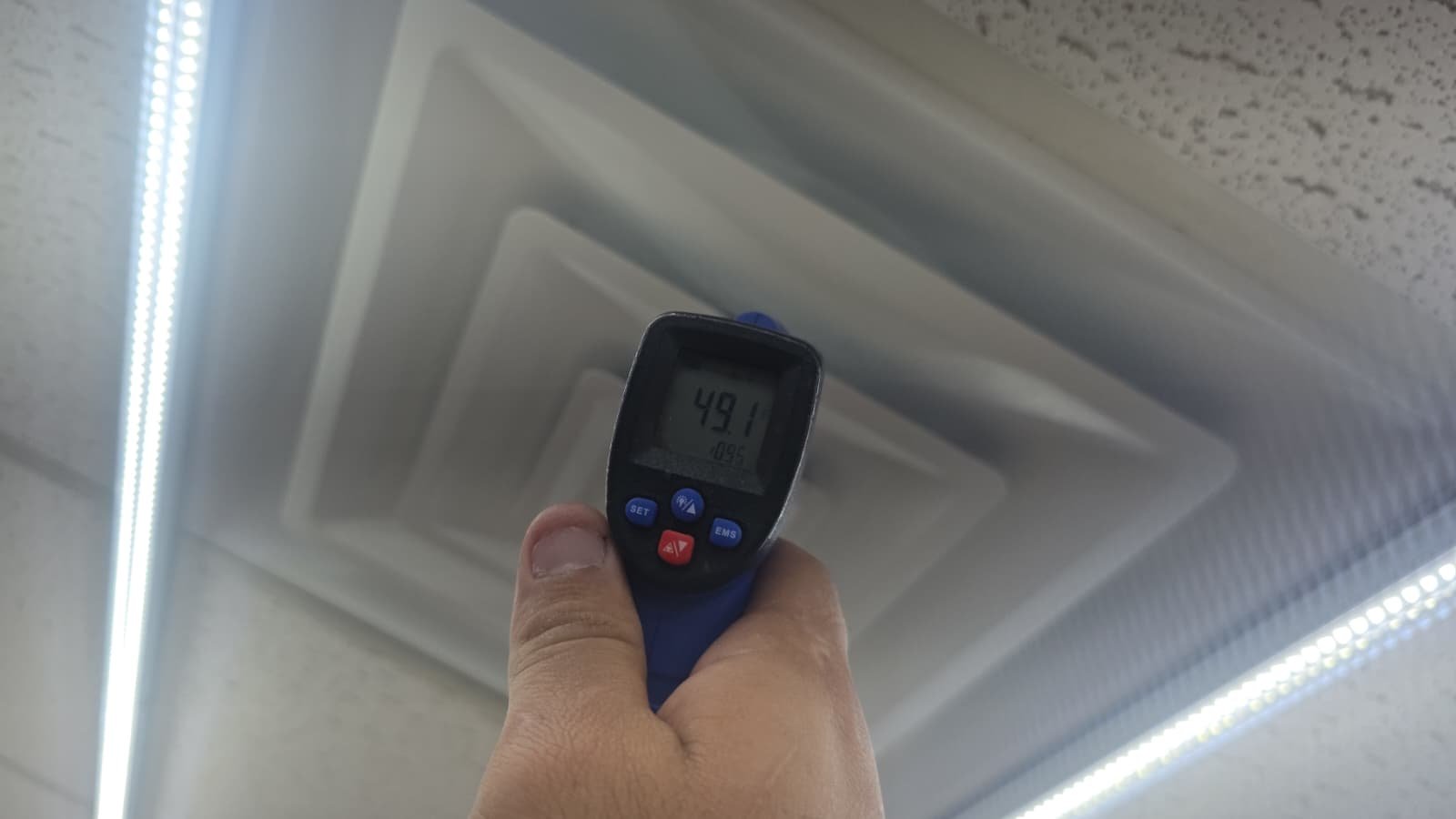

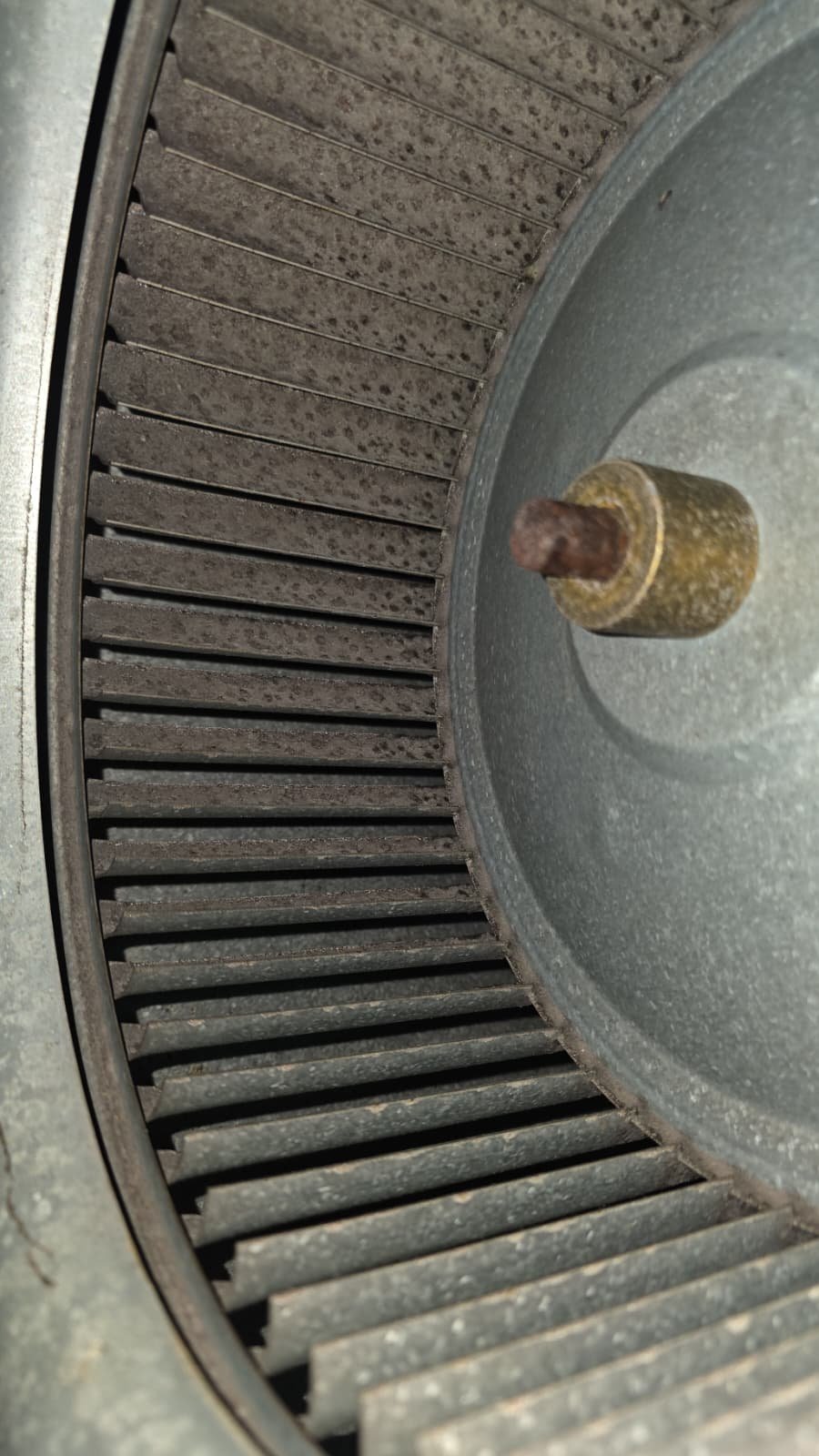

For homeowners in Tampa, FL 33615, staying ahead of AC problems is one of the best ways to stay comfortable through our long, hot, and humid seasons. On this visit, we performed a Value Quarterly Service Agreement maintenance on an older air conditioning system—about 14 years old—for a local homeowner. The good news: the unit was operating correctly, and with a thorough cleaning and inspection, we helped keep it that way.
In this case study, we’ll walk you through what we checked, what we cleaned, and why each step matters for your comfort, efficiency, and peace of mind when you schedule AC maintenance in Tampa.
Case Recap
- Location: Single-family home in Tampa, FL 33615
- Service type: Value Quarterly Service Agreement visit (routine AC maintenance)
- System age: Approximately 14 years old
- Findings: System operating normally at time of visit
- Work performed: Full inspection, coil cleaning, and condensate drain line cleaning
- Next step: Note to return with three custom-size filters for ongoing maintenance
Customer Problem
This visit wasn’t an emergency breakdown—it was part of a planned Value Quarterly Service Agreement that the homeowner in Tampa, FL 33615 uses to keep their older AC system running reliably.
With a system around 14 years old, the homeowner’s main concerns were:
- Staying ahead of unexpected breakdowns, especially during peak summer heat
- Keeping energy bills under control by maintaining efficiency
- Making sure airflow and drainage stayed in good shape to avoid leaks or frozen coils
They also rely on us to handle their air filters. During the visit, we confirmed they use a specific non-standard filter size and made a note to bring back three filters of the correct dimensions on the next maintenance visit so we can keep everything consistent and properly sealed.
Inspection and Diagnosis
Even when a system seems to be running fine, we treat every maintenance visit like an opportunity to catch small issues before they turn into larger ones. On this Tampa, FL 33615 Value Plan visit, we followed our maintenance procedure to verify the system’s health.
Here’s what we focused on during the inspection:
Checking Overall Operation
We started by running the system through a normal cooling cycle. We listened for unusual noises, checked for vibration, and verified that the thermostat was calling for cooling and shutting off the system properly. This helps confirm that the main components and controls are working together as they should.
Verifying Pressures and Electrical Consumption
The job notes indicated that operating pressures, fan blower consumption, and compressor consumption were all within normal ranges at the time of service. While we are not listing specific readings, this means:
- The refrigerant circuit appeared to be operating as expected for the conditions.
- The indoor blower motor was not drawing abnormal power, which can be an early sign of motor or airflow issues.
- The outdoor compressor was running within expected consumption, indicating it was not under excessive strain.
When those three areas all look normal, it’s a strong sign that the system is currently healthy and not being overworked.
Inspecting Coils and Airflow
Coils and airflow are at the heart of any air conditioning system—especially in Tampa’s hot, humid climate. During this visit, we inspected both the indoor and outdoor coils and confirmed they were good candidates for cleaning, then proceeded with that work.
Any buildup of dust, dirt, or debris on the coils can force the system to work harder to move heat. On an older unit, that extra strain can shorten remaining lifespan if it’s not addressed through maintenance.
Checking Condensate Drainage
We inspected the condensate drain line, pan, and visible connections for signs of clogs, algae growth, or standing water. Tampa’s humidity means your system removes a lot of moisture from the air, and that water has to go somewhere safely. A plugged drain can lead to water leaks, ceiling damage, or system shutdowns if the safety float switch trips.
Documenting Filter Needs
Finally, we confirmed the home uses a custom-size filter. Our note from this visit was to return with three filters of the correct size so we can keep them on hand for future quarterly visits. A proper-fitting filter is important—not just for air quality, but also for protecting the coils from dust and debris that can impact performance.
Repair or Service Process
Because this was a scheduled maintenance visit as part of a Value Quarterly Service Agreement, our focus was on cleaning, testing, and preventing problems—not replacing major parts. Here’s how we approached the service step by step.
1. System Startup and Visual Check
We began by starting the system and doing a thorough visual inspection indoors and outdoors. We checked for:
- Loose wiring or connections
- Signs of oil or refrigerant stains around fittings
- Rust or corrosion that might need attention later
- Unusual noises from the blower or compressor
Everything appeared normal at this stage, which allowed us to move confidently into cleaning and preventive work.
2. Cleaning Both Coils
Both the indoor evaporator coil and the outdoor condenser coil were cleaned. On a 14-year-old system, this is especially important to keep efficiency as high as possible.
Coil cleaning matters because:
- A clean indoor coil improves heat transfer and helps maintain proper cooling capacity.
- A clean outdoor coil allows hot air to be rejected effectively, reducing compressor strain.
- Less dirt on coils often means lower runtime and can help with more stable indoor temperatures.
3. Flushing and Cleaning the Condensate Drain Line
We cleaned the condensate drain line to help prevent clogs and backups. In Tampa, FL 33615, where air conditioners run for long hours and pull a lot of humidity from the air, drain lines can build up algae and debris over time.
By clearing the line and confirming proper drainage, we reduce the risk of:
- Water leaks at the air handler
- Ceiling or wall damage from overflowing pans
- System shutdowns triggered by float safety switches
4. Verifying Electrical and Mechanical Operation
After cleaning, we re-ran the system and confirmed that operating pressures, blower consumption, and compressor consumption remained within normal ranges. While we didn’t need to replace any components on this visit, this verification step is critical, especially on an older unit.
We also listened again for any changes in system noise and rechecked airflow at the supply and return grilles. Everything continued to operate as expected.
5. Planning for Future Filter Replacement
As noted, this home uses a specific filter size. As part of being thorough on our maintenance visits, we documented that we need to bring three filters of that exact size on the next visit. That way, we can:
- Swap filters without delay
- Ensure the filter seals properly and doesn’t allow bypass
- Keep dust and debris off the freshly cleaned coils
At the end of the visit, we confirmed with the homeowner that the system was operating normally. No additional repairs were required at this time.
Why This Fix Works
Even though no parts were replaced on this visit, the maintenance we performed has a real impact on comfort, efficiency, and reliability for homeowners in Tampa, FL 33615.
Protecting Airflow and Heat Transfer
Air conditioners work by moving heat: the indoor coil absorbs heat from inside your home, and the outdoor coil releases it outside. Dirt on either coil acts like a blanket, making it harder for the system to transfer heat. When we clean both coils, we’re essentially removing that blanket so the system can do its job more easily.
Keeping Electrical Components Within Normal Load
When airflow is restricted or coils are dirty, motors and the compressor often have to work harder. That increased load can show up as higher electrical consumption, extra heat, and eventually, premature failure. By confirming that blower and compressor consumption were within normal ranges, we verified that the system is not currently under unnecessary stress.
Preventing Water Damage and Nuisance Breakdowns
In the Tampa climate, condensate management is not optional—it’s essential. A simple clogged drain can take an otherwise healthy system offline or cause water to leak into walls or ceilings. Cleaning the drain line during maintenance reduces that risk and helps the system run longer without interruption.
Put together, these steps mean the homeowner’s 14-year-old system can continue to provide reliable cooling, even in our demanding Florida conditions, while they stay enrolled in a regular Therapy Maintenance Plan.
Pro Tips for Homeowners in Tampa
If you live in Tampa, FL 33615 or nearby, a few simple habits can go a long way toward keeping your AC running smoothly between professional visits.
- Check your filter regularly. In our humid, dusty environment, filters can load up faster than many homeowners expect—especially if you have pets or allergies. Check monthly and replace as recommended for your filter type.
- Keep outdoor equipment clear. Trim back plants, remove leaves, and avoid storing items near the outdoor unit. Good airflow around the condenser is key to efficient operation.
- Watch for changes, not just failures. If you notice weaker airflow, more noise than usual, or longer run times to reach the same temperature, that’s a good reason to schedule a check—even if the system still “works.”
- Use your thermostat wisely. Constantly changing the setpoint or forcing very low temperatures during peak heat can make the system work much harder. Moderate, steady settings are easier on equipment.
- Schedule routine maintenance. Annual or quarterly AC maintenance in Tampa is one of the best investments you can make in comfort and system life, especially once your unit is 10+ years old.
- Address drainage early. If you notice water near your air handler or drip pan, shut the system down and call for service. Catching drain issues early often prevents damage.
FAQ: AC Maintenance Value Plan Visit in Tampa, FL 33615
How often should I schedule maintenance for an older AC system?
For an older system like this 14-year-old unit in Tampa, FL 33615, we generally recommend at least annual professional maintenance, and many homeowners choose a quarterly plan. More frequent visits help catch wear-and-tear early and keep efficiency up as the system ages.
What does a Value Quarterly Service Agreement visit include?
On a typical Value Quarterly Service Agreement visit, we inspect overall system operation, check key electrical and refrigeration performance indicators, clean the coils as needed, clear the condensate drain line, and verify airflow. We also document any filter or part needs for future visits. The goal is to keep your system running reliably and safely, not just reset a checklist.
Do you always find problems during maintenance?
No. In many cases—like this Tampa, FL 33615 visit—the system is working properly at the time of service. That’s actually ideal. Maintenance is most effective when it’s done before something breaks. When we don’t find active problems, we focus on cleaning, confirming proper operation, and documenting anything to watch for in the future.
Why is coil cleaning so important in Tampa’s climate?
Our combination of heat, humidity, and long run times means coils can pick up dust, pollen, and outdoor debris quickly. Dirty coils reduce efficiency, increase energy use, and can contribute to comfort issues. Regular coil cleaning helps your AC move heat more effectively, which is especially important during long Florida summers.
What if my AC is the same age as this 14-year-old unit?
If your system is in a similar age range, consistent maintenance becomes even more important. It won’t make a worn system brand new, but it can help you get the most reasonable life out of your equipment while you plan for eventual replacement. We can also walk you through options and timing when it makes sense to consider a new AC installation in Tampa.
Is there a difference between a one-time tune-up and a maintenance plan?
A one-time tune-up is a good start, but a maintenance plan—like our Therapy and Value options—builds in regular visits so your system is checked and cleaned routinely. That’s especially helpful in Tampa, where AC systems work nearly year-round. Our AC tune-up services can be scheduled as standalone visits or as part of an ongoing plan.
Why Choose Home Therapist for AC Maintenance in Tampa
When you invite us into your home in Tampa, FL 33615, you’re trusting us with your comfort, safety, and equipment. We take that seriously on every visit.
- Licensed, professional technicians. Our team is fully trained and licensed to work on residential HVAC systems throughout Tampa Bay. We follow proven procedures and take the time to do the job correctly, whether it’s a simple maintenance visit or a complex repair.
- Transparent communication. We explain what we’re checking, what we find, and what we recommend—without pressure. In this case, we were clear that the system was operating normally and documented only what was needed for the next visit: the custom filter sizes.
- Clean, respectful work. We treat your home like our own—using care around your property, cleaning up after ourselves, and paying attention to details like access, pets, and family schedules.
- Long-term reliability focus. Maintenance visits aren’t just quick wipe-downs. We’re looking at how to keep your system running safely and efficiently for as long as it makes sense, especially for older units.
- Committed to Tampa Bay homeowners. We serve homeowners across Tampa Bay with reliable AC repair, installation, and maintenance services, tailored to Florida’s unique climate.
If you’d like to see more of how we work and connect with our team, you can find us on social media:
And if you’re looking for additional peace of mind, you can read more about our reputation and community involvement here:
- Home Therapist on the Better Business Bureau
- Tampa Bay Chamber of Commerce listing
- Our Google Business Profile and map listing
Need AC Maintenance in Tampa, FL 33615?
If you’re in Tampa, FL 33615 and want the same level of careful, preventive service for your air conditioner, we’re here to help. Whether your system is brand new or, like this one, 14 years old, regular maintenance can make a real difference in comfort, reliability, and long-term costs.
To schedule a visit or learn more about our maintenance plans and AC services in Tampa, you can reach out through our contact page or explore our AC maintenance services in Tampa. We’ll walk you through your options, answer your questions in plain language, and help you choose a plan that fits your home and budget—without pressure.
When you’re ready, our local Tampa Bay technicians are just a call or click away, ready to keep your home comfortable and your system running as it should.


