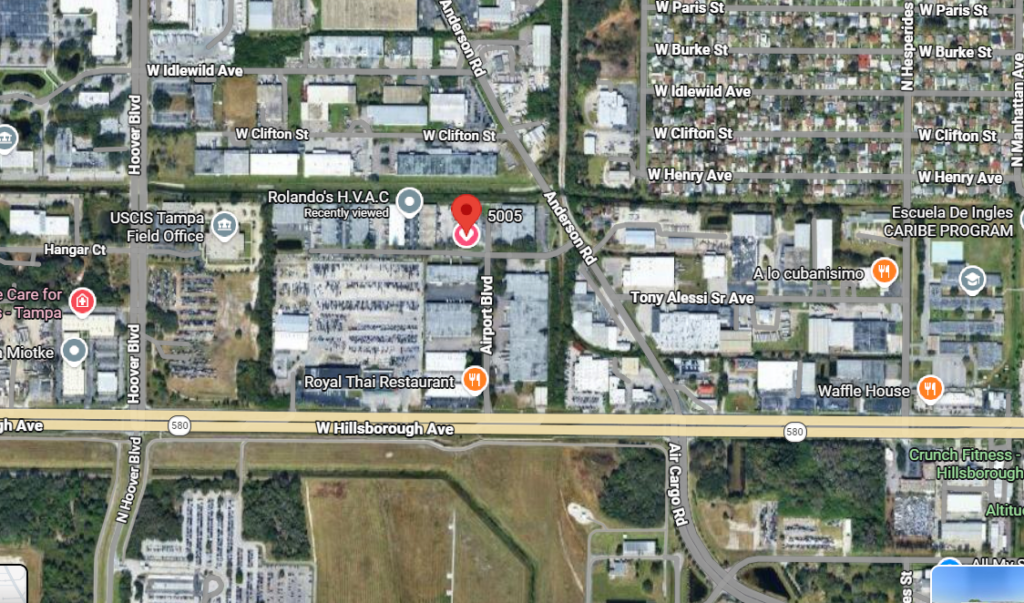

Disconnect Switch Replacement in Tampa, FL 33605
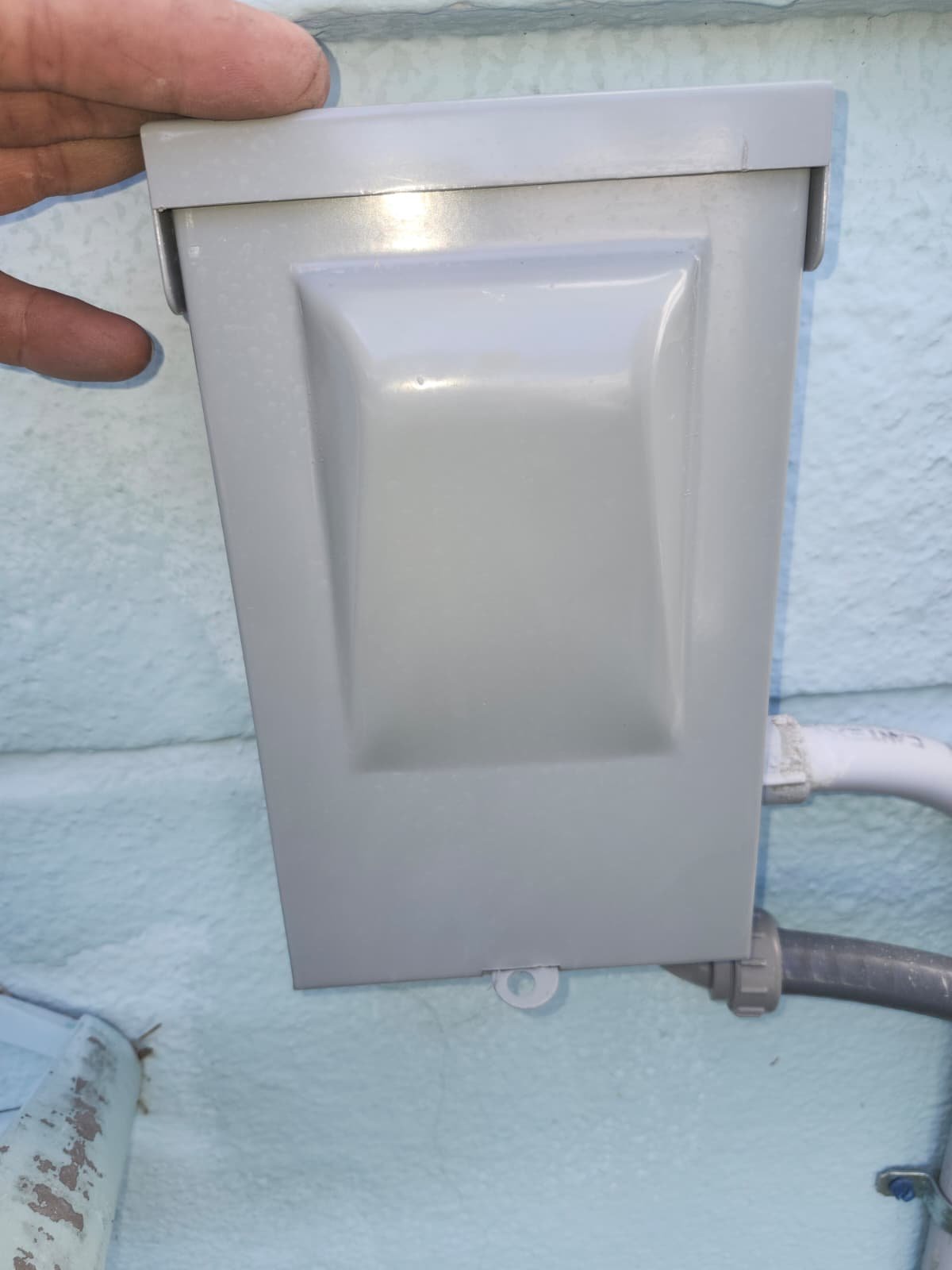
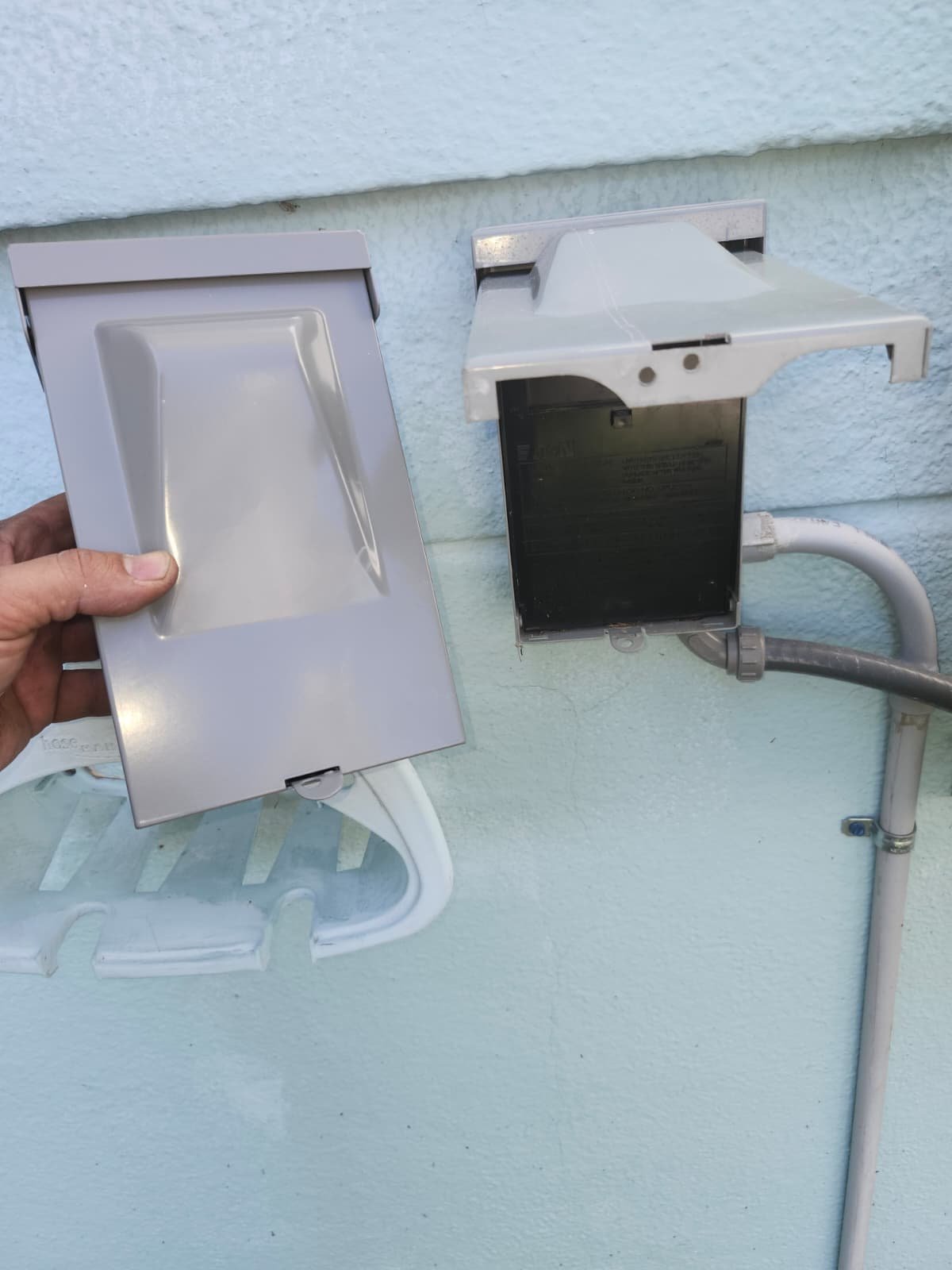
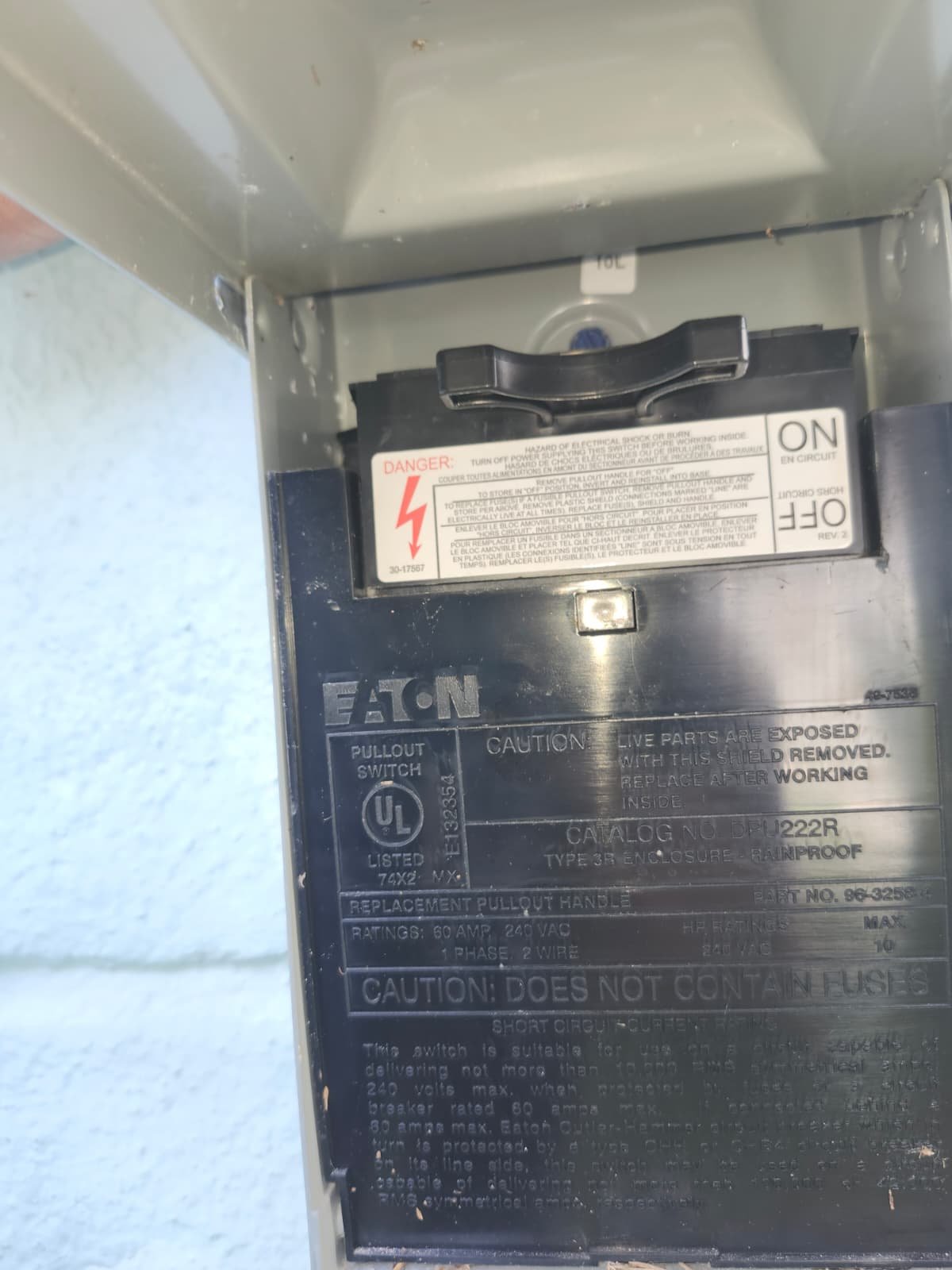
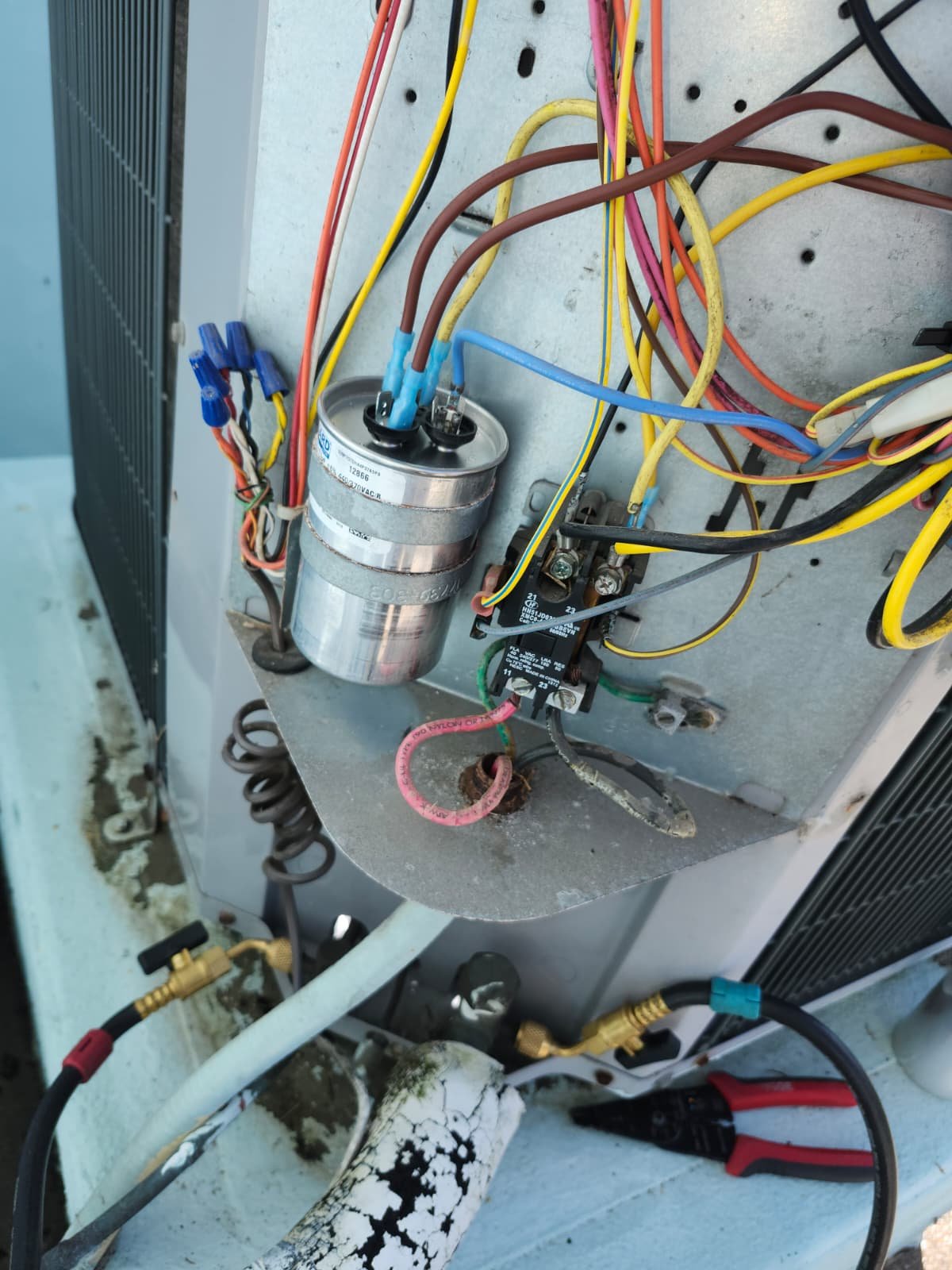
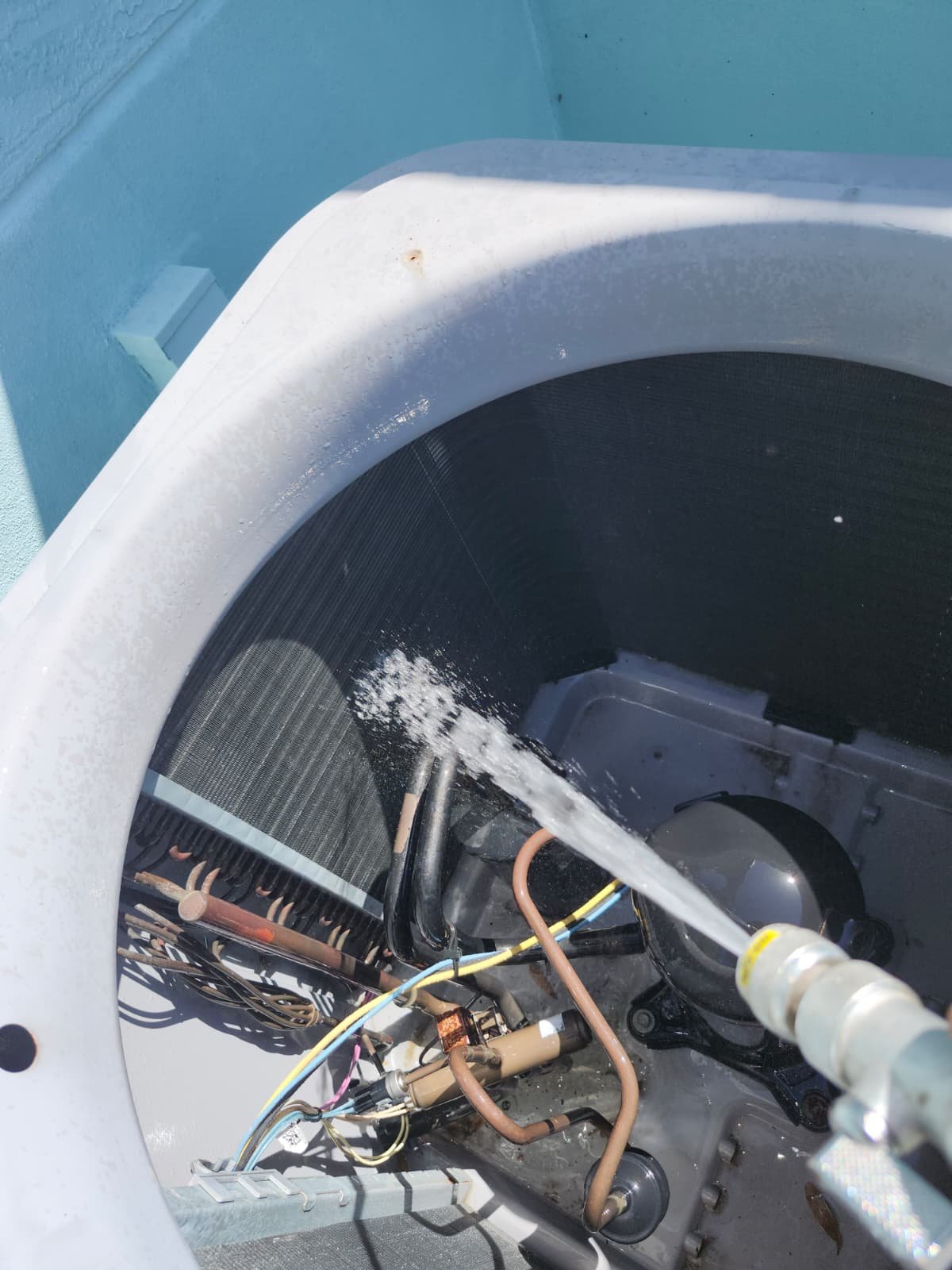
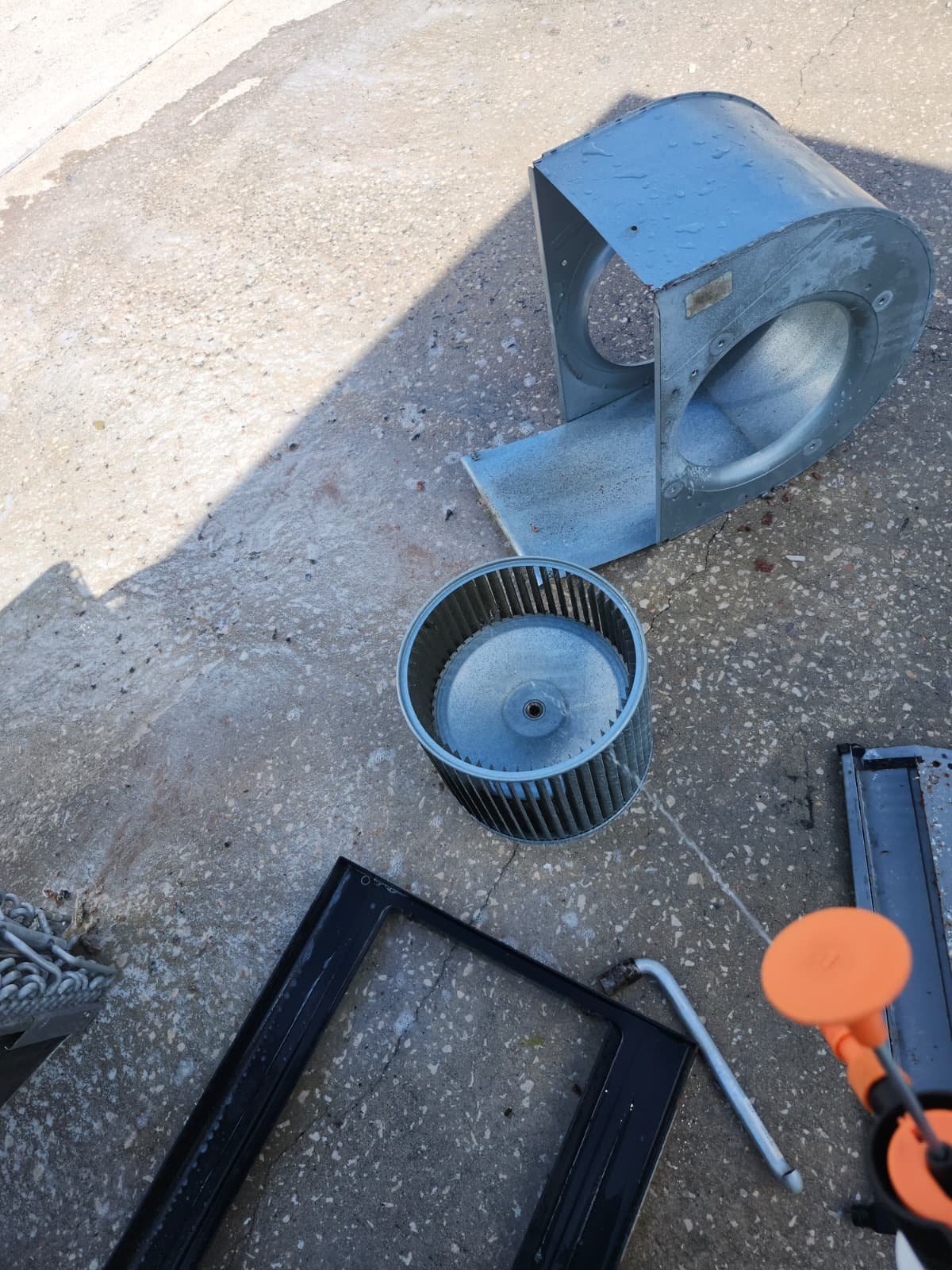
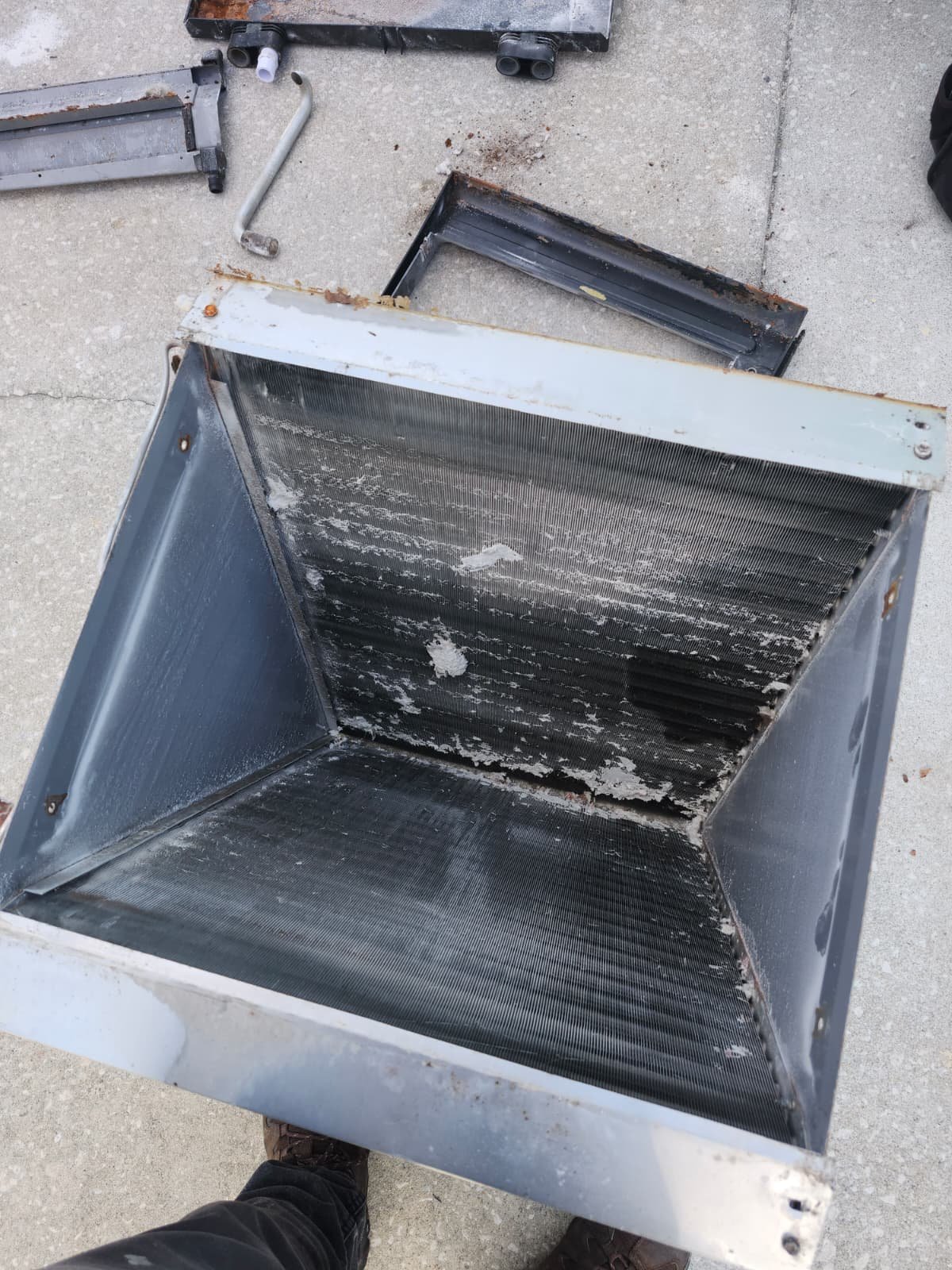
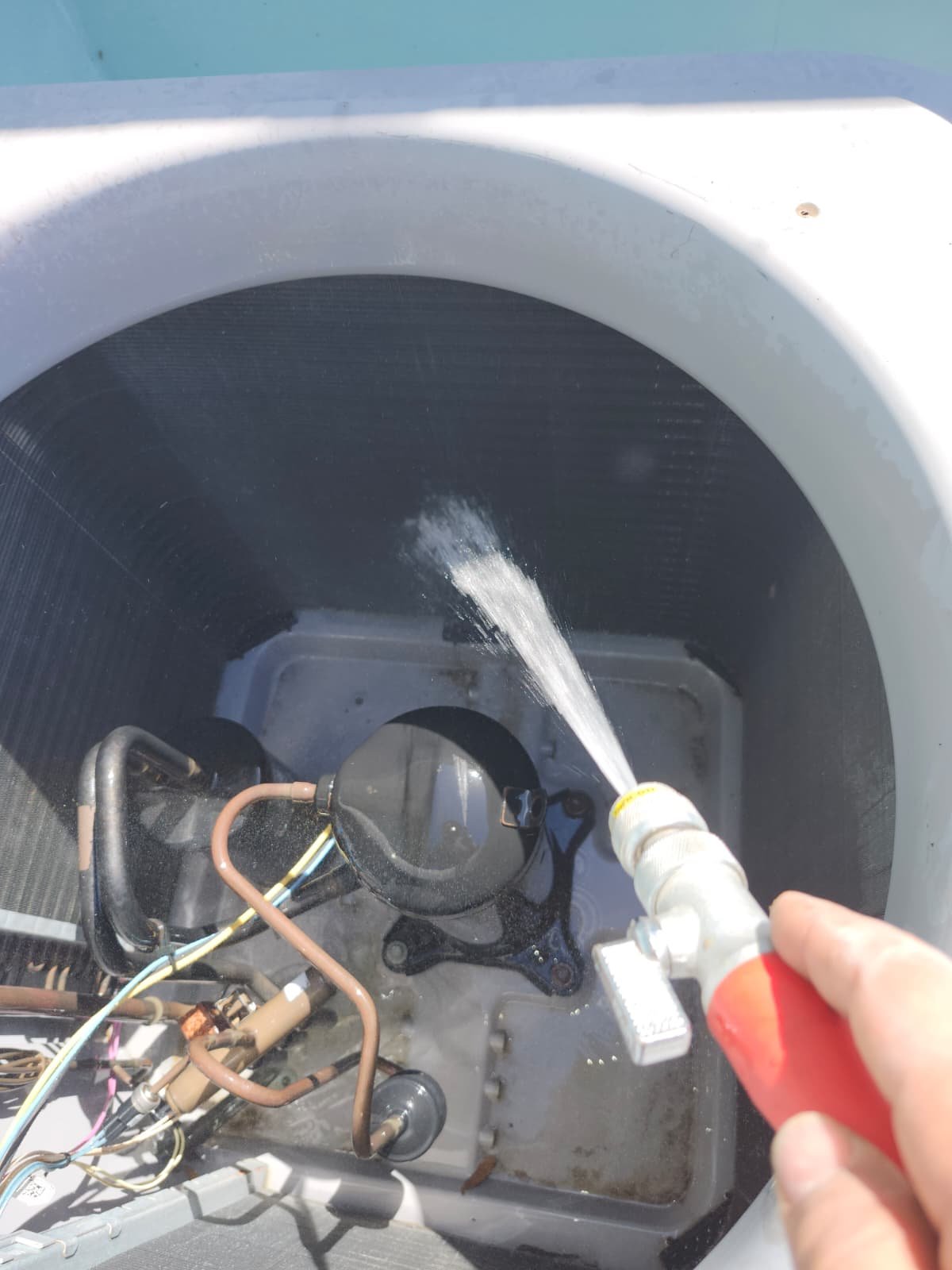
When you own a mini split or any outdoor HVAC equipment in Tampa, FL 33605, having a safe way to shut power off at the unit is not optional – it’s required for safety and for proper service. Recently, a homeowner in Tampa, FL 33605 reached out because their mini split’s outdoor disconnect was missing the pull-out “blade” that allows power to be safely turned off at the unit. We replaced the disconnect switch so the system could be serviced safely and continue to run reliably.
Case Recap
- Location: Single-family home in Tampa, FL 33605
- Equipment: Outdoor mini split unit
- Main issue: Disconnect switch missing its pull-out component (“cuchilla”), creating a safety and service concern
- Solution: Remove the old disconnect and install a new outdoor-rated disconnect switch
- Outcome: Restored a safe local means to shut off power and verified proper operation of the mini split
Customer Problem
In this Tampa home, the homeowner had a mini split system serving one of the spaces. Outside, next to the condenser, there was a disconnect box, but the pull-out piece – often called the blade or handle – was missing. In the notes, the concern was described in Spanish: the outdoor unit for the mini split was “missing the blade” (la cuchilla).
Without that pull-out piece, the disconnect can’t do its job. The homeowner was concerned because:
- They knew technicians need a way to cut power at the unit for safe service.
- They didn’t want any risk of someone working around energized equipment.
- They wanted the installation to be clean, professional, and up to standard.
In Florida’s heat and humidity, mini splits often run long hours. That makes safe electrical control especially important. A missing disconnect blade can turn a simple maintenance visit into a safety concern. The homeowner wanted this resolved before scheduling any additional work on the system.
Inspection and Diagnosis
When we arrived at the Tampa, FL 33605 property, we started with a visual inspection of the outdoor mini split area and the existing electrical disconnect. The goal was to confirm exactly what was missing and whether any other components were damaged or unsafe.
Here’s what we focused on during inspection:
- Existing disconnect box: We looked at the cabinet, cover, and mounting to verify there were no cracks, severe rust, or signs of overheating.
- Missing blade / pull-out: The disconnect was indeed missing the removable section used to interrupt power. Without it, the box could not function as intended.
- Line and load conductors: We checked for obvious damage, loose terminations, or burn marks where the wires land on the disconnect.
- Mini split condition: We visually inspected the outdoor unit, line set connections, and general area to ensure there were no other immediate safety issues.
We also confirmed with the homeowner that they were not experiencing other symptoms like tripped breakers, burning smells, or intermittent power loss. Their primary concern was strictly the missing disconnect blade and making sure the setup was safe and serviceable.
Based on what we found, the proper solution was to replace the disconnect switch assembly. The job description made it clear that this replacement would not include any new whip or wiring – the focus was the disconnect itself.
Repair or Service Process
With the homeowner’s approval, we moved forward with a new disconnect switch replacement for the mini split. Our process is designed around safety, code-conscious installation practices, and a clean finished look.
1. Power Safety and Preparation
Before touching any electrical components, we shut off power at the main source feeding the disconnect. Even though the disconnect blade was missing, we never assume wiring is safe to handle until we’ve fully de-energized it.
We then verified that the circuit feeding the mini split was off. This step protects both the technician and the equipment from accidental short circuits or electric shock.
2. Removing the Old Disconnect
Once the power was safely off, we:
- Removed the old disconnect cover.
- Carefully noted how the line (incoming power) and load (to the mini split) wires were routed and connected.
- Detached the existing conductors from the old disconnect components.
- Took down the old disconnect box from the wall or mounting surface.
Even though the old unit was missing its blade, we still handled it carefully and checked for any signs of heat damage or arcing that might indicate other underlying issues.
3. Installing the New Disconnect Switch
Next, we installed the new outdoor-rated disconnect in place of the old one. This is a straightforward step, but doing it correctly is important for long-term reliability:
- We mounted the new disconnect securely so it sits level and solid against the wall.
- We aligned the entry points so the existing conduit and wiring could be reconnected without stress on the cables.
- We connected the line and load conductors to the proper terminals, tightening each connection securely.
The job description noted that this item did not include replacing the whip or wiring, so we reused the existing conductors that were in acceptable condition, making sure the insulation was intact and the terminations were solid.
4. Verifying Operation of the New Disconnect
With the new disconnect in place and wired, we restored power at the main source. We then operated the new disconnect using its pull-out or switch mechanism to confirm that it would reliably turn power on and off to the mini split.
We checked that:
- The disconnect could be opened and closed smoothly.
- The cover closed properly and provided reasonable protection from the elements.
- The mini split powered up as expected when the disconnect was in the “on” position.
Finally, we observed the mini split running from the outdoor unit to confirm that it was operating normally after the electrical work. We verified proper operation after the replacement and ensured there were no immediate issues.
5. Clean-Up and Walkthrough With the Homeowner
As with all of our work in Tampa Bay, we cleaned up the area, removed the old disconnect from the site, and made sure there were no loose wires or debris left behind. We then walked the homeowner through what we had done:
- Showed them the new disconnect and how it works.
- Explained why the missing blade was a concern.
- Reassured them that the mini split now has a proper, safe means of local shutoff.
We also respected their request regarding future follow-up for other services, making sure our communication stayed aligned with what they wanted.
Why This Fix Works
A disconnect switch might look like a simple box on the wall, but it plays a crucial safety role for HVAC systems in Tampa, FL 33605 and everywhere else.
Here’s why replacing the missing-blade disconnect was the right solution:
- Safe service and maintenance: Technicians need a way to shut off power at the unit before opening panels or touching internal components. A functional disconnect provides that local control.
- Emergency shutoff: In the rare event of smoke, sparks, or unusual behavior at the outdoor unit, having a visible, easy-to-reach disconnect allows power to be cut quickly.
- Code and manufacturer expectations: Modern HVAC and mini split installations are designed and approved around having a nearby means of disconnection. A missing blade defeats that purpose.
- Electrical reliability: A fresh, properly installed disconnect helps ensure good connections and reduces the risk of loose or overheated contacts.
By installing a new disconnect, we restored the proper safety control point between the home’s electrical panel and the mini split condenser. The unit can now be serviced correctly, and the homeowner has peace of mind that the system can be shut off right at the equipment.
Pro Tips for Homeowners in Tampa
For homeowners in Tampa, FL 33605 and the broader Tampa Bay area, mini splits and central HVAC systems see a lot of use. Here are some practical tips to keep your equipment and electrical controls in good shape:
- Visually check outdoor equipment a few times a year. Without opening anything, just look at the outdoor unit and the nearby disconnect box. If you see missing covers, broken parts, or heavy rust, it’s time to call a licensed technician.
- Keep the area around the mini split clear. Trim plants and remove debris from around the outdoor unit and disconnect. Good airflow and easy access help your system run more efficiently and make service safer.
- Don’t bypass or “rig” electrical components. If a disconnect blade or cover is missing, avoid makeshift fixes. Temporary workarounds can be dangerous. It’s always safer to have the part properly replaced.
- Schedule professional checks before peak seasons. Before the hottest part of summer in Tampa, or before a major change in how you’re using your mini split, consider having a licensed HVAC technician look over both the equipment and the electrical feed.
- Listen for changes in operation. If you notice your mini split tripping breakers, shutting off unexpectedly, or making unusual noises, shut it off and call for service. Electrical issues are best handled early.
- Protect your investment during storms. Tampa’s storms can be intense. When possible, having a surge protection strategy and making sure all outdoor electrical boxes are properly sealed and intact can help reduce storm-related damage.
FAQ: Disconnect Switch Replacement for Mini Splits
Is it safe to run my mini split if the disconnect blade is missing?
It may still run, but it is not considered safe or complete. Without a functional disconnect, there is no proper way to shut off power at the unit for service or emergencies. The safest approach is to have the disconnect repaired or replaced by a licensed technician.
Why does my outdoor unit need a disconnect if there is already a breaker inside?
The breaker in your panel protects the wiring and allows you to shut off power from inside the home, but it’s not close to the equipment. A disconnect near the outdoor unit provides a local shutoff point so technicians can safely work on the system without having to rely only on the distant breaker.
Will disconnect replacement fix performance issues with my mini split?
A new disconnect primarily addresses safety and electrical control, not performance. If your mini split isn’t cooling or heating well, we can inspect the refrigerant circuit, airflow, and controls. However, making sure the disconnect is sound is a necessary step for any further work.
Do I always need to replace the wiring when I replace a disconnect?
Not necessarily. If the existing wiring and conduit are in good condition and properly sized, we can often reuse them and only replace the disconnect box itself. In this Tampa, FL 33605 job, the replacement was limited to the disconnect; the whip and wiring were not included.
How long does a typical disconnect replacement take?
In most straightforward cases, a disconnect replacement can be completed in a relatively short visit, depending on accessibility and condition of the existing components. We still take the time to shut off power correctly, make solid connections, and test the system before we leave.
Can I replace a mini split disconnect myself?
Working inside live electrical equipment can be dangerous. For your safety and to protect your home and system, disconnect replacement should be handled by a licensed professional who has the right training and tools.
Why Choose Home Therapist
When you need HVAC electrical work like a disconnect switch replacement in Tampa, FL 33605, you want a team that treats your home and your safety with serious care. At Home Therapist Cooling, Heating, and Plumbing, that’s how we approach every visit.
Here’s what you can expect from our technicians:
- Licensed and professional technicians: We send trained professionals who understand both the HVAC side and the electrical side of your system.
- Transparent communication: We explain what we find in plain language, discuss your options, and make sure you understand the work before we begin.
- Clean and respectful work: We treat your property with respect, keep our work area as tidy as possible, and clean up before we leave.
- Long-term reliability focus: We’re not just trying to get your system running for today. We aim for safe, reliable operation over the long term.
- Commitment to Tampa Bay homeowners: We live and work in this climate every day, so we understand what your systems go through in the Tampa area.
If you have questions about your mini split, outdoor disconnect, or any part of your home’s comfort system, our team is here to help you make informed, confident decisions.
Schedule Service in Tampa, FL 33605
If you’re in Tampa, FL 33605 and have a mini split or outdoor HVAC unit with a damaged or missing disconnect, don’t wait until it becomes a safety concern. A simple visit from a licensed technician can restore proper shutoff capability and give you peace of mind.
Contact Home Therapist Cooling, Heating, and Plumbing to schedule your disconnect switch replacement or any other HVAC service in the Tampa Bay area. We’ll inspect your system, explain what we see, and complete the work with the same care we used for this homeowner in Tampa.
Your comfort and safety are our priority, and we’re ready to help keep your home running smoothly in Tampa, FL 33605.