
Float Switch Installation for Air Handler Protection in Clearwater, FL 33755
When your air conditioner is running almost every day in Clearwater, FL 33755, it pulls a lot of humidity out of the air. All that moisture has to go somewhere, and if anything goes wrong with the drain line, water can end up exactly where you don’t want it — in your home. That’s why float switches are so important. They shut the system down before a condensate backup can turn into ceiling stains, soggy drywall, or damaged flooring.
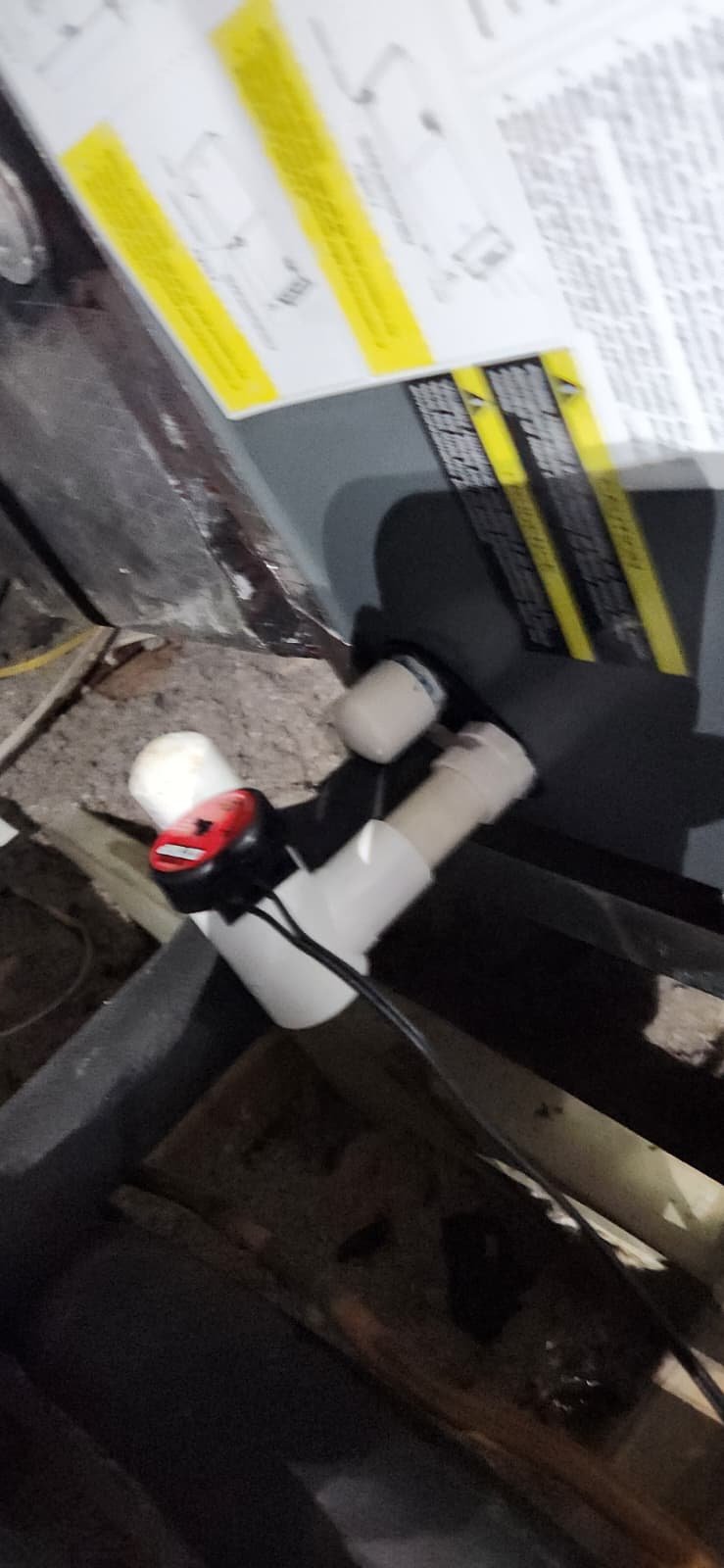
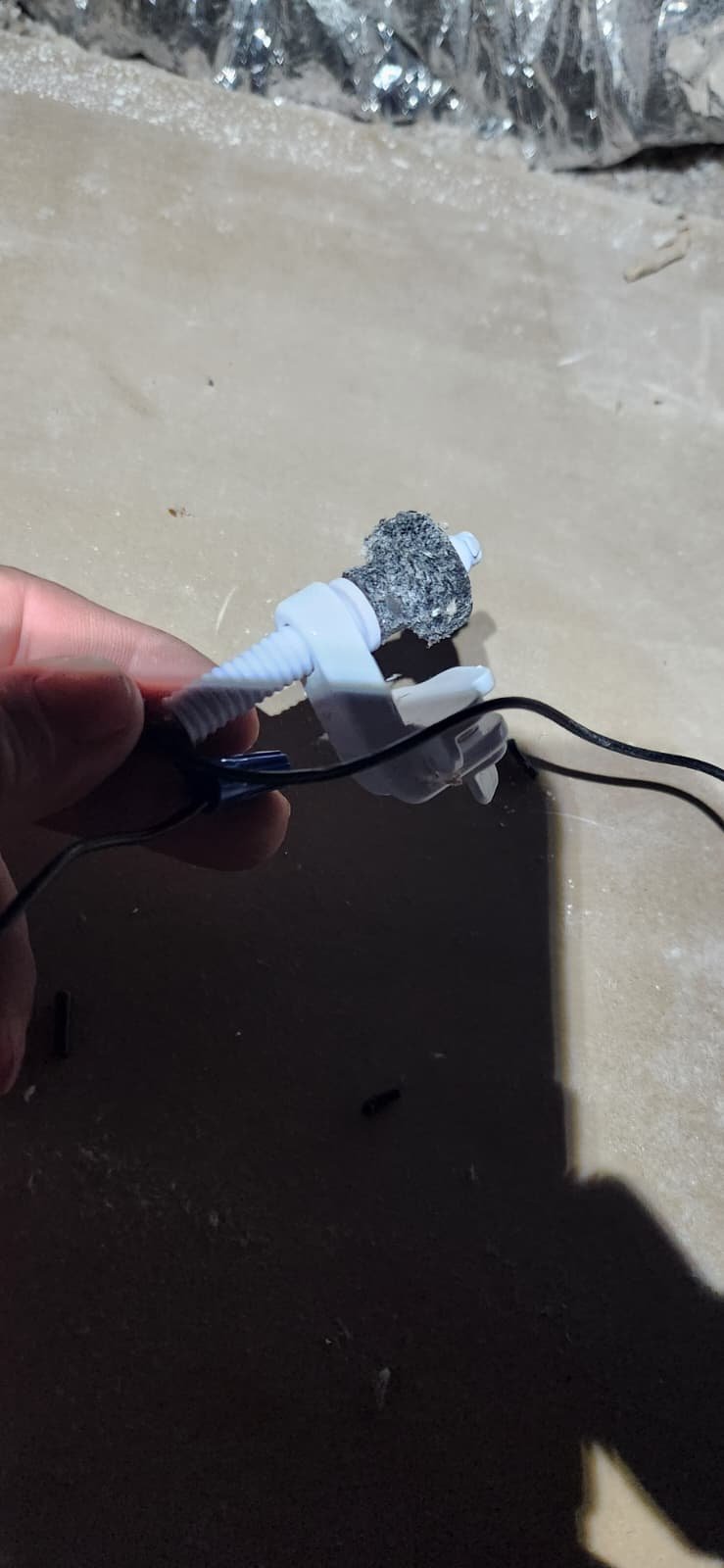
On this visit, our technician Alejandro helped a homeowner in Clearwater by installing a new float switch on their air handler, along with a secondary safety float switch that had been approved on an earlier estimate. The goal was simple: add reliable protection against water damage and give the homeowner peace of mind during our long Florida cooling season.
In this case study, we’ll walk through what the customer was concerned about, how we approached the inspection, the steps we took to install the float switches, and why this kind of protection matters for AC systems in Clearwater and across Tampa Bay.
Case Recap
- Location: Single-family home in Clearwater, FL 33755
- Main concern: Better protection against AC condensate overflow and water damage
- Service performed: New air handler float switch installation and secondary float switch installation
- Approved work: Secondary float switch as outlined on Estimate #16400
- Outcome: System protected by multiple safety shutoffs; operation tested and verified
Customer Problem: Concern About Water Damage from the AC
The homeowner reached out because they understood the risks that come with a clogged AC drain line, especially in a humid area like Clearwater, Florida. They wanted to make sure their air handler had the right safety controls in place to shut the system down if water started to back up.
They were specifically concerned about:
- Potential ceiling or wall damage if the condensate pan overflowed
- The cost and headache of repairing water damage compared to a preventive safety upgrade
- Having reliable protection in place before the peak summer months hit
The solution they approved was the installation of a new float switch on the air handler, plus a secondary float switch as an extra layer of defense. That way, if one part of the system failed or the primary pan filled up, another safety device would still protect their home.
Inspection and Diagnosis: Verifying the Need for Added Protection
Even though this visit focused on installing float switches that were already approved, we never walk in and just start wiring without taking a close look first. Alejandro began by doing a quick, practical inspection around the air handler.
Here’s what we focus on during this kind of visit for homeowners in Clearwater, FL 33755:
- Air handler location: We confirm whether the unit is in an attic, closet, or garage. Attic and ceiling locations are especially vulnerable to water damage if a drain clogs.
- Existing safety devices: We check if there is already a float switch, where it’s installed (in the primary pan, secondary pan, or on the drain line), and whether it appears to be wired properly.
- Drain line condition: We visually inspect the condensate drain line and pan for signs of rust, standing water, algae buildup, or previous overflows.
- Electrical connections: We review the low-voltage control wiring where the new float switch will tie into the system’s safety circuit.
In this home, the priority was adding a secondary float switch as an additional safeguard, as already laid out on Estimate #16400. The inspection confirmed that there was a good location to mount the switch and integrate it into the system’s safety circuit without creating clutter or confusion for any future service.
We also take a moment with the homeowner to explain what we see and what we plan to do. Clear, simple communication is a big part of how we work across Tampa Bay, and it helps homeowners feel comfortable with the upgrades being made to their system.
Repair and Service Process: Installing the Float Switches the Right Way
Once the inspection was complete and the plan was clear, Alejandro moved on to the actual installation of the new air handler float switch and the secondary float switch that had been approved.
1. Powering Down and Protecting the Work Area
We always start by safely shutting off power to the air handler. Even though float switches operate on low voltage, we treat every system with the same level of care. In a home in Clearwater, that often means working in tight spaces like attics or small closets, so controlling the work area matters.
We also take care to:
- Use drop cloths or protective coverings where needed
- Keep tools and materials organized and out of walkways
- Avoid leaving debris or cut wire insulation behind
2. Selecting the Correct Mounting Location
The effectiveness of a float switch depends heavily on where it’s installed. The secondary float switch approved on this project was positioned so it would respond quickly to rising water in the condensate pan or drain line, depending on the configuration of the system.
Our goals when choosing a location are:
- Detect water as early as possible, before it reaches the edge of the pan
- Keep the switch accessible for future maintenance or replacement
- Ensure the float can move freely without rubbing or binding on nearby components
3. Installing and Securing the Float Switch
Once the location is set, we mount the float switch according to manufacturer guidelines and industry best practices. That includes:
- Attaching the switch firmly so it won’t shift over time
- Routing the wiring neatly to avoid tangles or strain on the connections
- Keeping wires away from sharp edges or metal panels
Alejandro then connected the new float switch into the air handler’s low-voltage safety circuit. When wired correctly, opening of the float switch circuit will shut down the system if water rises to an unsafe level.
4. Integrating the Secondary Safety Float Switch
The secondary float switch approved on Estimate #16400 adds another layer of protection. Depending on the configuration, it may monitor a secondary drain pan or a different point along the drain line. The wiring is arranged so that if either float switch detects a problem, the system will shut down rather than continue to run and push more water into a backed-up line.
This kind of redundancy is especially valuable for homes in Clearwater, where AC systems run hard for much of the year and condensate drains can see heavy use.
5. Testing the System and Verifying Operation
After wiring and securing both float switches, we restored power and tested operation. We simulate a rising water condition by carefully lifting the float mechanism to confirm that:
- The float moves freely
- The system responds by shutting off when the float is raised
- The system restarts properly once the float is lowered back to its normal position
We also confirmed that the air handler cycled normally and that there were no error codes or unusual behavior after the installation. Before wrapping up, Alejandro reviewed the work with the homeowner, explained how the float switches protect their home, and answered questions about ongoing maintenance and drain line care.
Why This Fix Works: Protecting Against Condensate Problems
In a humid climate like Clearwater, FL 33755, air conditioners pull gallons of water out of the air on a busy cooling day. That water flows into a drain pan and out through a small condensate line. Over time, algae, dust, and debris can build up and restrict or clog that line.
When the line clogs, water backs up into the pan. Without a safety device, that pan can overflow and leak into ceilings, walls, or flooring. A float switch prevents that by acting like a small water-level sensor.
Here’s how it helps:
- Early detection: The float rises as water accumulates. When it reaches a set level, it opens the control circuit.
- System shutdown: Opening the float switch circuit shuts down the air conditioner so it stops producing more condensate.
- Damage prevention: With the system off, water has a chance to be cleared and repairs can be made before serious damage occurs.
- Redundancy: Adding a secondary float switch provides backup protection if the first switch fails or if water reaches a different pan or drain point.
This approach doesn’t replace the need for regular maintenance, but it does provide a safety net. Paired with routine drain line cleaning and flushing services, float switches form an important part of a well-protected cooling system for Tampa Bay homeowners.
Pro Tips for Homeowners in Clearwater
To keep your AC system and float switches working well in Clearwater, FL, here are some practical tips:
- Schedule routine drain maintenance: With our high humidity, it doesn’t take long for algae and buildup to form in the condensate line. Consider periodic professional service or AC drain line cleaning to keep things flowing.
- Pay attention to sudden shutdowns: If your system stops running and then starts again after a bit, a float switch may be doing its job. Don’t ignore repeated shutdowns — they can be a sign of a clog or drainage issue.
- Keep attic and closet areas clear: If your air handler is in an attic or small closet, avoid stacking boxes against it. Good access makes it easier for us to inspect float switches, pans, and drains.
- Watch for water stains: Check ceilings and walls below your air handler location periodically, especially during peak summer use in Clearwater. New stains or damp spots should be checked quickly.
- Pair safety switches with maintenance: Float switches protect against emergencies, but regular tune-ups, drain cleaning, and system checks help avoid those emergencies in the first place.
If you ever notice water around your air handler or suspect a drain issue, it’s better to have it checked sooner rather than later. Our local Tampa Bay technicians are used to dealing with high-humidity conditions and can help catch small problems before they become major repairs.
FAQ: Float Switches and AC Safety in Clearwater, FL 33755
What is a float switch on an air handler?
A float switch is a safety device that monitors the water level in your AC’s condensate pan or drain line. When water rises too high, the float lifts, opens the circuit, and shuts your system down to prevent overflow and water damage.
Why would I need a secondary float switch?
A secondary float switch adds another layer of protection. For example, if your system has both a primary and a secondary drain pan, a second float switch can monitor that additional pan. In a humid area like Clearwater, this redundancy helps protect your home if one safety device fails or if water reaches another point in the system.
Will a float switch stop my AC from working?
Yes — that’s its job when there’s a problem. If the float switch detects high water, it will shut the system off. Once the clog or drainage issue is resolved and the water level drops, the system can be reset and should operate normally again.
How do I know if my AC has a float switch?
In many homes in Clearwater, float switches are installed on or near the air handler’s drain line or pan. They can be small and easy to overlook. During a maintenance visit, we can point out any existing safety devices and let you know if additional protection, like a secondary float switch, would be beneficial.
Is float switch installation a messy job?
When done properly, float switch installation is a clean, controlled process. We shut off power, protect the work area, route wiring neatly, and test everything before we leave. Our goal is to improve your system’s safety without leaving behind a mess or disrupting your home.
Does a float switch replace the need for drain cleaning?
No. A float switch is a safety measure, not a substitute for maintenance. You still need periodic drain cleaning and sanitizing to keep the line clear. The float switch is there to shut things down if a clog does occur.
Why Choose Home Therapist for AC Safety Upgrades
When you invite us into your home in Clearwater, FL 33755, you’re trusting us with your comfort and your property. We take that seriously, whether we’re installing a float switch, cleaning a drain line, or handling a larger repair.
Here’s what you can expect from Home Therapist Cooling, Heating, and Plumbing:
- Licensed, professional technicians: Our team is trained to handle both HVAC and plumbing issues, so we understand the full picture of how water, drainage, and cooling systems interact in your home.
- Transparent communication: We explain what we’re doing in plain language, review options before we start work, and keep you informed from start to finish.
- Clean, respectful work: We protect your home, clean up our work area, and treat your property as if it were our own.
- Focus on long-term reliability: We don’t just look for quick fixes. We look for ways to build in safety and reliability, like secondary float switches and proper drain maintenance.
- Commitment to Tampa Bay homeowners: We live and work in the same communities we serve, from Clearwater to the greater Tampa Bay area, and we stand behind the work we do.
If you’d like to see more of what we do, you can connect with us on social media and see real projects and tips from our team:
You can also learn more about our reputation and community presence through these trusted platforms:
- Better Business Bureau profile
- Tampa Bay Chamber of Commerce listing
- Google business listing for Home Therapist
Need Float Switch or AC Drain Protection in Clearwater, FL 33755?
If you’re a homeowner in Clearwater, FL 33755 and you want to protect your home from AC condensate overflows, we’re here to help. Whether you need a new float switch, a secondary safety switch, or simply want your drain lines checked and cleaned, our local Tampa Bay technicians can walk you through your options and handle the work professionally.
Reach out to Home Therapist Cooling, Heating, and Plumbing to schedule service, ask questions about float switches, or plan your next maintenance visit. We’ll take the time to understand your system, explain our recommendations, and leave you with a safer, more reliable air conditioning setup for the Florida heat.
For more examples of how we protect local homes, you can also explore our work on float switch projects and general AC repair and maintenance guidance on our website.