

Heat Pump Installation and Copper Line Replacement in Tampa, FL 33624
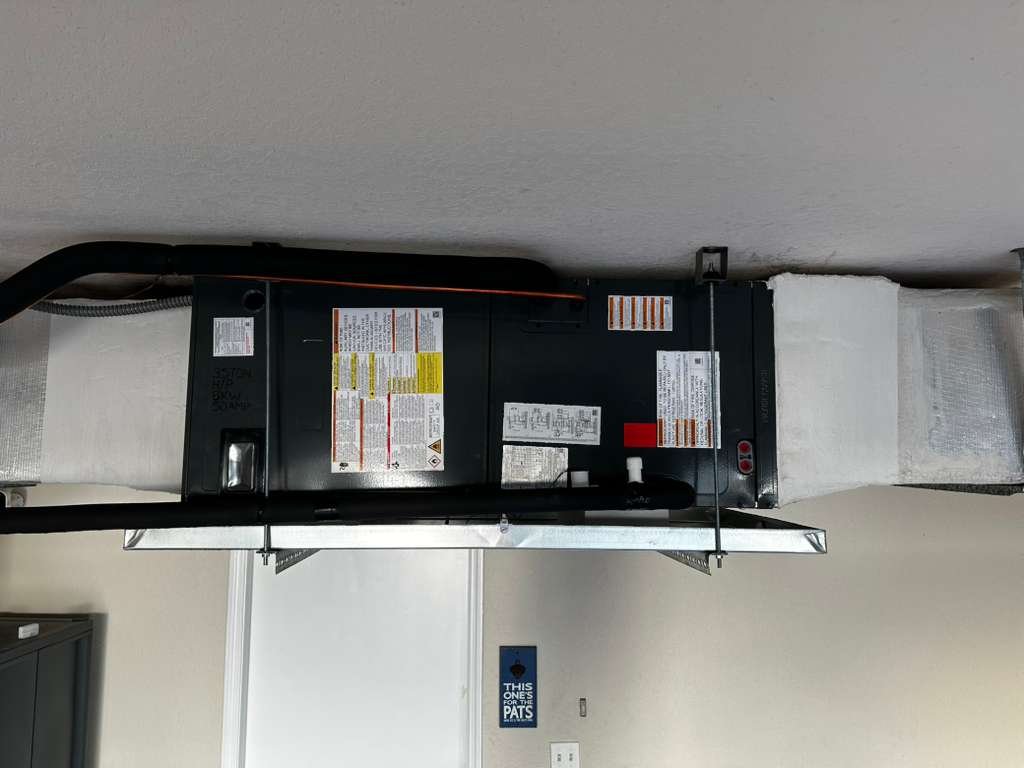
When a homeowner in Tampa, FL 33624 reached out about replacing an older system, they weren’t just looking for a new air conditioner. They needed a reliable, efficient heat pump setup, safe electrical updates, and new copper lines to support the investment. Our goal was to make sure their new 3.5-ton Daikin heat pump, installed horizontally in the attic, would run safely, efficiently, and comfortably for many years in our Tampa Bay climate.
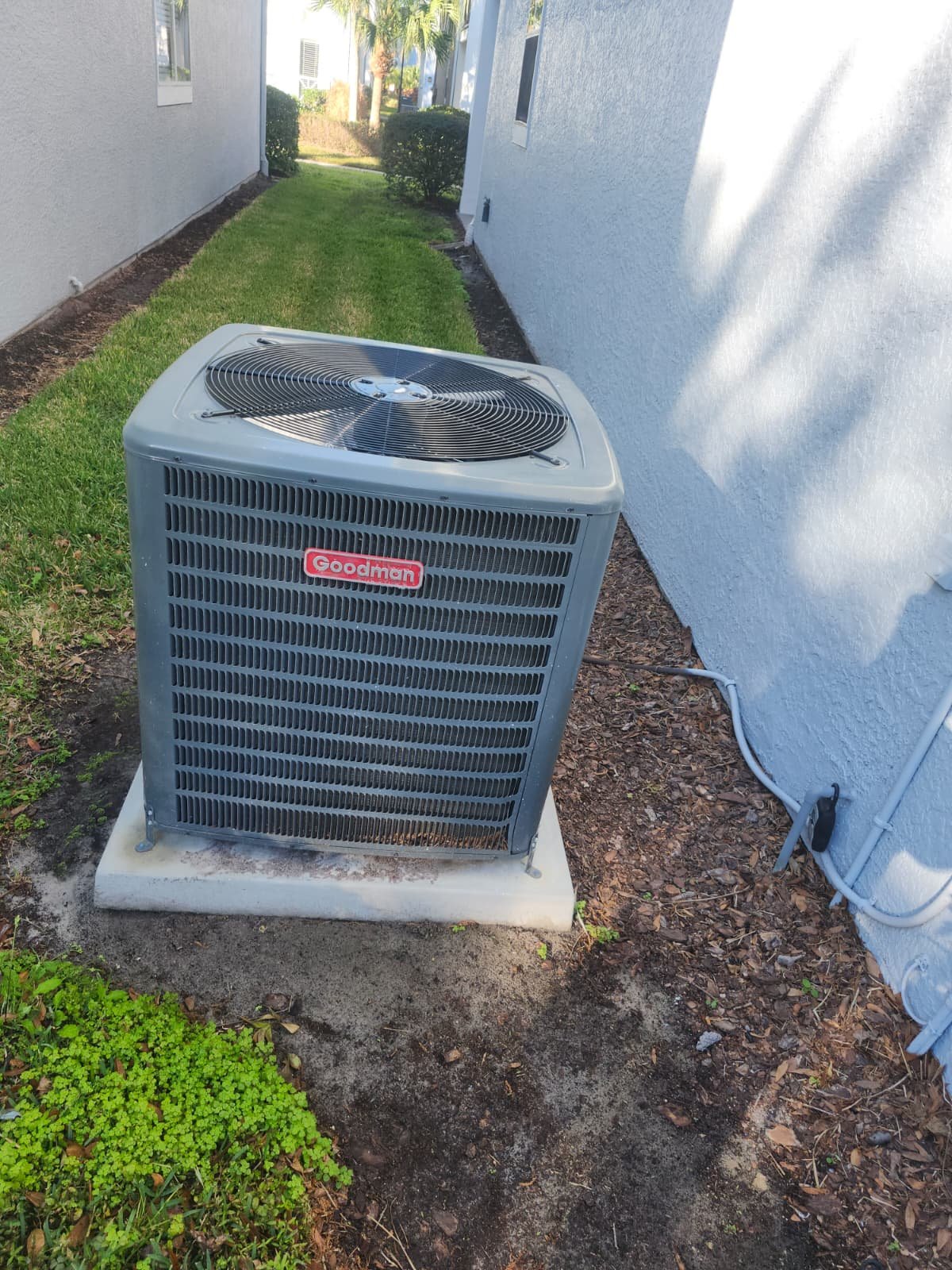
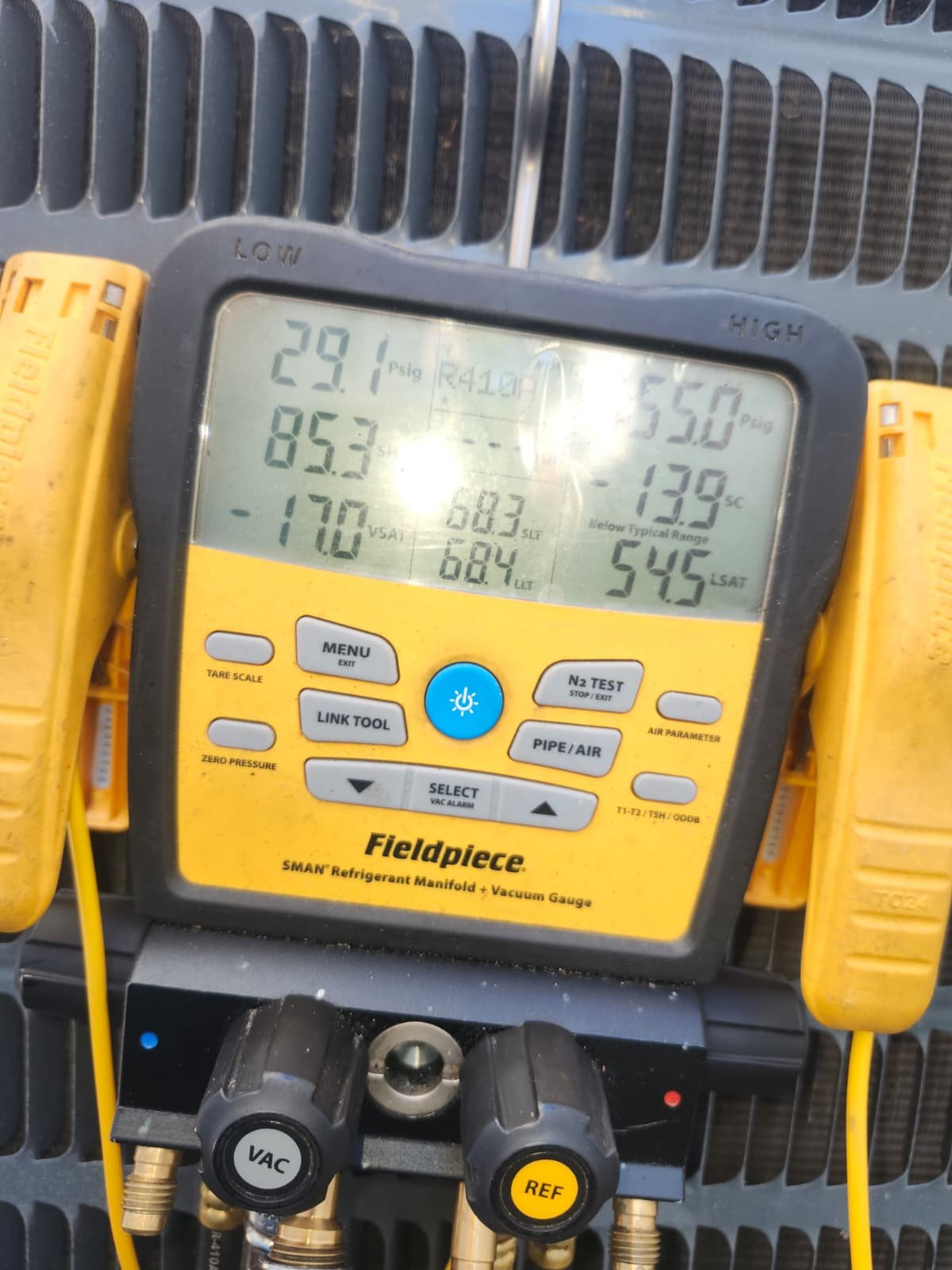
On projects like this in Tampa, FL 33624, it’s not enough to simply “swap out” equipment. The copper lines, electrical breakers, thermostat wiring, drain protection, and even the concrete pad under the outdoor unit all need to work together as a system. In this case, we also had an outdoor condenser that was in good condition but had lost refrigerant due to a leak at the existing indoor unit, so we needed to recover that unit carefully and set the new system up the right way.
In this article, we’ll walk you through what the homeowner was dealing with, how we planned the installation, what we did step by step, and why each part of the work matters for comfort, safety, and long-term reliability in a Florida home.
Case Recap
- Location: Single-family home in Tampa, FL 33624
- Service: 3.5-ton horizontal Daikin heat pump installation with copper line replacement
- Scope: New copper lines and insulation, updated electrical breakers, new low-voltage cable, careful removal and handling of outdoor condenser
- Extras: Secondary drain pan with float switch, UV-protected insulation, hurricane-ready concrete pad setup, programmable thermostat
- Outcome: Efficient, properly wired system with strong warranty protection and a clean, safe installation
Customer Problem
The homeowner’s existing system had multiple issues that made a simple repair a poor long-term choice. The newer outdoor condenser was in decent shape, but there had been a refrigerant leak at the indoor unit. By the time we arrived, that outdoor condenser no longer had refrigerant, and the indoor equipment and existing copper tubing were suspect.
They were concerned about:
- Ongoing refrigerant leaks and wasted money on repeated recharge visits
- Potential electrical issues with aging breakers and wiring
- Whether the attic installation could be done safely and securely
- Getting the right size and efficiency for Tampa’s heat and humidity
During our planning conversations, our team noted (in Spanish) that a mechanical lift would be required to safely raise and position the new horizontal air handler in the attic space. The unit’s weight and location made it unsafe to try to handle with ladders alone. We also discussed the need to:
- Run brand-new copper lines between the air handler and condenser
- Install new electrical wiring and verify or replace breakers as needed
- Add a new low-voltage control cable between the indoor and outdoor units
The homeowner wanted these items clearly addressed up front, along with strong warranty coverage and a clean, professional installation. That’s where the new Daikin heat pump system came in.
Inspection and Diagnosis
Before we ever bring in new equipment, we take time to understand the existing setup. For this Tampa, FL 33624 home, we focused on a few key areas.
1. Existing Indoor and Outdoor Units
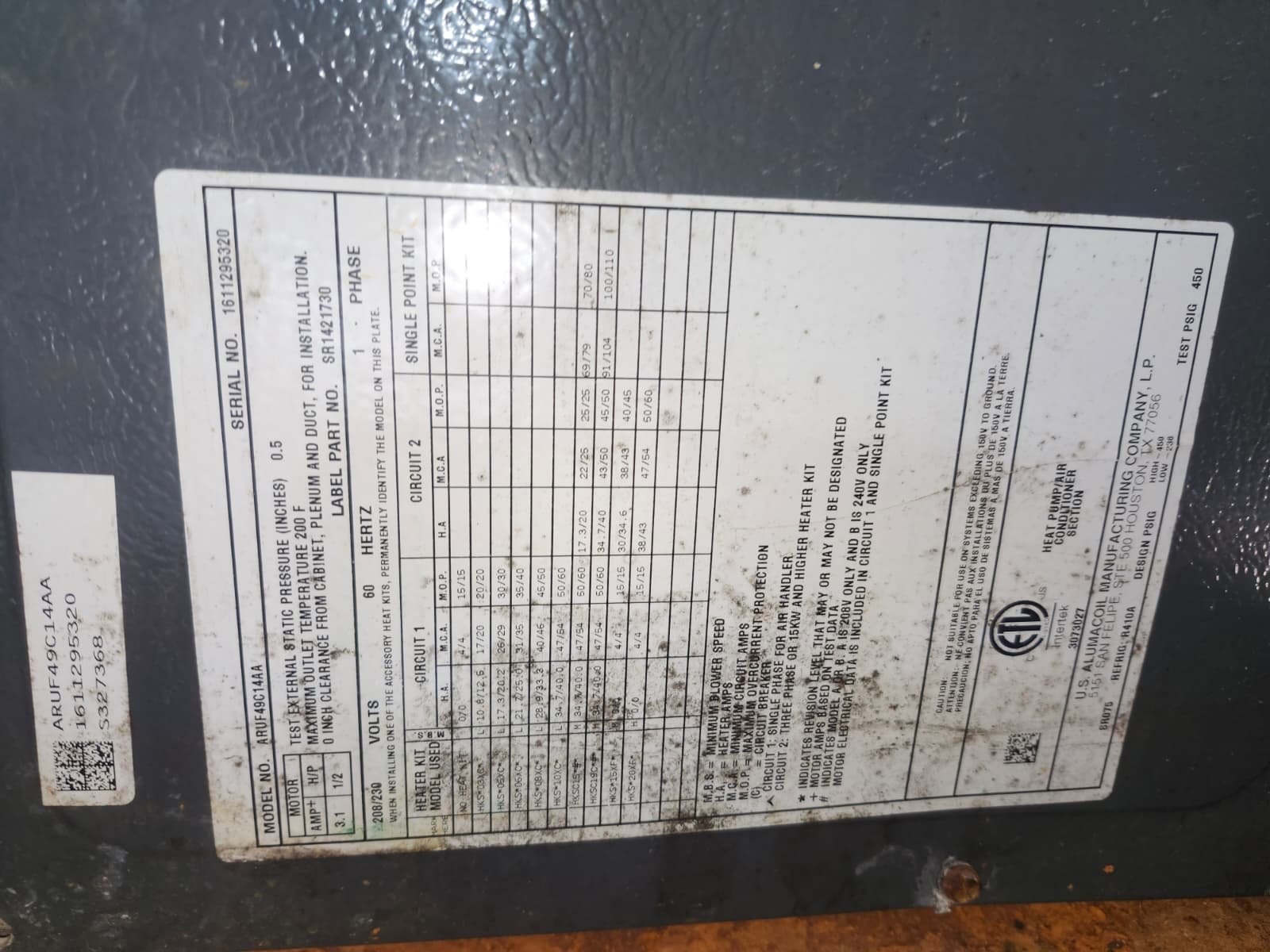
We verified the condition of the existing outdoor condenser, which was reported as being in good shape structurally but empty of refrigerant due to an interior leak. We confirmed that the leak source was tied to the indoor side of the system and that reusing old copper lines would be a risk for future leaks and contamination.
2. Copper Line Set and Insulation
The existing copper line set between the air handler and condenser was not suitable for a long-term, warranty-backed installation. Old tubing can contain moisture, acid, or debris from previous failures, and the insulation often breaks down in Florida’s sun and heat. To protect the new Daikin equipment and refrigerant, we planned for a complete replacement of the copper lines with new insulation.
3. Electrical Panel, Breakers, and Wiring
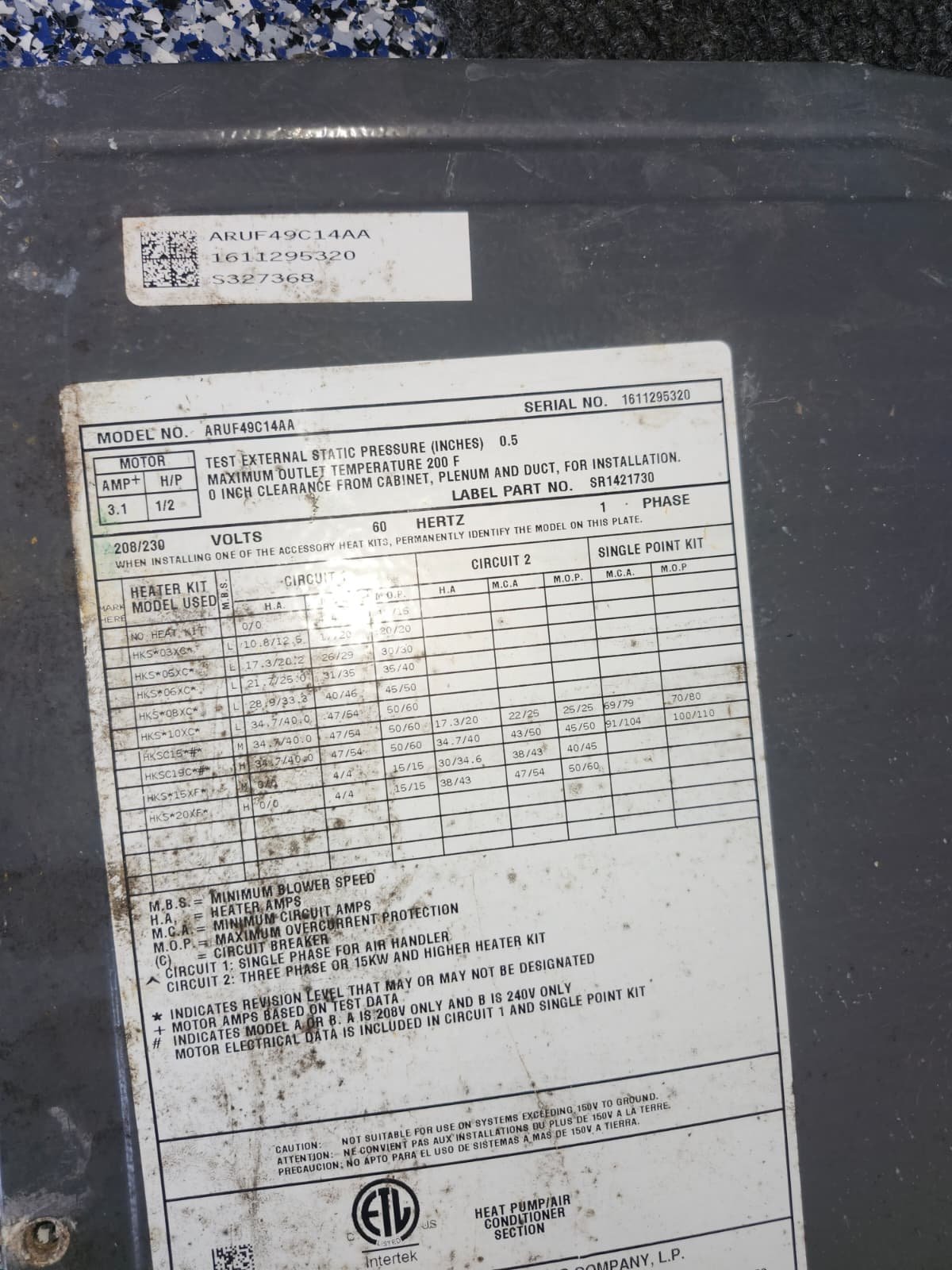
We reviewed the existing electrical configuration to confirm that dedicated circuits, wiring, and breakers matched the new system’s requirements. The notes for this project included specific breaker sizes for the condenser and air handler, and we planned to verify and replace breakers as needed during installation.
4. Thermostat and Low-Voltage Wiring
The homeowner also requested a review of the thermostat cable and low-voltage wiring between the air handler and the outdoor unit. For modern heat pump controls and safety circuits, a clean, properly sized low-voltage cable is essential. We included new low-voltage wiring between the indoor and outdoor units in the scope of work.
5. Concrete Pad and Outdoor Placement
The existing concrete pad outside was reported as being in good condition but slightly out of level. For a quiet, long-lasting heat pump installation in Tampa, vibration control and proper drainage matter, so we planned to reuse the pad but level it and secure the condenser with a hurricane-rated tie-down kit.
6. Attic Access and Safety
Because this is a 3.5-ton horizontal air handler going in the attic, we evaluated access, platform support, and the safest way to lift the unit. Our team determined that a lift would be required to position the equipment without putting technicians or the home at risk.
Repair and Installation Process
Once we had a clear plan, we scheduled the heat pump installation for this Tampa, FL 33624 homeowner and moved step by step through the process.
1. Safely Removing the Existing Equipment
We began by disconnecting the existing indoor unit and carefully handling the outdoor condenser. The homeowner noted that the condenser itself was in good condition, so we took extra care to avoid damage during removal and repositioning. Any remaining refrigerant or oil was handled in line with environmental and safety standards.
2. Running New Copper Lines and Insulation
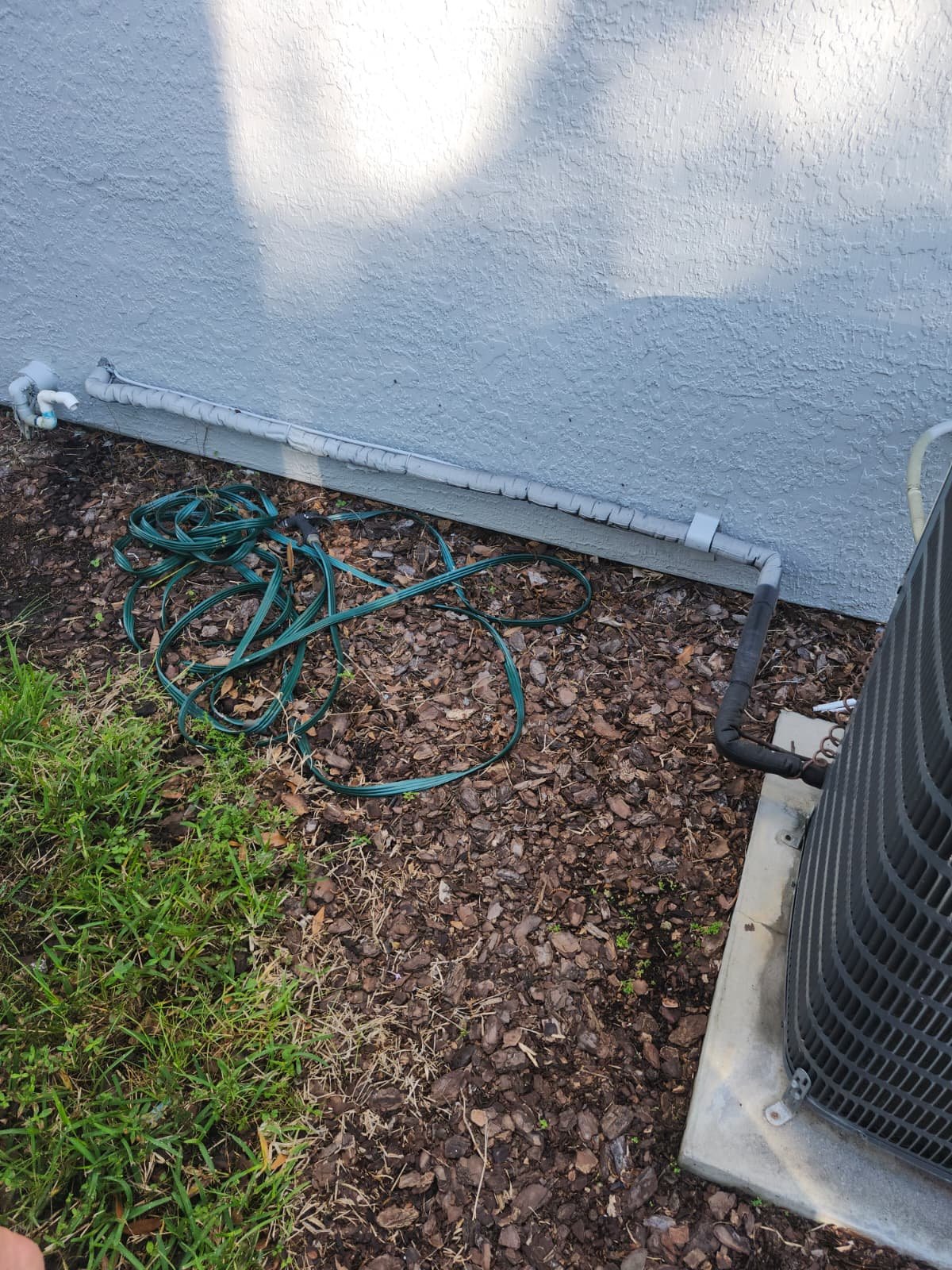
Next, we installed brand-new copper lines from the air handler to the condenser, up to the agreed distance. This included:
- Proper sizing of the suction and liquid lines for a 3.5-ton Daikin heat pump
- Routing the lines to minimize sharp bends and potential rub points
- Applying UV-protected insulation to shield the tubing from Florida sun and weather
We also flushed and sanitized the system piping and drain line to give the new R32 refrigerant and components a clean start.
3. Electrical and Breaker Updates
With the mechanical work in progress, we turned our attention to the electrical side. That included:
- Verifying breaker sizes and circuits for the air handler and condenser
- Replacing breakers as needed to match the equipment specifications
- Running new electrical wiring where required to ensure safe, code-compliant operation
All electrical connections were tightened, labeled, and inspected for proper grounding and protection.
4. New Low-Voltage and Thermostat Wiring
We installed a new low-voltage cable between the air handler and outdoor unit, as well as a thermostat cable suited for the homeowner’s new programmable thermostat. Clean control wiring reduces nuisance issues like intermittent shutdowns or communication problems, especially with heat pumps that switch between heating and cooling modes.
5. Setting the Air Handler with a Lift
To safely position the horizontal air handler in the attic, we used a lift instead of trying to maneuver the equipment by hand on ladders. This protects the equipment, the home’s structure, and our team. Once in place, the air handler was secured, connected to the ductwork, and checked for proper pitch on the drain connections.
6. Drain Protection and Safety Accessories
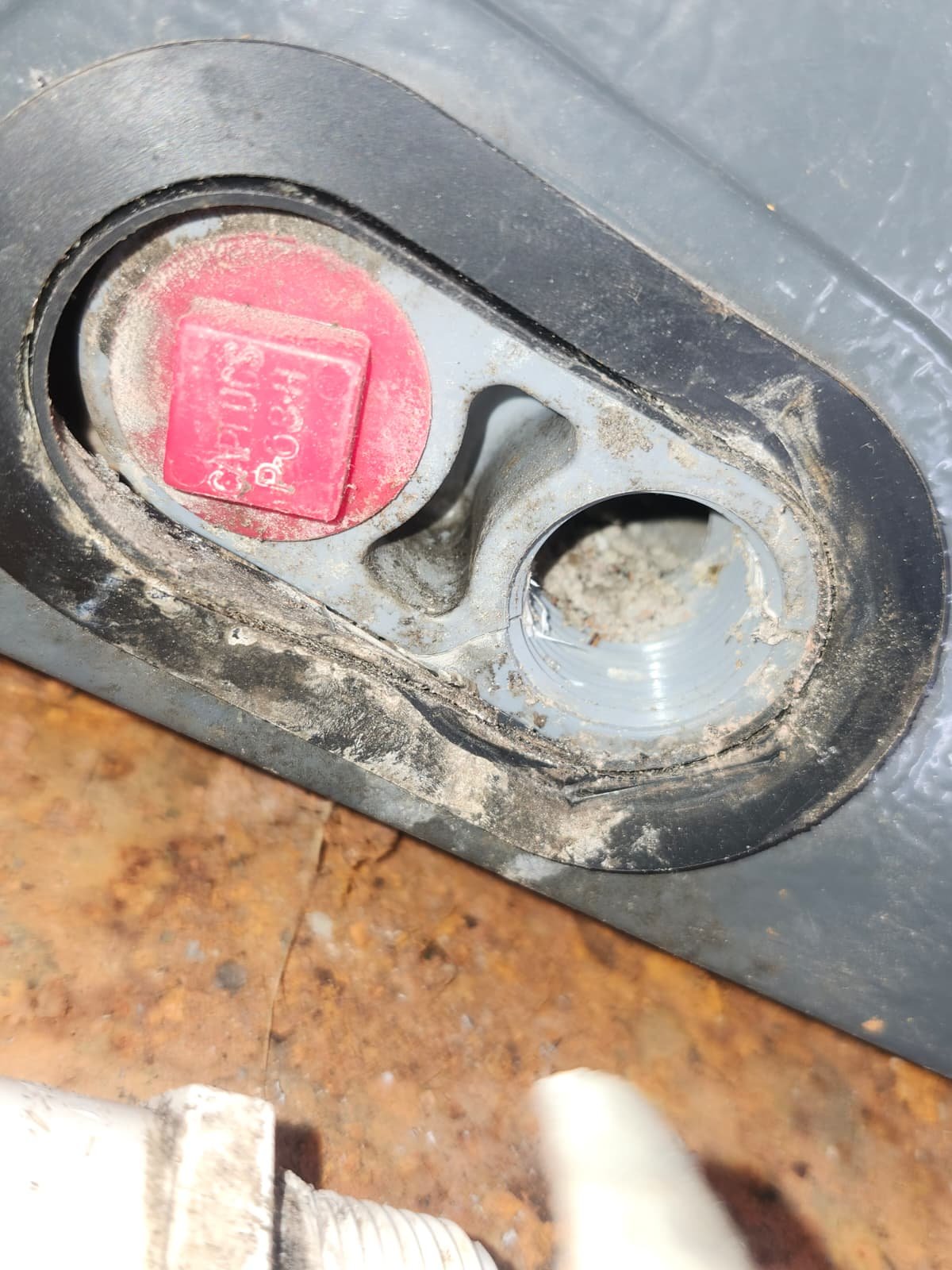
We installed a secondary drain pan with a float switch beneath the air handler. In a Florida attic, this is an important layer of protection: if the primary drain line ever backs up, the float switch will shut the system down before water can overflow and damage ceilings.
We also included heat shields on the return and supply connections where needed, and locking condenser valve caps outside to protect the refrigerant circuit from tampering.
7. Outdoor Pad, Leveling, and Tie-Downs
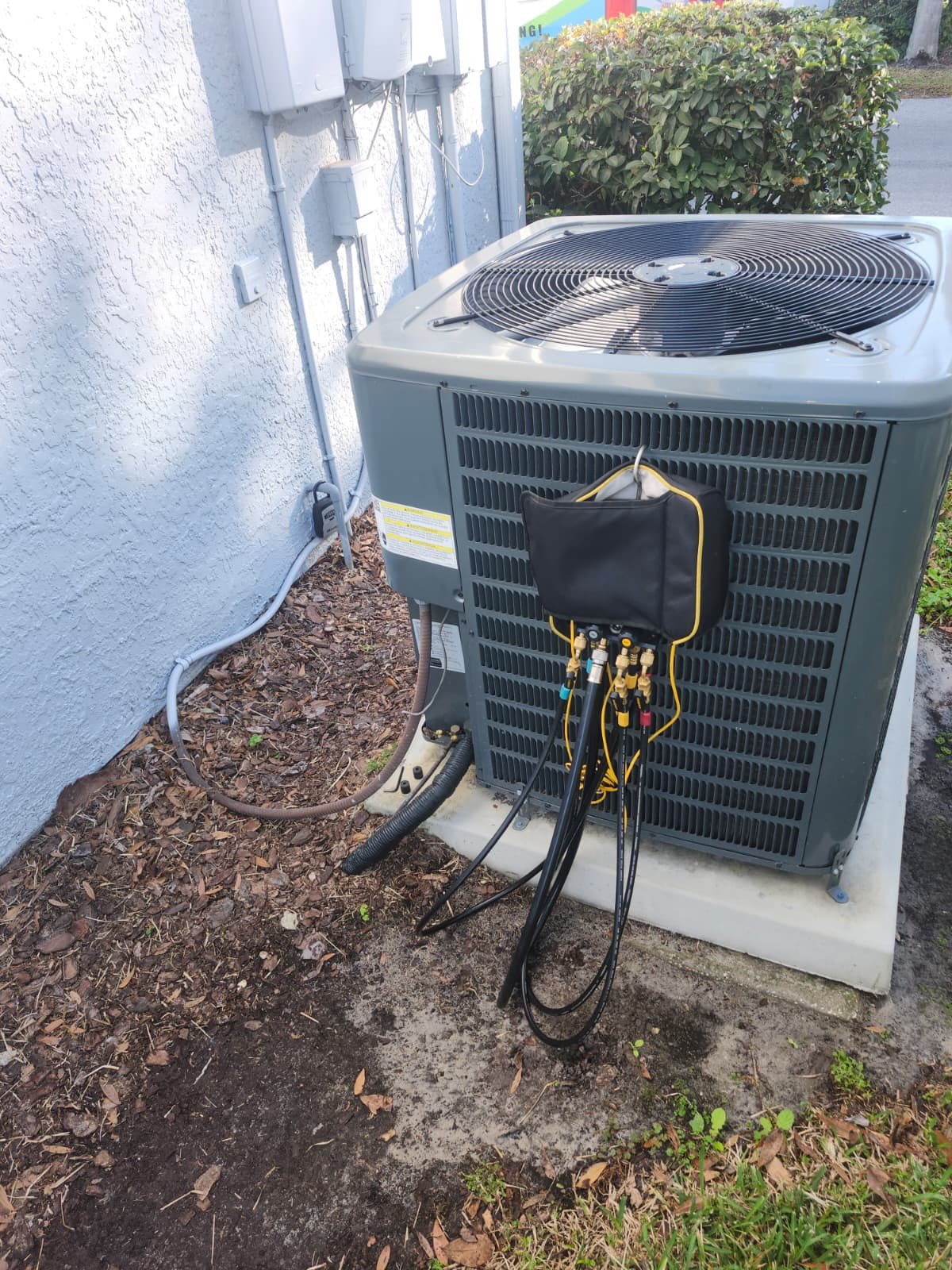
Outside, we reused the homeowner’s concrete pad after leveling it properly. The Daikin condenser was set on the pad and secured with a hurricane-rated tie-down kit designed for high wind speeds. This kind of hurricane-ready installation is especially important for homeowners in and around Tampa, FL 33624.
8. System Startup, Testing, and Clean-Up
After pulling a deep vacuum on the new refrigerant lines and confirming they held, we charged the system according to manufacturer guidelines for the Daikin 3.5-ton heat pump with R32 refrigerant. We then:
- Tested cooling and heating modes
- Confirmed thermostat operation and settings
- Verified airflow and drain function
- Checked that breakers and wiring operated as expected under load
Before leaving, we cleaned the work areas, removed old materials, and walked the homeowner through thermostat use, basic filter maintenance, and warranty documentation.
Why This Fix Works
This project wasn’t just about installing a new piece of equipment—it was about rebuilding the entire support system so the heat pump can do its job properly.
Fresh Copper Lines and Refrigerant Circuit
By replacing the old copper lines and insulating them correctly, we gave the Daikin system a clean, properly sized refrigerant pathway. This helps maintain the right pressures and temperatures in both heating and cooling modes and reduces the risk of repeat leaks or contamination from old tubing.
Proper Electrical Support
Updated breakers and wiring ensure the system has the power it needs without tripping or overheating. Correctly sized breakers protect the equipment and wiring while still allowing the compressor and blower to start and run smoothly.
Drain and Safety Controls
The secondary drain pan with a float switch, along with locked service valves and solid low-voltage connections, all work together to protect the home and the system. If something goes wrong—like a clogged drain—the safety devices step in to shut down the unit before damage occurs.
Efficient Equipment Matched to the Home
The 3.5-ton Daikin heat pump with supplemental 5 kW heat and 15.2 SEER2 efficiency gives the homeowner balanced performance for Tampa’s hot summers and mild winters. Paired with a programmable thermostat, the system can maintain comfort while helping control energy costs.
Pro Tips for Homeowners in Tampa
If you’re in Tampa, FL 33624 or anywhere in Tampa Bay and you’re planning a heat pump or AC replacement, here are some practical tips:
- Ask about the line set, not just the unit. In many older homes, reusing old copper lines can limit efficiency or lead to future leaks. It’s worth asking if new lines and insulation are recommended for your project.
- Confirm breaker and wiring checks. Your new system is only as reliable as the power feeding it. Make sure your installer checks and, if needed, updates breakers and wiring to match the new equipment.
- Protect your attic with a float switch. For attic air handlers, a secondary drain pan with a float switch is one of the best defenses against ceiling damage in our humid Florida climate.
- Use your programmable thermostat. Take a few minutes to set schedules that match your routine. It can help lower energy use while keeping your Tampa home comfortable when you’re actually there.
- Stay on top of maintenance. Change or clean filters regularly and schedule routine checkups. Plans like our Therapy Maintenance Plans are designed to keep systems in good shape and help protect your investment.
- Plan for Florida storms. Ask about hurricane-rated pad and tie-down options, especially if your outdoor unit is exposed. It’s an extra layer of protection for your home and your HVAC system.
FAQs About Heat Pump Installation and Copper Line Replacement
Why did you replace the copper lines instead of reusing the old ones?
Because the previous system had a refrigerant leak at the indoor unit, the existing copper lines could have been contaminated or weakened. For a new Daikin 3.5-ton heat pump, fresh copper lines with new insulation help protect the equipment, reduce the risk of future leaks, and support proper refrigerant flow and efficiency.
Is a lift really necessary for attic air handler installations?
In many Tampa homes with a larger horizontal air handler, yes. These units are heavy and often need to be positioned in tight attic spaces. Using a lift allows us to move and place the air handler safely without risking damage to the home, the equipment, or our technicians.
What’s the benefit of the secondary drain pan and float switch?
In Florida’s humidity, drain lines can clog over time. A secondary drain pan sits underneath the air handler, and the float switch in that pan will shut the system down if water starts to collect. That prevents ceiling leaks and water damage, which is especially important when the unit is above living space.
How does the 1-year labor warranty from Home Therapist work?
Our 1-year labor warranty starts on the date of installation and covers the workmanship involved in setting up your new system for the full term provided. It does not cover routine maintenance issues like dirty filters or clogged drains, consumable components not covered by the manufacturer, or damage from storms, flooding, or electrical surges. Any work performed by another provider can void this warranty. We’re always happy to explain details for your specific setup.
What’s included with the Daikin system’s manufacturer warranty?
This project’s Daikin equipment included strong warranty protection, such as long-term parts coverage and unit replacement coverage on select systems, depending on model and application. Exact terms can vary, especially for commercial settings, so we always review the manufacturer’s current warranty documents with homeowners in Tampa, FL 33624 before finalizing an installation.
Will this new system help with my energy bills?
The Daikin 3.5-ton heat pump installed here operates at 15.2 SEER2 and uses modern refrigerant technology. Combined with proper installation, sealed refrigerant lines, and a programmable thermostat, that efficiency rating can help reduce monthly energy use compared to many older systems, especially during long Tampa summers.
Why Choose Home Therapist for Heat Pump Installation in Tampa Bay
When you invite our team into your home, you’re trusting us with your comfort, safety, and investment. We don’t take that lightly.
Licensed, Professional Technicians
Our installers are trained and licensed to handle HVAC and electrical work, from breaker updates to refrigerant line replacement. For projects like this 3.5-ton heat pump installation in Tampa, FL 33624, that expertise is what keeps your system running reliably year after year.
Transparent Communication
From the first call, we explain what we’re doing and why—whether it’s the need for a lift, the reason for new copper, or how warranty coverage applies. If we see something unexpected during the job, we talk it through with you before moving forward.
Clean, Respectful Work
We treat your home the way we’d want ours treated. That means protecting surfaces, managing debris, and leaving the workspace cleaner than we found it. After the installation, we take time to walk you through the new system rather than just rushing out the door.
Long-Term Reliability Focus
We don’t cut corners on things like line sets, drain protection, or electrical work. Those details are exactly what keep systems in Tampa Bay running smoothly through heavy summer use. We also offer ongoing care through our AC maintenance services in Tampa and seasonal AC tune-ups to keep your system performing well.
Rooted in the Tampa Bay Community
As a local HVAC and plumbing company serving Tampa Bay homeowners, we’re proud of our reputation. You can see real stories and updates from our team on social media, including Facebook and Instagram, and explore more about our services and projects on our website, including AC installation in Tampa and heat pump replacement in Tampa.
For added peace of mind, you can also find us on trusted local and national platforms such as the Better Business Bureau and the Tampa Bay Chamber of Commerce.
Ready for a Professional Heat Pump Installation in Tampa, FL 33624?
If your current system is leaking refrigerant, struggling to keep up, or you’re simply ready for a more efficient upgrade, our local Tampa Bay team is here to help. We handle everything—from equipment selection and copper line replacement to breakers, thermostat wiring, and hurricane-ready outdoor setups—so your new system starts off on solid footing.
Homeowners in Tampa, FL 33624 can schedule a visit, request a quote, or learn more about our installation process by visiting our contact page or exploring our dedicated AC installation services in Tampa. We’ll take the time to understand your home, explain your options clearly, and deliver an installation that prioritizes comfort, safety, and long-term reliability.


