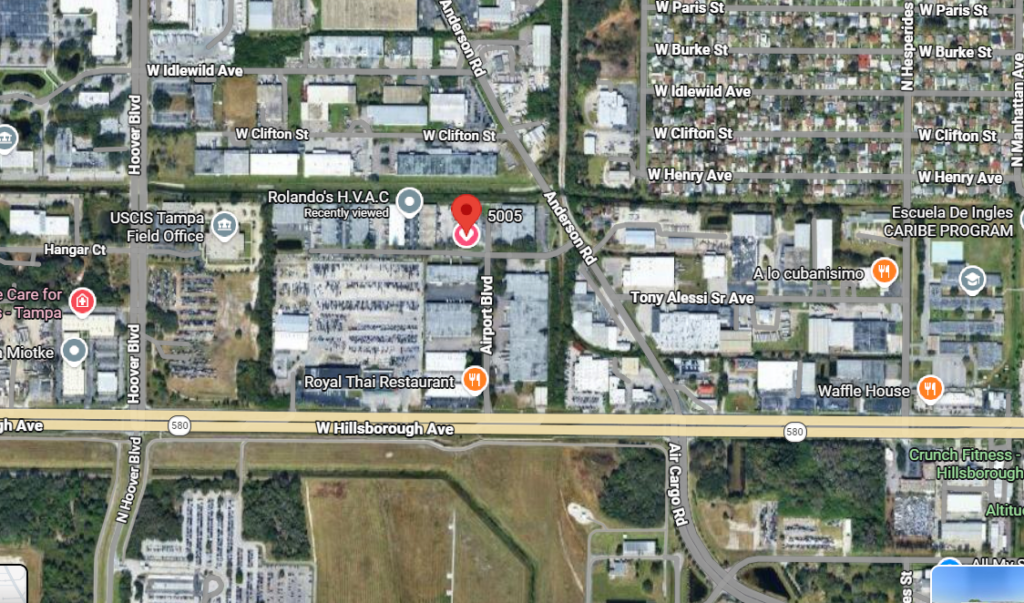

Heating Repair and Low-Voltage Wiring Service in Tampa, FL 33603

When your heat stops working on a cool Florida morning, it’s frustrating and stressful, especially if the air conditioner still runs but the heating mode will not. That’s exactly what happened to a homeowner in Tampa, FL 33603 who called us because their package unit would no longer produce heat. In this case study, we’ll walk you through what we found, how we repaired the low-voltage wiring issue, and how we made sure the system could safely and reliably heat the home again.
As local Tampa Bay HVAC technicians, we see a lot of issues caused by weather, sun exposure, and wear on outdoor equipment. This job is a good example of how something as small as a low-voltage wire can keep an entire heating system from doing its job. The end result: the wiring was repaired, the short was eliminated, and the package unit in this Tampa home was able to heat normally again.
Case Recap
For homeowners in Tampa, FL 33603 who just want the quick version, here’s a short recap of this heating repair visit.
- Location: Single-family home in Tampa, FL 33603
- System type: Package unit providing both air conditioning and heat
- Main complaint: AC would run, but heating would not produce warm air
- Cause: Damaged, low-voltage wiring making intermittent contact and shorting
- Service performed: Repair of broken low-voltage cables and correction of faulty connections
- Outcome: Heater restored to reliable operation after wiring repair and system testing
Customer Problem: Heat Worked Briefly, Then Stopped
The call for this Tampa, FL 33603 home actually started the way many heating calls do in our area. The homeowner tried to turn the heat on, and at first it seemed to work. The system ran for a while, produced heat, and then by the next morning there was no warm air at all.
Here’s how it was described to us:
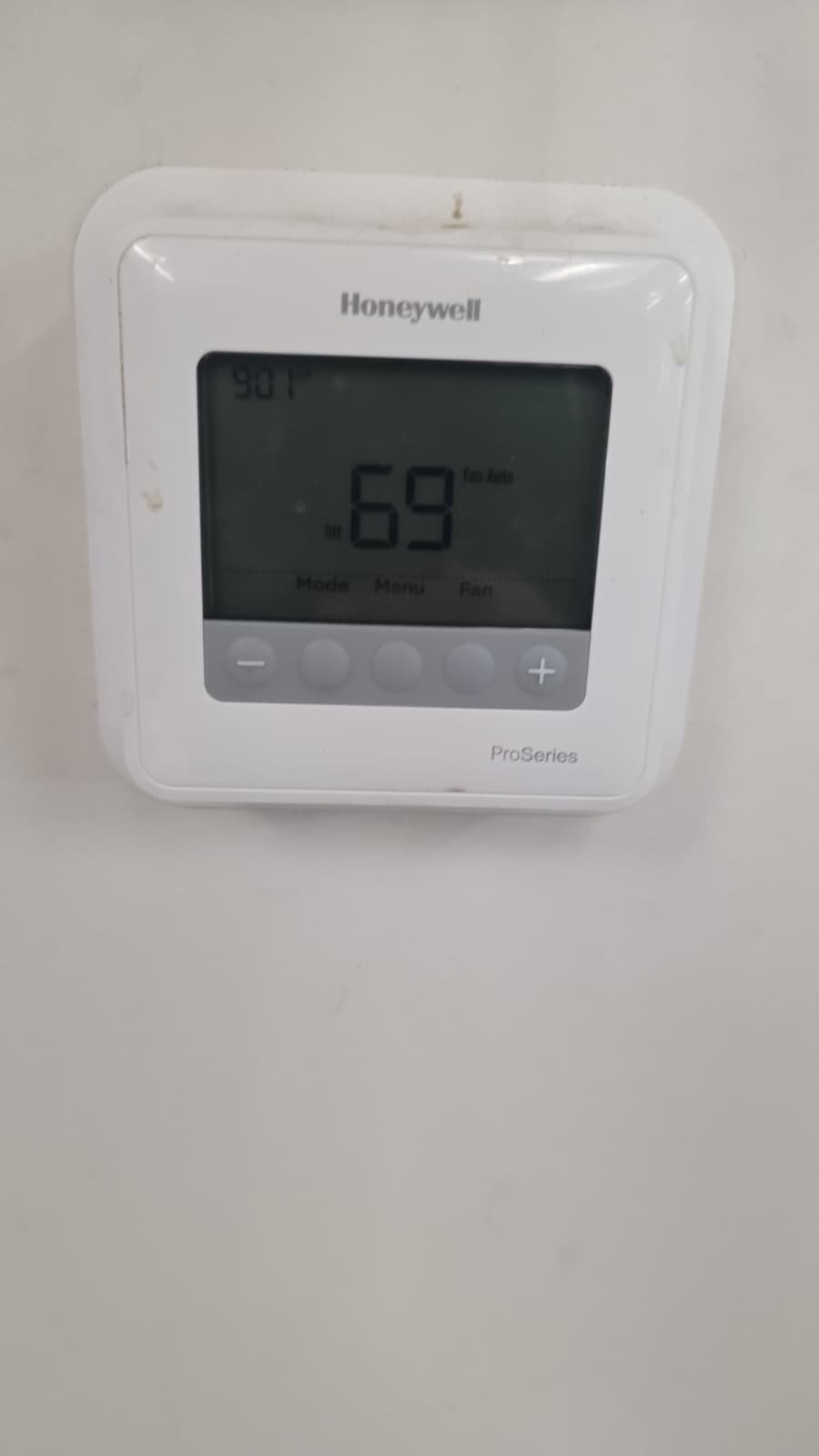
- The thermostat was set to heat.
- The package unit would turn on and the blower and outdoor section would run.
- Cooling mode still worked fine, but the heat would not come on again.
This is a confusing situation for many homeowners in Tampa. The machine is clearly turning on, so it doesn’t feel like a total breakdown. But when the air coming out of the vents is not warm, the home never gets comfortable. That was the concern here: why would the largest unit on the property run in cooling mode, but not provide heat anymore?
Anytime we hear that a system works intermittently and then quits, we start thinking about electrical control issues, low-voltage wiring problems, or safety controls shutting the system down. In this case, the symptoms pointed us toward the low-voltage side of the system rather than a major mechanical failure.
Inspection and Diagnosis
When we arrived at the Tampa, FL 33603 property, our first step was to listen carefully to the homeowner’s description of what happened. That gives us valuable clues before we even open the panel on the package unit.
From there, our inspection focused on the control side of the system:
- Thermostat call for heat: Confirming that the thermostat was sending a proper signal to the unit when switched to heating mode.
- Low-voltage wiring inside the package unit: Checking for loose connections, damaged insulation, or wires making intermittent contact.
- Cables to the outdoor section (condenser area): Inspecting the low-voltage cables running to the condenser to see if they had been rubbed, pinched, or exposed to the elements.
Our technician found two key issues:
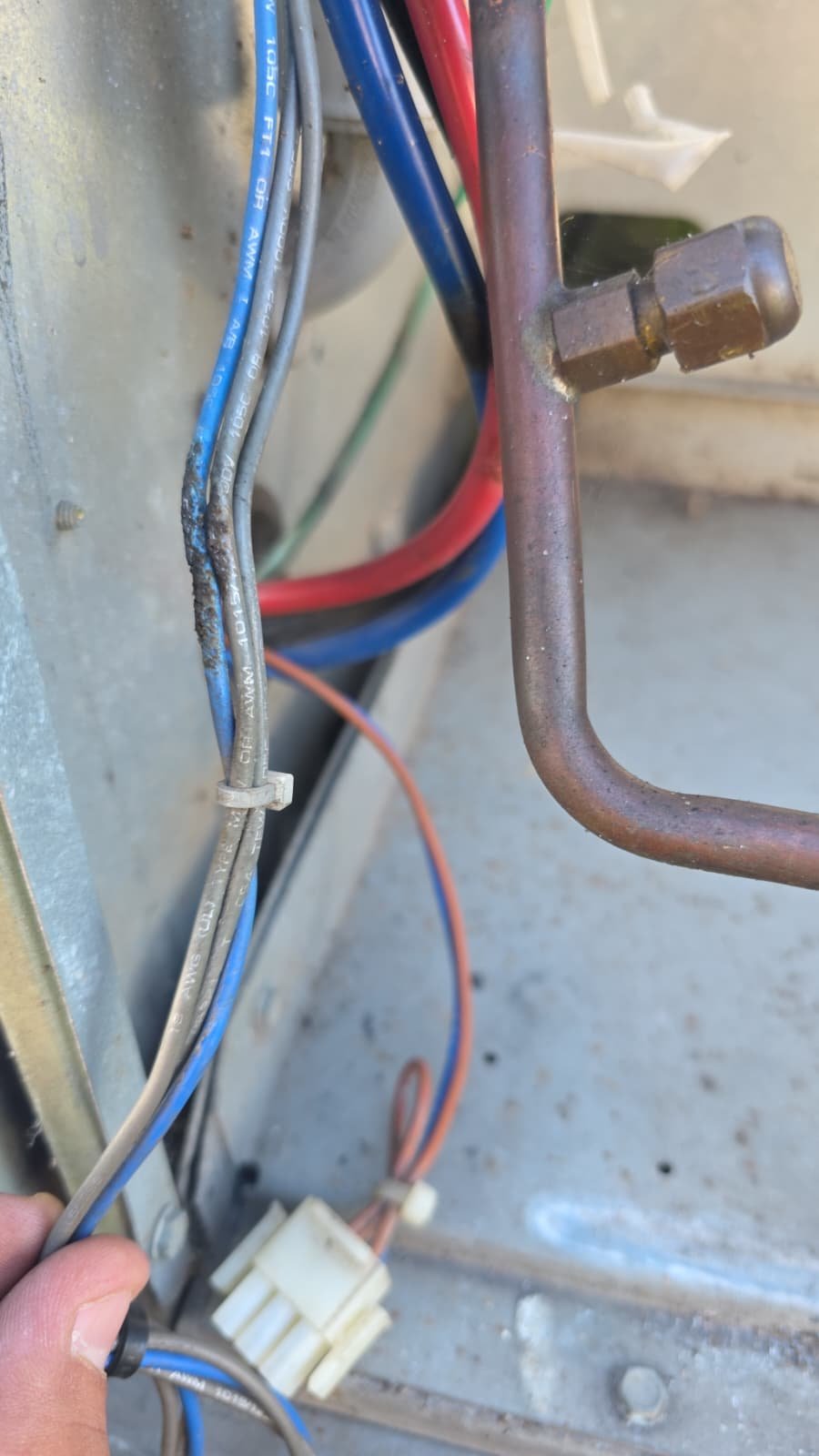
- Faulty low-voltage wiring inside the package unit. The wires that carry the low-voltage signals were giving “false contact.” In other words, they would make contact sometimes and fail at other times. This explains why the heat might work for a short period and then stop.
- Damaged low-voltage cables going to the condenser. The protective cover on the low-voltage cables had worn away, and the wires had rubbed against each other. This allowed them to short out when they touched.
When low-voltage wiring is damaged like this, the control circuit can’t reliably tell the heating components when to turn on. The system may try to start and then shut down, or it may not respond to a call for heat at all. That’s exactly what this homeowner in Tampa, FL 33603 was experiencing.
Repair and Service Process
Once we confirmed that the problem was in the low-voltage wiring and not in a major component like the heat strips or control board, we recommended a focused repair. Our goal was to restore safe, consistent operation of the heater in the most cost-effective way for the homeowner.
Here’s how we approached the repair:
1. Securing the Work Area
We started by safely shutting off power to the unit and making sure we had clear access to the wiring compartments. Safety is always our first step, for both our technicians and the homeowner’s equipment.
2. Identifying All Damaged Sections of Wiring
Low-voltage issues can sometimes show up in more than one spot. We carefully traced the low-voltage circuits inside the package unit and along the cables going to the condenser. Wherever we found insulation rubbed off, exposed copper, or loose splices, we marked those sections for repair.
3. Repairing the Broken Low-Voltage Cables
The cables going to the condenser had lost their protective cover in places, and the individual conductors had rubbed together. This can create a short and interrupt the heating call. We corrected this by:
- Cutting out sections of wire that were badly damaged or compromised.
- Re-splicing conductors using proper connectors and protection.
- Restoring insulation and ensuring the wires were not rubbing against sharp edges or each other.
4. Correcting Faulty Low-Voltage Connections Inside the Unit
Inside the package unit, we addressed the intermittent-contact issue. That typically means:
- Tightening or re-terminating low-voltage connections.
- Replacing any connectors that were loose, corroded, or unreliable.
- Organizing and securing the wiring so it stays in place and doesn’t chafe over time.
5. Testing the System in Heating Mode
After the repairs, we restored power and switched the thermostat to heat. We then observed the sequence of operation to make sure the signals were clean and consistent. While we do not quote specific temperatures or readings here, we verified that:
- The thermostat call for heat reached the unit properly.
- The control circuit responded as expected.
- The package unit produced heat and continued operating without dropping out.
We also explained to the homeowner that when a system has been unable to run correctly because of a wiring problem, there is always a small possibility that other issues could show up once it’s running again. If additional problems appear later, they can be addressed with a separate estimate. Being upfront about that helps avoid surprises and keeps communication clear.
Why This Fix Works
The heart of this repair in Tampa, FL 33603 was the low-voltage control circuit. In a typical HVAC system, the low-voltage wiring is what tells the equipment what to do—whether to cool, heat, or simply circulate air. When those control wires are damaged, pinched, or shorted, the system can’t reliably follow the thermostat’s commands.
By repairing and securing the low-voltage wiring, we achieved a few important things:
- Reliable communication: The thermostat’s call for heat now reaches the heating components consistently.
- Reduced risk of short circuits: Re-insulated and properly routed wires are far less likely to short or trip controls.
- More predictable comfort: With the control signals working properly, the homeowner can expect the heater to run when it’s needed.
Even though low-voltage wires carry a relatively small amount of power, they control the most important decisions your system makes. That’s why taking the time to repair them correctly is critical to long-term reliability for any HVAC system in Tampa’s climate.
Pro Tips for Homeowners in Tampa
If you live in Tampa, FL 33603 or anywhere in the Tampa Bay area, your HVAC equipment spends most of its life outdoors in heat, humidity, and sun. Here are some practical tips to help protect your system and avoid wiring problems like the one we saw on this job:
- Schedule regular HVAC maintenance. An annual check-up gives a technician a chance to spot worn insulation, loose connections, or exposed wiring before it causes a failure. Our general HVAC maintenance checklist tips for homeowners explain what should be checked.
- Keep landscaping away from your outdoor unit. Plants, vines, and weeds can rub against wiring or pull on cables over time. Keeping a clear space around the unit helps keep wiring visible and protected. For a broader look at caring for your AC, see our air conditioning maintenance guide for Tampa Bay.
- Don’t ignore intermittent problems. If your heat or AC works sometimes and then stops, that’s often a sign of a control or wiring issue. Catching it early can prevent larger breakdowns.
- Use your system regularly in both modes. In Tampa, many homeowners run cooling almost year-round and only test the heat on the first “cold” morning. It’s smart to test your heat briefly earlier in the season, so any problems can be fixed before you truly need it.
- Consider a professional inspection if your system is older. Older units, especially package units exposed to the elements, benefit from a thorough look at wiring and controls. Our HVAC troubleshooting guide for homeowners can help you understand common issues, but a licensed technician should handle electrical repairs.
- Learn what type of system you have. Knowing whether you have a split system, package unit, heat pump, or other configuration helps you describe issues more clearly when you call. If you’re unsure, our overview of HVAC system types for Tampa Bay homeowners is a helpful starting point.
FAQ: Heating and Low-Voltage Issues in Tampa, FL 33603
Why did my heater work once and then stop the next day?
Intermittent problems like this often point to control or wiring issues rather than a completely failed component. In this Tampa, FL 33603 case, the low-voltage wiring was making false contact. That allowed the system to run briefly and then fail once the wires shifted or shorted.
Is a low-voltage wiring repair a major job?
Not necessarily. In many cases, repairing or replacing the damaged sections of low-voltage cable is a focused, cost-effective fix. The important part is carefully inspecting the entire run of wiring to make sure all damage is addressed, not just the most obvious spot.
Can I tape over damaged low-voltage wires myself?
We do not recommend DIY electrical repairs. Simply taping over damaged insulation doesn’t correct loose connections, internal corrosion, or hidden shorts. A licensed technician can properly cut out damaged sections, re-splice connections, and secure the wiring so it doesn’t fail again.
Why does my AC work but the heat doesn’t?
Cooling and heating modes can share many of the same components, but they do not operate exactly the same way. If low-voltage control wiring for the heat side is damaged, the AC can still appear to run normally while the heat never engages. That’s what we corrected at this home in Tampa, FL 33603.
Will fixing the wiring guarantee that nothing else is wrong?
Repairing the wiring restores the system’s ability to run correctly, but if the system could not operate for a period of time, other issues might only become visible once it is running again. We are always transparent about this possibility and will provide additional estimates if anything else shows up after the primary repair.
How often should my HVAC system be inspected in Tampa?
For homes in Tampa and the surrounding Tampa Bay area, we generally recommend at least one maintenance visit per year, and many homeowners benefit from twice-yearly checks due to the long cooling season. Regular inspections help catch wiring wear, drainage issues, and airflow problems before they turn into breakdowns.
Why Tampa Homeowners Choose Home Therapist
When your heater quits on a cool morning in Tampa, FL 33603, you want more than just a quick patch—you want a technician you can trust inside and outside your home. At Home Therapist Cooling, Heating, and Plumbing, we approach every service call with the same priorities: safety, clarity, and long-term reliability.
Here’s what we bring to every job:
- Licensed, professional technicians: Our team is trained to handle electrical control issues, low-voltage wiring repairs, and complex HVAC problems safely and correctly.
- Transparent communication: We explain what we find in plain language, outline your options, and make sure you understand what we’re recommending before we do the work.
- Clean and respectful work habits: Whether we’re working on a rooftop package unit or at the side of your home, we treat your property with care and keep our work area as neat as possible.
- Focus on long-term reliability: We don’t just get the heat running today—we pay attention to how to reduce the chances of repeat failures, especially in Tampa’s demanding climate.
- Commitment to Tampa Bay homeowners: We live and work in this community, and we take pride in keeping local families comfortable year-round.
If you’d like to see more of what we do and how we serve Tampa Bay, you can follow our updates and projects on platforms like Pinterest and Reddit. You can also review our reputation and community involvement through trusted organizations such as the Better Business Bureau and the Tampa Bay Chamber of Commerce.
Need Heating or AC Help in Tampa, FL 33603?
If your heater isn’t keeping up, your package unit in Tampa, FL 33603 is acting up, or you suspect an electrical or low-voltage issue, we’re here to help. Our Home Therapist technicians can diagnose the problem, explain your options, and carry out repairs with your comfort and safety in mind.
Whether you need a focused low-voltage wiring repair, a full HVAC check-up, or ongoing maintenance, we’re ready to take care of your home like it’s our own. Schedule your service today and let a local Tampa Bay professional get your system running the way it should.