Premium HVAC Maintenance in Palm Harbor, FL 34684
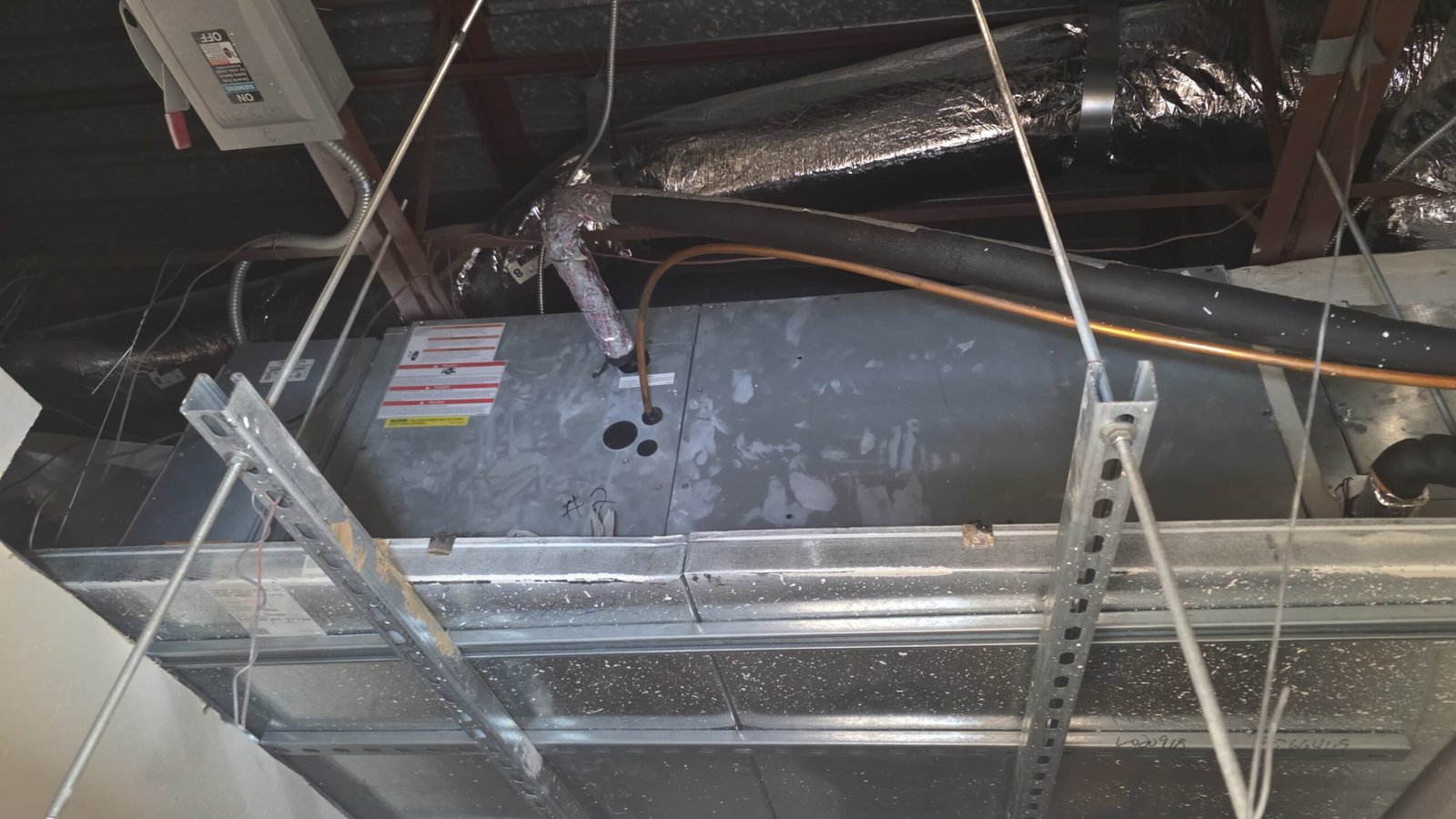
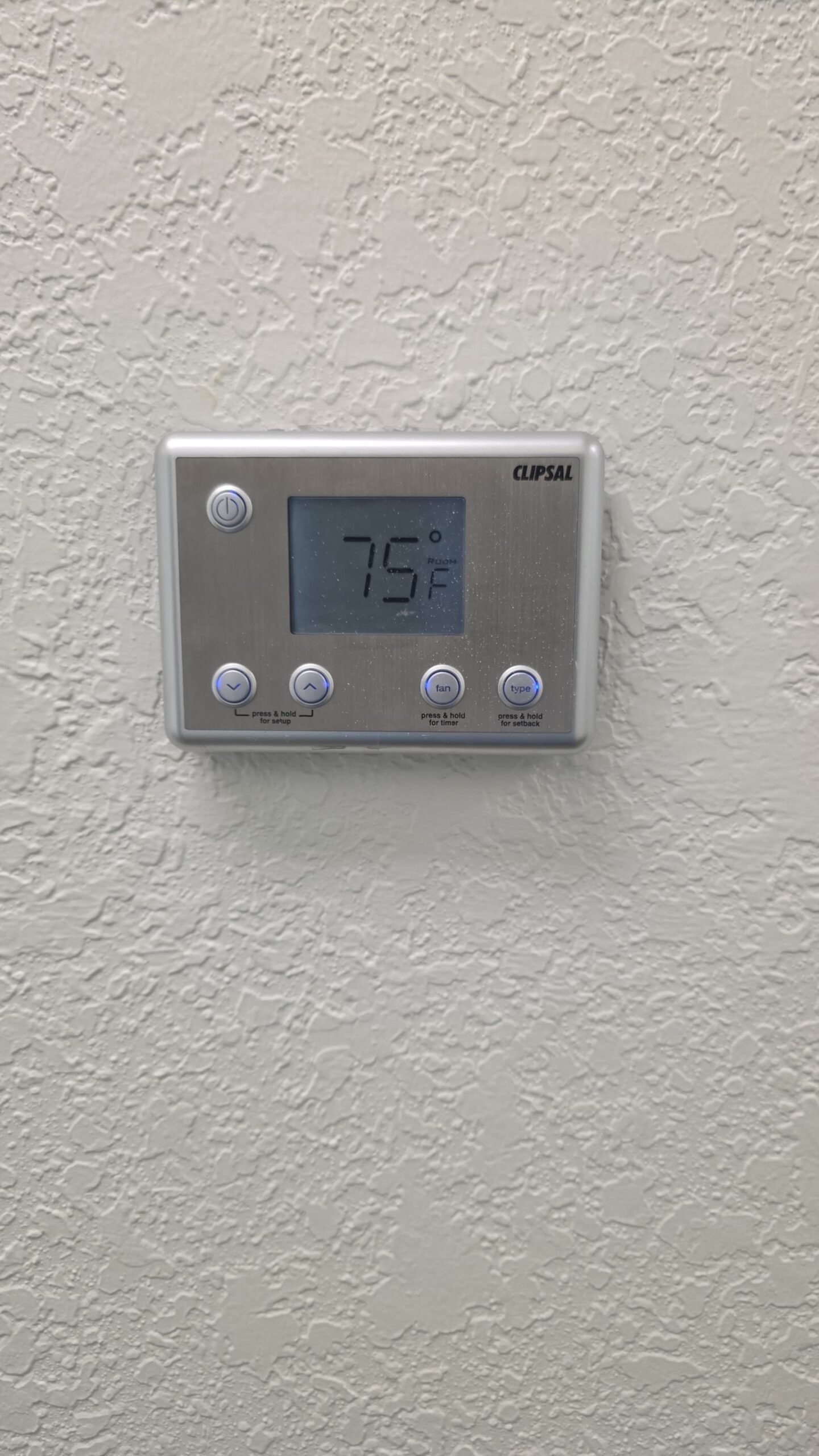
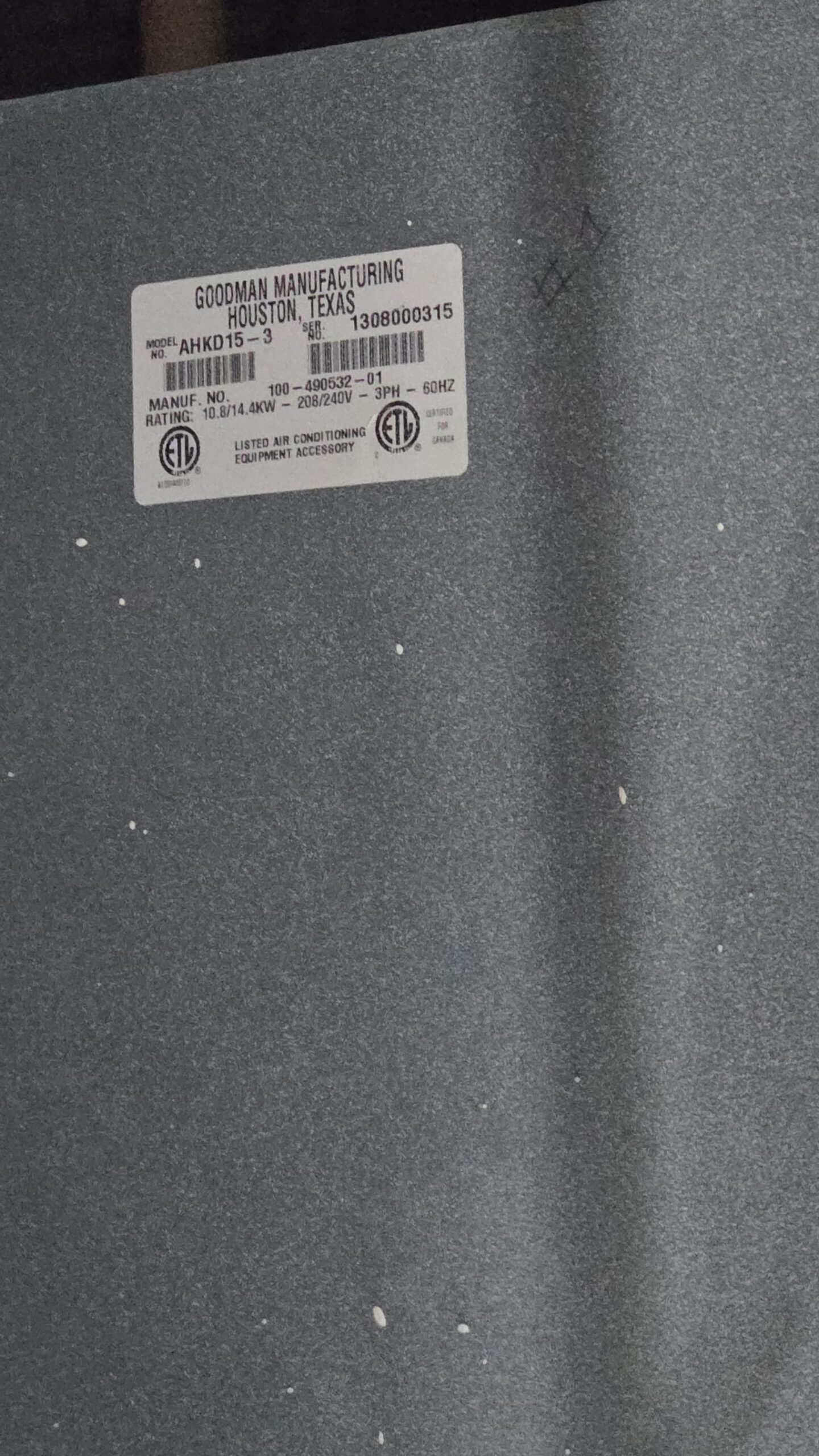
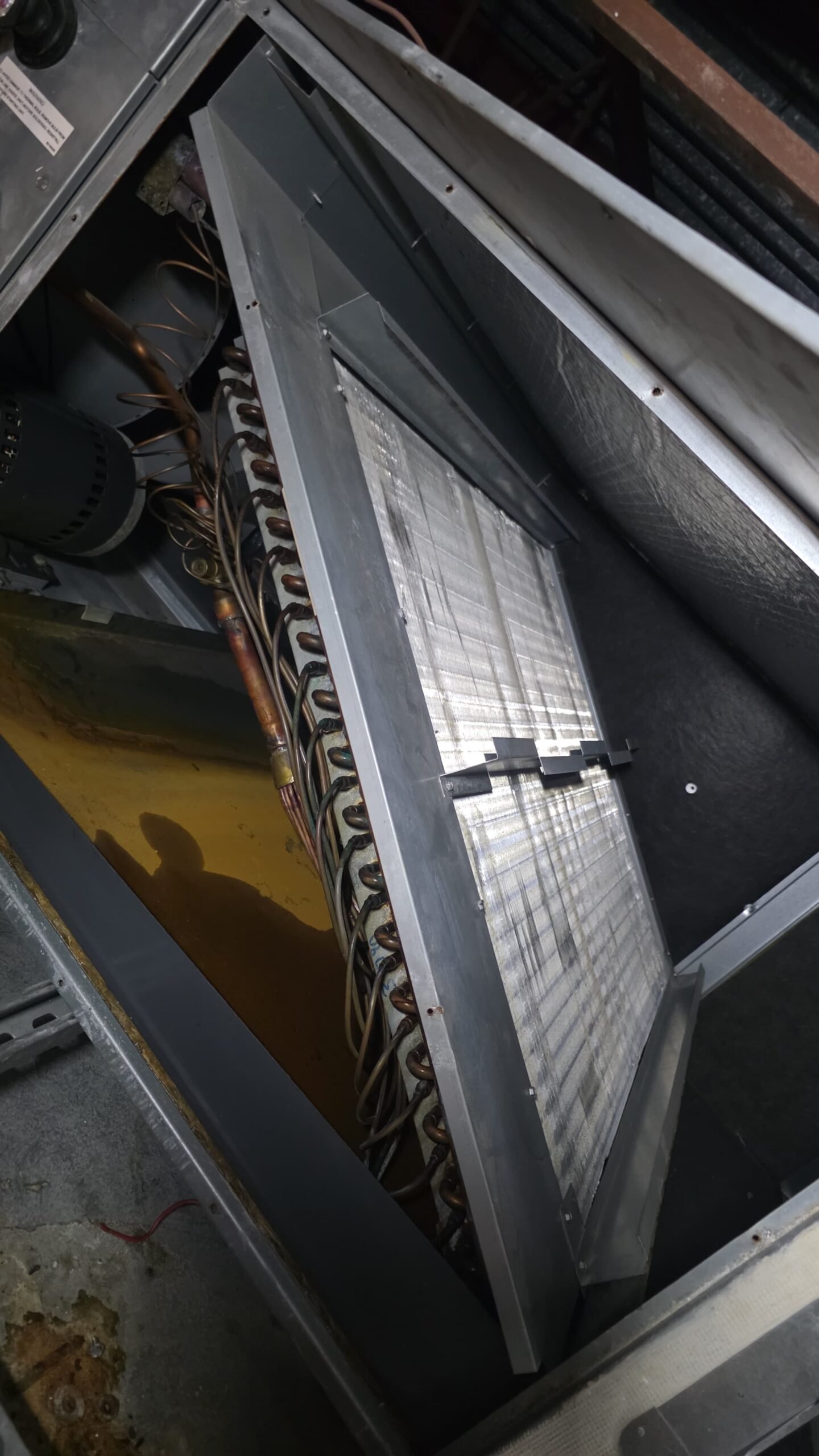
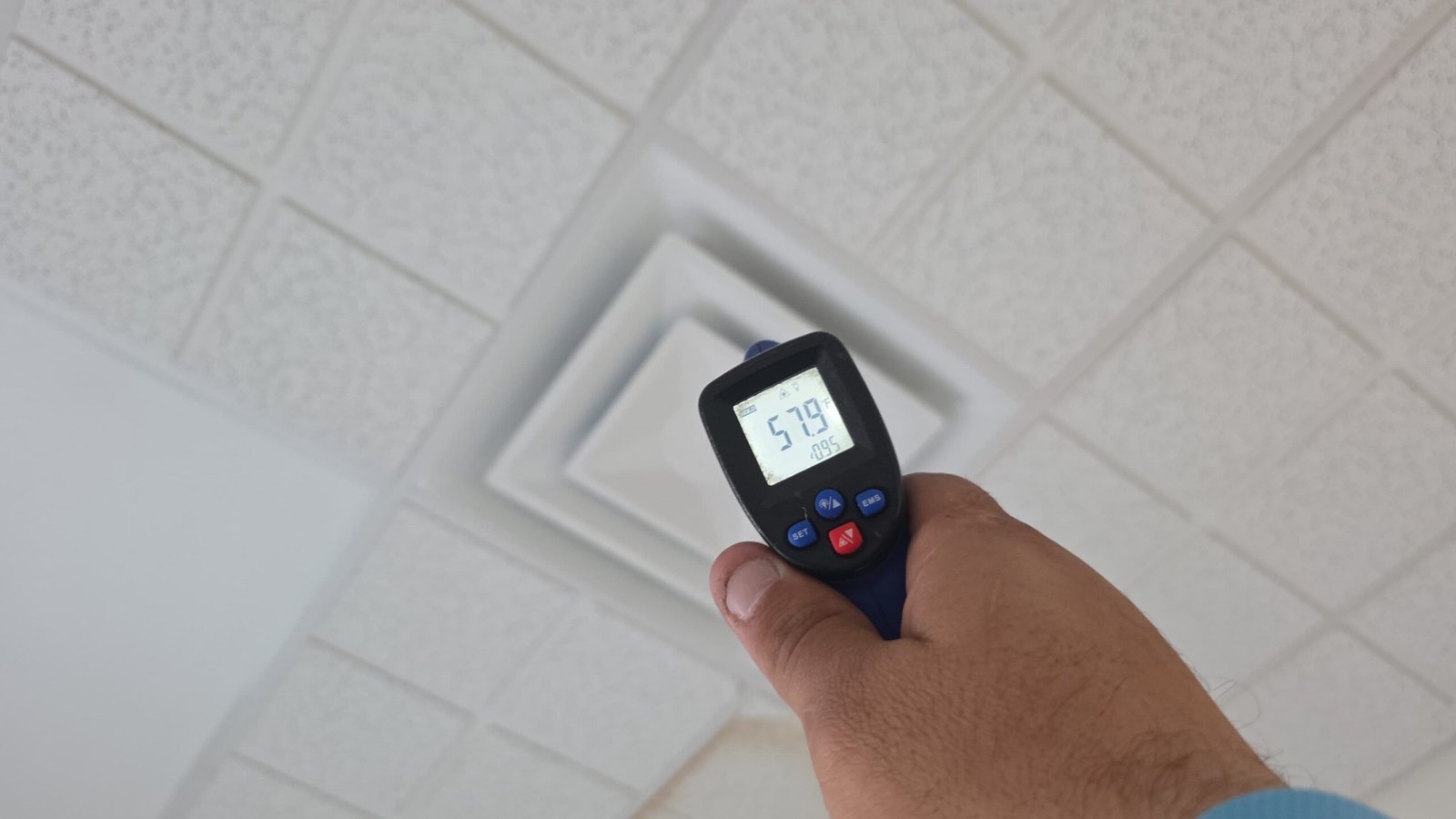
When your air conditioning runs almost year-round like it does in Palm Harbor, FL 34684, keeping up with regular HVAC maintenance is one of the best things you can do for your home. On this visit, we came out to a homeowner in Palm Harbor to complete a premium quarterly maintenance service on two aging systems, both around 12 years old.
The goal was simple: make sure both systems are clean, efficient, and ready to handle the Florida heat and humidity without surprise breakdowns. After a full inspection, cleaning, and system check, both units were operating properly with no active issues at the time of our visit.
Case Recap
- Location: Residential home in Palm Harbor, FL 34684
- Service: Premium quarterly HVAC maintenance visit
- Equipment: Two central AC systems, approximately 12 years old
- Work performed: Full operational inspection, electrical checks, refrigerant pressure check, thorough cleaning, and drain line clearing
- Outcome: Both systems operating properly and within normal ranges at time of inspection
- Plan: Continue routine maintenance to extend system life and reduce risk of breakdowns
Customer Problem
For homeowners in Palm Harbor, older air conditioning systems can create a lot of anxiety—especially when you know how hard they have to work in our hot, humid climate. In this case, the homeowner had two systems around the 12-year mark. That’s the age when many AC units start to show their wear, and unexpected repairs can become more likely.
Rather than waiting for a breakdown in the middle of a heat wave, this homeowner enrolled in a premium quarterly service agreement. Our visit in Palm Harbor, FL 34684 was their scheduled second visit under this plan, focused entirely on prevention and peace of mind.
The main concerns were:
- Keeping both systems running reliably through the long cooling season
- Reducing the risk of leaks, clogs, or electrical issues that can develop in older equipment
- Maintaining comfort in all areas of the home without hot or cold spots
- Making sure the systems are not working harder than they need to, which can drive up power bills
With a maintenance-focused visit like this, we go in looking for early signs of trouble—small issues that can be addressed now instead of turning into an emergency later on.
Inspection and Diagnosis
For this Palm Harbor homeowner, we started the visit with a full operational inspection of both systems. Because the equipment is around 12 years old, we pay special attention to anything that could signal wear: electrical components, fan motors, refrigerant pressures, and overall system behavior.
Here’s how we approached the diagnostic phase:
1. General System Operation Check
We began by running each system through a normal cooling cycle. We listened for unusual noises, watched how quickly the systems started and stabilized, and made sure air was flowing consistently from the vents. This basic step tells us a lot about the health of the blower, compressor, and fan systems.
2. Component Operation Verification
Next, we verified proper operation of all major components. That includes the blower inside the air handler, the outdoor condenser fan motor, and the compressor. We confirmed they were cycling as expected and working together as a system, not fighting against restrictions or hidden issues.
3. Electrical Consumption Readings
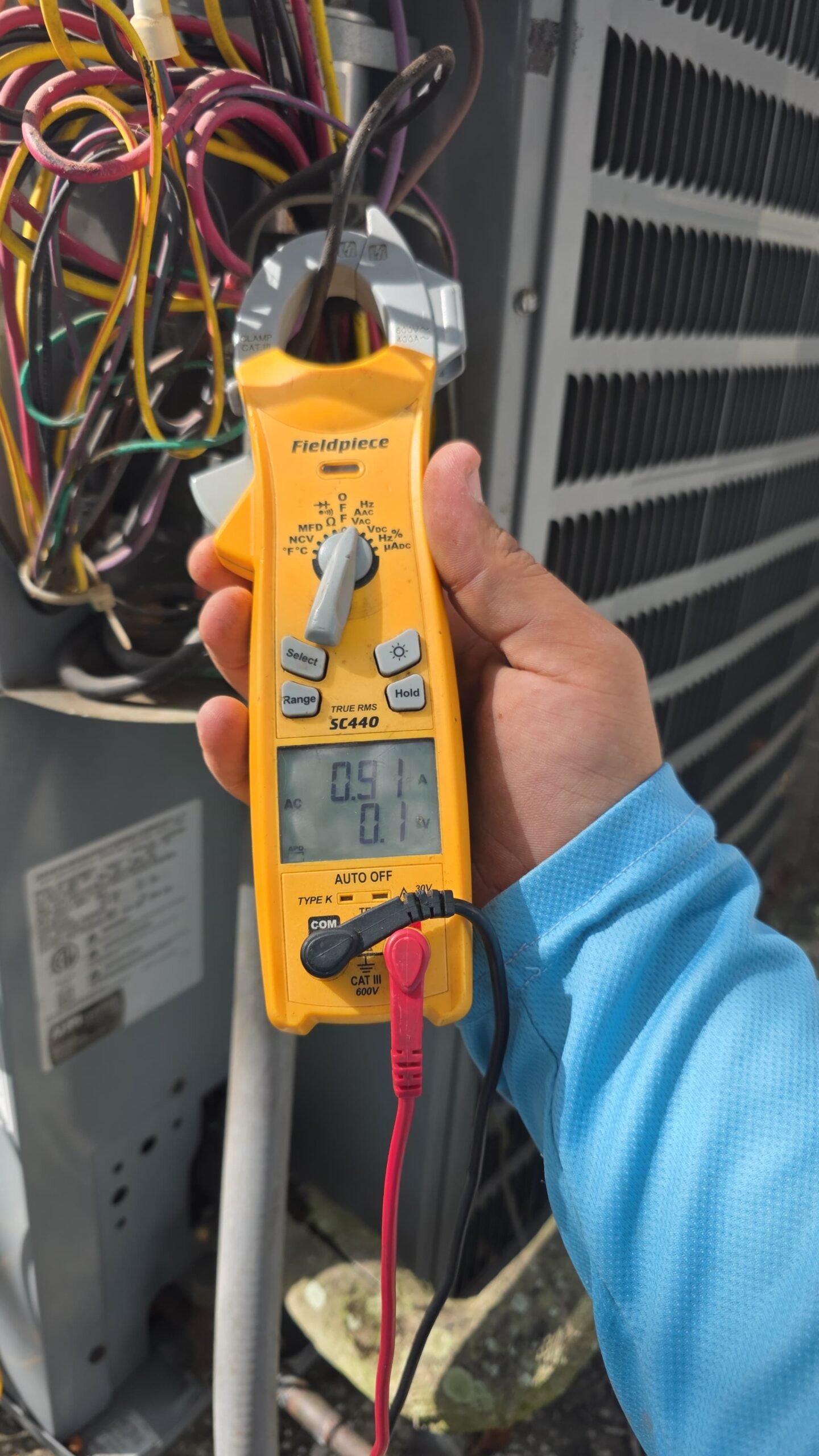
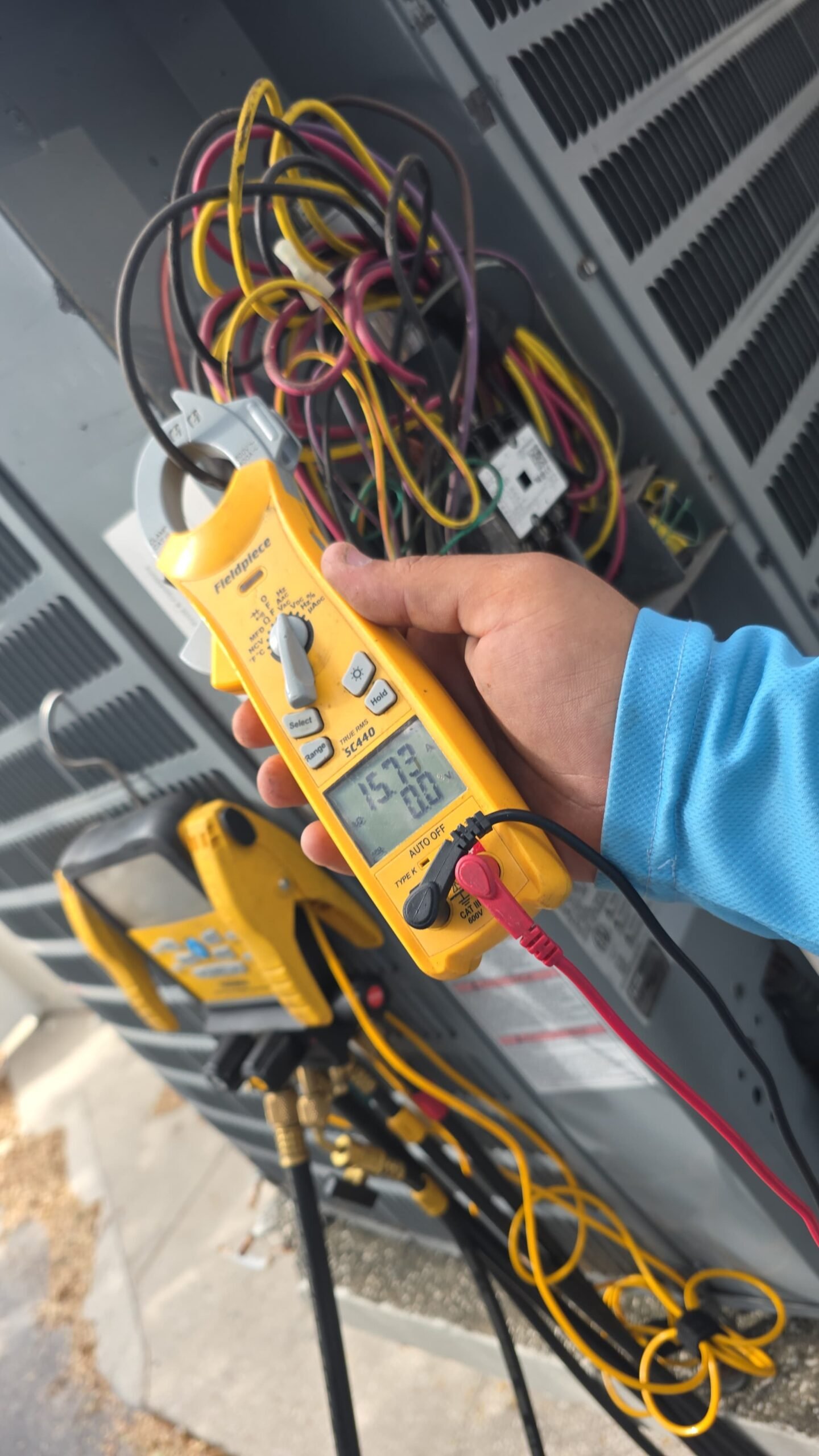
To get a better picture of how hard each part was working, we took electrical consumption readings on key components. On this Palm Harbor visit, readings for the blower, compressor, and fan motor were all within normal operating ranges based on the conditions at the time.
We did not need to adjust or replace any electrical components during this visit, but these checks give us a baseline over time. If we see readings trending higher on future visits, we’ll know something is beginning to strain before it fails.
4. Refrigerant Pressure Check
We also checked refrigerant pressures on both systems. At the time of inspection, pressures were within a normal range for the systems’ operation. That tells us there was no obvious sign of undercharging, overcharging, or a major refrigerant problem during this visit.
We want to be clear: we do not guess at refrigerant levels or make up numbers. In this case, readings simply indicated that the systems were functioning as expected, with no need for refrigerant adjustments.
5. Visual Inspection and Safety Check
Finally, we performed a visual inspection of wiring, drain lines, and the condition of the indoor and outdoor units. We looked for corrosion, loose connections, water staining, or biological growth that can be common in humid areas like Palm Harbor, FL 34684. Nothing in this inspection suggested an immediate safety concern.
Repair or Service Process
Because this visit was scheduled as part of a premium quarterly maintenance agreement, most of our work focused on cleaning, clearing, and fine-tuning rather than making repairs. Here’s what we did step-by-step and why it matters for homeowners in Palm Harbor.
1. Thorough Cleaning of Indoor and Outdoor Units
We completed a thorough cleaning of all accessible parts of both systems, including the indoor and outdoor units. In Florida’s climate, outdoor units pick up sand, grass, and debris, while indoor units can accumulate dust and buildup over time.
By carefully cleaning the units, we help:
- Improve airflow across coils and through the duct system
- Reduce strain on the blower and compressor
- Support better efficiency and more even temperatures inside the home
2. Condensate Drain Line Cleaning and Clearing
One of the most important tasks in a humid area like Palm Harbor is keeping the condensate drain lines clear. When your AC runs, it pulls moisture from the air, and that moisture drains through a small line. Over time, that line can clog with algae, debris, or buildup.
On this visit, we cleaned and cleared the condensate drain lines on both systems. Doing this proactively helps:
- Prevent water from backing up into the air handler or overflowing the drain pan
- Reduce the risk of water damage to ceilings, walls, or flooring
- Keep float switches (if present) from shutting the system down due to clogs
3. System Operation Verification After Service
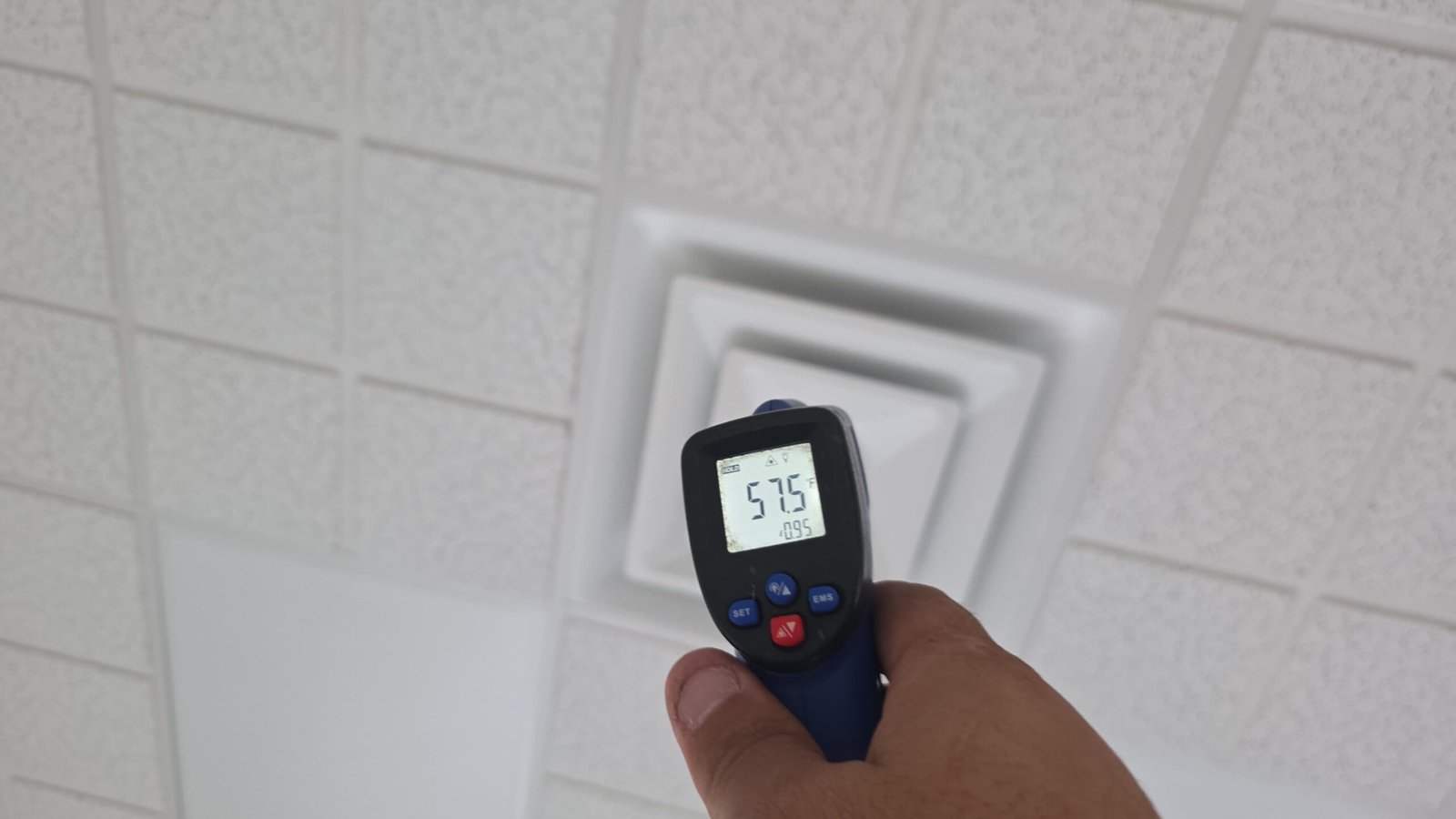
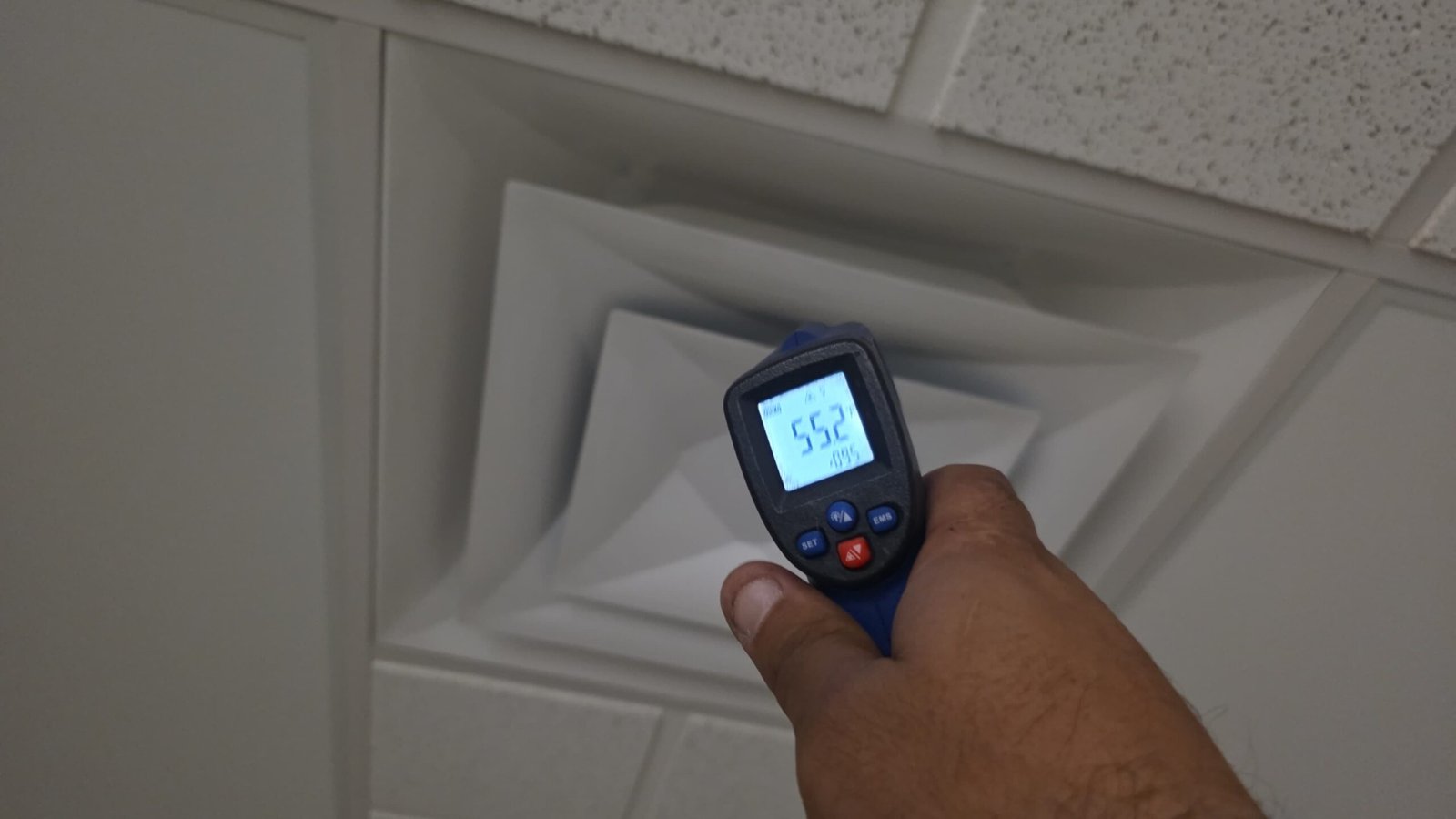
After cleaning the units and clearing the drains, we ran both systems again to confirm everything was operating properly. We verified that:
- Airflow felt consistent at the vents
- Systems were cycling on and off normally
- There were no unusual noises or new issues after the service
At the end of the visit, both systems in this Palm Harbor, FL 34684 home were operating properly with no issues detected during our checks.
Why This Fix Works
Quarterly maintenance visits like this one in Palm Harbor are all about protecting your comfort and your investment. We didn’t just “look at” the systems—we focused on the key principles that keep an HVAC system running well in Florida.
Airflow and Efficiency
Your AC system relies on free airflow across the indoor and outdoor coils. When coils and cabinets are dirty, the system has to work harder to move air, especially during long cooling cycles in Tampa Bay. Cleaning the units helps air move more easily, which supports better cooling, more stable indoor temperatures, and less wear on motors and the compressor.
Refrigeration and System Balance
Refrigerant pressures being within a normal range tells us the system is balanced for the conditions at the time of inspection. While we don’t guess at exact targets here, the key point is that the system is not obviously starving for refrigerant or dealing with excessive pressure. That balance is crucial for steady cooling and for preventing long-term damage to the compressor.
Drainage and Moisture Control
In Palm Harbor’s humidity, your AC system removes a significant amount of moisture from the air. If the condensate drain line clogs, that water has nowhere to go. Clearing the drains ensures that moisture leaves the home the way it should, helping protect your indoor air quality and your home’s structure.
Electrical Health
By checking electrical consumption on the blower, compressor, and fan motor, we verify that each component is working within a normal range. When those readings stay healthy, it usually means the motors aren’t fighting mechanical strain or blockage. Over time, tracking these readings can reveal when a part is wearing out before it fails completely.
Pro Tips for Homeowners in Palm Harbor
Based on what we see every day providing HVAC service in Palm Harbor, FL 34684 and nearby Tampa Bay areas, here are a few practical tips to help keep your systems running smoothly:
- Change or clean filters regularly. In our climate, most homes should check filters every 30 days and replace them as needed. A clogged filter is one of the most common causes of poor airflow and system strain.
- Keep the outdoor unit clear. Trim back plants, remove leaves, and avoid stacking anything around the condenser. Give it at least a couple of feet of clear space for proper airflow.
- Watch for drain issues. If you notice water near your air handler, a musty smell around vents, or a safety switch tripping, it may be related to a clogged condensate drain line. Addressing it early can prevent damage.
- Listen for changes. New noises—buzzing, rattling, grinding, or unusually loud starts—are often early signs that something needs attention. It’s easier and more affordable to investigate these early than to wait.
- Consider a maintenance plan. With the amount of run time systems see in Palm Harbor and across Tampa Bay, a planned maintenance agreement helps keep everything on schedule and can extend the life of older equipment.
- Protect older systems with regular checks. Once your system approaches 10–12 years, consistent maintenance becomes even more important. Small adjustments and cleanings can make a real difference in how long it lasts.
If you’d like to learn more about how our team handles AC maintenance throughout Tampa, you can read about our dedicated AC maintenance services and our focused AC tune-up visits. For homeowners interested in ongoing care similar to this visit in Palm Harbor, we also offer structured HVAC maintenance plans tailored to Tampa Bay’s climate.
FAQ: Quarterly HVAC Maintenance in Palm Harbor, FL 34684
How often should I schedule HVAC maintenance in Palm Harbor?
In a warm, humid area like Palm Harbor, FL 34684, we generally recommend at least two professional maintenance visits per year. Many homeowners with older systems or higher usage choose quarterly service, like this homeowner did, to stay ahead of issues and keep equipment running as smoothly as possible.
Is quarterly maintenance worth it for older systems?
For systems around 10–12 years old and up, quarterly maintenance can be especially beneficial. Regular inspections, cleaning, and drain line clearing help reduce the risk of breakdowns, protect against water damage, and may help extend the useful life of the equipment. This Palm Harbor home’s two older systems are a good example of how preventive care can keep aging units running properly.
What do you typically check during a maintenance visit?
On a maintenance visit, we check general system operation, verify that major components like the blower, compressor, and fan motor are operating properly, take electrical readings, check refrigerant pressures, clean the units, and clear condensate drain lines as needed. We also look for visible signs of wear, corrosion, or water issues that could turn into bigger problems later.
Do you add refrigerant on every maintenance visit?
No. We do not add refrigerant unless there is an identified need to do so. On this Palm Harbor service visit, refrigerant pressures were within normal range, so no refrigerant adjustments were made. Our focus is on accurate diagnosis and honest recommendations, not selling unnecessary refrigerant.
Can maintenance really prevent breakdowns?
While no service can guarantee a system will never fail, regular maintenance greatly reduces the likelihood of sudden breakdowns. By cleaning components, checking drains, monitoring electrical consumption, and inspecting for early warning signs, we often catch small issues before they become major repairs.
Do you offer HVAC service specifically in Palm Harbor?
Yes. Home Therapist provides local HVAC service in Palm Harbor, surrounding Pinellas County communities, and the greater Tampa Bay area. You can learn more about our work in your area on our Palm Harbor HVAC and plumbing services page and our broader Pinellas County service area page.
Why Choose Home Therapist for HVAC Service in Palm Harbor
When you invite us into your Palm Harbor, FL 34684 home, you’re trusting us with your comfort and your property. We take that seriously on every visit.
- Licensed, professional technicians: Our team is trained, licensed, and experienced with the specific demands of Tampa Bay’s climate, from older systems to the latest high-efficiency equipment.
- Transparent communication: We explain what we find in clear, plain language—what looks good, what we’re watching, and what may need attention down the road. No surprises, no pressure.
- Clean, respectful work: We treat your home with care, keep our work areas tidy, and respect your schedule. Our goal is for you to feel comfortable and informed throughout the visit.
- Long-term reliability focus: We’re not just looking for today’s quick fix. We’re focused on the long-term health of your system, your comfort, and your energy usage.
- Committed to Tampa Bay homeowners: As local technicians serving Palm Harbor and the greater Tampa Bay area, we understand how our weather affects your HVAC system and tailor our maintenance accordingly.
If you’d like to see how we work and stay connected, you can follow us on social media:
And if you’re looking for additional peace of mind, you can review our standing with trusted organizations:
- Better Business Bureau profile
- Tampa Bay Chamber of Commerce listing
- Google Business Profile for Home Therapist
Need HVAC Maintenance in Palm Harbor, FL 34684?
If you have older systems like this homeowner in Palm Harbor, FL 34684, or you just want to stay ahead of the Florida heat, we’re here to help. Our team can set up a one-time tune-up or enroll you in a maintenance plan that fits your home and budget.
To learn more about our AC maintenance and tune-up options or to schedule service in Palm Harbor, visit our AC maintenance page, explore our maintenance plans, or check our full Palm Harbor HVAC services. We’ll take the time to inspect your system carefully, explain what we find, and help keep your home comfortable all year long—without the stress of last-minute breakdowns.