

HVAC Tune-Up and Heating Zoning Check in Tarpon Springs, FL 34688
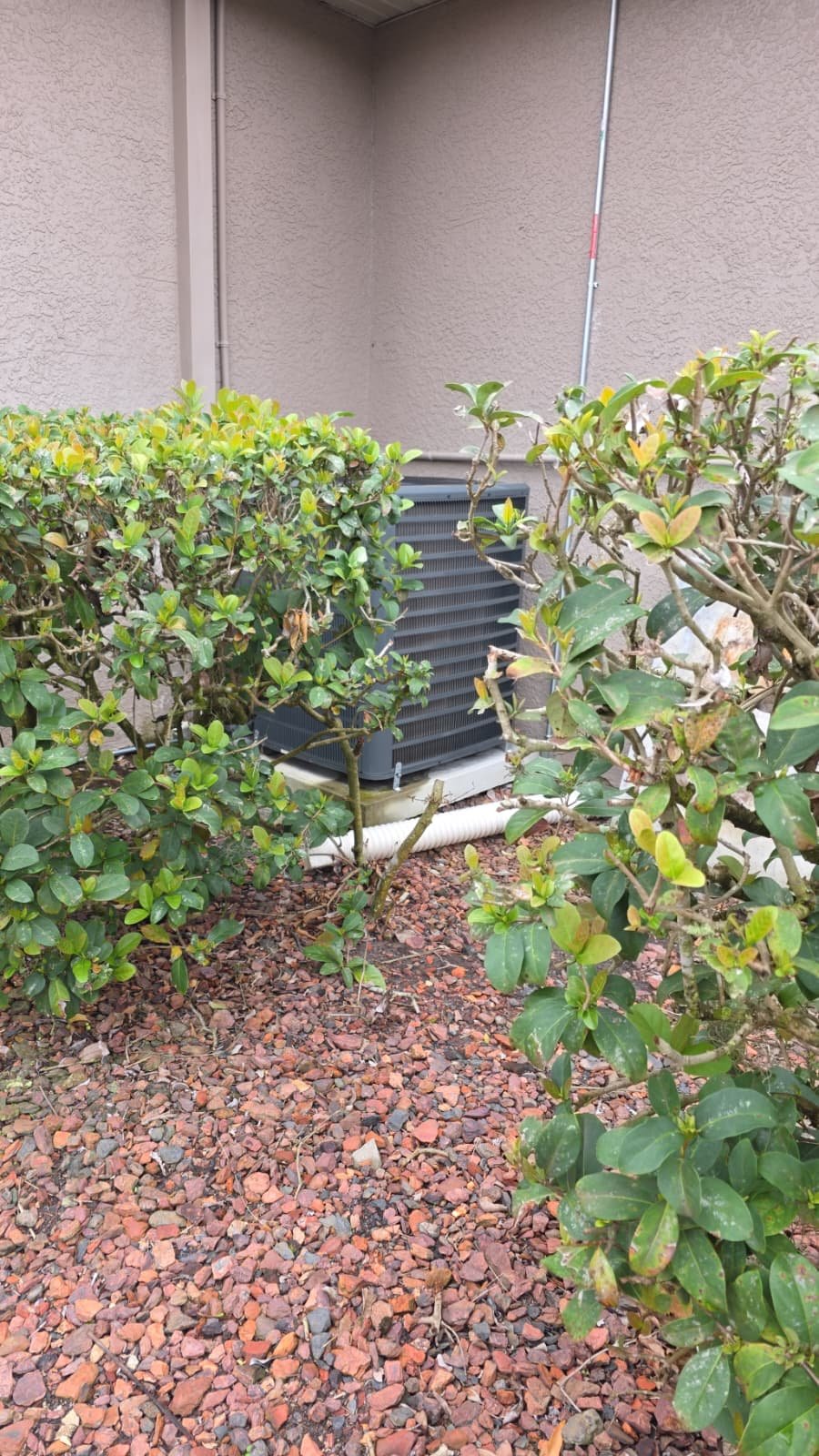


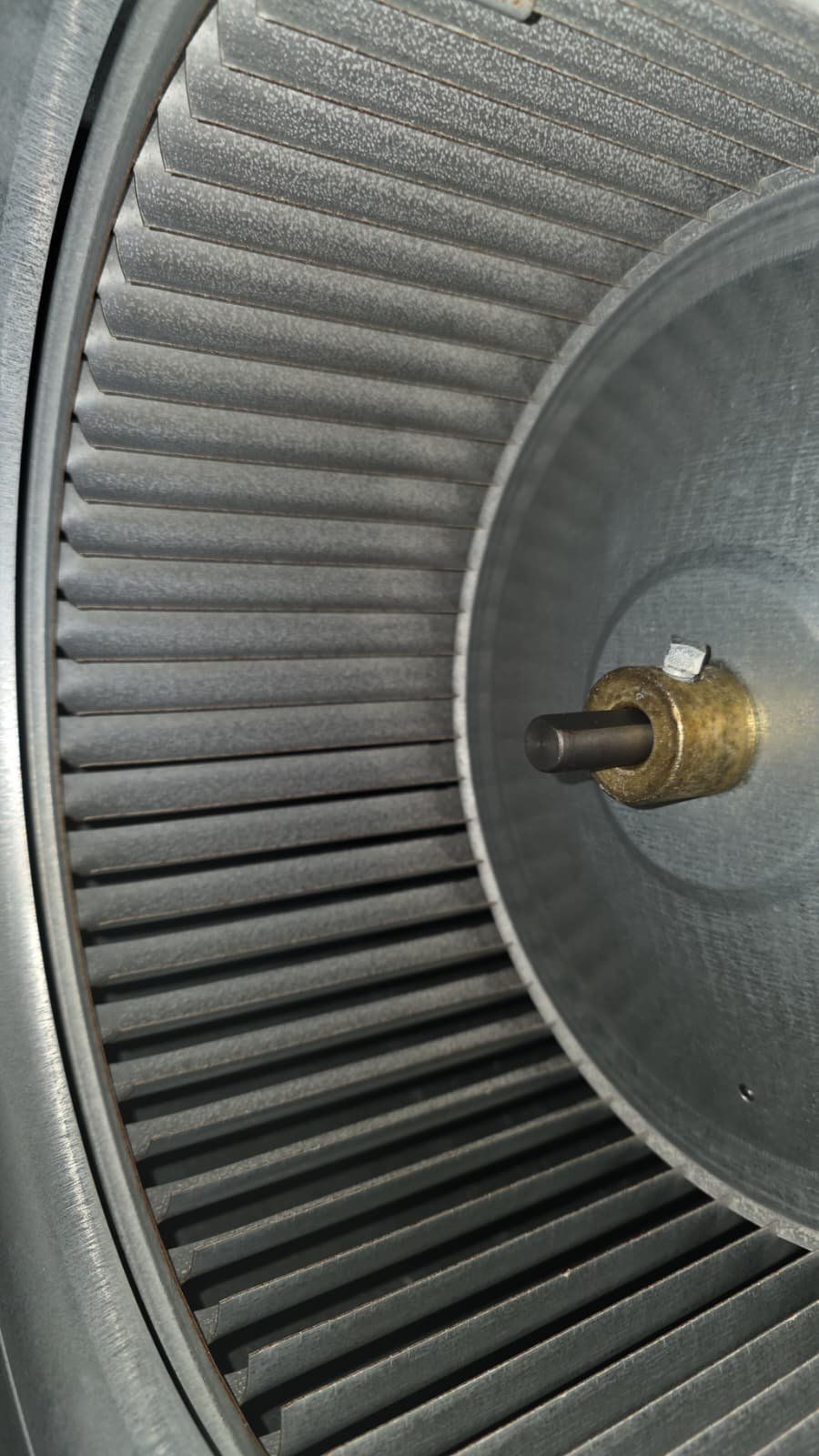

When a homeowner in Tarpon Springs, FL 34688 reached out to us, they were taking advantage of an $89 tune-up offer and also wanted us to look into a heating issue. Their home has two relatively new HVAC systems, and while cooling seemed fine, one system wouldn’t come on in heat mode. During our visit, we completed a full maintenance tune-up on both systems and uncovered a likely issue with the zoning control board that affects the heating function.
In this article, we’ll walk through what we found, how we serviced both systems, what’s going on with the heating and zoning, and what we recommended so the homeowner can make an informed decision. If you live in Tarpon Springs, FL 34688 and rely on your HVAC for both cooling and heating, this kind of visit is a great example of how regular maintenance can catch control issues before they become bigger problems.
Case Recap
- Location: Single-family home in Tarpon Springs, FL 34688
- Service requested: $89 HVAC tune-up for two systems, plus a heating concern
- Equipment age: Both HVAC systems installed roughly one year ago
- What we did: Full maintenance on both systems, cleaned components, cleared condensate drains, checked refrigerant pressures, amps, and fan operation
- What we found: Cooling worked correctly; a suspected zoning control board issue is limiting proper heating operation
- Next step: Provide an estimate for deeper diagnosis and potential zoning board repair or replacement
Customer Problem: Heating Not Kicking On
The homeowner in Tarpon Springs initially contacted us because they had seen an $89 tune-up promotion previously and wanted to take advantage of it for their two systems. Even though the promotion had passed, we honored the offer as an exception and scheduled a maintenance visit.
During scheduling, they also asked us to look at a heating issue at the same time. The home has two separate HVAC systems, both installed around 12 months ago. Cooling seemed to be working well, but one of the systems would not turn on when they switched to heat. The homeowner suspected that it might be something simple, like a miswired connection or a crossed cable related to the thermostat or zoning controls.
Here were their main concerns:
- “One of my systems won’t start in heat mode, even though it cools fine.”
- “Both units are relatively new, so I don’t expect major failures yet.”
- “If it’s a wiring or control board problem, I want to know what my options are.”
They also wanted reassurance that their newer equipment was in good shape in general. Living in Tarpon Springs, FL 34688, where cooling is critical most of the year, it was important to them that the systems run efficiently and reliably, and that the heating would work correctly when needed.
Inspection and Diagnosis
Our first step was to treat this as both a routine tune-up and a troubleshooting visit. That means we didn’t just look at the one system that was having heating trouble—we evaluated both HVAC systems from top to bottom.
Here’s how we approached the visit:
1. Overall System Condition
We began by visually inspecting both air handlers and condensers. For systems that are only about a year old, we expect them to be fairly clean and structurally sound, and that was the case here. We checked for obvious issues like loose panels, damaged insulation, or signs of water around the air handler.
2. Refrigerant and Compressor Operation
Next, we verified cooling performance. We checked refrigerant pressures, compressor amp draw, and outdoor fan operation on each system. All readings and behavior were within normal ranges for systems of this age and type. That helped confirm that the core refrigeration cycle (compressor, refrigerant, and outdoor fan) was functioning properly.
3. Indoor Airflow and Fan Operation
We confirmed that the indoor blower fans were running correctly, with normal sound and airflow behavior. While we didn’t find major airflow restrictions on this visit, homeowners in areas like Tarpon Springs often benefit from regular filter changes and occasional professional duct cleaning to keep the system breathing easily in our humid Florida climate.
4. Cleaning and Condensate Drain Lines
As part of the tune-up, we cleaned key components where appropriate and cleared the condensate drain lines on both systems. A blocked drain can cause water backup, safety shutdowns, and even water damage, so clearing those lines is a simple but important step to keep the system reliable.
5. Heating and Zoning Controls
Finally, we turned our attention to the homeowner’s main concern: the heating issue. We tested the systems in heat mode and monitored how the control system responded. Cooling operation checked out, but when we tested the heating side, we noticed that the problem was not with the basic equipment itself, but with how the heating call was being handled by the control system.
The home is using a zoning setup—meaning different areas (zones) of the home can call for heating or cooling independently. Based on our testing, the zoning control board appears to be the likely source of the problem affecting heat operation in at least one of the zones. The board is essentially the “traffic director” that decides which zone gets air and when; if it isn’t interpreting the heating call correctly, certain zones may not heat even though the equipment is capable of running.
Because we don’t guess with electronics, our recommendation was to move to a more detailed diagnostic visit focused on the zoning control board and associated wiring before committing to repair or replacement.
Repair and Service Process
Even though the heating control issue requires a separate estimate and deeper diagnosis, we still completed a thorough maintenance tune-up on both systems during this visit. That way, the homeowner in Tarpon Springs, FL 34688 gets maximum value from the appointment and knows their equipment is otherwise in good condition.
Step 1: Full Tune-Up Setup
We started by reviewing thermostat settings and system modes, then safely shutting off power where needed so we could open panels and access internal components. Safety and cleanliness come first—drop cloths, careful tool placement, and wiping down any work areas we touch are part of our normal routine.
Step 2: Cleaning Accessible Components
We cleaned accessible areas of both systems, focusing on parts that affect efficiency and airflow. While these systems were relatively clean, even a year of operation in Florida’s humid, sandy environment can begin to build up dust and debris. Keeping components clean helps maintain smooth airflow and reduces strain on motors.
Step 3: Condensate Drain Line Clearing
We flushed and cleared the condensate drain lines for each system. In our climate, drain lines can quickly accumulate algae and buildup. A simple blockage can shut down cooling at the worst possible time, so clearing the drains is a standard part of our maintenance. After clearing, we verified that the lines were draining properly.
Step 4: Electrical and Component Check
We inspected visible wiring connections, contactors, and control components that are part of the normal maintenance checklist. The homeowner had mentioned a possible crossed wire; while our initial visit pointed more toward the zoning board than simple thermostat wiring, it was still important to visually inspect for any obvious miswiring or loose connections during the tune-up.
Step 5: Cooling and Heating Test
With cleaning and checks done, we restored power and tested both systems in cooling mode and then in heating mode. Cooling tested normally on both systems—good refrigerant behavior, normal compressor operation, and proper fan function.
When we switched to heating, that’s where we confirmed that the equipment itself wasn’t the primary concern. The system’s response pointed to the zoning control board or related controls as the likely cause of the limited or missing heating in certain areas of the home. Rather than replacing parts blindly, we recommended a focused diagnostic and estimate specifically for the zoning board and its connections.
Step 6: Honest Options and Next Steps
Before leaving, we explained two clear options to the homeowner:
- Schedule a dedicated visit to fully diagnose the zoning control board and, if needed, repair or replace it.
- Continue operating the systems as they are for now, understanding that cooling is working well but heating performance may remain limited until the control issue is resolved.
We also reminded them that, beyond the zoning issue, both systems are in good overall condition and have been cleaned, drained, and tested. That gives them peace of mind while they decide how and when to move forward with the zoning repair.
Why This Fix Works (and Why Zoning Matters)
In this Tarpon Springs home, the main issue is not a failed furnace or a bad heat pump component—it’s a control problem. The zoning control board is responsible for:
- Receiving signals from thermostats in different zones
- Telling the HVAC equipment when to run in heating or cooling mode
- Opening and closing zone dampers to route air where it’s needed
If the board is not processing the heat call correctly, or if part of the board has failed, you can end up with situations where:
- Cooling works fine, but heating doesn’t engage in certain zones
- Some rooms stay comfortable while others never warm up
- The system short cycles or doesn’t respond properly to thermostat changes
By diagnosing and addressing the zoning control board, we’re not just chasing a symptom—we’re going after the root of the control issue. Once the board and its wiring are verified and corrected, the same heating equipment that already works well mechanically can distribute warm air correctly to every zone.
On the maintenance side, the cleaning, electrical checks, and drain line clearing we performed help the systems run more efficiently and reliably. That means:
- Less strain on motors and compressors
- Better airflow and comfort
- Lower risk of nuisance shutdowns from simple issues like clogged drains
When you combine sound controls with well-maintained equipment, you get a system that’s far more likely to provide steady comfort and fewer surprises throughout the year.
Pro Tips for Homeowners in Tarpon Springs
Whether you’re in Tarpon Springs, FL 34688 or elsewhere in the Tampa Bay area, here are a few practical tips to keep your HVAC systems running smoothly:
- Change filters regularly. In Florida’s humid, dusty environment, most homes benefit from changing standard filters every 1–3 months. If you’d like help choosing the right filter or upgrading your filtration setup, we can also assist with air filter installation and service.
- Don’t ignore small heating issues. Even if you only use heat a few weeks a year, a control problem with heating can be a sign of a zoning or wiring issue that may affect cooling down the road if left unchecked.
- Schedule annual tune-ups for each system. Two systems mean twice the equipment, and both should be checked and maintained yearly. An annual tune-up helps catch minor issues early and keeps your efficiency up.
- Keep drains and ducts in mind. Clearing condensate drains and maintaining clean ductwork helps your system breathe better and reduces the chance of water damage or musty odors. Our air duct cleaning services are designed for Tampa Bay homes dealing with dust and humidity.
- Know where your thermostats and zones are. In a zoned home, understand which thermostat controls which area, and pay attention if one area consistently behaves differently. That information helps us pinpoint zoning and control issues faster.
- Plan ahead for busy seasons. In Tarpon Springs, most homeowners don’t think about HVAC service until the first big heat wave. Scheduling maintenance before the peak season gives you more flexibility and less chance of unexpected breakdowns.
FAQ: HVAC Tune-Up and Heating Zoning in Tarpon Springs, FL 34688
Do I really need a tune-up if my systems are only a year old?
Yes, a yearly tune-up is still a good idea, even for newer systems. In this Tarpon Springs home, both systems were about one year old and already benefitted from cleaning and drain line clearing. Early maintenance helps keep warranties valid, reduces wear, and can catch control issues like zoning or thermostat problems before they affect comfort.
Why would cooling work but heating not work on the same system?
When cooling works but heating does not, it often points to a control or zoning issue rather than a basic mechanical failure. In this case, the refrigerant pressures, compressor operation, and fan functions were normal. The problem appears to be how the zoning control board is handling the heating call, not whether the equipment can run.
Can I keep using my HVAC system while I decide on zoning control repairs?
In this situation, cooling is operating correctly, so the homeowner can continue to use the system while they review the estimate for zoning board diagnosis and repair. The tradeoff is that heating performance may stay limited in certain areas until the control issue is properly addressed. We always explain these options clearly so you can decide what works best for your home and budget.
What does the $89 tune-up include?
For well-kept units, our promotional tune-up includes cleaning key components, flushing condensate drain lines, checking refrigerant operation, reviewing thermostat settings, inspecting wiring and major components, and replacing the filter (you can provide your own or we can supply one at an additional cost). Afterward, we review any recommended maintenance or repairs so you know exactly where your system stands.
Is this type of service available outside Tarpon Springs?
Yes. We serve homeowners throughout the Tampa Bay area. If you’re near Tarpon Springs, New Port Richey, or surrounding communities, our local technicians can help with HVAC tune-ups, repairs, and zoning control issues. You can learn more about nearby coverage on our New Port Richey HVAC and plumbing service page.
How will I know if my zoning control board really needs to be replaced?
We don’t replace control boards based on guesswork. The next step after a visit like this is a focused diagnostic appointment where we test the zoning board, verify wiring, and confirm how it responds to heating and cooling calls. Only if the board or related controls fail those checks do we recommend repair or replacement, and we’ll walk you through those findings before any work is done.
Why Choose Home Therapist for HVAC Service in Tarpon Springs
When you invite us into your home in Tarpon Springs, FL 34688, you’re trusting us with your comfort, your equipment, and your time. We take that seriously.
Here’s what you can expect from our team:
- Licensed, professional technicians: Our techs work on HVAC systems across Tampa Bay every day, including zoned systems and newer high-efficiency equipment.
- Transparent communication: We explain what we find in plain language, review your options, and never pressure you into a repair you don’t understand.
- Clean, respectful work: From wearing shoe covers to cleaning up our work area, we treat your home like our own.
- Focus on long-term reliability: We’re not just trying to get the system running for today—we want it to run well through the long Florida cooling season and the occasional cool snaps.
- Commitment to Tampa Bay homeowners: We live and work here too, and we’re proud to serve communities like Tarpon Springs, New Port Richey, Clearwater, and beyond.
If you’d like to see more of what we do, you can follow us on social platforms like Pinterest or connect with us on Reddit. For extra peace of mind, you can also review our standing with trusted organizations such as the Better Business Bureau and the Tampa Bay Chamber of Commerce.
For more information about how we handle routine maintenance, you can also read our guide on what to expect from AC repairs, installs, and maintenance visits. It’s a helpful resource if you’re planning your next service call in the Tampa Bay area.
Ready to Schedule HVAC Service in Tarpon Springs, FL 34688?
If you’re noticing heating issues, uneven comfort between rooms, or it’s simply time for a tune-up on your system in Tarpon Springs, FL 34688, we’re here to help. Our technicians can perform a thorough maintenance visit, check your zoning and controls, and give you clear options if we find anything that needs attention.
Whether you have one system or two—new equipment or older units—our goal is the same: safe, reliable, and efficient comfort for your home. Reach out to Home Therapist Cooling, Heating, and Plumbing to schedule your HVAC tune-up or heating zoning evaluation, and we’ll take care of the rest.


