Hydronic Heating: Efficient Comfort for Tampa Homes
Stepping into your home on a chilly Florida night should feel welcoming, not drafty or noisy. For Tampa Bay homeowners searching for a quieter, more consistent way to stay warm, hydronic heating offers a fresh solution. Unlike traditional forced-air systems, these innovative systems use heated water to deliver gentle warmth throughout each room. Discover how hydronic heating can bring cleaner air, lower energy costs, and lasting comfort to your living space.
Table of Contents
- Hydronic Heating Defined And Common Misconceptions
- Types Of Hydronic Heating Systems Explained
- How Hydronic Heating Systems Work
- Installation Needs And Home Suitability Factors
- Comparing Hydronic Heating To Other Options
- Costs, Maintenance, And Energy Savings Insights
Key Takeaways
| Point | Details |
|---|---|
| Hydronic Heating Advantages | Offers efficient, draft-free, and quiet operation with lower maintenance needs compared to traditional heating systems. |
| System Types | Various hydronic heating options exist, including hot water radiators, baseboard heaters, and radiant floor heating, catering to different home layouts. |
| Economic Benefits | While initial installation costs are higher, hydronic systems can lead to significant energy savings and lower long-term maintenance expenses. |
| Professional Consultation Recommended | Engaging with a local HVAC professional ensures optimal design and installation tailored to specific home characteristics and heating requirements. |
Hydronic Heating Defined and Common Misconceptions
Hydronic heating is a sophisticated heating method that delivers warmth through water circulation, offering Tampa homeowners an energy-efficient alternative to traditional heating systems. Unlike forced-air systems that blow heated air, hydronic systems use heated water to distribute warmth throughout living spaces.
At its core, a hydronic heating system consists of several key components:
- Boiler: Heats water to the desired temperature
- Pipes: Distribute heated water throughout the home
- Heat distributors: Radiators, baseboards, or radiant floor tubing
- Circulation pump: Moves water through the system
The technology behind hydronic heating is both elegant and ancient. Modern systems trace their roots to historical heating practices like Roman hypocausts and Korean ondol, which similarly used water or steam to warm living spaces. Proper system design requires understanding complex interactions between water temperature, flow rates, and control mechanisms.
Common misconceptions about hydronic heating often stem from confusion with traditional forced-air systems. Many Tampa homeowners mistakenly believe hydronic systems are less efficient or more complicated. However, these systems actually offer several advantages:
- Consistent, draft-free heating
- Quiet operation
- Easy zone control
- Low maintenance requirements
- Potentially lower energy costs
Pro tip: Before installing a hydronic system, consult with a local HVAC professional who understands Tampa’s specific climate and home characteristics to ensure optimal performance and efficiency.
Types of Hydronic Heating Systems Explained
Hydronic heating offers Tampa homeowners multiple innovative options for warming their living spaces. Hydronic systems encompass various heating methods designed to distribute warmth efficiently throughout residential environments.
The primary types of hydronic heating systems include:
- Hot Water Radiators: Traditional cast-iron or modern panel radiators that emit heat through metal surfaces
- Baseboard Heaters: Slim, low-profile units installed along wall bases that radiate consistent warmth
- Radiant Floor Heating: Tubing embedded beneath flooring materials to provide uniform, comfortable heat from the ground up
- Radiant Wall/Ceiling Panels: Discrete heating elements installed within structural surfaces
Fuel sources for these systems typically include:
- Natural gas
- Propane
- Electricity
- Ground source heat pumps
Modern hydronic systems utilize advanced flow generation techniques that dramatically improve heating efficiency. These systems are classified by several critical parameters:
- Flow generation method (gravity vs. forced)
- Temperature classification (low, medium, high)
- Pressurization levels
- Piping arrangement configurations
While steam systems still exist, forced flow recirculating hot water systems have become the predominant technology due to superior control and energy efficiency. Each system type offers unique advantages, allowing homeowners to select an approach that best matches their specific comfort requirements and home layout.
Here’s a concise breakdown of primary hydronic heating system types and their best use cases:
| System Type | Ideal Applications | Typical Efficiency | Installation Complexity |
|---|---|---|---|
| Hot Water Radiators | Older homes, retrofits | Moderate | Moderate |
| Baseboard Heaters | Compact rooms, renovations | High | Low |
| Radiant Floor Heating | New builds, full remodels | Very high | High |
| Radiant Wall/Ceiling | Modern homes, space-saving | High | Moderate |
Pro tip: Consult with a local HVAC professional to assess your home’s specific characteristics and determine the most suitable hydronic heating system for optimal comfort and energy efficiency.
How Hydronic Heating Systems Work
Hydronic heating systems operate through a sophisticated process of water circulation and heat transfer that provides consistent, comfortable warmth throughout Tampa homes. At the heart of this system is a powerful boiler designed to heat water to precise temperatures, initiating a continuous thermal exchange process.
The core components of a hydronic heating system include:
- Boiler: The primary heat generation unit
- Circulation Pump: Moves heated water through the system
- Piping Network: Distributes heated water throughout the home
- Heat Emitters: Radiators, baseboards, or radiant panels
- Thermostatic Controls: Regulate temperature and flow
Temperature control is achieved through precise water circulation/02%3A_Heating/2.14%3A_Hydronic_Heating_Systems) mechanisms that maintain consistent warmth. As heated water moves through the closed-loop system, it transfers thermal energy to rooms through two primary methods:
- Convection: Warm water radiates heat into surrounding air
- Radiation: Direct heat transfer through surfaces like floors or walls
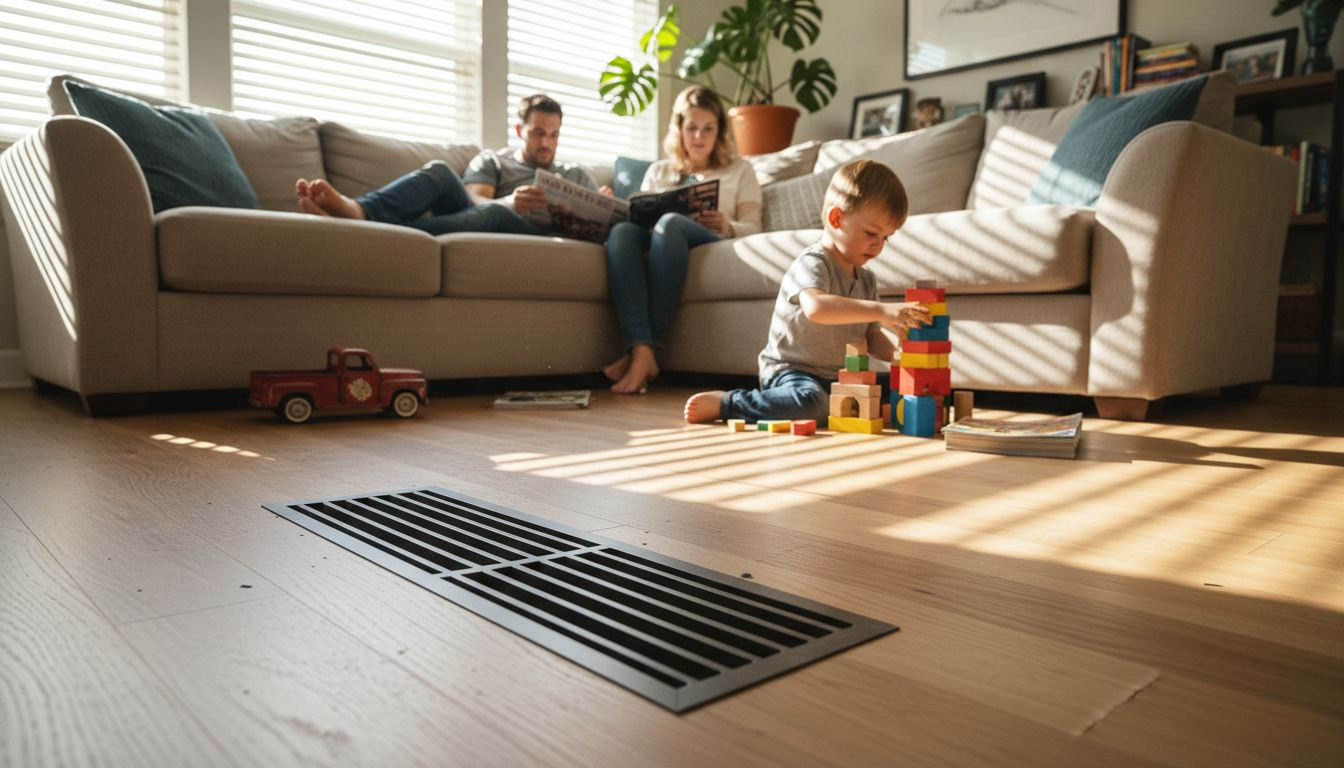
Unlike forced-air systems, hydronic heating creates a more uniform temperature distribution without circulating dust or allergens. The sealed system minimizes heat loss and allows for independent zone control, enabling homeowners to customize comfort levels in different areas of their home.
Pro tip: Have a professional perform an annual system inspection to ensure optimal efficiency and catch potential issues before they become costly repairs.
Installation Needs and Home Suitability Factors
Installing a hydronic heating system requires careful evaluation of your Tampa home’s unique characteristics and structural potential. Detailed mechanical design considerations are critical to ensuring optimal system performance and compatibility.
Key factors that determine home suitability include:
- Existing plumbing infrastructure
- Structural space for piping installation
- Home’s heating load requirements
- Current insulation levels
- Available energy sources
Hydronic piping installation must strictly adhere to building codes governing material standards, pressure ratings, and installation practices. Homeowners should consider several critical installation requirements:
- Comprehensive heat loss calculations
- Proper equipment selection
- Detailed piping layout design
- Compliance with local building regulations
- Professional system commissioning
Retrofitting existing homes demands additional complexity. Older Tampa homes may require structural modifications to accommodate hydronic piping, including potential adjustments to floors, walls, or ceiling spaces. Professional assessment becomes crucial in determining the feasibility and potential challenges of system integration.
Pro tip: Engage a certified HVAC professional to conduct a comprehensive home assessment before committing to hydronic heating installation, ensuring your specific residential environment can support the system effectively.
Comparing Hydronic Heating to Other Options
Heating system comparisons reveal significant differences between hydronic and traditional forced-air technologies that Tampa homeowners should carefully consider. Unlike forced-air systems that blow heated air through ductwork, hydronic heating circulates warmth through water-based networks, offering a fundamentally distinct approach to home comfort.
Key comparison points between heating systems include:
- Heat Distribution:
- Hydronic: Gentle, radiant warmth
- Forced-Air: Blowing heated air with potential drafts
- Air Quality:
- Hydronic: Minimal dust circulation
- Forced-Air: Potential allergen distribution
- Noise Levels:
- Hydronic: Extremely quiet operation
- Forced-Air: Fan and duct noise
Modern heating technologies offer unique efficiency profiles that depend on specific home requirements. Different systems perform optimally in various scenarios:
- Heat Pumps: Best for moderate climates
- Hydronic Boilers: Superior for consistent, even heating
- Traditional Furnaces: Quick heating for smaller spaces
Installation and long-term operational costs represent another critical comparison factor. Hydronic systems typically have higher upfront expenses but can deliver superior energy efficiency and lower ongoing maintenance requirements compared to traditional forced-air heating technologies.
Compare key long-term cost and maintenance factors for hydronic versus forced-air systems:
| Aspect | Hydronic Heating | Forced-Air Heating | Business Impact |
|---|---|---|---|
| Upfront Cost | Higher initial investment | Lower, varies by size | Hydronic offers future savings |
| Maintenance Needs | Minimal, less frequent | Frequent filter changes | Reduced downtime, lower costs |
| Energy Use | More efficient zones | Less efficient overall | Decreased utility expenses |
| System Longevity | 20-30 years typical | 15-20 years typical | Hydronic boosts property value |
Pro tip: Request detailed energy efficiency calculations from HVAC professionals to understand the precise long-term cost implications of different heating system options for your specific Tampa home.
Costs, Maintenance, and Energy Savings Insights
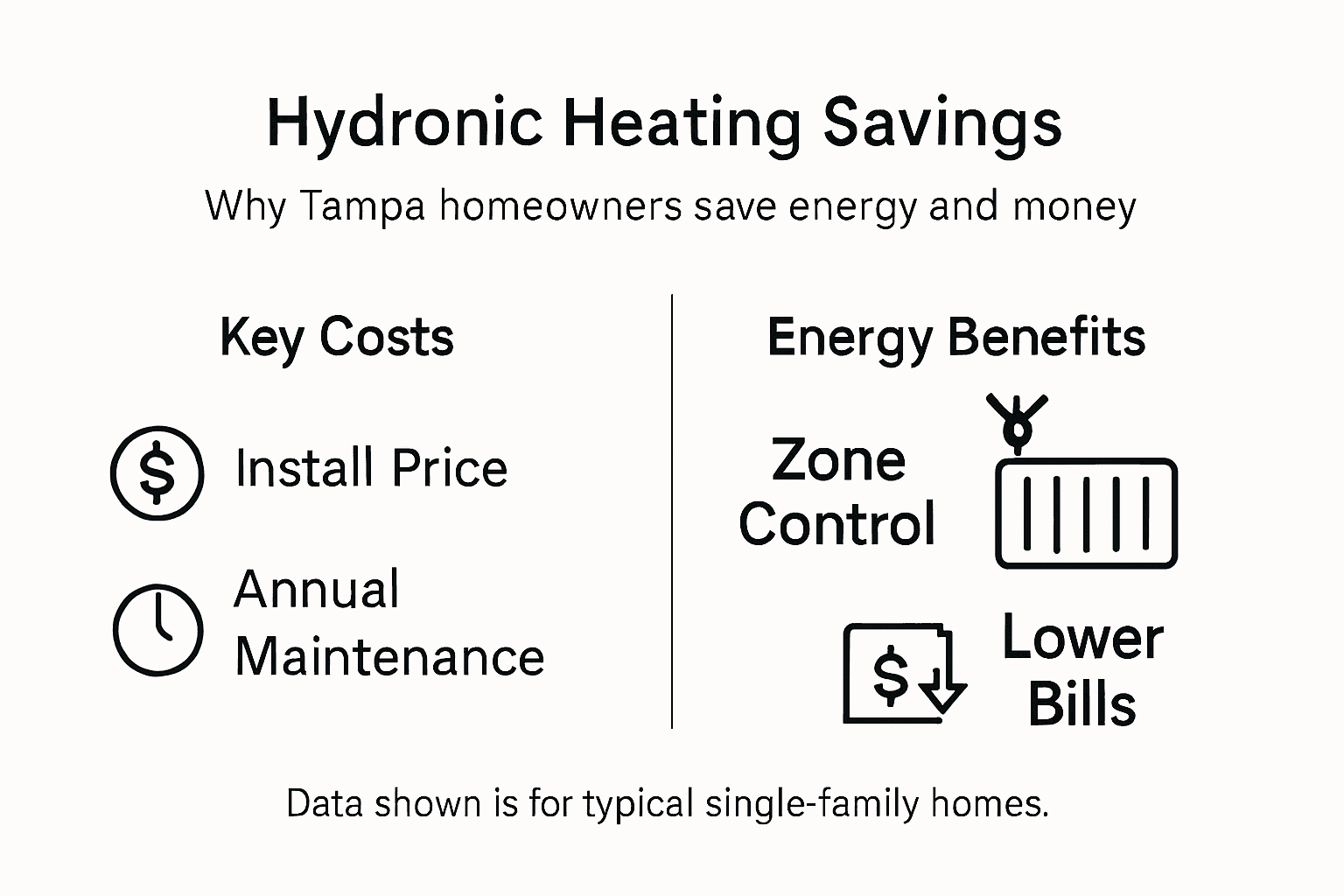
Hydronic heating systems offer remarkable long-term economic advantages for Tampa homeowners willing to invest in advanced home heating technology. The initial installation costs might appear higher compared to traditional heating methods, but the potential for energy savings and reduced maintenance make these systems increasingly attractive.
Key economic considerations include:
- Initial Installation Costs:
- Higher upfront investment
- Varies by home size and system complexity
- Maintenance Requirements:
- Minimal moving parts
- Sealed system design
- Reduced long-term repair needs
- Energy Efficiency Factors:
- Zoned heating capabilities
- Minimal heat loss
- Potential for significant utility bill reductions
Modern hydronic upgrades can dramatically improve energy performance through advanced technologies like:
- Condensing boilers
- Pressure-independent control valves
- Right-sized circulation pumps
- Smart zoning systems
The durability of plastic tubing and the ability to precisely control heating zones contribute to the overall cost-effectiveness of hydronic systems. Homeowners can expect reduced utility expenses and enhanced comfort, making these systems an intelligent long-term investment for energy-conscious residents.
Pro tip: Request a comprehensive energy audit to precisely calculate potential savings and determine the most cost-effective hydronic heating configuration for your specific home.
Discover Reliable Hydronic Heating Solutions for Your Tampa Home
Hydronic heating provides consistent, quiet, and energy-efficient comfort, but proper installation and maintenance are crucial to unlock its full potential. If you are looking to reduce energy costs and enjoy uniform warmth with minimal maintenance, our certified technicians at Home Therapist Cooling, Heating, and Plumbing are ready to help. We understand Tampa’s unique climate challenges and home structures to design and install the ideal hydronic heating system tailored for you.
Take control of your home comfort today by partnering with experts who specialize in cutting-edge hydronic heating technology. Visit Home Therapist Cooling, Heating, and Plumbing to schedule your comprehensive home assessment and learn more about our heating services. Don’t wait until heating season arrives to ensure your system is efficient, reliable, and perfectly suited to your needs. Get started now for peace of mind and energy savings.
Frequently Asked Questions
What is hydronic heating?
Hydronic heating is a method that uses heated water to distribute warmth throughout a home, offering an energy-efficient alternative to traditional forced-air systems.
How does hydronic heating work?
Hydronic heating works by circulating heated water through a network of pipes to radiators, baseboards, or radiant floor systems, providing consistent warmth without the drafts associated with forced-air systems.
What are the benefits of hydronic heating compared to forced-air systems?
Hydronic heating systems provide several advantages, including consistent, draft-free heating, quiet operation, easy zone control, low maintenance requirements, and potentially lower energy costs over time.
How do I determine if hydronic heating is suitable for my home?
To determine if hydronic heating is suitable for your home, consider factors such as existing plumbing infrastructure, structural space for piping installation, the home’s heating load requirements, and current insulation levels.
Recommended
- 6 Types of HVAC Systems Every Tampa Bay Homeowner Should Know – Home Therapist Cooling, Heating, and Plumbing
- Role of Heating Systems – Comfort and Efficiency at Home
- Role of Home Comfort Systems in Tampa Bay Homes
- Water Heater Replacements: Understanding Hybrid vs. Conventional Options – Home Therapist Cooling, Heating, and Plumbing