
HVAC Electrical Repair in Apollo Beach, FL 33572


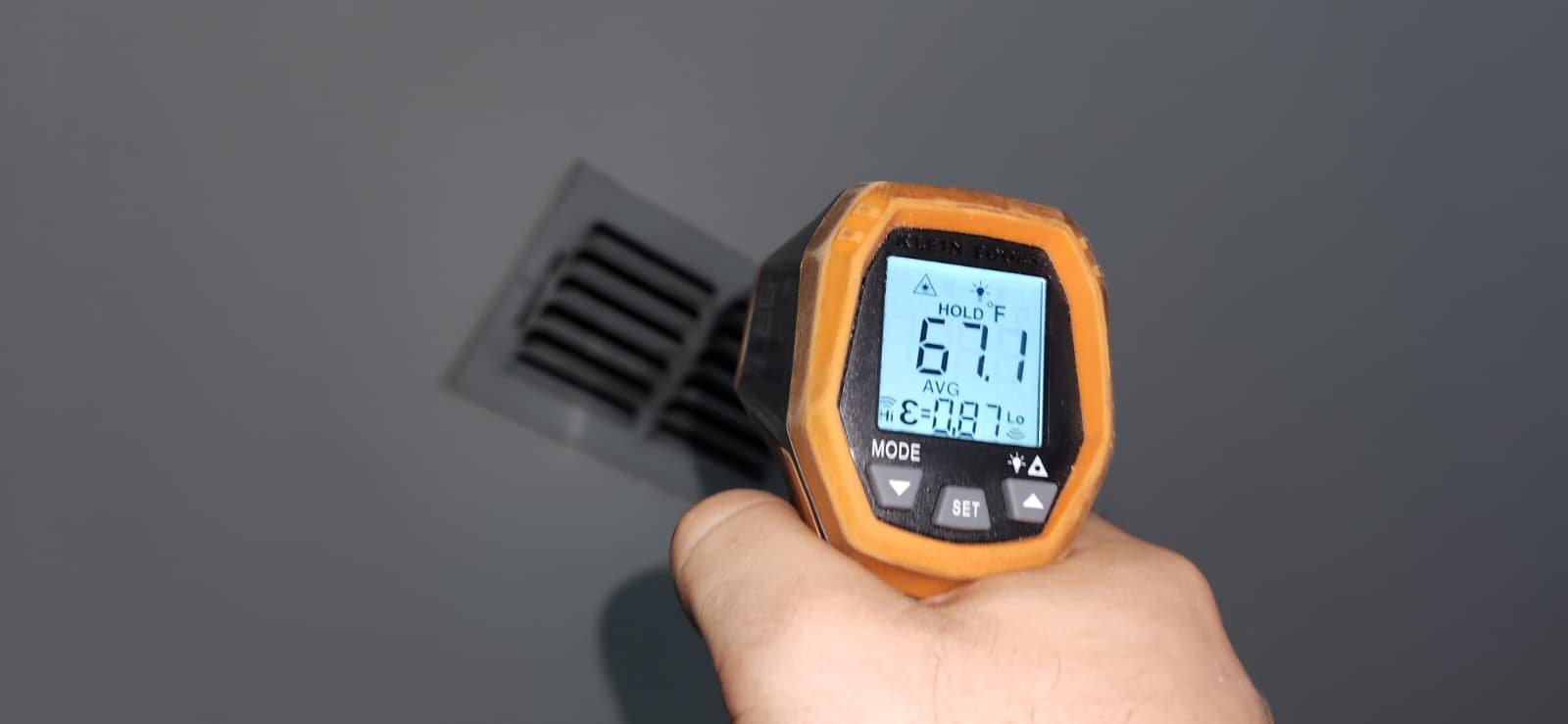

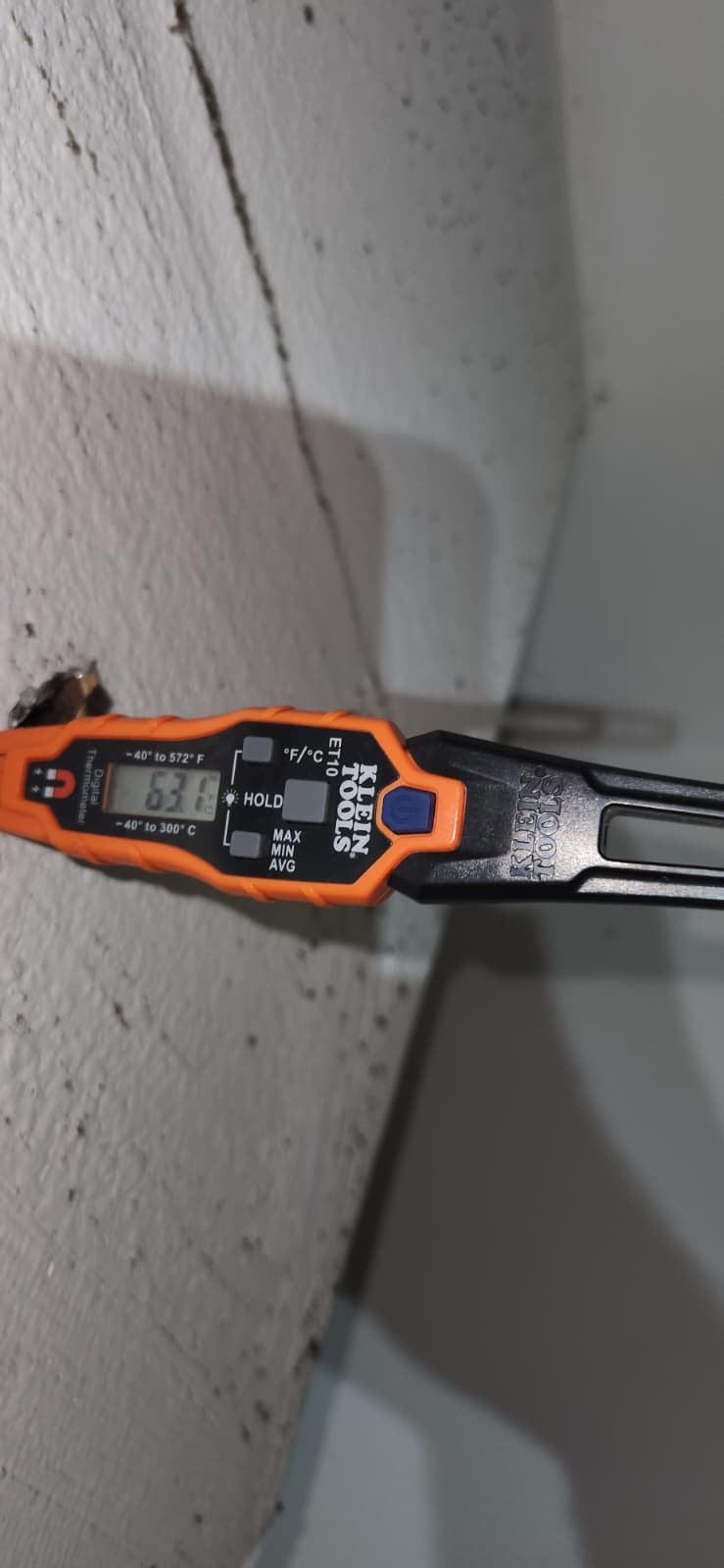
When your air conditioner suddenly stops working in the middle of a hot, humid day in Apollo Beach, FL 33572, it doesn’t take long for the house to feel uncomfortable. On this visit, our technician was called out to a home in Apollo Beach because the system had electrical problems that kept shutting it down. What started as a simple no-cool call turned into a full electrical safety check, including a burned transformer, a blown fuse, questionable float switches, and a worn contactor at the condenser.
In this walkthrough, we’ll explain what we found in the air handler and condenser, why the low-voltage electrical side of the system had been failing, how we repaired it, and what we did to help protect this Apollo Beach home from repeat breakdowns.
Case Recap
- Location: Apollo Beach, FL 33572
- Symptoms: AC not operating properly due to low-voltage shorts and blown safety components
- Findings: Burned air handler transformer, blown fuse, unsafe/failed float switches, and a failing condenser contactor
- Repairs: Installed new transformer, new low-voltage fuse, and a new condenser contactor; advised replacement of damaged float switches
- Goal: Restore safe, reliable cooling and protect the system from future electrical shorts
- Outcome: System was restored to proper operation and low-voltage safety was significantly improved
Customer Problem: AC Down and Electrical Concerns
When we arrived at this home in Apollo Beach, the homeowner explained that the air conditioner had been having electrical issues. The blower motor had already been replaced previously, and they’d been told that float switches were replaced as well. Despite that, the system continued to have problems – low-voltage components were failing, and the system wouldn’t stay running.
The main concerns from the homeowner were:
- The system had stopped working again, even after recent work.
- There was confusion about which parts had actually been replaced.
- They wanted to make sure the problem was fixed correctly this time, without more surprise failures.
In a Florida climate like Apollo Beach, where AC is almost a necessity, an unreliable system is more than an inconvenience. Our job was to track down the root cause of the electrical failures, explain everything clearly, and restore their comfort with a safe, long-term solution.
Inspection and Diagnosis: Tracking Down the Low-Voltage Short
Because the symptoms involved burned electrical components, we focused our inspection on the low-voltage side of the system: the transformer, fuse, thermostat wiring, float switches, and condenser contactor.
Here’s what we checked and why:
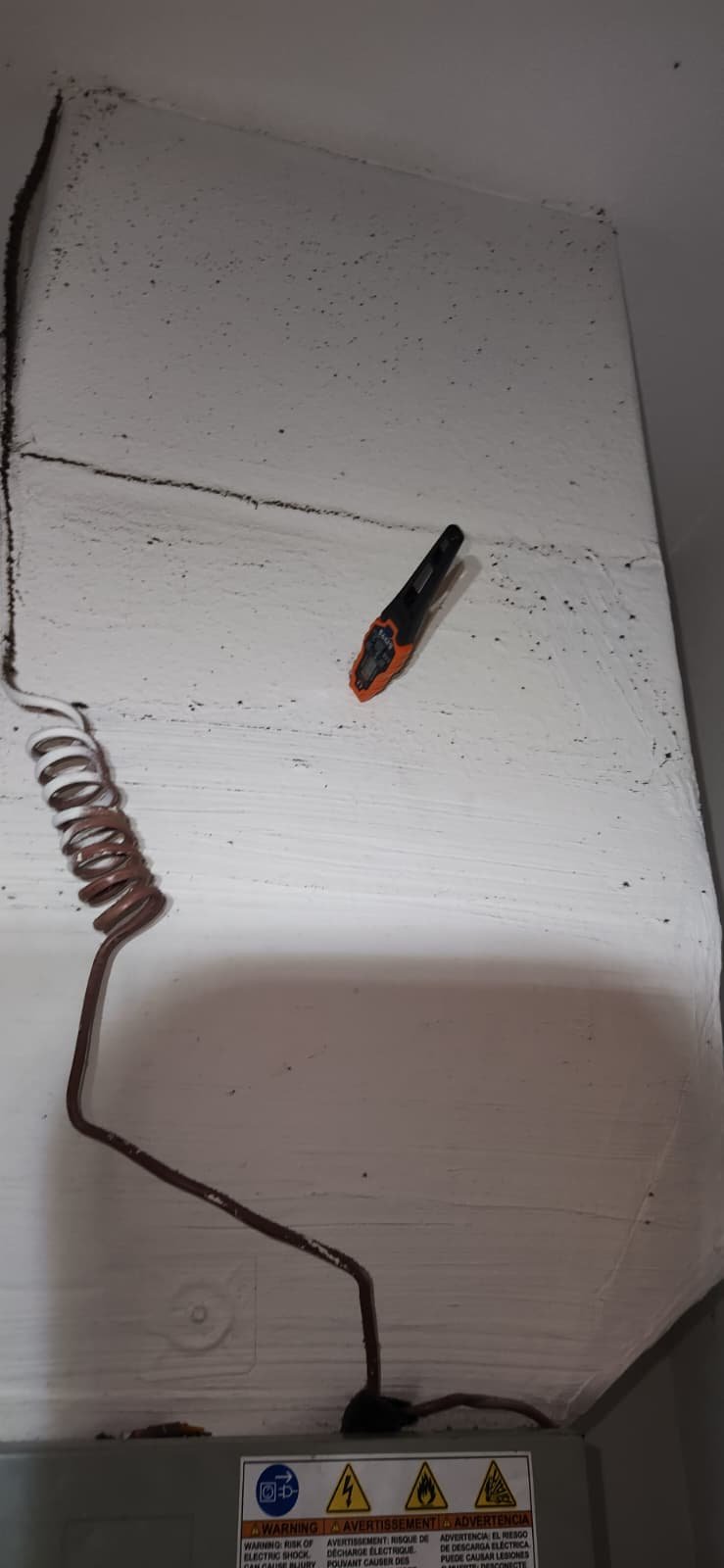
- Air handler interior: We inspected the low-voltage wiring, transformer, fuse, and safety devices to see what had failed and whether anything looked overheated or damaged.
- Float switches: Since the homeowner had been told these were replaced, we verified their condition and how they were wired into the system’s safety circuit.
- Thermostat cables: Shorts in thermostat wiring are a very common reason for blown fuses and burned transformers.
- Condenser contactor: The contactor is responsible for sending power to the outdoor unit. Worn or pitted contacts can create electrical stress and reliability issues.
During the inspection, we found several key issues:
1. Burned Air Handler Transformer
We confirmed that the existing transformer inside the air handler had burned out. The transformer’s job is to step down voltage and provide low-voltage power (typically 24V) to the thermostat, controls, and safety devices. When there’s a short on that circuit, it can overload the transformer and cause it to fail.
2. Blown Low-Voltage Fuse
The low-voltage fuse, which is designed to protect the transformer and control circuit, had also burned. This usually indicates a short somewhere in the low-voltage wiring or connected devices. In this case, the short was related to the thermostat cables.
3. Old and Damaged Float Switches
Even though the homeowner believed their float switches had been replaced, the ones in place were clearly older components. We could see signs of age and wear on the switches and their wiring, and one of the float switches had a wire that was completely cut.
That’s a serious concern because float switches are safety devices meant to shut the system down if the drain pan fills with water. In addition, damaged or incorrectly wired float switches can cause low-voltage shorts, leading to blown fuses or even another burned transformer.
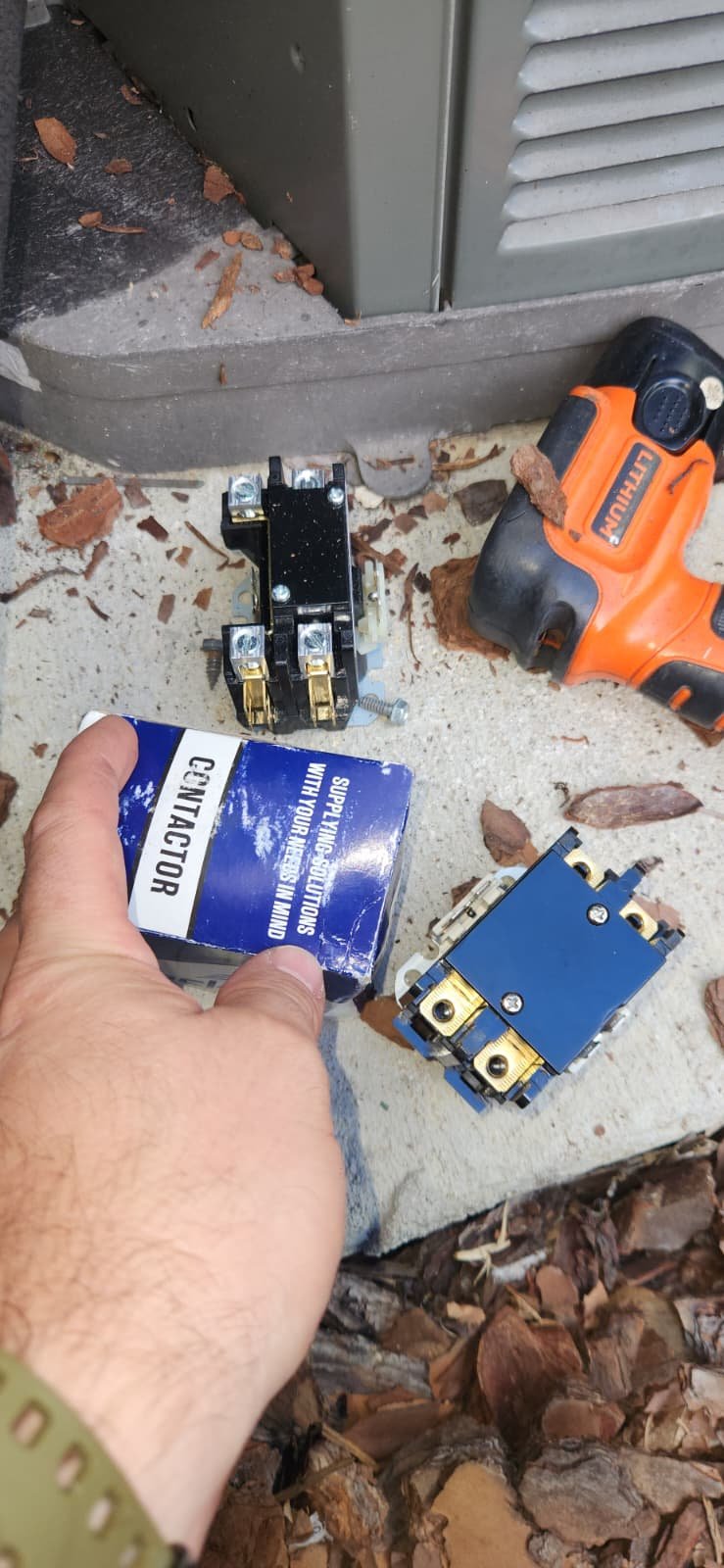
4. Worn Condenser Contactor
At the outdoor condenser, we found that the contactor needed to be replaced. This component is basically an electrically controlled switch that allows the outdoor unit to turn on when the thermostat calls for cooling. A worn or failing contactor can lead to intermittent operation or no cooling at all.
After reviewing everything, we explained the situation to the homeowner in Apollo Beach, including what had failed, why a short circuit on the low-voltage side was so likely, and what we recommended to get the system safely back online.
Repair and Service Process: Step-by-Step Fix
Because we were dealing with multiple failed components, we took things step-by-step, starting with the core electrical protections and working outward.
1. Replacing the Air Handler Transformer
First, we removed the burned transformer from the air handler and installed a new one. This is the heart of the low-voltage control system, so it had to be replaced before anything else could work properly. We carefully connected the new transformer to ensure proper polarity and secure connections.
Why it matters: Without a healthy transformer, your thermostat, safety devices, and control boards can’t function. In a place like Apollo Beach, where AC runs heavily for much of the year, a reliable transformer is crucial for system stability.
2. Installing a New Low-Voltage Fuse
Next, we replaced the burned fuse in the air handler’s low-voltage circuit. The previous fuse had done its job by blowing when the thermostat cables shorted, but that left the system without power to the controls.
Why it matters: The fuse is a sacrificial safety device. It’s there to blow before more expensive components (like the transformer or control board) are damaged. Replacing it and confirming proper sizing is a key part of protecting the system from future shorts.
3. Inspecting and Addressing the Thermostat Cable Short
We traced the thermostat wiring to look for potential damage, rubbing, or pinch points that could have caused the short. The goal was not just to swap parts, but to understand why the fuse and transformer had failed in the first place.
We informed the homeowner that the previous short in the thermostat cables was the direct cause of the burned transformer and fuse. We advised them on what we found and how it had affected the low-voltage circuit, and we made sure everything was properly secured and routed to reduce the risk of future shorts.
4. Evaluating the Float Switches and Explaining the Risk
We showed the homeowner the existing float switches and pointed out the signs that they were not new: wear on the body, discoloration, and aged wiring. One switch even had a wire that was cut completely, which meant it was not able to perform its safety function.
We explained that connecting these old, compromised float switches back into the low-voltage circuit could easily create another short. That would risk blowing the new fuse or even damaging the new transformer. We recommended installing a properly functioning float switch so the system would be both safe from water damage and less vulnerable to electrical issues.
5. Replacing the Condenser Contactor
Outside at the condenser, we removed the old contactor and installed a new one. The contactor is what allows high-voltage power to flow to the compressor and fan motor when the thermostat calls for cooling. The homeowner approved this repair during a follow-up phone call after we explained the condition of the existing part.
Why it matters: A worn contactor can cause the outdoor unit to fail to start, chatter, or run intermittently. Replacing it improves reliability, reduces electrical stress on the system, and helps ensure consistent cooling for the home.
6. System Testing and Verification
After replacing the transformer, fuse, and contactor, and addressing the low-voltage wiring concerns, we carefully tested the system. We verified that:
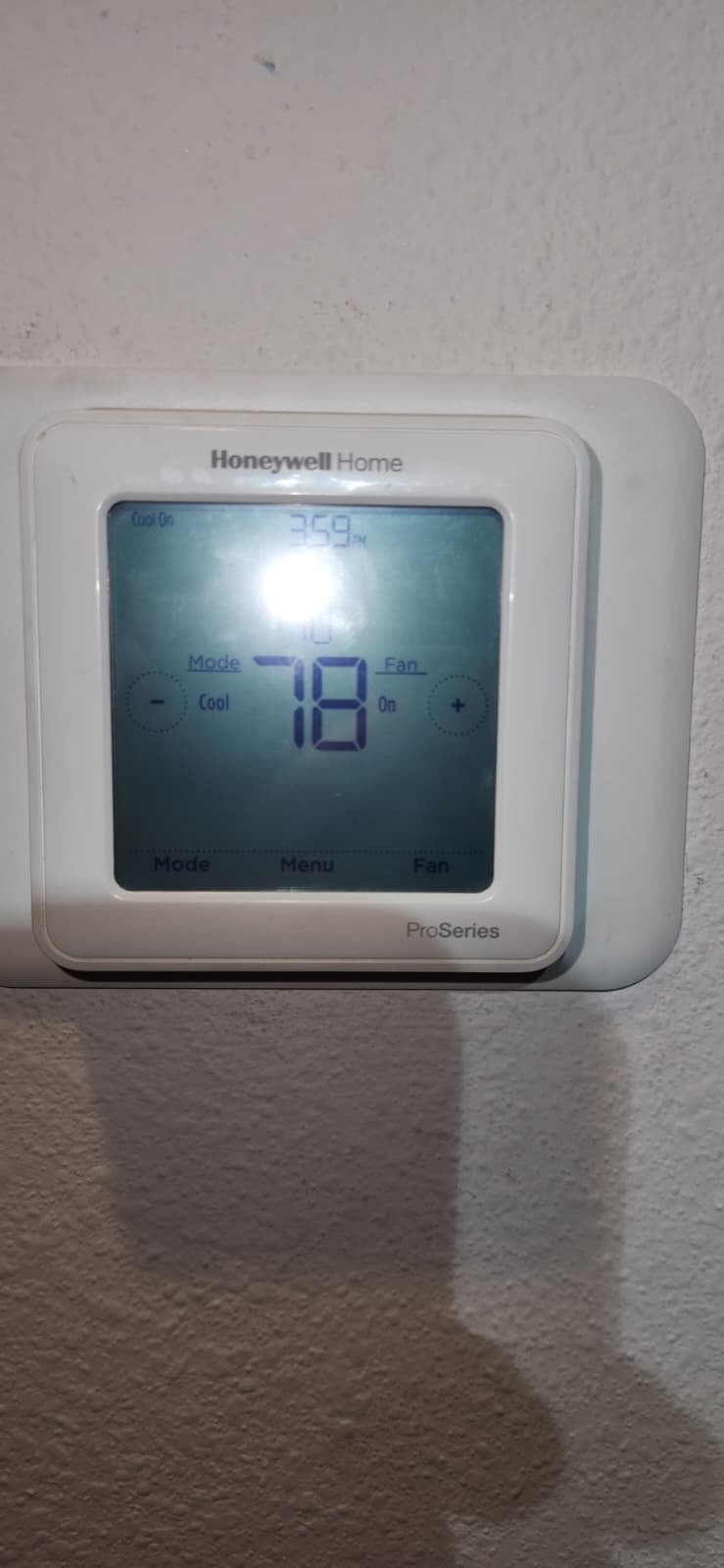
- The thermostat was communicating properly with the air handler and condenser.
- The low-voltage circuit was stable, with no active shorts.
- The outdoor unit was starting correctly and running as expected.
- Airflow from the blower motor (which had been replaced previously) was normal.
We confirmed proper operation and discussed with the homeowner in Apollo Beach how to move forward with replacing the damaged float switches so they could have both electrical and drainage safety in place.
Why This Fix Works: Protecting the Low-Voltage Control System
Most homeowners think of AC problems in terms of refrigerant or airflow, but many breakdowns in Apollo Beach and across Tampa Bay are actually electrical – especially on the low-voltage side.
Here’s what our repairs accomplished:
- New transformer: Restores reliable low-voltage power to the thermostat, controls, and safety devices.
- New fuse: Provides a first line of defense against future shorts, sacrificing itself before more expensive parts are damaged.
- Contact replacement: The new condenser contactor ensures solid electrical connection to the outdoor unit, reducing starts/stops and electrical stress.
- Addressing shorts and damaged safety devices: Identifying the thermostat cable short and the damaged float switches lowers the risk of repeated failures.
Low-voltage control wiring is like the nervous system of your HVAC equipment. When it’s compromised by shorts, worn parts, or improperly wired safety devices, you can see symptoms like:
- Blown fuses
- Burned transformers
- Outdoor unit not kicking on
- Thermostat losing power
By replacing failed components and correcting the issues that damaged them, we helped this Apollo Beach, FL 33572 homeowner get back to stable, predictable cooling.
Pro Tips for Homeowners in Apollo Beach
If you live in Apollo Beach or anywhere in Tampa Bay, your AC system works hard almost all year. Here are some practical tips to help avoid similar electrical issues:
- 1. Don’t ignore blown fuses or repeated thermostat resets.
If your system keeps blowing a low-voltage fuse or the thermostat repeatedly shuts off, that’s often a sign of a wiring short or failing component. It’s better to have it checked promptly than to risk burning a transformer or control board. - 2. Treat float switches as critical safety devices.
In Florida’s humidity, clogged drain lines are very common. A working float switch helps shut the system down before water overflows and damages ceilings, closets, or air handlers. If you’re unsure about your float switch condition, consider a professional inspection or learn more from resources like our article on why AC float switches matter for your HVAC system’s safety. - 3. Schedule routine HVAC maintenance.
Regular maintenance gives us a chance to catch loose connections, worn contactors, or aging electrical parts before they fail. For more guidance, you can review our homeowner HVAC troubleshooting guide and use it alongside scheduled checkups. - 4. Be cautious with thermostat and low-voltage wiring.
If you’re upgrading a thermostat yourself, be very careful not to nick or pinch the thermostat wires. Even a small bare spot can short against metal and cause blown fuses or a failed transformer, especially in humid environments like Apollo Beach. - 5. Pay attention to outdoor unit behavior.
If you hear your outdoor unit clicking on and off, buzzing, or failing to start while the indoor blower runs, it could be a contactor or other electrical issue. Getting it checked early usually costs less than waiting for a complete failure. - 6. Ask for clear explanations and photos.
When electrical parts are replaced, ask your technician to show you the old components and explain what went wrong. At Home Therapist, we’re always happy to walk homeowners in Apollo Beach through what we found and why we’re recommending a repair.
FAQ: Electrical AC Repairs for Apollo Beach Homeowners
What causes an air handler transformer to burn out?
In many cases, a burned transformer is the result of a short in the low-voltage circuit – often from damaged thermostat wiring, improperly wired accessories, or faulty safety devices. In this Apollo Beach home, a short in the thermostat cables caused the transformer and fuse to fail. Replacing the transformer without addressing the underlying short would almost guarantee another failure.
Why is a low-voltage fuse so important in my HVAC system?
The low-voltage fuse acts like a small, inexpensive bodyguard for your transformer and control system. When there’s a short, the fuse is designed to burn out first, cutting power before more expensive components are damaged. Replacing a blown fuse is simple, but if it keeps blowing, it’s a sign you need a professional to find and repair the root cause.
What does the condenser contactor do, and why would it need to be replaced?
The condenser contactor is an electrically controlled switch that allows high-voltage power to reach your outdoor unit when the thermostat calls for cooling. Over time, its contacts can become pitted or worn from thousands of on/off cycles. When that happens, the outdoor unit may stop starting reliably or make unusual noises. Replacing the contactor restores a clean electrical path and improves system reliability.
How serious is it if my float switch isn’t working?
A non-functioning float switch is more serious than it looks. In Florida’s climate, drain lines can clog, and when that happens, water can overflow from the pan and damage surrounding areas. A working float switch shuts the system off before that happens. A damaged float switch or cut wiring not only takes away that protection, but in some cases can contribute to low-voltage shorts if the wiring is compromised.
Can I prevent low-voltage shorts on my own?
You can reduce the risk by avoiding DIY low-voltage work unless you’re confident in what you’re doing, being very careful when replacing thermostats, and keeping access panels properly secured so wires aren’t pinched. However, diagnosing and repairing shorts is usually best handled by a trained HVAC technician with the right tools and experience.
How do I know if an estimate for AC electrical repair is reasonable?
Clear communication is key. A solid estimate should explain which components are being replaced and why. For additional context, you can review our article on understanding air conditioner repair estimates in Tampa Bay, which breaks down common repair items and how they’re typically priced.
Why Apollo Beach Homeowners Choose Home Therapist
When something electrical goes wrong in your HVAC system, you want more than just a quick part swap. You want the problem accurately diagnosed, clearly explained, and repaired in a way that supports long-term reliability. That’s how we approach every visit in Apollo Beach, FL 33572.
Licensed, professional technicians: Our team is trained and licensed to handle both HVAC and low-voltage electrical work. We don’t guess – we diagnose, test, and verify before calling a job complete.
Transparent communication: On this call, we walked the homeowner through what we found with the transformer, fuse, float switches, and contactor, and we obtained approval by phone before proceeding with each stage of the repair. You’ll always know what we’re doing and why.
Clean, respectful work: We treat your home in Apollo Beach like we would our own – from how we handle panels and wiring to how we leave the work area once the repair is done.
Long-term reliability focus: Our goal isn’t just to get your system running today. It’s to reduce the chances that you’ll face the same issue again. That’s why we pay attention to underlying causes like shorts, damaged safety devices, and worn contactors.
If you’d like to get a feel for who we are and how we work, you can connect with us on social media:
Follow us on Facebook,
check out our updates on Instagram,
or see behind-the-scenes clips on TikTok.
We’re also proud of the reputation we’ve built across Tampa Bay:
Read our profile on the Better Business Bureau,
view our listing with the Tampa Bay Chamber of Commerce,
or find us on Google Maps.
For more information on what to expect during AC service and repairs in the Tampa Bay area, you can also explore our resources like what to know when your AC needs repair or maintenance and our HVAC troubleshooting steps for homeowners.
Need HVAC Electrical Repair in Apollo Beach, FL 33572?
If your system has stopped working, is blowing fuses, or shows signs of electrical trouble, we’re here to help. Our local Tampa Bay technicians are experienced with low-voltage issues, transformers, fuses, float switches, and contactors, and we understand how Florida’s heat and humidity stress your equipment.
Whether you’re in Apollo Beach, FL 33572 or a surrounding Tampa Bay community, you can count on Home Therapist to inspect your system carefully, explain your options clearly, and restore your comfort safely. When you’re ready, schedule your HVAC service and let our team get your home back to cool, reliable operation.
For more homeowner education on repairs and pricing in Tampa Bay, feel free to read our guide on understanding AC repair estimates and our article on AC float switch safety so you know exactly what’s being done to protect your home.