Complete Guide to HVAC’s Role in Air Quality
Over 80 percent of american households rely on an HVAC system to keep their homes comfortable year round. Indoor air quality is more than just a matter of comfort—it directly affects how you feel, breathe, and live every day. Whether you own a new home or an older property, understanding the crucial link between your HVAC system and the air you breathe can help you protect your health and improve daily life.
Table of Contents
- Defining HVAC And Indoor Air Quality
- How HVAC Systems Affect Air Quality
- Filtration, Ventilation, And Purification Options
- Common HVAC Issues Impacting Air Quality
- Essential Maintenance For Tampa Bay Homes
Key Takeaways
| Point | Details |
|---|---|
| Importance of HVAC Systems | HVAC systems are essential for maintaining indoor air quality and comfort, going beyond simple temperature regulation. |
| Impact of Maintenance | Regular maintenance is crucial to prevent HVAC issues that can degrade air quality and pose health risks. |
| Filtration and Purification Technologies | Advanced filtration and purification technologies improve indoor air quality by removing pollutants and allergens. |
| Homeowner Action Steps | Homeowners should follow maintenance checklists and install suitable air purification systems to enhance air quality. |
Defining HVAC And Indoor Air Quality
An HVAC system is a sophisticated network of mechanical components designed to control temperature, humidity, air circulation, and overall air quality inside buildings. According to ASHRAE, these systems are critical in advancing human well-being through sustainable technology for built environments. The primary goal of an HVAC system extends far beyond simple temperature regulation—it’s about creating a healthy, comfortable indoor atmosphere.
Indoor air quality represents the condition of the air within and around buildings, directly impacting occupant health, comfort, and productivity. Air quality encompasses multiple factors including temperature, humidity, ventilation, and the presence of pollutants like dust, allergens, volatile organic compounds (VOCs), and microorganisms. ASHRAE’s comprehensive handbook highlights the critical role of HVAC technology in managing these environmental variables and maintaining optimal indoor conditions.
Modern HVAC systems integrate advanced technologies to monitor and improve air quality.
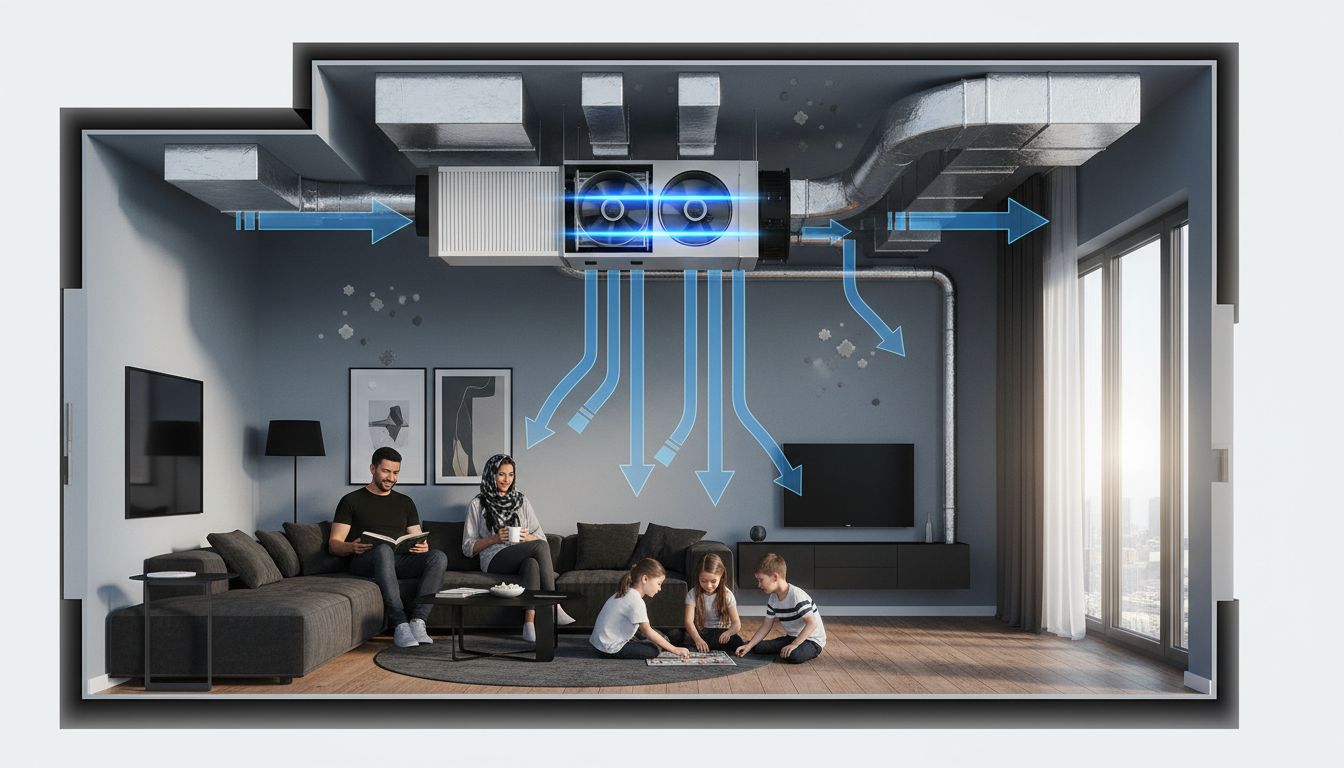 Key components like air filters, UV purification systems, and humidity controllers work together to:
- Remove airborne contaminants
- Regulate temperature and moisture levels
- Prevent mold and bacterial growth
- Ensure consistent air circulation
- Reduce allergens and respiratory irritants
For homeowners seeking comprehensive insights into their home’s air management system, exploring types of HVAC systems can provide valuable context about how these intricate systems function and protect indoor environments.
How HVAC Systems Affect Air Quality
HVAC systems play a pivotal role in shaping indoor air quality through multiple interconnected mechanisms. According to UTI, these systems fundamentally influence air quality by managing ventilation, filtration, and humidity levels, which directly controls the presence and concentration of pollutants in indoor environments.
Aggreko emphasizes that properly maintained air conditioning systems are crucial for enhancing air quality. These systems act as comprehensive environmental managers, performing several critical functions:
- Filtering airborne particles like dust, pollen, and microorganisms
- Regulating humidity to prevent mold and bacterial growth
- Circulating and refreshing indoor air
- Removing volatile organic compounds (VOCs)
- Controlling temperature to reduce respiratory stress
Negligence in HVAC maintenance can transform these systems from protective shields into potential health hazards.
Dirty filters, blocked ducts, and unmaintained components can become breeding grounds for contaminants, significantly degrading indoor air quality. Homeowners seeking to optimize their system’s performance can explore our guide to regular HVAC maintenance to ensure their air quality remains at its best.
Filtration, Ventilation, And Purification Options
Air filtration represents the first line of defense in maintaining healthy indoor environments. EPA emphasizes the critical importance of effective ventilation and filtration strategies in reducing indoor pollutants, highlighting how these systems directly impact health and performance.
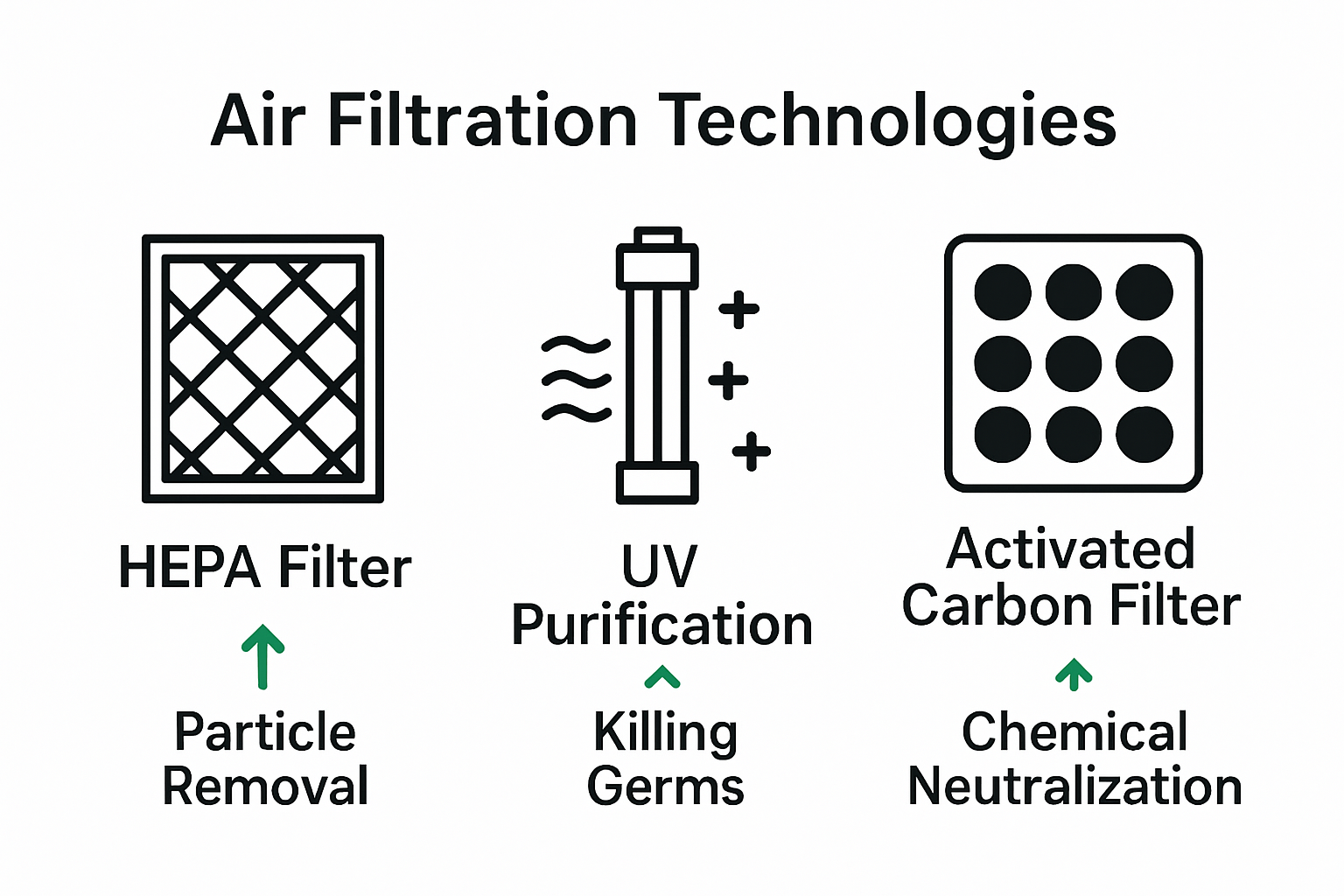
Attune IoT suggests that advanced HVAC systems offer multiple purification technologies to combat indoor air contamination. These sophisticated options include:
- HEPA Filters: Capture 99.97% of particles as small as 0.3 microns
- Activated Carbon Filters: Neutralize odors and chemical pollutants
- UV Light Purification: Eliminate bacteria and viruses
- Electrostatic Precipitators: Trap microscopic particles using electrical charges
- Ionization Systems: Reduce airborne contaminants by clustering particles
Homeowners looking to enhance their indoor air quality can explore professional air purification installation services to select the most appropriate filtration system for their specific environmental needs. Proper selection and maintenance of these technologies can significantly improve respiratory health and overall indoor comfort.
Common HVAC Issues Impacting Air Quality
Poor HVAC maintenance can significantly compromise indoor air quality and create hidden health risks. WP Students Research highlights that inadequate system maintenance leads to poor ventilation and filtration, allowing indoor pollutants to accumulate and circulate freely throughout living spaces.
Attune IoT identifies several critical performance issues that degrade air quality:
- Clogged Air Filters: Reduce system efficiency and particle removal
- Dirty Ductwork: Become breeding grounds for mold and bacteria
- Improper Airflow: Create stagnant air pockets with high pollutant concentrations
- Refrigerant Leaks: Introduce harmful chemicals into indoor environments
- Blocked Ventilation Ports: Prevent proper air exchange and circulation
Homeowners can proactively address these challenges by consulting our comprehensive HVAC maintenance checklist, which provides detailed guidance on preventing and identifying potential air quality issues before they escalate into significant health and comfort problems.
Essential Maintenance For Tampa Bay Homes
HVAC maintenance is the cornerstone of healthy indoor environments in Tampa Bay homes. UTI emphasizes that regular system upkeep, including consistent filter replacement and thorough duct cleaning, is crucial for maintaining optimal air quality and preventing potential health risks.
Attune IoT recommends implementing routine maintenance practices to prevent performance issues. Critical maintenance tasks for Tampa Bay homeowners include:
- Quarterly Filter Replacement: Removes accumulated dust and allergens
- Annual Professional Inspection: Identifies potential system vulnerabilities
- Duct Cleaning: Eliminates hidden contaminant buildup
- Refrigerant Level Check: Ensures efficient system performance
- Condensate Drain Clearing: Prevents moisture related issues
Homeowners looking to protect their indoor air quality can benefit from our comprehensive air conditioning maintenance guide, which provides targeted advice for the unique climate challenges faced by Tampa Bay residents. Regular maintenance not only improves air quality but can also extend the life of your HVAC system and reduce energy costs.
Improve Your Home’s Air Quality with Expert HVAC Care
Maintaining clean and healthy indoor air is essential but can be challenging without the right HVAC knowledge and support. This guide revealed common issues like clogged filters, poor ventilation, and unmaintained components that can harm your home’s air quality. If you are concerned about allergens, mold growth, or inconsistent airflow you need reliable solutions that keep your Tampa Bay home safe and comfortable.
Take control of your indoor environment today with Home Therapist Cooling, Heating, and Plumbing. Our certified technicians specialize in HVAC maintenance, repair, and air purification system installation to ensure optimal air quality all year long. With expert service tailored to your specific needs, you can breathe easier knowing your system is running efficiently and effectively. Visit our main website or explore our air purification installation services to start improving your indoor air quality now.
Frequently Asked Questions
What is the role of HVAC systems in indoor air quality?
HVAC systems play a critical role in maintaining indoor air quality by managing ventilation, filtration, and humidity levels, which directly impact the presence and concentration of pollutants in indoor environments.
How can poor HVAC maintenance affect air quality?
Poor HVAC maintenance can lead to clogged air filters, dirty ductwork, improper airflow, and refrigerant leaks, all of which can compromise indoor air quality and create health risks by allowing pollutants to circulate freely.
What are effective air filtration options for HVAC systems?
Effective air filtration options for HVAC systems include HEPA filters, activated carbon filters, UV light purification, and electrostatic precipitators, all of which help to remove airborne contaminants and improve indoor air quality.
How often should HVAC maintenance be performed to ensure good air quality?
It is recommended to replace filters quarterly, perform annual professional inspections, clean ducts regularly, check refrigerant levels, and clear condensate drains to maintain optimal air quality and system performance.
Recommended
- 7 Essential HVAC Maintenance Checklist Tips for Homeowners – Home Therapist Cooling, Heating, and Plumbing
- The Essential Guide to Regular HVAC Maintenance – Home Therapist Cooling, Heating, and Plumbing
- 6 Types of HVAC Systems Every Tampa Bay Homeowner Should Know – Home Therapist Cooling, Heating, and Plumbing
- Step-by-Step Guide to HVAC Maintenance for Homeowners – Home Therapist Cooling, Heating, and Plumbing