

Thermostat and Contactor Replacement in Tampa, FL 33612

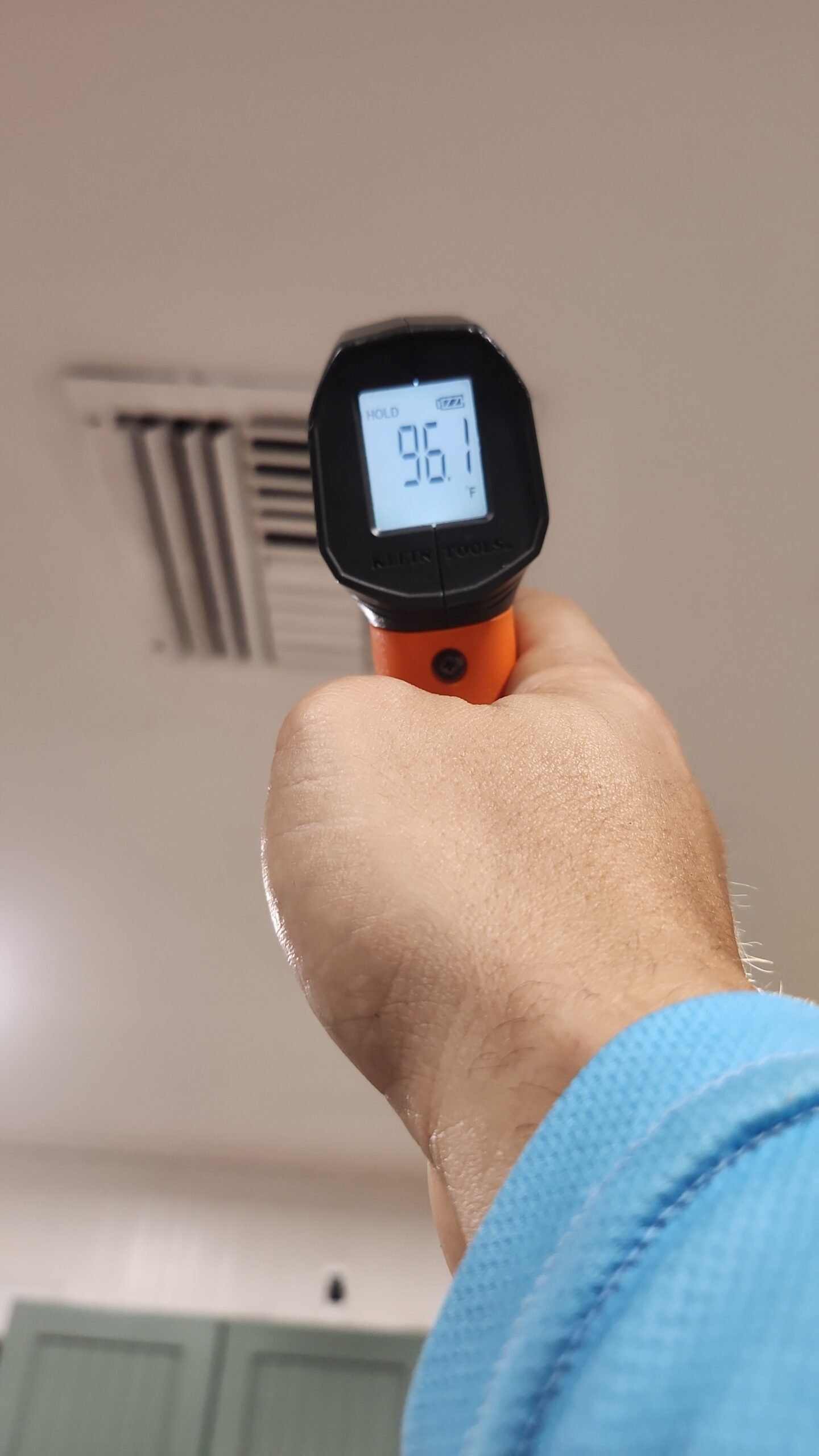
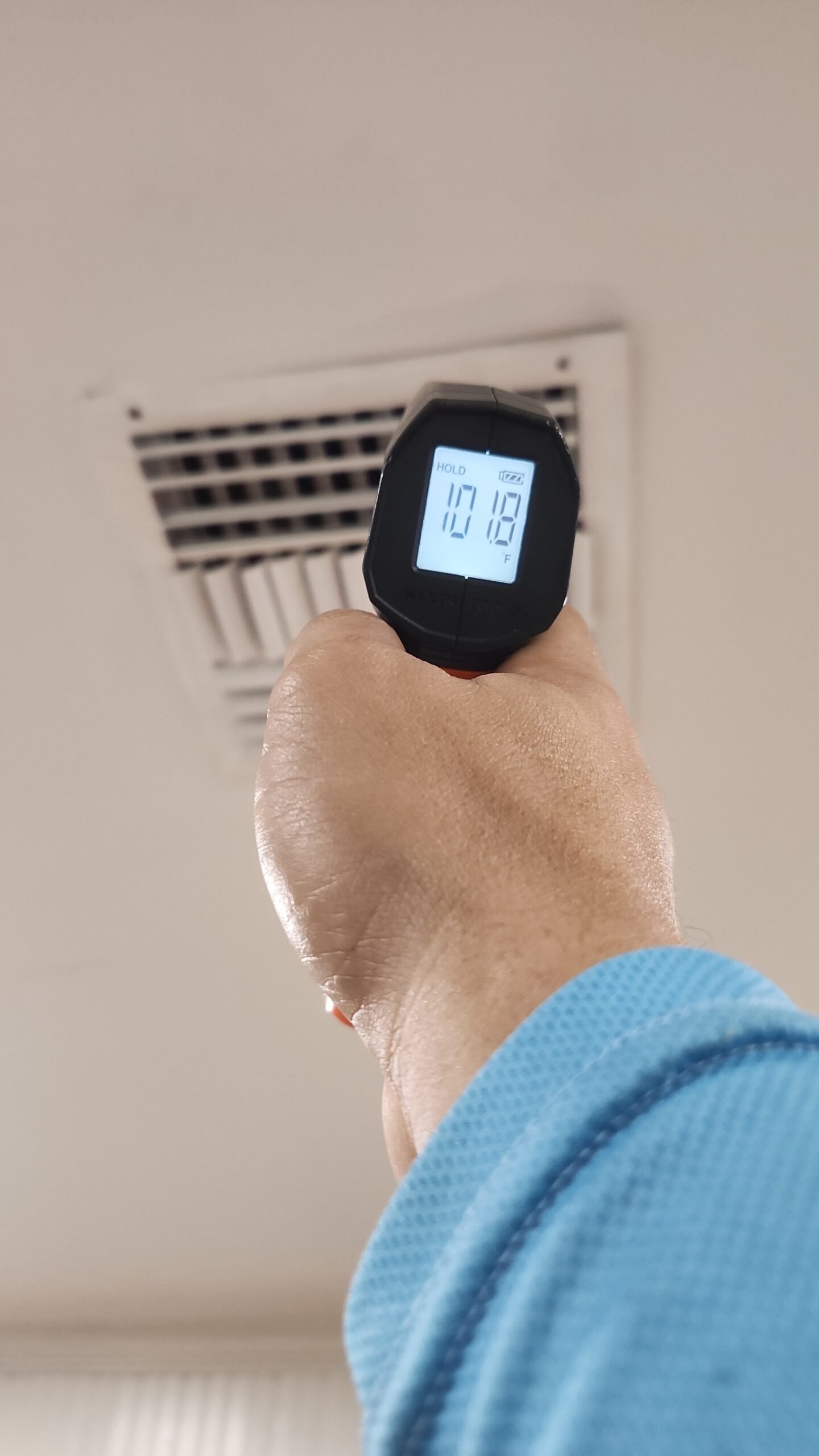



For a homeowner in Tampa, FL 33612, a simple call about a strange noise during heating turned into an important electrical safety and reliability repair on their air conditioning system. Our technician, Jandiel, had already been out recently to replace a damaged condenser control board. A day or two later, the system started acting up again when the heat was turned on. The compressor made a loud noise, and something still wasn’t right.
On this visit, we tracked the problem down to two key parts: the thermostat inside the home and the contactor in the outdoor condenser. Both were damaged and working against the system instead of with it. We replaced the thermostat with a new programmable model and installed a new condenser contactor. Once those were in, the system in this Tampa, FL 33612 home started running smoothly and correctly again.
Case Recap
- Location: Residential home in Tampa, FL 33612
- Recent history: Condenser control board had been replaced a day or two before this visit
- Main symptoms: Loud noise from the compressor when using heat; thermostat not behaving correctly
- Findings: Damaged thermostat sending incorrect signals and a failing outdoor contactor
- Repairs: New programmable thermostat (Honeywell T4 Pro or similar) and new condenser contactor installed
- Outcome: System now heats and cools correctly; homeowner informed about possible future low‑voltage component issues
Customer Problem: Loud Noises and Confusing System Behavior
When we arrived at this home in Tampa, FL 33612, the homeowner’s main concern was a loud noise from the outdoor unit when the heat was turned on. The system had just had a condenser board replaced, so naturally the homeowner was worried something else was going wrong or that the new part might not have fixed everything.
Here’s what the homeowner described:
- When the thermostat was set to heat, the outdoor unit started making a loud, uncomfortable noise.
- The system didn’t seem to be responding normally to thermostat changes.
- The issues started shortly after the previous repair, adding to their concern.
Our first priority in any Tampa Bay HVAC service call is to make sure the system is safe and not at risk of damaging itself or making the home uncomfortable. With Florida’s weather, even on mild days you still need your system to work correctly – whether it’s on heat or cool.
Inspection and Diagnosis: Tracking Down Electrical Control Issues
Because this system in Tampa, FL 33612 had already had a condenser board failure, we approached the diagnosis carefully, knowing that one bad low‑voltage component can sometimes stress or damage others that are interconnected.
Our inspection focused on two main areas: the thermostat and the outdoor condenser’s electrical components.
Checking the Thermostat
The thermostat is the brain of the system from the homeowner’s point of view. If it sends the wrong signals, even healthy equipment can behave badly. We found that in heat mode, this thermostat was doing something it should never do: it was sending a call for cooling and heating at the same time.
That kind of mixed signal can create:
- Strange noises from the compressor
- Unnecessary strain on system components
- Confusing temperature control inside the home
On top of that, the thermostat itself was physically damaged. Between the odd signals and the condition of the device, it was clear that replacement was the safest and most reliable option.
Inspecting the Outdoor Condenser and Contactor
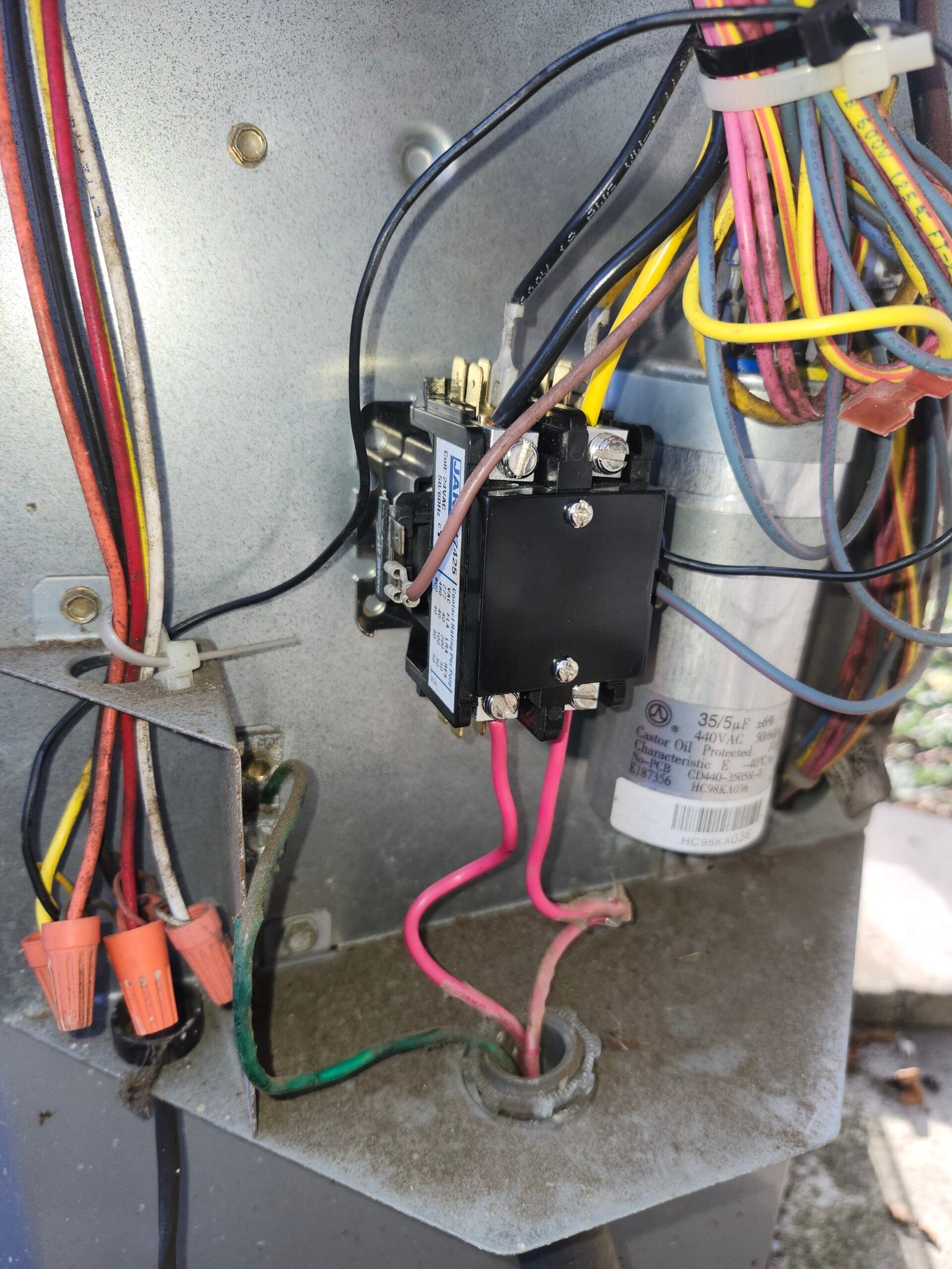
Next, we moved outside to inspect the condenser, especially the contactor. The contactor is an electrical switch controlled by low‑voltage signals from the indoor system. When it’s healthy, it engages cleanly to let power flow to the compressor and fan when your system calls for heating or cooling.
In this case, the contactor on the outdoor condenser was also damaged and contributing to the loud noise and erratic operation. Combined with the thermostat’s bad signals, the contactor was not allowing the system to start and stop as cleanly as it should.
We also noted that the condenser fan motor on this eight‑year‑old system showed slightly higher power consumption. While it was still operating, we made sure to explain this to the homeowner so they can keep it in mind for the future.
How the Previous Board Failure Fits In
As we explained to the homeowner, when a control board fails, it can sometimes affect other low‑voltage components in the system. Everything from the thermostat to the contactor and other controls are interconnected. If one part shorts or fails in the wrong way, it can damage other pieces along the path.
Based on what we saw on this Tampa, FL 33612 system, that’s likely what happened here: the original board problem and the stress it caused contributed to the thermostat and contactor issues that showed up afterward.
Repair and Service Process: Step by Step
Once we had a clear diagnosis, we walked the homeowner through our recommended repair plan. We always explain what we’re doing and why, so there are no surprises.
1. Replacing the Damaged Thermostat
We started indoors by removing the existing thermostat. After safely disconnecting it from the low‑voltage wiring, we installed a new programmable thermostat, a Honeywell T4 Pro or similar model.
Why this step mattered:
- Stopped the incorrect simultaneous calls for heating and cooling.
- Provided a fresh, reliable control point for the entire system.
- Gave the homeowner better temperature control and scheduling options.
We carefully connected the low‑voltage wires to the new thermostat, secured the backplate, and mounted the new device neatly on the wall. After installation, we walked through the basic operation with the homeowner so they would feel comfortable using all the settings.
2. Installing a New Condenser Contactor
Outside at the condenser, we shut off power to the unit and confirmed it was safe to work on. Then we removed the old contactor, taking care with the incoming power connections and the wires leading to the compressor and fan motor.
We then installed a new condenser contactor, connecting it properly to both the low‑voltage control wires and the high‑voltage power lines. Once everything was secure, we restored power and tested operation.
Why this step mattered:
- Ensured the compressor and fan receive clean, reliable power only when called.
- Reduced electrical chatter, arcing, and stress on the system.
- Helped eliminate the loud noises that had worried the homeowner.
3. Testing the System in Heating and Cooling Modes
With the new thermostat and contactor in place, we tested the system fully:
- Ran the system in heat mode and listened for any abnormal noises.
- Watched the outdoor unit start and stop to confirm clean operation.
- Verified proper response to thermostat changes.
We verified proper operation after the repairs and made sure the system was running as expected. The loud compressor noise that originally triggered the call was gone, and the controls were behaving normally again.
4. Educating the Homeowner on Future Risks
Because of the prior board failure and what we saw with the thermostat and contactor, we had an honest conversation with the homeowner about the rest of the low‑voltage electrical components. We explained that:
- All of these parts – boards, thermostat, contactor, and other low‑voltage controls – are interconnected.
- When one fails, it can sometimes shorten the life of related components.
- There may be future issues as the system continues to age.
We also noted that the fan had slightly higher power consumption than ideal, so it’s something to keep an eye on over time.
At the end of the visit, everything was labeled, buttoned up, and left clean. The homeowner in Tampa, FL 33612 had a fully functioning system again and a clear understanding of what had been done and what to watch for in the future.
Why This Fix Works: Getting the Controls Back in Sync
This repair was all about restoring proper control and electrical flow. Modern HVAC systems rely on low‑voltage signals to tell high‑voltage components when to turn on and off. If those signals are wrong – or if the electrical switch that responds to those signals is failing – the whole system suffers.
By installing a new thermostat, we:
- Stopped conflicting calls for heating and cooling.
- Ensured accurate communication between the homeowner and the system.
- Reduced unnecessary stress on the compressor and fan.
By replacing the contactor, we:
- Provided a reliable high‑voltage switch for the outdoor unit.
- Improved the way power is delivered to the compressor and fan.
- Helped eliminate noise issues tied to bad electrical engagement.
In short, the fix works because the system’s “nervous system” (low‑voltage controls) and its “muscles” (compressor and fan) are now getting clear, correct commands and clean power. That’s what any homeowner in Tampa, FL 33612 wants from their air conditioning and heating system: quiet, predictable, and reliable performance.
Pro Tips for Homeowners in Tampa
The climate in Tampa is hard on HVAC systems. High humidity, long cooling seasons, and frequent switching between heat and cool in shoulder seasons can expose weak electrical components. Here are some practical tips for homeowners in Tampa, FL 33612 and nearby areas:
- Pay attention to new noises. If your outdoor unit suddenly starts buzzing, chattering, or making loud startup noises, it’s worth having a technician check it out before more damage occurs.
- Don’t ignore thermostat quirks. If your system seems to run when it shouldn’t, doesn’t shut off properly, or switches modes unexpectedly, the thermostat may be part of the problem.
- Schedule regular maintenance. Annual HVAC maintenance helps catch failing contactors, loose connections, and control issues early. Our team offers AC maintenance and cleaning specials designed for Tampa Bay homeowners.
- Keep outdoor units clear. Make sure plants, debris, and outdoor items are kept away from the condenser. Good airflow and easy access help your technician spot electrical issues sooner.
- Consider overall system age. Around the eight‑ to ten‑year mark, it’s normal to start seeing more wear on fans, boards, contactors, and thermostats. That doesn’t always mean it’s time to replace the system, but it does mean staying on top of small repairs.
- Use reliable local pros. Systems in Tampa’s heat and humidity benefit from technicians who understand our local conditions and typical equipment setups.
If you ever feel unsure whether something is normal, it’s better to ask. Our team at Home Therapist Cooling, Heating, and Plumbing is always happy to explain what’s going on and whether you need a repair, a tune‑up, or just a simple adjustment. You can also learn more about our AC repair and maintenance services and our service options for Tampa Bay homeowners.
FAQ: Thermostats, Contactors, and Electrical Issues
Why did my system start making a loud noise after a previous repair?
In this Tampa, FL 33612 home, the loud noise showed up after a condenser board replacement. When one low‑voltage component, like a board, fails, it can sometimes stress or damage other interconnected parts such as the thermostat or contactor. Once we replaced the damaged thermostat and contactor, the noise went away and the system ran correctly again.
Can a bad thermostat really damage my air conditioner?
A bad thermostat can’t usually damage heavy components on its own, but it can send confusing or constant signals that cause the system to run in ways it wasn’t designed to. In this case, the thermostat was sending both heat and cool signals at the same time in heat mode, which created noise and stress on the outdoor unit. Correcting the thermostat fixed that behavior.
What does a condenser contactor do?
The contactor is an electrical switch in your outdoor unit. When your thermostat calls for heating or cooling, low‑voltage wiring energizes the contactor coil, which closes the high‑voltage circuit and allows the compressor and fan to run. If the contactor is worn or damaged, it can chatter, stick, or fail to make a good connection, leading to noise, unreliable starting, or system failures.
Do I need to replace my whole system if multiple parts fail?
Not necessarily. In this case in Tampa, FL 33612, we replaced the board, thermostat, and contactor on an eight‑year‑old system. It’s still operating correctly. We did, however, explain that future low‑voltage components could fail due to their interconnected nature and system age. Whether it makes sense to repair or replace depends on the overall condition, efficiency, and repair history of your specific system.
How long should a thermostat and contactor last?
Actual lifespans vary, especially in a hot, humid climate like Tampa’s. Many thermostats and contactors can last several years or longer, but power surges, electrical issues, and system problems can shorten their life. Regular maintenance visits help catch signs of wear so you can replace parts before they fail completely.
Is it safe to keep running my system if it’s making loud noises?
If your outdoor unit is suddenly louder than usual or making new sounds, it’s best to turn it off and have it inspected. Running a system with electrical or mechanical problems can lead to more damage. In this case, once we corrected the thermostat and contactor issues, the noise stopped and the system operated normally again.
Why Choose Home Therapist for HVAC Service in Tampa
When you invite Home Therapist Cooling, Heating, and Plumbing into your home, you’re getting more than a quick fix. You’re getting licensed, professional technicians who treat your equipment – and your home – with respect.
For homeowners in Tampa, FL 33612 and across the Tampa Bay area, we focus on:
- Licensed and professional work. Our technicians are trained to handle electrical controls, thermostats, contactors, and all the critical components that keep your system running safely.
- Transparent communication. We explain what we find in clear, plain language and review your options before we start repairs. In this project, we walked the homeowner through how the damaged thermostat and contactor were affecting their system and what to expect moving forward.
- Clean and respectful service. We protect your home, clean up after ourselves, and leave equipment panels properly secured and labeled.
- Long‑term reliability. We don’t just swap parts; we look at how everything works together. If there’s a chance other components may act up later, we let you know so you can plan ahead.
- Commitment to Tampa Bay homeowners. Our entire business is built around serving local families and keeping them comfortable in our challenging Florida climate.
If you’d like to see more about what we do and how we serve the community, you can find us on social media and local platforms:
- Connect with us on Facebook for updates and homeowner tips.
- Follow our team on Instagram for behind‑the‑scenes looks at real Tampa Bay projects.
- Check out our videos on YouTube to better understand your HVAC and plumbing systems.
For added peace of mind, you can also view our profiles and reviews on trusted directories and organizations:
- See our rating with the Better Business Bureau.
- Find us through the Tampa Bay Chamber of Commerce.
- Locate our business on Google Maps and see more feedback from local homeowners.
If you’d like a broader look at how we handle repairs, maintenance, and new installations, you can also explore our main website at Home Therapist Cooling, Heating, and Plumbing.
Need HVAC Help in Tampa, FL 33612?
If your system in Tampa, FL 33612 is making strange noises, not responding properly to the thermostat, or cycling in ways that don’t feel right, we’re here to help. Whether it’s a thermostat problem, a failing contactor, or a deeper electrical issue, our team will diagnose it carefully, explain your options, and complete the work with professionalism and respect for your home.
Reach out to Home Therapist Cooling, Heating, and Plumbing to schedule service with a local Tampa Bay technician who understands the demands of our Florida climate and the importance of a quiet, reliable system. We’ll make sure your heating and cooling equipment is working the way it should – safely, efficiently, and comfortably for you and your family.


