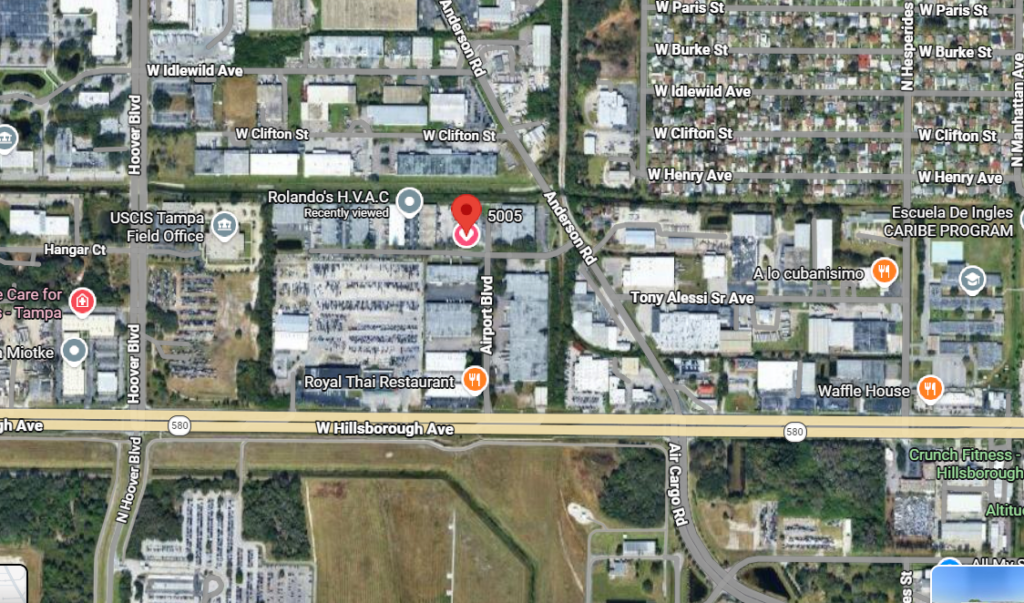

Water Heater Discharge Pipe Correction in Tampa, FL 33647
When a water heater installation in Tampa, FL 33647 doesn’t pass inspection, it can be frustrating and a little stressful for any homeowner. You’ve invested in new equipment, and now you’re being told something isn’t quite right with the plumbing. In this case, the issue came down to a detail that’s easy to overlook but very important for safety: the discharge piping and air gap for the water heater drain.
In this article, we’ll walk you through what we found at this Tampa home, why the inspector flagged the installation, how we corrected the discharge piping, and what that means for long-term safety and peace of mind. We’ll also share a few practical tips for other homeowners in Tampa and across the Tampa Bay area so you can avoid similar headaches.
Case Recap
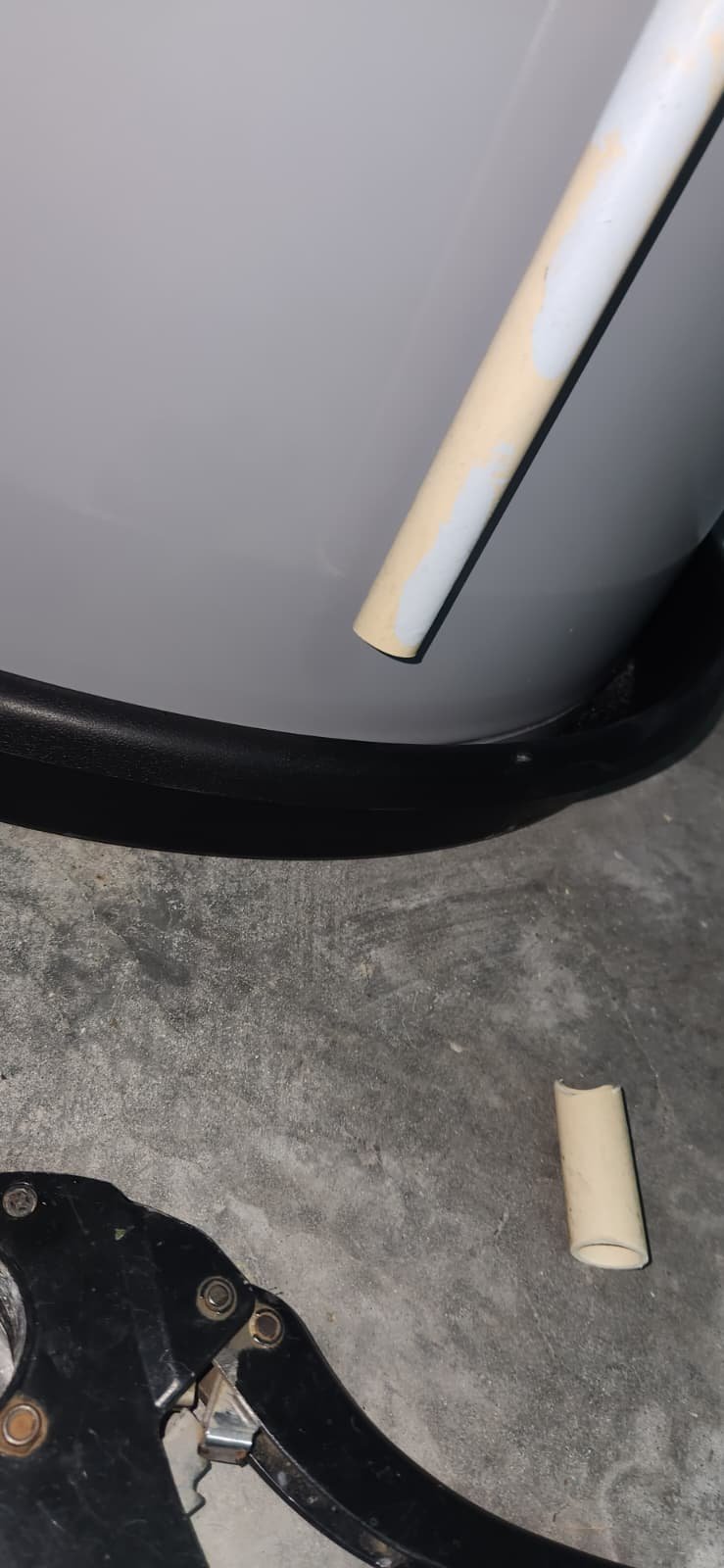
A homeowner in Tampa, FL had a new water heater installed but was told the installation did not pass inspection. The concern was with the discharge pipe from the water heater where it drained into a nearby plumbing fixture. There wasn’t enough vertical air gap between the end of the discharge pipe and the flood rim of the fixture below it. Our technician returned, adjusted the piping by cutting a small section to provide the proper separation, verified the layout, and prepared the installation to be re-inspected.
Customer Problem
From the homeowner’s point of view, the problem was simple but stressful: the water heater installation failed inspection. There were no leaks, no loss of hot water, and the equipment itself was working, but they received notice that the discharge arrangement didn’t meet requirements.
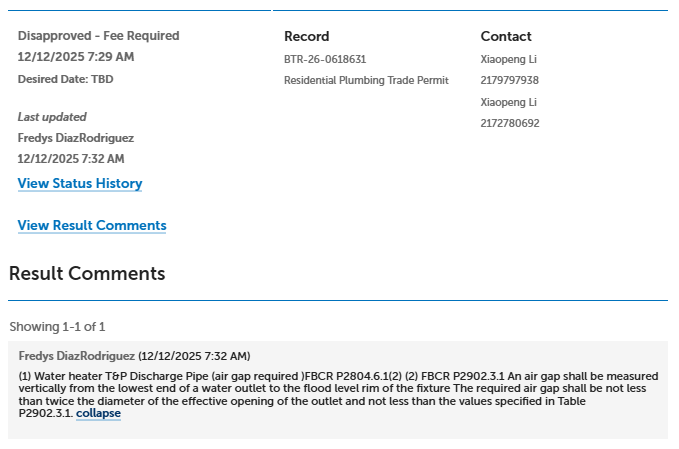
Specifically, the inspector noted that the discharge pipe from the water heater needed a proper vertical air gap above the receiving fixture. The instructions were clear: the space between the bottom end of the discharge outlet and the flood-level rim of the fixture had to be a certain minimum distance, usually based on the size of the opening. Because this gap wasn’t sufficient, the installation was flagged.
For the homeowner, this raised understandable questions:
- Is my water heater unsafe?
- What exactly does this air gap do?
- Is this a big repair or just a small adjustment?
Our job as local plumbing professionals in Tampa was to answer those questions in clear terms and make the correction as cleanly and quickly as possible.
Inspection and Diagnosis
When our technician returned to the property in Tampa, FL 33647, the first step was to carefully review the existing water heater installation and the discharge piping the inspector mentioned. Even small details around a water heater can have a big impact on safety and compliance, so we walk through a simple checklist:
- Confirm the route of the discharge pipe from the water heater to the receiving fixture or drain.
- Check how far the tip of the discharge pipe extends into or over the fixture.
- Measure the vertical distance between the end of the pipe and the flood-level rim of the fixture.
- Look for any potential cross-connection or backflow risk between the potable water system and drainage.
In this case, the main issue lined up exactly with the inspector’s note: the discharge pipe extended too close to the fixture below. The air gap – that open space between where the water leaves the discharge pipe and where it could spill into the fixture – was not tall enough.
That lack of separation is more than a paperwork problem; it’s there to prevent dirty or contaminated water from ever being able to flow backward and contact the water heater’s discharge outlet. Even if it seems like a low-risk situation, plumbing codes are written to protect against worst-case scenarios, especially in areas like Tampa Bay where heavy rains, high humidity, and occasional drainage backups can put extra stress on plumbing systems.
Repair or Service Process
The good news for this homeowner in Tampa was that the fix was straightforward. This wasn’t a full re-pipe or a major remodel. It was a precise adjustment to get the discharge piping into proper configuration so the installation could pass inspection and perform safely.
Here’s how we handled it step by step:
1. Review the Existing Layout
We confirmed how the discharge pipe was currently installed, how it was supported, and where it terminated. We also made sure there were no other concerns, such as stress on fittings, unsupported segments of pipe, or any signs of leaks.
2. Measure the Air Gap
Next, we measured the vertical distance from the very tip of the discharge pipe down to the flood-level rim of the receiving fixture. This number is important because the required air gap is usually set as a multiple of the discharge opening size. In this installation, the measured gap wasn’t sufficient, which matched the inspector’s note.
3. Plan the Adjustment
Our technician determined that the simplest and cleanest solution would be to shorten the discharge pipe slightly. By cutting off a small section of pipe, we could increase the vertical separation without changing the rest of the installation or creating unnecessary joints or bends.
4. Cut and Refinish the Discharge Pipe
We carefully cut a small piece off the bottom of the discharge pipe, ensuring the cut was clean and square. Any time we trim pipe, we also smooth the edges to remove burrs or rough spots. This keeps the opening clean and helps water discharge evenly without catching debris.
5. Verify the New Air Gap
After trimming, we re-measured the distance between the pipe outlet and the flood rim of the fixture. The new measurement provided the proper air gap, giving enough clearance to prevent any potential backflow contact while still allowing the pipe to discharge safely into the fixture.
6. Final Visual Check and Operation Check
Finally, we performed a general visual inspection around the water heater and tested the discharge line. That includes:
- Making sure the pipe is solidly supported and not under tension.
- Confirming that the discharge path is clear and directed safely.
- Checking for any signs of leaks or drips at nearby joints or connections.
Once we were satisfied, we documented the correction so the homeowner would be ready for a follow-up inspection.
For other plumbing concerns beyond a single pipe adjustment, our team also handles more involved work like whole-home repiping in Tampa and upgrades like water filtration installation. Whatever the scale of the job, the process is the same: understand the problem, fix it correctly, and leave the home clean and safe.
Why This Fix Works
It helps to understand why an air gap on a discharge pipe matters so much. A water heater’s discharge line is there to safely handle water released by a temperature and pressure relief valve or other protective devices. That water must be able to flow freely out of the system without any chance of drawing contamination back in.
The air gap is a simple but powerful principle in plumbing:
- Breaks the connection: By keeping the end of the pipe physically above the fixture, there’s no direct contact between the potable side and any used or standing water.
- Prevents back-siphoning: If the fixture below were ever to back up or flood, the gap keeps that water from being able to travel back up into the discharge line.
- Protects the rest of the system: This separation helps protect not just the water heater, but also the broader plumbing system from potential contamination.
In a humid, storm-prone area like Tampa Bay, it’s especially important to guard against drainage issues and backups. That’s why local plumbing installations need these types of safeguards.
By simply trimming the discharge pipe to create a proper air gap, we restored that protection. The water heater can now discharge safely while staying separated from any potential standing water in the receiving fixture.
If you ever need more than a minor correction, we also handle general plumbing repairs for homeowners around Tampa Bay, including projects like those highlighted in our Tampa plumbing service reviews and regional work such as plumbing repair in Brandon.
Pro Tips for Homeowners in Tampa, FL
Here are a few practical tips to help Tampa homeowners avoid inspection issues and protect their plumbing systems:
1. Take Photos After Any New Install
After a new water heater or plumbing fixture is installed, take clear photos of the piping and connections before walls or access panels are closed up. If an inspector flags something, those photos can help your plumber quickly understand what needs to be adjusted.
2. Keep Clearance Around Your Water Heater
In Tampa’s humid climate, water heaters need good air circulation. Avoid stacking boxes, paint cans, or stored items tightly around the unit or its piping. Clear access makes inspections smoother and helps us spot small issues before they turn into leaks.
3. Watch for Any Signs of Drips or Rust
Check periodically around the base of your water heater and along visible piping. Even a small drip, stain, or rust mark is worth a closer look. Catching minor issues early can prevent water damage and help ensure you’re ready for future inspections.
4. Don’t Adjust Safety Piping Yourself
It can be tempting to shorten or extend a pipe on your own, but discharge piping and relief lines serve a safety function. In Tampa and the surrounding communities, it’s best to let a licensed plumber handle any changes so your system stays both safe and compliant.
5. Schedule Periodic Plumbing Checkups
Just like air conditioning systems in Tampa Bay need regular maintenance, your plumbing benefits from periodic checkups too. A quick visit from a professional can catch issues with water heaters, shutoff valves, and drainage before they become big problems or cause inspection failures.
FAQ: Water Heater Discharge and Inspection Issues
Why did my water heater installation fail inspection?
In many cases, it’s not the water heater itself but the details around it – such as discharge piping, air gaps, clearances, or drain routing. In this Tampa home, the issue was that the discharge pipe didn’t have enough vertical air gap above the receiving fixture.
What is a water heater discharge air gap?
An air gap is a vertical open space between the end of a discharge pipe and the flood-level rim of the fixture below. It ensures that any water coming out of the discharge line cannot be drawn back into the plumbing system, even if the fixture or drain below backs up.
Is this kind of correction a big job?
Not usually. For this homeowner in Tampa, FL 33647, the correction involved trimming a small section of pipe to create the proper separation. While each installation is different, many air-gap corrections are relatively quick for a licensed plumber to complete.
Will my water heater still work while I’m waiting for re-inspection?
If the equipment is otherwise installed correctly and your plumber confirms safe operation, you can typically continue using your water heater. We always verify that the unit is operating safely after any adjustments and before we leave the property.
How can I avoid failing inspection in the future?
Work with a licensed, experienced plumbing company familiar with Tampa Bay requirements, keep your equipment accessible for inspection, and schedule repairs or adjustments promptly if something is flagged. Clear communication between you, your contractor, and the inspector makes the process smoother.
Why Choose Home Therapist for Plumbing in Tampa Bay
At Home Therapist Cooling, Heating, and Plumbing, we treat every installation and correction with the same care we’d want in our own homes. For homeowners across Tampa, Temple Terrace, New Tampa, and the wider Tampa Bay area, that means:
- Licensed, professional technicians: Our plumbers are trained to handle everything from small discharge pipe adjustments to full repiping and filtration upgrades.
- Clear, calm communication: We explain what the inspector flagged, what we found, and exactly what we’re doing to correct it – in plain language.
- Clean and respectful work: We protect your home, work neatly, and clean up after ourselves so you’re not left with a mess.
- Long-term reliability: Even on a simple job like trimming a discharge pipe, we think about how the system will perform over time in Tampa’s climate.
- Commitment to Tampa Bay homeowners: We’re a local team, active in the community and focused on building long-term relationships through honest, dependable service.
If you’d like to see what other homeowners say about us, you can find us on platforms like Facebook and Instagram, or check our reviews and ratings through trusted organizations:
- Follow us on Facebook for updates and home care tips.
- See behind-the-scenes projects on our Instagram.
- Review our business profile on Google Maps.
- Check our rating with the Better Business Bureau.
- See our local listing with the Tampa Bay Chamber of Commerce.
Need Water Heater or Plumbing Help in Tampa, FL?
If your water heater installation in Tampa, FL 33647 has failed inspection, or if you’re noticing anything unusual with your plumbing, our local Tampa Bay team is here to help. Whether it’s a simple discharge pipe adjustment, a leak concern, or a larger project, we’ll walk you through the situation, explain your options, and complete the work with care.
Contact Home Therapist Cooling, Heating, and Plumbing today to schedule water heater or plumbing service in Tampa, Florida. We’ll help get your system back on track so you can get back to enjoying reliable hot water and a safe, comfortable home.