Professional Water Heater Flush Service in Wesley Chapel, FL 33543
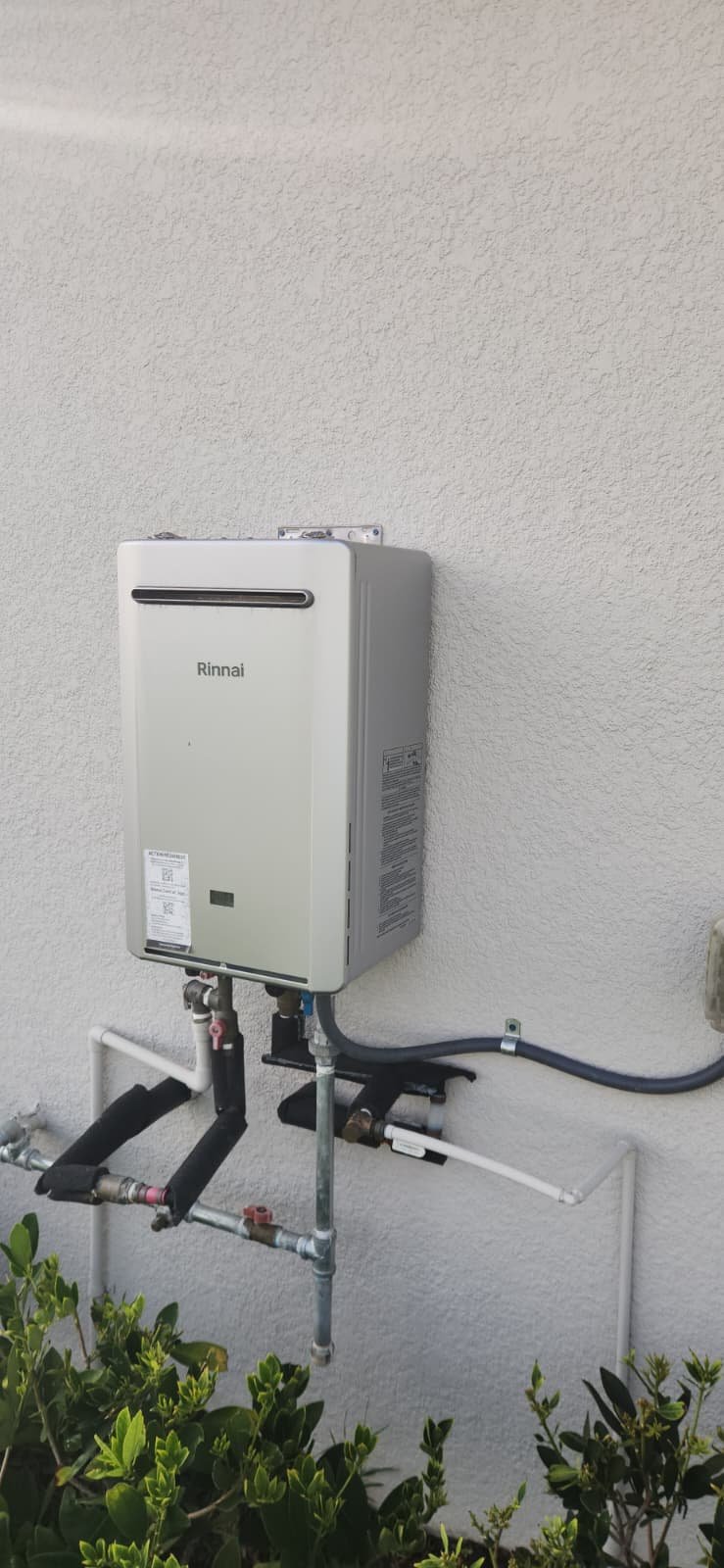
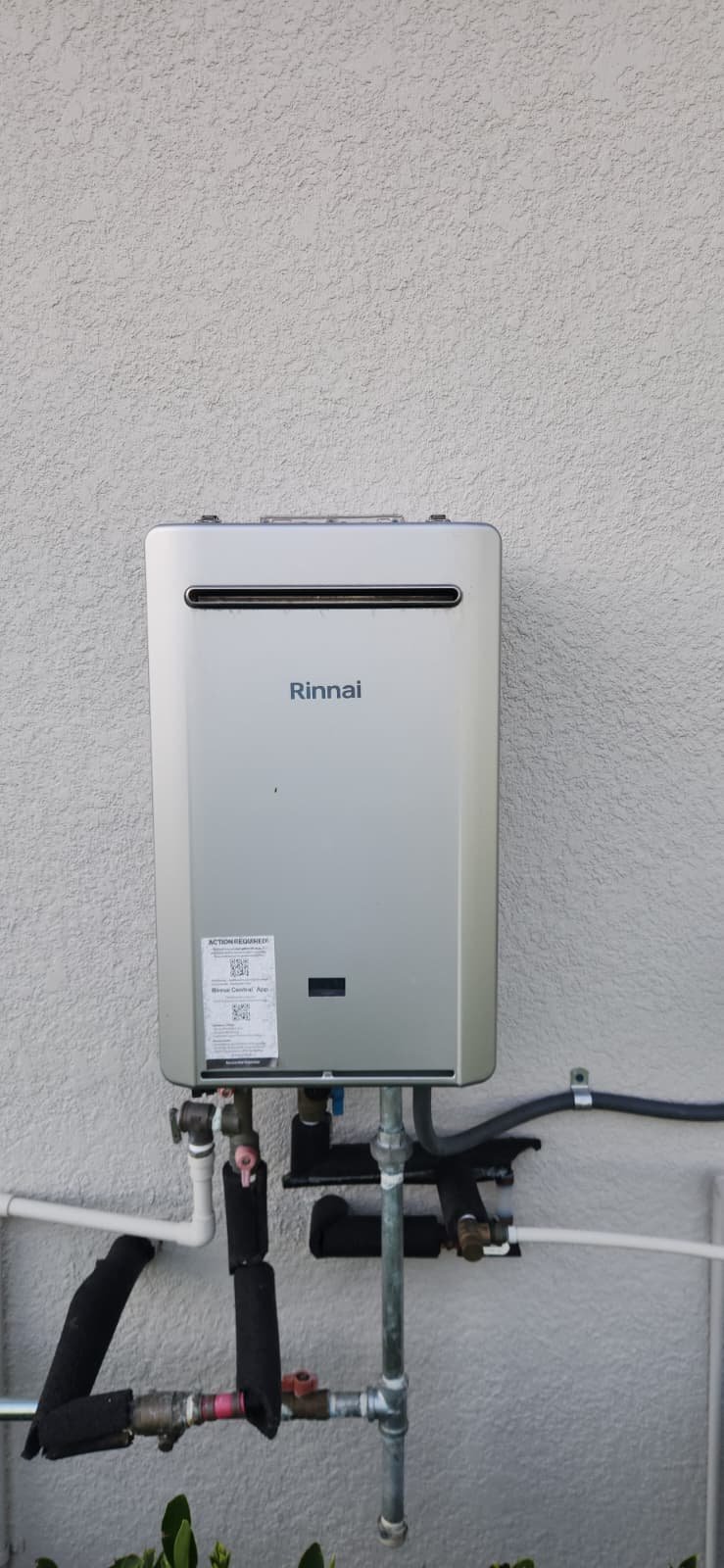
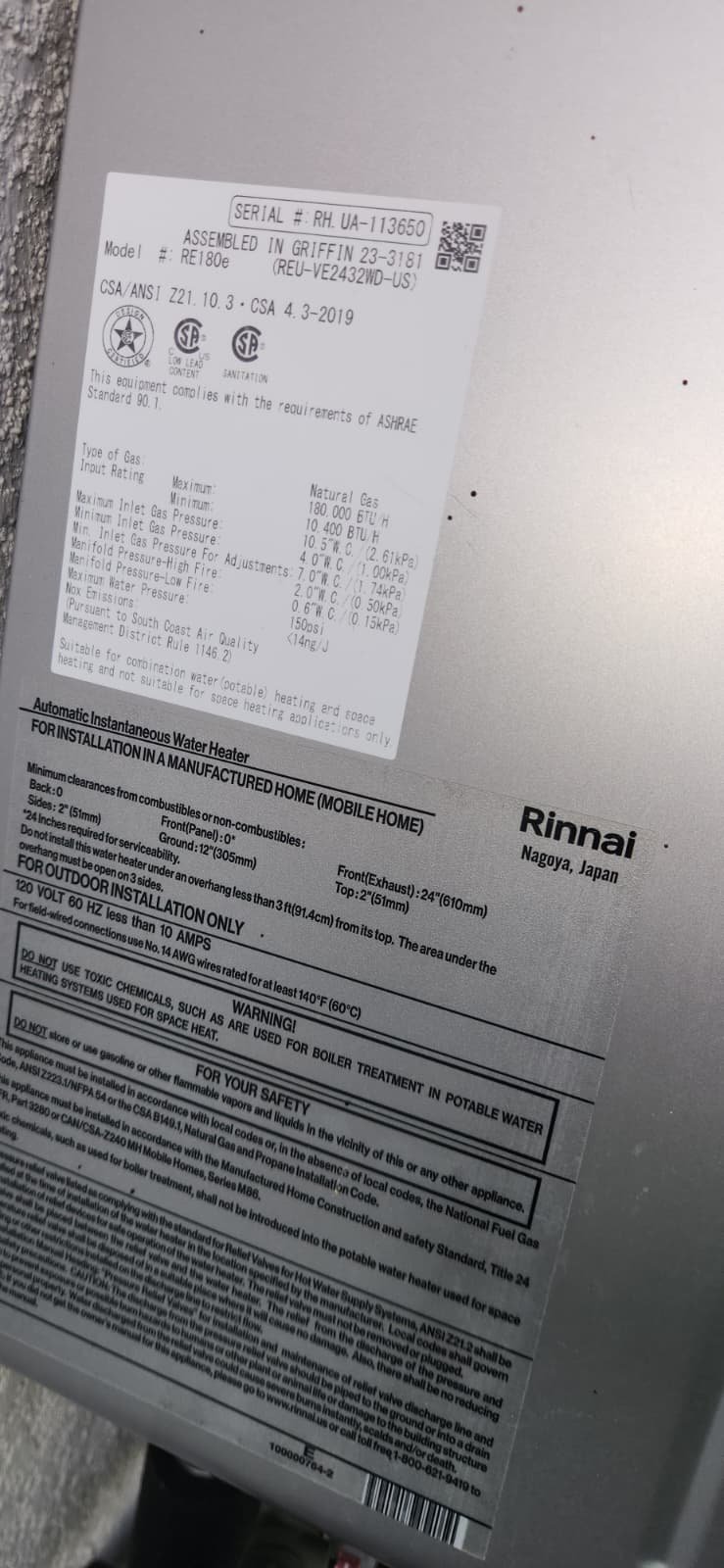
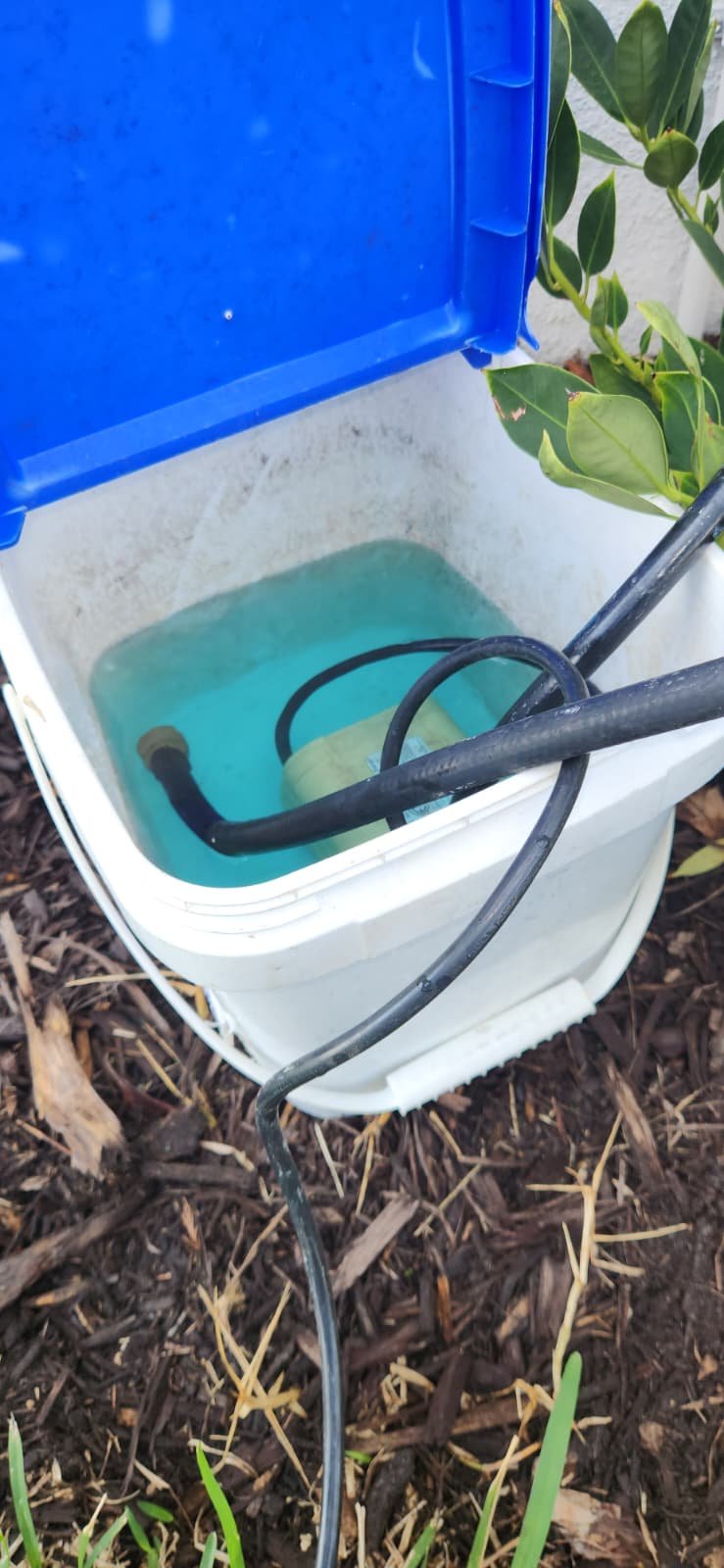
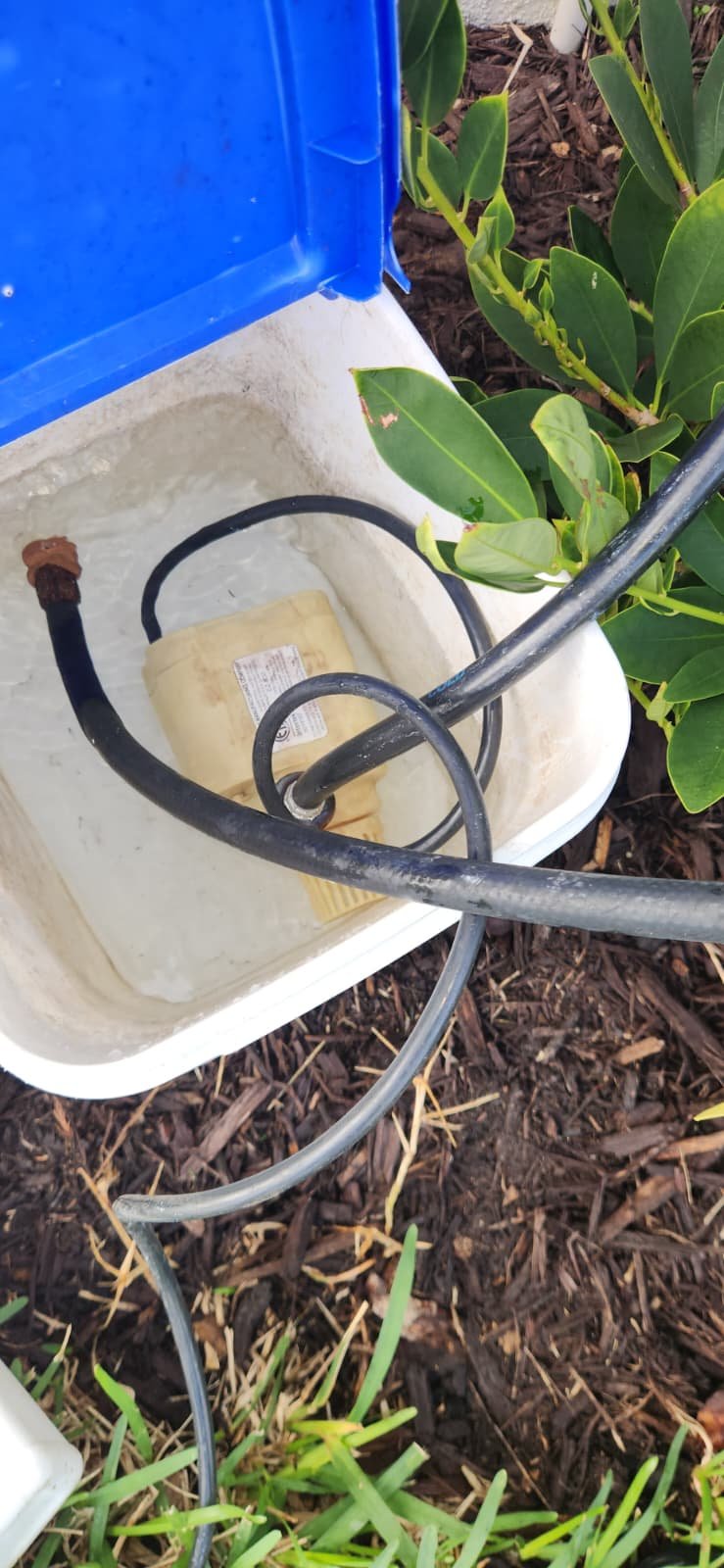
When a water heater starts to slow down or run less efficiently, most homeowners in Wesley Chapel, FL 33543 feel it right away in their hot showers and daily routines. On this visit, our Home Therapist team was called out for a professional water heater flush service as part of a limited-time plumbing maintenance offer. During the appointment, we inspected the system, tested key safety and heating components, thoroughly flushed sediment from the tank, and gave the homeowner a clear report on the condition of their water heater—all with the goal of restoring reliable hot water and extending the life of the unit.
Case Recap
- Location: Single-family home in Wesley Chapel, FL 33543
- Service: Professional water heater flush and safety inspection
- Work performed: Tested heating/ignition components, inspected anode rod, tested TPR valve, drained tank, and removed sediment
- Findings: Sediment buildup inside the tank and normal age-related wear to internal components
- Outcome: Cleaner tank, improved performance, and a clear condition report for the homeowner
Customer Problem
Like many homeowners in Wesley Chapel and across Tampa Bay, this customer wanted to stay ahead of major plumbing issues by taking advantage of a professional water heater flush service. Hard water and heavy use in Florida can cause a lot of mineral and sediment buildup at the bottom of a water heater tank over time. While the customer hadn’t reported a complete loss of hot water, they understood that slow heating, popping noises, and inconsistent temperatures can often be early signs of sediment and wear inside the tank.
They reached out for a scheduled water heater flush with a full safety and performance check, wanting to make sure their system was operating safely and to avoid unexpected breakdowns. For homeowners in Wesley Chapel, FL 33543, that kind of proactive plumbing care is especially smart, given our warm climate, high water usage, and the strain that constant demand can put on a water heater.
Inspection and Diagnosis
When we arrived, we started with a calm, step-by-step assessment before touching any valves or controls. With any water heater service in Wesley Chapel, FL 33543, our first priority is safety—for the home, the occupants, and our technicians.
Here’s what we focused on during the initial inspection:
- Visual inspection of the tank exterior: We checked for any visible rust, moisture, or active leaks around the tank, fittings, and connections.
- Check for loose connections: We looked over the hot and cold water lines, shutoff valves, and any unions or flex lines to identify loose fittings or signs of past leaks.
- Heating elements or ignition system: Depending on whether the heater is electric or gas, the heating elements or ignition/burner assembly are critical. We tested those components to determine whether they were operating as expected and to see if a replacement might soon be advisable.
- TPR (Temperature & Pressure Relief) valve: This is a key safety device. We tested the TPR valve to be sure it was not leaking and that it appeared to function properly.
- Anode rod inspection: The anode rod is a sacrificial component designed to corrode instead of the tank walls. We inspected its condition to gauge how much protection the tank still had left.
Throughout the process, we explained each step in plain language so the homeowner understood what we were looking for and why it mattered. Our goal on every plumbing visit in Wesley Chapel is not just to fix or maintain equipment, but also to give the homeowner clarity and confidence about their system.
Repair and Service Process
Once we had completed the inspection and confirmed it was safe to proceed, we moved on to the actual water heater flush. Properly flushing a tank is more than just opening a drain valve—it needs to be done in a controlled, thorough way to avoid mess, damage, or incomplete sediment removal.
1. Preparing the System
We started by shutting off the energy source to the water heater (electric power or gas control, depending on the type). This ensures the heater isn’t trying to run while we’re draining it. We also verified that the cold water supply valve to the tank was accessible and operable.
Next, we connected a hose to the tank’s drain valve and routed it to a safe discharge location. This helps avoid accidental water damage inside or around the home and keeps the work area cleaner.
2. Draining the Tank
With the preparation complete, we opened the drain valve and allowed the water to start flowing from the tank. At first, the water often carries a noticeable amount of sediment—especially in Florida homes where mineral content in the water is higher and heaters work hard year-round.
We monitored the flow and the clarity of the water as it drained. In cases where sediment buildup is severe, it can partially clog the drain path, slowing or even stopping the flow. When that happens, it can take additional time and labor to break up and remove the compacted sediment so the tank can fully drain.
3. Flushing Out Sediment
After the bulk of the water was drained, we used controlled bursts of incoming cold water to stir and flush out the remaining sediment at the bottom of the tank. This step is critical; if you only drain the tank once without agitation, a lot of heavy sediment can be left behind.
We repeated this process until the water running out of the drain line looked noticeably clearer, indicating that most loose sediment had been removed. Throughout the job, we kept the homeowner informed about what we were seeing and what it meant for the health of the water heater.
4. Final Safety and Operation Check
Once the flushing was complete, we closed the drain valve securely and refilled the tank with cold water. Before restoring power or gas to the heater, we confirmed that air was fully purged from the hot water lines and that all valves and fittings were tight.
After the tank was full and free of air pockets, we restored the energy source and allowed the heater to begin operating again. We then:
- Checked for leaks around the tank and connections
- Verified that the water heater was heating as expected
- Reconfirmed that the TPR valve was not seeping or weeping
Before leaving, we provided the homeowner with a clear report on the overall condition of the water heater, including recommendations on any components that may need attention in the future, such as a worn anode rod or aging heating elements.
Why This Fix Works
A water heater flush is one of the simplest and most effective ways to extend the life of a storage-tank water heater, especially in the Florida climate. Over time, minerals and debris naturally settle at the bottom of the tank. If they’re not removed, several problems can develop:
- Reduced efficiency: Sediment forms a layer between the burner or heating elements and the water, making the heater work harder and longer to deliver the same temperature.
- Extra wear and tear: Longer run times and higher operating stress can accelerate wear on heating elements or the burner system.
- Noise and disruption: Popping or rumbling sounds often come from water trapped under sediment, rapidly boiling and expanding.
- Tank stress: Excessive sediment can create hot spots in the tank, contributing to uneven heating and increased strain on the tank lining.
By draining the tank and flushing out sediment, we help restore more direct contact between the heat source and the water, which can improve performance and reduce strain. When combined with component checks—like inspecting the anode rod, testing the TPR valve, and evaluating the heating/ignition system—a professional flush gives homeowners in Wesley Chapel, FL 33543 a much clearer picture of how much life their water heater likely has left.
Pro Tips for Homeowners in Wesley Chapel
For homeowners in Wesley Chapel and across the Tampa Bay area, the combination of warm weather, high hot-water usage, and local water conditions makes regular water heater maintenance a smart investment. Here are some practical tips:
- Schedule periodic flushes: Depending on your water quality and usage, consider having your tank professionally flushed every 1–2 years to manage sediment buildup and keep efficiency up.
- Listen for new noises: If you start hearing popping, rumbling, or banging from your water heater, that can be a sign of sediment. Don’t ignore it—have it checked before it leads to bigger issues.
- Check around the base of the tank: Every so often, look for moisture, rust streaks, or puddling around the water heater base. Early detection of leaks can prevent damage to floors, walls, and belongings.
- Know where your shutoffs are: Make sure you know how to shut off water and power/gas to the heater. In the event of a leak or strange behavior, this knowledge can protect your home while you wait for service.
- Consider water quality upgrades: If you’ve had repeated sediment or scale issues, a whole-home filtration or water treatment solution can help. Our team also provides services like water filtration installation in Tampa Bay that can be tailored to local water conditions.
- Don’t ignore age: As water heaters approach the typical lifespan range, proactive inspections become even more important to avoid surprise failures.
FAQ: Water Heater Flush Service in Wesley Chapel, FL 33543
How often should I have my water heater flushed in Wesley Chapel?
Frequency can vary based on water quality and hot-water usage, but many Tampa Bay homeowners benefit from a professional flush every 1–2 years. Regular flushing helps limit sediment buildup, which protects efficiency and can extend the life of the tank.
Will a flush fix all water heater problems?
No. A flush addresses sediment buildup and gives us a chance to inspect key components, but it won’t repair a failing tank, a severely corroded anode rod, or a worn-out heating element or burner. During the service, we let you know if additional repairs or future replacements are recommended so you can plan ahead.
What happens if the sediment in my tank is too heavy?
In some cases, sediment can become so compacted that it partially blocks the drain and makes a standard flush more difficult. When this happens, additional time and work may be required to safely break up and remove the buildup. We always communicate clearly with the homeowner about what we’re seeing and discuss any extra work before proceeding.
Is it safe to operate the water heater right after a flush?
Yes—once the tank has been properly refilled, air has been purged from the hot water lines, and we’ve confirmed there are no leaks or issues, we restore power or gas and verify normal operation. Before we leave, we make sure the system is running as expected.
Can I flush my own water heater instead of calling a plumber?
Some homeowners do basic draining on their own, but a professional flush adds safety checks, component testing, and a careful inspection that most DIY approaches miss. Working with hot water, gas, and electrical components also carries risk. Many homeowners in Wesley Chapel, FL 33543 prefer to have a licensed technician handle the process and provide a clear report on the system’s condition.
Does a water heater flush save money?
While exact savings vary, clearing sediment can help your heater work more efficiently and may reduce wear on components, which can help avoid some breakdowns and delay replacement. It’s a relatively small maintenance step that supports long-term performance and reliability.
Why Choose Home Therapist for Plumbing in Tampa Bay
At Home Therapist Cooling, Heating, and Plumbing, we treat every water heater flush, repair, and inspection as if we were working in our own homes. When we visit a homeowner in Wesley Chapel, FL 33543, our technicians arrive prepared, explain everything in clear language, and keep the workspace clean and protected.
Here’s what sets our team apart for plumbing and water heater services across Tampa Bay:
- Licensed, professional technicians: Our plumbers are trained, experienced, and properly licensed to work on your home’s plumbing and water heating systems.
- Transparent communication: We walk you through what we find, what we recommend, and why—no jargon, no pressure, and no surprises.
- Clean and respectful work: We protect your home, manage water carefully during flushes, and clean up after ourselves so you’re not left with a mess.
- Long-term reliability focus: We’re not just checking a box for today’s visit; we’re looking ahead to help you avoid bigger issues down the road.
- Commitment to Tampa Bay homeowners: As a local company, we know the water, the climate, and the common plumbing challenges in communities like Wesley Chapel, and we tailor our recommendations accordingly.
If you’d like to see what other Tampa Bay homeowners say about working with us, you can visit us on Facebook, follow along on Instagram, or check out our videos on YouTube. For additional peace of mind, you can also review our business profiles with trusted organizations like the Better Business Bureau and the Tampa Bay Chamber of Commerce.
Beyond water heater maintenance, our team handles a full range of plumbing needs across the region, from targeted repairs—like those featured on our plumbing repair pages—to larger projects such as whole-home repiping and water quality solutions like filtration system installations.
Schedule Your Water Heater Service in Wesley Chapel, FL 33543
If you’re noticing slower hot water, unusual noises from your water heater, or you simply want to stay ahead of problems with routine maintenance, our local Tampa Bay plumbing team is here to help. A professional water heater flush and inspection is a straightforward way to protect your comfort and your home.
Homeowners in Wesley Chapel, FL 33543 can count on Home Therapist Cooling, Heating, and Plumbing for courteous service, clear communication, and thorough work from start to finish. When you’re ready to schedule, reach out to our team, and we’ll take care of the rest so you can enjoy reliable hot water with confidence.