Role of Heating Systems – Comfort and Efficiency at Home
Over 25% of global energy is used for heating and cooling, making home heating one of the most significant expenses in any American household. Selecting the right heating system impacts far more than comfort, influencing financial decisions and even environmental footprints. With so many options and evolving technologies, understanding today’s home heating systems helps American homeowners make smart, sustainable choices that affect both their budgets and the planet.
Table of Contents
- Defining The Role Of Home Heating Systems
- Common Types Of Residential Heating Solutions
- How Modern Heating Systems Operate
- Energy Efficiency And Environmental Impact
- Cost, Maintenance, And Common Pitfalls
Key Takeaways
| Point | Details |
|---|---|
| Importance of Efficiency | Efficient home heating systems can significantly lower energy bills and reduce environmental impacts. |
| Diverse Heating Options | Homeowners have various heating technologies to choose from based on their specific needs and regional climates. |
| Maintenance is Key | Regular maintenance and timely upgrades are essential for optimizing performance and reducing long-term costs. |
| Smart Technologies | Incorporating smart technologies enables better energy management and personalized comfort in living spaces. |
Defining the Role of Home Heating Systems
Heating systems represent far more than simple temperature control devices – they are complex mechanisms that transform our living spaces into comfortable, livable environments. Home heating systems play a critical role in maintaining indoor comfort by replacing heat lost through a building’s structural envelope, ensuring warmth and protection against cold temperatures.
At their core, these systems serve multiple essential functions. They not only generate heat but also distribute it evenly throughout living spaces, creating consistent temperature zones that support human comfort and well-being. According to energy research, home heating systems account for approximately 29% of a household’s utility expenditures, making them a significant component of residential energy consumption. This substantial financial impact underscores the importance of selecting efficient heating technologies.
The environmental dimension of home heating systems cannot be overlooked. Modern heating solutions are designed with sustainability in mind, focusing on reducing energy consumption and minimizing carbon emissions. Efficient heating technologies can dramatically lower a home’s environmental footprint by consuming less energy and producing fewer greenhouse gases. Homeowners who invest in high-performance heating systems not only enhance their personal comfort but also contribute to broader ecological preservation efforts.
Key considerations for home heating systems include:
- Overall energy efficiency
- Heat distribution capabilities
- Environmental impact
- Long-term operational costs
- Compatibility with existing home infrastructure
Understanding these systems goes beyond mere temperature management – they represent sophisticated solutions that balance human comfort, economic considerations, and environmental responsibility.
Common Types of Residential Heating Solutions
Residential heating technologies offer homeowners diverse options for maintaining indoor comfort and managing energy efficiency. Residential heating systems/Energy_Conservation_for_Environmental_Protection_(Pisupati)/08:_Home_Heating_Systems/8.1:Comparison_of_Home_Heating_Systems(I)) are categorized based on their fuel type, heat distribution method, and overall performance characteristics, providing tailored solutions for different home configurations and climatic conditions.
Central heating systems represent the most prevalent approach in modern homes. Furnaces and boilers stand out as primary heating technologies, each offering unique advantages. Furnaces generate heated air distributed through ductwork, while boilers produce hot water or steam circulated via radiators or radiant floor systems. High-efficiency models in both categories have dramatically improved energy performance, enabling homeowners to reduce utility expenses and minimize environmental impact.

Beyond traditional central heating, alternative solutions cater to specific residential needs. Electric resistance heaters provide localized warmth in smaller spaces, while heat pumps offer versatile heating and cooling capabilities. These systems can be particularly effective in regions with moderate temperature ranges, offering flexible and energy-efficient temperature management. Radiant floor heating and electric baseboard heaters represent additional options for homes without comprehensive central heating infrastructure.
Key considerations when selecting residential heating solutions include:
- Overall energy efficiency ratings
- Installation and operational costs
- Compatibility with existing home infrastructure
- Climate and regional temperature variations
- Long-term maintenance requirements
- Environmental sustainability
Understanding the nuanced differences between heating technologies empowers homeowners to make informed decisions that balance comfort, cost-effectiveness, and ecological responsibility.
How Modern Heating Systems Operate
Modern heating technologies represent sophisticated systems designed to transform various energy sources into comfortable indoor temperatures. Heating systems) fundamentally operate through a complex interplay of components that convert fuel or electrical energy into thermal warmth, ensuring consistent and efficient home climate control.
Energy conversion forms the core mechanism of contemporary heating technologies. Contemporary heating systems typically consist of three primary components: the fuel source, energy conversion plant, and distribution network. Gas-fired furnaces, for instance, burn natural gas to generate heated air circulated through ductwork, while advanced heat pumps utilize electricity to transfer thermal energy from external environments directly into living spaces, providing both heating and cooling capabilities.
The operational complexity of modern heating systems extends beyond simple temperature regulation. Sophisticated sensors, digital thermostats, and zone control technologies enable precise temperature management, allowing homeowners to optimize energy consumption and personalize comfort levels across different areas of their residence. Advanced systems can automatically adjust heating output based on external temperature, occupancy patterns, and individual room requirements, representing a significant leap from traditional heating approaches.
Key operational characteristics of modern heating systems include:
- Intelligent temperature sensing
- Adaptive energy consumption algorithms
- Multi-zone temperature control
- Energy efficiency optimization
- Seamless integration with smart home technologies
- Minimal environmental impact
Understanding these intricate mechanisms empowers homeowners to make informed decisions about their heating infrastructure, balancing technological sophistication with practical energy management strategies.
Energy Efficiency and Environmental Impact
Heating systems play a critical role in global energy consumption and environmental sustainability. Heating and cooling systems represent a significant environmental factor, accounting for approximately 25% of global energy production and generating substantial greenhouse gas emissions. This substantial energy demand underscores the importance of adopting more efficient and environmentally conscious heating technologies.

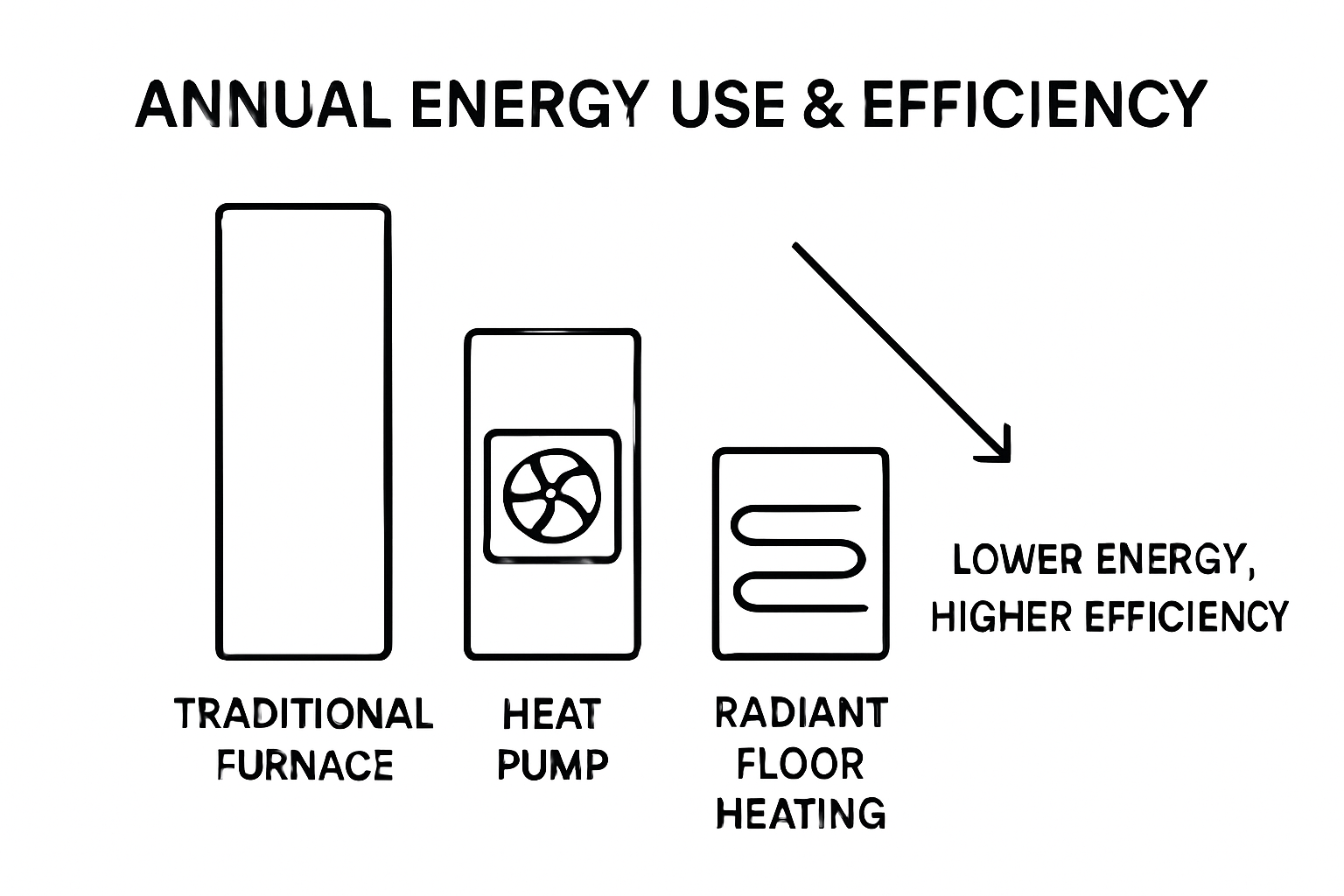
Energy-efficient heating solutions have emerged as a powerful strategy for reducing environmental impact. Advanced heating technologies such as air-to-water and air-to-air heat pumps can be three to four times more efficient than traditional fuel-based systems. These innovative systems dramatically reduce energy consumption while providing consistent indoor comfort, representing a significant leap forward in sustainable home climate management.
The environmental benefits of modern heating technologies extend beyond immediate energy savings. By utilizing sophisticated design principles and integrating renewable energy sources, these systems minimize carbon footprints and contribute to broader ecological preservation efforts. Smart technologies enable precise energy management, allowing homeowners to optimize heating performance while simultaneously reducing waste and environmental strain.
Key environmental considerations for heating systems include:
- Carbon emission reduction
- Energy consumption optimization
- Integration with renewable energy sources
- Minimal ecological disruption
- Long-term sustainability performance
- Adaptive energy management capabilities
Understanding the intricate relationship between heating technologies and environmental impact empowers homeowners to make responsible choices that balance personal comfort with global ecological preservation strategies.
Cost, Maintenance, and Common Pitfalls
Navigating the financial and operational landscape of home heating systems requires strategic planning and proactive maintenance. Home heating systems demand consistent attention to ensure optimal performance, with proper maintenance directly influencing long-term operational costs and system reliability. Regular filter replacements, professional inspections, and timely upgrades can significantly mitigate potential expensive repairs and efficiency losses.
Cost management represents a critical aspect of heating system ownership. Implementing conservation measures can potentially reduce heating expenses by up to 50%, transforming what might seem like a significant investment into a financially prudent long-term strategy. Homeowners can achieve substantial savings by investing in high-efficiency systems, improving home insulation, and adopting smart temperature management techniques that minimize unnecessary energy consumption.
Common pitfalls in heating system management often stem from neglect and insufficient understanding of system dynamics. Inadequate insulation, postponed maintenance, and inefficient thermostat settings can dramatically increase energy expenditures and reduce overall system performance. Homeowners should be vigilant about potential warning signs such as uneven heating, unusual sounds, increased energy bills, and reduced system responsiveness, which may indicate underlying maintenance requirements.
Key considerations for heating system cost and maintenance include:
- Annual professional system inspections
- Regular filter and component replacements
- Comprehensive home insulation assessment
- Smart thermostat integration
- Understanding warranty and repair options
- Proactive performance monitoring
Successful heating system management requires a holistic approach that balances immediate comfort needs with long-term financial and operational efficiency.
Enhance Your Home Comfort with Expert Heating Solutions
Managing your home heating system to maximize comfort and energy efficiency can feel overwhelming. This article highlights common challenges such as balancing operational costs, ensuring environmental responsibility, and maintaining consistent indoor warmth through advanced technologies like multi-zone controls and energy-efficient heat pumps. If you are facing rising energy bills or uneven heating, understanding and upgrading your system is critical for both comfort and savings.
Home Therapist Cooling, Heating, and Plumbing offers trusted HVAC services in Tampa Bay designed to address these exact concerns. Our certified technicians specialize in advanced heating system installation, maintenance, and repair tailored to your home’s unique needs. From intelligent temperature sensing to efficient heat distribution, we bring expert solutions that enhance performance and reduce energy waste.
Explore our expert HVAC solutions today and take the first step toward a warmer, more efficient home.

Don’t wait for costly breakdowns or uncomfortable winters. Contact us now to experience reliable service that keeps your heating system operating at peak efficiency and supports your commitment to comfort and sustainability.
Frequently Asked Questions
What are the main functions of home heating systems?
Home heating systems generate and distribute heat throughout living spaces, ensuring comfort and protection against cold temperatures. They also help maintain consistent temperature zones and can significantly influence a household’s energy consumption.
How do modern heating systems operate?
Modern heating systems utilize energy conversion mechanisms that transform fuel or electrical energy into thermal warmth. They incorporate components like sensors, digital thermostats, and zone control technologies for precise temperature management and energy efficiency.
What are the benefits of energy-efficient heating technologies?
Energy-efficient heating technologies reduce energy consumption and greenhouse gas emissions. They can save homeowners money on utility bills while contributing to environmental preservation efforts by minimizing carbon footprints.
What maintenance is required for heating systems to ensure optimal performance?
Regular maintenance includes annual professional inspections, timely filter replacements, and assessing home insulation. Proper maintenance can significantly improve system efficiency, reliability, and prevent costly repairs.
Recommended
- HVAC Retrofitting Explained: Enhancing Home Comfort – Home Therapist Cooling, Heating, and Plumbing
- 6 Types of HVAC Systems Every Tampa Bay Homeowner Should Know – Home Therapist Cooling, Heating, and Plumbing
- Role of HVAC Technician: Responsibilities and Expertise – Home Therapist Cooling, Heating, and Plumbing
- HVAC Troubleshooting Steps for Homeowners: Easy Guide – Home Therapist Cooling, Heating, and Plumbing
- The Essential Guide to Saving Energy at Home – Projector Display