Role of HVAC Technician: Responsibilities and Expertise
Every American home and business depends on climate systems that work flawlessly, yet few people realize that over 90 percent of all buildings nationwide require regular HVAC maintenance. With temperatures and technology changing rapidly, the expertise of a skilled HVAC technician is more important than ever. Understanding who these professionals are, what they do, and why their role matters helps American property owners and managers ensure comfort, efficiency, and safety every season.
Table of Contents
- Defining The Role Of An HVAC Technician
- Types Of HVAC Services Provided
- Essential Skills And Qualifications Needed
- Legal And Safety Regulations In HVAC Work
- Typical Responsibilities And Customer Interactions
- Common Challenges And How To Avoid Mistakes
Key Takeaways
| Point | Details |
|---|---|
| Role of HVAC Technicians | HVAC technicians install, maintain, and repair heating, ventilation, and air conditioning systems across various environments for optimal climate control. |
| Essential Skills | Key skills for HVAC technicians include mechanical aptitude, problem-solving abilities, and strong customer service skills, acquired through formal education and training. |
| Legal and Safety Compliance | Technicians must adhere to strict safety regulations, obtain necessary certifications, and follow environmental guidelines to ensure safety and legal compliance. |
| Continuous Professional Development | Ongoing education and staying current with industry advancements is crucial for HVAC technicians to enhance service quality and avoid common mistakes. |
Defining the Role of an HVAC Technician
An HVAC technician is a specialized professional responsible for installing, maintaining, and repairing complex heating, ventilation, and air conditioning systems. HVAC professionals work across residential, commercial, and industrial environments to ensure optimal climate control and equipment performance.
According to the U.S. Bureau of Labor Statistics, these skilled technicians are responsible for diagnosing system issues, performing precise equipment installations, conducting routine maintenance, and implementing efficient repair strategies. Their expertise encompasses a wide range of mechanical and electrical systems that regulate indoor temperature and air quality.
The core responsibilities of an HVAC technician include:
- Installing new heating and cooling systems
- Conducting comprehensive system evaluations
- Performing diagnostic tests on equipment
- Repairing or replacing defective components
- Ensuring energy efficiency and system optimization
- Maintaining detailed service records
Successful HVAC technicians combine technical knowledge, problem solving skills, and hands on mechanical expertise to deliver reliable climate control solutions for residential and commercial clients. Understanding system installation and repair requires extensive training, specialized tools, and continuous professional development to stay current with evolving HVAC technologies.
Types of HVAC Services Provided
HVAC services encompass a comprehensive range of technical interventions designed to maintain, repair, and optimize heating, ventilation, and air conditioning systems. Regular maintenance services are critical for ensuring long-term system performance and preventing potential equipment failures.
According to the United Association (UA), HVAC technicians provide a diverse array of specialized services, including:
- Heating system installations
- Air conditioning and cooling services
- Refrigeration solutions
- Ventilation system improvements
- Control systems integration
- Preventive maintenance protocols
The U.S. Bureau of Labor Statistics highlights that HVAC services typically involve three primary categories: system installation, routine maintenance, and targeted repair work. These services require advanced technical skills, specialized diagnostic tools, and an in-depth understanding of complex mechanical and electrical systems.
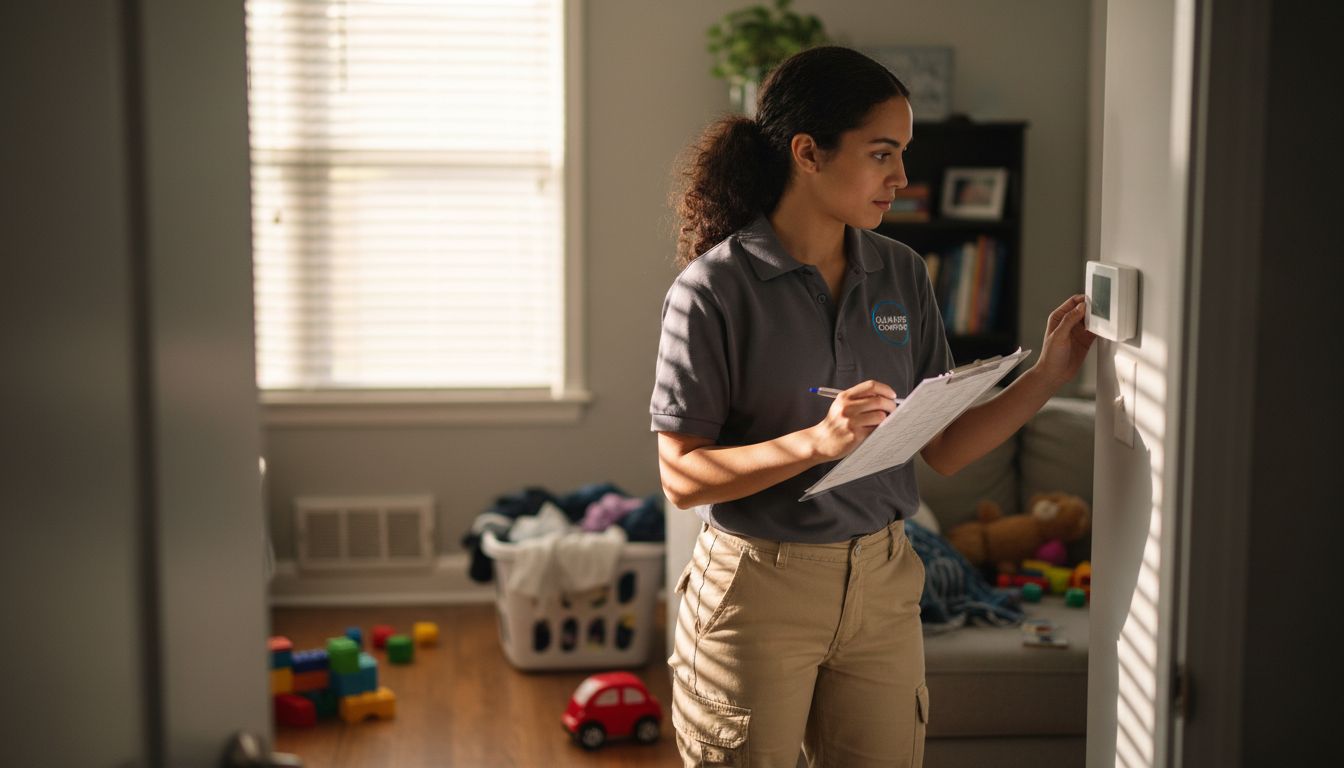
Professional HVAC services extend beyond simple repairs, encompassing comprehensive solutions that address indoor air quality, energy efficiency, and system longevity. HVAC’s role in air quality is particularly crucial, as technicians work to ensure that residential and commercial environments maintain optimal temperature, humidity, and air circulation standards.
Essential Skills and Qualifications Needed
HVAC technicians require a unique blend of technical expertise, physical capabilities, and interpersonal skills to succeed in this demanding profession. HVAC maintenance checklist skills represent just the beginning of the comprehensive qualifications needed for this specialized career.
According to the U.S. Bureau of Labor Statistics, essential skills for HVAC technicians include:
- Strong customer service capabilities
- Exceptional mechanical aptitude
- Keen attention to detail
- Advanced problem-solving abilities
- Physical stamina and strength
- Excellent diagnostic and analytical skills
Technical qualifications for HVAC professionals typically involve a combination of formal education and specialized training. Most technicians complete a post-secondary educational program in heating, air conditioning, and refrigeration, which can range from a six-month certificate to a two-year associate degree. Professional certification from recognized organizations further validates a technician’s expertise and commitment to the field.
The United Association emphasizes the importance of continuous learning in this rapidly evolving industry. Understanding system installation and repair requires technicians to stay current with emerging technologies, pursue ongoing professional development, and maintain nationally recognized credentials that demonstrate their commitment to excellence in HVAC services.
Legal and Safety Regulations in HVAC Work
Legal compliance is a critical component of professional HVAC work, encompassing a complex network of safety standards, certification requirements, and regulatory guidelines. Safely recovering refrigerant represents just one of the many technical and legal considerations HVAC technicians must navigate.
According to the U.S. Bureau of Labor Statistics, HVAC technicians are required to meet stringent legal and safety regulations, which typically include:
- Obtaining professional licenses and certifications
- Completing mandatory safety training programs
- Following Environmental Protection Agency (EPA) guidelines
- Adhering to local and state building codes
- Maintaining proper equipment handling protocols
- Implementing comprehensive safety documentation
Technical safety regulations extend beyond basic certifications, demanding rigorous attention to environmental standards and workplace protection protocols. Technicians must stay current with evolving regulations surrounding refrigerant management, electrical safety, and system installation standards to ensure professional compliance and public safety.
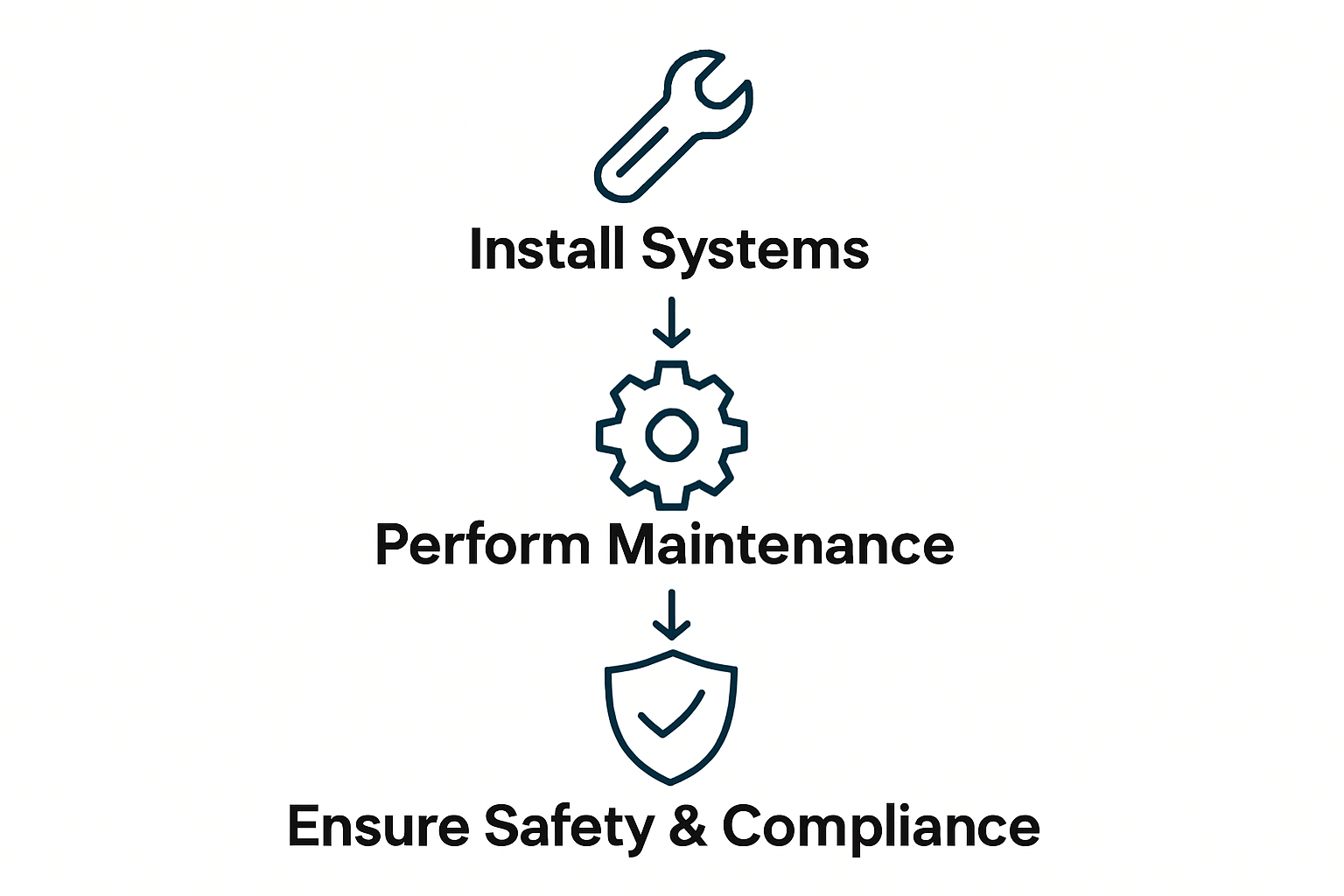
The United Association emphasizes that legal compliance is not just a procedural requirement but a fundamental responsibility that protects both technicians and clients. Professional HVAC work demands continuous education and strict adherence to safety standards that protect system integrity, environmental sustainability, and human health.
Typical Responsibilities and Customer Interactions
HVAC technicians play a crucial role in maintaining comfortable and efficient climate control systems, with responsibilities that extend far beyond simple equipment repair. Regular HVAC maintenance requires a comprehensive approach to addressing customer needs and system performance.
According to the United Association, HVAC service technicians typically manage a diverse range of responsibilities, including:
- Conducting initial system assessments
- Diagnosing complex mechanical issues
- Performing precise equipment installations
- Executing detailed repair and maintenance procedures
- Providing clear technical explanations to customers
- Recommending energy-efficient solutions
- Documenting service interventions
Customer interaction represents a critical component of professional HVAC work, requiring technicians to balance technical expertise with exceptional communication skills. Effective technicians must translate complex technical information into understandable language, helping homeowners make informed decisions about their climate control systems.
Professional HVAC service goes beyond mechanical repairs, encompassing a holistic approach to customer satisfaction. HVAC system maintenance checklist insights demonstrate that successful technicians must combine technical proficiency with empathy, patience, and a genuine commitment to solving customers’ comfort and efficiency challenges.
Common Challenges and How to Avoid Mistakes
HVAC technicians face numerous complex challenges that require strategic problem solving and continuous professional development. Understanding system installation is just one critical area where technicians must remain vigilant to prevent potentially costly mistakes.
Evolving technology challenges in the HVAC industry present significant obstacles for professionals, with key challenges including:
- Rapidly changing technological landscapes
- Complex equipment diagnostics
- Keeping certifications current
- Managing customer expectations
- Navigating increasingly sophisticated system designs
- Maintaining precise technical skills
- Adapting to new environmental regulations
Professional development represents the most effective strategy for avoiding technical mistakes. Staying informed about industry standards, participating in continuous training programs, and maintaining active memberships in professional associations can significantly reduce the likelihood of errors and enhance overall service quality.
Technicians can mitigate potential challenges by implementing rigorous industry standards, investing in ongoing education, and maintaining a commitment to precision and professional growth. Success in the HVAC industry demands not just technical skill, but also adaptability, curiosity, and a proactive approach to learning and improvement.
Reliable HVAC Expertise for Your Home or Business
Understanding the critical role of HVAC technicians and their expertise highlights how important precise installation, thorough maintenance, and prompt repairs are to your comfort and safety. If you face challenges like ensuring energy efficiency, avoiding costly mistakes, or needing expert solutions for your heating and cooling systems the specialized services provided by Home Therapist Cooling, Heating, and Plumbing are designed to meet these exact needs. Our certified technicians combine technical knowledge and exceptional customer care to keep your systems running smoothly year-round.
Take control of your indoor comfort today by trusting experienced professionals who adhere to the highest standards of HVAC service. Visit Home Therapist to learn more about our expert solutions, or check out our expert HVAC installation and repair services to discover how we tackle your unique challenges with precision. For ongoing peace of mind, explore our regular HVAC maintenance guide and schedule your service now. Don’t wait for a breakdown make sure your HVAC system delivers comfort and efficiency all year long.
Frequently Asked Questions
What are the main responsibilities of an HVAC technician?
HVAC technicians are responsible for installing, maintaining, and repairing heating, ventilation, and air conditioning systems. Their tasks include conducting system evaluations, performing diagnostic tests, and ensuring energy efficiency.
What skills are essential for becoming a successful HVAC technician?
Essential skills for HVAC technicians include strong customer service capabilities, mechanical aptitude, attention to detail, problem-solving abilities, and excellent diagnostic skills. Physical stamina and training in related technologies are also important.
Why is regular maintenance important for HVAC systems?
Regular maintenance is crucial for HVAC systems as it helps prevent equipment failures, ensures optimal performance, and promotes energy efficiency. Scheduled inspections and tune-ups can extend the life of the systems and improve indoor air quality.
What types of HVAC services can technicians provide?
HVAC technicians provide a range of services, including heating system installations, air conditioning services, refrigeration solutions, ventilation system improvements, and preventive maintenance protocols.
Recommended
- 7 Essential HVAC Maintenance Checklist Tips for Homeowners – Home Therapist Cooling, Heating, and Plumbing
- Complete Guide to HVAC’s Role in Air Quality – Home Therapist Cooling, Heating, and Plumbing
- Complete Guide to HVAC’s Role in Air Quality – Home Therapist Cooling, Heating, and Plumbing
- The Essential Guide to Regular HVAC Maintenance – Home Therapist Cooling, Heating, and Plumbing
- Understanding the Importance of Technical Training for Diesel Technicians – My WordPress
- Understanding the Role of Heating Engineers in Hampshire – Skan Plumbing & Heating