

What Is a HVAC Capacitor and Why It Matters
Old HVAC systems in Tampa Bay homes often struggle with inconsistent cooling and unexpected shutdowns, leaving families frustrated during the hottest months. At the heart of these issues, the HVAC capacitor acts as a power manager, storing and delivering energy needed to keep motors running smoothly and efficiently. Learning about these small yet essential parts helps you recognize their impact on system reliability and what steps you can take to avoid costly breakdowns.
Table of Contents
- HVAC Capacitors: Core Function And Purpose
- Types Of HVAC Capacitors And Their Roles
- How HVAC Capacitors Work In Your System
- Signs Of HVAC Capacitor Failure To Watch For
- Replacing Vs. Repairing: Costs And Safety Risks
Key Takeaways
| Point | Details |
|---|---|
| Importance of HVAC Capacitors | Capacitors are vital for managing electrical energy in heating and cooling systems, ensuring motor performance and efficiency. |
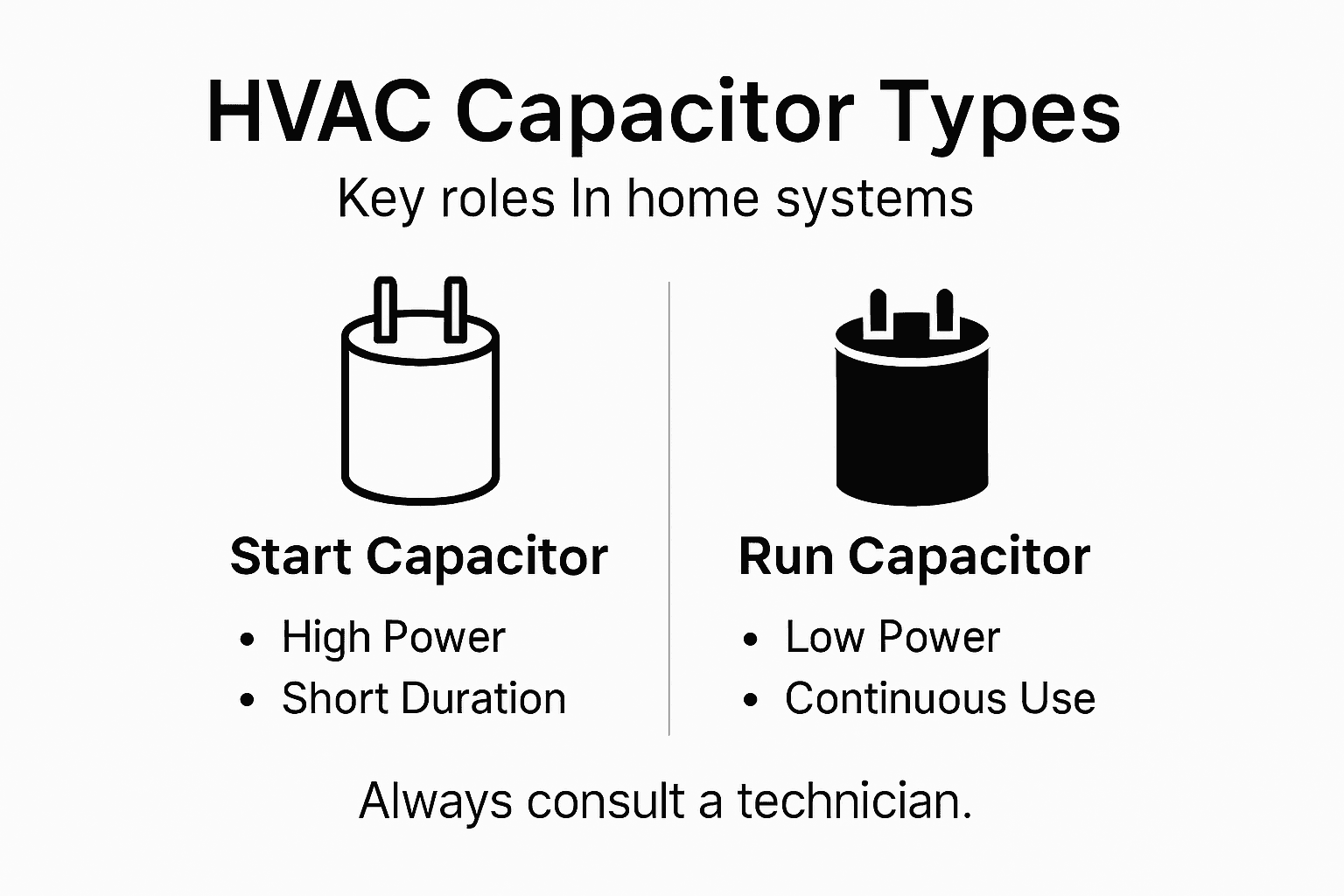
| Types of Capacitors | Understanding starting and running capacitors is essential for system maintenance; starting capacitors provide initial surges while running capacitors maintain continuous operation. |
| Signs of Failure | Common symptoms of capacitor failure include motor startup issues, unusual sounds, and inconsistent cooling; early detection can prevent costly repairs. |
| Replacement vs. Repair | Replacement is generally recommended over repair due to safety risks and reliability; consulting a professional is crucial for handling high-voltage components. |
HVAC Capacitors: Core Function and Purpose
HVAC capacitors are essential electrical components that store and distribute electrical energy within your home’s heating and cooling system. These small but critical devices play a pivotal role in maintaining consistent motor performance and system efficiency. A capacitor essentially acts like a temporary battery, providing the extra electrical boost needed to start and run motors in air conditioning and heating equipment.
Understanding how capacitors function requires examining their core design. Electrical energy storage mechanisms involve two primary plates that accumulate electric charges, enabling them to supply power precisely when motors need additional electrical current. HVAC systems typically use two distinct types of capacitors:
- Starting Capacitors: Provide the initial high-voltage surge required to start motor rotation
- Running Capacitors: Maintain steady electrical current to keep motors operating smoothly
Most residential HVAC systems use these capacitors to manage electrical demands for critical components like compressors and fan motors. Without a properly functioning capacitor, your system might struggle to start, run inefficiently, or experience complete motor failure. The capacitor essentially acts as a power management device, smoothing out electrical inconsistencies and ensuring reliable system performance.
Pro tip: Have a professional technician inspect your HVAC capacitors during annual maintenance to prevent unexpected system breakdowns and extend equipment lifespan.
Types of HVAC Capacitors and Their Roles
Understanding the different types of HVAC capacitors is crucial for homeowners seeking to maintain their cooling and heating systems effectively. Electrical capacitor classifications reveal two primary capacitor types used in HVAC systems: starting capacitors and running capacitors, each serving a unique and essential function in motor operation.
HVAC starting capacitors provide a critical electrical boost during initial motor startup. These capacitors deliver a high-voltage surge that helps overcome initial inertia and get motor components rotating. They are designed to provide intense, short-duration power and typically disengage once the motor reaches operational speed. Key characteristics of starting capacitors include:
- Momentary high-voltage discharge
- Designed for brief, intense electrical support
- Automatically disconnects after motor startup
- Typically higher microfarad (µF) rating
Running capacitors, by contrast, maintain consistent electrical current throughout the motor’s operational cycle. These capacitors provide steady power to keep motors running smoothly and efficiently. They are smaller and designed for continuous operation, helping to improve motor performance and energy efficiency. Characteristics of running capacitors include:
- Continuous electrical support
- Lower microfarad (µF) rating
- Constant energy management
- Helps stabilize motor performance
Pro tip: Consult a professional HVAC technician to determine the exact capacitor specifications for your specific system, as improper capacitor selection can lead to motor damage.
Here’s a quick comparison of HVAC starting and running capacitors:
| Attribute | Starting Capacitor | Running Capacitor |
|---|---|---|
| Typical Usage | Motor startup | Continuous motor operation |
| Microfarad Range | 70, 400 µF | 5, 60 µF |
| Replacement Frequency | Higher due to stress | Lower, lasts longer |
| Impact of Failure | Motor may not start | Motor runs inefficiently |
This summary can help identify which capacitor type may be causing system issues.
How HVAC Capacitors Work in Your System
HVAC capacitors operate as critical electrical energy management devices within your cooling and heating system. Electrostatic energy storage mechanisms enable these components to store and release electrical charges precisely when motors require additional power. Think of capacitors like tiny electrical reservoirs, holding energy in reserve and delivering it instantaneously to critical system components.
The operational process of HVAC capacitors involves several intricate electrical interactions. When your system initiates a cooling or heating cycle, capacitors respond immediately by providing the necessary electrical boost. This process unfolds through two primary stages:
- Initial Power Surge: Capacitors discharge high-voltage energy
- Sustained Performance: Continuous electrical support maintains motor rotation
- Energy Regulation: Stabilizes electrical current to prevent system fluctuations
- Efficiency Management: Reduces overall electrical system strain
Most residential HVAC systems rely on capacitors to transform electrical potential into mechanical motion. The capacitor essentially acts as an intelligent electrical intermediary, managing power distribution between your home’s electrical supply and the complex motor systems within your heating and cooling equipment. By storing and releasing electrical energy with precision, capacitors ensure smooth, consistent motor performance across various operational demands.
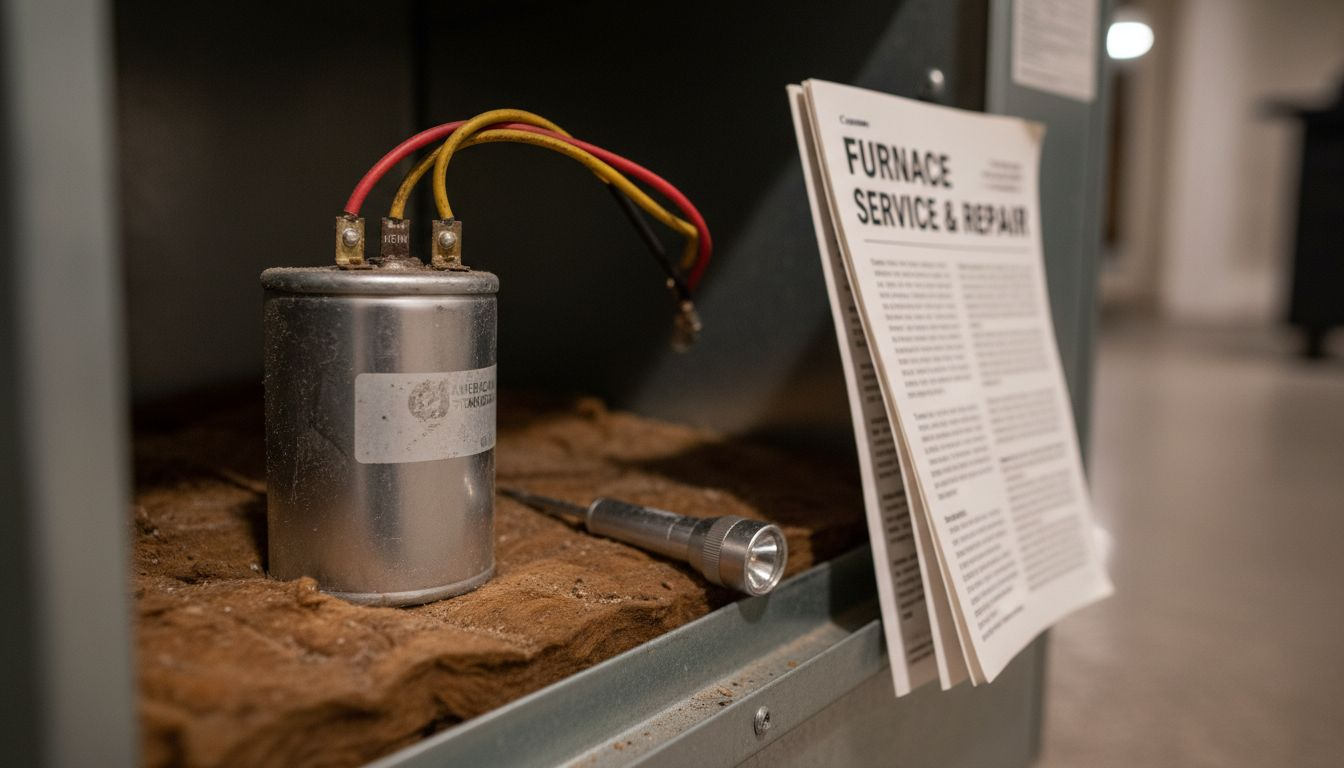
Pro tip: Monitor your HVAC system’s performance for signs of capacitor degradation, such as unusual humming sounds or inconsistent motor startup, which could indicate imminent electrical component failure.
Signs of HVAC Capacitor Failure to Watch For
Recognizing early warning signs of HVAC capacitor failure can save homeowners significant repair costs and prevent complete system breakdown. Electrical component diagnostic indicators reveal several critical symptoms that suggest your capacitor might be nearing the end of its operational life. Paying attention to these signs can help you address potential issues before they escalate into more expensive repairs.
HVAC capacitor problems manifest through multiple distinct performance indicators. Homeowners should be alert to the following warning signs:
- Motor Startup Issues: System struggles to start or experiences delayed rotation
- Unusual Sounds: Humming, clicking, or grinding noises during operation
- Inconsistent Cooling: Reduced air temperature or airflow efficiency
- Unexpected System Shutdown: Unit turns off randomly during cooling cycles
- Higher Energy Bills: Increased electrical consumption due to system strain
Visual inspection can also provide crucial insights into capacitor health. A failing capacitor might display physical symptoms such as:
- Visible swelling or bulging of the capacitor unit
- Visible liquid leakage around electrical connections
- Discoloration or signs of electrical burning
- Corrosion on electrical terminals
Pro tip: Schedule annual professional HVAC maintenance to catch capacitor issues early and prevent unexpected system failures during peak cooling or heating seasons.
Replacing vs. Repairing: Costs and Safety Risks
When dealing with HVAC capacitor issues, homeowners face a critical decision between repair and replacement. Electrolytic component safety protocols emphasize that capacitor repairs are rarely recommended due to significant safety and performance risks. Professional HVAC technicians typically advise complete replacement to ensure system reliability and prevent potential electrical hazards.
The cost considerations for capacitor replacement involve several important factors:
- Parts Cost: Capacitor replacement typically ranges from $120 to $400
- Labor Expenses: Professional installation adds $75 to $250
- System Age: Older systems might require additional diagnostic work
- Warranty Implications: DIY repairs can void existing equipment warranties
Safety risks associated with capacitor handling are substantial and should never be underestimated. Electrical components can retain dangerous voltage levels even when systems appear powered off. Key safety concerns include:
- Electric Shock Potential: High-voltage storage in capacitor units
- Burn and Electrical Injury Risks: Improper handling can cause serious harm
- Equipment Damage: Incorrect replacement can compromise entire HVAC system
- Personal Protective Equipment Required: Specialized tools and knowledge essential
Pro tip: Always consult a licensed HVAC professional for capacitor replacement, as attempting DIY repairs can result in personal injury and potentially more expensive system damage.
Here’s an overview of cost and safety considerations for HVAC capacitor replacement:
| Factor | Impact on Homeowner | Safety Importance |
|---|---|---|
| Replacement Cost | $120, $400 for parts | Avoids system damage |
| Professional Labor | $75, $250 per job | Prevents electrical accidents |
| Warranty Concerns | Unauthorized repair may void | Ensures coverage remains valid |
| Voltage Retention | Capacitors store high voltage | Can cause severe electric shock |
This reference table highlights why professional service is recommended for capacitor issues.
Protect Your Comfort with Expert HVAC Capacitor Care
If you have noticed your HVAC system struggling to start or heard unusual humming noises it might be time to pay attention to your HVAC capacitors. These components play a critical role in motor startup and continuous operation yet they often go unnoticed until failure causes discomfort or costly repairs. Ignoring signs like inconsistent cooling or higher energy bills can put your entire system at risk.
At Home Therapist Cooling Heating and Plumbing we understand the importance of reliable HVAC capacitors in assuring your system runs smoothly and efficiently all year long. Our certified technicians specialize in diagnosing capacitor issues safely and promptly offering professional replacement services that prevent unexpected breakdowns. Don’t wait for a sudden system shutdown or oversized utility bills take control now. Visit our website to schedule your service and restore your peace of mind with expert care tailored to your unique needs.
Frequently Asked Questions
What is an HVAC capacitor?
HVAC capacitors are essential electrical components that store and distribute electrical energy in heating and cooling systems. They provide the extra electrical boost needed to start and run motors effectively.
What are the different types of HVAC capacitors?
There are two main types of HVAC capacitors: starting capacitors, which provide a high-voltage surge for motor startup, and running capacitors, which maintain steady current for continuous motor operation.
How can I tell if my HVAC capacitor is failing?
Signs of HVAC capacitor failure include motor startup issues, unusual sounds during operation, inconsistent cooling, unexpected system shutdowns, and visible physical damage like swelling or corrosion.
Should I repair or replace a failing HVAC capacitor?
It’s generally recommended to replace a failing HVAC capacitor rather than repair it. This ensures system reliability and safety, as handling electrical components can pose significant risks.
About This Guide
Written and reviewed by the Home Therapist Cooling, Heating & Plumbing team, a family-owned Tampa Bay HVAC and plumbing company serving the area since 2011. Our licensed techs hold Florida HVAC license CAC1819196 and Plumbing license CFC1431159, with over 1,100 five-star reviews across Tampa, St. Petersburg, Clearwater, Wesley Chapel, Lutz, Riverview, Brandon, Valrico, Apollo Beach, Palm Harbor, Land O’ Lakes, Plant City, New Port Richey, and surrounding Tampa Bay zip codes.
Honest pricing: Upfront quotes, no high-pressure sales, no surprise fees.
Questions about your home? Call (813) 343-2212 for a real tech, or request a callback. Available 7 days a week including evenings and weekends for emergencies.
Recommended
- Capacitor Replacement For Hvac System Project in Wesley Chapel FL 33543 – Home Therapist Cooling, Heating, and Plumbing
- Complete Guide to HVAC’s Role in Air Quality – Home Therapist Cooling, Heating, and Plumbing
- Complete Guide to HVAC’s Role in Air Quality – Home Therapist Cooling, Heating, and Plumbing
- HVAC Retrofitting Explained: Enhancing Home Comfort – Home Therapist Cooling, Heating, and Plumbing
- Key Refrigerator Parts Explained: Benefits for Marlboro Homes – Expert Appliance
More Refrigerant & Diagnostics Articles
- AC Capacitor Replacement Tampa FL 33618 Plus Maintenance Plan on W Pond Woods Dr
- Capacitor Out of Range on a 2021 System: AC Maintenance and Capacitor Replacement in Tampa, FL 33618
- Contactor and Capacitor Swap Reveals Overworked Fan Motor on Bingham Ct: AC Repair in Tampa, FL 33625
- Warranty Blower Motor Replacement Plus Same-Visit Tune-Up on Mathog Rd, Riverview, FL 33578
- Dead Blower Motor on Bitter Orange Ave: 220V Universal Motor + Disconnect Switch Replacement in Tampa, FL 33625


