Evaporator Coil & TXV Replacement in Tampa, FL 33629: Fixing a Hard-Working AC the Right Way
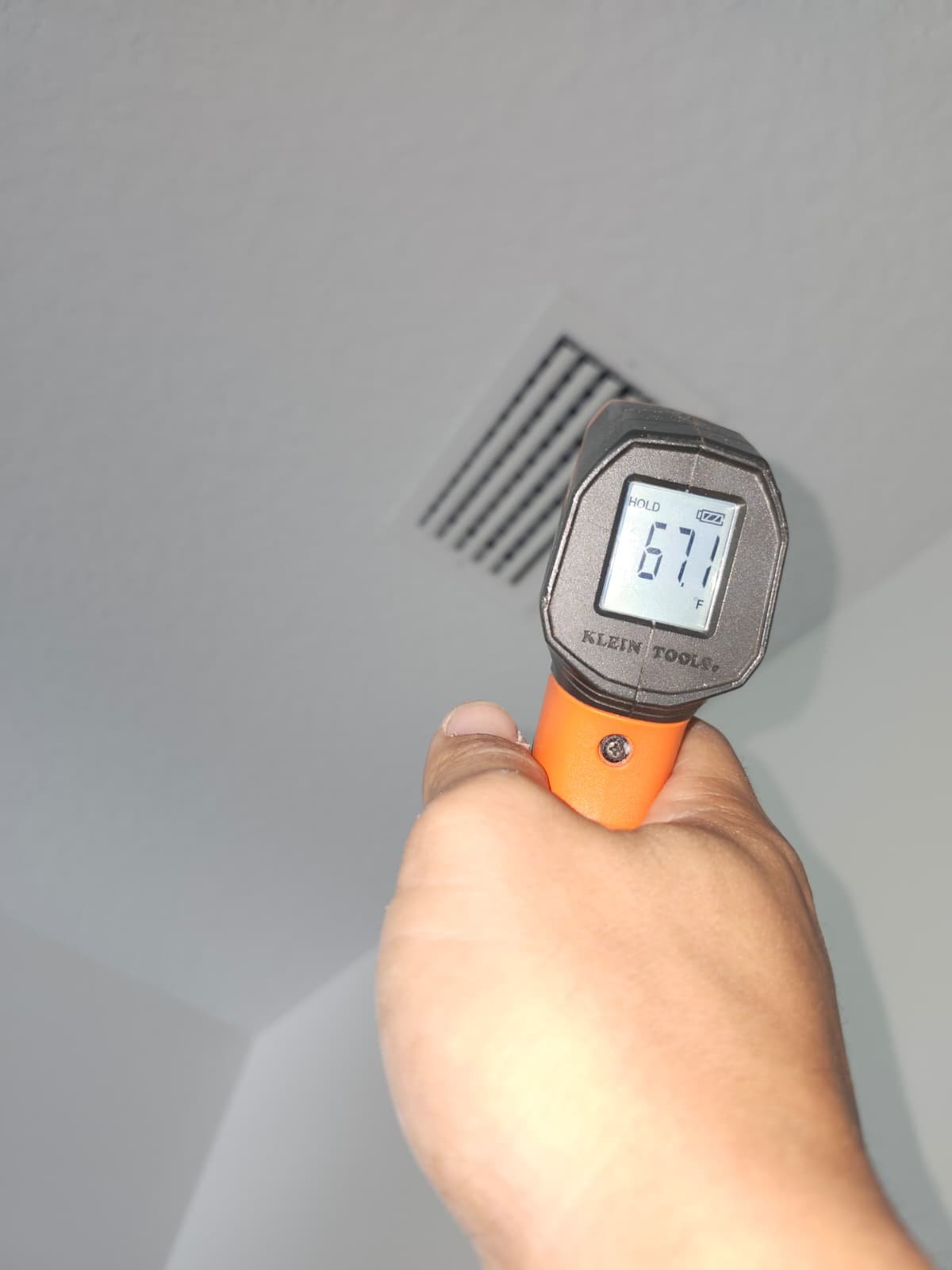
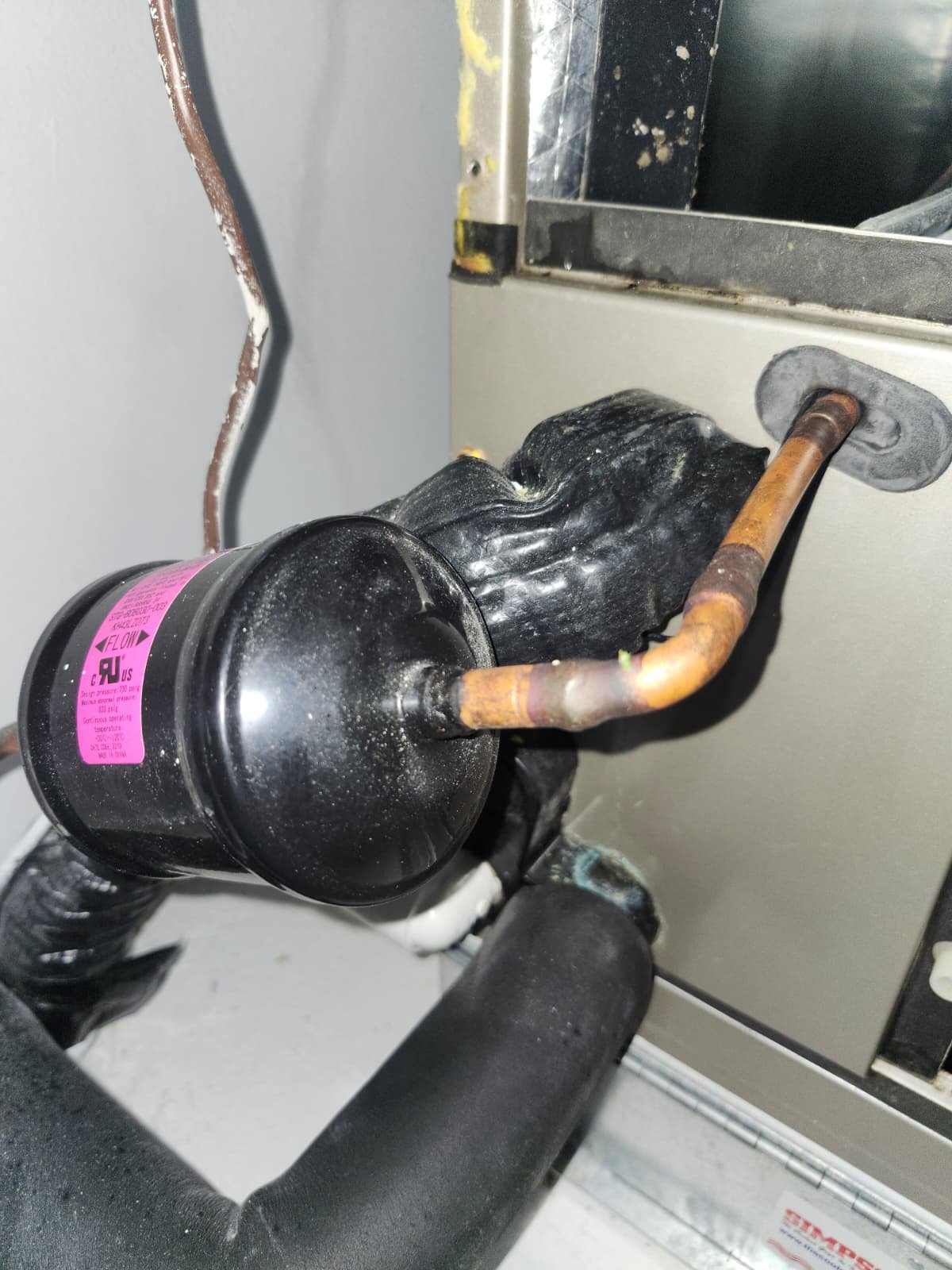
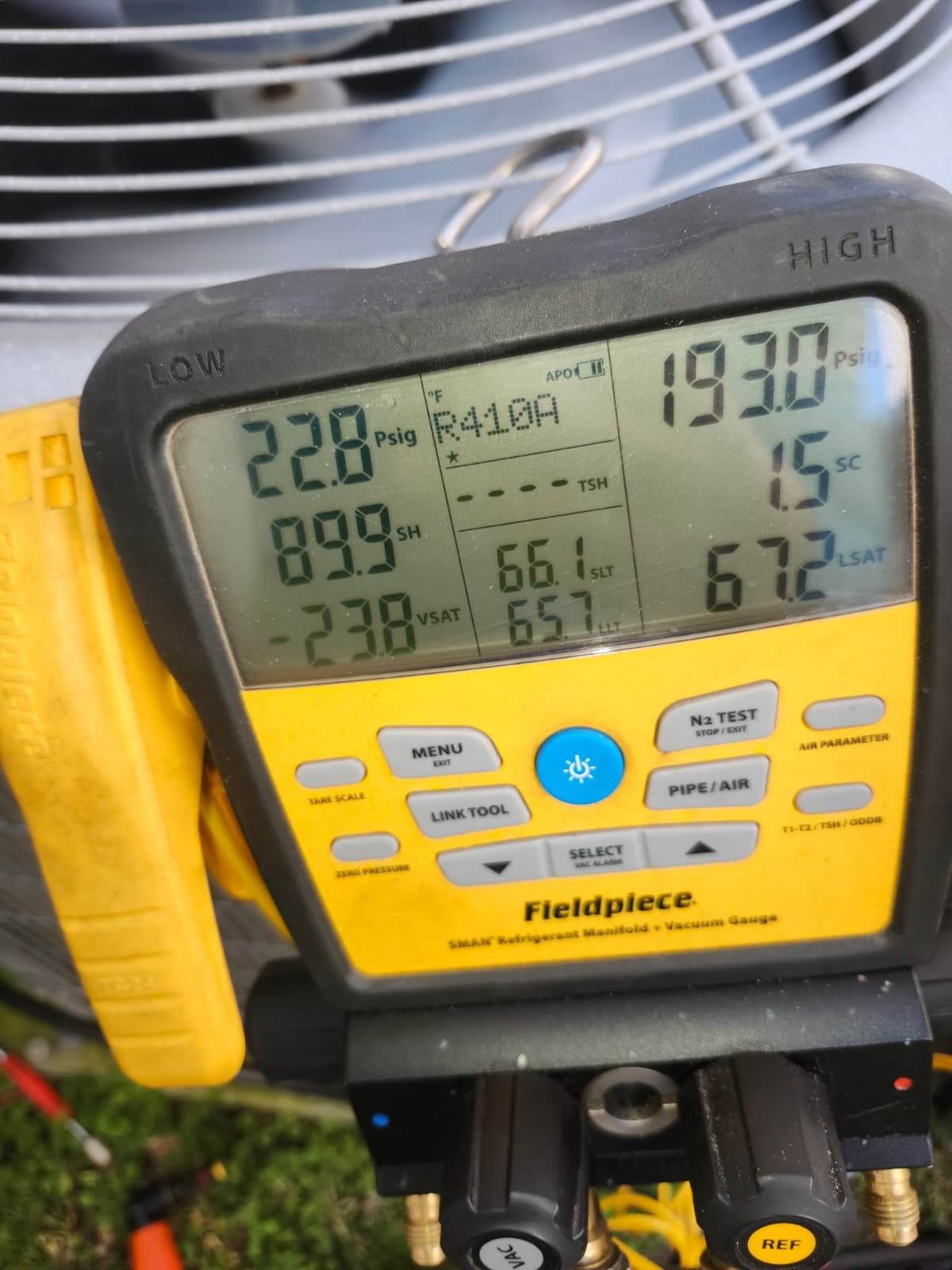
When your air conditioner in Tampa, FL has to work overtime just to keep your home comfortable, there’s almost always a reason hiding inside the system. At a home in Tampa, FL 33629, one of our Home Therapist technicians was called out for a routine maintenance visit that quickly turned into a deeper repair: an evaporator coil replacement, a TXV replacement, a line flush, and a refrigerant recharge.
The homeowner had noticed that one of her systems was struggling to keep up on hot days and seemed to run constantly. In a place as warm and humid as South Tampa, that’s not just inconvenient — it’s a sign something inside the system is off. During this visit, our technician carefully tracked the problem to a leaking evaporator coil and a stressed refrigerant circuit, then walked the homeowner through clear options to protect her equipment and restore reliable cooling.
Below is a straightforward breakdown of what was going wrong, how we diagnosed it, and how we repaired it so the home can stay comfortable and efficient through Tampa’s long cooling season.
Customer Problem: An AC That Never Catches a Break
Our customer, Erica, scheduled a routine maintenance visit under her service plan. Once our technician arrived at her Tampa home, she mentioned a specific concern: System #2 wasn’t cooling like it used to. On warmer days, it ran almost nonstop and still didn’t feel like it was catching up.
From the homeowner’s perspective, the symptoms were:
- AC running nearly continuously during hot afternoons
- Rooms not cooling down as quickly as before
- A sense that the system was “tired” or overworked
In Tampa’s climate, where air conditioners often run most of the year, it’s easy to assume this is just normal wear and tear. But continuous runtime with poor cooling is usually a red flag. It often points to issues like:
- Low refrigerant from a leak
- Airflow restrictions
- Failing components like the TXV (Thermal Expansion Valve) or coil
Because this equipment is a 3-ton, vertical heat pump system and the home is in a warm, coastal environment, letting the problem continue could mean higher utility bills and damage to expensive components, especially the compressor.
Inspection & Diagnosis: Tracking Down a Hidden Refrigerant Leak
Our technician, Jandiel, started with a complete inspection of System #2. Even though this visit began as routine HVAC service in Tampa, FL, the symptoms pointed us toward a possible refrigerant issue. We worked methodically to confirm or rule that out.
Here’s what we checked and found:
- Visual inspection of the air handler and evaporator coil
We opened the air handler to look for any obvious signs of frost, ice buildup, or past water damage from freezing and thawing. The air filter was heavily soaked, which typically happens when a coil has frozen and then melted. - Refrigerant level and pressure checks
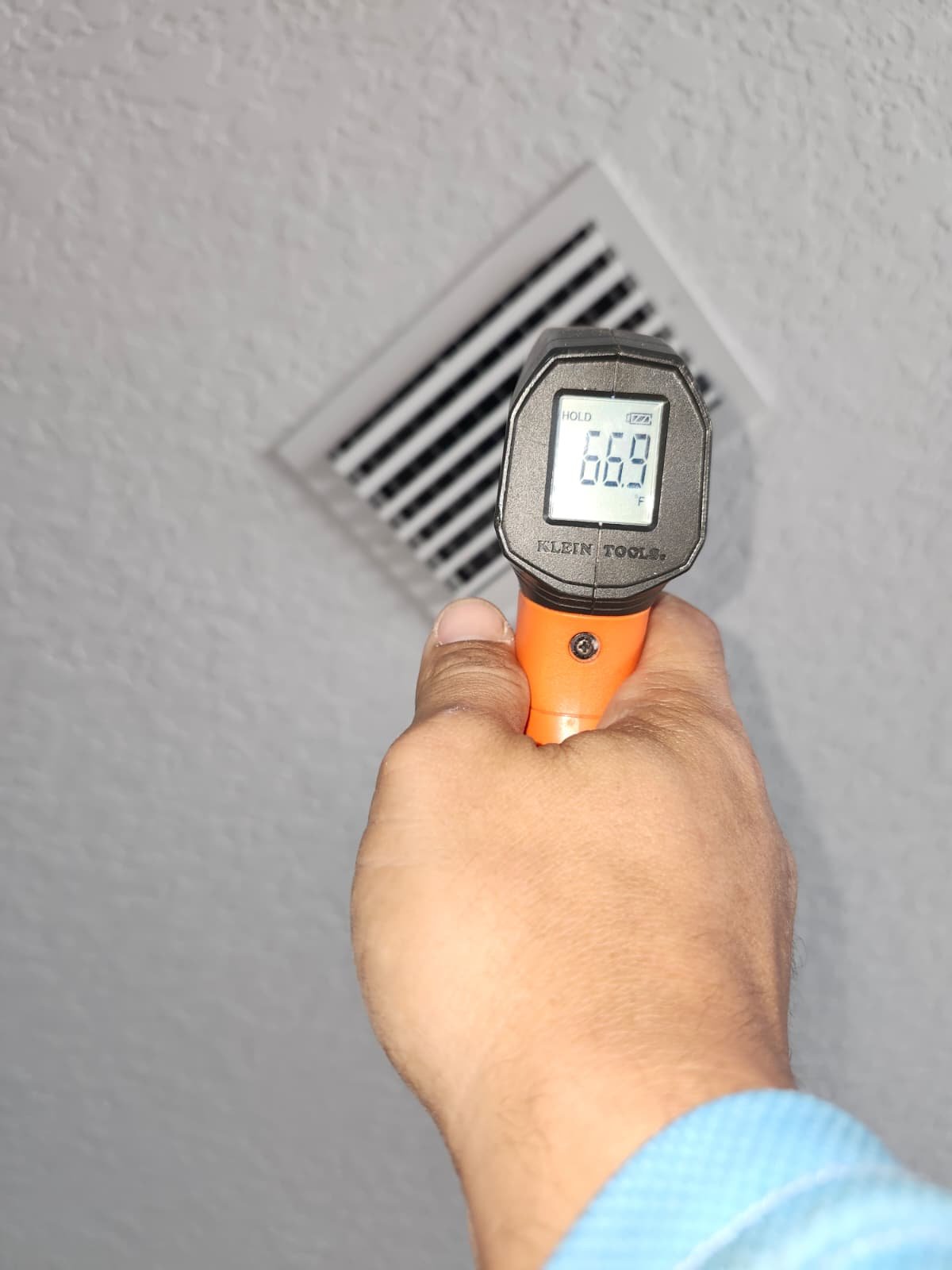
We measured system pressures and superheat/subcooling to see how the refrigerant circuit was performing. Readings indicated the system was running low on refrigerant, consistent with the homeowner’s experience of poor cooling and long run times. - Evaporator coil condition
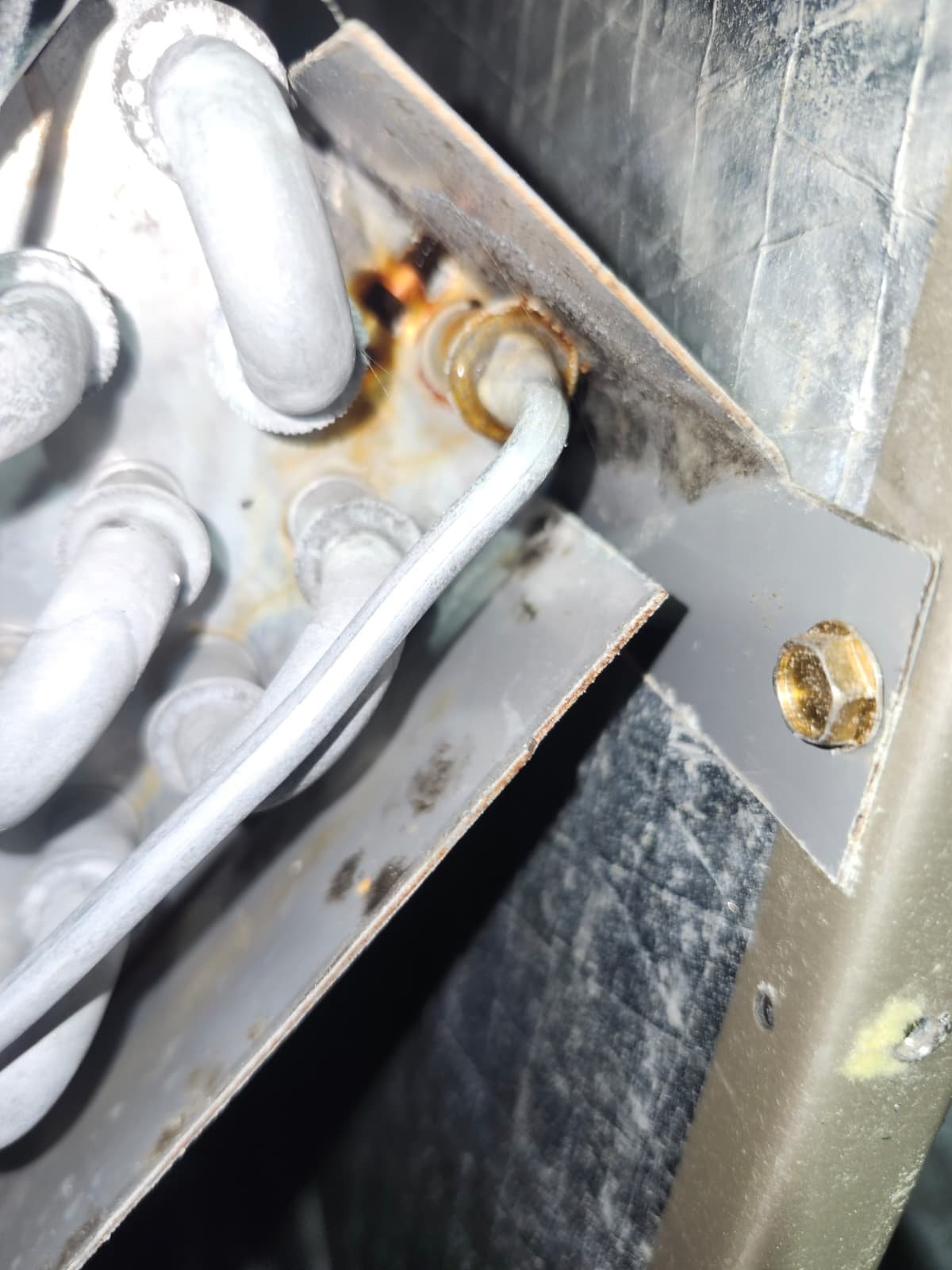
Further testing revealed that the evaporator coil inside the air handler was leaking. This is where the low refrigerant was coming from. In Tampa homes, evaporator coils can fail early due to constant runtime, humidity, and sometimes corrosion. - Fan motor and electrical usage
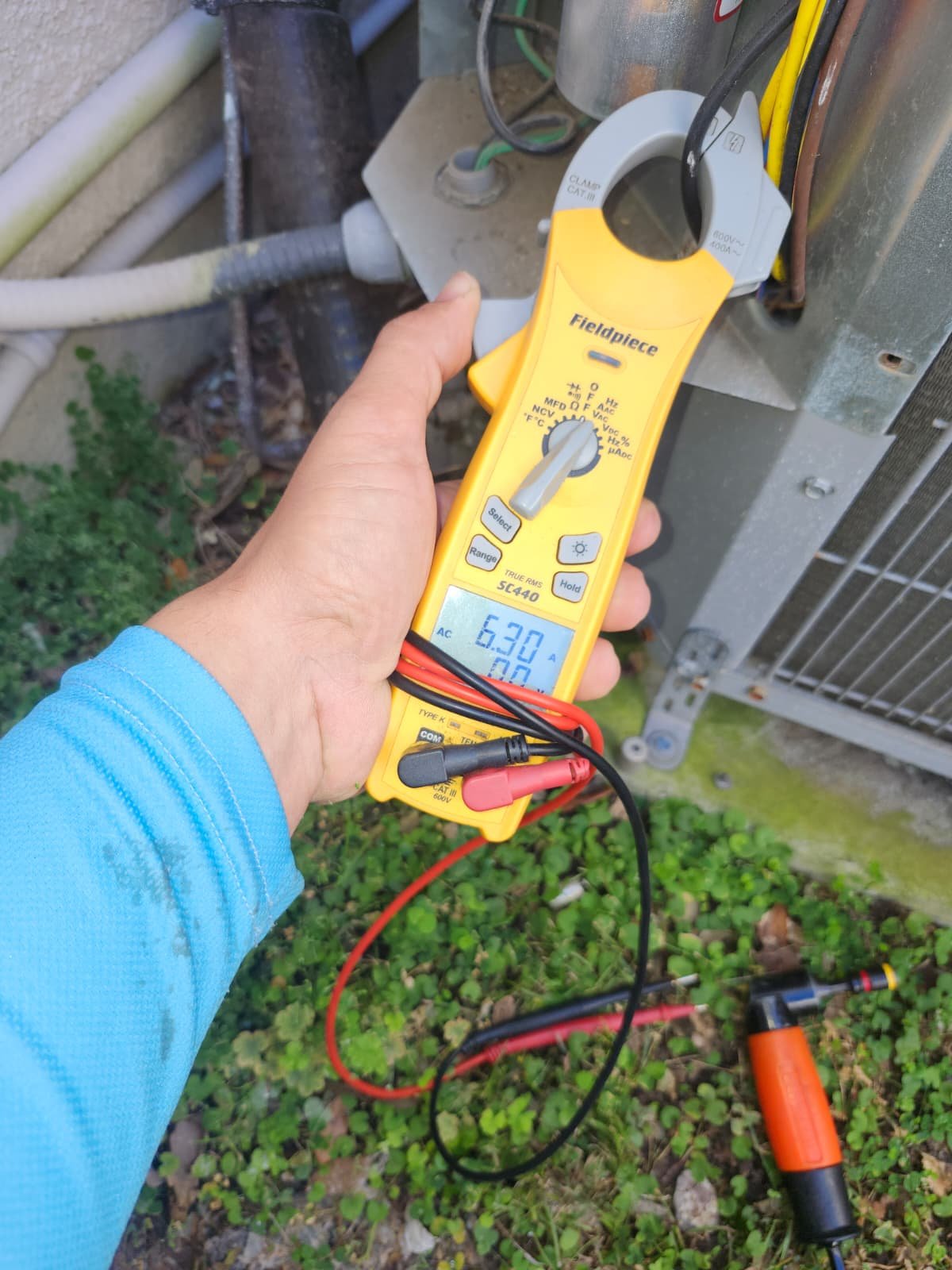
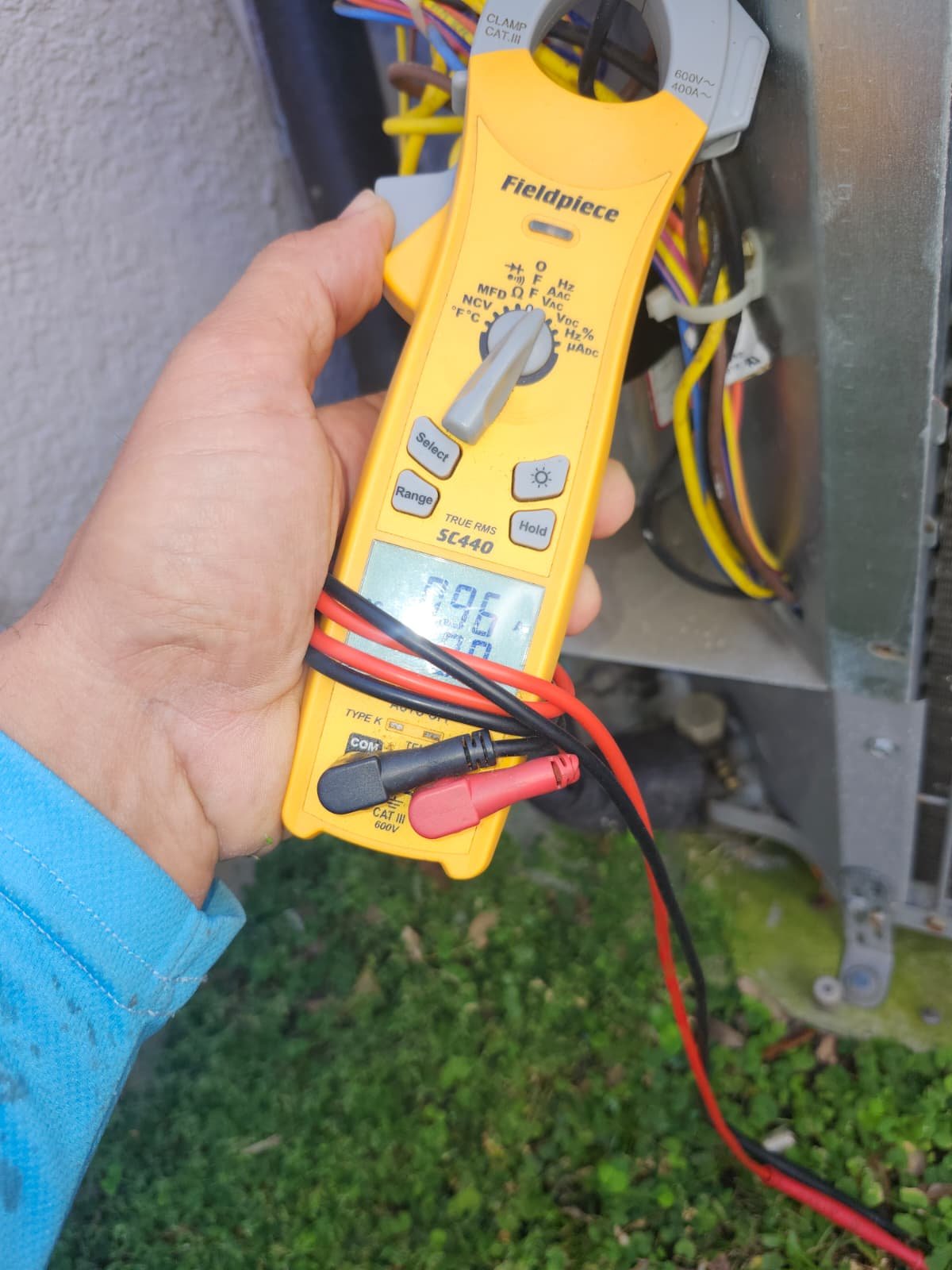
We checked amp draws on the fan motor and other components. The fan motor was already showing slightly elevated energy usage, a sign it was working harder than it should.
We also verified the system’s warranty status. Even though the equipment warranty was under a previous homeowner’s name, it’s valid until 2029 and can still be honored. That’s important for keeping replacement costs under control when larger components like coils need to be swapped out.
By the time the diagnostic was complete, we had a clear picture:
- The evaporator coil inside the air handler was leaking refrigerant.
- The system had likely frozen at some point, soaking the filter as it thawed.
- Running the AC in this condition risked compressor damage and higher power bills.
From there, we sat down with the homeowner and recommended a repair plan that addressed the root cause, not just the symptom.
Step-by-Step Repair: Coil, TXV, Dryer & Refrigerant Circuit Restoration
To protect the system and restore efficient cooling for this Tampa home, we recommended and performed a combination of repairs:
- Evaporator coil replacement
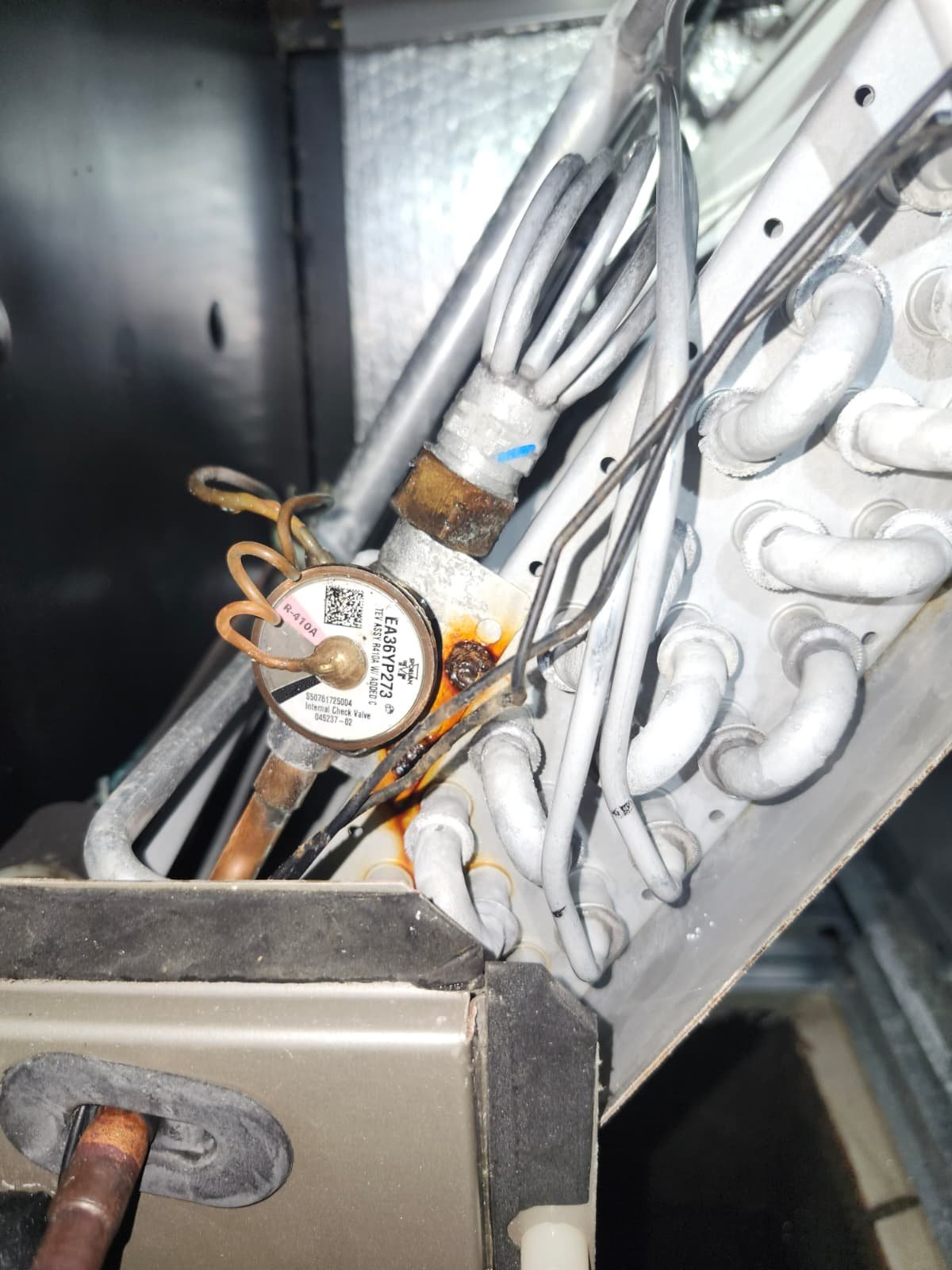
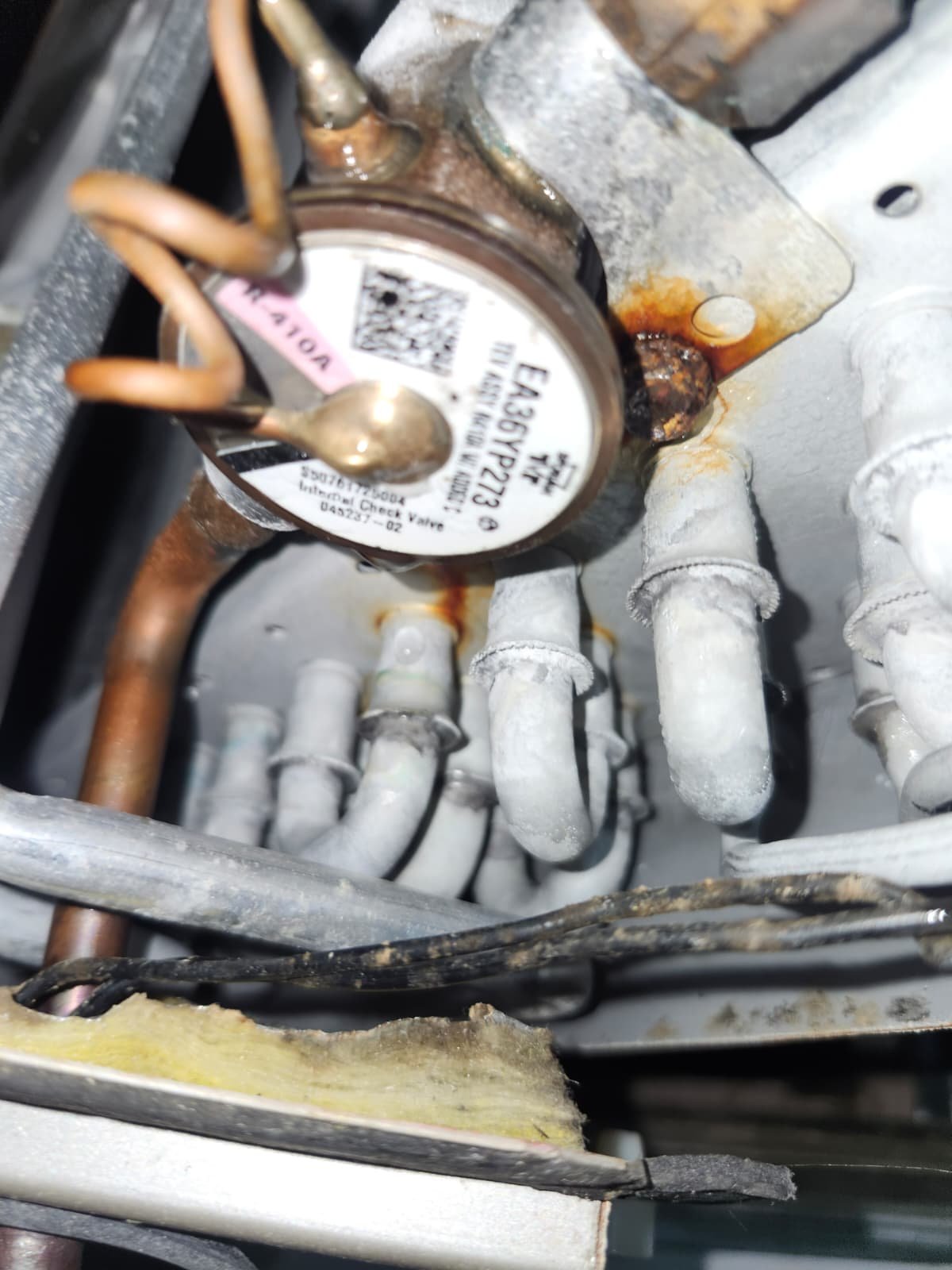
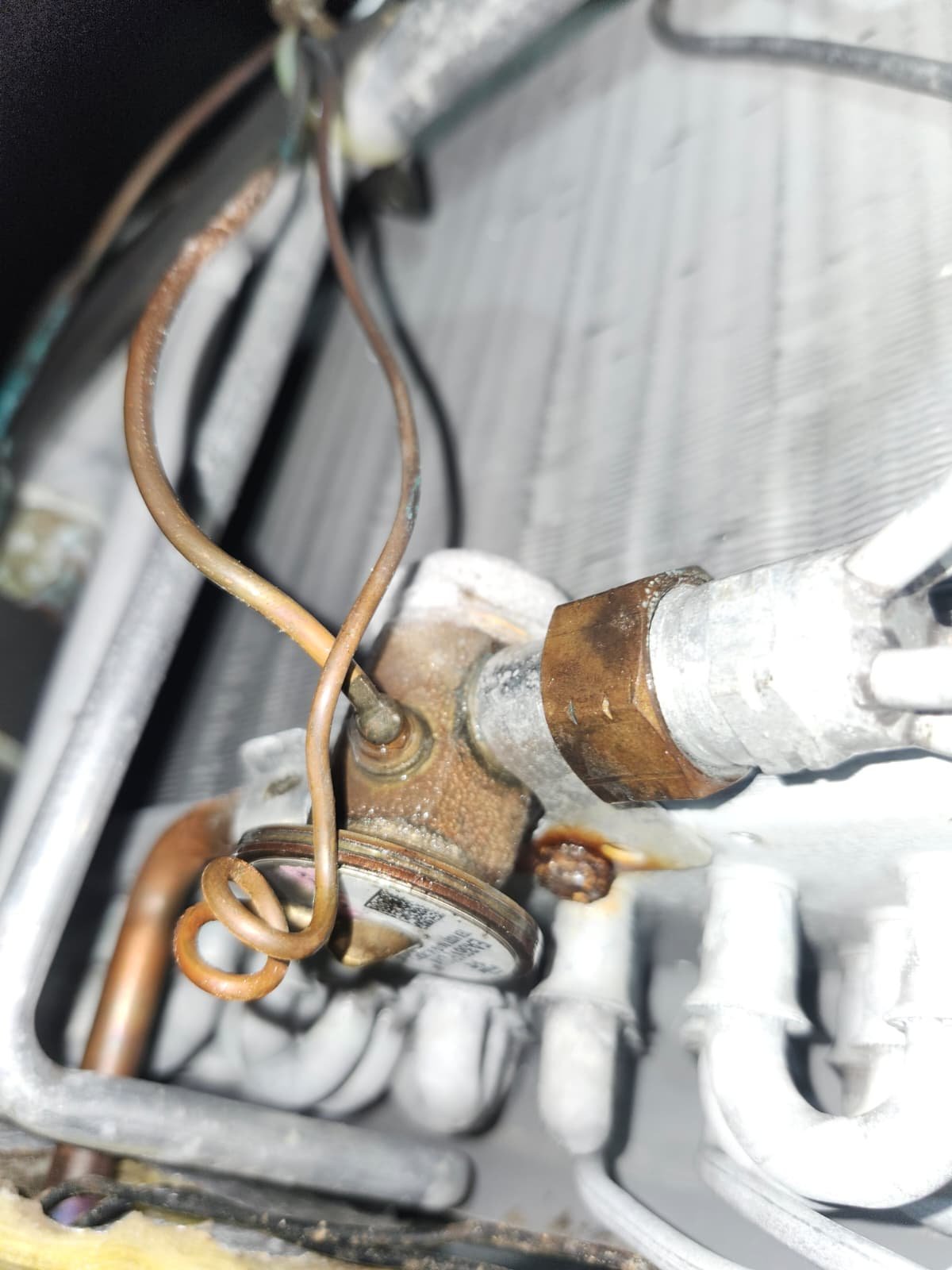
- TXV (Thermal Expansion Valve) replacement
- Filter dryer replacement and copper line flushing
- System evacuation and refrigerant recharge with R410A
1. Evaporator Coil Replacement
The evaporator coil is the indoor coil inside the air handler that absorbs heat from your home’s air. Because this coil was leaking, replacing it was the only reliable, long-term solution.
Our process included:
- Recovering and pumping down refrigerant
Before opening the system, we pumped the existing refrigerant down into the condenser to avoid venting it into the atmosphere and to work safely. - Removing the old coil
We carefully disconnected the leaking air handler coil and removed it from the unit. - Installing the new coil (under warranty)
The new air handler coil was installed as a warranty replacement. Warranty coverage is a key part of what keeps long-term ownership costs manageable for homeowners in Tampa Bay. - Soldering and leak checks
All new connections were properly soldered and then tested for leaks. This step is critical: there’s no point installing a new coil if a bad connection lets refrigerant escape. - Vacuuming the system
We pulled a deep vacuum on the system to remove moisture and air. Any non-condensable gases left in the system can cause performance issues and internal corrosion.
The replacement coil for this project was on order and scheduled to arrive within 7–14 business days. The TXV was already available, so work could be staged to minimize downtime.
2. TXV (Thermal Expansion Valve) Replacement
The TXV controls how much refrigerant flows into the evaporator coil, matching the refrigerant flow to the system’s cooling load. With a leaking coil and low refrigerant situation, this is a good time to replace the TXV as well to ensure proper control.
Here’s what we did:
- Pumped down remaining refrigerant to the condenser to safely isolate the indoor section.
- Removed the old TXV from the refrigerant circuit.
- Installed the new TXV according to manufacturer specifications.
- Soldered connections and leak-checked to make sure there were no new leaks introduced at the valve.
- Evacuated the system again to ensure a clean, dry system before recharging.
By pairing the coil and TXV replacement, we help this Tampa heat pump system run more reliably and efficiently once it’s back online.
3. Filter Dryer Replacement & Copper Line Flush
Any time we open the refrigerant circuit, we take the opportunity to protect it from future blockages and moisture. For this system, we:
- Pumped down the refrigerant to the condenser for safe work on the lines.
- Flushed the copper lines using R11 and nitrogen to clear any potential blockages or contaminants.
- Replaced the filter dryer, which is a key protective component that removes moisture and debris from the refrigerant.
- Cleaned or replaced the piston as needed to ensure unrestricted, properly metered flow.
- Performed another vacuum and leak check to verify the entire system was tight and clean.
This step protects sensitive components like the compressor, coil, and TXV from sludge, acids, or moisture that can form when a system has been running with a leak.
4. R410A Refrigerant Recharge
Because the evaporator coil was leaking, it wasn’t enough to simply “top off” the refrigerant. All the refrigerant in the system had to be properly recovered, and the system had to be recharged from scratch after the repair.
Once the system was sealed and evacuated:
- We added more than 3 pounds of R410A refrigerant, as required by the manufacturer’s charge guidelines for a 3-ton system.
- We monitored pressures, temperatures, and superheat/subcooling to confirm correct charge levels.
- We verified that the system cycled and cooled properly without freezing or short-cycling.
It’s important for Tampa homeowners to understand that needing more than 2 pounds of refrigerant is often a sign of a leak. Simply refilling without finding and repairing the leak is like inflating a tire with a nail still in it — it may work for a bit, but the problem always comes back.
Why This Fix Works: Protecting the Refrigeration Cycle
Air conditioning systems in Tampa Bay are built around a closed refrigeration cycle. When everything is sealed and balanced, refrigerant moves heat from inside your home to the outside unit efficiently and quietly. Leaks in that closed loop break the entire balance.
Here’s why the approach we took is so effective:
- Replacing the evaporator coil stops the leak at its source
Instead of repeatedly adding refrigerant, we eliminated the component that was allowing refrigerant to escape. - Installing a new TXV restores precise refrigerant control
The TXV regulates how much liquid refrigerant enters the evaporator coil. When it’s working properly with a correctly charged system, you get stable cooling without freezing coils or poor performance. - Flushing lines and replacing the filter dryer protects the compressor
Contaminants, acids, and moisture inside the lines shorten equipment life. Cleaning the lines and installing a fresh dryer protects the entire system long-term. - Evacuating and recharging with the correct amount of R410A restores efficiency
A properly charged system runs cooler, cycles on and off as it should, and uses less energy. That matters for electric bills in Tampa, where AC usage is year-round.
Done together, these steps help ensure the heat pump can keep this Tampa home comfortable without overworking the compressor or driving up monthly energy costs.
Pro Tips for Homeowners in Tampa, FL 33629
Living in South Tampa, neighborhoods near places like Bayshore Boulevard and Palma Ceia, means your AC works almost nonstop. Here are some practical tips to keep your system healthier for longer:
- Don’t ignore long runtimes or weak cooling.
If your AC in Tampa runs constantly and still doesn’t feel cool enough, schedule an inspection. It may be a refrigerant issue, airflow restriction, or failing component. - Watch for signs of freezing.
Wet or soggy air filters, ice on refrigerant lines, or water under the air handler are all clues that your evaporator coil may be freezing and thawing. That’s not normal and should be checked. - Schedule regular tune-ups.
With our climate, air conditioner tune-up services in Tampa, FL are best done at least once a year. Routine maintenance catches problems early and keeps your warranty in good standing. - Take refrigerant leaks seriously.
If you’ve had to add Freon (R410A) more than once, there’s almost always a leak. Instead of constant refills, have a technician find and fix the source. You can also learn the key signs of refrigerant leaks to catch them sooner. - Use your warranty benefits.
Many systems installed in Tampa Bay carry long parts warranties. Even if ownership has changed hands, it may still be honored, just like this system’s warranty through 2029. - Consider a maintenance plan.
A plan like our Value Therapy Plan helps you stay on top of inspections, cleanings, and adjustments. That’s especially helpful in humid coastal air that can accelerate wear on coils and electrical components.
Why Tampa Homeowners Choose Home Therapist
When something is off with your HVAC system in Tampa, you don’t just want a fast fix — you want the right fix. Here’s how our team approaches every call:
- Licensed, experienced technicians who know how Florida’s heat and humidity stress AC systems.
- Clear communication in plain language so you understand what we found, what we recommend, and why.
- Warranty-aware repairs that respect manufacturer guidelines and protect your long-term investment.
- Attention to cleanliness and safety, from protecting your home to handling refrigerant and electrical components properly.
- Options, not pressure — whether it’s repair vs. replacement, part upgrades, or maintenance plans, we present choices so you can decide what’s best for your home and budget.
If you’d like to dive deeper into how we handle cooling problems, you can read more about our air conditioner installation and repair services in the Tampa Bay area and what to expect from our AC repair services when your system is not cooling. For long-term care, we also offer AC maintenance plans with clearly explained costs and seasonal air conditioner tune-up services in Tampa, FL.
We’re proud to serve homeowners across Tampa Bay, from South Tampa and Hyde Park to neighborhoods near landmarks like Bayshore Boulevard and Downtown Tampa, keeping homes comfortable and systems running safely.
Need Reliable AC Repair in Tampa, FL 33629?
If your air conditioner is running non-stop, not cooling well, or you suspect a refrigerant leak in your Tampa home, it’s a good time to have a professional take a closer look. Addressing issues early can protect your compressor, lower your electric bills, and help avoid emergency breakdowns during our hottest months.
Home Therapist offers honest, thorough AC repair services in Tampa and the surrounding Bay area, with technicians who treat your home like their own and explain every step along the way.
Schedule your air conditioning service in Tampa, FL 33629 today, and give your system the therapy it needs to keep your home cool, efficient, and comfortable all year long.