HVAC Maintenance and Indoor Air Quality Solutions in Tampa, FL 33647
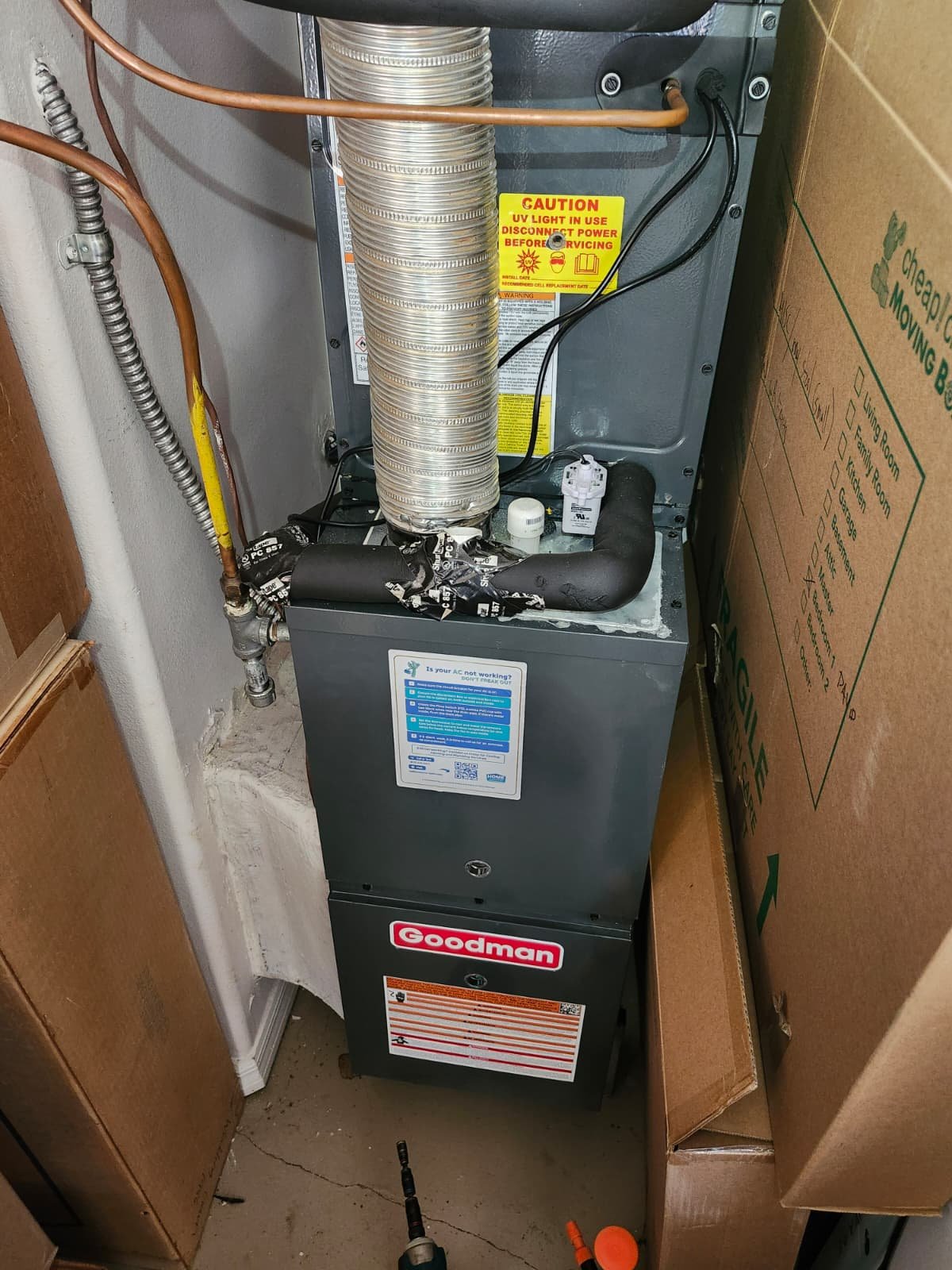
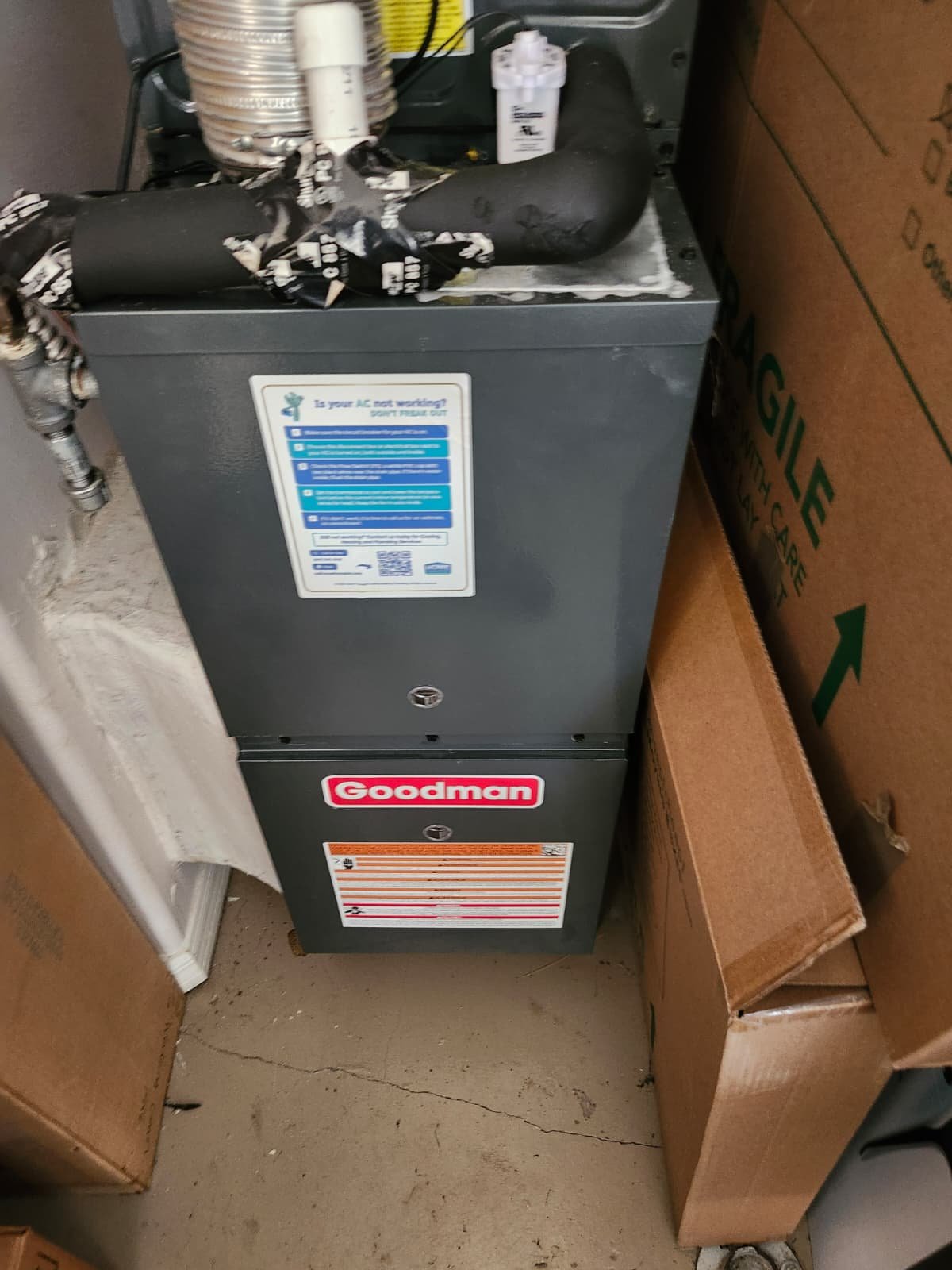
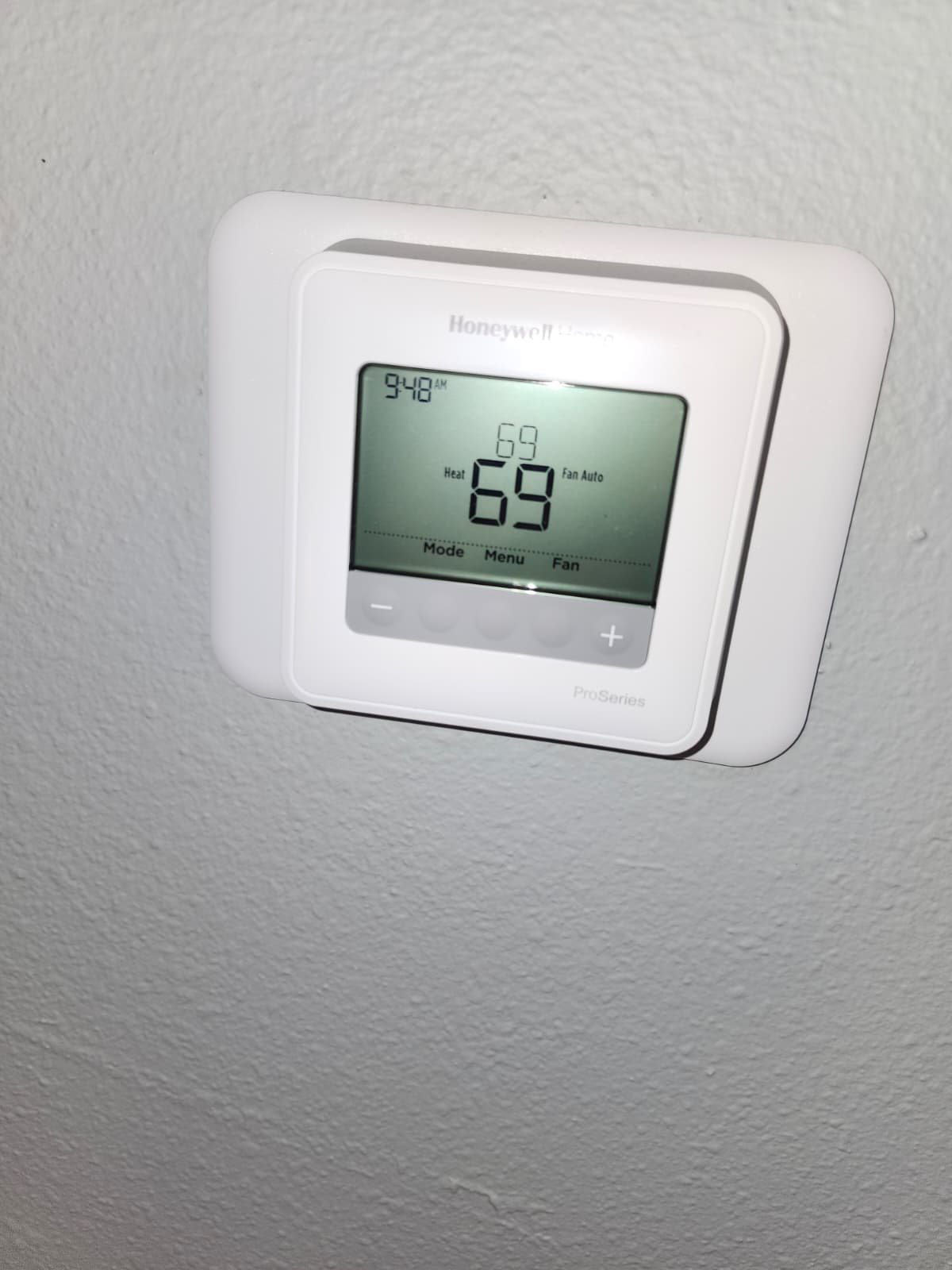
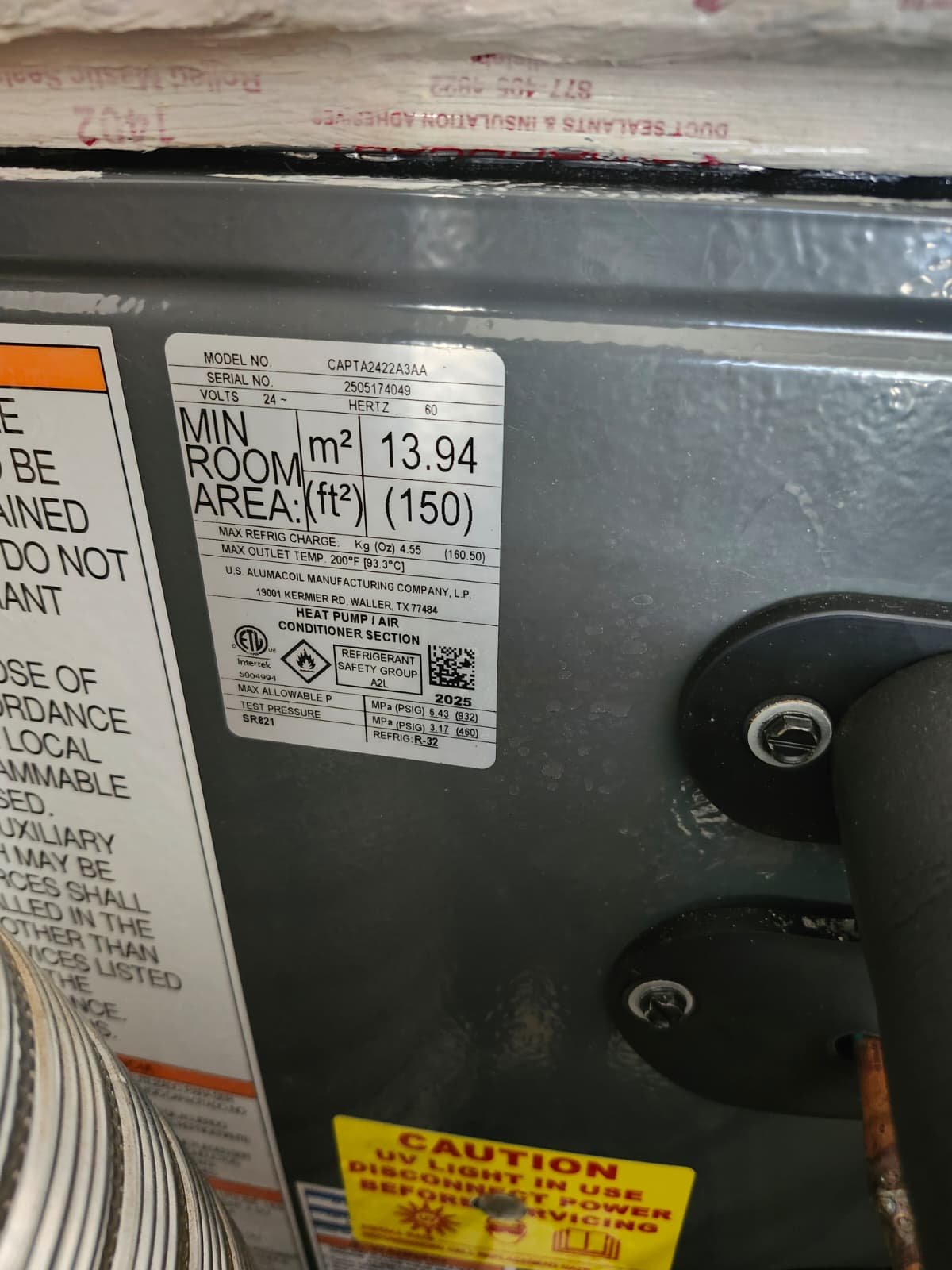
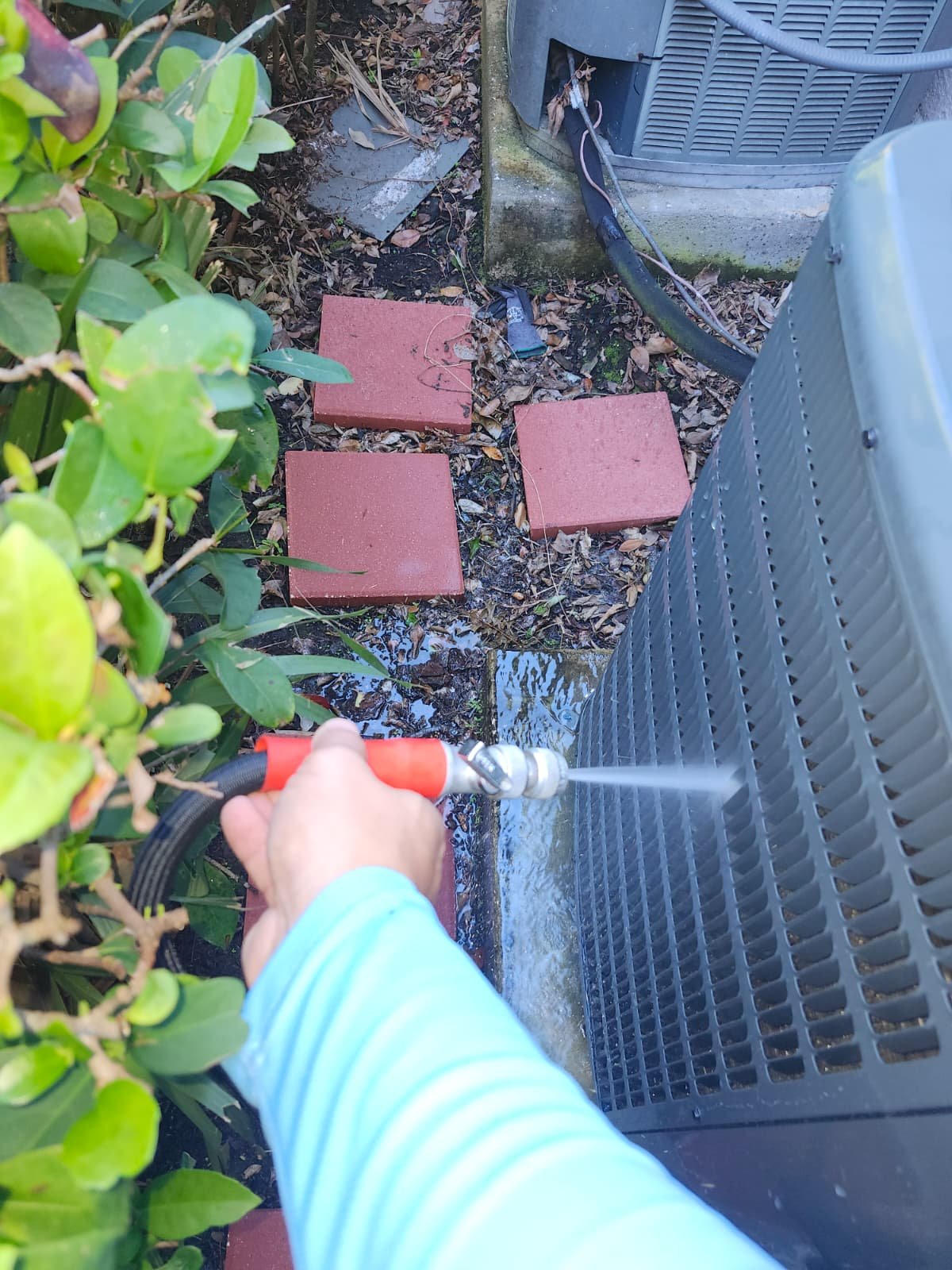
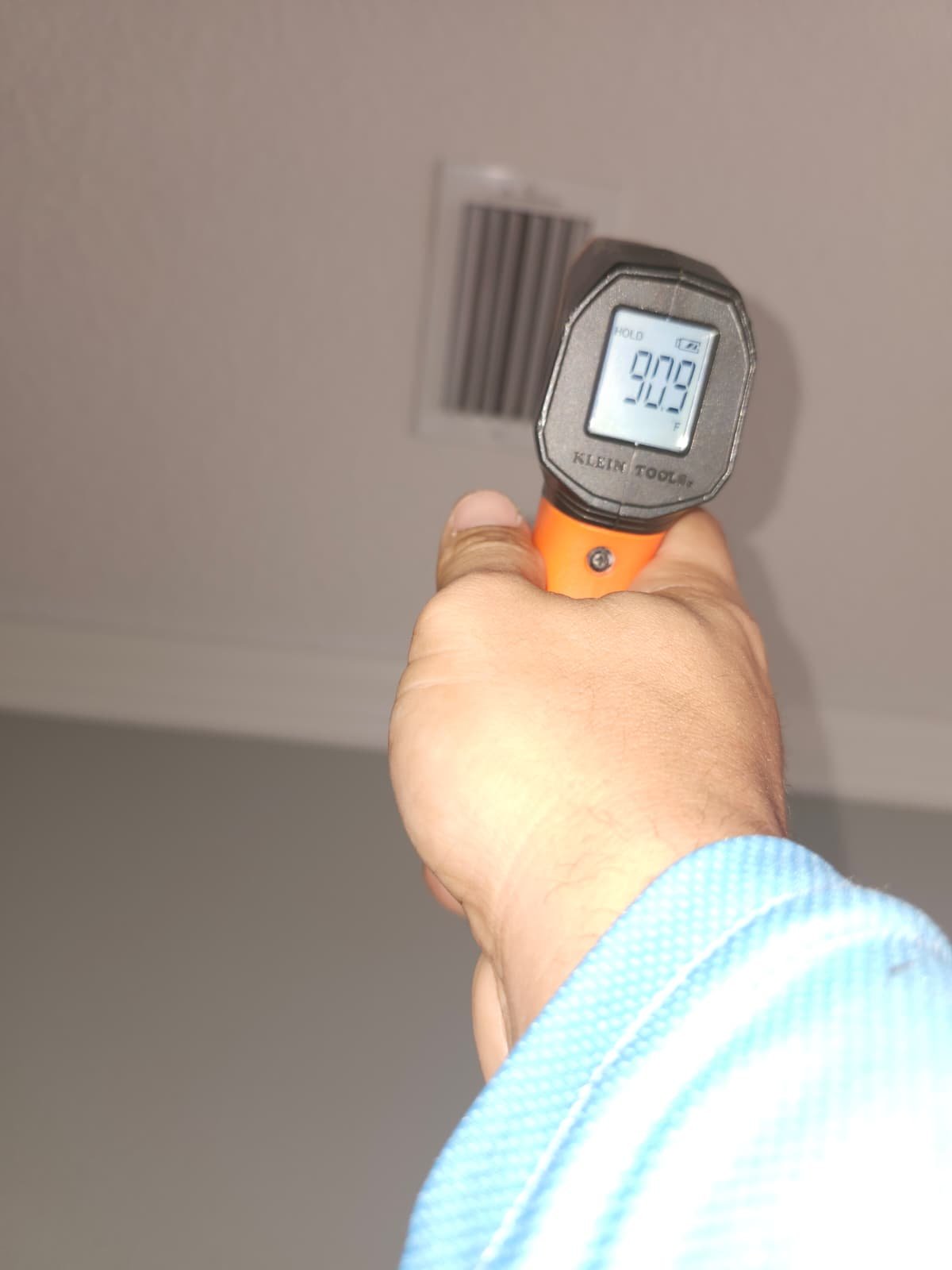
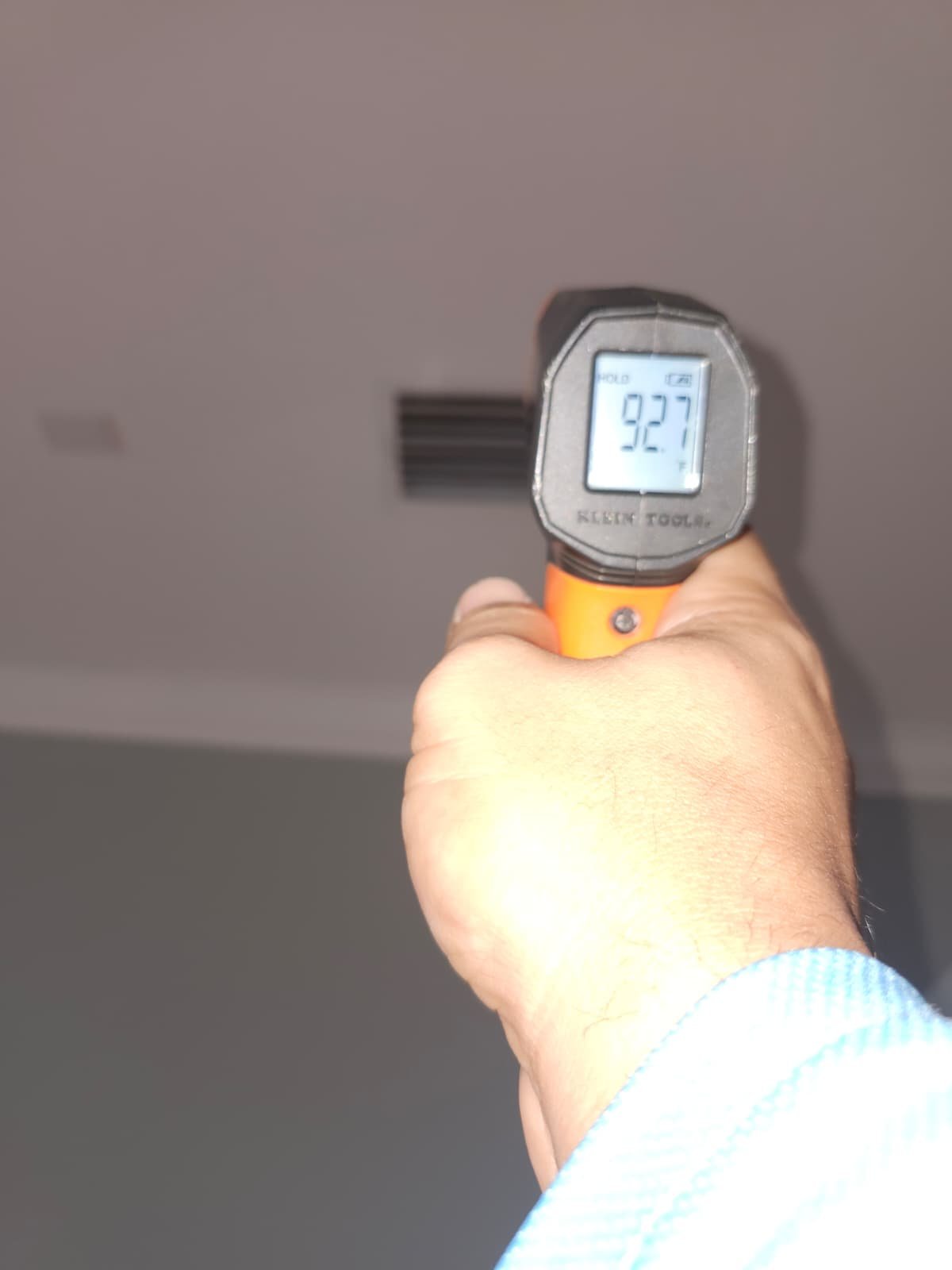

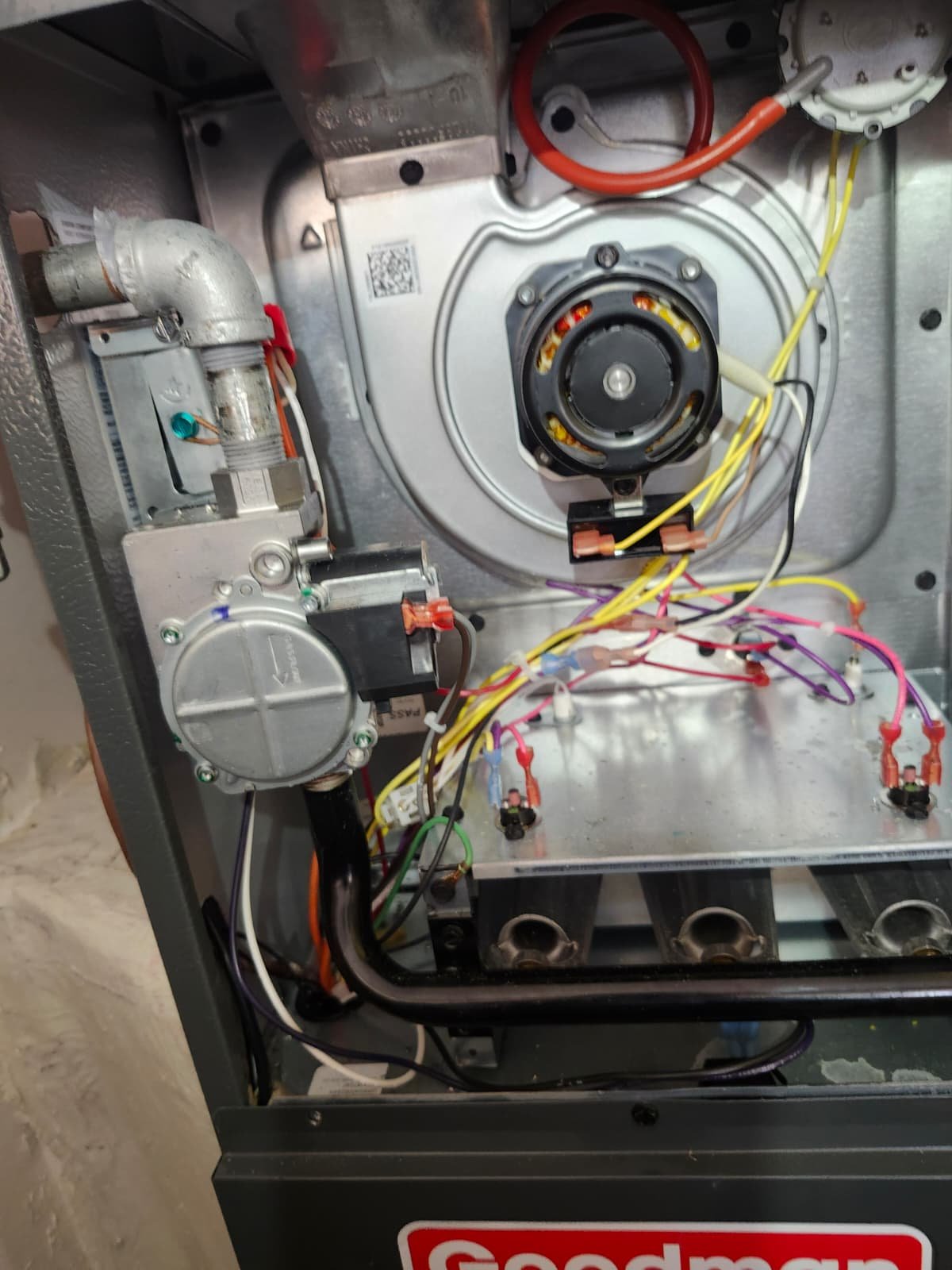
When we visit a homeowner in Tampa, FL 33647 for a maintenance appointment, our first priority is comfort and peace of mind. On this Premium Home Therapy Plan visit, the homeowner mentioned a musty, unpleasant odor whenever the air conditioning system came on. Our job was to figure out where that smell was coming from, make sure everything was operating safely, and recommend the best options to protect her home and indoor air quality going forward.
During this visit, we confirmed that the newer system we installed about six months ago is running properly. The real issue was the older primary HVAC unit in the home, originally manufactured in 2003, along with the air distribution components around it. Heavy corrosion, organic growth, and early microbial growth in the plenum are all signs that the system has reached the end of its reliable life and is negatively affecting air quality.
In this case study, we’ll walk through what we found, how we diagnosed the odor concerns, and the recommendations we made to help this Tampa homeowner breathe easier and feel more comfortable in her home.
Case Recap
- Location: Single-family home in Tampa, FL 33647
- Visit type: Premium Home Therapy Plan maintenance visit
- Main concern: Unpleasant odors when the HVAC system turns on
- Findings: Older primary unit (2003) with heavy corrosion and organic/microbial growth
- Additional concern: Microbial growth starting inside the plenum
- Recommendations: Replace aging 4-ton vertical gas furnace/AC system, perform full duct sanitation, and install a UV Halo light inside the plenum to improve indoor air quality
Customer Problem: Odors and Air Quality Concerns
For homeowners in Tampa, FL 33647, a working air conditioner isn’t a luxury—it’s essential. So when something doesn’t smell right as soon as the system kicks on, it can be both worrying and uncomfortable.
During this visit, our technician spoke with the homeowner about what she was experiencing. She explained that every time she turned on the system, she noticed unpleasant, musty odors. She was understandably concerned about what that might mean for her family’s health and the air they were breathing.
This maintenance call was specifically for the HVAC unit we had installed about six months earlier under her Premium Home Therapy Plan. She’s been proactive about taking care of her equipment, and that’s one of the reasons we were able to catch a more serious issue nearby before it worsened.
While the newer unit itself seemed like the obvious suspect, odors can come from many parts of the HVAC system—not only the machine we’re there to maintain. That’s why we always look at the bigger picture: the age of nearby equipment, the condition of the ductwork, the cleanliness of the plenum, and any signs of moisture or organic growth.
Inspection and Diagnosis
Our technician, Jandiel, started by confirming the performance of the newer system we installed. It had been in place for about six months, and under the Premium Home Therapy Plan, it was due for routine maintenance.
Here’s how we approached the diagnosis for this Tampa home:
1. Checking the Recently Installed System
First, we inspected the system that was the reason for the maintenance visit. We verified that:
- The installed unit was operating properly for its age and recent installation.
- There were no obvious signs of damage, abnormal noise, or visible contamination on the accessible components.
- Basic maintenance items were in good shape in line with what we’d expect after six months of proper operation.
Everything with this newer unit checked out. That told us the source of the odors was likely elsewhere.
2. Inspecting the Primary (Older) HVAC Unit
Next, we turned our attention to the home’s primary HVAC unit, which has been in service since 2003. This system is now over 20 years old, which is well beyond the typical lifespan for most residential HVAC equipment in the Tampa Bay climate.
During inspection, we found:
- Heavy corrosion on the older unit’s components.
- Visible organic growth inside the equipment cabinet and nearby surfaces.
- An outdated R22 refrigerant system, which is no longer used in modern installations due to efficiency and environmental concerns.
The combination of age, corrosion, and organic growth is a strong indicator that the system interior has been exposed to moisture and contaminants for an extended period. When that system runs, air moves across and around those surfaces—and some of the odors from that contamination can be carried into the living spaces.
3. Examining the Plenum and Air Distribution
The plenum—the chamber that directs conditioned air from the unit into the ductwork—is another critical piece of the indoor air quality puzzle. Inside this homeowner’s plenum, we observed the beginnings of microbial growth starting to form.
While the growth hadn’t completely overtaken the plenum, even early-stage contamination is important to address. The plenum is directly in the path of every bit of air that travels through the ducts, so anything growing there can influence what the homeowner smells and breathes.
Based on everything we found, we were confident explaining to the homeowner that the unpleasant odors she noticed were not coming from the newer system we had recently installed, but from the older primary unit and the surrounding air distribution components.
Repair and Service Recommendations
Once the inspection was complete, we walked the homeowner through our findings in clear, straightforward terms. In homes around Tampa, FL 33647, we see a lot of older systems that have simply reached the end of their usable life. That was the case here.
We recommended a combination of replacement and air quality improvements to address both the immediate odor concerns and the long-term comfort and safety of the home.
1. Replacement of the 4-Ton Vertical Gas Furnace / AC System
The primary unit, manufactured in 2003, showed heavy corrosion and organic contamination and relies on R22 refrigerant. At this age and condition, repairs would be a short-term patch at best. The refrigerant type is no longer standard, and the overall condition of the equipment raises both efficiency and air quality concerns.
We recommended replacing this older 4-ton vertical gas furnace and AC system with a modern, high-efficiency unit. A new system would:
- Eliminate the heavily corroded and contaminated equipment from the air stream.
- Improve energy efficiency and reliability, especially during our long Tampa cooling season.
- Use current refrigerant technology that aligns with today’s performance and environmental standards.
We prepared an estimate for this replacement so the homeowner could review her options and plan accordingly.
2. Full Duct Sanitation
Because odors were present whenever the system started, and we saw signs of organic and microbial growth, we also recommended a full duct sanitation. Over time, dust, moisture, and biological contaminants can accumulate inside ductwork, especially when older equipment is involved.
A professional duct sanitation helps by:
- Reducing organic growth and microbial presence inside the duct system.
- Clearing out built-up debris that can trap odors.
- Supporting better indoor air quality when paired with a clean, modern HVAC system.
For Tampa homeowners dealing with musty or stale smells, a properly performed duct cleaning and sanitation—such as our air duct cleaning services in Tampa—is often a key part of the solution.
3. Installation of a UV Halo Light in the Plenum
To directly target the early microbial growth we observed inside the plenum, we recommended installing a UV Halo light inside that chamber. UV air purification systems work continuously when the HVAC system operates, treating the air and surfaces where growth can develop.
Adding a UV Halo light in the plenum helps:
- Limit organic and microbial growth on interior surfaces.
- Reduce some odor-causing contaminants in the air passing through.
- Support cleaner, fresher air delivered to the home’s living spaces.
Combining a clean duct system, a UV solution at the plenum, and a modern HVAC unit gives homeowners in Tampa, FL 33647 a strong, long-term approach to improving indoor air quality.
Why This Fix Works
To understand why these recommendations are effective, it helps to look at how comfort, airflow, and indoor air quality work together.
Old Equipment and Contamination
As systems age—especially beyond 15–20 years in the Florida climate—metal surfaces corrode, insulation can deteriorate, and moisture exposure encourages organic growth. Every time the blower turns on, air moves past those surfaces and into the ducts.
If there is heavy corrosion and organic buildup, the airflow can pick up particles and odors, carrying them into the home. That’s why the homeowner experienced smells as soon as the system started.
Ductwork and Plenum Conditions
The ductwork and plenum are just as important as the equipment itself. Dust, humidity, and biological material inside these components can create a lingering odor problem even if the mechanical parts are working.
By sanitizing the ductwork and treating the plenum with a UV Halo light, we address both the surfaces and the air that moves through them. This doesn’t rely on masking odors; it helps reduce the contaminants that create them.
Modern System Efficiency and Comfort
Replacing an outdated R22 system with a modern unit provides additional benefits beyond cleaner air. Newer systems are designed for better efficiency, more consistent temperature control, and improved reliability during the long cooling season in Tampa.
When all three elements—equipment, ductwork, and air treatment—are working together, homeowners get:
- More consistent comfort in every room.
- Cleaner, fresher-smelling air.
- Reduced risk of irritation or discomfort from contaminated surfaces inside the system.
Pro Tips for Homeowners in Tampa
For homeowners in Tampa, FL 33647 and nearby Tampa Bay communities, humidity, heat, and long run times all put extra stress on HVAC systems. Here are some practical tips to keep your air cleaner and your system healthier:
1. Keep Up with Routine Maintenance
Regular maintenance—like the Premium Home Therapy Plan visit on this home—helps catch issues early. Annual or semi-annual tune-ups allow us to spot corrosion, microbial growth, and drainage issues before they become major problems.
2. Change Filters Consistently
Clogged or neglected air filters can worsen odors and reduce airflow. Depending on your filter type and home conditions, replacing or cleaning filters every 1–3 months is a simple habit that supports cleaner air. If you’re unsure which filter is best, we can help you choose the right option through our air filter installation and replacement services.
3. Pay Attention to Odors and New Noises
If you notice musty, burning, or unusual smells when your system starts, don’t ignore them. Odors often point to moisture issues, microbial growth, or electrical problems. Catching them early is safer and usually more cost-effective.
4. Consider Duct and Air Quality Upgrades
In our humid Florida climate, ducts and plenums can become breeding grounds for organic growth, especially when older systems are involved. Services like professional duct cleaning in Tampa and UV air treatment can significantly improve indoor air quality when paired with a well-maintained system.
5. Plan Ahead for Older Systems
If your system is approaching 15–20 years old—especially if it uses obsolete refrigerant—it’s wise to start planning for replacement before it fails. That gives you time to choose the right system rather than rushing during an emergency. Our team serves homes across Hillsborough County and offers comprehensive HVAC services in Hillsborough County to help you plan ahead.
FAQ: Odors and HVAC Maintenance in Tampa, FL 33647
Why did I only notice the odor when the system turned on?
Odors often become noticeable when the blower starts and air begins moving across contaminated surfaces or through dirty ducts. As air passes over organic growth, corrosion, or damp dust, it can carry those smells into your living spaces. That’s why the homeowner in this Tampa, FL 33647 case noticed the odor each time the system started up.
Is the newer system at risk if I have an older unit nearby?
The newer system itself can still operate properly, as it did in this home, but the overall air in the home is influenced by every part of the HVAC system—old and new. If the primary or older unit is heavily contaminated, you may still experience odors and air quality issues even when a newer system is performing well.
Can duct sanitation and a UV light really help with odors?
Duct sanitation and UV air treatment aren’t air fresheners; they are tools to reduce contamination. When properly applied, duct sanitation removes built-up debris and organic material, and a UV Halo light helps limit new microbial growth in the plenum area. Together, they can significantly reduce many odor sources and support healthier indoor air.
Is it safe to keep using an older, corroded HVAC system?
An older corroded system can still run, but it may not be efficient, reliable, or good for indoor air quality. In this Tampa home, the unit was over 20 years old with visible organic growth and obsolete refrigerant. Continuing to use equipment in that condition can contribute to odors and potential respiratory discomfort, which is why we recommended replacement.
How do I know when it’s time to replace my system instead of repairing it?
Age, condition, and refrigerant type are key factors. If your system is over 15–20 years old, uses outdated refrigerant, shows significant corrosion, or repeatedly struggles to keep up, replacement is usually the better long-term choice. We provide clear, written estimates so homeowners in Tampa, FL 33647 can make informed decisions based on their budget and priorities.
Why Tampa Homeowners Choose Home Therapist
At Home Therapist Cooling, Heating, and Plumbing, we approach every visit as if we were working on our own home. In this Tampa, FL 33647 case, that meant taking the time to listen to the homeowner’s concerns about odors, thoroughly inspect all relevant equipment, and clearly explain what we found and why it mattered.
Here’s what you can expect when you call our local Tampa Bay team:
- Licensed, professional technicians: Our technicians are trained, certified, and experienced with both older and modern HVAC systems in the Tampa Bay climate.
- Transparent communication: We explain what we see in plain language—no scare tactics, no pressure, and no confusing jargon.
- Clean, respectful work: We treat your home with care, protect work areas, and clean up after ourselves so you can get back to normal quickly.
- Long-term reliability: Our recommendations are focused on safety, comfort, and long-term reliability, not just quick fixes.
- Commitment to Tampa Bay homeowners: We live and work in this community, serving homeowners throughout Tampa, FL 33647 and the surrounding areas.
If you’d like to see what other local homeowners say about us, you can connect with us and read reviews on our social pages and trusted directories, including:
- Home Therapist on Facebook
- Home Therapist on Instagram
- Our Google business listing for Home Therapist Cooling, Heating, and Plumbing
- Our Better Business Bureau profile
- Our listing with the Tampa Bay Chamber of Commerce
Schedule HVAC and Air Quality Service in Tampa, FL 33647
If you’re in Tampa, FL 33647 and you’ve noticed musty odors, inconsistent comfort, or you know your system is getting older, we’re here to help. Whether you need routine maintenance, a full system replacement, duct cleaning, or guidance on air quality upgrades, our team will walk you through your options calmly and clearly.
Contact Home Therapist Cooling, Heating, and Plumbing today to schedule your next visit and get a personalized plan to keep your home’s air cleaner, more comfortable, and more reliable—season after season in Tampa, FL 33647.