Adding Safe Server Closet Ventilation with New R6 Flex Ductwork in Gulfport, FL
When most people in Gulfport, FL 33707 think about their air conditioning, they picture staying comfortable in the living room or bedroom. But in today’s homes, there’s another area that quietly needs cooling: the server or equipment closet. On this project, our team was called out for routine HVAC maintenance at a home in Gulfport and ended up designing a simple, reliable ventilation solution to protect sensitive server equipment from overheating.
If you’re planning to store computers, networking gear, or servers in a small enclosed space, this story will walk you through why proper ventilation matters, how we add a dedicated duct and vent, and what you can do to keep your electronics safe in our hot, humid Gulfport climate.
Customer Problem: Preparing a Server Closet with No Ventilation
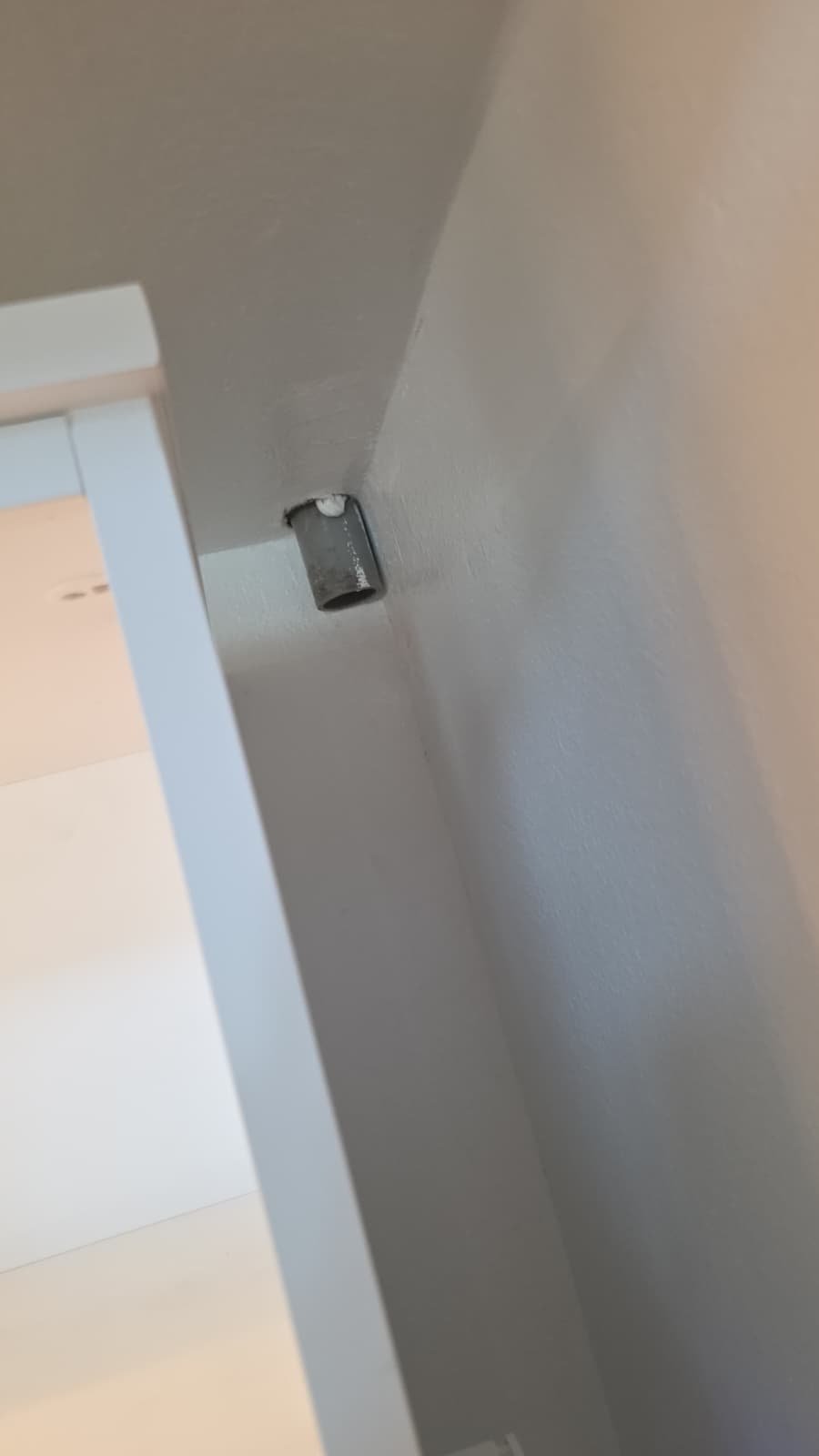
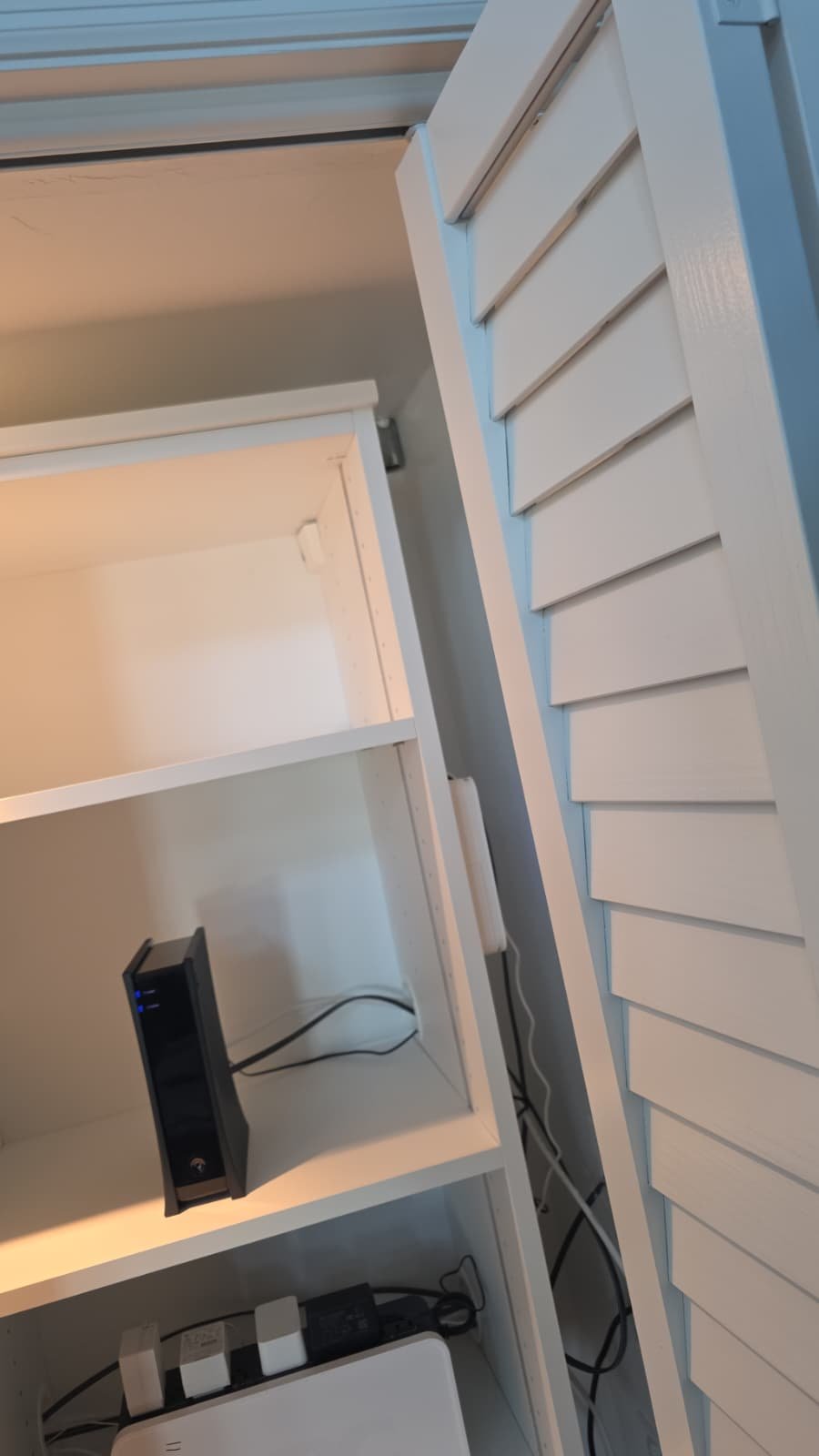
During a scheduled HVAC maintenance visit at a home in Gulfport, FL, the homeowner mentioned a future project: they wanted to set up server equipment inside a closet. The concern was simple and very valid — the closet had no ductwork, no vent, and no air circulation at all.
Servers, network switches, and other electronics generate a surprising amount of heat. Put them in an enclosed closet with no airflow, especially in Florida, and you can run into problems like:
- Overheating and shutdowns of your server or router
- Shortened lifespan of electronic components
- Inconsistent performance or unexpected restarts
- Excessive heat building up and radiating into nearby rooms
The homeowner wanted something straightforward: a way to get conditioned air into that closet so the equipment could stay within a safe temperature range, without installing a separate system or using noisy portable fans.
Our Initial Inspection & What We Found
Because we were already on site for HVAC maintenance, our technician Bryan took a closer look at the closet and the existing ductwork layout. As part of our visit, we:
- Visually inspected the closet space where the server equipment would be installed
- Confirmed there was no existing supply or return vent in the closet
- Reviewed nearby supply ducts and trunk lines that could feed a new drop
- Checked attic access and heights to understand installation difficulty
We confirmed what the homeowner suspected: the closet was completely sealed off from the HVAC system. With the door closed, any heat generated by the servers would be trapped, causing the internal temperature to climb quickly.
From there, our job was to design a simple, cost-effective way to bring conditioned air into that space, using the existing HVAC system without overloading it or compromising comfort in the rest of the home.
The Recommended Solution: New Flexible Duct and Round Vent
After the inspection, we recommended installing a small dedicated supply duct line specifically to serve the closet. The solution had three main parts:
1. Install a New R6 Flexible Duct Line
We proposed adding a new insulated flexible duct run (R6 rating) from the existing supply system to the closet. On this job, the plan was to run a flexible duct, sized appropriately (a small-diameter flex, such as a 3-inch, is often ideal for a low-load closet), to gently introduce cooled air into the space without over-supplying it.
The duct materials we recommended come with important benefits:
- Johns Manville Formaldehyde-free™ fiberglass insulation – helps improve indoor air quality and reduces potential off-gassing concerns.
- GREENGUARD® certified insulated products – tested for low chemical emissions, a plus for health-conscious homeowners.
- Quietflex Rip Stop Silver Jacket – includes a metalized polyester vapor barrier with a special rip-stop scrim reinforcement, helping resist tears and damage in the attic space.
These materials are designed for long-term performance in Florida attics, where high temperatures and humidity can be tough on lower-quality ducts.
2. Add a Round Supply Vent in the Closet
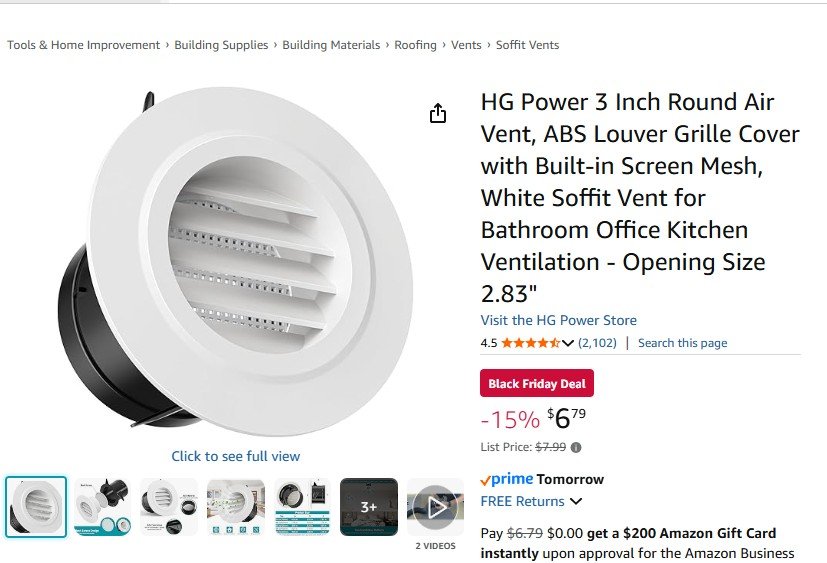
To actually deliver air into the closet, we planned to install a round supply vent (grill) on the closet ceiling or upper wall. This vent would be connected to the new R6 flexible duct so that cool, conditioned air from the main system can circulate into the server closet.
In the job notes, our team confirmed the use of a round vent that had already been sourced, with coordination between our technicians and office to make sure the correct size and style were available for the install. The goal was a clean, unobtrusive vent that blends with the space but provides consistent airflow.
3. One New Supply Drop Dedicated to the Closet
The design called for one new supply drop — essentially one new branch of ductwork terminating at the closet. A single drop is usually enough for a small equipment closet if the system is sized correctly overall. Too much airflow could make the closet uncomfortably cold and waste energy, while too little would fail to protect the electronics. Getting that balance right is where a trained HVAC technician really matters.
How We Approach This Type of Ductwork Installation
Every home is a little different, but our process for adding a supply vent to a closet in a Gulfport, FL home generally follows these steps:
Step 1: Planning the Duct Route
First, we identify where the main duct trunk or nearby supply branch is located in relation to the closet. We look for the most direct route that:
- Maintains proper duct slope and support
- Avoids sharp bends that restrict airflow
- Stays clear of electrical, plumbing, and structural elements
We also consider attic height. The disclaimers provided to the homeowner explain that work in very low attics (under about 4 feet) is significantly harder, which can affect labor and feasibility. In extremely tight spaces, some duct runs simply aren’t safe or practical.
Step 2: Protecting the Home Before Work Starts
Ductwork installation often takes place above living areas, and we want to keep the home as clean and safe as possible. We encourage homeowners to:
- Move or cover furniture located below supply vents or in work areas
- Cover electronics, baby items, clothing, and food to protect from dust
- Give our crew space to work safely and efficiently
We do our best to cover critical areas and we always clean up at the end of the workday, but any attic work can potentially disturb some insulation or dust. Preparing the space in advance makes the process smoother.
Step 3: Running and Securing the R6 Flex Duct
Once we’ve planned the route, we run the new R6 flexible duct from the source to the closet location. Key best practices we follow include:
- Keeping duct runs as straight and as short as practical
- Properly supporting the duct to prevent sagging
- Sealing all connections with appropriate mastic or tape to reduce air leaks
- Ensuring the insulation stays intact and continuous
Using quality materials like the Quietflex Rip Stop jacket helps the duct withstand movement, occasional access traffic, and general attic conditions over time.
Step 4: Cutting the Vent Opening and Installing the Grill
To bring air into the closet, we cut the opening for the new round vent. As noted in our disclaimers to the homeowner, it’s sometimes necessary to open small holes in sheetrock to run ducts or install vents. When that’s required, we always:
- Discuss it with the homeowner beforehand
- Explain where the access will be and why it’s needed
- Clarify that while we can open the access, we do not perform sheetrock repair or painting
After the opening is prepared, we mount the vent and connect it securely to the new flexible duct, making sure the airflow direction and fit are correct.
Step 5: Testing Airflow and Final Checks
With the duct and vent in place, we run the system and verify:
- Airflow is reaching the closet as expected
- There are no noticeable air leaks along the new duct
- The new supply doesn’t negatively impact comfort in other rooms
For a server closet, our goal is not to turn it into a cold room, but to keep temperatures stable enough so equipment can run reliably.
Why This Fix Works for Server Closets in Gulfport Homes
Adding a small, dedicated supply vent fed by R6 insulated flex duct is a highly effective way to manage heat from electronics in a Gulfport, FL home. Here’s why:
- Direct cooling where it’s needed – Conditioned air goes right into the closet instead of relying on open doors or portable fans.
- Better protection for expensive equipment – Servers and network hardware stay within a healthier temperature range, reducing the risk of failure.
- Efficient use of the existing HVAC system – No need for a separate mini split or portable AC in many cases.
- Improved comfort nearby – Excess heat is removed before it radiates into hallways or adjacent rooms.
Of course, this approach assumes that the home’s existing HVAC system is properly sized and in good condition. If the system is already struggling to cool the home, adding extra load may not be ideal without further upgrades or adjustments.
Important Homeowner Disclaimers and Expectations
We believe in being transparent about what’s involved when we add new ductwork in a Gulfport, FL home. For this type of project, we discuss a few key points up front:
Attic Height and Accessibility
Work in attics under four feet tall is more demanding and, in some cases, not feasible. Extremely tight spaces may limit where ducts can be run, or in rare cases, make a proposed supply drop impossible or unsafe. We’ll always review this with you on site and propose alternatives when needed.
Dust, Insulation, and Jobsite Cleanliness
Even with protective coverings, attic work can disturb insulation and dust. We:
- Cover and protect critical areas as much as possible
- Clean up at the end of our workday
But we also strongly recommend that homeowners prepare the home: move furniture, cover electronics, and secure sensitive belongings in the work zones.
Sheetrock Access Holes
Sometimes, to run ducts or set a new vent, we must open small access holes in walls or ceilings. We always notify you before we cut anything. Our work includes opening the necessary area and installing the duct or vent, but we do not perform drywall repair or painting. Many homeowners prefer to have their painter or handyman handle the final cosmetic touch-ups.
Warranty and Limitations
On ductwork projects like this, we typically provide a one-year parts and labor warranty from The AC Therapist/Home Therapist, with some limitations. The warranty does not cover:
- Damage from rodents or pests chewing or tearing the duct
- Accidental damage from people stepping on, crushing, or cutting the duct
- Internal dirt buildup caused by lack of regular system maintenance
We stand behind our workmanship, but like all reputable contractors, we can’t warranty against things outside our control.
Tips to Keep Your Server Closet Safe and Cool in Gulfport, FL
If you’re considering a similar setup in your Gulfport home, here are some practical tips:
- Plan ventilation before you load the closet with equipment. It’s much easier to add ductwork before the space is full of racks, cables, and hardware.
- Avoid sealing the closet too tightly. A little undercut on the door or a return path helps air circulate back to the main space.
- Monitor temperatures. A simple digital thermometer in the closet can tell you if the new vent is doing its job.
- Keep the HVAC system maintained. Annual maintenance helps ensure your system can handle additional small loads like a server closet. Learn more about our AC maintenance services in the Tampa Bay area.
- Consider air quality. Sensitive electronics and humans both benefit from cleaner air. If you’re concerned about dust, check out our indoor air quality solutions.
Why Choose Home Therapist for Ductwork and Ventilation Projects Near Gulfport
Homes in and around Gulfport, FL, especially near the waterfront and areas like the Gulfport Beach Recreation Area, face unique heat and humidity challenges. Our team understands how Gulfport’s climate affects not only comfort but also sensitive equipment and building materials.
When you work with Home Therapist for ductwork and ventilation upgrades, you get:
- Experienced technicians who understand both comfort and equipment protection
- Quality materials like GREENGUARD® certified insulation and durable duct jackets
- Clear communication about options, limitations, and what to expect during the job
- Local expertise serving homes throughout the Tampa Bay and Pinellas County area
For larger duct upgrades or replacements, we also offer dedicated ductwork replacement services and higher R-value duct upgrades for improved efficiency.
Serving Gulfport, FL and the Greater Tampa Bay Area
Gulfport is a unique and vibrant community on the shores of Boca Ciega Bay, just southwest of St. Petersburg. With our hot summers and long cooling season, making sure your HVAC system is designed for both comfort and special needs spaces—like server closets, workshops, or home offices—is especially important. You can learn more about the city itself on the Gulfport, Florida Wikipedia page or see where we work on Google Maps.
Whether you’re in Gulfport, nearby Treasure Island, or elsewhere in Pinellas County, our team is here to help you get the most out of your HVAC system, from routine tune-ups to specialized ductwork and ventilation projects.
Thinking About Ventilating a Closet or Equipment Room?
If you’re planning to build a home server closet, AV rack, or network closet in Gulfport, FL 33707, now is the perfect time to think about ventilation. Adding a properly sized duct and vent is often a small project compared to the cost of the equipment you’re protecting.
Our team at Home Therapist can:
- Review your current HVAC setup
- Recommend the right duct size and vent style
- Install new R6 or R8 insulated ductwork as needed
- Help you plan long-term maintenance to keep everything running smoothly
If you’re curious about broader system upgrades or have comfort issues in other rooms, we can also evaluate whether you’d benefit from zoning or additional duct changes. You can explore some of those options on our HVAC zoning system installation page.
Ready to Cool and Protect Your Server Closet in Gulfport, FL?
You don’t have to guess whether your equipment is safe from overheating. If you’re in Gulfport, FL or the surrounding Tampa Bay area and are planning a server closet, media closet, or any small enclosed space with electronics, our team is ready to help.
Call Home Therapist or visit our website to schedule an appointment. We’ll take a look at your existing system, walk you through your options, and design a solution that balances comfort, efficiency, and equipment protection — without the pressure or confusing jargon.
#HomeTherapist #TheTherapyYourHomeNeeds
When most people in Gulfport, FL 33707 think about their air conditioning, they picture staying comfortable in the living room or bedroom. But in today’s homes, there’s another area that quietly needs cooling: the server or equipment closet. On this project, our team was called out for routine HVAC maintenance at a home in Gulfport and ended up designing a simple, reliable ventilation solution to protect sensitive server equipment from overheating.
If you’re planning to store computers, networking gear, or servers in a small enclosed space, this story will walk you through why proper ventilation matters, how we add a dedicated duct and vent, and what you can do to keep your electronics safe in our hot, humid Gulfport climate.
Customer Problem: Preparing a Server Closet with No Ventilation
During a scheduled HVAC maintenance visit at a home in Gulfport, FL, the homeowner mentioned a future project: they wanted to set up server equipment inside a closet. The concern was simple and very valid — the closet had no ductwork, no vent, and no air circulation at all.
Servers, network switches, and other electronics generate a surprising amount of heat. Put them in an enclosed closet with no airflow, especially in Florida, and you can run into problems like:
- Overheating and shutdowns of your server or router
- Shortened lifespan of electronic components
- Inconsistent performance or unexpected restarts
- Excessive heat building up and radiating into nearby rooms
The homeowner wanted something straightforward: a way to get conditioned air into that closet so the equipment could stay within a safe temperature range, without installing a separate system or using noisy portable fans.
Our Initial Inspection & What We Found
Because we were already on site for HVAC maintenance, our technician Bryan took a closer look at the closet and the existing ductwork layout. As part of our visit, we:
- Visually inspected the closet space where the server equipment would be installed
- Confirmed there was no existing supply or return vent in the closet
- Reviewed nearby supply ducts and trunk lines that could feed a new drop
- Checked attic access and heights to understand installation difficulty
We confirmed what the homeowner suspected: the closet was completely sealed off from the HVAC system. With the door closed, any heat generated by the servers would be trapped, causing the internal temperature to climb quickly.
From there, our job was to design a simple, cost-effective way to bring conditioned air into that space, using the existing HVAC system without overloading it or compromising comfort in the rest of the home.
The Recommended Solution: New Flexible Duct and Round Vent
After the inspection, we recommended installing a small dedicated supply duct line specifically to serve the closet. The solution had three main parts:
1. Install a New R6 Flexible Duct Line
We proposed adding a new insulated flexible duct run (R6 rating) from the existing supply system to the closet. On this job, the plan was to run a flexible duct, sized appropriately (a small-diameter flex, such as a 3-inch, is often ideal for a low-load closet), to gently introduce cooled air into the space without over-supplying it.
The duct materials we recommended come with important benefits:
- Johns Manville Formaldehyde-free™ fiberglass insulation – helps improve indoor air quality and reduces potential off-gassing concerns.
- GREENGUARD® certified insulated products – tested for low chemical emissions, a plus for health-conscious homeowners.
- Quietflex Rip Stop Silver Jacket – includes a metalized polyester vapor barrier with a special rip-stop scrim reinforcement, helping resist tears and damage in the attic space.
These materials are designed for long-term performance in Florida attics, where high temperatures and humidity can be tough on lower-quality ducts.
2. Add a Round Supply Vent in the Closet
To actually deliver air into the closet, we planned to install a round supply vent (grill) on the closet ceiling or upper wall. This vent would be connected to the new R6 flexible duct so that cool, conditioned air from the main system can circulate into the server closet.
In the job notes, our team confirmed the use of a round vent that had already been sourced, with coordination between our technicians and office to make sure the correct size and style were available for the install. The goal was a clean, unobtrusive vent that blends with the space but provides consistent airflow.
3. One New Supply Drop Dedicated to the Closet
The design called for one new supply drop — essentially one new branch of ductwork terminating at the closet. A single drop is usually enough for a small equipment closet if the system is sized correctly overall. Too much airflow could make the closet uncomfortably cold and waste energy, while too little would fail to protect the electronics. Getting that balance right is where a trained HVAC technician really matters.
How We Approach This Type of Ductwork Installation
Every home is a little different, but our process for adding a supply vent to a closet in a Gulfport, FL home generally follows these steps:
Step 1: Planning the Duct Route
First, we identify where the main duct trunk or nearby supply branch is located in relation to the closet. We look for the most direct route that:
- Maintains proper duct slope and support
- Avoids sharp bends that restrict airflow
- Stays clear of electrical, plumbing, and structural elements
We also consider attic height. The disclaimers provided to the homeowner explain that work in very low attics (under about 4 feet) is significantly harder, which can affect labor and feasibility. In extremely tight spaces, some duct runs simply aren’t safe or practical.
Step 2: Protecting the Home Before Work Starts
Ductwork installation often takes place above living areas, and we want to keep the home as clean and safe as possible. We encourage homeowners to:
- Move or cover furniture located below supply vents or in work areas
- Cover electronics, baby items, clothing, and food to protect from dust
- Give our crew space to work safely and efficiently
We do our best to cover critical areas and we always clean up at the end of the workday, but any attic work can potentially disturb some insulation or dust. Preparing the space in advance makes the process smoother.
Step 3: Running and Securing the R6 Flex Duct
Once we’ve planned the route, we run the new R6 flexible duct from the source to the closet location. Key best practices we follow include:
- Keeping duct runs as straight and as short as practical
- Properly supporting the duct to prevent sagging
- Sealing all connections with appropriate mastic or tape to reduce air leaks
- Ensuring the insulation stays intact and continuous
Using quality materials like the Quietflex Rip Stop jacket helps the duct withstand movement, occasional access traffic, and general attic conditions over time.
Step 4: Cutting the Vent Opening and Installing the Grill
To bring air into the closet, we cut the opening for the new round vent. As noted in our disclaimers to the homeowner, it’s sometimes necessary to open small holes in sheetrock to run ducts or install vents. When that’s required, we always:
- Discuss it with the homeowner beforehand
- Explain where the access will be and why it’s needed
- Clarify that while we can open the access, we do not perform sheetrock repair or painting
After the opening is prepared, we mount the vent and connect it securely to the new flexible duct, making sure the airflow direction and fit are correct.
Step 5: Testing Airflow and Final Checks
With the duct and vent in place, we run the system and verify:
- Airflow is reaching the closet as expected
- There are no noticeable air leaks along the new duct
- The new supply doesn’t negatively impact comfort in other rooms
For a server closet, our goal is not to turn it into a cold room, but to keep temperatures stable enough so equipment can run reliably.
Why This Fix Works for Server Closets in Gulfport Homes
Adding a small, dedicated supply vent fed by R6 insulated flex duct is a highly effective way to manage heat from electronics in a Gulfport, FL home. Here’s why:
- Direct cooling where it’s needed – Conditioned air goes right into the closet instead of relying on open doors or portable fans.
- Better protection for expensive equipment – Servers and network hardware stay within a healthier temperature range, reducing the risk of failure.
- Efficient use of the existing HVAC system – No need for a separate mini split or portable AC in many cases.
- Improved comfort nearby – Excess heat is removed before it radiates into hallways or adjacent rooms.
Of course, this approach assumes that the home’s existing HVAC system is properly sized and in good condition. If the system is already struggling to cool the home, adding extra load may not be ideal without further upgrades or adjustments.
Important Homeowner Disclaimers and Expectations
We believe in being transparent about what’s involved when we add new ductwork in a Gulfport, FL home. For this type of project, we discuss a few key points up front:
Attic Height and Accessibility
Work in attics under four feet tall is more demanding and, in some cases, not feasible. Extremely tight spaces may limit where ducts can be run, or in rare cases, make a proposed supply drop impossible or unsafe. We’ll always review this with you on site and propose alternatives when needed.
Dust, Insulation, and Jobsite Cleanliness
Even with protective coverings, attic work can disturb insulation and dust. We:
- Cover and protect critical areas as much as possible
- Clean up at the end of our workday
But we also strongly recommend that homeowners prepare the home: move furniture, cover electronics, and secure sensitive belongings in the work zones.
Sheetrock Access Holes
Sometimes, to run ducts or set a new vent, we must open small access holes in walls or ceilings. We always notify you before we cut anything. Our work includes opening the necessary area and installing the duct or vent, but we do not perform drywall repair or painting. Many homeowners prefer to have their painter or handyman handle the final cosmetic touch-ups.
Warranty and Limitations
On ductwork projects like this, we typically provide a one-year parts and labor warranty from The AC Therapist/Home Therapist, with some limitations. The warranty does not cover:
- Damage from rodents or pests chewing or tearing the duct
- Accidental damage from people stepping on, crushing, or cutting the duct
- Internal dirt buildup caused by lack of regular system maintenance
We stand behind our workmanship, but like all reputable contractors, we can’t warranty against things outside our control.
Tips to Keep Your Server Closet Safe and Cool in Gulfport, FL
If you’re considering a similar setup in your Gulfport home, here are some practical tips:
- Plan ventilation before you load the closet with equipment. It’s much easier to add ductwork before the space is full of racks, cables, and hardware.
- Avoid sealing the closet too tightly. A little undercut on the door or a return path helps air circulate back to the main space.
- Monitor temperatures. A simple digital thermometer in the closet can tell you if the new vent is doing its job.
- Keep the HVAC system maintained. Annual maintenance helps ensure your system can handle additional small loads like a server closet. Learn more about our AC maintenance services in the Tampa Bay area.
- Consider air quality. Sensitive electronics and humans both benefit from cleaner air. If you’re concerned about dust, check out our indoor air quality solutions.
Why Choose Home Therapist for Ductwork and Ventilation Projects Near Gulfport
Homes in and around Gulfport, FL, especially near the waterfront and areas like the Gulfport Beach Recreation Area, face unique heat and humidity challenges. Our team understands how Gulfport’s climate affects not only comfort but also sensitive equipment and building materials.
When you work with Home Therapist for ductwork and ventilation upgrades, you get:
- Experienced technicians who understand both comfort and equipment protection
- Quality materials like GREENGUARD® certified insulation and durable duct jackets
- Clear communication about options, limitations, and what to expect during the job
- Local expertise serving homes throughout the Tampa Bay and Pinellas County area
For larger duct upgrades or replacements, we also offer dedicated ductwork replacement services and higher R-value duct upgrades for improved efficiency.
Serving Gulfport, FL and the Greater Tampa Bay Area
Gulfport is a unique and vibrant community on the shores of Boca Ciega Bay, just southwest of St. Petersburg. With our hot summers and long cooling season, making sure your HVAC system is designed for both comfort and special needs spaces—like server closets, workshops, or home offices—is especially important. You can learn more about the city itself on the Gulfport, Florida Wikipedia page or see where we work on Google Maps.
Whether you’re in Gulfport, nearby Treasure Island, or elsewhere in Pinellas County, our team is here to help you get the most out of your HVAC system, from routine tune-ups to specialized ductwork and ventilation projects.
Thinking About Ventilating a Closet or Equipment Room?
If you’re planning to build a home server closet, AV rack, or network closet in Gulfport, FL 33707, now is the perfect time to think about ventilation. Adding a properly sized duct and vent is often a small project compared to the cost of the equipment you’re protecting.
Our team at Home Therapist can:
- Review your current HVAC setup
- Recommend the right duct size and vent style
- Install new R6 or R8 insulated ductwork as needed
- Help you plan long-term maintenance to keep everything running smoothly
If you’re curious about broader system upgrades or have comfort issues in other rooms, we can also evaluate whether you’d benefit from zoning or additional duct changes. You can explore some of those options on our HVAC zoning system installation page.
Ready to Cool and Protect Your Server Closet in Gulfport, FL?
You don’t have to guess whether your equipment is safe from overheating. If you’re in Gulfport, FL or the surrounding Tampa Bay area and are planning a server closet, media closet, or any small enclosed space with electronics, our team is ready to help.
Call Home Therapist or visit our website to schedule an appointment. We’ll take a look at your existing system, walk you through your options, and design a solution that balances comfort, efficiency, and equipment protection — without the pressure or confusing jargon.
#HomeTherapist #TheTherapyYourHomeNeeds