What is ductwork? Guide to HVAC efficiency & air quality
Did you know that leaking ductwork causes energy loss of up to 30%, driving up your bills while making your home less comfortable? Most Tampa Bay homeowners overlook their ducts, yet these hidden pathways directly impact HVAC performance and indoor air quality. This guide breaks down what ductwork is, how it works, the materials used, and practical steps you can take to improve efficiency and comfort in your home.
Table of Contents
- Understanding What Ductwork Is And Its Role In HVAC Systems
- Common Materials And Types Of Residential Ductwork
- How Ductwork Influences HVAC Efficiency And Indoor Air Quality
- Common Misconceptions About Ductwork And HVAC Performance
- Practical Maintenance And Improvement Tips For Homeowners
- Improve Your Home Comfort With Professional Ductwork Services
- What Is Ductwork? Frequently Asked Questions
Key takeaways
| Point | Details |
|---|---|
| Ductwork distributes conditioned air | It connects your HVAC unit to every room, delivering heating and cooling efficiently throughout your home. |
| Material choice matters | Metal, flexible, and fiberglass ducts each have distinct pros and cons affecting performance and maintenance. |
| Leaks reduce efficiency dramatically | Poor sealing and design waste energy, increase bills, and compromise indoor air quality. |
| Regular maintenance is essential | Inspection, sealing, and professional cleaning every 3-5 years keep ducts working optimally. |
| Misconceptions lead to wasted effort | Understanding the truth about cleaning, materials, and leaks helps you make smarter decisions. |
Understanding what ductwork is and its role in HVAC systems
Ductwork serves as the distribution network connecting your HVAC system to every room in your home. Think of it as the circulatory system for conditioned air. When your heating or cooling unit runs, it pushes air through these pathways at typical velocities between 600 and 1200 feet per minute, ensuring consistent temperature control throughout your living spaces.
The system consists of several key components working together. Supply ducts carry heated or cooled air from your HVAC unit to individual rooms, while return ducts pull air back to be reconditioned. This continuous cycle maintains comfort levels and air circulation.
Here are the basic parts that make up your ductwork system:
- Plenums connect directly to your HVAC unit, acting as collection chambers for air distribution
- Main trunks are large ducts that branch off from plenums, carrying the bulk of airflow
- Branch ducts split from main trunks to reach individual rooms and zones
- Registers and grilles control airflow into rooms and allow return air back to the system
Without properly designed and maintained ductwork, even the most efficient HVAC unit can’t deliver consistent comfort. Poor duct design creates pressure imbalances, forcing your system to work harder and run longer. Understanding how air sealing basics apply to your ductwork helps you recognize why this hidden infrastructure deserves attention.
Common materials and types of residential ductwork
Three primary duct materials dominate residential installations, each suited to different situations and budgets. Your choice affects not just installation cost but long term performance, especially in Tampa Bay’s humid climate.
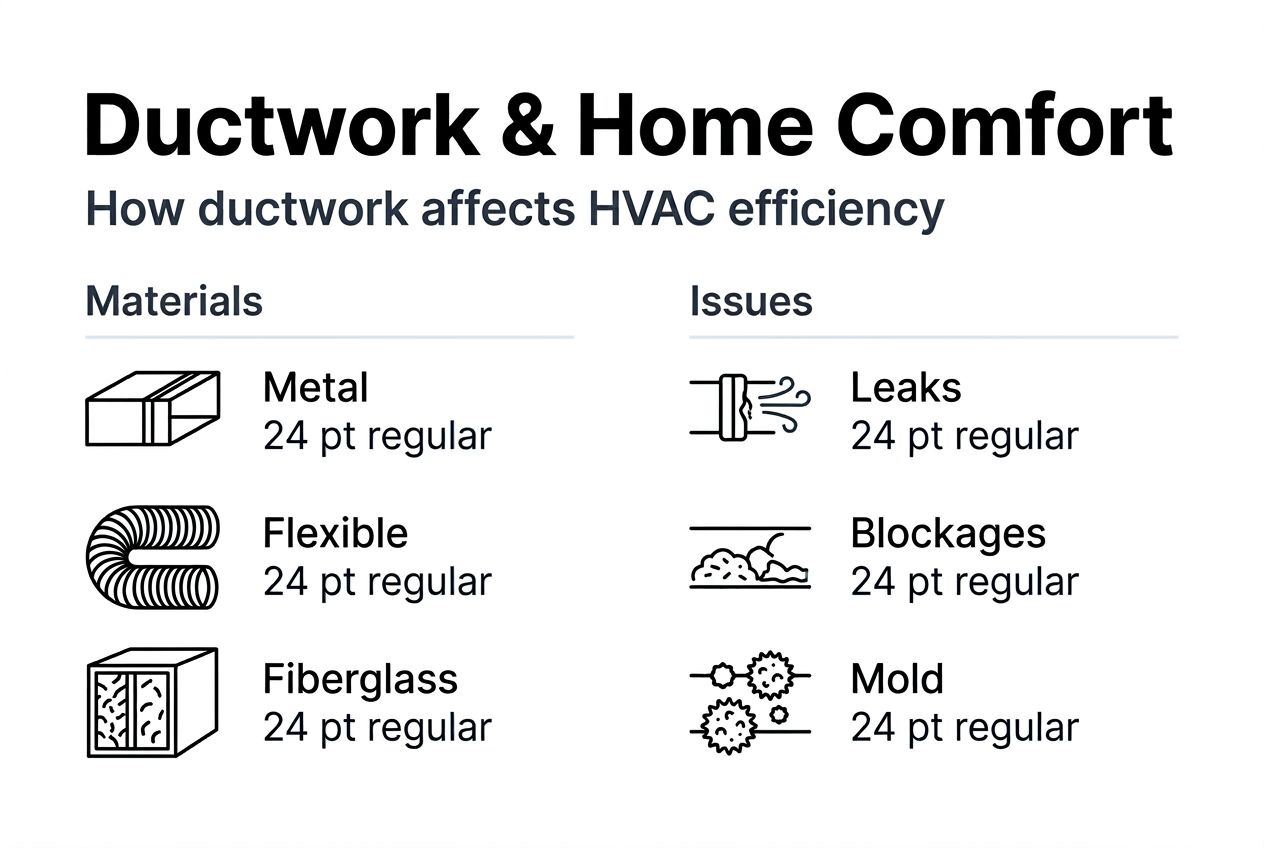
Metal ducts, typically made from galvanized steel or aluminum, offer the best durability and lowest airflow resistance. They resist mold growth better than other materials, making them ideal for humid environments. Metal ducts maintain their shape over time and rarely develop the kinks or sags that reduce efficiency.
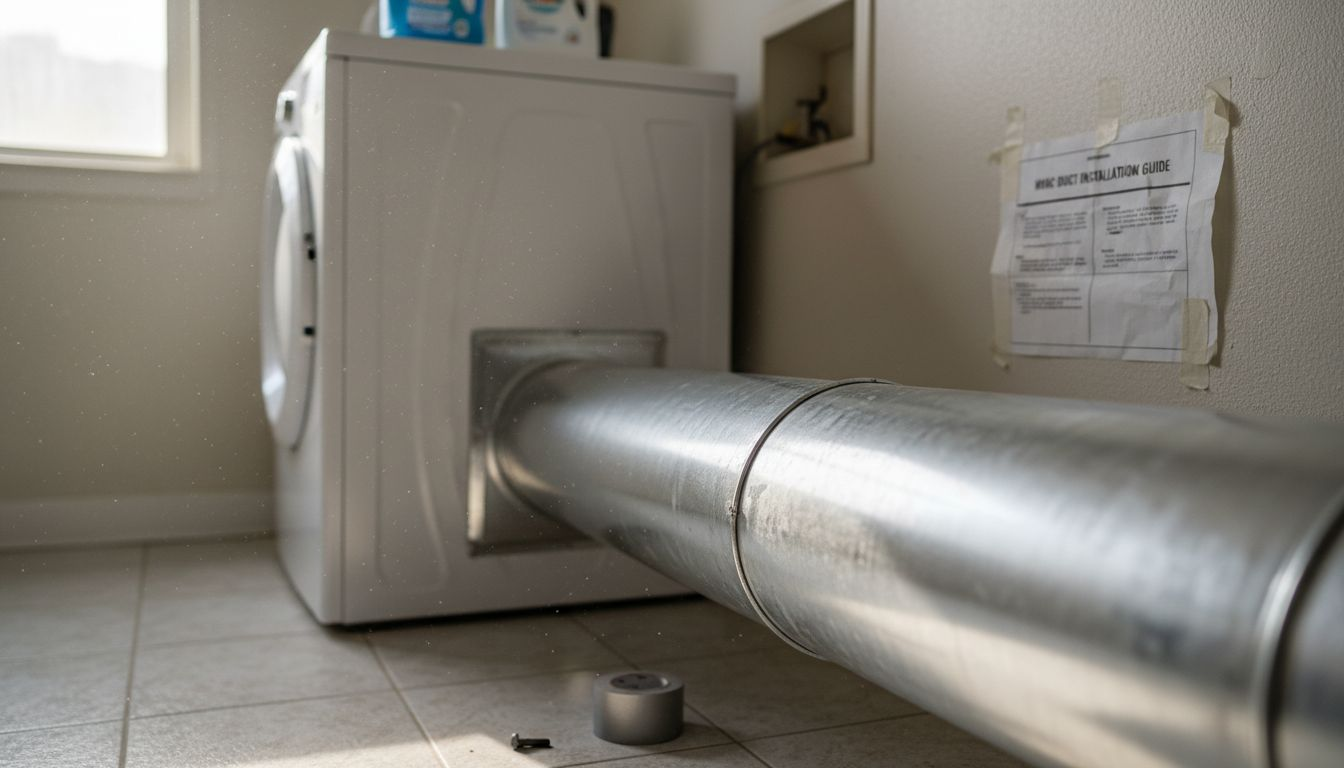
Flexible ducts consist of wire coil covered by plastic and insulation. Installers favor them for tight spaces and complex layouts because they bend easily around obstacles. However, they create more airflow resistance than metal ducts, and improper installation leads to kinks that restrict air movement. They also tear more easily during installation or maintenance.
Fiberglass duct board provides built in insulation, combining air distribution with thermal protection. It costs less than metal but absorbs moisture in humid conditions, potentially harboring mold. The interior surface can deteriorate over time, releasing particles into your air stream.
Here’s how these common duct materials compare:
| Material | Durability | Airflow Resistance | Cost | Maintenance Needs |
|---|---|---|---|---|
| Metal | Excellent | Low | Moderate to High | Minimal, sealing joints |
| Flexible | Fair | Moderate to High | Low | Check for kinks, tears |
| Fiberglass | Good | Low to Moderate | Low to Moderate | Monitor for moisture damage |
Pro Tip: Choose metal ducts for Tampa Bay installations to resist moisture and prevent mold issues common with flexible or fiberglass options in our humid climate.
How ductwork influences HVAC efficiency and indoor air quality
Your duct system’s condition directly determines how much energy you waste and what you breathe indoors. Even small leaks force your HVAC system to work overtime, pushing conditioned air into attics, crawl spaces, and wall cavities instead of living areas.
Energy loss reaches up to 30% in homes with leaking or poorly insulated ductwork. That means nearly a third of your heating and cooling dollars vanish before reaching their intended destination. Poor insulation compounds the problem, allowing heat transfer that undermines your system’s efficiency.
Leaking ductwork can cause energy loss of up to 30%, significantly reducing HVAC efficiency and driving up utility bills for Tampa Bay homeowners.
Contaminated ducts introduce another set of problems for your indoor environment. Dust, pollen, mold spores, and other particles accumulate inside ducts over time. When your system runs, it distributes these contaminants throughout your home. Understanding clean air ducts importance helps you recognize when professional intervention becomes necessary.
Duct layout and design create their own efficiency challenges. Poorly designed systems with too many bends, insufficient return air pathways, or undersized ducts restrict airflow. This forces longer runtimes to reach target temperatures, wearing out equipment faster. The relationship between hvac airflow impact and system performance explains why proper design matters as much as maintenance.
Here’s what compromised ductwork causes in your home:
- Higher monthly energy bills from wasted heating and cooling
- Uneven temperatures between rooms, with some spaces too hot or cold
- Increased allergens and respiratory irritants circulating through living areas
- Mold growth in ducts and surrounding areas from condensation and moisture
- Shortened HVAC equipment lifespan from extended runtimes
Common misconceptions about ductwork and HVAC performance
Many Tampa Bay homeowners hold false beliefs about ductwork that lead to ineffective maintenance and wasted money. Clearing up these misconceptions helps you focus effort where it actually matters.
Myth: Duct cleaning alone solves air quality issues. While cleaning removes accumulated debris, it doesn’t address the root causes of contamination. Leaky ducts continue pulling in dusty attic air or humid crawl space air regardless of how recently you cleaned them. Sealing leaks and controlling moisture sources must happen alongside cleaning for lasting improvements.
Myth: Flexible ducts perform equally to metal ducts. Flexible ducts create significantly more airflow resistance, especially when kinked or compressed. Their corrugated interior surface increases friction compared to smooth metal ducts. This reduces system efficiency even when properly installed, and poor installation magnifies these losses.
Myth: Small duct leaks are minor problems. Even gaps or holes that seem insignificant add up quickly across your entire duct system. A quarter inch gap in a duct joint can leak dozens of cubic feet per minute. Multiple small leaks throughout the system compound to create major energy waste.
Myth: All HVAC technicians understand proper duct design. Ductwork requires specialized knowledge of airflow dynamics, pressure balancing, and load calculations. Many technicians focus on equipment installation without mastering duct design principles. Poor duct design undermines even the best HVAC equipment.
Here are the corrections to these common misconceptions:
- Focus on sealing leaks first, then clean ducts if contamination remains a concern
- Choose rigid metal ducts over flexible options when possible for better airflow
- Address all duct leaks promptly, even small ones that seem insignificant
- Verify your technician’s specific ductwork expertise before approving installations
Pro Tip: Combine professional duct sealing with periodic inspection and cleaning for comprehensive results rather than relying on any single service alone.
Practical maintenance and improvement tips for homeowners
Taking action on your ductwork doesn’t require specialized equipment for basic checks. You can spot obvious problems and know when to call professionals for repairs or upgrades.
Inspect your accessible ductwork every 3 to 5 years, looking for visible damage, disconnected joints, or signs of moisture. Check ducts in your attic, basement, or crawl space for tears in flexible sections or separated metal joints. Feel around connections with your hand while the system runs to detect air leaks.
Follow these steps for basic ductwork maintenance:
- Visual inspection of all accessible ducts for damage, disconnections, or deterioration
- Seal visible leaks at joints using mastic sealant or metal tape, never standard duct tape
- Add insulation to ducts in unconditioned spaces like attics to prevent heat transfer
- Schedule professional cleaning every 3 to 5 years if you notice dust buildup or air quality issues
- Monitor system performance for signs like uneven temperatures that suggest duct problems
Professional duct sealing delivers significant benefits beyond DIY efforts. Technicians use pressure testing to locate hidden leaks and specialized materials that create lasting seals. Getting started with ductwork services ensures proper attention to this critical system component.
Consider these situations that warrant professional help:
- Rooms consistently remain too hot or cold despite thermostat adjustments
- Unusual increases in energy bills without corresponding usage changes
- Visible mold or excessive dust around supply registers
- Musty odors when your HVAC system operates
- Recent home renovations that may have damaged existing ductwork
For major renovations or additions, professional ductwork installation services ensure proper sizing and design integration with your existing system. Understanding why to repair leaky ducts helps you prioritize this investment in home comfort and efficiency.
Pro Tip: Hire certified HVAC technicians with specific ductwork training to properly install or repair ducts, avoiding common airflow mistakes that reduce system performance.
Improve your home comfort with professional ductwork services
Applying these ductwork insights maximizes your HVAC investment and home comfort. Professional inspection reveals hidden issues that DIY checks miss, while expert sealing and repair restore efficiency.

Home Therapist specializes in comprehensive ductwork solutions for Tampa Bay homes. Our certified technicians assess your entire system, identifying leaks, design flaws, and improvement opportunities. We provide expert sealing, repair, and installation services tailored to Florida’s unique climate challenges. Whether you need hvac basics tampa bay guidance, complete ductwork installation services, or ongoing maintenance through our beginner hvac maintenance guide homeowners can follow, we deliver solutions that improve efficiency and air quality.
What is ductwork? Frequently asked questions
What materials are best for humid climates like Tampa Bay?
Metal ducts perform best in Tampa Bay’s humidity because they resist mold growth and moisture damage. Galvanized steel or aluminum options maintain structural integrity without absorbing moisture like fiberglass or degrading like some flexible duct materials.
How often should I have my ductwork inspected?
Inspect your ductwork every 3 to 5 years under normal conditions. Schedule inspections sooner if you notice comfort problems, unusual energy bills, or after any home renovation that might have affected your duct system.
Can I seal duct leaks myself or should I hire a professional?
You can seal visible, accessible leaks using mastic sealant or metal tape. However, professionals find hidden leaks through pressure testing and use commercial grade materials that last longer. Major leak problems or inaccessible ductwork requires professional attention.
Does duct cleaning remove mold completely?
Duct cleaning removes visible mold and debris but doesn’t eliminate moisture sources that caused growth initially. You must fix leaks, improve insulation, and control humidity to prevent mold from returning after cleaning. Addressing root causes matters more than cleaning alone.
How does ductwork affect uneven heating or cooling in my home?
Poorly designed or damaged ductwork creates pressure imbalances that deliver uneven airflow to different rooms. Leaks near the HVAC unit waste conditioned air before it reaches distant rooms. Undersized ducts or too many bends restrict flow, leaving some areas uncomfortable while others receive adequate conditioning.
Recommended
- DIY Air Duct Cleaning Guide for Cleaner Indoor Air
- Ductwork Installation and Repair Frequently Asked Questions for Tampa, FL Residents Home Therapist Cooling, Heating, and Plumbing
- Ductwork Installation for Improved Indoor Comfort – Home Therapist Cooling, Heating, and Plumbing
- Why Clean Air Ducts Matter for Tampa Homes