Why Repair Leaky Ducts Matters for Tampa Homes
Most American households lose up to 30 percent of their heated or cooled air due to leaky ducts hiding behind walls and ceilings. This silent problem drains both comfort and cash, especially as unnoticed leaks force HVAC systems to work overtime. Understanding where and why ductwork fails helps prevent unnecessary energy loss and keeps your home environment cleaner and healthier, making it easier for families to protect their well-being and their wallets.
Table of Contents
- What Are Leaky Ducts And How They Happen
- Types Of Duct Leaks In Tampa Properties
- Energy Loss And Higher Utility Bills Explained
- Indoor Comfort And Air Quality Concerns
- Professional Repair Solutions And Prevention
Key Takeaways
| Point | Details |
|---|---|
| Duct Leakage Causes | Aging materials, temperature fluctuations, pest damage, and poor installation are primary contributors to duct leaks. |
| Financial Impact | Leaky ducts can lead to 20-30% energy loss, significantly increasing utility bills for homeowners. |
| Air Quality Concerns | Compromised ductwork can introduce pollutants into the home, worsening indoor air quality and comfort. |
| Professional Solutions | Regular inspections and sealing techniques are vital for maintaining duct integrity, preventing larger issues down the line. |
What Are Leaky Ducts And How They Happen
Leaky ducts are a hidden problem that can significantly impact your home’s heating and cooling efficiency. These critical air distribution pathways can develop openings and gaps that compromise your entire HVAC system’s performance. Signs of duct damage emerge from multiple potential sources, ranging from aging infrastructure to environmental stress.
The primary causes of duct leakage are diverse and often interconnected. Aging materials represent a major contributor, as ductwork naturally deteriorates over time. Temperature fluctuations cause repeated expansion and contraction, which gradually weakens seals and connections. Pest damage also plays a significant role, with rodents and insects creating unexpected punctures and openings in ductwork. Poor initial installation compounds these issues, introducing structural weaknesses from the very beginning.
Detecting duct leaks requires careful observation of specific indicators. Uneven room temperatures, unexpectedly high energy bills, and excessive dust accumulation often signal potential ductwork problems. Professionally trained HVAC technicians can conduct pressure tests and thermal imaging to pinpoint exact leak locations, providing targeted repair strategies. These diagnostic techniques help homeowners understand the precise nature and extent of their ductwork challenges.
Pro Tip: Annual Duct Inspection: Schedule a professional HVAC inspection each year to catch potential duct leaks early, preventing more expensive repairs and maintaining optimal system efficiency.
Types Of Duct Leaks In Tampa Properties
Duct leaks in Tampa properties manifest through several distinct and problematic categories, each presenting unique challenges for homeowners. Duct integrity issues can originate from multiple sources, creating potential inefficiencies in home climate control systems. Seam leaks represent the most common type, occurring where duct sections connect and gradually separate due to temperature fluctuations and mechanical stress.
Structural duct leak classifications include connection point leaks, where metal or flexible duct segments join imperfectly. Pinhole leaks represent another critical category, often developing from material degradation or mechanical damage. These tiny openings might seem insignificant but can dramatically reduce HVAC system efficiency. Larger breaches can occur from physical damage, such as rodent intrusion, construction accidents, or improper initial installation techniques that compromise ductwork structural integrity.
To help compare the different types of duct leaks, consider the unique characteristics and associated risks:
| Duct Leak Type | Typical Causes | Main Risk |
|---|---|---|
| Seam Leaks | Temperature changes, aging | Most common, gradual loss |
| Connection Point Leaks | Installation defects | Major air escaping points |
| Pinhole Leaks | Material degradation | Invisible, high losses |
| Large Breaches | Physical or pest damage | Severe energy inefficiency |
Geographic factors specific to Tampa amplify duct leak risks. High humidity, temperature variations, and potential storm damage create unique environmental stressors on ductwork. Metal ducts experience more pronounced expansion and contraction, while flexible duct materials might degrade faster under intense sunlight and heat. Homes with attic or crawl space ductwork face additional challenges, as these areas expose ductwork to more extreme temperature fluctuations and potential moisture damage.
Pro Tip: Thermal Imaging Check: Invest in an annual professional thermal imaging inspection to detect hidden duct leaks before they become expensive repair problems, especially in Tampa’s challenging climate.
Energy Loss And Higher Utility Bills Explained
Leaky ducts represent a significant and often overlooked source of energy waste in residential properties. Homeowners can lose 20 to 30% of conditioned air through compromised ductwork, creating substantial financial and comfort challenges. Energy inefficiency becomes a major concern as these leaks force HVAC systems to work exponentially harder to maintain desired indoor temperatures.
The financial implications of duct leakage extend far beyond simple energy waste. When air escapes through gaps and holes in ductwork, your HVAC system must run longer and more frequently to compensate for the lost conditioned air. This continuous operation translates directly into higher utility bills, with homeowners potentially spending hundreds of additional dollars annually due to these hidden inefficiencies. Modern energy consumption studies suggest that poorly maintained ductwork can increase monthly energy expenses by 15 to 25 percent.

Technical analysis reveals multiple mechanisms through which duct leaks generate energy losses. Air pressure imbalances create inefficient circulation patterns, causing some rooms to feel warmer or cooler than others. These leaks also introduce unfiltered air from unconditioned spaces like attics or crawl spaces, forcing your HVAC system to process additional air volume. The cumulative effect means your cooling and heating equipment operates under constant strain, accelerating mechanical wear and reducing overall system longevity.
Pro Tip: Energy Efficiency Audit: Schedule a professional energy efficiency audit annually to identify and seal duct leaks, potentially saving up to 30% on your annual heating and cooling expenses.
Indoor Comfort And Air Quality Concerns
Leaky ductwork compromises indoor air quality and home comfort in ways most homeowners never anticipate. Air distribution problems emerge as ducts develop gaps and cracks, creating uneven temperature zones and allowing contaminants to infiltrate living spaces. These microscopic breaches transform your home’s ventilation system from a protective barrier into a potential source of respiratory irritants and allergen circulation.
The consequences of compromised ductwork extend beyond mere temperature inconsistencies. Unfiltered air entering through duct leaks introduces dust, pollen, mold spores, and other microscopic pollutants directly into your living environment. Bedrooms, living rooms, and kitchen areas become potential breeding grounds for respiratory challenges, particularly for individuals with allergies, asthma, or compromised immune systems. These infiltrating particles bypass traditional filtration mechanisms, creating a direct pathway for environmental contaminants to spread throughout your home.
Geographic factors specific to Tampa amplify these indoor air quality risks. High humidity, prevalent allergens, and occasional mold-friendly conditions make proper duct sealing even more critical. Leaky ducts in this climate can introduce additional moisture, creating potential microbial growth environments. The combination of warm temperatures and humidity can accelerate the spread of airborne particles, turning minor duct imperfections into significant health and comfort concerns for residents.
Pro Tip: Quarterly Duct Inspection: Conduct seasonal duct inspections to catch potential leaks early, ensuring your home maintains optimal air quality and comfort levels throughout the year.
Professional Repair Solutions And Prevention
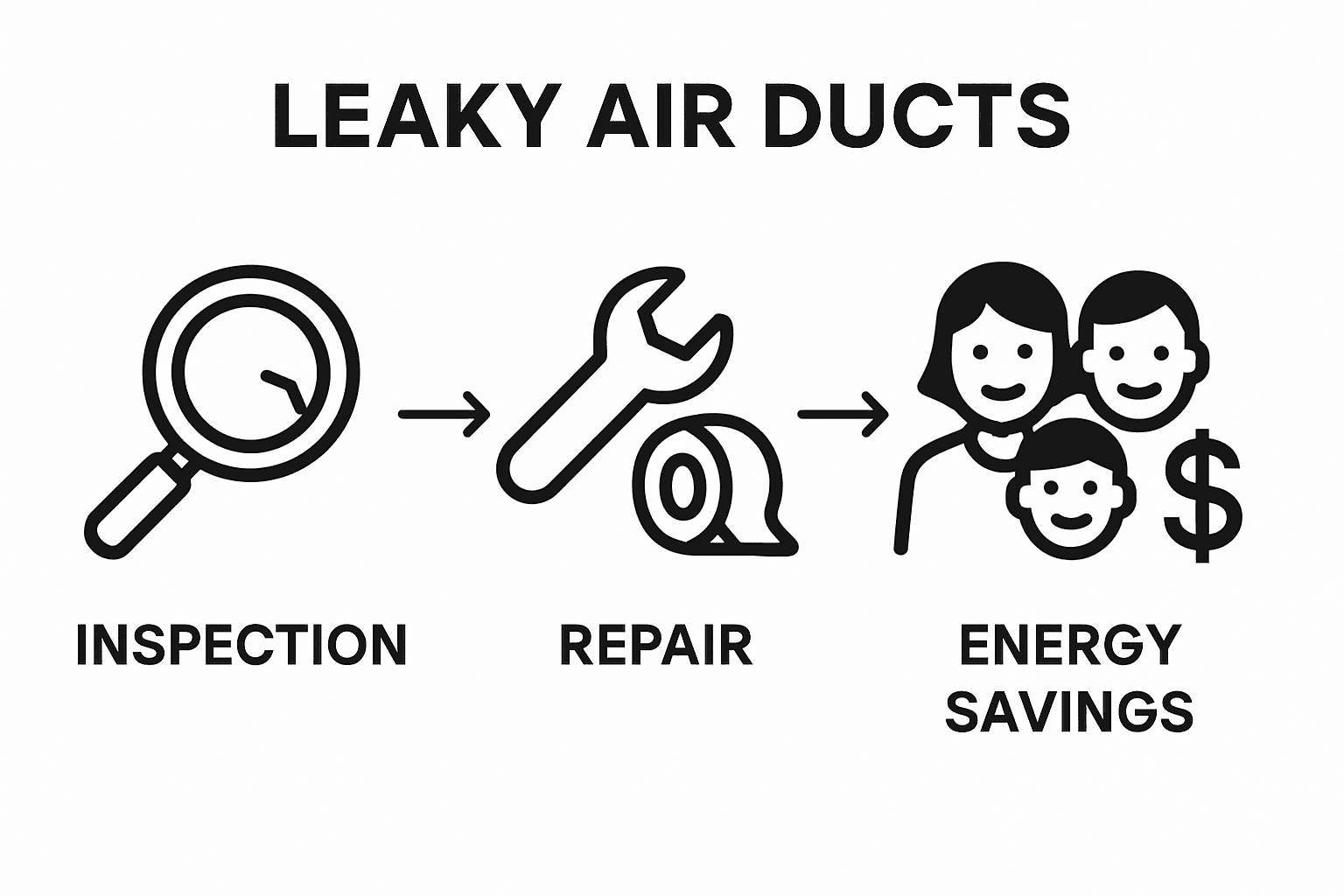
Addressing duct leaks requires a strategic approach that combines professional expertise with targeted repair techniques. Duct sealing represents the primary intervention for resolving air distribution challenges, utilizing specialized materials like mastic sealants, metal tape, and advanced aerosol-based sealing technologies. Professional maintenance strategies play a critical role in identifying and addressing potential ductwork vulnerabilities before they escalate into more significant problems.
Professional repair solutions typically involve comprehensive diagnostic processes. Technicians utilize advanced tools such as thermal imaging cameras and pressure testing equipment to precisely locate and map duct leakage points. These sophisticated diagnostic techniques allow for targeted repairs, ensuring that every potential weak point receives appropriate attention. Repair approaches range from simple patch applications to complete duct segment replacements, depending on the extent of damage and the specific characteristics of the existing ductwork system.
Prevention strategies are equally important in maintaining long-term duct system integrity. Regular professional inspections, typically recommended every 12-18 months, help identify potential issues before they become significant problems. Homeowners should focus on maintaining consistent indoor humidity levels, protecting ductwork from physical damage, and ensuring proper insulation. Implementing proactive maintenance practices can significantly extend the lifespan of ductwork, reduce energy waste, and maintain optimal indoor air quality.
Below is a summary of professional duct repair and prevention strategies and their main long-term benefits:
| Repair/Prevention Method | Primary Technique | Long-Term Benefit |
|---|---|---|
| Mastic Sealing | Spreadable sealant | Prevents future air loss |
| Metal Tape Application | Seals joints and seams | Durable, resists detachment |
| Aerosol-Based Sealing | Pressurized sealant spray | Reaches hidden leaks quickly |
| Regular Professional Inspection | Annual HVAC assessment | Early problem detection |
| Humidity and Insulation Control | Maintain conditions, insulation | Protects ducts from decay |
Pro Tip: Annual Ductwork Assessment: Schedule a comprehensive HVAC system evaluation annually, focusing on duct integrity, to catch potential issues early and prevent costly long-term damage.
Prevent Energy Loss and Boost Comfort with Expert Duct Repair in Tampa Homes
Leaky ducts cause significant energy loss and indoor comfort issues in Tampa properties. If you notice uneven temperatures, high utility bills, or poor air quality it could be due to damaged or leaking ductwork that strains your HVAC system. This creates unnecessary discomfort and increases your energy costs. The good news is that professional duct sealing and repair can restore efficiency and improve air flow throughout your home.

Don’t let hidden duct leaks drain your energy and harm your indoor air quality. At Home Therapist Cooling, Heating, and Plumbing, our certified technicians specialize in pinpointing and sealing leaky ducts using advanced diagnostic tools and proven methods. Act now to protect your Tampa home from escalating repair costs and enjoy consistent comfort year-round. Visit our website to learn more about our comprehensive HVAC services and schedule your annual duct inspection today.
Frequently Asked Questions
What are the signs of leaky ducts in my home?
Signs of leaky ducts include uneven room temperatures, high energy bills, and excessive dust accumulation. If you notice these indicators, it’s wise to investigate potential ductwork issues.
How can leaky ducts affect my energy bills?
Leaky ducts can lead to energy loss of 20 to 30% of conditioned air, making your HVAC system work harder to maintain the desired temperature. This constant strain results in significantly higher utility bills.
What are common causes of duct leaks?
Duct leaks often occur due to aging materials, temperature fluctuations, pest damage, and poor initial installation. These factors can lead to gaps and holes in your ductwork.
How can I prevent duct leaks in my home?
To prevent duct leaks, it’s important to schedule regular professional inspections, maintain consistent indoor humidity levels, protect the ductwork from physical damage, and ensure proper insulation. Regular maintenance can help extend the lifespan of your ductwork.
Recommended
- Ductwork Installation and Repair Frequently Asked Questions for Tampa, FL Residents – Home Therapist Cooling, Heating, and Plumbing
- Leak Repair Services for HVAC Systems in Tampa, FL – Home Therapist Cooling, Heating, and Plumbing
- Leak Detection And Repair Project in Tampa FL 33616 – Home Therapist Cooling, Heating, and Plumbing
- Air Conditioner Repair Services in Tampa, FL: Understanding Ductwork and Dampers Issues – Home Therapist Cooling, Heating, and Plumbing
- Mold Damage Claim Experts | Home And Business | Atlanta Public Adjusters