What Is HVAC? Ensuring Comfort for Tampa Bay Homes
Over half of all American households rely on HVAC systems to create a comfortable and healthy indoor environment. When temperatures soar or drop, these systems keep homes livable and safe. Understanding how Heating, Ventilation, and Air Conditioning technology works can help you make smart choices about home upgrades, energy savings, and everyday maintenance. This guide breaks down what makes HVAC systems essential for American living and what every homeowner should know.
Table of Contents
- Defining HVAC and Its Core Functions
- Main Types of HVAC Systems Explained
- How HVAC Works in Your Home
- Energy Efficiency and Cost Considerations
- Essential Maintenance and Common Issues
Key Takeaways
| Point | Details |
|---|---|
| Understanding HVAC Functions | HVAC systems manage indoor comfort by controlling temperature, humidity, and air quality through components like heating units, ventilation networks, and cooling mechanisms. |
| Importance of Selection | Choosing the right HVAC system is essential for efficiency and comfort, with options including furnaces, heat pumps, central air conditioners, and ductless mini-splits tailored to specific needs. |
| Regular Maintenance Matters | Routine inspections and maintenance are crucial to ensure optimal system performance, prevent costly issues, and prolong the lifespan of HVAC systems. |
| Energy Efficiency Impact | High-performance HVAC systems can significantly reduce energy costs while enhancing comfort; investing in modern technology pays off in the long run. |
Defining HVAC and Its Core Functions
HVAC represents a sophisticated system designed to manage indoor environmental conditions, ensuring comfort and health for homeowners. Standing for Heating, Ventilation, and Air Conditioning, these intricate systems control temperature, humidity, and air quality within residential spaces. HVAC systems are essential in building design to maintain comfortable, safe, and healthy indoor environments by precisely regulating multiple environmental factors.
The core components of an HVAC system work together seamlessly to create optimal living conditions. These include heating units like furnaces, cooling mechanisms such as air conditioners, ventilation networks that circulate and filter air, and intelligent control systems like programmable thermostats. Compressors, boilers, ductwork, and sensors collaborate to maintain consistent temperature, remove excess moisture, and eliminate airborne contaminants.
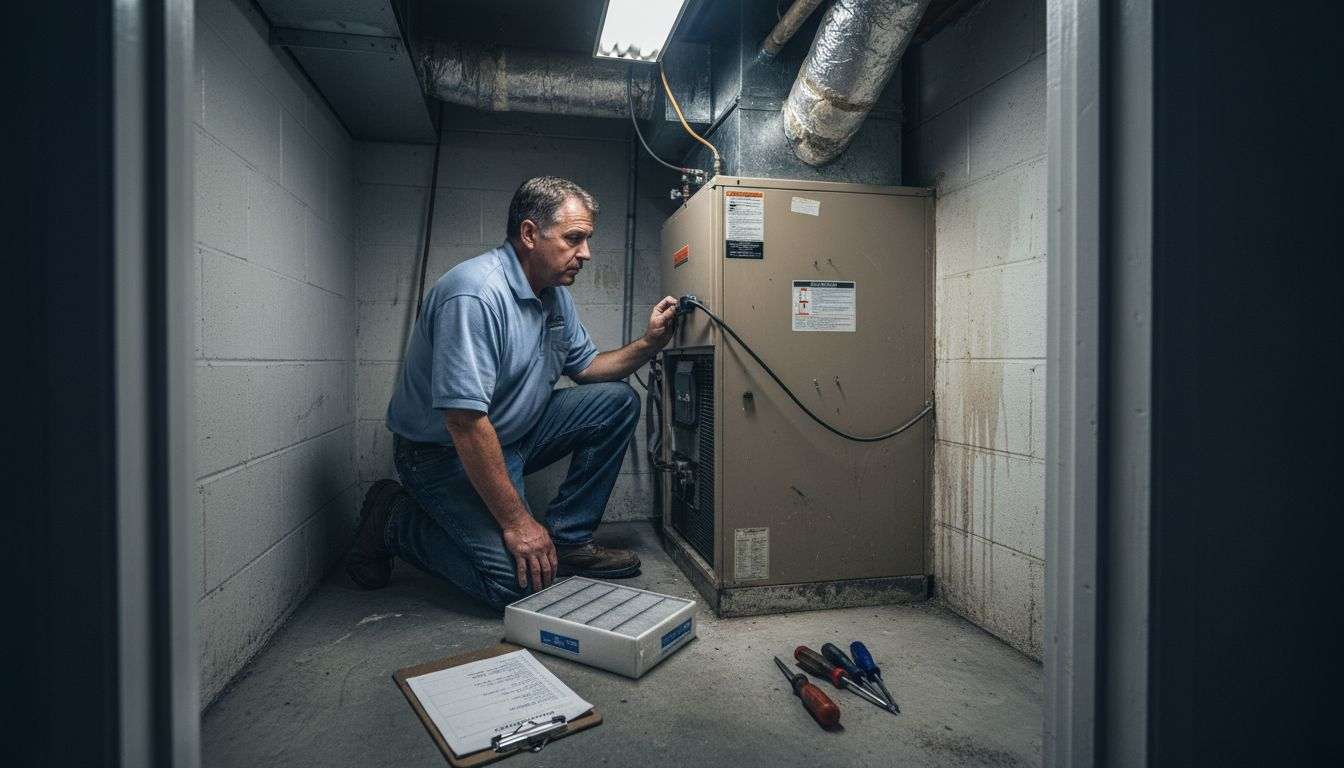
Understanding HVAC functionality means recognizing its three primary objectives: thermal comfort, indoor air quality, and energy efficiency. Modern systems don’t just adjust temperature but create holistic environments that adapt to changing conditions. They can detect humidity levels, filter out pollutants, and even adjust airflow based on occupancy and external weather patterns.
Pro Tip: Regular maintenance is key. Schedule professional HVAC inspections twice yearly to ensure peak performance, catch potential issues early, and maintain your system’s efficiency and longevity.
Main Types of HVAC Systems Explained
Homeowners have several options when selecting an HVAC system, each designed to meet specific comfort and efficiency needs. Common HVAC system types include air conditioning units, furnaces, heat pumps, and ductless mini-split systems, offering diverse solutions for temperature control and indoor climate management. These systems vary significantly in their functionality, installation requirements, and performance characteristics.
The primary HVAC system types include:
- Furnaces: Traditional heating systems that generate warmth through combustion, typically using natural gas or electricity
- Heat Pumps: Versatile units that can both heat and cool spaces by transferring thermal energy
- Central Air Conditioning Systems: Comprehensive cooling solutions that distribute chilled air through ductwork
- Ductless Mini-Split Systems: Flexible units providing targeted climate control without extensive ductwork installation
Each system offers unique advantages depending on home size, regional climate, and energy efficiency requirements. Advanced HVAC technologies like heat pumps generate steam or hot water for heating while simultaneously providing cooling capabilities, making them increasingly popular among homeowners seeking comprehensive climate control solutions.
Here’s a quick comparison of major HVAC system types commonly found in homes:
| System Type | Best For | Typical Installation | Energy Efficiency Impact |
|---|---|---|---|
| Furnace | Cold climates | Centralized in basements | Moderate, depends on fuel |
| Heat Pump | Mild to moderate climates | Outdoor and indoor units | High, especially modern models |
| Central Air Conditioner | Large homes needing uniform cooling | Extensive ductwork required | Moderate to high |
| Ductless Mini-Split | Rooms without duct access | Wall-mounted indoor units | High, zoned temperature control |
Pro Tip: Consult with a professional HVAC technician to assess your specific home requirements and determine the most suitable system that balances comfort, efficiency, and long-term cost-effectiveness.
How HVAC Works in Your Home
HVAC systems transform your home’s interior environment through a complex network of mechanical and thermal processes. Central air conditioners circulate cool air through an intricate system of supply and return ducts, creating a seamless temperature management network that keeps your living spaces comfortable throughout the year. These systems work by moving air, managing temperature, and controlling humidity with remarkable precision.
The cooling process involves three critical mechanical components working in synchronized harmony:
- Compressor: Pressurizes refrigerant and initiates the heat transfer cycle
- Condenser Coil: Releases heat collected from indoor air to the outside environment
- Evaporator Coil: Absorbs heat from indoor air, effectively cooling the surrounding space
Air conditioning systems utilize a special chemical refrigerant to transfer heat from inside your home to the outside air, creating a continuous thermal exchange process. During summer months, the system extracts warm air, removes moisture, and circulates cooled air through your home’s ductwork. In winter, heat pump systems can reverse this process, drawing warmth from outside air and distributing it indoors, providing year-round climate control.
Pro Tip: Monitor your HVAC system’s airflow by checking and replacing air filters every 30-90 days, ensuring optimal performance and preventing unnecessary strain on your home’s cooling and heating infrastructure.
Energy Efficiency and Cost Considerations
HVAC energy efficiency directly impacts homeowners’ monthly utility expenses and overall comfort. High-performance HVAC systems can save energy, lower utility bills, and offer superior comfort and enhanced durability, making them a critical investment for budget-conscious homeowners. These advanced systems represent a strategic approach to managing indoor climate while minimizing long-term energy consumption.
Key factors influencing HVAC energy efficiency include:
- System age and technological complexity
- Insulation quality of your home
- Regular maintenance frequency
- Seasonal energy efficiency ratio (SEER) rating
- Overall system design and installation precision
Implementing high-performance HVAC systems can lead to significant energy savings and cost reductions, with modern systems designed to operate at peak efficiency. Homeowners can expect reduced energy consumption through technologies like smart thermostats, variable-speed compressors, and zoned heating and cooling systems that optimize temperature control and minimize unnecessary energy expenditure.
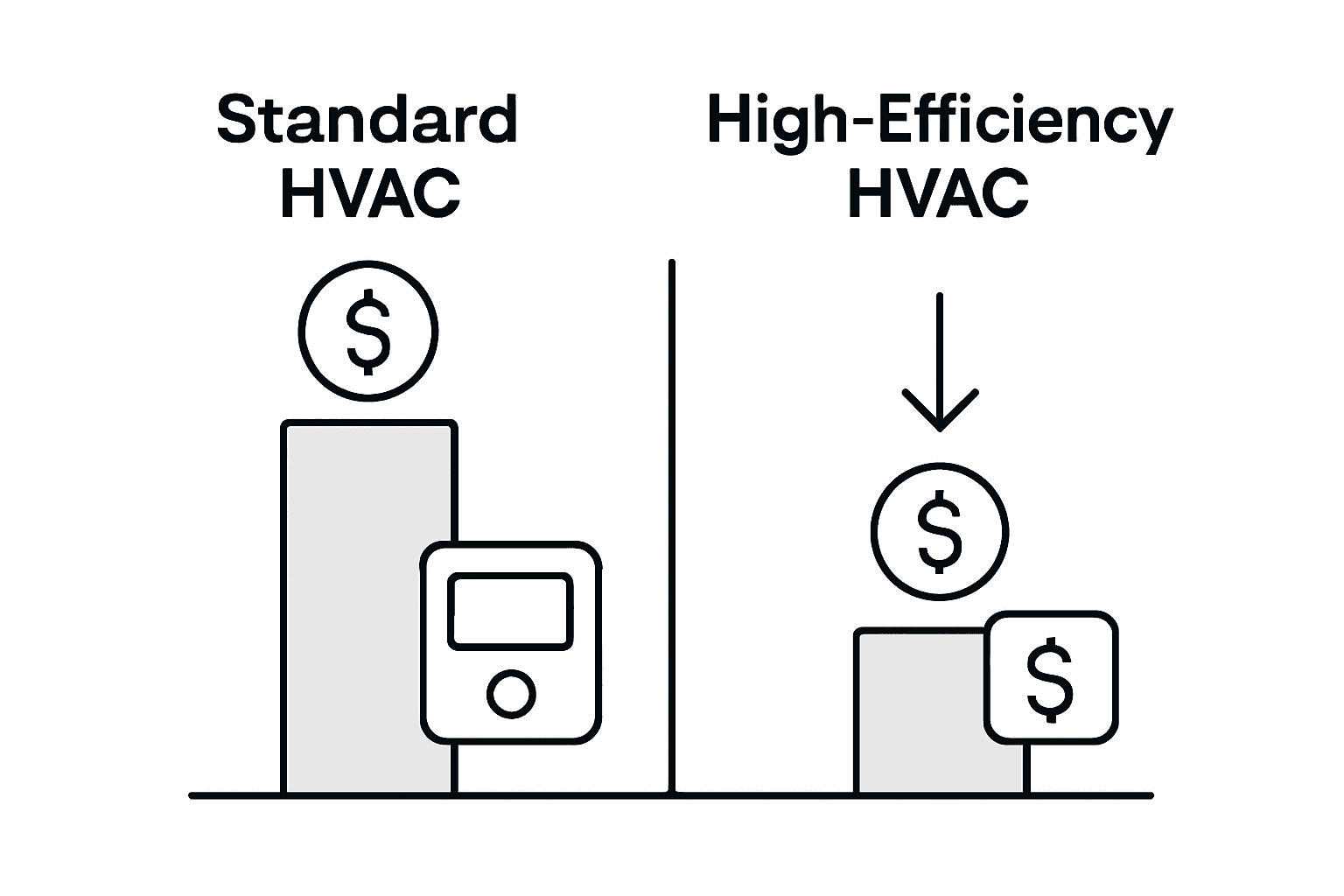
Understanding the total cost of ownership is crucial when selecting an HVAC system. While high-efficiency models may require a higher initial investment, they typically generate substantial savings through reduced energy bills and fewer repair requirements over their operational lifetime.
Pro Tip: Request a professional energy audit to identify specific opportunities for improving your home’s HVAC efficiency, potentially saving 10-30% on annual heating and cooling expenses.
Essential Maintenance and Common Issues
Maintaining your HVAC system is crucial for ensuring long-term performance and preventing unexpected breakdowns. Regular maintenance of central air conditioners includes critical tasks such as cleaning or replacing filters, checking refrigerant levels, and inspecting ducts for leaks, which directly impact system efficiency and longevity.
The most common HVAC issues homeowners encounter include:
- Refrigerant Leaks: Reduce cooling capacity and system efficiency
- Dirty Air Filters: Obstruct airflow and strain system components
- Thermostat Malfunctions: Cause inconsistent temperature control
- Electrical Connection Problems: Interrupt system performance
- Drainage Issues: Lead to potential water damage and mold growth
Homeowners can prevent many HVAC problems by understanding common system issues and performing routine maintenance checks, such as monthly filter inspections and annual professional system evaluations. Proactive maintenance not only extends your system’s lifespan but also maintains optimal energy efficiency and prevents costly emergency repairs.
The following table summarizes common HVAC issues and their typical signs for early detection:
| Issue | Common Warning Sign | Potential Consequence |
|---|---|---|
| Refrigerant Leak | Weak cooling | Higher energy bill, poor comfort |
| Dirty Air Filter | Reduced airflow | System overwork, higher repairs |
| Thermostat Malfunction | Inconsistent temperature | Disrupted comfort, incorrect cycles |
| Electrical Problem | System won’t start | Unexpected shutdowns, safety risks |
| Drainage Blockage | Water near unit | Risk of mold, water damage |
Professional HVAC technicians recommend a comprehensive maintenance approach that includes seasonal system inspections, cleaning internal components, lubricating moving parts, and checking electrical connections. These preventative measures help identify potential issues before they escalate into major system failures.
Pro Tip: Create a seasonal maintenance calendar tracking filter replacements, professional inspections, and system performance to stay ahead of potential HVAC problems and maintain consistent home comfort.
Experience Reliable HVAC Comfort Designed for Tampa Bay Homes
Understanding how HVAC systems like heat pumps, air conditioners, and furnaces work to keep your home comfortable highlights the importance of expert care. If you struggle with inconsistent temperatures, rising energy bills, or unexpected system breakdowns, you are not alone. Your HVAC system’s efficiency and longevity depend on professional maintenance and precise installation. At Home Therapist Cooling, Heating, and Plumbing, we specialize in providing tailored HVAC solutions that match your home’s unique needs and Florida’s climate challenges.
Don’t wait for discomfort or costly repairs to take control of your home comfort. Visit Home Therapist Cooling, Heating, and Plumbing today and discover how our certified technicians deliver expert heating, ventilation, and air conditioning services across Tampa Bay. Whether you need installation, routine maintenance, or emergency repairs, our family-owned company guarantees reliable service and customer satisfaction. Schedule your service now to maintain energy efficiency and keep your indoor air quality at its best.
Frequently Asked Questions
What exactly is an HVAC system?
HVAC stands for Heating, Ventilation, and Air Conditioning. It refers to systems designed to control indoor environmental conditions, ensuring comfort and health in residential spaces by managing temperature, humidity, and air quality.
What are the main components of an HVAC system?
The core components of an HVAC system include heating units (like furnaces), cooling mechanisms (such as air conditioners), ventilation networks, and control systems (like programmable thermostats), all working together to maintain a comfortable indoor environment.
How do I know which HVAC system is best for my home?
Choosing the right HVAC system depends on factors like your home’s size, regional climate, and energy efficiency needs. Common types include furnaces, heat pumps, central air conditioning systems, and ductless mini-split systems, each with unique advantages.
Why is regular maintenance important for an HVAC system?
Regular maintenance is crucial for ensuring optimal performance, extending the system’s lifespan, and preventing costly repairs. Routine checks, such as cleaning filters and inspecting components, help identify issues early and keep your HVAC system running efficiently.
Recommended
- Complete Guide to HVAC’s Role in Air Quality – Home Therapist Cooling, Heating, and Plumbing
- Complete Guide to HVAC’s Role in Air Quality – Home Therapist Cooling, Heating, and Plumbing
- 6 Types of HVAC Systems Every Tampa Bay Homeowner Should Know – Home Therapist Cooling, Heating, and Plumbing
- What Is HVAC Commissioning? Complete Breakdown – Home Therapist Cooling, Heating, and Plumbing
- Roofing Terminology Explained: Speak Like a Roofer – J. A. Kelly Contracting Services