
Heater Reconnection and Thermostat Configuration in New Port Richey, FL 34652
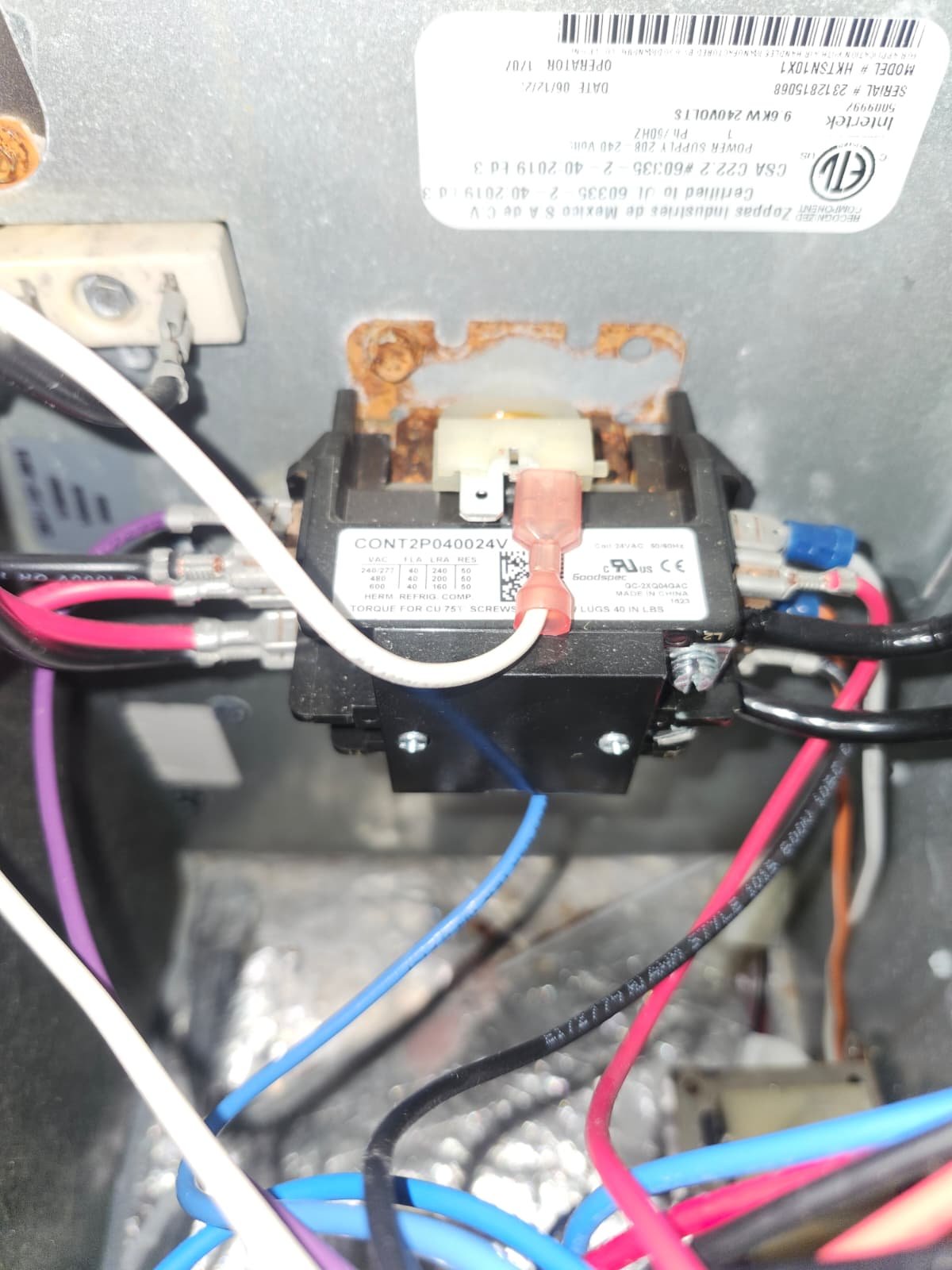
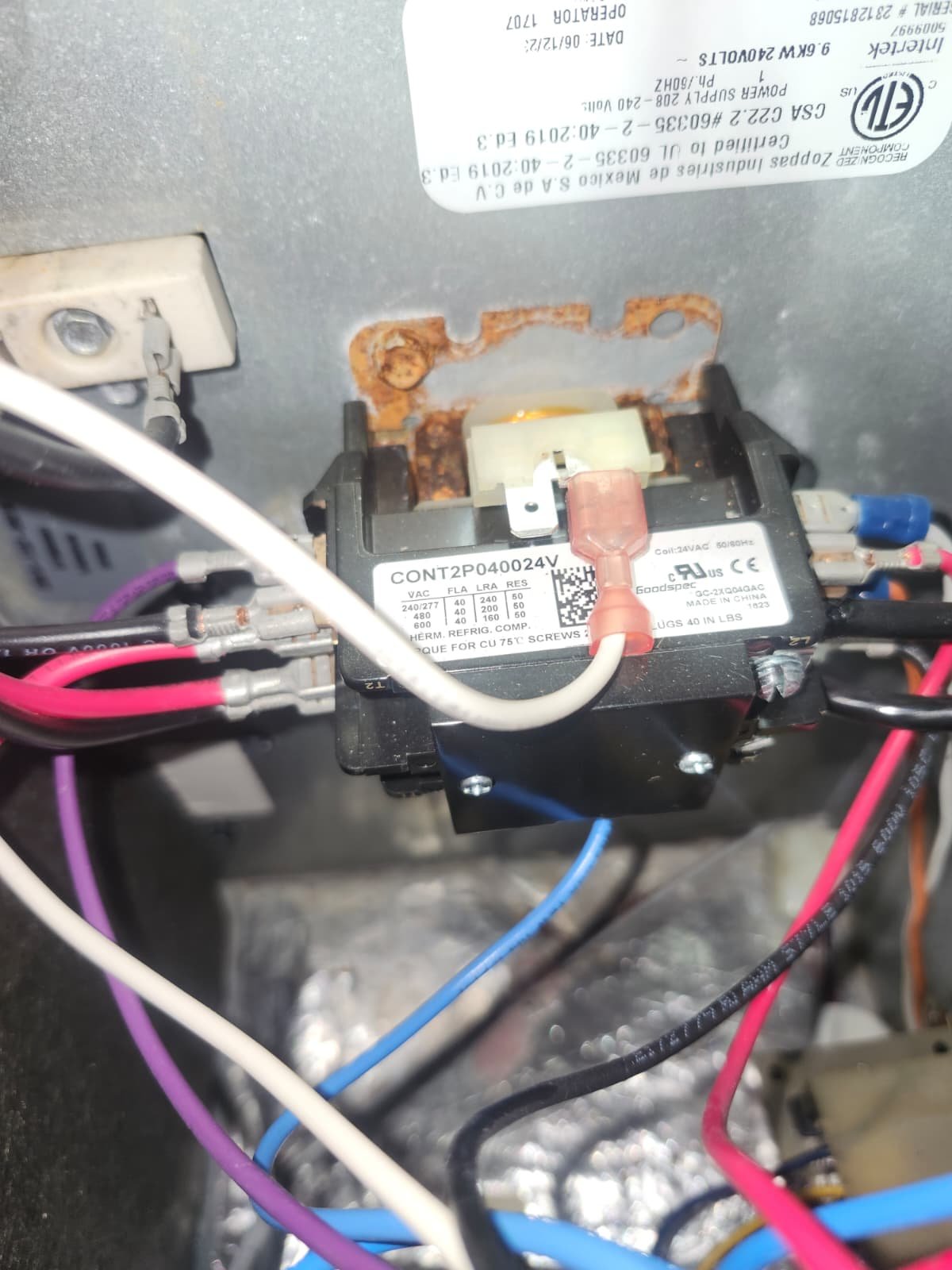
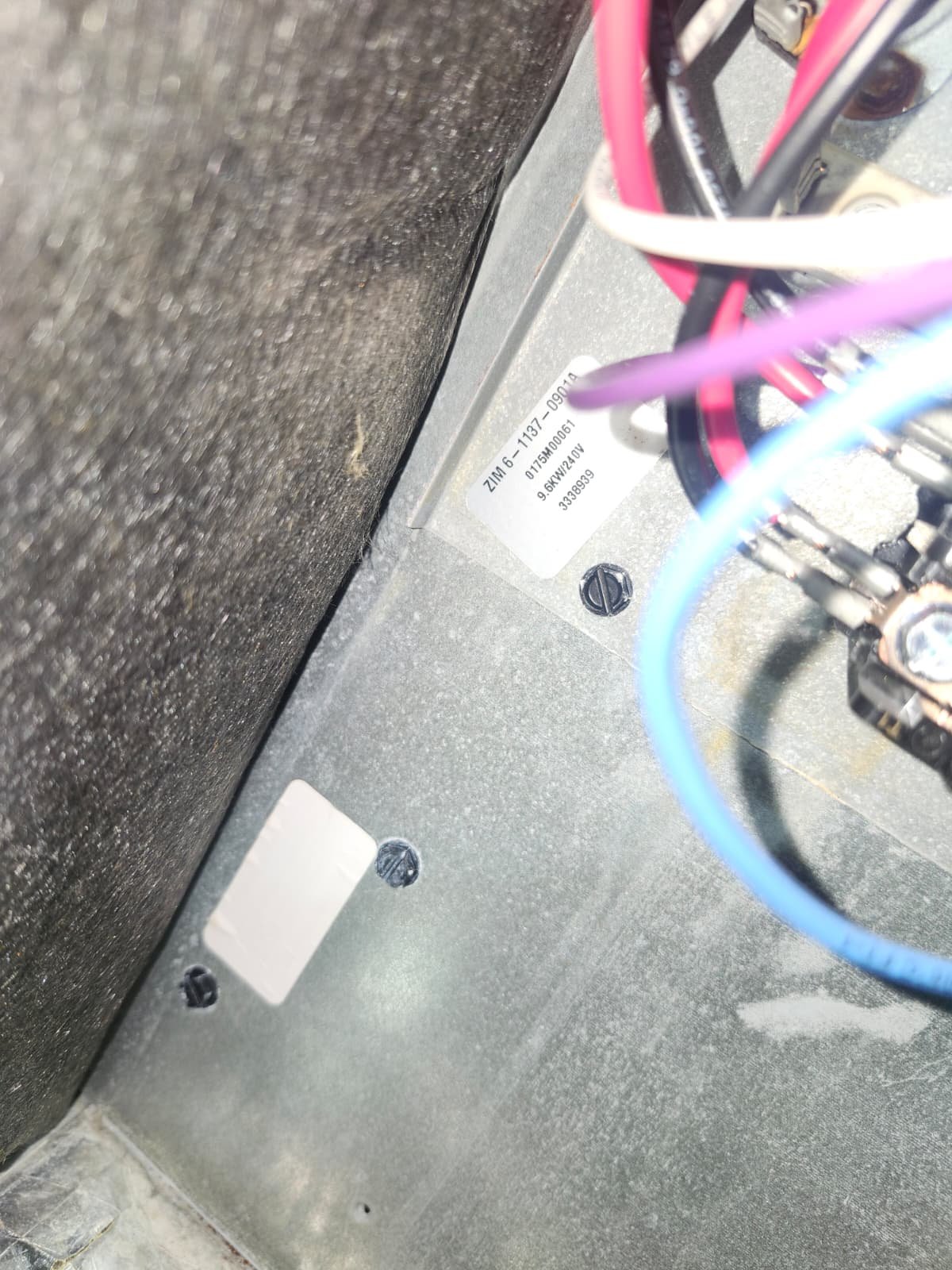
When cooler evenings roll into New Port Richey, FL 34652, you really feel it if your heater isn’t working the way it should. For this homeowner, a disconnected heater and a misconfigured thermostat meant their system wasn’t kicking on when they needed it most. Our team at Home Therapist Cooling, Heating, and Plumbing was called in to safely reconnect the heater, properly configure the thermostat, and help the homeowner prevent future issues with an ongoing maintenance plan.
In this case study, we’ll walk through what was happening at the home, how we diagnosed the situation, and the steps we took to get the heating system back online and running correctly. If you’re dealing with heater or thermostat problems in New Port Richey, FL, this story will give you a clear idea of what to expect and how we can help.
Customer Problem: What Was Happening at the Home
Our client in New Port Richey reached out because their heating system wasn’t turning on, even though the thermostat showed the right temperature settings. They were concerned that something was wrong with the heater itself, and they weren’t sure if it was safe to try to reset anything on their own.
From the job details, we knew two key things:
- The heater needed reconnection.
- The thermostat needed to be configured correctly.
This usually points to one of a few common scenarios we see in homes across the New Port Richey area:
- The system was previously shut down for service or renovation and never fully brought back online.
- Thermostat wiring or settings weren’t matched to the equipment (for example, heat pump vs. straight cool with electric heat).
- A safety device or switch had been tripped, and the system was effectively offline.
Either way, the homeowner was left without reliable heat. In a place like New Port Richey—a growing city on Florida’s Gulf Coast just north of Tampa—that may not mean freezing temperatures, but it absolutely affects comfort, sleep, and health, especially for kids or older adults.
Our Inspection & Diagnosis Process
When our technician arrived, the first step was to listen to the homeowner. We always start by confirming:
- What the system is (heat pump, gas furnace, electric air handler with heat strips, etc.).
- What symptoms they’ve noticed (no heat at all, intermittent operation, thermostat going blank, etc.).
- Any recent work done on the HVAC system or electrical system.
With that context, we moved into a systematic inspection of the heating and control system.
1. Safety and Power Checks
Before touching any equipment, we made sure everything was safe. That means checking:
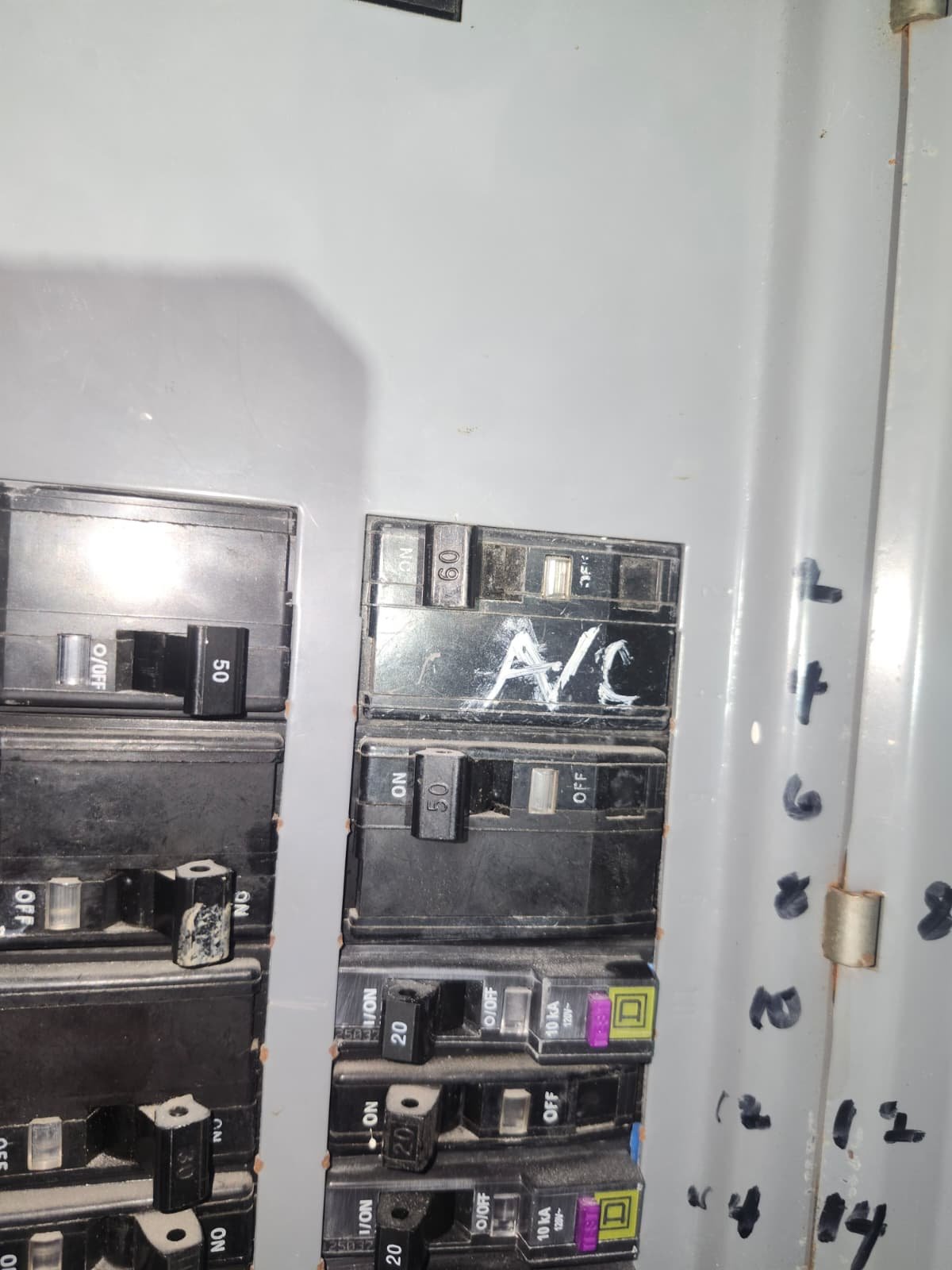
- Main breakers and subpanel breakers feeding the air handler or furnace.
- Any outdoor disconnects or service switches for the HVAC system.
- Service switches on or near the air handler or furnace cabinet.
A heater that has been disconnected can mean anything from a simple switched-off breaker to disconnected wiring that must be re-terminated correctly. We treat all of it as potentially hazardous until it’s verified otherwise.
2. Verifying the Heater Reconnection Points
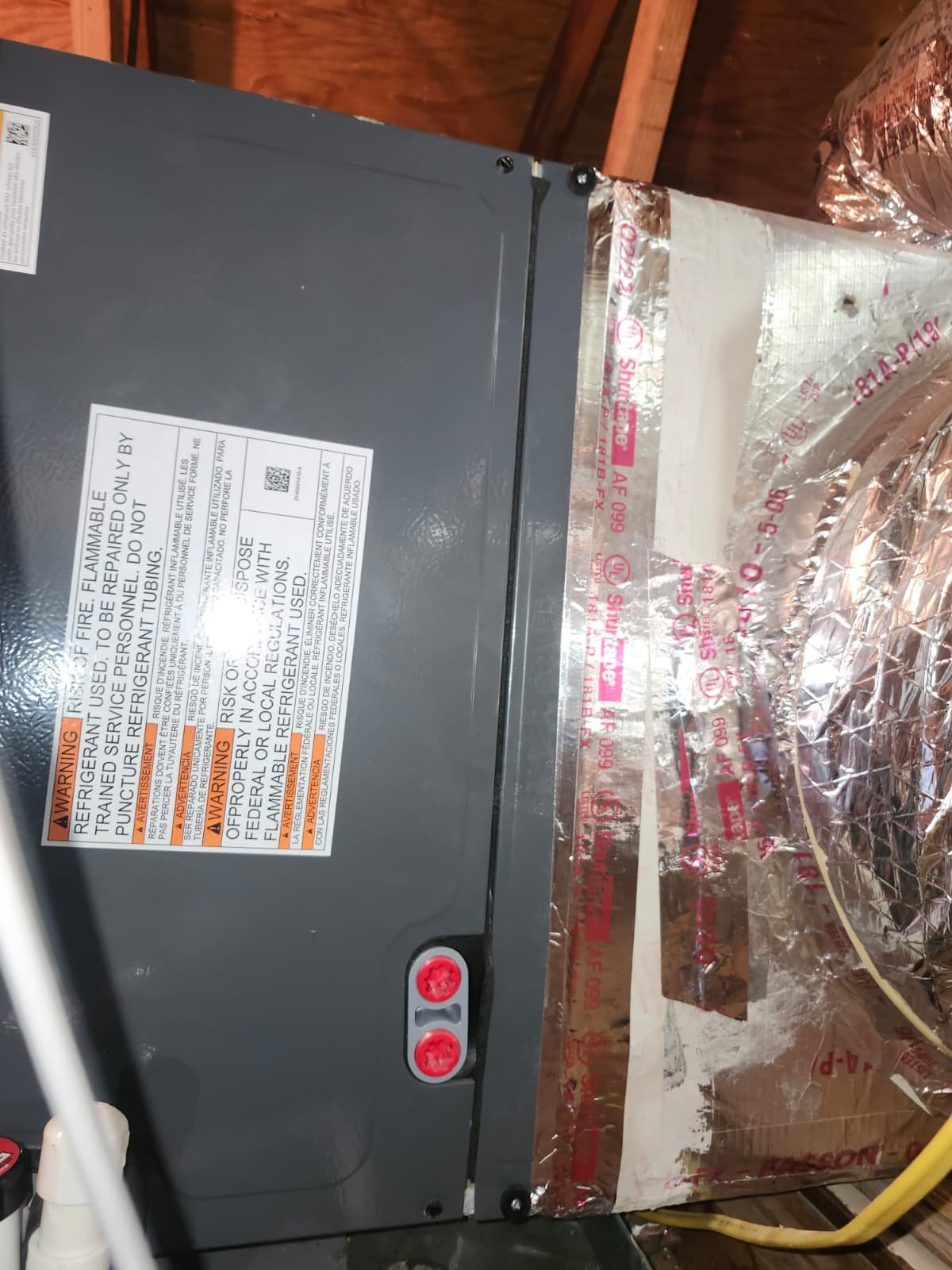
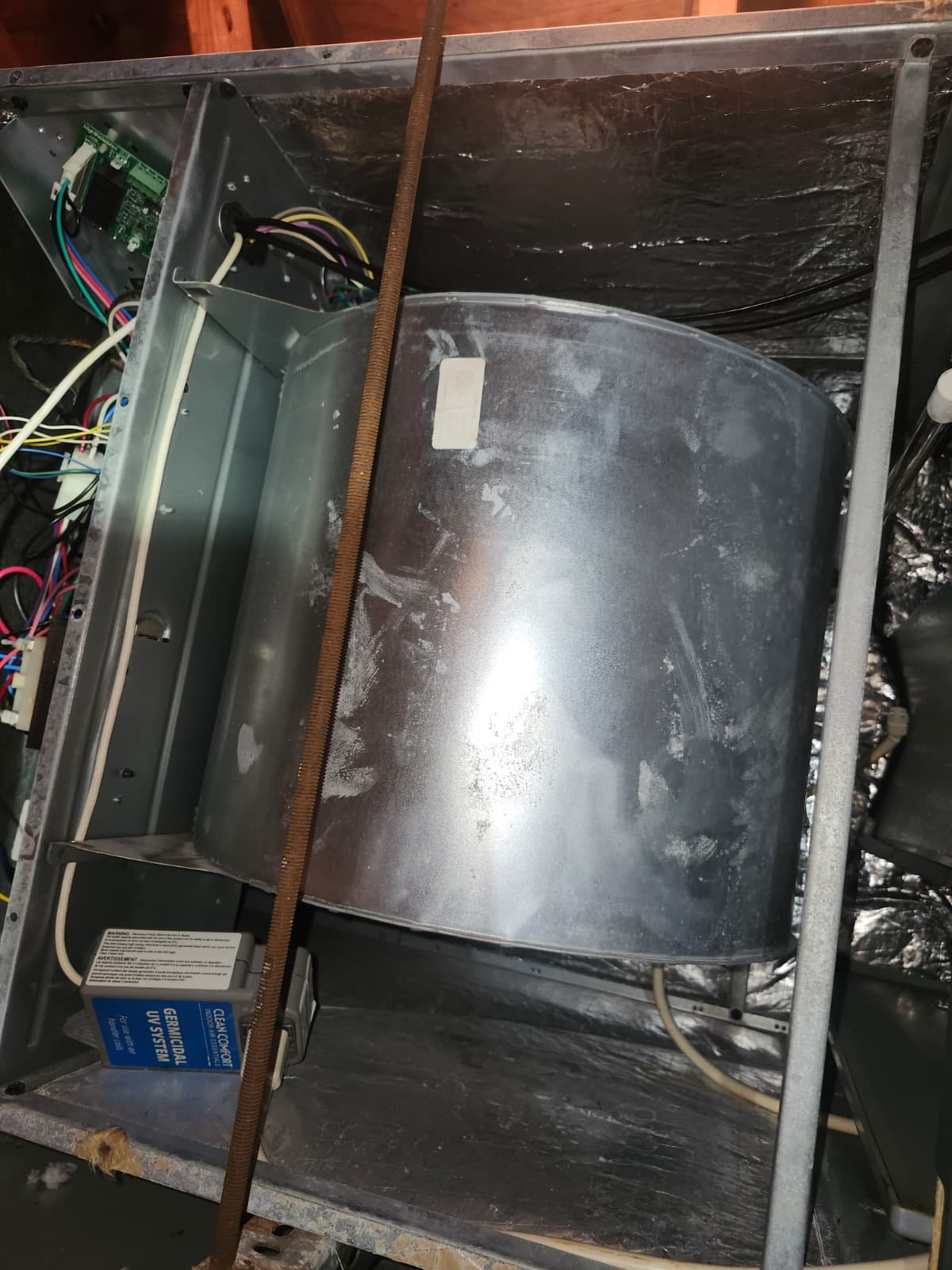
Once power safety was confirmed, our technician inspected the heater connection points inside the air handler or furnace compartment. Common issues we look for include:
- Loose or disconnected control wires to the heating elements or heat call terminal.
- Disconnected high-voltage wiring to the heat strips (for electric systems).
- Unplugged safety devices or float switches.
- Evidence of prior work that was never fully completed or label tags left from a previous service call.
In this home, the heater had been left disconnected from normal operation. That meant even when the thermostat was calling for heat, the system wouldn’t respond. Our task was to restore that connection safely and in line with manufacturer wiring specifications.
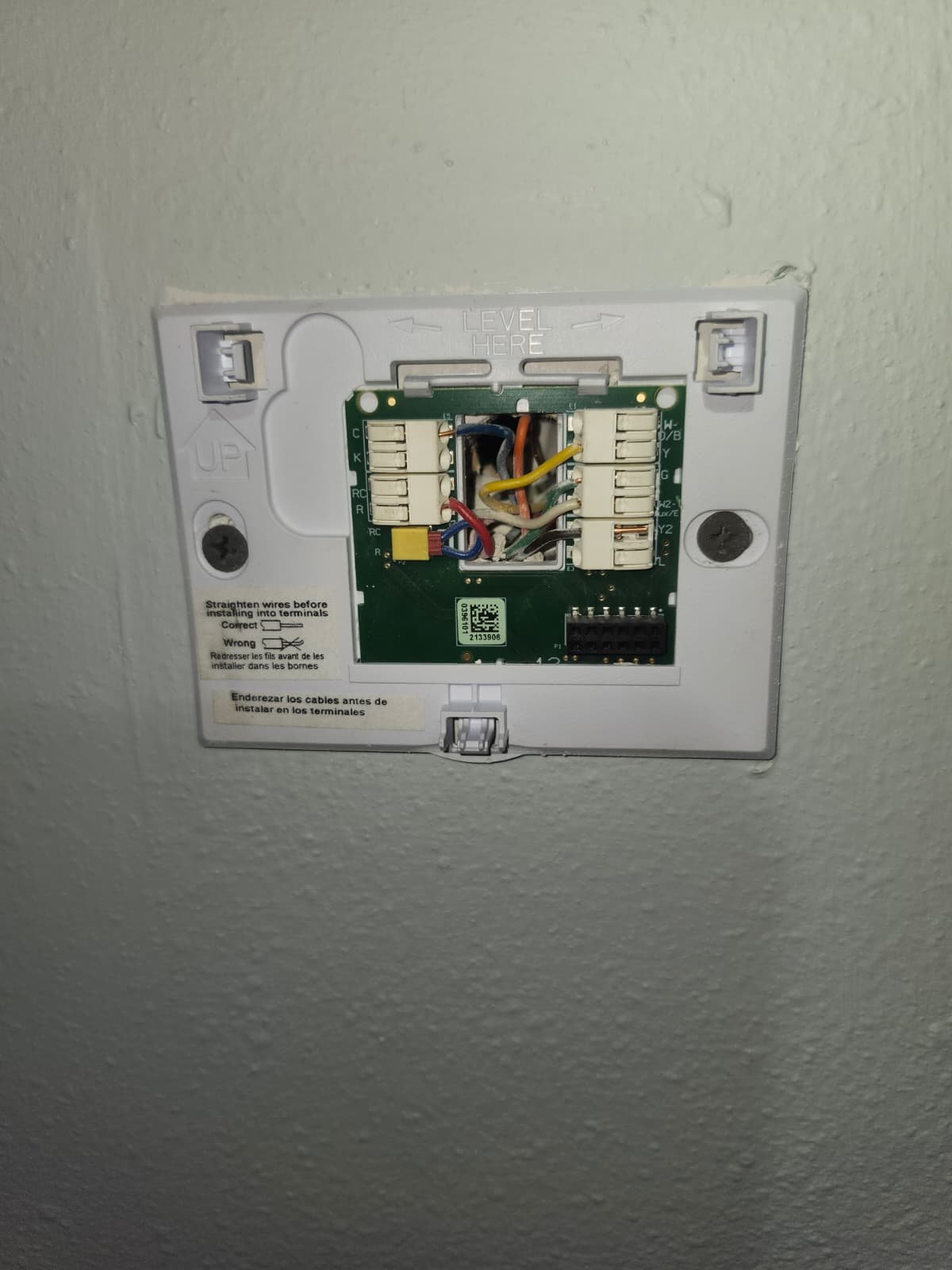
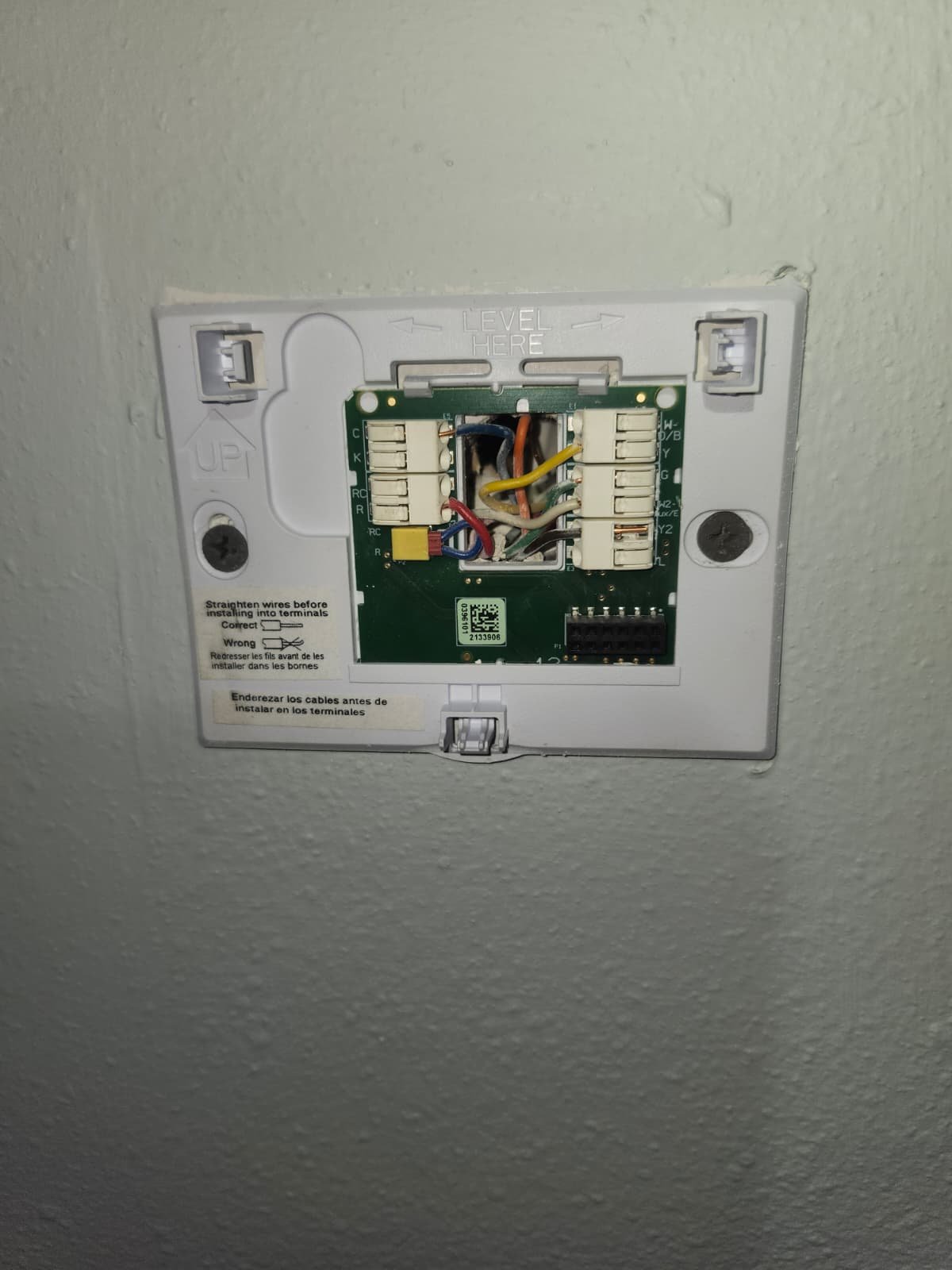
3. Reviewing Thermostat Wiring & Equipment Settings
Next, we moved to the thermostat itself. Misconfigured thermostats are one of the most common reasons we’re called out for heating and cooling issues in New Port Richey and the surrounding areas.
We checked:
- That the thermostat had proper power (C-wire or batteries as required).
- That each wire was landed on the correct terminal (R, Y, G, W, O/B, C, etc.).
- That the thermostat was programmed for the right type of system (for example, heat pump with auxiliary heat vs conventional furnace).
- Temperature differentials and “cycle” settings that control how often the system starts and stops.
Even a great thermostat can cause a lot of frustration if it’s not set up for the specific HVAC equipment in your home. That’s why we often recommend reviewing resources like our guide to essential smart thermostat features if you’re considering an upgrade.
Step-By-Step: How We Fixed the Issue
Once we understood the full picture, our technician moved through a structured process to bring the heater safely back online and get the thermostat properly configured.
Step 1: Safely Reconnect the Heater
The first repair task was the heater reconnection. That included:
- Verifying all disconnects were off and the system was safe to work on.
- Inspecting the wiring to the heating elements or furnace controls for any damage, corrosion, or burning.
- Reconnecting the appropriate control and power conductors according to the unit’s wiring diagram.
- Ensuring all wire nuts, lugs, and terminals were tight and properly insulated.
- Reinstating any safety switches or interlocks that protect the system from flooding or overheating.
We never simply “turn something back on” without verifying why it was off or disconnected in the first place. A safe reconnection means confirming the equipment is in good condition and that no one’s comfort or safety will be at risk when it starts operating again.
Step 2: Thermostat Configuration and Testing
With the heater reconnected, the next step was to properly configure the thermostat. This is where many DIY attempts get stuck, especially with programmable or smart thermostats.
Our technician:
- Verified the thermostat model and menu options.
- Set the thermostat to match the installed system type (for example, heat pump with electric backup heat).
- Adjusted heating stages, fan control, and temperature differential settings for balanced comfort and efficiency.
- Confirmed that the thermostat’s wiring matched both the control board at the air handler and the equipment’s configuration.
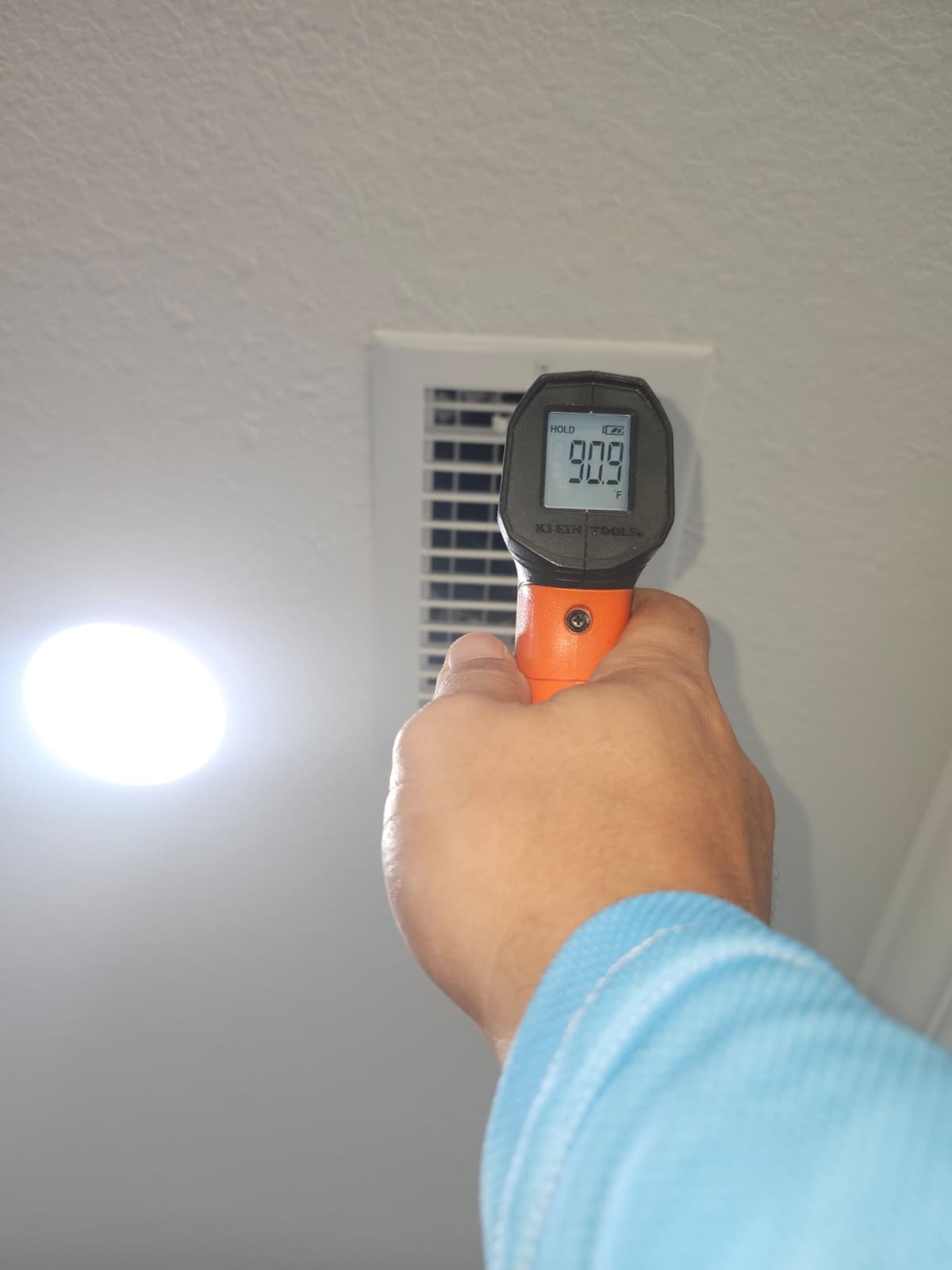
Once the configuration was complete, we ran the system through a full operational test:
- Commanded a call for heat from the thermostat.
- Verified that the indoor unit and heating elements (or furnace burner/heat pump) came on as expected.
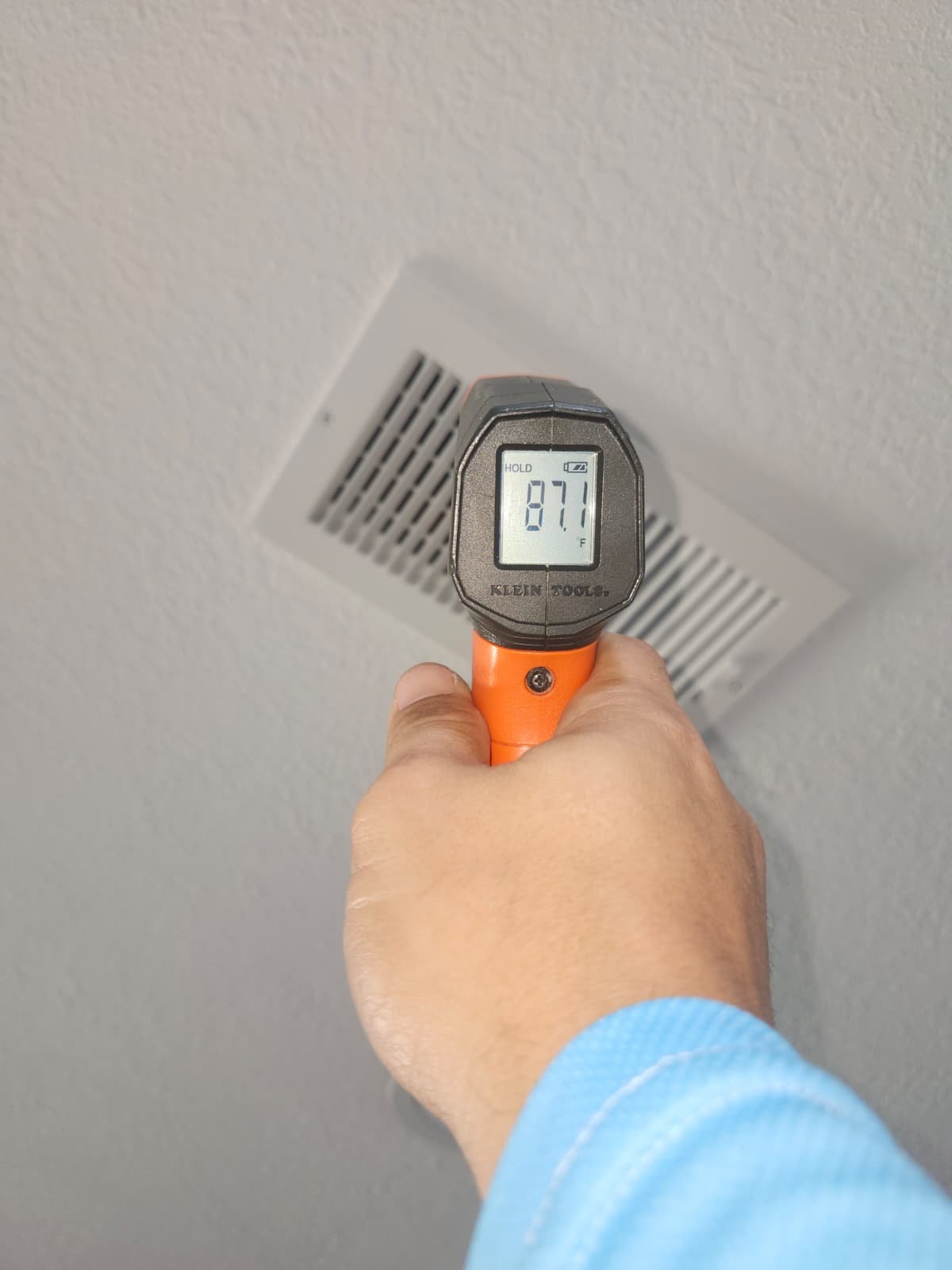
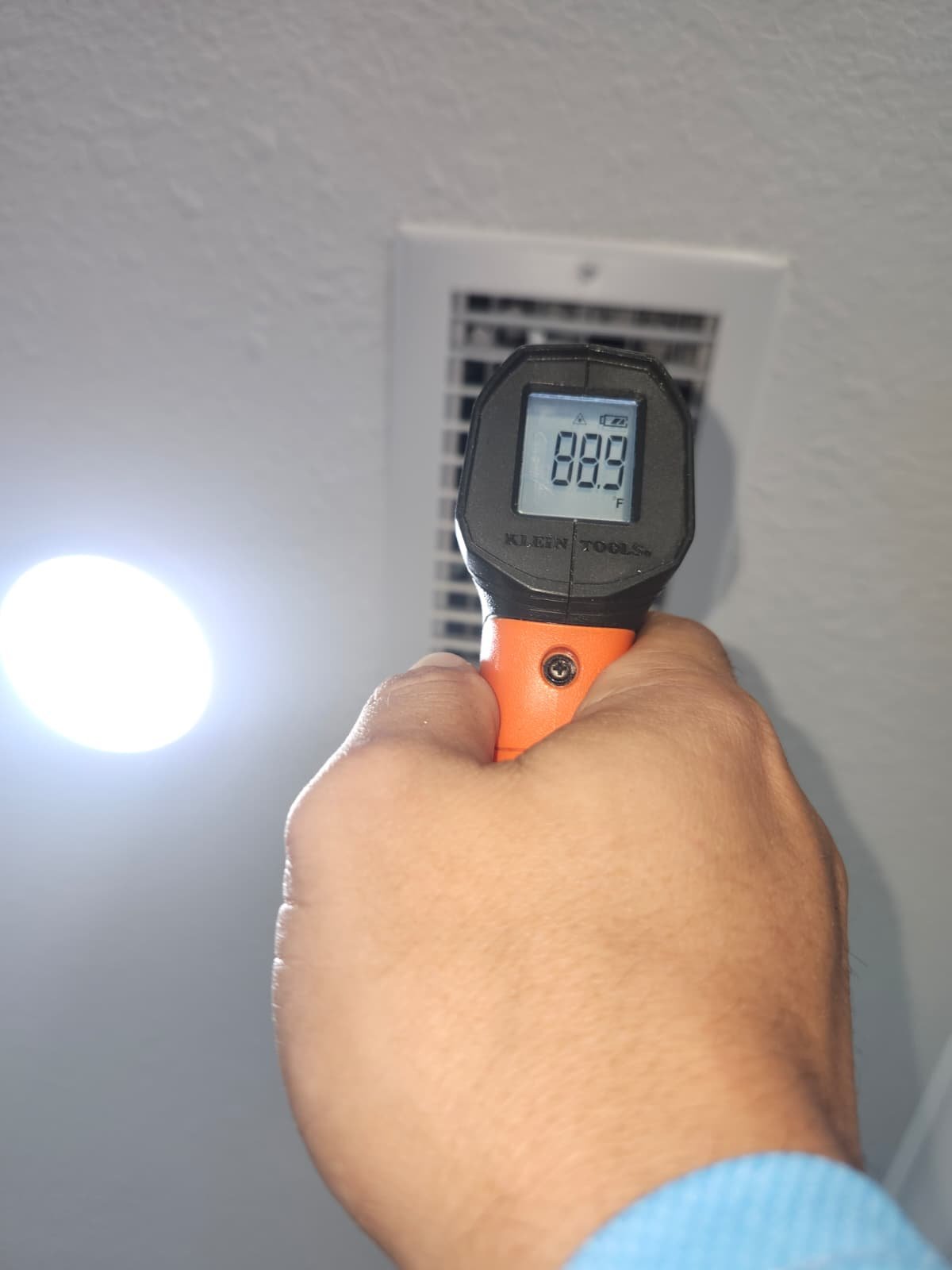
- Confirmed warm air was delivered through the supply registers.
- Checked that the system shut off correctly when the thermostat reached the setpoint.
This kind of full test is essential. It’s not enough to see the thermostat display change; we want to be sure the heater responds the right way, every time.
Step 3: Enrolling the Home in Our Elite Therapy Plan
During the appointment, we also talked with the homeowner about long-term care for their HVAC system. They decided to enroll in our Elite Therapy Plan, which is our maintenance program designed to keep heating and cooling systems in top shape.
The Elite Therapy Plan offers ongoing benefits such as:
- Regular system checkups and tune-ups to catch small issues early.
- Priority scheduling for service calls.
- Discounts on certain repairs and services.
For homeowners in New Port Richey and nearby areas, having a maintenance plan is one of the best ways to reduce surprise breakdowns and extend equipment life. It’s also a great way to make sure thermostats, safety controls, and heaters stay properly configured from season to season.
If you want to learn more about how consistent maintenance helps, you might find our article on how often you should service your AC in Florida especially helpful—many of those same principles apply to heating equipment as well.
Why This Fix Works and What Could Have Happened Otherwise
Reconnecting the heater and correctly configuring the thermostat may sound simple, but when it’s done thoroughly and safely, it prevents a whole list of potential problems.
Without Proper Heater Reconnection
If a heater remains disconnected, the obvious problem is lack of heat. But there are other risks too:
- Constant thermostat cycling: The thermostat continues trying to call for heat, which can stress low-voltage controls and relays.
- Incorrect DIY attempts: Homeowners sometimes attempt to reconnect wiring themselves and accidentally bypass safety devices or miswire components.
- Hidden electrical issues: Disconnected wiring might be a sign of an underlying electrical or equipment problem that should be professionally evaluated.
Without Correct Thermostat Configuration
A misconfigured thermostat can create comfort problems and higher bills, even if the heater itself is technically operational. Common issues include:
- The system never switching to the proper heating mode.
- Short cycling (frequent on/off) that wears out components.
- Overshooting the temperature, making the home uncomfortably warm or cool.
- Backup or emergency heat running more than necessary, increasing energy costs.
By addressing both the physical reconnection of the heater and the thermostat’s logic and settings, we gave this New Port Richey homeowner a reliable, predictable heating system—exactly what you need when a cool front rolls through.
Tips to Prevent Thermostat and Heater Problems in New Port Richey Homes
Whether you live near downtown New Port Richey, close to Sims Park along the Cotee River, or in one of the surrounding neighborhoods, there are a few simple steps you can take to reduce heater and thermostat issues.
1. Don’t Ignore “Small” Thermostat Quirks
If your thermostat:
- Has a display that flickers or goes blank.
- Doesn’t always respond when you change the temperature.
- Seems to run the system in the wrong mode (cool instead of heat or vice versa).
Those are all signs something isn’t quite right. It could be a wiring issue, a power problem, or simply incorrect settings. Getting it checked early is usually a quick, cost-effective visit.
2. Schedule Routine HVAC Maintenance
Regular system checkups help keep your heater, thermostat, and entire HVAC system working together smoothly. During a maintenance visit, our technicians:
- Inspect electrical connections and tighten them where needed.
- Check safety switches and controls.
- Verify thermostat operation and system response.
- Clean critical components that affect airflow and efficiency.
Our Elite Therapy Plan builds these services into an easy, predictable schedule so you don’t have to keep track of it yourself.
3. Be Careful with DIY Wiring or Renovations
It’s surprisingly common for heaters to get disconnected or miswired when other work is being done in the home, like electrical work, remodeling, or even painting and drywall repairs near the air handler closet.
If any work is done near your HVAC equipment or thermostat, it’s a smart idea to:
- Verify the system works correctly afterward.
- Call a licensed HVAC company if you notice anything unusual.
Our team is always available to review your system after home projects to make sure everything is still wired, configured, and operating safely.
4. Consider a Professional Thermostat Upgrade
If your thermostat is older or you’re interested in better comfort and control, upgrading with professional installation can make a big difference. Proper setup is critical, especially for smart thermostats and heat pump systems. You can explore some options in our overview of recommended smart thermostats, and we can help you choose one that fits your home and habits.
Why Choose Home Therapist in New Port Richey, FL?
Home Therapist Cooling, Heating, and Plumbing is proud to serve homeowners throughout New Port Richey, FL 34652 and the wider Tampa Bay region. Whether you’re right in town or just outside city limits, our goal is always the same: to make your home more comfortable, safe, and efficient, without confusion or pressure.
Here’s what sets our team apart when it comes to heater and thermostat issues:
We Focus on Clear Explanations
We know HVAC systems can feel complicated. Our technicians take the time to explain what’s going on in plain language—no jargon, no scare tactics. You’ll understand why your heater was disconnected, what your thermostat was doing, and what your options are going forward.
We Look at the Whole System
Instead of just flipping a breaker or pressing a reset button, we inspect the entire path from thermostat to air handler to outdoor unit (if applicable). That helps us spot issues that might cause trouble later. If we notice anything that could affect cooling performance in the warmer months, we’ll let you know that too and may recommend services like our air conditioning repair and service options.
We Offer Ongoing Support Through Maintenance Plans
The Elite Therapy Plan that this homeowner chose is just one example of how we help you stay ahead of problems. Instead of waiting for breakdowns, we work with you to keep everything tuned up. To better understand how regular care can impact your system and your budget, you may also find our article on avoiding automatic renewal pitfalls with maintenance plans helpful when you’re comparing options.
Local Comfort, Local Knowledge
New Port Richey’s climate is unique: mild winters, hot and humid summers, and lots of days where you might switch between AC and heat in the same week. Living in a Gulf Coast community like this, it’s essential that your HVAC system—including your thermostat—responds quickly and correctly when the weather changes.
Our technicians work all over the region, from New Port Richey and Port Richey to the wider Tampa Bay area. That local experience means we understand how coastal humidity, salt air, and seasonal temperature swings can affect your systems. If you’re curious where our service area falls on the map, you can always look up New Port Richey on Google Maps to see just how connected we are to the rest of the Tampa Bay community.
When to Call for Professional Help
You should consider calling a professional HVAC team like Home Therapist if:
- Your heater doesn’t respond when you adjust the thermostat.
- Your thermostat shows an error code or keeps restarting.
- Only certain modes (heat, cool, or fan) seem to work properly.
- You suspect wiring may have been changed or disconnected.
- You want the peace of mind of a proper system check as seasons change.
Even if your system seems to be working most of the time, inconsistent performance is a sign that something may not be set up correctly. Catching and correcting those issues early is almost always less stressful than waiting for a full breakdown.
Need Heater or Thermostat Help in New Port Richey, FL?
If you’re in New Port Richey, FL 34652 and your heater isn’t turning on, or your thermostat just doesn’t seem to be doing what it should, our team is here for you. We can:
- Safely reconnect heaters and verify that all electrical and control components are in good condition.
- Configure and test your thermostat so it matches your equipment and your comfort needs.
- Recommend ongoing maintenance options like our Elite Therapy Plan to keep your system reliable year-round.
Call Home Therapist Cooling, Heating, and Plumbing or visit our website to schedule your service. Whether you need a one-time repair, help with a thermostat upgrade, or ongoing HVAC care, we’re ready to provide the therapy your home needs. #HomeTherapist #TheTherapyYourHomeNeeds
When cooler evenings roll into New Port Richey, FL 34652, you really feel it if your heater isn’t working the way it should. For this homeowner, a disconnected heater and a misconfigured thermostat meant their system wasn’t kicking on when they needed it most. Our team at Home Therapist Cooling, Heating, and Plumbing was called in to safely reconnect the heater, properly configure the thermostat, and help the homeowner prevent future issues with an ongoing maintenance plan.
In this case study, we’ll walk through what was happening at the home, how we diagnosed the situation, and the steps we took to get the heating system back online and running correctly. If you’re dealing with heater or thermostat problems in New Port Richey, FL, this story will give you a clear idea of what to expect and how we can help.
Customer Problem: What Was Happening at the Home
Our client in New Port Richey reached out because their heating system wasn’t turning on, even though the thermostat showed the right temperature settings. They were concerned that something was wrong with the heater itself, and they weren’t sure if it was safe to try to reset anything on their own.
From the job details, we knew two key things:
- The heater needed reconnection.
- The thermostat needed to be configured correctly.
This usually points to one of a few common scenarios we see in homes across the New Port Richey area:
- The system was previously shut down for service or renovation and never fully brought back online.
- Thermostat wiring or settings weren’t matched to the equipment (for example, heat pump vs. straight cool with electric heat).
- A safety device or switch had been tripped, and the system was effectively offline.
Either way, the homeowner was left without reliable heat. In a place like New Port Richey—a growing city on Florida’s Gulf Coast just north of Tampa—that may not mean freezing temperatures, but it absolutely affects comfort, sleep, and health, especially for kids or older adults.
Our Inspection & Diagnosis Process
When our technician arrived, the first step was to listen to the homeowner. We always start by confirming:
- What the system is (heat pump, gas furnace, electric air handler with heat strips, etc.).
- What symptoms they’ve noticed (no heat at all, intermittent operation, thermostat going blank, etc.).
- Any recent work done on the HVAC system or electrical system.
With that context, we moved into a systematic inspection of the heating and control system.
1. Safety and Power Checks
Before touching any equipment, we made sure everything was safe. That means checking:
- Main breakers and subpanel breakers feeding the air handler or furnace.
- Any outdoor disconnects or service switches for the HVAC system.
- Service switches on or near the air handler or furnace cabinet.
A heater that has been disconnected can mean anything from a simple switched-off breaker to disconnected wiring that must be re-terminated correctly. We treat all of it as potentially hazardous until it’s verified otherwise.
2. Verifying the Heater Reconnection Points
Once power safety was confirmed, our technician inspected the heater connection points inside the air handler or furnace compartment. Common issues we look for include:
- Loose or disconnected control wires to the heating elements or heat call terminal.
- Disconnected high-voltage wiring to the heat strips (for electric systems).
- Unplugged safety devices or float switches.
- Evidence of prior work that was never fully completed or label tags left from a previous service call.
In this home, the heater had been left disconnected from normal operation. That meant even when the thermostat was calling for heat, the system wouldn’t respond. Our task was to restore that connection safely and in line with manufacturer wiring specifications.
3. Reviewing Thermostat Wiring & Equipment Settings
Next, we moved to the thermostat itself. Misconfigured thermostats are one of the most common reasons we’re called out for heating and cooling issues in New Port Richey and the surrounding areas.
We checked:
- That the thermostat had proper power (C-wire or batteries as required).
- That each wire was landed on the correct terminal (R, Y, G, W, O/B, C, etc.).
- That the thermostat was programmed for the right type of system (for example, heat pump with auxiliary heat vs conventional furnace).
- Temperature differentials and “cycle” settings that control how often the system starts and stops.
Even a great thermostat can cause a lot of frustration if it’s not set up for the specific HVAC equipment in your home. That’s why we often recommend reviewing resources like our guide to essential smart thermostat features if you’re considering an upgrade.
Step-By-Step: How We Fixed the Issue
Once we understood the full picture, our technician moved through a structured process to bring the heater safely back online and get the thermostat properly configured.
Step 1: Safely Reconnect the Heater
The first repair task was the heater reconnection. That included:
- Verifying all disconnects were off and the system was safe to work on.
- Inspecting the wiring to the heating elements or furnace controls for any damage, corrosion, or burning.
- Reconnecting the appropriate control and power conductors according to the unit’s wiring diagram.
- Ensuring all wire nuts, lugs, and terminals were tight and properly insulated.
- Reinstating any safety switches or interlocks that protect the system from flooding or overheating.
We never simply “turn something back on” without verifying why it was off or disconnected in the first place. A safe reconnection means confirming the equipment is in good condition and that no one’s comfort or safety will be at risk when it starts operating again.
Step 2: Thermostat Configuration and Testing
With the heater reconnected, the next step was to properly configure the thermostat. This is where many DIY attempts get stuck, especially with programmable or smart thermostats.
Our technician:
- Verified the thermostat model and menu options.
- Set the thermostat to match the installed system type (for example, heat pump with electric backup heat).
- Adjusted heating stages, fan control, and temperature differential settings for balanced comfort and efficiency.
- Confirmed that the thermostat’s wiring matched both the control board at the air handler and the equipment’s configuration.
Once the configuration was complete, we ran the system through a full operational test:
- Commanded a call for heat from the thermostat.
- Verified that the indoor unit and heating elements (or furnace burner/heat pump) came on as expected.
- Confirmed warm air was delivered through the supply registers.
- Checked that the system shut off correctly when the thermostat reached the setpoint.
This kind of full test is essential. It’s not enough to see the thermostat display change; we want to be sure the heater responds the right way, every time.
Step 3: Enrolling the Home in Our Elite Therapy Plan
During the appointment, we also talked with the homeowner about long-term care for their HVAC system. They decided to enroll in our Elite Therapy Plan, which is our maintenance program designed to keep heating and cooling systems in top shape.
The Elite Therapy Plan offers ongoing benefits such as:
- Regular system checkups and tune-ups to catch small issues early.
- Priority scheduling for service calls.
- Discounts on certain repairs and services.
For homeowners in New Port Richey and nearby areas, having a maintenance plan is one of the best ways to reduce surprise breakdowns and extend equipment life. It’s also a great way to make sure thermostats, safety controls, and heaters stay properly configured from season to season.
If you want to learn more about how consistent maintenance helps, you might find our article on how often you should service your AC in Florida especially helpful—many of those same principles apply to heating equipment as well.
Why This Fix Works and What Could Have Happened Otherwise
Reconnecting the heater and correctly configuring the thermostat may sound simple, but when it’s done thoroughly and safely, it prevents a whole list of potential problems.
Without Proper Heater Reconnection
If a heater remains disconnected, the obvious problem is lack of heat. But there are other risks too:
- Constant thermostat cycling: The thermostat continues trying to call for heat, which can stress low-voltage controls and relays.
- Incorrect DIY attempts: Homeowners sometimes attempt to reconnect wiring themselves and accidentally bypass safety devices or miswire components.
- Hidden electrical issues: Disconnected wiring might be a sign of an underlying electrical or equipment problem that should be professionally evaluated.
Without Correct Thermostat Configuration
A misconfigured thermostat can create comfort problems and higher bills, even if the heater itself is technically operational. Common issues include:
- The system never switching to the proper heating mode.
- Short cycling (frequent on/off) that wears out components.
- Overshooting the temperature, making the home uncomfortably warm or cool.
- Backup or emergency heat running more than necessary, increasing energy costs.
By addressing both the physical reconnection of the heater and the thermostat’s logic and settings, we gave this New Port Richey homeowner a reliable, predictable heating system—exactly what you need when a cool front rolls through.
Tips to Prevent Thermostat and Heater Problems in New Port Richey Homes
Whether you live near downtown New Port Richey, close to Sims Park along the Cotee River, or in one of the surrounding neighborhoods, there are a few simple steps you can take to reduce heater and thermostat issues.
1. Don’t Ignore “Small” Thermostat Quirks
If your thermostat:
- Has a display that flickers or goes blank.
- Doesn’t always respond when you change the temperature.
- Seems to run the system in the wrong mode (cool instead of heat or vice versa).
Those are all signs something isn’t quite right. It could be a wiring issue, a power problem, or simply incorrect settings. Getting it checked early is usually a quick, cost-effective visit.
2. Schedule Routine HVAC Maintenance
Regular system checkups help keep your heater, thermostat, and entire HVAC system working together smoothly. During a maintenance visit, our technicians:
- Inspect electrical connections and tighten them where needed.
- Check safety switches and controls.
- Verify thermostat operation and system response.
- Clean critical components that affect airflow and efficiency.
Our Elite Therapy Plan builds these services into an easy, predictable schedule so you don’t have to keep track of it yourself.
3. Be Careful with DIY Wiring or Renovations
It’s surprisingly common for heaters to get disconnected or miswired when other work is being done in the home, like electrical work, remodeling, or even painting and drywall repairs near the air handler closet.
If any work is done near your HVAC equipment or thermostat, it’s a smart idea to:
- Verify the system works correctly afterward.
- Call a licensed HVAC company if you notice anything unusual.
Our team is always available to review your system after home projects to make sure everything is still wired, configured, and operating safely.
4. Consider a Professional Thermostat Upgrade
If your thermostat is older or you’re interested in better comfort and control, upgrading with professional installation can make a big difference. Proper setup is critical, especially for smart thermostats and heat pump systems. You can explore some options in our overview of recommended smart thermostats, and we can help you choose one that fits your home and habits.
Why Choose Home Therapist in New Port Richey, FL?
Home Therapist Cooling, Heating, and Plumbing is proud to serve homeowners throughout New Port Richey, FL 34652 and the wider Tampa Bay region. Whether you’re right in town or just outside city limits, our goal is always the same: to make your home more comfortable, safe, and efficient, without confusion or pressure.
Here’s what sets our team apart when it comes to heater and thermostat issues:
We Focus on Clear Explanations
We know HVAC systems can feel complicated. Our technicians take the time to explain what’s going on in plain language—no jargon, no scare tactics. You’ll understand why your heater was disconnected, what your thermostat was doing, and what your options are going forward.
We Look at the Whole System
Instead of just flipping a breaker or pressing a reset button, we inspect the entire path from thermostat to air handler to outdoor unit (if applicable). That helps us spot issues that might cause trouble later. If we notice anything that could affect cooling performance in the warmer months, we’ll let you know that too and may recommend services like our air conditioning repair and service options.
We Offer Ongoing Support Through Maintenance Plans
The Elite Therapy Plan that this homeowner chose is just one example of how we help you stay ahead of problems. Instead of waiting for breakdowns, we work with you to keep everything tuned up. To better understand how regular care can impact your system and your budget, you may also find our article on avoiding automatic renewal pitfalls with maintenance plans helpful when you’re comparing options.
Local Comfort, Local Knowledge
New Port Richey’s climate is unique: mild winters, hot and humid summers, and lots of days where you might switch between AC and heat in the same week. Living in a Gulf Coast community like this, it’s essential that your HVAC system—including your thermostat—responds quickly and correctly when the weather changes.
Our technicians work all over the region, from New Port Richey and Port Richey to the wider Tampa Bay area. That local experience means we understand how coastal humidity, salt air, and seasonal temperature swings can affect your systems. If you’re curious where our service area falls on the map, you can always look up New Port Richey on Google Maps to see just how connected we are to the rest of the Tampa Bay community.
When to Call for Professional Help
You should consider calling a professional HVAC team like Home Therapist if:
- Your heater doesn’t respond when you adjust the thermostat.
- Your thermostat shows an error code or keeps restarting.
- Only certain modes (heat, cool, or fan) seem to work properly.
- You suspect wiring may have been changed or disconnected.
- You want the peace of mind of a proper system check as seasons change.
Even if your system seems to be working most of the time, inconsistent performance is a sign that something may not be set up correctly. Catching and correcting those issues early is almost always less stressful than waiting for a full breakdown.
Need Heater or Thermostat Help in New Port Richey, FL?
If you’re in New Port Richey, FL 34652 and your heater isn’t turning on, or your thermostat just doesn’t seem to be doing what it should, our team is here for you. We can:
- Safely reconnect heaters and verify that all electrical and control components are in good condition.
- Configure and test your thermostat so it matches your equipment and your comfort needs.
- Recommend ongoing maintenance options like our Elite Therapy Plan to keep your system reliable year-round.
Call Home Therapist Cooling, Heating, and Plumbing or visit our website to schedule your service. Whether you need a one-time repair, help with a thermostat upgrade, or ongoing HVAC care, we’re ready to provide the therapy your home needs. #HomeTherapist #TheTherapyYourHomeNeeds


