

Types of Plumbing Leaks: 14,000 Gallons Lost & Fixes
Tampa Bay homeowners often discover plumbing leaks too late, after thousands of gallons have already drained from their pipes. Whether it’s a silent toilet leak or a sudden burst, each leak type demands different urgency and repair approaches. This guide arms you with practical knowledge to identify leak types, assess their severity, and decide between DIY fixes and professional help, saving you money while protecting your home from water damage.
Table of Contents
- How to Choose the Right Approach to Plumbing Leak Problems
- Faucet Leaks: Causes, Impact, and Best Fixes
- Toilet Leaks: Hidden Water Guzzlers and Repair Strategies
- Pipe Leaks: Detection Challenges and Solutions
- Slab Leaks: Risks and Repair Complexities
- Burst Pipe Leaks: Emergency Identification and Response
- Irrigation System Leaks: Slow Drip Challenges and Water Waste
- Summary Comparison and Situational Recommendations
- Trust Home Therapist Cooling, Heating, and Plumbing for Leak Repairs in Tampa Bay
- Frequently Asked Questions
Key Takeaways
| Point | Details |
|---|---|
| Leak types differ drastically | Water loss, urgency, and repair complexity vary from minor drips to emergency floods. |
| Faucet and irrigation leaks | Often waste massive water volumes but may allow DIY repairs with basic tools. |
| Hidden pipe and slab leaks | Pose significant structural damage risks requiring professional detection and repair. |
| Burst pipes need instant action | Release over 100 gallons per minute causing immediate flooding and emergency response. |
| Timely detection saves money | Early leak repair prevents costly property damage and reduces water bills substantially. |
How to Choose the Right Approach to Plumbing Leak Problems
Evaluating plumbing leaks starts with understanding water loss volume, location accessibility, and potential property damage risk. Repair costs and DIY feasibility shift dramatically depending on whether you’re dealing with a dripping faucet or a hidden slab leak. In Tampa Bay’s coastal environment, salt air and humidity accelerate pipe corrosion, with coastal homes showing up to 30% higher corrosion rates compared to inland properties.
Prioritize emergency leaks like burst pipes immediately to prevent catastrophic flooding. For complex situations involving hidden leaks behind walls or beneath foundations, professional diagnostics using thermal imaging and moisture meters deliver accurate detection. Understanding your home’s plumbing venting system also helps identify potential pressure issues that contribute to leaks.
Consider these evaluation criteria when assessing any leak:
- Measure visible water loss and monitor your water meter for hidden consumption spikes
- Identify leak location accessibility and whether repairs require wall or foundation access
- Assess immediate risks including electrical hazards, structural damage, and mold growth potential
- Evaluate your skill level and available tools against repair complexity requirements
- Calculate total cost including parts, tools, and potential professional service fees
Pro Tip: Inspect exposed pipes monthly in Tampa Bay’s humid, salty environment to catch early corrosion signs like discoloration, mineral buildup, or minor surface pitting before leaks develop.
Faucet Leaks: Causes, Impact, and Best Fixes
Faucet leaks typically originate from worn rubber washers, deteriorated O-rings, or corroded valve seats inside the fixture. Though each drip seems insignificant, a single leaking faucet can waste over 3,000 gallons annually, inflating your water bills by $30 to $50 yearly. These leaks rank low on the urgency scale but addressing them quickly conserves water and prevents accelerated fixture deterioration.
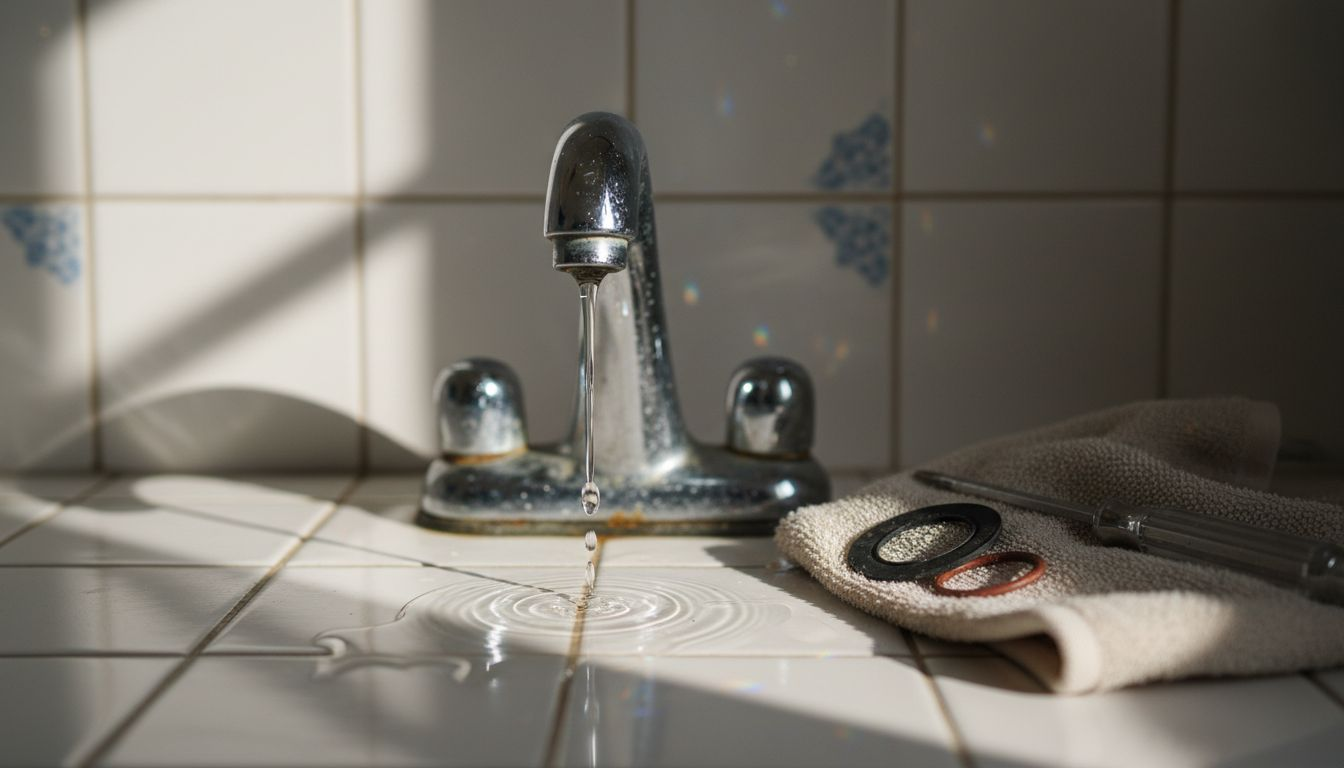
Repair costs for faucet leaks generally range from $150 to $350 when hiring professionals, though many homeowners successfully tackle these fixes themselves. Basic tools like adjustable wrenches, replacement washers, and plumber’s grease usually suffice for most faucet repairs. The repair process involves shutting off water supply, disassembling the faucet handle and stem, replacing worn components, and reassembling carefully.
Common faucet leak repair approaches include:
- Replace rubber washers at the base of the valve stem for compression faucets
- Swap deteriorated O-rings on cartridge style faucets showing handle base leaks
- Clean or replace corroded valve seats that prevent proper washer sealing
- Tighten loose packing nuts around the stem to stop leaks near handles
- Apply plumber’s grease to moving parts during reassembly for smoother operation
Follow essential plumbing tips for homeowners to maintain faucets properly and extend their lifespan.
Pro Tip: Check faucet aerators monthly for mineral buildup that restricts flow and increases pressure on internal seals, accelerating wear and triggering leaks.
Toilet Leaks: Hidden Water Guzzlers and Repair Strategies
Toilet leaks operate silently, making them particularly deceptive water wasters in Tampa Bay households. Faulty flapper valves account for most toilet leaks, allowing water to continuously trickle from the tank into the bowl. Overflow tube issues and worn fill valve seals also contribute significantly. Toilet leaks can waste up to 200 gallons of water per day, dramatically spiking monthly bills and straining local water resources.
These leaks demand moderate urgency because daily water waste accumulates rapidly into thousands of gallons monthly. Fortunately, many toilet leak repairs remain accessible to homeowners with basic mechanical skills. Replacement flappers cost $5 to $20, while complete fill valve assemblies run $15 to $40, making DIY repairs economically attractive.
Effective toilet leak repair strategies include:
- Test for leaks by adding food coloring to the tank and checking for color in the bowl after 15 minutes
- Replace warped or mineral encrusted flapper valves that no longer seal properly
- Adjust or replace fill valves when water continuously runs into the overflow tube
- Clean the flush valve seat to remove mineral deposits preventing flapper seal
- Tighten tank to bowl connections if leaks appear at the base
Professional leak detection services can identify subtle toilet leaks that homeowners miss during visual inspections.
Pipe Leaks: Detection Challenges and Solutions
Pipe leaks hiding behind walls, ceilings, or underground present serious detection challenges requiring advanced diagnostic tools. Hidden pipe leaks often show water stains and mold but require thermal imaging for detection, since visual inspection alone misses leaks concealed within building structures. These leaks risk extensive structural damage, wood rot, and dangerous mold growth when left unaddressed.
Detection typically requires professional equipment including thermal imaging cameras that reveal temperature differentials, moisture meters measuring hidden water content, and acoustic listening devices that amplify leak sounds. Repair complexity and costs vary enormously based on leak location, pipe material, and access requirements. Simple exposed pipe repairs might cost $150 to $350, while concealed leaks requiring wall demolition can exceed $1,000.
Key pipe leak detection and repair considerations:
- Watch for unexplained water stains, peeling paint, or wallpaper bubbling on walls and ceilings
- Notice musty odors indicating mold growth from persistent moisture
- Monitor water meter readings when all fixtures are off to detect hidden consumption
- Check for soft spots in floors or walls suggesting water saturation
- Hire professionals for accurate leak location before authorizing invasive repairs
Understand why inspecting plumbing pipes matters for preventing costly hidden leaks. Professional leak detection and repair services use specialized technology to pinpoint problems without unnecessary demolition.
Slab Leaks: Risks and Repair Complexities
Slab leaks occur when pipes embedded beneath concrete foundations develop leaks, presenting particularly serious challenges for Tampa Bay homeowners. Local soil conditions, including sandy substrates and seasonal ground movement, increase slab leak prevalence. These leaks threaten severe foundation damage, floor cracking, and even structural settling if water erodes supporting soil.
Detection difficulty ranks extremely high because leaks remain completely hidden beneath concrete slabs. Specialized equipment including electronic leak detection devices and pressure testing equipment become essential for accurate diagnosis. Repair costs typically range from $1,000 to $4,000 depending on pipe location, access method, and whether rerouting above ground becomes necessary. Licensed plumbers must handle these repairs given their technical complexity and structural implications.
Urgency for slab leak repairs remains high since delays exponentially increase foundation damage costs. Warning signs include warm floor spots, unusually high water bills without visible leaks, sounds of running water when fixtures are off, and cracks appearing in floors or walls.
| Leak Type | Urgency Level | Typical Repair Cost | Daily Water Loss | Detection Difficulty |
|---|---|---|---|---|
| Faucet Leaks | Low | $150 – $350 | 10 – 20 gallons | Easy (visible) |
| Toilet Leaks | Moderate | $100 – $300 | 50 – 200 gallons | Easy (dye test) |
| Pipe Leaks | High | $200 – $1,500+ | Varies widely | Hard (requires tools) |
| Slab Leaks | Critical | $1,000 – $4,000 | 50 – 100+ gallons | Very Hard (specialized) |
| Burst Pipes | Emergency | $500 – $2,000 | 100+ gal/minute | Immediate (flooding) |
Professional slab leak detection services protect your foundation investment through early identification and expert repairs.
Burst Pipe Leaks: Emergency Identification and Response
Burst pipes represent the most urgent plumbing emergency, releasing over 100 gallons per minute and causing immediate catastrophic flooding. These failures occur from freezing temperatures, excessive pressure, severe corrosion, or physical damage to pipes. Though Tampa Bay rarely experiences freezing, corrosion from coastal conditions and aging infrastructure increase burst pipe risks.
Immediate flooding creates extreme water damage risks affecting floors, walls, furniture, electronics, and personal belongings. Mold can begin growing within 24 to 48 hours in saturated materials. Emergency professional response becomes absolutely critical to minimize damage and begin restoration quickly. Typical repair costs range from $500 to $2,000 depending on pipe location, extent of damage, and necessary demolition for access.
Follow these emergency steps when facing a burst pipe:
- Immediately shut off the main water supply valve to stop water flow
- Turn off electricity to affected areas if water threatens electrical outlets or appliances
- Call emergency plumbing services right away for rapid professional response
- Move furniture, electronics, and valuables away from water to salvage what you can
- Begin water extraction using mops, towels, and wet vacuums while waiting for professionals
- Document damage thoroughly with photos for insurance claims
Burst pipes demand immediate repair because every minute of delay allows thousands more gallons to flood your home, exponentially increasing property damage, mold risk, and total restoration costs.
Access emergency plumbing services 24/7 to minimize burst pipe damage through rapid professional response.
Irrigation System Leaks: Slow Drip Challenges and Water Waste
Irrigation system leaks present unique challenges because they often remain unnoticed for months while wasting enormous water volumes. Underground pipes, buried valve boxes, and concealed sprinkler line connections all hide potential leak points. Slow leaks in irrigation systems can cause water losses of up to 14,000 gallons per month, devastating water bills and straining environmental resources during Tampa Bay’s dry seasons.
Detection difficulty stems from irrigation systems operating intermittently, often at night or early morning when homeowners aren’t observing. Signs include persistently soggy lawn areas, unusually lush grass patches, visible water pooling after system runs, or water bills spiking during irrigation season. Specialized monitoring equipment and pressure testing help professionals locate leaks in buried lines.
Repairs range from simple sprinkler head replacements costing $5 to $20 each, to complete valve or pipe section replacements exceeding $200 to $500. Regular system inspections and seasonal maintenance dramatically reduce leak occurrence.
Key irrigation leak prevention and detection steps:
- Inspect visible sprinkler heads monthly for cracks, tilting, or continuous dripping
- Monitor lawn for unusual wet spots, sunken areas, or excessive growth patterns
- Check water meter readings before and after programmed irrigation cycles
- Pressure test the system annually to identify leaks before they waste thousands of gallons
- Replace aging components proactively in systems over 10 years old
| Leak Type | Monthly Water Loss | Annual Cost Impact | Environmental Impact |
|---|---|---|---|
| Faucet Leak | 250 gallons | $30 – $50 | Low |
| Toilet Leak | 6,000 gallons | $75 – $150 | Moderate |
| Pipe Leak | Varies (500 – 3,000) | $60 – $300 | Moderate to High |
| Slab Leak | 1,500 – 3,000 gallons | $180 – $360 | High |
| Irrigation Leak | 14,000 gallons | $170 – $340 | Very High |
Professional irrigation leak detection services identify hidden water waste and restore system efficiency.
Summary Comparison and Situational Recommendations
Understanding how different leak types compare across critical factors helps you prioritize repairs and allocate resources effectively. The table below consolidates key characteristics guiding your decision making process.
| Leak Type | Water Loss Rate | Urgency | Typical Cost | Detection | Best Solution |
|---|---|---|---|---|---|
| Faucet | Low (10 gal/day) | Low | $150 – $350 | Easy | DIY or quick pro fix |
| Toilet | Moderate (50-200 gal/day) | Moderate | $100 – $300 | Easy | DIY flapper replacement |
| Pipe | Variable | High | $200 – $1,500+ | Hard | Professional diagnosis |
| Slab | Moderate to High | Critical | $1,000 – $4,000 | Very Hard | Licensed plumber only |
| Burst | Extreme (6,000+ gal/hour) | Emergency | $500 – $2,000 | Obvious | Immediate emergency service |
| Irrigation | Very High (14,000 gal/month) | Moderate | $100 – $500 | Moderate | Professional inspection |
Prioritize burst pipes and slab leaks for immediate professional attention due to their extreme damage potential. Address toilet and irrigation leaks promptly to stop significant water waste while costs remain manageable. Schedule faucet repairs within weeks to prevent fixture deterioration and conserve water.
Homeowners can typically handle faucet and simple toilet leak repairs with basic tools and replacement parts. However, pipe leaks, slab leaks, and irrigation system issues warrant professional service for accurate detection and proper repairs. When uncertain about leak severity or repair complexity, professional assessment prevents costly mistakes and ensures lasting solutions.
Explore optimizing plumbing services to match your specific leak challenges with appropriate professional expertise.
Trust Home Therapist Cooling, Heating, and Plumbing for Leak Repairs in Tampa Bay
Navigating plumbing leaks requires both knowledge and access to skilled professionals who understand Tampa Bay’s unique challenges. Home Therapist delivers expert leak detection and repair services using advanced diagnostic equipment and proven repair techniques.
Our certified technicians handle everything from routine faucet repairs to complex slab leak detection and emergency burst pipe response. We serve residential and commercial clients throughout Tampa Bay with transparent pricing and guaranteed workmanship. Whether you need plumbing connections for detached properties, specialized services for unique situations, or emergency clog solutions, our family owned business prioritizes your satisfaction. Call (813) 343-2212 to schedule inspections, repairs, or emergency service.
Frequently Asked Questions
- What is the most common water leak in a house?
Toilet flappers are the most common source of household water leaks. A worn flapper lets water seep continuously from the tank into the bowl, wasting thousands of gallons per year without any visible puddle. Leaky faucets and supply line connections under sinks are the next most frequent culprits in Tampa Bay homes. Home Therapist offers FREE diagnosis on every visit to pinpoint the source fast.
- What are the different types of water leaks?
The main types of water leaks in a home are: (1) fixture leaks at faucets, toilets, and showerheads; (2) supply line leaks at the connections feeding appliances and fixtures; (3) drain and waste line leaks at pipe joints or corroded sections; (4) slab leaks where pressurized pipes run beneath the concrete foundation; and (5) outdoor leaks at irrigation systems, hose bibs, or the water main. Tampa Bay's high humidity and coastal salt air accelerate corrosion on exposed fittings, making regular inspection especially important here.
- What are the 3 classes of leaks?
In plumbing and water-loss assessment, leaks are generally grouped into three classes: Class 1 (background leaks) are small, slow seeps below detection thresholds that accumulate over time; Class 2 (reported leaks) are visible or audible leaks that have been noticed but not yet repaired; and Class 3 (unreported leaks) are active, undetected losses in underground or hidden pipes that can waste the most water before discovery. Slab leaks in Florida homes often fall into Class 3 until a spike in the water bill reveals them. Call (813) 343-2212 or request a FREE diagnosis to catch hidden leaks early.
- Does homeowners insurance cover water main leaks?
Standard homeowners insurance typically covers sudden and accidental water damage from a burst pipe but generally does not cover gradual leaks, wear-and-tear failures, or the cost to repair the pipe itself. Coverage for the water main between the street and your home varies by policy and may require a separate service-line endorsement. Always review your policy and contact your insurer before assuming a leak repair is covered. Home Therapist provides FREE estimates so you have an accurate repair cost to submit to your carrier.
What are the most common signs of hidden plumbing leaks?
Common indicators include unexplained water stains on ceilings or walls, musty odors suggesting mold growth, and water bills increasing without changed usage patterns. Professionals use thermal imaging cameras and moisture meters to detect leaks behind walls that visual inspection misses.
Can I repair all types of plumbing leaks myself?
Minor faucet drips and simple toilet flapper replacements suit DIY repairs with basic tools and replacement parts available at hardware stores. Complex situations including slab leaks, hidden pipe leaks, burst pipes, and irrigation system issues require licensed professionals with specialized detection equipment and repair expertise. Review homeowner plumbing maintenance tips to understand which repairs match your skill level.
How urgent is it to fix a slow drip compared to a burst pipe?
Slow drips waste water and increase bills but generally allow time for planned repairs within days or weeks. Burst pipes demand immediate emergency response within minutes because they release over 100 gallons per minute, causing catastrophic flooding and exponentially increasing property damage with every passing moment.
What impact does Tampa Bay’s environment have on plumbing leaks?
Salt laden coastal air and persistent humidity accelerate metal pipe corrosion, with studies showing up to 30% higher corrosion rates in coastal homes compared to inland properties. Tampa Bay homeowners should inspect exposed pipes quarterly and schedule professional plumbing inspections annually to catch corrosion before leaks develop.
About This Guide
Written and reviewed by the Home Therapist Cooling, Heating & Plumbing team, a family-owned Tampa Bay HVAC and plumbing company serving the area since 2011. Our licensed techs hold Florida HVAC license CAC1819196 and Plumbing license CFC1431159, with over 1,100 five-star reviews across Tampa, St. Petersburg, Clearwater, Wesley Chapel, Lutz, Riverview, Brandon, Valrico, Apollo Beach, Palm Harbor, Land O’ Lakes, Plant City, New Port Richey, and surrounding Tampa Bay zip codes.
Honest pricing:. Upfront quotes, no high-pressure sales, no surprise fees.
Questions about your home? Call (813) 343-2212 for a real tech, or request a callback. Available 7 days a week including evenings and weekends for emergencies.
Recommended
- Emergency Plumbing Services for Dripping Water Issues Home Therapist Cooling, Heating, and Plumbing
- 6 Common Plumbing Issues Every Homeowner Should Know
- Emergency Plumbing Services in Tampa, FL: What to Do If You Experience a Water Leak? Home Therapist Cooling, Heating, and Plumbing
- Leak Detection And Plumbing Repair Project in Land O’ Lakes FL 34638 Home Therapist Cooling, Heating, and Plumbing
More Related Articles
- Cory Lake Dr Toilet Reset, Tank Swap, and Flange Replacement: Real Plumbing Work in Tampa, FL 33647
- Cory Lake Dr Toilet Reset, Tank Swap, and Flange Replacement in Tampa, FL 33647
- Failed Moen Valve on Loch Aline Dr: Shower Valve Replacement in Wesley Chapel, FL 33545
- Gray Eagle Rd Water Heater Flush: Sediment Cleared and System Inspected in Tampa, FL 33647
- Garbage Disposal Humming Not Spinning: Grant Park Tampa FL 33619 Job


