

Plumbing Venting: Why It Matters for Tampa Homes
Leaky drains and mysterious odors can catch even the most attentive Tampa homeowner off guard. The hidden network of plumbing vents in your home acts as a crucial defense, keeping air pressure balanced and protecting against disruptive plumbing issues. Understanding the role of plumbing vents as essential engineering components helps you maintain safer, healthier indoor spaces and avoids preventable problems. This introduction reveals how smart venting protects your comfort and guides you toward lasting peace of mind in Tampa’s humid climate.
Table of Contents
- Plumbing Venting Basics And Common Myths
- How Plumbing Vents Work In Homes
- Types Of Plumbing Vents And Their Uses
- Tampa Area Plumbing Code Requirements
- Common Plumbing Venting Issues To Avoid
Key Takeaways
| Point | Details |
|---|---|
| Essential Role of Plumbing Vents | Plumbing vents are critical for maintaining air pressure, preventing siphonage, and facilitating smooth drainage in your home’s plumbing system. |
| Local Code Compliance | Understanding and adhering to Tampa’s plumbing codes is crucial for safe installations and avoiding costly legal implications. |
| Common Venting Issues | Regular inspections can identify common venting problems, such as blockages or improper sizing, that may lead to significant plumbing issues. |
| Professional Assessments Recommended | Schedule annual inspections with a professional plumber to ensure the optimal performance of your plumbing vent system. |
Plumbing Venting Basics and Common Myths
Plumbing venting might sound technical, but it’s a critical system that keeps your Tampa home’s plumbing functioning smoothly. These often-overlooked pipes play a crucial role in maintaining proper drainage and preventing potential health hazards.
At its core, plumbing venting is about managing air pressure in your drainage system. The International Plumbing Code outlines essential venting methods designed to protect against two major problems: siphonage and back pressure. When your plumbing vents work correctly, they:
- Prevent water from being suctioned out of drain traps
- Equalize air pressure in drainage pipes
- Allow sewage gases to escape safely outside your home
- Prevent potential gurgling or slow draining in fixtures
Common myths about plumbing vents can lead homeowners to misunderstand their importance. Many people believe vents are optional or purely decorative, but nothing could be further from the truth. Plumbing vents are essential engineering components that ensure your home’s entire drainage system operates efficiently.
The Code of Federal Regulations mandates specific standards for these venting systems, highlighting their critical nature. These regulations specify precise requirements for:
- Trap protection mechanisms
- Air circulation standards
- Vent pipe materials
- Sizing specifications for different plumbing configurations
In Tampa’s humid climate, proper plumbing venting becomes even more crucial. Without adequate ventilation, your home’s drainage system can experience increased pressure, leading to potential backups, unpleasant odors, and even structural damage to your plumbing infrastructure.
Pro tip: Have a professional plumber inspect your home’s venting system annually to ensure optimal performance and catch potential issues before they become expensive problems.
How Plumbing Vents Work in Homes
Understanding how plumbing vents function is crucial for Tampa homeowners who want to maintain a healthy and efficient drainage system. These often-overlooked pipes play a critical role in managing air pressure and ensuring smooth wastewater flow throughout your home.
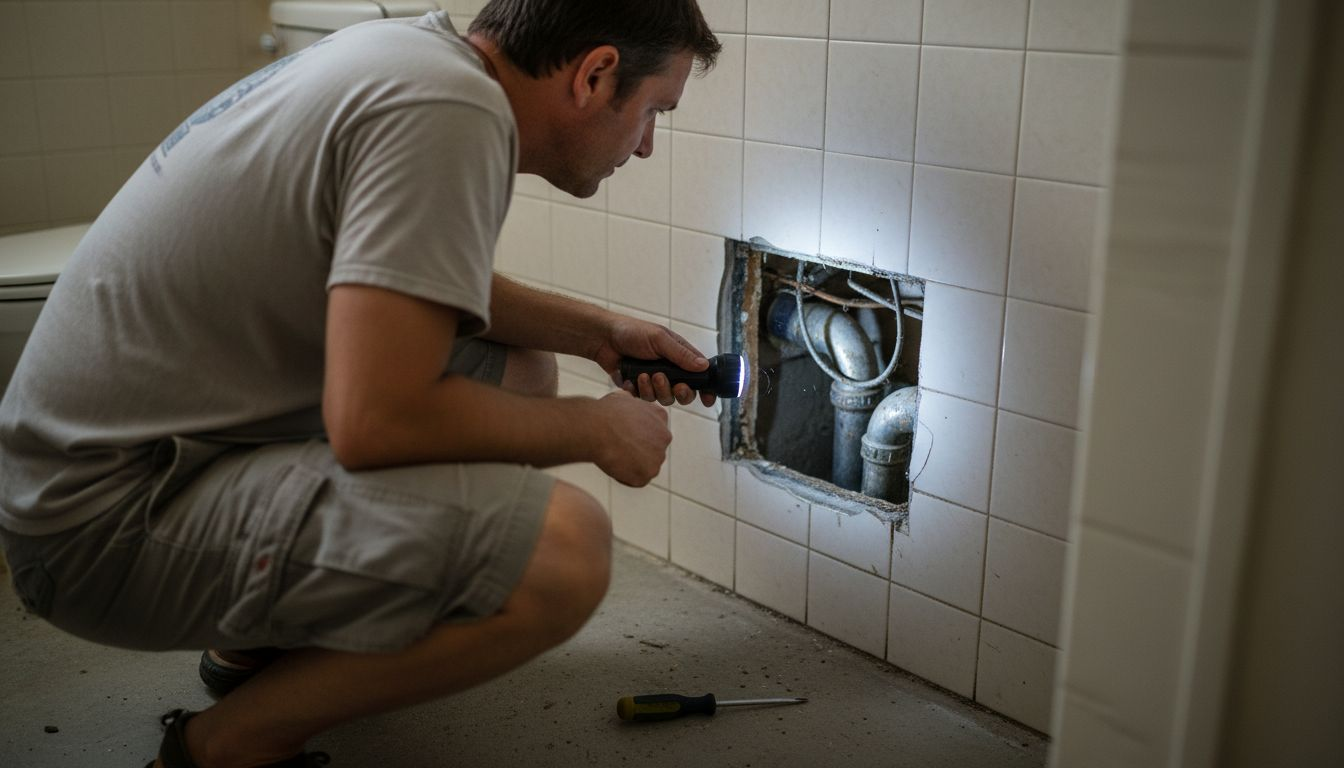
Plumbing vent systems create essential air pathways that prevent vacuum formation in drainage pipes. Think of them like breathing tubes for your home’s plumbing infrastructure. When water flows through drain pipes, these vents allow air to enter and exit, which helps maintain balanced pressure and prevents several potential problems.
The primary functions of plumbing vents include:
- Preventing water from being suctioned out of drain trap seals
- Equalizing air pressure inside drainage pipes
- Allowing sewer gases to safely escape outside
- Maintaining consistent water flow through pipes
- Protecting indoor air quality
Negative pressure is the primary enemy of effective plumbing drainage. Without proper venting, water can get trapped or drain slowly, creating potential blockages and unpleasant odors. In Tampa’s humid environment, where plumbing systems are constantly challenged by moisture and temperature variations, well-designed vents become even more critical.
The mechanism is surprisingly simple yet ingenious. As wastewater moves through pipes, it creates a temporary vacuum that could potentially suck water out of drain traps. Plumbing vents prevent this by providing an alternative air pathway, allowing smooth drainage without disrupting the critical water seal in traps.
Vent pipes typically extend through your roof, creating a direct connection between your home’s drainage system and the outside atmosphere. This design ensures that sewer gases are safely redirected away from living spaces while maintaining the delicate balance of air pressure required for efficient plumbing operation.
Pro tip: Schedule an annual plumbing inspection to ensure your home’s vent system remains clear, unobstructed, and functioning optimally.
Types of Plumbing Vents and Their Uses
Plumbing vents are not one-size-fits-all systems. Tampa homeowners should understand the various types of venting configurations that help maintain a healthy and efficient drainage system. Multiple venting methods exist in modern plumbing to address different residential and structural needs.
The primary types of plumbing vents include:
- Individual Fixture Vents: Designed to vent single plumbing fixtures directly
- Common Vents: Connect multiple fixtures to a shared venting pathway
- Waste Stack Vents: Vertical pipes that extend from main drainage lines to the roof
- Wet Vents: Innovative systems that combine waste drainage and air circulation
- Circuit Vents: Serve multiple fixtures within a specific building circuit
Each venting type serves a unique purpose in managing air pressure and facilitating smooth wastewater flow. Drain-waste-vent (DWV) systems are engineered to prevent vacuum formation, allow sewer gases to escape, and maintain consistent atmospheric pressure throughout your home’s plumbing infrastructure.
Individual fixture vents are the most straightforward. These dedicated pipes connect directly to specific plumbing fixtures like sinks, toilets, or showers, ensuring each fixture has a clear air pathway. In contrast, common vents create efficiency by allowing multiple fixtures to share a single venting route, which can reduce installation complexity and material costs.
Wet venting represents a sophisticated approach in modern plumbing design. This method allows a single pipe to simultaneously handle both waste drainage and air circulation, making it particularly useful in compact spaces like bathrooms or kitchen layouts. The International Plumbing Code provides detailed guidelines for implementing these advanced venting strategies.
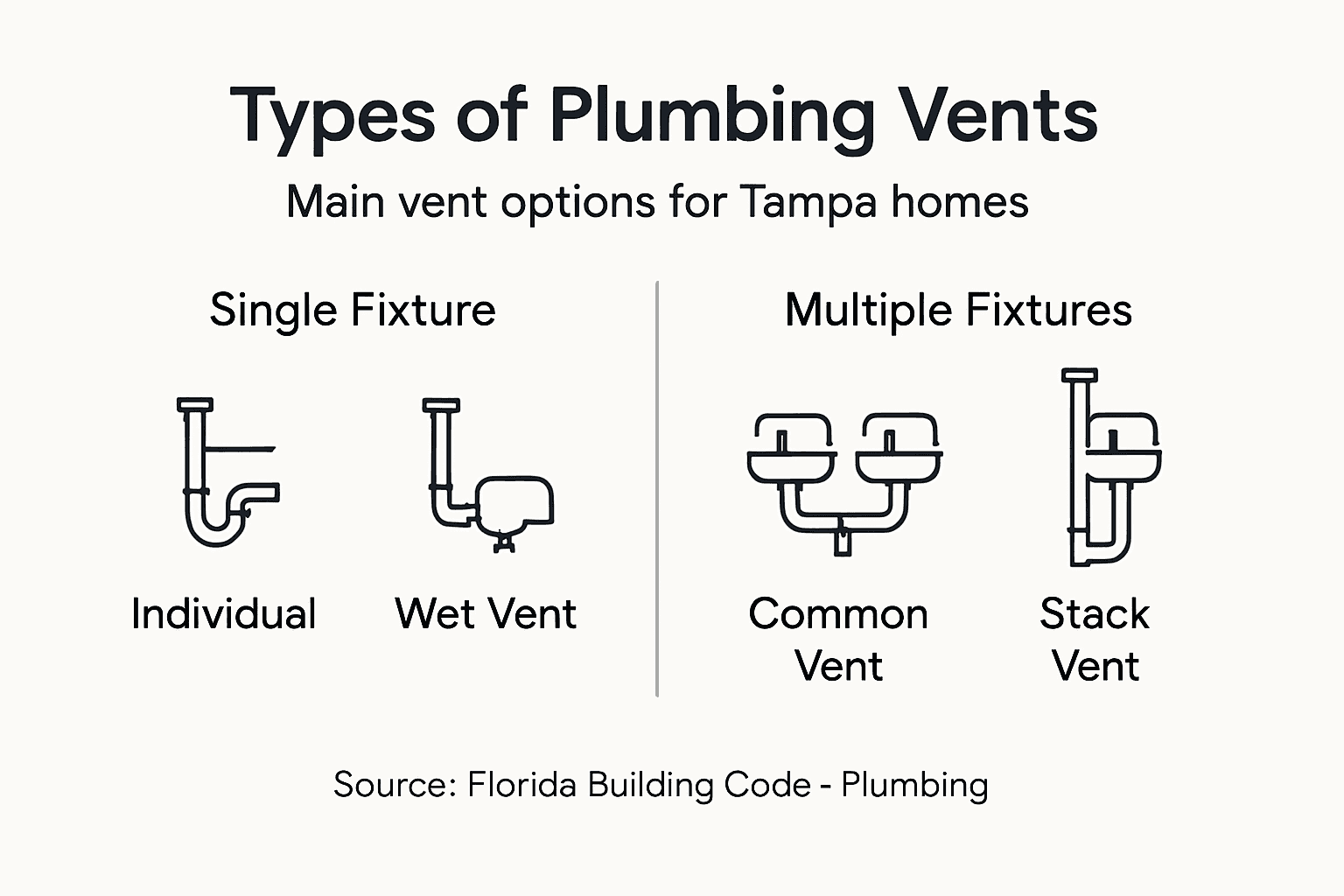
Here’s a summary of key differences between major types of plumbing vents used in Tampa homes:
| Vent Type | Number of Fixtures Supported | Space Efficiency | Typical Use Location |
|---|---|---|---|
| Individual Fixture Vent | One per vent pipe | Moderate | Sinks, toilets, showers |
| Common Vent | Two or more fixtures | High | Back-to-back bathrooms |
| Wet Vent | Multiple fixtures | Very high | Compact bathrooms, kitchens |
| Circuit Vent | Several fixtures on one line | High | Commercial/multi-bath homes |
| Waste Stack Vent | Entire stack | Moderate | Multi-story dwellings |
Pro tip: Consult a professional plumber to determine the most appropriate vent type for your specific Tampa home’s layout and plumbing configuration.
Tampa Area Plumbing Code Requirements
Navigating the complex world of plumbing codes can feel overwhelming for Tampa homeowners, but understanding local regulations is crucial for ensuring safe and compliant plumbing installations. Florida Building Code governs plumbing standards with strict guidelines designed to protect residential infrastructure.
The key components of Tampa’s plumbing code requirements include:
- Mandatory permit acquisition for all plumbing installations
- Specific water demand calculation standards
- Precise pipe sizing regulations
- Detailed venting method specifications
- Fixture performance and installation standards
- Mandatory inspections for new and renovated systems
Permit requirements are fundamental to Tampa’s plumbing regulations. Homeowners must obtain official approval before initiating any significant plumbing work, ensuring that all installations meet the rigorous standards set by local and state authorities. City of Tampa’s permit process carefully reviews each project to guarantee compliance with safety and functionality guidelines.
Venting specifications represent a critical aspect of these code requirements. The regulations outline exact parameters for air circulation, pipe dimensions, and installation techniques. These detailed standards help prevent potential issues like sewage backups, water trap failures, and indoor air quality problems that can arise from improper plumbing design.
The Florida Building Code – Plumbing section provides comprehensive guidelines that address everything from material selection to installation techniques. These regulations are not just bureaucratic red tape – they’re carefully crafted protections designed to ensure the safety, efficiency, and longevity of your home’s plumbing system.
Pro tip: Always consult a licensed plumber familiar with Tampa’s specific building codes before starting any major plumbing project to ensure full compliance and avoid potential legal complications.
Common Plumbing Venting Issues to Avoid
Plumbing vents might seem straightforward, but Tampa homeowners frequently encounter issues that can compromise their entire drainage system’s functionality. Identifying common venting problems early can prevent costly repairs and potential health hazards.
The most prevalent plumbing venting challenges include:
- Improper vent pipe sizing
- Blocked or obstructed vent stacks
- Inadequate outdoor vent extensions
- Incorrect slope or installation angles
- Accumulated debris or animal nests
- Frost or ice buildup in winter months
Vent blockages represent one of the most serious issues homeowners can face. When vent pipes become obstructed, they create a domino effect of plumbing problems, including slow drainage, gurgling sounds, and potential sewer gas leaks into your living spaces. Roof plumbing vent maintenance is critical in preventing these complications.
Some blockages occur from unexpected sources. Bird nests, fallen leaves, construction debris, and even ice can completely seal your vent pipes, preventing crucial air circulation. These obstructions disrupt the delicate pressure balance in your plumbing system, leading to potential trap seal failures and drainage inefficiencies.
In Tampa’s unique climate, homeowners must be particularly vigilant. The combination of humidity, occasional cold snaps, and diverse wildlife can create perfect conditions for vent system challenges. Regular professional inspections can help identify and resolve potential issues before they escalate into more significant plumbing emergencies.
Below is a quick reference for common Tampa plumbing venting issues and their impact:
| Issue | Potential Impact | Common Cause |
|---|---|---|
| Improper pipe sizing | Slow drainage, odor | Design mistakes |
| Blocked vent stack | Sewer gas indoors, gurgling | Debris, nests |
| Poor outdoor extension | Weather exposure, leaks | Short vent, bad routing |
| Incorrect installation | Inefficient drainage | Faulty workmanship |
| Frost/ice buildup | Restricted airflow, backups | Occasional cold snaps |
Pro tip: Schedule a professional plumbing vent inspection annually, particularly after severe weather events or if you notice unusual drainage sounds or sewer odors.
Ensure Your Tampa Home’s Plumbing Vents Work Perfectly with Home Therapist
Plumbing venting is vital to prevent drainage problems and protect your home’s air quality from sewer gases. If you have experienced slow drains, unpleasant odors, or gurgling sounds as mentioned in the article Plumbing Venting: Why It Matters for Tampa Homes you understand how critical proper vent pipe sizing and clear vent stacks are. These issues can lead to health hazards and costly repairs if left unaddressed.
Do not wait for small venting problems to turn into expensive emergencies. At Home Therapist Cooling Heating and Plumbing we specialize in inspecting and repairing plumbing vent systems in the Tampa Bay area. Our certified technicians use expert knowledge of local codes and advanced solutions to keep your drains flowing smoothly and your indoor air fresh. Take action now for your peace of mind by visiting our website or contacting us directly to schedule your plumbing vent inspection. Trust us to protect your home’s plumbing performance and your family’s health with quality service tailored to your needs.
Frequently Asked Questions
What is plumbing venting and why is it important?
Plumbing venting is a system of pipes that helps manage air pressure in your home’s drainage system. It prevents water from being suctioned out of drain traps, equalizes air pressure in drainage pipes, allows sewer gases to escape safely, and ensures that water flows smoothly through pipes.
What are the common types of plumbing vents?
The main types of plumbing vents include individual fixture vents, common vents, waste stack vents, wet vents, and circuit vents. Each type serves a different purpose in maintaining proper air circulation and drainage within your plumbing system.
How do I know if my plumbing vents are functioning properly?
Signs of improper plumbing venting include slow drainage, gurgling sounds from drains, and unpleasant sewer odors in your home. Regular plumbing inspections can help identify any issues before they escalate into major problems.
What common issues should I avoid with plumbing vents?
Common plumbing venting issues include improper pipe sizing, blocked vent stacks, inadequate outdoor vent extensions, and incorrect installation angles. Regular maintenance and inspections can help prevent these issues from occurring.
Recommended
- Role of Plumber: Everything Tampa Bay Homeowners Need – Home Therapist Cooling, Heating, and Plumbing
- Do Plumbers Need Inside Access for Plumbing Services in Tampa, FL? – Home Therapist Cooling, Heating, and Plumbing
- Plumbing Inspections in Tampa, FL: Ensuring Your Pipes are in Top Condition – Home Therapist Cooling, Heating, and Plumbing
- Plumbing Inspections in Tampa, FL Bay Area: What to Expect? – Home Therapist Cooling, Heating, and Plumbing
- The risk of mold is greater if you don’t air out. Read here why.


