Quarterly HVAC Maintenance Visit Uncovers Aging System & Safety Concerns in Tampa, FL 33610
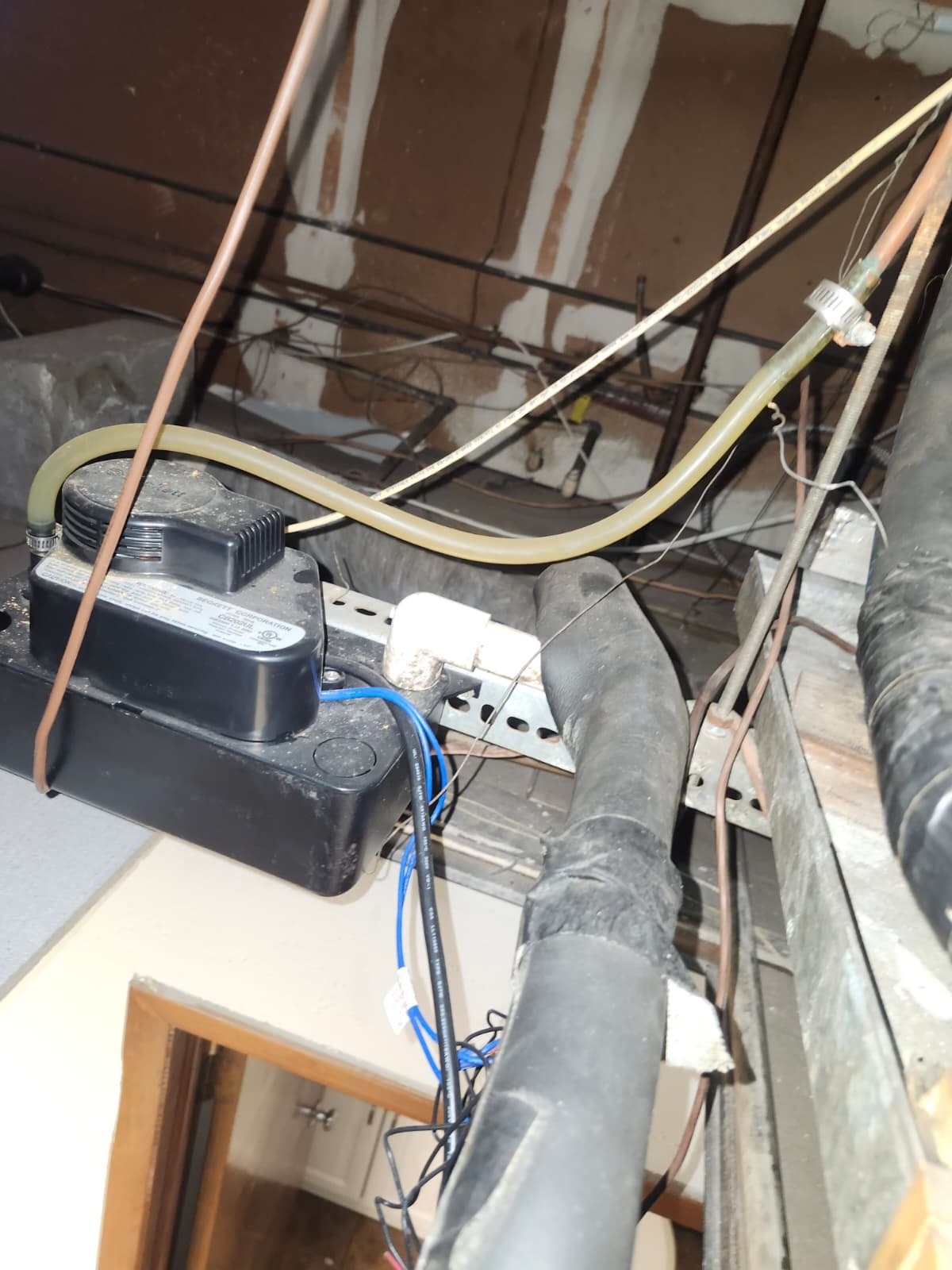
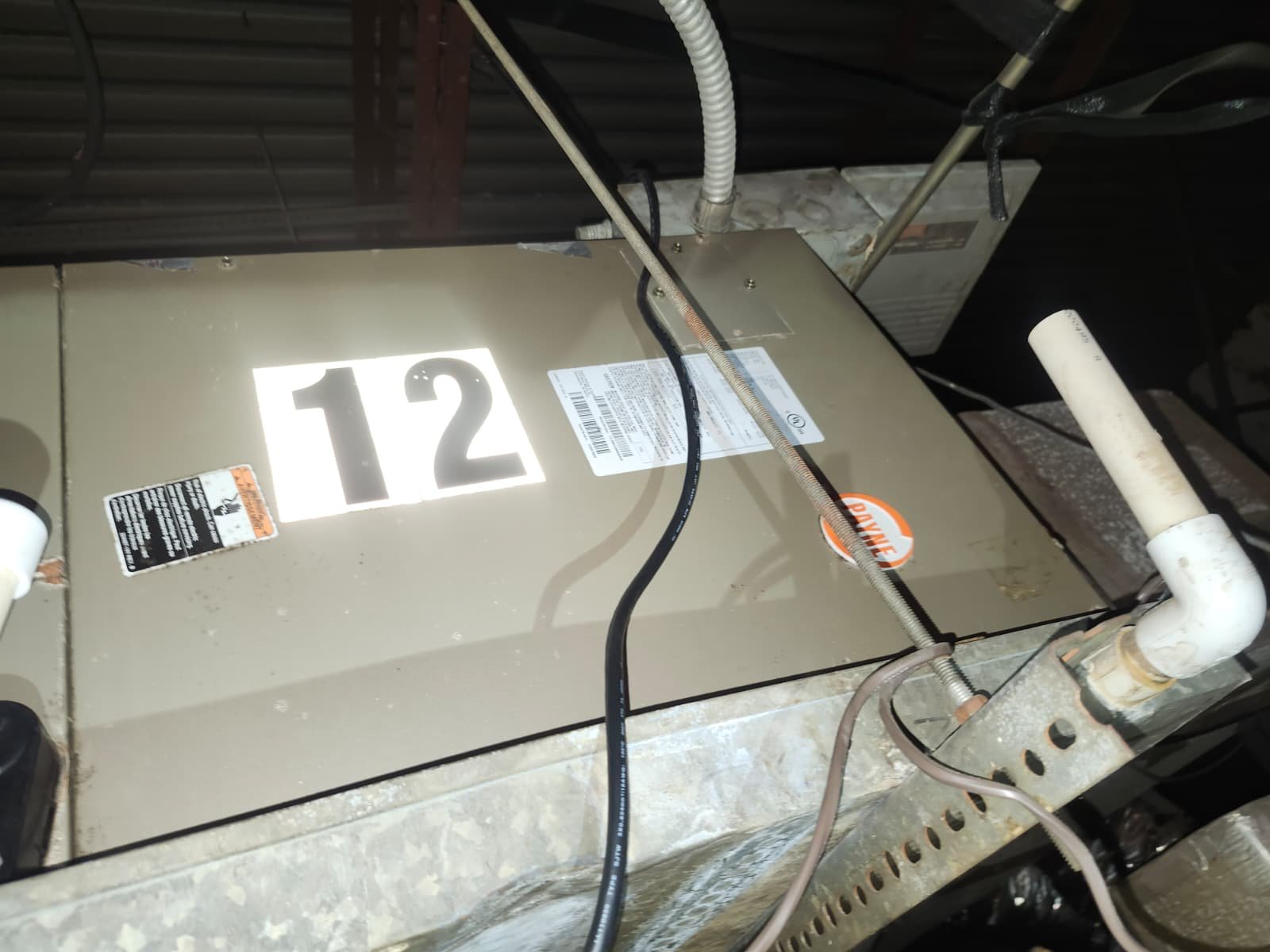
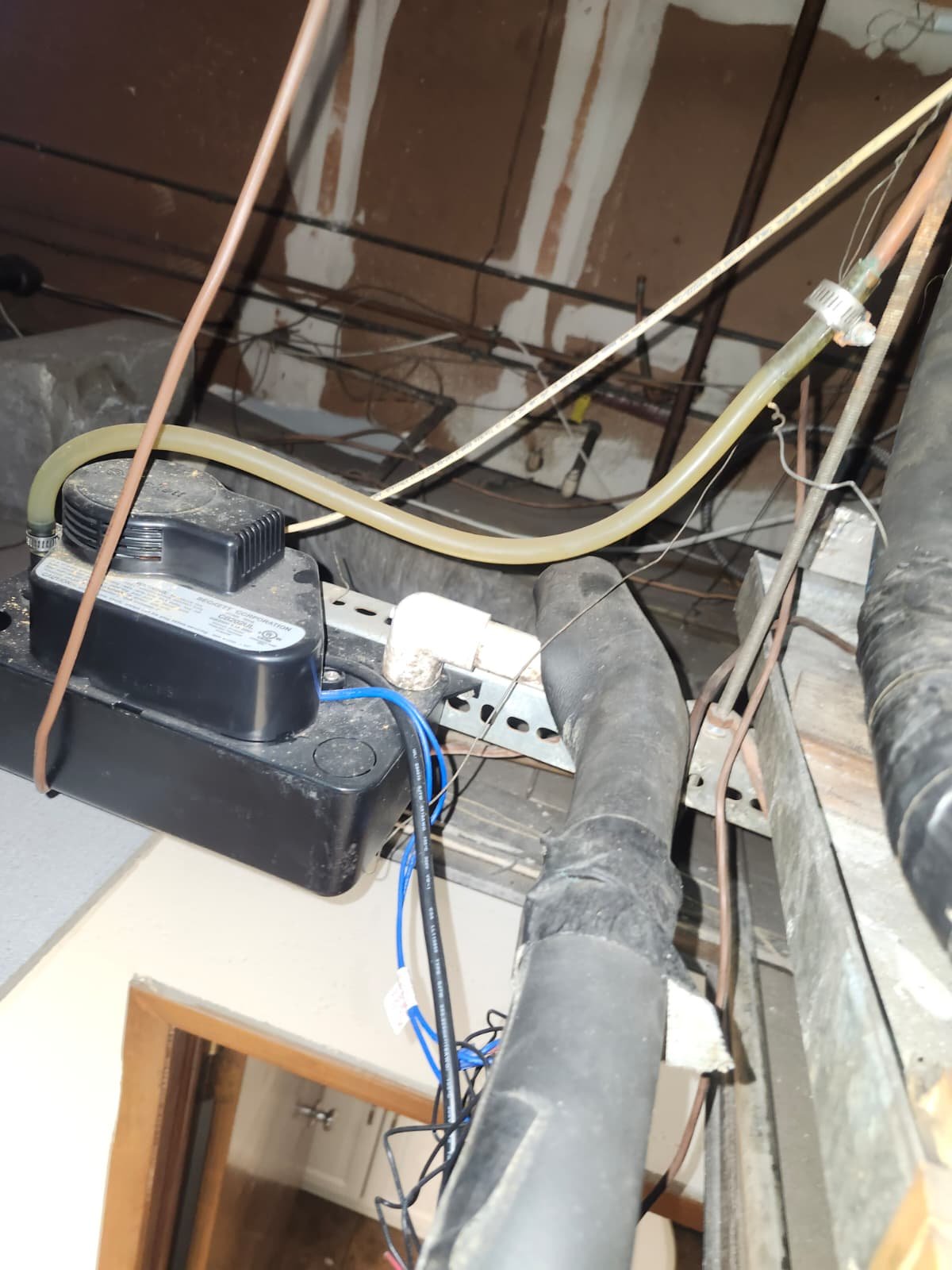
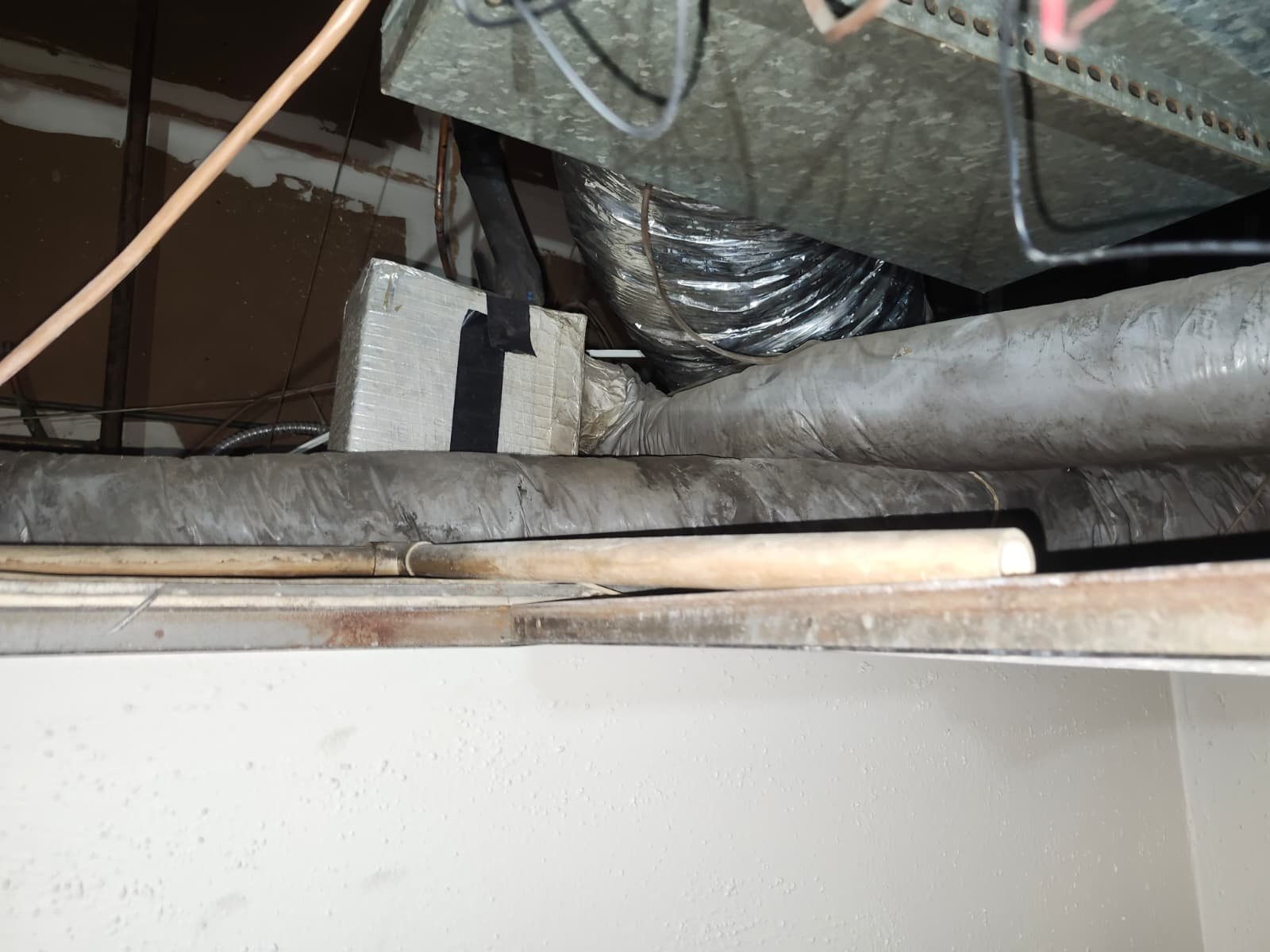
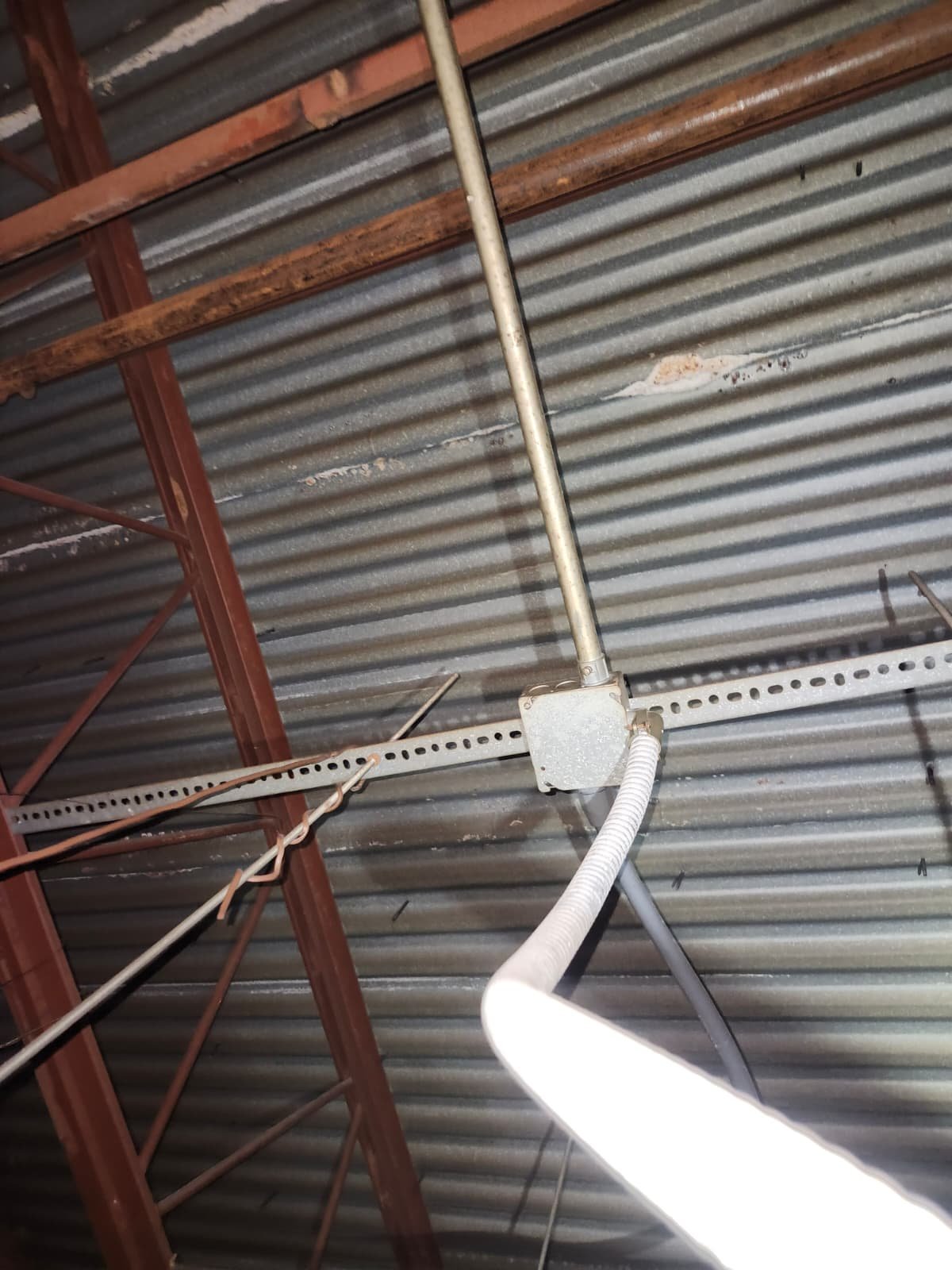
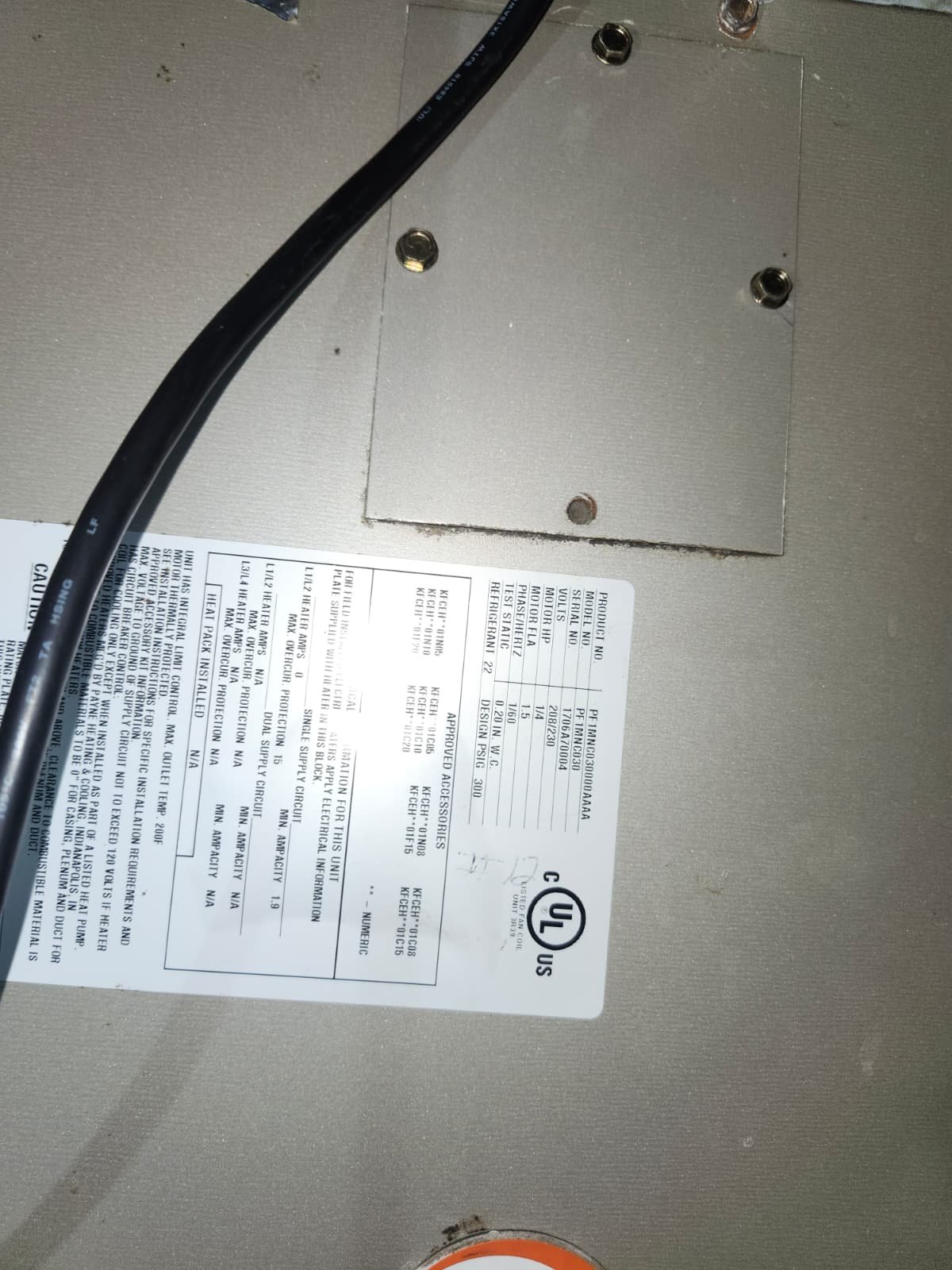
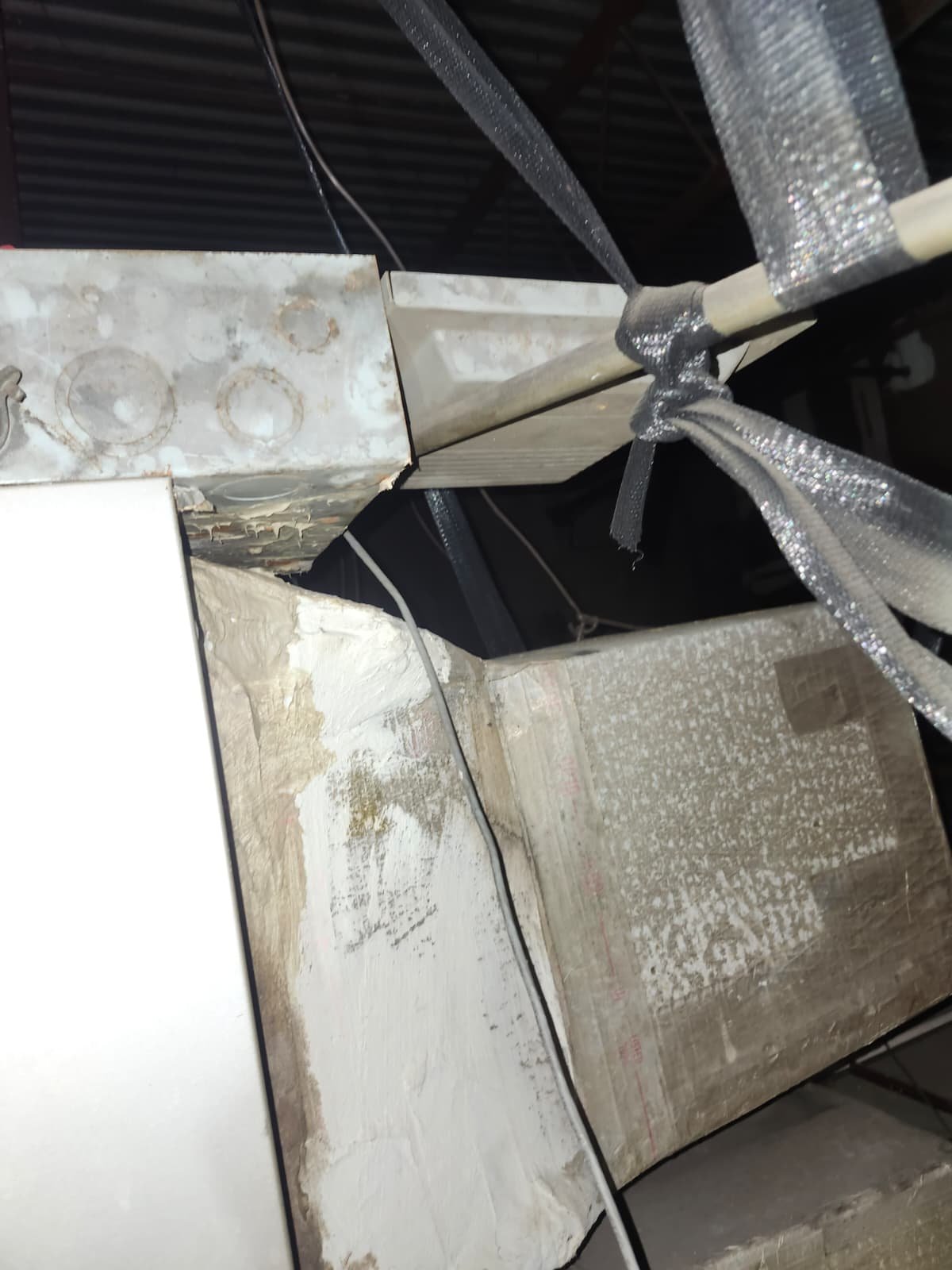
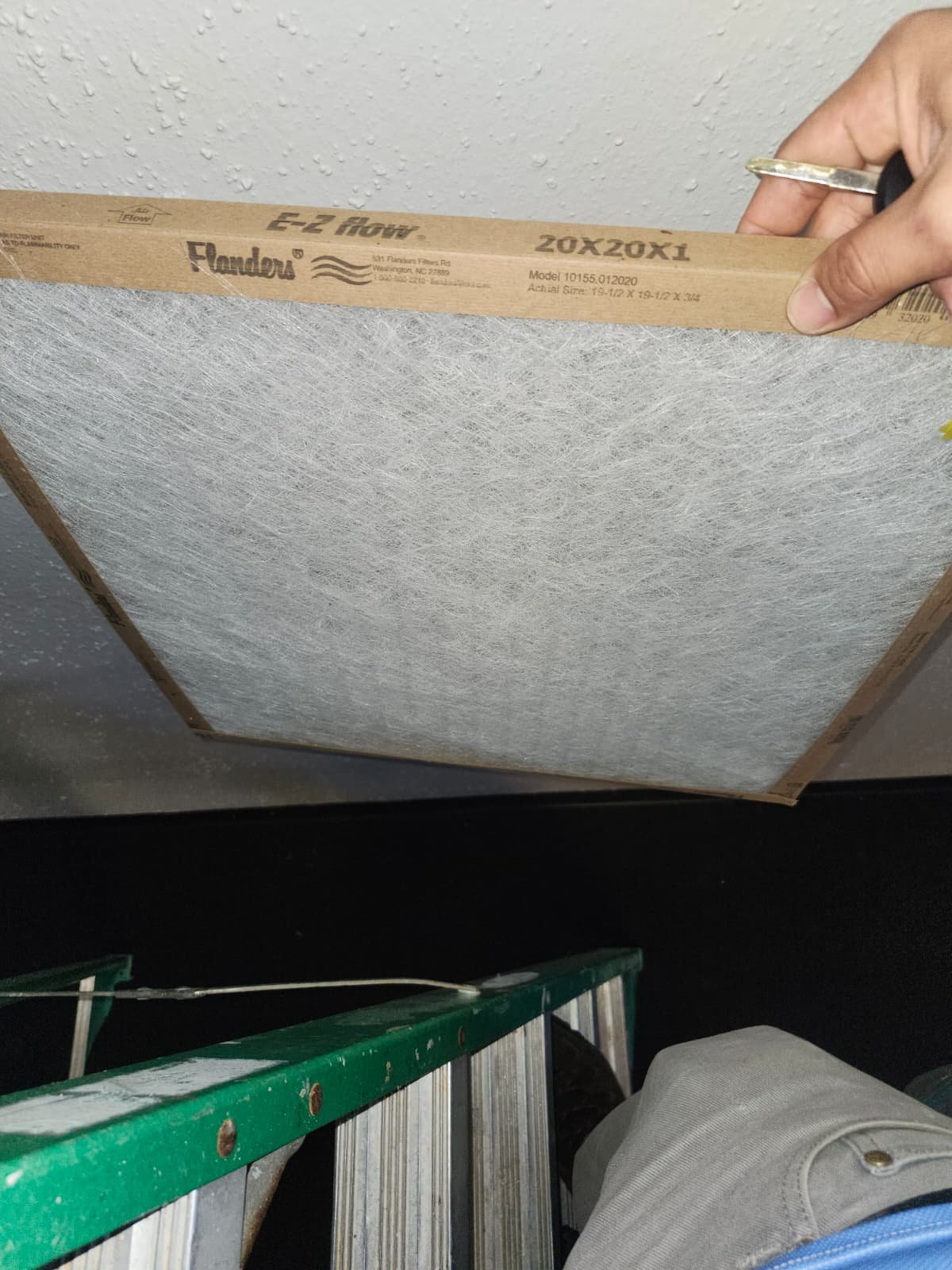
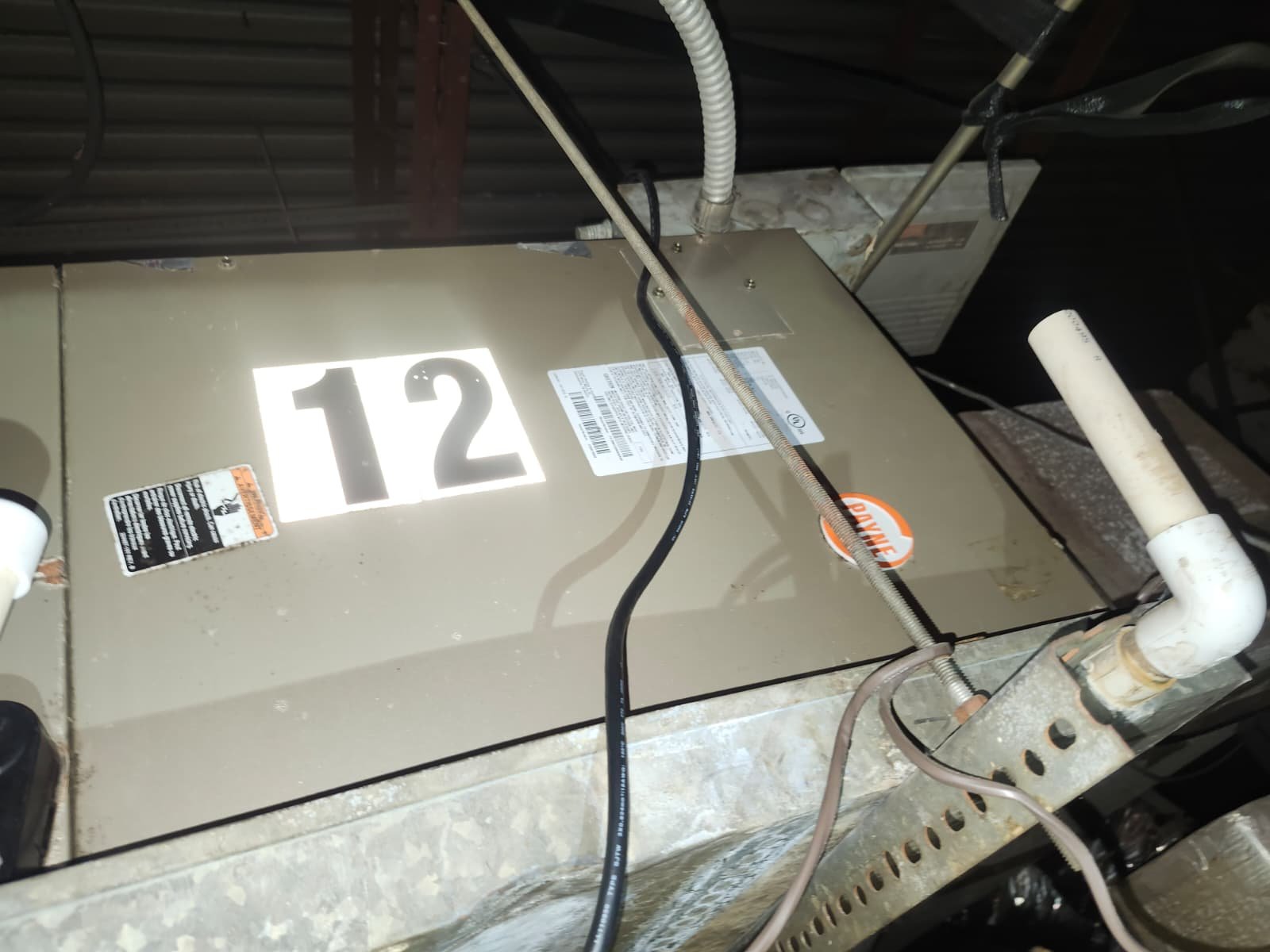
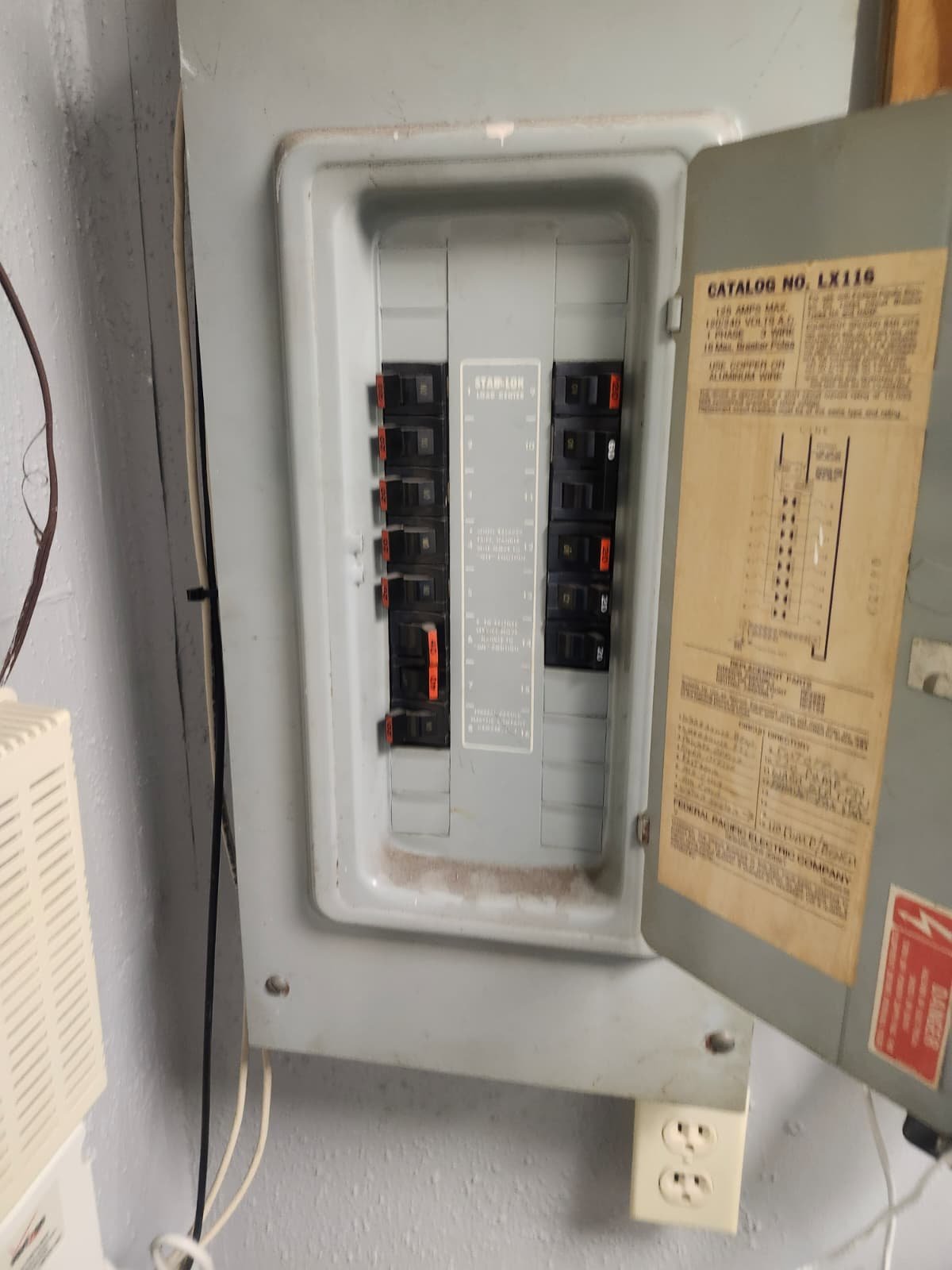
For homeowners in Tampa, FL 33610, a reliable air conditioning system isn’t a luxury—it’s a necessity. During a recent quarterly maintenance visit at a home in the 33610 area, our team at Home Therapist Cooling, Heating, and Plumbing found an aging HVAC system in very poor condition, with ongoing electrical problems and worn-out ductwork. The system was still limping along, but it was becoming less safe, less efficient, and more stressful for the homeowner.
In this case study, we’ll walk through what we found, why the issues matter, and the options we recommended. If you live in Tampa or nearby areas and your AC system is 15–20 years old, this story will sound familiar—and it may help you decide what to do next.
Customer Problem: What Was Happening at the Home
This visit was part of the homeowner’s ongoing quarterly maintenance agreement with us. They’ve been proactive about keeping their HVAC system checked, which is especially important in a hot, humid area like Tampa, Florida.
The key details from this visit:
- It was the ninth scheduled maintenance visit under their service agreement.
- The HVAC system is about 17 years old—well past typical lifespan expectations.
- The homeowner has been dealing with recurring electrical problems, including breaker trips.
- Ductwork throughout the home is in visibly poor shape.
- There is no dedicated electrical disconnect at the air handler, which is a safety and code concern.
Our technician also needed remote access to the property, so we coordinated arrival by calling the client when we got there. That’s a small detail, but for many Tampa homeowners who work long hours or manage rental properties, flexible access and clear communication can make a big difference.
Our Inspection & Diagnosis Process
Because this was a scheduled maintenance visit under a quarterly service agreement, our team followed a thorough, repeatable process. We don’t just do a quick visual check and leave; we use these visits to spot early warning signs before they become expensive emergencies.
For this visit in Tampa, FL 33610, our technician’s checklist included:
- Inspecting the outdoor condenser unit.
- Inspecting the indoor air handler.
- Checking electrical connections and breaker configuration.
- Assessing the condition of the ductwork.
- Reviewing notes from previous visits to see ongoing patterns.
Key Finding #1: Shared Breaker Between Condenser and Air Handler
One of the biggest red flags we confirmed again on this visit was that the condenser and the air handler are sharing a single breaker. This is not how a modern HVAC system should be wired.
Why this is a problem:
- Breaker trips: When both the indoor and outdoor units pull power from the same breaker, it’s easier to overload that circuit.
- Safety concerns: Breakers are meant to protect wiring from overheating. Constantly tripping isn’t just annoying—it’s a sign the system is working too hard or wired improperly.
- Code and inspection issues: This type of setup may not meet current electrical code, and it certainly doesn’t match best practice for modern HVAC systems.
Key Finding #2: No Electrical Disconnect at the Air Handler
Our technician also confirmed that there is no dedicated electrical disconnect switch installed at the air handler. That means there’s no simple, local way to cut power to the unit while performing service.
This matters because:
- Technicians should be able to shut power off right at the equipment for safe service.
- Future repairs or replacements can take longer and be more complicated without a proper disconnect.
- Local codes often expect a disconnect near major equipment like air handlers and condensers.
Key Finding #3: Very Poor Overall System Condition
At 17 years old, this AC system has given the homeowner many years of service, but it is now clearly at the end of its useful life. We noted:
- Worn components and outdated technology.
- Ongoing electrical issues that have been documented on previous visits.
- Likely reduced efficiency compared to current high-efficiency models.
Even with regular maintenance, there comes a point where the system’s design and age limit what we can realistically improve. That’s where honest recommendations become important.
Key Finding #4: Ductwork in Poor Condition
We also found that the ductwork in this Tampa home is in poor shape. Damaged, leaky, or poorly designed ducts can create a long list of comfort and efficiency problems:
- Uneven temperatures from room to room.
- Higher energy bills as the system runs longer to keep up.
- Potential dust and debris being pulled into the system.
- Extra wear and tear on the equipment.
We’ve documented similar duct issues in other nearby projects, like the air duct repair, replacement, and cleaning project we completed in Tampa, FL 33610. When ducts are neglected, they can quietly undo a lot of the benefit of even a brand-new HVAC system.
Recommended Options for the Homeowner
After reviewing the findings, we provided the homeowner with straightforward, practical options—backed by written estimates for their consideration. Here’s what we recommended:
1. Replace the Entire HVAC System (Condenser and Air Handler)
Given the age (17 years) and poor condition of the existing system, our primary recommendation was a full system replacement.
Benefits of a new system include:
- Improved energy efficiency: Today’s systems use less energy to provide the same or better comfort.
- Better comfort control: More consistent temperatures and better humidity control—especially important in Tampa’s climate.
- Fewer surprise breakdowns: While no system is trouble-free, a new installation removes a lot of the risk that comes with an aging unit.
- Updated to current codes: Electrical and safety features can be properly designed from the ground up.
For homeowners exploring this option, we also have more general information about our air conditioner installation and repair services in the Tampa Bay area.
2. Install a Proper Electrical Disconnect for the Air Handler
We strongly recommended installing a dedicated electrical disconnect at the air handler. This is a relatively straightforward upgrade but an important one.
With a proper disconnect in place:
- Technicians can safely service or replace the unit.
- The installation aligns better with modern safety expectations.
- Future troubleshooting and repairs are faster and safer.
3. Separate Electrical Circuits for the Condenser and Air Handler
The shared breaker issue is at the heart of the recurring electrical problems. Our recommendation was to separate the electrical circuits so that the condenser and air handler each have their own properly sized breaker.
This helps to:
- Reduce or eliminate nuisance breaker trips.
- Lower stress on the wiring and equipment.
- Bring the system closer to code-compliant standards.
4. Replace or Redesign the Existing Ductwork
Finally, we recommended addressing the duct issues. Depending on the exact condition of each run, that could mean:
- Repairing damaged sections.
- Replacing old or undersized ducts.
- Redesigning parts of the duct layout to improve airflow.
Clean, well-designed ductwork is just as important as the equipment itself. We’ve written more about duct and air quality work in projects like our duct sanitation and UV light installation in Tampa, FL 33618.
Why We Recommended Replacement Over More Repairs
One of the most common questions we get from Tampa homeowners is: “Should I keep fixing this system, or is it finally time to replace it?” In this case, we leaned strongly toward replacement, and here’s why.
Age of the System
At around 17 years old, this system is already beyond the typical 10–15 year range we expect for many residential AC systems in Florida’s climate. Our heat, humidity, and long cooling season put extra stress on equipment, so systems here often age faster than in cooler regions.
Recurring Electrical Issues
When the same types of electrical problems show up visit after visit—like breaker trips and shared circuits—it’s usually a sign that we’re treating symptoms, not the core problem. Resets, temporary fixes, or minor component swaps can only go so far when the wiring design and overall system condition are working against you.
Safety and Code Concerns
Issues like missing disconnects and shared breakers aren’t just technical details. They directly impact safety for both the homeowner and anyone who works on the equipment. Bringing the system up to modern standards is often easier and more reliable when done as part of a full replacement.
Efficiency and Operating Costs
Older systems generally cost more to run. Between lower SEER ratings, worn parts, and leaky ductwork, many homeowners end up spending more on monthly energy bills than they realize. A properly installed new system, paired with solid ductwork, can make a noticeable difference over time.
What Could Happen If These Issues Are Ignored?
Not every homeowner is ready to replace a system immediately, and we completely understand that. Our job is to explain what’s going on and what the risks are so you can make an informed decision.
If issues like these are left unaddressed, you may see:
- More frequent breakdowns: Especially during the peak of summer when the system is under maximum load.
- Potential damage to electrical components: From repeated breaker trips and overheating.
- Uneven comfort: Hot and cold spots in the home due to poor ductwork and declining system performance.
- Higher long-term costs: More service calls, higher power bills, and eventually replacement anyway.
The goal of our quarterly maintenance visits is to catch these problems early, explain them clearly, and give you time to plan. In this visit, we sent detailed estimates so the homeowner can budget and choose the right timing for their upgrades.
How Quarterly Maintenance Helped Catch These Problems
This situation is a perfect example of why a maintenance plan matters. Because we’ve been visiting this Tampa property regularly, we’ve been able to:
- Track recurring electrical symptoms over multiple visits.
- Document changes in system performance and condition.
- Give the homeowner consistent, updated recommendations—not just a one-time snapshot.
We’ve shared more about what to expect from a service visit in our article on air conditioner repair services in Tampa when your AC is not cooling. A planned visit is always better than an emergency call in the middle of a heatwave.
Tips to Prevent Similar HVAC Problems in Tampa, FL Homes
Whether your system is brand-new or approaching retirement age, there are several steps you can take to avoid situations like this:
- Schedule regular maintenance: Twice-yearly or quarterly visits help catch issues early and keep your system clean and tuned.
- Listen to your breakers: If you notice breakers tripping more than once, don’t ignore it. It’s a sign something needs attention.
- Watch your energy bills: A sudden jump in power usage can mean the system is working harder than it should.
- Check airflow: Rooms that never seem to reach the right temperature may point to duct problems.
- Plan ahead for replacement: If your system is 12–15 years old, it’s smart to start exploring options and setting a budget before an emergency hits.
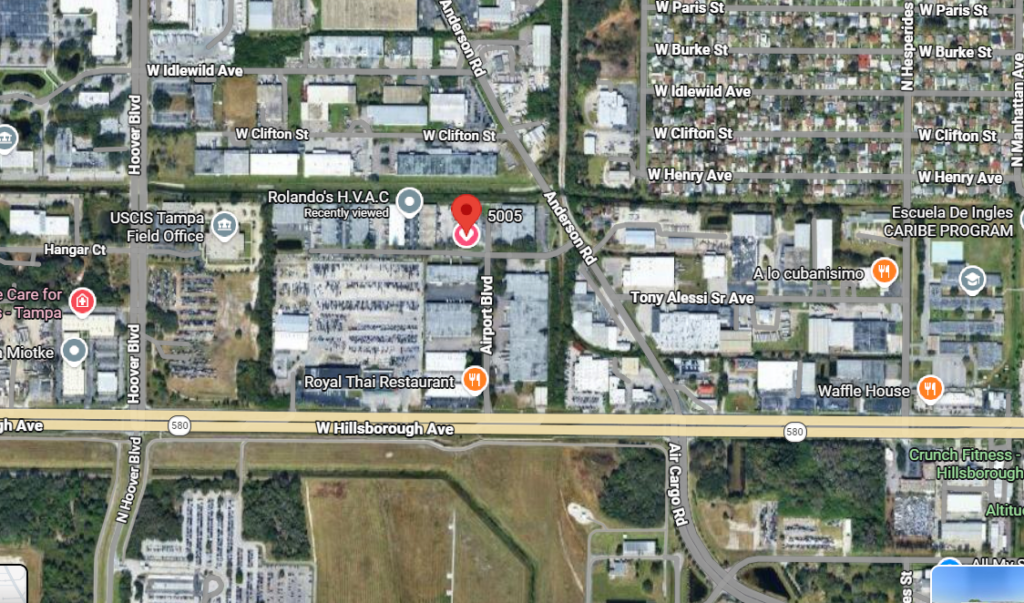
Tampa’s climate, with long cooling seasons and high humidity, puts extra stress on HVAC systems. Local resources like the Tampa, FL 33610 area map and attractions such as Busch Gardens Tampa Bay remind us how much we rely on cool, comfortable indoor spaces after a long, hot day outside.
Why Choose Home Therapist for HVAC and Ductwork Projects in Tampa, FL?
Our team at Home Therapist Cooling, Heating, and Plumbing focuses on clear communication, honest recommendations, and careful work. We approach every visit—whether it’s a quick tune-up or a full system replacement—with the same mindset: treat the home like it’s our own.
When you work with us for HVAC installation and repair in Tampa, FL, you can expect:
- Detailed inspections and clear explanations in plain language.
- Options, not pressure—for repair, upgrade, or replacement.
- Attention to safety, electrical configuration, and code requirements.
- Guidance on duct repairs, indoor air quality, and long-term system health.
We’ve helped many homeowners in and around Tampa, FL 33610 with projects ranging from routine maintenance to air duct repair and replacement and full system upgrades.
Next Steps for This Tampa Homeowner
For this particular home, we wrapped up the quarterly service visit, documented all findings, and sent estimates covering:
- Full system replacement (condenser and air handler).
- Adding a proper electrical disconnect at the air handler.
- Separating the electrical circuits for the condenser and air handler.
- Addressing the aging, damaged ductwork.
We didn’t pressure the homeowner to make an immediate decision. Instead, we gave them the information, pricing, and context they need to decide what’s best for their home and budget.
Need HVAC Help in Tampa, FL 33610?
If your system is older, tripping breakers, or just not keeping up with the Tampa heat, our team is here to help. Whether you need a one-time inspection, a maintenance plan, or a quote for a new system, we’ll walk you through your options step by step.
Call Home Therapist Cooling, Heating, and Plumbing or visit our website to schedule your HVAC service in Tampa, FL and the surrounding areas. We’ll help you understand what’s going on with your system and what it will take to get your home comfortable, safe, and efficient again. #HomeTherapist #TheTherapyYourHomeNeeds
For homeowners in Tampa, FL 33610, a reliable air conditioning system isn’t a luxury—it’s a necessity. During a recent quarterly maintenance visit at a home in the 33610 area, our team at Home Therapist Cooling, Heating, and Plumbing found an aging HVAC system in very poor condition, with ongoing electrical problems and worn-out ductwork. The system was still limping along, but it was becoming less safe, less efficient, and more stressful for the homeowner.
In this case study, we’ll walk through what we found, why the issues matter, and the options we recommended. If you live in Tampa or nearby areas and your AC system is 15–20 years old, this story will sound familiar—and it may help you decide what to do next.
Customer Problem: What Was Happening at the Home
This visit was part of the homeowner’s ongoing quarterly maintenance agreement with us. They’ve been proactive about keeping their HVAC system checked, which is especially important in a hot, humid area like Tampa, Florida.
The key details from this visit:
- It was the ninth scheduled maintenance visit under their service agreement.
- The HVAC system is about 17 years old—well past typical lifespan expectations.
- The homeowner has been dealing with recurring electrical problems, including breaker trips.
- Ductwork throughout the home is in visibly poor shape.
- There is no dedicated electrical disconnect at the air handler, which is a safety and code concern.
Our technician also needed remote access to the property, so we coordinated arrival by calling the client when we got there. That’s a small detail, but for many Tampa homeowners who work long hours or manage rental properties, flexible access and clear communication can make a big difference.
Our Inspection & Diagnosis Process
Because this was a scheduled maintenance visit under a quarterly service agreement, our team followed a thorough, repeatable process. We don’t just do a quick visual check and leave; we use these visits to spot early warning signs before they become expensive emergencies.
For this visit in Tampa, FL 33610, our technician’s checklist included:
- Inspecting the outdoor condenser unit.
- Inspecting the indoor air handler.
- Checking electrical connections and breaker configuration.
- Assessing the condition of the ductwork.
- Reviewing notes from previous visits to see ongoing patterns.
Key Finding #1: Shared Breaker Between Condenser and Air Handler
One of the biggest red flags we confirmed again on this visit was that the condenser and the air handler are sharing a single breaker. This is not how a modern HVAC system should be wired.
Why this is a problem:
- Breaker trips: When both the indoor and outdoor units pull power from the same breaker, it’s easier to overload that circuit.
- Safety concerns: Breakers are meant to protect wiring from overheating. Constantly tripping isn’t just annoying—it’s a sign the system is working too hard or wired improperly.
- Code and inspection issues: This type of setup may not meet current electrical code, and it certainly doesn’t match best practice for modern HVAC systems.
Key Finding #2: No Electrical Disconnect at the Air Handler
Our technician also confirmed that there is no dedicated electrical disconnect switch installed at the air handler. That means there’s no simple, local way to cut power to the unit while performing service.
This matters because:
- Technicians should be able to shut power off right at the equipment for safe service.
- Future repairs or replacements can take longer and be more complicated without a proper disconnect.
- Local codes often expect a disconnect near major equipment like air handlers and condensers.
Key Finding #3: Very Poor Overall System Condition
At 17 years old, this AC system has given the homeowner many years of service, but it is now clearly at the end of its useful life. We noted:
- Worn components and outdated technology.
- Ongoing electrical issues that have been documented on previous visits.
- Likely reduced efficiency compared to current high-efficiency models.
Even with regular maintenance, there comes a point where the system’s design and age limit what we can realistically improve. That’s where honest recommendations become important.
Key Finding #4: Ductwork in Poor Condition
We also found that the ductwork in this Tampa home is in poor shape. Damaged, leaky, or poorly designed ducts can create a long list of comfort and efficiency problems:
- Uneven temperatures from room to room.
- Higher energy bills as the system runs longer to keep up.
- Potential dust and debris being pulled into the system.
- Extra wear and tear on the equipment.
We’ve documented similar duct issues in other nearby projects, like the air duct repair, replacement, and cleaning project we completed in Tampa, FL 33610. When ducts are neglected, they can quietly undo a lot of the benefit of even a brand-new HVAC system.
Recommended Options for the Homeowner
After reviewing the findings, we provided the homeowner with straightforward, practical options—backed by written estimates for their consideration. Here’s what we recommended:
1. Replace the Entire HVAC System (Condenser and Air Handler)
Given the age (17 years) and poor condition of the existing system, our primary recommendation was a full system replacement.
Benefits of a new system include:
- Improved energy efficiency: Today’s systems use less energy to provide the same or better comfort.
- Better comfort control: More consistent temperatures and better humidity control—especially important in Tampa’s climate.
- Fewer surprise breakdowns: While no system is trouble-free, a new installation removes a lot of the risk that comes with an aging unit.
- Updated to current codes: Electrical and safety features can be properly designed from the ground up.
For homeowners exploring this option, we also have more general information about our air conditioner installation and repair services in the Tampa Bay area.
2. Install a Proper Electrical Disconnect for the Air Handler
We strongly recommended installing a dedicated electrical disconnect at the air handler. This is a relatively straightforward upgrade but an important one.
With a proper disconnect in place:
- Technicians can safely service or replace the unit.
- The installation aligns better with modern safety expectations.
- Future troubleshooting and repairs are faster and safer.
3. Separate Electrical Circuits for the Condenser and Air Handler
The shared breaker issue is at the heart of the recurring electrical problems. Our recommendation was to separate the electrical circuits so that the condenser and air handler each have their own properly sized breaker.
This helps to:
- Reduce or eliminate nuisance breaker trips.
- Lower stress on the wiring and equipment.
- Bring the system closer to code-compliant standards.
4. Replace or Redesign the Existing Ductwork
Finally, we recommended addressing the duct issues. Depending on the exact condition of each run, that could mean:
- Repairing damaged sections.
- Replacing old or undersized ducts.
- Redesigning parts of the duct layout to improve airflow.
Clean, well-designed ductwork is just as important as the equipment itself. We’ve written more about duct and air quality work in projects like our duct sanitation and UV light installation in Tampa, FL 33618.
Why We Recommended Replacement Over More Repairs
One of the most common questions we get from Tampa homeowners is: “Should I keep fixing this system, or is it finally time to replace it?” In this case, we leaned strongly toward replacement, and here’s why.
Age of the System
At around 17 years old, this system is already beyond the typical 10–15 year range we expect for many residential AC systems in Florida’s climate. Our heat, humidity, and long cooling season put extra stress on equipment, so systems here often age faster than in cooler regions.
Recurring Electrical Issues
When the same types of electrical problems show up visit after visit—like breaker trips and shared circuits—it’s usually a sign that we’re treating symptoms, not the core problem. Resets, temporary fixes, or minor component swaps can only go so far when the wiring design and overall system condition are working against you.
Safety and Code Concerns
Issues like missing disconnects and shared breakers aren’t just technical details. They directly impact safety for both the homeowner and anyone who works on the equipment. Bringing the system up to modern standards is often easier and more reliable when done as part of a full replacement.
Efficiency and Operating Costs
Older systems generally cost more to run. Between lower SEER ratings, worn parts, and leaky ductwork, many homeowners end up spending more on monthly energy bills than they realize. A properly installed new system, paired with solid ductwork, can make a noticeable difference over time.
What Could Happen If These Issues Are Ignored?
Not every homeowner is ready to replace a system immediately, and we completely understand that. Our job is to explain what’s going on and what the risks are so you can make an informed decision.
If issues like these are left unaddressed, you may see:
- More frequent breakdowns: Especially during the peak of summer when the system is under maximum load.
- Potential damage to electrical components: From repeated breaker trips and overheating.
- Uneven comfort: Hot and cold spots in the home due to poor ductwork and declining system performance.
- Higher long-term costs: More service calls, higher power bills, and eventually replacement anyway.
The goal of our quarterly maintenance visits is to catch these problems early, explain them clearly, and give you time to plan. In this visit, we sent detailed estimates so the homeowner can budget and choose the right timing for their upgrades.
How Quarterly Maintenance Helped Catch These Problems
This situation is a perfect example of why a maintenance plan matters. Because we’ve been visiting this Tampa property regularly, we’ve been able to:
- Track recurring electrical symptoms over multiple visits.
- Document changes in system performance and condition.
- Give the homeowner consistent, updated recommendations—not just a one-time snapshot.
We’ve shared more about what to expect from a service visit in our article on air conditioner repair services in Tampa when your AC is not cooling. A planned visit is always better than an emergency call in the middle of a heatwave.
Tips to Prevent Similar HVAC Problems in Tampa, FL Homes
Whether your system is brand-new or approaching retirement age, there are several steps you can take to avoid situations like this:
- Schedule regular maintenance: Twice-yearly or quarterly visits help catch issues early and keep your system clean and tuned.
- Listen to your breakers: If you notice breakers tripping more than once, don’t ignore it. It’s a sign something needs attention.
- Watch your energy bills: A sudden jump in power usage can mean the system is working harder than it should.
- Check airflow: Rooms that never seem to reach the right temperature may point to duct problems.
- Plan ahead for replacement: If your system is 12–15 years old, it’s smart to start exploring options and setting a budget before an emergency hits.
Tampa’s climate, with long cooling seasons and high humidity, puts extra stress on HVAC systems. Local resources like the Tampa, FL 33610 area map and attractions such as Busch Gardens Tampa Bay remind us how much we rely on cool, comfortable indoor spaces after a long, hot day outside.
Why Choose Home Therapist for HVAC and Ductwork Projects in Tampa, FL?
Our team at Home Therapist Cooling, Heating, and Plumbing focuses on clear communication, honest recommendations, and careful work. We approach every visit—whether it’s a quick tune-up or a full system replacement—with the same mindset: treat the home like it’s our own.
When you work with us for HVAC installation and repair in Tampa, FL, you can expect:
- Detailed inspections and clear explanations in plain language.
- Options, not pressure—for repair, upgrade, or replacement.
- Attention to safety, electrical configuration, and code requirements.
- Guidance on duct repairs, indoor air quality, and long-term system health.
We’ve helped many homeowners in and around Tampa, FL 33610 with projects ranging from routine maintenance to air duct repair and replacement and full system upgrades.
Next Steps for This Tampa Homeowner
For this particular home, we wrapped up the quarterly service visit, documented all findings, and sent estimates covering:
- Full system replacement (condenser and air handler).
- Adding a proper electrical disconnect at the air handler.
- Separating the electrical circuits for the condenser and air handler.
- Addressing the aging, damaged ductwork.
We didn’t pressure the homeowner to make an immediate decision. Instead, we gave them the information, pricing, and context they need to decide what’s best for their home and budget.
Need HVAC Help in Tampa, FL 33610?
If your system is older, tripping breakers, or just not keeping up with the Tampa heat, our team is here to help. Whether you need a one-time inspection, a maintenance plan, or a quote for a new system, we’ll walk you through your options step by step.
Call Home Therapist Cooling, Heating, and Plumbing or visit our website to schedule your HVAC service in Tampa, FL and the surrounding areas. We’ll help you understand what’s going on with your system and what it will take to get your home comfortable, safe, and efficient again. #HomeTherapist #TheTherapyYourHomeNeeds