
Toilet Clog Repair in Tampa, FL 33634
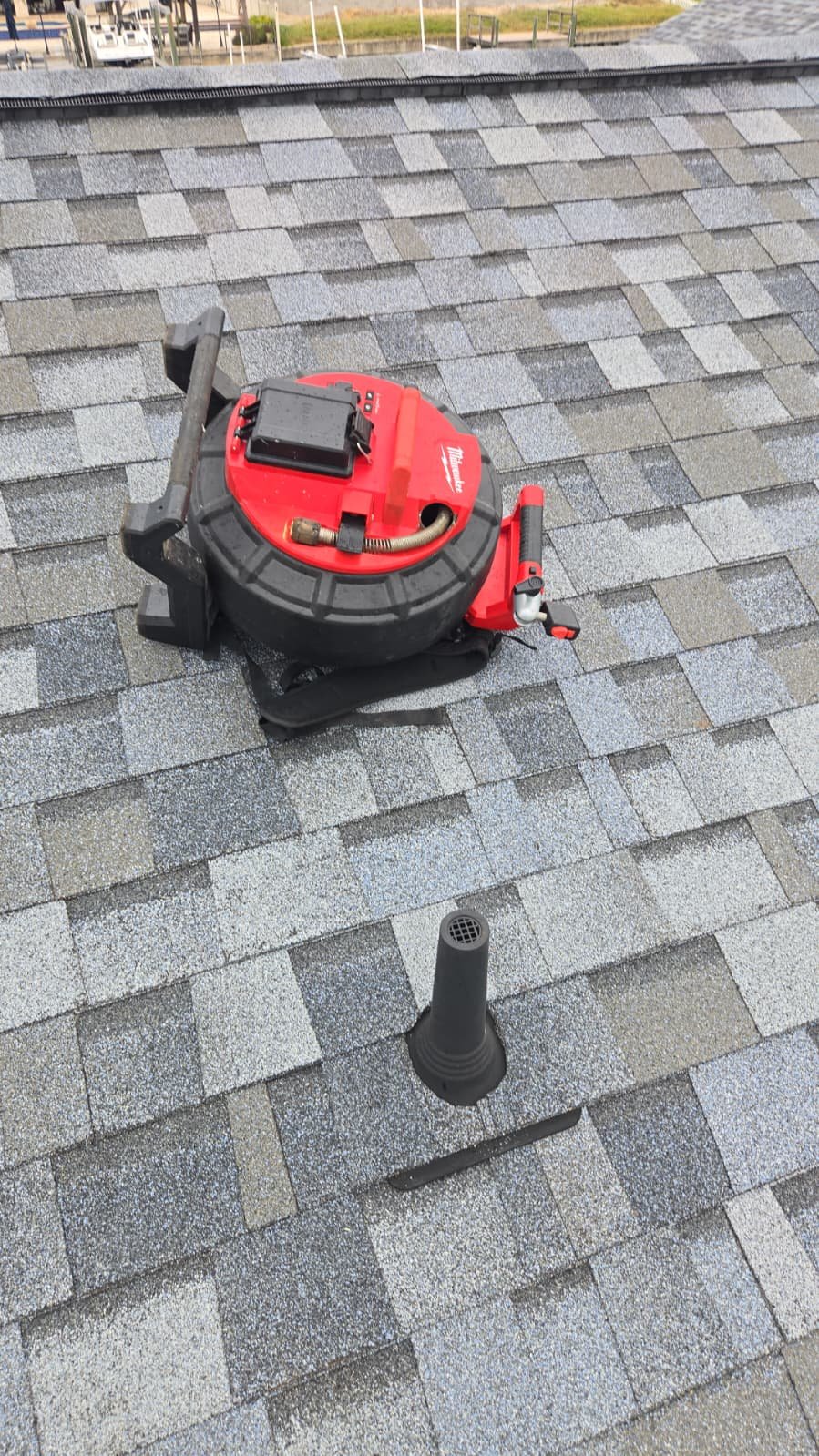
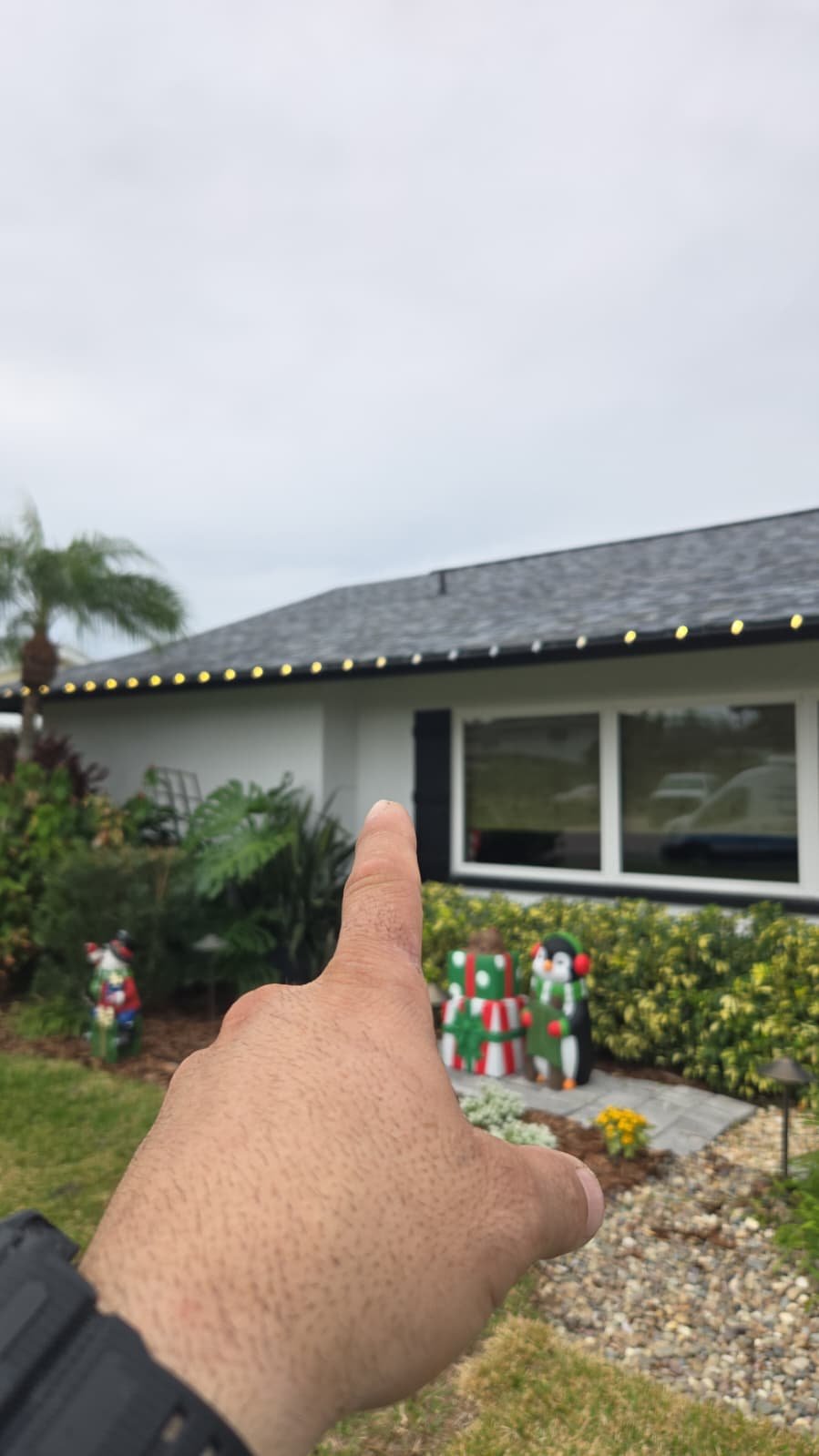
When a toilet clogs in a busy home, everything else comes to a halt. For this homeowner in Tampa, FL 33634, a stubborn toilet clog was causing slow draining and the worry that a bigger plumbing issue might be hiding in the drain line. Our technician, Adalberto, was dispatched to diagnose the problem and get the bathroom back up and running.
In this visit, we focused on properly augering the toilet, explaining what we found, and outlining the options if a deeper blockage was present. By the end of the appointment, the homeowner understood exactly what was going on, what was done, and what the next steps would be if the clog ever returned.
Case Recap
- Location: Single-family home in Tampa, FL 33634
- Main concern: Toilet clogged and draining poorly
- Primary service: Professional toilet augering (toilet auger unclogging)
- Next-level options discussed: Pulling the toilet and using a drain snake for deeper blockages if needed
- Goal: Restore normal flushing, confirm the line was flowing, and give the homeowner a clear plan for the future
Customer Problem
By the time we arrived, the homeowner in Tampa, FL 33634 was dealing with a toilet that just wouldn’t clear properly. They had already tried the usual home remedies: plunger, waiting for the water to slowly drain, and being careful about what went into the bowl. Even with those efforts, the toilet still struggled to flush and was slow to drain.
Common concerns we hear in situations like this include:
- “Is this just a simple clog or something deeper in the line?”
- “Do I need to replace the toilet?”
- “Is this going to back up into the bathroom?”
Because of the inconvenience and the potential for a messy backup, the homeowner wanted a licensed professional to take a closer look, clear the blockage correctly, and let them know if there was a more serious problem starting in the drain system.
Inspection and Diagnosis
When we arrive for a toilet clog repair in Tampa homes, our first step is always to listen to the customer and take a quick history of what has been happening with the fixture. For this bathroom, the main symptoms were:
- Slow draining after each flush
- Water level rising higher than normal before slowly receding
- No known foreign objects dropped into the toilet
From there, Adalberto performed a visual inspection around the toilet and bathroom. We look for signs like water around the base, gurgling in nearby fixtures (like the tub or sink), or sewage odors that might point to a bigger issue in the main drain line rather than just the toilet trap.
Because the problem appeared to be isolated to this one toilet and there were no signs of other drains backing up, the next logical diagnostic step was to use a toilet auger. A toilet auger lets us reach through the built-in trap of the toilet and into the start of the drain line where tougher clogs like wipes, paper buildup, or small objects tend to get stuck.
We also explained to the homeowner that if augering did not restore normal operation, the next phase would be more involved: removing the toilet to access the drain line directly and potentially using a longer drain snake to reach deeper into the plumbing system.
Repair or Service Process
For this Tampa, FL 33634 visit, the service started with a professional augering of the toilet. Here’s how that process works and why each step matters.
1. Protecting the Home and Work Area
Before we bring tools into the bathroom, we take a few minutes to protect the space. That typically includes placing drop cloths or pads around the toilet, having cleaning supplies ready, and making sure we have a clear path in and out of the home. Keeping the area clean isn’t just about appearance; it helps prevent slips, contamination, and tracking any mess through the house.
2. Setting Up and Positioning the Auger
A toilet auger is different from a basic plumbing snake. It’s specifically designed for toilets, with a guide tube and a curved end that helps protect the porcelain as we work through the trap. Adalberto carefully positioned the auger in the toilet bowl, making sure the protective sleeve sat correctly to avoid scratching the surface.
3. Working the Auger Through the Trap
Next, the auger cable was slowly advanced while the handle was turned. This step requires a steady hand and a feel for what’s happening inside the pipe. We’re listening and feeling for:
- Soft resistance, which usually indicates paper or organic buildup
- Sudden stops, which could indicate a foreign object
- Movement and then a release, which often signals the clog has broken up or moved through
During this process, we take care not to force the cable too aggressively. Forcing can risk damaging the toilet or pushing a clog into a worse position.
4. Testing the Toilet After Augering
Once the auger work was complete, the next step was to test the flush several times. We monitor:
- How quickly the bowl empties
- Whether the water level returns to normal
- Any unusual sounds in nearby drains
If the toilet flushes consistently and the water level behaves as expected, that’s a good sign the blockage was in the immediate trap or close section of the drain and has been cleared. We verified proper operation after the augering and checked nearby fixtures to confirm there were no signs of a broader drainage issue.
5. Discussing Next-Step Options if Problems Return
Even when a toilet flushes normally after augering, we’re always transparent about what to watch for. We let the homeowner know:
- If the toilet begins draining poorly again soon, there could be a deeper clog in the line.
- In that case, the next step would likely be removing the toilet to gain better access.
- With the toilet removed, we can use a longer drain snake to tackle blockages further down the line.
We also explained that pulling the toilet and using a longer machine is a more involved service, and that pricing for those options would always be clearly discussed and approved before any additional work begins. Our homeowner in Tampa, FL 33634 appreciated having a straightforward roadmap instead of vague guesses.
Why This Fix Works
Most toilet clogs occur in one of two places: inside the toilet’s own built-in trap, or in the first few feet of the drain line that the toilet connects to. That’s exactly where a toilet auger is designed to work.
Here’s what makes augering effective for many clogs in Tampa homes:
- Direct access to the blockage: The auger cable physically reaches into the trap and line, letting us break up or hook the clog rather than just pushing water against it.
- Mechanical action: Turning the handle gives a controlled twisting motion that can shred paper buildup or dislodge compacted material.
- Protection for the toilet: The design of the auger guide helps prevent scratching or cracking the porcelain, something that can happen with the wrong type of tool.
When a clog is further down the drain—past the reach of a toilet auger—that’s when we move to more advanced methods like pulling the toilet and using a drain snake or even more specialized equipment. For many everyday clogs, though, a careful augering and proper testing is all that’s needed to restore reliable flushing.
For homes that struggle with recurring drain issues or multiple fixtures draining slowly, more comprehensive services like drain line cleaning and flushing or drain cleaning for common line issues may be the better long-term solution.
Pro Tips for Homeowners in Tampa
Florida’s humidity, older plumbing in some neighborhoods, and busy households can all make toilet and drain issues more common. Here are a few practical tips for homeowners in Tampa, FL 33634 and the surrounding Tampa Bay area:
1. Be Careful With “Flushable” Products
Many wipes and similar products labeled as “flushable” do not break down like regular toilet paper. In our local climate, where pipes may already have some buildup, these can easily catch and start a clog. When in doubt, put it in the trash instead of the toilet.
2. Watch for Early Warning Signs
If a toilet starts to flush a little slower, makes gurgling sounds, or needs two flushes when it normally needs one, that’s the time to pay attention. Catching a slow drain early can help avoid a full blockage or an overflow. If more than one fixture starts draining slowly, it might be time to look at your main drain line with professional drain cleaning services.
3. Limit Chemical Drain Cleaners
Over-the-counter drain chemicals can sometimes provide temporary relief, but they can also be harsh on your pipes and fixtures. In some cases, they don’t fully clear the blockage and just sit in the trap or line, which can be unsafe to work around later. Mechanical cleaning with the right tools is usually safer and more thorough.
4. Mind What Kids Flush
In family homes around Tampa, we often find toys, small objects, and thick wads of paper products causing clogs. Teaching kids what can and can’t go into the toilet can save you from a lot of inconvenient service calls.
5. Consider a Periodic Plumbing Checkup
If you’ve had multiple clogs or slow drains, a broader look at your plumbing can be helpful. Services like a full-house plumbing inspection can identify weak points, aging fixtures, or drain line concerns before they turn into emergencies.
FAQ: Toilet Clog Repair in Tampa, FL 33634
How do I know if I just need a toilet auger or if there’s a deeper problem?
If the issue is limited to a single toilet and other drains in your home are working fine, an auger is often the right first step. If multiple fixtures are backing up or you’ve had recurring clogs, there may be a deeper blockage that requires pulling the toilet or cleaning the main drain line.
Will augering my toilet damage it?
When done with the correct tool and technique, augering should not damage your toilet. We use a toilet-specific auger with a protective guide to shield the porcelain and work carefully to avoid scratching or cracking the bowl.
What happens if my toilet is still draining poorly after augering?
If the toilet continues to drain poorly after a proper auger service, it often means the blockage is deeper in the drain line. In that case, we typically recommend removing the toilet to gain better access and using a longer drain snake or other equipment to clear the deeper clog.
Do I have to replace my toilet if it keeps clogging?
Not necessarily. Frequent clogs can be caused by low-flow design, build-up in the trap, items being flushed that shouldn’t be, or issues further down the line. We focus first on clearing the drain and identifying the cause. Only if the toilet itself is contributing to the problem do we discuss replacement as an option.
Is it okay to keep using a plunger before calling a plumber?
Yes, a plunger is fine for minor, occasional clogs. However, if you find yourself plunging the same toilet frequently, or if plunging doesn’t restore normal flushing, it’s time to have a professional take a look. Persistent clogs can point to a deeper issue that plunging alone won’t resolve.
Why Choose Home Therapist for Toilet Clog Repair
When you call Home Therapist for a clogged toilet in Tampa, FL 33634, you’re getting more than a quick fix. You’re getting a licensed, experienced plumbing professional who treats your home with the same care we’d want in our own.
Here’s what you can expect from our team:
- Licensed and professional technicians: Our plumbers are trained, experienced, and operate to Florida’s standards for safety and quality.
- Transparent communication: We explain what we’re doing, why we’re doing it, and what your options are before any additional work begins.
- Clean and respectful work: We protect your floors, fixtures, and belongings, and we clean up our work area when the job is done.
- Long-term reliability focus: We’re not just clearing today’s clog; we’re looking at patterns and warning signs to help prevent future issues.
- Commitment to Tampa Bay homeowners: As a local company, we understand how Tampa’s housing, soil, and weather can affect your plumbing system.
Whether you’re dealing with a one-time toilet clog or repeated drain issues throughout the home, we can recommend the right blend of targeted repairs and preventative services, from simple augering to more thorough drain line cleaning and flushing tailored to Tampa Bay homes.
Need Toilet Clog Help in Tampa, FL 33634?
If your toilet is slow, backing up, or just not flushing the way it should, don’t wait for it to overflow or affect other parts of your plumbing. Our Home Therapist team is ready to help homeowners in Tampa, FL 33634 with prompt, professional toilet clog repair and honest advice about any deeper drain issues.
Schedule your visit today, and let a licensed plumber inspect, clear, and protect your bathroom so you can get back to normal with confidence.