17-Year-Old AC System in Tampa, FL 33610: When Maintenance Reveals It’s Time for HVAC Replacement
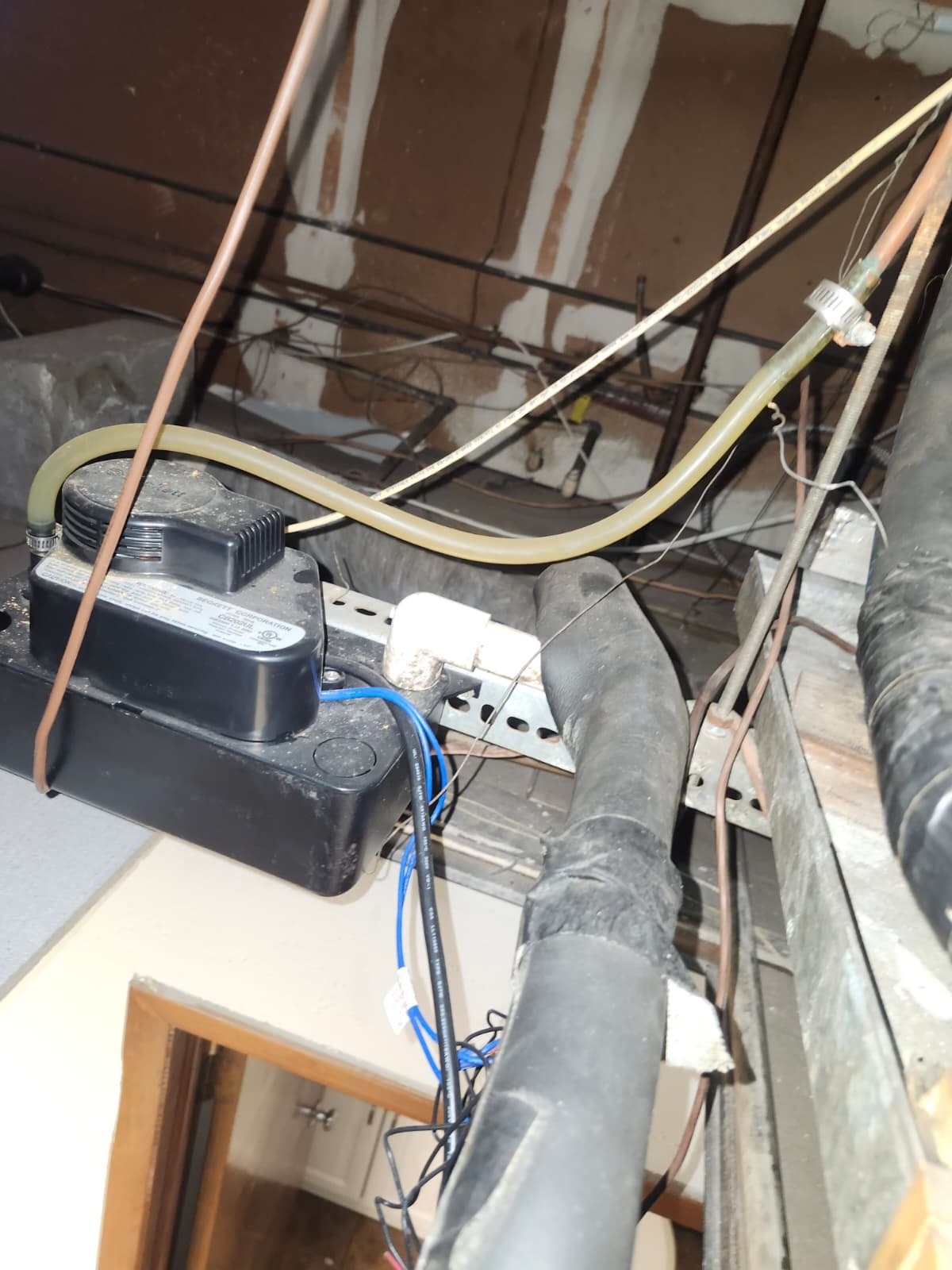
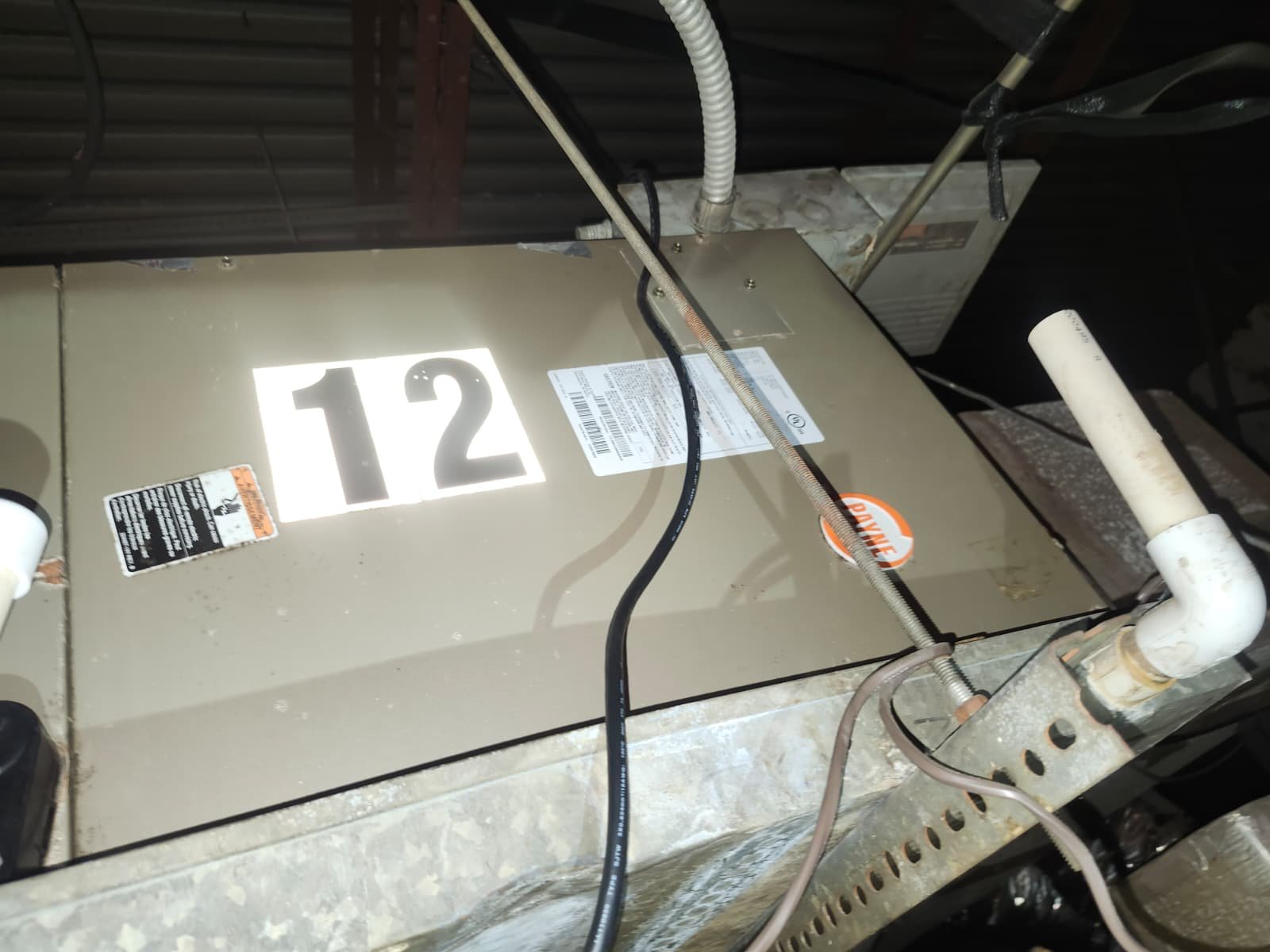
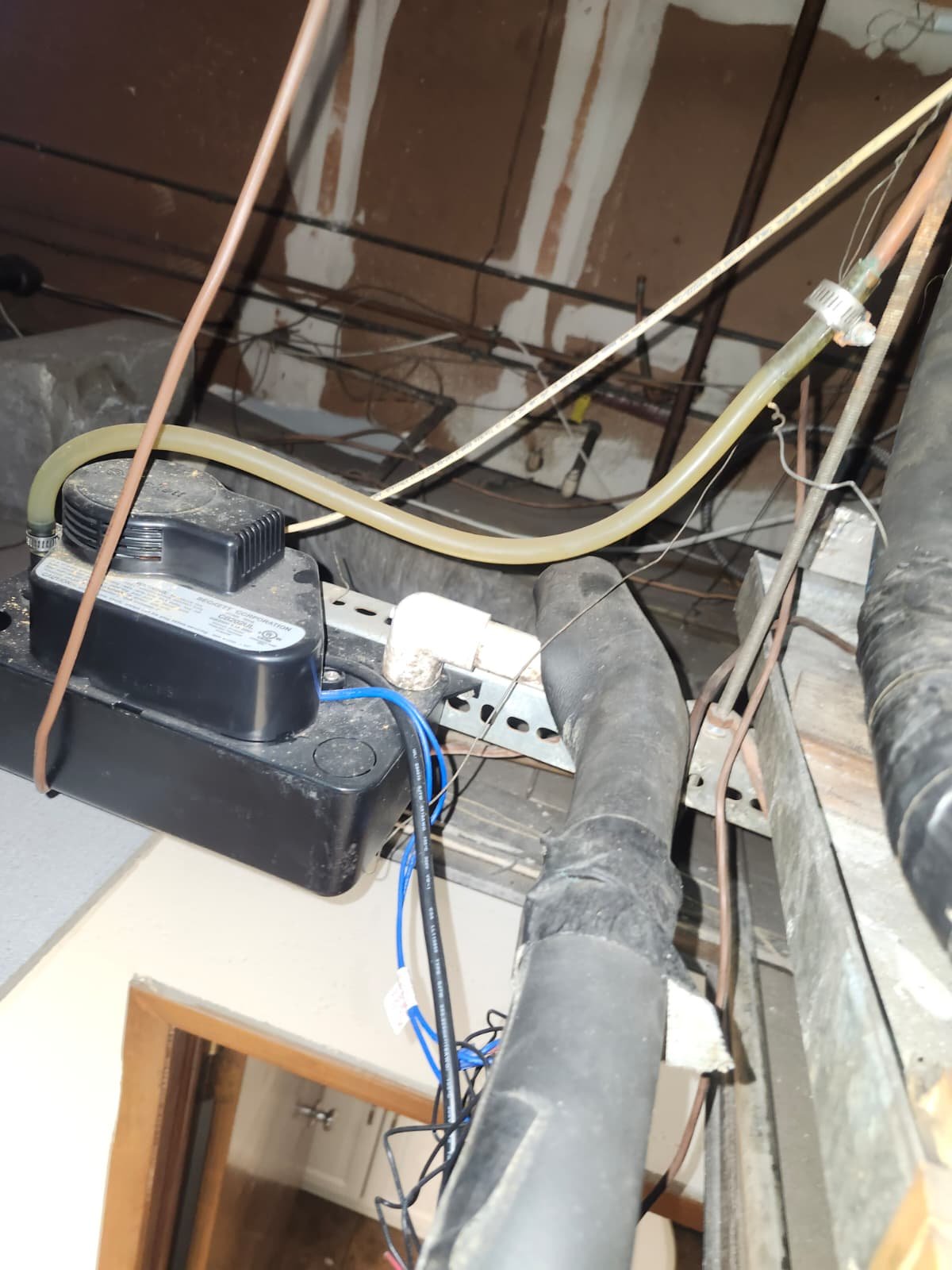
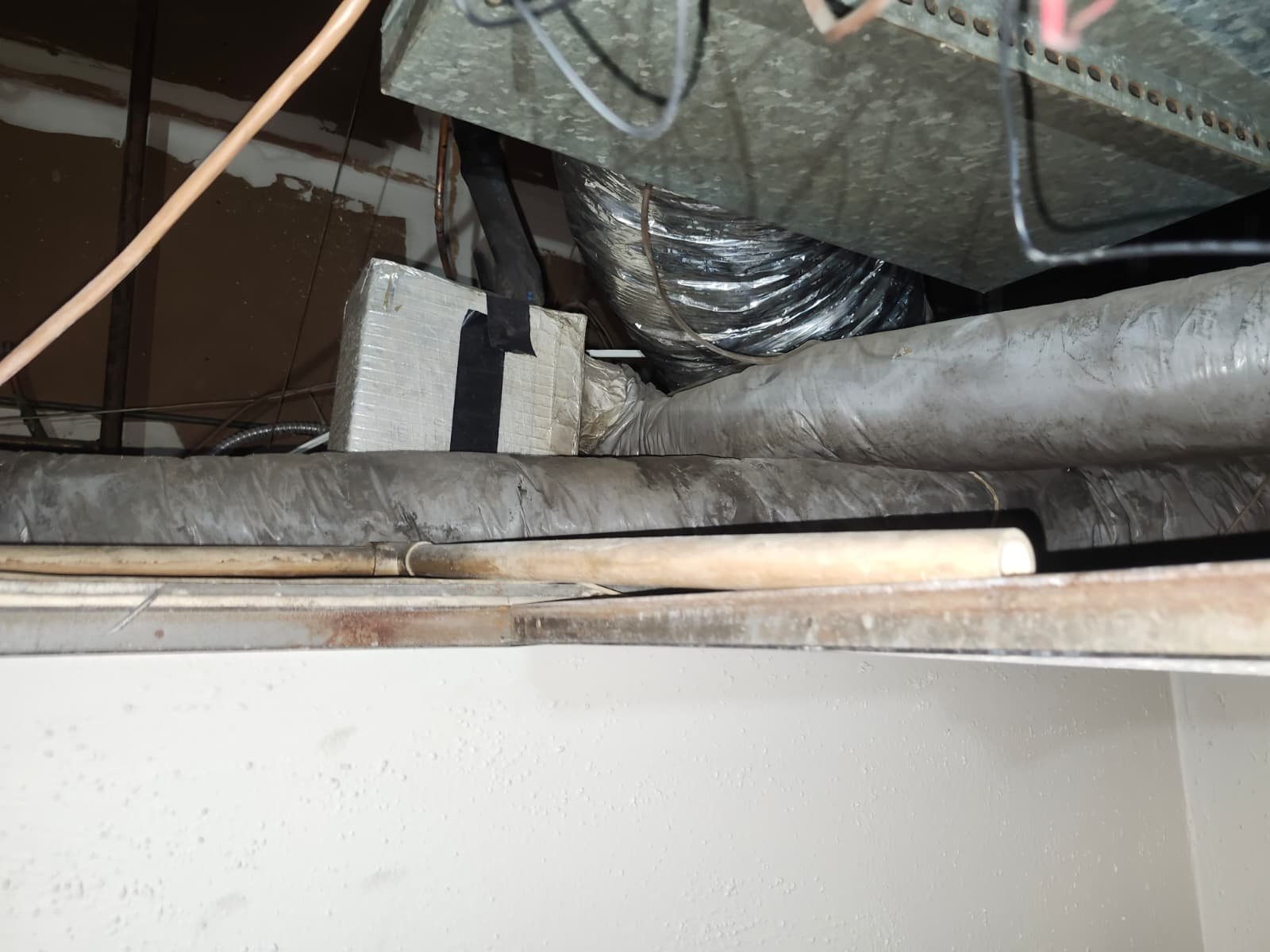
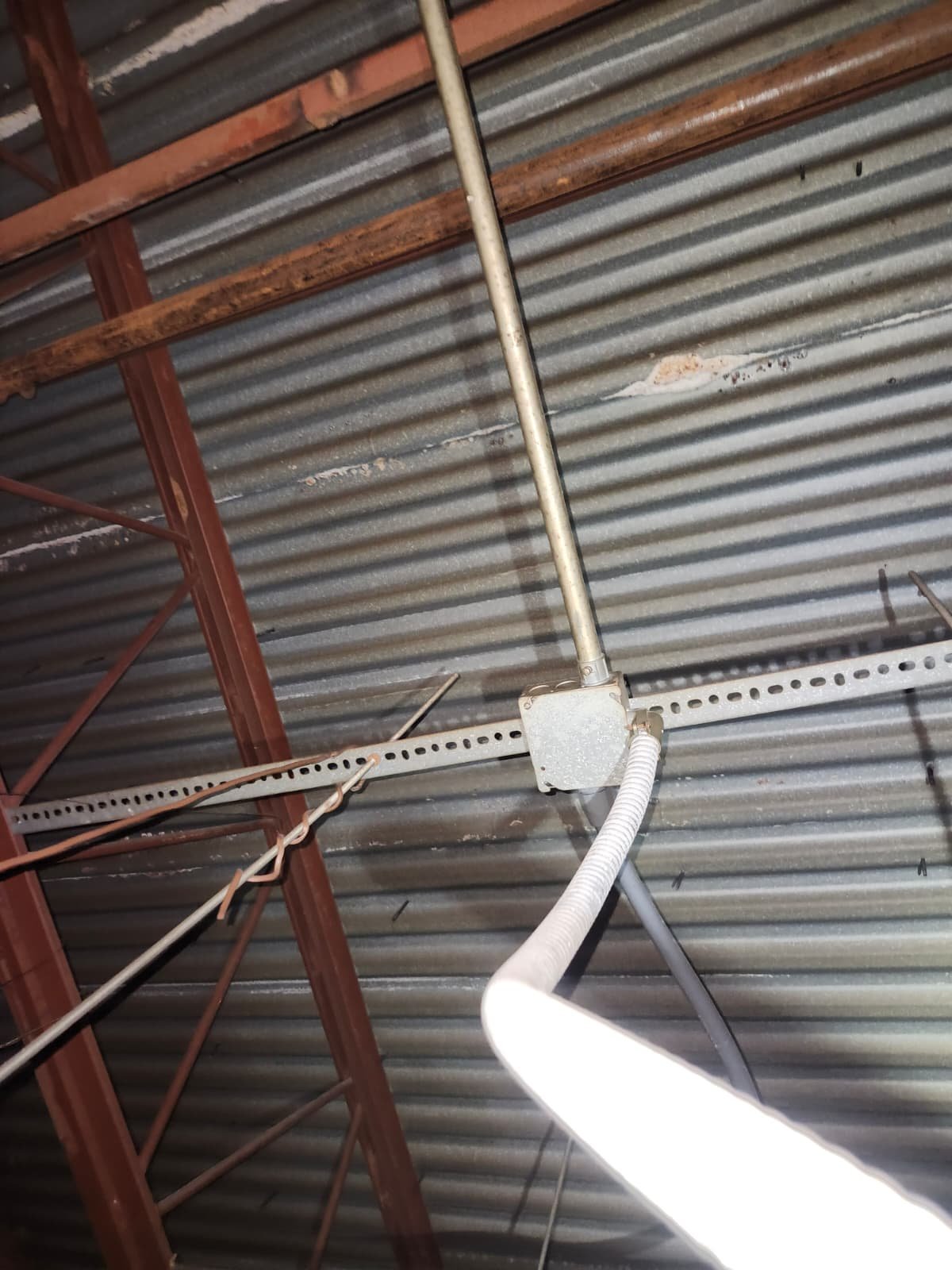
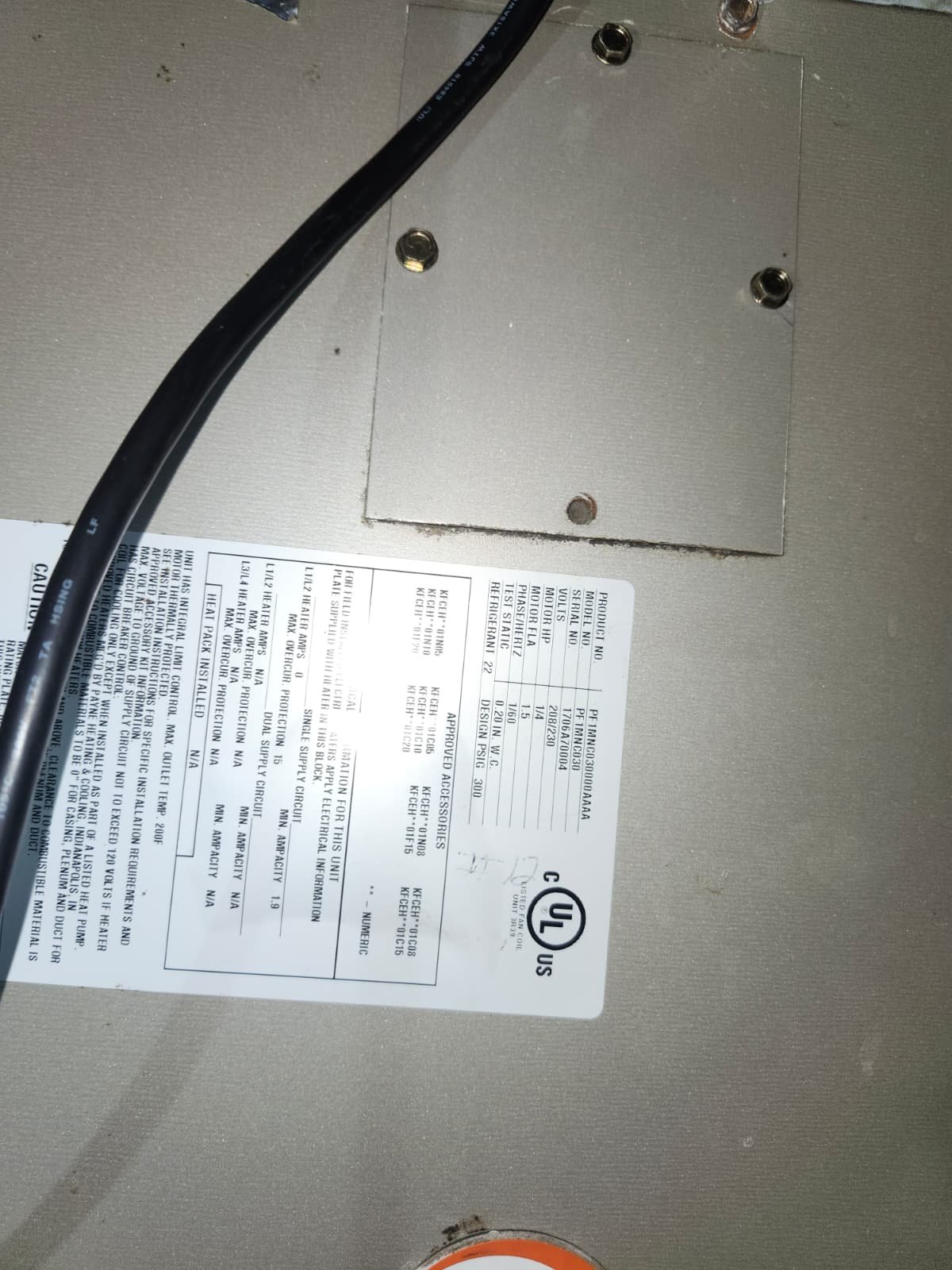
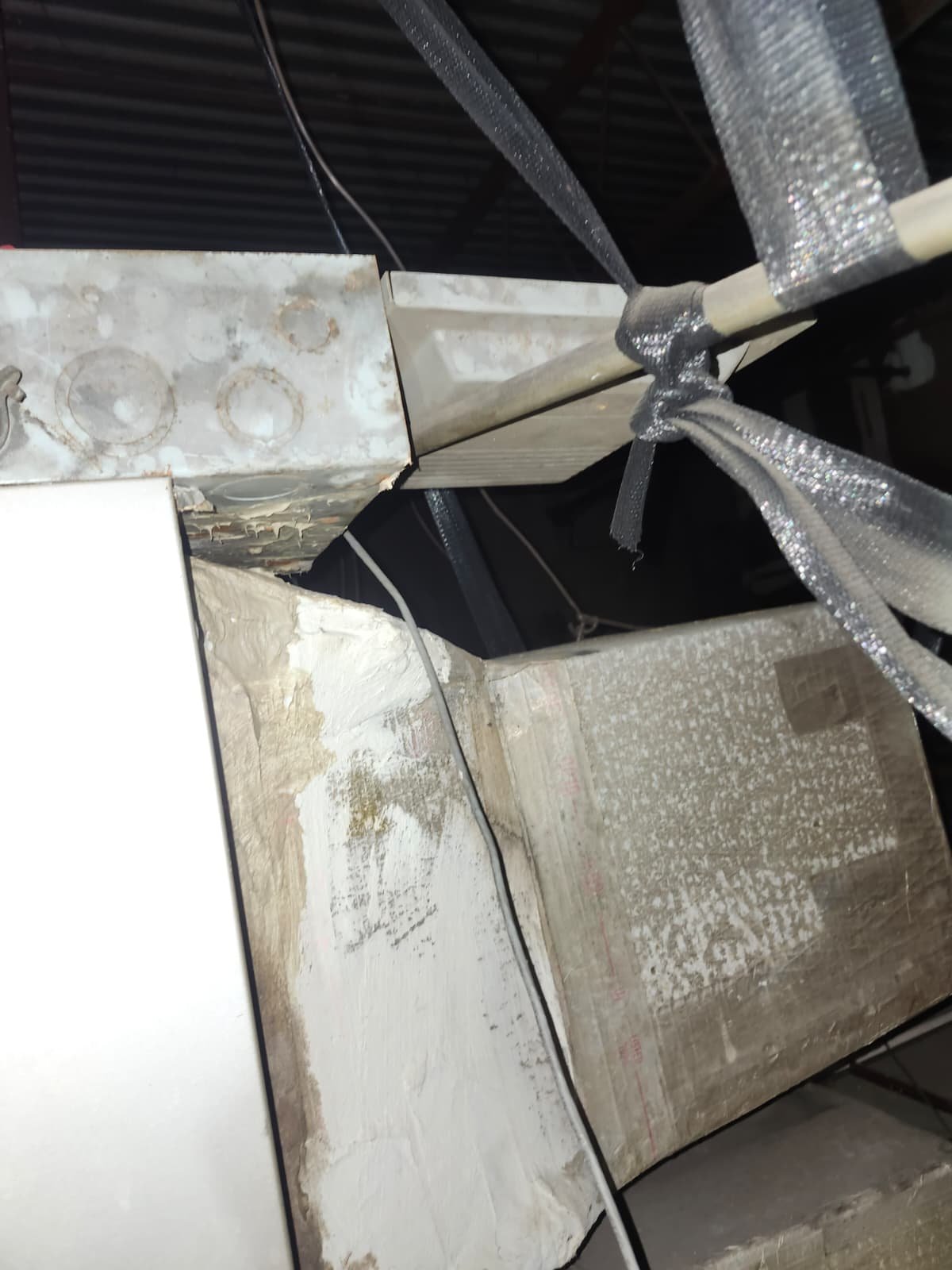
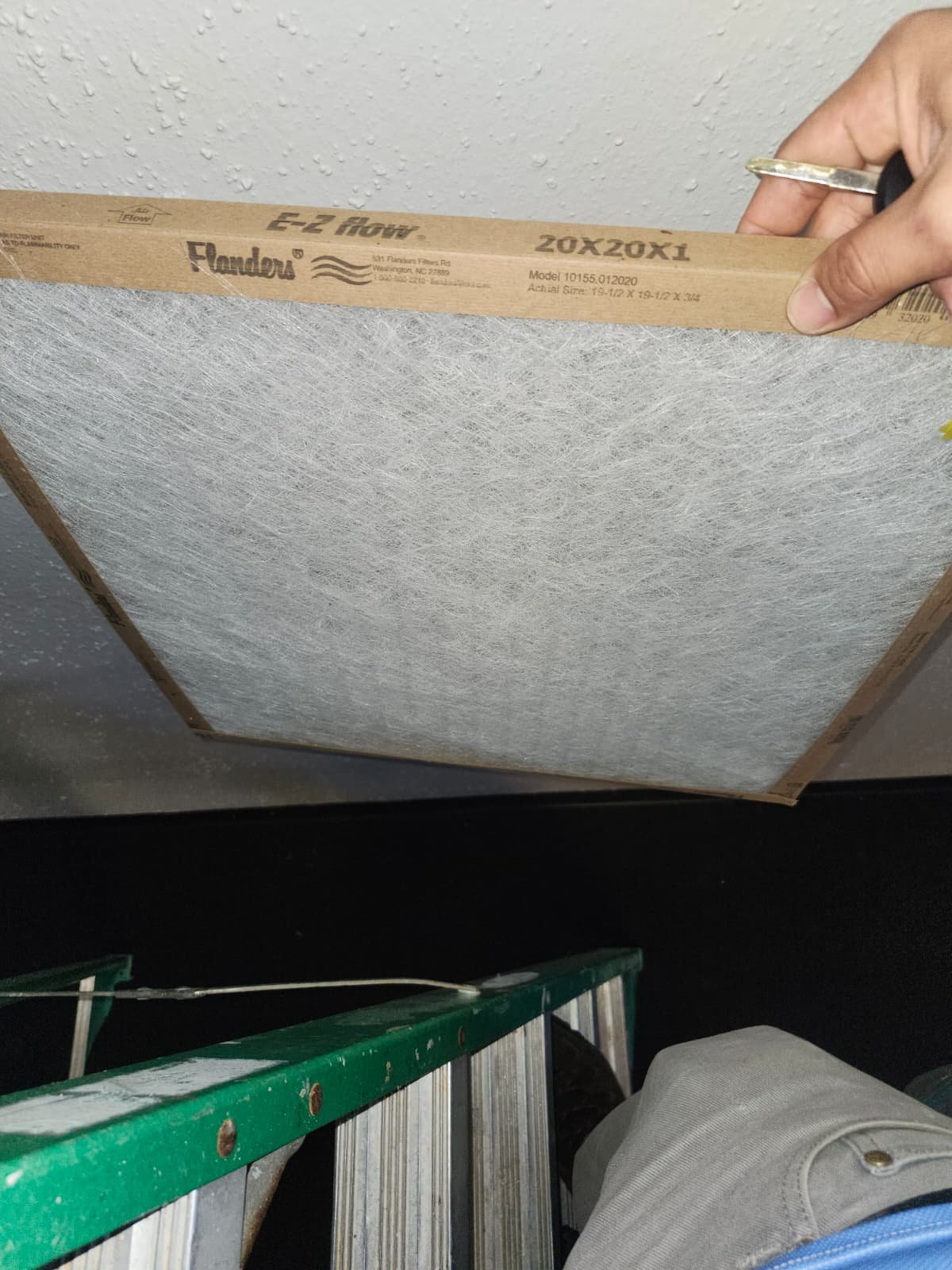
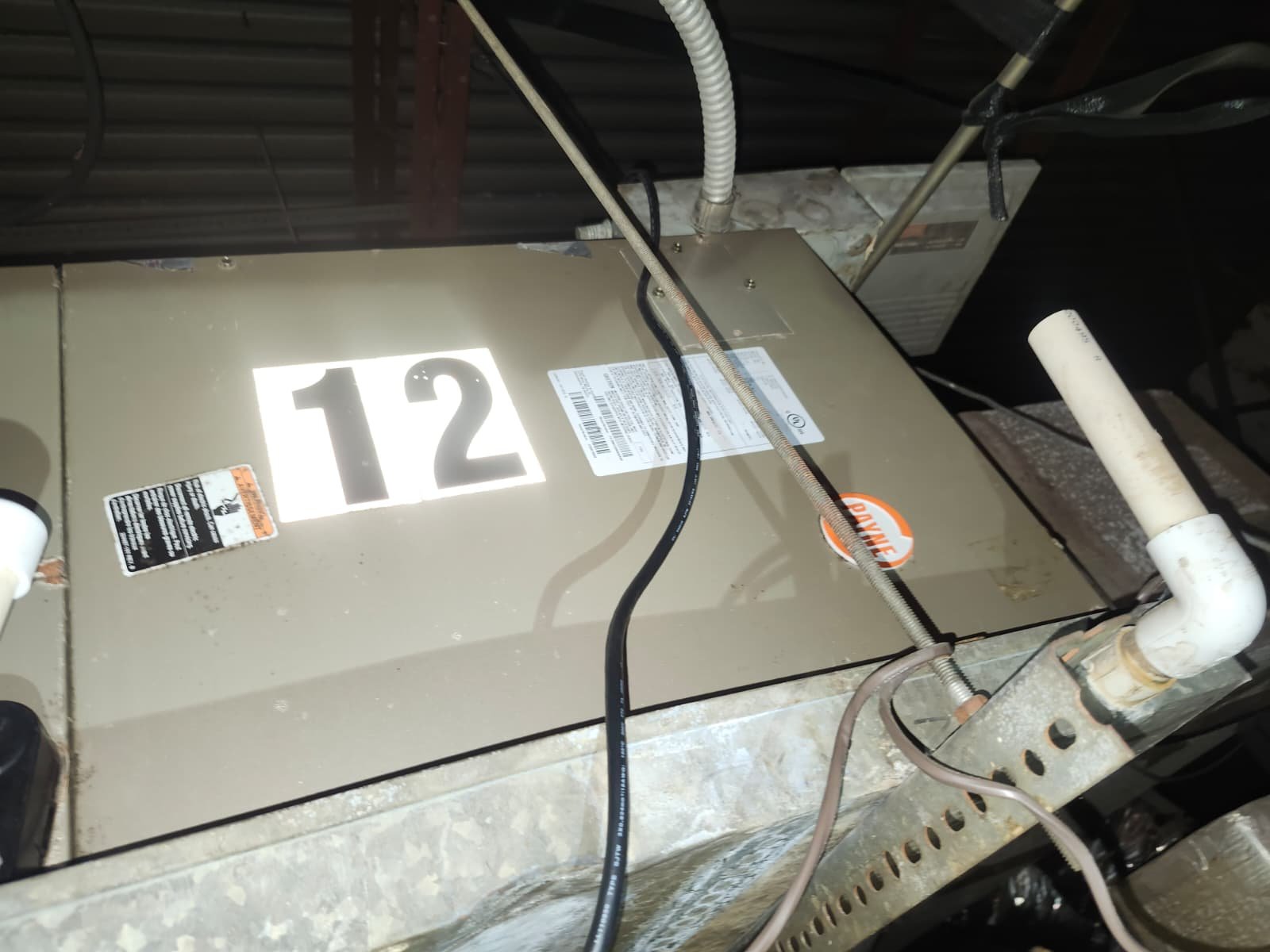
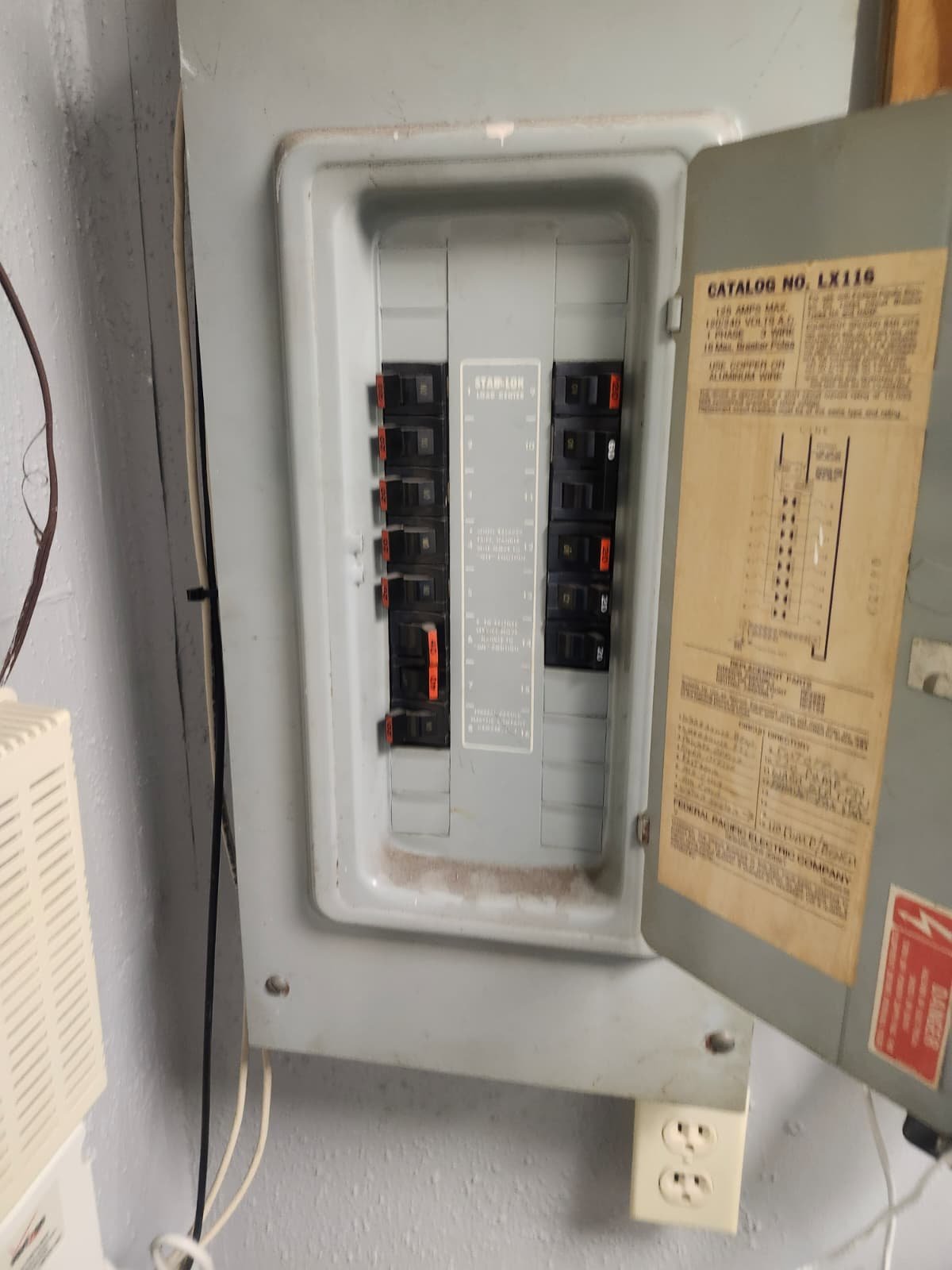
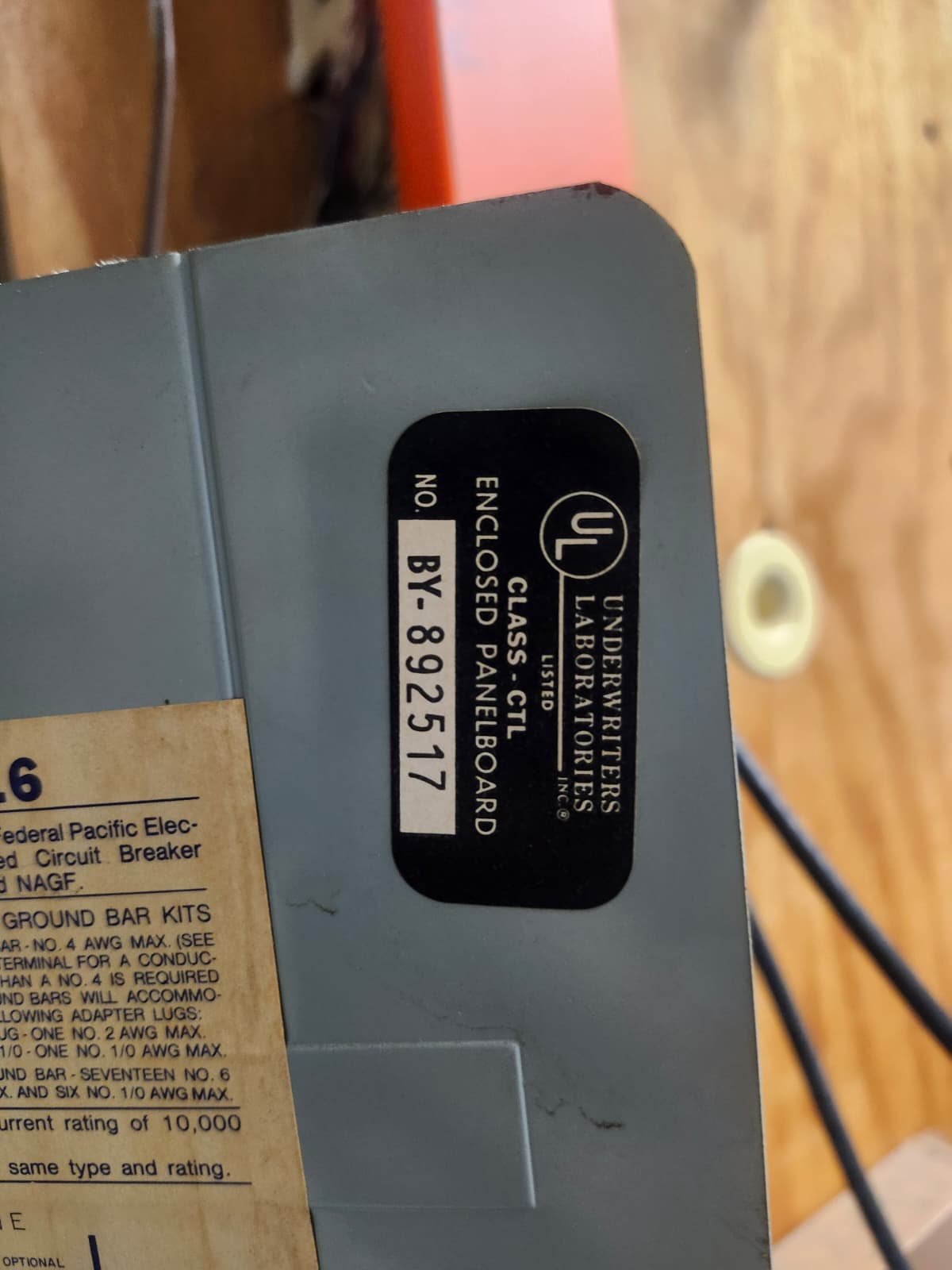
During a recent quarterly HVAC maintenance visit at a home in the 33610 area of Tampa, FL, our team at Home Therapist Cooling, Heating, and Plumbing found something we see often in older systems: an air conditioner that has simply reached the end of its safe and efficient life. What started as a routine service agreement visit turned into an important conversation about safety, comfort, and when it’s the right time to replace an aging HVAC system.
Living in Tampa, FL means your air conditioner works hard almost all year. When a system is 17 years old and showing repeated electrical and airflow problems, it’s more than just an inconvenience—it can affect your comfort, your energy bills, and even the safety of your home’s electrical system.
Customer Problem: What Was Happening at the Home
This visit was part of a Quarterly Service Agreement for a homeowner in Tampa, FL 33610. Because they’re on a maintenance plan, we visit on a regular schedule to inspect, clean, test, and document the health of their HVAC system.
The client didn’t call with a single emergency complaint this time; instead, this was a planned maintenance visit—Visit #9 under their agreement. That said, from earlier visits we already knew this system was struggling. The homeowner had been dealing with:
- Frequent breaker trips when the AC ran
- Inconsistent cooling in different rooms
- Concerns about the age and reliability of the system
There were also some access notes on the account: entry to the property is remote, and our technician needs to call the client upon arrival. We always pay attention to these details so we can respect the customer’s preferences and keep the visit smooth and stress-free.
What Our Technician Found During the Quarterly Service Visit
Our technician, Jandiel, completed a thorough checkup as part of the Quarterly Service Agreement visit. Even though this was a routine maintenance appointment, we always approach it as an opportunity to catch safety and performance issues early.
Here’s what we found during this visit in Tampa, FL 33610:
1. The System Is 17 Years Old and in Very Poor Condition
Seventeen years is beyond the average life expectancy for most residential HVAC systems in Florida’s climate. Between heat, humidity, and heavy usage, many systems in Tampa need replacement around the 10–15 year mark. At 17 years, this system had:
- Noticeable wear on major components
- Ongoing reliability issues documented from previous visits
- Inefficient performance compared to modern equipment
At this point, even if we can keep it running with repairs, it usually isn’t the smartest or safest long-term investment for the homeowner.
2. Electrical Safety Concern: Condenser and Air Handler Sharing a Single Breaker
One of the most serious findings was an electrical configuration problem: the outdoor condenser and indoor air handler were both tied to a single breaker. This was not new information—we had noted it on a previous visit—but the condition continued without correction.
Why is this a problem?
- Frequent breaker tripping: Both major components draw significant power. Putting them on one breaker overloads the circuit.
- Potential safety risk: Breakers constantly tripping is a sign that something isn’t right electrically. Over time, this can lead to overheating, nuisance outages, and stress on wiring and equipment.
- Code and best-practice concerns: Current standards typically call for separate dedicated circuits for the condenser and the air handler.
3. No Electrical Disconnect on the Air Handler
We also noted that the air handler did not have its own electrical disconnect switch within line of sight. A disconnect is important for:
- Technician safety: It allows us to safely shut off power for service and repairs.
- Emergency shutoff: In a problem situation, it provides a quick way to kill power to that part of the system.
- Compliance: It’s part of following modern electrical and mechanical codes.
While homeowners don’t always see this component or think about it, it’s a basic safety and serviceability feature we take seriously.
4. Ductwork in Poor Condition
In addition to the equipment and electrical issues, the ductwork in this Tampa home was in poor shape. Damaged, leaky, or poorly designed ductwork can:
- Waste cooled air into the attic or crawlspaces
- Create hot and cold spots throughout the home
- Increase dust and affect indoor air quality
- Force the HVAC system to work harder and run longer
We’ve seen similar issues in other homes in this area—if you’d like a deeper dive into duct projects, you can see another case study at our air duct repair and replacement project in Tampa, FL 33610.
Our Recommended Options for This Tampa, FL Home
After documenting the condition of the 17-year-old system and the electrical and ductwork problems, we walked the homeowner through several clear, straightforward recommendations. Because they’re on a maintenance plan, they already understand the value of regular HVAC care—but there comes a point where maintenance is keeping an old system afloat rather than helping it perform well.
Recommended Option 1: Replace the Entire HVAC System
We recommended replacing both the outdoor condenser and the indoor air handler. A full system replacement allows us to:
- Match equipment properly for better performance and efficiency
- Install a system that meets current efficiency standards
- Correct old installation or sizing issues
- Provide more reliable cooling in Tampa’s hot, humid climate
For homeowners researching this decision, our blog on the HVAC replacement checklist for homeowners is a helpful guide to what to expect and what questions to ask.
Recommended Option 2: Add a Proper Electrical Disconnect for the Air Handler
We also recommended adding a dedicated electrical disconnect for the air handler. This is a relatively small component, but it’s an important part of a safe, code-compliant installation. With a proper disconnect, both homeowners and technicians have a safer way to control power during service or emergencies.
Recommended Option 3: Separate the Electrical Circuits
Next, we advised separating the electrical circuits so the condenser and air handler no longer share a single breaker. Instead, each would have its own dedicated circuit sized appropriately for the equipment.
This helps to:
- Reduce or eliminate nuisance breaker trips
- Protect the equipment from electrical stress
- Bring the installation closer to current code and best practices
Recommended Option 4: Replace or Redesign the Ductwork
Finally, we recommended either replacing or redesigning the existing duct system. In some Tampa homes, this means sealing, repairing, and resizing certain runs. In others, it makes more sense to replace large portions of the ductwork entirely.
Good ductwork design can dramatically improve:
- Room-to-room comfort and balanced temperatures
- System efficiency and run times
- Noise levels and airflow
- Indoor air quality and dust control
We also pointed the homeowner toward our educational article on why upgrading your HVAC system can be a smart move, which explains how modern equipment and properly designed ductwork work together.
Why We Recommended Replacement Instead of More Repairs
When we talk to homeowners in Tampa, we try to be very open about the repair-versus-replace decision. We’re not here to push a new system on anyone; our job is to share honest observations and help you make an informed choice.
In this case, we recommended replacing the system for a few key reasons:
1. Age and Condition
At 17 years old, this HVAC system was already beyond the typical life span for Florida. Components wear down, parts become less available, and efficiency drops compared to newer systems. Investing in major repairs on a system this old often becomes a short-term patch rather than a long-term solution.
2. Repeated Electrical Problems
The shared breaker issue had been noted before. While we can sometimes make improvements to wiring and controls, there is a limit to how far we can take an older, compromised installation before it makes more sense to start fresh with a properly designed system.
3. Safety and Code Compliance
Missing disconnects and improper circuiting are red flags from a safety standpoint. When we replace a system, we have the opportunity to bring the entire installation into alignment with modern codes and best practices, which is a big benefit for long-term peace of mind.
4. Ductwork Problems and Efficiency
Even the best new equipment will struggle if it’s tied to poor ductwork. By addressing the duct issues at the same time as the equipment replacement, we help ensure that the homeowner actually feels the full benefit of the upgrade. For more tips on getting the most value out of your system, our guide to HVAC maintenance for homeowners is a great resource.
5. Long-Term Cost and Comfort
Continuing to repair an aging, inefficient system can become like pouring money into an old car that’s breaking down every few months. A properly sized, modern system with good ductwork typically offers:
- Lower energy usage
- More consistent comfort throughout the home
- Quieter operation
- Fewer surprise breakdowns in the middle of a Tampa summer
After reviewing all of this, we prepared detailed estimates and sent them to the homeowner for their consideration so they could make a decision on their own timeline.
Step-by-Step: How We Handle This Kind of Project in Tampa, FL
Every home and every system is a little different, but for a job like this—full system replacement, electrical corrections, and ductwork improvements—our process generally looks like this:
1. Initial Inspection and Documentation
We start with a thorough inspection, documenting:
- Existing equipment model, age, and condition
- Electrical setup including breakers, disconnects, and wiring
- Duct layout, sizing, and visible damage
- Airflow and comfort concerns in different rooms
This step was already largely complete because of the homeowner’s Quarterly Service Agreement, which gives us a clear service history.
2. Load Calculation and System Sizing
When the client decides to move forward, we perform proper sizing to make sure the new system is neither too small nor too large. In Tampa’s climate, correct sizing is critical for managing humidity and ensuring energy efficiency.
Our resources on how to choose an HVAC system in Tampa Bay can help homeowners understand what goes into this step.
3. Electrical Corrections
We coordinate necessary electrical work, which can include:
- Installing a dedicated breaker and circuit for the air handler
- Ensuring the condenser has its own properly sized circuit
- Adding required disconnects within line of sight of the equipment
These upgrades are not just for compliance—they help protect the system and keep your home safer.
4. Ductwork Repair or Redesign
Depending on what we find, we may:
- Seal leaky joints and connections
- Replace damaged or undersized runs
- Rebalance airflow to problem rooms
- Replace sections of duct that are beyond repair
We know air distribution is just as important as the unit itself. That’s especially true in older homes in areas like Tampa, FL 33610, where ductwork may have been patched over the years.
5. Installing and Commissioning the New System
Once the electrical and ductwork are addressed, we install the new HVAC equipment. We then commission the system—meaning we test, measure, and adjust to ensure it’s operating as designed.
If you’re curious about this part of the process, our article on what HVAC commissioning is and why it matters goes into more detail.
6. Ongoing Maintenance
Finally, we always recommend staying on a maintenance schedule. This homeowner was already ahead of the game with a Quarterly Service Agreement, which helped us catch these issues and start the replacement conversation before something failed completely in the middle of summer.
What Could Have Happened If Nothing Changed
If the homeowner chose to continue running this 17-year-old system without making any upgrades or corrections, a few outcomes were likely:
- More frequent breakdowns during high-demand days in Tampa’s heat
- Continued breaker trips, which are annoying at best and potentially risky at worst
- Higher energy bills from an inefficient system and leaky ductwork
- Uneven comfort with hot spots and humidity issues throughout the home
Our job isn’t to scare anyone, but to be honest. Older systems don’t fail on a convenient schedule, and addressing these issues proactively gives the homeowner more control and more options.
Tips to Prevent Similar Problems in Tampa, FL Homes
Whether you’re in Tampa, FL 33610 or elsewhere in the Tampa Bay area, there are a few practical steps you can take to reduce the chances of finding yourself in a similar situation:
- Stay on a regular maintenance plan. Routine visits allow us to catch electrical, mechanical, and duct issues early. Our maintenance-focused blogs, like the regular HVAC maintenance guide, explain what should be checked each season.
- Pay attention to breaker trips. If your AC or air handler is tripping the breaker more than once in a blue moon, it’s worth a professional inspection.
- Watch for uneven temperatures and weak airflow. These can be signs of duct problems, not just equipment issues.
- Know your system’s age. If your system is 12–15+ years old, start planning ahead. Reading resources like our why upgrade your HVAC system guide can help you prepare before an emergency hits.
- Use trusted local pros. HVAC systems in coastal and humid climates like Tampa have unique demands. Local experience matters.
Why Choose Home Therapist for HVAC and Ductwork in Tampa, FL?
Our team at Home Therapist Cooling, Heating, and Plumbing focuses on clear communication, thorough inspections, and practical recommendations—never pressure. On maintenance agreement visits like this one, our goal is to:
- Document the true condition of your system
- Explain safety and comfort concerns in plain language
- Offer options that match your budget and priorities
- Respect your schedule and access preferences
We serve homeowners throughout Tampa, FL and the greater Tampa Bay area, helping them stay comfortable in our hot, humid climate. If you’d like to understand more about how regular service helps, check out our article on why you should schedule regular HVAC maintenance.
For a bit of local context, Tampa isn’t just hot—it’s a vibrant city with attractions like downtown Tampa, the Tampa Riverwalk, and nearby destinations like Busch Gardens. But when you come home from a day out, you want to walk into cool, dry, comfortable air—without worrying if your 17-year-old AC will make it through another season.
Serving Homeowners Across Tampa, FL 33610 and Beyond
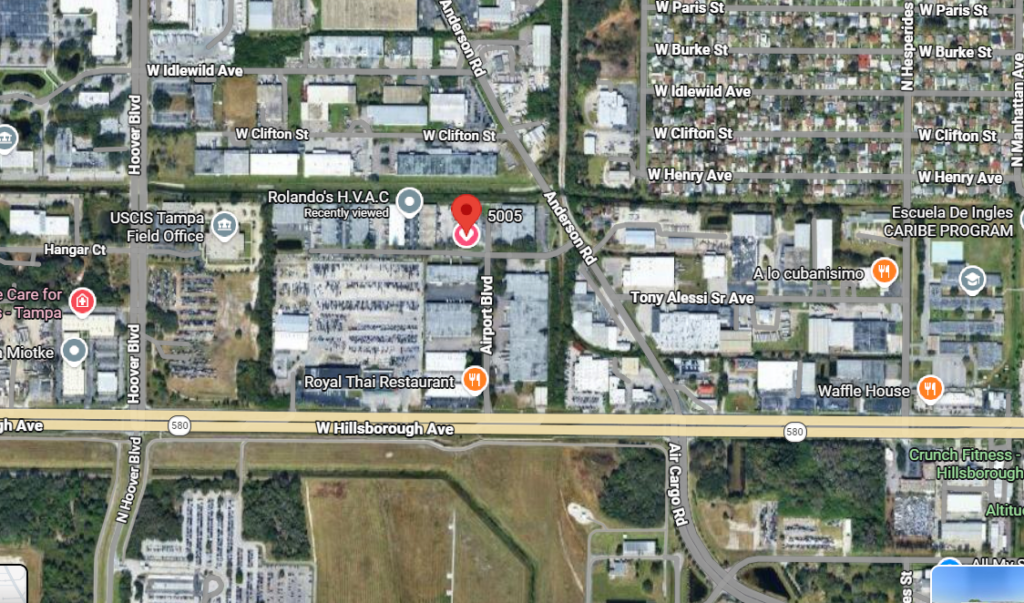
We understand the specific demands of HVAC systems in communities across Tampa, including the 33610 area. If you’re curious where you are on the map, you can see the area on Google Maps for Tampa, FL 33610. Whether you’re closer to downtown, the riverfront, or the outer neighborhoods, your AC works hard almost year-round—and it deserves proper care.
Thinking About Replacing an Old AC in Tampa, FL?
If you’re in a similar situation—an older system, recurring electrical issues, duct problems, or just a feeling that your AC isn’t keeping up—it might be time to start exploring replacement options. You don’t have to make the decision alone. Our team can inspect your current system, discuss what we see, and give you straightforward recommendations.
Call Home Therapist or visit our website to schedule an evaluation or ask about our maintenance agreements and replacement options for HVAC and ductwork in Tampa, FL. We’ll walk you through each step, from inspection to estimates to installation, in clear, simple terms.
When your home needs reliable cooling, safe electrical configurations, and solid ductwork, we’re here to provide #HomeTherapist and #TheTherapyYourHomeNeeds.
During a recent quarterly HVAC maintenance visit at a home in the 33610 area of Tampa, FL, our team at Home Therapist Cooling, Heating, and Plumbing found something we see often in older systems: an air conditioner that has simply reached the end of its safe and efficient life. What started as a routine service agreement visit turned into an important conversation about safety, comfort, and when it’s the right time to replace an aging HVAC system.
Living in Tampa, FL means your air conditioner works hard almost all year. When a system is 17 years old and showing repeated electrical and airflow problems, it’s more than just an inconvenience—it can affect your comfort, your energy bills, and even the safety of your home’s electrical system.
Customer Problem: What Was Happening at the Home
This visit was part of a Quarterly Service Agreement for a homeowner in Tampa, FL 33610. Because they’re on a maintenance plan, we visit on a regular schedule to inspect, clean, test, and document the health of their HVAC system.
The client didn’t call with a single emergency complaint this time; instead, this was a planned maintenance visit—Visit #9 under their agreement. That said, from earlier visits we already knew this system was struggling. The homeowner had been dealing with:
- Frequent breaker trips when the AC ran
- Inconsistent cooling in different rooms
- Concerns about the age and reliability of the system
There were also some access notes on the account: entry to the property is remote, and our technician needs to call the client upon arrival. We always pay attention to these details so we can respect the customer’s preferences and keep the visit smooth and stress-free.
What Our Technician Found During the Quarterly Service Visit
Our technician, Jandiel, completed a thorough checkup as part of the Quarterly Service Agreement visit. Even though this was a routine maintenance appointment, we always approach it as an opportunity to catch safety and performance issues early.
Here’s what we found during this visit in Tampa, FL 33610:
1. The System Is 17 Years Old and in Very Poor Condition
Seventeen years is beyond the average life expectancy for most residential HVAC systems in Florida’s climate. Between heat, humidity, and heavy usage, many systems in Tampa need replacement around the 10–15 year mark. At 17 years, this system had:
- Noticeable wear on major components
- Ongoing reliability issues documented from previous visits
- Inefficient performance compared to modern equipment
At this point, even if we can keep it running with repairs, it usually isn’t the smartest or safest long-term investment for the homeowner.
2. Electrical Safety Concern: Condenser and Air Handler Sharing a Single Breaker
One of the most serious findings was an electrical configuration problem: the outdoor condenser and indoor air handler were both tied to a single breaker. This was not new information—we had noted it on a previous visit—but the condition continued without correction.
Why is this a problem?
- Frequent breaker tripping: Both major components draw significant power. Putting them on one breaker overloads the circuit.
- Potential safety risk: Breakers constantly tripping is a sign that something isn’t right electrically. Over time, this can lead to overheating, nuisance outages, and stress on wiring and equipment.
- Code and best-practice concerns: Current standards typically call for separate dedicated circuits for the condenser and the air handler.
3. No Electrical Disconnect on the Air Handler
We also noted that the air handler did not have its own electrical disconnect switch within line of sight. A disconnect is important for:
- Technician safety: It allows us to safely shut off power for service and repairs.
- Emergency shutoff: In a problem situation, it provides a quick way to kill power to that part of the system.
- Compliance: It’s part of following modern electrical and mechanical codes.
While homeowners don’t always see this component or think about it, it’s a basic safety and serviceability feature we take seriously.
4. Ductwork in Poor Condition
In addition to the equipment and electrical issues, the ductwork in this Tampa home was in poor shape. Damaged, leaky, or poorly designed ductwork can:
- Waste cooled air into the attic or crawlspaces
- Create hot and cold spots throughout the home
- Increase dust and affect indoor air quality
- Force the HVAC system to work harder and run longer
We’ve seen similar issues in other homes in this area—if you’d like a deeper dive into duct projects, you can see another case study at our air duct repair and replacement project in Tampa, FL 33610.
Our Recommended Options for This Tampa, FL Home
After documenting the condition of the 17-year-old system and the electrical and ductwork problems, we walked the homeowner through several clear, straightforward recommendations. Because they’re on a maintenance plan, they already understand the value of regular HVAC care—but there comes a point where maintenance is keeping an old system afloat rather than helping it perform well.
Recommended Option 1: Replace the Entire HVAC System
We recommended replacing both the outdoor condenser and the indoor air handler. A full system replacement allows us to:
- Match equipment properly for better performance and efficiency
- Install a system that meets current efficiency standards
- Correct old installation or sizing issues
- Provide more reliable cooling in Tampa’s hot, humid climate
For homeowners researching this decision, our blog on the HVAC replacement checklist for homeowners is a helpful guide to what to expect and what questions to ask.
Recommended Option 2: Add a Proper Electrical Disconnect for the Air Handler
We also recommended adding a dedicated electrical disconnect for the air handler. This is a relatively small component, but it’s an important part of a safe, code-compliant installation. With a proper disconnect, both homeowners and technicians have a safer way to control power during service or emergencies.
Recommended Option 3: Separate the Electrical Circuits
Next, we advised separating the electrical circuits so the condenser and air handler no longer share a single breaker. Instead, each would have its own dedicated circuit sized appropriately for the equipment.
This helps to:
- Reduce or eliminate nuisance breaker trips
- Protect the equipment from electrical stress
- Bring the installation closer to current code and best practices
Recommended Option 4: Replace or Redesign the Ductwork
Finally, we recommended either replacing or redesigning the existing duct system. In some Tampa homes, this means sealing, repairing, and resizing certain runs. In others, it makes more sense to replace large portions of the ductwork entirely.
Good ductwork design can dramatically improve:
- Room-to-room comfort and balanced temperatures
- System efficiency and run times
- Noise levels and airflow
- Indoor air quality and dust control
We also pointed the homeowner toward our educational article on why upgrading your HVAC system can be a smart move, which explains how modern equipment and properly designed ductwork work together.
Why We Recommended Replacement Instead of More Repairs
When we talk to homeowners in Tampa, we try to be very open about the repair-versus-replace decision. We’re not here to push a new system on anyone; our job is to share honest observations and help you make an informed choice.
In this case, we recommended replacing the system for a few key reasons:
1. Age and Condition
At 17 years old, this HVAC system was already beyond the typical life span for Florida. Components wear down, parts become less available, and efficiency drops compared to newer systems. Investing in major repairs on a system this old often becomes a short-term patch rather than a long-term solution.
2. Repeated Electrical Problems
The shared breaker issue had been noted before. While we can sometimes make improvements to wiring and controls, there is a limit to how far we can take an older, compromised installation before it makes more sense to start fresh with a properly designed system.
3. Safety and Code Compliance
Missing disconnects and improper circuiting are red flags from a safety standpoint. When we replace a system, we have the opportunity to bring the entire installation into alignment with modern codes and best practices, which is a big benefit for long-term peace of mind.
4. Ductwork Problems and Efficiency
Even the best new equipment will struggle if it’s tied to poor ductwork. By addressing the duct issues at the same time as the equipment replacement, we help ensure that the homeowner actually feels the full benefit of the upgrade. For more tips on getting the most value out of your system, our guide to HVAC maintenance for homeowners is a great resource.
5. Long-Term Cost and Comfort
Continuing to repair an aging, inefficient system can become like pouring money into an old car that’s breaking down every few months. A properly sized, modern system with good ductwork typically offers:
- Lower energy usage
- More consistent comfort throughout the home
- Quieter operation
- Fewer surprise breakdowns in the middle of a Tampa summer
After reviewing all of this, we prepared detailed estimates and sent them to the homeowner for their consideration so they could make a decision on their own timeline.
Step-by-Step: How We Handle This Kind of Project in Tampa, FL
Every home and every system is a little different, but for a job like this—full system replacement, electrical corrections, and ductwork improvements—our process generally looks like this:
1. Initial Inspection and Documentation
We start with a thorough inspection, documenting:
- Existing equipment model, age, and condition
- Electrical setup including breakers, disconnects, and wiring
- Duct layout, sizing, and visible damage
- Airflow and comfort concerns in different rooms
This step was already largely complete because of the homeowner’s Quarterly Service Agreement, which gives us a clear service history.
2. Load Calculation and System Sizing
When the client decides to move forward, we perform proper sizing to make sure the new system is neither too small nor too large. In Tampa’s climate, correct sizing is critical for managing humidity and ensuring energy efficiency.
Our resources on how to choose an HVAC system in Tampa Bay can help homeowners understand what goes into this step.
3. Electrical Corrections
We coordinate necessary electrical work, which can include:
- Installing a dedicated breaker and circuit for the air handler
- Ensuring the condenser has its own properly sized circuit
- Adding required disconnects within line of sight of the equipment
These upgrades are not just for compliance—they help protect the system and keep your home safer.
4. Ductwork Repair or Redesign
Depending on what we find, we may:
- Seal leaky joints and connections
- Replace damaged or undersized runs
- Rebalance airflow to problem rooms
- Replace sections of duct that are beyond repair
We know air distribution is just as important as the unit itself. That’s especially true in older homes in areas like Tampa, FL 33610, where ductwork may have been patched over the years.
5. Installing and Commissioning the New System
Once the electrical and ductwork are addressed, we install the new HVAC equipment. We then commission the system—meaning we test, measure, and adjust to ensure it’s operating as designed.
If you’re curious about this part of the process, our article on what HVAC commissioning is and why it matters goes into more detail.
6. Ongoing Maintenance
Finally, we always recommend staying on a maintenance schedule. This homeowner was already ahead of the game with a Quarterly Service Agreement, which helped us catch these issues and start the replacement conversation before something failed completely in the middle of summer.
What Could Have Happened If Nothing Changed
If the homeowner chose to continue running this 17-year-old system without making any upgrades or corrections, a few outcomes were likely:
- More frequent breakdowns during high-demand days in Tampa’s heat
- Continued breaker trips, which are annoying at best and potentially risky at worst
- Higher energy bills from an inefficient system and leaky ductwork
- Uneven comfort with hot spots and humidity issues throughout the home
Our job isn’t to scare anyone, but to be honest. Older systems don’t fail on a convenient schedule, and addressing these issues proactively gives the homeowner more control and more options.
Tips to Prevent Similar Problems in Tampa, FL Homes
Whether you’re in Tampa, FL 33610 or elsewhere in the Tampa Bay area, there are a few practical steps you can take to reduce the chances of finding yourself in a similar situation:
- Stay on a regular maintenance plan. Routine visits allow us to catch electrical, mechanical, and duct issues early. Our maintenance-focused blogs, like the regular HVAC maintenance guide, explain what should be checked each season.
- Pay attention to breaker trips. If your AC or air handler is tripping the breaker more than once in a blue moon, it’s worth a professional inspection.
- Watch for uneven temperatures and weak airflow. These can be signs of duct problems, not just equipment issues.
- Know your system’s age. If your system is 12–15+ years old, start planning ahead. Reading resources like our why upgrade your HVAC system guide can help you prepare before an emergency hits.
- Use trusted local pros. HVAC systems in coastal and humid climates like Tampa have unique demands. Local experience matters.
Why Choose Home Therapist for HVAC and Ductwork in Tampa, FL?
Our team at Home Therapist Cooling, Heating, and Plumbing focuses on clear communication, thorough inspections, and practical recommendations—never pressure. On maintenance agreement visits like this one, our goal is to:
- Document the true condition of your system
- Explain safety and comfort concerns in plain language
- Offer options that match your budget and priorities
- Respect your schedule and access preferences
We serve homeowners throughout Tampa, FL and the greater Tampa Bay area, helping them stay comfortable in our hot, humid climate. If you’d like to understand more about how regular service helps, check out our article on why you should schedule regular HVAC maintenance.
For a bit of local context, Tampa isn’t just hot—it’s a vibrant city with attractions like downtown Tampa, the Tampa Riverwalk, and nearby destinations like Busch Gardens. But when you come home from a day out, you want to walk into cool, dry, comfortable air—without worrying if your 17-year-old AC will make it through another season.
Serving Homeowners Across Tampa, FL 33610 and Beyond
We understand the specific demands of HVAC systems in communities across Tampa, including the 33610 area. If you’re curious where you are on the map, you can see the area on Google Maps for Tampa, FL 33610. Whether you’re closer to downtown, the riverfront, or the outer neighborhoods, your AC works hard almost year-round—and it deserves proper care.
Thinking About Replacing an Old AC in Tampa, FL?
If you’re in a similar situation—an older system, recurring electrical issues, duct problems, or just a feeling that your AC isn’t keeping up—it might be time to start exploring replacement options. You don’t have to make the decision alone. Our team can inspect your current system, discuss what we see, and give you straightforward recommendations.
Call Home Therapist or visit our website to schedule an evaluation or ask about our maintenance agreements and replacement options for HVAC and ductwork in Tampa, FL. We’ll walk you through each step, from inspection to estimates to installation, in clear, simple terms.
When your home needs reliable cooling, safe electrical configurations, and solid ductwork, we’re here to provide #HomeTherapist and #TheTherapyYourHomeNeeds.