Role of Home Comfort Systems in Tampa Bay Homes
Most American families in Tampa Bay know that indoor comfort often feels like a balancing act, especially with the unpredictable Florida humidity. With utility costs on the rise and health tied closely to indoor air quality, it is no surprise that homeowners are turning to energy-efficient solutions for their living spaces. Exploring modern home comfort systems can reveal surprising savings—some American households see up to 30 percent lower monthly bills—while unlocking new levels of well-being for every family member.
Table of Contents
- Home Comfort Systems Defined and Debunked
- Types of Home Comfort Systems for Residences
- How HVAC Systems Regulate Indoor Environment
- Energy Efficiency Benefits and Cost Savings
- Common Installation and Maintenance Mistakes
Key Takeaways
| Point | Details |
|---|---|
| Importance of Home Comfort Systems | Home comfort systems enhance indoor environmental conditions beyond mere temperature adjustment, focusing on tailored comfort for individual preferences. |
| Types of Systems Available | Tampa Bay homeowners can choose from various sophisticated systems, including heat pumps and central air conditioning, each with unique benefits for energy efficiency and comfort. |
| Energy Efficiency Benefits | Investing in energy-efficient home comfort systems can lead to substantial monthly savings and increased property value while promoting environmental sustainability. |
| Maintenance Matters | Regular professional maintenance is crucial to prevent performance issues and extend the lifespan of home comfort systems, avoiding costly repairs. |
Home Comfort Systems Defined and Debunked
Home comfort systems are sophisticated technological solutions designed to regulate indoor environmental conditions, going far beyond simple temperature control. In the Tampa Bay area, these systems represent a complex interplay of heating, cooling, ventilation, and humidity management tailored to our unique subtropical climate. Residential comfort research reveals that comfort is not just about numbers on a thermostat, but a nuanced psychological and physiological experience.
Understanding home comfort requires recognizing that thermal regulation involves multiple interconnected elements. Traditional HVAC approaches often rely on standardized temperature metrics, but modern research suggests a more adaptive model. Studies from UC Berkeley demonstrate that occupant comfort varies significantly based on individual preferences, behavioral adjustments, and local climatic conditions. For Tampa Bay residents, this means a home comfort system must be flexible enough to accommodate personal comfort thresholds while maintaining energy efficiency.
The core components of an effective home comfort system typically include:
- Advanced air conditioning units
- Precision heating systems
- Humidity control mechanisms
- Air filtration and purification technologies
- Smart thermostats with zone-based temperature management
Pro tip: Schedule a professional home comfort assessment to understand your specific indoor environmental needs and optimize your system for maximum comfort and efficiency.
Types of Home Comfort Systems for Residences
Tampa Bay homeowners have several sophisticated options for managing indoor environmental conditions, with each HVAC system offering unique advantages tailored to our subtropical climate. The primary types of home comfort systems range from central air conditioning to advanced heat pump technologies, designed to provide precise temperature and humidity control while maximizing energy efficiency.
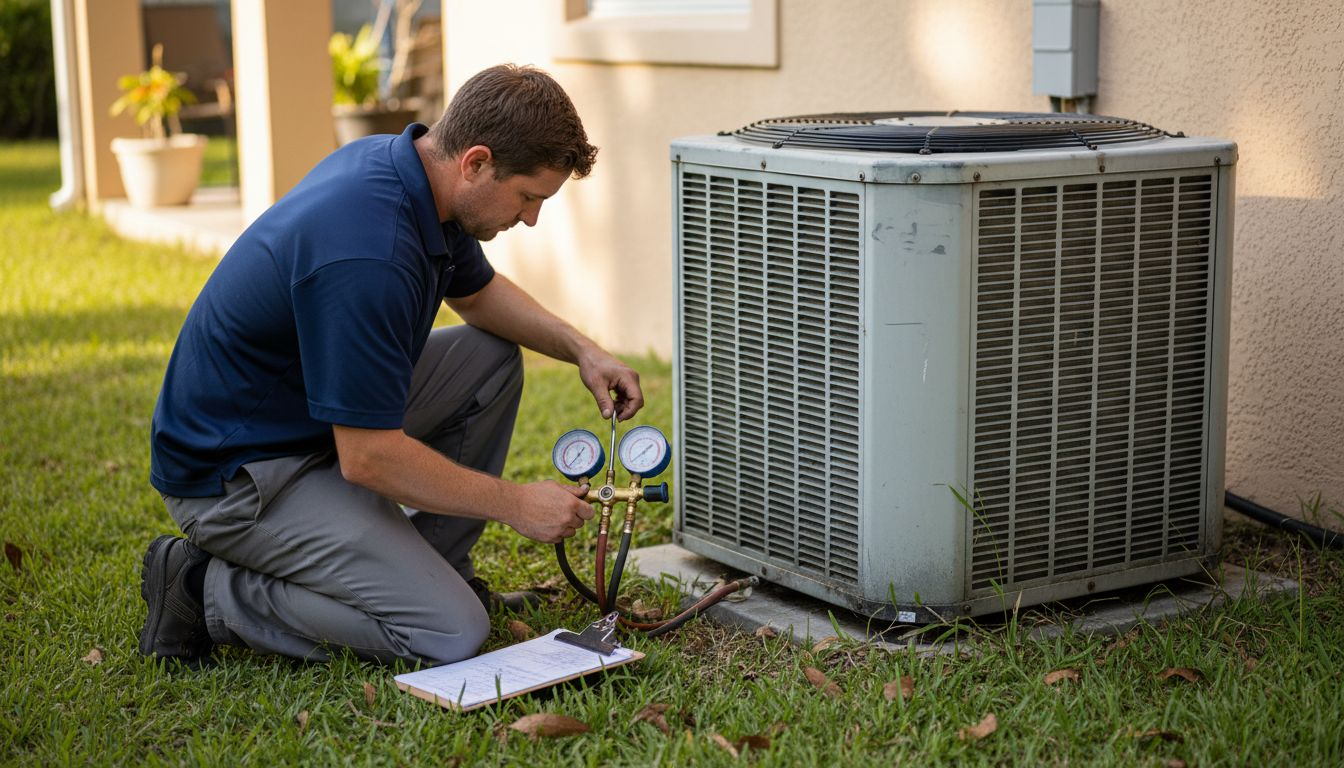
Heat pumps have emerged as a particularly innovative solution for residential comfort. These versatile systems transfer heat instead of generating it, making them ideal for Tampa Bay’s mild climate. Unlike traditional heating and cooling units, heat pumps can both warm and cool homes by moving thermal energy, which results in significantly lower energy consumption and more consistent indoor temperatures.
The most common home comfort systems in our region include:
- Central air conditioning systems
- Split system heat pumps
- Ductless mini-split systems
- Geothermal heat pumps
- Hybrid heating and cooling systems
Each system offers distinct benefits depending on home size, layout, and specific comfort requirements. Factors like initial installation costs, long-term energy efficiency, and maintenance needs play crucial roles in selecting the most appropriate home comfort solution.
Here’s a comparison of popular residential home comfort systems and how they fit different homeowner needs:
| System Type | Best For | Energy Use |
|---|---|---|
| Central Air Conditioning | Large homes | Moderate to High |
| Split System Heat Pump | Mild climates | Low to Moderate |
| Ductless Mini-Split | Room additions/zoning | Low |
| Geothermal Heat Pump | Long-term savings focus | Very Low |
| Hybrid Heating/Cooling | Energy-conscious users | Low |
Pro tip: Consult with a local HVAC professional to conduct a comprehensive home assessment and determine the most suitable comfort system for your specific residential needs and budget.
How HVAC Systems Regulate Indoor Environment
HVAC systems are complex environmental management technologies that do much more than simply adjust temperature. Sophisticated air quality control mechanisms work simultaneously to create comfortable and healthy indoor environments by regulating multiple interconnected factors. In the Tampa Bay area, where humidity and temperature fluctuate dramatically, these systems play a critical role in maintaining consistent indoor conditions.
The primary regulatory functions of HVAC systems include precise control of airflow, temperature, and humidity levels. By implementing standardized ventilation protocols, these systems ensure proper air exchange and contaminant reduction. Advanced filtration components remove particulate matter, allergens, and potential pollutants, effectively creating a microclimate that supports occupant health and comfort.
Key regulatory mechanisms in modern HVAC systems include:
- Multilayered air filtration systems
- Humidity sensors and control modules
- Programmable temperature zones
- Air quality monitoring technology
- Automatic air exchange and circulation protocols
These intricate systems continuously adapt to environmental changes, maintaining an optimal balance between temperature, air quality, and energy efficiency. The goal is not just temperature management, but creating a holistic indoor environment that supports human comfort and well-being.
Pro tip: Invest in regular professional HVAC maintenance to ensure your system continues to regulate indoor environments with maximum efficiency and minimal energy waste.
Energy Efficiency Benefits and Cost Savings
Homeowners in Tampa Bay are increasingly recognizing the substantial financial advantages of investing in energy-efficient home comfort systems. Strategic home energy upgrades can generate significant long-term savings, transforming what initially appears to be an expensive investment into a smart financial strategy. Modern HVAC technologies not only reduce monthly utility expenses but also contribute to increased property value and environmental sustainability.
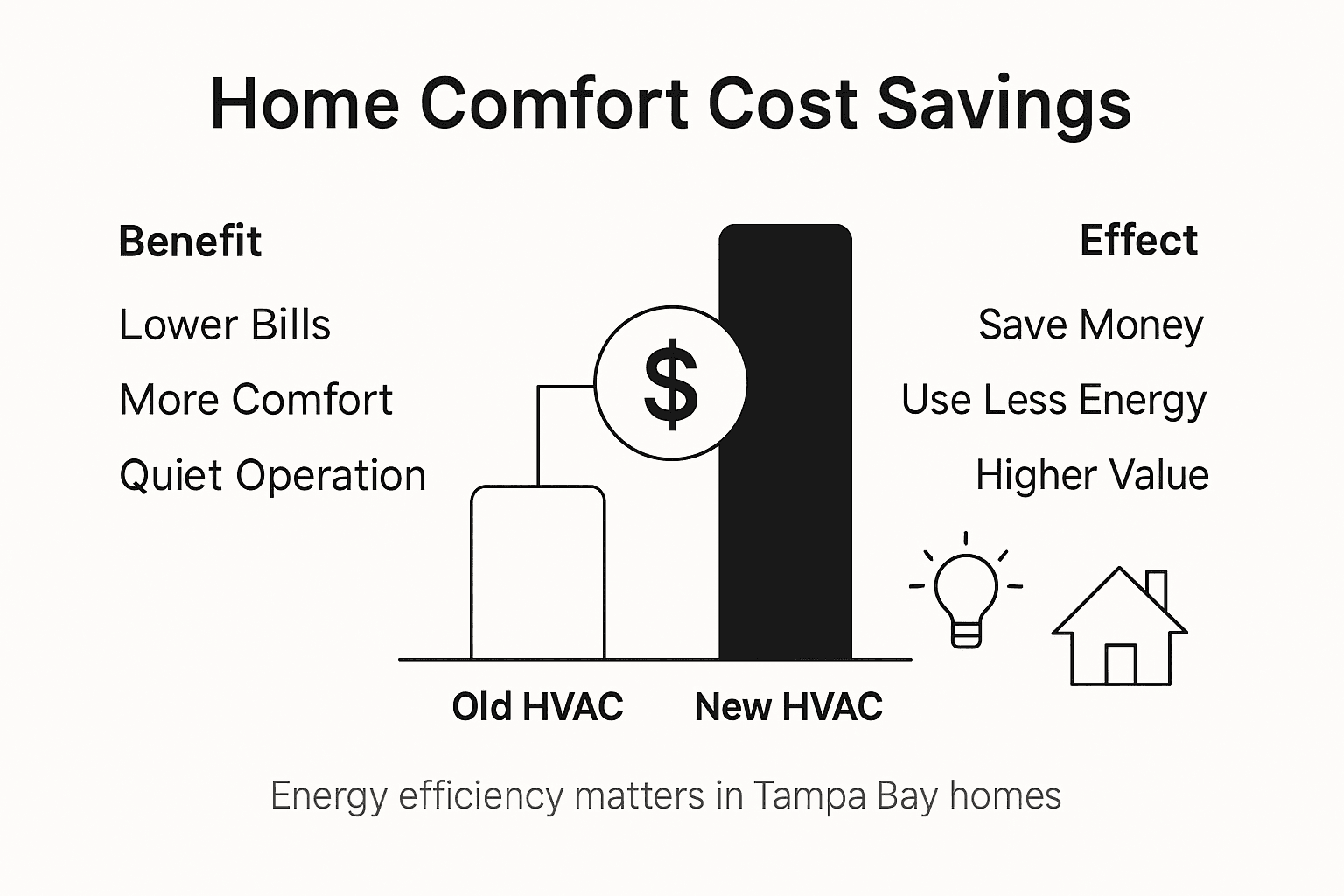
The economic benefits of energy-efficient home comfort systems extend far beyond immediate utility bill reductions. Advanced heat pumps, smart thermostats, and improved insulation technologies work synergistically to minimize energy consumption while maintaining optimal indoor comfort. These systems can dramatically lower monthly energy expenditures, with some homeowners reporting up to 30% reduction in heating and cooling costs compared to traditional HVAC technologies.
Key financial advantages of energy-efficient home comfort systems include:
- Reduced monthly utility expenses
- Potential tax incentives and rebates
- Increased home market value
- Lower long-term maintenance costs
- Reduced carbon footprint
- Enhanced indoor comfort and temperature control
Modern energy-efficient systems represent a strategic investment that balances immediate comfort with long-term financial planning. By selecting high-performance technologies and maintaining them properly, Tampa Bay homeowners can create a more sustainable and economically advantageous home environment.
The following table highlights how energy-efficient home comfort systems can impact homeowners:
| Benefit | Impact on Homeowner | Financial Effect |
|---|---|---|
| Utility Bill Reduction | Lower monthly payments | Up to 30% savings |
| Increased Home Value | Higher resale price | Greater return on sale |
| Lower Maintenance Costs | Fewer repairs and breakdowns | Reduced ongoing expenses |
Pro tip: Schedule an annual energy audit to identify potential efficiency improvements and maximize your home comfort system’s performance and cost-saving potential.
Common Installation and Maintenance Mistakes
Home comfort systems in Tampa Bay demand meticulous attention to prevent performance degradation and unexpected failures. Routine maintenance is critical for ensuring system longevity and optimal functionality, yet many homeowners inadvertently compromise their HVAC systems through common overlooked errors. Understanding these potential pitfalls can help residents protect their significant home comfort investments.
The most prevalent installation and maintenance mistakes often occur during initial setup and subsequent upkeep. Improper sizing, incorrect refrigerant charging, inadequate ductwork sealing, and neglecting professional inspections can dramatically reduce system efficiency. These errors not only increase energy consumption but also accelerate component wear, leading to premature system failure and expensive repairs.
Critical mistakes homeowners frequently make include:
- Skipping annual professional system inspections
- Neglecting air filter replacements
- Improper thermostat programming
- Blocking air vents with furniture or curtains
- Ignoring unusual system sounds or performance changes
- DIY repairs without professional expertise
- Failing to maintain consistent system cleaning
Proper installation and consistent maintenance require professional expertise and a proactive approach. Tampa Bay homeowners must recognize that their home comfort system represents a complex technological investment requiring specialized care and attention.
Pro tip: Maintain a detailed maintenance log and schedule professional HVAC inspections twice annually to catch potential issues before they become costly repairs.
Enhance Your Tampa Bay Home Comfort with Expert HVAC Solutions
The article highlights the challenges Tampa Bay homeowners face in achieving consistent indoor comfort through advanced home comfort systems that regulate temperature, humidity, and air quality efficiently. Many residents struggle with common issues like improper system sizing, neglecting maintenance, or lack of personalized climate control. These problems can lead to higher energy costs, discomfort, and premature HVAC system failures. Understanding the importance of precision heating, cooling, and humidity management is the first step toward transforming your living space into a healthy and energy-efficient sanctuary.
Discover how Home Therapist Cooling, Heating, and Plumbing can help you address these pain points with skilled HVAC service tailored specifically for Tampa Bay homes. Our certified technicians specialize in installing, maintaining, and repairing advanced systems such as heat pumps, smart thermostats, and air quality controls to ensure your home environment is perfectly suited to your needs. Don’t wait for discomfort or costly breakdowns to occur. Visit Home Therapist Cooling, Heating, and Plumbing today and take the first step toward enjoying reliable, energy-efficient comfort. Schedule your professional home comfort assessment now and experience the difference that expert care delivers.
Frequently Asked Questions
What are home comfort systems?
Home comfort systems are advanced technologies designed to regulate indoor environmental conditions, including heating, cooling, ventilation, and humidity management to enhance occupant comfort.
How do HVAC systems maintain indoor air quality?
HVAC systems maintain indoor air quality through air filtration, humidity control, and proper ventilation, ensuring a healthy and comfortable indoor environment.
What are the benefits of energy-efficient home comfort systems?
Energy-efficient home comfort systems can reduce monthly utility bills, increase home market value, lower long-term maintenance costs, and minimize carbon footprints.
What common mistakes should homeowners avoid when maintaining their HVAC systems?
Homeowners should avoid skipping annual inspections, neglecting air filter replacements, blocking air vents, and attempting DIY repairs without professional expertise.
Recommended
- Role of Heating Systems – Comfort and Efficiency at Home
- 6 Types of HVAC Systems Every Tampa Bay Homeowner Should Know – Home Therapist Cooling, Heating, and Plumbing
- How to Choose HVAC System for Tampa Bay Homes Easily – Home Therapist Cooling, Heating, and Plumbing
- Smart Thermostat Installation Project in Tampa FL 33625 – Home Therapist Cooling, Heating, and Plumbing