
Why Choose Variable Speed HVAC for Tampa Homes
Living in Tampa Bay, keeping your home comfortable without breaking the bank on utility bills can be a constant struggle. As energy prices climb and hot, humid weather persists, finding an efficient way to cool and heat your space becomes even more important. Discover how variable speed HVAC systems use advanced motor control to deliver steady comfort, quieter operation, and meaningful savings for Tampa homeowners who want true control over their energy use.
Table of Contents
- Variable Speed HVAC Systems Explained
- Differences Between Single, Two, And Variable Speed Units
- How Variable Speed Technology Delivers Comfort
- Energy Efficiency And Cost Savings Potential
- Comparing Upfront Cost Versus Long-Term Benefits
Key Takeaways
| Point | Details |
|---|---|
| Energy Efficiency | Variable speed HVAC systems can reduce energy consumption by 10% to 40%, leading to significant cost savings on utility bills. |
| Enhanced Comfort | These systems provide precise temperature control and humidity management, resulting in more stable indoor climates. |
| Long-Term Savings | Although upfront costs are higher, the extended equipment lifespan and reduced maintenance needs make variable speed systems a cost-effective choice over time. |
| Professional Consultation Recommended | Homeowners should consult HVAC professionals for tailored recommendations and potential energy audit assessments. |
Variable Speed HVAC Systems Explained
Variable speed HVAC systems represent a significant technological advancement in home comfort and energy efficiency. Unlike traditional single-speed systems that operate at full power or not at all, these innovative systems can adjust motor speeds dynamically to match precise cooling and heating requirements.
At their core, variable speed systems utilize advanced motor control technologies that allow heating and cooling equipment to operate across a spectrum of speeds. This means the system can run at lower capacities during mild weather conditions and ramp up to full power during extreme temperatures. The result is a more nuanced approach to home climate control that delivers several key advantages:
- Dramatically reduced energy consumption
- More consistent indoor temperature
- Quieter system operation
- Enhanced air filtration and circulation
- Improved overall system longevity
The technological magic happens through variable frequency drives (VFDs) that control fan and pump motors with incredible precision. These drives enable the HVAC system to modulate its output, essentially creating a “cruise control” for your home’s temperature. By precisely matching airflow to demand, these systems minimize energy waste while maintaining optimal comfort levels.
Pro tip: When considering a variable speed HVAC system, always consult with a local HVAC professional who understands Tampa’s unique climate and can provide customized recommendations for your specific home requirements.
Differences Between Single, Two, And Variable Speed Units
Understanding the nuanced differences between single, two, and variable speed HVAC units can help Tampa homeowners make more informed decisions about their home cooling and heating systems. Single speed units represent the most basic technology, operating at only one constant output level – essentially an all-or-nothing approach to temperature control.
Two speed units offer a modest improvement over single speed systems by providing two operational stages:
- Low-speed mode for mild weather conditions
- High-speed mode for more extreme temperature requirements
- Reduced energy cycling compared to single speed units
- Slightly improved comfort and efficiency
Variable speed units represent the most advanced HVAC technology available. Continuous capacity modulation allows these systems to run at precisely the needed output, creating a more consistent and energy-efficient home environment. Unlike single and two speed units that abruptly turn on and off, variable speed systems can operate at anywhere from 30% to 100% capacity, delivering remarkable performance benefits.
The key distinctions between these systems can be summarized as a progressive evolution of cooling and heating technology, with each iteration providing more precise, efficient, and comfortable temperature management for homeowners.
Here’s a concise comparison of HVAC unit types and their suitability for Tampa homes:
| HVAC Unit Type | Ideal Usage Scenario | Climate Compatibility | Typical Maintenance Needs |
|---|---|---|---|
| Single Speed | Small homes, low budgets | Mild climates, occasional use | Higher wear, frequent cycling |
| Two Speed | Medium homes, balanced cost | Moderate climates, variable needs | Reduced cycling, less frequent service |
| Variable Speed | Large homes, energy focus | Hot, humid climates, constant demand | Minimal cycling, extended lifespan |
Pro tip: When selecting an HVAC system, consider your home’s specific needs, budget, and long-term energy efficiency goals to determine which speed technology makes the most sense for your Tampa residence.
How Variable Speed Technology Delivers Comfort
Variable speed technology represents a transformative approach to home comfort, offering Tampa homeowners unprecedented control over their indoor environment. Continuous temperature modulation allows these systems to create remarkably consistent and comfortable living spaces by responding instantaneously to minute environmental changes.
The key comfort advantages of variable speed technology include:
- Elimination of dramatic temperature swings
- Precise humidity management
- Whisper-quiet system operation
- More consistent air distribution throughout the home
- Enhanced indoor air quality through continuous circulation
Optimal speed alignment with demand means the system can make microscopic adjustments, preventing the abrupt temperature changes typical of traditional HVAC units. This gentle, responsive approach prevents the uncomfortable temperature fluctuations that can make homes feel drafty or stuffy, creating a more stable and pleasant indoor climate.
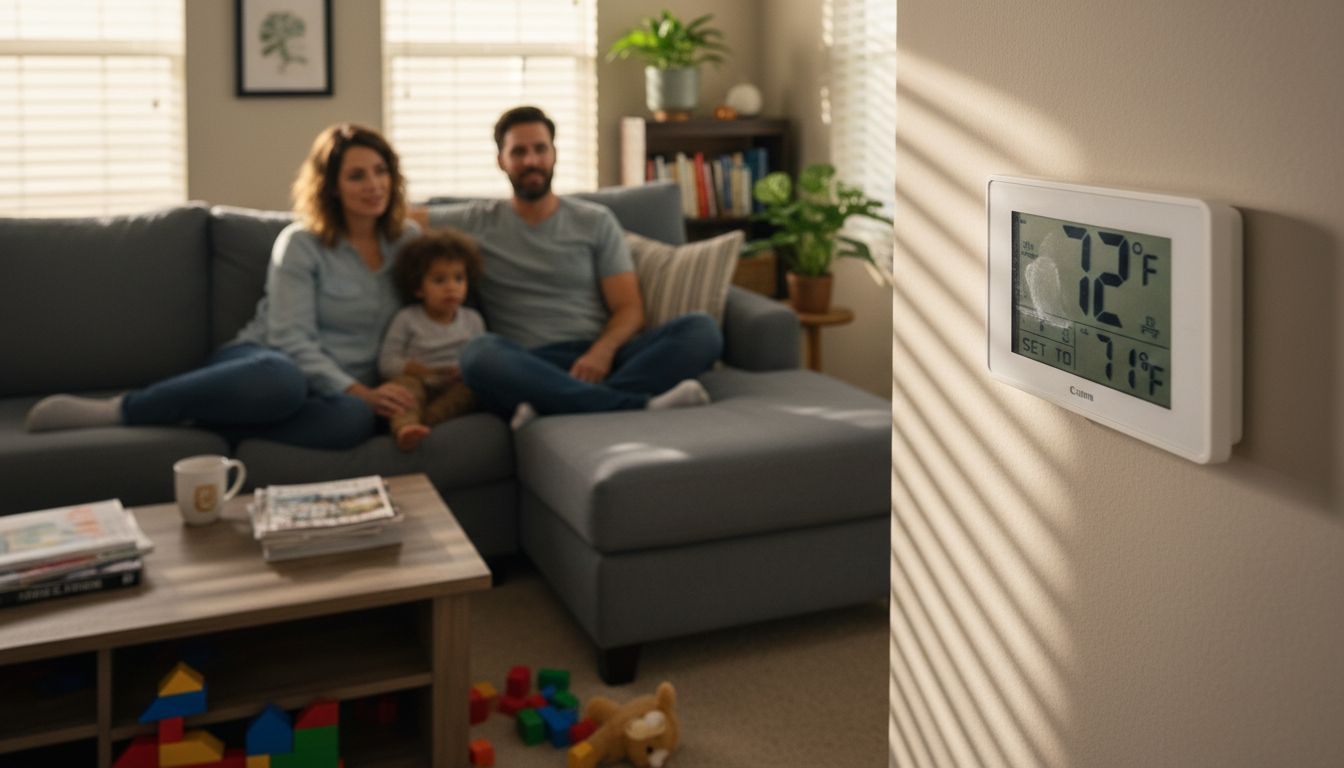
Unlike traditional systems that blast cold or hot air and then shut off, variable speed technology operates more like a cruise control for your home’s temperature. The system continuously monitors and adjusts, maintaining your desired comfort level with minimal energy expenditure and maximum precision.
Pro tip: Consider scheduling a professional home comfort assessment to understand exactly how a variable speed system can be tailored to your specific Tampa home’s unique layout and comfort requirements.
Energy Efficiency And Cost Savings Potential
Variable speed HVAC systems offer Tampa homeowners a remarkable opportunity to dramatically reduce energy consumption and lower utility expenses. High-performance HVAC technologies can deliver energy savings ranging from 10% to 40%, representing a significant financial advantage for households looking to optimize their cooling and heating costs.
The key financial benefits of variable speed systems include:
- Reduced monthly utility bills
- Lower overall energy consumption
- Minimal system cycling and wear
- Extended equipment lifespan
- Potential utility rebates and incentives
Intelligent control strategies enable these systems to continuously adjust operations, ensuring optimal energy efficiency without sacrificing comfort. By precisely matching output to actual cooling and heating demands, variable speed technology eliminates the energy waste associated with traditional HVAC systems that operate at full capacity regardless of current needs.
Moreover, the long-term financial benefits extend beyond immediate energy savings. Reduced mechanical stress means fewer repairs, lower maintenance costs, and a longer operational life for the HVAC system. For Tampa homeowners, this translates into substantial economic advantages that can offset the initial investment in variable speed technology.
Pro tip: Request a professional energy audit to calculate the potential cost savings specific to your home’s unique characteristics and current HVAC system performance.
Comparing Upfront Cost Versus Long-Term Benefits
Homeowners in Tampa often hesitate when confronting the initial investment required for variable speed HVAC systems. Life cycle cost analysis reveals that the higher upfront expenses are typically offset by significant long-term financial advantages, making these systems a smart economic choice for savvy homeowners.
The key financial considerations include:
- Initial installation cost
- Projected energy savings
- Reduced maintenance expenses
- Equipment longevity
- Potential utility rebates
High-performance HVAC technologies demonstrate that the payback period for variable speed systems often ranges from three to seven years. During this time, homeowners can expect substantial reductions in monthly utility bills, with energy savings potentially covering the system’s additional initial cost.
Beyond pure financial calculations, variable speed systems offer intangible benefits that extend their value. The improved indoor comfort, enhanced air quality, and reduced environmental impact contribute to a holistic value proposition that goes well beyond simple dollar calculations.
To illustrate potential savings, here’s an overview of investment versus payback for variable speed systems:
| Investment Factor | Variable Speed System | Typical Payback Period | Added Value |
|---|---|---|---|
| Upfront Installation Cost | Higher | 3-7 years | Faster energy savings |
| Monthly Utility Bill | Lower | Ongoing | Significant long-term reduction |
| Equipment Lifespan | Longer | 15-20 years | Fewer replacements needed |
| Maintenance Frequency | Reduced | Throughout lifespan | Less frequent repairs |
Pro tip: Request detailed financial projections from your HVAC professional that calculate potential savings specific to your home’s unique energy consumption patterns.
Experience Superior Comfort with Variable Speed HVAC Solutions for Your Tampa Home
Living in Tampa means dealing with a hot and humid climate that demands efficient and reliable cooling all year round. If your goal is to reduce energy bills, eliminate temperature swings, and enjoy whisper-quiet operation, a variable speed HVAC system is the smart choice. These systems adjust output precisely to your home’s needs, providing consistent comfort while cutting down on costly energy waste and equipment wear.
Discover how Home Therapist Cooling, Heating, and Plumbing helps Tampa homeowners upgrade with expert HVAC services tailored to variable speed technology. Our certified technicians understand the local climate’s challenges and deliver customized solutions that maximize your system’s performance and longevity. Explore more about our professional offerings in the HVAC Archives for detailed insights and success stories.
Take the next step towards a cooler, more efficient home today by contacting us for a personalized consultation. Act now to secure comfort that pays for itself through energy savings and enhanced indoor air quality. See real results and expert advice in our Case Studies Archives and benefit from a service experience designed just for Tampa residents. Visit Home Therapist Cooling, Heating, and Plumbing to schedule your appointment and start enjoying a smarter HVAC solution.
Frequently Asked Questions
What are the main benefits of variable speed HVAC systems?
Variable speed HVAC systems offer reduced energy consumption, consistent indoor temperatures, quieter operation, enhanced air filtration, and improved system longevity.
How do variable speed HVAC systems work?
These systems utilize advanced motor control technologies to adjust motor speeds dynamically, allowing them to operate at different capacities based on current heating and cooling needs.
How do variable speed HVAC systems compare to single and two-speed units?
Variable speed systems can operate at a range of capacities from 30% to 100%, leading to more precise temperature control and energy efficiency, while single speed units operate only at full capacity and two-speed units have two fixed modes.
What potential cost savings can I expect from installing a variable speed HVAC system?
Homeowners can expect energy savings ranging from 10% to 40%, reduced maintenance costs, and fewer repairs due to less mechanical stress, which can significantly offset the initial investment over time.
Recommended
- How to Choose HVAC System for Tampa Bay Homes Easily – Home Therapist Cooling, Heating, and Plumbing
- 6 Types of HVAC Systems Every Tampa Bay Homeowner Should Know – Home Therapist Cooling, Heating, and Plumbing
- Why Choose Energy Efficient HVAC Systems in Tampa
- Why Upgrade HVAC System: Complete Tampa Bay Guide – Home Therapist Cooling, Heating, and Plumbing
- The Ultimate Guide to Creating an HVAC Website: Tips and Best Practices – Air Control