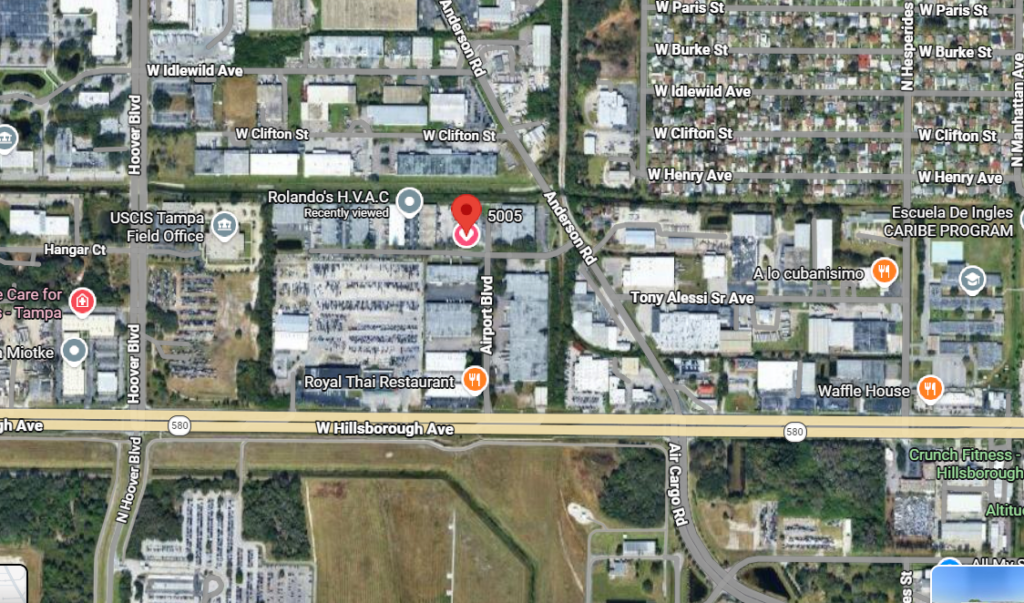
Water Heater Leak Repair in Tampa, FL 33619
Water heater leak repair in Tampa, FL 33619 often starts with a problem that seems small at first. In this case, a homeowner noticed slow leaks around the water heater and wanted to understand whether the unit could be repaired instead of replaced. That is a very reasonable concern. Even a slow leak can be frustrating because it raises questions about safety, water damage, and how much work may actually be needed. When we inspected the water heater, we found two clear issues: an actively leaking temperature and pressure relief valve, often called a T&P valve, and mineral buildup around fittings that pointed to ongoing slow seepage. From there, our job was to explain what those findings meant in plain language and outline the repair-first path the homeowner preferred.
What we found at a glance
- Service performed for a homeowner in Tampa, FL 33619.
- Main concern was slow leaking around the water heater.
- Inspection found an actively leaking T&P relief valve.
- We also found mineral deposits around fittings, consistent with slow seepage over time.
- The immediate recommendation was to replace the leaking safety valve and address seepage at the connections as needed.
- We discussed repair options clearly, while being honest that overall water heater condition always matters when deciding next steps.
What the homeowner was experiencing
From the homeowner’s point of view, the issue was not a sudden failure or a full loss of hot water. It was a slower, more subtle plumbing problem. Water was leaking at the unit, and the homeowner was already aware of it. The biggest question was whether the water heater could be repaired rather than replaced right away.
That concern makes sense for many homes in Tampa, Florida 33619. A slow leak can feel manageable at first, especially if the water heater is still producing hot water. But leaks around a water heater are never something we want to dismiss. Even when the water flow is minor, the source of that leak matters. A failing connection, a leaking safety valve, or long-term mineral buildup can all point to different repair needs.
In this visit, the homeowner’s preference was clear. She wanted to explore repairs first. We respected that and focused on identifying what could be corrected safely, what should be handled first, and what signs might indicate the water heater’s broader condition needed closer attention later.
How we inspected and diagnosed the leak
When we diagnose a leaking water heater, we do not jump straight to replacement and we do not guess. We look at where the water is coming from, what parts are involved, and whether the signs point to an active failure or a slower issue that has been developing over time.
For this plumbing visit in Tampa, FL 33619, our inspection centered on the areas most likely to explain visible moisture around the unit:
- T&P relief valve: This is the temperature and pressure relief valve, a required safety device on a water heater. Its job is to release pressure if conditions inside the tank become unsafe. We found that this valve was actively leaking.
- Water heater fittings and connections: We also noted mineral buildup around fittings. That kind of buildup is often left behind when a small amount of water has been seeping over time and then drying on the surface.
- Overall leak pattern: Looking at both findings together helped us separate the most immediate concern from the slower one. The leaking safety valve was the first priority, while the mineral buildup indicated additional seepage that also needed attention.
That step-by-step approach matters. If we only looked at the mineral staining, we might miss the importance of the active leak at the T&P valve. If we only looked at the valve, we might overlook evidence that fittings had also been leaking slowly. The goal is always to understand the full picture before recommending work.
In many Tampa Bay homes, hard water conditions can contribute to mineral deposits around plumbing components. Those deposits do not automatically tell us every detail about the condition inside the water heater, but they do tell us that water has been escaping at those connection points over time. That is why we treat buildup as more than a cosmetic issue.
What the repair process involved
Once we identified the leak sources, the next step was to explain the repair path in practical terms. Because the homeowner preferred repair over replacement, we focused on what should be addressed first and why.
The first priority was the T&P relief valve. This valve is not an optional accessory. It is a safety component built into the water heater system to help manage unsafe pressure conditions. A valve that is actively leaking cannot simply be ignored and left in place. Even when the leak seems minor, the safer and more responsible recommendation is replacement of that valve.
After that, attention turns to the fittings where mineral buildup was present. Depending on the condition of those connections, the corrective work may involve tightening, resealing, or replacing affected fittings. We were careful not to overstate that step before work is performed, because the right repair depends on how those connection points respond once they are properly addressed and evaluated.
We also had a practical note from the visit. The homeowner planned to move items near the water heater over the weekend so the area would be more accessible for a future flush. That kind of access matters more than many people realize. A clear work area helps us service equipment safely, keeps surrounding belongings protected, and lets us inspect the full area around the tank and connections more thoroughly.
Whenever we handle this type of plumbing repair for homeowners in Tampa, we try to connect each recommendation to a clear purpose:
- Replacing the leaking T&P valve helps restore the function of an important safety device.
- Addressing mineral buildup and seepage at fittings helps reduce the chance of continued corrosion and surrounding water damage.
- Improving access around the water heater makes future maintenance and inspection easier and safer.
After repairs, our standard approach is to verify proper operation, confirm that connections are behaving as expected, and make sure the system is running normally. That is how we help homeowners move forward with confidence instead of uncertainty.
Why this repair makes sense
To understand why this fix matters, it helps to look at the role of the T&P valve in simple terms. A water heater is a closed vessel that heats water. As water heats, pressure conditions inside the tank can change. The T&P valve exists to release pressure if conditions become unsafe. In plain English, it is one of the water heater’s built-in protections.
When that valve begins leaking, there are two important takeaways. First, the leak itself needs to be addressed because water should not be escaping from that safety component during normal operation. Second, the valve can no longer be treated as a reliable part while it is leaking. That is why replacement is the immediate recommendation.
The fittings are a separate but related issue. Mineral buildup around plumbing connections usually means small amounts of water have been escaping and leaving deposits behind as they dry. In Florida homes, hard water can make this buildup more noticeable. Over time, that seepage can contribute to corrosion around fittings and can affect the surrounding area if it continues unchecked.
That is why this was a repair-first conversation, but also an honest one. Replacing a leaking T&P valve and addressing connection seepage is a logical next step when the homeowner prefers repair. At the same time, the overall age and condition of any water heater still matter. Sometimes repairs extend useful life. Sometimes they reveal that the unit is closer to the end of service than expected. Our role is to communicate that clearly, not to push one outcome before the evidence supports it.
If you are dealing with a similar issue, our team also shares related plumbing information through resources like our water heater repair FAQ page, our water heater maintenance information, and examples of water heater flush and plumbing inspection work in Tampa.
Helpful tips for homeowners in Florida
Water heaters in the Tampa Bay area deal with heat, humidity, and water quality factors that can make small issues easier to overlook. These practical tips can help you stay ahead of problems without overreacting to every drip or deposit.
- Do not ignore a leaking safety valve. If you notice water at the T&P valve, have it inspected. Because it is a safety component, this is not the kind of leak to postpone casually.
- Look for mineral crust around fittings. White or chalky buildup around water heater connections often points to slow seepage, especially in areas with harder water.
- Keep the area around the water heater accessible. Stored items make inspection and maintenance harder. A clear workspace helps technicians see leak patterns and service the unit safely.
- Pay attention to changes, not just major failures. Slow leaks, moisture stains, and buildup can all be early indicators that a repair is needed before the problem becomes more disruptive.
- Ask for plain-language explanations. A good plumbing visit should leave you understanding what was found, what is urgent, and what can be monitored.
- Consider routine plumbing checkups. For homeowners in Hillsborough County, regular review of plumbing fixtures and water heater condition can help catch seepage earlier. You can learn more about our local service area on our Hillsborough County plumbing and HVAC service page.
Common questions homeowners ask after a visit like this
What does it mean if the T&P valve is leaking?
It means the temperature and pressure relief valve is no longer something we should ignore. Because it is a required safety device, an active leak at that valve should be addressed rather than left alone.
Can a water heater be repaired instead of replaced?
Sometimes, yes. In this case, the homeowner preferred a repair-first approach, and replacing the leaking T&P valve was the immediate recommendation. We also explained that the overall condition of the water heater still matters when deciding what comes next.
What does mineral buildup around the fittings tell you?
It usually suggests slow seepage over time. As small amounts of water escape and dry, they can leave mineral deposits behind. In our area, that is a common sign around plumbing connections.
Does a slow leak really matter if the water heater still works?
Yes. A slow leak may seem minor, but it can still affect safety components, contribute to corrosion, and create water damage around the unit if it continues.
Why not just watch the leaking valve for a while?
Because the T&P valve is a safety part. Once it is actively leaking, the better course is to address it directly instead of hoping it settles down on its own.
Why does access around the water heater matter?
Access makes inspection, maintenance, and repair safer and more effective. In this visit, the homeowner planned to clear the area near the water heater so future service could be completed more easily.
Why homeowners choose Home Therapist
When we work on plumbing issues like this in Tampa, FL 33619, our focus is straightforward. We inspect carefully, explain findings clearly, and recommend the safest next step without turning a small issue into a dramatic sales conversation. Homeowners deserve honest answers, especially when they are trying to balance repair costs, long-term reliability, and the condition of existing equipment.
Our team takes pride in licensed, professional service, respectful work inside the home, and communication that makes sense without unnecessary jargon. If a repair is the right next move, we explain that. If a repair may only be part of the bigger picture, we explain that too. That steady, transparent approach is a big part of why local homeowners continue to trust us.
If you want to learn more about our company, you can connect with us on Facebook, see updates on Instagram, or watch more from our team on YouTube. For additional third-party trust signals, you can also find us through the Better Business Bureau, the Tampa Bay Chamber, and BuildZoom.
Schedule water heater service in Tampa
If you have noticed a slow leak at your water heater, buildup around fittings, or water where it should not be, we are here to help. Home Therapist provides practical plumbing service for homeowners in Tampa, FL 33619 and throughout the surrounding Tampa Bay area. We will inspect the issue carefully, explain what we find in plain English, and help you choose the next step that fits the condition of the system and your goals for the home. When you are ready, schedule a visit and let our team take a closer look.