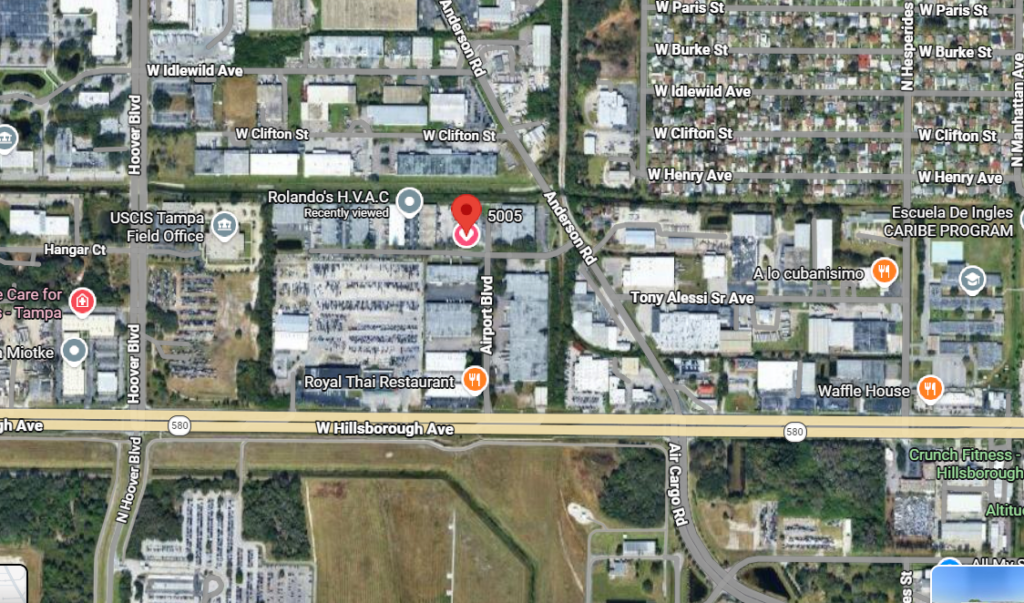

Why fix dripping faucets: save water, money, and home
TL;DR:
- A leaking faucet can waste up to 3,000 gallons of water annually, increasing bills and causing damage. Ignoring leaks may lead to mold, wood rot, pests, and structural issues, especially in Tampa Bay’s humid climate. Prompt DIY repairs or calling professional plumbers can prevent costly future problems and protect home value.
A dripping faucet sounds harmless. One small drop every few seconds, easy to tune out, easy to put off. But that quiet drip is quietly draining your wallet, stressing your plumbing, and setting up conditions for real damage inside your Tampa Bay home. Most homeowners assume a slow leak is a minor inconvenience. The reality is far more costly. Between rising water bills, potential mold growth in Florida’s humidity, and the risk of structural damage, ignoring a dripping faucet is one of the most expensive non-decisions you can make as a homeowner.
Table of Contents
- Understanding the hidden costs of a dripping faucet
- Common causes of faucet leaks and why they matter
- Risks of ignoring a dripping faucet in your Tampa Bay home
- How to address and prevent faucet leaks
- Our perspective: The real payoff of prompt repairs
- Tampa Bay’s trusted source for plumbing repairs
- Frequently asked questions
Key Takeaways
| Point | Details |
|---|---|
| Dripping costs add up | Even slow faucet leaks can waste thousands of gallons annually and spike your water bill. |
| Risks extend beyond water | Ignored drips can cause mold, home damage, and attract pests in Tampa’s climate. |
| Fixes are often simple | Most dripping faucets can be fixed with basic parts or DIY steps, but persistent issues need a pro. |
| Maintenance matters | Proactive checkups help catch leaks early and prevent bigger expenses. |
Understanding the hidden costs of a dripping faucet
First, let’s uncover just how costly a single dripping faucet really is.
The numbers are surprisingly stark. A single dripping faucet can waste up to 3,000 gallons of water a year. That’s roughly the amount of water you’d need to take 180 showers. Now imagine two or three leaky faucets in your home, which is more common than most people realize. The EPA data on leak waste shows that household leaks collectively waste nearly 1 trillion gallons of water annually across the United States.
| Drip rate | Gallons wasted per day | Gallons wasted per year |
|---|---|---|
| 10 drips/min | ~1 gallon | ~365 gallons |
| 60 drips/min | ~5 gallons | ~1,825 gallons |
| Steady stream | ~20+ gallons | ~7,300+ gallons |
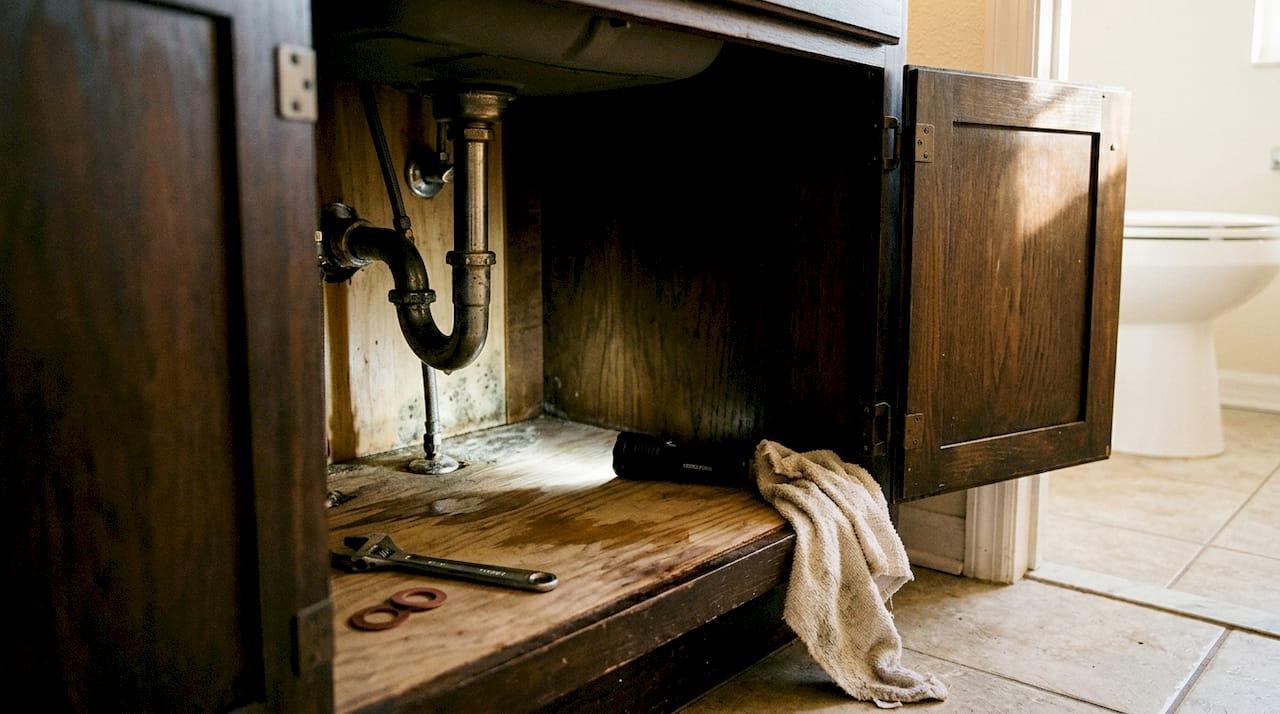
For Tampa Bay homeowners, this hits the water bill directly. Even at a modest local water rate, wasting 3,000 gallons a year adds up to real dollars. But the water bill is just the beginning. Persistent moisture under a sink or around a faucet base creates conditions for wood rot, cabinet damage, and mold, all of which carry repair costs that dwarf what you’d pay to fix the faucet in the first place.
“Leaks are one of the most overlooked sources of water waste in American homes, yet they’re among the easiest to fix.”
The environmental side matters too. Tampa Bay’s water supply depends on careful management of local aquifers and surface water. Every gallon wasted through a dripping faucet is a gallon that doesn’t stay in that system. Exploring the range of plumbing leak types reveals just how many ways water can escape your home unnoticed. Understanding common plumbing issues in the Tampa Bay area helps homeowners see that faucet drips are rarely isolated problems.
The compounding effect is real. A small drip ignored today becomes a bigger drip next month, and a much more expensive repair six months from now.
Common causes of faucet leaks and why they matter
Understanding the financial impact, now let’s identify what actually causes most dripping faucets.
Most faucet drips result from worn-out washers or seals, corroded valve seats, or loose parts. These are mechanical failures that happen gradually through normal use. The good news is that most of them are fixable without replacing the entire faucet. The bad news is that they don’t fix themselves.
Here are the most common culprits:
- Worn washers: Every time you turn a faucet off, the washer presses against the valve seat. Over time, friction wears it down and water starts slipping through.
- Damaged O-rings: These small rubber rings seal the stem of the faucet. When they crack or loosen, dripping starts near the handle.
- Corroded valve seat: The valve seat connects the faucet to the spout. Sediment buildup causes corrosion, which creates gaps where water leaks.
- Worn-out cartridges: Cartridge faucets rely on a cartridge to control water flow. When it wears out, dripping follows.
- Loose packing nuts: The packing nut around the stem can loosen over time, causing leaks near the handle.
Each of these issues, if left alone, accelerates wear on surrounding components. A leaking faucet doesn’t just waste water. It puts stress on the pipes and connections nearby. In Tampa Bay’s humid climate, even a tiny amount of persistent moisture under a sink can trigger mold growth within 24 to 48 hours. Learning about faucet repair options early can help you decide whether a DIY fix or a professional visit makes more sense.
“A faucet that drips once per second wastes more than 3,000 gallons per year. That’s the equivalent of over 180 showers.”
Pro Tip: If you notice water stains, discoloration, or a musty smell under your sink, don’t just dry it out and move on. That’s a sign moisture has been sitting there long enough to cause damage. Check the faucet connections and the supply lines before closing the cabinet.
Guides like fix every faucet type break down repairs by faucet style, which helps you match the fix to what you actually have in your kitchen or bathroom.
Risks of ignoring a dripping faucet in your Tampa Bay home
Beyond the root causes, let’s see what can happen if a drip goes unaddressed in Tampa homes.
Tampa Bay’s heat and humidity create a uniquely unforgiving environment for water damage. What might be a minor inconvenience in a dry climate becomes a serious problem here. Unchecked leaks can cause mold, structural damage, and attract pests such as termites or cockroaches. None of those outcomes are cheap or easy to fix.
| Risk | Short-term impact | Long-term impact |
|---|---|---|
| Mold growth | Musty odors, surface stains | Health issues, costly remediation |
| Wood rot | Soft cabinet floors | Structural repairs needed |
| Pest attraction | Moisture draws insects | Termite or roach infestation |
| Higher water bills | Monthly cost increase | Hundreds wasted annually |
Here’s what you’re actually risking by waiting:
- Floor and cabinet damage: Water pooling under a sink softens wood and warps flooring. Replacing a cabinet base or kitchen floor costs far more than fixing a washer.
- Mold and mildew: Florida’s humidity means mold doesn’t need much encouragement. A persistently damp cabinet is an ideal environment.
- Pest problems: Cockroaches and termites are drawn to moisture. A dripping faucet provides exactly the conditions they look for.
- Lower home value: Visible water damage or a history of mold can reduce your home’s appraised value and complicate a future sale.
- Insurance complications: Many home insurance policies exclude damage caused by gradual leaks that the homeowner knew about but didn’t fix. Documenting and addressing leaks promptly protects your coverage.
Pro Tip: Take a photo with your phone whenever you notice a drip or moisture under a sink. If you ever need to file an insurance claim, having a timestamped record of when you discovered and addressed the issue can make a real difference.
Reviewing plumbing tips Tampa Bay homeowners rely on and plumbing safety tips for your area gives you a clearer picture of what proactive care actually looks like in this climate. Resources like faucet neglect risks reinforce why prompt action always wins over waiting.
How to address and prevent faucet leaks
Now that you know the risks, here’s how to tackle and prevent faucet leaks efficiently.
Basic fixes like replacing washers or tightening connections can often stop a leak, but persistent issues may require professional help. Here’s a practical approach to handling faucet leaks at home:
- Identify the leak source. Watch where the drip comes from. Is it from the spout, the base, or near the handle? Each location points to a different cause.
- Shut off the water supply. Turn off the valves under the sink before opening anything. This prevents a small repair from becoming a flood.
- Disassemble the faucet handle. Remove the decorative cap, unscrew the handle, and expose the internal components.
- Inspect washers, O-rings, and the cartridge. Look for cracks, wear, or mineral buildup. Replace any parts that look damaged or deformed.
- Reassemble and test. Put everything back together, turn the water on slowly, and check for drips. If the drip continues, the valve seat or cartridge may need replacement.
- Check supply lines while you’re there. Braided supply lines degrade over time. If yours look old or show signs of corrosion, replace them proactively.
“A leaky faucet is rarely just one problem. It’s a signal that other components may be wearing out too.”
Knowing how to locate plumbing leaks beyond the visible drip is a valuable skill. Sometimes the faucet is just the visible symptom of a larger supply line or valve issue. A complete plumbing maintenance checklist helps you stay ahead of these problems before they escalate.
Pro Tip: Keep a small kit under each sink with replacement washers, O-rings, and a basic wrench. Most faucet repairs take under 30 minutes when you have the right parts on hand. The Home Depot faucet fix guide is a solid visual reference if you’re tackling this for the first time.
Our perspective: The real payoff of prompt repairs
We’ve worked with Tampa Bay homeowners long enough to notice a pattern. The ones who delay fixing a dripping faucet almost always end up spending more, not just on the plumbing repair, but on the downstream damage it causes. A $15 washer replacement becomes a $400 cabinet repair. A slow drip becomes a mold remediation project.
What surprises most people is how fast Florida’s humidity turns a minor moisture issue into a major one. This isn’t like a dry climate where a damp cabinet might air out on its own. In Tampa Bay, moisture lingers, and mold follows quickly.
The peace of mind that comes from a fixed faucet is genuinely underrated. You stop hearing the drip at night. You stop worrying about what’s happening inside that cabinet. And you stop watching money disappear down the drain, literally.
Our honest advice: don’t wait for the problem to get louder. Review preventative tips for Tampa Bay homeowners and build a simple maintenance habit. Small actions taken early save real money and real stress.
Tampa Bay’s trusted source for plumbing repairs
When you’re ready for expert help or just want proactive peace of mind, here’s where to turn in Tampa Bay.
At Home Therapist Cooling, Heating, and Plumbing, we help Tampa Bay homeowners catch and fix plumbing issues before they become expensive emergencies. Whether you have a faucet that won’t stop dripping or want a full leak inspection and diagnosis to check your entire home, our certified technicians are ready to help.
We also offer maintenance plans and options designed specifically for the Tampa Bay climate, so small issues get caught before they compound. Our plumbing maintenance inspections give you a clear picture of your home’s plumbing health. As a family-owned business, we treat your home the way we’d treat our own. Call us today and let’s fix that drip for good.
Frequently asked questions
How much water can one leaking faucet waste?
One dripping faucet can waste up to 3,000 gallons of water in a single year, which adds up to real costs on your water bill.
Will a leaking faucet increase my water bill?
Yes, even a slow drip leads to higher water bills over time, since leaky faucets cause measurable water waste and higher utility costs month after month.
What damage can a dripping faucet cause in Florida?
Dripping faucets may cause mold, structural damage, and can attract pests, since unchecked leaks invite termites and cockroaches in humid environments like Tampa Bay.
Can I fix a dripping faucet myself or do I need a plumber?
Many faucet leaks can be fixed by replacing worn parts, but persistent drips may need a professional plumber if the valve seat or cartridge is damaged.
How can I prevent faucets from leaking in the future?
Regular maintenance and prompt repairs help prevent leaks, and following a plumbing maintenance checklist keeps small issues from turning into costly home repairs.
Recommended
- How to Fix Leaky Faucet: Step-by-Step Home Repair Guide
- 6 Common Plumbing Issues Every Homeowner Should Know
- Types of Plumbing Leaks: 14,000 Gallons Lost & Fixes
- Emergency Plumbing Services for Dripping Water Issues Home Therapist Cooling, Heating, and Plumbing
- 7 praktische tips energie besparen voor jouw woning – Holland Electric Duurzaam