

Essential Plumbing Safety Tips Tampa Homeowners Need
Managing your home’s plumbing system safely isn’t just about fixing leaks when they happen. It’s about understanding the critical safety measures that prevent disasters before they start. Tampa Bay homeowners face unique challenges with aging infrastructure, high humidity, and seasonal storms that can strain plumbing systems. This guide delivers practical, actionable safety tips that protect your home from costly water damage and keep your family safe year round.
Table of Contents
- Locate And Understand Your Main Water Shut-Off Valve
- Ensure Proper Plumbing Venting To Maintain System Safety
- Avoid Common Causes Of Clogged Drains And Backups
- Manage Water Pressure To Protect Your Plumbing System
- Protect Your Home’s Plumbing With Professional Support
- Frequently Asked Questions
Key takeaways
| Point | Details |
|---|---|
| Main water shut-off valve | Knowing its location can save thousands in emergency water damage |
| Proper plumbing venting | Prevents dangerous sewer gases and maintains drainage system function |
| Mindful disposal habits | Avoiding non-flushable items prevents 60% of household plumbing issues |
| Water pressure regulation | Keeping pressure between 40-80 psi protects pipes from failure |
| Professional maintenance | Combines with DIY efforts to identify hidden risks early |
Locate and understand your main water shut-off valve
Every second counts when a pipe bursts or a major leak springs. Knowing the location can save homeowners thousands of dollars in potential water damage. Your main water shut-off valve controls all water entering your home, making it your first line of defense in plumbing emergencies.
Most Tampa Bay homes have the main shut-off valve in one of these locations:
- Near the water meter, typically in the front yard or along the property line
- Inside the home where the main water line enters, often in a utility room or garage
- In crawl spaces or basements for homes built with these features
- Along an exterior wall close to the street side of the property
Once you locate the valve, practice turning it clockwise to close and counterclockwise to open. This simple action should feel smooth, not forced. If the valve sticks or won’t turn completely, you may be dealing with main water shutoff issues that need professional attention before an emergency strikes.
Label the valve clearly so anyone in your household can find it quickly. Keep the area around it accessible by removing stored items or debris. Test the valve annually to ensure it functions properly when you need it most.
Pro Tip: Take a photo of your main shut-off valve location and share it with all household members. Store the image in a shared family folder so everyone can access this critical information during an emergency.
Ensure proper plumbing venting to maintain system safety
Plumbing vents are critical for maintaining air pressure, preventing siphonage, and facilitating smooth drainage in your home’s plumbing system. Without proper venting, water flowing through drain pipes creates negative pressure that can pull water from traps, allowing dangerous sewer gases to enter your living spaces. These gases pose serious health risks and create unpleasant odors throughout your home.
The Code of Federal Regulations mandates precise requirements for sizing, materials, air circulation, and trap protection in venting systems. Understanding how plumbing venting tampa homes functions helps you recognize potential problems before they escalate.
Follow these essential venting practices:
- Ensure all fixtures connect to properly sized vent pipes that extend through the roof
- Check that vent terminations remain clear of debris, bird nests, or blockages
- Verify vents maintain proper distance from windows and air intakes
- Confirm vent pipes use approved materials that resist corrosion in Tampa’s humid climate
- Schedule professional inspections if you notice slow drains or gurgling sounds
Local codes exist for good reason. They protect your family’s health and your home’s structural integrity. Why plumbing codes matter becomes clear when you consider the consequences of non-compliant systems, including sewer gas exposure, drain failures, and expensive remediation costs.
Vent problems often develop gradually. Watch for warning signs like slow drainage across multiple fixtures, bubbling toilets when running water elsewhere, or persistent sewer odors. These symptoms indicate your venting system needs professional evaluation.
Avoid common causes of clogged drains and backups
Approximately 60% of household plumbing issues stem from improper disposal of materials down drains. This staggering statistic reveals how everyday habits create most plumbing headaches. What seems convenient in the moment, flushing a wipe or pouring grease down the sink, often leads to expensive repairs and disgusting sewage backups.
Your toilet isn’t a trash can. Only human waste and toilet paper should go down. Even products labeled “flushable” often don’t break down quickly enough and create clogs in your pipes or the municipal system. Common toilet flushing mistakes include disposing of wipes, cotton swabs, dental floss, feminine hygiene products, and excessive amounts of toilet paper.
Protect your drains with these prevention strategies:
- Install mesh strainers in all sink and shower drains to catch hair and debris
- Never pour cooking grease, oil, or fat down kitchen drains
- Run cold water while using the garbage disposal and for 30 seconds after
- Clean drain strainers weekly to prevent buildup
- Educate everyone in your household about proper disposal methods
Kitchen drains face unique challenges. Coffee grounds, rice, pasta, and fibrous vegetables create stubborn clogs. Grease solidifies as it cools, coating pipe interiors and trapping other materials. Instead, collect grease in a container and dispose of it in the trash once cooled.
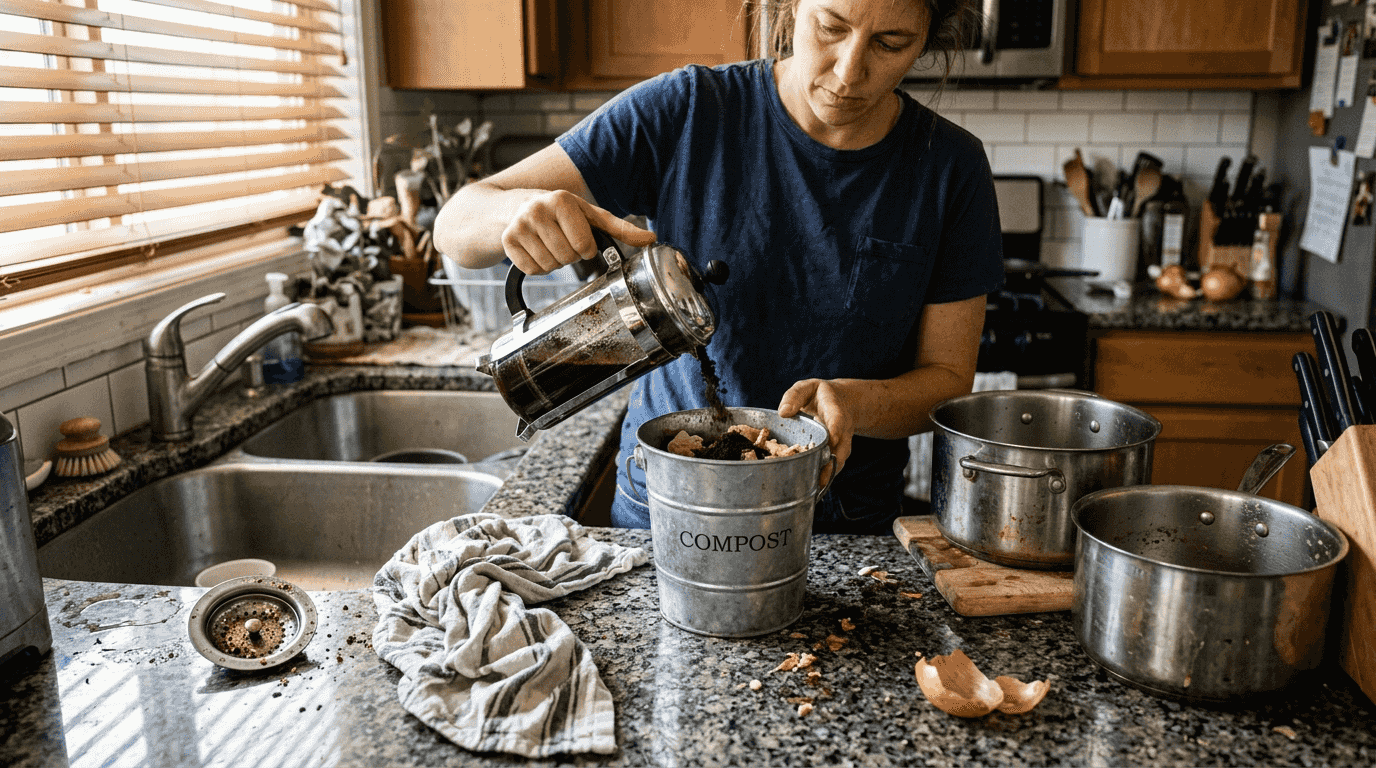
Bathroom drains accumulate hair, soap scum, and personal care product residue. Monthly cleaning with enzyme based drain cleaners maintains flow without the pipe damage harsh chemical cleaners cause. These biological treatments break down organic matter safely and effectively.
Pro Tip: Keep a small trash can with a lid next to every toilet. This simple addition makes proper disposal convenient and reduces the temptation to flush inappropriate items. More plumbing tips for homeowners tampa bay residents can implement easily make a huge difference.
Manage water pressure to protect your plumbing system
Water pressure exceeding 80 psi significantly increases the risk of pipe failure, joint leaks, and appliance damage. Yet many Tampa Bay homes experience pressure fluctuations due to municipal supply variations, elevation changes, or thermal expansion in water heaters. Understanding and managing water pressure protects your entire plumbing system from premature failure.
Pressure that’s too high stresses every component. Pipes develop pinhole leaks, faucet washers wear out quickly, and appliances like dishwashers and washing machines fail before their expected lifespan. Conversely, low pressure indicates potential problems like hidden leaks, corroded pipes, or faulty pressure regulating equipment that need immediate attention.
| Pressure Range | Status | Action Needed |
|---|---|---|
| Below 40 psi | Too low | Check for leaks or valve issues |
| 40-60 psi | Optimal | No action, ideal range |
| 60-80 psi | Acceptable | Monitor regularly |
| Above 80 psi | Too high | Install pressure regulator immediately |
Testing your water pressure takes minutes and costs less than $15 for a gauge. Attach the gauge to an outdoor hose bib or washing machine connection. Turn off all water using fixtures in the home, then fully open the valve where the gauge connects. The reading shows your static pressure.
Consider installing a water pressure regulator to maintain consistent water pressure and protect your plumbing system. These devices install on the main water line after the shut-off valve and before it branches to supply your home. They automatically adjust to maintain steady pressure regardless of municipal supply fluctuations.
Monitor your pressure in these situations:
- After any municipal water main work in your neighborhood
- When you notice changes in shower pressure or toilet fill speed
- Before installing new appliances like tankless water heaters
- Annually as part of routine home maintenance
Pro Tip: Test pressure at different times of day. Early morning and evening peaks when neighborhood usage is high can reveal fluctuations a single test might miss. Understanding your valve regulator services FAQs helps you make informed decisions about system protection. Implementing preventative plumbing tips saves money and extends your system’s life.
Protect your home’s plumbing with professional support
You’ve learned essential safety practices that prevent common plumbing disasters. Now take the next step to ensure complete protection. Professional plumbing services inspection and backup solutions identify hidden risks that DIY efforts miss, catching small problems before they become expensive emergencies.
Regular maintenance through plumbing maintenance plans and options keeps your system running safely and efficiently year round. Expert plumbing leak inspection and diagnosis uses advanced technology to detect issues behind walls or under slabs. Combining your safety knowledge with professional expertise creates the strongest defense against plumbing failures and water damage.
Frequently asked questions
- What are common plumbing mistakes homeowners should avoid?
The most common plumbing mistakes Tampa homeowners make are ignoring slow drains until they back up completely, using chemical drain cleaners that corrode older pipes, skipping annual water heater flushes in our hard-water climate, and attempting DIY repairs on pressurized lines without shutting off the main. Each mistake risks water damage or a costlier repair. Home Therapist offers free diagnosis on every visit and has completed 322 jobs across Tampa homes.
- Is it okay to drink tap water in Tampa, Florida?
Yes, Tampa tap water meets federal Safe Drinking Water Act standards and is treated by Tampa Bay Water before reaching your home. However, older homes with galvanized or corroded supply lines can introduce rust and sediment at the tap. If your water looks discolored or tastes metallic, have a licensed plumber inspect your interior supply lines. Home Therapist holds plumbing license CFC1431159 and provides free estimates.
- What are some essential plumbing maintenance steps every homeowner should do?
Tampa homeowners should flush the water heater annually to clear sediment, inspect exposed supply lines and shut-off valves for corrosion (salt air accelerates this near the coast), test the pressure-relief valve on the water heater, check under sinks for slow leaks, and clean drain stoppers every few months. Scheduling a professional plumbing inspection once a year catches small issues before Tampa's humidity turns them into major water damage. Call (813) 343-2212 or request a free estimate from Home Therapist.
What is the main water shut-off valve and why is it important?
The main water shut-off valve controls all water entering your home from the municipal supply line. Shutting it off immediately stops water flow during leaks, burst pipes, or plumbing emergencies, preventing thousands of dollars in flood damage. Every household member should know its exact location and how to operate it.
How do plumbing vents help prevent drain backups?
Plumbing vents allow air to enter your drainage system, balancing pressure as water flows through pipes. This prevents water traps from being siphoned dry, which would allow dangerous sewer gases to enter your home. Properly functioning vents ensure smooth drainage and protect your family’s health.
What household items should never be flushed to avoid clogs?
Never flush wipes (even those labeled flushable), cotton balls, cotton swabs, dental floss, feminine hygiene products, paper towels, or excessive amounts of toilet paper. Only human waste and moderate amounts of toilet paper should go down your toilet. Everything else belongs in the trash to prevent costly clogs and sewage backups.
How can I check if my water pressure is safe?
Attach a pressure gauge to an outdoor hose bib or washing machine connection with all fixtures turned off. The ideal pressure ranges between 40 and 80 psi for most homes. Readings consistently above 80 psi require installing a pressure regulator, while pressure below 40 psi indicates potential leaks or equipment problems needing professional diagnosis.
How often should I have my plumbing system professionally inspected?
Schedule a comprehensive plumbing inspection annually to catch developing issues early. Homes over 20 years old, those with previous plumbing problems, or properties in areas with hard water benefit from inspections every six months. Professional inspections identify hidden leaks, corrosion, venting problems, and code compliance issues before they cause damage.
About This Guide
Written and reviewed by the Home Therapist Cooling, Heating & Plumbing team, a family-owned Tampa Bay HVAC and plumbing company serving the area since 2011. Our licensed techs hold Florida HVAC license CAC1819196 and Plumbing license CFC1431159, with over 1,100 five-star reviews across Tampa, St. Petersburg, Clearwater, Wesley Chapel, Lutz, Riverview, Brandon, Valrico, Apollo Beach, Palm Harbor, Land O’ Lakes, Plant City, New Port Richey, and surrounding Tampa Bay zip codes.
Honest pricing:. Upfront quotes, no high-pressure sales, no surprise fees.
Questions about your home? Call (813) 343-2212 for a real tech, or request a callback. Available 7 days a week including evenings and weekends for emergencies.
Recommended
- 7 Plumbing Tips Every Homeowner in Tampa Bay Should Know
- Preventative plumbing tips for Tampa Bay homeowners 2026
- Why plumbing codes matter for Tampa Bay homeowners
- Emergency Plumbing Explained: Fast Solutions for Tampa Home Therapist Cooling, Heating, and Plumbing
More Related Articles
- No Leaks, One Temp Adjustment: Premium Therapy Plan Plumbing Inspection & Water Heater Flush on S Switzer Ave, Tampa, FL 33611
- Flange, Shower Valve, and Full Toilet Replacement on Inverness Dr: Dunedin, FL 34698 Plumbing Service
- 4th Plumbing Checkup Reveals 3 Issues Worth Watching: Water Heater Flush + Inspection on Palm Beach Dr, Tampa, FL 33647
- Dead Elements on Coral Key Ave: Water Heater Element Replacement in Tampa, FL 33647
- Garbage Disposal Humming Not Spinning: Grant Park Tampa FL 33619 Job


