

Essential Plumbing Maintenance Checklist for Tampa Bay
Unexpected plumbing failures can turn a peaceful Tampa Bay evening into a stressful emergency, often costing hundreds or thousands in repairs. Many homeowners discover leaks, burst pipes, or water heater failures only after significant damage occurs. A proactive maintenance checklist tailored to Tampa Bay’s unique coastal environment can prevent most plumbing emergencies before they start. This guide walks you through practical, actionable steps to keep your plumbing system running efficiently, protect your home from water damage, and extend the lifespan of pipes and fixtures in our humid, salt-air climate.
Table of Contents
- Key takeaways
- Preparing your home for plumbing maintenance
- Monthly and seasonal plumbing maintenance tasks
- Preventing damage from salt air and Tampa Bay’s environment
- Annual professional checkups and specialized maintenance
- Explore plumbing and HVAC services from Home Therapist
- Frequently asked questions
Key Takeaways
| Point | Details |
|---|---|
| Main shut off valve | Identify and clearly label your main water shut off valve for emergencies. |
| Check for leaks monthly | Monthly inspections catch leaks and moisture around fixtures, saving water and avoiding costly damage. |
| Know pipe materials | Know your pipe materials to anticipate corrosion risks and guide maintenance. |
| Seasonal maintenance tasks | Before summer rains, inspect for corrosion, clean aerators, flush drains, and check hoses on machines and outdoor spigots. |
| Plumbing map and records | Create a simple map showing valve locations, pipe materials, and fixture ages, and store it with maintenance records. |
Preparing your home for plumbing maintenance
Before tackling any maintenance tasks, you need to understand your plumbing system and gather the right tools. Start by identifying and clearly marking your main water shut-off valve for emergency access. Most Tampa Bay homes have the valve near the water meter or where the main line enters the house. Label it with bright tape or a tag so family members can find it quickly during a crisis.
Gather essential tools to make inspections easier and more effective. You will need an adjustable wrench, pipe wrench, flashlight or headlamp, bucket, plumber’s tape, and a basic inspection mirror. Keep these items together in a designated spot so you can respond quickly to minor issues before they escalate. A smartphone camera helps document problems for professional plumbers if you discover something beyond your skill level.
Understanding your home’s plumbing layout saves time and prevents confusion during maintenance. Walk through your property and note where supply lines run, where drain pipes exit, and which fixtures connect to which systems. Older Tampa Bay homes may have a mix of copper, galvanized steel, and newer PEX piping. Knowing your pipe materials helps you anticipate corrosion risks and choose appropriate maintenance strategies.
Pro Tip: Create a simple plumbing map of your home showing valve locations, pipe materials, and fixture ages. Store it with your home maintenance records and share it with any plumber you hire. This saves diagnostic time and reduces service costs.
Tampa Bay’s coastal climate demands special attention to salt air exposure and humidity. Pipes in crawl spaces, attics, or exterior walls face accelerated corrosion compared to inland homes. Keep contact information for trusted local plumbing professionals readily available. Even with diligent maintenance, some problems require expert diagnosis and repair.
| Preparation item | Purpose | Tampa Bay consideration |
|---|---|---|
| Main shut-off valve location | Emergency water control | May corrode faster near coast |
| Basic tool kit | Quick repairs and inspections | Store in dry location to prevent rust |
| Plumbing system map | Efficient troubleshooting | Note areas exposed to salt air |
| Professional contacts | Expert backup | Choose licensed, insured local plumbers |
Monthly and seasonal plumbing maintenance tasks
Monthly inspections catch small problems before they become expensive disasters. Check faucets, toilets, and under sinks for leaks and test your water pressure regularly. Walk through your home with a flashlight and look for water stains, dampness, or puddles around fixtures. Run your hand along exposed pipes to feel for moisture. Even minor drips waste gallons of water monthly and signal deteriorating seals or connections.
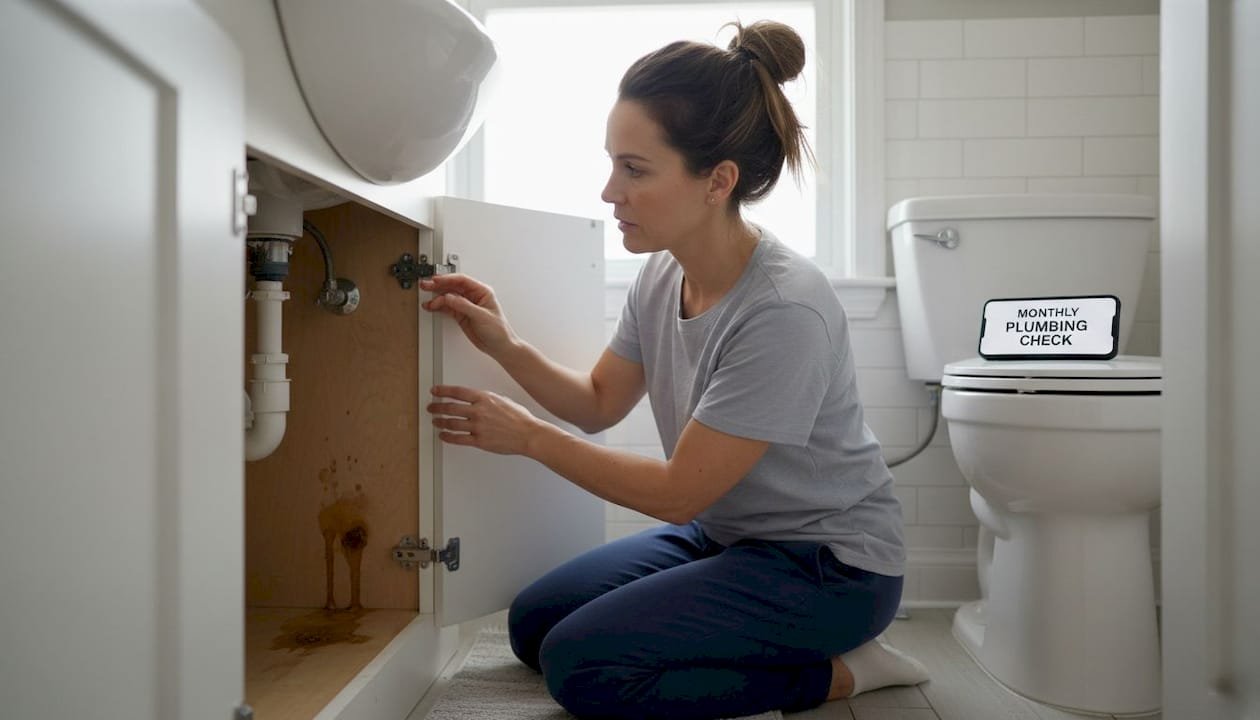
Test water pressure using a simple gauge attached to an outdoor spigot. Pressure between 40 and 60 psi protects your plumbing from strain. Higher pressure stresses joints and accelerates wear on fixtures and appliances. Lower pressure may indicate a leak somewhere in your system or problems with the municipal supply. If you notice pressure changes, investigate immediately or call a professional for leak inspection services.
Seasonal maintenance aligns with Tampa Bay’s weather patterns. Before summer’s heavy rains, inspect pipes for corrosion, clean aerators, flush drains, and check hoses on washing machines and outdoor spigots. Remove faucet aerators and soak them in vinegar to dissolve mineral deposits. Pour hot water mixed with baking soda down drains to clear minor buildup. Replace washing machine hoses every five years or sooner if you see cracks or bulges.
Monthly maintenance checklist:
- Inspect all visible pipes for moisture, corrosion, or damage
- Check toilet tanks for silent leaks by adding food coloring and watching for color in the bowl
- Test garbage disposal by running cold water and checking for unusual sounds
- Examine water heater for rust, leaks, or unusual noises
- Verify sump pump operation if your home has one
Seasonal maintenance steps:
- Clean all faucet aerators and showerheads to maintain water flow
- Flush all drains with hot water and baking soda to prevent clogs
- Inspect outdoor spigots and hoses for winter damage or summer wear
- Check washing machine hoses for cracks, bulges, or loose connections
- Test main water shut-off valve to ensure it operates smoothly
- Examine exposed pipes in attics, crawl spaces, and garages for damage
Pro Tip: Set phone reminders for the first weekend of each month and the start of each season. Consistent timing turns maintenance into a habit rather than a forgotten chore. Pair plumbing checks with HVAC filter changes to create a comprehensive home care routine.
Tampa Bay’s occasional cold snaps pose burst pipe risks despite our generally warm climate. When temperatures drop below 32°F, insulate exposed pipes with foam sleeves or heat tape. Let faucets drip slightly during freezing nights to keep water moving through pipes. Open cabinet doors under sinks to allow warm air circulation around plumbing. These simple steps prevent thousands in water damage from burst pipes.
Preventing damage from salt air and Tampa Bay’s environment
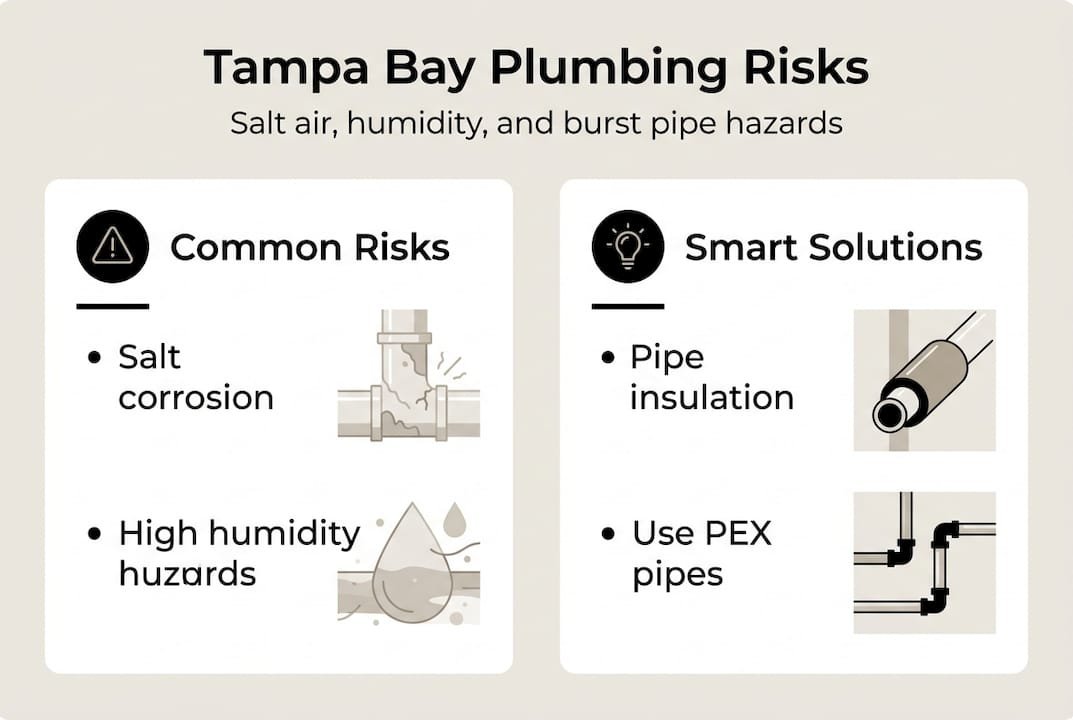
Coastal living brings unique plumbing challenges that inland homeowners never face. Salt air accelerates corrosion on copper pipes and fixtures, especially in homes near the bay or Gulf. Metal components exposed to salty, humid air deteriorate faster than manufacturer warranties predict. You may notice green patina on copper pipes, white crusty deposits on fixtures, or pinhole leaks developing years earlier than expected.
Modern plumbing materials resist salt corrosion better than traditional copper and galvanized steel. PEX and CPVC piping offer excellent corrosion resistance in coastal environments while maintaining flexibility and durability. If you are renovating or replacing damaged sections, consider upgrading to these materials. They cost slightly more upfront but save money long term by lasting decades longer in Tampa Bay’s harsh conditions.
Galvanic corrosion at metal junctions worsens near the coast when dissimilar metals like copper and steel connect directly. Salt air intensifies the electrochemical reaction that eats away at pipes and fittings. Install dielectric unions wherever different metals meet in your plumbing system. These simple plastic or rubber insulators prevent electrical current flow between metals and dramatically slow corrosion rates.
Coastal protection strategies:
- Replace corroded copper pipes with PEX or CPVC during renovations
- Install dielectric unions at all dissimilar metal connections
- Apply protective coatings to exposed metal fixtures and pipes
- Increase inspection frequency for pipes in attics, crawl spaces, and exterior walls
- Consider whole-house water softeners to reduce mineral buildup that traps salt
Regular inspections become even more critical in coastal homes. Walk your property every few months looking specifically for early corrosion signs. Green or white deposits, rust stains, or flaking metal indicate active corrosion that will worsen without intervention. Catching problems at this stage allows targeted repairs rather than emergency repiping of entire sections.
“Tampa Bay homeowners who proactively address salt air corrosion save an average of $3,000 to $5,000 compared to those who wait for pipe failures. The investment in corrosion-resistant materials and regular inspections pays for itself many times over through avoided emergency repairs and water damage restoration.”
Protect exposed pipes with insulation even in our warm climate. Insulation serves double duty by guarding against occasional freezing temperatures and reducing condensation that accelerates corrosion. Foam pipe sleeves cost pennies per foot and install in minutes. Focus on pipes in unheated spaces like garages, attics, and crawl spaces where temperature swings and humidity create perfect conditions for accelerated deterioration.
Annual professional checkups and specialized maintenance
Annual professional plumbing inspections reduce emergency repairs by 65% by catching problems while they are still minor and inexpensive to fix. Licensed plumbers bring specialized tools like video inspection cameras, pressure testing equipment, and leak detection devices that reveal hidden issues homeowners cannot see. They spot early warning signs of pipe corrosion, failing seals, and developing clogs before they cause damage or system failures.
Professional inspections cover areas you cannot easily reach or evaluate yourself. Plumbers examine main sewer lines for tree root intrusion, check water heater anodes for depletion, test pressure relief valves, and assess overall system integrity. They provide written reports documenting current conditions and recommending preventive repairs. This documentation proves valuable for insurance claims and adds credibility when selling your home.
Flushing your water heater annually prevents sediment buildup that reduces efficiency, causes noise, and eventually leads to tank failure. Tampa Bay’s hard water deposits minerals faster than in many regions. Sediment settles at the tank bottom, insulating water from the heating element and forcing the system to work harder. Annual flushing removes these deposits and can extend water heater life by five years or more.
Pro Tip: Schedule your annual plumbing inspection in early fall before holiday guests arrive. This timing catches problems before increased usage stresses your system and ensures everything works perfectly when you need it most. Bundle the inspection with your annual HVAC maintenance for convenience and potential service discounts.
Coastal Tampa Bay homes may benefit from bi-annual inspections due to accelerated salt air corrosion. Homes within two miles of the bay or Gulf face significantly higher corrosion rates than inland properties. The additional inspection cost pales compared to emergency repairs from corroded pipe failures. Discuss your home’s proximity to salt water with your plumber to determine the optimal inspection frequency.
| Maintenance approach | Frequency | Best for | Typical cost |
|---|---|---|---|
| DIY monthly checks | Monthly | Catching visible leaks and obvious problems | $0 (your time) |
| Professional annual inspection | Yearly | Comprehensive system evaluation and hidden issues | $150 to $300 |
| Bi-annual coastal inspection | Twice yearly | Homes near salt water with high corrosion risk | $300 to $600 |
| Emergency repairs | As needed | Already-failed components | $500 to $5,000+ |
Specialized annual tasks professionals handle:
- Video inspection of main sewer line for blockages or root intrusion
- Water heater anode rod inspection and replacement
- Pressure relief valve testing and replacement
- Whole-house water pressure adjustment
- Backflow preventer testing for homes with irrigation systems
- Main line cleaning to prevent future clogs
Comparing DIY and professional maintenance clarifies where to focus your efforts. Handle monthly visual inspections, minor leak repairs, aerator cleaning, and drain flushing yourself. Leave specialized tasks like sewer line inspection, water heater maintenance, pressure testing, and major repairs to licensed professionals. This division maximizes your maintenance budget while ensuring critical tasks receive expert attention.
Professional relationships pay dividends during emergencies. Plumbers who already know your system respond faster and diagnose problems more accurately than strangers. They have your plumbing history, understand your home’s quirks, and prioritize existing customers during busy periods. Building this relationship through regular maintenance visits means you are not scrambling to find help when a pipe bursts at midnight.
Explore plumbing and HVAC services from Home Therapist
Maintaining your Tampa Bay home’s plumbing system protects your investment and prevents costly emergencies, but some tasks require professional expertise and specialized equipment. Home Therapist brings decades of experience serving Tampa Bay families with comprehensive maintenance plans designed specifically for our coastal climate challenges.
Our certified technicians understand how salt air, humidity, and occasional cold snaps affect your plumbing differently than homes elsewhere. We offer customized annual inspection programs that catch problems early, advanced leak detection services using the latest technology, and preventive maintenance that keeps your system running efficiently year-round. As a family-owned business, we treat your home with the same care we give our own.
Your plumbing works alongside your HVAC system to maintain home comfort and efficiency. Discover how proper HVAC maintenance complements your plumbing care routine for complete home protection. Contact Home Therapist today to schedule your comprehensive system evaluation and experience the peace of mind that comes from knowing your home is in expert hands.
Frequently asked questions
What is the first step if I suspect a plumbing leak?
Check your water meter for continuous movement when all faucets and water-using appliances are off. Turn off everything that uses water, note your meter reading, wait two hours without using any water, then check again. If the meter moved, you have a leak somewhere in your system that needs immediate attention.
How do I locate my main water shut-off valve?
Most Tampa Bay homes have the main shut-off valve near the water meter, typically in the garage, on an exterior wall, or in a ground-level utility box near the street. Look for a round wheel or lever valve on the main supply line entering your home. Mark it clearly with bright tape so anyone can find it during an emergency.
How often should I inspect for leaks around fixtures?
Inspect faucets, toilets, and under-sink areas monthly for water accumulation, moisture, or stains. Run your hand along visible pipes to feel for dampness. Early detection prevents minor drips from becoming major water damage and saves significantly on water bills over time.
Why should I hire a professional for leak detection?
Professional leak inspections identify hidden leaks inside walls, under slabs, or in underground pipes that you cannot see or reach. Plumbers use specialized equipment like acoustic sensors, thermal imaging cameras, and video inspection tools to pinpoint exact leak locations without destructive exploratory work, saving you time and money.
What happens if I do not flush my water heater?
Failing to flush your water heater annually allows sediment buildup that reduces heating efficiency, causes rumbling noises, and eventually corrodes the tank from inside. Tampa Bay’s hard water accelerates sediment accumulation. Regular flushing removes these deposits and can extend your water heater’s lifespan by five years or more, delaying the need for costly replacement.
About This Guide
Written and reviewed by the Home Therapist Cooling, Heating & Plumbing team, a family-owned Tampa Bay HVAC and plumbing company serving the area since 2011. Our licensed techs hold Florida HVAC license CAC1819196 and Plumbing license CFC1431159, with over 1,100 five-star reviews across Tampa, St. Petersburg, Clearwater, Wesley Chapel, Lutz, Riverview, Brandon, Valrico, Apollo Beach, Palm Harbor, Land O’ Lakes, Plant City, New Port Richey, and surrounding Tampa Bay zip codes.
Honest pricing: Upfront quotes, no high-pressure sales, no surprise fees.
Questions about your home? Call (813) 343-2212 for a real tech, or request a callback. Available 7 days a week including evenings and weekends for emergencies.
Recommended
- Preventative plumbing tips for Tampa Bay homeowners 2026
- 7 Plumbing Tips Every Homeowner in Tampa Bay Should Know
- Essential plumbing safety tips Tampa homeowners need
- Annual Plumbing Inspections Cut Tampa Bay Repairs 65%
More Related Articles
- Customer-Supplied Toilet Installed on Imperial Key: Plumbing Service in Tampa, FL 33615
- 17-Minute Shower Head Swap on Sea Amber Lane: Labor-Only Plumbing in Apollo Beach, FL 33572
- Hose Bib Replaced in 37 Minutes on Argile Drive: Plumbing Repair in Dunedin, FL 34698
- 29-Minute Sewer Snake Through a Shore Acres Cleanout: Sewer Drain Unclogging in St. Petersburg, FL 33703
- Garbage Disposal Humming Not Spinning: Grant Park Tampa FL 33619 Job


