

Preventative Plumbing Tips for Tampa Bay Homeowners 2026
Tampa Bay homeowners face unique plumbing challenges that can lead to expensive repairs if left unaddressed. With water hardness at 17 grains per gallon and aging infrastructure in many neighborhoods, your plumbing system needs proactive care to avoid costly breakdowns. This guide provides actionable preventative plumbing tips specifically designed for Tampa’s water conditions and climate, helping you protect your home and extend your plumbing’s lifespan while saving money on emergency repairs.
Table of Contents
- What You Need: Understanding Tampa’s Water and Plumbing Challenges
- Preparation: Essential Tools and Materials for Preventative Plumbing Care
- Execution: Step-by-Step Preventative Plumbing Tips for Tampa Bay Homeowners
- Verification: Common Mistakes and Troubleshooting Your Preventative Plumbing Efforts
- Protect Your Tampa Bay Home With Expert Plumbing Maintenance
- Frequently Asked Questions
Key takeaways
| Point | Details |
|---|---|
| Hard water management | Tampa’s very hard water requires water softeners and regular maintenance to prevent scale buildup |
| Regular inspections | Annual professional inspections catch hidden issues before they become expensive emergencies |
| Proactive leak repairs | Fixing small leaks immediately prevents mold growth and water damage in Tampa’s humid climate |
| Water heater maintenance | Annual flushing removes sediment and improves efficiency by up to 75% |
What you need: understanding Tampa’s water and plumbing challenges
Your Tampa Bay home’s plumbing faces constant assault from local water conditions. The region’s water hardness has increased from 186 mg/L to 201 mg/L, placing it firmly in the very hard category. This mineral-rich water creates scale deposits that narrow pipes, reduce water flow, and accelerate wear on fixtures and appliances.
Older Tampa homes with galvanized copper plumbing face particular vulnerability to scale damage. The hard water reacts with aging pipes, creating buildup that restricts flow and eventually leads to complete blockages. Beyond hardness, Tampa water contains trace contaminants including arsenic and chromium-6 that require vigilant monitoring and filtration.
Understanding these challenges helps you target your preventative efforts effectively:
- Scale accumulation reduces pipe diameter by up to 30% over time
- Hard water decreases appliance lifespan by 40% without treatment
- Mineral deposits create ideal environments for bacterial growth
- Contaminants accelerate corrosion in vulnerable pipe materials
Recognizing Tampa’s specific water profile empowers you to choose appropriate preventative measures. The combination of high mineral content, chemical treatments from municipal systems, and Florida’s humid climate creates a perfect storm for plumbing problems. Implementing targeted plumbing tips for Tampa Bay homeowners addresses these regional challenges head on, protecting your investment and ensuring reliable water delivery throughout your home.
Preparation: essential tools and materials for preventative plumbing care
Gathering the right tools and materials before starting preventative maintenance saves time and ensures thorough work. You need equipment that addresses both routine inspections and Tampa-specific challenges like hard water scale.
Essential tools for preventative plumbing maintenance:
- Adjustable wrench set for fixture tightening and repair
- Water pressure gauge to monitor system performance
- Pipe inspection camera for checking hidden problem areas
- Bucket and towels for controlled water heater flushing
- Screwdrivers and hex keys for fixture disassembly
| Item | Purpose | Tampa Bay Specific Benefit |
|---|---|---|
| Water softener unit | Removes calcium and magnesium | Prevents scale in very hard Tampa water |
| Pipe insulation | Temperature protection | Reduces condensation in humid climate |
| Faucet washers | Seal replacement | Prevents drips that waste water |
| PTFE tape | Thread sealing | Creates watertight connections |
| Scale remover solution | Mineral dissolution | Addresses hard water buildup |
Materials suited for Tampa’s water conditions include corrosion-resistant washers and gaskets that withstand mineral-heavy water. Stock replacement aerators and showerheads with anti-scale features to maintain consistent flow rates despite hard water exposure.
Pro Tip: Invest in a quality water softener system rated for Tampa’s 17 GPG hardness level to dramatically reduce scale formation throughout your entire plumbing system, protecting pipes, fixtures, and appliances simultaneously.
Quality water testing kits help you monitor changes in water chemistry that might require adjusted maintenance schedules. Having supplies on hand means you can address minor issues immediately before they escalate into emergency repairs requiring professional intervention.
Execution: step-by-step preventative plumbing tips for Tampa Bay homeowners
Implementing a systematic preventative maintenance routine protects your plumbing investment and prevents costly surprises. These steps address the most common failure points in Tampa Bay homes.
Step 1: Flush your water heater annually
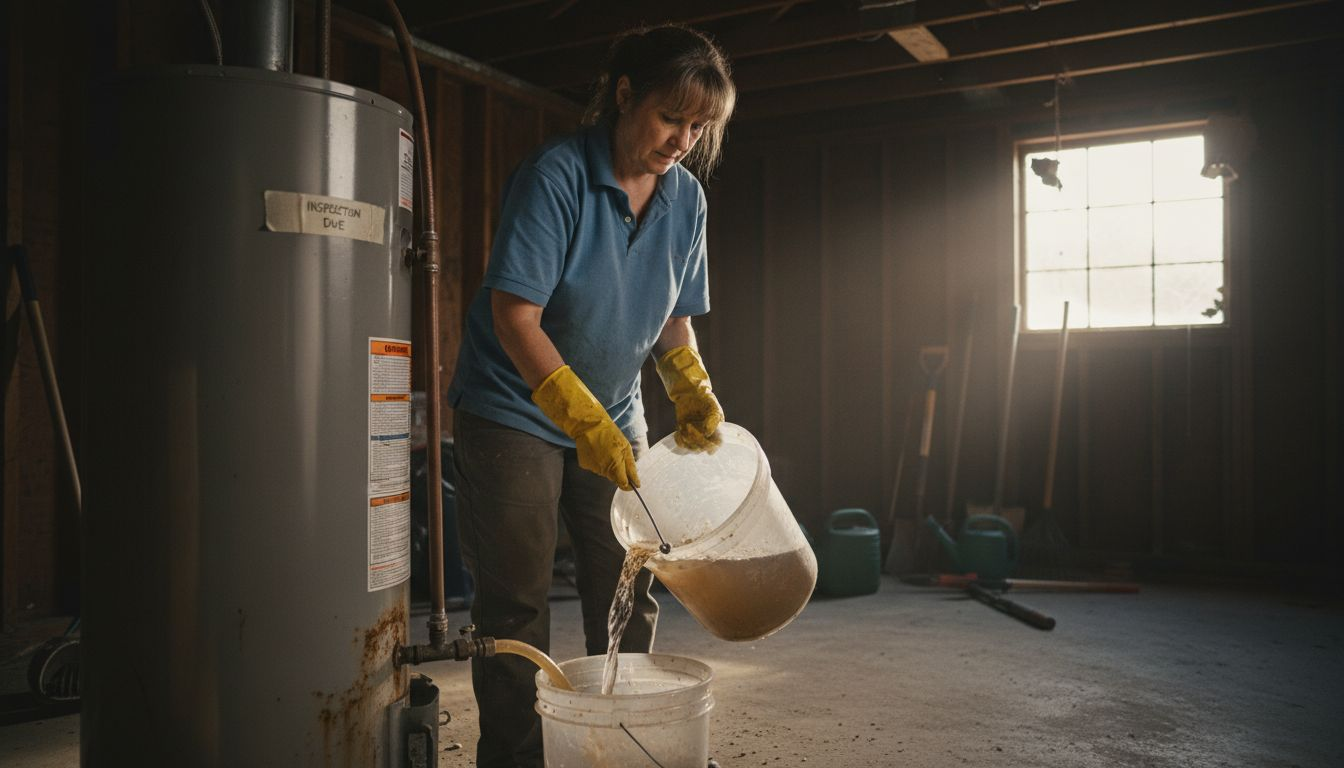
Sediment from Tampa’s hard water settles at the bottom of your water heater tank, reducing efficiency and shortening lifespan. Annual flushing reduces sediment by up to 75%, improving performance and preventing premature failure. Turn off power or gas, connect a garden hose to the drain valve, and empty the tank completely. Refill slowly while monitoring for leaks, then restore power.
Step 2: Install and maintain a water softener
Given Tampa’s very hard water, a properly sized water softener is essential infrastructure, not a luxury. Water softener installation reduces repair costs by 20-30% by preventing scale throughout your system. Check salt levels monthly, clean the brine tank quarterly, and schedule annual professional servicing to ensure optimal ion exchange performance. Your softener protects every pipe, fixture, and appliance in your home.
Step 3: Inspect fixtures and replace worn components
Examine faucets, showerheads, and toilet connections monthly for signs of leaks, corrosion, or mineral buildup. Replace worn washers immediately, as even small drips waste thousands of gallons annually. Clean aerators quarterly to remove scale deposits that restrict flow. Tighten loose connections before they develop into full leaks.
Step 4: Check and maintain pipe insulation
Inspect exposed pipes in crawl spaces, attics, and exterior walls for damaged or missing insulation. Proper insulation prevents condensation in Tampa’s humid climate, reducing corrosion risk and improving energy efficiency. Replace degraded foam sleeves and seal gaps where pipes penetrate walls to prevent moisture intrusion.
| Pipe Material | Pros | Cons | Tampa Bay Suitability |
|---|---|---|---|
| Copper | Durable, heat resistant | Expensive, prone to scale with hard water | Good with water softener |
| PEX | Flexible, corrosion resistant, affordable | UV sensitive, not for outdoor use | Excellent for Florida climate |
| CPVC | Chlorine resistant, budget friendly | Brittle in cold, glue joints weaken | Very good for Tampa water chemistry |
Pro Tip: Schedule professional plumbing inspections annually to catch hidden issues like slab leaks, sewer line problems, and deteriorating connections that homeowner maintenance cannot detect, preventing catastrophic failures and water damage.
Consistent execution of these water heater maintenance practices and other preventative tasks transforms your plumbing from a potential liability into a reliable asset. Document completion dates to establish a maintenance history that proves valuable when diagnosing future issues or preparing for home sales.
Verification: common mistakes and troubleshooting your preventative plumbing efforts
Even well-intentioned maintenance efforts can miss critical issues or create new problems without proper verification. Understanding common mistakes helps you avoid them and troubleshoot effectively when preventative measures don’t deliver expected results.
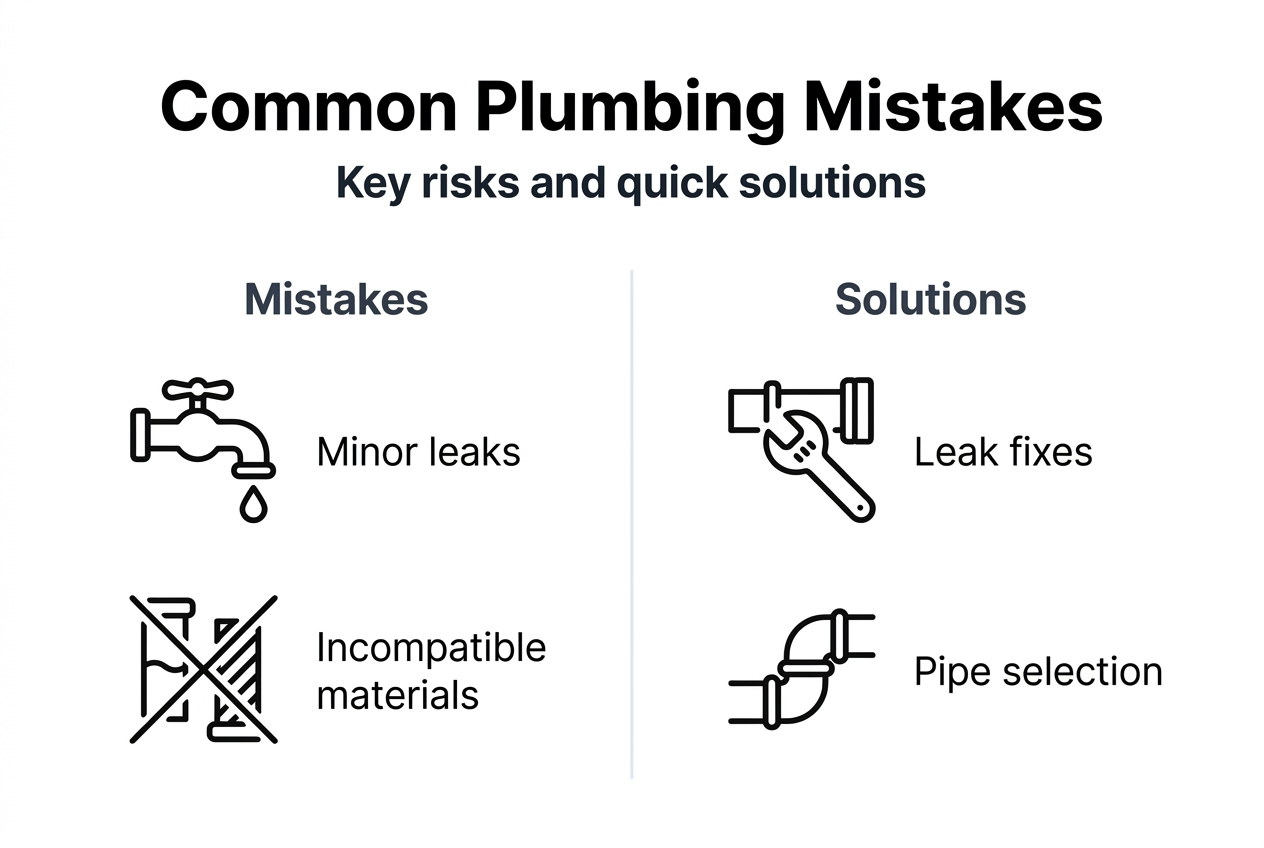
Mistake 1: Ignoring minor leaks
Small leaks cause significant damage and mold growth in Tampa’s humid environment. What seems like a harmless drip can saturate drywall, rot framing, and create health hazards within weeks. Address every leak immediately, no matter how minor it appears. Tampa’s year-round humidity accelerates moisture damage exponentially compared to drier climates.
Mistake 2: Delaying water heater maintenance
Skipping annual flushing allows sediment layers to harden, reducing tank capacity and insulating the heating element. This forces your system to work harder, consuming more energy while delivering less hot water. Eventually, sediment causes tank failure and expensive emergency replacement. Mark your calendar and treat flushing as non-negotiable maintenance.
Mistake 3: Using incompatible materials
Mixing pipe materials without proper transition fittings accelerates corrosion through galvanic reactions. Florida’s chlorine-heavy municipal water attacks certain materials aggressively. Verify compatibility before repairs and use dielectric unions when connecting dissimilar metals. Improper material selection can halve your plumbing system’s expected lifespan.
Troubleshooting low water pressure
If pressure drops suddenly, check your main shutoff valve position and water softener bypass valve. Gradual pressure decline indicates scale buildup in pipes or fixtures. Remove and clean aerators first, then inspect showerheads. Persistent low pressure throughout the house suggests main line scale accumulation requiring professional descaling or replacement.
Diagnosing persistent leaks after repairs
Leaks that return after fixing suggest underlying issues like excessive water pressure, water hammer, or foundation movement. Install a pressure regulator if pressure exceeds 60 PSI. Add water hammer arrestors near washing machines and dishwashers. If leaks appear at multiple locations, schedule a foundation inspection, as settling can stress pipes.
Prompt leak repair is absolutely critical in Tampa Bay homes. The combination of hard water minerals, high humidity, and warm temperatures creates ideal conditions for rapid mold growth and structural damage. What starts as a small drip can become a multi-thousand dollar remediation project within months.
Verify your preventative maintenance effectiveness by monitoring water bills for unexpected increases, checking water heater recovery time, and testing water pressure at multiple fixtures. Declining performance despite regular maintenance indicates deeper system issues requiring professional emergency plumbing services to diagnose and resolve before catastrophic failure occurs.
Protect your Tampa Bay home with expert plumbing maintenance
While DIY preventative maintenance provides essential first-line defense, professional expertise ensures your plumbing system receives comprehensive care tailored to Tampa’s challenging water conditions.
Home Therapist offers specialized plumbing maintenance plans designed specifically for Tampa Bay’s very hard water and humid climate. Our certified technicians understand the unique stresses local conditions place on residential plumbing systems and provide proactive solutions that prevent expensive emergencies.
Professional benefits that complement your DIY efforts:
- Advanced leak detection technology identifies hidden problems before visible damage occurs
- Comprehensive inspection services evaluate your entire system, including inaccessible areas
- Expert leak diagnosis pinpoints root causes, not just symptoms
- Customized maintenance schedules based on your home’s age, plumbing materials, and water usage patterns
Partner with our trusted local experts to maximize your plumbing system’s efficiency and lifespan. As a family-owned Tampa Bay business, we understand the specific challenges you face and provide solutions that deliver lasting value. Contact Home Therapist today to schedule your comprehensive plumbing evaluation and protect your home’s most critical infrastructure.
Frequently asked questions
What are the most important preventative plumbing tips for Tampa Bay homes?
The top priorities include annual water heater flushing to remove sediment, installing a water softener to combat Tampa’s 17 GPG hardness, and immediately repairing any leaks to prevent mold in our humid climate. Regular fixture inspections and professional annual evaluations catch problems early before they become expensive emergencies.
How does Tampa’s hard water specifically damage plumbing systems?
Tampa’s very hard water deposits calcium and magnesium scale inside pipes, reducing diameter and restricting flow over time. These minerals also damage water heater elements, clog aerators and showerheads, and leave stubborn stains on fixtures. Without treatment, hard water can reduce appliance lifespan by 40% and increase energy costs significantly.
How often should Tampa Bay homeowners schedule professional plumbing inspections?
Annual professional inspections provide optimal protection by identifying developing issues before they cause damage. Homes over 30 years old or with known plumbing problems benefit from twice-yearly evaluations. Professional inspections use specialized equipment to check areas homeowners cannot access, including sewer lines and slab plumbing.
Can I perform preventative plumbing maintenance myself or do I need a professional?
Many preventative tasks like water heater flushing, fixture inspection, and leak monitoring are excellent DIY projects that save money. However, professional expertise is essential for comprehensive system evaluation, sewer line inspection, water pressure regulation, and identifying hidden problems like slab leaks that require specialized detection equipment.
What pipe materials work best for Tampa Bay’s water conditions?
PEX and CPVC pipes perform excellently in Tampa because they resist corrosion from chlorine and mineral-heavy water. Copper remains durable but requires water softener protection to prevent scale damage. Avoid galvanized steel in renovation projects, as Tampa’s water chemistry accelerates its deterioration. Always use proper transition fittings when connecting different materials.
How can I tell if my water softener is working properly?
Test water hardness monthly using test strips, looking for readings below 1 GPG after treatment. Check that salt levels decrease steadily and the system regenerates on schedule. Reduced soap lather, returning scale deposits on fixtures, or spotting on dishes indicate potential softener problems requiring adjustment or professional service.
About This Guide
Written and reviewed by the Home Therapist Cooling, Heating & Plumbing team, a family-owned Tampa Bay HVAC and plumbing company serving the area since 2011. Our licensed techs hold Florida HVAC license CAC1819196 and Plumbing license CFC1431159, with over 1,100 five-star reviews across Tampa, St. Petersburg, Clearwater, Wesley Chapel, Lutz, Riverview, Brandon, Valrico, Apollo Beach, Palm Harbor, Land O’ Lakes, Plant City, New Port Richey, and surrounding Tampa Bay zip codes.
Honest pricing: $279 labor minimum. Upfront quotes, no high-pressure sales, no surprise fees.
Questions about your home? Call (813) 343-2212 for a real tech, or request a callback. Available 7 days a week including evenings and weekends for emergencies.
Recommended
- 7 Plumbing Tips Every Homeowner in Tampa Bay Should Know
- Why Inspect Plumbing Pipes, Tampa Bay Homeowners
- Annual Plumbing Inspections Cut Tampa Bay Repairs 65%
- Why plumbing codes matter for Tampa Bay homeowners
More Related Articles
- Why Plumbing Codes Matter for Tampa Bay Homeowners
- Seven Years Without a Flush: Water Heater Maintenance & Plumbing Inspection on Grand Kemerton Place, Tampa, FL 33618
- Flange Replacement, Shower Valve & New Toilet on Inverness Dr: Full Bathroom Plumbing Visit in Dunedin, FL 34698
- Flange, Shower Valve, and Full Toilet Replacement on Inverness Dr: Dunedin, FL 34698 Plumbing Service
- Garbage Disposal Humming Not Spinning: Grant Park Tampa FL 33619 Job
