

Debunking 4 HVAC Myths That Cost Tampa Homeowners
TL;DR:
- Oversized HVAC systems cause short cycling and humidity issues, reducing efficiency and comfort.
- Closing vents disrupts system balance, increases energy use, and can shorten equipment lifespan.
- Regular filter changes are essential to prevent system failure and improve indoor air quality.
If you’ve been cranking your thermostat down to 65°F hoping your home cools faster, or shutting vents in spare bedrooms to cut costs, you’re not alone. Plenty of Tampa Bay homeowners follow HVAC advice that sounds reasonable but quietly drains their wallets and wears out their equipment. These myths spread through neighborhoods, online forums, and even well-meaning family members. In this guide, we’re going to call out the most common HVAC misconceptions, explain exactly why they’re wrong, and give you the real strategies that keep your home comfortable and your energy bills in check.
Table of Contents
- Myth 1: Bigger HVAC systems always mean better comfort
- Myth 2: Closing vents in unused rooms saves energy
- Myth 3: Frequent filter changes aren’t necessary
- Myth 4: Setting the thermostat much lower cools your home faster
- Quick comparison: Myths vs. facts cheat sheet
- What most experts won’t tell you about HVAC myths
- Next steps: Get true HVAC comfort and savings in Tampa Bay
- Frequently asked questions
Key Takeaways
| Point | Details |
|---|---|
| Proper sizing matters | Oversized HVAC systems waste energy and don’t improve comfort. |
| Don’t close vents | Closing vents strains your HVAC and can actually raise energy bills. |
| Change filters regularly | Fresh filters keep your system efficient and your home’s air cleaner. |
| Smart thermostat use | Set comfortable temperatures and use programmable features for best efficiency. |
| Trust local pros | Professional inspections and advice debunk myths and protect your investment. |
Myth 1: Bigger HVAC systems always mean better comfort
It’s easy to assume that a larger air conditioner will cool your home more effectively. More power, more comfort, right? Unfortunately, that logic backfires in ways that hit your wallet immediately.
An oversized system cools your home so fast that it shuts off before it can properly remove humidity from the air. In Tampa Bay, where summer humidity sits at miserable levels, that’s a serious problem. Your home might feel cold but still sticky and clammy. That cycle of rapid on-off operation is called short cycling, and it creates uneven temperatures, excess moisture, and serious mechanical wear.
Oversized HVAC systems lead to inefficient operation and higher energy bills because short cycling burns more electricity than steady, efficient operation. The U.S. Department of Energy confirms that correct system sizing is one of the biggest factors in home cooling performance.
So how do you know what size is right? HVAC professionals use a Manual J load calculation, which factors in your home’s square footage, insulation quality, window placement, ceiling height, and even local climate data. It’s not a guess. It’s math.
Signs your HVAC system might be too large:
- The system turns on and off frequently, especially on mild days
- Some rooms feel cold while others stay warm
- Indoor humidity feels high even when the AC is running
- Energy bills are high despite a seemingly newer or upgraded system
- The system never seems to complete a full cooling cycle
Understanding forced air heating efficiency is also key to recognizing when your system isn’t performing the way it should.
Pro Tip: Schedule HVAC inspections for homeowners at least once a year. A certified technician can verify that your system is sized correctly and flag any performance problems before they become expensive repairs.
Now that you know why a bigger system isn’t always better, let’s tackle another money-wasting myth.
Myth 2: Closing vents in unused rooms saves energy
This one makes intuitive sense. If no one’s using the guest bedroom, why cool it? Close the vent, redirect airflow to the rooms you use, and save money. Simple, right? Not quite.
Forced air HVAC systems are designed to move air through every vent in your home simultaneously. The system’s blower fan and duct layout are calibrated for a specific amount of static pressure, meaning the resistance the air encounters as it moves through the ducts. When you close vents, you block that airflow and throw the whole system off balance.
“Blocking vents can cost you more, not less, over time. The added pressure strains your blower motor, promotes duct leaks, and reduces overall system efficiency.”
Blocking vents causes pressure imbalances and reduces system efficiency in ways that are hard to spot without a professional inspection. Understanding HVAC return air basics helps you see exactly why balanced airflow is non-negotiable.
What actually happens when you close vents:
- Air pressure builds up inside the ducts and forces air out through small leaks
- The blower motor works harder, consuming more energy
- Conditioned air escapes into unconditioned spaces like attics or crawlspaces
- Temperature swings increase in the rooms you actually use
- The system’s lifespan shortens from the extra mechanical strain
If you genuinely want to reduce conditioning in unused rooms, the right tools are programmable thermostats or a zoning system. Zoning divides your home into separate temperature-controlled areas, each managed independently. That’s a real solution. Closing a vent is just creating a pressure problem. The benefits of regular HVAC service include catching airflow imbalances before they snowball into bigger repairs. Meanwhile, ENERGY STAR ventilation guidance explains why proper airflow management matters for efficiency and indoor air quality.
With the facts about vent closures addressed, it’s time to debunk a myth that often leads to expensive energy mistakes.
Myth 3: Frequent filter changes aren’t necessary
Changing your HVAC filter feels like a minor chore, so it’s easy to put off. But in Tampa Bay, where the air is humid, dusty, and full of pollen for most of the year, a clogged filter is one of the fastest ways to damage your system.
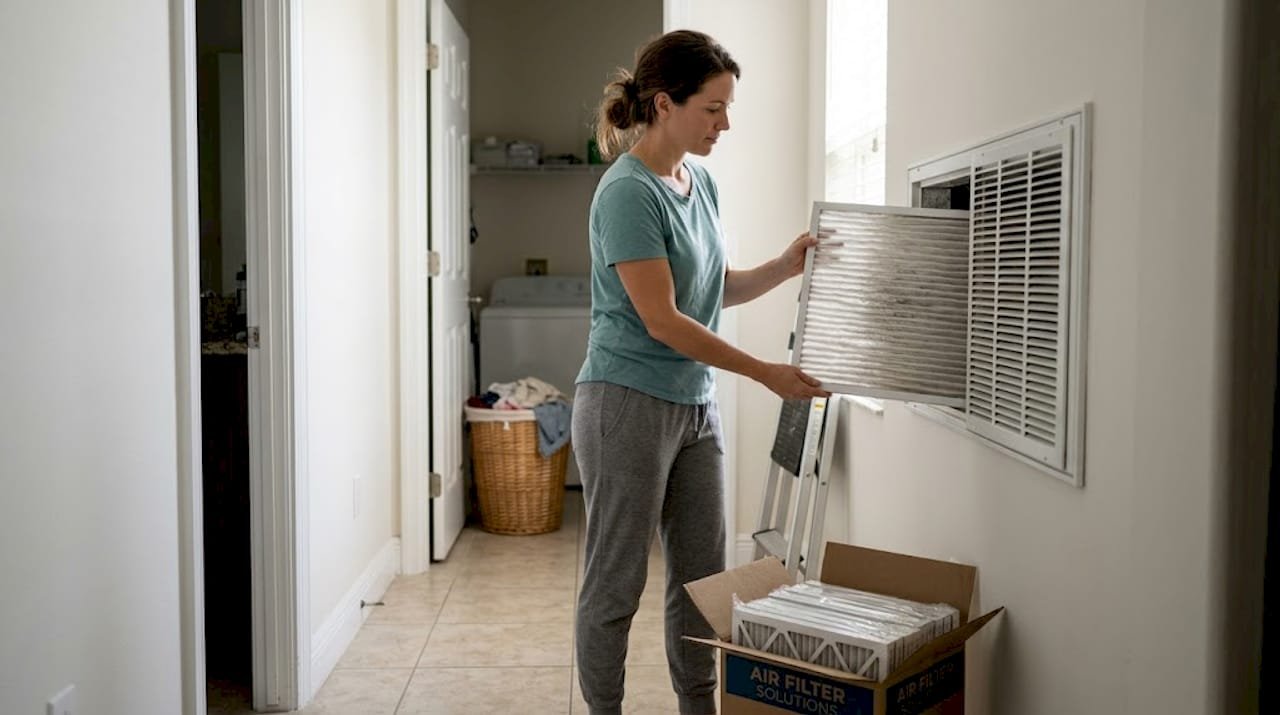
When a filter gets dirty, airflow through your system drops significantly. The blower has to work much harder to pull air through the restriction. Energy use climbs. Components overheat. Dirty or clogged filters are a leading cause of HVAC system failure, and most homeowners don’t realize the damage is happening until a repair bill arrives. The EPA’s air filter guidance reinforces that clean filters are essential for both system performance and indoor air quality.
In Tampa Bay, your filter may need changing sooner because of:
- High outdoor humidity that carries mold spores and allergens indoors
- Sandy, dusty air common near coastal areas
- Pet dander if you have animals
- Frequent AC operation due to our long cooling season
For most Tampa Bay homes, checking your filter every 30 days and replacing it every 45 to 60 days is a smart baseline. High-use households with pets or allergies may need monthly replacements.
How to check and replace your HVAC filter:
- Turn the system off before inspecting the filter
- Locate your filter, usually in the return air vent or air handler unit
- Hold the filter up to light. If you can’t see light through it, replace it
- Install the new filter with the arrow pointing toward the air handler
- Write the replacement date on the filter frame with a marker
Stay on top of HVAC filter maintenance tips to protect your system year-round. Pairing clean filters with other energy-saving HVAC tips can meaningfully reduce your monthly bills.
Pro Tip: Set a monthly calendar reminder on your phone labeled “check HVAC filter.” It takes two minutes and can prevent hundreds of dollars in repair costs.
With filter maintenance explained, let’s debunk a myth about how HVAC usage habits impact your bills.
Myth 4: Setting the thermostat much lower cools your home faster
On a brutal Tampa afternoon, you walk inside and crank the thermostat down to 60°F. You figure the system will work overtime and cool the house faster. It’s a completely understandable instinct. It’s also completely wrong.
Your air conditioner operates at one speed (unless you have a variable-speed unit). It doesn’t cool faster just because you set a lower target. It simply runs longer and uses more energy to reach that extreme setting, and then overshoots into uncomfortable territory. Lowering the thermostat sharply increases energy use without delivering faster cooling.
| Setting | Energy used | Comfort level | System strain |
|---|---|---|---|
| 78°F (recommended) | Efficient | Consistent, comfortable | Low |
| 72°F (moderate) | Moderate increase | Slightly cooler, still balanced | Moderate |
| 65°F or below | High increase | Often too cold, then too warm | High |
Every degree you set below 78°F adds roughly 6 to 8 percent to your cooling costs, and ENERGY STAR thermostat advice recommends 78°F as the sweet spot for Tampa Bay homes during occupied hours.
Better strategies for quick comfort on hot Tampa afternoons:
- Use a programmable thermostat to pre-cool your home before you arrive
- Close blinds on west-facing windows during peak afternoon sun
- Run ceiling fans to make 78°F feel like 72°F
- Look into HVAC economizer savings for additional efficiency gains
- Explore energy-efficient HVAC examples if your current system is aging
After busting the thermostat myth, we’ll wrap up with quick-reference comparisons to help you remember what’s myth and what really works.
Quick comparison: Myths vs. facts cheat sheet
Bookmark this table. When a neighbor shares a new HVAC tip, run it through this list before you try it.
| Myth | The real fact |
|---|---|
| Bigger systems cool better | Correct sizing prevents short cycling and humidity problems |
| Closing vents saves energy | It creates pressure imbalances and damages your system |
| Filter changes aren’t urgent | Dirty filters cause failures and raise energy bills |
| Lower thermostat = faster cooling | Your system runs at one rate; extreme settings just waste energy |
Regular HVAC service, proper use, and filter changes are all proven to increase efficiency and system lifespan. Running an HVAC energy audit can reveal exactly where your home is losing energy. And reviewing examples of energy-efficient HVAC gives you concrete upgrades to consider.
Three fast rules for evaluating any HVAC advice you hear:
- If it sounds like a shortcut, verify it with a certified technician before trying it
- Check whether the advice accounts for Tampa Bay’s specific humidity and heat
- Ask whether the tip is based on older systems that may no longer apply
With the facts side-by-side, you now have a cheat sheet for smarter decisions.
What most experts won’t tell you about HVAC myths
Here’s something worth sitting with. Most HVAC myths don’t spread because people are careless. They spread because the advice used to work, or at least felt like it did, on older, simpler equipment. Closing vents on a 1970s gravity-fed system? It may have actually helped. But modern forced-air systems, variable-speed units, and smart thermostats are built on completely different principles.
Manufacturers now design systems that require precise airflow balance, matched components, and regular maintenance schedules. Old-school workarounds actively fight against how these systems are engineered.
What we see in Tampa Bay homes again and again is that the myths causing the most damage are the ones people feel most confident about. The fix isn’t just reading the right article. It’s building a habit of checking with regular HVAC service insights and trusting professionals who inspect real equipment in real homes.
Pro Tip: When you hear HVAC advice from a neighbor or see it online, ask one question: “Is this backed by a licensed technician or a verified source?” If not, skip it.
Next steps: Get true HVAC comfort and savings in Tampa Bay
Knowing the myths is just the start. Applying that knowledge in your specific home is where real savings happen.
At Home Therapist Cooling, Heating, and Plumbing, we help Tampa Bay homeowners cut through the noise with honest assessments and expert service. Start by reviewing Tampa Bay HVAC basics to strengthen your foundation. Then walk through our beginner HVAC maintenance guide for practical steps you can take right now. If something seems off with your system, our HVAC troubleshooting guide walks you through common problems before you need to call anyone. We’re here when you’re ready.
Frequently asked questions
Is it bad to run my HVAC system constantly in Tampa’s hot climate?
Consistent HVAC cycling maintains comfort more efficiently than continuous operation. If your system never cycles off, it usually points to a sizing issue or poor insulation, and a professional assessment will tell you exactly what needs fixing.
Do ceiling fans reduce the need for air conditioning?
Fans allow higher thermostat settings but don’t actually lower air temperature. In humid Tampa homes, ceiling fans make you feel cooler but can’t replace the dehumidification your AC provides.
How often should I schedule a professional HVAC inspection?
Annual inspections catch small issues before they become serious. Most experts recommend at least one inspection per year, ideally before Tampa Bay’s peak summer cooling season kicks in.
Can regular filter changes improve indoor air quality?
Clean filters enhance efficiency and reduce indoor pollutants. Yes, fresh filters trap more dust, allergens, and mold spores, which matters a lot in Tampa Bay’s humid, high-pollen environment.
Recommended
- HVAC Energy Audit: Lower Bills and Greater Comfort
- Energy Saving HVAC Tips for Lower Tampa Bay Home Bills
- Tampa Bay HVAC Maintenance: Extend System Life 70%
- Preventing air leaks: boost comfort & cut Tampa Bay bills
More Related Articles
- How to Check for Mold in Your HVAC: Tampa Bay Guide
- Air Conditioner Replacement Estimate: Costs, Factors & Tips
- Why an A/C Maintenance Plan in St. Petersburg FL Matters for Year Round Comfort
- Clogged Drain Line Shutting Down the AC on Stallion Way: Air Conditioning Repair in Valrico, FL 33594
- Air Conditioner Installation Repair Tampa FL Bay FL Services Review from Bonnie Wakefield


