

Why Upgrade Plumbing System in Tampa Homes
Frequent leaks and low water pressure disrupt daily life for many Tampa Bay homeowners. In Florida’s humid climate, older plumbing systems wear down rapidly, making homes vulnerable to costly repairs and water damage. Upgrading with modern materials and efficient fixtures offers more than quick fixes, it can improve safety, water quality, and property value while lowering utility bills. Discover how a plumbing upgrade built to Florida code delivers decades of reliable performance without the headaches of outdated pipes.
Table of Contents
- What Upgrading A Plumbing System Means
- Signs Your Plumbing Needs An Upgrade
- Key Benefits For Tampa Bay Homeowners
- Modern Materials And Efficient Fixtures Explained
- Costs, Value, And Common Mistakes To Avoid
Key Takeaways
| Point | Details |
|---|---|
| Importance of Upgrading | Upgrading plumbing systems is essential for efficiency, safety, and compliance with modern standards, particularly in humid climates like Tampa’s. |
| Signs for Urgency | Homeowners should recognize signs such as leaks, discoloration, and low water pressure that indicate the need for an upgrade. |
| Cost vs. Value | Although plumbing upgrades require upfront investment, they lead to significant long-term savings on utility bills and enhance property value. |
| Choosing the Right Materials | Selecting modern materials like PEX and energy-efficient fixtures is key to ensuring durability, safety, and water conservation. |
What Upgrading a Plumbing System Means
Upgrading your plumbing system means replacing or updating the pipes, fixtures, and equipment that carry water in and waste out of your home. In Tampa’s climate, this isn’t just about cosmetic improvements. According to the 2024 National Standard Plumbing Code, upgrading a plumbing system involves updating materials, fixtures, and equipment to meet modern standards while improving water efficiency, safety, and functionality. Your current system might still work, but that doesn’t mean it’s working well or safely. Older pipes corrode, fixtures leak, and outdated installation methods can create health hazards that newer systems prevent entirely.
When we talk about upgrading in the Tampa area, we’re addressing real problems that homeowners face. Florida’s humid climate, mineral-rich water, and temperature fluctuations all wear on plumbing faster than in other regions. An upgrade might involve replacing corroded copper or galvanized steel pipes with modern materials, installing new water heaters that use less energy, updating fixtures to reduce water waste, or improving drainage systems that have become inefficient over decades. The good news? These upgrades do more than just fix problems. Repiping and plumbing service involvement can dramatically reduce your monthly water bills, eliminate annoying low water pressure, stop those random leaks that disrupt your day, and protect your family from contaminated water sources that older pipes might harbor.
The scope of your upgrade depends on what your home needs. Some people need a complete system overhaul, replacing everything from the main water line to the final fixtures in each room. Others might upgrade just their water heating system or focus on the most problematic sections of pipe. The 2024 code updates emphasize that upgrades align with industry advances and local health requirements, meaning your new system will be built to protect your home for the next 30 to 50 years. That’s a significant difference from patching up a 40-year-old system that’s already on borrowed time.
Pro tip: Before investing in an upgrade, have a professional plumber inspect your system to identify exactly what needs replacing rather than upgrading everything at once, which can save you thousands while addressing your actual problems.
Signs Your Plumbing Needs an Upgrade
Your plumbing system sends signals when it’s time for an upgrade, and Tampa homeowners need to recognize them before a small problem becomes an expensive disaster. Frequent leaks, corrosion, low water pressure, and discolored water are the most common warnings that your system has reached the end of its useful life. If you’re noticing water pooling under your sink, stains on basement walls or ceilings, or that annoying drip from a faucet that just won’t stop, these aren’t minor inconveniences. They’re your plumbing’s way of telling you the pipes have deteriorated beyond simple repairs. In Florida’s climate, with its humidity and mineral-heavy water, pipes age faster than in other parts of the country. A system that might last 50 years elsewhere might need serious attention after just 30 or 40 years in Tampa.
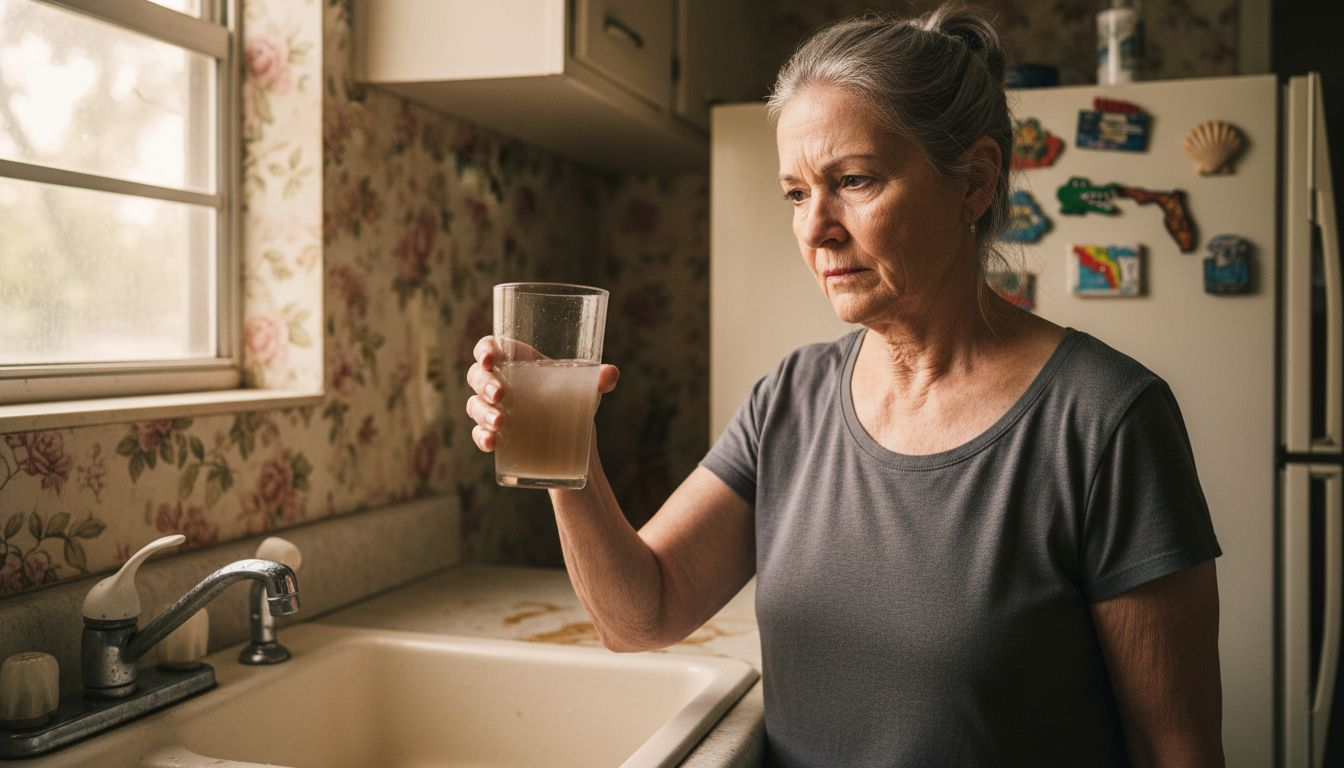
Discolored water coming from your taps is particularly concerning and shouldn’t be ignored. When water looks brownish, rusty, or cloudy, it means rust, scaling, and contamination are occurring inside your pipes. This is especially problematic if your home has older galvanized steel or lead pipes, which pose serious health risks. Low water pressure that develops gradually across multiple fixtures also signals system-wide problems rather than isolated issues. You might notice your shower dribbles instead of flows, your washing machine fills slowly, or your toilet runs constantly trying to refill its tank. Persistent blockages that keep backing up even after plumbing visits indicate the underlying pipes themselves have deteriorated or accumulated buildup that can’t be cleared anymore.
Another telltale sign appears in your water bill. If you haven’t changed your usage habits but your bill climbs month after month, hidden leaks are draining both your water and your wallet. Key signs your drain may need replacement include slow drainage, gurgling sounds, or sewage smells around your property. When multiple drains back up simultaneously or you see wet spots in your yard during dry weather, the main sewer line likely needs attention. The International Plumbing Code requires plumbing systems to meet current safety standards, and if your system is more than 40 years old, it probably doesn’t meet today’s requirements anymore.
Pro tip: Schedule a video pipe inspection if you’re unsure whether your system needs upgrading; this diagnostic tool lets you see exactly what’s happening inside your pipes and helps prioritize which sections need attention first.
Key Benefits for Tampa Bay Homeowners
Upgrading your plumbing system delivers tangible benefits that go far beyond just stopping leaks. The most immediate payoff hits your wallet through lower utility bills. Modern fixtures and piping systems use significantly less water and energy than outdated counterparts, and in Tampa’s hot climate where air conditioning costs soar, reducing your overall water heating demands creates noticeable savings month after month. A new water heater alone can cut energy consumption by 20 to 30 percent compared to a unit that’s been running for 15 or 20 years. When you multiply that savings across an entire upgraded system with low-flow toilets, efficient showerheads, and properly insulated pipes, you’re looking at meaningful reductions on your monthly bill that add up to thousands over a decade.
Beyond the financial gains, upgraded plumbing protects your family’s health and your home’s structural integrity. Modern plumbing materials resist corrosion and wear far better in Florida’s humid climate than aging pipes made from galvanized steel or copper. Newer systems eliminate the contamination risks that plague older setups, where bacterial growth and mineral buildup degrade water quality. You’ll notice the difference immediately when you turn on your tap and see clear water instead of that brownish tint that hints at rust particles. Your appliances benefit too. When your water heater, dishwasher, and washing machine aren’t fighting mineral deposits and corroded pipes, they run more efficiently and last significantly longer, further reducing your maintenance headaches.
One benefit that surprises many homeowners is how much an upgraded plumbing system increases property value. Prospective buyers in Tampa immediately understand the climate challenges that wear out plumbing, so they value homes with modern systems. Upgrading plumbing systems saves water and energy costs while increasing property value and reducing future maintenance expenses. When you eventually sell your home, that investment in new plumbing becomes a selling point. Additionally, modern systems comply with Florida’s building codes that emphasize safety and durability, which means fewer surprises during home inspections or appraisals. You also gain peace of mind knowing your plumbing meets current standards rather than operating on borrowed time with a system held together by temporary fixes.
Pro tip: After upgrading your plumbing, ask your technician about water conservation features like aerators and dual-flush toilets that maximize your savings and align with Tampa Bay’s increasing focus on sustainable water usage.
Modern Materials and Efficient Fixtures Explained
When upgrading your plumbing system in Tampa, you’re not just replacing old pipes with new ones. You’re choosing from materials and technologies that didn’t exist a decade ago. The most significant innovation in residential plumbing is cross-linked polyethylene (PEX) piping, which has transformed how plumbers approach system design. Unlike rigid copper or galvanized steel, PEX is flexible, durable, and resists the corrosion that Florida’s humid climate inflicts on traditional materials. It won’t develop the pinhole leaks that plague copper pipes in areas with acidic water, and it won’t rust like galvanized steel. PEX piping provides durability, flexibility, and corrosion resistance compared to outdated materials, making it the preferred choice for Tampa Bay plumbing upgrades. Installation is faster too, which means lower labor costs and less disruption to your home.
Equally important are the fixtures themselves. Modern toilets use 20 to 60 percent less water per flush than models from the 1980s and 1990s, while delivering better performance. Low-flow showerheads and faucets save thousands of gallons annually without leaving you feeling like you’re showering under a dribble. These aren’t sacrifices either. WaterSense labeled fixtures reduce water consumption without compromising pressure or performance because they’re engineered to direct water more efficiently. Think of it like the difference between an old engine that wastes fuel and a modern one that gets better mileage from the same tank. Your showers feel better, your toilets flush completely, and your water bill drops. The latest National Standard Plumbing Code emphasizes these efficient fixtures and materials specifically because they reduce operational costs while meeting rigorous performance standards that protect system longevity.
Water heaters have evolved dramatically too. Tankless models heat water on demand rather than keeping 40 or 50 gallons constantly hot, reducing energy waste significantly. Heat pump water heaters use ambient air temperature to help warm water, making them exceptionally efficient in Florida’s warm climate. Traditional tank water heaters lose heat constantly through the sides and bottom, wasting energy 24 hours a day. Upgrading to a modern unit typically cuts water heating costs by 20 to 40 percent depending on which technology you choose. When combined with PEX piping that loses less heat as water travels through your home, the efficiency gains compound dramatically. Your initial investment gets recovered through monthly savings within just a few years.
Here’s a comparison of common plumbing pipe materials used in Tampa Bay upgrades:
| Material Type | Durability Potential | Corrosion Resistance | Cost Performance Ratio |
|---|---|---|---|
| Cross-linked Polyethylene (PEX) | 40-50 years | Excellent | High value, lower labor |
| Copper | 40-60 years | Good but can corrode | Higher, labor intensive |
| Galvanized Steel | 30-50 years | Poor, rusts in humidity | Lower, rarely used now |
| CPVC (Chlorinated PVC) | 40-50 years | Good, handles minerals well | Moderate value |
Pro tip: Ask your plumber which fixture brands offer the best warranty coverage and whether they recommend PEX for your entire system or just specific problem areas, as the optimal approach depends on your home’s current pipe material and layout.
Costs, Value, and Common Mistakes to Avoid
Plumbing upgrades require upfront investment, but the numbers make sense when you understand the full picture. A complete system replacement for a typical Tampa home runs between $8,000 and $25,000 depending on your home’s size, pipe material choices, and how much of the system needs replacing. Partial upgrades cost less, sometimes $3,000 to $8,000 for targeting specific problem areas. Yes, that’s a significant expense. But here’s what matters: that investment begins paying dividends immediately through lower water and energy bills, and those monthly savings typically recover your costs within 10 to 15 years. Beyond the payback period, you’re living with a system that won’t fail unexpectedly, that won’t contaminate your water, and that won’t flood your basement at 2 a.m. The real value emerges when you factor in avoided water damage repair costs, which routinely run $5,000 to $50,000 when old pipes fail catastrophically.
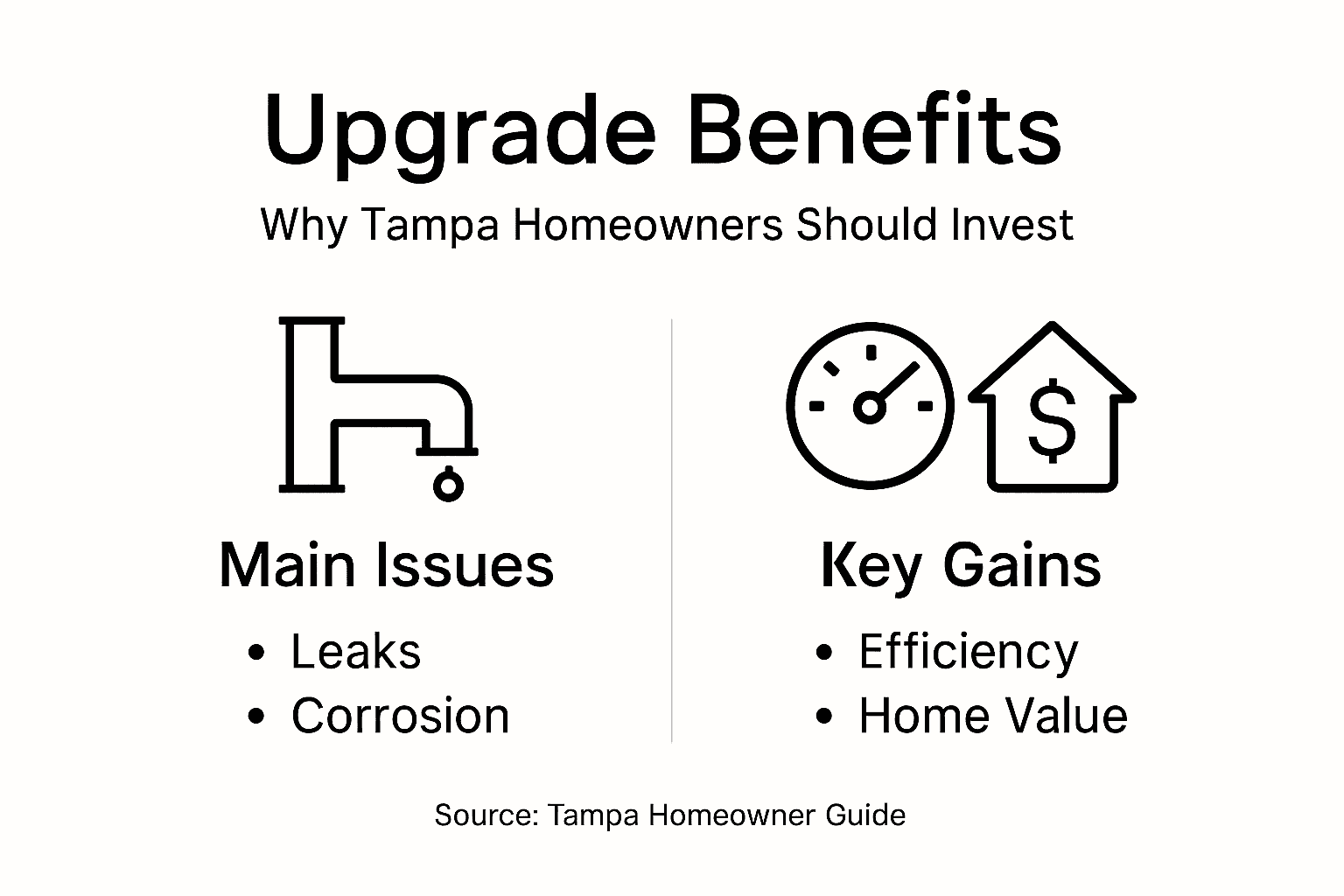
The table below summarizes where your investment in a plumbing upgrade delivers lasting value:
| Investment Area | Immediate Payoff | Long-Term Impact |
|---|---|---|
| Efficient Fixtures | Lower water bills | Ongoing utility savings |
| Modern Piping Material | Fewer leaks, better water | System reliability for decades |
| Professional Installation | Proper code compliance | Boosted property resale value |
The biggest mistakes Tampa homeowners make start with choosing the wrong contractor or cutting corners on materials. Using substandard materials, improper installation, or neglecting local code compliance can lead to premature failure and expensive repairs that negate any savings from choosing cheap options initially. Some contractors rush through inspections, miss code violations, or use materials not suited to Florida’s climate. You end up with the same problems within five years that you were trying to solve. Another common mistake involves underestimating the full scope of work needed. Failure to adhere to codes or ignoring maintenance planning can lead to project delays and budget overruns that derail your entire upgrade. Get multiple inspections from licensed plumbers. Ask specifically what Florida and Tampa codes your upgrade must meet. Don’t let anyone pressure you into choosing materials based solely on price.
Another critical error is timing the upgrade incorrectly. Homeowners often wait until a crisis forces the issue, then they’re stuck paying emergency rates for rushed work with limited options. Planning ahead lets you choose the right contractor, select quality materials, and schedule work when it’s convenient. Some people also fail to plan for increased home value. A proper plumbing upgrade increases your home’s appraised value and makes it more attractive to buyers. Get this in writing from your realtor before upgrading, so you understand exactly how much value the improvement adds. Avoid the temptation to DIY any part of the work. Plumbing mistakes create code violations that hurt home sales and create liability issues. Licensed plumbers carry insurance and understand what inspectors will require.
Pro tip: Request detailed written estimates from at least three licensed plumbers that break down material costs separately from labor, and verify they’re licensed and insured before signing any contract.
Upgrade Your Tampa Home Plumbing with Trusted Experts
Facing frequent leaks, corrosion, or low water pressure in Tampa homes signals it is time to take action with a professional plumbing system upgrade. These common challenges outlined in the article can lead to costly repairs and health risks if left unattended. At Home Therapist Cooling, Heating, and Plumbing, we understand that upgrading to modern materials like PEX piping and installing efficient fixtures not only improves water quality and reduces utility bills but also boosts your home’s value and safety.
Discover our reliable plumbing services tailored for Tampa Bay homeowners who want peace of mind and long-lasting performance. Explore the full range of solutions in our Plumbing Archives – Home Therapist Cooling, Heating, and Plumbing. Don’t wait for emergencies to strike. Call (813) 343-2212 at https://callhometherapist.com to schedule a professional inspection and start your upgrade journey. See how we have helped others succeed by browsing our Case Studies Archives. Your plumbing system deserves expert attention now for a safer, more efficient home tomorrow.
Frequently Asked Questions
What are the signs that my plumbing system needs an upgrade?
Common signs include frequent leaks, corrosion, low water pressure, discolored water, and increased water bills. If you notice water pooling under sinks, slow drainage, or persistent blockages, it’s time to consider an upgrade.
What are the benefits of upgrading my plumbing system?
Upgrading your plumbing can lower utility bills, improve water quality, enhance your home’s structural integrity, and increase property value. Modern systems resist corrosion, improve energy efficiency, and help eliminate health risks associated with older pipes.
What materials are recommended for plumbing upgrades?
Cross-linked polyethylene (PEX) piping is highly recommended due to its durability, flexibility, and corrosion resistance. Compared to traditional materials like copper and galvanized steel, PEX has a longer lifespan and is less prone to leaks.
How much does it typically cost to upgrade a plumbing system?
The cost to upgrade varies widely, typically ranging from $8,000 to $25,000 for a complete system replacement. Partial upgrades can cost between $3,000 and $8,000. Although it is a significant investment, the long-term savings on utility bills and maintenance often justify the expense.
About This Guide
Written and reviewed by the Home Therapist Cooling, Heating & Plumbing team, a family-owned Tampa Bay HVAC and plumbing company serving the area since 2011. Our licensed techs hold Florida HVAC license CAC1819196 and Plumbing license CFC1431159, with over 1,100 five-star reviews across Tampa, St. Petersburg, Clearwater, Wesley Chapel, Lutz, Riverview, Brandon, Valrico, Apollo Beach, Palm Harbor, Land O’ Lakes, Plant City, New Port Richey, and surrounding Tampa Bay zip codes.
Honest pricing: $279 labor minimum. Upfront quotes, no high-pressure sales, no surprise fees.
Questions about your home? Call (813) 343-2212 for a real tech, or request a callback. Available 7 days a week including evenings and weekends for emergencies.
Recommended
- Full Repiping Services in Tampa, FL: How Can Home Therapist Assist You? – Home Therapist Cooling, Heating, and Plumbing
- Repiping and Plumbing Service Involvement Explained – Home Therapist Cooling, Heating, and Plumbing
- Overview of Plumbing Services in Tampa, FL for Home Remodeling – Home Therapist Cooling, Heating, and Plumbing
- Discover Warning Signals of Drain Replacement in Tampa – Home Therapist Cooling, Heating, and Plumbing

