★★★★★ 4.8 · 1,300+ reviews
Lic. CAC1819196 · CFC1431159
✓ FREE Estimates   |   ✓ FREE Diagnosis
No diagnostic fee. No trip charge. You only pay if you approve the repair. Call (813) 343-2212

Indoor Air Quality

Mold Smell from AC Vents?

Musty smell when AC runs = mold in your HVAC system. Tampa humidity makes it common. Fixable + preventable. CAC1819196.

Quick Answer

Mold smell from vents in Tampa = moisture + warmth + biofilm. Sources: (1) evaporator coil (needs cleaning $279), (2) drain pan + line (flush $279), (3) ductwork (Elite cleaning $180), (4) humid ductwork insulation. Prevention: UV light install $180-$199 (kills mold on coil). See full guide. Call (813) 343-2212.

Where Mold Grows

Evaporator Coil

Call a tech

Symptom: Dark, damp, mold heaven. Smell strongest when AC starts.

Coil cleaning $279. UV light install $180-$199 prevents.

Drain Pan + Line

Call a tech

Symptom: Standing water breeds mold + bacteria.

Drain flush $279. Monthly vinegar DIY.

Duct Interior

Call a tech

Symptom: Fiberboard ducts in humid attic.

Elite duct cleaning $180. Sanitize pack option.

Dirty Filter

DIY possible

Symptom: Wet filter from humidity.

Replace monthly with MERV 11-13.

Why Tampa AC Vents Smell Musty

That musty, mildew, gym-sock smell pouring out of your Tampa vents is not in your head and it is not the air freshener wearing off. It is biological growth living inside the cold, wet parts of your air conditioner, and Tampa’s climate is the perfect petri dish. Year-round AC operation means there is no real dry season for your equipment to bake out the moisture, so colonies that would die back during a cold snap up north just keep growing here twelve months a year.
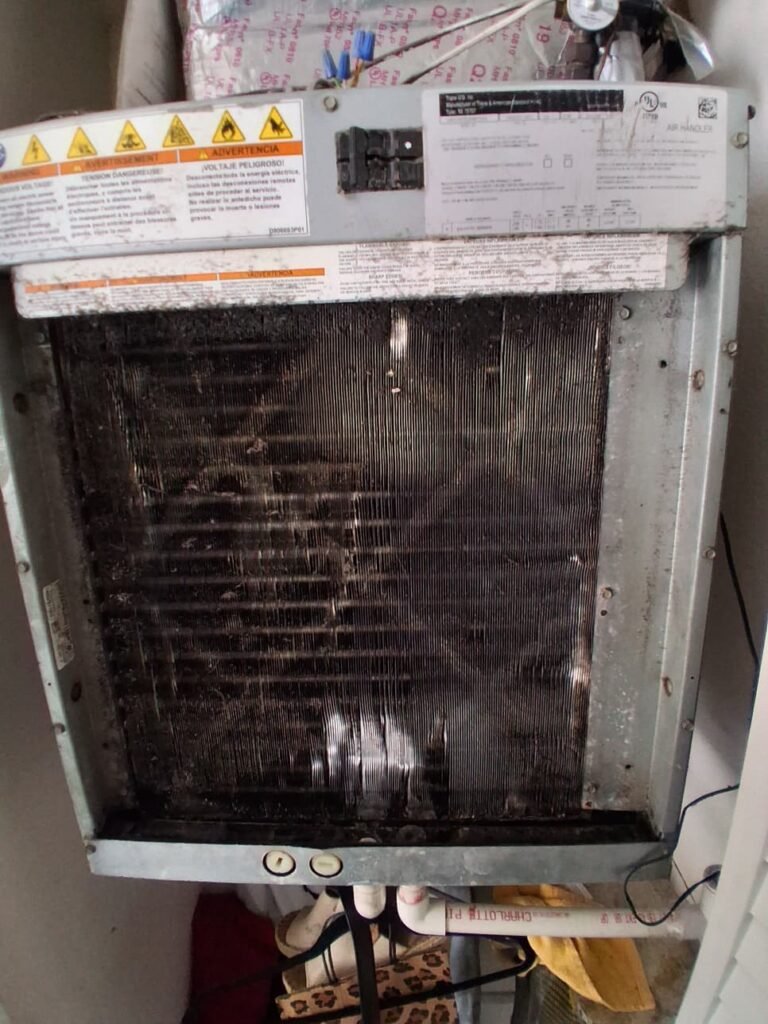
There are five places where mold and mildew set up shop in a typical Tampa home AC system. The number one offender is the evaporator coil. It sits at around 55 to 60 degrees, it stays wet from condensation every time the system runs, and it catches a thin film of dust that slips past the filter. Cold plus moisture plus organic food source equals a textbook mold environment. The second spot is the condensate drain pan directly under that coil. Standing water plus warm dust equals biofilm, a slimy bacterial mat that smells like a swamp once it matures. The third spot is the inside of the ductwork, especially older fiberglass duct board or flex duct with porous internal liner that traps moisture and dust. The fourth spot is the blower wheel, where years of dust caked onto wet fan blades creates a fuzzy crust that releases odor every time it spins. The fifth spot is what HVAC pros call dirty sock syndrome, a specific combination of bacteria and mold growing on the coil that releases a sharp gym-locker smell during the cool-down cycle when the coil starts to warm back up. Dirty sock syndrome is especially common in Tampa because our shoulder-season cycling, AC on then off then on, gives the coil constant warm-cold-wet transitions that the bacteria thrives on.

Health Risks and How to Confirm Mold

Mold in your air conditioner is not just a comfort issue. Every time the blower kicks on, you are aerosolizing spores and pushing them straight into your living room, bedroom, and lungs. Common reactions include sinus congestion, scratchy throat, watery eyes, headaches that show up only when you are home, fatigue, worsening asthma, and chronic nighttime cough. The classic giveaway: symptoms get worse when the AC runs and ease up when you leave the house. If anyone in the home has asthma, COPD, allergies, or a compromised immune system, this is not a problem to push to next month.

You can do a basic check yourself before calling. First, the morning smell test. The strongest mold-spore release happens in the first 30 to 60 seconds after the AC kicks on in the morning, because spores have been concentrating overnight in still air. If that first blast smells musty, mildewy, or like a wet basement, that is your answer. Second, a quick visual. With the system off and breaker pulled, pop the access panel on the air handler and shine a flashlight on the evaporator coil. Black, green, or pinkish slime, fuzzy patches, or visible standing water in the drain pan all confirm active growth. Third, peek at the inside of the supply registers nearest the air handler. Dark streaking around the louvers usually means the duct interior is contaminated.

If you want a hard number, an indoor air quality test runs $150 to $250 and gives you spore counts by species. For most Tampa homeowners, that is overkill. Our FREE diagnosis covers a visual coil inspection, drain pan check, and duct entry-point look using a flashlight and inspection mirror, and that is enough to confirm the source 95 percent of the time at no cost to you.

Tampa Mold Removal and Prevention Options

Once we confirm the source, treatment is matched to severity. Light surface growth on a clean coil with a slimy drain pan is a different job from a fully colonized fiberglass duct system, and pricing follows accordingly.
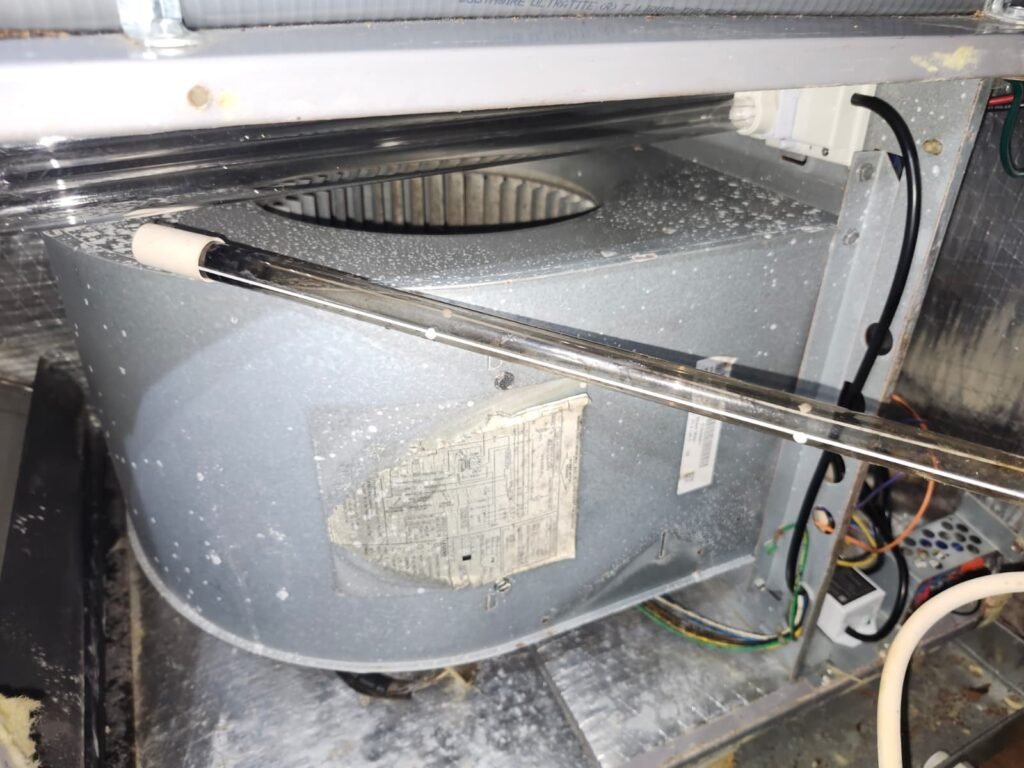
Coil deep clean plus EPA-registered biocide treatment runs $295 to $495. We pull the access panel, foam the coil with a no-rinse antimicrobial cleaner, flush the drain pan, treat the pan with a slow-release biocide tablet, and clear the condensate line. Kills active mold on accessible surfaces and resets the system. Good first move for moderate cases.

Halo-LED UV light installation at the coil runs $695 to $995. The Halo-LED is our preferred unit because it uses both UV-C and a hydroperoxide cell, so it sterilizes the coil surface and treats the moving air, not just the line of sight. Five-year bulb life, no ongoing cost. This is the single best prevention tool for Tampa homes because it stops the regrowth cycle that biocide alone cannot.

NADCA-certified duct sanitizing runs $495 to $995 depending on system size. Mechanical agitation, HEPA-filtered negative-air capture, and antimicrobial fog. Necessary when the smell is in the ducts themselves, not just the coil.

Whole-home dehumidifier installation runs $1,995 to $3,995. A dedicated dehumidifier ducted into the return drops indoor relative humidity below 55 percent, which is the threshold where mold goes dormant. Tampa summers regularly push indoor RH above 65 percent even with the AC running.

Duct replacement runs $2,500 to $4,500 for a typical 3-ton system when the fiberglass liner is fully contaminated and sanitizing will not hold.

The most effective stack for a recurring Tampa mold problem is coil clean plus Halo-LED plus dehumidifier plus a MERV 11 filter upgrade. FREE estimates on every option, and we will tell you straight if you do not need the full stack.

What to Do Right Now

  1. Replace filter immediately.
  2. Monthly: pour 1 cup vinegar in condensate drain opening.
  3. Schedule coil cleaning + Elite duct cleaning.
  4. Install UV light, permanently kills mold on coil.

Coil clean: $279. Drain flush: $279. Elite duct clean: $180. UV light: $180-$199.

Get a FREE Diagnosis From a Licensed Tampa Bay Tech

No diagnostic fee. No trip charge. We tell you exactly what is wrong and what it costs before you approve anything.

Call (813) 343-2212   Book Online

Available 7 days a week  |  Same-day service  |  Licensed & insured

FAQ

  • How can I tell if I'm smelling mold?

    Mold has a musty, earthy odor often described as damp soil or rotting wood. In an HVAC system, the smell is strongest when the air handler first kicks on and fades as the unit runs. If the odor returns every cooling cycle, mold or mildew growth inside the system is the likely cause, not a one-time source.

  • How do you tell if your air vents have mold?

    Look for dark spots, black or greenish streaks, or fuzzy growth on vent grilles and visible duct surfaces. A persistent musty odor that intensifies when the AC runs is the strongest indicator. High indoor humidity, visible condensation near vents, or a history of water intrusion in the air handler all increase the likelihood of mold inside the duct system.

  • Can mold in your air vents make you sick?

    Yes. Mold spores circulated through ductwork can trigger allergic reactions, asthma flare-ups, sinus congestion, eye irritation, and respiratory discomfort, especially in children, the elderly, and anyone with a compromised immune system. Tampa Bay's high humidity accelerates mold growth inside HVAC systems, making the problem more common here than in drier climates.

  • What are the first signs of mold sickness?

    Early symptoms include persistent sneezing, runny or stuffy nose, itchy or watery eyes, skin irritation, and headaches that improve when you leave the home. If multiple household members share these symptoms and they worsen indoors with the AC running, mold in the duct system is a strong suspect and warrants a professional inspection.

  • How to get rid of mold smell from vents?

    Getting rid of mold smell from vents requires a professional duct cleaning, coil cleaning, and treatment with an EPA-registered antimicrobial. In Tampa Bay's high humidity, mold grows fast on wet evaporator coils and duct liner. Home Therapist offers free diagnosis on every visit. Call (813) 343-2212.

  • What kills mold in air ducts?

    EPA-registered antimicrobial fogging agents kill mold in air ducts when applied after a thorough mechanical cleaning. Skipping the cleaning first just traps spores under the coating. Tampa's year-round humidity means the underlying moisture source, often a dirty coil or oversized AC, must also be fixed. Home Therapist diagnoses that free on every visit.

Sound familiar? Get a FREE Tampa Bay diagnosis today. Call (813) 343-2212 Book Online

Dangerous to breathe?

Mild mold: allergy/asthma trigger. Heavy mold: health risk, especially immunocompromised. Address quickly.

UV light safe?

Installed inside air handler, no direct exposure. Kills mold spores on coil + drain pan. 1-2 year bulb replacement.

Why Tampa so bad?

80%+ summer humidity + constant AC = perpetual condensation. Ideal mold conditions.

Dehumidifier help?

Whole-home dehumidifier ($1,199+) keeps house under 55%, mold stops growing.

Is the musty smell from my Tampa AC dangerous?

Yes, especially with prolonged exposure. Mold spores released through your vents trigger allergies, asthma attacks, sinus infections, headaches, and chronic fatigue. Anyone with respiratory issues, young kids, or older adults in the home should address it within 30 days. Even healthy adults will feel the difference once it is cleaned up.

What is dirty sock syndrome?

Dirty sock syndrome is a specific bacteria and mold combination that grows on the AC evaporator coil and releases a sharp, locker-room smell during the cool-down phase of the cycle, usually right after the system shuts off or when it first restarts. It is more common on certain coil metals and in humid climates like Tampa. Standard coil cleaning plus a UV light fixes it permanently in most cases.

Will a UV light fix the smell?

Yes when it is sized correctly and paired with a thorough coil cleaning first. UV alone will not strip off existing biofilm, so we always clean the coil before installing the lamp. The Halo-LED is our preferred unit because it treats both the coil surface and the airstream passing through, which a basic stick UV bulb cannot do.

How often should I clean my AC coil in Tampa?

Once a year minimum, twice a year if the system runs hard or anyone in the home has allergies. Tampa’s humidity and year-round AC use load the coil faster than colder climates. Our annual tune-up package includes a coil rinse, drain line flush, and pan treatment, which is enough to keep most homes ahead of biological growth.

Does Home Therapist do FREE mold-source diagnosis?

Yes. We come out, pull the air handler access panel, inspect the evaporator coil and drain pan with a flashlight and mirror, check the nearest duct connections, and tell you exactly what we find at no cost. If treatment is needed, we hand you a written FREE estimate with options. No pressure, no diagnostic fee, no hidden trip charge.

Need Tampa Service Today?

Same-day Tampa Bay. FREE diagnosis. (813) 343-2212.

β˜…β˜…β˜…β˜…β˜…β˜… 4.8 (1,388 verified reviews)
Verified4.8β˜… · 1,388 reviews
πŸ›‘ FL Licensed: CAC1819196 · CFC1431159πŸ’Ό $1M General Liability + Workers’ Comp🏠 Family-owned since 2017⚑ Same-day service
β˜…β˜…β˜…β˜…β˜…

Good and friendly service. Tech was on time and very professional.

Amjad Zahoor · · Google
β˜…β˜…β˜…β˜…β˜…Plumbing

Jandiel did a great job. Very professional and got the job done quick. He also gave me great information on using my unit in the hotter months to prevent my unit from…

Jacinda&Chris · · Google
β˜…β˜…β˜…β˜…β˜…

David and all other staff I had been in contact with at AC therapist are excellent. David did not try to sale me nothing he showed me my option and I made…

Wilfrance Celestin · · Google
β˜…β˜…β˜…β˜…β˜…Water heater

This my second year subscribed to their yearly service, which is very reasonable annual charge. I have nothing but good things to say about the technicians and the service they provide. I…

Miguel Mercado · · Google
β˜…β˜…β˜…β˜…β˜…Water heater

I had a great experience with Home Therapist Cooling, Heating, and Plumbing. We were getting our house ready to sell and the home inspection identified several plumbing issues that needed to be…

Manny Velasquez · · Google
β˜…β˜…β˜…β˜…β˜…AC install

I was in need of air conditioning for my detached garage. My AI search for the most trustworthy mini-split AC installer led me to Home Therapist; my expectations were exceeded. Scheduling a…

Ricardo Gonzalez, M.D. · · Google
β˜…β˜…β˜…β˜…β˜…AC install

Excellent service from Richard! He was professional, courteous, and very knowledgeable. He fixed my A/C problem quickly and explained everything clearly. I highly recommend Richard for anyone needing A/C service. had a…

mohammed suleiman · · Google
β˜…β˜…β˜…β˜…β˜…AC repair

I had a great experience with Home Therapist AC Repair. Alejandro arrived on time to diagnose why my AC wasn't cooling and quickly found the problem that the previous company had missed.…

AK · · Google
Latest review: September 2026 · auto-refreshed daily
Call (813) 343-2212 Read all 917 on Google
Reviewed by Richard MoralesCo-Owner & FL Class B Air Conditioning Contractor, Home Therapist

Richard co-owns Home Therapist Cooling, Heating, and Plumbing and holds the FL Class B Air Conditioning Contractor license (CAC1819196) since 2017. The company holds licenses CAC1819196 (FL Class B AC Contractor, Richard Morales) and CFC1431159 (FL Plumbing Contractor, Alex Morales), serving the Tampa Bay metro with a six-technician field team and 1,378+ verified five-star reviews.

Published: Last reviewed: