

How Long Do Air Conditioners Last? 15–20 Years, Usually
So, how long do air conditioners last? Most central AC units run reliably for 15 to 20 years before they need to be replaced. Some hold on longer. Others tap out sooner, especially here in the Tampa Bay Area, where your system works overtime from March through November.
But that number alone doesn’t tell the whole story. How well the unit was installed, how often it’s been maintained, the brand, the local climate, all of these factors push that lifespan higher or lower. And once a system starts aging, the line between "worth repairing" and "time to replace" gets blurry fast.
At Home Therapist, we’ve been helping Tampa Bay homeowners make that call since 2011. We’ve seen units that lasted well past 20 years with proper care, and we’ve seen 8-year-old systems that were already beyond saving. The difference almost always comes down to a handful of controllable factors.
This article breaks down what determines your AC’s lifespan, the warning signs that yours is nearing the end, and how to decide whether a repair or a full replacement makes more sense for your situation and your budget.
Average AC lifespan in Florida homes
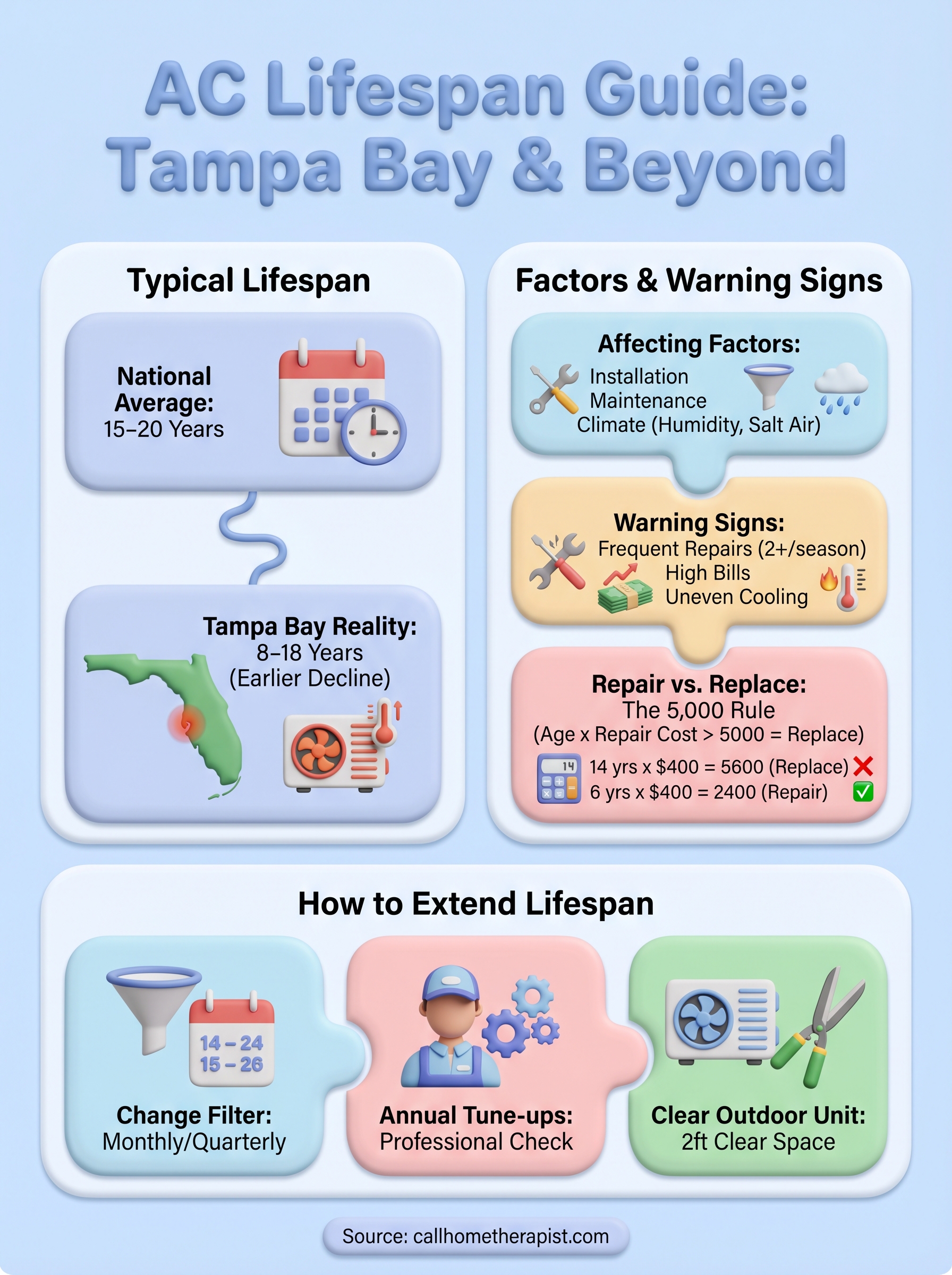
Florida’s climate puts your AC system in a different category than most of the country. While the national average for a central air conditioner sits between 15 and 20 years, homes in the Tampa Bay Area often see that window compress. Your system runs 8 to 10 months out of the year here, sometimes more. That level of continuous operation adds up fast, and it means your unit accumulates years of wear in a fraction of the calendar time it would take in a northern state. A system that runs 2,500 hours a year in Florida hits milestones that a northern system might take decades to reach.
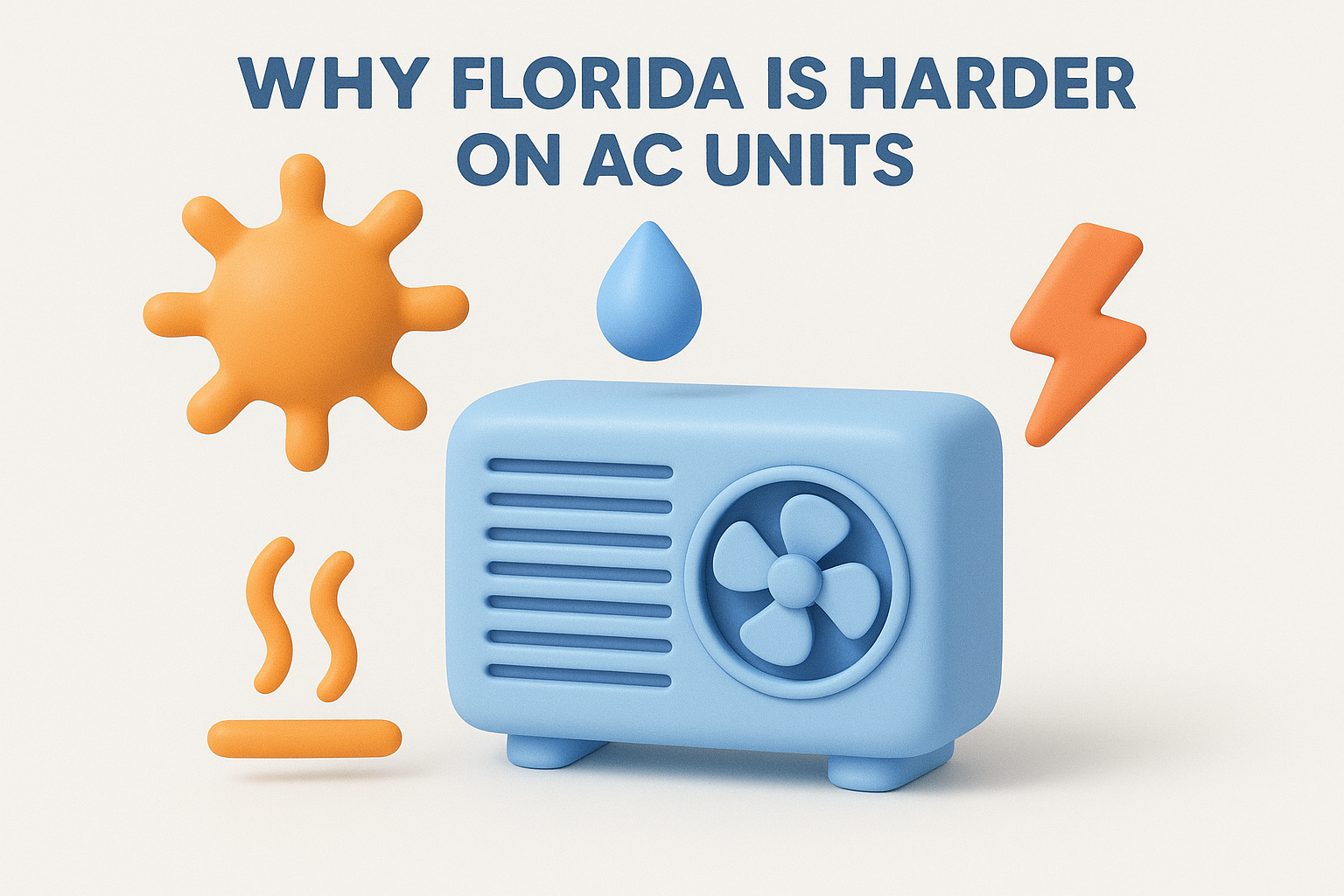
Why Florida is harder on AC units
The heat alone doesn’t tell the full story. High humidity levels force your system to work harder than the temperature readings suggest, because the unit has to pull moisture out of the air at the same time it’s cooling it. That extra demand on the compressor, coils, and blower motor creates wear that homeowners in drier or cooler climates simply don’t face at the same pace. Your system is essentially doing two jobs at once, every single day, for most of the year.
In Tampa Bay, most systems begin showing significant decline around years 12 to 15, even with regular maintenance, because the sheer number of operating hours stacks up faster than the calendar would suggest.
Salt air is another factor if you live closer to the coast. Corrosion on outdoor condenser coils is a documented issue in coastal parts of the Tampa Bay region, and it can shave years off your system’s useful life if those components aren’t regularly cleaned and protected. Coastal homes need to be especially proactive about scheduling seasonal inspections to catch that kind of damage before it spreads to more expensive components.
What realistic timelines look like for Tampa Bay homeowners
So how long do air conditioners last when they’re running in a Florida home specifically? A well-maintained system installed by a licensed technician can still reach 15 years or beyond, even here. But the typical Tampa Bay homeowner tends to notice real performance decline around year 12, with replacement conversations happening somewhere between years 14 and 18.
Systems that were undersized for the home, or that missed routine maintenance, fall toward the lower end of that range. Units that received consistent annual tune-ups, timely repairs, and proper air filtration tend to push toward the upper end. The brand matters too, but it matters considerably less than how diligently the system was cared for from the day it was installed.
What affects how long an AC lasts
Several variables determine whether your system reaches 20 years or quits before 12. Understanding them helps you make smarter decisions about maintenance, repairs, and when to start budgeting for a replacement. Most of the factors below are ones you can actually control.
Installation quality
Poor installation is one of the fastest ways to shorten your AC’s life. A system that was undersized or improperly charged with refrigerant from day one will strain every time it runs, accumulating wear that no amount of maintenance can fully reverse. A licensed technician who sizes the unit correctly and follows manufacturer specs during installation gives your system the best possible foundation to build on.
Maintenance habits
How often you schedule professional tune-ups and change your air filter has a direct impact on how long air conditioners last. Dirty coils, clogged filters, and low refrigerant force the compressor to work harder than it should, and the compressor is the most expensive component in the system. Annual professional maintenance catches small problems before they cascade into major failures that shorten the unit’s total lifespan.
Skipping even one or two years of maintenance can take years off your system’s total lifespan.
Environment and usage
Your local climate and how hard the system actually runs matters more than most homeowners realize. High humidity, salt air, and near-constant operation in a place like Tampa Bay add up to significantly more wear per calendar year than you would see in a cooler, drier climate. Homes with poor insulation or air leaks push systems even harder, because the unit has to run longer cycles just to hit the thermostat setpoint, which burns through mechanical components faster.
Signs your AC is near the end
Knowing how long air conditioners last in theory is useful, but the more practical skill is recognizing when your specific system is running out of runway. Your AC will usually give you clear warning signs before it fails completely, and catching them early gives you time to plan rather than react to a breakdown in the middle of a Tampa Bay summer.
It needs repairs more than once a year
Two or more repairs in the same season is a pattern worth taking seriously. When your system keeps cycling through different component failures, it usually means the unit has aged to the point where multiple parts are degrading together, not independently.
If a single repair costs more than half of what replacing the system would cost, replacement almost always makes better financial sense.
Frequent service calls also add up fast. When you total the cost of repeated repairs over two or three years, you often find you’ve spent close to replacement costs and still have an aging unit at the end of it.
Your energy bills and comfort have declined
A sharp rise in monthly cooling costs without any change in your habits points to a system losing efficiency. Older units lose the ability to transfer heat effectively as coils degrade, which means the unit runs longer and harder to reach the same temperature it once hit quickly.
Uneven cooling across rooms is another strong signal. If some areas of your home feel noticeably warmer than others and your system is older than 12 years, the unit is likely struggling to distribute air the way it should. That kind of performance drop rarely improves on its own.
Repair vs replace: a simple decision guide
When your system breaks down, the first question is usually "how much will this cost?" but the better question is "does fixing this actually make sense?" The age of your unit combined with the estimated repair cost gives you a clearer answer than either number alone. Most HVAC professionals use a simple calculation to cut through the guesswork quickly.
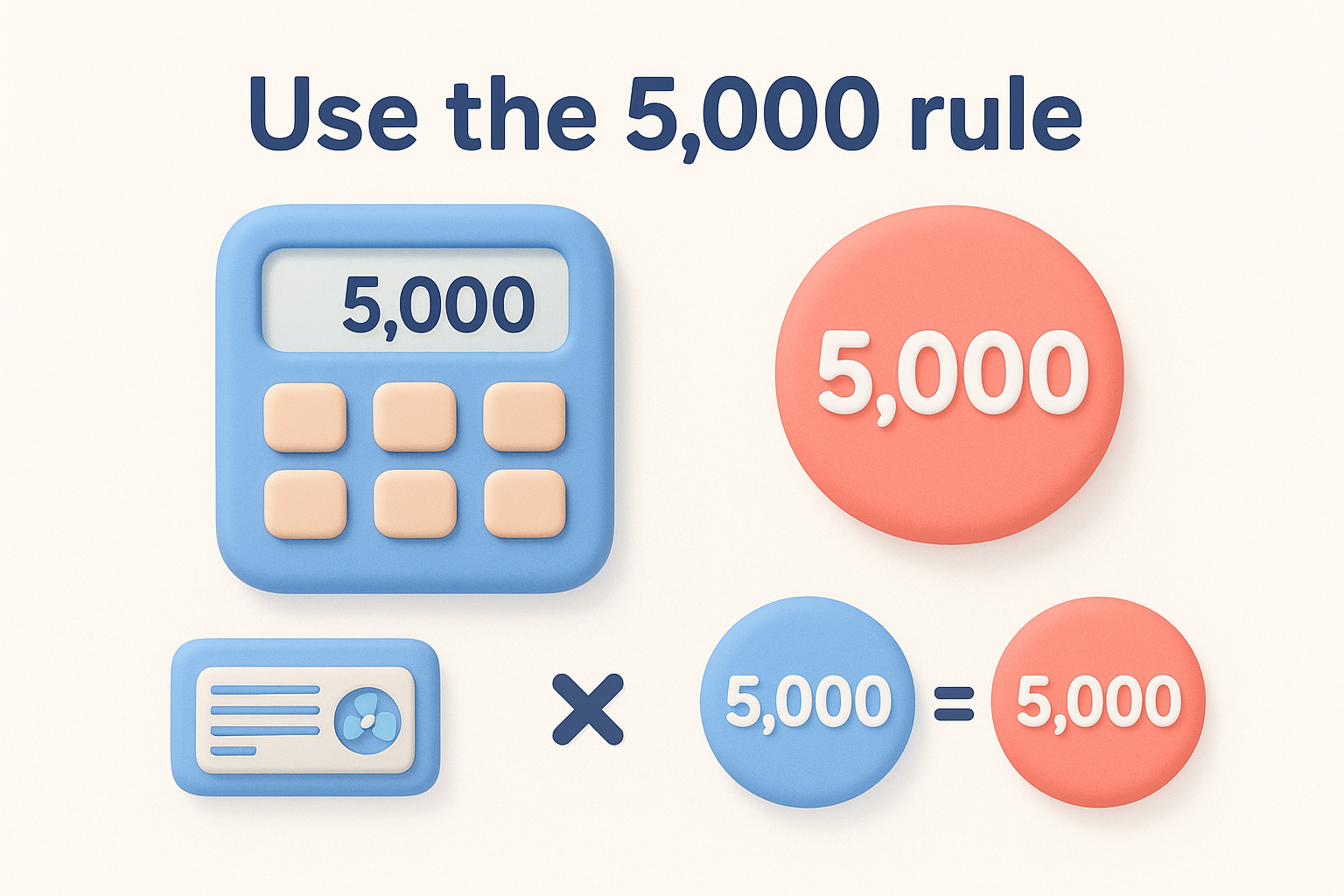
Use the 5,000 rule
Multiply the age of your system in years by the estimated repair cost. If that number exceeds 5,000, replacement is almost always the smarter financial move. For example, a 14-year-old unit facing a $400 repair comes out to 5,600, which tips toward replacement. A 6-year-old unit with the same repair lands at 2,400, which leans firmly toward fixing it.
This rule gives you a fast, reliable framework without requiring you to predict exactly how long air conditioners last in your specific situation.
This isn’t a perfect formula, but it removes a lot of emotion from the decision. If you’re right on the line, factor in whether your system uses R-22 refrigerant, which is no longer manufactured and is increasingly expensive to source. That detail alone often pushes the math firmly toward replacement.
When the system’s age makes the call for you
Once your unit crosses 15 years old, even a moderately priced repair deserves extra scrutiny. At that stage, you’re spending money to extend the life of a system that’s already past its most reliable years. A new, high-efficiency unit will recover that cost through lower energy bills faster than you might expect, and it comes with a manufacturer warranty that gives you real coverage for the years ahead.
How to make your air conditioner last longer
The biggest factor in how long air conditioners last is how consistently they’re maintained. Most AC failures don’t happen suddenly. They build up over time through small, preventable problems that compound until something expensive breaks. The good news is that a few simple habits put you firmly in control of how much useful life you get out of your system.
Change your filter on schedule
A clogged air filter is one of the most common and most avoidable causes of early AC failure. When airflow is restricted, your system works harder to pull air through the coil, which strains the blower motor and compressor over time. Check your filter every 30 days and replace it at least every 90 days, or more frequently if you have pets or anyone in the home with allergies.
In Florida’s humidity, a dirty filter can also contribute to mold growth on your evaporator coil, which is an expensive problem to fix.
Schedule annual tune-ups
Professional maintenance once a year gives a licensed technician the chance to catch refrigerant issues, clean coils, check electrical connections, and identify worn parts before they cause a breakdown. Most homeowners skip this step until something stops working, which is exactly when small wear items turn into costly compressor failures.
Keep the outdoor unit clear
Your condenser unit needs adequate airflow to release the heat it pulls from your home. Trim back any shrubs, vines, or debris that crowd the unit, and keep at least two feet of clear space on all sides. Hosing down the condenser coils a few times a year removes the dirt and buildup that forces the system to work harder than it should.
When to call a pro
Understanding how long air conditioners last gives you a solid foundation, but knowing when to pick up the phone is what protects your home from an avoidable breakdown. If your system is older than 12 years, running less efficiently, or showing any of the warning signs covered in this article, a professional inspection gives you the clearest picture of where things stand. Waiting until the unit fails completely leaves you without cooling options during the worst possible time of year in the Tampa Bay Area.
Licensed technicians can assess your system’s condition, identify failing components early, and give you honest guidance on whether a repair or replacement makes more financial sense for your situation. You don’t have to guess. Contact the Home Therapist team to schedule an inspection, get a free estimate, or ask about same-day service for urgent repairs across the Greater Tampa Bay Area.
About This Guide
Written and reviewed by the Home Therapist Cooling, Heating & Plumbing team, a family-owned Tampa Bay HVAC and plumbing company serving the area since 2011. Our licensed techs hold Florida HVAC license CAC1819196 and Plumbing license CFC1431159, with over 1,100 five-star reviews across Tampa, St. Petersburg, Clearwater, Wesley Chapel, Lutz, Riverview, Brandon, Valrico, Apollo Beach, Palm Harbor, Land O’ Lakes, Plant City, New Port Richey, and surrounding Tampa Bay zip codes.
Honest pricing:. Upfront quotes, no high-pressure sales, no surprise fees.
Questions about your home? Call (813) 343-2212 for a real tech, or request a callback. Available 7 days a week including evenings and weekends for emergencies.
More Related Articles
- Attic Air Handler Tune-Up on Stevenson Ave: AC Maintenance in Clearwater, FL 33755
- Clean Bill of Health: Premium AC Maintenance Visit on Raindance Ave in Zephyrhills, FL 33543
- Condenser Fan Motor vs. Bad Capacitor: How Tampa Bay Homeowners Tell the Difference
- Air Conditioning Installation Tampa FL, What Tampa Bay Homeowners Should Expect
- Air Conditioner Installation Repair Tampa FL Bay FL Services Review from Bonnie Wakefield


