Tag: AC maintenance tips

Outdoor Hose Bib Replacement at a Home in Ruskin, FL 33570
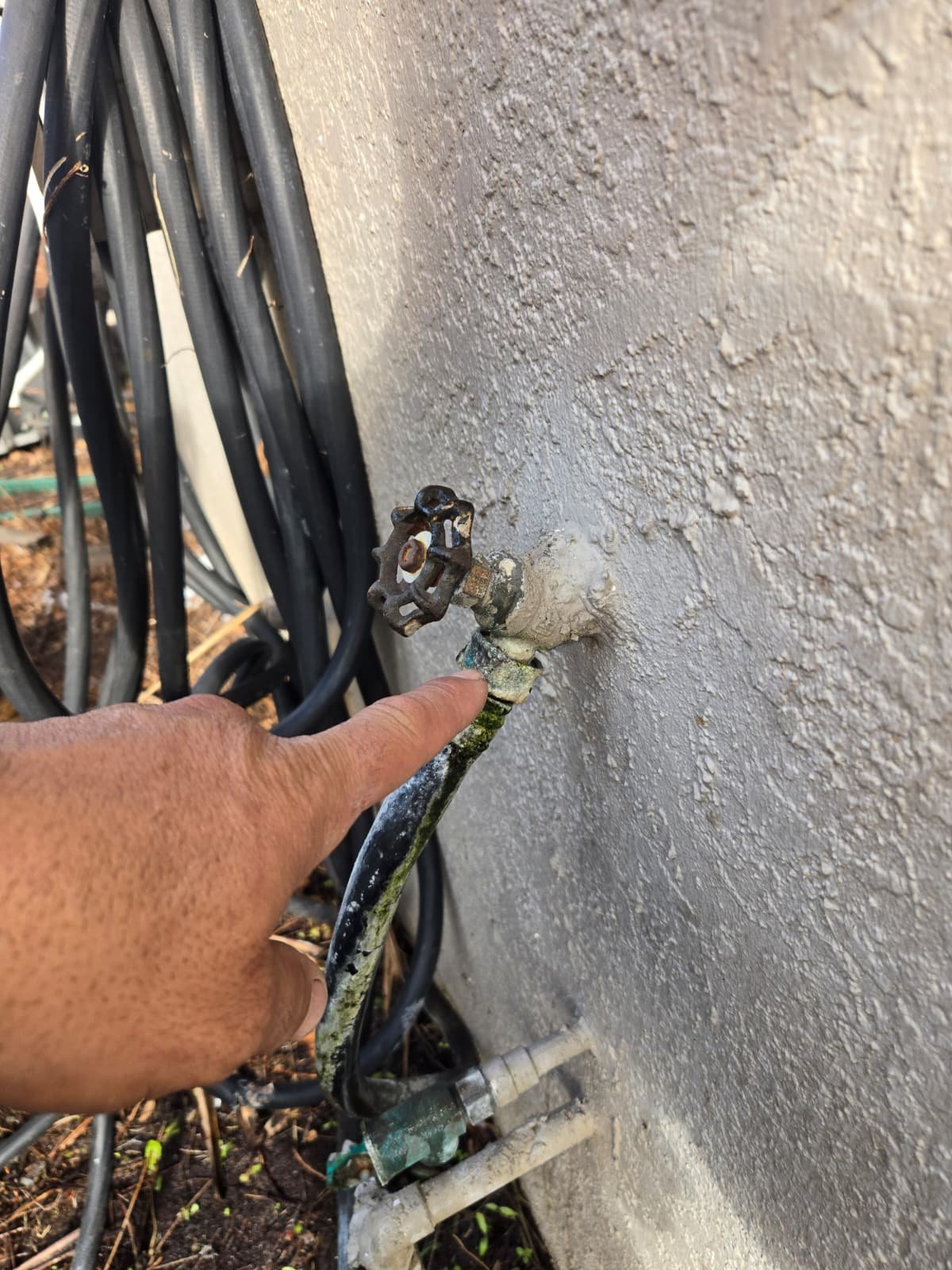
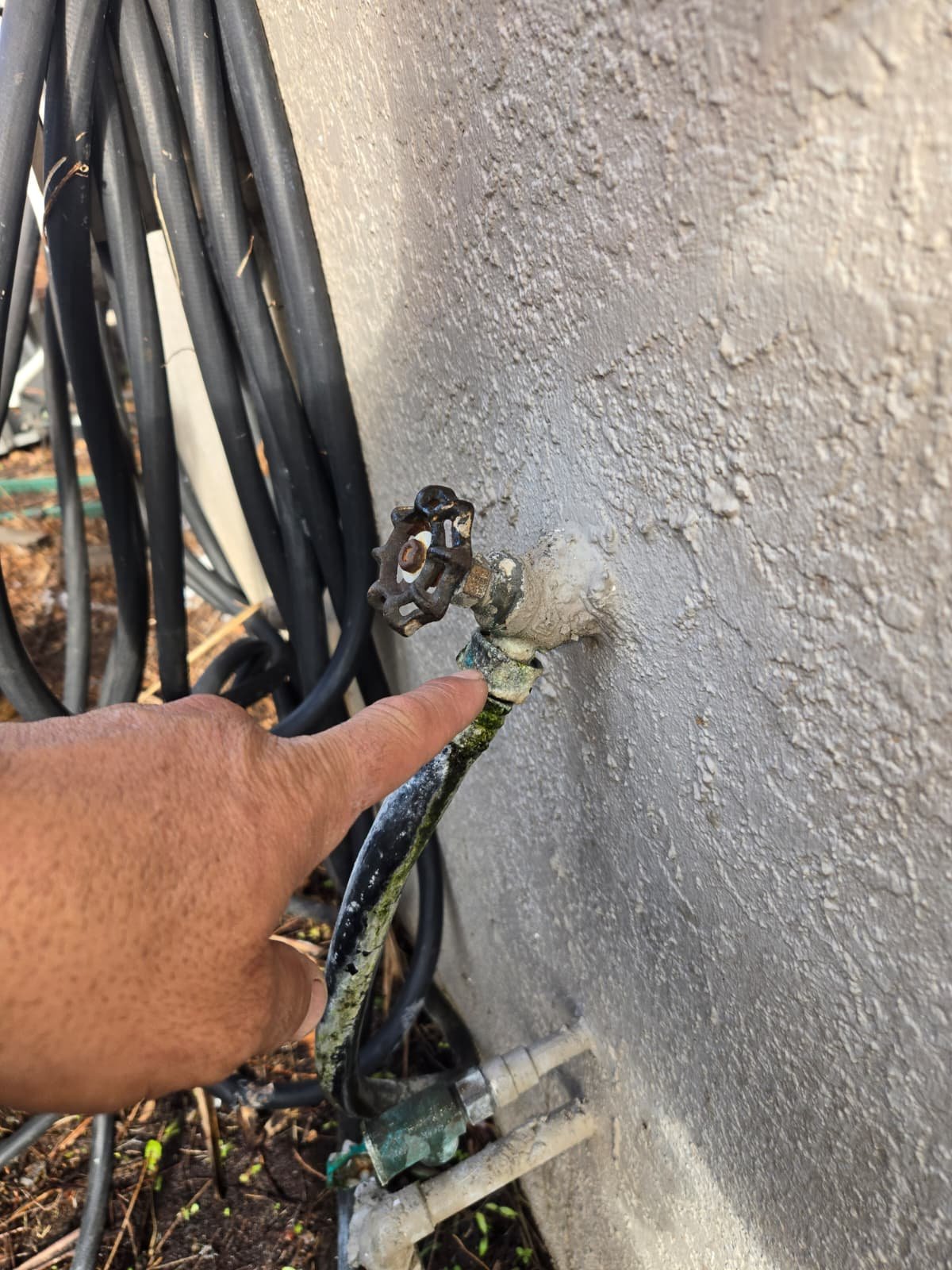
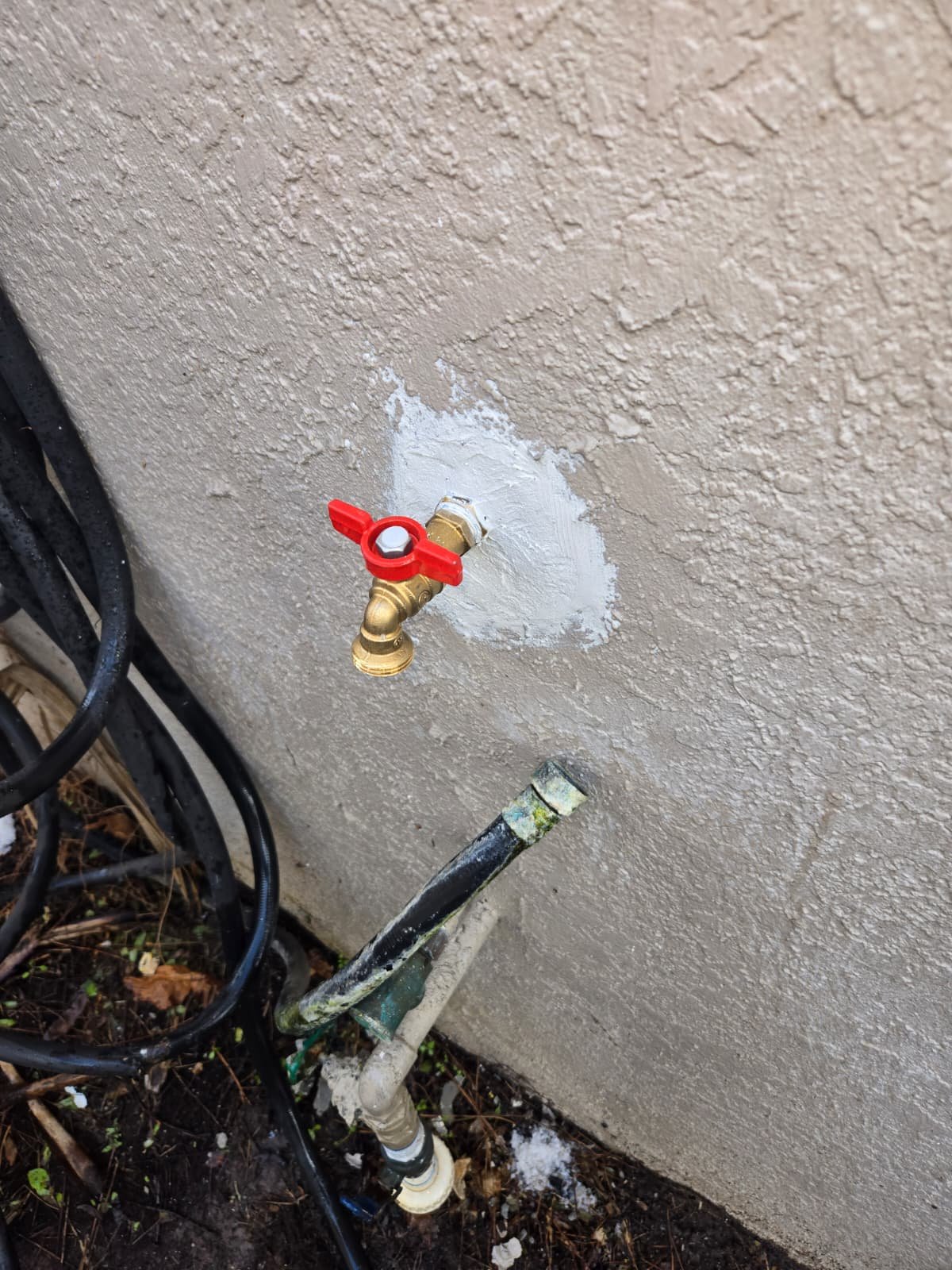
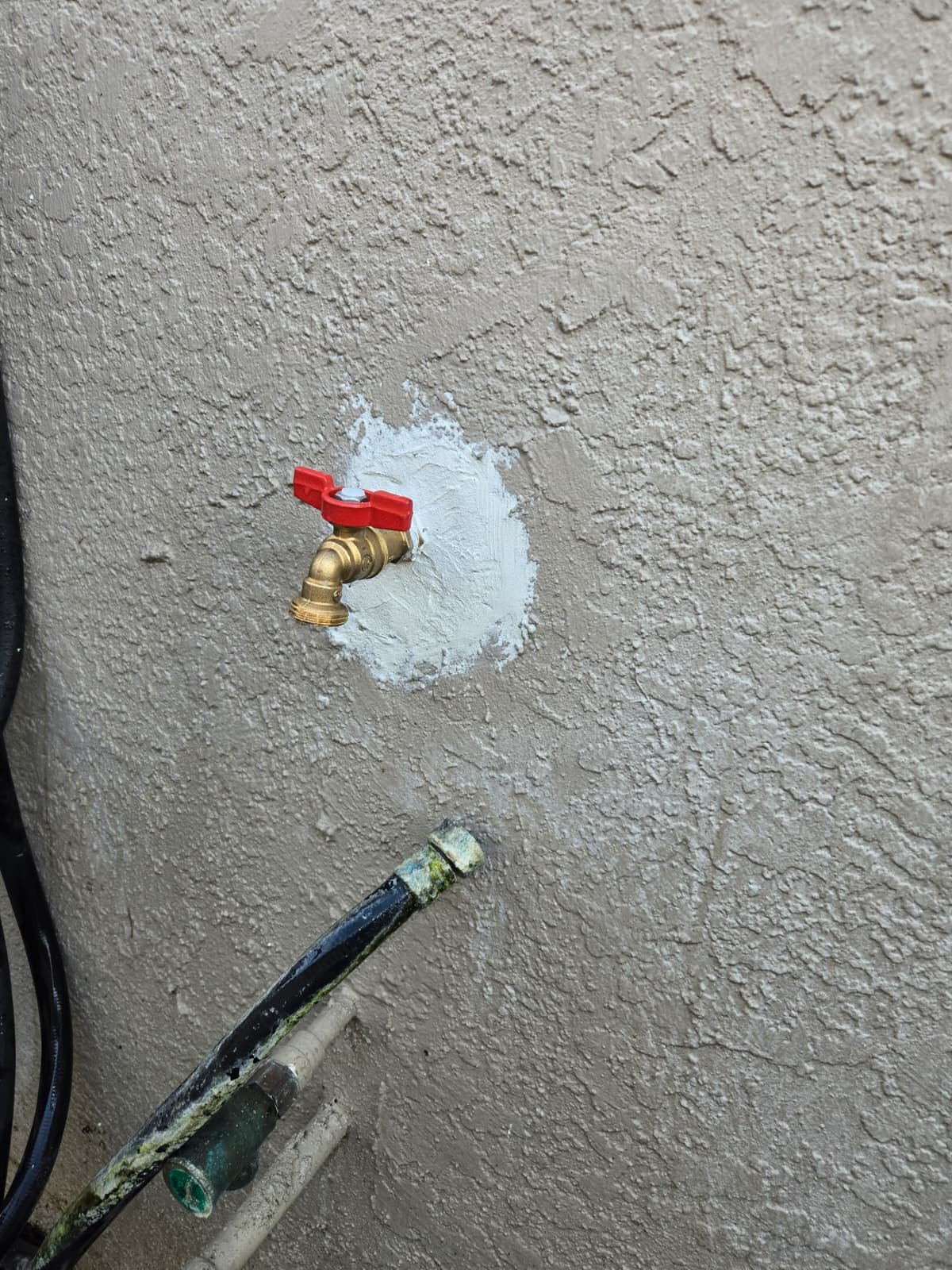
When an outdoor faucet starts leaking or barely delivers water, it can turn simple chores like watering the lawn or washing the car into a frustrating mess. At a home in Ruskin, FL 33570, our plumbing team at Home Therapist Cooling, Heating, and Plumbing was called out to take care of a worn-out hose bib (also called a garden faucet). The homeowner needed a reliable, long-term solution, not just another temporary patch.

In this case study, we’ll walk through what was happening at the home, how we approached the hose bib replacement, and what homeowners in Ruskin and throughout the Tampa Bay area should know about outdoor faucet repairs and maintenance.

Customer Problem: What Was Happening at the Home

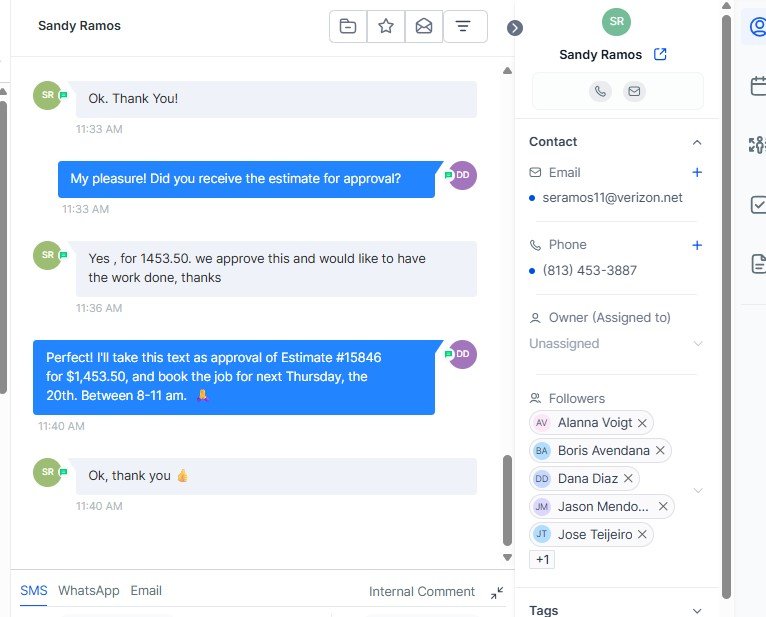
The client in Ruskin reached out because their outdoor faucet was no longer working the way it should. Although the internal notes simply confirm that the estimate was resent and approved, in our experience there are a few common reasons homeowners call us about hose bibs:

  • Constant dripping from the spout, even when the handle is fully closed
  • Water spraying from behind the faucet, at the wall connection
  • Difficulty turning the handle on or off
  • Very low water flow from the garden hose
  • Signs of water staining, mold, or soft spots on the wall near the faucet

Any of these symptoms can point to a worn-out hose bib, a failed washer, corrosion inside the valve, or a problem with the pipe feeding the faucet. In Florida’s humid, coastal environment, outdoor fixtures are constantly exposed to sun, rain, and mineral-rich water, so it’s normal for them to wear out over time.

Because the client approved the repair estimate, we scheduled our plumber to perform a Level 1 hose bib replacement. This type of repair focuses on safely removing the old outdoor faucet and installing a new, properly sealed unit.

Our Hose Bib Inspection & Diagnosis Process

When our technician arrived at the Ruskin home, the first step was a quick but thorough inspection. For a hose bib replacement, we typically look at several key areas:

  • Condition of the existing hose bib: Is it visibly corroded, cracked, or loose?
  • Leak source: Is the leak coming from the spout, the handle, or the wall connection?
  • Wall and structure around the faucet: Is it stucco, block, brick, siding, or another material?
  • Water shutoff options: Is there a local shutoff for that line, or do we need to use the main shutoff for the home?
  • Pipe material and routing: Copper, CPVC, PEX, or galvanized, and how it’s tied into the home’s plumbing system.

These details help us determine whether a straightforward hose bib swap will be enough, or whether we’ll need to open a small access hole in the wall or block to reach and replace the connection behind the faucet. As we explain to all our clients up front, sometimes the only way to do a safe, lasting replacement is to get to the connection behind the wall. In that case, we handle the plumbing work and leave any concrete, stucco, or wall patching to the appropriate trade afterward.

In Ruskin, especially in communities near the water and around Little Manatee River, we see a lot of block and stucco exteriors. Outdoor plumbing penetrations in these walls must be handled carefully to prevent hidden leaks that could damage the structure over time.

Step-by-Step: How We Replaced the Hose Bib

Every home is a little different, but the core steps of a hose bib replacement in Ruskin, FL look something like this:

1. Shutting Off the Water Safely

We start by shutting off water to the line that supplies the outdoor faucet. Depending on the plumbing layout, this might be:

  • A dedicated shutoff valve near the hose bib
  • A nearby branch shutoff in a utility room or garage
  • The main water shutoff for the home if no local isolation valve exists

After closing the appropriate valve, we open the hose bib and sometimes a nearby indoor faucet to relieve pressure and drain any remaining water in the line.

2. Evaluating the Connection Behind the Wall

Once the water is off, we gently remove the existing hose bib. This tells us a lot about what’s going on behind the wall:

  • We check the threads and connection point for corrosion or damage.
  • We confirm whether the faucet screws into an elbow or is soldered/bonded to the pipe.
  • We look for movement in the pipe, which could indicate a loose or unsupported connection inside the wall.

If the connection is accessible and in good condition, we can often replace the hose bib directly without opening the wall. However, if the connection is badly corroded, cracked, or recessed too far into the block or stucco, we sometimes need to create a small access opening to safely replace the fitting and ensure there are no hidden leaks.

As our estimate description clearly states, when an access hole is required in block or concrete, we handle the plumbing portion only and do not patch the concrete or stucco afterward. This keeps pricing transparent and ensures the right trade (such as a mason or stucco specialist) can restore the wall’s finish to match the home.

3. Removing the Old Hose Bib

With everything exposed and safe, we remove the old hose bib using the appropriate tools. This might involve:

  • Unscrewing a threaded faucet from a female adapter
  • Cutting out a damaged section of copper or CPVC pipe
  • Cleaning old solder or adhesive from the connection

We take care to avoid twisting or stressing the pipe inside the wall, which could cause a new leak further up the line.

4. Installing the New Hose Bib or Garden Faucet

Next, we install a new, high-quality hose bib built to handle outdoor conditions. Depending on the setup, this can include:

  • Threading the new hose bib into a secure fitting with fresh thread sealant or tape
  • Using appropriate fittings for copper, CPVC, or PEX connections
  • Ensuring the faucet is properly supported and sits snugly against the wall
  • Adding a proper seal where the faucet meets the exterior surface to reduce the chance of water intrusion

Our goal is to give the homeowner a faucet that feels solid when you turn it, doesn’t wobble at the wall, and delivers reliable water flow for years of everyday use.

5. Testing the New Installation for Leaks

Once the new hose bib is in place, we carefully turn the water back on and test the system:

  • We check for leaks at the connection behind the wall (if accessible) and at the visible exterior joint.
  • We verify that the faucet shuts off properly without dripping.
  • We confirm that water flow and pressure to the garden hose meet expectations.

If everything looks good, we walk the homeowner through what we did and what to watch for in the future. Transparency and communication are a big part of how we do plumbing repairs in Ruskin and the greater Tampa Bay area.

Why a Professional Hose Bib Replacement Matters

It’s easy to underestimate an outdoor faucet. After all, it’s a simple fixture you use for watering plants or rinsing the driveway. But when a hose bib fails, it can lead to some expensive problems if it’s not handled correctly:

  • Hidden wall leaks: A slow leak inside a block or stucco wall can cause moisture intrusion, mold growth, and structural damage over time.
  • Higher water bills: Even a small drip at the hose bib can waste hundreds of gallons of water per month.
  • Foundation issues: Constant water pooling near the foundation can weaken soil and promote settling.
  • Attracting pests: Damp areas around the exterior wall can attract insects and other pests.

By addressing the worn or leaking hose bib properly—and inspecting the connection behind the wall when needed—we help protect both the plumbing system and the structure of the home.

For homeowners who want a more comprehensive look at their plumbing, we often recommend pairing repairs like this with a whole-home plumbing inspection. It’s a great way to catch small issues before they become big headaches.

What Could Have Happened If the Hose Bib Wasn’t Replaced?

Choosing to replace a failing outdoor faucet isn’t just about convenience; it’s about preventing future damage. If the homeowner in Ruskin had delayed this hose bib replacement, they might have eventually faced:

  • Progressive leaks that started small and gradually worsened over months or years.
  • Water-damaged stucco or siding, requiring more extensive exterior repairs.
  • Moisture inside the wall cavity, potentially leading to mold or mildew.
  • Rust or corrosion spreading to other nearby fittings in the plumbing system.

In the humid Gulf Coast climate, staying ahead of leaks and deteriorating fixtures is one of the best ways to keep your home in good shape. That’s why plumbing repair in Ruskin, FL is about more than just fixing what’s visibly broken—it’s about protecting the whole system.

Tips to Care for Outdoor Faucets in Ruskin, FL

Whether you’re right in Ruskin or elsewhere in the Tampa Bay area, a little attention to your hose bibs can go a long way. Here are some practical tips:

  • Check for drips regularly: After shutting the faucet off, wait a minute and see if it continues to drip. If it does, it may need service.
  • Look at the wall around the faucet: Stains, soft spots, or peeling paint near the faucet can be signs of a hidden leak.
  • Don’t over-tighten the handle: Cranking down as hard as you can can actually wear out the internal parts faster.
  • Use a quality hose and washer: If water sprays where the garden hose attaches, the issue might be the hose gasket, not the faucet.
  • Know where your shutoff is: Before an emergency happens, locate your home’s main water shutoff so you can respond quickly to any leak.
  • Schedule a periodic plumbing checkup: Consider a plumbing maintenance plan to keep an eye on fixtures, supply lines, and water heaters.

For homeowners who are unsure whether a problem is “big enough” to call a plumber, we always say: if water is going where it shouldn’t, or you’re losing sleep over it, it’s worth having a professional take a look.

Plumbing Repair Services for Ruskin and the Tampa Bay Area

Although this particular visit focused on a single hose bib replacement, our team provides a wide range of plumbing repair services in Hillsborough County, including Ruskin and the surrounding communities. That includes:

If you’re planning a larger plumbing project or just want to understand your options, our guide on how to get started with plumbing services is a helpful resource.

Living in Ruskin, FL: Why Plumbing Upkeep Matters

Ruskin, FL is a beautiful community along the eastern shore of Tampa Bay, known for its access to the water, proximity to parks like Little Manatee River State Park, and easy trips to attractions throughout Hillsborough County. You can learn more about the area on Ruskin’s Wikipedia page or explore the area map on Google Maps.

With our warm, humid climate and frequent storms, plumbing systems around Tampa Bay work a little harder than in some other parts of the country. That means:

  • Outdoor fixtures like hose bibs are exposed to sun, salt-tinged air, and heavy rain.
  • Soil movement and settling can put extra stress on buried plumbing lines.
  • Mineral content in the water can contribute to internal wear in faucets and valves.

Staying on top of minor issues—like a leaky hose bib—helps protect your home from bigger repairs down the road.

Why This Homeowner Chose Home Therapist

From the job notes, we know the homeowner reviewed and approved our estimate before we returned to complete the hose bib replacement. That’s important to us: we never want a client to feel surprised about what we’re doing or why.

Homeowners in Ruskin and throughout the Tampa Bay area often choose Home Therapist Cooling, Heating, and Plumbing because we:

  • Explain the problem in plain language instead of using confusing jargon.
  • Provide clear estimates before starting work, so you know what to expect.
  • Offer options when possible, whether it’s repair versus replacement or doing work in phases.
  • Respect your home by working cleanly and communicating about any access we need, such as opening a small section of block or wall.
  • Stand behind our workmanship and are available if you have questions after the job is done.

For many of our clients, it’s not just about fixing a leak—it’s about having a trusted team they can call whenever something in the home doesn’t feel right.

When to Call a Plumber for a Hose Bib Issue

If you’re in Ruskin, FL or elsewhere in the Tampa Bay region and you notice any of the following, it’s a good time to give us a call:

  • A hose bib that constantly drips or won’t shut off fully
  • Water leaking from behind the faucet where it meets the wall
  • A sudden drop in water flow at one outdoor faucet only
  • Visible rust, green corrosion, or cracking around the faucet body
  • Unexplained dampness or staining on the interior wall opposite the hose bib

Sometimes the solution is as simple as replacing an internal washer. Other times, like at this Ruskin home, a full hose bib replacement is the safest path. Our job is to inspect, explain, and help you make the decision that fits your home and your comfort level.

Need Hose Bib Replacement or Plumbing Repair in Ruskin, FL?

Outdoor faucets may be small, but they play a big role in day-to-day life, from keeping your landscaping healthy to helping you enjoy time outside with family. When something’s not right, you deserve a straightforward answer and a lasting fix.

If you’re dealing with a leaking, loose, or unreliable hose bib in Ruskin, FL 33570—or any plumbing issue in your Home—our team at Home Therapist Cooling, Heating, and Plumbing is here to help. We serve homeowners across the Tampa Bay area with honest recommendations and professional repairs.

Call Home Therapist or visit our website to schedule service, request an estimate, or learn more about our plumbing repair and maintenance options. We’ll walk you through what’s going on, what your options are, and what we recommend based on the condition of your system. #HomeTherapist #TheTherapyYourHomeNeeds

When an outdoor faucet starts leaking or barely delivers water, it can turn simple chores like watering the lawn or washing the car into a frustrating mess. At a home in Ruskin, FL 33570, our plumbing team at Home Therapist Cooling, Heating, and Plumbing was called out to take care of a worn-out hose bib (also called a garden faucet). The homeowner needed a reliable, long-term solution, not just another temporary patch.

In this case study, we’ll walk through what was happening at the home, how we approached the hose bib replacement, and what homeowners in Ruskin and throughout the Tampa Bay area should know about outdoor faucet repairs and maintenance.

Customer Problem: What Was Happening at the Home

The client in Ruskin reached out because their outdoor faucet was no longer working the way it should. Although the internal notes simply confirm that the estimate was resent and approved, in our experience there are a few common reasons homeowners call us about hose bibs:

  • Constant dripping from the spout, even when the handle is fully closed
  • Water spraying from behind the faucet, at the wall connection
  • Difficulty turning the handle on or off
  • Very low water flow from the garden hose
  • Signs of water staining, mold, or soft spots on the wall near the faucet

Any of these symptoms can point to a worn-out hose bib, a failed washer, corrosion inside the valve, or a problem with the pipe feeding the faucet. In Florida’s humid, coastal environment, outdoor fixtures are constantly exposed to sun, rain, and mineral-rich water, so it’s normal for them to wear out over time.

Because the client approved the repair estimate, we scheduled our plumber to perform a Level 1 hose bib replacement. This type of repair focuses on safely removing the old outdoor faucet and installing a new, properly sealed unit.

Our Hose Bib Inspection & Diagnosis Process

When our technician arrived at the Ruskin home, the first step was a quick but thorough inspection. For a hose bib replacement, we typically look at several key areas:

  • Condition of the existing hose bib: Is it visibly corroded, cracked, or loose?
  • Leak source: Is the leak coming from the spout, the handle, or the wall connection?
  • Wall and structure around the faucet: Is it stucco, block, brick, siding, or another material?
  • Water shutoff options: Is there a local shutoff for that line, or do we need to use the main shutoff for the home?
  • Pipe material and routing: Copper, CPVC, PEX, or galvanized, and how it’s tied into the home’s plumbing system.

These details help us determine whether a straightforward hose bib swap will be enough, or whether we’ll need to open a small access hole in the wall or block to reach and replace the connection behind the faucet. As we explain to all our clients up front, sometimes the only way to do a safe, lasting replacement is to get to the connection behind the wall. In that case, we handle the plumbing work and leave any concrete, stucco, or wall patching to the appropriate trade afterward.

In Ruskin, especially in communities near the water and around Little Manatee River, we see a lot of block and stucco exteriors. Outdoor plumbing penetrations in these walls must be handled carefully to prevent hidden leaks that could damage the structure over time.

Step-by-Step: How We Replaced the Hose Bib

Every home is a little different, but the core steps of a hose bib replacement in Ruskin, FL look something like this:

1. Shutting Off the Water Safely

We start by shutting off water to the line that supplies the outdoor faucet. Depending on the plumbing layout, this might be:

  • A dedicated shutoff valve near the hose bib
  • A nearby branch shutoff in a utility room or garage
  • The main water shutoff for the home if no local isolation valve exists

After closing the appropriate valve, we open the hose bib and sometimes a nearby indoor faucet to relieve pressure and drain any remaining water in the line.

2. Evaluating the Connection Behind the Wall

Once the water is off, we gently remove the existing hose bib. This tells us a lot about what’s going on behind the wall:

  • We check the threads and connection point for corrosion or damage.
  • We confirm whether the faucet screws into an elbow or is soldered/bonded to the pipe.
  • We look for movement in the pipe, which could indicate a loose or unsupported connection inside the wall.

If the connection is accessible and in good condition, we can often replace the hose bib directly without opening the wall. However, if the connection is badly corroded, cracked, or recessed too far into the block or stucco, we sometimes need to create a small access opening to safely replace the fitting and ensure there are no hidden leaks.

As our estimate description clearly states, when an access hole is required in block or concrete, we handle the plumbing portion only and do not patch the concrete or stucco afterward. This keeps pricing transparent and ensures the right trade (such as a mason or stucco specialist) can restore the wall’s finish to match the home.

3. Removing the Old Hose Bib

With everything exposed and safe, we remove the old hose bib using the appropriate tools. This might involve:

  • Unscrewing a threaded faucet from a female adapter
  • Cutting out a damaged section of copper or CPVC pipe
  • Cleaning old solder or adhesive from the connection

We take care to avoid twisting or stressing the pipe inside the wall, which could cause a new leak further up the line.

4. Installing the New Hose Bib or Garden Faucet

Next, we install a new, high-quality hose bib built to handle outdoor conditions. Depending on the setup, this can include:

  • Threading the new hose bib into a secure fitting with fresh thread sealant or tape
  • Using appropriate fittings for copper, CPVC, or PEX connections
  • Ensuring the faucet is properly supported and sits snugly against the wall
  • Adding a proper seal where the faucet meets the exterior surface to reduce the chance of water intrusion

Our goal is to give the homeowner a faucet that feels solid when you turn it, doesn’t wobble at the wall, and delivers reliable water flow for years of everyday use.

5. Testing the New Installation for Leaks

Once the new hose bib is in place, we carefully turn the water back on and test the system:

  • We check for leaks at the connection behind the wall (if accessible) and at the visible exterior joint.
  • We verify that the faucet shuts off properly without dripping.
  • We confirm that water flow and pressure to the garden hose meet expectations.

If everything looks good, we walk the homeowner through what we did and what to watch for in the future. Transparency and communication are a big part of how we do plumbing repairs in Ruskin and the greater Tampa Bay area.

Why a Professional Hose Bib Replacement Matters

It’s easy to underestimate an outdoor faucet. After all, it’s a simple fixture you use for watering plants or rinsing the driveway. But when a hose bib fails, it can lead to some expensive problems if it’s not handled correctly:

  • Hidden wall leaks: A slow leak inside a block or stucco wall can cause moisture intrusion, mold growth, and structural damage over time.
  • Higher water bills: Even a small drip at the hose bib can waste hundreds of gallons of water per month.
  • Foundation issues: Constant water pooling near the foundation can weaken soil and promote settling.
  • Attracting pests: Damp areas around the exterior wall can attract insects and other pests.

By addressing the worn or leaking hose bib properly—and inspecting the connection behind the wall when needed—we help protect both the plumbing system and the structure of the home.

For homeowners who want a more comprehensive look at their plumbing, we often recommend pairing repairs like this with a whole-home plumbing inspection. It’s a great way to catch small issues before they become big headaches.

What Could Have Happened If the Hose Bib Wasn’t Replaced?

Choosing to replace a failing outdoor faucet isn’t just about convenience; it’s about preventing future damage. If the homeowner in Ruskin had delayed this hose bib replacement, they might have eventually faced:

  • Progressive leaks that started small and gradually worsened over months or years.
  • Water-damaged stucco or siding, requiring more extensive exterior repairs.
  • Moisture inside the wall cavity, potentially leading to mold or mildew.
  • Rust or corrosion spreading to other nearby fittings in the plumbing system.

In the humid Gulf Coast climate, staying ahead of leaks and deteriorating fixtures is one of the best ways to keep your home in good shape. That’s why plumbing repair in Ruskin, FL is about more than just fixing what’s visibly broken—it’s about protecting the whole system.

Tips to Care for Outdoor Faucets in Ruskin, FL

Whether you’re right in Ruskin or elsewhere in the Tampa Bay area, a little attention to your hose bibs can go a long way. Here are some practical tips:

  • Check for drips regularly: After shutting the faucet off, wait a minute and see if it continues to drip. If it does, it may need service.
  • Look at the wall around the faucet: Stains, soft spots, or peeling paint near the faucet can be signs of a hidden leak.
  • Don’t over-tighten the handle: Cranking down as hard as you can can actually wear out the internal parts faster.
  • Use a quality hose and washer: If water sprays where the garden hose attaches, the issue might be the hose gasket, not the faucet.
  • Know where your shutoff is: Before an emergency happens, locate your home’s main water shutoff so you can respond quickly to any leak.
  • Schedule a periodic plumbing checkup: Consider a plumbing maintenance plan to keep an eye on fixtures, supply lines, and water heaters.

For homeowners who are unsure whether a problem is “big enough” to call a plumber, we always say: if water is going where it shouldn’t, or you’re losing sleep over it, it’s worth having a professional take a look.

Plumbing Repair Services for Ruskin and the Tampa Bay Area

Although this particular visit focused on a single hose bib replacement, our team provides a wide range of plumbing repair services in Hillsborough County, including Ruskin and the surrounding communities. That includes:

If you’re planning a larger plumbing project or just want to understand your options, our guide on how to get started with plumbing services is a helpful resource.

Living in Ruskin, FL: Why Plumbing Upkeep Matters

Ruskin, FL is a beautiful community along the eastern shore of Tampa Bay, known for its access to the water, proximity to parks like Little Manatee River State Park, and easy trips to attractions throughout Hillsborough County. You can learn more about the area on Ruskin’s Wikipedia page or explore the area map on Google Maps.

With our warm, humid climate and frequent storms, plumbing systems around Tampa Bay work a little harder than in some other parts of the country. That means:

  • Outdoor fixtures like hose bibs are exposed to sun, salt-tinged air, and heavy rain.
  • Soil movement and settling can put extra stress on buried plumbing lines.
  • Mineral content in the water can contribute to internal wear in faucets and valves.

Staying on top of minor issues—like a leaky hose bib—helps protect your home from bigger repairs down the road.

Why This Homeowner Chose Home Therapist

From the job notes, we know the homeowner reviewed and approved our estimate before we returned to complete the hose bib replacement. That’s important to us: we never want a client to feel surprised about what we’re doing or why.

Homeowners in Ruskin and throughout the Tampa Bay area often choose Home Therapist Cooling, Heating, and Plumbing because we:

  • Explain the problem in plain language instead of using confusing jargon.
  • Provide clear estimates before starting work, so you know what to expect.
  • Offer options when possible, whether it’s repair versus replacement or doing work in phases.
  • Respect your home by working cleanly and communicating about any access we need, such as opening a small section of block or wall.
  • Stand behind our workmanship and are available if you have questions after the job is done.

For many of our clients, it’s not just about fixing a leak—it’s about having a trusted team they can call whenever something in the home doesn’t feel right.

When to Call a Plumber for a Hose Bib Issue

If you’re in Ruskin, FL or elsewhere in the Tampa Bay region and you notice any of the following, it’s a good time to give us a call:

  • A hose bib that constantly drips or won’t shut off fully
  • Water leaking from behind the faucet where it meets the wall
  • A sudden drop in water flow at one outdoor faucet only
  • Visible rust, green corrosion, or cracking around the faucet body
  • Unexplained dampness or staining on the interior wall opposite the hose bib

Sometimes the solution is as simple as replacing an internal washer. Other times, like at this Ruskin home, a full hose bib replacement is the safest path. Our job is to inspect, explain, and help you make the decision that fits your home and your comfort level.

Need Hose Bib Replacement or Plumbing Repair in Ruskin, FL?

Outdoor faucets may be small, but they play a big role in day-to-day life, from keeping your landscaping healthy to helping you enjoy time outside with family. When something’s not right, you deserve a straightforward answer and a lasting fix.

If you’re dealing with a leaking, loose, or unreliable hose bib in Ruskin, FL 33570—or any plumbing issue in your home—our team at Home Therapist Cooling, Heating, and Plumbing is here to help. We serve homeowners across the Tampa Bay area with honest recommendations and professional repairs.

Call Home Therapist or visit our website to schedule service, request an estimate, or learn more about our plumbing repair and maintenance options. We’ll walk you through what’s going on, what your options are, and what we recommend based on the condition of your system. #HomeTherapist #TheTherapyYourHomeNeeds

Outdoor Hose Bib Replacement at a Home in Ruskin, FL 33570
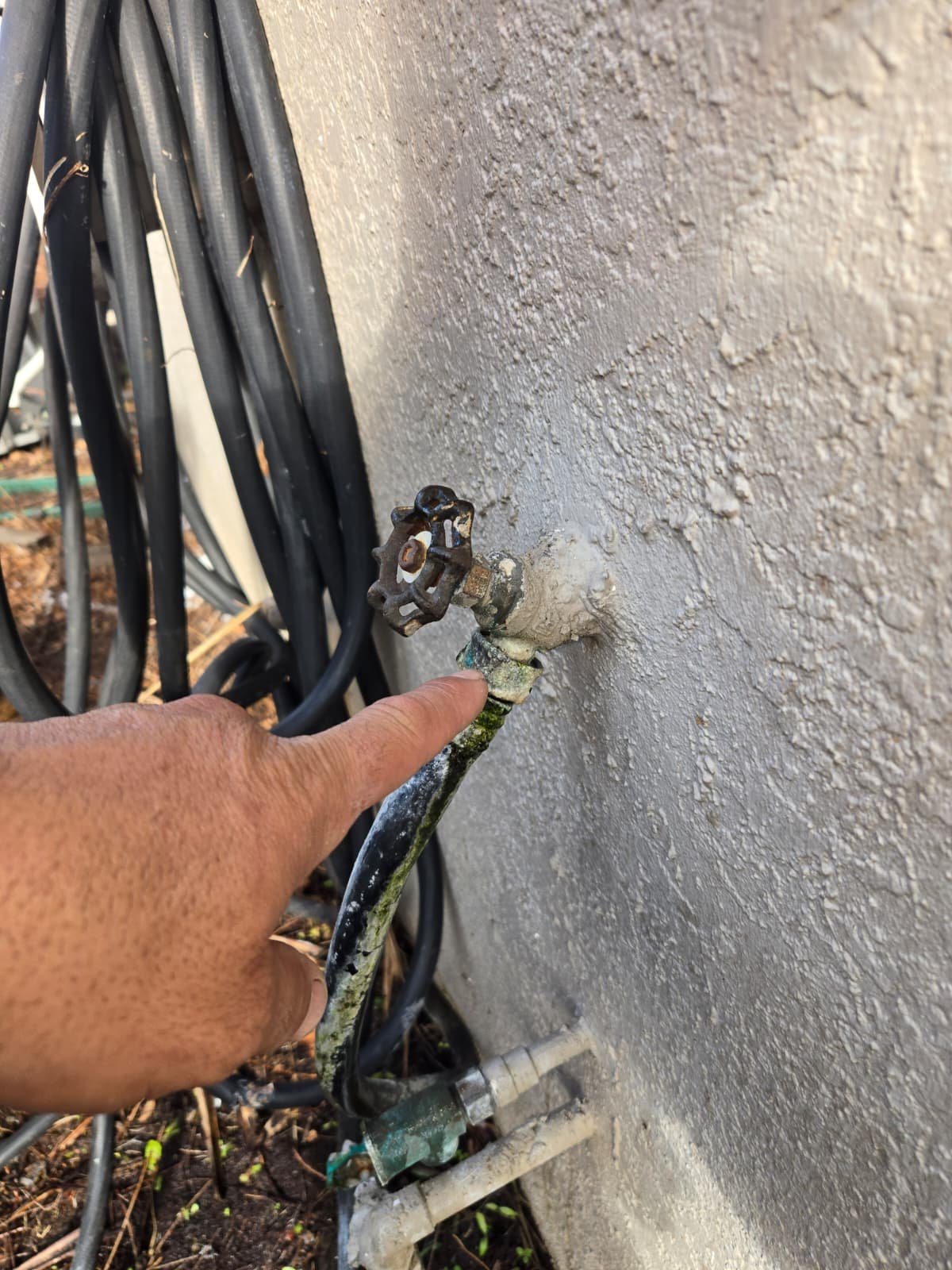
Outdoor plumbing leaks can sneak up on homeowners, especially around hose bibs and garden faucets that get heavy use in the Florida heat. At a home in Ruskin, FL 33570, our team was called out to handle a hose bib replacement that needed a careful, professional approach. The homeowner wanted the leak resolved correctly and safely, and to understand what might be involved if the line behind the wall had issues.

In this article, we’ll walk through what was going on at this Ruskin home, how our technician Adalberto diagnosed the problem, and the steps we took to replace the outdoor hose bib. We’ll also share some practical tips for caring for outdoor faucets in the Ruskin area, and when it’s time to call in a licensed plumber.

Customer Problem: What Was Happening at the Home

Our client in Ruskin reached out after dealing with problems at their outdoor hose bib (also known as a garden faucet or spigot). They had received a prior report and, after reviewing it, decided to move forward with the recommended repair. Our office resent the estimate, the client approved it, and we scheduled a visit with our technician, Adalberto.

While every home is a little different, outdoor hose bib issues in Ruskin, FL often look like one or more of the following:

  • Water dripping from the spout even when the handle is fully closed
  • Moisture or active leaks around the base of the faucet where it meets the wall
  • Water stains, soft spots, or mold inside the wall behind the hose bib
  • Low pressure or inconsistent flow when using the garden hose

Left alone, a small drip can become costly. Outdoor leaks can drive up your water bill, damage siding or stucco, and in some cases allow water to travel into the wall cavity where it can cause rot, structural damage, or mold growth.

Our Inspection & Diagnosis Process

When we arrive for any plumbing job in Ruskin, our goal is not just to swap parts, but to understand the full picture. For this visit, Adalberto started with a focused inspection of the hose bib area and the plumbing serving it.

Step 1: Listening to the Homeowner

We always begin by asking the homeowner to describe what they’ve seen and for how long it’s been happening. That helps us understand whether this is a long-term slow leak, a recent issue, or part of a bigger pattern with the home’s plumbing.

In this case, the homeowner already had a report and estimate, so they were familiar with the recommendation for a hose bib replacement. They mainly wanted reassurance that the work would be done correctly and to know whether any wall opening would be needed.

Step 2: Visual & Functional Check

Next, we visually checked the hose bib and surrounding wall, looking for:

  • Visible corrosion or mineral buildup on the faucet
  • Cracks or movement where the spigot meets the wall
  • Signs of past patching or DIY repairs
  • Any dampness on the interior side of the wall (if accessible)

We then operated the faucet several times, checking for leaks while water was flowing and again after shutting it off. This helps determine whether the leak is primarily in the valve mechanism, in the connection behind the wall, or further back in the supply line.

Step 3: Evaluating the Connection Behind the Wall

A key detail with hose bib replacements is what’s happening where the faucet connects to the home’s water piping. That connection is usually inside the wall or block. If the threaded connection or soldered joint is compromised, we may need access from the outside or inside to properly repair it.

Our job description for this project mentions an important point we always share with customers:

“On some occasions we need to open a hole in the wall or block to be able to replace the hose bib. We do not patch or repair concrete when done.”

That’s not unique to this home—it’s a standard consideration with hose bibs that are tightly set into masonry or block. At this Ruskin home, we carefully evaluated how the current faucet was installed and determined the safest way to remove and replace it.

Step-by-Step: How We Replaced the Hose Bib

With the problem confirmed and the homeowner on the same page about what might be involved, we moved forward with the Level 1 hose bib replacement. Here’s how a typical replacement unfolds.

1. Shutting Off and Securing the Water Supply

Before touching any piping, we shut off the water supply feeding that hose bib. Depending on how the home is plumbed, that can mean:

  • A local shutoff valve near the hose bib’s interior connection, or
  • The main water shutoff for the home, if a dedicated valve isn’t available.

Once shut off, we open the hose bib to relieve pressure and drain any remaining water from the line. This helps minimize water release when we disassemble the connection.

2. Removing the Old Hose Bib

Removing the old hose bib can be straightforward or challenging, depending on how it was installed and how long it has been in place. In many Florida homes, hose bibs are threaded into a fitting that’s anchored inside a block or framed wall.

We carefully loosened the existing faucet, taking care not to twist or damage the interior piping. If at any point we find that the pipe inside the wall is already cracked or corroded, it may require opening a small access area in the wall or block to make a proper repair. When that’s necessary, we always explain it clearly and get the homeowner’s approval before proceeding.

3. Inspecting the Interior Connection

With the old faucet removed, we inspect the exposed fitting and interior connection. We’re looking for:

  • Worn threads or stripped fittings that could cause future leaks
  • Corrosion or pitting on copper or galvanized piping
  • Any movement that suggests a loose or unsupported pipe in the wall

If the connection is sound, we can proceed with installing the new hose bib. If it’s compromised, we discuss repair options with the homeowner—this is where wall access may come into play.

4. Installing the New Hose Bib

Once the connection is ready, we install a new, high-quality hose bib designed for reliability and smooth operation. That typically involves:

  • Applying appropriate thread sealant or tape to ensure a watertight joint
  • Threading the new faucet into place to a snug, correct orientation
  • Securing the faucet against the wall so it doesn’t wiggle when hoses are attached or removed

We also make sure the hose bib is pitched correctly so water drains and doesn’t pool in unwanted areas around the connection.

5. Restoring Water and Checking for Leaks

After installation, we slowly restore water to the line and test the new hose bib under normal use. We check:

  • At the spout: that the faucet opens smoothly, shuts off cleanly, and doesn’t drip
  • At the wall: that there’s no seepage where the hose bib passes through the exterior
  • At the interior connection (if accessible): for any sign of moisture or weeping

We cycle the faucet several times and may leave it pressurized for a bit while we monitor. Once everything looks good, we clean up the work area and review the results with the homeowner.

Why This Fix Matters and What Could Have Happened Otherwise

It’s easy to think of a hose bib as a minor convenience, but it’s directly connected to your home’s pressurized water lines. A faulty outdoor faucet isn’t just a nuisance—it can turn into a significant water loss or hidden damage if ignored.

By replacing a worn or leaking hose bib promptly, our Ruskin client helped avoid:

  • Higher water bills: Even a slow drip can waste dozens of gallons per day.
  • Exterior damage: Constant moisture can discolor or damage siding, stucco, or block.
  • Hidden wall leaks: A failing connection inside the wall can lead to rot or mold.
  • Sudden failures: Under pressure, a weak fitting can eventually crack or separate.

When needed, we pair hose bib work with water pipe repair services to address any underlying issues in the line itself. For more complex situations, our team can also discuss water pipe replacement options if the piping is older or badly deteriorated.

Do We Patch Concrete or Walls After Opening Them?

One point we always clarify, and that we noted for this project, is our policy on wall and block openings. When a hose bib is tightly embedded in masonry or block, we may need to create a small access opening to safely reach the connection and perform a proper repair.

As our job description states:

“On some occasions we need to open a hole in the wall or block to be able to replace the hose bib. We do not patch or repair concrete when done.”

That means our licensed plumbers will handle all plumbing work, including creating any necessary access to reach pipes. However, the final cosmetic repair—for example, patching stucco, repainting, or redoing decorative finishes—is typically completed by a handyman, mason, or contractor chosen by the homeowner.

We always do our best to keep openings as small and neat as reasonably possible and to explain what you can expect so there are no surprises.

Tips to Prevent Hose Bib Problems in Ruskin, FL Homes

Ruskin, FL, with its warm, humid climate and frequent storms, puts extra stress on outdoor plumbing fixtures. Here are some simple steps homeowners can take to keep hose bibs in good shape:

1. Don’t Over-Tighten the Handle

Many dripping faucets get worse because we instinctively crank the handle harder. Over time, this can damage internal parts and wear out seals faster. Turn the handle firmly, but don’t force it.

2. Disconnect Hoses When Not in Use

Leaving a heavy hose attached puts constant strain on the faucet. It can also trap water in the hose and faucet body, encouraging corrosion. Make a habit of disconnecting hoses when not needed for a while.

3. Watch for Moisture Around the Wall

Occasionally check the wall around and under the hose bib, both outside and inside (if you know where the line runs). Any damp spots, peeling paint, or musty smells are worth checking out.

4. Schedule Professional Help Early

If you notice a drip that won’t go away, or see water where it shouldn’t be, it’s usually cheaper and safer to call a plumber sooner rather than later. Our team can provide other plumbing services at the same visit, such as checking nearby shutoff valves or inspecting exposed piping for additional issues.

5. Consider a Quick Plumbing Check-Up

If you’re already having work done at your Ruskin home, that can be a good time to ask about other fixtures—inside and out. Our plumbers can often spot early warning signs at faucets, toilets, and under-sink piping before they turn into leaks.

Why Choose Home Therapist for Plumbing in Ruskin, FL?

At Home Therapist Cooling, Heating, and Plumbing, we serve homeowners throughout the Tampa Bay area, including Ruskin, FL and the surrounding communities. Our approach is simple: clear communication, careful workmanship, and respect for your home.

Here’s what you can expect when you call us for hose bib replacement or other plumbing repair in Ruskin:

  • Clear explanations: We explain what we find in plain language, without pressure.
  • Upfront options: We provide estimates and talk through what’s necessary versus optional.
  • Licensed professionals: Our technicians are trained to work safely with your home’s plumbing system.
  • Local experience: We understand how Florida’s climate affects plumbing, from hose bibs to water heaters.

If you’d like to learn more about how we handle faucets and fixtures, take a look at our dedicated page for faucet installation and repair services in the Tampa Bay area.

Serving Homeowners in Ruskin and the Tampa Bay Area

Ruskin is a growing community along the eastern shore of Tampa Bay, known for its waterfront views and easy access to the rest of Hillsborough County. Whether you’re near the Little Manatee River, commuting into Tampa, or enjoying local spots like E.G. Simmons Regional Park, reliable plumbing helps keep home life running smoothly.

If you’re curious about the area, you can learn more about Ruskin on Wikipedia or see it on the map via Google Maps. Many of our plumbing and HVAC calls in Ruskin are for everyday needs—like hose bib replacements, faucet updates, and leak repairs—that keep homes safe and comfortable.

When to Call a Plumber for a Hose Bib or Garden Faucet Issue

Not every drip means you need immediate replacement, but some signs are worth a professional look. Consider calling a licensed plumber if:

  • The hose bib drips constantly and doesn’t improve with gentle tightening.
  • You see water staining, soft drywall, or mold inside near the hose bib location.
  • The faucet feels loose in the wall or moves when you attach a hose.
  • You hear water running inside the wall when the hose bib is off.
  • You’ve tried basic fixes (like a new washer) and the problem returns quickly.

Our team is happy to come out, diagnose the issue, and explain your options—whether that’s a straightforward replacement or a more involved repair. When emergencies arise, we can also assist through our emergency plumbing services in the Tampa Bay area.

Keeping Communication Clear During Plumbing Work

One thing this Ruskin project highlights is the importance of communication. The homeowner had previously received a report, took time to review it, and then let us know they were ready to move forward. Our office resent the estimate and scheduled the work in a way that fit their timing.

We know that plumbing repairs can be stressful, especially when there’s a possibility of opening walls or dealing with water damage. That’s why we make it a priority to review the scope of work with you before we start, answer your questions calmly, and keep you informed at each step. Our goal is for you to feel confident about what’s being done and why.

Ready for Help with Hose Bibs and Outdoor Plumbing in Ruskin, FL?

If your outdoor hose bib is leaking, stuck, or showing signs of age, it’s a good idea to have it checked before it leads to wasted water or damage to your home. Our team at Home Therapist Cooling, Heating, and Plumbing is here to help with hose bib replacement, faucet repair, and a full range of HVAC and plumbing services in Ruskin, FL.

Call Home Therapist or visit our website to schedule an appointment at a time that works for you. We’ll assess your situation, explain the options, and complete the work with care and attention to detail. Whether it’s a single garden faucet or a broader plumbing concern, we’re here to provide the therapy your home needs. #HomeTherapist #TheTherapyYourHomeNeeds

Outdoor plumbing leaks can sneak up on homeowners, especially around hose bibs and garden faucets that get heavy use in the Florida heat. At a home in Ruskin, FL 33570, our team was called out to handle a hose bib replacement that needed a careful, professional approach. The homeowner wanted the leak resolved correctly and safely, and to understand what might be involved if the line behind the wall had issues.

In this article, we’ll walk through what was going on at this Ruskin home, how our technician Adalberto diagnosed the problem, and the steps we took to replace the outdoor hose bib. We’ll also share some practical tips for caring for outdoor faucets in the Ruskin area, and when it’s time to call in a licensed plumber.

Customer Problem: What Was Happening at the Home

Our client in Ruskin reached out after dealing with problems at their outdoor hose bib (also known as a garden faucet or spigot). They had received a prior report and, after reviewing it, decided to move forward with the recommended repair. Our office resent the estimate, the client approved it, and we scheduled a visit with our technician, Adalberto.

While every home is a little different, outdoor hose bib issues in Ruskin, FL often look like one or more of the following:

  • Water dripping from the spout even when the handle is fully closed
  • Moisture or active leaks around the base of the faucet where it meets the wall
  • Water stains, soft spots, or mold inside the wall behind the hose bib
  • Low pressure or inconsistent flow when using the garden hose

Left alone, a small drip can become costly. Outdoor leaks can drive up your water bill, damage siding or stucco, and in some cases allow water to travel into the wall cavity where it can cause rot, structural damage, or mold growth.

Our Inspection & Diagnosis Process

When we arrive for any plumbing job in Ruskin, our goal is not just to swap parts, but to understand the full picture. For this visit, Adalberto started with a focused inspection of the hose bib area and the plumbing serving it.

Step 1: Listening to the Homeowner

We always begin by asking the homeowner to describe what they’ve seen and for how long it’s been happening. That helps us understand whether this is a long-term slow leak, a recent issue, or part of a bigger pattern with the home’s plumbing.

In this case, the homeowner already had a report and estimate, so they were familiar with the recommendation for a hose bib replacement. They mainly wanted reassurance that the work would be done correctly and to know whether any wall opening would be needed.

Step 2: Visual & Functional Check

Next, we visually checked the hose bib and surrounding wall, looking for:

  • Visible corrosion or mineral buildup on the faucet
  • Cracks or movement where the spigot meets the wall
  • Signs of past patching or DIY repairs
  • Any dampness on the interior side of the wall (if accessible)

We then operated the faucet several times, checking for leaks while water was flowing and again after shutting it off. This helps determine whether the leak is primarily in the valve mechanism, in the connection behind the wall, or further back in the supply line.

Step 3: Evaluating the Connection Behind the Wall

A key detail with hose bib replacements is what’s happening where the faucet connects to the home’s water piping. That connection is usually inside the wall or block. If the threaded connection or soldered joint is compromised, we may need access from the outside or inside to properly repair it.

Our job description for this project mentions an important point we always share with customers:

“On some occasions we need to open a hole in the wall or block to be able to replace the hose bib. We do not patch or repair concrete when done.”

That’s not unique to this home—it’s a standard consideration with hose bibs that are tightly set into masonry or block. At this Ruskin home, we carefully evaluated how the current faucet was installed and determined the safest way to remove and replace it.

Step-by-Step: How We Replaced the Hose Bib

With the problem confirmed and the homeowner on the same page about what might be involved, we moved forward with the Level 1 hose bib replacement. Here’s how a typical replacement unfolds.

1. Shutting Off and Securing the Water Supply

Before touching any piping, we shut off the water supply feeding that hose bib. Depending on how the home is plumbed, that can mean:

  • A local shutoff valve near the hose bib’s interior connection, or
  • The main water shutoff for the home, if a dedicated valve isn’t available.

Once shut off, we open the hose bib to relieve pressure and drain any remaining water from the line. This helps minimize water release when we disassemble the connection.

2. Removing the Old Hose Bib

Removing the old hose bib can be straightforward or challenging, depending on how it was installed and how long it has been in place. In many Florida homes, hose bibs are threaded into a fitting that’s anchored inside a block or framed wall.

We carefully loosened the existing faucet, taking care not to twist or damage the interior piping. If at any point we find that the pipe inside the wall is already cracked or corroded, it may require opening a small access area in the wall or block to make a proper repair. When that’s necessary, we always explain it clearly and get the homeowner’s approval before proceeding.

3. Inspecting the Interior Connection

With the old faucet removed, we inspect the exposed fitting and interior connection. We’re looking for:

  • Worn threads or stripped fittings that could cause future leaks
  • Corrosion or pitting on copper or galvanized piping
  • Any movement that suggests a loose or unsupported pipe in the wall

If the connection is sound, we can proceed with installing the new hose bib. If it’s compromised, we discuss repair options with the homeowner—this is where wall access may come into play.

4. Installing the New Hose Bib

Once the connection is ready, we install a new, high-quality hose bib designed for reliability and smooth operation. That typically involves:

  • Applying appropriate thread sealant or tape to ensure a watertight joint
  • Threading the new faucet into place to a snug, correct orientation
  • Securing the faucet against the wall so it doesn’t wiggle when hoses are attached or removed

We also make sure the hose bib is pitched correctly so water drains and doesn’t pool in unwanted areas around the connection.

5. Restoring Water and Checking for Leaks

After installation, we slowly restore water to the line and test the new hose bib under normal use. We check:

  • At the spout: that the faucet opens smoothly, shuts off cleanly, and doesn’t drip
  • At the wall: that there’s no seepage where the hose bib passes through the exterior
  • At the interior connection (if accessible): for any sign of moisture or weeping

We cycle the faucet several times and may leave it pressurized for a bit while we monitor. Once everything looks good, we clean up the work area and review the results with the homeowner.

Why This Fix Matters and What Could Have Happened Otherwise

It’s easy to think of a hose bib as a minor convenience, but it’s directly connected to your home’s pressurized water lines. A faulty outdoor faucet isn’t just a nuisance—it can turn into a significant water loss or hidden damage if ignored.

By replacing a worn or leaking hose bib promptly, our Ruskin client helped avoid:

  • Higher water bills: Even a slow drip can waste dozens of gallons per day.
  • Exterior damage: Constant moisture can discolor or damage siding, stucco, or block.
  • Hidden wall leaks: A failing connection inside the wall can lead to rot or mold.
  • Sudden failures: Under pressure, a weak fitting can eventually crack or separate.

When needed, we pair hose bib work with water pipe repair services to address any underlying issues in the line itself. For more complex situations, our team can also discuss water pipe replacement options if the piping is older or badly deteriorated.

Do We Patch Concrete or Walls After Opening Them?

One point we always clarify, and that we noted for this project, is our policy on wall and block openings. When a hose bib is tightly embedded in masonry or block, we may need to create a small access opening to safely reach the connection and perform a proper repair.

As our job description states:

“On some occasions we need to open a hole in the wall or block to be able to replace the hose bib. We do not patch or repair concrete when done.”

That means our licensed plumbers will handle all plumbing work, including creating any necessary access to reach pipes. However, the final cosmetic repair—for example, patching stucco, repainting, or redoing decorative finishes—is typically completed by a handyman, mason, or contractor chosen by the homeowner.

We always do our best to keep openings as small and neat as reasonably possible and to explain what you can expect so there are no surprises.

Tips to Prevent Hose Bib Problems in Ruskin, FL Homes

Ruskin, FL, with its warm, humid climate and frequent storms, puts extra stress on outdoor plumbing fixtures. Here are some simple steps homeowners can take to keep hose bibs in good shape:

1. Don’t Over-Tighten the Handle

Many dripping faucets get worse because we instinctively crank the handle harder. Over time, this can damage internal parts and wear out seals faster. Turn the handle firmly, but don’t force it.

2. Disconnect Hoses When Not in Use

Leaving a heavy hose attached puts constant strain on the faucet. It can also trap water in the hose and faucet body, encouraging corrosion. Make a habit of disconnecting hoses when not needed for a while.

3. Watch for Moisture Around the Wall

Occasionally check the wall around and under the hose bib, both outside and inside (if you know where the line runs). Any damp spots, peeling paint, or musty smells are worth checking out.

4. Schedule Professional Help Early

If you notice a drip that won’t go away, or see water where it shouldn’t be, it’s usually cheaper and safer to call a plumber sooner rather than later. Our team can provide other plumbing services at the same visit, such as checking nearby shutoff valves or inspecting exposed piping for additional issues.

5. Consider a Quick Plumbing Check-Up

If you’re already having work done at your Ruskin home, that can be a good time to ask about other fixtures—inside and out. Our plumbers can often spot early warning signs at faucets, toilets, and under-sink piping before they turn into leaks.

Why Choose Home Therapist for Plumbing in Ruskin, FL?

At Home Therapist Cooling, Heating, and Plumbing, we serve homeowners throughout the Tampa Bay area, including Ruskin, FL and the surrounding communities. Our approach is simple: clear communication, careful workmanship, and respect for your home.

Here’s what you can expect when you call us for hose bib replacement or other plumbing repair in Ruskin:

  • Clear explanations: We explain what we find in plain language, without pressure.
  • Upfront options: We provide estimates and talk through what’s necessary versus optional.
  • Licensed professionals: Our technicians are trained to work safely with your home’s plumbing system.
  • Local experience: We understand how Florida’s climate affects plumbing, from hose bibs to water heaters.

If you’d like to learn more about how we handle faucets and fixtures, take a look at our dedicated page for faucet installation and repair services in the Tampa Bay area.

Serving Homeowners in Ruskin and the Tampa Bay Area

Ruskin is a growing community along the eastern shore of Tampa Bay, known for its waterfront views and easy access to the rest of Hillsborough County. Whether you’re near the Little Manatee River, commuting into Tampa, or enjoying local spots like E.G. Simmons Regional Park, reliable plumbing helps keep home life running smoothly.

If you’re curious about the area, you can learn more about Ruskin on Wikipedia or see it on the map via Google Maps. Many of our plumbing and HVAC calls in Ruskin are for everyday needs—like hose bib replacements, faucet updates, and leak repairs—that keep homes safe and comfortable.

When to Call a Plumber for a Hose Bib or Garden Faucet Issue

Not every drip means you need immediate replacement, but some signs are worth a professional look. Consider calling a licensed plumber if:

  • The hose bib drips constantly and doesn’t improve with gentle tightening.
  • You see water staining, soft drywall, or mold inside near the hose bib location.
  • The faucet feels loose in the wall or moves when you attach a hose.
  • You hear water running inside the wall when the hose bib is off.
  • You’ve tried basic fixes (like a new washer) and the problem returns quickly.

Our team is happy to come out, diagnose the issue, and explain your options—whether that’s a straightforward replacement or a more involved repair. When emergencies arise, we can also assist through our emergency plumbing services in the Tampa Bay area.

Keeping Communication Clear During Plumbing Work

One thing this Ruskin project highlights is the importance of communication. The homeowner had previously received a report, took time to review it, and then let us know they were ready to move forward. Our office resent the estimate and scheduled the work in a way that fit their timing.

We know that plumbing repairs can be stressful, especially when there’s a possibility of opening walls or dealing with water damage. That’s why we make it a priority to review the scope of work with you before we start, answer your questions calmly, and keep you informed at each step. Our goal is for you to feel confident about what’s being done and why.

Ready for Help with Hose Bibs and Outdoor Plumbing in Ruskin, FL?

If your outdoor hose bib is leaking, stuck, or showing signs of age, it’s a good idea to have it checked before it leads to wasted water or damage to your home. Our team at Home Therapist Cooling, Heating, and Plumbing is here to help with hose bib replacement, faucet repair, and a full range of HVAC and plumbing services in Ruskin, FL.

Call Home Therapist or visit our website to schedule an appointment at a time that works for you. We’ll assess your situation, explain the options, and complete the work with care and attention to detail. Whether it’s a single garden faucet or a broader plumbing concern, we’re here to provide the therapy your home needs. #HomeTherapist #TheTherapyYourHomeNeeds
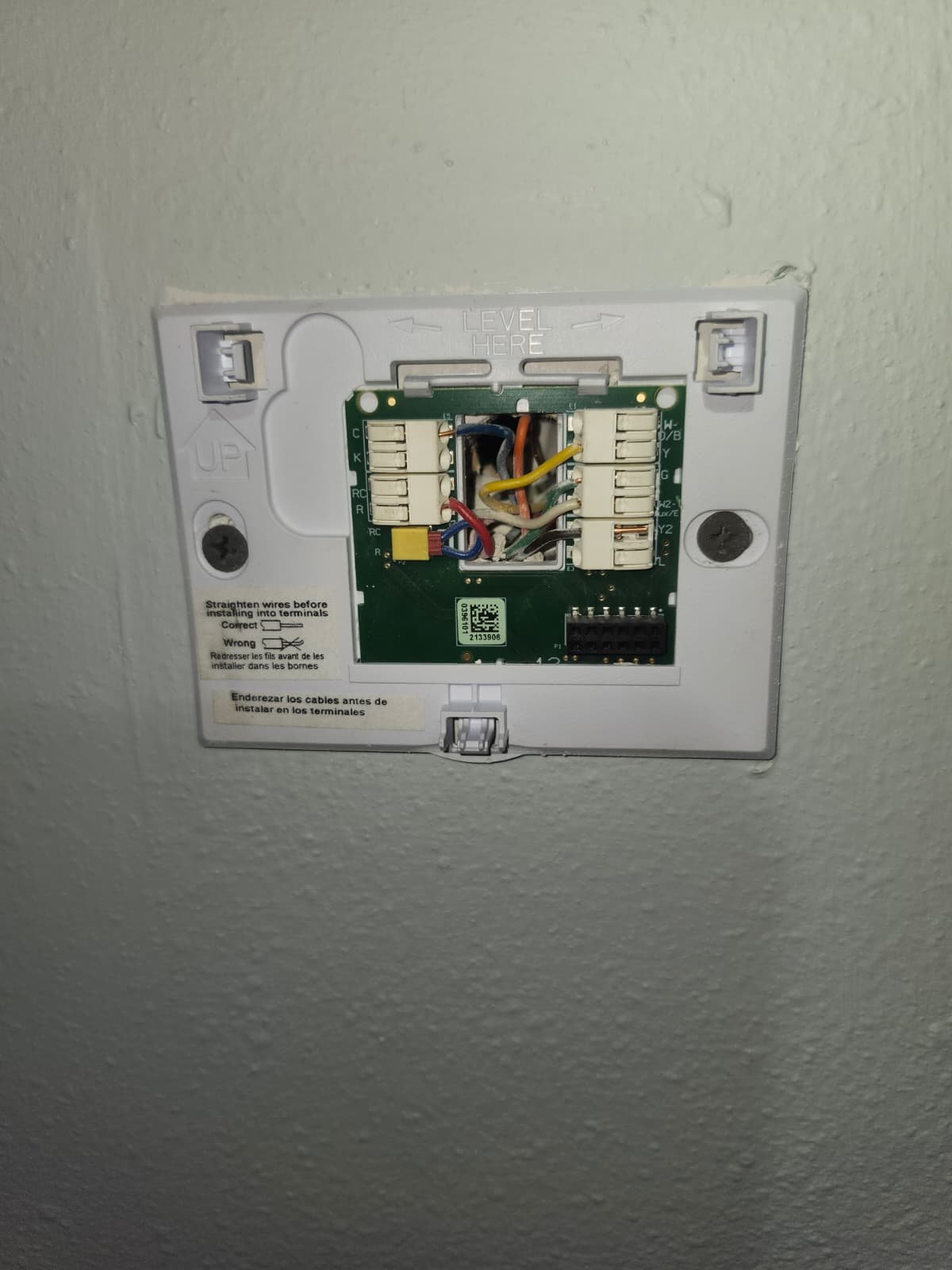
Carrier Control Board Replacement in Wesley Chapel, FL 33544

When a central air conditioner suddenly stops working the way it should, most homeowners in Wesley Chapel, FL start worrying about big-ticket replacements. In this case study, we walk through a real job where our team at Home Therapist Cooling, Heating, and Plumbing diagnosed a failed Carrier control board, navigated the part order and warranty process, and got a homeowner’s AC back on track in the 33544 area.

If you live in Wesley Chapel, FL, you know how quickly a cooling problem can turn a normal day into a stressful one. Our goal with every visit is to take that stress off your shoulders, clearly explain what’s going on, and recommend the most sensible path forward.

Customer Problem: AC Not Running Reliably in Wesley Chapel, FL

This homeowner in Wesley Chapel, FL 33544 contacted us because their air conditioner was no longer operating reliably. The system would not respond properly to thermostat calls, and the indoor comfort was dropping fast. In our experience providing AC repair services in the Tampa Bay area, those symptoms often point to an electrical or control issue, not just a simple thermostat setting problem.

From the internal notes on this visit, we knew a few key things before we even arrived:

  • The system was a Carrier unit using an HK50AA058 control board.
  • The existing board had failed and needed replacement.
  • The part was not immediately available locally and had to be transferred to a nearby Carrier supply location.
  • This job involved a warranty handling fee, indicating parts were being covered under manufacturer warranty while labor and logistics were handled by our team.

That background helped us set expectations clearly with the homeowner, including possible lead times for the board and what the visit would look like once the part was on hand.

Understanding the Job: Control/Defrost Board Replacement Under Warranty

The main scope of work was a Control/Defrost Board Install or Replacement. In simple terms, the control board is the “brain” of your air conditioner or heat pump. It coordinates key functions like:

  • Telling the compressor when to start and stop
  • Running the indoor and outdoor fan motors at the right time
  • Managing safety switches and sensors
  • Handling defrost cycles on heat pumps in heating mode

When that brain fails, the system can behave unpredictably or fail to run at all. That’s exactly what was happening here.

The project also included a warranty handling fee. This fee typically covers the time and coordination required to:

  • Source the correct OEM part.
  • Confirm compatibility with the existing system.
  • Work with the manufacturer or distributor on warranty coverage.
  • Arrange pickup or shipping and track the order.

In this case, the Carrier control board HK50AA058 had to be transferred from a different supply location to the Ybor City distribution point near Tampa. We were advised it would take about three to five business days to arrive.

Our Inspection & Diagnosis Process

Even when a part is known to be suspect, we don’t just “swap and hope.” We perform a methodical inspection to make sure we’re addressing the real problem and not just treating a symptom. That’s how we handle every AC not cooling service call in the Tampa area.

For a suspected control board failure, our diagnostic steps typically include:

  • Visual inspection: Checking for burnt spots, swollen components, loose connections, or corrosion on the board.
  • Power and voltage checks: Verifying that proper line voltage is reaching the board and that the board is sending correct control signals to other components.
  • Communication checks: On systems with communicating thermostats or outdoor units, confirming that data signals are present and stable.
  • Safety circuit review: Ensuring that pressure switches, float switches, and other safety devices are not tripping and causing the board to lock out.

In this Wesley Chapel home, those checks supported the original assessment: the electric control board was faulty and needed replacement. That’s why the job description clearly notes: “New electric control board replaced.”

Coordinating the Replacement Part

One of the most frustrating parts of an AC breakdown—especially in a place as warm and humid as Wesley Chapel, FL—is waiting on parts. Our internal notes show the part was not available immediately at the local supply house. Carrier confirmed they could transfer the HK50AA058 board from Orlando to the Ybor City location, but it would take approximately three to five business days.

Our team stayed on top of the order, confirming when the board was ready for pickup and coordinating with our dispatcher so a technician could retrieve it and return to complete the repair as quickly as possible. We kept the homeowner updated on timing so they weren’t left wondering what was happening in the background.

That kind of communication may not sound glamorous, but it’s a big part of why many homeowners in Wesley Chapel and the broader Tampa Bay area tell us they appreciate our service. Nobody likes surprises—especially when it’s hot and the AC is down.

Step-by-Step: How We Replaced the Carrier Control Board

Once the new control board arrived and our technician returned to the property, we followed a careful process to protect the equipment and the home:

1. Safety and Power Down

We began by shutting off power to the system at both the disconnect and breaker. This is essential whenever we work on any electrical controls, whether it’s a control board, relay, or thermostat. Working safely protects the system and everyone in the home.

2. Removing the Old Board

Next, we opened the unit’s electrical compartment and documented the existing wiring. On control board jobs, it’s common for us to:

  • Take clear reference photos of the wiring layout.
  • Label low-voltage and high-voltage conductors when needed.
  • Note any previous splices or non-standard modifications.

Once everything was documented, we carefully disconnected the wires and removed the failed board from its mounting position.

3. Installing the New Electric Control Board

The new Carrier HK50AA058 control board was then mounted securely in place. After confirming it was oriented correctly and properly supported, we reconnected each wire according to the manufacturer’s wiring diagram and our reference photos.

With modern HVAC equipment, small wiring errors can cause big headaches—anything from nuisance trips to total system failure. That’s why our technicians take their time during this step and double-check every connection.

4. Verifying Programming and Settings

Depending on the system, some control boards come pre-configured while others require specific jumper settings or programming options based on:

  • Indoor blower motor type (PSC vs. ECM)
  • Number of cooling stages
  • Presence of electric heat strips
  • Thermostat type and wiring

We verified that the board’s settings matched the installed equipment so the system could operate the way Carrier intended.

5. Restoring Power and Testing Operation

Once everything was in place, we restored power and ran the system through a full operational check. That included:

  • Confirming the outdoor unit and indoor air handler started correctly.
  • Listening for any unusual noises or short-cycling.
  • Verifying the thermostat could call for cooling and the system responded as expected.
  • Checking that safety circuits were intact and not bypassed.

Only after everything checked out did we consider the repair complete.

Why Replacing the Control Board Was the Right Fix

When a control board fails, homeowners sometimes wonder if they should replace just the board or consider a full system replacement. In this Wesley Chapel case, replacing the defective board was the most practical and cost-effective solution.

Here’s why that approach made sense:

  • Targeted repair: The rest of the system components were in acceptable condition, so there was no immediate need for a full replacement.
  • Warranty support: The part was being handled under a manufacturer warranty, lowering the overall cost burden for the homeowner.
  • Restored reliability: A new OEM board brings the system back to its designed operating logic, reducing nuisance breakdowns caused by intermittent control failures.

If you’re curious about how other electrical components can affect your AC, our blog on understanding your AC relay and why it matters is a helpful read. Control boards and relays often work hand-in-hand to keep your system running smoothly.

What Could Have Happened If the Issue Was Ignored

Some homeowners are tempted to “wait and see” when their AC acts up, especially if the system occasionally comes back on. Unfortunately, ignoring a failing control board can lead to more serious problems, such as:

  • Repeated short-cycling: The system starting and stopping too frequently, which can wear out compressors and fan motors.
  • Blown fuses or breakers: Electrical stress caused by faulty switching on the board.
  • Loss of safety protection: If the board stops correctly reading safety switches, it may allow the system to run in unsafe conditions.
  • Complete system failure: Eventually the system may refuse to start at all, usually on the hottest day of the week.

By tackling the control board issue promptly, this Wesley Chapel homeowner avoided those risks and got their cooling back to a dependable, everyday comfort level.

Why There Was a Warranty Handling Fee

One detail in this job was a warranty handling fee. Homeowners sometimes ask why there is still a cost when a part is under warranty. It’s a fair question, and we always want to be transparent.

Manufacturer warranties usually cover the cost of the part itself, not:

  • Diagnosing the problem.
  • Coordinating with suppliers and manufacturers.
  • Picking up and delivering the part.
  • Labor to remove the old component and install the new one.

The handling fee in this case helps cover those logistics and the time spent making sure the homeowner actually receives the benefit of the manufacturer’s part warranty.

Why the Homeowner Declined a Tune-Up—and Our Perspective

Our notes indicate that we offered a tune-up service during this project, but the homeowner declined because they felt it was too expensive at the time. We respect that decision. Budget is always part of the conversation, and our job is to provide options, not pressure.

That said, we do like to explain why proactive service can be valuable. A proper AC tune-up in a climate like Wesley Chapel’s can help with:

  • Earlier detection of failing parts (like relays, capacitors, or motors).
  • Improved energy efficiency through coil cleaning and airflow checks.
  • Better comfort and humidity control during the long cooling season.
  • Reducing the risk of surprise breakdowns when you need your system most.

If you’re curious about what’s included, you can read more about our AC tune-up services in the Tampa area and see if it might be a good fit for your home and budget in the future.

Tips to Prevent Future AC Problems in Wesley Chapel Homes

While some control board failures are simply age or defect related and can’t be fully prevented, there are several practical steps homeowners in Wesley Chapel, FL can take to reduce overall system stress and extend equipment life:

  • Change filters regularly: Dirty filters restrict airflow, add strain to the blower motor, and can indirectly stress electrical components over time.
  • Keep outdoor units clear: Make sure the condenser has at least a couple feet of clearance from plants, fences, and debris to maintain good airflow.
  • Address drainage issues early: Clogged drain lines can trigger float switches and cause the system to shut down unexpectedly.
  • Schedule periodic maintenance: Having a professional inspect electrical connections, capacitors, relays, and control boards can catch early signs of failure.
  • Watch for unusual behavior: If your AC starts short-cycling, making new noises, or not responding consistently to the thermostat, don’t ignore it—call for service.

Our broader guide on finding reliable air conditioning service and repair near you also offers tips on what to look for in an HVAC contractor in the Wesley Chapel and Tampa Bay area.

About Wesley Chapel, FL and Local AC Demands

Wesley Chapel, located in Pasco County north of Tampa, has grown rapidly in recent years. With popular destinations like Tampa Premium Outlets and easy access to Tampa via I-75, the area blends suburban living with busy daily commutes. The hot, humid climate means residential AC systems work hard almost year-round.

If you’re new to the area, you can learn more about the community on the Wesley Chapel, Florida Wikipedia page or see where we commonly serve homeowners on Google Maps for Wesley Chapel, FL 33544. No matter where you are in the region, we understand the pressure your cooling system is under and tailor our recommendations with that in mind.

Why Choose Home Therapist in Wesley Chapel, FL?

When your AC stops working, you don’t just need someone who can replace a part—you need a team that explains what’s going on, respects your home and budget, and stands behind their work.

Here’s how we approach HVAC and AC repair in Wesley Chapel, FL:

  • Clear communication: We explain your options, including repair vs. replacement, and help you decide what makes sense for you.
  • Thorough diagnostics: We don’t just swap parts; we verify the true cause of the problem.
  • Local expertise: We work on systems all across the Tampa Bay area, so we understand the unique demands of our climate.
  • Respect for your time: We coordinate part orders, pickups, and return visits as efficiently as possible.

If you’re dealing with an AC that’s not cooling or you suspect an electrical control issue, our team can help. Learn more about how we address air conditioner installation and repair concerns in the Tampa Bay area, or reach out directly to schedule a visit.

Need AC Control Board or AC Repair Help in Wesley Chapel?

Whether you’re facing a failed control board, frequent breaker trips, or an AC that just won’t keep up, you don’t have to troubleshoot it alone. Our technicians handle everything from targeted electrical repairs to full system diagnostics for homeowners across Wesley Chapel, FL 33544 and the surrounding Tampa Bay communities.

Call Home Therapist or visit our website to schedule AC repair service, request a second opinion, or ask questions about your system’s performance. We’re here to provide the therapy your home needs—calm, clear, and professional, every step of the way. #HomeTherapist #TheTherapyYourHomeNeeds
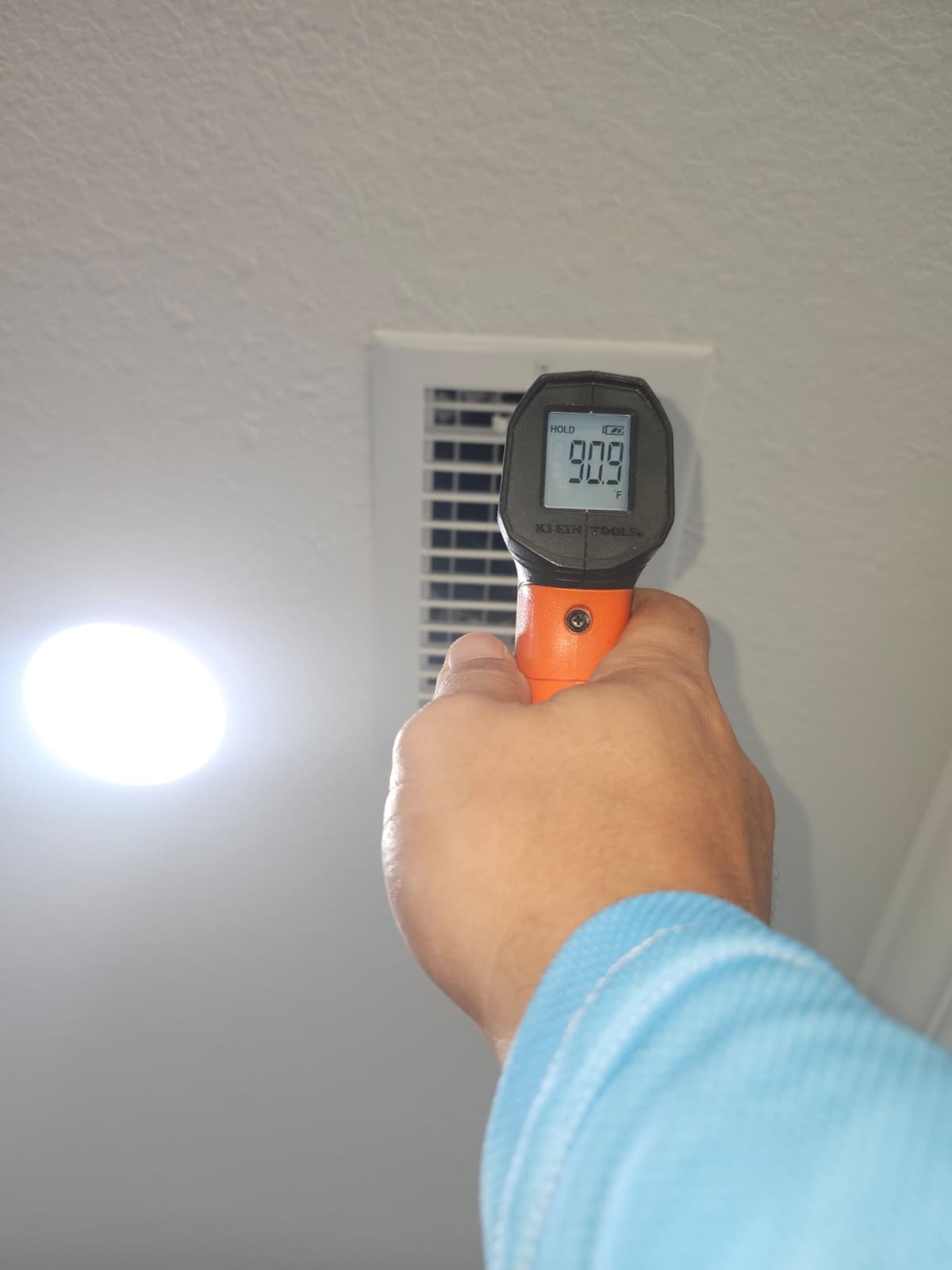
When a central air conditioner suddenly stops working the way it should, most homeowners in Wesley Chapel, FL start worrying about big-ticket replacements. In this case study, we walk through a real job where our team at Home Therapist Cooling, Heating, and Plumbing diagnosed a failed Carrier control board, navigated the part order and warranty process, and got a homeowner’s AC back on track in the 33544 area.

If you live in Wesley Chapel, FL, you know how quickly a cooling problem can turn a normal day into a stressful one. Our goal with every visit is to take that stress off your shoulders, clearly explain what’s going on, and recommend the most sensible path forward.

Customer Problem: AC Not Running Reliably in Wesley Chapel, FL

This homeowner in Wesley Chapel, FL 33544 contacted us because their air conditioner was no longer operating reliably. The system would not respond properly to thermostat calls, and the indoor comfort was dropping fast. In our experience providing AC repair services in the Tampa Bay area, those symptoms often point to an electrical or control issue, not just a simple thermostat setting problem.

From the internal notes on this visit, we knew a few key things before we even arrived:

  • The system was a Carrier unit using an HK50AA058 control board.
  • The existing board had failed and needed replacement.
  • The part was not immediately available locally and had to be transferred to a nearby Carrier supply location.
  • This job involved a warranty handling fee, indicating parts were being covered under manufacturer warranty while labor and logistics were handled by our team.

That background helped us set expectations clearly with the homeowner, including possible lead times for the board and what the visit would look like once the part was on hand.

Understanding the Job: Control/Defrost Board Replacement Under Warranty

The main scope of work was a Control/Defrost Board Install or Replacement. In simple terms, the control board is the “brain” of your air conditioner or heat pump. It coordinates key functions like:

  • Telling the compressor when to start and stop
  • Running the indoor and outdoor fan motors at the right time
  • Managing safety switches and sensors
  • Handling defrost cycles on heat pumps in heating mode

When that brain fails, the system can behave unpredictably or fail to run at all. That’s exactly what was happening here.

The project also included a warranty handling fee. This fee typically covers the time and coordination required to:

  • Source the correct OEM part.
  • Confirm compatibility with the existing system.
  • Work with the manufacturer or distributor on warranty coverage.
  • Arrange pickup or shipping and track the order.

In this case, the Carrier control board HK50AA058 had to be transferred from a different supply location to the Ybor City distribution point near Tampa. We were advised it would take about three to five business days to arrive.

Our Inspection & Diagnosis Process

Even when a part is known to be suspect, we don’t just “swap and hope.” We perform a methodical inspection to make sure we’re addressing the real problem and not just treating a symptom. That’s how we handle every AC not cooling service call in the Tampa area.

For a suspected control board failure, our diagnostic steps typically include:

  • Visual inspection: Checking for burnt spots, swollen components, loose connections, or corrosion on the board.
  • Power and voltage checks: Verifying that proper line voltage is reaching the board and that the board is sending correct control signals to other components.
  • Communication checks: On systems with communicating thermostats or outdoor units, confirming that data signals are present and stable.
  • Safety circuit review: Ensuring that pressure switches, float switches, and other safety devices are not tripping and causing the board to lock out.

In this Wesley Chapel home, those checks supported the original assessment: the electric control board was faulty and needed replacement. That’s why the job description clearly notes: “New electric control board replaced.”

Coordinating the Replacement Part

One of the most frustrating parts of an AC breakdown—especially in a place as warm and humid as Wesley Chapel, FL—is waiting on parts. Our internal notes show the part was not available immediately at the local supply house. Carrier confirmed they could transfer the HK50AA058 board from Orlando to the Ybor City location, but it would take approximately three to five business days.

Our team stayed on top of the order, confirming when the board was ready for pickup and coordinating with our dispatcher so a technician could retrieve it and return to complete the repair as quickly as possible. We kept the homeowner updated on timing so they weren’t left wondering what was happening in the background.

That kind of communication may not sound glamorous, but it’s a big part of why many homeowners in Wesley Chapel and the broader Tampa Bay area tell us they appreciate our service. Nobody likes surprises—especially when it’s hot and the AC is down.

Step-by-Step: How We Replaced the Carrier Control Board

Once the new control board arrived and our technician returned to the property, we followed a careful process to protect the equipment and the home:

1. Safety and Power Down

We began by shutting off power to the system at both the disconnect and breaker. This is essential whenever we work on any electrical controls, whether it’s a control board, relay, or thermostat. Working safely protects the system and everyone in the home.

2. Removing the Old Board

Next, we opened the unit’s electrical compartment and documented the existing wiring. On control board jobs, it’s common for us to:

  • Take clear reference photos of the wiring layout.
  • Label low-voltage and high-voltage conductors when needed.
  • Note any previous splices or non-standard modifications.

Once everything was documented, we carefully disconnected the wires and removed the failed board from its mounting position.

3. Installing the New Electric Control Board

The new Carrier HK50AA058 control board was then mounted securely in place. After confirming it was oriented correctly and properly supported, we reconnected each wire according to the manufacturer’s wiring diagram and our reference photos.

With modern HVAC equipment, small wiring errors can cause big headaches—anything from nuisance trips to total system failure. That’s why our technicians take their time during this step and double-check every connection.

4. Verifying Programming and Settings

Depending on the system, some control boards come pre-configured while others require specific jumper settings or programming options based on:

  • Indoor blower motor type (PSC vs. ECM)
  • Number of cooling stages
  • Presence of electric heat strips
  • Thermostat type and wiring

We verified that the board’s settings matched the installed equipment so the system could operate the way Carrier intended.

5. Restoring Power and Testing Operation

Once everything was in place, we restored power and ran the system through a full operational check. That included:

  • Confirming the outdoor unit and indoor air handler started correctly.
  • Listening for any unusual noises or short-cycling.
  • Verifying the thermostat could call for cooling and the system responded as expected.
  • Checking that safety circuits were intact and not bypassed.

Only after everything checked out did we consider the repair complete.

Why Replacing the Control Board Was the Right Fix

When a control board fails, homeowners sometimes wonder if they should replace just the board or consider a full system replacement. In this Wesley Chapel case, replacing the defective board was the most practical and cost-effective solution.

Here’s why that approach made sense:

  • Targeted repair: The rest of the system components were in acceptable condition, so there was no immediate need for a full replacement.
  • Warranty support: The part was being handled under a manufacturer warranty, lowering the overall cost burden for the homeowner.
  • Restored reliability: A new OEM board brings the system back to its designed operating logic, reducing nuisance breakdowns caused by intermittent control failures.

If you’re curious about how other electrical components can affect your AC, our blog on understanding your AC relay and why it matters is a helpful read. Control boards and relays often work hand-in-hand to keep your system running smoothly.

What Could Have Happened If the Issue Was Ignored

Some homeowners are tempted to “wait and see” when their AC acts up, especially if the system occasionally comes back on. Unfortunately, ignoring a failing control board can lead to more serious problems, such as:

  • Repeated short-cycling: The system starting and stopping too frequently, which can wear out compressors and fan motors.
  • Blown fuses or breakers: Electrical stress caused by faulty switching on the board.
  • Loss of safety protection: If the board stops correctly reading safety switches, it may allow the system to run in unsafe conditions.
  • Complete system failure: Eventually the system may refuse to start at all, usually on the hottest day of the week.

By tackling the control board issue promptly, this Wesley Chapel homeowner avoided those risks and got their cooling back to a dependable, everyday comfort level.

Why There Was a Warranty Handling Fee

One detail in this job was a warranty handling fee. Homeowners sometimes ask why there is still a cost when a part is under warranty. It’s a fair question, and we always want to be transparent.

Manufacturer warranties usually cover the cost of the part itself, not:

  • Diagnosing the problem.
  • Coordinating with suppliers and manufacturers.
  • Picking up and delivering the part.
  • Labor to remove the old component and install the new one.

The handling fee in this case helps cover those logistics and the time spent making sure the homeowner actually receives the benefit of the manufacturer’s part warranty.

Why the Homeowner Declined a Tune-Up—and Our Perspective

Our notes indicate that we offered a tune-up service during this project, but the homeowner declined because they felt it was too expensive at the time. We respect that decision. Budget is always part of the conversation, and our job is to provide options, not pressure.

That said, we do like to explain why proactive service can be valuable. A proper AC tune-up in a climate like Wesley Chapel’s can help with:

  • Earlier detection of failing parts (like relays, capacitors, or motors).
  • Improved energy efficiency through coil cleaning and airflow checks.
  • Better comfort and humidity control during the long cooling season.
  • Reducing the risk of surprise breakdowns when you need your system most.

If you’re curious about what’s included, you can read more about our AC tune-up services in the Tampa area and see if it might be a good fit for your home and budget in the future.

Tips to Prevent Future AC Problems in Wesley Chapel Homes

While some control board failures are simply age or defect related and can’t be fully prevented, there are several practical steps homeowners in Wesley Chapel, FL can take to reduce overall system stress and extend equipment life:

  • Change filters regularly: Dirty filters restrict airflow, add strain to the blower motor, and can indirectly stress electrical components over time.
  • Keep outdoor units clear: Make sure the condenser has at least a couple feet of clearance from plants, fences, and debris to maintain good airflow.
  • Address drainage issues early: Clogged drain lines can trigger float switches and cause the system to shut down unexpectedly.
  • Schedule periodic maintenance: Having a professional inspect electrical connections, capacitors, relays, and control boards can catch early signs of failure.
  • Watch for unusual behavior: If your AC starts short-cycling, making new noises, or not responding consistently to the thermostat, don’t ignore it—call for service.

Our broader guide on finding reliable air conditioning service and repair near you also offers tips on what to look for in an HVAC contractor in the Wesley Chapel and Tampa Bay area.

About Wesley Chapel, FL and Local AC Demands

Wesley Chapel, located in Pasco County north of Tampa, has grown rapidly in recent years. With popular destinations like Tampa Premium Outlets and easy access to Tampa via I-75, the area blends suburban living with busy daily commutes. The hot, humid climate means residential AC systems work hard almost year-round.

If you’re new to the area, you can learn more about the community on the Wesley Chapel, Florida Wikipedia page or see where we commonly serve homeowners on Google Maps for Wesley Chapel, FL 33544. No matter where you are in the region, we understand the pressure your cooling system is under and tailor our recommendations with that in mind.

Why Choose Home Therapist in Wesley Chapel, FL?

When your AC stops working, you don’t just need someone who can replace a part—you need a team that explains what’s going on, respects your home and budget, and stands behind their work.

Here’s how we approach HVAC and AC repair in Wesley Chapel, FL:

  • Clear communication: We explain your options, including repair vs. replacement, and help you decide what makes sense for you.
  • Thorough diagnostics: We don’t just swap parts; we verify the true cause of the problem.
  • Local expertise: We work on systems all across the Tampa Bay area, so we understand the unique demands of our climate.
  • Respect for your time: We coordinate part orders, pickups, and return visits as efficiently as possible.

If you’re dealing with an AC that’s not cooling or you suspect an electrical control issue, our team can help. Learn more about how we address air conditioner installation and repair concerns in the Tampa Bay area, or reach out directly to schedule a visit.

Need AC Control Board or AC Repair Help in Wesley Chapel?

Whether you’re facing a failed control board, frequent breaker trips, or an AC that just won’t keep up, you don’t have to troubleshoot it alone. Our technicians handle everything from targeted electrical repairs to full system diagnostics for homeowners across Wesley Chapel, FL 33544 and the surrounding Tampa Bay communities.

Call Home Therapist or visit our website to schedule AC repair service, request a second opinion, or ask questions about your system’s performance. We’re here to provide the therapy your home needs—calm, clear, and professional, every step of the way. #HomeTherapist #TheTherapyYourHomeNeeds
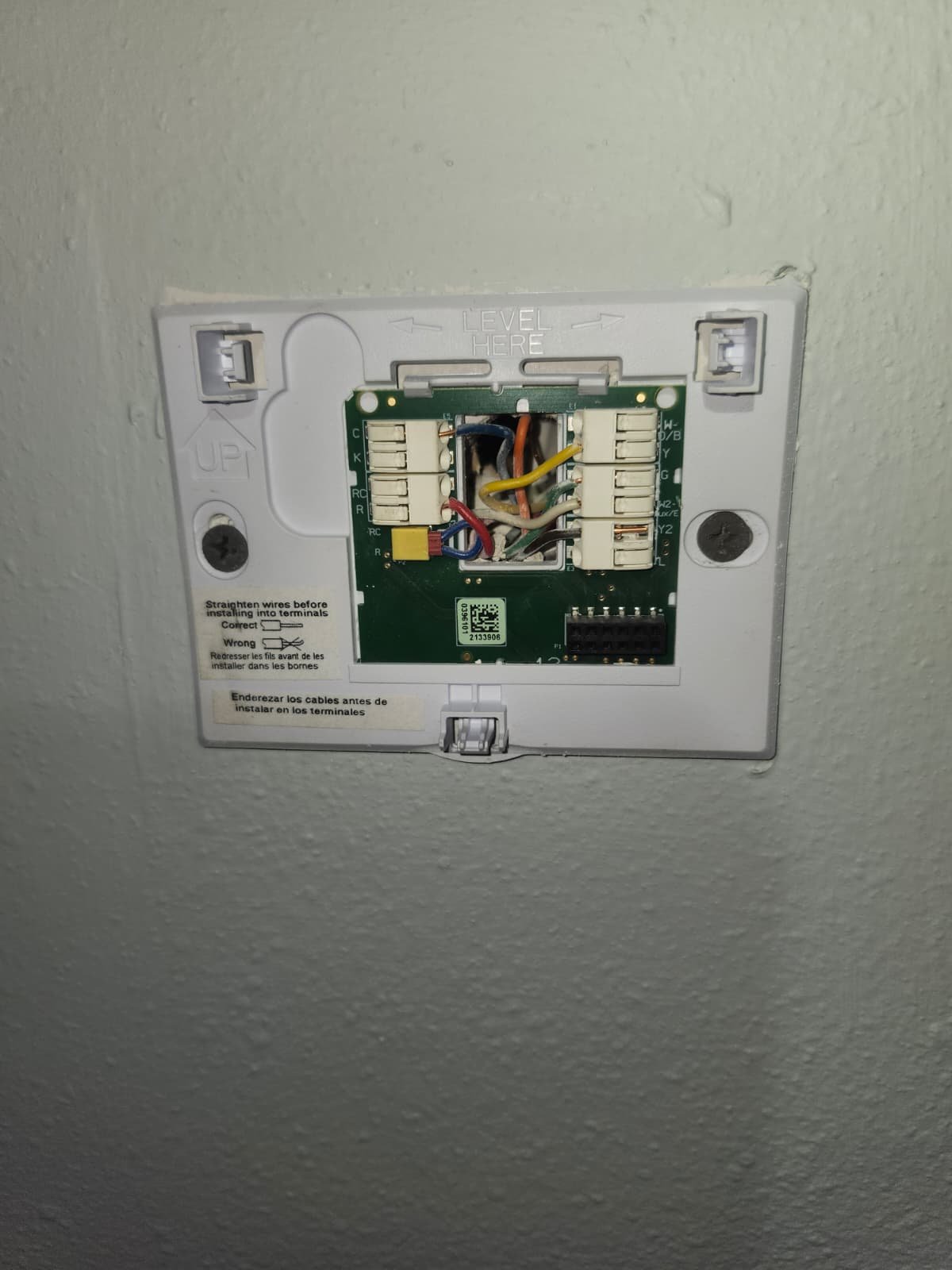
Premium Plumbing Inspection and Water Heater Flush in San Antonio, FL 33576

At a home in the San Antonio, FL 33576 area, our team was called out for a scheduled visit under our Premium Home Therapy Plan. This wasn’t an emergency call or a major leak—just a smart homeowner making sure their plumbing system and water heater stayed in great shape with routine maintenance.

#N/ASan Antonio, FL 33576

Even when nothing is visibly “wrong,” the plumbing system in a Florida home is always working in the background. Regular inspections and water heater flushes are one of the best ways to avoid surprise breakdowns, leaks, or cold showers down the road. In this visit, our technician Alejandro completed a full plumbing inspection and a professional water heater flush, and we were happy to confirm that everything was working exactly as it should.

If you live in San Antonio, FL or anywhere in the Tampa Bay area, this kind of proactive service is one of the easiest ways to protect your home, your comfort, and your wallet. #HomeTherapist #TheTherapyYourHomeNeeds
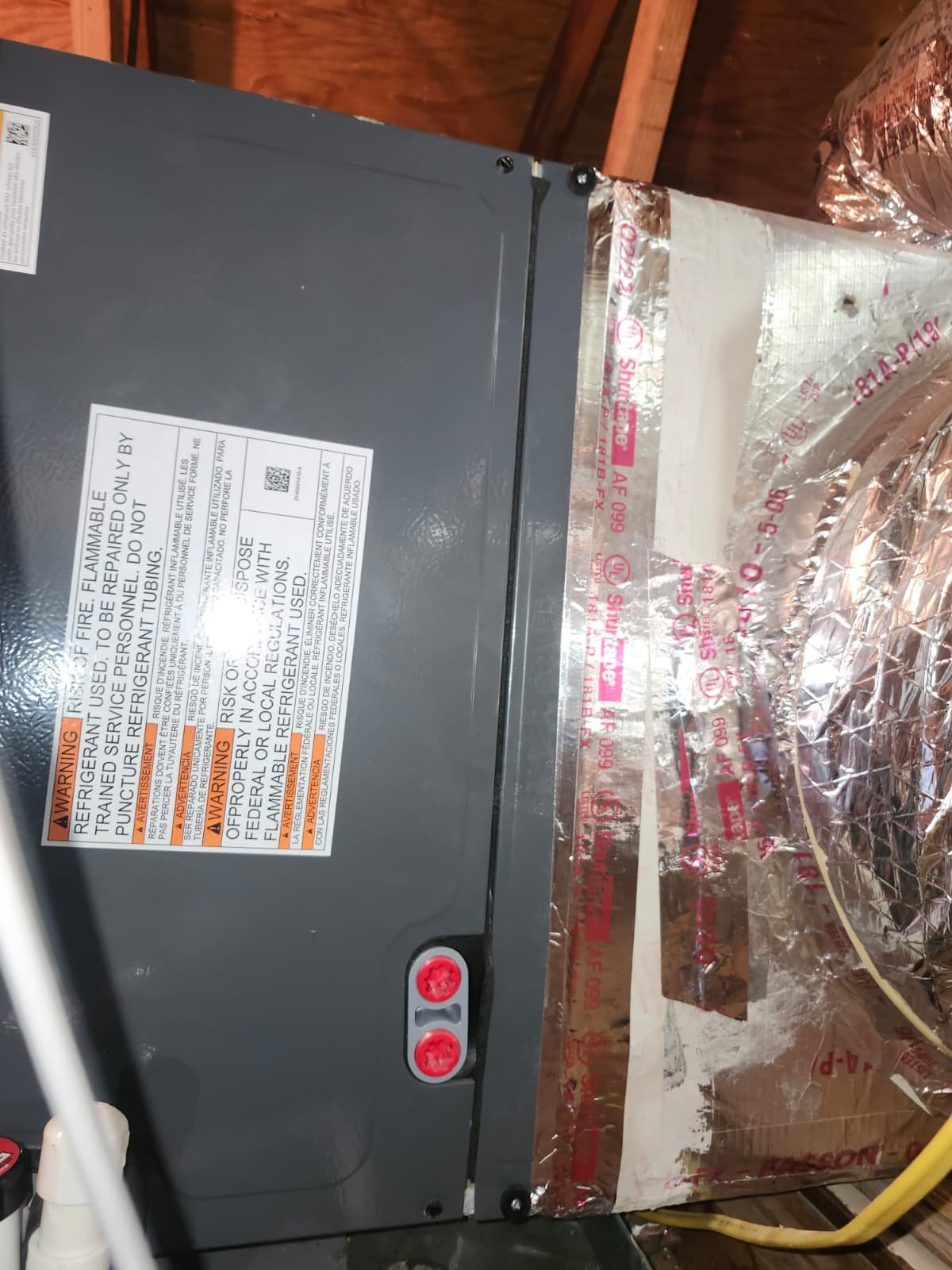
Customer Problem: Why We Were Called to This San Antonio, FL Home

This visit was part of the homeowner’s Premium Home Therapy Plan. They didn’t report any obvious issues—no leaks, clogs, or strange noises. Instead, their goal was simple:

  • Get a routine plumbing inspection to make sure everything was operating properly.
  • Have a professional water heater flush to maintain efficiency and extend the system’s life.

In our warm and humid Florida climate, especially in areas like San Antonio, FL, plumbing systems and water heaters work hard year-round. It’s very common for sediment to build up in water heaters and for small plumbing issues to start quietly in the background. This homeowner wanted peace of mind that everything was in good condition—and that’s exactly what regular maintenance is for.

Our Inspection & Diagnosis Process

When we arrive for a planned visit like this, we treat it with the same thoroughness we give an emergency call. A system that looks fine on the surface can still have early warning signs hiding in the details. Here’s how our technician Alejandro approached this Premium Home Therapy Plan plumbing visit in San Antonio, FL 33576.

1. Whole-Home Plumbing Inspection

First, we completed a full walkthrough of the home’s accessible plumbing. A typical whole-home plumbing inspection includes:

  • Checking visible supply lines and shut-off valves for corrosion, leaks, or damaged connections.
  • Inspecting faucets, sinks, showers, and tubs for slow drains, drips, or weak water flow.
  • Testing toilets for proper flushing, quiet refilling, and signs of running water.
  • Reviewing hose bibbs and outdoor fixtures to catch leaks or damage that often go unnoticed.
  • Looking for signs of hidden leaks such as soft spots, discoloration, or moisture around plumbing areas.

In this home, we found no active leaks, no drainage issues, and no water pressure concerns. Everything was operating smoothly, which is exactly what we like to see during a maintenance visit.

If you’d like to know what a typical inspection includes, you can read more in our guide on plumbing inspections in the Tampa Bay area.

2. Water Heater Evaluation Before the Flush

Before flushing a water heater, we always take time to evaluate the unit’s overall condition. Our technician:

  • Visually inspected the tank, connections, and valves for rust, corrosion, or leaks.
  • Checked the temperature setting to ensure it was safe and efficient.
  • Verified that the pressure relief valve and expansion tank (if present) were properly installed and showed no signs of trouble.

The water heater in this San Antonio, FL home was in good overall condition. There were no visible leaks, no unusual noises, and no signs of overheating or over-pressurization. That meant we could confidently move forward with the flush as part of regular maintenance.

3. Confirming There Were No Diagnostic Limitations

Sometimes, there are limits to what we can inspect due to access, age of the system, or safety concerns. In this case, there were no diagnostic limitations. We were able to inspect what we needed to see, test the fixtures we needed to test, and flush the water heater thoroughly.

Step-by-Step: How We Completed the Water Heater Flush

A professional water heater flush is one of the simplest and most effective ways to keep your hot water system efficient and reliable. Here’s what the process generally looks like when we perform a water heater flush in the San Antonio, FL area.

1. Safety First

We start by safely shutting down the system:

  • Turning off power to the water heater (for electric units) or setting gas control to “pilot” or “off” as appropriate.
  • Allowing the water temperature to lower slightly so there’s less risk of scalding.

Safety is always our first priority—for your home, your family, and our technicians.

2. Isolating and Draining the Tank

Next, we prepare the water heater for flushing:

  • Closing the cold water supply valve to the tank.
  • Attaching a hose to the drain valve and routing it to a safe drain point.
  • Opening the drain valve to allow the water and sediment to begin flowing out of the tank.

Over time, minerals in the water settle to the bottom of the tank. In our region, this sediment buildup can grow faster due to harder water conditions. Flushing helps remove that layer and reduce strain on the heater.

3. Flushing Out Sediment

Once the tank has drained, we perform a controlled flush by turning the cold water supply back on in short bursts. This stirs and rinses out any remaining sediment from the bottom of the tank. The technician continues this until the water runs clear and sediment-free.

This process helps the water heater operate more efficiently and can reduce:

  • Energy usage (because the heater doesn’t have to fight through a blanket of sediment).
  • Noise from popping, rumbling, or banging that often comes from heavy buildup.
  • Wear and tear on the tank and heating elements.

For more detail on why this is so important, you can check out our article on water heater maintenance in your home.

4. Refilling, Bleeding Air, and Restarting

After the flush, we:

  • Close the drain valve and disconnect the hose.
  • Turn the cold water supply back on and allow the tank to refill.
  • Open nearby hot water taps to let air escape from the lines until water flows steadily.
  • Restore power or gas to the unit and verify proper operation.

Once the system is fully refilled and reheating, we double-check for leaks at the drain valve, inlet, outlet, and any visible fittings.

5. Final Checks and Homeowner Update

To wrap up the visit, our technician:

The best part of this visit? We were able to tell the homeowner that their plumbing system and water heater were in excellent shape—with no repairs needed.

Why This Maintenance Visit Matters (Even When Nothing Is Broken)

It’s easy to think, “If it isn’t broken, don’t fix it.” But with plumbing and water heaters, waiting until something breaks can lead to expensive, stressful, and sometimes damaging situations in your home.

By scheduling regular visits like this one in San Antonio, FL, this homeowner is:

  • Reducing the risk of surprise leaks from aging pipes, valves, or water heater tanks.
  • Extending the life of their water heater by removing sediment and lowering strain on the system.
  • Maintaining good water pressure and drainage throughout the home.
  • Catching small issues early—before they turn into emergencies.

Preventive plumbing maintenance is a core part of what we offer through our plumbing maintenance plans and options. It’s the same mindset behind services like drain line cleaning and flushing and routine water heater care.

What Could Happen If You Skip Water Heater Flushes and Inspections?

Because this homeowner stayed ahead of the curve, their system was in great condition. But if routine maintenance gets skipped for years, a few common issues can show up:

  • Loss of efficiency: A thick layer of sediment at the bottom of the tank acts like insulation, making your water heater work harder and use more energy.
  • Noisy operation: Popping, banging, or rumbling noises are often signs of heavy mineral buildup.
  • Inconsistent hot water: Sediment can reduce the effective capacity of the tank, which means shorter hot showers.
  • Higher risk of leaks: Over time, corrosion can weaken the tank, fittings, or valves, leading to leaks that may damage floors, drywall, or belongings.
  • Unexpected breakdowns: Without inspections, small problems like a failing valve or deteriorating supply line can go unnoticed until they fail.

Regular visits like this one help prevent those outcomes and give homeowners confidence that their system is ready for everyday life—whether it’s a normal workday or a weekend with guests visiting popular local spots like the Mirada Lagoon near San Antonio, FL 33576.

Maintenance Tips for Plumbing and Water Heaters in San Antonio, FL

Whether you’re on a Premium Home Therapy Plan or just looking to be more proactive with your home, here are some simple tips to help take care of your plumbing system in the San Antonio, FL area.

1. Schedule Regular Plumbing Inspections

Having a professional look over your plumbing every year or two can:

  • Catch small leaks before they damage cabinets, floors, or walls.
  • Identify aging shut-off valves or hoses before they fail.
  • Spot slow drains or early clogs before they back up.

Our team performs thorough inspections similar to this San Antonio, FL visit all across the Tampa Bay region. You can learn more by reviewing some of our past plumbing inspection and water heater flush projects.

2. Flush Your Water Heater Regularly

Most manufacturers recommend flushing your water heater at least once a year, especially in areas with moderate to hard water. Doing so can:

  • Improve energy efficiency.
  • Help maintain consistent hot water supply.
  • Extend the overall life of the unit.

If you’re not sure when your water heater was last flushed, it might be time to schedule a visit.

3. Pay Attention to Little Changes

Even when a system is in great shape, it’s a good idea to keep an eye out for:

  • New noises from your water heater (popping, rumbling, or hissing).
  • Changes in water temperature or pressure.
  • Unexplained wet spots near plumbing fixtures, walls, or ceilings.
  • Toilets that begin to run periodically without being used.

These are often early clues that it’s time for a professional checkup. Addressing them early is almost always easier and less expensive.

4. Be Careful What Goes Down Your Drains

To protect your plumbing between professional visits:

  • Avoid pouring grease, oils, or food scraps down the kitchen sink.
  • Use drain screens to catch hair and debris in showers and tubs.
  • Only flush toilet paper—no wipes, paper towels, or hygiene products, even if they say “flushable.”

If you do notice slow drains or recurring clogs, our drain line cleaning and flushing services can help restore proper flow and prevent bigger backups.

Why Homeowners Choose Home Therapist in San Antonio, FL and the Tampa Bay Area

Whether we’re handling an emergency repair or a routine Premium Home Therapy Plan visit like this one, our goal is always the same: make your home feel safe, comfortable, and well cared for.

Homeowners in San Antonio, FL and across the Tampa Bay area choose our team because we:

  • Take time to explain what we’re doing in plain language—no jargon or pressure.
  • Treat maintenance visits seriously, not as “quick looks,” but as real opportunities to protect your home.
  • Document what we find and clearly share whether any repairs are needed—or, like in this visit, when everything looks great.
  • Offer maintenance plans designed to make it easy to stay on top of plumbing, HVAC, and water heater care.

We’re proud to serve communities all around the Tampa Bay region, from San Antonio, FL to surrounding areas. If you’re curious about setting up similar care for your plumbing system, our article on water heater maintenance plans and promotions is a great place to start.

When to Call for Plumbing Help in San Antonio, FL

This visit was all about prevention, and that’s ideal. But sometimes things do go wrong, and knowing when to call for help can save you from a much bigger mess.

You should contact a licensed plumber in the San Antonio, FL area if you notice:

  • Sudden loss of hot water or rapidly fluctuating temperatures.
  • Visible leaks around your water heater, under sinks, or near toilets.
  • Water stains on ceilings, walls, or floors that could indicate a hidden leak.
  • Consistently low water pressure in multiple fixtures.
  • Frequent drain clogs or sewer smells inside the home.

Our team at Home Therapist handles everything from quick fixes to larger plumbing projects throughout the Tampa Bay area. Whether it’s a concern with your water heater, drains, fixtures, or overall plumbing system, we’re here to help guide you through your options calmly and clearly.

Considering a Maintenance Plan for Your Home?

If you like the idea of having a professional check on your plumbing and water heater before problems show up, a maintenance plan might be a good fit. Our Premium Home Therapy Plan visit for this San Antonio, FL homeowner included exactly the kind of proactive service that helps prevent surprises.

With a maintenance plan, you can:

For more details, you can explore our plumbing services maintenance plans and options on our website.

Need Plumbing Inspection or Water Heater Service in San Antonio, FL?

If you’re in San Antonio, FL 33576 or the surrounding Tampa Bay area and you’re thinking, “I can’t remember the last time my plumbing was inspected or my water heater was flushed,” you’re not alone—and it’s not too late to start.

Whether you’re experiencing a specific issue or just want the peace of mind this homeowner received from their Premium Home Therapy Plan visit, our team is here to help.

Call Home Therapist or visit our website to schedule a plumbing inspection, water heater flush, or to ask about our maintenance plan options. We’ll walk you through everything in plain English, explain what we find, and help you make choices that fit your home and your budget.

Your home deserves consistent, thoughtful care—the therapy your home needs, right here in San Antonio, FL. #HomeTherapist #TheTherapyYourHomeNeeds
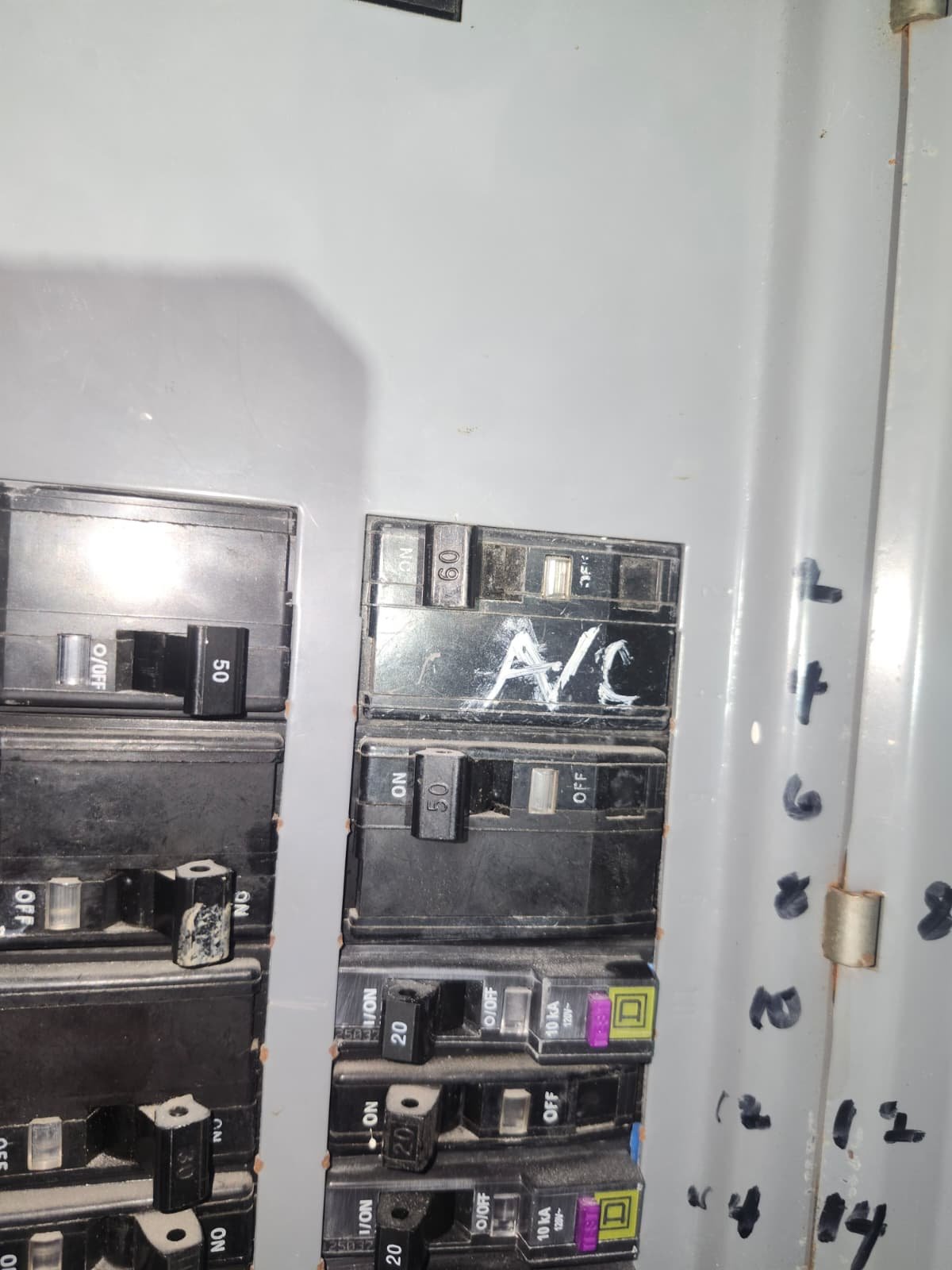
At a home in the San Antonio, FL 33576 area, our team was called out for a scheduled visit under our Premium Home Therapy Plan. This wasn’t an emergency call or a major leak—just a smart homeowner making sure their plumbing system and water heater stayed in great shape with routine maintenance.

Even when nothing is visibly “wrong,” the plumbing system in a Florida home is always working in the background. Regular inspections and water heater flushes are one of the best ways to avoid surprise breakdowns, leaks, or cold showers down the road. In this visit, our technician Alejandro completed a full plumbing inspection and a professional water heater flush, and we were happy to confirm that everything was working exactly as it should.

If you live in San Antonio, FL or anywhere in the Tampa Bay area, this kind of proactive service is one of the easiest ways to protect your home, your comfort, and your wallet. #HomeTherapist #TheTherapyYourHomeNeeds
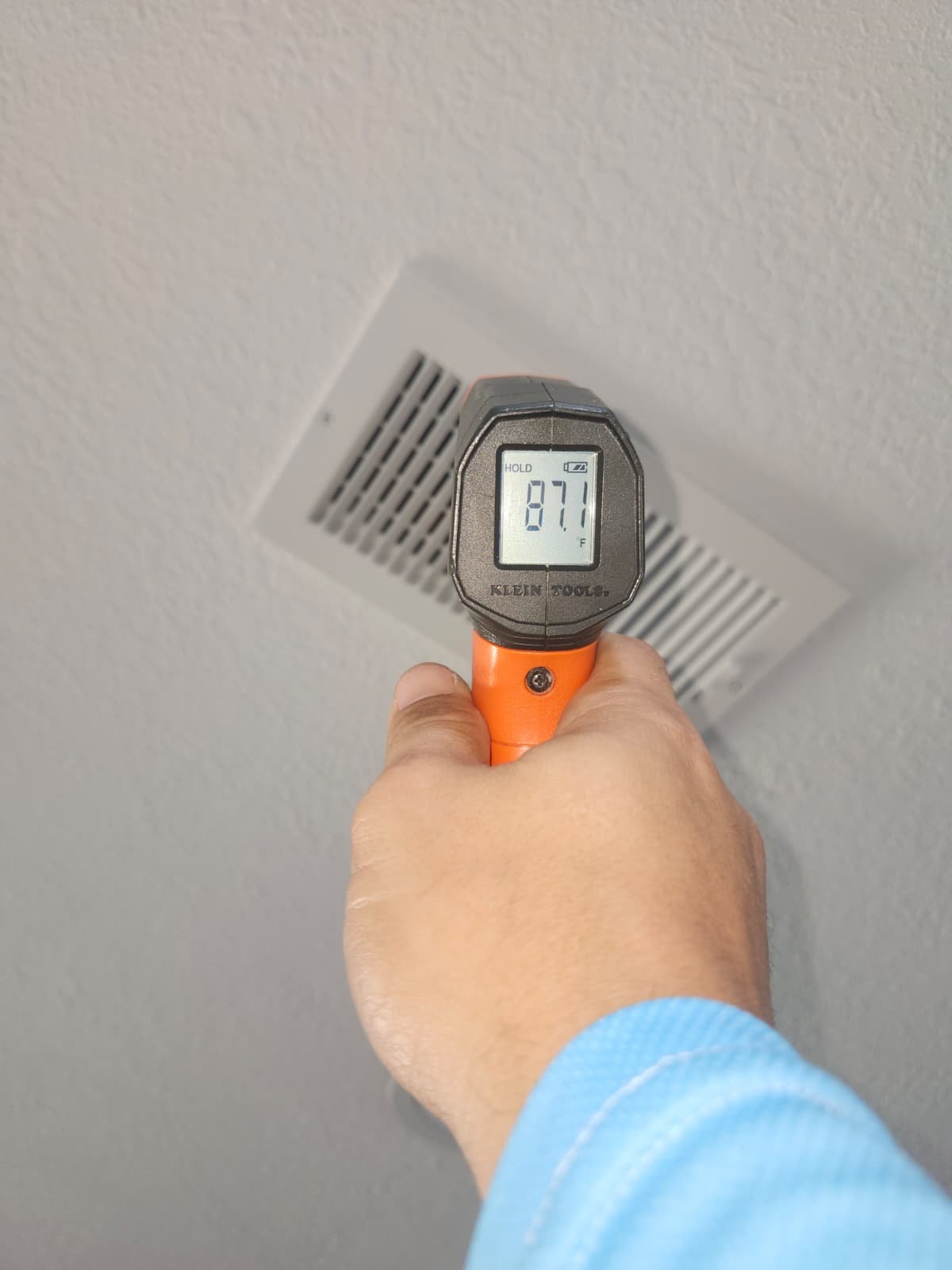
Customer Problem: Why We Were Called to This San Antonio, FL Home

This visit was part of the homeowner’s Premium Home Therapy Plan. They didn’t report any obvious issues—no leaks, clogs, or strange noises. Instead, their goal was simple:

  • Get a routine plumbing inspection to make sure everything was operating properly.
  • Have a professional water heater flush to maintain efficiency and extend the system’s life.

In our warm and humid Florida climate, especially in areas like San Antonio, FL, plumbing systems and water heaters work hard year-round. It’s very common for sediment to build up in water heaters and for small plumbing issues to start quietly in the background. This homeowner wanted peace of mind that everything was in good condition—and that’s exactly what regular maintenance is for.

Our Inspection & Diagnosis Process

When we arrive for a planned visit like this, we treat it with the same thoroughness we give an emergency call. A system that looks fine on the surface can still have early warning signs hiding in the details. Here’s how our technician Alejandro approached this Premium Home Therapy Plan plumbing visit in San Antonio, FL 33576.

1. Whole-Home Plumbing Inspection

First, we completed a full walkthrough of the home’s accessible plumbing. A typical whole-home plumbing inspection includes:

  • Checking visible supply lines and shut-off valves for corrosion, leaks, or damaged connections.
  • Inspecting faucets, sinks, showers, and tubs for slow drains, drips, or weak water flow.
  • Testing toilets for proper flushing, quiet refilling, and signs of running water.
  • Reviewing hose bibbs and outdoor fixtures to catch leaks or damage that often go unnoticed.
  • Looking for signs of hidden leaks such as soft spots, discoloration, or moisture around plumbing areas.

In this home, we found no active leaks, no drainage issues, and no water pressure concerns. Everything was operating smoothly, which is exactly what we like to see during a maintenance visit.

If you’d like to know what a typical inspection includes, you can read more in our guide on plumbing inspections in the Tampa Bay area.

2. Water Heater Evaluation Before the Flush

Before flushing a water heater, we always take time to evaluate the unit’s overall condition. Our technician:

  • Visually inspected the tank, connections, and valves for rust, corrosion, or leaks.
  • Checked the temperature setting to ensure it was safe and efficient.
  • Verified that the pressure relief valve and expansion tank (if present) were properly installed and showed no signs of trouble.

The water heater in this San Antonio, FL home was in good overall condition. There were no visible leaks, no unusual noises, and no signs of overheating or over-pressurization. That meant we could confidently move forward with the flush as part of regular maintenance.

3. Confirming There Were No Diagnostic Limitations

Sometimes, there are limits to what we can inspect due to access, age of the system, or safety concerns. In this case, there were no diagnostic limitations. We were able to inspect what we needed to see, test the fixtures we needed to test, and flush the water heater thoroughly.

Step-by-Step: How We Completed the Water Heater Flush

A professional water heater flush is one of the simplest and most effective ways to keep your hot water system efficient and reliable. Here’s what the process generally looks like when we perform a water heater flush in the San Antonio, FL area.

1. Safety First

We start by safely shutting down the system:

  • Turning off power to the water heater (for electric units) or setting gas control to “pilot” or “off” as appropriate.
  • Allowing the water temperature to lower slightly so there’s less risk of scalding.

Safety is always our first priority—for your home, your family, and our technicians.

2. Isolating and Draining the Tank

Next, we prepare the water heater for flushing:

  • Closing the cold water supply valve to the tank.
  • Attaching a hose to the drain valve and routing it to a safe drain point.
  • Opening the drain valve to allow the water and sediment to begin flowing out of the tank.

Over time, minerals in the water settle to the bottom of the tank. In our region, this sediment buildup can grow faster due to harder water conditions. Flushing helps remove that layer and reduce strain on the heater.

3. Flushing Out Sediment

Once the tank has drained, we perform a controlled flush by turning the cold water supply back on in short bursts. This stirs and rinses out any remaining sediment from the bottom of the tank. The technician continues this until the water runs clear and sediment-free.

This process helps the water heater operate more efficiently and can reduce:

  • Energy usage (because the heater doesn’t have to fight through a blanket of sediment).
  • Noise from popping, rumbling, or banging that often comes from heavy buildup.
  • Wear and tear on the tank and heating elements.

For more detail on why this is so important, you can check out our article on water heater maintenance in your home.

4. Refilling, Bleeding Air, and Restarting

After the flush, we:

  • Close the drain valve and disconnect the hose.
  • Turn the cold water supply back on and allow the tank to refill.
  • Open nearby hot water taps to let air escape from the lines until water flows steadily.
  • Restore power or gas to the unit and verify proper operation.

Once the system is fully refilled and reheating, we double-check for leaks at the drain valve, inlet, outlet, and any visible fittings.

5. Final Checks and Homeowner Update

To wrap up the visit, our technician:

  • Re-tested key fixtures and plumbing components in the home.
  • Verified that the water heater was heating correctly and quietly.
  • Confirmed again that there were no concerns or repair needs at this time.

The best part of this visit? We were able to tell the homeowner that their plumbing system and water heater were in excellent shape—with no repairs needed.

Why This Maintenance Visit Matters (Even When Nothing Is Broken)

It’s easy to think, “If it isn’t broken, don’t fix it.” But with plumbing and water heaters, waiting until something breaks can lead to expensive, stressful, and sometimes damaging situations in your home.

By scheduling regular visits like this one in San Antonio, FL, this homeowner is:

  • Reducing the risk of surprise leaks from aging pipes, valves, or water heater tanks.
  • Extending the life of their water heater by removing sediment and lowering strain on the system.
  • Maintaining good water pressure and drainage throughout the home.
  • Catching small issues early—before they turn into emergencies.

Preventive plumbing maintenance is a core part of what we offer through our plumbing maintenance plans and options. It’s the same mindset behind services like drain line cleaning and flushing and routine water heater care.

What Could Happen If You Skip Water Heater Flushes and Inspections?

Because this homeowner stayed ahead of the curve, their system was in great condition. But if routine maintenance gets skipped for years, a few common issues can show up:

  • Loss of efficiency: A thick layer of sediment at the bottom of the tank acts like insulation, making your water heater work harder and use more energy.
  • Noisy operation: Popping, banging, or rumbling noises are often signs of heavy mineral buildup.
  • Inconsistent hot water: Sediment can reduce the effective capacity of the tank, which means shorter hot showers.
  • Higher risk of leaks: Over time, corrosion can weaken the tank, fittings, or valves, leading to leaks that may damage floors, drywall, or belongings.
  • Unexpected breakdowns: Without inspections, small problems like a failing valve or deteriorating supply line can go unnoticed until they fail.

Regular visits like this one help prevent those outcomes and give homeowners confidence that their system is ready for everyday life—whether it’s a normal workday or a weekend with guests visiting popular local spots like the Mirada Lagoon near San Antonio, FL 33576.

Maintenance Tips for Plumbing and Water Heaters in San Antonio, FL

Whether you’re on a Premium Home Therapy Plan or just looking to be more proactive with your home, here are some simple tips to help take care of your plumbing system in the San Antonio, FL area.

1. Schedule Regular Plumbing Inspections

Having a professional look over your plumbing every year or two can:

  • Catch small leaks before they damage cabinets, floors, or walls.
  • Identify aging shut-off valves or hoses before they fail.
  • Spot slow drains or early clogs before they back up.

Our team performs thorough inspections similar to this San Antonio, FL visit all across the Tampa Bay region. You can learn more by reviewing some of our past plumbing inspection and water heater flush projects.

2. Flush Your Water Heater Regularly

Most manufacturers recommend flushing your water heater at least once a year, especially in areas with moderate to hard water. Doing so can:

  • Improve energy efficiency.
  • Help maintain consistent hot water supply.
  • Extend the overall life of the unit.

If you’re not sure when your water heater was last flushed, it might be time to schedule a visit.

3. Pay Attention to Little Changes

Even when a system is in great shape, it’s a good idea to keep an eye out for:

  • New noises from your water heater (popping, rumbling, or hissing).
  • Changes in water temperature or pressure.
  • Unexplained wet spots near plumbing fixtures, walls, or ceilings.
  • Toilets that begin to run periodically without being used.

These are often early clues that it’s time for a professional checkup. Addressing them early is almost always easier and less expensive.

4. Be Careful What Goes Down Your Drains

To protect your plumbing between professional visits:

  • Avoid pouring grease, oils, or food scraps down the kitchen sink.
  • Use drain screens to catch hair and debris in showers and tubs.
  • Only flush toilet paper—no wipes, paper towels, or hygiene products, even if they say “flushable.”

If you do notice slow drains or recurring clogs, our drain line cleaning and flushing services can help restore proper flow and prevent bigger backups.

Why Homeowners Choose Home Therapist in San Antonio, FL and the Tampa Bay Area

Whether we’re handling an emergency repair or a routine Premium Home Therapy Plan visit like this one, our goal is always the same: make your home feel safe, comfortable, and well cared for.

Homeowners in San Antonio, FL and across the Tampa Bay area choose our team because we:

  • Take time to explain what we’re doing in plain language—no jargon or pressure.
  • Treat maintenance visits seriously, not as “quick looks,” but as real opportunities to protect your home.
  • Document what we find and clearly share whether any repairs are needed—or, like in this visit, when everything looks great.
  • Offer maintenance plans designed to make it easy to stay on top of plumbing, HVAC, and water heater care.

We’re proud to serve communities all around the Tampa Bay region, from San Antonio, FL to surrounding areas. If you’re curious about setting up similar care for your plumbing system, our article on water heater maintenance plans and promotions is a great place to start.

When to Call for Plumbing Help in San Antonio, FL

This visit was all about prevention, and that’s ideal. But sometimes things do go wrong, and knowing when to call for help can save you from a much bigger mess.

You should contact a licensed plumber in the San Antonio, FL area if you notice:

  • Sudden loss of hot water or rapidly fluctuating temperatures.
  • Visible leaks around your water heater, under sinks, or near toilets.
  • Water stains on ceilings, walls, or floors that could indicate a hidden leak.
  • Consistently low water pressure in multiple fixtures.
  • Frequent drain clogs or sewer smells inside the home.

Our team at Home Therapist handles everything from quick fixes to larger plumbing projects throughout the Tampa Bay area. Whether it’s a concern with your water heater, drains, fixtures, or overall plumbing system, we’re here to help guide you through your options calmly and clearly.

Considering a Maintenance Plan for Your Home?

If you like the idea of having a professional check on your plumbing and water heater before problems show up, a maintenance plan might be a good fit. Our Premium Home Therapy Plan visit for this San Antonio, FL homeowner included exactly the kind of proactive service that helps prevent surprises.

With a maintenance plan, you can:

  • Stay on track with regular inspections and water heater flushes.
  • Get professional eyes on your plumbing system on a routine basis.
  • Have a trusted team to call when you need help.

For more details, you can explore our plumbing services maintenance plans and options on our website.

Need Plumbing Inspection or Water Heater Service in San Antonio, FL?

If you’re in San Antonio, FL 33576 or the surrounding Tampa Bay area and you’re thinking, “I can’t remember the last time my plumbing was inspected or my water heater was flushed,” you’re not alone—and it’s not too late to start.

Whether you’re experiencing a specific issue or just want the peace of mind this homeowner received from their Premium Home Therapy Plan visit, our team is here to help.

Call Home Therapist or visit our website to schedule a plumbing inspection, water heater flush, or to ask about our maintenance plan options. We’ll walk you through everything in plain English, explain what we find, and help you make choices that fit your home and your budget.

Your home deserves consistent, thoughtful care—the therapy your home needs, right here in San Antonio, FL. #HomeTherapist #TheTherapyYourHomeNeeds
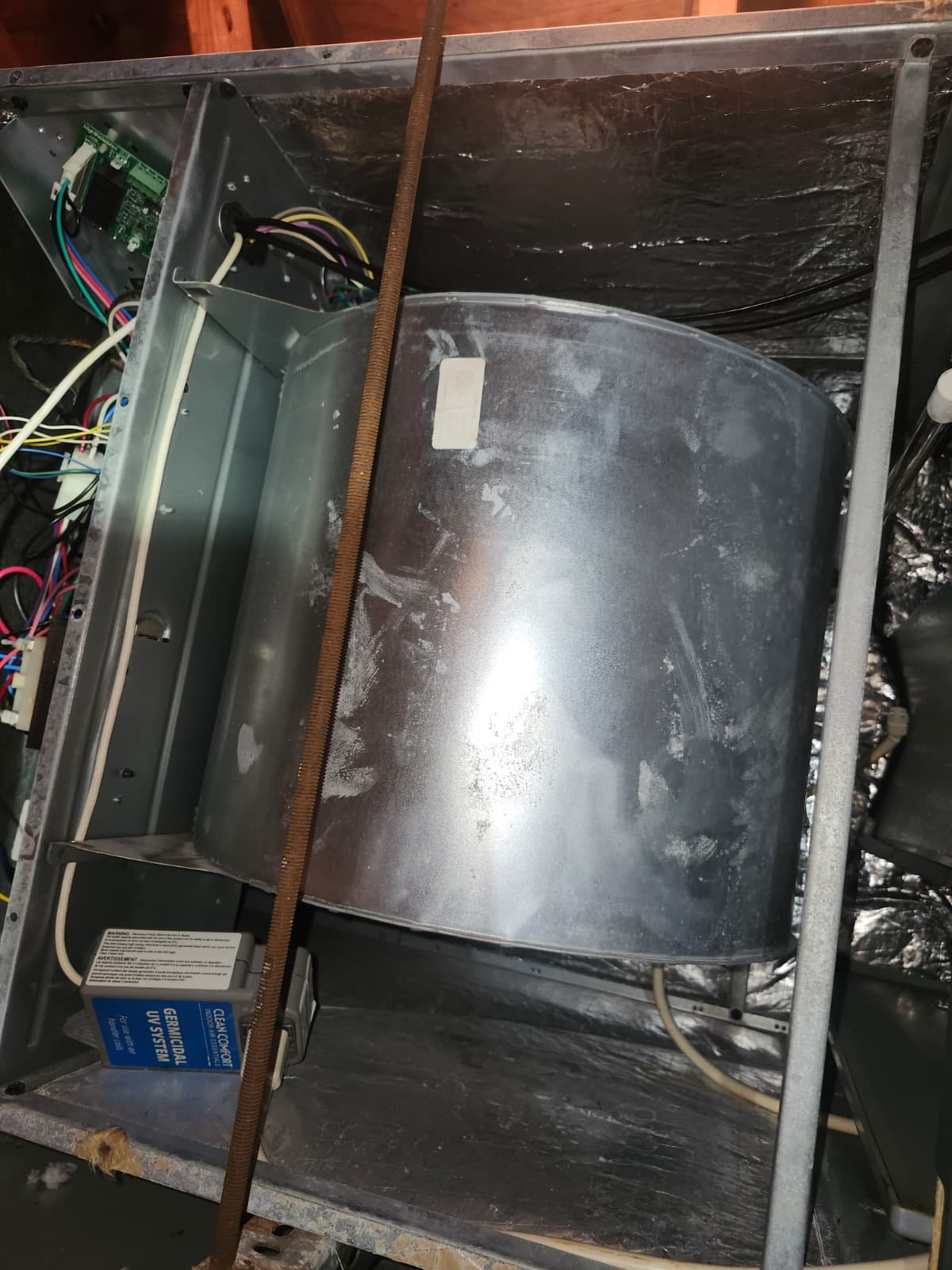
Heater Reconnection and Thermostat Configuration in New Port Richey, FL 34652

When cooler evenings roll into New Port Richey, FL 34652, you really feel it if your heater isn’t working the way it should. For this homeowner, a disconnected heater and a misconfigured thermostat meant their system wasn’t kicking on when they needed it most. Our team at Home Therapist Cooling, Heating, and Plumbing was called in to safely reconnect the heater, properly configure the thermostat, and help the homeowner prevent future issues with an ongoing maintenance plan.

In this case study, we’ll walk through what was happening at the home, how we diagnosed the situation, and the steps we took to get the heating system back online and running correctly. If you’re dealing with heater or thermostat problems in New Port Richey, FL, this story will give you a clear idea of what to expect and how we can help.

Customer Problem: What Was Happening at the Home

Our client in New Port Richey reached out because their heating system wasn’t turning on, even though the thermostat showed the right temperature settings. They were concerned that something was wrong with the heater itself, and they weren’t sure if it was safe to try to reset anything on their own.

From the job details, we knew two key things:

  • The heater needed reconnection.
  • The thermostat needed to be configured correctly.

This usually points to one of a few common scenarios we see in homes across the New Port Richey area:

  • The system was previously shut down for service or renovation and never fully brought back online.
  • Thermostat wiring or settings weren’t matched to the equipment (for example, heat pump vs. straight cool with electric heat).
  • A safety device or switch had been tripped, and the system was effectively offline.

Either way, the homeowner was left without reliable heat. In a place like New Port Richey—a growing city on Florida’s Gulf Coast just north of Tampa—that may not mean freezing temperatures, but it absolutely affects comfort, sleep, and health, especially for kids or older adults.

Our Inspection & Diagnosis Process

When our technician arrived, the first step was to listen to the homeowner. We always start by confirming:

  • What the system is (heat pump, gas furnace, electric air handler with heat strips, etc.).
  • What symptoms they’ve noticed (no heat at all, intermittent operation, thermostat going blank, etc.).
  • Any recent work done on the HVAC system or electrical system.

With that context, we moved into a systematic inspection of the heating and control system.

1. Safety and Power Checks

Before touching any equipment, we made sure everything was safe. That means checking:

A heater that has been disconnected can mean anything from a simple switched-off breaker to disconnected wiring that must be re-terminated correctly. We treat all of it as potentially hazardous until it’s verified otherwise.

2. Verifying the Heater Reconnection Points

Once power safety was confirmed, our technician inspected the heater connection points inside the air handler or furnace compartment. Common issues we look for include:

  • Loose or disconnected control wires to the heating elements or heat call terminal.
  • Disconnected high-voltage wiring to the heat strips (for electric systems).
  • Unplugged safety devices or float switches.
  • Evidence of prior work that was never fully completed or label tags left from a previous service call.

In this home, the heater had been left disconnected from normal operation. That meant even when the thermostat was calling for heat, the system wouldn’t respond. Our task was to restore that connection safely and in line with manufacturer wiring specifications.

3. Reviewing Thermostat Wiring & Equipment Settings

Next, we moved to the thermostat itself. Misconfigured thermostats are one of the most common reasons we’re called out for heating and cooling issues in New Port Richey and the surrounding areas.

We checked:

  • That the thermostat had proper power (C-wire or batteries as required).
  • That each wire was landed on the correct terminal (R, Y, G, W, O/B, C, etc.).
  • That the thermostat was programmed for the right type of system (for example, heat pump with auxiliary heat vs conventional furnace).
  • Temperature differentials and “cycle” settings that control how often the system starts and stops.

Even a great thermostat can cause a lot of frustration if it’s not set up for the specific HVAC equipment in your home. That’s why we often recommend reviewing resources like our guide to essential smart thermostat features if you’re considering an upgrade.

Step-By-Step: How We Fixed the Issue

Once we understood the full picture, our technician moved through a structured process to bring the heater safely back online and get the thermostat properly configured.

Step 1: Safely Reconnect the Heater

The first repair task was the heater reconnection. That included:

  • Verifying all disconnects were off and the system was safe to work on.
  • Inspecting the wiring to the heating elements or furnace controls for any damage, corrosion, or burning.
  • Reconnecting the appropriate control and power conductors according to the unit’s wiring diagram.
  • Ensuring all wire nuts, lugs, and terminals were tight and properly insulated.
  • Reinstating any safety switches or interlocks that protect the system from flooding or overheating.

We never simply “turn something back on” without verifying why it was off or disconnected in the first place. A safe reconnection means confirming the equipment is in good condition and that no one’s comfort or safety will be at risk when it starts operating again.

Step 2: Thermostat Configuration and Testing

With the heater reconnected, the next step was to properly configure the thermostat. This is where many DIY attempts get stuck, especially with programmable or smart thermostats.

Our technician:

  • Verified the thermostat model and menu options.
  • Set the thermostat to match the installed system type (for example, heat pump with electric backup heat).
  • Adjusted heating stages, fan control, and temperature differential settings for balanced comfort and efficiency.
  • Confirmed that the thermostat’s wiring matched both the control board at the air handler and the equipment’s configuration.

Once the configuration was complete, we ran the system through a full operational test:

  • Commanded a call for heat from the thermostat.
  • Verified that the indoor unit and heating elements (or furnace burner/heat pump) came on as expected.
  • Confirmed warm air was delivered through the supply registers.
  • Checked that the system shut off correctly when the thermostat reached the setpoint.

This kind of full test is essential. It’s not enough to see the thermostat display change; we want to be sure the heater responds the right way, every time.

Step 3: Enrolling the Home in Our Elite Therapy Plan

During the appointment, we also talked with the homeowner about long-term care for their HVAC system. They decided to enroll in our Elite Therapy Plan, which is our maintenance program designed to keep heating and cooling systems in top shape.

The Elite Therapy Plan offers ongoing benefits such as:

  • Regular system checkups and tune-ups to catch small issues early.
  • Priority scheduling for service calls.
  • Discounts on certain repairs and services.

For homeowners in New Port Richey and nearby areas, having a maintenance plan is one of the best ways to reduce surprise breakdowns and extend equipment life. It’s also a great way to make sure thermostats, safety controls, and heaters stay properly configured from season to season.

If you want to learn more about how consistent maintenance helps, you might find our article on how often you should service your AC in Florida especially helpful—many of those same principles apply to heating equipment as well.

Why This Fix Works and What Could Have Happened Otherwise

Reconnecting the heater and correctly configuring the thermostat may sound simple, but when it’s done thoroughly and safely, it prevents a whole list of potential problems.

Without Proper Heater Reconnection

If a heater remains disconnected, the obvious problem is lack of heat. But there are other risks too:

  • Constant thermostat cycling: The thermostat continues trying to call for heat, which can stress low-voltage controls and relays.
  • Incorrect DIY attempts: Homeowners sometimes attempt to reconnect wiring themselves and accidentally bypass safety devices or miswire components.
  • Hidden electrical issues: Disconnected wiring might be a sign of an underlying electrical or equipment problem that should be professionally evaluated.

Without Correct Thermostat Configuration

A misconfigured thermostat can create comfort problems and higher bills, even if the heater itself is technically operational. Common issues include:

  • The system never switching to the proper heating mode.
  • Short cycling (frequent on/off) that wears out components.
  • Overshooting the temperature, making the home uncomfortably warm or cool.
  • Backup or emergency heat running more than necessary, increasing energy costs.

By addressing both the physical reconnection of the heater and the thermostat’s logic and settings, we gave this New Port Richey homeowner a reliable, predictable heating system—exactly what you need when a cool front rolls through.

Tips to Prevent Thermostat and Heater Problems in New Port Richey Homes

Whether you live near downtown New Port Richey, close to Sims Park along the Cotee River, or in one of the surrounding neighborhoods, there are a few simple steps you can take to reduce heater and thermostat issues.

1. Don’t Ignore “Small” Thermostat Quirks

If your thermostat:

  • Has a display that flickers or goes blank.
  • Doesn’t always respond when you change the temperature.
  • Seems to run the system in the wrong mode (cool instead of heat or vice versa).

Those are all signs something isn’t quite right. It could be a wiring issue, a power problem, or simply incorrect settings. Getting it checked early is usually a quick, cost-effective visit.

2. Schedule Routine HVAC Maintenance

Regular system checkups help keep your heater, thermostat, and entire HVAC system working together smoothly. During a maintenance visit, our technicians:

Our Elite Therapy Plan builds these services into an easy, predictable schedule so you don’t have to keep track of it yourself.

3. Be Careful with DIY Wiring or Renovations

It’s surprisingly common for heaters to get disconnected or miswired when other work is being done in the home, like electrical work, remodeling, or even painting and drywall repairs near the air handler closet.

If any work is done near your HVAC equipment or thermostat, it’s a smart idea to:

  • Verify the system works correctly afterward.
  • Call a licensed HVAC company if you notice anything unusual.

Our team is always available to review your system after home projects to make sure everything is still wired, configured, and operating safely.

4. Consider a Professional Thermostat Upgrade

If your thermostat is older or you’re interested in better comfort and control, upgrading with professional installation can make a big difference. Proper setup is critical, especially for smart thermostats and heat pump systems. You can explore some options in our overview of recommended smart thermostats, and we can help you choose one that fits your home and habits.

Why Choose Home Therapist in New Port Richey, FL?

Home Therapist Cooling, Heating, and Plumbing is proud to serve homeowners throughout New Port Richey, FL 34652 and the wider Tampa Bay region. Whether you’re right in town or just outside city limits, our goal is always the same: to make your home more comfortable, safe, and efficient, without confusion or pressure.

Here’s what sets our team apart when it comes to heater and thermostat issues:

We Focus on Clear Explanations

We know HVAC systems can feel complicated. Our technicians take the time to explain what’s going on in plain language—no jargon, no scare tactics. You’ll understand why your heater was disconnected, what your thermostat was doing, and what your options are going forward.

We Look at the Whole System

Instead of just flipping a breaker or pressing a reset button, we inspect the entire path from thermostat to air handler to outdoor unit (if applicable). That helps us spot issues that might cause trouble later. If we notice anything that could affect cooling performance in the warmer months, we’ll let you know that too and may recommend services like our air conditioning repair and service options.

We Offer Ongoing Support Through Maintenance Plans

The Elite Therapy Plan that this homeowner chose is just one example of how we help you stay ahead of problems. Instead of waiting for breakdowns, we work with you to keep everything tuned up. To better understand how regular care can impact your system and your budget, you may also find our article on avoiding automatic renewal pitfalls with maintenance plans helpful when you’re comparing options.

Local Comfort, Local Knowledge

New Port Richey’s climate is unique: mild winters, hot and humid summers, and lots of days where you might switch between AC and heat in the same week. Living in a Gulf Coast community like this, it’s essential that your HVAC system—including your thermostat—responds quickly and correctly when the weather changes.

Our technicians work all over the region, from New Port Richey and Port Richey to the wider Tampa Bay area. That local experience means we understand how coastal humidity, salt air, and seasonal temperature swings can affect your systems. If you’re curious where our service area falls on the map, you can always look up New Port Richey on Google Maps to see just how connected we are to the rest of the Tampa Bay community.

When to Call for Professional Help

You should consider calling a professional HVAC team like Home Therapist if:

  • Your heater doesn’t respond when you adjust the thermostat.
  • Your thermostat shows an error code or keeps restarting.
  • Only certain modes (heat, cool, or fan) seem to work properly.
  • You suspect wiring may have been changed or disconnected.
  • You want the peace of mind of a proper system check as seasons change.

Even if your system seems to be working most of the time, inconsistent performance is a sign that something may not be set up correctly. Catching and correcting those issues early is almost always less stressful than waiting for a full breakdown.

Need Heater or Thermostat Help in New Port Richey, FL?

If you’re in New Port Richey, FL 34652 and your heater isn’t turning on, or your thermostat just doesn’t seem to be doing what it should, our team is here for you. We can:

Call Home Therapist Cooling, Heating, and Plumbing or visit our website to schedule your service. Whether you need a one-time repair, help with a thermostat upgrade, or ongoing HVAC care, we’re ready to provide the therapy your home needs. #HomeTherapist #TheTherapyYourHomeNeeds
When cooler evenings roll into New Port Richey, FL 34652, you really feel it if your heater isn’t working the way it should. For this homeowner, a disconnected heater and a misconfigured thermostat meant their system wasn’t kicking on when they needed it most. Our team at Home Therapist Cooling, Heating, and Plumbing was called in to safely reconnect the heater, properly configure the thermostat, and help the homeowner prevent future issues with an ongoing maintenance plan.

In this case study, we’ll walk through what was happening at the home, how we diagnosed the situation, and the steps we took to get the heating system back online and running correctly. If you’re dealing with heater or thermostat problems in New Port Richey, FL, this story will give you a clear idea of what to expect and how we can help.

Customer Problem: What Was Happening at the Home

Our client in New Port Richey reached out because their heating system wasn’t turning on, even though the thermostat showed the right temperature settings. They were concerned that something was wrong with the heater itself, and they weren’t sure if it was safe to try to reset anything on their own.

From the job details, we knew two key things:

  • The heater needed reconnection.
  • The thermostat needed to be configured correctly.

This usually points to one of a few common scenarios we see in homes across the New Port Richey area:

  • The system was previously shut down for service or renovation and never fully brought back online.
  • Thermostat wiring or settings weren’t matched to the equipment (for example, heat pump vs. straight cool with electric heat).
  • A safety device or switch had been tripped, and the system was effectively offline.

Either way, the homeowner was left without reliable heat. In a place like New Port Richey—a growing city on Florida’s Gulf Coast just north of Tampa—that may not mean freezing temperatures, but it absolutely affects comfort, sleep, and health, especially for kids or older adults.

Our Inspection & Diagnosis Process

When our technician arrived, the first step was to listen to the homeowner. We always start by confirming:

  • What the system is (heat pump, gas furnace, electric air handler with heat strips, etc.).
  • What symptoms they’ve noticed (no heat at all, intermittent operation, thermostat going blank, etc.).
  • Any recent work done on the HVAC system or electrical system.

With that context, we moved into a systematic inspection of the heating and control system.

1. Safety and Power Checks

Before touching any equipment, we made sure everything was safe. That means checking:

A heater that has been disconnected can mean anything from a simple switched-off breaker to disconnected wiring that must be re-terminated correctly. We treat all of it as potentially hazardous until it’s verified otherwise.

2. Verifying the Heater Reconnection Points

Once power safety was confirmed, our technician inspected the heater connection points inside the air handler or furnace compartment. Common issues we look for include:

  • Loose or disconnected control wires to the heating elements or heat call terminal.
  • Disconnected high-voltage wiring to the heat strips (for electric systems).
  • Unplugged safety devices or float switches.
  • Evidence of prior work that was never fully completed or label tags left from a previous service call.

In this home, the heater had been left disconnected from normal operation. That meant even when the thermostat was calling for heat, the system wouldn’t respond. Our task was to restore that connection safely and in line with manufacturer wiring specifications.

3. Reviewing Thermostat Wiring & Equipment Settings

Next, we moved to the thermostat itself. Misconfigured thermostats are one of the most common reasons we’re called out for heating and cooling issues in New Port Richey and the surrounding areas.

We checked:

  • That the thermostat had proper power (C-wire or batteries as required).
  • That each wire was landed on the correct terminal (R, Y, G, W, O/B, C, etc.).
  • That the thermostat was programmed for the right type of system (for example, heat pump with auxiliary heat vs conventional furnace).
  • Temperature differentials and “cycle” settings that control how often the system starts and stops.

Even a great thermostat can cause a lot of frustration if it’s not set up for the specific HVAC equipment in your home. That’s why we often recommend reviewing resources like our guide to essential smart thermostat features if you’re considering an upgrade.

Step-By-Step: How We Fixed the Issue

Once we understood the full picture, our technician moved through a structured process to bring the heater safely back online and get the thermostat properly configured.

Step 1: Safely Reconnect the Heater

The first repair task was the heater reconnection. That included:

  • Verifying all disconnects were off and the system was safe to work on.
  • Inspecting the wiring to the heating elements or furnace controls for any damage, corrosion, or burning.
  • Reconnecting the appropriate control and power conductors according to the unit’s wiring diagram.
  • Ensuring all wire nuts, lugs, and terminals were tight and properly insulated.
  • Reinstating any safety switches or interlocks that protect the system from flooding or overheating.

We never simply “turn something back on” without verifying why it was off or disconnected in the first place. A safe reconnection means confirming the equipment is in good condition and that no one’s comfort or safety will be at risk when it starts operating again.

Step 2: Thermostat Configuration and Testing

With the heater reconnected, the next step was to properly configure the thermostat. This is where many DIY attempts get stuck, especially with programmable or smart thermostats.

Our technician:

  • Verified the thermostat model and menu options.
  • Set the thermostat to match the installed system type (for example, heat pump with electric backup heat).
  • Adjusted heating stages, fan control, and temperature differential settings for balanced comfort and efficiency.
  • Confirmed that the thermostat’s wiring matched both the control board at the air handler and the equipment’s configuration.

Once the configuration was complete, we ran the system through a full operational test:

  • Commanded a call for heat from the thermostat.
  • Verified that the indoor unit and heating elements (or furnace burner/heat pump) came on as expected.
  • Confirmed warm air was delivered through the supply registers.
  • Checked that the system shut off correctly when the thermostat reached the setpoint.

This kind of full test is essential. It’s not enough to see the thermostat display change; we want to be sure the heater responds the right way, every time.

Step 3: Enrolling the Home in Our Elite Therapy Plan

During the appointment, we also talked with the homeowner about long-term care for their HVAC system. They decided to enroll in our Elite Therapy Plan, which is our maintenance program designed to keep heating and cooling systems in top shape.

The Elite Therapy Plan offers ongoing benefits such as:

  • Regular system checkups and tune-ups to catch small issues early.
  • Priority scheduling for service calls.
  • Discounts on certain repairs and services.

For homeowners in New Port Richey and nearby areas, having a maintenance plan is one of the best ways to reduce surprise breakdowns and extend equipment life. It’s also a great way to make sure thermostats, safety controls, and heaters stay properly configured from season to season.

If you want to learn more about how consistent maintenance helps, you might find our article on how often you should service your AC in Florida especially helpful—many of those same principles apply to heating equipment as well.

Why This Fix Works and What Could Have Happened Otherwise

Reconnecting the heater and correctly configuring the thermostat may sound simple, but when it’s done thoroughly and safely, it prevents a whole list of potential problems.

Without Proper Heater Reconnection

If a heater remains disconnected, the obvious problem is lack of heat. But there are other risks too:

  • Constant thermostat cycling: The thermostat continues trying to call for heat, which can stress low-voltage controls and relays.
  • Incorrect DIY attempts: Homeowners sometimes attempt to reconnect wiring themselves and accidentally bypass safety devices or miswire components.
  • Hidden electrical issues: Disconnected wiring might be a sign of an underlying electrical or equipment problem that should be professionally evaluated.

Without Correct Thermostat Configuration

A misconfigured thermostat can create comfort problems and higher bills, even if the heater itself is technically operational. Common issues include:

  • The system never switching to the proper heating mode.
  • Short cycling (frequent on/off) that wears out components.
  • Overshooting the temperature, making the home uncomfortably warm or cool.
  • Backup or emergency heat running more than necessary, increasing energy costs.

By addressing both the physical reconnection of the heater and the thermostat’s logic and settings, we gave this New Port Richey homeowner a reliable, predictable heating system—exactly what you need when a cool front rolls through.

Tips to Prevent Thermostat and Heater Problems in New Port Richey Homes

Whether you live near downtown New Port Richey, close to Sims Park along the Cotee River, or in one of the surrounding neighborhoods, there are a few simple steps you can take to reduce heater and thermostat issues.

1. Don’t Ignore “Small” Thermostat Quirks

If your thermostat:

  • Has a display that flickers or goes blank.
  • Doesn’t always respond when you change the temperature.
  • Seems to run the system in the wrong mode (cool instead of heat or vice versa).

Those are all signs something isn’t quite right. It could be a wiring issue, a power problem, or simply incorrect settings. Getting it checked early is usually a quick, cost-effective visit.

2. Schedule Routine HVAC Maintenance

Regular system checkups help keep your heater, thermostat, and entire HVAC system working together smoothly. During a maintenance visit, our technicians:

  • Inspect electrical connections and tighten them where needed.
  • Check safety switches and controls.
  • Verify thermostat operation and system response.
  • Clean critical components that affect airflow and efficiency.

Our Elite Therapy Plan builds these services into an easy, predictable schedule so you don’t have to keep track of it yourself.

3. Be Careful with DIY Wiring or Renovations

It’s surprisingly common for heaters to get disconnected or miswired when other work is being done in the home, like electrical work, remodeling, or even painting and drywall repairs near the air handler closet.

If any work is done near your HVAC equipment or thermostat, it’s a smart idea to:

  • Verify the system works correctly afterward.
  • Call a licensed HVAC company if you notice anything unusual.

Our team is always available to review your system after home projects to make sure everything is still wired, configured, and operating safely.

4. Consider a Professional Thermostat Upgrade

If your thermostat is older or you’re interested in better comfort and control, upgrading with professional installation can make a big difference. Proper setup is critical, especially for smart thermostats and heat pump systems. You can explore some options in our overview of recommended smart thermostats, and we can help you choose one that fits your home and habits.

Why Choose Home Therapist in New Port Richey, FL?

Home Therapist Cooling, Heating, and Plumbing is proud to serve homeowners throughout New Port Richey, FL 34652 and the wider Tampa Bay region. Whether you’re right in town or just outside city limits, our goal is always the same: to make your home more comfortable, safe, and efficient, without confusion or pressure.

Here’s what sets our team apart when it comes to heater and thermostat issues:

We Focus on Clear Explanations

We know HVAC systems can feel complicated. Our technicians take the time to explain what’s going on in plain language—no jargon, no scare tactics. You’ll understand why your heater was disconnected, what your thermostat was doing, and what your options are going forward.

We Look at the Whole System

Instead of just flipping a breaker or pressing a reset button, we inspect the entire path from thermostat to air handler to outdoor unit (if applicable). That helps us spot issues that might cause trouble later. If we notice anything that could affect cooling performance in the warmer months, we’ll let you know that too and may recommend services like our air conditioning repair and service options.

We Offer Ongoing Support Through Maintenance Plans

The Elite Therapy Plan that this homeowner chose is just one example of how we help you stay ahead of problems. Instead of waiting for breakdowns, we work with you to keep everything tuned up. To better understand how regular care can impact your system and your budget, you may also find our article on avoiding automatic renewal pitfalls with maintenance plans helpful when you’re comparing options.

Local Comfort, Local Knowledge

New Port Richey’s climate is unique: mild winters, hot and humid summers, and lots of days where you might switch between AC and heat in the same week. Living in a Gulf Coast community like this, it’s essential that your HVAC system—including your thermostat—responds quickly and correctly when the weather changes.

Our technicians work all over the region, from New Port Richey and Port Richey to the wider Tampa Bay area. That local experience means we understand how coastal humidity, salt air, and seasonal temperature swings can affect your systems. If you’re curious where our service area falls on the map, you can always look up New Port Richey on Google Maps to see just how connected we are to the rest of the Tampa Bay community.

When to Call for Professional Help

You should consider calling a professional HVAC team like Home Therapist if:

  • Your heater doesn’t respond when you adjust the thermostat.
  • Your thermostat shows an error code or keeps restarting.
  • Only certain modes (heat, cool, or fan) seem to work properly.
  • You suspect wiring may have been changed or disconnected.
  • You want the peace of mind of a proper system check as seasons change.

Even if your system seems to be working most of the time, inconsistent performance is a sign that something may not be set up correctly. Catching and correcting those issues early is almost always less stressful than waiting for a full breakdown.

Need Heater or Thermostat Help in New Port Richey, FL?

If you’re in New Port Richey, FL 34652 and your heater isn’t turning on, or your thermostat just doesn’t seem to be doing what it should, our team is here for you. We can:

  • Safely reconnect heaters and verify that all electrical and control components are in good condition.
  • Configure and test your thermostat so it matches your equipment and your comfort needs.
  • Recommend ongoing maintenance options like our Elite Therapy Plan to keep your system reliable year-round.

Call Home Therapist Cooling, Heating, and Plumbing or visit our website to schedule your service. Whether you need a one-time repair, help with a thermostat upgrade, or ongoing HVAC care, we’re ready to provide the therapy your home needs. #HomeTherapist #TheTherapyYourHomeNeeds
Premium HVAC Maintenance Plan Tune-Up in Oldsmar, FL 34677

For homeowners in Oldsmar, FL 34677, staying ahead of Florida heat and humidity is all about prevention. On this visit, our Home Therapist team stopped by a longtime client’s home in Oldsmar for a scheduled HVAC maintenance appointment under our Premium Therapy Plan. The air conditioning system we installed back in 2021 is still running strong, and this routine tune-up was all about keeping it that way.

In this case study, we’ll walk through what a maintenance visit like this looks like, why it matters even when “everything is working perfectly,” and how an HVAC maintenance plan helps Oldsmar homeowners avoid surprise breakdowns during the hottest months of the year.

Customer Problem: A Routine Visit, Not an Emergency

This job was a great example of how things should go when a system is properly maintained. There was no emergency call, no AC not cooling, and no strange noises. The appointment was simply a scheduled visit (#7 on their plan) under our Premium Therapy Plan.

The homeowner had a firm date and time on the calendar, and our technician arrived ready to perform a thorough tune-up on the same HVAC system our team installed in 2021. According to the notes and our inspection:

  • The equipment was cooling properly.
  • Airflow throughout the home felt strong and even.
  • There were no active leaks, clogs, or error codes.
  • The thermostat was responding correctly and holding temperature.

Even though everything seemed fine, routine professional maintenance is still critical in a climate like Oldsmar, FL. Small issues can develop quietly over time, especially with systems working nearly year-round in Tampa Bay’s heat and humidity.

Our Inspection & Diagnosis Process During a Tune-Up

On a maintenance visit like this, our goal isn’t to “find something wrong” — it’s to confirm that everything is operating safely, cleanly, and efficiently, and to catch minor wear before it turns into an expensive repair.

Here’s what our technician did during this Premium Therapy Plan visit in Oldsmar:

1. Visual Inspection of Indoor and Outdoor Units

We started with a full visual check of both the indoor air handler and the outdoor condenser unit:

  • Checked for signs of corrosion, rust, or physical damage.
  • Verified that panels and electrical covers were secure.
  • Looked for oil stains or moisture that might indicate a refrigerant leak.
  • Confirmed there were no obstructions around the outdoor unit restricting airflow.

Everything looked clean, well-maintained, and in line with what we’d expect from a properly installed 2021 system that’s been regularly serviced.

2. Electrical and Safety Checks

Next, we verified that the electrical components and safety controls were in good condition:

  • Tightened electrical connections where needed.
  • Inspected the contactor, capacitors, and wiring for signs of overheating or wear.
  • Confirmed that safety switches (such as float switches on the drain line) were functional.

All readings were within normal range, and there were no warning signs of failing components.

3. Airflow, Filter, and Duct System Check

Because airflow is critical to both comfort and system longevity, we paid special attention to:

  • Filter condition – ensuring it was clean or recently replaced.
  • Return and supply vents – checking for obstructions or closed vents.
  • General duct condition – listening for whistling, rattling, or signs of leaks.

At this Oldsmar home, the airflow was strong and balanced. Filters were in good shape and sized properly for the system, helping keep the indoor coil and blower clean.

4. Refrigerant and Cooling Performance

We then checked system performance under normal operating conditions:

The system’s cooling performance was excellent, with temperatures falling right into the ideal range for a properly charged system. There were no signs of low refrigerant, frozen coils, or overworking components.

5. Condensate Drain and Moisture Control

In humid areas like Oldsmar and the greater Tampa Bay region, the condensate system is just as important as the cooling side:

A backed-up drain line can quickly cause water damage, ceiling stains, and even system shutdowns. On this visit, the drain was clear and working properly.

Step‑By‑Step: What We Did During This Premium Therapy Plan Visit

Because this visit was part of a Premium Therapy Plan, our technician followed a thorough maintenance checklist tailored to central AC systems in Florida homes. Here’s a simplified version of the steps we took at this Oldsmar property:

  • Confirmed system operation before starting any work, so we had a baseline for comparison.
  • Cleaned and inspected the outdoor unit cabinet and coils, removing debris and verifying proper airflow.
  • Inspected the indoor air handler, including coil condition, blower assembly, and electrical components.
  • Verified thermostat settings and basic programming, making sure the schedule matched the homeowner’s comfort needs.
  • Tested safety devices (like overflow switches) to prevent water damage in case of future drain issues.
  • Reviewed performance readings to confirm the system was operating efficiently and within manufacturer specifications.
  • Documented the visit, noting that the system is in great shape with no issues to report.

The result: the homeowner can head into another Oldsmar summer confident that their 2021 system is tuned up, clean, and ready to perform.

Why Routine HVAC Maintenance Matters Even When Everything Works

It’s easy to think, “If it’s not broken, don’t fix it.” But in the world of HVAC, especially in Florida, that approach can be expensive. Systems in Oldsmar, Tampa, and the surrounding area often run 9–10 months out of the year. That constant use creates wear and tear that may not be obvious until it causes a breakdown.

Regular tune-ups like this visit help:

If you’d like a deeper dive into the benefits of professional maintenance, you can explore our guide on why to schedule HVAC maintenance and our detailed HVAC maintenance guide for homeowners.

How Maintenance Plans Help Oldsmar, FL Homeowners

This visit was labeled as a Premium Therapy Plan discount visit and identified as Visit #7 on the client’s plan. That tells us two important things:

For busy families around Oldsmar and nearby areas like Tampa and Safety Harbor, having a plan in place means fewer surprises and fewer last-minute calls when the AC stops working on a 95°F day.

Our maintenance plans typically include:

  • Scheduled visits set well in advance, with firm dates and time windows.
  • Comprehensive tune-ups following a proven HVAC maintenance checklist.
  • Discounts on repairs or upgrades, depending on the plan level.
  • Priority scheduling if something does go wrong.

For homeowners wondering how often they should service their AC in Florida, our article on how often to schedule AC service is a great resource.

What Could Happen Without Regular HVAC Tune-Ups?

In this Oldsmar case, the system was in excellent shape because of consistent care. But if the same equipment went several years without proper maintenance, the story could be very different. Common issues we see in homes that skip tune-ups include:

Regular visits under a maintenance plan help us get ahead of these problems, instead of reacting to them after the fact.

Tips to Keep Your AC Running Smoothly in Oldsmar, FL

In between professional tune-ups, there are several simple steps homeowners in Oldsmar can take to support their HVAC system:

  • Replace air filters regularly – often every 1–3 months, depending on pets, allergies, and usage.
  • Keep vents and returns unblocked by furniture, rugs, or curtains.
  • Check your outdoor unit periodically and clear away leaves, grass clippings, and debris.
  • Use your thermostat wisely – avoid frequent large temperature swings that make the system work harder.
  • Pay attention to changes in noise, smells, or comfort level and call sooner rather than later.

For a more complete homeowner-friendly checklist, visit our air conditioning maintenance guide for Tampa Bay and our regular HVAC maintenance guide.

Why Choose Home Therapist for HVAC Maintenance in Oldsmar, FL?

There are plenty of HVAC companies serving Oldsmar and the greater Tampa Bay area, but our focus at Home Therapist Cooling, Heating, and Plumbing is long-term comfort. We don’t just show up when something breaks; we partner with you to keep your home comfortable year after year.

For this Oldsmar homeowner, we:

  • Installed their system back in 2021.
  • Maintained it consistently under a Premium Therapy Plan.
  • Confirmed during this visit that it’s still operating at a high level.

That’s the kind of long-term relationship and peace of mind a maintenance plan is designed to provide.

If you’re in Oldsmar, you’re in a great location near local spots like Tampa Bay Downs and just a short drive from Tampa itself. Our team regularly serves homeowners throughout the Oldsmar area and nearby communities, keeping systems ready for the season ahead.

To see more about how we approach tune-ups and system care, you can also check out our HVAC system tune-up and maintenance service project in Tampa, FL 33614.

Local Context: HVAC Needs in Oldsmar, FL 34677

Oldsmar sits along the northern edge of Tampa Bay, with hot, humid summers and mild winters. According to the city’s profile on Wikipedia, the area experiences the subtropical conditions that make a reliable, efficient air conditioning system almost a necessity rather than a luxury.

Because of this climate, AC systems in Oldsmar often run much more than the national average. That constant load makes professional maintenance even more important. If you’d like to get a feel for the local area and where we serve, you can view Oldsmar on Google Maps.

When to Call for Professional HVAC Help

Even with a great track record like this system has, it’s important to know when to bring in a professional between scheduled visits. You should call an HVAC pro if you notice:

  • Warm air blowing from the vents when the AC is set to cool.
  • Unusual noises like grinding, squealing, or loud buzzing.
  • Weak airflow or certain rooms that never quite cool down.
  • Higher-than-normal energy bills without a change in usage.
  • Water around the indoor unit, wet spots on ceilings, or musty smells.

Addressing these signs quickly can often prevent a small problem from turning into a major repair. Our team is always ready to help with diagnostics, repairs, and preventative air conditioning service and repair when you need it.

Ready to Keep Your Oldsmar Home Comfortable Year-Round?

This maintenance visit in Oldsmar, FL 34677 is exactly how we like them to go: on time, thorough, and with no surprises. The 2021 system we installed is performing beautifully, the homeowner is protected by a Premium Therapy Plan, and everything is ready for another long stretch of Florida heat.

If you’d like that same peace of mind for your home, our team at Home Therapist Cooling, Heating, and Plumbing is here to help with:

Call Home Therapist or visit our website to schedule your HVAC maintenance in Oldsmar, FL, or anywhere in the Tampa Bay area. Whether you’re interested in a one-time tune-up or a full maintenance plan, we’ll walk you through your options in plain English and help you choose what works best for your home and budget. #HomeTherapist #TheTherapyYourHomeNeeds
For homeowners in Oldsmar, FL 34677, staying ahead of Florida heat and humidity is all about prevention. On this visit, our Home Therapist team stopped by a longtime client’s home in Oldsmar for a scheduled HVAC maintenance appointment under our Premium Therapy Plan. The air conditioning system we installed back in 2021 is still running strong, and this routine tune-up was all about keeping it that way.

In this case study, we’ll walk through what a maintenance visit like this looks like, why it matters even when “everything is working perfectly,” and how an HVAC maintenance plan helps Oldsmar homeowners avoid surprise breakdowns during the hottest months of the year.

Customer Problem: A Routine Visit, Not an Emergency

This job was a great example of how things should go when a system is properly maintained. There was no emergency call, no AC not cooling, and no strange noises. The appointment was simply a scheduled visit (#7 on their plan) under our Premium Therapy Plan.

The homeowner had a firm date and time on the calendar, and our technician arrived ready to perform a thorough tune-up on the same HVAC system our team installed in 2021. According to the notes and our inspection:

  • The equipment was cooling properly.
  • Airflow throughout the home felt strong and even.
  • There were no active leaks, clogs, or error codes.
  • The thermostat was responding correctly and holding temperature.

Even though everything seemed fine, routine professional maintenance is still critical in a climate like Oldsmar, FL. Small issues can develop quietly over time, especially with systems working nearly year-round in Tampa Bay’s heat and humidity.

Our Inspection & Diagnosis Process During a Tune-Up

On a maintenance visit like this, our goal isn’t to “find something wrong” — it’s to confirm that everything is operating safely, cleanly, and efficiently, and to catch minor wear before it turns into an expensive repair.

Here’s what our technician did during this Premium Therapy Plan visit in Oldsmar:

1. Visual Inspection of Indoor and Outdoor Units

We started with a full visual check of both the indoor air handler and the outdoor condenser unit:

  • Checked for signs of corrosion, rust, or physical damage.
  • Verified that panels and electrical covers were secure.
  • Looked for oil stains or moisture that might indicate a refrigerant leak.
  • Confirmed there were no obstructions around the outdoor unit restricting airflow.

Everything looked clean, well-maintained, and in line with what we’d expect from a properly installed 2021 system that’s been regularly serviced.

2. Electrical and Safety Checks

Next, we verified that the electrical components and safety controls were in good condition:

  • Tightened electrical connections where needed.
  • Inspected the contactor, capacitors, and wiring for signs of overheating or wear.
  • Confirmed that safety switches (such as float switches on the drain line) were functional.

All readings were within normal range, and there were no warning signs of failing components.

3. Airflow, Filter, and Duct System Check

Because airflow is critical to both comfort and system longevity, we paid special attention to:

  • Filter condition – ensuring it was clean or recently replaced.
  • Return and supply vents – checking for obstructions or closed vents.
  • General duct condition – listening for whistling, rattling, or signs of leaks.

At this Oldsmar home, the airflow was strong and balanced. Filters were in good shape and sized properly for the system, helping keep the indoor coil and blower clean.

4. Refrigerant and Cooling Performance

We then checked system performance under normal operating conditions:

  • Measured temperature split between return and supply air.
  • Evaluated refrigerant pressures and performance trends.
  • Listened for any abnormal compressor or fan noises.

The system’s cooling performance was excellent, with temperatures falling right into the ideal range for a properly charged system. There were no signs of low refrigerant, frozen coils, or overworking components.

5. Condensate Drain and Moisture Control

In humid areas like Oldsmar and the greater Tampa Bay region, the condensate system is just as important as the cooling side:

  • We checked the condensate drain for clogs or slow draining.
  • Verified that the drain pan was clean and free of standing water.
  • Ensured any safety float switches were positioned and working correctly.

A backed-up drain line can quickly cause water damage, ceiling stains, and even system shutdowns. On this visit, the drain was clear and working properly.

Step‑By‑Step: What We Did During This Premium Therapy Plan Visit

Because this visit was part of a Premium Therapy Plan, our technician followed a thorough maintenance checklist tailored to central AC systems in Florida homes. Here’s a simplified version of the steps we took at this Oldsmar property:

  • Confirmed system operation before starting any work, so we had a baseline for comparison.
  • Cleaned and inspected the outdoor unit cabinet and coils, removing debris and verifying proper airflow.
  • Inspected the indoor air handler, including coil condition, blower assembly, and electrical components.
  • Verified thermostat settings and basic programming, making sure the schedule matched the homeowner’s comfort needs.
  • Tested safety devices (like overflow switches) to prevent water damage in case of future drain issues.
  • Reviewed performance readings to confirm the system was operating efficiently and within manufacturer specifications.
  • Documented the visit, noting that the system is in great shape with no issues to report.

The result: the homeowner can head into another Oldsmar summer confident that their 2021 system is tuned up, clean, and ready to perform.

Why Routine HVAC Maintenance Matters Even When Everything Works

It’s easy to think, “If it’s not broken, don’t fix it.” But in the world of HVAC, especially in Florida, that approach can be expensive. Systems in Oldsmar, Tampa, and the surrounding area often run 9–10 months out of the year. That constant use creates wear and tear that may not be obvious until it causes a breakdown.

Regular tune-ups like this visit help:

If you’d like a deeper dive into the benefits of professional maintenance, you can explore our guide on why to schedule HVAC maintenance and our detailed HVAC maintenance guide for homeowners.

How Maintenance Plans Help Oldsmar, FL Homeowners

This visit was labeled as a Premium Therapy Plan discount visit and identified as Visit #7 on the client’s plan. That tells us two important things:

For busy families around Oldsmar and nearby areas like Tampa and Safety Harbor, having a plan in place means fewer surprises and fewer last-minute calls when the AC stops working on a 95°F day.

Our maintenance plans typically include:

  • Scheduled visits set well in advance, with firm dates and time windows.
  • Comprehensive tune-ups following a proven HVAC maintenance checklist.
  • Discounts on repairs or upgrades, depending on the plan level.
  • Priority scheduling if something does go wrong.

For homeowners wondering how often they should service their AC in Florida, our article on how often to schedule AC service is a great resource.

What Could Happen Without Regular HVAC Tune-Ups?

In this Oldsmar case, the system was in excellent shape because of consistent care. But if the same equipment went several years without proper maintenance, the story could be very different. Common issues we see in homes that skip tune-ups include:

  • Clogged condensate lines leading to water leaks, ceiling damage, or system shutdowns.
  • Dirty coils that reduce efficiency, strain the compressor, and cause longer run times.
  • Weak capacitors and worn electrical components that eventually fail, often on the hottest days.
  • Airflow problems from dirty filters or duct issues, which can cause uneven temperatures and hot spots.
  • Undetected refrigerant leaks that quietly hurt performance for months before a full breakdown.

Regular visits under a maintenance plan help us get ahead of these problems, instead of reacting to them after the fact.

Tips to Keep Your AC Running Smoothly in Oldsmar, FL

In between professional tune-ups, there are several simple steps homeowners in Oldsmar can take to support their HVAC system:

  • Replace air filters regularly – often every 1–3 months, depending on pets, allergies, and usage.
  • Keep vents and returns unblocked by furniture, rugs, or curtains.
  • Check your outdoor unit periodically and clear away leaves, grass clippings, and debris.
  • Use your thermostat wisely – avoid frequent large temperature swings that make the system work harder.
  • Pay attention to changes in noise, smells, or comfort level and call sooner rather than later.

For a more complete homeowner-friendly checklist, visit our air conditioning maintenance guide for Tampa Bay and our regular HVAC maintenance guide.

Why Choose Home Therapist for HVAC Maintenance in Oldsmar, FL?

There are plenty of HVAC companies serving Oldsmar and the greater Tampa Bay area, but our focus at Home Therapist Cooling, Heating, and Plumbing is long-term comfort. We don’t just show up when something breaks; we partner with you to keep your home comfortable year after year.

For this Oldsmar homeowner, we:

  • Installed their system back in 2021.
  • Maintained it consistently under a Premium Therapy Plan.
  • Confirmed during this visit that it’s still operating at a high level.

That’s the kind of long-term relationship and peace of mind a maintenance plan is designed to provide.

If you’re in Oldsmar, you’re in a great location near local spots like Tampa Bay Downs and just a short drive from Tampa itself. Our team regularly serves homeowners throughout the Oldsmar area and nearby communities, keeping systems ready for the season ahead.

To see more about how we approach tune-ups and system care, you can also check out our HVAC system tune-up and maintenance service project in Tampa, FL 33614.

Local Context: HVAC Needs in Oldsmar, FL 34677

Oldsmar sits along the northern edge of Tampa Bay, with hot, humid summers and mild winters. According to the city’s profile on Wikipedia, the area experiences the subtropical conditions that make a reliable, efficient air conditioning system almost a necessity rather than a luxury.

Because of this climate, AC systems in Oldsmar often run much more than the national average. That constant load makes professional maintenance even more important. If you’d like to get a feel for the local area and where we serve, you can view Oldsmar on Google Maps.

When to Call for Professional HVAC Help

Even with a great track record like this system has, it’s important to know when to bring in a professional between scheduled visits. You should call an HVAC pro if you notice:

  • Warm air blowing from the vents when the AC is set to cool.
  • Unusual noises like grinding, squealing, or loud buzzing.
  • Weak airflow or certain rooms that never quite cool down.
  • Higher-than-normal energy bills without a change in usage.
  • Water around the indoor unit, wet spots on ceilings, or musty smells.

Addressing these signs quickly can often prevent a small problem from turning into a major repair. Our team is always ready to help with diagnostics, repairs, and preventative air conditioning service and repair when you need it.

Ready to Keep Your Oldsmar Home Comfortable Year-Round?

This maintenance visit in Oldsmar, FL 34677 is exactly how we like them to go: on time, thorough, and with no surprises. The 2021 system we installed is performing beautifully, the homeowner is protected by a Premium Therapy Plan, and everything is ready for another long stretch of Florida heat.

If you’d like that same peace of mind for your home, our team at Home Therapist Cooling, Heating, and Plumbing is here to help with:

Call Home Therapist or visit our website to schedule your HVAC maintenance in Oldsmar, FL, or anywhere in the Tampa Bay area. Whether you’re interested in a one-time tune-up or a full maintenance plan, we’ll walk you through your options in plain English and help you choose what works best for your home and budget. #HomeTherapist #TheTherapyYourHomeNeeds
Condenser Fan Motor Replacement in Valrico, FL 33596 Under Warranty

When your air conditioner suddenly stops keeping up with the Florida heat, it can turn an otherwise normal day into a stressful one. At a home in Valrico, FL 33596, our team at Home Therapist was called in to address a problem with an outdoor AC condenser that needed a new fan motor and related parts under warranty. In situations like this, homeowners often have questions about why parts fail, what “under warranty” really means, and what that warranty handling fee on the invoice is all about.

In this case study, we’ll walk through how our technician handled a condenser fan motor replacement in Valrico, FL, what was included, and how we help our clients understand their options in clear, simple terms.

Customer Problem: What Was Happening at the Home

Our client in Valrico reached out because their air conditioner’s outdoor unit (the condenser) was no longer running properly. A failing or failed condenser fan motor can cause symptoms like:

  • Warm air blowing from the vents inside the home
  • Outdoor unit humming but the fan blade not spinning
  • Breaker tripping or system shutting off unexpectedly
  • Very hot air coming from the top of the outdoor unit

While the job record for this visit focuses on the repair details and warranty items, these are the most common complaints we hear when a condenser fan motor is on its way out. In the Job notes, we documented the part order through the manufacturer’s supplier in Clearwater so we could complete the repair with the correct OEM motor for the system.

For homeowners in Valrico, FL, this is a fairly typical AC repair. The combination of heat, humidity, and long cooling seasons means outdoor units work hard most of the year. Over time, moving parts like fan motors and capacitors can wear down.

Our Inspection & Diagnosis Process

Before we replace any parts, our technician carefully confirms the diagnosis. On a condenser fan motor job like this, our general process looks like this:

  • Visual inspection of the condenser: Checking for obvious damage, burnt wiring, or debris around the fan.
  • Manually testing the fan blade: Determining whether the blade spins freely or feels stiff and seized.
  • Electrical testing: Verifying that power is reaching the fan motor and that the capacitor readings are within manufacturer specifications.
  • Checking for other issues: Examining contactor, wiring, and refrigerant pressures to be sure the motor is the true root cause.

In this Valrico project, the line item “System repair Lv.2 – Condenser Fan Motor Replacement (Labor Only)” tells us that the main repair was the motor itself. The description also notes that labor for a possible new capacitor was included, if needed. This is important because a weak or failed capacitor is one of the top reasons a fan motor burns out prematurely.

Once the technician confirmed that the fan motor was indeed failed or failing, and that the motor was covered under the manufacturer’s parts warranty, we proceeded with ordering and installing the new component.

Understanding the Warranty Handling Fee and Parts

One of the most common questions we hear during AC repair in Valrico, FL is:

“If the part is under warranty, why is there still a charge on my invoice?”

This job is a good example. The work order includes:

  • Condenser fan motor replacement (labor only) – The time, tools, and expertise required for our technician to safely remove the old motor and install the new one.
  • Cost of parts – The new fan motor itself was covered under the manufacturer’s warranty.
  • Miscellaneous – Warranty Handling Fee – A small fee from the supplier to process and handle the manufacturer’s warranty claim and part logistics.
  • Elite Therapy Plan discount – A discount applied through our maintenance plan, helping reduce the homeowner’s out-of-pocket cost.

The warranty handling fee is not the cost of the part itself. Instead, it reflects the behind-the-scenes work and processing required to validate the warranty, order the correct part, and coordinate delivery through the approved supplier. In this case, our notes show the motor was ordered through the Trane supplier in Clearwater to make sure the replacement met factory specifications.

We always strive to explain these charges clearly, so homeowners understand exactly what they are paying for: expert labor, safe installation, and proper handling of the warranty process so their system remains compliant with manufacturer guidelines.

Step-by-Step: How We Replaced the Condenser Fan Motor

For a typical condenser fan motor replacement in Valrico, FL, our step-by-step process is designed for safety, reliability, and long-term performance. Here’s how a job like this generally goes:

1. Power Off and Safety Check

Our technician shuts off power at both the outdoor disconnect and the main breaker panel, then verifies that the unit is fully de-energized. This protects the equipment and, more importantly, keeps everyone safe.

2. Accessing the Existing Motor

The top grille of the condenser is removed so we can access the motor and fan blade assembly. We check for:

  • Signs of overheating or burnt insulation on the wires
  • Rust or corrosion on mounting hardware
  • Physical damage to the fan blades

If the fan blade is in good condition, we carefully transfer it to the new motor. If it is warped, cracked, or badly rusted, we’ll recommend replacement to avoid vibration and noise issues.

3. Removing the Old Fan Motor

Next, we disconnect the motor wiring from the control board or contactor, carefully label our connections, and unbolt the old motor from the top grille. This step must be done carefully to avoid bending the grille or damaging the fan blade.

4. Installing the New Motor and Capacitor (If Needed)

Once the new OEM motor arrives from the supplier, we mount it to the grille and set the fan blade at the manufacturer-recommended height for proper airflow. As the job description for this Valrico project notes, labor also covered installing a new capacitor if needed. If our readings show the existing capacitor is out of spec, we replace it at the same time. This helps prevent the new motor from being stressed by a weak capacitor.

We then:

  • Reconnect all wiring according to the wiring diagram
  • Secure connections with proper wire nuts and protective covers
  • Check for any rubbing or interference when the fan spins

5. Final Testing and System Check

Once everything is reassembled, we restore power and run the system through a full cooling cycle. During this check, we look for:

  • Smooth, quiet operation of the outdoor fan
  • Proper airflow out of the top of the condenser
  • Normal amperage draw on the new motor
  • Strong, cool air blowing from the indoor vents

Only after all readings look good do we consider the repair complete. We then review the work with the homeowner, answer questions about the warranty, and provide tips to help extend the life of the new motor.

Why Fixing a Condenser Fan Motor Promptly Matters

A failing condenser fan motor is more than just an inconvenience. If left unaddressed, it can lead to larger, more expensive problems. Here’s why timely AC repair in Valrico, FL is so important:

  • Prevents compressor damage: Without proper airflow across the outdoor coil, system pressures rise and the compressor can overheat and fail.
  • Reduces energy waste: A struggling fan motor can draw high amperage and run inefficiently, driving up power bills.
  • Improves indoor comfort: With the fan working correctly, your system can remove more heat and humidity from the home.
  • Protects your warranty: Using approved parts and proper installation helps maintain manufacturer warranty coverage.

In this Valrico project, the homeowner was proactive and allowed us to replace the motor under warranty before additional components were damaged. That decision helped keep the total cost lower and restored reliable cooling faster.

How Our Maintenance Plan Helped This Homeowner

This job also included an Elite Therapy Plan discount, which tells us the homeowner was enrolled in our maintenance plan. For many of our clients, a plan like this offers real-world benefits, including:

  • Discounts on repairs and service calls
  • Priority scheduling during peak seasons
  • Regular tune-ups that catch problems early
  • Documentation that supports warranty claims

In a climate like Valrico, FL, where air conditioners run most of the year, a maintenance plan can be the difference between a sudden breakdown and a quick, planned repair. During routine visits, our technicians often spot early signs of motor or capacitor issues, giving homeowners a chance to plan ahead instead of facing an emergency in the middle of a heat wave.

If you’re curious about what’s included in our maintenance options, you can learn more about our AC maintenance plans and services on our website.

Tips to Prevent Future Condenser Fan Motor Problems in Valrico Homes

While no component lasts forever, there are several things homeowners in Valrico, FL can do to help extend the life of a condenser fan motor and keep their system running smoothly.

  • Keep the area around the condenser clear: Maintain at least two feet of clearance around the outdoor unit. Trim back bushes and remove leaves and debris.
  • Change air filters regularly: Restrictive filters can cause your system to work harder, which increases strain on multiple components, including the fan motor.
  • Schedule yearly tune-ups: Professional inspections let us check capacitors, motor bearings, and electrical connections before they become serious problems.
  • Listen for changes: If your outdoor unit starts sounding louder than usual, rattles, or hums without the fan spinning, shut it down and call for service.
  • Protect your system from power issues: Whole-home surge protection or dedicated HVAC surge protectors can help protect motors and electronics from voltage spikes.

For a deeper dive into what to expect when your AC is not cooling properly, we also recommend reading our article on air conditioner repair services and non-cooling issues.

Local Context: AC Systems in Valrico, FL

Valrico is part of the greater Tampa Bay area, known for long, hot summers and high humidity levels. According to Valrico’s local profile, the community has grown quickly, with a mix of older homes and newer developments. That mix means we see a wide variety of HVAC systems in the 33596 area—from older units nearing the end of their lifespan to newer, high-efficiency systems still under full manufacturer warranty.

Because air conditioning is essential here for much of the year, even a “small” component failure like a fan motor can quickly affect daily comfort. Being proactive with service and choosing experienced local technicians can make a big difference. If you’re curious where Valrico sits within the Tampa Bay region, you can see it on Google Maps.

Related Services We Offer in the Tampa Bay Area

Condenser fan motor replacement is just one of many AC repair services we provide. Homeowners in Valrico and across the Tampa Bay area often reach out to us for:

We also have a case study covering another condenser motor replacement project on a rooftop unit in the Tampa area, which can help you see how we approach similar repairs from start to finish.

Why Choose Home Therapist for AC Repair in Valrico, FL?

When you’re dealing with an AC problem—especially in the middle of a hot, humid day—you don’t just want a quick fix. You want a team that treats your home like their own and takes the time to explain what’s going on.

Here’s what our clients in Valrico and throughout Tampa Bay can expect from us:

  • Clear communication: We explain the problem, the options, and the costs in plain language.
  • Factory-approved repairs: We use parts and methods that align with manufacturer guidelines, especially when a warranty is involved.
  • Respect for your time and home: We show up prepared, work efficiently, and leave the work area clean.
  • Long-term mindset: We don’t just swap parts; we look for underlying causes so the same issue is less likely to come back.

In this Valrico condenser fan motor project, that meant coordinating with the Trane supplier, honoring the parts warranty, explaining the warranty handling fee, and applying the Elite Therapy Plan discount to help our client save money.

When to Call for Help

If you notice any of these signs at your home in Valrico, FL or the surrounding area, it’s a good idea to reach out to a professional:

  • Outdoor unit hums but the fan blade doesn’t spin.
  • Warm air is blowing from your vents even though the thermostat is set to cool.
  • Your AC runs continuously but never seems to catch up.
  • You hear grinding, screeching, or rattling from the outdoor unit.

Shutting the system off and calling for service can prevent additional damage and keep repair costs more manageable.

Need AC Repair in Valrico, FL? We’re Here to Help.

Whether you’re dealing with a failing condenser fan motor, a system that’s not cooling, or just want to keep your AC in top shape with regular maintenance, our team at Home Therapist is ready to help.

We proudly serve Valrico, FL 33596 and the greater Tampa Bay area with honest, professional HVAC and plumbing services. Call Home Therapist or visit our website to schedule service, learn more about our Elite Therapy Plan, or ask questions about your system. We’re here to provide the therapy your home needs. #HomeTherapist #TheTherapyYourHomeNeeds
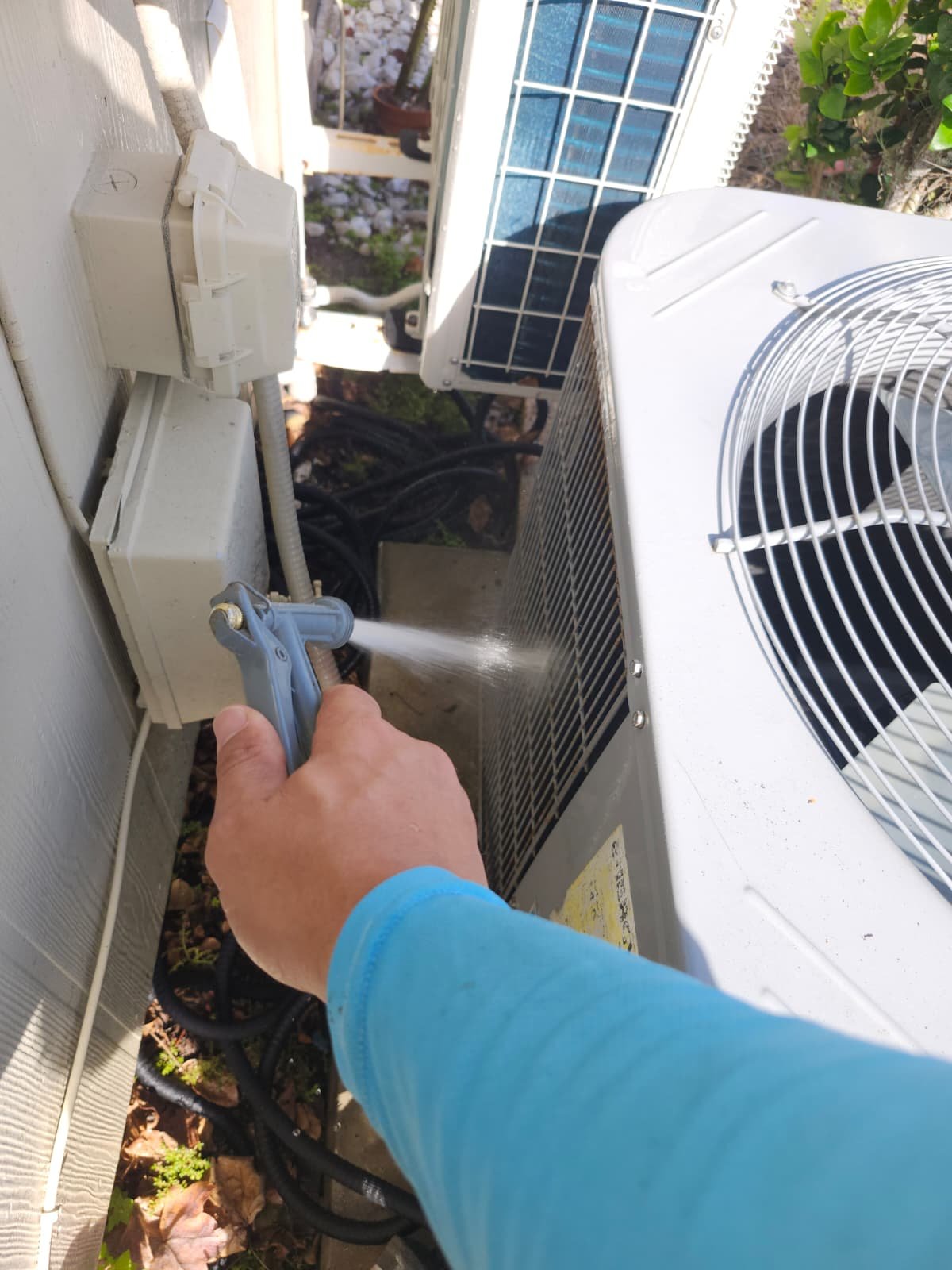
When your air conditioner suddenly stops keeping up with the Florida heat, it can turn an otherwise normal day into a stressful one. At a home in Valrico, FL 33596, our team at Home Therapist was called in to address a problem with an outdoor AC condenser that needed a new fan motor and related parts under warranty. In situations like this, homeowners often have questions about why parts fail, what “under warranty” really means, and what that warranty handling fee on the invoice is all about.

In this case study, we’ll walk through how our technician handled a condenser fan motor replacement in Valrico, FL, what was included, and how we help our clients understand their options in clear, simple terms.

Customer Problem: What Was Happening at the Home

Our client in Valrico reached out because their air conditioner’s outdoor unit (the condenser) was no longer running properly. A failing or failed condenser fan motor can cause symptoms like:

  • Warm air blowing from the vents inside the home
  • Outdoor unit humming but the fan blade not spinning
  • Breaker tripping or system shutting off unexpectedly
  • Very hot air coming from the top of the outdoor unit

While the job record for this visit focuses on the repair details and warranty items, these are the most common complaints we hear when a condenser fan motor is on its way out. In the Job notes, we documented the part order through the manufacturer’s supplier in Clearwater so we could complete the repair with the correct OEM motor for the system.

For homeowners in Valrico, FL, this is a fairly typical AC repair. The combination of heat, humidity, and long cooling seasons means outdoor units work hard most of the year. Over time, moving parts like fan motors and capacitors can wear down.

Our Inspection & Diagnosis Process

Before we replace any parts, our technician carefully confirms the diagnosis. On a condenser fan motor job like this, our general process looks like this:

  • Visual inspection of the condenser: Checking for obvious damage, burnt wiring, or debris around the fan.
  • Manually testing the fan blade: Determining whether the blade spins freely or feels stiff and seized.
  • Electrical testing: Verifying that power is reaching the fan motor and that the capacitor readings are within manufacturer specifications.
  • Checking for other issues: Examining contactor, wiring, and refrigerant pressures to be sure the motor is the true root cause.

In this Valrico project, the line item “System repair Lv.2 – Condenser Fan Motor Replacement (Labor Only)” tells us that the main repair was the motor itself. The description also notes that labor for a possible new capacitor was included, if needed. This is important because a weak or failed capacitor is one of the top reasons a fan motor burns out prematurely.

Once the technician confirmed that the fan motor was indeed failed or failing, and that the motor was covered under the manufacturer’s parts warranty, we proceeded with ordering and installing the new component.

Understanding the Warranty Handling Fee and Parts

One of the most common questions we hear during AC repair in Valrico, FL is:

“If the part is under warranty, why is there still a charge on my invoice?”

This job is a good example. The work order includes:

  • Condenser fan motor replacement (labor only) – The time, tools, and expertise required for our technician to safely remove the old motor and install the new one.
  • Cost of parts – The new fan motor itself was covered under the manufacturer’s warranty.
  • Miscellaneous – Warranty Handling Fee – A small fee from the supplier to process and handle the manufacturer’s warranty claim and part logistics.
  • Elite Therapy Plan discount – A discount applied through our maintenance plan, helping reduce the homeowner’s out-of-pocket cost.

The warranty handling fee is not the cost of the part itself. Instead, it reflects the behind-the-scenes work and processing required to validate the warranty, order the correct part, and coordinate delivery through the approved supplier. In this case, our notes show the motor was ordered through the Trane supplier in Clearwater to make sure the replacement met factory specifications.

We always strive to explain these charges clearly, so homeowners understand exactly what they are paying for: expert labor, safe installation, and proper handling of the warranty process so their system remains compliant with manufacturer guidelines.

Step-by-Step: How We Replaced the Condenser Fan Motor

For a typical condenser fan motor replacement in Valrico, FL, our step-by-step process is designed for safety, reliability, and long-term performance. Here’s how a job like this generally goes:

1. Power Off and Safety Check

Our technician shuts off power at both the outdoor disconnect and the main breaker panel, then verifies that the unit is fully de-energized. This protects the equipment and, more importantly, keeps everyone safe.

2. Accessing the Existing Motor

The top grille of the condenser is removed so we can access the motor and fan blade assembly. We check for:

  • Signs of overheating or burnt insulation on the wires
  • Rust or corrosion on mounting hardware
  • Physical damage to the fan blades

If the fan blade is in good condition, we carefully transfer it to the new motor. If it is warped, cracked, or badly rusted, we’ll recommend replacement to avoid vibration and noise issues.

3. Removing the Old Fan Motor

Next, we disconnect the motor wiring from the control board or contactor, carefully label our connections, and unbolt the old motor from the top grille. This step must be done carefully to avoid bending the grille or damaging the fan blade.

4. Installing the New Motor and Capacitor (If Needed)

Once the new OEM motor arrives from the supplier, we mount it to the grille and set the fan blade at the manufacturer-recommended height for proper airflow. As the job description for this Valrico project notes, labor also covered installing a new capacitor if needed. If our readings show the existing capacitor is out of spec, we replace it at the same time. This helps prevent the new motor from being stressed by a weak capacitor.

We then:

  • Reconnect all wiring according to the wiring diagram
  • Secure connections with proper wire nuts and protective covers
  • Check for any rubbing or interference when the fan spins

5. Final Testing and System Check

Once everything is reassembled, we restore power and run the system through a full cooling cycle. During this check, we look for:

  • Smooth, quiet operation of the outdoor fan
  • Proper airflow out of the top of the condenser
  • Normal amperage draw on the new motor
  • Strong, cool air blowing from the indoor vents

Only after all readings look good do we consider the repair complete. We then review the work with the homeowner, answer questions about the warranty, and provide tips to help extend the life of the new motor.

Why Fixing a Condenser Fan Motor Promptly Matters

A failing condenser fan motor is more than just an inconvenience. If left unaddressed, it can lead to larger, more expensive problems. Here’s why timely AC repair in Valrico, FL is so important:

  • Prevents compressor damage: Without proper airflow across the outdoor coil, system pressures rise and the compressor can overheat and fail.
  • Reduces energy waste: A struggling fan motor can draw high amperage and run inefficiently, driving up power bills.
  • Improves indoor comfort: With the fan working correctly, your system can remove more heat and humidity from the home.
  • Protects your warranty: Using approved parts and proper installation helps maintain manufacturer warranty coverage.

In this Valrico project, the homeowner was proactive and allowed us to replace the motor under warranty before additional components were damaged. That decision helped keep the total cost lower and restored reliable cooling faster.

How Our Maintenance Plan Helped This Homeowner

This job also included an Elite Therapy Plan discount, which tells us the homeowner was enrolled in our maintenance plan. For many of our clients, a plan like this offers real-world benefits, including:

  • Discounts on repairs and service calls
  • Priority scheduling during peak seasons
  • Regular tune-ups that catch problems early
  • Documentation that supports warranty claims

In a climate like Valrico, FL, where air conditioners run most of the year, a maintenance plan can be the difference between a sudden breakdown and a quick, planned repair. During routine visits, our technicians often spot early signs of motor or capacitor issues, giving homeowners a chance to plan ahead instead of facing an emergency in the middle of a heat wave.

If you’re curious about what’s included in our maintenance options, you can learn more about our AC maintenance plans and services on our website.

Tips to Prevent Future Condenser Fan Motor Problems in Valrico Homes

While no component lasts forever, there are several things homeowners in Valrico, FL can do to help extend the life of a condenser fan motor and keep their system running smoothly.

  • Keep the area around the condenser clear: Maintain at least two feet of clearance around the outdoor unit. Trim back bushes and remove leaves and debris.
  • Change air filters regularly: Restrictive filters can cause your system to work harder, which increases strain on multiple components, including the fan motor.
  • Schedule yearly tune-ups: Professional inspections let us check capacitors, motor bearings, and electrical connections before they become serious problems.
  • Listen for changes: If your outdoor unit starts sounding louder than usual, rattles, or hums without the fan spinning, shut it down and call for service.
  • Protect your system from power issues: Whole-home surge protection or dedicated HVAC surge protectors can help protect motors and electronics from voltage spikes.

For a deeper dive into what to expect when your AC is not cooling properly, we also recommend reading our article on air conditioner repair services and non-cooling issues.

Local Context: AC Systems in Valrico, FL

Valrico is part of the greater Tampa Bay area, known for long, hot summers and high humidity levels. According to Valrico’s local profile, the community has grown quickly, with a mix of older homes and newer developments. That mix means we see a wide variety of HVAC systems in the 33596 area—from older units nearing the end of their lifespan to newer, high-efficiency systems still under full manufacturer warranty.

Because air conditioning is essential here for much of the year, even a “small” component failure like a fan motor can quickly affect daily comfort. Being proactive with service and choosing experienced local technicians can make a big difference. If you’re curious where Valrico sits within the Tampa Bay region, you can see it on Google Maps.

Related Services We Offer in the Tampa Bay Area

Condenser fan motor replacement is just one of many AC repair services we provide. Homeowners in Valrico and across the Tampa Bay area often reach out to us for:

We also have a case study covering another condenser motor replacement project on a rooftop unit in the Tampa area, which can help you see how we approach similar repairs from start to finish.

Why Choose Home Therapist for AC Repair in Valrico, FL?

When you’re dealing with an AC problem—especially in the middle of a hot, humid day—you don’t just want a quick fix. You want a team that treats your home like their own and takes the time to explain what’s going on.

Here’s what our clients in Valrico and throughout Tampa Bay can expect from us:

  • Clear communication: We explain the problem, the options, and the costs in plain language.
  • Factory-approved repairs: We use parts and methods that align with manufacturer guidelines, especially when a warranty is involved.
  • Respect for your time and home: We show up prepared, work efficiently, and leave the work area clean.
  • Long-term mindset: We don’t just swap parts; we look for underlying causes so the same issue is less likely to come back.

In this Valrico condenser fan motor project, that meant coordinating with the Trane supplier, honoring the parts warranty, explaining the warranty handling fee, and applying the Elite Therapy Plan discount to help our client save money.

When to Call for Help

If you notice any of these signs at your home in Valrico, FL or the surrounding area, it’s a good idea to reach out to a professional:

  • Outdoor unit hums but the fan blade doesn’t spin.
  • Warm air is blowing from your vents even though the thermostat is set to cool.
  • Your AC runs continuously but never seems to catch up.
  • You hear grinding, screeching, or rattling from the outdoor unit.

Shutting the system off and calling for service can prevent additional damage and keep repair costs more manageable.

Need AC Repair in Valrico, FL? We’re Here to Help.

Whether you’re dealing with a failing condenser fan motor, a system that’s not cooling, or just want to keep your AC in top shape with regular maintenance, our team at Home Therapist is ready to help.

We proudly serve Valrico, FL 33596 and the greater Tampa Bay area with honest, professional HVAC and plumbing services. Call Home Therapist or visit our website to schedule service, learn more about our Elite Therapy Plan, or ask questions about your system. We’re here to provide the therapy your home needs. #HomeTherapist #TheTherapyYourHomeNeeds
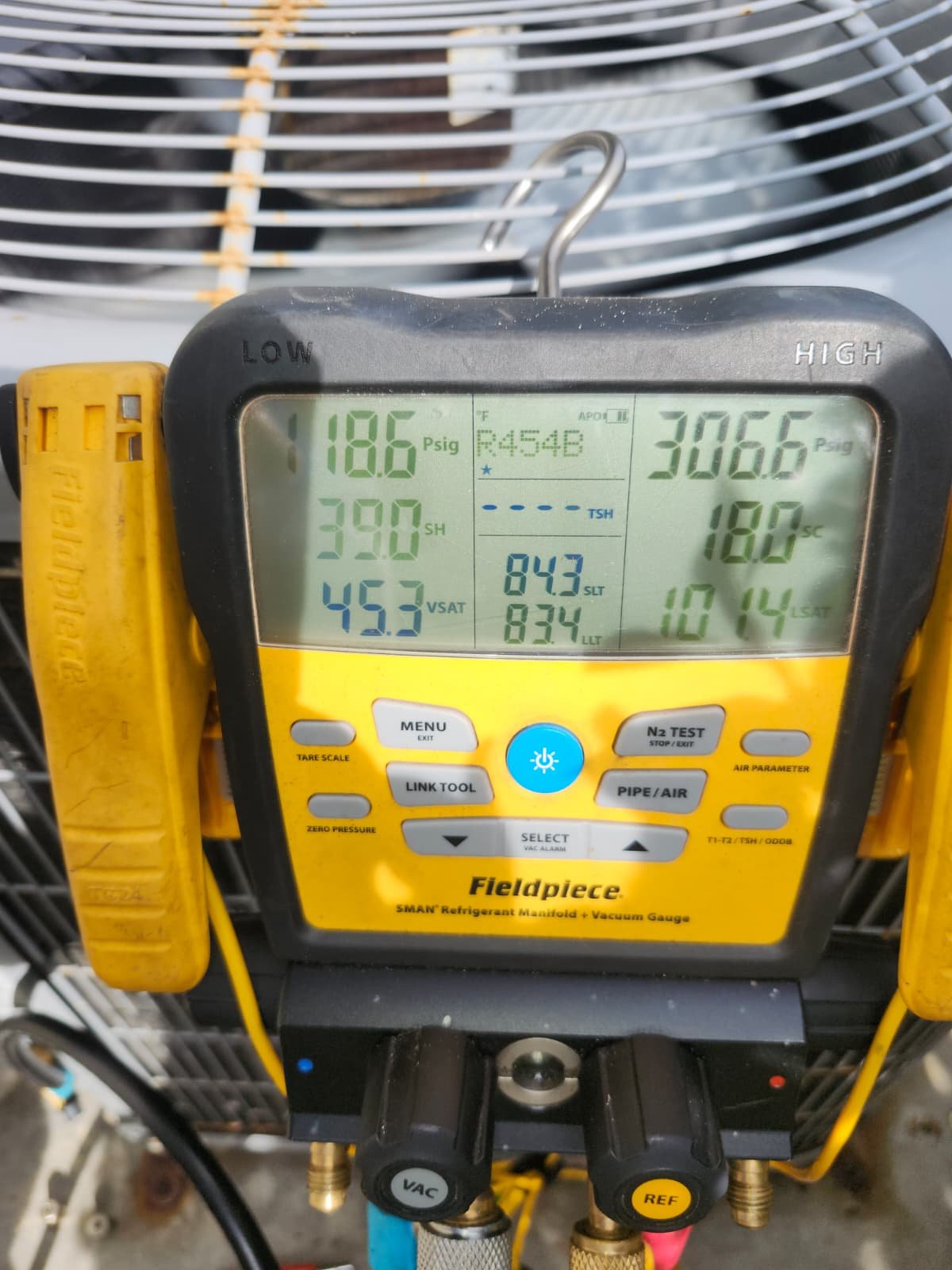
17-Year-Old AC System in Tampa, FL 33610: When Maintenance Reveals It’s Time for HVAC Replacement

During a recent quarterly HVAC maintenance visit at a home in the 33610 area of Tampa, FL, our team at Home Therapist Cooling, Heating, and Plumbing found something we see often in older systems: an air conditioner that has simply reached the end of its safe and efficient life. What started as a routine service agreement visit turned into an important conversation about safety, comfort, and when it’s the right time to replace an aging HVAC system.

Living in Tampa, FL means your air conditioner works hard almost all year. When a system is 17 years old and showing repeated electrical and airflow problems, it’s more than just an inconvenience—it can affect your comfort, your energy bills, and even the safety of your home’s electrical system.

Customer Problem: What Was Happening at the Home

This visit was part of a Quarterly Service Agreement for a homeowner in Tampa, FL 33610. Because they’re on a maintenance plan, we visit on a regular schedule to inspect, clean, test, and document the health of their HVAC system.

The client didn’t call with a single emergency complaint this time; instead, this was a planned maintenance visit—Visit #9 under their agreement. That said, from earlier visits we already knew this system was struggling. The homeowner had been dealing with:

There were also some access notes on the account: entry to the property is remote, and our technician needs to call the client upon arrival. We always pay attention to these details so we can respect the customer’s preferences and keep the visit smooth and stress-free.

What Our Technician Found During the Quarterly Service Visit

Our technician, Jandiel, completed a thorough checkup as part of the Quarterly Service Agreement visit. Even though this was a routine maintenance appointment, we always approach it as an opportunity to catch safety and performance issues early.

Here’s what we found during this visit in Tampa, FL 33610:

1. The System Is 17 Years Old and in Very Poor Condition

Seventeen years is beyond the average life expectancy for most residential HVAC systems in Florida’s climate. Between heat, humidity, and heavy usage, many systems in Tampa need replacement around the 10–15 year mark. At 17 years, this system had:

  • Noticeable wear on major components
  • Ongoing reliability issues documented from previous visits
  • Inefficient performance compared to modern equipment

At this point, even if we can keep it running with repairs, it usually isn’t the smartest or safest long-term investment for the homeowner.

2. Electrical Safety Concern: Condenser and Air Handler Sharing a Single Breaker

One of the most serious findings was an electrical configuration problem: the outdoor condenser and indoor air handler were both tied to a single breaker. This was not new information—we had noted it on a previous visit—but the condition continued without correction.

Why is this a problem?

  • Frequent breaker tripping: Both major components draw significant power. Putting them on one breaker overloads the circuit.
  • Potential safety risk: Breakers constantly tripping is a sign that something isn’t right electrically. Over time, this can lead to overheating, nuisance outages, and stress on wiring and equipment.
  • Code and best-practice concerns: Current standards typically call for separate dedicated circuits for the condenser and the air handler.

3. No Electrical Disconnect on the Air Handler

We also noted that the air handler did not have its own electrical disconnect switch within line of sight. A disconnect is important for:

  • Technician safety: It allows us to safely shut off power for service and repairs.
  • Emergency shutoff: In a problem situation, it provides a quick way to kill power to that part of the system.
  • Compliance: It’s part of following modern electrical and mechanical codes.

While homeowners don’t always see this component or think about it, it’s a basic safety and serviceability feature we take seriously.

4. Ductwork in Poor Condition

In addition to the equipment and electrical issues, the ductwork in this Tampa home was in poor shape. Damaged, leaky, or poorly designed ductwork can:

  • Waste cooled air into the attic or crawlspaces
  • Create hot and cold spots throughout the home
  • Increase dust and affect indoor air quality
  • Force the HVAC system to work harder and run longer

We’ve seen similar issues in other homes in this area—if you’d like a deeper dive into duct projects, you can see another case study at our air duct repair and replacement project in Tampa, FL 33610.

Our Recommended Options for This Tampa, FL Home

After documenting the condition of the 17-year-old system and the electrical and ductwork problems, we walked the homeowner through several clear, straightforward recommendations. Because they’re on a maintenance plan, they already understand the value of regular HVAC care—but there comes a point where maintenance is keeping an old system afloat rather than helping it perform well.

Recommended Option 1: Replace the Entire HVAC System

We recommended replacing both the outdoor condenser and the indoor air handler. A full system replacement allows us to:

  • Match equipment properly for better performance and efficiency
  • Install a system that meets current efficiency standards
  • Correct old installation or sizing issues
  • Provide more reliable cooling in Tampa’s hot, humid climate

For homeowners researching this decision, our blog on the HVAC replacement checklist for homeowners is a helpful guide to what to expect and what questions to ask.

Recommended Option 2: Add a Proper Electrical Disconnect for the Air Handler

We also recommended adding a dedicated electrical disconnect for the air handler. This is a relatively small component, but it’s an important part of a safe, code-compliant installation. With a proper disconnect, both homeowners and technicians have a safer way to control power during service or emergencies.

Recommended Option 3: Separate the Electrical Circuits

Next, we advised separating the electrical circuits so the condenser and air handler no longer share a single breaker. Instead, each would have its own dedicated circuit sized appropriately for the equipment.

This helps to:

  • Reduce or eliminate nuisance breaker trips
  • Protect the equipment from electrical stress
  • Bring the installation closer to current code and best practices

Recommended Option 4: Replace or Redesign the Ductwork

Finally, we recommended either replacing or redesigning the existing duct system. In some Tampa homes, this means sealing, repairing, and resizing certain runs. In others, it makes more sense to replace large portions of the ductwork entirely.

Good ductwork design can dramatically improve:

  • Room-to-room comfort and balanced temperatures
  • System efficiency and run times
  • Noise levels and airflow
  • Indoor air quality and dust control

We also pointed the homeowner toward our educational article on why upgrading your HVAC system can be a smart move, which explains how modern equipment and properly designed ductwork work together.

Why We Recommended Replacement Instead of More Repairs

When we talk to homeowners in Tampa, we try to be very open about the repair-versus-replace decision. We’re not here to push a new system on anyone; our job is to share honest observations and help you make an informed choice.

In this case, we recommended replacing the system for a few key reasons:

1. Age and Condition

At 17 years old, this HVAC system was already beyond the typical life span for Florida. Components wear down, parts become less available, and efficiency drops compared to newer systems. Investing in major repairs on a system this old often becomes a short-term patch rather than a long-term solution.

2. Repeated Electrical Problems

The shared breaker issue had been noted before. While we can sometimes make improvements to wiring and controls, there is a limit to how far we can take an older, compromised installation before it makes more sense to start fresh with a properly designed system.

3. Safety and Code Compliance

Missing disconnects and improper circuiting are red flags from a safety standpoint. When we replace a system, we have the opportunity to bring the entire installation into alignment with modern codes and best practices, which is a big benefit for long-term peace of mind.

4. Ductwork Problems and Efficiency

Even the best new equipment will struggle if it’s tied to poor ductwork. By addressing the duct issues at the same time as the equipment replacement, we help ensure that the homeowner actually feels the full benefit of the upgrade. For more tips on getting the most value out of your system, our guide to HVAC maintenance for homeowners is a great resource.

5. Long-Term Cost and Comfort

Continuing to repair an aging, inefficient system can become like pouring money into an old car that’s breaking down every few months. A properly sized, modern system with good ductwork typically offers:

  • Lower energy usage
  • More consistent comfort throughout the home
  • Quieter operation
  • Fewer surprise breakdowns in the middle of a Tampa summer

After reviewing all of this, we prepared detailed estimates and sent them to the homeowner for their consideration so they could make a decision on their own timeline.

Step-by-Step: How We Handle This Kind of Project in Tampa, FL

Every home and every system is a little different, but for a job like this—full system replacement, electrical corrections, and ductwork improvements—our process generally looks like this:

1. Initial Inspection and Documentation

We start with a thorough inspection, documenting:

  • Existing equipment model, age, and condition
  • Electrical setup including breakers, disconnects, and wiring
  • Duct layout, sizing, and visible damage
  • Airflow and comfort concerns in different rooms

This step was already largely complete because of the homeowner’s Quarterly Service Agreement, which gives us a clear service history.

2. Load Calculation and System Sizing

When the client decides to move forward, we perform proper sizing to make sure the new system is neither too small nor too large. In Tampa’s climate, correct sizing is critical for managing humidity and ensuring energy efficiency.

Our resources on how to choose an HVAC system in Tampa Bay can help homeowners understand what goes into this step.

3. Electrical Corrections

We coordinate necessary electrical work, which can include:

  • Installing a dedicated breaker and circuit for the air handler
  • Ensuring the condenser has its own properly sized circuit
  • Adding required disconnects within line of sight of the equipment

These upgrades are not just for compliance—they help protect the system and keep your home safer.

4. Ductwork Repair or Redesign

Depending on what we find, we may:

We know air distribution is just as important as the unit itself. That’s especially true in older homes in areas like Tampa, FL 33610, where ductwork may have been patched over the years.

5. Installing and Commissioning the New System

Once the electrical and ductwork are addressed, we install the new HVAC equipment. We then commission the system—meaning we test, measure, and adjust to ensure it’s operating as designed.

If you’re curious about this part of the process, our article on what HVAC commissioning is and why it matters goes into more detail.

6. Ongoing Maintenance

Finally, we always recommend staying on a maintenance schedule. This homeowner was already ahead of the game with a Quarterly Service Agreement, which helped us catch these issues and start the replacement conversation before something failed completely in the middle of summer.

What Could Have Happened If Nothing Changed

If the homeowner chose to continue running this 17-year-old system without making any upgrades or corrections, a few outcomes were likely:

  • More frequent breakdowns during high-demand days in Tampa’s heat
  • Continued breaker trips, which are annoying at best and potentially risky at worst
  • Higher energy bills from an inefficient system and leaky ductwork
  • Uneven comfort with hot spots and humidity issues throughout the home

Our job isn’t to scare anyone, but to be honest. Older systems don’t fail on a convenient schedule, and addressing these issues proactively gives the homeowner more control and more options.

Tips to Prevent Similar Problems in Tampa, FL Homes

Whether you’re in Tampa, FL 33610 or elsewhere in the Tampa Bay area, there are a few practical steps you can take to reduce the chances of finding yourself in a similar situation:

  • Stay on a regular maintenance plan. Routine visits allow us to catch electrical, mechanical, and duct issues early. Our maintenance-focused blogs, like the regular HVAC maintenance guide, explain what should be checked each season.
  • Pay attention to breaker trips. If your AC or air handler is tripping the breaker more than once in a blue moon, it’s worth a professional inspection.
  • Watch for uneven temperatures and weak airflow. These can be signs of duct problems, not just equipment issues.
  • Know your system’s age. If your system is 12–15+ years old, start planning ahead. Reading resources like our why upgrade your HVAC system guide can help you prepare before an emergency hits.
  • Use trusted local pros. HVAC systems in coastal and humid climates like Tampa have unique demands. Local experience matters.

Why Choose Home Therapist for HVAC and Ductwork in Tampa, FL?

Our team at Home Therapist Cooling, Heating, and Plumbing focuses on clear communication, thorough inspections, and practical recommendations—never pressure. On maintenance agreement visits like this one, our goal is to:

  • Document the true condition of your system
  • Explain safety and comfort concerns in plain language
  • Offer options that match your budget and priorities
  • Respect your schedule and access preferences

We serve homeowners throughout Tampa, FL and the greater Tampa Bay area, helping them stay comfortable in our hot, humid climate. If you’d like to understand more about how regular service helps, check out our article on why you should schedule regular HVAC maintenance.

For a bit of local context, Tampa isn’t just hot—it’s a vibrant city with attractions like downtown Tampa, the Tampa Riverwalk, and nearby destinations like Busch Gardens. But when you come home from a day out, you want to walk into cool, dry, comfortable air—without worrying if your 17-year-old AC will make it through another season.

Serving Homeowners Across Tampa, FL 33610 and Beyond

We understand the specific demands of HVAC systems in communities across Tampa, including the 33610 area. If you’re curious where you are on the map, you can see the area on Google Maps for Tampa, FL 33610. Whether you’re closer to downtown, the riverfront, or the outer neighborhoods, your AC works hard almost year-round—and it deserves proper care.

Thinking About Replacing an Old AC in Tampa, FL?

If you’re in a similar situation—an older system, recurring electrical issues, duct problems, or just a feeling that your AC isn’t keeping up—it might be time to start exploring replacement options. You don’t have to make the decision alone. Our team can inspect your current system, discuss what we see, and give you straightforward recommendations.

Call Home Therapist or visit our website to schedule an evaluation or ask about our maintenance agreements and replacement options for HVAC and ductwork in Tampa, FL. We’ll walk you through each step, from inspection to estimates to installation, in clear, simple terms.

When your home needs reliable cooling, safe electrical configurations, and solid ductwork, we’re here to provide #HomeTherapist and #TheTherapyYourHomeNeeds.

During a recent quarterly HVAC maintenance visit at a home in the 33610 area of Tampa, FL, our team at Home Therapist Cooling, Heating, and Plumbing found something we see often in older systems: an air conditioner that has simply reached the end of its safe and efficient life. What started as a routine service agreement visit turned into an important conversation about safety, comfort, and when it’s the right time to replace an aging HVAC system.

Living in Tampa, FL means your air conditioner works hard almost all year. When a system is 17 years old and showing repeated electrical and airflow problems, it’s more than just an inconvenience—it can affect your comfort, your energy bills, and even the safety of your home’s electrical system.

Customer Problem: What Was Happening at the Home

This visit was part of a Quarterly Service Agreement for a homeowner in Tampa, FL 33610. Because they’re on a maintenance plan, we visit on a regular schedule to inspect, clean, test, and document the health of their HVAC system.

The client didn’t call with a single emergency complaint this time; instead, this was a planned maintenance visit—Visit #9 under their agreement. That said, from earlier visits we already knew this system was struggling. The homeowner had been dealing with:

  • Frequent breaker trips when the AC ran
  • Inconsistent cooling in different rooms
  • Concerns about the age and reliability of the system

There were also some access notes on the account: entry to the property is remote, and our technician needs to call the client upon arrival. We always pay attention to these details so we can respect the customer’s preferences and keep the visit smooth and stress-free.

What Our Technician Found During the Quarterly Service Visit

Our technician, Jandiel, completed a thorough checkup as part of the Quarterly Service Agreement visit. Even though this was a routine maintenance appointment, we always approach it as an opportunity to catch safety and performance issues early.

Here’s what we found during this visit in Tampa, FL 33610:

1. The System Is 17 Years Old and in Very Poor Condition

Seventeen years is beyond the average life expectancy for most residential HVAC systems in Florida’s climate. Between heat, humidity, and heavy usage, many systems in Tampa need replacement around the 10–15 year mark. At 17 years, this system had:

  • Noticeable wear on major components
  • Ongoing reliability issues documented from previous visits
  • Inefficient performance compared to modern equipment

At this point, even if we can keep it running with repairs, it usually isn’t the smartest or safest long-term investment for the homeowner.

2. Electrical Safety Concern: Condenser and Air Handler Sharing a Single Breaker

One of the most serious findings was an electrical configuration problem: the outdoor condenser and indoor air handler were both tied to a single breaker. This was not new information—we had noted it on a previous visit—but the condition continued without correction.

Why is this a problem?

  • Frequent breaker tripping: Both major components draw significant power. Putting them on one breaker overloads the circuit.
  • Potential safety risk: Breakers constantly tripping is a sign that something isn’t right electrically. Over time, this can lead to overheating, nuisance outages, and stress on wiring and equipment.
  • Code and best-practice concerns: Current standards typically call for separate dedicated circuits for the condenser and the air handler.

3. No Electrical Disconnect on the Air Handler

We also noted that the air handler did not have its own electrical disconnect switch within line of sight. A disconnect is important for:

  • Technician safety: It allows us to safely shut off power for service and repairs.
  • Emergency shutoff: In a problem situation, it provides a quick way to kill power to that part of the system.
  • Compliance: It’s part of following modern electrical and mechanical codes.

While homeowners don’t always see this component or think about it, it’s a basic safety and serviceability feature we take seriously.

4. Ductwork in Poor Condition

In addition to the equipment and electrical issues, the ductwork in this Tampa home was in poor shape. Damaged, leaky, or poorly designed ductwork can:

  • Waste cooled air into the attic or crawlspaces
  • Create hot and cold spots throughout the home
  • Increase dust and affect indoor air quality
  • Force the HVAC system to work harder and run longer

We’ve seen similar issues in other homes in this area—if you’d like a deeper dive into duct projects, you can see another case study at our air duct repair and replacement project in Tampa, FL 33610.

Our Recommended Options for This Tampa, FL Home

After documenting the condition of the 17-year-old system and the electrical and ductwork problems, we walked the homeowner through several clear, straightforward recommendations. Because they’re on a maintenance plan, they already understand the value of regular HVAC care—but there comes a point where maintenance is keeping an old system afloat rather than helping it perform well.

Recommended Option 1: Replace the Entire HVAC System

We recommended replacing both the outdoor condenser and the indoor air handler. A full system replacement allows us to:

  • Match equipment properly for better performance and efficiency
  • Install a system that meets current efficiency standards
  • Correct old installation or sizing issues
  • Provide more reliable cooling in Tampa’s hot, humid climate

For homeowners researching this decision, our blog on the HVAC replacement checklist for homeowners is a helpful guide to what to expect and what questions to ask.

Recommended Option 2: Add a Proper Electrical Disconnect for the Air Handler

We also recommended adding a dedicated electrical disconnect for the air handler. This is a relatively small component, but it’s an important part of a safe, code-compliant installation. With a proper disconnect, both homeowners and technicians have a safer way to control power during service or emergencies.

Recommended Option 3: Separate the Electrical Circuits

Next, we advised separating the electrical circuits so the condenser and air handler no longer share a single breaker. Instead, each would have its own dedicated circuit sized appropriately for the equipment.

This helps to:

  • Reduce or eliminate nuisance breaker trips
  • Protect the equipment from electrical stress
  • Bring the installation closer to current code and best practices

Recommended Option 4: Replace or Redesign the Ductwork

Finally, we recommended either replacing or redesigning the existing duct system. In some Tampa homes, this means sealing, repairing, and resizing certain runs. In others, it makes more sense to replace large portions of the ductwork entirely.

Good ductwork design can dramatically improve:

  • Room-to-room comfort and balanced temperatures
  • System efficiency and run times
  • Noise levels and airflow
  • Indoor air quality and dust control

We also pointed the homeowner toward our educational article on why upgrading your HVAC system can be a smart move, which explains how modern equipment and properly designed ductwork work together.

Why We Recommended Replacement Instead of More Repairs

When we talk to homeowners in Tampa, we try to be very open about the repair-versus-replace decision. We’re not here to push a new system on anyone; our job is to share honest observations and help you make an informed choice.

In this case, we recommended replacing the system for a few key reasons:

1. Age and Condition

At 17 years old, this HVAC system was already beyond the typical life span for Florida. Components wear down, parts become less available, and efficiency drops compared to newer systems. Investing in major repairs on a system this old often becomes a short-term patch rather than a long-term solution.

2. Repeated Electrical Problems

The shared breaker issue had been noted before. While we can sometimes make improvements to wiring and controls, there is a limit to how far we can take an older, compromised installation before it makes more sense to start fresh with a properly designed system.

3. Safety and Code Compliance

Missing disconnects and improper circuiting are red flags from a safety standpoint. When we replace a system, we have the opportunity to bring the entire installation into alignment with modern codes and best practices, which is a big benefit for long-term peace of mind.

4. Ductwork Problems and Efficiency

Even the best new equipment will struggle if it’s tied to poor ductwork. By addressing the duct issues at the same time as the equipment replacement, we help ensure that the homeowner actually feels the full benefit of the upgrade. For more tips on getting the most value out of your system, our guide to HVAC maintenance for homeowners is a great resource.

5. Long-Term Cost and Comfort

Continuing to repair an aging, inefficient system can become like pouring money into an old car that’s breaking down every few months. A properly sized, modern system with good ductwork typically offers:

  • Lower energy usage
  • More consistent comfort throughout the home
  • Quieter operation
  • Fewer surprise breakdowns in the middle of a Tampa summer

After reviewing all of this, we prepared detailed estimates and sent them to the homeowner for their consideration so they could make a decision on their own timeline.

Step-by-Step: How We Handle This Kind of Project in Tampa, FL

Every home and every system is a little different, but for a job like this—full system replacement, electrical corrections, and ductwork improvements—our process generally looks like this:

1. Initial Inspection and Documentation

We start with a thorough inspection, documenting:

  • Existing equipment model, age, and condition
  • Electrical setup including breakers, disconnects, and wiring
  • Duct layout, sizing, and visible damage
  • Airflow and comfort concerns in different rooms

This step was already largely complete because of the homeowner’s Quarterly Service Agreement, which gives us a clear service history.

2. Load Calculation and System Sizing

When the client decides to move forward, we perform proper sizing to make sure the new system is neither too small nor too large. In Tampa’s climate, correct sizing is critical for managing humidity and ensuring energy efficiency.

Our resources on how to choose an HVAC system in Tampa Bay can help homeowners understand what goes into this step.

3. Electrical Corrections

We coordinate necessary electrical work, which can include:

  • Installing a dedicated breaker and circuit for the air handler
  • Ensuring the condenser has its own properly sized circuit
  • Adding required disconnects within line of sight of the equipment

These upgrades are not just for compliance—they help protect the system and keep your home safer.

4. Ductwork Repair or Redesign

Depending on what we find, we may:

  • Seal leaky joints and connections
  • Replace damaged or undersized runs
  • Rebalance airflow to problem rooms
  • Replace sections of duct that are beyond repair

We know air distribution is just as important as the unit itself. That’s especially true in older homes in areas like Tampa, FL 33610, where ductwork may have been patched over the years.

5. Installing and Commissioning the New System

Once the electrical and ductwork are addressed, we install the new HVAC equipment. We then commission the system—meaning we test, measure, and adjust to ensure it’s operating as designed.

If you’re curious about this part of the process, our article on what HVAC commissioning is and why it matters goes into more detail.

6. Ongoing Maintenance

Finally, we always recommend staying on a maintenance schedule. This homeowner was already ahead of the game with a Quarterly Service Agreement, which helped us catch these issues and start the replacement conversation before something failed completely in the middle of summer.

What Could Have Happened If Nothing Changed

If the homeowner chose to continue running this 17-year-old system without making any upgrades or corrections, a few outcomes were likely:

  • More frequent breakdowns during high-demand days in Tampa’s heat
  • Continued breaker trips, which are annoying at best and potentially risky at worst
  • Higher energy bills from an inefficient system and leaky ductwork
  • Uneven comfort with hot spots and humidity issues throughout the home

Our job isn’t to scare anyone, but to be honest. Older systems don’t fail on a convenient schedule, and addressing these issues proactively gives the homeowner more control and more options.

Tips to Prevent Similar Problems in Tampa, FL Homes

Whether you’re in Tampa, FL 33610 or elsewhere in the Tampa Bay area, there are a few practical steps you can take to reduce the chances of finding yourself in a similar situation:

  • Stay on a regular maintenance plan. Routine visits allow us to catch electrical, mechanical, and duct issues early. Our maintenance-focused blogs, like the regular HVAC maintenance guide, explain what should be checked each season.
  • Pay attention to breaker trips. If your AC or air handler is tripping the breaker more than once in a blue moon, it’s worth a professional inspection.
  • Watch for uneven temperatures and weak airflow. These can be signs of duct problems, not just equipment issues.
  • Know your system’s age. If your system is 12–15+ years old, start planning ahead. Reading resources like our why upgrade your HVAC system guide can help you prepare before an emergency hits.
  • Use trusted local pros. HVAC systems in coastal and humid climates like Tampa have unique demands. Local experience matters.

Why Choose Home Therapist for HVAC and Ductwork in Tampa, FL?

Our team at Home Therapist Cooling, Heating, and Plumbing focuses on clear communication, thorough inspections, and practical recommendations—never pressure. On maintenance agreement visits like this one, our goal is to:

  • Document the true condition of your system
  • Explain safety and comfort concerns in plain language
  • Offer options that match your budget and priorities
  • Respect your schedule and access preferences

We serve homeowners throughout Tampa, FL and the greater Tampa Bay area, helping them stay comfortable in our hot, humid climate. If you’d like to understand more about how regular service helps, check out our article on why you should schedule regular HVAC maintenance.

For a bit of local context, Tampa isn’t just hot—it’s a vibrant city with attractions like downtown Tampa, the Tampa Riverwalk, and nearby destinations like Busch Gardens. But when you come home from a day out, you want to walk into cool, dry, comfortable air—without worrying if your 17-year-old AC will make it through another season.

Serving Homeowners Across Tampa, FL 33610 and Beyond

We understand the specific demands of HVAC systems in communities across Tampa, including the 33610 area. If you’re curious where you are on the map, you can see the area on Google Maps for Tampa, FL 33610. Whether you’re closer to downtown, the riverfront, or the outer neighborhoods, your AC works hard almost year-round—and it deserves proper care.

Thinking About Replacing an Old AC in Tampa, FL?

If you’re in a similar situation—an older system, recurring electrical issues, duct problems, or just a feeling that your AC isn’t keeping up—it might be time to start exploring replacement options. You don’t have to make the decision alone. Our team can inspect your current system, discuss what we see, and give you straightforward recommendations.

Call Home Therapist or visit our website to schedule an evaluation or ask about our maintenance agreements and replacement options for HVAC and ductwork in Tampa, FL. We’ll walk you through each step, from inspection to estimates to installation, in clear, simple terms.

When your home needs reliable cooling, safe electrical configurations, and solid ductwork, we’re here to provide #HomeTherapist and #TheTherapyYourHomeNeeds.

Quarterly HVAC Maintenance Visit Uncovers Aging System & Safety Concerns in Tampa, FL 33610

For homeowners in Tampa, FL 33610, a reliable air conditioning system isn’t a luxury—it’s a necessity. During a recent quarterly maintenance visit at a home in the 33610 area, our team at Home Therapist Cooling, Heating, and Plumbing found an aging HVAC system in very poor condition, with ongoing electrical problems and worn-out ductwork. The system was still limping along, but it was becoming less safe, less efficient, and more stressful for the homeowner.

In this case study, we’ll walk through what we found, why the issues matter, and the options we recommended. If you live in Tampa or nearby areas and your AC system is 15–20 years old, this story will sound familiar—and it may help you decide what to do next.

Customer Problem: What Was Happening at the Home

This visit was part of the homeowner’s ongoing quarterly maintenance agreement with us. They’ve been proactive about keeping their HVAC system checked, which is especially important in a hot, humid area like Tampa, Florida.

The key details from this visit:

Our technician also needed remote access to the property, so we coordinated arrival by calling the client when we got there. That’s a small detail, but for many Tampa homeowners who work long hours or manage rental properties, flexible access and clear communication can make a big difference.

Our Inspection & Diagnosis Process

Because this was a scheduled maintenance visit under a quarterly service agreement, our team followed a thorough, repeatable process. We don’t just do a quick visual check and leave; we use these visits to spot early warning signs before they become expensive emergencies.

For this visit in Tampa, FL 33610, our technician’s checklist included:

  • Inspecting the outdoor condenser unit.
  • Inspecting the indoor air handler.
  • Checking electrical connections and breaker configuration.
  • Assessing the condition of the ductwork.
  • Reviewing notes from previous visits to see ongoing patterns.

Key Finding #1: Shared Breaker Between Condenser and Air Handler

One of the biggest red flags we confirmed again on this visit was that the condenser and the air handler are sharing a single breaker. This is not how a modern HVAC system should be wired.

Why this is a problem:

  • Breaker trips: When both the indoor and outdoor units pull power from the same breaker, it’s easier to overload that circuit.
  • Safety concerns: Breakers are meant to protect wiring from overheating. Constantly tripping isn’t just annoying—it’s a sign the system is working too hard or wired improperly.
  • Code and inspection issues: This type of setup may not meet current electrical code, and it certainly doesn’t match best practice for modern HVAC systems.

Key Finding #2: No Electrical Disconnect at the Air Handler

Our technician also confirmed that there is no dedicated electrical disconnect switch installed at the air handler. That means there’s no simple, local way to cut power to the unit while performing service.

This matters because:

  • Technicians should be able to shut power off right at the equipment for safe service.
  • Future repairs or replacements can take longer and be more complicated without a proper disconnect.
  • Local codes often expect a disconnect near major equipment like air handlers and condensers.

Key Finding #3: Very Poor Overall System Condition

At 17 years old, this AC system has given the homeowner many years of service, but it is now clearly at the end of its useful life. We noted:

  • Worn components and outdated technology.
  • Ongoing electrical issues that have been documented on previous visits.
  • Likely reduced efficiency compared to current high-efficiency models.

Even with regular maintenance, there comes a point where the system’s design and age limit what we can realistically improve. That’s where honest recommendations become important.

Key Finding #4: Ductwork in Poor Condition

We also found that the ductwork in this Tampa home is in poor shape. Damaged, leaky, or poorly designed ducts can create a long list of comfort and efficiency problems:

  • Uneven temperatures from room to room.
  • Higher energy bills as the system runs longer to keep up.
  • Potential dust and debris being pulled into the system.
  • Extra wear and tear on the equipment.

We’ve documented similar duct issues in other nearby projects, like the air duct repair, replacement, and cleaning project we completed in Tampa, FL 33610. When ducts are neglected, they can quietly undo a lot of the benefit of even a brand-new HVAC system.

Recommended Options for the Homeowner

After reviewing the findings, we provided the homeowner with straightforward, practical options—backed by written estimates for their consideration. Here’s what we recommended:

1. Replace the Entire HVAC System (Condenser and Air Handler)

Given the age (17 years) and poor condition of the existing system, our primary recommendation was a full system replacement.

Benefits of a new system include:

  • Improved energy efficiency: Today’s systems use less energy to provide the same or better comfort.
  • Better comfort control: More consistent temperatures and better humidity control—especially important in Tampa’s climate.
  • Fewer surprise breakdowns: While no system is trouble-free, a new installation removes a lot of the risk that comes with an aging unit.
  • Updated to current codes: Electrical and safety features can be properly designed from the ground up.

For homeowners exploring this option, we also have more general information about our air conditioner installation and repair services in the Tampa Bay area.

2. Install a Proper Electrical Disconnect for the Air Handler

We strongly recommended installing a dedicated electrical disconnect at the air handler. This is a relatively straightforward upgrade but an important one.

With a proper disconnect in place:

  • Technicians can safely service or replace the unit.
  • The installation aligns better with modern safety expectations.
  • Future troubleshooting and repairs are faster and safer.

3. Separate Electrical Circuits for the Condenser and Air Handler

The shared breaker issue is at the heart of the recurring electrical problems. Our recommendation was to separate the electrical circuits so that the condenser and air handler each have their own properly sized breaker.

This helps to:

  • Reduce or eliminate nuisance breaker trips.
  • Lower stress on the wiring and equipment.
  • Bring the system closer to code-compliant standards.

4. Replace or Redesign the Existing Ductwork

Finally, we recommended addressing the duct issues. Depending on the exact condition of each run, that could mean:

  • Repairing damaged sections.
  • Replacing old or undersized ducts.
  • Redesigning parts of the duct layout to improve airflow.

Clean, well-designed ductwork is just as important as the equipment itself. We’ve written more about duct and air quality work in projects like our duct sanitation and UV light installation in Tampa, FL 33618.

Why We Recommended Replacement Over More Repairs

One of the most common questions we get from Tampa homeowners is: “Should I keep fixing this system, or is it finally time to replace it?” In this case, we leaned strongly toward replacement, and here’s why.

Age of the System

At around 17 years old, this system is already beyond the typical 10–15 year range we expect for many residential AC systems in Florida’s climate. Our heat, humidity, and long cooling season put extra stress on equipment, so systems here often age faster than in cooler regions.

Recurring Electrical Issues

When the same types of electrical problems show up visit after visit—like breaker trips and shared circuits—it’s usually a sign that we’re treating symptoms, not the core problem. Resets, temporary fixes, or minor component swaps can only go so far when the wiring design and overall system condition are working against you.

Safety and Code Concerns

Issues like missing disconnects and shared breakers aren’t just technical details. They directly impact safety for both the homeowner and anyone who works on the equipment. Bringing the system up to modern standards is often easier and more reliable when done as part of a full replacement.

Efficiency and Operating Costs

Older systems generally cost more to run. Between lower SEER ratings, worn parts, and leaky ductwork, many homeowners end up spending more on monthly energy bills than they realize. A properly installed new system, paired with solid ductwork, can make a noticeable difference over time.

What Could Happen If These Issues Are Ignored?

Not every homeowner is ready to replace a system immediately, and we completely understand that. Our job is to explain what’s going on and what the risks are so you can make an informed decision.

If issues like these are left unaddressed, you may see:

  • More frequent breakdowns: Especially during the peak of summer when the system is under maximum load.
  • Potential damage to electrical components: From repeated breaker trips and overheating.
  • Uneven comfort: Hot and cold spots in the home due to poor ductwork and declining system performance.
  • Higher long-term costs: More service calls, higher power bills, and eventually replacement anyway.

The goal of our quarterly maintenance visits is to catch these problems early, explain them clearly, and give you time to plan. In this visit, we sent detailed estimates so the homeowner can budget and choose the right timing for their upgrades.

How Quarterly Maintenance Helped Catch These Problems

This situation is a perfect example of why a maintenance plan matters. Because we’ve been visiting this Tampa property regularly, we’ve been able to:

  • Track recurring electrical symptoms over multiple visits.
  • Document changes in system performance and condition.
  • Give the homeowner consistent, updated recommendations—not just a one-time snapshot.

We’ve shared more about what to expect from a service visit in our article on air conditioner repair services in Tampa when your AC is not cooling. A planned visit is always better than an emergency call in the middle of a heatwave.

Tips to Prevent Similar HVAC Problems in Tampa, FL Homes

Whether your system is brand-new or approaching retirement age, there are several steps you can take to avoid situations like this:

  • Schedule regular maintenance: Twice-yearly or quarterly visits help catch issues early and keep your system clean and tuned.
  • Listen to your breakers: If you notice breakers tripping more than once, don’t ignore it. It’s a sign something needs attention.
  • Watch your energy bills: A sudden jump in power usage can mean the system is working harder than it should.
  • Check airflow: Rooms that never seem to reach the right temperature may point to duct problems.
  • Plan ahead for replacement: If your system is 12–15 years old, it’s smart to start exploring options and setting a budget before an emergency hits.

Tampa’s climate, with long cooling seasons and high humidity, puts extra stress on HVAC systems. Local resources like the Tampa, FL 33610 area map and attractions such as Busch Gardens Tampa Bay remind us how much we rely on cool, comfortable indoor spaces after a long, hot day outside.

Why Choose Home Therapist for HVAC and Ductwork Projects in Tampa, FL?

Our team at Home Therapist Cooling, Heating, and Plumbing focuses on clear communication, honest recommendations, and careful work. We approach every visit—whether it’s a quick tune-up or a full system replacement—with the same mindset: treat the home like it’s our own.

When you work with us for HVAC installation and repair in Tampa, FL, you can expect:

  • Detailed inspections and clear explanations in plain language.
  • Options, not pressure—for repair, upgrade, or replacement.
  • Attention to safety, electrical configuration, and code requirements.
  • Guidance on duct repairs, indoor air quality, and long-term system health.

We’ve helped many homeowners in and around Tampa, FL 33610 with projects ranging from routine maintenance to air duct repair and replacement and full system upgrades.

Next Steps for This Tampa Homeowner

For this particular home, we wrapped up the quarterly service visit, documented all findings, and sent estimates covering:

  • Full system replacement (condenser and air handler).
  • Adding a proper electrical disconnect at the air handler.
  • Separating the electrical circuits for the condenser and air handler.
  • Addressing the aging, damaged ductwork.

We didn’t pressure the homeowner to make an immediate decision. Instead, we gave them the information, pricing, and context they need to decide what’s best for their home and budget.

Need HVAC Help in Tampa, FL 33610?

If your system is older, tripping breakers, or just not keeping up with the Tampa heat, our team is here to help. Whether you need a one-time inspection, a maintenance plan, or a quote for a new system, we’ll walk you through your options step by step.

Call Home Therapist Cooling, Heating, and Plumbing or visit our website to schedule your HVAC service in Tampa, FL and the surrounding areas. We’ll help you understand what’s going on with your system and what it will take to get your home comfortable, safe, and efficient again. #HomeTherapist #TheTherapyYourHomeNeeds
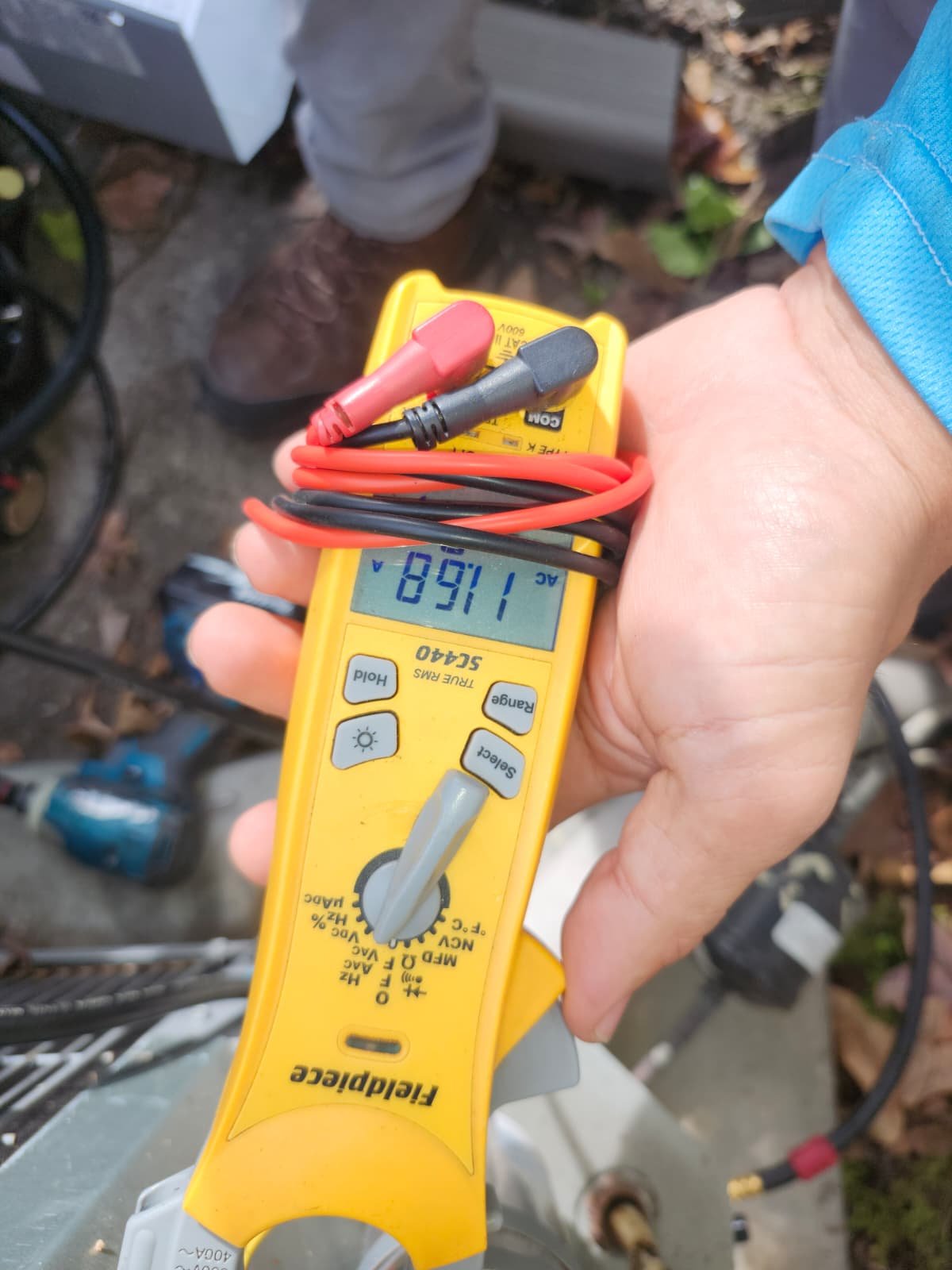
For homeowners in Tampa, FL 33610, a reliable air conditioning system isn’t a luxury—it’s a necessity. During a recent quarterly maintenance visit at a home in the 33610 area, our team at Home Therapist Cooling, Heating, and Plumbing found an aging HVAC system in very poor condition, with ongoing electrical problems and worn-out ductwork. The system was still limping along, but it was becoming less safe, less efficient, and more stressful for the homeowner.

In this case study, we’ll walk through what we found, why the issues matter, and the options we recommended. If you live in Tampa or nearby areas and your AC system is 15–20 years old, this story will sound familiar—and it may help you decide what to do next.

Customer Problem: What Was Happening at the Home

This visit was part of the homeowner’s ongoing quarterly maintenance agreement with us. They’ve been proactive about keeping their HVAC system checked, which is especially important in a hot, humid area like Tampa, Florida.

The key details from this visit:

  • It was the ninth scheduled maintenance visit under their service agreement.
  • The HVAC system is about 17 years old—well past typical lifespan expectations.
  • The homeowner has been dealing with recurring electrical problems, including breaker trips.
  • Ductwork throughout the home is in visibly poor shape.
  • There is no dedicated electrical disconnect at the air handler, which is a safety and code concern.

Our technician also needed remote access to the property, so we coordinated arrival by calling the client when we got there. That’s a small detail, but for many Tampa homeowners who work long hours or manage rental properties, flexible access and clear communication can make a big difference.

Our Inspection & Diagnosis Process

Because this was a scheduled maintenance visit under a quarterly service agreement, our team followed a thorough, repeatable process. We don’t just do a quick visual check and leave; we use these visits to spot early warning signs before they become expensive emergencies.

For this visit in Tampa, FL 33610, our technician’s checklist included:

  • Inspecting the outdoor condenser unit.
  • Inspecting the indoor air handler.
  • Checking electrical connections and breaker configuration.
  • Assessing the condition of the ductwork.
  • Reviewing notes from previous visits to see ongoing patterns.

Key Finding #1: Shared Breaker Between Condenser and Air Handler

One of the biggest red flags we confirmed again on this visit was that the condenser and the air handler are sharing a single breaker. This is not how a modern HVAC system should be wired.

Why this is a problem:

  • Breaker trips: When both the indoor and outdoor units pull power from the same breaker, it’s easier to overload that circuit.
  • Safety concerns: Breakers are meant to protect wiring from overheating. Constantly tripping isn’t just annoying—it’s a sign the system is working too hard or wired improperly.
  • Code and inspection issues: This type of setup may not meet current electrical code, and it certainly doesn’t match best practice for modern HVAC systems.

Key Finding #2: No Electrical Disconnect at the Air Handler

Our technician also confirmed that there is no dedicated electrical disconnect switch installed at the air handler. That means there’s no simple, local way to cut power to the unit while performing service.

This matters because:

  • Technicians should be able to shut power off right at the equipment for safe service.
  • Future repairs or replacements can take longer and be more complicated without a proper disconnect.
  • Local codes often expect a disconnect near major equipment like air handlers and condensers.

Key Finding #3: Very Poor Overall System Condition

At 17 years old, this AC system has given the homeowner many years of service, but it is now clearly at the end of its useful life. We noted:

  • Worn components and outdated technology.
  • Ongoing electrical issues that have been documented on previous visits.
  • Likely reduced efficiency compared to current high-efficiency models.

Even with regular maintenance, there comes a point where the system’s design and age limit what we can realistically improve. That’s where honest recommendations become important.

Key Finding #4: Ductwork in Poor Condition

We also found that the ductwork in this Tampa home is in poor shape. Damaged, leaky, or poorly designed ducts can create a long list of comfort and efficiency problems:

  • Uneven temperatures from room to room.
  • Higher energy bills as the system runs longer to keep up.
  • Potential dust and debris being pulled into the system.
  • Extra wear and tear on the equipment.

We’ve documented similar duct issues in other nearby projects, like the air duct repair, replacement, and cleaning project we completed in Tampa, FL 33610. When ducts are neglected, they can quietly undo a lot of the benefit of even a brand-new HVAC system.

Recommended Options for the Homeowner

After reviewing the findings, we provided the homeowner with straightforward, practical options—backed by written estimates for their consideration. Here’s what we recommended:

1. Replace the Entire HVAC System (Condenser and Air Handler)

Given the age (17 years) and poor condition of the existing system, our primary recommendation was a full system replacement.

Benefits of a new system include:

  • Improved energy efficiency: Today’s systems use less energy to provide the same or better comfort.
  • Better comfort control: More consistent temperatures and better humidity control—especially important in Tampa’s climate.
  • Fewer surprise breakdowns: While no system is trouble-free, a new installation removes a lot of the risk that comes with an aging unit.
  • Updated to current codes: Electrical and safety features can be properly designed from the ground up.

For homeowners exploring this option, we also have more general information about our air conditioner installation and repair services in the Tampa Bay area.

2. Install a Proper Electrical Disconnect for the Air Handler

We strongly recommended installing a dedicated electrical disconnect at the air handler. This is a relatively straightforward upgrade but an important one.

With a proper disconnect in place:

  • Technicians can safely service or replace the unit.
  • The installation aligns better with modern safety expectations.
  • Future troubleshooting and repairs are faster and safer.

3. Separate Electrical Circuits for the Condenser and Air Handler

The shared breaker issue is at the heart of the recurring electrical problems. Our recommendation was to separate the electrical circuits so that the condenser and air handler each have their own properly sized breaker.

This helps to:

  • Reduce or eliminate nuisance breaker trips.
  • Lower stress on the wiring and equipment.
  • Bring the system closer to code-compliant standards.

4. Replace or Redesign the Existing Ductwork

Finally, we recommended addressing the duct issues. Depending on the exact condition of each run, that could mean:

  • Repairing damaged sections.
  • Replacing old or undersized ducts.
  • Redesigning parts of the duct layout to improve airflow.

Clean, well-designed ductwork is just as important as the equipment itself. We’ve written more about duct and air quality work in projects like our duct sanitation and UV light installation in Tampa, FL 33618.

Why We Recommended Replacement Over More Repairs

One of the most common questions we get from Tampa homeowners is: “Should I keep fixing this system, or is it finally time to replace it?” In this case, we leaned strongly toward replacement, and here’s why.

Age of the System

At around 17 years old, this system is already beyond the typical 10–15 year range we expect for many residential AC systems in Florida’s climate. Our heat, humidity, and long cooling season put extra stress on equipment, so systems here often age faster than in cooler regions.

Recurring Electrical Issues

When the same types of electrical problems show up visit after visit—like breaker trips and shared circuits—it’s usually a sign that we’re treating symptoms, not the core problem. Resets, temporary fixes, or minor component swaps can only go so far when the wiring design and overall system condition are working against you.

Safety and Code Concerns

Issues like missing disconnects and shared breakers aren’t just technical details. They directly impact safety for both the homeowner and anyone who works on the equipment. Bringing the system up to modern standards is often easier and more reliable when done as part of a full replacement.

Efficiency and Operating Costs

Older systems generally cost more to run. Between lower SEER ratings, worn parts, and leaky ductwork, many homeowners end up spending more on monthly energy bills than they realize. A properly installed new system, paired with solid ductwork, can make a noticeable difference over time.

What Could Happen If These Issues Are Ignored?

Not every homeowner is ready to replace a system immediately, and we completely understand that. Our job is to explain what’s going on and what the risks are so you can make an informed decision.

If issues like these are left unaddressed, you may see:

  • More frequent breakdowns: Especially during the peak of summer when the system is under maximum load.
  • Potential damage to electrical components: From repeated breaker trips and overheating.
  • Uneven comfort: Hot and cold spots in the home due to poor ductwork and declining system performance.
  • Higher long-term costs: More service calls, higher power bills, and eventually replacement anyway.

The goal of our quarterly maintenance visits is to catch these problems early, explain them clearly, and give you time to plan. In this visit, we sent detailed estimates so the homeowner can budget and choose the right timing for their upgrades.

How Quarterly Maintenance Helped Catch These Problems

This situation is a perfect example of why a maintenance plan matters. Because we’ve been visiting this Tampa property regularly, we’ve been able to:

  • Track recurring electrical symptoms over multiple visits.
  • Document changes in system performance and condition.
  • Give the homeowner consistent, updated recommendations—not just a one-time snapshot.

We’ve shared more about what to expect from a service visit in our article on air conditioner repair services in Tampa when your AC is not cooling. A planned visit is always better than an emergency call in the middle of a heatwave.

Tips to Prevent Similar HVAC Problems in Tampa, FL Homes

Whether your system is brand-new or approaching retirement age, there are several steps you can take to avoid situations like this:

  • Schedule regular maintenance: Twice-yearly or quarterly visits help catch issues early and keep your system clean and tuned.
  • Listen to your breakers: If you notice breakers tripping more than once, don’t ignore it. It’s a sign something needs attention.
  • Watch your energy bills: A sudden jump in power usage can mean the system is working harder than it should.
  • Check airflow: Rooms that never seem to reach the right temperature may point to duct problems.
  • Plan ahead for replacement: If your system is 12–15 years old, it’s smart to start exploring options and setting a budget before an emergency hits.

Tampa’s climate, with long cooling seasons and high humidity, puts extra stress on HVAC systems. Local resources like the Tampa, FL 33610 area map and attractions such as Busch Gardens Tampa Bay remind us how much we rely on cool, comfortable indoor spaces after a long, hot day outside.

Why Choose Home Therapist for HVAC and Ductwork Projects in Tampa, FL?

Our team at Home Therapist Cooling, Heating, and Plumbing focuses on clear communication, honest recommendations, and careful work. We approach every visit—whether it’s a quick tune-up or a full system replacement—with the same mindset: treat the home like it’s our own.

When you work with us for HVAC installation and repair in Tampa, FL, you can expect:

  • Detailed inspections and clear explanations in plain language.
  • Options, not pressure—for repair, upgrade, or replacement.
  • Attention to safety, electrical configuration, and code requirements.
  • Guidance on duct repairs, indoor air quality, and long-term system health.

We’ve helped many homeowners in and around Tampa, FL 33610 with projects ranging from routine maintenance to air duct repair and replacement and full system upgrades.

Next Steps for This Tampa Homeowner

For this particular home, we wrapped up the quarterly service visit, documented all findings, and sent estimates covering:

  • Full system replacement (condenser and air handler).
  • Adding a proper electrical disconnect at the air handler.
  • Separating the electrical circuits for the condenser and air handler.
  • Addressing the aging, damaged ductwork.

We didn’t pressure the homeowner to make an immediate decision. Instead, we gave them the information, pricing, and context they need to decide what’s best for their home and budget.

Need HVAC Help in Tampa, FL 33610?

If your system is older, tripping breakers, or just not keeping up with the Tampa heat, our team is here to help. Whether you need a one-time inspection, a maintenance plan, or a quote for a new system, we’ll walk you through your options step by step.

Call Home Therapist Cooling, Heating, and Plumbing or visit our website to schedule your HVAC service in Tampa, FL and the surrounding areas. We’ll help you understand what’s going on with your system and what it will take to get your home comfortable, safe, and efficient again. #HomeTherapist #TheTherapyYourHomeNeeds
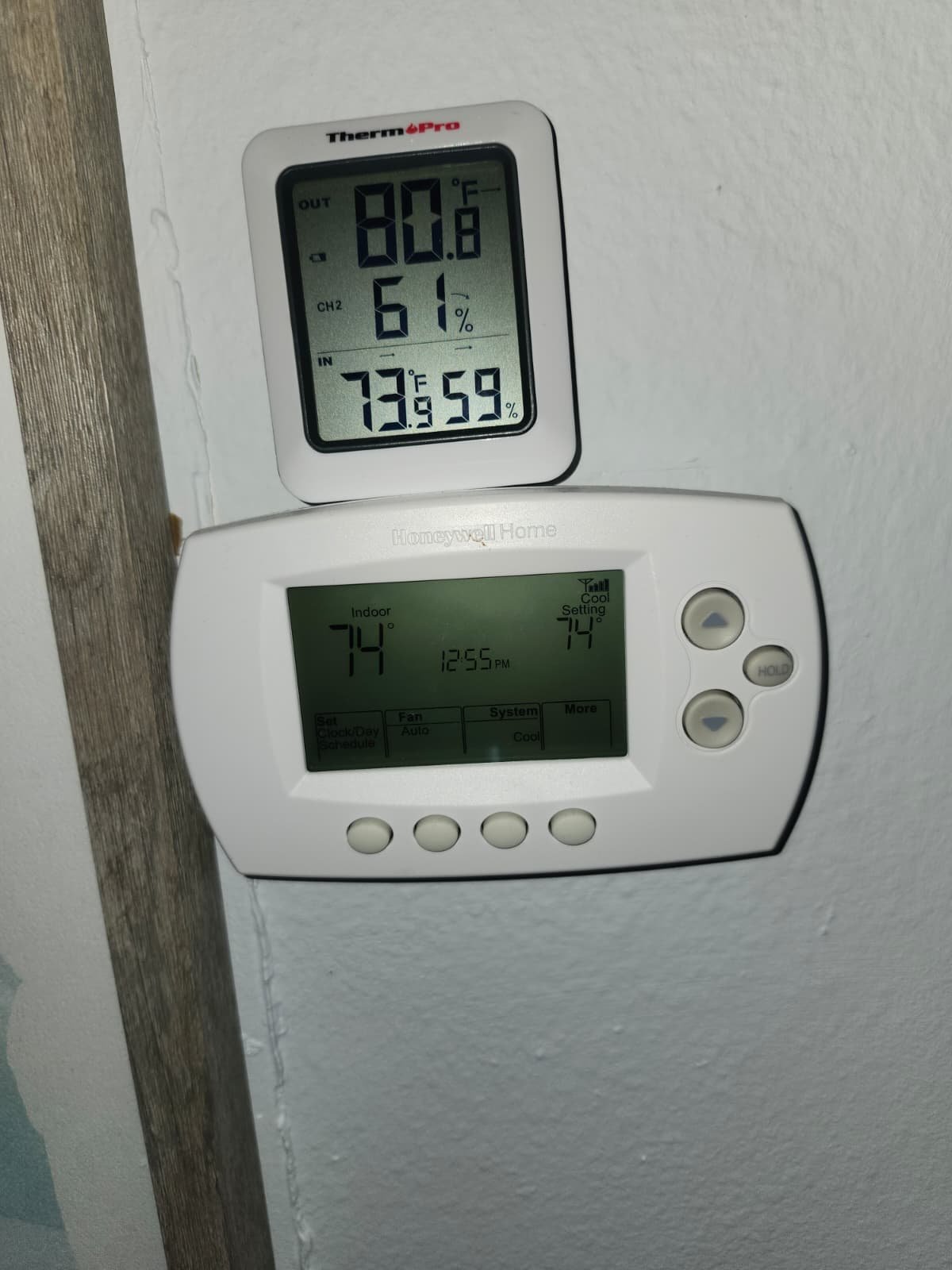
Tankless Water Heater Maintenance in Wesley Chapel, FL: Why Flushing and Inspection Matter

In a Wesley Chapel, FL 33543 home, our team was called out to perform routine tankless water heater maintenance. There wasn’t an emergency—hot water was still working—but the homeowner wanted to protect their investment and avoid surprise cold showers down the line. That’s exactly the kind of proactive care that keeps systems running safely and efficiently for years.

If you have a tankless water heater in Wesley Chapel, taking care of it with regular flushing, testing, and inspection is just as important as maintaining your AC or car. In this article, we’ll walk through what we did on this tankless water heater maintenance visit, why each step matters, and how you can keep your own system in great shape.

Customer Problem: Protecting a Tankless Water Heater Before Problems Start

For this visit in Wesley Chapel, FL 33543, the homeowner wasn’t dealing with a total loss of hot water or visible leaks. Their main concern was long-term performance. They understood that tankless water heaters aren’t “set it and forget it” systems and reached out to our team at Home Therapist to:

  • Have the tankless water heater flushed with descaler
  • Make sure the ignition system and heating components were working correctly
  • Confirm key safety devices, like the TPR (temperature and pressure relief) valve, were functioning
  • Catch any early signs of rust, leaks, or loose connections

In the Tampa Bay area, including Wesley Chapel, our water often has minerals that can build up inside water heaters over time. Even tankless systems—which don’t store large volumes of water like traditional tanks—can suffer from internal scale and sediment buildup. Without maintenance, that buildup can reduce efficiency, stress components, and shorten the life of the heater.

We always appreciate when homeowners call us for preventative water heater maintenance instead of waiting until there’s no hot water at all. It’s usually less stressful, less costly, and better for the equipment.

Our Inspection & Diagnosis Process

When our technician arrived at this Wesley Chapel home, the first step was to talk with the homeowner. Even for maintenance visits, we like to ask:

  • Have you noticed any changes in water temperature or pressure?
  • Is the hot water taking longer than usual to arrive at fixtures?
  • Have you heard any strange sounds when using hot water?
  • Do you know when the last maintenance or flush was performed?

After this quick conversation, we moved into the technical side of the visit. For this tankless water heater, our maintenance plan included:

Each of these steps helps us build a full picture of the water heater’s health. If we find worn or failing parts, we can recommend repairs before they turn into a cold-shower emergency.

Why Isolation Valves Matter

One of the first things we check on a tankless water heater is whether it has proper isolation valves installed. Isolation valves allow us to safely disconnect the unit from the home’s water lines and run a cleaning solution (descaler) through the heater without affecting the rest of the plumbing.

On this visit, we reviewed the valve setup and verified that the system was prepared for proper flushing. Whenever we don’t see isolation valves, we recommend installing them so future maintenance is safer, faster, and more effective. It’s a simple upgrade that can make a big difference in the long-term care of your water heater.

Step-by-Step: How We Serviced This Tankless Water Heater

Tankless water heater maintenance is detailed work, but from a homeowner’s perspective, it can be broken down into a clear, understandable process. Here’s how our team handled this visit in Wesley Chapel, FL.

1. System Safety Check and Shutoff

Before we do anything else, we make sure the system is safe to work on. That means:

  • Shutting off power or gas supply to the unit (depending on the model)
  • Closing water valves as needed
  • Verifying there are no active leaks or obvious hazards

Safety is always our starting point—for the homeowner, the property, and our technicians.

2. Flushing the System with Descaler

Next, we flushed the tankless water heater with a descaling solution. Over time, minerals from the water supply can coat the inside of the heat exchanger and piping inside the unit. This buildup:

  • Makes it harder for the unit to transfer heat to the water
  • Can cause temperature fluctuations (water getting too hot or not hot enough)
  • Forces the unit to work harder, which can shorten its lifespan

During the flush, we circulate a manufacturer-approved descaler through the heater for a set period of time, then rinse the system thoroughly. For many homes in areas like Wesley Chapel and the greater Tampa Bay region, this should be done about once a year, depending on water hardness and how often you use hot water.

If you’re curious about what this process generally involves, we discuss it in more depth in our water heater maintenance FAQ.

3. Testing the Heating Elements or Ignition System

After flushing, we test the components that actually heat your water. Depending on whether the unit is electric or gas, this means:

  • Electric tankless heaters: Testing heating elements, checking for proper electrical draw, and looking for signs of wear or failure.
  • Gas tankless heaters: Testing the ignition system, burner performance, and combustion safety (including flame appearance and stability).

On this job, our technician verified that the heating system was operating within expected ranges. If we ever find anything concerning—like a slow-to-ignite burner or an element that’s not performing as it should—we let the homeowner know and recommend replacement before it becomes a bigger issue.

4. Testing the TPR Valve

The TPR (temperature and pressure relief) valve is a critical safety component on any water heater. Its job is to relieve excess pressure or temperature inside the unit. If it fails, pressure can build up, creating a dangerous situation.

As part of this maintenance visit, we:

  • Located the TPR valve and inspected it visually
  • Tested its operation according to manufacturer guidelines
  • Checked for signs of leaks, corrosion, or blockage around the discharge line

If a TPR valve doesn’t operate properly or shows signs of failing, we recommend replacement. It’s a small component with a very big job, and one we never overlook during water heater flush and inspection visits in Wesley Chapel.

5. Inspecting for Rust, Leaks, or Loose Connections

With the internal components checked, we move around the exterior and connections of the unit, looking for:

  • Rust on the cabinet or connection points
  • Signs of past or active leaks (water staining, corrosion, moisture)
  • Loose fittings, unions, or electrical connections
  • Improper venting or clearance issues (for gas units)

Even small drips or minor corrosion can be early warning signs. Catching them during a maintenance visit gives the homeowner time to plan repairs instead of waking up to an unexpected leak or damage to surrounding walls, floors, or cabinets.

Why This Maintenance Matters for Wesley Chapel Homes

Regular tankless water heater maintenance might not be as exciting as a brand-new installation, but it’s one of the smartest investments you can make in your home’s comfort system. For homeowners in Wesley Chapel, FL, there are a few specific reasons this kind of service is especially important:

  • Mineral content in local water: Our region’s water tends to leave behind scale inside plumbing equipment. Flushing helps keep the heat exchanger clean.
  • High hot water usage: Busy households, large families, and frequent laundry/dishwasher use all mean more run-time on your tankless heater.
  • Heat and humidity: Florida’s climate can be tough on all mechanical equipment, including water heaters. Inspections help spot corrosion and moisture-related issues early.

Without this type of maintenance, homeowners may eventually see:

  • Longer wait times for hot water
  • Fluctuating water temperatures during showers
  • Higher energy bills for the same amount of hot water
  • Unexpected shutdowns and error codes on the water heater
  • Leaks or damage around the unit

On the other hand, a well-maintained tankless water heater can run efficiently for many years, providing reliable hot water while keeping operating costs under control.

What Could Have Happened Without Maintenance?

It’s easy to put off water heater maintenance when everything seems to be working “just fine.” But waiting too long can turn small, manageable issues into big problems. If this Wesley Chapel homeowner had skipped regular maintenance, they might eventually have faced:

  • Severe scale buildup: Making the unit noisy, inefficient, and more prone to overheating.
  • Overstressed components: Heating elements or burners forced to work harder, wearing out sooner.
  • TPR valve issues: A stuck or failing valve is a serious safety concern.
  • Leaks and water damage: Small, slow leaks often go unnoticed until they’ve damaged walls, floors, or cabinets.

When we’re doing maintenance, our goal isn’t just to check boxes on a list. It’s to help prevent those surprise breakdowns and make sure the system is operating safely and reliably.

Tips to Keep Your Tankless Water Heater Healthy in Wesley Chapel

Whether you live near The Shops at Wiregrass, in a newer subdivision, or anywhere else around Wesley Chapel, FL, there are a few simple habits that can help extend the life of your tankless water heater:

  • Schedule annual maintenance: In many Tampa Bay homes, a yearly flush and inspection is the right starting point. Some high-use homes may benefit from more frequent service.
  • Install or maintain proper isolation valves: If your unit doesn’t have them, consider having them installed. They make future maintenance faster and safer.
  • Watch for warning signs: Temperature swings, odd noises, or error codes are all signals to call for service.
  • Consider water treatment: If your home has very hard water, a water softener or conditioning system can reduce scale buildup inside your tankless heater.
  • Don’t ignore small drips: A tiny leak today can become a big headache tomorrow. Have it checked as soon as you notice it.

For more guidance on repair vs. replacement decisions, you can explore our resources on tankless water heater installations and quotes and other water heater replacement options if your unit is nearing the end of its life.

Why Choose Home Therapist for Water Heater Services in Wesley Chapel, FL?

There are plenty of plumbing companies in the Tampa Bay area, but our approach at Home Therapist is simple: treat your home systems the way we’d want ours treated—thoroughly, honestly, and with as little stress as possible.

When you call us for tankless water heater maintenance in Wesley Chapel, FL, you can expect:

  • Clear communication: We explain what we’re doing and why, in plain language.
  • Transparent recommendations: If we see something that needs attention—like a worn TPR valve or failing ignition component—we’ll show you what we’ve found and talk through your options.
  • Local experience: We work on water heaters throughout Wesley Chapel and the greater Tampa Bay area, so we understand our local water conditions and home construction styles.
  • Respect for your time and home: We arrive prepared, work efficiently, and clean up when we’re done.

Wesley Chapel continues to grow quickly, as you can see from local maps and resources like Google Maps for Wesley Chapel, FL 33543 and the community overview on Wikipedia. With more families moving into the area, reliable hot water is a must—and regular maintenance is the best way to keep it that way.

Thinking About Your Own Water Heater?

If you’re reading this and wondering when your tankless water heater was last flushed or inspected, you’re not alone. Many homeowners aren’t sure how often it’s been serviced, especially if they inherited the system when they bought the home.

Here are a few questions to help you decide if it’s time to schedule maintenance:

  • Has it been more than a year since your last water heater service?
  • Do you get occasional bursts of very hot or lukewarm water?
  • Does your water heater make unusual noises when hot water is running?
  • Have you seen any water around the base of the unit?
  • Do you live in a hard-water area and use hot water heavily?

If you answered “yes” to any of these, it’s a good idea to have a professional take a look. Regular care can help you avoid surprise breakdowns and keep your energy bills more predictable.

Schedule Tankless Water Heater Maintenance in Wesley Chapel, FL

Our team at Home Therapist is here to help with tankless water heater maintenance, flushing, repairs, and replacement options throughout Wesley Chapel, FL 33543 and the surrounding Tampa Bay area. Whether you’re staying ahead of problems with routine service or dealing with a specific issue, we’ll walk you through what we find and the best next steps for your home.

Call Home Therapist or visit our website to schedule your water heater maintenance visit. We’ll take the time to inspect, test, and clean your system so you can enjoy reliable hot water with fewer surprises. #HomeTherapist #TheTherapyYourHomeNeeds
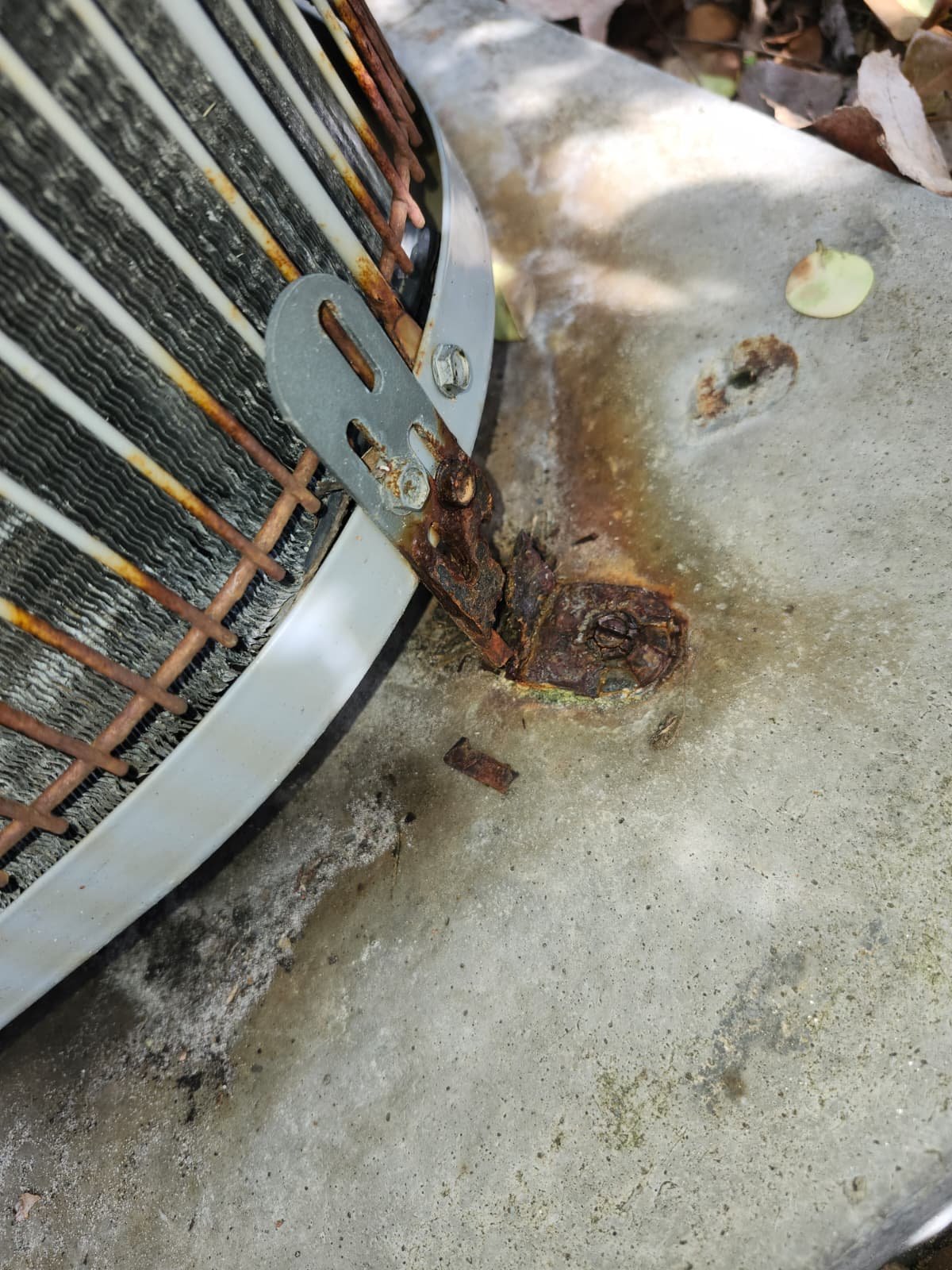
In a Wesley Chapel, FL 33543 home, our team was called out to perform routine tankless water heater maintenance. There wasn’t an emergency—hot water was still working—but the homeowner wanted to protect their investment and avoid surprise cold showers down the line. That’s exactly the kind of proactive care that keeps systems running safely and efficiently for years.

If you have a tankless water heater in Wesley Chapel, taking care of it with regular flushing, testing, and inspection is just as important as maintaining your AC or car. In this article, we’ll walk through what we did on this tankless water heater maintenance visit, why each step matters, and how you can keep your own system in great shape.

Customer Problem: Protecting a Tankless Water Heater Before Problems Start

For this visit in Wesley Chapel, FL 33543, the homeowner wasn’t dealing with a total loss of hot water or visible leaks. Their main concern was long-term performance. They understood that tankless water heaters aren’t “set it and forget it” systems and reached out to our team at Home Therapist to:

  • Have the tankless water heater flushed with descaler
  • Make sure the ignition system and heating components were working correctly
  • Confirm key safety devices, like the TPR (temperature and pressure relief) valve, were functioning
  • Catch any early signs of rust, leaks, or loose connections

In the Tampa Bay area, including Wesley Chapel, our water often has minerals that can build up inside water heaters over time. Even tankless systems—which don’t store large volumes of water like traditional tanks—can suffer from internal scale and sediment buildup. Without maintenance, that buildup can reduce efficiency, stress components, and shorten the life of the heater.

We always appreciate when homeowners call us for preventative water heater maintenance instead of waiting until there’s no hot water at all. It’s usually less stressful, less costly, and better for the equipment.

Our Inspection & Diagnosis Process

When our technician arrived at this Wesley Chapel home, the first step was to talk with the homeowner. Even for maintenance visits, we like to ask:

  • Have you noticed any changes in water temperature or pressure?
  • Is the hot water taking longer than usual to arrive at fixtures?
  • Have you heard any strange sounds when using hot water?
  • Do you know when the last maintenance or flush was performed?

After this quick conversation, we moved into the technical side of the visit. For this tankless water heater, our maintenance plan included:

Each of these steps helps us build a full picture of the water heater’s health. If we find worn or failing parts, we can recommend repairs before they turn into a cold-shower emergency.

Why Isolation Valves Matter

One of the first things we check on a tankless water heater is whether it has proper isolation valves installed. Isolation valves allow us to safely disconnect the unit from the home’s water lines and run a cleaning solution (descaler) through the heater without affecting the rest of the plumbing.

On this visit, we reviewed the valve setup and verified that the system was prepared for proper flushing. Whenever we don’t see isolation valves, we recommend installing them so future maintenance is safer, faster, and more effective. It’s a simple upgrade that can make a big difference in the long-term care of your water heater.

Step-by-Step: How We Serviced This Tankless Water Heater

Tankless water heater maintenance is detailed work, but from a homeowner’s perspective, it can be broken down into a clear, understandable process. Here’s how our team handled this visit in Wesley Chapel, FL.

1. System Safety Check and Shutoff

Before we do anything else, we make sure the system is safe to work on. That means:

  • Shutting off power or gas supply to the unit (depending on the model)
  • Closing water valves as needed
  • Verifying there are no active leaks or obvious hazards

Safety is always our starting point—for the homeowner, the property, and our technicians.

2. Flushing the System with Descaler

Next, we flushed the tankless water heater with a descaling solution. Over time, minerals from the water supply can coat the inside of the heat exchanger and piping inside the unit. This buildup:

  • Makes it harder for the unit to transfer heat to the water
  • Can cause temperature fluctuations (water getting too hot or not hot enough)
  • Forces the unit to work harder, which can shorten its lifespan

During the flush, we circulate a manufacturer-approved descaler through the heater for a set period of time, then rinse the system thoroughly. For many homes in areas like Wesley Chapel and the greater Tampa Bay region, this should be done about once a year, depending on water hardness and how often you use hot water.

If you’re curious about what this process generally involves, we discuss it in more depth in our water heater maintenance FAQ.

3. Testing the Heating Elements or Ignition System

After flushing, we test the components that actually heat your water. Depending on whether the unit is electric or gas, this means:

  • Electric tankless heaters: Testing heating elements, checking for proper electrical draw, and looking for signs of wear or failure.
  • Gas tankless heaters: Testing the ignition system, burner performance, and combustion safety (including flame appearance and stability).

On this job, our technician verified that the heating system was operating within expected ranges. If we ever find anything concerning—like a slow-to-ignite burner or an element that’s not performing as it should—we let the homeowner know and recommend replacement before it becomes a bigger issue.

4. Testing the TPR Valve

The TPR (temperature and pressure relief) valve is a critical safety component on any water heater. Its job is to relieve excess pressure or temperature inside the unit. If it fails, pressure can build up, creating a dangerous situation.

As part of this maintenance visit, we:

  • Located the TPR valve and inspected it visually
  • Tested its operation according to manufacturer guidelines
  • Checked for signs of leaks, corrosion, or blockage around the discharge line

If a TPR valve doesn’t operate properly or shows signs of failing, we recommend replacement. It’s a small component with a very big job, and one we never overlook during water heater flush and inspection visits in Wesley Chapel.

5. Inspecting for Rust, Leaks, or Loose Connections

With the internal components checked, we move around the exterior and connections of the unit, looking for:

  • Rust on the cabinet or connection points
  • Signs of past or active leaks (water staining, corrosion, moisture)
  • Loose fittings, unions, or electrical connections
  • Improper venting or clearance issues (for gas units)

Even small drips or minor corrosion can be early warning signs. Catching them during a maintenance visit gives the homeowner time to plan repairs instead of waking up to an unexpected leak or damage to surrounding walls, floors, or cabinets.

Why This Maintenance Matters for Wesley Chapel Homes

Regular tankless water heater maintenance might not be as exciting as a brand-new installation, but it’s one of the smartest investments you can make in your home’s comfort system. For homeowners in Wesley Chapel, FL, there are a few specific reasons this kind of service is especially important:

  • Mineral content in local water: Our region’s water tends to leave behind scale inside plumbing equipment. Flushing helps keep the heat exchanger clean.
  • High hot water usage: Busy households, large families, and frequent laundry/dishwasher use all mean more run-time on your tankless heater.
  • Heat and humidity: Florida’s climate can be tough on all mechanical equipment, including water heaters. Inspections help spot corrosion and moisture-related issues early.

Without this type of maintenance, homeowners may eventually see:

  • Longer wait times for hot water
  • Fluctuating water temperatures during showers
  • Higher energy bills for the same amount of hot water
  • Unexpected shutdowns and error codes on the water heater
  • Leaks or damage around the unit

On the other hand, a well-maintained tankless water heater can run efficiently for many years, providing reliable hot water while keeping operating costs under control.

What Could Have Happened Without Maintenance?

It’s easy to put off water heater maintenance when everything seems to be working “just fine.” But waiting too long can turn small, manageable issues into big problems. If this Wesley Chapel homeowner had skipped regular maintenance, they might eventually have faced:

  • Severe scale buildup: Making the unit noisy, inefficient, and more prone to overheating.
  • Overstressed components: Heating elements or burners forced to work harder, wearing out sooner.
  • TPR valve issues: A stuck or failing valve is a serious safety concern.
  • Leaks and water damage: Small, slow leaks often go unnoticed until they’ve damaged walls, floors, or cabinets.

When we’re doing maintenance, our goal isn’t just to check boxes on a list. It’s to help prevent those surprise breakdowns and make sure the system is operating safely and reliably.

Tips to Keep Your Tankless Water Heater Healthy in Wesley Chapel

Whether you live near The Shops at Wiregrass, in a newer subdivision, or anywhere else around Wesley Chapel, FL, there are a few simple habits that can help extend the life of your tankless water heater:

  • Schedule annual maintenance: In many Tampa Bay homes, a yearly flush and inspection is the right starting point. Some high-use homes may benefit from more frequent service.
  • Install or maintain proper isolation valves: If your unit doesn’t have them, consider having them installed. They make future maintenance faster and safer.
  • Watch for warning signs: Temperature swings, odd noises, or error codes are all signals to call for service.
  • Consider water treatment: If your home has very hard water, a water softener or conditioning system can reduce scale buildup inside your tankless heater.
  • Don’t ignore small drips: A tiny leak today can become a big headache tomorrow. Have it checked as soon as you notice it.

For more guidance on repair vs. replacement decisions, you can explore our resources on tankless water heater installations and quotes and other water heater replacement options if your unit is nearing the end of its life.

Why Choose Home Therapist for Water Heater Services in Wesley Chapel, FL?

There are plenty of plumbing companies in the Tampa Bay area, but our approach at Home Therapist is simple: treat your home systems the way we’d want ours treated—thoroughly, honestly, and with as little stress as possible.

When you call us for tankless water heater maintenance in Wesley Chapel, FL, you can expect:

  • Clear communication: We explain what we’re doing and why, in plain language.
  • Transparent recommendations: If we see something that needs attention—like a worn TPR valve or failing ignition component—we’ll show you what we’ve found and talk through your options.
  • Local experience: We work on water heaters throughout Wesley Chapel and the greater Tampa Bay area, so we understand our local water conditions and home construction styles.
  • Respect for your time and home: We arrive prepared, work efficiently, and clean up when we’re done.

Wesley Chapel continues to grow quickly, as you can see from local maps and resources like Google Maps for Wesley Chapel, FL 33543 and the community overview on Wikipedia. With more families moving into the area, reliable hot water is a must—and regular maintenance is the best way to keep it that way.

Thinking About Your Own Water Heater?

If you’re reading this and wondering when your tankless water heater was last flushed or inspected, you’re not alone. Many homeowners aren’t sure how often it’s been serviced, especially if they inherited the system when they bought the home.

Here are a few questions to help you decide if it’s time to schedule maintenance:

  • Has it been more than a year since your last water heater service?
  • Do you get occasional bursts of very hot or lukewarm water?
  • Does your water heater make unusual noises when hot water is running?
  • Have you seen any water around the base of the unit?
  • Do you live in a hard-water area and use hot water heavily?

If you answered “yes” to any of these, it’s a good idea to have a professional take a look. Regular care can help you avoid surprise breakdowns and keep your energy bills more predictable.

Schedule Tankless Water Heater Maintenance in Wesley Chapel, FL

Our team at Home Therapist is here to help with tankless water heater maintenance, flushing, repairs, and replacement options throughout Wesley Chapel, FL 33543 and the surrounding Tampa Bay area. Whether you’re staying ahead of problems with routine service or dealing with a specific issue, we’ll walk you through what we find and the best next steps for your home.

Call Home Therapist or visit our website to schedule your water heater maintenance visit. We’ll take the time to inspect, test, and clean your system so you can enjoy reliable hot water with fewer surprises. #HomeTherapist #TheTherapyYourHomeNeeds
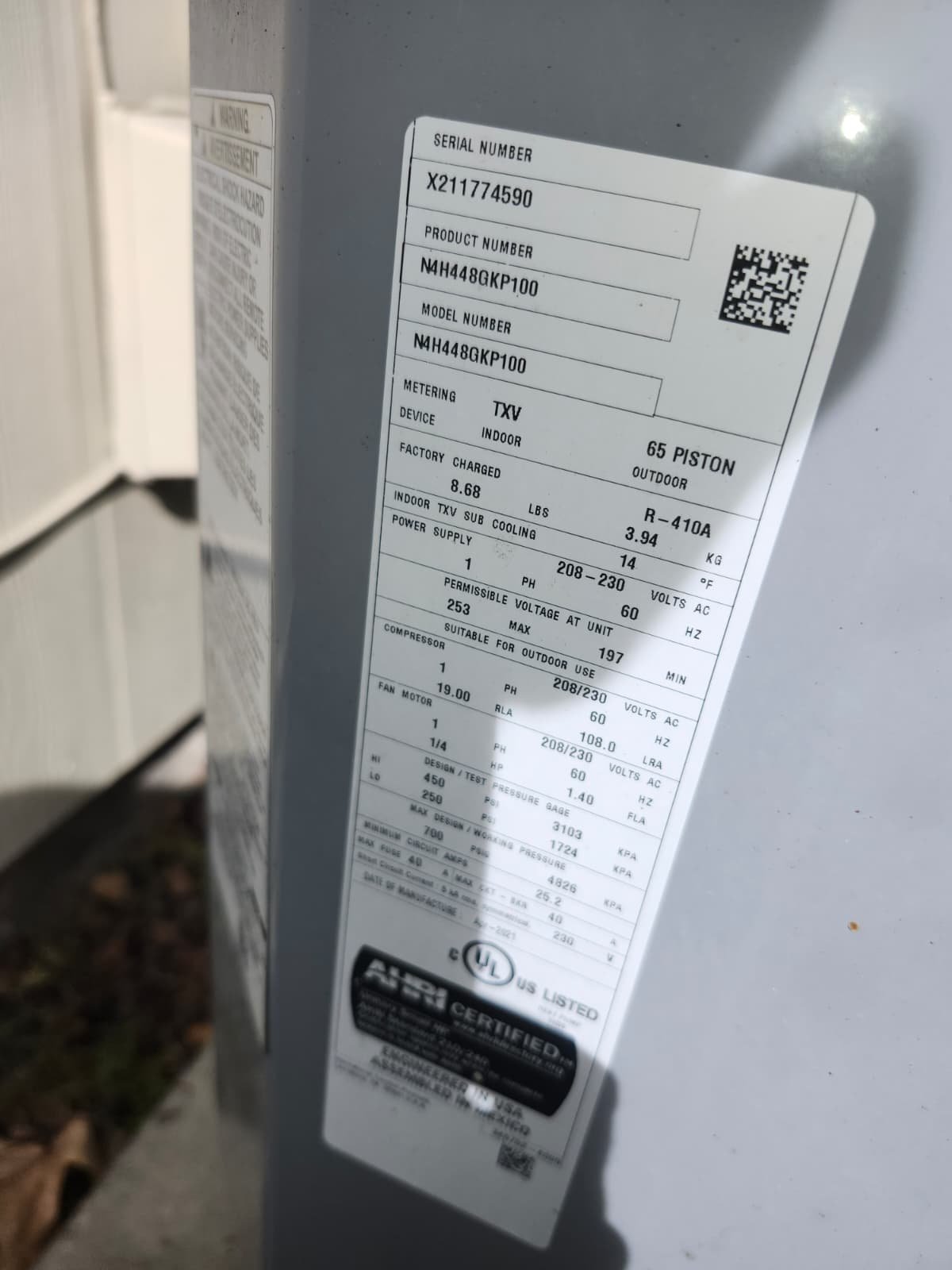
Air Duct Cleaning and Premium Therapy Plan for a Lutz, FL Home

In a home in Lutz, FL 33558, a homeowner reached out to our team at Home Therapist because they wanted cleaner air and a fresher feeling throughout their house. Between Florida’s humidity, dust, and allergy season, it’s easy for vents and ductwork to build up debris over time. This client decided it was time to tackle their air ducts and also protect their HVAC system long term with our Premium Therapy Plan.

In this case study, we’ll walk through what our air duct cleaning visit involved, how this service can help improve indoor air quality in Lutz homes, and why pairing duct cleaning with an HVAC maintenance plan is such a smart move.

Customer Problem: Wanting Cleaner, Healthier Air at Home

Our client in Lutz contacted us with a clear goal: they wanted their vents and air ducts professionally cleaned and were interested in getting set up on our Premium Therapy Plan for ongoing HVAC maintenance.

Over time, it’s normal for dust, pet hair, pollen, and other particles to travel through your HVAC system and settle inside the ductwork. Even if your system is running, the air can feel a little stale, and you may notice buildup on vent covers around the home.

From the notes on this job, we know:

  • The homeowner approved the work by message and chose a specific day that worked around their schedule.
  • They understood our arrival window in the morning and that we’d be wrapped up by early afternoon.
  • They were planning around the holidays and requested rescheduling around Thanksgiving, which we accommodated.
  • Payment was handled by check at the completion of the work.

The main service they selected was our Value Air Duct Cleaning Package, which focuses on cleaning each supply vent from the register into the duct using our air duct cleaning machine. At the same time, the client was enrolled in our Premium Therapy Plan, our top-tier maintenance plan designed to keep their HVAC system running efficiently year-round.

What Our Value Air Duct Cleaning Package Includes

For this home in Lutz, FL, our technician Barbaro completed our Value Air Duct Cleaning Package. This visit included:

  • Removing every vent cover in the home.
  • Using our air duct cleaning equipment to clean from each vent into the duct line.
  • Dusting off and wiping down the vent covers before reinstallation.
  • Cleaning every vent around the home at a per-vent price, with a minimum of 12 vents to qualify for the package rate.

This style of duct cleaning is often a great fit for homeowners who:

  • See visible dust buildup on vents or surrounding ceilings and walls.
  • Want to reduce dust in the air and on furniture.
  • Have pets that shed, adding hair and dander to the system.
  • Struggle with allergies or respiratory sensitivities.

If you’re curious about how a full air duct cleaning visit looks in different Tampa Bay neighborhoods, you can also see one of our other real-world projects where we performed air duct cleaning services in Tampa and a similar air duct cleaning project in Zephyrhills, FL.

Our Inspection & Preparation Before Duct Cleaning

Before starting any air duct cleaning in Lutz, FL homes, our team goes through a quick but important checklist. For this home, we:

  • Confirmed the scope of work: We reviewed the number of vents to be cleaned and made sure the homeowner understood that the price is per vent and is only valid when cleaning all ducts, with a minimum of 12 vents.
  • Walked through expectations: Our technician explained there is always a possibility that older or fragile ducts can be more susceptible to damage during cleaning. This is especially important in homes with original ductwork or visible wear.
  • Discussed light dusting concerns: We let the homeowner know there may be some dust that falls onto nearby furniture or appliances as we remove and clean vents. We always do our best to wipe things down, but it’s normal for homeowners to need a little extra dusting afterwards.
  • Protected the space: We used drop cloths and took care around furniture and flooring to minimize any mess during the duct cleaning process.

If we ever see anything unusual during this pre-cleaning check—such as crushed duct runs, heavy mold growth, or disconnected lines—we stop and talk with the homeowner about next steps. In some cases, a better long-term fix might be air duct and insulation replacement instead of just cleaning.

Step-By-Step: How We Cleaned the Vents and Ducts

Once everything was explained and approved, our technician got to work on the Value Air Duct Cleaning Package at this Lutz home.

1. Removing and Labeling Vent Covers

The first step is carefully removing each vent cover throughout the home. In many houses, there are vents in bedrooms, hallways, living areas, and sometimes in bathrooms or closets. We make sure we’re not scratching walls or ceilings as we remove them.

Where needed, we’ll keep mental notes or simple labels so every vent cover is reinstalled in the correct location and orientation once cleaning is complete.

2. Cleaning Inside Each Vent Opening

With the vents removed, we use our professional air duct cleaning machine to clean from each vent opening into the duct line. This approach focuses on the areas where dust and debris tend to accumulate most heavily:

  • Right behind the vent opening.
  • In corners and joints where airflow can slow down.
  • On surfaces where particles naturally settle.

We work methodically around the home, vent by vent. The goal is to loosen and remove built-up dust, cobwebs, and light debris, improving the general cleanliness of the duct system and helping air flow more freely.

3. Dusting and Cleaning the Vent Covers

Vent covers themselves can get surprisingly dirty over time. You may have noticed black streaks, gray dust buildup, or pet hair clinging to the grilles. As part of this package, we dust off and clean each air vent cover before putting it back in place.

In many cases, just this step alone makes a noticeable difference in how fresh and clean the room looks, especially against light-colored walls or ceilings.

4. Reinstalling Vents and Final Walkthrough

After the ducts and vent covers are cleaned, we reinstall every register, making sure everything is snug and aligned properly. Then we do a quick walkthrough with the homeowner to confirm that:

  • All vents have been cleaned and reinstalled.
  • Any visible dust around the vents has been wiped down as much as possible.
  • There are no concerns about loose vents or unusual noises.

We also take a moment to recap what was done, answer any questions, and talk through what to expect over the next few days. Sometimes, after duct cleaning, homeowners may notice a little residual dust as things settle, which is why a quick light cleaning afterwards is normal and expected.

Adding Long-Term Protection: The Premium Therapy Plan

Along with air duct cleaning, this homeowner in Lutz, FL chose to enroll in our Premium Therapy Plan, our top HVAC maintenance plan. This is a smart way to protect the investment they’ve made in cleaner air and more efficient airflow.

While duct cleaning deals with buildup inside the ductwork, a maintenance plan keeps the heart of the system—your air handler, condenser, blower, and coils—in good shape. That means:

We’ve written more about how our maintenance plans work and what to consider if you’re adjusting your coverage in our guide on changing or downgrading your AC maintenance plan in Tampa. For many families, the Premium Therapy Plan offers the right balance of peace of mind, regular care, and priority support.

Why This Combination Works: Duct Cleaning + Maintenance

Pairing duct cleaning with an HVAC maintenance plan is a great strategy for homeowners in Lutz and across the Tampa Bay area. Here’s why:

  • Cleaner air plus better airflow: Removing dust and debris from vents and ducts helps your system move air more freely. Maintenance keeps fans, coils, and filters in good shape to support that cleaner airflow.
  • Less dust on surfaces: While no service can completely eliminate dust, cleaning vents and ducts can reduce the amount that blows back into the home, meaning fewer dust bunnies and less frequent cleaning for many homeowners.
  • Support for allergy and asthma sufferers: If anyone in the home struggles with allergies, every bit of help matters. Keeping the system and ducts clean, along with using a quality filter, can make the indoor environment more comfortable.
  • System longevity: Equipment that’s kept clean and maintained properly doesn’t have to work as hard. That can help reduce wear and tear I and may lower the risk of surprise breakdowns.

For homeowners who want to go even further with indoor air quality, we sometimes recommend additional solutions like duct sanitation or UV light installation, similar to what we performed in a duct sanitation and UV light project in Fish Hawk, FL. Those services can help reduce microbial growth and keep certain contaminants under tighter control.

What Could Happen If Ducts and Systems Are Never Cleaned

Skipping duct cleaning and regular HVAC maintenance doesn’t guarantee you’ll have problems right away, but over time, some common issues can start to show up:

  • More visible dust and dirt: You might notice dark streaks or rings forming around your vents, or find yourself dusting more often than you’d like.
  • Uneven temperatures: Restricted airflow from dirty ducts, clogged filters, or a dirty blower wheel can make some rooms feel warmer or cooler than others.
  • Musty or stale odors: When dust and debris sit in a humid duct system for years, it can create a noticeable odor when the AC or heat turns on.
  • Higher energy bills: A system that has to push air through dirty ducts or past clogged components often uses more energy to do the same job.
  • More frequent repairs: Lack of maintenance can lead to overlooked issues—like clogged drain lines, dirty coils, or weak capacitors—that could have been caught early during routine visits.

By taking a proactive approach, as this Lutz homeowner did, you give your HVAC system a better chance to operate smoothly and comfortably across our long Florida cooling season.

Tips to Keep Your Air Cleaner in Lutz, FL Homes

Whether you’re in Lutz, Tampa, or anywhere in the Tampa Bay area, the combination of heat, humidity, and pollen can make indoor air quality a challenge. Here are some practical tips we often share with our clients:

  • Change filters regularly: For most homes, changing the air filter every 1–3 months is a good rule of thumb. If you have pets or allergies, you may need to change them more often.
  • Keep supply and return vents clear: Avoid blocking vents with furniture, curtains, or rugs. Good airflow helps your system work efficiently and circulate air properly.
  • Dust and vacuum consistently: Regular cleaning helps keep dust from getting pulled back into the ducts. Use a vacuum with a HEPA filter if possible.
  • Consider periodic duct cleaning: You don’t necessarily need duct cleaning every year, but in homes with heavy dust, pets, or after remodeling, it can make a real difference.
  • Schedule regular maintenance: Routine tune-ups are one of the best ways to protect your system and keep the air moving cleanly through your home. Our maintenance visits are similar to what we describe in our AC cleaning and maintenance projects across Tampa Bay.

Lutz, FL is a beautiful community, with easy access to spots like the Tampa Premium Outlets and local parks, but our warm climate means air conditioning runs a lot. If your home is in the Lutz, FL 33558 area, keeping your ducts and system in good shape is especially important for comfort and efficiency.

Why Choose Home Therapist for Air Duct Cleaning in Lutz, FL?

Homeowners across Lutz and the greater Tampa Bay area trust our team at Home Therapist Cooling, Heating, and Plumbing because we approach every visit with a mix of technical expertise and clear, honest communication. For this job in Lutz, that meant:

  • Explaining exactly what the Value Air Duct Cleaning Package included.
  • Being upfront about limitations and risks, such as older ductwork being more fragile.
  • Setting a clear arrival window and estimated completion time.
  • Respecting the client’s preferred scheduling around the holidays.
  • Leaving the home as tidy as possible after the job.

We don’t believe in scare tactics or pressure. Instead, we take the time to educate homeowners so they can make informed decisions about what’s best for their home, their budget, and their comfort.

If you’d like to learn more about how we handle other projects in the Tampa Bay area, you can read another case study where we combined blower wheel cleaning and duct work in a blower wheel and duct cleaning project in Zephyrhills. Each project gives a real-world look at how our team works and the care we take in every home.

Living and Breathing Comfortable in Lutz, FL

Lutz is a growing community just north of Tampa, known for its quiet neighborhoods and convenient access to the greater Tampa Bay area. You can learn more about the area on Lutz, Florida’s Wikipedia page, but one thing locals all share is the need for reliable cooling and clean indoor air most of the year.

Between pollen from nearby greenery, dust tracked in from daily life, and the long AC season, it’s easy for HVAC systems to collect buildup. That’s why services like duct cleaning, tune-ups, and maintenance plans matter so much in this part of Florida.

Thinking About Air Duct Cleaning or a Maintenance Plan?

If you’re noticing dusty vents, uneven airflow, or you simply haven’t had your system and ducts looked at in a while, it may be time to schedule a professional visit. Our team can help you decide if you’d benefit most from:

  • Basic duct and vent cleaning.
  • Deeper cleaning and sanitation options.
  • A maintenance plan like our Premium Therapy Plan.
  • Or a combination of services tailored to your home.

Every home is a little different, and our technicians take the time to listen to your concerns—whether that’s allergies, dust, energy bills, or just wanting your home to feel fresher.

Schedule Air Duct Cleaning in Lutz, FL with Home Therapist

If you’re in Lutz, FL 33558 or the surrounding Tampa Bay communities and you’re ready for cleaner vents, better airflow, and a more comfortable home, our team is here to help.

Call Home Therapist or visit our website to schedule your air duct cleaning or to ask about our Premium Therapy Plan. We’ll walk you through your options, answer your questions in plain English, and help you choose the services that fit your home best.

When your home needs a little extra care, we’re here to provide the therapy your home needs. #HomeTherapist #TheTherapyYourHomeNeeds
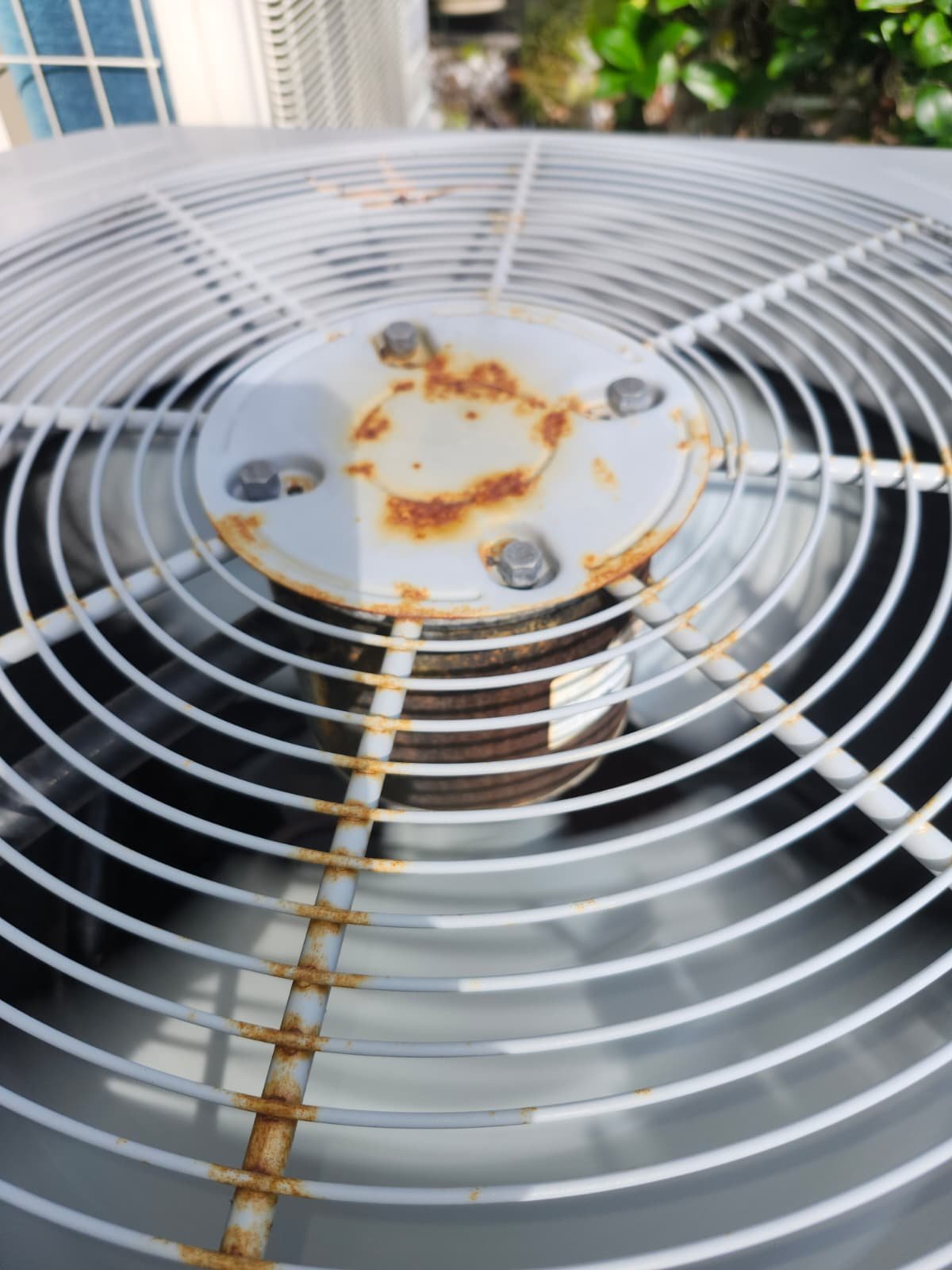
In a home in Lutz, FL 33558, a homeowner reached out to our team at Home Therapist because they wanted cleaner air and a fresher feeling throughout their house. Between Florida’s humidity, dust, and allergy season, it’s easy for vents and ductwork to build up debris over time. This client decided it was time to tackle their air ducts and also protect their HVAC system long term with our Premium Therapy Plan.

In this case study, we’ll walk through what our air duct cleaning visit involved, how this service can help improve indoor air quality in Lutz homes, and why pairing duct cleaning with an HVAC maintenance plan is such a smart move.

Customer Problem: Wanting Cleaner, Healthier Air at Home

Our client in Lutz contacted us with a clear goal: they wanted their vents and air ducts professionally cleaned and were interested in getting set up on our Premium Therapy Plan for ongoing HVAC maintenance.

Over time, it’s normal for dust, pet hair, pollen, and other particles to travel through your HVAC system and settle inside the ductwork. Even if your system is running, the air can feel a little stale, and you may notice buildup on vent covers around the home.

From the notes on this job, we know:

  • The homeowner approved the work by message and chose a specific day that worked around their schedule.
  • They understood our arrival window in the morning and that we’d be wrapped up by early afternoon.
  • They were planning around the holidays and requested rescheduling around Thanksgiving, which we accommodated.
  • Payment was handled by check at the completion of the work.

The main service they selected was our Value Air Duct Cleaning Package, which focuses on cleaning each supply vent from the register into the duct using our air duct cleaning machine. At the same time, the client was enrolled in our Premium Therapy Plan, our top-tier maintenance plan designed to keep their HVAC system running efficiently year-round.

What Our Value Air Duct Cleaning Package Includes

For this home in Lutz, FL, our technician Barbaro completed our Value Air Duct Cleaning Package. This visit included:

  • Removing every vent cover in the home.
  • Using our air duct cleaning equipment to clean from each vent into the duct line.
  • Dusting off and wiping down the vent covers before reinstallation.
  • Cleaning every vent around the home at a per-vent price, with a minimum of 12 vents to qualify for the package rate.

This style of duct cleaning is often a great fit for homeowners who:

  • See visible dust buildup on vents or surrounding ceilings and walls.
  • Want to reduce dust in the air and on furniture.
  • Have pets that shed, adding hair and dander to the system.
  • Struggle with allergies or respiratory sensitivities.

If you’re curious about how a full air duct cleaning visit looks in different Tampa Bay neighborhoods, you can also see one of our other real-world projects where we performed air duct cleaning services in Tampa and a similar air duct cleaning project in Zephyrhills, FL.

Our Inspection & Preparation Before Duct Cleaning

Before starting any air duct cleaning in Lutz, FL homes, our team goes through a quick but important checklist. For this home, we:

  • Confirmed the scope of work: We reviewed the number of vents to be cleaned and made sure the homeowner understood that the price is per vent and is only valid when cleaning all ducts, with a minimum of 12 vents.
  • Walked through expectations: Our technician explained there is always a possibility that older or fragile ducts can be more susceptible to damage during cleaning. This is especially important in homes with original ductwork or visible wear.
  • Discussed light dusting concerns: We let the homeowner know there may be some dust that falls onto nearby furniture or appliances as we remove and clean vents. We always do our best to wipe things down, but it’s normal for homeowners to need a little extra dusting afterwards.
  • Protected the space: We used drop cloths and took care around furniture and flooring to minimize any mess during the duct cleaning process.

If we ever see anything unusual during this pre-cleaning check—such as crushed duct runs, heavy mold growth, or disconnected lines—we stop and talk with the homeowner about next steps. In some cases, a better long-term fix might be air duct and insulation replacement instead of just cleaning.

Step-By-Step: How We Cleaned the Vents and Ducts

Once everything was explained and approved, our technician got to work on the Value Air Duct Cleaning Package at this Lutz home.

1. Removing and Labeling Vent Covers

The first step is carefully removing each vent cover throughout the home. In many houses, there are vents in bedrooms, hallways, living areas, and sometimes in bathrooms or closets. We make sure we’re not scratching walls or ceilings as we remove them.

Where needed, we’ll keep mental notes or simple labels so every vent cover is reinstalled in the correct location and orientation once cleaning is complete.

2. Cleaning Inside Each Vent Opening

With the vents removed, we use our professional air duct cleaning machine to clean from each vent opening into the duct line. This approach focuses on the areas where dust and debris tend to accumulate most heavily:

  • Right behind the vent opening.
  • In corners and joints where airflow can slow down.
  • On surfaces where particles naturally settle.

We work methodically around the home, vent by vent. The goal is to loosen and remove built-up dust, cobwebs, and light debris, improving the general cleanliness of the duct system and helping air flow more freely.

3. Dusting and Cleaning the Vent Covers

Vent covers themselves can get surprisingly dirty over time. You may have noticed black streaks, gray dust buildup, or pet hair clinging to the grilles. As part of this package, we dust off and clean each air vent cover before putting it back in place.

In many cases, just this step alone makes a noticeable difference in how fresh and clean the room looks, especially against light-colored walls or ceilings.

4. Reinstalling Vents and Final Walkthrough

After the ducts and vent covers are cleaned, we reinstall every register, making sure everything is snug and aligned properly. Then we do a quick walkthrough with the homeowner to confirm that:

  • All vents have been cleaned and reinstalled.
  • Any visible dust around the vents has been wiped down as much as possible.
  • There are no concerns about loose vents or unusual noises.

We also take a moment to recap what was done, answer any questions, and talk through what to expect over the next few days. Sometimes, after duct cleaning, homeowners may notice a little residual dust as things settle, which is why a quick light cleaning afterwards is normal and expected.

Adding Long-Term Protection: The Premium Therapy Plan

Along with air duct cleaning, this homeowner in Lutz, FL chose to enroll in our Premium Therapy Plan, our top HVAC maintenance plan. This is a smart way to protect the investment they’ve made in cleaner air and more efficient airflow.

While duct cleaning deals with buildup inside the ductwork, a maintenance plan keeps the heart of the system—your air handler, condenser, blower, and coils—in good shape. That means:

  • Regular tune-ups to keep the system running efficiently.
  • Professional checks that can catch issues early.
  • Better airflow and comfort throughout the home.
  • Less strain on the equipment, which can help extend its life.

We’ve written more about how our maintenance plans work and what to consider if you’re adjusting your coverage in our guide on changing or downgrading your AC maintenance plan in Tampa. For many families, the Premium Therapy Plan offers the right balance of peace of mind, regular care, and priority support.

Why This Combination Works: Duct Cleaning + Maintenance

Pairing duct cleaning with an HVAC maintenance plan is a great strategy for homeowners in Lutz and across the Tampa Bay area. Here’s why:

  • Cleaner air plus better airflow: Removing dust and debris from vents and ducts helps your system move air more freely. Maintenance keeps fans, coils, and filters in good shape to support that cleaner airflow.
  • Less dust on surfaces: While no service can completely eliminate dust, cleaning vents and ducts can reduce the amount that blows back into the home, meaning fewer dust bunnies and less frequent cleaning for many homeowners.
  • Support for allergy and asthma sufferers: If anyone in the home struggles with allergies, every bit of help matters. Keeping the system and ducts clean, along with using a quality filter, can make the indoor environment more comfortable.
  • System longevity: Equipment that’s kept clean and maintained properly doesn’t have to work as hard. That can help reduce wear and tear I and may lower the risk of surprise breakdowns.

For homeowners who want to go even further with indoor air quality, we sometimes recommend additional solutions like duct sanitation or UV light installation, similar to what we performed in a duct sanitation and UV light project in Fish Hawk, FL. Those services can help reduce microbial growth and keep certain contaminants under tighter control.

What Could Happen If Ducts and Systems Are Never Cleaned

Skipping duct cleaning and regular HVAC maintenance doesn’t guarantee you’ll have problems right away, but over time, some common issues can start to show up:

  • More visible dust and dirt: You might notice dark streaks or rings forming around your vents, or find yourself dusting more often than you’d like.
  • Uneven temperatures: Restricted airflow from dirty ducts, clogged filters, or a dirty blower wheel can make some rooms feel warmer or cooler than others.
  • Musty or stale odors: When dust and debris sit in a humid duct system for years, it can create a noticeable odor when the AC or heat turns on.
  • Higher energy bills: A system that has to push air through dirty ducts or past clogged components often uses more energy to do the same job.
  • More frequent repairs: Lack of maintenance can lead to overlooked issues—like clogged drain lines, dirty coils, or weak capacitors—that could have been caught early during routine visits.

By taking a proactive approach, as this Lutz homeowner did, you give your HVAC system a better chance to operate smoothly and comfortably across our long Florida cooling season.

Tips to Keep Your Air Cleaner in Lutz, FL Homes

Whether you’re in Lutz, Tampa, or anywhere in the Tampa Bay area, the combination of heat, humidity, and pollen can make indoor air quality a challenge. Here are some practical tips we often share with our clients:

  • Change filters regularly: For most homes, changing the air filter every 1–3 months is a good rule of thumb. If you have pets or allergies, you may need to change them more often.
  • Keep supply and return vents clear: Avoid blocking vents with furniture, curtains, or rugs. Good airflow helps your system work efficiently and circulate air properly.
  • Dust and vacuum consistently: Regular cleaning helps keep dust from getting pulled back into the ducts. Use a vacuum with a HEPA filter if possible.
  • Consider periodic duct cleaning: You don’t necessarily need duct cleaning every year, but in homes with heavy dust, pets, or after remodeling, it can make a real difference.
  • Schedule regular maintenance: Routine tune-ups are one of the best ways to protect your system and keep the air moving cleanly through your home. Our maintenance visits are similar to what we describe in our AC cleaning and maintenance projects across Tampa Bay.

Lutz, FL is a beautiful community, with easy access to spots like the Tampa Premium Outlets and local parks, but our warm climate means air conditioning runs a lot. If your home is in the Lutz, FL 33558 area, keeping your ducts and system in good shape is especially important for comfort and efficiency.

Why Choose Home Therapist for Air Duct Cleaning in Lutz, FL?

Homeowners across Lutz and the greater Tampa Bay area trust our team at Home Therapist Cooling, Heating, and Plumbing because we approach every visit with a mix of technical expertise and clear, honest communication. For this job in Lutz, that meant:

  • Explaining exactly what the Value Air Duct Cleaning Package included.
  • Being upfront about limitations and risks, such as older ductwork being more fragile.
  • Setting a clear arrival window and estimated completion time.
  • Respecting the client’s preferred scheduling around the holidays.
  • Leaving the home as tidy as possible after the job.

We don’t believe in scare tactics or pressure. Instead, we take the time to educate homeowners so they can make informed decisions about what’s best for their home, their budget, and their comfort.

If you’d like to learn more about how we handle other projects in the Tampa Bay area, you can read another case study where we combined blower wheel cleaning and duct work in a blower wheel and duct cleaning project in Zephyrhills. Each project gives a real-world look at how our team works and the care we take in every home.

Living and Breathing Comfortable in Lutz, FL

Lutz is a growing community just north of Tampa, known for its quiet neighborhoods and convenient access to the greater Tampa Bay area. You can learn more about the area on Lutz, Florida’s Wikipedia page, but one thing locals all share is the need for reliable cooling and clean indoor air most of the year.

Between pollen from nearby greenery, dust tracked in from daily life, and the long AC season, it’s easy for HVAC systems to collect buildup. That’s why services like duct cleaning, tune-ups, and maintenance plans matter so much in this part of Florida.

Thinking About Air Duct Cleaning or a Maintenance Plan?

If you’re noticing dusty vents, uneven airflow, or you simply haven’t had your system and ducts looked at in a while, it may be time to schedule a professional visit. Our team can help you decide if you’d benefit most from:

  • Basic duct and vent cleaning.
  • Deeper cleaning and sanitation options.
  • A maintenance plan like our Premium Therapy Plan.
  • Or a combination of services tailored to your home.

Every home is a little different, and our technicians take the time to listen to your concerns—whether that’s allergies, dust, energy bills, or just wanting your home to feel fresher.

Schedule Air Duct Cleaning in Lutz, FL with Home Therapist

If you’re in Lutz, FL 33558 or the surrounding Tampa Bay communities and you’re ready for cleaner vents, better airflow, and a more comfortable home, our team is here to help.

Call Home Therapist or visit our website to schedule your air duct cleaning or to ask about our Premium Therapy Plan. We’ll walk you through your options, answer your questions in plain English, and help you choose the services that fit your home best.

When your home needs a little extra care, we’re here to provide the therapy your home needs. #HomeTherapist #TheTherapyYourHomeNeeds
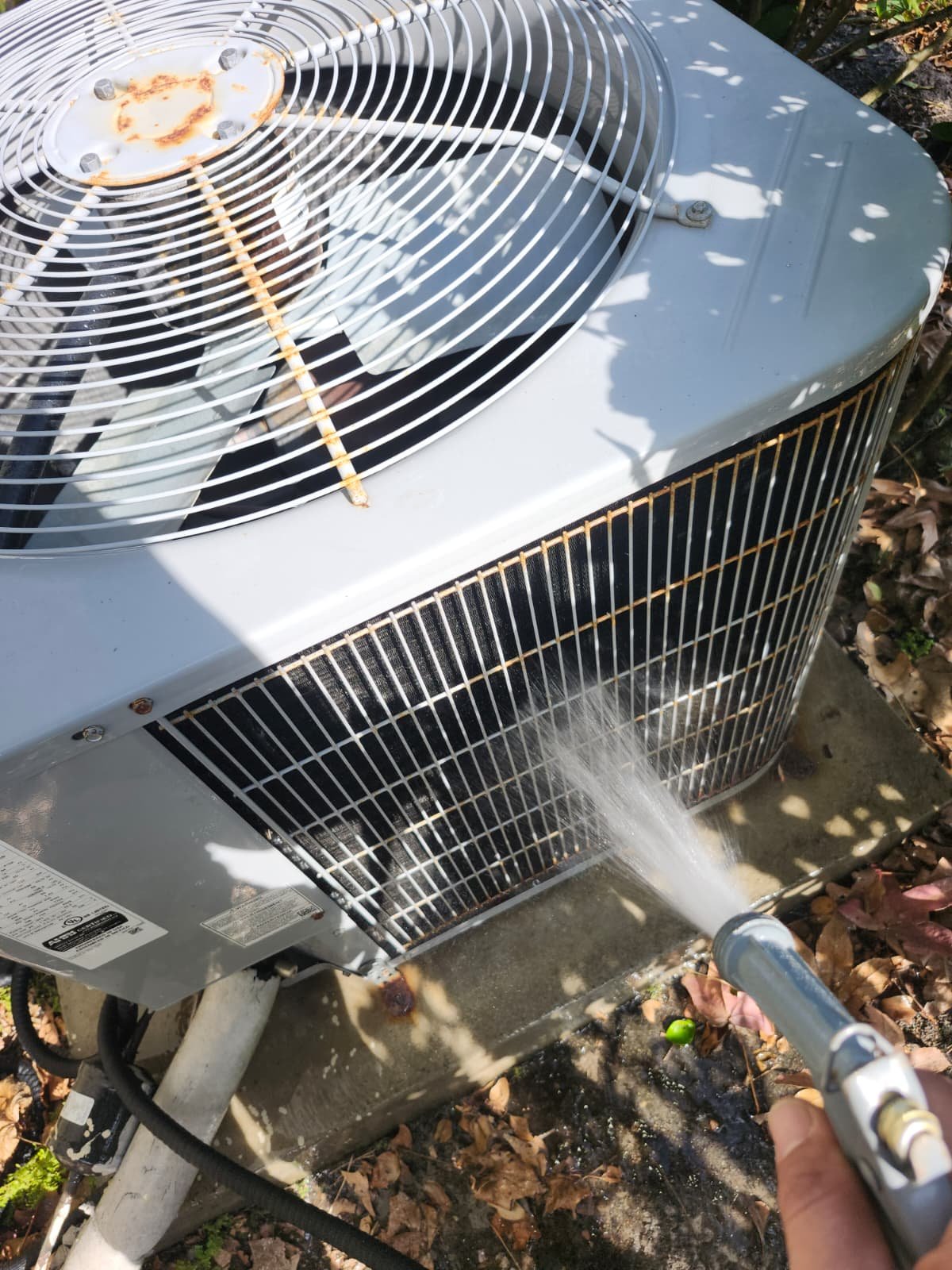
Adding Safe Server Closet Ventilation with New R6 Flex Ductwork in Gulfport, FL

When most people in Gulfport, FL 33707 think about their air conditioning, they picture staying comfortable in the living room or bedroom. But in today’s homes, there’s another area that quietly needs cooling: the server or equipment closet. On this project, our team was called out for routine HVAC maintenance at a home in Gulfport and ended up designing a simple, reliable ventilation solution to protect sensitive server equipment from overheating.

If you’re planning to store computers, networking gear, or servers in a small enclosed space, this story will walk you through why proper ventilation matters, how we add a dedicated duct and vent, and what you can do to keep your electronics safe in our hot, humid Gulfport climate.

Customer Problem: Preparing a Server Closet with No Ventilation

During a scheduled HVAC maintenance visit at a home in Gulfport, FL, the homeowner mentioned a future project: they wanted to set up server equipment inside a closet. The concern was simple and very valid — the closet had no ductwork, no vent, and no air circulation at all.

Servers, network switches, and other electronics generate a surprising amount of heat. Put them in an enclosed closet with no airflow, especially in Florida, and you can run into problems like:

  • Overheating and shutdowns of your server or router
  • Shortened lifespan of electronic components
  • Inconsistent performance or unexpected restarts
  • Excessive heat building up and radiating into nearby rooms

The homeowner wanted something straightforward: a way to get conditioned air into that closet so the equipment could stay within a safe temperature range, without installing a separate system or using noisy portable fans.

Our Initial Inspection & What We Found

Because we were already on site for HVAC maintenance, our technician Bryan took a closer look at the closet and the existing ductwork layout. As part of our visit, we:

We confirmed what the homeowner suspected: the closet was completely sealed off from the HVAC system. With the door closed, any heat generated by the servers would be trapped, causing the internal temperature to climb quickly.

From there, our job was to design a simple, cost-effective way to bring conditioned air into that space, using the existing HVAC system without overloading it or compromising comfort in the rest of the home.

The Recommended Solution: New Flexible Duct and Round Vent

After the inspection, we recommended installing a small dedicated supply duct line specifically to serve the closet. The solution had three main parts:

1. Install a New R6 Flexible Duct Line

We proposed adding a new insulated flexible duct run (R6 rating) from the existing supply system to the closet. On this job, the plan was to run a flexible duct, sized appropriately (a small-diameter flex, such as a 3-inch, is often ideal for a low-load closet), to gently introduce cooled air into the space without over-supplying it.

The duct materials we recommended come with important benefits:

  • Johns Manville Formaldehyde-free™ fiberglass insulation – helps improve indoor air quality and reduces potential off-gassing concerns.
  • GREENGUARD® certified insulated products – tested for low chemical emissions, a plus for health-conscious homeowners.
  • Quietflex Rip Stop Silver Jacket – includes a metalized polyester vapor barrier with a special rip-stop scrim reinforcement, helping resist tears and damage in the attic space.

These materials are designed for long-term performance in Florida attics, where high temperatures and humidity can be tough on lower-quality ducts.

2. Add a Round Supply Vent in the Closet

To actually deliver air into the closet, we planned to install a round supply vent (grill) on the closet ceiling or upper wall. This vent would be connected to the new R6 flexible duct so that cool, conditioned air from the main system can circulate into the server closet.

In the job notes, our team confirmed the use of a round vent that had already been sourced, with coordination between our technicians and office to make sure the correct size and style were available for the install. The goal was a clean, unobtrusive vent that blends with the space but provides consistent airflow.

3. One New Supply Drop Dedicated to the Closet

The design called for one new supply drop — essentially one new branch of ductwork terminating at the closet. A single drop is usually enough for a small equipment closet if the system is sized correctly overall. Too much airflow could make the closet uncomfortably cold and waste energy, while too little would fail to protect the electronics. Getting that balance right is where a trained HVAC technician really matters.

How We Approach This Type of Ductwork Installation

Every home is a little different, but our process for adding a supply vent to a closet in a Gulfport, FL home generally follows these steps:

Step 1: Planning the Duct Route

First, we identify where the main duct trunk or nearby supply branch is located in relation to the closet. We look for the most direct route that:

  • Maintains proper duct slope and support
  • Avoids sharp bends that restrict airflow
  • Stays clear of electrical, plumbing, and structural elements

We also consider attic height. The disclaimers provided to the homeowner explain that work in very low attics (under about 4 feet) is significantly harder, which can affect labor and feasibility. In extremely tight spaces, some duct runs simply aren’t safe or practical.

Step 2: Protecting the Home Before Work Starts

Ductwork installation often takes place above living areas, and we want to keep the home as clean and safe as possible. We encourage homeowners to:

  • Move or cover furniture located below supply vents or in work areas
  • Cover electronics, baby items, clothing, and food to protect from dust
  • Give our crew space to work safely and efficiently

We do our best to cover critical areas and we always clean up at the end of the workday, but any attic work can potentially disturb some insulation or dust. Preparing the space in advance makes the process smoother.

Step 3: Running and Securing the R6 Flex Duct

Once we’ve planned the route, we run the new R6 flexible duct from the source to the closet location. Key best practices we follow include:

  • Keeping duct runs as straight and as short as practical
  • Properly supporting the duct to prevent sagging
  • Sealing all connections with appropriate mastic or tape to reduce air leaks
  • Ensuring the insulation stays intact and continuous

Using quality materials like the Quietflex Rip Stop jacket helps the duct withstand movement, occasional access traffic, and general attic conditions over time.

Step 4: Cutting the Vent Opening and Installing the Grill

To bring air into the closet, we cut the opening for the new round vent. As noted in our disclaimers to the homeowner, it’s sometimes necessary to open small holes in sheetrock to run ducts or install vents. When that’s required, we always:

  • Discuss it with the homeowner beforehand
  • Explain where the access will be and why it’s needed
  • Clarify that while we can open the access, we do not perform sheetrock repair or painting

After the opening is prepared, we mount the vent and connect it securely to the new flexible duct, making sure the airflow direction and fit are correct.

Step 5: Testing Airflow and Final Checks

With the duct and vent in place, we run the system and verify:

  • Airflow is reaching the closet as expected
  • There are no noticeable air leaks along the new duct
  • The new supply doesn’t negatively impact comfort in other rooms

For a server closet, our goal is not to turn it into a cold room, but to keep temperatures stable enough so equipment can run reliably.

Why This Fix Works for Server Closets in Gulfport Homes

Adding a small, dedicated supply vent fed by R6 insulated flex duct is a highly effective way to manage heat from electronics in a Gulfport, FL home. Here’s why:

  • Direct cooling where it’s needed – Conditioned air goes right into the closet instead of relying on open doors or portable fans.
  • Better protection for expensive equipment – Servers and network hardware stay within a healthier temperature range, reducing the risk of failure.
  • Efficient use of the existing HVAC system – No need for a separate mini split or portable AC in many cases.
  • Improved comfort nearby – Excess heat is removed before it radiates into hallways or adjacent rooms.

Of course, this approach assumes that the home’s existing HVAC system is properly sized and in good condition. If the system is already struggling to cool the home, adding extra load may not be ideal without further upgrades or adjustments.

Important Homeowner Disclaimers and Expectations

We believe in being transparent about what’s involved when we add new ductwork in a Gulfport, FL home. For this type of project, we discuss a few key points up front:

Attic Height and Accessibility

Work in attics under four feet tall is more demanding and, in some cases, not feasible. Extremely tight spaces may limit where ducts can be run, or in rare cases, make a proposed supply drop impossible or unsafe. We’ll always review this with you on site and propose alternatives when needed.

Dust, Insulation, and Jobsite Cleanliness

Even with protective coverings, attic work can disturb insulation and dust. We:

  • Cover and protect critical areas as much as possible
  • Clean up at the end of our workday

But we also strongly recommend that homeowners prepare the home: move furniture, cover electronics, and secure sensitive belongings in the work zones.

Sheetrock Access Holes

Sometimes, to run ducts or set a new vent, we must open small access holes in walls or ceilings. We always notify you before we cut anything. Our work includes opening the necessary area and installing the duct or vent, but we do not perform drywall repair or painting. Many homeowners prefer to have their painter or handyman handle the final cosmetic touch-ups.

Warranty and Limitations

On ductwork projects like this, we typically provide a one-year parts and labor warranty from The AC Therapist/Home Therapist, with some limitations. The warranty does not cover:

  • Damage from rodents or pests chewing or tearing the duct
  • Accidental damage from people stepping on, crushing, or cutting the duct
  • Internal dirt buildup caused by lack of regular system maintenance

We stand behind our workmanship, but like all reputable contractors, we can’t warranty against things outside our control.

Tips to Keep Your Server Closet Safe and Cool in Gulfport, FL

If you’re considering a similar setup in your Gulfport home, here are some practical tips:

Why Choose Home Therapist for Ductwork and Ventilation Projects Near Gulfport

Homes in and around Gulfport, FL, especially near the waterfront and areas like the Gulfport Beach Recreation Area, face unique heat and humidity challenges. Our team understands how Gulfport’s climate affects not only comfort but also sensitive equipment and building materials.

When you work with Home Therapist for ductwork and ventilation upgrades, you get:

  • Experienced technicians who understand both comfort and equipment protection
  • Quality materials like GREENGUARD® certified insulation and durable duct jackets
  • Clear communication about options, limitations, and what to expect during the job
  • Local expertise serving homes throughout the Tampa Bay and Pinellas County area

For larger duct upgrades or replacements, we also offer dedicated ductwork replacement services and higher R-value duct upgrades for improved efficiency.

Serving Gulfport, FL and the Greater Tampa Bay Area

Gulfport is a unique and vibrant community on the shores of Boca Ciega Bay, just southwest of St. Petersburg. With our hot summers and long cooling season, making sure your HVAC system is designed for both comfort and special needs spaces—like server closets, workshops, or home offices—is especially important. You can learn more about the city itself on the Gulfport, Florida Wikipedia page or see where we work on Google Maps.

Whether you’re in Gulfport, nearby Treasure Island, or elsewhere in Pinellas County, our team is here to help you get the most out of your HVAC system, from routine tune-ups to specialized ductwork and ventilation projects.

Thinking About Ventilating a Closet or Equipment Room?

If you’re planning to build a home server closet, AV rack, or network closet in Gulfport, FL 33707, now is the perfect time to think about ventilation. Adding a properly sized duct and vent is often a small project compared to the cost of the equipment you’re protecting.

Our team at Home Therapist can:

If you’re curious about broader system upgrades or have comfort issues in other rooms, we can also evaluate whether you’d benefit from zoning or additional duct changes. You can explore some of those options on our HVAC zoning system installation page.

Ready to Cool and Protect Your Server Closet in Gulfport, FL?

You don’t have to guess whether your equipment is safe from overheating. If you’re in Gulfport, FL or the surrounding Tampa Bay area and are planning a server closet, media closet, or any small enclosed space with electronics, our team is ready to help.

Call Home Therapist or visit our website to schedule an appointment. We’ll take a look at your existing system, walk you through your options, and design a solution that balances comfort, efficiency, and equipment protection — without the pressure or confusing jargon.

#HomeTherapist #TheTherapyYourHomeNeeds
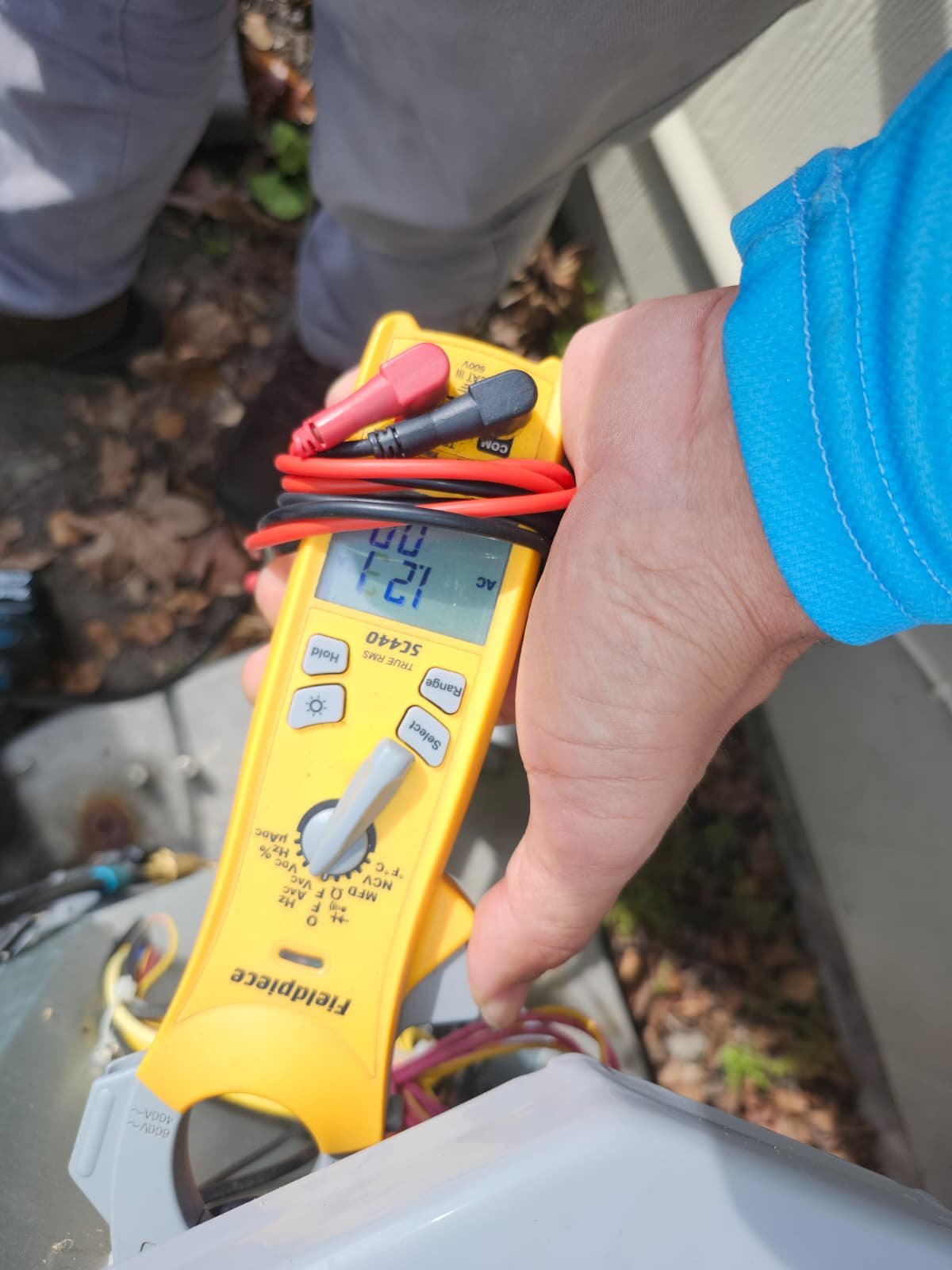
When most people in Gulfport, FL 33707 think about their air conditioning, they picture staying comfortable in the living room or bedroom. But in today’s homes, there’s another area that quietly needs cooling: the server or equipment closet. On this project, our team was called out for routine HVAC maintenance at a home in Gulfport and ended up designing a simple, reliable ventilation solution to protect sensitive server equipment from overheating.

If you’re planning to store computers, networking gear, or servers in a small enclosed space, this story will walk you through why proper ventilation matters, how we add a dedicated duct and vent, and what you can do to keep your electronics safe in our hot, humid Gulfport climate.

Customer Problem: Preparing a Server Closet with No Ventilation

During a scheduled HVAC maintenance visit at a home in Gulfport, FL, the homeowner mentioned a future project: they wanted to set up server equipment inside a closet. The concern was simple and very valid — the closet had no ductwork, no vent, and no air circulation at all.

Servers, network switches, and other electronics generate a surprising amount of heat. Put them in an enclosed closet with no airflow, especially in Florida, and you can run into problems like:

  • Overheating and shutdowns of your server or router
  • Shortened lifespan of electronic components
  • Inconsistent performance or unexpected restarts
  • Excessive heat building up and radiating into nearby rooms

The homeowner wanted something straightforward: a way to get conditioned air into that closet so the equipment could stay within a safe temperature range, without installing a separate system or using noisy portable fans.

Our Initial Inspection & What We Found

Because we were already on site for HVAC maintenance, our technician Bryan took a closer look at the closet and the existing ductwork layout. As part of our visit, we:

  • Visually inspected the closet space where the server equipment would be installed
  • Confirmed there was no existing supply or return vent in the closet
  • Reviewed nearby supply ducts and trunk lines that could feed a new drop
  • Checked attic access and heights to understand installation difficulty

We confirmed what the homeowner suspected: the closet was completely sealed off from the HVAC system. With the door closed, any heat generated by the servers would be trapped, causing the internal temperature to climb quickly.

From there, our job was to design a simple, cost-effective way to bring conditioned air into that space, using the existing HVAC system without overloading it or compromising comfort in the rest of the home.

The Recommended Solution: New Flexible Duct and Round Vent

After the inspection, we recommended installing a small dedicated supply duct line specifically to serve the closet. The solution had three main parts:

1. Install a New R6 Flexible Duct Line

We proposed adding a new insulated flexible duct run (R6 rating) from the existing supply system to the closet. On this job, the plan was to run a flexible duct, sized appropriately (a small-diameter flex, such as a 3-inch, is often ideal for a low-load closet), to gently introduce cooled air into the space without over-supplying it.

The duct materials we recommended come with important benefits:

  • Johns Manville Formaldehyde-free™ fiberglass insulation – helps improve indoor air quality and reduces potential off-gassing concerns.
  • GREENGUARD® certified insulated products – tested for low chemical emissions, a plus for health-conscious homeowners.
  • Quietflex Rip Stop Silver Jacket – includes a metalized polyester vapor barrier with a special rip-stop scrim reinforcement, helping resist tears and damage in the attic space.

These materials are designed for long-term performance in Florida attics, where high temperatures and humidity can be tough on lower-quality ducts.

2. Add a Round Supply Vent in the Closet

To actually deliver air into the closet, we planned to install a round supply vent (grill) on the closet ceiling or upper wall. This vent would be connected to the new R6 flexible duct so that cool, conditioned air from the main system can circulate into the server closet.

In the job notes, our team confirmed the use of a round vent that had already been sourced, with coordination between our technicians and office to make sure the correct size and style were available for the install. The goal was a clean, unobtrusive vent that blends with the space but provides consistent airflow.

3. One New Supply Drop Dedicated to the Closet

The design called for one new supply drop — essentially one new branch of ductwork terminating at the closet. A single drop is usually enough for a small equipment closet if the system is sized correctly overall. Too much airflow could make the closet uncomfortably cold and waste energy, while too little would fail to protect the electronics. Getting that balance right is where a trained HVAC technician really matters.

How We Approach This Type of Ductwork Installation

Every home is a little different, but our process for adding a supply vent to a closet in a Gulfport, FL home generally follows these steps:

Step 1: Planning the Duct Route

First, we identify where the main duct trunk or nearby supply branch is located in relation to the closet. We look for the most direct route that:

  • Maintains proper duct slope and support
  • Avoids sharp bends that restrict airflow
  • Stays clear of electrical, plumbing, and structural elements

We also consider attic height. The disclaimers provided to the homeowner explain that work in very low attics (under about 4 feet) is significantly harder, which can affect labor and feasibility. In extremely tight spaces, some duct runs simply aren’t safe or practical.

Step 2: Protecting the Home Before Work Starts

Ductwork installation often takes place above living areas, and we want to keep the home as clean and safe as possible. We encourage homeowners to:

  • Move or cover furniture located below supply vents or in work areas
  • Cover electronics, baby items, clothing, and food to protect from dust
  • Give our crew space to work safely and efficiently

We do our best to cover critical areas and we always clean up at the end of the workday, but any attic work can potentially disturb some insulation or dust. Preparing the space in advance makes the process smoother.

Step 3: Running and Securing the R6 Flex Duct

Once we’ve planned the route, we run the new R6 flexible duct from the source to the closet location. Key best practices we follow include:

  • Keeping duct runs as straight and as short as practical
  • Properly supporting the duct to prevent sagging
  • Sealing all connections with appropriate mastic or tape to reduce air leaks
  • Ensuring the insulation stays intact and continuous

Using quality materials like the Quietflex Rip Stop jacket helps the duct withstand movement, occasional access traffic, and general attic conditions over time.

Step 4: Cutting the Vent Opening and Installing the Grill

To bring air into the closet, we cut the opening for the new round vent. As noted in our disclaimers to the homeowner, it’s sometimes necessary to open small holes in sheetrock to run ducts or install vents. When that’s required, we always:

  • Discuss it with the homeowner beforehand
  • Explain where the access will be and why it’s needed
  • Clarify that while we can open the access, we do not perform sheetrock repair or painting

After the opening is prepared, we mount the vent and connect it securely to the new flexible duct, making sure the airflow direction and fit are correct.

Step 5: Testing Airflow and Final Checks

With the duct and vent in place, we run the system and verify:

  • Airflow is reaching the closet as expected
  • There are no noticeable air leaks along the new duct
  • The new supply doesn’t negatively impact comfort in other rooms

For a server closet, our goal is not to turn it into a cold room, but to keep temperatures stable enough so equipment can run reliably.

Why This Fix Works for Server Closets in Gulfport Homes

Adding a small, dedicated supply vent fed by R6 insulated flex duct is a highly effective way to manage heat from electronics in a Gulfport, FL home. Here’s why:

  • Direct cooling where it’s needed – Conditioned air goes right into the closet instead of relying on open doors or portable fans.
  • Better protection for expensive equipment – Servers and network hardware stay within a healthier temperature range, reducing the risk of failure.
  • Efficient use of the existing HVAC system – No need for a separate mini split or portable AC in many cases.
  • Improved comfort nearby – Excess heat is removed before it radiates into hallways or adjacent rooms.

Of course, this approach assumes that the home’s existing HVAC system is properly sized and in good condition. If the system is already struggling to cool the home, adding extra load may not be ideal without further upgrades or adjustments.

Important Homeowner Disclaimers and Expectations

We believe in being transparent about what’s involved when we add new ductwork in a Gulfport, FL home. For this type of project, we discuss a few key points up front:

Attic Height and Accessibility

Work in attics under four feet tall is more demanding and, in some cases, not feasible. Extremely tight spaces may limit where ducts can be run, or in rare cases, make a proposed supply drop impossible or unsafe. We’ll always review this with you on site and propose alternatives when needed.

Dust, Insulation, and Jobsite Cleanliness

Even with protective coverings, attic work can disturb insulation and dust. We:

  • Cover and protect critical areas as much as possible
  • Clean up at the end of our workday

But we also strongly recommend that homeowners prepare the home: move furniture, cover electronics, and secure sensitive belongings in the work zones.

Sheetrock Access Holes

Sometimes, to run ducts or set a new vent, we must open small access holes in walls or ceilings. We always notify you before we cut anything. Our work includes opening the necessary area and installing the duct or vent, but we do not perform drywall repair or painting. Many homeowners prefer to have their painter or handyman handle the final cosmetic touch-ups.

Warranty and Limitations

On ductwork projects like this, we typically provide a one-year parts and labor warranty from The AC Therapist/Home Therapist, with some limitations. The warranty does not cover:

  • Damage from rodents or pests chewing or tearing the duct
  • Accidental damage from people stepping on, crushing, or cutting the duct
  • Internal dirt buildup caused by lack of regular system maintenance

We stand behind our workmanship, but like all reputable contractors, we can’t warranty against things outside our control.

Tips to Keep Your Server Closet Safe and Cool in Gulfport, FL

If you’re considering a similar setup in your Gulfport home, here are some practical tips:

  • Plan ventilation before you load the closet with equipment. It’s much easier to add ductwork before the space is full of racks, cables, and hardware.
  • Avoid sealing the closet too tightly. A little undercut on the door or a return path helps air circulate back to the main space.
  • Monitor temperatures. A simple digital thermometer in the closet can tell you if the new vent is doing its job.
  • Keep the HVAC system maintained. Annual maintenance helps ensure your system can handle additional small loads like a server closet. Learn more about our AC maintenance services in the Tampa Bay area.
  • Consider air quality. Sensitive electronics and humans both benefit from cleaner air. If you’re concerned about dust, check out our indoor air quality solutions.

Why Choose Home Therapist for Ductwork and Ventilation Projects Near Gulfport

Homes in and around Gulfport, FL, especially near the waterfront and areas like the Gulfport Beach Recreation Area, face unique heat and humidity challenges. Our team understands how Gulfport’s climate affects not only comfort but also sensitive equipment and building materials.

When you work with Home Therapist for ductwork and ventilation upgrades, you get:

  • Experienced technicians who understand both comfort and equipment protection
  • Quality materials like GREENGUARD® certified insulation and durable duct jackets
  • Clear communication about options, limitations, and what to expect during the job
  • Local expertise serving homes throughout the Tampa Bay and Pinellas County area

For larger duct upgrades or replacements, we also offer dedicated ductwork replacement services and higher R-value duct upgrades for improved efficiency.

Serving Gulfport, FL and the Greater Tampa Bay Area

Gulfport is a unique and vibrant community on the shores of Boca Ciega Bay, just southwest of St. Petersburg. With our hot summers and long cooling season, making sure your HVAC system is designed for both comfort and special needs spaces—like server closets, workshops, or home offices—is especially important. You can learn more about the city itself on the Gulfport, Florida Wikipedia page or see where we work on Google Maps.

Whether you’re in Gulfport, nearby Treasure Island, or elsewhere in Pinellas County, our team is here to help you get the most out of your HVAC system, from routine tune-ups to specialized ductwork and ventilation projects.

Thinking About Ventilating a Closet or Equipment Room?

If you’re planning to build a home server closet, AV rack, or network closet in Gulfport, FL 33707, now is the perfect time to think about ventilation. Adding a properly sized duct and vent is often a small project compared to the cost of the equipment you’re protecting.

Our team at Home Therapist can:

  • Review your current HVAC setup
  • Recommend the right duct size and vent style
  • Install new R6 or R8 insulated ductwork as needed
  • Help you plan long-term maintenance to keep everything running smoothly

If you’re curious about broader system upgrades or have comfort issues in other rooms, we can also evaluate whether you’d benefit from zoning or additional duct changes. You can explore some of those options on our HVAC zoning system installation page.

Ready to Cool and Protect Your Server Closet in Gulfport, FL?

You don’t have to guess whether your equipment is safe from overheating. If you’re in Gulfport, FL or the surrounding Tampa Bay area and are planning a server closet, media closet, or any small enclosed space with electronics, our team is ready to help.

Call Home Therapist or visit our website to schedule an appointment. We’ll take a look at your existing system, walk you through your options, and design a solution that balances comfort, efficiency, and equipment protection — without the pressure or confusing jargon.

#HomeTherapist #TheTherapyYourHomeNeeds
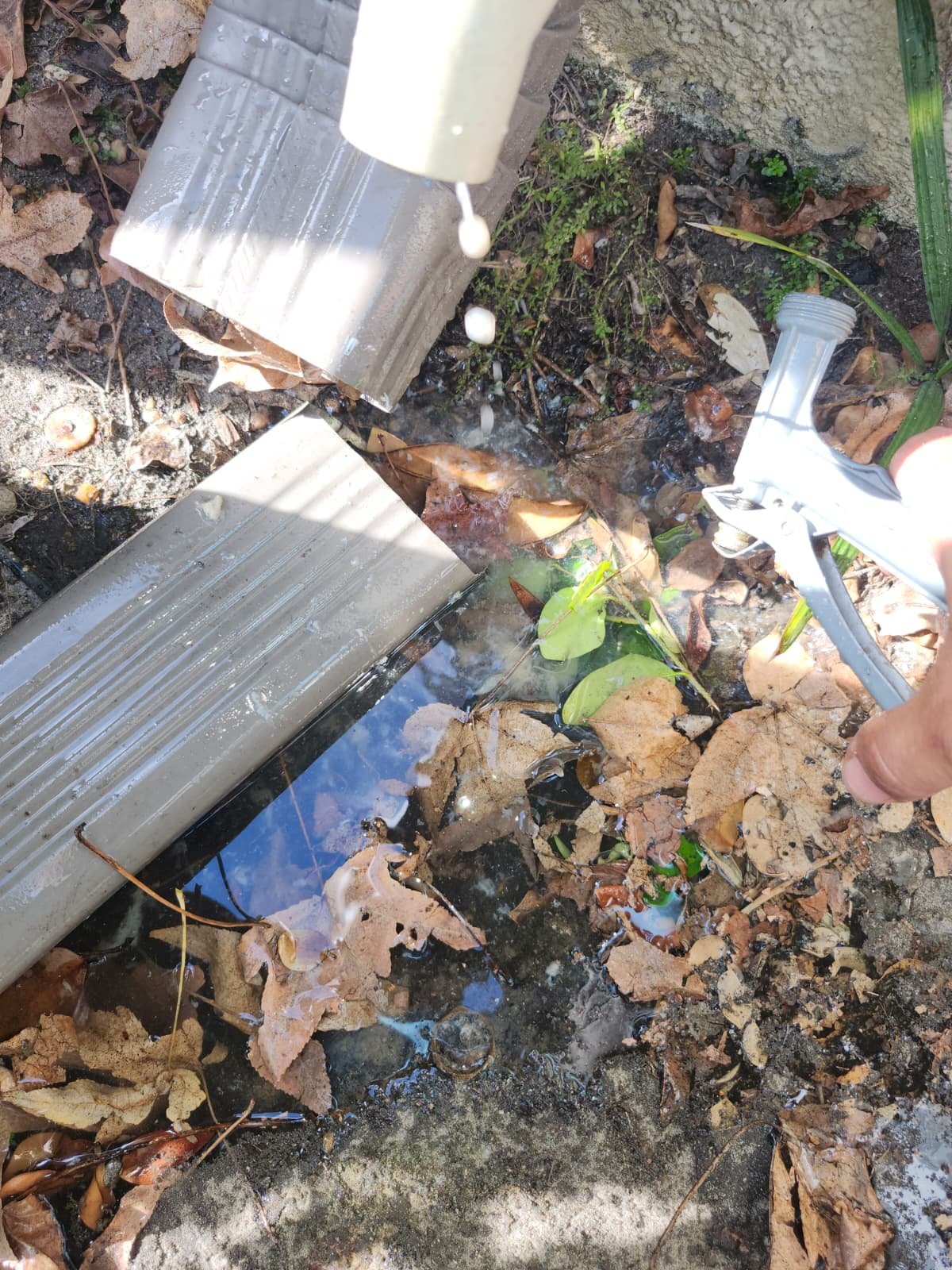
Hydro Jet Sewer Drain Unclogging and Camera Inspection in Tampa, FL 33603

When a main sewer line clogs at a home in Tampa, FL 33603, everything in the house can grind to a halt. Drains back up, toilets gurgle, and there’s always that worry about sewage coming back into the home. Our plumbing team was called to a property in central Tampa that was dealing with exactly this kind of stressful situation: a main sewer line packed with paper and debris, and no easy way to tell what else might be going on inside the pipe.

In this project, our technician Adalberto used a combination of hydro jet sewer drain unclogging and sewer camera inspection to clear the blockage and visually confirm the condition of the line. Below, we’ll walk through what we found, how we fixed it, and what homeowners in Tampa can do to prevent similar issues in their own sewer pipes.

Customer Problem: A Backed-Up Main Sewer Line in Tampa, FL

Our client contacted us because the main sewer line at their Tampa, FL 33603 home had stopped flowing properly. Drains were slow, and there were signs that wastewater was not moving out to the city main the way it should.

From our experience serving homeowners throughout Tampa, Florida, this kind of problem often points to a blockage somewhere in the main sewer pipe. In this case, we were told that the main sewer line was full of paper. That’s a red flag that the pipe may be collecting debris or has a defect where materials tend to snag and build up.

Common symptoms of a main sewer clog include:

  • Multiple drains in the home running slow at the same time
  • Toilets gurgling or bubbling when other fixtures are used
  • Water backing up in a tub or shower when a toilet is flushed
  • Strong sewer odors near drains or outside where the main pipe runs

Because a main sewer issue can turn into a messy backup quickly, the homeowner made the right call by reaching out for professional plumbing help instead of trying to handle this with just a store-bought drain cleaner.

Step One: Gaining Access to the Sewer Line

Before we can clear a stubborn clog in the main line, we need proper access to the pipe. Our job description for this project included digging a trench outside to access the sewer line so we could hydro jet the pipe.

Depending on how the original plumbing was installed, there may or may not be an accessible cleanout in a convenient location. When a home doesn’t have a usable cleanout, or when the line is too deep or obstructed, we sometimes have to:

  • Dig a trench to expose the section of pipe we need to work on
  • Cut into the line carefully to create access
  • Add a new cleanout for future maintenance

On this project, our team dug outside to reach the sewer pipe. We always note to homeowners that if a pipe needs to be cut or a new cleanout added, that’s a separate charge from the unclogging itself, because it involves extra materials and labor. Being clear up front about what’s included and what’s additional is a big part of how our team does plumbing services in Tampa.

For more details on how we approach clogged drains and main line issues, you can review our drain line cleaning and flushing services page on our website.

Step Two: Hydro Jet Sewer Drain Unclogging

Once we had access to the main sewer line, the next step was to clear the clog safely and thoroughly. For a line that’s “full of paper,” hydro jetting is often one of the most effective tools we can use.

Hydro jetting uses a specialized nozzle attached to a high-pressure hose. Water is sent through the hose at high pressure, and the nozzle is designed to:

  • Blast through heavy paper and debris clogs
  • Scrub built-up grease and sludge off the pipe walls
  • Flush the loosened material down the line and out to the city main

This is different from a basic “snake” or auger, which mainly pokes a hole through the blockage. A snake can get water moving again, but it often leaves a lot of buildup on the pipe walls, which means clogs come back sooner. Hydro jetting, when used correctly, provides a more complete cleaning.

On this job, we hydro jetted the entire sewer pipe run to make sure we weren’t just clearing one spot. If one part of the pipe is full of paper, other parts are often in similar condition. Thorough cleaning gives the homeowner a better shot at long-term reliability.

If you’re curious about how often you should schedule professional drain cleaning during renovations or heavy usage periods, we have a helpful article about drain cleaning services in Tampa, FL that goes into more detail.

Step Three: Sewer Camera Inspection for Peace of Mind

Clearing the clog is only part of the job. The other key piece is understanding why the clog formed in the first place. That’s where our sewer camera inspection comes in.

After hydro jetting the line, our technician ran a video camera through the sewer pipe. A sewer camera inspection helps us:

  • Pinpoint the exact location of any remaining trouble spots
  • Check for cracks, offsets, bellies, or root intrusion
  • Confirm that the line is fully open and flowing

There are many reasons a sewer line can clog repeatedly, including:

  • Roots penetrating joints or cracks in older pipes
  • Low spots or “bellies” where waste and paper collect
  • Improper slope, causing slow flow and buildup
  • Foreign objects that were accidentally flushed

With the camera, we can visually confirm what’s going on rather than guessing. The video feed also gives homeowners a clear picture of their underground plumbing. In some cases, camera inspections have even helped locate lost jewelry and other valuables that accidentally went down a drain or toilet.

For homeowners who want a broader look at all their plumbing, not just the sewer line, our team also provides whole-home plumbing inspections. You can read more about that in our plumbing services FAQ for Tampa homeowners.

Why This Combination of Hydro Jetting and Camera Inspection Works

Hydro jetting and camera inspection complement each other perfectly for main sewer line problems:

  • Hydro jetting restores flow and scrubs away debris.
  • Camera inspection confirms that the line is clear and identifies any hidden defects.

By doing both on this Tampa job, we were able to:

  • Clear the heavy paper buildup that had filled the main sewer line
  • Verify that water was moving freely all the way to the city main
  • Give the homeowner real information about the condition of their pipe

If we had only cleared the clog without inspecting the line, there’s a chance a hidden crack, offset joint, or sag could have remained undetected. That can lead to:

  • Frequent repeat clogs in the same area
  • Gradual pipe deterioration, eventually leading to collapse
  • Unexpected sewage backups inside the home

In Tampa’s older neighborhoods, including parts of the 33603 area near landmarks like the Tampa Riverwalk and Armature Works, sewer lines can be decades old. That makes it especially important to understand the true condition of those pipes, not just clear them temporarily.

What Could Have Happened If the Problem Was Ignored

When a main sewer line is full of paper and not draining properly, it’s tempting to hope it will “work itself out.” Unfortunately, that usually doesn’t happen. Without professional cleaning and inspection, homeowners risk:

  • Complete sewer backup – sewage can back up into tubs, showers, and floor drains.
  • Water damage and contamination – cleanup can be extensive and costly.
  • Structural risk – chronic leaks underground can erode soil and affect foundations.
  • Health concerns – exposure to wastewater is never something you want inside the home.

By addressing this sewer issue promptly, our Tampa client avoided a much larger mess and gained clarity on what was happening under their yard.

Tips to Prevent Sewer Clogs in Tampa, FL Homes

While no one can completely eliminate the risk of a sewer clog, there are several practical steps homeowners in Tampa can take to reduce their chances of dealing with a backup.

1. Be Careful What You Flush

Paper-filled sewer lines are often the result of flushing products that don’t break down well. To protect your sewer pipe:

  • Only flush toilet paper and human waste – nothing else
  • Avoid “flushable” wipes; they often stay intact and cause clogs
  • Never flush feminine products, cotton swabs, dental floss, or paper towels

2. Watch for Early Warning Signs

Call a plumber if you notice:

  • Multiple fixtures draining slowly at the same time
  • Gurgling noises when you use sinks, tubs, or toilets
  • Water backing up into lower-level drains when you run water upstairs

Addressing these signs early can sometimes allow for simpler cleaning before the line is completely blocked.

3. Schedule Preventive Drain Cleaning

For homes with older sewer lines, big trees in the yard, or a history of clogs, preventive drain cleaning can be a smart investment. A controlled hydro jet cleaning or professional snaking can remove buildup before it becomes a full blockage.

To learn more about the benefits of this kind of maintenance, check out our blog on the benefits of choosing drain cleaning services in Tampa, FL.

4. Consider a Sewer Camera Inspection for Peace of Mind

If you’ve recently bought a home in Tampa or are planning major landscaping or renovations, a sewer camera inspection can give you valuable information about your buried plumbing. It’s especially helpful if you:

  • Have an older home with original pipes
  • Notice recurring slow drains or clogs
  • See signs of settling, sinkholes, or unusual wet spots in the yard

Knowing the condition of your sewer line helps you plan repairs or replacements on your terms, instead of reacting to an emergency backup.

Why Homeowners in Tampa, FL Trust Home Therapist

Our team at Home Therapist Cooling, Heating, and Plumbing focuses on practical, honest solutions for sewer and drain problems in Tampa and the surrounding Bay Area. On this hydro jet and camera inspection project in Tampa, FL 33603, we:

  • Explained the situation clearly and answered the homeowner’s questions
  • Gained proper access to the sewer line with careful trenching
  • Used professional-grade hydro jetting equipment to clear and clean the pipe
  • Verified our work with a detailed sewer camera inspection

We handle a wide range of drain and sewer issues, from simple clogs to more complex pipe problems. If you live in a duplex, townhome, or single-family property, our drain cleaning services for Tampa properties can be tailored to your specific setup and usage.

For readers who want to see another example of our work, you can also review a recent drain line unclogging project in the Tampa Bay area on our blog.

Serving Tampa, FL 33603 and the Greater Bay Area

Tampa is a vibrant, growing city with a mix of historic homes and newer construction. That means we see everything from older cast iron lines to modern PVC sewer systems. Each type of pipe has its own quirks and maintenance needs.

If you’re in the 33603 area or nearby neighborhoods and are dealing with slow drains, gurgling toilets, or suspected sewer issues, our team is familiar with the local conditions – from heavy rains to mature trees and older infrastructure. You can even see exactly where your neighborhood sits on the map using Google Maps for Tampa, FL 33603.

When to Call a Professional for Sewer Problems

You don’t need to wait for sewage to back up into your home to call a plumber. It’s worth reaching out to a professional when:

  • You’ve tried a plunger or small household snake and the issue returns quickly
  • Multiple fixtures are affected at once, not just one sink or toilet
  • You smell strong sewer odors around your home or yard
  • You notice wet patches or sinkholes forming near where the sewer line runs

Our goal on every call is to diagnose the problem thoroughly and then walk you through your options in plain English. Sometimes the right answer is a focused hydro jet cleaning and camera inspection, like this job. Other times, we may recommend spot repairs or, in more severe cases, pipe replacement. We’ll always explain the “why” behind our recommendations so you can make an informed decision.

How This Tampa Homeowner Benefited from the Service

By the time we wrapped up this project, the homeowner in Tampa, FL 33603 had:

  • A fully cleared and cleaned main sewer line
  • Camera footage confirming the condition of the pipe
  • A better understanding of what had caused the clog
  • Practical tips for preventing similar issues in the future

Most importantly, they had peace of mind knowing that their drains were flowing properly again and that a professional had inspected the system thoroughly.

Need Sewer Hydro Jetting or Camera Inspection in Tampa, FL?

If you’re experiencing slow drains, repeat clogs, or suspect issues in your main sewer line, our team at Home Therapist Cooling, Heating, and Plumbing is here to help. We service Tampa, FL and the surrounding Bay Area with expert hydro jetting, sewer camera inspections, and comprehensive plumbing diagnostics.

Call Home Therapist or visit our website to schedule your sewer and drain service. We’ll listen carefully to what’s going on, explain your options clearly, and recommend a plan that makes sense for your home and your budget. #HomeTherapist #TheTherapyYourHomeNeeds
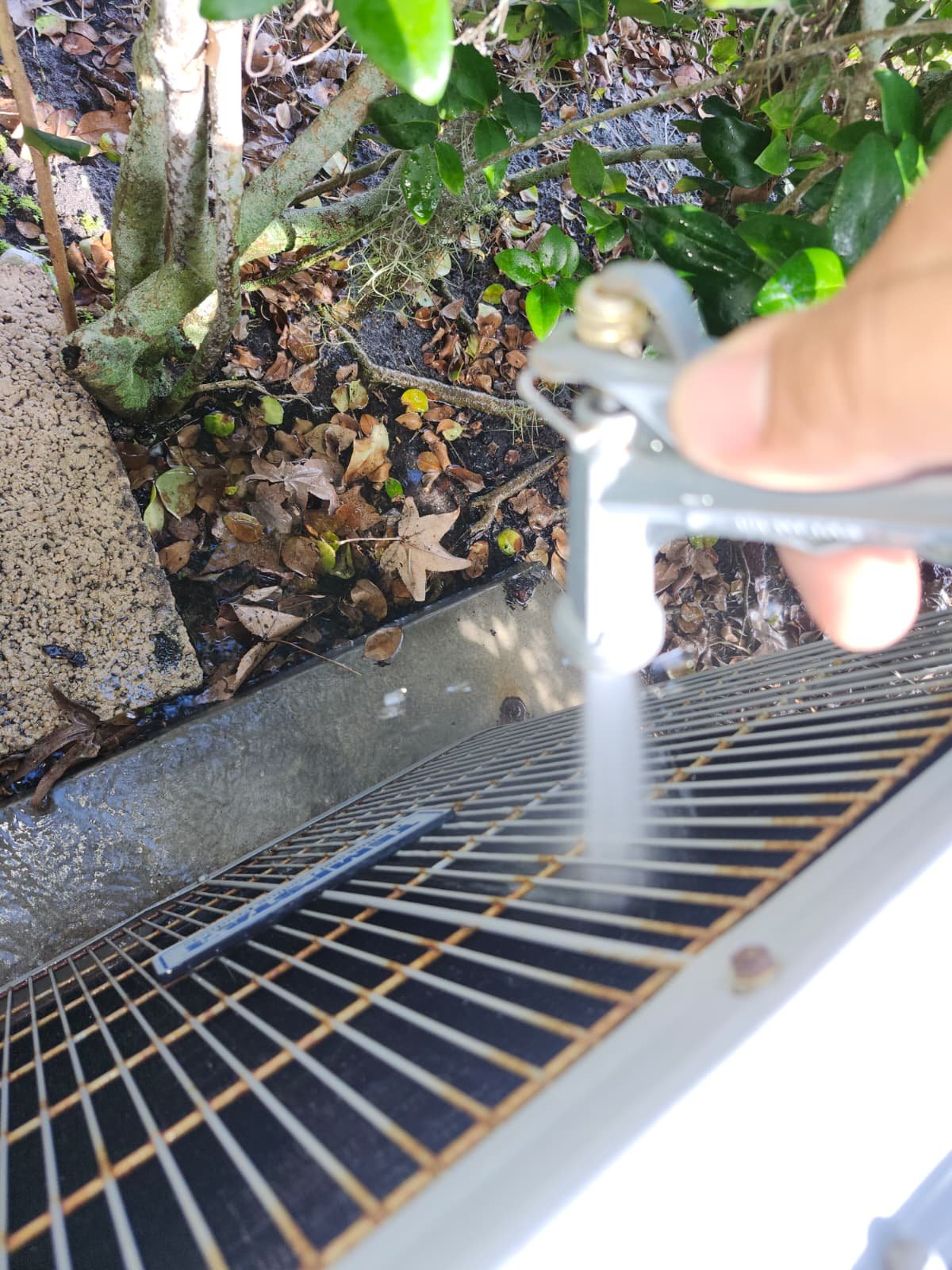
When a main sewer line clogs at a home in Tampa, FL 33603, everything in the house can grind to a halt. Drains back up, toilets gurgle, and there’s always that worry about sewage coming back into the home. Our plumbing team was called to a property in central Tampa that was dealing with exactly this kind of stressful situation: a main sewer line packed with paper and debris, and no easy way to tell what else might be going on inside the pipe.

In this project, our technician Adalberto used a combination of hydro jet sewer drain unclogging and sewer camera inspection to clear the blockage and visually confirm the condition of the line. Below, we’ll walk through what we found, how we fixed it, and what homeowners in Tampa can do to prevent similar issues in their own sewer pipes.

Customer Problem: A Backed-Up Main Sewer Line in Tampa, FL

Our client contacted us because the main sewer line at their Tampa, FL 33603 home had stopped flowing properly. Drains were slow, and there were signs that wastewater was not moving out to the city main the way it should.

From our experience serving homeowners throughout Tampa, Florida, this kind of problem often points to a blockage somewhere in the main sewer pipe. In this case, we were told that the main sewer line was full of paper. That’s a red flag that the pipe may be collecting debris or has a defect where materials tend to snag and build up.

Common symptoms of a main sewer clog include:

  • Multiple drains in the home running slow at the same time
  • Toilets gurgling or bubbling when other fixtures are used
  • Water backing up in a tub or shower when a toilet is flushed
  • Strong sewer odors near drains or outside where the main pipe runs

Because a main sewer issue can turn into a messy backup quickly, the homeowner made the right call by reaching out for professional plumbing help instead of trying to handle this with just a store-bought drain cleaner.

Step One: Gaining Access to the Sewer Line

Before we can clear a stubborn clog in the main line, we need proper access to the pipe. Our job description for this project included digging a trench outside to access the sewer line so we could hydro jet the pipe.

Depending on how the original plumbing was installed, there may or may not be an accessible cleanout in a convenient location. When a home doesn’t have a usable cleanout, or when the line is too deep or obstructed, we sometimes have to:

  • Dig a trench to expose the section of pipe we need to work on
  • Cut into the line carefully to create access
  • Add a new cleanout for future maintenance

On this project, our team dug outside to reach the sewer pipe. We always note to homeowners that if a pipe needs to be cut or a new cleanout added, that’s a separate charge from the unclogging itself, because it involves extra materials and labor. Being clear up front about what’s included and what’s additional is a big part of how our team does plumbing services in Tampa.

For more details on how we approach clogged drains and main line issues, you can review our drain line cleaning and flushing services page on our website.

Step Two: Hydro Jet Sewer Drain Unclogging

Once we had access to the main sewer line, the next step was to clear the clog safely and thoroughly. For a line that’s “full of paper,” hydro jetting is often one of the most effective tools we can use.

Hydro jetting uses a specialized nozzle attached to a high-pressure hose. Water is sent through the hose at high pressure, and the nozzle is designed to:

  • Blast through heavy paper and debris clogs
  • Scrub built-up grease and sludge off the pipe walls
  • Flush the loosened material down the line and out to the city main

This is different from a basic “snake” or auger, which mainly pokes a hole through the blockage. A snake can get water moving again, but it often leaves a lot of buildup on the pipe walls, which means clogs come back sooner. Hydro jetting, when used correctly, provides a more complete cleaning.

On this job, we hydro jetted the entire sewer pipe run to make sure we weren’t just clearing one spot. If one part of the pipe is full of paper, other parts are often in similar condition. Thorough cleaning gives the homeowner a better shot at long-term reliability.

If you’re curious about how often you should schedule professional drain cleaning during renovations or heavy usage periods, we have a helpful article about drain cleaning services in Tampa, FL that goes into more detail.

Step Three: Sewer Camera Inspection for Peace of Mind

Clearing the clog is only part of the job. The other key piece is understanding why the clog formed in the first place. That’s where our sewer camera inspection comes in.

After hydro jetting the line, our technician ran a video camera through the sewer pipe. A sewer camera inspection helps us:

  • Pinpoint the exact location of any remaining trouble spots
  • Check for cracks, offsets, bellies, or root intrusion
  • Confirm that the line is fully open and flowing

There are many reasons a sewer line can clog repeatedly, including:

  • Roots penetrating joints or cracks in older pipes
  • Low spots or “bellies” where waste and paper collect
  • Improper slope, causing slow flow and buildup
  • Foreign objects that were accidentally flushed

With the camera, we can visually confirm what’s going on rather than guessing. The video feed also gives homeowners a clear picture of their underground plumbing. In some cases, camera inspections have even helped locate lost jewelry and other valuables that accidentally went down a drain or toilet.

For homeowners who want a broader look at all their plumbing, not just the sewer line, our team also provides whole-home plumbing inspections. You can read more about that in our plumbing services FAQ for Tampa homeowners.

Why This Combination of Hydro Jetting and Camera Inspection Works

Hydro jetting and camera inspection complement each other perfectly for main sewer line problems:

  • Hydro jetting restores flow and scrubs away debris.
  • Camera inspection confirms that the line is clear and identifies any hidden defects.

By doing both on this Tampa job, we were able to:

  • Clear the heavy paper buildup that had filled the main sewer line
  • Verify that water was moving freely all the way to the city main
  • Give the homeowner real information about the condition of their pipe

If we had only cleared the clog without inspecting the line, there’s a chance a hidden crack, offset joint, or sag could have remained undetected. That can lead to:

  • Frequent repeat clogs in the same area
  • Gradual pipe deterioration, eventually leading to collapse
  • Unexpected sewage backups inside the home

In Tampa’s older neighborhoods, including parts of the 33603 area near landmarks like the Tampa Riverwalk and Armature Works, sewer lines can be decades old. That makes it especially important to understand the true condition of those pipes, not just clear them temporarily.

What Could Have Happened If the Problem Was Ignored

When a main sewer line is full of paper and not draining properly, it’s tempting to hope it will “work itself out.” Unfortunately, that usually doesn’t happen. Without professional cleaning and inspection, homeowners risk:

  • Complete sewer backup – sewage can back up into tubs, showers, and floor drains.
  • Water damage and contamination – cleanup can be extensive and costly.
  • Structural risk – chronic leaks underground can erode soil and affect foundations.
  • Health concerns – exposure to wastewater is never something you want inside the home.

By addressing this sewer issue promptly, our Tampa client avoided a much larger mess and gained clarity on what was happening under their yard.

Tips to Prevent Sewer Clogs in Tampa, FL Homes

While no one can completely eliminate the risk of a sewer clog, there are several practical steps homeowners in Tampa can take to reduce their chances of dealing with a backup.

1. Be Careful What You Flush

Paper-filled sewer lines are often the result of flushing products that don’t break down well. To protect your sewer pipe:

  • Only flush toilet paper and human waste – nothing else
  • Avoid “flushable” wipes; they often stay intact and cause clogs
  • Never flush feminine products, cotton swabs, dental floss, or paper towels

2. Watch for Early Warning Signs

Call a plumber if you notice:

  • Multiple fixtures draining slowly at the same time
  • Gurgling noises when you use sinks, tubs, or toilets
  • Water backing up into lower-level drains when you run water upstairs

Addressing these signs early can sometimes allow for simpler cleaning before the line is completely blocked.

3. Schedule Preventive Drain Cleaning

For homes with older sewer lines, big trees in the yard, or a history of clogs, preventive drain cleaning can be a smart investment. A controlled hydro jet cleaning or professional snaking can remove buildup before it becomes a full blockage.

To learn more about the benefits of this kind of maintenance, check out our blog on the benefits of choosing drain cleaning services in Tampa, FL.

4. Consider a Sewer Camera Inspection for Peace of Mind

If you’ve recently bought a home in Tampa or are planning major landscaping or renovations, a sewer camera inspection can give you valuable information about your buried plumbing. It’s especially helpful if you:

  • Have an older home with original pipes
  • Notice recurring slow drains or clogs
  • See signs of settling, sinkholes, or unusual wet spots in the yard

Knowing the condition of your sewer line helps you plan repairs or replacements on your terms, instead of reacting to an emergency backup.

Why Homeowners in Tampa, FL Trust Home Therapist

Our team at Home Therapist Cooling, Heating, and Plumbing focuses on practical, honest solutions for sewer and drain problems in Tampa and the surrounding Bay Area. On this hydro jet and camera inspection project in Tampa, FL 33603, we:

  • Explained the situation clearly and answered the homeowner’s questions
  • Gained proper access to the sewer line with careful trenching
  • Used professional-grade hydro jetting equipment to clear and clean the pipe
  • Verified our work with a detailed sewer camera inspection

We handle a wide range of drain and sewer issues, from simple clogs to more complex pipe problems. If you live in a duplex, townhome, or single-family property, our drain cleaning services for Tampa properties can be tailored to your specific setup and usage.

For readers who want to see another example of our work, you can also review a recent drain line unclogging project in the Tampa Bay area on our blog.

Serving Tampa, FL 33603 and the Greater Bay Area

Tampa is a vibrant, growing city with a mix of historic homes and newer construction. That means we see everything from older cast iron lines to modern PVC sewer systems. Each type of pipe has its own quirks and maintenance needs.

If you’re in the 33603 area or nearby neighborhoods and are dealing with slow drains, gurgling toilets, or suspected sewer issues, our team is familiar with the local conditions – from heavy rains to mature trees and older infrastructure. You can even see exactly where your neighborhood sits on the map using Google Maps for Tampa, FL 33603.

When to Call a Professional for Sewer Problems

You don’t need to wait for sewage to back up into your home to call a plumber. It’s worth reaching out to a professional when:

  • You’ve tried a plunger or small household snake and the issue returns quickly
  • Multiple fixtures are affected at once, not just one sink or toilet
  • You smell strong sewer odors around your home or yard
  • You notice wet patches or sinkholes forming near where the sewer line runs

Our goal on every call is to diagnose the problem thoroughly and then walk you through your options in plain English. Sometimes the right answer is a focused hydro jet cleaning and camera inspection, like this job. Other times, we may recommend spot repairs or, in more severe cases, pipe replacement. We’ll always explain the “why” behind our recommendations so you can make an informed decision.

How This Tampa Homeowner Benefited from the Service

By the time we wrapped up this project, the homeowner in Tampa, FL 33603 had:

  • A fully cleared and cleaned main sewer line
  • Camera footage confirming the condition of the pipe
  • A better understanding of what had caused the clog
  • Practical tips for preventing similar issues in the future

Most importantly, they had peace of mind knowing that their drains were flowing properly again and that a professional had inspected the system thoroughly.

Need Sewer Hydro Jetting or Camera Inspection in Tampa, FL?

If you’re experiencing slow drains, repeat clogs, or suspect issues in your main sewer line, our team at Home Therapist Cooling, Heating, and Plumbing is here to help. We service Tampa, FL and the surrounding Bay Area with expert hydro jetting, sewer camera inspections, and comprehensive plumbing diagnostics.

Call Home Therapist or visit our website to schedule your sewer and drain service. We’ll listen carefully to what’s going on, explain your options clearly, and recommend a plan that makes sense for your home and your budget. #HomeTherapist #TheTherapyYourHomeNeeds
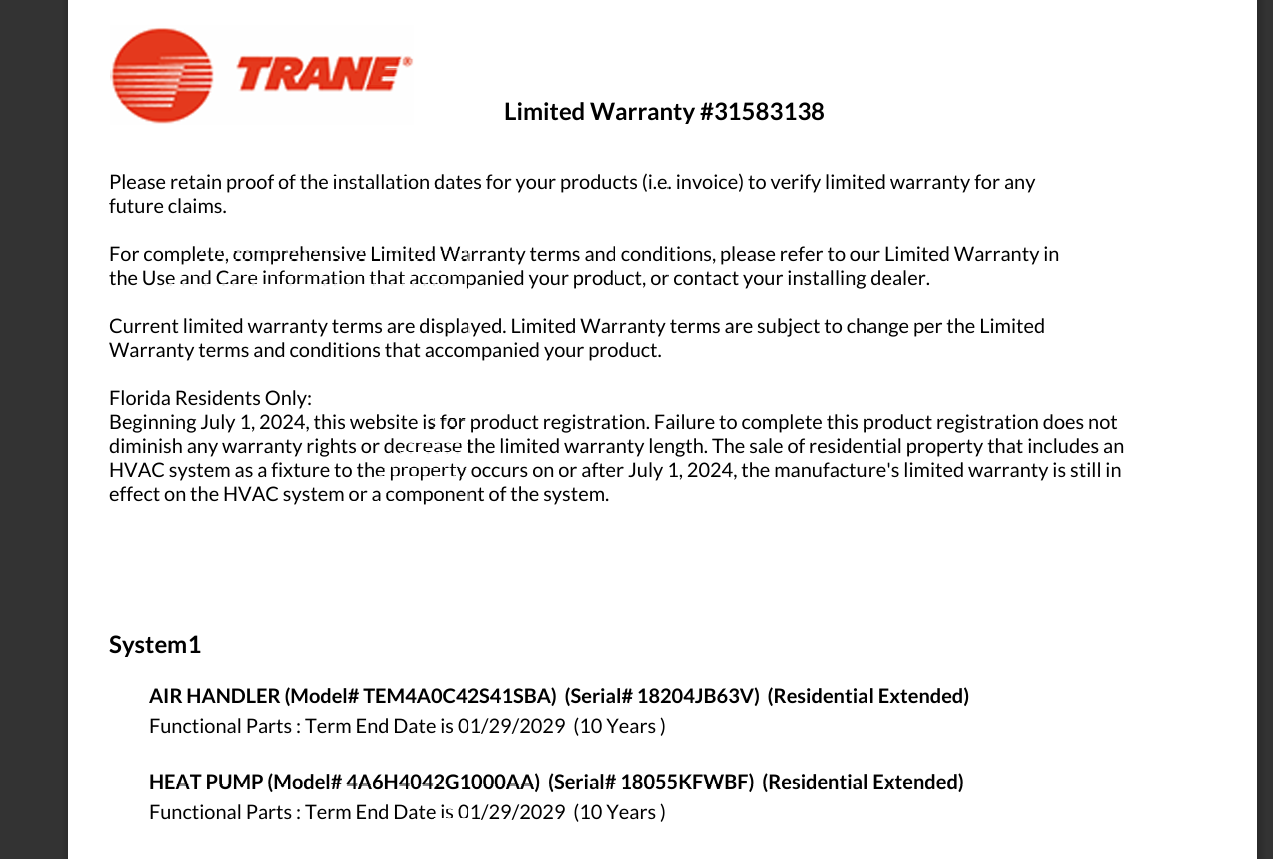
Labor-Only Water Heater Installation & County Inspection in Tampa, FL 33647

When you’re planning a water heater replacement in Tampa, FL 33647, there are a lot of moving parts to coordinate — especially if you’re providing your own equipment and managing the project from out of town. Our team recently prepared a detailed estimate for a labor-only water heater installation at a home in the New Tampa area, and it’s a great example of what homeowners can expect when they want a professional installation while supplying their own tank.

If you’re in a similar situation, maybe out of town or juggling a busy schedule, the last thing you want to worry about is whether your hot water will be safe, up to code, and ready when you get back. That’s exactly the kind of stress we aim to take off your plate.

Customer Problem: Planning a Water Heater Replacement While Out of Town

For this Tampa, FL 33647 home, the homeowner reached out to us online to get an estimate for a labor-only water heater installation. They planned to provide the new water heater and drain pan themselves but wanted a licensed plumbing team to handle:

  • Professional installation of the new water heater
  • All necessary water line connections and accessories
  • Required county inspection fees and scheduling
  • Compliance items like an expansion tank

To make things a little more complex, the homeowner let us know they would be on a cruise until later in the week. They asked us to coordinate access with their agent on-site, providing:

  • Gate codes for the community
  • A lockbox code for the key
  • Payment timing expectations for after their return

Situations like this are common in the greater Tampa, Florida area, especially with busy professionals, snowbirds, or homeowners who travel frequently. Our goal is to make the process smooth, even when you can’t be at the house yourself.

What the Estimate Included: Labor-Only Water Heater Installation

The main line item for this project was listed as Cost of Labor Only – Water Heater Installation. That means the homeowner is responsible for buying the actual water heater and the drain pan, while our team provides the expert installation and any necessary plumbing materials to hook everything up safely.

On our side, that typically includes:

  • Disconnecting and removing the old water heater (if present)
  • Positioning the new customer-supplied water heater and drain pan
  • Providing and installing water line connections and shutoff valves as needed
  • Connecting the hot and cold lines to the new tank
  • Installing or tying into the temperature and pressure relief (T&P) discharge line
  • Checking for proper venting or electrical/gas connections as applicable (within scope)
  • Testing the new water heater for leaks and proper operation

On this estimate, we clearly explained that we supply the water line connections and accessories needed to complete the install. The homeowner doesn’t have to guess which fittings, connectors, or valves to buy — we bring what’s necessary and make sure everything is done to current standards.

Important Note About Walls, Floors, and Finishes

As part of setting expectations, our estimate also included a standard disclaimer that we do not repair finishes such as:

  • Sheetrock (drywall)
  • Concrete
  • Stucco
  • Tile or similar surfaces

If our plumbers need to open a wall, ceiling, or floor to run pipes or access connections, we’ll absolutely explain what’s needed and why. However, patching or cosmetic repairs are the homeowner’s responsibility. This keeps your costs transparent and allows you to choose the contractor or handyman you prefer for cosmetic work after the plumbing is complete.

County Fee Inspection: Why It Matters in Tampa, FL

The second line item on this project was County fee inspection. In many parts of Hillsborough County and the wider Tampa Bay area, water heater replacements are permit and inspection items. That means:

In the job notes, our team documented that the county inspection fee would be charged once we schedule and complete the installation. We also informed the homeowner that an expansion tank would be included in the project.

What Is an Expansion Tank and Why Do You Need One?

An expansion tank is a small tank that connects to your water heater’s cold water supply line. It’s designed to absorb the extra volume and pressure that builds up when water is heated and expands. In many Tampa homes, particularly where there’s a pressure-reducing valve or backflow device, current plumbing codes require an expansion tank for safety.

Without a properly sized and installed expansion tank, you can experience:

  • Unnecessary stress on your water heater tank
  • Increased risk of leaks at fixtures and connections
  • Premature wear on plumbing components

By including the expansion tank in the estimate from the start, we help ensure the installation will pass inspection and protect the system long-term. For more details on how we handle these types of projects, you can also explore our article on water heater replacement services and invoices.

Coordinating Access: Working with Agents and Gate Codes

Another key part of this Tampa, FL 33647 project was coordination. The homeowner let us know that:

  • They would be on a cruise until Friday
  • They preferred that we communicate with their agent for on-site access
  • They provided a gate code for the community and a lockbox code for the house key
  • Payment would likely be made after their return at the end of the week

Our office team documented those details carefully so our technician, Alejandro, and the scheduling staff are fully prepared. When we arrive for the installation, we’ll already know:

  • How to enter the community
  • Where to find the key
  • Who to contact on-site if we have questions

That kind of planning is especially important in gated communities and for homeowners who can’t be present. It reduces delays, prevents confusion, and ensures your water heater installation stays on schedule.

Step-by-Step: What Will Happen on Installation Day

Even though this particular project was still at the estimate stage when we created this case study, the process we plan to follow is typical for a customer-supplied water heater install in Tampa, FL:

1. Arrival and Site Review

Our technician will arrive during the scheduled window, use the gate and lockbox information provided, and connect with the homeowner’s agent if needed. Once inside, we’ll:

  • Locate the existing water heater (garage, closet, attic, or utility room)
  • Confirm the model and size of the new customer-supplied water heater
  • Verify the drain pan and any required clearances

2. Shut Off Utilities and Drain the Old Tank

Before any work begins, we’ll safely shut off the necessary utilities:

  • Water supply to the water heater
  • Power at the breaker panel (for electric units)
  • Gas supply and gas shutoff (for gas units, within scope)

We’ll then drain the old tank, disconnect the water lines, and prepare the area for the new installation.

3. Set the New Water Heater and Drain Pan

Next, we’ll place the new drain pan supplied by the homeowner, making sure it is properly aligned and connected to a drain line if needed. The new water heater is carefully positioned in the pan, with attention to:

  • Clearances around the unit
  • Accessibility for future maintenance
  • Code requirements for elevation or strapping (where applicable)

4. Connect Water Lines and Install the Expansion Tank

This is where our labor and provided materials come into play. We’ll:

  • Install new water line connections, valves, and fittings as needed
  • Connect the hot and cold water lines securely to the new tank
  • Install the required expansion tank on the cold water line, properly supported
  • Reconnect or install the T&P relief valve discharge line

Our goal is a clean, code-compliant installation that’s easy to service in the future.

5. Restore Power or Gas and Test the System

Once everything is connected, we’ll slowly restore water to the system, bleed air from the lines, and check all connections for leaks. Then we’ll:

  • Turn the breaker back on (for electric heaters)
  • Relight or start the burner and check combustion (for gas heaters, within scope)
  • Verify that the thermostat is set to a safe temperature

Before we leave, we’ll take one last look at every connection point and confirm that the heater is heating as expected.

6. Preparing for County Inspection

If a county inspection is required, we’ll coordinate the scheduling as part of the project. This includes:

  • Ensuring all visible components meet local code requirements
  • Providing any necessary documentation
  • Alerting the homeowner or their agent about the inspection window

For homeowners who want to understand more about water heater upkeep after install day, we also recommend reviewing our guide on water heater maintenance services in Tampa, FL.

Why This Approach Works — Especially for Remote or Busy Homeowners

For this Tampa 33647 homeowner, the biggest challenges weren’t just technical; they were logistical:

  • Coordinating timing around a cruise
  • Ensuring access in a gated community
  • Making sure the installation would meet county requirements
  • Handling payment once they returned from their trip

By clearly outlining what we provide (labor, materials for connections, expansion tank, coordination with county) and what the homeowner provides (the water heater, drain pan, and any cosmetic repairs after the fact), everyone goes into the project with the same expectations.

This clarity is one of the reasons many Tampa residents choose local professionals instead of attempting DIY installation, especially when permitting, inspection, or gas connections are involved.

Tips to Prepare for a Water Heater Installation in Tampa, FL

If you’re planning a similar project — whether you’re home or out of town — here are some practical tips from our plumbing team:

  • Confirm the right size and type of water heater. Make sure the replacement matches your home’s hot water needs and fuel type (electric or gas).
  • Purchase a quality drain pan. In many Florida homes, especially when the unit is in an attic or upstairs closet, a drain pan is essential for leak protection.
  • Ask about expansion tank requirements. If your home has a backflow device or pressure-reducing valve, you’ll likely need an expansion tank.
  • Clear the workspace. Remove stored items around the water heater so the technician has safe access.
  • Plan for patching if access is tight. If walls, ceilings, or other finishes need to be opened, line up someone to patch them afterward.
  • Coordinate early if you’re not local. Provide gate codes, lockbox info, and contact details for an on-site contact, just like this homeowner did.

Taking these steps ahead of time can help your installation go more smoothly and reduce the risk of surprises on the day of service.

Why Choose Home Therapist for Water Heater and Plumbing Services in Tampa, FL?

There are a lot of plumbing companies in Tampa, but homeowners call our team when they want a combination of clear communication, solid technical work, and respect for their time and property. Whether you’re near New Tampa, close to attractions like Tampa, FL 33647 on Google Maps, or visiting local favorites like Busch Gardens Tampa Bay, we’re here to keep your home’s plumbing running the way it should.

When you work with Home Therapist Cooling, Heating, and Plumbing, you can expect:

  • Licensed, experienced plumbers who understand local codes and inspection requirements
  • Transparent estimates that explain what’s included and what’s not
  • Respect for your schedule, including remote coordination with agents or property managers
  • Friendly, easy-to-understand explanations of your options before any work begins

We also offer a full range of plumbing services beyond water heaters. If you’re dealing with leaks, fixture replacements, or other concerns, our overview of plumbing services in Tampa, FL is a helpful place to start.

Thinking About Replacing Your Water Heater in Tampa, FL?

Whether you’re providing your own water heater or want us to supply a complete, turn-key replacement, our team is here to help you make a confident, informed decision. We’ll walk you through:

  • Which type and size of water heater makes sense for your home
  • What’s required by local codes and inspectors
  • How to prepare your space before installation day
  • What to expect for timing, access, and payment

If you’d like to dive deeper into planning your project, you can also read our post on requesting written estimates for water heater replacement services so you know exactly what questions to ask.

Schedule Water Heater Service in Tampa, FL 33647

If you’re in Tampa, FL 33647 or anywhere in the Tampa Bay area and your water heater is due for replacement, our team at Home Therapist Cooling, Heating, and Plumbing is ready to help. Whether you’re home, at work, or out of town, we’ll coordinate with you (and your agent, if needed) to make sure the job is done safely and professionally.

Need water heater installation or plumbing services in Tampa, FL? Call Home Therapist or visit our website to schedule your appointment and get the therapy your home needs. #HomeTherapist #TheTherapyYourHomeNeeds

When you’re planning a water heater replacement in Tampa, FL 33647, there are a lot of moving parts to coordinate — especially if you’re providing your own equipment and managing the project from out of town. Our team recently prepared a detailed estimate for a labor-only water heater installation at a home in the New Tampa area, and it’s a great example of what homeowners can expect when they want a professional installation while supplying their own tank.

If you’re in a similar situation, maybe out of town or juggling a busy schedule, the last thing you want to worry about is whether your hot water will be safe, up to code, and ready when you get back. That’s exactly the kind of stress we aim to take off your plate.

Customer Problem: Planning a Water Heater Replacement While Out of Town

For this Tampa, FL 33647 home, the homeowner reached out to us online to get an estimate for a labor-only water heater installation. They planned to provide the new water heater and drain pan themselves but wanted a licensed plumbing team to handle:

  • Professional installation of the new water heater
  • All necessary water line connections and accessories
  • Required county inspection fees and scheduling
  • Compliance items like an expansion tank

To make things a little more complex, the homeowner let us know they would be on a cruise until later in the week. They asked us to coordinate access with their agent on-site, providing:

  • Gate codes for the community
  • A lockbox code for the key
  • Payment timing expectations for after their return

Situations like this are common in the greater Tampa, Florida area, especially with busy professionals, snowbirds, or homeowners who travel frequently. Our goal is to make the process smooth, even when you can’t be at the house yourself.

What the Estimate Included: Labor-Only Water Heater Installation

The main line item for this project was listed as Cost of Labor Only – Water Heater Installation. That means the homeowner is responsible for buying the actual water heater and the drain pan, while our team provides the expert installation and any necessary plumbing materials to hook everything up safely.

On our side, that typically includes:

  • Disconnecting and removing the old water heater (if present)
  • Positioning the new customer-supplied water heater and drain pan
  • Providing and installing water line connections and shutoff valves as needed
  • Connecting the hot and cold lines to the new tank
  • Installing or tying into the temperature and pressure relief (T&P) discharge line
  • Checking for proper venting or electrical/gas connections as applicable (within scope)
  • Testing the new water heater for leaks and proper operation

On this estimate, we clearly explained that we supply the water line connections and accessories needed to complete the install. The homeowner doesn’t have to guess which fittings, connectors, or valves to buy — we bring what’s necessary and make sure everything is done to current standards.

Important Note About Walls, Floors, and Finishes

As part of setting expectations, our estimate also included a standard disclaimer that we do not repair finishes such as:

  • Sheetrock (drywall)
  • Concrete
  • Stucco
  • Tile or similar surfaces

If our plumbers need to open a wall, ceiling, or floor to run pipes or access connections, we’ll absolutely explain what’s needed and why. However, patching or cosmetic repairs are the homeowner’s responsibility. This keeps your costs transparent and allows you to choose the contractor or handyman you prefer for cosmetic work after the plumbing is complete.

County Fee Inspection: Why It Matters in Tampa, FL

The second line item on this project was County fee inspection. In many parts of Hillsborough County and the wider Tampa Bay area, water heater replacements are permit and inspection items. That means:

  • A permit may be required for the replacement
  • An inspector may need to visit the home
  • The installation must meet current plumbing and safety codes

In the job notes, our team documented that the county inspection fee would be charged once we schedule and complete the installation. We also informed the homeowner that an expansion tank would be included in the project.

What Is an Expansion Tank and Why Do You Need One?

An expansion tank is a small tank that connects to your water heater’s cold water supply line. It’s designed to absorb the extra volume and pressure that builds up when water is heated and expands. In many Tampa homes, particularly where there’s a pressure-reducing valve or backflow device, current plumbing codes require an expansion tank for safety.

Without a properly sized and installed expansion tank, you can experience:

  • Unnecessary stress on your water heater tank
  • Increased risk of leaks at fixtures and connections
  • Premature wear on plumbing components

By including the expansion tank in the estimate from the start, we help ensure the installation will pass inspection and protect the system long-term. For more details on how we handle these types of projects, you can also explore our article on water heater replacement services and invoices.

Coordinating Access: Working with Agents and Gate Codes

Another key part of this Tampa, FL 33647 project was coordination. The homeowner let us know that:

  • They would be on a cruise until Friday
  • They preferred that we communicate with their agent for on-site access
  • They provided a gate code for the community and a lockbox code for the house key
  • Payment would likely be made after their return at the end of the week

Our office team documented those details carefully so our technician, Alejandro, and the scheduling staff are fully prepared. When we arrive for the installation, we’ll already know:

  • How to enter the community
  • Where to find the key
  • Who to contact on-site if we have questions

That kind of planning is especially important in gated communities and for homeowners who can’t be present. It reduces delays, prevents confusion, and ensures your water heater installation stays on schedule.

Step-by-Step: What Will Happen on Installation Day

Even though this particular project was still at the estimate stage when we created this case study, the process we plan to follow is typical for a customer-supplied water heater install in Tampa, FL:

1. Arrival and Site Review

Our technician will arrive during the scheduled window, use the gate and lockbox information provided, and connect with the homeowner’s agent if needed. Once inside, we’ll:

  • Locate the existing water heater (garage, closet, attic, or utility room)
  • Confirm the model and size of the new customer-supplied water heater
  • Verify the drain pan and any required clearances

2. Shut Off Utilities and Drain the Old Tank

Before any work begins, we’ll safely shut off the necessary utilities:

  • Water supply to the water heater
  • Power at the breaker panel (for electric units)
  • Gas supply and gas shutoff (for gas units, within scope)

We’ll then drain the old tank, disconnect the water lines, and prepare the area for the new installation.

3. Set the New Water Heater and Drain Pan

Next, we’ll place the new drain pan supplied by the homeowner, making sure it is properly aligned and connected to a drain line if needed. The new water heater is carefully positioned in the pan, with attention to:

  • Clearances around the unit
  • Accessibility for future maintenance
  • Code requirements for elevation or strapping (where applicable)

4. Connect Water Lines and Install the Expansion Tank

This is where our labor and provided materials come into play. We’ll:

  • Install new water line connections, valves, and fittings as needed
  • Connect the hot and cold water lines securely to the new tank
  • Install the required expansion tank on the cold water line, properly supported
  • Reconnect or install the T&P relief valve discharge line

Our goal is a clean, code-compliant installation that’s easy to service in the future.

5. Restore Power or Gas and Test the System

Once everything is connected, we’ll slowly restore water to the system, bleed air from the lines, and check all connections for leaks. Then we’ll:

  • Turn the breaker back on (for electric heaters)
  • Relight or start the burner and check combustion (for gas heaters, within scope)
  • Verify that the thermostat is set to a safe temperature

Before we leave, we’ll take one last look at every connection point and confirm that the heater is heating as expected.

6. Preparing for County Inspection

If a county inspection is required, we’ll coordinate the scheduling as part of the project. This includes:

  • Ensuring all visible components meet local code requirements
  • Providing any necessary documentation
  • Alerting the homeowner or their agent about the inspection window

For homeowners who want to understand more about water heater upkeep after install day, we also recommend reviewing our guide on water heater maintenance services in Tampa, FL.

Why This Approach Works — Especially for Remote or Busy Homeowners

For this Tampa 33647 homeowner, the biggest challenges weren’t just technical; they were logistical:

  • Coordinating timing around a cruise
  • Ensuring access in a gated community
  • Making sure the installation would meet county requirements
  • Handling payment once they returned from their trip

By clearly outlining what we provide (labor, materials for connections, expansion tank, coordination with county) and what the homeowner provides (the water heater, drain pan, and any cosmetic repairs after the fact), everyone goes into the project with the same expectations.

This clarity is one of the reasons many Tampa residents choose local professionals instead of attempting DIY installation, especially when permitting, inspection, or gas connections are involved.

Tips to Prepare for a Water Heater Installation in Tampa, FL

If you’re planning a similar project — whether you’re home or out of town — here are some practical tips from our plumbing team:

  • Confirm the right size and type of water heater. Make sure the replacement matches your home’s hot water needs and fuel type (electric or gas).
  • Purchase a quality drain pan. In many Florida homes, especially when the unit is in an attic or upstairs closet, a drain pan is essential for leak protection.
  • Ask about expansion tank requirements. If your home has a backflow device or pressure-reducing valve, you’ll likely need an expansion tank.
  • Clear the workspace. Remove stored items around the water heater so the technician has safe access.
  • Plan for patching if access is tight. If walls, ceilings, or other finishes need to be opened, line up someone to patch them afterward.
  • Coordinate early if you’re not local. Provide gate codes, lockbox info, and contact details for an on-site contact, just like this homeowner did.

Taking these steps ahead of time can help your installation go more smoothly and reduce the risk of surprises on the day of service.

Why Choose Home Therapist for Water Heater and Plumbing Services in Tampa, FL?

There are a lot of plumbing companies in Tampa, but homeowners call our team when they want a combination of clear communication, solid technical work, and respect for their time and property. Whether you’re near New Tampa, close to attractions like Tampa, FL 33647 on Google Maps, or visiting local favorites like Busch Gardens Tampa Bay, we’re here to keep your home’s plumbing running the way it should.

When you work with Home Therapist Cooling, Heating, and Plumbing, you can expect:

  • Licensed, experienced plumbers who understand local codes and inspection requirements
  • Transparent estimates that explain what’s included and what’s not
  • Respect for your schedule, including remote coordination with agents or property managers
  • Friendly, easy-to-understand explanations of your options before any work begins

We also offer a full range of plumbing services beyond water heaters. If you’re dealing with leaks, fixture replacements, or other concerns, our overview of plumbing services in Tampa, FL is a helpful place to start.

Thinking About Replacing Your Water Heater in Tampa, FL?

Whether you’re providing your own water heater or want us to supply a complete, turn-key replacement, our team is here to help you make a confident, informed decision. We’ll walk you through:

  • Which type and size of water heater makes sense for your home
  • What’s required by local codes and inspectors
  • How to prepare your space before installation day
  • What to expect for timing, access, and payment

If you’d like to dive deeper into planning your project, you can also read our post on requesting written estimates for water heater replacement services so you know exactly what questions to ask.

Schedule Water Heater Service in Tampa, FL 33647

If you’re in Tampa, FL 33647 or anywhere in the Tampa Bay area and your water heater is due for replacement, our team at Home Therapist Cooling, Heating, and Plumbing is ready to help. Whether you’re home, at work, or out of town, we’ll coordinate with you (and your agent, if needed) to make sure the job is done safely and professionally.

Need water heater installation or plumbing services in Tampa, FL? Call Home Therapist or visit our website to schedule your appointment and get the therapy your home needs. #HomeTherapist #TheTherapyYourHomeNeeds
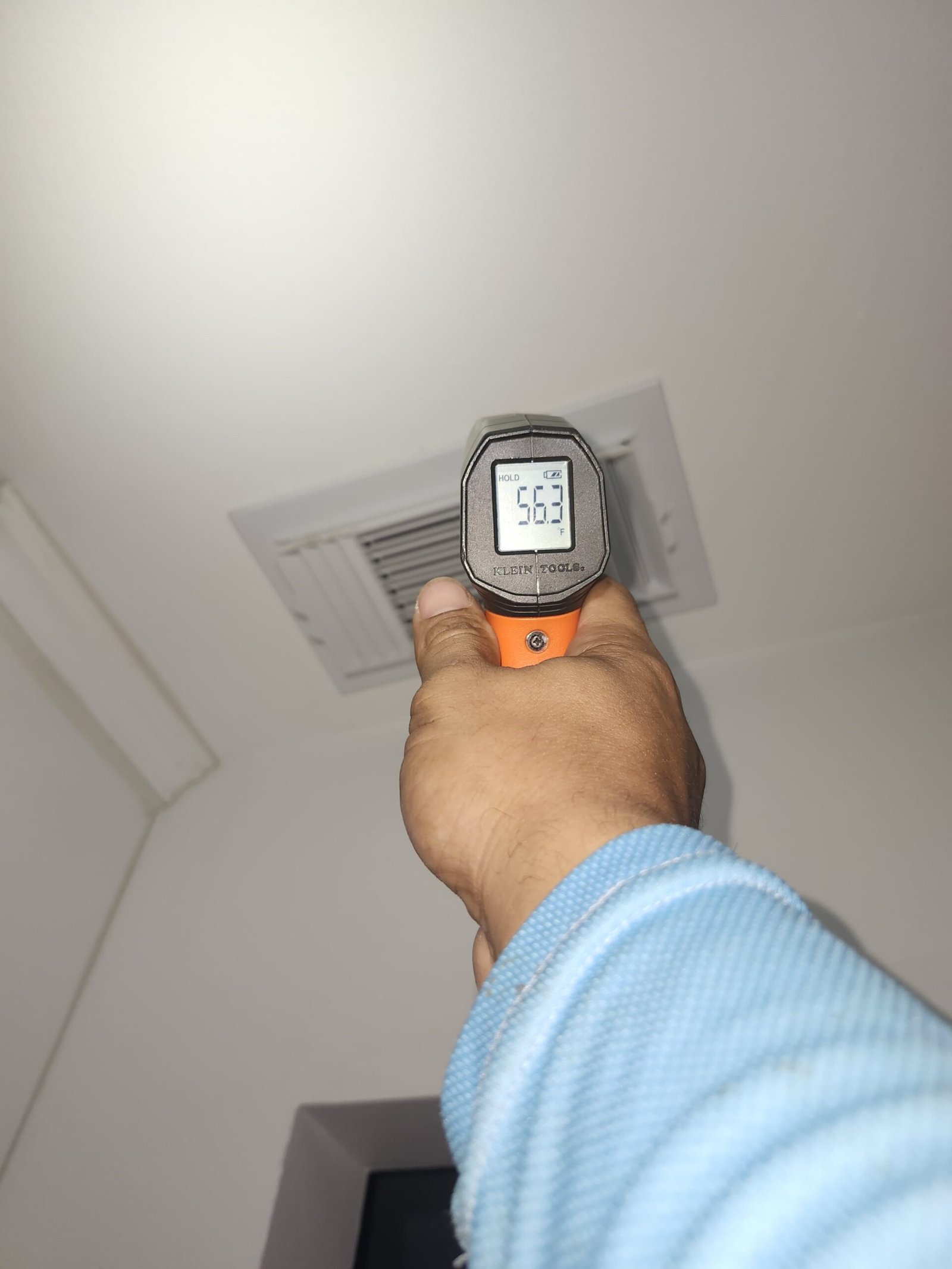
Condenser Fan Motor Replacement in Valrico, FL 33596

When your air conditioner’s outdoor unit stops doing its job in the middle of a warm Valrico, FL afternoon, it can go from uncomfortable to stressful very quickly. That’s exactly what happened at a home in the 33596 area, where the condenser fan motor was failing and putting the entire system at risk.

Our team at Home Therapist Cooling, Heating, and Plumbing was called out to take care of a condenser fan motor replacement under parts warranty, along with handling the necessary warranty processing and making sure the system was set up for reliable operation moving forward.

In this case study, we’ll walk through what was going on with the system, how we diagnosed the issue, what’s involved in a condenser fan motor replacement, and how homeowners in Valrico, FL can prevent similar problems in the future.

Customer Problem: What Was Happening at the Home

Our client in Valrico, FL 33596 reached out because their air conditioner’s outdoor unit wasn’t operating properly. While the internal notes focused on the repair details and parts ordering, the symptoms that usually lead to this kind of service include:

  • Warm air or not enough cool air coming from the vents
  • Outdoor unit running loudly, humming, or buzzing
  • Fan on the outdoor unit not spinning or starting slowly
  • AC shutting off on high-pressure or safety switches

In Florida’s heat and humidity, issues with the outdoor condenser can quickly become serious if they’re not addressed. The condenser fan motor’s job is to move air across the outdoor coil to release heat. When that motor fails or weakens, the system can overheat, efficiency drops, and major components like the compressor can be damaged.

The good news for this homeowner was that the fan motor was still under the manufacturer’s warranty. Our team coordinated the new condenser fan motor, processed the warranty handling fee with the supplier, and scheduled the return visit to get everything installed correctly.

Our Inspection & Diagnosis Process

Before replacing any part, we always start with a careful inspection. For condenser fan motor issues at homes in Valrico and the greater Tampa Bay area, our technicians typically follow a step-by-step process:

  • Visual inspection of the outdoor unit: We check the fan blades, motor, wiring, and capacitor for visible damage, burning, or wear.
  • Listen for startup behavior: Is the compressor running but the fan not turning? Is there a humming sound from the motor?
  • Test the capacitor: A weak or failed capacitor can prevent the motor from starting correctly, so we check its readings with a meter.
  • Check electrical connections: Loose or burnt connections can cause intermittent fan operation or complete failure.
  • Verify motor condition: We test the motor windings and confirm whether the motor itself has failed.

In this project, the diagnostic work confirmed that the condenser fan motor needed to be replaced. The job was set up as a System Repair Level 2 – Condenser Fan Motor Replacement (labor), with the fan motor covered under warranty and a new capacitor added if needed to ensure a reliable start-up and long-term performance.

Our internal note also shows that the motor was ordered through a Trane supplier in Clearwater, which is a common step when we make sure homeowners get genuine, compatible parts that meet the manufacturer’s specifications.

Step-By-Step: How We Replaced the Condenser Fan Motor

Once the new, warranty-covered condenser fan motor arrived, our technician returned to the Valrico home to complete the repair. Here’s what a typical condenser fan motor replacement looks like from a homeowner’s perspective:

1. Safety and System Shutdown

We always begin by turning off power to the outdoor unit at both the thermostat and the disconnect near the condenser. This protects both the homeowner and the technician and prevents accidental shorts or damage to the equipment while we’re working.

2. Accessing the Fan Motor Assembly

The fan motor is usually mounted on the top grille of the condenser unit. Our technician:

  • Removed the screws holding the top panel/fan assembly in place
  • Carefully lifted and supported the fan assembly so that no wires were strained
  • Documented the existing wiring configuration and routing to ensure a correct reinstallation

3. Disconnecting the Old Motor and Capacitor

Next, we disconnected the wiring from the existing condenser fan motor and, if present, from the dual capacitor that serves both the compressor and fan. When the original capacitor is weak or out of spec, it can shorten the life of a new motor, so this job was quoted with a new capacitor if needed. Our tech:

  • Tested the old capacitor with a meter to compare actual microfarads to the rating on the label
  • Verified whether the capacitor should be replaced to protect the new motor
  • Safely discharged the capacitor before removal to avoid any shock risk

4. Removing the Old Motor

With power off and wiring documented, we removed the fan blades and then unbolted the old motor from the top grille. This step is more delicate than it looks: bending the fan blades can cause vibration and noise, and improper alignment can reduce efficiency.

5. Installing the New Warranty Motor

For this Valrico project, the replacement fan motor was covered under warranty, which helped minimize the homeowner’s cost. The parts cost itself was handled separately from labor, along with a warranty handling fee charged by the brand’s supplier to process the claim and ship the part.

Our technician then:

  • Mounted the new motor to the condenser top panel with proper hardware
  • Reinstalled and carefully balanced the fan blade on the new motor shaft
  • Secured all wiring with correct routing to avoid rubbing or contact with sharp edges

6. Wiring the Motor and Capacitor

Correct wiring is critical to safe operation. Our tech followed the manufacturer’s wiring diagram for the exact motor model being installed. This typically includes:

  • Connecting common, fan, and line wires to the appropriate terminals
  • Making sure the capacitor values match the new motor’s requirements
  • Using rated connectors and securing any splices in a way that keeps out moisture

At this stage, we also inspected the rest of the outdoor unit for any signs of stress from the failing motor, such as discoloration on the coil or signs of past overheating.

7. Reassembly and Testing

After everything was wired and secured, we carefully set the top panel and fan assembly back onto the condenser, tightened all screws, and restored power. We then:

  • Started the system from the thermostat
  • Confirmed that the outdoor condenser fan came on promptly and ran smoothly
  • Listened for unusual noises or vibration
  • Checked refrigerant pressures and temperatures as needed
  • Verified proper airflow and cooling performance inside the home

The result: a quiet, properly functioning fan motor, improved heat rejection at the outdoor unit, and a more reliable air conditioning system for this Valrico homeowner.

Why This Fix Works and What Could Have Happened Otherwise

The condenser fan motor is one of the hardest-working components in your AC system. It runs every time the compressor does, often for hours at a time during hot Florida days. Replacing a failing motor and its supporting components (like the capacitor) is more than just a quick fix — it protects the entire system.

Here’s why taking care of this repair promptly matters:

  • Protects the compressor: Without adequate airflow across the outdoor coil, the compressor can overheat and trip safety devices or, in worst cases, fail completely. Compressor replacement is far more expensive than a fan motor.
  • Improves efficiency: A weak or slow fan means your AC has to work harder for the same cooling. Replacing the motor restores proper heat rejection and helps the system run more efficiently.
  • Reduces noise and vibration: Failing motors often buzz, hum, or rattle. A new motor runs smoother and quieter, making your outdoor area more pleasant.
  • Extends system life: Running with a compromised component stresses everything else. Completing the repair under warranty helps extend the life of the entire system.

If this Valrico homeowner had delayed the repair, they could have faced:

  • Repeated nuisance shutdowns
  • Significantly higher electric bills
  • Major component damage, especially to the compressor
  • A full system replacement much sooner than necessary

Understanding Warranty Handling Fees and Parts Costs

One question that often comes up during projects like this is, “If my part is under warranty, why is there still a cost?”

In this job, the line items included:

Most manufacturer warranties cover the part itself, not the labor to diagnose the problem, handle paperwork, pick up parts, or perform the installation. Some suppliers also charge a small fee for processing warranty claims and shipping the part. We aim to be as transparent as possible about these items so homeowners know exactly what they’re paying for.

If you’d like to learn more about how AC repair estimates are structured in the Tampa Bay area, we go into more detail in our blog on understanding air conditioner repair estimates in Tampa Bay, FL.

The Role of Maintenance Plans, Like Our Elite Therapy Plan

This Valrico homeowner received an Elite Therapy Plan discount on the work, which helped reduce the overall cost of the repair. Maintenance and membership plans can provide several benefits:

  • Seasonal inspections and tune-ups to catch failing parts early
  • Priority scheduling during peak seasons
  • Discounts on repairs and additional services
  • Better documentation for warranty support

We discuss these benefits in more depth in our guide to AC maintenance plans and service costs. For many homeowners in Valrico and the wider Tampa Bay area, a plan like this helps avoid surprise breakdowns and keeps the system running as efficiently as possible throughout our long cooling season.

Tips to Prevent Condenser Fan Motor Issues in Valrico Homes

Arizona and Nevada may be famous for dry heat, but here in Florida, our combination of heat, humidity, and storms is uniquely tough on HVAC equipment. If you live in Valrico or nearby areas around Tampa Bay, here are a few practical tips to help extend the life of your condenser fan motor and the entire system:

  • Schedule regular AC maintenance: During a tune-up, we check motor amp draws, capacitors, and overall operation. Catching a weak capacitor early can save your fan motor.
  • Keep vegetation away from the outdoor unit: Maintain at least 2–3 feet of clearance around the condenser so it can breathe and stay cool.
  • Rinse off the outdoor coil gently: Dirt and debris make the system work harder. A light rinse with a garden hose (from the outside in, with power off) can help in between professional cleanings.
  • Listen for changes: If your outdoor unit starts to sound different — louder, humming, or rattling — call for service before it fails completely.
  • Use a surge protector: Frequent thunderstorms in the Valrico and Tampa area can send power surges through your system. A properly installed surge protector can help protect sensitive electronics and motors.

We also have a helpful case study on another condenser motor replacement project in the Tampa, FL area that shows how similar these repairs can be across different types of properties.

AC Repair Services in the Greater Tampa Bay Area

Valrico is part of the larger Tampa Bay community, and our team regularly provides AC repair services throughout the region. Whether you’re near local spots like Buckhorn Springs Golf & Country Club or closer to downtown Tampa, we’re here to help keep your home comfortable.

If you’re curious about how AC repairs work in general, our service overview for air conditioner installation and repair in the Tampa Bay area is a good place to start. We also dive deeper into what to expect when your AC is not cooling, from diagnosis to solution options.

For more background on AC repair and condenser-related issues, you may also find our article on condenser coil replacement and what to expect helpful, even if your specific issue is with the fan motor rather than the coil itself.

About Valrico, FL and Local Conditions

Valrico, FL is a growing community east of Tampa, with hot, humid summers that put air conditioning systems to the test. You can learn more about the area on Wikipedia’s Valrico, Florida page or explore the town’s location and surroundings via Google Maps.

Local weather patterns — from high humidity to frequent thunderstorms — mean that homeowners in Valrico depend heavily on their HVAC systems almost year-round. That’s why prompt repairs, like this condenser fan motor replacement, and regular maintenance are so important for comfort and peace of mind.

Why Choose Home Therapist in Valrico, FL?

When something goes wrong with your AC, you don’t just want a quick fix — you want someone who will explain what’s going on in plain language and take care of your home like it’s their own.

Here’s how our team approaches jobs like this condenser fan motor replacement in Valrico:

  • Clear communication: We walk you through what we found, what needs to be done, and why.
  • Warranty coordination: We help handle manufacturer warranty processing so you’re not stuck on hold or guessing about coverage.
  • Options explained: When there are choices — repair vs. replace, standard vs. upgraded parts — we talk through them honestly so you can decide what fits your home and budget.
  • Respect for your home: We arrive prepared, work neatly, and clean up after ourselves.
  • Local expertise: We understand how Tampa Bay’s climate affects HVAC equipment and tailor our recommendations accordingly.

Whether it’s a condenser fan motor, a blower motor, a thermostat issue, or a full system replacement, our goal is the same: restore your comfort and give you confidence in your system.

Need AC Repair in Valrico, FL 33596?

If your outdoor unit isn’t running, the fan isn’t spinning, or your AC simply isn’t keeping up, don’t wait for a full breakdown. Our team at Home Therapist Cooling, Heating, and Plumbing is here to help with AC repair and condenser motor replacement in Valrico, FL and throughout the Tampa Bay area.

Call Home Therapist or visit our website to schedule service. We’ll diagnose the issue, explain your options, and help you choose the solution that makes the most sense for your home.

#HomeTherapist #TheTherapyYourHomeNeeds
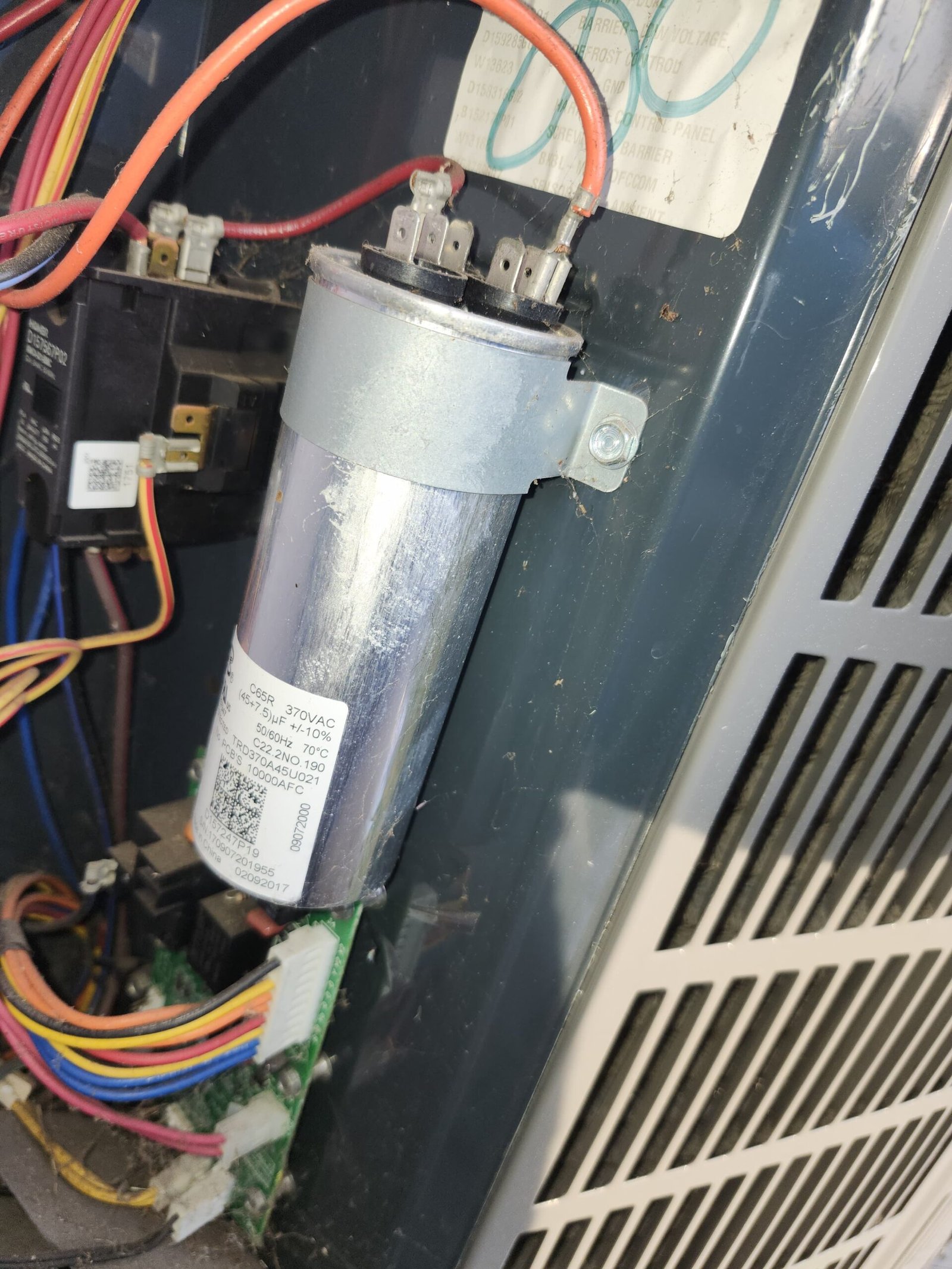
When your air conditioner’s outdoor unit stops doing its job in the middle of a warm Valrico, FL afternoon, it can go from uncomfortable to stressful very quickly. That’s exactly what happened at a home in the 33596 area, where the condenser fan motor was failing and putting the entire system at risk.

Our team at Home Therapist Cooling, Heating, and Plumbing was called out to take care of a condenser fan motor replacement under parts warranty, along with handling the necessary warranty processing and making sure the system was set up for reliable operation moving forward.

In this case study, we’ll walk through what was going on with the system, how we diagnosed the issue, what’s involved in a condenser fan motor replacement, and how homeowners in Valrico, FL can prevent similar problems in the future.

Customer Problem: What Was Happening at the Home

Our client in Valrico, FL 33596 reached out because their air conditioner’s outdoor unit wasn’t operating properly. While the internal notes focused on the repair details and parts ordering, the symptoms that usually lead to this kind of service include:

  • Warm air or not enough cool air coming from the vents
  • Outdoor unit running loudly, humming, or buzzing
  • Fan on the outdoor unit not spinning or starting slowly
  • AC shutting off on high-pressure or safety switches

In Florida’s heat and humidity, issues with the outdoor condenser can quickly become serious if they’re not addressed. The condenser fan motor’s job is to move air across the outdoor coil to release heat. When that motor fails or weakens, the system can overheat, efficiency drops, and major components like the compressor can be damaged.

The good news for this homeowner was that the fan motor was still under the manufacturer’s warranty. Our team coordinated the new condenser fan motor, processed the warranty handling fee with the supplier, and scheduled the return visit to get everything installed correctly.

Our Inspection & Diagnosis Process

Before replacing any part, we always start with a careful inspection. For condenser fan motor issues at homes in Valrico and the greater Tampa Bay area, our technicians typically follow a step-by-step process:

  • Visual inspection of the outdoor unit: We check the fan blades, motor, wiring, and capacitor for visible damage, burning, or wear.
  • Listen for startup behavior: Is the compressor running but the fan not turning? Is there a humming sound from the motor?
  • Test the capacitor: A weak or failed capacitor can prevent the motor from starting correctly, so we check its readings with a meter.
  • Check electrical connections: Loose or burnt connections can cause intermittent fan operation or complete failure.
  • Verify motor condition: We test the motor windings and confirm whether the motor itself has failed.

In this project, the diagnostic work confirmed that the condenser fan motor needed to be replaced. The job was set up as a System Repair Level 2 – Condenser Fan Motor Replacement (labor), with the fan motor covered under warranty and a new capacitor added if needed to ensure a reliable start-up and long-term performance.

Our internal note also shows that the motor was ordered through a Trane supplier in Clearwater, which is a common step when we make sure homeowners get genuine, compatible parts that meet the manufacturer’s specifications.

Step-By-Step: How We Replaced the Condenser Fan Motor

Once the new, warranty-covered condenser fan motor arrived, our technician returned to the Valrico home to complete the repair. Here’s what a typical condenser fan motor replacement looks like from a homeowner’s perspective:

1. Safety and System Shutdown

We always begin by turning off power to the outdoor unit at both the thermostat and the disconnect near the condenser. This protects both the homeowner and the technician and prevents accidental shorts or damage to the equipment while we’re working.

2. Accessing the Fan Motor Assembly

The fan motor is usually mounted on the top grille of the condenser unit. Our technician:

  • Removed the screws holding the top panel/fan assembly in place
  • Carefully lifted and supported the fan assembly so that no wires were strained
  • Documented the existing wiring configuration and routing to ensure a correct reinstallation

3. Disconnecting the Old Motor and Capacitor

Next, we disconnected the wiring from the existing condenser fan motor and, if present, from the dual capacitor that serves both the compressor and fan. When the original capacitor is weak or out of spec, it can shorten the life of a new motor, so this job was quoted with a new capacitor if needed. Our tech:

  • Tested the old capacitor with a meter to compare actual microfarads to the rating on the label
  • Verified whether the capacitor should be replaced to protect the new motor
  • Safely discharged the capacitor before removal to avoid any shock risk

4. Removing the Old Motor

With power off and wiring documented, we removed the fan blades and then unbolted the old motor from the top grille. This step is more delicate than it looks: bending the fan blades can cause vibration and noise, and improper alignment can reduce efficiency.

5. Installing the New Warranty Motor

For this Valrico project, the replacement fan motor was covered under warranty, which helped minimize the homeowner’s cost. The parts cost itself was handled separately from labor, along with a warranty handling fee charged by the brand’s supplier to process the claim and ship the part.

Our technician then:

  • Mounted the new motor to the condenser top panel with proper hardware
  • Reinstalled and carefully balanced the fan blade on the new motor shaft
  • Secured all wiring with correct routing to avoid rubbing or contact with sharp edges

6. Wiring the Motor and Capacitor

Correct wiring is critical to safe operation. Our tech followed the manufacturer’s wiring diagram for the exact motor model being installed. This typically includes:

  • Connecting common, fan, and line wires to the appropriate terminals
  • Making sure the capacitor values match the new motor’s requirements
  • Using rated connectors and securing any splices in a way that keeps out moisture

At this stage, we also inspected the rest of the outdoor unit for any signs of stress from the failing motor, such as discoloration on the coil or signs of past overheating.

7. Reassembly and Testing

After everything was wired and secured, we carefully set the top panel and fan assembly back onto the condenser, tightened all screws, and restored power. We then:

  • Started the system from the thermostat
  • Confirmed that the outdoor condenser fan came on promptly and ran smoothly
  • Listened for unusual noises or vibration
  • Checked refrigerant pressures and temperatures as needed
  • Verified proper airflow and cooling performance inside the home

The result: a quiet, properly functioning fan motor, improved heat rejection at the outdoor unit, and a more reliable air conditioning system for this Valrico homeowner.

Why This Fix Works and What Could Have Happened Otherwise

The condenser fan motor is one of the hardest-working components in your AC system. It runs every time the compressor does, often for hours at a time during hot Florida days. Replacing a failing motor and its supporting components (like the capacitor) is more than just a quick fix — it protects the entire system.

Here’s why taking care of this repair promptly matters:

  • Protects the compressor: Without adequate airflow across the outdoor coil, the compressor can overheat and trip safety devices or, in worst cases, fail completely. Compressor replacement is far more expensive than a fan motor.
  • Improves efficiency: A weak or slow fan means your AC has to work harder for the same cooling. Replacing the motor restores proper heat rejection and helps the system run more efficiently.
  • Reduces noise and vibration: Failing motors often buzz, hum, or rattle. A new motor runs smoother and quieter, making your outdoor area more pleasant.
  • Extends system life: Running with a compromised component stresses everything else. Completing the repair under warranty helps extend the life of the entire system.

If this Valrico homeowner had delayed the repair, they could have faced:

  • Repeated nuisance shutdowns
  • Significantly higher electric bills
  • Major component damage, especially to the compressor
  • A full system replacement much sooner than necessary

Understanding Warranty Handling Fees and Parts Costs

One question that often comes up during projects like this is, “If my part is under warranty, why is there still a cost?”

In this job, the line items included:

Most manufacturer warranties cover the part itself, not the labor to diagnose the problem, handle paperwork, pick up parts, or perform the installation. Some suppliers also charge a small fee for processing warranty claims and shipping the part. We aim to be as transparent as possible about these items so homeowners know exactly what they’re paying for.

If you’d like to learn more about how AC repair estimates are structured in the Tampa Bay area, we go into more detail in our blog on understanding air conditioner repair estimates in Tampa Bay, FL.

The Role of Maintenance Plans, Like Our Elite Therapy Plan

This Valrico homeowner received an Elite Therapy Plan discount on the work, which helped reduce the overall cost of the repair. Maintenance and membership plans can provide several benefits:

  • Seasonal inspections and tune-ups to catch failing parts early
  • Priority scheduling during peak seasons
  • Discounts on repairs and additional services
  • Better documentation for warranty support

We discuss these benefits in more depth in our guide to AC maintenance plans and service costs. For many homeowners in Valrico and the wider Tampa Bay area, a plan like this helps avoid surprise breakdowns and keeps the system running as efficiently as possible throughout our long cooling season.

Tips to Prevent Condenser Fan Motor Issues in Valrico Homes

Arizona and Nevada may be famous for dry heat, but here in Florida, our combination of heat, humidity, and storms is uniquely tough on HVAC equipment. If you live in Valrico or nearby areas around Tampa Bay, here are a few practical tips to help extend the life of your condenser fan motor and the entire system:

  • Schedule regular AC maintenance: During a tune-up, we check motor amp draws, capacitors, and overall operation. Catching a weak capacitor early can save your fan motor.
  • Keep vegetation away from the outdoor unit: Maintain at least 2–3 feet of clearance around the condenser so it can breathe and stay cool.
  • Rinse off the outdoor coil gently: Dirt and debris make the system work harder. A light rinse with a garden hose (from the outside in, with power off) can help in between professional cleanings.
  • Listen for changes: If your outdoor unit starts to sound different — louder, humming, or rattling — call for service before it fails completely.
  • Use a surge protector: Frequent thunderstorms in the Valrico and Tampa area can send power surges through your system. A properly installed surge protector can help protect sensitive electronics and motors.

We also have a helpful case study on another condenser motor replacement project in the Tampa, FL area that shows how similar these repairs can be across different types of properties.

AC Repair Services in the Greater Tampa Bay Area

Valrico is part of the larger Tampa Bay community, and our team regularly provides AC repair services throughout the region. Whether you’re near local spots like Buckhorn Springs Golf & Country Club or closer to downtown Tampa, we’re here to help keep your home comfortable.

If you’re curious about how AC repairs work in general, our service overview for air conditioner installation and repair in the Tampa Bay area is a good place to start. We also dive deeper into what to expect when your AC is not cooling, from diagnosis to solution options.

For more background on AC repair and condenser-related issues, you may also find our article on condenser coil replacement and what to expect helpful, even if your specific issue is with the fan motor rather than the coil itself.

About Valrico, FL and Local Conditions

Valrico, FL is a growing community east of Tampa, with hot, humid summers that put air conditioning systems to the test. You can learn more about the area on Wikipedia’s Valrico, Florida page or explore the town’s location and surroundings via Google Maps.

Local weather patterns — from high humidity to frequent thunderstorms — mean that homeowners in Valrico depend heavily on their HVAC systems almost year-round. That’s why prompt repairs, like this condenser fan motor replacement, and regular maintenance are so important for comfort and peace of mind.

Why Choose Home Therapist in Valrico, FL?

When something goes wrong with your AC, you don’t just want a quick fix — you want someone who will explain what’s going on in plain language and take care of your home like it’s their own.

Here’s how our team approaches jobs like this condenser fan motor replacement in Valrico:

  • Clear communication: We walk you through what we found, what needs to be done, and why.
  • Warranty coordination: We help handle manufacturer warranty processing so you’re not stuck on hold or guessing about coverage.
  • Options explained: When there are choices — repair vs. replace, standard vs. upgraded parts — we talk through them honestly so you can decide what fits your home and budget.
  • Respect for your home: We arrive prepared, work neatly, and clean up after ourselves.
  • Local expertise: We understand how Tampa Bay’s climate affects HVAC equipment and tailor our recommendations accordingly.

Whether it’s a condenser fan motor, a blower motor, a thermostat issue, or a full system replacement, our goal is the same: restore your comfort and give you confidence in your system.

Need AC Repair in Valrico, FL 33596?

If your outdoor unit isn’t running, the fan isn’t spinning, or your AC simply isn’t keeping up, don’t wait for a full breakdown. Our team at Home Therapist Cooling, Heating, and Plumbing is here to help with AC repair and condenser motor replacement in Valrico, FL and throughout the Tampa Bay area.

Call Home Therapist or visit our website to schedule service. We’ll diagnose the issue, explain your options, and help you choose the solution that makes the most sense for your home.

#HomeTherapist #TheTherapyYourHomeNeeds
R410A Refrigerant Recharge and Full AC Tune-Up in Tampa, FL 33624

When your air conditioner in Tampa, FL 33624 stops cooling the way it should, the heat and humidity can make your home uncomfortable fast. Recently, our team at Home Therapist Cooling, Heating, and Plumbing was called to a home in the Tampa 33624 area to check on an AC system that wasn’t keeping up. During our visit, we diagnosed a low R410A refrigerant issue, discussed the possibility of a leak, and performed a full AC and heating tune-up to get the system operating as safely and efficiently as possible.

In this case study, we’ll walk through what we found, how we fixed it, and what homeowners in Tampa can do to protect their systems from similar problems.

Customer Problem: Why We Were Called Out

This Tampa homeowner reached out because their air conditioner wasn’t cooling like it used to. The home never really felt comfortable, the system seemed to run longer than normal, and the electric bill had been creeping up. That combination of symptoms often points to one of a few common issues: dirty components, restricted airflow, thermostat problems, or low refrigerant.

Because the system was still running but underperforming, our team scheduled a diagnostic visit, with the understanding that the standard service call fee would be waived or discounted if we were hired to complete the recommended repairs. This is our normal process for new service calls and helps keep the experience straightforward and predictable for homeowners.

If you’re in a similar position—AC running but not cooling well—our emergency AC repair services in Tampa follow this same transparent diagnostic approach.

Our Step-by-Step Diagnostic Process

On every HVAC diagnosis, we follow a structured process so nothing important gets overlooked. Our report to the homeowner always answers these questions:

  • Why were we called?
  • What did we find?
  • What options do we recommend?
  • Why do we recommend these options?

At this Tampa, FL 33624 home, our technician started with a full system check:

  • Visual inspection: Checked the outdoor condenser, indoor air handler, electrical connections, and refrigerant lines for obvious signs of damage or wear.
  • Airflow and filter: Confirmed the filter condition and basic airflow through the return and supply vents.
  • Thermostat operations: Verified that the thermostat was calling for cooling and communicating properly with the system.
  • Refrigerant levels and pressures: Measured R410A refrigerant pressures to see if they were within manufacturer specifications.

The pressure readings confirmed what the symptoms suggested: the system was low on R410A refrigerant.

What We Found: Low R410A and Potential Leak Concerns

R410A is the refrigerant commonly used in newer residential AC systems. It doesn’t “get used up” like gasoline in a car; if your system is low, it usually means there’s a leak somewhere in the refrigerant circuit. At this home, the system needed more than 3 pounds of R410A to bring pressures back into a safe operating range.

Whenever we see a system that needs more than 2 pounds of refrigerant added, we take time to explain a critical point to the homeowner: adding refrigerant alone may not be a long-term solution. It strongly suggests there is an underlying leak that needs to be addressed, otherwise the refrigerant can gradually escape again.

In this job, our recommendations were:

  • Add the necessary R410A to get the system cooling again and prevent further stress on the compressor.
  • Discuss leak detection options and possible next steps, depending on the age, condition, and value of the system.
  • Perform a full AC and heating tune-up to clean, optimize, and thoroughly inspect the system for any additional red flags.

We also clearly explained that when a system is very low on refrigerant, some issues only become apparent after the system is recharged and operating more normally. For example, high electrical demand, weak components, or airflow problems might not fully show until the system is under proper load. In those cases, we prepare our clients that additional recommendations may follow once the primary issue is corrected.

Step-by-Step: How We Fixed the AC in This Tampa Home

1. Restoring Refrigerant Levels

The first priority was protecting the equipment. Running with low refrigerant can cause the evaporator coil to freeze, damage the compressor, and increase energy use. Our technician carefully added R410A to the system, monitoring pressures and temperatures to reach manufacturer-recommended levels.

We always charge by the pound with clear pricing, so the homeowner knows exactly how much refrigerant was added and why. Once the levels were corrected, we verified that the system was producing a healthy temperature split (the difference between return air and supply air temperatures) and that the coil was not icing up.

2. Full AC and Heating Tune-Up

With the refrigerant restored, we moved on to a complete tune-up of both the cooling and heating functions. In Tampa, you might not think much about heating until a cold front moves through, but keeping both modes in good condition protects your equipment year-round.

Our tune-up at this home included:

  • Acid washing and sanitizing the evaporator coil: A dirty coil can dramatically reduce cooling efficiency and cause uneven temperatures. Cleaning the coil helps improve airflow and system performance.
  • Acid washing and sanitizing the condenser coil: Outdoor units in Tampa deal with salt air, pollen, and debris. A clean condenser coil allows heat to leave the system more easily, which lowers energy use and helps your AC cool more effectively.
  • Flushing and sanitizing the drain line: We cleared and treated the condensate drain line to reduce clogs and algae growth. On this service, we provided a 60-day guarantee on the drain line flush.
  • Inspecting refrigerant levels and pressures: After cleaning and tuning the system, we re-checked refrigerant pressures to confirm that everything was still in the proper range.
  • Checking and adjusting the thermostat: We verified temperature calibration and settings to ensure the thermostat was giving accurate readings and commanding the system properly.
  • Tightening wiring, contacts, capacitors, and relays: Loose electrical connections can cause nuisance breakdowns or even safety concerns. We tightened and inspected key components for signs of wear.
  • Securing the outdoor disconnect and condenser fan components: We confirmed that the electrical disconnect, fan motor, and fan blades were secure and operating smoothly.
  • Inspecting the compressor at startup: Starting amperage was checked to see how hard the compressor had to work. Excessive strain can signal developing problems.
  • Filter replacement: Whenever a client provides filters, we replace them as part of the tune-up. If they prefer, we can also supply filters at an additional cost, based on size and quantity.

At the end of the tune-up, we provided a clear list of any additional maintenance or repairs we would recommend, along with our reasoning. In this case, ongoing observation of refrigerant levels and possible leak detection was at the top of that list.

If your system is due for service, learn more about our dedicated AC maintenance in Tampa and our seasonal AC tune-up services.

Why This Fix Works—and Its Limits

Adding R410A and performing a thorough tune-up gave this Tampa homeowner immediate benefits:

However, we always stress one important point: when a system needs more than a couple of pounds of refrigerant, it’s usually a symptom, not the root cause. The underlying leak might be small or intermittent, but it should be investigated and addressed if the homeowner wants a long-term solution.

Our technician talked through different scenarios with the homeowner, including:

  • Leak search and repair: In some cases, finding and repairing a leak is cost-effective and extends the life of the system.
  • Monitoring refrigerant levels: For older systems nearing the end of their life, some homeowners choose to recharge and monitor while planning for eventual replacement.
  • System replacement planning: If the unit is very old, inefficient, or has multiple issues, putting repair money toward a new system can be the smarter long-term move.

We never pressure our clients into a particular choice. Our job is to present the facts, explain the pros and cons, and help families in Tampa make the decision that best fits their home, budget, and comfort goals.

What Could Happen If Low Refrigerant Is Ignored?

It can be tempting to ignore a system that is “still running,” but low R410A levels can cause a number of serious problems over time:

  • Frozen evaporator coil: Low refrigerant can cause the indoor coil to ice over, blocking airflow completely and shutting down cooling.
  • Compressor damage: The compressor is the heart of your AC system. Operating with low refrigerant makes it run hotter and longer, increasing the risk of failure.
  • Higher energy bills: A struggling system often uses more electricity but delivers less cooling.
  • Uneven temperatures and humidity issues: Rooms may never reach setpoint, and the system may fail to pull enough moisture out of the air—especially noticeable in humid Tampa summers.

Addressing refrigerant issues promptly, along with regular maintenance, is one of the best ways to keep your AC running smoothly in the Tampa, FL 33624 area.

Tips to Prevent AC Problems in Tampa Homes

While no system is completely problem-proof, there are several steps homeowners in Tampa can take to reduce the risk of refrigerant issues and major breakdowns:

  • Schedule annual tune-ups: A yearly AC inspection and cleaning helps catch small issues before they become expensive repairs.
  • Change filters regularly: Most homes should change filters every 1–3 months, depending on filter type, pets, and dust levels.
  • Keep the outdoor unit clear: Maintain at least 2 feet of clearance around the outdoor condenser, trimming back plants and removing debris.
  • Watch for warning signs: Warm air from vents, ice on refrigerant lines, hissing noises, or sudden spikes in utility bills are all signals to call for service.
  • Consider a maintenance plan: Enrolling in a maintenance plan helps you stay on schedule with tune-ups and may offer additional benefits like priority scheduling.

Home Therapist offers convenient Therapy Maintenance Plans that help Tampa homeowners keep their HVAC systems in top shape with regular visits and professional care.

Why Choose Home Therapist in Tampa, FL 33624?

The 33624 area of Tampa sits near some of the most convenient parts of the city, with quick access to Carrollwood, local shopping, and Tampa attractions. Whether you’re spending the day at Busch Gardens Tampa Bay or exploring the city, you deserve to come home to a cool, comfortable house.

Our team at Home Therapist Cooling, Heating, and Plumbing is proud to serve homeowners throughout Tampa and nearby communities. We bring the same calm, step-by-step approach to every call—whether it’s a simple tune-up or a late-night AC emergency.

When you work with us, you can expect:

  • Clear communication: We explain what we’re doing, what we find, and why we recommend certain options.
  • No pressure: You get honest information and practical choices, not pushy sales tactics.
  • Local expertise: We understand how Tampa’s heat, humidity, and coastal environment affect HVAC systems.
  • Full-service care: From tune-ups and repairs to new installations and indoor air quality, we handle it all.

If you’d like to see the range of work we perform beyond this particular project, you can explore our HVAC and plumbing services in Carrollwood and Tampa.

Serving the Tampa Bay Area

Tampa is a vibrant, fast-growing city known for its warm climate, waterfront views, and unique neighborhoods. You can learn more about the city itself on Tampa’s Wikipedia page or explore the 33624 area on Google Maps. Our team regularly works throughout Tampa Bay, from single-family homes to townhomes and condos, helping families stay comfortable in every season.

When to Call for AC Service in Tampa

It’s time to call a professional if you notice any of the following:

  • AC runs constantly but the home never cools down
  • Some rooms are much warmer than others
  • Visible ice on the refrigerant lines or indoor coil
  • Unusual noises from the indoor or outdoor unit
  • Higher-than-normal electric bills without a clear reason

Addressing these signs early can often turn a major breakdown into a smaller, more manageable repair. Our emergency AC repair team in Tampa is here to help when your system can’t wait.

Ready to Get Your AC Back in Shape?

If your AC in Tampa, FL 33624 isn’t cooling like it used to, our team is here to help. Whether you need a refrigerant check, a full AC tune-up, or a second opinion on a repair, we’ll walk you through the process and provide clear, honest recommendations.

Call Home Therapist or visit our website to schedule service. We’ll treat your home with the same care and attention we brought to this R410A recharge and tune-up visit—making sure you understand your options and feel confident in every decision.

#HomeTherapist #TheTherapyYourHomeNeeds
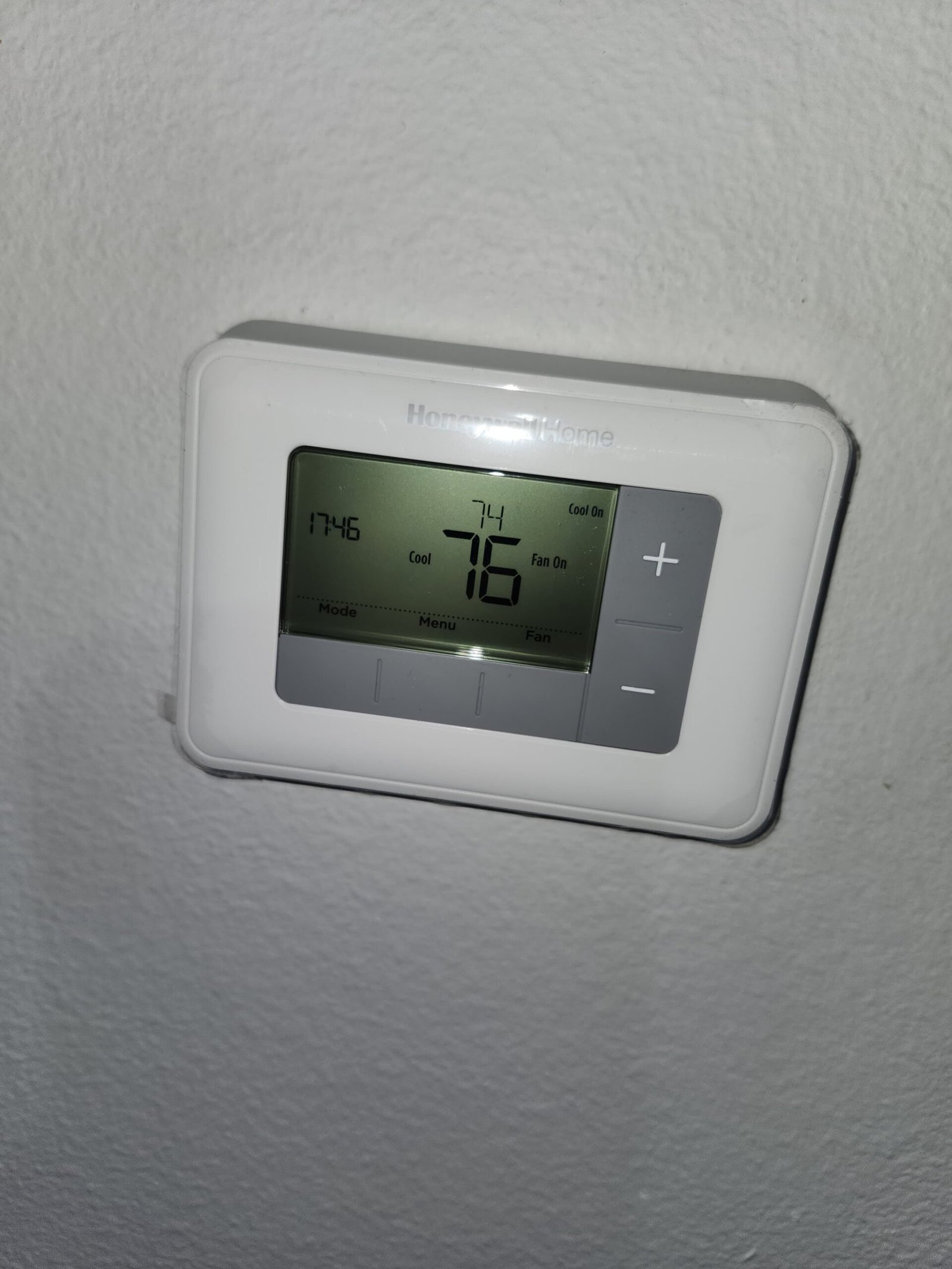
Ice Building Up On An AC Unit

7 Smart Tips to Prevent Ice Build-Up on Your AC Unit

If you ever find a layer of ice on your air conditioner, especially during the middle of a hot summer, it’s a clear sign that something’s wrong. Ice build-up on your AC may seem confusing, but it’s actually a common issue—and one that can be avoided with the right steps.

At Home Therapist Cooling, Heating, and Plumbing, we know how frustrating it is when your cooling system stops working just when you need it most. That’s why we’ve put together this guide to help you understand why your AC freezes and how you can keep your system running smoothly and ice-free.

Why Does Ice Form on Air Conditioners?

When your AC is working properly, it cools your home by pulling in warm air, removing moisture, and pushing cool air back into the rooms. But when something disrupts that process—like low airflow or refrigerant issues—the system can get too cold, causing moisture to freeze on the coils. That leads to ice, and ice leads to problems.

Here are the most common causes:

If ice keeps forming and you don’t fix the cause, your system could get damaged—and you could be stuck without cooling when you need it most.

How to Fix Ice Build-Up on Your AC

If you’ve already noticed ice on your system, take these steps right away:

  1. Turn off your AC at the thermostat and breaker. Let the ice melt completely before doing anything else.

  2. Check your air filter. If it’s dirty, replace it. Dirty filters are one of the top reasons for freezing.

  3. Inspect the vents. Make sure all air returns and supply vents are open and not blocked by furniture, curtains, or rugs.

  4. Clean the evaporator coils. Use a soft brush or coil cleaner if you can access them. Dirty coils can’t absorb heat properly, causing freezing.

  5. Call a technician to check refrigerant levels. Only a licensed HVAC pro should handle refrigerant. If there’s a leak or low charge, it needs professional repair.
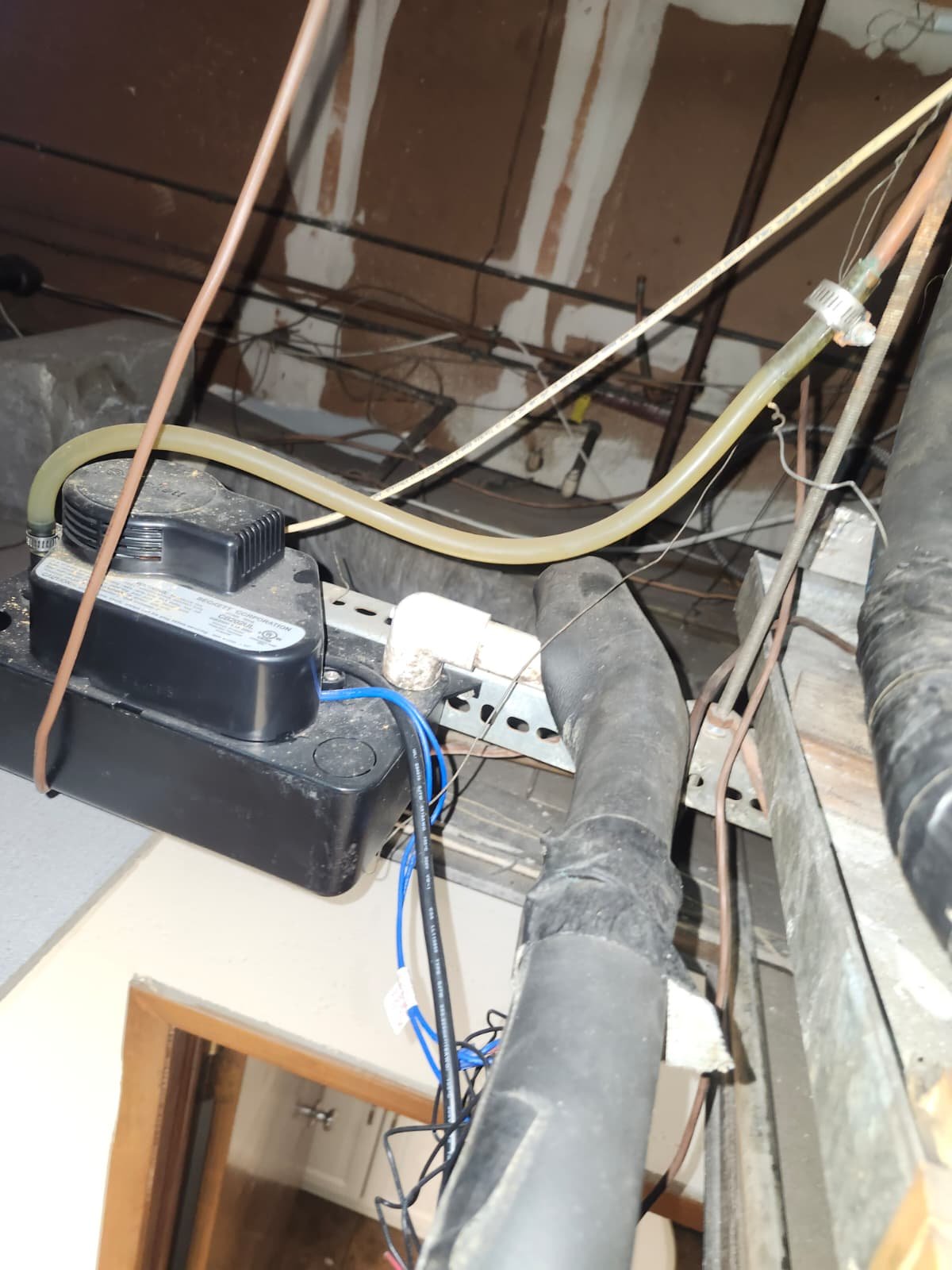
  6. Listen for odd noises. Strange sounds from the blower or fan may point to mechanical issues. A broken fan won’t circulate air, which leads to freezing.
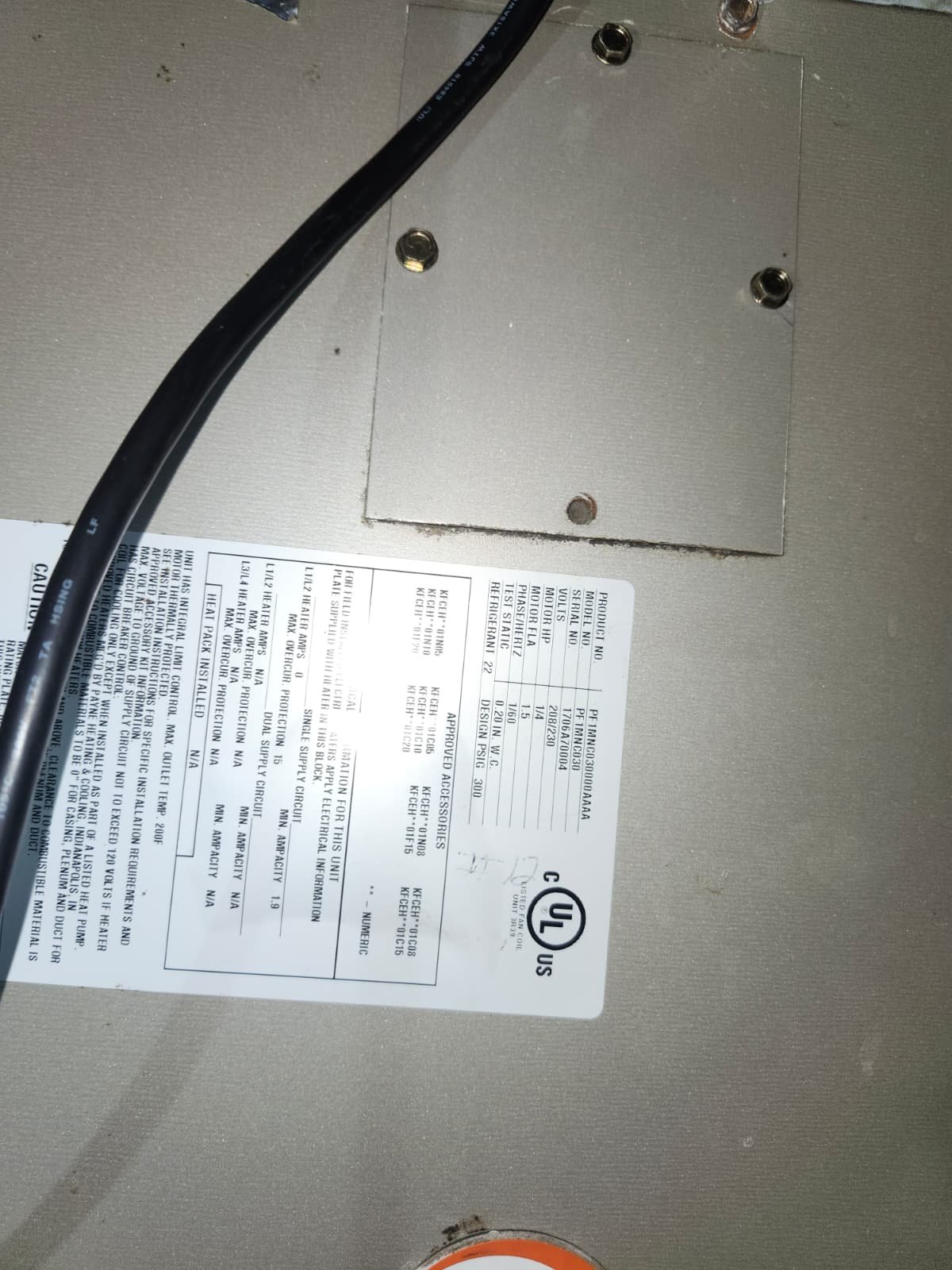
  7. Don’t crank the thermostat down too low. Extremely low settings can overwork the system and cause freezing even if everything else is working properly.

These steps help your AC recover after ice has formed. But to prevent it from happening again, regular maintenance is key.

7 Tips to Keep Your AC Ice-Free All Season

Prevention is the best way to avoid the stress and expense of AC ice build-up. Here are seven expert-approved tips to keep your system cool and frost-free:

  1. Replace Your Air Filter Monthly
    A clean filter keeps air flowing freely through your system. Check your filter every month, and replace it as soon as it looks dirty—especially during peak cooling season.

  2. Schedule Yearly Maintenance
    Before summer hits, have your AC inspected by a professional. A technician will clean the system, check refrigerant levels, test all components, and spot small issues before they become big problems.

  3. Keep the Outdoor Unit Clear
    Trim back plants, remove leaves, and clear away debris from around your condenser unit. This allows proper airflow and prevents overheating, which can also lead to coil freezing.

  4. Seal and Insulate Ductwork
    If your ducts are leaking or poorly insulated, cooled air escapes, and warm air may enter. That temperature imbalance can cause the system to freeze. Proper insulation helps keep airflow balanced and efficient.

  5. Install a Programmable Thermostat
    A smart thermostat helps you avoid overcooling your home. You can program it to adjust temperatures based on your schedule, keeping things comfortable without overworking your AC.

  6. Watch for Signs of Low Refrigerant
    If you hear hissing sounds, see frost on the lines, or notice weaker airflow, call a pro to check your refrigerant. Never try to add refrigerant yourself—it’s not safe and it could make the problem worse.

  7. Upgrade Older Equipment
    If your AC unit is over 10 years old and keeps freezing up, it might be time to consider a more efficient system. Newer units are designed to handle temperature changes better and are less likely to develop icing problems.

Bonus Tip: Use Ceiling Fans for Better Cooling

Ceiling fans don’t cool the air, but they do help move it around. That means your AC doesn’t have to work as hard to keep the temperature steady. Pairing fans with your AC can reduce strain on the system and prevent freezing.

What Happens If You Ignore Ice on Your AC?

If you let the ice keep building up, it can damage your evaporator coil, refrigerant lines, or even the compressor. This can lead to expensive repairs—or worse, complete system failure. If your AC freezes once, fix it. If it freezes again, it’s time for a professional to take a closer look.

Maintenance Is the Key to a Healthy AC

Keeping your AC unit in great shape is the best way to avoid ice, breakdowns, and costly repairs. At Home Therapist, we offer expert inspections and seasonal tune-ups to help you stay ahead of problems. Our experienced team checks every part of your system, from airflow and refrigerant to the coils and fan motors.

Final Thoughts: Say Goodbye to Ice and Hello to Comfort

Nobody wants their air conditioner to turn into an ice block in the middle of summer. Thankfully, with a little attention and some smart habits, you can stop ice build-up before it starts.

Change your filters, keep your system clean, and schedule regular check-ups. If something doesn’t feel right—like weak airflow, odd noises, or constant freezing—don’t wait. Give our team a call, and we’ll help get your cooling system back on track.

When it comes to home comfort, Home Therapist Cooling, Heating, and Plumbing is here to keep things smooth, safe, and chill—just the way you like it.