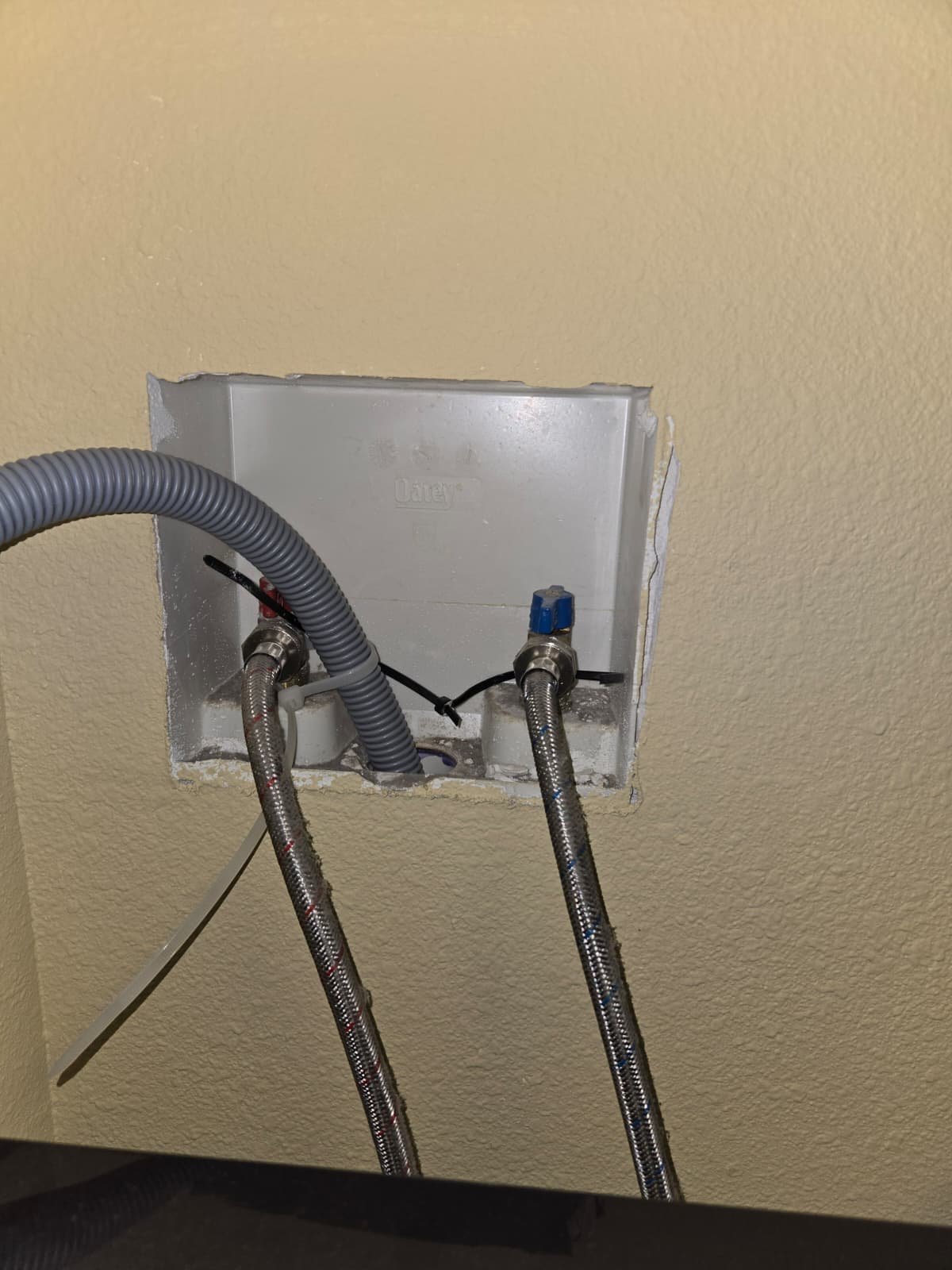
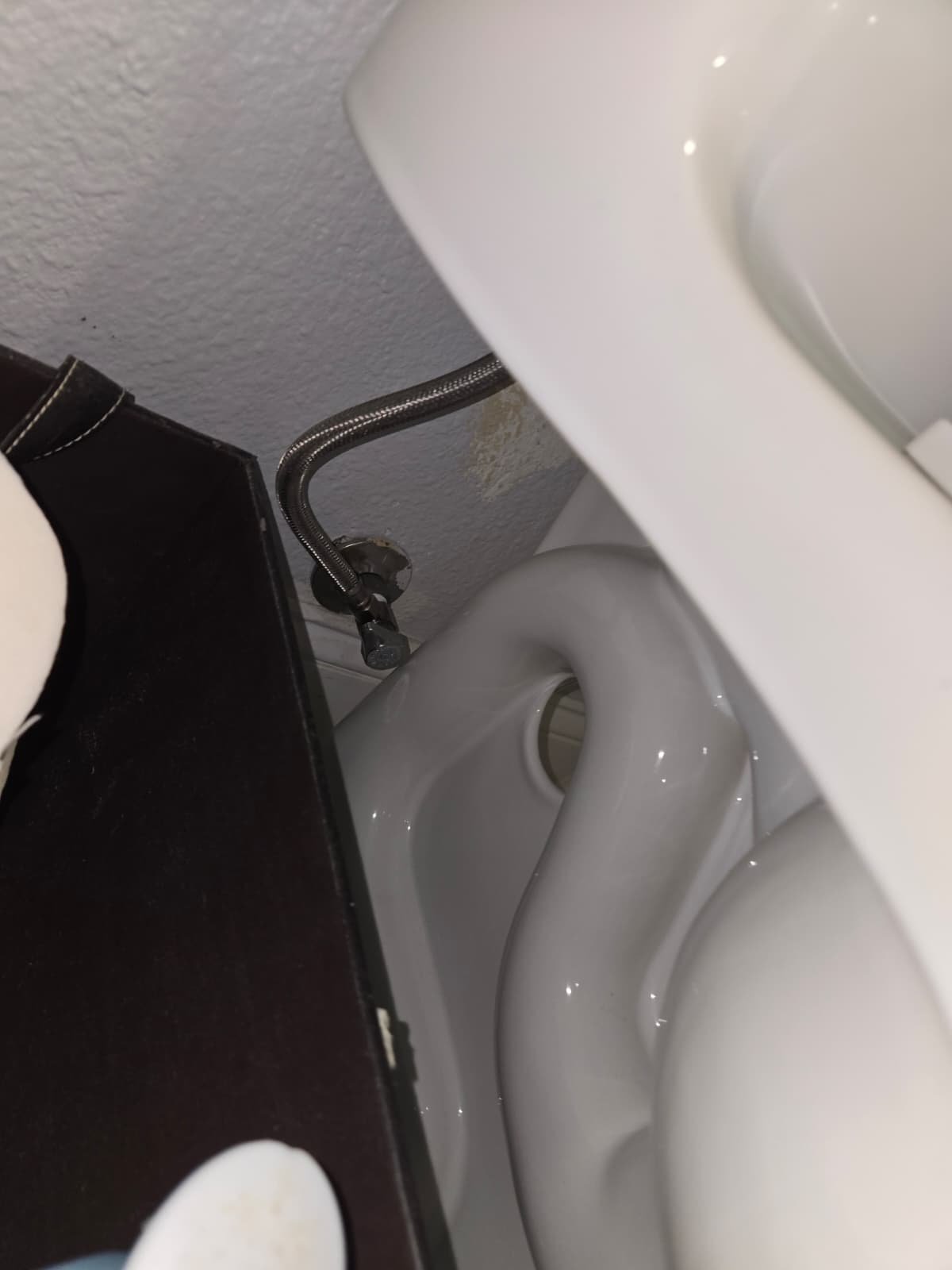
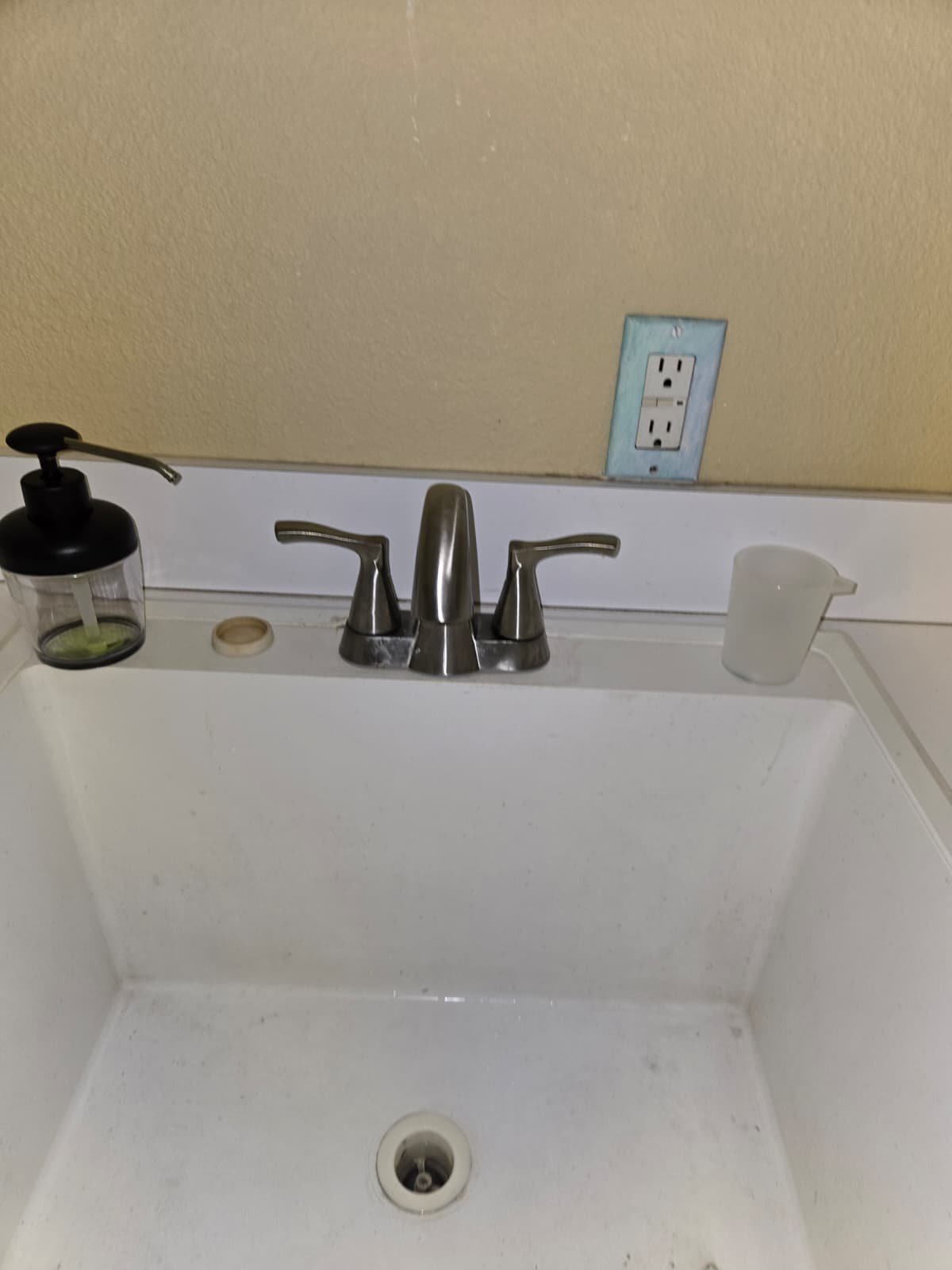
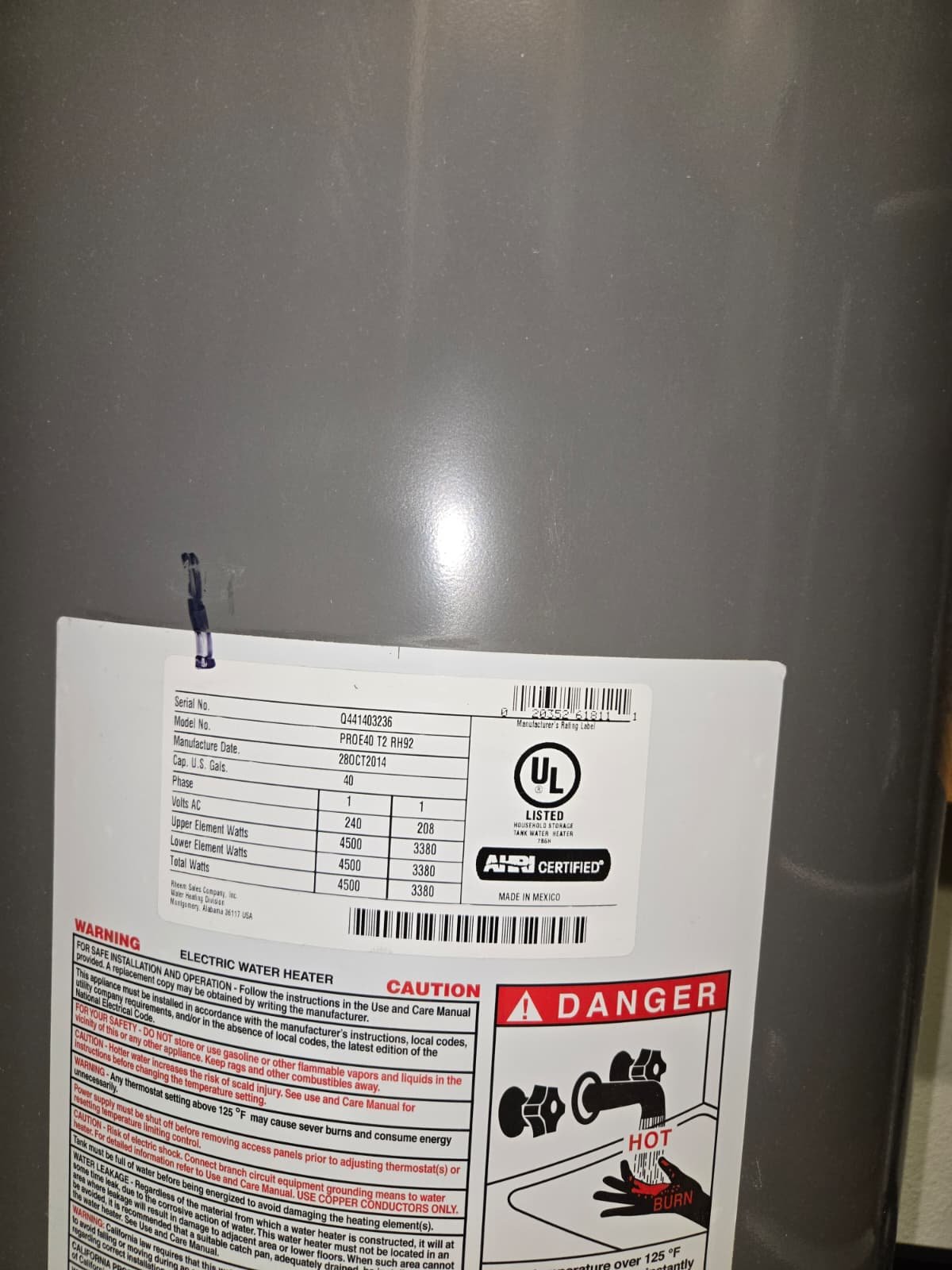
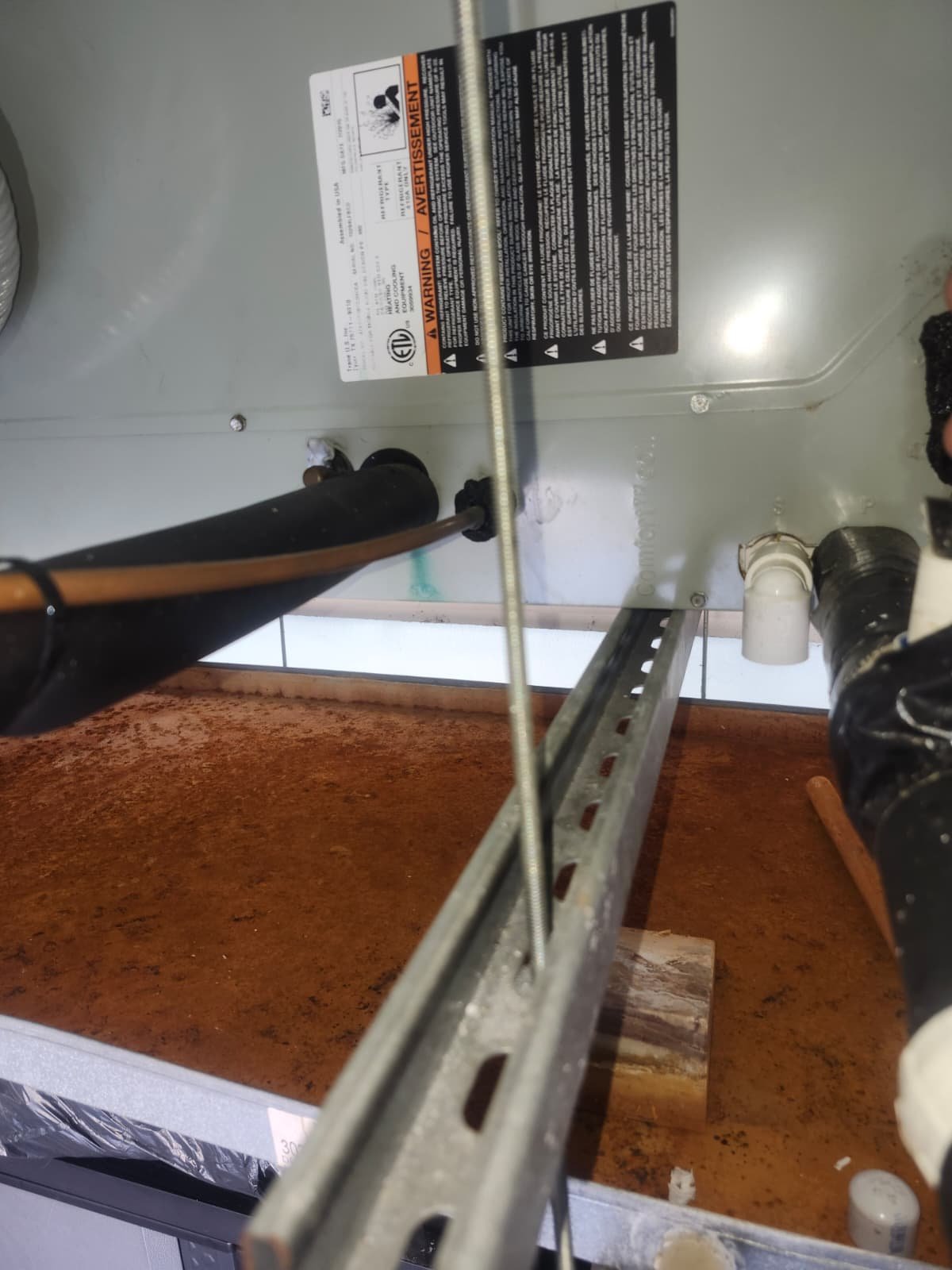
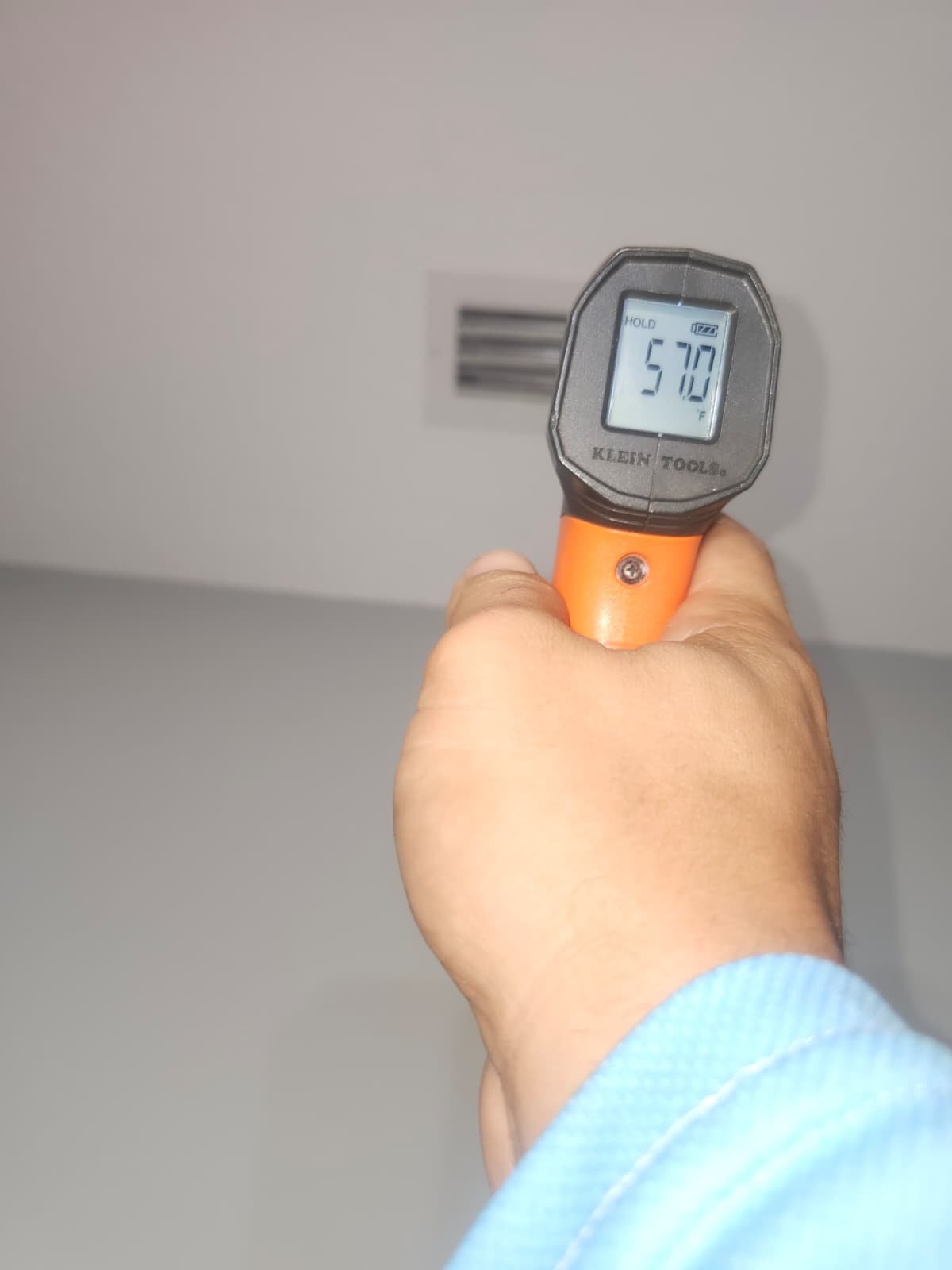
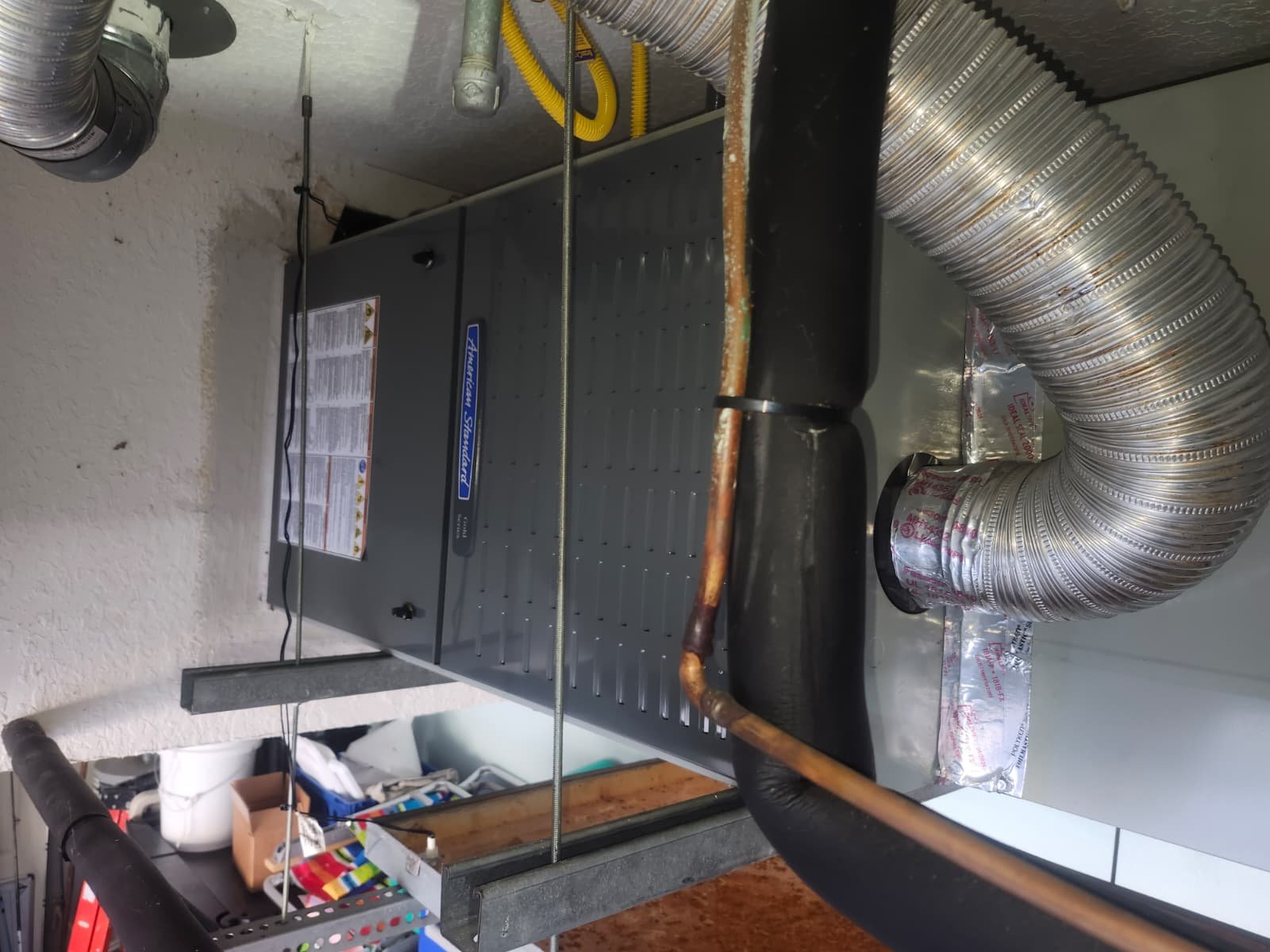
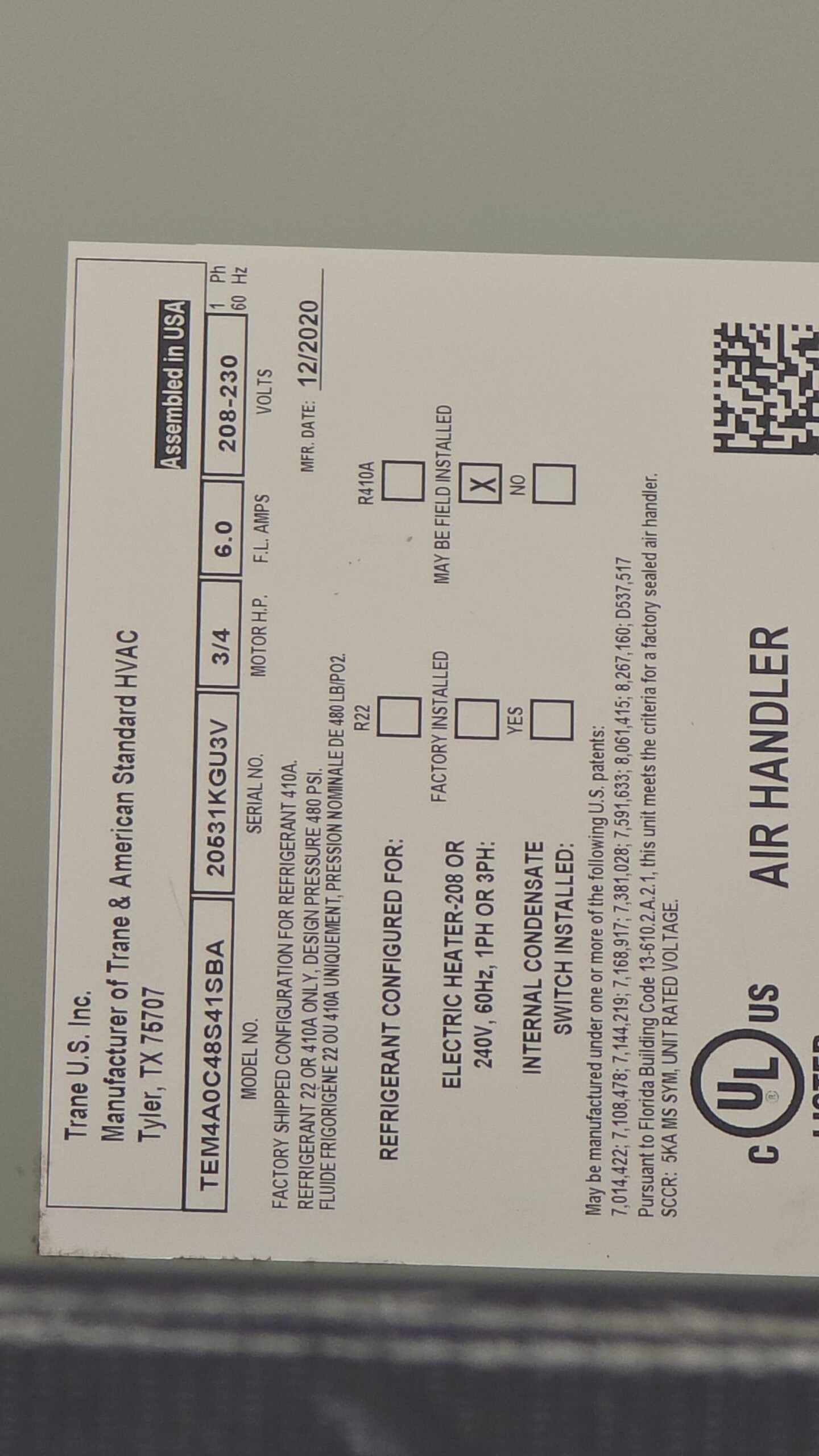
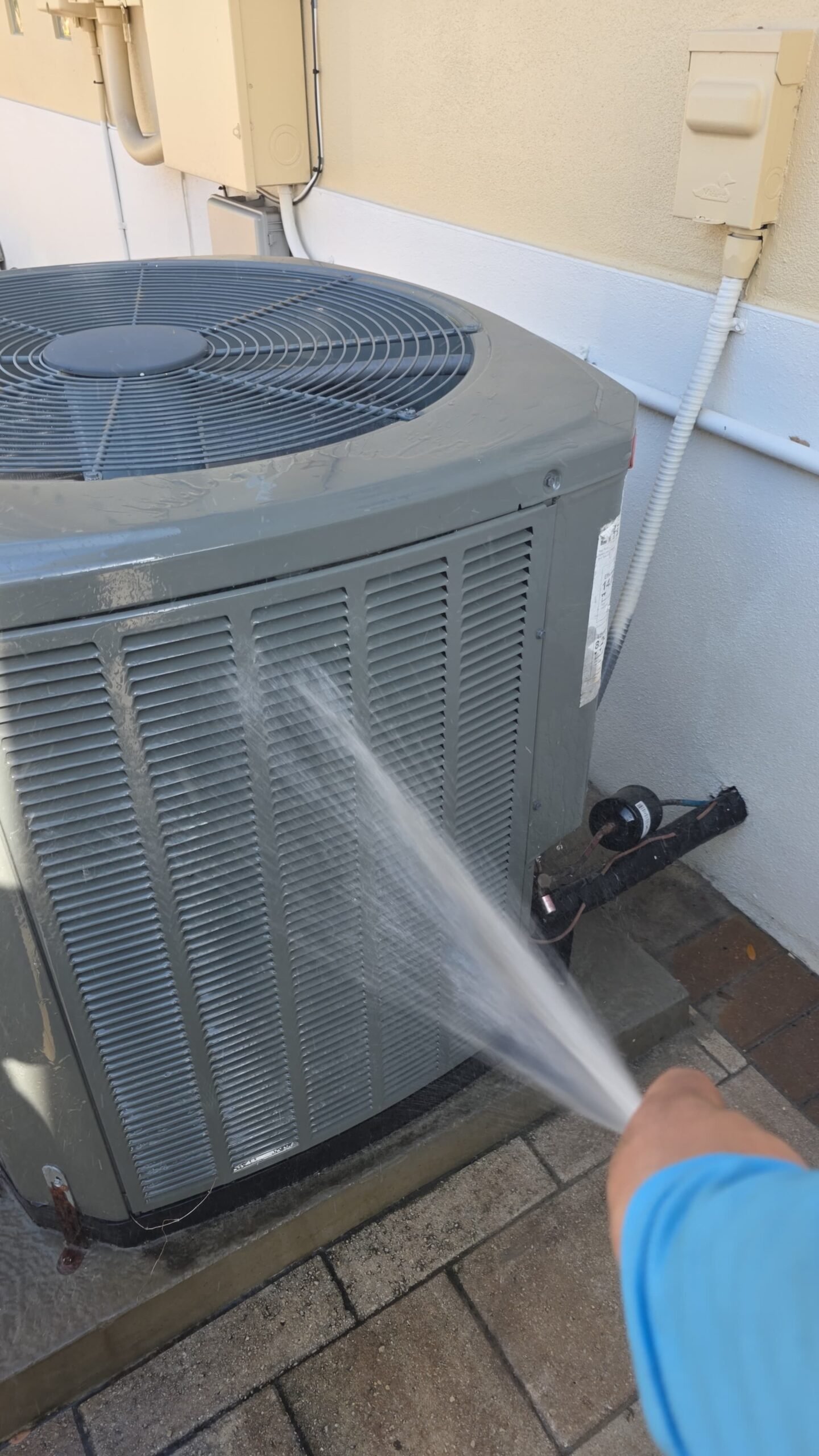
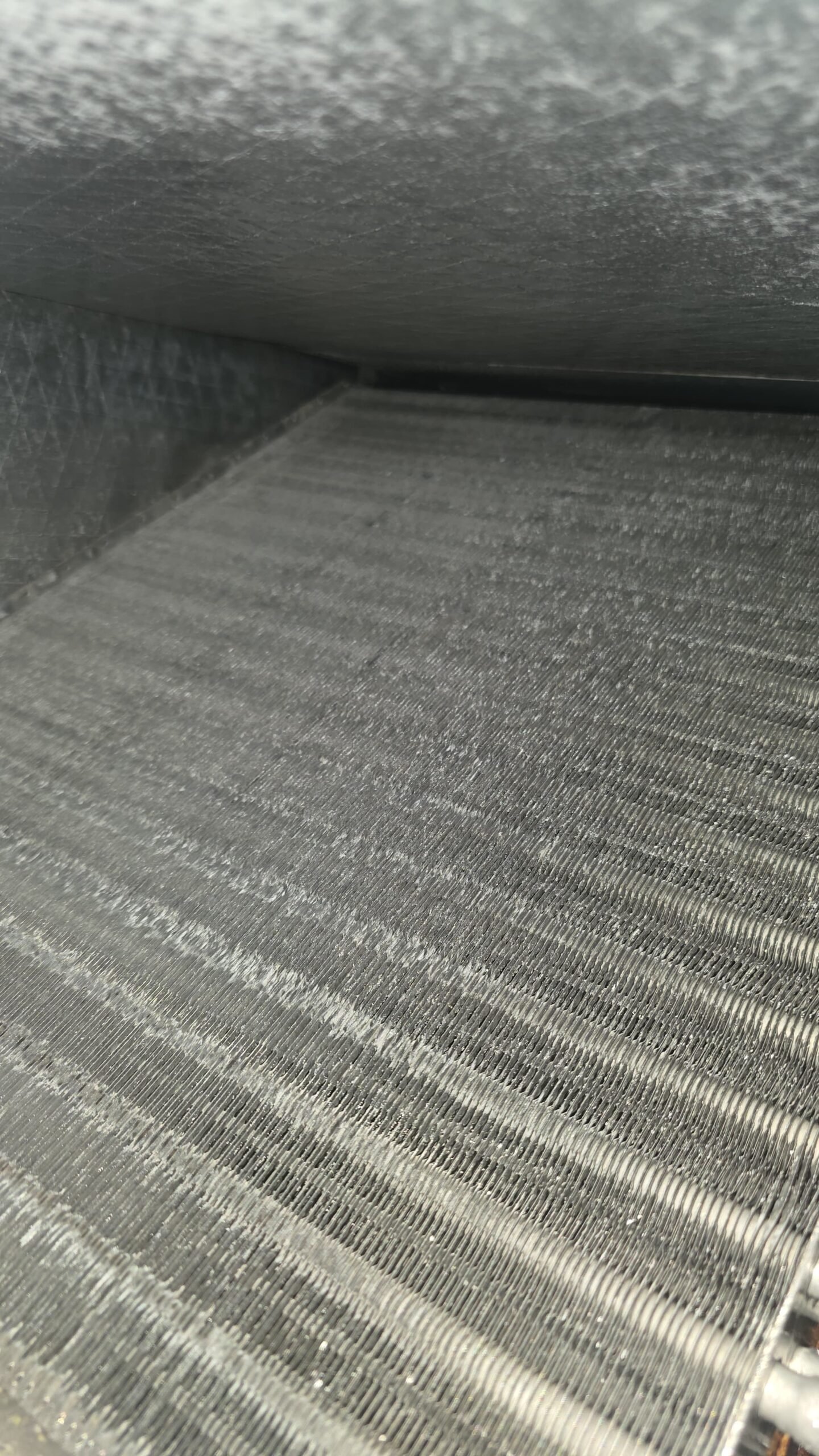
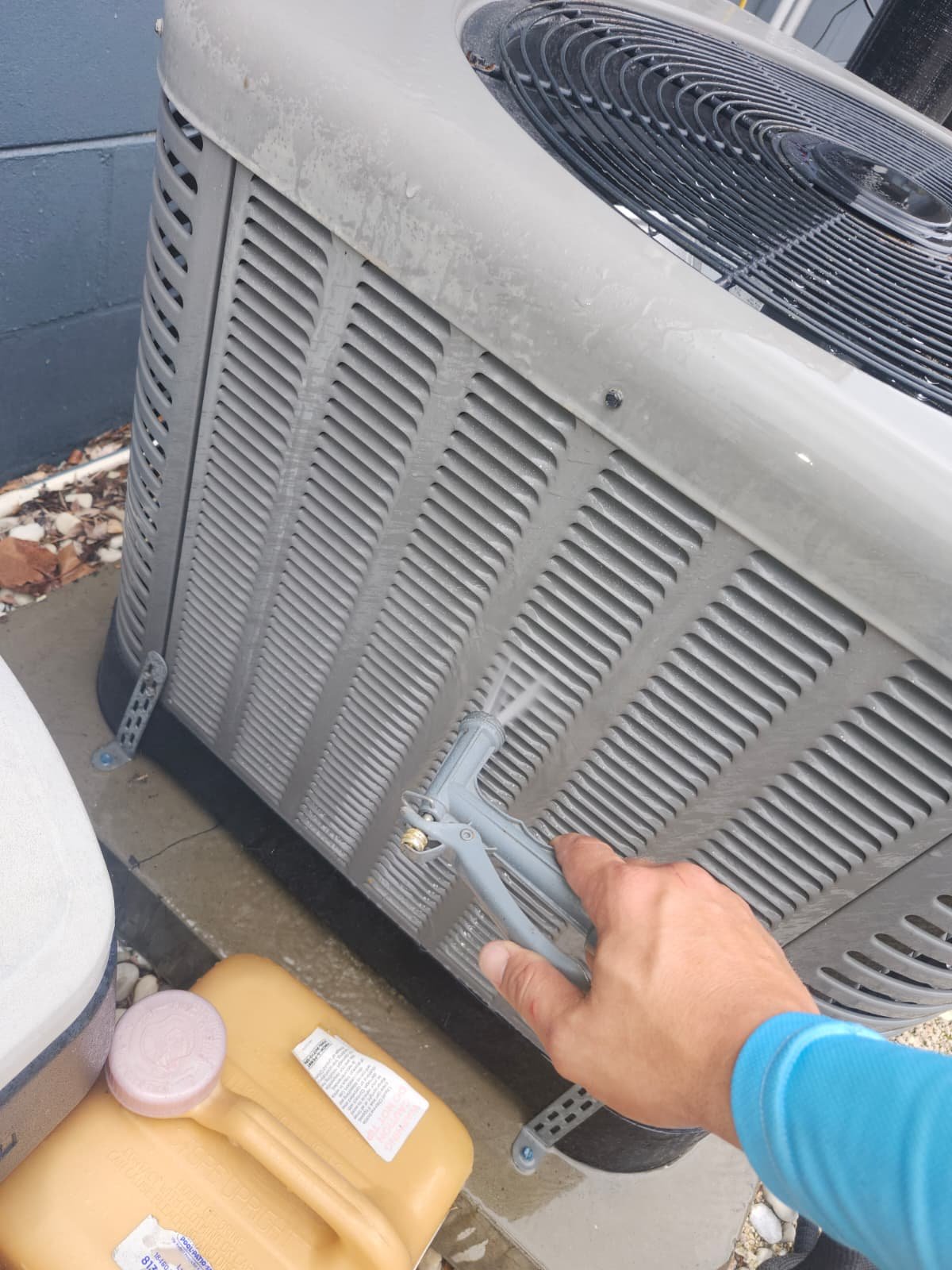
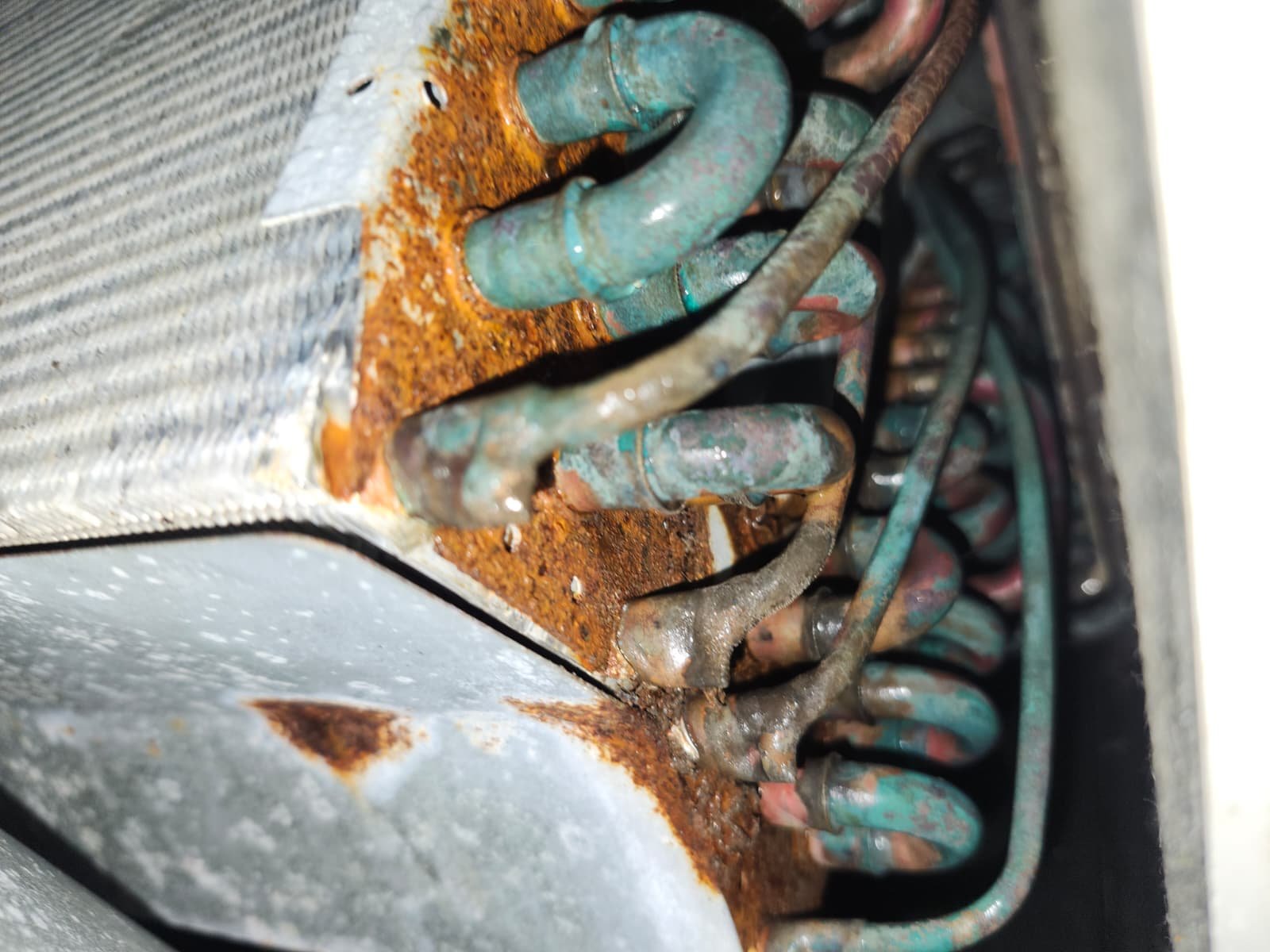
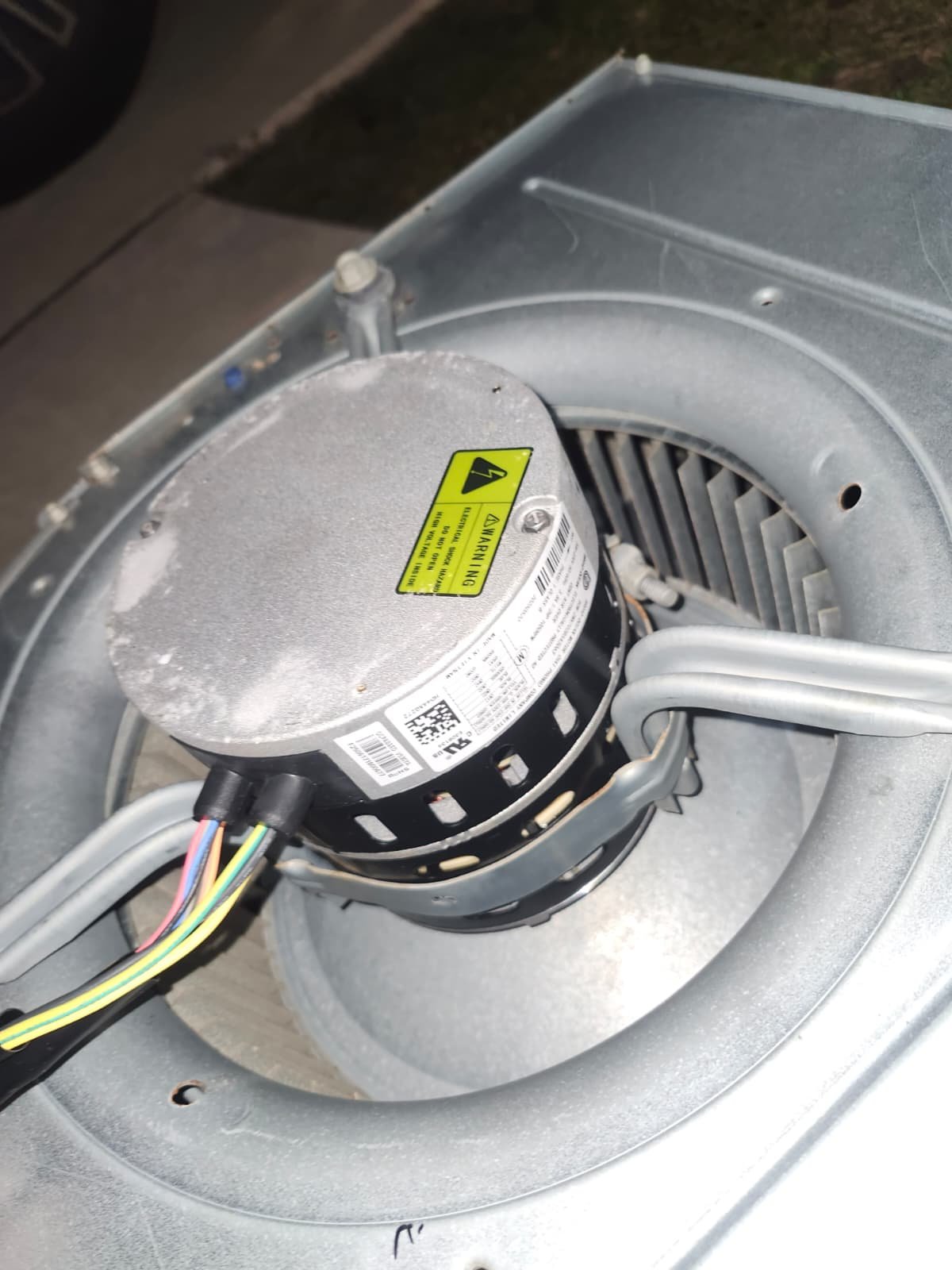
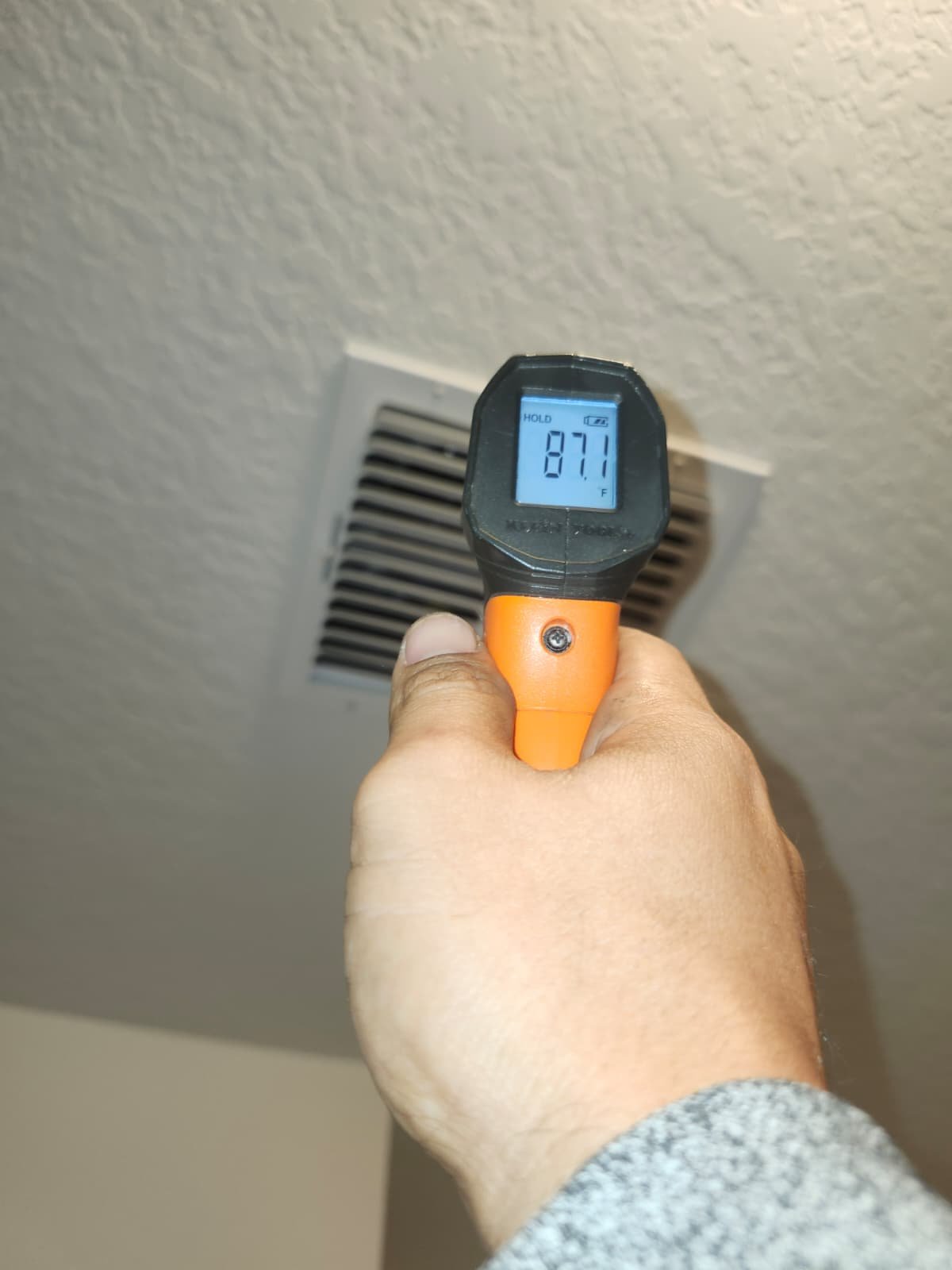
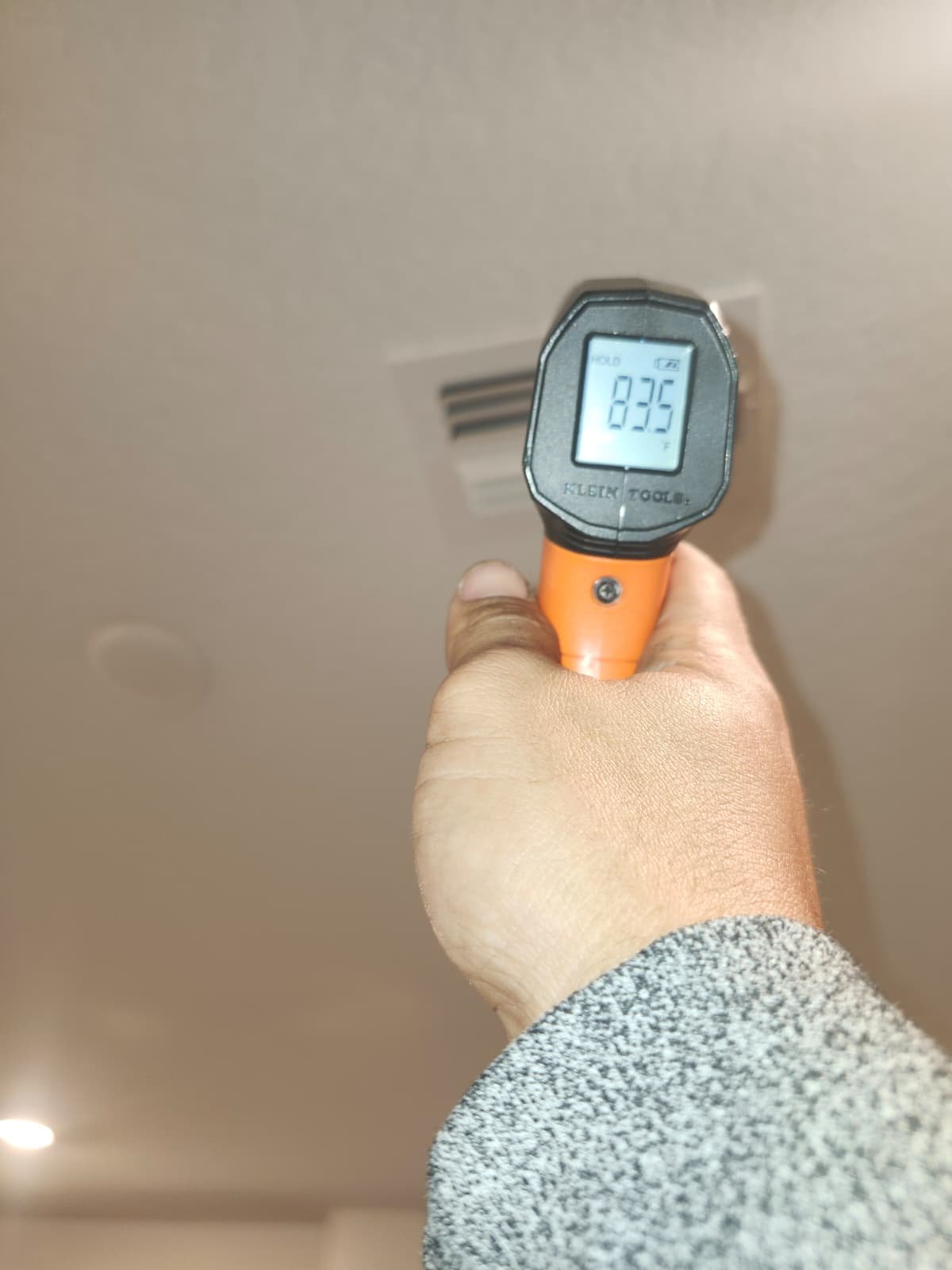
Anthony Sebba Job 4922f5124f034f6a9cac1fcf681f7f6e 3

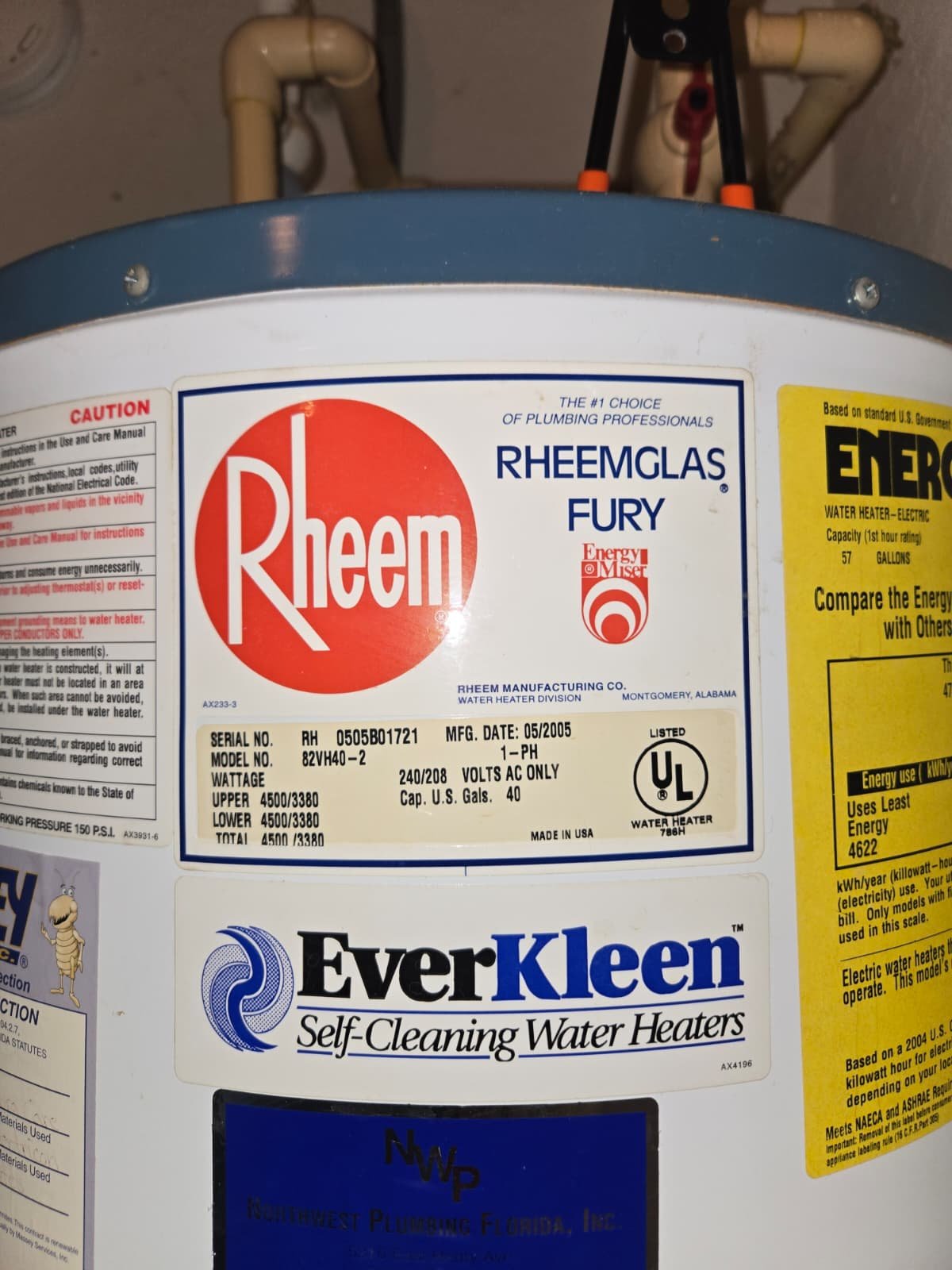
Water Heater Replacement in Dunedin, FL 34698

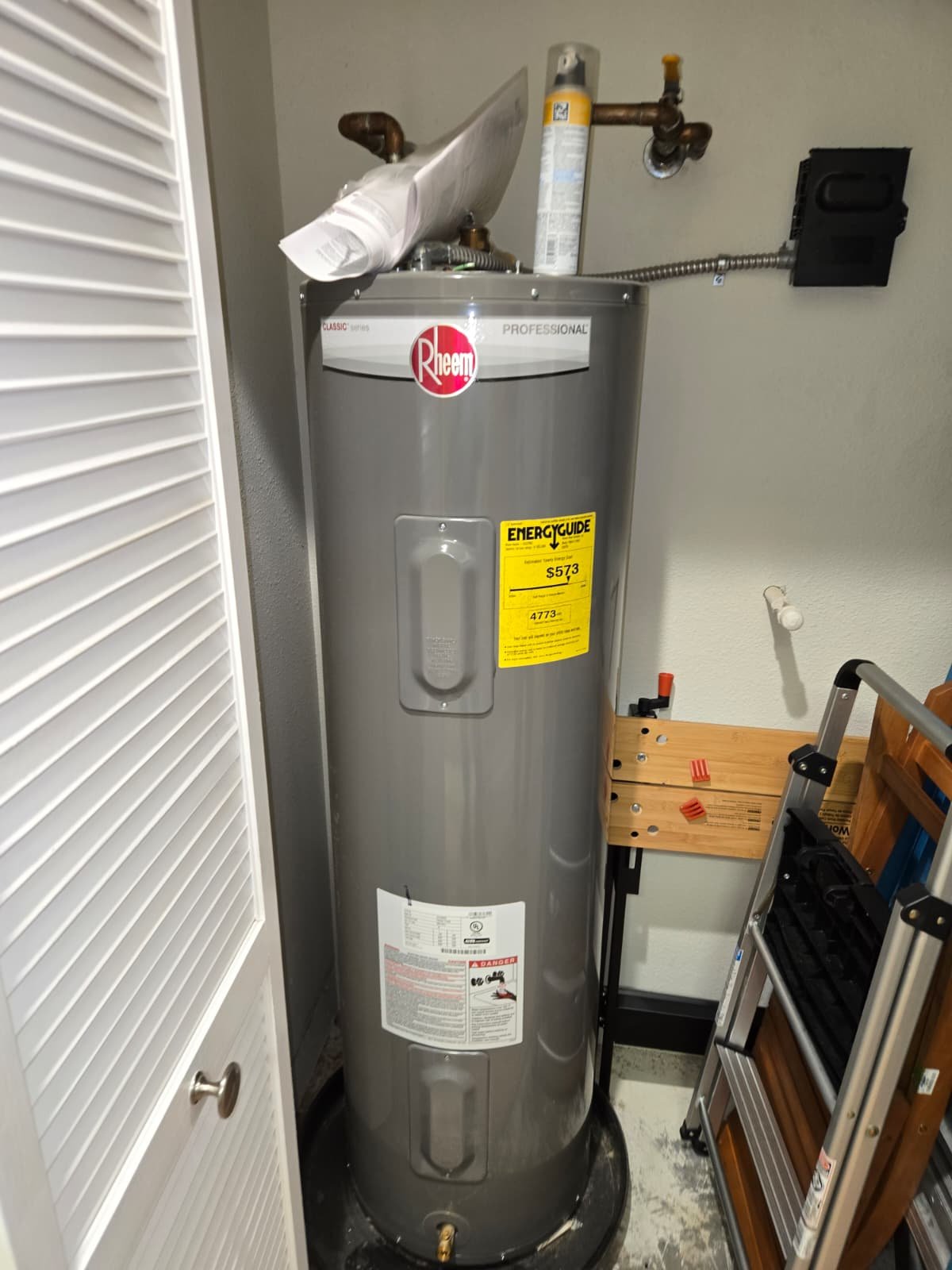
When a homeowner in Dunedin, FL 34698 reached out to us for a plumbing visit under their Value Home Therapy Plan, their main concern was the condition of an aging water heater and the overall health of their home’s plumbing. Hot water is something you notice most when it is not working properly, and in Florida’s humid climate, comfort and reliability matter every single day.

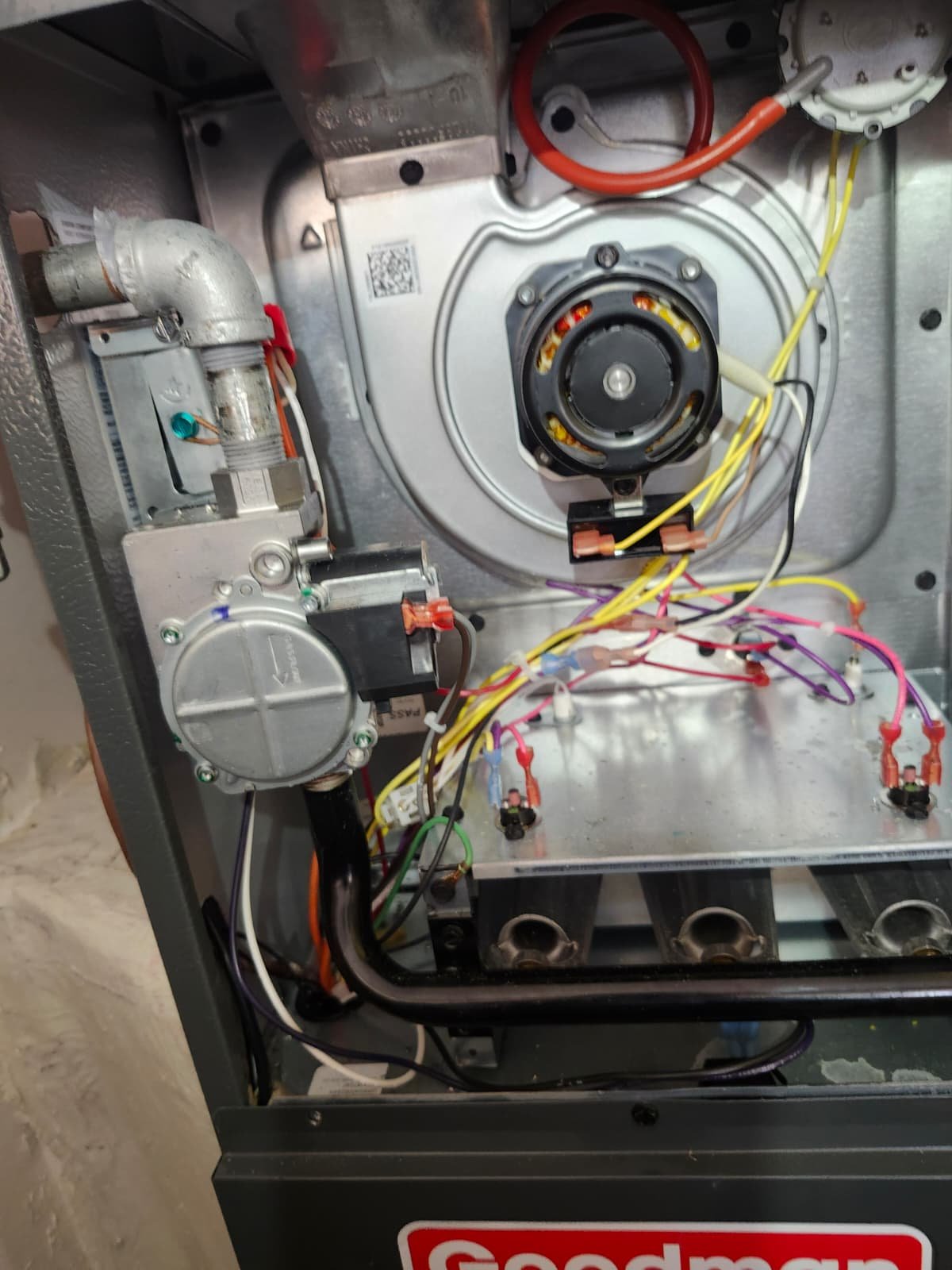
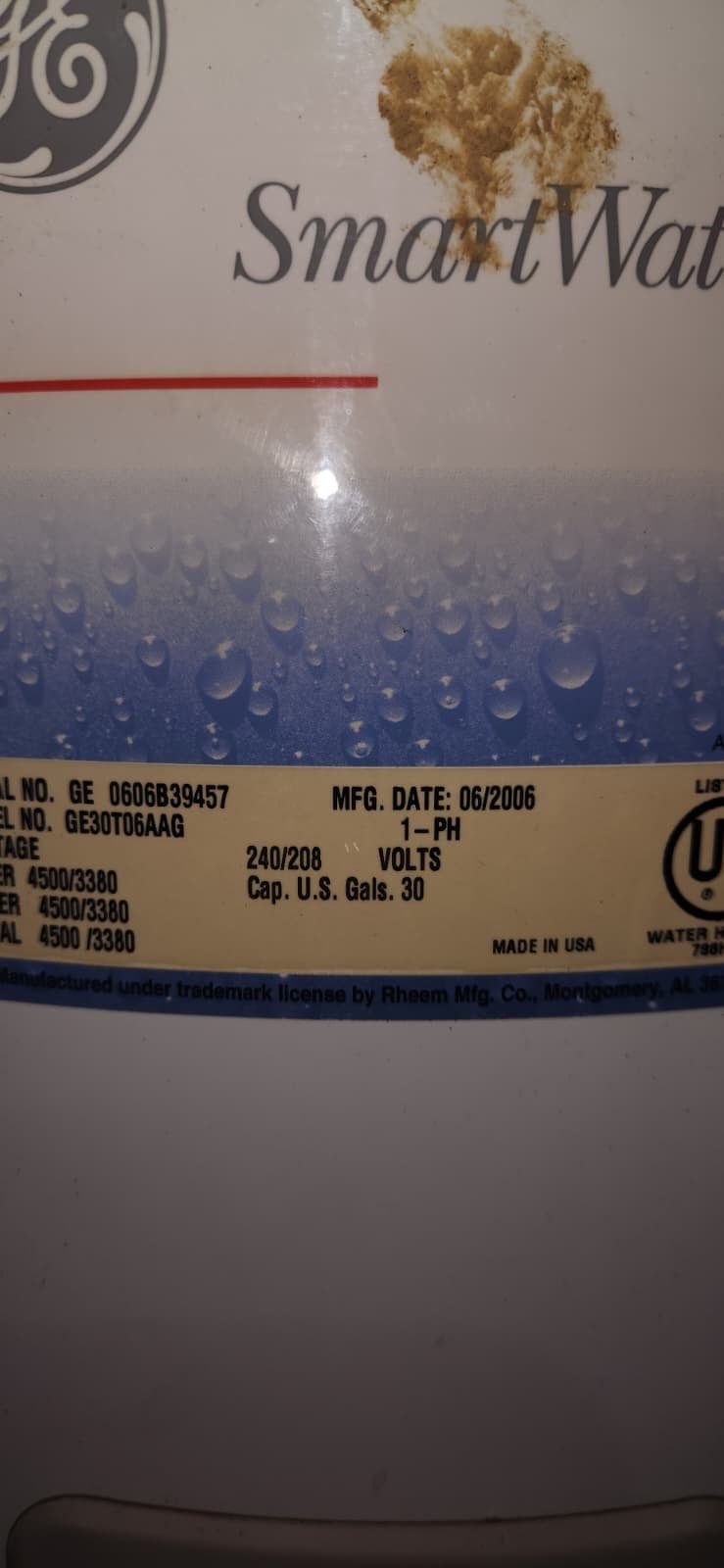
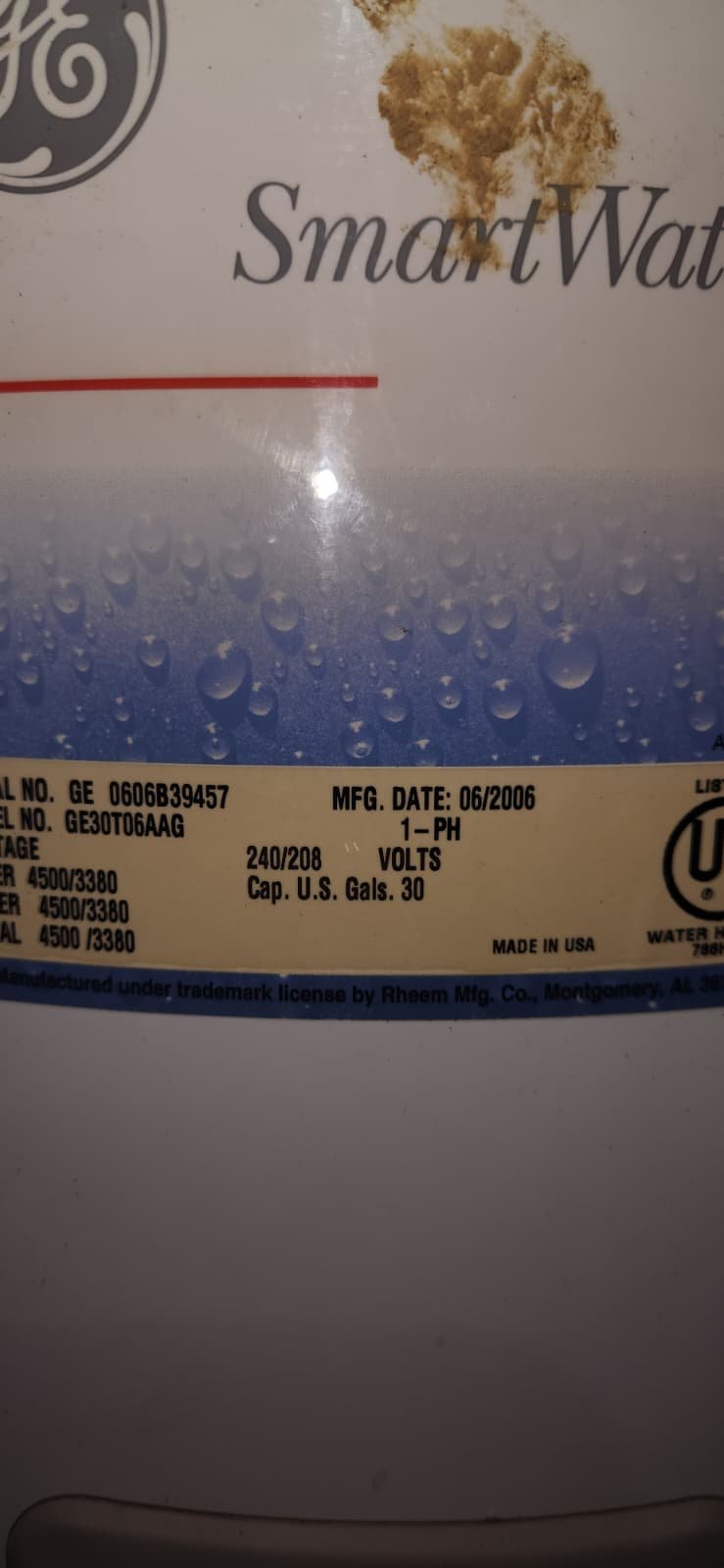
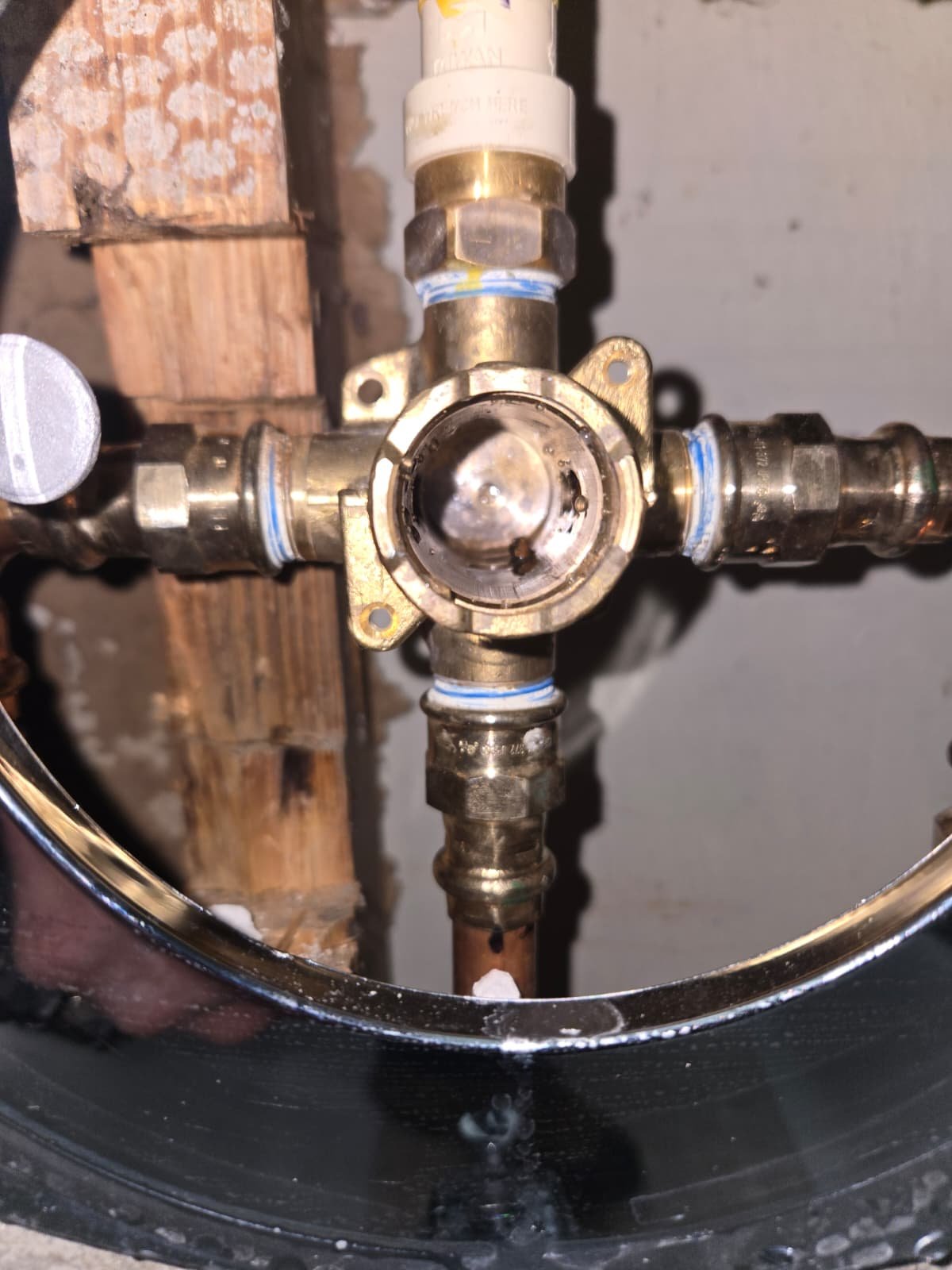
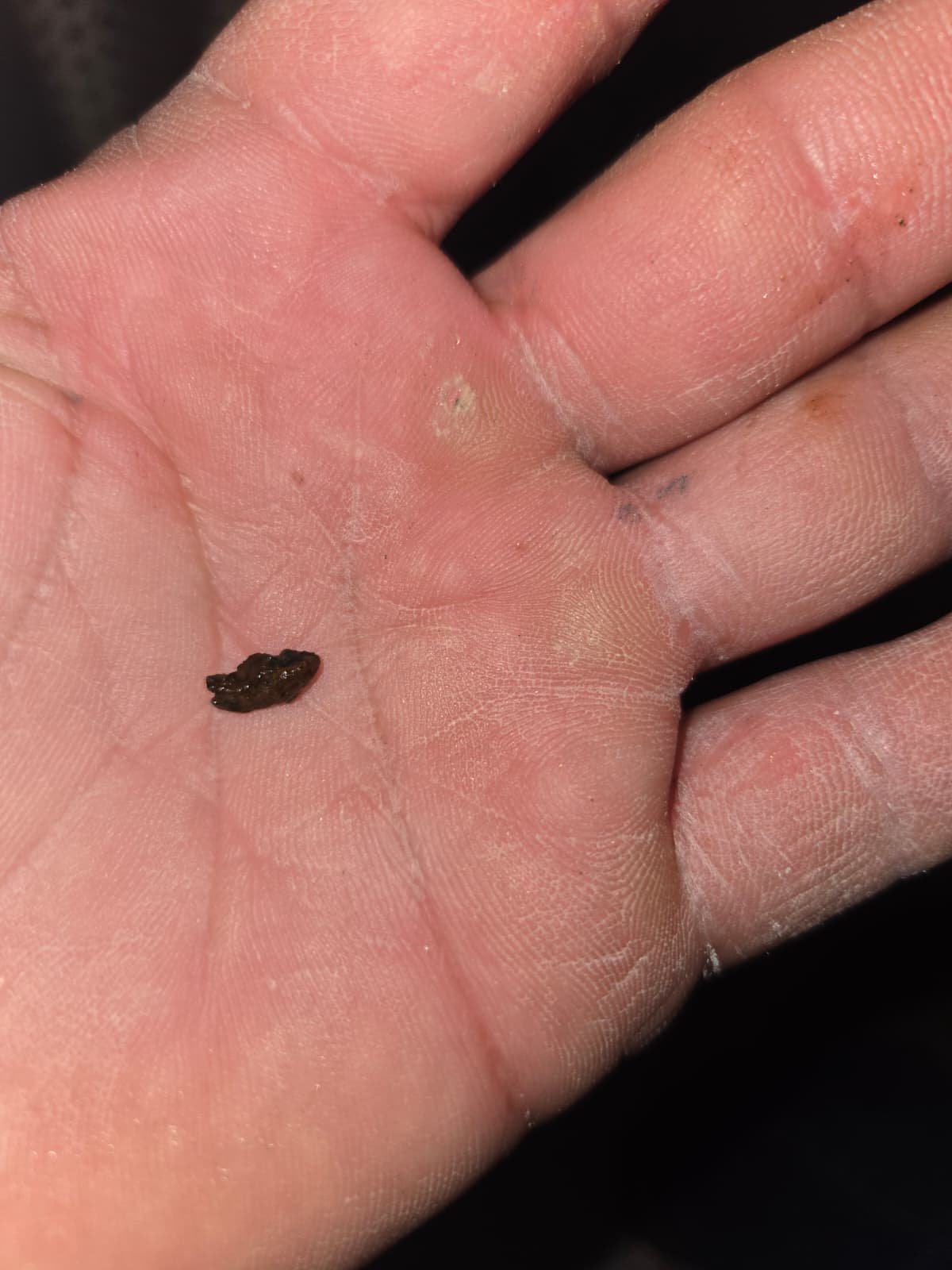
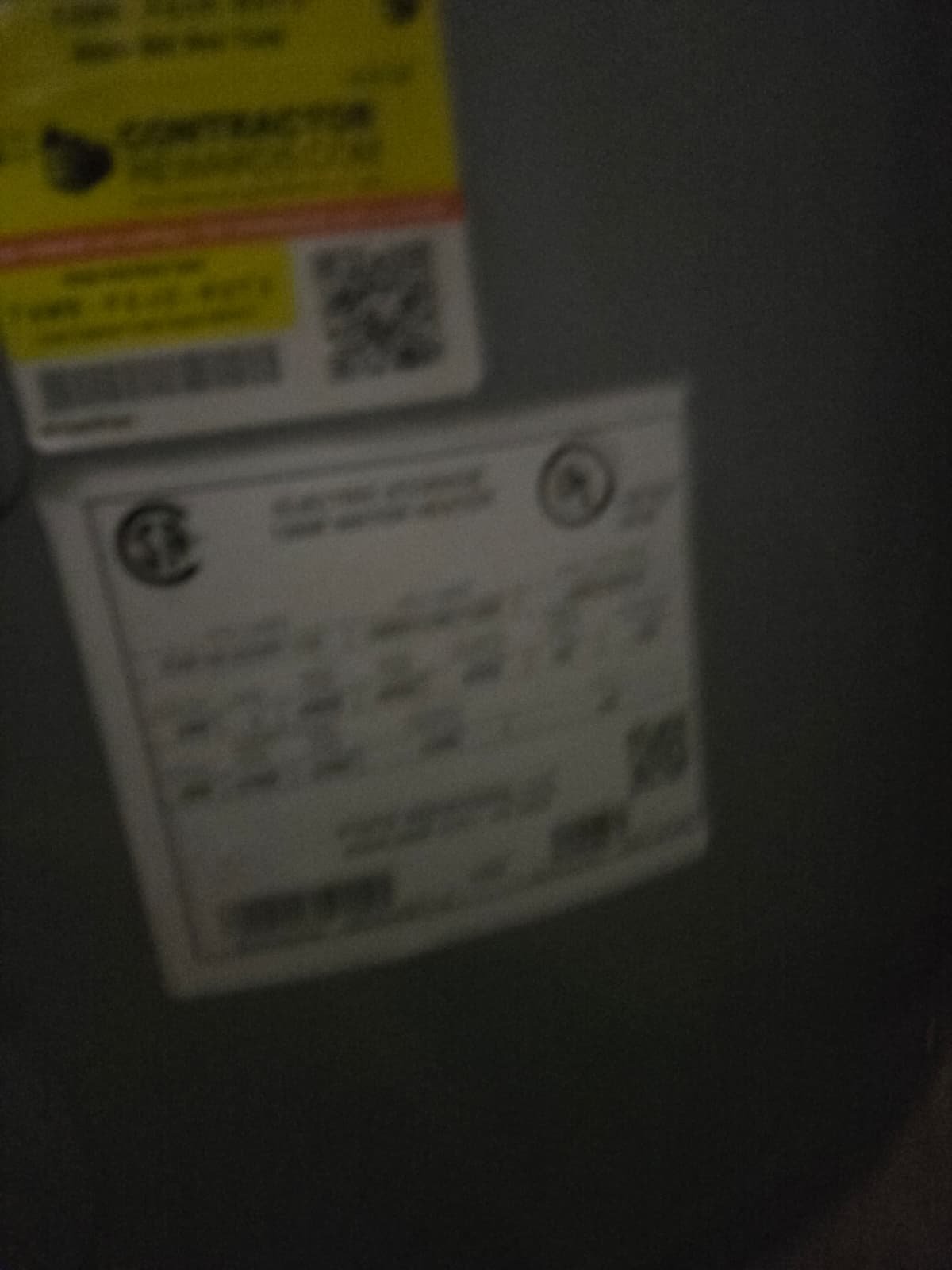
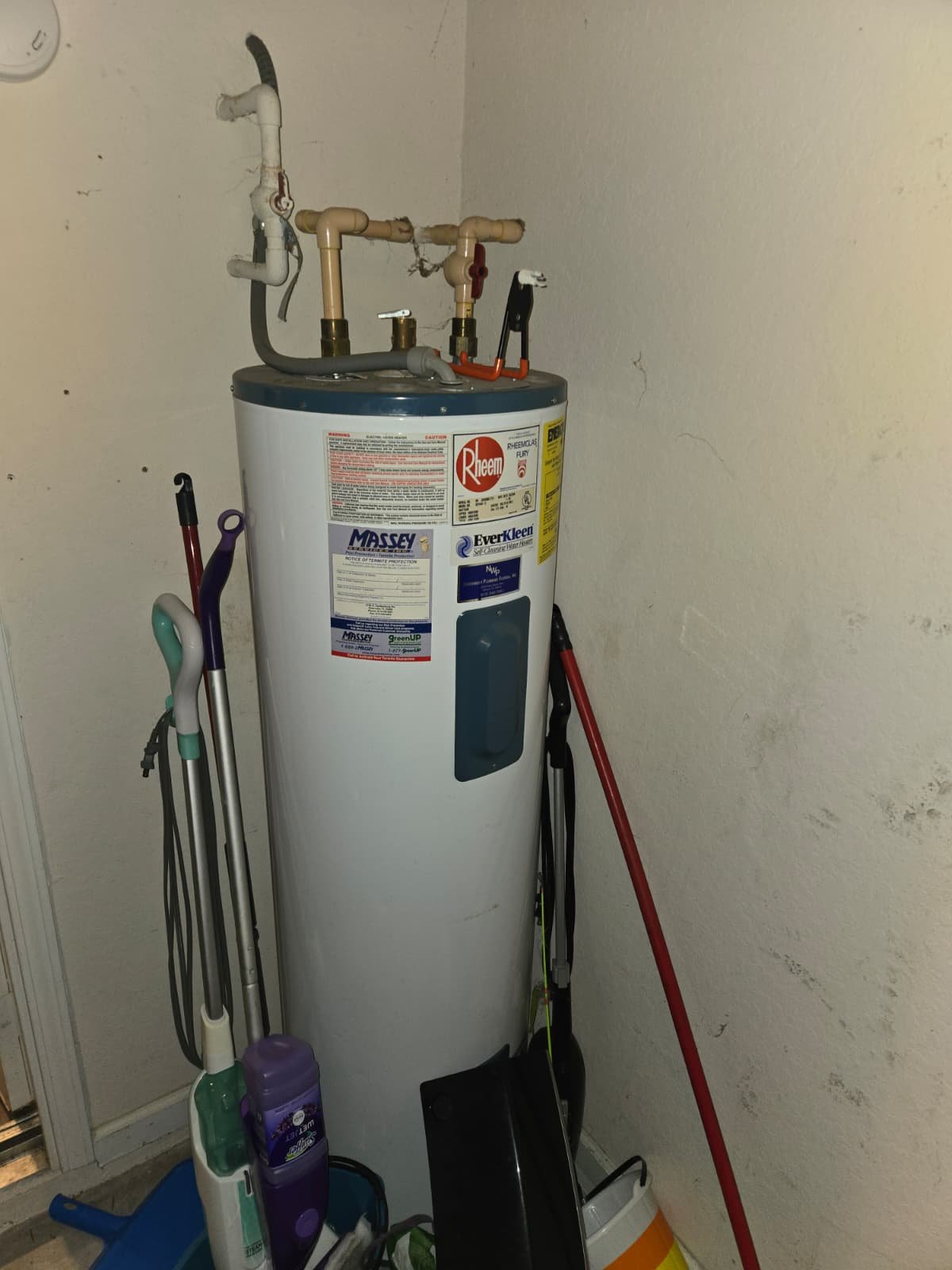
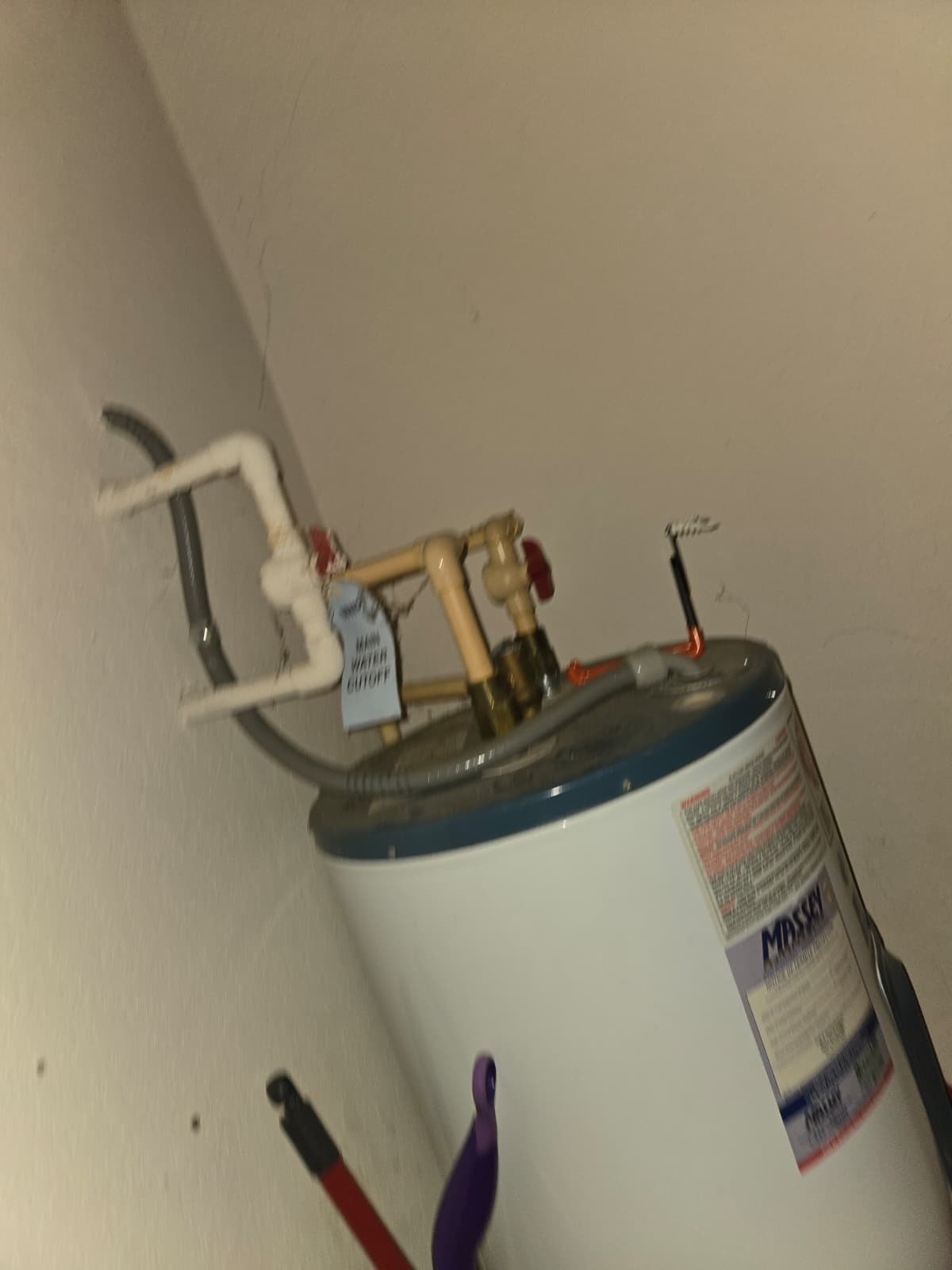
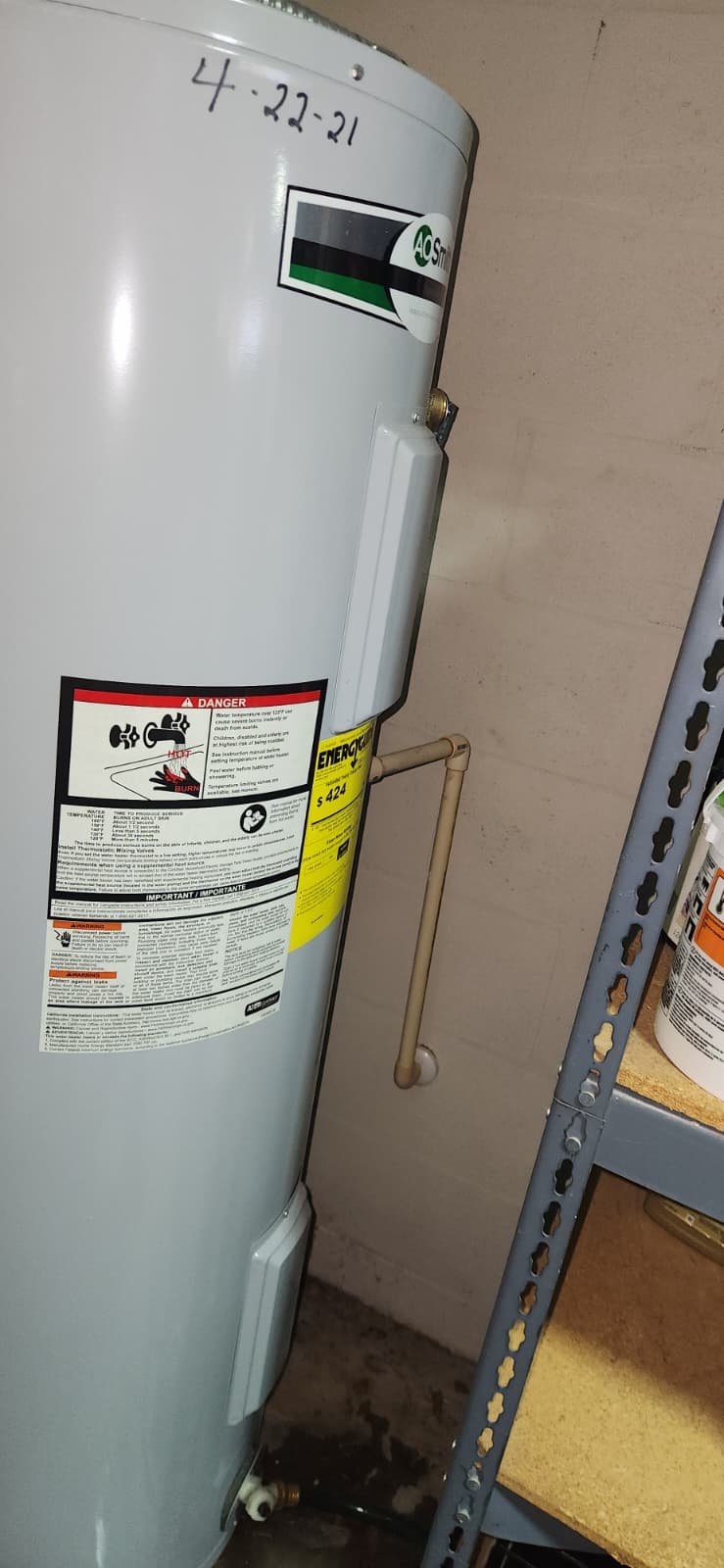
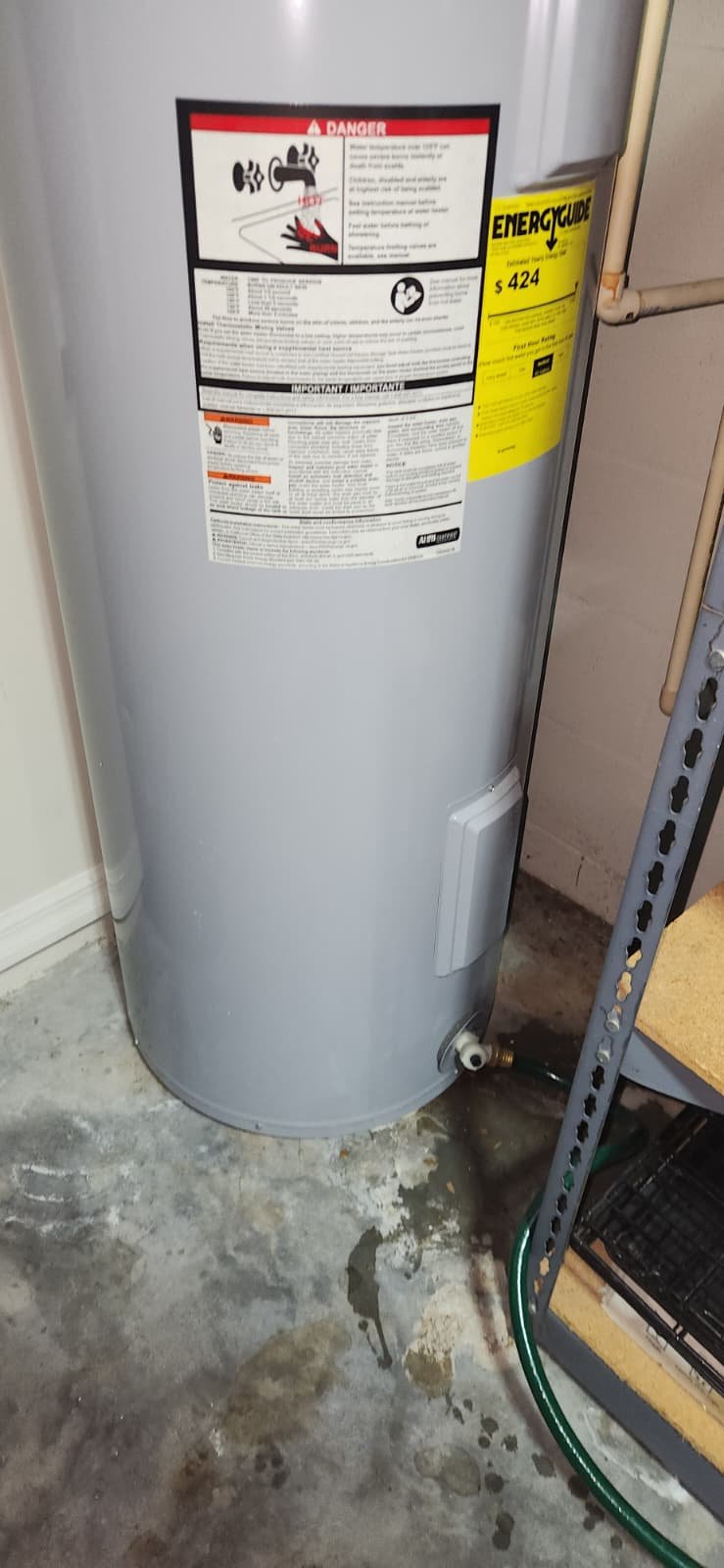
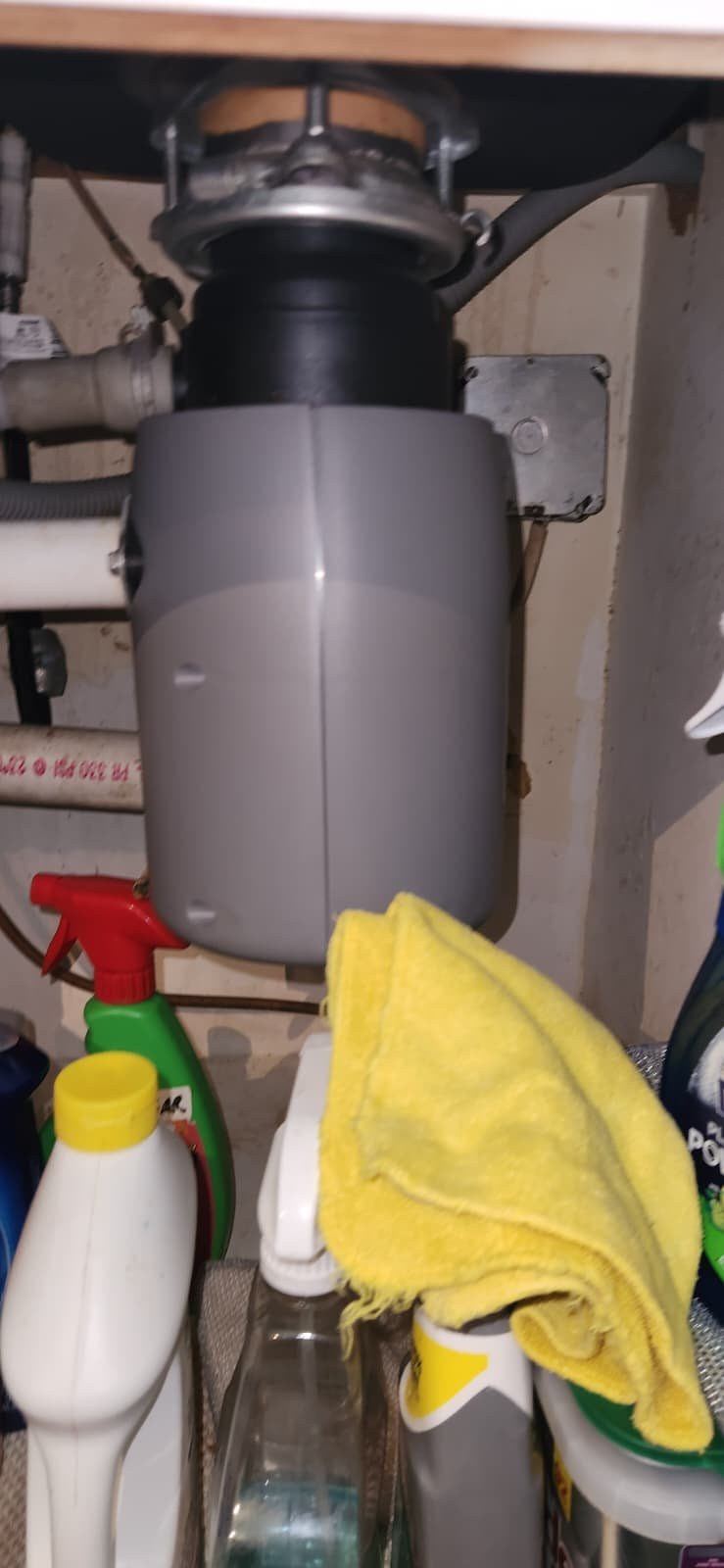
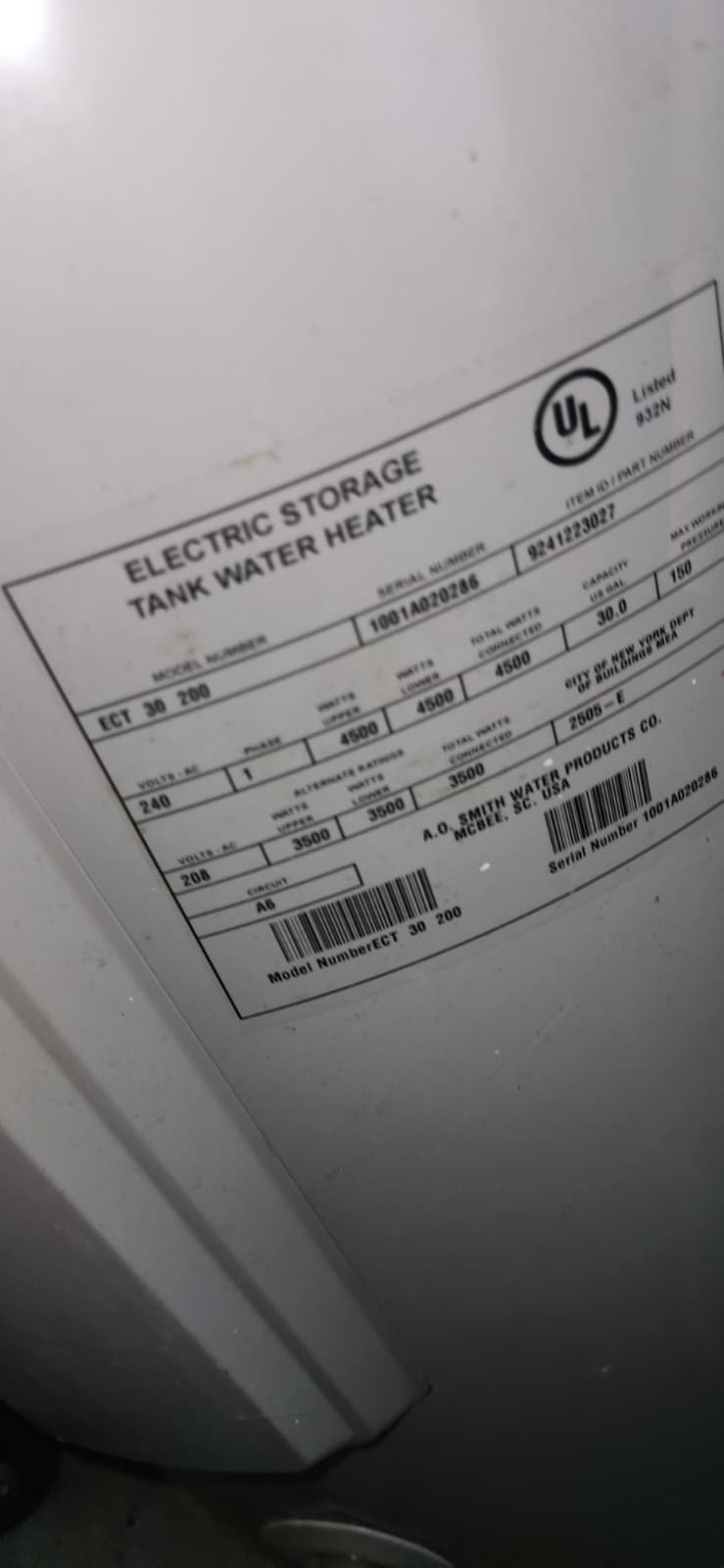
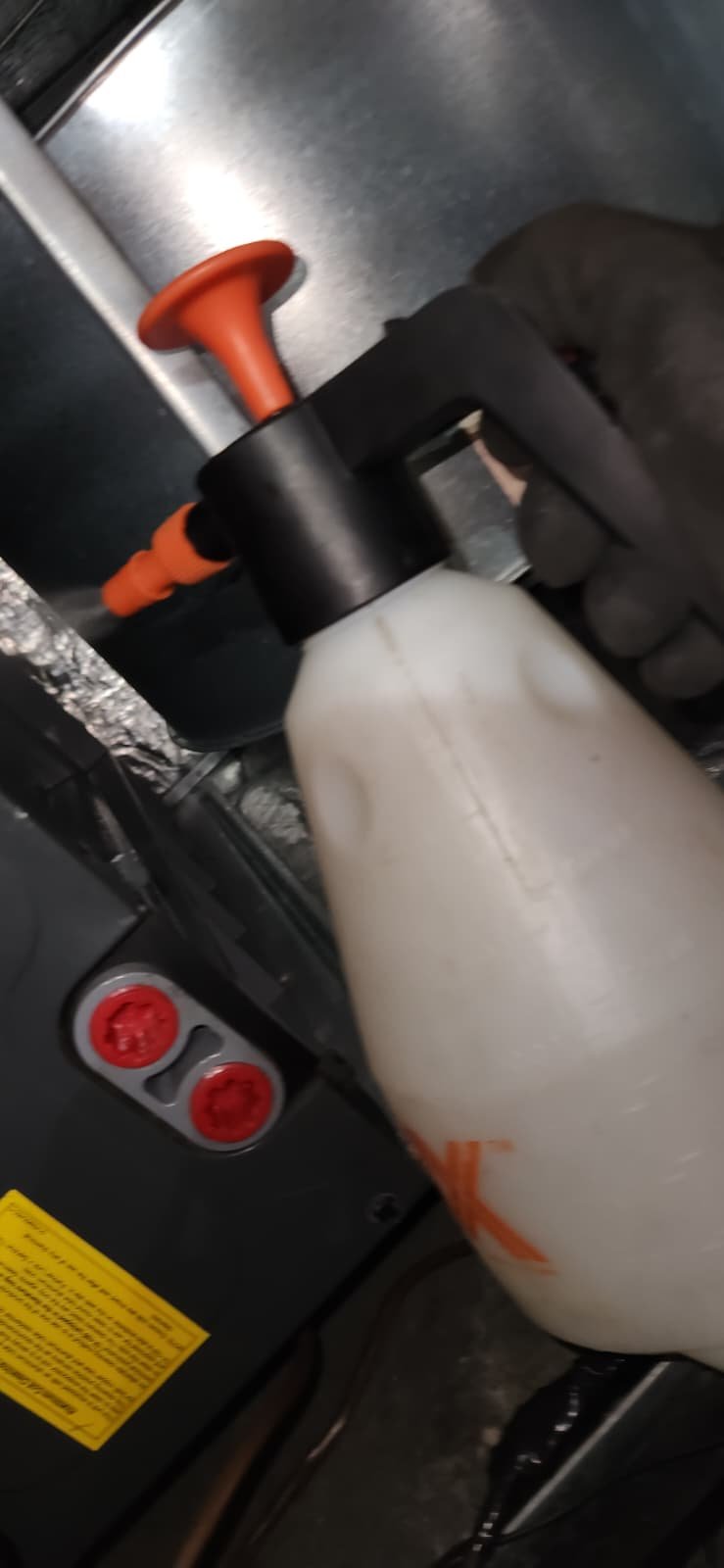
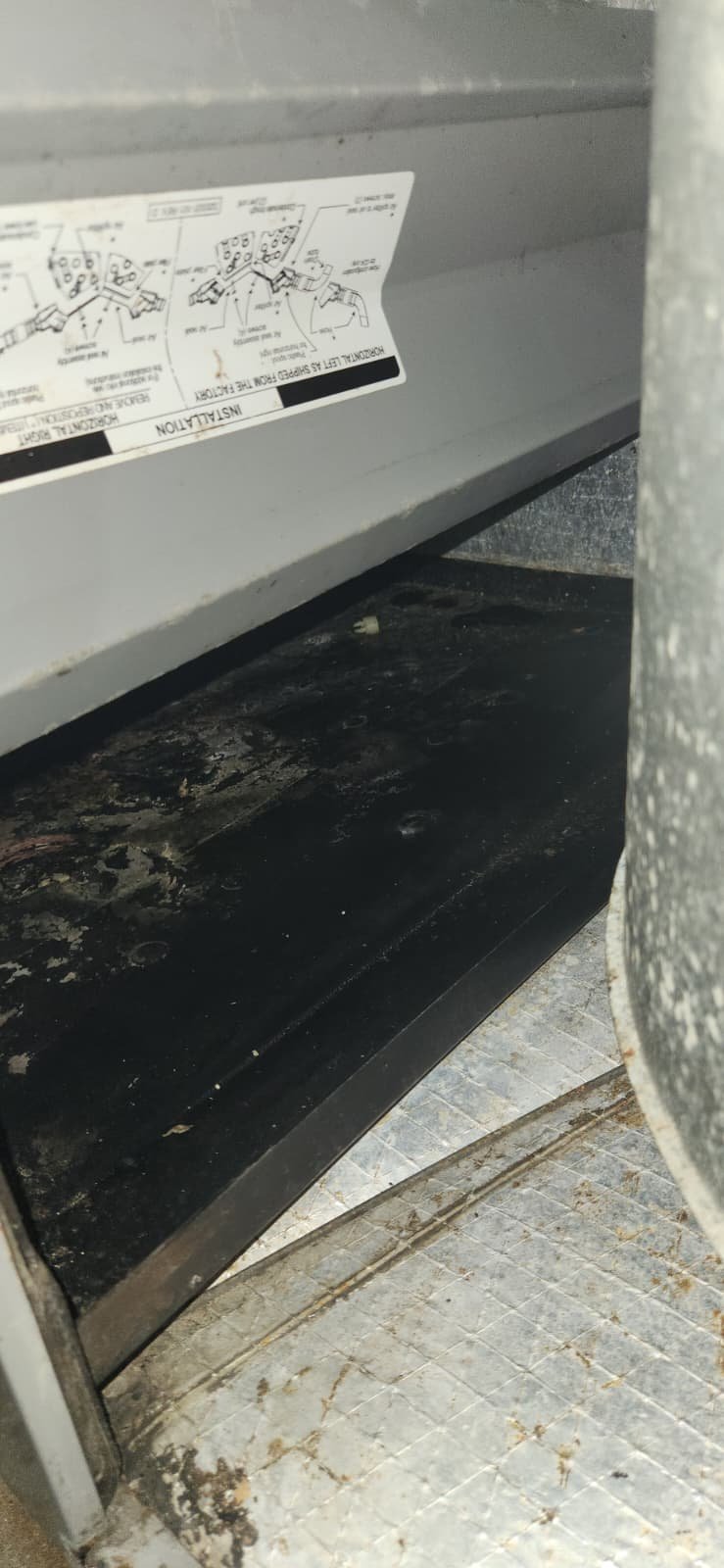
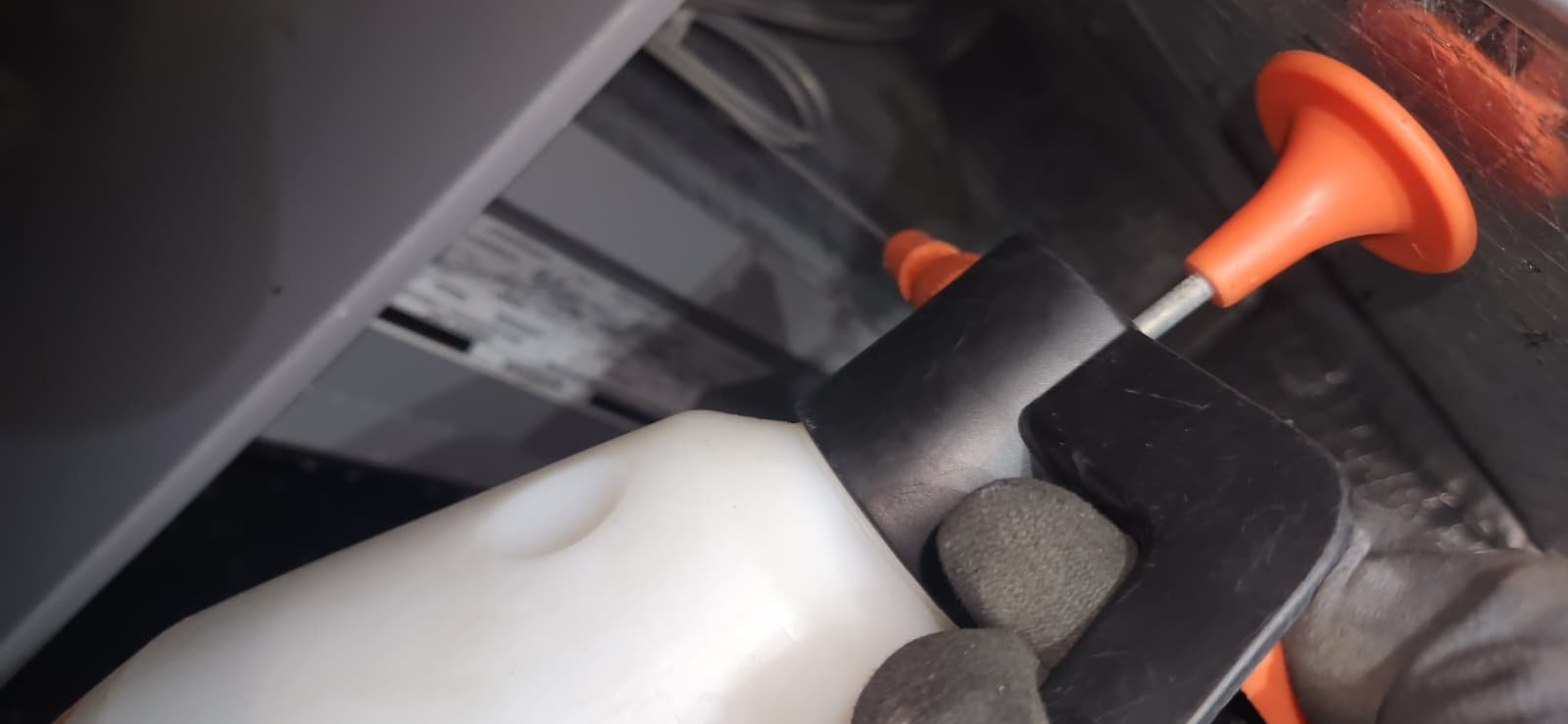
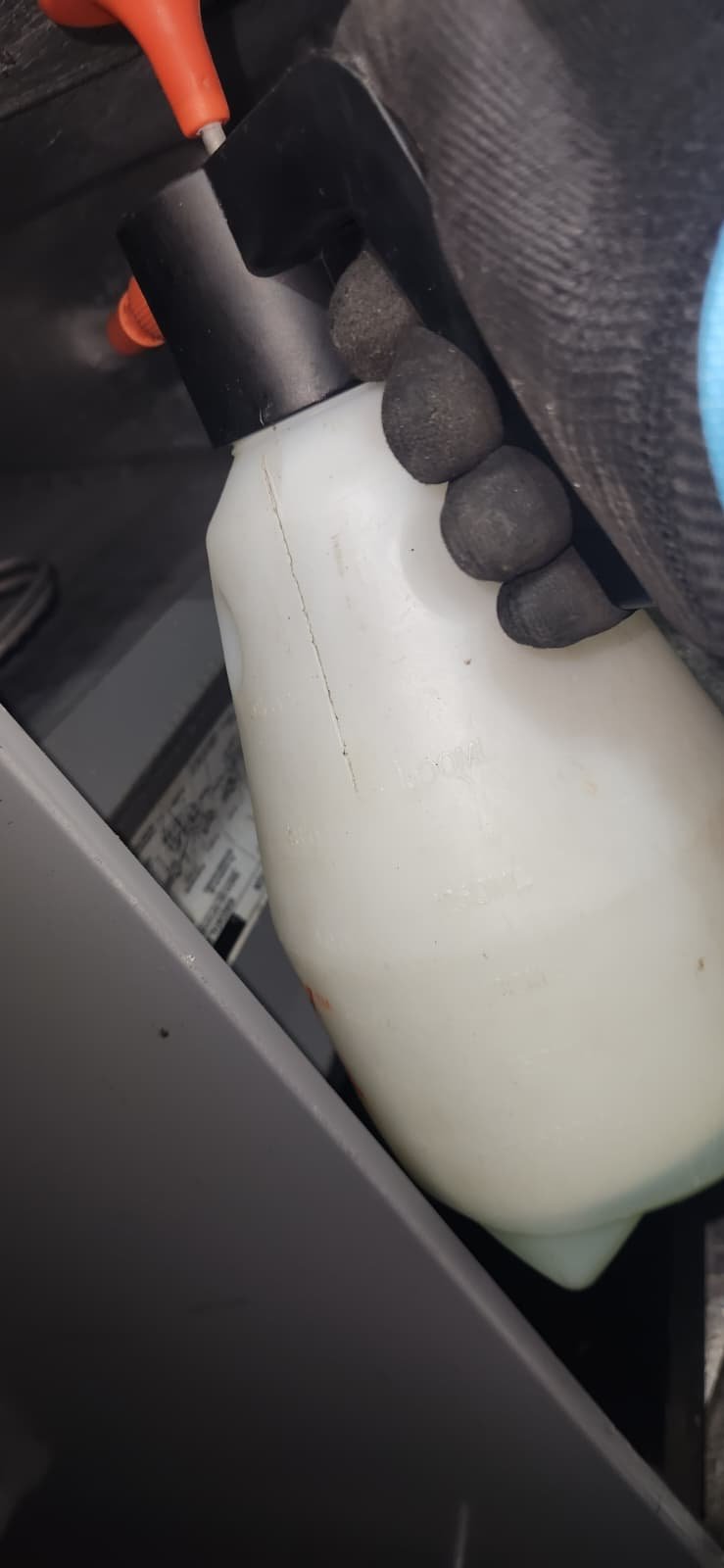
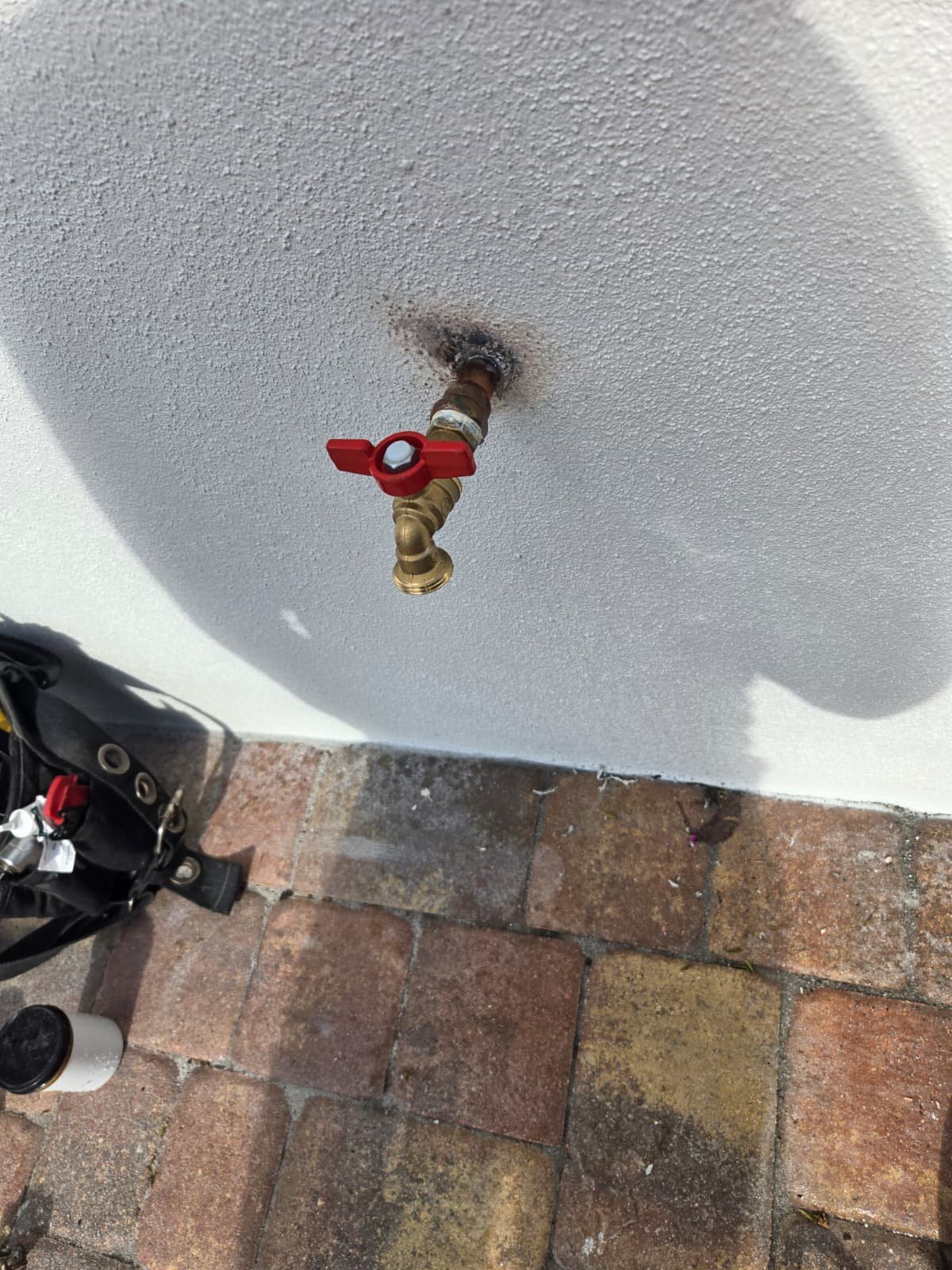
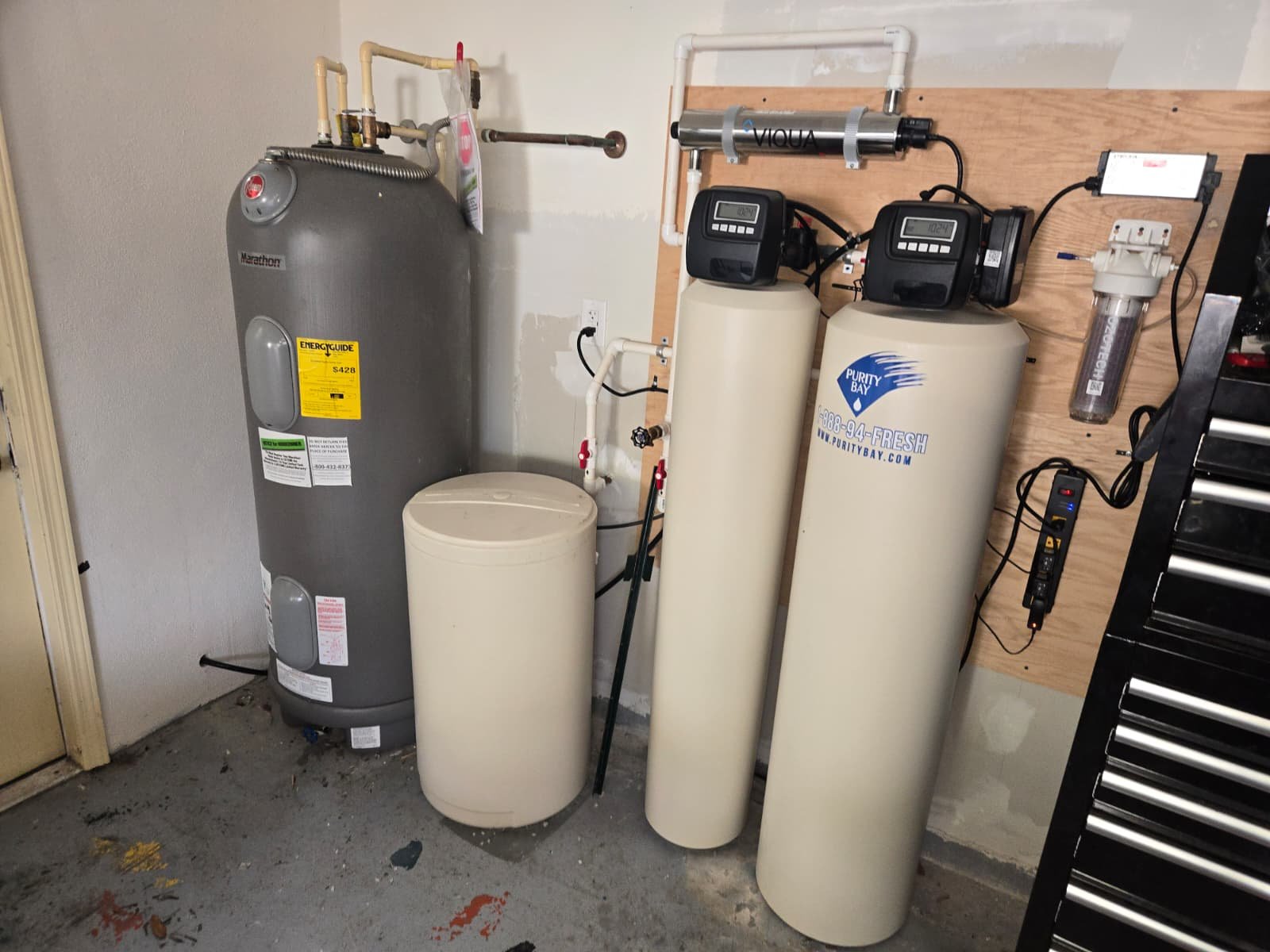
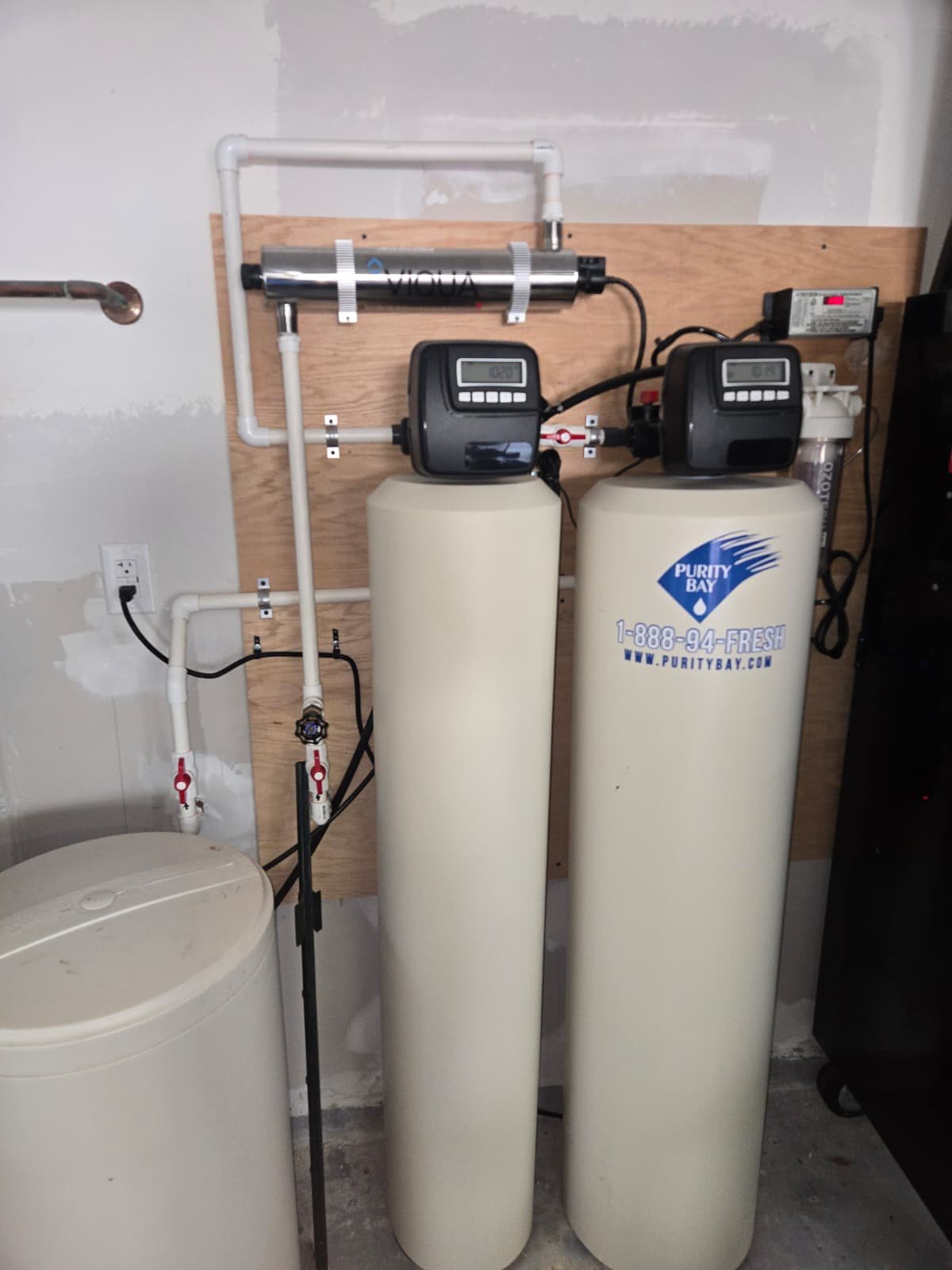
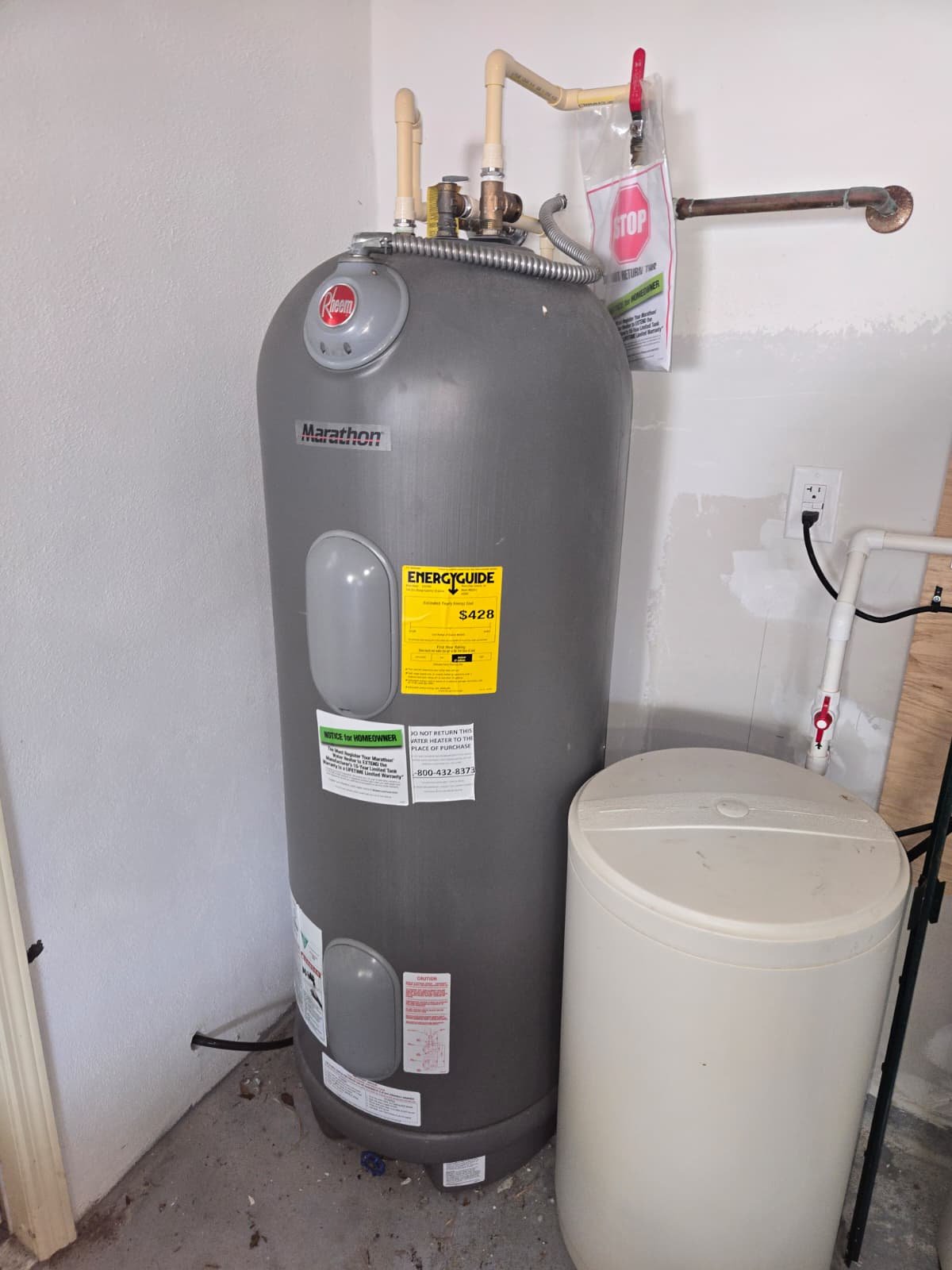
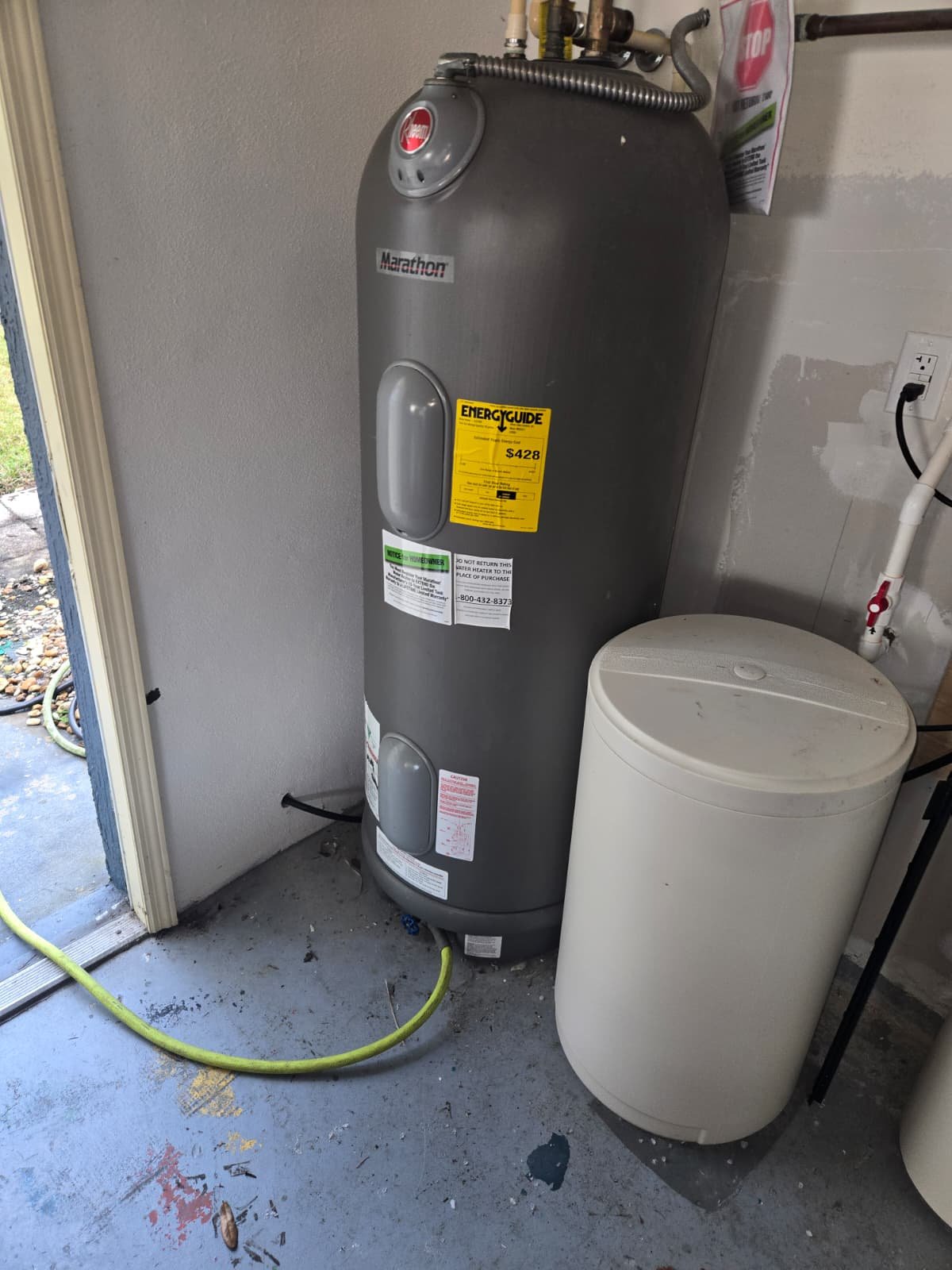
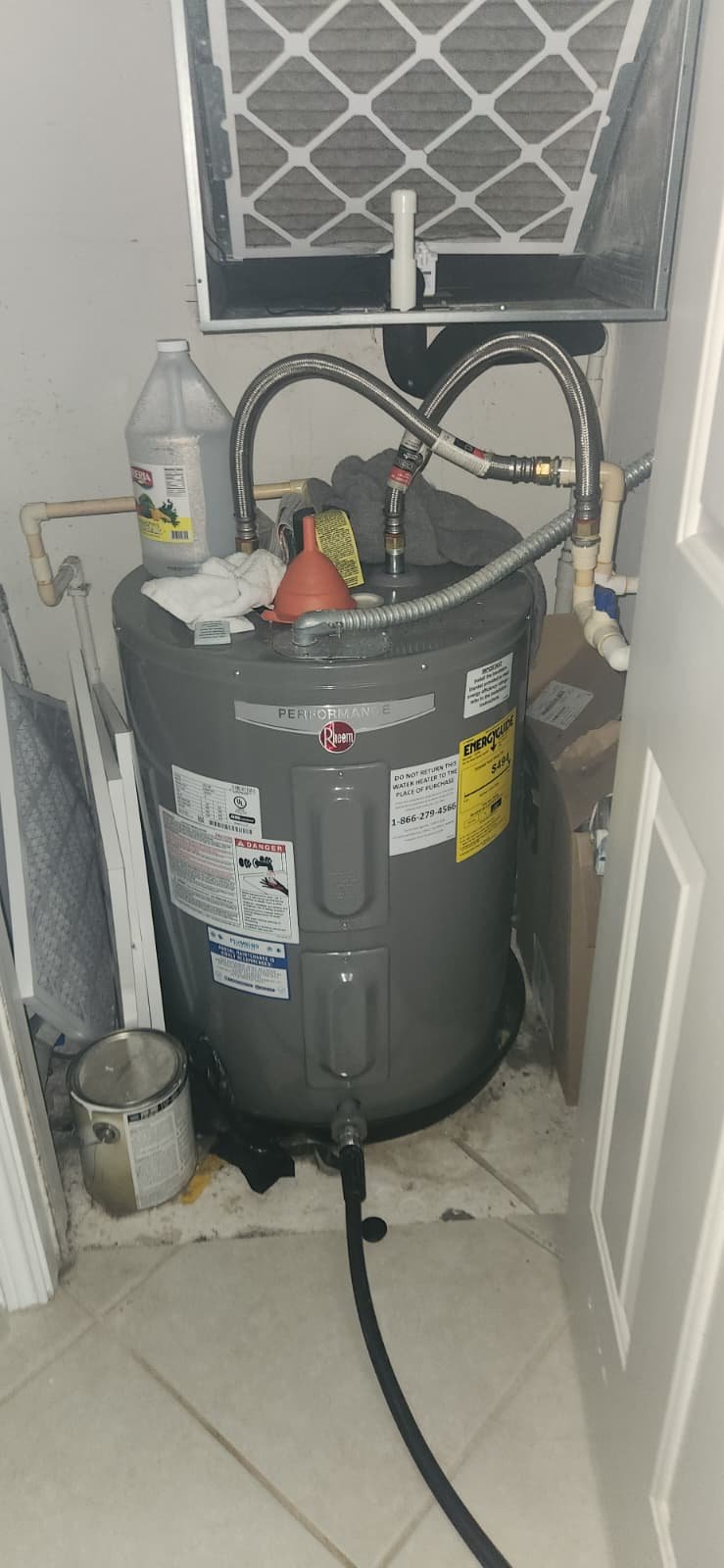
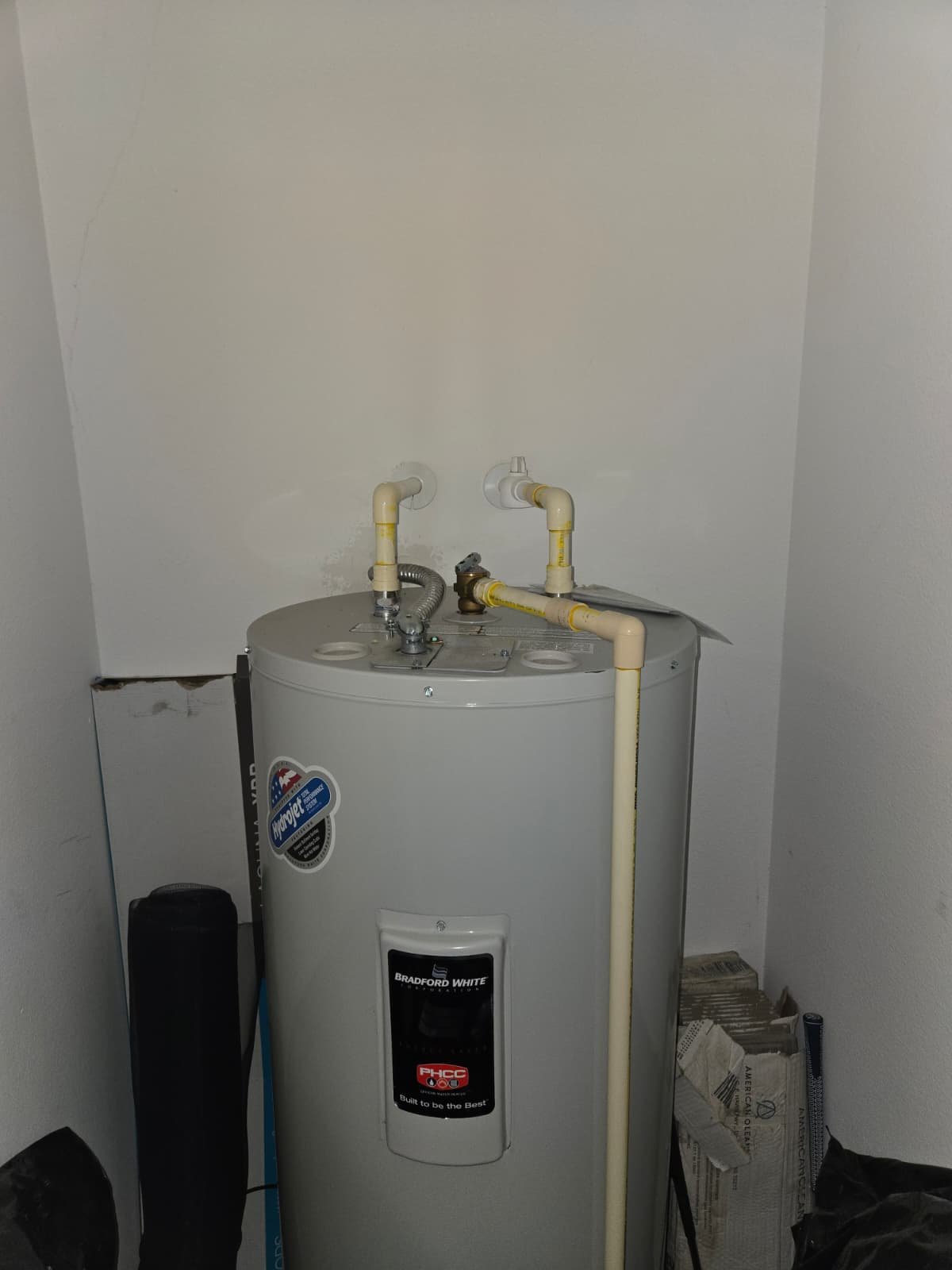
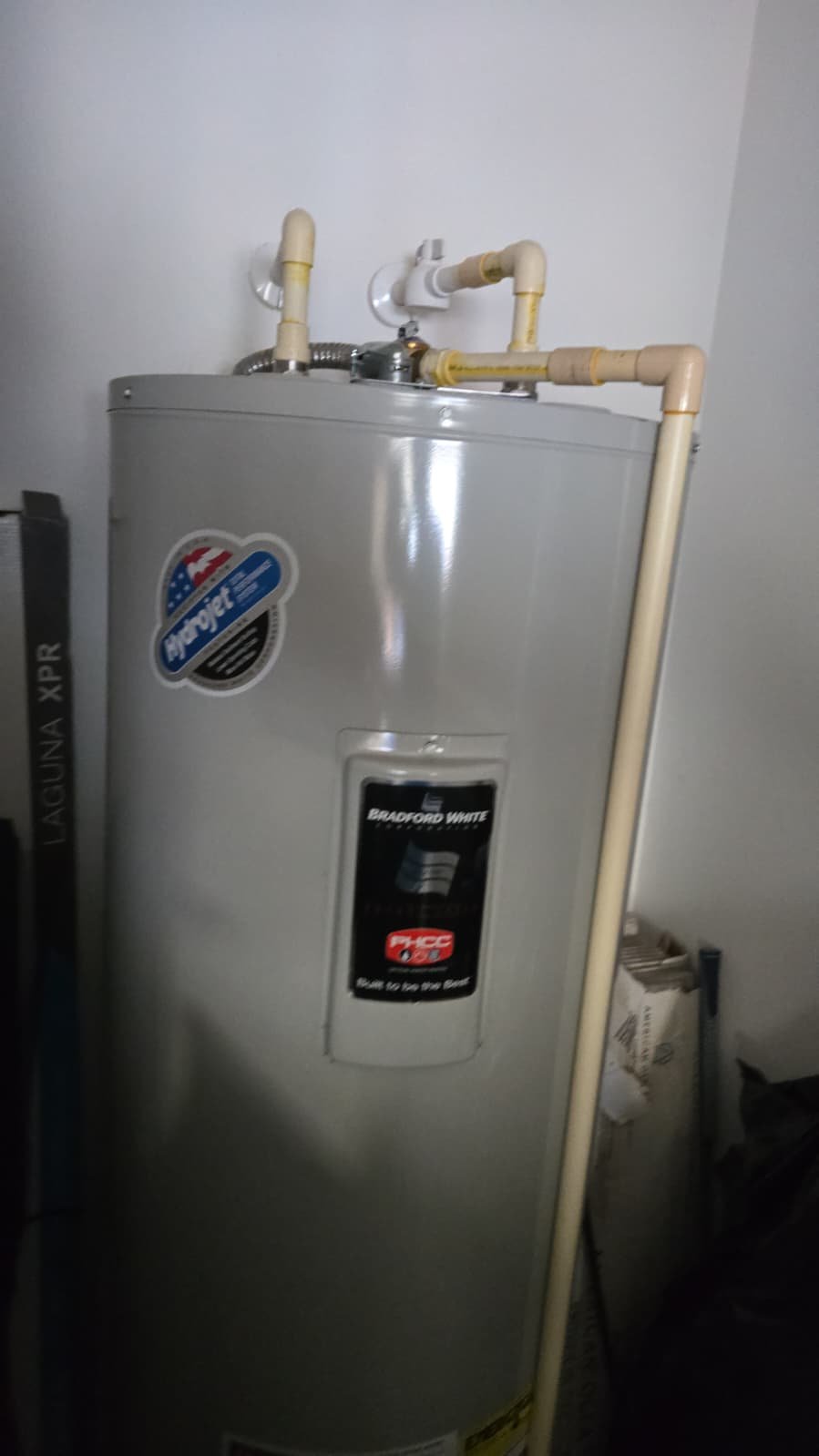
During this visit, our technician performed a full inspection of the water heater and plumbing system. We found a unit that had reached the end of its serviceable life, with heavy internal sediment buildup and significant wear. Because of the deterioration inside the tank, a standard flush was no longer a safe or effective option. The best path forward for this homeowner in Dunedin was to plan for a new, high-efficiency water heater that would restore dependable hot water and improve energy performance.

Case Recap

  • Location: Single-family home in Dunedin, FL 34698
  • Service: Value Home Therapy Plan plumbing visit focused on water heater and overall plumbing health
  • Main issue: Water heater extremely aged, with heavy internal sediment and wear
  • Key finding: Tank condition too poor for a standard flush or meaningful maintenance
  • Recommendation: Replace with a new, high-efficiency water heater
  • Outcome: Homeowner given clear options and a proactive plan to avoid sudden failure

Customer Problem

The homeowner in Dunedin contacted us because they wanted peace of mind about their plumbing system, especially the water heater. Over time, they had noticed small signs that things weren’t quite right—slower hot water delivery, occasional temperature inconsistencies, and the natural concern that comes from knowing a water heater is getting older.

Rather than waiting for a breakdown, they chose to have a professional inspection as part of their Value Home Therapy Plan. Their main questions were:

  • Is the water heater still safe and reliable?
  • Can it be maintained and flushed to extend its life?
  • Is it time to plan for a replacement before it fails unexpectedly?

These are smart questions for any homeowner in Dunedin, especially with older equipment. A sudden water heater failure can mean cold showers, potential water damage, and emergency costs. Our goal was to give clear, honest answers and help them avoid that kind of surprise.

Inspection and Diagnosis

On arrival, our technician introduced himself, reviewed the homeowner’s concerns, and then started with a thorough visual and functional inspection of the water heater and accessible plumbing.

Here’s what we focused on during the visit in Dunedin, FL 34698:

  • Age and condition of the water heater: We look for signs of corrosion, rust around fittings, wear on connections, and overall tank condition.
  • Evidence of sediment buildup: Over years of use, minerals settle at the bottom of the tank. Heavy sediment can usually be heard or observed during inspection.
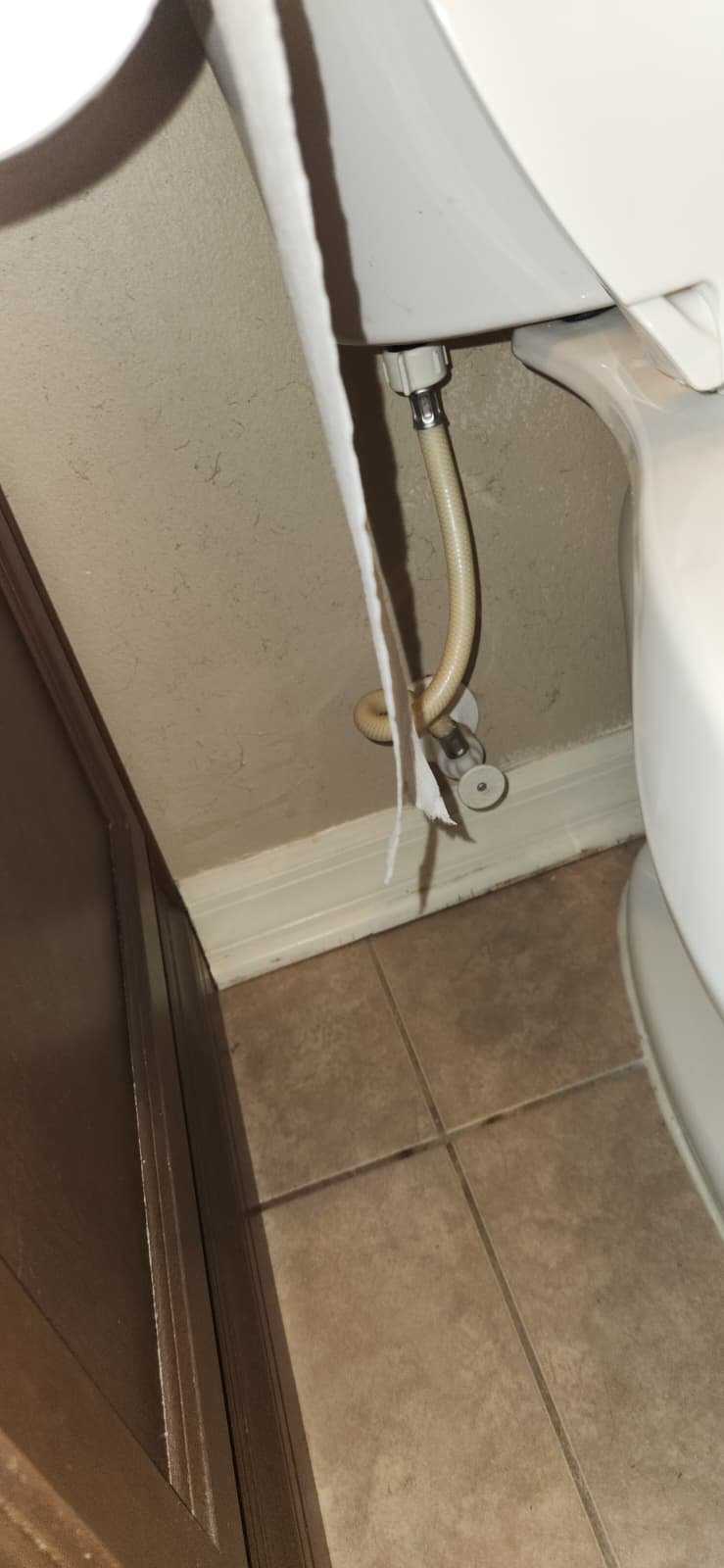
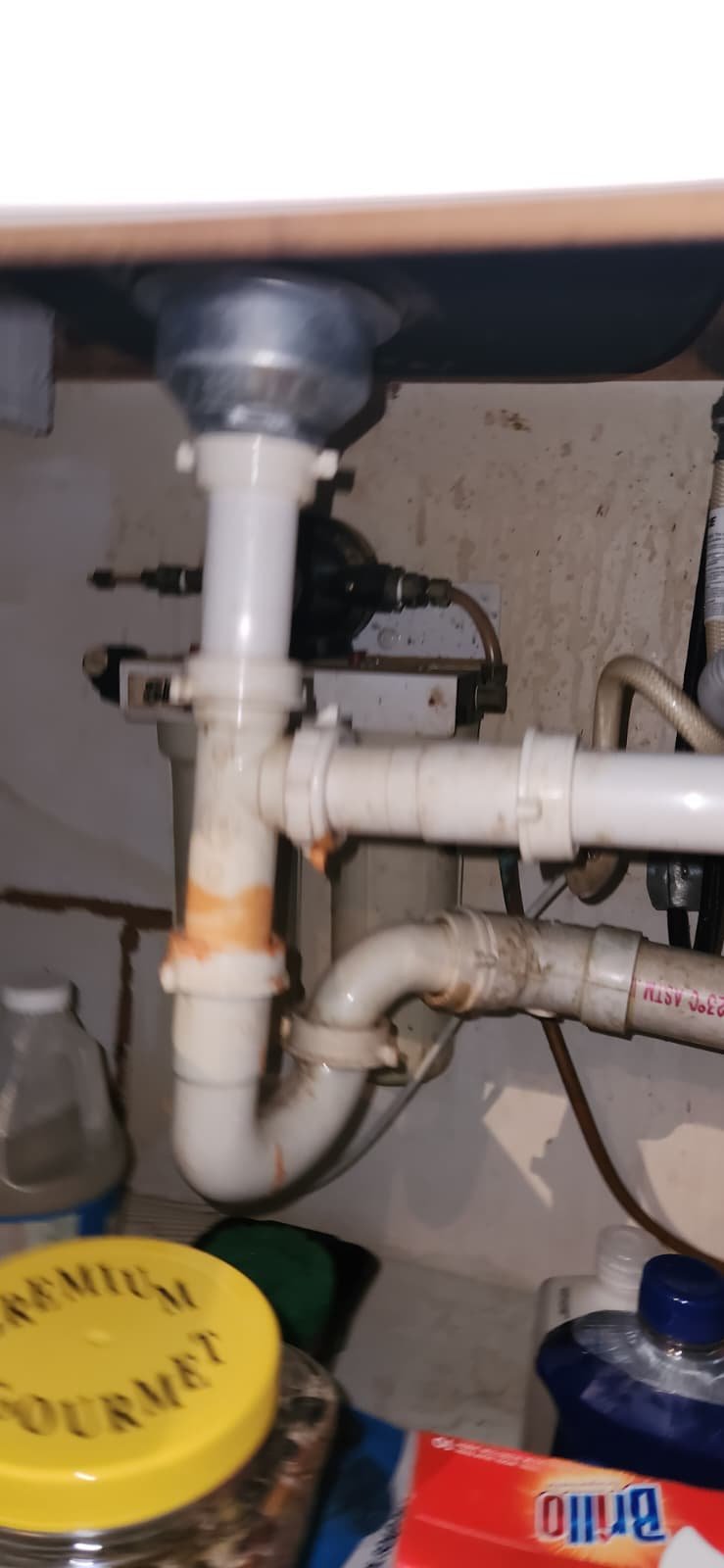
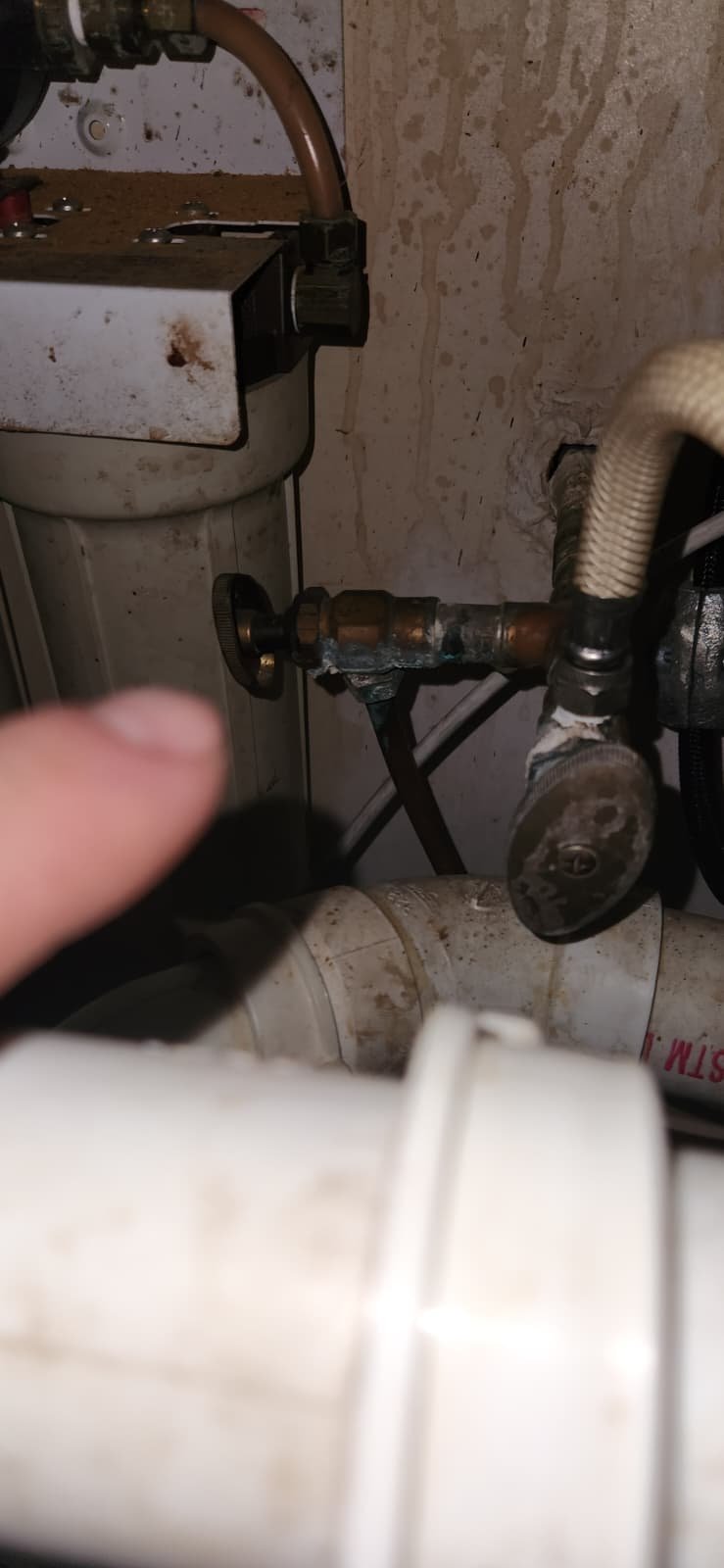
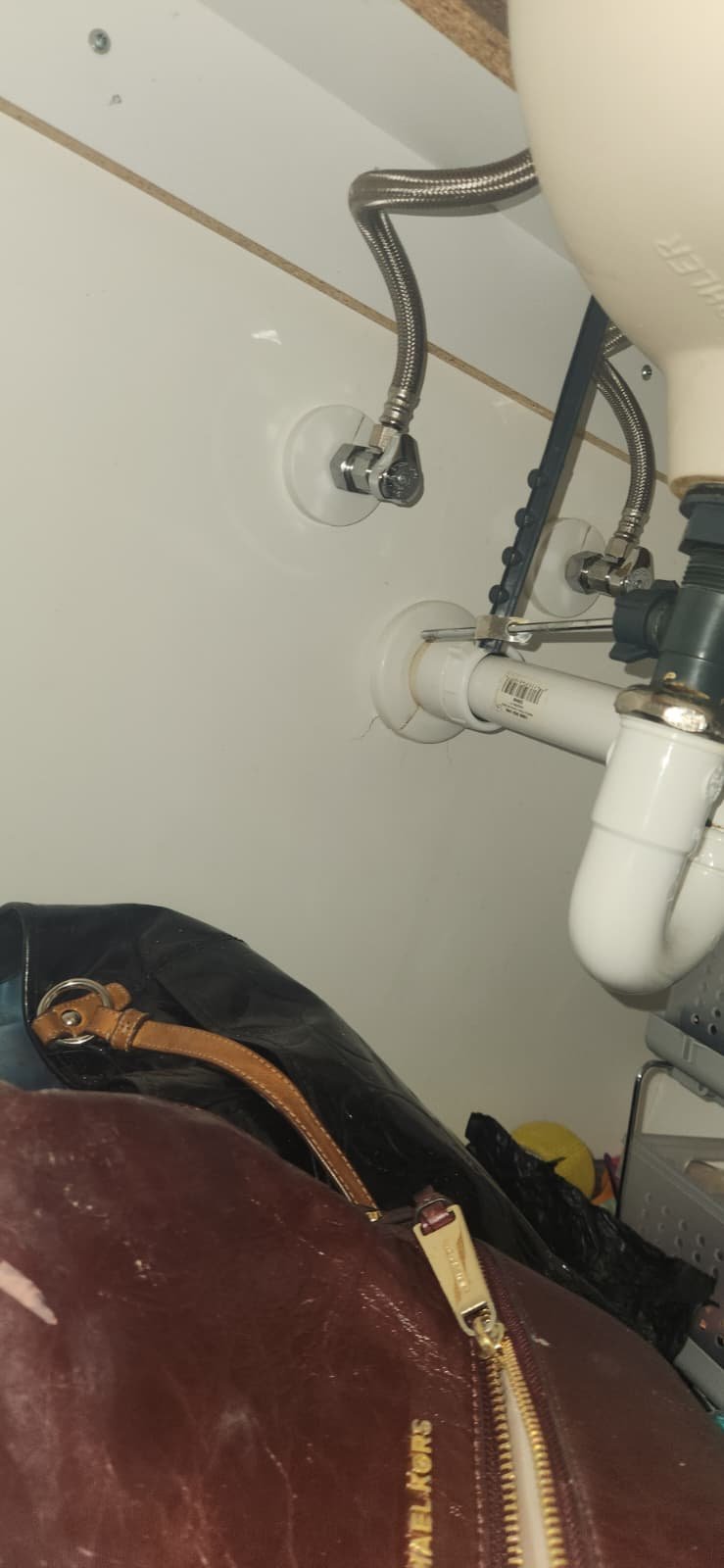
  • Plumbing connections and shut-off valves: We verify that lines are secure, valves operate properly, and there are no visible leaks.
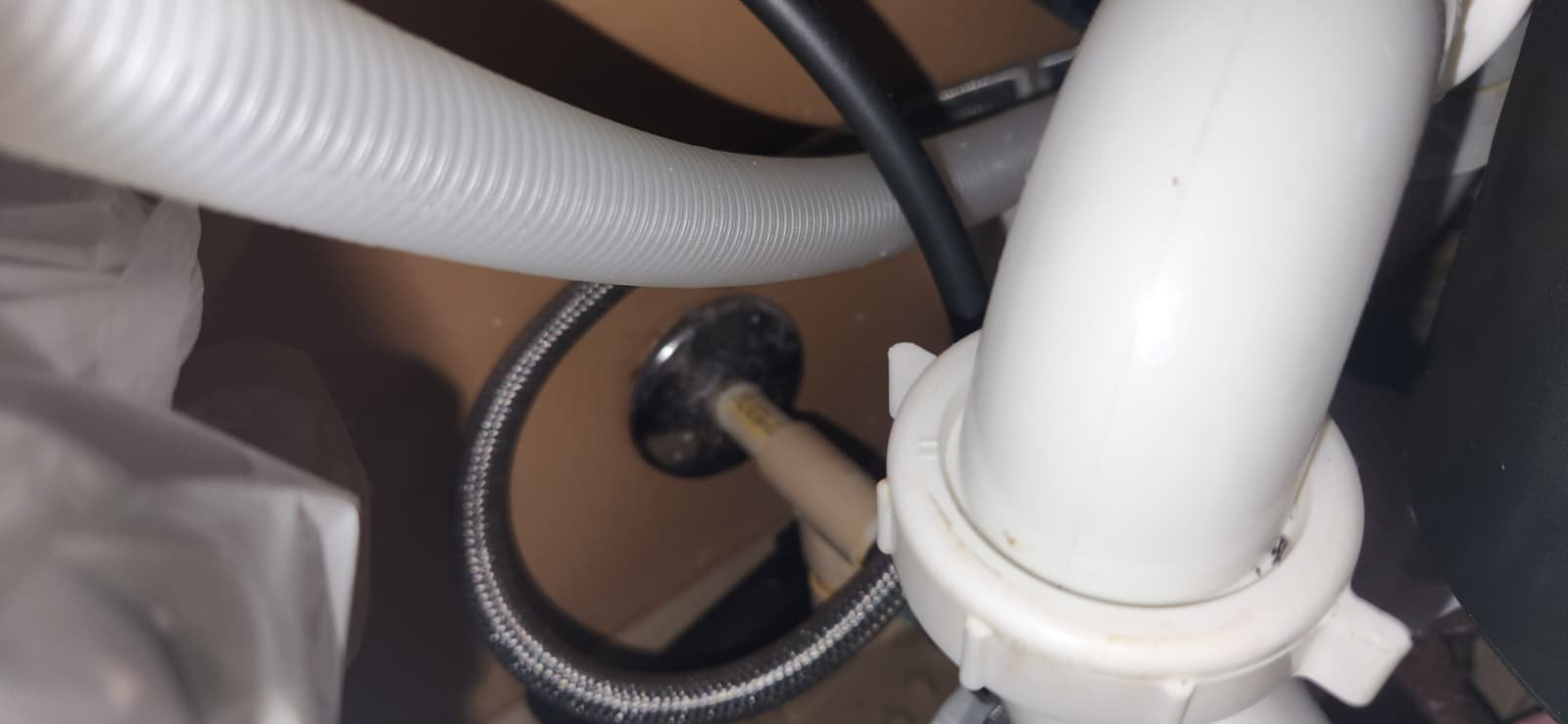
  • General plumbing health: As part of the plan visit, we also keep an eye on other visible plumbing components for any early warning signs.

In this case, the water heater showed clear signs of advanced age and internal degradation. The technician determined that there was excessive internal sediment and wear inside the tank. Under normal conditions, a water heater flush can remove a good portion of sediment and help extend the life of the unit. But when a tank has deteriorated beyond a certain point, flushing can:

  • Stir up and expose weak spots in the metal
  • Increase the risk of leaks or failure
  • Provide little or no benefit because the tank is already at the end of its life

Based on the condition observed, our technician concluded that this water heater was beyond its practical service life. There were no diagnostic limitations during this visit—we had enough information to confidently recommend a path forward.

Repair or Service Process

Because of the heavy internal sediment and overall wear, we did not attempt a standard flush on this water heater. That decision is important to understand: sometimes, choosing not to perform a common maintenance task is actually the safest and most responsible choice.

Here is how we walked through the process with the homeowner in Dunedin, FL 34698:

1. Documenting the Current Condition

First, we documented the tank’s visible condition, including aging components, signs of wear, and indicators of long-term sediment buildup. We explained what we were seeing in clear terms, avoiding technical jargon so the homeowner could follow along.

2. Explaining the Limits of Flushing

Next, we explained why a flush was not recommended in this case. On a much younger or moderately used unit, flushing can help:

  • Reduce sediment
  • Improve heating efficiency
  • Quiet noisy operation

However, when internal metal surfaces and components are significantly worn, forcing water through the tank at flushing rates can expose weak spots and even trigger leaks. Our technician clarified that attempting a flush could do more harm than good at this stage.

3. Reviewing Replacement Options

We then discussed replacement options. For this Dunedin home, we recommended installing a new, high-efficiency water heater. While the exact model and configuration depend on the home and homeowner preferences, the goals are consistent:

  • Restore reliable, consistent hot water
  • Improve energy performance compared to an older unit
  • Reduce risk of sudden failure and water damage

We also talked about how a modern water heater could better match the family’s hot water needs and help control utility costs over the long term.

4. Planning the Replacement

Once the homeowner understood the condition of the existing unit and the benefits of replacement, we outlined next steps for scheduling the installation at a time that worked for them. That includes:

  • Coordinating access to the home
  • Planning for safe removal and disposal of the old water heater
  • Ensuring the new unit is properly sized and installed according to code and manufacturer guidelines

We emphasized that after installation, we would test the new system to verify proper operation and confirm normal hot water delivery throughout the home.

Why This Fix Works

Replacing a severely aged water heater is not just about getting hot water back—it’s about addressing underlying efficiency, safety, and reliability issues that can’t be solved with basic maintenance.

Here are the key principles involved for homeowners in Dunedin, FL:

  • Sediment and efficiency: Over time, sediment settles at the bottom of the tank, forcing the unit to work harder to heat the same amount of water. This means higher energy use and slower hot water recovery.
  • Metal fatigue and corrosion: Years of heat cycles and exposure to minerals in the water gradually weaken the tank walls and internal components. Once that damage is advanced, no amount of flushing can restore the original integrity.
  • Risk management: An aging water heater is more likely to leak or fail suddenly, which is especially concerning if the unit is located in or near finished areas of the home.

By choosing a new, high-efficiency water heater, the homeowner moves from a high-risk, low-efficiency situation to a much more stable and predictable one. The system will be better suited to daily use in Dunedin’s warm, humid climate, where demand for showers, laundry, and dishwashing is consistent year-round.

Pro Tips for Homeowners in Dunedin

If you live in Dunedin, FL 34698 or nearby Tampa Bay communities, here are some practical ways to protect your plumbing system and extend the life of your next water heater:

  • Schedule routine plumbing checkups: Regular visits under a maintenance plan help catch aging equipment before it becomes an emergency. A quick inspection can reveal early signs of corrosion, slow leaks, or failing valves.
  • Pay attention to changing hot water habits: If you notice water taking longer to heat, temperatures fluctuating, or the tank making rumbling or popping noises, it’s worth having a professional take a look.
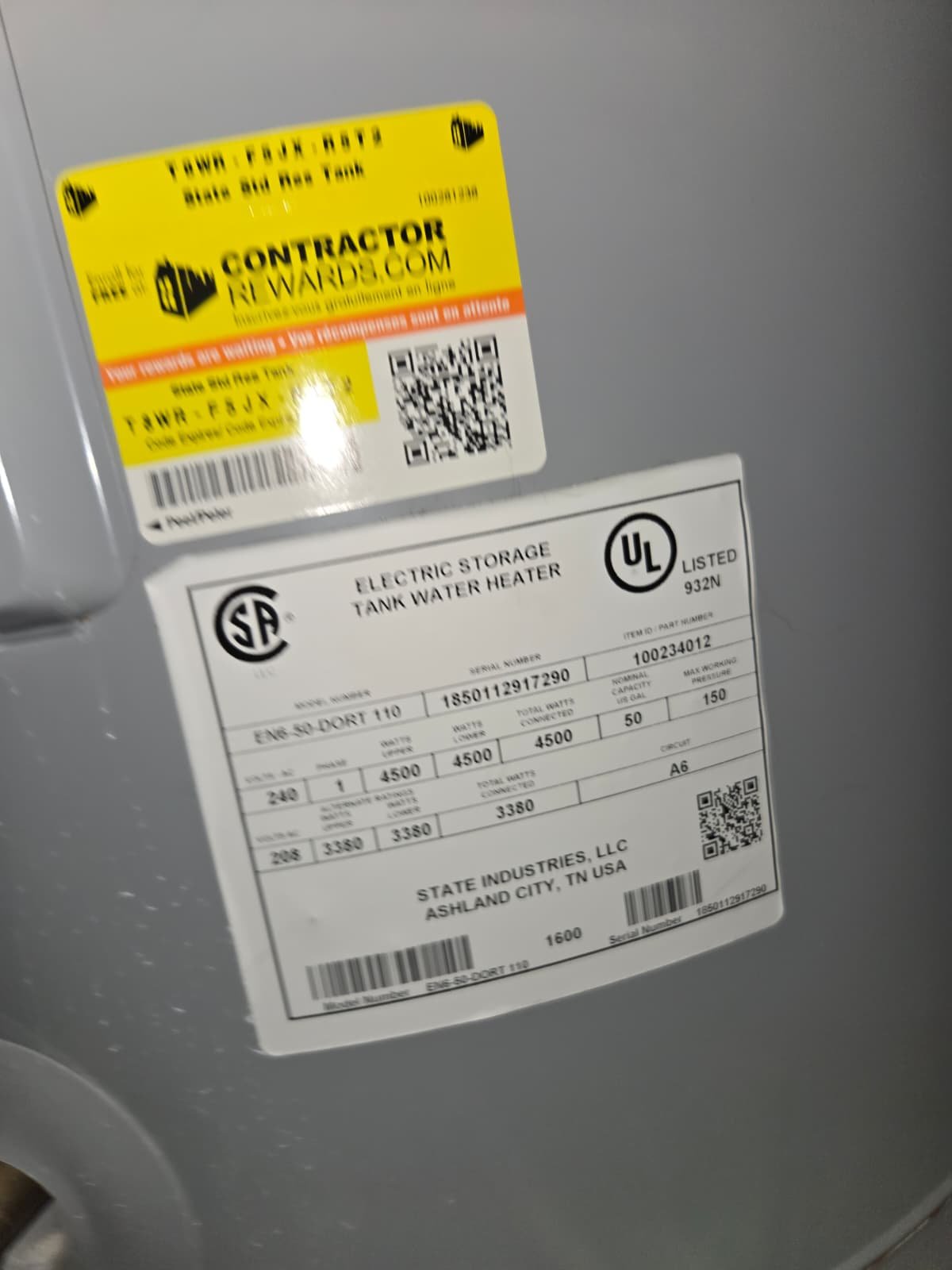
  • Know the approximate age of your water heater: Many homeowners inherit equipment from previous owners and don’t know how old it is. A quick label check and a conversation with a technician can help you plan ahead.
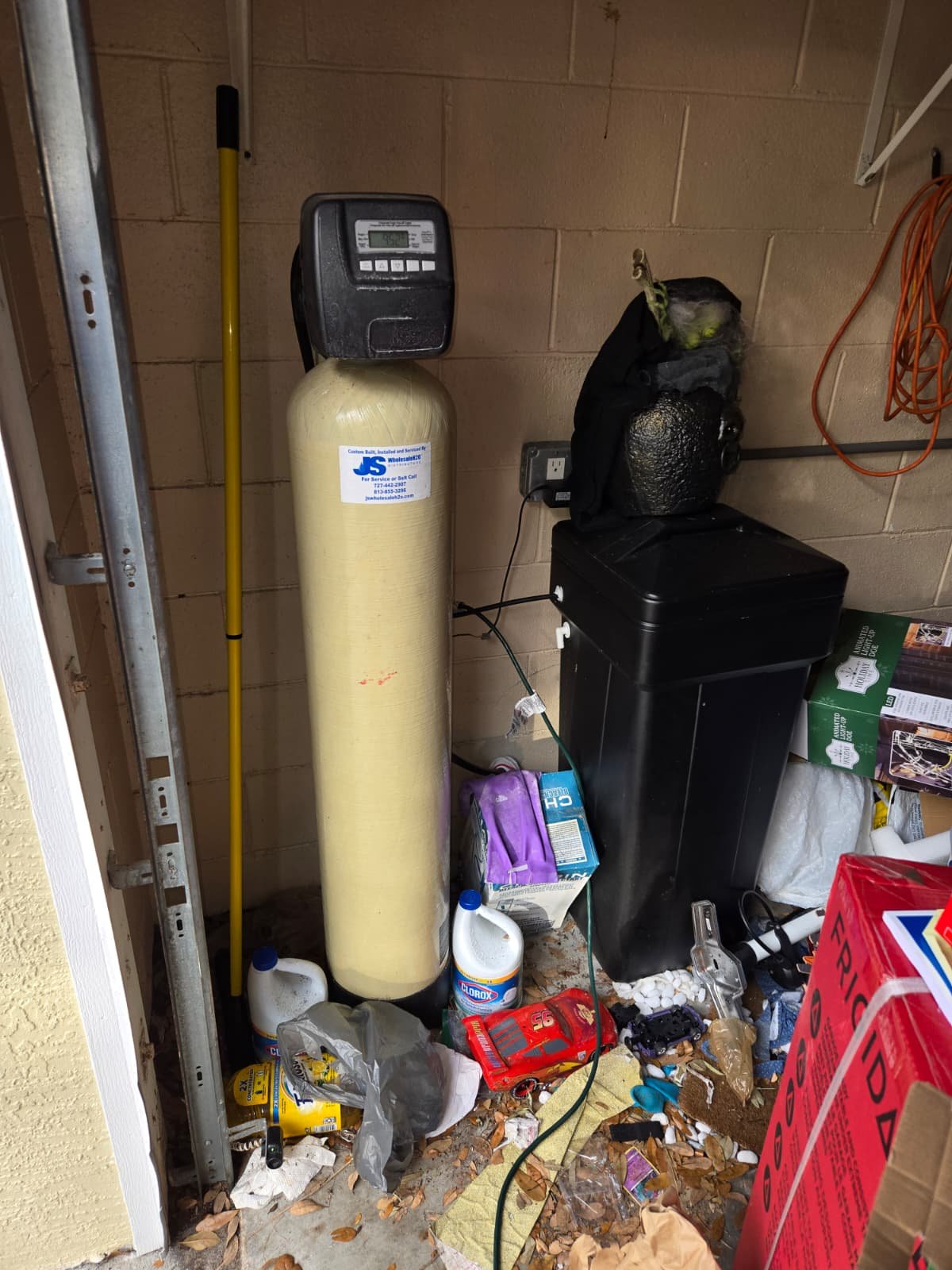
  • Consider water quality in the Tampa Bay area: Minerals in the water contribute to sediment buildup over time. Pairing a new water heater with options like water filtration installation can help protect your plumbing system as a whole.
  • Don’t ignore small plumbing issues: Drips, slow leaks, or discolored water can be early signs of bigger problems. Our plumbing repair services in the Clearwater and greater Tampa Bay area are designed to address issues before they escalate.
  • Think about the whole system: When dealing with older piping and fixtures, it sometimes makes sense to discuss upgrades like whole-home repiping to support new equipment and improve long-term reliability.

FAQ: Water Heater Replacement for Dunedin Homeowners

How do I know if my water heater is beyond its serviceable life?

Common signs include visible rust or corrosion, frequent repairs, inconsistent hot water, strange noises, or knowing the unit is well past the typical lifespan for its type. In this Dunedin visit, we confirmed the water heater was significantly aged and showed clear signs of internal wear and heavy sediment. When a technician advises that the tank is at the end of its life, replacement is usually the safest and most cost-effective option.

Why was a standard flush not performed on this water heater?

Flushing can be very helpful on a relatively healthy unit, but not when the tank has severe internal sediment and deterioration. In this case, forcing water through the system at flushing rates could have increased the risk of leaks or failure. Our technician determined that the safest approach for the homeowner in Dunedin, FL 34698 was to avoid a flush and recommend replacement instead.

What are the benefits of a high-efficiency water heater?

A high-efficiency water heater is designed to use less energy to deliver the same (or better) hot water performance. That can mean lower utility bills, faster recovery times, and a more reliable supply of hot water. For Tampa Bay homeowners, who use hot water year-round, the efficiency gains can make a noticeable difference over time.

Can I wait until my water heater fails before replacing it?

You can, but it is not ideal. Waiting for a complete failure often means dealing with cold showers, potential water damage, and emergency service costs. Planning a proactive replacement—like we recommended in this Dunedin home—gives you more control over timing, budget, and equipment choice.

Should I have my overall plumbing system checked when replacing a water heater?

Yes, it’s a smart time to have a professional take a quick look at the surrounding plumbing. During this visit in Dunedin, we evaluated the overall plumbing system as part of the plan. Checking shut-off valves, connections, and visible piping helps ensure your new water heater is supported by a healthy plumbing network.

Do you only serve Dunedin, or other Tampa Bay areas too?

Home Therapist serves homeowners throughout Tampa Bay, including communities like Clearwater and surrounding areas. Our team provides HVAC and plumbing services in Clearwater and beyond, with the same focus on clear communication, clean work, and long-term reliability.

Why Choose Home Therapist

When you invite a technician into your home, you deserve someone who treats your space with respect and takes the time to explain what’s going on. That’s how we approach every visit in Dunedin, FL 34698 and across Tampa Bay.

Here’s what you can expect from Home Therapist Cooling, Heating, and Plumbing:

  • Licensed, professional technicians: Our team is trained, licensed, and experienced in water heater and plumbing work, so you can trust the recommendations you receive.
  • Transparent communication: We explain what we find in plain language, outline your options, and help you decide what feels right for your home and budget.
  • Clean and respectful work: We protect your home, work neatly, and clean up after ourselves so you’re not left with a mess.
  • Focus on long-term reliability: We don’t just patch symptoms—we look at the overall health of your system to help prevent repeat problems.
  • Commitment to Tampa Bay homeowners: We live and work in this community, and we’re proud to serve homeowners from Dunedin to Clearwater and throughout the region.

If you’d like to get a better feel for who we are, you can find us on social media and local platforms:

  • Connect with us on Facebook to see updates and homeowner tips.
  • Follow our work and projects on Instagram.
  • Check out short videos and educational content on TikTok.

For added peace of mind, you can also review our standing and reputation on trusted platforms:

Need Water Heater Help in Dunedin, FL 34698?

If your water heater is aging, noisy, or simply not keeping up, it’s worth having it checked before it fails. Our team at Home Therapist is here to provide honest, straightforward guidance—whether that means a simple checkup or planning a full replacement.

Homeowners in Dunedin, FL 34698 can count on us for calm, professional service, clear explanations, and solutions that focus on long-term comfort and reliability. If you’re ready to schedule a plumbing visit or want to talk through your options, reach out to Home Therapist Cooling, Heating, and Plumbing today. We’ll help you decide the right next step for your home’s water heater and plumbing system.

1767753453516 Image 1767753453292

HVAC Load Calculation: Maximizing Comfort and Savings

Most American homes waste up to 30 percent of energy on inefficient heating and cooling every year. Figuring out exactly what your Tampa Bay house needs for true comfort and lower utility bills can feel confusing. HVAC load calculations take out the guesswork by showing homeowners how to match their system perfectly to local climate and building details. Discover how simple math and science can create a more comfortable, energy-smart living space tailored for Florida’s unique conditions.

Table of Contents

Key Takeaways

PointDetails
Importance of HVAC Load CalculationLoad calculations ensure that HVAC systems are optimally sized for homes, enhancing comfort and energy efficiency.
Types of HVAC LoadsUnderstanding the distinctions between sensible, latent, external, and internal loads is crucial for system design.
Methodological StandardsManual J is the recognized standard for accurate HVAC load calculations, essential for local climate conditions.
Consequences of InaccuracyImproper sizing can lead to excessive energy costs and inadequate temperature control, especially in challenging climates like Tampa Bay.

Defining HVAC Load Calculation Fundamentals

HVAC load calculation represents a precise scientific approach to determining the precise heating and cooling requirements for a specific space. At its core, this process involves calculating the exact thermal energy needed to maintain optimal indoor comfort levels. Fundamental heat transfer principles guide professionals in understanding how different factors influence a building’s thermal performance.

The calculation process considers multiple critical variables that impact a home’s thermal dynamics. These include external temperature, insulation quality, window configurations, building orientation, occupant count, and internal heat-generating equipment. Engineers and HVAC technicians utilize sophisticated mathematical models to analyze how these elements interact, creating a comprehensive thermal profile that predicts exact heating and cooling demands.

Specifically for Tampa Bay homeowners, load calculations help optimize system sizing and efficiency. An undersized system will struggle to maintain comfortable temperatures, while an oversized system wastes energy and increases utility costs. Precise calculations ensure your HVAC system matches your home’s unique thermal characteristics, delivering consistent comfort and maximizing energy efficiency.

Pro tip: Request a professional load calculation from a certified HVAC technician who can provide precise measurements specific to your home’s unique architectural characteristics and local climate conditions.

Types of HVAC Loads and Their Differences

HVAC load calculations encompass several distinct types of thermal loads that collectively determine a building’s heating and cooling requirements. Cooling and heating load variations represent complex interactions between environmental conditions and building characteristics. Understanding these load types is crucial for designing efficient and effective climate control systems that maintain optimal indoor comfort.

The primary HVAC load categories include sensible loads, latent loads, external loads, and internal loads. Sensible loads relate to temperature changes without moisture content modification, directly impacting the air’s dry bulb temperature. Latent loads involve moisture content variations, affecting humidity levels and requiring additional energy for dehumidification or humidification. External loads originate from outside environmental factors like solar radiation, outdoor temperature, and wind, while internal loads emerge from occupants, electrical equipment, lighting, and other heat-generating sources inside the building.

For Tampa Bay homeowners, recognizing these load differences helps optimize HVAC system selection and performance. External loads in Florida’s humid climate are particularly significant, with intense solar radiation and high ambient temperatures creating substantial cooling challenges. Internal loads from electronics, appliances, and occupant activities further contribute to the total thermal energy that must be managed, making precise load calculations essential for maintaining comfortable and energy-efficient indoor environments.

Here’s a summary of the main HVAC load types and their impact on system design:

Load TypeWhat It AffectsExample in HomesImpact on System Design
Sensible LoadTemperature onlySun heating a living roomDictates cooling capacity
Latent LoadHumidity and moistureShower steam, cooking vaporsRequires dehumidification
External LoadWeather and climateHigh outdoor temperaturesDrives insulation needs
Internal LoadPeople and appliancesTVs, computers, occupancyMay increase cooling demand

Pro tip: Consult a professional HVAC technician to perform a detailed load calculation that accounts for your specific home’s unique thermal characteristics and local microclimate conditions.

Manual J and Other Common Methods

Manual J represents the gold standard for residential HVAC load calculations in the United States. Residential load calculation standards provide comprehensive guidelines for precisely determining heating and cooling requirements for homes of all sizes and configurations. This methodology offers a systematic approach that accounts for numerous variables affecting thermal performance.

Beyond Manual J, HVAC professionals utilize several alternative calculation methods. The heat balance method analyzes thermal energy transfers between interior and exterior environments, considering factors like solar radiation, building materials, and occupant activities. The radiant time series method focuses on tracking heat absorption and release through building surfaces, providing a more nuanced understanding of thermal dynamics. Other approaches include the cooling load temperature difference (CLTD) and cooling load factor (CLF) techniques, which help engineers develop more accurate system sizing recommendations.

For Tampa Bay homeowners, understanding these calculation methods is crucial for selecting the right HVAC system. Local climate conditions with high humidity and intense solar radiation demand precise load calculations. Each method offers unique insights, with Manual J being the most comprehensive approach recognized by building codes and industry standards. The goal remains consistent: designing an HVAC system that delivers optimal comfort while maintaining maximum energy efficiency.

Below is a comparison of common HVAC load calculation methods:

MethodMain FocusLevel of DetailBest Use Case
Manual JWhole-home load calculationVery comprehensiveResidential homes
Heat Balance MethodEnergy transfer analysisHighly detailedComplex or large buildings
Radiant Time Series MethodHeat absorption/releasesNuanced, time-basedSpaces with variable solar
CLTD/CLF TechniquesCooling patternsModerate detailFast estimates, small homes

Pro tip: Request documentation of the specific load calculation method used when consulting with HVAC professionals to ensure a thorough and accurate assessment of your home’s thermal requirements.

Key Factors Affecting Load Results

HVAC load calculations are intricate processes influenced by numerous critical variables. Building thermal performance factors determine the precision and effectiveness of heating and cooling system design. Understanding these complex interactions helps homeowners and HVAC professionals create more accurate and efficient climate control strategies.

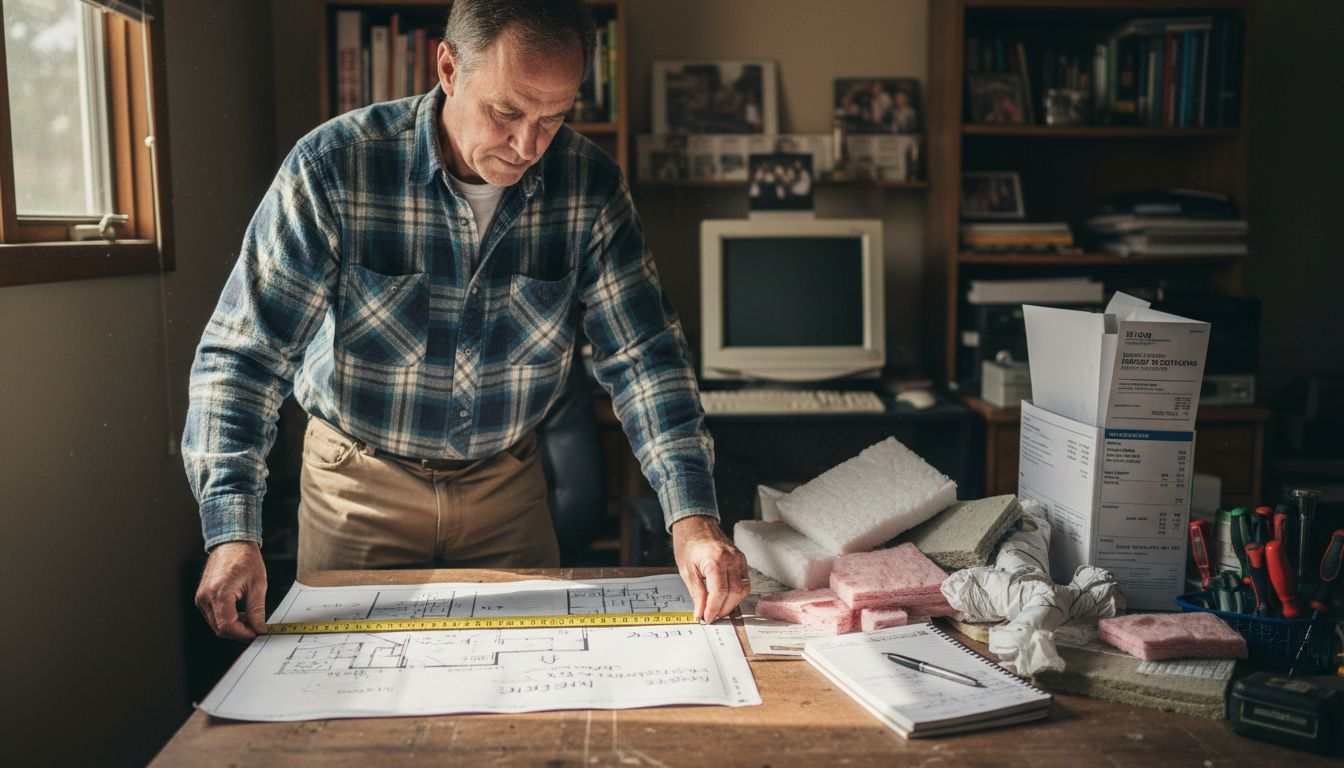
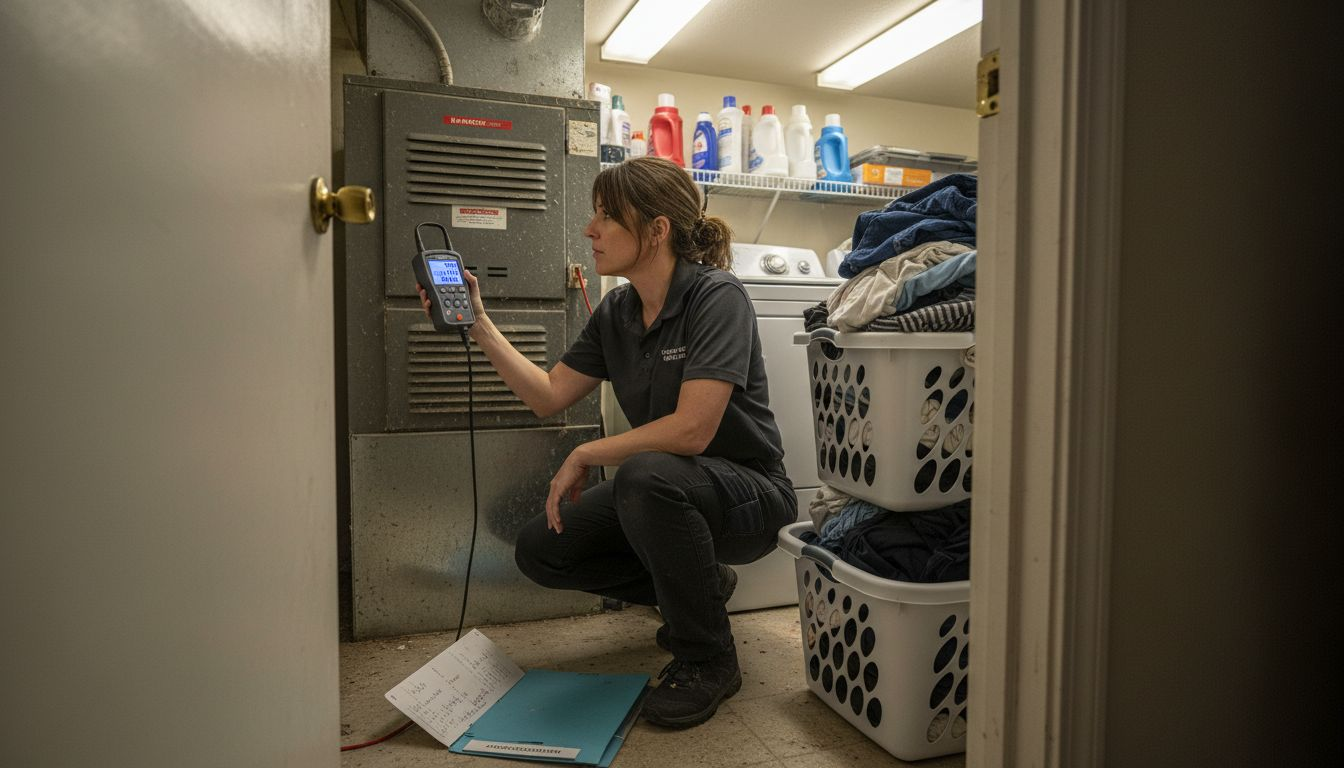
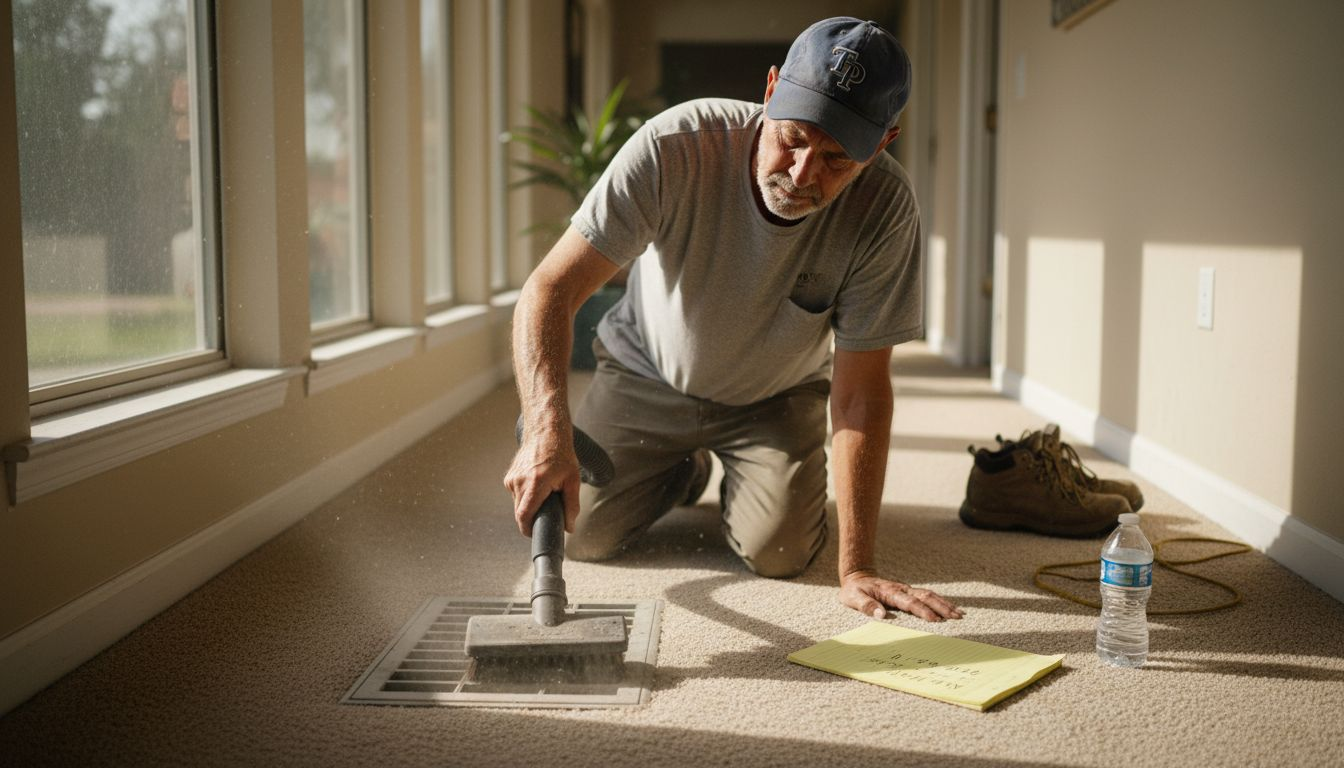
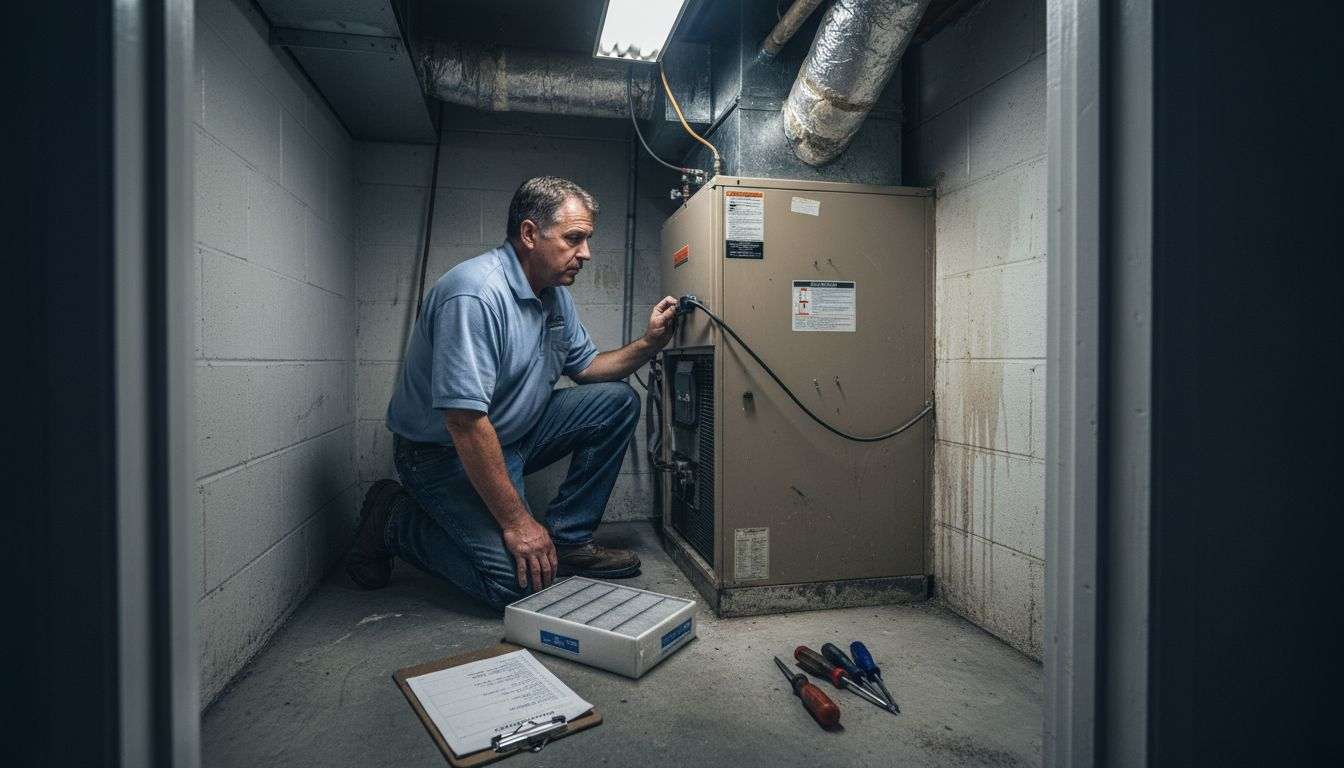
Homeowner auditing materials for HVAC calculation

The primary factors impacting load calculations include building orientation, construction materials, insulation quality, and window characteristics. Building orientation determines solar exposure and heat absorption patterns, with south and west-facing surfaces typically experiencing higher thermal gains. Construction materials like brick, wood, and concrete have unique thermal mass properties that affect heat retention and transfer. Insulation quality plays a crucial role in preventing heat transfer, with factors such as material type, thickness, and installation method significantly influencing overall thermal performance. Window types, including their size, glass composition, and shading, dramatically impact heat gain and loss.

For Tampa Bay homeowners, specific local factors become even more critical. The region’s intense solar radiation, high humidity, and frequent temperature fluctuations demand meticulous load calculations. Internal heat sources like appliances, lighting, and occupant activities further complicate thermal dynamics. Electronics, cooking equipment, and even the number of people in a space generate additional heat that must be precisely accounted for to ensure optimal HVAC system performance and energy efficiency.

Pro tip: Conduct a comprehensive home energy audit to identify specific thermal characteristics that could impact your HVAC load calculations and system performance.

Why Accurate Calculations Prevent Common Problems

Precise HVAC load calculations are the cornerstone of preventing potentially costly system failures and performance issues. Load calculation implications reveal critical consequences of improper system sizing that can dramatically impact home comfort and energy efficiency. Homeowners who overlook these calculations risk significant long-term financial and comfort challenges.

The two primary pitfalls of inaccurate load calculations are oversizing and undersizing HVAC systems. An oversized system cycles too frequently, causing rapid temperature shifts, increased energy consumption, and premature equipment wear. These systems fail to properly dehumidify spaces, leading to uncomfortable indoor environments with potential mold growth and reduced air quality. Conversely, an undersized system constantly struggles to maintain desired temperatures, running continuously and consuming excessive energy while providing inadequate cooling or heating.

For Tampa Bay residents, accurate load calculations become even more critical due to the region’s extreme heat and humidity. The local climate demands precise HVAC system design that can efficiently manage both temperature and moisture levels. Inaccurate calculations can result in systems that cannot effectively handle the unique thermal challenges of Florida’s subtropical environment, leading to increased energy bills, reduced system lifespan, and compromised indoor comfort. Professional load calculations consider specific local factors like solar radiation, building materials, and occupant behaviors to create truly optimized climate control solutions.

Pro tip: Request a detailed written report of your home’s load calculation, ensuring it includes comprehensive environmental and structural factors specific to your Tampa Bay residence.

Cost, Energy, and Comfort Implications

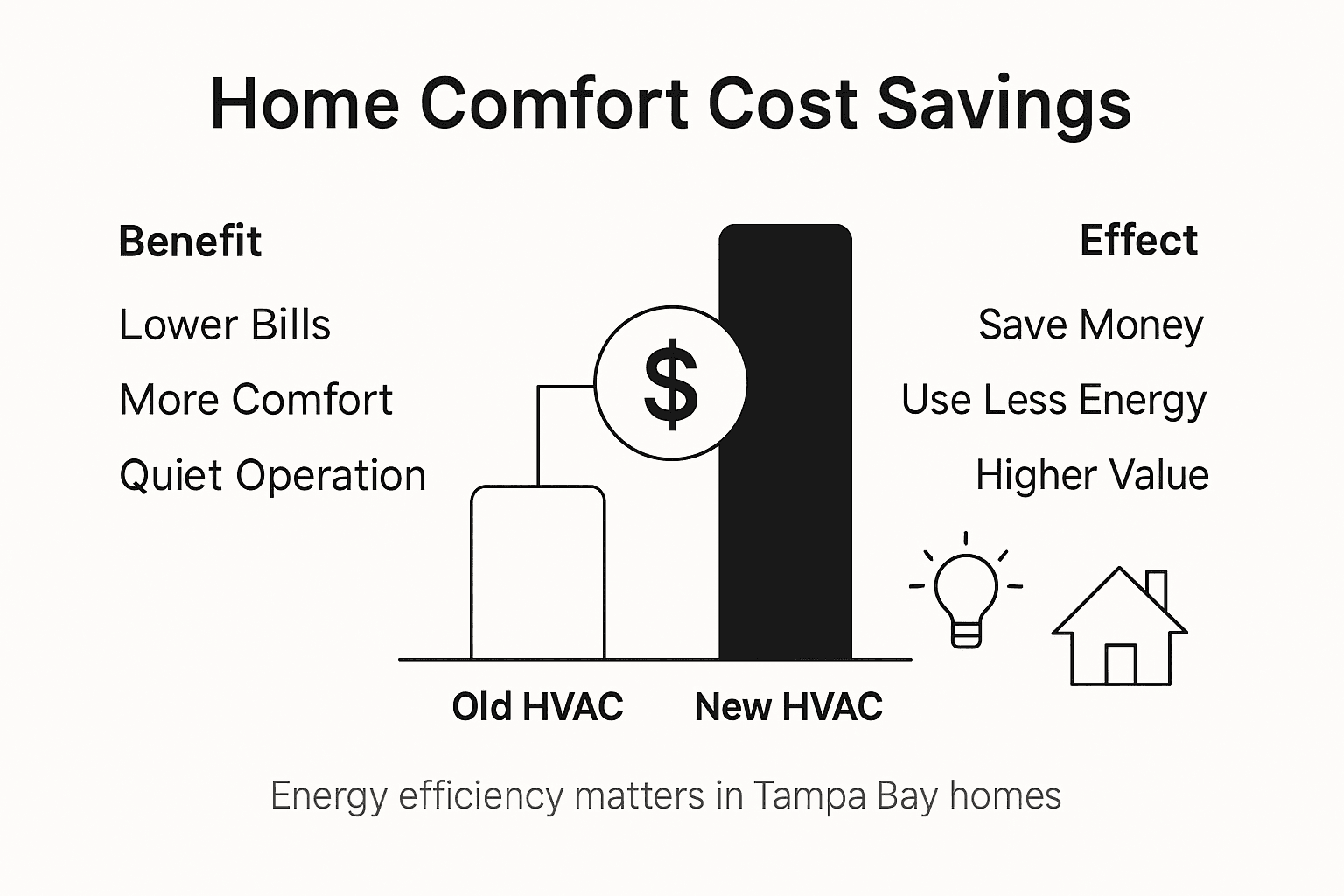
HVAC load calculations are far more than technical exercises. Equipment sizing economics directly impact homeowners’ financial and comfort outcomes. The precision of these calculations creates a critical intersection between initial investment, ongoing energy expenses, and daily living comfort.

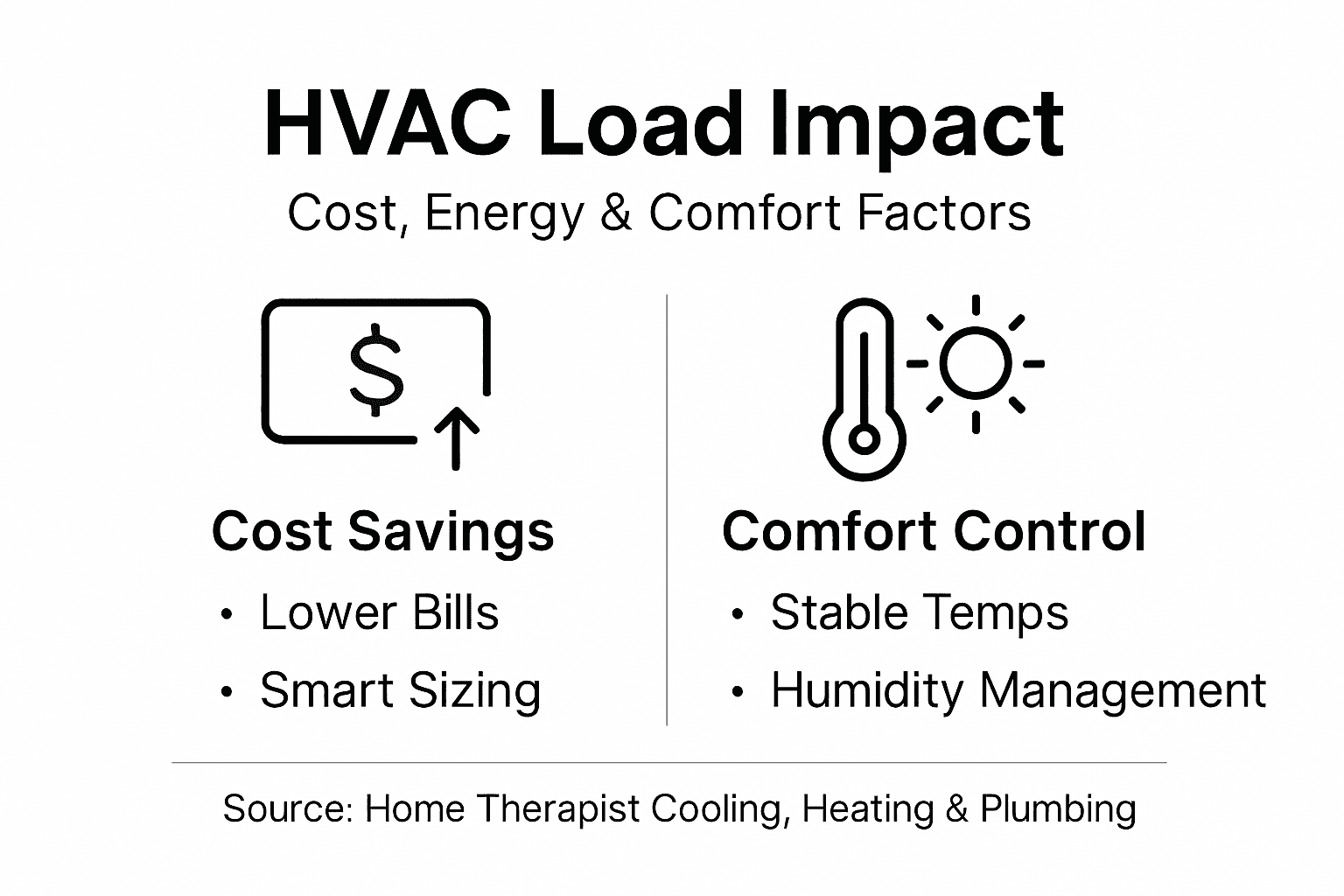
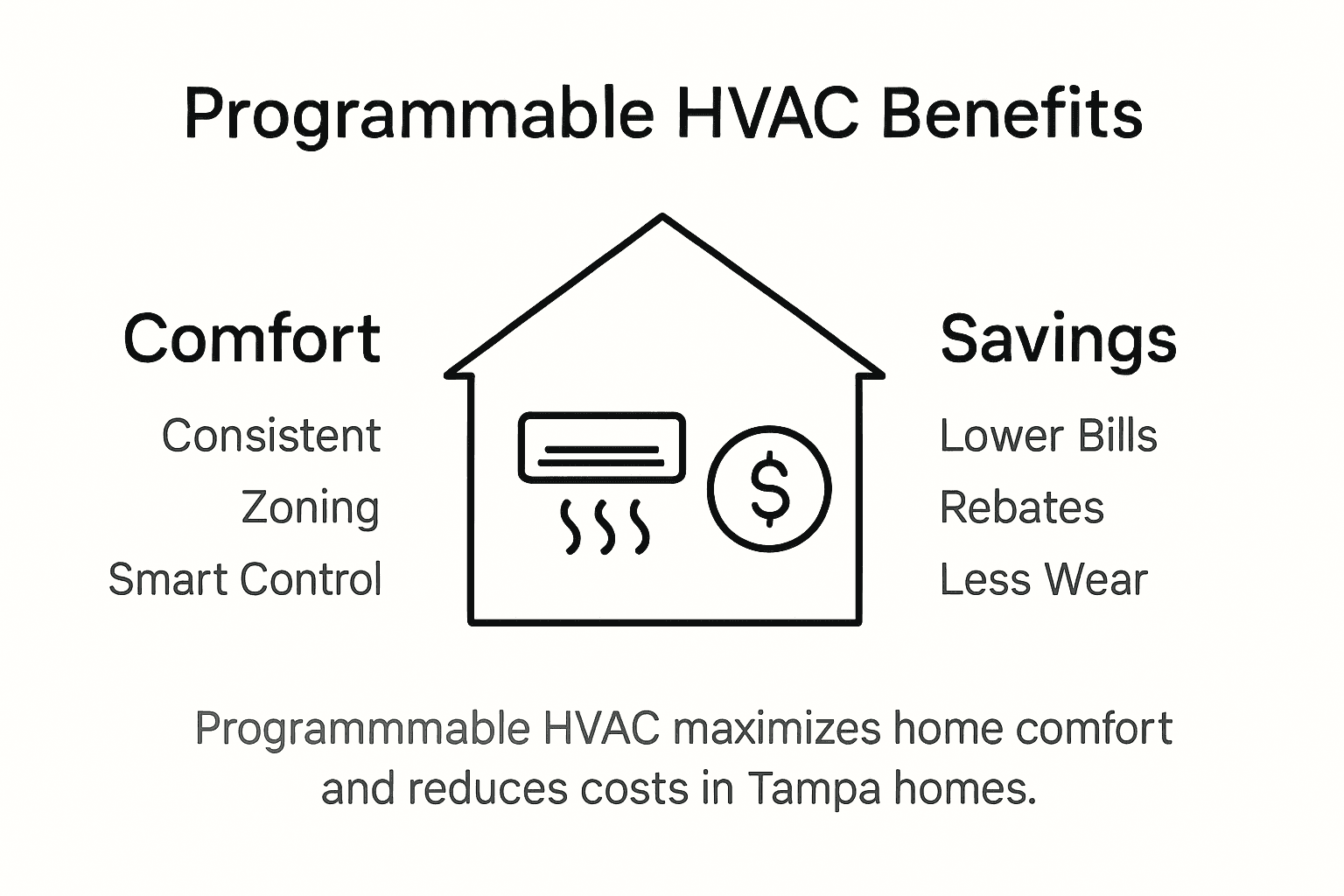
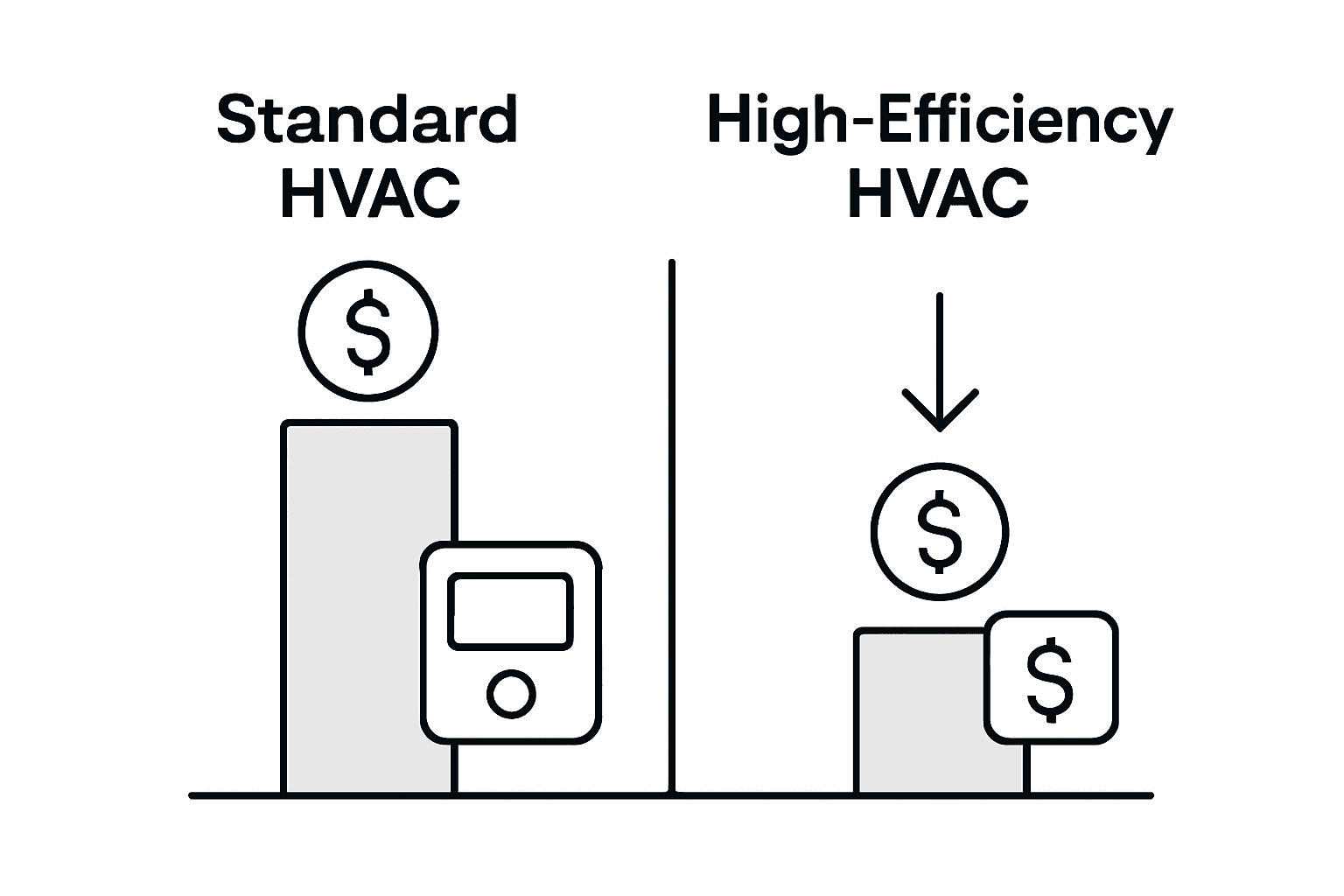
The financial implications extend across multiple dimensions. An accurately sized system reduces upfront equipment costs by preventing overinvestment in unnecessarily large units. Energy consumption drops significantly with proper sizing, as the system operates more efficiently and cycles less frequently. For Tampa Bay homeowners, this means lower monthly utility bills and reduced strain on HVAC equipment. The long-term savings can be substantial, with efficient systems potentially reducing energy costs by 20-30% compared to improperly sized installations.

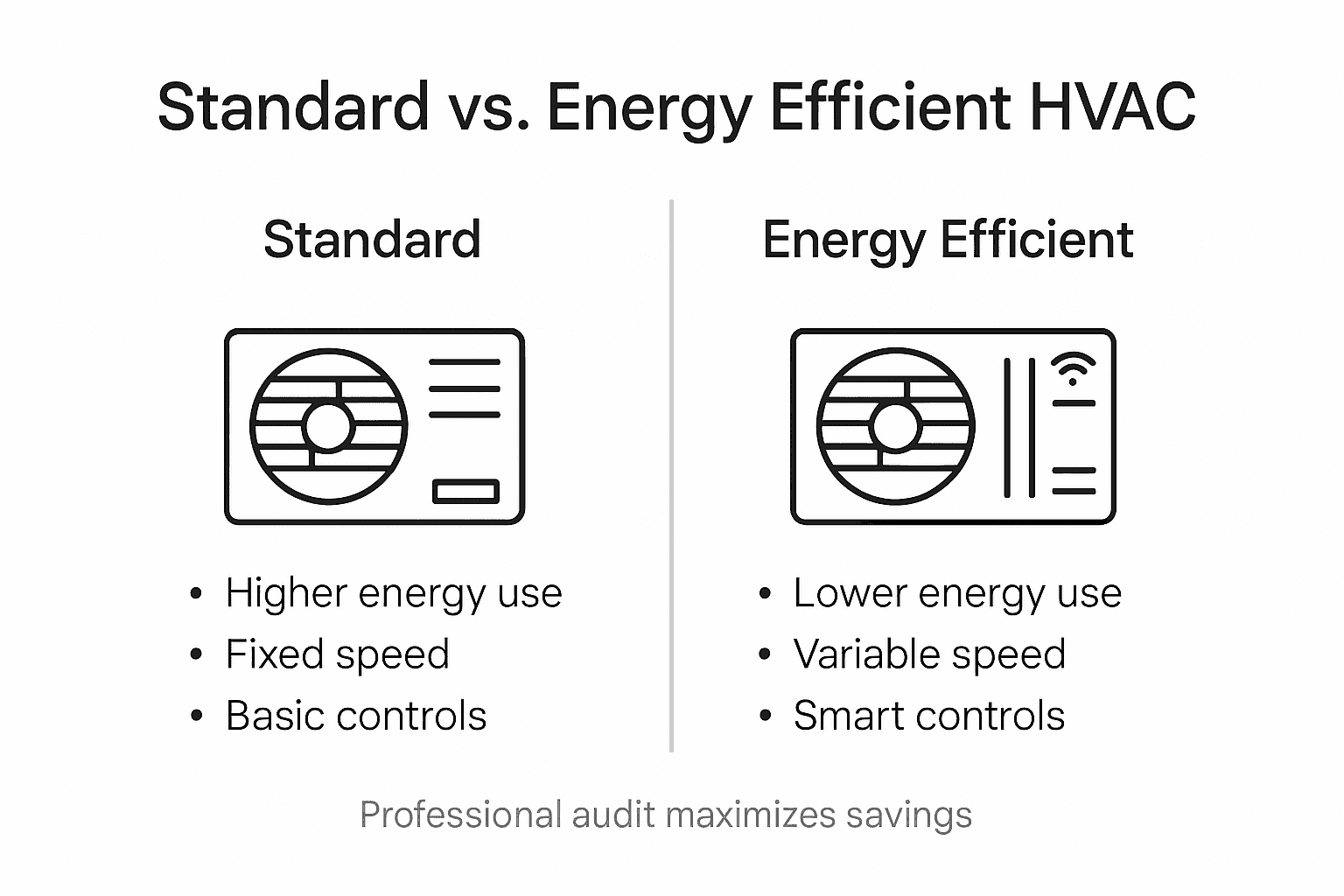
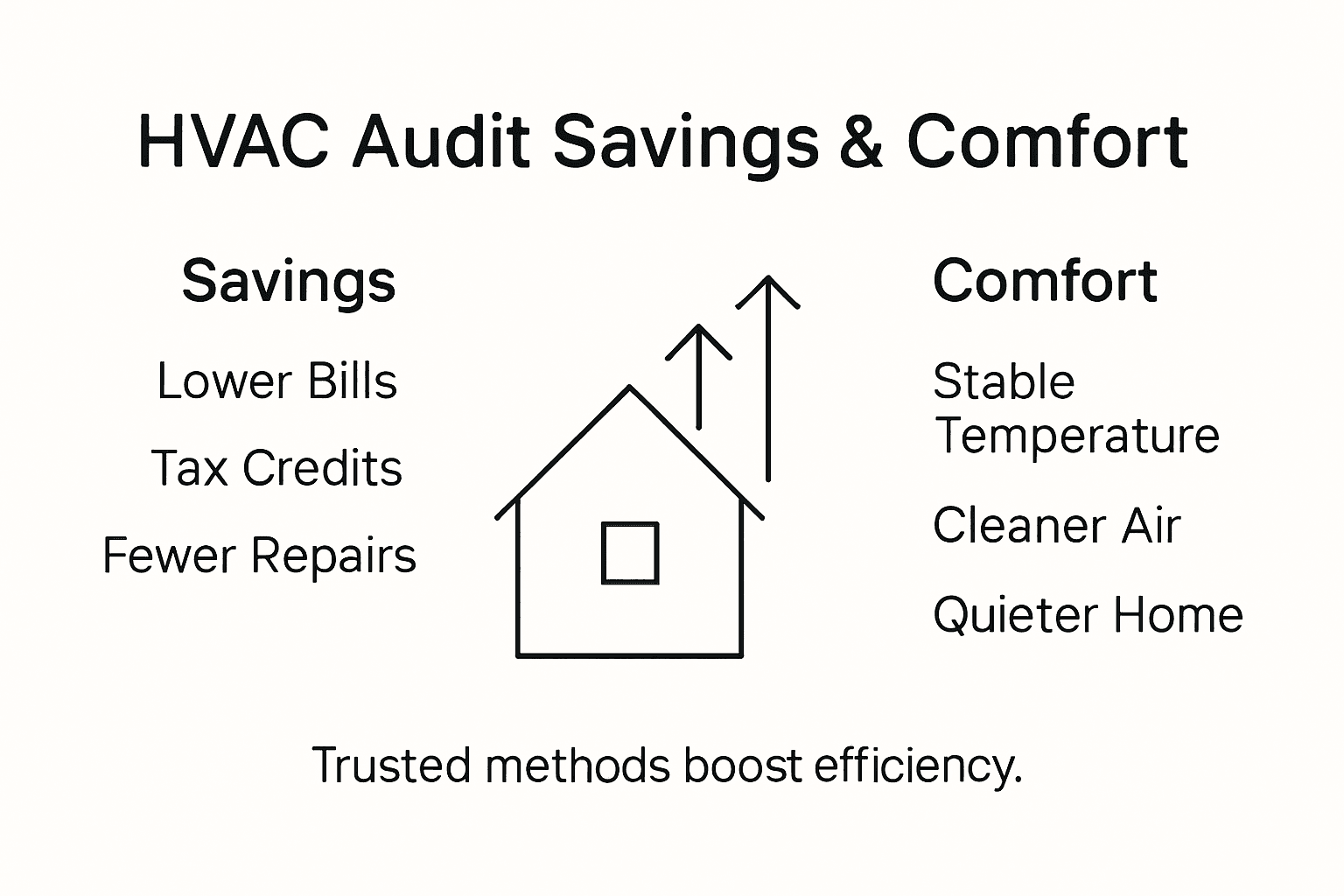
Infographic summarizes HVAC cost and comfort impacts

Comfort considerations are equally important. Precise load calculations ensure consistent indoor temperatures, balanced humidity levels, and improved air quality. An optimally sized system maintains more stable thermal environments, preventing the uncomfortable temperature fluctuations associated with oversized or undersized equipment. In Florida’s challenging climate, this becomes crucial, as the system must effectively manage both extreme heat and humidity while maintaining energy efficiency. The goal is not just temperature control, but creating a living space that feels consistently comfortable without excessive energy expenditure.

Pro tip: Schedule a professional energy audit to get a comprehensive assessment of your home’s specific thermal performance and potential HVAC efficiency improvements.

Ensure Your Tampa Bay Home’s HVAC System Matches Its Unique Needs

Accurate HVAC load calculations are key to preventing overpriced equipment, wasted energy, and uncomfortable indoor conditions in Tampa Bay homes. If you want to avoid the frustration of an oversized or undersized system, understanding your home’s specific thermal loads, including sensible and latent factors, is essential. Don’t let guesswork dictate your comfort and utility bills.

https://callhometherapist.com

Trust the certified technicians at Home Therapist Cooling, Heating, and Plumbing to perform precise load calculations that factor in Florida’s intense solar exposure, high humidity, and your home’s construction details. We deliver tailored HVAC solutions to maximize your comfort and savings all year round. Act now to schedule your custom assessment and experience expert service that addresses your unique needs. Visit Home Therapist today and take the first step toward an efficient, reliable HVAC system.

Frequently Asked Questions

What is HVAC load calculation?

HVAC load calculation is a scientific method used to determine the exact heating and cooling requirements for a specific space, ensuring optimal indoor comfort and energy efficiency.

Why is accurate load calculation important for HVAC systems?

Accurate load calculations prevent issues such as oversizing and undersizing HVAC systems, which can lead to uncomfortable temperatures, increased energy costs, and premature equipment wear.

What are the different types of HVAC loads?

The main types of HVAC loads include sensible loads (temperature changes), latent loads (moisture content variations), external loads (outside environmental factors), and internal loads (heat generated by occupants and equipment).

How does Manual J differ from other HVAC load calculation methods?

Manual J is the standard for residential HVAC load calculations, providing comprehensive guidelines that consider various factors affecting heating and cooling requirements, unlike other methods that may focus on specific aspects of thermal performance.

Maria Ramirez Job 05f3fdbae3fb47f08c87122c284e5039 2

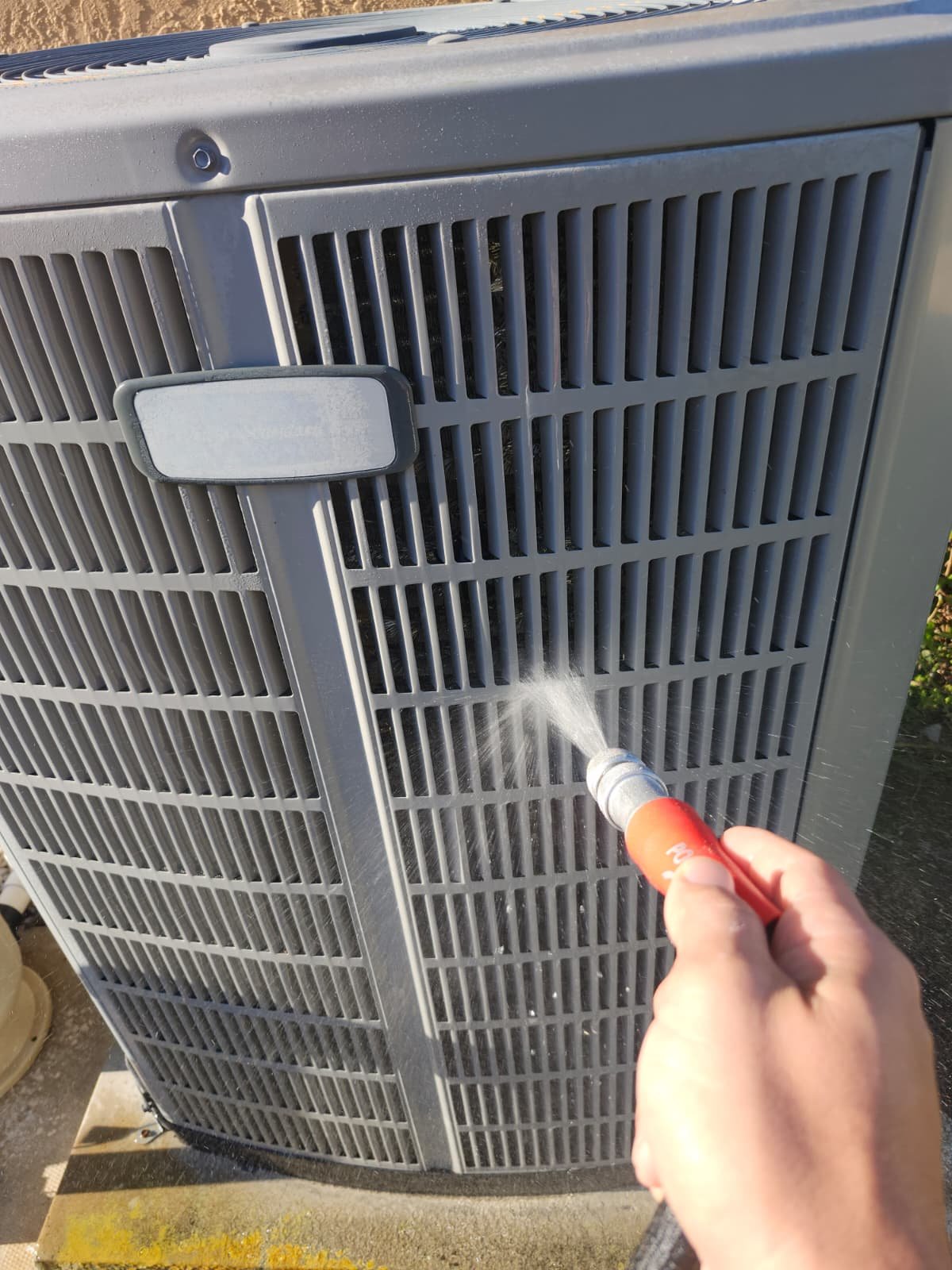
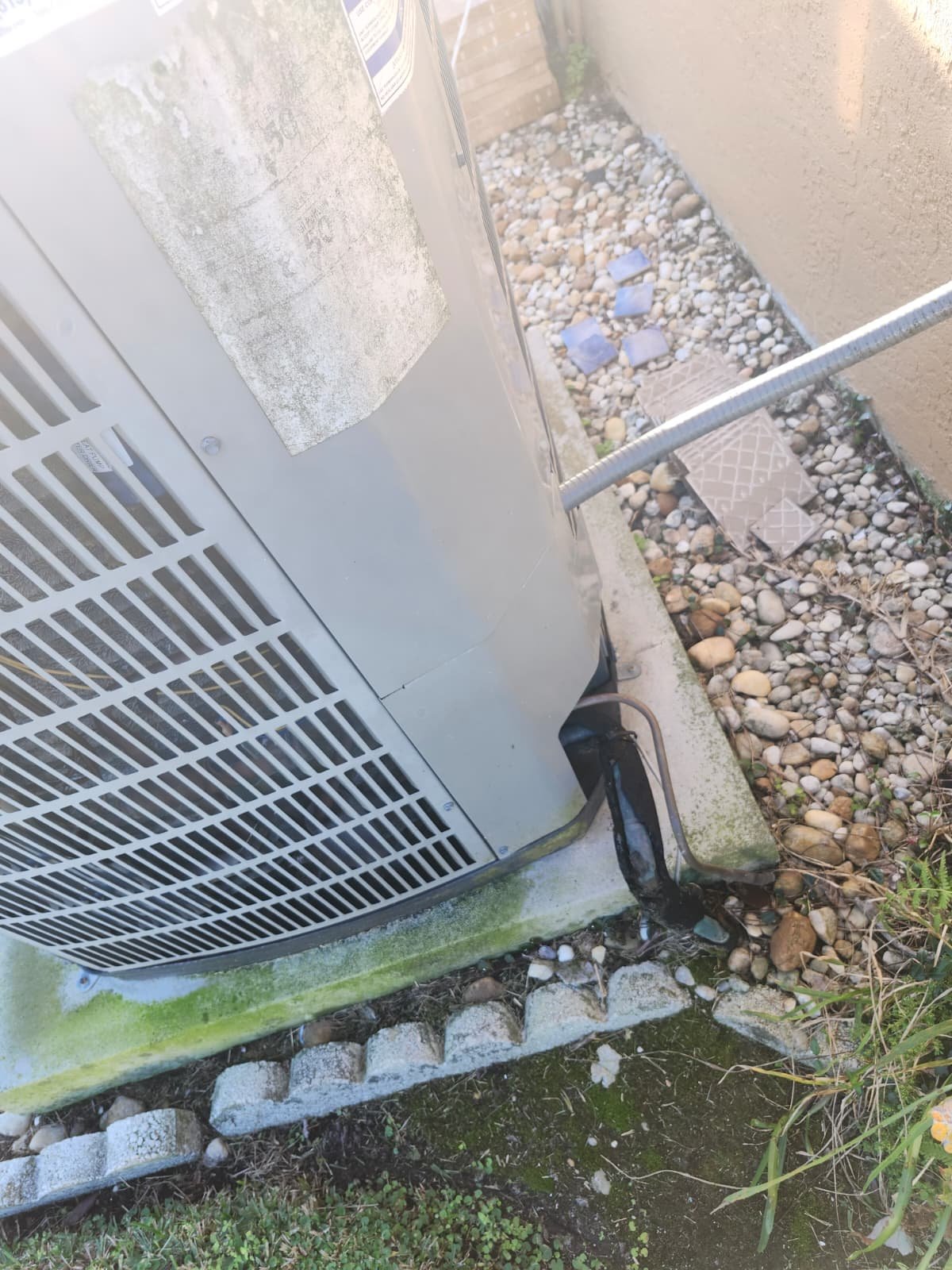
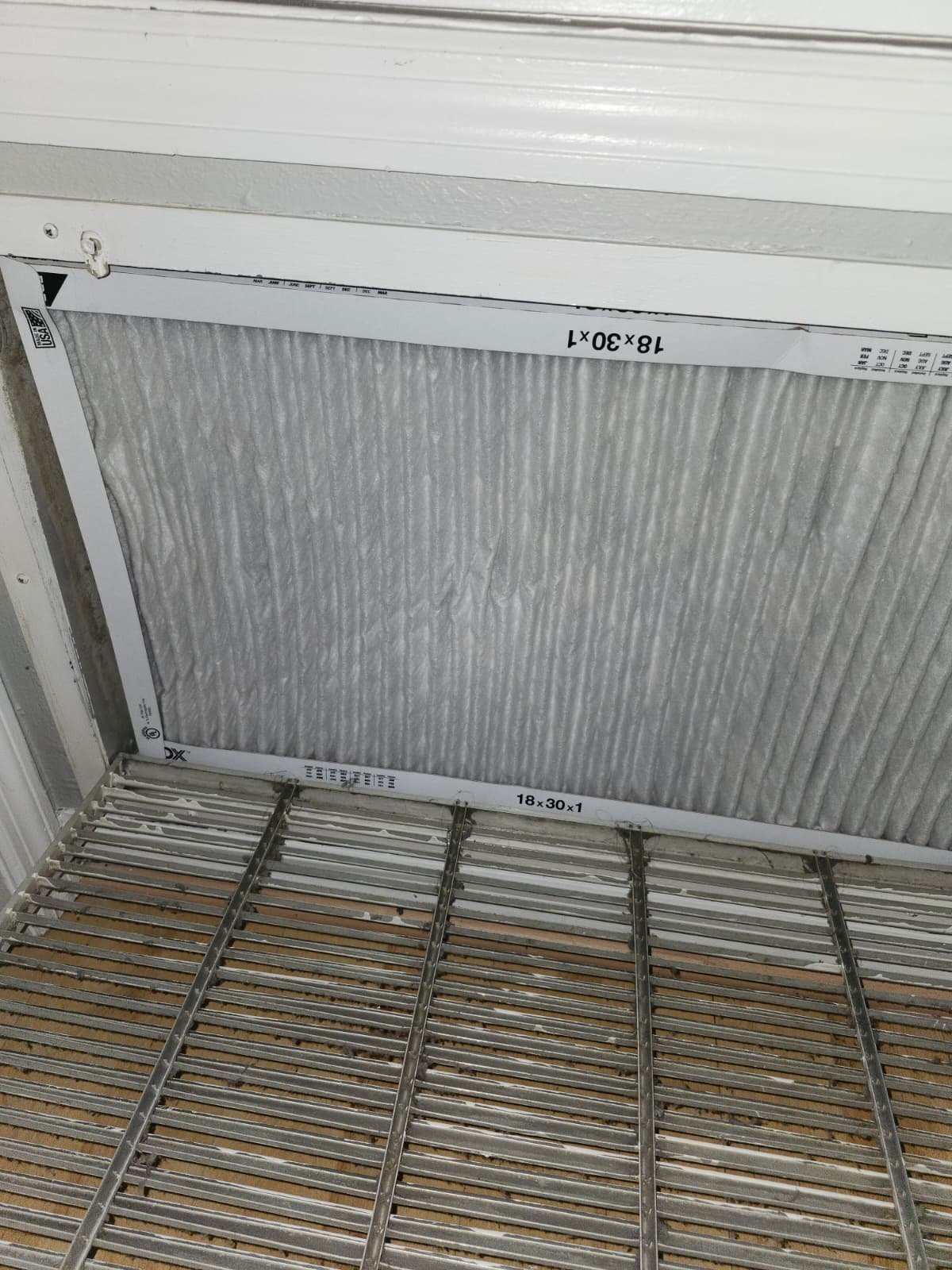
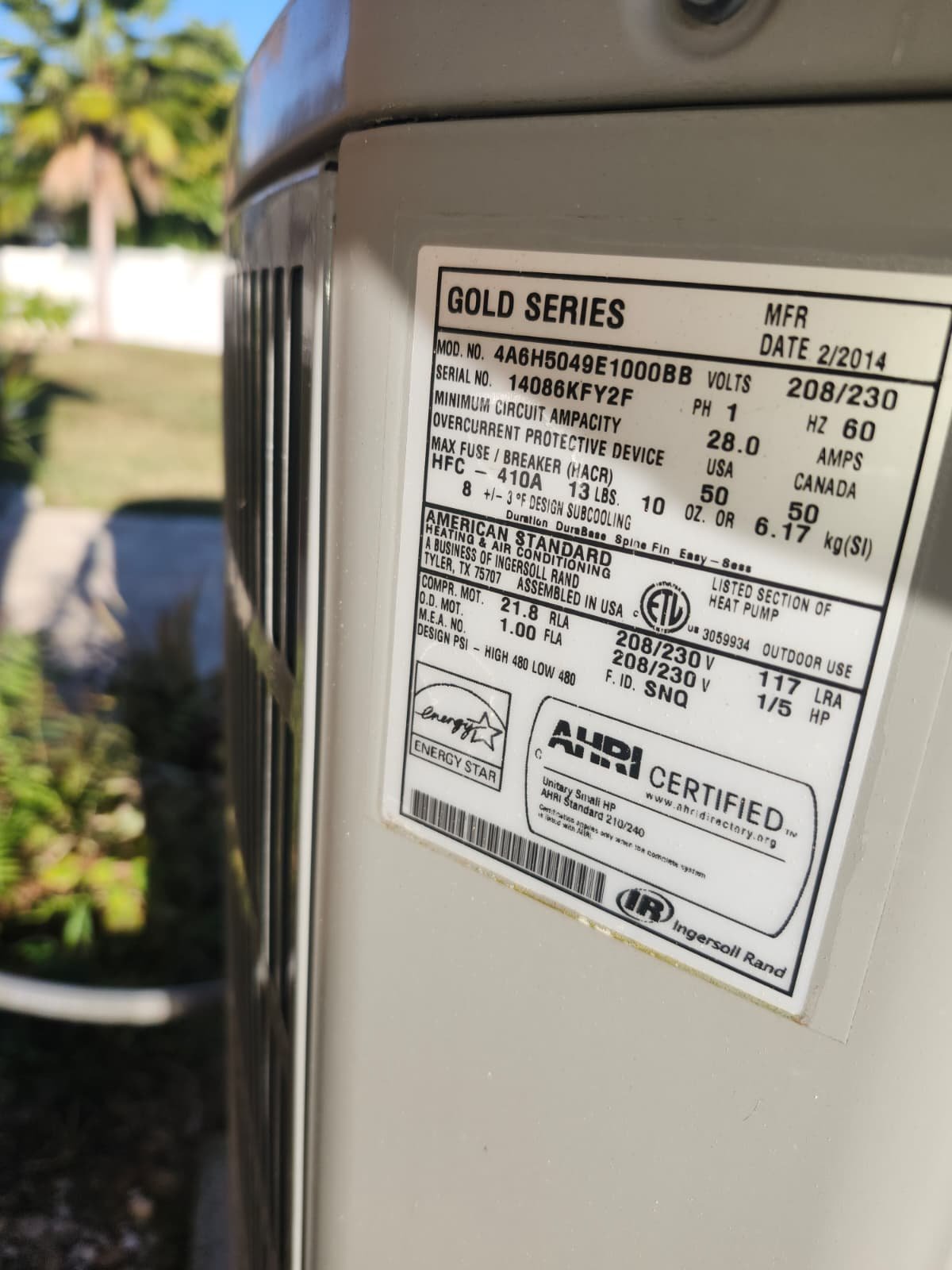
Premium HVAC Maintenance Plan Visit in Wesley Chapel, FL 33545

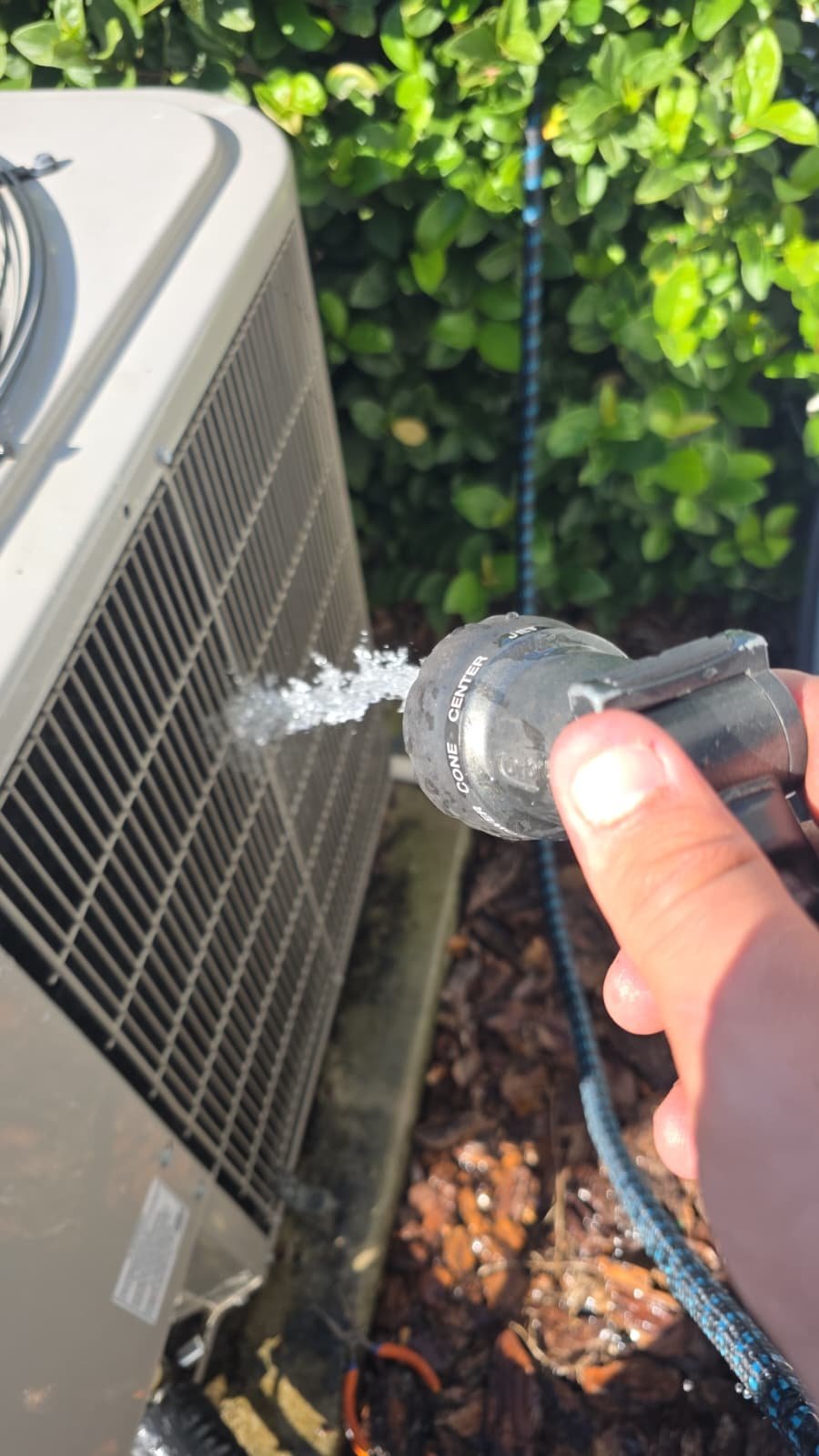
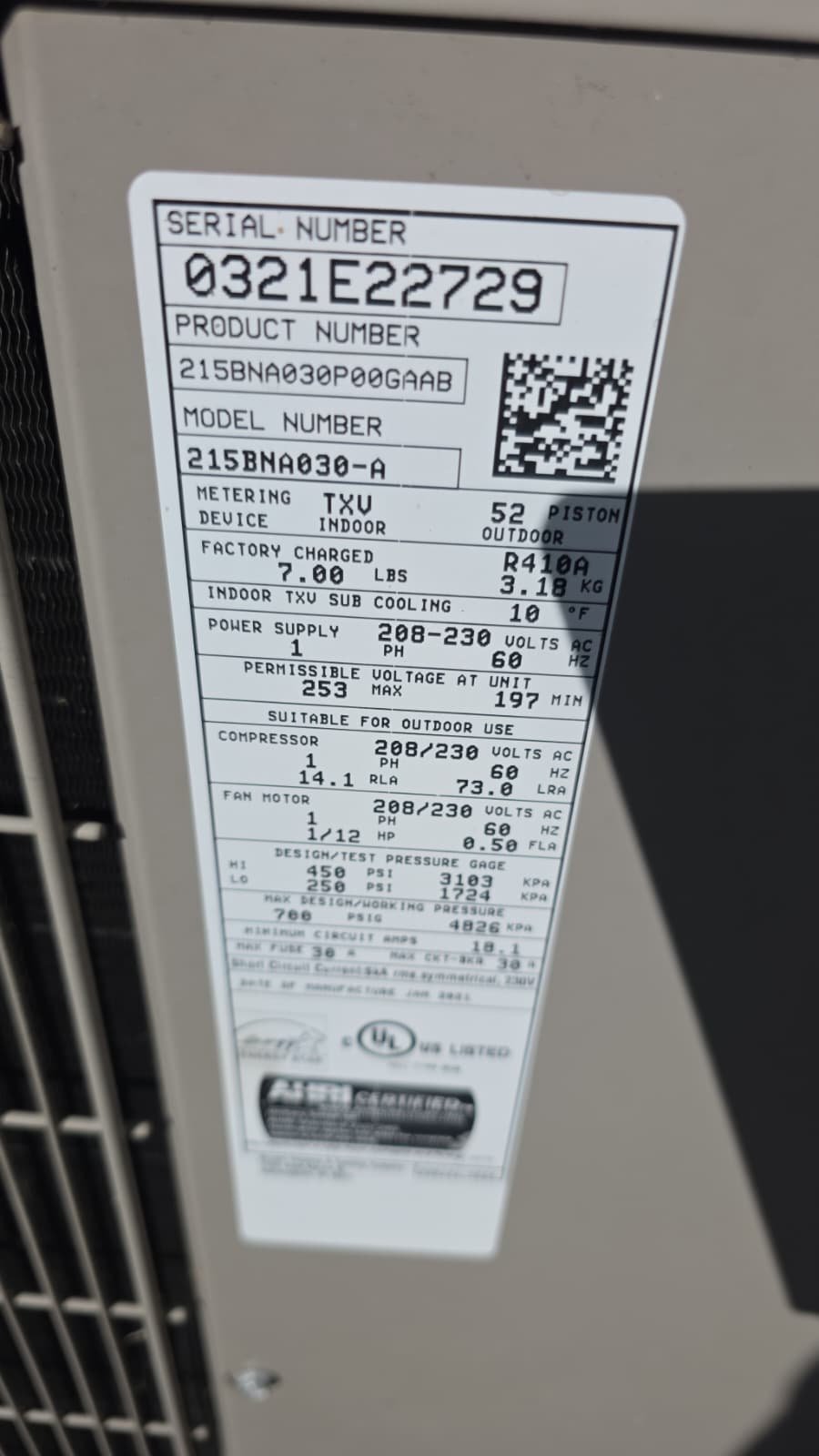
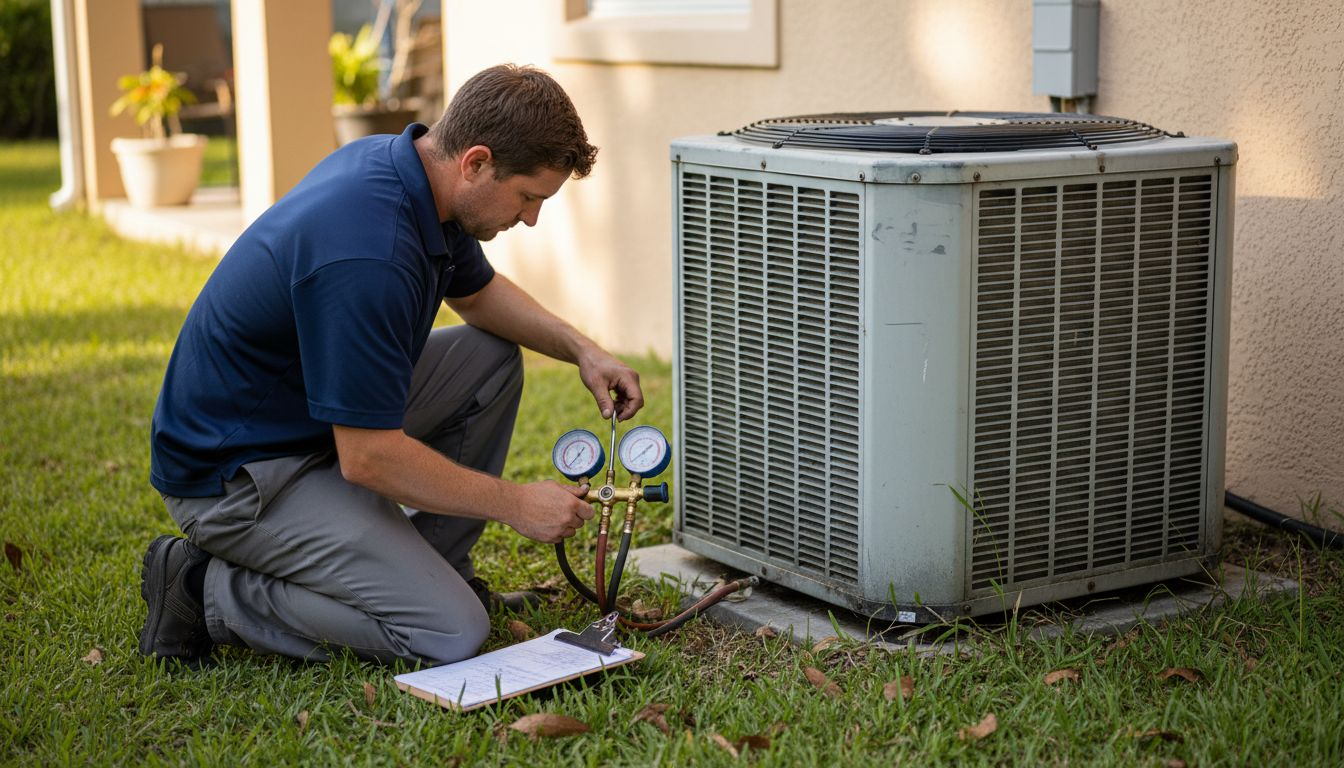
For this visit, we were called out to a home in Wesley Chapel, FL 33545 to complete a scheduled Premium Home Therapy Maintenance Plan service on a 4-year-old HVAC system. In our Florida heat and humidity, staying ahead of problems with regular maintenance is one of the best ways to protect your comfort and avoid breakdowns.

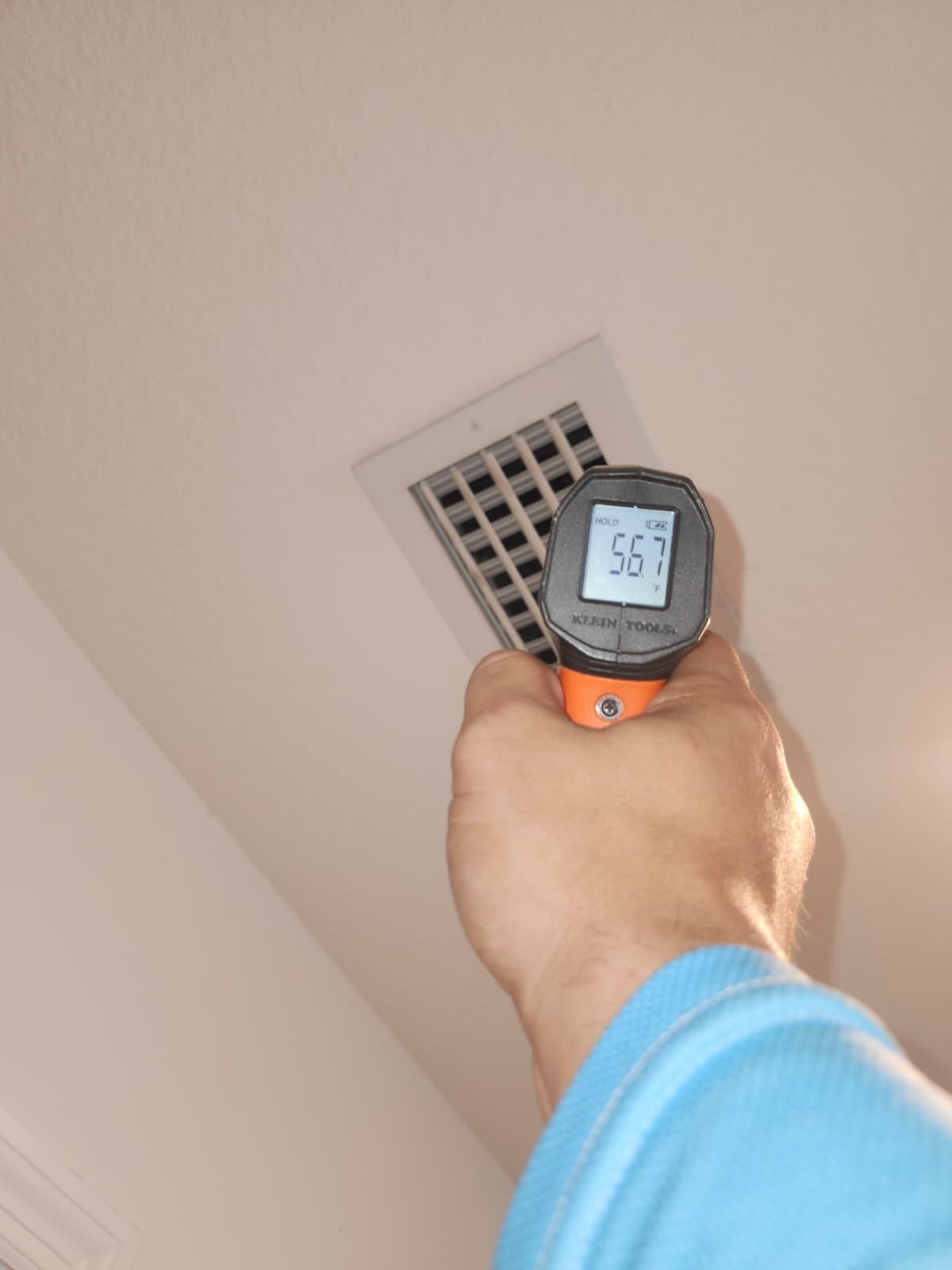
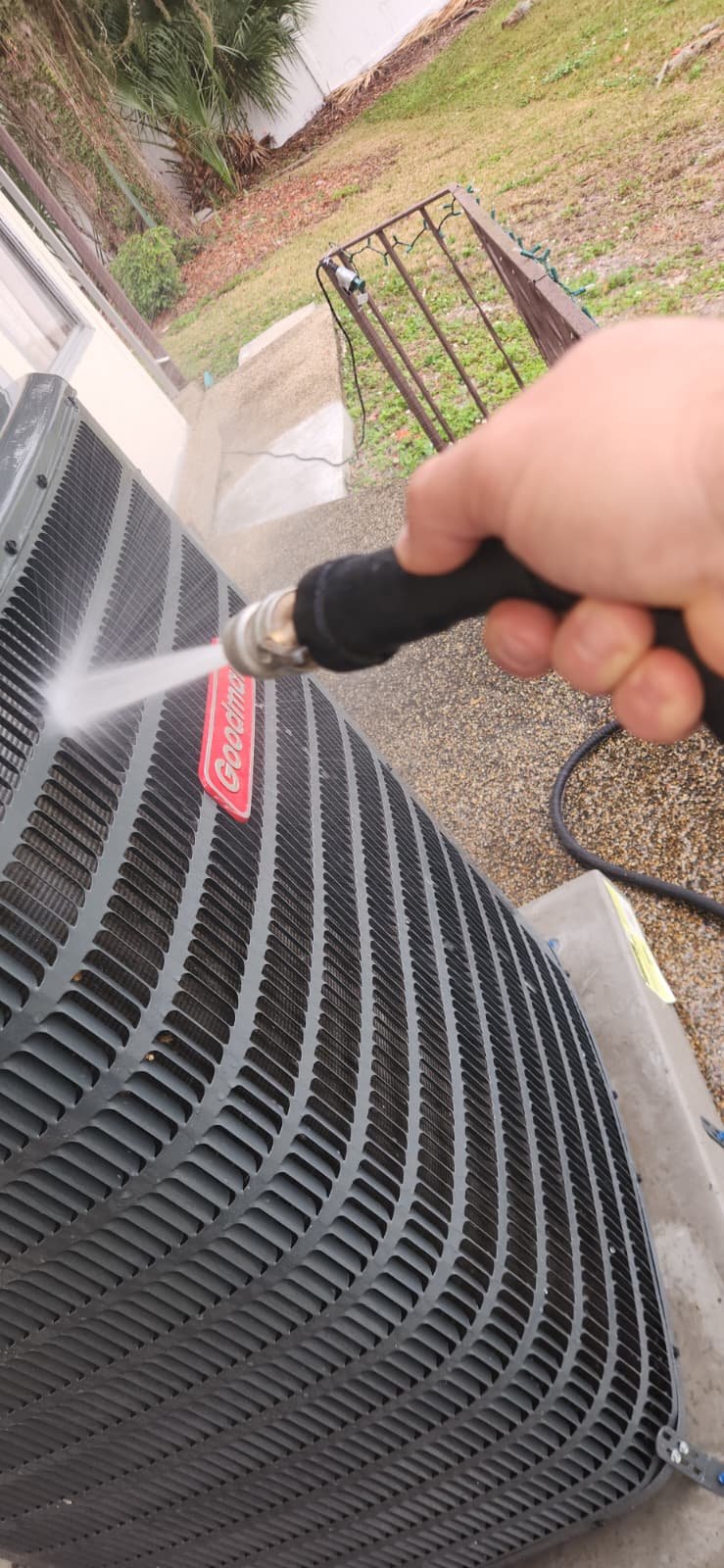
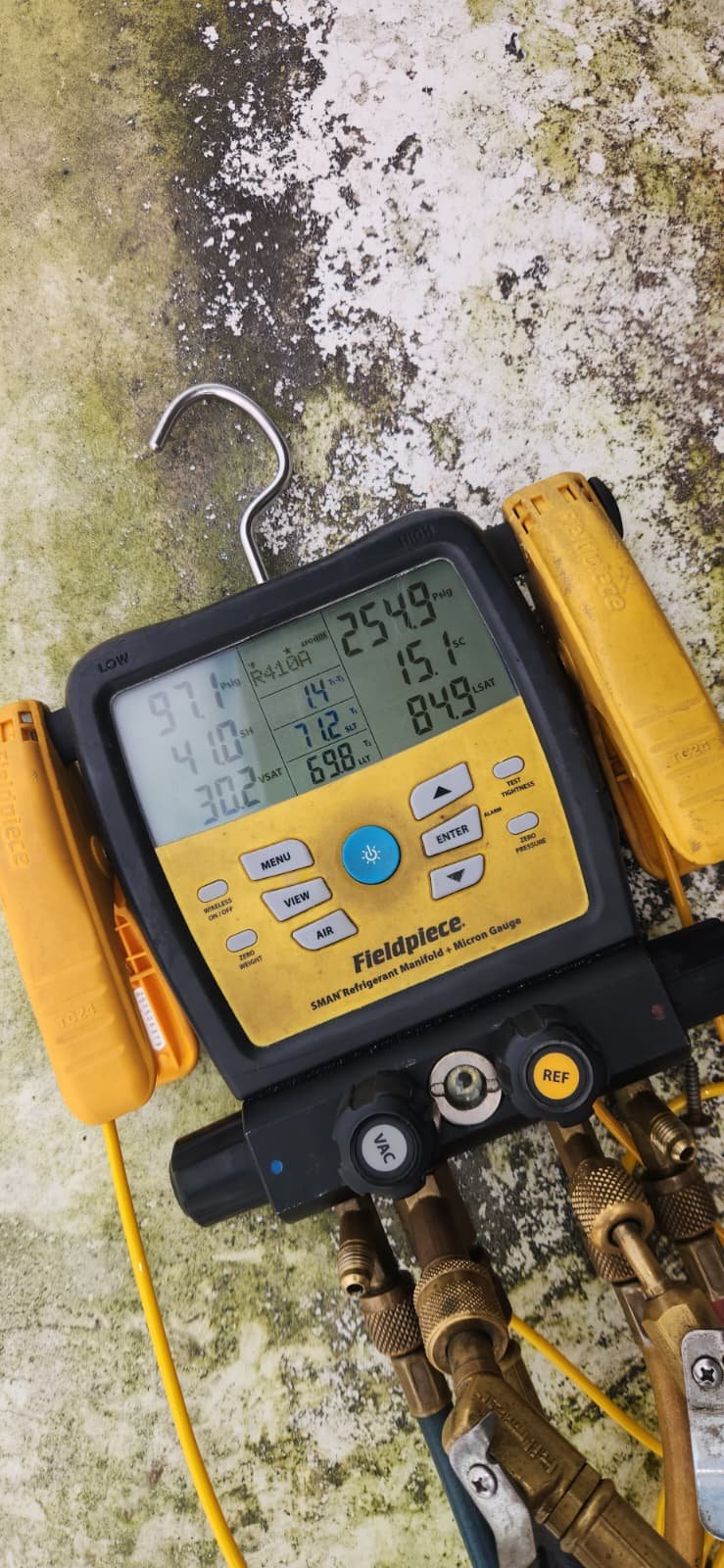
During this service, we performed a full cleaning on both the indoor and outdoor units, cleared the drain line, inspected the electrical components, checked refrigerant pressures, and verified overall system performance. The end result: the system in this Wesley Chapel home is running in excellent condition, with clean components, proper airflow, and all readings within normal operating ranges.

Case Recap

  • Location: Single-family home in Wesley Chapel, FL 33545
  • Service: Scheduled Premium Home Therapy Plan maintenance visit
  • System age: Approximately 4 years old
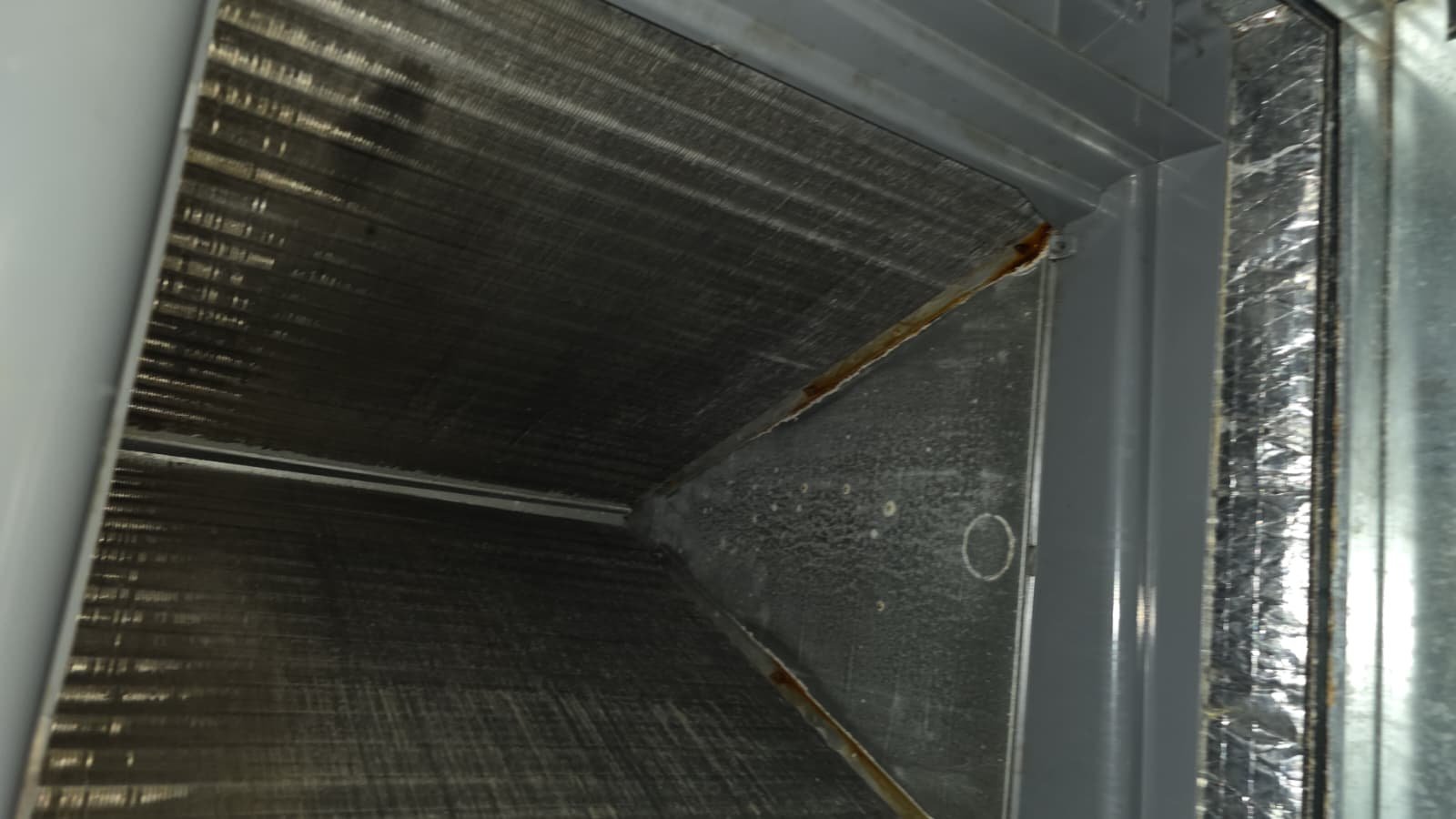
  • Work performed: Full indoor and outdoor cleaning, drain line service, and detailed inspection
  • Findings: All refrigerant pressures, electrical consumption, and system readings are within normal ranges
  • Outcome: HVAC system is clean, well maintained, and operating perfectly at this time

Customer Problem

This visit wasn’t about a sudden breakdown or a hot house in the middle of a Wesley Chapel summer. Instead, it was a proactive maintenance appointment under our Premium Home Therapy Plan. The homeowner wanted to make sure their relatively new system stayed reliable, efficient, and problem-free for many years to come.

In our Florida climate, even a 4-year-old system can start to show wear if it isn’t maintained properly. Dust, pet hair, and debris build up on coils; drain lines can clog from algae growth; and electrical parts work hard day after day. The homeowner understood that waiting until something fails usually means higher repair costs and more discomfort, so they chose ongoing professional maintenance instead.

Our goal for this Premium Plan visit in Wesley Chapel, FL 33545 was simple:

  • Thoroughly clean the system to support maximum airflow and efficiency
  • Catch any early signs of wear or potential failure
  • Confirm that refrigerant, electrical components, and safety controls were all in healthy operating condition
  • Give the homeowner peace of mind that their system is ready to handle our local heat and humidity

Inspection and Diagnosis

Even on a system that appears to be working fine, we follow a structured process. For this home in Wesley Chapel, we approached the Premium Home Therapy Plan visit as if we were trying to prove the system was perfect—or find any reason it wasn’t.

Here’s how we broke down the inspection:

Visual and Safety Check

We started with a visual inspection of both the indoor air handler and the outdoor condenser unit. We look for signs of:

  • Corrosion, rust, or water staining
  • Loose panels or missing screws
  • Damaged insulation or wiring
  • Obstructions around the outdoor unit that could restrict airflow

In this case, the system was in very good physical condition. Panels were secure, wiring looked clean, and there were no obvious safety concerns.

Refrigerant and Performance Check

Next, we checked system readings to make sure the refrigeration cycle was operating correctly. While we don’t publish specific numbers in a summary like this, we can say that:

  • Refrigerant pressures were within normal ranges for the system’s current operating conditions
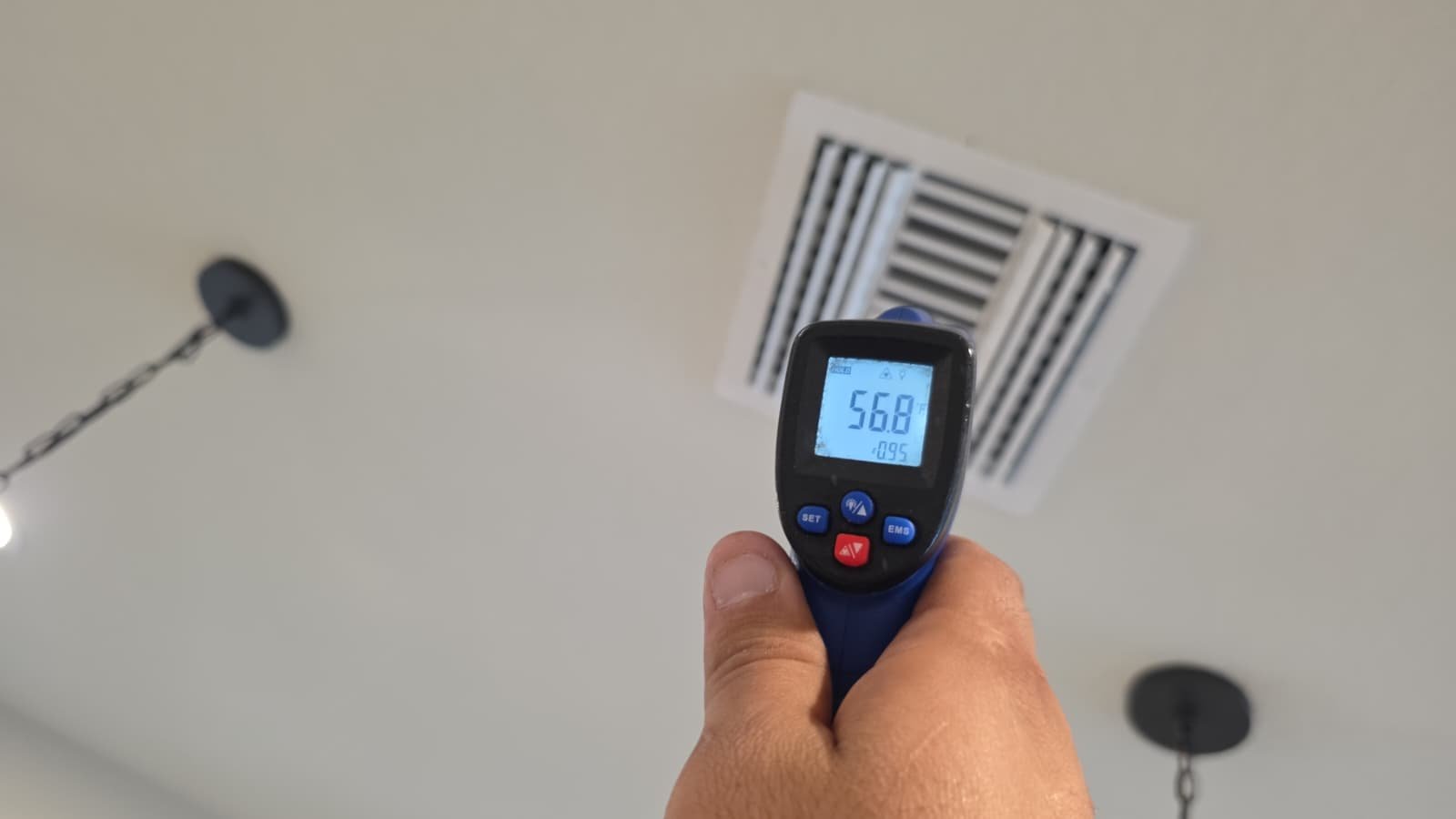
  • The system was cooling as expected, without signs of overcharging or low refrigerant

This is important for homeowners in Wesley Chapel because refrigerant issues can quietly reduce comfort and efficiency long before a system stops cooling entirely.

Electrical and Motor Health

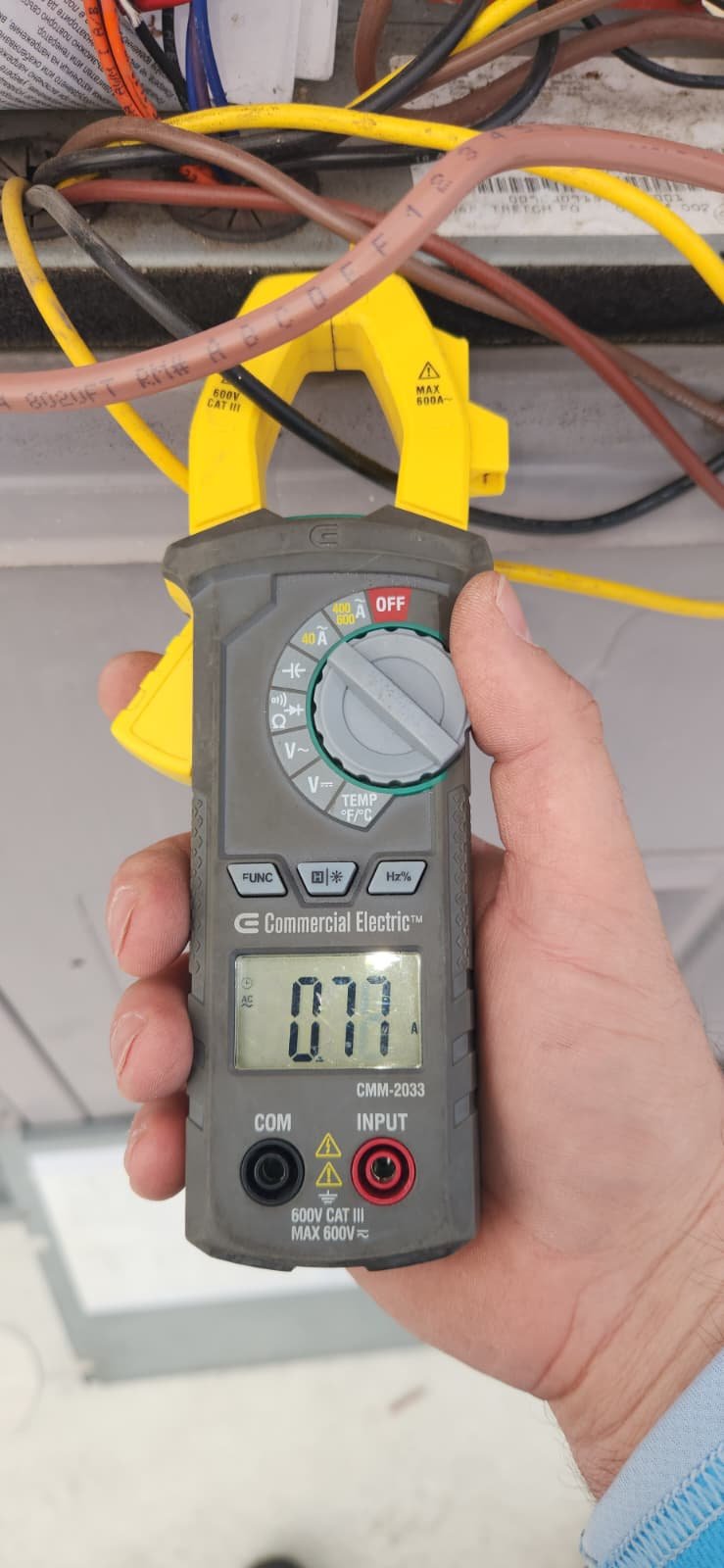
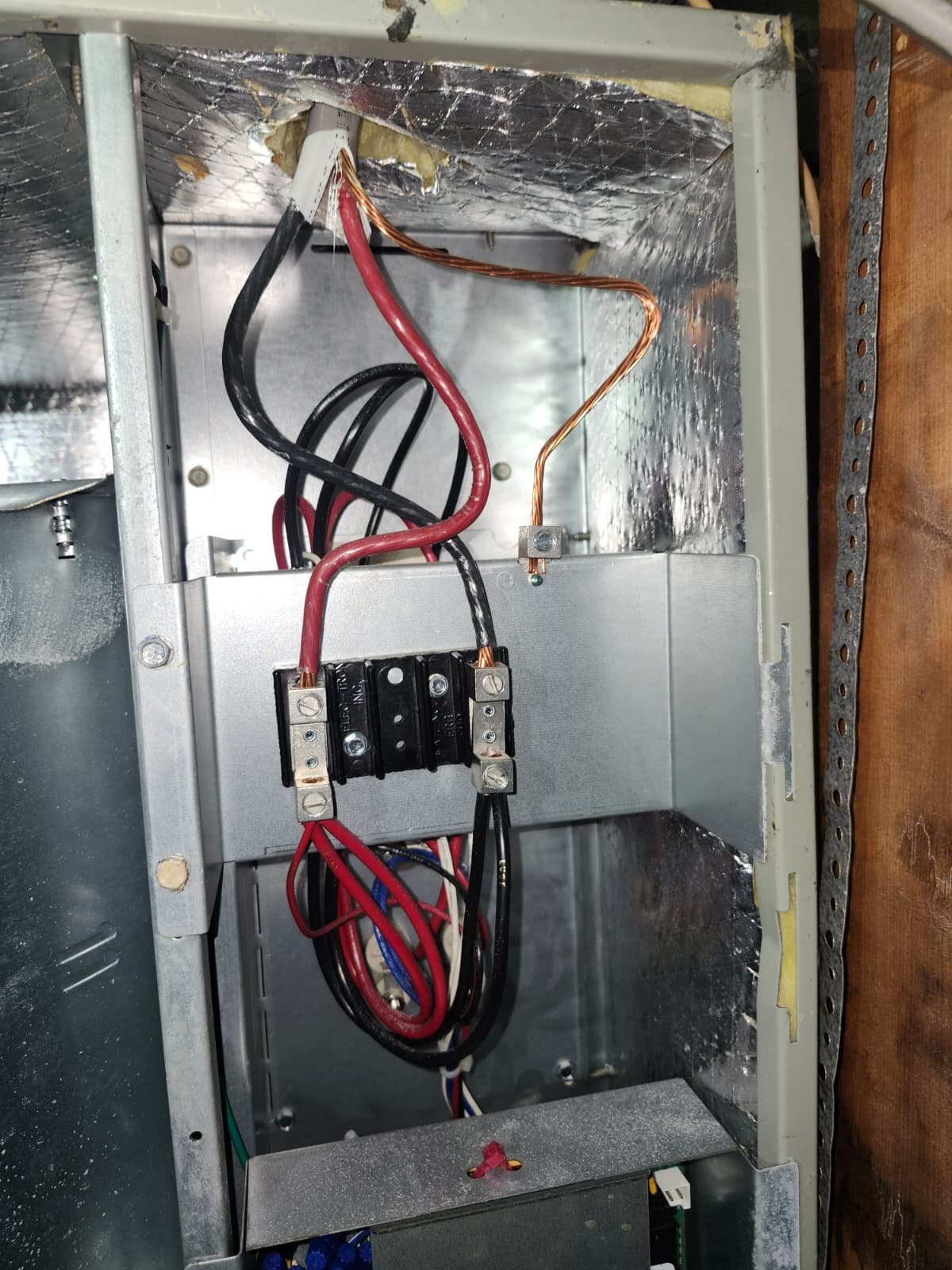
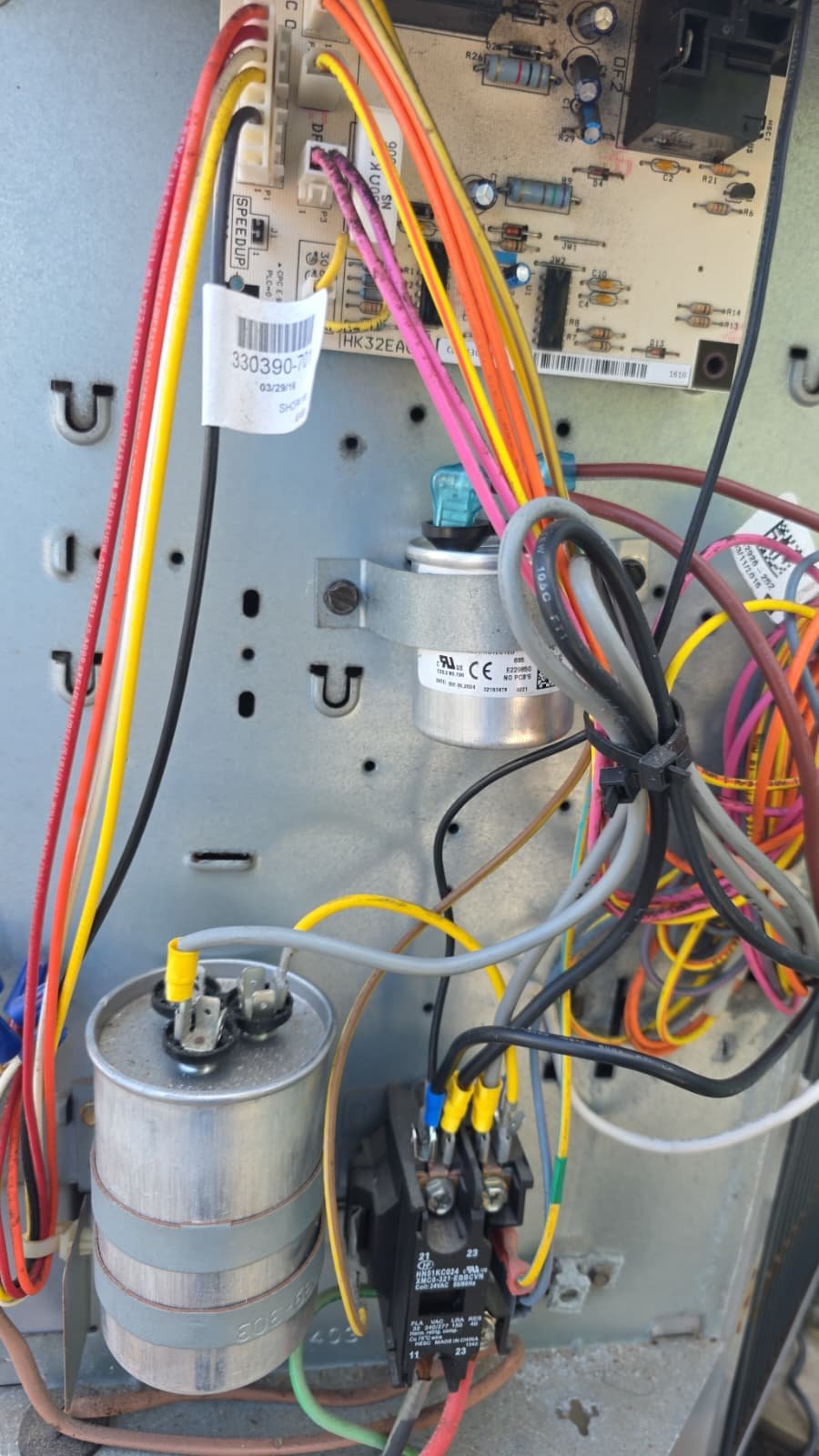
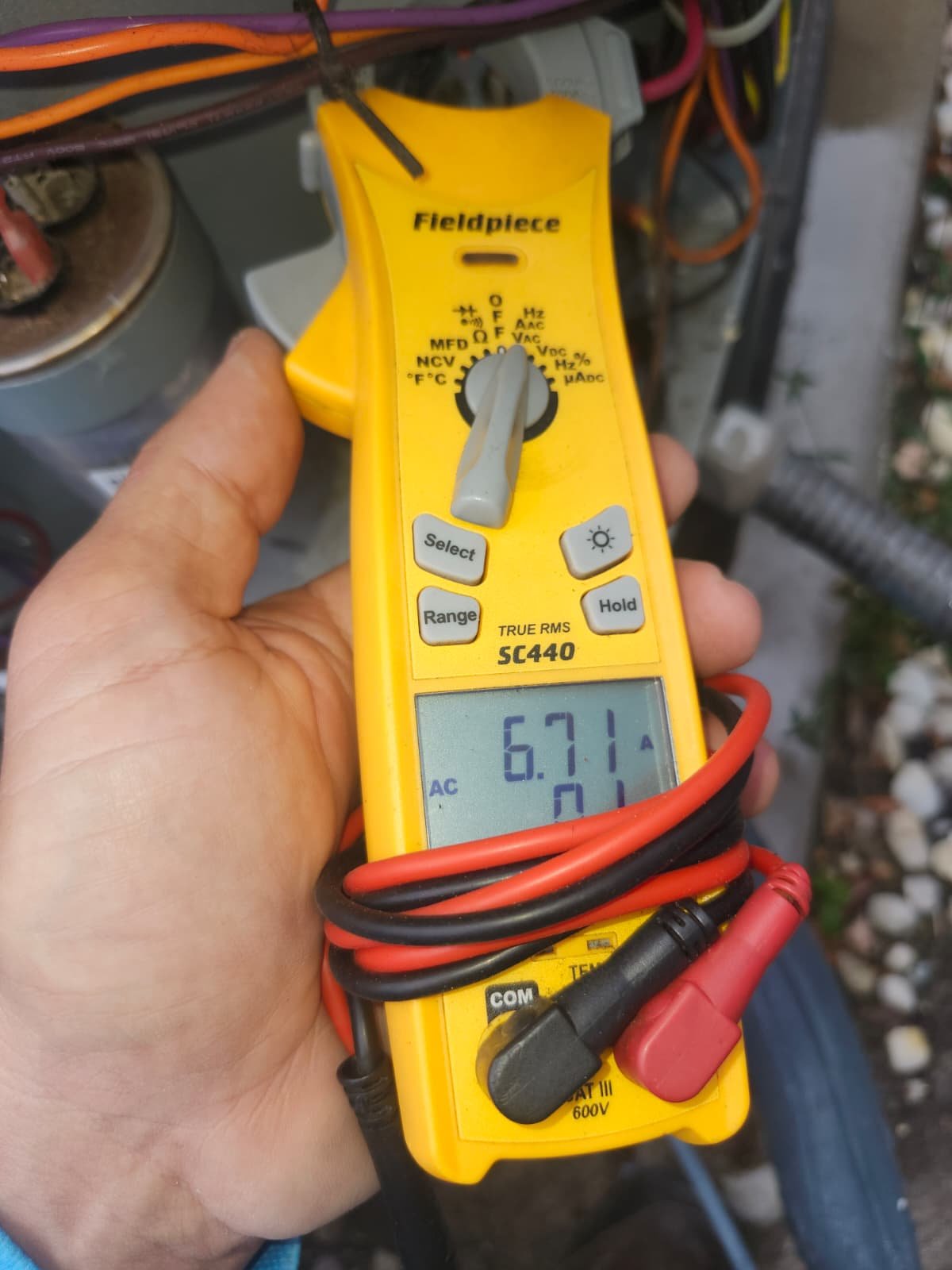
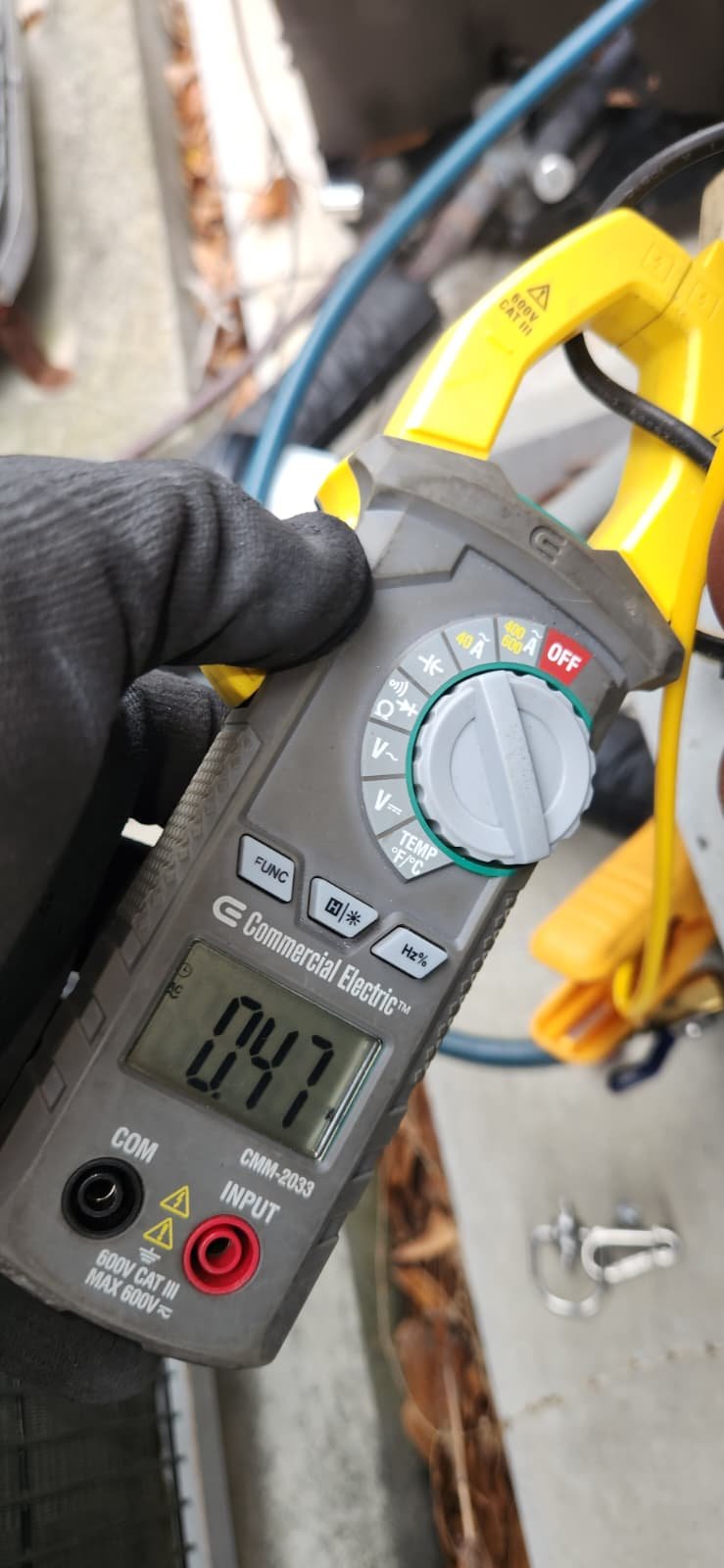
We also inspected the electrical side of the system, including the blower motor, compressor, and condenser fan motor. We verified that the electrical consumption for each of these components was operating properly and did not show signs of unusual strain.

Electrical problems often show up as high energy bills, breaker trips, or intermittent system operation. On this visit, everything checked out normal, which is exactly what we want to see during routine maintenance.

Drain Line and Indoor Air Quality Components

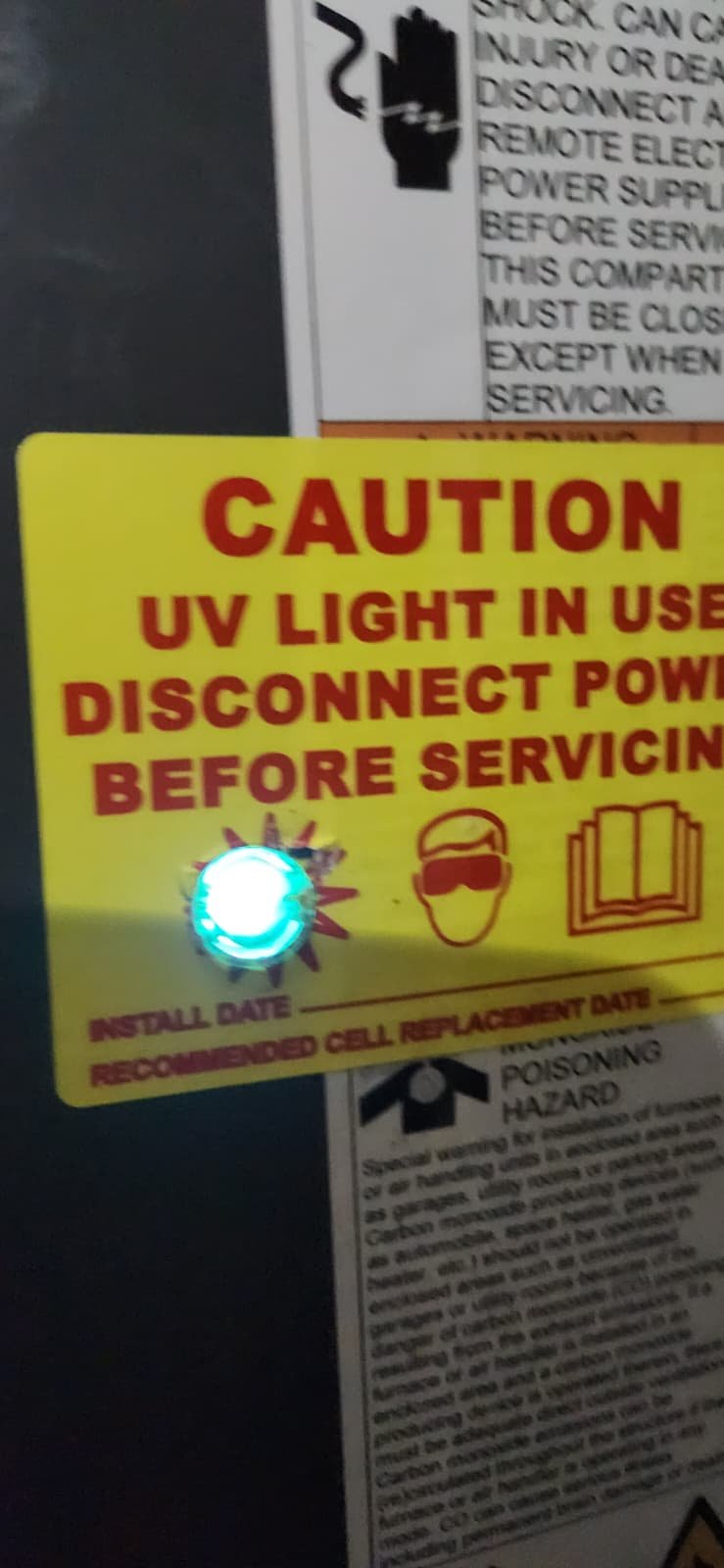
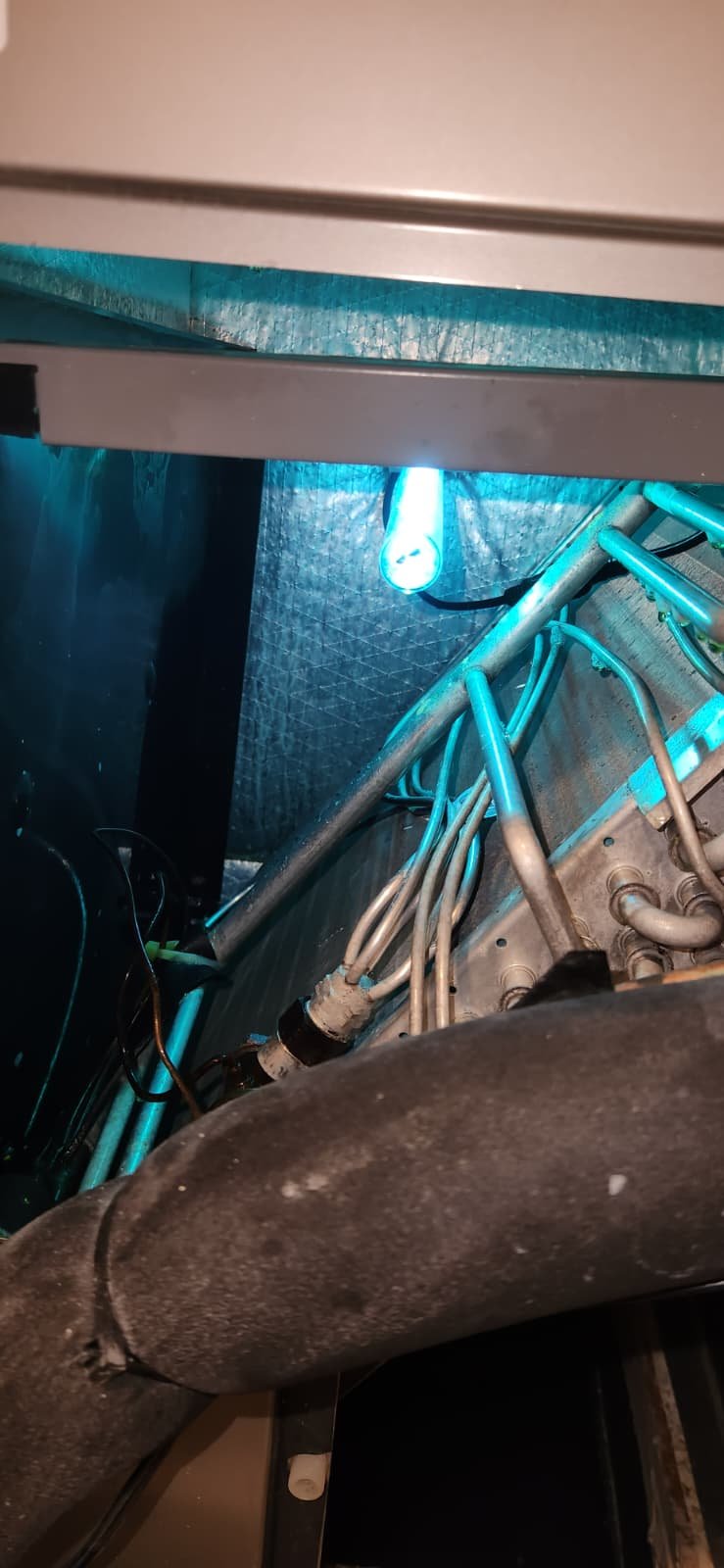
Drain line issues are extremely common in Florida, especially in areas like Wesley Chapel where AC systems run hard for many months of the year. We inspected the condensate drain line and pan for signs of buildup or slow drainage, and we verified that the UV light installed on the system was still functioning correctly.

The UV light is an important part of this home’s indoor air quality strategy. A working UV system helps keep internal components cleaner and can reduce microbial growth inside the air handler, which is especially helpful in our humid climate.

Repair or Service Process

Because this was a planned maintenance visit and not a repair call, our focus was cleaning, testing, and prevention. Here’s how we carried out the Premium Plan service for this Wesley Chapel, FL 33545 homeowner.

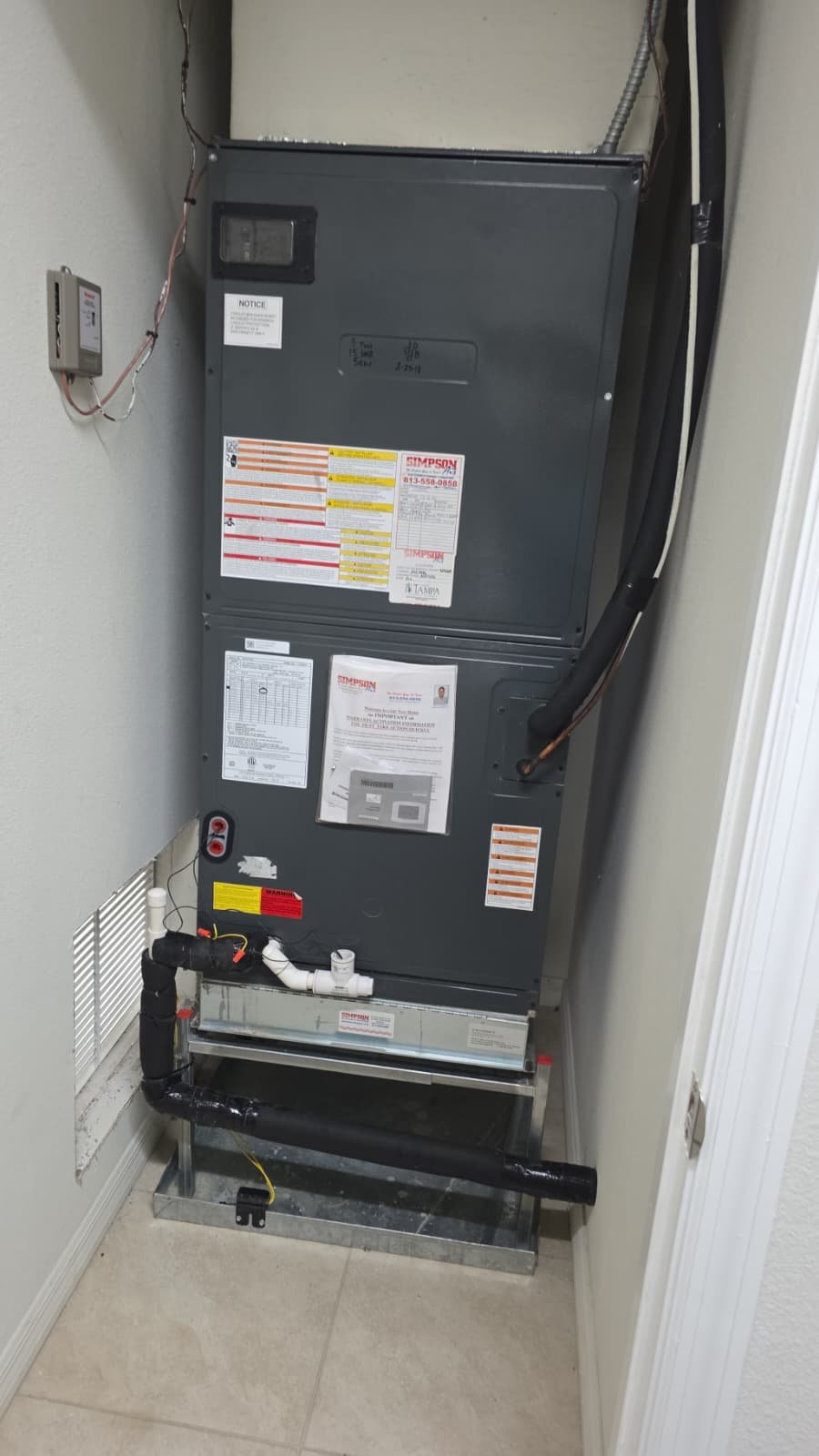
1. Thorough Cleaning of Indoor Unit

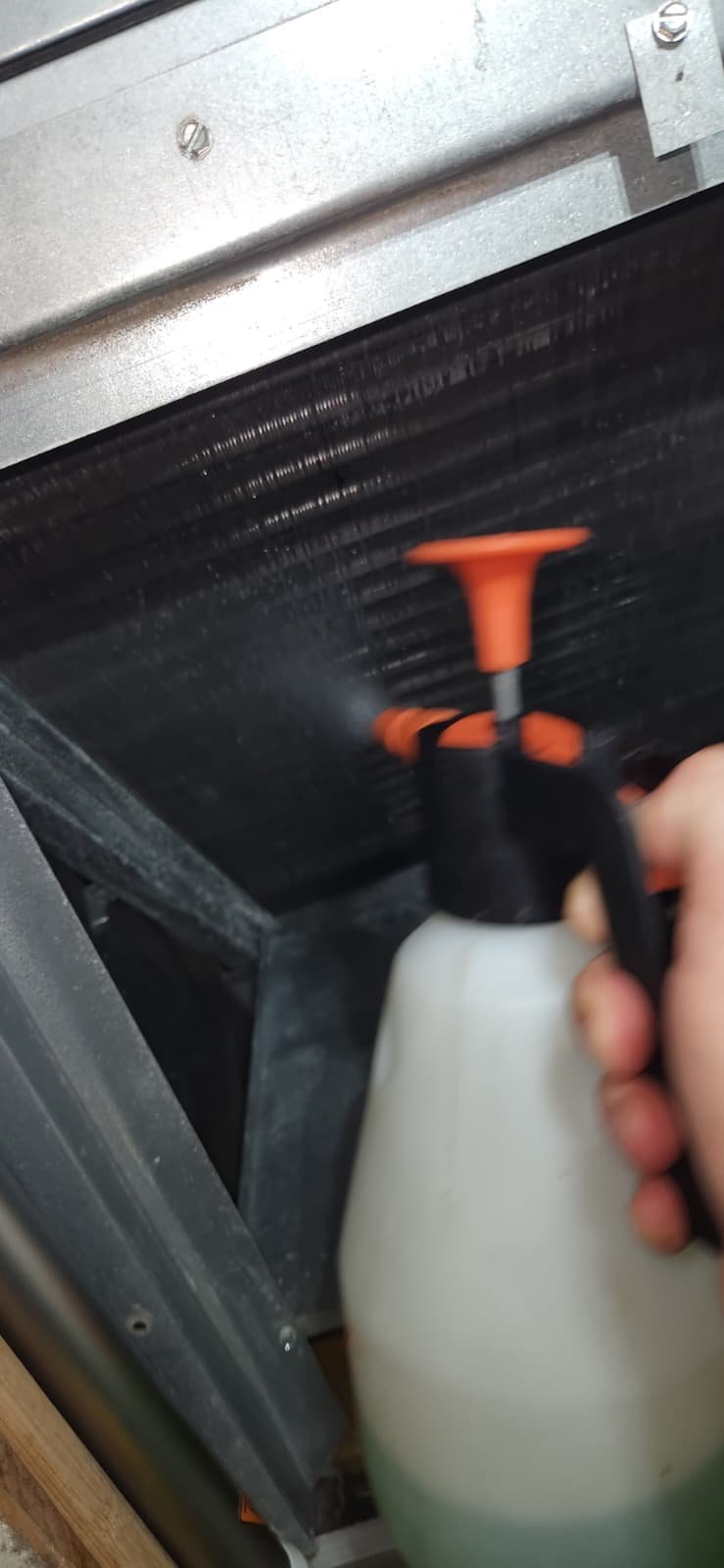
We started inside with the air handler. Keeping this part of the system clean is critical because it’s responsible for pushing conditioned air through the ductwork and into every room of the home.

Our work included:

  • Cleaning accessible surfaces of the indoor components
  • Checking for dust buildup that could restrict airflow
  • Inspecting the evaporator area for cleanliness and drainage

This kind of cleaning helps maintain good airflow, supports more even temperatures throughout the home, and reduces the strain on the blower motor.

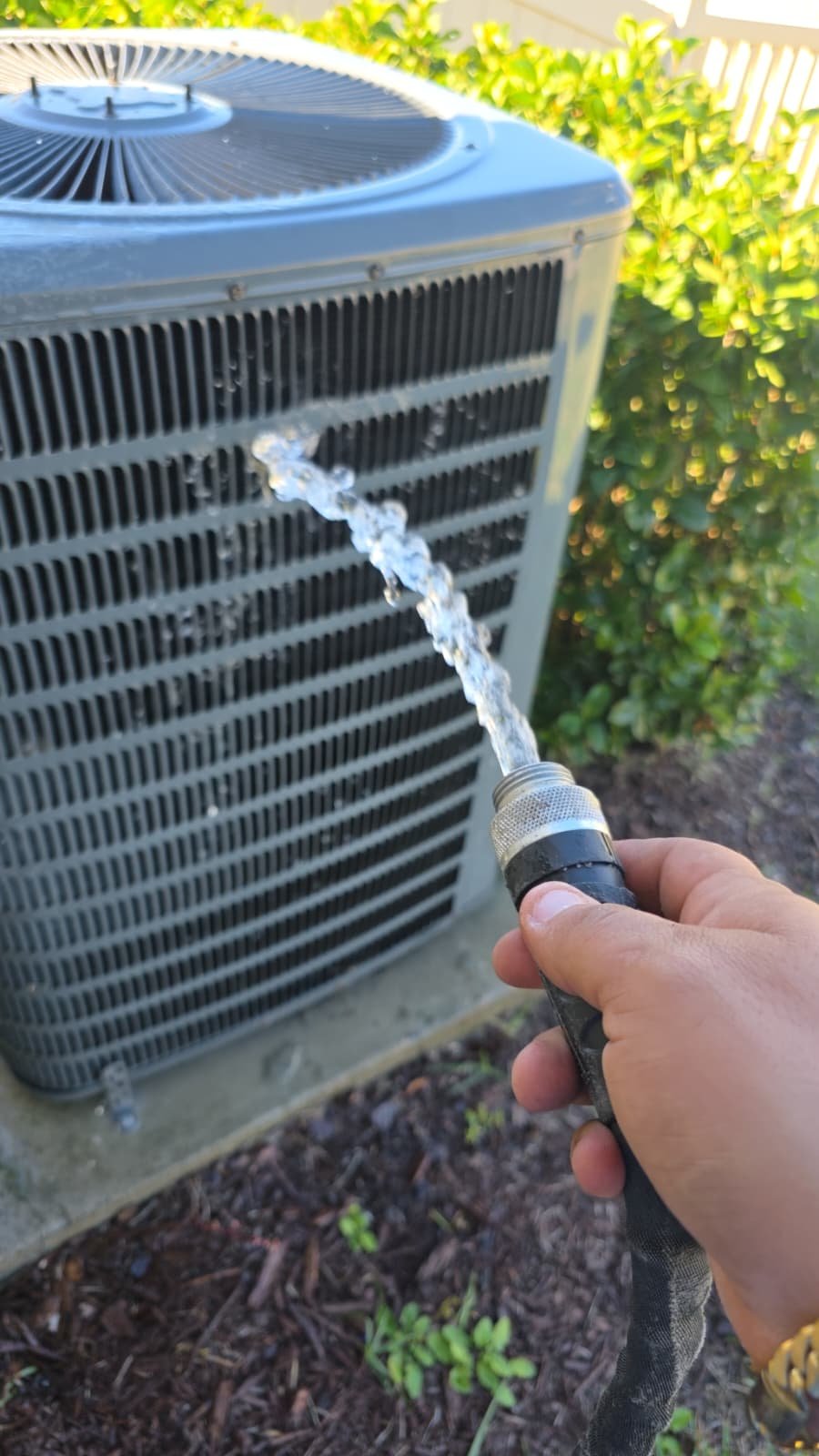
2. Cleaning the Outdoor Condenser

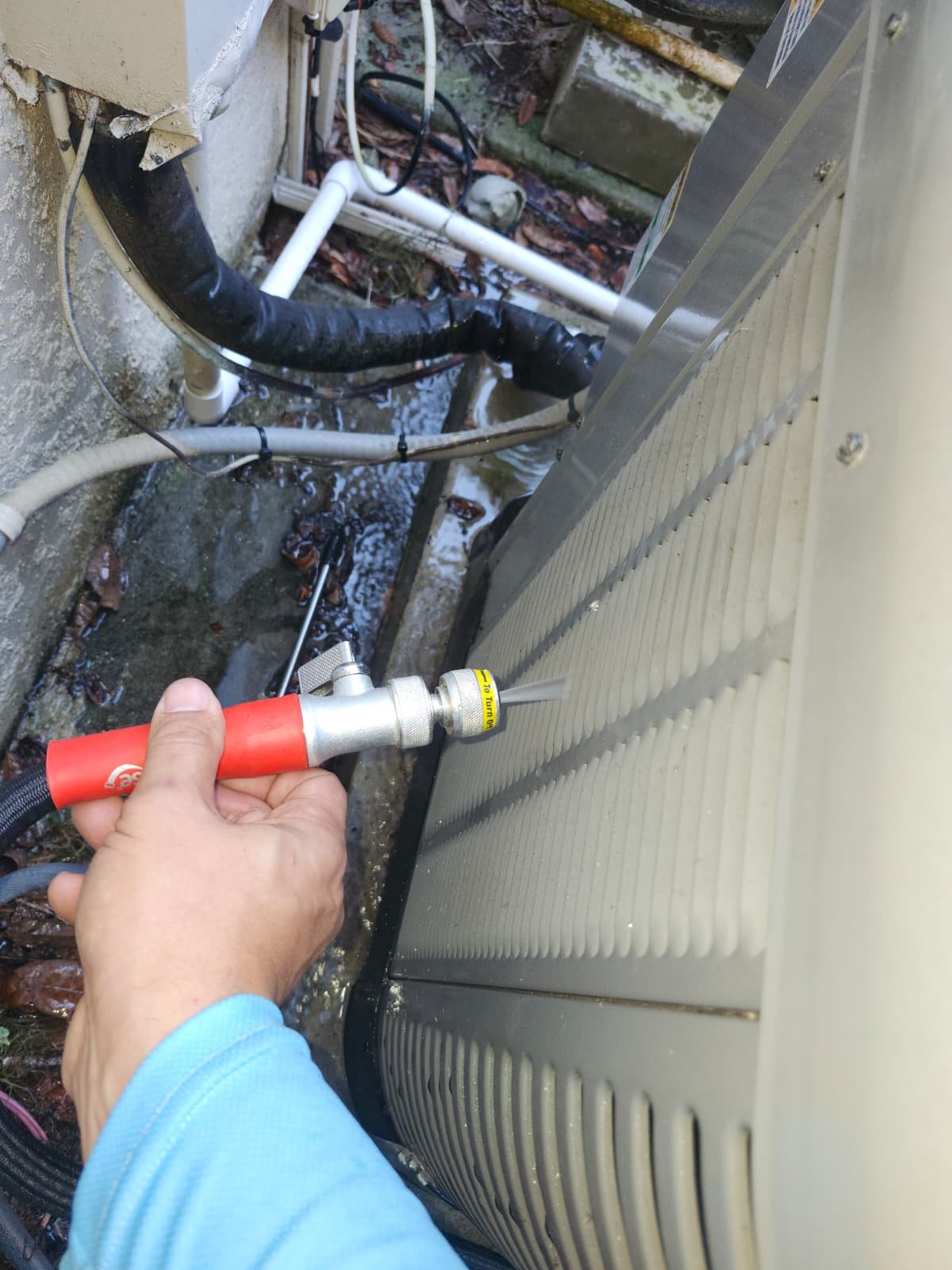
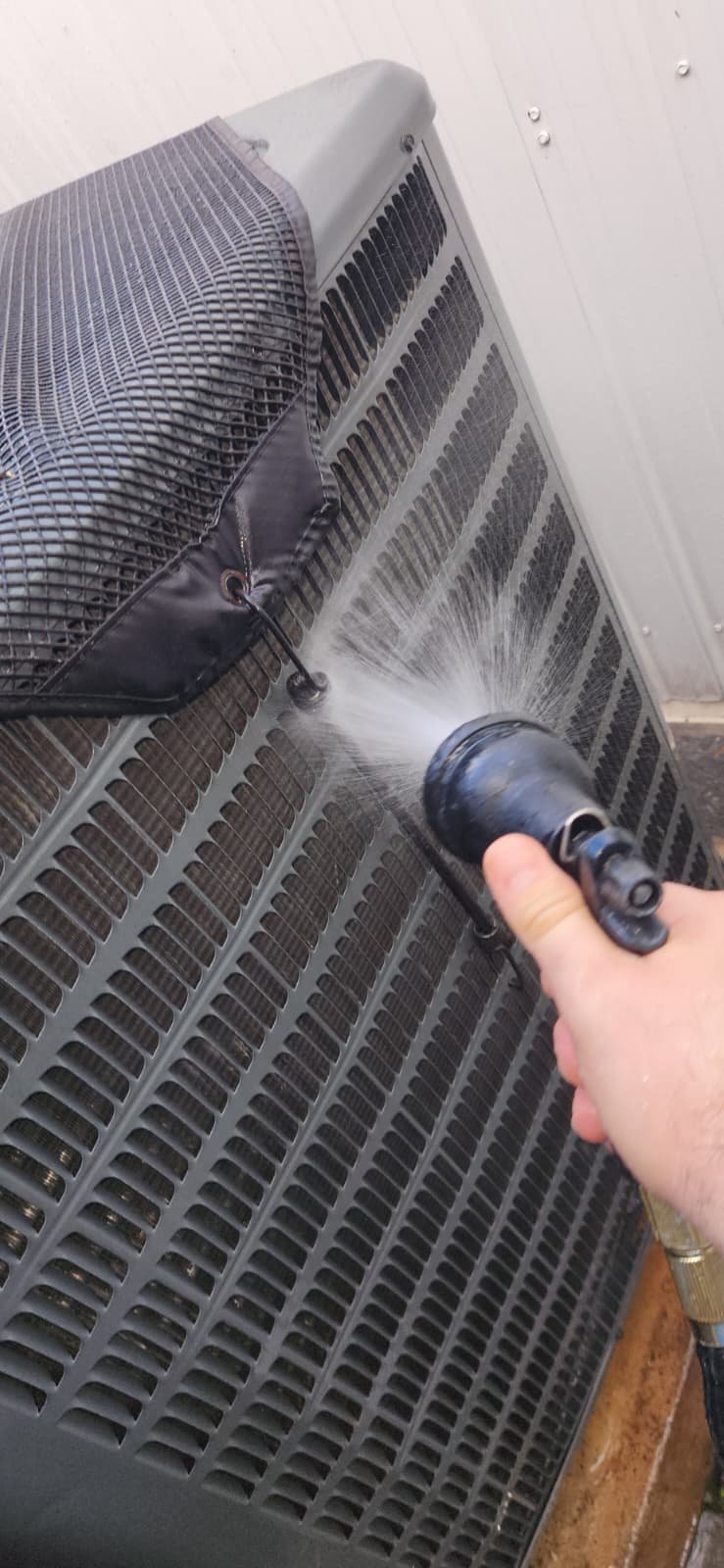
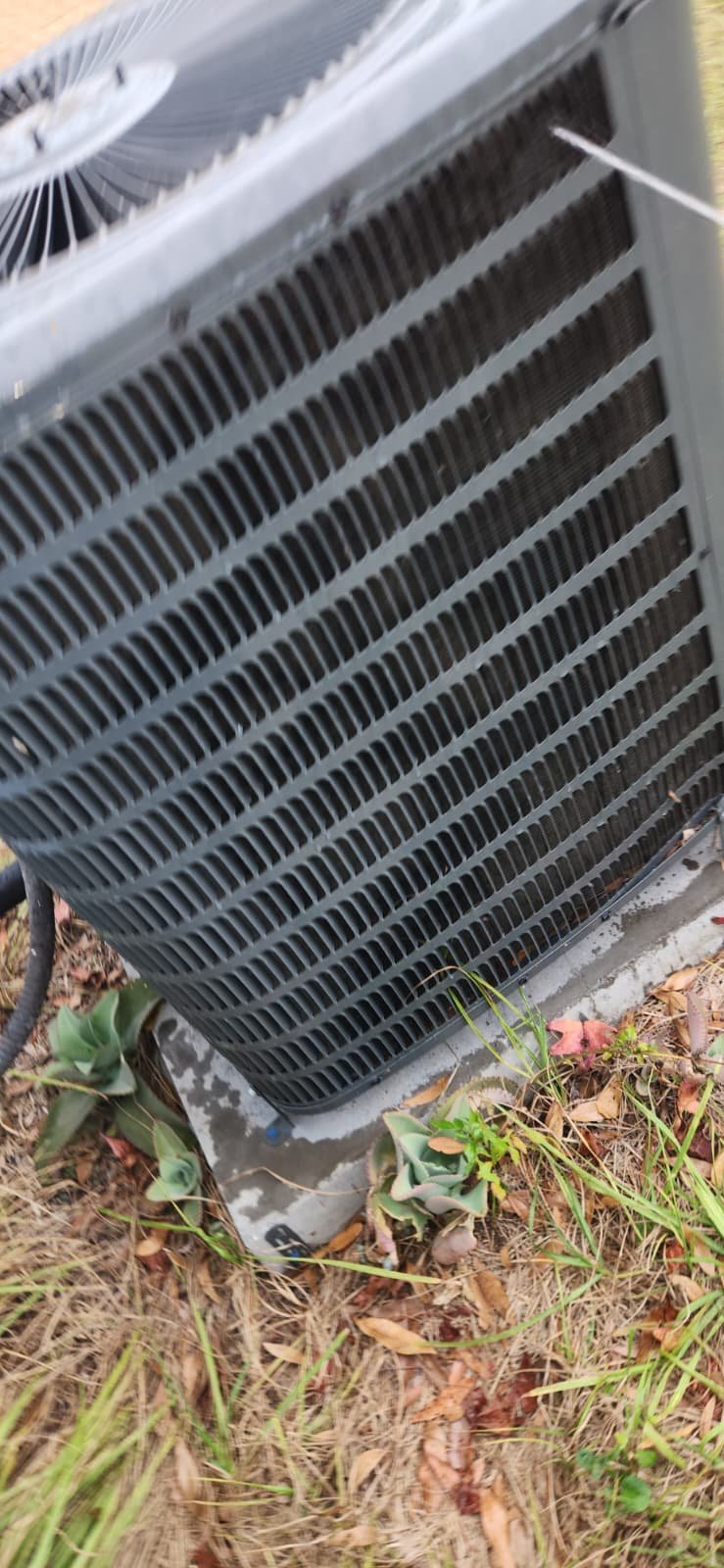
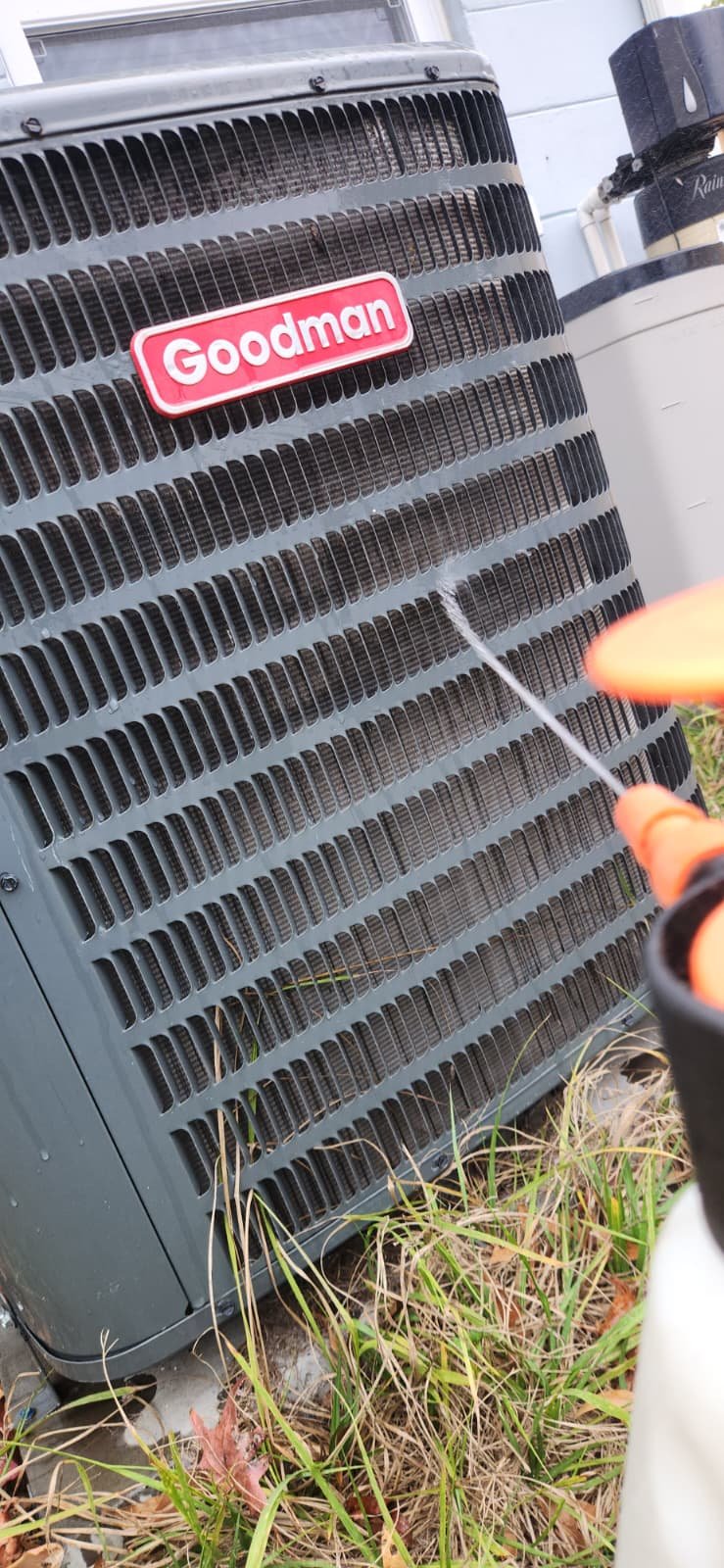
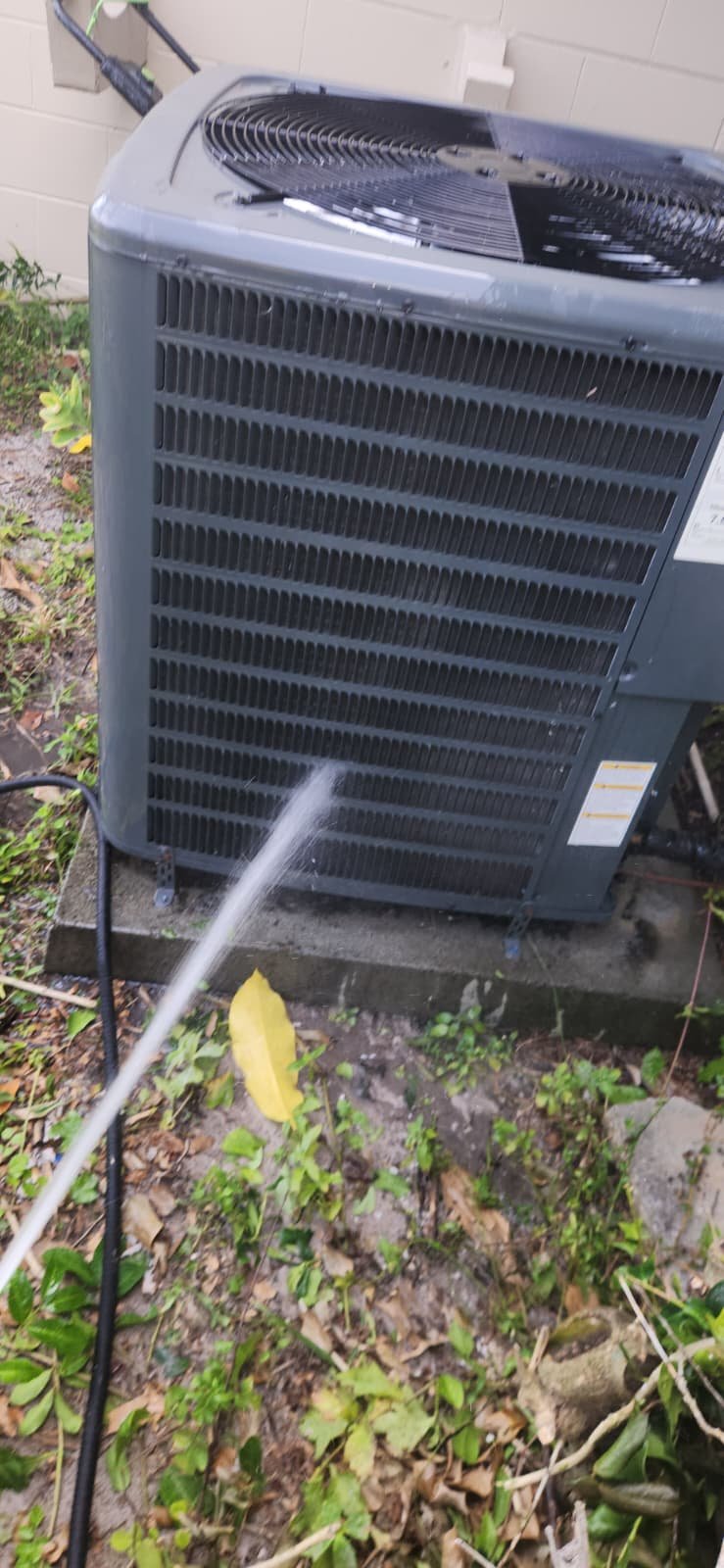
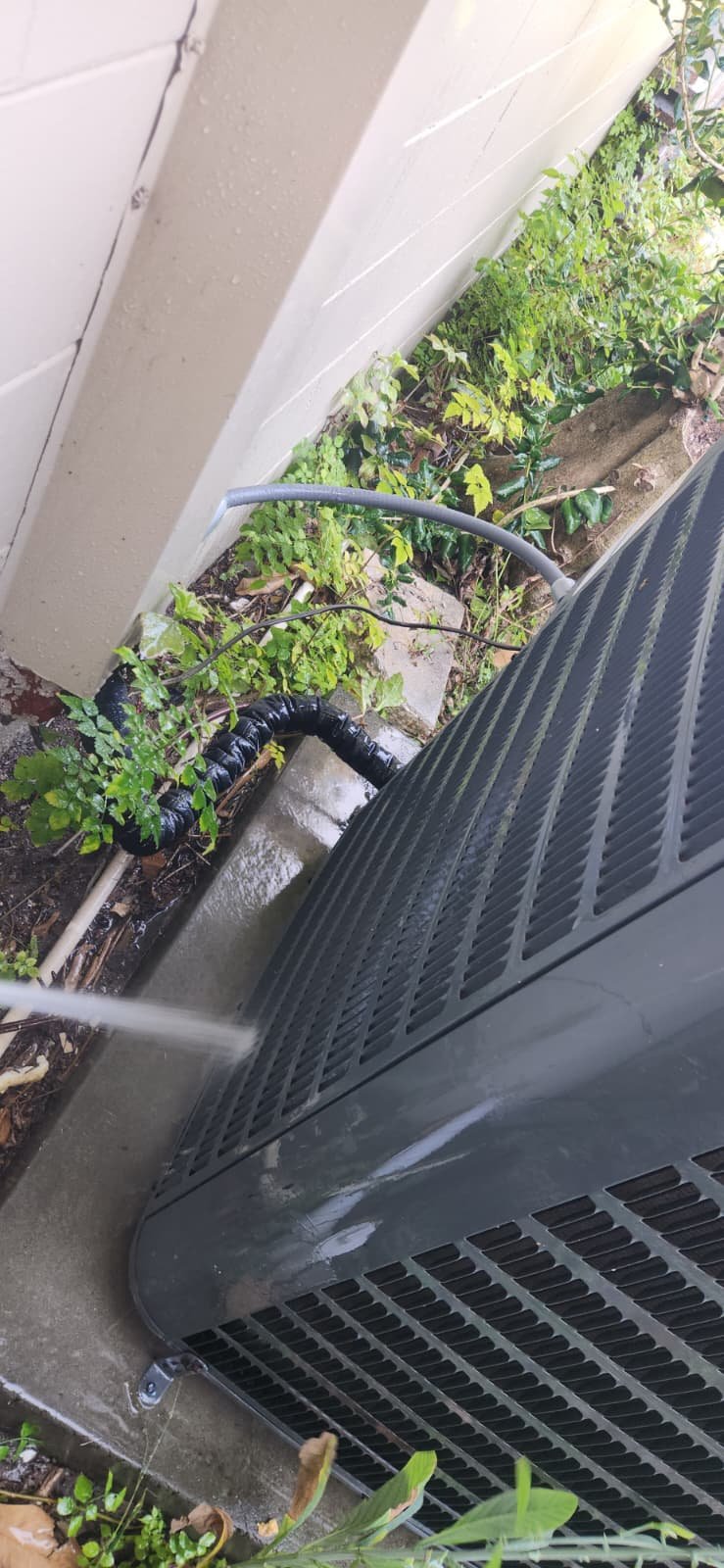
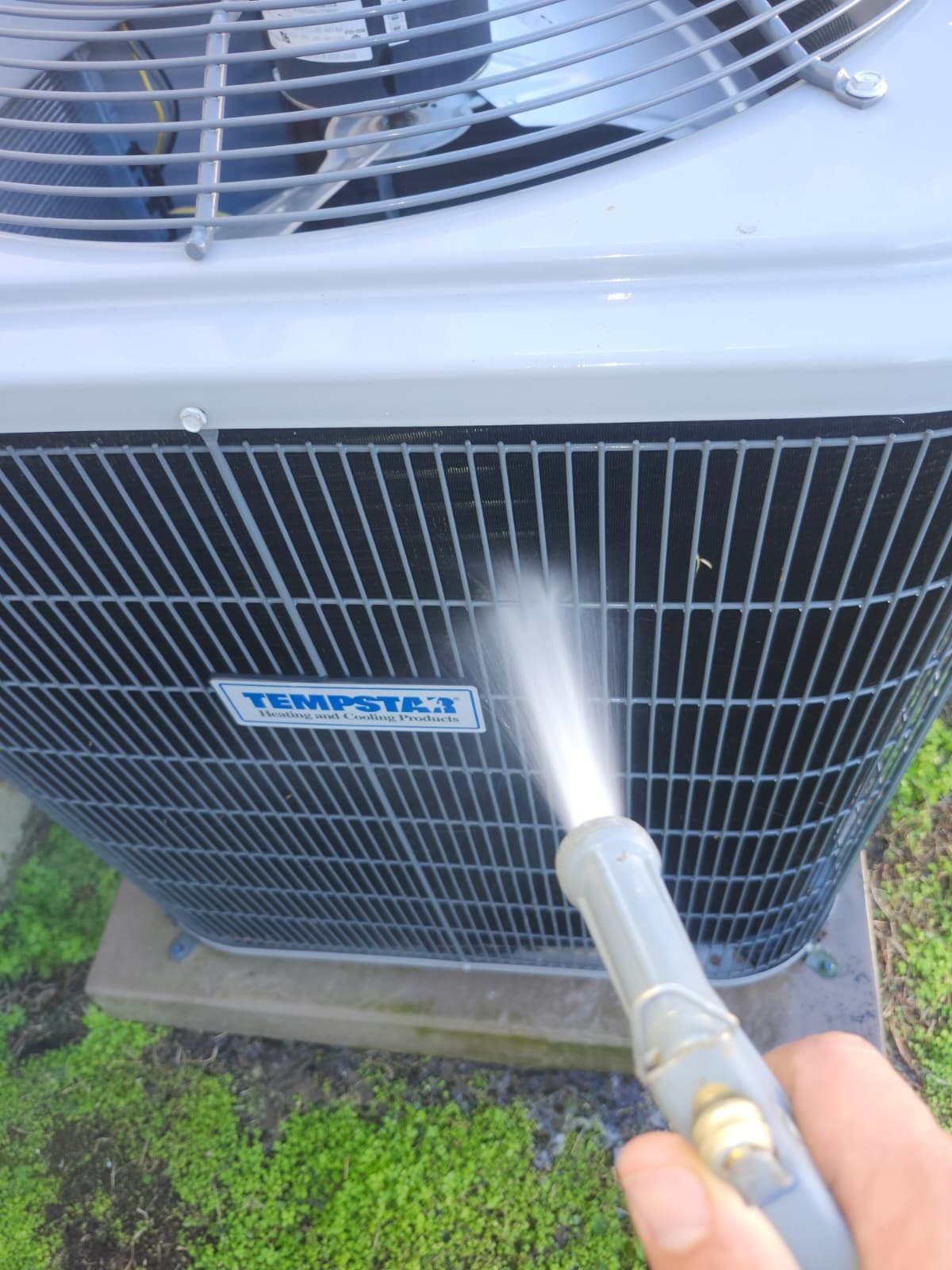
Next, we moved outside to the condenser unit. Outdoor units in Wesley Chapel see a lot—rain, pollen, grass clippings, and general yard debris all try to work their way into the coil.

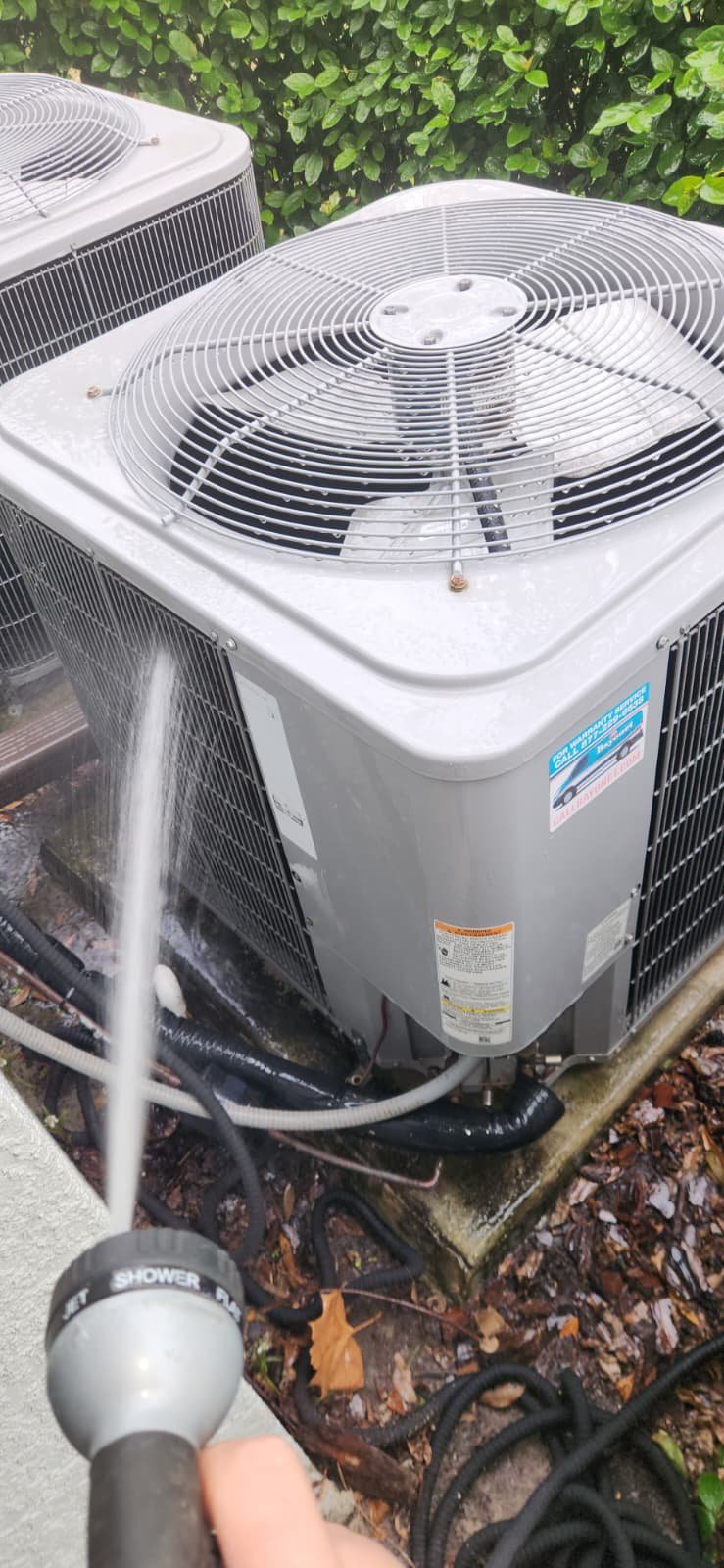
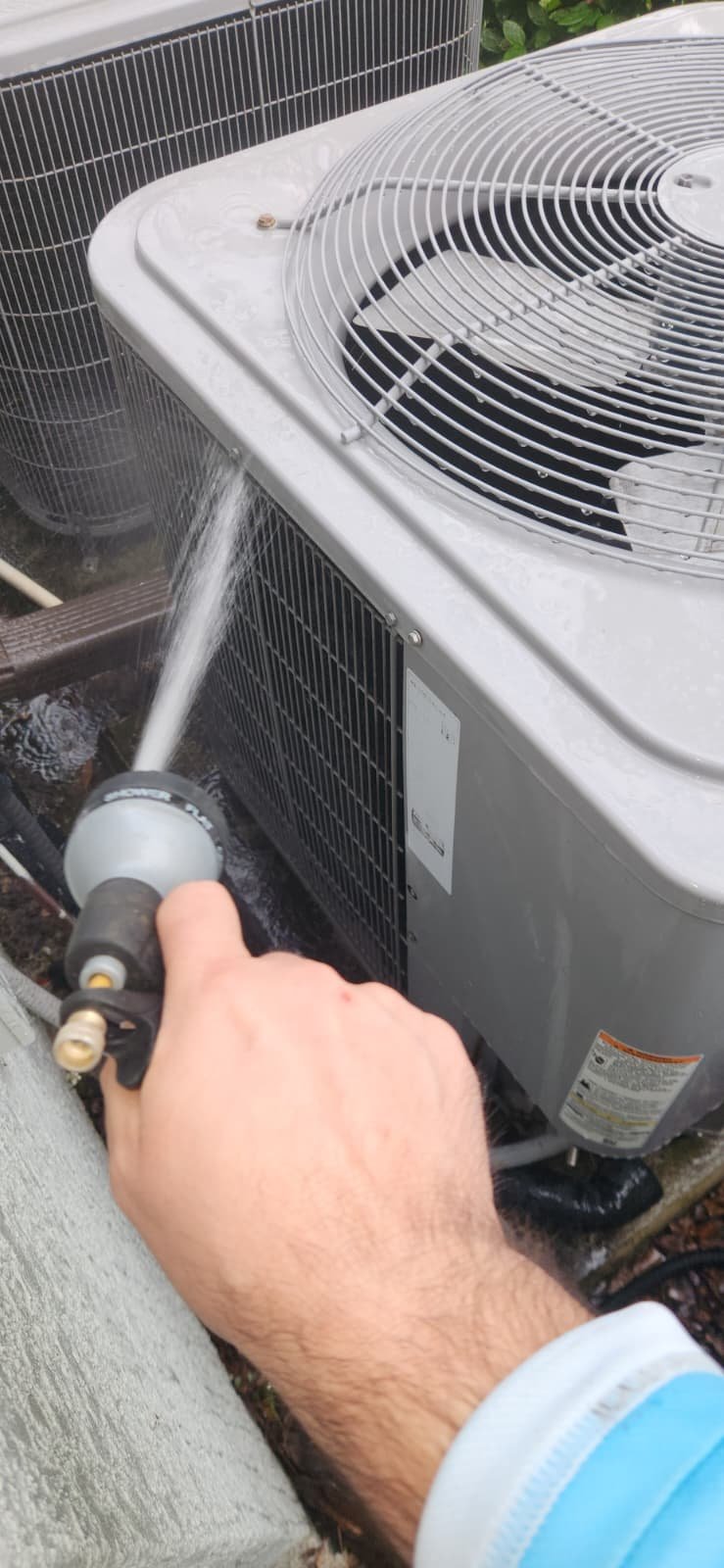
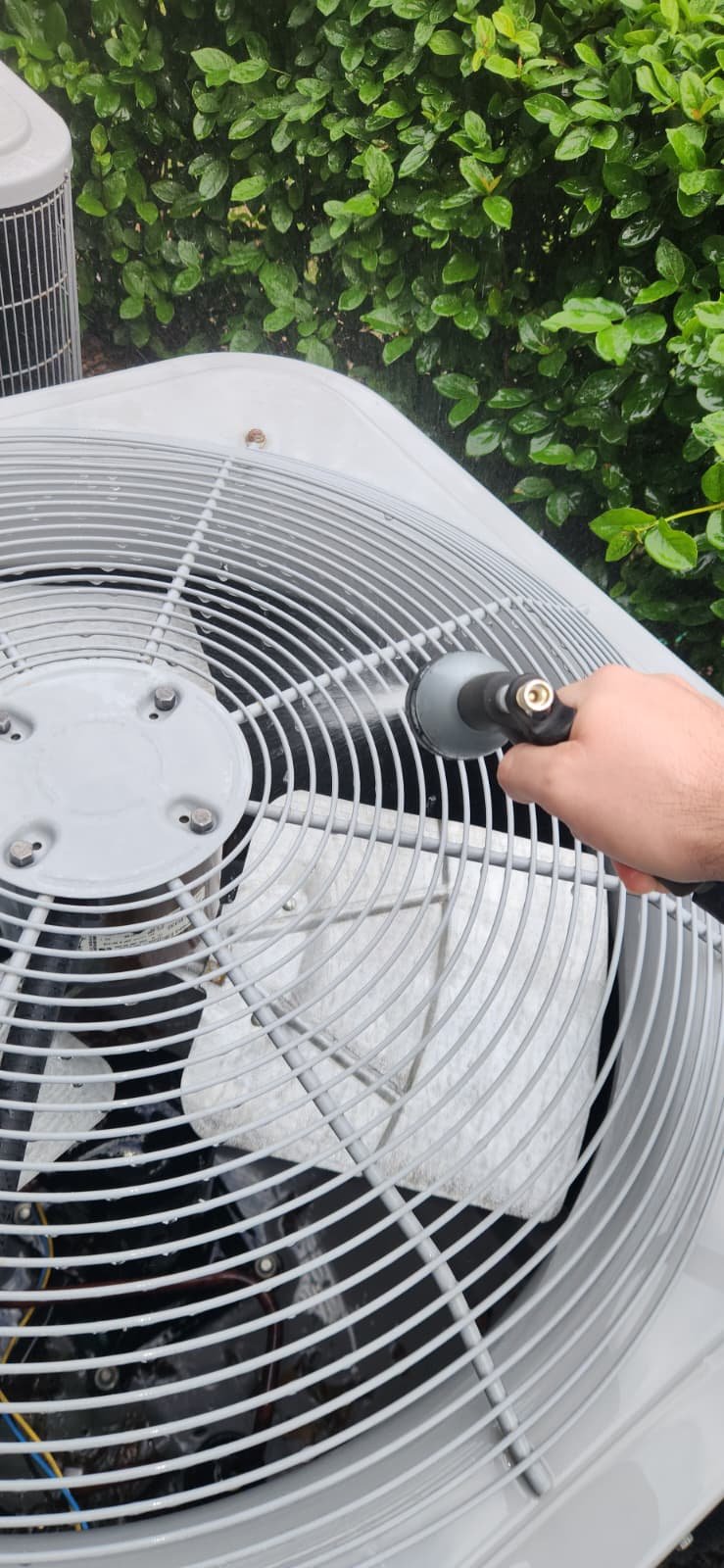
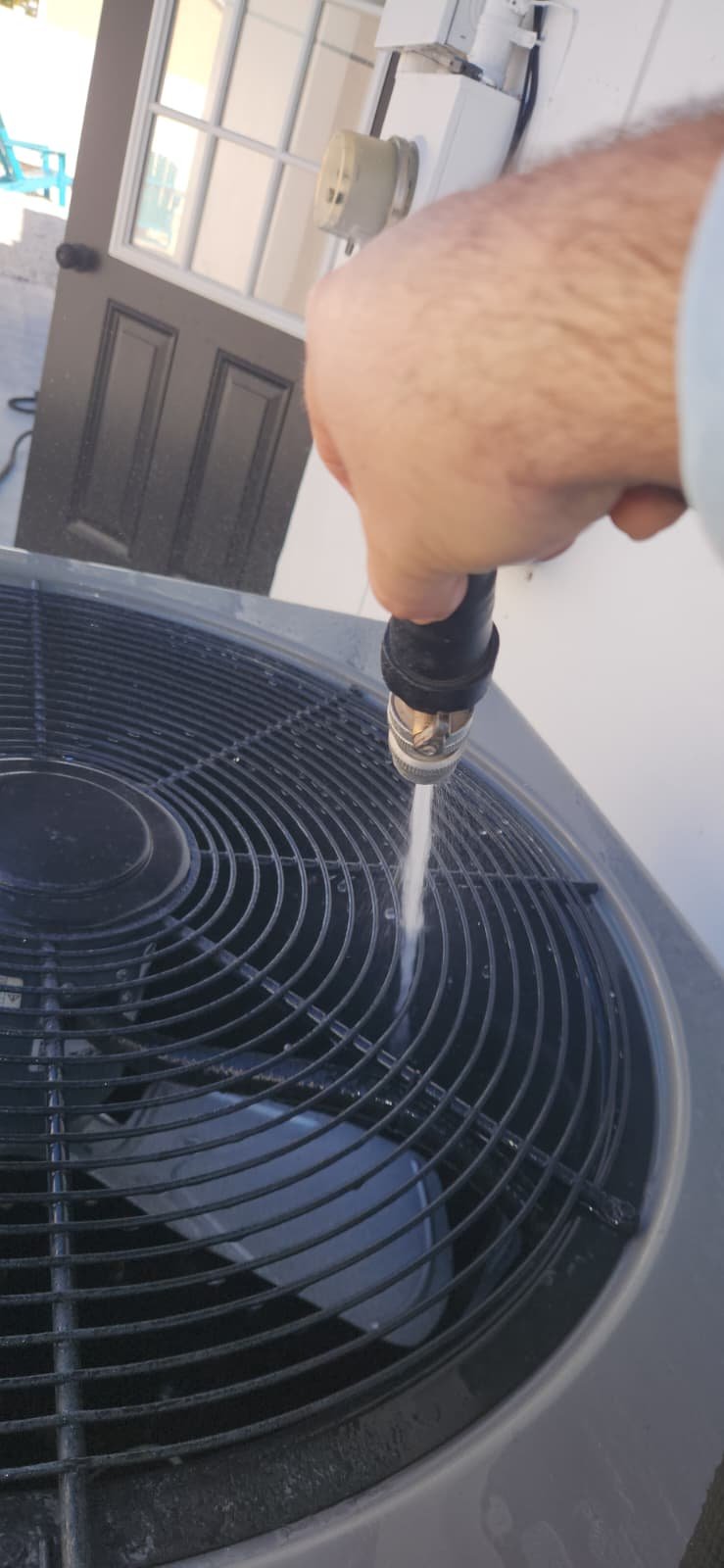
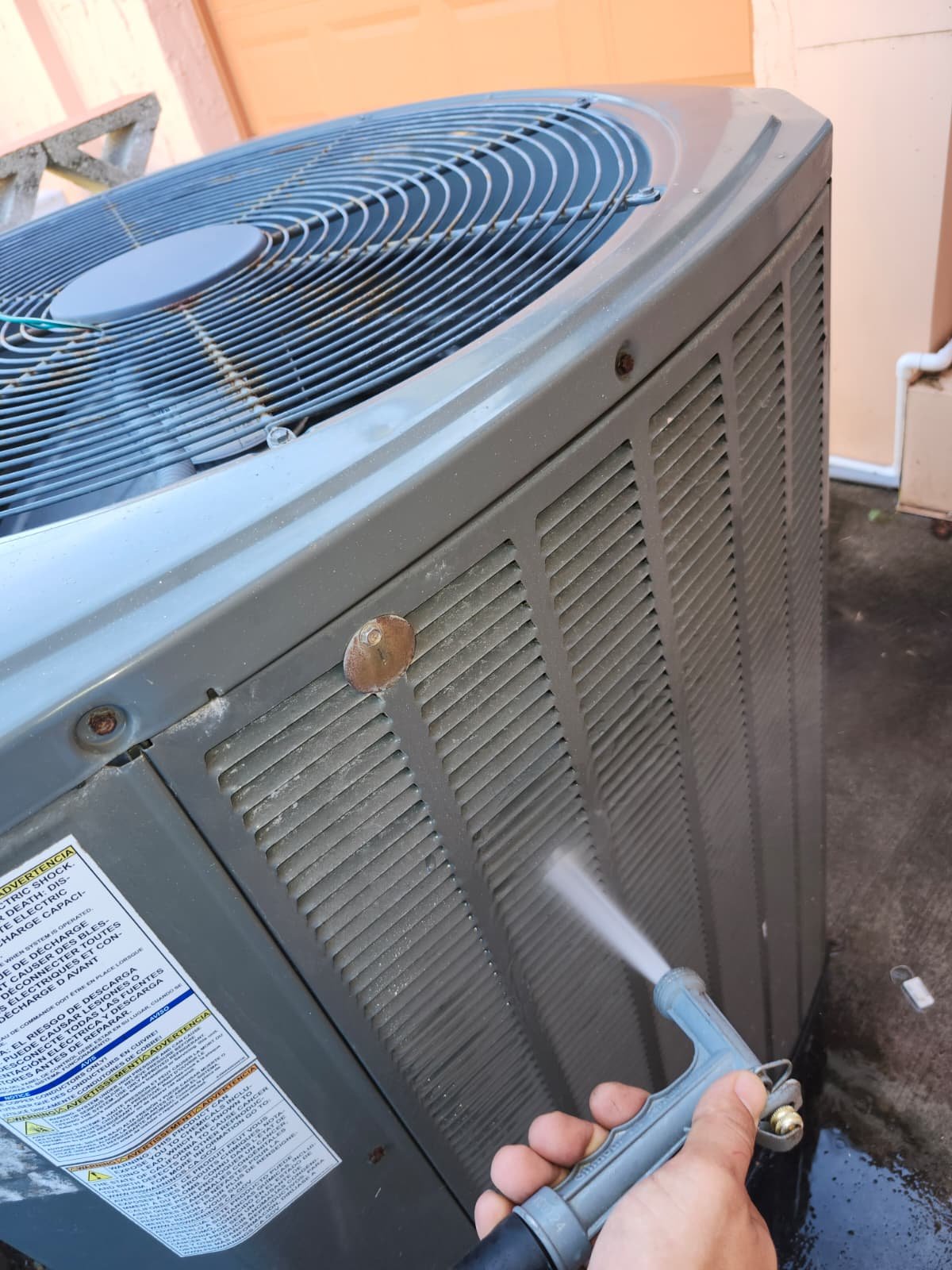
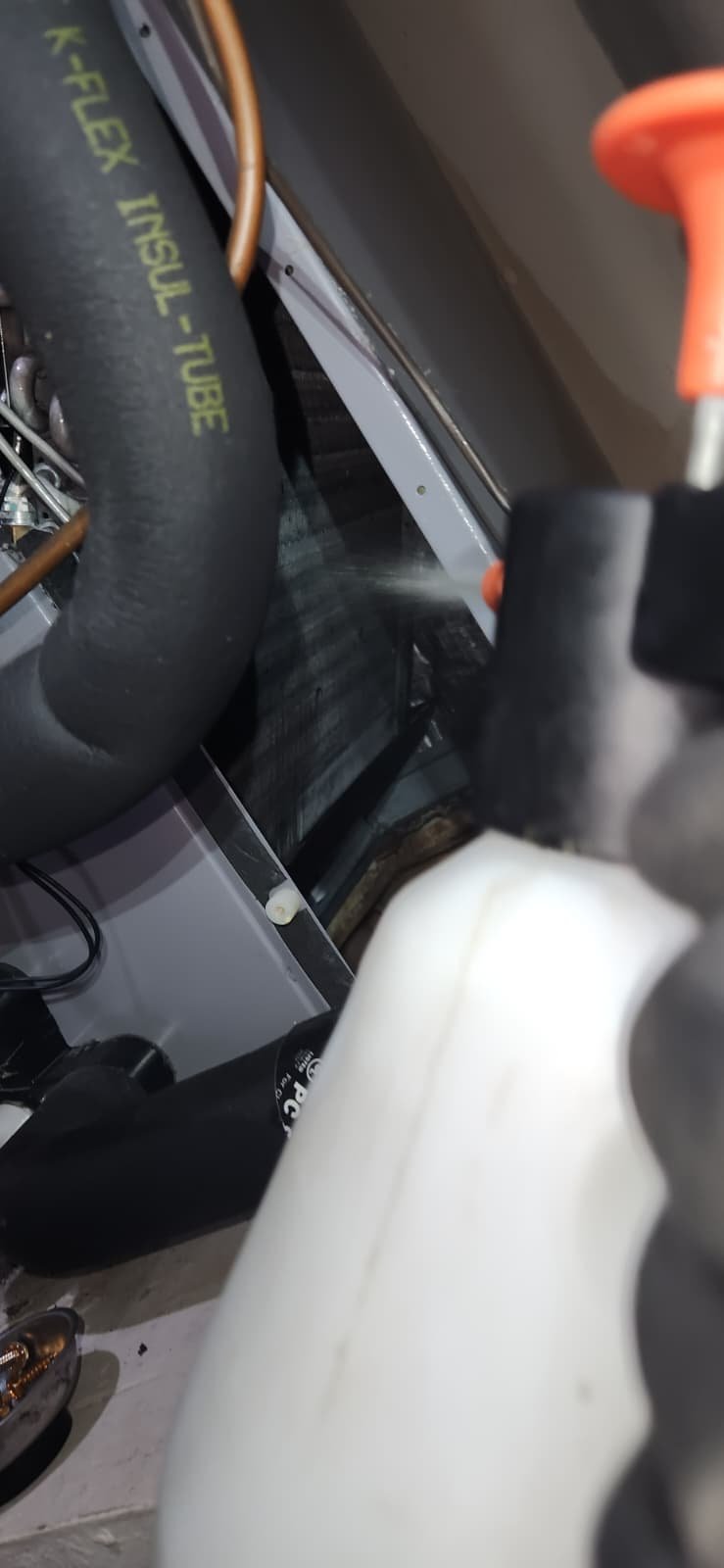
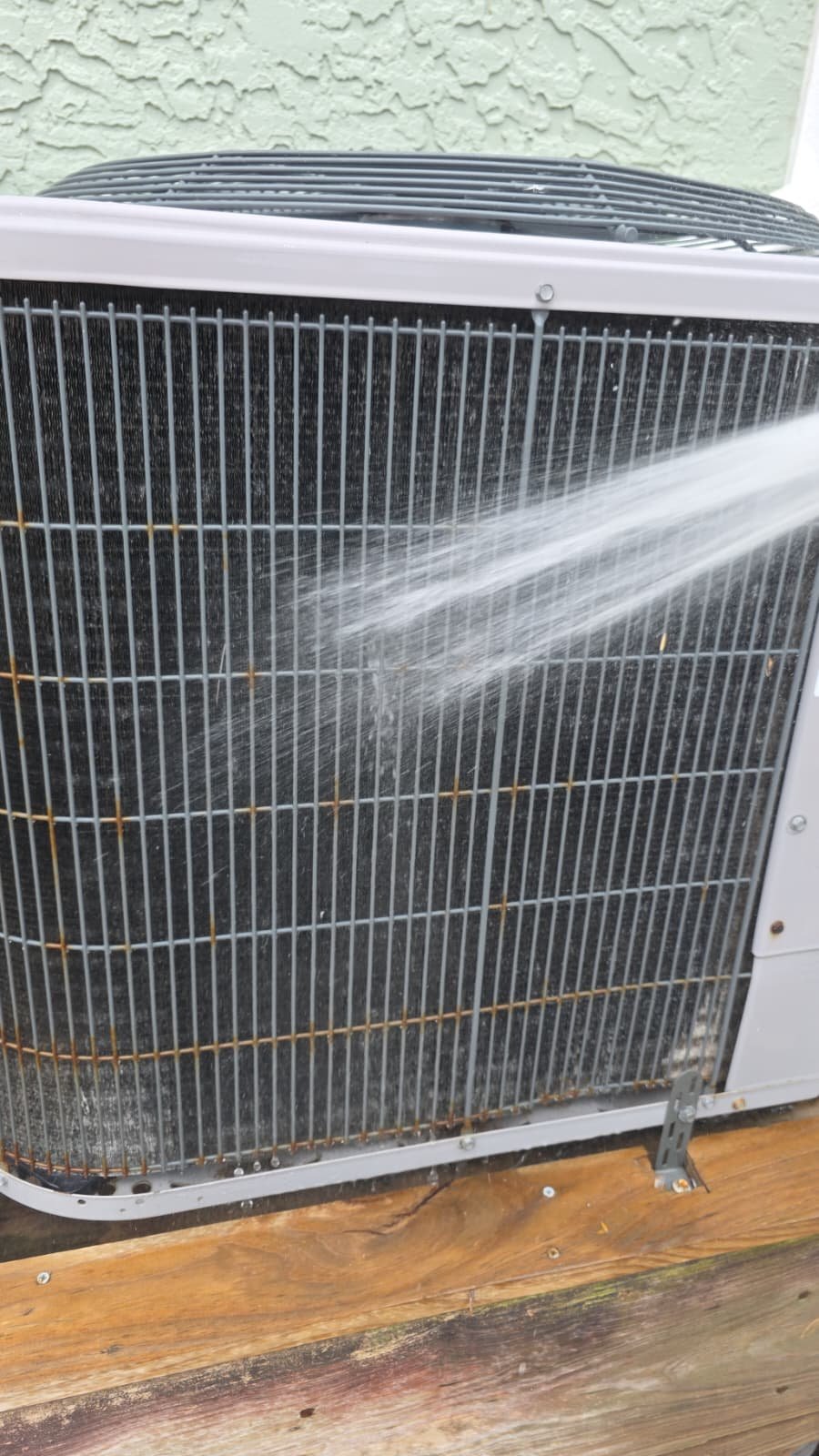
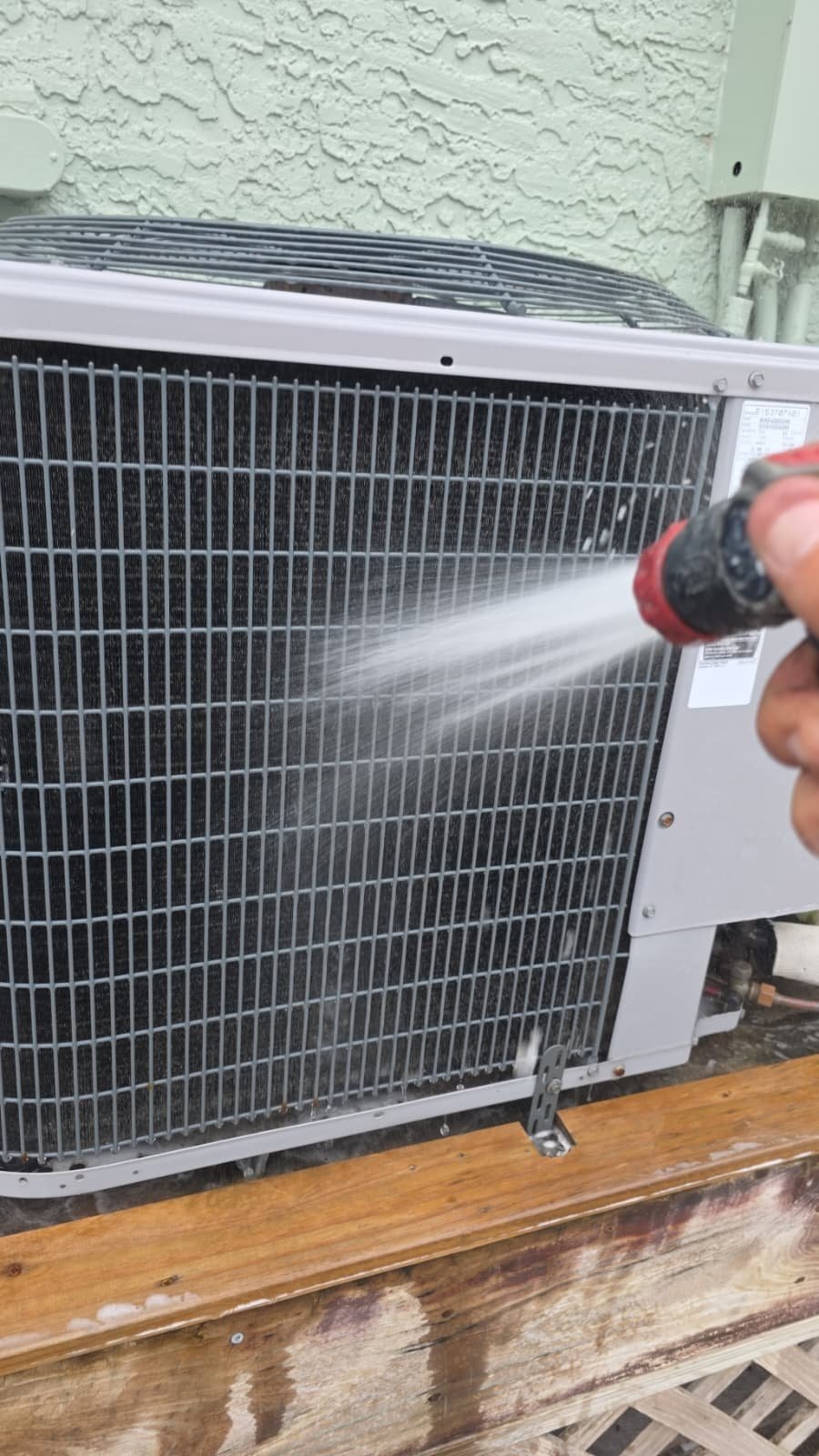
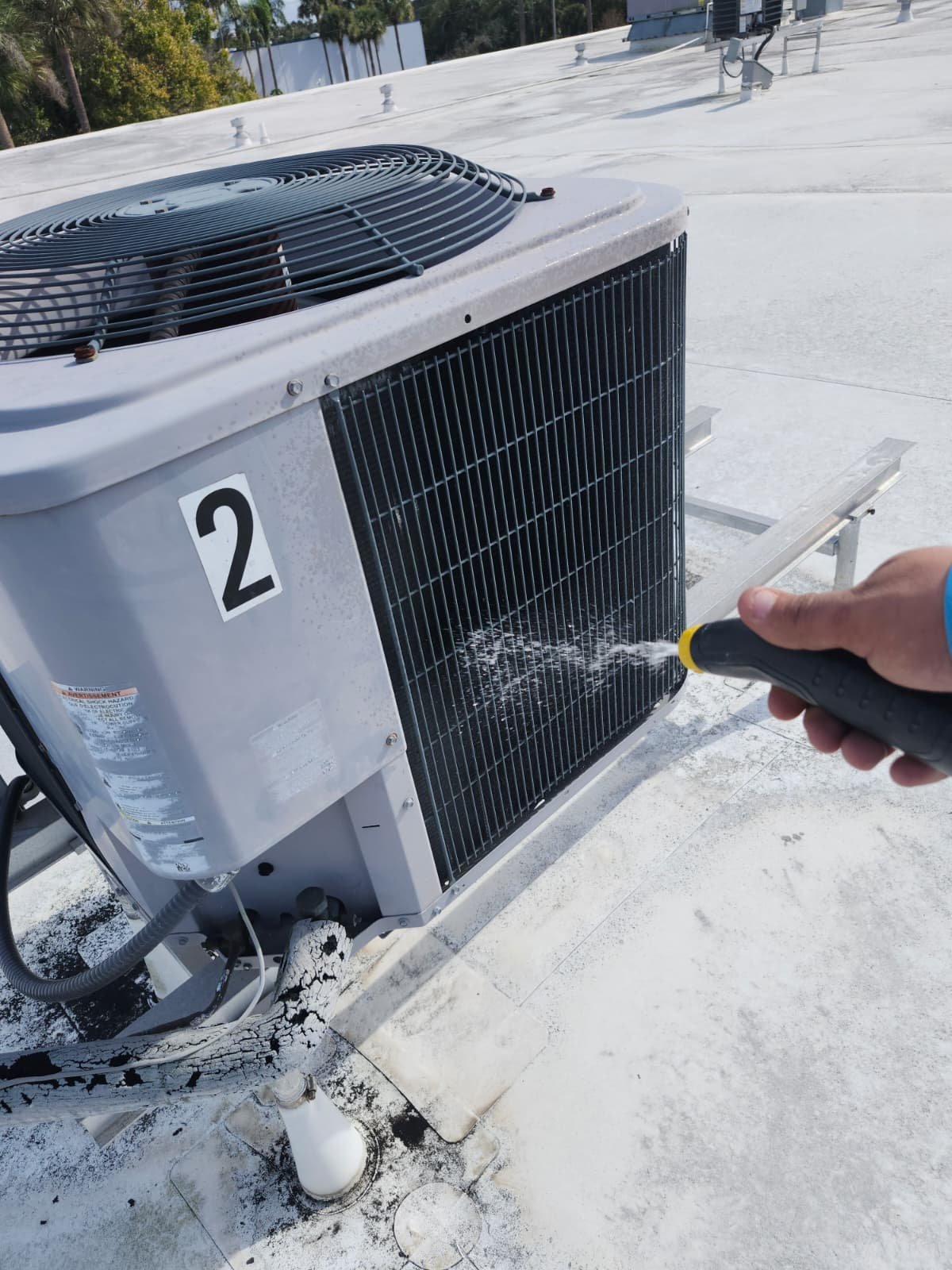
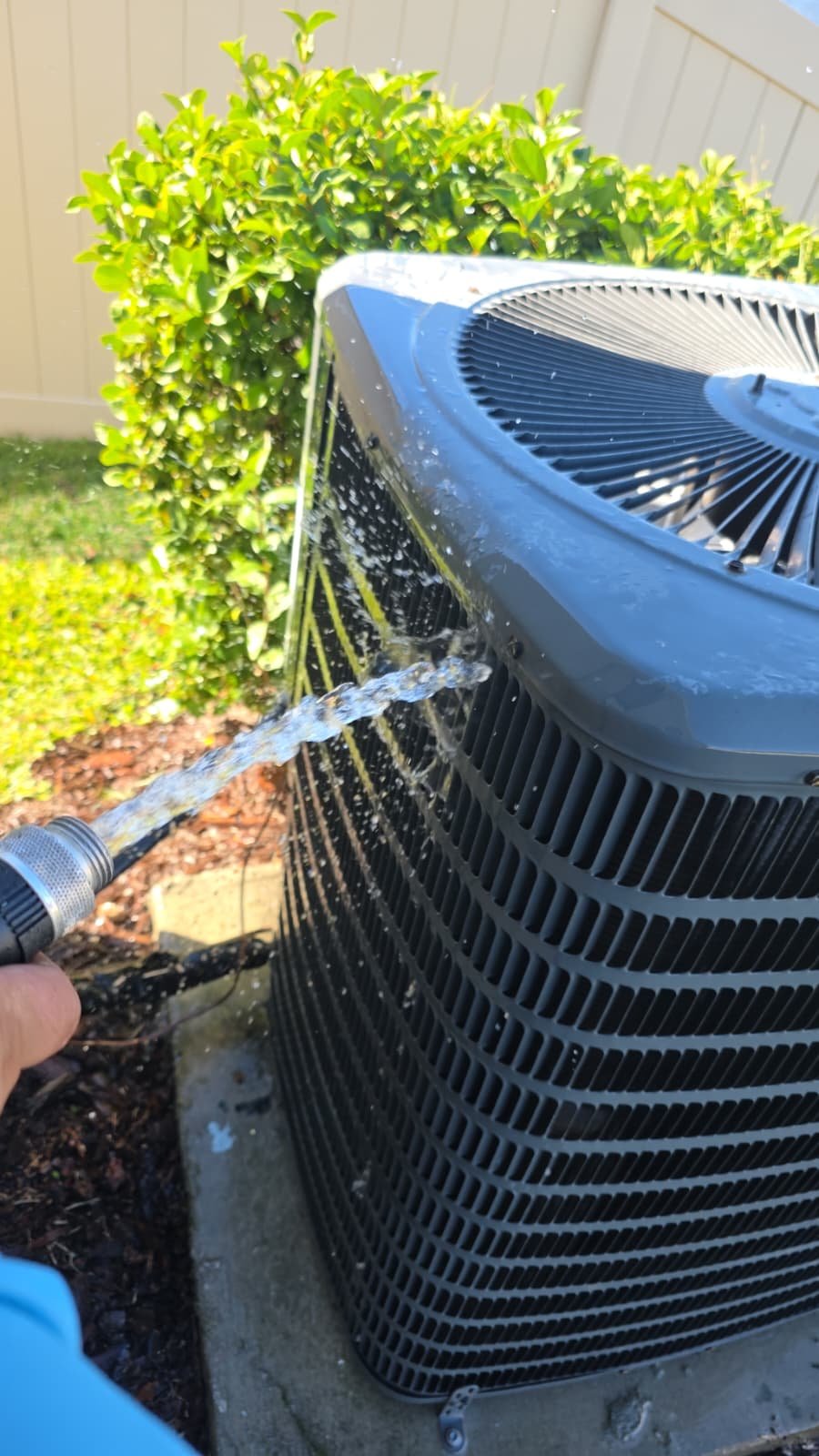
We performed a detailed cleaning of the outdoor unit to help the system reject heat efficiently. When the condenser coil is clean, the system doesn’t have to work as hard to cool the home, which can support better comfort and more stable energy usage.

3. Drain Line Service

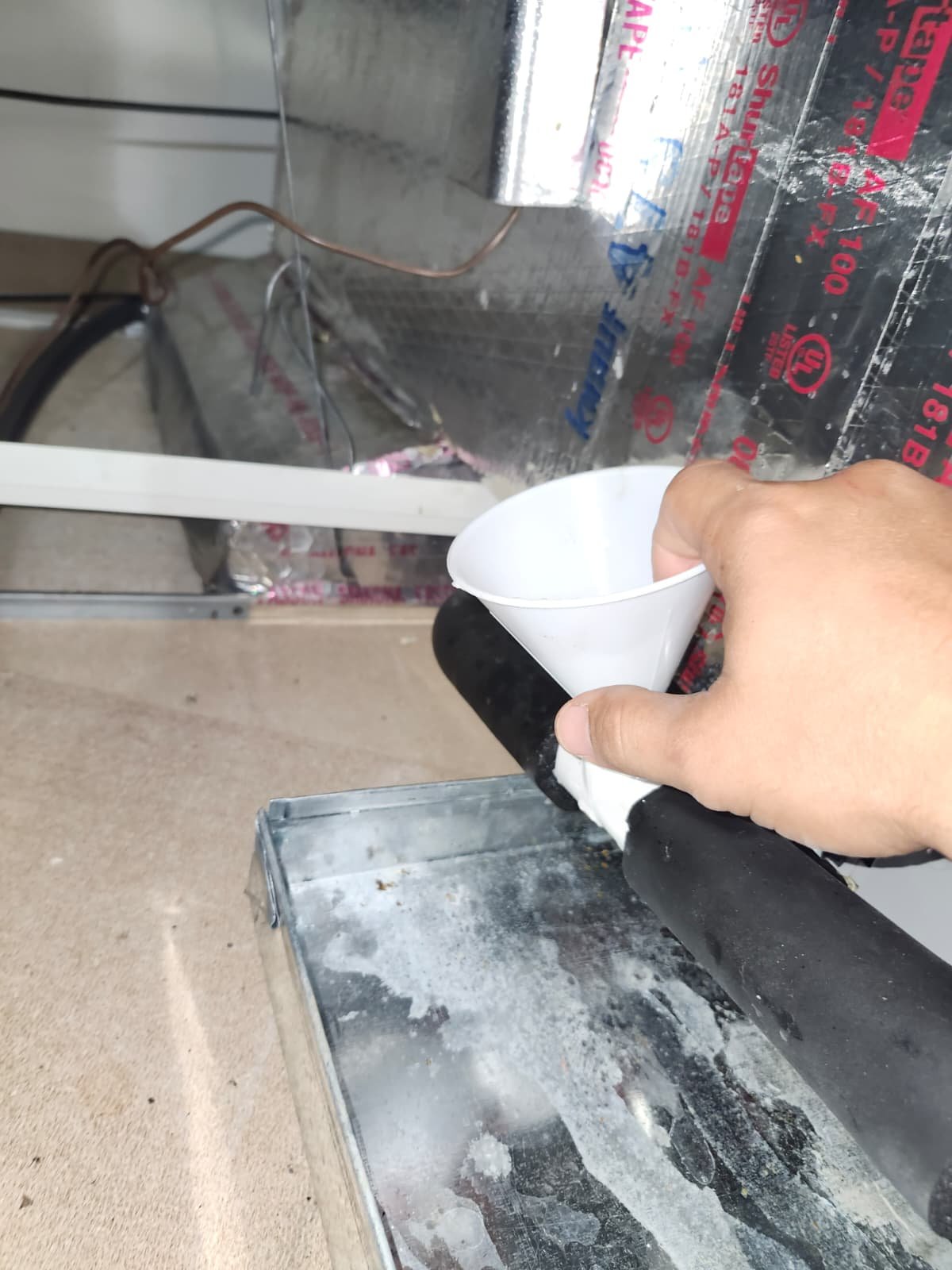
The drain line was also thoroughly cleaned during this visit. Over time, algae and debris can build up inside the line and cause it to clog, leading to water backing up into the air handler or overflowing into the home.

By clearing and flushing the drain, we help prevent:

  • Water damage around the air handler
  • Musty odors from standing water
  • Unnecessary system shutdowns caused by float switches

For a homeowner in Wesley Chapel, this step alone can prevent an inconvenient leak during peak cooling season.

4. System Testing and Verification

Once everything was cleaned, we performed a full system test. We verified:

  • Proper system operation in cooling mode
  • Normal refrigerant pressures under operating conditions
  • Correct electrical operation of the blower motor, compressor, and condenser fan motor
  • Proper drainage and no signs of backup
  • UV light operation

After this testing, we confirmed that the HVAC system in this Wesley Chapel, FL 33545 home was operating perfectly at the time of service.

Why This Fix (and Maintenance Plan) Works

Even though we didn’t have to replace any parts on this visit, the work we did has a direct impact on comfort, safety, and long-term reliability.

Here’s why consistent Premium Plan maintenance is so effective for homeowners in Wesley Chapel:

  • Airflow: Clean indoor and outdoor coils, plus a clean blower area, help maintain strong airflow. Good airflow means more even temperatures and less strain on the system.
  • Refrigeration Cycle: When coils are clean and refrigerant pressures are normal, the system can move heat efficiently. That’s what keeps your home comfortable even when outside temperatures and humidity are high.
  • Drainage: A clear drain line prevents water backups, leaks, and potential damage to ceilings, closets, or air handler closets.
  • Electrical Reliability: Watching how motors and electrical components are operating helps us catch issues early, sometimes before a homeowner ever notices a problem.
  • Indoor Air Quality: A properly functioning UV light, combined with a clean system, supports a healthier indoor environment by reducing buildup on internal surfaces.

Regular maintenance doesn’t just keep things clean; it also gives us a history of how your system behaves over time. That makes it easier to spot changes early and recommend repairs when they will do the most good.

Pro Tips for Homeowners in Wesley Chapel

If you’re a homeowner in Wesley Chapel, FL 33545 or nearby, here are some practical ways to help your system between professional visits:

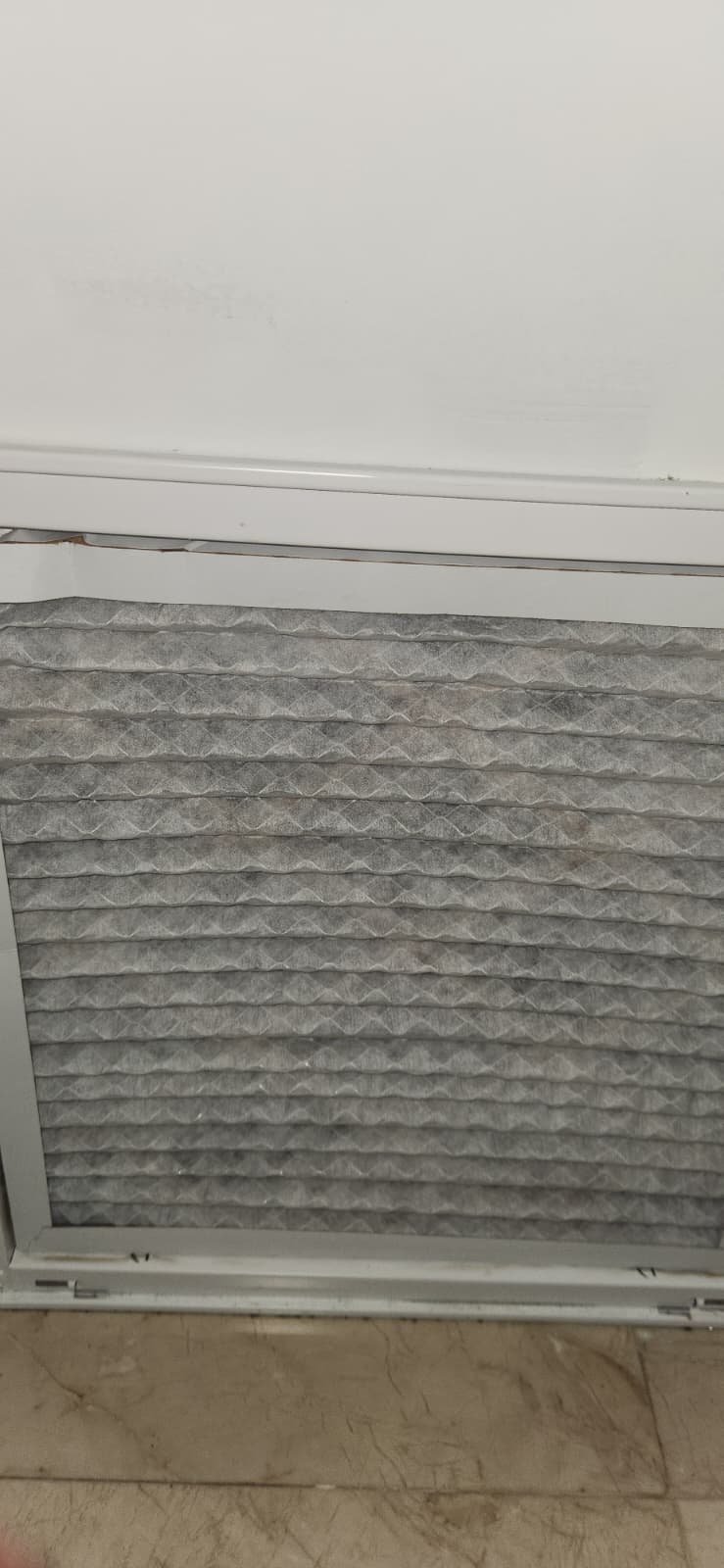
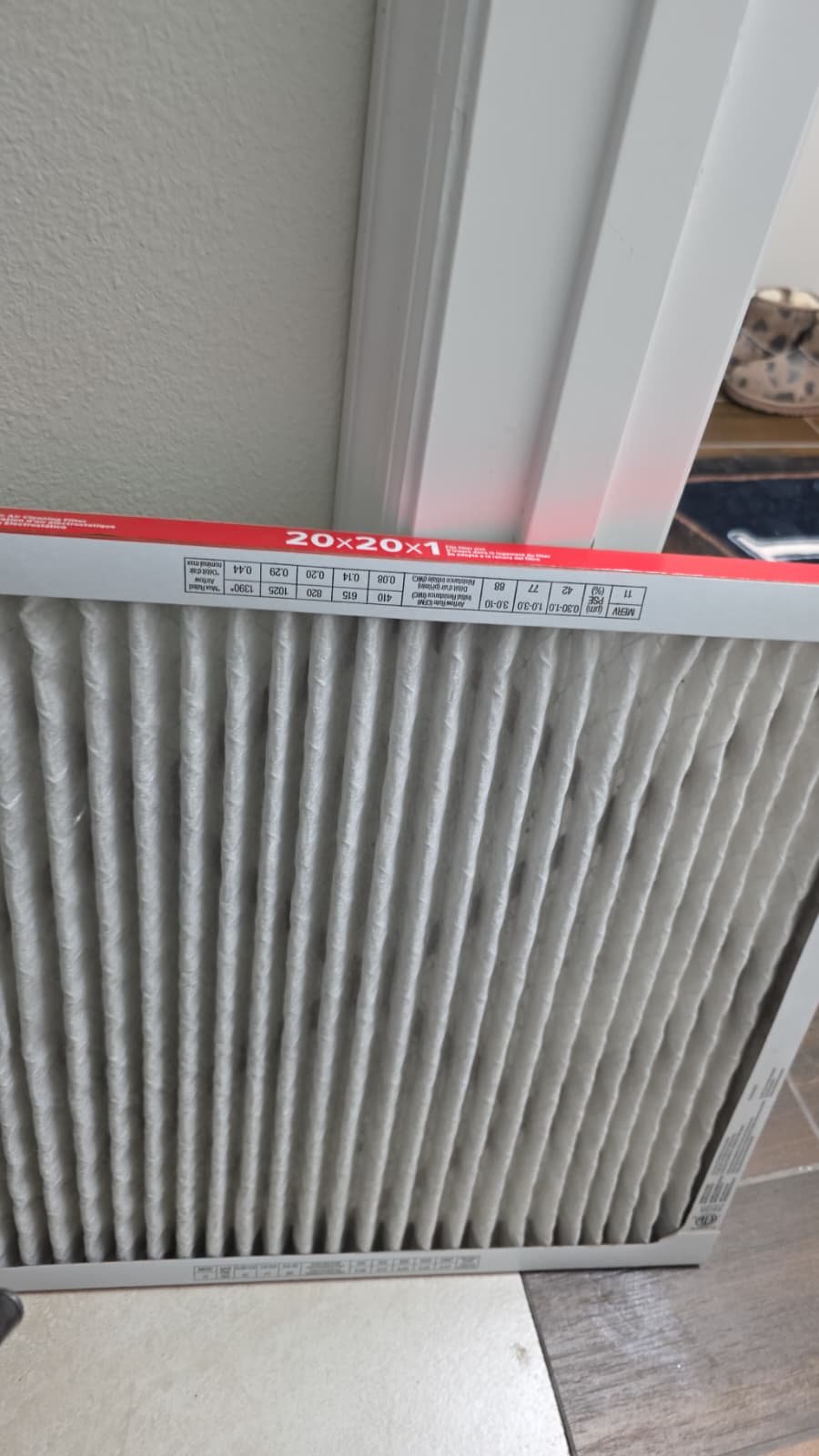
  • Change filters regularly: In our humid climate, filters can load up faster—especially with pets or lots of activity in the home. Check your filter monthly and replace it as needed.
  • Keep the outdoor unit clear: Trim shrubs and remove leaves or grass clippings around your condenser. Leave at least 2–3 feet of clearance for proper airflow.
  • Watch for drainage issues: If you notice water near your air handler, a musty smell, or a full drain pan, call for service quickly. Catching drain problems early can prevent water damage.
  • Use your thermostat wisely: Avoid large temperature swings. In Wesley Chapel’s heat, setting your thermostat and leaving it steady is usually easier on your system than constant adjustments.
  • Schedule maintenance before peak season: Plan your maintenance before the hottest months. That way, your system is already cleaned and checked before it has to work its hardest.
  • Ask about maintenance plans: Programs like our Premium Home Therapy Plan can simplify scheduling and help you stay on top of routine care without having to remember each visit.

FAQ: Premium HVAC Maintenance in Wesley Chapel

How often should I schedule maintenance for my HVAC system in Wesley Chapel?

For most homes in Wesley Chapel, we recommend at least one full maintenance visit per year, and many systems benefit from two—especially if they run almost year-round. A Premium maintenance plan helps ensure you don’t miss those important visits.

My system is only a few years old. Do I really need a maintenance plan?

Yes. The system in this home was about 4 years old and still benefited from a full cleaning and inspection. Maintenance isn’t just for old equipment—it’s what helps newer systems stay efficient and reliable longer.

What does a Premium Home Therapy Plan visit typically include?

Visits generally include cleaning indoor and outdoor components, servicing the drain line, checking refrigerant pressures, verifying electrical operation, and testing overall system performance. We tailor the visit to your equipment and home.

Will you tell me if you find something starting to fail?

Absolutely. Part of the value of a plan like this is early detection. If we see worn components or readings that aren’t where they should be, we explain what we found and discuss options before it becomes an emergency.

Does a UV light really make a difference for my system?

A UV light is one tool in a broader indoor air quality strategy. When installed and operating correctly, it can reduce buildup on internal surfaces, help keep components cleaner, and support overall system cleanliness—especially helpful in our humid Florida climate.

Can I bundle maintenance with other services?

Many homeowners in Wesley Chapel combine HVAC maintenance with other comfort and air quality upgrades. If you’re curious about options, we can review them during your visit and point you to helpful resources on our website.

Why Choose Home Therapist for Your Wesley Chapel HVAC Maintenance

When we come to a home in Wesley Chapel, FL 33545 for a maintenance visit, we treat the system as if it were in our own home. That means careful work, clear communication, and respect for your time and space.

  • Licensed, professional technicians: Our team is trained to service a wide range of systems and to follow a consistent, thorough process every time.
  • Transparent communication: We explain what we’re doing, what we found, and what (if anything) we recommend—without pressure or scare tactics.
  • Clean, respectful work: We take care around your home, clean up after ourselves, and leave your system better than we found it.
  • Long-term reliability focus: We’re not just looking for today’s quick fix. We’re looking at how your system is likely to perform over the coming seasons so you can plan ahead.
  • Committed to Tampa Bay homeowners: We live and work in the Tampa Bay area, and we understand what local systems go through in our heat and humidity.

If you’d like to see more about how we work and stay connected, you can follow us on Facebook, Instagram, or YouTube.

For added peace of mind, you can also view our profiles with trusted local and national organizations, including our Better Business Bureau listing and our membership with the Tampa Bay Chamber of Commerce.

Helpful Resources for Ongoing Maintenance

If you’re interested in learning more about how maintenance works and what to expect, we’ve put together several resources that many Wesley Chapel homeowners find helpful:

Closing: Schedule Your HVAC Maintenance in Wesley Chapel, FL 33545

If you live in Wesley Chapel, FL 33545 and want your HVAC system to run as smoothly as the one in this home, a scheduled maintenance visit is one of the best steps you can take. Whether your system is brand new or a few years old, regular care helps protect your comfort and your investment.

When you’re ready, reach out to Home Therapist Cooling, Heating, and Plumbing to schedule a visit. Our local Tampa Bay technicians will walk you through the process, answer your questions, and make sure your system is ready for the seasons ahead—calm, clean, and running exactly the way it should.

Condenser Fan Motor Replacement. Signs Symptoms and Why It Matters

What It Is Why It Fails and How It Protects Your Air Conditioner

A condenser fan motor replacement is one of the most common and most important air conditioning repairs in hot climates. In Florida this component works under extreme conditions for much of the year. When it fails cooling performance drops quickly and the risk of major system damage increases.

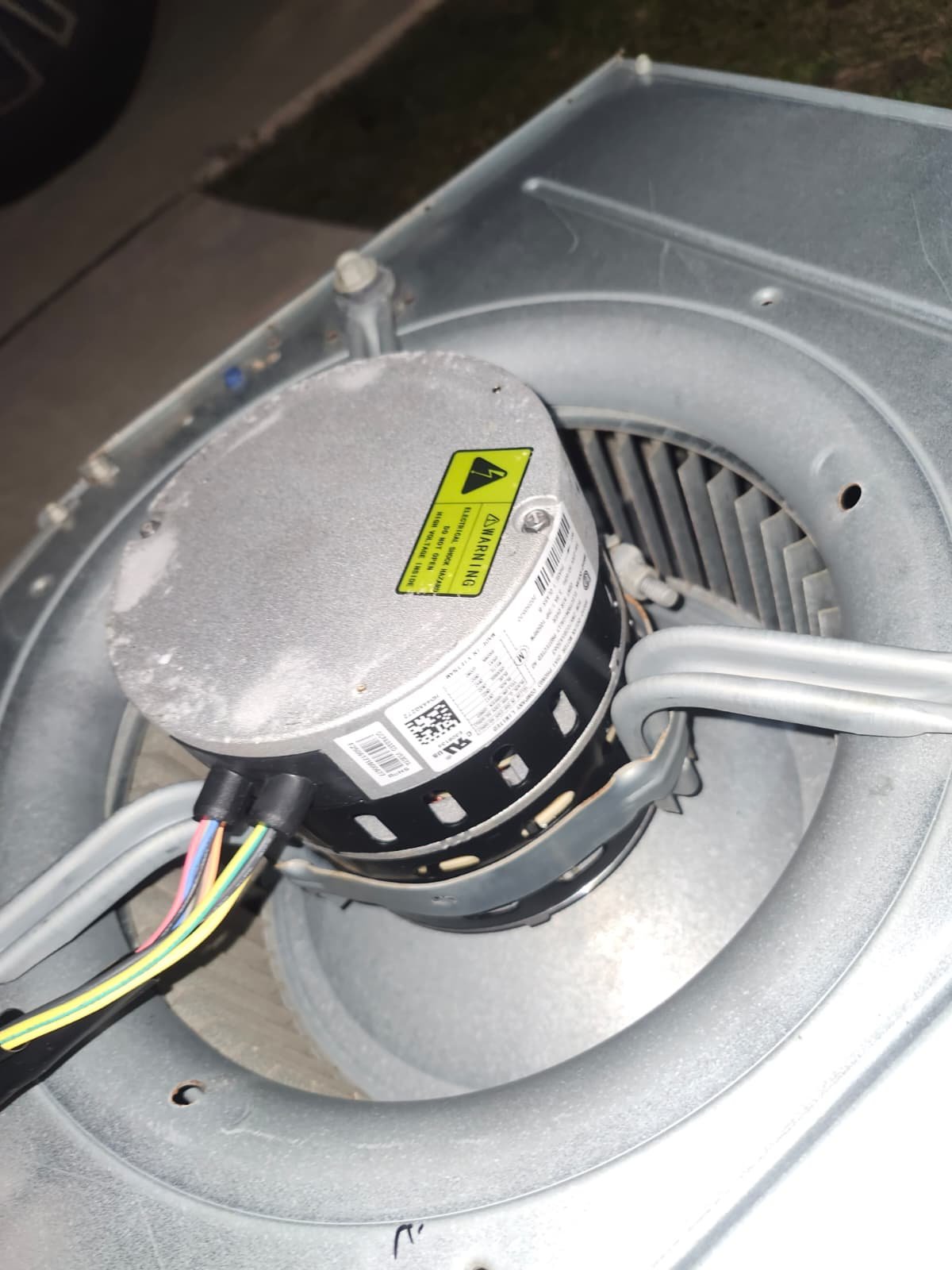
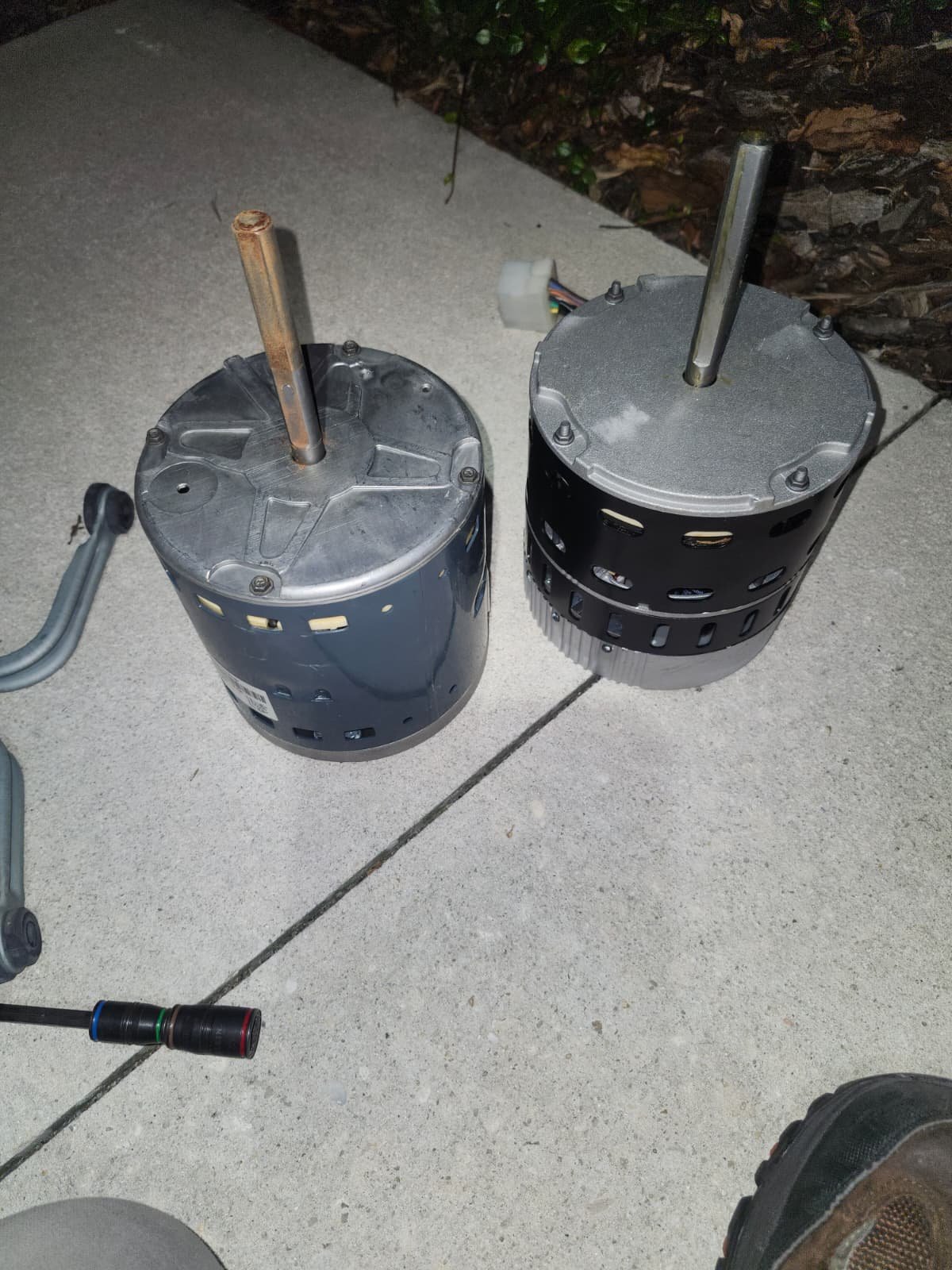
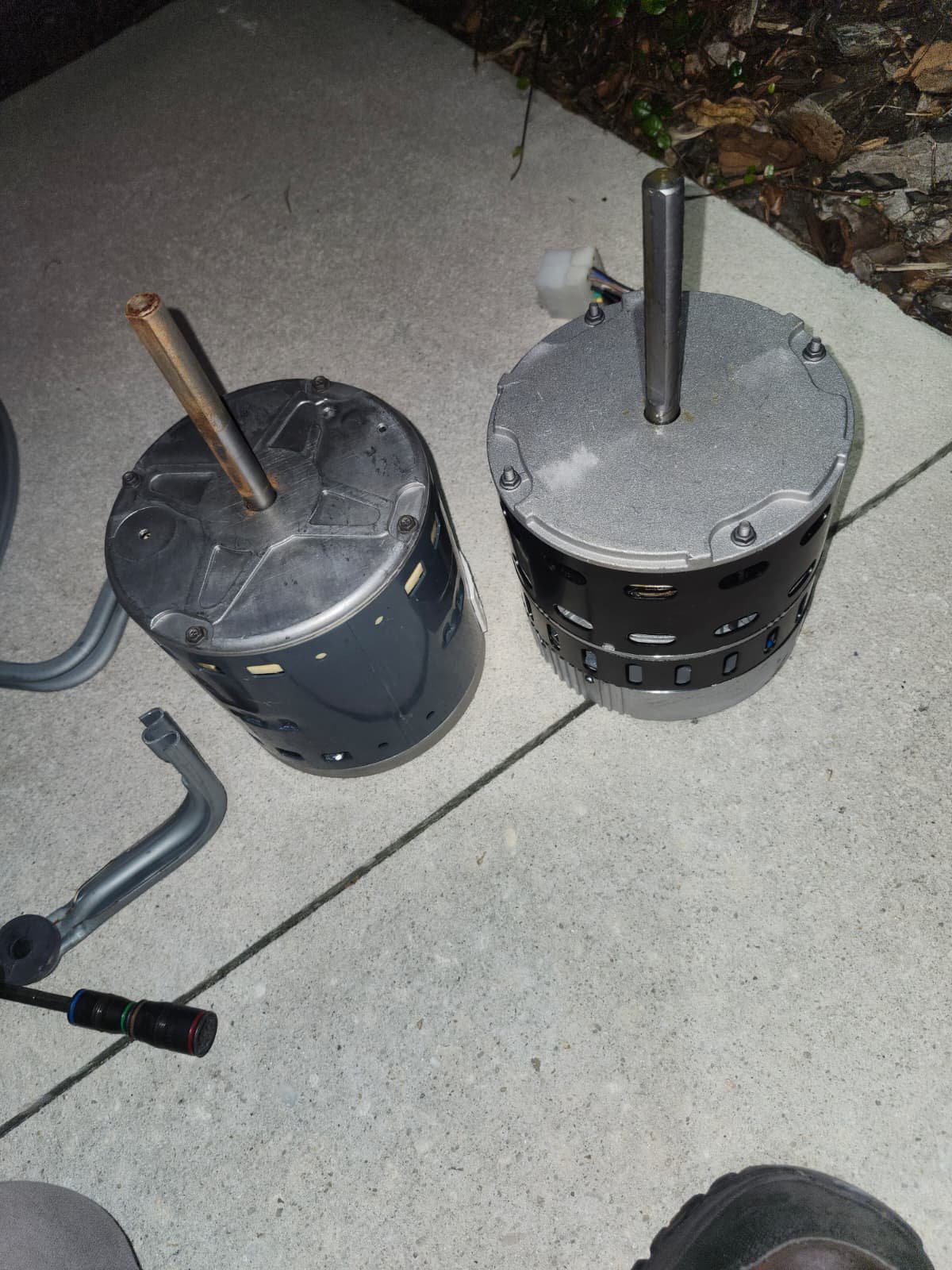
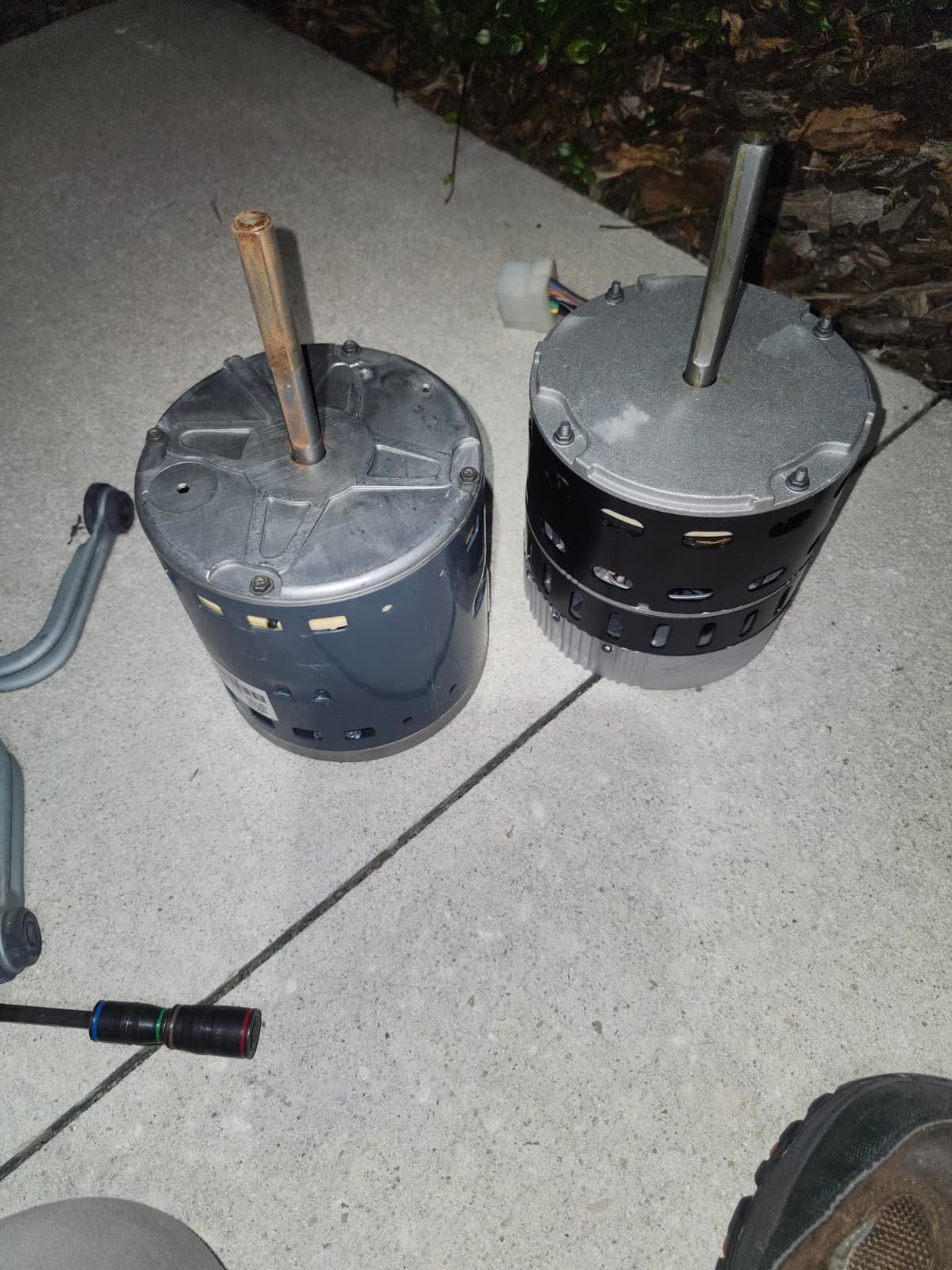
In this article Home Therapist Cooling Heating and Plumbing explains what a condenser fan motor does why it fails how to recognize the warning signs and why professional replacement matters. We also reference a real condenser fan motor replacement shown in our video so homeowners can better understand what this repair actually involves.

What a Condenser Fan Motor Does

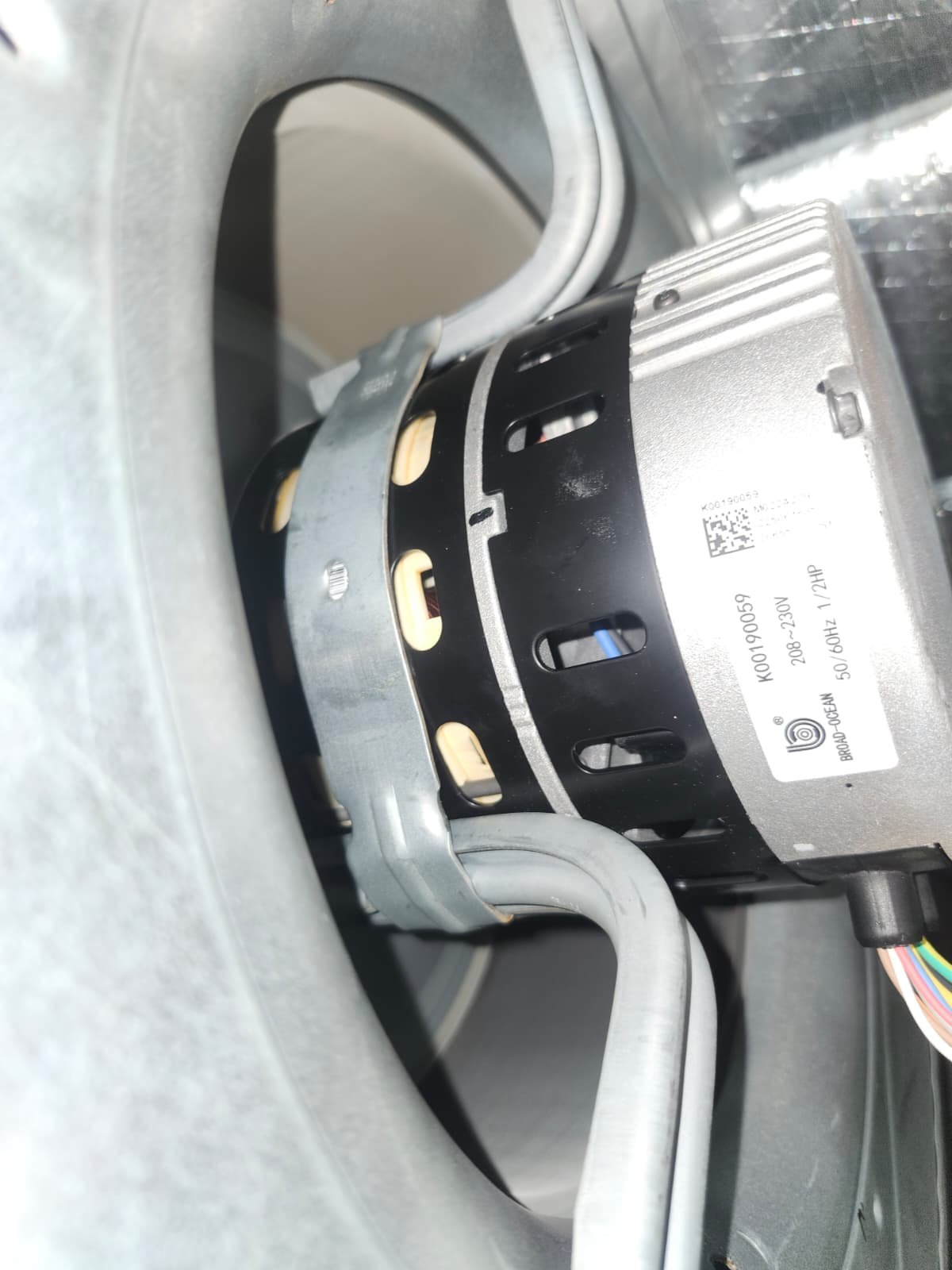
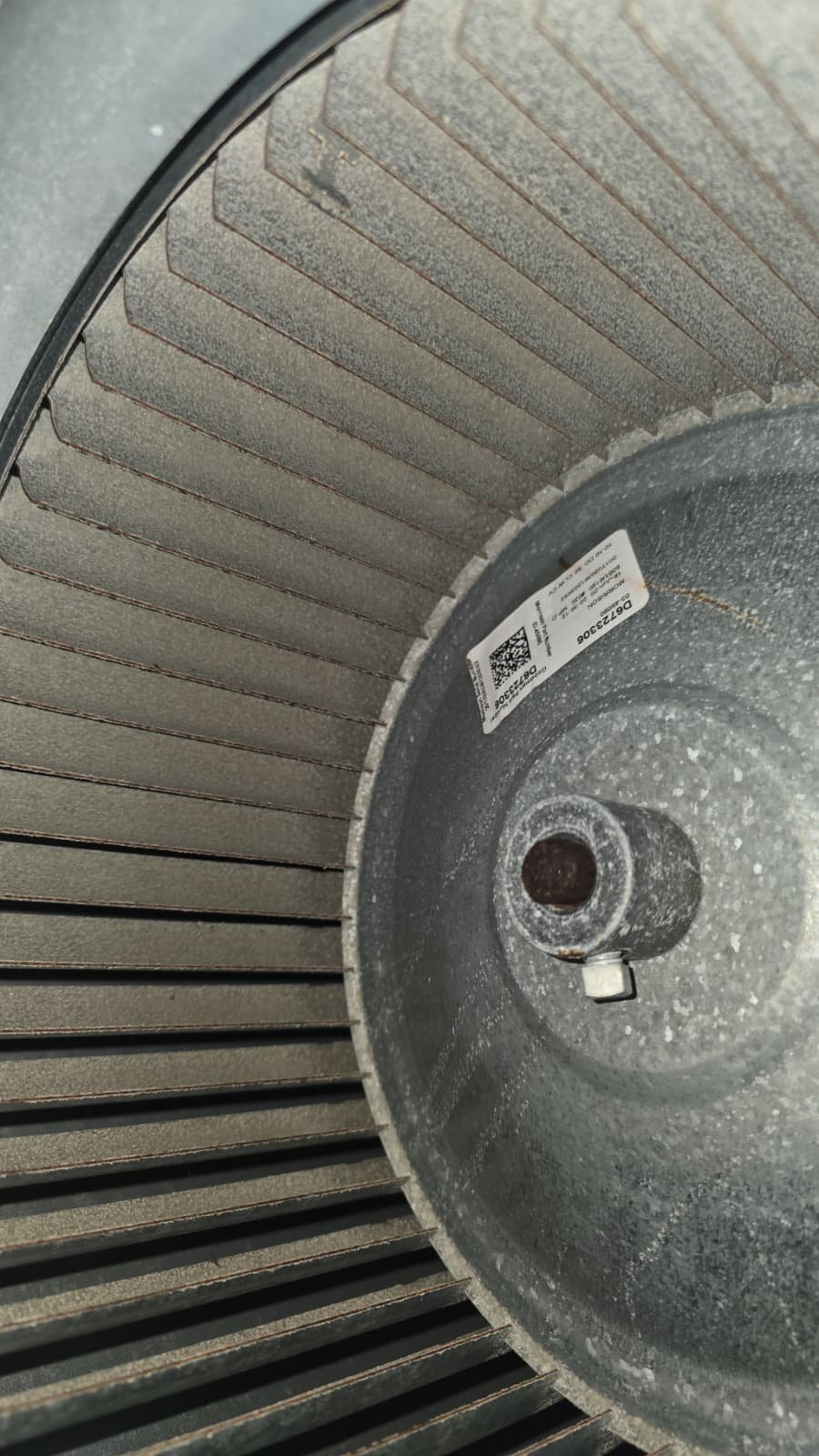
The condenser fan motor is located in the outdoor unit of your air conditioning system. Its job is to move air through the condenser coil. This airflow allows heat absorbed from inside your home to be released outdoors.

Your air conditioner works by moving heat not by creating cold air. Refrigerant absorbs heat inside the home and carries it to the outdoor unit. The condenser coil releases that heat into the outside air. The condenser fan motor makes this process possible by pulling air across the coil.

When the condenser fan motor is operating correctly the outdoor unit will run smoothly the fan will spin steadily and warm air will be expelled from the top or side of the unit depending on design. This heat transfer is essential for proper cooling and system efficiency.

Why Condenser Fan Motors Commonly Fail

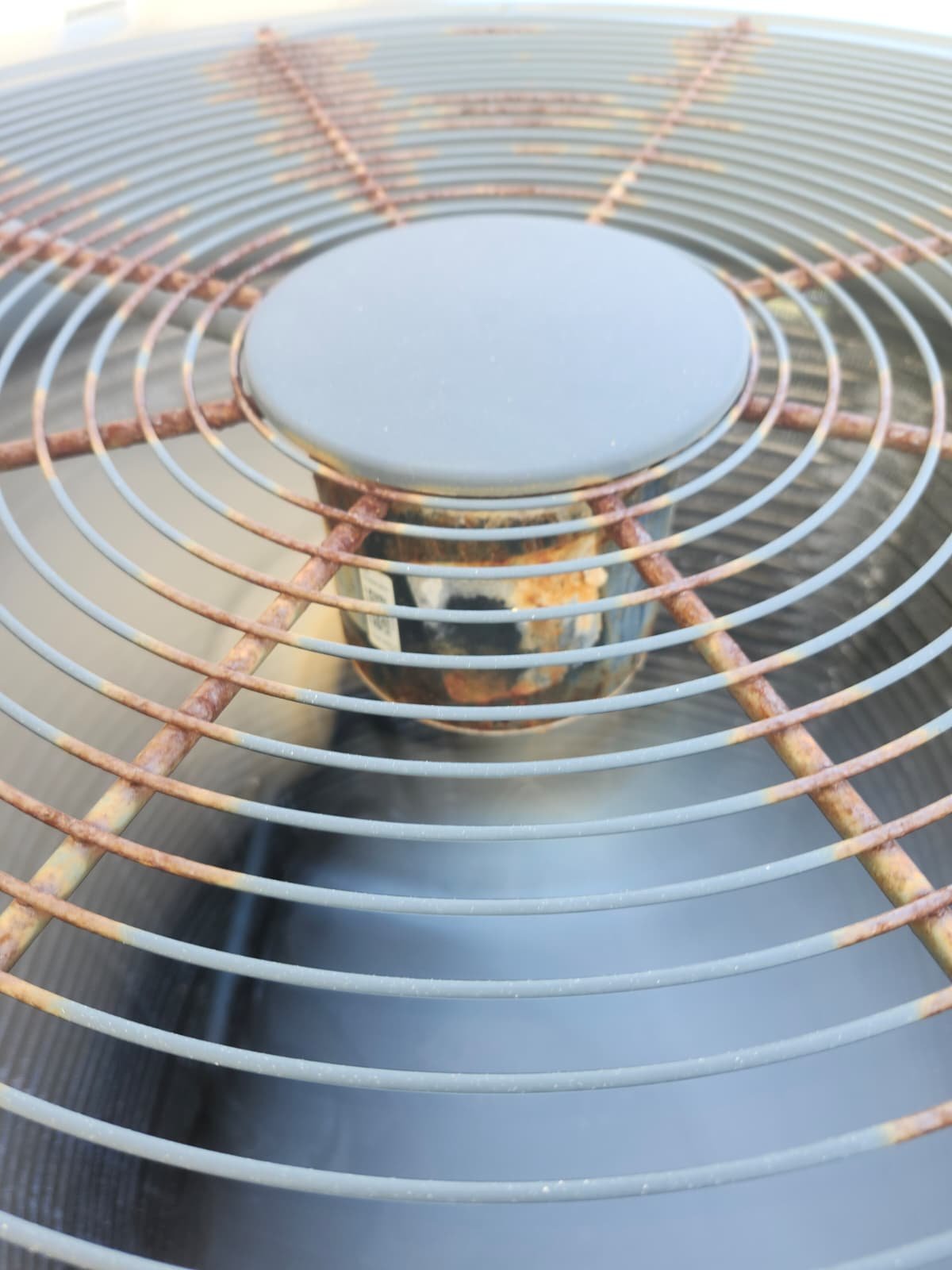
Condenser fan motors are exposed to some of the harshest conditions of any component in your HVAC system. They operate outdoors in direct sun rain humidity salt air and debris.

Heat is the number one enemy of condenser fan motors. In Florida systems often run for long cycles during extreme temperatures. Over time this constant operation causes bearings to wear windings to degrade and internal components to overheat.

Electrical issues also contribute to failure. Voltage fluctuations failing capacitors and electrical surges can weaken or damage the motor. In many cases a failing capacitor places extra strain on the motor causing it to draw higher amperage and overheat.

Age plays a role as well. Most condenser fan motors have a lifespan of ten to fifteen years depending on usage conditions and maintenance. Lack of regular maintenance such as dirty coils or blocked airflow accelerates failure.

Debris buildup around the outdoor unit can restrict airflow forcing the motor to work harder than designed. This added strain shortens the life of the motor and increases the likelihood of failure during peak heat.

Common Symptoms of a Bad Condenser Fan Motor

One of the most common signs of a failing condenser fan motor is the outdoor unit running but the fan not spinning. Homeowners may hear the system humming but see no fan movement. This is a serious condition that requires immediate attention.

Another symptom is warm air blowing from indoor vents even though the thermostat is set correctly. Without proper heat rejection the refrigerant cannot cool effectively.

Frequent system shutdowns are also common. Many modern systems shut off automatically when pressures rise too high. A failed condenser fan motor causes rapid pressure buildup which triggers safety controls.

Unusual noises such as grinding squealing or rattling from the outdoor unit can indicate worn bearings or internal motor damage.

Higher energy bills may occur as the system runs longer trying to achieve cooling without proper heat removal.

In some cases the system may cool during cooler morning hours but fail during the hottest part of the day. This pattern strongly points to condenser fan motor problems.

What Happens If You Keep Running the AC

Continuing to run an air conditioner with a failed condenser fan motor is one of the fastest ways to destroy a compressor.

Without airflow across the condenser coil heat builds rapidly. Refrigerant pressures rise. The compressor overheats. Internal compressor components break down.

Compressor replacement is one of the most expensive AC repairs. In many cases it makes more financial sense to replace the entire system rather than replace a failed compressor.

A condenser fan motor replacement is a relatively contained repair compared to compressor failure. Addressing the problem early protects the most valuable components of the system.

What a Proper Condenser Fan Motor Replacement Involves

Replacing a condenser fan motor is not a simple swap. The motor must be matched precisely to the system.

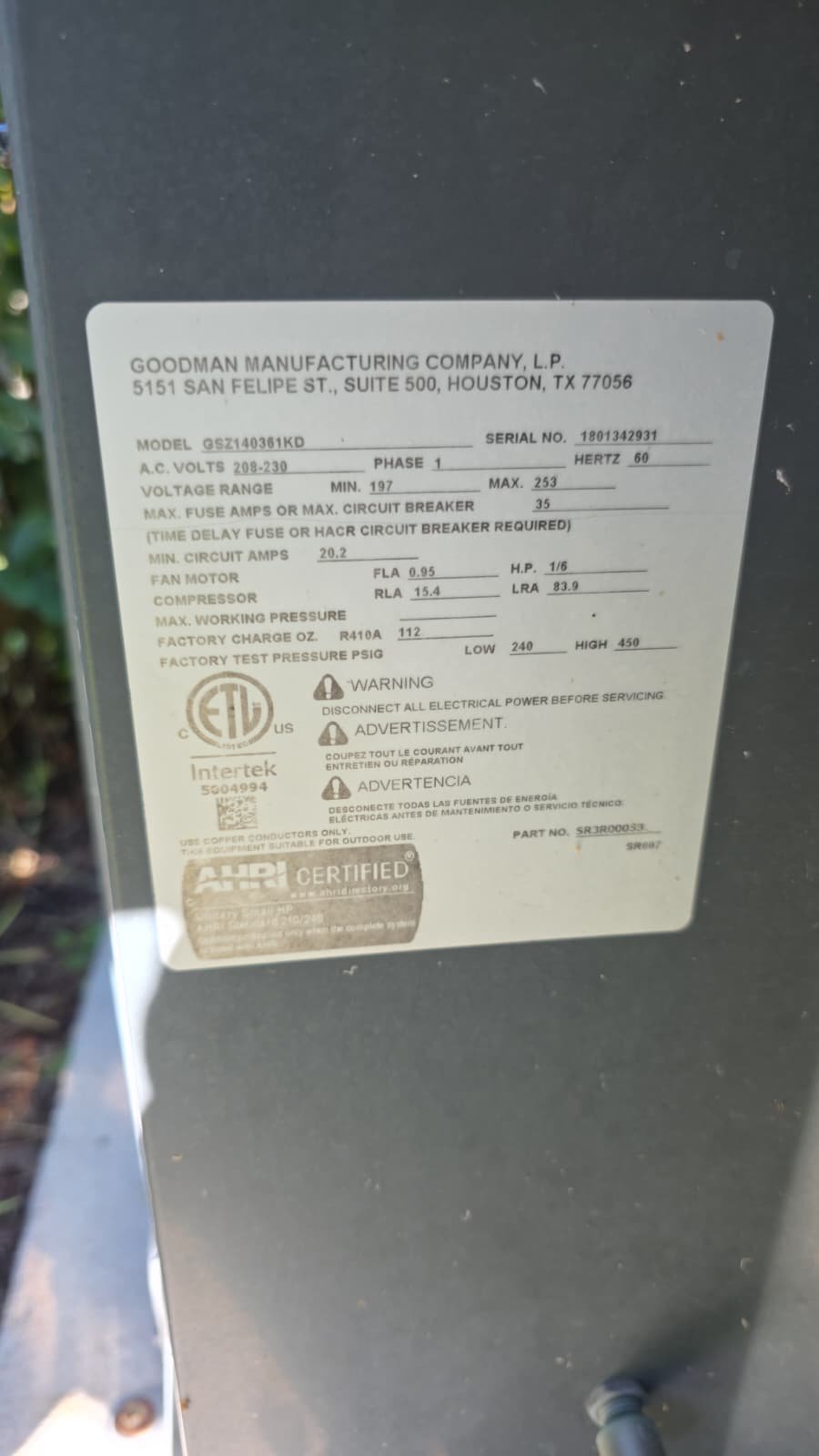
Key specifications include voltage horsepower RPM rotation direction shaft length mounting type and capacitor rating. Using an incorrect motor can lead to immediate failure poor airflow excessive noise or long term system damage.

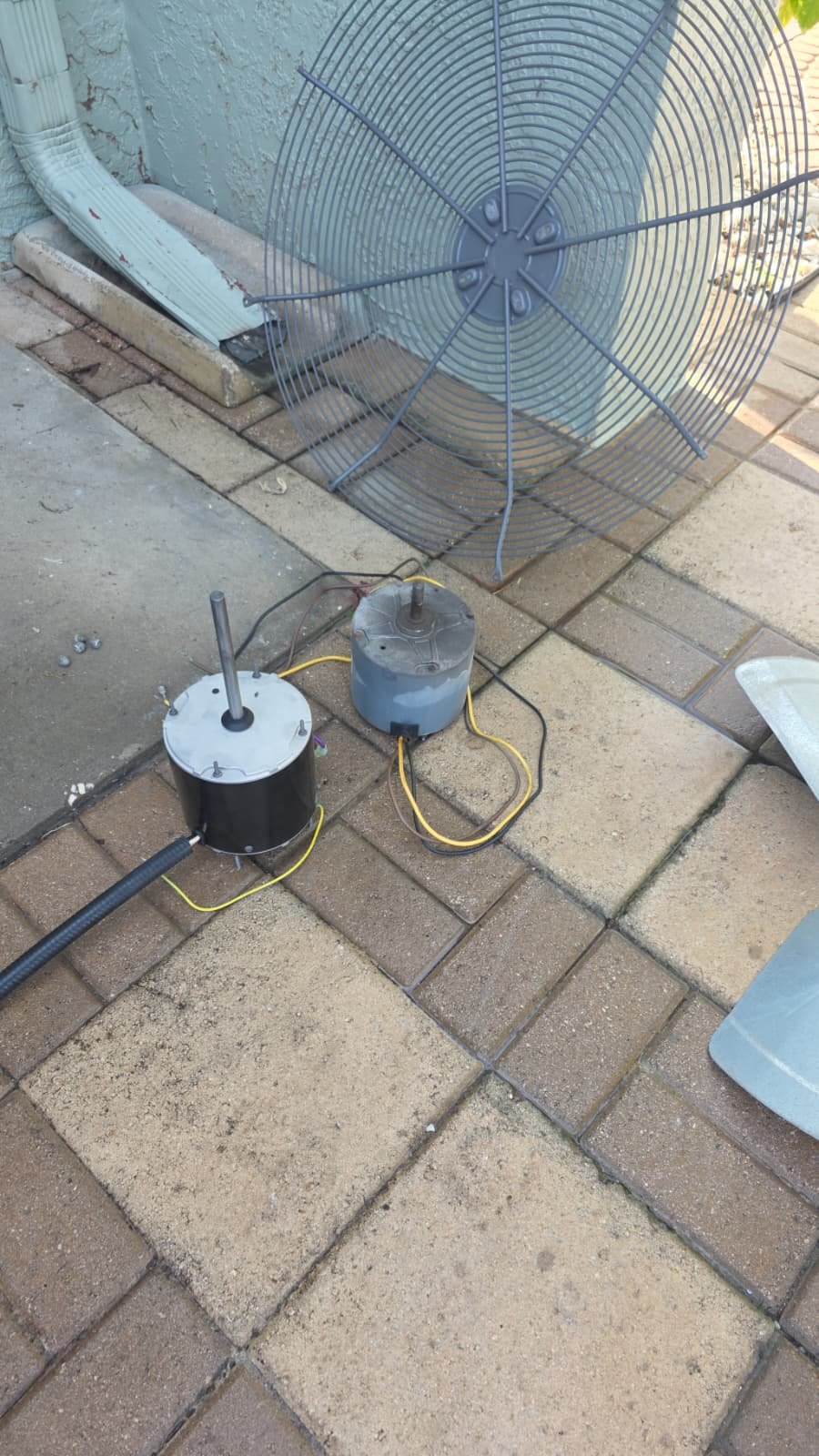
In the video we show a real condenser fan motor replacement performed by a Home Therapist technician. The outdoor unit is opened the failed motor is removed and the correct replacement motor is installed.

The capacitor is evaluated and replaced if necessary. Wiring is connected according to manufacturer specifications. The fan blade is mounted and balanced correctly.

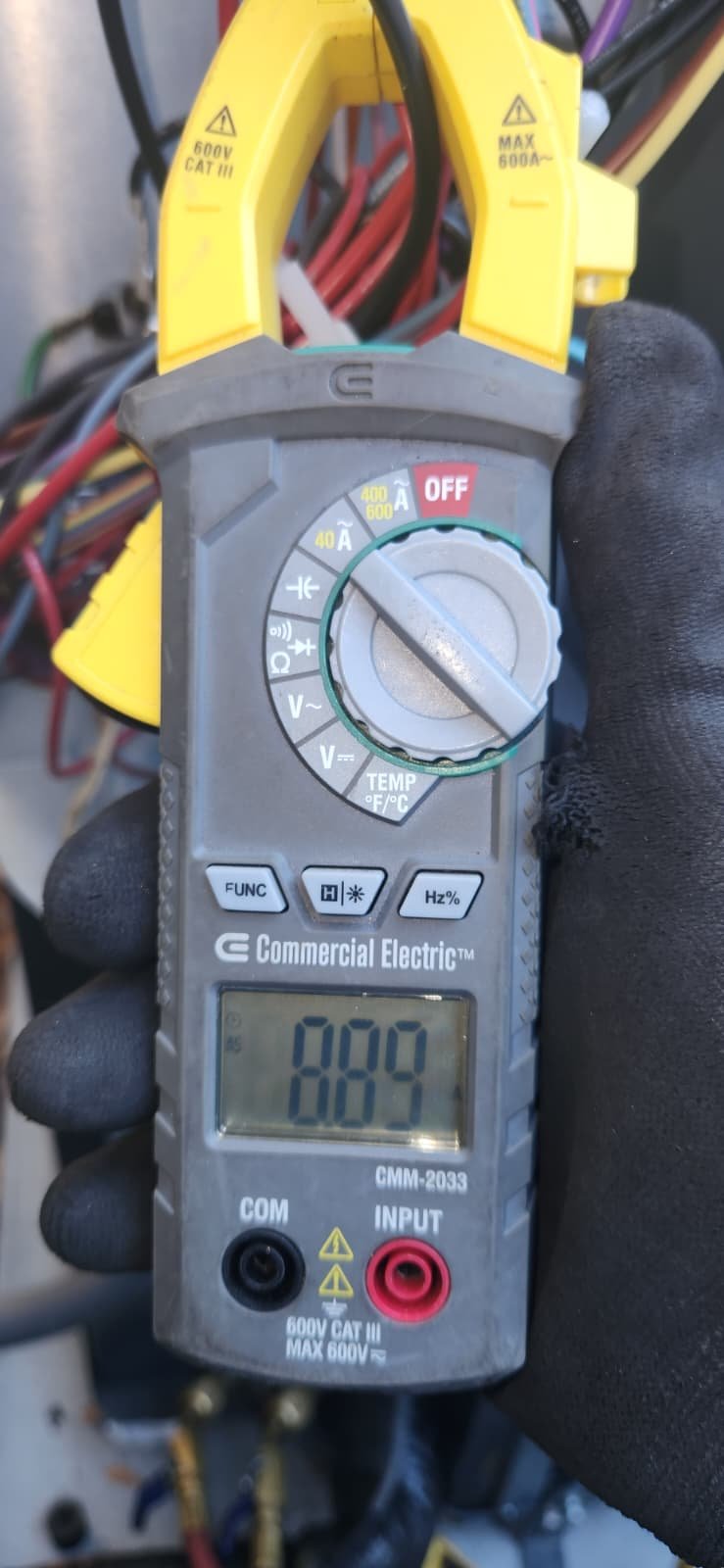
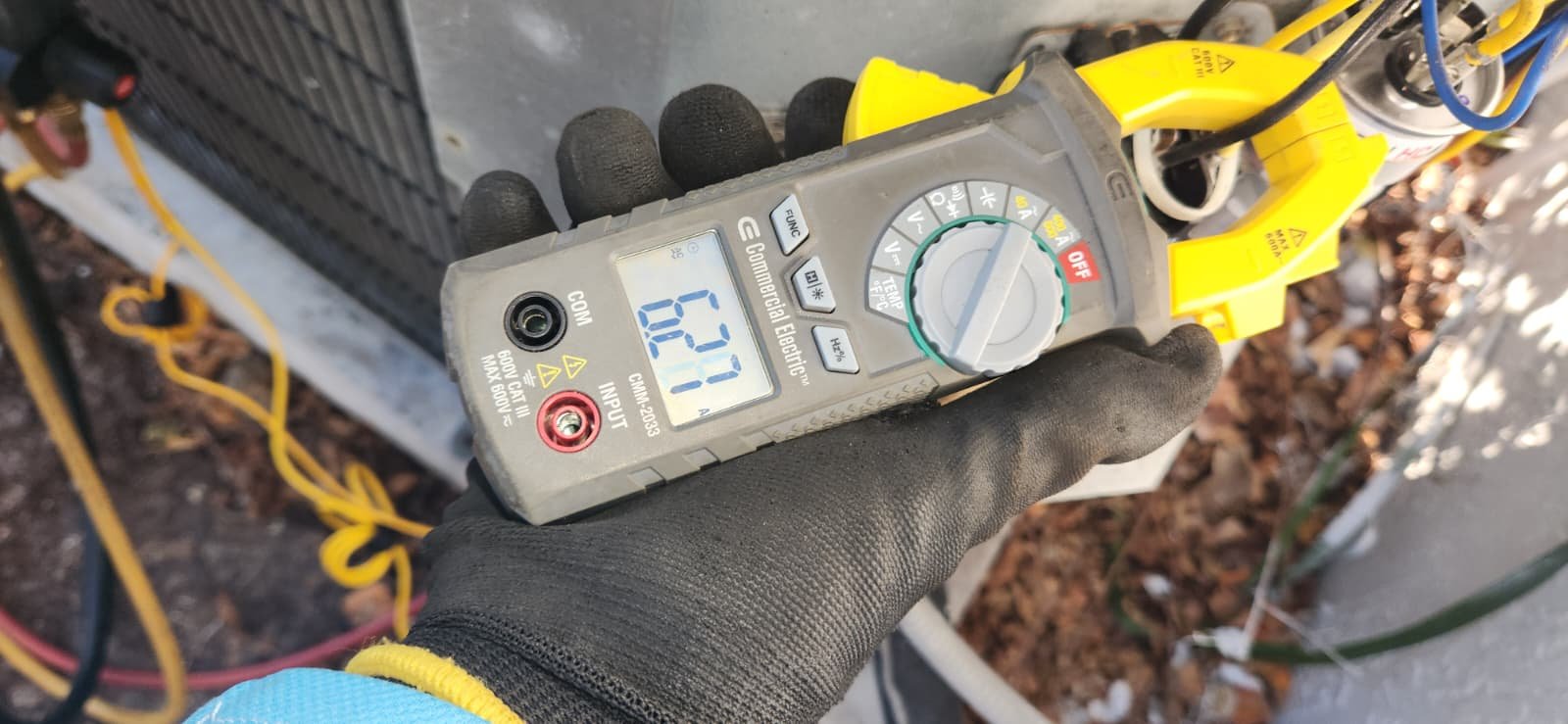
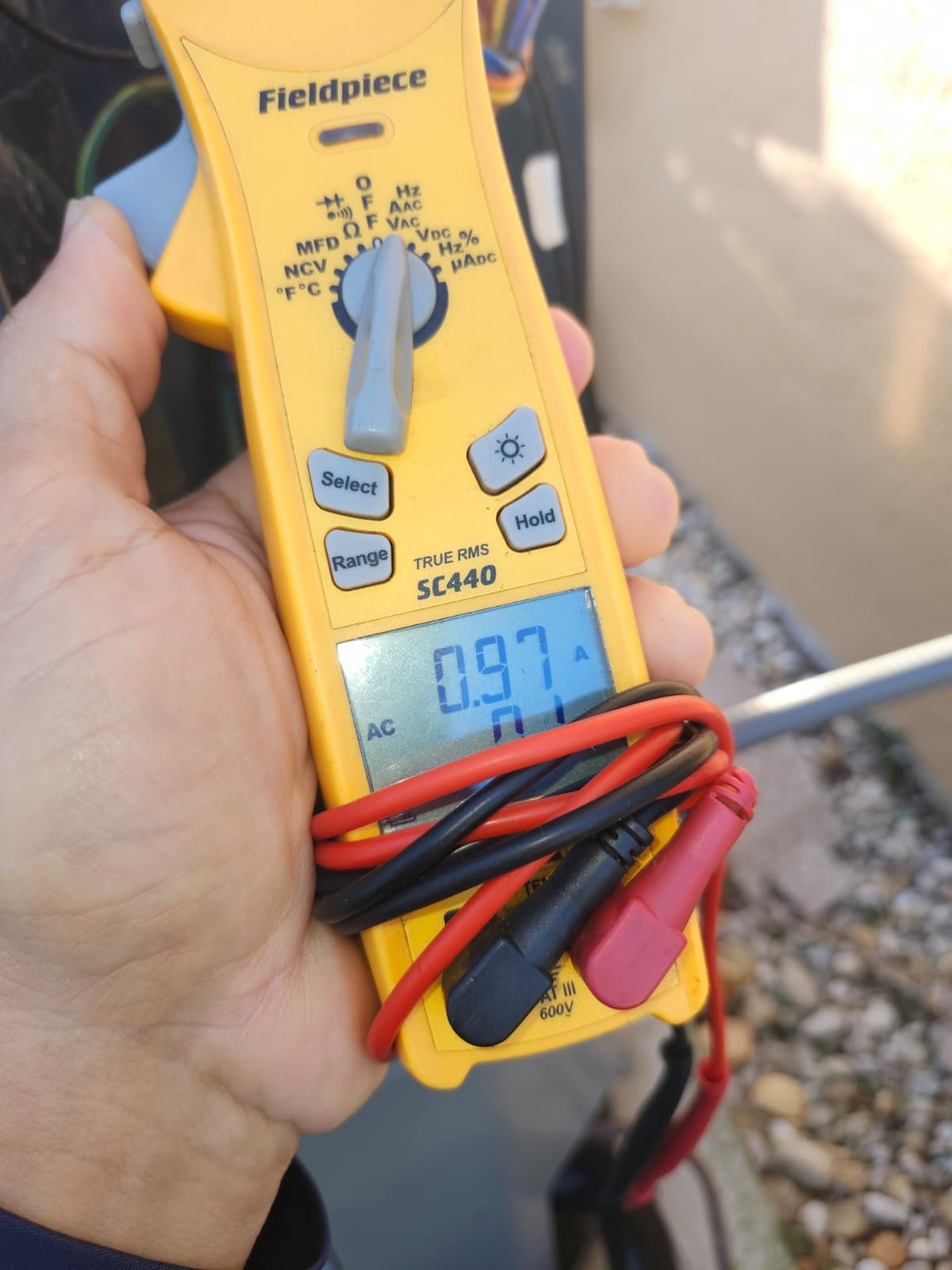
After installation the system is tested. Proper airflow is confirmed. Amp draw is measured to ensure the motor is operating within safe limits. Refrigerant pressures are monitored to verify normal operation.

This testing phase is critical. Skipping it can leave hidden issues unresolved.

Why Matching the Motor Matters

Every condenser fan motor is designed for a specific workload. Installing a motor with incorrect RPM or horsepower alters airflow across the condenser coil.

Too little airflow causes overheating. Too much airflow can reduce heat transfer efficiency and affect system pressures.

Incorrect rotation direction prevents proper airflow entirely. Incorrect capacitor sizing shortens motor life.

Professional technicians use manufacturer data and system information to select the correct motor. Guessing or installing a similar looking motor often leads to repeat failures.

Florida Climate and Condenser Fan Motor Stress

Florida systems face unique challenges. High ambient temperatures reduce heat rejection efficiency even under normal conditions. High humidity increases system run times. Salt air in coastal areas accelerates corrosion.

Because of this condenser fan motors in Florida tend to fail more frequently than in cooler climates. Preventive maintenance becomes especially important.

Regular coil cleaning proper airflow clearance and capacitor testing can extend motor life significantly.

When Replacement Is Better Than Repair

Condenser fan motors are sealed components. Internal bearing or winding failures cannot be repaired reliably.

In most cases replacement is the only viable option. Attempting temporary fixes often leads to sudden failure during peak demand.

Replacing the motor with a high quality properly rated component restores reliability and protects the system.

How This Repair Impacts Energy Efficiency

A properly functioning condenser fan motor improves system efficiency. Heat is rejected more effectively. Compressor run times decrease. Energy consumption stabilizes.

A failing motor forces the system to work harder and longer. This increases energy costs and accelerates wear on other components.

After replacement many homeowners notice more consistent cooling and reduced system strain.

Why Professional Diagnosis Matters

Several problems can mimic condenser fan motor failure. Failed capacitors control board issues contactor problems and wiring faults can all cause the fan not to run.

Professional diagnosis ensures the correct component is replaced. Replacing parts without proper testing wastes money and may not solve the problem.

In the video we demonstrate a confirmed condenser fan motor failure and proper replacement procedure.

When to Call for Service

If your outdoor fan is not spinning if your AC is running but not cooling or if the system shuts down during heat waves do not wait.

Turn the system off and call for professional service. Continued operation can cause irreversible damage.

Early intervention saves money and prevents system failure.

Watch the Condenser Fan Motor Replacement Video

You can watch the real condenser fan motor replacement shown in this article here
https://www.youtube.com/shorts/r3xaSQ4Btbo

This video shows why proper installation and testing matter and what homeowners should expect from a professional repair.

Professional AC Repair You Can Trust

Home Therapist Cooling Heating and Plumbing provides professional AC diagnostics and repairs performed by trained technicians. We match components correctly test systems thoroughly and focus on long term reliability not shortcuts.

If you suspect a condenser fan motor issue or your AC is not performing as it should professional inspection can prevent costly damage and restore comfort quickly.

Qianqian Rodgers Job 3afdb9f6b99c4340877eb92482705202 2

AC Maintenance and Capacitor Check in Fish Hawk, FL 33547

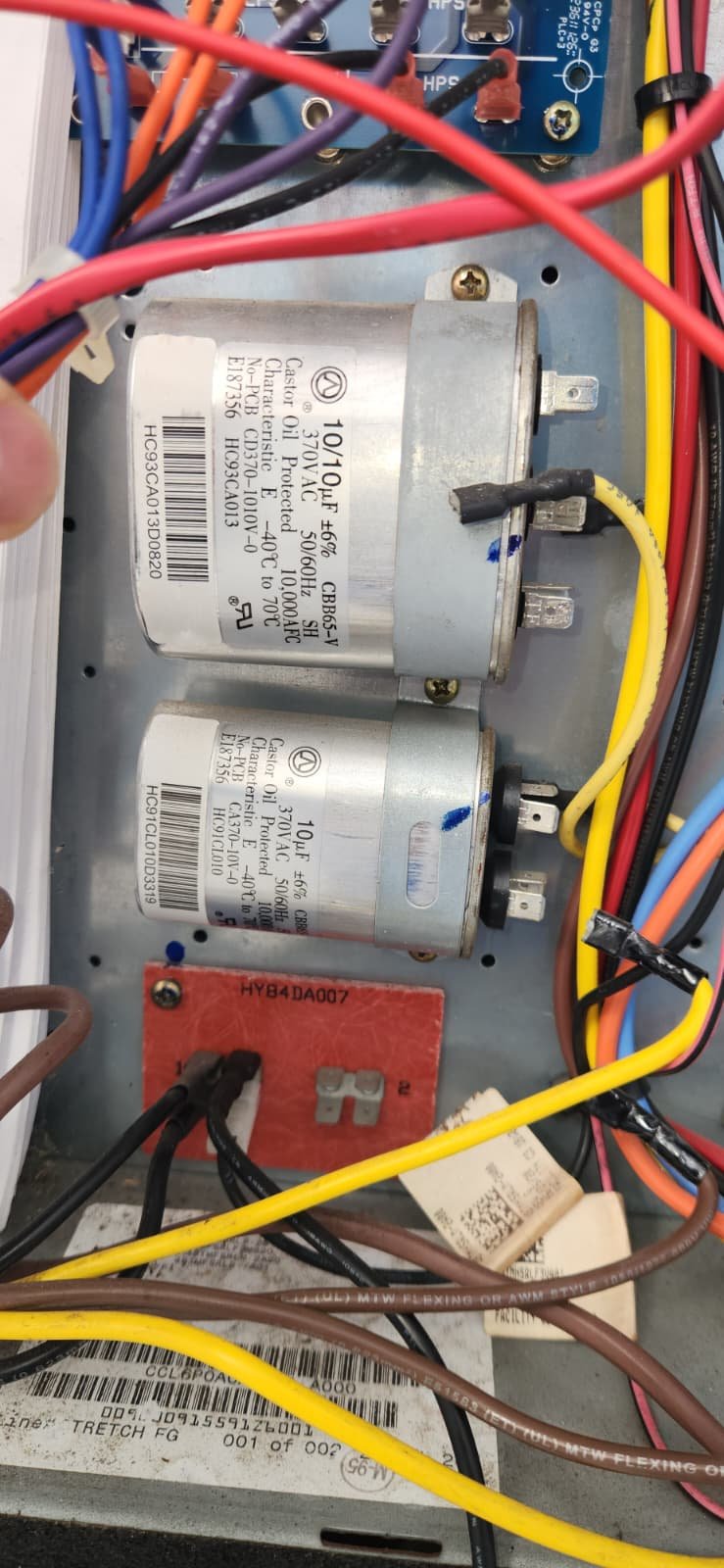
During a recent Premium Home Therapy Plan visit in Fish Hawk, FL 33547, we were called out for routine AC maintenance. The homeowner’s system seemed to be running fine, but they wanted to stay ahead of breakdowns—especially with Florida’s heat and humidity. During our inspection, we confirmed that the air conditioner was cooling properly, but we also found a capacitor that was drawing higher power than it should. That’s a classic sign the part is weakening and could fail unexpectedly.

In this walkthrough, we’ll explain what we did during this maintenance visit in Fish Hawk, what a weakening capacitor means for your comfort, and how proactive care helps avoid surprise outages and bigger repair bills.

Case Recap

  • Location: Single-family home in Fish Hawk, FL 33547
  • Service: Premium Home Therapy Plan AC maintenance visit
  • System status: Cooling the home properly at the time of service
  • Finding: Capacitor showing higher power consumption, indicating early-stage deterioration
  • Action: Completed full maintenance, documented capacitor concern, and sent recommendations/estimates
  • Outcome: Home left cool and comfortable, with a clear plan for a future capacitor replacement before failure

Customer Problem

For this homeowner in Fish Hawk, the visit wasn’t triggered by a system failure. They’re part of our Premium Home Therapy Plan and were due for Visit #3 of their scheduled maintenance. Their main concerns were simple but important:

They wanted to:

  • Keep the AC running reliably through Florida’s long cooling season
  • Avoid surprise breakdowns in the middle of a hot day
  • Get honest feedback on any parts that might be wearing out

The air conditioner was cooling, the thermostat was responding, and there were no obvious symptoms like strange noises or warm air. But in our Tampa Bay climate, equipment can be under stress even when everything “feels” normal inside the home. That’s one of the main reasons maintenance visits like this are so valuable for Fish Hawk, FL 33547 homeowners—we get to catch issues before they create a comfort emergency.

Inspection and Diagnosis

On a Premium Home Therapy Plan visit, we don’t just give the system a quick look. We follow a structured process to check all the major components that affect comfort, safety, and reliability.

For this AC maintenance appointment in Fish Hawk, we worked through a full inspection that included:

  • Visual inspection of the outdoor condenser and indoor air handler
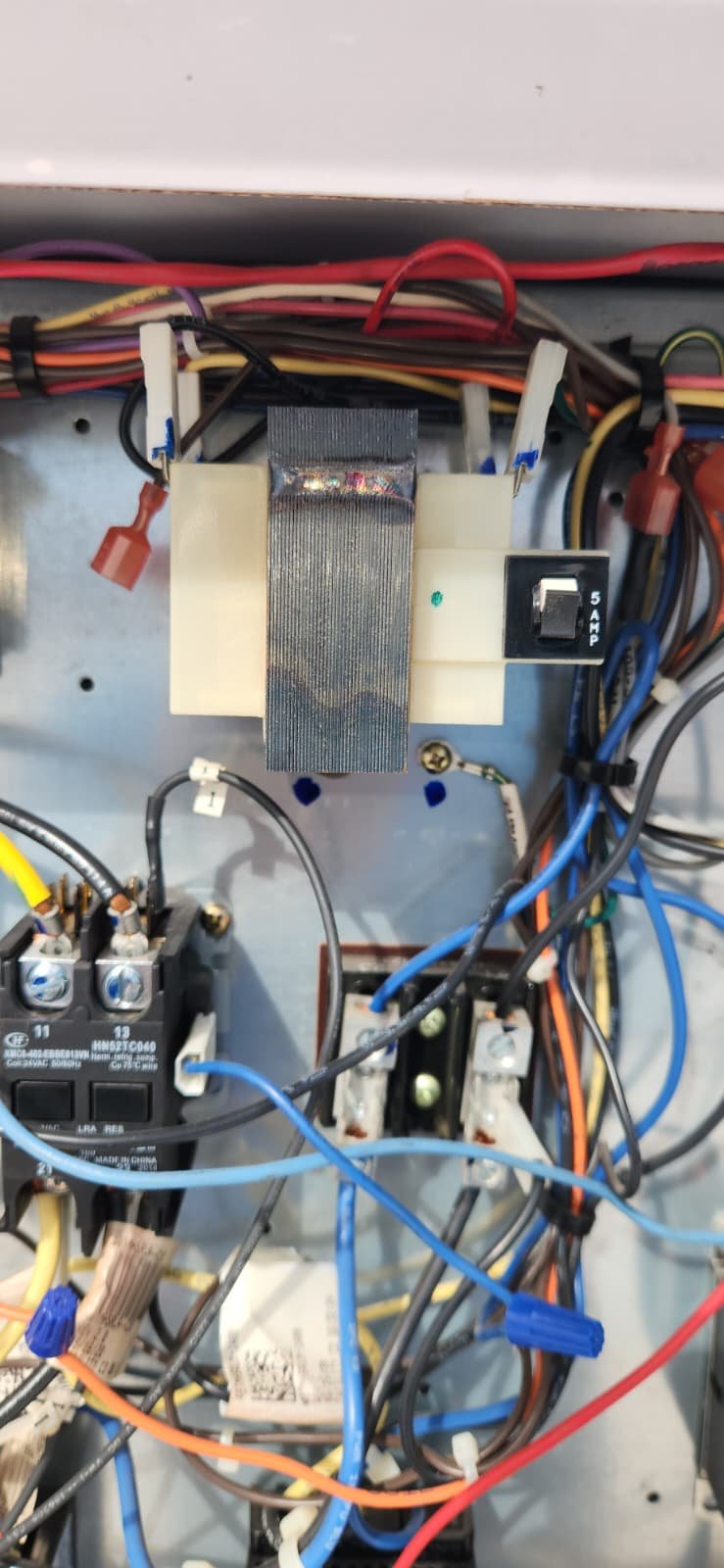
  • Checking electrical connections for signs of looseness, corrosion, or overheating
  • Verifying the thermostat was communicating properly with the system
  • Listening for unusual noises from the compressor and fan motors
  • Confirming normal airflow through the return and supply vents
  • Verifying proper drainage from the condensate line

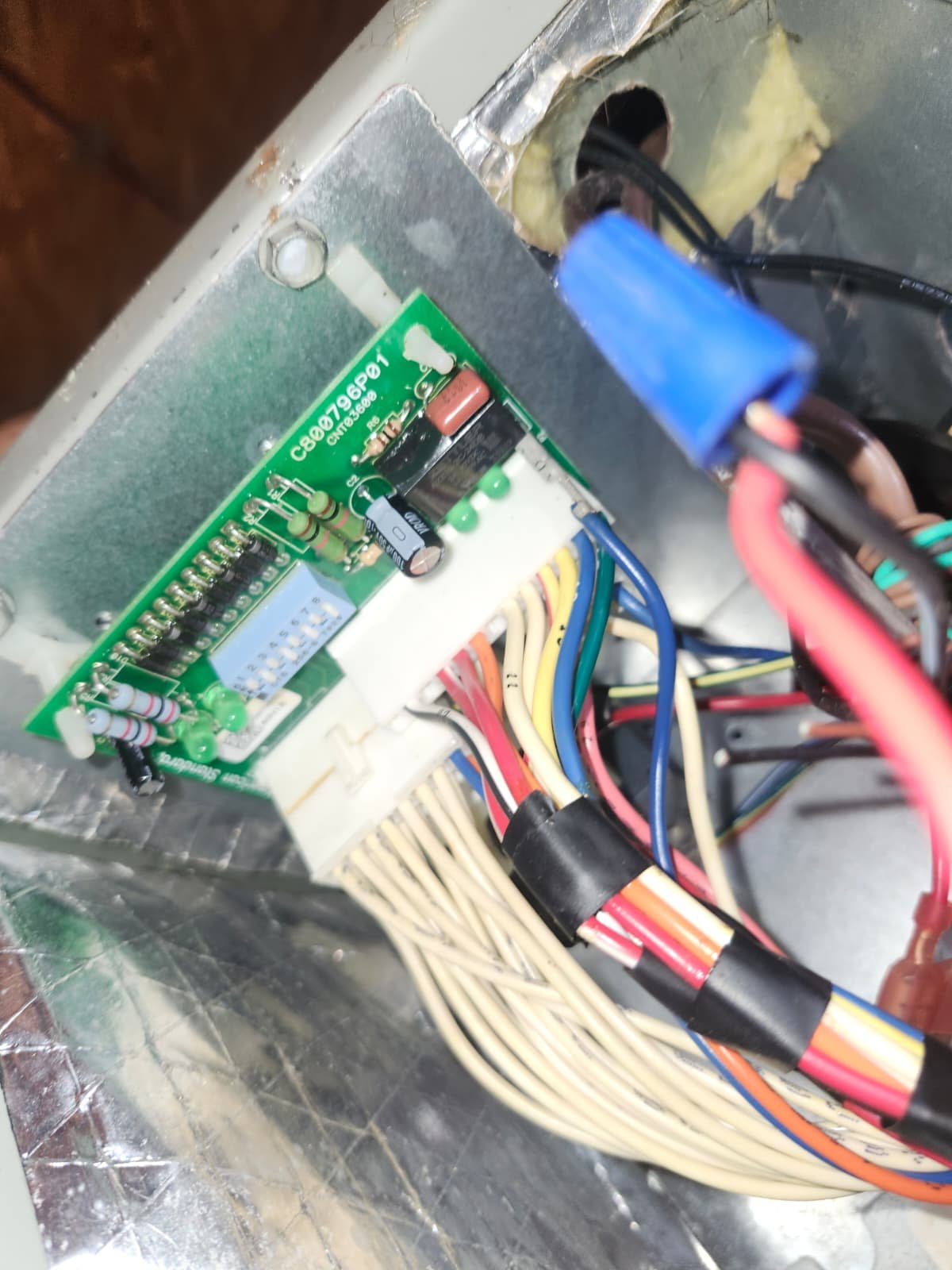
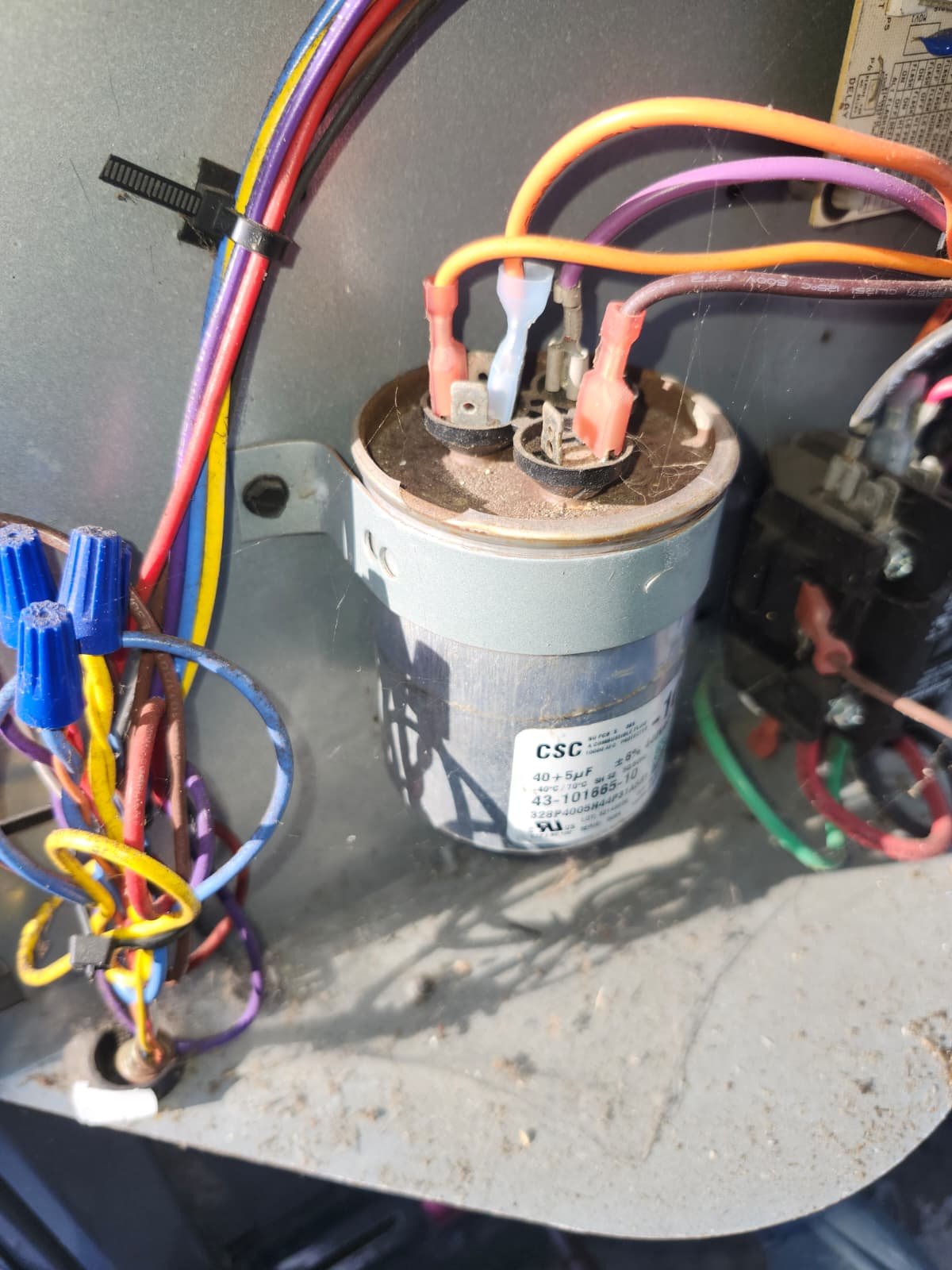
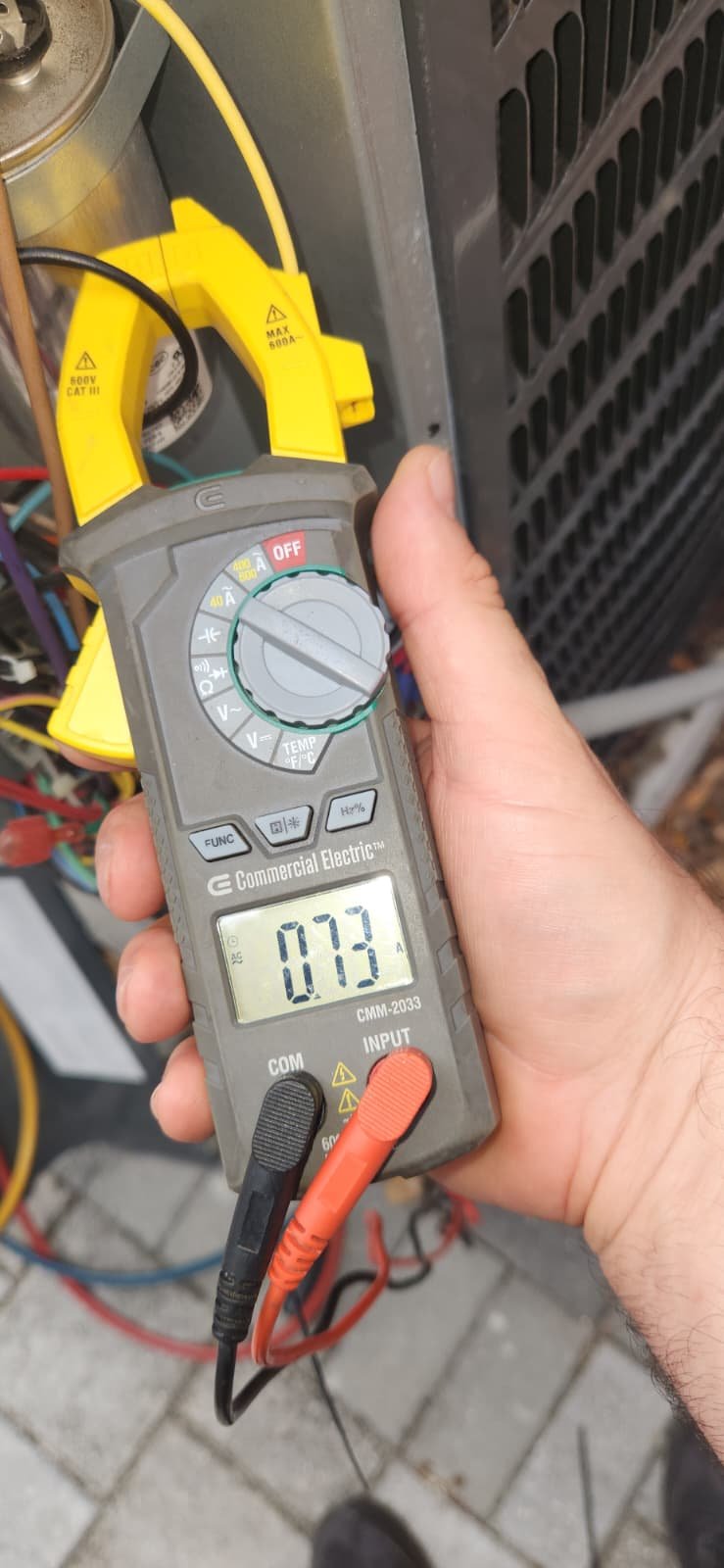
During the electrical portion of our inspection, we focused on the capacitor. The capacitor is a small but critical component that helps the compressor and fan motor start and run smoothly. When it begins to weaken, it can pull more power and put extra stress on the motors.

On this visit, we found that the capacitor’s power consumption was higher than we like to see for long-term reliability. The system was still operating, but this reading told us the part is likely in the earlier stages of failing. That’s not something we can put on a timer—there’s no way to say it will fail in a week, a month, or a season—but we can say with confidence that it’s a good candidate for proactive replacement.

We documented this condition and noted it clearly for the homeowner, along with our recommendations.

Repair or Service Process

Because this visit in Fish Hawk, FL 33547 was part of our Premium Home Therapy Plan, our goal was to tune, clean, and evaluate every major part of the system rather than just fix a single problem.

Here’s how we handled the visit step-by-step:

1. Completed the Full Maintenance Checklist

We started with our standard AC maintenance procedures, similar to what we outline on our AC maintenance service page. This typically includes tasks such as cleaning accessible components, inspecting filters, and checking for obvious signs of wear. We verified that air was flowing well through the system and that there were no immediate restrictions that could strain the equipment.

2. Evaluated Electrical Components

Next, we carefully checked the electrical side of the system. This is where capacitors, contactors, and wiring are evaluated. In this case, the main concern we identified was the capacitor’s high power consumption. We confirmed that, at the time of our visit, the system was still starting and running. However, the readings let us know the part is under stress.

3. Discussed the Capacitor Condition

Once we finished our checks, we spoke with the homeowner in clear, straightforward terms. We explained:

  • The system is currently cooling the home as expected
  • The capacitor is functioning but showing early signs of deterioration
  • There is no way to predict the exact day it will fail
  • Proactive replacement can help avoid a no-cool situation, especially during peak heat

We do not believe in scare tactics. Our role as local HVAC technicians in Fish Hawk is to give you the honest state of your system and let you make an informed decision.

4. Sent Estimates and Recommendations

After the visit, we sent formal estimates for the recommended capacitor replacement so the homeowner could review everything in writing. This included the work scope and pricing, in line with our transparent approach to repairs and upgrades.

We also reminded the homeowner about the benefits of staying on their Home Therapy maintenance plan so that any future changes in system performance can be caught early as well.

5. Verified Proper Operation Before Leaving

Before wrapping up the visit, we always make sure the system is running properly. We turned the AC through a full cycle, confirmed that cool air was coming from the vents, and checked that there were no unusual noises or behaviors from the outdoor unit. We left the home in Fish Hawk cool and comfortable, with no immediate operational issues.

Why This Fix (and Warning) Works

Even though we didn’t replace the capacitor on this specific visit, identifying and documenting its condition is a critical part of protecting the system. Here’s why this matters for homeowners in Fish Hawk, FL 33547.

The Role of the Capacitor

The capacitor stores and releases electrical energy to help the compressor and fan motors start and run. When it’s healthy, your system:

  • Starts smoothly without hesitation
  • Runs with less electrical strain
  • Maintains more consistent performance

As a capacitor wears down, it can begin to draw more power and operate less efficiently. That can lead to:

  • Hard starts or failed starts
  • Extra stress on motors and other electrical parts
  • Unexpected shutdowns on hot days

Why Proactive Replacement Helps

By identifying that this capacitor is trending in the wrong direction, we gave the homeowner time to plan. They can choose to replace the part before peak season, or schedule it at a convenient time instead of scrambling during a breakdown. This approach generally:

  • Reduces the risk of a no-cool emergency
  • Protects other components that depend on the capacitor
  • Supports the overall efficiency of the system

When you combine this with regular AC maintenance—like what we offer through our tune-up services—you’re stacking the deck in favor of long-term reliability.

Pro Tips for Homeowners in Fish Hawk

If you live in Fish Hawk, FL 33547 or nearby Tampa Bay communities, your AC works hard almost year-round. Here are a few practical tips to help your system and components like capacitors last longer:

1. Stay Consistent with Maintenance

In our humid Florida climate, skipping maintenance can shorten the life of electrical parts and motors. Annual or semiannual tune-ups, especially through a plan like our Premium Home Therapy Plan, allow us to spot weakening parts—just like we did on this visit in Fish Hawk.

2. Don’t Ignore “Small” Changes

Even if the air is still cool, pay attention to signs like longer run times, occasional clicking sounds at startup, or the outdoor unit struggling to kick on. Those can be early warnings that a part like a capacitor or contactor is under stress. Our AC repair technicians can check these concerns before they turn into full failures.

3. Protect Your System from Power Surges

Central Florida storms and power fluctuations can be tough on capacitors and other electrical components. Discuss surge protection options with your HVAC technician to help reduce the impact of voltage spikes on your system.

4. Keep the Outdoor Unit Clear

Make sure the area around your outdoor condenser is free from debris, plants, and objects that block airflow. Poor airflow makes the compressor work harder, which indirectly stresses electrical parts as well.

5. Use Reasonable Thermostat Settings

Running the thermostat extremely low in the peak of summer can cause long, continuous run times. That extra strain adds up, especially in places like Fish Hawk and the greater Tampa Bay area. A reasonable setpoint and a well-sealed home help your AC cycle normally and keep components happier.

FAQ: AC Maintenance and Capacitors in Fish Hawk, FL 33547

Is it normal for my AC to run fine even if the capacitor is weakening?

Yes, it’s possible. A capacitor often shows signs of stress before it completely fails. Your system may still cool, but the part can be drawing more power or operating closer to its limits. That’s exactly what we found on this maintenance visit in Fish Hawk—normal operation with a capacitor that’s trending toward failure.

Can you tell exactly when a capacitor will fail?

No, there’s no reliable way to predict the exact day or week a capacitor will fail. We can identify when it’s showing abnormal behavior or higher consumption, and then recommend replacement before it becomes a problem, but we can’t put a precise timeline on it.

Do I need to replace a weak capacitor right away?

It’s a strong recommendation, but not always an emergency if the system is still running. We provide clear information and estimates so you can choose whether to replace it immediately or schedule the work soon. Many Fish Hawk homeowners prefer to handle it proactively to avoid a no-cool situation later.

How does regular maintenance help electrical parts like capacitors?

Routine maintenance allows us to inspect and test components under normal operating conditions. We can catch early signs of wear before they cause a breakdown. In our Tampa Bay climate, where systems run heavily, this kind of regular checkup greatly improves the odds that components last longer and fail less dramatically.

What’s included in your Premium Home Therapy Plan?

Our Home Therapy plans are designed to provide regular maintenance visits, priority service, and a thorough evaluation of your heating and cooling system. Each visit includes cleaning, inspection, and performance checks. You can read more about what’s included on our dedicated maintenance plan page or contact us to see what makes the most sense for your Fish Hawk home.

Will a new capacitor improve my energy bill?

A failing capacitor can contribute to higher electrical strain and less efficient operation. Replacing it won’t magically slash your bill on its own, but it supports healthy operation of the motors and helps the system run the way it was designed. Combined with regular maintenance and clean airflow, that’s an important part of keeping energy use under control.

Why Choose Home Therapist for AC Maintenance in Fish Hawk

When you invite us into your home in Fish Hawk, FL 33547, we treat your comfort and safety like our own. Our licensed HVAC technicians are trained to look beyond quick fixes and focus on the long-term health of your system.

Here’s what you can expect when you work with Home Therapist Cooling, Heating, and Plumbing:

  • Licensed and professional technicians: Our team is fully trained and experienced with Florida’s climate, local housing styles, and the demands placed on AC systems in communities like Fish Hawk.
  • Transparent communication: We explain what we find in plain language, as we did with this capacitor issue, and we back it up with written estimates so you’re never guessing.
  • Clean and respectful work: We protect your home, clean up after ourselves, and make sure you’re comfortable with what we’ve done before we leave.
  • Long-term reliability focus: Our goal isn’t just to get your AC running today; it’s to help it run better and longer. That’s why we emphasize maintenance plans and proactive repairs.
  • Commitment to Tampa Bay homeowners: We’re proud to serve Fish Hawk and the greater Tampa Bay area, and we stand behind our work in the community we live and work in.

If you’d like to get to know us better, you can find more about our work and customer experiences on social media. Visit us on Facebook, follow our updates and project highlights on Instagram, or check out helpful videos and tips on our YouTube channel.

For added peace of mind, you can also review our standing with trusted local and national organizations. We’re listed with the Better Business Bureau and are proud members of the Tampa Bay Chamber of Commerce. You can also confirm our location and reviews through our Google business listing.

Schedule Your Next AC Maintenance Visit in Fish Hawk, FL 33547

If your system hasn’t been checked in a while—or if you’re interested in a plan like the Premium Home Therapy Plan used on this visit—now is a good time to schedule. Regular AC maintenance in Fish Hawk, FL 33547 helps catch issues like weakening capacitors before they leave you without cooling on a hot day.

Whether you need a one-time tune-up, want to explore ongoing maintenance options, or have specific concerns about your current system, our local Tampa Bay team is ready to help. Learn more about our AC maintenance services, explore our maintenance plans, or browse our AC maintenance guide for Tampa Bay homeowners to see how we keep systems running smoothly.

When you’re ready, reach out to Home Therapist Cooling, Heating, and Plumbing to schedule your next maintenance visit in Fish Hawk, FL 33547. We’ll take care of the details so you can enjoy a cool, comfortable home with confidence.

Phuong Vu Job 231f7fb602d04465982775d97054b6e4 3

HVAC Maintenance and Indoor Air Quality Solutions in Tampa, FL 33647

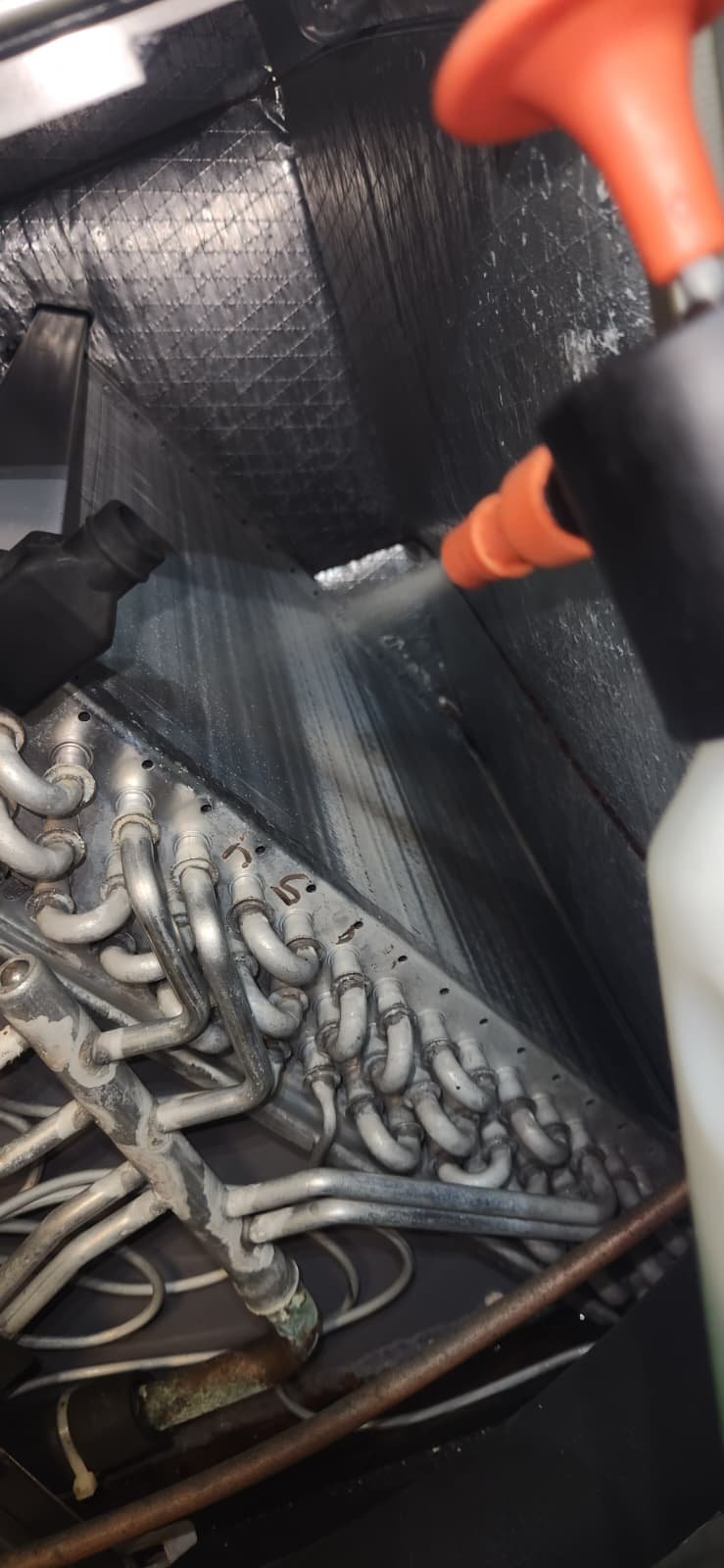
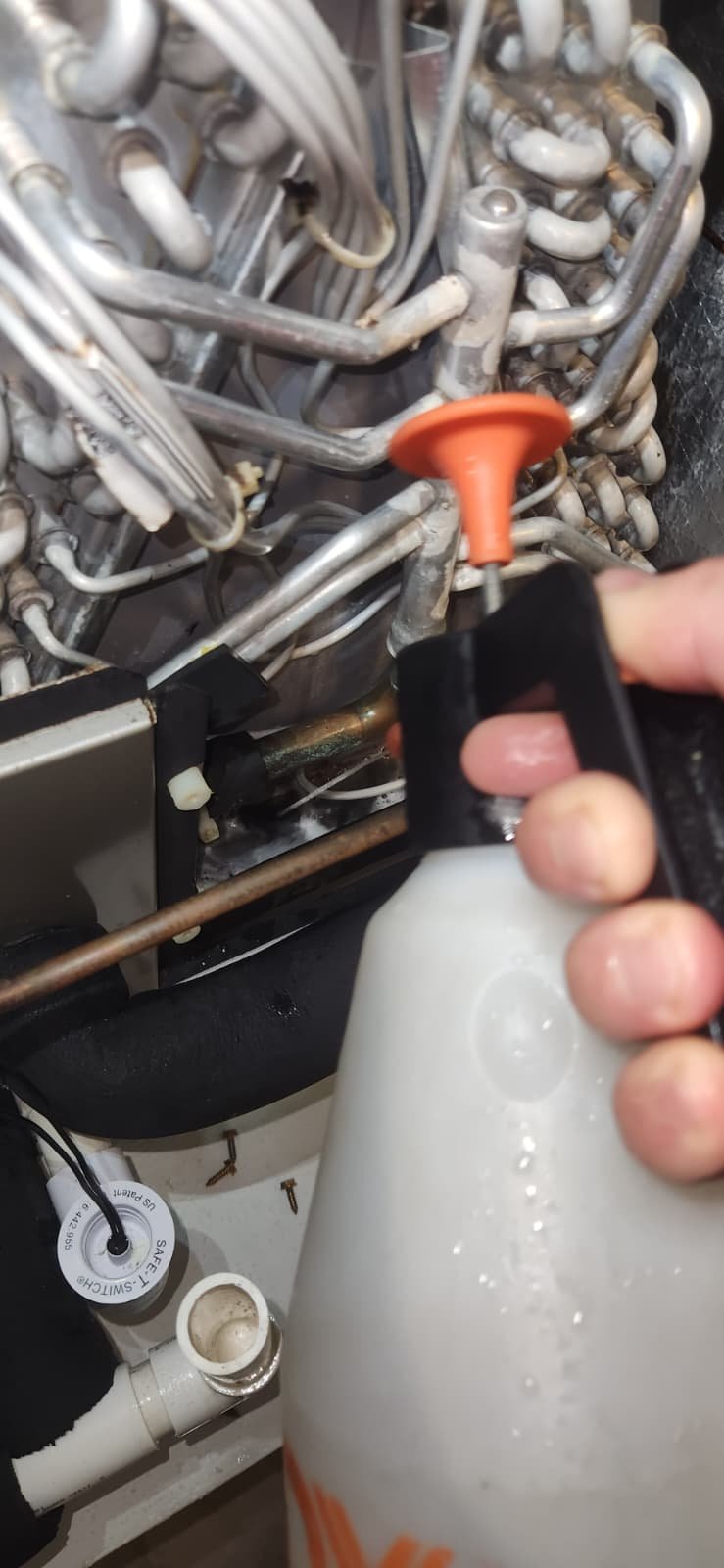
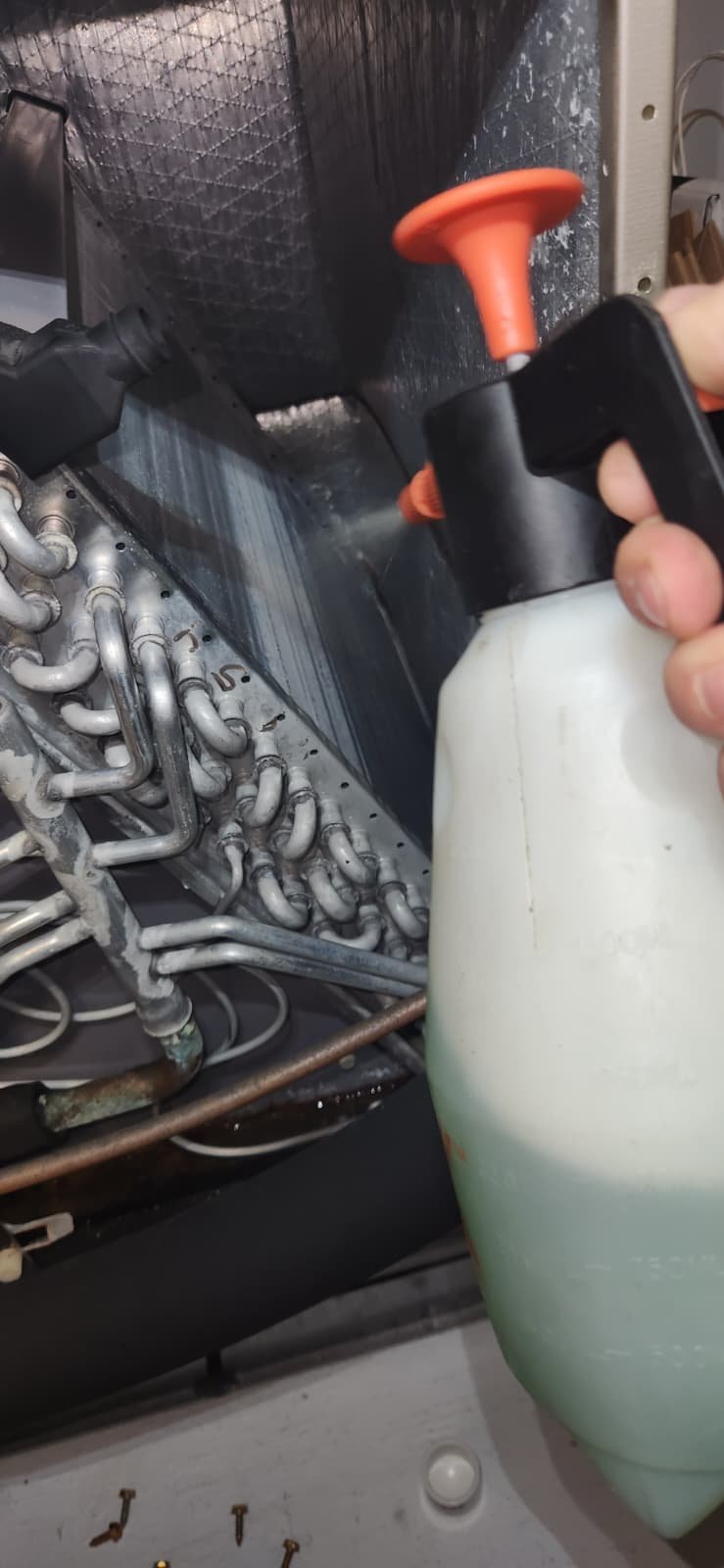
When we visit a homeowner in Tampa, FL 33647 for a maintenance appointment, our first priority is comfort and peace of mind. On this Premium Home Therapy Plan visit, the homeowner mentioned a musty, unpleasant odor whenever the air conditioning system came on. Our job was to figure out where that smell was coming from, make sure everything was operating safely, and recommend the best options to protect her home and indoor air quality going forward.

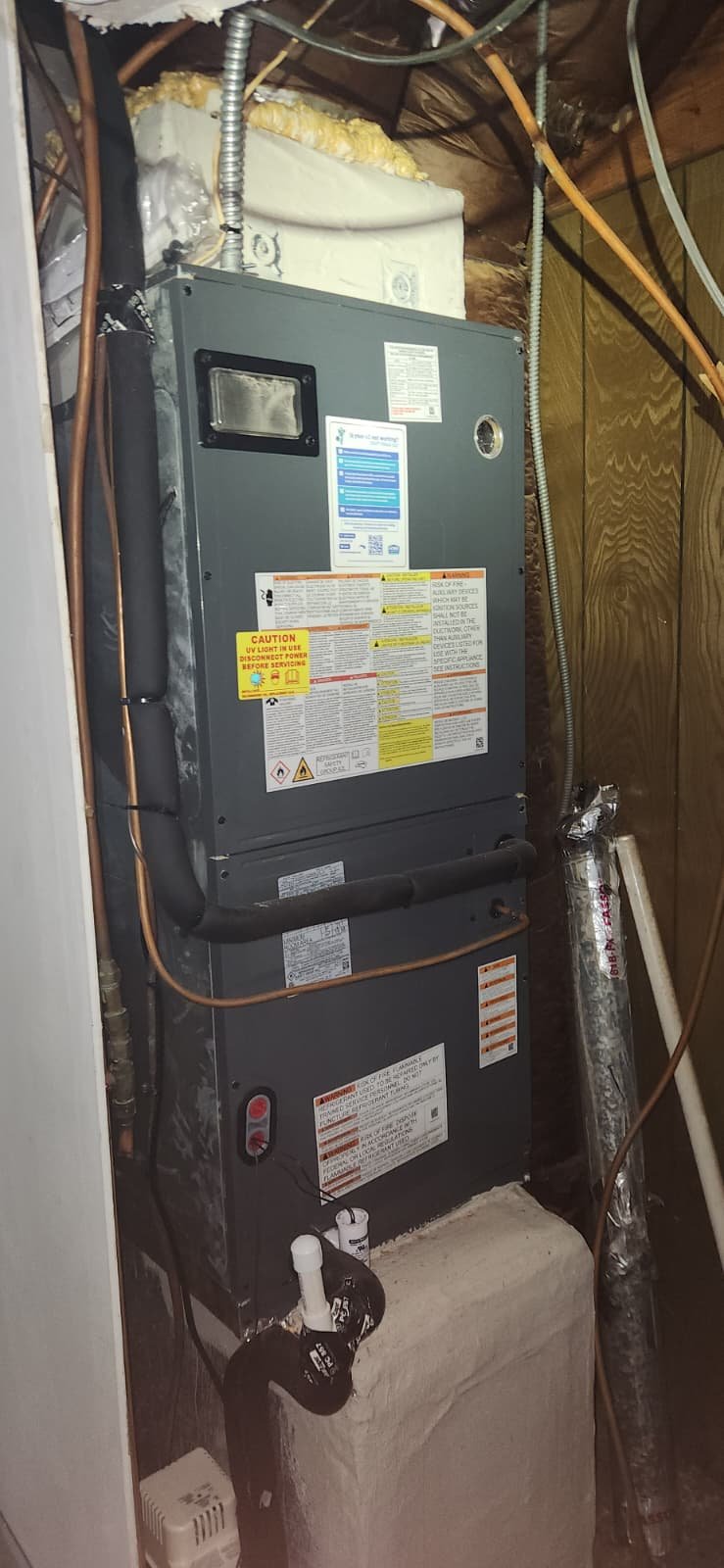
During this visit, we confirmed that the newer system we installed about six months ago is running properly. The real issue was the older primary HVAC unit in the home, originally manufactured in 2003, along with the air distribution components around it. Heavy corrosion, organic growth, and early microbial growth in the plenum are all signs that the system has reached the end of its reliable life and is negatively affecting air quality.

In this case study, we’ll walk through what we found, how we diagnosed the odor concerns, and the recommendations we made to help this Tampa homeowner breathe easier and feel more comfortable in her home.

Case Recap

  • Location: Single-family home in Tampa, FL 33647
  • Visit type: Premium Home Therapy Plan maintenance visit
  • Main concern: Unpleasant odors when the HVAC system turns on
  • Findings: Older primary unit (2003) with heavy corrosion and organic/microbial growth
  • Additional concern: Microbial growth starting inside the plenum
  • Recommendations: Replace aging 4-ton vertical gas furnace/AC system, perform full duct sanitation, and install a UV Halo light inside the plenum to improve indoor air quality

Customer Problem: Odors and Air Quality Concerns

For homeowners in Tampa, FL 33647, a working air conditioner isn’t a luxury—it’s essential. So when something doesn’t smell right as soon as the system kicks on, it can be both worrying and uncomfortable.

During this visit, our technician spoke with the homeowner about what she was experiencing. She explained that every time she turned on the system, she noticed unpleasant, musty odors. She was understandably concerned about what that might mean for her family’s health and the air they were breathing.

This maintenance call was specifically for the HVAC unit we had installed about six months earlier under her Premium Home Therapy Plan. She’s been proactive about taking care of her equipment, and that’s one of the reasons we were able to catch a more serious issue nearby before it worsened.

While the newer unit itself seemed like the obvious suspect, odors can come from many parts of the HVAC system—not only the machine we’re there to maintain. That’s why we always look at the bigger picture: the age of nearby equipment, the condition of the ductwork, the cleanliness of the plenum, and any signs of moisture or organic growth.

Inspection and Diagnosis

Our technician, Jandiel, started by confirming the performance of the newer system we installed. It had been in place for about six months, and under the Premium Home Therapy Plan, it was due for routine maintenance.

Here’s how we approached the diagnosis for this Tampa home:

1. Checking the Recently Installed System

First, we inspected the system that was the reason for the maintenance visit. We verified that:

  • The installed unit was operating properly for its age and recent installation.
  • There were no obvious signs of damage, abnormal noise, or visible contamination on the accessible components.
  • Basic maintenance items were in good shape in line with what we’d expect after six months of proper operation.

Everything with this newer unit checked out. That told us the source of the odors was likely elsewhere.

2. Inspecting the Primary (Older) HVAC Unit

Next, we turned our attention to the home’s primary HVAC unit, which has been in service since 2003. This system is now over 20 years old, which is well beyond the typical lifespan for most residential HVAC equipment in the Tampa Bay climate.

During inspection, we found:

  • Heavy corrosion on the older unit’s components.
  • Visible organic growth inside the equipment cabinet and nearby surfaces.
  • An outdated R22 refrigerant system, which is no longer used in modern installations due to efficiency and environmental concerns.

The combination of age, corrosion, and organic growth is a strong indicator that the system interior has been exposed to moisture and contaminants for an extended period. When that system runs, air moves across and around those surfaces—and some of the odors from that contamination can be carried into the living spaces.

3. Examining the Plenum and Air Distribution

The plenum—the chamber that directs conditioned air from the unit into the ductwork—is another critical piece of the indoor air quality puzzle. Inside this homeowner’s plenum, we observed the beginnings of microbial growth starting to form.

While the growth hadn’t completely overtaken the plenum, even early-stage contamination is important to address. The plenum is directly in the path of every bit of air that travels through the ducts, so anything growing there can influence what the homeowner smells and breathes.

Based on everything we found, we were confident explaining to the homeowner that the unpleasant odors she noticed were not coming from the newer system we had recently installed, but from the older primary unit and the surrounding air distribution components.

Repair and Service Recommendations

Once the inspection was complete, we walked the homeowner through our findings in clear, straightforward terms. In homes around Tampa, FL 33647, we see a lot of older systems that have simply reached the end of their usable life. That was the case here.

We recommended a combination of replacement and air quality improvements to address both the immediate odor concerns and the long-term comfort and safety of the home.

1. Replacement of the 4-Ton Vertical Gas Furnace / AC System

The primary unit, manufactured in 2003, showed heavy corrosion and organic contamination and relies on R22 refrigerant. At this age and condition, repairs would be a short-term patch at best. The refrigerant type is no longer standard, and the overall condition of the equipment raises both efficiency and air quality concerns.

We recommended replacing this older 4-ton vertical gas furnace and AC system with a modern, high-efficiency unit. A new system would:

  • Eliminate the heavily corroded and contaminated equipment from the air stream.
  • Improve energy efficiency and reliability, especially during our long Tampa cooling season.
  • Use current refrigerant technology that aligns with today’s performance and environmental standards.

We prepared an estimate for this replacement so the homeowner could review her options and plan accordingly.

2. Full Duct Sanitation

Because odors were present whenever the system started, and we saw signs of organic and microbial growth, we also recommended a full duct sanitation. Over time, dust, moisture, and biological contaminants can accumulate inside ductwork, especially when older equipment is involved.

A professional duct sanitation helps by:

  • Reducing organic growth and microbial presence inside the duct system.
  • Clearing out built-up debris that can trap odors.
  • Supporting better indoor air quality when paired with a clean, modern HVAC system.

For Tampa homeowners dealing with musty or stale smells, a properly performed duct cleaning and sanitation—such as our air duct cleaning services in Tampa—is often a key part of the solution.

3. Installation of a UV Halo Light in the Plenum

To directly target the early microbial growth we observed inside the plenum, we recommended installing a UV Halo light inside that chamber. UV air purification systems work continuously when the HVAC system operates, treating the air and surfaces where growth can develop.

Adding a UV Halo light in the plenum helps:

  • Limit organic and microbial growth on interior surfaces.
  • Reduce some odor-causing contaminants in the air passing through.
  • Support cleaner, fresher air delivered to the home’s living spaces.

Combining a clean duct system, a UV solution at the plenum, and a modern HVAC unit gives homeowners in Tampa, FL 33647 a strong, long-term approach to improving indoor air quality.

Why This Fix Works

To understand why these recommendations are effective, it helps to look at how comfort, airflow, and indoor air quality work together.

Old Equipment and Contamination

As systems age—especially beyond 15–20 years in the Florida climate—metal surfaces corrode, insulation can deteriorate, and moisture exposure encourages organic growth. Every time the blower turns on, air moves past those surfaces and into the ducts.

If there is heavy corrosion and organic buildup, the airflow can pick up particles and odors, carrying them into the home. That’s why the homeowner experienced smells as soon as the system started.

Ductwork and Plenum Conditions

The ductwork and plenum are just as important as the equipment itself. Dust, humidity, and biological material inside these components can create a lingering odor problem even if the mechanical parts are working.

By sanitizing the ductwork and treating the plenum with a UV Halo light, we address both the surfaces and the air that moves through them. This doesn’t rely on masking odors; it helps reduce the contaminants that create them.

Modern System Efficiency and Comfort

Replacing an outdated R22 system with a modern unit provides additional benefits beyond cleaner air. Newer systems are designed for better efficiency, more consistent temperature control, and improved reliability during the long cooling season in Tampa.

When all three elements—equipment, ductwork, and air treatment—are working together, homeowners get:

  • More consistent comfort in every room.
  • Cleaner, fresher-smelling air.
  • Reduced risk of irritation or discomfort from contaminated surfaces inside the system.

Pro Tips for Homeowners in Tampa

For homeowners in Tampa, FL 33647 and nearby Tampa Bay communities, humidity, heat, and long run times all put extra stress on HVAC systems. Here are some practical tips to keep your air cleaner and your system healthier:

1. Keep Up with Routine Maintenance

Regular maintenance—like the Premium Home Therapy Plan visit on this home—helps catch issues early. Annual or semi-annual tune-ups allow us to spot corrosion, microbial growth, and drainage issues before they become major problems.

2. Change Filters Consistently

Clogged or neglected air filters can worsen odors and reduce airflow. Depending on your filter type and home conditions, replacing or cleaning filters every 1–3 months is a simple habit that supports cleaner air. If you’re unsure which filter is best, we can help you choose the right option through our air filter installation and replacement services.

3. Pay Attention to Odors and New Noises

If you notice musty, burning, or unusual smells when your system starts, don’t ignore them. Odors often point to moisture issues, microbial growth, or electrical problems. Catching them early is safer and usually more cost-effective.

4. Consider Duct and Air Quality Upgrades

In our humid Florida climate, ducts and plenums can become breeding grounds for organic growth, especially when older systems are involved. Services like professional duct cleaning in Tampa and UV air treatment can significantly improve indoor air quality when paired with a well-maintained system.

5. Plan Ahead for Older Systems

If your system is approaching 15–20 years old—especially if it uses obsolete refrigerant—it’s wise to start planning for replacement before it fails. That gives you time to choose the right system rather than rushing during an emergency. Our team serves homes across Hillsborough County and offers comprehensive HVAC services in Hillsborough County to help you plan ahead.

FAQ: Odors and HVAC Maintenance in Tampa, FL 33647

Why did I only notice the odor when the system turned on?

Odors often become noticeable when the blower starts and air begins moving across contaminated surfaces or through dirty ducts. As air passes over organic growth, corrosion, or damp dust, it can carry those smells into your living spaces. That’s why the homeowner in this Tampa, FL 33647 case noticed the odor each time the system started up.

Is the newer system at risk if I have an older unit nearby?

The newer system itself can still operate properly, as it did in this home, but the overall air in the home is influenced by every part of the HVAC system—old and new. If the primary or older unit is heavily contaminated, you may still experience odors and air quality issues even when a newer system is performing well.

Can duct sanitation and a UV light really help with odors?

Duct sanitation and UV air treatment aren’t air fresheners; they are tools to reduce contamination. When properly applied, duct sanitation removes built-up debris and organic material, and a UV Halo light helps limit new microbial growth in the plenum area. Together, they can significantly reduce many odor sources and support healthier indoor air.

Is it safe to keep using an older, corroded HVAC system?

An older corroded system can still run, but it may not be efficient, reliable, or good for indoor air quality. In this Tampa home, the unit was over 20 years old with visible organic growth and obsolete refrigerant. Continuing to use equipment in that condition can contribute to odors and potential respiratory discomfort, which is why we recommended replacement.

How do I know when it’s time to replace my system instead of repairing it?

Age, condition, and refrigerant type are key factors. If your system is over 15–20 years old, uses outdated refrigerant, shows significant corrosion, or repeatedly struggles to keep up, replacement is usually the better long-term choice. We provide clear, written estimates so homeowners in Tampa, FL 33647 can make informed decisions based on their budget and priorities.

Why Tampa Homeowners Choose Home Therapist

At Home Therapist Cooling, Heating, and Plumbing, we approach every visit as if we were working on our own home. In this Tampa, FL 33647 case, that meant taking the time to listen to the homeowner’s concerns about odors, thoroughly inspect all relevant equipment, and clearly explain what we found and why it mattered.

Here’s what you can expect when you call our local Tampa Bay team:

  • Licensed, professional technicians: Our technicians are trained, certified, and experienced with both older and modern HVAC systems in the Tampa Bay climate.
  • Transparent communication: We explain what we see in plain language—no scare tactics, no pressure, and no confusing jargon.
  • Clean, respectful work: We treat your home with care, protect work areas, and clean up after ourselves so you can get back to normal quickly.
  • Long-term reliability: Our recommendations are focused on safety, comfort, and long-term reliability, not just quick fixes.
  • Commitment to Tampa Bay homeowners: We live and work in this community, serving homeowners throughout Tampa, FL 33647 and the surrounding areas.

If you’d like to see what other local homeowners say about us, you can connect with us and read reviews on our social pages and trusted directories, including:

Schedule HVAC and Air Quality Service in Tampa, FL 33647

If you’re in Tampa, FL 33647 and you’ve noticed musty odors, inconsistent comfort, or you know your system is getting older, we’re here to help. Whether you need routine maintenance, a full system replacement, duct cleaning, or guidance on air quality upgrades, our team will walk you through your options calmly and clearly.

Contact Home Therapist Cooling, Heating, and Plumbing today to schedule your next visit and get a personalized plan to keep your home’s air cleaner, more comfortable, and more reliable—season after season in Tampa, FL 33647.

1767677018566 Image 1767677018290

Best 8 Emergency HVAC Tools – Expert Comparison 2026

Choosing a team to handle cooling, heating, or plumbing in Florida can feel like a big decision. Some offer quick fixes while others focus on long-term care. Pricing, speed, payment plans, and reliability all matter when the heat spikes or a leak catches you off guard. Families and businesses want service they can trust for comfort when it counts. With different promises and special perks, it helps to see how local options stack up so you can make a smart choice for your home.

Table of Contents

Home Therapist

Product Screenshot

At a Glance

Home Therapist Cooling, Heating, and Plumbing offers top-notch HVAC and plumbing services to the Tampa Bay area. As a family-owned business, they prioritize customer satisfaction and deliver fast, professional service backed by more than a decade of experience. With over 1,100 five-star reviews and same-day availability, Home Therapist is a dependable local choice for both residential and commercial needs. Bottom line: if you need reliable, transparent service in Tampa Bay, Home Therapist gets systems fixed quickly and correctly.

Core Features

Home Therapist’s service suite covers HVAC repair, installation, and maintenance, plus full plumbing support including emergency services, leak detection, drain cleaning, and flood pipe repair. They also handle air quality solutions—air duct repair and cleaning, air purifiers, and humidifiers—and water systems like water heater and softener installation and repair. Flexible financing options and a satisfaction guarantee support their work, and certified technicians serve both homes and businesses with transparent, upfront pricing and same-day service when available.

Pros

  • Experienced technicians with over a decade of service: Their team brings deep, practical knowledge that reduces diagnostic time and repeat visits.
  • Transparent, upfront pricing with no hidden fees: Clear estimates let you approve work confidently without surprise charges.
  • Same-day service availability: Quick response minimizes downtime in Tampa Bay’s heat and humidity.
  • Comprehensive service offerings for HVAC and plumbing: One contractor covers the full system, avoiding coordination delays between multiple vendors.
  • Strong community reputation with over 1,100 five-star reviews: Local trust means you’re hiring a proven team with a track record.

Who It’s For

Home Therapist is ideal for Tampa Bay homeowners and local businesses that need dependable, transparent HVAC and plumbing solutions with fast response times. If you value a locally owned, family-run company that answers the phone, provides clear estimates, and can handle both a leaking pipe and a failing AC system on the same visit, this is the right fit. You want professionals who understand Florida humidity, rush-hour availability, and local building needs.

Unique Value Proposition

What sets Home Therapist apart is the combination of local focus, certified technicians, and measurable customer satisfaction. Being family-owned gives them a community-first mindset: they aim for long-term relationships rather than one-off jobs. Over a decade of experience plus 1,100+ five-star reviews demonstrates consistent performance. Transparent, upfront pricing and same-day availability reduce stress during emergencies, while the full-service HVAC and plumbing capability eliminates finger-pointing between trades. Flexible financing and a satisfaction guarantee further lower barriers to necessary repairs. In short, Home Therapist blends speed, honesty, and comprehensive technical ability in a way that consistently benefits Tampa Bay property owners.

Real World Use Case

A Tampa Bay homeowner discovers their AC struggling on a 95°F afternoon. They call Home Therapist, receive an honest, upfront quote, and get a same-day repair—saving the family from a night of sweating and a potential larger system failure. The technician documents the fix, explains preventive maintenance, and leaves the home comfortable.

Pricing

Water heater replacement installation labor is listed at $599 if the customer supplies the materials; other service prices are provided via custom quotes. Flexible financing options are available and the company backs work with a satisfaction guarantee.

Website: https://callhometherapist.com

Ierna Air

Product Screenshot

At a Glance

Ierna Air is a full-service HVAC and plumbing provider based in Lutz, FL, offering same-day service, next-day installations, and more than 22 years of experience. For Tampa Bay homeowners who value speed and reassurance, their 100% satisfaction guarantee and on-time service promise are clear selling points. They also provide special financing, including limited-time 0% options, which can make emergency repairs easier to handle. Bottom line: fast, experienced local service with flexible payment choices — but you may need to call for exact coverage and pricing.

Core Features

Ierna Air focuses on rapid response and comprehensive home comfort work. Core features include same-day repairs and next-day installations, plumbing and HVAC expertise, coupons and special offers, and special financing programs that can include 0% financing on repairs and system installations. The company emphasizes punctual, professional technicians and a satisfaction guarantee that aims to reduce the stress of emergency calls for homeowners.

Pros

  • Fast response options: Ierna Air advertises same-day service and next-day installations, which helps minimize downtime during Florida’s hottest days.
  • Experienced technicians: With over 22 years in home services, the team brings established diagnostic and repair skills to common HVAC and plumbing problems.
  • On-time and quality guarantees: A 100% satisfaction and no-breakdown-on-time guarantee gives homeowners a clear expectation of reliability and accountability.
  • Flexible financing availability: Special financing, including promotional 0% interest deals, makes larger repairs or replacements more accessible without immediate large cash outlays.
  • Comprehensive service scope: Combining HVAC and plumbing services reduces the hassle of coordinating multiple contractors for related home comfort issues.

Cons

  • Limited service area details: The information provided centers on Lutz, FL, and specifics about broader Tampa Bay coverage are not listed.
  • No upfront pricing: Clear pricing is not provided online, so homeowners must contact Ierna Air directly for quotes and accurate cost expectations.
  • Brand and model specifics missing: Details about which HVAC brands or system models they service are not listed, leaving some uncertainty for owners of less common equipment.

Who It’s For

Ierna Air is ideal for Tampa Bay and Lutz homeowners who need prompt, dependable repairs or installations and who prefer a single trusted company for both HVAC and plumbing work. If financing matters to you during an emergency, their promotional 0% options could be especially valuable. If you live outside Lutz, call first to confirm serviceability.

Unique Value Proposition

Ierna Air combines rapid same-day and next-day responsiveness with decades of experience and flexible financing to reduce the friction of urgent home comfort needs. That mix of speed, local familiarity, and payment options is tailored to homeowners who need both quick outcomes and financial breathing room.

Real World Use Case

Imagine a midsummer afternoon in Tampa when your AC fails. You call Ierna Air; they arrive the same day, diagnose the issue, and either repair it or schedule a next-day replacement. If the repair is costly, you use their 0% financing offer and avoid an immediate large expense while restoring comfort quickly.

Pricing

Pricing varies by job; current offers include $50 off for cooling or plumbing services and time-limited 0% financing options for repairs and installations. Contact Ierna Air directly for an accurate quote.

Website: https://iernaair.com

Caldeco Air Conditioning & Heating

Product Screenshot

At a Glance

Caldeco Air Conditioning & Heating positions itself as Tampa Bay’s hometown AC expert, focused on residential and small commercial comfort. Their offering emphasizes online scheduling, seasonal discounts, financing options, and routine maintenance to protect warranties and efficiency. If you live in Tampa Bay and want a local team that helps you navigate rebates and keeps systems running, Caldeco is a practical, service-oriented choice.

Core Features

Caldeco’s core capabilities center on accessible service and customer convenience. You can schedule appointments, request repairs, and make payments online, which saves time when your system fails on a humid Florida afternoon. They run winter season discounts and special financing programs and help customers claim utility rebates to lower upfront costs. Routine maintenance services are explicitly designed to improve performance, cut operating costs, and preserve manufacturer warranties. The company also promotes expert HVAC support and industry updates to help homeowners make informed decisions about indoor air quality and energy efficiency.

Pros

  • Local expertise in Tampa Bay: Their focus on the Tampa Bay market means technicians understand local climate stresses and common system failures, which improves diagnosis and repair speed.
  • Comprehensive HVAC services: Caldeco covers sales, installation, repairs, and maintenance, so you can work with one company across a system’s lifecycle.
  • Current promotions and rebates: Seasonal discounts and utility rebate assistance can materially reduce the cost of replacement or upgrades.
  • Positive customer testimonials: Reviews emphasize professional, thorough service, suggesting reliable on-site performance and respectful technician conduct.
  • User-friendly website for scheduling: Online appointment and payment tools reduce friction when you need quick service.

Cons

  • Geographic focus limits reach: The website content focuses primarily on the Tampa Bay area, so their services and promotions may not apply if you live outside that region.
  • No upfront pricing online: Specific pricing details are not provided on the site, which requires you to contact the company for quotes and can delay decision-making.
  • Limited product range information: The site gives limited detail on products beyond AC systems and heat pumps, making it harder to compare equipment models and features remotely.

Who It’s For

Caldeco is best for homeowners and small business owners in Tampa Bay who prefer working with a local provider for installation, repair, and preventive maintenance. If you value online scheduling, want to access rebates or financing, and need technicians familiar with Florida’s heat and humidity, this company is a strong match.

Unique Value Proposition

Caldeco blends local knowledge with practical customer conveniences—online scheduling, seasonal offers, and rebate assistance—so homeowners get faster service and clearer cost savings when updating or maintaining systems.

Real World Use Case

Imagine your AC isn’t cooling on a 90-degree Tampa afternoon: you schedule a repair online, a technician arrives, diagnoses a failing compressor or refrigerant issue, and you take advantage of a winter discount or financing to replace the unit—then set up annual maintenance to protect efficiency and warranty.

Pricing

Pricing is not specified online; you must contact Caldeco for quotes, financing details, and rebate eligibility.

Website: https://caldeco.net

The Comfort Authority

Product Screenshot

At a Glance

The Comfort Authority is a locally focused HVAC and plumbing provider serving Tampa Bay homeowners and businesses with licensed technicians and a strong customer satisfaction emphasis. Their strengths are comprehensive service offerings, affordable-sounding maintenance plans, and a reputation for fast, reliable work. However, specific pricing and explicit emergency-service availability are not clearly listed, so you may need to call for exact details. Overall, a solid local option for routine maintenance, repairs, and system installs in the Tampa Bay area.

Core Features

The Comfort Authority provides end-to-end HVAC installation, repair, and maintenance plus heating and air conditioning services tailored for residential and commercial systems. They also handle duct services and indoor air quality solutions, plumbing repair and fixture work, and water heater and filtration services. Their model centers on regular maintenance, prompt service, and customer-centered care to improve system performance and reduce operational costs.

Pros

  • Highly rated and trusted in Tampa Bay: Local reviews and reputation indicate consistent customer satisfaction and community trust.
  • Offer comprehensive HVAC and plumbing services: They cover installations, repairs, ducts, indoor air quality, plumbing, and water systems so you rarely need multiple contractors.
  • Affordable pricing with maintenance plans: The company emphasizes cost-effective solutions, maintenance plans, and coupons that can lower long-term expenses.
  • Fast and reliable service with trained & certified technicians: Licensed technicians mean work aligned with professional standards and quicker turnarounds.
  • Strong customer reviews and satisfaction guarantee: A satisfaction guarantee reduces risk for homeowners hiring them for important jobs.

Cons

  • Limited to services in the Tampa Bay area (based on provided info): If you move outside the service area, their coverage may not follow.
  • Pricing details are not extensively specified on the site (may vary): You’ll likely need a phone call or quote to get exact costs for your project.
  • Availability of emergency services not explicitly mentioned: If you need after-hours or emergency HVAC help, confirm availability before relying on them.

Who It’s For

The Comfort Authority is designed for Tampa Bay homeowners and small business owners who value local expertise, certified technicians, and a one-stop provider for HVAC and plumbing needs. If you prioritize maintenance plans, coupon savings, and a company that emphasizes customer satisfaction, this is a practical match.

Unique Value Proposition

Their local Tampa Bay focus combined with licensed technicians and a maintenance-first approach positions The Comfort Authority as a worry-reducing partner for home comfort. By bundling HVAC, ductwork, indoor air quality, and plumbing services under one roof, they simplify service coordination and aim to lower operational costs through preventive care.

Real World Use Case

Imagine a Tampa homeowner whose air conditioner fails during summer: they call The Comfort Authority for diagnosis, use a coupon toward the repair, and schedule a maintenance plan afterward to prevent repeat issues. The company handles the repair, inspects ductwork, and recommends an indoor air quality solution if needed.

Pricing

Specific prices are not listed; the company highlights affordable and competitive rates, maintenance plans, and discount coupons to help control costs. For exact estimates, request a written quote or call their office.

Website: https://thecomfortauthority.com

Easy AC

Product Screenshot

At a Glance

Easy AC is a Tampa-based heating and air conditioning company with an A+ Better Business Bureau rating that focuses on fast, honest service for homeowners and businesses across the Tampa Bay area. They offer 24/7 emergency AC repair, online scheduling, and financing options, plus multi-year guarantees that aim to reduce your worry after a breakdown. Bottom line: if you live in Tampa Bay and need dependable emergency AC support or financing flexibility, Easy AC is a practical local choice.

Core Features

Easy AC provides round-the-clock emergency AC repair, routine maintenance, full installation services, and an online scheduling platform to speed up service requests. Financing plans include same-as-cash and traditional options, and select systems may qualify for up to $2,000 in tax credits with a consultation. The company highlights guarantees on workmanship and products—designed to give homeowners tangible protection after a repair or installation.

Pros

  • A+ BBB Rating Means Trust: The Better Business Bureau A+ rating signals a long-term commitment to customer satisfaction and dispute resolution.
  • True 24/7 Emergency Support: Easy AC lists emergency repair as a core service, which matters when Tampa humidity makes a broken AC urgent.
  • Flexible Financing Options: Same-as-cash and traditional financing can make a replacement or major repair manageable for homeowners on a budget.
  • Established Local Presence Since 2003: Their long-standing reputation in Tampa suggests familiarity with local climate issues and building types.
  • Concrete Guarantees: The three-year total home comfort and money-back guarantees add measurable peace of mind after service.

Cons

  • Service Area Is Limited: Easy AC operates only in the Tampa Bay area, so it’s not an option if you live outside that region.
  • Pricing Is Not Publicly Listed: Specific costs are not provided online, requiring direct contact to get a quote and compare value.
  • Primary Focus on AC: The company emphasizes AC services with no detailed mention of broader HVAC specialties, which could limit options for heating-focused needs.

Who It’s For

Easy AC is aimed squarely at Tampa Bay homeowners and small business owners who need reliable, local AC repair or replacement—especially those who value emergency availability and want financing options to spread the cost. If you prioritize local reputation, guarantees, and quick online scheduling, this service fits well.

Unique Value Proposition

Easy AC combines local Tampa experience and an A+ BBB standing with 24/7 emergency response and financing flexibility, plus multi-year guarantees. That package is designed to lower the stress and financial sting of a sudden summer failure.

Real World Use Case

A Tampa homeowner experiences AC failure on a July afternoon and uses Easy AC’s online scheduler to request emergency service. The company responds with a 24/7 repair visit, assesses that replacement is the best option, and presents financing plus possible tax-credit incentives—letting the homeowner restore comfort quickly without an overwhelming upfront cost.

Pricing

Pricing details are not specified online; customers are encouraged to contact Easy AC directly for quotes and financing terms.

Website: https://easyac.net

Cornerstone Pros

Product Screenshot

At a Glance

Cornerstone Pros is a Tampa-based home services company established in 2006 that combines HVAC, plumbing, and electrical work under one roof. They emphasize honest, flat-rate pricing, licensed and insured technicians, and 24/7 emergency availability—attributes that matter when a midnight AC failure hits. The company’s use of trusted brands like Carrier, Daikin, and Lennox and their financing options make replacements and larger repairs more approachable for homeowners. Bottom line: reliable, local, and responsive for residential needs in the greater Tampa area.

Core Features

Cornerstone Pros offers a comprehensive service mix: HVAC repairs, installations and maintenance; full plumbing services including water heaters and whole-home repiping; and electrical work from lighting to panels and generators. They back field crews with licensed, insured technicians who undergo background checks and training, and they provide flat-rate pricing plus financing plans to manage larger jobs. Most importantly for Tampa homeowners, they advertise 24/7 emergency response so you’re not left waiting when systems fail.

Pros

  • Wide service scope: Cornerstone Pros handles HVAC, plumbing, electrical, and water treatment, which simplifies scheduling and communication when multiple systems need attention.
  • Customer-focused reputation: They’re known for customer satisfaction and numerous positive reviews, indicating consistent, trustworthy work.
  • Transparent, honest pricing: The company emphasizes flat-rate pricing and clear communication, which reduces surprise bills and builds homeowner confidence.
  • High-quality product partnerships: They install industry-leading equipment such as Carrier, Daikin, and Lennox, which supports durable, efficient system performance.
  • Emergency readiness: Their 24/7 emergency availability ensures fast response for urgent failures, an essential offering for Florida homes.

Cons

  • Service area limited: Their work is confined to the greater Tampa area, so homeowners outside that region cannot access their services.
  • Quotes require contact: Specific pricing is not listed online, so you must call or schedule an estimate to get an exact quote.
  • Residential focus: The company primarily targets residential work and may not be the best fit for larger commercial projects.

Who It’s For

Homeowners in the Tampa area who want a single trusted contractor for HVAC, plumbing, and electrical needs will find Cornerstone Pros a smart choice—especially families who value emergency availability, licensed technicians, and clear pricing. If you prefer a local team that can respond after hours and handle both repairs and replacements, this company fits the profile.

Unique Value Proposition

Cornerstone Pros’ unique value is its local, integrated approach: a single provider that covers the major home systems, offers 24/7 emergency service, and pairs experienced, vetted technicians with well-known equipment brands. That combination reduces friction when multiple trades are required and helps homeowners get back to comfort quickly.

Real World Use Case

Imagine a Tampa homeowner noticing persistent low water pressure and occasional leaks. Cornerstone Pros can diagnose plumbing issues, recommend whole-home repiping if necessary, and coordinate any related HVAC or electrical adjustments—then complete the work with flat-rate pricing and financing if the scope is large.

Pricing

Detailed pricing is not published online; Cornerstone Pros promotes transparent flat-rate pricing and available financing plans, and advises homeowners to contact them directly for tailored quotes.

Website: https://cornerstonepros.com

Air Rescue Air Conditioning

Product Screenshot

At a Glance

Air Rescue Air Conditioning is a family-owned Tampa Bay HVAC contractor with more than 70 years of continuous service history under various names, offering repair, installation, and indoor air quality services. Their biggest strengths are local expertise, guaranteed satisfaction, and round-the-clock emergency support, which makes them a dependable choice when your system fails on a hot Florida afternoon. Pricing details are not published online, so expect to contact the company for quotes and financing options. Bottom line: excellent local reliability for Tampa Bay homeowners, with limited online price transparency.

Core Features

Air Rescue provides full-service HVAC repair, installation, and maintenance, plus indoor air quality solutions such as air cleaner systems, UV lights, duct cleaning, and modern thermostats. They emphasize energy-efficient solutions tailored to the Florida climate and offer a VIP protection plan that bundles maintenance and warranty protection. Practical conveniences include online scheduling and free second opinions, and the company advertises 24/7 emergency support so you can get help outside normal business hours.

Pros

  • Decades of experience: With over 70 years in the business, Air Rescue brings institutional knowledge that benefits diagnosis and long-term system planning.
  • Family-owned and reputable: A family-owned structure often means continuity of service and local accountability for Tampa Bay residents.
  • Guaranteed satisfaction and 24/7 emergency support: The promise of guaranteed satisfaction combined with round-the-clock emergency response reduces downtime when a critical system fails.
  • Energy-efficient focus: The company offers solutions designed for Florida’s heat and humidity, which can lower monthly cooling costs when properly implemented.
  • Free second opinions and financing options: Free second opinions and available financing make it easier to compare options and manage larger replacement expenses.

Cons

  • Limited service area: The company specifically focuses on the Tampa Bay area, so homeowners outside that region may not be eligible for service.
  • Pricing not published online: Detailed pricing and package costs are not available on the website, meaning you must contact the company for estimates.
  • Online information gaps: Some service and pricing specifics require direct communication, which adds an extra step before you can compare options or plan a budget.

Who It’s For

This company is ideal for Tampa Bay homeowners who want a local, experienced team for HVAC repair, routine maintenance, or system replacement, and who value emergency availability and energy-efficiency advice. If you prefer transparent online pricing or live outside the service area, this may be less convenient.

Unique Value Proposition

Air Rescue combines long-term local presence with a family-owned approach and a focus on energy-efficient solutions suited to Florida’s climate, backed by a VIP protection plan and 24/7 emergency support—offering peace of mind for homeowners who prioritize reliability.

Real World Use Case

A Tampa Bay homeowner notices rising cooling bills and uneven airflow; they schedule a free second opinion, receive an energy-efficient recommendation, enroll in the VIP protection plan, and call for emergency service when the compressor fails mid-summer—Air Rescue responds after hours and restores comfort.

Pricing

Pricing details are not specified on the website; interested customers are encouraged to contact Air Rescue directly or use online scheduling to request a quote and explore financing options.

Website: https://airrescueflorida.com

Momentum AC Pro

Product Screenshot

At a Glance

Momentum AC Pro is a Tampa Bay–focused HVAC company that prioritizes quick emergency response, comprehensive service, and flexible payment options. Their technicians handle repairs, new-system installs, duct cleaning, and insulation work, while a maintenance membership offers discounted rates for multiple units. Financing with 0% interest for 18–24 months and up to $2,000 in tax credits for select systems lowers the upfront cost for homeowners. Overall, Momentum AC Pro aims to balance affordability with wide-ranging service offerings.

Core Features

Momentum AC Pro provides full-service HVAC repair and installation, new system upgrades, air duct cleaning, and insulation services designed to improve efficiency and indoor air quality. They offer a maintenance membership with tiered pricing (first unit $19.99, second unit $9.99) and free estimates or second opinions to help you make informed decisions. The company advertises 24/7 emergency repair availability, flexible financing—including 0% interest packages for 18–24 months—and claims support for tax-credit incentives on qualifying systems.

Stop. This matters in Tampa heat.

Pros

  • Experienced and certified technicians: The company emphasizes certified staff who perform both repairs and installations, which helps ensure work meets professional standards.
  • Comprehensive service range: Momentum AC Pro covers everything from simple repairs to full-system upgrades, duct cleaning, and insulation, reducing the need to hire multiple contractors.
  • Flexible financing options: Offering 0% interest financing for 18–24 months makes larger upgrades more manageable for budget-conscious homeowners.
  • High customer satisfaction: The business highlights strong online ratings and review volume, implying consistent customer approval across many jobs.
  • Maintenance membership savings: Discounted rates for multiple units provide a practical path to lower recurring maintenance costs.

Cons

  • Unexpected repair costs reported by some customers: A number of reviews note surprise charges, which can erode trust during stressful emergency repairs.
  • Warranty-part issues on specific components: Complaints mention warranty and capacitor-related problems, suggesting parts consistency and warranty handling may vary.
  • Customer service friction in billing or repairs: Isolated billing and repair disputes appear in reviews, indicating service follow-up could improve for a subset of clients.
  • Concerns about system longevity for some customers: A pattern of dissatisfaction over repeated repairs suggests that not every installation or repair yields long-term reliability.

Who It’s For

Momentum AC Pro is best for Tampa Bay homeowners who want a single provider for emergency repairs, routine maintenance, and full-system installs with financing options. If you value 24/7 response and membership discounts for multiple units, this company aligns with those priorities.

Unique Value Proposition

Momentum AC Pro combines emergency responsiveness with financing and maintenance programs tailored to local homeowners, making it easier to act quickly on breakdowns without facing prohibitive upfront costs.

Real World Use Case

A Tampa homeowner with a failing AC unit calls for an emergency repair, receives same-day service, and then signs up for the maintenance membership to lower future service costs and gain priority response during summer peak seasons.

Pricing

No standard price list is published; Momentum AC Pro provides free estimates and second opinions. Membership starts at $19.99 for the first unit and $9.99 for the second, while financing terms and tax-credit eligibility depend on the chosen system and approval.

Website: https://momentumacpro.com

HVAC and Plumbing Services Comparison

Below is a comparative table summarizing key offerings and features of HVAC and plumbing service providers mentioned in the discussion. This table aims to provide insights into their unique propositions to help homeowners make an informed decision.

Service ProviderKey FeaturesProsConsPricing Info
Home TherapistFull spectrum HVAC and plumbing services, same-day availability, more than a decade of experienceCertified technicians, upfront pricing, over 1,100 five-star reviewsFocused on Tampa BayWater heater labor $599, materials not included
Ierna AirSame-day repair, next-day installations, over 22 years of HVAC expertiseSatisfaction guarantee, promotional 0% financing, comprehensive serviceLimited online pricing and availability details$50 off select services, custom quotes required
Caldeco AirResidential and small commercial HVAC with rebate assistance, routine maintenance plansLocal expertise, user-friendly online tools, seasonal discountsLimited product range information providedCustom quotes required
The Comfort AuthorityIntegrated HVAC and plumbing services with certified techniciansCustomer-centric focus, maintenance plans, and comprehensive service offeringsSpecific pricing details and emergency service availability are unclearCustom quotes required
Easy ACA+ Better Business Bureau rating, 24/7 emergency AC repair, financing optionsFast response times, multi-year guaranteesPrimarily AC-focusedCustom quotes required
Cornerstone ProsCombined HVAC, plumbing, electrical services with trusted product brandsFlat-rate pricing, 24/7 emergency service, licensed techniciansService area limited to Greater TampaCustom quotes required
Air RescueMore than 70 years of service in HVAC and air quality solutionsFamily-owned, VIP maintenance plans, and energy-efficient systemsPricing details and broader online transparency issuesCustom quotes required
Momentum ACExtensive HVAC services including duct cleaning, emergency repairs, and maintenance membershipsFlexible financing, certified staff, and maintenance membership discountsInconsistent customer service experiences reported by some usersMaintenance from $19.99 per unit; 0% financing for 18–24 months

Master Emergency HVAC Challenges with Trusted Professionals

Facing an HVAC emergency calls for the right tools and quick expert action. The article “Best 8 Emergency HVAC Tools – Expert Comparison 2026” highlights common pain points like urgent diagnostics and repair under pressure. You want dependable solutions that restore comfort fast and avoid costly downtime during Tampa Bay’s hot, humid days. At Home Therapist Cooling, Heating, and Plumbing, our certified technicians use advanced tools and expertise to tackle HVAC emergencies efficiently and transparently.

Why risk prolonged discomfort or system damage when you can choose a family-owned company trusted for its fast same-day service and upfront pricing? Our comprehensive HVAC and plumbing services cover everything from emergency repairs to regular maintenance, all customized to your unique needs. Visit our Home Therapist landing page to discover how we bring expert solutions right to your doorstep.

https://callhometherapist.com

Don’t wait until your emergency becomes a crisis. Choose the experts who know Tampa Bay HVAC inside and out. Contact us today at Home Therapist Cooling, Heating, and Plumbing for fast, reliable service with a satisfaction guarantee. Get your system back to peak performance now.

Frequently Asked Questions

What are the essential features to look for in emergency HVAC tools?

When selecting emergency HVAC tools, prioritize durability, ease of use, and versatility. Ensure that the tools can handle a variety of HVAC systems and conditions, which can save you time and effort during emergencies.

How do I choose the right emergency HVAC tool for my specific needs?

Assess your typical emergency situations and the HVAC systems you encounter most frequently. Choose tools that cater specifically to those requirements, such as diagnostic tools for troubleshooting or repair tools for specific HVAC components.

How can I ensure my emergency HVAC tools are properly maintained?

Regularly inspect and clean your tools after each use to remove any debris or residue. Establish a routine maintenance schedule, ideally every few months, to check for wear and ensure all tools are functioning correctly.

What common mistakes should I avoid when using emergency HVAC tools?

One common mistake is using a tool for a different purpose than intended, which can lead to damage or improperly executed repairs. Always refer to the manufacturer’s guidelines and practice safe handling techniques to prevent injuries and ensure efficient operation.

How can investment in quality emergency HVAC tools save money in the long run?

Investing in high-quality tools can reduce the frequency of repairs and replacements, ultimately lowering costs over time. Additionally, reliable tools can expedite emergency repairs and minimize system downtime, improving overall efficiency and customer satisfaction.

Alberto Betancourt Job 0fed79df27084d92b76b2ab34fe16609

Float Switch Installation for Air Handler Protection in Clearwater, FL 33755

When your air conditioner is running almost every day in Clearwater, FL 33755, it pulls a lot of humidity out of the air. All that moisture has to go somewhere, and if anything goes wrong with the drain line, water can end up exactly where you don’t want it — in your home. That’s why float switches are so important. They shut the system down before a condensate backup can turn into ceiling stains, soggy drywall, or damaged flooring.

On this visit, our technician Alejandro helped a homeowner in Clearwater by installing a new float switch on their air handler, along with a secondary safety float switch that had been approved on an earlier estimate. The goal was simple: add reliable protection against water damage and give the homeowner peace of mind during our long Florida cooling season.

In this case study, we’ll walk through what the customer was concerned about, how we approached the inspection, the steps we took to install the float switches, and why this kind of protection matters for AC systems in Clearwater and across Tampa Bay.

Case Recap

  • Location: Single-family home in Clearwater, FL 33755
  • Main concern: Better protection against AC condensate overflow and water damage
  • Service performed: New air handler float switch installation and secondary float switch installation
  • Approved work: Secondary float switch as outlined on Estimate #16400
  • Outcome: System protected by multiple safety shutoffs; operation tested and verified

Customer Problem: Concern About Water Damage from the AC

The homeowner reached out because they understood the risks that come with a clogged AC drain line, especially in a humid area like Clearwater, Florida. They wanted to make sure their air handler had the right safety controls in place to shut the system down if water started to back up.

They were specifically concerned about:

  • Potential ceiling or wall damage if the condensate pan overflowed
  • The cost and headache of repairing water damage compared to a preventive safety upgrade
  • Having reliable protection in place before the peak summer months hit

The solution they approved was the installation of a new float switch on the air handler, plus a secondary float switch as an extra layer of defense. That way, if one part of the system failed or the primary pan filled up, another safety device would still protect their home.

Inspection and Diagnosis: Verifying the Need for Added Protection

Even though this visit focused on installing float switches that were already approved, we never walk in and just start wiring without taking a close look first. Alejandro began by doing a quick, practical inspection around the air handler.

Here’s what we focus on during this kind of visit for homeowners in Clearwater, FL 33755:

  • Air handler location: We confirm whether the unit is in an attic, closet, or garage. Attic and ceiling locations are especially vulnerable to water damage if a drain clogs.
  • Existing safety devices: We check if there is already a float switch, where it’s installed (in the primary pan, secondary pan, or on the drain line), and whether it appears to be wired properly.
  • Drain line condition: We visually inspect the condensate drain line and pan for signs of rust, standing water, algae buildup, or previous overflows.
  • Electrical connections: We review the low-voltage control wiring where the new float switch will tie into the system’s safety circuit.

In this home, the priority was adding a secondary float switch as an additional safeguard, as already laid out on Estimate #16400. The inspection confirmed that there was a good location to mount the switch and integrate it into the system’s safety circuit without creating clutter or confusion for any future service.

We also take a moment with the homeowner to explain what we see and what we plan to do. Clear, simple communication is a big part of how we work across Tampa Bay, and it helps homeowners feel comfortable with the upgrades being made to their system.

Repair and Service Process: Installing the Float Switches the Right Way

Once the inspection was complete and the plan was clear, Alejandro moved on to the actual installation of the new air handler float switch and the secondary float switch that had been approved.

1. Powering Down and Protecting the Work Area

We always start by safely shutting off power to the air handler. Even though float switches operate on low voltage, we treat every system with the same level of care. In a home in Clearwater, that often means working in tight spaces like attics or small closets, so controlling the work area matters.

We also take care to:

  • Use drop cloths or protective coverings where needed
  • Keep tools and materials organized and out of walkways
  • Avoid leaving debris or cut wire insulation behind

2. Selecting the Correct Mounting Location

The effectiveness of a float switch depends heavily on where it’s installed. The secondary float switch approved on this project was positioned so it would respond quickly to rising water in the condensate pan or drain line, depending on the configuration of the system.

Our goals when choosing a location are:

  • Detect water as early as possible, before it reaches the edge of the pan
  • Keep the switch accessible for future maintenance or replacement
  • Ensure the float can move freely without rubbing or binding on nearby components

3. Installing and Securing the Float Switch

Once the location is set, we mount the float switch according to manufacturer guidelines and industry best practices. That includes:

  • Attaching the switch firmly so it won’t shift over time
  • Routing the wiring neatly to avoid tangles or strain on the connections
  • Keeping wires away from sharp edges or metal panels

Alejandro then connected the new float switch into the air handler’s low-voltage safety circuit. When wired correctly, opening of the float switch circuit will shut down the system if water rises to an unsafe level.

4. Integrating the Secondary Safety Float Switch

The secondary float switch approved on Estimate #16400 adds another layer of protection. Depending on the configuration, it may monitor a secondary drain pan or a different point along the drain line. The wiring is arranged so that if either float switch detects a problem, the system will shut down rather than continue to run and push more water into a backed-up line.

This kind of redundancy is especially valuable for homes in Clearwater, where AC systems run hard for much of the year and condensate drains can see heavy use.

5. Testing the System and Verifying Operation

After wiring and securing both float switches, we restored power and tested operation. We simulate a rising water condition by carefully lifting the float mechanism to confirm that:

  • The float moves freely
  • The system responds by shutting off when the float is raised
  • The system restarts properly once the float is lowered back to its normal position

We also confirmed that the air handler cycled normally and that there were no error codes or unusual behavior after the installation. Before wrapping up, Alejandro reviewed the work with the homeowner, explained how the float switches protect their home, and answered questions about ongoing maintenance and drain line care.

Why This Fix Works: Protecting Against Condensate Problems

In a humid climate like Clearwater, FL 33755, air conditioners pull gallons of water out of the air on a busy cooling day. That water flows into a drain pan and out through a small condensate line. Over time, algae, dust, and debris can build up and restrict or clog that line.

When the line clogs, water backs up into the pan. Without a safety device, that pan can overflow and leak into ceilings, walls, or flooring. A float switch prevents that by acting like a small water-level sensor.

Here’s how it helps:

  • Early detection: The float rises as water accumulates. When it reaches a set level, it opens the control circuit.
  • System shutdown: Opening the float switch circuit shuts down the air conditioner so it stops producing more condensate.
  • Damage prevention: With the system off, water has a chance to be cleared and repairs can be made before serious damage occurs.
  • Redundancy: Adding a secondary float switch provides backup protection if the first switch fails or if water reaches a different pan or drain point.

This approach doesn’t replace the need for regular maintenance, but it does provide a safety net. Paired with routine drain line cleaning and flushing services, float switches form an important part of a well-protected cooling system for Tampa Bay homeowners.

Pro Tips for Homeowners in Clearwater

To keep your AC system and float switches working well in Clearwater, FL, here are some practical tips:

  • Schedule routine drain maintenance: With our high humidity, it doesn’t take long for algae and buildup to form in the condensate line. Consider periodic professional service or AC drain line cleaning to keep things flowing.
  • Pay attention to sudden shutdowns: If your system stops running and then starts again after a bit, a float switch may be doing its job. Don’t ignore repeated shutdowns — they can be a sign of a clog or drainage issue.
  • Keep attic and closet areas clear: If your air handler is in an attic or small closet, avoid stacking boxes against it. Good access makes it easier for us to inspect float switches, pans, and drains.
  • Watch for water stains: Check ceilings and walls below your air handler location periodically, especially during peak summer use in Clearwater. New stains or damp spots should be checked quickly.
  • Pair safety switches with maintenance: Float switches protect against emergencies, but regular tune-ups, drain cleaning, and system checks help avoid those emergencies in the first place.

If you ever notice water around your air handler or suspect a drain issue, it’s better to have it checked sooner rather than later. Our local Tampa Bay technicians are used to dealing with high-humidity conditions and can help catch small problems before they become major repairs.

FAQ: Float Switches and AC Safety in Clearwater, FL 33755

What is a float switch on an air handler?

A float switch is a safety device that monitors the water level in your AC’s condensate pan or drain line. When water rises too high, the float lifts, opens the circuit, and shuts your system down to prevent overflow and water damage.

Why would I need a secondary float switch?

A secondary float switch adds another layer of protection. For example, if your system has both a primary and a secondary drain pan, a second float switch can monitor that additional pan. In a humid area like Clearwater, this redundancy helps protect your home if one safety device fails or if water reaches another point in the system.

Will a float switch stop my AC from working?

Yes — that’s its job when there’s a problem. If the float switch detects high water, it will shut the system off. Once the clog or drainage issue is resolved and the water level drops, the system can be reset and should operate normally again.

How do I know if my AC has a float switch?

In many homes in Clearwater, float switches are installed on or near the air handler’s drain line or pan. They can be small and easy to overlook. During a maintenance visit, we can point out any existing safety devices and let you know if additional protection, like a secondary float switch, would be beneficial.

Is float switch installation a messy job?

When done properly, float switch installation is a clean, controlled process. We shut off power, protect the work area, route wiring neatly, and test everything before we leave. Our goal is to improve your system’s safety without leaving behind a mess or disrupting your home.

Does a float switch replace the need for drain cleaning?

No. A float switch is a safety measure, not a substitute for maintenance. You still need periodic drain cleaning and sanitizing to keep the line clear. The float switch is there to shut things down if a clog does occur.

Why Choose Home Therapist for AC Safety Upgrades

When you invite us into your home in Clearwater, FL 33755, you’re trusting us with your comfort and your property. We take that seriously, whether we’re installing a float switch, cleaning a drain line, or handling a larger repair.

Here’s what you can expect from Home Therapist Cooling, Heating, and Plumbing:

  • Licensed, professional technicians: Our team is trained to handle both HVAC and plumbing issues, so we understand the full picture of how water, drainage, and cooling systems interact in your home.
  • Transparent communication: We explain what we’re doing in plain language, review options before we start work, and keep you informed from start to finish.
  • Clean, respectful work: We protect your home, clean up our work area, and treat your property as if it were our own.
  • Focus on long-term reliability: We don’t just look for quick fixes. We look for ways to build in safety and reliability, like secondary float switches and proper drain maintenance.
  • Commitment to Tampa Bay homeowners: We live and work in the same communities we serve, from Clearwater to the greater Tampa Bay area, and we stand behind the work we do.

If you’d like to see more of what we do, you can connect with us on social media and see real projects and tips from our team:

You can also learn more about our reputation and community presence through these trusted platforms:

Need Float Switch or AC Drain Protection in Clearwater, FL 33755?

If you’re a homeowner in Clearwater, FL 33755 and you want to protect your home from AC condensate overflows, we’re here to help. Whether you need a new float switch, a secondary safety switch, or simply want your drain lines checked and cleaned, our local Tampa Bay technicians can walk you through your options and handle the work professionally.

Reach out to Home Therapist Cooling, Heating, and Plumbing to schedule service, ask questions about float switches, or plan your next maintenance visit. We’ll take the time to understand your system, explain our recommendations, and leave you with a safer, more reliable air conditioning setup for the Florida heat.

For more examples of how we protect local homes, you can also explore our work on float switch projects and general AC repair and maintenance guidance on our website.

Marvin Leben Job Caa17b187e38497d95646930c4f58679 1

HVAC Maintenance Under Our Premium Home Therapy Plan in Land O’ Lakes, FL 34637

For a homeowner in Land O’ Lakes, FL 34637, staying comfortable in the Florida heat is not optional—it is essential. During Visit #3 of their Premium Home Therapy Plan, our technician Jandiel arrived at the scheduled firm time to perform a thorough HVAC maintenance service. The goal was simple: keep the system running reliably, efficiently, and safely so the home stays comfortable without surprises.

During this visit, we focused on routine but critical checks that help prevent breakdowns, improve energy efficiency, and extend the life of the equipment. While nothing major was failing, this kind of preventive work is exactly what keeps emergency calls to a minimum in our hot, humid climate. By the end of the visit, the homeowner had a better-protected system and peace of mind heading into more Florida heat and humidity.

Case Recap

  • Location: A residential home in Land O’ Lakes, FL 34637
  • Service: Scheduled Visit #3 under our Premium Home Therapy Plan
  • Focus: Preventive HVAC maintenance and performance checkup
  • Goal: Maintain comfort, safety, and efficiency in a Florida home
  • Outcome: System inspected, cleaned as needed, and verified for proper operation

Customer Problem

This visit was not about a sudden breakdown; it was about staying ahead of problems. As part of our Premium Home Therapy Plan, this homeowner in Land O’ Lakes relies on us to show up on time and keep their system tuned up before issues turn into costly repairs.

The primary concern here was scheduling and reliability. The note on the job—“firm in time, no puede más tarde” (must be on time, cannot be later)—told us that timing was very important for this homeowner’s day. In addition to keeping their air conditioning running well, they needed a technician who would arrive when promised and complete the work efficiently.

From a comfort standpoint, homeowners in Land O’ Lakes, FL know how hard their air conditioning systems work almost year-round. Even when the system seems to be cooling fine, hidden issues like dirty coils, loose electrical connections, or a clogged drain line can quietly build up. Over time, those small issues can lead to:

  • Higher electric bills without any noticeable change on the thermostat
  • Uneven temperatures from room to room
  • Musty smells from poor drainage or biological growth
  • Unexpected breakdowns during the hottest days

The Premium Home Therapy Plan visit is designed to catch and correct those small issues before they become stressful emergencies.

Inspection and Diagnosis

When we arrive for a plan visit in Land O’ Lakes, FL 34637, we treat it just as seriously as a repair call. The difference is that we are trying to confirm everything is right, instead of tracking down a single obvious failure. During this visit, our technician went through a structured inspection, tailored to the home’s HVAC system and the Florida climate.

Here is the general approach we follow on a Premium Home Therapy Plan visit:

  • Visual inspection of indoor and outdoor equipment: We look for signs of wear, corrosion, water stains, or anything out of place around the air handler, condenser, and accessible ductwork.
  • Airflow checks: We confirm that vents are unobstructed, filters are in good condition, and there are no obvious airflow restrictions that might stress the system.
  • Drainage review: In Florida’s humidity, a clear condensate drain is critical. We look for any signs of standing water, algae buildup, or slow drainage.
  • Electrical and control check: We inspect accessible electrical connections and thermostat operation to ensure the system responds correctly to commands.
  • Operational test: We run the system through a normal cooling cycle to listen, observe, and confirm proper operation.

If anything unusual is found during these checks—like unusual noises, visible corrosion, or signs of water issues—we address it during the visit when possible, or we explain clearly what may be needed next. For this homeowner’s Visit #3, the goal was to validate that the system was still in good shape and to keep it that way.

Repair or Service Process

On a Premium Home Therapy Plan visit, the work is mostly preventive maintenance rather than emergency repair. That does not make it any less important. Here is how we typically move through a visit like this for homeowners in Land O’ Lakes, FL 34637:

1. Confirming the Appointment and Respecting Time

Because the note specified a firm arrival time, our first responsibility was punctuality. We understand that homeowners plan their day around service visits, and in this case, being late was not an option. Our technician arrived within the requested window, introduced himself, and briefly reviewed what the visit would include.

2. Indoor Unit and Filter Check

We start with the air handler or indoor unit. During a Home Therapy Plan visit, we typically:

  • Inspect the area around the unit for obstructions, dust buildup, or water stains
  • Check the condition of the air filter and replace it if the plan and visit include a new one
  • Look for any unusual vibrations or noises when the unit is running

A clean filter and unobstructed indoor unit help maintain good airflow, reduce strain on the blower motor, and support even temperatures throughout the home.

3. Condensate Drain and Moisture Control

Next, we pay close attention to the drain system. In a humid location like Land O’ Lakes, moisture control is a big part of HVAC health. During the visit, we typically:

Keeping this area clean helps prevent water damage, musty odors, and system shutdowns from float switches that trip when the drain backs up.

4. Outdoor Unit Inspection

The outdoor condenser works especially hard in Florida’s heat. As part of the Premium Home Therapy Plan, we evaluate the outdoor unit and surrounding area. On a visit like this, we:

  • Visually inspect the unit cabinet and coil for debris, leaves, or grass clippings
  • Confirm there is proper clearance around the unit for good airflow
  • Listen for abnormal noises from the fan or compressor when running

Clearing and inspecting around the outdoor unit helps the system reject heat efficiently, which improves comfort and helps keep electric bills lower for Land O’ Lakes homeowners.

5. Controls and Thermostat Check

We also verify that the thermostat is communicating correctly with the system. That usually includes:

  • Confirming the system turns on and off as expected in cooling mode
  • Ensuring the fan mode operates correctly
  • Checking that temperature changes at the thermostat produce a proper response from the system

This step helps confirm the comfort settings are actually being carried out by the equipment.

6. System Operation and Final Verification

Once the visual checks and basic maintenance steps are complete, we allow the system to run under normal conditions and observe. We pay attention to how long it runs, how it sounds, and how air feels at the supply vents. If anything seems off, we investigate further.

For this homeowner in Land O’ Lakes, FL 34637, the system completed its cycle normally. We verified proper basic operation and communicated our findings clearly before leaving.

Why This Fix (and Maintenance) Works

Even when there is nothing obviously “broken,” maintenance visits like this one are a big part of why systems in Land O’ Lakes last longer and break down less often. The work we perform during a Premium Home Therapy Plan visit supports several key parts of HVAC performance:

  • Airflow: A clean filter, clear return and supply paths, and unobstructed indoor and outdoor units allow the system to move air efficiently. Good airflow means more even temperatures and less strain on motors.
  • Heat transfer: When the indoor and outdoor coils stay clean and the outdoor unit has good clearance, the system can more easily move heat out of the home. This improves comfort and keeps energy use more reasonable, especially during Florida summers.
  • Moisture control: A properly draining condensate line prevents water from backing up, reducing the risk of leaks, ceiling damage, and musty odors. In a humid area like Land O’ Lakes, this is especially important.
  • Electrical and control reliability: Visual checks of wiring and verification of thermostat operation help catch loose connections or control issues early, before they cause major failures.

By regularly inspecting these areas, we reduce the chances of those sudden “no cool” situations that always seem to happen on the hottest days of the year. Instead of reacting to emergencies, this homeowner is staying ahead with scheduled, predictable visits.

Pro Tips for Homeowners in Land O’ Lakes

If you are a homeowner in Land O’ Lakes, FL 34637 or nearby, here are some practical steps you can take between professional visits to help your HVAC system run smoothly:

  • Keep your filter schedule simple: Check your air filter monthly and replace it when it looks dirty. In our humid, high-use climate, filters often need changing more frequently than in cooler states.
  • Give your outdoor unit breathing room: Keep plants, mulch, and stored items at least a couple of feet away from the outdoor unit. Clear leaves and debris so air can move freely through the coil.
  • Watch your drain line area: If your indoor unit is in the garage, attic, or closet, take a quick look now and then for signs of water around the unit or drains. If you see moisture, call for service before it becomes a bigger issue.
  • Use reasonable thermostat settings: In Florida, trying to keep the home extremely cold can overwork the system. Aim for a comfortable, consistent setting instead of big swings up and down.
  • Listen for changes: You know what your system normally sounds like. If you notice new noises, longer run times, or rooms that are suddenly harder to cool, it is worth mentioning during your next Premium Home Therapy Plan visit.
  • Stay on your maintenance plan: Regular visits like this one in Land O’ Lakes help us catch issues early, keep your warranty (where applicable) in good standing, and protect your comfort during peak seasons.

FAQ: Premium Home Therapy Visits in Land O’ Lakes, FL 34637

What is included in a typical Premium Home Therapy Plan visit?

A typical visit includes a thorough inspection of your indoor and outdoor HVAC equipment, checks of airflow and drainage, a review of thermostat and control operation, and basic maintenance tasks such as filter checks and visual cleaning where appropriate. The goal is to verify proper operation and prevent avoidable problems.

How often should I schedule maintenance in Land O’ Lakes, FL?

In our climate, most homeowners benefit from at least two professional maintenance visits per year. A plan like our Premium Home Therapy Plan spaces those visits out so your system is looked at before and after the most demanding seasons, helping it handle the long cooling periods we see in Florida.

Why do I need maintenance if my system seems to be working fine?

Many issues start small and are not obvious at the thermostat. Dirt buildup, minor drainage problems, and early wear on components can go unnoticed until they cause a breakdown. Maintenance visits like this one in Land O’ Lakes, FL 34637 let us catch and correct those problems early, which usually costs less and reduces stress.

Can regular maintenance really lower my energy bills?

While we do not promise specific savings for any one home, a clean, well-maintained system generally runs more efficiently than a neglected one. Good airflow, clean coils, and proper operation help your system cool your home with less wasted effort, which can help keep electric usage more reasonable.

What should I do if I notice water around my air handler?

If you see water near your indoor unit or ceiling stains below an attic air handler, it is important to call for service promptly. In our humid climate, a clogged drain line can happen over time. During a maintenance visit, we look for early signs of this, but if you notice water between visits, it is best to address it quickly to avoid damage.

How is a Premium Home Therapy Plan different from a one-time tune-up?

A one-time tune-up is a snapshot of how your system is performing that day. A Premium Home Therapy Plan, like the one used for this homeowner in Land O’ Lakes, builds in regular visits on a schedule. That continuity lets us track changes over time, catch patterns early, and provide more consistent protection for your home and comfort.

Why Choose Home Therapist

When you invite us into your home in Land O’ Lakes, FL 34637, you are trusting us with both your comfort and your time. We take that seriously. Our technicians are licensed, trained, and experienced in working with Florida homes and Florida weather, and we approach each visit—plan maintenance or emergency call—with the same level of care.

Here is what you can expect from Home Therapist on every visit:

  • Licensed, professional technicians: Our team is qualified to work on your cooling, heating, and related systems, and we stay current with best practices for Tampa Bay homes.
  • Transparent communication: We explain what we are doing, what we find, and what your options are in clear, plain language. No surprises, no pressure.
  • Clean and respectful work: We treat your home like it is our own—protecting work areas, cleaning up after ourselves, and keeping disruptions to a minimum.
  • Focus on long-term reliability: Our Premium Home Therapy Plan is built around prevention. We are not just fixing today’s problem; we are helping you avoid tomorrow’s.
  • Commitment to Tampa Bay homeowners: As a local company serving Land O’ Lakes and the greater Tampa Bay area, we understand how hard your system works and what it takes to keep it running in our climate.

Whether it is Visit #3 of your maintenance plan or your very first call with us, our goal is the same: keep your home comfortable, protect your investment in your HVAC system, and make the entire experience as smooth and stress-free as possible.

Schedule Your Next HVAC Visit in Land O’ Lakes, FL 34637

If you are in Land O’ Lakes, FL 34637 and want the same kind of consistent, preventive care this homeowner receives through our Premium Home Therapy Plan, we are here to help. We will arrive when we say we will, walk you through what we are doing, and leave you with a system that has been carefully checked for proper operation.

Reach out to Home Therapist Cooling, Heating, and Plumbing to schedule your next maintenance visit or to learn more about our Home Therapy Plans. We are ready to help keep your Tampa Bay area home comfortable, efficient, and reliable all year long.

Marvin Leben Job 2825066f748a4752998cffa691ed29b1 1

Premium Home Therapy Plan Maintenance Visit in Land O’ Lakes, FL 34637

For homeowners in Land O’ Lakes, FL 34637, staying ahead of HVAC problems is one of the best ways to protect your comfort, your home, and your budget. During this Premium Home Therapy Plan Visit #3, our technician completed a scheduled maintenance visit designed to keep the system running smoothly, catch small issues early, and make sure the home stays comfortable in our hot, humid Florida climate.

On this visit, our focus was on a thorough checkup: confirming that the system is operating as expected, addressing any wear we could see, and making sure nothing is building up that could lead to breakdowns later. Membership visits like this are preventative by design, and they’re a big reason why so many Tampa Bay and Land O’ Lakes homeowners rarely face surprise “no-cool” emergencies.

Case Recap

  • Location: Routine maintenance visit for a homeowner in Land O’ Lakes, FL 34637
  • Service type: Scheduled Premium Home Therapy Plan Visit #3
  • Goal: Keep the HVAC system clean, efficient, and operating as expected
  • Process: Full system inspection, cleaning where needed, and operational checks
  • Outcome: System confirmed to be running properly with maintenance kept up to date

Customer Problem: Staying Ahead of HVAC Issues

With a Premium Home Therapy Plan, most homeowners in Land O’ Lakes aren’t calling us because something is already broken. They’re calling because they want a professional set of eyes and hands on their system on a regular schedule, so problems are less likely to show up when the house is full of guests or when it’s 95° outside.

For this visit, the homeowner’s concerns were typical of our membership clients:

  • Make sure the system is ready for the upcoming season.
  • Confirm there are no obvious signs of wear that could turn into a breakdown.
  • Keep energy use reasonable by ensuring the system isn’t working harder than it should.
  • Get peace of mind that a licensed technician has gone through everything carefully.

In the Tampa Bay area, and especially in places like Land O’ Lakes, FL 34637, air conditioners work almost year-round. That constant use means dust, humidity, and normal wear can slowly build up. A plan visit is our chance to reset things back toward optimal performance and catch anything that doesn’t look right.

Inspection and Diagnosis During Visit #3

Even though this was a scheduled maintenance visit, we still approach it with the same methodical mindset we use on any service call. Our technician worked through the system step by step, looking for anything that could affect comfort, safety, or reliability.

On a Premium Home Therapy Plan visit like this in Land O’ Lakes, we typically:

  • Visually inspect indoor and outdoor equipment for signs of wear, corrosion, or damage.
  • Check accessible electrical connections, controls, and safety components for anything loose or abnormal.
  • Confirm that airflow is not obviously restricted by visible dirt, debris, or blocked returns.
  • Inspect the condensate drainage path to help prevent leaks and water damage.
  • Listen for unusual noises and observe the system as it starts up and runs.

Because the goal on a maintenance visit is prevention, our “diagnosis” is really about answering one big question: Is the system operating as expected today, and is there anything that could become a problem in the near future?

In this case, after going through our checklist, we did not find anything that required a repair at the time of the visit. Instead, we focused on cleaning and tune-up style tasks that keep everything running smoothly.

Our Premium Home Therapy Service Process

A Premium Home Therapy Plan visit is structured, consistent, and designed to be as non-intrusive as possible while still being thorough. For a homeowner in Land O’ Lakes, FL 34637, the process typically looks like this:

1. Arrival, Introduction, and Review of Concerns

We start by greeting the homeowner, explaining what we’ll be doing, and asking if they’ve noticed anything out of the ordinary—hot spots in certain rooms, unusual sounds, short cycling, or higher energy bills. Even small observations from a homeowner can help us focus our attention in the right places.

2. Indoor Unit Checkup

Inside the home, we carefully inspect the air handler or furnace area, depending on the setup. Our technician:

  • Looks for visible buildup of dust or debris around the unit and return areas.
  • Checks accessible panels and components for signs of moisture, rust, or wear.
  • Verifies that the thermostat is operating and communicating with the system properly.
  • Observes how the system starts and runs from the indoor side.

We also talk with the homeowner about filter changes if needed and make sure the filter area is accessible and in good condition. Clean filters are especially important in Florida’s climate, where systems run so often.

3. Outdoor Unit Inspection

Next, we move outside to the condenser unit. In Land O’ Lakes, pollen, grass clippings, and landscaping can all work their way into the outdoor unit over time. During the visit we:

  • Check that the area around the unit is clear enough for proper airflow.
  • Look for physical damage, rust, or anything that could affect operation.
  • Inspect the visible wiring and connections for obvious issues.
  • Listen to the system during startup and while running to spot irregular sounds.

If we see light debris or buildup that could be affecting airflow, we address it as part of the maintenance process and let the homeowner know what we did and why it matters.

4. Condensate and Drainage Check

In Florida’s humidity, the amount of moisture pulled from the air is significant. That water has to go somewhere safely. As part of this Premium Home Therapy Plan visit, we:

  • Inspect the accessible condensate line and drain pan for signs of blockage or overflow.
  • Verify that water is able to move away from the unit as intended.
  • Look for stains or signs of past leaks that might need future attention.

Addressing drainage proactively helps reduce the risk of water damage, musty odors, or microbial growth around the unit—issues that are unfortunately common in our climate.

5. System Operation and Final Review

Once we’ve inspected and addressed what we can, we run the system and watch how it behaves as it cycles. We’re looking for steady operation without obvious signs of strain or irregularity. At the end of the visit, we walk the homeowner through what we did, what we saw, and any recommendations for the future.

On this Land O’ Lakes, FL 34637 visit, the system was operating as expected at the time of service. Our technician confirmed that maintenance was up to date and answered the homeowner’s questions before leaving.

Why This Preventative Visit Matters

The value of a Premium Home Therapy Plan visit isn’t just in what we clean or tighten on that particular day—it’s in how these regular visits protect the system over time.

Here’s why this kind of visit works so well for homeowners in Land O’ Lakes and across Tampa Bay:

  • Airflow stays more consistent. When returns, filters, and coils stay cleaner, your system doesn’t have to work as hard to move air. That usually means better comfort and less wear on the equipment.
  • Small issues are caught early. Loose connections, beginning corrosion, or minor drainage issues can often be addressed before they become a no-cool emergency or cause water damage.
  • Equipment runs closer to its design intent. Systems that are maintained regularly tend to experience less stress, which supports long-term reliability.
  • You get a clear picture of system health. Instead of guessing how your HVAC is doing, you have a technician confirming its condition and letting you know about anything to plan for down the road.

If you’d like to learn more about how routine care affects your system, our team has put together helpful resources like this guide to HVAC maintenance for homeowners and a practical regular HVAC maintenance guide that explains what to expect.

Pro Tips for Homeowners in Land O’ Lakes

Whether you’re already on a Premium Home Therapy Plan or considering one, here are some simple, practical tips tailored to homes in Land O’ Lakes, FL 34637 and the surrounding Tampa Bay area:

  • Stay on top of filter changes. In our humid, dusty climate, filters often need to be replaced more frequently than the packaging suggests—especially if you have pets, allergies, or live near active construction. Keeping a consistent schedule between plan visits can make a big difference.
  • Keep the outdoor unit breathing. Trim shrubs and plants back at least a couple of feet from the condenser, and avoid stacking items around it. Good airflow outdoors is just as important as it is indoors.
  • Watch for subtle changes. If you notice one room getting warmer, the system running longer than normal, or new noises, make a note and mention it at your next maintenance visit. Small changes can be useful clues.
  • Use your thermostat wisely. In Land O’ Lakes, it’s tempting to push the thermostat very low on hot days. Setting a reasonable temperature and using ceiling fans can help your system maintain comfort without extra strain.
  • Protect your home from humidity. If the house feels sticky even when it’s cool, talk with your technician about options. Proper maintenance, good airflow, and correct system sizing all play a role in managing Florida humidity.
  • Schedule maintenance before peak seasons. Members on a plan are already ahead of the game. If you’re considering joining, scheduling visits before the hottest months helps ensure your system is ready when you need it most.

For more information about your options, you can also review our overview of AC repairs, installs, and maintenance services and our breakdown of AC maintenance and cleaning specials in Tampa Bay.

FAQ About Premium Plan Visits in Land O’ Lakes

How often will you visit my home on a Premium Home Therapy Plan?

Premium plans are designed to include regular, scheduled visits throughout the year. The exact frequency is set up when you enroll, and we help you stay on track so your home in Land O’ Lakes, FL 34637 receives consistent preventative care.

Do I need to be home for every maintenance visit?

In most cases, we prefer someone to be home so we can review any concerns, explain our findings, and make sure we have access to all necessary areas. If special arrangements are needed, our office can discuss options with you ahead of time.

What happens if you find a problem during a plan visit?

If we discover something that needs attention, we explain what we found, what it means for your system, and what your options are. We don’t move forward with repairs without your approval, and we’re always transparent about pricing and next steps.

Does a Premium Home Therapy Plan replace manufacturer maintenance requirements?

Regular maintenance from a licensed professional often supports manufacturer warranty requirements, but each warranty can be a little different. We keep detailed records of our visits, and we’re happy to help you understand how your plan interacts with your specific equipment’s recommendations.

Is a maintenance plan worth it if my system is still fairly new?

Yes. Newer systems still benefit from clean coils, proper drainage, and periodic checks of electrical and control components. Many homeowners in Land O’ Lakes choose a plan specifically to help keep newer equipment in good shape for as long as possible.

Why Choose Home Therapist for Your Land O’ Lakes Home

When you welcome us into your home in Land O’ Lakes, FL 34637, you’re trusting us with your comfort and your equipment. We take that seriously on every visit, whether it’s a repair call or a routine Premium Home Therapy Plan checkup.

Our team is made up of licensed, professional technicians who focus on:

  • Transparent communication. We explain what we’re doing, what we find, and what your options are—without pressure or confusing jargon.
  • Clean and respectful work. We treat your home like our own, take care around your belongings, and clean up after ourselves before we leave.
  • Long-term reliability. We don’t just look for quick fixes. We look at the overall health of your system and help you plan ahead so you’re not surprised by avoidable breakdowns.
  • Commitment to Tampa Bay homeowners. We live and work in this area, so we understand the specific demands that Land O’ Lakes heat, humidity, and storms put on HVAC and plumbing systems.

If you’d like to see more of what we do, you can follow us on social media, including our Pinterest page and our Reddit community profile, where we share information, tips, and updates.

For extra peace of mind, you can also review our standing with trusted local and national organizations, such as our Better Business Bureau profile, our listing with the Tampa Bay Chamber of Commerce, and our official map listing.

Schedule Your Next Visit in Land O’ Lakes, FL 34637

If you’re already on a Premium Home Therapy Plan, your scheduled visits—like this Visit #3—are an important part of keeping your system reliable and your home comfortable. If you’re not yet a member and you live in or around Land O’ Lakes, FL 34637, our team would be glad to walk you through your options and help you decide what fits your home best.

Whether you need routine maintenance, are considering a membership plan, or simply want a professional opinion about your system, Home Therapist Cooling, Heating, and Plumbing is here to help. Our local Tampa Bay technicians serve Land O’ Lakes with the same care and attention we’d want in our own homes.

When you’re ready, reach out to schedule your next maintenance visit, talk about joining a plan, or ask a question. We’ll take it from there—calmly, clearly, and with your long-term comfort in mind.

Yusley Orea Job E559ff36a9c34d919f15b1d07006bf31 2

AC Maintenance Premium Home Therapy Plan in Lakeland, FL 33801

For homeowners in Lakeland, FL 33801, staying comfortable in the Florida heat depends on consistent, reliable air conditioning. As part of our Premium Home Therapy Plan, we completed a scheduled maintenance visit on an AC system in Lakeland to help prevent breakdowns, keep energy bills reasonable, and maintain steady comfort throughout the year. During this visit, we went through our full maintenance checklist, confirmed everything was operating correctly, and left the system running smoothly.

Case Recap

  • Location: Residential home in Lakeland, FL 33801
  • Service: Premium Home Therapy Plan visit (AC maintenance)
  • Visit type: Ongoing membership visit (Visit #3)
  • Technician: Alejandro from Home Therapist Cooling, Heating, and Plumbing
  • Outcome: Full maintenance completed; system inspected, cleaned where needed, and operating correctly at the end of the visit

Customer Problem

On this visit, the homeowner in Lakeland wasn't calling us out for a sudden AC failure or major repair. Instead, they were doing what we wish more Florida homeowners would do: keeping up with regular maintenance through our Premium Home Therapy Plan. The goal was simple — make sure the system is ready to handle Lakeland's heat and humidity without surprise breakdowns.

Even when everything seems fine, air conditioners in Florida work hard almost year-round. Filters load up with dust, drains can start to clog with algae, and components experience normal wear and tear. The homeowner's main concern was staying ahead of problems, keeping the system efficient, and getting professional eyes on the equipment as part of their plan.

As part of our ongoing HVAC service for Lakeland, FL 33801 homeowners, these membership visits are designed to:

  • Catch small issues before they become big problems
  • Maintain consistent cooling and air quality
  • Help extend the life of the system
  • Provide peace of mind going into the hottest months

Inspection and Diagnosis

Even when there's no obvious problem, we treat every maintenance visit like a full system check-up. On this Premium Home Therapy Plan visit in Lakeland, our technician Alejandro went step-by-step through a structured inspection process. We don't rush through "quick looks" — we perform a thorough evaluation so homeowners know exactly how their system is doing.

Here's the type of inspection work that typically goes into a maintenance visit like this:

  • Visual inspection of the indoor and outdoor units: Looking for signs of wear, corrosion, loose wiring, or damage.
  • Airflow and filter check: Confirming that the air filter is in good condition and installed correctly, and that airflow is not restricted.
  • Drainage check: Inspecting the condensate drain line and pan for signs of blockage, standing water, or algae buildup.
  • Electrical connections: Checking that connections are snug and that there are no visible signs of overheating or damage on accessible components.
  • Thermostat operation: Confirming that the thermostat calls for cooling properly and that the system responds as expected.
  • Overall performance: Listening for unusual noises and monitoring how the system starts, runs, and shuts down.

We don't list every measurement publicly unless it's necessary to explain a specific repair, but we always verify that the system is operating as expected before we leave. In this Lakeland home, the AC passed our checks and did not show any issues needing repair during this visit.

Repair or Service Process

Because this visit in Lakeland, FL 33801 was a scheduled maintenance under the Premium Home Therapy Plan, the focus was on cleaning, tightening, and verifying performance rather than making major repairs. Even so, there's a clear process we follow to protect the homeowner's comfort and investment.

Here's how a visit like this typically flows:

1. Meet the Homeowner and Confirm Concerns

We start by speaking with the homeowner. Even on a routine visit, we like to ask questions such as:

  • Have you noticed any rooms that feel warmer or colder than others?
  • Any unusual sounds or smells when the system runs?
  • Any recent changes in your electric bill?

In this case, the homeowner in Lakeland hadn't noticed any problems, which is exactly what we like to hear on a maintenance visit.

2. Indoor Unit Checkup

Next, we move to the indoor equipment. For a Florida homeowner, this is usually located in a garage, closet, or attic. Our technician:

  • Inspected the accessible components of the air handler for cleanliness and condition
  • Checked that the filter was in good condition and properly seated
  • Looked over the condensate pan and visible portions of the drain line for proper drainage and any signs of past leaks

If we see anything that needs more than routine attention, we discuss it with the homeowner before doing additional work. On this visit, the system was in good shape, and maintenance tasks were completed as part of the plan.

3. Outdoor Unit Checkup

Then we stepped outside to examine the condenser. This is critical in Lakeland's climate where outdoor units are exposed to heat, rain, and debris. We:

  • Visually inspected the cabinet and coil area for damage, blockage, or excessive debris
  • Checked clearances around the unit to help ensure proper airflow
  • Listened for any unusual sounds during operation that might indicate wear

Outdoor units can quickly get choked with grass, leaves, or dirt in Florida. Keeping this area clear is one of the simplest ways to help your system run more efficiently.

4. System Operation and Safety Checks

Once both indoor and outdoor equipment passed the visual and basic checks, we ran the system to confirm it cycled on and off as expected. We paid attention to how quickly the system responded, how smoothly it ran, and whether it maintained steady operation without unusual noises or behavior.

If we had found any concerns, we would have recommended further diagnostics or repairs and reviewed options with the homeowner before moving forward. For this Premium Home Therapy Plan visit in Lakeland, everything was operating correctly when we finished, and no additional repairs were necessary at that time.

5. Wrap-Up and Homeowner Update

Before leaving, we always review what we did and what we found. For this homeowner, the summary was straightforward:

  • Maintenance completed as scheduled
  • No current performance issues identified
  • System operating normally at the end of the visit

We also confirmed future plan visits so that the homeowner in Lakeland, FL 33801 can stay on track with ongoing AC care.

Why This Fix (and Maintenance) Works

In this case, there wasn't a "fix" in the emergency sense — the real solution is consistency. For AC systems in Lakeland and across Tampa Bay, regular maintenance visits make a huge difference in comfort, reliability, and long-term cost.

Here's why staying on a plan like the Premium Home Therapy Plan works so well:

  • Airflow stays healthy: Clean filters, clear ducts, and unobstructed coils allow air to move freely. Good airflow means your system doesn't have to overwork to keep you cool.
  • Refrigeration system is monitored: While we don't publish specific numbers from every visit, we do keep an eye on how the system behaves under normal load. That helps us catch early signs of stress.
  • Drainage is protected: Florida humidity produces a lot of condensation. Regularly checking the condensate system reduces the chances of clogs that can cause leaks or system shutdowns.
  • Electrical connections stay secure: Heat and vibration can loosen connections over time. Periodic checks help maintain safe, reliable operation.
  • Wear and tear is managed early: On a plan, we're more likely to spot a component that's starting to age before it fails at the worst possible time.

The result for this Lakeland homeowner is a system that's more prepared for the long cooling season ahead, with fewer surprises and more peace of mind.

Pro Tips for Homeowners in Lakeland

If you're a homeowner in Lakeland, FL 33801 or nearby areas, here are some practical steps you can take between professional visits to help your AC run smoother and last longer:

  • Keep the filter on your radar: In our humid Florida climate, filters often need attention more than once a year. Check your filter every 30 days during heavy use and replace it as needed.
  • Give the outdoor unit breathing room: Keep grass, shrubs, and debris at least a couple of feet away from the condenser. Good airflow around the unit makes your system's job easier.
  • Watch for changes in comfort: If certain rooms in your Lakeland home suddenly feel warmer or more humid, that's worth mentioning at your next maintenance visit, even if the system is still cooling overall.
  • Don't ignore small noises: A new rattle or buzz that doesn't go away can be an early sign of a problem. Bringing it up early often keeps repairs smaller and less disruptive.
  • Use your thermostat consistently: In our local climate, large temperature swings on the thermostat can make your system work harder. A steady, comfortable setting usually treats your equipment better in the long run.
  • Consider a maintenance plan: For many homeowners in Lakeland and the broader Tampa Bay area, a plan like our Premium Home Therapy Plan makes it easier to stay on schedule with routine AC maintenance services and avoid missed visits.

FAQ: Premium Home Therapy Plan & AC Maintenance in Lakeland

Do I still need maintenance if my AC seems to be working fine?

Yes. In this Lakeland, FL 33801 visit, the system was working fine — and that's exactly when you want to keep up with service. Maintenance is about preventing problems, improving efficiency, and extending the life of your equipment, not just responding to breakdowns.

What's the benefit of a maintenance plan versus one-time visits?

A plan like our Premium Home Therapy Plan keeps you on a predictable schedule, so visits don't get forgotten during busy seasons. It also creates a history of your system's condition, which helps us spot changes over time and often allows us to recommend smaller fixes before they become bigger repairs. You can learn more about our Premium Home Therapy maintenance plans and how they work.

How often should I schedule AC maintenance in the Lakeland area?

For most homes in Lakeland and the Tampa Bay region, we recommend at least one thorough AC maintenance visit per year. Many homeowners on our plans choose two visits a year because of the long cooling season and high humidity. The exact schedule depends on your system, usage, and home layout, which we're happy to discuss during a visit.

Will you tell me if you find something that needs repair during maintenance?

Absolutely. We're big on transparent communication. If we find anything during maintenance that needs attention beyond standard service, we explain what we found, why it matters, and what your options are before doing any additional work. Our goal is to keep homeowners in Lakeland, FL 33801 fully informed and in control of every decision.

Can maintenance really reduce my energy bills?

While every home and system is different, a well-maintained system generally doesn't have to work as hard as a neglected one. Clean filters, proper airflow, and clear coils all help your AC run more efficiently. That's one reason many homeowners choose a plan and schedule regular professional AC tune-ups instead of waiting for something to go wrong.

Where can I learn more about AC maintenance plans?

We've put together resources and real project examples on our blog, including an air conditioner maintenance plan guide that walks through what to expect when you sign up. You can also explore our dedicated page on Therapy Maintenance Plans for full details.

Why Choose Home Therapist for AC Maintenance

When you invite us into your home in Lakeland, you're not just getting someone to look at your equipment for a few minutes. Our team is built around professionalism, communication, and long-term reliability for Tampa Bay homeowners.

  • Licensed, professional technicians: Our techs, like Alejandro on this visit, are trained, experienced, and focused on doing the job the right way, not the fastest way.
  • Clear, honest communication: We explain what we're doing, why we're doing it, and what we find — without pressure or scare tactics.
  • Clean and respectful work: We treat your Lakeland home with care, keep our work areas tidy, and respect your time and schedule.
  • Long-term reliability first: Our recommendations are based on keeping your system dependable over the long haul, not just patching symptoms.
  • Committed to Tampa Bay homeowners: Whether you're in Lakeland, Tampa, or another nearby community, we're here to keep your home comfortable year-round.

If you'd like to get a better feel for who we are, you can see what we're up to on our Facebook page or follow us on Instagram and TikTok. For additional peace of mind, you can also review our profiles with trusted organizations, including our Better Business Bureau listing, our Tampa Bay Chamber of Commerce membership, and our Google business profile.

Ready to Schedule AC Maintenance in Lakeland, FL 33801?

If you're in Lakeland, FL 33801 and want your AC system to run as smoothly as the one in this case, we're here to help. Whether you're interested in a one-time tune-up or a structured Premium Home Therapy Plan, our local Tampa Bay team can walk you through your options and recommend what makes the most sense for your home.

Reach out to Home Therapist Cooling, Heating, and Plumbing to schedule AC maintenance, ask questions about our maintenance services, or learn more about our Therapy Maintenance Plans. We'll take the time to understand your home, explain your choices clearly, and keep your system ready for the Florida heat — calmly, professionally, and on your schedule.

Yusley Orea Job A2786fb5702e42b6a890c1816308751c

Plumbing Inspection and Water Heater Replacement Recommendations in Lakeland, FL 33801

When a homeowner in Lakeland, FL 33801 reached out to us under their Premium Home Therapy Plan, they were looking for peace of mind: a full plumbing inspection to make sure everything in the home was working safely and reliably. During our visit, we confirmed that the overall plumbing system was in good shape, but we also found a significantly aged water heater and a couple of outdoor hose bibs that were ready for replacement. In this article, we’ll walk through what we saw, why we made the recommendations we did, and how homeowners in Lakeland can stay ahead of surprise plumbing problems.

Case Recap: Quick Overview of This Lakeland Plumbing Visit

  • Location: Single-family home in Lakeland, FL 33801
  • Service: Full home plumbing inspection under a maintenance plan
  • Main findings: Aged water heater near end of service life; two worn outdoor hose bibs
  • Recommended options: Replace water heater with a new, code-compliant unit and replace both hose bibs
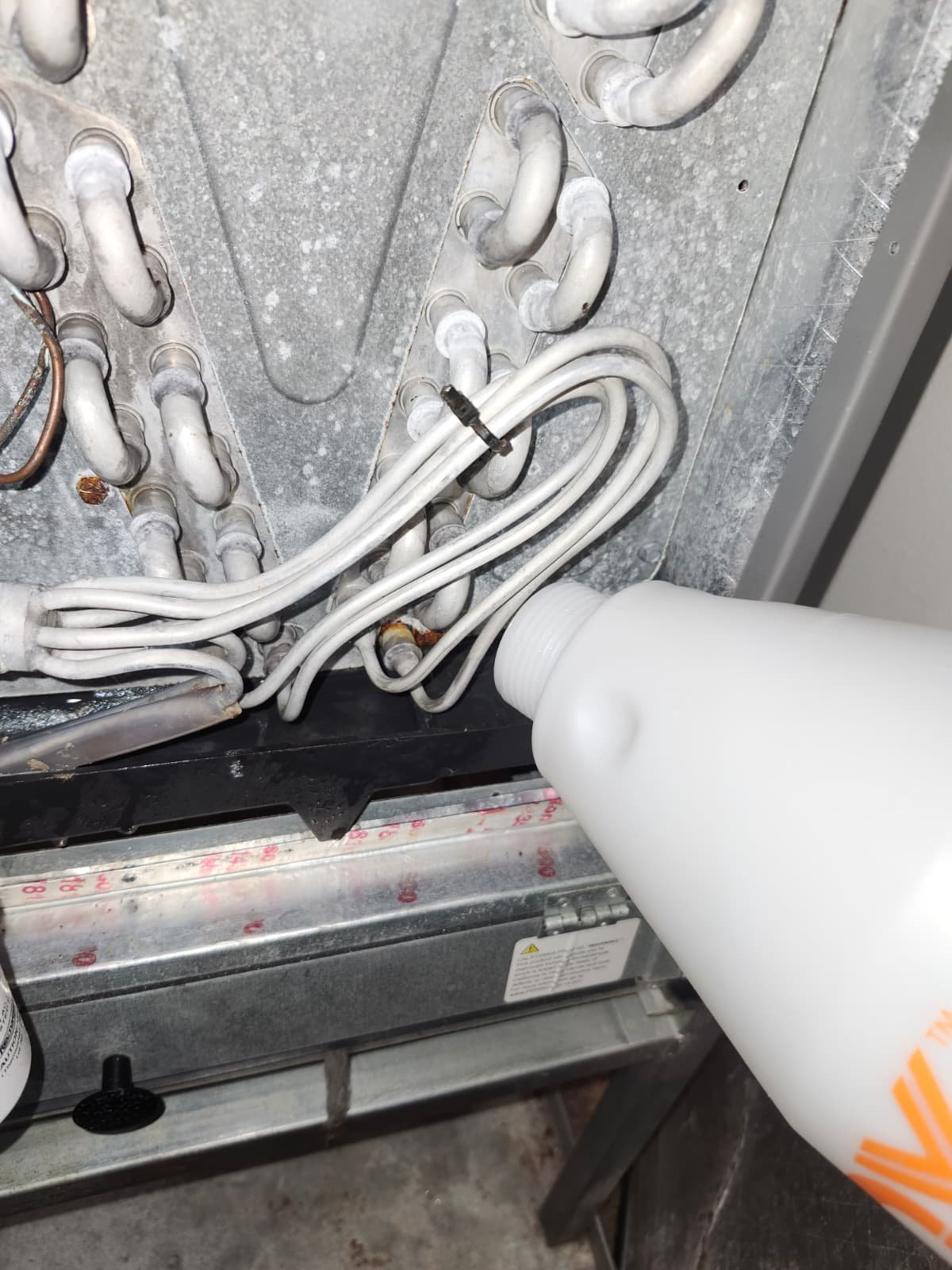
  • Important note: We did not flush the old water heater due to its age and risk of internal failure
  • Outcome: Homeowner left with a clear picture of current plumbing health and smart next steps to avoid surprise breakdowns

Customer Problem: Looking for a Honest Plumbing Checkup

Many homeowners in Lakeland call us not because something has already failed, but because they want to avoid that 9 p.m. emergency. That was the situation here. As part of their Premium Home Therapy Plan, the homeowner requested a full plumbing inspection of the property.

They weren’t reporting a specific leak, clog, or no-hot-water situation. Instead, their main concern was, “Is everything in my plumbing system still in good shape, or am I sitting on a hidden problem?” In Florida’s climate—where high humidity and year-round usage can be tough on plumbing fixtures—this is a very smart question to ask, especially for homes in areas like Lakeland, FL 33801.

Our job on a visit like this is straightforward: give the homeowner a clear, honest assessment of the system, explain where things stand today, and point out any areas where proactive repairs or replacements could prevent bigger issues down the road.

Inspection and Diagnosis: What We Looked At and What We Found

During a whole-home plumbing inspection for our Home Therapy Plan members, we walk through the property with a practical checklist and an experienced eye. On this Lakeland visit, our technician Alejandro took the time to review the home’s plumbing from top to bottom, inside and out.

Here’s what that typically includes and how it applied to this home:

  • General plumbing health: Checking visible supply lines, shutoff valves, and fixtures for signs of corrosion, leaks, or improper installation.
  • Drain and waste system: Looking for slow drainage, gurgling, or backing up, as well as visible issues in accessible piping.
  • Water heater: Evaluating age, condition, signs of rust or leaks, and basic safety and operation.
  • Outdoor plumbing: Inspecting hose bibs and exterior connections for damage, leaks, or excessive wear.

In this Lakeland, FL 33801 home, the overall plumbing system was in good condition. We did not see widespread leaks, severe corrosion, or obvious drain problems. That’s always good news to share.

However, two things stood out:

  • A significantly aged water heater: The unit was near the end of its expected service life. While it was still functioning at the time of our visit, its age means the risk of sudden failure is much higher than with a newer system.
  • Two outdoor hose bibs needing replacement: These hose connections showed wear and potential leakage. Worn hose bibs can drip constantly, waste water, and even allow moisture to affect building materials around the wall penetration.

One important decision we made during this inspection was not to flush the water heater. Because of the unit’s age, flushing could have broken up internal deposits in a way that might cause leaks or internal damage. Instead of taking that risk, we talked with the homeowner about replacement as a safer, longer-term solution.

Repair and Service Recommendations: Step-by-Step Options

Plumbing inspections like this are about more than just finding problems—they’re about presenting clear, simple options. For this Lakeland homeowner, we made the following recommendations.

1. Replace the Aging Water Heater

Our first recommendation was to replace the existing water heater with a new, code-compliant unit. We explained that while the heater was still operating during the visit, its age meant it was operating on borrowed time.

Why this matters for a home in Lakeland, FL 33801:

  • Older water heaters are more prone to tank leaks, which can lead to water damage.
  • Internal components wear down over time, increasing the chance of no-hot-water issues.
  • Energy efficiency generally decreases as the unit ages, which can increase utility costs.

We walked the homeowner through what a typical water heater replacement looks like: disconnecting and safely removing the old unit, installing a properly sized and code-compliant new heater, and testing for proper operation. For homeowners who want to explore different replacement types, we often reference resources like our guide on water heater replacement options so they can better understand the pros and cons of various styles.

2. Replace the Two Worn Outdoor Hose Bibs

Our second recommendation was to replace both outdoor hose bibs that showed signs of wear and potential leakage. Even something as simple as a leaky spigot can cause ongoing water waste and nuisance puddling against the home’s exterior.

During a hose bib replacement, we typically:

  • Shut off water to the line feeding the hose bib.
  • Remove the existing, worn fixture.
  • Inspect the surrounding connection and piping for any damage or corrosion.
  • Install a new, properly sealed hose bib.
  • Turn water back on and check for leaks under normal usage.

The goal is straightforward: reliable outdoor water access for watering, cleaning, and other tasks without ongoing drips or hidden moisture issues.

3. Be Cautious with Old Water Heater Flushing

We made it clear to the homeowner that we intentionally did not flush the water heater because of its age. While flushing can be a great maintenance step on newer or mid-life water heaters, doing it on a very old unit can sometimes cause more harm than good.

We explained that sediment inside an old tank can be so built up that disturbing it during a flush may expose thin or weakened metal, leading to leaks or failure. In this case, replacement is the safer long-term choice—especially for a homeowner who relies on consistent hot water and wants to avoid emergency calls.

Why This Fix Works: The Plumbing Principles Behind Our Recommendations

Our recommendations on this Lakeland, FL 33801 plumbing inspection weren’t based on guesswork. They’re grounded in how plumbing systems age and how we keep them reliable over time.

Water Heater Age and Reliability

Water heaters handle constant temperature changes and mineral buildup from Florida’s water. As years pass, internal components wear down and sediment collects inside the tank. This can:

  • Reduce hot water capacity and consistency.
  • Put stress on heating elements or burners.
  • Increase the risk of small leaks that can become larger over time.

By replacing an aging water heater before it fails, homeowners in Lakeland avoid that surprise “no hot water” morning or a sudden leak that can damage floors, walls, and belongings. A new, code-compliant unit also offers modern safety features and often improved efficiency.

Hose Bib Condition and Water Control

Outdoor hose bibs seem simple, but they’re still valves in your plumbing system. When they wear out, they may not shut off completely, can leak at the handle or connection, and may allow continuous drips against the home exterior. Over time, that water can stain concrete, invite mildew, or affect exterior surfaces.

Replacing worn hose bibs restores proper shutoff control and helps prevent water waste. It also gives us a chance to confirm the connection to the interior plumbing is sound and properly sealed.

Why We Avoided Flushing This Old Unit

On a younger or mid-life heater, flushing knocks out sediment so the heater can run more efficiently and last longer. But once a water heater reaches a certain age, sediment may actually be contributing to the fragile balance inside the tank. Removing it can expose weakened surfaces.

That’s why, during this Lakeland service visit, we explained to the homeowner that not performing a flush was the safer choice. Instead, they can plan for a controlled, scheduled replacement rather than facing an emergency failure at an inconvenient time.

Pro Tips for Homeowners in Lakeland, FL

Whether you’re part of our Premium Home Therapy Plan or just trying to stay ahead of plumbing problems in Lakeland, FL 33801, there are a few simple habits that go a long way.

  • 1. Ask about your water heater’s age. If you don’t know how old your water heater is, it’s worth finding out. Once it reaches typical end-of-life range, start planning for replacement before it fails.
  • 2. Watch for subtle changes in hot water. Longer heat-up times, fluctuating temperatures, or reduced hot water volume can be early signs your heater is struggling.
  • 3. Check outdoor hose bibs seasonally. Give each hose bib a quick test. If you see dripping when it’s off, or if the handle feels loose or stiff, that’s a good time to have it evaluated.
  • 4. Consider regular plumbing maintenance. Membership-style plans, like our plumbing maintenance options, make it easier to catch small issues early. You can learn more about our approach to plumbing care on our plumbing maintenance plans and options page.
  • 5. Pay attention to utility bills. A gradual increase in water or energy usage may be an early clue that a fixture, water heater, or hidden leak is wasting resources.
  • 6. Use local professionals who understand Florida conditions. Plumbing systems in the Tampa Bay and Lakeland area deal with unique ground conditions, humidity, and year-round use. A local team that works in this climate every day knows what to look for and how to plan ahead.

FAQ: Common Questions About This Lakeland Plumbing Inspection

Why didn’t you flush the old water heater during the inspection?

Because the water heater was significantly aged, flushing it could have disturbed internal sediment in a way that might cause leaks or internal failure. In this case, we explained to the homeowner that replacement is a safer long-term option than trying to extend the life of a unit that is already near the end of its service life.

Is it really necessary to replace a water heater if it’s still working?

Not every older water heater needs immediate replacement, but as they approach the end of their service life, the risk of sudden failure increases. For many homeowners in Lakeland, FL 33801, scheduling a planned replacement is preferable to dealing with an emergency leak or total loss of hot water.

What problems can worn outdoor hose bibs cause?

Worn hose bibs can drip constantly, waste water, and create moisture around the base of your home. Over time, that can stain surfaces, encourage mildew, and in some cases contribute to damage where the pipe passes through the wall. Replacing worn hose bibs is a relatively simple way to prevent ongoing water waste and nuisance issues.

What does a full plumbing inspection include under a maintenance plan?

Under our Home Therapy-style plumbing maintenance, we typically check visible supply lines, shutoff valves, fixtures, drains, and your water heater, along with accessible outdoor plumbing points like hose bibs. The goal is to identify any active issues and point out aging components, like we did for this Lakeland home’s water heater and outdoor spigots.

How often should homeowners in Lakeland schedule a plumbing inspection?

For most homes in the Lakeland and greater Tampa Bay area, having a professional plumbing inspection about once a year is a good rhythm—especially if the home has older fixtures or a water heater nearing the end of its life. Regular visits help catch small issues before they turn into bigger, more expensive problems.

Can I discuss different water heater options before deciding?

Absolutely. Many homeowners want to compare traditional tank-style heaters with newer options. Our team can walk you through choices, and we also share information in resources like our water heater maintenance plans and promotions and our article on exploring water heater replacement options.

Why Choose Home Therapist for Plumbing in the Lakeland Area

When you invite a technician into your home, you’re trusting them not just with your plumbing, but with your comfort and safety. At Home Therapist Cooling, Heating, and Plumbing, we take that seriously—whether we’re doing a full inspection in Lakeland, FL 33801 or handling a specific plumbing repair elsewhere in Tampa Bay.

  • Licensed, professional technicians: Our team is trained, experienced, and qualified to handle everything from inspections to water heater replacements and plumbing repairs.
  • Transparent communication: We explain what we see, why it matters, and what your options are, in plain language. The homeowner in this case knew exactly why we recommended replacing the water heater and hose bibs.
  • Clean and respectful work: We treat your home like it’s our own—protecting work areas, cleaning up after ourselves, and respecting your time and schedule.
  • Long-term reliability focus: We’re not just looking to fix today’s problem; we’re looking to help you avoid tomorrow’s. That’s why we emphasize preventive inspections, maintenance, and thoughtful upgrades. You can see more about our ongoing plumbing care approach on our plumbing services and maintenance options page.
  • Committed to Tampa Bay homeowners: We’re part of the local community, serving homeowners throughout Tampa Bay and nearby cities like Lakeland with dependable HVAC and plumbing services. For additional examples of our plumbing work and projects, you can also explore case studies such as our whole-home plumbing inspection and water heater project in Tampa.

If you’d like to get a feel for how we interact with the community, you can connect with us on social platforms like Pinterest and Reddit. For extra peace of mind, you can also review our standing with trusted organizations, including our profile with the Better Business Bureau, our listing with the Tampa Bay Chamber of Commerce, and independent feedback on Proven Expert.

Schedule Plumbing Service in Lakeland, FL 33801

If you’re in Lakeland, FL 33801 and wondering about the condition of your water heater, hose bibs, or overall plumbing system, you don’t have to wait for a leak or a cold shower to find out. Our local Tampa Bay plumbing team is here to provide clear answers, practical options, and professional work you can rely on.

Whether you’re interested in a full plumbing inspection, planning ahead for water heater replacement, or taking care of smaller issues before they turn into bigger ones, we’re ready to help. Reach out to Home Therapist Cooling, Heating, and Plumbing to schedule your visit, and let us give you the same level of honest, thorough care we provided on this Lakeland plumbing inspection.

We’ll talk you through what we see, help you prioritize any recommended repairs, and make sure your home’s plumbing is ready for the demands of everyday life in Lakeland and the greater Tampa Bay area.

Michael Dobbins Job 3bcbae2743224a49b54f36e0e353da54 1

AC Maintenance Under Premium Therapy Plan in Tampa, FL 33617

When you live in Tampa, FL 33617, your air conditioner isn’t a luxury—it’s how your home stays livable for most of the year. During this Premium Therapy Plan visit, we met with a homeowner whose three-year-old AC system needed its scheduled maintenance and duct sanitation. Our goal was simple: give the system a thorough cleaning, confirm everything was running correctly, and help prevent surprise breakdowns during our Florida heat and humidity.

In this visit, we completed a full maintenance service under the Premium Therapy Plan, including cleaning the indoor and outdoor units, clearing the drain line, performing full system sanitation (including ducts), and carefully checking the system’s overall operation. The good news for this Tampa homeowner—the system was in great condition and operating as it should.

Case Recap

  • Location: Single-family home in Tampa, FL 33617
  • Service: Premium Therapy Plan AC maintenance visit (Visit #4)
  • Work performed: Indoor and outdoor unit cleaning, drain line cleaning, and full system sanitation with duct treatment
  • System condition: Approximately three years old, running properly with normal operating pressures and electrical consumption
  • Outcome: No issues found; system confirmed to be in good condition and ready for the Tampa summer workload
  • Benefit to homeowner: Better airflow, cleaner air, reduced breakdown risk, and peace of mind from proactive maintenance

Customer Problem

This homeowner in Tampa, FL 33617 wasn’t calling us because the AC had failed—he wanted to stay ahead of problems. As part of our Premium Therapy Plan, this was Visit #4, scheduled firmly for the date and time he requested. One of his priorities was ensuring the ducts were sanitized, since dust and buildup can affect indoor air quality and aggravate allergies, especially in our humid Florida climate.

From our conversation and the plan details, his main concerns were:

  • Keeping a relatively new, three-year-old system running efficiently and reliably
  • Maintaining good indoor air quality with duct sanitation included
  • Avoiding surprise breakdowns during peak heat waves in Tampa
  • Making sure the AC wasn’t wasting electricity through dirty coils or restricted airflow

Because the system was part of our Premium Therapy Plan, this visit was focused on detailed preventive maintenance, not emergency repair. Our role was to clean, inspect, and verify that everything was operating the way it should—then give honest feedback on the system’s condition.

Inspection and Diagnosis

Even when a system seems to be running fine, we still approach every maintenance visit in Tampa, FL 33617 with a structured inspection. The goal is to catch small issues before they turn into major repairs and to confirm that the system is performing safely and efficiently.

During this visit, we focused on several key areas:

1. Visual Inspection of Indoor and Outdoor Units

We started by examining both the indoor air handler and the outdoor condenser. We look for obvious red flags such as heavy dirt buildup, signs of overheating, corrosion, or damage to wiring and components. A clean, three-year-old machine should look relatively new with no burnt wiring or loose panels.

2. Airflow and Drainage

Next, we checked for signs of restricted airflow or drainage problems. In Tampa’s humidity, drain lines can clog with algae and debris, which can lead to water leaks or shutoffs. We verified that the system was moving air properly and that the condensate was flowing where it should, not backing up into the pan.

3. Operating Pressures and Electrical Consumption

We then reviewed the system’s operating pressures and electrical consumption. For this visit:

  • Operating pressures were within normal range for this system.
  • Electrical consumption was normal for the unit’s size and age.
  • Major components—including the compressor, condenser fan, and blower motor—were operating correctly.

We do not guess or assume on this step. If something looks off, we dig deeper. In this case, every reading pointed to a healthy system.

4. Duct and Sanitation Needs

Because this Premium Therapy Plan visit included duct sanitation, we also looked for any visible dust accumulation or signs that the homeowner might be experiencing allergy or air quality issues. Duct sanitation is especially important in Tampa homes where the AC runs hard for long stretches, and any buildup in the ducts just keeps circulating.

After going through each of these inspection steps, we confirmed that this Tampa, FL 33617 system was in very good shape. No faults were found, and the system was operating as expected.

Repair or Service Process

Even when there’s nothing “broken,” there’s still a lot of important work involved in a proper AC maintenance visit. For this Premium Therapy Plan appointment in Tampa, FL 33617, here’s what we actually did step by step.

1. Cleaning the Outdoor Unit (Condenser)

The outdoor unit is constantly exposed to leaves, dirt, grass clippings, and weather. Over time, that buildup makes it harder for the system to release heat, which can raise energy use and strain the compressor.

We:

  • Removed surface debris around and on the outdoor unit
  • Cleaned the condenser coil fins to improve heat transfer
  • Visually inspected the fan and housing for damage or excessive wear

This helps the unit run cooler, more efficiently, and reduces stress on major components.

2. Cleaning the Indoor Unit (Air Handler)

Next, we moved inside to the air handler. This is where the air gets cooled and pushed through the ducts. Dust and microbial buildup can develop on the coil, blower wheel, and housing if they’re not regularly maintained.

Our work here included:

  • Cleaning key internal surfaces to keep the coil and blower clean
  • Looking for signs of biological growth or heavy dust accumulation
  • Confirming panels and access doors were sealed properly

For Tampa homeowners, a clean indoor unit helps improve airflow, comfort, and indoor air quality while keeping the system from working harder than it needs to.

3. Drain Line Cleaning

The drain line is one of the most important—and most overlooked—parts of an AC system, especially in Tampa, FL 33617 where humidity is high nearly year-round. When your air conditioner removes moisture from the air, that water needs somewhere to go. If the drain line clogs, it can cause leaks, water damage, or system shutdowns.

During this visit, we cleared and cleaned the drain line to help prevent clogs from algae or debris. This simple step is one of the best ways to avoid water-related AC emergencies.

4. Full System and Duct Sanitation

This Premium Therapy Plan visit also included full system sanitation, including duct sanitation. That means we:

  • Treated areas where air passes through to reduce microbial buildup
  • Addressed cleanliness in the duct system, which can impact breathing comfort and dust levels
  • Helped cut down on the musty or “stale” odors that can develop in systems that run constantly in Florida humidity

For homeowners in Tampa, duct sanitation is especially helpful if anyone in the home has allergies, asthma, or sensitivity to dust and contaminants.

5. Final Operational Check

Once all cleaning and sanitation steps were completed, we restored normal operation and let the system run. We listened for abnormal sounds, watched the startup sequence, and verified that:

  • The compressor, condenser fan, and blower all came on and operated smoothly
  • Airflow felt strong and consistent at the registers
  • Condensate was draining properly, with no signs of backup

We verified proper operation after the maintenance, and based on what we saw, we were able to confidently tell the homeowner that the system was in good condition.

Why This Fix (and Maintenance) Works

This visit wasn’t about replacing parts—it was about protecting a still-young system and keeping it in top shape. Preventive maintenance like this works because it addresses the key principles behind HVAC performance:

Airflow

Clean coils, a clean blower, and clear ducts reduce resistance and help air move more freely through the system. Better airflow means more consistent temperatures throughout the home and less strain on motors and fans.

Heat Transfer

The outdoor unit’s job is to release heat into the outside air. When the condenser coil is dirty, it can’t dump that heat efficiently. Cleaning the outdoor unit during AC maintenance in Tampa allows the refrigerant loop to work as designed, which helps keep energy bills in check.

Moisture Management

In Tampa, moisture is a big part of the comfort equation. A clear drain line and clean indoor components help the system remove humidity from the air and safely carry that water away. When moisture is handled correctly, you feel more comfortable at the same thermostat setting.

Electrical and Mechanical Reliability

By confirming normal operating pressures and electrical consumption, we help ensure that compressors, fan motors, and control boards aren’t working under abnormal stress. That’s a major part of why regular maintenance extends the life of an HVAC system.

When you combine cleaning, sanitation, and a thorough inspection, you’re not just maintaining comfort today—you’re lowering the odds of breakdowns tomorrow.

Pro Tips for Homeowners in Tampa

If you’re a homeowner in Tampa, FL 33617 or anywhere in Tampa Bay, here are some practical ways to support what we do during your Premium Therapy Plan visits:

  • Change your air filter regularly. In our dusty, humid climate, filters often need changing more frequently than the packaging suggests—especially if you have pets or allergies. A clean filter protects your system and helps keep ducts cleaner between visits.
  • Keep the outdoor unit clear. Give your outdoor condenser at least a couple of feet of space. Trim back bushes, remove leaves, and don’t stack items against it. Good airflow around the unit is just as important as airflow inside the ducts.
  • Watch your drain line area. If you notice water near the indoor unit, rust in the drain pan, or frequent need to empty a safety float switch, call us. Those are early warnings of a drainage issue that can often be corrected quickly.
  • Pay attention to air quality changes. If your home in Tampa starts to feel stuffier, dustier, or you notice more allergy symptoms, it might be time for a check on duct cleanliness or additional air quality options.
  • Stick with your maintenance plan schedule. Just like this homeowner did, keeping up with every scheduled visit under your maintenance plan is one of the best ways to protect your investment and avoid emergency situations.
  • Ask questions during visits. We’re always happy to explain what we’re doing, why it matters, and what we’re seeing in your specific system. The more you understand your HVAC system, the easier it is to spot changes early.

If you’d like more detail on what’s included in AC upkeep, we also have helpful resources like our air conditioning maintenance guide for Tampa Bay homeowners, a full HVAC maintenance checklist, and an article explaining why scheduling HVAC maintenance matters over the long run.

FAQ: Premium Therapy Plan Maintenance in Tampa, FL 33617

How often should my AC be serviced if it’s only three years old?

Even a three-year-old system in Tampa, FL 33617 should be serviced at least once a year, and twice a year is ideal for many homes due to the long cooling season. Maintenance plans like our Premium Therapy Plan help make sure those visits actually happen on schedule.

What does a Premium Therapy Plan visit typically include?

While each plan is tailored, visits like this one generally include cleaning of the indoor and outdoor units, drain line cleaning, full system sanitation, a detailed inspection of major components, and a check of operating performance. If we find anything concerning, we discuss it with you before recommending repairs.

Do I really need duct sanitation if my system is running fine?

Yes, duct sanitation can still be beneficial even when your AC seems to be working perfectly. It focuses on cleanliness and air quality rather than mechanical performance. For Tampa homeowners dealing with dust, odors, or allergies, it’s a valuable add-on to regular maintenance.

How will I know if my AC is operating efficiently after maintenance?

We verify that operating pressures and electrical consumption are within normal range and that all major components are functioning correctly. After a proper maintenance visit, you should notice consistent comfort, steady airflow, and no unusual noises, odors, or water issues.

What happens if you find a problem during a maintenance visit?

If we spot something during your scheduled HVAC service in Tampa, we explain what we found, what it means, and what your options are. We don’t replace parts without discussing it first. The goal is transparency and helping you make informed decisions.

Can maintenance really prevent breakdowns, or does it just delay them?

No system lasts forever, but regular maintenance dramatically reduces the chances of sudden, avoidable breakdowns. By keeping coils clean, drains clear, and components operating within normal ranges, we help extend equipment life and catch small issues long before they turn into costly repairs.

Why Choose Home Therapist for AC Maintenance in Tampa

When you invite us into your home in Tampa, FL 33617, you’re trusting us with your comfort and your equipment. We take that seriously. Here’s what you can expect from our team at Home Therapist Cooling, Heating, and Plumbing:

  • Licensed, professional technicians: Our team is trained, licensed, and experienced with Florida homes and climate. We work methodically and safely around your equipment.
  • Clear, transparent communication: We explain what we’re doing, what we find, and what (if anything) we recommend—no pressure and no surprises on your invoice.
  • Clean and respectful work habits: We treat your home like our own. That means tidy work areas, careful handling of equipment, and respect for your time and schedule.
  • Focus on long-term reliability: Maintenance visits under plans like the Premium Therapy Plan are built around long-term performance, not quick fixes. We want your system to last and to run comfortably and efficiently year after year.
  • Commitment to Tampa Bay homeowners: We live and work here too. Our services, recommendations, and maintenance plans are designed for Tampa Bay’s real-world heat, humidity, and home conditions.

If you’d like to see more of what we do and how we serve Tampa Bay, you can connect with us on social media:

And if you’re looking for added peace of mind, you can also review our standing with trusted organizations:

Schedule Your AC Maintenance in Tampa, FL 33617

If you’re in Tampa, FL 33617 and want your AC system cared for the way we handled this three-year-old unit—thorough cleaning, careful inspection, and honest feedback—our team at Home Therapist is here to help. Whether you’re interested in a one-time tune-up or a full Premium Therapy Plan with visits scheduled throughout the year, we’ll walk you through your options and help you choose what fits your home.

Reach out today to schedule your next AC maintenance or duct sanitation visit in Tampa, FL 33617. We’ll keep your system running smoothly, your air cleaner, and your home comfortable—without the stress and guesswork.

1767596814190 Image 1767596813869

What Is HVAC Economizer? Energy Savings at Home

Most American families in Tampa Bay spend up to 50 percent of their home energy budget just on cooling costs every year. That reality hits hard when high humidity and soaring temperatures push your HVAC system to its limits. By understanding how economizers actually work and separating fact from common misconceptions, you can make smarter choices that save money and support healthier indoor air for your household.

Table of Contents

Key Takeaways

PointDetails
HVAC Economizers Enhance Energy EfficiencyThese systems utilize outdoor air for cooling, reducing reliance on mechanical systems and lowering energy costs.
Types of Economizers MatterSensible and enthalpy economizers cater to different climates, affecting overall cooling efficiency and energy savings.
Maintenance is CriticalRegular professional inspections and calibrations are vital to ensure optimal economizer performance and prevent energy wastage.
Long-Term InvestmentDespite initial installation costs, economizers can result in significant savings on utility bills, particularly in warm climates like Tampa Bay.

HVAC Economizer Basics and Common Misconceptions

An HVAC economizer is a sophisticated energy-saving mechanism designed to reduce cooling costs by leveraging outdoor air temperatures. These systems enable buildings to minimize mechanical cooling when external conditions are favorable, offering significant potential for energy efficiency. Air-side economizers supplement mechanical cooling by using outdoor air for free cooling when ambient temperatures and humidity levels are appropriate.

Economizers function through a complex network of components including outdoor air dampers, return air dampers, sensors, and sophisticated controllers. These systems determine the optimal amount of outdoor air for cooling by monitoring temperature and humidity levels. There are two primary types of economizers: sensible economizers, which operate based on temperature, and enthalpy economizers, which consider both temperature and humidity to maximize energy savings.

Common misconceptions about HVAC economizers often stem from misunderstandings about their operational mechanisms. Many homeowners believe these systems automatically reduce energy consumption, but proper design, installation, and regular maintenance are critical for achieving genuine efficiency gains. Incorrectly configured economizers can actually increase energy usage, underscoring the importance of professional assessment and calibration.

Pro tip: Schedule an annual professional inspection of your HVAC economizer to ensure optimal performance and calibration, which can help maintain energy efficiency and prevent potential system malfunctions.

Types of HVAC Economizers for Homes

HVAC economizers come in several distinct types, each designed to optimize energy efficiency by intelligently managing outdoor air intake. Air-side economizers are primarily classified into two main categories: sensible and enthalpy economizers, each offering unique approaches to reducing cooling system energy consumption.

Sensible Economizers operate on a straightforward principle of temperature control. These systems open outdoor air dampers when external temperatures are cooler than indoor temperatures, allowing natural cooling without engaging mechanical refrigeration. Dry-bulb economizers specifically measure outdoor air temperature and activate when it falls below a predetermined setpoint, making them a simple yet effective energy-saving strategy for homes in moderate climates.

Close view of HVAC economizer damper mechanism

Enthalpy Economizers represent a more sophisticated approach to free cooling. By measuring both temperature and humidity levels, these advanced systems provide more precise control over air intake. They are particularly beneficial in humid regions like Tampa Bay, where temperature alone doesn’t always indicate optimal cooling conditions. Enthalpy economizers can determine whether introducing outdoor air will actually reduce the cooling load, preventing unnecessary energy consumption and maintaining indoor comfort.

Pro tip: Consult with a local HVAC professional to determine which type of economizer best suits your home’s specific climate and architectural characteristics, ensuring maximum energy efficiency and comfort.

Here’s a side-by-side comparison of sensible and enthalpy economizers:

FeatureSensible EconomizerEnthalpy Economizer
Sensing MethodMeasures temperature onlyMeasures temperature and humidity
Best ClimateCool, dry regionsHumid, variable climates
Control PrecisionBasic air intake controlAdvanced air intake control
Energy SavingsModerateUp to 15% higher
Application ExampleHomes in mild climatesHomes in coastal or humid regions

How an HVAC Economizer Operates Efficiently

HVAC economizers leverage sophisticated sensor technologies to optimize cooling efficiency by intelligently managing outdoor and return air. The system operates by modulating dampers to increase outdoor air intake when environmental conditions are favorable, effectively reducing mechanical cooling requirements and energy consumption.

The core operational mechanism involves a complex interplay of sensors, controllers, and mechanical components. Precise temperature and humidity sensors continuously monitor both outdoor and return air conditions, comparing their thermal characteristics. When outdoor air is cooler or drier than indoor air, the economizer triggers damper adjustments to maximize free cooling potential. This process involves strategically opening outdoor air dampers, closing return air dampers, and activating relief fans to maintain proper building pressure and air circulation.

Successful economizer performance hinges on meticulous calibration and maintenance. The system’s control algorithms must accurately interpret sensor data, making split-second decisions about air intake. Enthalpy-based economizers offer superior performance by considering both temperature and humidity, potentially delivering up to 15% greater energy savings compared to simple temperature-based systems. These advanced controls prevent unnecessary mechanical cooling and ensure optimal indoor air quality and comfort.

Pro tip: Schedule bi-annual professional calibration of your economizer’s sensors and dampers to maintain peak operational efficiency and prevent performance degradation.

Key Benefits for Tampa Bay Homeowners

HVAC economizers offer Tampa Bay homeowners a powerful solution for managing energy costs in our uniquely challenging climate. These systems provide significant energy savings by utilizing cooler outdoor air for free cooling during mild weather conditions, directly addressing the region’s high electricity expenses and intense cooling demands.

Infographic showing HVAC economizer homeowner benefits

In Tampa Bay’s warm environment, economizers deliver multiple critical advantages. They help reduce compressor run time and decrease peak energy demand, which is especially crucial in a region with extended periods of high temperatures. By strategically managing air intake, these systems can lower monthly utility bills while simultaneously improving indoor air quality. Homeowners benefit from reduced mechanical stress on their HVAC equipment, potentially extending the system’s operational lifespan and avoiding premature replacement costs.

The economic and environmental impact of economizers extends beyond immediate energy savings. These systems contribute to more sustainable home energy management by minimizing unnecessary mechanical cooling and maximizing natural ventilation. Advanced economizers can reduce cooling costs by up to 15%, making them an intelligent investment for homeowners seeking both financial savings and improved indoor comfort. Proper configuration and regular maintenance are key to maximizing these benefits and avoiding potential performance issues.

Pro tip: Schedule a professional HVAC assessment to determine the most suitable economizer configuration for your specific home’s layout and Tampa Bay’s unique microclimate.

Key benefits of HVAC economizers for Tampa Bay homes summarized below:

BenefitDescriptionLong-Term Impact
Reduced Cooling CostsUses outdoor air for free coolingLower monthly utility bills
Improved Air QualityEnhances ventilation and freshnessHealthier indoor environment
Extended Equipment LifespanMinimizes mechanical HVAC stressDelays costly replacements
Lower Peak Energy DemandLimits compressor run timeDecreases summer energy expenses
Environmental SustainabilityReduces overall energy consumptionSmaller carbon footprint

Cost, Maintenance, and Common Pitfalls

HVAC economizer installation represents an upfront investment that can yield substantial long-term energy savings for Tampa Bay homeowners. Maintenance plays a critical role in ensuring economizers continue delivering optimal performance and energy efficiency, with initial costs typically ranging between $500 and $1,500 depending on system complexity and home size.

Understanding potential maintenance challenges is crucial for maximizing economizer effectiveness. Common pitfalls include sensor failures, miscalibrated controls, and mechanical issues like stuck or frozen dampers that can dramatically reduce energy savings. Homeowners should be aware that without proper maintenance, these systems can actually increase energy consumption instead of reducing it. Regular professional inspections can help identify and address potential problems before they escalate, preventing unnecessary wear on HVAC components and maintaining system efficiency.

The economic calculus of economizers extends beyond initial installation costs. While professional maintenance might seem like an additional expense, it represents a strategic investment in long-term energy savings. Most well-maintained economizers can offset their installation costs within 2-3 years through reduced electricity bills, particularly in high-temperature regions like Tampa Bay. By implementing proactive maintenance strategies and addressing potential issues promptly, homeowners can ensure their economizer continues delivering promised energy efficiency and comfort.

Pro tip: Request a detailed maintenance log from your HVAC technician during each service visit to track your economizer’s performance and identify potential efficiency trends.

Maximize Your Home Comfort and Savings with Expert HVAC Economizer Solutions

Understanding how an HVAC economizer works is just the first step toward reducing your cooling costs and improving indoor air quality in Tampa Bay’s challenging climate. If you are concerned about making sure your economizer is properly installed, calibrated, and maintained to prevent increased energy use or system malfunctions, you are not alone. Many homeowners face these exact challenges without realizing that professional care can make a significant difference.

https://callhometherapist.com

At Home Therapist Cooling, Heating, and Plumbing, we specialize in tailored HVAC solutions designed to optimize energy efficiency through advanced technologies like economizers. Our certified technicians will assess your home’s unique setup and climate conditions, ensuring that your system operates at peak performance to deliver lower energy bills and lasting comfort. Don’t wait until costly issues arise. Discover how you can benefit from expert HVAC services by visiting our main website and scheduling a consultation today. Learn more about our comprehensive heating and cooling services to protect your investment and keep your home comfortable year-round.

Frequently Asked Questions

What is an HVAC economizer?

An HVAC economizer is an energy-saving device that reduces cooling costs by utilizing outdoor air when conditions are favorable, allowing buildings to limit mechanical cooling.

How do HVAC economizers work?

HVAC economizers work by using sensors to monitor outdoor and indoor temperature and humidity levels. They open dampers to increase outdoor air intake for cooling when conditions allow, reducing reliance on mechanical systems.

What are the types of HVAC economizers?

The two main types of HVAC economizers are sensible economizers, which only consider temperature, and enthalpy economizers, which evaluate both temperature and humidity for more efficient cooling.

What benefits do HVAC economizers provide for homeowners?

HVAC economizers can significantly lower cooling costs, improve indoor air quality, extend the lifespan of HVAC equipment, and contribute to environmental sustainability by reducing overall energy consumption.

1767495927197 Image 1767495926935

What Is HVAC Short Cycling and Its Impact

Over 30 percent of American homes struggle with HVAC short cycling, leading to rising energy bills and uncomfortable Florida summers. If your Tampa Bay house is constantly battling temperature swings or noisy cooling cycles, you are not alone. Unravel the hidden causes and common myths surrounding short cycling, so you can make smart decisions that protect your comfort and budget.

Table of Contents

Key Takeaways

PointDetails
Understanding HVAC Short CyclingShort cycling indicates potential issues with your HVAC system, such as dirty filters or incorrect sizing, which lead to inefficiencies.
Recognizing Warning SignsSymptoms like sudden temperature shifts and rising energy bills are crucial indicators that short cycling is occurring and may require professional inspection.
Preventative Maintenance ImportanceRegular inspections and maintenance are essential to prevent costly repairs and ensure optimal system performance, helping to avoid short cycling issues.
Impact on Energy EfficiencyFrequent short cycling results in higher energy consumption and wear on components, which can substantially increase heating and cooling costs.

HVAC short cycling defined and common myths

HVAC short cycling occurs when your air conditioning system turns on and off rapidly, disrupting normal cooling cycles. This phenomenon represents more than just an annoying operational quirk – it signals potential underlying problems with your home’s cooling system. Short cycling often results from system malfunctions that prevent consistent temperature regulation.

Understanding short cycling requires recognizing its primary causes. Dirty air filters, incorrect thermostat settings, refrigerant leaks, and oversized HVAC units can trigger frequent start-stop patterns. Contrary to popular belief, these rapid cycles do not save energy. In fact, they waste electricity and place unnecessary stress on your system’s mechanical components, potentially leading to premature equipment failure.

Common myths surrounding short cycling can mislead homeowners about appropriate system maintenance. Some believe that frequent cycling indicates a highly responsive cooling system, when in reality, it suggests significant operational inefficiencies. ASHRAE terminology defines short cycling as interruptions in normal operational cycles that contradict optimal steady-state performance. These interruptions can reduce overall system performance, increase energy consumption, and accelerate component wear.

Pro Tip: If you notice your air conditioner turning on and off every few minutes, immediately schedule a professional inspection to diagnose and resolve potential short cycling issues.

Warning signs and symptoms in your home

HVAC short cycling presents several critical warning signs that homeowners should recognize immediately. Unusual temperature fluctuations represent one of the most prominent indicators of system malfunction, signaling potential problems within your cooling infrastructure. When your air conditioning system cannot maintain a consistent temperature, it suggests underlying mechanical issues that demand professional attention.

Homeowners might observe multiple symptoms indicating short cycling. These include unexpected spikes in energy bills, warm air blowing from vents shortly after the system starts, frequent thermostat cycling, and strange mechanical noises. Indoor air quality can significantly deteriorate due to insufficient airflow and intermittent system operation, which means your home might feel muggy, uncomfortable, and less healthy than normal.

Woman checking thermostat for ac issues

Additionally, short cycling creates substantial stress on your HVAC system’s components. Repeated rapid start-stop cycles cause accelerated wear, potentially leading to premature equipment failure. The constant strain can damage critical mechanical parts, reducing your system’s overall efficiency and potentially requiring expensive repairs or complete replacement much sooner than expected.

Here is a quick guide to the main warning signs of HVAC short cycling and what they may indicate:

Warning SignPossible System IssueHome Impact
Sudden temperature shiftsThermostat or airflow problemDiscomfort, inefficiency
Rising energy billsMechanical or electrical faultFinancial strain
Warm air from vents soon afterRefrigerant, filter, or system lagInadequate cooling
Strange mechanical noisesFailing component or loose partsRisk of damage
Frequent thermostat changesSystem or control malfunctionUnstable climate control

Pro Tip: Monitor your AC’s cycling patterns and keep a log of unusual behaviors to help HVAC technicians diagnose potential short cycling issues more quickly and accurately.

Main causes of HVAC short cycling problems

Air filter issues are one of the most prevalent triggers for HVAC short cycling. Restricted airflow from clogged or dirty filters can significantly disrupt your system’s normal cooling cycles, forcing your air conditioning unit to turn on and off rapidly. These obstructions prevent proper air circulation, causing the system to overheat and shut down prematurely, which creates a damaging continuous cycle of strain on your HVAC components.

Refrigerant problems and system design represent another critical set of short cycling causes. Low refrigerant levels or refrigerant leaks can cause your system to malfunction, creating temperature inconsistencies and forcing rapid cycling. Oversized air conditioning units are particularly problematic, as they cool spaces too quickly and shut down before completing a full cooling cycle. This rapid cooling and stopping not only wastes energy but also prevents proper humidity control and creates uneven temperature distribution throughout your home.

Electrical and thermostat malfunctions can also trigger short cycling behaviors. Faulty wiring, damaged control boards, or improperly calibrated thermostats can send incorrect signals to your HVAC system, causing it to start and stop erratically. These electrical issues might result from age, wear, power surges, or improper installation, and they require professional diagnostic expertise to accurately identify and resolve.

Pro Tip: Schedule professional HVAC maintenance annually to catch and prevent potential short cycling issues before they cause significant system damage.

The following table summarizes common causes of short cycling and effective prevention tips:

CauseTypical SourcePrevention Tip
Dirty air filterLack of routine maintenanceReplace filters every 1-3 months
Low refrigerant or leakRefrigerant system failureSchedule annual AC inspections
Oversized HVAC unitIncorrect system designPerform proper load calculation
Faulty thermostat or wiringAging or damaged controlsCheck and recalibrate annually

How short cycling harms system efficiency

Energy consumption becomes dramatically inefficient when HVAC systems experience short cycling. Frequent system startups consume significantly more electricity than continuous operation, creating substantial financial and mechanical strain. Each time your air conditioning unit turns on, it requires a massive burst of energy to initiate cooling, which means repeated cycling can increase your monthly electricity bills by 20 to 30 percent.

Infographic showing hvac short cycling effects

The mechanical components of your HVAC system suffer extensive damage from constant short cycling. Compressors, fans, and electrical connections experience accelerated wear because they are forced to start and stop repeatedly, rather than maintaining a steady operational rhythm. This constant stress reduces the expected lifespan of critical system components, potentially forcing premature replacement and leading to thousands of dollars in unexpected repair or installation costs.

Indoor comfort and environmental control are also compromised by short cycling. When your system cannot complete a full cooling cycle, it fails to properly regulate temperature and humidity levels. This results in uneven cooling, increased indoor moisture, and potential mold growth. HVAC systems experiencing frequent interruptions struggle to maintain consistent indoor environments, which can negatively impact both your living space’s comfort and your family’s overall health.

Pro Tip: Invest in a professional diagnostic evaluation if you suspect your HVAC system is short cycling, as early intervention can prevent costly long-term damage.

Costly risks and what homeowners should avoid

Financial consequences of neglecting HVAC short cycling can be devastating for homeowners. Ignoring maintenance and system performance issues can lead to dramatically higher energy expenses and unexpected repair costs, potentially draining thousands of dollars from your household budget. A seemingly minor issue like short cycling can transform into a major financial burden if left unaddressed, with potential repair or replacement costs ranging from $500 to $5,000 depending on the extent of system damage.

Homeowners must be vigilant about several critical risk factors that contribute to system deterioration. Oversized HVAC units, improperly placed thermostats, restricted airflow, and neglected maintenance schedules can accelerate system breakdown. Refrigerant leaks, electrical connection problems, and consistent filter blockages create cumulative stress on mechanical components, dramatically reducing the expected 10-15 year lifespan of your heating and cooling system.

Preventing costly risks requires proactive and strategic maintenance approaches. Regular professional inspections can identify potential short cycling issues before they escalate into major system failures, saving homeowners significant money in the long term. Understanding warning signs, maintaining consistent filter replacement, and scheduling annual professional evaluations are crucial steps in protecting your HVAC investment and ensuring optimal system performance.

Pro Tip: Create a digital maintenance calendar with reminders for filter changes and professional HVAC inspections to stay ahead of potential short cycling problems.

Expert repair solutions and prevention tips

Professional diagnostics are the first critical step in addressing HVAC short cycling. Comprehensive system evaluations help identify the root causes of rapid start-stop patterns, allowing technicians to develop targeted repair strategies. These assessments typically involve thorough inspections of air filters, refrigerant levels, electrical connections, and thermostat functionality to pinpoint precise issues causing system disruption.

Key repair solutions focus on addressing specific mechanical and electrical components that contribute to short cycling. Technicians may need to replace clogged air filters, recalibrate or install new thermostats, repair refrigerant leaks, clean frozen evaporator coils, and resolve electrical connection problems. Each intervention requires specialized knowledge and precise technical expertise to restore optimal system performance and prevent future operational issues.

Preventative maintenance represents the most effective long-term strategy for avoiding short cycling problems. Regular professional inspections can dramatically reduce the likelihood of unexpected system failures, ensuring consistent cooling performance and energy efficiency. Homeowners should prioritize annual maintenance checks, maintain clean air filters, ensure proper system sizing, and promptly address any unusual system behaviors to minimize the risk of costly repairs and premature equipment replacement.

Pro Tip: Keep a detailed maintenance log documenting all HVAC inspections, repairs, and filter changes to track your system’s health and anticipate potential issues.

Stop HVAC Short Cycling Before It Costs You More

Experiencing rapid on and off cycles from your air conditioning system is more than just inconvenient it is a sign of deeper issues like restricted airflow or refrigerant problems that can damage your HVAC unit and inflate energy bills. Don’t wait until frequent cycling leads to costly repairs or replacements. Our certified technicians at Home Therapist Cooling Heating and Plumbing understand how critical preventing short cycling is to maintain your system’s efficiency and your home’s comfort year-round.

https://callhometherapist.com

Discover expert solutions designed to keep your HVAC system running smoothly with reliable repairs and thorough maintenance that catch problems early. Visit Home Therapist’s website now to schedule your professional diagnostic and ensure your cooling system operates efficiently and quietly. Protect your investment and enjoy peace of mind with service you can trust.

Frequently Asked Questions

What is HVAC short cycling?

HVAC short cycling is the rapid turning on and off of an air conditioning system, which disrupts normal cooling cycles and can indicate underlying problems with the system.

What causes short cycling in HVAC systems?

Common causes of HVAC short cycling include dirty air filters, low refrigerant levels or leaks, oversized HVAC units, and faulty electrical components or thermostats.

How does short cycling affect energy consumption?

Short cycling leads to increased energy consumption because the frequent startups consume more electricity than continuous operation, potentially raising energy bills by 20 to 30 percent.

What are the signs of short cycling in my HVAC system?

Signs of short cycling include unusual temperature fluctuations, unexpected spikes in energy bills, warm air blowing from vents shortly after starting, strange mechanical noises, and frequent thermostat cycling.

1767410516194 Image 1767410515683

Prepping HVAC for Summer: Homeowner’s Full Checklist

Most American families in Tampa Bay see energy bills spike by as much as 30 percent every summer, making HVAC preparation more vital than ever. The intense Florida heat tests every cooling system, and ignoring basic maintenance means paying more for less comfort. Practical upkeep like checking filters and cleaning vents will help you maintain efficient cooling and avoid unexpected costs, all while keeping your home cool when the American summer hits its peak.

Table of Contents

Quick Summary

Key PointExplanation
1. Regularly Change Air FiltersInspect and replace HVAC air filters every 3 months for optimal performance and air quality.
2. Clean Vents for AirflowRemove debris from vents and ensure airflow is unobstructed for efficient cooling throughout your home.
3. Maintain Outdoor Unit AreaClear debris around your outdoor HVAC unit every quarter to prevent damage and enhance efficiency.
4. Test Thermostat FunctionalityRegularly check your thermostat to ensure accurate temperature regulation and prompt system response.
5. Schedule Professional MaintenanceArrange seasonal maintenance checks to ensure your HVAC system operates efficiently and to catch potential issues early.

Step 1: Inspect and Replace Air Filters

Maintaining clean air filters is crucial for keeping your HVAC system running efficiently during Tampa Bay’s hot summers. According to Consumer Reports, most disposable air filters last three to 12 months, but regular inspection helps ensure optimal performance.

To start, locate your HVAC system’s air filter compartment, typically found near the return air duct or inside the blower compartment. Carefully remove the existing filter and examine its condition. Signs you need a replacement include visible dust buildup, discoloration, or a gray or dark appearance. When selecting a new filter, match the size precisely with your current filter’s dimensions, typically printed on its side. Pay attention to the MERV rating – higher ratings provide better filtration but may restrict airflow, so choose a rating recommended by your HVAC manufacturer.

Experts recommend changing filters every three months to prevent system strain and maintain indoor air quality. For homes with pets, children, or located in dusty areas, you might need more frequent replacements. After installing the new filter, make sure it’s seated correctly and the airflow direction arrow points toward the furnace or air handler.

Pro tip: Keep a log of your filter replacement dates and set a calendar reminder to check your filter quarterly to maintain your HVAC system’s peak performance.

Here’s a summary of air filter types and their main benefits:

Filter TypeTypical LifespanFiltration LevelIdeal Household
Fiberglass1 monthBasic dust removalLow allergen, no pets
Pleated3-6 monthsModerate filtrationMost homes
HEPA6-12 monthsHighest filtrationAllergy-sensitive
WashableSeveral yearsVaries by modelEco-friendly homes

Step 2: Clean Vents and Check Airflow

According to ASHRAE standards, proper ventilation is critical for maintaining indoor air quality and system efficiency. Cleaning your vents and checking airflow helps ensure your HVAC system delivers cool air effectively throughout your Tampa Bay home during the intense summer months.

Start by visually inspecting all supply and return air vents in each room. Remove the vent covers carefully using a screwdriver and use a vacuum with a brush attachment to remove dust and debris from inside the vent openings and along the vent edges. For hard-to-reach areas, use a microfiber cloth or extendable duster to clean thoroughly. Duct inspections reveal potential air leakage points that can significantly impact system performance, so pay attention to any gaps or loose connections around the vent areas.

Woman cleaning dusty HVAC vent cover

To check airflow, turn on your HVAC system and hold a lightweight piece of tissue paper near each vent. The tissue should move consistently when the system is running, indicating proper air circulation. Uneven or weak airflow might signal blockages or potential issues with your ductwork that require professional attention. If you notice significant airflow variations between rooms, it could indicate problems with duct design or potential obstructions.

Pro tip: Consider scheduling a professional duct cleaning every three to five years to maintain optimal HVAC performance and indoor air quality.

Step 3: Clear Debris Around Outdoor Unit

Effective debris management is crucial for maintaining your HVAC system’s performance and preventing potential damage. Your outdoor HVAC unit works hard during Tampa Bay’s intense summer heat, and keeping its surrounding area clean is essential for optimal functioning.

Begin by turning off the power to your outdoor unit at the circuit breaker for safety. Carefully remove any leaves, branches, grass clippings, or other organic materials within a two to three foot radius around the unit. Use a rake or garden gloves to clear debris, ensuring you do not damage the unit’s delicate fins or components. Trim back any nearby bushes or vegetation that might obstruct airflow or drop leaves and twigs onto the unit. For stubborn dirt or small debris, use a soft brush or leaf blower set to a low setting to gently clean the unit’s exterior without bending the aluminum fins.

Inspect the unit’s base and surrounding ground for any signs of standing water, uneven settling, or potential drainage issues. Ensure the area remains well graded so water flows away from the unit, preventing moisture buildup that could lead to corrosion or mechanical problems. If you notice any significant damage or persistent debris accumulation, consider consulting a professional HVAC technician for a comprehensive inspection.

Pro tip: Create a quarterly outdoor maintenance schedule to keep your HVAC unit clear and functioning efficiently throughout the year.

Step 4: Test Thermostat and Cooling Controls

Programmable thermostats play a critical role in managing your home’s cooling efficiency and comfort, especially during Tampa Bay’s scorching summer months. Testing your thermostat and cooling controls ensures your HVAC system will respond accurately when you need it most.

Begin by turning on your air conditioning system and setting the thermostat to cooling mode. Verify that the system starts within a few minutes of changing the temperature setting. Listen for the typical startup sounds of your air conditioning unit and feel the air coming from your vents to confirm cool air is flowing. Certified technicians recommend thorough testing to validate proper system operation and temperature regulation. Check each room to ensure consistent cooling and that the temperature matches your thermostat settings. If you have a programmable or smart thermostat, test its scheduling features by setting different temperatures for various times of the day and confirming the system responds accordingly.

Pay close attention to any unusual sounds, inconsistent cooling, or delays in system response. These could indicate underlying issues with your thermostat or HVAC system that might require professional inspection. If you notice significant discrepancies between the set temperature and actual room temperature, your thermostat might need calibration or replacement.

Infographic highlights summer HVAC prep steps

Pro tip: Keep your thermostat manual handy and consider taking a photo of your current settings as a reference point for future troubleshooting.

Step 5: Schedule Professional HVAC Maintenance

ASHRAE standards emphasize the critical importance of regular professional HVAC maintenance for preserving system performance and efficiency. Scheduling a professional maintenance check before Tampa Bay’s intense summer heat arrives can prevent unexpected breakdowns and ensure your cooling system operates at peak performance.

Contact a reputable local HVAC technician and schedule a comprehensive system inspection. During this service, a professional will thoroughly examine your entire cooling system, including checking refrigerant levels, cleaning condenser coils, lubricating moving parts, testing electrical connections, and calibrating your thermostat. Professional maintenance helps identify early signs of wear, reduce energy consumption, and extend your system’s operational life. Expect the technician to provide a detailed report of your system’s condition and recommend any necessary repairs or improvements.

Be prepared to discuss your home’s specific cooling needs, including any recent changes in occupancy, home modifications, or comfort issues you have experienced. Ask about recommended maintenance frequency for your specific HVAC system model and the technician’s observations about its current condition. Request documentation of the services performed and keep this for your home maintenance records.

Pro tip: Schedule your HVAC maintenance during the spring shoulder season when technician availability is higher and you can address any issues before peak summer demand.

Compare these common HVAC issues and recommended professional maintenance checks:

IssueSymptomRecommended ServiceBenefit
Weak AirflowUneven room coolingDuct inspection/cleaningBetter air circulation
Thermostat DelaySlow AC startupThermostat calibrationFaster response
Strange NoisesLoud or unusual soundsParts lubrication/checkQuieter operation
Poor CoolingRoom not cooling wellRefrigerant/top-off, coilsRestores efficiency

Get Your HVAC Summer-Ready with Trusted Tampa Bay Experts

Preparing your HVAC system for the challenging Tampa Bay summer heat involves crucial steps like inspecting air filters, cleaning vents, and testing thermostats. These tasks can feel overwhelming, especially when tight schedules and unexpected HVAC issues arise. You want reliable cooling, proper airflow, and peace of mind without the hassle of trying to troubleshoot complex problems yourself.

https://callhometherapist.com

At Home Therapist Cooling, Heating, and Plumbing, we understand the importance of comprehensive HVAC maintenance before the heat waves hit. Our certified technicians offer expert services including professional filter replacement, duct inspections, and thermostat calibration so your system runs efficiently and keeps your home comfortable all summer. Dont wait for temperature spikes or unexpected breakdowns to act. Explore our reliable HVAC services to schedule your pre-summer system check and enjoy lasting comfort with the local team Tampa Bay homeowners trust.

Frequently Asked Questions

How often should I inspect and replace my HVAC air filters?

Regularly inspect your HVAC air filters every month, and replace them every three months to maintain efficiency. Set a calendar reminder to check on your filters, especially if you have pets or live in a dusty area.

What steps can I take to clean my vents and check airflow?

Begin by removing the vent covers and vacuuming out dust and debris inside the vents. After that, turn on your HVAC system and hold a lightweight piece of tissue paper near each vent to check for consistent airflow; if the tissue moves, your airflow is good.

How do I clear debris around my outdoor HVAC unit?

To clear debris, first turn off the power to the unit, then remove leaves and other organic materials within a two to three-foot radius. Regularly maintain this area to ensure optimal airflow, checking for standing water or drainage issues as well.

What should I do to test my thermostat and cooling controls?

Test your thermostat by turning on your air conditioning and adjusting the temperature settings. Ensure that cool air flows from the vents within a few minutes; if there are inconsistencies, you may need to calibrate or replace your thermostat.

Why is scheduling professional HVAC maintenance important before summer?

Scheduling professional maintenance helps identify any potential issues before the heat arrives, ensuring your system runs efficiently. Contact a local technician to inspect and service your system in the spring for optimal performance during the summer months.

What common HVAC issues should I look out for during inspection?

Look out for weak airflow, unusual noises, or poor cooling performance. If you notice significant discrepancies, such as uneven cooling between rooms, consider scheduling a professional duct inspection or service to resolve these problems.

1767339252852 Image 1767339252522

Emergent Plumbing Repairs: Why Fast Action Matters

Burst pipes and flooded floors can disrupt daily life for Tampa Bay homeowners in ways few anticipate. Plumbing emergencies strike without warning and demand swift action to prevent costly damage or health risks. With over 250,000 American households facing plumbing crises every year, finding trusted local experts for rapid repairs is crucial. This guide highlights practical solutions and expert recommendations to help you restore safety and comfort in your home, even in the most stressful situations.

Table of Contents

Key Takeaways

PointDetails
Emergent Repairs Are CriticalTimely plumbing repairs prevent severe water damage and health risks, ensuring home safety and structural integrity.
Common Emergencies Require Urgent ActionIssues like burst pipes, sewage backups, and gas leaks demand immediate professional intervention to mitigate extensive damage.
Delaying Repairs Can Be CostlyPostponing plumbing maintenance can lead to significant structural damage, unhealthy living conditions, and increased repair costs.
Choosing a Reliable Plumber Is EssentialEvaluate plumbers based on credentials, response times, and customer reviews to ensure quality service during emergencies.

What Emergent Plumbing Repairs Involve

Emergent plumbing repairs encompass critical interventions designed to address urgent issues that can compromise your home’s water systems and structural integrity. These repairs focus on resolving immediate water system disruptions that could potentially cause significant damage or health risks if left unattended.

Typically, emergent plumbing repairs involve several key scenarios that demand rapid professional intervention. These include severe pipe leaks that risk structural water damage, complete blockages preventing waste removal, sudden pipe ruptures, and critical failures in water supply or drainage systems. The Uniform Plumbing Code establishes standards ensuring these emergency interventions protect public health, maintain sanitation, and prevent potential waterborne disease transmission.

The most common emergent plumbing scenarios homeowners might encounter include burst pipes, sewage backups, extensive water leaks, significant drainage blockages, and sudden fixture failures. Each scenario requires specialized assessment and immediate action to prevent escalating damage, protect property infrastructure, and restore essential water and waste management functions. Professional plumbers utilize advanced diagnostic tools to quickly identify the root cause and implement precise repair strategies.

Pro tip: Always keep a professional plumber’s emergency contact number readily available, and know the location of your home’s main water shutoff valve to minimize potential water damage during unexpected plumbing emergencies.

Types of Plumbing Emergencies at Home

Plumbing emergencies can strike unexpectedly, transforming a typical day into a potential home disaster. Water system disruptions range from minor leaks to catastrophic pipe failures that threaten your property’s structural integrity and your family’s safety.

Homeowners should be particularly vigilant about several critical plumbing emergency types. These include burst pipes that can release hundreds of gallons of water within hours, sewage backups creating significant health hazards, complete water line failures preventing access to clean water, and sudden fixture breakdowns that interrupt essential home services. Maintenance emergencies often involve scenarios requiring immediate professional intervention to prevent extensive property damage and potential health risks.

Infographic showing home plumbing emergency types and risks

Some specific plumbing emergencies demand urgent attention. Frozen pipes during winter can cause complete water system blockages, while hidden leaks behind walls might generate dangerous mold growth. Gas line issues represent another critical emergency, as undetected leaks can create explosive environments. Overflowing toilets, water heater malfunctions, and sudden pressure changes in plumbing systems can also escalate quickly without professional assessment and rapid repair.

Pro tip: Create a home emergency plumbing kit with adjustable pipe wrenches, pipe tape, a bucket, and your plumber’s emergency contact information to help mitigate immediate damage while waiting for professional assistance.

Here’s a quick comparison of common plumbing emergencies by risk and urgency:

Emergency TypeImmediate RisksTypical DamageResponse Urgency
Burst PipeFlooding, structural harmWalls, floors, wiringHighest—acts within hours
Sewage BackupHealth hazards, odorBasement, bathroomsHighest—acts immediately
Water Heater FailureLoss of hot water, leaksUtility areasModerate—acts same day
Frozen PipeBlockage, potential burstWalls, insulationHigh—acts within hours
Gas Line LeakExplosion, poisoningWhole homeHighest—acts immediately
Hidden LeakMold, rotWalls, framingHigh—acts within hours

Key Steps in Emergency Repairs

Addressing plumbing emergencies requires a systematic approach that prioritizes safety and minimizes potential damage. Emergency repair protocols demand immediate and strategic intervention to protect your home’s infrastructure and your family’s well-being.

The first critical step in any plumbing emergency involves quickly identifying and isolating the source of the problem. This typically means locating your home’s main water shutoff valve and stopping water flow to prevent further damage. Homeowners should thoroughly assess the situation, checking for potential electrical hazards near water leaks, signs of structural compromise, and immediate risks to personal safety. Rapid response strategies emphasize the importance of containment and professional intervention before minor issues escalate into major catastrophes.

After initial containment, documentation becomes crucial. Take photographs of the damage, note the extent of water spread, and document any visible pipe or fixture failures. This information proves invaluable when working with insurance companies and professional plumbing services. Remove standing water quickly using pumps or wet vacuums, and begin drying affected areas to prevent mold growth. Ventilate spaces, move valuable items away from water-damaged zones, and prepare for professional assessment and repair.

Pro tip: Create a waterproof emergency folder with your plumber’s contact information, insurance details, and home utility maps, and store it in an easily accessible location to streamline your response during unexpected plumbing crises.

Risks and Costs of Delaying Repairs

Postponing plumbing repairs can transform a minor issue into a catastrophic and expensive home disaster. Structural damage from delayed maintenance goes far beyond simple pipe repairs, potentially compromising your entire home’s infrastructure and creating significant financial burdens.

Assessing water damage and stained drywall

The immediate consequences of delayed repairs include progressive water damage that silently undermines your home’s structural integrity. Water leaks can rapidly deteriorate building materials, causing wood rot, drywall disintegration, and foundation weakening. Hidden moisture creates perfect breeding grounds for toxic mold, which poses serious health risks and can lead to respiratory problems. Plumbing system degradation accelerates when small issues are ignored, transforming minor repairs into extensive and expensive reconstruction projects that could cost thousands of dollars.

Financial implications extend beyond direct repair costs. Unaddressed plumbing problems can increase utility bills through wasted water, reduce property value, and potentially void home insurance coverage. Water damage can compromise electrical systems, create safety hazards, and lead to extensive remediation efforts. Insurance companies often require documented evidence of proactive maintenance, and neglecting repairs can result in denied claims and significant out-of-pocket expenses.

Pro tip: Schedule quarterly visual inspections of exposed plumbing and keep a detailed maintenance log to catch potential issues early and demonstrate responsible homeownership to insurers and potential buyers.

Choosing Reliable Emergency Plumbers

Selecting a dependable emergency plumber requires careful consideration and strategic evaluation beyond simple cost comparisons. Emergency plumbing professional selection demands thorough research and understanding of key professional qualifications that protect your home during critical repair situations.

Critical factors in choosing an emergency plumber include verifying professional credentials, assessing response time capabilities, and understanding their specialized expertise. Licensed and insured professionals demonstrate commitment to quality service and protect homeowners from potential liability. Seek plumbers who offer transparent pricing, provide detailed estimates before beginning work, and have comprehensive experience handling complex emergency scenarios like burst pipes, sewage backups, and major system failures.

Beyond technical qualifications, homeowners should evaluate a plumber’s reputation through verified customer reviews, professional recommendations, and documented service history. Look for professionals with round-the-clock availability, rapid response protocols, and proven track records of resolving urgent plumbing issues efficiently. Modern emergency plumbers should utilize advanced diagnostic technologies, communicate clearly about repair processes, and provide comprehensive solutions that address both immediate problems and potential future risks.

Below is a summary of key criteria to evaluate when selecting an emergency plumber:

Selection FactorWhy It MattersExample Indicators
Licensing & InsuranceProtects liability, legal workState license, proof of insurance
Response TimeLimits property damage24/7 availability, mobile dispatch
Diagnostic CapabilityEnsures accurate repairsAdvanced leak detection tools
Customer ReputationSignals reliabilityVerified reviews, referrals
Transparent PricingAvoids hidden costsItemized estimates, upfront rates

Pro tip: Compile an emergency plumber contact list with verified credentials, contact information, and specialized services before an actual emergency occurs, ensuring you can make a rapid, informed decision during high-stress situations.

Act Fast to Protect Your Home with Expert Emergency Plumbing Repairs

Emergent plumbing repairs require immediate and skilled attention to prevent costly water damage, mold growth, and structural issues. If you face challenges like burst pipes, sewage backups, or sudden leaks, you understand how critical swift action is to safeguard your home and health. At Home Therapist Cooling, Heating, and Plumbing, our certified technicians in the Tampa Bay area specialize in rapid response and precise solutions tailored to your emergency needs.

https://callhometherapist.com

Do not wait for small plumbing problems to escalate into expensive disasters. Contact Home Therapist Cooling, Heating, and Plumbing today for trusted emergency plumbing repairs that prioritize your safety and comfort. Learn more about our comprehensive HVAC and plumbing services designed to restore your home’s water systems efficiently by visiting our main website. When urgency matters most, rely on a family-owned team dedicated to fast, reliable service with transparent pricing and expert care.

Frequently Asked Questions

What are emergent plumbing repairs?

Emergent plumbing repairs are urgent interventions designed to address critical issues in your home’s water systems, like severe leaks, blockages, or pipe failures, that can cause significant damage or health risks if not addressed quickly.

Why is fast action necessary in plumbing emergencies?

Fast action is vital in plumbing emergencies to prevent further damage, such as structural harm from flooding, contamination from sewage backups, or health hazards from mold growth caused by hidden leaks.

What should I do first during a plumbing emergency?

The first step is to locate your home’s main water shutoff valve and stop the water flow to prevent further damage. Then, assess the situation carefully and be cautious of potential electrical hazards near water leaks.

How can I find a reliable emergency plumber?

To find a reliable emergency plumber, check their licensing and insurance, evaluate their response time and reputation through customer reviews, and ensure they offer transparent pricing and have experience with urgent plumbing scenarios.

1767249562219 Image 1767249561978

Why Choose Energy Efficient HVAC Systems in Tampa

Electric bills in Tampa often climb far higher than the American national average during hot summers. For homeowners, the difference between traditional and energy efficient HVAC systems can mean hundreds of dollars saved every year and a more comfortable home. Modern technology now delivers smarter cooling and heating while cutting energy consumption. This guide reveals how strategic upgrades can lower costs and create healthier indoor spaces for Tampa Bay families.

Table of Contents

Key Takeaways

PointDetails
Energy EfficiencyEnergy efficient HVAC systems significantly reduce utility costs by optimizing performance and minimizing energy consumption.
Smart TechnologyAdvanced features like smart thermostats and variable speed compressors enable precise temperature control and enhanced comfort levels.
Long-Term SavingsAlthough initial costs may be higher, energy efficient systems lead to substantial long-term savings through reduced energy bills and lower maintenance expenses.
Environmental BenefitsThese systems reduce carbon footprints while improving indoor air quality and creating healthier living environments.

What Makes an HVAC System Energy Efficient

An energy efficient HVAC system transforms how Tampa homeowners manage indoor comfort while significantly reducing utility costs. These advanced systems go far beyond traditional heating and cooling approaches, incorporating sophisticated technologies that optimize performance and minimize energy consumption. Energy efficient equipment strategically uses less electricity while delivering superior temperature control and air quality.

Key characteristics of energy efficient HVAC systems include multiple advanced features:

  • High-efficiency equipment with superior performance ratings
  • Advanced compressor and motor technologies
  • Enhanced heat exchange mechanisms
  • Precise temperature and humidity control
  • Smart thermostat integration
  • Improved airflow and ventilation designs

The core difference between standard and energy efficient systems lies in their technological sophistication. Modern systems use programmable thermostats that learn occupant behavior and automatically adjust heating and cooling cycles. These intelligent systems can reduce energy waste by maintaining optimal temperatures only when needed, dramatically cutting electricity consumption compared to traditional constantly running units.

Here’s a comparison of standard versus energy efficient HVAC systems to clarify their benefits:

AspectStandard HVAC SystemsEnergy Efficient HVAC Systems
Technology LevelBasic controls, static outputSmart controls, adaptive output
Utility Cost ImpactHigh monthly billsLower long-term expenses
Comfort ConsistencyTemperature swings commonStable, precise comfort levels
Maintenance FrequencyMore frequent repairsReduced maintenance needs
Environmental ImpactHigher emissionsLower carbon footprint

Infographic comparing standard vs energy efficient HVAC

Pro tip: Invest in a professional home energy audit to precisely understand your specific HVAC efficiency opportunities and potential savings.

Types of Energy Efficient HVAC Technologies

Modern HVAC technologies have revolutionized home comfort in Tampa, offering sophisticated solutions that dramatically reduce energy consumption. Seasonal Energy Efficiency Ratio (SEER) ratings provide homeowners a critical benchmark for evaluating system performance, with higher ratings indicating more advanced energy-saving technologies.

Key energy efficient HVAC technologies include:

  • Variable Speed Compressors: Adjust cooling output precisely
  • Heat Pumps: Transfer heat instead of generating it
  • Smart Thermostats: Optimize temperature based on occupancy
  • Advanced Refrigerant Systems: Minimize environmental impact
  • Zoned Cooling Technologies: Control temperatures in different home areas

Intelligent HVAC systems now leverage advanced sensor technologies and smart vents to create unprecedented efficiency. These systems can detect occupancy, learn household temperature preferences, and automatically adjust cooling and heating cycles to minimize wasted energy. By using targeted cooling and heating strategies, modern systems can reduce electricity consumption by up to 40% compared to traditional HVAC equipment.

Pro tip: When selecting an energy efficient HVAC system, always compare SEER ratings and ask your technician about potential energy savings specific to your Tampa home’s layout and usage patterns.

Key Features and New Innovations in 2026

The landscape of HVAC technologies is transforming dramatically, with cutting-edge innovations promising unprecedented energy efficiency for Tampa homeowners. Emerging technologies are driving a fundamental shift toward more intelligent, responsive, and environmentally conscious heating and cooling systems that go far beyond traditional approaches.

Homeowner adjusts smart thermostat in living room

Key innovations expected in 2026 include:

For a quick overview, here’s a summary of 2026 HVAC innovations and their unique advantages:

InnovationKey Advantage
Variable Refrigerant FlowCustom climate zones per room
Energy Recovery VentilatorsReuses home thermal energy
AI-Powered Smart ControlsLearns and predicts usage patterns
Electrification TechnologiesMinimizes fossil fuel reliance
Advanced Heat Pump SystemsSuperior energy transfer rates
  • Variable Refrigerant Flow (VRF): Advanced temperature zone control
  • Energy Recovery Ventilators: Reclaim and reuse thermal energy
  • AI-Powered Smart Controls: Predictive performance optimization
  • Electrification Technologies: Reduce carbon footprint
  • Advanced Heat Pump Systems: Maximize energy transfer efficiency

Smart HVAC systems with integrated sensors and vents are becoming increasingly sophisticated, capable of learning individual household patterns and creating personalized comfort zones. These intelligent systems can now detect occupancy in real-time, adjust temperatures dynamically, and minimize energy waste by conditioning only the spaces actively being used, representing a quantum leap in home climate management technology.

Pro tip: Consider scheduling a consultation with an HVAC professional who specializes in emerging technologies to understand how these 2026 innovations could specifically benefit your Tampa home’s unique configuration and energy needs.

How Energy Efficient HVAC Reduces Costs

Energy efficient HVAC systems represent a strategic investment for Tampa homeowners seeking significant long-term financial savings. Programmable thermostats are a cornerstone of cost reduction, enabling precise temperature management that dramatically lowers monthly utility expenses by preventing unnecessary heating and cooling cycles.

Key mechanisms of cost reduction include:

  • Intelligent Temperature Scheduling: Automatically adjust settings based on occupancy
  • Zonal Climate Control: Heat or cool only occupied spaces
  • Advanced Sensor Technologies: Detect real-time environmental changes
  • Optimized Runtime Management: Minimize unnecessary system operation
  • Performance Tracking: Provide detailed energy consumption insights

High efficiency heat pump technologies further enhance cost savings by operating with exceptional efficiency during low-demand periods. These systems maintain consistent home comfort while consuming significantly less energy compared to traditional HVAC equipment, resulting in substantial reductions in monthly utility bills. By intelligently adapting to environmental conditions and household patterns, modern energy efficient systems can potentially reduce cooling and heating expenses by 30-50% annually.

Pro tip: Request a professional energy audit to precisely identify your home’s unique efficiency opportunities and calculate potential cost savings from upgrading to an energy efficient HVAC system.

Comparing Upfront Costs With Long-Term Savings

Investing in an energy efficient HVAC system requires careful financial analysis that goes beyond initial purchase price. Total cost of ownership calculations reveal that higher upfront investments can translate into substantial long-term financial benefits for Tampa homeowners.

Key financial considerations include:

  • Initial Equipment Cost: Higher for advanced technologies
  • Energy Consumption Savings: Significant monthly utility reductions
  • Maintenance Expense: Lower due to advanced system design
  • Equipment Lifespan: Extended operational efficiency
  • Property Value Impact: Potential increase in home resale value

Energy efficient building technologies demonstrate that strategic investments in high-performance HVAC systems can yield remarkable financial returns. While premium systems might cost 20-30% more initially, they typically generate cumulative savings that offset the higher purchase price within 3-5 years. These systems not only reduce monthly utility expenses but also provide improved comfort, lower maintenance costs, and contribute to a more sustainable home environment.

Pro tip: Request detailed cost-comparison projections from your HVAC professional that outline potential energy savings and payback periods specific to your Tampa home’s unique configuration.

Environmental Impact and Home Comfort Benefits

Energy efficient HVAC systems represent a transformative approach to home comfort that extends far beyond temperature control. Advanced indoor air quality technologies filter out pollutants, balance humidity, and create healthier living environments while simultaneously reducing environmental strain through decreased energy consumption.

Key environmental and comfort benefits include:

  • Enhanced Air Purification: Remove allergens and airborne contaminants
  • Precise Humidity Control: Prevent mold and maintain optimal moisture levels
  • Reduced Carbon Footprint: Lower greenhouse gas emissions
  • Stable Temperature Management: Consistent comfort across living spaces
  • Noise Reduction: Quieter system operation compared to traditional units

Renewable energy integration and energy efficiency strategies demonstrate how modern HVAC systems contribute to broader environmental sustainability goals. These intelligent systems not only minimize fossil fuel consumption but also create more comfortable living spaces by maintaining precise temperature and humidity levels. By adapting to occupant needs and environmental conditions, they represent a holistic approach to home comfort that balances personal well-being with ecological responsibility.

Pro tip: Consider scheduling a professional indoor air quality assessment to understand how an energy efficient HVAC system can specifically improve your home’s environmental performance and comfort.

Experience True Comfort with Energy Efficient HVAC Solutions in Tampa

If you are struggling with high utility bills or inconsistent home temperatures, upgrading to an energy efficient HVAC system is the smart choice for Tampa homeowners. These advanced systems use smart thermostats, variable speed compressors, and zoned climate control to deliver precise comfort while significantly lowering energy use. At Home Therapist Cooling, Heating, and Plumbing, our certified technicians specialize in installing and maintaining these state-of-the-art HVAC solutions designed to maximize your energy savings and improve indoor air quality.

https://callhometherapist.com

Don’t wait to enhance your home comfort and reduce monthly expenses. Visit Home Therapist Cooling, Heating, and Plumbing today to schedule a professional consultation. Learn how our expert team can custom design an energy efficient HVAC system tailored to your Tampa home. Take the first step toward a healthier, more comfortable living environment and start saving on your energy costs now with reliable HVAC services from a trusted family-owned business.

Frequently Asked Questions

What are the benefits of energy efficient HVAC systems?

Energy efficient HVAC systems provide several benefits, including lower utility bills, improved indoor air quality, consistent temperature control, and reduced environmental impact through lower carbon emissions.

How do I know if my HVAC system is energy efficient?

You can assess your HVAC system’s efficiency by checking its Seasonal Energy Efficiency Ratio (SEER) rating, looking for advanced features like smart thermostats, and evaluating its overall performance compared to industry standards.

What technologies make HVAC systems energy efficient?

Key technologies include variable speed compressors, heat pumps, advanced sensor technologies, smart thermostats, and energy recovery ventilators, all contributing to reduced energy consumption and improved climate control.

How can an energy efficient HVAC system reduce my costs?

Energy efficient HVAC systems reduce costs through intelligent temperature scheduling, zonal climate control, optimized runtime management, and significant energy consumption savings, leading to lower monthly utility bills.

Minal Ahson Job 1699873c3e304fad9f839787eb8ddb13 1

Heat Pump Installation in Tampa, FL 33606

When the AC or heat isn’t keeping up in a Tampa, FL 33606 home, it affects everything—sleep, focus, and basic comfort. For this homeowner in Tampa, the existing system had reached the point where continuing to repair it no longer made sense. They wanted a reliable, efficient, long-term solution that would handle both our Florida heat and the occasional cool nights without surprises.

Our team recommended and installed a new 2.5 ton Daikin heat pump system with supplemental electric heat, VIP pricing on the new unit, and a full, hurricane-ready installation package. We also set the homeowner up with strong manufacturer and labor warranty protection so they can enjoy peace of mind for years to come.

Below is a walk-through of how we approached this heat pump installation in Tampa, FL 33606, what equipment was installed, what’s included with the setup, and how we help protect the homeowner’s investment and comfort over the long term.

Case Recap

  • Location: Single-family residence in Tampa, FL 33606
  • Service: Installation of a 2.5 ton Daikin heat pump, vertical configuration
  • Efficiency: 14.5 SEER2 (15.2 SEER2 for certain front return configurations)
  • Supplemental heat: 5 kW electric heater (final size dependent on existing wiring)
  • VIP discount applied for the new unit, reducing upfront replacement cost
  • Hurricane-ready pad, UV-protected insulation, safety float switch, and programmable thermostat included

Customer Problem

In this Tampa home, the existing system was no longer providing dependable comfort. The homeowner was ready to move away from frequent service calls and uneven temperatures and toward a modern, efficient setup that would simply work.

Like many homeowners in Tampa, FL 33606, they had a few main concerns:

  • Rising energy bills from an older, less efficient unit
  • Inconsistent cooling in the hottest months and concern about reliability
  • Needing a system that could handle both cooling and supplemental heating without issues
  • Wanting clear warranty coverage and protection so they wouldn’t be left guessing

They also wanted to take advantage of a VIP discount on new equipment, which helped make upgrading more affordable while still going with a respected global brand.

Inspection and Diagnosis

Before recommending a specific system, we always start with a thorough evaluation. For this heat pump installation in Tampa, FL 33606, our technician walked through the home and existing equipment setup to understand the full picture.

Key points we look at in situations like this include:

  • Existing equipment condition: Age, visible wear, previous repair history, and whether major components are nearing the end of their life.
  • Air handler orientation and space: In this case, a vertical configuration was in place, so we matched the new system to fit properly.
  • Electrical capacity: To determine the appropriate size of the electric heater (listed as 5 kW in this project, but final sizing always depends on existing wiring and panel capacity).
  • Drainage and safety features: We check how condensate is currently managed and whether secondary protection is needed to prevent water damage.
  • Outdoor environment: Because this is Tampa, we consider sun exposure, rain, salt in the air, and wind loads for storms and hurricanes.

Based on this evaluation, we confirmed that a 2.5 ton Daikin heat pump was a solid match for the space and usage. The homeowner was also looking for something that balanced efficiency and value, and the selected Daikin model with 14.5 SEER2 performance (up to 15.2 SEER2 in certain configurations) fit that goal well.

Repair or Service Process: Step-by-Step Installation

Once the homeowner approved the new Daikin system and VIP pricing, we scheduled the installation for a time that worked for everyone and coordinated access with the tenant. On installation day, we followed a clean, organized process to remove the old unit and install the new system.

1. Safe Removal of the Old System

We started by safely disconnecting power and refrigerant lines and removing the old equipment. We handle refrigerant responsibly, following proper recovery procedures rather than venting anything into the air. This protects both the environment and your property.

We also cleared the installation area and inspected for any existing issues with the drain line, electrical connections, or duct connections that could affect the new system.

2. Hurricane-Ready Outdoor Setup

In Tampa Bay and the surrounding coastal areas, wind and storm preparation are not optional. For this homeowner in Tampa, FL 33606, we installed the new Daikin heat pump on a durable concrete pad with a tie-down kit rated up to 150 mph.

This setup helps keep the unit secure in high winds and meets the kind of protection Florida homeowners expect. Securing the outdoor unit isn’t just about storms; it also helps minimize vibration and ensures the system stays level, which supports long-term performance.

3. UV-Protected Copper Insulation

Because our Florida sun and humidity can be brutal on exposed materials, we used UV-protected copper line insulation. This helps:

  • Extend the life of the refrigerant lines
  • Reduce energy loss from heat gain
  • Protect against cracking and deterioration from UV exposure

In a climate like Tampa’s, this extra layer of protection makes a real difference over time.

4. Clean Start: System Flush and Sanitation

Whenever we install a new heat pump or air conditioner, we want it starting fresh. For this installation, we performed a complete system flush and sanitation of the copper lines and the condensate drain line.

This helps remove old oil, debris, or possible contaminants in the lines, which is especially important when installing a modern Daikin system using R32 refrigerant. A clean internal environment supports efficient, reliable operation right from day one.

5. Air Handler, Drain Protection, and Safety Controls

Inside, we installed the vertical air handler and added several important safety and protection features:

  • Secondary drain pan with float switch: This provides a backup in case the primary drain line ever clogs. The float switch can shut the system off before water overflows, helping protect ceilings, floors, and belongings from water damage.
  • Air handler heat shields on returns and supplies: These provide added safety and protection in the air handler area.
  • Locking condenser valve caps: These help protect the refrigerant circuit from tampering and accidental access.

We also confirmed that the electric heater was correctly sized to the available wiring and installed it to provide supplemental warmth on the occasional cooler Florida nights.

6. Thermostat and Controls

A programmable thermostat was installed to give the homeowner convenient control over daily schedules and temperature settings. Programmable control helps:

  • Reduce energy use when nobody is home
  • Improve comfort by automatically adjusting temperatures at set times
  • Support the 14.5 SEER2 efficiency of the Daikin system

We walked the occupant through the basics of programming and using the thermostat so they felt comfortable making adjustments on their own.

7. System Start-Up and Testing

After everything was wired, piped, insulated, and secured, we performed a full start-up procedure. That includes checking airflow, listening for abnormal noises, confirming that the heat pump cycles correctly, verifying that the drain line is flowing, and confirming that the thermostat is communicating properly with the system.

We verified proper operation after the installation and confirmed that the system was cooling as expected and ready for normal use.

Why This Fix Works

A properly installed heat pump system solves several problems at once for homeowners in Tampa, FL 33606.

Here’s why this Daikin 2.5 ton heat pump is a strong solution:

  • Efficient refrigeration cycle: Heat pumps move heat rather than generate it directly, which makes them more efficient than electric resistance heat alone. The 14.5 SEER2 efficiency rating means the system uses less electricity for the same cooling output compared to many older units.
  • R32 refrigerant: This refrigerant is designed to be more environmentally friendly and efficient than some older refrigerants. The system is engineered around R32 to deliver reliable performance.
  • Balanced comfort: With a properly sized 2.5 ton capacity and supplemental electric heat, the system can keep the home comfortable in both peak summer heat and mild winter chill.
  • Protection against common failures: The secondary drain pan, float switch, and UV-protected insulation help avoid some of the most common causes of damage and inefficiency in Florida homes—clogged drains, leaks, and sun damage.
  • Cleaner air and healthy airflow: A new system with clean coils, sanitized lines, and proper filtration helps support healthier indoor air. Pairing this with good filter habits and, when needed, services like air duct cleaning can make a noticeable difference in overall air quality.

All of this is backed by Daikin’s reputation as a global HVAC leader and further supported locally by our installation practices and warranties.

Warranty Protection and What It Really Means

For this installation, the homeowner received strong warranty coverage that reflects both the manufacturer’s confidence in the equipment and our commitment to professional installation.

  • Manufacturer parts warranty: Up to 12 years on eligible parts, providing long-term protection against covered component failures.
  • Unit replacement warranty: Up to 6 years on select systems, meaning in certain qualifying cases, the manufacturer may replace the unit rather than just a part.
  • Home Therapist labor warranty: 1-year labor warranty starting from the date of installation, giving peace of mind that if anything related to our workmanship needs attention, we’ll take care of it.

Warranty terms can vary by model and application, especially for systems installed in commercial settings, so we always clarify what applies to the specific system during the proposal and after installation.

Routine maintenance items like dirty filters, clogged drains, or debris on coils are not covered by warranty, which is why we strongly recommend regular tune-ups and filter changes. Many Tampa homeowners choose an ongoing maintenance plan to keep their coverage uninterrupted and their system running at peak performance.

Pro Tips for Homeowners in Tampa

For homeowners in Tampa, FL 33606 and across Tampa Bay, a new Daikin heat pump is a big step toward reliable comfort—but a few simple habits can help protect that investment and keep energy bills in check.

  • Change filters regularly: In our humid, dusty climate, filters often need to be changed more frequently—sometimes every 1–2 months during heavy use. Clean filters protect your new equipment and improve air quality. If you ever want help with the right filter type, our air filter installation services are available.
  • Keep the outdoor unit clear: Make sure leaves, weeds, and debris are cleared from around the outdoor unit. Aim for at least a couple of feet of open space on all sides to maintain healthy airflow.
  • Watch for drain line issues: Even with a secondary pan and float switch, it’s smart to keep an eye out for signs of drain clogs—like water near the air handler or the system shutting off unexpectedly. Drain maintenance is a normal part of AC care in Florida.
  • Schedule routine maintenance: A yearly checkup helps catch small issues before they become big problems. This is especially important for high-efficiency systems and homes near the coast. Our licensed technicians serve homeowners throughout Hillsborough County, including local HVAC and plumbing services in Hillsborough County.
  • Consider duct and vent care: Over time, dust and lint can build up in ducts and dryer vents. Services like air duct cleaning in Tampa and dryer vent cleaning can support efficiency, air quality, and safety.
  • Use programmable settings: Take advantage of the programmable thermostat by setting comfortable but efficient temperatures during the day and slightly higher temperatures when you’re away.

FAQ: Heat Pump Installation in Tampa, FL 33606

What size system was installed in this Tampa home?

We installed a 2.5 ton Daikin heat pump in a vertical configuration. This size was selected to match the home’s needs and the existing air handler setup.

What kind of heating does this system provide?

The primary function is cooling, but the unit also includes a 5 kW electric heater for supplemental heat. Final heater sizing is always based on the home’s existing electrical wiring and panel capacity.

What refrigerant does the new system use?

This Daikin heat pump uses R32 refrigerant, which is engineered to be both efficient and more environmentally friendly than some older refrigerants.

How efficient is the new system compared to older units?

The installed Daikin system is rated at 14.5 SEER2, with certain front return configurations reaching up to 15.2 SEER2. Many older systems operate at much lower efficiency, so this often translates into lower monthly energy usage over time.

What kind of warranty coverage does the homeowner have?

This installation includes a manufacturer parts warranty of up to 12 years, a unit replacement warranty of up to 6 years on select systems, and a 1-year Home Therapist labor warranty. Routine maintenance issues and consumable components are not covered, so regular upkeep is still important.

How do you protect homes from water damage with new installations?

We install a secondary drain pan with a float switch under the air handler. If the primary drain line clogs, the float switch can shut the system down before water overflows, giving the homeowner a chance to address the issue before damage occurs.

Why Choose Home Therapist for Heat Pump Installation

When you invite us into your home in Tampa, FL 33606, you’re trusting us with your comfort and your property—and we take that seriously.

Here’s what we focus on with every installation:

  • Licensed, professional technicians: Our team is trained, experienced, and fully licensed to handle modern heat pumps, refrigerants, and electrical connections safely and correctly.
  • Transparent communication: We explain options clearly in everyday language, go over warranties and what they do and don’t cover, and keep you informed throughout the process.
  • Clean, respectful work: We treat your home like our own—protecting floors where we work, cleaning up after the job, and being respectful of schedules and tenants.
  • Long-term reliability: We don’t just drop in a box and leave. We install hurricane-ready pads, UV-resistant materials, safety switches, and proper controls so your system has a strong foundation for years of service.
  • Commitment to Tampa Bay homeowners: We live and work in this community, and we stand behind our work. Our reputation is built on honest recommendations and dependable service.

If you’d like to see what your neighbors are saying, you can check out our community and customer feedback on social platforms like Facebook, Instagram, and YouTube.

For added peace of mind, you can also review our standing with trusted organizations such as the Better Business Bureau and the Tampa Bay Chamber of Commerce.

Need Heat Pump Service or Replacement in Tampa, FL 33606?

If your current system is struggling, noisy, or driving up your power bill, a properly sized and professionally installed heat pump can make a big difference in comfort and reliability.

Whether you’re in Tampa, FL 33606 or elsewhere in Tampa Bay, our team at Home Therapist is here to help you evaluate your options, explain Daikin and other system choices, and provide a clean, careful installation backed by solid warranties. We also offer ongoing services—from routine tune-ups to ductless mini-split installations and comprehensive HVAC and plumbing services—to keep your home comfortable year-round.

When you’re ready to talk about replacing your system or scheduling a visit, reach out to Home Therapist. We’ll walk you through the process calmly, answer your questions, and help you find the right solution for your home in Tampa, FL 33606.

Heather Sabin Job E6fcea086e89466dbc53c5bb92a54384

Ductless Mini Split Installation and Electrical Upgrade in St. Petersburg, FL 33710

When a homeowner in St. Petersburg, FL 33710 reached out to us, they wanted a quiet, efficient way to cool and heat a specific room without relying on the rest of the home’s ductwork. A ductless mini split was the perfect solution, but to get it right, we also needed to make sure the electrical supply and airflow in the room were set up safely and correctly.

In this visit, our technician Jandiel installed a new 1-ton Daizuki ductless mini split heat pump with inverter technology, added a dedicated high-voltage circuit and breaker, and helped the homeowner understand how to keep the new system running smoothly. By the time we were done, the room was set up for year-round comfort, with reliable power, proper drainage, and a clear path for air to move.

Case Recap

  • Location: Single-room ductless mini split project in St. Petersburg, FL 33710
  • Service: 1-ton Daizuki ductless mini split heat pump (inverter, 19 SEER) installation
  • Electrical: New high-voltage wiring and a dedicated circuit breaker (up to 40 feet)
  • Comfort upgrade: Wi-Fi connectivity for easier temperature control and monitoring
  • Warranty: Manufacturer parts and compressor coverage plus 1-year labor from Home Therapist
  • Additional guidance: Corrected a closed grille in the bedroom to restore proper airflow

Customer Problem

This homeowner wanted better comfort and control in one specific room where a traditional central air system wasn’t delivering the results they needed. In many St. Petersburg, FL 33710 homes, certain bedrooms or additions run hotter in the summer and cooler in the winter, especially if they are far from the main air handler or have limited ductwork. A ductless mini split is an ideal way to target those areas without reworking the entire home.

In this case, the homeowner wanted:

  • A dedicated system for a bedroom so they could set their own temperature independently from the rest of the home.
  • Efficient cooling and heating using inverter technology and a modern heat pump.
  • Wi-Fi connectivity for simple control via phone or smart device.
  • A clean, professional installation that included refrigerant lines, drain line, wiring, and proper support for the outdoor unit.

They chose a 1-ton Daizuki unit rated at 19 SEER, which is a good efficiency level for a single room when properly sized and installed. They also enrolled in a Premium Therapy Plan so we could help them keep the new system maintained and operating as it should over time.

Inspection and Diagnosis

Before we start any installation, especially a ductless system in an occupied bedroom, we take time to understand the space and any existing limitations. For this project in St. Petersburg, FL 33710, our technician walked through several key checks:

  • Room layout and wall selection: We looked for a wall that would allow the indoor unit to distribute air evenly, avoid blowing directly onto the bed, and provide a straightforward path for the refrigerant lines, drain, and communication cables to reach the outdoor unit.
  • Outdoor unit placement: We identified a location outside for the condensing unit where it would have good airflow, be easy to service, and be protected from water pooling and physical damage. This also determined whether we used a concrete pad or wall bracket.
  • Electrical capacity: Because ductless mini splits need a dedicated circuit, we confirmed the panel could accept a new breaker and checked the route for running new high-voltage wiring (up to 40 feet as included in the job scope).
  • Drainage path: We verified that a new PVC condensate drain line could be installed with proper slope to carry moisture away from the indoor unit, helping prevent leaks and water damage.
  • Airflow in the room: During the visit, we noted that a grille the homeowner had closed in the same room would restrict airflow. For comfort and proper circulation, that grille needed to be reopened, which we took care of.

By confirming these details before installing anything, we reduced the chance of future issues with comfort, drainage, or electrical performance and ensured the system would be well matched to the space.

Repair and Service Process

Once the planning was complete, our technician moved step-by-step through the installation. Here’s how we handled the work for this St. Petersburg, FL 33710 homeowner.

1. Setting Up the Outdoor Unit

We started outdoors, where the condensing unit for the mini split would sit. Depending on the homeowner’s preference and the layout, we either install on a new concrete pad or a wall-mounted bracket. In this case, we provided a secure mounting option so the unit would sit level, stable, and above standing water. This helps protect the equipment and makes future service easier.

2. Running the Copper Line Set

The refrigerant line set is what connects the indoor and outdoor units. For this installation, we included a new copper line set up to 30 feet as part of the job. We carefully measured and routed the lines to avoid sharp bends, rubbing points, or unnecessary exposure. Protecting these lines is important for long-term reliability.

We also installed a new plastic cover to shield the line set, communication cable, and drain line where they run along the wall. This keeps the installation neat and protects the components from weather and physical damage.

3. Installing the PVC Drain Line

Next, we installed a new PVC drain line for condensate from the indoor unit. In Florida’s humid climate, mini splits remove a lot of moisture from the air. The drain line needs a proper slope and termination point so water flows away without backing up.

We secured the PVC line, ensured the run had continuous downward slope, and checked that the outlet location would not create puddles against the foundation or walkways.

4. Running the Communication Cables

Mini split systems rely on low-voltage communication cables between the indoor and outdoor units to coordinate the compressor, fan speeds, and modes. We installed new communication wiring alongside the line set and drain line, protecting it under the same cover and terminating it according to manufacturer specifications.

5. Electrical Circuit and Breaker

Because electrical connections were not part of the original equipment price, this project also included a separate task: installing new high-voltage wiring and a dedicated circuit breaker (up to 40 feet) to power the mini split safely.

Our technician:

  • Ran new high-voltage wire from the main electrical panel to the outdoor disconnect serving the mini split.
  • Installed a new dedicated breaker sized correctly for the equipment’s electrical requirements.
  • Terminated connections securely and in line with standard electrical practices.

Having a dedicated circuit helps protect both the mini split and the rest of the home’s electrical system, and it’s a key part of a code-compliant, reliable installation.

6. Mounting and Connecting the Indoor Unit

Inside the bedroom, we mounted the indoor air handler on the chosen wall, making sure it was level and at the right height for good air distribution. We then connected the refrigerant lines, communication cable, and drain line through the wall penetration to the outdoor unit and drain outlet.

We sealed around the wall opening to avoid air leaks and pest intrusion and verified that the indoor unit had sufficient clearance from the ceiling and adjacent walls.

7. System Start-Up and Testing

After all mechanical, refrigerant, and electrical connections were complete, we performed a controlled startup. While we do not list specific numbers here, our standard process includes:

  • Checking for refrigerant line leaks.
  • Verifying proper electrical operation and breaker function.
  • Confirming that the indoor and outdoor units are communicating correctly.
  • Ensuring the drain line is flowing and not backing up.
  • Running the system through cooling and heating modes to confirm smooth operation.

We also reopened the bedroom grille that had been closed so that air in the room could circulate as intended. With the mini split operating and the grille open, the homeowner has more stable, even comfort.

8. Wi-Fi Setup and Homeowner Education

Because this system includes Wi-Fi connectivity, we assisted the homeowner with the basic setup process so they could monitor and adjust settings from their phone. We walked through:

  • Switching modes (cooling, heating, fan, dehumidification).
  • Adjusting fan speeds and temperature settings.
  • Using scheduling features if available.
  • Understanding filter cleaning and general maintenance reminders.

We also reviewed the warranty terms: 2 years on parts, 5 years on the compressor (manufacturer), and 1 year of labor coverage from Home Therapist, along with what is and is not covered, such as maintenance items, small electrical parts, and damage from natural events or outside work on the system.

Why This Fix Works

A properly installed ductless mini split is all about three core principles: correct capacity, reliable electrical supply, and clean refrigerant and drainage paths.

Capacity and airflow: A 1-ton ductless unit is a common size for a single bedroom or similar room when properly matched to the space. By locating the indoor unit on the right wall and ensuring the room’s grille was open, we helped the system circulate air more evenly and quietly.

Electrical reliability: A dedicated circuit and correctly sized breaker give the heat pump a stable power source. This reduces nuisance trips and helps protect the electronics inside the inverter system, which are sensitive to poor power quality.

Refrigerant and drainage: New copper line sets, correctly installed, help minimize the risk of leaks and performance loss. A well-installed PVC drain line with a proper slope lets condensate flow away, which is crucial in humid places like St. Petersburg, FL 33710.

When these pieces come together, you get efficient operation, reduced noise, and better long-term reliability from your ductless system.

Pro Tips for Homeowners in St. Petersburg

For homeowners in St. Petersburg and throughout Tampa Bay, ductless mini splits can be a great way to manage hot, humid weather and mild winters. Here are a few practical tips to keep a system like this running smoothly:

  • Keep filters clean: Ductless indoor units typically have washable filters that need regular cleaning. In our climate, checking them monthly is a good habit. Clean filters help maintain airflow and efficiency.
  • Don’t block the indoor unit: Avoid tall furniture, curtains, or shelves directly in front of the mini split. The more open the path for air to move, the more evenly the room will cool and heat.
  • Watch the outdoor unit area: Keep plants, debris, and outdoor items at least a couple of feet away from the condenser. Good airflow around the outdoor unit is just as important as airflow inside.
  • Use dehumidification mode when needed: On mild but humid days in St. Petersburg, using a dry or dehumidify mode (if your system offers it) can make the room feel more comfortable without overcooling.
  • Schedule routine maintenance: Even though ductless systems are efficient, they still need periodic professional attention to clean coils, check electrical connections, and verify refrigerant performance. A maintenance plan makes this easier to keep on track.
  • Avoid DIY refrigerant or electrical work: Modern inverter systems are sensitive. Let a licensed HVAC technician handle internal electrical or refrigerant-related work to protect your investment and keep warranties intact.

FAQ: Ductless Mini Split Installation in St. Petersburg, FL 33710

How long does a typical ductless mini split installation take?

Most single-zone ductless mini split installations, like this 1-ton system in St. Petersburg, FL 33710, can be completed in a day once electrical and placement details are planned. More complex layouts or additional zones can take longer, but we always communicate the expected timeline clearly before starting.

Why do I need a dedicated electrical circuit for my mini split?

A dedicated circuit helps ensure your ductless system receives stable power without competing with other major appliances. This protects the equipment and reduces the likelihood of tripping breakers or causing electrical issues elsewhere in the home.

What is included in the line set and drain installation?

For this project, we installed a new copper line set (up to 30 feet), a new PVC drain line, and new communication cables, all protected by a plastic line cover. These components allow the indoor and outdoor units to exchange refrigerant, drain condensate, and communicate reliably.

What does the labor warranty cover?

The 1-year labor warranty from Home Therapist begins on the installation date and covers labor for issues related to our installation work during that period. It does not cover maintenance-related issues such as dirty filters, clogged drain lines, or problems caused by other companies or outside events, in line with the terms we review with each homeowner.

Can I control my mini split from my phone?

Yes. This system includes Wi-Fi connectivity, which allows the homeowner to adjust temperature and modes from a compatible smart device once the app is set up. We assist with basic setup during installation so you can start using those features right away.

Do I still need maintenance if the system is new?

Yes. Even new ductless systems benefit from regular maintenance. Cleaning coils, checking electrical connections, and confirming proper drainage all help extend system life and keep it efficient. That’s why this homeowner chose a Premium Therapy Plan for ongoing care.

Why Choose Home Therapist for Mini Split Installation

For homeowners in St. Petersburg, FL 33710 and across Tampa Bay, our goal is simple: install and service HVAC systems as if we were working in our own homes. That means paying attention to the small details that affect comfort every day.

Licensed, professional technicians: Our team is trained on modern ductless, inverter, and heat pump systems. We follow manufacturer guidance and industry best practices for installation, electrical work, and start-up procedures.

Transparent communication: We explain what we are doing, why we are doing it, and what is included in your warranty. If additional work is needed beyond the agreed scope (such as longer line sets or more complex electrical runs), we discuss it with you before proceeding.

Clean, respectful work: We treat your home with care—protecting work areas as needed, securing line sets and drain lines neatly, and cleaning up after the job is done. Our goal is for you to enjoy the comfort upgrade without feeling like your home was a jobsite.

Focus on long-term reliability: Choosing a quality mini split is just the first step. A careful installation, proper electrical supply, and ongoing maintenance are what help that system last. We offer options like our Therapy Maintenance Plans to support you after installation.

Committed to Tampa Bay homeowners: As a local company, we understand the heat, humidity, and salt air that systems face in St. Petersburg and the surrounding Tampa Bay area. We size, install, and maintain equipment with our specific climate in mind.

If you’d like to see more of what we do, you can connect with us on social media and through independent review and directory sites:

  • Follow us on Facebook for project updates and homeowner tips.
  • See behind-the-scenes installs and maintenance on Instagram.
  • Watch educational videos on our YouTube channel.

You can also check independent profiles and reviews here:

Ready for Targeted Room Comfort in St. Petersburg, FL 33710?

If you have a bedroom, office, or bonus room that never quite feels comfortable, a ductless mini split with a dedicated electrical circuit might be the right solution. Our local Tampa Bay technicians install, maintain, and support systems for homeowners throughout St. Petersburg, FL 33710 with a focus on safety, cleanliness, and long-term performance.

To learn more about adding a ductless system to your home, visit our ductless mini split installation page. If you’re considering broader cooling upgrades, you can also explore our AC installation services and our AC maintenance options for Tampa Bay homeowners.

When you’re ready, schedule your visit with Home Therapist, and we’ll help you design a solution that keeps your space comfortable in every season.

Eric Wach Job 73b893ad08a44a9c839d6aec534da8e3 2

Rusty Pipe Cartridge Replacement and Repiping Recommendation in Tampa, FL 33607

When you turn on the water in your home in Tampa, FL 33607, you expect it to run cleanly and reliably. So when a valve starts leaking again right after a recent repair, it is frustrating and concerning. On this visit, we were called back to a property in Tampa because the residents were still seeing a leak at a valve we had previously worked on.

As licensed plumbing technicians with Home Therapist Cooling, Heating, and Plumbing, our job is to sort out whether you are dealing with a defective part, an installation issue, or a deeper problem inside your plumbing system. In this case, our inspection showed that the new valve itself was not the source of the problem. Instead, rust and corrosion inside the home’s existing pipes were sending debris into the valve and damaging the cartridge.

We replaced the cartridge to restore operation for now, but we also documented that the true long-term solution for this Tampa home is a full repipe of the plumbing system. We walked the property manager and resident through what we found, what we did, and what to expect going forward.

Case Recap: Rusty Pipes and Recurring Valve Issues

  • Location: Residential property in Tampa, FL 33607
  • Initial concern: Valve leak and ongoing water issue after a recent repair
  • Findings: Significant rust and corrosion inside existing plumbing sending debris into the valve
  • Service performed: Cartridge replacement and system check to restore function
  • Recommendation: Full repiping of the home for a long-term, reliable solution
  • Membership: Value Therapy Plan added for preferred service and ongoing protection

Customer Problem: A “New” Valve That Still Leaked

The call for this visit came from the property manager on behalf of the resident, who reported that the valve we had installed was leaking and that the original problem “was still there.” For any homeowner or property manager in Tampa, that is exactly what you don’t want to hear after a repair: a repeat of the same symptom.

From their perspective, it made sense to assume the new valve was at fault. The symptoms included:

Because a tenant lives at the property, there was added urgency to resolve the issue quickly and minimize disruption. The property manager wanted clarity: was this a bad valve, an installation issue, or something else entirely?

Our role as a local plumbing team serving Tampa, FL 33607 is not just to swap parts, but to help the owner understand what is actually going on inside the system. So we approached this as a fresh diagnostic visit, not just a quick patch.

Inspection and Diagnosis: Tracing the Problem Back to the Pipes

Once on site, we started with a visual inspection of the previously installed valve and the surrounding connections. We look for several things in a situation like this:

  • Signs of installation issues, such as misaligned fittings or poor sealing
  • Fresh moisture trails that might point to cracks or loose joints
  • Discoloration, rust, or debris that indicate internal pipe problems

The valve and its installation checked out visually. There were no obvious defects in the new valve body and the connections were tight and properly sealed. That led us to focus on what was moving through the valve rather than the valve itself.

Next, we examined the cartridge and the water coming through the system. The cartridge is a working component inside many valves that helps control water flow. When the inside of a plumbing system is shedding rust, scale, or other debris, that material can get trapped in or damage the cartridge.

During removal and inspection of the cartridge, we found clear signs of rust contamination. The debris came from inside the existing, older piping in the home. The pipes themselves are corroded, and as that corrosion breaks free, it gets carried downstream into fixtures, valves, and cartridges.

This is why the homeowner was seeing repeat issues around the same valve area, even though the valve was new: the underlying piping upstream of the valve is compromised. That means even a brand-new valve can be affected by what is coming from deeper in the system.

Repair and Service Process: Restoring Operation and Protecting the Home

Once we identified the root cause, we laid out two tracks: what we could do immediately to get the system working again, and what would be needed for a lasting fix.

Step 1: Replace the Damaged Cartridge

We removed the contaminated cartridge and installed a new one. This step was necessary because the rust and debris had already affected its operation. A compromised cartridge can lead to:

  • Leaks at the valve
  • Poor control of water flow
  • Inconsistent performance for the resident

After replacement, we operated the valve through normal ranges to check for leaks and verified that it was functioning as expected at the time of service.

Step 2: Verify the New Valve Itself Was Not the Issue

We carefully rechecked the new valve body and surrounding fittings. Our inspection confirmed that the leak was not due to a defect in the valve or an error in the installation. This distinction is important for the homeowner: you need to know if you are dealing with a bad part, a workmanship issue, or a system-wide problem.

Step 3: Document the Rust and Corrosion in the Pipes

We noted that the property’s internal piping is rusted and corroded. As that material breaks loose, it travels through the lines and impacts valves, cartridges, and other fixtures. This kind of internal pipe condition does not fix itself, and it is not caused by the new valve. It is a separate, pre-existing issue that will continue to affect any component connected to that line.

Step 4: Provide a Clear Recommendation for Full Repiping

For the owner and property manager, we laid out a clear, long-term recommendation: repipe the home. Replacing the old, corroded lines with new piping eliminates the source of rust and debris. That means fewer damaged valves and cartridges in the future, cleaner water, and better reliability.

For homeowners in Tampa, FL 33607 who are dealing with aging plumbing, a dedicated project like our whole-home repiping services in Tampa is often the most cost-effective solution over the long run compared to repeated emergency repairs.

Step 5: Explain Future Service and Billing Expectations

Because the underlying rust and corrosion in the piping has not yet been corrected, we were transparent about what to expect. If the same issue reappears and another cartridge is damaged due to ongoing rust from the pipes, future cartridge replacements will be billable service calls. We want owners and property managers to understand that as long as the corroded pipes remain in place, new parts will continue to be at risk.

Step 6: Add Value Therapy Plan Membership

During this visit, the customer also added our Value Therapy Plan. This membership helps Tampa homeowners and property managers stay ahead of issues with scheduled maintenance, priority scheduling, and preferred pricing on qualified services. While a membership can’t reverse corrosion that is already inside a pipe, it does help ensure that small problems are spotted earlier and that the property is cared for on a regular basis.

Why This Fix Works (and Why Repiping Is the Real Cure)

In plumbing systems, water acts like a delivery vehicle. It carries not only temperature and pressure, but also any minerals, rust, and debris that are inside the pipes. When pipes are heavily corroded, pieces of rust flake off and travel downstream. Those particles can:

  • Clog or damage cartridges inside valves and faucets
  • Wear out seals and moving parts more quickly
  • Cause discolored water at taps

By replacing the cartridge during this visit, we restored function at the valve that was currently affected. That is the immediate, practical step to stop the leak and get the tenant back to normal daily use.

However, the reason we strongly recommended repiping is that only new, clean piping removes the source of the problem. A proper repiping project replaces the failing lines so that rust and debris are no longer being introduced into the system. That protects valves, fixtures, and water-using appliances throughout the home.

Many Tampa Bay homes, especially older properties, are reaching the age where internal plumbing has simply done its time. Rather than paying for the same type of repair over and over, replacing the outdated plumbing gives you a fresh start and much more predictable performance.

Pro Tips for Homeowners in Tampa

If you own or manage a home in Tampa, FL 33607 or anywhere in the Tampa Bay area, here are some practical ways to stay ahead of pipe and valve problems like the one we saw on this visit:

  • Watch for recurring issues at the same fixture. If you have the same valve, faucet, or toilet causing trouble repeatedly, it may be fed by a section of pipe that is rusted or failing, not just a bad part.
  • Pay attention to water color and debris. Brownish water at startup, sediment in strainers, or tiny rust flakes around aerators are clues that corrosion is happening inside your plumbing.
  • Factor Florida humidity into your plumbing’s age. Our warm, humid climate in Tampa can be rough on plumbing systems over time, especially in unconditioned spaces like crawlspaces, garages, and exterior walls.
  • Schedule periodic plumbing inspections. A routine visit as part of a maintenance plan gives a professional the chance to spot corrosion, slow leaks, and aging components before they fail. Our HVAC and plumbing services in Hillsborough County are designed with this proactive approach in mind.
  • Consider water quality improvements. If your water is particularly hard or has noticeable minerals, a properly sized filtration or conditioning solution can help reduce buildup in pipes over the long term. Learn more on our water filtration installation page.
  • Don’t ignore slow drains or minor leaks. Small plumbing symptoms in a Tampa home often point to larger issues brewing behind the walls. Articles like our key drain inspection tips for Tampa homeowners can help you know what to look for.

FAQ: Rusty Pipes and Valve Cartridge Problems in Tampa Homes

Is the new valve defective if it leaks again shortly after installation?

Not necessarily. In this Tampa, FL 33607 case, the new valve itself was not defective. The leak was caused by rust and debris from the home’s existing pipes damaging the cartridge inside the valve. That is why we focus on diagnosing the whole system, not just the part you can see.

Why do you recommend repiping instead of just replacing the cartridge again?

Replacing a cartridge fixes the symptom at that fixture for the moment, but it does not stop new rust from traveling through the pipes. As long as the internal piping is corroded, you are likely to see similar problems again. Repiping removes the failing lines so your valves and fixtures are no longer constantly exposed to debris.

Will future cartridge replacements be covered if the pipes are still rusted?

Because the root cause is the home’s aging, corroded pipes, additional cartridge replacements in the future will be billable. We make this clear so homeowners and property managers can make an informed decision about whether to keep patching or invest in a long-term solution like whole-home repiping.

Can a maintenance plan help if my pipes are already corroded?

A maintenance plan, like our Value Therapy Plan, cannot undo corrosion that is already in the pipes, but it does help catch developing issues sooner and keep the rest of your plumbing in better shape. It also gives you prioritized scheduling and preferred pricing when you are ready for bigger projects such as repiping.

How do I know if my Tampa home needs repiping?

Common signs include frequent leaks in different areas, discolored or rusty water, poor water pressure, and repeated failures of valves or fixtures. The best way to know is to have a licensed plumber inspect your system and evaluate the age and condition of your lines. We regularly perform these assessments for homeowners across Tampa and the surrounding Tampa Bay communities.

Why Tampa Homeowners Choose Home Therapist

When you invite a plumber into your home in Tampa, FL 33607, you deserve more than a quick fix. You deserve clear answers, respectful service, and work that is done with your long-term reliability in mind. That is how our team at Home Therapist Cooling, Heating, and Plumbing approaches every visit.

Here is what you can expect when you work with us:

  • Licensed, professional technicians: Our plumbing and HVAC technicians are fully trained and licensed to work safely and correctly on your home’s critical systems.
  • Transparent communication: We explain what we find in plain language, walk you through options, and make sure you understand the difference between short-term repairs and long-term solutions like repiping.
  • Clean, respectful work: We know we are guests in your home. Our team takes care to protect your property, clean up our work area, and minimize disruption for residents and tenants.
  • Long-term reliability focus: Instead of just replacing parts, we look for the real source of the problem so you are not stuck dealing with the same issue over and over.
  • Commitment to Tampa Bay homeowners: We are a local company serving Tampa and the broader Tampa Bay area, and we take pride in helping our neighbors feel safe and comfortable in their homes.

If you would like to learn more about us and see what other Tampa Bay homeowners are saying, you can visit our social channels such as Facebook, Instagram, and YouTube. You can also review our standing on trusted platforms like Google Maps, Yelp, and BuildZoom.

Need Help with Rusty Pipes or Valve Issues in Tampa, FL 33607?

If you are dealing with recurring leaks, discolored water, or aging plumbing in Tampa, FL 33607, you do not have to guess at what is going on behind the walls. Our team at Home Therapist Cooling, Heating, and Plumbing can inspect your system, explain exactly what we find, and help you decide whether targeted repairs or a full repiping project makes the most sense for your home.

Whether you are a homeowner or a property manager, we are here to provide calm, professional guidance and reliable workmanship. Schedule your plumbing service in Tampa today, and let us help you protect your property, your water quality, and your peace of mind.

1767167731299 Image 1767167730950

Programmable HVAC: Boosting Comfort and Savings in Tampa

Rising energy bills have become a growing concern for many American families in the Tampa Bay area. As the cost of keeping homes cool climbs, homeowners are searching for smarter ways to manage comfort without sacrificing savings. Programmable HVAC technology offers a powerful solution, letting you control indoor temperatures and slash waste. Discover how new systems combine advanced technology with everyday convenience to make comfort more affordable for the modern American household.

Table of Contents

Key Takeaways

PointDetails
Advanced ControlProgrammable HVAC technology offers enhanced climate control by using digital systems to optimize heating and cooling based on real-time data.
Multiple SystemsVarious types of programmable HVAC systems, including heat pumps and VRF systems, cater to different home sizes and climate needs.
Energy SavingsSmart HVAC systems can lower energy costs by up to 30% through targeted zone-based temperature management.
Proper MaintenanceAvoid common mistakes like poor thermostat programming and neglecting maintenance to ensure optimal system performance.

What Is Programmable HVAC Technology?

Programmable HVAC technology represents an advanced approach to home climate control that transforms how Tampa Bay homeowners manage indoor comfort and energy consumption. At its core, this technology involves sophisticated digital control systems that continuously adjust heating and cooling equipment based on real-time environmental conditions and predefined preferences.

These intelligent systems go beyond traditional thermostats by utilizing complex algorithms and sensors to optimize temperature regulation. Direct digital control (DDC) systems allow homeowners to create customized schedules that automatically adjust temperatures throughout the day, considering factors like occupancy, time of day, and external weather conditions. This means your HVAC system can intelligently reduce energy consumption when you’re away and ensure perfect comfort when you’re home.

The key components of programmable HVAC technology include advanced sensors, digital controllers, and network-connected interfaces that communicate with your heating and cooling equipment. These systems can manage multiple zones within your home, providing precise temperature control for different rooms or areas. By dynamically regulating supply air temperature and volume, programmable HVAC controls maintain consistent comfort while dramatically reducing energy waste.

Pro tip: When selecting a programmable HVAC system, prioritize models with smartphone app integration and learning capabilities that can automatically adapt to your lifestyle and preferences.

Types of Programmable HVAC Systems Explained

Programmable HVAC systems come in diverse configurations designed to meet the unique cooling and heating needs of Tampa Bay homeowners. These systems range from simple residential setups to complex multi-zone configurations, offering unprecedented control over indoor climate management.

The primary types of programmable HVAC systems include unitary systems, split systems, heat pumps, and variable refrigerant flow (VRF) systems. Unitary systems are self-contained units typically used in smaller spaces, while split systems separate indoor and outdoor components for more flexible installation. Heat pumps provide both heating and cooling functionality, making them particularly efficient in Tampa’s moderate climate. VRF systems represent the most advanced technology, allowing precise temperature control across multiple zones with minimal energy waste.

Here’s a quick comparison of common programmable HVAC system types and their best-fit applications:

System TypeKey FeaturesBest For
Unitary SystemSelf-contained unit, simple controlsSmall homes or apartments
Split SystemIndoor and outdoor units, flexible setupMedium-sized homes
Heat PumpEfficient heating and cooling in oneModerate climates like Tampa Bay
VRF SystemMultiple zones, highly energy efficientLarge homes, premium control

Digital control architectures further differentiate these systems, with options ranging from basic programmable thermostats to sophisticated building automation systems (BAS). These advanced controls enable homeowners to create customized temperature schedules, integrate with smart home technologies, and monitor energy consumption in real-time. Some systems offer features like geofencing, which automatically adjusts temperature based on your smartphone’s location, or learning algorithms that adapt to your specific comfort preferences.

Pro tip: When selecting a programmable HVAC system, consider your home’s specific layout and your family’s lifestyle to choose a system that provides the most efficient and personalized climate control.

How Programmable Thermostats Work in Practice

Programmable thermostats transform home temperature management by allowing homeowners to create customized temperature schedules that automatically adjust throughout the day. Unlike traditional thermostats, these intelligent devices enable precise control over heating and cooling, ensuring comfort while minimizing energy waste. For Tampa Bay residents, this means maintaining ideal indoor temperatures without constant manual adjustments.

The core functionality of programmable thermostats revolves around setback strategies that automatically modify temperature settings based on occupancy and time of day. During work hours or nighttime, the system can reduce heating or cooling, then ramp up to comfortable levels just before residents return home. Advanced smart thermostats take this concept further by using learning algorithms that adapt to household patterns, continuously optimizing energy consumption without requiring manual programming.

Teen setting HVAC vent control in bedroom

Modern programmable thermostats offer multiple scheduling options to match diverse lifestyle needs. Homeowners can typically create different temperature profiles for weekdays, weekends, and specific times of day. Some advanced models integrate with smartphone apps, allowing remote temperature control, real-time energy consumption tracking, and even geofencing capabilities that automatically adjust temperatures based on the occupants’ proximity to home.

Pro tip: Create multiple temperature zones in your home and program each area separately to maximize both comfort and energy efficiency.

Energy Efficiency and Cost Savings for Homeowners

Smart HVAC systems revolutionize home energy management by delivering precise temperature control that dramatically reduces utility costs. For Tampa Bay homeowners, these advanced systems represent a game-changing approach to managing indoor comfort while minimizing energy consumption. Traditional HVAC systems operate on an all-or-nothing principle, but modern programmable technologies enable more nuanced and efficient climate control.

The primary mechanism for achieving energy savings involves zone-based temperature management. Instead of cooling or heating an entire home uniformly, smart HVAC systems use individual sensors and smart vents to regulate temperatures in specific areas. This targeted approach means unused rooms can be maintained at more economical temperatures, while occupied spaces remain comfortable. Homeowners can potentially reduce energy expenses by 20-30% through these intelligent temperature optimization strategies.

Financial benefits extend beyond immediate utility bill reductions. Many utility companies in the Tampa Bay area offer rebates and incentives for installing energy-efficient HVAC systems, providing additional financial motivation. Modern programmable systems also generate detailed energy consumption reports, allowing homeowners to track and further optimize their usage patterns. The initial investment in a smart HVAC system typically pays for itself within 3-5 years through consistent energy savings and reduced maintenance requirements.

Pro tip: Schedule a professional energy audit to identify specific opportunities for HVAC efficiency improvements tailored to your home’s unique characteristics.

Common Missteps and How to Avoid Them

HVAC system performance relies heavily on avoiding common user errors that can compromise efficiency and comfort. Tampa Bay homeowners often unintentionally sabotage their programmable HVAC systems through simple but critical mistakes that reduce system effectiveness and increase long-term operational costs. Understanding these potential pitfalls is the first step toward maintaining optimal home climate control.

One of the most significant missteps involves improper thermostat programming. Many homeowners fail to create realistic temperature schedules that match their actual lifestyle patterns. This can lead to unnecessary energy consumption or uncomfortable temperature fluctuations. Another critical error is neglecting regular maintenance, which can cause system inefficiencies and potential breakdowns. Preventive maintenance is crucial for sustaining HVAC system performance, requiring consistent filter replacements, periodic professional inspections, and timely addressing of minor issues before they escalate.

Additional common mistakes include incorrect system sizing, ignoring manufacturer recommendations, and failing to update system settings with seasonal changes. Homeowners should be particularly cautious about attempting DIY repairs or modifications without professional guidance. Each programmable HVAC system has unique specifications, and improper interventions can void warranties, reduce efficiency, and potentially cause expensive damage. Professional technicians can provide tailored advice and ensure your system operates at peak performance.

Infographic showing programmable HVAC comfort and savings

Avoiding common programmable HVAC mistakes ensures optimal performance. Here’s a summary:

Common MistakeImpact on PerformancePrevention Tip
Poor thermostat programmingInconsistent comfort, wasted energyMatch schedules to actual routines
Skipping maintenanceReduced efficiency, breakdown riskSet reminders for routine service
Incorrect system sizingIneffective heating or coolingConsult a professional for selection
Ignoring updatesUnderused features, lower savingsAdjust settings seasonally

Pro tip: Create a digital maintenance calendar with reminders for filter changes, professional inspections, and system performance checks to proactively manage your HVAC system’s health.

Upgrade Your Tampa Home Comfort with Expert Programmable HVAC Solutions

Understanding programmable HVAC technology is the first step toward unlocking greater comfort and energy savings in your Tampa Bay home. If you are facing challenges like inconsistent temperature control or high energy bills due to manual thermostat settings, Home Therapist Cooling, Heating, and Plumbing offers tailored services to help. Our certified technicians specialize in installing and maintaining advanced programmable HVAC systems that optimize zone-based temperature management and integrate seamless digital controls for your lifestyle.

https://callhometherapist.com

Don’t let improper thermostat programming or neglected maintenance reduce your home’s comfort or drive up costs. Experience reliable, efficient HVAC solutions backed by years of family-owned service excellence. Visit Home Therapist Cooling, Heating, and Plumbing today to schedule a consultation and take advantage of expert advice on selecting, programming, and maintaining your smart HVAC system now. Your ideal indoor climate and energy savings in Tampa start with one call.

Frequently Asked Questions

What is programmable HVAC technology?

Programmable HVAC technology involves advanced digital control systems that continuously adjust heating and cooling based on real-time conditions and user preferences, optimally regulating indoor climate while reducing energy consumption.

How do programmable thermostats improve energy efficiency?

Programmable thermostats allow homeowners to create customized temperature schedules that align with their daily routines, significantly reducing energy waste by adjusting heating and cooling during unoccupied times.

What are the common types of programmable HVAC systems?

Common types include unitary systems, split systems, heat pumps, and variable refrigerant flow (VRF) systems. Each type offers unique benefits, such as energy efficiency, flexibility in installation, and precise zone control.

How can homeowners maximize savings with programmable HVAC systems?

Homeowners can maximize savings by implementing zone-based temperature management, taking advantage of utility rebates for energy-efficient systems, and conducting regular maintenance to ensure optimal performance.

Ron Hughes Job A52933583f5d43b681a6d59fe77c3463 1

AC Maintenance Visit for Premium Home Therapy Plan in Tampa, FL 33619

When you live in Tampa, FL 33619, your air conditioner isn’t a luxury—it’s a necessity almost year-round. That’s exactly why our Premium Home Therapy Plan exists: to keep systems running smoothly and catch small issues before they turn into uncomfortable breakdowns.

On this third scheduled visit for a homeowner in Tampa, FL 33619, our technician Alejandro completed a full maintenance tune-up under their Premium Home Therapy Plan. While there were no major problems reported, we treated this visit just as seriously as a repair call—inspecting the system, cleaning key components, and confirming everything was running as it should before we left.

Below, we’ll walk you through what a visit like this looks like, what we checked, and why regular maintenance is so important for HVAC systems in the Tampa Bay climate.

Case Recap: Premium Home Therapy Plan Visit #3

  • Location: Residential home in Tampa, FL 33619
  • Service: Premium Home Therapy Plan maintenance visit
  • Visit type: Routine scheduled tune-up (Visit #3)
  • Technician: Alejandro from Home Therapist
  • Findings: No major failures, system operating as expected
  • Outcome: System cleaned, checked, and confirmed ready for ongoing Tampa Bay heat and humidity

Customer Problem: Staying Ahead of Breakdowns in Tampa, FL 33619

For this homeowner in Tampa, the goal wasn’t to fix a broken AC—it was to make sure it never gets to that point. With our Premium Home Therapy Plan, they’re enrolled in regular maintenance visits, and this was their third scheduled checkup.

Nothing was “wrong” in the emergency sense. The AC was cooling, the home was comfortable, and there were no obvious signs of trouble like strange noises, warm air, or leaks. But in Tampa, FL 33619, where systems run hard through long, humid summers, problems often start quietly:

  • Dust and debris can build up inside the system.
  • Drain lines can slowly begin to clog from algae and condensation.
  • Electrical connections can loosen over time.
  • Filters can begin to restrict airflow if not changed regularly.

The homeowner’s concern was simple: keep their AC reliable, efficient, and clean so they don’t end up sweating through a surprise breakdown on a 95-degree afternoon. Our Premium Home Therapy Plan is designed exactly for that kind of proactive care.

Inspection and Diagnosis: What We Look for on a Plan Visit

Even on a routine maintenance visit in Tampa, FL 33619, we approach the system with a diagnostic mindset. The goal is to confirm that everything we expect to see from a healthy system is actually there—and to catch anything that looks like it’s drifting out of normal.

On this visit, Alejandro walked through a structured checklist, including:

  • Thermostat operation check: Confirming the system responds properly to temperature changes and mode selections.
  • Airflow and vent check: Making sure air is moving steadily through the supply and return vents, with no obvious blockages.
  • Indoor unit inspection: Looking over the air handler or furnace cabinet for cleanliness, wear, and any signs of moisture where it doesn’t belong.
  • Condensate drainage check: Verifying that the drain line is clear and that water is draining away properly, not backing up.
  • Outdoor unit visual inspection: Checking the condenser for debris, damage, or anything obstructing airflow around the unit.
  • Electrical and safety review: Visually inspecting wiring and components for anything loose, corroded, or damaged.

If we had found anything abnormal—excessive dirt buildup, unusual noises, or visual signs of wear—we would have documented it, explained it to the homeowner, and discussed repair options. In this case, the system was in generally good shape, but a scheduled maintenance visit is still the right time to clean, adjust, and confirm everything is ready for heavy use.

Repair and Service Process: What We Did During Visit #3

Even when no major faults are present, there’s a lot of value in a proper maintenance service for homeowners in Tampa, FL 33619. On this Premium Home Therapy Plan visit, our focus was to preserve efficiency, prevent water issues, and support long-term reliability.

Here’s how we approached the work step by step:

1. Verifying System Operation

We started by running the system from the thermostat to confirm it cycled on and off as expected. This helps confirm that the control side (thermostat and basic electrical operation) is behaving normally before we start opening equipment.

2. Filter and Airflow Review

Next, we checked the condition of the air filter and the general airflow through the home. In Tampa’s climate, restricted airflow can quickly lead to comfort problems and strain on the system. If the filter is near the end of its useful life, we recommend replacement to the homeowner and explain how often they should be checking it between visits.

Strong, steady airflow is critical for:

  • Even temperatures room to room
  • Proper humidity control
  • Preventing ice buildup on indoor coils
  • Keeping energy bills under control

3. Indoor Unit Cleaning and Inspection

We inspected the indoor unit cabinet for dust, debris, and general cleanliness. A cleaner system doesn’t just look better—it also runs more efficiently and is less prone to odors or microbial growth. Any visible buildup is addressed during the visit, and we note when a more thorough cleaning or air duct cleaning service might benefit the home.

4. Condensate Drain and Moisture Control

One of the most important parts of an AC system in Tampa, FL 33619 is the condensate drain line. With our humidity, that line handles a large volume of moisture over the season. During the visit, we checked that the drain was flowing properly and that there were no visible signs of backup or water near the air handler.

Keeping that line clear helps prevent:

  • Water damage around the indoor unit
  • Ceiling or wall staining in homes with attic units
  • Unexpected system shutdowns due to float switches tripping

5. Outdoor Unit Check and Cleaning

We then moved outside to review the condenser. We looked for leaves, grass clippings, and other debris that can build up around and on the unit. When airflow around the outdoor unit is restricted, the system has to work harder to reject heat, which can shorten equipment life and raise energy costs.

As part of this visit, we ensured that the outdoor unit was clear enough for normal operation and noted any conditions that might require a deeper cleaning in the future.

6. Electrical and Component Review

Finally, we visually reviewed the accessible electrical components and wiring for signs of wear, heat damage, or looseness. In the Tampa Bay area, where equipment is exposed to heat, salt in the air, and frequent storms, staying ahead of electrical issues is especially important.

Once all checks were complete, we ran the system again to verify proper operation and made sure the homeowner was comfortable with how the system was performing before wrapping up the visit.

Why This Fix (and Maintenance) Works for Tampa Homes

Even though this was a routine maintenance visit and not a major repair, the work we performed plays a big role in the long-term health of the system—especially in a climate like Tampa, FL 33619.

Here’s why this kind of service is so effective:

  • Airflow: Clean filters, clear vents, and unobstructed indoor and outdoor units allow air to move freely. Good airflow reduces strain on the blower motor and helps the system cool more efficiently.
  • Refrigeration cycle support: When the indoor and outdoor coils have proper airflow, the refrigerant can absorb and reject heat effectively. That means better cooling and more consistent comfort.
  • Moisture management: A clear condensate drain line helps the system remove humidity from the air without causing water damage or system shutdowns.
  • Electrical reliability: Catching signs of wear early on wires, connections, or components reduces the risk of sudden failures during peak heat waves.

By combining these checks and cleanings in a single Premium Home Therapy Plan visit, we help extend equipment life, stabilize comfort, and give homeowners in Tampa, FL 33619 peace of mind heading into the next stretch of hot, humid weather.

Pro Tips for Homeowners in Tampa, FL 33619

Between your scheduled maintenance visits, there are several simple steps you can take to help your system run more smoothly and reliably.

  • Check your air filter monthly. In Tampa’s high-usage seasons, filters can load up quickly. Even if you don’t replace it every month, a quick look can prevent surprises.
  • Keep supply and return vents clear. Avoid placing furniture, curtains, or large items directly in front of vents. Restricted vents can mimic the effects of a dirty filter and stress the system.
  • Give the outdoor unit breathing room. Trim back plants and avoid stacking items around your AC condenser. Aim for at least a couple of feet of open space on all sides.
  • Watch your drain line area. If your indoor unit is in the attic or closet, take an occasional look for signs of moisture or water stains nearby and call us if you notice anything unusual.
  • Use your thermostat wisely. Setting the thermostat extremely low won’t cool the house faster; it just forces the system to run longer. Moderate, steady settings are easier on your equipment and your bill.
  • Consider complementary services. For homes with allergy or dust concerns, services like professional air filter solutions or dryer vent cleaning can support better air quality and safety.

FAQ: Premium Home Therapy Plan Maintenance in Tampa

How often will you visit my home under the Premium Home Therapy Plan?

The Premium Home Therapy Plan is designed around regular, scheduled visits—like this third visit in Tampa, FL 33619—to keep your system clean and checked on a consistent basis. The exact schedule is reviewed with you at sign-up so you know what to expect through the year.

Do I need to be home during a maintenance visit?

We recommend that someone be home so we can access all parts of the system, review any concerns you’ve noticed, and walk you through what we found. That said, we work with Tampa Bay homeowners to schedule visits at times that fit their routine.

What’s the difference between maintenance and repair?

Maintenance visits, like this Premium Home Therapy Plan appointment in Tampa, FL 33619, are focused on cleaning, checking, and preventing problems. Repair visits are for when something has already failed or is clearly not working correctly. Good maintenance reduces how often you need repairs.

Can maintenance really lower my energy bills?

While we never promise specific numbers, a clean, well-maintained system typically runs more efficiently than a neglected one. Clear airflow, clean components, and properly functioning parts all help the system do the same work with less effort, which can support more stable energy usage over time.

What happens if you find a problem during a plan visit?

If we spot anything concerning during a Premium Home Therapy Plan visit, we document it clearly, explain it in plain language, and review options with you before we move forward. Our goal is transparency—no surprises and no pressure. You stay in control of any repair decisions.

Can you also help with other HVAC or plumbing needs?

Yes. In addition to AC maintenance in Tampa, FL 33619, we help homeowners throughout Tampa Bay with services like ductless mini-split installation, water filtration installation, and a full range of HVAC and plumbing services.

Why Tampa Bay Homeowners Choose Home Therapist

At Home Therapist Cooling, Heating, and Plumbing, we treat every maintenance visit—whether it’s the first, third, or tenth—the same way we’d want our own home to be treated. For homeowners in Tampa, FL 33619 and across Tampa Bay, that means:

  • Licensed and professional technicians: Our team is properly trained and licensed, so you know the person in your home understands both the equipment and local conditions.
  • Transparent communication: We walk you through what we’re doing, what we see, and what (if anything) we recommend—no jargon, no pressure.
  • Clean and respectful work: We take care around your home, keep our work area as tidy as possible, and respect your time and schedule.
  • Long-term reliability focus: We’re not just looking for today’s quick fix. We’re planning for years of comfort, efficiency, and safety.
  • Rooted in the Tampa Bay community: We know what local systems go through, from high humidity to long cooling seasons, and we tune our recommendations to that reality.

If you’d like to see more about how we work and connect with us online, you can find Home Therapist on Facebook, follow project updates and tips on Instagram, or check us out on TikTok.

For added peace of mind, you can also review our presence on trusted platforms like BuildZoom, explore our profile on HomeGuide, or find us on Google Maps to see how we serve the wider Tampa Bay area.

Schedule Your Next AC Maintenance in Tampa, FL 33619

If you’re a homeowner in Tampa, FL 33619 and you’d like the same kind of consistent, proactive care this Premium Home Therapy Plan visit provided, our team is ready to help. Whether you need a one-time tune-up or want to explore ongoing plan options, we’ll walk you through everything in clear, simple terms.

Reach out to Home Therapist Cooling, Heating, and Plumbing to schedule your AC maintenance or discuss your options for reliable HVAC and plumbing service in Tampa and the surrounding Tampa Bay communities. We’ll help keep your home comfortable, safe, and prepared for whatever the Florida weather brings.

John Conyers Job 4141aa6bdf74417d8b34b905b2b29317

AC Capacitor and Relay Replacement in Riverview, FL 33578

When your air conditioner stops cooperating in a Riverview, FL 33578 home, it doesn’t take long for the heat and humidity to make things uncomfortable. On this visit, our Home Therapist technician was called out to a homeowner in Riverview who was dealing with an AC that wasn’t running reliably. After a careful inspection, we found that the system needed a new capacitor and a replacement relay in the air handler. Once those components were replaced and tested, the system was back to running smoothly, and the homeowner was able to take advantage of a Premium Quarterly Service Agreement discount for future maintenance.

Case Recap

  • Location: Residential home in Riverview, FL 33578
  • Main issues: AC not running reliably due to failed electrical components
  • Services performed: Capacitor replacement and air handler relay replacement
  • Approval: All work approved over the phone before proceeding
  • Outcome: System restored to normal operation and homeowner enrolled with a discounted Premium Quarterly Service Agreement

Customer Problem

For homeowners in Riverview, even a short period without AC can feel like a big deal. In this case, the homeowner noticed that the system wasn’t coming on consistently and, when it did, it didn’t always stay running. These symptoms often point toward an electrical control issue inside the air conditioning system rather than something like a clogged filter or dirty coil.

By the time we arrived, the main concern was simple: “Please get the system running again and make sure it’s reliable.” The homeowner wanted to avoid a complete breakdown in the middle of our Florida heat and was open to repairing or replacing whatever was necessary to bring the system back to stable operation.

Our technician, Alejandro, confirmed the issues with the homeowner and explained that we’d need to carefully inspect the electrical components responsible for starting and controlling the system before recommending any repairs.

Inspection and Diagnosis

Once on site, we started with a basic visual and safety inspection of the air conditioning system. With any AC problem—especially in the warm, humid climate around Riverview, FL 33578—our priority is to verify that the system is safe to operate before we focus on performance.

From there, we moved into a more detailed diagnostic process. During this visit, we focused on:

  • Electrical components that help start the compressor and fan motor
  • The air handler’s control components, including the relay
  • Wiring connections and visible signs of wear or overheating

Based on the job details and our on-site evaluation, we confirmed two main issues:

  • Failed or weakened capacitor: The capacitor is a small electrical component that helps the compressor and fan motor start and run properly. When it fails, the system might struggle to start, shut off unexpectedly, or not run at all.
  • Faulty air handler relay: The relay acts like a switch, allowing the thermostat to send a signal that turns major components on and off. When a relay sticks or fails, you can see intermittent operation, short cycling, or a system that simply won’t respond.

We reviewed these findings with the homeowner over the phone and obtained approval to move forward with a new capacitor and replacement air handler relay so we could restore reliable operation.

Repair and Service Process

Once we had approval, Alejandro walked through the repair steps, making sure everything was done cleanly, safely, and in the right order.

1. Power Off and Safety Check

Before touching any electrical components, we shut off power to the system at the appropriate disconnect and verified that power was off. This step protects both the homeowner and the equipment.

We also visually inspected the surrounding area for moisture, corrosion, or damaged wiring. Catching issues early can help prevent future failures and keep the system operating safely.

2. Capacitor Replacement

After safely accessing the equipment, we removed the old capacitor. Capacitors can show signs of failure such as bulging or leaking, but they can also be weak internally without obvious visual damage. In either case, replacing a bad capacitor is critical for proper motor start-up.

We installed the new capacitor, made sure all connections were properly tightened, and secured the component to prevent vibration issues. A correctly installed capacitor helps the compressor and fan motor start more smoothly and reduces strain on the system.

3. Air Handler Relay Replacement

Next, we accessed the air handler to locate the faulty relay. The relay is responsible for receiving signals from the thermostat and controlling electrical power to different components. When it fails, the system’s behavior can become unpredictable.

We removed the old relay, installed the new one, and carefully reconnected the wiring according to the system’s configuration. Proper wiring and secure connections are critical here—any loose or incorrect connection can cause intermittent operation or premature component failure.

4. System Start-Up and Verification

With the new capacitor and relay in place, we restored power to the system and performed a controlled start-up. We listened for unusual noises, watched for proper sequencing of the air handler and outdoor unit, and confirmed that the thermostat was correctly controlling the system.

While we don’t list specific measurements here, we verified that the system was operating as expected after the repairs. The homeowner’s main goal—consistent cooling and reliable operation—was achieved.

5. Premium Quarterly Service Agreement Discount

Because this homeowner chose to move forward with the repair and expressed interest in keeping the system in good shape, we applied a Premium Quarterly Service Agreement discount. This type of maintenance plan is designed to catch small issues before they become major breakdowns, especially in a demanding climate like Riverview and the greater Tampa Bay area.

Routine professional maintenance, combined with timely repairs like this capacitor and relay replacement, goes a long way toward extending system life and improving comfort.

Why This Fix Works

Capacitors and relays might be small parts, but they play a big role in how your air conditioner runs.

Capacitor function: A capacitor stores and releases electrical energy to help motors start and keep running. When a capacitor is weak or failed, motors can struggle to turn over, draw higher current, or simply fail to start. In Florida’s hot climate, that extra strain can quickly lead to bigger and more expensive problems.

Relay function: The relay is an electrically controlled switch. Your thermostat sends a low-voltage signal, and the relay responds by allowing higher voltage to flow to major components. If the relay doesn’t open or close properly, the system can stop responding to temperature changes or can short cycle, hurting comfort and efficiency.

By replacing both the bad capacitor and the faulty relay, we addressed the root causes of the homeowner’s intermittent operation. Restoring these control components helps ensure:

  • More reliable system start-up
  • Better protection for the compressor and fan motors
  • Reduced electrical strain on the system
  • More consistent comfort throughout the home

Pro Tips for Homeowners in Riverview

Living in Riverview, FL 33578 means your air conditioner works hard nearly year-round. Here are a few practical tips to help protect your system and avoid unexpected breakdowns:

  • Change filters regularly: In our humid Florida climate, filters can load up faster with dust, dander, and debris. Check your air filter monthly and replace it whenever it looks dirty.
  • Keep the outdoor unit clear: Make sure plants, mulch, and outdoor items aren’t crowding your condenser. Good airflow helps the system run cooler and reduces strain on electrical parts.
  • Pay attention to early warning signs: If you notice your system struggling to start, short cycling, or making new clicking or humming noises, it’s a good idea to schedule service before it stops completely. Resources like our article on action steps for AC repairs and maintenance can help you know what to expect.
  • Schedule regular maintenance: A professional tune-up can help catch weak capacitors, relays, and other electrical issues before they leave you without cooling. You can see how we handle maintenance on real projects, like this AC maintenance and cleaning project in Tampa.
  • Ask about repair options and estimates: If you’re ever unsure about a recommendation, it’s completely reasonable to ask questions. We’ve also shared guidance on evaluating AC repair and maintenance estimates to help you make informed decisions.

FAQ: Capacitor and Relay Replacement for Riverview Homeowners

How do I know if my capacitor or relay is failing?

Common signs include the system not starting, starting and stopping quickly, humming without the fan running, or needing multiple attempts to come on. These symptoms can also be caused by other issues, so a professional diagnosis is the safest way to confirm whether the capacitor, relay, or another component is at fault.

Is it safe to keep running my AC if it’s struggling to start?

If your system is struggling to start, it’s best to shut it off and schedule service. Continuing to run an AC with a failing capacitor or relay can put extra stress on the compressor and fan motors, potentially leading to more expensive repairs.

Why did my AC need both a capacitor and a relay replacement?

Capacitors and relays perform different but related functions in your air conditioner’s electrical system. If both components are worn or failing, you may see intermittent operation or no operation at all. Replacing both restores proper start-up and control so the system can run reliably again.

What does a Premium Quarterly Service Agreement do for me?

A Premium Quarterly Service Agreement typically includes regular inspections and tune-ups throughout the year. For homeowners in Riverview, this is especially helpful because your AC runs heavily through long, hot seasons. Routine visits help catch issues like weakening capacitors or worn relays early, often saving money and preventing surprise breakdowns.

Do I need to be home for this type of AC repair?

In many cases, we can coordinate access and approvals in a way that works with your schedule, including phone approvals like we did on this job. If you’re curious about how we handle different appointments, you can read more in our guide on whether you need to be home for AC repairs and maintenance.

Why Choose Home Therapist for AC Repairs

At Home Therapist Cooling, Heating, and Plumbing, our goal is to make AC repairs in Riverview and the greater Tampa Bay area as straightforward and stress-free as possible.

  • Licensed, professional technicians: Our team is trained, licensed, and experienced with Florida’s demanding climate and local home conditions.
  • Transparent communication: On this job, all work was approved over the phone before we proceeded, and we follow that same clear, up-front communication on every visit.
  • Clean and respectful work: We treat your home like our own—protecting work areas, cleaning up after ourselves, and taking the time to explain what we’ve done.
  • Long-term reliability focus: We don’t just swap parts; we look at how the whole system is operating so your repairs support long-term comfort and performance.
  • Committed to Tampa Bay homeowners: We’re local, we know the conditions your system faces, and we’re here for you season after season.

If you’d like to get a feel for who we are and how we work, you can connect with us on social media or review sites:

  • Follow us on Facebook for updates and helpful tips.
  • See behind-the-scenes and project photos on Instagram.
  • Catch quick videos and educational clips on TikTok.

For extra peace of mind, you can also check our standing with local and national organizations:

To learn more about our services in general, you can always visit the Home Therapist Cooling, Heating, and Plumbing website for additional resources and service information.

Schedule AC Service in Riverview, FL 33578

If your air conditioner in Riverview, FL 33578 is struggling to start, not staying on, or just not keeping up with the heat, we’re here to help. Whether you need a capacitor replacement, relay replacement, or a complete diagnostic to figure out what’s going on, our team will walk you through the process step by step.

Contact Home Therapist Cooling, Heating, and Plumbing to schedule your AC repair or maintenance visit. We’ll inspect your system, explain what we find in clear terms, and help you choose the best path forward for your comfort, safety, and long-term system reliability.

1767093723279 Image 1767093723015

Role of Home Comfort Systems in Tampa Bay Homes

Most American families in Tampa Bay know that indoor comfort often feels like a balancing act, especially with the unpredictable Florida humidity. With utility costs on the rise and health tied closely to indoor air quality, it is no surprise that homeowners are turning to energy-efficient solutions for their living spaces. Exploring modern home comfort systems can reveal surprising savings—some American households see up to 30 percent lower monthly bills—while unlocking new levels of well-being for every family member.

Table of Contents

Key Takeaways

PointDetails
Importance of Home Comfort SystemsHome comfort systems enhance indoor environmental conditions beyond mere temperature adjustment, focusing on tailored comfort for individual preferences.
Types of Systems AvailableTampa Bay homeowners can choose from various sophisticated systems, including heat pumps and central air conditioning, each with unique benefits for energy efficiency and comfort.
Energy Efficiency BenefitsInvesting in energy-efficient home comfort systems can lead to substantial monthly savings and increased property value while promoting environmental sustainability.
Maintenance MattersRegular professional maintenance is crucial to prevent performance issues and extend the lifespan of home comfort systems, avoiding costly repairs.

Home Comfort Systems Defined and Debunked

Home comfort systems are sophisticated technological solutions designed to regulate indoor environmental conditions, going far beyond simple temperature control. In the Tampa Bay area, these systems represent a complex interplay of heating, cooling, ventilation, and humidity management tailored to our unique subtropical climate. Residential comfort research reveals that comfort is not just about numbers on a thermostat, but a nuanced psychological and physiological experience.

Understanding home comfort requires recognizing that thermal regulation involves multiple interconnected elements. Traditional HVAC approaches often rely on standardized temperature metrics, but modern research suggests a more adaptive model. Studies from UC Berkeley demonstrate that occupant comfort varies significantly based on individual preferences, behavioral adjustments, and local climatic conditions. For Tampa Bay residents, this means a home comfort system must be flexible enough to accommodate personal comfort thresholds while maintaining energy efficiency.

The core components of an effective home comfort system typically include:

  • Advanced air conditioning units
  • Precision heating systems
  • Humidity control mechanisms
  • Air filtration and purification technologies
  • Smart thermostats with zone-based temperature management

Pro tip: Schedule a professional home comfort assessment to understand your specific indoor environmental needs and optimize your system for maximum comfort and efficiency.

Types of Home Comfort Systems for Residences

Tampa Bay homeowners have several sophisticated options for managing indoor environmental conditions, with each HVAC system offering unique advantages tailored to our subtropical climate. The primary types of home comfort systems range from central air conditioning to advanced heat pump technologies, designed to provide precise temperature and humidity control while maximizing energy efficiency.

HVAC technician servicing outdoor unit

Heat pumps have emerged as a particularly innovative solution for residential comfort. These versatile systems transfer heat instead of generating it, making them ideal for Tampa Bay’s mild climate. Unlike traditional heating and cooling units, heat pumps can both warm and cool homes by moving thermal energy, which results in significantly lower energy consumption and more consistent indoor temperatures.

The most common home comfort systems in our region include:

  • Central air conditioning systems
  • Split system heat pumps
  • Ductless mini-split systems
  • Geothermal heat pumps
  • Hybrid heating and cooling systems

Each system offers distinct benefits depending on home size, layout, and specific comfort requirements. Factors like initial installation costs, long-term energy efficiency, and maintenance needs play crucial roles in selecting the most appropriate home comfort solution.

Here’s a comparison of popular residential home comfort systems and how they fit different homeowner needs:

System TypeBest ForEnergy Use
Central Air ConditioningLarge homesModerate to High
Split System Heat PumpMild climatesLow to Moderate
Ductless Mini-SplitRoom additions/zoningLow
Geothermal Heat PumpLong-term savings focusVery Low
Hybrid Heating/CoolingEnergy-conscious usersLow

Pro tip: Consult with a local HVAC professional to conduct a comprehensive home assessment and determine the most suitable comfort system for your specific residential needs and budget.

How HVAC Systems Regulate Indoor Environment

HVAC systems are complex environmental management technologies that do much more than simply adjust temperature. Sophisticated air quality control mechanisms work simultaneously to create comfortable and healthy indoor environments by regulating multiple interconnected factors. In the Tampa Bay area, where humidity and temperature fluctuate dramatically, these systems play a critical role in maintaining consistent indoor conditions.

The primary regulatory functions of HVAC systems include precise control of airflow, temperature, and humidity levels. By implementing standardized ventilation protocols, these systems ensure proper air exchange and contaminant reduction. Advanced filtration components remove particulate matter, allergens, and potential pollutants, effectively creating a microclimate that supports occupant health and comfort.

Key regulatory mechanisms in modern HVAC systems include:

  • Multilayered air filtration systems
  • Humidity sensors and control modules
  • Programmable temperature zones
  • Air quality monitoring technology
  • Automatic air exchange and circulation protocols

These intricate systems continuously adapt to environmental changes, maintaining an optimal balance between temperature, air quality, and energy efficiency. The goal is not just temperature management, but creating a holistic indoor environment that supports human comfort and well-being.

Pro tip: Invest in regular professional HVAC maintenance to ensure your system continues to regulate indoor environments with maximum efficiency and minimal energy waste.

Energy Efficiency Benefits and Cost Savings

Homeowners in Tampa Bay are increasingly recognizing the substantial financial advantages of investing in energy-efficient home comfort systems. Strategic home energy upgrades can generate significant long-term savings, transforming what initially appears to be an expensive investment into a smart financial strategy. Modern HVAC technologies not only reduce monthly utility expenses but also contribute to increased property value and environmental sustainability.

Infographic showing energy saving HVAC benefits

The economic benefits of energy-efficient home comfort systems extend far beyond immediate utility bill reductions. Advanced heat pumps, smart thermostats, and improved insulation technologies work synergistically to minimize energy consumption while maintaining optimal indoor comfort. These systems can dramatically lower monthly energy expenditures, with some homeowners reporting up to 30% reduction in heating and cooling costs compared to traditional HVAC technologies.

Key financial advantages of energy-efficient home comfort systems include:

  • Reduced monthly utility expenses
  • Potential tax incentives and rebates
  • Increased home market value
  • Lower long-term maintenance costs
  • Reduced carbon footprint
  • Enhanced indoor comfort and temperature control

Modern energy-efficient systems represent a strategic investment that balances immediate comfort with long-term financial planning. By selecting high-performance technologies and maintaining them properly, Tampa Bay homeowners can create a more sustainable and economically advantageous home environment.

The following table highlights how energy-efficient home comfort systems can impact homeowners:

BenefitImpact on HomeownerFinancial Effect
Utility Bill ReductionLower monthly paymentsUp to 30% savings
Increased Home ValueHigher resale priceGreater return on sale
Lower Maintenance CostsFewer repairs and breakdownsReduced ongoing expenses

Pro tip: Schedule an annual energy audit to identify potential efficiency improvements and maximize your home comfort system’s performance and cost-saving potential.

Common Installation and Maintenance Mistakes

Home comfort systems in Tampa Bay demand meticulous attention to prevent performance degradation and unexpected failures. Routine maintenance is critical for ensuring system longevity and optimal functionality, yet many homeowners inadvertently compromise their HVAC systems through common overlooked errors. Understanding these potential pitfalls can help residents protect their significant home comfort investments.

The most prevalent installation and maintenance mistakes often occur during initial setup and subsequent upkeep. Improper sizing, incorrect refrigerant charging, inadequate ductwork sealing, and neglecting professional inspections can dramatically reduce system efficiency. These errors not only increase energy consumption but also accelerate component wear, leading to premature system failure and expensive repairs.

Critical mistakes homeowners frequently make include:

  • Skipping annual professional system inspections
  • Neglecting air filter replacements
  • Improper thermostat programming
  • Blocking air vents with furniture or curtains
  • Ignoring unusual system sounds or performance changes
  • DIY repairs without professional expertise
  • Failing to maintain consistent system cleaning

Proper installation and consistent maintenance require professional expertise and a proactive approach. Tampa Bay homeowners must recognize that their home comfort system represents a complex technological investment requiring specialized care and attention.

Pro tip: Maintain a detailed maintenance log and schedule professional HVAC inspections twice annually to catch potential issues before they become costly repairs.

Enhance Your Tampa Bay Home Comfort with Expert HVAC Solutions

The article highlights the challenges Tampa Bay homeowners face in achieving consistent indoor comfort through advanced home comfort systems that regulate temperature, humidity, and air quality efficiently. Many residents struggle with common issues like improper system sizing, neglecting maintenance, or lack of personalized climate control. These problems can lead to higher energy costs, discomfort, and premature HVAC system failures. Understanding the importance of precision heating, cooling, and humidity management is the first step toward transforming your living space into a healthy and energy-efficient sanctuary.

https://callhometherapist.com

Discover how Home Therapist Cooling, Heating, and Plumbing can help you address these pain points with skilled HVAC service tailored specifically for Tampa Bay homes. Our certified technicians specialize in installing, maintaining, and repairing advanced systems such as heat pumps, smart thermostats, and air quality controls to ensure your home environment is perfectly suited to your needs. Don’t wait for discomfort or costly breakdowns to occur. Visit Home Therapist Cooling, Heating, and Plumbing today and take the first step toward enjoying reliable, energy-efficient comfort. Schedule your professional home comfort assessment now and experience the difference that expert care delivers.

Frequently Asked Questions

What are home comfort systems?

Home comfort systems are advanced technologies designed to regulate indoor environmental conditions, including heating, cooling, ventilation, and humidity management to enhance occupant comfort.

How do HVAC systems maintain indoor air quality?

HVAC systems maintain indoor air quality through air filtration, humidity control, and proper ventilation, ensuring a healthy and comfortable indoor environment.

What are the benefits of energy-efficient home comfort systems?

Energy-efficient home comfort systems can reduce monthly utility bills, increase home market value, lower long-term maintenance costs, and minimize carbon footprints.

What common mistakes should homeowners avoid when maintaining their HVAC systems?

Homeowners should avoid skipping annual inspections, neglecting air filter replacements, blocking air vents, and attempting DIY repairs without professional expertise.

Cynthia Seymour Job 0a2509be9ef447fe99a514d00ce6a86a 1

Heat Pump Installation in Tarpon Springs, FL 34689

When a homeowner in Tarpon Springs, FL 34689 reached out to us, they were ready for a more efficient, reliable HVAC system that could handle Florida heat and humidity while still providing dependable heating on cooler nights. They also wanted the peace of mind that comes with proper surge protection and a clean, professional installation.

Our team at Home Therapist installed a new 4-ton Daikin heat pump system with supplemental electric heat, upgraded surge protection, and all the accessories needed for a safe, long-lasting setup. We verified that the existing UV light system remained in place and made sure the system was installed to stand up to the Gulf Coast climate.

Below is a clear walkthrough of what we found, what we installed, and how this new system will help keep this Tarpon Springs home comfortable for years to come.

Case Recap: New Daikin Heat Pump & Surge Protection

  • Installed a 4-ton Daikin heat pump system with supplemental electric heat.
  • Set up horizontal air handler configuration to match the home’s existing layout.
  • Installed dedicated surge protectors for both the air handler and the outdoor condenser.
  • Preserved the existing UV light system as requested by the homeowner.
  • Used hurricane-ready installation materials, including a concrete pad and tie-down kit.
  • Verified proper operation, airflow, drainage, and comfort throughout the home in Tarpon Springs, FL 34689.

Customer Problem: Ready for an Upgrade, but Wanting Peace of Mind

Like many homeowners in Tarpon Springs, this family wanted an HVAC system that could keep up with our intense summers and still deliver steady comfort during cooler months. Their priority wasn’t just a new unit – it was a complete, reliable setup installed the right way, with:

  • Improved energy efficiency to help manage monthly utility bills.
  • Reliable heating and cooling in every season.
  • Protection against power surges, which are common in Florida due to storms and utility fluctuations.
  • Respect for existing indoor air quality upgrades, specifically their UV light system.

They were also interested in the long-term value: strong manufacturer warranties, professional installation backed by a labor warranty, and a system designed to last in the Florida climate. As local Tampa Bay technicians serving Tarpon Springs, FL 34689, our job was to deliver a complete solution, not just swap equipment.

Inspection and Diagnosis: Matching the System to the Home

Before any installation begins, we take time to confirm that the new equipment and accessories are appropriate for the home and existing infrastructure. On this Tarpon Springs project, we focused on a few key points:

1. Existing Electrical and Heat Strip Capacity

The system was designed with a supplemental electric heater (listed at 5 kW in the proposal). However, heater size can vary depending on existing electrical wiring and the home’s setup. We reviewed the existing wiring capacity and coordinated internally to confirm the correct heater size to safely match the home’s electrical system.

2. Air Handler Orientation and Space

The home used a horizontal configuration for the air handler. We verified clearances, access for future maintenance, and proper placement for the secondary drain pan and float switch. Good access matters not just for installation day, but for every maintenance visit down the line.

3. UV Light System

The homeowner already had a UV light installed in the system and specifically asked that it remain in place. We inspected the UV light’s location, power source, and mounting so we could reinstall it correctly after the new equipment went in.

4. Drainage and Condensate Protection

Florida humidity means a lot of moisture removal. We checked the existing drain line path and condition, and planned for a secondary drain pan with a float switch to protect against leaks or clogs—important for any HVAC installation in Tarpon Springs, FL.

5. Surge Protection Needs

Because of frequent thunderstorms and power fluctuations in our area, the homeowner chose to add surge protectors for both the indoor air handler and outdoor condenser. We confirmed appropriate locations and wiring paths for each surge protector to safeguard the new Daikin system.

Repair and Installation Process: Step by Step

Once we confirmed the plan with the homeowner, we proceeded with the installation. Here’s how we handled this new heat pump installation in Tarpon Springs, FL 34689.

1. Careful Removal of the Old Equipment

We started by safely disconnecting and removing the existing equipment. This included properly recovering any refrigerant (following all regulations), removing the old air handler and condenser, and clearing the work area. We protected floors and surrounding areas to keep the home clean throughout the process.

2. Setting the Hurricane-Ready Concrete Pad and Tie-Downs

The new Daikin outdoor unit was installed on a durable concrete pad with a tie-down kit rated for up to 150 mph winds. This is especially important for homes along the Gulf Coast. Proper anchoring helps protect the equipment during storms and supports compliance with local standards.

3. Installing the New Horizontal Air Handler

Inside, we installed the horizontal air handler in the designated space and:

  • Placed a secondary drain pan underneath, equipped with a float switch for overflow protection.
  • Installed air handler heat shields on returns and supplies for added safety.
  • Confirmed secure mounting and clear access for filters and future maintenance.

4. Preserving and Reinstalling the UV Light

Following the homeowner’s request, we carefully removed and reinstalled the existing UV light into the new air handler setup. We ensured it was powered correctly and positioned to continue treating the air stream within the system.

5. Running and Protecting the Refrigerant Lines

The copper refrigerant lines were flushed and sanitized for a fresh, clean start, then insulated with UV-protected insulation. UV protection helps prevent the insulation from breaking down in Florida’s sun and heat, which in turn protects efficiency and system performance over time.

6. Installing Surge Protectors for Indoor and Outdoor Units

We installed two surge protectors: one dedicated to the air handler and another to the outdoor condenser. These devices are designed to help protect sensitive electronics within the Daikin system from voltage spikes caused by storms or power grid issues.

7. Thermostat and Controls

A programmable thermostat was installed and configured for the new 4-ton Daikin heat pump. We walked the homeowner through basic settings so they can schedule temperature changes to balance comfort and energy savings.

8. Final Connections, Charging, and Testing

With everything in place, we:

  • Completed all electrical and control wiring connections.
  • Verified proper refrigerant setup for the Daikin heat pump using the specified refrigerant type.
  • Checked airflow, drainage, and system operation in both cooling and heating modes.

Before we left, we confirmed that the system was running as expected, air was flowing properly to the living spaces, and the homeowner in Tarpon Springs, FL 34689 was comfortable with how to operate their new system.

Why This Fix Works for This Tarpon Springs Home

This project wasn’t just about installing a new piece of equipment. It was about building a complete comfort system designed for Florida conditions.

1. Efficient Refrigeration and Airflow

The 4-ton Daikin heat pump with a 15.2 SEER2 rating offers improved efficiency compared to many older systems. SEER2 is the current efficiency standard, and meeting it helps keep operating costs more predictable while still delivering strong cooling performance.

Paired with proper duct connection, clean line sets, and verified airflow, the system can move the right amount of air across the coil. That’s what allows it to remove heat and humidity effectively during our long cooling season.

2. Supplemental Electric Heat

The supplemental electric heat kit gives the homeowner reliable heating backup for those cooler Florida nights or cold snaps. By matching the heater size to the home’s electrical wiring and the system’s design, we help ensure safe operation and consistent performance.

3. Surge Protection for Long-Term Reliability

Modern heat pumps and air handlers rely on circuit boards and sensitive electronic components. The dedicated surge protectors for both the air handler and condenser help protect these components from sudden voltage spikes. While no device can prevent every possible event, surge protection is a smart layer of defense for HVAC systems in storm-prone areas like Tarpon Springs.

4. Drainage and Water Damage Prevention

The secondary drain pan and float switch add an extra layer of protection. If the primary drain ever clogs, the float switch can shut the system down before water overflows and damages ceilings or floors. It’s a simple feature that can prevent expensive repairs later on.

5. Designed for Florida’s Climate

From the hurricane-ready pad and tie-downs to UV-protected insulation and proper drainage, this setup is tailored for the realities of Tampa Bay weather. That’s a big part of why this solution is the right fit for this Tarpon Springs home.

Pro Tips for Homeowners in Tarpon Springs, FL

If you’re a homeowner in Tarpon Springs or anywhere around Tampa Bay, here are some practical ways to get the most from your new or existing HVAC system:

  • Change filters regularly. In our humid, sandy climate, filters can load up quickly. Check them monthly and replace as needed to maintain airflow and efficiency.
  • Keep the outdoor unit clear. Trim back vegetation and remove debris around the condenser so it can breathe. A few feet of clear space around the unit makes a big difference.
  • Schedule routine maintenance. Regular tune-ups help catch issues like dirty coils, clogged drains, or weak capacitors before they become breakdowns. Our team offers maintenance options specifically for Tampa Bay homeowners.
  • Use thermostat schedules. Program your thermostat so the system doesn’t run harder than necessary while you’re away, but still keeps the home comfortable when you’re there.
  • Watch for drainage issues. If you see water near the air handler or notice musty odors, have the drain line checked. Early attention can prevent water damage.
  • Consider duct and air quality services. Over time, ducts can collect dust and other contaminants. Services like air duct cleaning and air filter upgrades can help improve indoor air quality and comfort.

Frequently Asked Questions About This Tarpon Springs Heat Pump Installation

What size system was installed in this Tarpon Springs home?

We installed a 4-ton Daikin heat pump system in a horizontal configuration to match the home’s existing layout. The system was selected and installed to deliver reliable comfort for this specific home in Tarpon Springs, FL 34689.

What efficiency level does this Daikin system provide?

This system is rated at 15.2 SEER2, which meets today’s energy efficiency standards. While actual energy savings depend on the home and usage, this level of efficiency is a solid step up from many older units.

Why did the homeowner add surge protectors to the HVAC system?

Florida homes see frequent storms and power fluctuations. By adding surge protectors to both the air handler and condenser, the homeowner is helping protect the system’s electronic components from voltage spikes, which can extend equipment life and reduce the risk of sudden failures.

Was the existing UV light system kept in place?

Yes. The homeowner specifically requested that their UV light system remain installed. We carefully reinstalled it with the new air handler so it could continue contributing to indoor air quality.

What kinds of warranties are included with a system like this?

The proposal for this installation included manufacturer parts warranty coverage, potential unit replacement coverage on select systems, and a labor warranty from Home Therapist starting on the installation date. Exact terms can vary by model and application, so we always review warranty details with each homeowner.

How can homeowners keep their new system running its best?

Regular maintenance, timely filter changes, and attention to drainage are key. Our team can help with maintenance and additional services such as air conditioner installation and service, ductless mini-split installation, and related comfort solutions.

Why Choose Home Therapist for HVAC Service in Tarpon Springs, FL

When you invite us into your home, you’re trusting us with your comfort, safety, and property. We take that seriously on every job in Tarpon Springs and throughout Tampa Bay.

  • Licensed, professional technicians. Our team is trained, experienced, and focused on doing the job right—from load matching and wiring to airflow and drainage.
  • Transparent communication. We explain what we’re doing in clear, straightforward language, and we discuss options before moving forward.
  • Clean and respectful work. We protect your home, clean up our work areas, and treat your property as if it were our own.
  • Long-term reliability. We think beyond today’s installation. Proper materials, surge protection, and attention to details like drain lines and insulation are all part of building a system that lasts.
  • Committed to Tampa Bay homeowners. We live and work here, and we design our installations for the realities of Florida weather and local homes.

If you’d like to get a better feel for who we are and how we work, you can connect with us on social media and see what local homeowners are saying:

We’re also proud to be listed with respected organizations and directories that help Tampa Bay homeowners find trusted contractors:

Need a New Heat Pump in Tarpon Springs, FL 34689?

If you’re considering a new heat pump or full HVAC system in Tarpon Springs, FL 34689, we’re here to help you through the process from start to finish. Whether you need a complete system replacement, surge protection, or related services like duct cleaning or air filter upgrades, our team will walk you through your options in clear, simple terms.

Reach out to Home Therapist today to schedule a visit. We’ll evaluate your home, discuss your comfort goals, and design an HVAC solution that fits your needs and your budget—backed by professional installation and ongoing support for your Tarpon Springs home.

Austin Benner Job D93c21ff2c6c4da7a08246c6a2d8e35a 4

AC Maintenance and Tune-Up Recommendations in Seminole, FL 33772

For a homeowner in Seminole, FL 33772, staying comfortable in our Florida heat means keeping the air conditioner in top shape. During a recent visit under our Elite Home Therapy Plan, we came out for a routine maintenance appointment. The system was running and cooling the home, but once we opened it up, we found it was heavily soiled inside. We completed the scheduled plan maintenance, replaced the air filters, and then recommended a deeper cleaning with a full tune-up, coil removal, and blower wheel cleaning to protect performance and reliability.
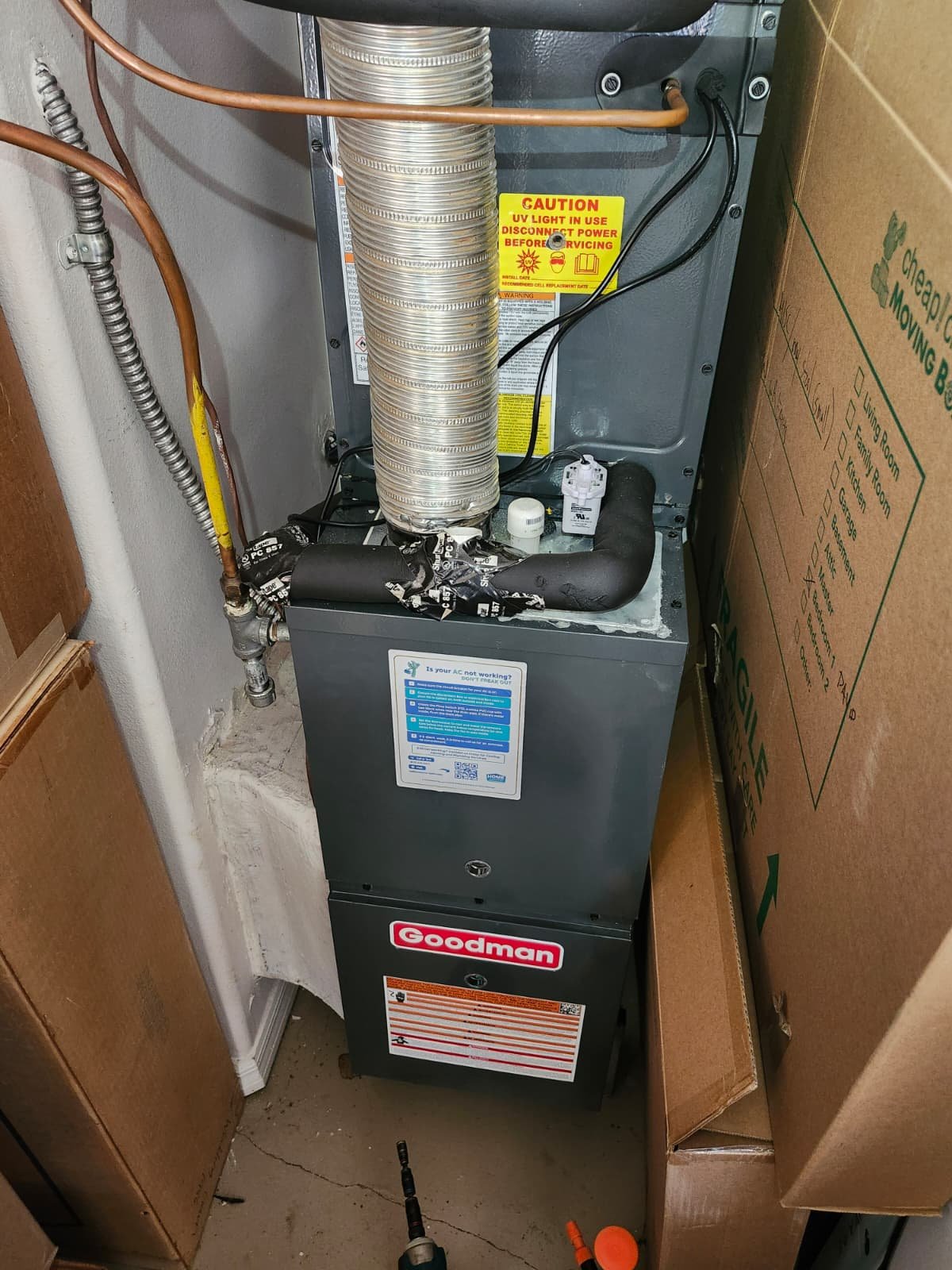
Case Recap

  • Location: Residential home in Seminole, FL 33772
  • Service type: Routine AC maintenance under an Elite Home Therapy Plan
  • System condition: Cooling, but heavily soiled inside the air handler
  • Work completed: Maintenance checklist, filter replacement, system check
  • Recommended: Full system tune-up with coil-out and blower wheel cleaning
  • Additional note: Duct sanitation deferred due to equipment issue at the time of visit

Customer Problem

This visit wasn’t for a breakdown; it was a scheduled visit under the homeowner’s Elite Home Therapy Plan. Like many homeowners in Seminole, the customer wanted peace of mind that the AC was ready for the long Florida cooling season and that their membership benefits were being fully utilized.

When we arrived, the AC was running and the home was comfortable. There weren’t active complaints like warm air or unusual noises. However, the homeowner understood that in our hot, humid climate near Tampa Bay, waiting until something fails can turn a small issue into a big repair. That’s exactly why they stay on a maintenance plan.

During our conversation, we focused on:

  • Confirming the system was operating safely at the time of the visit
  • Checking whether filters were being changed often enough
  • Looking for any signs of airflow restriction, dust buildup, or drainage concerns

The homeowner’s main goal was simple: keep the system efficient, reliable, and avoid surprise breakdowns in the Seminole, FL 33772 heat.

Inspection and Diagnosis

On an Elite Home Therapy Plan visit like this, we work through a structured maintenance checklist similar to what we outline on our AC maintenance service page. While we don’t list readings or numbers in a blog like this, we can share the general process so you know what we look for.

Our technician, Alejandro, started with the basics and then moved into a more detailed inspection:

  • Visual inspection of the air handler and outdoor unit: Looking for rust, corrosion, biological growth, damaged wiring, or obvious leaks.
  • Air filter check: Verifying filter size, condition, and replacement frequency. For this home, six 24x24x1 filters are used.
  • Airflow and cleanliness: Inspecting the blower compartment and evaporator coil area for dust, dirt, and buildup that could restrict airflow.
  • Drainage path: Checking the condensate line and pan for clogs, standing water, or signs of past overflows.
  • Electrical and control components: Making sure connections are secure and the system starts and runs as expected.

Even though the system was cooling, we found that the internal components were heavily soiled. The evaporator coil and blower area had significant dirt buildup. This kind of contamination doesn’t always show up as an obvious comfort issue right away, but it almost always means the system is working harder than it should.

Another item on the plan for this visit was duct sanitation. Due to a malfunction with the sanitation equipment at the time of the appointment, that portion of the service could not be completed. We made sure the homeowner understood the situation and that duct sanitation could be scheduled for a later date once the equipment is back in service. For reference, this type of work is similar to what we describe on our air duct sanitizing page.

Repair and Service Process

Because this was a plan maintenance visit, the focus was on preventive care, cleanliness, and identifying issues early. Here’s how we handled the visit step by step.

1. Filter Replacement

At the visit, the technician did not have the homeowner’s specific filters on the truck. However, suitable filters were available in the garage, and those were installed so the system didn’t continue running on dirty filters. This is important in a place like Seminole, where AC systems can run for long hours almost year-round.

We confirmed the filters were properly seated and oriented, and we discussed timing for the next filter change. Clean filters are the first line of defense against dirt being pulled deeper into the system.

2. Completing the Routine Plan Maintenance

We worked through the regular maintenance checklist associated with their Elite Home Therapy Plan, similar in spirit to our Therapy Maintenance Plans explained on our website. This included:

  • Inspecting accessible components for wear or damage
  • Checking general system operation
  • Looking for signs of water issues around the air handler
  • Listening for unusual noises from the blower and outdoor unit

We verified that, despite the heavy dirt inside the system, it was operating at the time of the visit and providing cooling throughout the home.

3. Documenting the Heavy Soil Buildup

Once we had access to the coil and blower area, it was clear that a surface-level cleaning wouldn’t be enough. Dirt and dust had built up heavily on key components, especially in areas that aren’t fully addressed by quick cleanings.

We documented what we saw and explained to the homeowner how this kind of buildup gradually restricts airflow. Over time, that can lead to longer run times, higher energy use, and added strain on parts.

4. Recommending a Full System Tune-Up with Coil-Out and Blower Cleaning

Based on what we found, we recommended moving forward with a more in-depth service beyond the routine plan visit. That recommendation included:
  • A full AC tune-up
  • Pulling the evaporator coil (coil-out cleaning)
  • Thorough blower wheel cleaning

This is a more involved visit than a standard tune-up like we describe on our AC tune-up page. It’s designed for systems where dirt has had years to accumulate. An estimate for this work was prepared and sent to the homeowner so they could review the scope and cost before deciding when to schedule it.

5. Explaining Next Steps for Duct Sanitation

The homeowner was also interested in having duct sanitation completed. Because the sanitation equipment was not operational at the time, that portion of the service was postponed. We explained that once our equipment is back online, we can return specifically for duct sanitizing to help with cleanliness and indoor air quality. This is part of our broader approach to indoor air quality solutions for Tampa Bay homes.

6. Final Verification

Before leaving, we verified that the system cycled on and off, that airflow was present at the registers, and that there were no immediate safety or operation concerns. The homeowner left the visit with a clear picture of what was done that day and what we recommended for long-term system health.
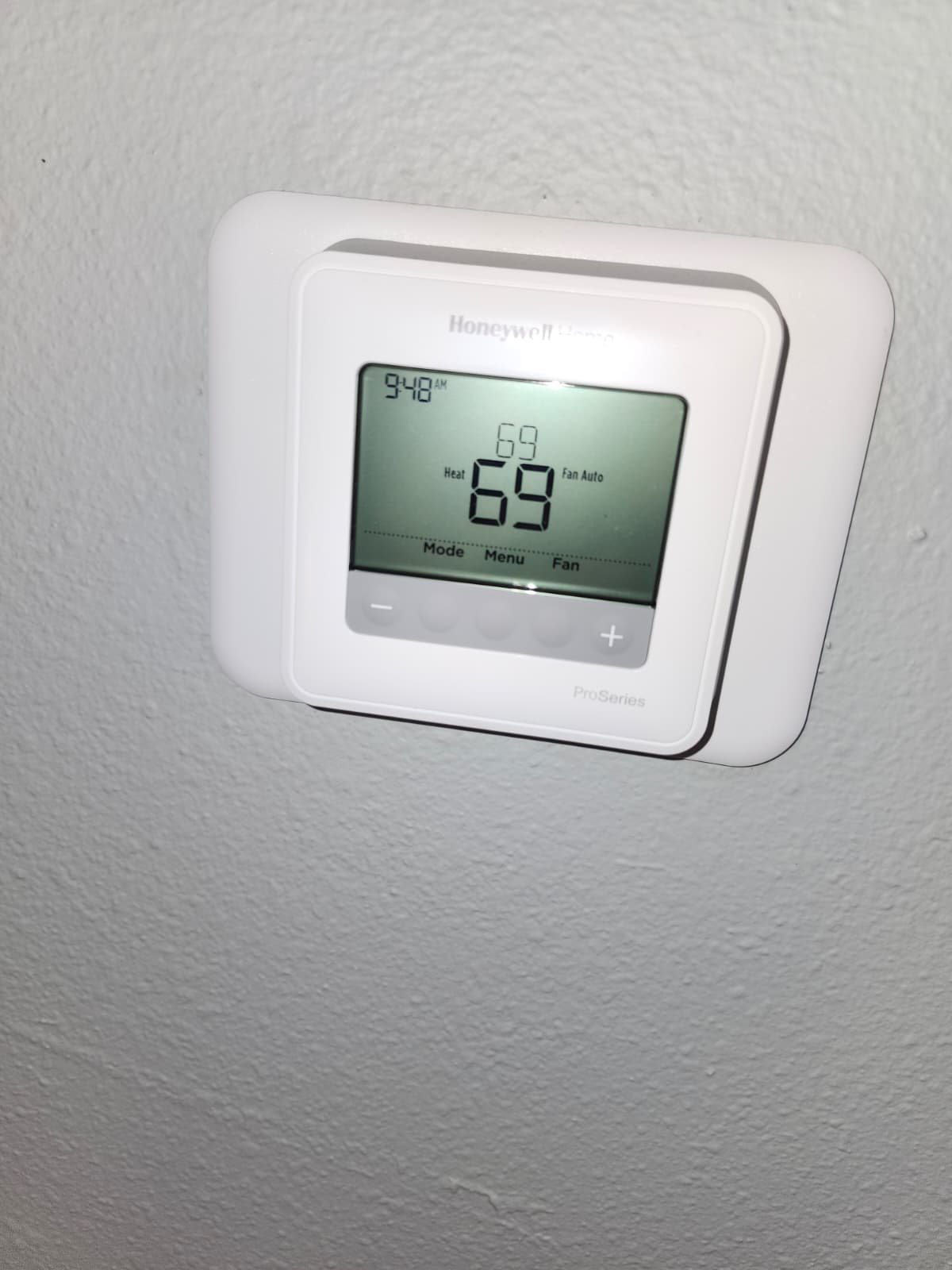
Why This Fix Works

Heavily soiled AC systems are extremely common in Seminole, FL 33772 and the surrounding Tampa Bay area. Between high humidity, long runtimes, and everyday dust from normal living, it’s easy for a system to get dirty internally even if the home looks clean.

The solutions we recommended focus on two fundamental principles: airflow and heat transfer.
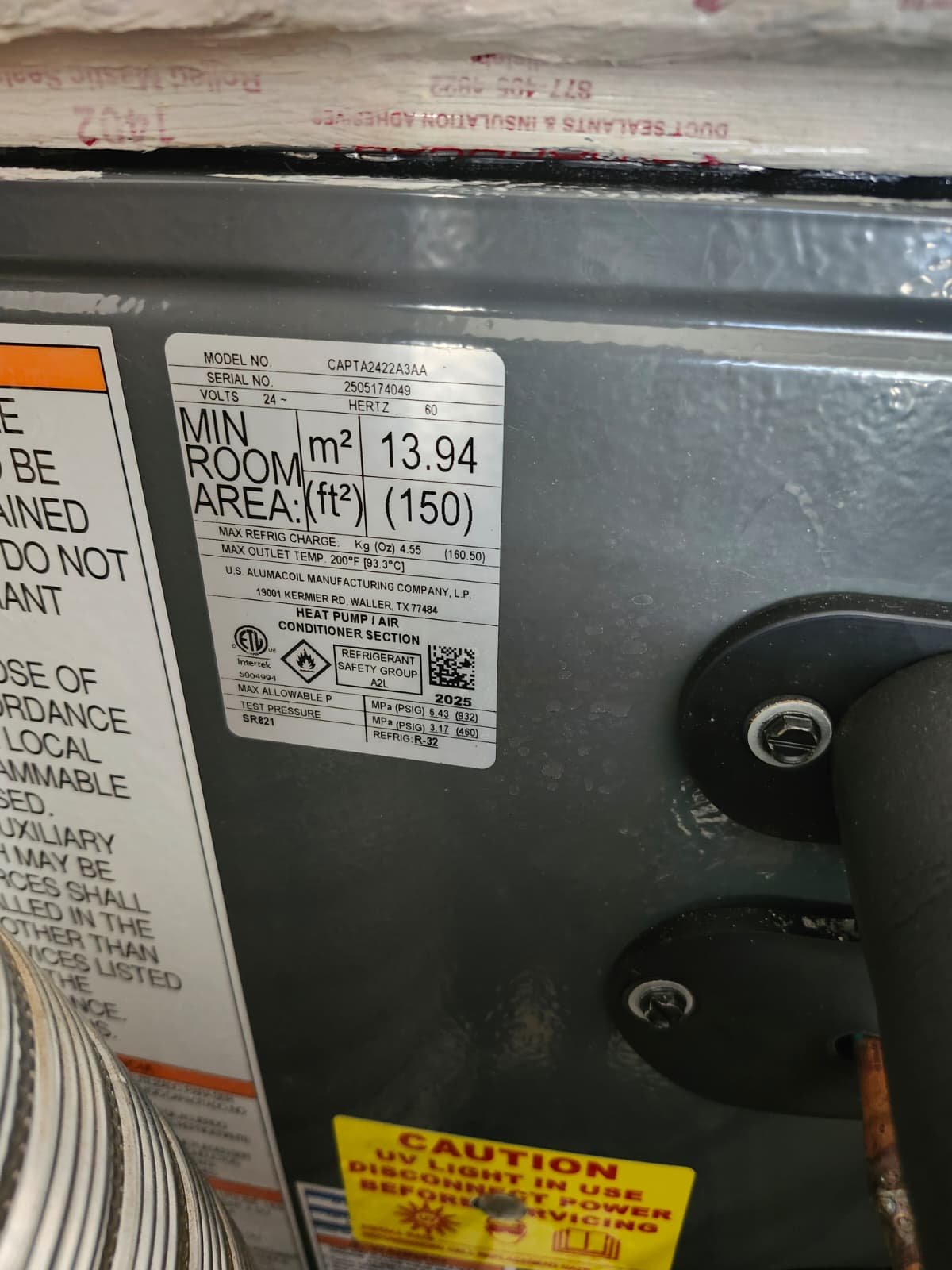
  • Airflow: The blower wheel and air filter are responsible for pushing air through the system and into your home. When they’re dirty, less air moves, and the system has to run longer to reach the same temperature.
  • Heat transfer: The evaporator coil is where your indoor air is cooled. Dirt on the coil acts like a blanket, making it harder for the coil to absorb heat. That means longer runtimes, increased wear, and reduced comfort.

By performing a full tune-up with coil-out cleaning and blower wheel cleaning, we restore cleaner surfaces and help the system move air and transfer heat more effectively. This typically leads to:

  • More consistent comfort room-to-room
  • Less strain on the compressor and blower motor
  • Better energy efficiency over time
  • Reduced risk of nuisance breakdowns in peak season

Pairing that deeper cleaning with routine plan maintenance and regular filter changes gives homeowners in Seminole, FL a stronger defense against unexpected AC issues.

Pro Tips for Homeowners in Seminole, FL

Living in Seminole means your AC is doing a lot of heavy lifting almost all year. Here are some practical, low-stress tips to keep your system healthier between visits:

  • Stay on top of filter changes: Mark your calendar or set a reminder to check filters monthly during peak season. Even if they’re not fully dirty, replacing them on a consistent schedule helps keep the inside of the system cleaner.
  • Watch for gradual changes in airflow: If certain rooms start feeling stuffier or vents feel weaker, it may be a sign of dirt buildup or emerging airflow restrictions.
  • Keep supply and return vents clear: Avoid blocking vents with furniture, rugs, or curtains. Restricted vents can contribute to poor circulation and increased system strain.
  • Schedule routine maintenance before the hottest months: Getting your system checked in spring or early summer helps catch issues before you really need the AC around the clock.
  • Consider deeper cleanings every few years: In our humid, coastal climate, a detailed coil and blower cleaning every few years can help maintain efficiency, especially if you’ve had construction, pets, or long periods with overdue filter changes.
  • Ask about maintenance plans: A plan like our Elite Home Therapy Plan makes it easier to stay on schedule and budget for maintenance instead of reacting to emergencies.

FAQ: AC Maintenance and Cleaning in Seminole, FL 33772

Why did you recommend a full tune-up if the system was still cooling?

The system was cooling at the time of the visit, but we found heavy dirt buildup inside. That kind of buildup forces the unit to work harder and can shorten its lifespan. A full tune-up with coil and blower cleaning helps restore proper airflow and efficiency before problems show up as a breakdown.

Is it okay that the filters came from the homeowner’s garage?

Yes, as long as the filters are the correct size and type for the system, using filters you already have on hand is perfectly fine. We installed suitable filters found in the garage so the system wouldn’t continue running with dirty ones. During future visits, we can help confirm that the filters you buy are a good match for your equipment.

What does a coil-out cleaning involve?

A coil-out cleaning involves removing the evaporator coil from the air handler so it can be cleaned more thoroughly than is possible in place. This helps remove deep dirt and buildup from the coil surfaces and fins, which supports better heat transfer and airflow.

Why wasn’t duct sanitation completed during this visit?

Duct sanitation was planned, but the specialized equipment used for that process was not operating properly at the time of the appointment. Rather than providing a partial or compromised service, we postponed duct sanitation and explained that it can be rescheduled once our equipment is back in proper working order.

How often should homeowners in Seminole, FL schedule AC maintenance?

In our climate, most homeowners benefit from professional AC maintenance at least once a year. Many choose a plan that includes one or more visits annually. Routine care helps keep the system clean, efficient, and less likely to fail during extreme heat in Seminole, FL 33772.

Will a deeper cleaning really help lower my energy bills?

While we don’t promise specific dollar amounts, a clean system generally doesn’t have to work as hard to cool your home. Restoring proper airflow and heat transfer often leads to shorter run times and reduced strain, which can contribute to more efficient energy use over time.

Why Choose Home Therapist for AC Care in Seminole, FL

When you invite us into your home in Seminole, FL 33772, you’re trusting us with your comfort and your equipment. We take that seriously on every visit, whether it’s a routine maintenance call or a major repair.

  • Licensed, professional technicians: Our team is trained to work carefully inside your home and on your HVAC equipment. We follow proven processes similar to those you’ll see across our service pages.
  • Transparent communication: We explain what we find in plain language, show you the concerns when possible, and review your options before moving forward. In this case, we clearly explained why a deeper coil and blower cleaning was recommended instead of just checking a box that the system was “running.”
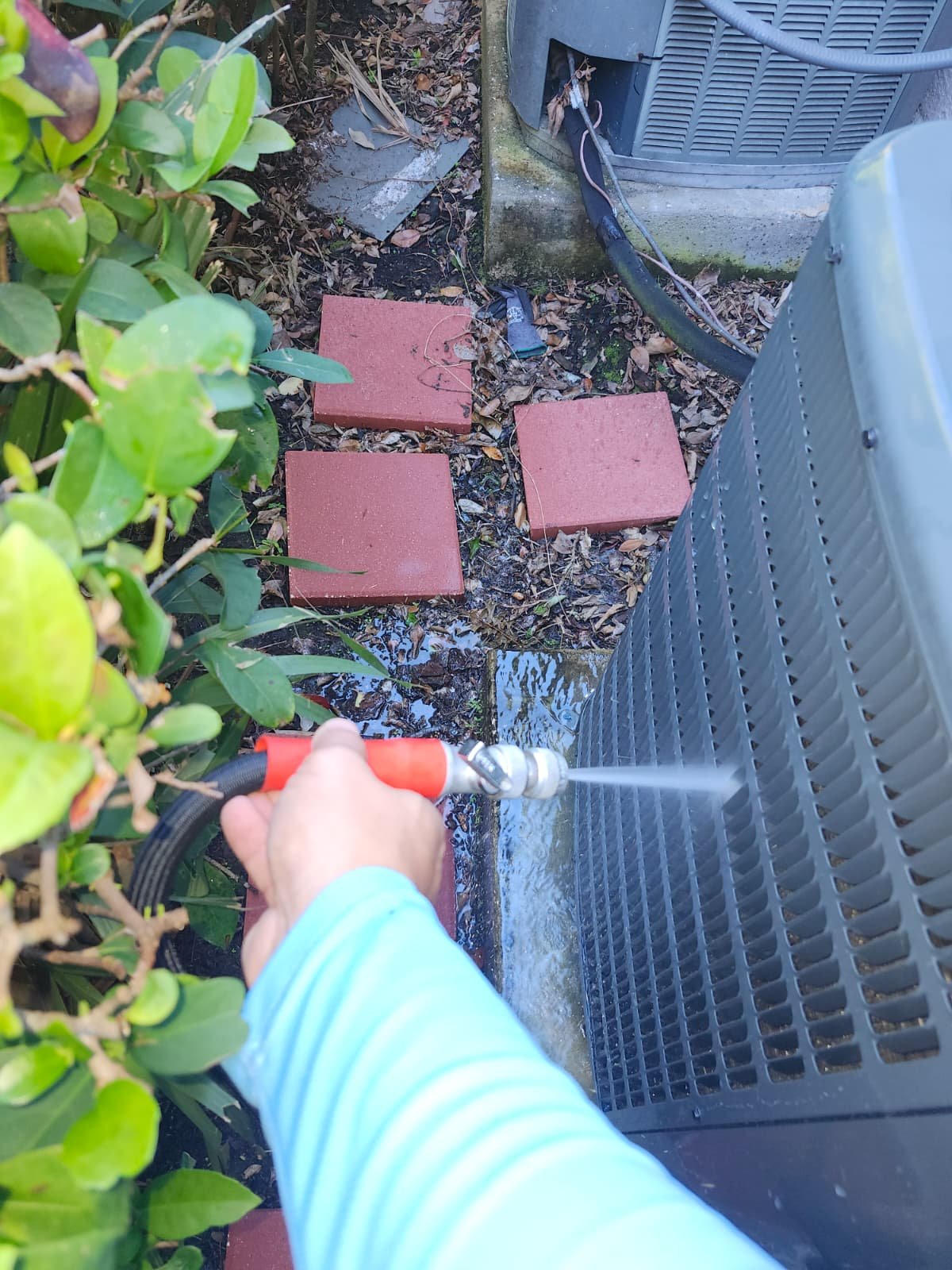
  • Clean, respectful work: We treat your home like our own—using drop cloths where appropriate, cleaning up after ourselves, and respecting your schedule.
  • Long-term reliability focus: Our recommendations are built around long-term performance, not quick, short-term fixes. That’s why we often suggest deeper cleaning and preventive services rather than waiting for something to fail.
  • Committed to Tampa Bay homeowners: We’re a local company serving Seminole, the greater Pinellas County area, and the wider Tampa Bay region. Our reputation is built on how your system runs months and years after we leave, not just on the day of service.

If you’d like to see more about how we work and what other homeowners say, you can find us on social platforms like Facebook, Instagram, and TikTok. For added peace of mind, you can also review our standing with organizations such as the Better Business Bureau and the Tampa Bay Chamber of Commerce.
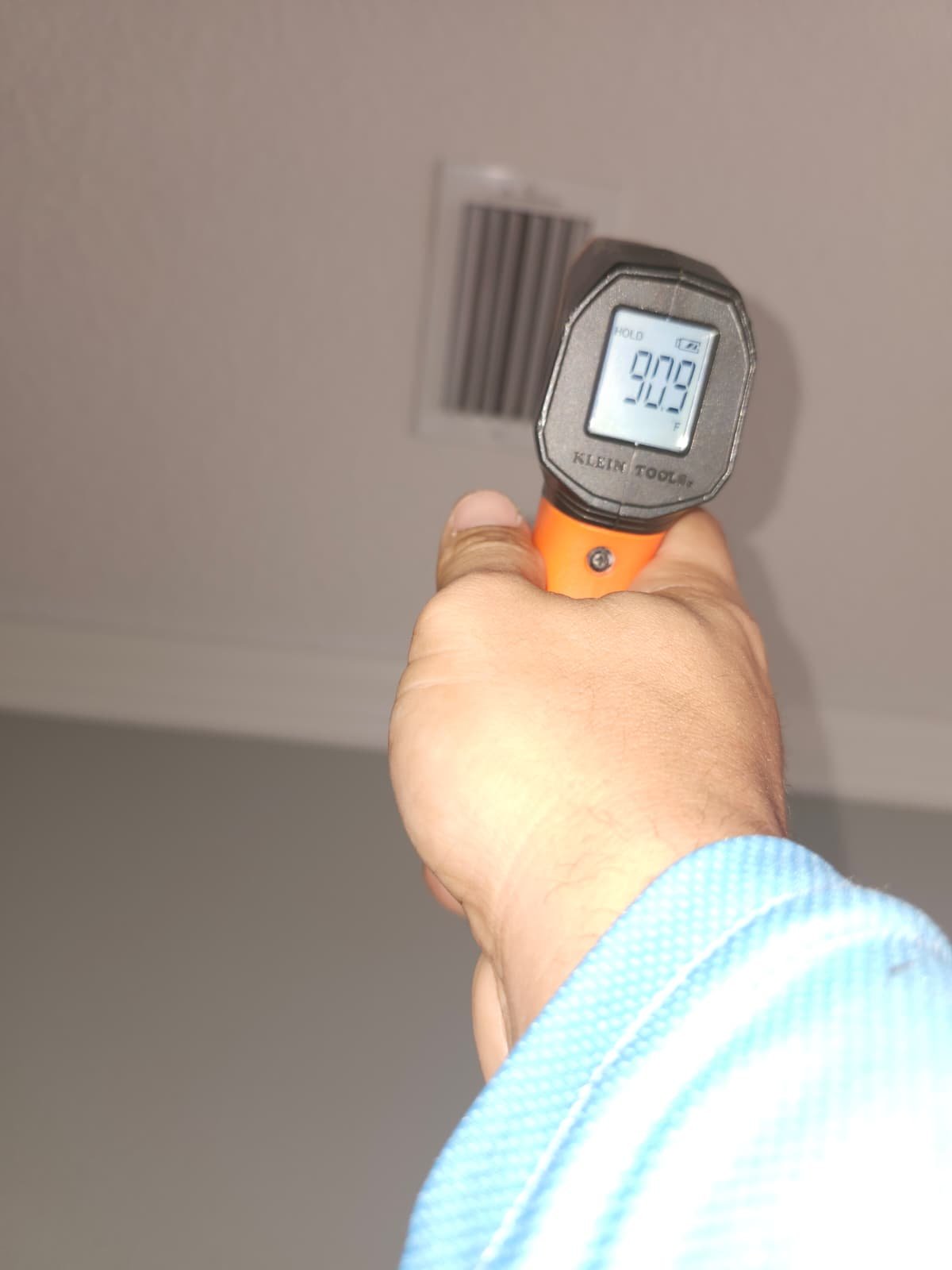
Need AC Maintenance in Seminole, FL 33772?
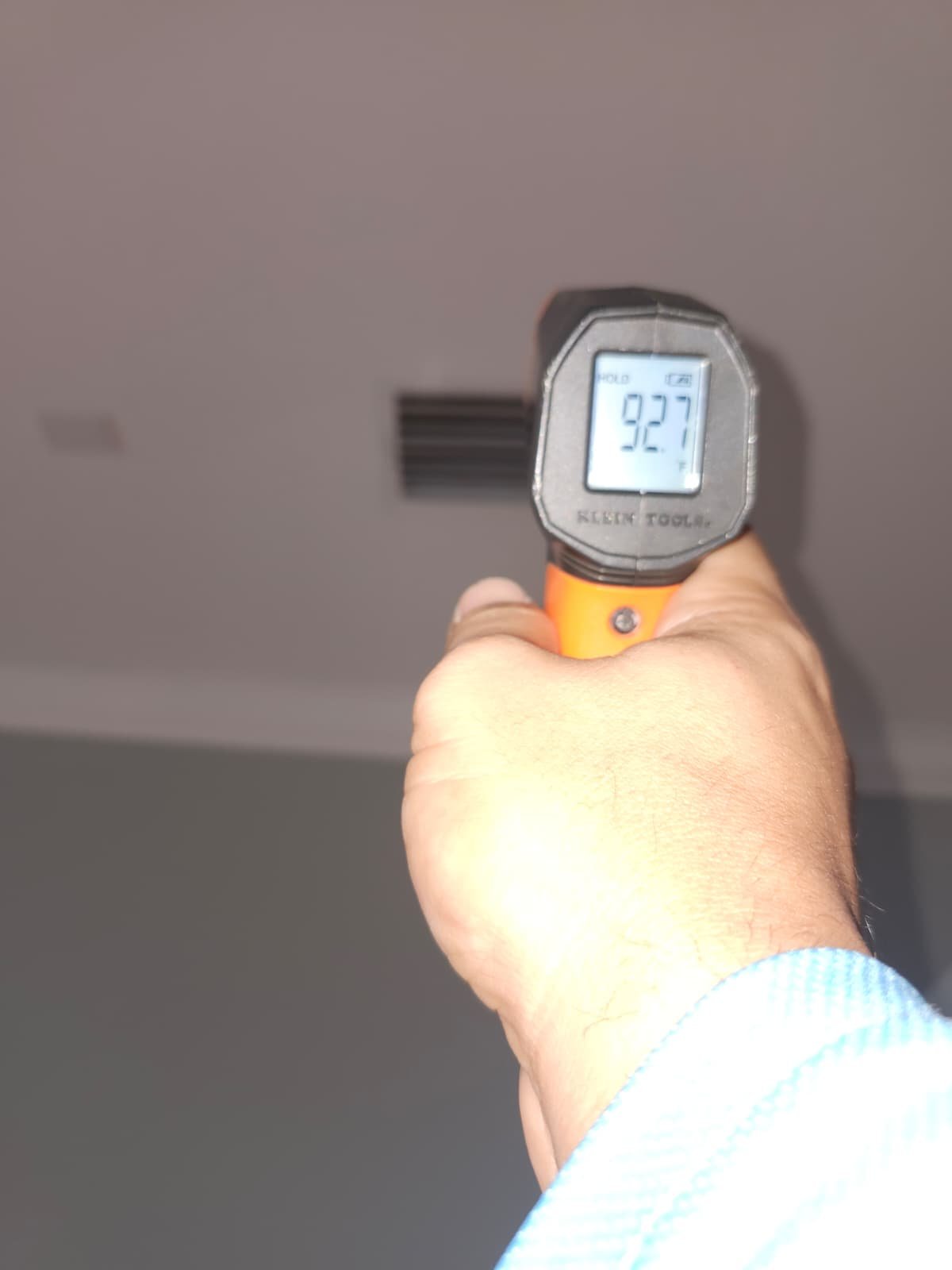
If your system is running but you’re not sure how clean or efficient it really is, you don’t have to wait for a breakdown. Our team at Home Therapist Cooling, Heating, and Plumbing is ready to help with routine maintenance, deeper cleanings, and full AC maintenance services tailored to Tampa Bay homes.

Whether you live in Seminole, FL 33772 or anywhere nearby, we can walk you through your options—from simple filter and maintenance visits to full tune-ups with coil and blower cleaning. Our goal is to keep your home comfortable, your system reliable, and your decisions clear and low-stress.

When you’re ready to schedule service or learn more about maintenance plans, reach out to Home Therapist. We’ll take the time to inspect your system, explain what we see, and recommend the right level of care for your home.

1767026976523 Image 1767026976144

AC Filter Replacement Workflow for Optimal Home Comfort

Replacing your AC filter is one of the easiest ways for an American homeowner in Tampa Bay to save money and protect a major investment. A clogged or incorrect filter can slash system efficiency by up to 15 percent, raising energy bills and wearing down your equipment faster. Learning the right DIY steps helps keep your HVAC running smooth while saving on costly repairs. Get ready to make your home’s air cleaner and your system’s life longer with a simple filter change.

Table of Contents

Quick Summary

Key TakeawayExplanation
1. Gather essential tools firstCollect items like a stepladder, gloves, and a vacuum before starting the filter replacement process.
2. Ensure safety before startingAlways turn off your HVAC system at the thermostat and circuit breaker to prevent accidents during maintenance.
3. Install the filter with careInsert the new filter in the correct orientation based on the airflow direction arrow for optimal efficiency.
4. Check airflow after replacementAfter installation, restore power and verify that the airflow is consistent and there are no unusual sounds from the system.
5. Keep track of replacement datesUse a permanent marker to note the installation date on the filter frame for timely future replacements.

Step 1: Gather Necessary Tools and Correct Filter

Preparing for your AC filter replacement starts with collecting the right tools and finding the perfect replacement filter. Your goal is simple: assemble everything you need before getting started to make the process smooth and efficient.

First, walk around your home and gather a few essential items. You will need a stepladder (if your AC filter is in a hard to reach location), work gloves to keep your hands clean, a vacuum cleaner with a hose attachment, and a fresh replacement filter that matches your system’s exact specifications. Check your current filter’s size printed along its frame – this number is crucial for getting the right replacement. For Tampa Bay homeowners, most residential systems use standard sizes like 16×20 or 20×25 inches, but always verify your specific measurement to avoid purchasing the wrong filter.

While selecting your filter, consider the MERV rating that indicates its efficiency level. Higher MERV ratings trap more particles but can restrict airflow, so consult your HVAC system’s manual for recommended ratings. Standard home filters typically range between MERV 8 to 13, balancing air quality and system performance.

Here’s a quick comparison of common MERV ratings and their effects on home HVAC systems:

MERV RatingParticle FiltrationAirflow ImpactTypical Application
8Captures dust, pollen, lintMinimal restrictionStandard residential use
11Filters finer allergens and pet danderSlight airflow reductionHomes with pets or allergies
13Captures bacteria and smokeModerate airflow impactPremium home filtration, sensitive occupants

Infographic showing AC filter ratings and features

Pro Tip: Keep a permanent marker near your filter replacement area to quickly note the size and date of last replacement directly on the old filter housing.

Step 2: Power Off HVAC System Safely

Before diving into your AC filter replacement, you must completely power down your HVAC system to prevent electrical accidents. This critical safety step protects both you and your expensive equipment from potential damage during maintenance.

Start by turning off your system at the thermostat completely. Then follow the professional safety protocol of switching off the dedicated circuit breaker controlling your indoor air handler. Look for the breaker panel typically located in your garage, utility room, or basement. Pull the designated breaker switch to the off position to cut electrical power. Next, locate the outdoor disconnect switch near your condenser unit – this is usually a large rectangular box mounted on the exterior wall close to the unit. Flip this switch to the off position as an additional safety measure.

To verify that power is completely disconnected, use a non contact voltage tester. Checking for residual electrical current is crucial because HVAC systems can have capacitors that store energy even after the main power is switched off. Touch the voltage tester to electrical connections to confirm zero electrical activity before proceeding with your filter replacement.

Pro Tip: Keep a flashlight and voltage tester together in your home maintenance kit to always be prepared for electrical safety checks.

Step 3: Remove Existing AC Filter Carefully

Removing your existing AC filter requires a gentle touch and careful attention to detail. Your primary goal is to extract the old filter without releasing accumulated dust and debris into your home’s air circulation system.

Woman removing dusty AC air filter

Carefully inspect the filter location within your return air duct or air handler. Most systems have a designated filter slot with a simple sliding mechanism. Before removing the filter, take note of the airflow direction arrow printed on its frame – this indicates how the new filter should be installed. Slowly slide the filter out of its housing using both hands to support its weight and prevent it from bending or breaking. Be prepared for potential dust buildup around the edges and consider having a trash bag nearby to immediately contain the old filter.

As you remove the filter, hold it away from your face and body to minimize dust dispersion. If possible, remove the filter over a hard surface like a tile floor or outside to prevent dust from spreading across carpets or furniture. Inspect the filter housing for any accumulated debris or signs of damage while the area is exposed. This is an excellent opportunity to do a quick visual check of your HVAC system’s internal components before installing the new filter.

Pro Tip: Wear a dust mask and work gloves during filter removal to protect yourself from airborne particles and maintain a clean workspace.

For easy reference, here’s a summary of essential tools and safety equipment for AC filter replacement:

Tool/ItemPurposeSafety Benefit
StepladderReaches high filter slotsPrevents falls
Work GlovesProtects hands from debrisReduces cuts and irritation
Vacuum CleanerCleans dust around filter areaImproves air quality
Voltage TesterConfirms power is offPrevents electrical shocks
Dust MaskShields from airborne particlesProtects lungs
FlashlightIlluminates dark HVAC spotsHelps avoid accidents

Step 4: Insert New Filter With Proper Orientation

Installing your new AC filter correctly is crucial for maintaining optimal airflow and system performance. Proper orientation ensures that your HVAC system operates efficiently and filters air effectively throughout your home.

Begin by examining the airflow direction arrow on the new filter frame. This arrow must point toward the air handler or furnace blower, indicating the correct airflow direction. Carefully slide the new filter into the filter housing using both hands, making sure it fits snugly without any gaps around the edges. The filter should sit flush within the mounting frame without forcing or bending the filter material. Pay close attention to ensure the arrow is pointing in the correct direction your system requires airflow to move.

As you insert the filter, take a moment to check the filter frame fits smoothly into the designated slot. Gentle pressure might be needed to seat the filter completely, but avoid using excessive force that could damage the filter or the housing. A properly installed filter will sit evenly and create a tight seal to prevent unfiltered air from bypassing the filter media.

Pro Tip: Mark the date of installation on the filter frame with a permanent marker to help you track when the next replacement is due.

Step 5: Restore Power and Inspect Airflow

With your new filter installed, it is time to carefully restore power to your HVAC system and verify everything is functioning correctly. This final step ensures your system operates efficiently and maintains optimal performance after the filter replacement.

Begin by systematically restoring power starting with the circuit breaker. Switch the dedicated HVAC circuit breaker back to its on position, then return to your thermostat and turn the system on. Listen carefully during the startup process for any unusual sounds that might indicate potential issues. Watch the system closely as it begins operating observe the initial airflow from your vents. The air should emerge smoothly and consistently without any sputtering or weak spots.

Take a few moments to walk through different rooms in your home and check the temperature and airflow from various vents. Verify that the air feels consistent and that the system is cooling or heating as expected. If you notice any strange noises such as grinding, rattling, or unusually loud operational sounds, it might indicate a need for professional inspection. Your new filter should help improve overall system efficiency and air quality.

Pro Tip: Set a reminder on your phone or calendar for the next filter replacement to maintain consistent HVAC system health.

Keep Your Home Comfortable With Expert AC Filter Care

Replacing your AC filter is key to maintaining clean air and efficient cooling in your home. This article highlights common challenges like choosing the right filter size and MERV rating, safely powering off your system, and correctly installing the filter to prevent airflow issues. If this process feels overwhelming or you want to avoid possible mistakes that can lead to costly repairs and poor air quality, professional help is just a call away.

https://callhometherapist.com

Experience peace of mind with Home Therapist Cooling, Heating, and Plumbing, your trusted Tampa Bay experts. Our certified technicians handle everything from filter replacements to full HVAC inspections so you can enjoy optimal comfort all year long. Don’t wait for system problems to grow. Visit Home Therapist Cooling, Heating, and Plumbing now to schedule service and keep your home’s air fresh and your HVAC running flawlessly.

Frequently Asked Questions

How do I determine the right size for my AC filter?

To find the correct size for your AC filter, check the dimensions printed on the frame of your current filter. Measure and note these dimensions (e.g., 16×20 inches) to ensure you purchase the correct replacement.

What should I consider when choosing an AC filter’s MERV rating?

When selecting an AC filter, consider its Minimum Efficiency Reporting Value (MERV) rating, which indicates its ability to trap particles. Aim for a MERV rating between 8 to 13 for standard home use to balance air quality and system performance.

What steps should I take to safely turn off my HVAC system before replacing the filter?

To safely turn off your HVAC system, first switch off the system at the thermostat. Then, turn off the dedicated circuit breaker and the outdoor disconnect switch to ensure complete power disconnection before starting any maintenance.

How can I avoid dust dispersion when removing my old AC filter?

To prevent dust from spreading, hold the old AC filter away from your face and body while removing it. Consider removing the filter over a hard surface or outdoors, and have a trash bag ready to contain any debris immediately.

What are the signs that my new AC filter is not installed correctly?

If your new AC filter is not installed correctly, you might notice unusual sounds from your HVAC system or inconsistent airflow from the vents. Make sure the arrow on the filter points in the correct direction and that it fits snugly in the housing to maintain optimal performance.

When should I schedule my next AC filter replacement?

Mark your calendar for the next AC filter replacement about every 30 to 90 days, depending on your usage and indoor air quality. Setting reminders will help you maintain consistent HVAC system health and efficiency.

Heather Sabin Job 4bf3ef3ecbb149c186c058c843350c2e

Indoor Air Quality UV Light Air Treatment Installation in St. Petersburg, FL 33710

Indoor air quality is a big deal for families in St. Petersburg, FL 33710, especially when someone in the home is preparing for surgery or dealing with health concerns. For this homeowner, keeping the air as clean and fresh as possible wasn’t a nice-to-have—it was a priority. Our technician, Alejandro, was scheduled for a firm date and time to install a new UV light air treatment system and perform a complimentary duct sanitation so the home would be ready when the family needed it most.

In this visit, we installed a new ultra violet (UV) air treatment system inside the air handler and completed a duct sanitation as a courtesy. The goal was simple: help reduce microorganisms in the HVAC system, keep the coil cleaner, and support better indoor air quality for the family. By the end of the job, the system was operating properly, the ducts had been sanitized, and the homeowner had a clearer understanding of how their new UV light helps protect their home’s air.

Case Recap

  • Location: Single-family home in St. Petersburg, FL 33710
  • Main service: New UV light indoor air quality (IAQ) air treatment system installation
  • Added value: Complimentary duct sanitation included with the UV light install
  • Priority: Firm date and time due to an upcoming surgery for a family member
  • Outcome: UV light installed inside the air handler, ducts sanitized, and system operation verified
  • Homeowner reassurance: Clear explanations on what the UV light does and how to maintain it

Customer Problem

For this homeowner in St. Petersburg, FL 33710, timing and cleanliness were the big concerns. They weren’t calling us because the air conditioner had stopped working—they needed to improve the quality of the air their family was breathing, and they needed it done on a specific date.

The homeowner let us know that her husband had an upcoming surgery and they couldn’t do the work any earlier. The appointment had to be firm to line up with their schedule and health needs. That kind of situation can be stressful, so our job was to make everything around the visit as smooth, predictable, and low-disruption as possible.

They chose a UV light air treatment system because they wanted extra protection inside the HVAC system itself. UV lights are commonly installed in or near the air handler to help reduce mold growth on the coil and to treat the air as it passes through the system. Combined with a duct sanitation, this gives the home a fresh starting point for cleaner indoor air.

In short, the homeowner’s goals were:

  • Improve indoor air quality inside the home
  • Help control mold and microorganisms in the air handler
  • Have the work done on a firm date that matched their medical schedule
  • Receive professional, careful service with clear explanations

Inspection and Diagnosis

Even though this service call in St. Petersburg, FL 33710 was primarily an installation and sanitation visit, we still approach it with the same disciplined process we use on any HVAC job. Before adding a UV light, we always take a bit of time to understand the existing system and make sure everything is a good match.

Here’s what we typically look at in a visit like this:

  • Air handler condition: We visually inspect the air handler cabinet area where the UV light will be installed, paying attention to coil accessibility and general cleanliness.
  • Mounting location: We confirm there’s a good, safe spot for the UV fixture with proper line-of-sight to the coil or targeted surfaces.
  • Electrical access: We check for an appropriate power source for the UV light so it can run continuously as designed.
  • Ductwork accessibility: For the duct sanitation, we identify the best access points to introduce the sanitation process evenly through the system.
  • System operation: We make sure the HVAC system is running normally before we start so we aren’t masking any separate issues.

Because UV lights work in the background 24/7, proper placement and safe installation are critical. We never just “stick it in there.” When we say we treat your home like our own, that includes how we cut access holes, route wiring, and seal everything back up.

Repair or Service Process

Once we confirmed the conditions were right for a UV light install and duct sanitation, Alejandro walked the homeowner through what to expect and then got to work. Here’s how a typical UV light air treatment installation with duct sanitation goes for homeowners in St. Petersburg, FL 33710:

1. Preparing the Work Area

We start by protecting the work area around the air handler. That usually includes laying down drop cloths, organizing tools, and making sure we have clear access so we’re not bumping into furniture or scuffing walls. Clean, organized work is safer and less stressful for the homeowner.

2. Accessing the Air Handler for UV Installation

Next, we open the air handler and identify the exact spot where the UV light will be mounted. In most systems, the UV light is positioned so it shines directly on the evaporator coil or on the surfaces where moisture and airflow can encourage mold growth. We confirm that:

  • The UV bulb will have a clear line-of-sight to the targeted area
  • The cabinet can be sealed back properly after installation
  • There’s no interference with existing components or wiring

3. Installing the UV Light Fixture

After marking the location, we carefully create an opening in the air handler panel (if one isn’t already present) and mount the UV fixture according to the manufacturer’s guidelines. We take our time here because a secure, properly sealed installation helps prevent air leaks and ensures the UV light is working where it’s supposed to.

We then route the wiring and connect the UV system to power as designed, making sure all connections are neat and secure. UV lights are typically designed to stay on 24/7, so a reliable power connection is essential.

4. Complimentary Duct Sanitation

As a courtesy, this UV light installation included a duct sanitation service. This is not the same as a full mechanical duct cleaning, but it is an important step in improving indoor air quality.

During duct sanitation, we introduce an EPA-appropriate sanitizing agent into the duct system using dedicated equipment and methods designed for HVAC use. The goal is to reduce microbial activity on duct surfaces and in the air stream. We focus on:

  • Even distribution of the sanitizing product through the duct runs
  • Following all product safety and dwell-time guidelines
  • Keeping the homeowner informed so they know what we’re using and why

Because the homeowner in St. Petersburg, FL 33710 was particularly concerned about health and cleanliness, we took extra care to explain the process step by step and answer any questions along the way.

5. Reassembly and System Check

Once the UV light was installed and the duct sanitation was completed, we reassembled the air handler panels, sealed any new openings, and made sure everything was secured. Then we turned the system back on and verified that it was running normally.

We checked that:

  • The UV light was operating as expected
  • The air handler was properly sealed
  • Airflow felt normal at the supply vents

We avoid throwing out numbers or readings when they aren’t necessary; instead, we focus on confirming proper operation and making sure the homeowner can tell the system is running smoothly.

6. Homeowner Education and Next Steps

To wrap up, we spent a few minutes explaining how the UV light works, what indicators to look for, and what typical bulb replacement intervals look like in general terms. We also reminded the homeowner that a UV light works best as part of an overall air quality plan that includes:

We left the home clean, the system running, and the homeowner confident in their decision.

Why This Fix Works

UV light air treatment systems are not a magic wand, but they are a powerful tool when installed correctly and combined with good basic HVAC practices. Inside an air handler, moisture and darkness can create an ideal environment for mold growth, especially on the evaporator coil and surrounding surfaces.

A UV light helps by:

  • Exposing microorganisms in its line-of-sight to ultraviolet energy
  • Helping keep the coil cleaner over time by reducing mold growth
  • Supporting better airflow and heat transfer by minimizing buildup on the coil

When we pair a UV light with duct sanitation, we’re addressing both the heart of the system (the air handler) and the pathways the air travels through (the ductwork). The result for homeowners in St. Petersburg, FL 33710 is a more complete approach to indoor air quality—one that supports cleaner air, more efficient operation, and a fresher-smelling home.

Of course, UV lights work best alongside other services. For example, many homeowners also benefit from periodic air duct cleaning services, upgraded air filter installation and replacement, or even exploring adding UV light to your air conditioner as part of a broader IAQ plan.

Pro Tips for Homeowners in St. Petersburg

Living in St. Petersburg, Florida means dealing with heat, humidity, and long cooling seasons. All of that puts your HVAC system—and your indoor air quality—under more stress. Here are some practical tips to keep your air cleaner and your system healthier:

  • Change filters regularly: In our hot, humid climate, most homes should check and replace filters more often during peak cooling months. A clean filter supports both air quality and system efficiency.
  • Keep supply and return vents open: Avoid closing off too many vents or blocking them with furniture. Restricted airflow can contribute to temperature imbalances, strain on equipment, and moisture issues.
  • Watch for musty odors: If you notice persistent musty smells coming from your vents, it may be time to look at services like duct sanitation, duct cleaning, or additional IAQ solutions.
  • Schedule maintenance before heavy use: A routine checkup in spring or early summer gives your system a better chance to handle the long cooling season in St. Petersburg, FL 33710 without surprise breakdowns.
  • Ask about duct and dryer vent care: Over time, dust and debris can build up in both ducts and dryer vents. Services like dryer vent cleaning and duct services help improve safety, airflow, and air quality.
  • Plan ahead for IAQ upgrades: If you’re considering a new AC system in the future, talk with us about integrating UV lights and filtration upgrades from the start so everything is designed to work together.

FAQ: UV Light Air Treatment and Duct Sanitation

Where is the UV light installed in my system?

In most cases, we install the UV light inside the air handler cabinet, positioned so the bulb shines directly on the evaporator coil or nearby surfaces where mold and microbial growth are more likely. This placement helps keep those components cleaner over time.

Will a UV light replace the need for filter changes?

No. A UV light works alongside your air filter, not instead of it. The UV system helps reduce microorganisms in its line-of-sight, while the filter captures dust and particles in the air stream. You still need to change your filters regularly to protect your system and maintain good indoor air quality.

How long does a UV light installation and duct sanitation usually take?

Most installs like the one we completed in St. Petersburg, FL 33710 can be done within a single visit. The exact time depends on system layout, access, and the scope of the duct sanitation, but we always communicate clearly about timing and keep the homeowner updated during the visit.

Does a UV light clean my ducts?

A UV light is focused on the surfaces and air near the bulb, usually around the coil and inside the air handler. It does not mechanically clean dust out of your ducts. That’s why this homeowner’s service also included a duct sanitation as a separate step, and some homes can also benefit from dedicated duct cleaning when conditions call for it.

Is duct sanitation safe for my home?

When performed correctly with HVAC-appropriate products and methods, duct sanitation is designed to be safe for residential use. We follow all product instructions and inform you about what we’re using, how it’s applied, and what to expect during and after the process.

How do I know if a UV light is right for my home?

If you’re concerned about mold growth in your air handler, musty odors, or overall indoor air quality, a UV light can be a strong option to consider. The best approach is to have a licensed technician evaluate your system, discuss your concerns, and recommend solutions tailored to your home and budget.

Why Choose Home Therapist

When you invite someone into your home in St. Petersburg, FL 33710, you deserve a team that treats it with care and respect. At Home Therapist Cooling, Heating, and Plumbing, our focus is on more than just fixing equipment—we’re here to protect your comfort, your time, and your peace of mind.

Our licensed technicians take the time to explain what we’re doing and why, whether we’re installing a UV light air treatment system, performing duct sanitation, or helping you with routine maintenance. We believe in transparent communication, so you’re never left guessing about the work being done or the options available to you.

Clean, careful workmanship is a core part of our service. That means protecting your floors, minimizing dust and debris, and leaving the workspace as tidy as we found it. We focus on long-term reliability, not just quick fixes, so you can feel confident that your system will keep serving your family well after we leave.

If you’d like to see more of how we work and hear from other Tampa Bay homeowners, you can connect with us on social media and review sites:

  • Follow us on Facebook for updates and helpful tips.
  • See behind-the-scenes photos and projects on Instagram.
  • Watch educational clips and service highlights on our TikTok channel.

For added peace of mind, you can also view our profiles with trusted organizations and directories:

All of this is part of our commitment to serving Tampa Bay homeowners with honesty, professionalism, and consistent quality.

Schedule UV Light Air Treatment Service in St. Petersburg, FL 33710

If you’re considering a UV light air treatment system, duct sanitation, or other indoor air quality solutions for your home in St. Petersburg, FL 33710, our team is ready to help. We’ll work with your schedule, explain your options in plain language, and complete the work with the same care we brought to this project.

Whether you’re preparing for a health-related event, dealing with musty odors, or simply want cleaner air for your family, you don’t have to sort it out alone. Contact Home Therapist Cooling, Heating, and Plumbing to schedule a visit, and let our local Tampa Bay technicians take care of your home’s comfort and indoor air quality.

Victor Soto Job A491a65def53443b9ae5b10d79b639c4 2

Plumbing Inspection and Valve Upgrade Options in Tampa, FL 33613

For this visit in Tampa, FL 33613, we were called out for a routine plumbing inspection and a question many homeowners eventually have: is it time to upgrade older plastic angle valves and check on the water heater? Our goal was simple—give the homeowner a clear picture of the home’s plumbing health, discuss sensible upgrades, and make a plan that keeps everything running safely and reliably without pushing unnecessary work.

Case Recap

If you like the quick version, here’s what we did for this Tampa, FL 33613 home:

  • Completed a whole-home plumbing inspection as part of a maintenance visit.
  • Confirmed there were no active leaks, clogs, or operational problems at the time of the visit.
  • Identified plastic angle valves throughout the property and discussed upgrading to metal valves.
  • Evaluated a 2019 water heater and chose not to flush it during this visit based on its age and condition.
  • Recommended future water heater flushing and valve upgrades to improve long-term reliability.
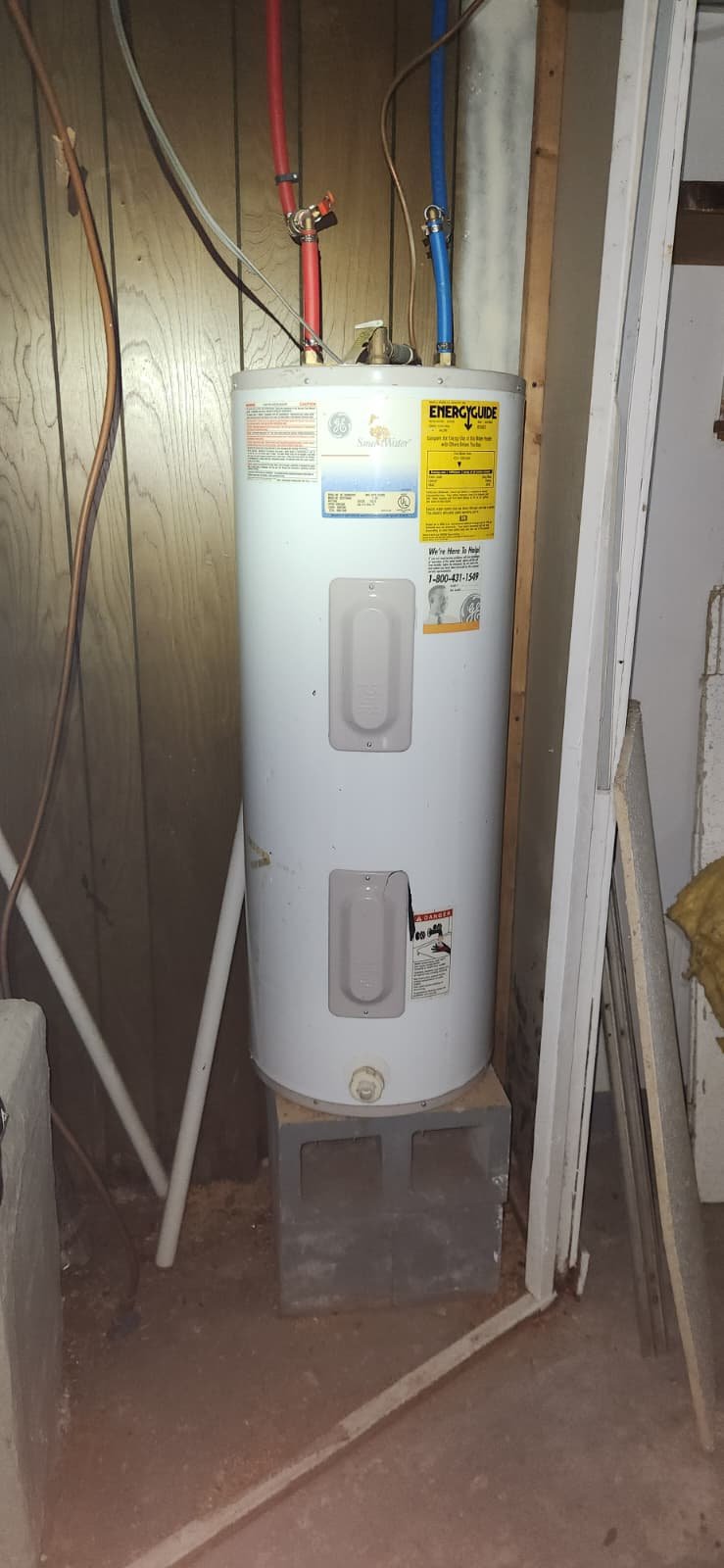
Customer Problem

The homeowner in Tampa, FL 33613 wasn’t dealing with an emergency. There were no overflowing toilets, no visible leaks, and no sudden loss of hot water. Instead, they did something we wish more people would do—they scheduled a planned plumbing visit before anything went wrong.

They had two main concerns:

  • They wanted a routine plumbing inspection to make sure everything in the home was operating as it should.
  • They were curious about the plastic angle valves installed behind fixtures and whether it would be smart to replace them with more durable metal valves.

Angle valves are the small shut-off valves you see under sinks and behind toilets. Many homes in Tampa and throughout Florida still have plastic versions. While they may work fine for a while, homeowners often wonder how they’ll hold up over time, especially in our humid climate.

The water heater was another point of interest. The tank was manufactured in 2019, which puts it in the early-to-middle part of its expected life. The homeowner wanted to make sure they were taking proper care of it and asked if a flush was needed right now.

Inspection and Diagnosis

During a plumbing inspection like this in Tampa, FL 33613, our first step is always to get a good overall picture of the system. We’re not just looking for what’s broken—we’re looking for what might become a problem down the road.

Here’s the general approach we followed on this visit:

  • Visual inspection of exposed plumbing: We checked visible supply lines, shut-off valves, drains, and fixtures for signs of corrosion, leaks, or prior repairs.
  • Fixture operation: We ran faucets, flushed toilets, and checked drains to confirm everything was flowing and refilling normally, without slow drains or noisy pipes.
  • Angle valve review: We identified where plastic angle valves were installed, checked for any stress, cracks, or signs of past leaking, and discussed their condition with the homeowner.
  • Water heater evaluation: We confirmed the water heater’s manufacture year (2019), checked for visible rust or leaks around the tank and connections, and evaluated the general condition.

On this particular job, everything was functioning well. We did not find active leaks, clogs, or obvious failures. That’s good news—and exactly what we like to see on a maintenance visit.

The two key findings were:

  • The presence of plastic angle valves throughout the home.
  • A 2019 water heater that, while in decent condition, would benefit from routine flushing on a smart schedule.

Because this was not an emergency call, we had the time to walk through options calmly and answer questions so the homeowner could decide what to do now versus plan for later.

Repair or Service Process

Since there were no immediate failures to repair during this Tampa, FL 33613 visit, our service focused on inspection, documentation, and planning. Here’s how we handled it step by step.

1. Whole-Home Plumbing Inspection

We started by going room to room, checking plumbing fixtures and accessible piping. Our goal was to confirm that everything was:

  • Supplying water properly without noticeable pressure issues.
  • Draining as expected without backups or slow drainage.
  • Sealed correctly at visible joints, valves, and fittings.

We verified normal operation and did not see signs of active leaks or water damage. That gave the homeowner peace of mind about the current condition of their plumbing system.

2. Angle Valve Condition and Upgrade Discussion

Next, we focused on the plastic angle valves. We inspected the valves behind fixtures, looking for:

  • Discoloration or brittleness in the plastic.
  • Past leak evidence such as mineral deposits or staining.
  • Any stress on the connection points where the valve ties into the supply line.

While we did not find active leaks during this visit, we explained to the homeowner that plastic valves tend to age faster than quality metal valves, especially in Florida’s heat and humidity. Over time, plastic can become brittle, and a failure at a shut-off valve can lead to sudden water damage if it lets go without warning.

We recommended a proactive plan to replace the plastic angle valves with more durable metal valves. This doesn’t always need to be done in a single visit—some homeowners prefer to phase the work in over time, starting with bathrooms and kitchens or areas they’re most concerned about.

3. Water Heater Evaluation and Maintenance Plan

For the water heater, we checked the tank, supply lines, and shut-offs, and reviewed the manufacturer year (2019). We then discussed the pros and cons of flushing the system right now.

Because the unit is still within a relatively normal age range and there were no obvious performance issues reported, we decided together not to flush the water heater during this visit. Instead, we explained how regular flushing—typically every 1–2 years in our area—can help limit sediment buildup and extend the unit’s efficient life.

We recommended scheduling a future maintenance visit to perform a professional flush at the right time, rather than rushing it during this inspection. That way, we can plan the work, set aside the proper time, and make sure it fits into the homeowner’s overall plumbing maintenance plan.

4. Clear Recommendations and Next Steps

At the end of the visit, we summarized our findings and gave the homeowner straightforward options:

  • Schedule angle valve replacements with metal valves, either as a dedicated project or phased over time.
  • Plan a future water heater flush to protect efficiency and longevity.
  • Continue routine plumbing inspections so any changes in performance can be caught early.

We also walked through how these recommendations line up with other plumbing projects we regularly handle in Tampa Bay, such as whole-home plumbing inspections with water heater flushes and ongoing water heater maintenance plans.

Why This Fix Works

Even though this was more of a maintenance and planning visit than a repair, the recommendations we made are grounded in simple plumbing principles: control, durability, and prevention.

Angle Valves: Control and Durability

Angle valves give you localized control over your plumbing. When one fails—or can’t be closed when you need it—you lose that control. Upgrading from plastic to quality metal valves improves:

  • Strength: Metal valves are more resistant to cracking and breaking under stress.
  • Temperature and humidity tolerance: They generally hold up better in the hot, humid environment we see across Tampa, FL 33613 and the greater Tampa Bay area.
  • Reliability during emergencies: If a faucet or toilet starts leaking, having a solid valve you can trust makes shutting off the water much easier and safer.

Water Heater Flushing: Sediment and Efficiency

City water in Florida can carry minerals that settle at the bottom of your water heater tank over time. As sediment builds up, it can:

  • Reduce the effective water volume inside the tank.
  • Make the heater work harder to heat through a layer of sediment.
  • Increase wear and tear on the system.

Regular flushing helps remove that sediment. For a 2019 heater in good condition, starting and maintaining a consistent flushing schedule is a practical way to support efficiency and extend the unit’s usable life. Instead of guessing, we build this into a maintenance plan and verify operation after each service.

Pro Tips for Homeowners in Tampa

For homeowners in Tampa, FL 33613 and nearby neighborhoods, a few simple habits can go a long way toward keeping your plumbing system healthy.

  • Take a quick look under sinks a few times a year. Check for plastic shut-off valves, dampness, or staining in the cabinet. Catching a small drip early is far easier than dealing with water damage later.
  • Know where your main water shut-off is. In an emergency, you should be able to turn off water to the whole house quickly. If you’re not sure where it is, ask during your next plumbing visit and we’ll gladly show you.
  • Listen for changes. New banging, whistling, or hissing sounds from pipes or the water heater can be an early sign that something is changing, even if nothing has broken yet.
  • Consider a regular maintenance plan. With our plumbing maintenance options for Tampa Bay homeowners, we can group services like inspections, valve checks, and water heater flushing into a simple, predictable schedule. You can learn more on our plumbing maintenance plans page.
  • Don’t wait for a full failure. If you know you have older plastic valves or an aging water heater, it’s often more cost-effective to plan upgrades than to react to a surprise leak or sudden loss of hot water.

FAQ: Plumbing Maintenance and Valve Upgrades

Do I need to replace all my plastic angle valves at once?

No, you don’t have to replace them all in a single visit. Many Tampa homeowners choose to upgrade valves in stages—starting with bathrooms, the kitchen, or any areas where valves look older or are harder to access. We can help you prioritize based on what we see during an inspection.

How often should I flush my water heater in Tampa, FL 33613?

While exact intervals can vary, a common guideline in our area is every 1–2 years. That schedule helps control sediment buildup and keeps the heater running more efficiently. During an inspection, we’ll look at the age and condition of your unit and recommend a timeline that makes sense for your home.

Why didn’t you flush the 2019 water heater during this visit?

Based on the water heater’s age and its condition at the time of the visit, there was no urgent need to flush it immediately. Instead, we recommended planning a flush during a future maintenance visit so we could dedicate the proper time and ensure it fits smoothly into the homeowner’s overall service schedule.

What are the signs that my angle valves should be upgraded?

Some warning signs include difficulty turning the valves, visible cracking or discoloration in plastic valves, or signs of past leaks like mineral buildup or stains. Even without obvious damage, older plastic valves are often good candidates for proactive replacement with metal valves for added peace of mind.

What does a whole-home plumbing inspection include?

A typical inspection includes checking visible supply and drain piping, inspecting shut-off valves, running fixtures to confirm proper flow and drainage, and evaluating key equipment like your water heater. We look for leaks, corrosion, unusual noises, and anything that suggests developing issues. Every home is a little different, so we tailor the inspection to what you have installed.

Can I combine a plumbing inspection with other services?

Yes. Many Tampa Bay homeowners combine plumbing inspections with services like water heater maintenance or targeted repairs. We regularly handle projects across Hillsborough County, and our plumbing repair services in Hillsborough County can be scheduled alongside inspections so you get more done in a single visit.

Why Choose Home Therapist for Plumbing in Tampa Bay

When we come out to a home in Tampa, FL 33613, our job is more than just tightening fittings or checking boxes on a form. We approach every visit like we’re caring for a home in our own neighborhood.

  • Licensed, professional technicians: Our plumbers are trained, licensed, and experienced with Florida homes and local plumbing codes. We know what typically wears out first in Tampa Bay’s climate and how to plan around it.
  • Transparent communication: We explain what we see in plain language and lay out your options clearly—what’s urgent, what can wait, and what’s simply good to keep an eye on.
  • Clean, respectful work: We protect your home while we work, clean up after ourselves, and treat each property with the same care we’d expect in our own homes.
  • Long-term reliability: Our focus is not just today’s visit. We think in terms of system health over years—angle valve upgrades, water heater maintenance, and sensible schedules that fit your budget and priorities.
  • Committed to Tampa Bay homeowners: We’re proud to serve homeowners across Tampa and the surrounding communities, and we stand behind our work and our reputation locally.

If you’d like to see how we interact with homeowners and the community, you can visit us on Facebook, follow along on Instagram, or check out our short videos on TikTok.

For added peace of mind, you can also review our standing with local and national organizations, including our profile with the Better Business Bureau and our listing with the Tampa Bay Chamber of Commerce. Our Google business listing also gives you a quick snapshot of our service area and customer feedback.

Ready to Schedule Plumbing Service in Tampa, FL 33613?

If you’re in Tampa, FL 33613 and you’re thinking about a plumbing inspection, angle valve upgrades, or planning a future water heater flush, we’re here to help. Whether everything seems fine and you just want a professional check, or you’re ready to start replacing older components before they fail, our team will walk you through it step by step.

Reach out to Home Therapist Cooling, Heating, and Plumbing to schedule your next plumbing visit. We’ll inspect your system, explain what we find, and help you choose the right options to keep your home comfortable, safe, and protected for the long term.

1766903579310 Image 1766903578976

7 Must-Have HVAC Upgrades 2025 for Tampa Homeowners

With utility rates on the rise, Tampa Bay homeowners face mounting pressure to cut energy costs. Upgrading to high-efficiency HVAC systems is becoming a smart american home investment, especially as new standards in 2025 transform how households manage comfort and expenses. Modern units can slash monthly energy bills by up to 40 percent, helping families maximize savings while enjoying better indoor climate control. Discover straightforward solutions that match local needs and support both financial and environmental goals.

Table of Contents

Quick Summary

TakeawayExplanation
1. Upgrade to High-Efficiency HVACHigh-efficiency systems can reduce energy bills by up to 40%, improving comfort and environmental impact.
2. Install Smart ThermostatsSmart thermostats can cut heating and cooling costs by 8-10% with enhanced control and automation.
3. Add Advanced Air FiltrationHigh-efficiency filters significantly reduce airborne pollutants, improving indoor air quality and comfort.
4. Invest in Duct SealingProper duct sealing can enhance HVAC efficiency by up to 20%, stabilizing indoor temperatures and reducing costs.
5. Consider UV Light Air PurifiersUV light systems effectively neutralize airborne microorganisms, significantly improving indoor air quality.

1. Upgrade to High-Efficiency HVAC Units

Homeowners in Tampa Bay are on the brink of a significant upgrade opportunity with high-efficiency HVAC units that promise substantial energy savings and improved home comfort. As of January 2025, new performance standards set by the Consortium for Energy Efficiency are transforming residential heating and cooling systems.

These advanced HVAC units represent a quantum leap in home climate control technology. Modern high-efficiency systems can dramatically reduce energy consumption while delivering superior temperature regulation. By leveraging cutting-edge heat pump technology and advanced engineering, these units can lower monthly utility bills by up to 40% compared to older models.

Key benefits include precise temperature management, reduced environmental impact, and significant long-term cost savings. The Building Performance Association’s Highest Tier Directory highlights central air conditioners and heat pumps that meet stringent performance criteria, making selection easier for homeowners.

When shopping for a new HVAC unit, focus on systems with high Seasonal Energy Efficiency Ratio (SEER) ratings. Look for units rated SEER 15 or higher, which qualify for federal tax credits and utility rebates. These ratings indicate superior energy performance and potential savings.

What to Consider:

  • Total home square footage
  • Local climate conditions
  • Current ductwork infrastructure
  • Budget for initial investment
  • Long-term energy savings potential

Pro tip: Schedule a professional energy audit before purchasing your new HVAC unit to identify the most cost-effective and efficient system for your specific home needs.

2. Install Smart Thermostats for Accurate Control

Smart thermostats have revolutionized home climate management for Tampa homeowners, offering unprecedented precision and energy efficiency. These advanced devices go far beyond traditional temperature controls, transforming how households interact with their heating and cooling systems.

According to the US Department of Energy, smart thermostats can reduce heating and cooling costs by approximately 8 to 10 percent annually. These Wi-Fi enabled devices enable homeowners to create sophisticated temperature schedules that automatically adjust based on occupancy, time of day, and personal preferences.

Key Benefits of Smart Thermostats:

  • Remote temperature control via smartphone apps
  • Automated energy saving schedules
  • Detailed energy consumption reporting
  • Learning capabilities that optimize home comfort
  • Integration with other smart home technologies

The ENERGY STAR certification provides an additional layer of confidence for homeowners seeking reliable and efficient temperature management. When selecting a smart thermostat, consider compatibility with your existing HVAC system, ease of installation, and specific features that match your lifestyle.

Modern smart thermostats can detect when you are home or away, automatically adjusting temperatures to maximize comfort and minimize energy waste. Some advanced models even provide maintenance alerts for your HVAC system, helping you proactively manage home climate efficiency.

Pro tip: Choose a smart thermostat with geofencing capabilities that automatically adjusts temperature based on your smartphone’s location, ensuring optimal comfort and energy savings.

3. Add Advanced Air Filtration Systems

Tampa homeowners are discovering the powerful impact of advanced air filtration systems in creating healthier indoor environments. These sophisticated filtration technologies represent a quantum leap beyond traditional HVAC filters, offering comprehensive protection against airborne contaminants.

According to the US Environmental Protection Agency, advanced filtration systems can significantly reduce indoor airborne pollutants by supplementing ventilation and implementing targeted source control strategies. The Centers for Disease Control and Prevention recommends upgrading to high-efficiency filters like MERV-13 or higher to dramatically improve residential air quality.

Key Components of Advanced Air Filtration:

  • High-efficiency particulate air (HEPA) filters
  • Activated carbon filtration layers
  • UV light purification systems
  • Electrostatic precipitation technologies
  • Multilayered filtration mechanisms

These systems work by trapping microscopic particles including dust, pollen, pet dander, bacteria, and even virus particles. For Tampa residents dealing with high humidity and diverse allergen environments, advanced filtration becomes an essential home improvement strategy.

When selecting an air filtration system, consider your specific needs. Homes with pets, allergy sufferers, or residents with respiratory conditions might require more comprehensive filtration technologies. Professional HVAC technicians can help assess your home’s unique air quality requirements and recommend optimal solutions.

Pro tip: Combine advanced air filtration with regular maintenance and annual professional inspections to ensure maximum system performance and indoor air quality.

4. Incorporate Zoned Heating and Cooling

Zoned heating and cooling systems represent a revolutionary approach to home temperature management for Tampa homeowners seeking personalized comfort and energy efficiency. These intelligent systems transform how we think about indoor climate control by allowing precise temperature regulation across different areas of your home.

According to the Air-Conditioning, Heating, and Refrigeration Institute, zoned systems work by dividing your home into distinct temperature zones, each with independent thermostats and motorized duct dampers. This means you can maintain different temperatures in bedrooms, living areas, and home offices simultaneously.

Key Benefits of Zoned HVAC Systems:

  • Customized temperature control for each room
  • Significant energy cost savings
  • Reduced wear on HVAC equipment
  • Enhanced personal comfort
  • Improved overall system efficiency

For Tampa homes with multiple stories or varied architectural designs, zoned systems can address challenging temperature disparities. Upper floors often feel warmer, while ground levels might remain cooler. Zoned systems eliminate these inconsistencies by providing targeted temperature management.

Implementing a zoned system requires professional assessment. An HVAC expert can evaluate your home’s layout, insulation, and specific temperature needs to design an optimal zoning configuration that maximizes comfort and energy efficiency.

Pro tip: Consider consulting an HVAC professional who can perform a comprehensive home evaluation to design a custom zoned heating and cooling solution tailored to your specific living space.

5. Benefit from Duct Sealing and Insulation

Duct sealing and insulation represent a critical yet often overlooked opportunity for Tampa homeowners to dramatically improve their HVAC system’s performance and energy efficiency. These upgrades can transform how your home manages heating and cooling, potentially saving significant money and enhancing overall comfort.

According to ENERGY STAR, proper duct sealing can increase system efficiency by up to 20% while reducing energy bills and eliminating uncomfortable temperature variations. The US Department of Energy emphasizes that poorly sealed ducts are like leaving windows open year round, wasting valuable energy and increasing utility costs.

Key Benefits of Duct Sealing and Insulation:

Tampa homes often have ductwork running through unconditioned spaces like attics and crawl spaces, where temperature extremes can significantly impact system efficiency. Professionally sealing these ducts and adding proper insulation creates a barrier that prevents air leakage and maintains desired temperatures.

Professional HVAC technicians use specialized equipment like pressure testing and thermal imaging to identify and seal duct leaks precisely. These advanced techniques ensure comprehensive coverage and maximum energy savings.

Pro tip: Schedule a professional duct inspection and sealing service during the spring or fall to optimize your HVAC system’s performance before peak heating and cooling seasons.

6. Explore Variable Speed Compressors

Variable speed compressors represent a groundbreaking technology that is transforming residential HVAC systems for Tampa homeowners seeking superior comfort and energy efficiency. These innovative systems provide unprecedented temperature control and performance compared to traditional single speed units.

According to the US Department of Energy, variable speed compressors are revolutionizing home cooling by allowing HVAC systems to precisely match demand, dramatically reducing energy waste. The Whole Building Design Guide highlights that these compressors can adjust operation dynamically, delivering significant improvements in both energy efficiency and home comfort.

Key Advantages of Variable Speed Compressors:

  • Precise temperature management
  • Reduced energy consumption
  • Lower utility bills
  • Quieter system operation
  • More consistent indoor temperatures
  • Extended equipment lifespan

Unlike traditional compressors that operate at full power or not at all, variable speed technology allows your system to run at multiple speeds. This means the compressor can ramp up or down based on your home’s specific cooling or heating requirements, providing just the right amount of temperature control.

For Tampa homeowners, this translates to better humidity control, more stable temperatures, and substantial energy savings. The system learns your home’s thermal characteristics and adapts accordingly, creating a more personalized and efficient climate experience.

Pro tip: When considering a variable speed compressor, prioritize units with high SEER ratings and consult with a professional HVAC technician to ensure proper sizing and installation for maximum performance.

7. Consider UV Light Air Purifiers

UV light air purifiers represent a cutting-edge technology that can dramatically improve indoor air quality for Tampa homeowners seeking comprehensive protection against airborne contaminants. These advanced systems leverage ultraviolet light technology to neutralize harmful microorganisms within your HVAC system.

According to the Centers for Disease Control, germicidal ultraviolet (GUV) systems provide a powerful supplementary air cleaning method that can inactivate airborne pathogens effectively. The ASHRAE Handbook highlights that UV light air purifiers are particularly effective in controlling bacteria, viruses, and mold within residential HVAC systems.

Key Benefits of UV Light Air Purifiers:

  • Eliminate microscopic biological contaminants
  • Reduce airborne pathogen transmission
  • Improve overall indoor air quality
  • Complement existing air filtration systems
  • Minimize mold and bacterial growth
  • Neutralize unpleasant odors

In-duct UV light systems work continuously, targeting microorganisms as air circulates through your HVAC system. The ultraviolet light disrupts the DNA of bacteria, viruses, and mold spores, rendering them unable to reproduce or cause infection. This technology provides an additional layer of protection beyond traditional air filters.

When considering a UV light air purifier, look for systems specifically designed for HVAC integration. Professional installation ensures optimal positioning and maximum effectiveness in neutralizing indoor air contaminants.

Pro tip: Consult with an HVAC professional to determine the most appropriate UV light air purification system for your specific home environment and existing air filtration setup.

Below is a comprehensive table summarizing the practical home improvement strategies and benefits discussed in the article.

StrategyKey Steps and ConsiderationsBenefits and Outcomes
Upgrade to High-Efficiency HVAC UnitsEvaluate your home’s needs, select units with high SEER ratings, and consider professional installation for optimal performance.Lower energy consumption, reduced utility bills, and enhanced home comfort.
Install Smart ThermostatsChoose a device compatible with your existing HVAC system, configure automated schedules, and utilize remote control features.Improved energy management, reduced energy costs, and increased convenience.
Add Advanced Air Filtration SystemsIncorporate HEPA filters, activated carbon layers, and UV purification for comprehensive air cleaning. Consult a professional for installation and system compatibility.Healthier indoor air quality, removal of airborne contaminants, and reduced allergens.
Incorporate Zoned Heating and CoolingSegment your home into temperature zones, install independent thermostats and motorized duct dampers, and customize settings based on room usage and needs.Personalized comfort, optimal energy use, and improved system efficiency.
Benefit from Duct Sealing and InsulationIdentify and seal leaks in ductwork using advanced tools, and ensure proper insulation in unconditioned spaces like attics and basements.Enhanced HVAC efficiency, lower energy costs, and more consistent indoor temperatures.
Explore Variable Speed CompressorsSelect systems with high SEER ratings, ensure appropriate sizing for your home, and hire a professional HVAC technician for installation.Optimized energy consumption, improved temperature control, and longer equipment lifespan.
Consider UV Light Air PurifiersEvaluate the integration compatibility of in-duct UV light systems, install professionally for efficiency, and follow routine maintenance recommendations.Reduction in bacteria, viruses, and allergens; better overall indoor air quality.

Take Your Tampa Home Comfort to the Next Level Today

Upgrading your HVAC system is more than just installing new equipment. It is about solving key challenges like skyrocketing energy bills, uneven home temperatures, and poor indoor air quality. With solutions such as high-efficiency HVAC units, smart thermostats with geofencing, advanced air filtration, and duct sealing, Tampa homeowners can transform their living spaces into havens of comfort and savings. If you want to experience precise temperature control, quieter operation, and healthier air, acting now makes all the difference.

https://callhometherapist.com

Discover expert HVAC services tailored to Tampa homes at Home Therapist Cooling, Heating, and Plumbing. Our certified technicians understand the importance of variable speed compressors and zoned heating and cooling systems. We provide comprehensive consultations, professional installation, and meticulous maintenance that align perfectly with the latest 2025 HVAC upgrades. Don’t wait for discomfort or high bills to strike. Visit https://callhometherapist.com and start your journey toward smarter, healthier, and more efficient home climate control today!

Frequently Asked Questions

What are the benefits of upgrading to high-efficiency HVAC units?

Upgrading to high-efficiency HVAC units can reduce energy consumption by up to 40% compared to older models. This results in significant savings on monthly utility bills and improved home comfort.

How do smart thermostats improve HVAC efficiency?

Smart thermostats can save homeowners approximately 8 to 10 percent on heating and cooling costs annually by creating automated temperature schedules. Consider installing one to better manage your energy usage and optimize comfort.

What should I look for in an advanced air filtration system?

When selecting an advanced air filtration system, focus on features like high-efficiency particulate air (HEPA) filters and layered filtration technologies. Evaluate your home’s air quality needs, especially if there are allergy sufferers or pets, and choose a system that effectively addresses those concerns.

How does zoned heating and cooling enhance home comfort?

Zoned heating and cooling systems allow for customized temperature control in different areas of your home. This approach minimizes energy costs and ensures that every room maintains a comfortable temperature.

Why is duct sealing and insulation important for my HVAC system?

Proper duct sealing and insulation can improve HVAC efficiency by up to 20%, reducing energy bills and improving indoor air quality. Schedule a professional duct inspection to identify and fix leaks for optimal system performance.

What advantages do variable speed compressors offer?

Variable speed compressors adjust their operation based on your home’s heating and cooling demands, leading to reduced energy consumption and more stable indoor temperatures. Choose a unit with a high Seasonal Energy Efficiency Ratio (SEER) rating for maximum benefits.

1766822014505 Image 1766822014167

7 Smart Ways to Extend Your HVAC Lifespan

American homeowners in Tampa Bay know that neglected HVAC systems can impact both comfort and health. Up to 30 percent of cooled or heated air is often lost due to common maintenance oversights. As your system ages, routine care becomes essential for cost savings and cleaner indoor air. This guide brings practical steps for extending the life of your HVAC while helping you breathe easier every day.

Table of Contents

Quick Summary

Key MessageExplanation
1. Change Air Filters RegularlyReplace air filters every 30 to 90 days to improve air quality and system efficiency.
2. Schedule Annual HVAC MaintenanceAnnual inspections by professionals prevent breakdowns and ensure optimal performance of your HVAC system.
3. Keep Vents and Registers ClearEnsure at least 6 to 12 inches of clearance around vents to facilitate proper airflow and system efficiency.
4. Clean Outdoor Units RegularlyRemove debris from outdoor units during spring and fall to maintain performance and prevent mechanical failures.
5. Monitor Unusual HVAC NoisesListen for strange sounds and address them promptly to avoid costly repairs and extend system lifespan.

1. Change Air Filters Regularly for Cleaner Air

Your HVAC system’s air filter is the first line of defense against indoor air pollutants. Regular filter changes are crucial for maintaining healthy air quality and protecting your system’s performance. Dirty filters force your HVAC to work harder, reducing efficiency and potentially causing expensive damage.

Air filters trap dust, pollen, pet dander, and microscopic particles that circulate through your home. As these particles accumulate, the filter becomes clogged, restricting airflow and making your system strain to maintain temperature. This increased workload can lead to higher energy bills and premature system wear.

Most manufacturers recommend changing your air filter every 90 days for optimal performance. However, homes with pets, smokers, or residents with allergies might need more frequent replacements every 30 to 60 days.

Choosing the right filter matters. Look for filters with a Minimum Efficiency Reporting Value (MERV) rating between 8 and 13. These filters effectively capture small particles without restricting airflow too much. Higher MERV ratings mean better filtration but can reduce system efficiency if not compatible with your specific HVAC model.

Signs you need to change your filter include:

  • Visible dust buildup on the filter surface
  • Increased dust around vents and registers
  • Reduced airflow from your HVAC system
  • Higher energy bills
  • Unexplained respiratory irritation

Pro tip: Set a recurring calendar reminder or subscribe to a filter delivery service to ensure you never miss a replacement schedule.

2. Schedule Annual HVAC Maintenance with Experts

Regular professional HVAC maintenance is not just recommended it is essential for preserving your system’s health and performance. Annual expert inspections can prevent unexpected breakdowns, reduce energy costs, and significantly extend your HVAC system’s operational lifespan.

Professional HVAC technicians conduct comprehensive system evaluations that go far beyond what homeowners can do themselves. Certified technicians follow strict EPA guidelines to ensure safety and environmental compliance during maintenance procedures. These experts perform detailed inspections that include testing system operations, checking refrigerant levels, examining electrical connections, and identifying potential issues before they become expensive repairs.

Key benefits of annual professional maintenance include:

  • Detecting minor problems before they escalate
  • Improving overall system efficiency
  • Reducing unexpected breakdown risks
  • Maintaining manufacturer warranty requirements
  • Ensuring optimal indoor air quality
  • Lowering long term energy consumption

Most professional maintenance visits take between 1 to 2 hours and can uncover hidden problems that might otherwise go unnoticed. Technicians will clean critical components, lubricate moving parts, calibrate thermostats, and verify that your system operates at peak performance.

The Department of Energy recommends scheduling maintenance during shoulder seasons like spring or fall when HVAC systems experience less demand. This timing allows for thorough inspections and any necessary repairs before extreme weather conditions arrive.

Pro tip: Schedule your annual HVAC maintenance during mild weather months and ask your technician to provide a detailed report of system condition and any recommended future repairs.

3. Keep Vents and Registers Unblocked

Your home’s HVAC system relies on clear vents and registers to distribute air efficiently throughout your living space. Blocked or obstructed air registers can significantly compromise your system’s performance and create uncomfortable temperature variations.

Heating registers function through forced convection, which means they depend on unimpeded airflow to maintain consistent temperatures. When furniture, curtains, rugs, or other objects block these critical openings, your HVAC system must work harder to circulate air, leading to increased energy consumption and potential system strain.

Common items that block air registers include:

  • Couches and large furniture
  • Area rugs and floor coverings
  • Curtains and long drapes
  • Bookcases and storage units
  • Decorative screens

To optimize your HVAC system’s performance, conduct a thorough walkthrough of your home and check each room’s registers. Ensure at least 6 to 12 inches of clear space around each vent to allow unrestricted air movement. This simple practice can improve system efficiency, reduce energy costs, and create more uniform room temperatures.

Regular cleaning of registers is also essential. Dust and debris can accumulate over time, restricting airflow and potentially circulating allergens throughout your home. Use a vacuum with a brush attachment or a microfiber cloth to gently remove dust from vent surfaces and surrounding areas.

Pro tip: Use furniture sliders or consider furniture placement during initial room design to maintain at least a hand’s width of clearance around all air registers.

4. Clean Outdoor Units to Prevent Debris Buildup

Your outdoor HVAC unit is constantly exposed to environmental elements that can compromise its performance and efficiency. Leaves, grass clippings, dirt, and other debris can accumulate around and inside the unit, creating significant challenges for your system’s optimal functioning.

Regular maintenance of outdoor HVAC units is crucial for preventing potential system failures and maintaining peak performance. When debris builds up, it restricts airflow, forces your system to work harder, and can lead to increased energy consumption and potential mechanical failures.

Key steps for cleaning your outdoor HVAC unit include:

  • Turn off power to the unit at the circuit breaker
  • Remove large debris like leaves and branches by hand
  • Trim vegetation within 2 feet of the unit
  • Use a garden hose to gently spray the unit’s exterior
  • Clean the fins with a soft brush or specialized fin cleaning tool
  • Remove and clean or replace the air filter
  • Check for any visible damage or wear

The ideal times to clean your outdoor unit are during spring and fall when seasonal changes occur. Avoid using pressure washers, which can damage delicate components. Instead, use a gentle stream of water and soft cleaning tools to protect the unit’s sensitive fins and coils.

Maintaining a clean outdoor unit not only improves system efficiency but also extends the lifespan of your HVAC equipment. By preventing debris buildup, you can reduce the strain on your system and potentially avoid costly repairs.

Pro tip: Create a seasonal maintenance schedule and consider installing a protective cover during winter months to minimize debris accumulation and protect your unit from harsh weather conditions.

5. Use a Programmable Thermostat for Efficiency

Programmable thermostats are powerful tools that transform how homeowners manage indoor temperatures and energy consumption. These intelligent devices offer a strategic approach to reducing HVAC system strain while maintaining comfortable living environments.

ENERGY STAR guidelines recommend programmable thermostats as an effective method for optimizing home comfort and reducing energy expenses. By automatically adjusting temperatures based on your daily schedule, these devices can significantly lower your annual heating and cooling costs.

Key advantages of programmable thermostats include:

  • Automatic temperature adjustments
  • Reduced energy consumption
  • Lower utility bills
  • Minimized HVAC system wear
  • Consistent home comfort
  • Flexible scheduling options

Most modern programmable thermostats allow you to create multiple daily and weekly schedules. For instance, you can set lower temperatures while sleeping or when the house is empty, then automatically raise temperatures before you wake up or return home. This smart approach can save up to 10% on annual heating and cooling expenses.

When selecting a programmable thermostat, consider your lifestyle and home occupancy patterns. Some models offer smartphone integration, allowing you to adjust settings remotely. Others provide learning capabilities that adapt to your temperature preferences over time.

Pro tip: Start with basic preset schedules and gradually fine tune your thermostat settings to find the most comfortable and energy efficient configuration for your home.

6. Seal Ductwork to Stop Air Leaks

Leaky ductwork is a silent energy thief that can dramatically reduce your HVAC system’s efficiency and performance. Understanding and addressing these hidden air leaks can save you significant money and improve your home’s overall comfort.

ENERGY STAR research reveals that 20 to 30 percent of conditioned air can be lost through ductwork leaks. These seemingly minor gaps and cracks force your HVAC system to work harder, increasing energy consumption and potential system strain.

Signs of ductwork leaks include:

  • Uneven temperatures in different rooms
  • Unexpectedly high utility bills
  • Excessive dust accumulation
  • Whistling sounds near duct connections
  • Reduced airflow from vents

Effective duct sealing requires a combination of techniques. For accessible areas, use mastic sealant or metal tape to cover small holes and connections. Insulating ducts in unconditioned spaces like attics and crawl spaces further prevents air loss and improves overall system efficiency.

While some homeowners can handle minor sealing projects, complex ductwork often requires professional assessment. Certified HVAC technicians can perform comprehensive evaluations using specialized equipment to identify and seal hard-to-detect leaks.

Pro tip: Consider scheduling a professional duct leakage test every few years to ensure your ductwork remains airtight and your HVAC system operates at peak efficiency.

7. Monitor and Address Unusual HVAC Noises Early

Your HVAC system communicates through sound, and unusual noises are often early warning signs of potential mechanical problems. Paying attention to these acoustic signals can help you prevent costly repairs and extend your system’s overall lifespan.

Unusual HVAC sounds like clanging, hissing, or banging should never be ignored. These noises can indicate a range of issues from loose components to refrigerant leaks or motor wear that might compromise your system’s performance and efficiency.

Common HVAC noises and potential meanings include:

  • Squealing: Worn bearings or belt issues
  • Banging: Loose or broken internal components
  • Hissing: Potential refrigerant leak
  • Clicking: Electrical control problems
  • Rattling: Loose parts or debris in the system
  • Buzzing: Electrical connection issues

When you hear an unusual sound, first turn off your system to prevent potential damage. Listen carefully to describe the noise to a professional technician. Recording a short video of the sound can help diagnose the problem more accurately.

Some minor sounds might be resolved through simple maintenance, while others require professional intervention. Regular inspections can help catch and resolve these issues before they escalate into major system failures.

Pro tip: Create a yearly maintenance calendar and keep a log of any unusual sounds your HVAC system produces to help track potential developing issues.

Below is a comprehensive table summarizing the essential maintenance strategies for HVAC systems discussed throughout the article.

Maintenance TaskSteps and DetailsBenefits
Change Air FiltersReplace filters every 30 to 90 days and choose MERV 8-13 for efficient filtration.Ensures cleaner air, system efficiency, and reduced energy costs.
Conduct Annual HVAC MaintenanceSchedule professional inspections during off-seasons.Increases system lifespan, ensures warranty compliance, and improves performance.
Keep Vents and Registers UnblockedClear obstructions and regularly clean vent surfaces.Enhances air circulation, reduces energy waste, and maintains temperature uniformity.
Clean Outdoor UnitsRemove debris, clean fins gently, and inspect for damages.Prevents system strain, improves airflow, and extends unit lifespan.
Use Programmable ThermostatsImplement scheduled temperature changes to match daily routines.Reduces energy consumption and maintains preferred comfort levels.
Seal Air Duct LeaksIdentify and seal gaps or cracks in duct connections.Maximizes efficiency and reduces energy loss.
Address HVAC NoisesMonitor sounds, record issues, and consult a technician.Prevents potential mechanical damages and costly repairs early.

Extend Your HVAC Lifespan with Trusted Expert Care

Maintaining your HVAC system is vital to avoid the common challenges the article highlights like clogged filters, leaky ducts, and outdoor debris buildup. These issues can cause your system to work harder and shorten its life. If you want to protect your home’s comfort and save on costly repairs, professional help is the key to keeping every part running smoothly.

https://callhometherapist.com

Take control of your home’s air quality and HVAC efficiency today by partnering with Home Therapist Cooling, Heating, and Plumbing. Our certified technicians specialize in expert HVAC maintenance and repairs tailored to your unique needs. With a family-owned commitment to customer satisfaction, we deliver reliable service throughout Tampa Bay. Don’t wait for problems to escalate—visit our website at https://callhometherapist.com to schedule your service or learn more about our professional HVAC maintenance. Protect your system and enjoy peace of mind with quality air filter replacements performed by experts.

Frequently Asked Questions

How often should I change my HVAC air filter to extend its lifespan?

Changing your HVAC air filter every 90 days is recommended for optimal performance. However, if you have pets or someone in your home suffers from allergies, consider replacing it every 30 to 60 days to prevent dirt buildup and ensure clean airflow.

What are the benefits of scheduling annual HVAC maintenance?

Scheduling annual HVAC maintenance helps identify minor issues before they escalate into costly repairs. Aim to schedule maintenance during spring or fall to keep your system running efficiently and prolong its lifespan.

How can I prevent my vents and registers from becoming blocked?

To prevent blocked vents and registers, ensure there is at least 6 to 12 inches of clearance around each vent. Regularly check for furniture, rugs, or curtains that might obstruct airflow and clean any dust buildup on the ventilations.

What steps should I take to clean my outdoor HVAC unit?

To clean your outdoor HVAC unit, turn off the power, remove large debris by hand, and gently spray the unit with a garden hose. Aim to clean it twice a year, during spring and fall, to maintain optimal performance and prevent mechanical failures.

How can I seal ductwork to stop air leaks and improve HVAC efficiency?

You can seal your ductwork by using mastic sealant or metal tape to cover visible gaps and connections. Inspect your ductwork every few years for leaks, as sealing these can improve system efficiency and reduce your energy bills by up to 30%.

What should I do when my HVAC system makes unusual noises?

If your HVAC system makes unusual noises, first turn it off to prevent further damage, then listen carefully to identify the sound. Documenting the specific noise can help a professional diagnose any underlying issues effectively, ensuring repairs are made early to extend the system’s lifespan.

Luis Aguero Job 5172384e9b2d4702ab98d72d94121871 1

Toilet and Drain Unclogging Service in Tampa, FL 33619

When multiple toilets and a shower stop draining in the same home, it goes from minor annoyance to real disruption fast. That was the situation for a homeowner in Tampa, FL 33619 when they reached out to our team at Home Therapist Cooling, Heating, and Plumbing. Our job was to quickly find the cause of the blockage, clear it safely, and make sure the drains were flowing again throughout the property.

In this visit, we were called specifically to address clogged toilets and a clogged shower in both the main house and an efficiency unit on the property. Based on those symptoms, we suspected a main drain line issue, not just a single fixture problem. We walked the homeowner through their options, started with a toilet auger to clear the clog, and made sure they understood any potential next steps if the blockage turned out to be deeper in the line.

Case Recap

  • Location: Residential property in Tampa, FL 33619
  • Symptoms: Multiple toilets and a shower clogged in both the main home and efficiency unit
  • Likely issue: Main drain line blockage affecting several fixtures
  • Initial solution: Augering the toilet to remove the clog at the fixture line
  • Clear explanation of options if the blockage required a drain machine or toilet removal
  • Goal: Safely restore drainage and give the homeowner confidence in what to watch for next

Customer Problem: Multiple Fixtures Clogged at Once

When we arrived at the home in Tampa, FL 33619, the homeowner explained that the toilets and a shower were clogged in the main house and the efficiencies. In their own words, everything felt “tupido” (blocked), and nothing was draining the way it should.

This kind of situation is stressful. A single slow toilet is inconvenient, but when toilets and a shower back up across multiple areas of the property, it starts affecting daily life: using the bathroom, showering, and hosting family or guests all become difficult or impossible.

They were concerned about three main things:

  • Whether this was a simple toilet clog or a serious main line issue
  • How quickly they could get everything flowing again
  • What the realistic costs and options would be if the problem turned out to be deeper in the plumbing system

Because this home is in the Tampa Bay area, where older sewer lines, tree roots, and heavy rain can all play a role in drain performance, we always take multi-fixture clogs seriously. The homeowner did the right thing by calling a licensed plumbing team instead of repeatedly plunging and risking an overflow.

Inspection and Diagnosis: Why We Suspected the Main Line

Our technician, Adalberto, started by listening carefully to the homeowner’s description of the problem and walking through the property to confirm which fixtures were affected. In this Tampa, FL 33619 home, both toilets and a shower were backed up in the main house and in an efficiency unit. That pattern gave us an important clue.

Here’s what we considered during the diagnosis:

  • Number of fixtures affected: When one toilet clogs, it may just be a local obstruction in that toilet’s trap. When multiple toilets and a shower clog, the issue is often in the main drain line or a major branch line.
  • Location of the affected fixtures: Because both the main home and efficiency unit shared symptoms, it further pointed toward a common line — usually the main sewer or main building drain.
  • History and recent use: We asked if this had happened before, if any construction or heavy use had occurred, or if anything unusual might have been flushed. This helps us decide whether to start at the fixture or go straight to a more advanced drain cleaning method.

Based on what we saw and heard, our working diagnosis was: a significant blockage in the shared line, most likely the main drain line. However, our professional approach is to start with the least invasive method that has a good chance of success, then escalate only if necessary.

That’s why we began with a toilet auger unclogging service before moving to more aggressive solutions like a full drain machine or toilet removal.

For homeowners who want to learn more about how we handle these types of issues, we have additional resources like our drain cleaning services and options and our guide on common drain line issues in homeowner units.

Repair and Service Process: How We Attacked the Clog

Once we confirmed the symptoms and likely cause, we explained our game plan to the homeowner in clear terms. We always want Tampa Bay homeowners to know exactly what we’re doing, why we’re doing it, and what it may cost before we proceed.

1. Transparent Service Call and Options

We explained that there is a standard service call fee for coming out and diagnosing the problem, which is typically discounted or waived if the homeowner proceeds with the repair. That way, the customer knows up front how charges work and doesn’t get surprised at the end of the visit.

We also outlined the possible levels of work that might be needed, depending on what we found:

  • Toilet auger unclogging (the starting point)
  • Drain machine (snake or chain machine) if the clog was deeper in the line
  • Toilet removal if we needed better access to the line or if the toilet itself had an internal obstruction

We were clear that using a machine or removing the toilet would be an additional cost if we had to go that route. Our goal is always to restore draining with the simplest effective method before stepping up to more invasive and expensive options.

2. Augering the Toilet

The first physical step was to use a toilet auger. This is a specialized plumbing tool designed to reach through the toilet trap and into the drain line to break apart or retrieve clogs.

Here’s why we start with an auger in situations like this Tampa, FL 33619 job:

  • It targets the most common clog points without removing the toilet.
  • It’s less invasive and usually quicker.
  • It can often pull or push through items that plungers simply can’t move.

We carefully protected the area around the toilet to keep the bathroom as clean as possible. Then we fed the auger into the toilet, working it steadily through the trap and into the line, feeling for resistance from the blockage.

3. Monitoring Drain Behavior

After working the auger, we tested the toilet and nearby fixtures to check for improved drainage and listen for any signs that the main line was still restricted. This part is important: it tells us whether we cleared just a local clog or if there is still a deeper obstruction that might require a drain machine or additional work.

If drainage improves, we continue to run water and flush several times to confirm that the line is moving waste and water properly. If symptoms linger or quickly return, we discuss next steps with the homeowner before doing anything more invasive.

4. Discussing Next Steps If Needed

On jobs like this in Tampa, FL 33619, we always make sure the homeowner understands what could come next if the problem turns out to be more involved. Depending on findings, that might include:

Throughout this process, we prioritize clear communication, safe work practices, and respect for the homeowner’s property. Our goal is not just to get water moving again once, but to set the home up for reliable drainage going forward.

If you’re curious how deeper drain work can look, we cover more detailed procedures in our article on drain line cleaning and flushing services.

Why This Fix Works: How Augering Helps Clogged Toilets and Drains

To understand why toilet augering is often our first step for homes in Tampa, FL 33619, it helps to know a bit about how your drains are laid out.

Each toilet has an internal S-shaped waterway called a trap. That keeps sewer gases from coming back into the home but also creates a tight bend where items can lodge. Farther down, the toilet connects to a larger drain line that eventually joins the main sewer or septic line. Clogs can form at any of these points.

A toilet auger works by:

  • Snaking through the trap without damaging the toilet
  • Breaking apart soft blockages like paper or waste
  • Hooking and retrieving foreign objects in some cases
  • Reaching a little way into the line to move blockages downstream

If the clog is primarily at or near the toilet connection, augering often restores normal flow right away. If the root cause is in the main line, augering can still relieve pressure and restore some function, but we may need to follow up with more powerful drain cleaning or further inspection.

That’s why our repair process is staged: start simple, confirm results, and only escalate if the line still isn’t moving correctly. It protects your fixtures, keeps costs manageable, and reduces the chance of unnecessary work.

Pro Tips for Homeowners in Tampa to Prevent Drain and Toilet Clogs

Living in the Tampa Bay area means dealing with high humidity, heavy seasonal rains, and in some neighborhoods, older plumbing lines. All of that can add stress to your drain system. Here are some practical tips to help Tampa, FL 33619 homeowners reduce the risk of clogs:

  • Be strict about what goes in the toilet. Only flush human waste and toilet paper. Wipes (even “flushable”), paper towels, feminine products, cotton swabs, and dental floss can all create stubborn clogs and contribute to main line backups.
  • Use strainers in showers and sinks. In a humid climate, hair and soap scum can build up quickly. A simple strainer in your shower and bathroom sink helps keep that debris out of your drain lines.
  • Watch for early warning signs. Gurgling sounds, slow drains, or toilets that occasionally back up and then clear themselves can be your plumbing’s way of telling you there’s a developing blockage in the main line.
  • Be mindful after big gatherings or holidays. Extra guests mean heavier bathroom use and more material in the drains. If you host often in Tampa, consider scheduling periodic preventive drain cleaning to stay ahead of issues.
  • Protect older or tree-lined properties. If your home has mature trees or an older sewer line, roots and ground movement can affect the pipe over time. Regular professional inspections, like the ones we outline in our drain inspection tips for Tampa homeowners, can catch problems before they turn into full backups.
  • Consider a plumbing maintenance plan. A maintenance plan tailored for Tampa Bay homes can include periodic inspections, discounted service, and priority response, helping prevent surprise emergencies.

FAQ: Toilet and Drain Clogs for Tampa, FL 33619 Homeowners

What does it mean if multiple toilets and a shower are clogged at the same time?

When several fixtures clog at once, especially in different parts of the home, it usually points to a problem in a shared drain line or main sewer line rather than a simple toilet clog. That was the case for this Tampa, FL 33619 home, where the main house and an efficiency unit both had drainage issues. It’s important to have a licensed plumber inspect the situation quickly to avoid overflows and possible damage.

Why do plumbers start with a toilet auger instead of a big drain machine?

We typically begin with a toilet auger because it’s less invasive, more controlled, and often enough to clear clogs that are near the toilet or in the immediate line. If the auger doesn’t resolve the problem or if symptoms come back quickly, then we move to more powerful tools like a drain machine. This step-by-step approach helps keep costs reasonable and protects your fixtures.

When would you need to remove the toilet?

We recommend removing a toilet when we suspect a blockage lodged inside the toilet itself, when we need better access to the drain line, or if repeated attempts with an auger and machine from other access points aren’t effective. Toilet removal is more involved, so we present it as an option only after explaining why it may be necessary and what it will cost.

Can a main line clog come back after it’s cleared?

Yes, main line clogs can return if the underlying cause isn’t addressed. For example, heavy grease buildup, foreign objects left in the line, or tree root intrusion can all lead to recurrent issues. After clearing the blockage, we may recommend further inspection or preventive maintenance, especially for older homes in Tampa, FL 33619.

Is there anything I can safely try before calling a plumber for a clogged toilet?

You can try a plunger designed for toilets and make sure you’re not flushing anything besides waste and toilet paper. However, if multiple drains are affected, or if plunging doesn’t help, it’s safer to stop using the fixtures and call a professional. Repeatedly flushing a severely clogged toilet can cause overflows and water damage.

Do you offer ongoing plumbing maintenance options?

Yes. Home Therapist offers plumbing service and maintenance options for Tampa Bay homeowners who want to stay ahead of drain and plumbing problems. Maintenance plans can include inspections, discounts, and priority service. You can learn more on our plumbing maintenance plans and options page or by contacting our office.

Why Tampa Bay Homeowners Choose Home Therapist

For homeowners in Tampa, FL 33619 and throughout Tampa Bay, clogged toilets and main line issues are more than a nuisance — they affect daily comfort and routine. That’s why our team at Home Therapist Cooling, Heating, and Plumbing approaches every job with the same core values.

  • Licensed, professional technicians: Our plumbers are trained, experienced, and fully licensed to work on the plumbing systems in your home. We take codes, safety, and best practices seriously.
  • Transparent communication: Before we start, you know what we’re going to do, why we’re doing it, and what your options are. That includes being clear about when more advanced tools or toilet removal might be needed.
  • Clean and respectful work habits: We protect the areas we work in, clean up after ourselves, and treat your home as if it were our own. From your bathroom floors to your fixtures, we aim to leave things neat and orderly.
  • Long-term reliability focus: We don’t just clear the immediate clog and walk away. We look at the bigger picture of your plumbing system and share honest recommendations to prevent repeat issues when possible.
  • Commitment to Tampa Bay homeowners: As a local company serving Tampa and surrounding communities, we understand the unique plumbing challenges in our area and tailor our solutions accordingly.

If you’d like to see more about how we serve our neighbors, you can find us on social media:

And if you prefer to check credentials and reviews, you can also visit our profiles on trusted platforms:

Need Help with Clogged Toilets or Drains in Tampa, FL 33619?

If you’re dealing with toilets that won’t flush, a shower that won’t drain, or multiple fixtures backing up in your home, you don’t have to guess what’s going on in your plumbing system. Our local Tampa Bay technicians are ready to inspect, diagnose, and resolve clogs for homeowners in Tampa, FL 33619 with clear communication and professional care.

Whether it’s a simple toilet auger job or a deeper main line issue, we’ll walk you through each step, outline your options, and work to restore your home’s comfort as quickly and safely as possible. Reach out to Home Therapist Cooling, Heating, and Plumbing today to schedule your plumbing service in Tampa, FL 33619.

1766730680477 Image 1766730680257

Role of HVAC Filters—Boosting Air Quality at Home

Most American homes lose up to 40 percent of their energy efficiency through poor HVAC filter choices. Tampa Bay homeowners face unique air quality challenges, from high humidity to year-round pollen. Choosing and maintaining the right filter helps families breathe cleaner air while protecting expensive equipment. This guide breaks down myths and essentials so you can improve health, save energy, and make smart decisions about your home’s air system.

Table of Contents

Key Takeaways

PointDetails
Importance of HVAC FiltersHVAC filters are essential for maintaining indoor air quality and protecting HVAC systems from airborne contaminants.
Understanding MERV RatingsMERV ratings are crucial for selecting the appropriate filter, indicating effectiveness in trapping particles of various sizes.
Choosing the Right FilterSelect filters based on specific household needs, such as allergies or pet dander, and ensure compatibility with your HVAC system.
Regular Maintenance is KeyEstablish a filter replacement schedule based on your home’s conditions to maximize efficiency and air quality.

HVAC Filters Explained: Functions and Myths

HVAC filters play a critical role in maintaining indoor air quality and protecting your home’s heating and cooling system. These essential components do far more than simply block dust and debris. They serve as the first line of defense against airborne contaminants that can impact your family’s health and your HVAC system’s efficiency.

The science behind air filtration is complex and multifaceted. Particle capture mechanisms like mechanical, electrostatic, and absorption filtration demonstrate how modern filters work to trap different types of pollutants. Mechanical filtration uses physical barriers to capture large particles, while electrostatic methods attract smaller particles through electrical charges. Absorption techniques can even trap odors and gaseous contaminants.

Despite their importance, several myths persist about HVAC filters. Many homeowners mistakenly believe that any filter will suffice or that more expensive always means better protection. In reality, MERV ratings provide a more accurate measure of a filter’s effectiveness. A filter’s performance depends on its ability to trap particles of various sizes, not just its price point. The right filter depends on specific household needs, such as managing pet dander, addressing allergy concerns, or controlling dust levels.

Pro tip: Select an HVAC filter with a MERV rating between 8 and 13 for optimal home air quality, balancing filtration efficiency with system airflow.

Types of Filters for Home HVAC Systems

Homeowners have multiple options when selecting HVAC filters, each designed to address specific air quality challenges. Different HVAC filter types offer unique advantages for managing indoor air contaminants, ranging from basic dust protection to advanced allergen and odor elimination.

The most common filter varieties include fiberglass filters, which are economical but provide minimal filtration, and pleated filters that offer more surface area for trapping particles. More advanced options like HEPA filters can remove up to 99.97% of airborne particles as small as 0.3 microns, making them ideal for households with allergy sufferers or individuals with respiratory sensitivities. Electrostatic filters use electrical charges to attract and trap particles, while activated carbon filters excel at removing odors and chemical pollutants.

Comparing fiberglass and pleated HVAC filters

Choosing the right filter depends on several factors, including your home’s specific air quality needs, HVAC system compatibility, and maintenance preferences. Some filters, like washable models, can be reused, while others require regular replacement. The MERV rating (Minimum Efficiency Reporting Value) provides a standardized way to compare filter effectiveness, with higher ratings indicating more comprehensive particle removal.

Here’s a comparison of common HVAC filter types and their primary strengths:

Filter TypeMain AdvantageBest for Households With
FiberglassLow cost, easy replacementMinimal filtration needs
PleatedCaptures small particles wellPets, mild allergies
HEPAHighest filtration efficiencyAllergies, respiratory issues
ElectrostaticAttracts small airborne particlesReusable filter preference
Activated CarbonRemoves odors, chemical pollutantsConcerned about indoor smells

Pro tip: Consult your HVAC system manufacturer’s recommendations and have your indoor air quality professionally assessed to select the most appropriate filter for your home’s unique requirements.

How Filter Ratings Impact Air Quality

Understanding filter ratings is crucial for maintaining optimal indoor air quality and protecting your home’s HVAC system. ASHRAE’s technical resources provide comprehensive insights into filtration performance standards, revealing how different rating systems evaluate a filter’s effectiveness at trapping airborne particles.

The Minimum Efficiency Reporting Value (MERV) serves as the primary rating system for residential HVAC filters, ranging from 1 to 16. Lower MERV ratings (1-4) capture only larger particles like dust and pollen, while mid-range ratings (5-8) trap smaller pollutants such as mold spores and pet dander. High-efficiency filters with MERV ratings between 9 and 12 can capture microscopic particles including bacteria and smoke, providing significantly improved air quality for homes with allergy sufferers or respiratory concerns.

However, higher MERV ratings aren’t always better. Extremely high-rated filters can restrict airflow, potentially causing system strain and reduced energy efficiency. Homeowners must balance filtration effectiveness with their HVAC system’s specific airflow requirements. Consulting with a professional can help determine the optimal filter rating that maintains air quality without compromising system performance or increasing energy consumption.

The following table summarizes recommended MERV ratings by air quality need:

MERV Rating RangeTypical UsesCaptures
1–4Basic residentialLarge dust, lint, pollen
5–8Improved residentialMold spores, pet dander
9–12Allergy, health-focusedFine dust, legionella, smoke
13–16Medical, sensitive homesBacteria, virus carriers, smog

Pro tip: Consult your HVAC manufacturer’s recommendations and have a professional assess your home’s specific air quality needs before selecting a high-MERV filter.

Selecting the Best Filter for Your Needs

Choosing the right HVAC filter requires careful evaluation of your home’s unique air quality challenges, considering factors like household composition, respiratory sensitivities, and system specifications. Homeowners must balance multiple considerations to find an optimal filtration solution that protects both health and HVAC equipment.

Infographic on selecting the right HVAC filter

Key selection criteria include assessing your specific indoor air quality needs. Households with pets, smokers, or allergy sufferers typically require higher-efficiency filters with MERV ratings between 8 and 13. For families with individuals experiencing respiratory conditions like asthma, HEPA filters might provide the most comprehensive protection, capturing up to 99.97% of microscopic particles. Homes with minimal air quality challenges can often manage effectively with standard pleated filters that offer a balance between performance and system airflow.

Beyond efficiency ratings, compatibility with your HVAC system is critical. Not all high-performance filters work seamlessly with every system. Some advanced filters can restrict airflow, potentially causing increased energy consumption or even system damage. Professional HVAC technicians can help evaluate your system’s specific requirements, recommending filters that maintain optimal performance while improving air quality. Factors like filter thickness, material composition, and precise MERV rating all play crucial roles in achieving the right balance.

Pro tip: Schedule an annual HVAC system assessment to ensure your filter selection continues to meet your home’s evolving air quality and equipment performance needs.

Maintenance Tips to Maximize Performance

Regular HVAC filter maintenance is crucial for preserving indoor air quality and system efficiency, requiring proactive attention from homeowners to prevent potential performance issues and unexpected breakdowns.

The frequency of filter maintenance depends on several household-specific factors. High-traffic homes with pets, smokers, or significant dust exposure may need filter checks every 30 days, while standard households can typically manage with 60-90 day intervals. Professional HVAC technicians recommend establishing a consistent replacement schedule based on manufacturer guidelines and your specific indoor environment. Visual inspection provides a quick way to determine filter condition – signs like visible dust accumulation, discoloration, or reduced airflow indicate an immediate need for replacement.

Beyond regular replacement, proper filter maintenance involves careful handling and selection. Always install filters with the correct airflow direction, ensuring the arrow printed on the filter’s frame points toward the furnace or air handler. When selecting replacement filters, match the exact size and MERV rating recommended by your system’s manufacturer. Oversized or undersized filters can create air leakage, reducing filtration efficiency and potentially introducing unfiltered contaminants into your living space.

Pro tip: Set digital calendar reminders or subscribe to filter replacement services to maintain a consistent and reliable HVAC filter maintenance routine.

Common Mistakes That Harm Air Quality

Homeowners often unknowingly compromise their indoor air quality through common HVAC filter mistakes that can significantly impact system performance and respiratory health. Understanding these critical errors is the first step toward maintaining a cleaner, healthier home environment.

One of the most prevalent mistakes is selecting the wrong filter type or size for your specific HVAC system. Many homeowners choose filters based solely on price, overlooking critical factors like MERV rating, airflow compatibility, and household air quality needs. Undersized or improperly rated filters can create air leakage points, allowing unfiltered contaminants to circulate freely. Similarly, using filters with extremely high MERV ratings in systems not designed for them can restrict airflow, causing unnecessary strain on your HVAC equipment and potentially leading to increased energy consumption.

Neglecting regular filter maintenance represents another significant error that can dramatically reduce indoor air quality. Filters accumulate dust, allergens, and microscopic particles over time, becoming progressively less effective if not replaced or cleaned consistently. Homeowners should establish a regular replacement schedule tailored to their specific living conditions. Factors like pet ownership, proximity to construction sites, or having family members with respiratory sensitivities can necessitate more frequent filter changes. Visual inspection and tracking filter performance can help identify when replacement becomes crucial.

Pro tip: Create a digital calendar reminder system that tracks your HVAC filter replacement schedule and sends alerts before the filter becomes critically clogged.

Enhance Your Home’s Air Quality with Expert HVAC Solutions

Maintaining optimal indoor air quality starts with using the right HVAC filters to protect your family’s health and your home’s comfort. The article highlights common challenges such as choosing the correct MERV rating and avoiding filter maintenance mistakes that can impact system efficiency and air quality. If you struggle with balancing filtration needs and system performance, or want to ensure your HVAC system supports a healthier living environment, professional help is essential.

https://callhometherapist.com

Take control of your home’s air quality today by partnering with Home Therapist Cooling, Heating, and Plumbing. Our certified technicians in the Tampa Bay area specialize in tailoring heating, ventilation, and air conditioning solutions to your unique needs. Whether you need filter advice to reduce allergens or a full HVAC system inspection, rely on us for trusted guidance and reliable service. Don’t wait until poor air quality affects your family’s wellbeing. Visit Home Therapist now to schedule your consultation and breathe easier with expert care.

Frequently Asked Questions

How do HVAC filters improve indoor air quality?

HVAC filters trap airborne contaminants such as dust, pollen, mold spores, and pet dander, preventing them from circulating in your home and thus enhancing indoor air quality.

What factors should I consider when choosing an HVAC filter?

When selecting an HVAC filter, consider your household’s specific air quality needs, the MERV rating, compatibility with your HVAC system, and whether you prefer a washable or disposable model.

What is the MERV rating, and why is it important?

The MERV (Minimum Efficiency Reporting Value) rating indicates a filter’s effectiveness in capturing particles of various sizes. Higher MERV ratings indicate better filtration but may restrict airflow if not suited for your HVAC system.

How often should I change my HVAC filter for optimal performance?

Typically, filters should be replaced every 30 to 90 days, depending on factors like household activity, number of pets, and air quality needs. Regular maintenance ensures optimal air quality and system efficiency.

1766651273891 Image 1766651273589

HVAC Airflow: Impact on Home Comfort and Efficiency

Most American homeowners in Tampa Bay know the battle against stubborn humidity can feel endless. The secret behind everyday comfort in this region often comes down to HVAC airflow—a system detail that quietly shapes temperature, energy bills, and the very air you breathe. Tackling airflow problems means more than just cranking up the thermostat. Understanding this topic reveals practical ways to keep your home cool, efficient, and balanced no matter what Florida throws your way.

Table of Contents

Key Takeaways

PointDetails
HVAC Airflow is CrucialProper airflow ensures consistent indoor temperatures and humidity levels, significantly impacting comfort and energy efficiency.
Regular Maintenance is EssentialAnnual HVAC inspections and routine filter replacements help prevent airflow problems and costly repairs.
Duct Design Affects PerformanceProperly sized and sealed ducts minimize air resistance, enhancing system efficiency and comfort throughout the home.
Watch for Signs of Poor AirflowIndicators like weak air streams and uneven temperatures may signify serious airflow issues that require professional attention.

What HVAC Airflow Means for Your Home

HVAC airflow represents the critical movement of heated or cooled air through your home’s ductwork and living spaces, which fundamentally determines your overall indoor comfort and energy efficiency. Maintaining proper air circulation ensures consistent temperatures, balanced humidity levels, and optimal environmental conditions throughout your living space.

At its core, airflow involves how air moves from your HVAC system’s equipment through supply and return ducts, distributing conditioned air across different rooms while removing stale air. Proper airflow prevents hot and cold spots, reduces indoor humidity, and helps maintain a comfortable ambient temperature. In Tampa Bay’s humid climate, this process becomes even more critical – efficient airflow helps manage moisture levels that can lead to mold growth and uncomfortable living conditions.

The mechanics of airflow depend on several key factors: duct design, system capacity, fan speed, and equipment configuration. Imbalanced or restricted airflow can cause numerous problems, including increased energy consumption, uneven cooling or heating, and potential strain on your HVAC equipment. Homeowners might experience symptoms like rooms that never seem to reach the desired temperature, unexpectedly high utility bills, or persistent indoor air quality issues.

Pro Tip: Annual HVAC system inspections can help identify and correct airflow problems before they become costly repairs. Schedule professional assessments during spring or fall to ensure optimal system performance and home comfort.

How Air Moves Through HVAC Systems

HVAC systems transport air through a complex network of components designed to condition and distribute heated or cooled air throughout your home. Air distribution principles rely on precise engineering that manages air pressure, temperature, and movement through supply and return pathways.

The journey begins at the central air handler, which contains the system’s key components: the blower fan, heat exchanger, and air filter. This equipment creates the initial air pressure that drives circulation. Supply ducts carry conditioned air from the handler to various rooms, while return ducts collect air and bring it back to be reprocessed. In Tampa Bay’s unique climate, this system must work efficiently to manage both temperature and humidity levels, preventing moisture buildup and maintaining consistent comfort.

Duct design plays a critical role in air movement, with factors like duct sizing and configuration directly impacting airflow efficiency. Properly sized and sealed ductwork ensures minimal air resistance, allowing conditioned air to reach every corner of your home without unnecessary energy loss. Imbalanced or poorly designed ducts can create pressure differentials that reduce system performance, leading to uneven temperatures and increased energy consumption.

Contractor measuring attic duct design

Pro Tip: Check your air registers and return vents regularly to ensure they are not blocked by furniture, curtains, or debris, which can significantly disrupt your HVAC system’s airflow and efficiency.

Major Factors Affecting Airflow

HVAC airflow is a delicate system impacted by multiple interconnected components, with comprehensive airflow optimization strategies revealing the complex dynamics that influence air movement through residential systems. The primary factors include duct design, system configuration, equipment performance, and ongoing maintenance practices.

Duct characteristics play a crucial role in airflow efficiency. The size, shape, and material of ductwork directly impact air resistance and pressure distribution. Bends, fittings, and transitions can create turbulence and reduce overall system performance. Narrow or improperly sized ducts restrict air movement, causing increased energy consumption and uneven temperature distribution. In Tampa Bay’s humid climate, these challenges become even more pronounced, with moisture and heat adding additional complexity to airflow management.

Infographic showing HVAC airflow factors and impacts

Routine maintenance practices emerge as a critical factor in maintaining optimal airflow. Regular cleaning of air filters, coils, and ductwork prevents debris accumulation that can significantly impede air circulation. System components like blower fans, heat exchangers, and air handlers must work in precise synchronization to ensure efficient air movement. Factors such as fan speed, motor efficiency, and overall system design contribute to the subtle balance required for consistent home comfort.

Here’s a summary of key factors that influence HVAC airflow and their impact on home comfort:

FactorImpact on AirflowConsequence for Home
Duct DesignAffects air resistanceCauses hot/cold spots
Equipment CapacityDetermines volumeImpacts efficiency
MaintenancePrevents blockagesReduces repair costs
Climate ConditionsAlters moisture levelsCan encourage mold

Pro Tip: Invest in professional HVAC system assessments annually to identify and address potential airflow restrictions before they become costly performance issues.

Signs of Poor Airflow and Their Impact

HVAC performance depends on consistent and balanced airflow, with distinctive indicators revealing underlying system problems that can compromise home comfort and energy efficiency. Homeowners in Tampa Bay should be particularly attentive to these warning signs, as the region’s intense humidity and heat can exacerbate existing airflow challenges.

Physical symptoms of poor airflow manifest in several noticeable ways. Weak air streams from vents, inconsistent temperatures between rooms, and persistent hot or cold spots indicate significant circulation issues. These problems often stem from blocked ducts, dirty filters, or mechanical failures within the HVAC system. In practical terms, rooms far from the air handler might feel substantially warmer or cooler than central living spaces, creating uncomfortable and unpredictable indoor environments.

The financial and mechanical consequences of restricted airflow extend beyond immediate comfort concerns. Inefficient systems work harder to maintain desired temperatures, leading to substantially increased energy consumption and higher utility bills. Continuous strain on HVAC components can accelerate wear and tear, potentially triggering premature equipment failure. This additional stress means more frequent repairs, reduced system lifespan, and significant long-term expenses for homeowners who ignore early warning signs of airflow problems.

Pro Tip: Conduct a simple airflow test by holding a tissue near air vents. If the tissue doesn’t move or moves weakly, you likely have significant airflow restrictions that require professional investigation.

Ways to Improve Airflow in Tampa Homes

Improving HVAC airflow in Tampa homes requires a strategic approach that addresses the unique challenges posed by Florida’s humid subtropical climate. Ductwork optimization stands as the primary method for enhancing overall system performance, focusing on creating a balanced and efficient air distribution network throughout your home.

Homeowners can implement several practical strategies to enhance airflow. Regular maintenance is crucial, starting with comprehensive air filter replacements every 30-90 days, depending on usage and environmental conditions. Cleaning or replacing air filters prevents debris accumulation that restricts air movement and reduces system efficiency. Additionally, keeping air registers and return vents clear of furniture, curtains, and other obstructions ensures unrestricted air circulation. Professional duct cleaning can remove years of accumulated dust, allergens, and potential blockages that impede optimal airflow.

Structural improvements offer another avenue for airflow enhancement. Sealing duct leaks, adding insulation, and ensuring proper duct sizing can dramatically improve air distribution. Tampa’s high humidity makes proper sealing especially important, as moisture can compromise duct integrity and create additional airflow challenges. Homeowners might also consider installing dampers to better control air distribution to different zones of the home, allowing for more precise temperature and airflow management in areas with unique cooling requirements.

Compare common strategies for improving HVAC airflow in humid climates like Tampa:

Improvement MethodDescriptionBenefit for Tampa Homes
Filter ReplacementNew filter every 30-90 daysStops dust and moisture buildup
Duct Sealing/InsulationAddresses leaks and heat lossEnhances energy efficiency
Register/Vent ClearanceRemoves obstructionsBoosts air distribution
Professional Duct CleaningDeep debris removalImproves air quality

Pro Tip: Conduct a visual inspection of your air registers monthly. If you notice significant dust buildup or uneven airflow, schedule a professional HVAC system evaluation to diagnose and address potential airflow restrictions.

Enhance Your Home Comfort with Expert HVAC Airflow Solutions

Struggling with uneven temperatures, high energy bills, or persistent humidity in your Tampa Bay home? These common signs point to poor HVAC airflow issues discussed in the article, such as duct design flaws, restricted vents, or lack of proper maintenance. Don’t let inefficient airflow undermine your comfort and increase costs. Our certified technicians at Home Therapist Cooling, Heating, and Plumbing specialize in optimizing airflow to ensure balanced temperatures and improve energy efficiency year-round.

https://callhometherapist.com

Take control of your indoor environment today by scheduling an expert HVAC system assessment with us. Visit Home Therapist Cooling, Heating, and Plumbing to learn how our professional duct cleaning, duct sealing, and maintenance services can restore your HVAC airflow performance. Act now to avoid costly repairs and enjoy a healthier, more comfortable home all year long. Explore how our trusted team can help you on our website and start your appointment request today.

Frequently Asked Questions

What is HVAC airflow and why is it important?

HVAC airflow refers to the movement of heated or cooled air through ductwork in your home. It is crucial for maintaining consistent temperatures, balanced humidity levels, and overall indoor comfort and energy efficiency.

What are common signs of poor airflow in an HVAC system?

Common signs of poor airflow include weak air streams from vents, inconsistent temperatures between rooms, persistent hot or cold spots, and increased energy bills. These issues often indicate blockages or mechanical failures within the HVAC system.

How can I improve airflow in my home’s HVAC system?

You can improve airflow by regularly replacing air filters, keeping vents clear of obstructions, sealing duct leaks, and scheduling professional duct cleaning. Additionally, consider duct optimization to ensure proper sizing and configuration.

What impact does duct design have on HVAC airflow?

Duct design significantly affects airflow efficiency. Properly sized and configured ducts minimize air resistance and pressure differentials, ensuring that conditioned air reaches all areas of the home effectively, thus enhancing comfort and reducing energy consumption.

Miguel Angel Mercado Job A2aab802cc234d15b88ec4c7697d9689 1

AC Maintenance Under Premium Home Therapy Plan in Lutz, FL 33558

For a homeowner in Lutz, FL 33558, staying comfortable in the Florida heat means keeping the air conditioning system in top shape year-round. During Visit #3 under our Premium Home Therapy Plan, we returned to this home to perform scheduled maintenance and confirm that everything was still running smoothly after a recent repair. The goal was simple: protect comfort, prevent surprise breakdowns, and make sure the AC was ready for more hot and humid weather.

Case Recap

  • Location: Single-family home in Lutz, FL 33558
  • Service: Visit #3 under the Premium Home Therapy Plan
  • Previous visit: Capacitor replacement completed successfully
  • Current visit: Full AC tune-up and maintenance
  • Findings: System operating normally with no issues reported
  • Outcome: Verified proper operation and left the system clean and ready for continued use

Customer Problem

On this visit, the homeowner in Lutz wasn’t calling us out because something was broken. In fact, they were already on our Premium Home Therapy Plan, which means we schedule regular visits to keep their system tuned up and catch any problems early.

At the prior visit, our team had replaced a failing capacitor. A bad capacitor can cause hard starting, frequent tripping, or a system that simply won’t turn on at all. After that repair, the AC was running well, and the homeowner didn’t report any further issues. Still, Florida weather is tough on HVAC equipment, so staying proactive was important.

For this appointment, the homeowner’s main goals were:

  • Make sure the previous capacitor repair was still holding up.
  • Confirm the system was working efficiently and reliably.
  • Stay ahead of any potential problems before peak heat and humidity.

They rely on consistent, cool air to keep their family comfortable, and they wanted reassurance that their AC system in Lutz, FL 33558 was ready for continued daily use.

Inspection and Diagnosis

When our technician arrived, the first step was a full visual inspection and functional check. Even though no issues had been reported, we treat every maintenance visit seriously. Small signs of wear, dirt buildup, or weak components can turn into bigger problems if we ignore them.

Here’s what we focused on during the inspection:

  • System start-up and operation: We cycled the system on and off to make sure it started smoothly and responded properly to the thermostat.
  • Previous capacitor replacement: We confirmed that the recently installed capacitor was operating as expected, with no obvious signs of overheating, swelling, or loose connections.
  • Indoor unit condition: We checked for unusual noises, noticeable air restrictions, or visible dirt inside the air handler area.
  • Outdoor unit condition: We inspected the condenser for debris, visible damage, and anything that might block airflow.
  • Drainage and general condition: We looked for signs of water backup, leaks, or corrosion in and around the equipment.

Throughout the inspection, everything pointed to a system that was operating normally. There were no performance complaints from the homeowner, and our checks did not reveal any red flags. That allowed us to move into the full tune-up portion of the visit, focusing on cleaning, adjustments, and preventive care rather than troubleshooting an active problem.

Repair and Service Process

Under our Premium Home Therapy Plan, maintenance visits are more than just a quick glance at the equipment. We follow a structured process to keep HVAC systems in Lutz, FL 33558 running reliably in the demanding Florida climate.

On this Visit #3, the core of the work was a thorough tune-up. Here’s how we approached it and why each step matters:

1. Verifying Safe and Stable Operation

We started by confirming that the system ran through a normal cooling cycle. That includes the thermostat calling for cooling, the system starting without hesitation, and air flowing properly out of the supply vents. We also checked that the system shut off correctly once the temperature setpoint was reached.

This step matters because it confirms that all the major components—indoor unit, outdoor unit, thermostat, and electrical controls—are communicating and operating as a team. If there were going to be obvious problems, we’d typically see them here in the form of odd noises, cycling issues, or poor airflow.

2. Reviewing the Recent Capacitor Replacement

During the previous visit, only the capacitor had been replaced, and the tune-up had been completed correctly at that time. On this visit, we visually verified that the capacitor was still secure and showing no signs of distress, such as bulging or discoloration.

The capacitor plays an important role in helping the compressor and fan motors start and run. Confirming it was still in good condition helped us ensure the system would continue to start reliably and avoid strain on those motors.

3. Cleaning and Comfort Checks

With the system running properly, we focused on the cleaning and adjustment tasks that keep performance steady over time. While specific measurements weren’t documented in the job notes, our standard maintenance procedure typically includes:

  • Checking indoor and outdoor coils for visible dirt or debris buildup.
  • Ensuring the area around the outdoor unit is clear to allow good airflow.
  • Visually checking the condition of accessible wiring and components.
  • Confirming that air is moving consistently from the supply vents.

The aim is to reduce strain on the system and keep it from working harder than it has to in the Lutz heat and humidity.

4. Drainage Awareness

Although no drainage issues were reported, Florida homes often struggle with high humidity, and that means a lot of condensation moves through the drain system. As part of a maintenance mindset, we always keep an eye out for any signs of water buildup, persistent moisture, or potential clogs in the drainage path.

Proper drainage helps prevent water damage, mold risks near the air handler, and nuisance system shutdowns from safety switches.

5. Final Run Test and Homeowner Update

After our checks and tune-up steps, we ran the system again to confirm it was operating as expected. The notes from this visit clearly state that the system was working fine and that no issues were reported.

We then updated the homeowner, explained what we had checked, and confirmed that their AC system in Lutz, FL 33558 was performing normally at the time of our visit. Clear communication is part of making sure homeowners feel confident in their equipment and in the work we perform.

Why This Fix (and Maintenance) Works

In this case, the “fix” actually started on the prior visit, when we replaced the failing capacitor. That repair addressed a key electrical component responsible for helping motors start and run efficiently. On this follow-up visit, our main job was to maintain that good operation and make sure everything stayed on track.

Here’s why this combination of repair plus regular maintenance works so well for HVAC systems in Lutz and across Tampa Bay:

  • Electrical reliability: A healthy capacitor supports proper motor function, reducing the risk of hard-starting and premature motor failure.
  • Airflow and cooling performance: When the system is clean and free of major obstructions, air can move easily across the coils, allowing the refrigerant to absorb and release heat effectively.
  • Lower strain in hot, humid weather: Florida summers ask a lot of an AC system. Regular tune-ups help keep key components from working harder than they need to, which can extend the life of the equipment.
  • Fewer surprises: With a maintenance plan, we’re looking at the system regularly, which makes it more likely we’ll catch small problems before they turn into no-cool emergencies.

By pairing a solid repair with consistent follow-up maintenance, this homeowner in Lutz, FL 33558 benefits from a system that runs more smoothly, uses energy more efficiently, and provides more reliable comfort.

Pro Tips for Homeowners in Lutz

Living in Lutz and the greater Tampa Bay area means your AC doesn’t get much of a break. Here are some practical, no-nonsense tips to help you get the most out of your system between professional visits:

  • Change your air filter regularly: In our climate, filters often need to be checked every month and replaced as needed. A clean filter protects your system and keeps airflow strong.
  • Keep the outdoor unit clear: Trim plants and remove leaves or debris around the condenser. Good airflow outside helps your system cool your home more efficiently.
  • Watch your thermostat habits: Avoid constantly changing the temperature. Pick a comfortable setting and let the system work steadily instead of making it work harder with big daily swings.
  • Pay attention to new noises or smells: If your system starts to sound different or you notice unusual odors, don’t ignore it. Calling for service early can prevent bigger issues.
  • Use ceiling fans to support comfort: Fans don’t lower the temperature, but they move air across your skin, which can make you feel cooler and reduce the strain on your AC.
  • Consider a maintenance plan: Plans like our Premium Home Therapy Plan help keep your system on a schedule, so you don’t have to worry about remembering tune-ups. That’s especially helpful in places like Lutz, where AC is essential most of the year.

FAQ: AC Maintenance Under a Premium Plan

What was done on this Visit #3 in Lutz, FL 33558?

On this visit, we completed scheduled maintenance under the Premium Home Therapy Plan. We verified proper system operation, reviewed the previous capacitor replacement, performed a full tune-up, and confirmed that no issues were present at the time of service.

The capacitor was replaced on the last visit—why was this visit still important?

Replacing the capacitor corrected a specific electrical problem, but Florida heat and humidity continue to put stress on the system every day. This visit allowed us to make sure that repair remained solid, that the system was running properly, and that there were no new concerns developing.

How often should I have AC maintenance done in the Lutz area?

Because of the long cooling season in Lutz and the rest of Tampa Bay, annual maintenance is the bare minimum. Many homeowners benefit from having their system checked once before the peak summer season and again afterward, especially if the system runs heavily.

What are the benefits of a Premium Home Therapy Plan?

A maintenance plan helps keep your AC on a regular schedule so you don’t have to worry about remembering tune-ups. It also supports better performance, can help reduce breakdowns, and gives you peace of mind knowing a licensed professional is keeping an eye on your equipment.

My system seems to be working fine. Should I still schedule maintenance?

Yes. Many HVAC problems start small and don’t show obvious symptoms until they become serious. Regular maintenance gives us a chance to spot early signs of wear, dirt buildup, or weak components before they lead to comfort loss or an emergency breakdown.

What should I tell the technician when they arrive?

Let your technician know how the system has been running since the last visit. Mention any changes in noise, comfort, or energy bills, even if the system still cools. The more information we have, the better we can pinpoint and prevent potential issues.

Why Choose Home Therapist

When you invite someone into your home to work on your AC system, you deserve a team that treats your home and your comfort with respect. At Home Therapist, our focus is on providing reliable HVAC service for homeowners in Lutz, FL 33558 and throughout Tampa Bay.

Here’s what you can expect from us:

  • Licensed and professional technicians: Our team is trained, experienced, and qualified to work on your HVAC system safely and correctly.
  • Transparent communication: We explain what we’re doing, what we find, and what your options are—without pressure or scare tactics.
  • Clean, respectful work: We take care around your home, minimize disruption, and leave the work area as tidy as we found it.
  • Focus on long-term reliability: We’re not just looking for a quick fix. Our goal is to help your system run better and last longer through quality repairs and consistent maintenance.
  • Commitment to Tampa Bay homeowners: We live and work in this community, and we understand what local systems go through in our heat and humidity.

Whether it’s a simple tune-up in Lutz, a capacitor replacement, or a more involved repair, we bring the same attention to detail and care to every job.

Schedule AC Service in Lutz, FL 33558

If you’re a homeowner in Lutz, FL 33558 and it’s been a while since your last AC maintenance, or you’d like the peace of mind that comes with a Premium Home Therapy Plan, we’re here to help. Regular service keeps your system running smoothly, supports better comfort, and can help you avoid surprise breakdowns during the hottest days of the year.

Reach out to Home Therapist to schedule your next visit. We’ll take the time to inspect your system carefully, explain what we find, and make sure your home stays comfortable in our demanding Florida climate.

Miguel Angel Mercado Job A2aab802cc234d15b88ec4c7697d9689 1

Air Conditioning Maintenance Under Our Premium Home Therapy Plan in Lutz, FL 33558

For homeowners in Lutz, FL 33558, reliable air conditioning isn’t a luxury—it’s a necessity. On this visit, we were back out to a home on our Premium Home Therapy Plan to complete a scheduled maintenance. The system had recently had a capacitor replaced, and this time our focus was on a full tune-up and verification. By the time we left, everything was running correctly, with no issues reported and the homeowner feeling confident heading into more Florida heat and humidity.

Case Recap

  • Location: Single-family home in Lutz, FL 33558
  • Service: Premium Home Therapy Plan air conditioning maintenance visit
  • Prior work: Capacitor replacement completed on the previous visit
  • Current visit: Full tune-up, cleaning, and operational check
  • Findings: No issues reported or discovered during this maintenance
  • Outcome: System verified to be working fine and ready for ongoing use

Customer Problem

This homeowner in Lutz, FL 33558 is enrolled in our Premium Home Therapy Plan, which means we visit on a regular schedule to keep their HVAC system in top shape. On the previous visit, we had found a failing capacitor and replaced it before it could cause a complete system shutdown. That repair went smoothly, and the system was brought back to normal operation.

For this latest appointment, there was no emergency and no specific complaint. The homeowner simply wanted to stay proactive—exactly what our maintenance plans are designed for. Their main goals were:

  • Make sure the recent capacitor replacement was still performing as expected.
  • Have a thorough tune-up completed under their Premium Home Therapy Plan.
  • Confirm there were no hidden issues that could cause a breakdown during the hotter months.

From our side, our technician Alejandro approached this visit as an opportunity to protect the homeowner’s comfort, avoid surprise breakdowns, and extend the life of the equipment—especially important in the Tampa Bay climate around Lutz, FL 33558, where systems work hard almost year-round.

Inspection and Diagnosis

Even when a homeowner doesn’t report any specific symptoms, we treat every maintenance visit as a full system health check. For this Lutz, FL 33558 home, Alejandro followed our standard Premium Home Therapy Plan process, with extra attention to the recently replaced capacitor and overall system performance.

Here’s what we focused on during the inspection:

  • Visual and safety check: We confirmed that all panels were secured, wiring was neatly arranged, and nothing appeared overheated, loose, or damaged.
  • Capacitor condition: Since the capacitor had been changed on the last visit, we checked its connections and general condition to ensure it was still operating normally and properly seated.
  • Airflow path: We looked at the return and supply areas, made sure nothing was visibly blocked, and confirmed that vents were able to deliver air as expected.
  • Drainage and condensation: We inspected the condensate drain route to help avoid clogs and water damage issues that are common in humid Florida conditions.
  • Thermostat operation: We verified that the thermostat was communicating properly with the system and that it responded as expected when calling for cooling.

Throughout the inspection, we did not find any abnormal operation or obvious wear concerns beyond normal conditions for a system in regular use. The capacitor replacement from the previous visit was holding up well, and there were no new issues reported by the homeowner or observed by our technician.

Repair or Service Process

Because this was a maintenance visit under the Premium Home Therapy Plan rather than an emergency repair, the focus was on a complete and careful tune-up. For this homeowner in Lutz, FL 33558, Alejandro walked through our standard maintenance steps to keep the system running dependably.

Here’s how we approached the service:

1. Confirming proper system startup

We started by running the system through a normal cooling cycle. This let us observe how the equipment started up, listen for unusual noises, and check that the outdoor and indoor units were both responding correctly to the thermostat call. This step helps us catch issues early, such as hard starts, short cycling, or odd vibrations.

2. Reviewing the prior repair area

Since the capacitor was replaced on the last visit, Alejandro carefully re-checked the connections and surrounding components. While we did not record specific measurements for this visit, we verified that everything associated with the repair area looked secure, stable, and free of visible defects. This gives the homeowner confidence that the previous issue was fully resolved.

3. Cleaning and tune-up tasks

As part of a proper tune-up under our Premium Home Therapy Plan, we focus on cleanliness and smooth operation. On this visit we:

  • Inspected and cleaned accessible areas that commonly collect dust and debris.
  • Visually checked the condition of the indoor and outdoor coils.
  • Confirmed that air can move freely through the system without apparent blockages.

Keeping components clean reduces strain on the system, helps airflow, and supports more consistent temperatures throughout the home.

4. Verifying drainage

In the Tampa Bay area, including Lutz, FL 33558, humidity puts a lot of demand on the condensate system. We checked the condensate drain path to confirm that water was able to exit the system properly and that there were no signs of standing water or backups in the easily visible sections. Clear drainage is key to preventing water damage and nuisance shutdowns.

5. Final operational check and homeowner update

After completing the cleaning and visual checks, we ran the system again to confirm stable operation. No irregular behavior was observed. We verified that the system was working fine and then reviewed our findings with the homeowner in straightforward terms—no issues detected, no additional repairs recommended at this time.

We also reminded the homeowner about the benefits of staying current on their Premium Home Therapy Plan visits, and how this approach helps avoid the need for urgent AC repairs, installs, and maintenance services later on.

Why This Fix (and Maintenance) Works

In this case, there wasn’t a new “fix” required because the system was already operating normally thanks to the earlier capacitor replacement. What made this visit effective was the combination of a prior repair and ongoing preventive maintenance.

A capacitor helps an air conditioner’s motors start and run properly. When it fails, the system may struggle to start or not start at all. By replacing the capacitor during the previous visit, we restored reliable motor operation. This follow-up maintenance visit confirmed that the repair was holding and that the rest of the system was not under unusual strain.

Regular maintenance under a plan is just as important as a good repair. By cleaning, inspecting, and confirming proper airflow and drainage, we help the system:

  • Run more efficiently, which can support more consistent comfort.
  • Avoid common preventable problems, such as drain clogs or airflow restrictions.
  • Experience less wear over time, which supports long-term reliability.

For a homeowner in Lutz, FL 33558, where the air conditioner works hard for much of the year, this combination of timely repair and steady tune-ups is one of the best ways to keep the home comfortable without surprise breakdowns.

Pro Tips for Homeowners in Lutz

If you live in Lutz, FL 33558 or nearby Tampa Bay communities, your air conditioner is dealing with high heat, high humidity, and long run times. Here are some simple, practical tips we often share during visits like this one:

  • Change or clean filters regularly. A clogged filter makes your system work harder and can reduce comfort. Check your filter monthly during peak cooling season and replace it as needed.
  • Keep outdoor units clear. Make sure there’s space around your outdoor unit—no stacked items, overgrown plants, or debris blocking airflow. A clear area helps the system release heat effectively.
  • Watch for drainage issues. If you see water around your air handler or by the indoor unit, or notice your drain line dripping heavily in an unusual way, call for service; drainage problems are common in Florida humidity.
  • Use your thermostat wisely. Avoid frequently changing the temperature by large amounts. Setting a reasonable temperature and leaving it there helps reduce wear on your system.
  • Consider a maintenance plan. Being on a plan like our Premium Home Therapy Plan gives you scheduled visits, professional inspections, and tune-ups so you’re less likely to need emergency help later. It also helps you stay ahead of issues like failing capacitors.
  • Schedule service before peak season. For homeowners in Lutz, it’s smart to schedule maintenance before the hottest months. That way, you’re not waiting in line when everyone’s system is struggling.

If you want more detail on how we structure visits and what to expect when we come out, our article on whether you need to be home for AC repairs, installs, or maintenance appointments is a helpful read.

FAQ: Premium Home Therapy Plan Maintenance in Lutz, FL 33558

What was done during this Premium Home Therapy Plan visit?

On this visit, our technician Alejandro completed a full tune-up under the homeowner’s Premium Home Therapy Plan. We inspected the system, confirmed the recently replaced capacitor was in good condition, checked airflow and drainage, and verified the system was operating correctly. No issues were reported or found.

Was there anything wrong with the system during this visit?

No. During the inspection and tune-up at this home in Lutz, FL 33558, we did not identify any problems. The previous capacitor replacement was performing as expected, and the system was running fine.

Why did the capacitor need to be replaced on the last visit?

Capacitors can wear out over time, especially in areas like Tampa Bay where systems cycle frequently due to high temperatures and humidity. On the previous visit, we found that the capacitor was no longer in acceptable condition and replaced it to restore reliable system operation. That proactive repair prevented more serious issues, such as the system failing to start.

What are the benefits of staying on a maintenance plan?

A maintenance plan like our Premium Home Therapy Plan keeps your system checked on a regular schedule. That means you are more likely to catch small issues before they become big ones, reduce the chances of a surprise breakdown, and keep your system running more smoothly. For homeowners in Lutz, FL 33558, it’s an effective way to manage comfort in a demanding climate.

Do you handle emergency HVAC issues if something changes later?

Yes. While this particular visit did not uncover any problems, if a homeowner’s system later shows signs of trouble, we can respond with repair services. Our team is experienced with urgent situations, and we’ve written more about the role of emergency HVAC services in Tampa Bay to help explain what to expect.

Why Choose Home Therapist

When we visit a home in Lutz, FL 33558 or anywhere in the Tampa Bay area, we treat it as if it were our own. Our goal is to combine solid technical work with clear communication and respectful service, so you always know what’s happening with your system.

Here’s what you can expect from Home Therapist Cooling, Heating, and Plumbing:

  • Licensed and professional technicians: Our team is trained, experienced, and qualified to service and repair your HVAC and plumbing systems. We don’t cut corners.
  • Transparent communication: We explain what we find, what we recommend, and why. In this Lutz visit, that meant walking the homeowner through the results of their tune-up and confirming that everything was operating normally.
  • Clean and respectful work: We take care around your home, keep our work areas tidy, and respect your schedule and space.
  • Long-term reliability focus: From replacing a failing capacitor to performing a full tune-up, we focus on the health of your system over time, not just a quick fix.
  • Commitment to Tampa Bay homeowners: We are part of this community and stand behind our work. Our presence with organizations like the Tampa Bay Chamber of Commerce and listings with the Better Business Bureau and ProvenExpert reflect that ongoing commitment.

If you’d like to see more of what we do and stay connected, you can follow us on social platforms like Pinterest or connect with us on Reddit where we share knowledge and updates about HVAC and plumbing in Tampa Bay.

Schedule Your Next Maintenance Visit in Lutz, FL 33558

If you’re in Lutz, FL 33558 and want your air conditioning system to get the same level of careful attention as this Premium Home Therapy Plan visit, we’re here to help. Whether you’re already on a maintenance plan or thinking about starting one, our local Tampa Bay technicians can perform a thorough tune-up, check recent repairs, and make sure your system is running as it should.

Reach out to Home Therapist Cooling, Heating, and Plumbing to schedule your maintenance or to learn more about our service options. We’ll keep the process simple, explain what we find, and focus on keeping your home comfortable and your system reliable, season after season.

1766598109211 Image 1766598108890

HVAC Energy Audit: Lower Bills and Greater Comfort

Most American households spend nearly half their energy budget on heating and cooling, yet many Tampa Bay owners are surprised how much is wasted each year. With rising utility bills and Florida’s humid climate, even small HVAC inefficiencies add up fast. If you care about sustainable living and want monthly savings, understanding the power of a thorough HVAC energy audit can change everything. This guide clears up myths and reveals how strategic energy assessments yield real comfort, smarter costs, and lasting value.

Table of Contents

Key Takeaways

PointDetails
Understanding HVAC Energy AuditsHVAC energy audits identify energy inefficiencies in heating, ventilation, and air conditioning systems, providing homeowners with actionable insights for energy savings.
Myths and CostsCommon misconceptions include that energy audits are expensive and only beneficial for older homes; in reality, they can save 15-30% on utility bills for any home type.
Audit Process EssentialsA thorough audit involves pre-audit preparation, on-site inspections with specialized tools, and culminates in a detailed report with prioritized recommendations.
Avoiding MistakesHomeowners should act on audit recommendations and consider occupant habits to maximize energy efficiency and ensure continued savings.

Defining HVAC Energy Audits and Common Myths

An HVAC energy audit is a comprehensive evaluation of your home’s heating, ventilation, and air conditioning systems to identify energy inefficiencies and potential cost savings. Unlike quick inspections, these detailed assessments provide a scientific approach to understanding your home’s overall energy performance by examining everything from insulation and air leakage to equipment functionality.

The ASHRAE Standard 211-2018 establishes critical guidelines for professional energy audits, dispelling several prevalent myths. One common misconception is that energy audits are a one-size-fits-all solution guaranteed to immediately reduce utility bills. In reality, these assessments are nuanced diagnostic tools that require professional interpretation and strategic implementation of recommendations.

Most homeowners misunderstand the depth of an HVAC energy audit. It’s not merely about checking equipment, but conducting a holistic assessment of how various home systems interact and impact overall energy consumption. Auditors use specialized tools like thermal imaging cameras, blower door tests, and advanced measurement equipment to create a detailed profile of your home’s energy performance. They analyze factors including air leakage, insulation quality, HVAC system efficiency, and potential heat transfer issues that might be driving up your energy costs.

Pro Tip: Audit Preparation: Before scheduling an HVAC energy audit, gather your past 12 months of utility bills and make a list of any comfort issues or noticeable temperature variations in your home to help auditors conduct a more targeted assessment.

Common myths about HVAC energy audits include believing they are too expensive, unnecessary, or only beneficial for older homes. In truth, these comprehensive evaluations can reveal savings opportunities for homes of all ages and can often pay for themselves through reduced energy consumption and targeted efficiency improvements. By understanding the nuanced approach of professional energy auditing, Tampa Bay homeowners can make informed decisions about their home’s energy performance and long-term comfort strategies.

Key Steps in the HVAC Energy Audit Process

Conducting a professional HVAC energy audit involves a systematic approach designed to comprehensively evaluate your home’s energy performance. ASHRAE Standard 211-2018 outlines a structured methodology that professional auditors follow to ensure thorough and accurate assessments of residential energy systems.

The process typically begins with pre-audit preparation, where auditors collect critical information about your home’s energy history. This includes reviewing past utility bills, understanding the home’s construction details, and gathering insights about occupant behaviors and comfort concerns. During the on-site inspection, auditors conduct detailed examinations using specialized diagnostic equipment like thermal imaging cameras, blower door tests, and advanced measurement tools to identify potential energy inefficiencies.

Key diagnostic steps in an HVAC energy audit include comprehensive system assessments that go beyond surface-level inspections. Auditors evaluate HVAC equipment performance, inspect ductwork for leaks, assess insulation quality, and analyze air circulation patterns. They systematically document findings, measuring factors such as air infiltration rates, temperature differentials, and potential heat transfer issues that might be driving up energy consumption. These detailed evaluations help create a holistic understanding of your home’s energy performance and identify targeted improvement opportunities.

Auditor using airflow meter during HVAC diagnostic

Pro Tip: Documentation Preparation: Compile a folder with your home’s construction blueprints, previous maintenance records, and recent utility bills before the audit to help auditors conduct a more comprehensive and efficient assessment.

The final stage of an HVAC energy audit involves generating a detailed report that provides actionable recommendations. This comprehensive document typically includes prioritized suggestions for improving energy efficiency, estimated cost savings, potential return on investment for recommended upgrades, and a strategic roadmap for implementing energy-saving modifications. By following this methodical approach, homeowners can gain valuable insights into their home’s energy performance and make informed decisions about improving comfort and reducing utility expenses.

Types of HVAC Energy Audits for Homes

HVAC energy audits are not a one-size-fits-all solution. ASHRAE’s technical guidelines outline three distinct levels of energy audits, each offering progressively detailed insights into a home’s energy performance and potential improvements.

Level 1, known as the walk-through audit, represents the most basic and cost-effective assessment. During this preliminary evaluation, auditors perform a quick visual inspection of your home’s HVAC systems, insulation, and general energy consumption patterns. They review utility bills, conduct brief interviews about occupant comfort, and identify obvious energy-saving opportunities without extensive technical analysis. This type of audit is ideal for homeowners seeking an initial understanding of their energy efficiency without significant financial investment.

Level 2 audits provide a more comprehensive investigation, involving detailed diagnostic testing and in-depth system analysis. Auditors use advanced tools like thermal imaging cameras, blower door tests, and comprehensive measurement equipment to identify subtle energy inefficiencies. They create a detailed report with specific recommendations for improvements, including estimated costs, potential energy savings, and prioritized upgrade suggestions. This level of audit offers a balanced approach between thorough investigation and practical implementation, making it the most popular choice for residential properties.

Pro Tip: Audit Selection: Choose an energy audit level based on your home’s age, existing system complexity, and your specific energy efficiency goals to ensure the most valuable insights.

Level 3 represents the most extensive and invasive audit type, typically reserved for complex residential properties or those with significant energy performance challenges. This comprehensive assessment includes advanced computer modeling, detailed system performance testing, and potentially destructive investigation techniques to uncover hidden inefficiencies. While providing the most exhaustive analysis, Level 3 audits are also the most expensive and time-consuming, making them suitable only for specific scenarios where maximum energy optimization is critical.

Here’s a comparison of the three main types of HVAC energy audits:

Audit LevelDepth of AssessmentTypical Tools UsedIdeal For
Level 1: Walk-ThroughBasic visual reviewFlashlight, utility bill reviewQuick checks, low budget
Level 2: Detailed DiagnosticComprehensive testing and analysisBlower door, thermal imagingMost homeowners seeking savings
Level 3: Advanced AnalysisExtensive modeling/testingAdvanced software, invasive testsLarge or complex homes

Top Benefits for Tampa Bay Homeowners

Homeowners in the Tampa Bay area can unlock significant advantages through comprehensive HVAC energy audits. Research from energy efficiency experts reveals that these assessments can deliver substantial benefits tailored to the unique climate and energy challenges of Florida’s residential environments.

One of the most compelling benefits is financial savings. Energy audits can help Tampa Bay homeowners reduce utility bills by an impressive 15-30%, a significant reduction in a region known for high cooling costs. By identifying specific inefficiencies in HVAC systems, insulation, and air circulation, homeowners can implement targeted improvements that directly translate to lower monthly expenses. These savings become particularly meaningful in a climate where air conditioning represents a substantial portion of household energy consumption.

Infographic illustrating HVAC audit savings and comfort

Beyond financial advantages, HVAC energy audits provide comprehensive improvements to home comfort and environmental performance. The detailed assessments help identify air quality issues, temperature inconsistencies, and potential moisture problems that can impact both living conditions and long-term home maintenance. By addressing these factors, homeowners can create more consistent indoor temperatures, reduce humidity-related challenges, and improve overall air circulation – critical considerations in Tampa Bay’s humid subtropical climate.

Pro Tip: Long-Term Planning: Schedule your HVAC energy audit during mild weather months to ensure comprehensive system evaluation without peak seasonal performance constraints.

Additionally, energy audits can significantly increase home value and marketability. Potential buyers increasingly view energy-efficient homes as more desirable, and documented improvements from professional audits can serve as tangible proof of a well-maintained, environmentally conscious property. For Tampa Bay homeowners, this means not just immediate comfort and savings, but a strategic investment in their property’s future market potential.

Costs, Savings, and Common Mistakes

HVAC energy audits represent a strategic investment for homeowners seeking long-term efficiency and cost savings. ASHRAE Standard 211-2018 provides comprehensive guidelines for understanding the financial implications and potential pitfalls of these critical home performance assessments.

The cost of an HVAC energy audit can vary widely, typically ranging from $200 to $700 depending on the home’s size and the audit’s complexity. While this initial investment might seem substantial, the potential savings can far outweigh the upfront expense. Professional audits can help homeowners identify inefficiencies that lead to annual utility bill reductions of 15-30%, potentially saving hundreds or even thousands of dollars over several years. Factors influencing the audit cost include the home’s square footage, system complexity, and the level of detailed analysis required.

Homeowners frequently make critical mistakes that can undermine the value of their energy audit. One of the most common errors is failing to implement the recommended improvements or treating the audit report as a mere academic exercise. Another significant mistake is ignoring the importance of occupant behaviors and how daily habits impact energy consumption. Some homeowners also make the error of not following up with a comprehensive review of their energy performance after making recommended upgrades, missing the opportunity to validate and fine-tune their efficiency improvements.

The following table summarizes common mistakes in HVAC energy audits and their consequences:

MistakeImpact on SavingsHow to Avoid
Ignoring recommendationsMissed energy savingsAct on audit report suggestions
Overlooking occupant habitsInefficient usage persistsAdjust usage and behaviors
Skipping post-upgrade reviewLimited optimizationReview and fine-tune systems

Pro Tip: Cost-Effective Auditing: Request quotes from multiple certified energy auditors and ask about their specific methodology, reporting detail, and follow-up support to ensure you’re getting the most comprehensive assessment for your investment.

Understanding the full lifecycle cost analysis is crucial for making informed decisions. This means looking beyond immediate savings and considering long-term energy performance, potential equipment upgrades, and the cumulative financial impact of efficiency improvements. By approaching HVAC energy audits as a strategic investment rather than a one-time expense, Tampa Bay homeowners can create a roadmap for sustained energy savings and improved home comfort.

Unlock Lower Bills and Greater Comfort with Expert HVAC Solutions

Understanding the intricacies of an HVAC energy audit can be overwhelming but crucial for Tampa Bay homeowners looking to reduce utility bills and enhance home comfort. This article highlights key pain points such as identifying hidden inefficiencies, overcoming myths related to audit costs, and implementing targeted energy improvements. If you want a trusted partner who can turn those comprehensive audit reports into real-world savings and comfort, Home Therapist Cooling, Heating, and Plumbing is here to help.

https://callhometherapist.com

Take control of your home’s energy performance today by scheduling a professional evaluation with certified technicians who specialize in precise diagnostic testing and effective HVAC upgrades. Visit Home Therapist Cooling, Heating, and Plumbing to explore tailored heating and cooling solutions and ensure your investment leads to lasting comfort and reduced energy costs. Don’t wait for the next high season to feel the strain on your utility bills. Act now and experience the difference that expert service can make.

Frequently Asked Questions

What is an HVAC energy audit?

An HVAC energy audit is a detailed evaluation of your home’s heating, ventilation, and air conditioning systems to identify energy inefficiencies and potential cost savings.

How can an HVAC energy audit lower my utility bills?

An HVAC energy audit identifies specific inefficiencies in your systems, insulation, and air circulation, allowing you to implement targeted improvements that can reduce your monthly utility bills by 15-30%.

What types of HVAC energy audits are available?

There are three main types of HVAC energy audits: Level 1 (walk-through), Level 2 (detailed diagnostic), and Level 3 (advanced analysis). Each provides different levels of detail and insights into your home’s energy performance.

What should I prepare before scheduling an HVAC energy audit?

Before your audit, gather your past 12 months of utility bills and make a list of comfort issues in your home to help auditors perform a more targeted assessment.

Covie Lewis Job E01b68fec10a4bddbb66f48e483e6e24 6

HVAC Maintenance in Clearwater, FL 33760

When you live in Clearwater, FL 33760, your air conditioning system doesn’t really get an off-season. That’s why staying on top of routine HVAC maintenance is one of the best ways to protect your comfort, your energy bills, and your equipment. On Visit #3 of a Premium Home Therapy Plan, our Home Therapist technician Alejandro stopped by a Clearwater home to perform scheduled maintenance and verify that everything was running smoothly. By the end of the visit, the system was operating properly and the homeowner had peace of mind heading into more warm, humid Florida weather.

Case Recap

  • Location: Homeowner in Clearwater, FL 33760
  • Service: Premium Home Therapy Plan maintenance visit
  • Primary goal: Keep the HVAC system clean, efficient, and reliable
  • Technician: Alejandro from Home Therapist Cooling, Heating, and Plumbing
  • Outcome: Maintenance completed and system confirmed to be operating normally
  • Benefit: Greater reliability, better comfort, and fewer surprise breakdowns for the homeowner

Customer Problem

This Clearwater homeowner is enrolled in our Premium Home Therapy Plan, which means we visit on a regular schedule to inspect, clean, and tune up the HVAC system. For this third visit, there wasn’t a specific problem like a no-cool call or a leak. Instead, the homeowner wanted what every Florida family needs: a system that’s dependable, efficient, and ready to handle the heat and humidity without unexpected issues.

Even when everything seems to be working, HVAC equipment in Clearwater, FL 33760 is constantly battling:

  • Salt-laden coastal air that can be hard on metal components
  • High humidity that makes air conditioners work harder and run longer
  • Dust, pet dander, and everyday indoor air contaminants

It’s easy to ignore maintenance when the system is still cooling, but that’s usually when small issues begin to build up. Our Premium Home Therapy Plan is designed to prevent those small issues from growing into mid-summer breakdowns and expensive repairs.

Inspection and Diagnosis

On this Premium Home Therapy Plan visit in Clearwater, our technician approached the system with a preventive mindset. Even though the note for this visit simply stated that the system was working fine, our job is to look for anything that could affect performance, safety, or long-term reliability.

During a typical preventive maintenance visit like this, we focus on key areas, including:

  • Overall system condition – Looking and listening for anything unusual, such as abnormal noises, vibrations, or obvious damage.
  • Airflow components – Checking the filter area, supply and return grilles, and visible ductwork for obstructions, dirt buildup, or damage.
  • Drainage – Verifying that the condensate drain is open and moving water away properly so it doesn’t back up.
  • Thermostat operation – Confirming that the thermostat responds correctly and communicates properly with the system.
  • Safety and electrical basics – Looking over accessible electrical connections and safety devices for signs of wear or stress.

Because this visit is part of a plan, we already have a history with the system. That helps us notice whether anything has changed since our last visit, and it lets us keep small trends in check before they ever become a problem for the homeowner in Clearwater, FL 33760.

Repair or Service Process

While no specific repairs were required during this visit, thorough maintenance is more than a quick look. Here’s how we typically walk through a Premium Home Therapy Plan visit like this one in Clearwater:

1. Initial walk-through and thermostat check

We start inside the home by talking with the homeowner, confirming any concerns, and setting the thermostat to call for cooling. This helps us see how quickly the system responds and whether the airflow feels normal at the vents. It also sets a baseline for the rest of the visit.

2. Indoor unit inspection

Next, we move to the air handler or furnace area. On a scheduled maintenance visit, this typically includes:

  • Inspecting the cabinet area for unusual noise or vibration
  • Checking the filter area to ensure a clean, properly sized filter is installed
  • Visually inspecting accessible components for signs of moisture, corrosion, or wear

Clean filters and clear airflow paths are essential for comfort and efficiency, especially in a humid place like Clearwater, FL 33760. A clogged filter makes the system work harder, can reduce cooling capacity, and may shorten equipment life.

3. Condensate drainage check

Florida humidity creates a lot of condensate water. Part of our routine is to confirm that the drain line is moving water away from the unit the way it should. A partially blocked drain can lead to water buildup, safety switch trips, or water damage around the air handler. Making sure that line is flowing normally helps prevent emergency calls down the road.

4. Outdoor unit inspection

We then move outside to the condenser. There, we look for:

  • Debris, leaves, or weeds around the unit that could restrict airflow
  • Visible coil cleanliness from the outside
  • Cabinet condition, fan operation, and unusual noises

Even small obstructions can reduce the unit’s ability to release heat, which forces it to run longer and harder. Keeping that outdoor section breathing freely is especially important in the Tampa Bay climate.

5. System operation check

After visual and basic functional checks are complete, we let the system run and observe. Our goal is to make sure everything sounds and behaves like a healthy system should: steady airflow, no unusual noises, and even cooling throughout the home. When we say in our notes that the system is working fine, it’s because we’ve taken the time to verify normal operation after our maintenance steps.

6. Homeowner update and recommendations

To wrap up, we speak with the homeowner, explain what we did, and share any recommendations we might have. That could include filter replacement timing, duct cleaning suggestions, or simple thermostat adjustments. Even when everything looks good, clear communication is a big part of our job.

Why This Fix (and This Plan) Works

On paper, this visit in Clearwater, FL 33760 might look simple: a maintenance check and a system that’s operating normally. But the value of a Premium Home Therapy Plan is in what doesn’t happen later—surprise breakdowns, water overflow, or a struggling system during the hottest week of the year.

Here’s why ongoing maintenance makes such a difference:

  • Airflow protection: Keeping filters and airflow pathways clear helps the system move air efficiently, which improves comfort and reduces strain on the blower and coils.
  • Moisture control: Proper drainage prevents water from backing up into the system, triggering safety switches, or causing moisture damage.
  • Component longevity: Catching minor wear or dirty conditions early can extend the life of motors, coils, and other key components.
  • Energy efficiency: A well-maintained system doesn’t need to work as hard to cool the home, which means less wasted energy over months and years.

Preventive maintenance is one of the most cost-effective services you can invest in for your HVAC system in Clearwater. You’re essentially trading unpredictable emergency repairs for scheduled, predictable, and thorough attention from a licensed technician.

Pro Tips for Homeowners in Clearwater

Based on what we see every day providing HVAC service in Clearwater, FL 33760 and the surrounding Tampa Bay area, these simple habits make a big difference:

  • Stay on top of air filters. Check your filter monthly and replace it as needed, especially during peak cooling season. A clean filter supports better airflow and better comfort.
  • Keep the outdoor unit clear. Trim plants back at least a couple of feet around the condenser and keep grass clippings, mulch, and leaves away from the coil.
  • Watch for water around the air handler. If you ever notice dampness, water spots, or an unusually full drain pan, call for service before it turns into a bigger issue.
  • Use reasonable thermostat settings. In Florida’s humidity, setting your thermostat extremely low can overwork the system. A steady, comfortable setting usually costs less and is easier on your equipment.
  • Schedule professional maintenance. A plan like our Premium Home Therapy Plan keeps your system on a consistent schedule so you don’t have to wonder when to call. Regular checkups are especially important in homes near the coast and in high-humidity areas like Clearwater.

Related Services for Clearwater Homeowners

Many of our Premium Home Therapy Plan members in Clearwater also take advantage of other services that help protect their comfort and equipment. Depending on your home and system, you might benefit from:

FAQ: Premium Home Therapy Plan Visits in Clearwater, FL 33760

How often should I schedule HVAC maintenance in Clearwater, FL 33760?

In our climate, we recommend at least one thorough maintenance visit each year for most systems, and many homeowners prefer twice-yearly visits to stay ahead of the Florida heat and humidity. Our Premium Home Therapy Plan organizes these visits for you so they don’t get overlooked.

My system seems to be working fine. Do I really need a maintenance plan?

Yes—most major breakdowns we see started as small, preventable issues. A maintenance plan lets us catch minor wear, drainage concerns, and airflow problems early, before they cause discomfort or more expensive repairs. The homeowner in this Clearwater, FL 33760 visit had a system that was working fine, and the goal is to keep it that way.

What do you actually do during a maintenance visit?

Each visit includes a thorough inspection of indoor and outdoor equipment, basic cleaning where needed, a check of airflow and drainage, and a test of system operation. We verify that everything is running as expected and let you know if we see anything that could affect future performance.

Can I combine HVAC maintenance with other services?

Absolutely. Many Clearwater homeowners schedule other services alongside their maintenance visits, such as duct cleaning or filter upgrades. Our Clearwater service offerings cover both HVAC and plumbing, so we can often bundle multiple needs into one convenient appointment.

Do I need to be home for my maintenance appointment?

It’s often helpful for you to be home so we can discuss any concerns and review our findings directly. If you’re curious about how we handle access and timing, our article on being home for AC repairs, installs, or maintenance explains how we work around your schedule while keeping your home secure.

Why Choose Home Therapist for HVAC Maintenance

When you invite us into your home in Clearwater, FL 33760, you’re trusting us with your comfort, your equipment, and your property. We take that seriously on every visit.

  • Licensed, professional technicians: Our team is trained, experienced, and fully licensed to work on your HVAC and plumbing systems. We treat each system as if it were in our own home.
  • Transparent communication: We explain what we’re doing, what we find, and what your options are. No pressure, no surprises—just clear information so you can make confident decisions.
  • Clean and respectful work: We wear protective gear when appropriate, respect your space, and clean up after ourselves so you’re left with comfort, not clutter.
  • Long-term reliability focus: Our Premium Home Therapy Plan and routine maintenance visits are built around preventing problems, not just reacting to them.
  • Committed to Tampa Bay homeowners: We live and work in this area, and we’re proud to support homeowners throughout Clearwater and the greater Tampa Bay region.

If you’d like to get a feel for who we are and how we work, you can connect with us on social media or see what others in the community are saying:

  • Follow us on Facebook for home comfort tips and updates.
  • See behind-the-scenes work and projects on our Instagram.
  • Watch educational and project videos on our YouTube channel.

For extra peace of mind, you can also review our standing with trusted organizations:

Need HVAC Maintenance in Clearwater, FL 33760?

If you’d like the same kind of stress-free, scheduled care this homeowner enjoys, our Premium Home Therapy Plan is a great fit. Whether your system is brand new or has a few years on it, routine maintenance helps keep it running smoothly in the demanding Clearwater climate.

When you’re ready to schedule HVAC maintenance or learn more about our plan options in Clearwater, FL 33760, reach out to Home Therapist Cooling, Heating, and Plumbing. We’ll walk you through your options, answer your questions, and set up a visit that works around your schedule—calm, straightforward, and focused on your long-term comfort.

Mario Green Job 63b23ccbf03a4c44b6fb644fef9e9aae 4

Air Conditioning Maintenance and UV Light Options in St. Petersburg, FL 33705

When your air conditioner is working hard through the heat and humidity in St. Petersburg, FL 33705, routine maintenance is one of the best ways to avoid breakdowns and keep your home comfortable. On this visit, a homeowner in St. Petersburg scheduled a routine tune-up through our Elite Therapy Plan. Our goal was simple: verify the system was running correctly, keep everything clean, and talk through any options that could improve comfort, air quality, and reliability.

During this visit, we confirmed that the air conditioner was operating properly, completed the maintenance, replaced filters provided by the homeowner, and recommended a UV light installation to help control organic growth inside the HVAC system. By the time we left, the system was tuned, airflow was improved, and the homeowner had a clear picture of how to keep their AC healthy in our Florida climate.

Case Recap

  • Location: Single-family home in St. Petersburg, FL 33705
  • Service type: Routine air conditioning maintenance under our Elite Therapy Plan
  • Main concern: Keep the AC running efficiently and prevent future issues
  • What we found: System operating properly with no mechanical issues at this time
  • What we did: Completed full tune-up and replaced multiple air filters supplied by the homeowner
  • Recommendations: Install a UV light inside the HVAC system to help prevent organic growth and support cleaner indoor air

Customer Problem

This visit wasn’t about a breakdown or an emergency. The homeowner in St. Petersburg, FL 33705 is enrolled in our Elite Therapy Plan and wanted to stay ahead of issues before they turn into hot, uncomfortable days without cooling.

Like many homeowners in St. Petersburg, they understand how hard an air conditioner has to work in our heat and humidity. Their goals for this visit were:

  • Make sure the AC is running correctly as we move through Florida’s long cooling season
  • Keep the system clean and efficient to help control energy costs
  • Protect their investment so the equipment lasts as long as possible
  • Ask about ways to improve indoor air quality and reduce organic growth inside the system

The homeowner also had six replacement air filters on hand (16x20x1), and they wanted us to make sure they were installed correctly during the visit. This is very common for our Elite Therapy Plan visits in St. Petersburg — we handle the details so you don’t have to think about them.

Inspection and Diagnosis

Even when everything seems to be working fine, we treat a maintenance visit in St. Petersburg, FL 33705 the same way we would for any homeowner across Tampa Bay: a careful, step-by-step inspection of the system. That way, we’re not just reacting to problems; we’re actively trying to prevent them.

On this visit, our technician went through a structured checklist to confirm the air conditioner’s health, including:

  • Visual inspection of the indoor and outdoor units
  • Checking accessible electrical components for signs of wear or overheating
  • Inspecting the evaporator and accessible coil areas for signs of dirt or organic growth
  • Reviewing filter condition and replacing them with the homeowner’s new filters
  • Verifying general airflow through the return and supply vents
  • Listening for unusual noises and checking for abnormal vibrations

Based on this inspection, we confirmed:

  • The air conditioner was operating properly at the time of service
  • No mechanical issues were present during the visit
  • The tune-up and filter replacements could be completed without additional repairs

Because there were no active problems, our focus shifted more toward prevention, cleanliness, and air quality — especially important in the warm, humid conditions we see throughout St. Petersburg and the greater Tampa Bay area.

Repair or Service Process

For this Elite Therapy Plan visit, our work was all about fine-tuning the system and giving the homeowner peace of mind. Here’s how we approached the maintenance step by step.

1. Completing the Tune-Up

First, we walked through our standard tune-up process for the AC system. While every home is a little different, the goal is always the same: make sure the system is clean, operating as expected, and not showing early signs of trouble. This routine care helps reduce surprise breakdowns, especially during the hottest days in St. Petersburg, FL 33705.

2. Replacing the Air Filters

The homeowner had six new 16x20x1 filters ready for us to install. We removed the old filters, checked the return areas for any visible debris, and installed the fresh filters in the appropriate locations.

Clean filters matter more than most people realize. They help:

  • Maintain good airflow through the system
  • Reduce strain on the blower and other components
  • Capture dust and particulates before they settle in your ducts and coil
  • Support better indoor air quality throughout the home

For homeowners who want help staying on top of filter changes, we often talk about our air filter installation services and ongoing maintenance options. It’s a simple step that makes a big difference in day-to-day comfort.

3. Verifying System Operation

After the tune-up and filter changes, we ran the system to make sure everything was operating as expected. We listened for unusual noises, checked for consistent airflow, and verified that the system responded properly to thermostat commands.

We do not guess or assume. Once we were satisfied that the AC was cooling the home properly with no obvious red flags, we moved on to the discussion portion of the visit: prevention and air quality improvements.

4. Recommending a UV Light Installation

Even when an air conditioner is working fine, the inside of an HVAC system can still be a perfect environment for organic growth — especially in Florida. Dark, cool, and moist areas around the coil and drain pan can allow bacteria and other organic contaminants to develop over time.

Because of these conditions, we recommended installing a UV light inside the HVAC system. We explained to the homeowner how a properly installed UV light can:

  • Help prevent organic growth on key internal components
  • Support cleaner air moving through the system
  • Keep coils and other surfaces cleaner over the long term
  • Reduce the need for deep cleanings and help protect the system’s efficiency

We always walk through the pros, cons, and expectations of any upgrade. The homeowner appreciated understanding how UV light fits into a bigger strategy that can also include duct cleaning, filter upgrades, and regular maintenance. For example, some homeowners pair a UV light with periodic air duct cleaning services and even dryer vent cleaning to keep the entire air distribution system cleaner and safer.

Why This Fix Works

On this visit, there was no “fix” in the sense of repairing a broken component. Instead, the value came from three main areas: preventive maintenance, filtration, and the proposed UV light.

Preventive Maintenance

A central AC in St. Petersburg, FL 33705 runs many months of the year. Regular tune-ups help keep components clean, reduce strain, and catch early signs of wear. When a system is maintained, it’s more likely to:

Proper Air Filtration

Airflow is the lifeblood of any HVAC system. When filters are clogged, the blower has to work harder, temperatures inside the system can get out of balance, and comfort suffers. By installing fresh filters, we help maintain the right balance of airflow and protection against dust and debris. This supports both your comfort and your equipment.

UV Light for Organic Growth Control

UV light systems are installed inside the HVAC equipment in strategic locations. While they are not a replacement for good filtration or cleaning, they add a layer of protection by targeting organic contaminants on surfaces within their line of sight. Over time, this can help:

  • Keep coil surfaces cleaner
  • Reduce the potential for musty or stale odors from the system
  • Support better indoor air quality when combined with regular maintenance

In a climate like ours around St. Petersburg and the greater Tampa Bay area, where humidity is high and systems run heavily, these combined strategies work together to keep your home more comfortable and your system more reliable.

Pro Tips for Homeowners in St. Petersburg

Whether you’re on an Elite Therapy Plan or just thinking about better care for your HVAC system in St. Petersburg, FL 33705, here are some practical tips based on what we see every day in Florida homes:

  • Change your filters regularly. In our climate, many homes benefit from checking filters monthly and replacing them as needed. If you’re unsure what size or type you need, we’re happy to help you select the right option.
  • Keep supply and return vents clear. Avoid blocking vents with furniture, rugs, or curtains. Good airflow helps your system do its job and reduces unnecessary strain.
  • Watch for changes in comfort. If you notice certain rooms getting warmer, reduced airflow, or unusual noises, schedule a check-up before it turns into a system failure.
  • Consider upgrades that match your home’s needs. UV lights, improved filtration, and periodic duct cleaning are common options for Tampa Bay homeowners who want cleaner indoor air and fewer issues with organic growth.
  • Use professional maintenance, not just quick fixes. A thorough tune-up from a licensed team familiar with St. Petersburg homes is different from a quick visual glance. Planned maintenance helps protect both comfort and equipment life.
  • Ask questions during every visit. Our technicians are here to educate, not just repair. If something about your AC or air quality doesn’t make sense, we’re happy to walk you through it in plain language.

FAQ: AC Maintenance and UV Lights in St. Petersburg, FL 33705

How often should I schedule AC maintenance in St. Petersburg, FL 33705?

For our climate, we generally recommend at least one full tune-up per year, and many homeowners choose a maintenance plan like our Elite Therapy Plan for scheduled visits. Systems that run heavily or serve larger homes may benefit from more frequent checks.

Do I really need a UV light if my AC is working fine?

A UV light isn’t mandatory, but it’s a helpful upgrade for many homeowners. Even when the system is cooling properly, organic growth can still develop inside the equipment over time. A UV light helps limit that growth on internal surfaces, especially around damp areas, when combined with good filtration and regular maintenance.

What are the benefits of keeping my air filters changed regularly?

Regular filter changes support proper airflow, help protect internal components from dust and debris, and contribute to better indoor air quality. In many St. Petersburg homes, filters need attention more often than homeowners realize because systems run so frequently in our heat and humidity.

Is a maintenance plan like the Elite Therapy Plan worth it?

Many homeowners in St. Petersburg, FL 33705 find that a maintenance plan helps them stay on schedule, avoid surprise breakdowns, and catch small issues before they become major repairs. It also provides peace of mind knowing a professional is looking over the system on a regular basis.

Will a UV light fix existing odors or air quality problems on its own?

A UV light is a helpful tool, but it works best as part of a complete strategy that includes clean filters, a properly maintained system, and, when needed, services like duct cleaning. If there are existing odors or air quality concerns, we’ll look at the whole system and recommend a combination of solutions.

Why Choose Home Therapist for HVAC Service in St. Petersburg

When you invite us into your home in St. Petersburg, FL 33705, you’re trusting us with your comfort and your equipment. We take that seriously. Our team is made up of licensed, professional technicians who treat your home the way we’d want ours treated.

Here’s what you can expect from Home Therapist:

  • Licensed, experienced technicians: We handle everything from routine maintenance to complex HVAC and plumbing projects, and we bring that experience to every visit.
  • Transparent communication: We explain what we find, what we recommend, and why — in clear, plain language. No pressure, no surprise add-ons.
  • Clean, respectful work: We protect your home, clean up after ourselves, and work carefully around your belongings.
  • Long-term reliability focus: We don’t just look for quick fixes. We think about how to keep your system running smoothly season after season in Tampa Bay’s demanding climate.
  • Commitment to Tampa Bay homeowners: We live and work in this community, and we’re proud to serve homeowners across the region, including St. Petersburg.

If you’d like to get to know us better, you can connect with us on social media and see what other homeowners are saying:

We’re also proud to be recognized by trusted organizations and directories:

If you’d like to read more about who we are and how we work, you can also visit our About Us page for our story and values.

Schedule AC Maintenance in St. Petersburg, FL 33705

If you live in St. Petersburg, FL 33705 and want your air conditioner to be as dependable and efficient as possible, routine maintenance is one of the best investments you can make. Whether you’re interested in our Elite Therapy Plan, a one-time tune-up, or upgrading your system with options like UV lights and improved filtration, our local Tampa Bay team is ready to help.

Reach out to Home Therapist today to schedule your next AC maintenance visit in St. Petersburg. We’ll walk you through your options, keep you informed every step of the way, and treat your home with the respect it deserves — so you can stay comfortable and confident all year long.

Judith Frye Job 1bc4e36b2dd64b99ac71834cfbe44cfb 3

Water Heater Inspection and Replacement Options in Riverview, FL 33578

When a homeowner in Riverview, FL 33578 reached out through our Premium Home Therapy Plan, their main concern was simple but important: “Is my water heater still safe and reliable?” As Home Therapist Cooling, Heating, and Plumbing, our job is to give clear answers, not guesses. On this visit, we performed a focused plumbing and water heater evaluation, confirmed the age and condition of the system, and walked the homeowner through why planning a proactive water heater replacement is the safest and most economical path forward.

Case Recap: Water Heater Evaluation in Riverview

  • Location: Single-family home in Riverview, FL 33578
  • Service: Plumbing visit under a Premium Home Therapy Plan
  • Main concern: Condition and remaining life of an existing water heater
  • Findings: Tank water heater manufactured in 2005, well beyond typical service life
  • Action taken: Visual inspection, risk assessment, and replacement recommendation
  • Outcome: Homeowner informed and prepared to schedule a water heater upgrade on their timeline

Customer Problem: “Is My Old Water Heater Still Safe?”

For many homeowners in Riverview, you don’t think much about the water heater until something goes wrong – no hot water, strange noises, or a puddle on the floor. In this case, the homeowner was being proactive. They were part of our Premium Home Therapy Plan and wanted to know if their older water heater was still trustworthy.

The request when we arrived was very clear:

  • Check the water heater’s age and condition.
  • Give an honest opinion on whether it should be kept or replaced.
  • Respect a firm appointment window due to the homeowner’s schedule.

Inside the home, the customer reported that all faucets, toilets, and visible plumbing were working fine. They did not request a full-home plumbing inspection at this time, and we always respect those boundaries. Our focus for this visit was the water heater itself.

Inspection and Diagnosis: What We Looked For

When we inspect a water heater for homeowners in Riverview and the greater Tampa Bay area, we’re looking at more than just whether it’s producing hot water today. We’re evaluating safety, age, and risk.

During this visit, our technician Adalberto followed a structured approach:

  • Verified the manufacturing date: We confirmed the water heater was manufactured in 2005, putting it at roughly 20 years old.
  • Checked the visible exterior: Looked for rust on the jacket, corrosion at connections, and signs of moisture or staining around the base.
  • Evaluated risk based on age: Compared the age and condition to the typical service life of a residential tank water heater.
  • Confirmed current performance: The homeowner reported normal hot water performance with no active leaks at the time of the visit.

Based on those checks, the main concern wasn’t a problem happening that day – it was the elevated risk of failure due to age. A 20-year-old tank-style water heater is well beyond the usual life expectancy most homeowners in Riverview, FL can reasonably depend on.

Why We Did Not Flush This Old Water Heater

One of the key decisions on this visit was what not to do. For newer units, flushing the tank is a common maintenance task that can help manage sediment buildup. In this case, because the water heater was around 20 years old, we chose not to perform a tank flush.

Here’s why that matters:

  • Heavy sediment buildup: After many years, mineral and sediment can accumulate at the bottom of the tank.
  • Disturbing the sediment: Flushing an aging tank can sometimes disturb that buildup and expose weak spots in the metal.
  • Leak or rupture risk: On a unit this old, aggressively flushing or “cleaning” the inside may actually increase the chance of a sudden leak.

Our priority on any plumbing service in Riverview is safety and risk reduction. In this situation, leaving the interior of the tank undisturbed and focusing on a replacement plan was the most responsible course of action.

Repair or Service Process: Focused Evaluation and Planning

Because the homeowner’s interior plumbing fixtures were working properly and they declined a full plumbing inspection, we stayed tightly focused on the task they asked for: evaluating the water heater and helping them plan next steps.

Here’s how the visit unfolded:

1. Respecting the Homeowner’s Schedule

The homeowner in Riverview, FL 33578 requested a firm arrival window and let us know they wouldn’t be able to accommodate a late arrival. We planned the route and scheduling carefully so that Adalberto could arrive within the agreed time frame. Clear timing is part of how we respect your day and reduce stress.

2. Confirming the System’s Age and Condition

Once on site, we located the water heater and confirmed its manufacturing date: 2005. That immediately placed the system in the “high-risk” age range for tank-style heaters. We performed a visual inspection around the tank, connections, and surrounding area to check for any immediate safety concerns or active leaks.

3. Evaluating Maintenance Options

Based on the advanced age, we made a professional judgment not to flush the tank. Instead, we focused on:

  • Discussing the increased risk of leaks and tank failure as systems age.
  • Explaining why internal maintenance on a unit this old can sometimes do more harm than good.
  • Answering questions about what a modern replacement would look like.

4. Recommending a Proactive Replacement

After reviewing the findings with the homeowner, we recommended replacing the existing water heater with a new, up-to-date unit. We did not rush them into an immediate installation. Instead, we:

  • Explained the difference between waiting for a failure versus planning a replacement on their schedule.
  • Outlined general benefits of a newer water heater: improved efficiency, reliability, and safety.
  • Let them know how to contact us when they’re ready to move forward with installation.

For homeowners in Riverview and across Tampa Bay, a proactive replacement approach can mean the difference between a scheduled project and an emergency with water damage.

Why This Fix (Replacement) Is the Right Move

Water heaters are pressure vessels that hold and heat water day in and day out. Over time, heat, pressure, and minerals in the water slowly wear down the tank from the inside. While we did not install a new water heater on this particular visit, the recommendation to replace the 20-year-old unit is rooted in simple, practical principles.

Here’s what’s really at stake for homeowners in Riverview, FL 33578:

  • Tank integrity: As the tank ages, corrosion and internal wear make leaks more likely. Once the metal thins, it doesn’t repair itself.
  • Risk of sudden failure: Older tanks are more prone to sudden leaks or ruptures, which can damage flooring, walls, and nearby belongings.
  • Energy efficiency: Newer water heaters are typically better insulated and more efficient, reducing wasted energy.
  • Predictable budgeting: Planning a replacement lets you choose the timing, explore options, and avoid emergency pricing scenarios.

By recommending replacement rather than trying to stretch a 20-year-old system even further, we’re aiming to protect both the home and the homeowner’s peace of mind.

When this homeowner is ready to move forward, our team can guide them through water heater options and installation. If you’re exploring similar choices, you can learn more about our professional water heater installation services and how we handle permitting, safety, and clean-up on every project.

Pro Tips for Homeowners in Riverview, FL

The Tampa Bay climate adds extra stress to plumbing systems, including water heaters. High humidity, warm temperatures, and mineral content in the water all play a role. Here are some practical tips for homeowners in Riverview, FL 33578:

  • 1. Know your water heater’s age. If you’re not sure how old your unit is, it’s worth finding out. Once you’re beyond typical service life, start planning for a replacement before you’re forced into one.
  • 2. Watch for subtle warning signs. Popping noises, rusty water, or moisture around the base of the tank are reasons to call for a professional plumbing evaluation in Riverview.
  • 3. Don’t assume “no leak” means “no problem.” Many aging water heaters look “fine” right up until the day they leak. An inspection and honest conversation about age and risk can save you from surprises.
  • 4. Consider maintenance plans. Memberships like our Therapy Maintenance Plans help ensure your plumbing and HVAC systems are checked regularly, so you’re not left guessing about their condition.
  • 5. Plan your replacement window. If your water heater is 10–12 years old or more, start talking through replacement options so you’re ready when the time comes. Our plumbing maintenance plans and options blog is a helpful starting point.
  • 6. Use local pros who know Tampa Bay conditions. A plumber familiar with Riverview and the surrounding area understands how local water quality and usage patterns affect your system and can tailor recommendations accordingly.

FAQ: Water Heater Evaluation in Riverview, FL 33578

How long should a typical tank water heater last?

Most residential tank-style water heaters have a typical service life of around 8–12 years, depending on usage, water quality, and maintenance. In this Riverview visit, the water heater was about 20 years old, which is well beyond what we normally consider dependable service life. At that age, we strongly recommend planning for replacement.

Why didn’t you flush the water heater during this visit?

On newer or mid-life units, flushing can help reduce sediment buildup. For a very old water heater, however, flushing can disturb heavy sediment and expose weakened areas of the tank, sometimes leading to leaks. Because this unit was around 20 years old, we chose not to flush it to avoid increasing the risk of sudden failure.

Do I need a full-home plumbing inspection if everything seems to be working?

Not always. In this case, the homeowner reported that all fixtures and piping were working properly and chose to focus only on the water heater. A full-home inspection is often a good idea, especially in older homes, but it should match your comfort level and budget. We’re happy to do a targeted visit or a full evaluation, depending on your needs.

What are the benefits of replacing an old water heater before it fails?

Planning a replacement allows you to choose the timing, consider different models, and avoid the stress and potential water damage that can come with a sudden leak. A new water heater also typically offers better efficiency and more consistent hot water. For homeowners in Riverview, FL 33578, proactive replacement is often the safer and more cost-effective choice.

How can I learn more about my replacement and maintenance options?

You can explore our dedicated resources on topics like water heater maintenance services and other plumbing service options on our website. If you prefer, you can also call us directly and we’ll walk you through options in plain language, with no pressure.

Why Choose Home Therapist for Plumbing in Riverview

When you invite us into your home in Riverview, FL 33578, you’re trusting us with more than pipes and equipment – you’re trusting us with your comfort and your time. Here’s what you can expect from our team:

  • Licensed, professional technicians: Our plumbers and HVAC techs are trained, licensed, and experienced in the specific systems common across Tampa Bay.
  • Transparent communication: We explain what we find, what your options are, and why we recommend a certain path. No scare tactics, no jargon-heavy sales pitch.
  • Clean, respectful work: We treat your home like it’s our own – careful entry, clean work areas, and respect for your schedule and time windows.
  • Long-term reliability focus: Our goal is not a quick fix; it’s to help you avoid repeat issues, surprise breakdowns, and preventable water damage.
  • Commitment to Tampa Bay homeowners: We live and work in this community, serving Riverview and the greater Tampa Bay area with local, reliable plumbing and HVAC care.

If you’d like to see more of how we work and what other homeowners are saying, you can visit us on social media:

For added peace of mind, you can also find us on trusted directories and local organizations:

Need a Water Heater Check in Riverview, FL 33578?

If you’re in Riverview, FL 33578 and you’re not sure how much life your water heater has left, we’re here to help. Whether you’re already part of a maintenance plan or you just want a one-time evaluation, our local Tampa Bay technicians can inspect your system, explain what we see, and help you plan the next steps.

From focused water heater checks to complete plumbing repair services in Riverview, we keep the process calm, straightforward, and centered on your safety and comfort. When you’re ready, reach out to schedule a visit that fits your schedule and lets you move forward with confidence.

Kathleen Poelke Job E5c2a28f53954200b580f13f52d3bdfe

Toilet Installation in Kenneth City, FL 33709

When a toilet needs to be replaced, most homeowners just want the job done quickly, cleanly, and without surprises. For a homeowner in Kenneth City, FL 33709, we were called out to install a customer-supplied toilet and make sure everything was set up correctly and safely. As with any plumbing work in a lived-in home, our focus was on protecting their bathroom, preventing leaks, and giving them peace of mind that the new toilet would work the way it should.

In this visit, we removed the old toilet, installed the new one the homeowner had purchased, carefully checked the mounting surface and connections, and verified there were no active leaks. We also discussed what could come up during a toilet replacement—like damaged flanges or worn shut-off valves—and how we handle those issues if they’re discovered. By the time we left, the new toilet was properly installed, the area was cleaned up, and the homeowner understood exactly what we did and what to watch for going forward.

Case Recap

  • Location: Residential home in Kenneth City, FL 33709
  • Service: Installation of a customer-supplied toilet
  • Concerns: Proper fit, leak prevention, and awareness of potential hidden issues
  • Work performed: Removal of old toilet, installation of new toilet, inspection of flange and shut-off valve, testing for leaks
  • Outcome: New toilet installed, system tested, homeowner informed about condition of components and future maintenance options
  • Additional support: Clear estimate and communication before and after the work

Customer Problem

In this Kenneth City home, the homeowner already had a new toilet ready to go. What they needed was a licensed professional to remove the old unit and install the new one safely. Even though toilet swaps might look straightforward on the surface, there are several things that can go wrong if the work isn’t done carefully.

The homeowner’s main concerns were:

  • Making sure the new toilet was installed correctly so it would not rock, leak, or cause odors.
  • Ensuring the existing plumbing—especially the drain and shut-off (angle) valve—was in good enough condition.
  • Understanding what would happen if we found issues like a broken flange, bad water connection, or corroded valve during the installation.

They also wanted clear pricing and communication. Sometimes, when paperwork or approvals are handled online, it’s easy for a homeowner to click the wrong button. On this job, we re-sent the estimate because the report had been approved instead of the actual estimate. Before we touched anything, we made sure they had the right document in front of them and understood exactly what was included in the agreed work.

The goal for this homeowner in Kenneth City, FL 33709 was simple: a solid, leak-free toilet installation handled by a licensed plumber who would be transparent about any additional issues discovered during the process.

Inspection and Diagnosis

Even though this job was primarily a toilet swap, we still treat it like a true plumbing service call. The first step is always a basic inspection to understand what we’re working with and to protect the home from avoidable problems.

Here’s what we typically look at before installing a new toilet:

  • Water shut-off (angle) valve: We check whether the valve actually shuts off the water fully and whether there are signs of corrosion or seeping leaks.
  • Water supply connection: We look at the existing supply line to see if it’s flexible, in good shape, or if it should be replaced during the installation.
  • Toilet flange condition: Once the old toilet is removed, we examine the flange that attaches the toilet to the drain pipe in the floor for cracks, missing pieces, or previous improper repairs.
  • Floor stability and level: We check that the subfloor around the toilet is firm and reasonably level so the new toilet can sit flat without rocking.
  • Existing caulk and seal: We look for old caulk, wax, or debris that needs to be removed before setting the new toilet.

During toilet replacement work in homes around Kenneth City and the greater Tampa Bay area, some of the most common hidden issues we encounter include:

  • Cracked or rusted flanges that can’t hold the toilet bolts securely.
  • Old angle valves that won’t fully shut off or start seeping when moved.
  • Brittle or corroded water supply lines that are risky to reuse.

On this job, as with any toilet installation in Kenneth City, FL 33709, we made sure to explain that if we did find a problem like a broken flange, bad angle valve, or bad water connection, we would present a separate price and get approval before moving forward with additional repairs. That way, there are no surprises for the homeowner.

Repair and Installation Process

Once we completed our initial checks and confirmed the scope with the homeowner, we moved into the actual installation process. Here’s how we typically handle a customer-supplied toilet installation step by step.

1. Protecting the Work Area

We start by protecting the bathroom. This usually includes:

  • Placing drop cloths or protective material on the floor to guard against scratches and water drips.
  • Having towels and a small bucket ready to catch any remaining water from the tank or bowl.

Cleanliness is a big part of how we work. Even for a relatively small plumbing job in Kenneth City, we treat the home with the same care we’d want in our own.

2. Shutting Off and Draining the Toilet

Next, we shut off the water using the existing angle valve and flush the toilet to remove as much water as possible. We sponge out remaining water from the tank and bowl so we don’t spill it during removal. This step helps prevent messes and protects surrounding flooring and trim.

3. Removing the Old Toilet

With the water off and drained, we disconnect the water supply line and loosen the bolts holding the toilet to the floor. We carefully lift the old toilet straight up to avoid damaging the flange or smearing wax everywhere, then move it out of the way for disposal. We remove the old wax ring and clean the flange area so we can do a proper inspection.

4. Inspecting the Flange and Connections

With the old toilet out of the way, we can clearly see the flange, bolts, and surrounding flooring. At this stage, we check for:

  • Cracks in the flange
  • Loose or rusted flange hardware
  • Soft or damaged flooring around the drain opening

If everything is in acceptable condition, we proceed with the installation. If we find an issue that needs attention, we stop and talk with the homeowner about the problem, options, and pricing before doing any extra work.

5. Setting Up the New Toilet

For the new toilet, we assemble any manufacturer components (like tank-to-bowl hardware if it’s a two-piece toilet) and prepare it with a new wax ring or approved sealing system. We install new closet bolts, position them correctly on the flange, and then carefully lower the new toilet into place, making sure it sits square and centered over the drain.

We then snug down the nuts on the bolts, tightening them gradually and evenly to avoid cracking the porcelain. The toilet should feel solid with no rocking. If there is any minor movement due to flooring inconsistencies, we correct it before finishing.

6. Reconnecting the Water and Testing

We connect the water supply line—either reusing a safe existing line or installing a new one when appropriate—and slowly turn the water back on. As the tank fills, we check:

  • The connection at the angle valve
  • The connection at the fill valve under the tank
  • The tank-to-bowl gasket (if applicable)
  • The base of the toilet around the floor

We flush the toilet multiple times to verify proper operation, check for any seepage, and confirm that the toilet is draining correctly. Our standard language to homeowners in Kenneth City is simple: we won’t call the job complete until we’ve tested the system and confirmed that it’s running as expected.

7. Sealing, Cleanup, and Final Walkthrough

After we’re confident in the connections, we apply a bead of caulk around most of the base (leaving a small gap at the back so future leaks can be detected) and clean up the work area. We remove old materials and wipe down surfaces as needed.

Before we leave, we walk the homeowner through what we did, what we observed, and what to watch for. That clear, face-to-face explanation is especially important for plumbing services in Kenneth City, FL 33709, where humidity and older building materials can affect long-term performance.

Why This Fix Works

A properly installed toilet isn’t just about looks—it’s about sealing, alignment, and stable support.

Here’s what makes a professional installation so important:

  • Correct sealing at the flange: The wax ring (or similar seal) must be compressed evenly between the toilet and flange. If the toilet rocks or the flange is damaged, the seal can fail and allow wastewater to leak into the floor.
  • Solid mechanical connection: The closet bolts and flange keep the toilet anchored. If they’re loose, rusted, or set in a broken flange, the toilet can shift and break the seal.
  • Reliable shut-off and supply line: A sound angle valve and supply line allow you to shut off water safely if there’s ever a problem and reduce the risk of sudden leaks.
  • Proper drainage: When the toilet is set correctly and the internal components are working as designed, each flush moves waste smoothly through the trapway and into the drain line, helping prevent clogs and backups.

By focusing on these fundamentals, we’re not just swapping fixtures—we’re helping protect the home from slow leaks, soft flooring, and avoidable water damage. That’s especially important in Florida, where humidity can make hidden moisture issues worse over time.

Pro Tips for Homeowners in Kenneth City

Whether you just had a new toilet installed or are thinking about replacing one soon, here are some practical tips for homeowners in Kenneth City and across Tampa Bay:

  • Watch the base for signs of moisture: After any toilet replacement, keep an eye on the base for a few weeks. If you notice dampness, discoloration, or a musty smell, contact a plumber promptly.
  • Avoid harsh chemical cleaners in the bowl tank: Drop-in tank tablets and strong chemicals can wear down internal components faster. Use cleaners as directed and avoid anything that sits in the water continuously unless the manufacturer approves it.
  • Don’t ignore a rocking toilet: If the toilet can be rocked side to side or front to back, it needs attention. Rocking can break the wax seal and lead to leaks into the floor.
  • Know where your shut-off is: Make sure everyone in the household knows where the toilet’s angle valve is and how to turn it off. In a leak situation, that quick action can prevent damage, which is especially important in Florida’s humid climate.
  • Schedule routine plumbing checks: If your home is older or you’ve had multiple plumbing fixtures replaced, consider periodic inspections or maintenance plans. Having a pro look over supply lines, valves, and drains can prevent surprise failures.
  • Be cautious with what goes down the toilet: Even with a brand-new toilet, only flush human waste and toilet paper. Wipes, feminine products, and other items can still cause clogs and may lead to the need for professional drain cleaning services.

Related Plumbing Services for Tampa Bay Homeowners

Toilets are just one part of your home’s plumbing system. In addition to toilet installation in places like Kenneth City, FL 33709, our licensed team helps Tampa Bay homeowners with a range of plumbing needs, including:

All of these services are built around the same approach we used on this toilet installation in Kenneth City: clear communication, careful inspections, and clean workmanship.

FAQ: Toilet Installation and Plumbing Service

Do I need a plumber if I already bought the toilet?

Yes, it’s still a good idea to have a licensed plumber handle the installation. Even when the toilet itself is brand new, the existing flange, shut-off valve, and water connection may have age or wear-related issues. A professional can spot and address those problems before they turn into leaks or floor damage.

What happens if you find a broken flange or bad valve during replacement?

If we discover a broken flange, bad angle valve, or a failing water connection during a toilet installation in Kenneth City, FL 33709, we stop, show you what we found, and provide a separate price for that repair. We don’t move forward with additional work until you understand the problem and approve the solution.

How long does a typical toilet installation take?

Most straightforward toilet installations can be completed in about an hour or two, depending on conditions. If we run into hidden issues—like a severely damaged flange or valve—that can extend the visit, but we’ll communicate that clearly and keep you updated.

Is it normal to see a little water after a new toilet is installed?

You should not see active moisture around the base or at the water connections. A few drops left from our testing can be wiped up and should not return. If you notice fresh water pooling or a constant damp area, contact us so we can check for a slow leak.

Can you help with other bathroom plumbing while you’re there?

Yes, as long as time allows and it fits within your approved estimate, we can often address related plumbing concerns—like slow drains or dripping faucets—during the same visit. If additional time or materials are needed, we’ll provide a clear estimate so you can decide what you’d like to move forward with.

What is the benefit of having an ongoing service or value plan?

A maintenance or value plan can help keep both your plumbing and HVAC systems in better shape over time. While details vary, the idea is to make it easier to schedule regular checkups, catch small issues sooner, and often enjoy discounts on certain services. For many homeowners in Kenneth City and across Tampa Bay, it’s a simple way to stay ahead of problems instead of waiting for emergencies.

Why Choose Home Therapist for Plumbing in Tampa Bay

When you invite Home Therapist Cooling, Heating, and Plumbing into your home, you’re trusting us with your comfort and your property. We take that seriously on every visit, whether we’re installing a toilet in Kenneth City, FL 33709 or handling a larger plumbing project elsewhere in Tampa Bay.

Here’s what sets our team apart:

  • Licensed, professional technicians: Our plumbers and HVAC technicians are trained, licensed, and experienced. We follow proper procedures and never cut corners, even on smaller jobs.
  • Transparent communication: From re-sending a correct estimate to explaining potential extra costs before doing any additional work, we keep you informed at every step.
  • Clean and respectful work: We protect your floors, manage water carefully, and clean up after ourselves so your home is left in good shape.
  • Long-term reliability focus: Our goal isn’t just to finish today’s task; it’s to help your systems run reliably over time, reducing the risk of leaks, clogs, and breakdowns.
  • Commitment to Tampa Bay homeowners: We live and work in this community, and we’re proud to support homeowners throughout Kenneth City and the wider Tampa Bay area with honest, professional service.

If you’d like to see more of what we do day to day, you can follow us on social platforms like Pinterest and Reddit, where our presence reflects our ongoing commitment to serving local homeowners.

For added peace of mind, you can also check out our standing with trusted organizations and directories, including our profiles on the Better Business Bureau, the Tampa Bay Chamber of Commerce, and BuildZoom. These third-party sites help show our ongoing commitment to quality work and honest service across Tampa Bay.

Need Toilet or Plumbing Help in Kenneth City, FL 33709?

If you’re planning to replace a toilet—or you’re already seeing signs of leaks, wobbling, or water damage—our team at Home Therapist Cooling, Heating, and Plumbing is here to help. We handle customer-supplied toilet installations, full fixture replacements, and broader plumbing repairs for homeowners in Kenneth City, FL 33709 and throughout the Tampa Bay area.

When you schedule with us, you can expect clear estimates, professional installation, and respectful treatment of your home. Whether you need a simple toilet swap or a deeper look at your plumbing system, we’ll walk you through what we see and the options you have—no pressure, no surprises.

Reach out today to schedule your plumbing service in Kenneth City, FL 33709, and let a Home Therapist technician restore comfort and reliability to your bathroom.

Matt Wininsky Job Ce921ef15fe34da8bdfec3207b3619b9 4

AC Maintenance and Replacement Options in Tampa, FL 33634

On a recent Premium Quarterly Service Agreement visit in Tampa, FL 33634, we were scheduled to stop by after 10 a.m. so the homeowner could let us in remotely while traveling. That’s the beauty of regular maintenance: we can plan ahead, work around your schedule, and catch problems before they turn into breakdowns in the middle of a hot Florida afternoon.

During this visit, we completed the full maintenance checklist on the home’s air conditioning system. While the system was still operating, we found the same concerning conditions we had documented on the previous visit: an older R-22 system running with low pressures, a rusted evaporator coil, and elevated electrical consumption from both the fan motor and compressor. All of these are signs that the system is working harder than it should just to keep the home comfortable.

In this article, we’ll walk through what we saw on this Tampa, FL 33634 maintenance visit, why we recommended planning for a full system replacement, and what options homeowners in our area have when they’re living with an aging R-22 air conditioner.

Case Recap: Quarterly AC Maintenance in Tampa, FL 33634

  • Premium Quarterly Service Agreement maintenance visit for a homeowner in Tampa, FL 33634
  • Older R-22 air conditioning system with a rusted evaporator coil
  • System running with low operating pressures and elevated electrical consumption
  • Maintenance checklist completed; system left running in its existing condition
  • Options presented: continue operating with limitations or replace the full system
  • Goal: help the homeowner plan ahead for improved efficiency, reliability, and comfort

Customer Problem: An Aging AC That Still Runs, But Not Efficiently

This homeowner in Tampa, FL 33634 is enrolled in our Premium Quarterly Service Agreement, so we come out regularly to clean, inspect, and test the system. On this visit, there was no emergency breakdown or total loss of cooling. Instead, the concern was long-term: the system is older, uses R-22 refrigerant, and has already shown signs of declining performance.

From the homeowner’s perspective, the system still cools, but:

  • It’s not as efficient as it used to be.
  • Electric bills have the potential to climb as the equipment ages.
  • They know R-22 is outdated and harder to support.

Our role on this visit was to perform the scheduled maintenance, document the true condition of the equipment, and give clear options so the homeowner can make an informed decision — without scare tactics and without pushing a replacement before they’re ready.

Inspection and Diagnosis: What We Checked and What We Found

During a Premium Quarterly Service Agreement visit like this in Tampa, FL 33634, we follow a thorough maintenance and inspection process. The goal is to keep the system as clean and efficient as possible, and to give an honest snapshot of its health.

On this visit, our checklist included:

  • Visual inspection of indoor and outdoor units for rust, corrosion, and physical damage
  • Checking the evaporator coil condition
  • Inspecting electrical components and connections
  • Measuring operating conditions, including pressures and electrical consumption trends
  • Confirming proper airflow and drainage

Here’s what we found:

1. R-22 Refrigerant System
The air conditioner uses R-22 refrigerant, which is no longer supported in new equipment and has become increasingly expensive to manage. While we will never guess specific pressures or fill levels without data, the system was operating with low pressures, consistent with what we had seen on the previous visit.

2. Rusted Evaporator Coil
The evaporator coil showed visible rust and deterioration. A rusted coil can contribute to:

  • Reduced heat transfer efficiency
  • Increased risk of refrigerant leaks over time
  • Potential airflow restrictions if corrosion worsens

3. Elevated Electrical Consumption
Our checks indicated elevated electrical usage for both the compressor and the fan motor compared to what we’d expect from a similar system in good condition. We won’t speculate on exact numbers, but higher electrical consumption usually means the equipment is working harder than it should to deliver the same amount of cooling.

4. Same Condition as Previous Visit
Importantly, the system’s condition had not improved since the prior maintenance visit. It was still running, but with the same underlying issues: aging components, low pressures, and high electrical demand. From a technical standpoint, that tells us this isn’t a one-time hiccup — it’s a pattern.

Repair or Service Process: What We Did on This Maintenance Visit

Even when we know a system is aging and nearing the end of its useful life, we still treat every maintenance visit thoroughly. For this homeowner in Tampa, FL 33634, we completed the full Premium Quarterly Service Agreement process to keep the system running as reliably as possible while they consider replacement.

Here’s how we handled the visit step by step:

1. Performed Full Maintenance Checklist
We completed the tasks included in our Premium Quarterly Service Agreement, similar in spirit to our detailed AC maintenance services in Tampa. That typically includes cleaning accessible components, checking filters (or confirming homeowner filter changes where applicable), and ensuring condensate drainage is clear. After our work, we verified the system was operating as expected for its current condition.

2. Documented System Condition
Because this AC uses R-22 refrigerant and has a rusted evaporator coil, we made sure to carefully document our findings. The system’s low operating pressures and elevated electrical consumption were noted so the homeowner has a clear record of how the equipment is aging over time.

3. Verified Safe Operation at the Time of Visit
We confirmed that airflow and drainage were normal at the time of service. While the system is not operating efficiently by modern standards, it was still cooling and not showing immediate signs of unsafe operation during our visit.

4. Presented Replacement and Operation Options
Once the maintenance was complete and the diagnostics were documented, we had a straightforward conversation with the homeowner about their options:

  • Option 1: Plan for Full System Replacement – This is the recommended path for long-term comfort and efficiency.
  • Option 2: Continue Operating With Limitations – The system can continue to run for now, but with an understanding of higher operating costs and increased risk of future component failure.

We discussed how a modern system, like those we install through our AC replacement services in Tampa, would compare in terms of efficiency and refrigerant type. We also encouraged the homeowner to look into our Therapy Maintenance Plans and financing options if they decide to move forward with a new system.

Why This Fix — and These Recommendations — Make Sense

At first glance, it might seem odd to maintain a system we’re also recommending to replace. But for many homeowners in Tampa, FL 33634 and across Tampa Bay, that’s exactly the situation: the AC still runs, but it’s clearly at the later stage of its life.

Here’s why our approach makes sense:

1. R-22 vs. Modern Refrigerants
R-22 refrigerant has been phased out and is no longer used in new AC systems. That means:

  • It’s harder and more expensive to source if a leak develops.
  • Repairs involving refrigerant can become cost-prohibitive.
  • The system will never reach the efficiency levels of modern equipment using newer refrigerants.

2. Rusted Evaporator Coil and Low Pressures
A rusted evaporator coil can contribute to reduced heat transfer and potential refrigerant loss. Low operating pressures are one more sign the system is under strain. While it may continue to run, it usually has to work longer and harder to keep the house comfortable, especially during hot and humid Tampa Bay summers.

3. Elevated Electrical Consumption
When the compressor and fan motor are drawing more power than expected for normal operation, the result is higher electric bills and additional wear on the equipment. Over time, that can lead to failure of major components.

4. Long-Term Reliability and Cost
Combining an outdated refrigerant, a deteriorated coil, and higher electrical demand paints a clear picture: continuing to invest in major repairs on this system is usually not cost-effective. That’s why we recommend planning for full system replacement rather than putting significant money into an aging R-22 unit.

The maintenance we performed on this visit helps keep the system stable for now, but the honest recommendation for a homeowner in Tampa, FL 33634 with this setup is to start budgeting and planning for a new, higher-efficiency system.

Pro Tips for Homeowners in Tampa

If you’re living in Tampa, FL 33634 or anywhere in Tampa Bay with an older AC system, here are some practical steps to take — especially in our hot, humid climate:

  • 1. Don’t Skip Regular Maintenance
    Quarterly or biannual maintenance, like our Premium Service Agreements and AC tune-up services in Tampa, can extend the life of your system and help spot problems early. Even older systems benefit from being cleaned and checked regularly.
  • 2. Monitor Your Energy Bills
    A steady rise in energy costs without a change in usage can be a clue that your system is working harder than it should. If your bills keep climbing in the summer, it may be time to compare repair vs. replacement costs.
  • 3. Pay Attention to Runtime
    If your AC seems to run almost non-stop on hot days and still struggles to keep your home comfortable, that can be a sign of reduced efficiency, low refrigerant charge, or aging components.
  • 4. Understand Your Refrigerant
    If your system uses R-22, it’s already past the point of being economically upgradable in most cases. It’s wise to plan ahead so you’re not forced into a last-minute decision during a breakdown.
  • 5. Consider Indoor Air Quality
    When planning a replacement, look at the whole system: ductwork, filtration, and humidity control. Tampa’s humidity is tough on both homes and AC systems. Integrating better filtration or air quality options during a replacement can improve comfort and help protect the new equipment.
  • 6. Ask About Financing and Rebates
    Many homeowners in Tampa, FL 33634 choose replacement when they see the long-term savings on utilities and repair costs. Financing and occasional manufacturer incentives can make a higher-efficiency system more affordable.

FAQ: R-22 AC Systems and Maintenance in Tampa, FL 33634

Is it safe to keep running my older R-22 AC system?

In many cases, an older R-22 system can be safely operated as long as it’s regularly maintained and not showing signs of immediate failure. On this Tampa, FL 33634 visit, we verified the system was operating as expected for its current condition. The main concerns are efficiency, higher operating costs, and the potential cost of major future repairs due to the age of the equipment and the refrigerant type.

Why did you recommend a full system replacement instead of just repairing the coil?

The evaporator coil was rusted, the system was running with low pressures, and electrical consumption was elevated. When you combine an aging R-22 system with a deteriorating coil and higher power draw, investing in a major repair often doesn’t make financial sense. A full system replacement can provide better efficiency, modern refrigerant, and greater reliability over the long term.

What does a Premium Quarterly Service Agreement include?

Our Premium Quarterly Service Agreement is designed to keep your system as reliable and efficient as possible. It includes thorough cleaning and inspection, documentation of system condition, and testing to confirm the system is operating as expected after service. It’s similar to our standard AC maintenance services in Tampa, but scheduled more frequently for added peace of mind in our hot climate.

How do I know when it’s really time to replace my AC?

Key signs include frequent repairs, steadily increasing energy bills, uneven cooling, and unusual noises or smells. If your system uses R-22 and has major component issues (like a failing coil or compressor), replacement usually becomes the smarter long-term option. Our job is to present the facts clearly so you can decide when the timing is right.

Can I upgrade to a more efficient system without changing my ducts?

In some cases, yes — but the existing ductwork needs to be evaluated. Undersized, leaky, or poorly insulated ducts can hold back the performance of a new system. During a replacement estimate, we’ll look at the ductwork and may recommend improvements or services like air duct repair in Tampa so your new system can perform the way it’s designed.

What happens if my older system fails suddenly in the summer?

If your system fails during peak heat, we can respond with emergency AC repair in Tampa to assess the situation. Sometimes a repair makes sense to buy time; other times, a full replacement is the better path. Planning ahead now — especially with an R-22 system — helps avoid rushed decisions later.

Why Tampa Bay Homeowners Choose Home Therapist

When you invite us into your home in Tampa, FL 33634, we treat your system like it’s our own. Our goal isn’t just to get through today’s visit — it’s to give you a clear picture of your options and help you stay comfortable for years to come.

Here’s what you can expect from Home Therapist Cooling, Heating, and Plumbing:

  • Licensed and professional technicians who understand both the technical side of HVAC and the real-world needs of Tampa Bay homeowners.
  • Transparent communication about what we find, what it means, and what your options are — whether that’s maintaining your current system or planning a full replacement.
  • Clean and respectful work, from protecting your floors to leaving the workspace tidy when we’re done.
  • Long-term reliability focus so our recommendations line up with your budget, your comfort, and the age and condition of your equipment.
  • Commitment to Tampa Bay homeowners through honest service, fair recommendations, and support before, during, and after the job.

If you’d like to get to know us better, you can see what we’re up to on social media and review sites:

For added peace of mind, you can also find our profiles on trusted directories and local organizations:

Need Help With an Aging AC in Tampa, FL 33634?

If you’re in Tampa, FL 33634 and your AC is older, using R-22, or just doesn’t seem to cool like it used to, we’re here to help. Whether you want to keep it going a little longer with regular maintenance or you’re ready to explore a modern, high-efficiency replacement, we’ll walk you through your options clearly and calmly.

Schedule a visit with our local Tampa Bay technicians today to have your system evaluated, serviced, or quoted for replacement. We’ll make sure you understand the true condition of your equipment and help you choose the path that makes the most sense for your home, your comfort, and your budget.

When you’re ready, reach out to Home Therapist Cooling, Heating, and Plumbing — your trusted partner for AC maintenance, repair, and replacement in Tampa, FL 33634.

Kathleen Poelke Job E5c2a28f53954200b580f13f52d3bdfe 1

Toilet Installation in Kenneth City, FL 33709

When a toilet needs to be replaced, it can feel urgent and a little overwhelming. For a homeowner in Kenneth City, FL 33709, we were called out to install a new, customer-supplied toilet and make sure everything was sealed, secure, and ready for years of reliable use. On this visit, we also talked through membership options and got them set up on our Value Therapy Plan so their home plumbing stays in good shape going forward.

Case Recap

  • Location: Single-family home in Kenneth City, FL 33709
  • Service: Removal of old toilet and installation of a customer-supplied replacement
  • Main concerns: Proper installation, no leaks, and protection against hidden plumbing issues
  • What we evaluated: Toilet flange, angle stop (shut-off valve), supply line, and surrounding flooring
  • Outcome: New toilet professionally installed, connections checked, and operation verified
  • Added benefit: Homeowner enrolled in our Value Therapy Plan for ongoing comfort and peace of mind

Customer Problem

The homeowner in Kenneth City had already purchased a new toilet and just needed a licensed professional to install it correctly. Like many Florida homeowners, they wanted to avoid:

  • Leaks around the base of the toilet
  • Water damage to the bathroom floor
  • Unexpected extra costs if something behind or under the toilet was damaged

They understood that a toilet installation is more than simply unbolting one fixture and bolting down another. During toilet replacements, we sometimes uncover problems such as:

  • A cracked or rusted toilet flange
  • A worn-out or stuck angle shut-off valve
  • Old, brittle, or non-code water supply connections

Because of that, we always explain ahead of time that if we find additional issues – like a broken flange or bad valve – we’ll provide a separate price and get clear approval before moving forward. That transparency is especially important for our neighbors in Kenneth City, FL 33709, where older homes can have aging plumbing components behind the scenes.

Inspection and Diagnosis

On arrival, we started with a quick conversation with the homeowner about what they had noticed with the old toilet. Even when we’re simply replacing a fixture, any history they share – rocking at the base, frequent clogs, or water staining – helps us know what to look for.

For this toilet installation in Kenneth City, we focused our inspection on a few key areas:

  • Toilet stability and previous seal: We checked whether the old toilet had been wobbling or if there were signs of movement at the base.
  • Floor condition around the toilet: Before removal, we looked for discoloration, soft spots, or swelling in the flooring that could point to long-term leaks.
  • Shut-off valve (angle stop): We tested the valve to make sure it still operated properly and didn’t show corrosion or signs of leaking.
  • Water supply connection: We inspected the existing supply line for age, kinks, or weakness.

Once the water was shut off and the old toilet was removed, we were able to evaluate the components that are normally hidden:

  • Flange condition: We checked whether the flange was level, solidly secured, and not cracked or deteriorated.
  • Waste opening and wax area: We made sure nothing obstructed the waste opening and that the sealing surface was clean and ready for a new wax ring or seal.

Whenever we find a damaged flange, bad valve, or unsafe supply connection, we pause and explain the situation. If replacement is needed, we provide a clear estimate before proceeding. That way, homeowners in Kenneth City always know exactly what’s happening and why.

Repair and Installation Process

After confirming the existing plumbing was suitable for the new fixture, we moved into the installation phase. Even though this was a customer-supplied toilet, our responsibility is the same: protect the home, install the fixture correctly, and verify proper operation.

1. Protecting the Work Area

We started by protecting the bathroom floor and surrounding area. That includes placing drop cloths or mats and keeping tools organized, so we’re not tracking debris through the home. Our technicians treat Kenneth City homes with the same care we give our own.

2. Removing the Old Toilet

Next, we drained the tank and bowl, disconnected the supply line, and carefully unbolted the old toilet from the flange. We lifted it straight up to avoid damaging the flange or the flooring. Any remaining water was contained and removed so there was no mess left behind.

3. Inspecting and Preparing the Flange

With the old toilet out of the way, we:

  • Cleaned away the old wax and debris
  • Confirmed the flange was secure and at an appropriate height
  • Checked that the bolt slots were intact and ready for the new closet bolts

If a flange is cracked or sitting too low, it can cause rocking or leaking at the base of the toilet over time. When we see issues like that, we discuss options with the homeowner and provide a separate estimate for repairs before continuing.

4. Installing New Seals and Setting the Toilet

Once the flange area was ready, we set new mounting bolts and prepared the sealing surface. Then we positioned the new toilet bowl over the flange, carefully lowering it into place so the seal compressed evenly.

We checked for:

  • Proper alignment with the flange and bolts
  • Full contact between the toilet base and the flooring
  • No rocking or movement when gently tested

Getting this step right is critical. A toilet that rocks even slightly can break the seal, allowing small leaks that may not be obvious right away but can slowly damage subflooring – something we work hard to prevent in humid Florida homes.

5. Securing the Toilet and Reconnecting the Water

After confirming the toilet was seated properly, we tightened the mounting nuts gradually and evenly. We never overtighten, because that can crack the porcelain. Then we:

  • Installed the tank (if a two-piece toilet) according to manufacturer guidelines
  • Connected the supply line to the shut-off valve and tank
  • Turned the water back on slowly to check for leaks at every connection

At this stage, we carefully monitored for any drips around the base, at the valve, and at the connection to the tank. If we see anything concerning, we address it immediately.

6. Testing and Final Checks

Once everything was assembled, we performed multiple test flushes to confirm:

  • Proper filling and refilling of the tank
  • Smooth flushing action without hesitation
  • No leaks around the base or from any connections

We verified proper operation after the installation and walked the homeowner through what we did, what we looked for, and what to watch for in the future. Before leaving, we made sure the bathroom was clean and all old materials were removed from the work area.

7. Value Therapy Plan Enrollment

During the visit, we also discussed our Value Therapy Plan. For this homeowner in Kenneth City, FL 33709, it made sense to enroll so that both their plumbing and HVAC equipment receive regular attention instead of waiting for something to go wrong.

Our maintenance plans are designed to help Tampa Bay homeowners stay ahead of issues and keep their homes comfortable, rather than constantly dealing with surprise breakdowns or leaks.

Why This Fix Works

A properly installed toilet is all about controlled water flow, secure sealing, and stable support. When those three elements are correct, you get a fixture that:

  • Moves waste efficiently through the drain line
  • Prevents sewer gases from entering the home
  • Keeps water where it belongs, without leaks or seepage

The flange and wax (or similar) seal form the critical barrier between your bathroom and the drain system. If the flange is damaged or the toilet is not seated firmly, that barrier is compromised. Over time, even small leaks can soften subfloors, cause odors, and lead to costly repairs.

By carefully inspecting the flange, angle valve, and supply line, then methodically installing and testing the new toilet, we ensured that this Kenneth City homeowner ended up with a safe, reliable fixture – not just a quick swap.

Pro Tips for Homeowners in Kenneth City

For homeowners in Kenneth City, FL 33709 and across the Tampa Bay area, the local climate and water conditions can be hard on plumbing fixtures. Here are some practical tips to help keep your toilets and bathroom plumbing in good shape:

  • Check around the base periodically. Every few weeks, glance at the floor around your toilet. If you notice soft spots, discoloration, or a persistent musty smell, it’s worth having it inspected.
  • Don’t ignore a rocking toilet. A toilet that moves, even slightly, can break the seal at the floor. In our humid Florida environment, hidden moisture can quickly lead to damage.
  • Use the shut-off valve once in a while. Gently turning the valve off and back on once or twice a year helps keep it from seizing up, which is important during emergencies or repairs.
  • Avoid harsh chemical drain cleaners. These can damage internal toilet parts and pipes. If you’re dealing with frequent clogs, professional drain cleaning services are a safer option.
  • Plan ahead for bathroom projects. If you’re remodeling or upgrading other fixtures, consider coordinating work with a licensed plumber. Our guide on requesting plumbing service estimates can give you an idea of how we plan and price projects.
  • Consider a maintenance plan. Memberships like our Value Therapy Plan help keep both plumbing and HVAC systems in good working order. You can learn more about plumbing-related membership coverage in our article on verifying membership for plumbing services.

FAQ: Toilet Installation in Kenneth City, FL 33709

Can you install a toilet I purchased myself?

Yes. In this Kenneth City project, the homeowner supplied the toilet and we provided professional installation. We’ll inspect your existing plumbing, install the new fixture, and let you know if we find any issues that need attention, such as a damaged flange or bad shut-off valve.

What if you find a broken flange or bad valve during installation?

If we uncover problems like a broken flange, bad angle valve, or unsafe water connection, we stop, explain what we found, and provide a separate price before doing any additional work. You stay in control of the decision, and there are no surprises.

How long does a typical toilet replacement take?

Most standard toilet replacements can be completed in a single visit, often within a few hours, assuming the flange and surrounding plumbing are in good condition. If repairs are needed, we’ll discuss the timing and options with you on site.

Is a leaking toilet base an emergency?

It may not look urgent if it’s just a small amount of water, but leaks at the base can damage flooring and subflooring over time. In a humid area like Kenneth City, FL 33709, it’s smart to address it promptly to prevent bigger issues down the line.

What are the benefits of joining the Value Therapy Plan for plumbing?

Our Value Therapy Plan is designed to help Tampa Bay homeowners stay ahead of problems. It offers scheduled maintenance, priority scheduling, and a more proactive approach to caring for your home’s systems. That means fewer surprises and more peace of mind for everything from toilets and drains to your heating and cooling equipment.

Do you only handle toilets, or can you help with bigger plumbing projects?

We handle a full range of plumbing services. From smaller jobs like toilet installations and fill valve repairs to larger projects like repiping, we’re here to help. For example, you can see how we approach more complex plumbing in our write-up on a whole-home water repiping and toilet fill valve replacement project.

Why Choose Home Therapist for Toilet Installation and Plumbing Service

When you invite someone into your home for plumbing work, you’re trusting them not just with your fixtures, but with your comfort, safety, and property. At Home Therapist Cooling, Heating, and Plumbing, we take that responsibility seriously for every homeowner we serve in Kenneth City, FL 33709 and throughout Tampa Bay.

Here’s what you can expect from our team:

  • Licensed and professional technicians: Our plumbers and HVAC technicians are trained, licensed, and experienced with homes just like yours.
  • Transparent communication: We explain what we’re looking at, what we find, and what your options are before we move forward with additional work.
  • Clean and respectful work: We protect your home, keep the work area as tidy as possible, and clean up when the job is done.
  • Long-term reliability focus: We don’t just patch problems; we look for solutions that help prevent future headaches and unexpected damage.
  • Commitment to Tampa Bay homeowners: We’re a local company that understands the unique demands of Florida plumbing and HVAC systems.

If you’d like to see more of what we do day-to-day, you can connect with us on social media:

  • Follow us on Facebook for updates, tips, and project spotlights.
  • See more behind-the-scenes work on our Instagram.
  • Check out additional content and short videos on TikTok.

For added peace of mind, you can also review our standing with trusted organizations and directories:

We want every interaction with our team to feel clear, calm, and professional – from the first phone call to the final walkthrough.

Need Toilet Service in Kenneth City, FL 33709?

If you’re planning to replace a toilet you’ve already purchased, or if you’re concerned about leaks, rocking, or aging plumbing, our team is ready to help. We provide careful, professional toilet installation and plumbing service for homeowners in Kenneth City, FL 33709 and across the Tampa Bay area.

Whether it’s a simple fixture swap or the first step in a larger plumbing upgrade, we’ll walk you through the process, explain what we find, and make sure your bathroom is left clean and your new toilet is working the way it should. To learn more about our full range of plumbing and HVAC services, you can always visit our main website at Home Therapist Cooling, Heating, and Plumbing.

When you’re ready, reach out to schedule your toilet installation or plumbing visit in Kenneth City, FL 33709. We’ll bring the same level of care and professionalism to your home that we did for this homeowner – and help keep your home comfortable, safe, and running smoothly.

Jim Smittle Job 8f7f6ce0a0b94d00973066b4e9c525e4 5

Premium HVAC Maintenance Agreement in Tampa, FL 33634

For a homeowner in Tampa, FL 33634, staying comfortable through our long, hot, and humid seasons depends on an air conditioning system that simply works when it is needed. On this visit, we returned for a scheduled Premium Quarterly Service Agreement appointment (visit #6) to inspect and tune up a 2020 HVAC system that has been kept on a consistent maintenance plan. The goal was straightforward: verify that everything is operating correctly, catch any developing issues early, and keep the home comfortable and stress-free.

Case Recap

  • Location: Residential home in Tampa, FL 33634
  • Service: Premium Quarterly Service Agreement – routine visit #6
  • System age: Installed in 2020
  • Visit type: Full HVAC checkup and tune-up, no active complaints
  • Outcome: All components operating within normal parameters, no repairs needed
  • Plan: Continue scheduled quarterly maintenance to keep performance and comfort stable

Customer Problem

Unlike many calls we receive for emergency cooling issues in Tampa, this visit wasn’t about a hot house, strange noises, or water leaks. This homeowner has invested in a Premium Quarterly Service Agreement so problems are less likely to surprise them during the peak of summer.

For this particular visit, there were no specific complaints or concerns. The homeowner simply wanted to stay ahead of potential issues by following the agreed maintenance schedule. With Tampa, FL 33634’s heat, humidity, and long cooling season, it’s common for systems to run for many hours a day, especially during summer. That kind of workload slowly wears on components, even when everything seems fine from the thermostat.

The questions on the homeowner’s mind were the same ones we hear often:

  • Is my system still running like it should?
  • Is there anything starting to fail that I can fix before it becomes a big problem?
  • Am I doing enough to protect my investment and avoid an untimely breakdown?

Our Premium Quarterly Service Agreement visits are designed to answer those questions with a thorough inspection, cleaning where needed, and system performance checks. On this visit in Tampa, we focused on confirming that every major part of the system was operating correctly and that the unit was ready for continued daily use.

Inspection and Diagnosis

Even when there are no obvious symptoms, we treat each maintenance visit as an opportunity to verify the health of the entire system. For this 2020 unit in Tampa, FL 33634, we worked through a structured inspection checklist to make sure we did not overlook anything important.

Here is how we approach this kind of maintenance visit:

  • Visual inspection: We look over the indoor and outdoor units for signs of wear, corrosion, water staining, or anything that appears out of place or unsafe.
  • Electrical components: We check for secure connections and visible signs of overheating, damage, or loose wiring.
  • Airflow path: We confirm that filters, registers, and return grilles are in good condition and that air can move freely through the system.
  • Drainage: We verify that the condensate drainage setup appears clear and is not showing signs of blockage or backup.
  • System operation: We run the system to confirm that it starts, runs, and shuts down normally and that it responds properly to thermostat commands.

On this visit, all of these checks showed normal conditions. The 2020 system is still relatively new, and with regular quarterly care, it has remained in solid working order. We did not observe any warning signs that would suggest an impending failure, and there were no unusual noises, odors, or performance issues.

Because the system was running within expected parameters, no diagnostic deep dives or corrective work were needed. Instead, our focus was on confirming that the homeowner’s investment in maintenance continues to pay off by keeping everything stable and predictable.

Repair or Service Process

Even when no repairs are required, a Premium Quarterly Service Agreement visit is not just a quick glance at the unit. It is a structured process that helps extend system life and maintain comfort, especially in a demanding climate like Tampa, FL 33634.

On this visit, our technician worked through a step-by-step process:

1. Confirming system condition on arrival

We started by checking how the system was operating as we arrived. That includes listening to the indoor air handler and outdoor unit, feeling for consistent airflow at the registers, and confirming the thermostat was cycling the system normally. This gives us a real-world baseline of how the system behaves in everyday use.

2. Inspecting the outdoor unit

Outside, we inspected the condenser unit housing, fan, and visible components. We looked for signs of damage, debris buildup around the unit, and anything that might impede airflow or strain the system during high-temperature days in Tampa. Maintaining clear space around the outdoor unit is especially important in Florida, where plants and debris can accumulate quickly.

3. Inspecting the indoor air handler

Inside, we checked the air handler and surrounding area. We looked for signs of condensation where it should not be, rust or staining that might point to past or developing drainage issues, and any signs of airflow restriction. We also observed the blower operation to confirm that it was running smoothly and sounded normal.

4. Verifying airflow and filtration

Airflow is a critical part of every HVAC system. We confirmed that the air filter was in place and that there were no obvious blockages at the return grille. Restricted airflow can cause unnecessary strain on a system, especially during heavy use in Tampa, FL 33634, so making sure air can move freely helps protect the equipment.

5. Checking condensate drainage setup

Because of our high humidity, Florida systems remove a lot of moisture from the air. That moisture has to go somewhere, which is why condensate drainage is so important. During this visit, we verified that the drain path appeared clear and that there were no visible signs of overflow or leakage. Keeping this side of the system in good shape helps prevent water damage and nuisance shutdowns.

6. Running the system through a full cycle

Finally, we ran the system to observe a full operating cycle. We watched and listened for proper startup, smooth running, and normal shutdown. We also confirmed that the thermostat commands were being followed and that the home was receiving consistent airflow.

At the end of our process, we were able to let the homeowner know that their 2020 HVAC system was operating as expected, with no current concerns. That peace of mind is one of the major benefits of regular premium maintenance for homeowners in Tampa, FL 33634.

Why This Fix (or in This Case, Maintenance) Works

Even though we did not need to replace parts or make repairs, this visit was still important. HVAC systems are like vehicles: they might run fine today, but skipping maintenance increases the risk of future breakdowns at the worst possible time.

Here is why a Premium Quarterly Service Agreement is so effective for Tampa homeowners:

  • Airflow protection: By regularly checking filters, returns, and duct openings, we help prevent airflow restrictions that can overwork the system and reduce comfort.
  • Electrical reliability: Routine inspections of electrical connections and components help reduce the risk of unexpected failures or intermittent issues.
  • Moisture control: In a humid area like Tampa, keeping condensate drainage clear helps protect both the system and the home from water-related problems.
  • Early detection: Quarterly visits allow us to notice small changes in sound, operation, or condition before they become large, expensive problems.
  • Consistent comfort: By keeping the system in tune, we help it deliver more stable temperatures and reliable performance across long Florida cooling seasons.

The principle is simple: regular, careful attention reduces surprises. For this home in Tampa, FL 33634, the fact that everything was running smoothly is not an accident—it is the result of ongoing, scheduled maintenance.

Pro Tips for Homeowners in Tampa

If you live in Tampa, FL 33634 or nearby, your air conditioning system faces long hours of operation and high humidity for much of the year. Here are some practical tips to help your system stay reliable between professional visits:

  • Stay on top of air filters: Check your filter regularly, especially during peak cooling season. Replace it when it looks dirty or according to the manufacturer’s guidance. Clean filters support better airflow and help your system run more efficiently.
  • Keep the outdoor unit clear: Make sure there is a clear space around your outdoor unit. Trim back plants, remove leaves and debris, and avoid leaning items against the cabinet. Good airflow outside is just as important as inside.
  • Watch for changes in sound or comfort: If you notice new noises, longer run times, or rooms that suddenly feel warmer or more humid, do not ignore it. Small changes can be early signs that something needs attention.
  • Use your thermostat wisely: Avoid frequent large temperature swings at the thermostat. Steady, moderate settings are easier on your HVAC system than pushing it hard to catch up multiple times a day.
  • Protect your drain line area: Keep the area around your indoor unit and condensate drain line accessible and free of clutter. That makes it easier to spot early signs of moisture issues and helps your technician work more efficiently during visits.
  • Consider a routine maintenance plan: For many homeowners in Tampa, a regular maintenance agreement provides predictable care and helps prevent surprise breakdowns during our hottest months.

FAQ About This Premium Quarterly Service Visit

Why schedule maintenance if my system in Tampa, FL 33634 seems to be running fine?

Systems that appear to be working well can still have developing issues that are not obvious from the thermostat. Regular maintenance allows us to spot early signs of wear, minor airflow restrictions, or drainage concerns before they turn into bigger problems. In this case, the 2020 system was in good shape, and the visit confirmed that everything was operating normally, which gives the homeowner peace of mind.

How often should I have my HVAC system checked in Tampa?

Because of the long cooling season and humidity in Tampa, many homeowners benefit from more frequent maintenance than just once a year. A quarterly plan, like the one used for this home in Tampa, FL 33634, provides regular check-ins that help keep the system clean, tuned, and ready for heavy use.

What does a Premium Quarterly Service Agreement include?

While the exact details can vary by system and home, a premium quarterly plan generally includes a thorough visual inspection of indoor and outdoor equipment, checks of electrical components, airflow and filter condition, and condensate drainage setup, along with confirmation that the system is operating as expected. The goal is to keep your equipment reliable and to catch potential issues early.

Do maintenance visits take long?

Most routine maintenance visits are completed in a reasonable amount of time and are scheduled to minimize disruption to your day. Our focus is on working carefully and efficiently, respecting your home, and making sure we do not rush through important checks. For this visit in Tampa, FL 33634, we completed a full inspection and confirmed normal operation without needing any additional repair time.

Will a maintenance plan help my system last longer?

While no one can guarantee a specific lifespan for any piece of equipment, regular maintenance is one of the best ways to support a longer, more reliable service life. By reducing strain from restricted airflow, catching minor issues early, and keeping components in good condition, you help your system run more smoothly over time.

What happens if you find a problem during one of these visits?

If we discover anything concerning during a maintenance visit—such as signs of wear, drainage issues, or components not operating correctly—we explain what we found in clear language, discuss options, and, with your approval, schedule or perform the needed repair. Our goal is transparency and giving you the information you need to make a comfortable decision.

Why Choose Home Therapist

When you invite a technician into your home in Tampa, FL 33634, you deserve someone who treats your equipment and your space with respect. At Home Therapist Cooling, Heating, and Plumbing, we approach every maintenance visit and repair with the same mindset: protect your comfort, protect your home, and be honest about what we see.

Here is what you can expect when you work with our team:

  • Licensed and professional technicians: We send trained, qualified professionals who understand how to care for modern HVAC systems and how Florida’s climate affects them.
  • Transparent communication: We explain what we are doing, what we find, and what (if anything) we recommend. On this Tampa visit, we simply confirmed that everything was running well and did not push unnecessary work.
  • Clean and respectful work: We take care around your home, clean up our work area, and treat your equipment as if it were our own.
  • Long-term reliability focus: Our Premium Quarterly Service Agreement is built around preventing surprises, not just fixing emergencies. We want your system to remain reliable year after year.
  • Commitment to Tampa Bay homeowners: We live and work in the same communities we serve. We understand what your system goes through in the Tampa Bay heat and humidity, and we design our maintenance plans around those realities.

Whether your system is brand new or has already seen several summers, our role is to keep it running as smoothly and reliably as possible, always with straightforward advice and no pressure.

Schedule HVAC Maintenance in Tampa, FL 33634

If you are in Tampa, FL 33634 and want the same kind of steady, predictable comfort this homeowner enjoys, a regular maintenance plan is one of the best decisions you can make for your HVAC system. Our Premium Quarterly Service Agreement visits are designed to keep your equipment checked, cleaned where needed, and verified so you are less likely to face sudden breakdowns when the weather is at its worst.

When you are ready, reach out to schedule a visit or ask questions about what kind of maintenance plan might fit your home. We will walk you through your options, explain everything in plain language, and help you choose a level of service that keeps you comfortable and confident through Tampa’s long cooling season.

Suyet De La Morena Perez Job D159bac2bf7e460cba3814bb5eca7565

Plumbing Inspection and Water Heater Flush in Riverview, FL 33578

During a recent Premium Home Therapy Plan visit in Riverview, FL 33578, we were called out for a routine water heater flush and a full-home plumbing inspection. Nothing was broken, nothing was leaking, and that’s exactly how we like it. Our job on visits like this is to keep it that way.

In this visit, we flushed the water heater, checked the home’s visible plumbing, and confirmed everything was operating as it should. No repairs were needed, and the homeowner was left with a clean, efficient system and peace of mind that their plumbing is in great shape.

Case Recap

Customer Problem: Staying Ahead of Plumbing Issues

This homeowner in Riverview didn’t call us because of a major plumbing emergency. Instead, they wanted to stay ahead of problems by using their Premium Home Therapy Plan visit for a scheduled water heater flush and full plumbing inspection.

Their main goals were simple:

  • Keep hot water reliable and consistent
  • Make sure there were no hidden leaks or plumbing issues
  • Get a professional set of eyes on the system once a year

As part of the visit, we focused on two key areas: flushing the water heater and inspecting the visible plumbing throughout the home. In a Florida community like Riverview, with its warm temperatures and often hard water, this kind of routine maintenance goes a long way toward avoiding surprise breakdowns and water damage.

The homeowner also wanted the reassurance that comes with having a licensed plumber check things over, even when everything “seems” to be working fine. That’s exactly what these plan visits are designed for.

Inspection and Diagnosis: What We Looked For

On a maintenance visit like this, we treat the home’s plumbing system much like a routine checkup at the doctor. Even if you feel fine, it’s worth verifying that everything is truly healthy.

Here’s what we focused on during this Riverview, FL 33578 plumbing service call:

Water Heater Evaluation

Before and after the flush, we visually inspected the water heater to make sure it was in good shape. We checked:

  • Visible connections for signs of active or past leaks
  • External rust or corrosion around the tank and fittings
  • Drain valve condition and safe access for flushing
  • Overall condition of the unit’s exterior components

Our notes confirmed there were no signs of leaks, corrosion, or component failure during this visit.

Whole-Home Plumbing Inspection

We then moved through the home to check accessible plumbing elements. While every house is a little different, a typical Premium Home Therapy Plan plumbing inspection in Riverview includes:

  • Inspecting visible water lines for signs of moisture, rust, or damage
  • Checking under sinks for slow drips, loose connections, or staining
  • Looking at exposed drain lines for signs of backup or slow drainage
  • Observing toilet areas for signs of leaks around the base or tank
  • Listening for unusual sounds when fixtures are in use

On this visit, everything checked out. There were no active leaks, no obvious early-warning signs, and no components that required replacement. That’s the best possible result from a maintenance visit.

Repair or Service Process: What We Did Step by Step

Even though no repairs were needed, we still performed important maintenance work as part of the plan. Here’s how the process went during this plumbing visit in Riverview, FL 33578.

Step 1: Confirming Scope and Plan Coverage

We started by reviewing the homeowner’s Premium Home Therapy Plan and confirming that this visit covered a full plumbing inspection and water heater flush. We explained what we would be doing, how long it would take, and what they could expect. Clear communication is a big part of how we work—no surprises, no rushed explanations.

Step 2: Preparing for a Safe Water Heater Flush

Water heater flushing sounds simple, but it needs to be done carefully and correctly. We prepared by:

  • Verifying safe access to the unit and drain connection
  • Setting up hoses and ensuring proper drainage
  • Protecting the surrounding area to keep the home clean

We always treat a Riverview homeowner’s property like our own, taking time to minimize mess and disruption while we work.

Step 3: Flushing the Water Heater

Next, we completed the water heater flush. The goal is to remove built-up sediment from the bottom of the tank. Over time, sediment can make the unit work harder than it should and may reduce its effective capacity.

During the flush we:

  • Opened the drain valve and allowed water and sediment to flow out
  • Monitored the discharge to confirm it was flowing as expected
  • Continued until the water ran clear, indicating a thorough flush

After the flush, we made sure everything was closed, secured, and returned to normal operation. We verified that the system was working properly when we were finished.

Step 4: Full Plumbing Inspection

With the water heater maintenance complete, we moved on to the full-home plumbing inspection included in the visit. We walked the home, testing and visually checking key areas. As noted in our findings, we did not identify any leaks, obvious corrosion, or failing components.

When we do find issues during an inspection, we always take time to explain the problem, review repair options, and answer questions. In this case, there was nothing that needed repair, so our recommendation was simple: stay on the regular maintenance schedule to keep things that way.

Step 5: Final Walkthrough and Recommendations

Before leaving, we summarized our findings for the homeowner:

  • The water heater had been properly flushed and was operating as expected.
  • No plumbing issues were found during the inspection.
  • No immediate repairs or replacements were recommended.

We then reinforced the value of continued annual maintenance so the homeowner can catch any future changes early and keep their system in strong shape.

Why This Fix (and Maintenance) Works

Even when nothing is broken, maintenance visits like this play a big role in keeping plumbing systems reliable—especially in Florida’s climate.

How a Water Heater Flush Helps

Over time, minerals and sediment can settle at the bottom of a water heater tank. If this buildup isn’t cleared out, it can:

By flushing the tank, we help remove this buildup and allow the unit to heat more efficiently. That supports consistent hot water and reduces unnecessary strain on the heater.

Why a Whole-Home Plumbing Inspection Matters

Many plumbing problems start small and out of sight—tiny drips, slowly corroding fittings, or early signs of drain issues. A professional inspection looks for those warning signs before they turn into water damage, mold growth, or sudden loss of service.

For homeowners in Riverview, FL 33578, where humidity and heat are already high, the last thing you want is hidden moisture from a slow leak. Catching early signs can save both stress and money down the road.

Pro Tips for Homeowners in Riverview

Based on what we see every day in Tampa Bay communities like Riverview, here are some practical tips to help keep your plumbing and water heater in good shape between visits:

  • Schedule annual water heater maintenance. A yearly flush, like the one performed on this visit, is often enough for many homes to keep sediment under control and support reliable hot water.
  • Look under sinks a few times a year. A quick visual check for moisture, staining, or musty smells under kitchen and bathroom sinks can reveal small leaks early.
  • Pay attention to water pressure changes. If you notice water pressure suddenly drop or spike, that’s worth a call. It can point to developing issues in your plumbing system.
  • Listen to your water heater. New noises—like loud popping, banging, or rumbling—can be a sign of sediment buildup or other issues that should be looked at.
  • Know where your main shutoff is. Every homeowner in Riverview should know how to turn the water off quickly in case of a sudden leak or burst pipe.
  • Consider a maintenance plan. A plan like the Premium Home Therapy Plan makes it easier to stay on top of yearly plumbing and water heater service without having to remember to schedule it yourself.

FAQ: Plumbing Maintenance and Water Heater Flush Visits

How often should I have my water heater flushed?

For many homeowners in Riverview, having the water heater flushed once a year during a scheduled maintenance visit is a good starting point. The exact frequency can depend on water quality and usage, but annual service is a solid guideline for preventing heavy sediment buildup.

What does a full-home plumbing inspection include?

During a typical plumbing inspection, we visually check accessible water lines, fixtures, and drains for signs of leaks, moisture, corrosion, or other concerns. We also watch and listen to how the system behaves when fixtures are used. If we find anything that needs attention, we explain it and review options before doing any repair work.

If everything looks good, is maintenance still worth it?

Yes. The best time to service your system is when it’s still working well. Regular maintenance helps keep it that way, reduces the risk of surprise breakdowns, and can extend the life of your plumbing and water heater. This Riverview, FL 33578 visit is a good example—no emergency, just smart prevention.

How do I know if I need a plumber between annual visits?

If you notice new stains, moisture, musty smells, unusual noises from your water heater, slow drains, or a sudden change in water pressure, it’s a good idea to call a licensed plumber. You don’t have to wait for your next scheduled maintenance if something doesn’t seem right.

Do you offer other plumbing services beyond maintenance?

Yes. In addition to plan visits like this one in Riverview, we handle a wide range of plumbing services across Tampa Bay—from repairs to replacements and more. You can learn about our broader offerings on our other plumbing services page or explore our plumbing maintenance plans and options for ongoing care.

Why Choose Home Therapist for Plumbing in Tampa Bay

When you invite us into your home in Riverview, FL 33578, you’re trusting us with your comfort and your property. We take that seriously on every visit.

  • Licensed, professional technicians: Our plumbers are trained, experienced, and licensed to work safely and correctly on your plumbing and water heater systems.
  • Transparent communication: We explain what we’re doing, what we find, and what your options are. If everything looks good, we’ll tell you that, just like we did on this visit.
  • Clean, respectful work: We protect your home, work neatly, and clean up when we’re done. Our goal is to leave things at least as tidy as we found them.
  • Long-term reliability focus: We’re not just chasing quick fixes. Our Premium Home Therapy Plan and routine services are built around keeping your plumbing reliable for the long run.
  • Commitment to Tampa Bay homeowners: We live and work in this area, serving communities like Riverview, Tampa, Brandon, and beyond.

If you’d like to see more of how we work and what other homeowners say, you can connect with us on social media and review platforms:

  • Follow us on Facebook for updates and service highlights.
  • See behind-the-scenes and project photos on Instagram.
  • Check out tips and short videos on TikTok.

For added peace of mind, you can also see our standing with local and national organizations:

If you’re exploring ongoing care for your system, our water heater maintenance services and annual water heater maintenance guide are good places to start.

Schedule Plumbing Service in Riverview, FL 33578

If you’re a homeowner in Riverview, FL 33578 and you’d like the same level of careful attention for your plumbing and water heater, we’re here to help. Whether you’re ready for a routine inspection and flush like this visit, or you’re concerned about a leak or change in performance, our team is just a call away.

We’ll walk you through what to expect, arrive prepared, and treat your home with respect from start to finish. Our goal is simple: safe, reliable plumbing and hot water you can count on, without drama or pressure.

When you’re ready, reach out to schedule your next plumbing inspection or ask about maintenance plan options for your Riverview home.

Air Filter Replacement Service in Tampa, FL 33634

I need the PHOTO_MEDIA_IDS and PHOTO_URLS to generate the gallery HTML. Please provide:

1) PHOTO_MEDIA_IDS (comma or newline separated; can be blank)
2) PHOTO_URLS (comma or newline separated; required)

For a homeowner in Tampa, FL 33634, even a simple air filter issue can turn into reduced comfort, extra dust around the house, and unnecessary strain on the air conditioner. During this visit, our Home Therapist technician was called out for a basic level system repair focused on air filter replacement. The work was approved over the phone, and our goal was straightforward: restore proper airflow, protect the system, and keep this Tampa home comfortable and clean.

Case Recap

  • Location: Single-family home in Tampa, FL 33634
  • Service requested: Level 1 system repair with air filter replacement
  • Work performed: Removal of old filters and installation of two new, appropriately sized filters provided by us
  • Approval: Job authorized by the homeowner over the phone
  • Outcome: Restored airflow, cleaner indoor air, and reduced strain on the HVAC system
  • Added value: Discussion of a premium quarterly service plan to keep maintenance on track

Customer Problem

When we’re called out for a Level 1 system repair in Tampa, it’s often tied to a basic but important maintenance item—like a clogged or overdue air filter. Over time, filters naturally load up with dust, pet hair, and debris from daily life. In our Tampa, FL 33634 climate, where AC systems run hard nearly year-round, this happens even faster.

For this homeowner in Tampa, the concern was that the system didn’t seem to be moving air as well as usual. Rooms felt a bit stuffier, and they wanted to be proactive before the problem turned into a breakdown or a costly repair. They also preferred that we provide and install the correct filters so they wouldn’t have to guess about sizes or types.

Rather than waiting for a more serious issue, the homeowner approved the work over the phone, and we scheduled the visit to focus on filter replacement and a quick check of the system’s basic operation.

Inspection and Diagnosis

On arrival, our technician greeted the homeowner, confirmed the symptoms, and then went straight to the air handler to verify the condition of the existing filters. With any visit like this in Tampa, FL 33634, our first priorities are safety and an accurate assessment of the system.

Here’s what we focused on during the inspection:

  • Verified filter size and location: Confirmed the exact filter size(s) used in the system and checked whether there was a single filter or multiple filters installed.
  • Checked current filter condition: Visually inspected the existing filters for dust loading, discoloration, and any signs of bypass (air slipping around the sides instead of through the filter).
  • Looked for airflow restrictions: Ensured there were no obvious obstructions around the return grilles or filter racks.
  • Basic system health check: Confirmed that the system was running, listened for unusual noises, and checked that air was being delivered to the main supply vents.

The existing filters were clearly due for replacement. They had accumulated a substantial amount of dust and debris, which restricts airflow and makes the blower motor work harder. There were no signs of damage to the filter rack or air handler, so we were clear to proceed with a straightforward filter swap using the two new filters we provided.

Repair and Service Process

Even for something as simple as air filter replacement, we approach the work carefully and methodically. In our climate here in Tampa, FL 33634, filters are the first line of defense against dust, pollen, and humidity-driven buildup in your HVAC system.

Here’s how we handled this visit step by step:

1. Safely shutting down the system

Before touching anything inside the air handler, we turned off the system at the thermostat and, when appropriate, at the disconnect. This protects both the equipment and the technician and prevents the blower from trying to pull air while the filter is being changed.

2. Removing the old filters

We carefully slid out the two existing filters, paying attention to:

  • How they were positioned in the rack
  • The direction of airflow indicated on the filter frame
  • Any dust or debris collecting around the filter slot

The old filters showed typical signs of extended use in a busy Tampa household: darkened filter media and visible dust buildup. That confirmed the homeowner’s decision to call us before the system performance dropped any further.

3. Installing the new filters

With the old filters removed, we installed two new filters that we supplied. We matched the size and orientation, making sure the arrows on the filter frame pointed in the correct direction of airflow—toward the air handler. This step is simple but critical; a backwards filter can cause additional restriction and reduce efficiency.

We also ensured the filters were seated properly in the rack so air would be forced through the filter material itself, not around the edges. This helps keep your ductwork cleaner and protects the evaporator coil from unnecessary buildup.

4. Quick cleanliness check

While we were at the air handler, we took a moment to visually check the immediate area for any excess dust or debris. A clean work area helps the system run smoother and also reflects the way we treat every home—respectfully and neatly. Any dust that was loose around the filter opening was addressed before closing everything up.

5. Restoring power and testing operation

Once the new filters were in place, we turned the system back on and allowed it to run. We checked for:

  • Normal airflow at the main supply registers
  • Proper return air movement
  • Any unusual noises from the blower or air handler

We verified proper operation after the filter replacement. Airflow was improved, and the system sound and performance appeared normal for the home.

6. Discussing ongoing maintenance with the homeowner

Before wrapping up, we spoke with the homeowner about their options for staying on top of routine filter changes. They were interested in taking advantage of a premium quarterly service agreement that includes regular maintenance, so we reviewed how that can help prevent small issues from becoming larger repairs—especially in a place like Tampa, FL 33634, where AC systems rarely get a break.

Why This Fix Works

Replacing dirty air filters is one of the simplest and most effective ways to protect a central air conditioning system, particularly in warm, humid areas like Tampa. When filters are clogged, your system has to work harder to pull air through. That can lead to several problems over time:

  • Reduced airflow: Less air moving across the evaporator coil means longer run times and uneven comfort.
  • Higher energy use: The blower motor and compressor may run longer to achieve the same indoor temperature.
  • Added wear and tear: Components are stressed more than they need to be, which can shorten equipment life.
  • Poor indoor air quality: Dust and debris that are not captured by the filter can end up inside your system and your living spaces.

By installing clean, properly sized filters and confirming that air is moving freely through the system, we help restore normal airflow and protect the equipment. For homeowners in Tampa, FL 33634, this small step goes a long way toward keeping cooling costs manageable and comfort consistent through our long cooling season.

Pro Tips for Homeowners in Tampa

To keep your system running smoothly and your indoor air clean, here are some practical tips tailored to homeowners in Tampa and the surrounding Tampa Bay area:

  • Check filters more often in peak season: In Tampa’s long cooling season, it’s smart to inspect your filter monthly, even if it’s rated for 60–90 days. High run time and humidity can load filters faster than the packaging suggests.
  • Know your filter size and location: Take a photo of the existing filter label and where it’s installed. This makes it easier to buy the right replacement or request the correct service when you call us.
  • Keep return grilles clear: Avoid placing furniture, curtains, or large items in front of your return grills. Good return airflow is just as important as clean filters for efficient cooling.
  • Consider complementary services: If you notice dust buildup around vents or a musty smell, pairing filter changes with services like professional air duct cleaning or dryer vent cleaning can further improve airflow and cleanliness.
  • Plan routine maintenance: A scheduled maintenance plan takes the guesswork out of when to change filters and check your system. For many homeowners in Tampa, FL 33634, a quarterly plan lines up well with how often the system runs.
  • Use trusted local professionals: When in doubt about filter type or system performance, have a licensed HVAC technician take a look. It’s faster, safer, and often more cost-effective than trial and error.

Related Services for Tampa Bay Homeowners

While this visit focused on air filter replacement, many Tampa Bay homes benefit from a more complete approach to indoor air and system health. In addition to filter changes, we regularly help homeowners with:

These services work together to support cleaner air, smoother airflow, and more reliable comfort throughout your home.

FAQ: Air Filter Replacement for Tampa, FL 33634 Homeowners

How often should I replace my air filter in Tampa?

In Tampa, where air conditioners run much of the year, many homeowners benefit from checking filters monthly and replacing them every 1–3 months, depending on filter type, number of occupants, and whether there are pets in the home. We can help you set a schedule that fits your specific system and lifestyle.

Can a dirty filter really cause problems with my air conditioner?

Yes. A dirty filter restricts airflow, which can lead to longer run times, higher energy bills, and unnecessary strain on your HVAC components. Over time, that strain can contribute to comfort issues and potential repairs. Regular filter changes are one of the easiest ways to protect your system.

Do I need a technician to replace my air filter?

Some homeowners are comfortable changing their own filters once they know the size and location. Others prefer to have a technician handle it, especially if the filter is in a hard-to-reach spot or if they want a quick system check at the same time. In this Tampa, FL 33634 visit, the homeowner chose professional replacement for peace of mind.

Why did you replace two filters instead of one?

Many systems use more than one filter, or they may have multiple returns that each require a filter. During our inspection, we confirm how many filters your system uses and replace each one as needed. In this home, two filters were present and both were due for replacement.

What are the benefits of a quarterly service plan for my HVAC system?

A quarterly plan helps keep filter changes and basic maintenance on a predictable schedule. For Tampa homeowners, this aligns well with seasonal changes and heavy cooling demand. It can reduce the risk of surprise breakdowns, improve efficiency, and help you stay ahead of small issues before they grow.

Can you help with other air quality issues, like dust or odors?

Yes. Filter replacement is a great starting point, but if you’re dealing with persistent dust or odors, we can also discuss solutions like duct cleaning, ventilation improvements, or other indoor air quality options tailored to your home and budget.

Why Tampa Bay Homeowners Choose Home Therapist

As licensed HVAC professionals serving Tampa, FL 33634 and the wider Tampa Bay area, we treat every visit—whether it’s a full system install or a simple filter change—with the same level of care. Here’s what you can expect when you call Home Therapist:

  • Licensed, professional technicians: Our team is trained, experienced, and focused on doing the job right the first time.
  • Transparent communication: We explain what we’re doing, why we’re doing it, and what your options are, so you can make informed decisions about your home.
  • Clean and respectful work: We treat your home like our own—working neatly, protecting your space, and cleaning up after the job is done.
  • Long-term reliability: We’re not just fixing today’s issue; we’re looking at how to keep your system running reliably through Tampa’s demanding climate.
  • Committed to Tampa Bay homeowners: We live and work in this community, and we’re proud to keep local families comfortable and safe.

If you’d like to learn more about our work and see what other homeowners are saying, you can connect with us and explore our profiles here:

Need Air Filter Service in Tampa, FL 33634?

If your home in Tampa, FL 33634 feels stuffy, dusty, or your AC just isn’t keeping up like it used to, a simple air filter replacement may be the first step toward getting your comfort back on track. Our local Tampa Bay technicians can supply and install the right filters, verify proper system operation, and help you plan ongoing maintenance that fits your home.

Whether you need a quick filter change, a more in-depth air filter service, or broader HVAC and plumbing support in Hillsborough County, we’re here to help. Reach out to Home Therapist today to schedule your next visit and keep your Tampa home comfortable, efficient, and clean.

Markus Bauhan Job 67064afb3fd345b296c45952989c9be6 3

Plumbing Inspection and Water Heater Breaker Repair in Land O’ Lakes, FL 34637

For a homeowner in Land O’ Lakes, FL 34637, losing hot water or worrying about electrical issues around a water heater can be stressful. During a scheduled plumbing visit, our Home Therapist technician, Alejandro, was called out to perform a full plumbing inspection, including the water heater, to make sure everything in the home was operating safely and reliably.

During this visit, we inspected the plumbing system from end to end and found that all fixtures and lines were functioning properly. The one exception was the water heater’s circuit breaker, which showed clear signs of damage and needed to be replaced. We also performed a water heater flush, confirming there was no sediment buildup and that the unit itself was in good condition.

Below, we’ll walk through what the homeowner in Land O’ Lakes needed, what we found, how we fixed it, and what it means for long-term comfort and safety in a Florida home.

Case Recap: Plumbing Visit in Land O’ Lakes, FL 34637

  • Location: Single-family home in Land O’ Lakes, FL 34637
  • Service requested: Full-home plumbing inspection, including water heater
  • Main finding: Damaged circuit breaker feeding the water heater
  • Additional service: Water heater flush to check for sediment and proper operation
  • System condition: All other plumbing components operating correctly at time of visit
  • Solution: Recommend replacement of the faulty water heater circuit breaker for safe, reliable operation

Customer Problem: Peace of Mind About Plumbing and Hot Water

The homeowner in Land O’ Lakes wanted more than a quick repair; they wanted confidence that their plumbing and hot water systems were in good shape. In Florida, where we rely on hot water daily for showers, laundry, and cleaning, any concern about the water heater or plumbing can quickly become a quality-of-life issue.

Here were the main concerns our customer had when scheduling this visit:

  • Make sure the entire plumbing system was inspected, not just one fixture
  • Confirm that the water heater was working safely and reliably
  • Catch any developing issues early, before they caused leaks or a loss of hot water

Rather than waiting for something to break, the homeowner chose a proactive plumbing inspection. That’s exactly the kind of approach we like to see from our customers in Land O’ Lakes and across Tampa Bay, because it often prevents emergencies later.

Inspection and Diagnosis: What We Checked and What We Found

When we arrive for a full plumbing inspection in Land O’ Lakes, FL 34637, we start with a structured process. Even though every home is different, the core checks are similar so nothing important is missed.

For this visit, Alejandro worked through the following areas:

  • Fixture checks: Sinks, faucets, showers, tubs, and toilets were inspected for visible leaks, slow drains, and inconsistent water pressure.
  • Visible piping: Exposed supply and drain lines were checked for corrosion, moisture, or signs of past or current leaks.
  • Drainage and venting: We looked for symptoms of partial clogs or poor venting, like gurgling or slow drainage.
  • Water heater inspection: We inspected the tank, connections, shutoff valves, and surrounding area for leaks, rust, or overheating.
  • Electrical supply to the water heater: We checked the breaker and connections supplying power to the water heater.

Everything in the plumbing system itself checked out: fixtures were working within normal expectations, and we didn’t see evidence of current leaks or active drain issues at the time of inspection.

The exception was at the electrical panel: the dedicated circuit breaker for the water heater showed signs of damage and needed to be replaced. While the water heater tank itself was in good condition, a damaged breaker can create reliability issues and potential safety concerns if it's not addressed promptly.

To get a full picture of the water heater’s condition, we also performed a water heater flush. This allowed us to:

  • Check for sediment buildup in the tank
  • Verify that the water coming out was clear and free of debris
  • Confirm that the heater was heating water properly once refilled and brought back online

The flush confirmed there was no notable sediment buildup and that the water heater itself was functioning properly once supplied with stable power.

Repair and Service Process: Step-by-Step

With the inspection completed and the problem identified, our focus turned to addressing the damaged circuit breaker and confirming safe operation of the water heater for this Land O’ Lakes home.

1. Verifying the Issue at the Electrical Panel

Before making any recommendations, we carefully verified that the circuit breaker feeding the water heater was, in fact, damaged and not just accidentally tripped.

This included:

  • Confirming the breaker was the correct one for the water heater circuit
  • Checking its condition and how it reset (or failed to reset)
  • Inspecting for visible damage, discoloration, or signs of overheating

Once we confirmed the breaker was faulty, we documented our findings and recommended replacement to the homeowner.

2. Water Heater Flush and Performance Check

Next, we performed a water heater flush to confirm that the unit itself was in good shape and not contributing to any electrical strain. A flush also helps extend the life of the tank, especially in areas like Land O’ Lakes where water quality and mineral content can vary.

During the flush, we:

  • Turned off power and water supply to the heater for safe operation
  • Drained water from the tank through a hose to a safe discharge location
  • Observed the drained water for sediment, rust, or debris
  • Refilled the tank, restored power, and verified that the heater was firing and reheating water properly

The water heater flush confirmed that the tank was free of significant sediment and operating as expected from a plumbing standpoint.

3. Recommending Circuit Breaker Replacement

With the plumbing system and water heater itself in good condition, the one weak link was the damaged circuit breaker. Our recommendation to the homeowner in Land O’ Lakes, FL 34637 was straightforward: replace the faulty breaker to restore safe, dependable power to the water heater.

This recommendation was based on:

  • Ensuring the water heater receives consistent, stable power
  • Reducing the risk of nuisance trips or sudden loss of hot water
  • Addressing a potential safety concern at the electrical panel

Once the breaker is replaced by a qualified professional and properly sized and installed for the water heater circuit, the system can operate the way it was designed—without putting additional stress on other components.

Why This Fix Works and Why It Matters

For water heaters in Florida homes, two systems have to cooperate: plumbing and electrical. In this case, the plumbing side checked out, and the heater itself was healthy. The problem was with the power supply.

A circuit breaker is designed to protect the wiring and connected equipment from overload or faults. When it becomes damaged, it may:

  • Trip more often than it should
  • Fail to reset reliably
  • Show signs of heat damage or wear

By replacing a damaged breaker, we restore the proper protection for the circuit and give the water heater a stable electrical supply. That translates directly into:

  • Safety: The breaker can do its job correctly if there’s a fault.
  • Reliability: Less risk of random hot water outages caused by a weak breaker.
  • Equipment life: Consistent power can help avoid stress on electrical components inside the water heater.

Combined with a clean, sediment-free tank, this homeowner in Land O’ Lakes now has a water heater setup that is better positioned for reliable day-to-day use.

Pro Tips for Homeowners in Land O’ Lakes

Homes in Land O’ Lakes, FL 34637 deal with high humidity, frequent use of hot water, and the usual wear-and-tear of Florida living. Here are some practical tips to keep your plumbing and water heater in good shape:

  • Schedule periodic plumbing checkups: A full inspection every year or two can catch minor issues before they become leaks or water damage. Regular visits are especially helpful in older homes or if you’ve had past plumbing repairs.
  • Flush your water heater regularly: Even if your heater looked clean this year, mineral buildup can sneak up over time. Having your water heater flushed on a schedule helps maintain efficiency and reduce strain on the tank.
  • Watch for subtle electrical signs: If you notice your water heater losing power, taking longer to reheat, or if the breaker seems to trip more often, have it checked. Don’t ignore repeated trips or a breaker that feels warm.
  • Look around the water heater area monthly: A quick visual check for moisture, rust trails, or corrosion on fittings can alert you early to small leaks before they turn into bigger problems.
  • Know where your shutoffs are: In the event of a leak, knowing where your main water shutoff and water heater shutoff valves are located can save time, money, and damage.
  • Use licensed professionals for plumbing and related work: In a growing area like Land O’ Lakes and greater Tampa Bay, it’s important to use licensed, insured pros who understand local conditions and codes.

FAQ: Plumbing Inspection and Water Heater Power Issues

How often should I schedule a full plumbing inspection?

For most homeowners in Land O’ Lakes, a full plumbing inspection every one to two years is a good baseline. If you have an older home, past leak issues, or are on a maintenance plan, annual checkups provide extra peace of mind.

What are signs my water heater circuit breaker might be failing?

Common signs include the breaker tripping more often than usual, difficulty resetting it, or visible signs of damage or discoloration. During this visit in Land O’ Lakes, we identified a damaged breaker during a routine inspection before it caused a complete loss of hot water.

Why did you flush the water heater if it seemed to be working?

A flush is both a diagnostic step and a maintenance service. It lets us see whether sediment or debris is inside the tank and helps keep the heater efficient. In this case, the flush confirmed the water heater was free of sediment and operating properly.

Is a damaged breaker an emergency?

Any damaged electrical component should be taken seriously. While not every case is an immediate emergency, it’s important to have a faulty breaker addressed promptly so your system can operate safely and reliably.

Will replacing a breaker improve my hot water performance?

Replacing a damaged breaker doesn’t increase the heater’s capacity, but it does restore consistent, reliable power. That helps ensure the water heater can run the way it was designed, without unexpected shutoffs or nuisance trips caused by a weak breaker.

Can I combine water heater maintenance with other plumbing services?

Yes. Many homeowners in Land O’ Lakes schedule water heater maintenance at the same time as other plumbing work or whole-home inspections. It’s an efficient way to keep both your hot water and your broader plumbing system in good shape during a single visit.

Related Services for Tampa Bay Homeowners

If you’re in Land O’ Lakes or nearby Tampa Bay communities and you’re thinking about broader plumbing improvements, we also offer services such as whole-home repiping for aging or problematic plumbing systems, water filtration installation to improve water quality, and targeted plumbing repair services when specific fixtures or lines are giving you trouble.

For homeowners looking to understand more about drain issues and preventative care, our article on drain cleaning and cleanout location services is another helpful resource.

Why Choose Home Therapist for Plumbing and Water Heater Service

At Home Therapist Cooling, Heating, and Plumbing, our goal is simple: take the stress out of plumbing and HVAC issues for Tampa Bay homeowners. For this homeowner in Land O’ Lakes, FL 34637, that meant a careful inspection, a clear explanation of the damaged water heater breaker, and straightforward recommendations so they could make an informed decision.

When you choose our team for your plumbing or water heater service, you can expect:

  • Licensed, professional technicians: Our techs are trained, licensed, and experienced with Florida homes and conditions.
  • Transparent communication: We explain what we find, why it matters, and what your options are—without pressure or scare tactics.
  • Clean, respectful work: We treat your home with care, protect work areas, and clean up after ourselves so you can get back to normal quickly.
  • Focus on long-term reliability: We aren’t just looking for a quick fix. We look for underlying causes and ways to help you avoid repeat problems.
  • Commitment to Tampa Bay homeowners: From Land O’ Lakes to the greater Tampa Bay area, we’re a local team invested in the comfort and safety of our neighbors.

If you’d like to get a feel for how we work and how we treat our customers, you can find us on Facebook and Instagram, where we share projects, tips, and updates.

You can also check out what others in Tampa Bay are saying about us and verify our standing on trusted platforms like Yelp, BuildZoom, and our Google business profile.

Need Plumbing or Water Heater Help in Land O’ Lakes, FL 34637?

If you’re in Land O’ Lakes, FL 34637 and want a thorough plumbing inspection, water heater maintenance, or help tracking down an issue with your hot water, our local Tampa Bay team is ready to help. Whether you’re being proactive like this homeowner or responding to a specific problem, we’ll walk you through what we find and the best options for your home.

Reach out to Home Therapist Cooling, Heating, and Plumbing to schedule your visit, and let us help keep your plumbing and hot water systems safe, efficient, and reliable all year long.

1766468567245 Image 1766468566938

Why Repair Leaky Ducts Matters for Tampa Homes

Most American households lose up to 30 percent of their heated or cooled air due to leaky ducts hiding behind walls and ceilings. This silent problem drains both comfort and cash, especially as unnoticed leaks force HVAC systems to work overtime. Understanding where and why ductwork fails helps prevent unnecessary energy loss and keeps your home environment cleaner and healthier, making it easier for families to protect their well-being and their wallets.

Table of Contents

Key Takeaways

PointDetails
Duct Leakage CausesAging materials, temperature fluctuations, pest damage, and poor installation are primary contributors to duct leaks.
Financial ImpactLeaky ducts can lead to 20-30% energy loss, significantly increasing utility bills for homeowners.
Air Quality ConcernsCompromised ductwork can introduce pollutants into the home, worsening indoor air quality and comfort.
Professional SolutionsRegular inspections and sealing techniques are vital for maintaining duct integrity, preventing larger issues down the line.

What Are Leaky Ducts And How They Happen

Leaky ducts are a hidden problem that can significantly impact your home’s heating and cooling efficiency. These critical air distribution pathways can develop openings and gaps that compromise your entire HVAC system’s performance. Signs of duct damage emerge from multiple potential sources, ranging from aging infrastructure to environmental stress.

The primary causes of duct leakage are diverse and often interconnected. Aging materials represent a major contributor, as ductwork naturally deteriorates over time. Temperature fluctuations cause repeated expansion and contraction, which gradually weakens seals and connections. Pest damage also plays a significant role, with rodents and insects creating unexpected punctures and openings in ductwork. Poor initial installation compounds these issues, introducing structural weaknesses from the very beginning.

Detecting duct leaks requires careful observation of specific indicators. Uneven room temperatures, unexpectedly high energy bills, and excessive dust accumulation often signal potential ductwork problems. Professionally trained HVAC technicians can conduct pressure tests and thermal imaging to pinpoint exact leak locations, providing targeted repair strategies. These diagnostic techniques help homeowners understand the precise nature and extent of their ductwork challenges.

Pro Tip: Annual Duct Inspection: Schedule a professional HVAC inspection each year to catch potential duct leaks early, preventing more expensive repairs and maintaining optimal system efficiency.

Types Of Duct Leaks In Tampa Properties

Duct leaks in Tampa properties manifest through several distinct and problematic categories, each presenting unique challenges for homeowners. Duct integrity issues can originate from multiple sources, creating potential inefficiencies in home climate control systems. Seam leaks represent the most common type, occurring where duct sections connect and gradually separate due to temperature fluctuations and mechanical stress.

Structural duct leak classifications include connection point leaks, where metal or flexible duct segments join imperfectly. Pinhole leaks represent another critical category, often developing from material degradation or mechanical damage. These tiny openings might seem insignificant but can dramatically reduce HVAC system efficiency. Larger breaches can occur from physical damage, such as rodent intrusion, construction accidents, or improper initial installation techniques that compromise ductwork structural integrity.

To help compare the different types of duct leaks, consider the unique characteristics and associated risks:

Duct Leak TypeTypical CausesMain Risk
Seam LeaksTemperature changes, agingMost common, gradual loss
Connection Point LeaksInstallation defectsMajor air escaping points
Pinhole LeaksMaterial degradationInvisible, high losses
Large BreachesPhysical or pest damageSevere energy inefficiency

Geographic factors specific to Tampa amplify duct leak risks. High humidity, temperature variations, and potential storm damage create unique environmental stressors on ductwork. Metal ducts experience more pronounced expansion and contraction, while flexible duct materials might degrade faster under intense sunlight and heat. Homes with attic or crawl space ductwork face additional challenges, as these areas expose ductwork to more extreme temperature fluctuations and potential moisture damage.

Pro Tip: Thermal Imaging Check: Invest in an annual professional thermal imaging inspection to detect hidden duct leaks before they become expensive repair problems, especially in Tampa’s challenging climate.

Energy Loss And Higher Utility Bills Explained

Leaky ducts represent a significant and often overlooked source of energy waste in residential properties. Homeowners can lose 20 to 30% of conditioned air through compromised ductwork, creating substantial financial and comfort challenges. Energy inefficiency becomes a major concern as these leaks force HVAC systems to work exponentially harder to maintain desired indoor temperatures.

The financial implications of duct leakage extend far beyond simple energy waste. When air escapes through gaps and holes in ductwork, your HVAC system must run longer and more frequently to compensate for the lost conditioned air. This continuous operation translates directly into higher utility bills, with homeowners potentially spending hundreds of additional dollars annually due to these hidden inefficiencies. Modern energy consumption studies suggest that poorly maintained ductwork can increase monthly energy expenses by 15 to 25 percent.

Worried couple checks high energy bill

Technical analysis reveals multiple mechanisms through which duct leaks generate energy losses. Air pressure imbalances create inefficient circulation patterns, causing some rooms to feel warmer or cooler than others. These leaks also introduce unfiltered air from unconditioned spaces like attics or crawl spaces, forcing your HVAC system to process additional air volume. The cumulative effect means your cooling and heating equipment operates under constant strain, accelerating mechanical wear and reducing overall system longevity.

Pro Tip: Energy Efficiency Audit: Schedule a professional energy efficiency audit annually to identify and seal duct leaks, potentially saving up to 30% on your annual heating and cooling expenses.

Indoor Comfort And Air Quality Concerns

Leaky ductwork compromises indoor air quality and home comfort in ways most homeowners never anticipate. Air distribution problems emerge as ducts develop gaps and cracks, creating uneven temperature zones and allowing contaminants to infiltrate living spaces. These microscopic breaches transform your home’s ventilation system from a protective barrier into a potential source of respiratory irritants and allergen circulation.

The consequences of compromised ductwork extend beyond mere temperature inconsistencies. Unfiltered air entering through duct leaks introduces dust, pollen, mold spores, and other microscopic pollutants directly into your living environment. Bedrooms, living rooms, and kitchen areas become potential breeding grounds for respiratory challenges, particularly for individuals with allergies, asthma, or compromised immune systems. These infiltrating particles bypass traditional filtration mechanisms, creating a direct pathway for environmental contaminants to spread throughout your home.

Geographic factors specific to Tampa amplify these indoor air quality risks. High humidity, prevalent allergens, and occasional mold-friendly conditions make proper duct sealing even more critical. Leaky ducts in this climate can introduce additional moisture, creating potential microbial growth environments. The combination of warm temperatures and humidity can accelerate the spread of airborne particles, turning minor duct imperfections into significant health and comfort concerns for residents.

Pro Tip: Quarterly Duct Inspection: Conduct seasonal duct inspections to catch potential leaks early, ensuring your home maintains optimal air quality and comfort levels throughout the year.

Professional Repair Solutions And Prevention

Addressing duct leaks requires a strategic approach that combines professional expertise with targeted repair techniques. Duct sealing represents the primary intervention for resolving air distribution challenges, utilizing specialized materials like mastic sealants, metal tape, and advanced aerosol-based sealing technologies. Professional maintenance strategies play a critical role in identifying and addressing potential ductwork vulnerabilities before they escalate into more significant problems.

Professional repair solutions typically involve comprehensive diagnostic processes. Technicians utilize advanced tools such as thermal imaging cameras and pressure testing equipment to precisely locate and map duct leakage points. These sophisticated diagnostic techniques allow for targeted repairs, ensuring that every potential weak point receives appropriate attention. Repair approaches range from simple patch applications to complete duct segment replacements, depending on the extent of damage and the specific characteristics of the existing ductwork system.

Prevention strategies are equally important in maintaining long-term duct system integrity. Regular professional inspections, typically recommended every 12-18 months, help identify potential issues before they become significant problems. Homeowners should focus on maintaining consistent indoor humidity levels, protecting ductwork from physical damage, and ensuring proper insulation. Implementing proactive maintenance practices can significantly extend the lifespan of ductwork, reduce energy waste, and maintain optimal indoor air quality.

Infographic showing duct repair process steps

Below is a summary of professional duct repair and prevention strategies and their main long-term benefits:

Repair/Prevention MethodPrimary TechniqueLong-Term Benefit
Mastic SealingSpreadable sealantPrevents future air loss
Metal Tape ApplicationSeals joints and seamsDurable, resists detachment
Aerosol-Based SealingPressurized sealant sprayReaches hidden leaks quickly
Regular Professional InspectionAnnual HVAC assessmentEarly problem detection
Humidity and Insulation ControlMaintain conditions, insulationProtects ducts from decay

Pro Tip: Annual Ductwork Assessment: Schedule a comprehensive HVAC system evaluation annually, focusing on duct integrity, to catch potential issues early and prevent costly long-term damage.

Prevent Energy Loss and Boost Comfort with Expert Duct Repair in Tampa Homes

Leaky ducts cause significant energy loss and indoor comfort issues in Tampa properties. If you notice uneven temperatures, high utility bills, or poor air quality it could be due to damaged or leaking ductwork that strains your HVAC system. This creates unnecessary discomfort and increases your energy costs. The good news is that professional duct sealing and repair can restore efficiency and improve air flow throughout your home.

https://callhometherapist.com

Don’t let hidden duct leaks drain your energy and harm your indoor air quality. At Home Therapist Cooling, Heating, and Plumbing, our certified technicians specialize in pinpointing and sealing leaky ducts using advanced diagnostic tools and proven methods. Act now to protect your Tampa home from escalating repair costs and enjoy consistent comfort year-round. Visit our website to learn more about our comprehensive HVAC services and schedule your annual duct inspection today.

Frequently Asked Questions

What are the signs of leaky ducts in my home?

Signs of leaky ducts include uneven room temperatures, high energy bills, and excessive dust accumulation. If you notice these indicators, it’s wise to investigate potential ductwork issues.

How can leaky ducts affect my energy bills?

Leaky ducts can lead to energy loss of 20 to 30% of conditioned air, making your HVAC system work harder to maintain the desired temperature. This constant strain results in significantly higher utility bills.

What are common causes of duct leaks?

Duct leaks often occur due to aging materials, temperature fluctuations, pest damage, and poor initial installation. These factors can lead to gaps and holes in your ductwork.

How can I prevent duct leaks in my home?

To prevent duct leaks, it’s important to schedule regular professional inspections, maintain consistent indoor humidity levels, protect the ductwork from physical damage, and ensure proper insulation. Regular maintenance can help extend the lifespan of your ductwork.

Cinthya Perez Job 1fcc84eab0ae4f00892a281075cb4aff 2

Labor-Only Plumbing Service in Tampa, FL 33614

When a homeowner in Tampa, FL 33614 scheduled a “labor only” visit with our team at Home Therapist Cooling, Heating, and Plumbing, their goal was simple: get professional plumbing help without surprises. They already had materials handled and wanted a licensed technician to perform the work safely, correctly, and up to professional standards.

Labor-only plumbing service in Tampa, FL 33614 is common when homeowners purchase their own fixtures or parts, or when they’ve started a project and realize they want a pro to finish it the right way. In this visit, our technician focused on the labor side of the job — diagnosing any concerns around the work area, performing the installation or repair, and verifying that everything was working properly when we left.

In this article, we’ll walk through how a labor-only call like this typically works, what we look for during the visit, and how we make sure plumbing systems are safe and reliable for Tampa Bay homeowners.

Case Recap

  • Service type: Labor-only plumbing service with clear, upfront pricing
  • Location: Residential home in Tampa, FL 33614
  • Scope: Professional plumbing labor; materials handled separately from our invoice
  • Focus: Safe installation/repair, leak prevention, and proper operation
  • Outcome: Work completed, connections checked, and system tested for normal operation

Customer Problem: Needing Professional Labor Without Confusing Costs

Many homeowners in Tampa, Florida end up in the same position as this customer. They might:

  • Have already purchased a plumbing fixture, valve, or other part
  • Be partway into a DIY project and start feeling unsure about the next steps
  • Want a licensed professional to handle all of the water and drain connections
  • Need a clear separation between the cost of materials and the cost of labor

On a labor-only visit like this one in Tampa, FL 33614, the homeowner wasn’t looking for a sales pitch or extra add-ons. They simply wanted a trained technician to:

  • Confirm that the work could be done safely with the setup on site
  • Perform the needed plumbing work correctly
  • Test everything and provide peace of mind before we left

From our side as professionals, labor-only work doesn’t change our obligation to protect the home. We still treat it as a full-service plumbing visit: we show up on time, protect the work area, walk the homeowner through the plan, and make sure the system is operating properly when we’re done.

Inspection and Diagnosis: What We Look At First

Even when we’re only billing for labor, we don’t skip the basics. Before putting a wrench on anything, our technician takes a few minutes to understand the existing plumbing conditions in the area where we’ll be working.

In a Tampa, FL 33614 home, that usually means checking:

  • Water shutoff points — Making sure we can safely shut off and turn on water without causing sudden pressure changes or leaks.
  • Visible pipe condition — Looking at accessible water lines and drain lines near the work area for corrosion, previous patch repairs, or signs of slow leaks.
  • Existing connections — Reviewing how fixtures, valves, or appliances are tied into the plumbing to confirm our labor-only work will integrate properly.
  • Drainage behavior — When drains are involved, we check for obvious slow drainage or backup risk in the immediate area.

If we notice something unsafe or likely to fail in the short term, we explain it clearly before moving forward. We don’t pressure anyone into extra work, but we do feel responsible for letting you know what we see. For Tampa homeowners, that might mean we recommend a more thorough whole-home plumbing inspection on a separate visit if conditions suggest it’s needed.

This inspection step is especially important in older Tampa Bay neighborhoods, where mixed plumbing materials, previous DIY repairs, and high water usage can all contribute to stress on the system.

Repair or Service Process: How We Handle a Labor-Only Visit

Once we’ve looked over the area and confirmed that the work can be done safely, we walk the homeowner through the plan. On a labor-only job, our technician in Tampa, FL 33614 follows a careful, step-by-step process that usually looks like this:

1. Clarifying the Scope With the Homeowner

We start by confirming exactly what the homeowner wants us to handle. Because this visit is based on the cost of labor only, it’s important to set clear expectations about:

  • Which connections or fixtures we’re responsible for
  • What materials are already provided on site
  • Any limitations based on the existing plumbing setup

We explain what we will do, what falls outside the agreed labor, and any conditions that might require a conversation before continuing.

2. Protecting the Home and Work Area

Before we start any plumbing work, we protect the area we’ll be working in. That often includes:

  • Using drop cloths or floor protection in traffic paths
  • Keeping tools organized and contained
  • Being mindful of cabinets, walls, and finishes near the plumbing

We want the only sign we were ever there to be properly working plumbing — not footprints, smudges, or damage.

3. Safely Shutting Down Water in the Work Zone

Next, we shut off water where needed and relieve pressure slowly. Sudden pressure changes can stress older pipes and fittings, so we take our time. We also verify that shutoff valves operate as expected before relying on them.

4. Performing the Plumbing Work

With the system prepared, we perform the labor that the visit was booked for. That might include tasks such as:

  • Disconnecting and reconnecting water lines to fixtures
  • Adjusting or replacing shutoff valves in the work area
  • Reworking visible drain connections near a sink or other fixture
  • Performing careful sealing and tightening at connection points

We stick to manufacturer best practices and standard plumbing methods. Even though this Tampa, FL 33614 visit was a “labor only” call, the workmanship is held to the exact same standard as a full-service job with materials supplied by us.

5. Checking for Leaks and Proper Drainage

Once connections are made, we slowly restore water, watch each joint, and run fixtures to verify:

  • No visible leaks at the new connections
  • Normal water flow at the fixtures or appliances involved
  • Proper drainage without unusual gurgling or backup at the immediate location

If anything looks questionable, we correct it before we consider the job complete. Our goal is for everything to operate smoothly when we leave the home.

6. Final Walkthrough With the Homeowner

Before wrapping up, we walk the homeowner through what we did and what we observed. On a labor-only visit, that often includes:

  • Explaining which connections we worked on
  • Pointing out any existing conditions we noticed nearby
  • Answering questions about future maintenance or upgrades

We also make sure the work area is clean, any debris is removed, and everything in the home is left the way we found it — or better.

Why This Fix Works: The Plumbing Basics Behind the Visit

Even without getting into specific part numbers or brands, the principles behind a successful labor-only plumbing visit in Tampa are always the same:

  • Secure water supply connections — Properly tightened and sealed connections prevent leaks that can cause hidden water damage over time.
  • Correct drainage alignment — Aligned and properly sloped drain lines help waste water move out of the home efficiently, reducing the risk of clogs and backups.
  • Stable support — Fixtures and piping need proper support so that daily use doesn’t strain joints or loosen connections.
  • Thoughtful shutoff access — Ensuring that local shutoff valves are operable makes it easier to respond quickly if a future issue ever does come up.

When a licensed plumber focuses on these fundamentals, the result is a system that not only works today, but is also less likely to give you trouble down the road. That’s our priority on every plumbing visit we make in Tampa, FL 33614 and across the Tampa Bay area.

Pro Tips for Homeowners in Tampa

Living in Tampa means your plumbing sees heavy, year-round use, plus the added stress of our warm, humid climate. Here are a few practical tips to help keep your system in good shape between visits:

  • Know where your main shutoff is. In an emergency, being able to quickly turn off water to the home can limit damage dramatically. If you’re not sure where it is, ask during your next visit and we’ll point it out.
  • Check under sinks periodically. Every month or so, take a quick look under kitchen and bathroom sinks for dampness, stains, or musty smells. Catching a slow leak early is much easier than repairing damage later.
  • Be kind to your drains. With Tampa’s heavy use of kitchens and bathrooms year-round, avoid putting grease, coffee grounds, or wipes down the drain. If you notice frequent slow drains, consider a professional drain line cleaning and flushing service before it turns into a backup.
  • Plan periodic plumbing checkups. Small issues in older homes around Tampa can build up over time. A scheduled inspection, like the type we describe in our whole-home plumbing inspection and water heater flush project in Tampa, FL 33614, can help you plan ahead instead of reacting to emergencies.
  • Think long term for aging piping. If your home has older pipes and you’ve had repeated leaks, it may be time to talk about whole-home repiping. That’s a bigger project, but it can save significant stress and water damage over the years.
  • Consider routine maintenance plans. For homes with more complex plumbing systems, regular plumbing maintenance plans and options can keep everything running smoothly and help you budget ahead.

FAQ: Labor-Only Plumbing Service in Tampa, FL 33614

What does “labor only” mean on a plumbing visit?

Labor-only means you are paying for our professional time and workmanship, while materials are either provided by you or billed separately. The focus is on the technician’s expertise in installing, connecting, or adjusting plumbing components safely and correctly.

Is the quality different on a labor-only job?

No. Whether we provide the materials or not, we hold our workmanship to the same standard on every plumbing job in Tampa, FL 33614. We still inspect the work area, perform the job carefully, and test the system before we leave.

Can you still tell me if something looks unsafe or outdated?

Yes. Even on a labor-only visit, if we see signs of corrosion, poor previous repairs, or other concerns near the area where we’re working, we’ll point them out and explain your options. Any additional work would always be discussed with you before proceeding.

What if the materials I have aren’t a good fit?

If parts or fixtures on site aren’t compatible with your existing plumbing, we’ll explain the issue clearly and discuss alternatives. We won’t force an improper installation. Our priority is safety, reliability, and avoiding future problems.

Do you still test everything after a labor-only repair?

Absolutely. We turn the water back on carefully, check visible connections, run fixtures, and confirm that everything in the serviced area is operating as expected before considering the visit complete.

Can I schedule additional services after a labor-only visit?

Yes. Many Tampa homeowners start with a focused labor-only service and later schedule follow-up work or inspections once they understand the condition of their plumbing better. We’re always happy to help plan the next steps at a pace that makes sense for you.

Why Tampa Bay Homeowners Choose Home Therapist

When you invite someone into your home for plumbing work, even for a simple labor-only job, you’re trusting them with your comfort and your property. At Home Therapist Cooling, Heating, and Plumbing, we take that seriously on every visit in Tampa, FL 33614 and across the Tampa Bay area.

Here’s what you can expect from our team:

  • Licensed, professional technicians — Our plumbers are trained, licensed, and experienced with Florida homes and local conditions, from older piping to newer construction.
  • Transparent communication — We explain what we’re doing, why we’re doing it, and what your options are before work begins. On a labor-only visit, that clarity is especially important.
  • Clean, respectful work — We protect your floors, respect your space, and clean up our work area before we go. The goal is for you to feel like your home was in good hands the entire time.
  • Focus on long-term reliability — We’re not just there to get through the job quickly. We want your plumbing to work reliably after we leave, and we’ll tell you if we see anything that could cause trouble down the road.
  • Commitment to Tampa Bay homeowners — We live and work in this community, and we’re proud to serve our neighbors across Tampa and the surrounding areas.

If you’d like to see what other homeowners are saying about working with us, you can check out our presence on platforms like Pinterest and Reddit, where our brand and services are represented.

For additional peace of mind, you can also review our listings with trusted local and national organizations, including our profiles with the Better Business Bureau and the Tampa Bay Chamber of Commerce. These independent platforms help confirm our ongoing commitment to professional, reliable service.

Need Labor-Only Plumbing Help in Tampa, FL 33614?

If you’re a homeowner in Tampa, FL 33614 with materials already on hand or a project that just needs a professional touch, we’re here to help. Our technicians can handle the labor, verify that your plumbing is operating correctly, and walk you through what we did so you feel confident about the work.

Whether you’re planning a focused labor-only visit or considering broader plumbing services in the Tampa Bay area, Home Therapist Cooling, Heating, and Plumbing is ready to step in calmly, professionally, and on your schedule.

Reach out today to schedule your plumbing service in Tampa, FL 33614, and let our team take the stress out of your next project.

Grete Kaliski Job 103b180797924723ac75a0cd65e81eb9 1

Whole-Home Plumbing Inspection and Water Heater Service in Clearwater, FL 33763

When a homeowner in Clearwater, FL 33763 reached out to us under their Premium Home Therapy Plan, they wanted to make sure their plumbing was safe and their water heater was taken care of. In Florida’s heat and humidity, a neglected water heater or hidden plumbing issue can turn into leaks, high bills, or sudden loss of hot water at the worst time.

Our technician, Alejandro, was scheduled to perform a whole-home plumbing inspection and a water heater flush as part of the plan. Once on site, he found a few important issues: a stuck angle valve under a sink, a heavily sedimented and outdated water heater, and a non-functional shutoff valve for the water heater. Instead of forcing anything or taking risks, we focused on safety, explained everything clearly, and recommended the right long-term solutions.

Case Recap

  • Location: Single-family home in Clearwater, FL 33763
  • Service: Whole-home plumbing inspection and planned water heater flush under a maintenance plan
  • Main findings: Stuck under-sink angle valve, heavily sedimented and outdated water heater, failed water heater shutoff valve
  • Actions taken: Full visual plumbing inspection, water heater evaluation, safety assessment, and clear recommendations
  • Recommendations: Replace stuck angle valve, replace the outdated water heater, and install a new shutoff valve for safe isolation
  • Outcome: Homeowner informed with clear options to restore safety, reliability, and efficiency

Customer Problem

This homeowner in Clearwater had signed up for our Premium Home Therapy Plan but had never actually had a full plumbing inspection or any service performed on her water heater. Like many people, she wasn’t sure if it was truly necessary or just “nice to have.” She also shared that she’s an older homeowner and prefers to know exactly what’s going on before anyone does work in her home.

When she called in, she requested:

She wanted peace of mind that everything was working the way it should and that there weren’t any hidden issues waiting to surprise her later. Our office coordinated with her preferred time frame and made sure our technician would confirm with the office before heading out, as she typically answers the phone later in the morning.

Her main concerns were simple and very common for homeowners in Clearwater:

  • “Is my water heater okay if I’ve never serviced it?”
  • “Is a whole-home plumbing inspection really necessary?”
  • “Will I be told before any extra work is done?”

We reassured her that nothing would be done without a clear explanation and her approval, and that our goal was to protect her comfort, safety, and budget—not to create unexpected surprises.

Inspection and Diagnosis

During this visit in Clearwater, FL 33763, our first priority was a thorough, low-stress inspection. We approached the home the way we always do under our plumbing maintenance plan options: start with the basics, check for safety issues, and then move into performance and efficiency.

Here’s what we focused on and why:

  • Whole-home plumbing inspection: We visually checked exposed piping, under-sink valves, visible supply lines, and accessible fixtures for signs of corrosion, leaks, or components that were sticking or not operating correctly.
  • Angle valve under the sink: These small shutoff valves let you isolate a single fixture without shutting off water to the whole house. We tested the under-sink valve and found it was stuck and would not fully close.
  • Water heater condition: We inspected the tank exterior, connections, shutoff valve, and general age and condition of the unit. The homeowner confirmed that the unit had never been serviced.
  • Water heater flush readiness: Before any flush, we always evaluate sediment levels and valve function. In this case, the heater showed signs of heavy sediment buildup and age.
  • Water heater shutoff valve: This valve is critical for safely working on the water heater. We found that the shutoff valve was not functioning properly.

Based on this inspection, we identified three key issues:

  1. Stuck angle valve under the sink: It would not close properly, which could cause problems during future repairs or emergencies at that fixture.
  2. Heavily sedimented, outdated water heater: The tank was full of sediment and well past its ideal service life, which made a flush unsafe and likely ineffective.
  3. Non-functional water heater shutoff valve: Without a working shutoff, the heater cannot be safely isolated for service or emergencies.

At this point, we paused any further action, reviewed our findings with the homeowner, and walked through safe next steps.

Repair or Service Process

Because the water heater in this Clearwater, FL 33763 home was heavily sedimented and had a failed shutoff valve, simply “flushing it out” would not have been responsible. Forcing a flush on a tank in that condition can stir up sediment, clog lines, or stress an already weakened tank.

Instead, we focused this visit on inspection, education, and planning the right corrective work. Here’s how we approached it:

1. Explaining the condition of the water heater

We showed the homeowner the age and condition of the tank, explained what sediment buildup is, and why it matters. Over time, minerals in the water settle at the bottom of the tank. When that layer gets thick enough—especially after years with no service—it can:

  • Reduce hot water capacity
  • Make the heater work harder and use more energy
  • Increase stress on the tank

Because this water heater was already outdated and heavily sedimented, a flush would not restore it to good condition. It could even create new issues, which is not something we are willing to risk in a customer’s home.

2. Checking the shutoff valve for safe isolation

Next, we verified the function of the water heater's shutoff valve. This valve should allow us to quickly and safely isolate water flow to the heater during any maintenance or emergency. In this case, the valve was non-functional. That means:

  • You can’t properly isolate the water heater for service
  • Any work on the heater becomes more complicated and riskier
  • In an emergency, it may be harder to control water flow quickly

We explained that any work on the heater must start with having a reliable shutoff valve in place.

3. Evaluating the stuck angle valve under the sink

We then focused on the stuck angle valve under a sink. Angle valves are small, but they are an important safety and convenience feature. When functioning correctly, they let you:

  • Shut off water to a single sink or fixture
  • Perform repairs without shutting off water to the entire home
  • Respond quickly to minor leaks at that fixture

Because this valve would not shut off properly, any future repair or leak at that location would force a whole-house shutoff. That’s especially inconvenient and stressful for an older homeowner.

4. Presenting clear replacement options

After laying out the findings, Alejandro recommended three steps to restore safety and reliability:

  1. Replace the stuck angle valve under the sink so the fixture can be isolated easily for repairs or emergencies.
  2. Replace the existing water heater instead of attempting a flush, since it is heavily sedimented and past its useful life.
  3. Install a new, functional shutoff valve for the water heater so the system can be safely isolated for future maintenance.

We made sure the homeowner understood that no work would move forward without her approval. Our goal was to give her options, not pressure. When she is ready, our team can handle the full replacement safely and cleanly, following the same principles we outline in our water heater maintenance services and water heater maintenance plans.

Why This Fix Works

The recommendations we made for this Clearwater, FL 33763 home are all about control, safety, and efficiency.

1. Reliable shutoff valves = control. Both the under-sink angle valve and the water heater shutoff valve are isolation points. When they work properly, you can:

  • Turn off water to just one area instead of the whole home
  • Reduce damage in an emergency by stopping water quickly
  • Allow technicians to work safely and efficiently

Replacing failed valves is not just a convenience—it’s fundamental to safe plumbing operation.

2. Replacing a heavily sedimented water heater restores efficiency. As sediment builds up in the tank, it acts like an insulating blanket between the heating element and the water. The heater has to work harder and longer to produce the same amount of hot water, which:

  • Wastes energy
  • Can shorten the heater’s lifespan
  • Often results in inconsistent hot water

When a water heater is very old and packed with sediment, replacement is usually the safest, most cost-effective choice. A new heater generally operates more efficiently, more quietly, and with more predictable performance. Our team also walks homeowners through options, similar to what we describe in our articles on water heater replacement options.

3. Avoiding risky flushes protects the home. Flushing a water heater is a great maintenance step when it’s done regularly. But flushing a severely neglected, heavily sedimented, and outdated heater can stir up trouble. By choosing not to flush this particular unit and instead recommending replacement, we put the homeowner’s safety and home protection first.

Pro Tips for Homeowners in Clearwater

For homeowners in Clearwater and across Tampa Bay, the combination of warm temperatures, frequent water use, and mineral content in the water means plumbing and water heaters work hard year-round. Here are some practical tips to help:

  • Schedule regular plumbing inspections. A whole-home plumbing inspection every year or two can spot failing valves, slow leaks, and aging equipment early. Plans like our plumbing maintenance options are designed to make that easy and predictable.
  • Don’t wait decades to service a water heater. In Florida’s climate, annual or regular water heater maintenance is a smart investment. Even a simple checkup can help avoid surprises, as we explain in our guide on what annual water heater maintenance involves.
  • Know where your shutoff valves are. Take a few minutes to locate your main water shutoff, water heater shutoff, and key under-sink valves. If any of them are hard to turn or don’t fully shut off, that’s worth a professional look.
  • Watch for changes in water temperature or noise. Popping, rumbling, or sudden temperature swings from your water heater can be early signs of sediment buildup or internal wear. Don’t ignore them—call a licensed professional in Clearwater before it escalates.
  • Plan ahead for replacement. If your water heater is getting older, it’s better to plan a replacement on your schedule than to wait for an emergency. Tampa Bay homeowners who plan ahead often save money and stress by avoiding last-minute decisions.

FAQ: Whole-Home Plumbing Inspections and Water Heater Service

Is a whole-home plumbing inspection really necessary if I don’t see any leaks?

Yes, it can still be very important. Many plumbing issues start small and out of sight—sticking valves, slow corrosion, or aging water heaters. In this Clearwater, FL 33763 home, the homeowner didn’t report leaks, but we still found a stuck angle valve, a failed water heater shutoff valve, and a heavily sedimented heater. An inspection catches these kinds of problems before they become emergencies.

Why didn’t you just flush the old water heater?

Because the water heater was heavily sedimented and outdated, flushing it could have done more harm than good. In some cases, a neglected heater can be stressed or weakened inside. Forcing a flush through that amount of sediment can stir up debris, clog lines, or stress the tank. Replacing the unit is safer and more effective for long-term reliability.

How important is the angle valve under my sink?

That small valve is more important than it looks. It lets us shut off water to a single faucet or fixture without turning off water to the entire house. If it’s stuck open, any repair at that sink becomes more complicated, and a small leak can become a bigger disruption. Replacing a stuck angle valve is a simple way to improve control and prevent unnecessary whole-house shutoffs.

What does a non-functional water heater shutoff valve mean for me?

If the shutoff valve for your water heater doesn’t work, we can’t safely and quickly isolate the heater for service. That makes maintenance riskier and can slow down response in an emergency. Installing a new, reliable shutoff valve restores that control and is a basic safety standard for your plumbing system.

How often should I have my water heater checked in Clearwater?

While every home is different, we generally recommend having your water heater inspected at least once a year in the Tampa Bay area. That gives us a chance to check for sediment buildup, valve issues, and general wear. Regular maintenance, like the services outlined in our water heater maintenance services, can extend the life of your system and reduce surprises.

Can I wait until the water heater fails before replacing it?

You can, but it’s usually not ideal. Waiting until failure often means an emergency call, possible water damage, and fewer choices. Planning replacement once a heater is clearly past its useful life—especially if it has heavy sediment and failing valves—helps you stay in control of cost, timing, and equipment options.

Why Choose Home Therapist for Plumbing and Water Heater Service

When we visit a home in Clearwater, FL 33763 or anywhere in Tampa Bay, we treat it as if it were our own. That means no rushed decisions, no guesswork, and no surprises.

Licensed, professional technicians: Our team is trained, licensed, and experienced with the specific plumbing and water heater issues common in Florida homes. We take the time to inspect thoroughly, explain clearly, and recommend only what’s truly needed for safety and reliability.

Transparent communication: In this case, the homeowner wanted reassurance that nothing would be done without a clear explanation. That’s how we approach every visit. We review what we found, what it means, and what your options are—before any work is performed.

Clean and respectful work: Especially for older homeowners, feeling comfortable with who comes into the home is crucial. We arrive in uniform, protect work areas, and clean up when we’re done. You’re never left with a mess or unanswered questions.

Long-term reliability focus: Rather than flushing an unsafe water heater just to “check a box,” we recommended replacement to protect this Clearwater homeowner from future problems. Our focus is always on solutions that make sense over the long term, not just quick fixes.

Commitment to Tampa Bay homeowners: We live and work in this community, and we design our maintenance plans and plumbing services around Tampa Bay conditions—heat, humidity, and year-round use. Whether it’s a whole-home plumbing inspection, a water heater replacement, or ongoing maintenance, we’re here to keep your home comfortable and safe.

Need Plumbing or Water Heater Help in Clearwater, FL 33763?

If you’re in Clearwater, FL 33763 and aren’t sure when your last plumbing inspection or water heater service was, you’re not alone. Many homeowners go years without a checkup—until something goes wrong. Our team at Home Therapist can help you get ahead of problems with calm, professional service and clear options.

Whether you need a whole-home plumbing inspection, are concerned about your shutoff valves, or suspect your water heater is past its prime, we’re ready to help. We’ll inspect the system, explain what we find in plain language, and recommend only what you truly need.

Schedule your plumbing or water heater service in Clearwater, FL 33763 today, and let our local Tampa Bay technicians help you protect your home, your comfort, and your peace of mind.

Adam Hardin Job Fa9ee7b401ba4c1db87dbd88c98a508e

Quarterly HVAC Maintenance in Tampa, FL 33634

When you live in Tampa, FL 33634, your air conditioning system doesn’t get much of a break. That’s why many homeowners choose a premium quarterly maintenance plan to keep their HVAC running smoothly year-round. On this visit, our technician completed a scheduled maintenance check as part of a Premium Quarterly Service Agreement. The system was working fine when we arrived, and our goal was simple: keep it that way by catching small issues before they become big, uncomfortable problems.

In this case, everything checked out well. We performed a full inspection, cleaned key components, and verified that the system was operating as expected. The homeowner ended up with peace of mind knowing their AC was ready to keep up with Tampa’s heat and humidity for the next season.

Case Recap

  • Location: Residential home in Tampa, FL 33634
  • Service Type: Premium Quarterly HVAC Maintenance Visit
  • System Condition on Arrival: Operating normally, no active complaints
  • Work Performed: Full seasonal tune-up, cleaning, and safety checks
  • Result: System confirmed to be working fine with no immediate concerns
  • Homeowner Benefit: Improved reliability, efficiency, and peace of mind heading into hotter weather

Customer Problem

In this situation, the homeowner in Tampa didn’t call because something was broken. Instead, they’re enrolled in our Premium Quarterly Service Agreement, which means we come out on a regular schedule to service the system before issues show up.

Tampa, FL 33634 sees long cooling seasons, salty air, and high humidity—all of which are tough on HVAC equipment. Even when everything seems to be working fine, dust buildup, algae in the drain line, and wear on electrical components can quietly develop in the background. That’s exactly what our maintenance plans are designed to prevent.

For this quarterly visit, our technician Alejandro’s job was to:

  • Inspect the system top to bottom
  • Clean components that commonly cause breakdowns if neglected
  • Check for early signs of wear or developing issues
  • Verify the system was running as expected when we left

Even though there were no comfort complaints, this kind of proactive care helps avoid surprise breakdowns on the hottest days in Tampa and keeps the home more comfortable and efficient over time.

Inspection and Diagnosis

On a maintenance visit like this, we treat the system the same way we would during a diagnostic call—but with the benefit of catching issues early instead of chasing an emergency. In this Tampa, FL 33634 home, Alejandro walked through a structured checklist to make sure nothing important was missed.

Here’s how the inspection typically flows:

1. Thermostat and Basic Operation Check

We start inside the home at the thermostat. Alejandro confirmed the thermostat settings, switched the system through heating or cooling modes (where applicable), and made sure the system responded properly. This step ensures the control side of the system is working the way the homeowner expects.

2. Indoor Unit Inspection

Next, we moved to the indoor air handler. On a quarterly maintenance visit, we focus on areas that directly affect airflow, comfort, and safety:

  • Visual inspection of the blower compartment
  • Check for dust or debris that can restrict airflow
  • Inspect the evaporator coil surface for visible dirt or icing
  • Confirm the condensate drain line is clear and draining properly
  • Look for signs of water around the air handler or pan

We also verify that the air filter is in place and appropriate for the system. Many homeowners in Tampa use high-MERV filters for allergies or dust, but if they’re too restrictive or left in place too long, they can actually strain the system. When needed, we discuss options like professional air filter installation and replacement to match the home’s needs.

3. Outdoor Condenser Inspection

Outside, we checked the condenser unit. Tampa’s outdoor units are exposed to rain, grass clippings, corrosion, and coastal conditions, so we look closely for:

  • Debris or vegetation blocking airflow around the unit
  • Dirty condenser fins that need cleaning
  • Physical damage to the cabinet or fan guard
  • Unusual noises or vibration on startup and operation

We also inspected electrical connections and components for any signs of overheating, wear, or loose wiring. Even minor electrical issues can turn into sudden no-cool calls, especially during the peak of summer in Tampa, FL 33634.

4. General System Health

Finally, we ran the system through a complete cooling cycle, observed operation, and listened for anything out of the ordinary. While we don’t list any specific numbers or readings here, we confirmed the system was running as expected and meeting the homeowner’s comfort needs.

Repair or Service Process

On this visit, there were no major repairs needed. The focus was on preventive maintenance and keeping the system in its current good condition. Here’s how Alejandro worked through the service step by step.

Step 1: Confirm Operation and Discuss Concerns

We always begin by asking the homeowner if they’ve noticed anything unusual—hot or cold spots, higher bills, strange noises, or odors. In this case, the homeowner reported that everything felt normal, which matched what we saw when we tested the system.

That kind of conversation is important. It ensures that if there is a comfort issue brewing, we address it during the visit instead of after we leave.

Step 2: Clean and Check Airflow Components

Airflow is the backbone of HVAC performance. We checked the return and supply vents, looked for signs of blockage, and ensured filters were in good condition. When a system has recurring dust or allergy concerns, we may recommend deeper services like professional air duct cleaning to support cleaner indoor air in Tampa homes.

Maintaining healthy airflow helps:

  • Reduce strain on the blower motor
  • Improve comfort from room to room
  • Support better energy efficiency

Step 3: Inspect Drainage and Condensation

In Florida, humidity control is a huge part of comfort. Your air conditioner is constantly pulling moisture out of the air and sending it down the condensate drain line. During this visit, we confirmed that the drain line was clear and that water was moving out properly, with no signs of backup or leaks.

Quarterly checks like this are especially important in places like Tampa, FL 33634, where algae and sludge can build up in the drain line quickly. Keeping this area clear helps prevent water damage, ceiling stains, and system shutdowns from float switches.

Step 4: Outdoor Unit Cleaning and Check

We cleared any loose debris around the outdoor unit and inspected the coil surface. While a deep coil cleaning wasn’t necessary this visit, we always check that the unit can “breathe” properly. Restricted airflow at the outdoor unit can raise operating temperatures and shorten the life of major components.

We also verified that the fan was running smoothly and that there were no signs of unusual vibration or noise.

Step 5: Electrical and Safety Review

To help avoid surprise breakdowns, we visually inspected electrical connections, contactors, and accessible safety devices. We look for discoloration, pitting, or loose lugs that could signal trouble down the road. On this visit, everything looked normal.

Once the inspection and cleaning were done, we restarted the system, allowed it to run, and confirmed proper operation. Before leaving, Alejandro reviewed the visit with the homeowner, explained that the system was working fine, and answered any questions about the maintenance plan and future visits.

Why This Fix Works

Even though no parts were replaced on this visit, the maintenance itself is what keeps systems from failing when you need them most. Preventive HVAC maintenance works because it focuses on the fundamentals: airflow, heat transfer, drainage, and safe electrical operation.

Here’s how that helps homeowners in Tampa, FL 33634:

  • Airflow: Clean filters, clear returns, and unobstructed ducts allow your system to move air efficiently. Poor airflow can cause uneven temperatures, higher energy bills, and unnecessary wear.
  • Heat Transfer: Clean indoor and outdoor coils allow the system to absorb and release heat properly. When coils get dirty, your system has to run longer to do the same job.
  • Drainage: A clear condensate line helps remove moisture from the home safely. Blocked drains can shut the system down or cause water damage.
  • Electrical Safety: Tight, clean connections reduce the risk of overheating and help major components last longer.

By checking and maintaining these basics four times a year, a Premium Quarterly Service Agreement dramatically improves the odds that your system will make it through the toughest parts of Tampa’s cooling season without surprise breakdowns.

Pro Tips for Homeowners in Tampa

If you’re a homeowner in Tampa, FL 33634 or anywhere in the Tampa Bay area, there are a few easy habits that will help your system between professional visits:

  • Change filters regularly: In our humid, dusty climate, many homes benefit from filter changes every 1–2 months, especially with pets or allergies. If you’re unsure which filter is right for you, our filter installation and replacement services can help.
  • Keep vents clear: Avoid placing furniture or rugs over supply and return vents. Blocking vents forces your system to work harder and can create hot or cold spots.
  • Clear around the outdoor unit: Keep at least 2–3 feet of clearance around the condenser. Trim shrubs and avoid stacking items against the unit so it can breathe.
  • Watch for drainage issues: If you notice water near your indoor unit, ceiling stains, or your system suddenly shutting off, call for service. Drain line issues are common in Florida humidity but easy to address when caught early.
  • Use your thermostat wisely: Avoid big temperature swings. In Tampa’s climate, a steady, moderate setting often keeps you more comfortable and can reduce wear on the system.
  • Plan ahead for upgrades: If your equipment is aging or you’re interested in zoning a specific area, options like ductless mini-split installation can deliver targeted comfort without major renovations.

FAQ: Quarterly HVAC Maintenance in Tampa, FL 33634

How often should I schedule HVAC maintenance in Tampa?

Because of our long cooling season, many Tampa homeowners benefit from quarterly maintenance. A Premium Quarterly Service Agreement, like the one used for this home in Tampa, FL 33634, keeps the system checked and cleaned each season so it’s ready for the next wave of heat and humidity.

My system is working fine. Do I still need maintenance?

Yes. In this case, the system was working fine when we arrived, and our inspection confirmed that. The point of maintenance is to keep it that way. Small issues are much easier and less expensive to handle when they’re caught early during a scheduled visit instead of during a breakdown.

What does a quarterly maintenance visit typically include?

A typical visit includes a full system inspection, basic cleaning of key components, checking filters and airflow, confirming proper drainage, inspecting electrical connections, and running the system to verify normal operation. If anything unusual shows up, we talk it through with you before recommending any repairs.

Will you tell me if repairs are needed during a maintenance visit?

Absolutely. Our approach is transparent. If we see something that needs attention, we explain what we found, why it matters, and what your options are. On this particular visit, no repairs were needed, and we let the homeowner know their system was operating as expected.

Is a maintenance plan worth it for homes in Tampa, FL 33634?

For many homeowners, yes. With heavy AC use in Tampa, regular tune-ups help extend equipment life, reduce the risk of emergency breakdowns, and can improve comfort and efficiency. A plan also makes it easier to stay on top of service without having to remember to schedule every visit yourself.

Do you service other areas around Tampa Bay?

Yes. In addition to helping homeowners in Tampa, FL 33634, we serve communities throughout Hillsborough County and beyond. You can learn more about our coverage area and combined heating, cooling, and plumbing services on our Hillsborough County HVAC and plumbing services page.

Why Choose Home Therapist for HVAC Maintenance

When you invite us into your home in Tampa, FL 33634, you’re trusting us with your comfort, safety, and equipment. We take that seriously.

Here’s what you can expect from our team:

  • Licensed, professional technicians: Our technicians are trained, licensed, and experienced with Florida homes and climate conditions.
  • Transparent communication: We explain what we’re doing, what we find, and what (if anything) we recommend—in clear, plain language.
  • Clean, respectful work: We treat your home as if it were our own. That means protective measures where needed and cleaning up our work area before we leave.
  • Long-term reliability focus: We’re not just fixing today’s issue; we’re looking ahead to keep your system reliable for seasons to come.
  • Commitment to Tampa Bay homeowners: We live and work in this community, and our goal is to be your long-term partner for HVAC and plumbing needs.

If you’d like to stay connected, you can follow us on social media to see tips, project highlights, and seasonal reminders:

For extra peace of mind, you can also see our standing with trusted organizations:

Ready to Schedule HVAC Maintenance in Tampa, FL 33634?

If you want the same peace of mind this homeowner enjoys, we’re here to help. Whether you’re interested in a Premium Quarterly Service Agreement or just need a one-time tune-up, our team can keep your system running smoothly and comfortably.

Homeowners in Tampa, FL 33634 and across Tampa Bay can count on us for careful inspections, clear explanations, and clean, professional work. Reach out today to schedule your next maintenance visit and keep your home cool, comfortable, and prepared for the Florida heat.

Your comfort is our focus—season after season.

Adam Hardin Job 0d07bd3cf7854cb8a59b70bd15718309 7

HVAC Maintenance in Tampa, FL 33634

For a homeowner in Tampa, FL 33634, staying comfortable year-round means keeping the air conditioning system in top shape. During one of our Premium Quarterly Service Agreement visits, we came out to perform routine HVAC maintenance and make sure everything was ready for Tampa’s heat and humidity. The system was running, but a closer look revealed a dirty blower wheel that needed attention beyond standard tune-up tasks. We completed the scheduled maintenance, confirmed proper operation, and recommended a deeper blower wheel cleaning to help keep airflow strong and the home comfortable.

Case Recap

Customer Problem

As part of our Premium Quarterly Service Agreement, we visit this homeowner in Tampa, FL 33634 on a regular schedule. Even when everything seems to be working, Tampa’s heat, humidity, and long cooling season put a lot of miles on an HVAC system. That’s exactly why this homeowner invested in a maintenance plan: they wanted consistent comfort, fewer surprises, and a professional set of eyes on their system several times a year.

On this visit, the homeowner did not report a major problem like no cooling. Instead, it was more about peace of mind: making sure the system was still running efficiently, catching early signs of wear, and keeping indoor air as clean and comfortable as possible. Regular HVAC service in Tampa, FL is especially important because dust, pet hair, and humid air can quickly build up on internal components, even if you keep up with filter changes.

Our job for this appointment under the Premium Quarterly Service Agreement was to perform the scheduled maintenance tasks, check the system from top to bottom, and let the homeowner know if we spotted anything that needed extra attention beyond the standard plan coverage.

Inspection and Diagnosis

During a Premium Quarterly Service Agreement visit like this one in Tampa, FL 33634, we follow a consistent maintenance process. We don’t just glance at the thermostat and walk away. We take the time to look at the system inside and out so the homeowner knows exactly how their equipment is doing.

On this visit, our inspection included:

  • Checking the air handler and indoor components for dust, buildup, and wear
  • Inspecting the blower area for cleanliness and proper operation
  • Listening for unusual noises from motors or moving parts
  • Confirming that the system cycled on and off normally from the thermostat
  • Looking at the general condition of the equipment and surrounding area

While the system was running and providing cooling, we noticed that the blower wheel had a noticeable layer of dirt and debris on the blades. This isn’t unusual in our Florida climate, especially for systems that work year-round, but it is something we take seriously.

A dirty blower wheel can gradually reduce airflow, contribute to dust in the home, and make the system work harder than it should. It’s not always something the homeowner can see or reach, but from our technician’s viewpoint inside the air handler, it was clear this component needed a deeper cleaning than what’s included in standard plan maintenance.

After completing the full system check, we confirmed that performance was acceptable for the moment, but we documented the blower wheel condition and discussed our recommendation with the homeowner.

Repair or Service Process

This particular visit in Tampa, FL 33634 was Visit #5 under the homeowner’s Premium Quarterly Service Agreement, so our focus was on doing everything that’s covered under the plan and then advising on any additional work that would improve performance and cleanliness.

Here’s how we approached the service:

1. Completed All Plan Maintenance Tasks

We went through the full checklist associated with the Premium Quarterly Service Agreement. While every plan is tailored to general best practices, our standard maintenance typically includes tasks such as checking system operation, inspecting accessible components, and making sure the equipment is running as expected. During this visit, we verified that the system was operating and providing cooling for the home.

Routine maintenance is about prevention. By catching small issues and keeping an eye on buildup, we help Tampa homeowners avoid sudden breakdowns during the hottest months.

2. Documented the Dirty Blower Wheel

Inside the air handler, we inspected the blower area and found the blower wheel was dirty. Dust and debris on the blades can reduce how much air the system can move through ductwork and into living spaces. Even when a system is still cooling, reduced airflow can show up as:

  • Rooms that take longer to cool down
  • Slightly higher energy use as the system runs longer
  • More dust settling around supply vents

Because this kind of buildup is progressive, it’s better to address it before it becomes severe. We carefully documented the condition and made sure the homeowner understood what we saw.

3. Explained the Need for a Deeper Cleaning

Cleaning a blower wheel correctly is more involved than a standard wipe-down. In many cases, it requires removing or partially disassembling components, accessing the wheel directly, and cleaning each blade thoroughly. That type of detailed work is considered a deeper cleaning procedure and is not covered under the plan’s routine maintenance.

We explained this clearly to the homeowner, including:

  • What the blower wheel does
  • How dirt buildup affects comfort and efficiency
  • Why the deeper cleaning is separate from plan maintenance

We always want homeowners in Tampa and across the Tampa Bay area to feel informed, not pressured. Our role is to provide honest recommendations and let the homeowner decide when to schedule additional services.

4. Verified System Operation Before Leaving

After completing the maintenance tasks that are included in the Premium Quarterly Service Agreement, we confirmed that the system was still running as expected. We listened for unusual noises, checked airflow at the registers, and made sure there were no immediate operational concerns that would leave the homeowner without cooling.

We then left the homeowner with a clear summary: the system is currently working, but we recommend scheduling a dedicated blower wheel cleaning to help maintain strong airflow and long-term reliability.

Why This Fix Works

When we recommend a blower wheel cleaning for homeowners in Tampa, FL 33634, we’re really focused on one simple but critical principle: airflow. Your HVAC system cools (and in some cases heats) by moving large amounts of air across the coil and through the ductwork. The blower wheel is the component that does the heavy lifting.

Here’s how a clean blower wheel supports your comfort:

  • Better airflow: Clean blades move more air with less effort, which helps deliver consistent temperatures throughout your home.
  • Less strain on equipment: When the blower can move air freely, the motor doesn’t have to work as hard, supporting long-term reliability.
  • Cleaner indoor environment: Reducing dirt buildup on internal components helps limit how much dust circulates through the system.

Standard quarterly maintenance is designed to keep everything in check and catch these issues early. The deeper blower wheel cleaning we recommended in this Tampa, FL home simply takes that maintenance a step further, targeting one of the key components responsible for your comfort.

Pro Tips for Homeowners in Tampa

If you live in Tampa or anywhere in the Tampa Bay area, your HVAC system works harder and longer than in many other parts of the country. Here are some practical tips to help keep your system healthy between professional visits:

  • Stay on top of air filter changes. In our hot, humid climate, filters can load up quickly with dust, pollen, and pet hair. Replacing them on time helps protect the blower wheel and coil from heavy buildup. If you’d like help with filters, our air filter installation and replacement services can make it easier to stay on track.
  • Keep supply and return vents clear. Avoid blocking vents with furniture, rugs, or curtains. Restricted airflow makes the system work harder and can contribute to dirt settling inside the blower area.
  • Consider periodic duct and vent cleaning. Over time, dust and debris in ductwork can work their way back toward the blower and other components. Services like air duct cleaning and dryer vent cleaning can support both system performance and indoor air quality.
  • Use your thermostat wisely. In Tampa, FL 33634, it’s tempting to set the thermostat very low on hot days. Instead, pick a comfortable, steady temperature and let the system maintain it. This helps reduce short cycling and strain on the blower motor.
  • Schedule regular professional maintenance. A Premium Quarterly Service Agreement or similar maintenance plan helps make sure a licensed technician is inspecting your system several times a year, catching issues like dirty blower wheels before they become major problems.

FAQ: Quarterly HVAC Maintenance in Tampa, FL 33634

Is my system okay to run if the blower wheel is dirty?

In this case, the system was still operating, and we confirmed proper function before leaving. However, a dirty blower wheel can gradually reduce airflow and increase wear. We recommend scheduling a blower wheel cleaning to protect comfort and help the system work more efficiently.

Why isn’t blower wheel cleaning included in my maintenance plan?

Routine maintenance plans cover inspection and standard service tasks. A proper blower wheel cleaning often requires extra time, disassembly, and careful cleaning of each blade. Because it is a more detailed procedure, it is typically billed as a separate service so you only pay for it when it’s truly needed.

How often should I schedule blower wheel cleaning in Tampa?

The ideal frequency depends on your home, lifestyle, and how heavily the system runs. For many Tampa homeowners, regular maintenance plus occasional deeper cleanings as recommended by a technician is sufficient. During your quarterly visits, we’ll let you know when conditions inside the air handler warrant that extra step.

Will cleaning the blower wheel lower my energy bills?

Cleaning the blower wheel can help the system move air more freely, which can reduce strain on the blower motor and help the system run more efficiently. While we can’t promise a specific dollar amount, maintaining good airflow is a key part of keeping energy use in check.

What else can I do between visits to protect my HVAC system?

The most important steps are to replace filters regularly, keep vents unblocked, and call for service if you notice unusual noises, weak airflow, or inconsistent temperatures. Our blog, including posts like our AC service project reviews, can also help you understand how we care for systems across Tampa Bay.

Why Choose Home Therapist for HVAC Maintenance

When you invite Home Therapist into your home in Tampa, FL 33634, you’re trusting us with your comfort. We take that seriously on every visit.

Our technicians are fully licensed HVAC professionals who focus on doing the job the right way, not the fast way. We communicate clearly about what we find, what’s covered under your plan, and what additional services we recommend—without pressure or scare tactics.

Clean, respectful work is a priority for our team. We treat your home like we would our own, keeping work areas tidy and taking the time to explain what we’re doing. Our goal is long-term reliability, not quick fixes, so you can feel confident your system will be ready for Tampa’s heat and humidity when you need it most.

If you’d like to see how we serve Tampa Bay homeowners, you can connect with us on social media and through our online profiles:

For added peace of mind, you can also review our standing with trusted organizations:

Need HVAC Maintenance in Tampa, FL 33634?

If you’re in Tampa, FL 33634 and want your HVAC system to be ready for the long cooling season, our team at Home Therapist is here to help. Whether you’re interested in a Premium Quarterly Service Agreement, a one-time tune-up, or a deeper cleaning like the blower wheel service we recommended on this visit, we’ll walk you through your options and keep the process simple.

Schedule your HVAC maintenance with local Tampa Bay technicians who prioritize clear communication, clean workmanship, and long-term reliability. We’ll make sure your system is cared for properly so your home stays comfortable, season after season.

Adam Hardin Job Ddbe2a5fa050468d922f33ffef486038 6

Premium Quarterly HVAC Maintenance Service in Tampa, FL 33614

For homeowners in Tampa, FL 33614, staying comfortable through our long, hot, and humid seasons depends on a reliable air conditioning system. That’s exactly why this homeowner enrolled in our Premium Quarterly Service Agreement. On this visit, our technician, Alejandro, completed a scheduled maintenance check and confirmed that the system was running smoothly, giving the homeowner peace of mind heading into another stretch of warm Florida weather.

In this case study, we’ll walk through what a Premium Quarterly Service Agreement visit looks like, what we inspected, how we help prevent surprise breakdowns, and what you can do between visits to keep your HVAC system in top shape.

Case Recap

Customer Problem: Staying Ahead of Florida Heat

In Tampa, FL 33614, air conditioning isn’t a luxury; it’s a necessity. This homeowner signed up for our Premium Quarterly Service Agreement because they wanted to stay ahead of problems rather than wait for a breakdown during a heat wave.

There was no emergency or specific complaint on this visit. Instead, the focus was exactly where it should be for preventive care:

  • Keeping the system clean so it doesn’t have to work harder than it needs to
  • Catching small wear-and-tear issues before they turn into big repairs
  • Maintaining steady comfort and airflow throughout the home
  • Protecting the system from the strain of Tampa’s high heat and humidity

The homeowner wanted confirmation that everything was still running as it should and that their investment in regular maintenance was paying off. Our job on a visit like this is to give a clear, honest picture of the system’s condition and make sure it’s ready for the months ahead.

Inspection and Diagnosis: What We Look For on a Quarterly Visit

Even when everything seems to be working fine, we approach every Premium Quarterly Service Agreement visit with a structured checklist. The goal is to confirm that the entire system is healthy, not just that cold air is coming out of the vents.

On this visit in Tampa, FL 33614, Alejandro performed a thorough inspection of the major components of the HVAC system:

Indoor Unit (Air Handler or Furnace Area)

We start inside the home, where the air is conditioned and pushed through the ductwork. Typical checks include:

  • Inspecting the air filter and advising replacement if it’s dirty or restricted
  • Checking the blower compartment for dust buildup
  • Looking over the evaporator coil area for signs of dirt or biological growth
  • Inspecting the condensate drain line and pan for clogs or standing water
  • Visually inspecting wiring connections and safety components

The goal here is to make sure the system can move air freely and drain moisture properly. Clean airflow and proper drainage are critical in our humid Florida climate.

Outdoor Unit (Condenser)

Next, we move outside to the condenser, which releases the heat pulled from your home:

  • Inspecting the condenser coil surfaces for dirt, leaves, and debris
  • Checking the condition of the fan motor and fan blades
  • Verifying that there is adequate clearance around the unit for proper airflow
  • Looking over visible electrical components and connections

Restricted airflow or heavy debris around the outdoor unit can force the system to run longer and harder, which can lead to higher energy bills and premature wear.

System Performance and Controls

Finally, we confirm that the system responds properly to the thermostat and cycles the way it should. On this visit, after completing our checks and cleaning tasks, we verified that the system started, ran, and shut off as expected without unusual noises or behavior.

Because this was a maintenance visit and not a repair call, our “diagnosis” is really a confirmation: make sure there are no early warning signs of trouble and that overall operation looks normal.

Repair or Service Process: What We Did During This Maintenance Visit

For a Premium Quarterly Service Agreement visit in Tampa, FL 33614, our process is focused on cleaning, inspecting, and fine-tuning. Here’s how we typically move through the service, step by step.

1. Safety and System Check-In

We begin by confirming safe access to all equipment, ensuring panels are secure, and verifying that disconnects and breakers are in good condition. Safety is the first priority—for the homeowner, the equipment, and our technician.

2. Filter and Airflow Review

Air filters are one of the most common sources of strain in an HVAC system. During this visit, we:

  • Checked the current filter for dirt and restriction
  • Confirmed it was properly installed and sized
  • Advised on replacement timing based on the home’s usage and environment

Keeping the filter clean is one of the simplest ways to maintain efficiency and comfort, especially with the amount of pollen, dust, and humidity we see in Tampa.

3. Indoor Unit Cleaning and Inspection

Next, we inspected and cleaned key components in the air handler area where accessible, including:

  • Clearing dust from the blower compartment where needed
  • Visually checking the evaporator coil surface for dirt buildup
  • Inspecting the condensate drain line and drain pan for clogs or algae

A blocked drain line can cause water leaks and potential damage around the indoor unit. As part of our premium maintenance, we pay close attention to drainage pathways so any moisture removed from the air is carried safely away.

4. Outdoor Unit Cleaning and Visual Check

The outdoor unit works hard in the Florida sun, so we:

  • Removed visible debris such as leaves or grass clippings around the condenser
  • Checked the coil surfaces for dirt accumulation
  • Inspected the fan grill, fan blades, and housing

Clean and unobstructed coils help the system reject heat more efficiently, which is especially important in Tampa’s high outdoor temperatures.

5. Electrical and Control Inspection

We also performed a visual review of accessible electrical components and controls, looking for signs of overheating, corrosion, or loose connections. Any wiring issues can lead to intermittent problems or sudden failures, so this check helps prevent surprise breakdowns.

6. System Test and Final Verification

After our cleaning and inspections, we ran the system through a complete cooling cycle. We confirmed that:

  • The thermostat properly called for cooling
  • The indoor and outdoor units both responded appropriately
  • Airflow from the registers felt normal for the home
  • The system shut off as expected once the temperature was reached

We verified proper operation after the maintenance and confirmed that the system was working fine at the end of the visit.

For homeowners who want to understand more about options for ongoing care, we also offer detailed overviews of AC repair, install, and maintenance services and different maintenance plan options to match your home’s needs.

Why This Fix (and Maintenance) Works

On this particular visit in Tampa, FL 33614, there was no single “repair” needed. Instead, the value came from a complete preventive maintenance process. Here’s why that matters.

Airflow

Your HVAC system is designed to move a certain amount of air through the filter, coil, and ductwork. When filters are clogged or coils are dirty, the system struggles to push air. This can lead to reduced comfort, uneven temperatures, and extra wear on the blower motor. By keeping airflow paths clean, we help the system operate the way it was designed.

Refrigeration Cycle

The outdoor and indoor units work together to transfer heat from inside your home to the outdoors. Dirty coils or restricted airflow cause the system to run longer and can stress components. Routine cleaning and inspection help maintain efficient heat transfer and reduce strain on the compressor.

Drainage and Humidity Control

In Tampa’s humid climate, your air conditioner does more than cool—it removes moisture from the air. That moisture has to drain away reliably. A clear drain line and pan help prevent water backups and leaks, which can damage ceilings, walls, or flooring near the indoor unit.

Electrical Reliability

Loose or damaged electrical connections can cause intermittent issues, short cycling, or sudden system failure. Regular visual inspections help us identify potential risks early so they can be addressed before causing a breakdown.

Put simply, quarterly maintenance doesn’t just “check a box.” It keeps the major systems—airflow, refrigeration, drainage, and electrical controls—working together smoothly so you stay comfortable and avoid unnecessary surprises.

Pro Tips for Homeowners in Tampa

Between your scheduled Premium Quarterly Service Agreement visits, there are a few simple habits that can make a big difference for your system in Tampa, FL 33614 and throughout the Tampa Bay area.

  • Check your filter monthly. Our climate means systems run a lot, especially in summer. Even if you change filters every 60–90 days, it’s smart to at least look at them monthly. If they’re visibly dirty, replace them sooner.
  • Keep the outdoor unit clear. Trim plants and remove leaves or debris within a couple of feet around the condenser. Good airflow outside is just as important as inside.
  • Watch for changes, not just failures. If you notice new noises, weaker airflow, or rooms that are suddenly harder to cool in your Tampa home, mention it at your next maintenance visit—or schedule a check sooner.
  • Use your thermostat wisely. Avoid frequent large swings in temperature settings. Steady, reasonable setpoints usually keep you comfortable and help reduce stress on the system. If you’re interested in more control, our team also helps with smart thermostat upgrades in Tampa.
  • Don’t ignore drainage. If you ever see water near the indoor unit, or notice a safety float switch tripping, turn the system off and call for service. That’s a sign the drain needs attention.
  • Consider seasonal tune-ups. Quarterly or at least annual maintenance gives your system the best chance to handle long stretches of heat and humidity without interruption. Our AC maintenance and cleaning specials are designed for Tampa Bay homeowners who want consistent care.

FAQ: Premium Quarterly HVAC Maintenance in Tampa, FL 33614

How often should I schedule HVAC maintenance in Tampa?

For Tampa, FL 33614 and the surrounding area, quarterly maintenance is an excellent option because systems run heavily for much of the year. At minimum, we recommend a full tune-up once a year, but a Premium Quarterly Service Agreement gives added protection against heavy usage and humidity-related issues.

What’s the benefit of a Premium Quarterly Service Agreement versus one-time tune-ups?

With a Premium Quarterly Service Agreement, we see your system regularly and can track how it’s aging over time. That means we’re more likely to catch small problems before they become breakdowns, and you can plan for potential repairs or replacements instead of being surprised by them.

Will maintenance reduce my energy bills?

While we don’t make specific savings promises, a clean and well-maintained system generally runs more efficiently than one that’s dirty or neglected. Clear airflow, clean coils, and proper drainage all help your HVAC system do its job with less effort, which can contribute to more stable energy usage.

Do I need to be home during a maintenance visit?

We do need access to both the indoor and outdoor units, and in many cases we’ll want to review our findings with you before we leave. If you have scheduling questions or want to understand what to expect from a visit, our article on being home for AC service appointments can help.

What happens if you find a problem during a maintenance visit?

If we find anything concerning during your Premium Quarterly Service Agreement visit, we explain it clearly, show you what we’re seeing when possible, and discuss options. We don’t perform additional repairs without your approval, and we’re transparent about pricing and next steps.

Is quarterly maintenance worth it if my system seems to be running fine?

Yes. Systems often appear to be running normally even while small issues are developing behind the scenes—clogging drains, loose connections, or slowly accumulating dirt. Quarterly maintenance for your Tampa home helps address those issues early, which can extend the life of your equipment and reduce the chance of emergency breakdowns.

Why Choose Home Therapist for HVAC Maintenance in Tampa

When you invite someone into your home in Tampa, FL 33614, you should feel confident that they’ll respect your space and your time. At Home Therapist Cooling, Heating, and Plumbing, that’s how we approach every visit, whether it’s a Premium Quarterly Service Agreement check or an emergency repair.

Here’s what sets our team apart for Tampa Bay homeowners:

  • Licensed, professional technicians: Our technicians are trained, experienced, and qualified to work on your HVAC system safely and correctly.
  • Clear, transparent communication: We explain what we’re doing, why it matters, and what we find—without pressure or confusing jargon.
  • Clean and respectful work: We treat your home the way we’d want ours treated, keeping work areas tidy and minimizing disruption.
  • Long-term reliability focus: We’re not just fixing today’s symptom; we’re looking at the overall health of your system to support long-term comfort.
  • Commitment to Tampa Bay homeowners: We live and work in this community, and we build our maintenance plans around the real conditions our neighbors face—heat, humidity, and heavy system use.

If you’d like to see more of how we work and connect with us online, you can follow Home Therapist on Pinterest or connect with us on Reddit where we share information and updates.

For added peace of mind, you can also review our profiles with trusted organizations, including our listing with the Better Business Bureau and our membership with the Tampa Bay Chamber of Commerce. These independent profiles help demonstrate our ongoing commitment to professionalism and service quality.

Ready to Schedule Your Maintenance Visit in Tampa, FL 33614?

If you’re in Tampa, FL 33614 and want the same level of care this homeowner receives through our Premium Quarterly Service Agreement, we’re here to help. Whether your system seems to be running fine or you’ve noticed small changes in comfort, regular maintenance is one of the best ways to protect your home, your comfort, and your budget.

Reach out to Home Therapist Cooling, Heating, and Plumbing to schedule your next HVAC maintenance visit in Tampa, FL 33614. We’ll walk you through your options, answer your questions, and help you choose the level of service that fits your home—calm, clear, and focused on keeping you comfortable all year long.

Eddie Krezmien Job Cf3ae0fa25744f7f812630b9bb156d63

AC Capacitor Replacement in Lutz, FL 33549

When your air conditioner stops cooperating in the Florida heat, it doesn’t take long for the house to feel uncomfortable. That was the situation for a homeowner in Lutz, FL 33549 who reached out to our team at Home Therapist Cooling, Heating, and Plumbing. Their system was struggling to start and wasn’t keeping the home as cool as it should.

On this visit, our technician diagnosed a failed capacitor, replaced it, and also helped the homeowner enroll in our Premium Therapy Plan so their system can stay protected going forward. In this article, we’ll walk through what we did, why the capacitor mattered so much, and how ongoing maintenance helps prevent surprise breakdowns for homeowners in Lutz and across Tampa Bay.

Case Recap

  • Location: Single-family home in Lutz, FL 33549
  • Primary service: AC capacitor replacement
  • Additional service: Enrollment in our Premium Therapy Plan
  • Symptoms: AC struggling to start and not cooling properly
  • Solution: Diagnose failed capacitor, replace component, test system
  • Outcome: Reliable system startup, restored cooling, and ongoing protection plan in place

Customer Problem

In our climate, when an air conditioner hesitates to start or has trouble keeping up, it becomes obvious very quickly. This homeowner in Lutz noticed that the indoor temperature was creeping up, even though the thermostat was set where it usually keeps them comfortable. The system would occasionally try to start, but it didn’t sound right and would sometimes cut off before cooling the home properly.

Common homeowner concerns in this situation include:

  • Will the AC stop working completely?
  • Is this going to damage the rest of the system?
  • Is it safe to keep trying to run the unit?
  • How expensive will the repair be?

Because of the high heat and humidity we see in Lutz and the greater Tampa Bay area, an underperforming AC isn’t just about comfort. It can affect sleep, indoor air quality, and overall energy use as the system struggles to do its job. The homeowner did the right thing by shutting the system down when it didn’t sound right and calling a licensed HVAC technician instead of repeatedly trying to force it to run.

Inspection and Diagnosis

When our technician arrived, the first step was to listen to the homeowner’s description of the symptoms and then perform a thorough visual and electrical inspection of the outdoor unit. For a complaint like this—AC not starting properly or humming without kicking on—one of the first components we consider is the capacitor.

During the diagnostic process, we:

  • Verified thermostat settings and basic system power
  • Inspected the outdoor condenser unit for visible issues or damage
  • Checked wiring and electrical connections for safety and tightness
  • Tested the capacitor to determine if it was operating within its proper range

The capacitor is a small but critical electrical component that helps the compressor and fan motor start and run smoothly. When it fails, you might hear a humming sound, see the fan try to turn but stall, or notice that the system simply doesn’t start at all. Based on the tests performed, the capacitor in this system was no longer performing as it should and needed to be replaced.

We also performed a general check to ensure there were no additional obvious issues contributing to the startup problems. Once we confirmed the capacitor was the primary failure point, we discussed the findings and repair plan with the homeowner before moving forward.

Repair and Service Process

After the homeowner approved the work, our technician moved forward with the capacitor replacement and plan setup. We keep the process straightforward and transparent so you always know what’s happening with your system.

1. Power Off and Safety Precautions

Any time we work on electrical components, safety comes first. We shut off power to the outdoor unit at the disconnect and verified that power was off before accessing the control compartment. This protects both the homeowner and our technician and helps safeguard the equipment.

2. Removing the Failed Capacitor

With the power safely off, we opened the service panel on the outdoor unit and located the existing capacitor. We documented the wiring configuration, disconnected the wiring, and removed the failed part. Even though this is a relatively small component, it plays a huge role in the system’s ability to start and run reliably.

3. Installing the New Capacitor

Next, we installed a new capacitor rated appropriately for the system’s design. We carefully reattached the wiring to the proper terminals and double-checked for secure, clean connections. Neat, correct wiring helps prevent nuisance issues and keeps the system safer and more reliable.

4. System Startup and Operational Check

Once the new capacitor was installed, we restored power to the unit and started the system. We listened closely during startup and monitored the compressor and fan operation to ensure they were running smoothly. We also confirmed that the indoor temperature was beginning to move in the right direction and that air was flowing properly from the registers.

After the repair, we verified that the system was starting reliably and operating as expected for the conditions at the home in Lutz, FL 33549.

5. Enrolling in the Premium Therapy Plan

Because this homeowner wanted to avoid surprise breakdowns in the future, they also opted into our Premium Therapy Plan. This plan is designed to keep systems in the Tampa Bay area running as smoothly and efficiently as possible with scheduled maintenance and priority service. It’s a smart add-on any time we replace a part like a capacitor, since regular checkups can catch early signs of wear before they turn into a no-cool situation during peak summer heat.

For homeowners interested in broader coverage, we go over the details of our AC repair and maintenance offerings, which you can also explore on our AC repairs, installs, and maintenance services overview. Many Lutz and Tampa Bay residents also pair repairs with regular tune-ups similar to those described in our AC maintenance and cleaning specials.

Why This Fix Works

The capacitor in your AC system acts like a short burst of stored energy to help the compressor and fan motors start and run. When it’s healthy, your system starts up confidently and runs more smoothly. When it begins to fail, motors may struggle to start, draw more current, or overheat. Left unaddressed, that extra strain can shorten the life of other components.

By replacing the failed capacitor:

  • The compressor and fan received the proper electrical support to start reliably.
  • The system no longer had to struggle on startup, which can reduce wear on motors.
  • The homeowner regained dependable cooling performance in their Lutz home.

Pairing this repair with ongoing maintenance under the Premium Therapy Plan adds another layer of protection. During routine visits, we visually inspect components, check electrical connections, and look for early signs of wear. That approach supports long-term reliability and comfort, especially in Florida’s demanding climate.

Pro Tips for Homeowners in Lutz

Capacitor failures are common in hot, humid areas like Lutz, FL and the greater Tampa Bay region, but there are simple habits that can reduce strain on your AC system overall. Here are some practical tips:

  • Change filters regularly. A clogged filter makes your system work harder than it needs to, which can add stress to motors and electrical components. In our climate, checking your filter monthly is a good habit.
  • Keep the outdoor unit clear. Make sure there’s at least a couple of feet of open space around your outdoor condenser. Grass, leaves, and debris can trap heat and make the unit run hotter and longer.
  • Use reasonable thermostat settings. On very hot days in Lutz, setting your thermostat extremely low can cause the system to run nonstop. Choose a comfortable but realistic setpoint and, if needed, adjust it gradually.
  • Listen for changes. If you notice humming, buzzing, or the outdoor unit trying to start but not quite making it, turn the system off and call a professional. Catching issues at this stage can often prevent more serious damage.
  • Schedule routine maintenance. Preventive visits, like the ones included in our Premium Therapy Plan, allow a technician to catch worn parts, loose connections, or airflow problems before they leave you without cooling.
  • Don’t ignore higher energy bills. If your usage habits haven’t changed but your bill has climbed, your system may be working harder than it should. That’s a sign it’s time to have it checked.

FAQ: AC Capacitor Replacement and Maintenance Plans

What are common signs of a bad AC capacitor?

Typical signs include the outdoor unit humming but not starting, the fan not spinning, the system frequently trying and failing to start, or the breaker tripping. If you notice any of these at your home in Lutz, it’s best to shut the system off and have a licensed technician inspect it rather than repeatedly trying to restart it.

Is it safe to run my AC if the capacitor is going bad?

Continuing to run an AC with a failing capacitor can put extra stress on the compressor and fan motors. That can turn a relatively simple repair into a more expensive breakdown. If you suspect a bad capacitor, it’s safer to turn the unit off and schedule a professional visit.

How long does an AC capacitor replacement usually take?

Once we’ve diagnosed the capacitor as the problem and have the correct replacement on hand, the actual swap is typically a fairly quick repair. We still take the time to shut power off properly, confirm correct wiring, and test the system after the repair to make sure everything is running as expected.

Will a new capacitor make my AC more efficient?

A properly functioning capacitor helps your system start and run the way it was designed. If your old capacitor was failing, replacing it can restore normal operation and prevent hard starts, which can help the system run more smoothly. For overall efficiency improvements, we often look at maintenance, airflow, and system condition as a whole, not just one part.

What does your Premium Therapy Plan include?

The Premium Therapy Plan is designed to provide regular checkups and ongoing support for your HVAC system. While specific details are reviewed with each homeowner, the goal is to keep your system clean, checked, and tuned so problems can be identified early. It’s a strong complement to the repair services described in our AC repair and maintenance action guide and helps reduce the chance of unexpected no-cool calls in the middle of summer.

Do I need to be home for this type of repair?

For most AC repairs and maintenance visits in Lutz, FL 33549, we do ask that someone be available at the home, especially if we need access to the thermostat, air handler, or filter locations. That said, we work with your schedule and keep communication clear. For more details on how we handle appointments, you can read about our process in our article on whether you need to be home for AC repairs or maintenance.

Why Choose Home Therapist for HVAC Service in Lutz

When you invite someone to work on your home in Lutz, you deserve a team that treats your space and your comfort with respect. At Home Therapist Cooling, Heating, and Plumbing, our technicians are fully licensed professionals who focus on clear communication and clean, careful work from start to finish.

Here’s what you can expect when you call us for AC capacitor replacement or any HVAC service in the Lutz and Tampa Bay area:

  • Licensed and professional technicians: We send trained, qualified professionals who understand both the technical side of HVAC systems and the practical realities of Florida homes.
  • Transparent communication: We explain what we find, what your options are, and what it will cost before the work begins. No surprises and no pressure.
  • Clean and respectful work: We treat your home like it’s our own—protecting work areas, cleaning up when we’re done, and being mindful of your time and space.
  • Long-term reliability focus: Our goal isn’t just to get your system running today. We want it to run reliably season after season, which is why we recommend maintenance plans when they genuinely make sense.
  • Commitment to Tampa Bay homeowners: We’re a local company serving Lutz, FL 33549 and surrounding communities, and we stand behind the work we do in our own backyard.

If you’d like to get to know us a bit more, you can connect with our team on social media. We share updates, tips, and real projects on Facebook, Instagram, and TikTok.

For added peace of mind, you can also see independent profiles and reviews of Home Therapist Cooling, Heating, and Plumbing on trusted platforms such as the Better Business Bureau, the Tampa Bay Chamber of Commerce, and our Google business listing.

Need AC Help in Lutz, FL 33549?

If your AC is struggling to start, making unusual noises, or simply not keeping your Lutz home comfortable, we’re here to help. Whether you need a straightforward capacitor replacement, a thorough system check, or are interested in ongoing maintenance similar to our AC repair and maintenance options, our local Tampa Bay technicians are ready to take a look.

Reach out to Home Therapist Cooling, Heating, and Plumbing to schedule service in Lutz, FL 33549. We’ll diagnose the issue, explain your options clearly, and get your home back to a cool, comfortable place as quickly and carefully as possible.

Laurie Vinick Job 427fc2d71fe546c9b207f03028aba14a 2

Premium HVAC Maintenance Plan Visit in Lutz, FL 33558

For homeowners in Lutz, FL 33558, staying comfortable through Florida’s heat and humidity depends on an air conditioning system you can trust day in and day out. On this Premium Home Therapy Plan Visit #3, our Home Therapist technician came out for a scheduled maintenance visit to keep a homeowner’s HVAC system clean, efficient, and reliable before any issues could turn into breakdowns.

In this visit, we focused on preventive care: inspecting key components, cleaning where needed, tightening connections, and making sure the system was operating as expected. By the end of the appointment, the system was running smoothly, and the homeowner could feel confident heading into another stretch of hot, humid weather.

Case Recap

  • Location: Routine Premium Home Therapy Plan visit in Lutz, FL 33558
  • Service: Scheduled HVAC maintenance (Visit #3 in an ongoing plan)
  • Goal: Prevent breakdowns, improve comfort, and protect system life
  • Work performed: Visual inspection, cleaning, tightening, and operational checks
  • Outcome: System running as expected with improved peace of mind for the homeowner

Customer Problem

On this visit in Lutz, our homeowner wasn’t calling with a sudden emergency or a system that had stopped cooling. Instead, they were doing something many Florida homeowners put off for too long: keeping up with routine HVAC maintenance through our Premium Home Therapy Plan.

Like most homeowners in the Tampa Bay area, they depend heavily on their AC almost year-round. The concern isn’t always a single loud noise or a specific failure—it’s the worry in the back of your mind: “Is my system going to hold up through the next heat wave?”

The goals for this visit were straightforward:

  • Make sure the AC was operating reliably before peak demand
  • Look for early signs of wear or potential issues
  • Keep airflow strong and indoor air quality reasonable
  • Protect the equipment so it lasts as long as possible

Because this was Visit #3 in the plan, we already had familiarity with the home and the system. That helps us track changes over time and spot patterns—one of the main advantages of being on a maintenance plan rather than just calling when something breaks.

Inspection and Diagnosis

Even when there isn’t a specific complaint, we treat every maintenance visit as a chance to catch small problems early. For this Lutz, FL 33558 home, our technician followed a structured inspection process tailored to the Premium Home Therapy Plan.

Here’s the kind of work that typically goes into this visit:

  • System startup and basic operation check: We observe how the system starts, runs, and cycles off. Any unusual behavior here can hint at deeper issues.
  • Indoor unit inspection: We inspect the air handler, drain pan area, and accessible coil surfaces, looking for buildup, corrosion, or signs of moisture where it shouldn’t be.
  • Air filter condition: We check the filter for dirt and restrictions. A dirty filter is one of the most common causes of poor airflow and strain on the system. If needed, we recommend replacement or cleaning based on the type of filter the homeowner uses.
  • Airflow and duct condition (visible areas): We look at accessible duct connections for obvious gaps, kinks, or damage that could restrict airflow or pull in attic air.
  • Drainage: We verify that the condensate drain is flowing and that there’s no visible standing water in the pan that could lead to clogs or overflows.
  • Outdoor unit inspection: We check for debris around the condenser, inspect the coil surfaces, and make sure there is enough clearance for proper air movement.

Because we’re not working off a complaint like “no cooling” or “strange noise,” diagnosis in a maintenance visit is more about confirming normal operation and looking for early warning signs rather than chasing a specific failure. If we see anything that looks worn, dirty, or out of place, we document it and talk it through with the homeowner.

Repair or Service Process

On maintenance visits like this one in Lutz, FL 33558, the core of the job is careful, methodical service. Even if we’re not replacing a major part, the work we do here has a big impact on how the system performs the rest of the year.

Here’s how we typically break down a Premium Home Therapy Plan Visit:

1. Safety and Access Preparation

Before we touch the equipment, we make sure the work area is safe and clean. That includes protecting floors where needed, being mindful of pets and belongings, and verifying that we have clear access to both the indoor and outdoor units. We also confirm power switches and disconnects so we can safely work on the system when needed.

2. Indoor Unit Cleaning and Checks

We start with the air handler since that’s the heart of comfort inside the home. Depending on what we see, this can include:

  • Gently cleaning or wiping accessible areas that have dust or debris
  • Checking that panels and doors are secure so the unit doesn’t pull in attic or closet air
  • Inspecting for any visible signs of moisture, corrosion, or biological growth in the immediate area

We also confirm that the blower is operating smoothly and that there’s no obvious vibration or noise that could suggest a developing problem.

3. Filter and Airflow Review

We check the air filter and discuss replacement timing with the homeowner. In Florida’s climate, filters usually need much more frequent attention than many people expect. If the homeowner wants help with filter solutions or upgrades, we may recommend exploring our air filter installation and repair services to improve indoor air quality and long-term performance.

4. Condensate Drain and Moisture Control

With our humidity in Lutz and the broader Tampa Bay area, a significant amount of moisture passes through your AC system. During this maintenance visit, we verified that the condensate drain was draining normally and that there were no obvious signs of backup or overflow risk. Keeping this path clear protects against water damage and unexpected shutdowns.

5. Outdoor Unit Cleaning and Inspection

Outside, yard debris, leaves, and grass clippings can collect around the condenser. As part of this visit, we cleared any debris within the immediate area and visually inspected the coil surfaces for buildup. Good airflow through this outdoor unit is essential to keep your system from working overtime.

We also checked that the fan was running smoothly and that there were no unusual noises when the system was operating.

6. Final Operation Check

After cleaning, tightening, and visual checks, we ran the system again to verify proper operation. We listened for abnormal sounds, watched for smooth start-up and shutdown, and made sure the system was responding normally to the thermostat.

Because this was part of the homeowner’s Premium Home Therapy Plan, we also updated our visit records so we can track the system’s condition over time and reference past visits easily on future calls.

Why This Fix (and Routine Maintenance) Works

Even when we don’t replace a major component, proper maintenance has a very real impact on comfort, energy use, and reliability—especially in a place like Lutz, FL 33558 where systems run hard for much of the year.

Here’s why this kind of visit matters:

  • Airflow: Clean filters, clear coils, and sealed panels keep air moving the way the system was designed. Restricted airflow makes the system work harder and can shorten its life.
  • Heat transfer: The indoor and outdoor coils need clean surfaces and good air movement around them to move heat effectively. When they’re dirty, your AC has to run longer to do the same job, raising your utility bills.
  • Drainage and humidity: A clear condensate drain and properly functioning indoor unit help control indoor humidity. Poor drainage can lead to shutdowns, water damage, or uncomfortable indoor conditions.
  • Electrical and mechanical stress: Loose connections, vibration, or worn components can turn into sudden failures. Catching wear early helps prevent those “out of nowhere” breakdowns during the hottest days.

Routine maintenance doesn’t just keep things clean; it keeps the system closer to the way it was intended to operate when it was new, which is exactly what you want in the Florida climate.

Pro Tips for Homeowners in Lutz

If you’re a homeowner in Lutz or the surrounding Tampa Bay area, here are a few practical, low-stress steps you can take to help your HVAC system between professional visits:

  • Stay ahead on filters: In our humid, dusty environment, most homes should check their filter monthly and replace it as soon as it looks noticeably dirty. If you’re unsure what type of filter is best for your system, we can review options and help you choose a good fit.
  • Keep outdoor units clear: Trim back shrubs and plants so there’s at least a couple of feet of clear space around your outdoor unit. Avoid directing sprinkler heads onto the condenser to reduce corrosion and debris buildup.
  • Watch your thermostat habits: Constantly bouncing the thermostat up and down can cause the system to cycle more than it needs to. Choose comfortable setpoints and let the system do its job steadily.
  • Pay attention to subtle changes: If you notice rooms cooling unevenly, new noises, or more frequent cycles, don’t ignore it. Mention it during your next Premium Home Therapy Plan visit so we can investigate early.
  • Consider complementary services: For homes with heavy dust or allergy concerns, services like air duct cleaning in Tampa or dryer vent cleaning can help protect both your HVAC system and your indoor air quality.
  • Schedule maintenance before peak season: Just like this homeowner in Lutz, FL 33558, try to schedule maintenance before extreme heat or cold hits. It’s easier to catch issues and you’re less likely to be without cooling when you need it most.

FAQ: Premium Home Therapy Plan Visits

How often should I have HVAC maintenance done if I live in Lutz, FL 33558?

In our climate, we recommend at least annual professional maintenance, and many homeowners benefit from twice-a-year checkups—especially if the system runs heavily. A Premium Home Therapy Plan spreads these visits out so we can stay ahead of wear and tear.

What’s the benefit of a scheduled plan versus calling only when something breaks?

When you only call for emergencies, we’re often dealing with a part that has already failed. With a plan like our Premium Home Therapy Plan, we’re able to spot potential issues early, keep coils and drains cleaner, and reduce the risk of those surprise breakdowns during extreme heat.

Do I need to be home during a maintenance visit?

Someone should be available to provide access and go over any concerns, but we can often work efficiently while you go about your day. For more details on what to expect, we’ve shared additional guidance in our article about whether you need to be home for AC repairs or maintenance.

What if you find something wrong during a maintenance visit?

If we discover a concern—like a component that’s showing unusual wear or a drain that’s beginning to clog—we explain it clearly, review your options, and get your approval before doing any additional repair work. We keep communication straightforward and pressure-free.

Can maintenance help my system last longer?

Proper maintenance can’t undo age, but it can significantly reduce unnecessary strain. Keeping airflow strong, coils cleaner, and drains unobstructed helps your system operate closer to its design conditions, which supports both performance and longevity. Our article on maintenance and repair priorities goes deeper into how this protects your investment.

Does a Premium Home Therapy Plan cover both HVAC and plumbing?

Many homeowners in the Tampa Bay area appreciate that we handle both HVAC and plumbing. Plan details can vary, so if you’d like to know what’s included for your home specifically, we’re happy to review options with you and build a plan that fits how you actually use your home.

Why Choose Home Therapist for Your Lutz Home

At Home Therapist Cooling, Heating, and Plumbing, we approach every maintenance visit—like this Premium Home Therapy Plan Visit #3 in Lutz, FL 33558—with the same mindset: treat the home with respect, communicate clearly, and focus on long-term reliability.

Here’s what you can expect when you work with our team:

  • Licensed, professional technicians: Our techs are trained, experienced, and qualified to work on modern HVAC and plumbing systems. We don’t guess—we follow proven processes.
  • Transparent communication: We explain what we’re doing, why it matters, and what we find. If something needs attention beyond routine maintenance, we talk it through before any extra work begins.
  • Clean and respectful work: We treat your home as if it were our own—protecting surfaces where needed, cleaning up after ourselves, and being mindful of your time and routine.
  • Long-term reliability: Our Premium Home Therapy Plans are designed to reduce surprises, extend equipment life where possible, and maintain comfort in Florida’s demanding climate.
  • Commitment to Tampa Bay homeowners: We’re local, and we’re invested in the comfort and safety of families across Tampa Bay, from Lutz to the surrounding communities.

If you’d like to get a feel for who we are and how we work, you can connect with us on social media:

  • Follow us on Facebook for updates and homeowner tips.
  • See behind-the-scenes work and project photos on Instagram.
  • Watch helpful videos and education content on our YouTube channel.

For additional peace of mind, you can also review our profiles on trusted platforms:

Ready to Schedule Your Next HVAC Visit in Lutz, FL 33558?

If you live in Lutz, FL 33558 or the surrounding Tampa Bay area and want your HVAC system to be ready for the next stretch of heat and humidity, we’re here to help. Whether you’re interested in a Premium Home Therapy Plan like this homeowner or you simply need to get back on track with maintenance, our team can guide you through your options and schedule a visit that fits your day.

Reach out to Home Therapist Cooling, Heating, and Plumbing to schedule your next HVAC maintenance visit in Lutz, FL 33558. We’ll take care of the details so you can focus on enjoying a comfortable, reliable home.

Reynielde Pedro Job Bc84d7a81ce2466785c90757ced61ff9

Toilet Unclogging Service in Tampa, FL 33614

When a toilet clogs and won’t clear with a plunger, it can quickly turn from a small annoyance into a real disruption at home. A homeowner in Tampa, FL 33614 called us out for a toilet that just wouldn’t flush properly, and they were understandably worried about an overflow and not being able to use a key bathroom in the house.

Our plumber arrived, inspected the situation, and used a professional toilet auger to break up the blockage. We were able to get the toilet flowing again without needing to run a larger drain machine or remove the toilet, which saved the homeowner time, mess, and extra cost. In this article, we’ll walk through what we found, how we handled it, and what homeowners in Tampa can watch for when dealing with a clogged toilet.

Case Recap

  • Location: Single-family home in Tampa, FL 33614
  • Primary issue: Toilet severely clogged and not clearing with normal use
  • Service performed: Professional toilet auger unclogging (no large drain machine required)
  • Goal: Restore reliable flushing and reduce risk of overflow
  • Outcome: Clog cleared, toilet flushing normally, area left clean and ready to use

Customer Problem

By the time we were called out to this Tampa home, the family had already tried what most people do first: a basic plunger and giving the toilet time to slowly drain. Instead of improving, the toilet kept filling higher in the bowl and draining very slowly, if at all.

The homeowner’s main concerns were:

  • Risk of the toilet overflowing onto the bathroom floor
  • Not being able to use one of the primary bathrooms in the house
  • Worry that there might be a deeper plumbing issue somewhere in the line

Because this was a clog inside the home and affecting daily use, they needed prompt plumbing service in Tampa, FL 33614 so the family could get back to normal.

Inspection and Diagnosis

When we arrive at a clogged toilet call, we never just jump straight to the most aggressive method. The first step is always to get a clear picture of what we’re dealing with so we can use the least invasive, most effective approach.

For this Tampa visit, our technician:

  • Visually inspected the toilet bowl and tank for any obvious obstructions or mechanical issues
  • Asked the homeowner what had been flushed recently (to rule out foreign objects if possible)
  • Tested the flush carefully to see how quickly water rose and how slowly it drained

These basic checks help us decide if the problem is likely:

  • Right at the toilet trap (the internal S-shaped passage inside the toilet)
  • In the immediate drain line just beyond the toilet
  • Or potentially further down the home’s plumbing system

In this case, the way the water behaved told us the clog was very likely in or very close to the toilet itself—exactly the type of problem a toilet auger is designed to handle. There was no sign of backups in other fixtures in the home, which is a good indication the main line was not the issue.

Repair and Service Process

Once we confirmed this looked like a localized toilet clog, we walked the homeowner through the plan and pricing. We also explained that if the auger did not clear it, the next steps could include using a larger drain machine or, in more severe cases, removing the toilet to reach the blockage. That transparency upfront helps homeowners in Tampa know what to expect and what the potential costs could be if the clog turned out to be more serious.

Here’s how we handled the job step by step:

1. Preparing the Work Area

We started by protecting the bathroom space as much as reasonably possible. That included placing protective coverings and having cleaning materials ready. Even with a relatively simple unclogging job, cleanliness and respect for the home are a top priority.

2. Setting Up and Using the Toilet Auger

A toilet auger is a specialized tool designed specifically for toilets. Unlike a generic drain snake, it has a protective sleeve and a curved design that allows it to reach into the toilet trap without scratching or damaging the porcelain.

Our technician:

  • Inserted the auger carefully into the toilet bowl and guided it through the trap
  • Extended the cable while rotating the handle to work through the obstruction
  • Felt for resistance, then gently pushed and rotated to break up or grab the clog

Throughout this process, it’s important to go steadily—too much force can jam the cable or potentially damage the fixture. An experienced plumber can feel through the tool whether the blockage is soft buildup, paper, or something more solid.

3. Clearing the Blockage

After working the auger through the trap, we retracted it and then performed a test flush. The first flush is always done cautiously, watching the water level closely in case the blockage is only partially cleared.

In this Tampa home, the water level dropped quickly and refilled normally, showing that the clog had broken up and moved through the line. We ran multiple test flushes to confirm the toilet was reliably clearing and that water wasn’t backing up again.

4. Verifying Operation and Cleaning Up

We always verify proper operation after repairs. That means:

  • Testing several flushes back-to-back
  • Confirming the bowl fills and drains at a normal speed
  • Checking around the base of the toilet for any signs of leaks

Once we were satisfied everything was flowing as expected, we cleaned and sanitized the work area so the bathroom was left tidy and ready to use. The homeowner now had a fully functioning toilet again without needing more invasive work like toilet removal.

Why This Fix Works

A toilet auger is often the ideal solution when a clog is trapped in the toilet’s built-in passageway. The shape of a toilet trap is designed to hold water and block sewer gases, but that same shape can also hold onto wads of paper, wipes, and other debris.

Here’s why the auger method is so effective for many homeowners in Tampa, FL 33614:

  • Targeted reach: The auger is shaped to follow the toilet’s internal curves, reaching where a plunger cannot.
  • Mechanical action: Rotating the cable breaks up or hooks onto the clog so it can move through the line.
  • Less risk to the fixture: The protective sleeve helps prevent scratching or chipping the toilet surface.
  • Minimally invasive: Often avoids the need to pull the toilet or use heavier equipment.

When used correctly, an auger solves the immediate problem and helps restore proper drainage without the extra disruption of major plumbing work. If we had found signs that the clog was further down the line or that multiple fixtures were backing up, we would have discussed options like running a larger drain machine or inspecting the broader plumbing system.

Pro Tips for Homeowners in Tampa

Between Florida’s humidity, heavy household use, and sometimes older plumbing systems, clogged toilets are a common issue across Tampa Bay. Here are some practical tips to reduce the chances of recurring problems in homes around Tampa, FL 33614:

  • Be selective about what gets flushed. Only human waste and toilet paper should go down the toilet. Items labeled “flushable”—like wipes or certain hygiene products—often don’t break down well and can build up in the trap.
  • Go easy on the paper. Large wads of toilet paper can bunch up in the trap, especially in older toilets with weaker flush performance. Multiple smaller flushes are better than one overloaded flush.
  • Watch for slow-flush warning signs. If you notice the water level rising higher than normal or draining slowly, that’s the time to address it—before it becomes a full blockage.
  • Keep a quality plunger on hand. A good flange plunger can handle many minor clogs so you don’t always need a service call. If the plunger doesn’t make progress after several tries, it’s safer to call a professional.
  • Avoid harsh chemical drain cleaners. Many chemical products can damage toilet seals and pipes, and they don’t always clear solid obstructions. In some cases, they can make it more hazardous for a plumber to work on the line afterward.
  • Consider a broader plumbing checkup if clogs repeat. If you’re dealing with frequent toilet or drain clogs throughout the home, it may be time to look at the larger plumbing system or even discuss options like whole-home repiping services.

Addressing issues early helps protect your home from water damage and keeps daily routines running smoothly.

Related Plumbing Help for Tampa Homeowners

Toilets are just one part of your home’s plumbing system. If you’re noticing other water or drain issues in your Tampa home, our team can help with a wide range of plumbing services, including:

If you’d like to see more about how our plumbing work has helped other homeowners in the area, you can also read a recent Tampa plumbing service review on our blog.

FAQ: Toilet Unclogging in Tampa, FL 33614

How do I know when to call a plumber for a clogged toilet?

If a few careful tries with a plunger don’t improve the situation, or if water keeps rising dangerously close to the rim, it’s time to call a professional. In this Tampa, FL 33614 home, the toilet was not responding to normal efforts, which is exactly when professional augering makes sense.

Will a toilet auger damage my toilet?

When used correctly by a trained plumber, a toilet auger is designed to protect your toilet. It has a protective sleeve and is shaped to follow the curves of the trap. Our technician used this tool specifically to avoid scratching or cracking the porcelain while clearing the clog.

What happens if the auger doesn’t clear the clog?

If a clog doesn’t respond to augering, the next steps may include running a larger drain machine through the line or, in more severe cases, removing the toilet to reach the obstruction directly. Before taking those steps, we always explain the options, pricing, and what to expect so there are no surprises.

Could this type of clog mean I have a bigger plumbing problem?

A single clogged toilet—especially when other drains in the house are fine—often points to a local blockage in that fixture. However, if you start seeing slow drains or backups in multiple fixtures, it could indicate a bigger issue in the main line. In those situations, we can evaluate the broader system and discuss long-term solutions for your Tampa home.

How can I reduce the chance of this happening again?

The best steps are simple: only flush waste and toilet paper, avoid thick or excessive paper use, and never flush wipes, even if the packaging says they’re flushable. Staying alert to early signs like slow flushing can also help you call for help before it turns into a full blockage.

Why Choose Home Therapist for Plumbing in Tampa

When something as essential as a toilet stops working, you need more than a quick fix—you need a team you can trust in your home. At Home Therapist Cooling, Heating, and Plumbing, we approach every visit with the same mindset we used on this Tampa, FL 33614 job: be thorough, be respectful, and communicate clearly.

Here’s what you can expect when you call us for plumbing service in Tampa:

  • Licensed, professional technicians: Our plumbers are trained to diagnose the real cause of clogs and other plumbing issues, not just patch the symptom.
  • Transparent communication: We explain what we’re seeing, what your options are, and what the costs will be before moving forward. On this job, we discussed the auger first and outlined what would happen if a larger machine or toilet removal became necessary.
  • Clean, respectful work: We treat your home carefully, protect the work area, and clean up thoroughly when we’re done so you can get back to normal right away.
  • Focus on long-term reliability: Clearing the clog is step one; helping you prevent future issues is step two. We offer practical tips and, when appropriate, recommend services that support long-term plumbing health.
  • Commitment to Tampa Bay homeowners: We live and work in this community, and we’re proud to serve neighbors across Tampa and the greater Hillsborough County area.

If you’d like to get a better feel for who we are and how we work, you can connect with us on social media or check out our profiles with local organizations:

Need Toilet or Plumbing Help in Tampa, FL 33614?

If you’re dealing with a stubborn toilet clog or any other plumbing concern in Tampa, FL 33614, you don’t have to wrestle with it on your own. Our local Tampa Bay team is here to help—whether it’s a simple auger job like this one or a more complex plumbing issue.

We’ll arrive prepared, walk you through what we find, and recommend the most sensible solution for your home and your budget. If you’re ready to restore reliable flushing and peace of mind, reach out to schedule plumbing service in Tampa today.

1766364018198 Image 1766364017951

Step by Step Drain Cleaning for Tampa Bay Homeowners

Most American homes will face a stubborn clogged drain at some point, with experts estimating that nearly 90 percent of household drains need attention every year. Quick fixes can tempt you, but the right tools and know-how make a big difference. With a clear approach and the right supplies, you can tackle stubborn blockages, protect your plumbing, and save costly service calls without relying on harsh chemicals.

Table of Contents

Quick Overview

Essential InsightExplanation
1. Gather Key Drain ToolsEssential tools include plungers, a plumbing snake, and protective gloves for effective drain cleaning.
2. Remove Visible Debris FirstStart unclogging by manually extracting hair and particles near the drain to address minor blockages easily.
3. Use Natural Cleaning SolutionsCombine baking soda and vinegar to create a safe and effective drain cleaner that breaks down clogs.
4. Employ Mechanical Methods When NeededIf clogs persist, use a plunger or drain snake to physically dislodge blockages without harsh chemicals.
5. Test Drain Flow After CleaningRun hot water to ensure proper drainage and check for issues that might require professional help.

Step 1: Gather Essential Drain Cleaning Tools and Supplies

Mastering drain cleaning starts with assembling the right equipment for tackling stubborn blockages effectively. As experienced plumbers know, having the proper tools can mean the difference between a quick fix and a frustrating plumbing problem.

Your essential drain cleaning toolkit should include several key items. Consumer Reports recommends starting with a cup plunger and flange plunger for different drain types. A cup plunger works best for sinks and tubs, while a flange plunger with an extended rubber lip handles toilet clogs. Additionally, invest in a plumbing snake with a flexible metal cable and corkscrew end. These mechanical tools are far more reliable and environmentally friendly than chemical drain cleaners.

Additional recommended supplies include protective rubber gloves, a bucket, adjustable wrench, flashlight, and old towels or rags for cleanup. The University of California, Merced suggests using wire snakes that can manually reach deeper clogs by feeding the cable into drains and rotating to break up blockages.

Pro Tip: Purchase tools with flexible, durable cables at least 25 feet long to handle most household drain obstructions effectively.

Here’s how key drain unclogging tools compare:

Tool TypeBest ForAdvantages
Cup PlungerSinks, bathtubsCreates strong seal, easy to use
Flange PlungerToiletsExtended lip for better fit
Drain SnakeDeep or tough clogsReaches and breaks blockages

Step 2: Remove Obvious Debris from the Drain Opening

Before diving into complex drain cleaning techniques, start by removing visible debris that could be blocking your drain. This initial step can often resolve minor clogs and prevent more serious plumbing issues from developing.

Begin by carefully removing any visible hair, soap scum, or food particles around the drain opening. Drain strainers are an excellent preventive tool that can catch debris before it enters your plumbing system. In kitchen sinks, remove and clean the sink strainer thoroughly. For bathroom drains, use needle nose pliers or a straightened wire hanger to gently fish out hair and accumulated gunk. Be gentle to avoid pushing debris further down the pipe or damaging the drain.

Woman removing debris from bathroom drain

If you have a removable drain cover, take it off and clean underneath. Wipe away any visible residue with a paper towel or old rag. Regularly maintaining your drain strainers can significantly reduce the likelihood of future clogs.

Pro Tip: Keep a small trash can near bathroom and kitchen sinks to encourage immediate disposal of hair and debris before it can enter your drain system.

Step 3: Apply Safe Cleaning Solutions to Break Down Clogs

Now that you have removed visible debris, it is time to tackle stubborn blockages with safe and effective cleaning solutions. Chemical drain cleaners can damage your pipes, so natural alternatives offer a gentler approach to clearing clogs.

Baking soda and white vinegar create a powerful natural drain cleaning solution that can break down minor blockages. Start by pouring 1/4 cup of baking soda directly into the drain, followed by 1/2 cup of white vinegar. The mixture will create a fizzing reaction that helps dislodge buildup. Let the solution sit for 10 to 15 minutes to allow the chemical reaction to work effectively. After waiting, flush the drain with hot water to rinse away loosened debris.

Infographic showing natural drain cleaning steps

For more stubborn clogs, the EPA recommends an enhanced natural cleaning method. Combine one cup each of baking soda, salt, and white vinegar and pour the mixture down the drain. Allow the solution to sit for 15 minutes, then flush thoroughly with boiling water. This combination helps break down organic matter and mineral buildup without harsh chemicals.

Pro Tip: Always use hot water when flushing natural cleaning solutions to maximize their effectiveness in clearing drain blockages.

Natural drain cleaning solutions offer distinct benefits:

Solution TypeTypical IngredientsSuitable For
Baking Soda + VinegarBaking soda, white vinegarLight to moderate clogs
Baking Soda, Salt, VinegarBaking soda, salt, vinegarStubborn organic buildup

Step 4: Use a Plunger or Snake to Clear Stubborn Blockages

When natural cleaning solutions fall short, mechanical methods become your next line of defense against persistent drain clogs. Plungers and drain snakes are powerful tools that can dislodge blockages without resorting to harsh chemical treatments.

Consumer Reports recommends selecting the right type of plunger for different drain configurations. For sinks and bathtubs, use a cup plunger with a flat bottom that creates a tight seal. If you are dealing with a toilet clog, switch to a flange plunger with an extended rubber lip that fits more securely. Create a strong seal around the drain opening and use firm, consistent plunging motions. Push and pull the plunger vigorously 10 to 15 times, maintaining the seal to build pressure and potentially dislodge the blockage.

The University of California, Merced suggests using a wire snake for deeper clogs that plunging cannot reach. Insert the snake cable slowly into the drain, rotating the handle to guide it through pipes. When you feel resistance, continue rotating and pushing gently to break up the obstruction. Avoid using excessive force that could damage your pipes. Once you feel the blockage has been cleared, slowly retract the snake and flush the drain with hot water to clear any remaining debris.

Pro Tip: Always wear rubber gloves and have a bucket nearby when using a drain snake to catch any potential mess during the unclogging process.

Step 5: Test Drain Flow to Ensure Complete Cleaning

After working through multiple drain cleaning techniques, your final task is to verify that your efforts have successfully restored proper water flow. This critical step confirms the effectiveness of your drain maintenance process and prevents potential future plumbing issues.

Oregon Metro recommends thoroughly testing your drain after cleaning by running hot water at full stream for several minutes. Watch how quickly water drains and listen for any unusual gurgling sounds. A properly cleaned drain should allow water to flow smoothly without pooling or backing up. If you notice slow drainage or persistent issues, this might indicate a more complex blockage requiring professional intervention.

Lehigh County suggests paying close attention to water flow patterns during your final test. Run both hot and cold water to ensure complete drainage. Check multiple fixtures connected to the same drain line to confirm the cleaning process was comprehensive. Look for consistent water pressure and no residual odors that might suggest remaining debris.

Pro Tip: Take a video of your drain flow test to document the results and provide visual evidence if you need to consult a professional plumber later.

Keep Your Tampa Bay Drains Flowing Smoothly With Expert Help

Clogged drains can quickly turn from a minor annoyance into a major headache for Tampa Bay homeowners. After following step-by-step drain cleaning methods like plunging, snaking, and natural solutions, persistent blockages or slow drain flow might still remain. These issues can cause frustrating backups and potential damage if left unresolved. Understanding the signs of tough blockages and knowing when to call for professional help is key to protecting your home’s plumbing system and maintaining peace of mind.

https://callhometherapist.com

Trust the certified technicians at Home Therapist Cooling, Heating, and Plumbing to deliver reliable and thorough plumbing solutions designed specifically for Tampa Bay residents. We combine expert knowledge with the latest tools to clear stubborn clogs safely and effectively. Don’t let a stubborn drain disrupt your daily life. Contact Home Therapist today for fast response and plumbing service that meets your unique needs. Your home deserves the best care starting now.

Frequently Asked Questions

How can I identify a clogged drain in my home?

A clogged drain often presents with slow drainage, water pooling around the drain, or gurgling sounds. Start by checking each sink and tub in your home for these signs to identify any issues early on.

What tools do I need for effective drain cleaning?

Essential tools include a cup plunger for sinks and tubs, a flange plunger for toilets, and a plumbing snake for deeper clogs. Gather these tools before attempting to clear blockages to streamline the process and have everything ready.

How do I safely clean minor clogs using natural solutions?

To clean minor clogs, combine 1/4 cup of baking soda followed by 1/2 cup of white vinegar in the drain. Allow the mixture to work for 10 to 15 minutes, then flush with hot water to help clear the blockage.

What should I do if plunging doesn’t clear the clog?

If plunging fails, try using a drain snake to reach deeper clogs. Insert the snake cable into the drain, rotate it to break up the obstruction, and flush with hot water afterward to ensure all debris is cleared.

How can I prevent future drain clogs in my home?

Prevent future clogs by regularly cleaning drain strainers and promptly disposing of hair and debris. Implement this routine cleaning weekly to minimize buildup and improve drainage efficiency in your home.

When should I consider hiring a professional plumber?

Consider hiring a professional plumber if clogs persist after attempting multiple cleaning methods. If you notice slow drainage in several fixtures or unusual odors, it may indicate a more serious issue that requires expert evaluation.

1766292281248 Image 1766292281037

7 Inspiring Examples of Energy-Efficient HVAC for Homes

Over 40 percent of American households report higher-than-expected energy bills during extreme weather. Managing indoor comfort without wasting money can feel like a constant challenge for many families across the United States. By understanding the latest energy-saving cooling solutions, you can discover practical technologies that help lower costs, improve home comfort, and reduce your impact on the environment—all while keeping your living space tailored to your needs.

Table of Contents

Quick Summary

TakeawayExplanation
1. Optimize with Smart ThermostatsSmart thermostats learn your habits and adjust temperatures automatically to save energy and enhance comfort.
2. Focus on SEER RatingsChoose high-efficiency air conditioners with SEER ratings of 15 or higher to significantly cut cooling costs.
3. Consider Geothermal Heat PumpsGeothermal systems use stable underground temperatures for efficient heating and cooling, offering long-term savings.
4. Prioritize Insulation and SealingProper insulation and air sealing prevent heat loss, improving energy efficiency and indoor comfort significantly.
5. Embrace Zoned HVAC SystemsZoned HVAC allows for individualized temperature control throughout your home, enhancing comfort and lowering energy use.

1. Smart Thermostats for Automated Temperature Control

Smart thermostats represent a revolutionary approach to home temperature management that goes far beyond traditional climate control devices. These intelligent systems use advanced technology to learn your temperature preferences, adapt to your lifestyle, and dramatically reduce energy consumption.

Unlike standard thermostats that require manual adjustments, smart thermostats automatically optimize home temperatures through internet-connected sensors and sophisticated algorithms. They track your daily patterns, recognize when you are home or away, and make real-time temperature adjustments that maximize both comfort and energy efficiency.

The core benefit of smart thermostats lies in their ability to generate substantial energy savings. ENERGY STAR certified models have been independently verified to deliver measurable reductions in home energy use, with some homeowners reporting savings up to 15% on annual heating and cooling expenses. These devices offer features like geofencing, which uses your smartphone location to automatically adjust temperatures when you leave or return home.

Implementing a smart thermostat involves more than just installation. Successful integration requires understanding your home’s unique thermal characteristics and programming the device to match your specific lifestyle. Most models connect seamlessly with smartphone apps, allowing you to control temperatures remotely and receive detailed energy consumption reports.

Pro tip: When selecting a smart thermostat, prioritize models with learning capabilities and compatibility with your existing HVAC system to ensure optimal performance and maximum energy savings.

2. High-Efficiency Air Conditioners with SEER Ratings

High-efficiency air conditioners represent a significant breakthrough in home cooling technology, offering homeowners an opportunity to dramatically reduce energy consumption while maintaining superior comfort. At the heart of this efficiency rating system is the Seasonal Energy Efficiency Ratio (SEER), a critical metric that measures an air conditioner’s cooling output relative to its energy input.

Energy-efficient cooling equipment design emphasizes selecting units with optimal SEER ratings to achieve substantial energy and cost savings. Modern high-efficiency air conditioners typically range from 15 to 26 SEER, with higher numbers indicating greater energy performance. Compared to older models that might operate at 10 SEER or lower, these advanced systems can reduce electricity consumption by up to 50 percent.

Understanding SEER ratings requires looking beyond the number. A higher SEER rating means the air conditioner converts electricity into cooling more effectively, which translates directly into lower monthly utility bills. These units often include advanced features like variable speed compressors, enhanced heat exchangers, and sophisticated electronic controls that optimize performance across different temperature conditions.

When selecting a high-efficiency air conditioner, homeowners should consider factors beyond the initial SEER rating. Climate, home insulation, ductwork quality, and individual cooling needs all play crucial roles in determining the most appropriate system. Many modern units also integrate smart technologies that allow for precise temperature management and remote monitoring.

Pro tip: When purchasing a high-efficiency air conditioner, request a professional load calculation to ensure you select a unit perfectly sized for your specific home, maximizing both comfort and energy savings.

3. Geothermal Heat Pump Systems for Sustainable Cooling

Geothermal heat pump systems represent a revolutionary approach to home climate control that harnesses the earth’s stable underground temperatures to provide efficient heating and cooling. These innovative systems tap into a renewable energy source that exists literally beneath our feet, offering an environmentally responsible alternative to traditional HVAC technologies.

Geothermal heat pumps can dramatically reduce energy consumption by up to 50 percent compared to conventional heating and cooling systems, making them a game changing solution for environmentally conscious homeowners. By utilizing the consistent ground temperature just a few feet below the surface, these systems transfer heat during winter and remove heat during summer with remarkable efficiency.

The core mechanism of geothermal heat pumps involves a network of underground pipes called a ground loop. These pipes circulate a special fluid that absorbs or releases heat depending on the season. During winter, the system extracts warmth from the ground and transfers it into your home. In summer, the process reverses, pulling heat from your home and dissipating it underground.

Installation requires careful site assessment and professional expertise. While initial costs are higher than traditional HVAC systems, geothermal heat pumps offer substantial long term savings through dramatically reduced energy bills. Homeowners can expect to recoup installation expenses within 5 to 10 years through energy efficiency and lower maintenance requirements.

Pro tip: Before installing a geothermal system, conduct a comprehensive property evaluation to ensure your land and soil conditions are suitable for optimal ground loop performance.

4. Proper Insulation and Air Sealing Techniques

Insulation and air sealing represent the silent guardians of home energy efficiency, working behind the scenes to create a comfortable and cost effective living environment. These crucial techniques form a comprehensive strategy to prevent unwanted heat transfer and maintain consistent indoor temperatures.

Proper home insulation dramatically reduces heating and cooling costs by creating an effective barrier that prevents heat flow. By stopping conditioned air from escaping and blocking external temperature variations, homeowners can significantly improve their home’s overall energy performance and comfort levels.

The most effective insulation strategies involve a whole house approach. This means examining and sealing potential air leakage points such as windows, doors, electrical outlets, and attic spaces. Different insulation materials like fiberglass, cellulose, and spray foam offer unique benefits depending on your specific home construction and local climate conditions.

Key areas to focus on include the attic, walls, floors, and crawl spaces. Proper installation is as important as the insulation material itself. Gaps or compressed insulation can create thermal bridges that compromise overall energy efficiency. Professional energy audits can help identify specific areas where your home might be losing valuable heated or cooled air.

Pro tip: Before adding insulation, conduct a comprehensive air sealing process to eliminate small cracks and gaps, ensuring maximum effectiveness of your insulation investment.

5. Zoned HVAC Systems for Personalized Comfort

Zoned HVAC systems represent a revolutionary approach to home climate control that transforms how we think about indoor comfort. By dividing your home into independently controlled temperature zones, these systems offer unprecedented personalization and energy efficiency.

Smart thermostats integrated with zoned HVAC systems can automate temperature control, optimizing energy use based on occupancy and individual preferences. This means you can maintain different temperatures in bedrooms, living areas, and home offices simultaneously, ensuring each space meets its unique comfort requirements.

The core technology behind zoned HVAC systems involves multiple temperature sensors, dampers within ductwork, and advanced control panels. These components work together to direct conditioned air precisely where it is needed. For instance, you can keep your home office cool during work hours while maintaining a warmer temperature in less frequently used areas.

Implementing a zoned system typically requires professional assessment of your home’s layout, existing ductwork, and specific comfort needs. While initial installation costs might be higher than traditional HVAC systems, the long term energy savings and personalized comfort make it an attractive investment for many homeowners. Modern zoned systems can reduce overall energy consumption by up to 30 percent compared to conventional heating and cooling approaches.

Pro tip: When designing a zoned HVAC system, consider your family’s daily routines and create zone configurations that align with your specific lifestyle and usage patterns.

6. Regular Maintenance for Improved System Lifespan

Regular HVAC maintenance is the unsung hero of home comfort and energy efficiency, serving as a critical preventative strategy that can save homeowners significant time and money. Think of your HVAC system like a high performance vehicle that requires consistent care to operate at peak performance.

Maintaining clean air filters is crucial for efficient system operation and indoor air quality, preventing potential system failures and unnecessary strain. Dirty filters restrict airflow, forcing your system to work harder and consume more energy while reducing overall performance.

A comprehensive maintenance routine involves more than just filter replacement. Professional technicians recommend quarterly inspections that include checking refrigerant levels, cleaning internal components, lubricating moving parts, and examining electrical connections. These proactive steps can extend your HVAC system’s lifespan by several years and prevent unexpected breakdowns during peak heating or cooling seasons.

Homeowners can perform some maintenance tasks themselves, such as regularly changing filters, keeping outdoor units clear of debris, and ensuring consistent airflow around vents. However, professional annual inspections provide a deeper level of system assessment that can identify potential issues before they become expensive repairs.

Pro tip: Create a maintenance calendar and set digital reminders to track filter replacements, professional inspections, and system cleaning to ensure consistent HVAC performance throughout the year.

7. Ductless Mini-Split Systems for Targeted Efficiency

Ductless mini-split systems represent a game changing approach to home climate control, offering unprecedented flexibility and efficiency for modern homeowners. These innovative systems provide targeted heating and cooling without the complex ductwork traditionally associated with HVAC installations.

ENERGY STAR certified ductless heating and cooling systems deliver exceptional efficiency, especially in homes without existing ductwork. By allowing individual room temperature control, these systems eliminate the energy waste associated with cooling or heating entire homes uniformly.

The core technology behind mini-split systems involves compact indoor units connected to a single outdoor compressor. Each indoor unit can be independently controlled, enabling personalized comfort zones within your home. This means you can maintain different temperatures in bedrooms, home offices, and living areas simultaneously, dramatically reducing overall energy consumption.

Installation is relatively straightforward compared to traditional HVAC systems. Ductless mini-splits require only a small hole in the wall to connect indoor and outdoor units, making them ideal for retrofitting older homes, adding climate control to additions, or addressing spaces with challenging temperature regulation. Their compact design and zone specific approach make them particularly attractive for homes with unique architectural layouts.

Pro tip: When considering a mini-split system, conduct a professional assessment of your home’s specific cooling and heating needs to determine the optimal number and placement of indoor units for maximum efficiency.

Below is a comprehensive table summarizing the key technologies and strategies discussed in the article for improving home climate control and energy efficiency.

Technology/StrategyDescriptionKey Benefits
Smart ThermostatsIntelligent systems using sensors and algorithms for automated temperature control.Up to 15% energy savings, real-time adjustments, remote management.
High-Efficiency Air ConditionersSystems rated by SEER for energy-efficient cooling.Reduces energy by up to 50%, lower bills, advanced features.
Geothermal Heat PumpsUses ground temperatures for sustainable heating and cooling.Cuts energy usage by up to 50%, long-term savings.
Insulation & Air SealingTechniques to prevent heat transfer and maintain temperature.Reduces heating/cooling costs, creates consistent indoor temperatures.
Zoned HVAC SystemsDivides home into controlled temperature zones for personalized comfort.Up to 30% energy savings, customized comfort across spaces.
Regular MaintenanceRoutine care to ensure peak HVAC performance.Extends system lifespan, prevents breakdowns, improves efficiency.
Ductless Mini-Split SystemsTargeted heating and cooling without ductwork.Flexible installation, energy savings, room-specific temperature control.

Experience True Comfort with Energy-Efficient HVAC Solutions

The challenge of reducing home energy costs while maintaining personalized comfort is real. This article highlights essential innovations like smart thermostats, high SEER air conditioners, and zoned HVAC systems that help homeowners achieve significant savings and year-round comfort. If you want to stop wasting energy on outdated equipment and start maximizing efficiency, it is time to take action now.

https://callhometherapist.com

At Home Therapist Cooling Heating and Plumbing, our certified technicians specialize in installing and maintaining advanced HVAC systems designed for energy efficiency and tailored comfort. Whether you need a smart thermostat setup, a high-efficiency air conditioner, or a custom zoned system, we bring expert service and a customer-first approach to the Tampa Bay area. Don’t let high utility bills hold you back—visit Home Therapist Cooling Heating and Plumbing to learn how our solutions can transform your home’s comfort levels today. Contact us and take the first step toward a smarter, more energy-efficient home.

Frequently Asked Questions

How do smart thermostats improve energy efficiency in my home?

Smart thermostats automatically optimize your home’s temperature based on your daily patterns and preferences. To improve energy efficiency, install a smart thermostat and program it to adjust settings when you’re away or sleeping, which can lead to savings of up to 15% on heating and cooling expenses.

What are SEER ratings and why are they important for air conditioners?

SEER ratings measure the energy efficiency of air conditioners, with higher ratings indicating greater energy performance. When selecting a new air conditioner, aim for a model with a SEER rating of 15 or above to substantially reduce your energy consumption and lower your monthly utility bills.

How can geothermal heat pumps contribute to sustainability in home heating and cooling?

Geothermal heat pumps utilize the earth’s stable underground temperatures to efficiently heat and cool your home, reducing energy consumption by up to 50%. Consider investing in a geothermal heat pump system to tap into renewable energy, which can lead to significant long-term savings on energy bills.

What are the benefits of proper insulation and air sealing?

Proper insulation and air sealing prevent unwanted heat transfer, significantly improving your home’s energy efficiency and comfort. To enhance your home’s insulation, perform a thorough air sealing process before adding insulating materials, ensuring maximum effectiveness and efficiency.

How do zoned HVAC systems allow for personalized comfort?

Zoned HVAC systems divide your home into independently controlled temperature zones, enabling customized comfort in each area. To enhance comfort, consider assessing your home’s layout and installing temperature sensors and dampers to direct air to specific zones according to your family’s needs.

What regular maintenance is necessary for my HVAC system?

Regular maintenance, including changing air filters and performing professional inspections, is crucial for optimal HVAC performance and longevity. Create a maintenance calendar to schedule quarterly inspections and filter replacements, ensuring your system runs efficiently and lasts longer.

1766231743895 Image 1766231743501

Seasonal HVAC Maintenance Steps for Tampa Homeowners

Over one third of American households experience HVAC breakdowns that could be prevented with simple seasonal maintenance. Keeping your heating and cooling system running smoothly protects your comfort and your wallet, reducing emergency repairs and energy waste. With clear steps that make safety and reliability your priority, you will learn how to handle essential HVAC maintenance like a pro and keep your American home comfortable year-round.

Table of Contents

Quick Summary

Key InsightExplanation
1. Always prioritize safety firstSafely shut down your HVAC system by turning off power and gas before maintenance to prevent accidents.
2. Regularly replace air filtersChange your HVAC air filters every 30 days to boost efficiency and improve indoor air quality.
3. Inspect electrical connectionsCheck and secure all electrical connections to avoid system malfunctions and hazards during operation.
4. Clean outdoor unit periodicallyRinse condenser coils and clear debris around the outdoor unit every three months to maintain performance.
5. Test system functionality effectivelyEnsure the HVAC system is functioning properly by testing controls and observing air output after maintenance.

Step 1: Prepare your tools and safely shut down the system

Before diving into your seasonal HVAC maintenance, you need to prepare and protect yourself by properly shutting down the system. Safety comes first when working with complex home systems. According to Energy Star guidelines, turning off power and gas is critical to prevent potential electrical or mechanical accidents during your maintenance work.

To get started, gather essential tools like a screwdriver, adjustable wrench, work gloves, safety glasses, and a voltage tester. Head to your electrical panel and locate the circuit breaker connected to your HVAC system. Carefully switch the breaker to the off position to completely cut power. If you have a gas furnace, locate the gas shutoff valve near the unit and turn it to the closed position. These steps ensure no unexpected electrical current or gas flow can occur while you work.

Here is a quick reference for essential HVAC maintenance tools and their purposes:

ToolPurposeSafety Benefit
ScrewdriverRemove panels and tighten connectionsPrevents loose parts and hazards
Adjustable wrenchLoosen or tighten nuts and boltsEnsures secure fittings
Work glovesProtect hands from sharp edges and debrisReduces cuts and abrasions
Safety glassesShield eyes from dust and debrisPrevents eye injuries
Voltage testerCheck for electrical current before workConfirms system is de-energized

Angi recommends double checking that the system is fully powered down by attempting to turn on the thermostat or unit controls. If nothing activates, you have successfully isolated the system and can proceed with confidence.

Pro tip: Take a quick photo of your circuit breaker and gas valve settings before switching them off. This will help you remember the original configuration when you are ready to restart your HVAC system.

Step 2: Replace air filters and clean vents thoroughly

Now that your HVAC system is safely powered down, it is time to focus on one of the most important maintenance tasks: replacing air filters and thoroughly cleaning your vents. According to Forbes home improvement experts, regularly replacing air filters every 30 days can significantly improve indoor air quality and system efficiency, reducing energy consumption and preventing unnecessary strain on your equipment.

Start by locating your HVAC system’s air filter. For most Tampa homes, this is found near the return air duct or inside the air handler unit. Remove the old filter carefully, noting the size and airflow direction printed on the side. Select a replacement filter with the same dimensions and MERV rating appropriate for your system. When inserting the new filter, ensure it is facing the correct direction the arrows or markings indicate.

With the filter replaced, move on to cleaning your vents. Use a vacuum with a brush attachment to remove dust and debris from vent covers and surrounding areas. For a deeper clean, remove the vent covers and use a damp microfiber cloth to wipe down the interior surfaces. Pay special attention to any visible dust buildup or potential mold spots.

Man vacuuming dusty air vent in hallway

Pro tip: Keep a log of your filter replacement dates and take before and after photos of your vents to track your maintenance progress and identify any recurring issues.

Step 3: Inspect electrical connections and secure components

With your HVAC system powered down, it is critical to carefully inspect and secure all electrical connections to ensure safe and efficient operation. According to equipment maintenance experts, regularly examining wiring and electrical components before seasonal transitions can prevent potential hazards and maintain system reliability.

Begin by visually inspecting all visible wiring and electrical connections around your HVAC unit. Look for signs of wear such as frayed wires, loose connections, or any discoloration that might indicate overheating. Use a screwdriver to gently tighten any loose electrical terminal connections. As Forbes home improvement experts note, loose connections can lead to system malfunctions and create significant safety risks if left unaddressed.

When checking connections, wear rubber gloves and use a non contact voltage tester to confirm no electrical current is present. Pay special attention to areas around capacitors, contactor points, and circuit board connections. If you notice any significant damage or are unsure about a particular connection, it is best to contact a professional HVAC technician who can perform a comprehensive electrical system inspection.

Pro tip: Take a smartphone photo of your electrical connections before and after tightening to create a visual record and help you remember the original configuration.

Step 4: Clean coils and remove debris from the outdoor unit

According to home maintenance experts, clearing debris from your outdoor HVAC unit is crucial for maintaining optimal system performance. Your outdoor unit works hard throughout Tampa’s intense summer months, accumulating leaves, grass clippings, and other environmental debris that can significantly impact its efficiency.

Start by turning off power to the unit at the circuit breaker. Use a garden hose with a gentle spray to carefully rinse the exterior condenser coils, removing dirt and dust buildup. For stubborn debris, use a soft brush to gently clean between the aluminum fins without bending them. Trim any vegetation within two feet of the unit to ensure proper airflow and prevent potential damage from overgrown plants or branches.

Infographic showing steps for outdoor HVAC cleaning

Carefully inspect the unit for any signs of physical damage or corrosion. Check that the protective metal cover is securely in place and that no leaves or small debris are trapped inside the unit. If you notice any significant damage or are unsure about the cleaning process, consider contacting a professional HVAC technician who can perform a more thorough inspection and cleaning.

Pro tip: Create a seasonal reminder on your phone to clean the outdoor unit every three months, helping you maintain consistent HVAC system performance throughout the year.

Step 5: Test system functionality and verify optimal performance

According to Energy Star guidelines, maintaining your HVAC system at peak performance involves thorough functionality testing before seasonal changes. After completing the previous maintenance steps, it is time to power up your system and verify that everything is working correctly.

Equipment maintenance experts recommend carefully testing your thermostat and safety controls to ensure precise calibration and operation. Start by turning the power back on and setting your thermostat to cooling mode. Listen for any unusual sounds during startup and observe the system cycling on and off. Check that cool air is flowing consistently from all vents and that the temperature matches your thermostat settings. Pay attention to airflow strength and temperature consistency across different rooms.

Perform a complete system test by running the air conditioning for at least 15 minutes. Monitor the outdoor unit to confirm it is operating smoothly without excessive vibration or strange noises. Check that the system maintains your desired temperature without frequent cycling or unexplained shutdowns. If you notice any performance irregularities such as weak airflow, inconsistent cooling, or strange sounds, it may be time to contact a professional HVAC technician for a more comprehensive evaluation.

This table summarizes common HVAC performance issues and what they might indicate:

SymptomPossible CauseRecommended Action
Weak airflowDirty filters or blocked ventsClean vents, replace filters
Unusual noisesLoose components or debrisInspect and tighten, clean
Inconsistent coolingFaulty thermostat or ductsTest controls, call technician
Frequent cyclingIncorrect settings or issuesCheck thermostat, inspect unit
No coolingElectrical or refrigerant issueContact HVAC professional

Pro tip: Record a short video of your system running during this test. This can provide valuable visual documentation if you need to describe any issues to a professional technician later.

Keep Your Tampa Home Comfortable with Expert Seasonal HVAC Care

Proper seasonal maintenance of your HVAC system is key to avoiding issues like weak airflow, inconsistent cooling, or electrical hazards as highlighted in the article. If replacing filters, cleaning vents, and inspecting electrical connections feel overwhelming or if you want to ensure your unit runs smoothly through Tampa’s hot summers, help is available. Do not let hidden problems ruin your comfort or increase your energy bills.

https://callhometherapist.com

Trust the certified technicians at Home Therapist Cooling, Heating, and Plumbing to provide thorough HVAC services tailored to your home’s unique needs. From professional filter replacement to detailed system inspections and outdoor unit cleanings, we protect your investment and enhance your comfort year-round. Act now to schedule a seasonal tune-up or repair visit and avoid costly breakdowns before they start. Explore reliable solutions at Home Therapist Cooling, Heating, and Plumbing today and experience peace of mind in every season.

Frequently Asked Questions

How do I safely shut down my HVAC system for seasonal maintenance?

To safely shut down your HVAC system, locate the circuit breaker and switch it to the off position. If you have a gas unit, also close the gas shutoff valve. This prevents unexpected electrical current or gas flow while you work on the system.

What tools do I need for HVAC maintenance?

Essential tools for HVAC maintenance include a screwdriver, adjustable wrench, work gloves, safety glasses, and a voltage tester. Gather these tools before starting your seasonal maintenance to ensure a smooth and safe process.

How often should I replace my HVAC air filters?

You should replace your HVAC air filters every 30 days to maintain indoor air quality and system efficiency. Keeping track of replacement dates can help extend the life of your system and improve energy consumption.

What should I do if I notice weak airflow from my HVAC system?

If you experience weak airflow, check and clean your air filters and vents to eliminate any blockages. Replace dirty filters and clear debris from the vents to restore optimal airflow and enhance system performance.

How can I test my HVAC system after maintenance?

After completing your maintenance, turn your HVAC system back on and set the thermostat to cooling mode. Monitor the system for unusual sounds or vibrations and check that cool air flows consistently from all vents for at least 15 minutes.

When should I contact a professional HVAC technician?

You should contact a professional HVAC technician if you notice significant damage, strange noises, or persistent cooling issues after your maintenance. Seeking expert help can ensure your system receives a comprehensive evaluation and necessary repairs.

Sylvia Hernandez Job 3e53dc0e9ea5466b996b0062816e2932 4

Air Conditioning Maintenance and System Evaluation in Odessa, FL 33556

On a recent visit to a homeowner in Odessa, FL 33556, we completed a Premium Home Therapy Plan maintenance on their air conditioning system and performed a thorough system evaluation. In our Florida climate, a reliable AC is not a luxury—it’s peace of mind. During this visit, we found several issues that, if left alone, could have led to comfort problems, higher energy bills, and even a total system breakdown.

We discovered a motor drawing excessive energy, detached plenums, and a missing primary float switch. The system is also approaching the 10-year mark, so we discussed both short-term repairs and a long-term replacement strategy. By the end of the visit, the maintenance was successfully completed, the system was operating safely for the moment, and the homeowner had clear recommendations and an upcoming estimate to review.

Case Recap

  • Location: Single-family home in Odessa, FL 33556
  • Service: Premium Home Therapy Plan air conditioning maintenance visit
  • Findings: Motor drawing excessive energy, detached plenums, and no primary float switch
  • Short-term recommendations: Replace motor, install a primary float switch, reseal and secure plenums
  • Long-term recommendation: Plan for full system replacement as unit nears 10 years old
  • Outcome: Maintenance completed, system evaluated, and a formal estimate to be provided for repairs and replacement options

Customer Problem

For homeowners in Odessa, FL 33556, air conditioning is something you notice most when it is not doing its job. On this visit, the homeowner was on our Premium Home Therapy Plan, so this was not a “something broke” emergency—it was a scheduled maintenance. That’s exactly when we like to find developing problems, before they create real discomfort.

From the homeowner’s perspective, the system was still cooling, but they were understandably concerned about long-term reliability and wanted reassurance that their AC could handle our hot, humid seasons. This visit was the third in their service plan cycle, so our goal was to verify performance, protect their investment, and catch any hidden issues that could lead to a surprise breakdown in the middle of summer.

Even when a system appears to be working, a struggling motor, air leaks in the duct system, or missing safety devices can quietly drive up power bills and shorten the life of the equipment. This Odessa homeowner did exactly the right thing by staying on top of routine maintenance instead of waiting for a failure.

Inspection and Diagnosis

During a Premium Home Therapy Plan visit, we go beyond a quick filter change. We take the time to look at the overall health of the system—because in our Tampa Bay area climate, every part of your AC has to work together to handle the heat and humidity.

On this Odessa, FL 33556 maintenance, we focused on several key areas based on the system’s age and past observations:

  • Blower motor performance: We inspected the motor that drives airflow through the system and assessed its energy draw and behavior.
  • Plenums and duct connections: We checked the supply and return plenums where the ductwork connects to the air handler to look for leaks, gaps, and signs of moisture problems.
  • Safety controls: We verified whether the system had a primary float switch to protect against condensate backups.
  • General system condition: We evaluated overall wear and tear, considering that the unit is nearing 10 years old.

Here is what we found during the diagnostic phase:

1. Blower Motor Drawing Excessive Energy
The blower motor, which is responsible for pushing air through your home’s ductwork, was drawing more energy than it should. An overworking motor is a strong indicator that the part is nearing the end of its life. While the system was still operating, this kind of finding tells us a failure could be coming—often without much warning.

2. Plenums Recently Serviced but Already Detached
We noticed that the plenums had recently been serviced or replaced by another company because the organic growth we had observed previously was no longer present. That was a positive sign. However, the plenums themselves had already started to detach. When plenums are not properly sealed and secured, cold air escapes into the attic instead of into your living spaces. Over time, that can contribute to condensation, moisture issues, and uneven comfort inside the home.

3. Missing Primary Float Switch
The system did not have a primary float switch installed. In our humid Odessa and Tampa Bay climate, your AC pulls a lot of moisture out of the air. That water drains away through a condensate line. A primary float switch is a safety device that shuts the system off if the drain backs up, protecting your home from potential water damage. Without it, a clogged drain can lead to water overflowing where you do not want it.

4. System Age and General Wear
This unit is approaching the 10-year mark. Around this point, key components often begin to show their age: motors, coils, and controls typically require more attention. While we do not replace a system just because of its age, we factor it in when comparing the cost of ongoing repairs against the value of a new, more efficient system.

Repair or Service Process

During this visit in Odessa, FL 33556, the primary task was routine maintenance under the Premium Home Therapy Plan, along with a thorough system evaluation. Here is how we approached the service and why each recommendation matters:

Step 1: Complete Premium Maintenance Tasks
We started by completing the standard maintenance procedures for the plan, which typically include cleaning, visual inspections, and operational checks. The goal is to keep the system running as efficiently and safely as possible and to catch issues before they turn into breakdowns. After completing the maintenance, we verified that the system was operating as expected for the moment.

Step 2: Documenting the Motor Condition
Once we confirmed that the blower motor was drawing excessive energy, we did not ignore it just because the system was still running. Instead, we documented the condition, explained to the homeowner what it means, and recommended motor replacement as a short-term repair. Replacing the motor before it fails helps avoid an unexpected loss of cooling and the stress of an emergency call during peak heat.

Step 3: Inspecting, Evaluating, and Recommending Plenum Repairs
We carefully checked the plenums and confirmed they were detached. Even though they had recently been serviced, the installation was not holding up. Our recommendation was to reseal and secure the plenums using professional-grade foil tape and mastic duct sealant. This type of repair helps:

  • Keep conditioned air in the ducts instead of leaking into the attic
  • Reduce the risk of condensation and moisture issues above the ceiling
  • Improve comfort and potentially lower energy waste

Step 4: Safety Upgrade – Primary Float Switch Recommendation
Because the system lacks a primary float switch, we recommended adding one as part of the short-term improvement plan. This is a relatively simple upgrade that can prevent water damage from a backed-up condensate drain. In Florida’s humidity, where AC systems run hard and move a lot of moisture, this safety device is an important layer of protection for homeowners.
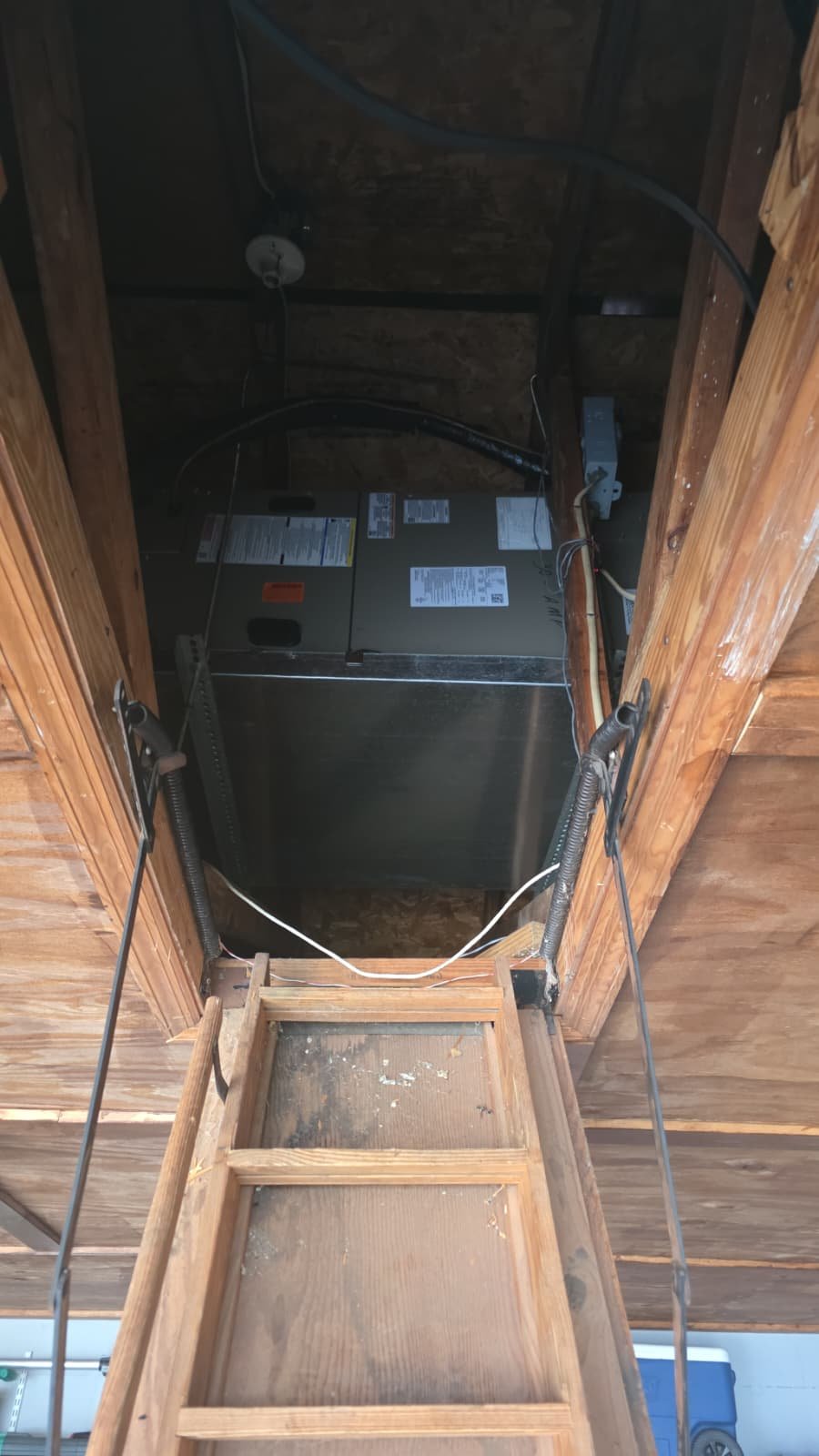
Step 5: Long-Term Planning – Full System Replacement Discussion
Finally, considering the system’s age and the wear we observed, we talked through the long-term picture with the homeowner. With a nearly 10-year-old unit, it often becomes more cost-effective to invest in a full system replacement rather than continue to put money into major components like motors, especially if other parts are beginning to show their age.

We recommended a full system replacement as the most cost-effective long-term solution, but we did not push it as a must-do-right-now item. Instead, we outlined both paths—repairing key components now and planning for replacement soon—so the homeowner can make the decision that best fits their budget and comfort goals.
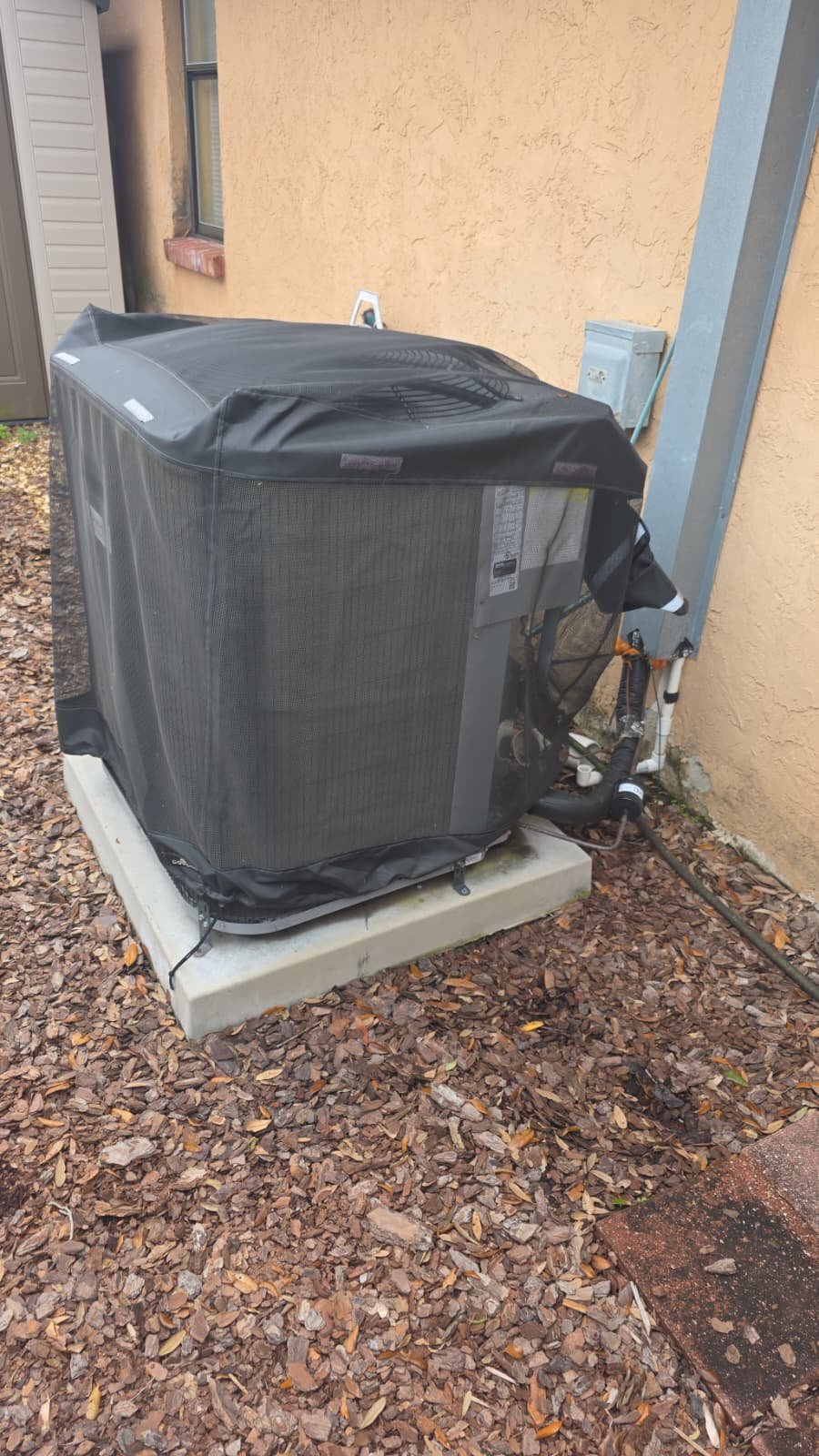
Step 6: Next Steps – Clear Estimate and Options
At the end of the visit, we informed the homeowner that we would send a formal estimate detailing:

  • The cost to replace the blower motor
  • The installation of a primary float switch
  • The work to reseal and secure the plenums
  • Replacement options for a full new system

We believe in putting everything in writing so Odessa homeowners can review the options calmly, ask questions, and choose what works best for them.

Why This Fix Works

All of our recommendations for this Odessa, FL 33556 home are based on basic HVAC principles: airflow, safety, and efficiency.

1. Healthy Airflow
The blower motor is the heart of your indoor air movement. When it is drawing too much energy, it is working harder than necessary and is likely close to failing. Replacing a failing motor restores reliable airflow through the ductwork, which directly affects comfort in every room. Strong, balanced airflow also reduces hot and cold spots and helps your system dehumidify your home properly.

2. Tight, Sealed Duct Connections
Detached or poorly sealed plenums let cold air escape into the attic instead of delivering it into your living spaces. Not only does this waste energy, it can also create condensation on ductwork and nearby building materials. By resealing and securing the plenums with foil tape and mastic, we help ensure that the cold air goes where it is supposed to go, reducing waste and supporting more even temperatures throughout the home.

3. Safety Through Proper Condensate Management
A primary float switch is a simple but powerful safety device. When installed correctly, it will shut the system off if the drain line backs up, protecting your home from overflow leaks. In our humid Florida climate, where systems remove a lot of moisture day after day, this kind of safeguard helps prevent ceiling or wall damage from an overflowing drain pan.

4. Long-Term Reliability and Cost Control
Planning for a full system replacement when a unit nears 10 years old allows homeowners in Odessa and across Tampa Bay to avoid the pattern of frequent, expensive repairs. A new system can bring better efficiency, improved comfort, and a fresh warranty, while reducing the risk of surprise failures. Our role is to explain when that tipping point is approaching so you can plan ahead instead of being caught off guard.

Pro Tips for Homeowners in Odessa

Here are some practical, no-nonsense tips to help homeowners in Odessa, FL 33556 get the most from their AC systems:

  • Stay consistent with maintenance: Annual or semi-annual maintenance, like our Premium Home Therapy Plan, is one of the best ways to catch issues like weak motors and air leaks early.
  • Watch for subtle airflow changes: If rooms feel stuffier or air seems weaker than usual, it can be a sign of blower or duct issues. Do not wait for a total failure before calling for service.
  • Check your filter regularly: In our dusty, humid Florida environment, filters can clog faster than you might expect. Clean airflow starts with a clean filter. If you need help, consider our air filter installation and replacement services.
  • Keep an eye on attic and ductwork conditions: If you ever notice hot, humid air seeping from the attic, or see sweating ductwork, it is worth having a professional inspect for leaks and insulation issues. Our air duct services can help keep your system breathing freely.
  • Ask about safety devices: If you are not sure whether your system has a float switch or other basic protections, ask during your next maintenance visit. Small upgrades can prevent big headaches later.
  • Plan ahead for older systems: If your AC is pushing 10 years or more, start the conversation about replacement options now so you can choose a new system on your terms, not in the middle of a breakdown.

FAQ: AC Maintenance and System Concerns in Odessa, FL 33556

Is it normal for my AC motor to use more power as it gets older?

As motors age, they often become less efficient and can start drawing more energy. That is usually a sign of wear and a warning that failure may be coming. During maintenance, if we find a motor drawing excessive energy, we will explain what it means and typically recommend replacement before it fails completely.

What happens if my plenums or ducts are leaking into the attic?

Leaking plenums or ducts can send cold air into the attic instead of into your home. This wastes energy, reduces comfort, and can contribute to condensation and moisture problems. Properly sealing and securing those connections helps your system cool more effectively and protects your home’s structure.

Do I really need a primary float switch on my air conditioner?

In a humid area like Odessa, FL 33556, we strongly recommend a primary float switch. It is an inexpensive safety device that can shut the system down if the condensate drain backs up, helping to prevent water damage from an overflowing drain pan.

My system is close to 10 years old but still running. Should I replace it now?

Not always. We look at more than just age. We consider how often it breaks down, the condition of key components, and your energy costs. In this case, we recommended planning for full system replacement because of the wear we observed, but we also provided repair options. Our goal is to give you the information you need to decide what makes the most sense for your home and budget.
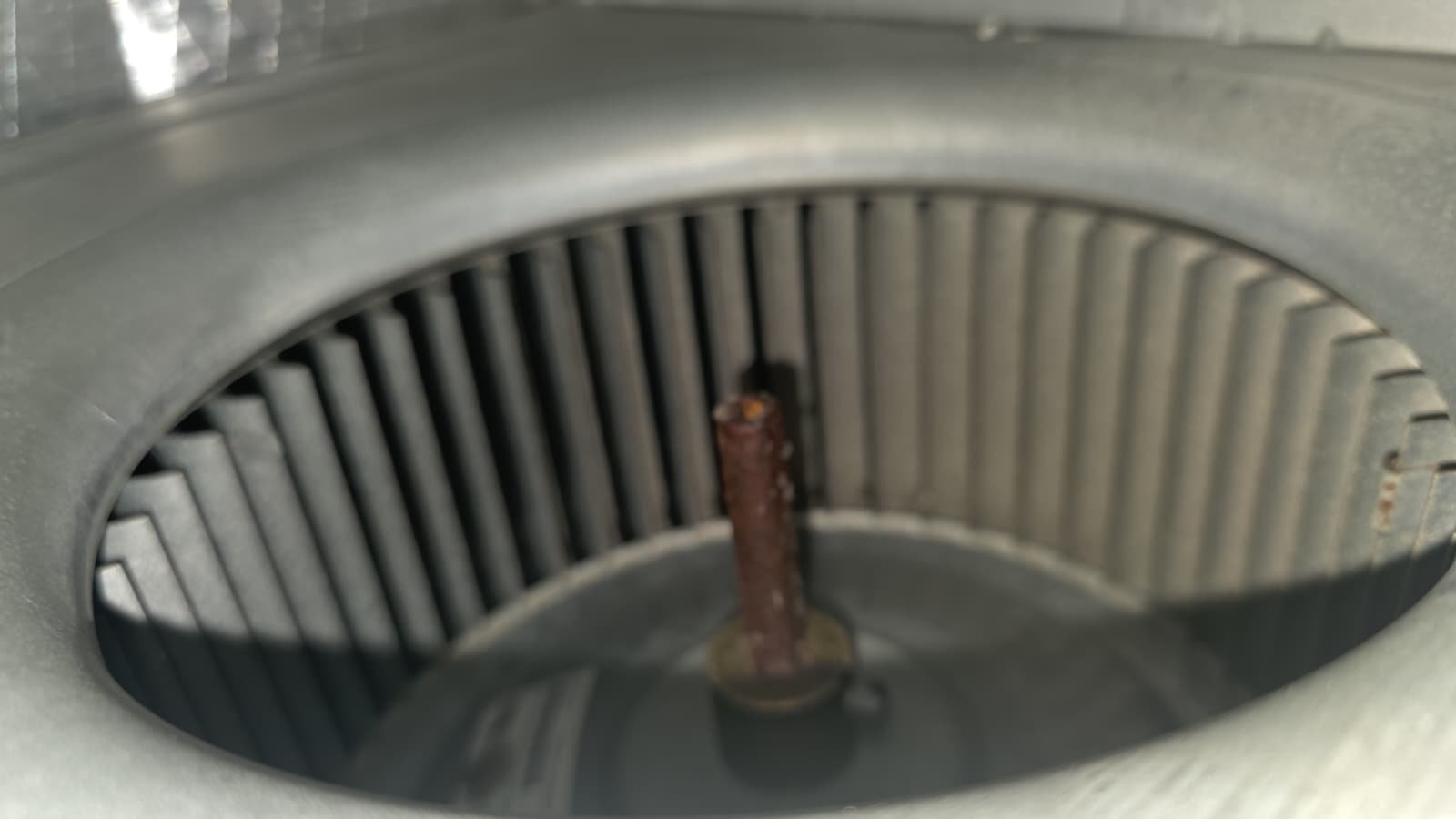
What does a Premium Home Therapy Plan maintenance visit include?

A maintenance visit under our Premium Home Therapy Plan includes a thorough inspection, cleaning where needed, and operational checks of your system. We focus on performance, safety, and early detection of issues. It is designed to reduce breakdowns, extend equipment life, and keep your home comfortable through our Tampa Bay summers.

Why Choose Home Therapist

When you invite us into your Odessa, FL 33556 home, you are trusting us with your comfort and your property. We take that seriously.

Licensed, Professional Technicians
Our team is fully licensed and trained to handle everything from routine maintenance to complex system replacements. We follow best practices and use professional-grade materials, whether we are sealing plenums, installing safety devices, or evaluating an older system.

Transparent Communication
We believe homeowners deserve clear, honest information. On this visit, we completed the maintenance, documented what we found, explained the short-term and long-term options, and committed to sending a written estimate. No surprises, no pressure—just straightforward recommendations.

Clean and Respectful Work
We work in your home the way we would want someone to work in ours: carefully, cleanly, and respectfully. From Odessa to the rest of Tampa Bay, we protect your space while we are working and leave it as tidy as we found it.

Long-Term Reliability Focus
Our goal is not just to get your system running today—it is to help it run reliably for as long as it makes sense. That is why we combine short-term repairs with long-term planning, especially for systems approaching the 10-year mark.

Committed to Tampa Bay Homeowners
We are proud to serve Odessa and communities across Tampa Bay. If you would like to see what other homeowners say about working with us, you can visit our Facebook page or follow us on Instagram. You can also find us on Google Maps for directions and reviews.

For added peace of mind, we are listed with trusted local and national organizations, including the Tampa Bay Chamber of Commerce and the Better Business Bureau. We want you to feel confident in who you are working with.

If you are outside Odessa but still in the area, you can learn more about our wider coverage on our Hillsborough County HVAC and plumbing services page.

Schedule AC Service in Odessa, FL 33556

If you live in Odessa, FL 33556 and your AC is getting older, making strange noises, or just not keeping you as comfortable as it used to, we are here to help. Whether you need a maintenance visit, a motor replacement, safety upgrades like a float switch, or you are ready to talk about a full system replacement, our team will walk you through your options calmly and clearly.

Reach out to Home Therapist to schedule your next service visit and keep your Odessa home comfortable, efficient, and protected—through every season in Tampa Bay.

Sylvia Hernandez Job 777f8f28d87e4b76aa908ac57c3d2a6e 2

Premium AC Maintenance Plan Visit in Odessa, FL 33556

During a recent Premium Home Therapy Plan visit in Odessa, FL 33556, we performed scheduled AC maintenance on a two-system home and took a close look at a few developing issues that could affect comfort and safety if left unaddressed. Our goal on every visit is simple: keep the system running reliably through Florida’s heat and humidity, protect the home from water damage, and give the homeowner clear, honest recommendations.

On this visit, we confirmed that both systems were operating, completed all planned maintenance tasks, and documented some important concerns: a condenser fan motor on its way toward failure, missing primary float switches on both systems, drainage issues, air leaks in the attic system, and organic growth from prolonged moisture. We wrapped up the visit with the systems running, and we’ll be providing estimates so the homeowner can make informed decisions about repairs and upgrades.

Case Recap

  • Location: Single-family home in Odessa, FL 33556 with two AC systems installed in 2016.
  • Visit type: Premium Home Therapy Plan scheduled maintenance (Visit #3).
  • First-floor system: 5-ton system discharging water into the secondary drain pan and missing a primary float switch.
  • Condenser fan motor: Drawing higher amperage than expected, indicating a likely future failure.
  • Second-floor attic system: Air leaks at supply and return plenums causing condensation, water in the secondary pan, missing primary float switch, and organic growth from moisture.
  • Outcome: Maintenance completed successfully; systems left operating, and estimates recommended for motor replacement, safety upgrades, and sealing/cleanup.
Customer Problem

The homeowner in Odessa relies heavily on both AC systems to stay comfortable year-round. With our Florida climate, even a short period without cooling can make the home uncomfortable, and long-term moisture issues can quietly damage ceilings, drywall, and insulation.

Both systems were installed around 2016, so they are in that 9–10 year range where components start to show wear even if everything has been maintained. Through previous visits and this visit, we’ve seen a pattern:

First-floor system (5-ton)

The first-floor system is doing the heavy lifting for the main living areas. Earlier, we identified that the condensate water was bypassing the primary drain and ending up in the secondary drain pan. That pan is only meant to be a backup—if it’s filling regularly, it’s a sign that something is not right with drainage or slope. On top of that, this system does not have a primary float switch. That’s a critical shutoff device that turns the system off if the drain backs up, helping prevent water from overflowing and damaging ceilings, walls, and flooring.

On this latest visit, we confirmed that the condenser fan motor is drawing higher amperage than normal. In plain language, that means the motor is working harder than it should to do the same job, which is usually an early sign that it’s heading toward failure.

Second-floor system (attic installation)

The upstairs system is installed in the attic. With attic systems, we always pay extra attention to condensation and drainage because any leaks are happening directly above finished spaces. Here, we saw:

  • Air leaks at the supply and return plenums (the big metal boxes where air enters and exits the air handler).
  • Condensation forming because warm attic air is mixing with cold conditioned air where it shouldn’t.
  • Water collecting in the secondary drain pan—again, a backup pan that should normally be dry.
  • No primary float switch installed for shutoff protection.
  • Organic growth (likely from prolonged moisture exposure) around damp areas.

From the homeowner’s perspective, the main concerns are comfort, safety, and avoiding surprise breakdowns or water damage. Our job on this Premium Home Therapy Plan visit in Odessa, FL 33556 was to keep everything running today while clearly showing what needs attention to avoid bigger issues tomorrow.

Inspection and Diagnosis

As part of our Premium Home Therapy Plan, we follow a structured maintenance and inspection process. For this visit, we focused on three main areas: system performance, safety, and early warning signs of failure.

Performance checks

We inspected each system for overall operation, including:

  • Listening for unusual noises from motors, fans, and compressors.
  • Checking airflow from supply vents to ensure the systems were pushing air properly.
  • Visually inspecting indoor and outdoor coils for heavy dirt or blockage.
  • Reviewing filters and return airflow to confirm there were no obvious restrictions.

Drainage and water protection

Because both systems had a history of moisture-related issues, we paid close attention to the condensate drains and pans:

  • Verified where the primary and secondary drain lines were routed.
  • Checked the secondary drain pans for standing water.
  • Looked for rust, staining, or overflow marks around the pans and ceiling areas beneath.
  • Confirmed that neither system had a primary float switch installed.

Electrical and motor observations

We inspected wiring, connections, and visible components at the outdoor condenser units. On the first-floor condenser, the fan motor was a standout concern. The motor was drawing elevated amperage, which we confirmed against its expected workload. High amperage draw like this is typically an indicator that internal components of the motor are wearing out.

Air leakage and attic system conditions

At the upstairs attic system, we focused on air leakage and insulation around the supply and return plenums. We found:

  • Gaps and leaks where cold air was escaping.
  • Warm attic air being pulled into the return side, reducing efficiency and increasing humidity.
  • Condensation around these leaky areas due to warm, humid air meeting cold surfaces.
  • Organic growth forming where moisture had been present for an extended period.
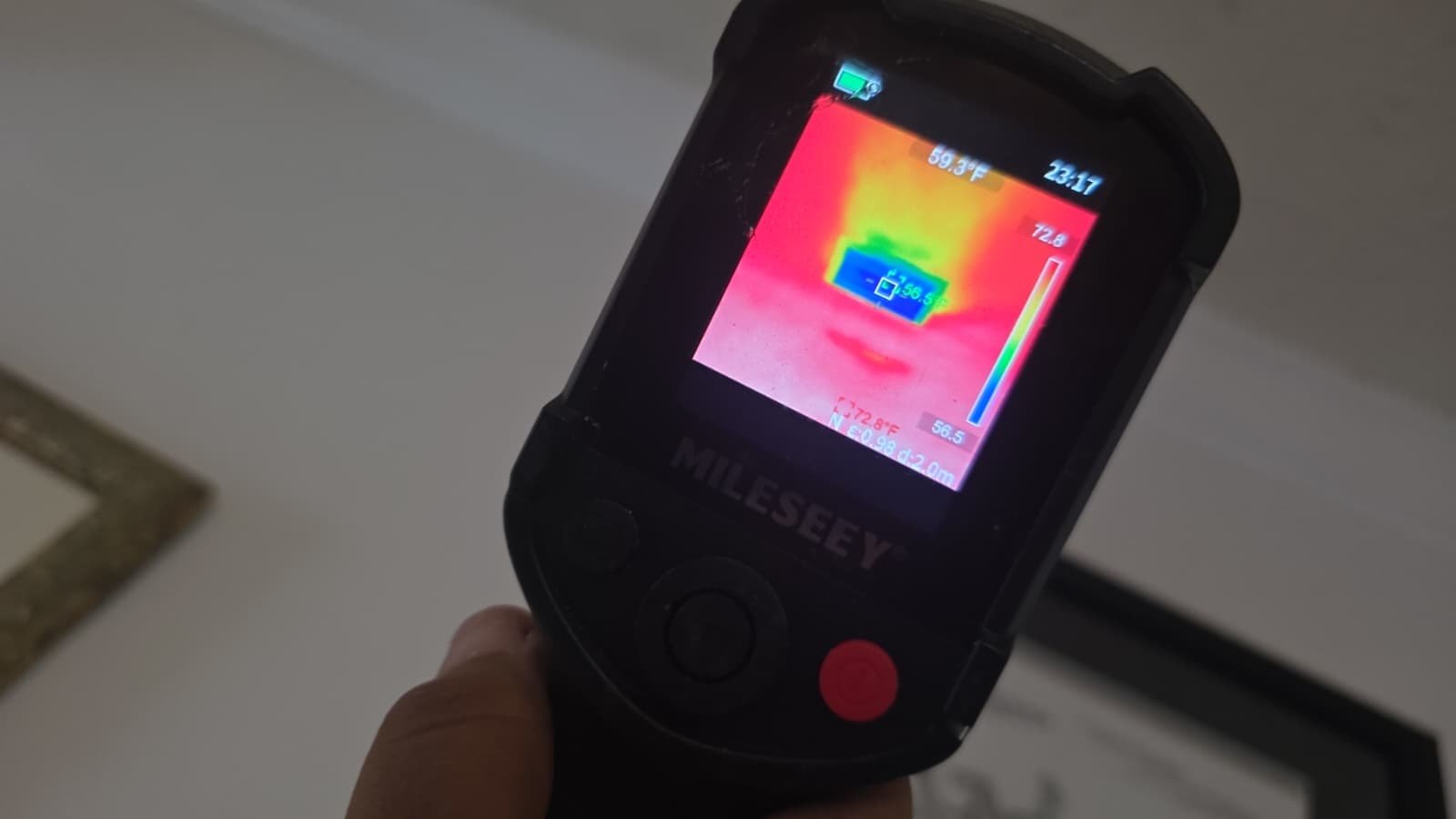
These findings confirmed that while both systems were still operating, there were clear signs that some components and installation details need attention to protect the home and extend system life.

Repair or Service Process on This Visit

For this scheduled Premium Home Therapy Plan maintenance visit in Odessa, FL 33556, our scope was maintenance and inspection, not major repairs. Within that scope, we focused on cleaning, verifying operation, and documenting everything accurately for the homeowner.

1. Performed routine maintenance

We completed the standard maintenance tasks for both systems, which typically include:

  • Cleaning or checking filters (and advising if replacement is needed).
  • Inspecting indoor and outdoor coils for debris and buildup.
  • Checking accessible electrical connections for signs of wear or overheating.
  • Confirming the thermostats were communicating correctly with each system.

This routine work helps each unit run more smoothly and reduces unnecessary strain on motors and compressors.

2. Evaluated drainage and pans

We examined both systems’ drain configurations. On the first-floor 5-ton system, water was still being discharged into the secondary drain pan, indicating issues with the primary drain or slope. On the attic system, the secondary pan had collected water due to air leaks and condensation around the plenums.

We verified that the drains were at least moving water and that there was no active overflow at the time of the visit. We also confirmed the continued absence of primary float switches on both systems, documenting this clearly as a safety concern.

3. Assessed the condenser fan motor

On the outdoor unit serving the first floor, we paid special attention to the condenser fan motor. With its higher-than-normal amperage draw, we know it is likely approaching the end of its usable life. We did not replace the motor on this maintenance visit, but we documented the condition and recommended a proactive replacement.
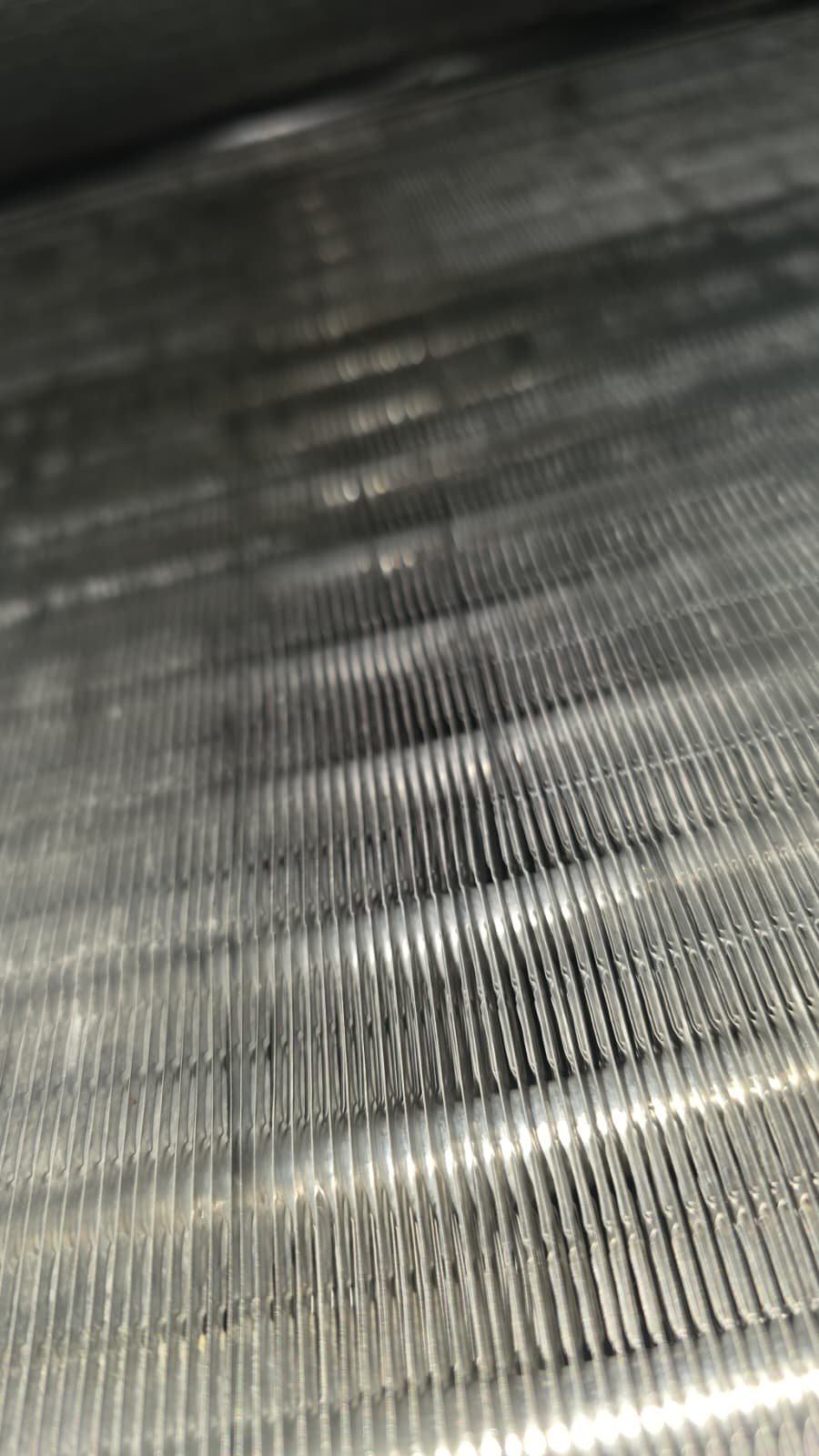
Replacing the motor before it fails completely can help avoid a no-cool emergency during peak season, especially in a place like Odessa, FL 33556 where the system works hard for much of the year.

4. Documented attic air leaks and moisture issues

At the second-floor attic system, we documented:

  • The locations of air leaks at the supply and return plenums.
  • Evidence of condensation and water in the secondary pan.
  • Areas of organic growth from long-term moisture.

These findings will feed into recommendations for sealing duct connections, improving insulation around the plenums, correcting drainage, and cleaning or treating affected areas.

5. Prepared recommendations and next steps

At the end of the visit, we reviewed our findings with the homeowner in clear language, outlining the next steps:

  • Provide an estimate for replacing the condenser fan motor on the first-floor system.
  • Recommend installing primary float switches on both systems for protection.
  • Recommend sealing the attic plenums and addressing organic growth and moisture around the upstairs system.

We left both systems operating and noted that, with timely follow-up on these items, the homeowner can extend the life of the systems and reduce the risk of water damage.

Why This Fix (and These Recommendations) Work

Even though this visit was focused on maintenance and assessment rather than major repair work, the recommendations we made are based on proven principles of system safety, airflow, and longevity.

Condenser fan motor replacement

The condenser fan motor moves air across the outdoor coil to remove heat from your home. When it starts drawing higher amperage, it’s working harder than it should. That extra strain creates heat inside the motor and can eventually cause it to seize or fail. Replacing a struggling motor before it quits:

Installing primary float switches

In Florida, AC systems pull a lot of moisture out of the air. That moisture drains away through a small line. If that line clogs or backs up and there is no float switch, water can overflow directly into ceilings and walls. A primary float switch sits at the drain connection and turns the system off before that overflow happens, buying time to clear the drain and preventing expensive damage.

Sealing plenums and addressing attic moisture

Air leaks at the supply and return plenums let cool air escape and warm, humid attic air enter. This hurts efficiency and creates condensation wherever cold metal meets warm humid air. Sealing these leaks and improving insulation where needed:

  • Reduces wasted energy.
  • Lowers the risk of condensation forming on or around the ductwork.
  • Helps prevent ongoing moisture issues and organic growth.

Taken together, these steps keep HVAC systems in Odessa, FL 33556 safer, more efficient, and more reliable—especially in multi-system homes like this one.

Pro Tips for Homeowners in Odessa

Here are some practical, no-drama tips we share with many of our customers in Odessa and across Tampa Bay:

  • Keep an eye on your secondary pan. If you have an attic or closet air handler, ask your technician to show you the secondary drain pan. Check it occasionally. Standing water there is a sign something needs attention.
  • Don’t ignore attic access. If your upstairs system is in the attic, make sure the access hatch stays clear. Easy access lets your technician properly inspect plenums, drains, and ductwork during each visit.
  • Change filters regularly. In Florida’s dusty, humid environment, many homes need filters changed more often than once every three months—especially with pets or high occupancy.
  • Consider float switch upgrades. If your system doesn’t have a primary float switch, ask about adding one. It’s a small upgrade that can prevent large water damage bills.
  • Use maintenance plans to catch patterns. Regular plan visits like this one in Odessa, FL 33556 help us track changes over time—such as motors drawing more power or repeated water in secondary pans—so we can recommend fixes before something fails.
  • Learn the basics of your system. Knowing whether you have a single system or multiple zones, and where each air handler and outdoor unit is located, makes it easier to describe issues and act quickly if you notice anything unusual.

If you’d like more general guidance on caring for your system, our guide to HVAC maintenance for homeowners and our detailed HVAC maintenance checklist are good places to start. For Florida-specific cooling needs, this air conditioning maintenance guide for Tampa Bay offers additional tips tailored to our climate.

FAQ: Odessa AC Maintenance Visit

Why is my condenser fan motor’s high amperage a concern?

When a condenser fan motor draws more amperage than expected, it usually means the motor is working harder than it should due to internal wear or increased resistance. Over time, that extra strain can cause the motor to overheat and fail. Replacing it proactively can prevent a sudden breakdown, especially during peak summer heat in Odessa, FL 33556.

What does it mean if water is in my secondary drain pan?

The secondary drain pan is a backup. It should normally stay dry. If you see water in it, the primary drain may be partially clogged or sloped incorrectly, or there may be excess condensation from air leaks. It’s a warning sign that needs attention to avoid overflow and potential water damage.

Why is a primary float switch so important?

A primary float switch is a simple safety device that shuts off your air conditioner if the drain line backs up. In homes like this Odessa property with attic equipment, shutting the system off before water overflows can save ceilings, insulation, and drywall from damage. It’s a relatively small investment for a lot of protection.

Is organic growth around my air handler dangerous?

Organic growth forms in areas that stay damp for long periods, such as around leaking plenums or wet insulation. While we don’t diagnose health concerns, we do know that eliminating moisture and cleaning the affected areas is important. Addressing leaks, correcting drainage, and improving insulation are key steps to keeping growth from returning.

How often should I schedule AC maintenance in Odessa, FL 33556?

For most homes in the Tampa Bay area, including Odessa, we recommend at least once-a-year professional maintenance, and many homeowners with older systems or multiple units benefit from twice-a-year visits. Plans like our Premium Home Therapy Plan are designed to keep track of each system over time and catch issues early.

Can I wait until the motor fails before replacing it?

You can, but it’s a gamble. Waiting usually means the system will fail suddenly, often on a very hot day when the motor is under the most stress. Proactive replacement lets you choose the timing, avoid emergency downtime, and reduce the risk of additional strain on the compressor while the motor is struggling.

Why Choose Home Therapist for HVAC Service in Odessa

For homeowners in Odessa, FL 33556 and across Tampa Bay, our focus is long-term comfort and peace of mind—not quick, one-time fixes. On every visit, including this Premium Home Therapy Plan appointment, we approach the home the same way we would our own.

Licensed, professional technicians
Our technicians are trained, licensed, and experienced with Florida homes, including multi-system setups and attic installations. We take the time to inspect carefully, explain what we see, and answer questions in plain language.

Transparent communication
We separate what’s urgent from what’s recommended and what can be monitored. In this Odessa visit, that meant finishing the maintenance, explaining the condition of the condenser fan motor, showing the missing float switches, and outlining clear next steps with written estimates.
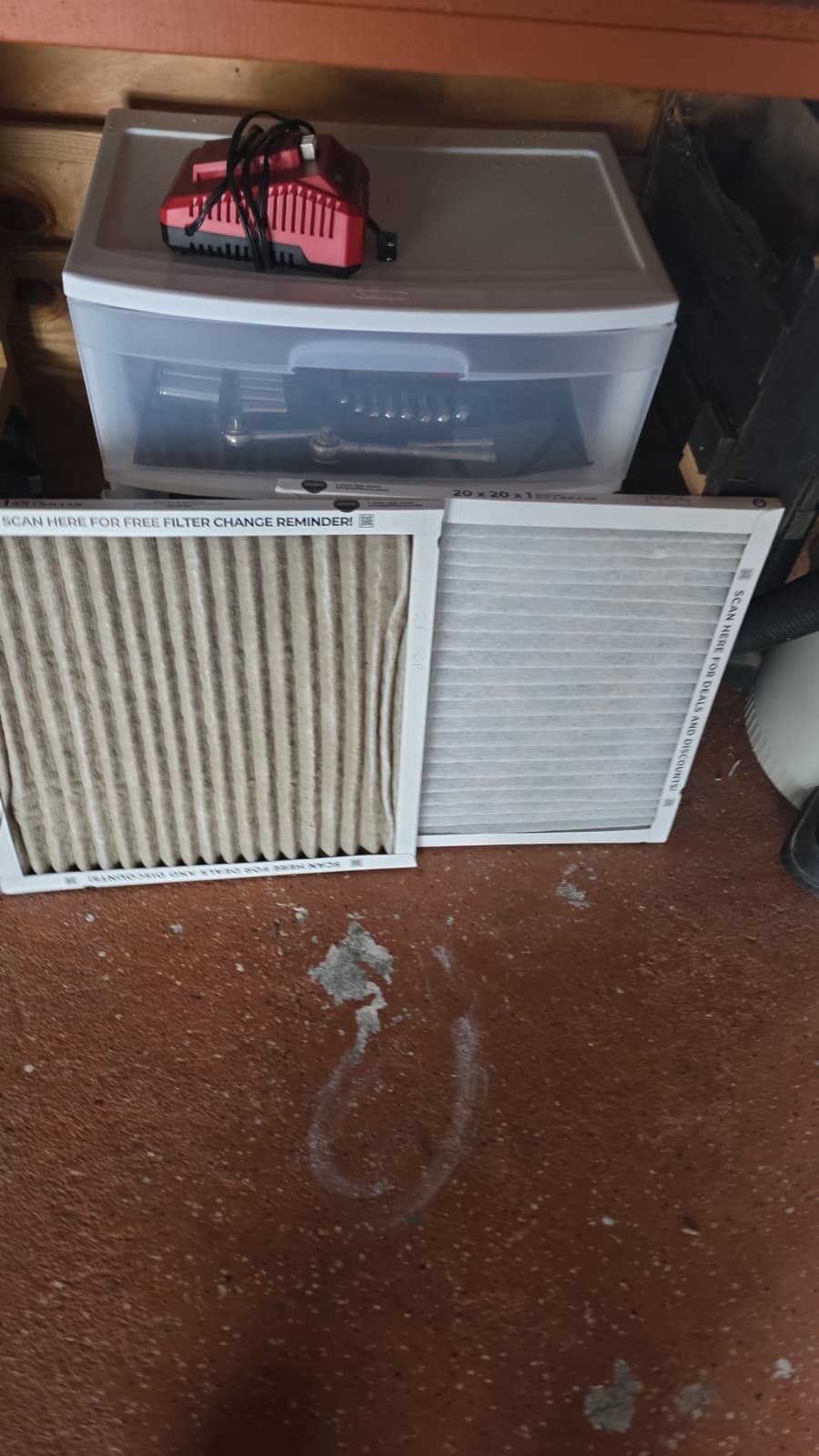
Clean, respectful work
We understand we’re working in your living space. That means using protective gear where needed, keeping work areas tidy, and respecting your time and schedule. Whether we’re in an attic, garage, or side yard, we clean up after ourselves.

Focused on long-term reliability
Our recommendations are designed to extend system life and prevent avoidable emergencies. Items like motor replacement, float switch installation, and sealing attic plenums aren’t about selling unnecessary work—they’re about keeping your systems running safely and efficiently for years.

Committed to the Tampa Bay community
We’re part of the local community and proud of the reputation we’ve built with homeowners throughout Tampa Bay and Odessa. You can see more about how we work and stay connected with us on social platforms like Pinterest and Reddit. For added peace of mind, you can review our standing with trusted organizations such as the Better Business Bureau and the Tampa Bay Chamber of Commerce.

Need AC Maintenance or a System Check in Odessa, FL 33556?

If you have a similar setup—a first-floor system, an attic unit, or older equipment that’s starting to show signs of wear—we’re here to help. Whether you need a one-time inspection, a repair like a condenser fan motor replacement, or an ongoing maintenance plan, our team is ready to serve homeowners in Odessa, FL 33556 and the greater Tampa Bay area.

Reach out to schedule your next AC maintenance or evaluation. We’ll arrive on time, walk you through what we find, and leave your home comfortable, safe, and ready for the next stretch of Florida heat.

Douglas Joyner Job Edf6cc300498496ea49731a8c90084a3 5

Shower Cartridge Replacement in Tampa, FL 33647

When a shower stops working the way it should, it can throw off your whole routine. For a homeowner in Tampa, FL 33647, a worn shower cartridge was causing frustration and inconsistency every time they turned the water on. Our Home Therapist plumbing technician, Adalberto, was called out to replace the shower cartridge and get the bathroom back to normal. In this recap, we’ll walk through what a shower cartridge does, how we approached this repair, and how you can help prevent similar issues in your own Tampa home.

Case Recap

  • Location: Residential home in Tampa, FL 33647
  • Primary service: Level 1 plumbing repair – shower cartridge replacement
  • Concern: Shower not operating properly due to a failing internal cartridge
  • Solution: Remove old cartridge, install a new cartridge, and verify proper operation
  • Outcome: Restored reliable shower function and more comfortable, predictable water control
  • Parts: Cost of the replacement cartridge handled separately from labor

Customer Problem

By the time we’re called out for a shower cartridge replacement in Tampa, it usually means the homeowner has been dealing with an annoying problem for a while. Common symptoms include:

  • Difficulty adjusting temperature smoothly
  • Handle turning but not fully responding
  • Water not shutting off completely
  • Inconsistent pressure coming from the shower

For this Tampa, FL 33647 homeowner, the shower was simply not functioning the way it should. The control handle no longer provided the predictable control it once did. In many modern faucets, the internal cartridge is the heart of the valve. When it wears out, seals break down, and mineral buildup or internal wear can prevent the shower from operating smoothly.

Because plumbing issues in a high-use area like the shower impact daily comfort, our goal on every visit is to diagnose the root cause quickly and provide a repair that will last. That’s especially important here in the Tampa Bay area, where our water quality and frequent use of showers can accelerate wear on internal parts.

Inspection and Diagnosis

Even when we receive a request specifically for a shower cartridge replacement, we still take a few minutes to confirm that the cartridge is truly the cause of the problem. On this service call in Tampa, FL 33647, Adalberto followed a consistent step-by-step approach:

  • Visual inspection of the shower valve and trim: We start by looking at the handle, escutcheon plate, and any visible signs of leaks or corrosion around the wall.
  • Operate the handle: We turn the valve through its full range to feel for stiffness, dead spots, or roughness that may indicate internal wear in the cartridge.
  • Check for external leaks: We look for any water escaping behind the trim or along the wall, which could point to failed seals or gaskets.
  • Verify that the problem is internal: Since issues like these are usually inside the valve body, confirming it’s not simply an issue with the shower head or external piping is important.

Once we confirmed that the valve’s internal cartridge was at fault, a replacement was the right move. Shower cartridges are designed to be serviceable parts, which means replacing just the cartridge can restore performance without needing to open the wall or replace the entire valve assembly in most cases.

Because our team handles a wide range of plumbing repairs across Tampa Bay, including services like general plumbing repairs and more extensive work such as whole-home repiping, we always look at the bigger picture of your home’s plumbing health—even on a focused repair like a shower cartridge.

Repair or Service Process

With the diagnosis confirmed, we moved into the repair itself. Shower cartridge replacement may sound like a small job, but it requires careful, methodical work to avoid damaging the valve body or surrounding finishes. Here’s how we handled this Level 1 repair for the Tampa, FL 33647 homeowner:

1. Shut Off Water and Protect the Work Area

The first step is always safety and protection. We shut off the water feeding the shower, either at a local shutoff or at the main, depending on the setup. Then we protected the tub or shower floor and surrounding surfaces to prevent tools or parts from scratching the finish.

2. Remove the Trim and Access the Cartridge

Next, we carefully removed the handle, decorative trim, and escutcheon plate. This exposes the internal valve body where the shower cartridge sits. Taking our time here helps avoid damage to the trim, tile, or wall, which is especially important in finished bathrooms.

3. Extract the Old Cartridge

Once we had clear access, we removed the old cartridge from the valve body. Depending on the condition of the part and how long it has been in place, this can require specialized tools and a gentle, controlled approach. For this Tampa shower, we focused on:

  • Pulling the cartridge straight out to avoid damaging internal surfaces
  • Inspecting the removed cartridge for visible wear or mineral buildup
  • Checking the valve body for any signs of damage or excessive corrosion

4. Prepare the Valve Body for the New Cartridge

Before installing the new cartridge, we cleaned the valve opening and checked the internal surfaces. If any debris or old seal material remains, it can prevent the new cartridge from sealing properly. This step helps reduce the chance of future leaks or performance issues.

5. Install the New Cartridge

We then installed the new shower cartridge, aligning it according to the manufacturer’s design and ensuring it was fully seated. Proper orientation is crucial—if the cartridge is not installed correctly, you can end up with reversed hot and cold or partial water flow.

Because the cost of the part itself was handled separately from labor, we made sure the homeowner understood exactly what was being replaced and why, and that the cartridge used was appropriate for their specific shower valve.

6. Reassemble and Test the Shower

With the new cartridge in place, we reinstalled the trim kit, handle, and escutcheon, taking care to ensure a clean, tight fit against the wall. After turning the water back on, we ran a full function test:

  • Checked for leaks at the valve and around the trim
  • Verified smooth handle operation through the full range
  • Confirmed consistent water flow and proper temperature mixing

We verified proper operation after the repair and made sure the Tampa homeowner was comfortable with how the shower should feel and function going forward.

If at any point we noticed other plumbing concerns in the home—such as aging piping or other fixtures showing similar wear—we would recommend appropriate follow-up services. Our plumbing team serves homeowners throughout Hillsborough County with services outlined on our local HVAC and plumbing services page and through dedicated plumbing repair services across the Tampa Bay area.

Why This Fix Works

In a modern shower valve, the cartridge is essentially the control center. It manages three important functions:

  • Water mixing: Blends hot and cold water to achieve the temperature you set at the handle.
  • Flow control: Regulates how much water passes through to the shower head.
  • Shutoff: Stops water flow completely when you turn the shower off.

Over time, normal wear, mineral buildup from water, and repeated use can cause internal seals and moving parts in the cartridge to fail. When that happens, you may see:

  • Poor temperature control
  • Water dripping from the shower even when it’s off
  • A loose or stiff handle

Replacing the cartridge restores the internal sealing surfaces and moving components to like-new condition while keeping the valve body and plumbing in place. This is usually far more cost-effective and much less disruptive than opening the wall to replace the entire valve assembly, especially in a finished bathroom.

For a homeowner in Tampa, FL 33647, that means:

  • More reliable showers with predictable temperature and pressure
  • Reduced risk of hidden leaks inside the wall caused by worn seals
  • Improved overall comfort and confidence in the bathroom plumbing

Pro Tips for Homeowners in Tampa

Living in Tampa, we see a unique combination of warm weather, frequent shower use, and local water conditions that can speed up wear on plumbing fixtures. Here are some practical tips to help extend the life of your shower valves and other plumbing fixtures in Tampa, FL 33647 and nearby neighborhoods:

1. Pay Attention to Subtle Changes

If your shower handle starts feeling different—stiffer, looser, or less responsive—that’s often an early sign that the cartridge or internal parts are wearing out. Addressing it early can prevent leaks and bigger repairs later.

2. Don’t Ignore Drips

A shower head that drips after the water is turned off can be more than a nuisance. Over time, that constant drip can waste water and may indicate that the cartridge or internal seals are no longer closing properly. Having a local Tampa Bay plumber check it out sooner is usually more cost-effective.

3. Schedule Periodic Plumbing Checkups

Between shower valves, toilets, sinks, and water lines, a lot is going on behind the scenes in your home. A periodic plumbing inspection—especially in older homes—can help catch issues like aging shutoff valves, corroding pipes, or worn cartridges before they lead to leaks or water damage.

4. Be Gentle With Handles

Cartridges and internal mechanisms do better with smooth, firm operation rather than sudden, forceful turns. Encourage everyone in the home to avoid slamming or over-twisting handles. In the long run, a gentle touch helps extend the life of these components.

5. Call for Help When DIY Isn’t Comfortable

While some homeowners are comfortable handling basic plumbing tasks, shower valve work often happens in tight spaces and involves important sealing surfaces inside the wall. If you’re not fully confident, it’s safer to bring in a licensed plumber who works on Tampa homes every day and understands the local conditions.

FAQ: Shower Cartridge Replacement in Tampa, FL 33647

How do I know if my shower cartridge needs to be replaced?

Common signs include difficulty adjusting temperature, a handle that feels loose or stiff, water that keeps dripping after you shut the shower off, or inconsistent flow. If you notice any of these symptoms in your Tampa home, it’s a good idea to have a technician inspect the valve.

Will you have to open the wall to replace the shower cartridge?

In most cases, no. A cartridge replacement is done from the front of the shower by removing the trim and handle. As long as the valve body itself is in good condition and accessible, we can usually complete the repair without opening the wall.

How long does a shower cartridge replacement typically take?

For a straightforward Level 1 repair like this Tampa, FL 33647 job, the actual replacement is typically completed within a single visit. The exact time can vary based on how accessible the valve is and how easily the old cartridge comes out.

Is the cost of parts always separate from labor?

On this particular job, the cost of the shower cartridge part itself was not included in the initial service description and was handled separately. We always explain how pricing works before starting the repair so you know what is covered in the service and what is part-specific cost.

Can you check the rest of my plumbing during a visit?

Yes. When we come out for a shower cartridge replacement in Tampa or anywhere in Tampa Bay, we’re happy to take a quick look at other visible plumbing fixtures if you have concerns. If we see anything that may need attention, we’ll explain it clearly and recommend next steps.

Why Choose Home Therapist for Plumbing Repairs

When you invite someone into your Tampa, FL 33647 home to work on your shower or any part of your plumbing, you want to know they’ll treat your space with respect and do the job right the first time. That’s how we approach every visit at Home Therapist Cooling, Heating, and Plumbing.

Here’s what you can expect when you work with our team:

  • Licensed, professional technicians: Our plumbers and HVAC technicians are trained, experienced, and familiar with Tampa Bay’s homes and plumbing systems.
  • Transparent communication: We explain what we’re doing, why we’re doing it, and what it will cost—before the work begins. There are no surprises.
  • Clean and respectful work: From protecting your bathroom surfaces during a shower cartridge replacement to cleaning up fully afterward, we treat your home like it’s our own.
  • Long-term reliability focus: We’re not just looking for the fastest fix. We want your plumbing and HVAC systems to run reliably for the long haul.
  • Committed to Tampa Bay homeowners: We live and work here, and we’re proud to serve neighborhoods throughout the Tampa Bay area.

If you’d like to get a better feel for who we are, you can connect with us on social media:

  • Follow us on Facebook for updates and tips.
  • See behind-the-scenes and project highlights on Instagram.
  • Check out short videos and quick advice on TikTok.

We’re also proud to be recognized and listed with trusted organizations and directories that serve Tampa Bay homeowners:

Schedule Shower Cartridge Service in Tampa, FL 33647

If your shower isn’t working the way it used to—whether it’s hard to adjust the temperature, won’t shut off completely, or just feels inconsistent—it may be time to have the cartridge inspected or replaced. A simple, well-done repair can restore comfort and reliability to one of the most-used fixtures in your home.

The team at Home Therapist Cooling, Heating, and Plumbing is here to help homeowners in Tampa, FL 33647 and across Tampa Bay with dependable, professional plumbing service. If you’re noticing issues with your shower or any other plumbing fixtures, reach out to schedule a visit, and we’ll walk you through your options in clear, straightforward terms.

When you’re ready, contact us to schedule your shower cartridge replacement or other plumbing repair in Tampa, FL 33647. We’ll take care of the details so you can get back to a comfortable, dependable shower—without the hassle.

Jimmy Nguyen Job A4bd7c2df4ea46ebb6e07f1bd27935cc 7

HVAC Maintenance and System Inspection in Largo, FL 33774

When your home in Largo, FL 33774 relies on multiple air conditioning systems to stay comfortable in our heat and humidity, each system has to pull its weight. On this visit, our Home Therapist technician came out for a Premium Home Therapy Plan appointment at a Largo home with three separate HVAC systems. The goal was simple: perform routine maintenance, catch any developing problems early, and keep the home comfortable and efficient year-round.

All three systems were operating, but our inspection uncovered some important issues: low refrigerant pressure on one system, organic growth inside two of the air handlers, a condenser fan motor drawing too much power, and a third system that had the wrong type of compressor installed by a previous company. We wrapped up the visit with clear recommendations so the homeowner could decide on the best long-term plan.

Case Recap

  • Location: Single-family home in Largo, FL 33774 with three HVAC systems.
  • Service: Premium Home Therapy Plan visit with full system maintenance and inspection.
  • System #1: Low refrigerant pressures and a confirmed leak at the air handler coil; organic growth present.
  • System #2: Running but with organic growth and a condenser fan motor drawing high power.
  • System #3: Two-stage Trane system fitted with a single-stage compressor by another company, causing low pressures and high power draw.
  • Outcome: Systems cleaned and checked, issues documented, and long-term repair or replacement options explained to the homeowner.

Customer Problem: Keeping a Multi-System Home Comfortable

This homeowner in Largo depends on three separate AC/heat pump systems to keep different parts of the house comfortable. With our Florida humidity and long cooling season, even a small issue in one system can show up as hot spots, higher electric bills, or musty odors.

The homeowner is enrolled in our Premium Home Therapy Plan, so this visit was part of their regular maintenance. There wasn’t a specific emergency complaint that day, but the concern was clear: make sure all three systems are healthy, efficient, and ready for the long cooling months ahead. In a multi-system home like this, it’s especially important that each system is doing its part so the load is balanced and no single unit gets overworked.

During our conversation and walk-through, we focused on three main goals:

  • Confirm that all systems were cooling properly at the time of the visit.
  • Look for early signs of trouble, such as low pressures, abnormal power draw, or organic growth.
  • Give the homeowner clear options for repair, upgrade, or eventual replacement.

Inspection and Diagnosis Across Three HVAC Systems

During a Premium Home Therapy Plan visit like this in Largo, FL 33774, we don’t just do a quick filter change and leave. We go system by system, checking the key components that impact comfort, efficiency, and reliability.

System #1: 4-Ton First Floor Heat Pump

System #1 is a 4-ton, horizontal heat pump serving the first floor. As part of the maintenance, we inspected the air handler, condenser, electrical components, and refrigerant pressures.

What we found:

  • Low refrigerant pressures: Our readings showed the refrigerant pressures were lower than they should be for normal operation.
  • Confirmed coil leak: We used an electronic leak detector at the air handler coil. The tool alarmed directly at the coil, indicating a leak in that component.
  • Organic growth inside the air handler: We observed organic buildup, which is common in dark, damp air handler cabinets but still needs to be addressed.

System #2: Organic Growth and High Fan Power Consumption

System #2 was cooling, but during our checks we noticed a few warning signs:

  • Organic growth present: Similar to System #1, we saw organic buildup inside the air handler.
  • Condenser fan motor drawing high power: The fan motor outside was pulling more power than we typically expect, which is an indication that it may be weakening and could fail unexpectedly in the future.

System #3: Mismatched Compressor on a Two-Stage System

System #3 is a two-stage Trane system installed around 2018. At some point, another contractor replaced the original compressor. During our inspection, we discovered:

  • Single-stage compressor installed on a two-stage system: The replacement compressor does not match the original design of the equipment.
  • Low refrigerant pressures without visible leaks: We did not detect active leaks, but the operating pressures were still low.
  • Poorly soldered compressor joints: The brazed joints at the compressor looked weak and not up to the standard we aim for.
  • Compressor drawing excessive power: The compressor was pulling more power than is ideal, adding strain and increasing energy costs.

All three systems were still running at the time of our visit, but each had specific issues that needed to be addressed to avoid surprise breakdowns—especially during peak summer in Largo.

Repair and Service Process During the Visit

Even when we uncover bigger decisions—like coil replacement or potential system replacement—we still perform a thorough tune-up on each unit so the homeowner gets immediate value from the visit.

System #1: Addressing Low Pressure and Coil Concerns

For System #1, our steps included:

  • Full maintenance checklist: We cleaned accessible components, confirmed airflow, and checked electrical connections.
  • Leak detection at the air handler coil: We carefully scanned the coil area with a leak detector to pinpoint the cause of low pressure. The detector signaled at the coil, confirming it as the source.
  • Explaining options: Because the system is about eight years old, we explained three clear paths:
    • Replace the leaking coil.
    • Consider replacing the entire system for better long-term reliability and efficiency.
    • As a temporary measure, add refrigerant to keep the system going for now, understanding it will continue to leak.

We did not guess at timelines for failure. Instead, we made sure the homeowner understood the trade-offs between short-term fixes and long-term solutions.

System #2: Comfort Today, Reliability Tomorrow

On System #2, our service process focused on cleanliness and preventing an unexpected outage:

  • Cleaning and inspection: We performed standard maintenance tasks and reviewed the blower and coil area where organic growth was present.
  • Recommendations: We advised the homeowner to schedule:
    • A proper blower cleaning to remove built-up debris and organic material.
    • Installation of a UV light in the air handler to help control organic growth on a continuous basis.
    • Replacement of the condenser fan motor, since its high power consumption indicates it could fail at any time.

These steps are about more than just keeping the unit running—they help improve air quality and keep energy usage under control.

System #3: Evaluating a Mismatched Compressor

System #3 needed careful evaluation because of the non-standard compressor replacement performed by a previous company. Here’s what we did:

  • Verified operation: We made sure the system was currently cooling the home.
  • Checked for leaks: We inspected for refrigerant leaks and did not find active leaks at this time.
  • Reviewed pressures and power draw: The low pressures and high power consumption pointed back to the mismatched, single-stage compressor on a two-stage system.
  • Documented improper installation: The weak solder joints and incorrect compressor choice were clearly explained to the homeowner.

We discussed that while the system is still running, operating outside its intended design can shorten equipment life, reduce comfort, and raise utility bills. From here, the homeowner can consider corrective options, including proper compressor replacement or planning ahead for a full system upgrade.

Why These Fixes and Recommendations Work

For homeowners in Largo, FL 33774, it helps to understand the “why” behind what we recommend—not just the what.

Refrigerant Leaks and Low Pressures

Heat pumps and air conditioners rely on a sealed refrigerant circuit. When the coil develops a leak, refrigerant escapes and pressures drop. That leads to:

  • Reduced cooling capacity.
  • Longer run times and higher power usage.
  • Extra wear on the compressor.

Repairing or replacing the leaking coil—or planning a full system replacement when appropriate—restores proper refrigerant levels and keeps the system running within its designed parameters.

Organic Growth and Indoor Air Quality

In Florida’s humid climate, the inside of an air handler is a perfect place for organic growth if it’s not controlled. Cleaning affected areas and considering upgrades like UV light installation or other indoor air quality solutions helps:

  • Reduce musty odors.
  • Keep coils cleaner for better heat transfer.
  • Support a healthier indoor environment for your household.

High Power Consumption on Motors and Compressors

When a fan motor or compressor draws more power than expected, it’s often a sign of internal wear or improper matching. Over time, that extra draw:

  • Costs more on each power bill.
  • Creates extra heat and stress in the equipment.
  • Increases the likelihood of sudden failure during peak demand.

Replacing a weakening motor or correcting a mismatched compressor helps bring the system back in line with its design, improving both reliability and efficiency.

Pro Tips for Homeowners in Largo

Based on what we see every day in Largo and across Tampa Bay, here are a few practical tips to help keep your HVAC systems in better shape:

  • Stay on a regular maintenance plan: Annual or semi-annual visits, like our Therapy Maintenance Plans, help catch low pressures, growth, and failing motors before they turn into breakdowns.
  • Watch for subtle changes: If one area of your Largo home starts feeling warmer, or your system runs longer than usual, that’s often the first sign of a refrigerant or airflow problem.
  • Consider UV protection in humid spaces: Air handlers in closets, garages, or attics around Largo see a lot of moisture. UV lights and regular coil cleaning can go a long way toward controlling organic buildup.
  • Don’t ignore unusual sounds from outside units: A noisy or straining condenser fan can be a clue that the motor is drawing too much power and nearing failure.
  • Get a professional opinion before major repairs: If another contractor proposes a big repair like a compressor change, it’s worth involving a licensed team that knows how to match components properly and stand behind the work.
  • Plan ahead for replacement: If your system is in the 8–10 year range and already needs major components, it may be time to compare repairing versus upgrading with options like AC replacement or heat pump replacement.

FAQ: HVAC Maintenance and Repairs in Largo, FL 33774

Is adding refrigerant enough if my system has a coil leak?

Adding refrigerant can be a temporary way to restore cooling, but if the coil is leaking, that refrigerant will continue to escape over time. For a long-term solution, the leaking coil should be repaired or replaced, or you can look at replacing the entire system if it’s older and already nearing the end of its service life.

What does it mean if my fan motor is using too much power?

A fan motor drawing high power is usually working harder than it should due to internal wear, mechanical resistance, or other issues. It may still run for a while, but the risk of sudden failure increases. Replacing it proactively can prevent losing cooling during a hot afternoon in Largo.

Can a mismatched compressor really affect my comfort?

Yes. A two-stage system is designed to run in different capacity levels for efficiency and comfort. Installing a single-stage compressor on that system can reduce comfort, affect humidity control, and strain other components. It may still cool, but not the way the manufacturer intended.

Why do I keep seeing organic growth in my air handler?

Florida’s humidity, combined with cool surfaces inside the air handler, creates ideal conditions for organic growth. Regular cleaning, good filtration, and options like UV lights or upgraded air purification can help keep it under control.

How often should my systems be serviced in Largo?

Most homes in Largo, FL 33774 benefit from at least one full HVAC maintenance visit per year, and many multi-system homes opt for two—one before peak cooling season and one before the mild winter period. A structured plan, such as our AC maintenance and heat pump maintenance services, keeps everything on schedule.

Why Choose Home Therapist for HVAC Service in Largo

When you invite our team into your home in Largo, you’re getting more than a quick tune-up. You’re getting licensed professionals who treat your equipment like it were in our own homes.

  • Licensed, professional technicians: We follow proven diagnostic steps, explain our findings clearly, and never guess at measurements or conditions.
  • Transparent communication: On this visit, we walked the homeowner through each system, showed where the leaks and concerns were, and laid out honest options—temporary and long-term.
  • Clean and respectful work: We work carefully around your home, clean up after ourselves, and respect that even a vacant or seasonal home still deserves the same level of care.
  • Long-term reliability focus: Instead of just clearing today’s fault, we look at the bigger picture: age of the system, prior repairs, and what will keep your Largo home most comfortable over the next several years.
  • Committed to Tampa Bay homeowners: We’re local to Tampa Bay and regularly serve communities like Largo, so we understand what our climate does to HVAC equipment.

If you’d like to see more of how we work and connect with us online, you can follow Home Therapist on Facebook, Instagram, or watch our videos on YouTube.

For added peace of mind, you can also review our standing with trusted organizations such as the Better Business Bureau and the Tampa Bay Chamber of Commerce.

Need HVAC Help in Largo, FL 33774?

If your home in Largo, FL 33774 has one system or several, our team at Home Therapist is here to keep them running safely, efficiently, and reliably. Whether you need routine maintenance, a second opinion on a major repair, or you’re starting to think about upgrading older equipment, we’ll guide you through your options in plain language.

To schedule your next HVAC maintenance visit or to talk through concerns about refrigerant leaks, organic growth, or system performance, reach out to us today through our contact page or explore our local HVAC services in Largo. We’re ready to help you keep your home comfortable and calm, season after season.

Jimmy Nguyen Job 4d09b80af2484d3aa0d5c4b2d9b57a08 5

Heat Pump Maintenance Visit in Largo, FL 33774

On a recent Premium Home Therapy Plan visit in Largo, FL 33774, we were called out to check on an 8-year-old, 4-ton heat pump system serving the second floor of a home. The system was cooling, but the homeowner wanted to make sure everything was running safely and efficiently under their maintenance plan. During our visit, we confirmed that the system was operating, noted a condenser fan motor drawing higher power than we like to see, and found some organic growth inside the air handler. Refrigerant pressures checked out normally, and we were able to leave the homeowner with a clear understanding of what was going on and how to plan ahead.

Case Recap

  • Location: Second-floor heat pump system in a home in Largo, FL 33774
  • Service: Premium Home Therapy Plan maintenance visit (Visit #3)
  • Equipment: 4-ton horizontal heat pump system, approximately 8 years old
  • Findings: System cooling, refrigerant pressures good, organic growth inside the air handler
  • Concern: Condenser fan motor showing high power consumption
  • Outcome: System left operating, issues documented and explained with recommendations for efficiency and long-term reliability

Customer Problem

For this visit in Largo, our customer was not calling with a complete system failure. The air conditioner was running and the second floor was getting cooling, but they are on our Premium Home Therapy Plan and wanted to stay ahead of any potential problems. In our climate here in Florida, where heat and humidity are constant challenges, most homeowners in Largo, FL 33774 understand that waiting for a total breakdown usually means higher costs and more discomfort.

This visit was the third scheduled maintenance under their plan. The goals were simple:

  • Confirm that the 4-ton heat pump was cooling properly.
  • Check for hidden issues that could lead to higher energy bills or a surprise breakdown.
  • Look closely at indoor air quality, especially around the air handler and coil.

The homeowner also mentioned they wanted reassurance that their upstairs system would keep up through the hottest parts of the year. With an 8-year-old system, that is a reasonable concern. Our job was to give them honest, straightforward feedback and make sure the system was safe, efficient, and ready for continued service.

Inspection and Diagnosis

When we arrive for routine HVAC service in Largo, FL, we treat it just as carefully as an emergency call. Even when everything seems to be working, there can be underlying issues that affect comfort, energy use, and equipment life. For this visit, our technician started with a full visual and operational inspection of the heat pump system.

Outdoor condenser inspection

Outside at the condenser unit, we:

  • Verified that the unit was running and the fan was spinning correctly.
  • Listened for any unusual noises from the compressor or fan motor.
  • Checked for obvious signs of wear, overheating, or damage on wiring and components.

During this portion of the visit, we identified that the condenser fan motor was drawing more power than we typically like to see. While we are not listing any specific measurements here, this higher power consumption is a sign the motor is working harder than normal and could be trending toward failure or inefficiency. We documented this and made a note to discuss it clearly with the homeowner.

Indoor air handler inspection

Inside, we inspected the horizontal air handler serving the second floor. Our focus areas included:

  • The evaporator coil area for cleanliness and air movement.
  • The blower section for dust buildup or balance issues.
  • The drain pan and surrounding cabinet for moisture concerns.
  • Duct connections and insulation where visible.

We found organic growth inside the air handler. In our humid Florida climate, this isn't unusual when conditions are right: cool metal surfaces, moisture, and dust together can support organic buildup. While the system was still cooling, organic growth can impact indoor air quality and, over time, airflow and efficiency.

Refrigerant and operation check

We checked system operation under normal cooling demand and verified that refrigerant pressures were in a normal range for this equipment and conditions. This is important because it helps us rule out low refrigerant, major restrictions, or compressor issues. With pressures looking good, we knew that the core refrigeration cycle was functioning properly and the primary concerns were the extra power draw on the fan motor and the organic growth inside the air handler.

Repair and Service Process

Because this was a scheduled Premium Home Therapy Plan visit in Largo, FL 33774, our focus was on thorough maintenance, documentation, and clear recommendations rather than rushed, one-off fixes. Here's how we approached the service step by step.

1. Confirming basic operation

We started by confirming that the thermostat was calling for cooling, that the system was cycling on and off as expected, and that cool air was reaching the upstairs rooms. This confirmed that the system was providing comfort at the time of the visit, which is always the first priority for the homeowner.

2. Cleaning and visual maintenance

We performed our standard cleaning and visual maintenance tasks, which can include:

  • Clearing debris from around the outdoor unit to maintain airflow.
  • Inspecting accessible drain components for signs of blockage or standing water.
  • Visually checking the evaporator coil area and cabinet for buildup.

Because organic growth was noted inside the air handler, we discussed options with the homeowner, including deeper cleaning or additional indoor air quality solutions. In many cases, pairing routine HVAC maintenance with services like air duct cleaning or upgraded air filter replacement and installation can help reduce organic buildup and improve air quality over time.

3. Evaluating the condenser fan motor

With the condenser fan motor drawing higher power, we paid extra attention to this component. While the motor was still running and the system was cooling, increased power consumption is often an early warning that a motor is experiencing internal wear or increased resistance. We did not find any immediate safety concerns, but we noted that this part may be a candidate for proactive replacement to avoid an inconvenient breakdown during peak summer heat.

We explained to the homeowner that, under a plan like this, the goal is to identify issues early. By knowing that the fan motor is under extra strain, they can decide whether to replace it sooner rather than waiting for a complete failure.

4. Verifying refrigeration performance

With refrigerant pressures looking good and the system providing cooling, we did not find evidence of a refrigerant leak or major restriction. That's important for two reasons:

  • It reassures the homeowner that the heart of the system—the compressor and refrigerant circuit—is functioning as it should.
  • It helps narrow our attention to airflow, cleanliness, and electrical components as the main opportunities for improvement.

5. Final checks and homeowner discussion

Before wrapping up, we rechecked system operation and confirmed that airflow and temperature felt normal at the upstairs supply vents. We then spoke with the homeowner, explained our findings in plain language, and answered any questions. We emphasized that the system was currently working, but that the organic growth and fan motor power draw were items to monitor and potentially address proactively.

Why This Fix and Plan Work

In Florida's climate, the combination of heat, humidity, and long run times puts a lot of stress on heat pump systems. The two main themes in this particular visit in Largo, FL 33774 were airflow/cleanliness and electrical efficiency.

Airflow and organic growth

Organic growth inside the air handler typically develops when:

  • Moisture is present around the coil and drain pan.
  • Dust and other particulates collect on surfaces.
  • Air filters are not capturing enough debris or are changed infrequently.

Over time, this growth can restrict airflow across the coil, reduce efficiency, and impact indoor air quality. Regular maintenance, combined with services like professional duct cleaning and proper filtration, helps keep the air handler cleaner so the system doesn't have to work as hard.

Electrical load and the fan motor

When a condenser fan motor begins to draw higher power, it usually means the motor is working harder than it should. That extra load shows up as:

  • Higher energy consumption each time the system runs.
  • Additional heat inside the motor, which can shorten its life.
  • Increased risk of sudden failure, often during the hottest, most demanding days.

By catching this during a routine visit, we can recommend repair or replacement before the motor fails. That's one of the biggest benefits of a plan like the Premium Home Therapy Plan: the focus is on long-term reliability, not just reacting to crises.

When you combine regular tune-ups, good filtration, and optional add-on services from a local team like Home Therapist Cooling, Heating, and Plumbing, your system has a better chance of delivering steady comfort, safer operation, and more stable energy bills year after year.

Pro Tips for Homeowners in Largo

If you live in Largo or anywhere in the Tampa Bay area, your heat pump and air handler work hard almost year-round. Here are some practical steps you can take between professional visits to help protect your system and your comfort:

1. Stay consistent with filter changes

In our humid, dusty environment, filters can load up quickly. Check your filter every month and replace it as needed. If you're unsure which filter type is best, we can recommend options or upgrade your filtration during a visit. Pairing that with our air filter installation and replacement services can help you keep your system breathing easy.

2. Keep the outdoor unit clear

Make sure there's at least a couple of feet of open space around your outdoor unit. Trim back plants, remove leaves and debris, and avoid stacking items against the sides. Good airflow across the outdoor coil helps the system run more efficiently and reduces strain on components like the fan motor.

3. Watch for changes in sound or airflow

If the outdoor unit suddenly sounds louder or the indoor airflow feels weaker than usual, that's worth a call. Changes like these can be early signs of motor issues, airflow restrictions, or other developing problems. Catching them early is usually less expensive than waiting for a failure.

4. Don't ignore organic growth or musty smells

Musty odors, visible growth on vents, or streaks around the air handler area are all signs that your system might need attention. In our area, humidity makes this more likely, but it's manageable with proper maintenance, cleaning, and sometimes targeted services like air duct cleaning.

5. Schedule regular maintenance before peak season

For HVAC service in Largo, FL, it's best to have your system checked before the hottest months. Programs like our Premium Home Therapy Plan are designed exactly for this reason: we catch issues like high-draw fan motors and organic growth early, instead of after the system has already failed during a heatwave.

FAQ About This Heat Pump Visit in Largo, FL 33774

Is it a problem if my system is cooling but the fan motor is drawing high power?

Yes, it's a concern worth paying attention to. Even if your Largo home is cooling now, a fan motor that's pulling more power than normal is usually under extra strain. That can mean higher energy bills and an increased chance of sudden failure. We recommend monitoring the motor closely and considering proactive replacement before it leaves you without cooling on a hot day.

How serious is organic growth inside the air handler?

Organic growth inside the air handler can impact indoor air quality and, over time, airflow and efficiency. It doesn't always mean your system is in immediate danger, but it is something we take seriously. Addressing growth typically involves improving filtration, keeping components clean, and sometimes scheduling more detailed cleaning or duct services.

My refrigerant pressures are good. Does that mean my system is fine?

Good refrigerant pressures are a very positive sign and they tell us the refrigeration circuit and compressor are generally doing their job. However, that's only one part of the system. You can still have airflow issues, electrical problems, or cleanliness concerns—like the high-draw fan motor and organic growth we found at this home in Largo, FL 33774—even when pressures look normal.

How often should I have my heat pump serviced in Largo?

In the Tampa Bay climate, we recommend at least yearly maintenance for heat pumps, and many homeowners benefit from two visits per year—typically before the hottest months and before the cooler season. A plan like our Premium Home Therapy Plan keeps those visits on a regular schedule so you don't have to remember when it's time.

Will cleaning my ducts help with organic growth in the air handler?

Duct cleaning on its own doesn't solve every issue, but it can be a helpful part of a broader plan. Removing dust and debris from ducts and improving filtration can reduce the material that feeds growth inside your system. We often pair duct cleaning services with better filtration and routine maintenance for the best long-term results.

What can I do to reduce the chance of a motor failure during the summer?

The best step is regular professional maintenance so issues like high power consumption can be spotted early. Keeping the outdoor unit clear, changing filters, and scheduling inspections before peak summer in Largo all reduce stress on motors and other components.

Why Choose Home Therapist for HVAC Service in Largo

When you invite a technician into your home in Largo, you're trusting them with your comfort, your safety, and your equipment. At Home Therapist Cooling, Heating, and Plumbing, we take that responsibility seriously.

Here's what you can expect from our team:

  • Licensed, professional technicians: Our techs are trained, experienced, and focused on doing the job the right way—safely and to code.
  • Transparent communication: We explain what we find in clear language, share options, and never pressure you into work you don't need.
  • Clean and respectful work: We treat your home like our own, protect work areas, and clean up before we leave.
  • Long-term reliability: Our recommendations are focused on performance and reliability over the life of your system, not just quick fixes.
  • Commitment to Tampa Bay homeowners: We live and work in the same communities we serve, including Largo, FL 33774 and the wider Tampa Bay area.

If you'd like to see what other homeowners say about working with us, you can visit our social pages like Facebook, Instagram, or TikTok. For added peace of mind, you can also review our standing with organizations such as the Better Business Bureau and the Tampa Bay Chamber of Commerce, or check out reviews on our Google business listing.

Schedule Your Next Heat Pump Checkup in Largo, FL 33774

If your heat pump is running but you're not sure how healthy it really is, you don't have to wait for a breakdown. Whether you're noticing small changes in comfort or just want the peace of mind that comes with a professional inspection, our team is here to help.

Homeowners in Largo, FL 33774 can count on Home Therapist Cooling, Heating, and Plumbing for honest assessments, clear explanations, and careful work. From routine maintenance visits like this Premium Home Therapy Plan checkup to more involved repairs or upgrades, we're focused on keeping your home comfortable, efficient, and safe.

When you're ready to schedule HVAC service in Largo, simply reach out to our team online and we'll help you find a convenient time for your next visit.

Donna Morrison Job 4c874df2278d46e2bee2a7ee69406243 5

AC Maintenance and Value Home Therapy Plan in Tampa, FL 33629

For a homeowner in Tampa, FL 33629, staying ahead of air conditioning problems is especially important. Our summers are long, humid, and unforgiving, so when your AC is down, your whole home feels it. On this visit, we came out for a scheduled Value Home Therapy Plan maintenance to service two systems in the home. Both systems were operating properly, and our goal was simple: keep them that way with thorough, preventive care.

During this appointment, we performed full maintenance on both units, cleaned coils and drain lines, checked pressures and electrical consumption, and verified that everything was running efficiently. We also inspected and cleaned a small condensate water pump that had a minor drip so the homeowner would know exactly what was going on and what to watch for.

Case Recap

  • Location: Routine AC maintenance visit for a homeowner in Tampa, FL 33629
  • Service performed under the Value Home Therapy Plan with Visit #3
  • Two systems inspected and maintained, including a newer Trane unit from 2021 and an approximately one-year-old system
  • Coils and drain lines cleaned; system pressures and electrical consumption checked
  • Both systems confirmed to be operating properly and efficiently with no issues found
  • Condensate water pump cleaned and monitored due to a small drip, with clear notes left for follow-up if needed

Customer Problem: Staying Comfortable and Prepared in Tampa, FL 33629

This visit wasn’t about an emergency breakdown. The homeowner in Tampa, FL 33629 is part of our Value Home Therapy Plan and wanted to make sure both systems continued to run smoothly, especially with the Florida heat and humidity. She had a firm time window because of a medical appointment, so being on time and respectful of her schedule was just as important as the work itself.

Her main goals were:

  • Keep both AC systems clean and efficient
  • Catch any early signs of problems before they become expensive repairs
  • Make sure the home stays consistently comfortable throughout the season

There was also a small concern with a condensate water pump that had been dripping a little bit of water. It wasn’t causing damage, but it was something worth looking at during the maintenance so the homeowner could have peace of mind.

Because this visit was part of her plan, there were no surprises. Just professional, scheduled maintenance to protect her systems and her comfort.

Inspection and Diagnosis: Two Systems, One Goal – Reliability

On every Value Home Therapy Plan visit, we follow a structured process. In this Tampa, FL 33629 home, we had two systems to inspect and maintain. One is a 2021 Trane unit, and the other is a newer system installed around 2024. Both were reported to be working fine, so our focus was on confirming that and preserving their condition.

For each system, we:

  • Visually inspected the indoor and outdoor units for any signs of wear, corrosion, or damage
  • Checked filters and airflow paths to make sure nothing was restricting circulation
  • Inspected coils for dirt and buildup that could reduce efficiency
  • Checked the condensate drain line and water management components for clogs or leaks
  • Measured system pressures and observed electrical consumption to confirm normal operation (without publishing specific numbers)

On System 1 (the Trane unit from 2021), everything looked clean and well-installed. There were no unusual noises, no signs of strain, and the pressures and electrical draw were within normal operating behavior.

On System 2 (around one year old), we found what we expect from a newer installation: the equipment was in very good condition, running smoothly, and responding correctly to thermostat calls. Pressures and electrical consumption were also within normal ranges.

With both systems, our diagnostic takeaway was straightforward: they are in excellent shape. The small water pump drip we observed was minor, and after cleaning and reassembling the pump, we set up a simple way to monitor it so it could be addressed quickly if it continued.

Repair and Service Process: What We Did During the Visit

Even when everything is working well, there is a lot we do during a preventive maintenance visit to keep it that way. Here’s how we approached each system in this Tampa, FL 33629 home.

1. Full Maintenance per the Value Plan

We followed our standard maintenance checklist for the Value Home Therapy Plan. This is similar to our detailed AC maintenance in Tampa, but tailored to the specific systems in the home and the plan visit.

This included:

  • Confirming thermostat operation and settings
  • Inspecting electrical connections for secure, clean contacts
  • Listening for any unusual sounds from motors, compressors, or fans
  • Checking for obvious air leaks or insulation issues around equipment

These steps help prevent nuisance failures, shorts, and comfort issues before they reach the point of a breakdown.

2. Coil Cleaning for Better Efficiency

We cleaned both coils on each system. In Florida’s humid and sometimes dusty environment, coils can gradually collect dirt, pollen, and other debris. Even when a system is fairly new, this buildup can start to reduce efficiency and make the system work harder than it should.

By cleaning the coils, we help ensure:

  • Better heat transfer, so the system doesn’t have to run longer than necessary
  • More stable indoor temperatures and comfort
  • Less strain on the compressor and fans, supporting longer equipment life

3. Drain Line Cleaning and Water Management

Next, we cleaned the condensate drain line for each system. In Tampa, FL 33629, condensate lines are notorious for clogging due to algae growth and debris, especially with our high humidity. A clogged line can overflow and cause water damage if it’s not kept clear.

Cleaning the drain line reduces the risk of:

  • Water leaks around the air handler
  • Mold and mildew from standing water
  • Float switch trips shutting the system down when you need it most

4. Checking Pressures and Electrical Consumption

We then checked system pressures and observed electrical consumption for both systems. We don’t publish or guess at specific readings, but we do compare what we see to expected normal operation.

On both systems, readings were in normal ranges, which tells us:

  • The refrigerant circuit is behaving as it should
  • There are no signs of significant restriction or major airflow problems
  • Motors and compressors are not drawing unusual amounts of power

This is a key part of confirming that the systems are running efficiently and that there are no early signs of stress that could lead to a breakdown.

5. Cleaning and Monitoring the Water Pump

We also addressed a small condensate water pump that had been dripping slightly. This pump has a threaded section that can be removed for cleaning. We disassembled it, cleaned it, and reinstalled it correctly.

Because there had been a little bit of dripping, we placed a piece of cardboard underneath it. This is a simple way to see if any new water shows up over the next day or two. If the cardboard stays dry, the cleaning likely resolved the drip. If the homeowner notices continued moisture and calls us back, our future technician will know exactly what was already done and what needs to be rechecked.

We documented this clearly so the homeowner and our team both have a record of the observation and the follow-up plan.

Why This Fix – and This Maintenance – Works

The reason regular maintenance is so effective, especially for homes in Tampa, FL 33629, comes down to a few basic principles: airflow, heat transfer, drainage, and electrical health.

By cleaning coils, we improve heat transfer. The cleaner the coil surface, the easier it is for the system to move heat out of your home. That means shorter run times, more consistent comfort, and less electrical usage.

By cleaning the drain line and checking the condensate pump, we support proper drainage. When moisture leaves the coil as water, it has to go somewhere. Clear, well-maintained drains and pumps help prevent water from backing up into the unit or onto nearby surfaces.

Checking pressures and electrical consumption allows us to confirm that everything is operating within normal expectations. If a system starts to drift out of those ranges, that can be a sign of other issues, such as airflow restrictions, refrigerant problems, or failing components. Catching those changes early can keep a small issue from becoming a big, expensive one.

When you combine all of this under a structured plan like our Therapy Maintenance Plans, you’re not just reacting when something breaks. You’re actively protecting your comfort and your equipment investment.

Pro Tips for Homeowners in Tampa

If you own a home in Tampa, including neighborhoods in Tampa, FL 33629, here are a few practical tips to keep your systems running smoothly between professional visits:

  • Change or clean your air filters regularly. In our climate, filters can load up quickly with dust, pollen, and pet hair. A dirty filter chokes airflow and makes the system work harder. Follow the manufacturer’s guidance, and check them more often during peak cooling months.
  • Keep the outdoor unit clear. Make sure bushes, plants, and debris are at least a couple of feet away from the outdoor unit. Good airflow around the unit helps maintain efficient operation, especially in the hot Tampa sun.
  • Watch for slow drainage or water around your air handler. If you notice water stains, dampness, or a musty smell near the indoor unit, call for service. That can be an early indicator of a drain line or condensate pump issue.
  • Use your thermostat wisely. Extreme temperature swings can stress your system. Setting a comfortable, steady temperature instead of constantly making big changes can help your AC run more smoothly.
  • Schedule annual or semi-annual maintenance. Regular checkups, like this Value Home Therapy Plan visit, help keep both new and older systems in top shape. Our air conditioning tune-up services are designed specifically for Tampa Bay conditions.
  • Pay attention to changes in sound or performance. If your system starts to sound different, runs longer than usual, or has trouble keeping up, don’t ignore it. Early service often prevents costlier repairs later.

FAQ About This Value Home Therapy Plan Visit

Do I still need maintenance if my AC is new and working fine?

Yes. In this Tampa, FL 33629 home, one system was only about a year old and still benefited from full maintenance. New systems can get dirty coils and drain lines just like older ones. Preventive care helps keep efficiency high and supports warranty requirements.

What does a Value Home Therapy Plan visit include?

A Value Home Therapy Plan visit includes a thorough inspection and cleaning: coils, drain lines, basic electrical checks, and system performance checks. It’s similar to our standard AC maintenance service, but scheduled and structured under your plan so you know exactly what you’re getting.

Why is cleaning the drain line so important in Florida?

With Tampa’s high humidity, your system pulls a lot of moisture out of the air. That condensate runs through the drain line, which can grow algae or collect debris. If it clogs, water can back up and cause leaks or shut your system off. Regular cleaning, like we did on this visit, helps avoid those problems.

Is a small drip from the condensate pump an emergency?

A minor drip isn’t always an emergency, but it should never be ignored. In this case, we cleaned the pump and set up a way to monitor it with a piece of cardboard underneath. If the drip continues, we’ll know it needs further attention. If you ever see water where it doesn’t belong, it’s a good idea to schedule a checkup.

How often should I schedule AC maintenance in Tampa?

Most homeowners in Tampa, FL 33629 benefit from at least yearly service, and many choose twice a year because of our long cooling season. If you’d like more detail, we also cover this topic in our blog on how often to service your AC in Florida.

Can a maintenance plan really prevent breakdowns?

No plan can guarantee you’ll never have a breakdown, but regular maintenance greatly reduces the risk. By keeping systems clean and catching small issues early, we help Tampa Bay homeowners avoid many of the most common emergency calls.

Why Tampa Bay Homeowners Choose Home Therapist

For homeowners in Tampa, FL 33629 and across the Tampa Bay area, we know you have choices when it comes to HVAC companies. Here’s what we focus on every time we step into a home:

  • Licensed, professional technicians. Our team is trained, licensed, and experienced with Florida’s climate and local home construction. We treat every system like it’s in our own home.
  • Transparent communication. We explain what we see, what we recommend, and why. This visit was a great example: we documented the condition of both systems, the maintenance completed, and the small water pump drip so there were no surprises.
  • Clean and respectful work. We arrive on time, respect your schedule, and protect your home while we work. From shoe covers to cleaning up after ourselves, our goal is to leave things better than we found them.
  • Long-term reliability. We’re not just focused on today’s visit. Our maintenance plans and services are designed to support long-term comfort, efficiency, and reliability for your home.
  • Commitment to Tampa Bay homeowners. We live and work in this community, and we take pride in keeping our neighbors comfortable in our challenging climate.

If you’d like to see more about how we work and hear from other homeowners, you can visit us on Facebook or follow us on Instagram. For added peace of mind, you can also review our standing with trusted organizations like the Better Business Bureau and the Tampa Bay Chamber of Commerce.

Need AC Maintenance in Tampa, FL 33629?

If you’re in Tampa, FL 33629 and want your air conditioning systems to stay reliable through our long Florida cooling season, we’re here to help. Whether you’re interested in a one-time tune-up or a structured plan like our Therapy Maintenance Plans, our local team can recommend the right option for your home.

Reach out today to schedule your next maintenance visit or to learn more about our AC maintenance services in Tampa. We’ll take the time to explain what we’re doing, keep your home clean, and make sure your systems are ready for the heat so you can stay comfortable and confident all year long.

Donna Morrison Job A9ea1bcada6d4bae9641350405b70df8

HVAC Maintenance Plan Visit in Tampa, FL 33629

For this visit, our Home Therapist technician Barbaro was called out to a homeowner in Tampa, FL 33629 for their scheduled Value Home Therapy Plan appointment. Even when everything seems to be working, regular HVAC maintenance is what keeps the home comfortable during our long Tampa summers and humid shoulder seasons. On this visit, we focused on a thorough checkup, cleaning, and performance review so the system could continue running efficiently and reliably.

Case Recap

Customer Problem: Staying Comfortable and Protected in Tampa, FL 33629

This visit wasn’t about an obvious breakdown or a system that wouldn’t turn on. Instead, the homeowner in Tampa, FL 33629 is part of our Value Home Therapy Plan and wanted to make sure their air conditioning system continues to keep up with the heat, humidity, and daily use.

Like many Tampa Bay homeowners, their concerns were straightforward:

  • They rely on the AC nearly year-round and don’t want a surprise breakdown in the middle of a hot spell.
  • They want to avoid costly emergency repairs by catching issues early.
  • They care about energy efficiency so their power bill stays under control.
  • They want peace of mind knowing a licensed professional has fully checked the system.

That’s exactly what our Value Home Therapy Plan is built for: regular, structured visits where a trained technician goes through the system step-by-step, explains what they find, and keeps everything tuned so it’s ready for our tough Tampa, FL climate.

Inspection and Diagnosis: What We Looked For

On every maintenance plan visit in Tampa, FL 33629 and the surrounding Tampa Bay area, our goal is to answer three big questions:

  • Is the system operating safely?
  • Is the system operating efficiently?
  • Is there anything developing that could turn into a future problem?

During this Value Home Therapy Plan visit, Barbaro followed a structured inspection process that typically includes:

1. Indoor equipment check

We inspect the air handler or furnace area for cleanliness, signs of water, unusual noises, or any obvious wear. We also look at the evaporator coil area, blower section, and electrical compartment for anything that needs attention.

2. Airflow and filtration

Good airflow is essential to comfort and system health. We check the condition of the air filter, look for blockages around return grilles, and listen for airflow issues that might point to duct restrictions or leaks.

3. Drainage and condensation

Tampa’s humidity means AC systems pull a lot of moisture from the air. We check the condensate drain line, drain pan area, and safety float switch (if present) for clogs, buildup, or signs of past leaks.

4. Outdoor unit inspection

Outside, we look at the condenser unit to make sure it’s clean, clear of debris, and running with normal sound and airflow. We visually inspect the coil, fan, and electrical components for any signs of stress or wear.

5. System operation check

We run the system through a normal cooling cycle to confirm that it starts properly, runs smoothly, and shuts off as expected. We don’t guess at conditions; we observe how the system behaves in real operation.

For homeowners who like to dive deeper into how we handle maintenance requests, we also share more details in our article on what to expect when AC repairs, installs, or maintenance are needed.

Repair or Service Process: What We Did During This Visit

Because this was a Value Home Therapy Plan maintenance visit rather than a breakdown call, the focus was on careful service rather than major repair. Here’s how we typically walk through a visit like this in Tampa, FL 33629:

Step 1: Talk with the homeowner

Before touching the system, we ask a few simple questions:

  • Any hot or cold spots in the home?
  • Any unusual noises, smells, or short cycling?
  • Any recent changes to the thermostat schedule or settings?

That quick conversation often points us toward early warning signs the equipment might not show yet.

Step 2: Inspect and clean critical components

Next, we focus on cleaning and checking the areas that most affect comfort and reliability:

  • Filter area and return grilles: We check for a dirty or restrictive filter and confirm it’s properly sized and installed.
  • Blower compartment: We look for dust buildup that can reduce airflow and add strain to the motor.
  • Drain line and pan: We clear any visible buildup and verify that water can move freely through the line.
  • Outdoor condenser: We make sure leaves, grass, and debris are not blocking airflow around the unit.

Step 3: Visual electrical and safety review

Without guessing at specific readings, we verify that wiring connections are snug and that there are no obvious signs of overheating or damage at the electrical components we can safely access.

Step 4: Run and observe the system

We run the system in cooling mode and listen closely. Our technician watches for:

  • Smooth startup without hard or delayed starting sounds
  • Consistent airflow from the vents
  • Cool air being delivered after the system has had a moment to run
  • Normal cycling on and off at the thermostat setpoint

Once the visit tasks are complete, we confirm that the system is operating as expected and review our findings with the homeowner. For this Tampa, FL 33629 visit, the system was running properly at the end of the appointment, and the Value Home Therapy Plan remains active to help protect the home’s comfort.

If you’re not yet on a plan and want to understand how this type of service applies to your home, you can see more about our air conditioner maintenance plan options in Tampa.

Why This Fix (and Ongoing Maintenance) Works

On maintenance plan visits, there isn’t always a single “big repair” to point to. Instead, the value comes from the combination of inspection, cleaning, and adjustments that all support the same core principles:

1. Airflow

Your system is designed around a specific amount of air moving across the indoor coil. Dirty filters, blocked returns, and dust buildup all choke that airflow. By keeping the system clean and ensuring proper air movement, we protect both comfort and equipment life.

2. Refrigeration performance

Even though we don’t list specific pressures or temperatures for this particular visit, we do make sure the system starts, runs, and cools as it should. A clean indoor coil and outdoor condenser coil help the refrigerant move heat efficiently from inside your home to the outside air.

3. Drainage

In Tampa, moisture removal is a huge part of your AC’s job. A partially clogged drain line can lead to water backing up, triggering a safety switch, or even causing water damage. Verifying that condensate can drain correctly helps avoid these headaches.

4. Electrical safety

Loose connections and overheated components shorten equipment life and can cause nuisance failures. A quick visual review of accessible electrical points during a maintenance visit is one more layer of protection against surprise issues.

All of these steps together are why maintenance plan visits like this one in Tampa, FL 33629 help reduce breakdowns, extend system life, and keep comfort more consistent.

Pro Tips for Homeowners in Tampa

Based on what we see every day across Tampa Bay, here are some simple, practical tips for homeowners in Tampa, FL 33629 to support their HVAC system between visits:

  • Change or check your filter regularly. In our humid Florida climate, filters often need attention more than just once or twice a year. Check monthly, especially during heavy use seasons.
  • Keep the outdoor unit clear. Trim plants and shrubs back at least a couple of feet from the condenser, and avoid stacking items around it. Good airflow outside makes a big difference in efficiency.
  • Watch your thermostat habits. Large daily swings in temperature force the system to work harder. A steady, reasonable setpoint is easier on your system and your energy bill.
  • Pour a little cleaner into the drain line access (if applicable). Many systems have a clean-out port on the condensate line. Using a small amount of approved cleaning solution (as directed by your technician) can help reduce buildup between visits.
  • Listen for changes. If your system suddenly gets louder, starts cycling on and off rapidly, or feels like it’s struggling, that’s a good time to call for service before it turns into a full breakdown.
  • Stay on a consistent maintenance plan. Just like oil changes on a car, regular HVAC checkups are far cheaper than major emergency repairs, especially in a climate like Tampa’s.

If you’re curious how a maintenance project can look at another property, we share a detailed walkthrough in our HVAC maintenance services project case study.

FAQ: Value Home Therapy Plan Maintenance in Tampa, FL 33629

How often will you come out under a plan like this?

Most homeowners on our Value Home Therapy Plan in areas like Tampa, FL 33629 receive regular scheduled visits throughout the year. The exact visit schedule is reviewed at signup so you know what to expect in advance.

Do I need to wait until there’s a problem to schedule a visit?

No. The whole idea of the plan is to stay ahead of problems. Visits like this one in Tampa, FL 33629 are scheduled even when the system is operating normally, so we can keep it that way.

What do you usually check during a maintenance visit?

We typically check system operation, airflow, drainage, visible electrical components, and cleanliness of key areas. We then clean, adjust, and verify proper operation. For plan members, this is a consistent, repeatable process so nothing important gets skipped.

Can I be at work while you do the maintenance?

Many Tampa Bay homeowners coordinate visit windows that work with their schedule. In most cases, as long as we can access the equipment and communicate clearly with you, we can perform much of the maintenance without disrupting your day. We offer more guidance on visit expectations in our resources about AC repairs, installs, and maintenance appointments.

What if you find something wrong during the visit?

If we spot a concern during a Value Home Therapy Plan visit, we explain it clearly, discuss options, and answer your questions before any additional work is done. That way, you stay in control of decisions and costs.

Is a maintenance plan really necessary in Tampa’s climate?

With how hard systems run in Tampa, a well-structured maintenance plan is one of the most effective ways to manage long-term comfort and cost. It helps prevent many surprise breakdowns and lets a licensed technician monitor the system over time, instead of seeing it only when something has already failed.

Why Choose Home Therapist for HVAC Maintenance in Tampa

Homeowners across Tampa Bay trust Home Therapist Cooling, Heating, and Plumbing because we focus on long-term comfort, not quick fixes. Here’s what that looks like on every visit, including this Value Home Therapy Plan appointment in Tampa, FL 33629:

  • Licensed, professional technicians: Our techs are trained, licensed, and experienced with Florida homes and Tampa’s climate. We treat your equipment like it’s in our own home.
  • Transparent communication: We explain what we see in plain language, review your options, and never pressure you into unnecessary work.
  • Clean, respectful work: From shoe covers to careful cleanup, we’re guests in your home and act like it. Our goal is to leave things as clean—or cleaner—than we found them.
  • Long-term reliability focus: On maintenance visits, we’re always thinking ahead: what will keep this system reliable not just today, but through another Tampa summer.
  • Commitment to Tampa Bay homeowners: We live and work here, and we’re proud to support our neighbors across the Tampa Bay area.

If you’d like to see more about who we are and how we serve Tampa Bay, you can connect with us on social media or review our standing with local organizations:

Ready to Schedule Your Next Maintenance Visit in Tampa, FL 33629?

If you’re a homeowner in Tampa, FL 33629 and you’d like the same kind of steady, preventive care this Value Home Therapy Plan visit provided, we’re here to help. Whether you already have a plan or you’re just starting to explore options, our team can walk you through what makes the most sense for your home and your budget.

Routine HVAC maintenance in Tampa keeps your system prepared for long stretches of heat, heavy humidity, and everyday use. When you’re ready to schedule your next visit—or learn more about our Value Home Therapy Plan—reach out to Home Therapist Cooling, Heating, and Plumbing. We’ll take the time to explain your choices, answer your questions, and keep your home comfortable, season after season.

Luis Aguero Job 2f4c050a3ade40a2818aee8a2f74b681

Hose Bib Replacement in Tampa, FL 33624

When the outdoor hose bib (garden faucet) starts leaking or won’t shut off completely, it can waste water, damage walls, and make simple yard work a headache. That’s exactly what we helped a homeowner with in Tampa, FL 33624. Our Home Therapist plumber came out to replace the failing hose bib, walk the homeowner through what to expect, and make sure the new connection was watertight and ready for daily use.

In this visit, we carefully removed the old outdoor faucet, addressed the plumbing connection inside the wall, and installed a new hose bib designed for reliable operation. Along the way, we explained that sometimes a small access opening is needed in the wall or block to reach the piping—and that while we handle the plumbing work cleanly and safely, wall or concrete patching is typically handled by a handyman or contractor afterward.

Case Recap

  • Location: Single-family home in Tampa, FL 33624
  • Service: Level 1 repair – outdoor hose bib (garden faucet) replacement
  • Main concern: Leaking or malfunctioning exterior faucet wasting water and causing concern about hidden damage
  • Work performed: Shut off water, access plumbing connection, remove old hose bib, install new unit, and test for leaks
  • Outcome: Secure, drip-free hose bib with proper operation restored for everyday outdoor use
  • Notes for homeowner: Wall or block openings required for access are not patched by our team; we leave the area clean and ready for follow-up cosmetic repair

Customer Problem: A Leaking Outdoor Faucet That Wouldn’t Behave

For this homeowner in Tampa, Florida 33624, the hose bib was no longer doing its simple but important job. Common symptoms we often see in situations like this include:

  • Dripping from the spout even when the handle is fully closed
  • Water seeping around the handle stem
  • Corrosion or mineral buildup around the faucet
  • Difficulty turning the handle on or off

Over time, a constantly dripping hose bib doesn’t just raise the water bill—it can also saturate soil near the foundation, stain walls, and in some cases lead to moisture issues inside the wall. In Florida’s humid climate, that’s something homeowners understandably want to avoid.

When our technician arrived, the goal was straightforward: identify why the hose bib was failing and determine whether a simple repair or full replacement made the most sense. In this case, given the age and condition of the faucet, replacing the hose bib was the most reliable and cost-effective option for the homeowner.

Inspection and Diagnosis

Before touching any tools, we start with a quick but thorough inspection. For exterior hose bib issues in Tampa, FL homes, we typically look at:

  • Faucet body and handle: Checking for visible cracks, corrosion, or damage.
  • Connection to the wall: Looking for signs of water staining, rust, or loose mounting.
  • Interior plumbing connection: Determining how the hose bib ties into the home’s water line—copper, CPVC, PEX, or galvanized—and whether there are shutoffs nearby.
  • Surrounding area: Ensuring water hasn’t obviously impacted the siding, stucco, or block around the faucet.

Based on the condition of the hose bib and its mounting, we confirmed that replacement was the right call. The faucet had reached the point where trying to rebuild or repair it would not provide the same level of reliability as installing a new unit.

We also explained an important detail upfront: on some homes in Tampa, especially with block or brick construction, the only way to properly access the plumbing connection is to open a small hole in the wall or block. This allows us to safely disconnect the old hose bib and connect the new one without putting stress on hidden piping. Our team clearly informed the homeowner that while we perform the plumbing work and leave the area clean, we do not provide concrete or wall patching after the repair.

Repair Process: Step-by-Step Hose Bib Replacement

Once the homeowner understood the plan and approved the work, our plumber in Tampa, FL 33624 moved forward with the hose bib replacement. Here’s how we approached it.

1. Safely Shutting Off the Water Supply

The first step is to shut off water feeding the hose bib. Depending on the home, this may be a local shutoff valve or the main house shutoff. Shutting off the water prevents sudden spray, helps us work cleanly, and protects the rest of the home’s plumbing while we replace the faucet.

2. Gaining Access to the Plumbing Connection

To properly remove an old hose bib, we need to reach the connection where it joins the interior water line. On many Tampa homes, this connection is hidden inside a wall or behind block.

When that happens, we carefully create a small access opening. Our focus is on:

  • Keeping the opening just large enough to work safely and correctly
  • Avoiding unnecessary damage to siding, stucco, or interior finishes
  • Leaving the area clean and ready for a handyman or contractor to patch afterward

We are always transparent that Home Therapist handles the plumbing side of the job, but we do not patch or repair concrete, stucco, or drywall. That separation keeps responsibilities clear and ensures each trade can do what they do best.

3. Removing the Old Hose Bib

With the water off and access established, we disconnect the old hose bib from the interior piping. Depending on how it was installed originally, this may involve unscrewing threaded fittings or safely cutting a small section of pipe before rebuilding the connection.

We take care to support the pipe inside the wall as we work, reducing stress that could lead to future leaks in hidden sections.

4. Installing the New Hose Bib

Next, we install the new exterior faucet and reconnect it to the home’s water line. Our priorities here are:

  • Creating a solid, leak-free connection
  • Ensuring the new hose bib is properly aligned and mounted to the wall
  • Using appropriate fittings and materials for the home’s plumbing system

We also make sure the new hose bib is positioned in a way that minimizes stress when hoses are attached and pulled, which helps extend its lifespan.

5. Restoring Water and Testing for Leaks

Once the new hose bib is in place, we slowly turn the water back on and carefully inspect:

  • The connection inside the wall or block
  • The body of the new hose bib
  • The operation of the handle and spout under pressure

We verify that the new faucet opens and closes smoothly and that no water is seeping from the fittings or around the handle. Only when we’re confident everything is sound do we wrap up the job.

6. Clean-Up and Next Steps for Wall Repair

After the plumbing work is complete, we clean the work area, remove debris, and review what was done with the homeowner. If a wall or block opening was needed, we clearly remind the homeowner that cosmetic repairs—such as stucco, block, or interior drywall patching—will need to be handled by another professional.

Our goal is to leave the homeowner with a fully functional, leak-free hose bib and a clear plan for any finishing touches.

Why This Fix Works

A hose bib seems like a simple part, but it sits right where your pressurized indoor plumbing system meets the outdoors. When it fails, it often fails in two ways: the internal valve no longer seals properly, or the connection between the faucet and the interior piping weakens or corrodes.

By fully replacing the hose bib, we’re doing more than just changing a handle. We’re restoring:

  • Water control: You get a faucet that actually shuts off, reducing wasted water.
  • Connection integrity: The joint between indoor piping and outdoor fixture is renewed, lowering the risk of hidden leaks in the wall.
  • Ease of use: A smoother handle and cleaner threads make it easier to attach hoses and water the lawn or wash the car.

For homeowners in Tampa, FL 33624, where outdoor faucets see heavy year-round use and humidity is high, a solid, leak-free hose bib helps protect both your plumbing system and your home’s exterior.

Pro Tips for Homeowners in Tampa

If you live in Tampa or the surrounding Tampa Bay area, here are some practical tips to help keep your hose bibs and outdoor plumbing in good shape:

  • Check for slow drips regularly. A small drip from your hose bib can add up to a lot of water over time. Catching it early can prevent bigger issues in the wall or at the foundation.
  • Look for moisture stains around the faucet. Periodically check the wall or block around the hose bib. Dark spots, peeling paint, or soft stucco can be early signs of a leak.
  • Don’t overtighten the handle. Cranking the handle as hard as possible can wear out internal parts faster. Turn it until the water stops, but avoid forcing it.
  • Use a short leader hose for heavy use. If you often drag a long hose around the yard, consider a short, flexible leader hose at the faucet. It helps reduce strain on the hose bib connection.
  • Know where your main shutoff is. In the event of a sudden leak at the hose bib or any plumbing fixture, knowing how to quickly shut off water to the home can minimize damage.
  • Schedule professional help when in doubt. If you see persistent leaking or signs of water inside the home, it’s best to have a licensed plumber check it sooner rather than later.

For more wide-ranging plumbing help in Tampa, you can also explore our other plumbing services and learn how we support homeowners across different types of repairs.

Related Plumbing Services for Tampa, FL Homeowners

Hose bib replacement is just one piece of keeping your home’s water system in good shape. If you’re dealing with other water issues or leaks around the property in Tampa, FL 33624, Home Therapist can help with:

All of these services are handled with the same focus on clear communication, neat work, and long-term reliability.

FAQ: Hose Bib Replacement in Tampa, FL 33624

Do you always have to cut into the wall or block to replace a hose bib?

Not always. In some Tampa homes, we can access the hose bib connection from an accessible area, such as a crawlspace or utility room. However, when the plumbing connection is buried inside block or a finished wall with no other access, we may need to open a small hole to reach it safely. If that’s the case, we’ll explain it clearly before starting and let you know that cosmetic patching is handled by another professional.

Do you patch or repair the wall or concrete after replacing the hose bib?

No. Our team focuses on the plumbing work itself—removing the old hose bib, installing the new one, and ensuring all connections are leak-free. If an opening in block, stucco, or drywall is needed for access, we leave the area clean and ready for a handyman, mason, or contractor to complete the patch and finish work.

How long does a typical hose bib replacement take?

Most hose bib replacements can be completed in a single visit, often within a few hours. The exact time depends on how accessible the connection is and whether we need to create an access opening in the wall or block. We work efficiently but never rush the testing and inspection steps, because verifying a leak-free connection is critical.

Is replacing a hose bib something I should try to do myself?

Some homeowners are comfortable handling basic plumbing tasks, but hose bib replacement often involves working inside walls or with older piping. An incorrect connection or over-tightening can lead to hidden leaks that are much more expensive to fix later. Having a licensed plumber in Tampa handle the job reduces that risk and gives you peace of mind that the connection is solid.

Can a leaking hose bib really cause damage inside my home?

Over time, yes. A slow leak at the connection behind the wall can soak insulation, damage framing, or lead to staining and soft spots in drywall or stucco. Around the outside of the house, constant dripping can erode soil and affect the area near your foundation. That’s why it’s important to address hose bib problems promptly rather than ignoring them.

Why Choose Home Therapist for Plumbing Repairs in Tampa

When you invite someone to work on your home’s plumbing, you’re trusting them with your comfort, your water supply, and part of your property’s structure. At Home Therapist Cooling, Heating, and Plumbing, we take that responsibility seriously.

Here’s what you can expect when you work with our team for hose bib replacement or any plumbing repair in Tampa, FL 33624:

  • Licensed, professional technicians: Our plumbers are trained, licensed, and experienced with Florida home construction and local plumbing conditions.
  • Transparent communication: We explain what we find, what your options are, and what’s included in the work. That includes being upfront that we do not handle wall or concrete patching after access is created.
  • Clean, respectful work: We treat your property with care, keep the work area as tidy as the job allows, and clean up before we leave.
  • Long-term reliability focus: Our recommendations are geared toward solutions that last, not just temporary fixes.
  • Commitment to Tampa Bay homeowners: We live and work in the Tampa Bay area and are invested in keeping local homes safe, comfortable, and efficient.

If you’d like to get a feel for how we take care of our customers, you can connect with us on social media or review sites:

  • Follow us on Facebook for updates and homeowner tips.
  • See project snapshots and behind-the-scenes work on our Instagram.
  • Watch more about our services and team on YouTube.

We’re also proud to be listed with trusted local and national organizations:

Need Hose Bib or Plumbing Help in Tampa, FL 33624?

If you’re noticing a dripping outdoor faucet, difficulty turning your hose bib on and off, or signs of moisture around the exterior wall, it may be time for a professional inspection. Our Home Therapist team is ready to help homeowners in Tampa, FL 33624 with straightforward, reliable hose bib replacement and other plumbing repairs.

We’ll walk you through what we find, explain whether repair or replacement makes the most sense, and complete the work with a focus on safety, cleanliness, and long-term performance. When you’re ready, reach out to schedule plumbing service in Tampa, FL 33624 and let us help keep your home’s water system in good working order.

Roberto And Kairy Hernandez Job 5386e3688b0d4a84a22f5c79fcddfba1

AC Condenser Fan Motor Repair in Treasure Island, FL 33706

When your air conditioner stops cooling the way it should in Treasure Island, FL 33706, it doesn’t take long before the heat and humidity make the home uncomfortable. On this visit, our Home Therapist technician was called out to help a homeowner whose outdoor AC unit needed a new 825 RPM universal condenser fan motor and capacitor. By the time we were done, the system was running smoothly again, backed by a new motor with a one-year warranty and an Elite Therapy Plan discount to help with the cost.

Case Recap

  • Location: Single-family home in Treasure Island, FL 33706
  • Service: System repair with 825 RPM universal condenser fan motor replacement
  • Components replaced: Condenser fan motor and matching capacitor (as needed)
  • Outcome: Restored proper condenser fan operation and cooling performance
  • Added value: Elite Therapy Plan discount applied to reduce repair cost
  • Peace of mind: New universal motor installed with a one-year warranty

Customer Problem

By the time we arrived at this Treasure Island home, the main concern was simple: the AC wasn’t keeping up, and the outdoor unit didn’t sound “right.” In our Florida climate, homeowners can usually tell when something changes with their system. Common signs that often lead to a condenser fan motor visit include:

  • The outdoor unit running but not blowing much air out the top
  • Unusual noises at the condenser – buzzing, humming, or grinding
  • Warm air coming from the supply vents inside the home
  • AC running for long periods without really cooling the house

Our technician’s job on a Level 2 system repair like this is to quickly and safely confirm what’s going on, protect the equipment from further damage, and get the system back into reliable operation. The work order for this visit called for an 825 RPM universal condenser fan motor replacement, with a new capacitor as needed, and included an Elite Therapy Plan discount.

Inspection and Diagnosis

Even when the likely problem is known ahead of time, we never simply swap parts and leave. For any AC repair in the Treasure Island, FL 33706 area, our first priority is a safe and accurate diagnosis.

On this call, our inspection focused on the outdoor condensing unit. The technician:

  • Visually inspected the condenser fan motor for signs of overheating, discoloration, or damage
  • Checked the fan blades for free movement and confirmed there were no obstructions
  • Inspected the capacitor that supports the condenser fan motor
  • Looked over wiring connections and terminations at the contactor, motor, and capacitor
  • Listened to the unit during start-up and operation for abnormal sounds

In many cases where an 825 RPM motor is failing, you’ll see one or more of the following:

  • Fan trying to start but just “humming” instead of spinning up
  • Fan starting slowly or only running intermittently
  • Excessive heat at the motor housing

After confirming the condition of the existing motor and related components, our technician followed standard safety procedures to shut down power to the system and prepare for a proper replacement. The work order specified installation of a new universal condenser fan motor with a one-year warranty and a new capacitor if needed, so the diagnosis aligned with the planned repair.

Repair and Service Process

With the issue confirmed, we walked the homeowner through what needed to be done and what to expect from the repair. Clear communication is important to us on every call, whether it’s a simple fix or a more involved system repair in Treasure Island, FL 33706.

1. Safe Power Down and Prep

Before touching any components, we shut off power at the disconnect for the outdoor unit and verified the system was de-energized. This protects both the homeowner and the equipment. We then removed the access panel to reach the existing fan motor, wiring, and capacitor.

2. Removing the Old Condenser Fan Motor

The condenser fan motor sits at the top of the outdoor unit, driving the fan blade that pulls air through the condenser coil. Our technician:

  • Removed the fan guard and carefully detached the fan blade from the old motor
  • Documented the existing wiring connections and routing
  • Unbolted and removed the failing condenser fan motor
  • Checked surrounding components for any heat-related damage

Working neatly here matters. A rushed removal can bend the fan blade or damage wiring, leading to vibration, noise, or future reliability issues.

3. Installing the New 825 RPM Universal Motor

Next, we installed the new universal condenser fan motor called for in the repair. The motor selected is compatible with the system and designed to run at 825 RPM, just like the original specification. This helps maintain proper airflow across the condenser coil.

During installation, we:

The new motor is covered by a one-year warranty, which we explained to the homeowner along with what that coverage means in practical terms.

4. Replacing the Capacitor (As Needed)

Any time we replace a condenser fan motor, we evaluate the matching capacitor. A weak or failing capacitor can shorten the life of a new motor, so it’s a critical part of the repair. The work order for this job included a new capacitor as needed, and we followed through accordingly.

Our technician:

  • Inspected the existing capacitor for signs of bulging, leaks, or corrosion
  • Replaced the capacitor when indicated, using a properly rated part for this system
  • Secured the new capacitor and connected the wiring per manufacturer specifications

This combination of a fresh motor and a proper capacitor is what gives the homeowner the most reliable outcome and protects their investment.

5. Wiring, Clean-Up, and Reassembly

Once the new components were in place, we carefully reconnected all wiring, double-checking:

  • Correct terminal connections at the motor, capacitor, and contactor
  • Secure wire nuts and insulated connectors
  • Proper routing away from sharp edges and hot surfaces

We then reinstalled the fan guard and access panel, ensuring everything was tightened down and properly sealed. Before restoring power, we cleaned up the work area around the condenser so the home looked just as tidy as when we arrived.

6. System Start-Up and Verification

After restoring power, we started the system and stayed on-site to verify proper operation. We confirmed that:

  • The condenser fan started smoothly and reached normal speed
  • Airflow was strong and consistent out the top of the unit
  • The outdoor unit sounded normal, without unusual vibrations or noises
  • The indoor temperature began moving in the right direction as the system ran

We do not leave a system after a repair like this without confirming that it is running as expected and giving the homeowner a chance to ask questions.

Why This Fix Works

The condenser fan motor plays a critical role in every cooling cycle. Its job is to move air across the outdoor coil so the refrigerant can release heat picked up from inside the home. In a place as warm and humid as Treasure Island, that heat rejection process has to work efficiently for your AC to keep up.

When the fan motor is weak, not starting reliably, or not spinning at the correct speed:

  • The condenser coil can’t get rid of heat effectively.
  • Pressures inside the system can rise, putting extra strain on the compressor.
  • Cooling capacity drops, so the home feels warmer and more humid.

By installing a new 825 RPM universal condenser fan motor and a proper capacitor, we restore the airflow the system was designed for. That helps the refrigerant cycle work correctly, supports normal operating conditions for the compressor, and brings comfort back inside the home.

It’s a straightforward fix, but it directly impacts your system’s comfort, efficiency, and long-term reliability.

Pro Tips for Homeowners in Treasure Island

Living in Treasure Island, you’re asking a lot from your AC system. The salt air, humidity, and long cooling season can all be tough on outdoor equipment. Here are some practical, non-alarmist tips to help protect your condenser fan motor and the rest of your system:

  • Keep the outdoor unit clear. Make sure there’s at least a couple of feet of open space around the condenser. Trim back plants and avoid storing items against the unit so it can “breathe” properly.
  • Rinse the condenser coil periodically. Lightly rinsing the outside coil with a garden hose (with power to the unit off) can help remove salt and debris that build up in coastal areas like Treasure Island. Avoid pressure washers.
  • Listen for changes in sound. If you notice the outdoor unit humming, grinding, or starting more slowly than usual, it’s worth having a technician take a look before it turns into a larger repair.
  • Stay on top of maintenance. Regular seasonal AC maintenance helps catch weak capacitors, worn motors, and dirty coils early. Our AC maintenance services are designed with Florida conditions in mind.
  • Protect your investment with a plan. Programs like our Therapy Maintenance Plans can include discounts on repairs, priority service, and routine tune-ups—especially valuable in coastal communities.
  • Act sooner rather than later. If something seems off with your system, having it checked promptly often means a simpler repair, like this fan motor replacement, instead of more extensive damage down the line.

Frequently Asked Questions About This Repair

How do I know if my condenser fan motor is failing?

Common warning signs include the outdoor unit humming but the fan not spinning, the fan starting slowly, unusual grinding or squealing noises, or warm air blowing from your vents while the outdoor unit runs. If you notice these at your Treasure Island, FL 33706 home, it’s a good idea to have a technician evaluate the system.

Why replace the capacitor when changing the fan motor?

The capacitor helps the fan motor start and run correctly. If it’s weak or failing, it can cause the new motor to struggle and shorten its life. That’s why we often replace the capacitor in conjunction with a new condenser fan motor when needed—it supports long-term reliability and reduces the chance of a repeat service call.

What does a one-year motor warranty cover?

In this case, the new universal condenser fan motor is backed by a one-year warranty from the date of installation. That warranty applies to the motor itself under normal use. During our visit, we explain what’s covered and how to reach us if there are any concerns within that period.

Will this repair make my AC run like new?

Replacing a failing condenser fan motor and capacitor restores a key part of the cooling process and can make a noticeable difference in performance and reliability. However, overall system performance also depends on the age and condition of the rest of the equipment. During a repair visit, we’re always happy to share what we see and discuss options if the system is aging.

Is this type of repair covered under an Elite Therapy Plan?

On this visit, the homeowner received an Elite Therapy Plan discount that helped reduce the cost of the repair. Our maintenance and membership options can include discounts on parts and labor, as well as routine tune-ups. If you’re interested, we can review the details and help you decide if a plan is a good fit for your home.

Should I consider replacing my system instead of repairing it?

If your system is older or has needed several recent repairs, we can provide a straightforward, no-pressure comparison between repair and replacement. For some homeowners in Treasure Island, upgrading to a newer, more efficient system through our AC installation services makes sense. For others, targeted repairs are the right call. Our role is to give you clear information, not to push you in either direction.

Why Choose Home Therapist for AC Repairs

When your AC struggles in the Florida heat, you want a team that treats your home with the same care you do. At Home Therapist, we bring licensed, professional technicians to every AC repair in the greater Tampa Bay area, including Treasure Island, FL 33706.

Here’s what you can expect when you call us:

  • Licensed and experienced technicians. We work on AC systems every day in our climate, so we understand how coastal conditions and high humidity affect your equipment.
  • Transparent communication. We explain what we find, what your options are, and what the costs will be before we move forward.
  • Clean, respectful work. From shoe covers and neat wiring to cleaning up the area around your condenser, we treat your property with respect.
  • Focus on long-term reliability. We don’t just swap parts—we look at how today’s repair affects the overall health of your system down the road.
  • Committed to Tampa Bay homeowners. We’re part of this community, and we stand behind the work we do throughout Treasure Island and the rest of Tampa Bay.

If you’d like to see more of how we work and hear from other homeowners, you can connect with us on social media and trusted local directories:

Need AC Help in Treasure Island, FL 33706?

If your outdoor unit is making odd noises, your fan isn’t spinning, or your home just isn’t cooling the way it should, we’re here to help. Our team regularly handles condenser fan motor replacements, system repairs, and full AC repair services for homeowners in Treasure Island, FL 33706 and across Tampa Bay.

Whether you need a targeted repair like this 825 RPM condenser fan motor replacement or want to talk about ongoing maintenance and comfort plans, we’ll walk you through your options in clear, straightforward terms. Reach out to schedule service, and let us help keep your home comfortable, safe, and reliable all year long.

Aridel Y Mirna Morales Job 8cf524b4ebf346049d1f144391585ff5

AC Maintenance and Blower Cleaning in Tampa, FL 33625

For a homeowner in Tampa, FL 33625, a reliable air conditioner isn’t a luxury – it’s a necessity. During one of our Owner Only ELITE Membership Plan visits, we came out for Visit #3 to perform routine maintenance and discovered that the blower wheel needed a thorough cleaning. After we removed and cleaned the blower wheel, the system was running properly again, and the homeowner could relax knowing their AC was ready for the Tampa heat.

Case Recap

  • Location: Homeowner in Tampa, FL 33625
  • Service: ELITE Membership Plan Visit #3 for AC maintenance
  • Finding: Dirty blower wheel affecting cleanliness and potential airflow
  • Solution: Removed and cleaned the blower wheel, verified proper operation
  • Outcome: System operating correctly with clean components and restored comfort
  • Plan: Continue routine membership visits to keep the system in top shape

Customer Problem

This visit in Tampa, FL 33625 was part of our ongoing Owner Only ELITE Membership Plan, so the homeowner didn’t call us out for a specific breakdown. Instead, they wanted peace of mind that their AC was staying clean, efficient, and dependable through our scheduled maintenance visits.

Even when everything seems to be working fine, Florida’s humidity and long cooling seasons can cause dust, debris, and biological growth to build up inside an air handler. Over time, that buildup can:

  • Restrict airflow through the system
  • Make the air feel less comfortable at the same thermostat setting
  • Put extra strain on the blower motor and other components
  • Circulate more dust and particles throughout the home

Our member in Tampa wanted exactly what most homeowners want from an HVAC maintenance visit: a professional set of eyes on the system, a deep cleaning where it matters, and reassurance that small issues are handled long before they turn into big problems.

Inspection and Diagnosis

As part of our ELITE Membership Plan visit, we followed a structured inspection process tailored for systems here in Tampa, FL 33625. Even though the homeowner hadn't reported any loud noises or major comfort issues, we still treat every visit like an opportunity to catch hidden problems early.

On this visit, our technician Alejandro:

  • Visually inspected the air handler cabinet and surrounding area for signs of leaks, rust, or biological growth
  • Checked the blower assembly and wheel for dirt, dust, and buildup on the blades
  • Looked over accessible electrical connections and components for any obvious wear or damage
  • Confirmed that the system was operating and cycling as expected

The main issue we identified was a blower wheel that had accumulated enough buildup to justify full removal and cleaning. This is very common in Florida homes, especially when systems run hard for much of the year. While the unit was still operating, a dirty blower wheel can slowly reduce performance over time if not addressed.

Repair and Service Process

Once we confirmed that the blower wheel needed attention, we walked the homeowner through what we were going to do and why it mattered. Our goal on every Tampa Bay maintenance visit is to be clear, calm, and transparent, so there are no surprises.

1. Preparing the Work Area

We started by protecting the surrounding area and making sure we had safe access to the air handler. That includes:

  • Turning off power to the unit at the appropriate disconnect or breaker for safety
  • Laying down protective coverings as needed to avoid tracking dirt into the home
  • Ensuring we had a clean, safe space to set components while they were out of the unit

Respecting the home is just as important to us as doing the technical work correctly.

2. Removing the Blower Wheel

Next, we carefully removed the blower assembly so we could take out the blower wheel for cleaning. This step has to be done methodically to avoid damaging wiring, the motor, or the cabinet.

By taking the blower wheel out instead of trying to clean it in place, we can:

  • Reach all sides of the blades more thoroughly
  • Get rid of more of the packed-on debris that affects airflow
  • Inspect the motor mount and housing while everything is accessible

3. Cleaning the Blower Wheel

With the wheel removed, we cleaned the blades and surfaces to remove accumulated dust and buildup. We stay within manufacturer-recommended practices and use appropriate cleaning methods so we don't bend blades or damage any components.

This type of cleaning is especially valuable for homeowners in Tampa, FL 33625 because our AC systems rarely get a break. Keeping the blower wheel clean helps the equipment move air more efficiently across the coil, which supports both comfort and long-term reliability.

4. Reinstallation and Reassembly

After the blower wheel was cleaned, we reinstalled the assembly, making sure everything was aligned and secured properly. We also double-checked that all wiring and connections were back in place.

Attention to detail during reassembly is crucial. Even a small misalignment can cause vibration, noise, or premature wear. Our technician verified that the blower spun freely and that there were no obstructions or rubbing points before closing the cabinet back up.

5. System Start-Up and Verification

Once everything was reassembled, we restored power to the system and ran it through a normal cycle. We listened for unusual sounds, checked airflow at the registers, and confirmed the system was running as expected.

At the end of the visit, we explained to the homeowner what we found, what we cleaned, and the fact that “besides that, everything is working fine.” That clear communication is an important part of every membership visit we perform in Tampa and the surrounding Tampa Bay area.

Why This Fix Works

The blower wheel is at the heart of your home's airflow. Its job is to pull air from your return ducts, push it across the evaporator coil, and then send cooled air back through the supply vents. When the wheel is dirty, the system has to work harder to move the same amount of air.

Cleaning the blower wheel helps because it:

  • Restores the designed shape of each blade so it can move air efficiently
  • Reduces extra strain on the blower motor
  • Helps maintain even temperatures from room to room
  • Supports better overall system performance and comfort

In a climate like Tampa, FL 33625, where AC systems run for long hours most of the year, keeping key components like the blower wheel clean is one of the best ways to protect your investment. It doesn’t change the type of system you have or replace major parts, but it keeps your existing equipment operating closer to how it was designed.

Pro Tips for Homeowners in Tampa

If you're a homeowner in Tampa, FL 33625 or anywhere in Tampa Bay, a few simple habits can go a long way toward keeping your AC clean and reliable between professional visits.

  • Change your air filter regularly. In our humid Florida climate, filters often need to be changed more frequently, especially during the peak cooling season. A clean filter helps keep dust off the blower wheel and coil.
  • Keep return and supply vents unblocked. Avoid placing furniture, rugs, or curtains directly over vents. Good airflow reduces stress on the blower and improves comfort.
  • Watch for gradual changes. If you notice air feeling weaker at the vents, uneven temperatures, or the system running longer than usual, it may be a sign that the system needs a professional cleaning or maintenance check.
  • Use your thermostat wisely. Constantly pushing the thermostat lower won't necessarily cool your home faster, but it can keep your system running longer. Moderate settings combined with a clean system often provide the best balance of comfort and efficiency.
  • Schedule regular professional maintenance. Membership plans like our Owner Only ELITE Membership help ensure that blower wheels, coils, and drains are inspected and cleaned on a routine schedule, which is especially important in Tampa's long cooling season.
  • Address issues early. If your AC starts making unusual noises or you notice changes in airflow, having it checked promptly can often prevent bigger, more costly repairs later.

FAQ: AC Maintenance & Blower Cleaning for Tampa Homeowners

Do I need blower cleaning if my AC still seems to be cooling?

Sometimes, yes. As we saw at this home in Tampa, FL 33625, the system was still running, but the blower wheel had enough buildup to justify a full cleaning. Cleaning before performance drops noticeably can help keep comfort steady and protect your equipment.

Is blower wheel cleaning part of regular maintenance?

On our membership visits, we always inspect the blower. When we find significant buildup, we recommend removing and cleaning the blower wheel. That was exactly the case on this Owner Only ELITE Membership Plan Visit #3. It's not something that needs to be done at every visit, but it's an important part of deeper maintenance when needed.

How long does a visit like this usually take?

The time can vary depending on access, system design, and how dirty components are, but a membership visit that includes blower removal and cleaning typically takes longer than a basic visual check. We take the time needed to do the work carefully and cleanly, and we always verify proper operation before we leave.

Will cleaning my blower wheel lower my energy bill?

Cleaning a dirty blower wheel can help your system move air more efficiently, which can support better overall performance. While we don't promise specific energy savings, it's one of several maintenance steps that can help your system run closer to its intended efficiency.

How often should I schedule AC maintenance in Tampa?

For most Tampa Bay homes, we recommend at least annual AC maintenance, and many homeowners benefit from twice-yearly visits because of our long, hot, and humid seasons. Our Owner Only ELITE Membership Plan is designed to keep those visits on a regular schedule so you don't have to worry about remembering.

What if everything seems fine—do I still need maintenance?

Yes, routine maintenance is about prevention. At this Tampa, FL 33625 home, everything was working fine, but the blower still needed cleaning. Catching and addressing issues like this during a scheduled visit helps avoid unexpected breakdowns and keeps your comfort consistent.

Why Choose Home Therapist for Your AC in Tampa

When you invite someone into your home in Tampa, FL 33625 to work on your AC, you want more than a quick in-and-out service call. You want a licensed, professional technician who treats your home with respect and explains what they're doing in clear, plain language.

That's how we approach every membership visit and every repair:

  • Licensed and professional technicians: Our team is trained to work safely, follow best practices, and handle your AC system with care.
  • Transparent communication: We walk you through what we find, why we're recommending a particular service, and what we did before we leave your home.
  • Clean, respectful work: From protecting work areas to cleaning up after the job, we take pride in leaving your home as neat as we found it.
  • Long-term reliability focus: Whether it's blower wheel cleaning or another maintenance task, our goal is to keep your system running smoothly for the long haul, not just to get it running today.
  • Committed to Tampa Bay homeowners: We live and work here, so we understand what your AC is up against in our climate and build our maintenance plans around that reality.

If you'd like to see what other Tampa Bay homeowners are saying about us, you can visit our Facebook page or check out photos and updates on Instagram. We also share helpful videos and education on our YouTube channel.

For added peace of mind, you can review our standing with local and national organizations. We're listed with the Better Business Bureau and are proud members of the Tampa Bay Chamber of Commerce.

If you're interested in how our maintenance and membership options work more broadly, you can learn more on our Therapy Maintenance Plans page, read an overview of our AC repairs, installs, and maintenance services, or explore our dedicated AC maintenance services in Tampa. For tune-up specific information, our AC tune-up page is another good resource.

Schedule AC Maintenance in Tampa, FL 33625

If you're a homeowner in Tampa, FL 33625 and you want the same level of care this member received—thorough inspection, blower cleaning when needed, and clear communication—our team at Home Therapist Cooling, Heating, and Plumbing is here to help.

Whether you're interested in an Owner Only ELITE Membership Plan, a one-time AC maintenance visit, or just have questions about your current system, we're happy to talk things through and help you choose the best option for your home.

You can reach out to us any time through our contact page to schedule service in Tampa, FL 33625 or the surrounding Tampa Bay area. We'll show up on time, treat your home with respect, and leave you with a system that's been carefully checked and serviced by a local team that truly understands Florida homes.

Martha Campbell Job 012194d5e7c54dbeb957217b5897dfe8 1

Hose Bib Replacement in Tampa, FL 33618

When an outdoor faucet starts leaking or becomes difficult to use, it can turn simple tasks like watering the garden or washing the car into a headache. For a homeowner in Tampa, FL 33618, that’s exactly what was happening at their hose bib (also called a garden faucet or spigot). Our Home Therapist technician, Adalberto, visited the home to replace the worn hose bib and make sure the connection to the plumbing system was safe and reliable.

Case Recap

  • Location: Single-family home in Tampa, FL 33618
  • Service: Level 1 hose bib (garden faucet) replacement
  • Concern: Aging, faulty outdoor faucet at risk for continued leaking and possible water damage
  • Solution: Remove old hose bib and install a new, properly sealed outdoor faucet
  • Notes: As with many hose bib replacements, wall or block access may be required; concrete or wall finishes are not patched by our team
  • Outcome: New hose bib operating smoothly with secure connections, checked for leaks and proper water flow

Customer Problem

Outdoor faucets in Tampa see a lot of use. Between lawn care, gardening, washing vehicles, and rinsing down patios, the hose bib becomes one of the most frequently used plumbing fixtures outside the home. Over time, the internal parts can wear out, the body can corrode, or the connection to the pipe in the wall can start to fail.

In this Tampa, FL 33618 home, the homeowner contacted us because their garden faucet was no longer working the way it should. While the specific symptoms can vary from home to home, the most common complaints we hear for a hose bib replacement call include:

  • Water leaking from the handle or around the base of the faucet
  • Difficulty fully turning the water on or off
  • Persistent dripping, even when the handle is shut tight
  • Visible corrosion or damage to the faucet body

For this visit, the homeowner needed a professional to remove the old hose bib and install a new one correctly. They also wanted the peace of mind that the connection inside the wall would be inspected, not just the visible part outside.

Because outdoor faucets are tied directly into the home’s water lines, a failing hose bib isn’t just an annoyance. It can waste water, drive up the utility bill, and in some cases allow water to leak into the wall or block if the connection behind the faucet is compromised. That’s why a proper replacement involves more than simply threading on a store-bought faucet.

Inspection and Diagnosis

When Adalberto arrived at the Tampa, FL 33618 home, he started with a quick conversation with the homeowner to understand what they’d been seeing and how long the issue had been going on. Clear communication up front helps us focus our inspection and set expectations about what the repair may involve.

The inspection for a hose bib replacement typically includes:

  • Visual check of the existing faucet: Looking for cracks, corrosion, and signs of previous repairs or patching.
  • Operation test: Turning the faucet on and off to feel for stiffness, incomplete shutoff, or unusual noises.
  • Leak inspection: Checking for active leaks at the handle, packing nut, spout, and the point where the faucet meets the wall or siding.
  • Wall/block condition: Inspecting the area around the faucet for moisture staining, spalling concrete, or soft spots that might indicate hidden leaks.

Once it was clear that the existing hose bib needed to be replaced, we also considered how it was connected inside the wall. Some hose bibs are threaded into an elbow fitting right behind the exterior surface; others are attached to piping that extends further into the wall cavity or block. In many Tampa homes, plumbing lines are run through block walls, which can limit access from inside the home and require us to work from the outside.

This is why we always explain ahead of time that, on some occasions, we may need to open a small hole in the wall or block to safely access and replace the hose bib connection. It’s important for homeowners in Tampa, FL 33618 to understand that while we handle all plumbing work and ensure the faucet is properly installed, we do not patch or repair concrete, stucco, or wall finishes once the plumbing is complete.

Repair and Replacement Process

Once the situation was evaluated and the homeowner understood the scope of work, Adalberto proceeded with the Level 1 hose bib replacement. Even though a hose bib looks simple from the outside, doing this job correctly requires a careful, step-by-step approach.

1. Shutting Off and Securing the Water Supply

The first step was to shut off the appropriate water supply line feeding the outdoor faucet. In some homes, there’s a dedicated shutoff for that line; in others, we may need to shut off water to a larger section of the house. Once water was off, the faucet was opened to relieve pressure and drain any remaining water from the line, which helps prevent unwanted spray when we loosen connections.

2. Removing the Old Hose Bib

With pressure relieved, Adalberto carefully removed the existing hose bib. Depending on how it was installed originally, this may involve:

  • Unscrewing the faucet from a threaded fitting
  • Cutting and reworking a short piece of pipe if the connection is damaged
  • Gently working around stucco, siding, or block to avoid unnecessary damage

During removal, we pay close attention to the condition of the internal fitting and surrounding materials. If we see evidence of long-term leaking or corrosion at the connection point, that may require cleaning, re-soldering, or re-threading the connection to ensure the new faucet has a solid, leak-free base.

3. Accessing the Connection (If Needed)

On some hose bib replacement jobs in the Tampa area, the connection is recessed in block or hidden behind finished surfaces. When that happens, we sometimes have to open a small access hole in the wall or block to safely reach the plumbing. This allows us to:

  • Inspect the pipe and elbow for damage or corrosion
  • Ensure the pipe is properly supported and not under stress
  • Create a secure, long-lasting connection for the new hose bib

As we always explain to homeowners, our team focuses on the plumbing. We do not patch or repair concrete, stucco, or finished surfaces after the hose bib replacement. Many customers choose to have a handyman or contractor handle cosmetic repairs once they know the plumbing is in good shape.

4. Installing the New Hose Bib

With the old faucet removed and the connection point prepared, Adalberto installed the new hose bib. This involves:

  • Threading or soldering the new faucet to the properly prepared fitting
  • Using appropriate sealing methods at threaded joints
  • Positioning the faucet so it is straight and secure
  • Ensuring the connection is supported so normal hose use won’t stress the pipe

The goal is not just to stop today’s leak, but to install a faucet that can handle normal everyday use for years to come, even with the frequent watering and outdoor cleaning that’s common in Tampa, FL 33618.

5. Restoring Water and Testing for Leaks

After installation, the water supply was slowly turned back on while the faucet and surrounding area were observed. We checked:

  • The joint where the hose bib meets the wall or block
  • The internal connection point for any sign of seepage
  • Operation of the handle from fully off to fully on
  • Water flow from the spout and the hose connection threads

We only consider the job complete once we’ve verified proper operation after the repair and confirmed there are no visible leaks. Before leaving, we also make sure the work area is tidy, and we review what was done with the homeowner so they know exactly what to expect from their new hose bib.

Why This Fix Works

A hose bib replacement may look simple, but it solves a few important plumbing issues at once.

1. Fresh, Reliable Shutoff
Over time, the internal components of a faucet can wear down, and seals can stop doing their job. A new hose bib restores a dependable shutoff, so when you turn the handle off, the water truly stops — helping to prevent ongoing drips and wasted water.

2. Secure Connection to the Plumbing System
The connection behind the wall is just as important as the faucet you see. When we replace a hose bib, we inspect and secure the piping and fittings that feed it. This reduces the risk of hidden leaks inside block walls or wall cavities, which can be much more serious than a drip you can see.

3. Protection Against Strain and Movement
Outdoor faucets in Tampa, FL 33618 get bumped, pulled on by hoses, and exposed to heat, rain, and occasional cool snaps. A properly installed hose bib is anchored and supported so normal use doesn’t stress the pipe behind it, helping prevent future failures at the connection point.

Pro Tips for Homeowners in Tampa

For homeowners in Tampa, FL 33618, outdoor plumbing sees year-round use and weather exposure. Here are some practical ways to keep your new or existing hose bibs in good shape:

  • Avoid over-tightening the handle. Turn the water off firmly, but don’t force the handle. Over-tightening can wear out internal parts faster.
  • Use a short leader hose. If you frequently tug on a long garden hose, add a short leader hose to reduce strain on the faucet itself.
  • Check for drips seasonally. A quick look at each outdoor faucet a few times a year can catch small leaks before they waste a lot of water or cause staining on block walls.
  • Disconnect hoses when not in use. In our humid Tampa climate, leaving a hose constantly pressurized can keep pressure on the faucet and its seals. Disconnecting occasionally can extend its life.
  • Watch the wall around the faucet. If you ever notice damp spots, flaking paint, or unusual staining near the hose bib, schedule a plumbing inspection to rule out a hidden leak.

If you ever notice more widespread plumbing issues — like low pressure in other fixtures or signs of aging pipes — our team also handles larger plumbing projects such as whole-home repiping in Tampa and upgrades like water filtration system installation.

FAQ: Hose Bib Replacement in Tampa, FL 33618

Do you always have to open the wall or block to replace a hose bib?

No, not always. Some hose bibs can be replaced from the outside without opening the wall or block. However, in many Tampa homes, the connection is recessed or installed in a way that requires access to the piping behind the faucet. When that happens, we may need to open a small hole in the wall or block to do the job correctly and safely.

Do you patch or repair the concrete or wall after replacing the faucet?

No. Our team focuses on the plumbing side of the work. If we need to open a hole in the wall or block to access the hose bib connection, we do not patch or repair concrete, stucco, or finished walls afterward. Many homeowners choose to have a handyman or contractor handle the cosmetic repair once they know the plumbing work is complete and leak-free.

How do I know if I need a hose bib replacement instead of just a minor repair?

If your outdoor faucet is old, heavily corroded, leaking from multiple points, or difficult to operate, replacement is often the most reliable and cost-effective solution. During our visit, we evaluate the condition of the faucet and the connection behind it, and we’ll explain whether a simple adjustment is enough or if a full replacement is the better long-term fix.

Can a leaking hose bib affect other parts of my plumbing?

A leaking hose bib typically affects the area immediately around it, but if the leak is at the connection behind the wall, it can create moisture issues inside block or wall cavities. Over time, this can contribute to staining, deterioration of building materials, or other damage. That’s why we carefully inspect the connection, not just the faucet you can see.

What other plumbing services do you provide for Tampa homeowners?

Beyond hose bib replacement, our licensed plumbers handle a full range of plumbing repairs and upgrades throughout Tampa Bay. That includes projects like general plumbing repairs, leak and pipe repair services, and even appliance hookup work like the dishwasher installation projects featured on our blog.

Why Choose Home Therapist for Plumbing Work

When you invite a technician to your home in Tampa, FL 33618, you want more than a quick fix. You want someone who respects your property, explains the work clearly, and focuses on long-term reliability. That’s how we approach every visit.

  • Licensed, professional technicians: Our plumbers are trained, experienced, and licensed to work on all types of residential plumbing systems.
  • Transparent communication: We explain what we find, what your options are, and what any work will involve — including the possibility of opening walls or block when needed for hose bib replacements.
  • Clean, respectful work: We treat your home as if it were our own, keeping the work area as neat as possible and cleaning up when we’re finished.
  • Long-term reliability: We’re not interested in band-aid fixes. We focus on repairs and replacements that protect your home’s plumbing system for the long run.
  • Committed to Tampa Bay homeowners: We live and work in this community, and we’re proud to serve homeowners throughout Tampa Bay with honest, dependable service.

If you’d like to see more of our work, updates, and homeowner tips, you can connect with us on social media. Visit us on Facebook, follow our projects on Instagram, or check out our location and reviews on Google Maps.

For added peace of mind, you can also review our standing with trusted organizations. We’re listed with the Better Business Bureau, featured by the Tampa Bay Chamber of Commerce, and profiled on BuildZoom, where you can see additional details about our company.

Schedule Hose Bib Service in Tampa, FL 33618

If your outdoor faucet is leaking, hard to turn, or simply past its prime, we’re here to help. Our team at Home Therapist Cooling, Heating, and Plumbing can inspect your hose bib, explain what’s going on, and perform a professional replacement when needed — with a clear explanation of each step and a focus on protecting your home.

Homeowners in Tampa, FL 33618 and the surrounding Tampa Bay area can count on us for prompt, courteous plumbing service and honest recommendations. Whether you need a single hose bib replaced or you’re planning larger plumbing improvements, we’re ready to help you restore comfort and reliability to your home.

Contact Home Therapist today to schedule hose bib replacement or other plumbing services in Tampa, FL 33618.

1766120597679 Image 1766120597420

Why Schedule Seasonal HVAC Service in Tampa Bay

Over 80 percent of American homes rely on HVAC systems for year-round comfort, yet many overlook the dramatic impact that regular, seasonal service can have on system efficiency and utility bills. When temperatures in places like Tampa Bay soar or drop, a well-maintained unit can mean the difference between costly repairs and smooth, reliable performance. Discover what sets seasonal HVAC service apart, and how it safeguards both your home investment and your family’s comfort.

Table of Contents

Key Takeaways

PointDetails
Regular Maintenance is EssentialSeasonal HVAC service keeps systems efficient, prevents breakdowns, and extends equipment lifespan.
Energy SavingsProfessional servicing can reduce energy consumption by up to 15%, leading to lower utility bills.
Improved Indoor Air QualityConsistent maintenance reduces allergens and improves air quality, promoting a healthier home environment.
Proactive Strategy vs. Reactive RepairsScheduled maintenance costs less over time and minimizes system failures compared to waiting for repairs.

Seasonal HVAC Service Defined for Homeowners

Seasonal HVAC service represents a comprehensive maintenance approach designed to keep home heating and cooling systems operating at peak efficiency throughout the year. Unlike basic repairs, this proactive strategy involves systematic inspections, cleaning, and adjustments tailored to each season’s unique environmental demands. The U.S. Department of Energy recommends regular maintenance to ensure optimal system performance and energy efficiency.

A typical seasonal HVAC service encompasses multiple critical tasks that address different system components. These typically include thorough cleaning of air filters, checking refrigerant levels, inspecting electrical connections, lubricating moving parts, and evaluating overall system performance. Professional technicians perform detailed assessments that go beyond what homeowners can typically accomplish through standard DIY maintenance, identifying potential issues before they escalate into costly repairs.

The core objectives of seasonal HVAC service revolve around three primary goals: maintaining system efficiency, extending equipment lifespan, and preventing unexpected breakdowns. By scheduling professional inspections before peak heating and cooling seasons, homeowners can minimize the risk of system failures during extreme temperature periods. Preventative maintenance practices also contribute to improved indoor air quality and can help reduce long-term energy consumption.

Pro Maintenance Tip: Schedule your comprehensive HVAC service twice annually – ideally during spring and fall – to ensure your system remains in top condition and ready to handle Tampa Bay’s demanding temperature fluctuations.

Here’s a comparison of proactive seasonal HVAC maintenance and reactive repairs:

ApproachCost Over TimeSystem LongevityComfort Consistency
Scheduled MaintenanceLower annual costsExtends equipment lifeMinimizes temperature swings
Reactive Repairs OnlyHigher long-term spendShortened system lifespanIncreased chance of breakdowns

Major Benefits of Regular HVAC Maintenance

Regular HVAC maintenance offers homeowners a strategic approach to protecting their significant home investment. Energy efficiency improvements represent one of the most compelling advantages, with professional servicing helping systems operate at peak performance and consume less electricity. Consistent maintenance can reduce energy consumption by up to 15%, translating into meaningful savings on monthly utility bills.

Beyond financial benefits, regular maintenance significantly extends equipment lifespan and prevents unexpected system failures. Professional technicians can identify potential issues before they escalate into expensive repairs, catching minor problems like worn belts, loose electrical connections, or refrigerant leaks during routine inspections. These proactive interventions help homeowners avoid emergency breakdowns and maintain consistent home comfort throughout Tampa Bay’s challenging temperature ranges.

Homeowner changing HVAC air filter

Another critical benefit involves maintaining superior indoor air quality. Preventative maintenance practices ensure that air filters are cleaned or replaced regularly, reducing dust, allergens, and potential respiratory irritants. This is particularly important for households with children, elderly residents, or individuals with respiratory sensitivities. Well-maintained HVAC systems circulate cleaner air, contributing to a healthier home environment and reducing potential health risks associated with poor air circulation.

Pro Maintenance Insight: Create an annual HVAC maintenance calendar marking spring and fall service dates to ensure consistent system performance and catch potential issues before they become costly repairs.

Key Seasonal Tasks Performed by Technicians

Seasonal HVAC maintenance involves a comprehensive set of professional tasks designed to optimize system performance and prevent potential breakdowns. Technicians perform critical air conditioning maintenance that goes far beyond simple filter changes, including intricate diagnostic and preventive procedures tailored to Tampa Bay’s unique climate challenges.

The core maintenance tasks typically include several precision-focused activities. Technicians thoroughly inspect electrical connections, checking for signs of wear or potential short circuits that could compromise system safety. They meticulously clean evaporator and condenser coils, which can accumulate dirt and debris that significantly reduce cooling efficiency. Refrigerant level assessments are another crucial component, ensuring the system maintains optimal pressure and performance characteristics. Additionally, technicians will lubricate moving parts, examine belt tensions, and calibrate thermostat settings to guarantee maximum operational reliability.

Beyond mechanical assessments, preventative maintenance practices encompass comprehensive system evaluations that protect indoor air quality and overall home comfort. Technicians conduct detailed airflow measurements, assess duct integrity, and perform specialized cleaning procedures that remove potential allergens and contaminants. They also evaluate the entire system’s energy efficiency, providing homeowners with insights into potential upgrades or performance improvements that could reduce long-term operational costs.

Pro Maintenance Strategy: Request a detailed written report from your technician after each seasonal service, documenting all inspections, measurements, and recommended future maintenance to maintain a comprehensive maintenance history for your HVAC system.

Below is a summary of technician tasks during seasonal HVAC service:

Task CategoryExample Technician ActivityCustomer Benefit
Electrical InspectionTest and tighten connectionsImproves safety, prevents outages
Air Quality ManagementClean or replace air filtersReduces allergens and irritants
Efficiency OptimizationCalibrate thermostat, check refrigerantReduces energy consumption
Mechanical MaintenanceLubricate moving parts, adjust beltsPrevents costly breakdowns

Risks of Skipping Scheduled HVAC Service

Neglecting regular HVAC maintenance exposes homeowners to significant financial and operational risks that extend far beyond simple equipment performance. Skipping scheduled service can transform what would be a minor, affordable maintenance procedure into a potentially catastrophic and expensive system failure. In Tampa Bay’s demanding climate, where air conditioning systems work overtime, this risk becomes even more pronounced.

The most immediate consequences involve dramatic increases in energy consumption and operational costs. Unmaintained HVAC systems must work substantially harder to generate the same cooling output, leading to increased electricity usage and higher monthly utility bills. Dirty air filters, uncleaned coils, and poorly calibrated components can reduce system efficiency by up to 30%, forcing your equipment to consume more energy while delivering less effective temperature control. These efficiency losses translate directly into higher monthly expenses that far exceed the cost of routine professional maintenance.

Risks comparison scheduled vs. skipped service

Preventative maintenance practices help mitigate long-term risks that can compromise both system reliability and home comfort. Unaddressed mechanical issues can progressively damage critical HVAC components, potentially leading to complete system failure at the most inconvenient moments. Small problems like loose electrical connections, refrigerant leaks, or worn bearings can escalate into major repairs that might require total system replacement. Moreover, neglected systems pose potential health risks by circulating dust, allergens, and contaminants throughout your living space, particularly problematic for families with respiratory sensitivities.

Pro Warning Strategy: Set calendar reminders for seasonal HVAC maintenance and treat them like critical medical appointments for your home’s most important comfort system.

Cost Savings and Comfort Improvements Explained

Proper HVAC maintenance offers substantial financial benefits that extend far beyond simple equipment upkeep. Homeowners in Tampa Bay can potentially reduce their annual energy costs by up to 15% through consistent professional servicing. These savings stem from optimized system performance, which allows heating and cooling equipment to operate at peak efficiency, consuming less electricity while delivering more consistent indoor comfort.

The financial advantages of routine maintenance become particularly pronounced when considering long-term equipment longevity. Well-maintained HVAC systems can operate effectively for several years longer than neglected units, effectively delaying expensive replacement costs. By addressing minor issues during regular service appointments, homeowners prevent small mechanical problems from escalating into major system failures that could require complete unit replacement. These proactive interventions translate into thousands of dollars saved over the system’s operational lifecycle.

Preventative maintenance practices also deliver significant comfort improvements that extend beyond pure financial considerations. Professional technicians can fine-tune temperature distribution, reduce humidity levels, and ensure consistent airflow throughout living spaces. This optimization means more stable indoor temperatures, reduced hot or cold spots, and improved overall air quality. For Tampa Bay residents dealing with intense heat and humidity, these comfort enhancements can dramatically improve daily living conditions and create a more pleasant home environment.

Pro Financial Strategy: Calculate your potential annual energy savings by tracking your utility bills before and after implementing consistent HVAC maintenance, and reinvest those savings into future home improvements.

Protect Your Tampa Bay Home with Expert Seasonal HVAC Service

The challenge highlighted in “Why Schedule Seasonal HVAC Service in Tampa Bay” is clear: without regular professional maintenance, your HVAC system can lose efficiency, break down unexpectedly, and increase your energy bills. The article emphasizes preventative maintenance practices, efficiency optimization, and the importance of scheduling biannual tune-ups to extend your system’s lifespan and maintain consistent home comfort amid Tampa Bay’s demanding climate.

At Home Therapist Cooling, Heating, and Plumbing, we understand how critical these factors are to your peace of mind and budget. Our certified technicians deliver comprehensive HVAC solutions tailored to your unique needs. From thorough system inspections to expert repairs and efficiency adjustments, our team ensures your heating and cooling systems perform optimally year-round. We help you avoid costly emergency breakdowns and keep your energy costs down, so you can focus on enjoying a comfortable home without stress.

Make the smart choice and schedule your seasonal HVAC service today with trusted experts who care.

https://callhometherapist.com

Don’t wait until your system fails during the hottest days in Tampa Bay. Visit Home Therapist Cooling, Heating, and Plumbing now to book your appointment and experience the benefits of regular maintenance. Take control of your comfort, save on energy bills, and protect your investment with professionals committed to your satisfaction. Your home deserves the best care—act now for reliable service that lasts.

Frequently Asked Questions

Why is seasonal HVAC service important for homeowners?

Seasonal HVAC service is crucial because it helps maintain system efficiency, extends equipment lifespan, and prevents unexpected breakdowns, ensuring optimal performance during peak heating and cooling seasons.

What are the main tasks included in a seasonal HVAC service?

A typical seasonal HVAC service includes cleaning air filters, checking refrigerant levels, inspecting electrical connections, lubricating moving parts, and evaluating overall system performance for efficiency.

How often should I schedule seasonal HVAC maintenance?

Homeowners should schedule seasonal HVAC maintenance twice a year, ideally in the spring and fall, to prepare their systems for the demanding temperature changes throughout the year.

What are the risks of skipping regular HVAC maintenance?

Neglecting regular HVAC maintenance can lead to increased energy consumption, higher utility bills, unexpected system failures, and poor indoor air quality, which can result in costly repairs and health risks.

Nicole Johnson Job E7086551ce6f43a8ae58d809449ab5f6 2

HVAC Maintenance in Tampa, FL 33610 with Our Premium Home Therapy Plan

For homeowners in Tampa, FL 33610, staying comfortable through our long, hot, and humid seasons depends on an HVAC system that’s clean, tuned, and dependable. On this Premium Home Therapy Plan maintenance visit, our technician came out to a home in Tampa to perform a full system check, clean key components, and make sure everything was running smoothly for the months ahead.

The homeowner wasn’t dealing with a major breakdown that day, but like many people in Tampa Bay, they understood that regular maintenance is what helps prevent surprise failures, uneven temperatures, and rising energy bills. By the end of the visit, the system was operating as expected, safety checks were completed, and the homeowner had peace of mind knowing their equipment was ready for the Florida heat.

Case Recap

  • Location: Single-family home in Tampa, FL 33610
  • Service: Premium Home Therapy Plan HVAC maintenance visit
  • Goal: Keep the system running efficiently, safely, and reliably before heavy use
  • Work performed: Visual inspection, cleaning, tightening, functional testing, and safety checks
  • Outcome: System operating as expected with no immediate concerns found
  • Next step: Continue scheduled maintenance to prevent future issues and extend equipment life

Customer Problem: Staying Ahead of HVAC Issues in Tampa, FL 33610

In this Tampa, FL 33610 home, the homeowner wasn’t calling us because the air conditioner had stopped working. Instead, they were doing what we recommend to all our neighbors in Tampa Bay: staying ahead of problems with routine maintenance under our Premium Home Therapy Plan.

Like many homes in this area, this system works hard nearly year-round. High humidity, salt in the air, and long run times put constant stress on components. Even when everything seems fine from the thermostat, dust buildup, loose electrical connections, and minor wear can slowly start to create:

  • Higher electric bills as the system struggles to move air
  • Hot and cold spots in different rooms
  • Strain on motors and compressors
  • Unexpected breakdowns during the hottest days

Because this homeowner is on our Premium Home Therapy Plan, we come out on a scheduled basis to perform a detailed tune-up and inspection. That way, instead of reacting to emergency breakdowns, we can catch small issues early and keep the system running as smoothly as possible.

Our goal on this visit in Tampa, FL 33610 was simple: clean, inspect, test, and confirm that the HVAC equipment was operating as expected, and that there were no developing issues that could impact comfort or safety.

Inspection and Diagnosis: What We Checked and Why

Even on a routine maintenance call, we treat the inspection step seriously. We don’t just glance at the unit and move on; we go through a structured process so we can stand behind our work and give the homeowner honest feedback.

On this Premium Home Therapy Plan visit in Tampa, FL 33610, our technician went through a multi-point inspection that typically includes:

  • Thermostat and system operation check – Making sure the system responds properly to thermostat commands and cycles on and off as expected.
  • Air filter condition – Checking for dirty or clogged filters that can choke airflow and reduce efficiency. If needed, we discuss replacement options and sizing. For more details on filtration, we offer dedicated air filter installation and repair services.
  • Indoor unit inspection – Looking at the blower compartment, evaporator area, and electrical components for signs of dust buildup, corrosion, loose wiring, or unusual wear.
  • Outdoor unit inspection – Confirming that the condenser is clean and free of debris, vegetation, and obstructions that could block airflow.
  • Drainage and condensation – Checking that condensate is draining correctly and that there are no obvious clogs or signs of water backup around the air handler.
  • Electrical and safety checks – Tightening accessible electrical connections and looking for burnt, damaged, or stressed components that could cause system failures or safety concerns.

We also listen carefully during operation. Unusual sounds, vibrations, or smells can tell us a lot about motors, fans, or other moving parts. Even if everything “seems” fine from the thermostat, subtle symptoms at the equipment can reveal problems beginning to develop.

On this visit, after going through the inspection process, we did not find any immediate issues that required repair. Instead, our role was to clean, tune, and confirm that the system was ready for another season of use in Tampa’s demanding climate.

Repair and Service Process: What We Did During This Maintenance Visit

Maintenance is more than a quick rinse and a wipe-down. It’s a step-by-step process designed to protect your comfort and your investment. Here’s how we typically approach a Premium Home Therapy Plan maintenance visit like this one in Tampa, FL 33610:

1. System Start-Up and Initial Operation Check

We begin by starting the system from the thermostat and observing how it responds. We listen for unusual noises, confirm that air is moving from the registers, and verify that the system is cycling as expected. This gives us a baseline before we touch anything.

2. Filter and Airflow Review

Next, we check the air filter. A dirty or incorrectly sized filter can cause a surprising amount of trouble—reduced airflow, longer run times, hot spots in the home, and strain on the blower motor. If the filter needs attention, we discuss replacement options with the homeowner and make recommendations based on their home, pets, and allergy needs.

Airflow is central to system performance. We look over accessible ducts near the equipment and registers to see if there are obvious blockages or heavy dust buildup. For homes that need a deeper clean, we often recommend dedicated air duct cleaning in Tampa to help improve comfort and indoor air quality.

3. Indoor Unit Cleaning and Check

At the indoor unit, we carefully remove panels as needed to access the blower area and key components. On a maintenance visit like this, we typically:

  • Remove visible dust and debris from accessible areas
  • Inspect the blower area for dirt buildup that can reduce airflow
  • Look for signs of moisture issues or biological growth around the drain area
  • Visually check wiring, connections, and components for damage or wear

Keeping this section of the system clean allows the blower to move air more easily, helps maintain more even temperatures from room to room, and supports better overall energy efficiency.

4. Condenser (Outdoor Unit) Cleaning and Check

Florida’s outdoor environment is tough on condensers. Pollen, grass clippings, dirt, and salt can build up on the outdoor coil and restrict heat transfer. During this Tampa, FL 33610 visit, our technician visually inspected the unit and cleared away any debris around it, allowing it to breathe properly.

A clean condenser coil and unobstructed airflow help the system remove heat from the home more efficiently, which can reduce run times and energy use.

5. Condensate Drain and Moisture Check

AC systems in Tampa pull a tremendous amount of moisture out of the air. That water needs to flow consistently through a condensate drain line. If it becomes clogged, you can end up with water damage, ceiling stains, or safety switches that shut the system down.

On a maintenance visit, we check for signs of slow drainage or backup around the drain line and pan. If we see anything of concern, we address it and let the homeowner know what we found. This helps reduce the risk of surprise leaks when the system is running hardest.

6. Electrical and Safety Review

We then go through accessible electrical components and connections, looking for loose lugs, discoloration, or visible wear. Tight electrical connections help prevent arcing, nuisance trips, and premature component failure.

We also confirm that any installed safety features, such as float switches or accessible disconnects, appear to be in proper condition. While we do not list specific readings or measurements here, we always verify proper operation before we wrap up service.

7. Final Test and Homeowner Conversation

Once cleaning and checks are complete, we restart the system and allow it to run so we can confirm that it is operating as expected. We listen again, feel for proper airflow from the vents, and make sure the thermostat responds correctly.

Before leaving, we talk with the homeowner. We explain what we did, share any observations, and answer questions about filters, run times, or anything else they’re noticing. Our goal is for homeowners in Tampa, FL 33610 to feel informed and confident after every maintenance visit.

Why This Fix (and Routine Maintenance) Works

On this particular visit, there was no single “repair” to fix because nothing had failed yet—and that’s exactly the point. Routine HVAC maintenance in Tampa, FL 33610 is about protecting your system before problems show up.

Here are the basic principles behind why maintenance is so effective:

  • Airflow – Clean filters, coils, and blowers allow air to move freely, helping your system cool more evenly and efficiently.
  • Heat transfer – A clean outdoor condenser and properly maintained indoor coil allow your system to move heat out of your home more easily, reducing strain on the compressor.
  • Moisture control – A clear drain line and proper condensate handling keep water where it belongs and help prevent leaks and moisture damage.
  • Electrical reliability – Tight, clean electrical connections reduce the risk of shorts, nuisance shutoffs, and premature part failures.
  • Early detection – Regular visits give us a chance to spot wear, noise, or developing issues before they become full-blown breakdowns.

In a climate like Tampa Bay’s, where systems run for long hours through much of the year, this preventative approach is one of the best ways to extend equipment life and maintain consistent comfort.

Pro Tips for Homeowners in Tampa, FL 33610

Based on what we see every day in homes across Tampa, FL 33610 and the surrounding area, here are a few practical, low-stress tips to help keep your system running smoothly between professional visits:

  • Check your air filter monthly during peak season. Even if it’s rated for longer, Tampa’s humidity and dust can clog filters faster. Replace it whenever it looks noticeably dirty.
  • Keep 2–3 feet clear around your outdoor unit. Trim plants, remove leaves, and avoid storing items against the condenser. Good airflow outside is just as important as inside.
  • Use your thermostat consistently. Instead of large temperature swings, pick a comfortable setting and stick close to it. This can reduce strain on the system during our hottest Tampa afternoons.
  • Watch for changes in comfort, not just breakdowns. Rooms that suddenly feel warmer, longer run times, or new noises are all signs that it’s time to have a technician take a look.
  • Schedule regular professional maintenance. A structured tune-up, like this Premium Home Therapy Plan visit, helps keep your system clean and operating as expected. You can learn more about our team and services on our About Us page and our Hillsborough County service area page.
  • Don’t forget supporting systems. Clean ducts and dryer vents improve airflow and safety. If it has been a while since yours were serviced, consider air duct cleaning or dryer vent cleaning in Tampa.

FAQ: Premium Home Therapy Plan Maintenance in Tampa, FL 33610

How often should I schedule HVAC maintenance in Tampa, FL 33610?

For most homes in Tampa, an HVAC system should be professionally serviced at least once a year, and often twice—especially if it runs almost daily during our long cooling season. Our Premium Home Therapy Plan is designed to keep maintenance on a regular schedule so you don’t have to remember when it’s due.

What’s the main benefit of a maintenance plan if my system is working fine?

The biggest benefit is prevention. Regular maintenance helps us catch small issues early, keep components cleaner, and confirm that the system is operating as expected. This reduces the chances of unexpected breakdowns and can help keep energy bills more stable for homeowners in Tampa, FL 33610.

Do you check both indoor and outdoor units during a maintenance visit?

Yes. On a Premium Home Therapy Plan visit like this one, we inspect and service both the indoor and outdoor components that are part of the system. That includes checking airflow, visually inspecting coils and blowers, looking over electrical connections, and confirming that the system responds properly to the thermostat.

Will you tell me if something needs repair during maintenance?

Absolutely. If we see anything concerning during a maintenance visit—such as damaged components, excessive wear, or clear signs of failure starting—we explain what we found, what it means for your system, and what your options are. We focus on transparent communication so you can make informed decisions.

Is this type of maintenance visit messy or disruptive?

Our goal is to keep your home in Tampa, FL 33610 as clean and undisturbed as possible. We protect work areas, clean up after ourselves, and communicate before we move equipment or access panels. Most maintenance visits are completed with minimal disruption to your day.

Do you only serve Tampa, FL 33610 or other Tampa Bay areas too?

We serve homeowners across Tampa Bay, including Tampa, Hillsborough County, and surrounding communities. You can see more about where we work on our Hillsborough County HVAC and plumbing services page.

Why Choose Home Therapist for HVAC Maintenance in Tampa Bay

When you invite us into your home in Tampa, FL 33610, you’re trusting us with your comfort, safety, and peace of mind. We take that seriously on every visit, whether it’s a major repair or a routine Premium Home Therapy Plan maintenance appointment.

Here’s what sets Home Therapist apart for HVAC and plumbing services across Tampa Bay:

  • Licensed, professional technicians – Our team is trained, licensed, and experienced with Florida homes and systems. We don’t guess; we follow proven procedures and stand behind our work.
  • Transparent communication – We explain what we’re doing, what we find, and what your options are in clear language. No pressure, no scare tactics—just honest recommendations.
  • Clean and respectful work – We treat your home like it’s our own, protect work areas, and clean up before we leave. Our goal is to leave things better than we found them.
  • Long-term reliability focus – With services like our Premium Home Therapy Plan, we focus on preventing breakdowns, extending equipment life, and keeping your system running as expected over the long term.
  • Committed to Tampa Bay homeowners – We live and work here too. Serving neighbors in Tampa, FL 33610 and throughout Tampa Bay means we understand the heat, humidity, and unique demands on your HVAC and plumbing systems.

If you’d like to get a feel for how we care for our customers, you can connect with us on social media and review platforms:

  • Visit us on Facebook to see updates and customer feedback.
  • Check out our work and tips on Instagram.
  • Follow our short-form videos and insights on TikTok.

For added peace of mind, you can also see our standing with local and national organizations:

Need Reliable HVAC Maintenance in Tampa, FL 33610?

If you live in Tampa, FL 33610 and want your HVAC system to be ready for the next heat wave—not scrambling when it fails—our Premium Home Therapy Plan is designed for you. Routine maintenance like the visit described here helps keep your system clean, efficient, and dependable, so your home stays comfortable when Tampa’s weather is at its worst.

Whether you’re due for a tune-up, want to set up a maintenance plan, or have questions about your current system, our team at Home Therapist is here to help. You can learn more about our services and recent projects through our main website and the latest posts on our blog.

Schedule your HVAC maintenance visit in Tampa, FL 33610 today, and let our local Tampa Bay technicians keep your home comfortable, safe, and running smoothly all year long.

Eddie Krezmien Job 1295459feba5457989af4a62a6615a88 5

AC Maintenance Plan Visit in Lutz, FL 33549

On a recent Premium Therapy Plan visit in Lutz, FL 33549, we were called out for a routine air conditioning maintenance check. For homeowners, these visits are all about preventing surprise breakdowns in the middle of Florida heat, and this visit did exactly that. During our inspection, we found that the system’s capacitor was reading out of its normal range. While the AC was still running, this is the kind of part that can fail suddenly and leave you without cooling. We completed the maintenance, documented the condition of the capacitor, and sent over a recommendation and estimate so the homeowner can decide on a proactive replacement before it causes a problem.

Case Recap

  • Location: Routine AC maintenance visit for a homeowner in Lutz, FL 33549
  • Service: Scheduled visit under our Premium Therapy Plan
  • Concern: No major comfort complaints, just regular maintenance and a check-up
  • Findings: Overall system in good shape; capacitor reading out of normal range
  • Recommendation: Proactive capacitor replacement to avoid unexpected failure
  • Outcome: System left operating normally; estimate sent for the homeowner’s review

Customer Problem

In this case, the homeowner in Lutz wasn’t calling us because the AC had stopped working. Instead, they were already enrolled in our Premium Therapy Plan and this was Visit #4 on their schedule. The goal was simple: keep the system clean, operating efficiently, and catch any developing issues early.

Florida weather is hard on air conditioning systems, especially in areas like Lutz where humidity and long cooling seasons mean your equipment rarely gets a break. Even when everything seems to be working fine, internal electrical components like capacitors can slowly drift out of their proper range over time. That usually doesn’t show up as a dramatic problem right away; instead, it’s a small change that can suddenly turn into a no-cool call on a hot afternoon.

Because the homeowner was already on a maintenance plan, they didn’t have to guess whether anything was going wrong inside their system. Our visit was scheduled, the time and date were confirmed, and our technician arrived prepared to complete a thorough check of the equipment and give a clear report on its condition.

Inspection and Diagnosis

During a Premium Therapy Plan visit for HVAC service in Lutz, FL, we follow a structured process to make sure we’re not just giving the system a quick visual once-over. We take the time to check the most important components that affect reliability, safety, and comfort.

On this visit, our inspection focused on:

  • Overall system condition and cleanliness
  • Electrical components, including the capacitor
  • Airflow through the return and supply system
  • Basic drain and condensate checks

The key finding was the capacitor. While we won’t list specific readings here, the important detail is that it was measured out of its normal range. This is especially common on systems that still have their original capacitor after several years of regular use.

Capacitors are a normal wear item in an AC system. They support the motors during startup and running. Over time, heat, humidity, and heavy use in Florida can cause them to weaken. When a capacitor drifts too far from its rated value, you can start to see:

  • Hard starting or slow starting of the outdoor unit
  • Increased stress on the compressor or fan motor
  • Sudden system failure when the capacitor finally gives out

In this Lutz home, we caught the capacitor in that in-between stage: the unit was still running, but the readings told us it was no longer where it should be. That’s exactly the kind of issue maintenance is meant to uncover.

Repair or Service Process

Because this visit was scheduled as a maintenance service under our plan, the primary goal was to clean, inspect, and document the system’s condition. Here’s how we approached the work at this home in Lutz, FL 33549.

1. Complete Maintenance Checklist

We walked through our standard AC maintenance steps, which typically include cleaning key components as needed, checking electrical connections, evaluating airflow, and making sure the system is cycling on and off properly. Even when everything appears to be running fine to the homeowner, this deeper inspection helps preserve efficiency and extend equipment life.

2. Testing the Capacitor

As part of the electrical inspection, we tested the system’s capacitor. This test tells us whether the capacitor is still within its designed operating range or if it has started to weaken. In this case, the capacitor was out of range, which is very common for an original part after about five years of operation in a Florida climate.

We did not see an immediate system failure at the time of the visit, but an out-of-range capacitor can fail at any time—often on a particularly hot day when the system is under heavy load.

3. Explaining the Findings to the Homeowner

We believe in transparent communication. After testing, we explained to the homeowner what we found, why a weakening capacitor matters, and what their options were. We did not use scare tactics or pressure. Instead, we explained that:

  • The system was still running at the moment.
  • The capacitor was no longer within its normal range.
  • Replacing it proactively could reduce the chance of a surprise breakdown.

4. Recommending a Proactive Replacement

Given the condition of the capacitor, we recommended a planned replacement rather than waiting for it to fail. We prepared and sent an estimate so the homeowner could review the cost and timing at their convenience. This approach gives them control over when the work is done instead of being forced into an emergency decision when the system won’t start.

5. Verifying Proper Operation Before Leaving

Before we wrapped up the visit, we confirmed that the AC system was operating as expected. Even though we did not perform the capacitor replacement on this visit, we made sure the unit was cooling the home and cycling properly before we left. Our goal is always to leave the system in a stable condition and ensure the homeowner understands the next steps.

Why This Fix (and Recommendation) Works

An AC system depends on a combination of airflow, refrigeration, and electrical control to run reliably. The capacitor plays a central role in the electrical side of that equation. It provides the extra boost of energy that motors need to start and helps them run smoothly.

When a capacitor drifts out of range, the motor has to work harder to do the same job. That can lead to:

  • Higher stress on the compressor and fan motors
  • Reduced efficiency
  • Intermittent starting issues
  • Eventual no-cool situations when the capacitor fails completely

By catching the problem early during a scheduled maintenance visit, a homeowner in Lutz can choose to replace the part before it fails. That’s the advantage of being on a maintenance plan rather than waiting for something to break. It supports long-term reliability and helps protect more expensive components in the system.

Pro Tips for Homeowners in Lutz

If you own a home in Lutz, FL 33549 or nearby areas, your AC system works hard almost year-round. Here are some practical tips to keep it running smoothly in our local climate:

  • Stay consistent with maintenance. Regular visits like this one allow us to catch parts like capacitors, contactors, and other wear items before they fail. A planned maintenance schedule is especially valuable in the Tampa Bay area’s heat and humidity.
  • Pay attention to subtle changes. If your system starts taking longer to cool, seems to struggle on hotter days, or makes new noises when starting, those can be early signs of electrical or mechanical wear. Don’t wait for a total breakdown—reach out for an inspection.
  • Keep the outdoor unit clear. Make sure plants, debris, and yard items are kept away from the condenser. Good airflow outside helps the system run more efficiently and reduces stress on electrical components.
  • Change filters on schedule. In our humid Florida climate, filters can load up quickly. A clogged filter makes your system work harder, which increases wear on motors and electrical parts like capacitors.
  • Consider a maintenance plan. For many Lutz homeowners, being on a plan means you don’t have to remember when service is due. We schedule the visits, perform a thorough check, and give you a clear report so you can make informed decisions.
  • Plan ahead for older systems. If your system is several years old and still has many original components, it’s wise to budget for normal wear parts like capacitors and contactors. Replacing them proactively can be far less stressful than an emergency call during peak season.

FAQ: AC Maintenance and Capacitor Issues in Lutz

Why was my capacitor out of range if my AC was still running?

Capacitors usually weaken gradually. Your AC can often continue to run for some time even when the capacitor is no longer within its ideal range. However, this puts extra stress on the motors and can lead to a sudden failure. Maintenance visits in Lutz, FL are designed to catch that kind of early warning before it turns into a no-cool situation.

Do I have to replace the capacitor right away?

You are not required to replace the capacitor immediately if your system is still operating, but it is a strong recommendation once we find it out of range. The risk of waiting is that the capacitor may fail at an inconvenient time. We provide an estimate so you can decide when and how you’d like to move forward.

Is it normal for a capacitor to wear out after several years?

Yes. In our Florida climate, it is very common for original capacitors to weaken after several years of regular use. Heat, humidity, and long run times all contribute. That’s why proactive replacement of worn electrical components is a normal part of long-term AC care for Tampa Bay homeowners.

What does a Premium Therapy Plan visit include?

While specifics can vary, a typical plan visit includes a detailed inspection of your cooling system, checks on key electrical components, basic cleaning where needed, and verification that the system is operating as expected. It’s designed to help prevent avoidable breakdowns and keep your AC running efficiently. For more information about our service options, you can review our AC repairs, installs, and maintenance services overview and our AC maintenance and service options.

How often should I schedule AC maintenance in Lutz?

For most homeowners in Lutz and the greater Tampa Bay area, we recommend at least one thorough AC maintenance visit per year, and in many cases two—one before the peak cooling season and another checkup later in the year. Our AC maintenance and cleaning specials are built around local conditions and heavy seasonal use.

Can a maintenance plan help avoid emergency AC calls?

While no plan can prevent every possible issue, regular maintenance significantly reduces the chances of unexpected breakdowns. By identifying wear items like capacitors early and offering clear recommendations, we help homeowners in Lutz plan repairs on their schedule instead of reacting to emergencies.

Why Choose Home Therapist for AC Service in Lutz

When you invite us into your home in Lutz, FL 33549, you’re trusting us with your comfort and your equipment. We take that seriously.

  • Licensed and professional technicians. Our team is trained to handle both straightforward maintenance and more complex HVAC issues. We follow a consistent process so nothing important is rushed or overlooked.
  • Transparent communication. We explain what we find in clear, plain language and provide written estimates for recommended work. You’ll always know what we’re suggesting and why.
  • Clean and respectful work. We treat your home with care, arrive prepared, and clean up our work area before we leave. Our goal is to make service visits as low-stress as possible.
  • Focus on long-term reliability. We don’t just fix symptoms; we look for root causes and wear items that could lead to bigger problems down the road. That’s especially important in the demanding Tampa Bay climate.
  • Committed to Tampa Bay homeowners. We’re proud to serve communities across the region, including Lutz and surrounding areas, and we stand behind the work we do.

If you’d like to get to know us better, you can see more about our company and reputation on our official profiles, including our Better Business Bureau listing, our Tampa Bay Chamber of Commerce profile, and our BuildZoom contractor page.

You can also follow us on social platforms to see more of our day-to-day work and helpful tips, including our Pinterest page and our Reddit profile.

For additional reading on how we handle maintenance and service visits across Tampa Bay, you may find our article on full system tune-ups for AC repairs, installs, and maintenance helpful.

Schedule AC Maintenance in Lutz, FL 33549

If you’re a homeowner in Lutz, FL 33549 and you’d like the same level of thorough, preventive care for your air conditioner, our team at Home Therapist Cooling, Heating, and Plumbing is here to help. Whether you’re interested in a maintenance plan, need a one-time tune-up, or want to discuss proactive replacement of wear items like capacitors, we’ll walk you through your options clearly and calmly.

Reach out today to schedule your next AC maintenance visit in Lutz or the surrounding Tampa Bay area. We’ll help keep your system running reliably, so you can stay comfortable no matter how hot and humid it gets outside.

Roda Creske Job 2412846073994df8b5ddd51116d3e70a

AC Maintenance and Replacement Recommendation in Tampa, FL 33634

During a recent premium quarterly maintenance visit for a homeowner in Tampa, FL 33634, we took a close look at an aging AC system that has been on our radar for some time. Regular maintenance visits like this are designed to keep systems running safely and efficiently, but sometimes they also confirm that a system is simply at the end of its useful life.

On this visit, we inspected an approximately 20-year-old air conditioning system that has been showing progressive wear over multiple visits. We found a heavily rusted evaporator coil, a blower that runs continuously, signs of a likely refrigerant leak from a previous visit, and ductwork that is in poor condition. The system also tends to operate at freezing levels, creating excess condensation and contributing to moisture issues at the ceiling.

In this article, we’ll walk through what we saw, why we’re strongly recommending system replacement, and what homeowners in Tampa, FL 33634 should know about moisture issues, older systems, and planning for upgrades.

Case Recap

  • Location: Residential home in Tampa, FL 33634 on a premium quarterly maintenance plan
  • System age: Approximately 20 years old
  • Key findings: Heavily rusted coil, blower running continuously, recurring moisture concerns, suspected refrigerant leak from prior visit
  • Additional concerns: Poor condition ductwork and dirty air filters needing immediate replacement
  • Primary recommendations: Replace AC system as soon as possible, replace filters now, plan ductwork replacement when feasible
  • Goal: Restore efficiency, reduce moisture risk, and protect the home from further ceiling damage

Customer Problem: Comfort, Moisture, and an Aging AC System

This visit in Tampa, FL 33634 was part of a Premium Quarterly Service Agreement. The homeowner relies on this plan to keep their cooling system inspected regularly and to identify any problems before they turn into major breakdowns or home damage.

Over time, the homeowner had noticed a combination of issues:

  • Inconsistent comfort in parts of the home
  • Concerns about a recurring moisture or ceiling issue
  • An understanding that the system was quite old and may be nearing the end of its life

During a previous visit, we had noted signs of a possible refrigerant leak at the coil and discussed the system’s age and condition with the homeowner. With this visit, the goal was to perform the scheduled maintenance, re-evaluate the system’s condition, and confirm whether it was still reasonable to maintain or whether it had reached the point where replacement would be the smartest move.

For homeowners in Tampa, where the AC system works hard nearly year-round, once a system reaches this age and condition, it’s common for comfort issues and moisture concerns to start appearing more frequently. That’s exactly what we were looking to assess during this appointment.

Inspection and Diagnosis: What We Checked and What We Found

As part of our premium quarterly service visit, we followed a thorough inspection process. Even when we already suspect a system is at the end of its life, we don’t skip steps. We still want to fully understand the condition and risk level before making strong replacement recommendations.

Here’s how we approached this system in Tampa, FL 33634:

Visual and Mechanical Inspection

We began with a full visual inspection of the air handler and outdoor unit. This included:

  • Checking the evaporator coil for rust, corrosion, and overall condition
  • Inspecting the blower assembly and verifying how and when it was running
  • Looking at the drain pan and general moisture patterns around the system
  • Inspecting visible duct connections and general duct condition

The coil inside the air handler was heavily rusted, consistent with what we had observed on previous visits. This is not a cosmetic issue—it’s a sign of long-term exposure to moisture and the natural wear of a system that has been operating for about two decades. We also confirmed that the blower wheel was running continuously, which is not ideal for an older, inefficient system in this condition.

Operating Condition and Moisture Concerns

We evaluated how the system was operating in cooling mode. Based on previous visits and the system’s behavior, we already knew it tends to run at very cold levels. When an AC system runs too cold for extended periods, several things can happen:

  • The evaporator coil can approach freezing conditions.
  • Ice or frost can form at the coil or nearby surfaces.
  • When that frost melts, it produces excess condensate (water).

In a healthy, modern system, condensate is managed through a proper drain system. But when the coil is rusted and the system is already marginal, it becomes more likely that excess condensation will show up where it shouldn’t—such as around the air handler or inside the duct system, potentially affecting the ceiling or nearby building materials.

In this home in Tampa, FL 33634, the homeowner had already experienced a ceiling moisture issue. Given the condition of the coil and the operating behavior, we consider that issue likely to recur if the current system continues operating in the same way.

Filters and Ductwork

We also inspected the air filters and accessible ductwork. The filters were due for immediate replacement. Running an older system with dirty filters makes things worse in several ways:

  • It restricts airflow, which can make freezing conditions more likely.
  • It forces the blower motor to work harder than necessary.
  • It can allow more dust and debris to accumulate inside already fragile components.

The ductwork tied to this system was also in poor condition. While the duct system is not the most urgent issue in this case, its condition does affect airflow, comfort, and efficiency. We noted that the ductwork should be replaced when feasible, ideally in conjunction with a new system.

Repair vs. Replace: The Service Process and Recommendation

Our role as licensed HVAC technicians serving Tampa Bay, including Tampa, FL 33634, is to give homeowners clear options without pressure. On this visit, we focused on what was immediately necessary and what would be the smartest long-term approach.

Step 1: Perform the Agreed Maintenance

We still carried out the core elements of the maintenance visit. Even when a system is near the end of its life, we want to ensure:

  • It’s operating as safely as possible while still in use.
  • The homeowner has up-to-date information about its condition.
  • We identify and address any urgent issues that could cause immediate damage.

This included checking general operation, inspecting components, and verifying that nothing had failed catastrophically since the last visit.

Step 2: Address Immediate Concerns – Filters

One of the simplest but most important actions in this case is immediate filter replacement. Clean filters help:

  • Improve airflow across the coil
  • Reduce strain on the blower motor
  • Minimize dust and debris that can further impact an already rusted coil

For this homeowner in Tampa, FL 33634, we recommended replacing the air filters right away to at least protect the remaining life of the existing components while a system replacement plan is being considered.

Step 3: Evaluate System Viability

Given the system’s age (approximately 20 years), heavily rusted coil, suspected refrigerant leak from prior visits, and tendency to run at freezing levels, we evaluated whether continuing to repair and maintain this system would be a good investment.

Our conclusion: It is no longer cost-effective or practical to continue pouring money into this equipment. The risk of recurring moisture issues and further ceiling damage is simply too high, and the system’s efficiency has significantly declined over time.

Step 4: Recommend Full System Replacement

We strongly recommended replacing System #1 as soon as possible. A modern, properly sized and installed system will:

  • Run more efficiently, lowering energy usage compared to the existing unit
  • Control coil temperatures more reliably, reducing the chance of freezing and excess condensation
  • Provide more consistent comfort in the home
  • Reduce the risk of moisture-related ceiling issues tied to the AC system

We also advised planning to replace the ductwork when timing and budget allow. Replacing ductwork at the same time as the system, or shortly after, helps the new equipment perform at its best and can significantly improve comfort and air distribution throughout the home.

Why This Fix Works: The Science Behind the Recommendation

For homeowners in Tampa, FL 33634, it’s helpful to understand why our recommendation focuses on full system replacement rather than just patching individual issues like the coil or ducts.

Airflow and Coil Health

An AC system relies on a balanced combination of:

  • Proper airflow across a clean, intact evaporator coil
  • Correct refrigerant charge
  • Reliable drainage for all the moisture it removes from the air

When the coil is heavily rusted and potentially leaking, it doesn’t transfer heat efficiently. That can push the system into colder operating zones, increasing the risk of freezing and ice buildup. Dirty filters and poor ductwork then restrict airflow further, making the coil even more likely to get too cold.

Condensation and Moisture

In our humid Florida climate, your AC system is constantly pulling moisture out of the air. Under normal conditions, that moisture drains away safely. But when you combine:

  • An old, deteriorated coil
  • Potential refrigerant leaks
  • Restricted airflow and freezing tendencies

you create the perfect environment for excess condensation, drainage problems, and moisture showing up where it doesn’t belong—like your ceiling.

Replacing the system with new equipment restores proper refrigerant control, better coil design, and more reliable operation. Pairing that with clean filters and, eventually, new ductwork allows the system to move air and manage moisture as it was designed to do.

Long-Term Reliability vs. Short-Term Patches

Could individual parts be swapped on a 20-year-old system? In some cases, yes. But with this level of age and deterioration, each repair is a short-term patch on a long-term problem. The risk of future failures, efficiency loss, and recurring moisture issues remains high.

That’s why for this Tampa, FL 33634 home, a full system replacement paired with immediate filter replacement—and planned ductwork replacement—offers the best balance of reliability, comfort, and protection for the home.

Pro Tips for Homeowners in Tampa

Whether your system is older like this one or relatively new, here are some practical steps homeowners in Tampa, FL 33634 and surrounding areas can take to protect their AC system and their home:

  • Stay consistent with filter changes. In our humid, high-usage climate, many homes need filter changes more frequently than once every three months. Check monthly and replace as needed to keep airflow strong.
  • Watch for moisture signs. Stains on ceilings, damp spots near vents, or unusual moisture around the air handler are all reasons to call for a professional inspection. Don’t ignore early signs.
  • Pay attention to runtime changes. If your AC seems to run nonstop, struggles to keep up, or feels like it’s always “on,” that can be a sign of declining efficiency or airflow issues.
  • Consider system age in your planning. Once a system reaches 15–20 years old in Florida, it’s wise to start planning for replacement rather than waiting for a complete breakdown in the middle of summer.
  • Schedule regular professional maintenance. Quarterly or biannual maintenance helps spot rust, leaks, airflow problems, and drainage issues before they turn into ceiling damage or major failures.
  • Ask about ductwork health. Ducts are often out of sight, out of mind. But damaged or outdated ductwork can waste energy and reduce comfort even if the AC equipment itself is working.

FAQ: AC Maintenance and Replacement in Tampa, FL 33634

How do I know when my AC is too old to keep repairing?

Age is a major factor. In our experience serving Tampa, FL 33634 and nearby areas, systems around 15–20 years old that have major issues like rusted coils, suspected leaks, and poor efficiency are usually better candidates for replacement. When repairs become frequent and don’t fully restore comfort or reliability, it’s time to look at replacement options.

Can a rusted coil be cleaned instead of replaced?

Light surface buildup can sometimes be cleaned, but a heavily rusted coil—especially in an older system—has lost much of its structural and performance integrity. Cleaning will not reverse rust or restore a deteriorated coil. In cases like this one in Tampa, FL 33634, replacing the system that houses the coil is the more reliable solution.

Will new ductwork really make a difference?

Yes, in many homes it does. Poorly sealed, damaged, or undersized ductwork can cause uneven temperatures, higher energy bills, and noisy airflow. When you install a new system but keep failing ductwork, you limit what the new equipment can do. Planning duct replacement, even if it’s not immediate, helps you get the full benefit of a new AC system.

Why does my AC cause moisture problems instead of removing humidity?

A properly functioning AC does remove humidity, but if the system is freezing up, leaking, or not draining correctly, that moisture can end up where it shouldn’t. In this Tampa, FL 33634 home, the combination of a rusted coil, suspected leak, and freezing operation increased the risk of excess condensation contributing to ceiling moisture.

Is quarterly maintenance really necessary?

In Florida’s climate, quarterly maintenance is a smart choice for many homeowners, especially those with older systems or homes that have had moisture issues. More frequent professional checkups help catch problems early, keep filters and drains in better shape, and give you a clearer picture of when it’s time to replace rather than repair.

Should I wait for a complete breakdown before replacing my system?

Waiting until a full breakdown often means dealing with an emergency in the hottest part of the year, when appointments are in high demand. Planning a replacement before a failure lets you compare options calmly, schedule installation at a convenient time, and avoid extended periods without cooling in your Tampa, FL 33634 home.

Why Choose Home Therapist for Your AC Needs

At Home Therapist Cooling, Heating, and Plumbing, we approach every job—from routine maintenance to full system replacement—with the same priorities: your safety, your comfort, and the long-term health of your home.

When we visit a home in Tampa, FL 33634, we treat it with the same care and respect we’d want in our own homes. That means:

  • Licensed, professional technicians: Our team is trained, experienced, and qualified to work on a wide range of systems, from older units to modern high-efficiency equipment.
  • Transparent communication: We explain what we see in clear, plain language, show you the conditions we’re concerned about, and lay out your options without pressure.
  • Clean, respectful work: We protect your floors and furnishings, clean up after ourselves, and work carefully around your home and family.
  • Focus on long-term reliability: We don’t just look for quick fixes. We help you make decisions that protect your home and comfort for years to come.
  • Commitment to Tampa Bay homeowners: Our team understands the specific challenges of cooling homes in the Tampa Bay area—heat, humidity, heavy usage—and we design our recommendations with that reality in mind.

If you’re dealing with an older AC system, moisture concerns, or just aren’t sure whether it’s time to replace or repair, we’re here to help you sort through the options and make a confident decision.

Schedule AC Service in Tampa, FL 33634

If your system is aging, giving you trouble, or causing moisture issues similar to what we saw on this premium maintenance visit in Tampa, FL 33634, it’s a good time to bring in a licensed professional to take a closer look.

Home Therapist Cooling, Heating, and Plumbing provides honest assessments, clear recommendations, and clean, professional work for homeowners throughout Tampa Bay. Whether you need a routine maintenance visit, a second opinion on an older system, or you’re ready to talk about replacement options, we’re ready to help.

Reach out today to schedule AC service in Tampa, FL 33634 and take the next step toward a safer, more comfortable, and more reliable cooling system for your home.

Roda Creske Job 4dd6174bdcc946438ff4749808647795 1

Premium AC Maintenance Visit in Tampa, FL 33634

On a recent premium quarterly maintenance visit for a homeowner in Tampa, FL 33634, our technician stopped by to check in on an existing system under our maintenance plan. Tampa’s heat and humidity can be unforgiving, so even when everything seems to be working fine, routine checkups are what keep surprise breakdowns away. During this visit, System #2 was operating within normal parameters, and the home was cooling well. The only issue we found was that the air filters were due for replacement, and we recommended taking care of that to protect airflow, efficiency, and indoor air quality.

Case Recap

Customer Problem

For this visit, the homeowner in Tampa was not reporting any major comfort issues. The call was simply the next scheduled appointment in their premium quarterly maintenance plan. Even without obvious problems, regular maintenance is one of the best ways to avoid mid-season breakdowns, especially in our Tampa Bay climate where systems run long hours nearly year-round.

The homeowner’s main goal with this plan is straightforward: keep the AC reliable, efficient, and clean so they don’t have to worry when temperatures climb. By the time we arrived for Visit #9, the system was still doing its job, but it had been a few months since the last inspection and filter check. That interval is enough for filters to load up with dust and debris in a typical Florida home, especially with pets, high pollen, or just everyday living.

Because this was a planned visit, we could take our time to look things over, answer questions, and make sure the homeowner understood what we were checking and why. Our goal on these visits is to prevent problems, not just react once something breaks.

Inspection and Diagnosis

As with every premium quarterly maintenance visit in Tampa, FL 33634, we followed a consistent process. Even when a system appears to be running well, we never skip the basics. That’s how we catch small issues before they become big, expensive ones.

During this appointment, our technician focused on System #2 and went through a standard inspection routine that included:

  • Visually checking the indoor unit and outdoor condenser for obvious wear, damage, or unusual conditions
  • Listening for abnormal noises from fans or moving components
  • Confirming the system was cycling on and off as expected
  • Looking at the air filters for buildup and restriction

All core components were operating within normal parameters during this visit. We did not identify any mechanical failures, obvious electrical issues, or major airflow blockages inside the equipment. The one clear finding was that the air filters needed to be replaced.

Air filters are easy to overlook because they are out of sight and often out of mind. However, when they become clogged, the system has to work much harder to move the same amount of air. Over time, that strain can contribute to higher energy bills, more wear on the blower motor, and uneven comfort around the home.

Once we confirmed that the primary concern on this visit was filter condition, we documented the recommendation for replacement and prepared an estimate as part of the homeowner’s ongoing maintenance plan.

Repair or Service Process

Since this was a scheduled quarterly maintenance appointment and not a repair call, our focus was on prevention and optimization rather than replacing major components. Here’s how the visit unfolded and why each step matters for Tampa homeowners:

1. Maintenance check-in under the service agreement
We started by reviewing the homeowner’s premium quarterly service agreement. Regular visits like this are designed to keep Tampa systems in good shape before peak cooling season hits. This also helps us maintain accurate records of each unit’s history and condition. For homeowners who want to understand what’s typically included, our Therapy maintenance plans page explains how ongoing care works.

2. System operation and basic performance review
While we do not list specific readings here, we did verify that System #2 was operating as expected for this visit. That means the system was turning on, cooling, and shutting off properly. If something seems off at this step—short cycling, long run times without cooling, or unusual sounds—we dig deeper. In this case, everything checked out.

3. Visual inspection of equipment
We inspected the accessible parts of the indoor and outdoor units for any clear warning signs: water where it shouldn’t be, unusual vibrations, or evidence of past overheating. Taking the time to visually inspect helps us catch early signs of problems before they interrupt cooling on a hot Tampa afternoon.

4. Air filter condition check
Next, we examined the air filters for System #2. This is where we found the main concern of the visit: the filters were due for replacement. They were beginning to show enough buildup that leaving them in place much longer could have started to restrict airflow.

We explained to the homeowner that, although the system was still running within normal parameters, continuing to operate with dirty filters would gradually reduce efficiency and could lead to hot and cold spots, extra strain on the blower, and lower indoor air quality.

5. Recommendations and estimate for filter replacement
Rather than simply noting the issue and walking away, we clearly laid out the homeowner’s options. The primary recommendation was straightforward: replace the air filters with properly sized, high-quality filters suited to the system and the home’s needs. An estimate was prepared and sent so the homeowner can approve the work at a convenient time.

Filter replacement is a simple but powerful step in any AC maintenance service in Tampa. Done consistently, it supports efficiency, comfort, and equipment longevity.

Why This Fix Works

Even though no major repairs were needed on this visit, the recommendation to replace the air filters plays a big role in the long-term health of the system. Here’s why this simple step matters so much for homeowners in Tampa, FL 33634:

1. Airflow protection
Your AC depends on steady airflow to move heat out of your home. When filters are clogged, the blower has to work harder to push air through, and less air passes across the evaporator coil. That can cause the system to run longer, struggle to keep up, or, in more severe cases, contribute to coil-related issues.

2. System efficiency
Clean filters help the system move air with less resistance. That typically translates into more consistent comfort and lower strain on components. Over time, keeping airflow healthy is one of the easiest ways to help your system operate efficiently and support the value of your AC tune-ups in Tampa.

3. Indoor air quality
Filters do more than protect your equipment—they also help capture dust, dander, and other airborne particles. In a humid environment like Tampa Bay, where homes are often closed up with the AC running, clean filters are a key part of maintaining better indoor air quality. For homeowners with allergies or sensitivities, this can make a noticeable difference. If indoor air quality is a priority, our indoor air quality services can provide additional options.

4. Long-term reliability
By keeping filters clean and airflow steady, we help reduce unnecessary stress on motors and other components. That supports system reliability and aligns with the overall purpose of a premium quarterly maintenance plan: fewer surprises and more predictable comfort.

Pro Tips for Homeowners in Tampa

For homeowners in Tampa, FL 33634 and the surrounding Tampa Bay area, here are some practical tips to get the most value from your AC system and maintenance plan:

1. Check filters between visits
Even if you’re on a quarterly maintenance plan, it’s a good habit to visually check your filters every month during heavy use. If they look noticeably dirty or gray, it may be time to replace them sooner than scheduled.

2. Keep supply and return vents clear
Make sure furniture, curtains, and rugs aren’t blocking your vents. Obstructed vents can reduce airflow and make rooms feel stuffy or unevenly cooled, especially during the long cooling season in Tampa.

3. Pay attention to run times and comfort changes
If you notice your system running much longer than usual, certain rooms getting warmer, or new noises starting up, it’s worth mentioning during your next maintenance visit. Those early clues can help us catch issues before they escalate.

4. Use your thermostat wisely
In Tampa’s climate, many homeowners are tempted to set the thermostat very low to cool the home faster. In reality, the system cools at the same rate; it just runs longer. Setting a reasonable temperature and using programmable or smart features can help manage energy use and reduce system strain.

5. Keep the outdoor unit clear
Whenever possible, keep plants, debris, and storage items away from the outdoor condenser. Good airflow around the unit helps the system release heat effectively, especially in our hot, sunny weather.

6. Stay consistent with maintenance
Quarterly visits, like this premium service in Tampa, FL 33634, help us monitor the health of your equipment over time. Sticking with a plan means we’re more likely to spot small issues early and keep your system running smoothly season after season.

FAQ: Quarterly AC Maintenance in Tampa, FL 33634

Why did you recommend only air filter replacement if the system was working fine?

On this visit, System #2 was operating within normal parameters. The only concern we identified was that the filters were due for replacement. Taking care of the filters now helps maintain proper airflow, efficiency, and indoor air quality, and it helps prevent avoidable strain on the equipment down the road.

How often should I replace my air filters in Tampa?

Filter replacement frequency depends on the type of filter, the home, and how often the system runs. In Tampa, where AC systems work hard most of the year, many homeowners benefit from checking filters monthly and replacing them every one to three months. Your maintenance plan visits help us confirm a schedule that fits your specific home and system.

What does a premium quarterly maintenance visit include?

While every visit is tailored to the specific system and situation, a premium quarterly maintenance appointment typically includes a thorough check of system operation, visual inspections of major components, and verification that basics like airflow and drainage are in good shape. We also review filter condition and share clear recommendations if we see anything that should be addressed.

Do you always send an estimate for recommended work?

Yes. When we identify a needed service—like filter replacement on this visit—we provide a clear recommendation and send an estimate so you can review and approve it on your own schedule. Our goal is to keep communication straightforward and avoid surprises.

Is quarterly maintenance really necessary if my AC seems to be working?

In a milder climate, people might stretch maintenance further apart. In Tampa, FL 33634, systems experience long run times and high humidity loads. Quarterly visits give us more chances to catch airflow problems, dirty components, or early wear before they turn into breakdowns during the hottest days of the year.

Can a maintenance plan help extend the life of my system?

Regular maintenance cannot guarantee a specific lifespan, but it does support better airflow, cleaner components, and less strain on motors and controls. That combination helps systems run more smoothly and can contribute to long-term reliability. If you’d like to learn more about how maintenance fits into overall care, our article on why scheduling HVAC maintenance matters is a helpful resource.

Why Choose Home Therapist for AC Maintenance in Tampa

Homeowners across Tampa Bay, including Tampa, FL 33634, choose Home Therapist because we approach every visit like this one—with careful attention, clear explanations, and respect for your home.

Licensed and professional technicians
Our technicians are trained, licensed professionals who work with all types of residential HVAC systems. On a maintenance visit, we are not just checking boxes; we are evaluating how your system is really performing in day-to-day conditions.

Transparent communication
We explain what we see in plain language, whether it’s a simple filter recommendation or a more involved repair. You’ll always know what we’re suggesting and why, and you’ll receive an estimate before any additional work is performed.

Clean and respectful work
We treat your home the way we’d want ours treated—being mindful of floors, equipment access, and noise. Our goal is to complete your service with minimal disruption while leaving your system in better shape than we found it.

Focus on long-term reliability
A premium quarterly service agreement is designed for long-term reliability, not just quick fixes. Each visit builds on the last, giving us a history of how your system is aging and what it needs to stay dependable in the Tampa heat. For a deeper look at how plans like this work, you can explore our AC maintenance services in Tampa and our detailed maintenance plan options.

Connected with the Tampa Bay community
We’re proud to serve local homeowners and stay active in the community. If you’d like to see more of our work, updates, and reviews, you can find us on social and trusted platforms such as:

These platforms give you an additional way to see feedback from other Tampa Bay homeowners and learn more about how we approach cooling, heating, and plumbing services.

Need AC Maintenance in Tampa, FL 33634?

If you’re in Tampa, FL 33634 and want the same kind of careful, routine attention this homeowner receives through their premium quarterly service agreement, our team is ready to help. Whether your system is brand new or has been working hard for years, regular maintenance and simple steps like timely filter replacements can make a meaningful difference in comfort, efficiency, and peace of mind.

To schedule an AC maintenance visit or learn more about our service plans for Tampa homeowners, you can request an appointment through our AC maintenance page or explore our Therapy maintenance plans. Our local Tampa Bay technicians are here to keep your home comfortable, season after season.

Nicole Cercet Job 9c45cb3e2dd44d01b47f7394227928ed 5

AC Maintenance for a Premium Home Therapy Plan in St. Petersburg, FL 33702

As local HVAC technicians serving St. Petersburg, FL 33702, we know how important a reliable air conditioner is in our Florida heat and humidity. During this Premium Home Therapy Plan visit, our goal was simple: keep a homeowner’s AC system running smoothly, catch any small issues early, and make sure they stay comfortable through the season.

During this visit, we completed the scheduled maintenance on the system and verified that it was working properly. The only limitation we encountered was that there was no water available at the hose bib outside, so we could not rinse the outdoor condenser with a garden hose during this visit. Fortunately, the condenser was already in good shape and well maintained, so we were still able to complete a thorough tune-up and confirm the system was operating as expected.

Case Recap

  • Location: Residential AC system in St. Petersburg, FL 33702
  • Service type: Scheduled maintenance under a Premium Home Therapy Plan
  • System condition: Operating fine upon arrival, no major performance complaints
  • Limitation: No water available at the outdoor hose bib to rinse the condenser
  • Outcome: Full maintenance completed, system tested, and operation verified
  • Homeowner benefit: Peace of mind, improved reliability, and better protection against breakdowns in the Florida heat

Customer Problem

For homeowners in St. Petersburg, Florida, AC isn’t a luxury—it’s a necessity. This homeowner chose our Premium Home Therapy Plan so they wouldn’t have to worry about when to schedule maintenance or whether their system was being properly cared for.

On this particular visit, there wasn’t a dramatic breakdown or a specific complaint like “no cooling” or “strange noises.” Instead, the homeowner wanted what every Florida family wants: a system that stays dependable, runs efficiently, and doesn’t surprise them with a major repair in the middle of a hot, humid afternoon.

As part of their maintenance plan, this visit in St. Petersburg, FL 33702 was scheduled to:

  • Inspect critical components before the season gets too demanding
  • Clean and adjust where needed to support efficient operation
  • Check for early signs of wear that could turn into bigger issues later
  • Verify that the system was still performing the way it should

Because this homeowner is on a plan, they weren’t calling us in panic; they were staying ahead of problems. That’s exactly how we like to approach HVAC service in St. Petersburg and the greater Tampa Bay area.

Inspection and Diagnosis

Even when a system seems to be working fine, we treat every maintenance visit like an opportunity to catch hidden issues. On this Premium Home Therapy Plan visit, we performed a detailed inspection of the cooling system.

Our maintenance checks typically include a combination of visual inspections, operational checks, and safety reviews, such as:

  • Inspecting the outdoor condenser for debris, damage, or visible wear
  • Checking the indoor unit for cleanliness and proper airflow
  • Reviewing the condition of the air filter and advising on replacement frequency
  • Listening for unusual noises from motors, fans, or compressor
  • Confirming the thermostat is communicating properly with the system
  • Verifying drainage from the condensate system to help prevent water issues

In this St. Petersburg home, the system was operating properly when we arrived. The condenser outside was in good shape and had clearly been cared for over time. We did note that there was no water available at the hose bib, which meant we couldn’t give the condenser coil a rinse with a hose during this visit. However, there was no heavy buildup on the coil, fins, or cabinet that would prevent normal operation.

After walking through the system and running it, we didn’t see any red flags that required immediate repair. That allowed us to focus our energy on fine-tuning, cleaning where we safely could, and verifying performance so the homeowner could feel confident moving forward.

Repair or Service Process

Because this was a planned AC maintenance visit in St. Petersburg, FL 33702—rather than an emergency repair—the process focused on prevention, optimization, and safety. Here’s how we approached it, step by step.

1. System Start-Up and Basic Operation Check

We began by starting the system from the thermostat and confirming that it responded correctly. We listened for any unusual sounds as the system started and stabilized. This step is important because it can reveal issues with relays, contactors, fan motors, or the compressor right at startup.

2. Outdoor Condenser Inspection

At the outdoor unit, we checked the condenser cabinet, fan, and coil. We looked for visible dirt buildup, damage to the fins, or anything blocking airflow like leaves or vegetation. The condenser on this home was well maintained, and there were no major obstructions or visible issues.

Under normal conditions, we like to use a hose to gently rinse debris from the outside coil as part of maintenance when it’s needed and safe to do. On this visit, the exterior hose bib did not have water available, so rinsing the coil wasn’t possible. Because the condenser was already clean and well cared for, this did not prevent us from completing the visit or confirming proper operation.

3. Indoor Unit and Airflow Review

Inside, we reviewed the air handler area and checked for anything that might restrict airflow. Good airflow is crucial for efficiency and comfort. While we don’t have specific readings listed here, we always focus on:

  • Clear return and supply vents
  • A properly sized and clean air filter
  • Signs of unusual dust accumulation that might point to duct issues

We also confirmed that the system cycled as expected and that cool air was being delivered through the home’s registers.

4. Drainage and General System Health

In Florida’s humidity, drainage issues can cause big headaches—water damage, biological growth, or system shutdowns. As part of maintenance, we visually checked that the condensate system was draining properly and that there were no obvious signs of blockage or leaks.

We also kept an eye out for any signs of wear or overheating on accessible components. While we don’t list specific readings here, our goal is always to identify parts that are approaching the end of their life before they fail abruptly on a hot day.

5. Final Testing and Confirmation

After our checks and cleaning steps, we ran the system again to confirm everything was functioning as expected. We listened to the equipment, verified that cool air was being delivered, and made sure there were no new noises or issues after our service. When we wrapped up, the AC system was working properly and ready to keep this St. Petersburg home comfortable.

Why This Fix (and Maintenance) Works

With AC systems in St. Petersburg and across Tampa Bay, reliability comes down to a few core principles: airflow, heat transfer, drainage, and electrical control. Even when there is no single broken part to replace, maintenance supports all of these areas.

Here’s how the work we performed helps the system:

  • Airflow: Clear filters, open vents, and a clean indoor unit help the system move air efficiently. When airflow is restricted, the system has to work harder, which can shorten its life.
  • Heat transfer: The outdoor condenser coil is where heat from inside your home is released to the outside air. Keeping that coil clean and unobstructed allows the refrigerant inside to shed heat more effectively.
  • Drainage: In a humid climate like St. Petersburg, your AC removes a lot of moisture from the air. Making sure condensate lines are flowing helps prevent water-related issues.
  • Controls and safety: Verifying basic operation and response from the thermostat helps catch control issues before they become no-cool situations.

Because this homeowner in St. Petersburg, FL 33702 is on a Premium Home Therapy Plan, we’re able to keep an eye on their system over time—not just react when something breaks. That’s one of the best ways to avoid unexpected outages and big repair bills.

Pro Tips for Homeowners in St. Petersburg

Living in coastal Florida puts more stress on AC systems than many people realize. Between salty air, high humidity, and long cooling seasons, equipment works hard almost year-round. Here are some practical tips we share with homeowners in St. Petersburg:

  • Keep a clean air filter in place. Check your filter monthly, especially during peak summer. A dirty filter is one of the fastest ways to strain your system. If you’re unsure about filter options, our air filter installation and replacement services can help you choose the right type.
  • Give the outdoor unit breathing room. Keep plants, mulch, and stored items at least a couple of feet away from the condenser. Good airflow around the unit helps it run more efficiently and reduces stress on the compressor.
  • Check for standing water or wet spots. With our humidity, pay attention to areas around your indoor unit and drain lines. If you notice recurring moisture, it’s worth a visit to prevent water damage.
  • Use your thermostat consistently. Avoid constantly changing temperatures by large swings. Letting the system maintain a steady temperature often saves energy and reduces wear.
  • Consider periodic duct and vent attention. Over time, dust buildup in ducts and vents can affect airflow and indoor air quality. Services like air duct cleaning and dryer vent cleaning can support cleaner, safer airflow in your home.
  • Stay ahead with a maintenance plan. Just like this homeowner in St. Petersburg, having a maintenance plan means your system gets regular attention instead of waiting for something to go wrong.

FAQ: AC Maintenance Visit in St. Petersburg, FL 33702

Do you have to rinse the outdoor condenser coil every maintenance visit?

No. Rinsing the outdoor coil with a hose is helpful when there is visible dirt, grass, or debris on the fins, and when water is available and safe to use. In this case, the hose bib had no water, but the condenser was already well maintained and not heavily soiled, so the system could still be serviced and verified without rinsing.

Is it a problem if my hose bib doesn’t work during AC maintenance?

It’s not ideal, but it’s not necessarily a problem. If we can’t use water during that visit, we still inspect the coil, cabinet, and fan, and complete the rest of the maintenance. If a deep cleaning is needed, we can return once water is available or discuss other options. The key is that the technician confirms the system is operating as expected before leaving.

What does a Premium Home Therapy Plan include for my AC?

While specific details are reviewed when you sign up, the general idea is regular, scheduled maintenance visits where a licensed technician inspects, cleans, and tests your system. The goal is to improve reliability, reduce surprise breakdowns, and help your equipment last longer in the Florida climate.

How often should I schedule AC maintenance in St. Petersburg?

In our area, we recommend having your system professionally serviced at least once a year, and many homeowners benefit from twice-yearly visits—especially if the system runs heavily. Maintenance plans help keep you on schedule without having to remember to call each season.

What should I do between professional maintenance visits?

Between visits, focus on simple tasks: keep your air filter clean, make sure supply and return vents are unblocked, keep the outdoor unit clear of debris, and pay attention to any new noises or changes in performance. If something doesn’t feel right, it’s better to call sooner rather than later.

Can you help with other HVAC or plumbing needs around Tampa Bay?

Yes. In addition to AC maintenance, we handle a full range of HVAC and plumbing services for Tampa Bay homeowners. You can learn more about our offerings and service areas on our main Home Therapist Cooling, Heating, and Plumbing site and regional service pages such as our HVAC and plumbing services in the Clearwater area.

Why Choose Home Therapist for Your AC in Tampa Bay

When you invite us into your home in St. Petersburg, FL 33702, you’re trusting us with your comfort and safety. We take that seriously on every maintenance visit, whether it’s a simple seasonal checkup or a more involved repair.

Here’s what you can expect from our team:

  • Licensed and professional technicians: Our techs are trained, experienced, and qualified to work on your HVAC system safely and correctly.
  • Transparent communication: We explain what we’re doing, what we find, and what your options are—without pressure or scare tactics.
  • Clean and respectful work: We treat your home like it’s our own, working neatly and respecting your space and schedule.
  • Long-term reliability focus: We’re not just trying to get your system running today; we’re looking at how to keep it running well through the long Florida seasons.
  • Commitment to Tampa Bay homeowners: We live and work in this community, and we’re proud to serve homeowners across Tampa Bay, including St. Petersburg.

If you’d like to get a better feel for who we are and how we work, you can follow us on social media or check out our profiles:

For added peace of mind, you can also review our standing with local and national organizations:

Schedule AC Maintenance in St. Petersburg, FL 33702

If you’re in St. Petersburg, FL 33702 and want your AC system cared for the same way—proactively, professionally, and with your comfort in mind—we’re here to help. Whether you’re interested in a Premium Home Therapy Plan or just need a one-time tune-up, our local Tampa Bay technicians are ready to keep your home cool and comfortable.

To learn more about our services or to schedule your next visit, you can start on our main Home Therapist Cooling, Heating, and Plumbing page or explore specific offerings like air filter replacement and installation. We’ll take the time to explain what your system needs and make sure you feel confident in the work being done.

Whenever you’re ready, we’re here to keep your home comfortable—season after season—in St. Petersburg and throughout Tampa Bay.

Max Strauss Job 7d0e0b59ca1f4cfabea4b8c1f9a39522

Toilet Clog Repair in Tampa, FL 33634

When a toilet clogs in a busy home, everything else comes to a halt. For this homeowner in Tampa, FL 33634, a stubborn toilet clog was causing slow draining and the worry that a bigger plumbing issue might be hiding in the drain line. Our technician, Adalberto, was dispatched to diagnose the problem and get the bathroom back up and running.

In this visit, we focused on properly augering the toilet, explaining what we found, and outlining the options if a deeper blockage was present. By the end of the appointment, the homeowner understood exactly what was going on, what was done, and what the next steps would be if the clog ever returned.

Case Recap

  • Location: Single-family home in Tampa, FL 33634
  • Main concern: Toilet clogged and draining poorly
  • Primary service: Professional toilet augering (toilet auger unclogging)
  • Next-level options discussed: Pulling the toilet and using a drain snake for deeper blockages if needed
  • Goal: Restore normal flushing, confirm the line was flowing, and give the homeowner a clear plan for the future

Customer Problem

By the time we arrived, the homeowner in Tampa, FL 33634 was dealing with a toilet that just wouldn’t clear properly. They had already tried the usual home remedies: plunger, waiting for the water to slowly drain, and being careful about what went into the bowl. Even with those efforts, the toilet still struggled to flush and was slow to drain.

Common concerns we hear in situations like this include:

  • “Is this just a simple clog or something deeper in the line?”
  • “Do I need to replace the toilet?”
  • “Is this going to back up into the bathroom?”

Because of the inconvenience and the potential for a messy backup, the homeowner wanted a licensed professional to take a closer look, clear the blockage correctly, and let them know if there was a more serious problem starting in the drain system.

Inspection and Diagnosis

When we arrive for a toilet clog repair in Tampa homes, our first step is always to listen to the customer and take a quick history of what has been happening with the fixture. For this bathroom, the main symptoms were:

  • Slow draining after each flush
  • Water level rising higher than normal before slowly receding
  • No known foreign objects dropped into the toilet

From there, Adalberto performed a visual inspection around the toilet and bathroom. We look for signs like water around the base, gurgling in nearby fixtures (like the tub or sink), or sewage odors that might point to a bigger issue in the main drain line rather than just the toilet trap.

Because the problem appeared to be isolated to this one toilet and there were no signs of other drains backing up, the next logical diagnostic step was to use a toilet auger. A toilet auger lets us reach through the built-in trap of the toilet and into the start of the drain line where tougher clogs like wipes, paper buildup, or small objects tend to get stuck.

We also explained to the homeowner that if augering did not restore normal operation, the next phase would be more involved: removing the toilet to access the drain line directly and potentially using a longer drain snake to reach deeper into the plumbing system.

Repair or Service Process

For this Tampa, FL 33634 visit, the service started with a professional augering of the toilet. Here’s how that process works and why each step matters.

1. Protecting the Home and Work Area

Before we bring tools into the bathroom, we take a few minutes to protect the space. That typically includes placing drop cloths or pads around the toilet, having cleaning supplies ready, and making sure we have a clear path in and out of the home. Keeping the area clean isn’t just about appearance; it helps prevent slips, contamination, and tracking any mess through the house.

2. Setting Up and Positioning the Auger

A toilet auger is different from a basic plumbing snake. It’s specifically designed for toilets, with a guide tube and a curved end that helps protect the porcelain as we work through the trap. Adalberto carefully positioned the auger in the toilet bowl, making sure the protective sleeve sat correctly to avoid scratching the surface.

3. Working the Auger Through the Trap

Next, the auger cable was slowly advanced while the handle was turned. This step requires a steady hand and a feel for what’s happening inside the pipe. We’re listening and feeling for:

  • Soft resistance, which usually indicates paper or organic buildup
  • Sudden stops, which could indicate a foreign object
  • Movement and then a release, which often signals the clog has broken up or moved through

During this process, we take care not to force the cable too aggressively. Forcing can risk damaging the toilet or pushing a clog into a worse position.

4. Testing the Toilet After Augering

Once the auger work was complete, the next step was to test the flush several times. We monitor:

  • How quickly the bowl empties
  • Whether the water level returns to normal
  • Any unusual sounds in nearby drains

If the toilet flushes consistently and the water level behaves as expected, that’s a good sign the blockage was in the immediate trap or close section of the drain and has been cleared. We verified proper operation after the augering and checked nearby fixtures to confirm there were no signs of a broader drainage issue.

5. Discussing Next-Step Options if Problems Return

Even when a toilet flushes normally after augering, we’re always transparent about what to watch for. We let the homeowner know:

  • If the toilet begins draining poorly again soon, there could be a deeper clog in the line.
  • In that case, the next step would likely be removing the toilet to gain better access.
  • With the toilet removed, we can use a longer drain snake to tackle blockages further down the line.

We also explained that pulling the toilet and using a longer machine is a more involved service, and that pricing for those options would always be clearly discussed and approved before any additional work begins. Our homeowner in Tampa, FL 33634 appreciated having a straightforward roadmap instead of vague guesses.

Why This Fix Works

Most toilet clogs occur in one of two places: inside the toilet’s own built-in trap, or in the first few feet of the drain line that the toilet connects to. That’s exactly where a toilet auger is designed to work.

Here’s what makes augering effective for many clogs in Tampa homes:

  • Direct access to the blockage: The auger cable physically reaches into the trap and line, letting us break up or hook the clog rather than just pushing water against it.
  • Mechanical action: Turning the handle gives a controlled twisting motion that can shred paper buildup or dislodge compacted material.
  • Protection for the toilet: The design of the auger guide helps prevent scratching or cracking the porcelain, something that can happen with the wrong type of tool.

When a clog is further down the drain—past the reach of a toilet auger—that’s when we move to more advanced methods like pulling the toilet and using a drain snake or even more specialized equipment. For many everyday clogs, though, a careful augering and proper testing is all that’s needed to restore reliable flushing.

For homes that struggle with recurring drain issues or multiple fixtures draining slowly, more comprehensive services like drain line cleaning and flushing or drain cleaning for common line issues may be the better long-term solution.

Pro Tips for Homeowners in Tampa

Florida’s humidity, older plumbing in some neighborhoods, and busy households can all make toilet and drain issues more common. Here are a few practical tips for homeowners in Tampa, FL 33634 and the surrounding Tampa Bay area:

1. Be Careful With “Flushable” Products

Many wipes and similar products labeled as “flushable” do not break down like regular toilet paper. In our local climate, where pipes may already have some buildup, these can easily catch and start a clog. When in doubt, put it in the trash instead of the toilet.

2. Watch for Early Warning Signs

If a toilet starts to flush a little slower, makes gurgling sounds, or needs two flushes when it normally needs one, that’s the time to pay attention. Catching a slow drain early can help avoid a full blockage or an overflow. If more than one fixture starts draining slowly, it might be time to look at your main drain line with professional drain cleaning services.

3. Limit Chemical Drain Cleaners

Over-the-counter drain chemicals can sometimes provide temporary relief, but they can also be harsh on your pipes and fixtures. In some cases, they don’t fully clear the blockage and just sit in the trap or line, which can be unsafe to work around later. Mechanical cleaning with the right tools is usually safer and more thorough.

4. Mind What Kids Flush

In family homes around Tampa, we often find toys, small objects, and thick wads of paper products causing clogs. Teaching kids what can and can’t go into the toilet can save you from a lot of inconvenient service calls.

5. Consider a Periodic Plumbing Checkup

If you’ve had multiple clogs or slow drains, a broader look at your plumbing can be helpful. Services like a full-house plumbing inspection can identify weak points, aging fixtures, or drain line concerns before they turn into emergencies.

FAQ: Toilet Clog Repair in Tampa, FL 33634

How do I know if I just need a toilet auger or if there’s a deeper problem?

If the issue is limited to a single toilet and other drains in your home are working fine, an auger is often the right first step. If multiple fixtures are backing up or you’ve had recurring clogs, there may be a deeper blockage that requires pulling the toilet or cleaning the main drain line.

Will augering my toilet damage it?

When done with the correct tool and technique, augering should not damage your toilet. We use a toilet-specific auger with a protective guide to shield the porcelain and work carefully to avoid scratching or cracking the bowl.

What happens if my toilet is still draining poorly after augering?

If the toilet continues to drain poorly after a proper auger service, it often means the blockage is deeper in the drain line. In that case, we typically recommend removing the toilet to gain better access and using a longer drain snake or other equipment to clear the deeper clog.

Do I have to replace my toilet if it keeps clogging?

Not necessarily. Frequent clogs can be caused by low-flow design, build-up in the trap, items being flushed that shouldn’t be, or issues further down the line. We focus first on clearing the drain and identifying the cause. Only if the toilet itself is contributing to the problem do we discuss replacement as an option.

Is it okay to keep using a plunger before calling a plumber?

Yes, a plunger is fine for minor, occasional clogs. However, if you find yourself plunging the same toilet frequently, or if plunging doesn’t restore normal flushing, it’s time to have a professional take a look. Persistent clogs can point to a deeper issue that plunging alone won’t resolve.

Why Choose Home Therapist for Toilet Clog Repair

When you call Home Therapist for a clogged toilet in Tampa, FL 33634, you’re getting more than a quick fix. You’re getting a licensed, experienced plumbing professional who treats your home with the same care we’d want in our own.

Here’s what you can expect from our team:

  • Licensed and professional technicians: Our plumbers are trained, experienced, and operate to Florida’s standards for safety and quality.
  • Transparent communication: We explain what we’re doing, why we’re doing it, and what your options are before any additional work begins.
  • Clean and respectful work: We protect your floors, fixtures, and belongings, and we clean up our work area when the job is done.
  • Long-term reliability focus: We’re not just clearing today’s clog; we’re looking at patterns and warning signs to help prevent future issues.
  • Commitment to Tampa Bay homeowners: As a local company, we understand how Tampa’s housing, soil, and weather can affect your plumbing system.

Whether you’re dealing with a one-time toilet clog or repeated drain issues throughout the home, we can recommend the right blend of targeted repairs and preventative services, from simple augering to more thorough drain line cleaning and flushing tailored to Tampa Bay homes.

Need Toilet Clog Help in Tampa, FL 33634?

If your toilet is slow, backing up, or just not flushing the way it should, don’t wait for it to overflow or affect other parts of your plumbing. Our Home Therapist team is ready to help homeowners in Tampa, FL 33634 with prompt, professional toilet clog repair and honest advice about any deeper drain issues.

Schedule your visit today, and let a licensed plumber inspect, clear, and protect your bathroom so you can get back to normal with confidence.

Roberto And Kairy Hernandez Job 6f73e0698cb7416ebfc371aab1bd9d87 2

AC Maintenance and Condenser Fan Motor Service in Treasure Island, FL 33706

During a recent Elite Therapy Plan visit in Treasure Island, FL 33706, we were called out for routine air conditioning maintenance. What started as a standard checkup turned into an important catch: the condenser fan motor on one of the systems was pulling high power and spinning slower than it should. Left alone, that kind of issue can put a lot of stress on the compressor and eventually lead to a failure.

In this article, we’ll walk through what we found during this maintenance visit, why a slow condenser fan motor is a problem, and how taking care of it early helps protect your system, your comfort, and your energy bills as a homeowner in Treasure Island.

Case Recap

For anyone who likes the quick version, here’s a short recap of this AC service in Treasure Island, FL 33706:

  • Performed scheduled AC maintenance under the Elite Therapy Plan on a multi-system home.
  • Inspected system #2 and found the outdoor condenser fan motor drawing high power.
  • Noticed the fan motor was spinning slower than normal, reducing airflow across the outdoor coil.
  • Explained how this extra strain can cause the compressor to run much hotter than it should.
  • Discussed our recommendations to prevent compressor damage and keep the system reliable.
  • Verified overall operation after maintenance and advised the homeowner on next steps.

Customer Problem

This visit in Treasure Island wasn’t an emergency breakdown. The homeowner is enrolled in our Elite Therapy Plan, so this was a routine scheduled maintenance visit (Visit #7) to keep their systems in good shape before problems show up.

In our Tampa Bay climate, air conditioners work hard almost year-round, and homeowners in Treasure Island, FL 33706 often don’t notice early signs of trouble until comfort starts to slip or the power bill creeps up. In this case, there were no major comfort complaints at the time of the visit. The system was still cooling, but that doesn’t mean everything was healthy under the hood.

Our role during these maintenance visits is to look past what’s obvious and check the components that wear out slowly over time. That’s exactly how we caught the issue with the condenser fan motor on system #2 before it turned into a hot house and a costly repair for this Treasure Island homeowner.

Inspection and Diagnosis

On an Elite Therapy Plan visit, we follow a consistent process so nothing important is overlooked. For AC systems in coastal areas like Treasure Island, where salt air and humidity add extra stress, this kind of structured inspection is even more important.

Here’s how we approached system #2 on this visit:

  • Visual inspection of the outdoor unit: We started with the condenser (the outdoor unit) to check overall condition, visible wear, and any signs of overheating or corrosion.
  • Fan motor operation check: We watched and listened to the fan as it ran, paying attention to speed, sound, and smoothness of operation.
  • Electrical and power draw check: We evaluated how much power the fan motor was pulling relative to how it was performing.
  • Compressor behavior: We checked the way the compressor was running, since the fan and compressor work as a team to move heat out of the home.

During these checks, we found two key issues with the condenser fan motor on system #2:

  1. High power consumption: The fan motor was drawing more power than we want to see for normal operation. That’s a sign the motor is working harder than it should, often due to internal wear.
  2. Slow fan speed: Even though it was pulling high power, the fan itself was spinning slower than normal. That’s a clear red flag, because the outdoor fan is responsible for moving hot air away from the condenser coil.

This combination—high power draw with low fan speed—tells us the motor is likely nearing the end of its useful life. It may still run for a while, but it is no longer doing its job effectively or efficiently. For a homeowner in Treasure Island, FL 33706, where the AC system often runs long hours in high heat and humidity, that’s a risk we don’t ignore.

Repair or Service Process

Because this was a maintenance visit, our first responsibility was to fully service the system and then clearly explain options and timing to the homeowner. We don’t guess, and we don’t rush replacement decisions. Here’s how we handled it step by step:

1. Completed Full Maintenance Checks

We first completed the standard Elite Therapy Plan maintenance on the AC systems. This typically includes:

  • Inspecting and cleaning accessible components.
  • Checking electrical connections for tightness and wear.
  • Confirming the thermostat and basic controls respond properly.
  • Observing start-up and run cycles.

We want to make sure the rest of the system is in good shape, so any recommendation we make is based on a full picture, not just one symptom.

2. Focused Evaluation of the Condenser Fan Motor

Once we identified the fan motor on system #2 as a concern, we spent extra time confirming what we were seeing:

  • We observed the fan over multiple cycles to confirm the slow rotation was consistent, not just a one-time hiccup.
  • We confirmed the motor’s high power draw relative to its performance, indicating internal strain.
  • We checked for any obvious external cause (obstructions, visible damage, etc.).

Everything pointed back to the fan motor itself being worn and no longer operating as efficiently as designed.

3. Assessed Impact on the Compressor

The condenser fan’s whole job is to help the system release heat outdoors. When it slows down, that hot refrigerant doesn’t cool off as quickly. That means the compressor—the heart of the system—ends up running hotter than it should.

On this Treasure Island system, the slow fan meant the compressor was operating under hotter conditions than we like to see. It was still running, but if that situation goes on for too long, it can shorten the compressor’s life or even lead to a complete failure.

4. Explained Findings and Options to the Homeowner

We always take time to explain what we’re seeing in plain language. For this homeowner in Treasure Island, FL 33706, we went over:

  • What the condenser fan motor does in the cooling process.
  • Why high power consumption and slow speed are signs of a failing motor.
  • How that directly affects compressor temperature and long-term reliability.
  • Why addressing the fan motor proactively can help avoid a much more expensive compressor replacement down the road.

We discussed replacement timing and made sure the homeowner understood that while the system is still running for now, the fan motor is a known weak point that should be addressed soon to protect the compressor.

5. Verified Overall System Operation After Maintenance

Before wrapping up, we verified overall operation of the system. Even though we identified a failing component, it’s important for us to leave the system operating as safely and reliably as we can until the next step (like a scheduled fan motor replacement) is completed.

We confirmed normal operation for the moment and reminded the homeowner to schedule the recommended repair so the system doesn’t end up running through the peak Treasure Island heat with a struggling fan motor.

Why This Fix (and Early Catch) Matters

It may seem like a fan motor is just a small part of a big AC system, but it plays a crucial role in how well your home cools—especially in our Florida climate.

How the Condenser Fan Protects the System

Here’s the basic idea in simple terms:

  • The compressor pumps hot, high-pressure refrigerant to the outdoor coil.
  • The outdoor fan pulls cooler outside air across that coil.
  • As air moves across the coil, heat is released to the outdoors.

When the fan is running too slowly, the coil can’t release heat efficiently. The compressor then has to work harder, and it runs hotter than it was designed to. Over time, that heat is what wears compressors out.

Why Homeowners in Treasure Island Should Care

In Treasure Island, FL 33706, AC systems rarely get a long break. High temperatures, humidity, and salty air mean your outdoor components are constantly exposed to harsh conditions. A motor that’s already pulling high power and turning slowly is at a much greater risk of failing during the hottest part of the year, exactly when you need it most.

Catching this issue during a maintenance visit gives the homeowner time to plan a repair instead of facing a surprise system outage or a major compressor replacement. It’s one of the main reasons we recommend regular, professional maintenance for every AC system in the Tampa Bay area.

Pro Tips for Homeowners in Treasure Island

Based on what we see in homes across Treasure Island and the wider Tampa Bay region, here are some practical tips to help your AC system, fan motors, and compressors last longer:

1. Don’t Ignore Subtle Changes

If you notice your system running longer than usual, the outdoor unit sounding different, or the top of the unit feeling unusually hot, that’s worth a professional look. Small changes can be early warnings.

2. Keep the Outdoor Unit Clear

Make sure the area around your outdoor unit has clear airflow. Keep plants trimmed back, remove debris, and avoid stacking anything against the sides. Good airflow helps your fan and compressor work less hard.

3. Schedule Regular Professional Maintenance

Especially in coastal areas like Treasure Island, FL 33706, regular AC maintenance is not just a nice-to-have — it’s key to catching worn parts like fan motors before they cause bigger problems. Plan for at least one full professional checkup per year, and more often if your system runs heavily.

4. Listen to Your Outdoor Unit

Every system has its normal sound. If your outdoor fan starts to sound strained, buzzes more than usual, or seems to be turning more slowly, those are signs that something may be off. Early checks can save you from a no-cool call on a hot day.

5. Protect Equipment from Corrosion

Treasure Island’s salt air can be tough on metal parts and electrical components. Keeping your system clean and having a technician inspect for early signs of corrosion during routine visits helps extend the life of fan motors and other critical parts.

6. Address Recommended Repairs Promptly

When your technician points out a part that’s drawing too much power or not running as designed, it’s usually better to take care of it sooner rather than later. A relatively simple repair, like replacing a failing fan motor, can protect much more expensive components down the line.

FAQ: Condenser Fan Motors and Compressor Protection

Why is a slow condenser fan a problem if my home still feels cool?

Even if your home is still getting cool air, a slow condenser fan means the outdoor unit isn’t releasing heat as efficiently as it should. The compressor ends up running hotter and working harder. Over time, that extra stress can shorten the life of your system, especially in a hot, humid area like Treasure Island.

What does high power consumption mean for a fan motor?

A fan motor drawing high power while not spinning at full speed usually indicates internal wear or electrical strain. The motor is working hard but not delivering the performance it should. That’s a sign it’s nearing failure and needs attention from a licensed technician.

Can a bad condenser fan motor damage my compressor?

Yes, if a fan motor isn’t moving enough air across the outdoor coil, the compressor has to operate at higher temperatures. Over time, that added heat can damage the compressor and lead to costly repairs or replacement. That’s why we take fan motor issues seriously and recommend timely repairs.

Is it safe to keep running my AC if the fan motor is weak?

If a technician has identified a weak or failing fan motor, it may continue to run for a period of time, but it’s operating with higher risk. The longer it runs in that condition, the more stress is placed on the compressor. We recommend scheduling the repair as soon as practical to protect your equipment.

How often should AC systems in Treasure Island, FL 33706 be serviced?

At minimum, we recommend a full professional maintenance visit once a year for each system, though many homeowners in Treasure Island choose more frequent checks due to heavy use and the coastal environment. Regular maintenance helps catch issues like worn fan motors before they turn into emergency calls.

Why Choose Home Therapist for Your AC Service

When you invite someone to work on your air conditioning system, you’re trusting them with your comfort, your home, and a significant investment. Our team at Home Therapist Cooling, Heating, and Plumbing takes that responsibility seriously for every homeowner we serve in Treasure Island and throughout Tampa Bay.

Here’s what we focus on each time we visit a home:

  • Licensed and professional technicians: Your system is serviced by trained, licensed professionals who understand how to troubleshoot and repair modern HVAC equipment safely and correctly.
  • Transparent communication: We explain what we find in straightforward language, show you the problem when possible, and lay out your options without pressure.
  • Clean and respectful work: We treat your home like our own, working neatly, protecting surfaces, and cleaning up after ourselves.
  • Long-term reliability: We look beyond quick fixes and focus on what will help your system run reliably season after season in the Treasure Island climate.
  • Commitment to Tampa Bay homeowners: As a local company, we understand how hard your AC has to work here, and we tailor our recommendations with that real-world experience in mind.

Whether it’s spotting a failing condenser fan motor before it takes out a compressor, or keeping your system tuned up through an Elite Therapy Plan, our goal is to keep your home comfortable and your equipment protected for the long haul.

Need AC Help in Treasure Island, FL 33706?

If you’re in Treasure Island, FL 33706 and your outdoor unit sounds different, seems to run constantly, or just hasn’t had a professional checkup in a while, it’s a good time to schedule a visit. Catching issues like a weak condenser fan motor early can save you from unexpected breakdowns and larger repair bills.

Contact Home Therapist Cooling, Heating, and Plumbing to schedule AC maintenance, diagnostic service, or a system check. Our local Tampa Bay technicians are ready to help keep your home comfortable, efficient, and protected through every season.

Roberto And Kairy Hernandez Job 72b1af07ef34418a855e9fe558aa5acb 5

HVAC Maintenance Visit for Elite Therapy Plan in Treasure Island, FL 33706

For homeowners in Treasure Island, FL 33706, keeping the air conditioning system running smoothly isn’t just a comfort issue — it’s a way to stay safe and relaxed in our humid, coastal climate. On this Elite Therapy Plan visit, we came out for a scheduled maintenance check to make sure the home’s primary HVAC system was clean, protected, and ready for the long Florida cooling season.

During this Elite Therapy Plan Visit #7, we verified that System #1 was operating properly, confirmed there were no developing issues, and addressed air filter needs so the homeowner could enjoy reliable comfort without surprise breakdowns. Everything checked out, and the system was left running as expected.

Case Recap

  • Location: Single-family home in Treasure Island, FL 33706
  • Service: Scheduled Elite Therapy Plan HVAC maintenance visit
  • System status: System #1 operating normally at time of visit
  • Main focus: Visual inspection, performance check, and filter support
  • Outcome: No active issues found; system confirmed to be running as expected

Customer Problem

As part of our Elite Therapy Plan, this homeowner in Treasure Island, FL gets regular maintenance visits to keep their system in top shape. For this appointment, the priority was straightforward: verify that the main cooling system was working correctly and make sure air filters were handled according to our plan.

Like many homeowners in coastal Florida, they depend on the AC almost year-round. High humidity, salt in the air, and long run times can all take a toll on equipment. The homeowners wanted peace of mind that everything was functioning properly and that their filters were being taken care of on schedule, so they wouldn’t have to worry about airflow or indoor air quality.

They also needed the visit to be handled within a specific time window in the morning. As always, our goal was to work around their schedule, keep the visit efficient, and leave the system clean and running well.

Inspection and Diagnosis

Even when a system seems to be working fine, our job on an Elite Therapy Plan visit is to look a little deeper. Small issues can hide inside a system for months before turning into costly repairs, especially in a demanding climate like Treasure Island, FL 33706.

On this visit, our technician walked through a standard maintenance inspection process tailored to the home’s setup and usage:

  • Visual inspection of the indoor unit: Looking for signs of water around the air handler, corrosion, or loose panels.
  • Outdoor unit check: Inspecting the condenser cabinet, fan, and visible wiring for signs of damage, debris, or blockages.
  • Airflow and filter review: Confirming that the filter size and placement matched the system and that there was no visible blockage affecting intake.
  • General operation check: Observing how the system cycled on and off and listening for unusual noises or vibrations.

We already knew from the Elite Therapy Plan history that this system had been performing well on previous visits. On this visit, we found that System #1 was still operating normally and did not show any obvious red flags. There were no unusual noises, no visible water leaks, and no burnt or damaged components discovered during our standard visual and operational checks.

Because the system was running properly, our focus shifted to confirming that the basics — particularly filtration and airflow — were in good shape and that the equipment would stay reliable between this visit and the next one.

Repair or Service Process

Even when we don’t need to replace a part or perform a major repair, a maintenance visit has a clear purpose. Every step we take is meant to protect comfort, extend equipment life, and help avoid those stressful "no cool" emergencies that tend to happen on the hottest days.

Here’s how we approached this Elite Therapy Plan visit in Treasure Island, FL 33706:

1. Confirming System Operation

First, we verified that the system responded correctly to the thermostat. That means ensuring the system turned on when called for cooling and shut down normally. We listened for any strange sounds coming from the indoor or outdoor units and checked for obvious issues like short cycling or hard starts. On this visit, System #1 behaved as expected.

2. Reviewing Filter Needs

The job notes for this home included a specific filter requirement: multiple 24x24x1 filters. In our coastal Florida environment, filters play a huge role in protecting both equipment and indoor air quality. Dust, pet dander, and fine particles from the outside air can build up quickly and strain the system.

As part of the Elite Therapy Plan, we account for filter size and quantity and make sure the system is prepared for ongoing filter changes. Having the right filters on hand, properly sized and ready for scheduled swaps, helps the homeowner avoid:

3. Checking Indoor Unit Condition

We inspected the air handler cabinet and surrounding area for any signs of water leaks, rust, or microbial growth. Proper drainage is critical in humid areas like Treasure Island, FL, especially when the system runs for long stretches. Although no issues were found on this visit, we always look for early signs that a drain line could be clogging or that insulation is deteriorating.

4. Examining the Outdoor Unit

The outdoor unit is exposed to salt air, sand, and yard debris, all of which are common around Treasure Island, FL 33706. We checked the visible coil surfaces for heavy buildup, looked for obstructions around the unit that could restrict airflow, and ensured the cabinet was intact. The system was operating normally and did not show any immediate blockages or damage.

5. Final Run Check and Wrap-Up

After completing the visual and operational checks, we allowed the system to run and confirmed that it continued to operate as expected. We made sure there were no concerning sounds or operating behaviors and that the airflow at the registers felt consistent for a system in good working order.

We then reviewed the visit findings in clear, simple terms so the homeowner would know that:

  • System #1 was working fine at the time of service.
  • No immediate repairs were recommended based on what we could see and hear.
  • Filter needs were accounted for as part of the ongoing Elite Therapy Plan.

Why This Fix — and This Visit — Works

In this case, there was no dramatic "fix" because the system was already running well. But that doesn’t mean the visit wasn’t important. Preventive maintenance is one of the most effective ways to keep HVAC systems in Treasure Island, FL running reliably.

Here’s what we’re really protecting when we come out on an Elite Therapy Plan visit:

  • Airflow: Clean, properly sized filters help the blower move air without strain. When airflow is restricted, the system has to work harder, which can shorten its lifespan and cause comfort issues.
  • Refrigeration system health: While we didn’t need to adjust refrigerant on this visit, making sure the system runs smoothly and isn’t short-cycling helps keep pressures within normal ranges and protects the compressor over time.
  • Drainage and humidity control: A well-maintained system can manage indoor humidity more effectively. In a coastal climate, this makes the home feel more comfortable and helps protect finishes, furniture, and electronics.
  • Electrical and mechanical components: Regular visual checks help us catch loose connections, worn contactors, or fan issues before they cause a failure.

By confirming that everything is working properly today, we reduce the chances of an unexpected breakdown tomorrow. That is the core value of an ongoing plan like the Elite Therapy Plan for HVAC service in Treasure Island, FL 33706.

Pro Tips for Homeowners in Treasure Island

If you own a home in Treasure Island, FL, your HVAC system deals with high humidity, salt exposure, and long run times. Here are some practical, low-stress tips to keep things running smoothly between professional visits:

  • Check your filter monthly: Even if you replace it less often, just taking a quick look can tell you a lot. If the filter looks dark, matted, or visibly dusty, it’s time to change it.
  • Keep at least 2–3 feet clear around your outdoor unit: Trim shrubs, remove leaves, and keep yard items away from the condenser so it can breathe and release heat efficiently.
  • Use a consistent thermostat setting: Avoid constant large temperature swings. Moderate, steady settings reduce wear and tear and help the system dehumidify more effectively.
  • Watch for drainage signs: If you ever notice water around your indoor unit or a wet ceiling below an air handler, call for service promptly. In our humid climate, drainage issues can escalate quickly.
  • Schedule yearly maintenance: Even if the system "seems fine," annual or semi-annual maintenance is one of the best ways to prevent breakdowns and keep energy bills under control.
  • Protect against salt air: If you’re very close to the water, consider asking about protective measures for your outdoor unit. Regular rinsing or professional cleaning can help extend equipment life.

FAQ: Elite Therapy Plan HVAC Visit in Treasure Island, FL 33706

Does my system still need maintenance if it seems to be working fine?

Yes. On this visit in Treasure Island, FL 33706, System #1 was working fine, but we still performed a full check. Preventive maintenance allows us to catch small issues early, protect airflow, and extend equipment life even when there are no obvious problems.

What is included in an Elite Therapy Plan visit?

While every home is a little different, an Elite Therapy Plan visit typically includes a visual inspection of the indoor and outdoor units, basic operational checks, review of filter needs, and verification that the system is running as expected. If we find issues, we discuss next steps clearly before doing additional work.

How often should filters like 24x24x1 be changed in Florida?

Change frequency depends on usage, pets, and how tight the home is, but in our humid Florida climate, filters often need to be replaced more frequently than in cooler regions. With an Elite Therapy Plan, we account for your specific filter size and schedule and help keep changes on track.

Can I schedule maintenance visits for specific times of day?

We do our best to work with your schedule. In this case, the homeowner needed a morning visit, and we accommodated that within our routing. If you prefer mornings or afternoons, let our team know when you book, and we’ll do our best to match it.

What happens if you find a problem during a maintenance visit?

If we find anything concerning during an Elite Therapy Plan visit, we explain it in clear terms, discuss options, and get your approval before moving forward. Our goal is always transparent communication so you can make an informed decision without pressure.

Is there a benefit to an ongoing plan versus one-time maintenance?

An ongoing plan helps ensure your system in Treasure Island, FL gets attention on a regular schedule, not just when something goes wrong. That typically leads to fewer breakdowns, more stable comfort, and better long-term efficiency.

Why Choose Home Therapist for HVAC Service in Treasure Island

When you invite someone into your home for HVAC service in Treasure Island, FL, you should feel confident about who’s doing the work. At Home Therapist Cooling, Heating, and Plumbing, we treat every visit — even simple maintenance — as an opportunity to protect your comfort and earn your trust.

Here’s what sets our team apart for Tampa Bay homeowners:

  • Licensed, professional technicians: Our technicians are trained, licensed, and experienced with Florida HVAC systems, from everyday maintenance to full system upgrades. You can see more of our work and updates on our Facebook page.
  • Transparent communication: We explain what we find in plain language, discuss options clearly, and never move forward with additional work without your approval.
  • Clean, respectful work: We treat your home with care, keep work areas tidy, and respect your time and schedule.
  • Long-term reliability focus: Plans like the Elite Therapy Plan are designed to reduce breakdowns and extend the life of your equipment, not just fix emergencies after they happen.
  • Committed to the Tampa Bay community: We’re proud to serve homeowners across Tampa Bay, including Treasure Island, FL 33706. Our commitment to professionalism and integrity is reflected in our standing with organizations like the Better Business Bureau and the Tampa Bay Chamber of Commerce.

If you’d like to see more of what we do day-to-day, you can also follow us on Instagram or watch system walk-throughs and educational content on our YouTube channel. And when you’re ready to confirm we’re local and nearby, our Tampa Bay location is listed on Google Maps.

Related Services for Tampa Bay Homeowners

If you’re thinking about future upgrades or additional comfort improvements beyond maintenance, our team handles a wide range of HVAC and plumbing projects throughout Tampa Bay. For example, you can see how we manage full HVAC system projects in our HVAC system installation with new ductwork project in Tampa, or learn what to expect from air conditioner installation quotes in Tampa, FL.

We also provide guidance on ongoing care, like water heater maintenance and annual inspections, and explain when action is required for AC repairs, installs, and maintenance services. All of these services are delivered with the same focus on clarity, cleanliness, and long-term reliability.

Need HVAC Maintenance in Treasure Island, FL 33706?

If you’re a homeowner in Treasure Island, FL 33706 and you want your air conditioning system to stay reliable throughout our hot, humid seasons, a structured maintenance plan can make a big difference. Whether your system is brand new or has been serving your home for years, regular checkups help keep it running smoothly and catch small issues before they become major problems.

Our team at Home Therapist Cooling, Heating, and Plumbing is ready to help you schedule a maintenance visit or talk through whether an Elite Therapy Plan is right for your home. We’ll work around your schedule, explain everything in clear terms, and leave your system running as it should.

To get started, contact us today and schedule your next HVAC service visit in Treasure Island, FL 33706. We’re here to keep your home comfortable, calm, and ready for whatever the Florida weather brings.

Michelle Hamister Job 8434d6ecd93547f6b60a2109b1144eaf 4

Water Heater Flush and Maintenance in Odessa, FL 33556

When a homeowner in Odessa, FL 33556 reached out to us, they weren’t dealing with a breakdown or a leak. Everything inside the home seemed to be working fine. What they wanted was simple but smart: a professional water heater flush to protect their 2020 water heater and keep it running reliably for years to come.

During this visit, our Home Therapist technician performed a full flush of the tank-style water heater, verified that it was operating correctly, and confirmed there were no immediate concerns with the unit itself. At the homeowner’s request, we did not inspect the interior plumbing, but we did make recommendations to help extend the life of the water heater and maintain dependable hot water.

Case Recap

  • Location: Residential home in Odessa, FL 33556
  • Service: Water heater flush as part of a premium plumbing maintenance visit
  • Equipment: Tank-style water heater installed in 2020
  • Customer report: Interior plumbing working properly, no active issues
  • What we did: Completed a full water heater flush and verified proper operation
  • Outcome: No repairs needed; homeowner advised to maintain annual flushes to prevent sediment buildup

Customer Problem: Proactive Maintenance, Not an Emergency

Unlike many plumbing calls we receive around Tampa Bay, this visit to Odessa was not about an emergency leak or a loss of hot water. The homeowner was already thinking ahead. They knew their water heater was only a few years old, and they wanted to keep it that way—efficient, reliable, and trouble-free.

The homeowner requested a water heater flush and mentioned that all the plumbing inside the house seemed to be working properly. They were not noticing:

  • No visible leaks
  • No changes in water temperature
  • No obvious water pressure problems
  • No slow drains or fixture issues

They also let us know that they did not want an interior plumbing inspection during this visit. Our role was focused on the water heater only. That’s an important detail, because while we can speak confidently about the condition of the water heater, we did not evaluate the home’s fixtures, valves, or interior piping on this particular trip.

For homeowners in Odessa, FL 33556, this is actually a great example of how proactive plumbing service can help avoid the surprise of a cold shower or a leaking tank down the road.

Inspection and Diagnosis: Focusing on the Water Heater

When our technician arrived, the first step was to confirm the age and basic condition of the water heater. This unit was installed in 2020, which puts it well within the typical service life for a tank-style water heater, assuming proper maintenance.

Within the scope the homeowner requested, we focused on:

  • Verifying the heater type and general age
  • Checking for any obvious signs of leaking around the base or connections
  • Confirming there were no unusual sounds or odors during operation
  • Ensuring the unit could be safely shut off and drained for flushing

No signs of active leaks or visible damage were present at the water heater. Given the age of the unit and the homeowner’s report that hot water was working normally, there was no indication of an active failure. Instead, this visit was all about preventive maintenance through a thorough flush.

It is also worth repeating: we did not inspect the interior plumbing inside the Odessa home. Any issues with interior piping, shutoff valves, faucets, or fixtures were outside the scope of this particular appointment.

Repair and Service Process: How We Flushed the Water Heater

A proper water heater flush is more than just draining a little water from the tank. Done correctly, it helps wash out sediment and mineral buildup that naturally collect at the bottom of the tank over time, especially in Florida’s water conditions.

Here is how we approached the water heater flush for this Odessa, FL 33556 homeowner:

1. Safely preparing the system

Our first priority is always safety—for the homeowner, the home, and the equipment. Before starting the flush, we shut off the appropriate utilities to the water heater and confirmed that we could control the water supply and drainage safely. This prevents sudden temperature changes or pressure issues while we work.

2. Draining and flushing the tank

With the system prepared, we connected to the drain valve and began to empty the tank. As the water runs out, it carries loose sediment with it. Depending on mineral content and how often the tank has been flushed in the past, this sediment can range from light to quite heavy.

We continued the flush until the water ran clear, indicating that we had removed the majority of loose sediment from the bottom of the tank. This is a key part of protecting both efficiency and long-term reliability.

3. Refilling and purging air

Once the flush was complete, we refilled the tank and allowed air to purge from the lines. This step helps prevent noisy pipes and air pockets in the hot water lines. We also checked that the water heater refilled without any unusual noises or signs of stress.

4. Verifying operation after the flush

After restoring utilities and bringing the water heater back online, we verified that it was operating as expected. This included confirming that the unit cycled on normally and that there were no visible leaks at the connections we interacted with during the flush.

By the end of the visit, the 2020 water heater in this Odessa home was flushed, operating normally, and in good condition. No repairs or parts replacements were needed at this time.

Why This Fix Works: The Role of Sediment in Water Heaters

Tank-style water heaters are constantly heating and reheating water. Over time, minerals and sediment settle at the bottom of the tank. In areas like Odessa and the greater Tampa Bay region, where water can carry a fair amount of mineral content, this buildup tends to happen faster.

Flushing the tank helps in several important ways:

  • Improved efficiency: A layer of sediment acts like insulation between the burner or heating element and the water. That forces the heater to work harder to deliver the same temperature.
  • Reduced noise: Sediment can cause popping or rumbling sounds as hot water bubbles up through the buildup.
  • Extended tank life: Excess sediment can create hot spots on the tank bottom or contribute to corrosion, which may shorten the life of the heater.
  • More consistent hot water: When the tank is clean, it can heat more evenly and recover more predictably after heavy use.

By performing regular flushes—typically once a year for many Tampa Bay homes—you help keep sediment from building to levels that can impact performance or cause premature failure. That is exactly why, even with a relatively new 2020 water heater, we recommended continued annual maintenance for this Odessa homeowner.

Pro Tips for Homeowners in Odessa

Living in Odessa, FL 33556 means dealing with Florida’s heat, humidity, and mineral-rich water, all of which put steady demand on your plumbing system and water heater. Here are some practical tips to help protect your home:

  • Schedule annual water heater flushes: For most tank-style heaters in the Tampa Bay area, a yearly flush is a smart baseline. If you have particularly hard water or heavy usage, talk with a professional about whether you should adjust that schedule.
  • Listen for changes in sound: If your water heater starts making more popping or rumbling noises than usual, that can be a sign of sediment buildup. That is a good time to call for maintenance, not wait for a failure.
  • Keep the area around the heater clear: Give the water heater enough space for safe access and air circulation. Avoid stacking boxes or storage directly against the tank or piping.
  • Know the age of your heater: Many homeowners in Odessa are not sure how old their water heater is. Take a moment to locate the label and note the year. Around the 8–12 year mark, you should start planning ahead for replacement options rather than waiting for a surprise leak.
  • Watch for subtle hot water changes: A slight drop in water temperature, slower recovery after showers, or inconsistent hot water can all be early signs that servicing or deeper inspection is needed.
  • Use your membership benefits: If you are on a plumbing or whole-home plan, make use of your included visits. Regular maintenance is usually far less stressful—and less expensive—than emergency calls.

If you would like to learn more about ongoing care for your plumbing system, our plumbing maintenance plan options and our dedicated water heater maintenance programs are designed with Tampa Bay homeowners in mind.

Related Water Heater Services for Tampa Bay Homeowners

Every home in Odessa is a little different. Some homeowners simply need routine flushes, while others are starting to think about repairs or replacement. We support the full lifecycle of your water heater system.

If you are comparing repair versus replacement or planning ahead for a future upgrade, you may find it helpful to review our resources on water heater repair and payment options or our guide on water heater installations in Tampa Bay.

We also document real projects, like a whole-home plumbing inspection and water heater flush in Tampa, so homeowners can see exactly how we approach similar work across the area.

FAQ: Water Heater Flush Visit in Odessa, FL 33556

Why did this homeowner schedule a water heater flush if everything was working?

The homeowner wanted to protect their relatively new 2020 water heater and avoid future problems. Flushing the tank is a straightforward way to remove sediment buildup, improve efficiency, and extend the life of the unit. It is a proactive step, not a reaction to a breakdown.

Did we find any problems with the water heater during this visit?

No. After completing the flush, we confirmed that the water heater was operating correctly and appeared to be in good condition for its age. There were no leaks or visible damage at the unit, and no repairs were needed at this time.

Did we inspect the home’s interior plumbing?

No. At the homeowner’s request, we did not go inside the house or visually inspect interior plumbing fixtures, valves, or piping. Our work on this visit was limited to the water heater itself. Any hidden or future issues within the interior plumbing were outside the scope of this appointment.

How often should homeowners in Odessa schedule a water heater flush?

While the right interval can depend on water quality and usage, many homes in the Odessa and Tampa Bay area benefit from a yearly water heater flush. That schedule helps stay ahead of sediment buildup and keeps the system running more efficiently. We can help you tailor a plan based on your specific home and equipment.

Is a 2020 water heater too new to need maintenance?

Even relatively new water heaters can benefit from routine flushing. Sediment does not wait until a unit is old to start accumulating. Starting maintenance early—like this homeowner in Odessa did—helps protect your investment and supports a longer, more reliable service life.

What should I do if I notice changes after a flush, like noise or temperature shifts?

If you ever notice new noises, inconsistent water temperature, or visible leaks after any service visit, contact a licensed plumber right away. During this specific Odessa, FL 33556 visit, we verified that the heater was operating normally after the flush, but if conditions change later, we are always available to recheck the system.

Why Choose Home Therapist for Plumbing in Odessa

When you invite us to your home in Odessa or anywhere in Tampa Bay, you are not just getting a quick in-and-out service call. Our goal is to treat your home like we would treat our own—focusing on long-term reliability and clear communication every step of the way.

  • Licensed, professional technicians: Our plumbers are trained, experienced, and licensed to work on water heaters and whole-home plumbing systems across the Tampa Bay area.
  • Transparent communication: We explain what we are going to do, what we found, and what we recommend—in plain language, without pressure. In this Odessa visit, that meant clearly noting the limits of the inspection and confirming that no repairs were needed.
  • Clean and respectful work: From protecting your floors to cleaning up the work area around the water heater, we aim to leave your home as neat as we found it.
  • Long-term reliability focus: We do not just fix what is broken; we help you prevent future surprises with maintenance plans and honest advice.
  • Committed to Tampa Bay homeowners: We are a local team serving Odessa, Tampa, and surrounding communities, and we stand behind our work.

If you would like to get to know us better, you can follow our work and updates on Facebook and Instagram, or find our location and reviews through our Google business listing.

For added peace of mind, you can also see our standing with local and national organizations. We are listed with the Better Business Bureau and are members of the Tampa Bay Chamber of Commerce, reflecting our ongoing commitment to quality service and accountability.

Need Water Heater Service in Odessa, FL 33556?

If your water heater is due for a flush, making new noises, or you are simply not sure when it was last serviced, our team is here to help. Whether you are in Odessa, FL 33556 or elsewhere in the Tampa Bay area, we can review your system, perform the right maintenance, and give you clear recommendations based on what we actually see.

Schedule your next water heater flush or plumbing visit with Home Therapist, and let our local technicians keep your home’s hot water reliable, safe, and comfortable—without the stress of surprise breakdowns.

1766043937769 Image 1766043937536

7 Warning Signs Your HVAC Needs Repair Every Homeowner Should Know

Over 80 percent of American households rely on an HVAC system to keep their homes comfortable year round, yet many ignore the early warning signs of trouble. Small issues like strange noises or persistent dust can quickly turn into major expenses or even health risks if left unchecked. Discover the critical clues your American heating and cooling equipment gives you before comfort and cost spiral out of control.

Table of Contents

Quick Summary

TakeawayExplanation
1. Unusual noises indicate HVAC issuesStrange sounds often signal mechanical problems that require immediate attention to prevent costly repairs.
2. Uneven room temperatures suggest system inefficienciesTemperature variations often arise from ductwork or airflow issues, indicating the need for professional evaluation.
3. Rising energy bills may indicate inefficienciesSudden spikes in energy costs often point to system inefficiencies, possibly costing you significantly each month.
4. Weak airflow signifies system problemsInsufficient airflow from vents indicates possible blockages or mechanical failures requiring professional inspection.
5. Strange odors can signal serious issuesUnpleasant smells may indicate mold, overheating components, or gas leaks, necessitating immediate professional investigation.

1. Unusual Noises Coming From Your HVAC System

Strange sounds emerging from your HVAC system are more than just an annoying distraction. They are critical warning signals that something might be seriously wrong with your heating and cooling equipment. Understanding these acoustic indicators can help you prevent potentially costly repairs and protect your home’s comfort system.

Unusual noises often stem from mechanical issues within the system’s components. At low frequencies, centrifugal blowers can generate significant acoustic signatures that indicate potential problems. These sounds might include rattling, banging, squealing, or grinding that disrupt the normal smooth operation of your system.

When you hear a loud banging noise, it could signal loose or broken components inside the blower or motor. A high pitched squealing might indicate worn bearings or a failing motor that requires immediate professional attention. Grinding sounds are particularly concerning and often suggest metal components are rubbing against each other, which can cause serious damage if not addressed quickly.

The location and intensity of these noises matter. Sounds originating near the indoor air handler typically point to different issues than noises coming from exterior units. Clicking sounds during startup or shutdown are usually normal, but persistent clicking could indicate electrical problems.

Pro tip: Document the specific noise, its location, and when it occurs. Recording a short video or audio clip can help HVAC technicians diagnose the problem more accurately during your service appointment.

2. Uneven Room Temperatures Throughout Your Home

Have you ever noticed some rooms feeling like a freezer while others resemble a sauna? Uneven room temperatures are more than just an annoyance. They signal potential underlying issues with your home’s heating and cooling system that could impact both comfort and energy efficiency.

Temperature inconsistencies typically stem from several root causes. Advanced machine learning models developed by researchers demonstrate how improper HVAC operation can create significant temperature variations. These variations often result from problems with ductwork, insulation, airflow, or system design.

Common Culprits of Uneven Temperatures:
• Blocked or leaking air ducts
• Incorrectly sized HVAC equipment
• Poor home insulation
• Thermal losses near windows and doors
• Malfunctioning thermostats

The location of temperature differences matters. Rooms farthest from your central unit often experience more significant temperature fluctuations. Second floors typically run warmer because heat rises, creating natural temperature stratification in your home.

Homeowners can perform basic diagnostics by using a digital thermometer to measure temperature differences between rooms. Consistent variations exceeding 3 to 5 degrees suggest your HVAC system requires professional evaluation.

Pro tip: Close air vents in unused rooms and ensure furniture is not blocking your home’s air registers. These simple actions can help improve overall airflow and temperature distribution.

3. Rising Energy Bills Without Increased Use

Sudden spikes in your energy bills without any corresponding increase in usage can be a major red flag for HVAC system problems. These unexpected costs are more than just an annoyance they are potential indicators of underlying system inefficiencies that demand immediate attention.

Advanced energy cost forecasting models demonstrate how HVAC system performance directly impacts monthly utility expenses. When your system works harder to maintain the same temperature, it consumes significantly more electricity, driving up your monthly bills.

Primary Reasons for Unexpected Energy Bill Increases:
• Clogged air filters reducing airflow
• Worn out mechanical components
• Refrigerant leaks
• Aging or poorly maintained HVAC equipment
• Insufficient system insulation

The average homeowner might not realize that a poorly performing HVAC system can increase energy consumption by 20% to 30%. This means for every $100 you normally spend, you could be wasting an additional $20 to $30 monthly due to system inefficiencies.

Comparing your current bills with the same months from previous years provides a clear benchmark. Consistent year over year increases without changes in household usage strongly suggest your HVAC system needs professional evaluation.

Pro tip: Track your monthly energy bills in a spreadsheet to easily identify unusual consumption patterns and potential system performance issues.

4. Weak Airflow From Vents or Registers

Faint whispers of air trickling from your home’s vents instead of robust airflow signal a potential HVAC system emergency. Weak airflow is not just an inconvenience it represents a critical warning that something is fundamentally wrong with your heating and cooling system.

Research on HVAC system diagnostics reveals that blower performance and airflow obstructions can significantly compromise system efficiency. When your vents produce minimal air movement, multiple underlying issues could be at play.

Common Causes of Weak Airflow:
• Clogged air filters
• Blocked or leaking ductwork
• Malfunctioning blower motor
• Damaged air handler
• Improperly sized ductwork

Weak airflow means your HVAC system works harder to maintain desired temperatures, resulting in increased energy consumption and potential system breakdown. A typical home’s air filters should be replaced every 90 days, with more frequent changes required in homes with pets or high dust environments.

Homeowners can perform a simple diagnostic test by holding a piece of tissue paper near the vent. If the paper barely moves or falls immediately, you likely have significant airflow restrictions that require professional inspection.

Pro tip: Purchase a digital airflow meter to precisely measure the cubic feet per minute of air coming from your vents and track your system’s performance over time.

5. Strange Odors When HVAC Is Running

When your HVAC system starts pumping out unusual smells, it is more than just an unpleasant experience. These odors are often critical warning signals that something is seriously wrong with your heating and cooling equipment.

Environmental health experts warn that HVAC system odors can indicate potential health hazards ranging from mold growth to chemical leaks. Different smells suggest different problems, and understanding their origins can help you diagnose potential system issues before they become expensive repairs.

Common HVAC Odors and Their Meanings:
• Musty or Moldy Smell: Potential mildew or fungal growth
• Burning Electrical Odor: Possible overheating components
• Rotten Egg Smell: Potential gas leak
• Dusty Burning Scent: Accumulated dust burning off
• Metallic or Plastic Burning Smell: Potential wire or mechanical component damage

Most odors emerge from moisture buildup, dirty components, or mechanical failures. A burning smell during first season startup is typically normal, as dust burns off. However, persistent burning odors require immediate professional investigation.

Homeowners should never ignore strange smells, as they can indicate serious issues that might compromise both system performance and indoor air quality. Extended exposure to certain HVAC odors can lead to respiratory irritation and potential health complications.

Pro tip: Keep a detailed log of when and how long specific odors occur. This information can help HVAC technicians quickly diagnose and resolve potential system problems.

6. Frequent Cycling or Constant Running

A healthy HVAC system should run in predictable, measured cycles. When your system starts behaving like an exhausted marathon runner constantly starting and stopping or running without pause it is signaling serious performance issues.

Advanced energy modeling reveals that frequent system cycling dramatically increases overall energy consumption and accelerates equipment wear. This erratic behavior indicates your system is struggling to maintain consistent temperatures efficiently.

Common Reasons for Excessive Cycling:
• Incorrect thermostat settings
• Dirty air filters
• Refrigerant leaks
• Oversized or undersized HVAC equipment
• Malfunctioning sensors or electrical components
• Poor home insulation

A typical residential HVAC system should cycle 3 to 6 times per hour under normal conditions. Anything substantially more or less suggests underlying mechanical problems. Constant running indicates the system cannot reach desired temperatures, while frequent short cycling means the system turns on and off before completing a full cooling or heating sequence.

Short cycling not only increases energy bills but also accelerates component degradation. Each start stop cycle creates additional mechanical stress on compressors and motors, potentially reducing your system’s overall lifespan by years.

Pro tip: Use a programmable smart thermostat to track your system’s cycling patterns and identify potential performance issues before they become expensive repairs.

7. Poor Indoor Air Quality or Increased Dust

Dust accumulation and declining air quality are silent indicators that your HVAC system might be failing. These symptoms go far beyond simple cleanliness issues they represent potential health risks and system performance problems.

Environmental health experts warn that inadequate HVAC maintenance can significantly compromise indoor air quality and increase airborne particulate matter. A malfunctioning system transforms from an air purification tool into a dust distribution mechanism.

Primary Contributors to Poor Indoor Air Quality:
• Clogged air filters
• Leaking or damaged ductwork
• Accumulated debris inside air handler
• Insufficient system maintenance
• Improper humidity levels

The average American home generates approximately 40 pounds of dust annually. A properly functioning HVAC system should filter and remove most of these particles. When dust accumulates rapidly on surfaces or you notice visible particles floating in sunlight, your system is likely failing to effectively clean the air.

Allergy sufferers and individuals with respiratory conditions are particularly vulnerable to poor indoor air quality. Increased dust can trigger symptoms like sneezing, coughing, and respiratory irritation, making your home environment potentially harmful.

Pro tip: Purchase a high efficiency particulate air filter with a MERV rating between 11 and 13 to capture smaller particles and improve overall air quality.

Below is a comprehensive table summarizing the main issues and solutions related to HVAC system problems discussed throughout the article.

IssueCauseSolutions & Tips
Unusual NoisesMechanical issues (e.g., loose components, worn bearings)Record and document noise, seek professional help.
Uneven TemperaturesPoor insulation, blocked ducts, incorrect HVAC sizeMeasure room temperatures, close vents in unused rooms.
Rising Energy BillsClogged filters, refrigerant leaks, aging equipmentCompare year-over-year bills, track monthly expenses.
Weak AirflowBlocked ductwork, malfunctioning blower motorReplace air filters every 90 days, test airflow with tissue.
Strange OdorsMold, electrical issues, gas leaksLog occurrences, investigate persistent odors immediately.
Frequent CyclingIncorrect settings, refrigerant leaks, poor insulationUse smart thermostat to track cycling patterns.
Poor Air QualityClogged filters, debris in handler, improper humidityUse high-efficiency filters, ensure regular maintenance.

Don’t Ignore These HVAC Warning Signs Protect Your Home Comfort Today

If you have noticed strange noises, uneven room temperatures, or rising energy bills it is clear your HVAC system might be in trouble. These symptoms point to underlying issues like airflow problems, worn-out components, or poor system maintenance. Ignoring these signs can lead to costly repairs or even system failure that disrupts your home comfort.

https://callhometherapist.com

At Home Therapist Cooling, Heating, and Plumbing, our certified technicians understand the frustration and worry that come with HVAC problems. We provide expert heating and cooling services to help restore optimal performance and improve your home’s indoor air quality. Act now to avoid further damage and enjoy reliable comfort all year. Contact us today for a professional HVAC inspection and tailored solutions designed to meet your unique needs. Learn more about our reliable service at Home Therapist and take the first step toward a safer, more efficient system.

Frequently Asked Questions

How can I identify unusual noises from my HVAC system?

Strange sounds like banging, squealing, or grinding indicate potential problems in your HVAC system. Record the noise and its timing, then contact a professional technician to inspect the components.

What should I do if some rooms in my house are much warmer or colder than others?

Uneven temperatures often result from issues like blocked ducts or poor insulation. Measure temperature differences with a digital thermometer and schedule a professional evaluation if inconsistencies exceed 3 to 5 degrees.

Why have my energy bills suddenly increased without changing my usage?

Unexpected spikes in energy costs can signal inefficiencies in your HVAC system due to factors like clogged filters or refrigerant leaks. Keep track of your monthly bills, and if there’s a consistent rise, have your system inspected for potential issues.

What can cause weak airflow from vents?

Weak airflow may stem from problems like clogged air filters or blocked ductwork. Perform a test by holding a piece of tissue paper near the vent; if it barely moves, it’s time to have your system inspected for blockages.

What should I do if my HVAC system emits strange odors?

Unpleasant smells can indicate serious issues such as mold growth or electrical problems. Document when you notice these odors and have a professional technician investigate to prevent health hazards and system damage.

How do I know if my HVAC is frequently cycling or constantly running?

Excessive cycling or constant running indicates problems that require attention. Use a programmable thermostat to monitor the cycling patterns and seek a professional evaluation if your system cycles more than 6 times per hour.

Julie Galli Job 86bedc0bd1b5489a84813889e4e79697 5

Bathroom Plumbing and Shower Valve Installation in St. Petersburg, FL 33703

When you are in the middle of a bathroom remodel in St. Petersburg, FL 33703, timing and coordination matter just as much as the quality of the work. On this project, our Home Therapist technician was called in to handle the plumbing labor for new vanities, faucets, shower valves, and a future water heater upgrade. The homeowner needed part of the work done right away so the renovation could keep moving, while keeping options open on the type of water heater to install later.

In this visit, we focused on installing one of the new bathroom vanities, its faucet, and the matching P-trap, as well as two new shower valves. We also carefully planned the remaining plumbing work so the homeowner could decide between a traditional tank water heater and a tankless unit without creating future headaches or surprises.

Case Recap

  • Location: Bathroom remodel for a homeowner in St. Petersburg, FL 33703
  • Scope of visit: Labor-only plumbing installation as part of a larger remodel
  • Completed work: Installed one vanity, its faucet, one P-trap, and two shower valves
  • Pending work: Second vanity, remaining faucets, water heater, heat pump, P-traps, and kitchen angle valves
  • Water heater decision: Homeowner still choosing between tank and tankless options
  • Outcome: Bathroom rough-in and key fixtures are moving forward safely and up to professional standards

Customer Problem

This homeowner in St. Petersburg was in the middle of a bathroom renovation and needed a licensed plumber to take care of the installation work. The project involved:

  • Two new bathroom vanities
  • Multiple faucets
  • Two shower areas needing new shower valves
  • A water heater replacement with a separate heat pump component
  • New P-traps and kitchen angle valves

The main concern was keeping the remodel moving without locking into the wrong water heater setup. The homeowner was still deciding whether to go with a standard tank-style water heater or a tankless unit. They also mentioned that if a tankless water heater was chosen, their own electrician would handle the electrical side of the installation.

Because of scheduling and remodel progress, the homeowner asked us to prioritize the shower work and at least one of the bathroom vanities during this visit. That way, other trades and finishing work could continue while they finalized decisions on the remaining plumbing and water heater equipment.

Inspection and Diagnosis

Even on a labor-only job, we start by taking a step back and evaluating what is already in place. On this St. Petersburg, FL 33703 project, we walked through the entire scope with the homeowner so everyone was clear on what would be completed now and what would be left for a follow-up visit.

Our technician checked:

  • The bathroom supply and drain locations for both vanities
  • The shower plumbing rough-ins where the new shower valves would be installed
  • The location and setup for the existing or future water heater
  • Where the heat pump for the water heater would tie into the system
  • The kitchen area where new angle stop valves are planned

We also discussed the expansion tank that had been part of the original estimate. If the homeowner decides on a tankless water heater, that expansion tank may no longer be needed, so we noted that adjustment for later to avoid unnecessary work or parts.

Once we understood the current plumbing layout and the homeowner’s priorities for the day, we confirmed that it made sense to:

  • Install the two shower valves so tile work and wall finishing could move forward
  • Install one vanity, its faucet, and its P-trap so the bathroom would start to become usable
  • Leave the second vanity, remaining faucets, water heater, heat pump, and kitchen work for a future scheduled visit

Repair or Service Process

Plumbing for a remodel in St. Petersburg has to balance function, appearance, and long-term durability in our Florida humidity. Here is how we approached each part of the work on this visit.

1. Installing the First Vanity

The first step was to set and connect one of the bathroom vanities. Even when we are only responsible for the labor, we treat the homeowner’s new fixtures with care, protecting surfaces and keeping the workspace clean.

We:

  • Positioned the vanity to align with existing water supply and drain locations
  • Verified that the vanity height, level, and clearances worked for the plumbing connections
  • Secured the vanity in place, making sure it was stable and ready for the sink and faucet

2. Faucet and P-Trap Installation

Once the vanity was in position, we installed the faucet and the P-trap for that sink. The P-trap is the curved portion of the drain pipe under the sink that holds a small amount of water to block sewer gases from entering the home.

For this vanity, we:

  • Mounted and sealed the faucet to the sink or countertop as required
  • Connected the hot and cold supply lines to the shutoff valves
  • Installed the drain assembly and P-trap, checking for proper alignment and slope
  • Ran water to inspect for any drips around connections and joints

We confirmed that the vanity faucet and drain were operating as expected with no visible leaks and proper drainage.

3. Installing the Two Shower Valves

The next major task was installing the two new shower valves. These valves are the control center of each shower, mixing hot and cold water and providing the proper flow to the showerhead or tub spout.

On each shower, we:

  • Verified the rough-in height and depth so trim pieces would sit correctly once tile and wall finishes were complete
  • Connected the hot and cold water lines to the valve body
  • Secured the valve solidly to framing to prevent movement when the handle is used
  • Checked for proper orientation to avoid reversed hot/cold controls

After installation, we turned on water and checked the valves for leaks at all connections. We also tested basic operation to make sure each valve opened and closed smoothly and that water was delivered to the correct outlet.

4. Planning the Remaining Plumbing Work

Because several parts of the project were intentionally left for a future visit, we documented everything that is still pending:

  • Installation of the second vanity
  • Installation of the remaining faucets
  • Water heater installation (tank or tankless, to be chosen by the homeowner)
  • Heat pump connection for the water heater
  • Two additional P-traps
  • Installation of kitchen angle stop valves

We also noted that if the homeowner chooses a tankless water heater, the expansion tank included in the earlier planning may need to be removed from the scope. That way, they are not paying for unnecessary components.

This kind of clear planning helps homeowners in St. Petersburg, FL 33703 phase their remodel projects safely without losing track of what is still needed.

Why This Fix Works

The work we completed on this visit focused on safe water control, leak prevention, and readiness for future finishes.

For the vanity: A properly installed faucet and P-trap ensure clean supply water in and efficient drainage out. The P-trap holds a small water seal that keeps unwanted sewer gases from entering the bathroom. Proper alignment, tight connections, and leak checks are what prevent water damage inside the cabinet or walls.

For the shower valves: These valves manage water temperature and flow every time someone showers. Securely mounted valves with correctly connected hot and cold lines help avoid issues like leaks in the wall, reversed temperature controls, or poor water pressure. Getting this right during the remodel phase is critical because once tile and finishes are installed, accessing those valves becomes much more difficult.

By completing these installations correctly now and clearly defining the remaining work, we set this St. Petersburg bathroom up for long-term comfort and reliability.

Pro Tips for Homeowners in St. Petersburg

If you are planning a similar plumbing project in St. Petersburg, FL 33703 or anywhere in the Tampa Bay area, here are some practical tips to make the process smoother:

  1. Decide major equipment early when possible. Choosing between a tank and tankless water heater early in the project helps your plumber and electrician coordinate space, venting, and electrical needs. But if you are unsure, clear communication about what is pending (like we did on this project) can still keep the remodel moving safely.
  2. Protect walls and finishes in our humid climate. Small plumbing leaks can go unnoticed in Florida’s humidity. After new vanities and shower valves are installed, occasionally check under cabinets and around fixtures for moisture so you can address issues before they become damage.
  3. Use quality shutoff valves and P-traps. Angle stops and P-traps are small parts, but they play a big role in preventing leaks and controlling water. Investing in decent components and professional installation can save you from water damage later.
  4. Plan access for future maintenance. When remodeling, try not to hide every connection behind hard-to-remove finishes. Accessible shutoff valves, clean-outs, and water heater access make future service faster and easier.
  5. Schedule plumbing in phases if needed. Just like this homeowner in St. Petersburg did, you can split your project into steps. Get critical items like shower valves and at least one working sink installed first, then return to remaining items when decisions and budgets are finalized.

FAQ: Bathroom and Water Heater Projects in St. Petersburg, FL 33703

Can I install part of my bathroom plumbing now and finish the rest later?

Yes. On this project in St. Petersburg, we installed one vanity, its faucet and P-trap, and two shower valves, while leaving the second vanity, remaining faucets, and water heater work for a later visit. The key is to clearly define what is complete and what is pending so everything ties together correctly.

What happens if I change my mind about the water heater type during the remodel?

That is exactly the situation here: the homeowner is still deciding between a tank and tankless water heater. We documented that choice as pending and noted that the estimated expansion tank might not be needed if a tankless unit is selected. As long as your plumber knows your options, they can plan accordingly.

Why are shower valves installed before tile or wall finishes?

Shower valves are installed while walls are still open so we can secure them properly, set the right depth, and pressure-test connections. On this St. Petersburg bathroom, getting the two shower valves in place now allows the tile and finish work to continue without delays.

Is it okay to have my own electrician handle part of a tankless water heater install?

Yes, many homeowners prefer to use their own electrician. In this case, the homeowner mentioned that their electrician would handle the electrical portion if they chose a tankless water heater. We simply coordinate our plumbing work around that plan so connections are safe and correctly matched.

What parts of my kitchen plumbing can be updated during a bathroom remodel?

On this job, the kitchen angle valves were included as part of the overall project but left for a future visit. It is common to update shutoff valves, supply lines, or even dishwashers during a larger remodel. The important part is making sure those tasks are clearly listed and scheduled.

Why Choose Home Therapist for Plumbing Projects in Tampa Bay

When you invite a plumber into your home, you deserve more than a quick in-and-out job. At Home Therapist Cooling, Heating, and Plumbing, we treat every remodel and repair in St. Petersburg, FL 33703 as if it were our own home.

Licensed and professional technicians: Our team is trained, licensed, and experienced in both plumbing and HVAC work. Whether we are installing shower valves, water heaters, or full-home piping, we focus on safe, code-compliant work.

Transparent communication: On this bathroom project, we clearly noted what was completed and what remained: the second vanity, remaining faucets, water heater, heat pump, P-traps, and kitchen angle valves. We take the same approach with every customer so there are no surprises.

Clean and respectful work: Remodels can be messy, but our goal is to protect your home, respect your time, and leave the work area as tidy as the job allows. We know how much disruption a bathroom or water heater project can cause, especially for families in the Tampa Bay area.

Long-term reliability focus: We are not just connecting pipes and walking away. We think ahead about maintenance, access, and future upgrades. That is why we carefully documented how a tank versus tankless water heater choice would affect this homeowner’s expansion tank and electrical needs.

If you would like to see more of what we do around Tampa Bay, you can follow us on social media:

We are also proud to be listed with trusted local and national organizations, so you can easily verify who we are:

For more examples of our plumbing and water heater work, you can also explore related projects and resources on our website:

Need Plumbing Help in St. Petersburg, FL 33703?

If you are planning a bathroom remodel, updating your shower, or deciding between a tank and tankless water heater in St. Petersburg, FL 33703, our local team is here to help. We can handle phased projects like this one, coordinate with your other contractors, and make sure the plumbing side of your renovation is done safely and correctly.

Contact Home Therapist Cooling, Heating, and Plumbing today to schedule your plumbing service in St. Petersburg or anywhere in Tampa Bay. We will walk you through your options, explain what is needed now versus later, and leave you with a bathroom and water heating system you can rely on.

James Wingate Job 599dd0523dbb49de95fbfc14f580595a 3

HVAC Maintenance Plan Visit in Tampa, FL 33634

For homeowners in Tampa, FL 33634, keeping your air conditioning system on a regular maintenance plan is one of the best ways to stay ahead of Florida’s heat and humidity. On this visit, one of our Home Therapist technicians, Jandiel, came out for a Pro Care Maintenance Plan appointment—Visit #7—for a homeowner whose system has been running well. Our goal was simple: confirm everything was still operating properly, perform a thorough tune-up, and replace the air filter so the system stays reliable through the long Tampa cooling season.

Because this visit was part of an ongoing plan, we were coming in with a history of prior checkups. That allowed us to move efficiently, focus on the details that matter most in our climate, and leave the homeowner with peace of mind knowing their system was clean, inspected, and ready to go.

Case Recap

  • Location: Residential home in Tampa, FL 33634
  • Service: Pro Care Maintenance Plan – scheduled Visit #7
  • System status on arrival: Operating properly with no active comfort complaints
  • Work performed: Full maintenance service and air filter replacement
  • Result: System confirmed to be running properly after service, with clean filtration and routine upkeep completed

Customer Problem

In this case, the homeowner in Tampa, FL 33634 wasn’t calling because something was broken. They were calling because they wanted to keep it that way. They’re enrolled in our Pro Care Maintenance Plan, which means we come out on a regular schedule to inspect, clean, and service the system before small issues have a chance to turn into breakdowns.

By the time we reached Visit #7, this homeowner had already seen the benefits of staying proactive: more consistent comfort, fewer surprises, and confidence that the equipment is being watched over by a licensed HVAC team familiar with Tampa’s climate. For this particular visit, there were no special complaints—no unusual noises, no hot spots in the home, and no humidity concerns beyond the usual Florida stickiness.

Even when a system “seems fine,” there are a few quiet worries that most Tampa homeowners share:

  • Will the system make it through the next long stretch of heat without a breakdown?
  • Is the unit working harder than it needs to, driving up energy bills?
  • Is the filter still doing its job, or is dust building up in the system?

Our maintenance visit was focused on answering those questions with a thorough inspection, cleaning, and filter replacement—and then clearly communicating what we found.

Inspection and Diagnosis

Even though this was a routine Pro Care Maintenance Plan appointment, we treat every visit in Tampa, FL as an opportunity to double-check safety, performance, and comfort. We don’t assume that “no complaint” means “no problem.”

On this visit, we:

  • Visually inspected the indoor and outdoor units to look for any obvious signs of wear, damage, or corrosion that can develop over time in our humid environment.
  • Checked the air filter to confirm its condition and ensure air could flow freely through the system.
  • Listened for abnormal noises from fans and motors that might indicate developing mechanical issues.
  • Verified overall operation by observing the system run through a normal cooling cycle after maintenance.

The findings were exactly what we like to see during a preventative appointment: the system was working properly, airflow was good once the filter was replaced, and there were no red flags requiring additional repair work at this time.

When we say, “the system is working properly,” we mean we’ve gone through a professional checklist appropriate for the system and confirmed that it is running as expected for current conditions—not just that it turns on and blows air.

Repair or Service Process

With any Pro Care Maintenance Plan visit in Tampa, FL 33634, our focus is on cleaning, inspection, and small adjustments that protect you from bigger problems later. Here’s how we approached this service call.

1. Set up safely and protect the home

Before touching the equipment, we made sure to protect the homeowner’s space. That includes wearing shoe covers where needed, being mindful of any furnishings near the air handler, and keeping tools organized so we’re not tracking debris through the home.

This may sound simple, but cleanliness and respect are part of the service. Nobody wants a “maintenance” visit that leaves dust and dirt behind.

2. Inspect and replace the air filter

The air filter is one of the most important—and most overlooked—parts of any HVAC system in Tampa, FL. During this visit, we removed the existing filter, checked its condition, and replaced it as part of the maintenance service.

A clean filter helps with:

  • Airflow: It allows your system to move the right amount of air without straining.
  • Efficiency: The system doesn’t have to work as hard to push air through a clogged filter.
  • Dust control: It helps keep dust and debris from building up on coils and inside ductwork.

After the new filter was installed, we made sure it was properly seated and secured so air couldn’t bypass the filter around the edges.

3. Complete routine maintenance checklist

Beyond the filter, our Pro Care Maintenance Plan includes a structured maintenance process tailored to Florida homes. While we don’t share every line item on the checklist in a blog, it focuses on the key components that affect comfort, reliability, and safety.

During this visit, we completed the maintenance and confirmed that everything tied to the plan was addressed. That includes checking for anything unusual that might warrant a recommendation for future service or upgrades.

4. Run system and verify proper operation

Once the maintenance tasks were completed and the filter was replaced, we cycled the system on and observed it running under normal operation. We were looking for smooth starts, steady airflow, and consistent performance.

After this final verification, we confirmed that the system was operating properly and ready to continue serving the home in Tampa, FL 33634.

5. Communicate findings with the homeowner

At the end of the visit, we summarized everything clearly:

  • The system is working properly.
  • Maintenance for this visit was completed successfully.
  • The air filter was replaced and is now clean.
  • No additional repairs were needed at this time.

That kind of straightforward communication is especially important with maintenance plans. You should always know what was done, what we saw, and what to watch for in the future.

Why This Fix (and Routine Maintenance) Works

In Florida, your air conditioning system doesn’t get much of a break. Long run times, high humidity, and salt in the air all add up. A maintenance visit like this one in Tampa, FL 33634 works because it focuses on the fundamentals that keep an HVAC system healthy:

  • Airflow: A clean filter keeps resistance low so the blower can move air efficiently through your ductwork. When airflow is restricted, components can overheat or wear out faster.
  • Cleanliness: Routine upkeep helps keep dirt and dust from building up inside the system. This supports more consistent temperatures and reduces unnecessary strain.
  • Early detection: By having a technician routinely inspect your system, small issues are more likely to be caught before they lead to no-cool calls in the middle of a hot Tampa afternoon.
  • Efficiency over time: A well-maintained system can run more efficiently than one that’s neglected, which may help keep energy use more reasonable as your equipment ages.

There wasn’t a “big repair” on this visit—and that’s the point. Maintenance plans are designed to keep your system out of crisis mode. When we can come into a home, complete our checklist, change the filter, and confidently say, “Everything is running properly,” that’s a win for the homeowner.

If you’d like to learn more about how regular tune-ups work, we also explain our approach on our AC maintenance services in Tampa page and go deeper into tune-ups on our AC tune-up in Tampa overview.

Pro Tips for Homeowners in Tampa

If you’re a homeowner in Tampa, FL 33634 (or anywhere in Tampa Bay), a few simple habits can make your HVAC system’s job much easier between professional visits.

1. Stay ahead on filter changes

In our climate, filters often need attention more frequently than homeowners expect. Pets, construction dust, and everyday life in a humid environment can clog filters quickly. Even with a maintenance plan, it’s smart to check your filter periodically and follow the replacement schedule we recommend for your home’s conditions.

2. Keep supply and return vents clear

Make sure furniture, rugs, or curtains aren’t blocking your vents or returns. Restricted airflow makes your system work harder and can lead to comfort issues in certain rooms. Good airflow is the foundation of efficient cooling in Tampa homes.

3. Watch for early signs of trouble

Even if your system is working properly today, it’s helpful to pay attention to changes, such as:

  • New noises from the indoor or outdoor unit
  • Rooms that feel more humid than usual
  • Uneven temperatures between areas of the home

If you notice changes, mention them at your next maintenance visit or schedule an additional checkup. Our AC repair services in Tampa are there for those times when something doesn’t feel right.

4. Use your thermostat wisely

Constantly adjusting the thermostat throughout the day can cause your system to short-cycle or run longer than needed. In the Tampa Bay area, a steady, reasonable setting often provides the best balance of comfort and efficiency. If you’re curious about smarter controls, we cover broader maintenance planning and benefits on our Therapy Maintenance Plans page and in our air conditioning maintenance guide for Tampa Bay.

5. Don’t wait for a breakdown to start a maintenance plan

The homeowner in this Tampa, FL 33634 case didn’t call because of a failure; they called us as part of a maintenance program that started long before anything went wrong. That’s the ideal scenario. If you’re not currently on a plan, it’s worth considering before the next major heatwave or before your system gets older and more vulnerable to issues.

FAQ: Maintenance Plan Visit in Tampa, FL 33634

What is a Pro Care Maintenance Plan visit?

A Pro Care Maintenance Plan visit is a scheduled appointment where we perform routine maintenance on your HVAC system. For this homeowner in Tampa, FL 33634, Visit #7 included a full maintenance check and filter replacement, with the system confirmed to be working properly afterward.

Do I need maintenance if my system is already working fine?

Yes. This visit is a good example: the system was working properly, but maintenance still mattered. Regular service helps keep it that way, reduces the risk of surprise breakdowns, and allows us to spot potential issues early.

What did you actually do during this visit?

On this Pro Care Maintenance Plan appointment, we completed our routine maintenance tasks for the system, replaced the air filter, inspected key components, and verified that the system was operating as expected after service.

How often should I schedule HVAC maintenance in Tampa?

In Tampa’s climate, most homeowners benefit from at least annual maintenance, and many choose to have their systems checked more than once a year. Our Pro Care Maintenance Plan is designed to keep your equipment on a consistent schedule so you don’t have to worry about remembering when it’s due.

Will you tell me if something is wrong during a maintenance plan visit?

Absolutely. If we notice anything unusual during a visit—wear on parts, airflow problems, or other concerns—we’ll explain what we found in clear language and talk through your options. On this particular Tampa, FL 33634 visit, there were no issues to report, and the system was working properly after maintenance.

Can I join a maintenance plan if my system is older?

Yes, many Tampa homeowners with older systems choose a maintenance plan specifically to keep them going as smoothly as possible. During enrollment, we’ll take a look at your system’s condition and recommend a plan that makes sense for its age and usage.

Why Choose Home Therapist for HVAC Maintenance in Tampa

At Home Therapist Cooling, Heating, and Plumbing, our goal is to make maintenance visits like this Tampa, FL 33634 appointment feel simple, clear, and reassuring. You shouldn’t have to guess what was done or worry about what comes next.

Here’s what you can expect from our team:

  • Licensed and professional technicians: Our techs are trained, experienced, and familiar with Tampa Bay homes and climate.
  • Transparent communication: We explain what we found, what we did, and what (if anything) we recommend going forward—no pressure, no scare tactics.
  • Clean and respectful work: We treat your home like it’s our own, from wearing shoe covers to cleaning up our work area before we leave.
  • Long-term reliability focus: Maintenance plans, like the Pro Care visit described here, are built around keeping your system running smoothly for the long haul, not just getting through one season.
  • Commitment to Tampa Bay homeowners: We live and work in this community, and we’re proud to support neighbors throughout Tampa and the surrounding area.

If you’d like to see more of what we do and how we interact with our community, you can find us on social media:

We’re also listed with several trusted local and national directories, so you can check our reviews and credentials:

Ready to Schedule HVAC Maintenance in Tampa, FL 33634?

If you live in Tampa, FL 33634 and want the same kind of steady, reliable care this homeowner receives, we’d be glad to help. Whether you’re interested in a single maintenance visit or a full Pro Care Maintenance Plan, our team will walk you through the options and help you choose what makes the most sense for your home.

Regular maintenance is one of the simplest ways to protect your comfort, your budget, and your peace of mind in our Florida climate. When you’re ready, reach out to Home Therapist Cooling, Heating, and Plumbing to schedule HVAC service in Tampa, FL 33634 and let our local team keep your system running the way it should.

Julie Galli Job 9f355e7f0c8c483280e2803214d21bf3

Shower Valve Replacement and Access Panel Options in St. Petersburg, FL 33703

When a shower valve starts failing, it can turn a relaxing shower into a daily frustration. A homeowner in St. Petersburg, FL 33703 reached out to Home Therapist because two of their shower valves needed attention, and they already had replacement valve kits on hand. Our job was to provide a clean, professional installation, explain the options for future access, and be clear about what was and wasn’t included—especially when it came to drywall and tile.

In this visit, we inspected both shower areas, evaluated the existing valves, discussed access options with the homeowner, and prepared an estimate for replacing the two shower valve kits the customer provided. We also reviewed how an optional access panel could help with any future plumbing work behind the wall.

Case Recap

  • Location: Residential home in St. Petersburg, FL 33703
  • Concern: Two shower valves needing replacement with customer-supplied valve kits
  • Scope: Labor estimate to replace shower valves and, if desired, install an adjustable access panel
  • Access: Possible need to cut or chip sheetrock or tile to reach the valve bodies
  • Clarifications: Drywall and tile repair not included in plumbing scope
  • Outcome: Clear estimate, clear expectations, and a plan for reliable shower performance

Customer Problem

Our customer in St. Petersburg was dealing with shower valves that were no longer performing the way they should. Whether it’s difficulty controlling temperature, trouble shutting water off completely, or valves that just feel worn out, these are common reasons homeowners decide it’s time for a replacement.

In this case, the homeowner had already taken an important first step: they had purchased two shower valve kits and wanted a licensed plumber to handle the installation. They were looking for:

  • A professional evaluation of what it would take to access and replace both valves
  • Clear communication on what our plumbing work would include
  • Honesty about what is considered plumbing scope versus wall and tile repair

They also wanted to know if we could install new trim—such as the shower head, plate (escutcheon), and handle—if they chose to provide those parts as well, and whether they should consider an access panel for easier service in the future.

Inspection and Diagnosis

When we arrive at a home in St. Petersburg, FL 33703 for a shower valve issue, we start by understanding the layout and construction of the bathroom walls. Access is a big part of this type of plumbing work, especially in Florida homes where bathrooms may have a mix of tile and drywall, or older construction with limited behind-the-wall space.

For this estimate visit, we:

  • Located both showers and identified the valve positions in relation to surrounding walls
  • Checked what type of wall material was present—tile, sheetrock, or a combination
  • Reviewed the homeowner’s existing shower valve kits to confirm they were appropriate replacements for their fixtures
  • Discussed possible access points, including whether we could approach from the back side of the wall instead of cutting through finished tile

Because shower valves are buried behind walls, there’s no way to replace them from the front without some type of opening. Depending on the construction, that can mean:

  • Carefully cutting an opening in the drywall behind the shower
  • In some cases, cutting through tile if no better access exists

During this visit, we made sure the homeowner understood that if sheetrock or tile had to be cut, our scope would focus on the plumbing and any agreed-upon access panel installation—not full cosmetic repair of the wall.

Repair or Service Process

For homeowners in St. Petersburg, FL 33703 considering a shower valve replacement, here’s what a typical process looks like when we move forward with this type of estimate:

1. Planning Access to the Valve

The first and most important step is determining where to open the wall. We aim for a spot that:

  • Gives us full, safe access to the existing valve and piping
  • Minimizes damage to finished tile whenever possible
  • Provides a good location for an optional access panel

Often, that means cutting a section of sheetrock on the back side of the shower wall. We explain the approximate opening size and shape, and we’re very clear that we do not perform full drywall or tile repair as part of the plumbing work. This helps avoid surprises later.

2. Shutting Off Water and Removing the Old Valve

Once access is established, we safely shut off the water supply and begin removing the old shower valve. This step is all about control and protection:

  • We protect nearby surfaces and keep the work area as clean as possible.
  • We carefully disconnect the existing valve and any associated fittings.
  • We inspect the surrounding piping for any obvious signs of wear or damage.

3. Installing the Customer-Supplied Shower Valve Kits

In this St. Petersburg home, the homeowner already had two replacement valve kits. Our role is to provide the labor to install them correctly and safely. That includes:

  • Positioning the new valve body at the right depth and alignment for the trim
  • Making proper plumbing connections to existing hot and cold lines
  • Securing the valve so it won’t shift or twist inside the wall

If the homeowner also chooses to provide new trim—such as the shower head, handle, and trim plate—we can install those as part of the job. If the existing trim is still in good shape and compatible, it can often remain in place.

4. Testing and Adjustments

After installing the new valves, we restore the water supply and test operation. We verify:

  • Proper hot and cold orientation
  • Smooth handle movement
  • No visible leaks at accessible connections

We always confirm proper operation after our repairs or replacements. If adjustments are needed to improve handle alignment or flow, we make those before closing up the work area.

5. Optional Access Panel Installation

As part of the estimate, we also discussed installing an adjustable, spring-loaded plastic access panel. These are commonly available in sizes like 8″ x 8″ or 14″ x 14″ and can be a smart addition for homeowners in St. Petersburg who want easier access in the future without cutting into the wall again.

If the homeowner chooses this option, we:

  • Cut the opening to match the panel dimensions
  • Install the panel frame and door so it sits flush and closes securely
  • Make sure the opening provides clear access to the new valve

Installing an access panel is optional, but many Florida homeowners appreciate having a clean, finished access point instead of a wall that will later need full drywall and paint repairs.

6. Final Cleanup and Next Steps

At the end of every plumbing visit in St. Petersburg, FL 33703, we focus on leaving the area tidy. Any remaining cosmetic work—such as patching and finishing sheetrock or replacing tile—is left to the homeowner or a separate contractor, exactly as we explain up front.

We also walk the homeowner through what we did, what we tested, and what to watch for. That way, they understand the work and feel confident about their updated shower valves.

Why This Fix Works

A properly installed shower valve is all about control and safety. Here’s why this type of replacement is so effective for homeowners in St. Petersburg and across Tampa Bay:

  • Reliable water control: A new valve body and internal components provide smoother operation and more consistent temperature control, reducing surprises in the shower.
  • Reduced leak risk: Worn valves and connections can slowly seep inside the wall. Replacing the valve and checking connections helps prevent hidden water damage.
  • Better long-term access: Adding an access panel, when chosen, makes it much easier to service the valve later without opening up large sections of wall or tile again.

From a plumbing standpoint, we’re focused on solid, leak-free connections and correct alignment. When those fundamentals are in place, you get years of dependable use from your shower valve.

Pro Tips for Homeowners in St. Petersburg

Living in St. Petersburg, FL 33703 and the greater Tampa Bay area means your plumbing system deals with warm temperatures, humidity, and mineral content in the water. Here are some practical tips if you’re thinking about shower valve work or other plumbing updates:

  • Plan ahead for access: Any time you renovate a bathroom, consider where future access to valves and piping will come from. An access panel in a closet or hallway behind the shower can save a lot of mess later.
  • Keep parts together: If you purchase your own valve kits or trim, store all parts, instructions, and screws together in a labeled box. This makes it easier for your plumber to confirm everything is ready for installation.
  • Watch for early signs: Stiff handles, inconsistent temperatures, or difficulty shutting off the water completely are early flags that a shower valve may need attention.
  • Protect nearby finishes: Before any plumbing work, move towels, rugs, and personal items away from the work zone. We take care to protect your home, but clearing the area helps us work cleaner and faster.
  • Use licensed plumbers for hidden work: Anything behind the wall—like shower valves, repiping, or shut-off valves—should always be handled by a licensed professional familiar with local conditions in St. Petersburg and the Tampa Bay area.
  • Combine projects when possible: If you’re already opening walls, it may be a good time to discuss other plumbing concerns, such as aging shut-off valves or old galvanized lines, so you only open the wall once.

FAQ: Shower Valve Replacement in St. Petersburg, FL 33703

Do you supply the shower valve, or can I provide my own?

We can work with homeowner-supplied valve kits, like in this St. Petersburg project, or we can provide and install valves ourselves. When you provide the parts, our estimate typically covers labor only. We always make sure the valve is appropriate before proceeding.

Will you repair the drywall or tile after cutting into the wall?

No. Our scope focuses on the plumbing work. If sheetrock or tile needs to be cut to access the shower valve, we are not responsible for repairing or finishing the wall. That work can be handled by the homeowner or a separate contractor. We can, however, install an access panel if you request it.

What is an access panel, and do I really need one?

An access panel is a removable cover installed over an opening in the wall, typically made of plastic and spring-loaded for easy use. It allows future access to the shower valve without re-cutting the wall. It’s optional but often recommended, especially in homes around St. Petersburg where plumbing access can be tight.

Can you also replace the shower head, plate, and handle?

Yes, if you provide the new shower head, trim plate, and handle, we can install them during the valve replacement as part of the job. If the existing trim is still in good shape and works properly, it can usually remain in place.

How long does a typical shower valve replacement take?

The time depends on access and wall type. A straightforward replacement with good drywall access can often be completed the same day. More complex situations, or those involving tile cuts, may take longer. We’ll explain our expectations clearly before starting.

Do you handle other plumbing repairs in the Tampa Bay area?

Yes. In addition to shower valves, we handle a wide range of plumbing services for Tampa Bay homeowners, including leak repairs, fixture replacements, and larger projects like repiping. You can learn more about our plumbing repair options on our plumbing repair service page and our plumbing repair information for nearby communities.

Why Choose Home Therapist for Plumbing Work in Tampa Bay

When you invite a technician into your home in St. Petersburg, FL 33703, you deserve more than a quick fix. You deserve a licensed professional who treats your home with respect and keeps you fully informed every step of the way.

At Home Therapist Cooling, Heating, and Plumbing, we focus on:

  • Licensed, professional technicians: Our plumbers are trained to work safely behind walls, around finished surfaces, and within the specific conditions we see throughout Tampa Bay.
  • Transparent communication: We explain what we’re doing, what’s included, and what isn’t—such as drywall or tile repair—so you can plan accordingly.
  • Clean and respectful work: We protect your space, minimize dust and debris, and clean up our work area when we’re done.
  • Long-term reliability: We’re not just trying to get in and out; we’re looking to give you plumbing solutions that last, whether it’s a single shower valve or larger upgrades like whole-home repiping.
  • Commitment to Tampa Bay homeowners: We proudly serve St. Petersburg and surrounding communities, and our reputation matters to us.

If you’d like to see more of how we work and connect with us online, you can follow our updates and projects on Pinterest or join our community on Reddit. For homeowners who like to check credentials, you can also review our standing with the Better Business Bureau, our listing with the Tampa Bay Chamber of Commerce, and contractor details on BuildZoom.

For additional information about related plumbing services, feel free to explore our resources on requesting plumbing service estimates and the range of options covered on our drain cleaning services page.

Need Shower Valve Help in St. Petersburg, FL 33703?

If you’re noticing issues with your shower valves or planning a bathroom update in St. Petersburg, FL 33703, our team at Home Therapist is here to help. We’ll walk you through access options, explain what’s included in the plumbing scope, and provide clear, detailed estimates—whether you’re supplying your own valve kits or want us to provide everything.

Reach out today to schedule service or request an estimate for shower valve replacement, access panel installation, or other plumbing repairs in the St. Petersburg area. We’ll treat your home with care, keep you informed, and make sure your plumbing is working the way it should.

James Wingate Job 3744cbd179084f2ab8a56487240b11be 1

AC Drain Line Repair and Float Switch Recommendation in Tampa, FL 33634

When an air conditioner shuts down in a busy workplace, comfort isn’t the only concern—productivity and equipment can be affected too. That was the case for a commercial client in Tampa, FL 33634 who reached out to us at Home Therapist Cooling, Heating, and Plumbing because one of their AC units (Unit #12) had stopped working and the drain pan was filling with water.

In this visit, our technician inspected the system, cleared a clogged drain line, and recommended adding a primary float switch to help protect the business from future water damage and surprise shutdowns. Below, we’ll walk through exactly what we found, what we did, and why these steps matter for homeowners and businesses in Tampa, FL 33634.

Case Recap

If you like the short version, here’s a quick recap of this AC service in Tampa, FL 33634:

  • AC system (Unit #12) was not operating because the drain pan was filling with water.
  • The underlying cause was a clogged condensate drain line.
  • The system did not have a primary float switch to protect against drain pan overflow.
  • We performed a thorough drain line flush so the unit could operate again.
  • We recommended installing a primary float switch for added water damage protection.
  • We discussed noise concerns around water removal methods in a call center environment.

Customer Problem

The client contacted us to schedule maintenance for several AC units, but they had an urgent concern with one system in particular. They suspected it was Unit #12 and reported that the drain pan was filling with water and the AC would not turn on. Because this is a call center environment in Tampa, FL 33634, they needed the system back up and running quickly to keep the workspace comfortable and avoid disrupting their staff.

They also asked a very practical question: was there a way to remove the water from the drain pan without creating a lot of noise? In an office full of people on the phones, loud equipment can be a real issue. We explained that we typically use a vacuum method to clear water and debris from the drain line and pan, and that it can sound similar to a household vacuum cleaner. While it does create some noise, it’s the most effective and safe way to fully clear the blockage and restore proper drainage.

From previous records, we knew that multiple units at this property had received maintenance not long ago and were operating within normal parameters at that time. However, even with regular maintenance, Florida’s humidity and constant cooling demand can lead to unexpected issues—especially with condensate drainage.

Inspection and Diagnosis

When our technician arrived, the first step was to verify which system was having the issue and confirm the customer’s description. Once we were shown the affected unit, we began a systematic inspection focused on three main areas:

  • Drain pan condition: We checked for standing water and signs of overflow or staining.
  • Condensate drain line: We looked for blockages, buildup, or slow drainage.
  • Safety controls: We checked whether there was a float switch installed and how the system was set up to respond to a drainage issue.

Our technician confirmed that:

  • The AC system had shut down because the drain line was clogged.
  • The drain pan was filling with water and at risk of overflowing if the system continued to run.
  • The unit did not have a primary float switch in place to automatically shut the system off before overflow occurred.

This explained exactly what the customer was seeing: the unit was not cooling because the safety-related shutdown had occurred due to the clogged drain line and high water level in the pan.

Because we see a lot of similar issues across Tampa Bay, this diagnosis lines up with what we frequently explain in our other AC and drain-related guides, such as our overview of drain cleaning services and options and our resources on AC maintenance and cleaning specials in Tampa Bay.

Repair or Service Process

Once we confirmed the clogged drain line was the cause of the shutdown, we discussed the needed steps with the client. For this visit in Tampa, FL 33634, the immediate priority was to restore proper drainage and get the unit safely back in service.

1. Communicating the Findings

We started by clearly explaining what we had found:

  • The drain line was clogged.
  • The drain pan was filling with water.
  • The lack of a primary float switch increased the risk of future water overflow if another clog occurred.

We also reviewed their noise concerns and explained how the vacuum method works, so they knew what to expect during the clearing process. Clear communication is a core part of how we work at Home Therapist—we want our Tampa Bay customers to understand what’s happening and why, before we do anything.

2. Performing a Drain Line Flush

With approval, we performed a thorough drain line flush. This process is designed to remove the blockage and clear out built-up debris inside the line. When the line is clogged, condensate water has nowhere to go and backs up into the drain pan.

By flushing the line, we restore:

  • Proper water flow away from the air handler
  • Normal drain pan levels (no standing water)
  • The system’s ability to run without triggering a water-related shutdown

After the drain line was cleared, we confirmed that water was draining properly and that the pan was no longer filling. We also verified that the system was able to operate again after the blockage was removed.

3. Recommending a Primary Float Switch

Once the immediate problem was resolved, we discussed an important safety upgrade: installing a primary float switch. The unit currently did not have one, meaning that if the drain line ever clogs again, the pan can fill up with water before any automatic protection kicks in.

A primary float switch:

  • Monitors the water level in the drain pan.
  • Shuts the system off when it detects water at a unsafe level.
  • Helps prevent water from overflowing into ceilings, walls, or equipment areas.

In a call center or any commercial space in Tampa, FL 33634, avoiding water damage and surprise downtime is a big deal. We recommended installing the float switch so future clogs would trigger a controlled shutdown before water spills where it shouldn’t.

4. Talking About Future Maintenance

We also reviewed the importance of ongoing maintenance based on their previous service history. Regular checks help catch slow drainage or early signs of buildup before it becomes a complete blockage. For clients with multiple units, this can make a big difference in preventing comfort issues across the building.

If you’re interested in how we handle similar multi-unit or rooftop setups, we’ve shared more details in our rooftop HVAC system cleaning and maintenance project in Tampa, FL 33634 and our broader AC repairs, installs, and maintenance services overview.

Why This Fix Works

This type of AC problem is all about drainage and safety controls. Here’s what’s going on behind the scenes and why our approach works for homes and businesses in Tampa, FL 33634.

Condensate Drainage in Humid Florida

In Florida’s humidity, air conditioners pull a lot of moisture out of the air. That moisture collects on the indoor coil and drips into the drain pan, then flows out through the condensate drain line. Over time, that line can accumulate:

  • Algae and bio-growth
  • Dirt and dust washed off the coil
  • Other debris from the surrounding space

Once enough buildup collects, the line clogs, water backs up into the pan, and the system can shut down or overflow.

How Flushing the Drain Line Helps

Flushing the drain line physically removes the blockage and clears out that buildup so water can flow freely again. When drainage is restored:

  • The pan doesn’t fill up with standing water.
  • The system can run as intended.
  • There’s less chance of water leaks or microbial growth in the pan.

After a proper flush, we always check for normal drainage and confirm that the system is operating as expected.

The Role of a Primary Float Switch

A primary float switch is a simple but powerful layer of protection. It works like a safety valve for your drain pan. If the water level rises higher than it should, the float switch senses it and shuts the system off before water spills over.

In practical terms, that means:

  • Less risk of ceiling damage around indoor air handlers.
  • Less risk of water dripping onto office equipment or furnishings.
  • A clear signal that something’s wrong with drainage, so it can be addressed promptly.

For a busy call center or a homeowner in Tampa, a combination of regular maintenance, clear drain lines, and a properly installed float switch is one of the most effective ways to avoid surprise water damage from the AC system.

Pro Tips for Homeowners and Businesses in Tampa

Whether you’re managing a commercial space or a single-family home in Tampa, FL 33634, there are a few simple practices that can help keep your AC drainage system in good shape.

  • Schedule regular AC maintenance: In our climate, once-a-year service is a minimum. For heavier-use systems or buildings with many units, more frequent checks can be helpful. Routine visits give us a chance to spot slow drainage or early clogs.
  • Ask about your drain line setup: During your next maintenance visit, ask your technician to show you where the condensate line is and how it drains. Understanding your system makes it easier to recognize when something looks off.
  • Consider float switch protection: If your system doesn’t have a primary or secondary float switch, ask about adding one. It’s a relatively small upgrade that can prevent expensive water damage and downtime.
  • Watch for signs of drainage issues: Water stains near indoor units, musty smells around air handlers, or unexplained AC shutdowns can all point to drainage problems. Addressing them early can save a lot of hassle.
  • Keep return and supply areas clear: While airflow and drainage are separate systems, good airflow helps your AC run efficiently and condense moisture as expected. Avoid blocking returns and supply vents with furniture or storage.
  • Document service history: For properties with multiple units, keep simple records of which units were serviced and when. This helps prioritize inspections and spot patterns, especially in large buildings across Tampa Bay.

For more detail on how we handle cleaning and maintenance on other properties in the area, take a look at our air conditioner maintenance and cleaning project in Tampa, FL 33647. While every building is different, the core principles of good drainage and regular care are the same.

FAQ: AC Drain Line and Float Switch Issues

Why did my AC stop working when the drain pan filled with water?

Most modern systems have safety controls that either shut the system off or are designed to be wired with a float switch when water levels get too high. In this Tampa, FL 33634 project, the clogged drain line caused the pan to fill with water, which led to the system shutting down to avoid further problems. Clearing the drain restored normal operation.

Do I really need a float switch if my drain line is clear now?

Even after a proper drain line flush, future clogs can still occur—especially in Florida’s humid climate. A primary float switch is an extra layer of protection that shuts the system off before water overflows. It doesn’t replace maintenance, but it does help reduce the risk of water damage and unexpected downtime.

Is the drain line flush noisy? Will it disturb my office or home?

The vacuum method we use to clear drain lines can sound similar to a regular vacuum cleaner. It is noticeable, but it’s usually short-lived and is the most effective way to remove blockages and standing water. In this call center in Tampa, FL 33634, we explained what to expect so they could plan around the brief noise.

How often should my AC drain line be checked?

We recommend at least an annual inspection as part of routine AC maintenance. For buildings with many units or systems that run heavily throughout the year, more frequent checks may be appropriate. Regular inspections help catch slow drainage and buildup before it turns into a complete clog.

What should I do if I see water around my indoor AC unit?

If you notice water around an air handler or in the area where your AC is located, it’s best to shut the system off and call a licensed HVAC professional. Water can travel in hidden paths, and continuing to run the system can make the problem worse. A technician can determine whether it’s a clogged drain, a pan issue, or something else.

Can multiple units in the same building share the same problem?

Yes, especially in larger properties around Tampa Bay where several units are installed in similar conditions. If one system has a clogged drain or maintenance issue, it’s a good time to review the condition of the others as well. Keeping all units on a consistent maintenance plan helps avoid surprise breakdowns in different parts of the building.

Why Choose Home Therapist for AC Service in Tampa Bay

When you call Home Therapist Cooling, Heating, and Plumbing for HVAC service in Tampa, FL 33634, you’re getting more than a quick fix. Our focus is on long-term reliability, clear communication, and respect for your space—whether it’s a call center, office, or home.

Here’s what sets our team apart:

  • Licensed, professional technicians: Our techs are trained and licensed to work on a wide range of HVAC systems, from single-family homes to multi-unit commercial properties. We approach each job with a careful eye for safety and code compliance.
  • Transparent communication: We explain what we find, what we recommend, and why. In this Tampa project, we walked the client through the clogged drain line issue, the absence of a primary float switch, and the steps needed to fix and protect the system.
  • Clean and respectful work: We understand that your business or home needs to keep running while we work. That’s why we protect work areas, minimize disruption as much as possible, and clean up before we leave.
  • Focus on long-term reliability: We don’t just clear the immediate clog and walk away. Our recommendations—like adding a primary float switch and staying on top of maintenance—are aimed at preventing repeat problems.
  • Commitment to Tampa Bay homeowners and businesses: We live and work in this area, so we understand the specific demands that our heat, humidity, and year-round cooling needs place on AC systems. Our advice and service are tailored to local conditions.

If you’d like to dig deeper into how we structure our AC repair and maintenance options, our AC repairs, installs, and maintenance options guide is a great next read.

Need AC Drain or Float Switch Help in Tampa, FL 33634?

If you’re dealing with a full drain pan, water around your air handler, or an AC that won’t turn on, we’re here to help. Our Home Therapist technicians can inspect your system, clear clogged drain lines, and recommend safety upgrades like float switches to protect your property.

Whether you’re a homeowner or managing a busy workspace in Tampa, FL 33634, we’ll walk you through what we find, keep the work area as quiet and clean as possible, and verify proper operation before we leave. When you’re ready, reach out to schedule AC service and let our team get your comfort—and your peace of mind—back on track.

James Wingate Job 6510c5cf953245bd9587c227157faee9 7

AC Maintenance Service in Tampa, FL 33634

When your home depends on multiple air conditioning systems to stay comfortable in the Tampa, FL 33634 heat, regular maintenance isn’t a luxury—it’s protection against breakdowns on the hottest days of the year. On this Pro Care Maintenance Plan visit, we helped a homeowner in Tampa, FL 33634 keep several AC units running smoothly, addressed concerns about a drain pan filling with water, and made sure all filters were replaced and systems were operating within normal parameters.

Case Recap

  • Location: Single-family home in Tampa, FL 33634
  • Service type: Pro Care Maintenance Plan, visit #7 for multiple AC units
  • Main concern: One AC had previously shut down because the drain pan filled with water
  • What we did: Completed full maintenance, verified proper operation, and replaced several air filters
  • Outcome: All inspected systems were operating within normal parameters with clean filters and proper drainage

Customer Problem

When the homeowner called our team, they wanted to schedule routine maintenance for several AC units covered under their Pro Care Maintenance Plan. At the same time, they shared a specific concern about one of the units.

They explained that a particular AC system had recently stopped turning on. The issue wasn’t with the thermostat or the power—this unit had a drain pan that was filling up with water. As the pan filled, the system's safety controls prevented the unit from running to avoid water damage and overflow. This is a common problem we see in humid areas like Tampa, especially when drain lines begin to clog.

Before this scheduled visit, our team had already checked that specific machine earlier in the week. For this Pro Care visit (#7), the homeowner wanted us to:

  • Perform routine maintenance on all covered units
  • Verify that the unit with the drain pan issue was now draining properly
  • Replace multiple filters of various sizes that were set aside for this visit

In a multi-system home like this one in Tampa, FL 33634, it’s especially important that every unit is clean, draining correctly, and able to share the cooling load. If one unit is down, the others have to work harder, which can shorten their lifespan.

Inspection and Diagnosis

On arrival, our technician walked through the homeowner’s concerns again in person, then began a full maintenance inspection across the units included in the Pro Care Maintenance Plan.

Here’s how we approached the visit:

  • Visual inspection of indoor and outdoor units: We started by looking for any obvious issues—water around air handlers, rust on drain pans, signs of biological growth, or panels that had been disturbed.
  • Focus on the previously affected unit: Since one AC had recently shut down due to a full drain pan, we paid close attention to that system’s drain pan and drain line path to confirm that the earlier visit’s work was still holding up.
  • Filter configuration check: With multiple filter sizes set aside (24x24x1, 18x30x1, 21x21x1, and 20x20x1), we verified which filters belonged to which returns so that each system would get the correct size and fit.
  • Operational check: We ran the systems through normal cooling cycles to confirm that they started correctly, ran quietly, and shut off as expected.

By the end of our inspection, we confirmed what was documented in the work summary: the systems we serviced were operating within normal parameters. The previously affected unit that had suffered from a full drain pan was now draining properly and able to run without triggering the safety shutoff.

For Tampa, FL 33634 homeowners, this kind of check is especially important because heavy humidity and near-constant AC use make drainage issues and dirty filters very common.

Repair and Service Process

This visit was part of an ongoing Pro Care Maintenance Plan, so the focus was on preventive work, cleaning, and verification rather than major repair. Here’s how we handled the service step by step.

1. Confirming the Previous Drain Pan Issue Was Resolved

The homeowner had already scheduled a separate visit earlier in the week for the unit whose drain pan was filling with water. During this Pro Care visit, we:

  • Visually inspected the drain pan for standing water
  • Checked that the water was flowing freely through the drain line
  • Verified that any safety float switches were not being triggered by residual water
  • Ran the unit in cooling mode long enough to ensure condensate flowed and drained correctly

This follow-up verification matters because even after a drain line is cleared, any remaining debris or buildup can cause a repeat problem. We confirmed that the unit was now running normally and that the earlier corrective work was still effective.

For homeowners dealing with similar drain issues, our dedicated drain line cleaning and flushing services are designed to handle stubborn clogs and help prevent repeat water backups.

2. Replacing Multiple Air Filters

The homeowner had several filter sizes ready for us at the office and on-site, including:

  • 24x24x1
  • 18x30x1
  • 21x21x1
  • 20x20x1

During this Pro Care Maintenance visit in Tampa, FL 33634, we carefully matched each filter size to the correct return grille or equipment location. Proper filter sizing is crucial—filters that are too small can let unfiltered air bypass the media, and filters that are too large can be jammed or bent, restricting airflow.

We removed the old filters, inspected the return areas for dust buildup, and installed the new filters securely with the airflow arrows pointing in the right direction. Clean filters reduce strain on the blower motor, help maintain even temperatures, and improve indoor air quality.

3. Checking System Operation Under Normal Load

With filters replaced and our visual inspection complete, we cycled each serviced system through normal operation:

  • Set thermostats to cooling and verified that the systems responded
  • Listened for unusual noises from indoor and outdoor units
  • Verified that cool air was delivered consistently from supply vents
  • Confirmed that condensate was draining without leakage or backup

We do not guess at performance—each system is run long enough for us to observe normal operation patterns. On this visit, all serviced units passed their checks, and we left them operating within normal parameters.

4. Communicating Results With the Homeowner

Before leaving, we reviewed our findings and actions with the homeowner. We explained:

  • That the systems we inspected were functioning as expected
  • That the previously problematic drain pan was no longer backing up
  • Which filters had been changed and where
  • What to watch for between visits, such as water near air handlers or unusually warm rooms

Clear communication is a key part of our Pro Care Maintenance Plan. We want homeowners in Tampa, FL 33634 to understand what's happening with their AC systems, not just that a technician was there.

If you're curious about how we handle scheduling and expectations for these types of visits, our guide on whether you need to be home for AC repairs, installs, or maintenance appointments walks through the process step by step.

Why This Fix and Maintenance Approach Works

The results of this visit came down to two main principles: proper drainage and unrestricted airflow.

Drainage: Keeping Water Where It Belongs

In our Tampa climate, AC systems pull a lot of moisture out of the air. That moisture condenses on the evaporator coil, drips into the drain pan, and flows out through a drain line. If that line gets partially or fully blocked, the water has nowhere to go and starts filling the pan.

Most modern systems include a safety float switch that shuts the unit off when the pan fills too high, preventing water from overflowing into ceilings, closets, or mechanical rooms. It’s a good safety feature, but it leaves the homeowner without cooling until the problem is resolved.

By confirming that this homeowner’s previously affected unit was now draining correctly, we ensured that:

  • Moisture from the air has a clear path out of the system
  • The drain pan won't easily fill and trigger a shutdown
  • The risk of water damage near the air handler is reduced

Airflow: Helping the System Breathe

Filters are the first line of defense against dust, debris, and airborne particles entering the system. When filters are dirty or poorly fitted, several problems can show up:

  • Reduced airflow, which can cause the evaporator coil to get too cold
  • Uneven temperatures, with some rooms feeling warmer than others
  • Higher energy use because the system has to work harder

By replacing all of the filters with correctly sized, clean ones, we helped restore free airflow. That supports lower energy bills, more stable temperatures, and less stress on components.

Preventive maintenance visits like this one in Tampa, FL 33634 combine these checks—drainage, airflow, and safe operation—so that small issues don’t grow into emergency breakdowns.

For a deeper look at how we handle AC system care, our overview of AC repairs, installs, and maintenance services explains what homeowners can expect when they call our team.

Pro Tips for Homeowners in Tampa

If you live in Tampa, FL 33634 or anywhere in Tampa Bay, here are a few practical steps you can take to help your AC systems run reliably between professional maintenance visits:

  • Check your filters monthly in peak season. With long run times and high humidity, filters can load up quickly. Even if the manufacturer says 60–90 days, take a quick look every 30 days during summer and replace when they look dirty.
  • Keep an eye on your drain areas. If your air handler is in a closet, attic, or garage, glance at the area occasionally. Water around the unit, rust streaks, or a musty smell can be early signs of a drainage issue.
  • Don’t ignore short cycling or hard starts. If your system is turning on and off rapidly or seems to struggle when starting, it's worth having it checked before it fails on a hot afternoon.
  • Protect outdoor units from debris. Keep plants, mulch, and stored items at least a couple of feet away from the outdoor condenser. Good airflow around the unit helps it reject heat efficiently.
  • Stick with a maintenance plan. In Florida’s climate, annual or semi-annual AC maintenance isn’t optional if you want long equipment life. Programs like our Pro Care Maintenance Plan make it easier to stay on schedule.
  • Ask questions during visits. When your technician is on-site, use that time. Ask about filter types, thermostat settings, or hot and cold spots. We’re there to help you understand your system, not just to work on it.

FAQ: AC Maintenance and Drain Issues

Why did my AC shut off when the drain pan filled with water?

Many systems have a safety float switch that shuts the unit down if the drain pan fills up. This prevents water from overflowing into ceilings, closets, or living spaces. In this Tampa, FL 33634 home, the system had shut down for that reason earlier in the week, and our team verified during this maintenance visit that the pan was now draining and the system could run normally.

How often should I replace my AC filters if I live in Tampa?

In our hot, humid climate, filters often need to be replaced more frequently than the packaging suggests, especially if the system runs a lot. Many Tampa homeowners do well checking filters monthly during the cooling season and replacing them whenever they look dirty. During this visit, we replaced multiple filters of different sizes to keep airflow healthy across all systems.

Is a maintenance plan really necessary if my AC seems to be working fine?

Even when everything "seems" fine, small issues like partially clogged drain lines, slowly dirtying filters, or loose electrical connections can wear on equipment. A Pro Care Maintenance Plan visit like the one we completed in Tampa, FL 33634 helps catch issues before they cause breakdowns, especially in homes with multiple systems.

What should I do if I see water near my air handler?

If you notice water on the floor or in the drain pan near your air handler, turn the system off and call for service. It may be a clogged drain line, a damaged pan, or another issue that needs attention before it causes damage. Our team can evaluate the situation and, when needed, provide professional drain line cleaning and related services.

Can I clean my AC drain line myself?

Some homeowners pour a small amount of approved cleaning solution into the drain line access as a light preventive step, but if you are seeing ongoing water backup, repeated float switch trips, or signs of mold, it’s better to have a professional address it. On Pro Care visits, we check drainage as part of the system evaluation and recommend further cleaning if needed.

Why Tampa Homeowners Choose Home Therapist

For homeowners in Tampa, FL 33634 and across Tampa Bay, choosing an HVAC company isn’t just about fixing one problem—it’s about finding a team you can trust in your home year after year.

Here’s what we focus on at Home Therapist Cooling, Heating, and Plumbing:

  • Licensed, professional technicians: Our techs are trained, experienced, and equipped to work safely on your HVAC and plumbing systems, whether it’s a full repair or a Pro Care Maintenance visit.
  • Transparent communication: We walk you through what we found, what we did, and what we recommend next. No rushed explanations, no hidden surprises.
  • Clean, respectful work: We treat your home as if it were our own—wearing appropriate protection where needed, cleaning up our work area, and being mindful of your schedule and privacy.
  • Long-term reliability: Our goal is to keep your systems running safely and efficiently, not just to clear one alarm or reset one switch. Maintenance visits like this one in Tampa, FL 33634 are part of that long-term approach.
  • Commitment to Tampa Bay homeowners: We live and work in this community, so we understand what Florida heat and humidity do to AC systems and plumbing, and we design our services around those realities.

If you’d like to see more of what we do, you can connect with us on social platforms and directories where our work and reputation are visible to the public:

  • Browse our project highlights and ideas on Pinterest.
  • See discussions and contributions from our team on Reddit.

For independent reassurance about our standing in the Tampa Bay area, you can also check out our profiles on trusted organizations and directories:

These resources give Tampa homeowners added confidence that they’re working with a licensed, reputable local company.

Need AC Maintenance in Tampa, FL 33634?

If you're in Tampa, FL 33634 and your AC is due for a checkup—or you’ve noticed signs like water near your air handler, musty odors, or filters that haven’t been changed in a while—our team is ready to help.

Whether you have one system or several, we can set up a maintenance plan that fits your home, confirm your equipment is operating within normal parameters, and help prevent surprise breakdowns in the middle of a Florida heatwave. If you’re also looking at future upgrades, our resources on air conditioner installation quotes in Tampa can help you understand what to expect when it’s time to replace a system.

Reach out to schedule your AC maintenance or to learn more about our Pro Care Maintenance Plan. We’ll take the time to listen, explain your options clearly, and keep your home comfortable and safe—season after season—here in Tampa, FL 33634.

Neema Monfared Job 9b6fb36362a940cea6a5a5da7b3b3b9c 3

Reversing Valve Solenoid Replacement in Tampa, FL 33612

When your heat pump stops switching reliably between heating and cooling, it can make your Tampa, FL 33612 home uncomfortable fast. One common culprit is a failing reversing valve solenoid. On this visit, our Home Therapist technician Alejandro helped a homeowner in Tampa get their system back to normal by replacing a worn solenoid and applying a member plan discount they were eligible for.

Below, we will walk through what the homeowner was experiencing, how we diagnosed the issue with the reversing valve solenoid, the steps we took to repair it, and what this kind of service means for long-term comfort in a Florida home.

Case Recap

  • Location: Single-family home in Tampa, FL 33612
  • Primary service: Reversing valve solenoid replacement on a heat pump system
  • Symptoms: System not switching modes properly, inconsistent comfort in the home
  • Diagnosis: Faulty solenoid on the reversing valve preventing reliable changeover
  • Solution: Removed the failed solenoid, installed a new one, and verified operation in both heating and cooling
  • Bonus: Applied a member plan discount to lower the out-of-pocket repair cost

Customer Problem: Unreliable Heating and Cooling in a Tampa Home

In a Florida climate like ours, many homes in Tampa, FL 33612 rely on heat pumps for both cooling in the summer and heating on those chilly mornings. A heat pump needs to switch smoothly between modes to keep the house comfortable year-round. When that mode change stops working correctly, you feel it quickly.

This homeowner noticed that:

  • The system did not always respond when switching from cooling to heating or back again at the thermostat.
  • Airflow felt normal, but the temperature coming from the vents did not match the selected mode.
  • Comfort around the home was inconsistent from room to room.

Because the system would sometimes work and sometimes not, it was especially frustrating. That kind of intermittent issue is very common with control components like solenoids and contactors. The homeowner reached out to our team at Home Therapist Cooling, Heating, and Plumbing to get a professional diagnosis and a reliable repair, not just a temporary workaround.

Inspection and Diagnosis: Zeroing In on the Reversing Valve Solenoid

When Alejandro arrived at the Tampa, FL 33612 home, the first step was to listen carefully to the homeowner’s description of the problem and review the recent system behavior. From there, he began a systematic inspection.

Our diagnostic approach on a case like this typically includes:

  • Confirming the thermostat is calling for the correct mode.
  • Checking that the outdoor unit is running when expected.
  • Listening for the normal sounds of the system shifting between heating and cooling.
  • Inspecting the reversing valve and its solenoid, which controls the direction of refrigerant flow.

The reversing valve is the component that allows a heat pump to move heat either into your home (heating) or out of it (cooling). The solenoid mounted on that valve is the electrical part that tells the valve when to change position.

In this Tampa system, Alejandro confirmed that:

  • The thermostat and general system controls were responding.
  • Airflow was present, but the system was not consistently switching modes.
  • The solenoid at the reversing valve was not reliably activating as it should.

Based on the symptoms and the visual and functional checks, the diagnosis was a failed or failing reversing valve solenoid. The homeowner approved replacement so we could restore dependable operation.

Repair Process: Replacing the Reversing Valve Solenoid

Once we identified the solenoid as the problem, the focus shifted to a clean, careful repair. Whenever we work on a heat pump in Tampa, FL 33612, we treat the equipment and the home with respect and follow a step-by-step process to avoid introducing new issues.

Here is how Alejandro handled this solenoid replacement:

1. Safely powering down and preparing the work area

Before touching any electrical components, we shut off power to the unit at the appropriate disconnect and verify that the system is de-energized. This protects both the equipment and our technician, and it also prevents accidental short circuits that could damage the control board or compressor.

2. Accessing the reversing valve assembly

The reversing valve and solenoid are located in the outdoor unit. Alejandro removed the necessary panels to reach the valve area, taking care not to disturb refrigerant lines or other sensitive components. We keep the work area organized so that screws, panels, and tools are all accounted for when we finish.

3. Removing the old solenoid

With access established, the existing solenoid was carefully disconnected. This typically involves:

  • Disconnecting the electrical leads to the solenoid.
  • Removing any retaining hardware or clips.
  • Sliding or lifting the solenoid off the valve body without stressing the tubing.

Care during removal helps avoid damage to the valve itself, which is a much more involved repair than replacing the solenoid.

4. Installing the new solenoid

The new solenoid was then installed in the correct orientation and seated firmly on the reversing valve. Electrical connections were reattached securely and checked for proper fit. A solid, clean connection ensures that the control signal from the system can reliably energize the solenoid whenever the thermostat calls for a mode change.

5. Restoring power and testing both heating and cooling modes

After reassembling the panels and confirming that everything was properly secured, Alejandro restored power to the unit and began functional testing. We do not just flip it on and leave:

  • We command the system into cooling mode and confirm that the reversing valve responds.
  • We then switch to heating mode and verify the same response in the opposite direction.
  • We check that airflow and general operation sound normal and that the home begins moving toward the desired temperature.

Only after confirming that the system was switching modes reliably again did we consider the repair complete. We explained the work performed to the homeowner and answered their questions before wrapping up.

6. Applying the member plan discount

This homeowner was part of our member plan, which provides discounts on qualifying repairs. The reversing valve solenoid replacement fell under that benefit, so we applied the member plan discount to reduce their final cost. We also reviewed what their membership includes and how it can help them stay ahead of future issues with regular maintenance.

Why This Fix Works: How the Reversing Valve Solenoid Affects Comfort

For many homeowners in Tampa, the reversing valve and its solenoid are “out of sight, out of mind”—until something goes wrong. Understanding the basic idea can make it clearer why this repair solved the problem.

A heat pump moves heat using refrigerant. The reversing valve is the traffic director: it decides which way that refrigerant flows. In cooling mode, it moves heat from inside your home to the outdoors. In heating mode, it does the opposite, bringing heat from outside into your home. The solenoid is the small but critical electrical component that tells the valve when to change directions.

When the solenoid fails or becomes unreliable:

  • The valve may stick in one position.
  • The system might not respond when you switch between heating and cooling.
  • You can experience lukewarm air or comfort that does not match your thermostat setting.

By replacing the faulty solenoid, we restored the control signal that allows the reversing valve to shift properly. In practical terms, that means the homeowner in Tampa, FL 33612 now has:

  • Reliable mode changes from heat to cool and back again.
  • Improved comfort throughout the living space.
  • Less strain on the system because it is operating as designed.

Pro Tips for Homeowners in Tampa

Heat pumps work hard in our Tampa climate. Here are some simple, practical tips to help avoid issues like this and keep your system running smoothly:

  • Change filters regularly. Dirty filters can strain your system and make any existing issue, including valve problems, show up faster. If you are unsure about the right type or schedule, our air filter installation and replacement services can help.
  • Keep the outdoor unit clear. Make sure plants, mulch, and debris are kept away from your outdoor unit. Good airflow around the unit supports proper refrigerant flow and helps the reversing valve work as intended.
  • Listen for changes. If your heat pump in Tampa, FL 33612 starts sounding different—louder, rattling, or short cycling—schedule a checkup before it becomes a bigger repair.
  • Don’t ignore comfort swings. If the system is not responding when you change from cooling to heating or vice versa, that is a sign something in the control chain, like the reversing valve solenoid, may need attention.
  • Consider routine maintenance. Regular tune-ups give us a chance to spot worn parts early. During a maintenance visit, we can also recommend services like air duct cleaning in Tampa or ductless mini-split options if they make sense for your home.
  • Use your membership. If you are part of our member plan, don’t hesitate to use your benefits. Discounts on repairs and regular checks can save you money and help prevent surprise breakdowns.

FAQ: Reversing Valve Solenoid Service in Tampa, FL 33612

What are the signs that my reversing valve solenoid might be failing?

Common signs include the system not switching reliably between heating and cooling, lukewarm air even though the thermostat is set correctly, or intermittent periods where the unit seems to run but the home does not reach the desired temperature. If you notice this in your Tampa, FL 33612 home, it is a good idea to have a technician inspect the system.

Is replacing the solenoid enough, or will I need a whole new reversing valve?

In many cases, the solenoid is the only part that needs replacement. The valve body itself can often remain in service if it is not damaged or leaking. During our inspection, we look at the full assembly and recommend only what is necessary. If just the solenoid is the problem, we replace that and leave the rest of the valve undisturbed.

Will this repair improve energy efficiency?

A properly working reversing valve and solenoid help your heat pump operate the way it was designed. That means fewer wasted run cycles and less time operating in the wrong mode. While the main benefit is comfort and reliability, this kind of repair can also help prevent unnecessary strain that could otherwise raise energy use over time.

How long does a reversing valve solenoid replacement usually take?

Most solenoid replacements can be completed in a single visit, typically within a few hours or less, depending on access and the specific equipment. We schedule enough time so that we can diagnose, replace the part if approved, and thoroughly test the system before we leave your Tampa home.

What does the member plan discount cover on this type of repair?

Our member plans are designed to lower the cost of qualifying repairs and provide ongoing maintenance benefits. For a service like a reversing valve solenoid replacement, an eligible member may receive a discounted repair rate, along with priority scheduling and other benefits. We always review your membership details before finalizing the invoice so you get the savings you are entitled to.

Can regular maintenance help prevent solenoid and valve issues?

Routine maintenance cannot guarantee that a part will never fail, but it does give us the chance to catch early signs of wear or inconsistent operation. During maintenance for homeowners in Tampa, FL 33612, we check system performance, listen for abnormal sounds, and look for control or electrical issues that could indicate a solenoid or similar component is starting to act up.

Why Choose Home Therapist for Heat Pump Repairs in Tampa

When something as important as your heat pump is acting up, you want a team you can trust in your Tampa, FL 33612 home. At Home Therapist Cooling, Heating, and Plumbing, we approach every visit as if we were working in our own homes.

Here is what you can expect from us:

  • Licensed, professional technicians. Our team is trained and licensed to work on modern HVAC systems and heat pumps, including components like reversing valves, control boards, and more.
  • Transparent communication. We explain what we find in clear, plain language and review options before moving forward. You will always know what we are doing and why.
  • Clean, respectful work. From your yard to your indoor spaces, we take care to protect your property, pick up after ourselves, and treat your home with respect.
  • Long-term reliability focus. We are not interested in quick, patchwork fixes. Our goal is to restore dependable comfort and help your system last as long as reasonably possible.
  • Commitment to Tampa Bay homeowners. We live and work in the same area we serve, and we understand the unique demands that Florida’s heat and humidity place on HVAC systems.

If you would like to learn more about who we are and the services we provide beyond heat pump repairs, you can explore our main site at Home Therapist Cooling, Heating, and Plumbing. We also share updates, tips, and project highlights on social media:

  • Connect with us on Facebook
  • See behind-the-scenes and comfort tips on Instagram
  • Watch short educational clips on TikTok

For added peace of mind, you can also see what others in the community say about us and how we show up as a trusted local contractor:

Need Help With Your Heat Pump in Tampa, FL 33612?

If your heat pump is not switching properly between heating and cooling, or you suspect an issue with your reversing valve or solenoid, our team is here to help. We have extensive experience with heat pump diagnostics and repairs for homeowners throughout Tampa, FL 33612 and the greater Tampa Bay area.

Whether you need a focused repair like a reversing valve solenoid replacement, routine maintenance, or want to explore options such as a new system or even a full air conditioner installation and repair solution, we will walk you through your choices clearly and calmly.

Contact Home Therapist Cooling, Heating, and Plumbing today to schedule service in Tampa, FL 33612. Our job is to make your home feel comfortable, safe, and well cared for—season after season.

William Hemsley Job 6bc7cfeff72444d0b85ff71935541d1f 3

AC Maintenance Visit on Elite Therapy Plan in Tampa, FL 33615

For a homeowner in Tampa, FL 33615, staying comfortable in our hot, humid climate depends on regular AC maintenance. On this visit, we came out for an Elite Therapy Plan service to check the cooling system, replace filters, and keep everything running smoothly. While the system itself was operating fine, we did run into a challenge: the air handler was partially blocked by a newly installed panel, which limited how thoroughly we could diagnose and service it. We also noted that this home is on one of our older plans and that duct sanitation would be a smart next step.

Case Recap

If you just want the quick version of this AC maintenance visit in Tampa, FL 33615, here’s what we found and did:

  • Performed Elite Therapy Plan maintenance on the home’s AC system.
  • Confirmed the system was running and cooling properly at the time of service.
  • Found the air handler access blocked by a panel the homeowner had installed.
  • Were only able to reach the unit through a small opening, limiting full diagnostics.
  • Verified filter needs (six 20x20x1 filters) and noted they are kept at our office.
  • Recommended duct sanitation as part of improving air quality and system cleanliness.

Customer Problem

This visit was part of an ongoing Elite Therapy Plan for the home’s AC system in Tampa, FL 33615. The homeowner wasn’t calling about a breakdown or major issue that day. Instead, the main goal was to stay ahead of problems with routine maintenance — especially important in Tampa Bay, where AC systems work almost year-round.

Over time, the homeowner had done some work around the air handler area, including installing a panel and removing the original air handler door. While this might have made sense from a space or aesthetic standpoint, it made it much harder for us to access the equipment. When we arrived, we found that the only way to reach the air handler was through a small opening underneath the unit.

From the customer’s perspective, the AC was cooling and there were no obvious comfort complaints. But part of the value of the Elite Therapy Plan is catching small issues before they become expensive repairs. That means our technicians need safe, clear access to the air handler, duct connections, and electrical components – not just a tiny opening.

In addition, this particular plan is one of our older Elite Therapy Plan versions. The system also has a history of needing cleaner ductwork, so duct sanitation was already on our radar as a beneficial service for this home in Tampa, FL 33615.

Inspection and Diagnosis

Even with the access challenges, we still followed our normal maintenance process as thoroughly as the conditions allowed. Here’s how we approached the visit:

1. System operation check
We started by running the AC system and verifying that it was cycling on and off and providing cooling to the home. This step helps confirm that, at a basic level, the equipment is functioning.

2. Visual inspection of accessible components
From the small opening below the air handler, we inspected what we could safely reach. Normally, we would open the main air handler panel or door and visually check:

  • Coils and internal surfaces for dirt or buildup.
  • Drainage points to look for clogs or standing water.
  • Wiring and connections for obvious damage or looseness.

Because the main door had been removed and replaced with a homeowner-installed panel, we were not able to access all the areas we usually inspect on a Tampa maintenance visit.

3. Filter needs and air quality considerations
We confirmed the system requires six 20x20x1 filters, which are kept at our office for this customer as part of our routine service. Clean filters are a simple but critical part of keeping airflow healthy and efficient. During our review, we also looked at the duct system condition as much as the limited access allowed and reaffirmed that duct sanitation would be beneficial.

4. Safety and limitations
We never force panels open or work in a way that could damage the equipment or surrounding structure. In this case, because the air handler was enclosed and modified, we documented that we could not complete a full internal diagnosis of the unit. The AC in this Tampa, FL 33615 home was working at the time of service, but we want the homeowner to know exactly what we could and could not check.

Repair or Service Process

Since this was a scheduled Elite Therapy Plan visit rather than a repair call, our focus was on maintenance tasks and documenting conditions clearly for the homeowner.

Step 1: Run and evaluate the system
We turned the system on and gave it time to run, watching for any obvious irregularities. We listened for unusual noises, checked that air was moving through the vents, and made sure the system wasn’t short cycling. From what we could observe, the AC was operating normally during the visit.

Step 2: Service through existing access
Using the small access point under the air handler, we performed what service we could reach safely. This included basic cleaning and visual checks of accessible components. While this is better than no maintenance at all, it’s not the same as having full panel access, and we were transparent about that with the homeowner.

Step 3: Confirm filter requirements
We verified that the system uses six 20x20x1 filters. Because we already stock these filters at our office for this plan, we can continue to provide them as part of ongoing maintenance. Clean filters help protect the air handler coils and blower from dust buildup, which is especially important in a high-use climate like Tampa Bay.

Step 4: Recommend duct sanitation
Based on the system’s age, plan history, and conditions, we recommended duct sanitation for this home in Tampa, FL 33615. Over time, dust and debris can settle inside ductwork, affecting both air quality and system efficiency. A professional duct sanitation service goes beyond routine filter changes to address buildup inside the duct system itself. For homeowners who want to learn more about this type of service, our air duct cleaning and sanitation page explains how we handle duct cleaning in the Tampa area.

Step 5: Document limitations and next steps
We documented that this property is on one of our older Elite Therapy Plans and that the air handler access is restricted. We explained to the homeowner that, while the system is currently running fine, we could not complete a full internal diagnosis due to the panel installation. For any future troubleshooting or deeper inspections, we would need improved access to the air handler.

Why This Fix (and Maintenance) Works

Even though we didn’t replace parts or perform a major repair on this visit, the maintenance we did still plays an important role in the long-term health of the system. AC systems in Tampa, FL 33615 work hard almost every day of the year. Regular checkups help catch issues early, before they turn into breakdowns during the hottest weeks of summer.

Here’s why the steps we took matter:

  • System operation checks help confirm that the major components are functioning as expected during the visit.
  • Filter verification ensures the correct size and quantity are on hand, so airflow stays strong and the blower and coil stay cleaner.
  • Duct sanitation recommendations address the cleanliness of the air path throughout the home, which can affect comfort and the amount of dust recirculating.
  • Clear documentation of access limits protects the homeowner and the equipment by making sure everyone understands what could and couldn’t be checked.

When access to the air handler is restored to a more standard configuration, we can perform a deeper internal inspection and cleaning. That combination – proper access, clean filters, and clean ducts – helps the AC run more reliably and efficiently in our Tampa Bay climate.

Pro Tips for Homeowners in Tampa

Whether you’re on an Elite Therapy Plan or just trying to take better care of your system, here are some practical tips for homeowners in Tampa, FL 33615:

1. Keep equipment accessible
If you add panels, shelving, or storage around your air handler or furnace, make sure a technician can still remove the main panel safely and see the entire unit. Limited access can prevent a full diagnosis and may hide early warning signs.

2. Protect your filters
Use the correct filter sizes and keep extras on hand if you change them yourself. If you’re on a plan where we supply and install filters, let us know if you make any changes to your return grille sizes so we can keep the right filters in stock for your home. Our air filter installation and service page explains how we help Tampa Bay homeowners choose and maintain proper filtration.

3. Consider duct cleaning or sanitation
With Florida’s humidity and continuous AC use, dust and particles can collect in ductwork over time. Scheduling duct sanitation can help improve the cleanliness of the air distribution system and support better airflow. You can learn more about how we handle these services on our air duct cleaning service page.

4. Don’t block supply and return vents
Furniture, boxes, or rugs over vents can choke airflow and make your system work harder. Walk through your home occasionally and make sure vents and returns are clear, especially in rooms that feel warmer or cooler than others.

5. Schedule maintenance before peak season
For Tampa homeowners, it’s a good idea to have your AC serviced before we hit the hottest part of the year. That way, any developing issues can be addressed before the system is under its heaviest load.

6. Add dryer vent care to your routine
While it’s not part of your AC system, a neglected dryer vent can create heat and airflow issues inside the home. We also offer dryer vent cleaning in Tampa, which can support both safety and comfort.

FAQ: AC Maintenance and Access Issues

What does an Elite Therapy Plan visit include?

An Elite Therapy Plan visit is a scheduled maintenance appointment where we inspect and service your HVAC system to the extent that it is safely accessible. We check system operation, review visible components, verify filter needs, and document any recommendations or limitations we encounter during the visit.

Why couldn’t you fully diagnose the air handler?

In this Tampa, FL 33615 home, the homeowner had installed a panel and removed the original air handler door. That modification left only a small opening underneath the unit. Because we could not safely access all internal components, we were limited to partial inspection and couldn’t perform a full diagnosis inside the air handler cabinet.

Is it safe to keep using my AC if access is limited?

If your system is running and cooling properly, it can continue to operate. However, limited access means we may not catch developing issues as early as we could with full access. We recommend restoring proper panel access so we can perform thorough maintenance and protect your equipment long-term.

Why do you recommend duct sanitation?

Over time, dust and debris can accumulate in ductwork, especially in busy, high-use systems like we see throughout Tampa Bay. Duct sanitation is recommended to clean the air path inside the ducts, support better air quality, and complement regular filter changes and equipment maintenance.

How often should filters be replaced?

Filter replacement frequency depends on the specific filter type, how often the system runs, and household factors such as pets or dust levels. During maintenance visits, we confirm filter sizes and condition and can recommend a schedule that fits your home’s needs. If we supply your filters through a plan, we make sure the correct filters are available for your system.

Can I change the area around my air handler?

You can make changes around your air handler, but it’s important to maintain safe, clear access to the equipment panels. If you plan to enclose or modify the area, let us know ahead of time so we can advise you on access requirements. Good access helps us fully inspect, clean, and service your system during future visits.

Why Choose Home Therapist

When you invite us into your home in Tampa, FL 33615, you’re trusting us with your comfort and your equipment. We take that seriously on every visit, whether it’s a quick Elite Therapy Plan maintenance or a more complex repair.

Licensed and professional technicians
Our technicians are licensed and trained to work safely on HVAC systems throughout Tampa Bay. We follow professional standards on every job, including situations like this one where access is limited and we must work carefully to avoid damage.

Transparent communication
We explain what we found, what we did, and where we were limited. If we can’t reach part of your system because of access issues, we tell you clearly, just as we did on this visit. That way, you can make informed decisions about any changes or additional work.

Clean and respectful work
We treat your home with respect, work neatly in tight spaces, and avoid forcing panels or structures that could cause damage. Our goal is always to leave your home as clean as we found it.

Focused on long-term reliability
Instead of just reacting when something breaks, we encourage regular maintenance, proper access, clean filters, and duct sanitation when appropriate. All of these support long-term system reliability for homeowners in Tampa, FL 33615 and across the Tampa Bay area.

Connected and trusted locally
If you’d like to get to know us better, you can follow our work and updates on social media and through local business organizations:

To learn more about our company and our approach, you can also visit our About Us page.

Need AC Maintenance in Tampa, FL 33615?

If you’re in Tampa, FL 33615 and your AC hasn’t had a checkup in a while, or if your equipment is hard to reach and you’re not sure how that affects maintenance, we can help. Our team at Home Therapist Cooling, Heating, and Plumbing will walk you through what needs to be done, explain any access concerns, and keep your comfort and safety at the center of every recommendation.

Whether you’re already on an Elite Therapy Plan or you’re thinking about getting regular maintenance set up for your home, reach out to schedule a visit. We’ll provide clear, honest feedback on your system and help you plan the right steps — from basic tune-ups to duct sanitation and beyond — so your AC is ready for Tampa Bay’s heat.

When you’re ready, contact Home Therapist to schedule your next maintenance visit in Tampa, FL 33615 and let our local team keep your home comfortable, clean, and cared for.

Kevin Scott Job 55887b337b5e4fee9d1db8dcd4865d41 2

Blower Motor Replacement in Thonotosassa, FL 33592

When the blower motor in your air handler or furnace starts to fail, comfort in your home can change quickly. For a homeowner in Thonotosassa, FL 33592, that meant uneven cooling, poor airflow, and a system that simply wasn’t doing its job. Our Home Therapist technician, Jandiel, was called out to perform a blower motor replacement, handle the warranty processing fee required by the equipment supplier, and confirm that everything was running smoothly again.

In this case, the job involved labor-only replacement of the blower motor, with a possible new capacitor if needed, and a separate fee to process the manufacturer’s parts warranty. By the end of the visit, the system was operating as expected, and the homeowner had clear information on what we did, what was covered by warranty, and what to watch for going forward.

Case Recap

  • Location: Residential home in Thonotosassa, FL 33592
  • Service: Blower motor replacement (labor only) on an existing HVAC system
  • Additional work: Capacitor replacement if necessary for proper motor operation
  • Warranty handling fee: Required by the HVAC supplier to process parts warranty
  • Goal: Restore reliable airflow, improve comfort, and keep the system running smoothly

Customer Problem

When we’re called out for a blower motor issue in Thonotosassa, we usually hear a familiar list of concerns from the homeowner. Air is not moving well through the vents, some rooms feel warm and stuffy, or the system is running but it doesn’t feel like much is happening.

While the job record for this visit focused mainly on the work description rather than detailed symptoms, the type of service requested tells us a lot. A blower motor replacement is typically recommended when the indoor fan motor is no longer running properly, is making unusual noises, or has failed completely. Without a working blower motor, your air conditioner or heat pump can’t push conditioned air through the ductwork, so even if the outdoor unit is cooling, that comfort never reaches your living spaces.

The homeowner in Thonotosassa, FL 33592 scheduled us to:

  • Replace the failing blower motor (labor only)
  • Install a new capacitor if needed to support the new motor
  • Process a warranty handling fee required by the supplier for the covered parts

From a homeowner’s perspective, the biggest worries are usually cost, downtime, and whether the repair will last. Our job is to explain everything in plain language, handle the technical details, and leave the system running the way it should—without surprises.

Inspection and Diagnosis

Any time we’re involved in a blower motor replacement in a Tampa Bay area home, including Thonotosassa, we start by confirming the diagnosis and checking related components. Even when we’re scheduled for a specific repair, we don’t just swap parts and walk away. We want to be sure we’re solving the real problem.

On a blower motor call, a typical inspection includes:

  • Verifying that the blower motor is indeed failing or inoperative
  • Checking the condition of the blower wheel and housing for debris or damage
  • Inspecting the run capacitor that supports the motor (if used on that system)
  • Looking over electrical connections to the blower assembly and control board
  • Confirming that the air filter and return airflow aren’t excessively restricted

These checks matter because a blower motor rarely fails in isolation. For example, a weak or failed capacitor can prevent a new motor from starting correctly, and poor airflow from a clogged filter can overwork even a brand-new motor. We focus on the whole air-moving system, not just the single component, to help reduce the chance of repeat issues.

Once we confirm that the blower motor is the correct repair and that no additional underlying issues are present that would prevent the new motor from operating properly, we move on to the replacement process.

Repair or Service Process

Blower motor replacement is one of those jobs where careful, methodical work really pays off. In a home like this one in Thonotosassa, FL 33592, we take clear steps from start to finish so the homeowner knows exactly what was done and why.

1. Power Off and Safety Precautions

We begin by shutting off power to the system at the disconnect and/or breaker panel. This protects both the equipment and our technician, and it ensures your home stays safe during the repair. We also protect nearby flooring and surfaces in the work area to keep things clean.

2. Accessing the Blower Assembly

Next, we remove the access panels on the air handler or furnace to reach the blower assembly. The blower assembly typically includes the motor, blower wheel (or squirrel cage), and the housing.

We carefully disconnect wiring, document connections as needed, and unbolt or unclip the blower housing. At this stage, cleanliness matters—a dirty blower compartment can impact future performance, so we pay attention to dust and debris while we work.

3. Removing the Old Blower Motor

Once the blower assembly is out, we remove the old motor from the housing and blower wheel. This may involve loosening set screws, pulling the wheel off the shaft, and transferring any required brackets or mounting hardware.

We also take this opportunity to visually inspect the blower wheel for damage or heavy buildup. If the wheel is excessively dirty or out of balance, it can strain a new motor. Addressing that during the repair helps the new motor last longer.

4. Installing the New Blower Motor

The new blower motor is installed into the housing and properly aligned with the blower wheel. Correct alignment and secure mounting are important—any wobble or misalignment can cause noise, vibration, and premature wear.

We then reconnect the wiring according to the system’s design, ensuring all connections are secure and routed cleanly away from moving parts.

5. Capacitor Check and Replacement (If Needed)

The job description for this visit specifically mentioned a new capacitor “if needed.” A run capacitor helps the motor start and run efficiently. If testing or inspection shows that the existing capacitor is weak or failing, we replace it so the new motor has proper electrical support.

This step is crucial for reliability. Installing a new motor on a bad capacitor is like putting new tires on a car with bent wheels—the problem isn’t really solved.

6. Reassembly and Final Checks

After the motor and any necessary capacitor are in place, we reinstall the blower assembly into the air handler or furnace, secure the housing, and replace the access panels. We double-check all wiring and safety features before restoring power.

With the system powered back on, we:

  • Run the system through a normal cooling cycle
  • Confirm the blower starts and runs smoothly
  • Listen for unusual noises or vibration
  • Verify that air is moving properly through the supply vents

We do not list specific test numbers unless they are documented, but we always verify proper operation before we leave. The homeowner in Thonotosassa, FL 33592 could feel the difference in airflow and comfort once the blower motor was operating correctly again.

7. Warranty Handling Fee and Documentation

This job included a separate miscellaneous warranty handling fee. That fee comes from the supplier of the HVAC brand to process the warranty for the parts used. While the parts themselves may be covered under the manufacturer’s warranty, suppliers often charge an administrative fee to handle the claim, ship parts, and confirm paperwork.

We explain this to the homeowner in clear terms so they understand what is covered under warranty and what costs are related to labor and processing. That transparency is especially important for our neighbors in Thonotosassa and across Tampa Bay who want straightforward answers about their HVAC expenses.

Why This Fix Works

The blower motor is the heart of your indoor air movement. In a cooling-dominated climate like Thonotosassa and the greater Tampa Bay area, it runs a lot. When it fails or weakens, you may still hear the outdoor unit working, but you don’t get the cool air where you need it.

Replacing the blower motor restores the system’s ability to:

  • Push conditioned air evenly through your ductwork
  • Keep temperature more consistent from room to room
  • Support proper dehumidification by maintaining airflow across the evaporator coil
  • Protect the system by reducing strain on other components

When paired with a healthy capacitor and clean airflow (filters and ducts), the new motor can do its job efficiently. In simple terms: the outdoor unit cools the air, and the blower motor delivers that comfort throughout your home. Addressing the motor and related electrical components is the right approach when airflow is the bottleneck.

Pro Tips for Homeowners in Thonotosassa

For homeowners in Thonotosassa, FL 33592 and nearby Tampa Bay communities, workload on HVAC equipment is high because of our long cooling season and humidity. A few practical habits can help protect your blower motor and the rest of your system:

  • Change filters regularly. A clogged filter makes your blower motor work harder than it should. Follow your filter’s recommended schedule, and in our climate, monthly checks are a smart habit.
  • Keep return grilles clear. Avoid blocking returns with furniture, rugs, or large items. Restricted airflow can overheat the blower motor and reduce comfort.
  • Listen for new noises. If you start hearing grinding, squealing, or rattling from your indoor unit, schedule a visit before the motor fails completely.
  • Schedule routine maintenance. Regular HVAC tune-ups help keep motors, capacitors, and electrical connections in good shape. Our air conditioning maintenance guide for Tampa Bay homeowners explains what to expect.
  • Don’t ignore weak airflow. If the system runs but airflow feels weaker than usual, it’s worth a professional look. Our HVAC troubleshooting guide can help you decide when to call.
  • Plan ahead for Florida’s busy season. Schedule maintenance or non-emergency repairs before the peak of summer so your system is ready for heavy use. Articles like how often you should service your AC in Florida are a great resource.

FAQ: Blower Motor Replacement for Tampa Bay Homeowners

How do I know if my blower motor is the problem?

Common signs include weak or no airflow from your vents, the indoor unit making humming noises without the fan spinning, or the system shutting down shortly after starting. Because other issues can cause similar symptoms, it’s best to have a licensed technician confirm the diagnosis before replacing the motor.

Why was there a separate warranty handling fee on this job?

In this Thonotosassa, FL 33592 project, the warranty handling fee came from the HVAC supplier, not from us inventing an extra charge. Suppliers often charge a processing fee to handle the manufacturer’s warranty claim, ship parts, and complete the paperwork. We pass that along transparently so you know exactly what you’re paying for.

Is the capacitor always replaced with a new blower motor?

Not always, but it’s checked every time. If the capacitor that supports the blower motor is weak or failing, it can prevent the new motor from starting properly or running efficiently. When needed, we replace the capacitor as part of the same visit so the new motor can operate as it should.

How long does a blower motor replacement usually take?

Most residential blower motor replacements can be completed in a single visit, typically within a few hours. The exact time depends on equipment accessibility, how the unit is installed, and whether related issues need attention. Our goal is to restore comfort the same day whenever possible.

Will a new blower motor improve my energy bills?

A properly working blower motor helps your system run the way it was designed. While it’s not a standalone energy upgrade like a new high-efficiency system, restoring correct airflow can prevent the system from running longer than necessary and may help avoid wasted energy caused by poor circulation.

What can I do to help my new blower motor last longer?

Keep filters clean, avoid blocking vents and returns, and schedule regular maintenance. Our HVAC maintenance guide for homeowners offers a good overview of what to expect from routine service.

Why Choose Home Therapist for HVAC Service in Thonotosassa

When you need blower motor replacement or any HVAC service in Thonotosassa, FL 33592, you deserve a team that treats your home like their own. At Home Therapist Cooling, Heating, and Plumbing, we focus on clear communication, careful workmanship, and long-term reliability—not quick, confusing fixes.

Here’s what you can expect from us:

  • Licensed, professional technicians: Our team is trained, experienced, and familiar with the demands of Tampa Bay’s climate.
  • Transparent communication: We explain what we’re doing, why we’re doing it, and how costs break down, including labor, parts, and any warranty handling fees.
  • Clean and respectful work: We protect work areas, clean up after ourselves, and respect your schedule and your home.
  • Focus on long-term reliability: We look beyond the single failed part to catch potential issues early and help your system run better, longer.
  • Commitment to Tampa Bay homeowners: We live and work in this community, and we’re proud to serve homeowners throughout Tampa Bay, including Thonotosassa.

If you’d like to see more of what we do and how we serve our neighbors, you can find us on social and local platforms like Pinterest and Reddit, as well as home service directories such as HomeGuide.

For added peace of mind, you can also review our standing with trusted organizations, including our listing with the Better Business Bureau and the Tampa Bay Chamber of Commerce.

Need Blower Motor Service in Thonotosassa, FL 33592?

If your AC is running but you’re not getting the airflow or comfort you expect, we’re here to help. Whether you need a blower motor replacement, a capacitor check, or a full system evaluation, our team is ready to serve homeowners in Thonotosassa, FL 33592 and the surrounding Tampa Bay area.

Reach out to schedule a visit, and we’ll walk you through the process step by step—so you know what’s happening with your system, what it will take to fix it, and how we’ll protect your comfort moving forward.

Erin Hamister Job Dff932ab5ae24d91838e93f990fc98bc 5

Water Heater Flush and Inspection in Tampa, FL 33615

When you live in Tampa, FL 33615, hot water is something you count on every single day—showers, dishes, laundry, and cleaning all depend on it. So when we visit a homeowner for a plumbing appointment under our Premium Home Therapy Plan, our goal is simple: keep that hot water dependable, safe, and efficient before problems start.

On this visit, we completed a full water heater flush and inspection for a homeowner in Tampa, FL 33615. The system was working, but like any water heater in Florida’s hard-water conditions, it needed professional attention to stay that way. After our visit, everything was running properly, and the homeowner had peace of mind knowing their water heater was clean, checked, and ready for daily use.

Case Recap

Customer Problem: Staying Ahead of Water Heater Issues

In this case, the homeowner wasn’t calling us because of a major breakdown. Instead, they were being proactive. As part of their Premium Home Therapy Plan, they had a scheduled plumbing visit focused on water heater care and overall plumbing peace of mind.

Like many homeowners in Tampa, they understood a few key realities:

  • Florida water can contain minerals that build up inside water heaters over time.
  • Sediment buildup can lead to noisy operation, reduced efficiency, or even early failure.
  • Most water heater issues develop slowly and often go unnoticed until there’s no hot water.

They wanted to make sure their system was taken care of before it caused any disruption. No lukewarm showers, no surprise leaks, and no weekend emergencies—just steady, reliable hot water in their Tampa, FL 33615 home.

Because the homeowner is enrolled in a maintenance plan, this visit was scheduled, expected, and focused on prevention. Our job as their Home Therapist technician was to flush the tank, inspect all key components, and confirm that everything was in good working order.

Inspection and Diagnosis: What We Looked For

When we arrive for a water heater maintenance visit in Tampa, our process is structured and safety-focused. Even though the system seemed to be working fine, we never assume anything—we verify it.

On this plumbing visit, we started with a visual and safety inspection of the water heater and surrounding area:

  • Visual condition check: We looked for any signs of rust, corrosion, or moisture around the tank and connections.
  • Shutoff valves and piping: We checked that shutoff valves were accessible and that piping connections appeared secure.
  • Temperature and relief components: We inspected the temperature and pressure relief valve area for signs of past discharge or leaks.
  • Electrical or gas connections (as appropriate): We inspected visible connections for any obvious issues or safety concerns.

After confirming there were no immediate red flags, we moved into the performance-focused side of the visit:

  • We checked for any unusual noises, odors, or signs of overheating during operation.
  • We confirmed that hot water was being delivered consistently to the home.
  • We verified that the system appeared to be cycling and operating as expected.

The good news for this Tampa, FL 33615 homeowner: everything passed our inspection. That doesn’t mean we skip the flush—it means we use the flush as a way to keep the system in that good condition.

Repair and Service Process: How We Flushed and Protected the Water Heater

A water heater flush sounds simple, but it needs to be done carefully and in the right order to avoid damage, scalding risks, or unnecessary mess. Here’s how we handled this Premium Home Therapy Plan visit from start to finish.

1. Preparing the System Safely

Before we ever connect a hose or open a valve, we take steps to work safely and protect the home:

  • We confirmed the water heater type and setup so we could follow the correct procedure.
  • We ensured we had a safe place for the drained water to go, avoiding backsplash or flooding risks.
  • We reviewed shutoff points so we could quickly isolate the heater if needed.

Our technicians always treat Tampa homes as if they were our own. That means drop cloths where needed, careful routing of hoses, and constant attention to where water is flowing.

2. Draining and Flushing the Tank

Once prepared, we performed the actual water heater flush. In practical terms, that means:

  • Draining water from the tank through the drain valve.
  • Helping loosen and remove built-up sediment from the bottom of the tank.
  • Refreshing the interior with clean water to carry away remaining debris.

In Tampa, FL 33615 and the surrounding areas, mineral content and sediment can build up more quickly than many homeowners realize. Flushing the tank helps fight that buildup so the heater doesn’t have to work harder than it should to heat your water.

3. Double-Checking Components After the Flush

After the flush, we don’t just pack up and leave. We take a second pass to make sure everything is buttoned up and running as it should:

  • We checked that the drain valve was fully closed and not dripping.
  • We confirmed that the tank was refilling correctly and that there were no leaks at the connections.
  • We verified that the water heater came back online and was operating as expected.

This Tampa homeowner’s system responded exactly as we wanted it to. After the flush and inspection, the water heater was functioning properly, with no concerns observed.

4. Communicating Results with the Homeowner

One of the most important parts of any plumbing service in Tampa is the conversation at the end. We walked the homeowner through what we did, what we saw, and what to watch for between visits.

Because everything looked good, there were no repairs needed this time. We simply confirmed that the water heater was in solid shape and reinforced the value of continuing regular maintenance through their Premium Home Therapy Plan.

Why This Fix Works: The Science Behind a Water Heater Flush

A water heater flush isn’t just a routine task on our checklist—it directly impacts performance, energy use, and lifespan.

Here’s what’s happening inside your water heater over time, especially in a place like Tampa, FL 33615:

  • Sediment settles at the bottom of the tank. Minerals and debris in the water gradually create a layer on the bottom.
  • That sediment acts like insulation. The heating element or burner has to work harder to heat through that layer.
  • Extra strain means more wear and tear. The system can become noisier, less efficient, and more prone to early failure.

By flushing the tank, we help remove that sediment layer. The result is:

  • More direct and efficient heat transfer.
  • Reduced stress on components.
  • A better chance of getting full life out of the water heater.

Combined with a safety and condition inspection, a professional flush helps Tampa homeowners avoid surprise breakdowns and can support more stable hot water temperatures throughout the home.

If you’d like to dive deeper into how maintenance works across your plumbing, our plumbing services maintenance plans article explains how we structure ongoing care for your system.

Pro Tips for Homeowners in Tampa

We always like to leave our Tampa clients with a few practical tips they can use between visits. Here are some simple, low-stress ways to help your water heater and plumbing system last longer in Tampa, FL 33615:

  • Listen for new noises. If your water heater starts popping, rumbling, or making unusual sounds, it may be a sign of sediment buildup. Mention it at your next visit so we can take a closer look.
  • Keep the area around the heater clear. Avoid stacking boxes, cleaning supplies, or storage items right up against the tank. Good access and airflow help us inspect it properly and safely.
  • Know where your shutoff valves are. In case of a leak, being able to quickly shut off water to the heater can reduce damage while you wait for a plumber to arrive.
  • Watch for subtle changes. Longer wait times for hot water, fluctuating temperatures, or reduced hot water volume can all be early signs it’s time for a professional check.
  • Stay consistent with maintenance. Annual or plan-based visits, like this Premium Home Therapy Plan checkup, are one of the best ways to avoid plumbing emergencies in Tampa’s humid, high-demand climate.

If you’re curious about how often to plan maintenance for your system, our page on water heater maintenance scheduling and annual inspections offers a helpful overview tailored to Tampa Bay homes.

FAQ: Water Heater Maintenance Under a Home Therapy Plan

How often should I flush my water heater in Tampa, FL 33615?

The ideal frequency can depend on your water quality and usage, but many Tampa homeowners benefit from having their water heater professionally flushed about once a year as part of a planned maintenance visit. During those visits, we also inspect the system so we can catch potential issues early.

What are the signs that my water heater needs attention?

Common signs include popping or rumbling sounds from the tank, inconsistent water temperatures, reduced hot water volume, or visible moisture around the heater. Even if everything still seems to be working, regular maintenance like the flush and inspection we performed in Tampa, FL 33615 helps you stay ahead of these issues.

Is a maintenance plan really worth it if my water heater is working fine?

Yes—this visit is a good example. The water heater was working, but the flush and inspection helped keep it that way. A maintenance plan spreads out the cost of care, reduces the chance of surprise breakdowns, and gives you a professional set of eyes on your plumbing system on a regular schedule. Our water heater maintenance plans and promotions page goes into more detail on how that works.

Do you only service water heaters, or can you inspect the rest of my plumbing too?

We handle full plumbing inspections, not just water heaters. Many Tampa Bay homeowners combine water heater flushes with a broader plumbing checkup to make sure drains, fixtures, and visible piping are in good shape. For a deeper look at that kind of project, you can read about a whole-home plumbing inspection and water heater flush project in Tampa.

What happens if my water heater fails inspection during a visit?

If we find anything concerning during an inspection—like corrosion, leakage, or components that appear compromised—we’ll explain what we found, show you where possible, and discuss options. That may include repair or, in some cases, planning for replacement. When replacement is the better long-term option, resources like our water heater replacement services and invoices page can help you understand the process.

Why Tampa Homeowners Choose Home Therapist

When you invite a plumber into your home in Tampa, FL 33615, you’re trusting them with your comfort, safety, and time. We take that seriously.

Here’s what we focus on every visit:

  • Licensed, professional technicians: Our team is trained, licensed, and experienced with Florida plumbing systems, including both tank and tankless water heaters.
  • Transparent communication: We explain what we’re doing, why we’re doing it, and what we find—without pressure tactics or confusing jargon.
  • Clean, respectful work: We protect your floors, manage water carefully during flushes, and leave the work area tidy when we’re done.
  • Long-term reliability: Our Premium Home Therapy Plan and maintenance-focused visits are designed to keep systems running smoothly, not just patch problems.
  • Commitment to Tampa Bay homeowners: We live and work in this community, and we build relationships that last beyond a single service call.

If you’d like to see more about how we serve local homeowners, you can follow us on social channels like Pinterest or connect with us on Reddit. For added peace of mind, you can also review our standing with trusted organizations such as the Better Business Bureau and the Tampa Bay Chamber of Commerce.

Need Water Heater Service in Tampa, FL 33615?

If you’re in Tampa, FL 33615 and haven’t had your water heater flushed or inspected in a while, this is a good time to schedule a visit. Whether you’re already on a plan or you’re just starting to think about maintenance, we can tailor service to your home and hot water needs.

Our local Tampa Bay technicians are here to help you prevent problems before they disrupt your day, keep your plumbing system in good shape, and make sure you always have the hot water you depend on. Reach out to Home Therapist Cooling, Heating, and Plumbing to schedule your next plumbing or water heater service in Tampa, FL 33615.

Odysseas Trikolas Job 095649ca148a4098bd944584fce43aaf

Plumbing Inspection and Water Heater Replacement Recommendations in Palm Harbor, FL 34683

When we visit a home in Palm Harbor, FL 34683 for a plumbing inspection, our first priority is safety, followed closely by reliability and long-term peace of mind. On this visit, the homeowner asked us to take a close look at an aging water heater and check for any hidden plumbing issues that might be brewing behind the scenes.

During our visit, we confirmed that the water heater had reached the end of its serviceable life, found an active leak on the main shut-off valve, and identified a couple of non-standard flexible P-traps under sinks. We’ll walk you through exactly what we saw, why it matters for a home in Palm Harbor, and how we recommended moving forward to keep this property safe, dry, and comfortable.

Case Recap: Palm Harbor, FL 34683 Plumbing Visit

  • Performed a full plumbing inspection focused on an aging water heater and potential leaks.
  • Found a water heater that is significantly aged and no longer in safe, serviceable condition.
  • Identified an active leak at the building’s main shut-off valve, requiring a full building water shut-off for replacement.
  • Noted two flexible P-traps under sinks that, while currently functional, are non-standard and less durable long term.
  • Recommended replacing the water heater, repairing the leaking shut-off valve, and upgrading to rigid P-traps for better reliability.
  • Tested and verified overall system condition within safe diagnostic limits, without performing a risky flush on the old heater.

Customer Problem: Aging Water Heater and Leak Concerns

The homeowner in Palm Harbor, FL 34683 had a few very reasonable concerns: an older water heater that didn’t inspire much confidence and the possibility of small leaks that could turn into bigger problems later. In Florida’s climate, where water heaters and plumbing are under constant use, it’s smart to question equipment that’s getting up there in age.

They reached out through their Premium Home Therapy Plan to schedule a dedicated plumbing visit. The main goals were:

Like many multifamily or HOA-governed properties around Palm Harbor, this building’s plumbing also depends on a shared main shut-off. Any work on that valve needs to be coordinated carefully so neighbors aren’t unexpectedly left without water. The homeowner wanted to understand how that would work and what to expect.

Inspection and Diagnosis: What We Checked and Why

On a plumbing inspection like this, our approach is systematic. We don’t guess, and we don’t push unnecessary work. We focus on real conditions in front of us. For this home in Palm Harbor, FL 34683, the inspection centered around three key areas: the water heater, the main shut-off valve, and the under-sink drainage components.

Water Heater Assessment

We started at the water heater, since that was the homeowner’s primary concern. Our inspection included:

  • Visual inspection of the tank exterior for rust, corrosion, and previous leaks.
  • Checking the visible plumbing connections for signs of active dripping or staining.
  • Reviewing the general age and condition of the unit to judge remaining safe life.

Based on the condition and age, we determined the water heater was no longer in a safely serviceable state. It had moved from “aging but acceptable” into the territory where further stress—like a full flush or significant adjustment—could trigger a failure.

Because of that, we intentionally did not perform a flush. On very old units, flushing can stir up sediment and, in some cases, expose weak spots in the tank that were just barely holding. Instead of risking a sudden leak, we documented the condition and recommended replacement.

Main Shut-Off Valve Leak

Next, we inspected the main shut-off valve for the building. This valve is what allows you—or property management—to quickly shut down water in an emergency, or to perform major repairs safely.

Our technician found a small but active leak at this main shut-off. On the surface, it might not look urgent, but a leaking main valve is a concern for two reasons:

  • It can slowly cause water damage over time.
  • If you ever need to shut the water off quickly, you want that valve to be reliable and fully functional.

Because this is the primary building shut-off, replacing it will require planning a full building water shut-down. That’s standard for this type of work and something we coordinate carefully when the homeowner and HOA or management are ready.

Flexible P-Traps Under Sinks

Finally, we took a look under the sinks and found two flexible P-traps. These are accordion-style drain components you sometimes see in quick fixes or DIY repairs. While they were currently working, they are not considered standard long-term plumbing practice.

Flexible traps:

  • Have more ridges that can collect debris and lead to clogs.
  • Are generally less durable than rigid piping.
  • Can be more prone to leaks if bumped or stressed.

We documented their condition and recommended upgrading them to rigid trap assemblies when convenient. This isn’t an emergency issue in this case, but it is a smart reliability upgrade for any Palm Harbor homeowner planning ahead.

Repair and Service Recommendations: Step-by-Step Path Forward

For this plumbing visit in Palm Harbor, FL 34683, there were three clear recommended actions. We laid them out in simple terms for the homeowner so they could prioritize based on urgency, budget, and coordination with their building.

1. Replace the Aging Water Heater

The first and most important recommendation was to replace the existing water heater with a new, code-compliant unit. Once a tank reaches a certain age and condition, the question shifts from “Can we squeeze a little more life out of it?” to “How do we avoid an unexpected failure and potential water damage?”

Our replacement plan focused on:

  • Selecting an appropriately sized, code-compliant water heater.
  • Ensuring proper connections, shut-off valves, and safety components are installed.
  • Bringing the installation in line with current plumbing and safety standards.

For homeowners interested in exploring their options—tank vs. tankless, different energy types, and long-term operating costs—we also encourage reviewing our resources on water heater replacement options and how our team handles water heater installs.

2. Replace the Leaking Main Shut-Off Valve

The second recommendation was to replace the leaking main shut-off valve. Even though the leak was relatively small at the time of inspection, this is a critical component for both safety and control.

Here’s how that kind of project typically goes:

  • Coordinate with the homeowner, HOA, or building management to schedule a full building water shut-off at a convenient time.
  • Shut down the water safely and relieve pressure in the line.
  • Remove the old, leaking valve and install a new, properly rated shut-off in its place.
  • Restore water service and check thoroughly for leaks and proper operation.

This is the type of proactive repair that prevents bigger headaches later. A functioning main shut-off is essential in emergencies like major leaks, broken pipes, or water heater failures.

3. Upgrade Flexible P-Traps to Rigid Piping (Optional but Smart)

The third recommendation was more of a preventative upgrade. The flexible P-traps are currently working, but they are not ideal as a permanent solution. When the homeowner is ready, we can:

  • Remove the flexible traps under the affected sinks.
  • Install rigid, properly sized trap assemblies.
  • Confirm proper drainage and check for any signs of leakage.

Upgrading to rigid traps improves durability and makes future clogs less likely. For Palm Harbor homes where humidity and regular use can stress plumbing, these small upgrades can add up to fewer service calls down the road. Homeowners who want to stay ahead of issues like this often benefit from our plumbing maintenance plans and options.

Why These Fixes Work: The Plumbing Principles Behind the Recommendations

We never want recommendations to feel mysterious. Here’s the basic “why” behind each suggestion for this Palm Harbor, FL 34683 home.

Water Heater Replacement: Managing Age, Corrosion, and Risk

Traditional tank-style water heaters store gallons of hot water under pressure. Over time, minerals in the water and everyday use cause internal components to wear and the steel tank to corrode. Once a tank is significantly aged and shows signs it’s at the end of its life, pushing it harder with a flush or major repair can backfire.

Replacing the tank before a failure:

  • Reduces the risk of sudden leaks and water damage.
  • Improves efficiency compared to an older, scaled-up heater.
  • Brings safety valves, venting (if applicable), and connections up to current standards.

For more detailed guidance on what to expect, we’ve put together information on water heater maintenance plans and promotions and permitting requirements for water heater installs in our service area.

Main Shut-Off Valve: Control and Protection

The main shut-off valve is your master control for water entering the building. If it’s leaking, it’s telling you that internal seals and surfaces are wearing down. Left alone, the leak usually worsens—not improves.

By replacing the valve now, you’re:

  • Stopping existing leakage that can damage walls, floors, or building infrastructure.
  • Ensuring you can quickly stop water flow in a future emergency.
  • Reducing stress on older fittings that may be connected to the existing valve.

Rigid vs. Flexible P-Traps: Flow and Durability

A P-trap is designed to hold a small amount of water in its bend, which blocks sewer gases from coming back into your home. Rigid traps with smooth interiors do this very reliably. Flexible, accordion-style traps have many folds inside, which can:

  • Catch hair, grease, and debris more easily.
  • Make snaking or cleaning more difficult.
  • Wear out or crack more quickly over time.

By upgrading to rigid traps, you improve drainage flow, reduce future clog risk, and gain a stronger, more stable assembly under each sink.

Pro Tips for Homeowners in Palm Harbor

Whether you’re in a condo, townhome, or single-family house in Palm Harbor, FL 34683, a few simple habits can go a long way in extending the life of your plumbing system.

  • Keep an eye on your water heater age. If your tank is more than a decade old, especially in Florida’s humid climate, it’s worth having it professionally inspected and planning ahead for replacement.
  • Check under sinks a few times a year. Look for moisture, rust marks on shut-off valves, or flexible components that might be better off upgraded. Early detection is far cheaper than repairing water damage.
  • Know where your main shut-off is located. In many Palm Harbor buildings, this may be in a shared mechanical area. Make sure you know how to reach it and who to contact if you suspect a leak.
  • Avoid DIY flexible drain parts when possible. While they can be tempting quick fixes, ask for proper rigid traps when you’re doing any kitchen or bathroom updates.
  • Schedule periodic whole-home plumbing checkups. A thorough inspection every so often can catch small issues like slow valve leaks or aging fixtures before they become emergencies.
  • Leverage maintenance plans. Structured plans make it easier to stay on top of annual plumbing and water heater checks without having to remember to schedule each visit. Our team offers flexible plumbing maintenance options for Tampa Bay homeowners.

FAQ: Plumbing Inspection and Water Heater Concerns

Is it safe to flush a very old water heater?

Not always. On significantly aged water heaters, flushing can disturb sediment and expose weak spots in the tank, potentially leading to leaks or failure. In this Palm Harbor, FL 34683 visit, we specifically chose not to flush the heater because of its advanced age and condition. In cases like this, replacement is usually the safer and more reliable choice.

How urgent is a small leak on the main shut-off valve?

Even a small active leak at the main shut-off valve deserves attention. It may not be an emergency at the moment, but it won’t fix itself and can worsen over time. Addressing it now protects your home from gradual water damage and ensures that in a real emergency, the valve will operate correctly.

Are flexible P-traps under sinks a code violation?

Flexible P-traps are generally considered non-standard and are not recommended as a long-term solution. While they may function in the short term, they’re more prone to clogs and leaks compared to rigid traps. Our recommendation in this Palm Harbor home was to plan an upgrade to rigid assemblies for better long-term reliability.

Do I have to replace the water heater immediately?

If a water heater is significantly aged and no longer in a safely serviceable state, replacement should be planned as soon as reasonably possible. You may still have hot water today, but the risk of failure—often at inconvenient times—increases. We work with homeowners to schedule water heater replacement in a way that balances urgency, budget, and household needs.

Will replacing the main shut-off affect my neighbors?

In multi-unit buildings around Palm Harbor, replacing a main shut-off usually requires a coordinated water shut-down that can impact other units. We communicate clearly about timing, expected downtime, and the steps involved so that everyone affected can plan accordingly. Coordination with your HOA or building management is a normal part of this process.

Can Home Therapist help me plan and budget for future plumbing work?

Yes. Through our maintenance plans and structured service options, we can help you prioritize repairs—like water heater replacement, valve upgrades, and drain improvements—over time instead of all at once. This Palm Harbor, FL 34683 visit is a good example: we clearly separated urgent needs from smart-but-optional upgrades so the homeowner could plan with confidence.

Why Tampa Bay Homeowners Choose Home Therapist

When you invite us into your home, you’re trusting us with your comfort and safety. Our team of licensed, professional technicians treats that trust seriously on every plumbing visit in Palm Harbor and across Tampa Bay.

Here’s what you can expect when you work with Home Therapist Cooling, Heating, and Plumbing:

  • Licensed and professional technicians. We bring real-world experience and training to every water heater, valve, and drain we inspect or repair.
  • Transparent communication. We explain what we see in clear, plain English, lay out your options, and help you prioritize without pressure.
  • Clean and respectful work. We protect your home, clean up after ourselves, and treat your property as if it were our own.
  • Long-term reliability focus. Our recommendations—like replacing aging water heaters or upgrading flexible traps—are designed to reduce future surprises, not just fix today’s symptom.
  • Commitment to Tampa Bay homeowners. We live and work in this community, and we want homes in Palm Harbor, FL 34683 and the wider Tampa Bay area to be safe, comfortable, and well cared for.

If you’d like to see more of how we work and hear from other homeowners, you can connect with us on Facebook, follow us on Instagram, or watch our content on YouTube.

For added peace of mind, you can also review our standing with trusted organizations and directories, including our BBB profile and our listing with the Tampa Bay Chamber of Commerce. Many homeowners also find us through Google Maps when searching for local plumbing help.

Need Plumbing Help in Palm Harbor, FL 34683?

If you’re concerned about an aging water heater, a possible leak, or non-standard plumbing work in your home, you don’t have to guess at what to do next. Our team is here to provide a calm, professional assessment and a clear plan—just like we did for this homeowner in Palm Harbor, FL 34683.

Whether you need a full water heater replacement, a main shut-off valve repair, or just a thorough plumbing inspection, we’re ready to help you make informed, confident decisions about your home. Reach out to Home Therapist Cooling, Heating, and Plumbing to schedule your visit, and let our local Tampa Bay technicians take care of the details so you can focus on enjoying a safe, comfortable home.

Brenda Stevenson Job Dc5e01043c334e1ca4a6bc0da5c76a5c 2

Water Heater Maintenance and Plumbing Decisions in Tampa, FL 33625

For this visit, we were called out to help a homeowner in Tampa, FL 33625 with routine water heater maintenance. The original plan was simple: flush the water heater and possibly perform a full plumbing inspection. Once we arrived and evaluated the system, we determined that flushing this particular water heater could actually create more risk than benefit because of its age. Instead, we walked the homeowner through a safer, step-by-step plan to monitor the unit and decide when future plumbing services might be needed.

Case Recap

Customer Problem: Routine Maintenance with Some Big Questions

Our Tampa, FL 33625 homeowner had done exactly what we like to see: they scheduled service before anything major went wrong. The goal was to have the water heater flushed as part of routine maintenance. While setting up the appointment, they also asked whether a full plumbing inspection would be a good idea.

From the homeowner’s perspective, everything inside the home seemed to be working fine. Hot water was available, there were no obvious leaks, and no fixtures were acting up. This is a common situation for many homeowners in Tampa Bay — the system seems OK on the surface, but you want to stay ahead of potential problems.

The main concerns the homeowner had were:

  • Is it smart to flush a water heater that’s been in service for years?
  • Could maintenance actually cause problems with an older unit?
  • Is a full plumbing inspection worthwhile if nothing appears to be wrong?

Our job was to give an honest, clear answer based on what we saw at the home in Tampa, FL 33625, and based on our experience with water heaters in the local Florida climate.

Inspection and Diagnosis: Evaluating an Older Water Heater

When we arrived, our technician Adalberto started with a basic visual and informational check on the water heater rather than jumping straight into any flush or cleaning. Before we open valves, connect hoses, or move water through an older tank, we want to know exactly what we’re working with.

Here is what we focused on during the visit:

  • Manufacture date and age: We confirmed the water heater was manufactured in 2016, making it roughly 9 years old at the time of service.
  • General exterior condition: We looked for visible rust, corrosion at the fittings, and any signs of past or active leaks around the unit.
  • Current performance: We asked the homeowner about hot water availability, recovery time, and any noises or changes they may have noticed.
  • Plumbing system status: We discussed the option of a full plumbing inspection, but the homeowner reported that all fixtures, drains, and toilets were working normally.

Based on this initial assessment, the biggest factor was the age of the water heater. Flushing a newer tank is usually straightforward. Flushing an older tank, especially one that may have significant sediment buildup, can introduce additional risk.

Because we had not yet opened the tank or performed a full internal inspection, we also had to be upfront about diagnostic limitations: there could be hidden issues inside the water heater or in the home’s plumbing system that were not visible during this visit. That’s an important point for any homeowner in Tampa, FL 33625 to understand when deciding how aggressively to maintain an older system.

Repair or Service Process: Why We Recommended Not Flushing

After confirming the water heater was about 9 years old, we explained to the homeowner why we did not recommend a flush at this stage in the unit’s life. Sediment tends to settle and harden at the bottom of the tank over time, especially in areas with mineral content in the water. In an older tank, that sediment can sometimes act like a “plug.”

On a newer system, a flush helps clear out that buildup while components are still in good condition. On an older system, there’s a higher chance that:

  • Dislodged sediment can get trapped in small passages and valves inside the heater.
  • Moving that sediment can expose thin spots in the tank that have been quietly corroding.
  • A previously stable but weakened area may start to leak shortly after a flush.

Here’s how we approached the decision step-by-step:

  1. Explain the risk clearly: We told the homeowner that flushing a 9-year-old water heater can, in some cases, speed up the failure of a tank that’s already near the end of its normal service life.
  2. Discuss the homeowner’s priorities: We asked whether they were more focused on squeezing a bit more life out of the current tank, or whether they were ready to accept the risk of an earlier replacement.
  3. Recommend a conservative approach: Given that the unit was still working and not showing obvious external problems, we recommended not flushing the tank.
  4. Offer options for added peace of mind: We suggested monitoring the water heater for any signs of leakage or changes in performance and scheduling a future plumbing inspection if concerns arise.

The homeowner in Tampa, FL 33625 appreciated the transparency and ultimately chose not to proceed with either the flush or the optional whole-home plumbing inspection at this time. Our role was to support that decision with clear information, not to pressure them into a service they weren’t comfortable with.

For homeowners who want to take a more proactive approach, we do offer structured water heater maintenance plans and promotions and broader plumbing maintenance plan options that can be tailored to the age and condition of your equipment.

Why This Conservative Fix Works

With plumbing and water heaters, doing less can sometimes be the safest choice. At around 9 years old, many tank-style water heaters are already in the later half of their expected service life. In the Tampa Bay area’s warm, humid climate, tanks can experience added wear from both water quality and environmental conditions.

Here’s the basic principle behind our recommendation:

  • Water pressure and integrity: A tank with internal corrosion may be stable as long as the internal conditions don’t change much. Flushing alters those conditions suddenly, which can stress already-weakened metal.
  • Sediment movement: Sediment often accumulates at the bottom of the tank. In an older unit, this buildup may be extensive and hardened. A flush that breaks up this material can send it into valves or create turbulence that exposes thin spots.
  • Risk vs. reward: On a younger system, the reward of flushing (better efficiency, less noise, longer life) usually outweighs the risk. On a 9-year-old tank, the potential benefit becomes smaller while the risk of triggering a leak becomes higher.

By choosing not to flush, we prioritized the homeowner’s immediate safety and comfort. The system continues to operate as it has been, and the homeowner now knows exactly what to watch for. If any signs of leakage, rust, or performance issues appear, they can call us for a focused evaluation or a full whole-home plumbing inspection when the timing is right.

Pro Tips for Homeowners in Tampa, FL 33625

If you live in Tampa, FL 33625 or anywhere in the Tampa Bay area, here are some practical tips for managing an older water heater and your plumbing system in general:

  1. Know your water heater’s age. Look for the manufacture date on the label. Once your tank gets close to 8–10 years, it’s time to start thinking about replacement planning and weighing the risks of certain maintenance tasks like flushing.
  2. Check around the base regularly. Every month or so, take a quick look at the area around your water heater. Any pooling water, rust stains, or dampness is a sign to call for service promptly.
  3. Listen for changes. Popping or rumbling noises can indicate built-up sediment. On a younger tank, that might be a cue for maintenance. On an older one, it may be a signal that it’s time to evaluate replacement options instead of aggressive cleaning.
  4. Use your nose and eyes in humid months. Tampa’s humidity can make it hard to tell condensation from leaks. If you notice ongoing moisture, rust, or a metallic smell near the water heater, it’s worth having it checked.
  5. Schedule preventive plumbing inspections on your terms. Even if everything appears fine, a periodic plumbing inspection can catch hidden issues early. Our drain and line cleaning services and routine inspections are designed to be preventive, not just reactive.
  6. Plan ahead for replacement. Once your water heater is in that 8–10+ year range, start budgeting and exploring options instead of waiting for an emergency leak. That way, you can replace it on your own schedule rather than during an urgent situation.

FAQ: Water Heater Maintenance Choices for Older Systems

Is it always a bad idea to flush an older water heater?

Not always, but once a tank gets to the age of the unit we saw in Tampa, FL 33625 (around 9 years), the balance of risk versus benefit changes. Flushing can still be appropriate in some cases, but it has to be evaluated based on the specific tank’s condition, age, and history. In this visit, we recommended against flushing because the potential for causing leaks or internal damage was higher than the likely benefit.

What should I watch for if I decide not to flush my older water heater?

Keep an eye out for any water around the base of the heater, rust on the exterior, changes in hot water temperature or recovery time, or new noises coming from the tank. If you notice any of these signs, it’s a good idea to call for service so we can evaluate whether repair or replacement makes the most sense.

Is a plumbing inspection still worth it if everything seems to be working?

Yes, a plumbing inspection can be valuable even when there are no obvious symptoms. In this visit, the homeowner in Tampa, FL 33625 chose to decline the inspection because everything appeared fine and they were comfortable monitoring for now. But as a preventive tool, a whole-home plumbing inspection can help catch small issues before they turn into leaks, clogs, or water damage.

Can you check my water heater without doing a flush?

Absolutely. We can visually inspect your water heater, review its age and general condition, and discuss performance without performing a flush. From there, we’ll explain your options clearly — including leaving it as-is, planning for future replacement, or, in some cases, performing maintenance if the risk is low enough.

What are the limitations when no flush or inspection is performed?

When we don’t perform a flush or a full plumbing inspection, we can’t see inside the tank or inside your pipes. That means there may be hidden corrosion, sediment buildup, or early-stage issues that remain undetected. We’re always transparent about those diagnostic limitations so you understand that future service may be needed if problems develop later.

How often should I think about water heater maintenance in Tampa?

In general, it’s a good idea to have your water heater looked at every year or two, especially in our Tampa Bay climate. The exact maintenance approach depends on the unit’s age and condition. Newer systems benefit more from regular flushing and tune-ups, while older ones may require a more cautious strategy and a focus on planning for replacement.

Why Tampa Bay Homeowners Choose Home Therapist

When you invite us into your home in Tampa, FL 33625, you’re trusting us with your comfort, safety, and plumbing system. We take that seriously. Our team is made up of licensed, professional technicians who approach every visit with the same mindset we used on this call: explain the risks, lay out the options, and respect the homeowner’s decision.

Here’s what you can expect when you work with Home Therapist Cooling, Heating, and Plumbing:

  • Licensed, experienced technicians: We bring real-world plumbing and HVAC experience to every job, whether it’s a simple tune-up or a complex system evaluation.
  • Transparent communication: We explain what we see, what it means for your home, and what your options are — without pressure or scare tactics.
  • Clean, respectful work: We treat your home like our own. That means neat work areas, clear walkways, and respect for your schedule.
  • Long-term reliability: Our recommendations focus on what will keep your plumbing and HVAC systems reliable over the long run, not just what can be done today.
  • Commitment to Tampa Bay homeowners: We live and work in this community, so we build relationships that last beyond a single service call.

If you’d like to see more of what we do and how we serve families across Tampa Bay, you can follow us on social and review platforms like Pinterest and Reddit. For added peace of mind, you can also check our standing with trusted organizations such as the Better Business Bureau, the Tampa Bay Chamber of Commerce, and our customer reviews on ProvenExpert.

Need Water Heater or Plumbing Help in Tampa, FL 33625?

If you’re in Tampa, FL 33625 and you’re unsure whether to flush an older water heater, schedule a plumbing inspection, or start planning for replacement, we’re here to help. We’ll take the time to understand your system, explain what we find in plain English, and recommend the safest, most practical options for your home.

Whether you want to set up a proactive maintenance plan, explore ongoing plumbing services, or simply get a second opinion on your water heater, our local Tampa Bay team is ready to help you make a confident decision. Schedule your visit today and let Home Therapist Cooling, Heating, and Plumbing keep your home’s hot water and plumbing running the way it should.

1765948840498 Image 1765948840194

What Is HVAC? Ensuring Comfort for Tampa Bay Homes

Over half of all American households rely on HVAC systems to create a comfortable and healthy indoor environment. When temperatures soar or drop, these systems keep homes livable and safe. Understanding how Heating, Ventilation, and Air Conditioning technology works can help you make smart choices about home upgrades, energy savings, and everyday maintenance. This guide breaks down what makes HVAC systems essential for American living and what every homeowner should know.

Table of Contents

Key Takeaways

PointDetails
Understanding HVAC FunctionsHVAC systems manage indoor comfort by controlling temperature, humidity, and air quality through components like heating units, ventilation networks, and cooling mechanisms.
Importance of SelectionChoosing the right HVAC system is essential for efficiency and comfort, with options including furnaces, heat pumps, central air conditioners, and ductless mini-splits tailored to specific needs.
Regular Maintenance MattersRoutine inspections and maintenance are crucial to ensure optimal system performance, prevent costly issues, and prolong the lifespan of HVAC systems.
Energy Efficiency ImpactHigh-performance HVAC systems can significantly reduce energy costs while enhancing comfort; investing in modern technology pays off in the long run.

Defining HVAC and Its Core Functions

HVAC represents a sophisticated system designed to manage indoor environmental conditions, ensuring comfort and health for homeowners. Standing for Heating, Ventilation, and Air Conditioning, these intricate systems control temperature, humidity, and air quality within residential spaces. HVAC systems are essential in building design to maintain comfortable, safe, and healthy indoor environments by precisely regulating multiple environmental factors.

The core components of an HVAC system work together seamlessly to create optimal living conditions. These include heating units like furnaces, cooling mechanisms such as air conditioners, ventilation networks that circulate and filter air, and intelligent control systems like programmable thermostats. Compressors, boilers, ductwork, and sensors collaborate to maintain consistent temperature, remove excess moisture, and eliminate airborne contaminants.

Technician inspecting HVAC system components

Understanding HVAC functionality means recognizing its three primary objectives: thermal comfort, indoor air quality, and energy efficiency. Modern systems don’t just adjust temperature but create holistic environments that adapt to changing conditions. They can detect humidity levels, filter out pollutants, and even adjust airflow based on occupancy and external weather patterns.

Pro Tip: Regular maintenance is key. Schedule professional HVAC inspections twice yearly to ensure peak performance, catch potential issues early, and maintain your system’s efficiency and longevity.

Main Types of HVAC Systems Explained

Homeowners have several options when selecting an HVAC system, each designed to meet specific comfort and efficiency needs. Common HVAC system types include air conditioning units, furnaces, heat pumps, and ductless mini-split systems, offering diverse solutions for temperature control and indoor climate management. These systems vary significantly in their functionality, installation requirements, and performance characteristics.

The primary HVAC system types include:

  • Furnaces: Traditional heating systems that generate warmth through combustion, typically using natural gas or electricity
  • Heat Pumps: Versatile units that can both heat and cool spaces by transferring thermal energy
  • Central Air Conditioning Systems: Comprehensive cooling solutions that distribute chilled air through ductwork
  • Ductless Mini-Split Systems: Flexible units providing targeted climate control without extensive ductwork installation

Each system offers unique advantages depending on home size, regional climate, and energy efficiency requirements. Advanced HVAC technologies like heat pumps generate steam or hot water for heating while simultaneously providing cooling capabilities, making them increasingly popular among homeowners seeking comprehensive climate control solutions.

Here’s a quick comparison of major HVAC system types commonly found in homes:

System TypeBest ForTypical InstallationEnergy Efficiency Impact
FurnaceCold climatesCentralized in basementsModerate, depends on fuel
Heat PumpMild to moderate climatesOutdoor and indoor unitsHigh, especially modern models
Central Air ConditionerLarge homes needing uniform coolingExtensive ductwork requiredModerate to high
Ductless Mini-SplitRooms without duct accessWall-mounted indoor unitsHigh, zoned temperature control

Pro Tip: Consult with a professional HVAC technician to assess your specific home requirements and determine the most suitable system that balances comfort, efficiency, and long-term cost-effectiveness.

How HVAC Works in Your Home

HVAC systems transform your home’s interior environment through a complex network of mechanical and thermal processes. Central air conditioners circulate cool air through an intricate system of supply and return ducts, creating a seamless temperature management network that keeps your living spaces comfortable throughout the year. These systems work by moving air, managing temperature, and controlling humidity with remarkable precision.

The cooling process involves three critical mechanical components working in synchronized harmony:

  • Compressor: Pressurizes refrigerant and initiates the heat transfer cycle
  • Condenser Coil: Releases heat collected from indoor air to the outside environment
  • Evaporator Coil: Absorbs heat from indoor air, effectively cooling the surrounding space

Air conditioning systems utilize a special chemical refrigerant to transfer heat from inside your home to the outside air, creating a continuous thermal exchange process. During summer months, the system extracts warm air, removes moisture, and circulates cooled air through your home’s ductwork. In winter, heat pump systems can reverse this process, drawing warmth from outside air and distributing it indoors, providing year-round climate control.

Pro Tip: Monitor your HVAC system’s airflow by checking and replacing air filters every 30-90 days, ensuring optimal performance and preventing unnecessary strain on your home’s cooling and heating infrastructure.

Energy Efficiency and Cost Considerations

HVAC energy efficiency directly impacts homeowners’ monthly utility expenses and overall comfort. High-performance HVAC systems can save energy, lower utility bills, and offer superior comfort and enhanced durability, making them a critical investment for budget-conscious homeowners. These advanced systems represent a strategic approach to managing indoor climate while minimizing long-term energy consumption.

Key factors influencing HVAC energy efficiency include:

  • System age and technological complexity
  • Insulation quality of your home
  • Regular maintenance frequency
  • Seasonal energy efficiency ratio (SEER) rating
  • Overall system design and installation precision

Implementing high-performance HVAC systems can lead to significant energy savings and cost reductions, with modern systems designed to operate at peak efficiency. Homeowners can expect reduced energy consumption through technologies like smart thermostats, variable-speed compressors, and zoned heating and cooling systems that optimize temperature control and minimize unnecessary energy expenditure.

Infographic showing HVAC energy efficiency comparison

Understanding the total cost of ownership is crucial when selecting an HVAC system. While high-efficiency models may require a higher initial investment, they typically generate substantial savings through reduced energy bills and fewer repair requirements over their operational lifetime.

Pro Tip: Request a professional energy audit to identify specific opportunities for improving your home’s HVAC efficiency, potentially saving 10-30% on annual heating and cooling expenses.

Essential Maintenance and Common Issues

Maintaining your HVAC system is crucial for ensuring long-term performance and preventing unexpected breakdowns. Regular maintenance of central air conditioners includes critical tasks such as cleaning or replacing filters, checking refrigerant levels, and inspecting ducts for leaks, which directly impact system efficiency and longevity.

The most common HVAC issues homeowners encounter include:

  • Refrigerant Leaks: Reduce cooling capacity and system efficiency
  • Dirty Air Filters: Obstruct airflow and strain system components
  • Thermostat Malfunctions: Cause inconsistent temperature control
  • Electrical Connection Problems: Interrupt system performance
  • Drainage Issues: Lead to potential water damage and mold growth

Homeowners can prevent many HVAC problems by understanding common system issues and performing routine maintenance checks, such as monthly filter inspections and annual professional system evaluations. Proactive maintenance not only extends your system’s lifespan but also maintains optimal energy efficiency and prevents costly emergency repairs.

The following table summarizes common HVAC issues and their typical signs for early detection:

IssueCommon Warning SignPotential Consequence
Refrigerant LeakWeak coolingHigher energy bill, poor comfort
Dirty Air FilterReduced airflowSystem overwork, higher repairs
Thermostat MalfunctionInconsistent temperatureDisrupted comfort, incorrect cycles
Electrical ProblemSystem won’t startUnexpected shutdowns, safety risks
Drainage BlockageWater near unitRisk of mold, water damage

Professional HVAC technicians recommend a comprehensive maintenance approach that includes seasonal system inspections, cleaning internal components, lubricating moving parts, and checking electrical connections. These preventative measures help identify potential issues before they escalate into major system failures.

Pro Tip: Create a seasonal maintenance calendar tracking filter replacements, professional inspections, and system performance to stay ahead of potential HVAC problems and maintain consistent home comfort.

Experience Reliable HVAC Comfort Designed for Tampa Bay Homes

Understanding how HVAC systems like heat pumps, air conditioners, and furnaces work to keep your home comfortable highlights the importance of expert care. If you struggle with inconsistent temperatures, rising energy bills, or unexpected system breakdowns, you are not alone. Your HVAC system’s efficiency and longevity depend on professional maintenance and precise installation. At Home Therapist Cooling, Heating, and Plumbing, we specialize in providing tailored HVAC solutions that match your home’s unique needs and Florida’s climate challenges.

https://callhometherapist.com

Don’t wait for discomfort or costly repairs to take control of your home comfort. Visit Home Therapist Cooling, Heating, and Plumbing today and discover how our certified technicians deliver expert heating, ventilation, and air conditioning services across Tampa Bay. Whether you need installation, routine maintenance, or emergency repairs, our family-owned company guarantees reliable service and customer satisfaction. Schedule your service now to maintain energy efficiency and keep your indoor air quality at its best.

Frequently Asked Questions

What exactly is an HVAC system?

HVAC stands for Heating, Ventilation, and Air Conditioning. It refers to systems designed to control indoor environmental conditions, ensuring comfort and health in residential spaces by managing temperature, humidity, and air quality.

What are the main components of an HVAC system?

The core components of an HVAC system include heating units (like furnaces), cooling mechanisms (such as air conditioners), ventilation networks, and control systems (like programmable thermostats), all working together to maintain a comfortable indoor environment.

How do I know which HVAC system is best for my home?

Choosing the right HVAC system depends on factors like your home’s size, regional climate, and energy efficiency needs. Common types include furnaces, heat pumps, central air conditioning systems, and ductless mini-split systems, each with unique advantages.

Why is regular maintenance important for an HVAC system?

Regular maintenance is crucial for ensuring optimal performance, extending the system’s lifespan, and preventing costly repairs. Routine checks, such as cleaning filters and inspecting components, help identify issues early and keep your HVAC system running efficiently.

Marcos Echevarria Job Ab3abf1efd2c4c6c839c97605df46892 3

Premium AC Maintenance and Compressor Inspection in Riverview, FL 33579

When your home in Riverview, FL 33579 depends on a single air conditioning system, any sign of strain or overheating can be stressful—especially in our hot, humid Florida climate. During a recent Premium Home Therapy Plan visit, we performed a scheduled maintenance on a 7-year-old system and uncovered several important issues: a compressor that was running too hot, slightly low system pressure, elevated fan amperage, and a visible stain on the evaporator coil.

In this visit, our goal was the same as always—keep the system running safely, efficiently, and reliably for the homeowner. We completed a full maintenance service, documented every finding, and made sure the system was operating as expected when we left, while also being transparent about what we observed so it can be monitored over time.

Case Recap

If you live in Riverview, FL 33579 and want a quick summary of what we did on this Premium Home Therapy Plan visit, here’s the short version:

  • Performed scheduled Premium Home Therapy Plan maintenance on a 7-year-old AC system.
  • Cleaned both coils and cleared the condensate drain line.
  • Completed a full system inspection as part of the maintenance service.
  • Found the compressor overheating, system pressure slightly low, and fan amperage elevated.
  • Observed a stain on the evaporator coil and checked for a refrigerant leak.
  • Found no visible or detectable refrigerant leaks at this visit but documented conditions for future reference.

Customer Problem: What the Homeowner Needed

This visit in Riverview, FL 33579 was a scheduled maintenance under our Premium Home Therapy Plan, not an emergency call. The homeowner wanted to stay ahead of problems, keep their 7-year-old system running reliably, and avoid sudden breakdowns—especially during peak heat.

Even when everything seems to be working, air conditioners in the Riverview area work incredibly hard because of the high humidity and long cooling season. That constant demand can strain critical components like the compressor and fan motors. Regular maintenance is one of the best ways to catch early warning signs before they turn into costly failures.

During this visit, our technician focused on:

  • Cleaning and inspecting the system thoroughly.
  • Checking for any signs of stress, overheating, or unusual wear.
  • Documenting any conditions that might point to future issues, such as stains on the coil or readings that are slightly outside normal range.

The homeowner’s priority was simple: keep the AC dependable and efficient so the home stays comfortable all year in Riverview without surprises.

Inspection and Diagnosis: What We Found

As part of the Premium Home Therapy Plan maintenance, we followed a structured inspection process. For homeowners in Riverview, FL 33579, this type of visit is designed to do more than just “check the box”—we want to understand how the entire system is behaving under real conditions.

Here’s what we inspected and why:

  • Coils: We inspected both the indoor evaporator coil and the outdoor condenser coil for dirt, debris, and buildup that can restrict heat transfer.
  • Drain line: We checked the condensate drain for clogs or slow drainage, which can cause water damage or system shutdowns.
  • Compressor operation: We evaluated how the compressor started and ran, including checking for signs of overheating or strain.
  • System pressure: We looked at operating pressures to see if the system was within its expected range.
  • Fan motor and amperage: We monitored the fan’s electrical draw (amperage) to see if it was working harder than normal.
  • Evaporator coil condition: We visually checked for stains, corrosion, or other unusual markings.

From that inspection, we documented these key findings:

  • Compressor overheating: The compressor was operating hotter than it should.
  • System pressure slightly low: Pressures were below the typical operating range, but not drastically.
  • Fan amperage elevated: The fan motor was drawing more electricity than usual, suggesting it was under extra load.
  • Stain on the evaporator coil: A stain was observed on the coil surface, which we documented for future reference.

Because slightly low pressure can sometimes be a sign of a minor refrigerant leak, we also performed a targeted refrigerant leak search. At this visit, we did not find any visible or detectable signs of a leak. Even so, we documented the condition carefully so that if anything changes in the future, there is a clear history.

Repair and Service Process: Step by Step

On a Premium Home Therapy Plan visit like this one in Riverview, FL 33579, our focus is both cleaning and diagnostics. Here’s how we approached the service:

1. Cleaning Both Coils

We started by cleaning both the indoor evaporator coil and the outdoor condenser coil. Over time, dust, pollen, and debris build up on these coils, especially in Florida’s humid and often dusty environment.

Why this matters:

  • Dirty coils can cause the compressor to run hotter than it should.
  • Restricted heat transfer forces the system to run longer to achieve the same cooling.
  • Longer runtimes and higher head pressures can shorten the life of the compressor and fan motors.

By restoring coil cleanliness, we help the system move heat more efficiently and reduce strain on key components.

2. Clearing and Cleaning the Drain Line

Next, we cleaned the condensate drain line. In Riverview’s humid climate, AC systems pull a lot of moisture from the air. That water has to go somewhere, and if the drain line becomes restricted, it can back up.

Keeping the drain line clear helps:

3. Full System Inspection

After cleaning, we performed a full system inspection. This is where we detected the overheating compressor, slightly low pressure, and elevated fan amperage. We also documented the stain on the evaporator coil.

Our technician carefully reviewed how each of these findings might be related:

  • An overheating compressor can be caused by limited heat transfer, low airflow, low refrigerant charge, or electrical stress.
  • Slightly low pressure can sometimes indicate reduced refrigerant or specific airflow or load conditions.
  • Elevated fan amperage can occur when the compressor is under stress, creating more load on the system as a whole.

4. Refrigerant Leak Search

Because system pressures were slightly low and we observed a coil stain, we performed a leak search at accessible points. At the time of this visit, we did not find any visible or detectable refrigerant leaks.

That does not mean a very small or slow leak can be completely ruled out, but it does mean that nothing obvious or measurable was present during this inspection. We recorded this clearly for the homeowner’s records so we can compare future readings and conditions if anything changes.

5. Final Checks and System Operation

After cleaning and inspection were complete, we re-verified the system’s operation. We checked that airflow was normal, the drain was flowing properly, and that the system was cooling the home as expected at the time we finished.

We also communicated our observations to the homeowner, explained what we found in plain language, and outlined what to watch for in the future (such as changes in cooling performance, unusual noises, or new water marks around the indoor unit).

Why This Fix and Approach Work

The work we performed on this Riverview, FL 33579 home focused on three key principles: heat transfer, airflow, and electrical load.

Here’s how they all connect:

  • Heat transfer: The compressor’s job is to move heat, not just run. Dirty coils or restricted airflow make that harder, which can cause overheating. Cleaning the coils improves heat transfer and helps keep compressor temperatures in a more normal range.
  • Airflow: Proper airflow across both the indoor and outdoor coils is essential. When airflow is good, refrigerant pressures and temperatures stay more stable, and the system doesn’t have to fight as hard to cool the home.
  • Electrical load: When components are under stress—like an overheated compressor—the entire system can draw more amperage. Elevated fan amps can be a sign that the system is working harder than it should, which we carefully monitor.

By addressing cleanliness first, inspecting all major components, and documenting findings like slightly low pressure and coil staining, we help protect the homeowner’s investment and give a clearer picture of how the system is aging. If a pattern develops in future visits, we’ll have the history needed to recommend the right long-term solution.

Pro Tips for Homeowners in Riverview

For homeowners in Riverview, FL 33579 and across Tampa Bay, a few practical habits can go a long way toward preventing compressor overheating and unexpected breakdowns:

  • Stay current with professional maintenance: Having your system professionally maintained at least once a year (often twice in Florida) helps catch issues like overheating and abnormal amperage before they become emergencies. Our AC repair and maintenance services are structured with that in mind.
  • Change air filters regularly: A clogged filter restricts airflow, making the system run hotter and longer. In our climate, monthly checks are a smart habit, especially during peak cooling season.
  • Keep outdoor units clear: Make sure plants, mulch, and debris are at least a couple of feet away from your outdoor condenser. Good airflow around that unit helps keep compressor temperatures in check.
  • Watch for subtle changes: If you notice rooms taking longer to cool, higher energy bills, or unusual noises, don’t wait. Early service can often prevent major component failures. Our AC service action guide can help you know when it’s time to call.
  • Consider a maintenance plan: Maintenance plans like our Premium Home Therapy Plan are designed for Florida homes that run AC almost year-round. They help keep visits on schedule and make it easier to track developing conditions over time. You can explore your AC maintenance and repair options with us.
  • Ask questions during visits: When we’re at your home, use that time to ask about your system’s age, condition, and what to expect in the next few years. Clear communication is part of how we help Riverview homeowners plan ahead.

FAQ: AC Maintenance and Compressor Concerns

Is a slightly low pressure reading always a sign of a refrigerant leak?

Not always. Slightly low pressure can be influenced by several factors, including load conditions, coil cleanliness, and system design. In this Riverview visit, we performed a refrigerant leak search and did not find any visible or detectable leaks at the time of service. Because of that, we documented the readings so they can be compared on future visits. If a leak develops or worsens, a pattern will typically start to appear.

What does an overheating compressor mean for my AC system?

An overheating compressor is a sign that the system is under stress. Causes can include reduced airflow, dirty coils, long run times in extreme heat, or refrigerant-related issues. If left unaddressed, continuous overheating can shorten compressor life. That’s why we focus on cleaning coils, checking airflow, monitoring electrical draw, and documenting conditions so we can act early if things change.

Why would fan amperage be elevated during normal operation?

Elevated fan amperage means the fan motor is using more electrical power than usual. This can happen when the system as a whole is under strain—for example, if the compressor is overheating or there is extra resistance in the airflow path. On this visit in Riverview, FL 33579, the elevated fan amperage likely related to the system operating under higher stress. We documented it and confirmed that, at the time of our visit, the system was still operating as expected.

What does a stain on the evaporator coil mean?

A stain on the evaporator coil can have different causes, such as past moisture patterns, minor corrosion, or environmental factors inside the air handler. It does not always mean there is an active leak, but it is important to note and watch. In this case, we documented the stain and performed a leak search, which did not show any visible or detectable leak at the time. Future inspections can compare to see if anything changes.

How often should I schedule AC maintenance in Riverview, FL?

In our Tampa Bay climate, many homeowners benefit from maintenance at least once a year, and often twice—once before peak summer and sometimes once before heavy usage in spring or fall. Programs like our Premium Home Therapy Plan help keep that schedule consistent. Regular maintenance can reduce the risk of overheating, improve efficiency, and extend system life.

What should I do if I suspect my compressor is starting to struggle?

If you notice longer run times, unusual noises, or reduced cooling, it’s best to schedule a professional visit. We’ll inspect components like the compressor, coils, and fan motors, and we’ll let you know exactly what we find. If you’re unsure whether it’s time to call, our resources on AC maintenance and cleaning services can help you decide.

Why Choose Home Therapist for Your Riverview Home

For homeowners in Riverview, FL 33579 and across Tampa Bay, you need more than just a quick fix—you need a team that treats your home like their own. At Home Therapist Cooling, Heating, and Plumbing, we approach every visit with the same priorities: safety, cleanliness, and long-term reliability.

Here’s what you can expect when you work with us:

  • Licensed, professional technicians: Our technicians are trained, licensed, and experienced with Florida’s demanding climate. We handle everything from routine maintenance to complex diagnostics, always with your comfort in mind.
  • Transparent communication: We explain what we find in clear, plain language. If something is uncertain or simply needs monitoring, we tell you that, too. No pressure, no scare tactics.
  • Clean and respectful work: We respect your home. That means tidy workspaces, careful attention to cleanliness, and treating your property like it’s our own.
  • Focus on long-term reliability: Our goal is not just to get your system running today, but to help you get the most life and value from it over time. That’s why we document findings and maintain a clear history of your system’s condition.
  • Commitment to Tampa Bay homeowners: We’re part of the local community, serving Riverview and the greater Tampa Bay area with dependable HVAC and plumbing services.

If you’d like to see more of how we work and stay connected, you can follow us on social media:

We’re also proud to be listed with reputable local and national organizations, reflecting our commitment to professionalism and trust:

Need AC Maintenance in Riverview, FL 33579?

If you’re in Riverview, FL 33579 and you’ve noticed your AC working harder, running longer, or just want peace of mind before the next heat wave, we’re here to help. Whether you’re interested in a one-time checkup or an ongoing maintenance plan, our team will walk you through your options and explain everything step by step.

Schedule your next AC maintenance or system evaluation with Home Therapist Cooling, Heating, and Plumbing, and let our local Tampa Bay technicians keep your home comfortable, efficient, and protected all year long.

Greg Bernitt Job 7204af4462f84bffa9c38e2991e19149

Angle Valve and Water Line Installation in Lutz, FL 33559

When you are finishing a kitchen or bathroom remodel in Lutz, FL 33559, the last thing you want is a plumbing issue slowing everything down or putting your new cabinets at risk. On this visit, our technician Alejandro was called out to help a homeowner whose sinks and cabinets were already installed, but the angle valves and braided water lines had not been put in yet. Only temporary caps were in place, which is not a long-term solution.

In this project recap, we will walk you through what we found, how we handled the installation around finished cabinets, and what we did to make sure the plumbing is safe, accessible, and ready for years of use.

Case Recap

  • Location: Single-family home in Lutz, FL 33559
  • Situation: New cabinets and sinks already installed, but shutoff (angle) valves and water lines were missing
  • Condition on arrival: Water lines capped temporarily at the wall, no proper shutoff valves at the fixtures
  • Service provided: Installation of angle stop valves and braided water supply lines to the new sinks
  • Outcome: Safe, accessible shutoff points and leak-checked connections to protect the new cabinets and countertops

Customer Problem

The homeowner called us after noticing that, following cabinet and sink installation, the plumbing was not fully finished. The supply lines coming out of the wall were capped off, and there were no angle valves or braided water lines connecting the shutoff points to the faucets. In everyday terms, the water pipes were there, but there was no easy way to turn water off at the sink and no proper connection to the fixtures.

Because the cabinets and sinks were already set in place, the homeowner was understandably concerned about:

  • Making sure the work could be done without damaging the brand-new cabinets and finishes
  • Getting reliable shutoff valves in case of a future leak or faucet replacement
  • Ensuring everything was installed correctly the first time to avoid hidden drips that could damage wood and flooring

Our job as a plumbing team serving the Lutz, FL 33559 area is to come in calmly, assess the situation, and give a clear, straightforward path to a safe and clean installation around those new cabinets.

Inspection and Diagnosis

Even though this project sounds simple—just putting in valves and lines—it still requires a careful inspection. Any time we connect to existing plumbing inside finished walls and cabinets, we want to be absolutely sure everything is solid and leak-free.

Here is what Alejandro focused on during the inspection:

  • Checked the existing capped lines: Verified the pipes coming out of the wall were secure, properly positioned, and suitable for installing angle valves.
  • Reviewed cabinet and sink layout: Confirmed there was enough space to install the valves and braided lines without rubbing against wood, drawer hardware, or the sink basin.
  • Looked for any signs of prior leaks: Checked for discoloration, soft spots, or water staining inside the cabinets and around the wall penetrations.
  • Verified fixture locations: Confirmed the number of valves needed (typically hot and cold for each faucet) and matched them to the homeowner’s fixture setup.

Once we confirmed the existing capped stubs were in good shape and there was proper clearance under the sinks, we walked the homeowner through what we would be doing and how we would protect the cabinets during the installation. Clear communication is especially important on projects like this, where the finishes are already in place.

Repair and Installation Process

With the inspection complete and the plan agreed to, Alejandro moved carefully into the installation phase. Anytime we are working inside finished cabinetry for homeowners in Lutz, we treat that space as if it were our own—clean, organized, and protected.

1. Protecting the Work Area

Before touching any plumbing, we first protected the surrounding area:

  • Placed drop cloths or mats at the base of the cabinets
  • Used towels or pads inside the cabinets to catch any drips or debris
  • Laid out tools and materials in an organized way to minimize movement in and out of the home

This step might not seem like plumbing, but it is a big part of how we keep homes in Lutz, FL 33559 clean and damage-free during service.

2. Removing Temporary Caps

The capped lines were carefully loosened and removed. We always do this slowly, with a bucket or towel ready, in case any residual water is sitting in the lines. This gives us a clean, threaded connection to work with for the new angle valves.

3. Installing the Angle Valves

Next, Alejandro installed the new angle stop valves at each supply outlet. These are the small shutoff valves you see under sinks that let you turn off water to just that fixture without shutting down water to the whole house.

During this step, we:

  • Ensured each valve was oriented correctly for easy access and operation
  • Used appropriate sealing methods for the connection type to prevent leaks
  • Tightened the valves to a secure level without putting stress on the pipes coming out of the wall

Properly installed angle valves are critical for any sink in your home. They are your first line of defense if a faucet starts dripping, a supply line fails, or you need to swap out a fixture quickly.

4. Attaching Braided Water Lines

Once the valves were in place, we connected braided water supply lines from each angle valve up to the faucet connections. Braided lines are a common, reliable choice because they are flexible, durable, and designed to handle normal household water pressure when installed correctly.

During this step, Alejandro:

  • Selected the correct length of braided line to prevent kinks or sharp bends
  • Hand-tightened connections first, then snugged them carefully with the appropriate tools
  • Checked that the lines were not rubbing tightly against any cabinet edges or hardware

5. Restoring Water and Checking for Leaks

After the valves and braided lines were in place, it was time to slowly restore water to the lines and test everything. We always do this carefully:

  • Turned on the main or branch water supply gradually
  • Opened and closed each new angle valve to confirm smooth operation
  • Watched every connection point closely as the lines pressurized

We then ran water through the faucets and rechecked all fittings for any sign of seepage. Only once we were confident that everything was dry and tight did we clean up the workspace and review the finished setup with the homeowner.

Why This Fix Works

Angle valves and braided water lines might seem like small pieces in your plumbing system, but they play a big role in safety, convenience, and protecting your investment—especially in remodeled kitchens and bathrooms in Lutz, FL 33559.

Here is why this installation is so important:

  • Local shutoff control: With angle valves in place, you can isolate a single faucet if there is a leak or if you are replacing a fixture, instead of shutting down water to the entire home.
  • Pressure and movement handling: Quality braided lines are designed to handle normal household water pressure and everyday movement from opening cabinet doors or shifting items under the sink.
  • Leak prevention at the cabinet level: Properly installed valves and lines help keep small, slow drips from turning into major cabinet and flooring damage.
  • Serviceability: If you ever call for future plumbing service, having proper shutoffs and clean connections makes it easier and faster for a technician to help.

In short, this fix turns a temporary, unfinished setup into a safe, long-term solution that fits the way you actually use your sinks day to day.

Pro Tips for Homeowners in Lutz

Homes in Lutz and across the Tampa Bay area deal with high humidity, frequent use of kitchen and bathroom sinks, and sometimes older plumbing mixed with newer remodels. Here are some practical tips to keep your plumbing in good shape:

  • Open your cabinets occasionally: Every few weeks, take a quick look under your sinks. Run your fingers along the braided lines and valve connections to check for moisture.
  • Operate your shutoff valves twice a year: Gently turn the angle valves off and back on. This helps keep them from seizing up over time, especially in Florida’s humid climate.
  • Protect against under-sink clutter: Avoid packing heavy items tightly around your braided lines and valves. Overloaded cabinets can push or bend the plumbing connections.
  • Address small drips early: If you notice any dampness, staining, or a musty smell inside a cabinet, do not wait. Having a licensed plumber check it early is far cheaper than repairing water-damaged wood.
  • Plan ahead for larger plumbing needs: If you have older pipes or recurring issues, consider a full system review. Our team can look at everything from fixture shutoffs to larger projects like whole-home repiping when needed.

Taking these simple steps can go a long way toward preventing headaches and protecting your home in Lutz for the long term.

FAQ: Angle Valves and Braided Water Lines

Do I really need angle shutoff valves under my sinks?

Yes. Angle valves give you a quick way to shut off water to a single sink without affecting the rest of the home. They are especially important in finished spaces like kitchens and bathrooms, where a small leak can damage cabinets, flooring, and drywall. For homeowners in Lutz, FL 33559, having proper shutoffs is a simple way to gain peace of mind.

Are braided water lines better than rigid supply lines?

Braided lines are commonly used because they are flexible, durable, and easier to route around sink basins and cabinet structures. When installed correctly, they help reduce stress on connections and make it easier to service or replace fixtures in the future.

Will installing valves and lines damage my new cabinets?

When done carefully by a professional, installing angle valves and braided lines should not damage your cabinets. We protect the work area, use the right tools in tight spaces, and avoid unnecessary cutting or drilling. Our goal is to leave your cabinets in the same condition we found them—just with safer plumbing.

How often should I replace my braided water lines?

There is no single timeline that fits every home, but it is smart to visually inspect your lines regularly. If you notice bulging, rust at the fittings, or signs of wear, it is time to have them evaluated and possibly replaced. During other plumbing work, we can also give you feedback on the condition of your existing lines.

Can you help with other plumbing issues beyond under-sink valves?

Absolutely. In addition to small fixture connections like this project in Lutz, we handle a full range of plumbing services across Tampa Bay—from leak repairs to drain line cleaning and more involved work such as general plumbing repairs. Our team is equipped to help with both minor fixes and larger system concerns.

Why Choose Home Therapist for Plumbing in Tampa Bay

When you invite us into your home in Lutz, FL 33559, you are trusting us not only with your plumbing, but also with your cabinets, flooring, and peace of mind. We take that seriously.

Here is what you can expect from Home Therapist Cooling, Heating, and Plumbing:

  • Licensed, professional technicians: Our plumbers are trained to work in both new construction and finished spaces, taking care around cabinets, countertops, and flooring.
  • Transparent communication: We explain what we see, what we recommend, and why. You will know what we are doing before we start, and we will update you as we go.
  • Clean, respectful work: We protect your home, minimize mess, and clean up thoroughly when the job is done.
  • Focus on long-term reliability: We do not just stop at “good enough.” Our goal is plumbing that works reliably day after day in Florida’s demanding climate.
  • Commitment to Tampa Bay homeowners: We live and work in this community, and we are proud of the reputation we have built across the region.

If you would like to see more of how we work and stay connected with our team, you can follow us on social platforms like Pinterest and Reddit, or find us on Homeguide.

For added peace of mind, you can also review our standing with trusted organizations such as the Better Business Bureau and the Tampa Bay Chamber of Commerce. These profiles reflect our ongoing commitment to quality service and ethical business practices.

Schedule Plumbing Service in Lutz, FL 33559

If you are finishing a remodel, adding new cabinets and sinks, or simply want to be sure your under-sink valves and braided lines are safe and reliable, our team is ready to help. We regularly serve homeowners in Lutz, FL 33559 and throughout the Tampa Bay area with careful, professional plumbing service.

Whether you need simple angle valve installation, help with everyday plumbing repairs, or are considering larger projects like whole-home repiping, you can count on us for clear explanations, respectful service, and work that is built to last.

Reach out to Home Therapist Cooling, Heating, and Plumbing today to schedule your plumbing service in Lutz, FL 33559. We will take care of the details so you can enjoy your new kitchen or bathroom with confidence.

Greg Bernitt Job 3d860596df9d492d9ad285e1ccf69d5e 2

Sink P-Trap Replacement in Lutz, FL 33559

When the drain under a bathroom sink isn’t working the way it should, it can quickly turn a normal day into a frustrating one. For a homeowner in Lutz, FL 33559, that frustration showed up as an aging drain setup under two vanity sinks that needed attention. Our team at Home Therapist Cooling, Heating, and Plumbing was called in to replace the P-traps and make sure both sinks would drain reliably and safely again.

In this visit, I (Alejandro) replaced the P-traps on two bathroom vanity sinks, verified proper alignment and sealing, and checked for any signs of leaks or improper slope. By the time we wrapped up, both sinks were draining correctly, the new traps were secure, and the customer had peace of mind knowing the plumbing under the vanities was up to standard.

Case Recap

  • Location: Residential bathroom vanities in Lutz, FL 33559
  • Service: Level 1 sink drain P-trap replacement for two vanity sinks
  • Customer request: Install two new P-traps (“2 ptraps nuevos para dos vanity sinks”)
  • Work performed: Removed old assemblies, installed new P-traps, adjusted alignment, and tested for leaks and proper drainage
  • Outcome: Both sinks now drain smoothly with tight, updated connections and improved reliability

Customer Problem: Two Vanity Sinks with Aging Drain Connections

For many homeowners in Lutz, FL 33559, bathroom vanities see a lot of daily use—washing hands, brushing teeth, shaving, and more. Over time, the plumbing underneath can start to show its age. That was the situation here.

The homeowner wanted to proactively install two new P-traps for the vanity sinks. The existing traps and drain connections were older, and there was concern about ongoing reliability and the potential for leaks. Even if a sink is not visibly leaking yet, worn or poorly aligned traps, loose slip nuts, and old washers can easily turn into slow drips inside the cabinet.

Additionally, when homeowners update or adjust fixtures, it’s common to find that the current drain configuration isn’t ideal for the cabinet layout or sink height. In this bathroom, the focus was on getting both vanity drains set up correctly with fresh parts, tight seals, and a clean, professional finish.

Anytime we’re working on sink drains for homeowners in the Tampa Bay area, including communities like Lutz, FL 33559, we’re thinking about three things: preventing leaks, ensuring proper drainage, and making future maintenance as simple as possible. That’s exactly what we aimed to achieve with this double P-trap replacement.

Inspection and Diagnosis: Confirming What the Drains Needed

Before we replace anything, we take a few minutes to inspect the existing setup so we understand what we’re working with and what the homeowner truly needs.

On this visit, we:

There were no extreme conditions like severe corrosion or major water damage, which meant a Level 1 repair—focused on straightforward P-trap replacement—was appropriate. The traps and connections showed typical wear and were ready to be updated with new parts and seals.

We also talked through the homeowner’s goals: reliable drainage, clean-looking plumbing under the sinks, and peace of mind that the new setup was done correctly by a licensed professional. With that confirmed, we moved ahead with the replacements.

Repair Process: Step-by-Step P-Trap Replacement on Two Vanity Sinks

Even a “simple” plumbing task like replacing a P-trap can cause headaches if it’s done without care. Cross-threaded nuts, misaligned pipes, or improper slope can all lead to leaks or slow drainage. Our job is to handle those details so the homeowner doesn’t have to worry about them later.

Here’s how we handled the P-trap replacement for both vanity sinks in this Lutz, FL 33559 home:

1. Preparing the Work Area

We started by protecting the vanity interiors and surrounding area. That included placing a small catch pan or towel under the traps and making sure any stored items were moved out of the way. We always want to leave a bathroom as clean (or cleaner) than we found it.

2. Removing the Old P-Traps

Next, we carefully loosened the slip nuts holding the old P-traps in place. This is where experience matters—older plastic or metal parts can be brittle. The goal is to remove the trap without damaging the sink tailpiece or the wall drain connection.

Once the traps were removed, we allowed any residual water in the pipes to drain out into a small container, then wiped everything down so we were working on clean, dry connections.

3. Inspecting and Cleaning Connection Points

With the old traps out, we:

  • Checked the sink tailpieces for cracks or uneven edges
  • Looked at the wall stub-out for any damage or irregularities
  • Cleaned off old debris or buildup around the connection points

This step helps the new washers and slip nuts seat properly, which is key to preventing leaks and keeping everything tight over time.

4. Assembling and Installing the New P-Traps

We then assembled the new P-traps for each vanity sink, making sure all washers were correctly oriented and that the trap outlets were aligned with the wall drains.

For each sink, we:

  • Dry-fit the P-trap to confirm the alignment and length
  • Adjusted the trap arm so the slope favored proper drainage
  • Hand-tightened the slip nuts, then snugged them further without over-tightening

Proper alignment is essential. If the trap is forced into place at an angle, it can stress the connections and cause leaks later. We take the time to align everything so it sits naturally and securely.

5. Testing for Leaks and Proper Drainage

After installing the new P-traps, we turned on the water at each sink and ran it steadily while we watched every connection point. We checked:

  • The sink tailpiece-to-trap connection
  • The trap-to-trap-arm junction
  • The trap arm connection into the wall drain

We verified proper operation after the replacements and confirmed that both vanity sinks were draining normally with no visible leaks. Once we were satisfied, we wiped down the area, removed any tools or materials, and made sure the bathroom was ready for regular use again.

If you’re dealing with similar drain concerns or slow leaks under a sink, our licensed plumbing team can help. You can learn more about our plumbing expertise on our Home Therapist Cooling, Heating, and Plumbing website.

Why This P-Trap Fix Works

The P-trap under a sink does more than just look like a U-shaped piece of pipe. It’s a critical part of your home’s drainage system, and when it’s installed correctly, it solves several problems at once.

Here’s why replacing the P-traps was the right solution for this Lutz, FL 33559 home:

  • Water seal against sewer gas: The P-trap holds a small amount of water that acts as a barrier, preventing sewer gases from coming back up through the drain.
  • Catch point for debris: Hair, soap scum, and small debris often collect in the trap instead of traveling deeper into the plumbing system. This can help minimize clogs farther down the line.
  • Fresh seals and connections: New traps mean new washers and tight joints, which reduces the risk of slow leaks that can damage vanity cabinets and flooring.
  • Proper slope for reliable drainage: When the trap and trap arm are installed and aligned correctly, water drains smoothly instead of sitting in the pipe.

By installing new P-traps with proper alignment and secure fittings, we helped restore reliable drainage and protect the homeowner’s bathroom cabinets from potential leaks and musty odors.

Pro Tips for Homeowners in Lutz

Living in Lutz and the greater Tampa Bay area means you’re dealing with warm temperatures and high humidity most of the year. That environment can affect plumbing fixtures, cabinets, and the air in your home. Here are a few simple tips to keep your bathroom sinks and drains in good shape:

  • Check under your sinks a couple of times a year. Open the vanity doors and look for moisture, swelling wood, discoloration, or musty smells. Catching a drip early is much easier than dealing with water damage later.
  • Avoid harsh chemical drain cleaners. In our Tampa Bay climate, bathroom sinks often see a lot of hair and product buildup. Instead of dumping strong chemicals down the drain, consider gentle cleaning methods or have a professional handle more stubborn clogs.
  • Use strainers where possible. Small sink strainers can help catch hair and debris before it gets trapped in the P-trap. This can reduce the frequency of clogs and keep water flowing smoothly.
  • Watch for slow drainage. If your sink starts draining noticeably slower, that’s your early warning sign. Addressing it sooner often means a simpler fix and less strain on your plumbing.
  • Be mindful of cabinet ventilation. In humid areas like Lutz, FL 33559, a closed, damp cabinet can quickly grow mildew. If you’ve had a leak in the past, give the space time to dry thoroughly and consider leaving the doors open for a bit.
  • Schedule periodic plumbing checkups. A quick once-over of your home’s plumbing by a licensed professional can catch minor issues before they become bigger repairs. Our team at Home Therapist is always here to help with plumbing service and maintenance in the Tampa Bay area.

FAQ: P-Traps and Vanity Sink Drains

Do I really need a P-trap under my bathroom sink?

Yes. A P-trap is required for a proper sink drain. It holds a small amount of water that blocks sewer gases from coming back up into your bathroom. Without a correctly installed trap, you can end up with odors, drainage problems, and potential code issues.

How can I tell if my P-trap needs to be replaced?

Common signs include visible leaks under the sink, corrosion or cracking on the trap, strong sewer-like odors near the drain, or repeated clogs near the same fixture. If you see water stains or swelling inside the vanity cabinet, it may be time to have a professional inspect the trap and connections.

Is P-trap replacement a DIY project?

Some homeowners are comfortable tackling basic plumbing, but even a small misalignment or over-tightened slip nut can lead to slow leaks or poor drainage. For bathrooms you rely on every day, it’s often worth having a licensed plumber handle the replacement to ensure the trap is installed correctly and tested for leaks.

Why would I replace a P-trap if it isn’t leaking?

In some cases, like this job in Lutz, FL 33559, homeowners choose to replace traps proactively. If the existing trap is old, mismatched, or installed poorly, replacing it with a new, properly fitted unit can improve reliability, appearance, and long-term peace of mind.

Can a bad P-trap cause smells in my bathroom?

Yes. If a P-trap is cracked, not holding water, or installed incorrectly, it might not maintain the water seal that blocks sewer gases. That can lead to unpleasant odors in the bathroom. A properly installed, intact P-trap helps keep those smells out of your living space.

Do you service other plumbing issues besides sink drains?

We do. Home Therapist Cooling, Heating, and Plumbing provides a wide range of plumbing services—including leak inspections, drain issues, and other fixture repairs—for homeowners across the Tampa Bay area. You can learn more about our services by visiting our main website.

Why Choose Home Therapist for Plumbing Work in Tampa Bay

When you invite a plumber into your home, you’re trusting them not only with your plumbing system, but also with your comfort and your property. Our team at Home Therapist Cooling, Heating, and Plumbing takes that trust seriously, whether we’re replacing a simple P-trap in Lutz, FL 33559 or working on a larger plumbing project elsewhere in Tampa Bay.

Here’s what you can expect when you choose us:

  • Licensed, professional technicians: Our plumbers are fully trained and licensed to work on residential plumbing systems. We bring real-world experience to every job, from basic repairs to more complex projects.
  • Transparent communication: We explain what we find, what we recommend, and why. You’ll always know what work is being done and what it’s expected to accomplish.
  • Clean and respectful work: We protect your home, work neatly, and clean up when we’re done. Bathroom vanities, floors, and surrounding areas are left in good condition.
  • Long-term reliability focus: We don’t just aim for a quick fix. Our goal is to provide repairs and installations that hold up over time, reducing the chances of repeat issues.
  • Commitment to Tampa Bay homeowners: We’re proud to serve communities across the Tampa Bay area, including Lutz, and we stand behind the work we do in every home.

If you’d like to get a feel for who we are and how we work, you can find us on social media and through trusted local directories:

Need Sink Drain Help in Lutz, FL 33559?

If you’re noticing slow drainage, drips under your vanity, or aging plumbing under your sinks, it’s a good time to have a professional take a look. A proper P-trap replacement or drain adjustment can make a big difference in comfort and peace of mind—especially in a humid climate like ours in Lutz, FL 33559.

Our team at Home Therapist Cooling, Heating, and Plumbing is here to help with bathroom sink drains, P-trap replacements, and other plumbing needs throughout Tampa Bay. To learn more about our services or to schedule a visit, simply head over to our website and reach out. We’ll treat your home with care, explain your options clearly, and make sure your plumbing is working the way it should.

Tony Benton Job Ef3833c357ed438ea8146255afebabba 4

Commercial AC Maintenance and Replacement Planning in Tampa, FL 33634

When a commercial HVAC system starts aging, small issues can quietly build up in the background. That’s what we recently saw during a Premium Quarterly Service Agreement visit for a business in Tampa, FL 33634. Their rooftop system was still heating and cooling, but the unit was over 13 years old, showing heavy rust, and consuming more power than it should.

As part of our regular maintenance, we went through our full commercial checklist, confirmed the electric heat was operating at the time of the visit, and documented several concerns that point toward planning a full system replacement in the near future. Our goal with businesses across Tampa, FL 33634 is the same: keep you comfortable, avoid surprise breakdowns, and help you budget for upgrades before you’re stuck without AC.

Case Recap: Commercial HVAC Service in Tampa, FL 33634

Customer Problem: An Older Rooftop Unit Still Running, But Not Aging Well

The business owner in Tampa was part of our Premium Quarterly Service Agreement, which means we visit on a regular schedule to keep their commercial HVAC system cleaned, checked, and tuned up. On this visit, the system was technically doing its job: the electric heat came on, and the unit was heating as expected.

However, there were a few key concerns:

  • The system is approximately 13 years old, which is near or past the typical life expectancy for many rooftop commercial units in the Tampa Bay climate.
  • The condenser coil on the roof showed significant rust and wear.
  • Earlier this year, we had already replaced the blower motor due to failure or wear.
  • During this visit, we found the condenser fan motor was drawing more power than it should, a sign that it is working harder than normal.

From the customer’s point of view, this is a tricky stage: the building is still comfortable, but the system is using more energy and the risk of an inconvenient breakdown is increasing. Our job during commercial AC services in Tampa is to be transparent about what we see so owners can plan, instead of reacting in an emergency.

Inspection and Diagnosis: What We Checked and Why

On a Premium Quarterly Service Agreement visit, especially for a commercial client in a busy area like Tampa, FL 33634, we take a structured approach. Even when a system appears to be running, we’re looking for the early warning signs that can affect comfort, safety, and operating costs.

During this visit, we focused on several key areas:

  • Overall system operation: We verified that the unit turned on, responded to the thermostat, and delivered heat as expected at the time of service.
  • Electric heat function: We confirmed the electric heat system engaged and cycled properly during the visit.
  • Air movement: Since the blower motor had been replaced earlier in the year, we confirmed proper operation and listened for unusual noises or vibration.
  • Condenser section on the roof: We inspected the outdoor components, including the condenser coil and fan assembly, and documented visible rust on the coil.
  • Motor performance and power draw: We evaluated how hard the condenser fan motor was working and noted that it was consuming more power than it should.

The combination of age, rust on the condenser coil, prior blower motor replacement, and the overworking condenser fan motor led us to a clear diagnosis: the unit is functioning for now, but it is not operating efficiently and is likely to become increasingly unreliable.

Repair and Service Process: What We Did During This Visit

Even when we know a system is nearing the end of its useful life, it still deserves a thorough maintenance visit. For this Tampa, FL 33634 commercial client, we completed the scheduled quarterly service and then discussed long-term options.

Here’s how we approached the visit step by step:

1. Confirming System Operation

We started by running the system in heating mode, since the unit uses electric heat. We made sure the system responded to the thermostat, the blower engaged properly, and warm air was being delivered through the ducts. This ensures that, at the time of our visit, the business could continue normal operations without discomfort.

2. Visual and Mechanical Inspection

Next, we moved to a detailed visual check of both indoor and outdoor components. On the roof, we inspected the condenser coil and noted extensive rust. Rust is common in coastal and humid regions like Tampa Bay, but when it advances this far, it can weaken the coil surface and surrounding metal.

Inside the unit, we checked the blower compartment and verified that the recently replaced blower motor was operating as expected, with no abnormal noises or obvious issues.

3. Checking the Condenser Fan Motor

We then evaluated the condenser fan motor. Although it was still running, we identified that it was consuming more power than it should. In practical terms, that means the motor is under more strain than normal, which can drive up energy bills and increase the likelihood of a motor failure during heavy demand.

4. Completing the Maintenance Checklist

As part of our commercial AC maintenance in Tampa, we go through a structured checklist. This includes:

  • Inspecting electrical connections where accessible
  • Checking overall cleanliness and airflow paths
  • Confirming condensate drainage if applicable
  • Listening for abnormal sounds or vibration

All standard maintenance items were addressed so that the system left the visit operating as well as it reasonably could in its current condition. We verified proper operation at the end of the visit.

5. Discussing Findings and Replacement Recommendation

The most important part of the visit was the conversation with the client. We clearly explained:

  • The approximate age of the unit (around 13 years)
  • The extent of rust on the rooftop condenser coil
  • The fact that we had already replaced the blower motor this year
  • The current overworking of the condenser fan motor

Based on all of that, we recommended planning for a full unit replacement rather than continuing to invest in a series of motor and coil-related repairs. We emphasized that the system was still functioning at the time of service, but not efficiently, and that issues were likely to increase moving forward.

For many commercial clients in Tampa, FL 33634, this kind of proactive recommendation helps them budget and plan ahead instead of facing an emergency replacement in the middle of a busy workday.

Why This Fix and Recommendation Make Sense

On this visit, there wasn’t a single major “fix” performed; instead, the value came from thorough maintenance paired with honest, long-term planning.

Here’s why our approach works for commercial HVAC systems in Tampa:

  • Airflow and comfort: By keeping the blower side of the system maintained and confirming operation, we help ensure stable airflow throughout the space.
  • Electrical and motor health: Spotting a fan motor that is pulling more power than normal gives us an early warning sign, so we can alert the owner before it fails.
  • Energy efficiency: An older, rusted condenser coil and overworked fan motor almost always result in higher energy usage. Replacing the unit with a modern system usually brings better efficiency and lower operating costs.
  • Reliability: When you’ve already replaced one major component (like a blower motor) and see another one heading in the same direction, it’s often more cost-effective to look at full replacement rather than piecemeal repairs.

In the Tampa Bay climate, with high humidity and long cooling seasons, rooftop units face a lot of wear. Regular maintenance buys you time and visibility, while planned replacement helps avoid sudden downtime and rushed decisions.

When this client is ready, we can walk them through options for a new system and provide a professional AC installation in Tampa that’s sized and designed for their space and usage.

Pro Tips for Business Owners in Tampa

If you own or manage a commercial property in Tampa, FL 33634 or nearby, there are a few practical steps you can take to extend the life of your HVAC equipment and avoid surprises:

  • 1. Stay consistent with maintenance. Quarterly or at least biannual visits are especially important for rooftop units in Tampa’s heat and humidity. A plan like our Therapy Maintenance Plans helps catch issues early.
  • 2. Pay attention to age, not just performance. If your system is over 10–12 years old, start conversations about replacement even if it still seems fine. Age plus repeated repairs is often a sign it’s time to plan ahead.
  • 3. Watch your energy bills. A noticeable increase in energy costs without a change in usage can be a subtle sign that motors, coils, or other components are working harder than they should.
  • 4. Don’t ignore rust on rooftop equipment. In Florida, coastal air and frequent rain can accelerate corrosion. Heavy rust on coils and structural components can affect not only performance but also long-term reliability.
  • 5. Schedule inspections before peak seasons. For businesses in Tampa, FL 33634, it’s smart to schedule thorough checks before the hottest months. That way, you’re not discovering problems during your busiest or most uncomfortable days.
  • 6. Plan for capital improvements. Treat HVAC replacement like any other capital project. With enough lead time, we can help you compare options and avoid emergency decisions when equipment finally fails.

FAQ: Commercial HVAC Maintenance and Replacement in Tampa, FL 33634

How often should a commercial HVAC system be serviced in Tampa?

For most commercial properties in Tampa, FL 33634, quarterly maintenance is a solid schedule. The heat, humidity, and heavy cooling demand in our area put extra stress on rooftop units, so more frequent checks can extend equipment life and reduce unexpected breakdowns.

Is it worth repairing an older unit if it’s still running?

It depends on the age and repair history. In this case, the unit was around 13 years old, had already had a blower motor replaced, and showed signs that the condenser fan motor was overworking. When multiple major components start failing on an older system, it’s usually more cost-effective to plan for replacement instead of continuing to invest in repeated repairs.

What does rust on a rooftop condenser coil mean?

Rust is common in Florida’s climate, especially on rooftop units exposed to rain and salty air. Surface rust is expected, but extensive rust on a condenser coil can point to advanced wear. While the system may still run, efficiency and reliability can decline over time, and the risk of leaks or structural issues increases.

Why is my condenser fan motor using more power than normal?

When a condenser fan motor draws more power than it should, it’s often working harder due to age, internal wear, or increased mechanical resistance. That extra strain can shorten the motor’s life and raise energy bills. Catching this early allows us to discuss repair or replacement options before a sudden failure.

Can maintenance really prevent HVAC failures?

Maintenance can’t prevent every failure, but it significantly reduces the risk and often catches problems when they’re still small and manageable. For our commercial clients in Tampa, FL 33634, quarterly service lets us spot warning signs—like rising power draw or unusual noises—so owners have time to plan repairs or replacements on their schedule.

When should I start planning for a full HVAC replacement?

We typically suggest starting replacement conversations once a system passes 10–12 years of service, especially if you’ve already had major repairs. If we see compounding issues—such as rusted coils and overworked motors—we’ll be honest about the benefits of planning for a new system rather than waiting for a breakdown.

Why Choose Home Therapist for Commercial HVAC in Tampa Bay

When you invite us to service your commercial HVAC system in Tampa, FL 33634, you’re getting more than just a quick filter change. You’re getting a licensed, professional team that treats your business like our own.

Here’s what we focus on every visit:

  • Licensed and experienced technicians: Our techs work with commercial systems every day across Tampa Bay and understand how local heat, humidity, and rooftop conditions affect your equipment.
  • Transparent communication: We explain what we found, what’s working, what’s wearing out, and what we recommend next—so you can make informed decisions without pressure.
  • Clean, respectful work: We respect your property, your staff, and your customers. That means tidy work areas, clear communication about timing, and minimal disruption to your operations.
  • Long-term reliability: We’re not just trying to get you through today. Our maintenance plans and recommendations are built around long-term comfort, reliability, and predictable budgeting.
  • Commitment to Tampa Bay businesses: We’re a local company serving businesses throughout Tampa Bay, and we take pride in keeping our community’s offices, gyms, warehouses, and shops comfortable.

If you’d like to see what other customers say, you can find us on social media and trusted local directories:

  • Follow us on Facebook for updates and tips.
  • See project photos and stories on Instagram.
  • Watch behind-the-scenes clips on our TikTok channel.

For added peace of mind, you can also review our standing with trusted organizations:

Need Commercial HVAC Service in Tampa, FL 33634?

If you manage a business in Tampa, FL 33634 and aren’t sure how your HVAC system is holding up, we’re here to help. Whether you need a one-time checkup, a regular maintenance plan, or you’re starting to think about full replacement, our team will walk you through your options in plain language.

You can learn more about our commercial and maintenance options on our commercial AC services page, explore our AC tune-up services, or talk with us about the right maintenance schedule for your building.

When you’re ready, reach out to Home Therapist Cooling, Heating, and Plumbing to schedule commercial HVAC service in Tampa, FL 33634. We’ll make sure your system is cared for today and that you have a clear, realistic plan for tomorrow.

Jules Valdez Job 58af2dadbabf4305aafb9a3fef561af4 1

Bathtub and Sewer Drain Unclogging in Clearwater, FL 33756

When a bathtub stops draining the way it should, it can turn simple daily routines into a real hassle. That was the situation for a homeowner in Clearwater, FL 33756 who reached out to our team at Home Therapist Cooling, Heating, and Plumbing. Their tub drain had already been snaked once, but the water was still slow to leave the tub, and there were concerns about a deeper sewer drain issue.

In this visit, our technician Adalberto focused on getting the bathtub draining again and addressing the sewer line concerns in the most cost-effective and logical way: by re-snaking the line properly and using a cleanout access. From there, we discussed what to do if the problem turned out to be more than just a stubborn clog.

Below, we’ll walk through what we found, how we approached the job, and what homeowners in Clearwater can learn from this type of drain problem.

Case Recap

  • Location: Single-family home in Clearwater, FL 33756
  • Main issue: Bathtub not draining properly, likely tied into a sluggish sewer drain line
  • Previous attempt: Drain had been snaked up to about 24 feet, but the clog was still present
  • Our first step: Run the drain snake again and work the line thoroughly from a proper cleanout
  • Backup plan: If snaking did not fully clear the blockage, recommend deeper inspection for possible root intrusion, buildup, or structural sewer issues
  • Goal: Restore proper drainage and give the homeowner a clear plan for next steps if advanced repairs were needed

Customer Problem

By the time we were called out, the homeowner was frustrated with their bathtub drain. Even after having the line previously snaked, water was still slow to disappear. That’s a common sign that either:

  • The original clog wasn’t fully removed, or
  • There’s a deeper obstruction further down the sewer line

The homeowner in Clearwater, FL 33756 described the problem as an ongoing inconvenience. The tub would eventually drain, but not at a normal rate. That’s more than just an annoyance — when drains don’t clear properly, it can lead to standing water, soap scum buildup, and premature wear on plumbing fixtures.

They also wanted to avoid jumping straight into costly major sewer repairs unless they were truly necessary. That’s where a careful, step-by-step plumbing approach matters. Instead of guessing, we start with the most practical and affordable solution and build from there based on how the system responds.

Inspection and Diagnosis

On arrival, Adalberto’s first priority was to understand exactly how the bathtub tied into the home’s drain and sewer layout and what had already been done. Since the line had previously been snaked to around 24 feet, we knew there was at least some basic access and that the issue was persistent.

Our diagnostic process on this type of job typically includes:

  • Confirming which fixtures are affected (in this case, the bathtub and related sewer drain)
  • Checking for gurgling, backflow, or signs that other drains might also be slowing down
  • Locating and evaluating available cleanout access points
  • Reviewing any previous attempts, tools used, and how far the line was worked

In this Clearwater home, the symptoms matched a partial blockage more than a complete sewer backup: the tub would drain, but only after holding water for longer than normal. That pointed us toward a stubborn clog or buildup that hadn’t been fully broken up yet.

Based on the homeowner’s description and what we observed, the most sensible next step was to run the snake again, this time focusing on reaching and working past the previous 24-foot range and using a cleanout to attack the line more effectively.

Repair and Service Process

With the problem and history understood, Adalberto laid out a clear, two-stage plan for the homeowner: start with a thorough re-snaking of the drain, then reassess and recommend further diagnostic work only if needed.

1. Running the Snake Through the Cleanout

Access is everything when it comes to clearing clogged drains. For this visit in Clearwater, FL 33756, we used a cleanout to get the drain snake positioned properly into the sewer drain serving the bathtub. A cleanout typically provides a more direct route into the main line than working through a tub drain opening, which can have sharp turns and smaller diameter piping.

From that cleanout, we:

  • Fed the drain snake into the line, steadily and carefully
  • Worked the cable beyond the previously reported 24-foot distance
  • Stayed alert for resistance, changes in sound, or vibration that indicate obstructions
  • Backed up and re-ran sections to break up stubborn buildup if we encountered it

The goal with this process is to physically contact the clog, shred it, and push or pull debris through so that water can flow freely again. It’s a hands-on, feel-based job that relies on experience as much as tools.

2. Verifying Drain Performance

After snaking, we don’t just pack up and leave. We run water through the system and observe how it behaves. For a bathtub, that means filling the tub partway, opening the drain, and watching how quickly the water level drops. We also listen for unusual gurgling and check nearby fixtures for any signs of backup.

Once the line appeared to clear normally, we confirmed with the homeowner that the tub was draining as expected and explained what we had done and what to watch for over the next few days.

3. Planning for Deeper Inspection if Needed

In cases where snaking doesn’t fully solve the problem, we’re upfront about the next steps. For this Clearwater homeowner, we explained that if slow draining or backups persisted, the next phase would be a deeper inspection of the sewer line. That could include:

  • Camera inspection to visually inspect the inside of the pipe
  • Evaluating for root intrusion from trees or shrubs
  • Checking for heavy grease, scale, or soap buildup further down the line
  • Looking for pipe bellies, cracks, or structural problems

We also made it clear that removing a toilet, if ever required for better access, would be an additional cost. Keeping pricing transparent helps homeowners make informed decisions without surprise charges.

Why This Fix Works

Professional drain snaking is often the most cost-effective and logical first step for bathtub and sewer line issues in Clearwater, FL 33756. Here’s why it’s usually the right starting point:

  • Direct mechanical contact: A drain snake physically contacts the clog and breaks it apart. That’s more reliable than simple chemical drain cleaners, which often only partially dissolve buildup.
  • Extended reach: When we extend the snake well past 20+ feet, we’re able to reach clogs further down the line that simple homeowner tools can’t touch.
  • Protection for your pipes: When used correctly, a professional-grade snake clears the line without the harsh corrosive effects that repeated chemical cleaners can have on piping.
  • Step-by-step escalation: If snaking restores normal flow, you’ve solved the problem without expensive excavation or major sewer work. If it doesn’t, the system’s response tells us it’s time to investigate deeper issues.

In plumbing, we always want to balance effectiveness, cost, and long-term reliability. Starting with a thorough snaking from a cleanout checks all three boxes before moving on to more invasive repairs.

Pro Tips for Homeowners in Clearwater

Bathtub and sewer drain issues are common in older and newer homes across Clearwater, FL 33756, especially with our Florida humidity, frequent showers, and heavy use of drains year-round. Here are some practical tips to help reduce the risk of clogs and catch problems early:

  • Use hair catchers in tubs and showers. Hair is one of the most common contributors to slow drains. A simple strainer can prevent a lot of buildup over time.
  • Avoid flushing wipes or hygiene products. Even “flushable” wipes don’t break down like toilet paper and can contribute to clogs deeper in the sewer line.
  • Limit heavy grease and oils in drains. In our warm Florida climate, grease can stay liquid for a while, then cool and solidify further down the line, especially if it mixes with soap scum.
  • Watch for early warning signs. Gurgling sounds, occasional slow draining, or bad odors from drains in your Clearwater home can be an early signal to call for professional drain cleaning services before a full backup happens.
  • Consider periodic preventative cleaning. For homes with older piping, big trees nearby, or a history of clogs, scheduling periodic drain line cleaning and flushing can keep things flowing smoothly.
  • Know where your cleanouts are located. Being able to quickly show your plumber the cleanout locations on your Clearwater property can save diagnostic time and reduce labor costs.

FAQ: Bathtub and Sewer Drain Unclogging in Clearwater, FL 33756

Why did my bathtub still drain slowly even after it was snaked the first time?

In many cases, the initial snaking doesn’t fully remove the clog, or the blockage is further down the sewer line than the cable reached. In this Clearwater job, the line was previously snaked to about 24 feet, but the clog persisted, suggesting it either wasn’t completely broken up or was located deeper in the line. A thorough re-snaking from a good cleanout access can often reach and clear more of the obstruction.

When should I move from snaking to a deeper sewer inspection?

If a professional snaking doesn’t noticeably improve drainage or the problem returns quickly, it’s time to look deeper. That’s when we may recommend a camera inspection to check for roots, heavy buildup, or structural issues in the sewer line serving your Clearwater, FL 33756 home. We only recommend this step when the behavior of the system tells us it’s necessary.

Do you always have to remove the toilet to clear a sewer clog?

No. Whenever possible, we prefer to use existing cleanouts to access the sewer line. Removing a toilet is sometimes needed for better access, but it adds labor and cost. For this job, we used a cleanout to run the snake. If a toilet does need to be removed on a future visit, we explain that clearly in advance and outline the additional cost so there are no surprises.

Is chemical drain cleaner a good solution for slow tub drains?

Chemical drain cleaners can sometimes provide short-term relief, but they often don’t fully clear the clog and may be harsh on your pipes, finishes, and even your health if overused. For persistent or recurring slow drains in Clearwater, it’s safer and more effective to have a licensed plumber perform a proper mechanical cleaning with a snake or other professional tools.

How can I tell if the problem is just my bathtub or the whole sewer line?

If only the bathtub is slow but other fixtures in your Clearwater home are draining normally, the issue may be limited to that branch line. If you notice multiple fixtures backing up (for example, toilet, tub, and sinks), gurgling when flushing, or sewage odors, the main sewer line may be involved. During our visit, we always check how multiple fixtures are behaving to narrow down the problem.

Do you offer other plumbing services in addition to drain cleaning?

Yes. Home Therapist Cooling, Heating, and Plumbing provides a full range of plumbing services for homeowners across Tampa Bay, including plumbing maintenance plans, drain cleaning for common household drain issues, and more. We can help you address immediate problems and plan for long-term reliability.

Why Choose Home Therapist for Drain Problems in Clearwater

When you’re dealing with a slow or clogged bathtub drain in Clearwater, FL 33756, you want more than a quick, temporary fix. You want a licensed professional who will take the time to diagnose the issue correctly, explain your options, and respect your home.

At Home Therapist Cooling, Heating, and Plumbing, our team brings:

  • Licensed, professional technicians: Our plumbers are trained to handle everything from simple tub clogs to complex sewer line issues throughout Tampa Bay.
  • Clear, honest communication: We explain what we’re doing, why we’re doing it, and what it costs before we move forward. On this Clearwater job, that meant starting with a re-snake and outlining when deeper inspection might be needed.
  • Clean and respectful work: We treat your home like it’s our own, protecting surfaces, minimizing mess, and cleaning up after the job is done.
  • Focus on long-term reliability: We don’t just clear the immediate clog. We help you understand how to prevent future issues and when it makes sense to consider preventative services.
  • Commitment to Tampa Bay homeowners: We proudly serve Clearwater and surrounding communities with dependable plumbing and HVAC services.

If you’d like to see more about our work and what other homeowners are saying, you can visit us on Facebook, follow our updates and project highlights on Instagram, or check out our videos on YouTube.

For added peace of mind, you can also review our standing with trusted organizations and directories, including our Better Business Bureau profile and our listing with the Tampa Bay Chamber of Commerce. Many homeowners also find us through platforms like Google Maps, where they can quickly confirm our location and service area.

Need Help with a Slow Bathtub or Sewer Drain in Clearwater, FL 33756?

If your bathtub is draining slowly or you suspect a sewer drain issue in your Clearwater, FL 33756 home, we’re here to help. Whether you need a straightforward snaking from a cleanout or a deeper look at your sewer line, our team will walk you through each step calmly and clearly.

Homeowners across Tampa Bay trust Home Therapist Cooling, Heating, and Plumbing for prompt, professional drain cleaning services and reliable plumbing repairs. Reach out today to schedule a visit, restore proper drainage, and get your bathroom back to working the way it should.

We’re ready to help you feel comfortable and confident in your home’s plumbing again in Clearwater, FL 33756 and the surrounding Tampa Bay communities.

Brian Eggleston Job 8905cb30294b497a9f77030db54b6133 2

AC Maintenance Visit and UV Light Recommendation in Tampa, FL 33615

On a recent Premium Therapy Plan visit for a homeowner in Tampa, FL 33615, we stopped by for a routine AC maintenance appointment on a system we originally installed back in 2023. The system is running smoothly, keeping the home comfortable, and there were no major issues to report. During our inspection, we did notice some light organic growth starting around the blower cables, so we recommended installing a UV light to help prevent that from spreading and to better protect the home’s indoor air quality over time.

Case Recap: Routine AC Maintenance in Tampa, FL 33615

Customer Problem: Keeping a Newer AC System Healthy

This homeowner in Tampa, FL 33615 is on one of our older Premium Therapy maintenance plans, which means we come out regularly to take care of the system and keep an eye on anything that could cause trouble down the road. On this visit, there wasn’t a complaint like “no cooling” or strange noises. Instead, the main goal was simple: confirm the AC is performing well and catching any early signs of issues before they turn into costly repairs.

Because Tampa Bay homes deal with high heat and humidity most of the year, even newer systems can develop organic growth inside the air handler or duct system over time. Moist, dark areas around the blower and coils can become a place where that growth tries to take hold. That’s exactly why this homeowner values ongoing AC maintenance in Tampa — to stay ahead of those humid Florida conditions.

During this particular visit, the system was cooling well and the homeowner was comfortable. Their main concern was simply making sure everything continued to run efficiently and safely, and that indoor air quality stayed in good shape for the long term.

Inspection and Diagnosis: What We Checked and What We Found

As with every Premium Therapy Plan visit, we followed a structured inspection process. Our technician walked through the system step by step to make sure all major components were in good working order.

On this AC maintenance visit in Tampa, FL 33615, we focused on:

  • Outdoor unit check: Visual inspection of the condenser, fan, and surrounding area to confirm there was no visible damage or obstruction.
  • Indoor air handler inspection: Checking the blower section, electrical connections, and overall cleanliness of the cabinet.
  • Filter and airflow review: Making sure airflow through the system was not restricted by a clogged filter or obvious duct issues.
  • Drain and general moisture conditions: Looking for signs of standing water, blocked drain lines, or excessive moisture around the unit.

Everything essential to the cooling performance checked out well. The system the homeowner had us install in 2023 is still performing the way it should, which is exactly what we want to see on a maintenance visit.

The one thing we did notice was some organic growth beginning to form on the blower cables. It wasn’t severe, and it hadn’t yet turned into a major issue, but in our climate it’s something we take seriously. Where there’s persistent moisture and darkness, organic growth can continue to develop if nothing is done to control the environment.

Because this homeowner is on one of our older plan types that includes duct sanitation as a benefit, we also keep duct cleanliness and air quality at the front of our mind during each visit. Our recommendation in this case was focused on proactively managing growth inside the air handler with the help of a UV light.

Repair or Service Process: How We Handled This Maintenance Visit

On a plan visit like this in Tampa, FL 33615, our goal is to keep things simple, thorough, and respectful of the homeowner’s time and home. Here’s how we approached the visit from start to finish.

1. Confirming System Operation

First, we verified that the AC was running as expected. We listened for unusual sounds, checked that air was flowing from the registers, and confirmed that the thermostat was communicating correctly with the system. From a performance standpoint, the system was cooling the home properly.

2. Visual and Safety Checks

Next, we carried out a visual inspection around both the indoor and outdoor sections. Our technician looked for signs of:

  • Physical damage or loose components
  • Obvious electrical issues such as burnt wiring or loose connections
  • Excessive dust or debris buildup that might restrict airflow
  • Moisture, leaks, or anything that could impact safety or long-term reliability

These checks are a core part of every AC maintenance visit we perform in Tampa and across the Tampa Bay area. They help us catch small issues before they interrupt comfort.

3. Inspecting the Blower Area

When we opened the air handler cabinet, we took a closer look at the blower assembly and wiring. That’s where we saw the early signs of organic growth beginning on the blower cables. Again, it wasn’t extensive, but the presence of any growth is a sign that conditions are right for it to continue spreading over time.

We cleaned what we could and documented the condition so the homeowner would have a clear understanding of what we saw. We never want anyone in Tampa, FL 33615 to feel like work is happening behind closed doors; communication and transparency are a big part of how we operate.

4. Explaining the UV Light Recommendation

After completing the mechanical and visual checks, we walked the homeowner through our findings. Since the system was running well, the focus of the conversation was on air quality and long-term protection rather than an urgent repair.

We recommended installing a UV light inside the air handler as a preventative step to:

This is a common recommendation in our humid Tampa Bay climate, especially when we see the first signs of growth. For homeowners who want to learn more, we also share resources like our article on adding UV light to your air conditioner and our guide on planning for UV light installation.

5. Verifying Normal Operation Before We Left

Before wrapping up, we made sure everything was buttoned up, clean, and operating as it should. We closed the panels, checked that the system cycled on and off normally, and confirmed that the home was still comfortable. We left the homeowner with a clear explanation of the next steps if they decide to move forward with the UV light installation or additional duct treatments included in their plan.

Why This Fix (and Recommendation) Works

The AC system in this Tampa, FL 33615 home is relatively new and in good working order. In a case like this, the “fix” is really about prevention and protection, especially in a warm, humid climate like ours.

Organic growth inside an air handler tends to start where three conditions meet:

  • Moisture from normal cooling and condensation
  • Darkness inside the cabinet and ductwork
  • Surfaces that collect dust, dander, or other particles

A UV light is installed inside the unit in a location that continuously exposes the internal surfaces to ultraviolet light while the system operates. This helps in a few important ways:

  • Disrupting organic growth: UV energy can interfere with the ability of certain organisms to grow and spread on surfaces inside the unit.
  • Supporting cleaner components: When organic growth is controlled, coils and blower parts tend to stay cleaner, which can help maintain efficient airflow.
  • Helping indoor air quality: Controlling growth inside the equipment reduces the chance that particles break loose and travel through the duct system.

Preventive measures like UV lights pair well with regular maintenance. When you keep up with scheduled inspections, filter changes, and duct sanitation as needed, you give your AC system in Tampa, FL 33615 the best chance to run reliably and cleanly for years.

For homeowners who want a broader overview of how we approach service and follow-up when something does need attention, we also have a helpful guide on what to expect when your AC needs repairs or maintenance and another case study that walks through a full HVAC system and ductwork installation project in the Tampa area.

Pro Tips for Homeowners in Tampa

Whether your system is brand new or a few years old like this 2023 installation, a few simple habits can go a long way toward keeping your AC healthy in Tampa, FL 33615.

  • Stay consistent with maintenance visits. Our Tampa Bay climate is tough on HVAC systems. Having a professional check your equipment at least once or twice a year helps catch issues early, just like we did with the organic growth on this blower assembly.
  • Keep filters clean and sized correctly. A dirty or restrictive filter forces your system to work harder and can increase moisture and dust buildup inside the air handler. Follow the replacement schedule recommended for your specific filter type.
  • Watch for musty odors. If you notice a persistent musty smell when the AC runs, it may be a sign of growth inside the unit or ducts. Mention it when you schedule your next maintenance visit so we can investigate.
  • Manage indoor humidity. Tampa homes often benefit from keeping indoor humidity in a comfortable range with proper AC use and ventilation. Good humidity control reduces the conditions that allow organic growth to thrive.
  • Consider air quality upgrades. UV lights, improved filtration, and proper duct cleaning or sanitation can all support a cleaner system. These upgrades are especially helpful for households with allergies or respiratory sensitivities.
  • Keep the area around your equipment clear. Indoors, avoid stacking items around the air handler. Outdoors, keep plants, debris, and objects away from the condenser so air can move freely.

FAQ: AC Maintenance and UV Light for Tampa, FL 33615 Homes

Do I need AC maintenance if my system is only a couple of years old?

Yes. Even newer systems in Tampa, FL 33615 benefit from regular maintenance. In this case, the AC was installed in 2023 and was running well, but our visit still uncovered early organic growth on the blower cables. Catching that now allows us to recommend simple preventive steps before it becomes a bigger issue.

Is organic growth inside the air handler an emergency?

Light organic growth, like what we saw on this visit, is not usually an immediate emergency, but it is something we want to address. Our approach is to clean what we can, monitor the area, and recommend options like UV light and proper duct sanitation when appropriate so the issue doesn’t progress.

What does a UV light actually do for my AC system?

A UV light is installed inside the air handler to expose internal surfaces to ultraviolet energy. It helps control organic growth on surfaces within the unit, which can support cleaner components and better indoor air quality. It doesn’t replace filters or regular maintenance; it works alongside them.

How often should I schedule maintenance in Tampa, FL 33615?

For most homeowners in Tampa, we recommend at least one thorough AC maintenance visit per year, and often two (spring and fall) for homes that rely heavily on cooling. This homeowner is on a Premium Therapy Plan, which provides regular visits like this one so the system stays in top condition.

What’s the benefit of a maintenance plan versus one-time tune-ups?

A maintenance plan helps ensure you don’t forget about service and gives your technician a history of your system. Over several visits, we learn how your equipment behaves, what’s normal, and what’s changing. That allows us to make better, more personalized recommendations — like when we saw early organic growth and suggested a UV light for this Tampa, FL 33615 home.

Does duct sanitation really matter if my system is newer?

It can. Even in newer systems, ducts and internal surfaces can collect dust, dander, and moisture, especially in a humid area like Tampa Bay. Legacy plans that include duct sanitation are designed to support cleaner air and a healthier system. When combined with UV lighting and regular inspections, it creates a strong foundation for long-term comfort and reliability.

Why Tampa Bay Homeowners Choose Home Therapist

When we visit a home in Tampa, FL 33615 or anywhere in Tampa Bay, we treat it with the same care we’d want for our own families. That means:

  • Licensed, professional technicians: Your system is inspected and serviced by trained professionals who understand Florida’s climate and local home conditions.
  • Clear communication: We explain what we found, what we recommend, and why — without pressure or confusing jargon.
  • Clean, respectful work: We protect your home, clean up after ourselves, and leave everything in good order when we’re done.
  • Focus on long-term reliability: We’re not just trying to get you through today; we’re looking ahead to make sure your AC is dependable for the seasons to come.
  • Commitment to Tampa Bay homeowners: This is our community too, and we take pride in being a trusted neighbor for cooling, heating, and plumbing needs.

If you’d like to see more of what we do and how we care for systems across Tampa Bay, you can follow us on social platforms like Pinterest or connect with us on Reddit. Our reputation is also backed by organizations such as the Better Business Bureau, the Tampa Bay Chamber of Commerce, and independent review platforms like Proven Expert.

Need AC Maintenance in Tampa, FL 33615?

If you live in Tampa, FL 33615 and want your AC system to stay reliable, efficient, and clean, we’re here to help. Whether you’re interested in a one-time tune-up, a Premium Therapy-style maintenance plan, UV light installation, or help with duct sanitation, our local Tampa Bay team is ready to take care of you.

Reach out to schedule your next maintenance visit, and we’ll walk you through the same careful, step-by-step approach we used on this home — so you can stay comfortable and confident in your system all year long.