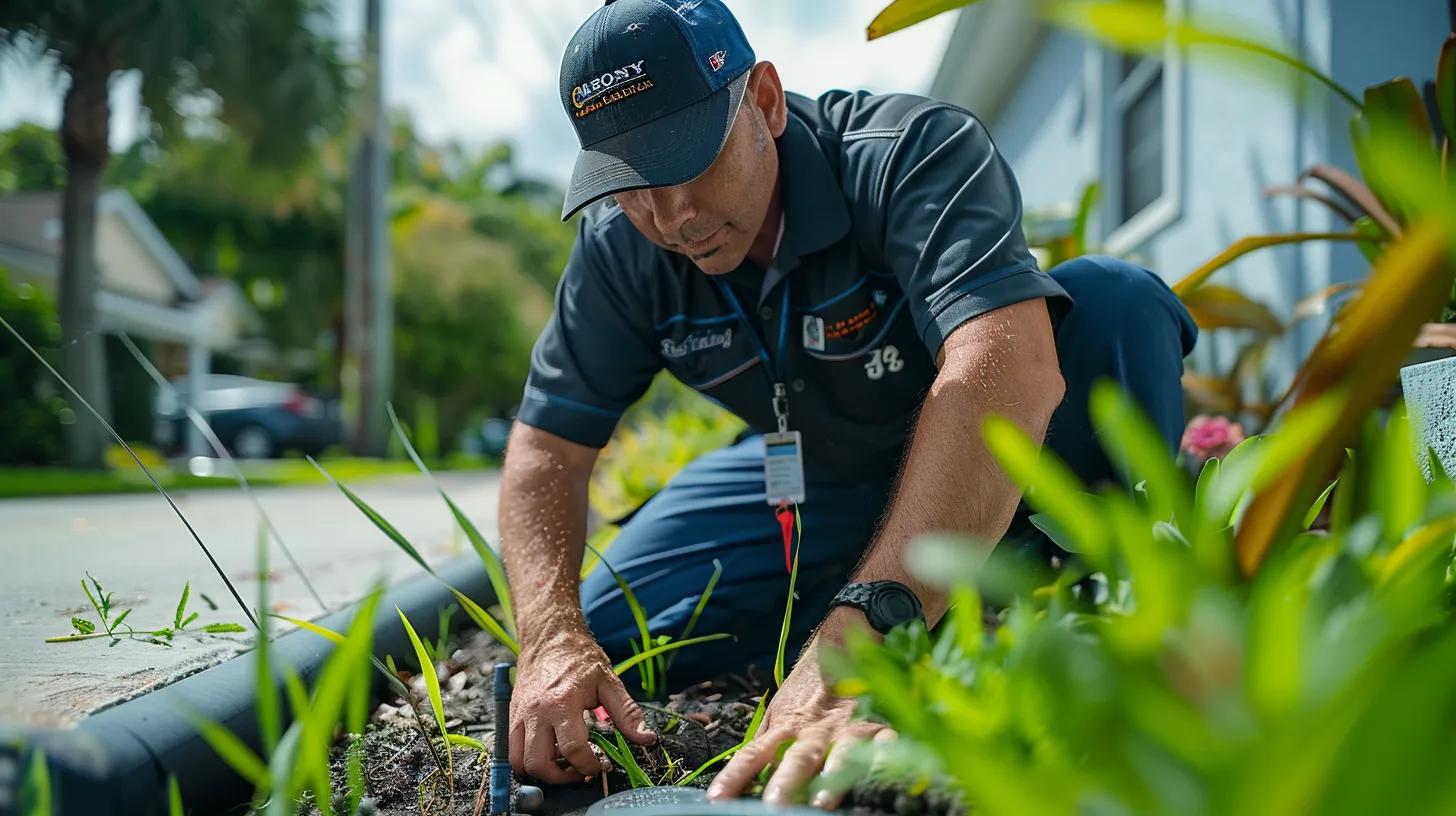
Repiping and Pipe Repair FAQ for Tampa Bay Homeowners
Everything Tampa Bay homeowners need to know about repiping, pipe materials, and when it’s time to replace the pipes in your home. Tampa Bay’s hard water and the prevalence of polybutylene pipes in homes built from the late 1970s through the mid-1990s make these questions especially relevant in our area.
Cost and Timeline
How much does whole home repiping cost in Tampa Bay?
Material
Cost Range
Best For
PEX repipe
$4,500 to $8,000
Most Tampa Bay homes (best value, hard water resistant)
Copper repipe
$8,000 to $15,000+
Homeowners who prefer proven metal piping
Polybutylene replacement
$5,000 to $10,000
Homes with PB pipes requiring full replacement
Price depends on home size, number of fixtures, stories, foundation type (slab vs elevated), and drywall repair needed. Get a free in-home estimate for an exact price.
How long does a whole home repipe take?
Home Type
Timeline
Single-story, straightforward access
2 to 3 days
Single-story, complex layout
3 to 4 days
Two-story home
3 to 5 days
You’ll be without water during parts of each day while the plumber works, but most plumbers restore water each evening so you can use bathrooms overnight. Drywall patching is typically included in the quote. Painting is usually the homeowner’s responsibility.
Can I repipe just part of my house?
Yes. Common partial repipe scenarios:
Hot water lines only: These corrode faster in hard water. Replacing just the hot lines costs $1,500 to $4,000.
One section of the house: Where leaks have been concentrated. $1,500 to $5,000 depending on scope.
Under-slab pipes only: Rerouting slab pipes through the attic while leaving accessible pipes. $2,000 to $6,000.
However, if your home has polybutylene throughout, a full repipe is strongly recommended. The remaining PB will continue deteriorating, and a second partial repipe later costs more than doing it all at once.
Pipe Materials
What is the difference between copper and PEX piping?
Factor
Copper
PEX
Material cost
Higher (roughly 2x PEX)
Lower
Installation time
Longer (rigid, requires soldering)
Faster (flexible, push-fit or crimp connections)
Lifespan
50+ years
40 to 50+ years
Hard water resistance
Vulnerable to internal corrosion
Highly resistant
Scale buildup
Accumulates over time
Smooth walls resist buildup
Pinhole leak risk
Common in Tampa Bay hard water
Very rare
Freeze resistance
Can burst if frozen
Expands without cracking
Track record
Decades of proven use
25+ years of proven use
For Tampa Bay specifically, PEX is the preferred choice for most repipes. The hard water resistance is a major advantage when your water tests at 12 to 25+ grains per gallon. Copper is excellent pipe, but it corrodes from the inside in our water, which is why so many Tampa Bay homes with copper under the slab develop pinhole leaks after 20 to 30 years.
How long do new PEX pipes last?
PEX has an expected lifespan of 40 to 50+ years. In Tampa Bay, PEX outperforms copper in longevity because it resists the scale buildup and internal corrosion caused by our hard water. PEX also won’t develop pinhole leaks from water chemistry, maintains smooth interior walls, and is resistant to freeze damage (rare here but not impossible during cold snaps). With a water softener, PEX pipes should last the lifetime of your home.
What is polybutylene and why is it a problem?
Polybutylene (PB) is a grey or blue-grey plastic pipe installed in millions of homes from 1978 to 1995. It was cheap and easy to install, but chlorine and other oxidants in treated water cause it to deteriorate from the inside. The pipe becomes brittle and cracks without warning, often at fittings and joints but sometimes in the middle of a run.
How to identify it:
Look under sinks at supply lines going into the wall
Check in the attic where pipes run to bathrooms
Look at the meter connection at the street
Pipes are stamped “PB2110”
Grey, blue-grey, or sometimes black color
Common Tampa Bay neighborhoods: Brandon, Riverview, Carrollwood, Town N Country, Largo, Pinellas Park, Safety Harbor, and many others built during this period.
Insurance impact: Many Florida insurance companies won’t cover homes with polybutylene, charge significantly higher premiums, or require replacement before issuing a policy.
When to Repipe
How do I know if my home needs repiping?
Get an inspection or quote if you notice:
Polybutylene pipes: Should be replaced regardless of current condition
Multiple pinhole leaks: If leaks are showing up in different locations, the whole system is deteriorating
Discolored water: Rusty or brown water from both hot and cold taps indicates internal pipe corrosion
Low water pressure: Throughout the house, caused by scale narrowing the pipe interiors
Visible pipe corrosion: Green patina or white crusty buildup on exposed copper pipes
Frequent repairs: If you’re calling a plumber for pipe leaks more than once a year
Insurance requirement: Your insurer requires replacement for coverage
Two or more slab leak repairs: At that point, a full repipe is usually cheaper than continuing to fix individual leaks under the slab
Permits, Insurance, and Damage
Do I need a permit for repiping in Tampa Bay?
Yes. Hillsborough, Pinellas, and Pasco counties all require permits for whole home repiping. The permit covers material verification, proper sizing, support/hanger spacing, and a pressure test of the new system. A county inspector signs off before walls are closed. Permit fees: $100 to $400. Your plumber handles all permitting.
Does insurance cover repiping?
Repiping itself is not covered by homeowner’s insurance. It’s considered a home improvement, not a repair of insured damage. However:
Water damage from a pipe failure is usually covered (flooring, drywall, personal property)
The pipe repair itself is not covered
After repiping, your insurance premiums may decrease since the water damage risk is significantly reduced
Some insurers require repiping (especially for polybutylene) before they’ll issue or renew your policy
Ask your insurance company about premium discounts after completing a repipe. Some homeowners see $200 to $800+ per year in savings.
Will repiping damage my walls and ceilings?
Some drywall cutting is necessary. A skilled plumber minimizes the number and size of access holes. Expect 10 to 30 holes depending on your home’s layout and fixture count. In Tampa Bay homes with attic access, plumbers can route much of the new PEX through the attic, reducing wall penetrations significantly.
Most repipe quotes include drywall patching (filling, taping, and first coat of mud). Painting to match is typically the homeowner’s responsibility. Some plumbing companies partner with drywall and painting contractors and can include full wall restoration in the quote if you prefer a turnkey solution.
Ready to Schedule?
Call Home Therapist at (813) 343-2212 or schedule online for a free repiping estimate or pipe inspection. We serve all of Tampa Bay including Tampa, St. Petersburg, Clearwater, Brandon, Riverview, Wesley Chapel, Palm Harbor, and Largo.
Drain Cleaning and Leak Detection FAQ for Tampa Bay Homeowners
Answers to the drain and leak questions Tampa Bay homeowners ask us every week. Tree roots, hard water, and Florida’s sandy soil create unique challenges for plumbing in Hillsborough, Pinellas, and Pasco counties. Here’s what you need to know.
Drain Cleaning
How much does drain cleaning cost in Tampa Bay?
Service
Cost Range
Best For
Simple drain snaking
$150 to $350
Single clogged drain (bathroom, toilet)
Kitchen drain cleaning
$175 to $400
Grease and food buildup
Main sewer line cleaning
$250 to $600
Whole-house slow drains, sewer backup
Hydro jetting
$350 to $800
Heavy buildup, roots, recurring clogs
Camera inspection
$150 to $350
Diagnosing recurring problems
What causes drains to clog in Tampa Bay?
The most common causes specific to our area:
Tree roots: Live oaks, laurel oaks, and ficus trees are everywhere in Tampa Bay. Their roots seek moisture and infiltrate sewer line joints, growing inside the pipe and catching debris.
Grease: Cooking grease poured down kitchen drains solidifies as it cools, building up inside pipes over time.
Hard water scale: Tampa Bay’s hard water (12 to 25+ GPG) leaves mineral deposits that narrow pipe interiors over years.
Soil movement: Florida’s sandy and clay soils shift with heavy rains and drought, causing underground pipes to develop low spots (bellies) where debris collects.
Old pipe deterioration: Homes with clay or Orangeburg sewer pipes (common in pre-1980 construction) experience joint separation and pipe collapse as the material deteriorates.
What is the difference between drain snaking and hydro jetting?
Factor
Snaking
Hydro Jetting
How it works
Metal cable with cutting head breaks through clog
High-pressure water (3,000 to 4,000 PSI) scours entire pipe interior
For a one-time bathroom clog, snaking is fine. For recurring kitchen drain issues, sewer line roots, or as a preventive measure, hydro jetting is the better investment.
Why do my drains keep clogging even after cleaning?
Recurring clogs mean the cleaning is treating the symptom, not the cause. Common underlying issues:
Tree roots regrowing: Snaking cuts through roots, but they grow back in 6 to 12 months. Hydro jetting lasts longer, and chemical root treatment can slow regrowth.
Pipe belly: A low spot in the pipe where debris settles. No amount of cleaning fixes the slope. The pipe section needs repair or replacement.
Partially collapsed pipe: Damaged pipe catches material passing through. Camera inspection reveals this clearly.
Hard water scale: Mineral buildup narrowing the pipe diameter. Hydro jetting removes it, but it returns over time without a water softener.
Grease buildup: Snaking punches through grease but doesn’t remove the layer coating the pipe walls. Hydro jetting strips it clean.
If you’ve had the same drain cleaned 3 or more times in a year, get a camera inspection ($150 to $350) to find the real problem.
Can tree roots really damage my sewer line?
Absolutely. Tree roots are one of the top three causes of sewer line problems in Tampa Bay. Roots enter through tiny gaps at pipe joints or hairline cracks, then grow inside the pipe. A root the width of a hair can grow into a mass that fills the entire pipe diameter within a few years.
Trees most likely to cause problems in Tampa Bay: live oaks, laurel oaks, ficus, camphor trees, and even some palm species with aggressive root systems. If you have large trees within 20 feet of your sewer line, you’re at elevated risk.
Options for dealing with roots:
Mechanical cutting (snaking): $250 to $600. Temporary, roots regrow in 6 to 12 months.
Hydro jetting: $350 to $800. More thorough removal, lasts 1 to 3 years.
Chemical root treatment: $50 to $200. Copper sulfate or foaming root killer slows regrowth between cleanings.
Pipe lining (trenchless): $3,000 to $8,000. A resin liner inside the existing pipe seals joints permanently.
Pipe replacement: $3,000 to $10,000+. New PVC sewer line that roots can’t penetrate at joints.
How often should I have my drains professionally cleaned?
Most homes don’t need routine cleaning. Clean only when you notice problems (slow drains, gurgling, odors). Exceptions:
History of root intrusion: Every 12 to 18 months preventive cleaning
Older pipes (clay, Orangeburg): Annual camera check recommended
Frequent kitchen drain clogs: Annual hydro jetting to clear grease
All other homes: Only when needed
Leak Detection
How much does leak detection cost in Tampa Bay?
Detection Method
Cost Range
When Used
Visual inspection and pressure test
$150 to $250
Accessible leaks, visible damage
Electronic leak detection
$250 to $500
Hidden leaks behind walls, under floors
Slab leak detection
$350 to $600
Leaks under concrete foundation
Thermal imaging
$200 to $450
Moisture behind walls, ceiling leaks
Sewer camera inspection
$150 to $350
Drain and sewer line problems
Many plumbers apply the detection fee toward the repair if you hire them to fix the problem.
How do I know if I have a slab leak?
Most Tampa Bay homes sit on concrete slab foundations with water pipes running through or under the slab. Signs of a slab leak:
Hot spots on your floor (hot water line leak)
Sound of running water when nothing is on
Unexplained water bill increase ($50+ per month)
Damp or warm spots on carpet or tile
Water meter spinning with all fixtures off
New cracks in foundation or walls
Mold or mildew smell with no visible source
Slab leaks are common in Tampa Bay because hard water corrodes copper pipes from the inside over decades. Homes in South Tampa, Carrollwood, Town N Country, Temple Terrace, and Largo with original copper under the slab are especially susceptible.
What is a sewer camera inspection and do I need one?
A waterproof camera on a flexible cable gets fed into your sewer line, showing real-time video of the pipe’s interior condition. The camera reveals cracks, root intrusion, bellies, joint separations, and pipe material condition. You should get one if:
You have recurring drain clogs
You’re buying a home (especially 20+ years old)
Multiple drains are slow throughout the house
You smell sewage in your yard
You’ve had a previous sewer line repair and want to check the rest
At $150 to $350, it’s one of the best diagnostic investments in plumbing.
Does homeowner’s insurance cover slab leak detection and repair?
In most cases, Florida insurance covers the water damage from a sudden slab leak (flooring, drywall, personal property) but not the detection cost or pipe repair itself. Gradual leaks and maintenance-related deterioration are almost never covered. Typical out-of-pocket costs:
Detection: $350 to $600
Spot repair (jackhammer access): $500 to $1,500
Pipe reroute: $1,500 to $3,000
Full repipe (if multiple slab leaks): $4,500 to $10,000+
Document damage with photos before cleanup and contact your insurance company early.
Ready to Schedule?
Call Home Therapist at (813) 343-2212 or schedule online for drain cleaning, leak detection, or a sewer camera inspection. We serve all of Tampa Bay including Tampa, St. Petersburg, Clearwater, Brandon, Riverview, Wesley Chapel, Palm Harbor, and Largo.
Plumbing Repair and Emergency FAQ for Tampa Bay Homeowners
Straight answers to the plumbing questions Tampa Bay homeowners ask when something goes wrong. From understanding costs to handling emergencies, these answers come from real experience across Hillsborough, Pinellas, and Pasco counties.
Costs and Pricing
How much does a plumber charge in Tampa Bay?
Plumbing pricing has two components: the service call fee and the repair cost.
Complex repairs (slab leak, main line, repiping section)
$800 to $3,000+
Minimum labor
$249
Most reputable plumbers give you the total price before starting work. If someone starts the work and then tells you the price, that’s a problem.
How much does emergency plumbing cost in Tampa Bay?
Emergency rates run 25 to 50 percent higher than standard business-hour rates. Here’s what that looks like on a $500 repair:
Timing
Service Call
Repair
Total
Tuesday 2 PM
$89 (waived)
$500
$500
Tuesday 8 PM
$125
$625 to $675
$750 to $800
Saturday 10 AM
$125
$650 to $750
$775 to $875
Christmas Day
$175
$750 to $1,000
$925 to $1,175
The premium covers overtime labor, after-hours dispatch, and stocking trucks for unplanned jobs. If you can safely stop the water and wait until morning, you’ll save 25 to 50 percent.
Does homeowner’s insurance cover plumbing repairs?
Usually partially. Most Florida homeowner’s insurance covers the damage caused by sudden plumbing failures (flooring, drywall, personal property) but not the plumbing repair itself. Gradual leaks and maintenance-related failures are almost never covered. Key details:
Burst pipe flooding your living room: damage to the room is usually covered, pipe repair is not
Slab leak that’s been slowly dripping for months: usually not covered
Water heater failure: depends on whether it was sudden vs gradual
Homes with polybutylene pipes: many Florida insurers exclude coverage or require a four-point inspection
Document everything with photos before cleanup and call your insurance company early in the process.
Emergency Situations
What counts as a plumbing emergency?
Call now (true emergency):
Burst pipe or major leak you can’t stop
Sewage backing up into your home
Gas line leak (evacuate first, call gas company, then plumber)
No water to the entire house
Water heater actively flooding
Can wait until morning:
Slow drain (use a plunger if needed)
Dripping faucet (put a bucket under it)
Running toilet (turn off the shut-off valve behind the toilet)
No hot water (uncomfortable, not dangerous)
Small leak you can contain with a bucket
What should I do during a plumbing emergency while waiting for the plumber?
Shut off the water at the nearest valve. Can’t find the fixture valve? Use the main shut-off.
Turn off the water heater if it’s involved or if you shut off the main water supply.
Contain the water with towels, buckets, and mops. Move electronics and valuables.
Document the damage with photos and video before cleanup for insurance.
Open doors and windows if sewage is involved. Sewage gases are harmful.
Don’t use chemical drain cleaners. They rarely work and can damage pipes.
Call a licensed plumber and describe the situation so they bring the right parts.
How do I find my main water shut-off valve?
In most Tampa Bay homes, the main shut-off is near the front of the house, close to the water meter at the property line. It may be at ground level with a cover or buried slightly underground in a valve box. Some older homes in Seminole Heights, Ybor City, and Old Northeast St. Pete have them buried in the yard.
Find it now, before an emergency. Test that it turns. If it’s stuck or corroded, have a plumber replace it during a scheduled visit ($200 to $500). A working shut-off valve during a burst pipe can save you thousands in water damage.
Why is my water bill suddenly so high?
A sudden spike almost always means a leak. Common culprits:
Running toilet: Can waste 200+ gallons per day. Often silent. Put food coloring in the tank. If color appears in the bowl without flushing, the flapper is leaking.
Slab leak: Leak under your foundation. Check for hot spots on floors, damp areas, or the sound of running water when nothing is on.
Irrigation system: A broken sprinkler head or cracked line underground can waste enormous amounts of water.
Leaking water heater: Slow drips from the T&P valve or drain valve add up.
Quick test: turn off every fixture and appliance. Check your meter. If it’s still moving, you have a leak somewhere in your home’s plumbing.
Common Issues
Should I use chemical drain cleaners?
No. Chemical drain cleaners (Drano, Liquid-Plumr, etc.) can damage your pipes, especially older galvanized steel, cast iron, or brittle PVC. They generate heat and caustic reactions that weaken pipe joints. They also rarely clear the actual clog, just eat through enough to temporarily restore flow. The clog comes back, often worse.
Better options:
Plunger: Works on most simple clogs. Use a flange plunger for toilets, a cup plunger for sinks.
Baking soda and vinegar: A gentler option for slow drains. Pour half a cup of each, wait 30 minutes, flush with hot water.
Professional snake or hydro jetting: For stubborn or recurring clogs, a plumber can clear the line mechanically without damaging pipes.
How do I know if I have polybutylene pipes?
Polybutylene pipes are grey or blue-grey plastic pipes found in homes built between 1978 and 1995. To check:
Look under sinks at the supply lines going into the wall
Check in the attic where pipes run to bathrooms
Look at the water meter connection at the street
The pipes are typically stamped with “PB2110”
Common in Brandon, Riverview, Carrollwood, Town N Country, Largo, and Pinellas Park homes built during this period. These pipes fail without warning, and many insurance companies won’t cover homes with them. Replacement with PEX costs $4,500 to $10,000 for a full repipe.
How often should I have my plumbing inspected?
Home Age
Inspection Frequency
Add Sewer Camera?
Under 10 years
Every 5 years
Only if experiencing drain issues
10 to 20 years
Every 3 to 5 years
Recommended
Over 20 years
Every 2 to 3 years
Strongly recommended
Before buying a home
Always
Always for homes over 20 years
A standard inspection costs $150 to $350. A sewer camera adds $150 to $350. Both are far cheaper than the surprises they prevent.
Ready to Schedule?
Call Home Therapist at (813) 343-2212 or schedule online for plumbing repair, emergency service, or a plumbing inspection. We serve all of Tampa Bay including Tampa, St. Petersburg, Clearwater, Brandon, Riverview, Wesley Chapel, Palm Harbor, and Largo.
Answers to the water heater questions we hear every day from homeowners across Hillsborough, Pinellas, and Pasco counties. Tampa Bay’s hard water creates unique challenges for water heaters, so these answers are specific to our area, not generic advice from the internet.
Cost and Types
How much does water heater replacement cost in Tampa Bay?
Water Heater Type
Installed Cost
Lifespan
Standard tank (40 to 50 gallon)
$1,200 to $2,500
8 to 12 years
Large tank (75 to 80 gallon)
$2,000 to $3,500
8 to 12 years
Tankless (electric, whole home)
$2,500 to $4,000
20+ years
Tankless (gas, whole home)
$3,500 to $5,500
20+ years
Heat pump / hybrid
$2,500 to $4,500
12 to 15 years
Prices include the unit, installation, connections, and permit. Minimum labor is $249. Additional costs may apply for electrical panel upgrades (tankless), gas line work, or code-required additions like expansion tanks and drain pans.
What is the difference between tank, tankless, and heat pump water heaters?
Feature
Tank
Tankless
Heat Pump
How it works
Stores and heats 40 to 80 gallons continuously
Heats water on demand as it flows through
Uses ambient air heat to warm water
Upfront cost
$1,200 to $3,500
$2,500 to $5,500
$2,500 to $4,500
Monthly energy cost
$40 to $60
$25 to $45
$15 to $30
Lifespan
8 to 12 years
20+ years
12 to 15 years
Hot water supply
Limited by tank size
Unlimited
Limited by tank size but recovers faster
Space needed
Large (floor space)
Small (wall-mounted)
Large (needs 700+ cubic feet of air)
Best for Tampa Bay
Budget-conscious, simple replacement
Unlimited hot water, long-term savings
Maximum efficiency, garage installation
Is a tankless water heater worth it in Tampa Bay?
For homeowners staying in their home 5+ years, usually yes. Tampa Bay has a big advantage: incoming groundwater is around 72 degrees year-round versus 40 to 50 degrees up north. This means your tankless unit works less, uses less energy, and lasts longer. Over 20 years, a tankless unit typically costs less than buying two tank water heaters (which you’d need since tanks last 8 to 12 years). The 24 to 34 percent energy savings are a bonus on top of that.
Should I get a heat pump water heater in Florida?
Florida is ideal for heat pump water heaters. They pull heat from surrounding air to warm water, and Tampa Bay has warm air in abundance. Key facts:
Use 60 to 70 percent less energy than standard electric tanks
Also dehumidify the space they’re in (great for Florida garages)
Need at least 700 cubic feet of surrounding air (standard two-car garage works)
Federal tax credits of up to $2,000 may be available
Installed cost: $2,500 to $4,500
They do produce some noise, similar to a dehumidifier running
With the tax credit, the effective cost can be close to a standard tank while delivering dramatically lower operating costs.
Lifespan and Maintenance
How long does a water heater last in Tampa Bay?
Tank water heaters: 8 to 12 years. Tankless: 20+ years. Heat pump: 12 to 15 years. However, Tampa Bay’s hard water (12 to 25+ grains per gallon) is the wild card. Without annual flushing, hard water sediment and anode rod corrosion can shorten a tank’s life to 6 to 8 years. With regular maintenance and a water softener, you’ll hit the high end of those ranges.
What are the signs my water heater needs replacing?
Age: Over 8 to 10 years for a tank unit (check the serial number for manufacture date)
Rusty or discolored hot water: Indicates internal corrosion
Rumbling or popping sounds: Sediment buildup hardening at the bottom of the tank
Water pooling around the base: Tank corrosion, not a fitting you can tighten
Not enough hot water: Sediment reducing the tank’s effective capacity
Slow recovery time: Takes much longer to reheat after use
Visible rust on the tank or connections: Corrosion that will only worsen
Metallic taste in hot water: Anode rod is depleted and the tank is corroding
If the tank itself is leaking (not a valve or fitting), replacement is the only option. Tank leaks cannot be repaired.
How does Tampa Bay hard water affect my water heater?
Hard water is the number one threat to water heaters in Tampa Bay. Here’s what happens:
Sediment buildup: Calcium and magnesium settle at the bottom of the tank, insulating the heating element from the water. This forces the system to work harder, increasing energy costs and overheating the tank bottom.
Anode rod corrosion: The sacrificial anode rod protects the tank from rust, but hard water depletes it faster. Once the anode rod is gone, the tank itself starts corroding.
Reduced efficiency: Just half an inch of sediment can reduce heating efficiency by 10 to 15 percent.
Shortened lifespan: Hard water can reduce a tank’s life by 2 to 4 years compared to soft water areas.
The best defense is annual flushing plus a water softener. Together, they can add 3 to 5 years to your water heater’s life.
How often should I flush my water heater in Tampa Bay?
At least once per year. For tank heaters, flushing removes sediment from the bottom of the tank. For tankless units, flushing with food-grade white vinegar dissolves mineral scale inside the heat exchanger. A professional flush costs $100 to $200 for a tank and $100 to $200 for a tankless unit. If you have a water softener, you may be able to go 18 months between flushes, but annual is the safest schedule for Tampa Bay’s water.
Sizing and Installation
What size water heater do I need?
For tank water heaters (based on household size):
People in Home
Recommended Tank Size
1 to 2
30 to 40 gallons
2 to 3
40 to 50 gallons
3 to 4
50 to 65 gallons
5+
65 to 80 gallons, or consider tankless
For tankless water heaters (based on flow rate):
People in Home
Peak GPM Needed
Recommended Unit
1 to 2
3 to 4 GPM
18 to 24 kW (electric) or 120,000 BTU (gas)
2 to 3
4 to 5 GPM
24 to 28 kW (electric) or 150,000 BTU (gas)
4+
5 to 7 GPM
28 to 36 kW (electric) or 180,000+ BTU (gas)
Tampa Bay’s warm groundwater (about 72 degrees) means tankless units work more efficiently here than up north, so smaller units can serve larger households.
Do I need a permit to replace a water heater in Tampa Bay?
Yes. All three major counties (Hillsborough, Pinellas, Pasco) require permits for water heater replacements. The permit ensures code compliance for expansion tanks, drain pans, T&P valve discharge piping, and proper venting for gas units. Fees run $75 to $200. Your plumber handles the permit. If someone says you don’t need one, find a different plumber.
Ready to Schedule?
Call Home Therapist at (813) 343-2212 or schedule online for a free estimate on water heater repair or replacement. We serve all of Tampa Bay including Tampa, St. Petersburg, Clearwater, Brandon, Riverview, Wesley Chapel, Palm Harbor, and Largo.
Home Plumbing Inspection Cost in Tampa Bay: What’s Included
Whether you’re buying a home, dealing with recurring plumbing problems, or just want to know what’s going on behind your walls and under your slab, a professional plumbing inspection gives you a clear picture. Most home inspectors only do a surface-level check of plumbing. A dedicated plumbing inspection from a licensed plumber goes deeper, literally, and can save you from expensive surprises down the road. Here’s what Tampa Bay homeowners and buyers pay for a thorough plumbing inspection in 2026.
Before buying, after moving in, or every 2 to 3 years for older homes
Plumbing Inspection Cost in Tampa Bay
The cost depends on how thorough of an inspection you need and what technology is involved:
Inspection Type
Price Range
What’s Included
Visual plumbing inspection
$150 to $250
All accessible pipes, fixtures, water heater, shut-off valves, water pressure test
Standard inspection with report
$200 to $350
Visual inspection plus written report with photos and recommendations
Inspection with sewer camera
$300 to $600
Standard inspection plus video camera inspection of the main sewer line
Pre-purchase buyer’s inspection
$250 to $500
Comprehensive inspection tailored for home buyers, includes pipe material identification and remaining lifespan estimates
Full diagnostic (leak detection included)
$400 to $800
Complete inspection plus electronic leak detection, water pressure testing, and flow rate analysis
For most homeowners doing a routine checkup, the standard inspection with report at $200 to $350 covers everything you need. If you’re buying a home, especially one built before 1995 in Tampa Bay, adding the sewer camera inspection is worth every penny. It’s the only way to see the condition of the pipe buried in your yard without digging.
Pro Tip: If you’re buying a home in Tampa Bay and the seller’s home inspection report says “plumbing is functional,” that tells you almost nothing. A general home inspector checks that faucets turn on and toilets flush. They don’t check pipe material, sewer line condition, water heater age and anode rod status, or water pressure. A licensed plumber finds the problems that cost $5,000 to $15,000 to fix after you close.
What a Plumbing Inspection Includes
A thorough plumbing inspection covers every system that carries water into, through, and out of your home:
Supply lines and pipes
Pipe material identification (copper, PEX, CPVC, galvanized, polybutylene)
Visual condition of accessible pipes in attic, garage, crawlspace, and under sinks
Signs of corrosion, leaks, or previous repairs
Water pressure test at multiple fixtures (ideal: 40 to 80 PSI)
Main shut-off valve location and function
Fixtures and drains
All faucets, toilets, showers, and tubs checked for leaks and proper function
Drain flow rate in all sinks, tubs, and showers
Garbage disposal operation
Washing machine connections and hoses
Outdoor hose bibs
Water heater
Age, condition, and estimated remaining lifespan
Temperature and pressure relief valve test
Anode rod condition (if accessible)
Signs of rust, sediment buildup, or leaking
Expansion tank presence and condition
Code compliance (drain pan, proper venting for gas units)
Sewer and drain system
Main cleanout location and accessibility
Drain flow test (checking for slow drains throughout the home)
Sewer camera inspection (if included) to check for root intrusion, bellies, cracks, and offsets
Septic system location and access (if applicable)
Water quality (basic)
Water hardness test
Chlorine level
Visual clarity and smell
Existing water treatment equipment condition
When You Need a Plumbing Inspection
Before buying a home
This is the number one reason people schedule plumbing inspections in Tampa Bay. A $300 to $500 inspection can reveal polybutylene pipes that cost $5,000 to $10,000 to replace, a sewer line with root intrusion that needs a $3,000 repair, or a water heater that’s two years past its expected lifespan. Those findings give you negotiating power or help you walk away from a money pit.
After moving into an existing home
Even if you had a general home inspection during the purchase, getting a dedicated plumbing inspection within the first few months gives you a baseline understanding of your home’s plumbing condition and helps you prioritize any needed repairs or upgrades.
Every 2 to 3 years for homes over 20 years old
Homes built before 2005 in Tampa Bay may have copper pipes under the slab, galvanized supply lines, or aging water heaters. A regular inspection catches deteriorating conditions before they become emergency repairs.
After a plumbing emergency
If you’ve had a burst pipe, slab leak, or sewage backup, an inspection of the rest of the system tells you whether the emergency was an isolated incident or a symptom of a larger problem. One slab leak often means the rest of the copper under your slab is in similar condition.
Before a major renovation
Adding a bathroom, expanding a kitchen, or converting a garage? Get an inspection first to make sure your existing plumbing can handle the additional load and meets current code requirements.
A general home inspection is valuable and you should always get one when buying a home. But it doesn’t replace a dedicated plumbing inspection, especially in Tampa Bay where polybutylene pipes, hard water damage, and slab leaks are common issues that a home inspector may not catch or fully evaluate.
Common Issues Found in Tampa Bay Homes
After thousands of plumbing inspections across Hillsborough, Pinellas, and Pasco counties, these are the most frequent findings:
Polybutylene pipes (homes built 1978 to 1995): These grey plastic pipes are prone to sudden failure and many insurance companies won’t cover homes with them. Common in neighborhoods throughout Brandon, Riverview, Carrollwood, Town N Country, Largo, and Pinellas Park. Replacement cost: $4,500 to $10,000.
Corroded copper pipes under the slab: Tampa Bay’s hard water eats through copper from the inside. Homes 25+ years old often have thinning copper with pinhole leaks developing. Found frequently in South Tampa, Temple Terrace, Seminole, and Safety Harbor.
Water heater past its lifespan: Tank water heaters in Tampa Bay last 8 to 12 years due to hard water sediment buildup. We regularly find units that are 15 to 20 years old and showing signs of imminent failure, including rusted drain valves, leaking T&P valves, and depleted anode rods.
Tree root intrusion in sewer lines: Live oaks, laurel oaks, and ficus trees are everywhere in Tampa Bay, and their roots seek out moisture from sewer line joints. Camera inspections frequently reveal root intrusion in homes with clay or Orangeburg sewer pipes.
Missing or non-functional shut-off valves: Many older Tampa Bay homes have gate valves that have corroded in the open position and won’t close when needed. This turns a minor repair into an emergency because you can’t stop the water.
Inadequate water pressure: Pressure below 40 PSI or above 80 PSI. Low pressure is often caused by corroded galvanized pipes or a failing pressure regulator. High pressure (over 80 PSI) stresses pipes and fixtures and is a code violation.
No expansion tank on the water heater: Required by current Florida code but missing on many older installations. Without one, thermal expansion creates pressure spikes that stress your plumbing and water heater.
Pro Tip: If you’re buying a home in Tampa Bay built between 1978 and 1995, ask specifically about polybutylene pipes before you even schedule an inspection. If the home has them, factor $5,000 to $10,000 for a full repipe into your offer. Some insurance companies will require repiping before they’ll issue a policy.
Schedule Your Plumbing Inspection
Home Therapist provides comprehensive plumbing inspections across the Tampa Bay area. Whether you’re buying a home, troubleshooting a problem, or doing a routine checkup on an older home, we give you a clear, honest picture of your plumbing condition with a written report and photos.
Call us at (813) 343-2212 or schedule online. We serve Tampa, St. Petersburg, Clearwater, Brandon, Riverview, Wesley Chapel, Palm Harbor, Largo, and all surrounding Tampa Bay communities.
Florida plumbing license CFC1431159. HVAC license CAC1819196. Over 1,100 five-star reviews from Tampa Bay homeowners.
Frequently Asked Questions
How long does a plumbing inspection take?
A standard visual inspection of a typical Tampa Bay home takes 1 to 2 hours. Adding a sewer camera inspection extends it to 2 to 3 hours. Larger homes with multiple bathrooms, a pool, or a septic system take longer. The plumber will give you a time estimate when you schedule.
Do I need a plumbing inspection if my home is new construction?
New construction homes have already passed code inspections, but a third-party plumbing inspection within the first year can catch installation defects that the builder’s inspector missed. It also establishes a baseline for your warranty claims if problems develop. For homes under 5 years old on city water, you can usually skip the sewer camera and just do a standard inspection.
Will the plumber fix problems they find during the inspection?
Most plumbers will offer to quote repairs on the spot for anything they find. However, a good plumber won’t pressure you into immediate repairs during an inspection. They’ll provide a prioritized list of findings, recommendations, and quotes so you can make informed decisions on your timeline. Emergency items (active leaks, gas leaks, dangerous conditions) should be addressed immediately.
Should I get a plumbing inspection before selling my home?
Yes, it’s a smart move. A pre-listing plumbing inspection lets you fix problems before buyers find them and use them as negotiation leverage. It also demonstrates to buyers that you’ve been a responsible homeowner. A clean plumbing inspection report can be a selling point, especially for older Tampa Bay homes where buyers are already nervous about polybutylene pipes and slab leaks.
Is a sewer camera inspection worth the extra cost?
For homes over 20 years old in Tampa Bay, absolutely. The sewer line is the most expensive single pipe in your plumbing system, and you can’t see its condition without a camera. A $150 to $350 camera inspection can reveal root intrusion, pipe deterioration, or bellies that would cost $3,000 to $10,000 to repair. For newer homes on city sewer, you can usually skip it unless you’re experiencing drain problems.
What should I do with the inspection report?
If you’re buying a home, use the findings to negotiate the purchase price or request repairs before closing. If it’s your own home, prioritize the findings by urgency: address active leaks and safety issues first, then plan for bigger items like pipe replacement or water heater upgrades on a timeline that fits your budget. Keep the report for future reference and share it with any plumber you hire for follow-up work.
Tampa Bay tap water is safe to drink by EPA standards, but that doesn’t mean it tastes good or is free of everything you’d rather not consume. Chlorine, chloramines, sediment, and trace contaminants are common in our municipal water supply. Private wells add iron, sulfur (that rotten egg smell), and elevated mineral levels to the mix. A water filtration system addresses all of that. Here’s what Tampa Bay homeowners pay for different types of water filtration in 2026.
Water filtration pricing depends on the type of system, the number of stages, and what contaminants you’re trying to remove. Here’s the full breakdown:
System Type
Equipment Cost
Installed Cost
Annual Filter Cost
Under-sink carbon filter
$50 to $200
$150 to $400
$30 to $80
Under-sink reverse osmosis (3 to 5 stage)
$150 to $400
$300 to $800
$50 to $150
Whole-home carbon/sediment filter
$400 to $1,200
$1,000 to $3,000
$100 to $250
Whole-home multi-stage filtration
$800 to $2,500
$1,500 to $4,000
$150 to $300
Whole-home reverse osmosis
$1,500 to $3,500
$3,000 to $6,000+
$200 to $400
Well water iron/sulfur removal
$1,000 to $3,000
$2,000 to $5,000
$100 to $250
The most popular option for Tampa Bay homeowners on city water is a combination: a whole-home carbon filter to remove chlorine and sediment from all your water, plus an under-sink reverse osmosis system for clean drinking water at the kitchen faucet. That combination typically runs $1,500 to $3,500 installed and covers all the bases without the expense of whole-home RO.
Pro Tip: If you’re mainly concerned about the taste and smell of your drinking water, start with an under-sink reverse osmosis system for $300 to $800. It gives you bottled-water quality at your kitchen sink and pays for itself in about a year compared to buying bottled water. You can always add a whole-home system later.
Types of Water Filtration Systems
Carbon filtration (whole-home or under-sink)
Activated carbon filters remove chlorine, chloramines, volatile organic compounds (VOCs), and bad taste and odor from your water. Whole-home systems install on your main water line and filter all the water entering your home. Under-sink versions filter water at a single faucet. Carbon filters are the most common and cost-effective option for Tampa Bay city water.
Reverse osmosis (RO)
RO systems push water through a semi-permeable membrane that removes up to 99 percent of dissolved contaminants, including fluoride, lead, arsenic, nitrates, and pharmaceuticals. Under-sink RO systems are the most popular for drinking water. Whole-home RO is available but significantly more expensive and requires a storage tank and repressurization pump.
Sediment filters
These remove sand, silt, rust, and other particulate matter. They’re often the first stage in a multi-stage system. In Tampa Bay, sediment filters are particularly important for well water users and homes in areas with older municipal pipes that may introduce rust and sediment.
UV disinfection
Ultraviolet light kills bacteria, viruses, and other microorganisms in your water. UV systems are primarily used with well water, where biological contamination is a risk. City water is already disinfected, so UV is rarely needed for Tampa Bay homes on municipal supply.
Iron and sulfur removal
Specialty systems for well water that contains iron (orange staining) or hydrogen sulfide (rotten egg smell). These use oxidation, aeration, or specialized media to remove the contaminants before they reach your fixtures. Common in eastern Hillsborough County, Pasco County, and parts of Plant City and Riverview where homes use private wells.
What Affects Water Filtration Cost
Type and number of contaminants
A simple carbon filter for taste and chlorine removal costs far less than a multi-stage system designed to remove heavy metals, bacteria, and dissolved minerals. Get a water test first so you know exactly what you’re dealing with. Most plumbers offer free basic water testing during an estimate.
Whole-home vs point-of-use
Whole-home systems filter all your water, including showers, laundry, and outdoor faucets. Point-of-use systems (under-sink, countertop) filter water at one location. Whole-home costs more upfront but gives you filtered water everywhere.
Water source (city vs well)
City water in Tampa Bay is pre-treated, so a carbon filter and/or RO system is usually sufficient. Well water often needs additional stages for iron, sulfur, sediment, and sometimes bacteria, which adds $1,000 to $3,000 to the system cost.
Flow rate requirements
Larger homes with multiple bathrooms need a higher-capacity system to maintain water pressure. A system rated for 10 to 15 gallons per minute covers most Tampa Bay homes. If you have a large home with an irrigation system on the same water line, you may need a higher-capacity unit.
Plumbing modifications
Under-sink systems need a hole drilled in the countertop or sink for a dedicated faucet ($50 to $100 extra if one doesn’t exist). Whole-home systems need to be plumbed into the main water line, which may require relocating piping or adding a bypass loop. Homes with a pre-plumbed filter loop save $200 to $400 in installation labor.
Water Filtration vs Water Softener
These are different systems that solve different problems. Many Tampa Bay homes benefit from having both.
Feature
Water Filtration
Water Softener
Primary purpose
Remove contaminants, improve taste
Remove calcium and magnesium (hardness)
Removes chlorine
Yes
No
Removes hard minerals
Only with RO
Yes
Prevents scale buildup
Only with RO
Yes
Improves water taste
Yes
Minimal
Extends appliance life
Somewhat
Significantly
Best for Tampa Bay
Drinking water quality
Protecting pipes and appliances
The ideal setup for most Tampa Bay homes is a water softener on the main line to protect your entire plumbing system, plus an under-sink RO system for clean drinking water. The softener handles the hard water, and the RO handles taste, chlorine, and trace contaminants. Together, they cost $2,000 to $4,500 installed and cover all your water quality needs.
Common Tampa Bay Water Quality Issues
Here’s what we commonly find when testing water in homes across Hillsborough, Pinellas, and Pasco counties:
Chlorine and chloramines: Used for disinfection by Tampa Bay water utilities. Safe to drink but affects taste and smell. Easily removed by carbon filtration.
Hard water (12 to 25+ GPG): Causes scale buildup, dry skin, spotted dishes, and shortened appliance life. Addressed by water softeners, not standard filtration.
Sediment: Sand, silt, and rust particles from aging pipes. More common in older neighborhoods in South Tampa, Seminole Heights, St. Pete, and Largo. Removed by sediment filters.
Iron (well water): Causes orange staining on fixtures, laundry, and toilets. Common in wells east of I-75 in Hillsborough County and throughout Pasco County. Requires specialty iron removal systems.
Sulfur/hydrogen sulfide (well water): The rotten egg smell. Common in deep Florida wells. Removed by aeration or oxidation systems.
PFAS (emerging concern): Per- and polyfluoroalkyl substances have been detected in some Florida water systems. Reverse osmosis and activated carbon are the most effective home treatment methods.
Pro Tip: Before buying any filtration system, get your water tested. A free basic test during a plumbing estimate will tell you the hardness, chlorine level, and pH. If you want a comprehensive analysis including heavy metals, bacteria, and PFAS, a lab test costs $100 to $300 but tells you exactly what filtration you need and what you can skip.
Choosing the Right System for Your Home
Here’s a quick guide based on your situation:
Your Situation
Recommended System
Estimated Cost
City water, want better-tasting drinking water
Under-sink RO
$300 to $800
City water, want filtered water at every faucet
Whole-home carbon filter
$1,000 to $3,000
City water, want complete solution
Whole-home carbon + under-sink RO + water softener
$2,500 to $5,500
Well water, basic filtration
Sediment filter + carbon filter + UV
$2,000 to $4,000
Well water, iron and sulfur issues
Iron/sulfur removal + sediment + carbon
$3,000 to $6,000
Well water, complete solution
Softener + iron removal + carbon + RO + UV
$5,000 to $10,000+
Schedule Your Water Filtration Installation
Home Therapist installs water filtration systems across the Tampa Bay area. We test your water, explain what’s in it, and recommend only the filtration you actually need. No upselling, no scare tactics, just an honest assessment and a clear price.
Call us at (813) 343-2212 or schedule online. We serve Tampa, St. Petersburg, Clearwater, Brandon, Riverview, Wesley Chapel, Palm Harbor, Largo, and all surrounding Tampa Bay communities.
Florida plumbing license CFC1431159. HVAC license CAC1819196. Over 1,100 five-star reviews from Tampa Bay homeowners.
Frequently Asked Questions
How long do water filters last before they need replacing?
It depends on the type. Sediment pre-filters last 3 to 6 months. Carbon filters last 6 to 12 months. Reverse osmosis membranes last 2 to 3 years. Most systems have a filter change indicator or a recommended schedule. In Tampa Bay, filters tend to reach the shorter end of their lifespan because of the high sediment and mineral content in our water.
Is a whole-home water filter worth it?
If you’re on city water in Tampa Bay, a whole-home carbon filter removes the chlorine that dries out your skin and hair in the shower, protects your appliances from sediment, and makes all your water taste better. At $1,000 to $3,000 installed with $100 to $250 per year in filter costs, it’s one of the more affordable home upgrades that you’ll notice every day.
Can I install a reverse osmosis system myself?
Under-sink RO systems are one of the more DIY-friendly plumbing projects. Most come with detailed instructions, and the connections are compression fittings that don’t require soldering. The main challenge is drilling a hole in your countertop or sink for the dedicated faucet. If you’re comfortable with basic tools, it’s doable. For whole-home RO systems, hire a licensed plumber since they tie into your main water line.
Do I need a water filter if I already have a water softener?
A water softener removes hardness minerals (calcium and magnesium) but does not remove chlorine, sediment, bacteria, or other contaminants. If you want better-tasting water, less chlorine exposure in the shower, or cleaner drinking water, you still benefit from a filtration system in addition to your softener.
How do I know what contaminants are in my Tampa Bay water?
Start with your utility’s annual water quality report (Consumer Confidence Report), available on the Tampa Water Department or Pinellas County Utilities website. For a more detailed analysis, request a lab test through your plumber or a certified water testing lab. Home Therapist offers a basic water quality test as part of our free estimates.
Will a water filter reduce my water pressure?
A properly sized whole-home filter should cause less than 5 PSI of pressure drop, which most homeowners won’t notice. As filters get dirty over time, pressure drop increases, which is your reminder to change the filter. Undersized systems or neglected filter changes can cause noticeable pressure loss. Under-sink systems only affect the dedicated faucet and have no impact on the rest of your home’s water pressure.
Tampa Bay has some of the hardest water in Florida. Depending on your zip code, your water measures anywhere from 12 to 25+ grains per gallon. That’s the reason your shower doors have white buildup, your water heater needs replacing every 6 to 8 years instead of 12, and your skin feels dry no matter how much lotion you use. A water softener fixes all of that. Here’s what Tampa Bay homeowners actually pay to get one installed in 2026.
The total installed cost includes the softener unit, installation labor, plumbing connections, and any modifications needed to fit the system into your home’s plumbing layout.
System Type
Equipment Cost
Installed Cost
Best For
Salt-based (32,000 grain)
$600 to $1,200
$1,500 to $2,500
2 to 3 bedroom homes, 1 to 3 people
Salt-based (48,000 grain)
$800 to $1,800
$2,000 to $3,500
3 to 4+ bedroom homes, 3 to 5 people
Salt-free conditioner
$500 to $1,500
$1,200 to $3,000
Homeowners who want less maintenance
Dual-tank salt-based
$1,200 to $2,500
$2,500 to $5,000
Large homes, high water usage, no downtime during regeneration
Magnetic/electronic descaler
$200 to $600
$300 to $800
Budget option (limited effectiveness)
For most Tampa Bay homes, a salt-based system in the 32,000 to 48,000 grain range is the right choice. The hardness levels in our area are too high for salt-free conditioners to fully solve the problem, though they do help reduce scale buildup.
Pro Tip: Be wary of water softener companies that require you to rent rather than buy the system. Rental contracts often lock you in for 3 to 5 years and cost more over time than purchasing a system outright. A $3,000 system you own will outlast two rental contracts and save you thousands.
Types of Water Softeners
Salt-based ion exchange
This is the standard water softener that actually removes the calcium and magnesium minerals causing hard water. The system uses resin beads charged with sodium ions to swap out the hard minerals as water flows through. It regenerates periodically by flushing the resin with a salt brine solution. This is the most effective option for Tampa Bay’s hard water.
Salt-free water conditioners
These don’t technically soften water. Instead, they use a template-assisted crystallization (TAC) process to change the structure of the minerals so they don’t stick to surfaces as easily. Your water test will still read as hard, but you’ll get less scale buildup on fixtures and appliances. They work well in areas with moderate hardness (under 15 GPG), but Tampa Bay’s levels often exceed that.
Dual-tank systems
A dual-tank system has two resin tanks, so one can regenerate while the other continues providing soft water. You never have hard water flowing through your home, even during the regeneration cycle. These are ideal for larger homes with 4+ bathrooms or households with high water usage.
Magnetic and electronic descalers
These wrap around your main water line and use magnetic or electronic fields to reduce scale adhesion. They’re the cheapest option but also the least effective, especially with Tampa Bay’s very hard water. Most plumbers in our area don’t recommend them as a primary solution, though they can supplement other systems.
What Affects Water Softener Cost
System size (grain capacity)
The grain capacity determines how much water the system can soften between regeneration cycles. Larger homes and harder water require higher capacity. In Tampa Bay, most homes need a 32,000 to 48,000 grain system. Undersizing means the system regenerates too frequently, which wastes salt and water.
Water hardness level
Higher hardness levels require a larger or more capable system. Water in different parts of Tampa Bay varies significantly. Tampa city water typically tests around 12 to 17 GPG, while well water in eastern Hillsborough County and parts of Pasco can exceed 25 GPG.
Plumbing modifications
If your home doesn’t have a loop (a pre-plumbed connection point for a softener), the plumber needs to cut into your main water line, install bypass valves, and run a drain line for regeneration water. Homes built after 2000 in Tampa Bay usually have a softener loop already in place, which saves $200 to $500 in installation costs.
Location of installation
Most softeners in Tampa Bay go in the garage, utility room, or outside in a weather-resistant enclosure. If the system needs to go far from the main water line or the nearest drain, additional plumbing runs add to the cost.
Electrical connection
Salt-based softeners need a standard 110V outlet for the control valve timer. If there’s no outlet near the installation location, an electrician may need to add one ($150 to $300).
How Hard Is Tampa Bay Water?
Tampa Bay’s water is classified as very hard by national standards. Here’s what the numbers look like across the area:
Area
Typical Hardness (GPG)
Source
City of Tampa
12 to 17
Hillsborough River, treated surface water
St. Petersburg
10 to 15
Treated surface water
Clearwater
12 to 18
Pinellas County Utilities
Brandon, Riverview
15 to 22
Mix of surface and groundwater
Wesley Chapel, Land O Lakes
18 to 25+
Well water and Pasco County Utilities
Palm Harbor, Tarpon Springs
14 to 20
Pinellas County and well water
Private wells (throughout area)
15 to 30+
Groundwater from Florida aquifer
Anything above 7 GPG is considered hard. Anything above 10 GPG is very hard. Every part of Tampa Bay exceeds 10 GPG, and many areas are double or triple that level. This is why water softeners are so common in Florida and why plumbers in our area recommend them with almost every water heater installation.
Water Softener vs Water Conditioner
This is one of the biggest points of confusion for Tampa Bay homeowners. Here’s the honest comparison:
Factor
Salt-Based Softener
Salt-Free Conditioner
Actually removes minerals
Yes
No (changes their structure)
Soft-feeling water
Yes
No
Eliminates scale buildup
Yes, almost completely
Reduces by 50 to 80 percent
Extends water heater life
Yes, significantly
Somewhat
Ongoing maintenance
Add salt every 4 to 8 weeks
Replace cartridge every 6 to 12 months
Monthly cost
$10 to $25 (salt)
$15 to $40 (cartridges)
Adds sodium to water
Yes, small amount
No
Effective at 15+ GPG
Yes
Limited
For Tampa Bay water specifically, a salt-based system is the more effective choice. The hardness levels in most of our service area are too high for a salt-free conditioner to fully prevent scale buildup, staining, and appliance damage. If you’re concerned about the small amount of sodium added by a salt-based softener, you can add a reverse osmosis system at your kitchen sink for drinking water.
Long-Term Savings from Soft Water
A water softener isn’t just a comfort upgrade. It protects every appliance and fixture that uses water in your home:
Benefit
Estimated Annual Savings
Water heater lasts 3 to 5 years longer
$150 to $250 per year (amortized replacement cost)
Less soap, shampoo, detergent needed
$100 to $200 per year
Fewer plumbing repairs (less scale buildup)
$50 to $150 per year
Lower energy bills (water heater runs more efficiently)
$50 to $100 per year
Extended life of dishwasher and washing machine
$50 to $100 per year
Total estimated savings: $400 to $800 per year. A $2,500 water softener pays for itself in 3 to 5 years, and the system itself lasts 10 to 20 years with proper maintenance. In Tampa Bay’s hard water, this is one of the best investments a homeowner can make.
Pro Tip: If you’re installing a new water heater, ask your plumber about adding a water softener at the same time. Bundling the two installations often saves $300 to $500 in labor since the plumber is already working on your water lines. Plus, your new water heater will last years longer with softened water running through it.
Schedule Your Water Softener Installation
Home Therapist installs water softener systems across the Tampa Bay area. We’ll test your water hardness, recommend the right system for your household size and water usage, and give you a complete price before we start. No pressure, no rental contracts, just an honest recommendation.
Call us at (813) 343-2212 or schedule online. We serve Tampa, St. Petersburg, Clearwater, Brandon, Riverview, Wesley Chapel, Palm Harbor, Largo, and all surrounding Tampa Bay communities.
Florida plumbing license CFC1431159. HVAC license CAC1819196. Over 1,100 five-star reviews from Tampa Bay homeowners.
Frequently Asked Questions
How long does water softener installation take?
Most installations take 2 to 4 hours. If your home already has a softener loop, installation is on the shorter end. If the plumber needs to cut into the main water line and add a drain connection, it takes closer to 4 hours. You’ll have water turned off for about 30 to 60 minutes during the installation.
How often do I need to add salt?
For a typical Tampa Bay family of 3 to 4 people with water hardness around 15 to 20 GPG, you’ll add one 40-pound bag of salt every 4 to 6 weeks. Salt costs $5 to $8 per bag at most home improvement stores. Check the salt level in the brine tank once a month and add salt when it’s less than one-third full.
Will a water softener lower my water pressure?
A properly sized system should not noticeably reduce water pressure. Modern softener control valves are designed for standard residential flow rates. If your home already has low water pressure, the plumber should address that separately. An undersized system can restrict flow, which is why proper sizing based on your household size and water hardness is important.
Is softened water safe to drink?
Yes. The amount of sodium added by a water softener is minimal. For example, softening water from 20 GPG adds roughly 150 milligrams of sodium per liter, about the same amount as a slice of bread. If you’re on a sodium-restricted diet, a reverse osmosis system at your kitchen sink removes the sodium from your drinking water for $200 to $500 installed.
Do I still need a water softener if I have city water?
Yes. City water treatment in Tampa Bay removes bacteria and contaminants but does not remove the calcium and magnesium that cause hard water. City water in Tampa typically tests at 12 to 17 GPG, which is still classified as very hard and will damage appliances, leave scale on fixtures, and shorten your water heater’s life.
Can I install a water softener myself?
Technically, yes, if you’re handy with plumbing. But in Florida, any work on your main water line should be done by a licensed plumber to ensure it meets code and doesn’t void your homeowner’s insurance. A professional installation also ensures the system is properly sized and programmed for your specific water conditions.
Emergency Plumbing Cost in Tampa Bay: After-Hours and Weekend Rates
A burst pipe at 2 AM, a sewage backup on a Sunday morning, or a water heater flooding your garage on Christmas Day. Plumbing emergencies don’t wait for business hours, and neither should your plumber. But emergency service costs more than a scheduled appointment, and Tampa Bay homeowners deserve to know what they’re signing up for before the truck rolls. Here’s what emergency plumbing actually costs in the Tampa Bay area in 2026.
Emergency plumbing rates include two components: the service call fee and the repair cost. Both are higher after hours compared to a scheduled weekday visit.
Timing
Service Call Fee
Labor Rate Premium
Business hours (Mon to Fri, 8 AM to 5 PM)
$89 (often waived with repair)
Standard rate
Evenings (5 PM to 10 PM)
$89 to $125
25 to 35 percent above standard
Weekends (Sat and Sun)
$100 to $150
30 to 50 percent above standard
Holidays
$125 to $200
50 to 100 percent above standard
Overnight (10 PM to 6 AM)
$125 to $200
50 to 75 percent above standard
The service call fee covers the plumber driving to your home and diagnosing the problem. Many companies, including Home Therapist, waive this fee if you approve the repair on the spot during business hours. After-hours service call fees are less commonly waived because of the overtime labor involved.
Pro Tip: Before calling an emergency plumber, check whether the problem is something you can temporarily stop. Shutting off the water at the main valve, the fixture shut-off valve, or the water heater can sometimes turn a midnight emergency into a scheduled morning appointment at standard rates.
What Counts as a Plumbing Emergency
Not every plumbing problem needs an after-hours call. Here’s how to tell the difference:
Call now (true emergency)
Burst pipe or major water leak you can’t stop: Water is actively flooding your home and the main shut-off valve isn’t working or accessible.
Sewage backup into your home: Sewage coming up through drains, toilets, or shower is a health hazard.
Gas line leak: If you smell gas, evacuate first, call the gas company, then call a plumber.
No water to the entire house: Especially if neighbors have water, meaning the problem is on your side.
Flooding water heater: A tank that’s actively leaking gallons of water needs immediate attention.
Can wait until morning
Slow drain: Annoying but not an emergency. Use a plunger if needed overnight.
Dripping faucet: Put a bucket under it and call during business hours.
Running toilet: Turn the water off at the shut-off valve behind the toilet and schedule a repair.
No hot water: Uncomfortable but not dangerous. Schedule for the next morning.
Small leak you can contain: If you can shut off the water to that fixture and put a bucket under the drip, it can wait.
After-Hours and Weekend Rate Breakdown
Here’s a real-world example of how after-hours pricing works. Say you need a burst pipe repair that would cost $500 during regular business hours:
When You Call
Service Call
Repair Cost
Total
Tuesday at 2 PM
$89 (waived with repair)
$500
$500
Tuesday at 8 PM
$125
$625 to $675
$750 to $800
Saturday at 10 AM
$125
$650 to $750
$775 to $875
Christmas Day
$175
$750 to $1,000
$925 to $1,175
The premium exists because after-hours service means paying a licensed plumber overtime, stocking a truck with parts for unplanned jobs, and maintaining a dispatch system that operates outside normal business hours. It’s more expensive to run, so it costs more. Any company that charges the same rate at 2 AM as they do at 2 PM is either cutting corners on their after-hours staff or padding their daytime rates to cover it.
Common Emergency Plumbing Repairs and Costs
These are the most common after-hours plumbing calls we get in the Tampa Bay area, along with typical emergency pricing:
Emergency
Business Hours Cost
After-Hours Cost
Burst pipe repair
$300 to $800
$450 to $1,200
Sewage backup / main line clearing
$250 to $600
$400 to $900
Water heater leak (emergency shut-off and drain)
$150 to $300
$250 to $500
Toilet overflow repair
$150 to $400
$250 to $600
Gas line shut-off and repair
$300 to $800
$500 to $1,200
Main water shut-off valve replacement
$400 to $900
$600 to $1,300
Slab leak temporary repair
$500 to $1,500
$750 to $2,000
Pro Tip: Know where your main water shut-off valve is before you have an emergency. In most Tampa Bay homes, it’s near the front of the house, close to the water meter. Some older homes in areas like Seminole Heights and Ybor City have the shut-off buried in the yard. Find it now, mark it, and make sure it turns. A working shut-off valve can save you thousands in water damage.
How to Reduce Emergency Plumbing Costs
Know your shut-off valves
Every sink, toilet, and water heater has a local shut-off valve. The main shut-off controls water to the entire house. If you can stop the water flow yourself, many emergencies become scheduled repairs at standard rates.
Keep a maintenance plan
Customers on a maintenance plan with Home Therapist get priority scheduling and often reduced or waived after-hours fees. When every plumber in Tampa Bay is booked solid during a summer thunderstorm, plan members get moved to the front of the line.
Address small problems early
That slow drain, minor toilet leak, or slightly dripping faucet are all warnings. Every emergency plumber in Tampa will tell you the same thing: most emergencies started as small problems that got ignored for weeks or months.
Inspect before storm season
Tampa Bay’s storm season (June through November) brings heavy rain, flooding, and power surges. A pre-season plumbing inspection catches weak pipes, deteriorating water heater anodes, and tree roots approaching your sewer line before they turn into midnight emergencies.
Consider a water leak detector
Smart water leak sensors ($30 to $200) placed near your water heater, under sinks, and near the washing machine can alert your phone the moment water is detected. Catching a leak in the first five minutes instead of five hours turns a small repair into a small repair instead of a flood restoration project.
What to Do While Waiting for the Plumber
Shut off the water at the nearest valve. If you can’t find the fixture valve, use the main shut-off.
Turn off the water heater if it’s leaking or if you’ve shut off the main water supply. Running a water heater without water can damage it.
Contain the water. Use towels, buckets, and mops to minimize damage. Move electronics and valuables away from the affected area.
Document the damage. Take photos and video before cleanup for your insurance claim.
Open doors and windows if you smell sewage. Sewage gases contain hydrogen sulfide, which is harmful in enclosed spaces.
Do not use chemical drain cleaners. They rarely work on true clogs and can damage pipes, making the plumber’s job harder and your bill bigger.
Schedule Emergency Plumbing Service
Home Therapist provides emergency plumbing service across the Tampa Bay area. We give you the price before we start the work, so there are no surprises at 2 AM. Our trucks are stocked with the parts needed for the most common emergency repairs, so most jobs get done in a single visit.
Call us at (813) 343-2212 or schedule online. We serve Tampa, St. Petersburg, Clearwater, Brandon, Riverview, Wesley Chapel, Palm Harbor, Largo, and all surrounding Tampa Bay communities.
Florida plumbing license CFC1431159. HVAC license CAC1819196. Over 1,100 five-star reviews from Tampa Bay homeowners.
Frequently Asked Questions
How fast can an emergency plumber get to my Tampa Bay home?
Most licensed plumbing companies in the Tampa Bay area respond to emergencies within 1 to 3 hours during evening and weekend hours. During major weather events or peak summer months, response times may be longer. Maintenance plan members typically get priority response.
Should I call my insurance company before the plumber?
Call the plumber first to stop the damage. Then call your insurance company. Most Florida homeowner’s policies cover sudden water damage (burst pipe, water heater failure) but not gradual leaks or maintenance-related issues. Document everything with photos before cleanup begins.
Why is after-hours plumbing so much more expensive?
After-hours service requires paying technicians overtime wages, maintaining a 24/7 dispatch system, and stocking trucks for unplanned repairs. The premium typically ranges from 25 to 50 percent above standard rates for evenings and weekends, and up to double for major holidays. The alternative is waiting until morning, which is fine for non-emergencies but not for active flooding or sewage backups.
Can I just shut off the water and wait until Monday?
If you can successfully shut off the water and contain any damage, yes. A dripping pipe behind a shut-off valve, a toilet with the water turned off, or a water heater that’s been drained can all wait for a business-hours appointment. But if water is still flowing, sewage is backing up, or you can’t find the shut-off valve, don’t wait.
What if the plumber finds a bigger problem than expected?
A reputable emergency plumber will stabilize the immediate problem (stop the water, clear the backup) and then give you a quote for any additional work. You should never feel pressured into approving a $5,000 repipe at 3 AM. Get the emergency handled, then get quotes during business hours for any major follow-up work.
Do you charge a fee just to come out?
Yes, most emergency plumbers charge a service call fee ranging from $89 to $200 depending on the time. Many companies, including Home Therapist, apply this fee toward the repair cost if you proceed with the work. Always ask about the service call fee and whether it’s applied to the repair before scheduling.
A water stain on your ceiling, a spike in your water bill, or the sound of running water when nothing is on. These are the signs Tampa Bay homeowners notice right before they search for a leak detection service. The good news is that modern leak detection technology can pinpoint the exact location of a hidden leak without tearing up your walls or floors. The cost varies depending on the method needed, but here’s what Tampa Bay homeowners actually pay in 2026.
Leak detection pricing depends on the type of leak and the technology needed to find it. Here’s what you’ll see from licensed plumbers in the Tampa Bay area:
Many Tampa Bay plumbers, including Home Therapist, will apply the leak detection fee toward the cost of the repair if you hire them to fix the problem. So if you pay $300 for detection and $800 for the repair, you might only pay $800 total rather than $1,100.
Pro Tip: If your water bill suddenly jumped $50 or more with no change in usage, call your water utility first. Tampa Water and Pinellas County Utilities can sometimes tell you whether the leak is on their side of the meter or yours. If it’s on your side, that’s when you call a plumber for detection.
What Affects Leak Detection Cost
Location of the leak
A leak under a kitchen sink costs less to find than one buried under your concrete slab. Accessible leaks require basic inspection. Hidden leaks behind walls, under floors, or in your yard require specialized equipment that takes more time and training to operate.
Type of detection equipment needed
Simple pressure tests and visual inspections cost less. Electronic listening devices, thermal cameras, and helium/hydrogen tracer gas equipment cost more to operate and require more experienced technicians.
Home size and plumbing layout
A 1,200-square-foot home with straightforward plumbing takes less time to inspect than a 3,000-square-foot home with multiple bathrooms, a pool, and an irrigation system. Older homes in South Tampa, Seminole Heights, or Old Northeast St. Pete often have more complex plumbing layouts that add time to the detection process.
Number of potential leak sources
Sometimes the technician finds one obvious leak quickly. Other times, multiple leaks are present, especially in older homes with galvanized or polybutylene piping. Each additional leak point adds to the inspection time.
Emergency or after-hours service
If water is actively flooding your home, you’re paying a premium for same-day or after-hours response. Emergency leak detection typically runs 25 to 50 percent more than scheduled service.
Leak Detection Methods Explained
Electronic leak detection
Uses sensors that detect the sound of water escaping from pipes, even through concrete, tile, and drywall. The technician places sensors at various points along your plumbing system and listens for the high-frequency sound of pressurized water hitting soil or concrete. This is the most common method for finding leaks behind walls and under floors in Tampa Bay homes.
Acoustic leak detection
Similar to electronic detection but uses ground microphones and correlators to pinpoint leaks in underground water lines. The technician places sensors at two access points on the pipe and the equipment calculates the exact location of the leak based on sound travel time. This method is especially useful for detecting slab leaks and yard line leaks.
Thermal imaging
Infrared cameras detect temperature differences in walls, floors, and ceilings caused by moisture from a leak. Wet areas show up as cooler spots on the thermal image. This method is non-invasive and helps identify moisture damage you can’t see with the naked eye. It’s particularly useful in Tampa Bay homes where hot, humid attic air meeting cool AC air can mask leak symptoms.
Sewer camera inspection
A waterproof camera on a flexible cable gets fed into your drain or sewer line. The live video feed shows the technician exactly what’s happening inside the pipe, including cracks, root intrusion, bellies (low spots where water pools), and joint separations. This is the standard method for diagnosing slow drains and sewer line issues.
Pressure testing
The technician isolates sections of your plumbing system and pressurizes them to see which section loses pressure. This narrows down the general area of the leak before using more precise detection methods. It’s often the first step in any leak investigation.
Slab Leak Detection in Tampa Bay
Slab leaks deserve their own section because they’re one of the most common and most expensive plumbing problems in Tampa Bay. Most homes in Hillsborough and Pinellas County are built on concrete slab foundations, and the water pipes run through or under that slab. When a pipe under the slab develops a leak, you can’t see it or easily access it.
Why slab leaks are common here
Soil movement: Florida’s sandy and clay soils shift with heavy rains and drought cycles. This movement stresses the pipes running under your foundation.
Hard water: Tampa Bay’s hard water (15 to 25 grains per gallon) corrodes copper pipes from the inside over time, creating pinhole leaks.
Older homes: Homes built before 1995 in areas like Town N Country, Carrollwood, Largo, and Pinellas Park may still have copper pipes under the slab that are 30 to 50 years old.
Tree roots: Live oaks and other large trees common in Tampa Bay neighborhoods send roots toward water sources, including small pipe leaks under your slab.
Signs of a slab leak
Hot spots on your floor (hot water line leak)
Water meter spinning when nothing is running
Unexplained increase in water bill
Damp or warm spots on carpet or tile
Sound of running water when all fixtures are off
Cracks in your foundation or walls
Mold or mildew smell with no visible source
Slab leak repair options after detection
Once the leak is found, repair costs typically range from $500 to $3,000 depending on the method:
Spot repair (jackhammer access): $500 to $1,500. The plumber cuts through the slab at the leak point, repairs the pipe, and patches the concrete.
Pipe reroute: $1,500 to $3,000. Instead of digging into the slab, the plumber abandons the leaking pipe and runs a new line through the attic or along an exterior wall.
Full repipe: $4,500 to $10,000+. If multiple slab leaks are found or the pipes are deteriorated throughout, a full whole home repipe may be the better long-term solution.
Pro Tip: If your home has copper pipes under the slab and you’ve had even one slab leak repaired, talk to your plumber about a full repipe. One slab leak usually means the rest of the pipes are in similar condition, and a second leak is likely within a few years. It’s often cheaper to repipe once than to pay for multiple slab leak repairs.
Signs You Have a Hidden Water Leak
Not every leak is obvious. Here are the warning signs Tampa Bay homeowners should watch for:
Water bill increase: A sudden jump of $30 to $100+ per month with no change in usage is the most common sign.
Water meter test: Turn off every water fixture and appliance in your home. Check the meter. If it’s still moving, you have a leak somewhere.
Damp walls or floors: Moisture, bubbling paint, or warped flooring in areas not near windows or doors.
Musty smell: Hidden moisture feeds mold growth. In Tampa Bay’s humidity, mold can start growing within 24 to 48 hours of a leak.
Low water pressure: A gradual drop in water pressure throughout the house can indicate a leak in your main line.
Foundation cracks: Small cracks in your slab or exterior walls that weren’t there before.
Running water sounds: The sound of water flowing when nothing is on.
Green patches in your yard: A spot that’s greener and wetter than the rest of your lawn, especially in drier months.
What Happens After the Leak Is Found
Once the technician pinpoints the leak, they’ll explain your repair options and provide a quote on the spot. Common next steps include:
Pipe repair or replacement: Fixing the specific section that’s leaking. Cost depends on location and accessibility.
Slab repair: For leaks under concrete, either a spot repair or pipe reroute.
Water damage assessment: If the leak has been active for a while, you may need to have drywall, insulation, or flooring replaced. Your homeowner’s insurance may cover water damage from a sudden leak (but usually not from gradual deterioration).
Mold inspection: In Tampa Bay’s humidity, any leak that’s been active for more than a few days should be checked for mold.
Schedule Your Leak Detection
Home Therapist uses electronic, acoustic, and thermal imaging technology to find hidden leaks without unnecessary demolition. We’ll tell you exactly where the leak is, what caused it, and what it’ll cost to fix before we start any work.
Call us at (813) 343-2212 or schedule online. We serve Tampa, St. Petersburg, Clearwater, Brandon, Riverview, Wesley Chapel, Palm Harbor, Largo, and all surrounding Tampa Bay communities.
Florida plumbing license CFC1431159. HVAC license CAC1819196. Over 1,100 five-star reviews from Tampa Bay homeowners.
Frequently Asked Questions
Does homeowner’s insurance cover leak detection?
It depends on your policy. Most homeowner’s insurance policies in Florida cover the damage caused by a sudden leak (water damage to floors, walls, belongings) but do not cover the cost of finding or repairing the pipe itself. Some policies have added coverage for leak detection. Call your insurance company before scheduling service to find out what’s covered.
How long does leak detection take?
Most residential leak detection services take 1 to 3 hours. A simple pressure test and visual inspection can be done in under an hour. Complex slab leak detection with multiple methods may take 2 to 3 hours. The technician will give you a time estimate when they assess the situation.
Can I find a leak myself?
You can do the water meter test (turn everything off, check if the meter is still moving) and look for visible signs like damp spots, mold, or warm floors. But pinpointing the exact location of a hidden leak requires specialized equipment. Guessing and cutting into walls or floors without detection usually causes more damage and costs more than hiring a professional.
Is a leak detection fee separate from the repair cost?
Many plumbers, including Home Therapist, apply the detection fee toward the repair cost if you hire them to do the work. So if detection costs $300 and the repair costs $800, you pay $800 total. Ask about this policy before scheduling so you know what to expect.
How do I know if I have a slab leak vs a wall leak?
Hot spots on your floor, water pooling at the base of walls on a slab foundation, or a meter that spins with all visible fixtures off often point to a slab leak. Damp spots on walls, bubbling paint, or water stains on ceilings usually indicate a leak in the wall or above. A professional can determine the source quickly with pressure testing and electronic detection.
Do I need leak detection if I can see the leak?
If water is visibly dripping from a pipe you can see and access, you probably don’t need detection. You need a repair. Detection is for hidden leaks where you know water is escaping (rising bills, moisture, sounds) but can’t see where it’s coming from.
Drain Cleaning Cost in Tampa Bay: What You Will Actually Pay
Clogged drains are the number one plumbing call we get in Tampa Bay. Whether it is a kitchen sink that will not drain after Thanksgiving dinner or a main sewer line backed up into the garage, drain problems do not wait for a convenient time. We have cleared thousands of drains across Hillsborough, Pinellas, and Pasco counties, and we put this guide together so you know exactly what drain cleaning costs before you call. No surprises, no bait-and-switch pricing. Just real numbers from a local plumbing company with 1,100+ five-star reviews.
Key Takeaways
Detail
What You Need to Know
Most Common Drain Clearing
$150 to $350 (standard snake/auger)
Kitchen Drain Cleaning
$175 to $400
Main Sewer Line Cleaning
$250 to $600
Hydro Jetting
$350 to $800
Camera Inspection
$150 to $350
Minimum Labor Charge
$249
License
CFC1431159 (State Certified Plumbing Contractor)
Service Area
Tampa, St. Petersburg, Clearwater, Brandon, Riverview, Wesley Chapel, New Port Richey, and surrounding areas
Drain Cleaning Cost in Tampa Bay
Drain cleaning prices in Tampa Bay depend on which drain is clogged, how bad the blockage is, and what method it takes to clear it. Here is a breakdown of what we charge for the most common drain cleaning services. These prices reflect real jobs we have completed across the Tampa Bay area.
Pricing by Drain Type and Method
Service
Price Range
What Is Included
Simple Drain Clearing (Snake/Auger)
$150 to $350
Standard mechanical snake through a sink, tub, or shower drain to break up or pull out the clog
Kitchen Drain Cleaning
$175 to $400
Snake or sectional machine to clear grease buildup, food debris, and soap scum from kitchen lines
Main Sewer Line Cleaning
$250 to $600
Large drum machine or sectional machine through the main cleanout to clear the sewer line to the street
Hydro Jetting
$350 to $800
High-pressure water (3,000 to 4,000 PSI) to scour pipe walls and remove grease, scale, roots, and buildup
Camera Inspection
$150 to $350
Video camera fed through the line to locate the clog, check for pipe damage, root intrusion, or bellies
Toilet Clog (Beyond Plunger)
$150 to $300
Closet auger or snake to clear objects or buildup that a plunger cannot handle
Floor Drain Cleaning
$150 to $350
Snake or jetting through garage, laundry room, or patio floor drains
Why our minimum labor is $249: A licensed plumber shows up in a fully stocked truck with commercial-grade equipment, performs the work correctly the first time, and guarantees the result. You are paying for the skill, the tools, and the peace of mind that the job is done right. Cheap drain cleaning often means someone running a $40 hand snake and leaving the real problem behind.
What Affects Drain Cleaning Cost
Not every clogged drain costs the same to fix. Here are the main factors that move the price up or down.
Location of the Clog
A clog right at the sink trap is a quick fix. A blockage 50 feet down the main sewer line takes more time, bigger equipment, and sometimes digging to access a cleanout. The deeper and further the clog, the more it costs.
Severity of the Blockage
A slow drain caused by hair buildup is different from a fully backed-up sewer line with standing water in the bathtub. Partial clogs are usually faster to clear. Complete blockages may need multiple passes or a combination of methods.
Method Required
A simple hand snake is the cheapest option. If the clog does not respond to snaking, we step up to a sectional machine or hydro jetting. Hydro jetting costs more but cleans the entire pipe wall, not just the blockage point. For recurring clogs, it is often the better long-term investment.
Accessibility
If we can access a cleanout in the yard or garage, that keeps the price down. If the cleanout is buried, missing, or if we need to pull a toilet to access the line, that adds time and labor. Older Tampa homes built in the 1950s through 1970s sometimes have no exterior cleanout at all.
Drain Cleaning Methods Explained
We use four main approaches to clear drains, and we pick the right one based on what is going on with your plumbing.
Snaking (Mechanical Auger)
This is the standard approach for most residential clogs. A flexible metal cable with a cutting head spins through the pipe and either breaks through the clog or hooks it and pulls it out. Works great for hair, soap buildup, and small obstructions. This is what we use on about 70% of drain calls.
Hydro Jetting
A specialized nozzle blasts water at 3,000 to 4,000 PSI through the pipe. This does not just punch a hole through the clog like snaking does. It scours the entire interior of the pipe, removing grease, mineral scale, and tree roots. Hydro jetting is the best option for main sewer lines with recurring problems, commercial kitchens, and pipes with heavy buildup. We always recommend a camera inspection before hydro jetting to make sure the pipe is in good enough condition to handle the pressure.
Chemical Drain Cleaning
We generally do not recommend chemical drain cleaners. The harsh ones you buy at the hardware store (sulfuric acid or lye-based products) can corrode older cast iron and galvanized pipes, which are common in Tampa Bay homes built before 1980. They also create dangerous fumes and often just move the clog further down the line. If you want to try something at home, an enzyme-based drain maintainer is safer, but it will not clear a serious clog.
Camera Inspection
A waterproof camera on a flexible rod lets us see exactly what is happening inside your pipes. We can identify root intrusion, pipe cracks, bellied sections where water pools, and the exact location and type of blockage. This takes the guesswork out of the job and helps us recommend the right fix. Camera inspections are especially valuable for older homes and for anyone buying a house in the Tampa Bay area.
Common Causes of Drain Clogs in Tampa Bay
Tampa Bay has some specific conditions that make drain clogs more common here than in other parts of the country.
Tree roots from live oaks and palm trees: Live oaks have aggressive root systems that seek out moisture. They can find the smallest crack or joint in a sewer line and grow into it. Sabal palms and queen palms are almost as bad. If you have large trees within 20 feet of your sewer line, root intrusion is a matter of when, not if.
Grease buildup: This is the number one kitchen drain clog cause. Grease goes down liquid and solidifies inside the pipe as it cools. Over months, it narrows the pipe until nothing gets through. Tampa’s warm climate slows this down slightly compared to northern states, but it still happens constantly.
Hard water mineral buildup: Tampa Bay water comes from the Floridan Aquifer and it is hard. Calcium and magnesium deposits build up inside pipes over time, especially in older galvanized steel lines. This narrows the pipe diameter and creates rough surfaces where debris catches and clogs form.
Florida clay and sandy soil shifting pipes: The soil in Tampa Bay is a mix of sand, clay, and limestone. It shifts with heavy rains and dry spells. This can cause pipes to develop bellies (low spots where water and debris collect) or pull apart at joints, creating entry points for roots and soil.
Flushable wipes and hygiene products: Despite what the packaging says, “flushable” wipes do not break down like toilet paper. They are one of the most common causes of main sewer line backups we see across Tampa, Brandon, and St. Petersburg.
When to Call a Pro vs DIY
You do not need a plumber for every slow drain. Here is a simple breakdown.
Handle It Yourself
A single slow drain that responds to a plunger
Hair caught in a bathroom sink or tub stopper (pull it out with needle-nose pliers)
A garbage disposal jam (use the reset button and an Allen wrench)
Clearing a P-trap under a sink (bucket underneath, unscrew, clean, reassemble)
Call a Licensed Plumber
Multiple drains are slow or backed up at the same time
Water is backing up into the tub or shower when you flush the toilet
You smell sewage inside the house
You have already tried a plunger and a hand snake with no results
The clog keeps coming back within a few weeks
You see water pooling in the yard near the sewer line
A word about chemical drain cleaners: Avoid pouring Drano or similar products down your drains, especially if your home has older cast iron or galvanized pipes. These chemicals create heat and can damage pipe walls, loosen joints, and make a small problem into a big one. We see this all the time in older Tampa neighborhoods like Seminole Heights, Palma Ceia, and South Tampa.
Signs You Need Professional Drain Cleaning
Do not wait until you have standing water in the house. These warning signs mean it is time to call a plumber.
Multiple slow drains: If more than one drain is slow at the same time, the problem is probably in your main sewer line, not in individual drains.
Gurgling sounds: Gurgling from the toilet or drains when you run water elsewhere in the house means air is getting trapped in the line. That usually points to a partial blockage in the main line.
Sewage smell: If you smell rotten eggs or sewage inside the house, something is blocking the normal flow and gases are backing up through the drains. This is a health concern and should be addressed quickly.
Water backing up: Water coming up through a floor drain, bathtub, or shower when you run the washing machine or flush a toilet is a clear sign of a main line blockage.
Recurring clogs: If the same drain clogs every few weeks, snaking alone is not solving the root cause. You likely need a camera inspection to see what is really going on, whether that is root intrusion, a bellied pipe, or heavy buildup that needs hydro jetting.
Wet spots in the yard: Soggy patches or unusually green grass near your sewer line can mean the line is leaking or backed up underground.
How to Prevent Drain Clogs
Most drain clogs are preventable. Here are practical steps that actually work.
Never pour grease down the drain. Let it cool and toss it in the trash. This alone would eliminate half the kitchen drain calls we get.
Use mesh drain screens in showers and tub drains to catch hair before it goes down the pipe.
Run hot water after every use of the kitchen sink to help flush grease and food particles through the line.
Do not flush anything besides toilet paper. No wipes (even “flushable” ones), no cotton balls, no feminine hygiene products.
Clean your garbage disposal regularly. Run ice cubes and cold water through it once a week to knock off buildup from the blades and chamber walls.
Schedule annual drain maintenance if you have large trees near your sewer line. A preventive sewer cleaning once a year is far cheaper than an emergency backup.
Consider a water softener. Tampa Bay’s hard water contributes to mineral buildup inside your pipes. A water softener reduces calcium and magnesium deposits over time.
Know where your cleanout is. That white PVC cap in your yard gives us direct access to your sewer line. If it is buried under mulch or landscaping, uncover it. Fast access saves time and money on service calls.
Schedule Your Drain Cleaning
Home Therapist Cooling, Heating and Plumbing has been serving Tampa Bay since 2017, with family roots in the trade going back to 2011. We are a state-certified plumbing contractor (CFC1431159) with 1,100+ five-star reviews from homeowners across Hillsborough, Pinellas, and Pasco counties.
We show up on time with commercial-grade equipment, give you an honest price before we start, and guarantee the work. No upselling, no scare tactics. Just straightforward plumbing from a local team that lives and works in the same neighborhoods you do.
Most drain cleanings in Tampa Bay cost between $150 and $400 for a standard snake job. Kitchen drains run $175 to $400, and main sewer line cleaning ranges from $250 to $600. Hydro jetting for stubborn or recurring clogs costs $350 to $800. Our minimum labor charge is $249.
Is hydro jetting worth the extra cost?
Yes, especially for main sewer lines with recurring clogs. Snaking punches through the blockage, but hydro jetting cleans the entire pipe wall. If you are dealing with grease buildup, mineral scale, or tree root intrusion, hydro jetting lasts significantly longer than snaking alone. For most homeowners, a hydro jetting service every two to three years keeps the main line clear.
How often should I have my drains professionally cleaned?
For most Tampa Bay homes, professional drain cleaning is only needed when you notice a problem. However, if you have mature live oaks or large palms near your sewer line, an annual preventive sewer cleaning ($250 to $600) can save you from emergency backups. Homes with cast iron pipes that are 40 or more years old also benefit from annual or biannual cleaning.
Can I use Drano or chemical drain cleaners?
We do not recommend it. Chemical drain cleaners generate heat and corrosive reactions that can damage older cast iron and galvanized pipes. Many Tampa Bay homes built before 1980 still have these pipe materials. Chemical cleaners also tend to move the clog rather than fully clear it. An enzyme-based drain maintainer is a safer option for mild slow drains, but it will not solve a real blockage.
How do I know if the clog is in my drain or my main sewer line?
If only one fixture (one sink, one tub) is slow, the clog is probably in that individual drain line. If multiple fixtures are slow or backing up at the same time, or if water comes up through a floor drain when you flush a toilet, the clog is in your main sewer line. Main line problems need a professional with the right equipment.
Do you offer free estimates for drain cleaning?
We provide upfront pricing before we start any work. Once we assess the situation and determine the right approach, we will give you a clear price. You approve it before we begin. No hidden fees, no surprise charges at the end of the job. Call us at (813) 343-2212 or visit callhometherapist.com to get started.
Whole Home Repiping Cost in Tampa Bay: Copper vs PEX
A huge number of homes across Tampa Bay were built between the 1960s and 1990s, and many of them still have their original plumbing. If your house has polybutylene pipes, galvanized steel, or aging copper lines that keep springing leaks, you have probably started wondering what it actually costs to repipe the whole house. It is a fair question, because repiping is one of the bigger plumbing investments you will make as a homeowner. We have repiped hundreds of homes across Tampa, St. Petersburg, Clearwater, Brandon, Riverview, and the surrounding communities, and we put this guide together with real pricing so you know exactly what to expect before you pick up the phone.
Key Takeaways
Detail
What You Need to Know
PEX Whole Home Repipe
$4,500 to $8,000 for most homes
Copper Whole Home Repipe
$8,000 to $15,000+
Polybutylene Replacement
$5,000 to $10,000
Minimum Labor
$249
Timeline
2 to 5 days for most homes
Permits Required
Yes, Hillsborough and Pinellas counties both require plumbing permits
Most Popular Choice
PEX repiping (lower cost, faster install, great performance in Florida)
License
CFC1431159 (Plumbing) / CAC1819196 (HVAC)
Whole Home Repiping Cost in Tampa Bay
The cost to repipe a whole house in Tampa Bay depends on the size of your home, the number of fixtures, the type of piping material you choose, and how accessible your plumbing runs are. Here is a realistic breakdown based on the jobs we do every week across Hillsborough and Pinellas counties.
PEX Repiping: $4,500 to $8,000
PEX is the most popular choice for repiping in Tampa Bay right now, and for good reason. It is flexible, resistant to corrosion, handles our hard water well, and costs significantly less than copper. Most two to three bedroom homes fall in the $4,500 to $6,500 range. Larger homes with four or five bedrooms and multiple bathrooms push closer to $8,000. PEX installation is faster because the tubing can be run through walls with fewer connections and fittings, which means less labor time and less drywall damage.
Copper Repiping: $8,000 to $15,000+
Copper has been the standard for decades, and some homeowners still prefer it. The material itself costs roughly two to three times what PEX costs, and installation takes longer because every joint needs to be soldered. A typical three bedroom, two bathroom home runs $8,000 to $11,000 in copper. Larger homes with four or more bathrooms can easily push past $15,000. Copper is an excellent material, but the price difference is real.
Polybutylene Replacement: $5,000 to $10,000
If your home was built between 1978 and 1995 and has grey polybutylene pipes, replacing them is not optional anymore. These pipes are known to fail without warning, and most insurance companies in Florida either will not cover homes with polybutylene or charge significantly higher premiums. Replacing polybutylene with PEX typically runs $5,000 to $10,000 depending on home size and layout.
Repiping Cost by Home Size
Home Size (Sq Ft)
Bedrooms / Bathrooms
PEX Repipe Cost
Copper Repipe Cost
Under 1,200
2 bed / 1 bath
$4,500 to $5,500
$8,000 to $10,000
1,200 to 1,800
3 bed / 2 bath
$5,000 to $6,500
$9,000 to $12,000
1,800 to 2,500
3 to 4 bed / 2 to 3 bath
$6,000 to $7,500
$11,000 to $14,000
2,500 to 3,500
4 to 5 bed / 3+ bath
$7,000 to $8,500
$13,000 to $16,000+
These ranges include labor (starting at $249), materials, permits, and basic drywall patching. Final pricing depends on your specific home layout, pipe accessibility, and any code upgrades needed.
Copper vs PEX: Which Is Better for Tampa Bay?
This is the question we get asked the most during repiping estimates. Both materials work well, but they have very different strengths, especially in a Florida climate with hard water and warm soil temperatures.
Feature
PEX
Copper
Material Cost
Lower
2x to 3x higher
Installation Time
Faster (fewer joints)
Slower (soldered joints)
Expected Lifespan
40 to 50+ years
50 to 70+ years
Corrosion Resistance
Excellent (does not corrode)
Good, but can develop pinhole leaks over time
Hard Water Performance
Resists scale buildup
Scale can build up inside over decades
Flexibility
Very flexible, bends around obstacles
Rigid, requires fittings at every turn
Freeze Risk
Can expand slightly without bursting
More likely to burst if frozen
Drywall Damage During Install
Less (fewer access points needed)
More (rigid pipe requires more openings)
Why Most Tampa Bay Homeowners Choose PEX
Our water here in Tampa Bay is notoriously hard. The mineral content in Hillsborough and Pinellas county water causes scale buildup inside pipes over time. PEX handles this better than copper because its smooth, non-metallic interior does not attract mineral deposits the same way. PEX is also not affected by the slightly acidic water conditions that can cause pinhole leaks in copper lines. For the majority of homeowners, PEX gives you excellent performance at nearly half the cost.
When Copper Still Makes Sense
Some homeowners prefer copper because of its proven track record. If you are building a custom home and want the longest possible lifespan from your plumbing, copper is still an excellent choice. It also has a higher resale perception with some buyers. We install both and will walk you through the pros and cons for your specific situation during your estimate.
Signs You Need to Repipe Your Tampa Home
Not every plumbing problem means you need a full repipe. But if you are experiencing multiple issues at the same time, or your pipes are a material known for failure, it is time to have a conversation.
Polybutylene Pipes (Grey Pipes)
If your home was built between 1978 and 1995 in the Tampa Bay area, there is a good chance it has polybutylene plumbing. These grey pipes were used in hundreds of thousands of Florida homes and are now considered a ticking time bomb. They degrade from the inside out when exposed to chlorine and oxidants in municipal water. You cannot tell how far gone they are by looking at the outside. Many insurance companies in Florida now require polybutylene replacement before they will issue or renew a homeowner policy.
Galvanized Steel Pipes
Homes built before the 1970s in areas like Seminole Heights, Palma Ceia, South Tampa, and parts of St. Petersburg often have galvanized steel water lines. These pipes rust from the inside, causing rusty brown water, low water pressure, and eventual leaks. If you turn on a faucet and the water comes out discolored, especially after the water has been sitting overnight, galvanized pipes are the likely culprit.
Other Warning Signs
Multiple pinhole leaks in different areas of the house
Discolored or rusty water from hot and cold taps
Noticeable drop in water pressure throughout the home
Water stains on walls or ceilings from hidden leaks
Recurring leaks that keep coming back after repairs
Your insurance company has flagged your plumbing or increased your premiums
Visible corrosion or green buildup on exposed pipe fittings
“We see a lot of homeowners in Tampa who have been patching leaks one at a time for years. At some point it makes more financial sense to repipe the whole house rather than keep paying for individual repairs every few months.”
What Affects Repiping Cost
No two repiping jobs are exactly the same. Here are the factors that move the price up or down.
Home Size and Number of Fixtures
A 1,200 square foot home with one bathroom is a very different job than a 3,000 square foot home with four bathrooms, a kitchen, a laundry room, and outdoor hose bibs. More fixtures means more pipe runs, more fittings, and more labor hours.
Number of Stories
Single story slab homes are the most straightforward to repipe. Two story homes take longer because pipes need to be routed between floors, which often means more drywall access points and more patching after the job is done.
Slab vs Elevated Foundation
Many Tampa Bay homes are built on concrete slabs, which means the original plumbing runs under or through the slab. When we repipe a slab home, we typically reroute the new PEX or copper lines through the attic and walls rather than tunneling through concrete. Homes with crawl spaces or elevated foundations are generally easier and less expensive to repipe because the existing plumbing is more accessible.
Pipe Accessibility
If your plumbing runs through finished walls, ceilings, or areas that are difficult to reach, the job takes more time. Open floor plans, closets with plumbing access, and unfinished garage walls all make the work go faster. Tight attic spaces, cathedral ceilings, and built-in cabinetry can slow things down.
Drywall Repair
We include basic drywall patching in our repiping estimates. The patches are functional, meaning we close up the access holes, tape, and mud them. Full texture matching and painting is typically handled separately by a drywall contractor or painter. Some homeowners take care of the finishing touches themselves to save money.
Code Upgrades
Depending on the age of your home, the inspector may require additional code upgrades during the repipe. This can include adding shut-off valves, upgrading the main water line size, or installing expansion tanks. We identify these during the estimate so there are no surprises.
The Repiping Process: What to Expect
Most homeowners have never been through a repipe before, so here is the general timeline and process we follow.
Day 1: Preparation and Demo
We protect your floors and furniture, then open up drywall access points where the new pipe runs will go. We map out the new plumbing layout and start removing the old pipes from the main trunk lines.
Days 2 to 3: New Pipe Installation
This is where the bulk of the work happens. We run new PEX or copper lines from the main water entry point to every fixture in the house: sinks, toilets, showers, bathtubs, water heater, washing machine, dishwasher, ice maker, and outdoor hose bibs. Each line is pressure tested before we move on.
Day 3 to 4: Testing and Inspection
We pressure test the entire system to check for leaks, then call for the county plumbing inspection. In Hillsborough County this usually gets scheduled within a day or two. Pinellas County inspections are similar. We do not close up walls until the inspector signs off.
Day 4 to 5: Drywall Patching and Cleanup
Once the inspection passes, we patch all the drywall access points, clean up, and walk you through the completed job. Your water is back on and fully functional.
Most two to three bedroom homes are completed in 2 to 3 days. Larger homes with four or more bathrooms typically take 3 to 5 days.
Permits and Inspections for Repiping in Hillsborough and Pinellas County
A whole home repipe requires a plumbing permit in both Hillsborough and Pinellas counties. This is not optional. Any licensed plumber doing a repipe will pull the permit and schedule the inspection. If a company tells you they can skip the permit to save money, that is a red flag.
What the Permit Covers
Review of the planned plumbing layout
On-site inspection of the completed work before walls are closed
Pressure testing verification
Confirmation that all work meets current Florida Plumbing Code
Permit Costs
Permit fees in Hillsborough County typically run $100 to $200 for a residential repipe. Pinellas County fees are similar. We include permit costs in our estimates so you know the full price up front. Some municipalities within the counties, like the City of Tampa, City of St. Petersburg, or City of Clearwater, have their own permitting offices, so the exact process depends on your address.
Why Permits Matter
Unpermitted plumbing work can create serious problems when you go to sell your home or file an insurance claim. The county has no record the work was done, and an insurance company can deny a claim if they discover unpermitted modifications. Always make sure your plumber pulls the permit. Our plumbing license number is CFC1431159.
Does Insurance Cover Repiping?
This is one of the most common questions we hear, and the short answer is: usually not for the repipe itself, but sometimes for the damage caused by a failure.
Preventive Repiping
Homeowner insurance policies in Florida generally do not cover the cost of replacing pipes as a preventive measure. If you decide to repipe because your polybutylene or galvanized pipes are old and at risk of failure, that is considered maintenance and comes out of pocket.
Leak Damage
If a pipe actually bursts and causes water damage to your home, your insurance may cover the damage to floors, walls, and personal property. However, they typically will not pay for the pipe repair itself. This is why many homeowners choose to repipe proactively rather than waiting for a catastrophic failure that damages the house.
Polybutylene and Insurance
This is where it gets tricky in Florida. Many insurance carriers will not write new policies on homes with polybutylene plumbing. Others will issue coverage but exclude any water damage claims related to the plumbing. If you are buying a home with polybutylene pipes, your insurance options will be limited and more expensive until the pipes are replaced. Some homeowners actually save money long term by repiping because their insurance premiums drop significantly once the polybutylene is removed.
We have worked with homeowners in zip codes across Tampa Bay, including 33602, 33609, 33611, 33629, 33647, 33702, 33710, 33755, 33765, 33511, and 33578, who lowered their insurance premiums after replacing polybutylene pipes.
Schedule Your Free Repiping Estimate
If you think your Tampa Bay home needs repiping, call us at (813) 343-2212 to schedule a free estimate. We will come out, inspect your current plumbing, and give you a straightforward price for PEX or copper repiping with no pressure and no surprises. We are a licensed plumbing and HVAC company (CFC1431159 / CAC1819196) with over 1,100 five-star reviews from homeowners across Tampa, St. Petersburg, Clearwater, Brandon, Riverview, Largo, and the rest of Tampa Bay.
Most two to three bedroom homes take 2 to 3 days. Larger homes with four or more bathrooms can take 3 to 5 days. This includes pipe installation, pressure testing, county inspection, and basic drywall patching. You will have running water by the end of each work day in most cases.
Is PEX or copper better for Florida homes?
PEX is the most popular choice for repiping in Tampa Bay because it handles our hard water well, resists corrosion, costs less than copper, and installs faster with less drywall damage. Copper has a longer proven track record and some homeowners prefer it for that reason. Both are excellent materials and we install both.
Do I need to repipe if I have polybutylene pipes?
Yes. Polybutylene pipes are a known failure risk and most insurance companies in Florida either require replacement or severely limit coverage on homes with them. These grey pipes degrade from the inside out and can fail without warning. If your home was built between 1978 and 1995, it is worth having your plumbing inspected.
Can I stay in my home during a repipe?
Yes. Most homeowners stay in the house during the repiping process. We work section by section and keep water available as much as possible throughout the job. There will be periods during the day when water is shut off, but we turn it back on each evening.
Will repiping damage my walls?
We do need to open access points in the drywall to run new pipes. We keep these openings as small and as few as possible. Basic drywall patching is included in our pricing. Full texture matching and painting are handled separately. PEX repiping generally requires fewer access points than copper because the tubing is flexible and can be routed with fewer cuts.
Does a repipe increase home value?
A whole home repipe can absolutely increase your home value, especially if you are replacing polybutylene or galvanized pipes. Buyers and their inspectors look for updated plumbing, and having a permitted repipe on record removes a common deal breaker during home sales. It also opens up better insurance options, which matters a lot in the Florida market right now.
Tankless Water Heater Installation Cost in Tampa Bay
Endless hot water is not just a luxury anymore. It is one of the top upgrades Tampa Bay homeowners ask us about, and for good reason. With our warm climate, high groundwater temperatures, and the constant demand from families running showers, dishwashers, and washing machines at the same time, tankless water heaters make a lot of sense here in Florida. They heat water on demand instead of storing 40 or 50 gallons in a tank that slowly loses heat all day long. We have been installing tankless units across Tampa, St. Petersburg, Clearwater, Brandon, Riverview, and the surrounding area for years. This guide covers what you will actually pay for a tankless water heater installation in Tampa Bay, what affects the price, and how to decide if going tankless is the right move for your home.
Key Takeaways
Detail
What You Need to Know
Electric Tankless (Whole Home)
$2,500 to $4,000 installed
Gas Tankless (Whole Home)
$3,500 to $5,500 installed
Point-of-Use Electric
$300 to $800 installed
Minimum Labor
$249
Energy Savings vs Tank
24% to 34% less energy usage
Lifespan
20+ years with proper maintenance
FL Groundwater Temp Advantage
~72F inlet water means less heating required
Hard Water Maintenance
Annual flush recommended in Tampa Bay
Tankless Water Heater Cost in Tampa Bay
Tankless water heater prices depend on the fuel type, the size of the unit, and how much work your home needs to support the installation. Here is what we typically see for fully installed prices across Hillsborough and Pinellas counties.
Electric Tankless Water Heaters (Whole Home)
Most Tampa Bay homes are all-electric, which makes electric tankless the most common choice we install. A whole-home electric tankless unit runs between $2,500 and $4,000 installed. The unit itself typically costs $600 to $1,200 depending on the brand and flow rate, and the rest covers labor, electrical work, permits, and materials. If your electrical panel needs an upgrade to handle the higher amperage draw, that adds to the total.
Gas Tankless Water Heaters (Whole Home)
Gas tankless units cost more upfront, typically $3,500 to $5,500 installed. The units themselves are more expensive, and most Tampa Bay homes do not have a gas line already run to the water heater location. If you need a new gas line installed, that alone can add $500 to $1,500 depending on the distance from the meter. Gas tankless also requires proper venting through the wall or roof, which adds labor and materials.
Point-of-Use Electric Tankless
A point-of-use unit is a small tankless heater that serves a single fixture like a bathroom sink, kitchen sink, or outdoor shower. These run $300 to $800 installed and are a great option when you want instant hot water at a fixture that is far from your main water heater. They do not replace a whole-home unit, but they solve the problem of waiting two minutes for hot water at a distant bathroom.
Pricing by Type and Brand Tier
Type
Value Tier
Mid-Range
Premium Tier
Electric Tankless (Whole Home)
$2,500 to $2,900
$2,900 to $3,400
$3,400 to $4,000
Gas Tankless (Whole Home)
$3,500 to $4,000
$4,000 to $4,800
$4,800 to $5,500
Point-of-Use Electric
$300 to $450
$450 to $600
$600 to $800
Pro Tip: We always recommend getting a proper load calculation before choosing a tankless unit. An undersized unit will leave you with lukewarm water during peak demand. We see this a lot with homeowners who buy a unit online and then call us to install it.
Electric vs Gas Tankless in Tampa Bay
This is one of the first questions homeowners ask, and in Tampa Bay, the answer is usually electric. Here is why.
The majority of homes in Hillsborough County, Pinellas County, and Pasco County are all-electric. That means there is no natural gas line running to the home at all. If you want a gas tankless water heater, you would need to have a gas line installed from the meter to the water heater location, which adds significant cost and requires additional permitting.
Electric Tankless Pros and Cons in Tampa
No venting required. Electric units do not produce combustion gases, so there is no need for PVC or stainless steel vent pipes through your wall or roof.
Smaller footprint. Electric tankless units are compact and mount directly on the wall near your electrical panel or in the garage.
Lower installation cost. No gas line, no venting, and less labor means the total installed price is typically $1,000 to $1,500 less than gas.
Electrical panel upgrade may be needed. A whole-home electric tankless unit draws 100 to 150 amps. If your panel is a 100-amp or 150-amp service, you may need a panel upgrade ($1,500 to $3,000) to support the unit.
Gas Tankless Pros and Cons in Tampa
Higher flow rate. Gas units can typically deliver more gallons per minute, making them better for larger homes with 3 or more bathrooms running simultaneously.
Lower operating cost per BTU. Natural gas is cheaper per BTU than electricity in most markets, though the difference in Florida is smaller than in northern states.
Requires gas line and venting. If your home does not already have gas, this is a significant added expense and added complexity for the install.
Annual maintenance is more involved. Gas units need venting inspection and burner cleaning in addition to the standard descaling flush.
Pro Tip: If your home is already all-electric and your panel is 200 amps, electric tankless is almost always the better choice. You skip the gas line cost entirely, and installation is faster and simpler.
What Affects Tankless Installation Cost
Not every tankless installation costs the same. Here are the main factors that move the price up or down in the Tampa Bay area.
Electrical Panel Upgrades
This is the biggest variable for electric tankless installs. If your home has a 100-amp or 150-amp electrical panel, it likely cannot support a whole-home electric tankless unit without an upgrade. A panel upgrade to 200-amp service typically costs $1,500 to $3,000 in Tampa Bay, including the permit and inspection. Homes built after 2000 usually have 200-amp panels, but older homes in neighborhoods like Seminole Heights, South Tampa, and parts of St. Petersburg often have smaller panels.
Gas Line Installation
If you choose a gas tankless unit and your home does not have an existing gas line to the water heater area, expect to add $500 to $1,500 for the gas line run. The cost depends on how far the gas meter is from the installation point and whether the line needs to run through walls, attics, or exterior walls.
Venting (Gas Units Only)
Gas tankless water heaters need proper venting to exhaust combustion gases. Direct vent (concentric) systems run through an exterior wall and typically cost $200 to $500 for materials and labor. Power vent systems that run through the roof cost more.
Water Hardness and Scale Prevention
Tampa Bay water is notoriously hard. Hillsborough County water averages 15 to 20 grains per gallon of hardness, and well water in areas like Brandon, Riverview, and Valrico can be even harder. Scale buildup inside a tankless unit reduces efficiency and shortens its life. We strongly recommend installing a scale inhibitor or whole-home water softener alongside your tankless unit. A basic scale inhibitor costs $150 to $300 installed.
Location and Accessibility
A straightforward swap in a garage or utility closet is the simplest install. If the unit goes in an attic, on an exterior wall, or in a tight crawl space, labor costs go up. Relocating the water heater from one part of the house to another also adds plumbing work.
Flow Rate and Sizing
Larger homes that need higher flow rates require bigger (more expensive) units. A 2-bedroom condo might only need a unit rated for 4 to 5 GPM, while a 4-bedroom home with 3 bathrooms needs 8 GPM or more. Bigger units cost more and draw more power.
Tankless vs Tank Water Heater: Long-Term Cost Comparison
Tankless water heaters cost more upfront, but they last significantly longer and use less energy every single month. When you look at the total cost of ownership over 20 years, the math often favors tankless, especially in Tampa Bay where our warm groundwater temperature means the unit does not have to work as hard.
20-Year Cost Comparison
Factor
50-Gallon Tank
Electric Tankless
Upfront Cost (Installed)
$1,400 to $2,200
$2,500 to $4,000
Average Lifespan
8 to 12 years
20+ years
Replacements in 20 Years
2 (possibly 3)
1
Annual Energy Cost
$450 to $550
$300 to $380
Annual Maintenance
$0 to $75 (anode rod check)
$100 to $150 (annual flush)
Estimated 20-Year Total
$13,000 to $17,000
$10,500 to $14,500
The energy savings alone add up fast. The U.S. Department of Energy estimates that tankless water heaters use 24% to 34% less energy than conventional storage tank water heaters for homes that use 41 gallons or less of hot water daily. For homes that use more, the savings are still in the 8% to 14% range. That translates to $100 to $200 per year in lower electricity bills here in Tampa Bay where Duke Energy rates keep climbing.
Pro Tip: When a homeowner tells us their tank water heater is 8 or 9 years old and they are thinking about replacing it proactively, that is the perfect time to make the switch to tankless. You avoid the emergency replacement scenario and can plan the electrical or plumbing upgrades properly.
Tampa Bay Hard Water and Tankless Units
If there is one thing every plumber in Tampa Bay will tell you, it is that our water is hard. Really hard. The calcium and magnesium minerals in Tampa Bay water create scale deposits inside pipes, fixtures, and appliances. Tankless water heaters are especially vulnerable because the heat exchanger has narrow passages where scale builds up quickly.
What Scale Does to a Tankless Water Heater
Reduces heat transfer efficiency, so the unit works harder and uses more energy
Restricts water flow through the heat exchanger, lowering your hot water output
Can trigger error codes and shutdowns on newer units with built-in flow sensors
Shortens the life of the heat exchanger, which is the most expensive component to replace
How to Protect Your Tankless Unit
Annual vinegar flush. We recommend flushing your tankless water heater with food-grade white vinegar at least once a year. In areas with well water or very hard city water (Brandon, Riverview, Valrico, Lutz), every 6 months is better. A professional flush costs $100 to $150.
Scale inhibitor. An inline scale inhibitor installed on the cold water inlet uses polyphosphate cartridges to prevent scale from forming. These cost $150 to $300 to install and the cartridges run about $30 to $50 per year.
Whole-home water softener. This is the best long-term solution. A quality water softener removes the minerals before they ever reach your tankless unit, your faucets, your shower heads, and everything else. Installed cost ranges from $1,500 to $3,500 depending on the system.
Pro Tip: We have seen tankless water heaters fail in under 5 years in Tampa Bay homes with no water treatment. That same unit with a water softener and annual flushes will easily last 20 years or more. The water treatment pays for itself.
How to Size a Tankless Water Heater for Your Tampa Home
Sizing a tankless water heater correctly is critical. Unlike a tank water heater where you just pick a gallon size, tankless units are rated by flow rate (gallons per minute) and temperature rise. Here is the good news for Tampa Bay homeowners: Florida gives you a built-in advantage.
Groundwater Temperature Matters
Tankless water heaters have to raise the incoming water temperature to your desired output (usually 110F to 120F). In northern states, groundwater comes in at 40F to 50F, meaning the unit has to produce a 60 to 70 degree temperature rise. Here in Tampa Bay, our groundwater temperature sits around 72F year-round. That means your tankless unit only needs to produce a 38 to 48 degree rise, which is significantly less work. This allows a smaller, less expensive unit to deliver the same performance you would need a bigger unit for up north.
Sizing by Home Size and Usage
Home Size
Typical Hot Water Fixtures
Recommended Flow Rate
Typical Unit Size (Electric)
1 to 2 Bedroom / 1 Bath
1 shower + 1 sink
4 to 5 GPM
18 to 24 kW
3 Bedroom / 2 Bath
2 showers + kitchen + laundry
6 to 7 GPM
24 to 29 kW
4 Bedroom / 3 Bath
3 showers + kitchen + laundry
8 to 9 GPM
29 to 36 kW
5+ Bedroom / 3+ Bath
Multiple simultaneous fixtures
10+ GPM
36 kW+ or dual units
A standard shower uses about 2 to 2.5 GPM. A kitchen faucet uses about 1.5 GPM. A dishwasher uses about 1 to 1.5 GPM. Add up the fixtures you would realistically run at the same time, and that is your minimum flow rate requirement. Because of our warm groundwater, most Tampa Bay homes can get by with one size smaller than what the manufacturer charts suggest for northern climates.
Schedule Your Free Tankless Estimate
Home Therapist Cooling, Heating and Plumbing has been helping Tampa Bay homeowners upgrade their water heaters for years. We carry a full range of electric and gas tankless units, and we handle everything from the permit to the panel upgrade to the final inspection. Every tankless installation includes a load calculation so we size the unit correctly for your home.
Licensed and insured. Plumbing License CFC1431159. HVAC License CAC1819196.
1,100+ five-star reviews from real Tampa Bay homeowners.
Free estimates on all tankless water heater installations.
Upfront pricing. No surprise charges. We quote the full installed price before we start any work.
$249 minimum labor on all plumbing jobs.
Call us at (813) 343-2212 or visit our website to request your free tankless water heater estimate. We serve Tampa, St. Petersburg, Clearwater, Brandon, Riverview, Valrico, Lutz, Wesley Chapel, Palm Harbor, Largo, Seminole, and all of Hillsborough, Pinellas, and Pasco counties.
Frequently Asked Questions
How much does it cost to install a tankless water heater in Tampa?
A whole-home electric tankless water heater typically costs $2,500 to $4,000 fully installed in Tampa Bay. Gas tankless units run $3,500 to $5,500 installed. Point-of-use electric units for a single fixture cost $300 to $800 installed. The final price depends on your electrical panel capacity, whether gas line work is needed, and the size of the unit.
Is a tankless water heater worth it in Florida?
Yes, and Florida is actually one of the best states for tankless water heaters. Our groundwater temperature of around 72F means the unit does not have to work nearly as hard as it would up north. You get better flow rates from smaller units, lower energy bills, and the unit lasts 20 or more years. The 24% to 34% energy savings adds up to thousands of dollars over the life of the unit.
Do I need to upgrade my electrical panel for a tankless water heater?
It depends on your current panel size. If you have a 200-amp panel (common in homes built after 2000), you can usually support a whole-home electric tankless unit without an upgrade. If you have a 100-amp or 150-amp panel, you will almost certainly need an upgrade. A panel upgrade in Tampa Bay costs $1,500 to $3,000 including the permit and inspection. We check your panel as part of our free estimate.
How long does a tankless water heater last in Tampa Bay?
With proper maintenance, a tankless water heater lasts 20 years or more. The key word there is maintenance. Tampa Bay hard water will destroy a tankless unit that is never flushed. We recommend an annual vinegar flush and either a scale inhibitor or whole-home water softener. Homeowners who keep up with maintenance get the full lifespan out of their units.
Electric or gas tankless: which is better for Tampa?
For most Tampa Bay homes, electric is the better choice. The majority of homes here are all-electric with no existing gas line. Installing a gas line adds $500 to $1,500 to the project. Electric tankless units are simpler to install, do not require venting, and cost less overall. Gas makes more sense if your home already has a gas line and you need very high flow rates for a large home.
How often should I flush my tankless water heater in Tampa?
At minimum once a year. If you have well water or your home is in an area with particularly hard water like Brandon, Riverview, or Valrico, every 6 months is better. A professional flush with food-grade vinegar costs $100 to $150. Some homeowners do it themselves with a flush kit, but we recommend having a licensed plumber do it at least the first time so you know the process and can check the unit for any other issues.
How Much Does a Water Heater Replacement Cost in Tampa?
If you have lived in Tampa Bay for any length of time, you already know what our water does to appliances. The hard water here in Hillsborough and Pinellas counties is tough on water heaters, and most tank units only last 8 to 12 years before they start showing their age. Some give out even sooner depending on maintenance and water quality. When your water heater starts leaking, making loud popping sounds, or just cannot keep up with demand anymore, you need to know what a replacement actually costs before someone shows up at your door with a quote. We put this guide together based on real pricing from water heater installations we have done across Tampa, St. Petersburg, Clearwater, Brandon, and the surrounding area so you can make a smart decision for your home and your budget.
Key Takeaways
Detail
What You Need to Know
Standard Tank (40 to 50 Gallon)
$1,200 to $2,500 installed
Large Tank (75 to 80 Gallon)
$2,000 to $3,500 installed
Tankless Water Heater
$3,000 to $5,500 installed
Heat Pump / Hybrid Water Heater
$2,500 to $4,500 installed
Minimum Labor
$249
Permit Required
Yes, in both Hillsborough and Pinellas counties
Average Lifespan (Tank)
8 to 12 years (less with hard water)
Best for Florida Efficiency
Heat pump water heater (uses ambient heat)
Water Heater Replacement Cost in Tampa Bay
Water heater replacement cost in Tampa depends on the type of unit, its capacity, the fuel source, and what kind of code upgrades your home needs. Here is what you can expect for the most common types of water heaters we install across the Tampa Bay area.
Standard Tank Water Heater (40 to 50 Gallon)
This is what most homes in Tampa Bay already have. A 40 to 50 gallon electric or gas tank water heater is the most common replacement we do. The unit itself runs anywhere from $500 to $1,200 depending on the brand and energy efficiency rating. With labor, new fittings, an expansion tank if required, and a drain pan, you are looking at $1,200 to $2,500 fully installed. For a household of two to four people, a 50 gallon tank handles daily use without any issues.
Large Tank Water Heater (75 to 80 Gallon)
Bigger families or homes with multiple bathrooms often need a 75 to 80 gallon tank. The equipment cost is higher and the installation can take more work, especially if the old unit was a smaller size. Expect $2,000 to $3,500 installed. If your household regularly runs out of hot water with a 50 gallon unit, moving up to a 75 or 80 gallon tank is usually the simplest fix.
Tankless Water Heater
Tankless units heat water on demand, which means you never run out. They are compact, typically mounted on a wall, and last 15 to 20 years with proper maintenance. The trade-off is a higher upfront cost. Tankless water heater installation in Tampa typically runs $3,000 to $5,500 depending on whether you need electrical upgrades, new gas lines, or venting modifications. Electric tankless units often require a dedicated 200-amp panel or a subpanel upgrade, which adds to the cost.
Heat Pump / Hybrid Water Heater
This is where Tampa Bay homeowners have a real advantage. Heat pump water heaters pull heat from the surrounding air to warm your water, and they work incredibly well in Florida because we have warm ambient air year round. They use about 60% less electricity than a standard electric tank. Installation cost runs $2,500 to $4,500, and many homeowners see the extra upfront cost pay for itself within three to four years through lower electric bills. There are also federal tax credits and utility rebates available for heat pump water heaters that can knock $300 to $2,000 off the total cost.
Cost Comparison Table
Water Heater Type
Equipment Cost
Installed Cost
Lifespan
Best For
Standard Tank (40 to 50 gal)
$500 to $1,200
$1,200 to $2,500
8 to 12 years
Budget-friendly, simple swap
Large Tank (75 to 80 gal)
$800 to $1,800
$2,000 to $3,500
8 to 12 years
Large families, high demand
Tankless
$1,000 to $2,500
$3,000 to $5,500
15 to 20 years
Endless hot water, space savings
Heat Pump / Hybrid
$1,200 to $2,200
$2,500 to $4,500
12 to 15 years
Lowest operating cost in Florida
Tank vs Tankless vs Heat Pump Water Heaters
Choosing the right type of water heater for your Tampa Bay home comes down to your budget, your hot water usage, and how long you plan to stay in the house. Here is how the three main options compare.
Standard Tank Water Heaters
Pros: Lowest upfront cost, simple installation, works with existing plumbing in most homes, familiar technology that any plumber can service
Cons: Higher monthly energy cost because the unit heats water 24/7 even when you are not using it, takes up floor space, shorter lifespan especially with Tampa’s hard water
Best for: Homeowners on a tight budget or anyone replacing a failing unit who needs a quick, affordable swap
Tankless Water Heaters
Pros: Endless hot water on demand, compact wall-mounted design frees up floor space, lasts 15 to 20 years, lower monthly energy bills since it only heats water when you turn on the tap
Cons: Higher upfront installation cost, may require electrical panel upgrade or new gas line, flow rate can be limited if multiple fixtures run at the same time
Best for: Homeowners who want long-term savings, hate running out of hot water, or need to reclaim garage or closet space
Heat Pump / Hybrid Water Heaters
Pros: Most energy efficient option available, uses up to 60% less electricity than standard electric tanks, takes advantage of Florida’s warm climate, eligible for federal tax credits and utility rebates
Cons: Higher upfront cost than a standard tank, needs a space with at least 700 cubic feet of warm air around it (a garage works great in Tampa), slightly slower recovery time than a gas unit
Best for: Tampa Bay homeowners who want the lowest possible operating cost. Florida’s year-round warmth makes these units perform at peak efficiency almost every day of the year.
Pro Tip: If your water heater sits in your garage, a heat pump water heater is almost always the best choice for Tampa Bay homes. The warm garage air gives it free energy to work with, and the unit actually cools and dehumidifies the space as a bonus.
What Affects Water Heater Installation Cost
Two homes on the same street can have very different installation costs. Here are the main factors that move the price up or down.
Type and Size
A basic 50 gallon electric tank is the least expensive to install. Moving to a tankless or heat pump unit costs more because of the equipment price and the additional work involved. Sizing matters too. A 40 gallon unit works fine for one or two people, but a family of five filling a soaking tub needs 75 gallons or more.
Fuel Type: Electric vs Gas
Most homes in Tampa Bay run on electric water heaters, but some older homes and new construction use natural gas. Gas water heaters heat faster but require proper venting. If you are switching from electric to gas or vice versa, expect additional cost for new gas lines, venting, or electrical work.
Location in Your Home
A water heater in an easy-to-access garage is a straightforward swap. A unit tucked inside an attic, closet, or tight utility room takes more time and sometimes requires modifications to get the old unit out and the new one in. Attic installations in particular need careful attention to drain pans and overflow lines.
Code Upgrades
Florida building code has changed over the years, and a replacement often triggers requirements that did not exist when your original unit was installed. Common code upgrades include:
Expansion tank: Required on most new installations to handle thermal expansion in closed plumbing systems. Adds $150 to $300.
Drain pan with piped overflow: Required when the water heater is in a location where a leak could cause damage. Adds $75 to $200.
New shut-off valves: Old gate valves often get replaced with ball valves for better reliability. Adds $50 to $150.
Electrical upgrades: Tankless and heat pump units may need a dedicated circuit or panel upgrade. Adds $200 to $1,500 depending on the scope.
Seismic straps: Required by code to secure the tank and prevent tipping.
Permits
Both Hillsborough and Pinellas counties require a plumbing permit for water heater replacement. The permit fee is typically $75 to $150. A licensed plumber handles the permit and inspection so you do not have to deal with the county yourself. More on permits below.
Pro Tip: If a company tells you they can skip the permit to save you money, that is a red flag. Unpermitted work can void your home insurance coverage and create problems when you sell the house. Always insist on a permit.
Signs Your Water Heater Needs Replacing
Water heaters do not usually fail all at once. They give you warning signs for weeks or months before they go completely. Here is what to watch for.
Age
Tank water heaters last 8 to 12 years on average. In Tampa Bay, with our hard water, many do not make it past 10. Check the serial number label on your unit for the manufacture date. If your water heater is 8 years old or older, start budgeting for a replacement even if it is still working.
Rusty or Discolored Water
If the hot water coming out of your faucets has a rusty or brownish tint, the tank is corroding from the inside. Once the anode rod is spent and the tank itself starts rusting, there is no repair for that. Replacement is the only option.
Rumbling, Popping, or Banging Sounds
Sediment builds up on the bottom of the tank over time, especially with hard water. When the burner or heating element heats water through that layer of sediment, it creates rumbling and popping noises. This means the tank is working harder than it should, wasting energy, and it is a sign the unit is nearing the end of its life.
Leaking Around the Base
Any water pooling around the base of your water heater means the tank has likely developed a crack or the fittings are failing. A small drip today can turn into a flooded garage or utility room overnight. Do not wait on this one.
Not Enough Hot Water
If your showers are getting shorter because the hot water runs out faster than it used to, the heating elements may be failing or sediment is taking up space inside the tank. For a unit under five years old, a repair might make sense. For an older unit, replacement is usually the smarter investment.
Frequent Repairs
If you have called a plumber two or three times in the past year for the same water heater, the math starts favoring a new unit. Spending $400 to $600 on repeated repairs for an aging water heater is money better put toward a replacement.
Tampa Bay Hard Water and Your Water Heater
Tampa Bay’s water is some of the hardest in Florida. The mineral content, mainly calcium and magnesium, creates problems inside your water heater that shorten its lifespan significantly.
How Hard Water Damages Your Water Heater
As hard water heats up, minerals settle out and form a layer of sediment on the bottom of the tank. Over time, this layer gets thicker and acts like insulation between the heating element and the water. The unit has to work harder and run longer to heat the same amount of water, which drives up your electric bill and puts extra stress on the tank and components.
Hard water also accelerates corrosion of the anode rod, which is the sacrificial metal rod designed to protect the tank lining. Once the anode rod is consumed, the tank itself starts corroding. In areas with softer water, an anode rod can last five to six years. In Tampa Bay, many are spent in three to four years.
The Impact on Lifespan
A standard tank water heater rated for 12 years of service may only last 8 to 9 years in Tampa Bay. Hard water can reduce water heater lifespan by two to four years compared to homes with treated or soft water.
What You Can Do
Annual flushing: Drain and flush your water heater once a year to remove sediment buildup. This is one of the most effective things you can do to extend the life of any tank water heater.
Anode rod inspection: Have the anode rod checked every two to three years. Replacing a $30 to $50 anode rod can add years to your water heater’s life.
Water softener: Installing a whole-house water softener protects your water heater, your pipes, your fixtures, and your appliances. It is an upfront investment that pays off across the board.
Consider a tankless unit: Tankless water heaters are more resistant to hard water damage because they do not store a large volume of standing water. They still need periodic descaling, but they tolerate Tampa’s water better than standard tanks.
Pro Tip: When we install a new water heater, we always check the anode rod condition on the old unit. If it is completely gone after just a few years, we recommend discussing a water softener to protect the new investment. The cost of a softener is a fraction of replacing water heaters every seven or eight years.
Permits and Code Requirements in Hillsborough and Pinellas County
In Florida, water heater replacement requires a plumbing permit in most jurisdictions. Both Hillsborough County and Pinellas County require permits, and the City of Tampa has its own permitting process as well.
What the Permit Covers
The permit ensures that your water heater installation meets current Florida Building Code and local amendments. An inspector will check that the unit is properly installed, the plumbing connections are correct, the overflow and drain pan are in place, the expansion tank is installed if required, and the electrical or gas connections meet code.
Permit Fees
Typical permit fees for a water heater replacement in Tampa Bay range from $75 to $150 depending on the municipality. Your plumbing contractor should pull the permit and schedule the inspection as part of the job.
Common Code Requirements for Water Heater Installation
Expansion tank on closed-loop plumbing systems
Drain pan with piped discharge for indoor or elevated installations
Temperature and pressure (T&P) relief valve with proper discharge pipe
Proper clearances around the unit for maintenance access
Seismic strapping to secure the tank
Dedicated electrical circuit for electric water heaters
Proper venting for gas water heaters (including code-compliant materials and termination)
Why This Matters
An unpermitted water heater installation can create real problems. Your homeowner’s insurance may deny a water damage claim if the installation was not permitted and inspected. When you sell your home, a buyer’s inspector will flag unpermitted work, and it can delay or kill a sale. Always use a licensed, insured plumber who pulls proper permits. Our Florida plumbing license is CFC1431159.
Schedule Your Water Heater Replacement
Home Therapist Cooling, Heating & Plumbing has been replacing water heaters across Tampa Bay since 2017, with family roots in the trade going back to 2011. We hold both a plumbing license (CFC1431159) and an HVAC license (CAC1819196), and we have over 1,100 five-star reviews from homeowners across Hillsborough, Pinellas, and Pasco counties.
We provide upfront pricing before any work begins, pull all required permits, and stand behind every installation. Whether you need a simple tank swap or you want to upgrade to a tankless or heat pump water heater, we can walk you through the options and help you pick the right fit for your home and budget.
Call us at (813) 343-2212 or visit our website to schedule your water heater replacement. We serve Tampa, St. Petersburg, Clearwater, Brandon, Riverview, Wesley Chapel, New Tampa, Lutz, Land O’ Lakes, Palm Harbor, Dunedin, Largo, Seminole, and the surrounding Tampa Bay area.
Frequently Asked Questions
How long does a water heater replacement take?
A standard tank-to-tank swap typically takes two to four hours. If you are upgrading from a tank to a tankless or heat pump water heater, the installation may take four to eight hours depending on the electrical or plumbing modifications needed.
Should I repair or replace my water heater?
If your water heater is under six years old and the repair is under $500, a repair usually makes sense. If the unit is eight years old or older and needs a major repair like a new heating element or is leaking from the tank, replacement is almost always the better investment.
Is a tankless water heater worth it in Tampa?
For many homeowners, yes. You get endless hot water, a longer lifespan (15 to 20 years vs 8 to 12), and lower monthly energy costs. The higher upfront cost is the main consideration. If you plan to stay in your home for five years or more, a tankless unit often pays for itself through energy savings.
Do I really need a permit for a water heater replacement?
Yes. Both Hillsborough and Pinellas counties require a plumbing permit for water heater replacement. The permit protects you by ensuring the installation meets Florida Building Code. Skipping the permit can void your insurance coverage and create problems when selling your home.
What size water heater do I need?
As a general rule for tank water heaters: one to two people need 30 to 40 gallons, two to four people need 40 to 50 gallons, and five or more people need 50 to 80 gallons. Tankless units are sized by flow rate (gallons per minute) rather than tank capacity, so the calculation is different. We can help you size the right unit based on your household’s actual usage.
Are there rebates for heat pump water heaters in Florida?
Yes. There is a federal tax credit available under the Inflation Reduction Act for qualifying heat pump water heaters, worth up to $2,000. Some local utility companies also offer rebates. The exact amount depends on the model you choose and current program availability. We can help you identify which rebates and credits apply to your installation.
How often should I flush my water heater in Tampa Bay?
At least once a year. Tampa Bay’s hard water causes sediment to build up faster than in other parts of the country. Annual flushing removes that sediment, helps the unit run more efficiently, and can add years to its lifespan. If you have not flushed your water heater in several years, have a licensed plumber handle it since the drain valve can get stuck or clogged with mineral deposits.
Tankless water heaters are marketed as low maintenance, but that’s only half the story. In Tampa Bay, where the water is notoriously hard and mineral-heavy, a tankless unit that never gets serviced will lose efficiency fast, and it could fail years before it should. Regular tankless water heater service keeps your unit running at peak performance, protects your investment, and prevents the kind of surprise cold showers nobody wants. Here’s what Tampa homeowners need to know about maintaining, flushing, and repairing tankless water heaters.
Annual flushing and inspection minimum. Every 6 months if you have very hard water (Tampa average is 15-20 grains per gallon).
Most common issue
Scale buildup from hard water, which reduces flow rate and can trigger error codes.
Service cost
$150 to $300 for a professional flush and inspection in Tampa Bay.
Lifespan with maintenance
20+ years with regular service. Without maintenance, expect 8-12 years in Tampa’s hard water conditions.
Key benefit
Maintains efficiency, prevents scale damage, and keeps your warranty valid.
Why tankless water heaters need regular service
Tankless water heaters heat water on demand by passing it through a heat exchanger. That heat exchanger is the heart of the unit, and in Tampa Bay, it’s constantly fighting mineral buildup. Hillsborough County water averages 15 to 20 grains per gallon of hardness, and Pinellas County isn’t far behind. That calcium and magnesium deposits on the heat exchanger walls every time hot water flows through.
Over time, scale buildup:
Reduces the unit’s heating efficiency by insulating the heat exchanger
Restricts water flow, lowering your hot water pressure
Forces the unit to work harder, increasing gas or electric consumption
Triggers error codes that shut the unit down entirely
Voids your manufacturer warranty if maintenance records are missing
A tankless water heater that gets annual service in Tampa can last 20 years or more. Skip the maintenance, and you’re looking at 8 to 12 years before the heat exchanger corrodes beyond repair, cutting the unit’s life nearly in half.
What happens during a tankless water heater service
A professional tankless water heater service visit includes more than just flushing. Here’s what a thorough service covers:
Descaling and flushing
Connect a pump and hoses to the service valves
Circulate food-grade white vinegar or a commercial descaling solution through the heat exchanger for 45 to 60 minutes
Flush with clean water to remove loosened scale and solution
Inspect the flush water for scale particles (heavy particles mean the unit was overdue for service)
Component inspection
Clean or replace the inlet water filter/screen
Inspect the burner assembly (gas units) for debris or corrosion
Check the flame sensor and igniter
Test the temperature sensors and flow sensor
Inspect venting for blockages or corrosion (gas units)
Check electrical connections and error code history
Performance verification
Measure inlet and outlet water temperatures
Verify the temperature rise matches the unit’s specifications
Test flow rate at multiple fixtures
Check gas pressure (gas units) or amp draw (electric units)
Clear any stored error codes
Pro Tip: Ask your plumber to show you the flush water when they’re done. If it comes out with visible white or green chunks, your unit had significant scale buildup. That’s a sign you should flush more frequently, ideally every 6 months instead of annually.
How often should you service a tankless water heater?
The answer depends on your water hardness:
Water Hardness
Service Frequency
Tampa Bay Relevance
Soft (0-3 gpg)
Every 2 years
Not typical in Tampa Bay
Moderate (4-7 gpg)
Annually
Some areas with water softeners
Hard (8-14 gpg)
Annually
Parts of Pinellas County
Very Hard (15+ gpg)
Every 6 months
Most of Hillsborough, Pasco County
Most Tampa Bay homes fall in the “very hard” category, which means biannual flushing is ideal. If you have a whole-house water softener, you can often extend that to annual service. If you’re not sure about your water hardness, your local utility publishes annual water quality reports, or your plumber can test it during a service visit.
Tankless water heater flush: why it matters in Tampa
Flushing is the single most important maintenance task for a tankless water heater, especially in Tampa Bay. Here’s why our local water makes it critical:
Tampa water hardness averages 15 to 20 grains per gallon, among the highest in Florida
Calcium carbonate deposits form faster at higher temperatures, and tankless units heat water to 120-140 degrees
Scale reduces flow rate through the heat exchanger, which means less hot water at your fixtures
Severe scale buildup can crack or warp the heat exchanger, resulting in a repair that costs $800 to $1,500
A basic flush takes about an hour and costs $150 to $250 from a licensed plumber. Compare that to replacing a heat exchanger at $800 to $1,500 or replacing the entire unit at $3,000 to $5,000, and the math speaks for itself.
If you also have a traditional tank water heater in your home, it needs regular flushing too. Check out our water heater repair page for more on maintaining tank-style units.
Common tankless water heater problems and repairs
Even with regular maintenance, tankless water heaters can develop issues. Here are the most common problems we see in Tampa Bay homes:
Problem
Likely Cause
Typical Repair Cost
No hot water / error code
Scale buildup, failed flow sensor, or gas valve issue
$150 – $400
Fluctuating water temperature
Clogged filter, crossover from recirculation, or undersized gas line
$100 – $350
Low hot water pressure
Scale in heat exchanger or clogged inlet filter
$150 – $250 (flush)
Unit won’t ignite
Failed igniter, flame sensor, or venting blockage
$200 – $500
Water not hot enough
Undersized unit for demand, or scale reducing efficiency
$150 – $300 (flush) or unit replacement
Leaking from unit
Cracked heat exchanger or failed internal valve
$400 – $1,500
Most of these problems are either caused by or worsened by inadequate maintenance. The pattern we see most often: homeowner skips annual service for 3 to 4 years, scale builds up, the unit throws an error code, and now what should have been a $200 flush is a $600 to $1,000 repair.
Tankless water heater service cost in Tampa Bay
Service
Cost Range
Notes
Annual flush and inspection
$150 – $300
Standard maintenance visit with descaling
Inlet filter cleaning/replacement
$50 – $100
Often included in the annual service
Error code diagnosis
$89 – $150
Service call fee, usually applied to repair cost
Flow sensor replacement
$200 – $400
Common on units 5+ years old
Heat exchanger replacement
$800 – $1,500
Major repair, may warrant unit replacement
Full unit replacement
$3,000 – $5,500
Including installation, permits, and disposal
All repair work carries a minimum labor cost of $249. We provide upfront pricing before any work begins so there are no surprises on the bill.
DIY tankless maintenance vs. professional service
What you can do yourself
Clean the inlet filter screen (usually a small screen on the cold water inlet valve)
Check for error codes on the unit’s display panel
Keep the area around the unit clear of storage and debris
Check the condensate drain (condensing units) for blockages
What needs a professional
Descaling and flushing the heat exchanger (requires a pump, hoses, and proper solution)
Gas line and pressure testing
Burner inspection and cleaning
Electrical component testing
Warranty-qualifying maintenance documentation
While DIY flushing kits are available, we see homeowners cause more problems than they solve. Using the wrong solution, not circulating long enough, or failing to purge air from the system can lead to damage. The cost difference between a DIY kit ($30-50) and a professional flush ($150-250) isn’t worth the risk on a $3,000 to $5,000 appliance.
When to replace vs. repair your tankless unit
Consider replacing your tankless water heater if:
The unit is 15+ years old and needing frequent repairs
The heat exchanger has failed (repair cost approaches 50% of a new unit)
You’re experiencing chronic error codes even after professional service
The unit is undersized for your household’s hot water demand
Parts are no longer available for your model
If your unit is under 10 years old and the repair is under $500, repairing usually makes more sense. For installations, check our tankless water heater installation page for pricing and options.
Schedule tankless water heater service in Tampa Bay
Home Therapist is licensed for both plumbing (CFC1431159) and HVAC (CAC1819196) work across the Tampa Bay area. Our plumbers service all major tankless brands including Rinnai, Navien, Noritz, Rheem, and AO Smith.
We serve Tampa, St. Petersburg, Clearwater, Brandon, Wesley Chapel, Riverview, Lutz, Land O’ Lakes, Palm Harbor, Largo, Seminole, Tarpon Springs, New Port Richey, and surrounding communities.
How do I know if my tankless water heater needs to be flushed?
Common signs include reduced hot water flow, fluctuating temperatures, error codes on the display, or the unit cycling on and off more frequently. If it’s been more than a year since your last flush in Tampa Bay, it’s overdue.
Can I flush my tankless water heater with vinegar?
Yes, food-grade white vinegar is the most common and safest descaling solution. Professional plumbers also use commercial descaling solutions that work faster. Never use bleach, muriatic acid, or other harsh chemicals as they can damage the heat exchanger.
How long does a tankless water heater flush take?
The descaling solution needs to circulate for 45 to 60 minutes. Including setup, cleanup, and inspection, a full service visit takes about 90 minutes to 2 hours.
Do electric tankless water heaters need flushing too?
Yes. Electric tankless units have heating elements that scale up just like gas unit heat exchangers. The flushing process is similar but simpler since there are no gas components to inspect.
Will a water softener eliminate the need for flushing?
A water softener significantly reduces scale buildup, but it doesn’t eliminate it entirely. With a softener, you can typically extend your service interval from every 6 months to annually. Without one in Tampa Bay, biannual flushing is strongly recommended.
What brands of tankless water heaters do you service?
We service all major brands including Rinnai, Navien, Noritz, Rheem, AO Smith, Bosch, and EcoSmart. Our plumbers are trained on both gas and electric tankless units.
Pricing and Quality Comparison of Plumbing Repair Services in Carrollwood: What Homeowners and Businesses Need to Know
Carrollwood property owners often wonder how local plumbing repair services compare in pricing and quality, especially when unexpected leaks or clogs disrupt daily life. Transparent cost breakdowns and reliable workmanship definitions let you budget wisely and avoid costly surprises. In this guide, we define typical service rates, review quality indicators, explore common system failures, compare provider offerings, highlight CallHomeTherapist’s value propositions, and walk you through securing accurate quotes and scheduling. By the end, you’ll understand pricing ranges, quality benchmarks, solution options, and the seamless process for booking expert plumbing and HVAC services.
What Are the Typical Plumbing Repair Costs in Carrollwood?
Plumbing repair costs in Carrollwood vary by service complexity, parts required, and urgency, with average ranges offering budget clarity, preventing sticker shock and ensuring proactive maintenance planning. For residential and commercial customers alike, transparent pricing helps compare hourly rates, flat fees, and emergency surcharges before booking service.
What Are the Average Prices for Common Residential Plumbing Repairs?
Below is a breakdown of typical residential jobs and their cost ranges in Carrollwood:
These price benchmarks allow homeowners to forecast expenses accurately. Understanding these service rates leads us to compare commercial rate structures next.
How Do Commercial Plumbing Service Rates Compare in Tampa Bay?
Commercial plumbing rates typically combine higher labor and compliance costs with larger system scopes.
Hourly labor rates for certified technicians range from $95 to $175.
Permit and inspection fees can add 10–15 percent to total invoices.
Bulk material discounts for large-scale projects may reduce per-unit parts costs by up to 20 percent.
Recognizing these factors helps facility managers plan budgets while maintaining code compliance, setting the stage for emergency pricing considerations.
Plumbers in Tampa typically charge between $75 and $150 per hour for standard plumbing work, but emergency plumbing costs can range from $200 to $300 per hour. Factors such as the type of repair, time of service, and materials used can affect the total cost.
This source provides information on the hourly rates for plumbers in Tampa, which is relevant to the article’s discussion of plumbing repair costs in Carrollwood.
What Are Emergency Plumbing Service Prices in Carrollwood?
Emergency service invokes rapid response and after-hours surcharges, leading to distinct fee structures:Emergency Plumbing Services – 24/7 AvailabilityMany plumbing companies offer 24/7 emergency services to address urgent plumbing problems. Emergency services often come with higher rates due to the urgency and inconvenience.
This source discusses the availability of emergency plumbing services, which is relevant to the article’s discussion of emergency plumbing service prices in Carrollwood.
Standard emergency call-out fee: $150 flat.
After-hours or weekend service surcharge: $75–125 extra.
Per-hour rates during emergency response: $150–300.
Calculating these figures ensures you can balance speed of resolution against cost, which also informs water heater service budgeting.
How Much Does Water Heater Repair and Installation Cost in Carrollwood?
Water heater work ranges from quick fixes to full installations, creating wide cost brackets:
The cost to repair a water heater in Florida ranges from approximately $150 to over $400. Several factors affect the cost of a water heater repair, including the type of water heater, the age of the unit, and the plumber’s level of experience.
This source provides information on the cost of water heater repair in Florida, which is relevant to the article’s discussion of water heater repair and installation costs in Carrollwood.
Knowing these ranges helps homeowners decide between repair and replacement, transitioning naturally to factors that drive price variations.
What Factors Influence Plumbing Repair Pricing in Carrollwood?
The complexity of the plumbing job is a main factor in determining the cost. Simple tasks like fixing a leaky faucet or unclogging a drain are generally less expensive than more complex issues, like repairing a burst pipe or replacing a water heater.
Accounting for these elements clarifies why estimates differ and prepares you for transparent quotes ahead.
How Can You Evaluate Plumbing Service Quality in Carrollwood?
Assessing quality in plumbing hinges on credentials, track records, and performance guarantees, which align expectations and foster trust. Clear quality metrics guide homeowner and business decisions when choosing a technician or company.
What Licensing, Insurance, and Experience Should You Look for in Carrollwood Plumbers?
To ensure professional standards, confirm that any plumber:
Holds a Florida plumbing license and bonds meeting state requirements.
Maintains general liability and workers’ compensation insurance.
Boasts at least three to five years of hands-on experience in residential and commercial settings.
These credentials anchor reliability and lead to consistent craftsmanship, paving the way to examine social proof.
How Do Customer Reviews and Testimonials Reflect Plumbing Service Quality?
Online reviews aggregate firsthand accounts of timeliness, workmanship, and courtesy, functioning as quality barometers. Patterns of positive feedback regarding rapid response and clean-up practices signal dependable service, while recurring complaints highlight areas for caution.
Spotting trends in ratings helps you calibrate expectations before requesting a quote, which also frames available warranty options.
What Guarantees and Warranties Do Carrollwood Plumbing Companies Offer?
Reputable providers back their work with:
Labor warranties of 90 days to one year.
Parts guarantees matching manufacturer terms.
Satisfaction pledges that include re-service at no cost if issues reoccur.
Knowing these assurances ensures any repair or installation aligns with long-term performance goals, leading us to consider service reliability traits.
How Important Are Promptness and Professionalism in Plumbing Services?
Timely arrival minimizes water damage risks, and professional conduct—clear communication, site protection, thorough cleanup—elevates the service experience. Prioritizing these traits mitigates stress during urgent repairs and reinforces trust, which directly connects to how CallHomeTherapist operates.
How Does CallHomeTherapist Demonstrate Commitment to Quality?
Transparent, written estimates with no hidden fees.
Licensed technicians trained in the latest diagnostic tools.
24/7 availability backed by a one-year labor warranty.
A satisfaction guarantee that includes free follow-up visits.
These guarantees underscore a dedication to craftsmanship and customer care, which leads into local plumbing challenges.
What Are the Most Common Plumbing Issues in Carrollwood and Their Solutions?
Carrollwood’s older neighborhoods and water conditions often precipitate pipe corrosion, hard water buildup, and aging fixture failures, all of which demand targeted interventions. Understanding these patterns helps prioritize preventative measures and emergency strategies.
Many homes in Carrollwood, especially older ones, have outdated plumbing materials that can lead to significant failures, including frequent drain clogs. These clogs can be caused by various factors, such as food debris, grease buildup, hair, and soap scum.
This source highlights the common plumbing issues in Carrollwood, specifically drain clogs, which is relevant to the article’s discussion of common plumbing problems.
How Do Older Carrollwood Homes Affect Plumbing Repairs?
Homes built before the 1980s may feature cast-iron sewer lines or polybutylene water pipes prone to leaks. Corrosion and material fatigue increase failure rates, requiring specialized cutters, pipe-lining techniques, or full-section replacement.
Addressing these legacy materials reduces repeat repairs and prepares systems for modern demands.
What Are Typical Emergency Plumbing Scenarios in Carrollwood?
Burst water mains, sewer backups, gas line ruptures, and major fixture failures top the list of urgent calls. CallHomeTherapist deploys mobile service units and remote diagnostics to contain leaks, perform bypass pumping, or conduct rapid repairs, restoring safety and function swiftly.
How Can Preventative Maintenance Help Avoid Costly Repairs?
Scheduled inspections, annual drain cleanings, water-quality assessments, and thermal imaging leak detection catch issues early. Proactive maintenance preserves fixture lifespan, controls hard water damage, and reduces emergency call-out expenses over time.
How Do Carrollwood Plumbing Companies Compare on Pricing and Quality?
Comparing service models helps select the right balance of cost, expertise, and reliability for your property needs. Pricing tiers often reflect response times, technician seniority, and included guarantees.
What Are the Pricing and Service Differences Among Top Carrollwood Plumbing Providers?
Providers range from independent specialists with flat-rate offerings to full-service contractors bundling maintenance contracts. Independent technicians often charge lower rates but may limit warranties. Full-service companies include broader guarantees and routine inspections at higher price points, enabling choice based on budget and risk tolerance.
How Do Emergency Service Availability and Pricing Vary Across Providers?
Some providers limit emergency calls to business hours, while others offer true 24/7 dispatch. After-hours rates can surge by 50–75 percent, so planning for off-peak service providers ensures availability without excessive surcharges.
What Do Customer Ratings Reveal About the Best Plumbing Companies in Carrollwood?
Provider Type
Rating Range (Stars)
Common Feedback
Independent Technicians
4.2–4.6
Affordable rates, limited warranties
Regional Contractors
4.5–4.8
Comprehensive guarantees, higher fees
National Franchises
4.3–4.7
Strong protocols, premium pricing
This comparison frames service choices, directing you to integrated solutions like those at CallHomeTherapist.
Why Choose CallHomeTherapist for Plumbing Repair Services in Carrollwood?
CallHomeTherapist merges plumbing and HVAC expertise under one roof, offering local knowledge, transparent pricing, and rapid response to meet both emergency and routine needs efficiently.
What Are the Benefits of Integrated Plumbing and HVAC Services?
Coordinated diagnostics across water and climate systems reduce diagnostic redundancy, lower overhead costs, and deliver unified maintenance plans, ensuring holistic performance and single-invoice convenience.
How Does Local Carrollwood Expertise Improve Service Quality?
In-depth familiarity with Carrollwood soil pH, water chemistry, and local code requirements streamlines permit processes and tailors material choices, resulting in durable installations and repairs.
How Does CallHomeTherapist Ensure Transparent Pricing and No Hidden Fees?
Upfront, itemized estimates list labor, parts, and permit fees clearly. Any additional work requires customer approval before billing, eliminating surprise charges and fostering trust.
What Emergency Plumbing Solutions Does CallHomeTherapist Offer 24/7?
Round-the-clock dispatch teams handle burst pipes, sewer blockages, and gas line concerns with mobile tool sheds and priority access to parts, restoring safety and service any hour of the day.
How Can You Get a Transparent Plumbing Quote and Book Services in Carrollwood?
Securing a clear price estimate and scheduling service follows a streamlined process designed for convenience and accuracy, ensuring you understand every charge before work begins.
What Is the Process for Receiving an Accurate Plumbing Repair Estimate?
A technician conducts an on-site evaluation, identifies service scope, lists recommended parts, and delivers a written quote within 24 hours. Detailed line items on labor and materials establish full cost transparency.
How Can You Schedule Emergency or Routine Plumbing Services?
You can call the 24/7 service line, submit an online form on callhometherapist.com, or use SMS appointment requests—each method confirms availability in real time and secures your preferred time slot.
What Should You Expect During a Plumbing Service Visit?
A service specialist arrives within the confirmed window, verifies credentials, inspects the issue, outlines repair steps and costs, completes the job with minimal disruption, and performs a final walkthrough to ensure satisfaction.
What Are Frequently Asked Questions About Plumbing Repair Pricing and Quality in Carrollwood?
This section addresses common cost and quality concerns to help you make informed decisions without delays or confusion.
How Much Does a Plumber Cost in Carrollwood, FL?
Plumbing labor falls between $75 and $150 per hour for standard repairs, with total job costs typically ranging from $262 to $377, depending on complexity and parts required.
What Are Common Plumbing Issues in Carrollwood Village?
Residents frequently encounter clogged drains, corroded pipe joints, hard water buildup, and aging fixture leaks, all of which require targeted cleaning, relining, or component replacement.
How Do I Find a Reliable and Affordable Plumber in Carrollwood?
Look for licensed, insured technicians with transparent flat-rate quotes, clear warranty terms, positive local reviews, and prompt emergency response options to balance affordability and dependability.
What Services Do Carrollwood Plumbing Companies Typically Provide?
Most contractors handle leak detection, pipe repairs, drain cleaning, water heater service, fixture installations, sewer line maintenance, and preventative inspections under residential and commercial agreements.
How Much Does Water Heater Repair Cost in Carrollwood?
Average repair fees for water heaters range from $150 to $400, with full replacement costs spanning $800 to $3,000 based on unit type, capacity, and installation complexity.
CallHomeTherapist Plumbing & HVAC Services combines transparent pricing, certified expertise, and rapid 24/7 support to deliver dependable repairs and installations in Carrollwood. Whether you face an emergency or plan routine maintenance, understanding cost drivers and quality benchmarks empowers you to secure the best service for your home or business. Trust in clear estimates, licensed technicians, and satisfaction guarantees to keep your plumbing systems flowing smoothly.
Top 5 Plumbing Repair Issues Carrollwood Homeowners Encounter and How to Fix Them
Carrollwood homeowners face plumbing repairs more often than most Florida neighborhoods, with nearly 28% reporting at least one service call each year. This humid climate combined with hard mineral-rich water accelerates clogs, leaks, pressure loss, water-heater failures, and sewer line damage. In this guide we’ll explore the top five plumbing repair issues encountered in Carrollwood, explain why they occur, and offer DIY fixes, professional solutions from CallHomeTherapist.com, and preventive strategies. You’ll learn:
The most frequent service calls and local environmental influences
What Are the Most Common Plumbing Problems Carrollwood Homeowners Face?
Carrollwood residents regularly encounter five primary plumbing issues that drive repair calls, from stalled drains to damaged sewer lines. Understanding these problems helps guide targeted solutions and timely interventions to avoid costly water damage.
Which Plumbing Issues Cause the Most Service Calls in Carrollwood?
How Does Carrollwood’s Climate and Water Quality Affect Plumbing?
Carrollwood’s subtropical humidity accelerates metal pipe corrosion while its mineral-rich water promotes scale formation. Elevated magnesium and calcium levels leave behind hard deposits that constrict pipe interiors, degrade valves, and diminish flow over time. These environmental factors amplify the five top service calls by increasing wear on fixtures and systems.
Smith, A., “Plumbing Challenges in Humid Climates,” Journal of Environmental Engineering, (2022)
This research supports the article’s claims about the impact of the local environment on plumbing issues.
When Should Carrollwood Homeowners Call a Professional Plumber?
Minor clogs can be resolved with DIY methods, but professional intervention is recommended when:
Drains back up repeatedly after basic clearing attempts
Water heaters drip or make banging noises inside the tank
Visible water stains or mold appear on floors and walls
Water pressure remains low despite fixture cleaning
Sewage odors or slow draining occur in multiple drains
How Can Carrollwood Homeowners Fix and Prevent Clogged Drains?
Clogged drains arise when hair, grease, soap scum, and tree roots combine to impede water flow. Effective removal restores drainage quickly and preventive habits keep lines clear.
Adopting these habits significantly reduces clog frequency and preserves pipe integrity.
What Are the Signs and Solutions for Water Heater Problems in Carrollwood?
A malfunctioning water heater can disrupt daily routines and increase energy bills. Spotting early symptoms allows homeowners to choose repair, replacement, or maintenance.
How to Identify Common Water Heater Issues: No Hot Water, Leaks, and Noises
Slab-leak detection and epoxy pipe restoration under concrete
Our 24/7 emergency team ensures rapid leak isolation and guaranteed workmanship.
Why Do Carrollwood Homes Experience Low Water Pressure and How to Fix It?
Low water pressure reduces shower comfort, slows appliance cycles, and can indicate deeper system issues. Addressing the root cause restores proper flow.
What Causes Low Water Pressure in Carrollwood Homes?
Reduced flow often results from:
Mineral scaling inside narrow faucet aerators and shower heads
Corroded iron pipes restricting water volume
Undersized or failing pressure regulators
City main supply fluctuations during peak usage periods
Identifying the precise cause focuses the most effective remedy.
How Can Homeowners Improve Water Pressure: DIY and Professional Solutions?
System pressure fluctuates unpredictably during daily usage.
Expert diagnostics guarantee safe, code-compliant solutions and lasting results.
What Are the Common Sewer Line Issues in Carrollwood and How Are They Resolved?
Failing sewer lines can cause foul odors, backups, and health hazards. Swift identification and repair protect home value and occupant safety.
What Are the Warning Signs of Sewer Line Problems in Carrollwood?
Homeowners should watch for:
Unexplained multiple drain blockages occurring on the same day
Persistent sewage odors around yard drains and floor drains
Gurgling sounds in toilets and sinks when other fixtures run
Lush patches of grass over buried line routes from leaking effluent
Recognizing these warning signs triggers camera inspection before collapse or contamination.
How Do Tree Roots and Old Pipes Affect Sewer Lines in Carrollwood?
Mature oak and magnolia roots aggressively seek water, infiltrating hairline cracks in cast-iron and clay pipes. Over time, root growth expands fractures, leading to frequent backups and severe blockages that require professional excavation or pipe replacement.
Johnson, B., “Root Intrusion in Sewer Systems,” Water Research Foundation, (2021)
This citation provides evidence for the article’s discussion of sewer line problems and the role of tree roots.
What Are the Inspection and Repair Options for Sewer Line Issues?
Service
Method
Benefit
Video Camera Inspection
Remote camera feeds down the pipeline
Pinpoints exact defect location
Trenchless Pipe Bursting
Hydraulic fracturing of old line
Installs new pipe with minimal digging
Hydro-Jetting Cleaning
High-pressure water removal
Clears root and debris blockages
Sectional Pipe Replacement
Excavation and targeted pipe repair
Restores structural integrity
Full Trench Replacement
Complete line removal and reinstall
Provides brand-new warranty-backed line
These options allow homeowners to choose minimally invasive or comprehensive replacements based on root cause and budget.
Why Choose CallHomeTherapist.com for Plumbing Repair Services in Carrollwood?
When unexpected plumbing failures strike, local expertise and transparent service make all the difference. CallHomeTherapist.com delivers rapid, reliable solutions tailored to Carrollwood’s challenges.
How Does Our 24/7 Emergency Plumbing Service Benefit Carrollwood Homeowners?
Round-the-clock availability means:
Immediate response to burst pipes or sewage backups
Rapid leak isolation to minimize structural damage
Low-pressure diagnostics, booster-pump installation, and regulator adjustment
Sewer line camera inspection, trenchless replacement, and full excavation
With this range of services, Carrollwood homeowners have a single trusted partner for all plumbing needs.
How Can Carrollwood Homeowners Prevent Future Plumbing Issues?
Proactive care extends system life and reduces repair costs. A mix of simple DIY checks and scheduled professional inspections keeps pipes flowing freely.
What DIY Maintenance Tips Help Avoid Common Plumbing Problems?
Implement these routine checks:
Inspect visible pipes and fittings monthly for drips or corrosion.
Clean aerators and shower heads every quarter to remove mineral deposits.
Maintain consistent water heater flush schedules to prevent sediment buildup.
Regular attention prevents minor wear from becoming major damage.
How Does Florida’s Climate Influence Plumbing Care and Prevention?
High humidity accelerates metal corrosion, while mineral-laden water fosters scale inside fixtures and pipes. Applying protective coatings on exposed metal fittings and installing whole-house water softeners mitigates these environmental impacts and reduces routine service calls.
When Should You Schedule Professional Plumbing Inspections?
Before and after hurricane season to check for storm damage
Prior to major renovations or water-heater replacements
When purchasing or selling a Carrollwood property
Periodic professional reviews identify hidden issues before they escalate, ensuring continuous peace of mind.
Regular maintenance and timely repairs keep Carrollwood plumbing systems running smoothly despite challenging local conditions. By combining DIY best practices with CallHomeTherapist.com’s expert services, homeowners can prevent emergencies, extend equipment life, and safeguard property value. Embracing these strategies today means fewer service calls tomorrow and lasting confidence in your home’s plumbing integrity.
Top 5 Plumbing Problems Carrollwood Homeowners Encounter and How to Solve Them
Water disruptions and hidden leaks can compromise comfort and property value in Carrollwood homes. In this guide, you’ll discover the top five plumbing issues Carrollwood homeowners face—clogged drains, leaky faucets and pipes, water heater malfunctions, low water pressure, and sewer line troubles—and find actionable DIY fixes, professional intervention indicators, and proven preventative maintenance. We’ll also explain when to call a licensed expert, how callhometherapist.com delivers local 24/7 support, and essential cost and material insights that every homeowner needs.
What Are the Most Common Plumbing Problems Carrollwood Homeowners Face?
Carrollwood plumbing problems stem from aging pipes, mineral-laden groundwater, and seasonal temperature shifts that accelerate corrosion and blockages. Homeowners routinely encounter five primary issues that disrupt daily routines and risk structural damage. The table below compares each problem with its underlying cause and the professional solutions available.
Each of these five challenges can accelerate if left unchecked, leading to higher repair costs and water waste. Understanding their warning signs guides you toward timely solutions and prevents more extensive damage.
Common Plumbing Issues and Homeowner Solutions
This study examines the most frequent plumbing problems encountered by homeowners, such as leaks, clogs, and water heater malfunctions, and provides practical, cost-effective solutions for addressing these issues. The research highlights the importance of regular maintenance and early intervention to prevent more significant damage and expenses.
Which Signs Indicate a Clogged Drain in Carrollwood Homes?
Slow drainage, standing water in sinks or tubs, and gurgling noises under basins signal that a clog is obstructing normal flow. In severe blockages, wastewater can back up into adjacent fixtures, indicating that the pipe interior has become compromised by grease, hair, or foreign objects. Recognizing these symptoms early helps homeowners clear minor clogs before chemical or mechanical methods become necessary.
By identifying a clog promptly, you maintain proper drainage and reduce the risk of sewer line damage or overflow that could lead to more extensive repairs.
How Can Leaky Faucets and Pipes Affect Your Carrollwood Property?
Water seepage from dripping faucets and pinhole leaks in copper or galvanized pipes wastes hundreds of gallons monthly and promotes mold growth behind walls and under floors. Continuous leaks can weaken structural supports in cabinetry and drywall, while elevated humidity levels degrade indoor air quality. Repairing small leaks quickly prevents water damage and supports long-term plumbing integrity.
Addressing a minor drip early preserves fixture lifespan and protects your home from hidden moisture that undermines building materials and finishes.
What Causes Water Heater Problems in Carrollwood and How to Detect Them?
Local hard water deposits accumulate at the bottom of storage tanks, reducing heating efficiency and leading to rumbling sounds as sediment shifts. Corroded anode rods and faulty thermostats also trigger inconsistent water temperatures and premature tank failure. Homeowners can detect these issues through fluctuating hot water output, unusual noises, or rusty-tinted water, which signal that maintenance or replacement is required.
Timely detection of water heater symptoms keeps showers hot, appliances safe, and energy bills under control by ensuring optimal thermal transfer within the tank.
Why Do Carrollwood Homes Experience Low Water Pressure?
Pipe corrosion, scale build-up from mineral-rich groundwater, and municipal pressure fluctuations often result in restricted flow and weak showerheads or faucets. Older homes with galvanized supply lines are especially prone to internal rust deposits that narrow pipe diameter. Checking multiple fixtures helps discern whether the problem is localized or system-wide, guiding you toward either cleaning aerators or scheduling a professional pressure test.
How to Recognize Sewer Line Issues in Carrollwood Properties?
Foul odors in yard drains, slow flushing toilets, and lawn sinkholes indicate a compromised sewer line that may be blocked by tree roots or collapsed due to ground shifts. Video camera inspection by a licensed plumber reveals root intrusion, pipe fractures, or offset joints. Early recognition prevents raw sewage backups in basements and connection disruptions that pose health risks.
Prompt identification of sewer line symptoms protects your property from environmental hazards and costly excavation work.
How Can Carrollwood Homeowners Fix Plumbing Problems Themselves?
Many Carrollwood homeowners can resolve minor blockages and leaks with basic tools and safe materials, improving functionality without professional intervention. However, understanding the limits of DIY methods ensures you avoid aggravating underlying issues and triggering emergency calls.
What Are Safe DIY Steps to Clear Clogged Drains?
Before resorting to harsh chemicals, try this three-step approach to restore flow:
Plunge the Drain – Use a cup plunger to create suction and dislodge soft blockages.
Apply Baking Soda and Vinegar – Pour half a cup of baking soda followed by half a cup of vinegar, let it fizz for 15 minutes, then flush with hot water.
Use a Drain Snake – Gently feed a manual drain auger into the pipe until you feel resistance, then rotate and retract to extract debris.
This sequence restores drain performance without damaging pipes or injuring yourself, and it often delays the need for professional hydro jetting.
When Can You Repair a Leaky Faucet Without a Plumber?
Replacing a worn washer or O-ring in a compression faucet is within most homeowners’ skill set. Shut off the water supply, disassemble the handle assembly, swap out the damaged seal, and reassemble. If corrosion or valve-body damage is evident when you remove fixtures, stop and call a licensed plumber to prevent worsening leaks and water damage.
Recognizing when a simple parts replacement suffices keeps small leaks from evolving into larger pipe failures that require emergency response.
How to Perform Basic Water Heater Maintenance at Home?
Identifying these red flags prevents injuries, property loss, and secondary damage that only a licensed technician can resolve safely.
When Should Carrollwood Homeowners Call a Professional Plumber?
Licensed plumbers combine technology, expertise, and code compliance to handle complex or emergency scenarios. Engaging a professional ensures lasting repairs, warranty protection, and adherence to local regulations.
What Plumbing Issues Require Immediate Emergency Repair in Carrollwood?
Burst pipes, major leaks behind walls, and active sewage overflows pose imminent threats to health and home integrity. Emergency services stop water intrusion, disinfect contaminated areas, and stabilize systems to prevent collapse or mold spread. Acting within minutes can save thousands in restoration costs.
How Does Professional Leak Detection Work in Carrollwood Homes?
Technicians use acoustic listening devices to pinpoint hidden leaks within walls and under slabs without invasive teardown. Thermal imaging cameras reveal temperature anomalies along pipe runs, guiding targeted repairs. These methods improve accuracy and reduce repair scope compared to visual inspections alone.
Why Is Licensed Plumbing Service Important for Carrollwood Residents?
Working with certified plumbers guarantees adherence to building permits, code requirements, and safety protocols. Licensed professionals carry liability insurance and provide service warranties, giving homeowners assurance that repairs meet industry standards and local regulations.
How Can Professionals Address Water Heater Failures Effectively?
Beyond basic maintenance, experts evaluate tank condition, electrical connections, and burner assembly for optimal performance. They can retrofit tankless systems to boost energy efficiency or replace corroded tanks with models that match home demand and local water quality.
What Are the Benefits of Hydro Jetting and Repiping Services?
Hydro jetting delivers high-pressure water streams that remove scale, grease, and roots from pipes, restoring full diameter. Repiping replaces outdated galvanized or polybutylene lines with corrosion-resistant PEX or copper, eliminating chronic leak and pressure problems for decades.
What Preventative Maintenance Can Carrollwood Homeowners Use to Avoid Plumbing Problems?
How Often Should You Schedule Plumbing Inspections in Carrollwood?
Annual comprehensive inspections detect hidden leaks, evaluate water heater condition, and test pressure regulators. Properties with older plumbing or hard water exposure benefit from biannual reviews to stay ahead of corrosion and sediment buildup.
What Are Effective Ways to Prevent Clogged Drains?
Simple daily habits reduce blockages at the source:
Use Drain Screens – Trap hair and large particles before they enter pipes.
Dispose of Grease Properly – Pour cooled cooking oil into sealed containers rather than down the sink.
Limit Garbage Disposal Use – Avoid fibrous or starchy scraps that quickly accumulate.
Regular preventive measures maintain clear flow and lessen reliance on chemical drain cleaners.
How Can Hard Water Affect Plumbing and What Are the Solutions?
Mineral-laden hard water causes scale buildup inside pipes and on heating elements, reducing flow and energy efficiency. Installing a water softener exchange unit removes calcium and magnesium ions, promoting pipe longevity and cleaner fixtures.
Water Quality and Plumbing System Longevity
Research indicates that water quality significantly impacts the lifespan and performance of plumbing systems. Hard water, for example, can lead to scale buildup, reducing efficiency and causing damage to water heaters and pipes. The study emphasizes the benefits of water softening systems in extending the life of plumbing components.
Johnson, B., Journal of Water Management, (2023)
This citation supports the article’s discussion of hard water’s effects and the benefits of water softeners.
What Maintenance Helps Extend Water Heater Lifespan?
In addition to annual flushing and anode rod checks, lowering the thermostat to 120°F and insulating exposed hot and cold pipes reduces thermal stress and corrosion, supporting steady temperature delivery and energy savings.
How Does Regular Maintenance Reduce Emergency Plumbing Calls?
Consistent inspections and minor fixes catch developing issues—such as pinhole leaks or early corrosion—before they escalate into burst pipes or complete fixture failures, cutting repair frequency and preserving home safety.
How Does callhometherapist.com Provide Expert Plumbing Solutions in Carrollwood?
callhometherapist.com delivers licensed, insured plumbing and HVAC services tailored to Carrollwood’s unique water conditions and building stock. Our team combines rapid response, transparent pricing, and decade-long local expertise to safeguard your home’s comfort.
What Emergency Plumbing Services Are Available 24/7 in Carrollwood?
Our technicians stand ready around the clock to isolate leaks, stop pipe bursts, and remediate sewage backups with minimal disruption. Rapid dispatch ensures water damage control and site safety within hours of your call.
How Does callhometherapist.com Handle Common Plumbing Repairs?
For clogs, we deploy state-of-the-art hydro jetting equipment and video inspection to diagnose blockages precisely. Leak repairs begin with acoustic detection followed by targeted seal replacement or pipe section replacement to restore full integrity.
What Makes Our Carrollwood Plumbing Team Trusted and Licensed?
All technicians hold active state plumbing licenses, complete ongoing manufacturer certifications, and undergo background screening. Our transparent quotes, satisfaction guarantees, and 12-month warranties demonstrate commitment to quality and trust.
How Do Integrated HVAC and Plumbing Services Benefit Carrollwood Homeowners?
By coordinating ductwork and condensate drain maintenance alongside plumbing inspections, we prevent water damage to HVAC components and optimize system efficiency, delivering comprehensive home comfort solutions under one roof.
How Can You Schedule a Service or Request an Emergency Repair?
To arrange routine maintenance or 24/7 emergency response, call our Carrollwood dispatch at (813)‑000–0000 or submit a service request online. Our team will confirm your appointment details and dispatch a licensed plumber at your earliest convenience.
What Are Frequently Asked Questions About Plumbing Problems in Carrollwood?
Homeowners often wonder about repair costs, aging pipe materials, leak detection, water heater efficiency, and selecting the right cleaning methods. Below are narrative insights addressing those concerns and helping you plan accordingly.
What Is the Average Cost of Plumbing Repairs in Carrollwood?
Minor repairs—such as replacing a faucet washer or clearing a simple drain clog—typically range from $100 to $300. More extensive work like main line hydro jetting or partial repiping can run between $800 and $2,500, depending on pipe material and access complexity.
How Can I Identify Polybutylene or Outdated Pipes in My Carrollwood Home?
Polybutylene piping appears gray or bluish, is flexible to the touch, and was common from the 1970s to 1990s. Galvanized steel pipes exhibit rust on fittings and reduced flow. Visual inspection in exposed basements or near water heaters often reveals the material type.
What Are the Signs of a Slab Leak and How Is It Detected?
Warm spots on floors, unexplained increases in water bills, and small cracks in walls or tile grout suggest a slab leak beneath a concrete foundation. Licensed plumbers employ electronic leak detectors and thermal imaging to locate subsurface water intrusion without major demolition.
How Does Hard Water Impact Water Heater Efficiency in Carrollwood?
When Is Hydro Jetting Recommended Over Traditional Drain Cleaning?
Hydro jetting is ideal for severe or recurring blockages caused by grease, invasive tree roots, or mineral scale. Unlike mechanical snaking, high-pressure water blasts clear entire pipe walls, delaying future clogs and improving system longevity.
Effective plumbing care combines prompt action, preventative maintenance, and professional expertise to keep your Carrollwood home running smoothly. By recognizing early signs, applying safe DIY methods, and partnering with callhometherapist.com for licensed repairs and inspections, you ensure reliable water flow, protect property value, and minimize emergency disruptions. Trust our local team to enhance your plumbing performance and schedule your service today.
Top HVAC and Plumbing Issues Homeowners in Town ’N’ Country Must Know About
Effective home comfort begins with understanding what are the most common HVAC and plumbing issues homeowners face in Town ’N’ Country and how to address them before they become costly repairs. In humid Florida conditions, systems strain under heat and moisture, leading to energy waste, water damage, and indoor air concerns. This guide maps out the most frequent HVAC malfunctions (dirty filters, refrigerant leaks, thermostat faults, insufficient cooling/heating), plumbing challenges (clogs, leaks, water heater failures, low pressure), urgent repair indicators, preventative maintenance strategies, and the advantages of choosing local experts at callhometherapist.com. By mastering these themes, you’ll protect your investment, enhance comfort, and secure reliable service when you need it most.
What Are the Most Common HVAC Problems in Town ’N’ Country Homes?
Core HVAC issues undermine efficiency, comfort, and air quality by disrupting airflow, coolant balance, and temperature control in central systems. Homeowners experience higher bills, uneven temperatures, and increased wear when basic components fail.
How Do Dirty or Clogged Air Filters Affect Your HVAC System?
Dirty air filters trap dust and allergens, restricting airflow, improving pollutant capture and boosting indoor air quality. Homeowners often notice reduced circulation, higher energy consumption, and uneven temperatures when filters reach capacity.
Maintaining clean filters every 1–3 months restores optimal flow and prevents early system fatigue, setting the stage for detecting coolant issues.
Common HVAC Problems in Florida and How to Prevent Them (2025)
Most Common HVAC Problems in Florida
Clogged or dirty air filters are one of the most common HVAC issues. Clogged filters reduce airflow, causing your HVAC system to work harder to cool or heat your home, which increases energy consumption and wears down system components.
What Are the Signs and Causes of Refrigerant Leaks in AC Units?
Refrigerant leaks degrade cooling capacity by allowing coolant to escape, preserving energy efficiency and preventing compressor damage. Common signs include warm airflow, ice buildup, and hissing sounds that signal low coolant levels.
Symptom
Common Cause
System Impact
Warm Air
Line corrosion
Reduced cooling output
Frost on Coils
Seal failure
Compressor strain
Hissing or Bubbling
Fitting leaks
Refrigerant loss and inefficiency
Detecting leaks early protects the compressor and extends system life, which leads into ensuring accurate temperature control at the thermostat.
Common HVAC Problems in Florida and How to Prevent Them (2025)
Common HVAC Problems in Florida
Refrigerant leaks are a frequent issue in humid and hot climates like Florida’s. Low refrigerant levels cause the system to work harder, which can result in poor cooling, higher energy bills, and eventual compressor failure.
Why Do Thermostat Malfunctions Cause Inconsistent Home Comfort?
Thermostat malfunctions misread temperatures, triggering unnecessary cycles and supporting uneven heating or cooling. Faulty sensors, loose wiring, or power issues prevent accurate setpoint regulation and lead to hot or cold spots.
Check Sensor Accuracy: Incorrect readings cause on/off cycling.
Replace Batteries Regularly: Power interruptions skew temperature control.
Accurate thermostat performance ensures the compressor and fan operate under correct conditions, laying groundwork for diagnosing deeper system failures.
How Can You Diagnose When Your AC Is Not Cooling or Heating Properly?
Diagnosing an underperforming AC involves inspecting the compressor, fan motor, and electrical circuits to improve reliability and restore comfort. Common culprits include compressor burnout, fan blade obstruction, and tripped breakers.
A systematic check of electrical panels, blower assembly, and refrigerant pressure pinpoints faults and prepares you to evaluate critical plumbing concerns that also affect home comfort.
What Are the Critical Plumbing Issues Town ’N’ Country Homeowners Face?
Plumbing systems deliver and drain water under varying pressure, and failures in pipes or fixtures lead to leaks, blockages, and supply interruptions that threaten structural integrity and hygiene.
How Can You Identify and Prevent Clogged Drains in Your Home?
Clogged drains trap grease, hair, and debris, reducing flow, maintaining sanitation, and preventing overflow. Regular removal of trapped materials, heat-flush cycles, and gentle enzyme treatments keep pipes clear.
Kitchen Grease Buildup: Dispose of fat scraps before washing.
Foreign Objects: Avoid flushing wipes or solids into toilets.
Proactive drain care prevents backups and sets the stage for locating hidden leaks in your plumbing network.
What Are the Risks and Signs of Leaky Pipes and Faucets?
Leaky pipes and faucets release water steadily, conserving supply and avoiding structural damage when promptly detected. Visible drips, staining, or unexplained moisture behind walls indicate seal failures or corrosion.
How Do Water Heater Problems Affect Your Home’s Hot Water Supply?
Water heaters lose efficiency when sediment builds up, heating elements fail, or tanks corrode, ensuring safe, consistent hot water delivery. Symptoms include fluctuating temperatures, rusty water, or dripping tanks.
Flush Sediment Quarterly: Prevents scale that insulates elements.
Test Pressure Relief Valve: Stops tank overpressure and leaks.
Routine checks extend heater lifespan and segue into diagnosing low water pressure causes.
What Causes Low Water Pressure and How Can You Fix It?
Low water pressure stems from pipe corrosion, mineral scaling, or main supply issues, preserving fixture performance and steady flow through targeted remedies. Clearing scale with descaling agents, replacing corroded sections, or checking municipal main line valves restores optimal pressure.
The 3 Most Common plumbing problems in Florida (2025)
The 3 Most Common plumbing problems in Florida
Scaling occurs when minerals build-up in your home piping. This damages the fluidity of the pipe lining by decreasing the pipe’s diameter.
Understanding pressure dynamics links directly to emergency indicators that demand professional intervention.
When Should Town ’N’ Country Homeowners Call for Emergency HVAC or Plumbing Repair?
Recognizing urgent failures avoids property loss and health risks by securing immediate professional response for extreme HVAC or plumbing faults.
What HVAC Issues Require Immediate Professional Attention?
Complete AC shutdown in peak summer, natural gas leaks, or electrical shorts pose safety hazards and disrupt critical cooling systems. Signs include odor of gas, sparks at the unit, or zero airflow, all of which indicate situations beyond DIY resolution.
Burst pipes, sewage backups, and total water supply loss threaten structural integrity and sanitation, requiring round-the-clock expert response. Visible flooding, foul odors, or dry taps signal conditions that can’t wait until regular business hours.
Plumbing Troubles? 10 Issues Florida Homeowners Face (2025)
Plumbing Troubles? 10 Issues Florida Homeowners Face
Florida’s heavy rains and tropical storms can cause sudden plumbing disasters—like sewer backups, sump pump failures, or flooding from broken pipes.
Emergency plumbing repairs safeguard health and property and underscore the value of routine maintenance.
How Can Preventative Maintenance Help Avoid Costly HVAC and Plumbing Repairs?
Preventative upkeep identifies minor wear, supports efficiency, and delays system breakdown, saving homeowners time and money.
What Does an Effective HVAC Maintenance Checklist Include for Florida Homes?
Regular tune-ups, filter replacements, and coil cleanings maintain peak performance in humid climates and lower energy expenses. Seasonal checks of refrigerant levels, belt tension, and thermostat calibration ensure reliable cooling year-round.
Inspect Coils and Fins: Remove debris that impedes heat exchange.
Lubricate Moving Parts: Reduces friction and extends component life.
A disciplined maintenance routine maximizes system longevity and informs essential plumbing inspections.
What Essential Plumbing Maintenance Should Homeowners Perform Regularly?
Routine drain flushing, leak inspections, and water heater drainage protect pipes, preserve pressure, and ensure uninterrupted hot water supply. Monthly checks of visible pipes, trap drains, and supply valves uncover issues before they escalate.
Flush Toilets and Drains: Clears minor blockages and prevents odors.
Inspect Visible Pipes: Look for corrosion or moisture at joints.
Why Choose Local HVAC and Plumbing Services in Town ’N’ Country?
Selecting local experts guarantees rapid response, community-focused service, and deep knowledge of regional climate impacts on home systems.
What Makes Local Technicians in Town ’N’ Country the Best Choice?
Certified technicians understand Florida’s humidity-induced corrosion, carry EPA Section 608 certification for refrigerants, and offer 24/7 availability to improve reliability. Their proximity ensures quick dispatch, minimizing downtime and water or comfort disruptions.
How Does Transparent Pricing and Free Estimates Benefit Homeowners?
Clear, up-front pricing and no-obligation estimates build trust, support informed decisions, and prevent surprises on your invoice. Transparent cost breakdowns help compare service options and budget for long-term system care.
By combining local expertise with honest pricing, callhometherapist.com delivers exceptional value, preparing you to maintain comfort and safety year-round.
Homeowners equipped with this knowledge can prevent avoidable breakdowns, extend equipment lifespan, and safeguard their property. Routine maintenance and prompt professional support ensure consistent comfort and protect against costly repairs. Trust local specialists who understand Town ’N’ Country’s unique climate challenges to keep your HVAC and plumbing systems performing at their best.
Understanding Town ‘N’ Country HVAC Plumbing Regulations: Essential Permit and Compliance Guide
Are you a Town ‘N’ Country homeowner facing confusion over HVAC and plumbing permit rules in Hillsborough County? Navigating mechanical and plumbing codes can delay projects, incur fines, and void equipment warranties. This guide delivers clear definitions, step-by-step processes, and compliance checklists for HVAC permits, plumbing codes, 2023 code updates, penalties, and inspection planning. You’ll learn:
With expert insights and support from callhometherapist.com’s licensed technicians, you’ll secure permits quickly and ensure safe, code-compliant installations.
What Are the HVAC Permit Requirements in Town ‘N’ Country, Tampa?
An HVAC permit is an official authorization that ensures system installations meet Florida Building Code standards for safety and efficiency. Without a mechanical permit, homeowners risk fines and invalid warranties. For example, replacing a central air conditioning unit always triggers a permit requirement under Hillsborough County rules, protecting both property and occupant health.
Which HVAC Projects Require a Permit in Hillsborough County?
These mechanical code mandates ensure every permit-approved project meets state efficiency and safety benchmarks, leading into why proper application matters.
Florida Building Code Mechanical (FBC-M) (2023)
HVAC Permit Requirements and Building Codes
HVAC permits are essential for ensuring that system installations meet the Florida Building Code standards for safety and efficiency. These permits are required for various projects, including the installation of new air conditioning or heat pump systems, major ductwork additions, and the replacement of condensers or evaporator coils. The Florida Building Code Mechanical (FBC-M) sets performance and installation criteria for all HVAC equipment, including minimum SEER ratings, condensate disposal standards, duct sealing and insulation, and equipment shutdown controls.
What Is the Step-by-Step HVAC Permit Application Process?
Complete Manual J load calculations and REScheck energy compliance forms.
Receive signed permit and retain it on-site during work.
Adhering to this sequence streamlines approval and prevents construction delays.
Why Should Licensed Contractors Handle HVAC Permits?
Licensed contractors leverage industry experience and state licenses to manage permit details, reducing homeowner liability. Their familiarity with code language, permit fees, and inspection protocols protects your investment. Engaging a professional from callhometherapist.com ensures accurate documentation, on-time inspections, and warranty-protected installations.
How Do Plumbing Code Compliance Rules Apply in Town ‘N’ Country, Tampa?
A plumbing permit verifies that water supply, drainage, and venting systems comply with the Florida Building Code Plumbing (FBC-P) to prevent leaks, contamination, and flooding. For instance, installing a new water heater without a permit can lead to pressure relief failures or code violations that endanger households and incur penalties.
What Plumbing Work Requires Permits in Hillsborough County?
Plumbing Code Compliance and Water Heater Installations
Plumbing permits are necessary to verify that water supply, drainage, and venting systems comply with the Florida Building Code Plumbing (FBC-P) to prevent leaks, contamination, and flooding. Permits are mandatory for installing or replacing water heaters, modifying drainage or vent piping, adding backflow prevention assemblies, relocating or altering plumbing fixtures, and major repipes or material changes in potable water lines. The FBC-P mandates safe installation practices for water heaters, including relief valve discharge pipe, expansion tank requirements, and drain pan sizing and material.
What Are the Inspection Requirements for Plumbing Systems?
Inspections occur in phases:
Rough-in Inspection: Verifies piping layout, slope, and vent connections.
Pressure Test: Confirms leak-free joints under required pressure.
Final Inspection: Assesses fixtures, backflow devices, and system drainage.
What Are the Key Florida Building Code Updates for HVAC and Plumbing in 2023?
The 8th Edition of the Florida Building Code, effective December 31, 2023, introduced energy and safety enhancements across mechanical and plumbing disciplines. Updates include higher SEER minimums, stricter condensate management, and revised water conservation mandates. Understanding these changes is essential for modern installations to qualify for permits and rebates.
How Do the 8th Edition Florida Building Code Changes Impact HVAC Systems?
SEER ratings increased by two tiers on central systems.
Mandatory secondary condensate drain systems for multi-story buildings.
Enhanced commissioning tests to verify airflow and refrigerant charging.
What Local Amendments Affect Town ‘N’ Country HVAC and Plumbing Codes?
Hillsborough County enforces additional rules, such as storm-resistant equipment anchoring for coastal zones and mandatory backflow assembly certification. These local amendments complement state codes and address regional flood and corrosion concerns.
How Do Energy Efficiency Standards Influence Equipment Choices?
Evaluating efficiency impacts both compliance and utility expenses:
Equipment Type
Efficiency Standard
Homeowner Benefit
Central AC
≥ 15 SEER
Lower seasonal cooling costs
Heat Pumps
HSPF ≥ 8.5
Improved heating performance
Tankless Heaters
Energy Factor ≥ 0.90
Continuous hot water with less energy use
What Are the Consequences of Non-Compliance with HVAC and Plumbing Regulations?
Failing to secure permits and pass inspections can trigger legal, financial, and safety repercussions. For example, unpermitted work often leads to code enforcement notices, penalty fees, and insurance claim denials if system failures occur.
Hillsborough County Building Services (2023)
Consequences of Non-Compliance with HVAC and Plumbing Regulations
Failing to secure permits and pass inspections can lead to legal, financial, and safety repercussions. Homeowners may face administrative fines, stop-work orders, civil citations, and increased permit fees and legal costs. Unapproved installations bypass critical safety checks, risking refrigerant leaks, electrical hazards, and flooding. Manufacturers typically void equipment warranties if permits and inspections are not properly documented.
What Fines and Legal Penalties Can Homeowners Face?
Administrative fines up to $500 per violation
Stop-work orders delaying projects indefinitely
Civil citations requiring formal hearings
Increased permit fees and legal costs
How Does Non-Compliance Affect Safety and Warranty Validity?
Unapproved installations bypass critical safety checks, risking refrigerant leaks, electrical hazards, and flooding. Manufacturers typically void equipment warranties if permits and inspections are not properly documented.
What Are Real-World Examples of Code Violation Consequences?
In a recent Hillsborough County case, an unpermitted AC swap led to improper duct sealing, causing extensive water damage. Another homeowner faced a $1,200 fine after a tankless heater relief valve discharge violated spacing rules, demonstrating the tangible costs of oversight.
How Can Homeowners Navigate the Permit Application and Inspection Process in Tampa Bay?
Licensed contractor affidavit or homeowner owner-builder form
How Are Inspections Scheduled and Conducted?
Inspection coordination follows this flow:
Submit online request through Hillsborough County portal.
Receive inspection window confirmation via email or phone.
Ensure work area access and required documentation are onsite.
Pass each inspection stage with signed approvals before next phase.
What Checklists Help Homeowners Prepare for Compliance?
A pre-service compliance checklist covers critical items:
Task
Verification Step
Why It Matters
Permit posted at job site
Permit card displayed on window
Avoids stop-work orders
Equipment clearances
Measured distances per manufacturer
Ensures airflow and service access
Proper pipe slopes and vents
Slope measurements recorded
Prevents drainage blockages
Condensate drain routing
Secured and pitched piping
Reduces water damage risks
By following this guide, Town ‘N’ Country homeowners can confidently secure HVAC and plumbing permits, comply with the latest Florida Building Code requirements, and protect their investments with safe, efficient installations.
Comprehensive Guide to Line Plumbing Services: Repair, Replacement, and Maintenance
A single leaking underground pipe can waste up to 3,000 gallons of water a year, harming property and inflating utility bills while undermining your plumbing line’s integrity. In this guide, you will learn what line plumbing is, how to detect hidden leaks, diagnose common failures, choose the right repair or replacement method, estimate costs, and maintain your system for long-term reliability. We’ll explore water, sewer, drain, and gas lines, review pipe materials from PEX to cast iron, compare trenchless technology with traditional excavation, and unveil professional service benefits and warranty options. By the end, you’ll have a clear roadmap to safeguard your property with expert line plumbing services.
What Is Line Plumbing and Why Is It Essential?
Line plumbing refers to the network of pipes and fittings—water supply, sewer, drain, and gas—that carry fluids throughout residential and commercial properties. This system ensures safe water delivery, efficient waste removal, and reliable gas flow, preventing structural damage and health hazards. For instance, a corroded sewer line under a driveway can trigger wastewater backups that compromise foundational soil stability.
What Are the Different Types of Plumbing Lines?
Before delving into service methods, it helps to distinguish each pipe network’s function and common location:
Water Lines → convey potable water from the main supply into fixtures throughout the building.
Drain Lines → channel wastewater from sinks and showers into the main sewer or septic connection.
Gas Lines → deliver natural gas for heating and cooking appliances under regulated pressure.
These distinct systems work in concert to uphold hygiene, comfort, and safety while requiring tailored repair and maintenance strategies.
How Do Plumbing Lines Function in Residential and Commercial Properties?
Plumbing lines form hierarchical networks: main supply leads branch lines to fixtures, and drain networks converge toward the sewer. Commercial properties often feature larger-diameter pipes and increased pressure controls to meet high-volume demands. For example, a restaurant’s grease traps connect to drain lines designed for frequent heavy use, whereas a home’s sink branch remains simpler. Understanding these usage differences directs proper material choice, sizing, and service frequency.
What Are Common Plumbing Pipe Materials Used in Line Plumbing?
Selecting the right pipe material balances durability, cost, and application needs.
Each material carries trade-offs—PEX bends easily around obstacles, while copper offers decades of proven reliability—so choosing correctly maximizes performance and lifespan.
How Can You Detect and Diagnose Plumbing Line Issues?
What Are the Signs of Water Line and Sewer Line Leaks?
Leaking water or sewer lines often manifest through subtle cues:
Low water pressure or sudden pressure drops in fixtures.
Unexplained spikes in water bills despite consistent usage.
Soggy patches or sinkholes in landscaping above buried lines.
Foul odors near drains or outdoor cleanouts.
These symptoms indicate compromised pipes that demand immediate inspection.
Which Leak Detection Technologies Are Most Effective?
Advanced providers employ multiple methods for accurate leak location:
Acoustic detection devices that listen for underground water flow.
Thermal imaging cameras to detect temperature anomalies in walls or floors.
Video pipe inspection with remotely operated cameras inserted into lines.
Together, these techniques reduce guesswork and minimize invasive digging.
How Do Plumbers Use Camera Inspections for Line Diagnostics?
Video inspection begins with inserting a waterproof camera head into a cleanout access point. As the camera travels through the pipe, it records real-time footage of cracks, blockages, corrosion, and root intrusions. This process not only identifies the exact fault location but also informs whether a trenchless relining or full replacement is necessary, saving time and reducing property disruption.
What Are the Most Common Plumbing Line Problems and Their Causes?
Knowledge of typical failures helps prioritize preventive measures and plan targeted interventions.
What Causes Sewer Line Blockages and Damage?
Sewer line failures often stem from:
Tree root intrusion that cracks and squeezes joints.
Corrosion in older cast iron and galvanized steel pipes.
Shifting soil or ground movement disrupting pipe alignment.
Addressing these root causes—literal and figurative—prevents recurring backups and structural settlement.
How Do Drain Lines Get Clogged and How to Identify Symptoms?
Drain lines clog when hair, grease, soap scum, and debris accumulate over time. Common signs include slow drainage in sinks or tubs, gurgling sounds after flushing toilets, and water backups from lower fixtures. Early cleaning interrupts blockages before they solidify into full-scale obstructions requiring excavation.
What Are Typical Causes of Water Line Breaks and Leaks?
Water line failures often arise from:
Freezing temperatures causing pipe expansion and cracks.
7 Signs Your Drain Needs Replacement in Tampa: Essential Tips for Homeowners
Maintaining a properly functioning drain is essential for every Tampa homeowner. Over time, drains degrade due to age, material deterioration, soil conditions, and environmental factors. Recognizing early signs of drain failure can help prevent costly water damage and extensive repairs. This guide details when a drain replacement is necessary, supported by expert insights specific to the Tampa area.
What Are the Most Common Signs That Your Drain Needs Replacement in Tampa?
Homeowners should watch for changes in drain performance. Common warning signs are slow drainage, frequent clogs, and foul odors. Addressing these issues early can prevent further damage such as leaks or water backups that affect the entire plumbing system.
How Does Slow Drainage Indicate a Drain Replacement Is Needed?
Slow drainage is a clear indicator of potential drain failure. It often signals blockages, buildup, or internal corrosion that routine cleaning cannot resolve. In Tampa, sandy soils and a high water table accelerate pipe degradation, making repair costs eventually exceed those for a full drain replacement.
Why Do Frequent Clogs Signal Drain Damage?
Recurring clogs suggest that debris, grease, and waste are overwhelming the drain’s capacity. This constant buildup may cause cracks or fractures and compromise wastewater flow. In Tampa, tree roots can infiltrate pipes, worsening these clogs and necessitating a complete replacement instead of simple repairs.
Can Foul Odors Reveal Hidden Drain Problems?
Unpleasant odors from drains indicate that sewer gases are escaping through cracks or breaks. In Tampa’s humid climate, microbial activity intensifies these smells. Persistent foul odors not only affect indoor air quality but also signal structural damage that may require drain replacement to prevent exposure to hazardous sewer gases.
How Can Visible Damage Help Identify When to Replace Your Drain?
Visible damage, such as cracks, rust, and signs of corrosion, is a strong indicator that a drain is failing. Physical evidence like these issues confirms that the system’s structural integrity is compromised and replacement is likely necessary before further damage occurs.
What Types of Cracks and Corrosion Should Tampa Homeowners Look For?
Be alert for small cracks that expand under water pressure and signs of corrosion, especially on older cast iron pipes. Rust-colored stains or flaking material indicate that protective coatings have failed, exposing the pipe to accelerated degradation and the need for replacement.
How Does Root Intrusion Affect Drain Integrity?
Tree roots seek moisture and can infiltrate pipes, narrowing the passage for water. This intrusion causes slow drainage and frequent clogs while exerting pressure that leads to cracks or breaks. In Tampa, root intrusion is a common problem that often forces homeowners to opt for a complete drain replacement.
When Should You Consider Drain Replacement Due to Water Backup Issues?
Water backup in a drain is an alarming sign of failure. Instead of flowing freely, water pools or reverses its direction, posing risks of water damage, mold growth, and structural issues. Persistent backups indicate that the drain cannot effectively manage wastewater, and replacement is likely the only long-term solution.
What Causes Frequent Water Backups in Tampa Drains?
Frequent backups are usually the result of clogs, excessive waste buildup, or physical blockages from root intrusion. Aging drains in Tampa can also suffer from temperature and soil-induced degradation, which impairs water flow and leads to water pooling.
How Does Standing Water Around Drains Indicate Replacement Needs?
Standing water near drains suggests that the system is failing to channel wastewater away from the property. In Tampa’s wet climate, continuous water accumulation can further damage the foundation and encourage mold growth, making replacement necessary when cleaning fails to resolve the issue.
How Do Age and Material of Your Drain Influence Replacement Timing?
The age and material of a drain greatly affect its durability. Older drains made from cast iron or clay are prone to corrosion, root intrusion, and other forms of wear. Understanding the lifespan of different materials helps homeowners plan for timely replacements and avoid unexpected emergencies.
What Are the Typical Lifespans of Common Drain Materials in Tampa Homes?
Cast irondrains can last from 50 to 75 years but deteriorate rapidly once corrosion starts. PVC drains, while more resistant to corrosion, typically last 25 to 40 years under moderate conditions. Clay pipes, although durable in ideal environments, are vulnerable to cracking and root intrusion in Tampa’s aggressive soil conditions.
How Does Tampa’s Soil and Climate Affect Drain Durability?
Tampa’s soil, which may contain corrosive elements, combined with humid subtropical weather, accelerates the degradation of drainage materials. Frequent temperature changes and high moisture levels contribute to increased wear, meaning even relatively new drains might need replacement sooner than expected.
What Are the Essential Tips for Tampa Homeowners to Maintain Drains and Prevent Replacement?
Regular maintenance can delay the need for a full drain replacement. Homeowners should perform routine inspections and cleanings while combining DIY efforts with professional services to keep drains in good condition.
How Often Should You Schedule Professional Drain Inspections in Tampa?
It is advisable to have professional drainage inspections at least once a year. In areas prone to heavy root intrusion or severe soil conditions, biannual inspections may help detect early signs of damage and prevent unexpected failures.
What DIY Drain Care Practices Can Delay Replacement?
Simple maintenance steps—such as flushing drains with boiling water or an eco-friendly cleaner, using drain covers, and regularly checking for slow drainage or odors—can postpone the need for replacement. Combining these practices with periodic professional assessments is key to prolonging drain life.
How Can Professional Drain Assessment Help Confirm the Need for Replacement?
A professional drain assessment uses advanced tools to inspect the internal condition of your drainage system. Technicians can detect issues such as deep blockages, corrosion, or structural damage that are not visible during routine cleaning, ensuring that homeowners invest in replacement only when necessary.
What Does a Tampa Plumbing Expert Look for During Drain Inspections?
Experts use high-resolution cameras to detect internal defects including cracks, corrosion, and blockages. They review the system’s overall flow and check for root intrusion, providing homeowners with a detailed report to inform their decision on repair or replacement.
How Transparent Pricing and Reliable Service Benefit Tampa Homeowners?
Reliable service with transparent pricing helps homeowners budget for replacements without hidden costs. Professional assessments not only build trust but also ensure that replacement, when needed, is a long-term and cost-effective solution, improving overall home safety and efficiency.
What Are the Benefits of Timely Drain Replacement for Tampa Homeowners?
Replacing a failing drain sooner rather than later can prevent further damage, reduce emergency repair costs, and enhance home safety. Timely upgrades improve drainage efficiency and can lead to significant long-term savings.
How Does Replacing Your Drain Prevent Costly Water Damage?
By eliminating persistent leaks and clogs, a new drain system prevents water from pooling around your foundation, thus reducing the risk of rot, mold, and structural damage. This proactive approach helps lower maintenance costs and preserves your home’s value.
What Long-Term Savings Come From Upgrading Old Drains?
Modern, corrosion-resistant drain systems are designed to handle Tampa’s challenging conditions better than older systems. Upgrading reduces the frequency of repairs, improves system performance, and leads to lower utility bills through more efficient water management, resulting in substantial long-term savings.
Final Thoughts
Timely drainreplacement in Tampa is an investment in the safety and longevity of your home. Recognizing early warning signs such as slow drainage, frequent clogs, and foul odors can help avoid future water damage and costly repairs. With regular DIY maintenance and professional inspections, homeowners can ensure their drainage systems operate efficiently for years to come, ultimately enhancing property value and providing peace of mind.
Frequently Asked Questions
Q: How can slow drainage indicate a need for drain replacement?
A: Slow drainage suggests that internal blockages or corrosion are restricting water flow, which can lead to complete drain failure and necessitate replacement.
Q: What visible signs should I look for to determine if my drain is failing?
A: Visible cracks, corrosion, and root intrusion are key signs that the drain’s integrity is compromised and that replacement may be necessary.
Q: What benefits do I gain from replacing a failing drain promptly?
A: Timely replacement prevents water damage, reduces long-term repair costs, and improves system efficiency, protecting your home’s structural integrity.
Q: Can regular DIY maintenance delay the need for a new drain?
A: Yes, regular cleaning and the use of drain covers can help prevent clogs and slow deterioration, though eventually, professional assessment and replacement may still be necessary.
Top Signs You Need DrainReplacement in Tampa: Recognize the Warning Indicators Early
When drain issues aren’t addressed promptly, Tampa homeowners risk costly water damage and plumbing problems. This article reviews key warning signs of drain failures, how water damage can expose hidden issues, and how local environmental factors contribute to drain deterioration. Recognizing these signals allows you to call in expertdrainreplacement services before problems escalate.
What Are the Most Common Warning Signs of Drain Problems in Tampa?
Drain problems often begin with subtle signs indicating stress in your plumbing. Homeowners may notice cloggeddrains, slow flow, foul odors, gurgling sounds, or occasional water backups. These early indicators suggest deeper issues that may require complete drainreplacement rather than simple cleaning or repair.
How Do CloggedDrains Indicate the Need for Replacement?
Frequent clogs can signal severe blockages deep in the system due to debris, soap scum, and mineral buildup. Over time, these deposits cause internal corrosion and reduce water flow. Instead of repeated chemical drain cleaning, a professional inspection may reveal advanced decay that makes replacement more cost-effective.
What Causes Slow Drains and When Do They Signal Replacement?
Slow drains often result from partial blockages, internal scaling, and corrosion. A gradual decrease in water flow suggests that cracks or mineral deposits are narrowing your pipes. If slow drains become routine—especially in older homes—this may indicate that the drainage system has reached the end of its useful life and replacement should be considered.
Why Do Foul Odors From Drains Suggest Drain Issues?
Foul or sewage-like odors indicate bacterial growth and the decomposition of organic material within compromised pipes. Such smells suggest that the drain not only functions poorly but may also harbor harmful bacteria or mold. This breach in system integrity warrants an inspection to determine if a fullreplacement is needed to protect both your health and property.
How Are Gurgling Sounds in Pipes a Warning Sign?
Gurgling noises can reveal that air pockets are trapped within partially blocked or corroded pipes. This unusual sound often accompanies structural deterioration such as cracks or gaps, disrupting normal water flow. If gurgling persists, it is a red flag that repairs alone may not restore proper function and that drainreplacement is the best option.
When Are Water Backups a Serious DrainReplacement Indicator?
Water backups occur when drainage is so compromised that water flows in reverse, risking flooding and mold growth. In Tampa’s storm-prone environment, recurrent backups signal a failing network that could lead to severe water damage. Immediate replacement is essential to safeguard your home and prevent extensive repair costs.
How Can Water Damage Reveal the Need for DrainReplacement in Tampa?
Water damage—evidenced by leaks, stains, and structural decay—often results from undetected drain problems. This visible damage should prompt homeowners to act quickly before minor issues escalate.
What Types of Water Damage Result From Drain Failures?
Drain failures can cause water damage that affects walls, floors, and foundations. Signs include persistent dampness, water stains, peeling paint, and mold growth. When water damage goes beyond cosmetic issues and compromises the home’s structure, it is a clear indicator that the drain system is failing and needs replacement.
How Does Neglecting Drain Issues Lead to Costly Repairs?
Ignoring minor drainage problems can lead to cumulative water damage, promoting corrosion, structural degradation, and costly repairs such as foundation stabilization. Early professional inspections and timely replacement can help avoid expensive restoration work down the line.
When Should You Act to Prevent Water Damage From Drain Problems?
Immediate action is crucial when noticing slow drains, foul odors, or gurgling noises. Proactive scheduling of a professional inspection can prevent small issues from causing significant water damage and higher repair expenses.
What Other Warning Signs Should Tampa Homeowners Watch For?
Beyond primary indicators, additional subtle symptoms can signal that your drain system is nearing failure, prompting proactive maintenance or replacement.
How Do Cracks and Leaks in Drain Pipes Signal Replacement Needs?
Visible cracks and leaks are clear evidence of deterioration. Even minor fissures under constant water pressure can evolve into significant leaks, triggering water damage. Regular inspections can catch these issues early before they lead to a complete failure of the drain system.
Can Changes in Water Pressure Indicate Drain System Problems?
Inconsistent water pressure—sometimes weak or unexpectedly strong—may result from corroded pipes or partial blockages. Fluctuating pressure stresses fixtures like showers and sinks and can be an early sign that your entire drainage infrastructure is compromised, recommending a comprehensive overhaul.
What Role Do Plumbing Codes Play in Identifying Replacement Needs?
If your current system no longer meets updated plumbing codes or shows significant structural deficiencies, it may be time to upgrade. Compliance with local codes ensures safety and better durability against environmental challenges. Consulting professionals is essential when your system appears outdated or non-compliant.
How Does Tampa’s Local Environment Affect DrainReplacement Warning Signs?
Local Tampa conditions, including soil composition and climate, have a strong influence on drain performance and lifespan. Understanding these factors can help predict when replacement is necessary.
What Tampa Soil Conditions Contribute to Drain Problems?
Tampa’s clay-heavy soil expands and contracts with moisture changes, putting extra stress on drain pipes and causing cracks or misalignments. The soil’s acidic properties can also accelerate corrosion, necessitating more frequent maintenance or replacement.
How Do Local Plumbing Materials Influence Drain Lifespan?
Older homes in Tampa often feature plumbing materials like galvanized steel or outdated PVC, which are more vulnerable to corrosion. Even modern materials can be affected by environmental stresses, making it crucial to evaluate their condition relative to local factors when considering replacement.
Why Is Understanding Tampa Building Codes Important for DrainReplacement?
Local building codes in Tampa address specific environmental challenges, from flood risks to soil conditions. Upgrading your drain system to meet these codes ensures not only improved water flow but also enhanced durability and safety in your plumbing system.
When Should You Contact Tampa Drain Solutions for a Professional DrainInspection?
Early professional intervention is vital when drain issues first emerge. Expert inspections can determine whether repair or full replacement is necessary, potentially saving you from extensive damage and repair costs.
How Does a Professional Inspection Confirm the Need for Replacement?
Professionals use advanced tools like video camera crawlers and pressure tests to uncover hidden cracks, blockages, or corrosion not visible to the naked eye. Their detailed evaluation helps decide if repairs will suffice or if a completedrainreplacement is justified, especially given Tampa’s challenging environmental factors.
What Are the Benefits of Early DrainReplacement in Tampa?
Replacing a failing drain system early can prevent progressive damage that leads to costly repairs and health hazards from mold or sewage leaks. Moreover, new systems offer improved water flow, safety, and compliance with updated plumbing codes, ultimately enhancing your property’s value.
How Can EmergencyDrainReplacement Services Help in Urgent Cases?
In emergencies, timely drainreplacement is critical to minimize water damage. Rapid-response services ensure that, during heavy rains or sudden blockages, your plumbing system is quickly restored to prevent further property damage and reduce restoration costs.
What Are the Key Questions Tampa Residents Ask About DrainReplacement?
Homeowners often have questions about costs, time frames, and repair options when considering drainreplacement. Addressing these concerns helps residents make well-informed decisions.
How Much Does DrainReplacement Cost in Tampa?
Costs vary based on damage severity, pipe lengths, and local labor rates. Homeowners may pay from a few thousand dollars for minor work to tens of thousands for extensive replacements. Obtaining multiple quotes from licensed professionals is recommended to understand the investment required.
How Long Does DrainReplacement Take?
The duration depends on the job’s complexity. Simple replacements might be completed in one day, while full system overhauls can take several days. A professional assessment will provide a specific timeline according to your property’s conditions.
When Is Drain Cleaning Enough vs. When Is Replacement Necessary?
While drain cleaning can address minor clogs, recurring issues suggest permanent pipe degradation. Persistent problems indicate that cleaning is only a temporary solution, and full replacement may be necessary to fully restore proper drainage.
Can DIY Drain Repairs Delay the Need for Professional Replacement?
Although DIY fixes may offer short-term relief, they can obscure underlying problems that worsen over time. Consulting experts ensures that all issues are properly addressed and that necessary replacement is not delayed, preventing further damage.
How Can You Recognize DrainReplacementSigns Through Visual and Audio Indicators?
Visual and auditory cues are critical in diagnosing drain problems early. Homeowners should be alert to signs such as clogged or discolored drains, slow water flow, persistent gurgling, and strong foul odors.
What Does a CloggedDrain Look Like?
A visibly backed-up drain filled with debris, sediment, or soap scum indicates that the pipe’s interior is compromised. Repeated clogs and residue buildup are strong signals that replacement may soon be necessary.
How to Identify Slow Drain Symptoms Visually?
Slow water movement, pooling in sinks or bathtubs, and even the presence of small bubbles can indicate blockages. When these signs appear consistently, they suggest that the drain’s interior lining has deteriorated and may require replacement.
What Do Gurgling Sounds in Drains Sound Like?
Gurgling is often heard as irregular bubbling when water is used, resulting from air pockets in corroded or partially blocked pipes. Persistent gurgling merits a thorough inspection to determine if the affected sections need to be replaced.
How to Detect Foul Odors and Their Sources?
Recurring foul odors, resembling decay or sewage, signal that bacteria or mold may be active within your drain. These smells—especially if intensified by temperature or usage—are an urgent indication that professional intervention is needed.
Frequently Asked Questions
Q: Can minor drain issues be fixed without full replacement?
A: Minor clogs or leaks can sometimes be remedied with cleaning or repair, but recurring problems often require full replacement for long-term reliability.
Q: What professional tools are used to diagnose drain issues?
A: Professionals rely on video camera crawlers and pressure tests to accurately assess the condition of internal pipes and identify hidden blockages or corrosion.
Q: How do Tampa’s local conditions affect drain longevity?
A: Tampa’s clay-heavy soils, high moisture, and seasonal temperature changes contribute to corrosion and degradation, reducing the lifespan of drains.
Q: Is it better to repair or replace a failing drain?
A: Professional evaluations typically show that repeated repairs cost more in the long run, making early replacement a more cost-effective solution to prevent extensive water damage.
Q: How soon should a homeowner act upon noticing drain warnings?
A: Immediate professional intervention is crucial; addressing these warning signs early can prevent minor issues from escalating into major repairs.
Final Thoughts
Drainreplacement is a critical consideration for Tampa homeowners facing recurring plumbing problems. Recognizing the early signs—such as cloggeddrains, slow flow, foul odors, and gurgling sounds—can prevent extensive water damage and high repair costs. Environmental factors and aging plumbing further emphasize the need for timely professional intervention. Consult trusted local experts to ensure your drainage system remains reliable, efficient, and compliant with building codes, ultimately protecting your home and health.
What Is Traditional Drain Replacement and How Does It Work in Tampa?
Traditional drain replacement in Tampa involves excavating the damaged drain to remove old piping and install a new system using proven techniques. This process requires trenching along the entire pipe length, exposing both the pipe and surrounding soil. Contractors remove deteriorated materials and install new pipes with proper bedding and backfill for stability. Although effective—offering full visual inspection and secure repair—the method is invasive, may disrupt landscaping, and generally takes longer due to extensive excavation and restoration work.
What Are the Steps Involved in Traditional Drain Replacement?
Traditional drainreplacement starts with a thorough site inspection and planning. Contractors excavate a trench along the affected area, remove the damaged pipe, and prepare the trench for installation of the new pipe. Once laid and connected to existing infrastructure, the new pipe is covered with appropriate materials and compacted soil. Finally, landscaping or paving is restored. Each step is performed in compliance with local building codes and environmental regulations to ensure long-term functionality.
What Are the Pros and Cons of Traditional Drain Replacement?
The main advantage of traditional drain replacement is that it allows direct assessment and complete removal of compromised materials, ensuring a thorough repair. However, the method involves extensive excavation, leading to property disruption, longer project durations, and higher labor costs. Its invasive nature may also damage existing landscaping and structures.
How Much Does Traditional Drain Replacement Cost in Tampa?
Costs depend on factors such as the extent of damage, pipe length, local labor rates, and the need for post-excavation restoration. Homeowners should expect moderate to high costs due to additional expenses from digging, clean-up, and landscaping repairs, with detailed estimates provided after an onsite evaluation.
What Is TrenchlessDrain Replacement and What Methods Are Used in Tampa?
Trenchless drain replacement is a minimally invasive method that repairs or replaces drainage systems without full-scale excavation. In Tampa, this modern technique minimizes property disruption by using only small access pits to introduce specialized equipment. The method reduces cleanup, shortens project duration, and maintains structural integrity with less impact on the surrounding environment.
How Does Pipe Bursting Work in TrenchlessDrain Replacement?
Pipe bursting employs a machine that breaks apart the old, damaged pipe while simultaneously pulling in a new, larger-diameter pipe. In Tampa, this method is used when pipes are severely deteriorated or undersized, providing immediate replacement with improved flow and durability while minimizing soil disturbance.
What Is Pipe Lining and When Is It Used?
Pipe lining involves inserting a flexible resin-impregnated liner into the existing pipe. Once cured, this forms a robust new pipe within the old one. It is ideal when the external pipe structure is intact despite internal degradation. Chosen for its cost-effectiveness and minimal environmental disturbance, pipe lining is particularly popular in urban settings and areas where preserving landscaping is important.
What Are the Advantages and Disadvantages of TrenchlessDrain Replacement?
Trenchless methods offer significant advantages such as minimal disruption, faster project timelines, and lower associated restoration costs. They also extend the system’s lifespan by using modern materials that resist corrosion and root intrusion. However, they can be limited by severe soil compaction or unforeseen obstacles and may involve higher initial equipment costs. Not every drainissue is suitable for trenchless repair.
How Much Does TrenchlessDrain Replacement Cost in Tampa?
While the cost per linear foot may be higher due to specialized equipment, the overall project costs are often lower when reduced excavation and restoration are considered. Homeowners benefit from faster completion and less property disruption, with expenses varying according to pipe diameter, length, and local market rates.
What Are the Key Differences Between Traditional and TrenchlessDrain Replacement?
The key differences lie in cost, time, and the degree of property disruption. Traditional methods require full excavation, are labor-intensive, and involve significant post-installation restoration. In contrast, trenchless methods use small access points and advanced repair technology, resulting in a quicker, less disruptive, and often more cost-effective solution.
How Do Cost, Time, and Disruption Compare Between the Two Methods?
Traditional drainreplacement generally incurs higher total costs and longer project durations due to extensive excavation and restoration. Trenchless solutions cause minimal disruption and are typically completed faster, reducing both direct labor and indirect repair expenses. Even though the per-foot installation cost for trenchless repairs might be higher, their overall impact on property repairs makes them preferable for many property owners.
Which Method Offers a Longer Lifespan and Better Durability?
Both methods can be long-lasting when properly executed. Trenchless repairs often use advanced materials that offer superior durability, resistance to roots and corrosion, and are backed by robust warranties. Traditional methods, while allowing complete removal of old materials, can be vulnerable if restoration is not perfectly executed.
How Do Tampa’s Soil Conditions and Regulations Affect Each Method?
Tampa’s soil—with high water tables and clay content—can complicate traditional excavation. Local regulations concerning utility access, environmental restoration, and noise further impact traditional projects. Trenchless methods usually face fewer challenges from these conditions, as they require minimal excavation and simpler permitting processes, and are viewed favorably by regulatory agencies.
Which Drain Replacement Method Is Right for Your Tampa Property?
The right choice depends on the extent of drain damage, property type, and budget. Both traditional and trenchless methods have merits, and selecting the best one requires a careful assessment of site-specific conditions and long-term needs.
What Factors Should You Consider When Choosing Between Traditional and Trenchless?
Key considerations include the severity of the damage, soil conditions, property accessibility, and project budget. Homeowners should evaluate the immediate impact on landscaping, potential future repairs, and the overall duration of disruption. Permitting requirements and the need for property restoration also play important roles when selecting a method.
How Do Property Type and Drain Damage Influence Method Selection?
Urban residential properties with limited space and valuable landscaping typically benefit from the less disruptive trenchless methods. In contrast, commercial properties or larger estates may better accommodate the temporary disruptions of traditional repair. The extent of damage is also crucial; widespread deterioration may necessitate full traditional replacement, while localized issues suit trenchless approaches.
Can You Use a Cost Calculator or Quiz to Decide?
Many Tampa service providers offer online calculators or quizzes that consider drain length, damage severity, and property characteristics to provide cost estimates and method recommendations. These tools help homeowners compare expenses and timelines, facilitating an informed decision.
What Are Common Questions About Drain Replacement in Tampa?
Homeowners often ask about the feasibility, timelines, and permitting requirements for each method. Addressing these queries builds trust and helps set realistic expectations for the project.
What Is TrenchlessDrain Replacement and Is It Suitable for My Home?
Trenchless replacement is a minimally invasive technique designed to avoid extensive excavation. Its suitability depends on the damage extent and the layout of your property, making it particularly effective for minimizing landscape disruption.
How Long Does Each Drain Replacement Method Take?
Traditional drain replacement can take from several days to weeks, depending on complexity, while trenchless methods are generally completed within a few days. Timelines vary based on site conditions and repair scale.
Are There Permitting Requirements for Drain Replacement in Tampa?
Yes, permits are required for both methods. Local building departments enforce safety and environmental guidelines, and licensed contractors typically manage the permitting process to ensure compliance.
What Warranty and Guarantees Are Offered for Each Method?
Warranty terms can vary by contractor. Trenchlessrepairs usually offer warranties reflecting modern materials and lower disruption, while traditional repairs focus on the complete removal of old systems and may provide warranties based on thorough visual inspection.
How Are Tampa Drain Replacement Projects Successfully Completed?
Successful drain replacement in Tampa relies on proper planning, clear communication with experienced contractors, and the effective use of technology. Both methods have been applied successfully in residential and commercial projects, tailored to the unique needs of each site.
What Are Examples of Traditional Drain Replacement Projects in Tampa?
In older neighborhoods where infrastructure is aging, traditional methods have been used to excavate and replace corroded pipes beneath driveways and sidewalks. Direct visual inspections during these projects ensure that all faulty materials are removed.
How Have Trenchless Methods Benefited Tampa Homeowners and Businesses?
Trenchless techniques have reduced disruption and downtime, preserving property aesthetics while improving drainage performance. Homeowners and business owners appreciate the rapid completion and lower restoration costs associated with these methods.
What Expertise Does Tampa Drain Solutions Offer for Both Methods?
Local drain solutions bring decades of experience in both traditional and trenchless repairs. They provide comprehensive assessments, transparent cost estimates, and detailed post-installation documentation to ensure efficient, durable repairs that comply with local building regulations.
What Are the Environmental and Market Trends Affecting Drain Replacement in Tampa?
Environmental concerns such as soil erosion, water management, and urban sustainability are increasingly influencing drain replacement choices in Tampa. Contractors are adopting eco-friendly methods that minimize excavation waste and environmental impact.
How Is Trenchless Technology Growing in Tampa and Beyond?
Trenchless technology is growing rapidly in Tampa due to its efficiency and low environmental impact. Its quick repair capabilities and reduced restoration costs have attracted both municipal and commercial projects, aided by ongoing technological advancements.
What Environmental Benefits Does TrenchlessDrain Replacement Provide?
By reducing large-scale excavation, trenchless methods minimize soil disruption, water runoff, and damage to vegetation. This preservation of the natural landscape also leads to lower noise and dust pollution, making it a favorable choice in environmentally sensitive areas.
How Do Cost Savings Influence Tampa Property Owners’ Choices?
Despite a higher upfront cost per foot, the reduced labor, shorter project duration, and minimized restoration work often result in lower overall expenses. These cost savings, combined with less environmental impact, make trenchlessrepairs an increasingly attractive option.
Frequently Asked Questions
Q: What are the main differences in project duration between traditional and trenchlessdrain replacement?
A: Traditional methods take longer due to extensive excavation, while trenchless repair is typically completed within days, minimizing downtime.
Q: Can trenchless methods be used for all types of drain damage?
A: Trenchless technology is best for localized damage; severe structural issues may still require traditional excavation and full replacement.
Q: Which method offers better aesthetic outcomes for residential properties?
A: Trenchless replacement minimizes disruption to landscaping and driveways, often providing superior aesthetic outcomes.
Q: How do warranties compare between traditional and trenchlessdrain repairs?
A: Trenchless repairs generally include warranties reflecting advanced materials and lower disruption, whereas traditional repairs focus on complete removal of old systems with warranties based on detailed inspection.
Final Thoughts
Traditional and trenchlessdrainreplacement methods each offer distinct advantages and limitations for Tampa properties. While traditional replacement provides thorough inspection and complete pipe removal, it is more invasive and time-consuming. Trenchless solutions reduce property disruption, speed up repairs, and decrease overall environmental impact. Homeowners should carefully consider cost, property type, and local conditions before deciding on the optimal method, and consulting experienced professionals is key to ensuring both immediate repair needs and long-term durability are met.
Regular draininspection is a crucial preventive maintenance step for Tampa homeowners. Proper drain care safeguards a home’s plumbing system from emergencies and costly repairs. This article answers common questions regarding draininspection techniques, maintenance practices, and advanced technology for detecting hidden issues, helping homeowners protect their property and ensure system longevity.
Why Is Regular DrainInspection Important for Tampa Homeowners?
Regular draininspection helps identify problems early, minimizing severe damage to the plumbing system. Frequent checks allow homeowners to spot wear, corrosion, and blockages before they become hazardous.
What Common Drain Problems Affect Tampa Homes?
Tampa homes may experience slow drainage, recurring clogs, foul odors, and visible corrosion. These issues, often caused by grease accumulation, debris, and tree root intrusions, can lead to pipe damage, backups, and water damage if unchecked.
How Can Drain Inspections Prevent Costly Plumbing Repairs?
Detecting minor issues like small blockages or early corrosion signs prevents them from turning into major failures. Regular inspections facilitate timely maintenance, reducing expenses for emergency plumbing repairs, water damage restoration, and system replacements.
How Do You Perform a Basic DrainInspection at Home?
A basic draininspection involves using simple tools and observing visual clues. Homeowners can check sink, shower, and outdoor storm drains for sediments, hair, and debris to assess overall plumbing health.
What Tools Are Needed for a Home DrainInspection?
Key tools include a flashlight for dark areas, a plunger to test for blockages, a drain snake for minor clogs, work gloves, and a mirror for inspecting difficult pipe angles. These tools help identify early issues even in hard-to-reach areas.
How to Identify Signs of Drain Blockages and Damage?
Look for slow water drainage, unpleasant odors, or gurgling sounds when water flows through pipes. Visible indicators include rust on pipe surfaces, water stains around sinks, or cracks in the drain structure, which signal that intervention may be needed.
When Should You Call a Professional for DrainInspection?
If inspections reveal persistent slow drains, recurring clogs, or significant water backup, it is time to call a professional. Experts use advanced diagnostic tools such as video camera inspections to provide a detailed assessment and prevent further risks, particularly with severe deterioration or root intrusion.
What Are the Best Drain Maintenance Practices for Tampa Homes?
What Cleaning Methods Are Safe and Effective for Home Drains?
Safe methods include environmentally friendly enzyme cleaners, mechanical snaking, and pressure water jetting, which remove grease and buildup without harming the pipes. Avoid harsh chemicals that may corrode or weaken plumbing.
How Does Advanced Video DrainInspection Technology Help Tampa Homeowners?
Benefits include the accurate detection of cracks, blockages, and misaligned pipes. Real-time visuals allow repairs to be precisely targeted, reducing the need for extensive exploratory work and lowering repairtime and costs.
How Do Video Inspections Detect Hidden Drain Problems?
A waterproof camera inserted into the plumbing system captures live footage of the pipe interiors, revealing small cracks, hidden blockages, and root intrusions that may not be visible during a physical inspection. Recorded images justify further repairs and maintenance recommendations.
What Are the Costs and Pricing Factors for DrainInspection Services in Tampa?
Draininspectioncosts in Tampa vary with job complexity, equipment used, and drain system accessibility. Transparent pricing, based on well-defined service parameters, ensures homeowners receive clear, fair estimates and avoid unexpected expenses.
How Does Transparent Pricing Benefit Homeowners?
Transparent pricing reduces surprises by clearly outlining costs in written estimates or reports. This builds trust and empowers homeowners to make informed financial decisions regarding their plumbing maintenance.
What Should You Expect in a Detailed DrainInspection Report?
How Can Tampa Homeowners Choose the Right DrainInspection Service?
Selecting a reliable draininspection service is essential. Homeowners should evaluate providers based on certifications, local experience, and customer feedback to ensure a thorough and professional inspection.
What Qualifications Should Certified Plumbers Have?
Certified plumbers should have up-to-date licenses, proper insurance, and current industry certifications. Their training should cover the latest video inspection technologies and repair techniques to ensure competent and reliable service.
Why Is Local Tampa Experience Important for Drain Services?
Local experience is crucial as Tampa’s unique soil and environmental conditions affect plumbing systems. Providers familiar with local challenges, like tree root intrusions and weather-related wear, can offer more effective, customized solutions.
How to Read Customer Reviews and Testimonials Effectively?
Homeowners should seek reviews that detail the service process, technical proficiency, and responsiveness. Testimonials mentioning timely repairs, clear communication, and fair pricing help in choosing a customer-focused service provider.
What Are Emergency Signs That Require Immediate DrainInspection in Tampa?
Identifying emergency signs early can prevent extensive water damage and plumbing complications. Immediate draininspection is necessary when signs such as backups or worsening slow drainage are evident.
How to Recognize Drain Backups and Slow Drains Early?
Warning signs include water backup in sinks or showers, unusual noises from pipes, and pronounced slow drainage despite routine cleaning. Acting on these signs can considerably reduce the risk of severe blockages and plumbing failure.
What Are the Risks of Ignoring Drain Problems in Tampa Homes?
Overlooked drain issues can lead to water damage, mold growth, and structural deterioration. Small problems like minor blockages or corrosion can quickly escalate into emergencies, resulting in expensive repairs and potential health hazards due to poor indoor air quality.
Table: Comparison of DrainInspection Methods
Before choosing an inspection method, homeowners should compare the cost, effectiveness, and safety of each option.
Inspection Method
Cost Factor
Main Benefit
Safety Consideration
Basic Visual Inspection
Low
Quick identification of visible issues
May miss internal problems
Mechanical Snaking
Moderate
Removes minor blockages effectively
Risk of pipe damage if not used properly
Video Camera Inspection
High
Detects hidden issues with precision
Minimal invasive risk, best for accurate diagnostics
Q: How regularly should a homeowner inspect their drains?
A: A basic inspection should be performed every six months, with a professional check annually.
Q: What are the primary indicators of a clogged drain?
A: Slow water flow, unpleasant odors, and gurgling sounds typically indicate a clogged drain.
Q: Can I perform a draininspection myself without professional help?
A: Homeowners can perform basic inspections, but professional services are advised for in-depth diagnostics and hidden issues.
Regular drain inspection is crucial for maintaining a safe and efficient plumbing system, especially in areas like Tampa where climate and soil conditions can impact drainage. Homeowners often face unexpected issues such as clogs, leaks, or even water damage caused by faulty drains. This guide explains why drain inspections matter, how professionals conduct them, the best DIY practices, and how preventative maintenance can save significant costs. It also details how to choose the right drain inspection service in Tampa and addresses frequently asked questions.
Why Is Regular Drain Inspection Important for Tampa Homeowners?
Regular drain inspections help identify potential issues before they evolve into costly repairs. Many problems, such as tree root intrusion, corrosion, and sediment buildup, can be detected early. This early detection minimizes repair expenses, prevents hazards like water damage and bacterial growth, and prolongs the lifespan of the plumbing system, ensuring a safe, hazard-free environment.
What Common Drain Problems Affect Tampa Homes?
Common issues include clogs from debris, slow-draining sinks, and recurring backflows. Tampa homes can suffer from tree roots penetrating pipes, buildup due to sandy, damp soil, corrosion of metal pipes, and blockages from improperly disposed waste. Homeowners noticing slow drainage or persistent odors should have their drains inspected promptly.
How Does Tampa’s Soil and Climate Impact Drain Health?
Tampa’s humid weather and sandy, sometimes corrosive, soil promote sediment accumulation and accelerate pipecorrosion. These factors can cause premature deterioration of drainage systems, making regular maintenance essential to prevent leaks and structural damage.
What Are the Benefits of Early Drain Issue Detection?
How Do Professional Drain Inspections Work in Tampa?
Professional inspections in Tampa use advanced technology to accurately assess drainage systems. Experts use specialized tools to inspect hidden areas, providing a comprehensive view of system integrity and pinpointing issues that might otherwise go unnoticed.
What Technology Is Used for Accurate Drain Inspections?
Technicians employ sewer cameras, video inspection tools, and acoustic sensors to view the insides of pipes in real time. Hydro-scanners and locators also detect leaks and blockages, ensuring even minor issues are identified.
How Do Experts Identify Hidden Drain Issues?
Experts combine data from sewer cameras, moisture readings, and other sensor outputs to detect cracks, misalignments, and material breakdown. This integrated approach ensures subtle faults are identified before they become major problems.
When Should Homeowners Schedule a Professional Drain Inspection?
What Are the Best DIY Drain Inspection and Maintenance Tips for Tampa Homes?
DIY inspections offer a first line of defense in monitoring drain health. Regular maintenance and awareness of early signs can often prevent small issues from becoming major problems.
How Can Homeowners Spot Early Signs of Drain Problems?
Effective methods include regular hot water flushing, using enzyme-based cleaners to break down organic matter, and physically removing debris with a drain snake. Simple treatments like baking soda and vinegar can also help dissolve grease and prevent clogs.
How Does Regular Maintenance Extend Drain Lifespan?
Consistent cleaning and periodic inspections prevent buildup and corrosion, reducing the risk of pipe failures and the need for premature replacements. This proactive approach saves money and preserves plumbing integrity.
What Role Does Landscaping Play in Drain Health?
Proper landscaping, such as grading away from the house, incorporating rain gardens, and regular tree maintenance, minimizes root intrusion and sediment accumulation. Thoughtful planning directs water away from vulnerable areas, protecting both the home and its drainage system.
What Should Tampa Homeowners Expect From DrainInspection Services?
How Is Pricing Structured for Drain Inspections in Tampa?
Pricing varies with system complexity and size. Some companies charge flat rates for standard inspections; others use hourly fees for detailed diagnostics. Factors such as advanced diagnostic equipment and travel distance may affect the cost.
What EmergencyDrain Services Are Available 24/7?
Many companies offer emergency services that include immediate assessments, leak containment, and rapid response to minimize water damage. This round-the-clock access ensures help is available in case of sudden drain failures.
How Can Tampa Homeowners Choose the Right Drain Inspection Company?
Choosing a reliable company is crucial for long-term savings. Look for local expertise, a proven track record, and modern inspection technology. Reviews and referrals from neighbors can also help gauge service quality.
Testimonials and ratings on third-party sites offer insights into a company’s professionalism, efficiency, and transparency. High customer satisfaction is a strong indicator of quality service.
Why Is Technology Use a Key Differentiator?
Modern tools such as CCTV drain cameras, hydro-scanners, and leak detectors ensure thorough inspections and accurate diagnoses. This investment in technology reduces repair times and overall costs.
What Are the Top FAQs About Drain Inspection and Maintenance in Tampa?
How Often Should I Inspect My Drains in Tampa?
Inspections should be done at least once a year, or more frequently if drainage issues arise or after severe weather events.
Can I Inspect My Drains Without Professional Help?
Basic checks can be performed with simple tools, but professional expertise is recommended to detect hidden issues.
What Are Warning Signs of a Serious Drain Problem?
Signs include slow drainage, persistent odors, gurgling sounds, and unexpected water pooling. These indicate the need for a professional inspection.
How Much Does a Drain Inspection Typically Cost in Tampa?
Inspection costs generally range from $100 to $300, with emergency services costing more based on complexity and timing.
Final Thoughts
Regular drain inspections are a cornerstone of a healthy plumbing system in Tampa homes. Early detection through DIY methods or professional services prevents costly repairs and ensures safety. Investing in preventative maintenance and choosing reputable local companies with modern diagnostic tools helps residents secure long-term savings while protecting their homes from water damage.
Drain replacement can be an overwhelming and costly project for Tampa homeowners. Understanding the average costs, processes, and influencing factors is essential for making informed repair decisions. This article provides a breakdown of cost factors, step-by-step procedures, and tips for choosing a contractor to help you achieve reliable and cost-effective plumbing solutions in Tampa.
What Is the Average Cost of Drain Replacement in Tampa?
What Factors Influence the Cost of Drain Replacement?
Costs are affected by the drain’s length, soil conditions, accessibility, and damage extent. Projects in areas with rockier soils or limited access may require specialized equipment and extra labor, while older systems might uncover hidden repairs that increase the expense.
How Do Material Types Affect Drain Replacement Prices?
Labor typically ranges from $75 to $150 per hour in Tampa. Permit fees add an additional $100 to $500, ensuring all work complies with Tampa’s building codes and safety standards.
How Does Trenchless Drain Replacement Compare in Cost?
Trenchless methods cost about 10% to 20% more upfront because of specialized equipment, but they reduce excavation, restoration, and environmental impact, making them an appealing option despite the higher initial price.
What Is the Step-by-Step Process of Drain Replacement in Tampa?
The process follows a methodical approach to ensure compliance with local codes and long-term durability of the repaired drain.
How Is a Drain Line Inspection Conducted?
A video camera inspection is used to navigate through drain lines to identify the precise location and extent of the damage, confirming if replacement is needed.
What Are the Signs You Need Drain Replacement?
Indicators include frequent backups, slow drainage, foul odors, persistent clogs, and increased water damage around the foundation. These signs suggest that the drain is failing and needs prompt attention.
How Long Does Drain Replacement Usually Take?
Most residential drain replacements take between one to three days. The duration depends on installation complexity, permit requirements, and any additional repairs needed.
What Are the Differences Between Traditional and Trenchless Methods?
Traditional replacement involves extensive digging that can disturb landscaping and driveways, while trenchless methods require minimal excavation. Trenchless techniques generally reduce project time and restoration costs, despite a slightly higher initial investment.
What Are the Benefits and Costs of Trenchless Drain Replacement in Tampa?
Trenchless replacement has grown popular in Tampa for its efficiency and reduced disruption to daily life.
How Does Trenchless Drain Replacement Work?
Trenchless methods use a special lining or pipe bursting technique to replace the old drain without extensive trench digging. This minimally invasive approach preserves much of the above-ground infrastructure.
What Are the Advantages of Trenchless Drain Replacement?
Benefits include lower restoration costs for landscaping and driveways, faster project completion, and less disruption to home life. Homeowners appreciate the reduced mess and overall impact during the replacement.
How Much Does Trenchless DrainReplacement Cost Compared to Traditional?
Although the initial cost may be 10% to 20% higher than traditional replacement, savings on restoration expenses often balance the premium, making trenchless replacement a financially sound long-term option.
When Is Trenchless Drain Replacement Recommended?
This method is recommended when preserving landscaping, driveways, or nearby structures is a priority, or where traditional excavation access is limited.
How to Choose the Right Drain Replacement Contractor in Tampa?
Choosing a reputable contractor is crucial. Homeowners should evaluate contractors carefully based on licensing, experience, and customer service.
What Qualifications Should a Tampa Plumber Have?
A qualified plumber should be fully licensed, insured, and experienced in drain replacement projects. Certifications and proof of expertise in trenchless technology add credibility.
Why Is Local Expertise Important for Drain Replacement?
How to Verify Transparent Pricing and Warranty Offers?
Request detailed written estimates that break down costs for labor, materials, and permits. Contractors offering clear pricing and strong warranties on both work and materials are generally more reliable.
How Do Tampa Plumbing Codes Influence Replacement Methods?
Plumbing codes specify acceptable materials, practices, and methods, sometimes favoring trenchless techniques. These codes ensure that any replacement meets safety, efficiency, and performance standards.
How Can Permitting Affect Project Timeline and Cost?
The permitting process can add time and cost. Delays may occur if paperwork is incomplete or if inspections reveal further issues. Open communication with the contractor about the permit timeline is essential.
What Are Frequently Asked Questions About Drain Replacement Costs in Tampa?
How Much Does It Cost to Replace a Drain Line in Tampa?
Replacement costs generally range from $1,500 to $5,000, influenced by material, labor, access, and permit fees.
What Are the Signs of a Damaged Drain Line?
Look for slow drains, frequent backups, foul odors, and visible cracks or leaks—early detection can prevent more severe damage and higher repair costs.
Q: Is it necessary to replace the entire drain line if one section is damaged? A: Not always; sometimes only the affected portion needs replacement based on the damage extent.
Drain replacement services in Tampa involve several key cost factors and methodical procedures. Homeowners benefit from understanding how material choices, labor, and permits affect overall expenses. Whether choosing traditional or trenchless methods, selecting a knowledgeable contractor and adhering to local regulations is critical. Staying informed about drain maintenance can lead to better planning and long-term savings for your home.
When drains underperform, it signals that deeper issues may be present. Tampa homeowners often experience drain problems from aging infrastructure, soil conditions, or tree roots. This guide explains the common signs of drain failure, how to detect hidden issues before emergencies occur, and why timely inspections and maintenance are essential. Recognizing these indicators helps Tampa residents avoid water damage and costly repairs through professional drain replacement services.
What Are the Most Common Signs That Your Drain Needs Replacement in Tampa?
Drains that no longer work properly display warning signals such as slow draining, unusual sounds, foul odors, leaks, and severe backups. Early recognition of these signs can prevent extensive water damage and the need for costly emergency repairs. In Tampa homes, environmental factors like soil type and invading tree roots can speed up drain degradation, making awareness of these symptoms crucial for maintaining a healthy plumbing system.
How Does Slow Draining Indicate a Drain Problem in Tampa Homes?
Slow draining occurs when debris, grease, or corrosion obstructs the pipes. In Tampa’s older homes and harsh climate, slow flow may signal that the drain is nearing the end of its service life. Homeowners experiencing persistent slow drains should consult a plumbing expert to determine if cleaning or full drain replacement is needed—especially if clogs or structural deterioration are found.
What Causes Gurgling Sounds in Drains and What Should Tampa Homeowners Do?
Gurgling sounds result when air is forced through partially blocked water channels caused by cracks or loose joints. This imbalance in internal pressure may indicate deteriorated plumbing and the potential for leaks or sewer gas infiltration. Tampa residents noticing these noises should have their systems inspected by a licensed plumber who can diagnose the cause and advise on repair or replacement options.
Why Do Foul Odors From Drains Signal the Need for Replacement in Tampa?
Foul drain odors are a sign of serious plumbing issues, often caused by broken or decayed pipes that allow sewer gases to escape. In Tampa’s humid environment, these gases mix with moisture and bacteria, creating persistent and pervasive odors. Relying on chemical drain cleaners only masks the problem. Instead, homeowners should consult a professional to evaluate if pipe or full drain replacement is required.
How Can Leaks Reveal Underlying Drain Damage in Tampa Properties?
What Are the Warning Signs of Drain Backups in Tampa Homes?
Drain backups, where wastewater surfaces in sinks, showers, or floor drains, signal that the system is blocked or severely damaged. In Tampa, older systems may experience frequent backups due to gradual degradation. Backups often accompany slow draining, foul odors, and gurgling sounds. If backups are recurrent, a full drain replacement might be more effective than repeated clearings.
How Can Tampa Homeowners Detect Cracked or Damaged Drains Before Replacement Is Needed?
What Causes Cracks and Damage in Tampa Drain Pipes?
Drain pipes in Tampa suffer from aging, corrosion, and environmental factors. Continuous water flow, chemical reactions, and soil acidity create micro-cracks that expand over time. Temperature fluctuations and pressure from shifting soil also weaken pipes. As cracks become pronounced, the drain system’s efficiency drops, signaling that replacement is the best way to restore proper flow and prevent water damage.
How Do Tree Roots and Ground Shifting Affect Drain Integrity in Tampa?
What Are the Inspection Methods to Identify Drain Damage in Tampa Homes?
Modern techniques for diagnosing drain issues include the use of specialized cameras, acoustic methods to detect abnormal sounds, and pressure testing to assess flow. These tools help plumbers accurately determine whether cleaning, repair, or complete replacement is necessary, ensuring that Tampa homeowners receive appropriate and cost-effective solutions.
When Are Frequent Clogs a Sign That Drain Replacement Is Necessary in Tampa?
Frequent clogs are not just an annoyance—they indicate that a drain is deteriorating beyond repair. In Tampa homes, regular blockages caused by debris buildup, corrosion, or pipe deformation suggest that simple cleaning won’t resolve the underlying issue. Instead of investing in repeated cleanings, homeowners may need a professional drain replacement to restore proper functionality and avoid further water damage and health hazards due to stagnant water.
How Do Frequent Clogs Differ From Simple Blockages in Tampa Drains?
Occasional clogs might occur due to hair, grease, or soap scum, but recurring blockages point to deeper problems. Permanent internal damage, scaling, or collapsed pipe sections cannot be cleared by routine methods. These chronic clogs increase system pressure, exacerbating leaks and structural damage. A professional evaluation helps distinguish between simple maintenance and the need for full replacement.
What Underlying Pipe Issues Cause Recurring Drain Clogs in Tampa?
Recurring clogs often result from issues like pipecorrosion, sediment buildup, or structural deformation—common in older Tampa homes with cast iron or clay pipes. External factors like soil compaction or tree root intrusion can also create persistent obstructions, indicating that pipes have exceeded their useful life and require replacement.
What Solutions Are Available Beyond Cleaning for Frequent Clogs in Tampa?
If cleaning fails to resolve recurring clogs, drain replacement may be necessary. Modern solutions, such as trenchless technology, minimize property disruption and use corrosion-resistant materials like PVC or polyethylene. These methods offer long-term reliability and improved drainage, crucial in Tampa’s challenging environmental conditions.
What Are the Key Causes Behind Drain Problems Leading to Replacement in Tampa?
How Do Aging Pipes Affect Drain Performance in Tampa Homes?
Over time, aging pipes lose their integrity due to corrosion and wear, leading to blockages and leaks. Regular exposure to water, chemicals, and temperature fluctuations accelerates deterioration, making replacement necessary to prevent overflow and further damage. Proactive inspections help identify these aging issues early.
What Role Do Tampa’s Soil and Climate Conditions Play in Drain Damage?
Tampa’s high moisture levels, combined with sandy and clay-based soils, create challenging conditions for drain pipes. Shifting ground and thermal expansion further weaken pipes, increasing the likelihood of cracks and joint separation. These factors stress the importance of choosing the right materials and timing for drain replacement.
How Can Tree Root Intrusion Cause Drain Failures in Tampa?
Tree roots easily infiltrate small cracks in pipes, seeking water and nutrients. As they grow, they expand and block the flow, sometimes rupturing pipes entirely. Regular inspections are critical, and in cases of extensive root invasion, replacing affected pipes with root-resistant materials is often the best course of action.
How Much Does Drain Replacement Cost in Tampa and What Factors Influence Pricing?
Drain replacement costs in Tampa vary widely with factors such as drain material type, damage severity, installation complexity, pipeaccessibility, and whether trenchless technology or emergency services are required. Understanding these variables and obtaining multiple quotes can help homeowners budget effectively while preventing further damage and inconvenience.
What Are the Typical Price Ranges for Drain Replacement Services in Tampa?
How Do Drain Type and Damage Severity Affect Replacement Costs in Tampa?
The cost is influenced by the drain material—cast iron and clay pipes require more labor than PVC or trenchless systems—and the severity of damage. Extensive root intrusion or structural collapse often requires a full replacement with additional preparation work, thereby increasing costs. A detailed diagnostic inspection is essential for accurate estimation.
Are There EmergencyDrain Replacement Services Available in Tampa?
Yes, emergency services are available in Tampa for urgent plumbing failures that risk water damage or pose health hazards. Although these services are typically more expensive due to after-hours labor and expedited response, they ensure that repairs are made quickly to minimize disruption and further damage.
How Can Tampa Homeowners Prevent Drain Problems and Extend Drain Lifespan?
What Maintenance Practices Help Avoid Drain Replacement in Tampa?
Effective maintenance includes routine drain cleaning, avoiding harsh chemical drain cleaners, and using drain screens to block debris. Homeowners should also ensure that grease, hair, and large particles do not enter the system. Periodic professional flushings can remove sediment buildup and lower the risk of clogs, potentially postponing the need for a full replacement.
When Should Tampa Homeowners Schedule Professional Drain Inspections?
Professional inspections should be scheduled at least once a year, or more frequently for older homes. Advanced diagnostic tools such as video camera systems can reveal hidden cracks, blockages, or root intrusions—enabling timely maintenance to avoid complete system failure.
How Does Regular Drain Cleaning Compare to Replacement in Tampa?
While regular drain cleaning is effective for minor clogs and sediment buildup, it does not address significant structural damage. Persistent issues despite cleaning indicate that replacement is the only sustainable solution to restore proper water flow and prevent further damage.
What Should Tampa Homeowners Expect During a Professional Drain Replacement?
Professional drain replacement is a comprehensive process. It begins with a detailed inspection to assess damage, followed by the removal of faulty drain sections and installation of new, durable piping—often using trenchless technology to minimize property disruption. After installation, thorough testing ensures that the new system is leak-free and fully operational, allowing homeowners to regain full functionality quickly.
How Is a Drain Replacement Performed in Tampa Homes?
The process starts with an inspection using advanced equipment to locate all problematic sections. Technicians then remove the old, corroded pipes and install new ones made of materials that resist local soil and climatic conditions. The use of trenchless technology minimizes excavation and property damage. Post-installation tests guarantee leak-free operation and long-lasting performance.
What Are the Benefits of Hiring Licensed Tampa Plumbing Experts for Drain Replacement?
Licensed experts offer precise diagnosis, efficient execution, and familiarity with local conditions and building codes. Their work often comes with warranties on labor and materials, ensuring reliable, long-term performance and providing peace of mind to homeowners.
How Long Does Drain Replacement Typically Take in Tampa?
Most drain replacement projects are completed within one to two days. Simple replacements may be finished in a single day, while complex jobs involving trenchless methods or multiple pipe sections can extend to two days, including post-installation testing.
Final Thoughts
Recognizing signs such as slow draining, gurgling sounds, foul odors, leaks, and backups is crucial for Tampa homeowners. Early detection through professional inspections prevents extensive damage and costly repairs. Proactive maintenance and timely drain replacement by licensed experts ensure high-quality workmanship, lasting durability, and protect both your investment and home comfort.
Frequently Asked Questions
Q: What are the first signs that a drain may need replacement? A: Slow drainage, unusual gurgling noises, foul odors, leaks, and frequent backups are early warning signs.
Q: Can regular cleaning prevent the need for drain replacement? A: While routine cleaning removes buildup, persistent clogs and structural damage indicate that replacement is necessary for long-term functionality.
Q: How do soil conditions and tree roots affect drain durability in Tampa? A: Tampa’s soil and invasive tree roots can erode and damage pipes, leading to cracks and eventual failure.
Q: What is the typical cost range for drainreplacement services in Tampa? A: Costs generally range from $500 to $6,000 depending on the pipe material, damage severity, and installation complexity.
Q: How long does a professional drain replacement appointment usually take? A: Most projects are completed within one to two days, depending on the repair complexity.
In Tampa, drain replacement services are critical for maintaining the health and functionality of sewer and drainage systems. Homeowners and businesses often face the decision between traditional methods and modern trenchless solutions. This article provides comprehensive answers to common questions regarding these methods, discusses benefits and drawbacks, compares costs, and explains the processes involved. By understanding the differences, customers can make informed choices tailored to their property needs and local Tampa regulations.
What Are Traditional and TrenchlessDrain Replacement Methods?
Traditional and trenchlessdrain replacement methods differ primarily in their approach. Traditional replacement involves excavating large trenches to remove and replace pipelines, while trenchless technologyrepairs or replaces pipes with minimal digging. This overview sets the stage for a detailed comparison of how each method addresses common drainage problems such as sewer line issues and soil instability in the Tampa Bay area.
How Does Traditional Drain Replacement Work in Tampa?
Traditional drain replacement in Tampa requires extensive digging along the damaged pipe’s route. Contractors expose the old pipe, remove debris, and install new piping with proper bedding and backfilling. Although this proven method effectively addresses severe deterioration or misalignment, it disrupts landscaping, driveways, and other structures, often necessitating additional restoration work.
What Is TrenchlessDrain Replacement and How Is It Done?
Trenchlessdrain replacement minimizes excavation using techniques such as pipe lining or pipe bursting. With pipe lining, a resin-coated tube is inserted into the old pipe and cured to form a new lining. Pipe bursting involves breaking the old pipe while pulling a new one into place. These methods are popular in Tampa for their efficiency, reduced property restoration costs, and lower environmental impact by preserving lawns, driveways, and nearby structures.
Which Drain Replacement Methods Are Commonly Used in Tampa?
In Tampa, traditional methods are frequently chosen when pipes are severely deteriorated or when layouts are too complex for trenchless repair. Conversely, trenchless techniques are favored for moderately damaged pipes and for properties where minimizing disruption is essential. Contractors use advanced leak detection and imaging to decide the most appropriate method for each situation.
What Are the Main Advantages and Disadvantages of Traditional vs. TrenchlessDrain Replacement?
Understanding the pros and cons of each approach is essential when selecting a drain replacement technique. Both methods have unique benefits as well as limitations related to cost, duration, environmental impact, and restoration needs.
What Are the Benefits of Traditional Drain Replacement?
Traditional drain replacement provides direct access to the entire drainage system, enabling thorough inspections and complete removal of old, corroded pipes. This method allows contractors to address additional issues like soil stabilization and is often more cost-effective when trenchless solutions are not viable. Its long history of reliable performance reassures many property owners despite the invasive nature.
What Are the Drawbacks of Traditional Drain Replacement?
The major drawback is the disruptive excavation process that can damage landscaping and other property elements. Traditional methods require more labor, time, and subsequent restoration work, which can lead to higher cleanup costs and prolonged inconvenience, particularly in urban areas where preserving property aesthetics is crucial.
What Are the Benefits of TrenchlessDrain Replacement?
Trenchless methods greatly reduce the need for excavation, thereby protecting landscaping, driveways, and structures. They typically allow for faster project completion and lower overall labor and restoration costs. Environmentally friendly benefits include reduced waste and lower carbon emissions from minimal heavy equipment use. These advantages are attractive for homeowners prioritizing efficiency and property preservation.
What Are the Limitations of TrenchlessDrain Replacement?
Trenchless technology may not be suitable for pipes that are severely collapsed or if the surrounding soil conditions are poor. The initial cost per foot can be higher due to specialized equipment and expertise. Additionally, technical limitations may prevent the rehabilitation of very long or large-diameter pipes. In such cases, traditional methods might be necessary to ensure comprehensive pipe replacement.
How Do Costs Compare Between Traditional and TrenchlessDrain Replacement in Tampa?
Cost considerations play a major role when selecting a drain replacement method in Tampa. Factors such as labor, materials, permitting fees, and restoration work influence overall expenses.
What Factors Influence Traditional Drain Replacement Costs?
Costs for traditional drain replacement depend on the extent of pipe damage, labor intensity, and material expenses. Heavy excavation, equipment use, and post-project landscaping restoration add to the expense. Predictability in cost is often higher when extensive damage is evident, though unexpected issues like buried utilities can increase expenditures.
How Is TrenchlessDrain Replacement Priced?
Trenchless replacement pricing is typically based on the length of pipe being rehabilitated and the complexity of the work. Although the per-foot cost may be higher, reduced excavation and restoration needs often result in lower total costs. Tampa companies combine advanced trenchless technology with expert assessments to ensure competitiveness and cost efficiency.
Are There Long-Term Cost Differences Between the Two Methods?
How Do Property Type and Location Affect Method Choice?
Residential properties with established landscaping and limited open space often benefit from trenchless replacement, which preserves aesthetics and minimizes disruptions. Commercial properties or older buildings with complex, outdated systems might require traditional methods for a complete overhaul. Urban areas with high density typically favor trenchless techniques due to easier access and reduced excavation needs.
When Is Traditional Drain Replacement Recommended?
Traditional replacement is recommended when pipes are severely compromised by corrosion, root intrusion, or misalignment. It is particularly useful when soil conditions are unstable or when pipe sizes are too large for efficient trenchless repair. Older Tampa properties often need this thorough approach to resolve longstanding drainage issues.
When Is TrenchlessDrain Replacement the Preferred Option?
Trenchlessreplacement is ideal for pipes with moderate damage where minimizing excavation is a priority. It is well suited for urban settings and properties with high aesthetic value. Faster turnaround times and reduced environmental impact make trenchless technology attractive for home and business owners seeking minimal disruption.
How Do Tampa Regulations and Permits Impact Method Selection?
Local regulations and permit requirements can dictate the choice between traditional and trenchless methods. Traditional projects may need more extensive permits due to the invasive nature of the work, while trenchlessprocesses often enjoy streamlined approvals. Compliance with Tampa building codes and environmental guidelines is critical and should be managed by experienced, licensed contractors.
What Is the Typical Timeline and Process for Each Drain Replacement Method in Tampa?
Project timelines vary significantly between traditional and trenchless methods, affecting planning and daily operations.
How Long Does Traditional Drain Replacement Usually Take?
Traditional projects in Tampa can take anywhere from several days to weeks. The process includes planning, permitting, extensive excavation, pipe removal, installation, and subsequent restoration. Delays may occur due to unforeseen challenges such as buried utilities or unstable soil conditions, impacting business and residential routines.
What Is the Timeline for TrenchlessDrain Replacement Projects?
What Should Customers Expect During the Drain Replacement Process?
Customers can expect an initial system assessment, followed by either full-scale excavation or minimal trenchless intervention. Throughout the project, professionals provide updates, manage safety and permits, and address any issues promptly. Clear communication ensures that property owners remain informed from start to finish.
How Can Tampa Residents Prepare for Drain Replacement Services?
What Steps Should Homeowners Take Before Traditional Drain Replacement?
Homeowners should clear the area around affected pipes by moving vehicles, outdoor furniture, and other obstructions. Informing neighbors and securing necessary permits can prevent delays. Discussing the restoration plan with the contractor also helps manage post-project cleanup and landscaping repairs.
How to Prepare for TrenchlessDrain Replacement?
For trenchless projects, ensure that access points such as manholes and cleanouts are unobstructed. Document the current condition of driveways and lawns with photos, and discuss any needed temporary adjustments with the service provider. Maintaining communication and readiness for minor disruptions facilitates a smoother process.
What Questions Should Customers Ask Their Drain Replacement Contractor?
Key questions include the specific technology used, expected project timeline, potential property damage, and details on post-project restoration. Inquiring about warranties, licensing, insurance, and the permitting process helps build trust and ensures that the selected contractor meets all regulatory and quality standards.
What Are Common Myths and Facts About Traditional and TrenchlessDrain Replacement in Tampa?
Dispelling myths with factual information is crucial for making an informed choice.
Is TrenchlessDrain Replacement Always More Expensive?
Although trenchlessreplacement may have a higher per-foot cost, reduced excavation and restoration expenses often lower the overall expenditure compared to traditional methods.
Does Traditional Replacement Cause More Property Damage?
While traditional methods involve significant excavation that can damage property, experienced contractors can mitigate this risk with proper restoration protocols.
Can All Drain Problems Be Fixed Trenchlessly?
Not all drainageissues are suitable for trenchless repair. Severe collapses or complex obstructions may necessitate traditional replacement, making an on-site professional assessment critical.
Frequently Asked Questions
Q: How do homeowners decide between traditional and trenchlessdrain replacement? A: Homeowners should consider the severity of pipe damage, property type, budget, and potential disruptions. A professional assessment helps determine the best method.
Q: What are the environmental benefits of trenchlessdrain replacement? A: Trenchless methods minimize excavation, reduce restoration waste, and lower carbon emissions, making them more environmentally friendly.
Q: How does the permit process differ for each method in Tampa? A: Traditional replacements often require extensive permits due to heavy excavation, while trenchless projects usually benefit from a more streamlined permitting process.
Q: Can drain replacement projects be conducted during adverse weather conditions in Tampa? A: Although weather can affect both methods, trenchless techniques are generally less susceptible to delays because they require minimal excavation.
Final Thoughts
Trenchless and traditional drain replacement methods each have distinct advantages and challenges, depending on project conditions and property characteristics. Tampa residents benefit from understanding these methods to select the approach that best suits their drainage issues while minimizing disruption and long-term costs. Whether opting for a comprehensive traditional replacement or an efficient trenchless solution, professional assessments and clear communication are essential for achieving a durable, effective repair that enhances system longevity and property value.
Drain replacement services in Tampa are essential for maintaining efficient and durable drainage systems in residential settings. Homeowners seek cost-effective solutions with expert workmanship and clear communication. Customer reviews help guide decisions by revealing service quality and customer satisfaction.
How Do Tampa Customers Rate the Overall Quality of Drain Replacement Services?
Customers consider timely project completion, durability, and clear communication as key factors in rating drain replacement services. Reviews emphasize precise workmanship, attention to detail, and cost-effectiveness, all of which contribute to a positive overall perception.
What Common Praise Do Customers Give for Drain Replacement Work?
Reviewers appreciate professionals who arrive on time, clearly explain the work required, and maintain a clean work area. The efficiency in diagnosing issues and providing immediate solutions is frequently highlighted. This consistent professionalism and minimal disruption of daily routines lead to high praise from many Tampa homeowners.
What Are the Most Frequent Complaints About Drain Replacement Services?
How Do Customer Ratings Vary by Service Type in Tampa?
Ratings vary with service type. Full drain line replacements generally receive higher marks for long-term performance, while minor repairs or patchwork solutions tend to result in lower satisfaction, particularly if problems recur. A comprehensive evaluation and thorough follow-up correlate with higher ratings.
What Materials and Techniques Do Customers Prefer in Tampa Drain Replacement?
What Role Does Warranty Coverage Play in Customer Satisfaction?
Extended warranty coverage is a significant factor in customer confidence. A comprehensive warranty reassures homeowners that any future issues will be promptly resolved. Reviews consistently stress that clear warranty terms enhance trust and overall satisfaction with the service.
How Transparent Are Tampa Drain Replacement Companies According to Customer Reviews?
Transparency in pricing and clear, upfront communication are highly valued. Customers favor companies that provide detailed quotes outlining labor, materials, and potential additional costs. Such transparent practices foster trust and encourage repeat business.
What Do Customers Say About Pricing Transparency and Detailed Quotes?
Detailed, itemized quotes prevent unexpected fees and emphasize fairness. When companies explain every charge, customers feel secure and are more likely to provide positive feedback. Transparent pricing is viewed as a cornerstone of service quality in Tampa.
How Effective Is Communication During the Drain Replacement Process?
Regular updates and clear dialogue are essential. Homeowners value communication that explains any changes, delays, or additional work required. This responsiveness not only informs the customer but also builds confidence in the service provider’s competence.
How Do Follow-Up Services Impact Customer Perceptions?
Reliable follow-up service, including post-service calls and satisfaction surveys, reinforces customer trust. Prompt responses to warranty claims and minor repairs further solidify a company’s reputation and encourage long-term loyalty.
What Local Factors Influence Customer Experiences With Drain Replacement in Tampa?
Local elements such as Tampa’s humid subtropical climate, heavy rainfall, and soil variability directly affect drain performance. Customers appreciate service providers who understand these local conditions and tailor drainage solutions accordingly.
How Does Tampa’s Climate Affect Drain Replacement Quality?
Frequent heavy rains and high humidity can accelerate wear on drainage systems. Providers that use materials and techniques designed to combat moisture, thermal changes, and root intrusion are highly praised for ensuring lasting performance—even under challenging weather conditions.
What Do Customers Say About Local Expertise and Knowledge?
Technicians who demonstrate an understanding of Tampa’s construction styles, soil types, and regional drainage issues earn higher ratings. Local expertise enables more accurate diagnoses and effective solutions, reinforcing overall customer satisfaction.
How Do Emergency Drain Replacement Services Perform in Tampa?
In emergencies, rapid service is crucial. Quick deployment during sudden failures or extreme weather protects against further damage. Timely intervention by reliable emergency teams is highly regarded, making a significant difference in customer reviews.
How Do Tampa Drain Replacement Customers Compare Service Providers?
Customers compare providers on pricing, workmanship, customer service, and additional service features. Reviews and online ratings help homeowners decide which provider best meets their needs and expectations.
What Are the Top-Rated Drain Replacement Companies in Tampa?
Top-rated companies are recognized for reliability, professionalism, and quality workmanship. They often offer thorough assessments, detailed quotes, and dependable warranties. The use of modern techniques that minimize downtime also earns these companies repeated praise.
How Do Customers Evaluate Pricing vs. Quality Among Providers?
Homeowners balance competitive pricing with high-quality service. While lower prices might seem attractive, many customers are willing to pay more for superior workmanship, robust warranties, and effective follow-up care. The consensus is that quality and long-term durability outweigh the benefits of a low-cost service.
What Unique Service Features Influence Customer Loyalty?
Depending on the project’s complexity, drainreplacement can last from several hours to a full day. The timeline is influenced by factors such as drain line length, obstructions, and coordination with utility services. Technicians generally provide an estimated timeline upfront, which aids in planning.
What Is the Average Cost of Drain Replacement in Tampa?
The cost typically ranges between $1,500 and $5,000, varying with the extent of repairs, materials used, and replacement techniques. Homeowners are encouraged to review detailed quotes to ensure pricing transparency and avoid unexpected expenses.
How Can Customers Prepare for a Drain Replacement Service?
Preparation includes clearing the work area, obtaining necessary permits, and discussing materials and warranty options with the provider. These steps help ensure the process is smooth and efficient, with minimal disruptions to daily life.
How Do Customer Reviews Reveal the Long-Term Reliability of Drain Replacement Services in Tampa?
How Often Do Customers Need Follow-Up Repairs or Replacements?
Follow-up repairs are uncommon when high-quality work is performed. Occasional minor adjustments may be needed after a few years, but overall, robust installations reduce the likelihood of recurring issues and additional expenses.
What Warranty Claims Have Customers Made and How Were They Resolved?
When issues do arise, reputable companies resolve warranty claims quickly. Effective service providers honor their warranties by promptly repairing or replacing any defective components, reinforcing customer confidence in their long-term reliability.
Table: Comparison of Key Attributes in Tampa Drain Replacement Services
Before the table, customers value competitive pricing, high-quality materials, and a transparent service process. The following table summarizes key attributes based on customer feedback:
Attribute
High-Quality Providers
Moderate Providers
Low-Quality Providers
Pricing Transparency
Detailed quotes, no hidden fees
Some details missing
Hidden costs, vague quotes
Material Quality
Advanced, durable, eco-friendly
Average materials
Low-grade, prone to wear
Follow-Up & Warranty
Extended warranty, prompt follow-up
Limited follow-up
Minimal or no warranty
Emergency Services
Rapid response guaranteed
Slower response
Unreliable in emergencies
This table highlights the key differences that set high-quality providers apart.
How Do Tampa Drain Replacement Customers Compare Service Providers?
What Are the Top-Rated Drain Replacement Companies in Tampa?
Highly rated companies are known for reliability, clear pricing, and strong follow-up support. They combine thorough assessments with modern techniques to offer dependable and efficient services.
How Do Customers Evaluate Pricing vs. Quality Among Providers?
A balanced approach to pricing and quality is common. While lower costs can be appealing, many customers are willing to invest more for durable installations, superior service, and comprehensive warranties.
What Unique Service Features Influence Customer Loyalty?
Additional features such as personalized maintenance plans, eco-friendly practices, and digital progress tracking are important. These extra services contribute to customer loyalty and encourage repeat business.
What Are the Most Common Customer Questions About Drain Replacement Services in Tampa?
Customers frequently inquire about the project timeline, overall cost, and the steps required for preparation. These questions help set clear expectations and provide transparency throughout the process.
How Long Does a Typical Drain Replacement Take?
Most projects in Tampa take between half a day and a full day, depending on the size and complexity of the task. Technicians provide estimated timelines that help homeowners plan accordingly.
What Is the Average Cost of Drain Replacement in Tampa?
Costs generally range from $1,500 to $5,000, reflecting differences in materials, project scope, and service provider expertise. Detailed, itemized quotes ensure that customers understand all cost components.
How Can Customers Prepare for a Drain Replacement Service?
Preparation involves clearing obstacles, securing necessary permits, and reviewing the service estimate and warranty details with the provider. This helps streamline the replacement process and reduces disruptions.
How Do Customer Reviews Reveal the Long-Term Reliability of Drain Replacement Services in Tampa?
Q: How can I verify the legitimacy of a drainreplacement company in Tampa? A: Check online reviews, request detailed quotes, and confirm warranty details before hiring.
Q: What materials offer the best longevity for drain replacements? A: PVC and HDPE are frequently praised for their durability and resistance to environmental factors.
Q: How important is warranty coverage for drain replacement services? A: Extended warranties are valued for ensuring prompt resolution of any future issues.
Q: What is the average timeline for resolving any post-installation issues? A: Top-rated companies typically resolve minor warranty claims within a few days.
Final Thoughts
Customer reviews offer valuable insights into the quality and reliability of drain replacement services in Tampa. Homeowners value transparency, excellent workmanship, and effective communication. Investing in high-quality materials and modern techniques results in sustainable improvements and lower maintenance needs. As customers continue to compare pricing and service features, selecting a provider with local expertise and robust warranty policies is essential for long-term satisfaction.
When homeowners in Tampa face recurring plumbing issues, knowing when to replace drains is critical. Aging pipes, continual clogs, and water damage can lead to costly repairs if not promptly addressed. This article provides essential information on warning signs, methods for early diagnosis, replacement processes, costs, and preventive tips to ensure long-term home safety and efficiency.
What Are the Most Common Signs You Need Drain Replacement in Tampa?
Drain problems in Tampa often stem from internal corrosion, tree roots, and debris buildup. Recognizing these early signs is key to preventing further deterioration.
How Do Clogged Drains Indicate the Need for Replacement?
Persistent clogs—even after regular cleaning or chemical treatments—often signal severe underlying damage such as scaling, corrosion, or pipe misalignment. Continuous backups in sinks and showers indicate that superficial fixes are no longer effective and full replacement is needed.
Why Are Slow Drains a Warning Sign for Drain Replacement?
Slow draining results from sediment buildup or corrosion remnants that reduce flow and encourage bacterial growth. This not only creates odors and potential health hazards but also suggests partial pipe collapse or material loss. In these cases, drain replacement is more effective than cleaning.
What Do Gurgling Sounds in Drains Mean?
Gurgling noises point to air pockets created by blockages or damaged pipe sections. Such sounds indicate disrupted water and waste flow and signal compromised structural integrity. Immediate inspection is advised to prevent severe water damage or sewer backups.
How Can Foul Odors Signal Drain Damage?
Foul odors from drains suggest stagnant waste and biofilm buildup or cracks allowing sewer gases to escape. Persistent sewer smells are an urgent signal for drainrepair or replacement to protect indoor air quality and overall health.
When Does Water Damage Suggest Drain Replacement Is Necessary?
What Are the Best Methods for Inspecting Drains in Tampa Homes?
Techniques such as video camera inspections help professionals view inside pipes to accurately assess blockages or signs of deterioration. Regular drain cleaning combined with periodic inspections can reveal early signs of cracking, root intrusion, or corrosion.
How Do Tampa’s Soil and Tree Roots Affect Drain Health?
Aggressive tree roots and Tampa’s expansive, clay-rich soil can infiltrate and exert pressure on pipes, causing misalignment and accelerated wear. Routine professional inspections help detect these issues before irreversible damage occurs.
When Should You Call a Professional Plumber for Drain Inspection?
If clogs, slow drains, or unusual noises persist despite DIY attempts, it is time to call a professional. Experts use tests like hydrostatic pressure testing to evaluate internal damage and prevent costly emergency repairs.
What Role Do Plumbing Codes Play in Diagnosing Drain Issues in Tampa?
Local plumbing codes set material and installation standards that ensure long-term drainage system safety. Professionals familiar with these codes can determine when a drain no longer meets legal or safety requirements, making replacement necessary.
What Is the Drain Replacement Process in Tampa?
Drain replacement in Tampa follows a systematic process to remove damaged pipes and install new, code-compliant systems with minimal disruption.
How Is Drain Damage Diagnosed Before Replacement?
Professionals use video inspections and pressure tests to identify corrosion, blockages, and structural weaknesses. Detailed assessments guide the replacement process, ensuring all damaged areas are addressed.
What Permits Are Required for Drain Replacement in Tampa?
Specialized equipment is used to carefully dismantle and excavate the old drain system while minimizing damage to surrounding structures. This safe removal prepares the site for new installation.
What Materials Are Used for New Drain Installation?
What Are the Average Drain Replacement Costs in Tampa?
Costs generally range from $1,500 to $4,000, depending on damage severity and piping extent. Minor repairs tend to be less expensive, while extensive re-piping drives costs higher, influenced by market conditions and labor rates.
How Do Material Choices Impact Drain Replacement Prices?
PVC offers a cost-effective yet durable option, whereas cast iron or composite materials provide enhanced resistance at a higher price. Homeowners must balance initial costs with expected long-term savings from reduced maintenance.
What Labor and Complexity Factors Influence Cost?
Complex projects with difficult access or unexpected issues like tree root intrusion increase labor time and expenses. Detailed evaluations help predict these costs accurately.
Are Financing Options Available for Drain Replacement?
DIY approaches may lead to improper installation, insufficient sealing, and noncompliance with codes, possibly causing further damage, water leaks, or mold growth. Lack of specialized tools and expertise can worsen the situation.
What Are the Benefits of Hiring a Tampa Professional Plumber?
Professionals bring experience, specialized tools, and adherence to local codes. They conduct thorough diagnoses, offer warranties, and perform the replacement safely with minimal disruption, reducing future risks.
How to Find a Qualified Drain Replacement Specialist in Tampa?
Homeowners should verify credentials, licenses, and customer reviews. Recommendations and testimonials, as well as affiliations with professional organizations, help ensure you select a reputable service provider.
What Warranty and Service Guarantees Should You Expect?
What Regular Maintenance Practices Help Avoid Drain Replacement?
Routine practices such as regular drain cleaning, using enzyme cleaners, and scheduling professional inspections reduce blockages and corrosion. Flushing drains with hot water and avoiding disposal of grease or debris also helps maintain system integrity.
How Can You Prevent Tree Root Intrusion in Tampa Drains?
Trimming nearby trees and installing root barriers during new installations can deter tree roots. In cases of existing intrusions, chemical treatments or mechanical removal may be necessary. Consistent professional maintenance is key.
What Household Habits Cause Drain Damage?
Flushing non-degradable items, pouring grease, or excessive use of harsh chemical cleaners accelerates drain deterioration. Educating household members and using appropriate strainers or garbage disposals can reduce such damage.
When Should You Schedule Professional Drain Inspections?
Annual or more frequent inspections are important—especially if unusual noises, slow drainage, or odors occur. Early professional evaluations allow for simple fixes instead of major replacements.
What Emergency Signs Require Immediate Drain Replacement in Tampa?
How to Recognize Drain Failures That Need 24/7 Emergency Service?
Sudden flooding, complete blockages with standing water, or dramatic leaks indicate emergencies. Immediate contact with emergencydrain services is essential to prevent extensive damage.
What Are the Typical Response Times for EmergencyDrain Replacement in Tampa?
Reputable companies generally respond within 2 to 4 hours. Quick intervention limits water damage and preserves the structure of the home.
How to Contact EmergencyDrain Replacement Services in Tampa?
Maintain a list of trusted emergencydrain service contacts with proven experience and positive customer reviews for immediate action during critical situations.
Homeowners in Tampa must stay alert to signs such as clogs, slow drainage, gurgling sounds, foul odors, water damage, and leaks. Early diagnosis through professional inspections and strict adherence to plumbing codes can reduce repair costs and prevent emergencies. A systematic approach—from inspection to obtaining permits and choosing the right materials—ensures a safe and efficient drain replacement. Preventive maintenance and professional services are key to long-term peace of mind and property protection.
Frequently Asked Questions
Q: How early should drain problems be inspected? A: Annual inspections, or immediately if unusual noises or slow drainage occur, help prevent costly emergency repairs.
Q: What household habits contribute to drain damage? A: Flushing non-degradable items, pouring grease, and overusing chemical cleaners often lead to blockages and corrosion.
Q: What materials are best suited for drainreplacement in Tampa? A: PVC is cost-effective, while cast iron or composites offer added resistance against corrosion and tree roots.