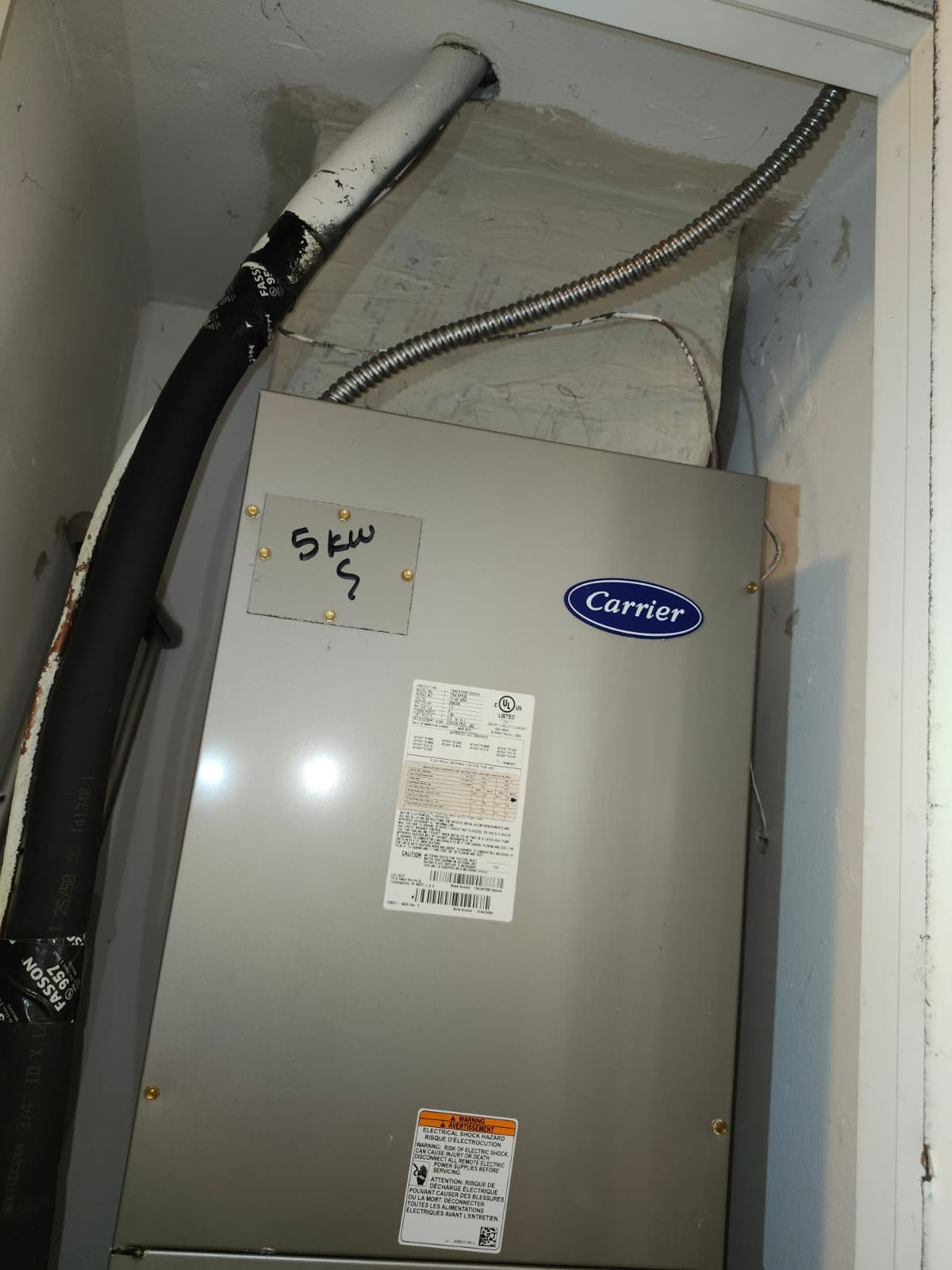
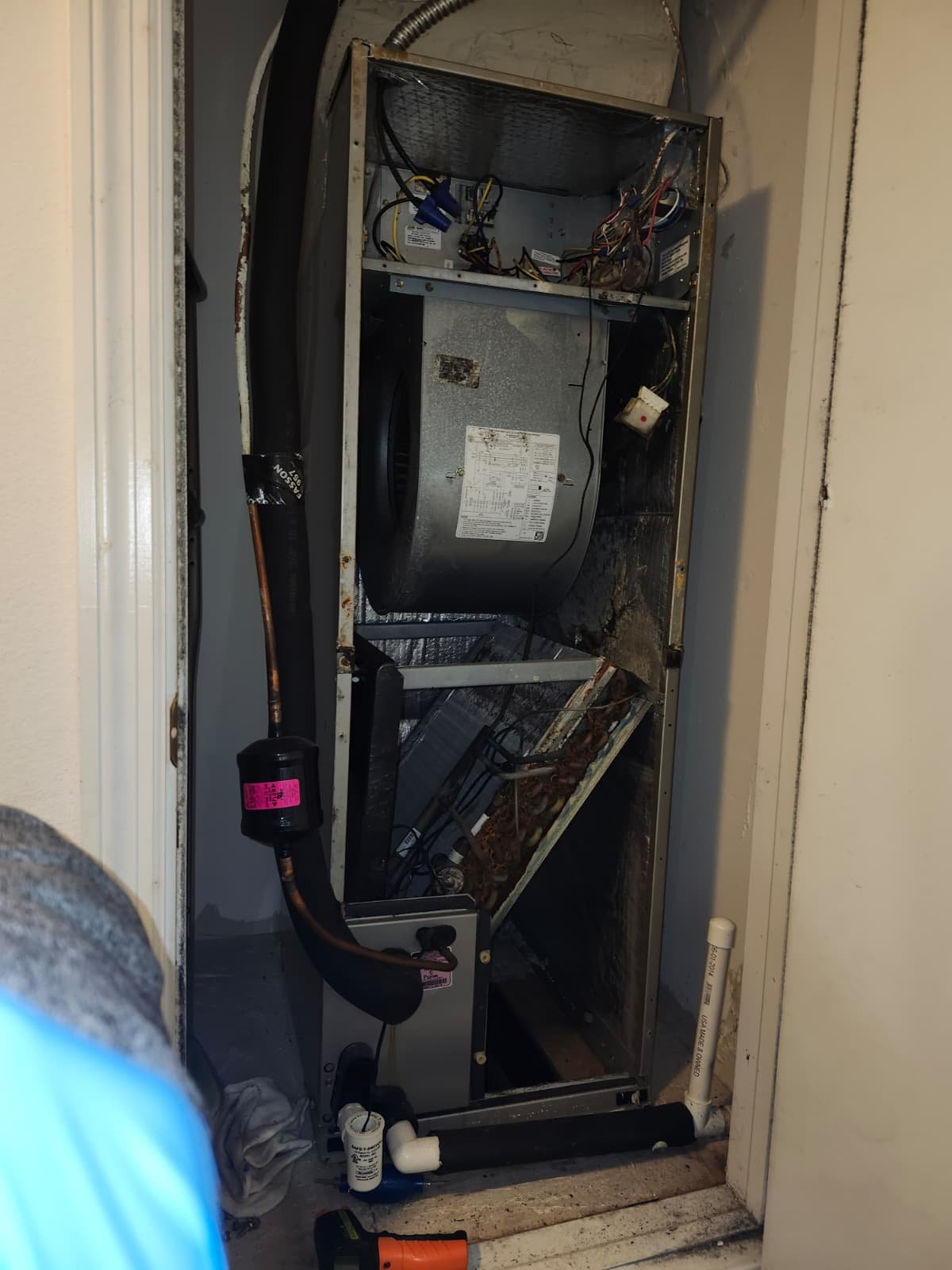
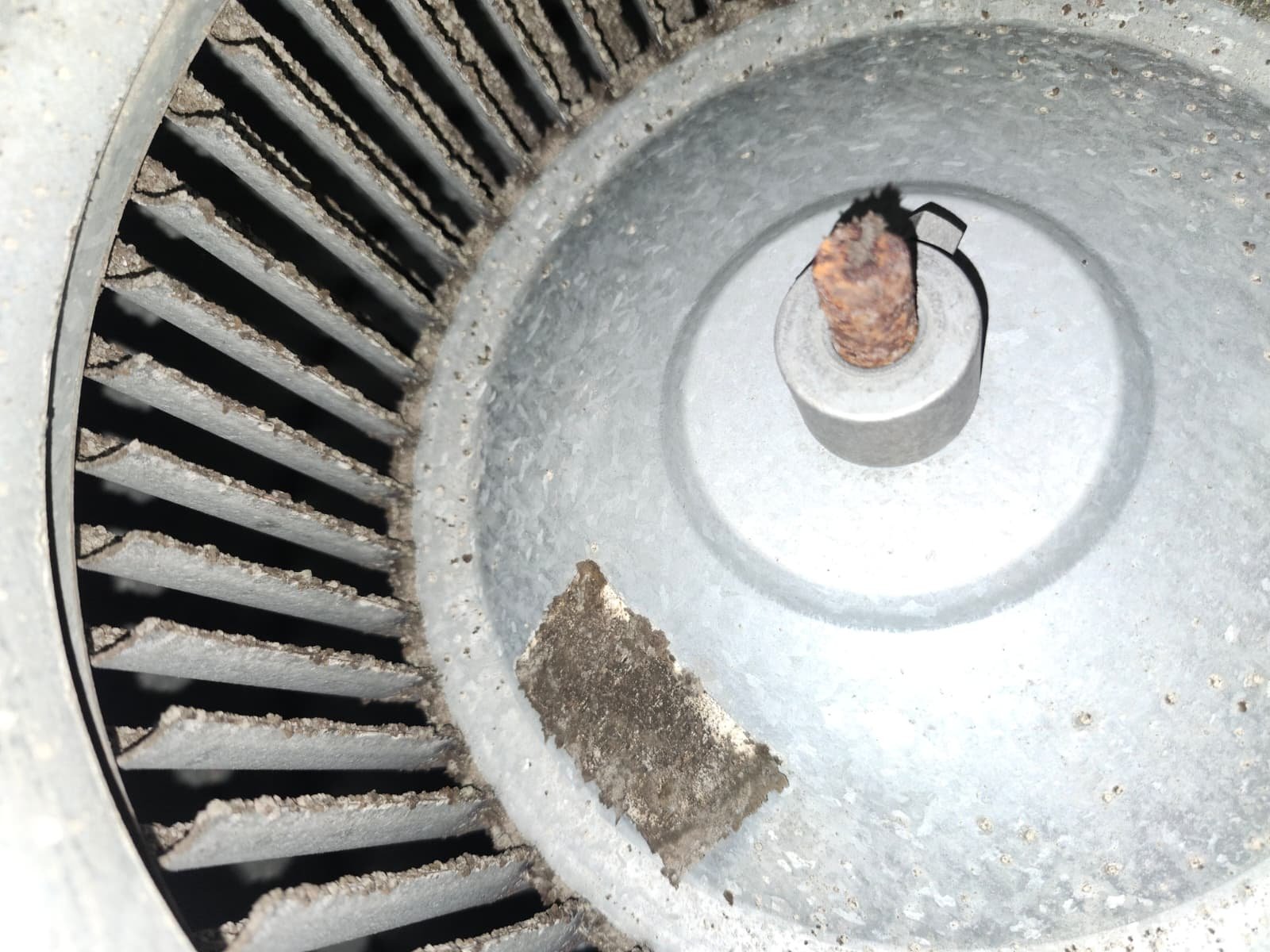
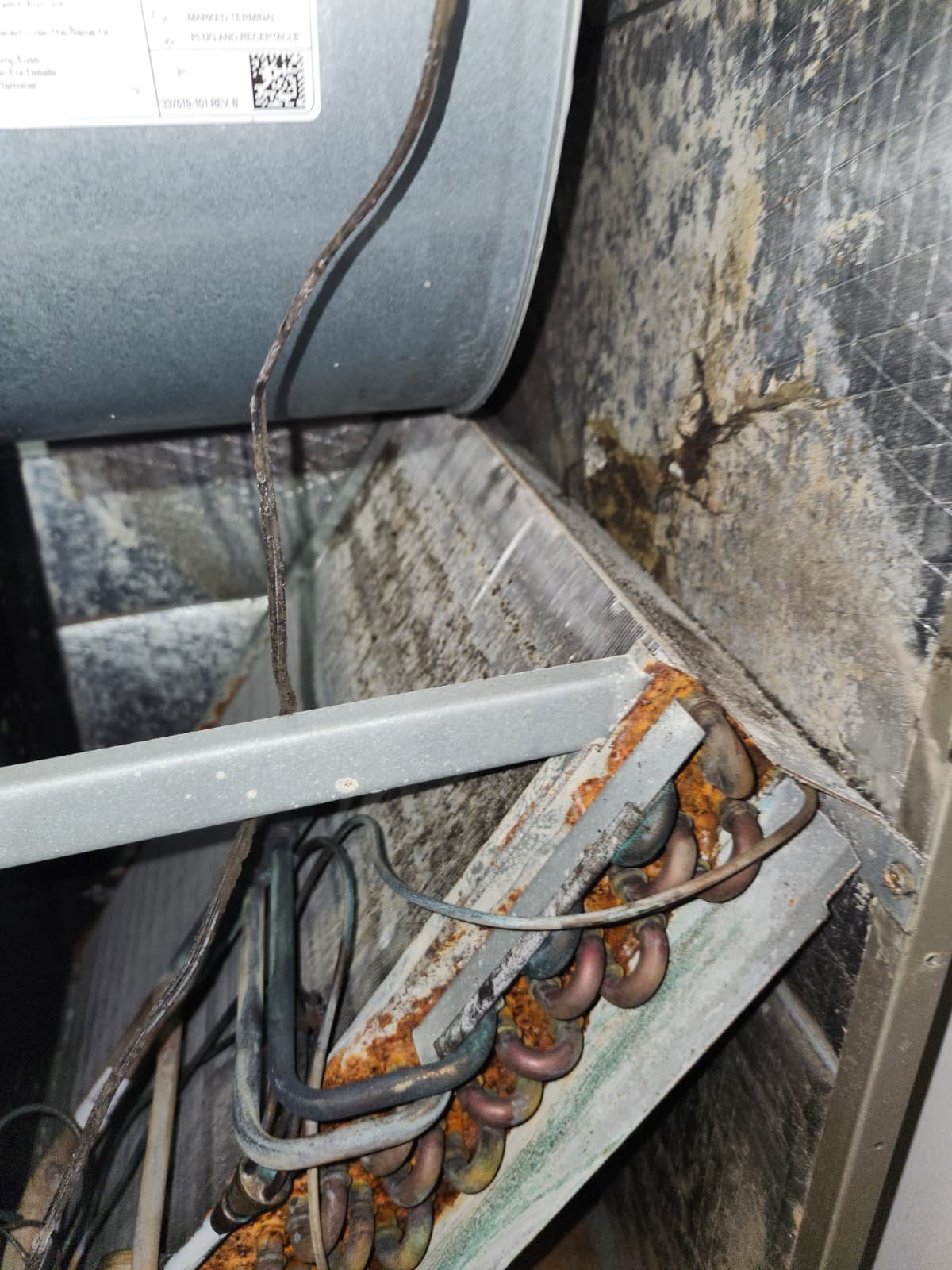
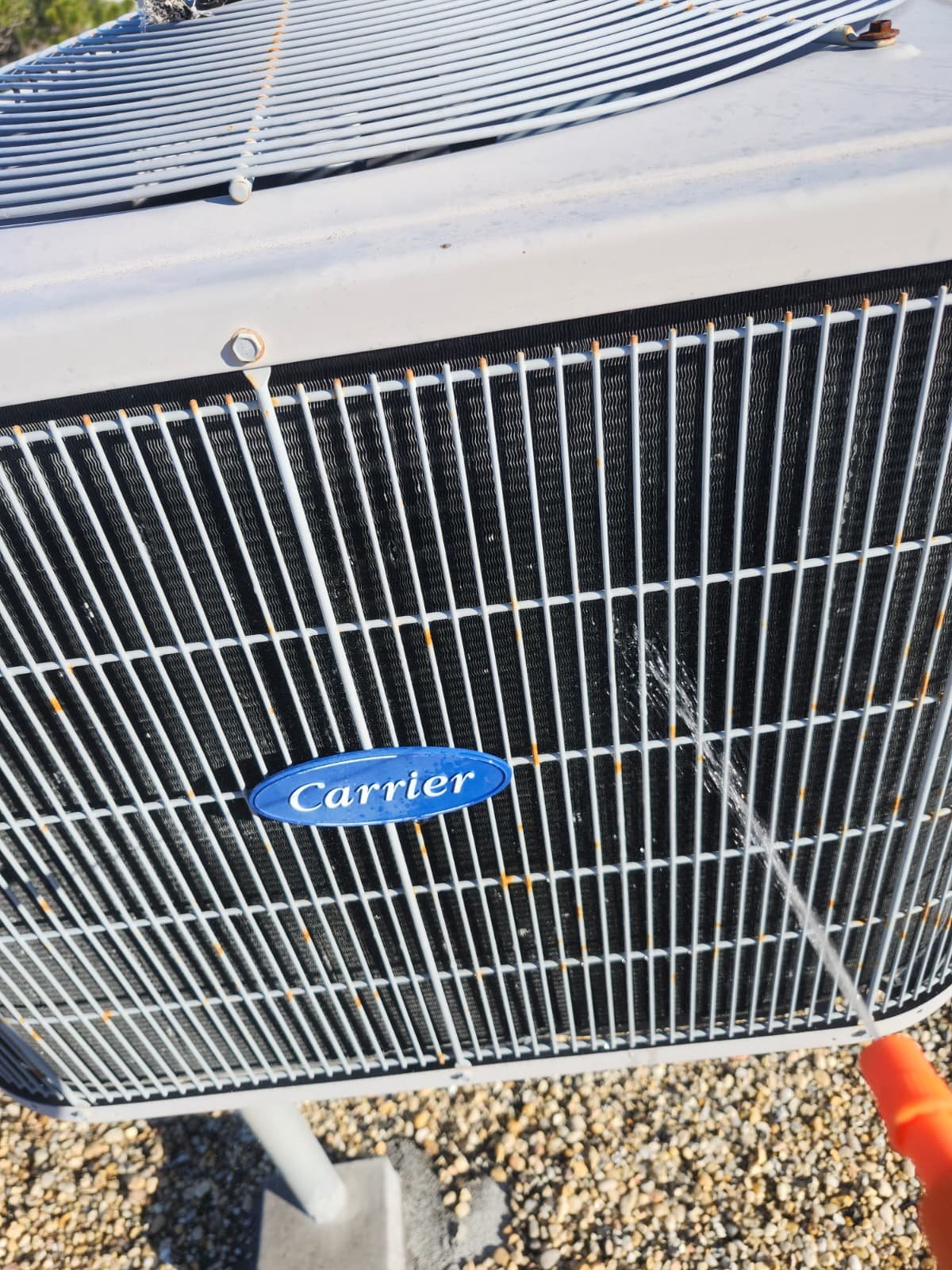
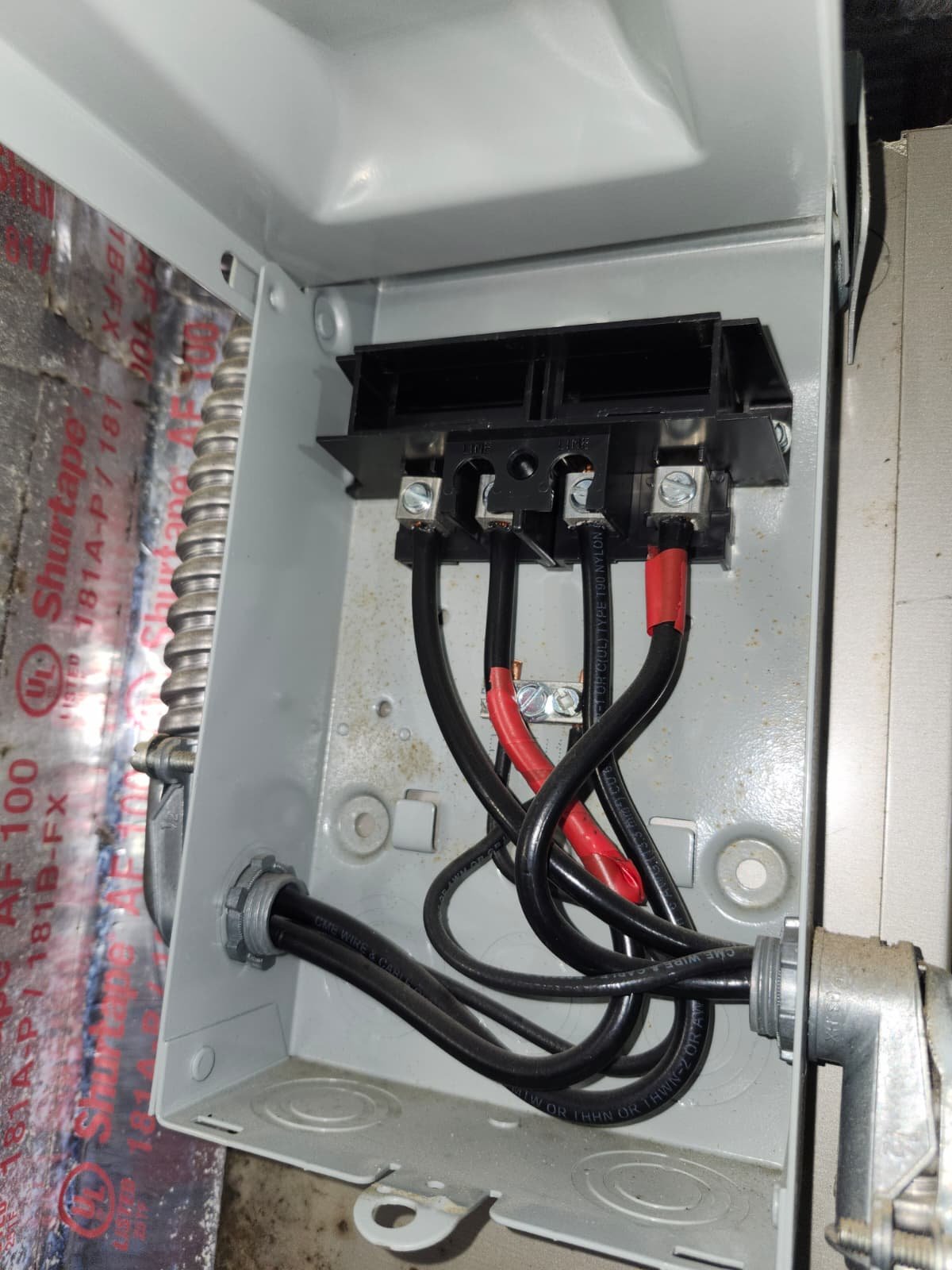
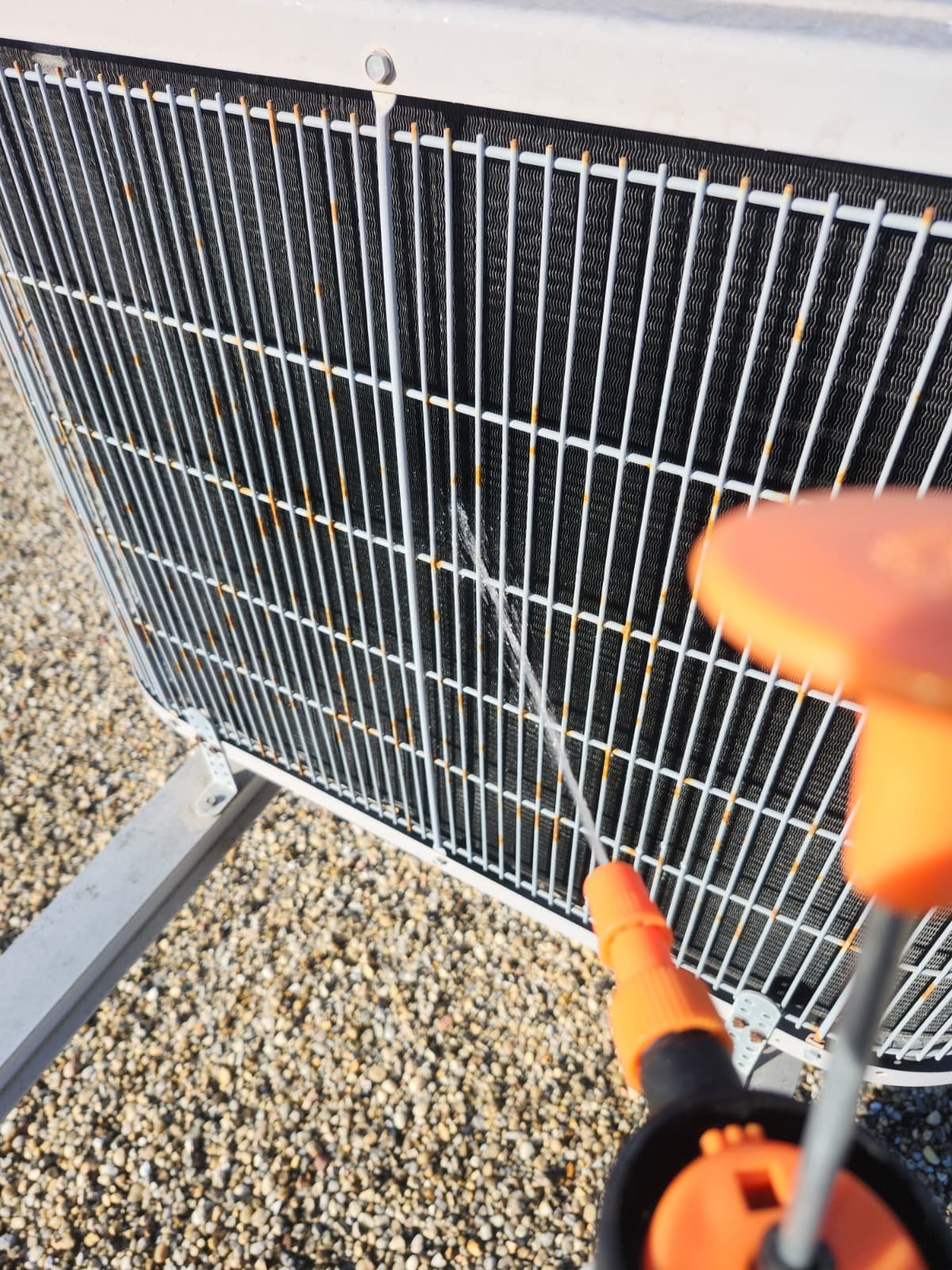
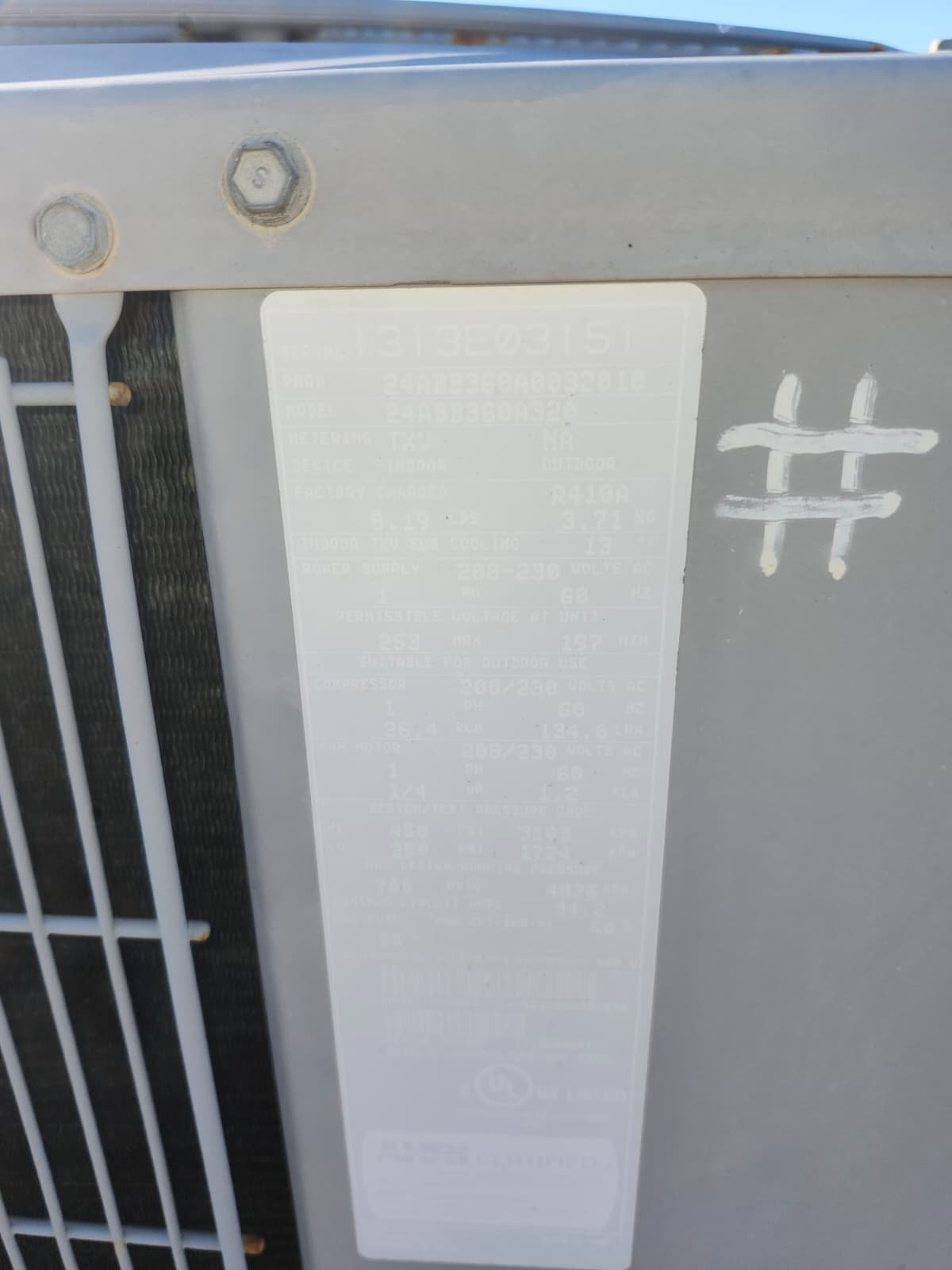
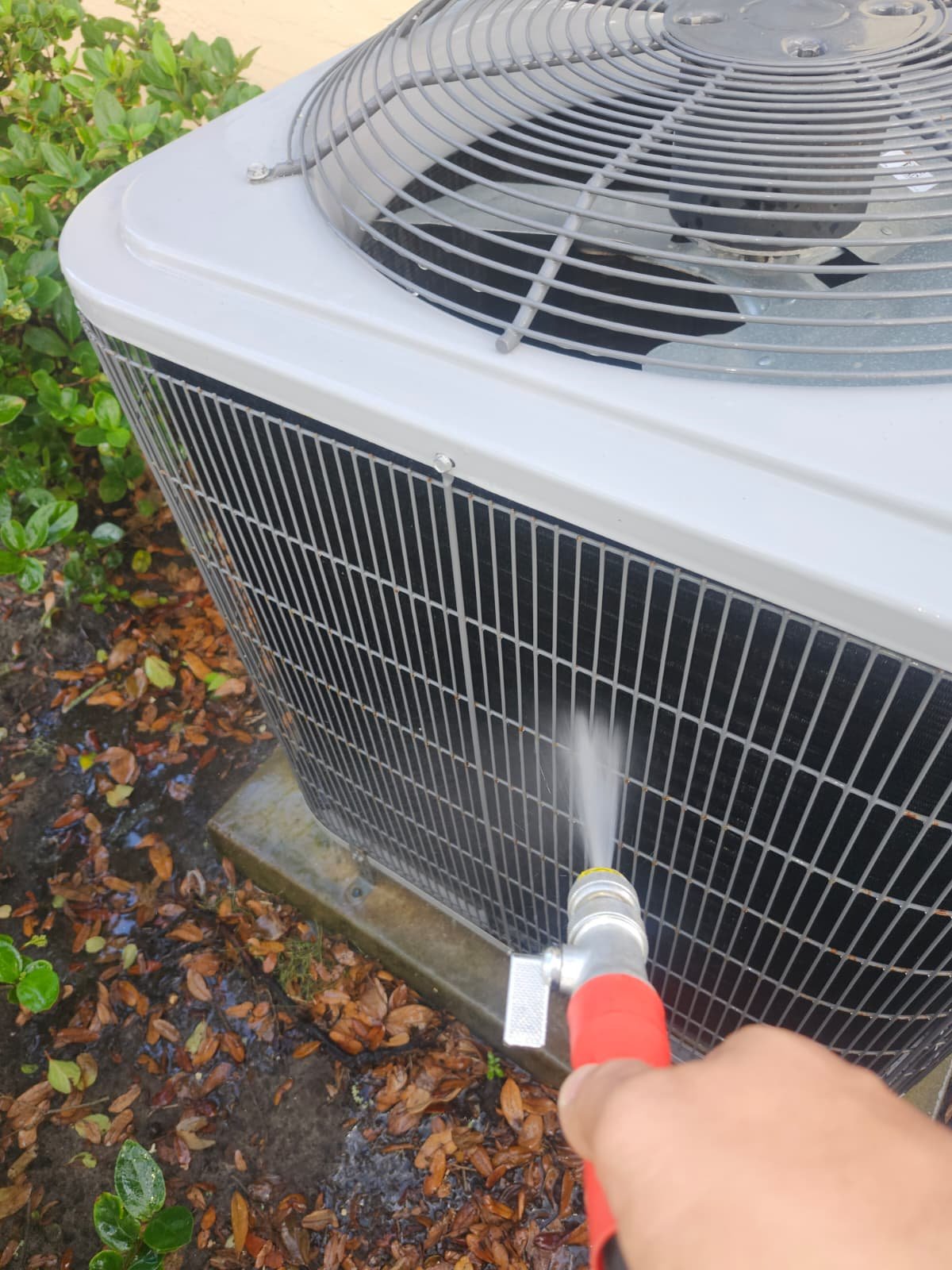
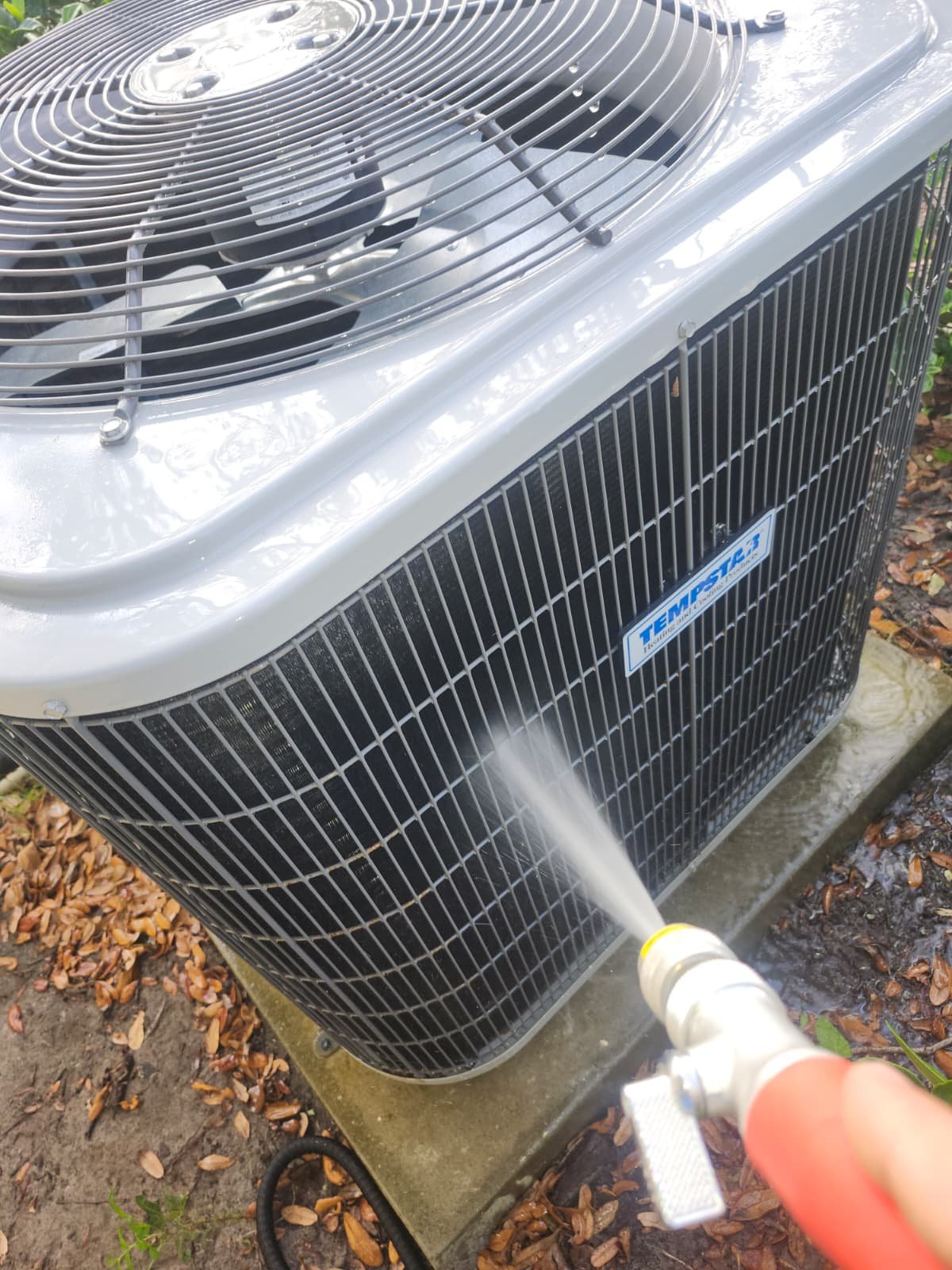
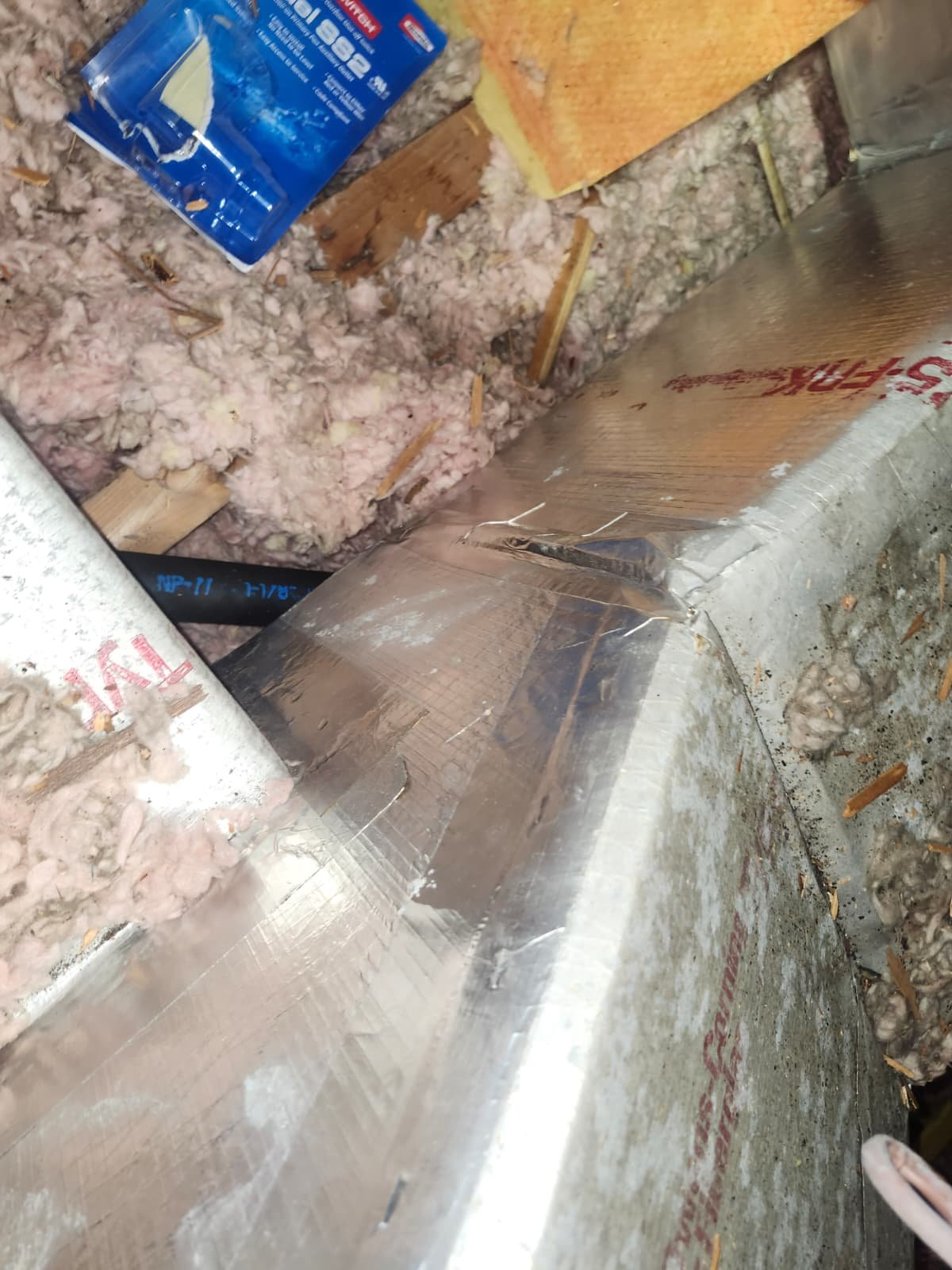
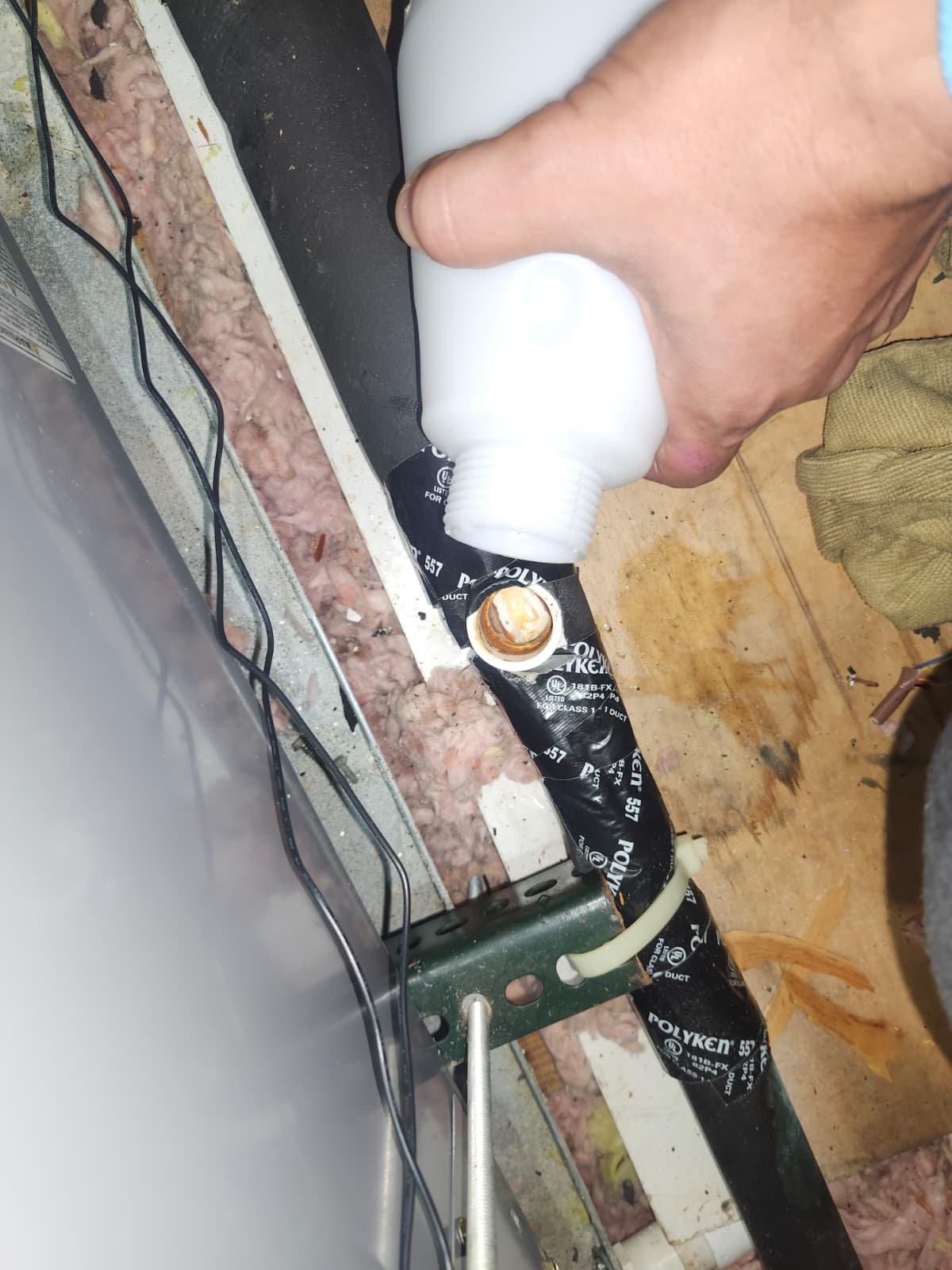
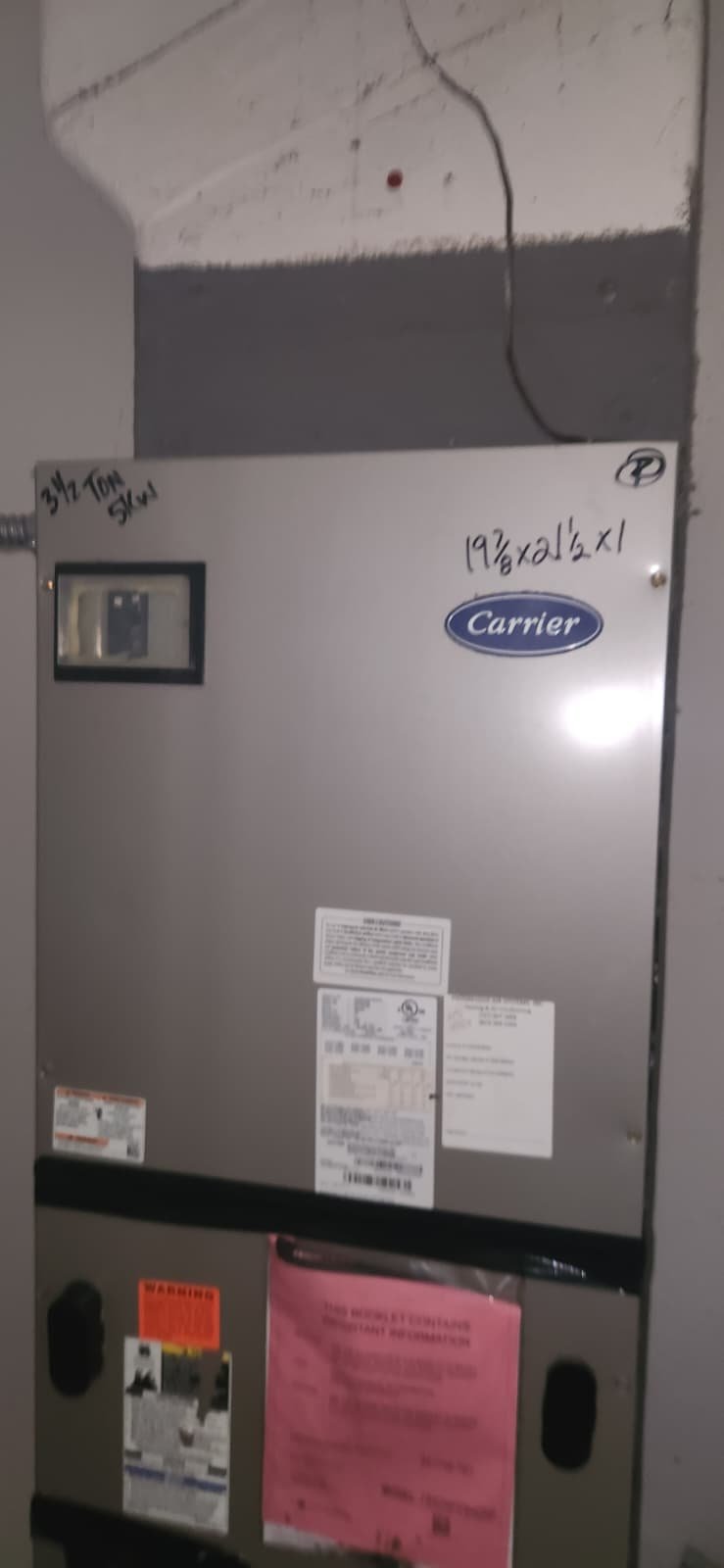
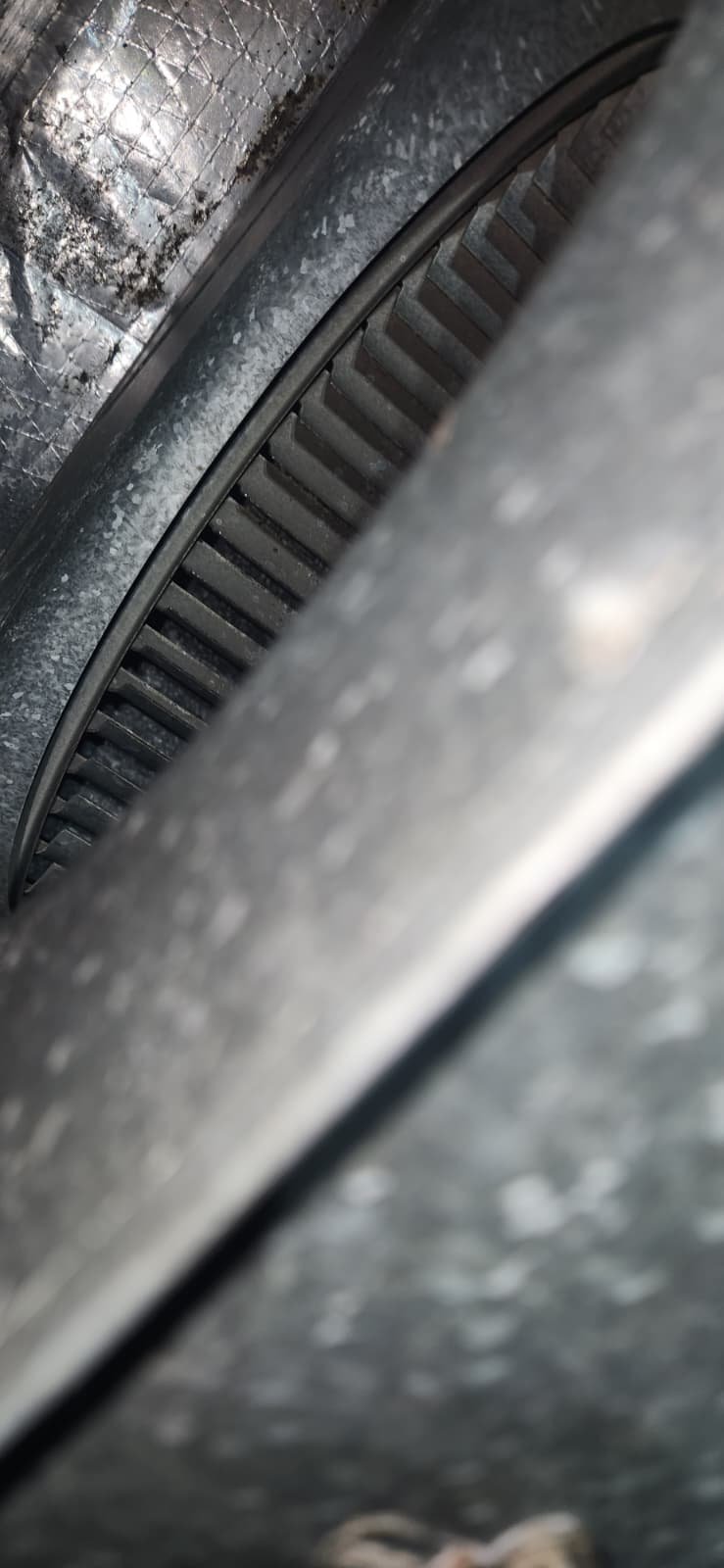
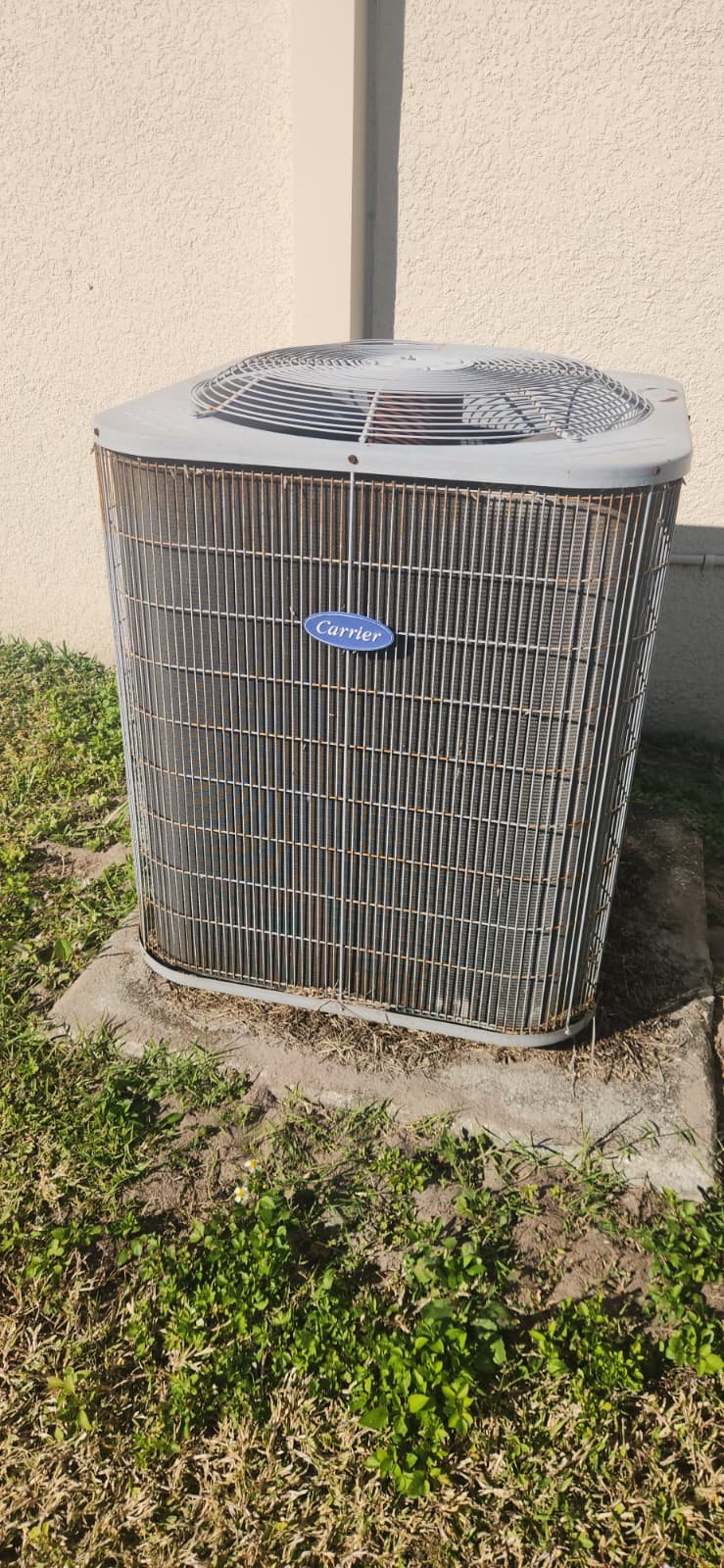
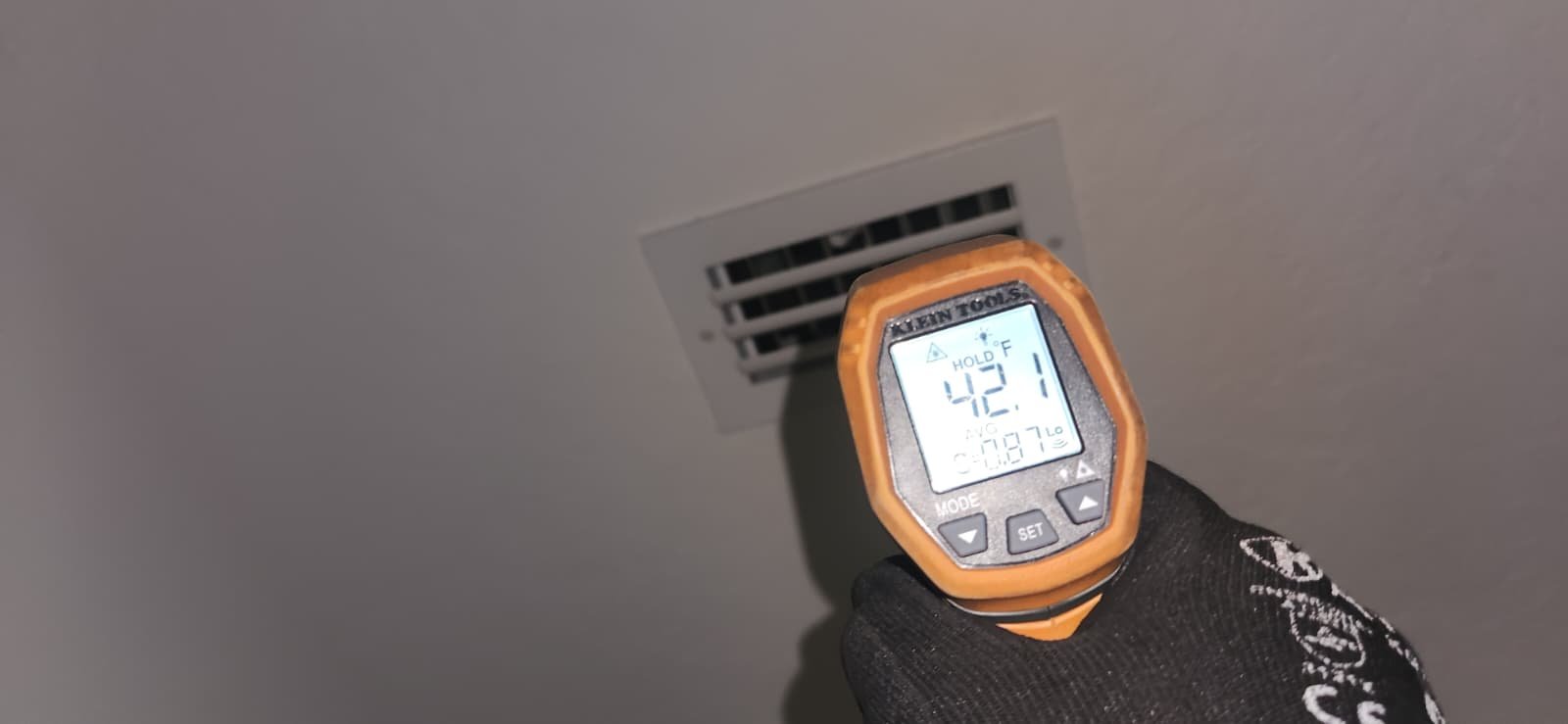
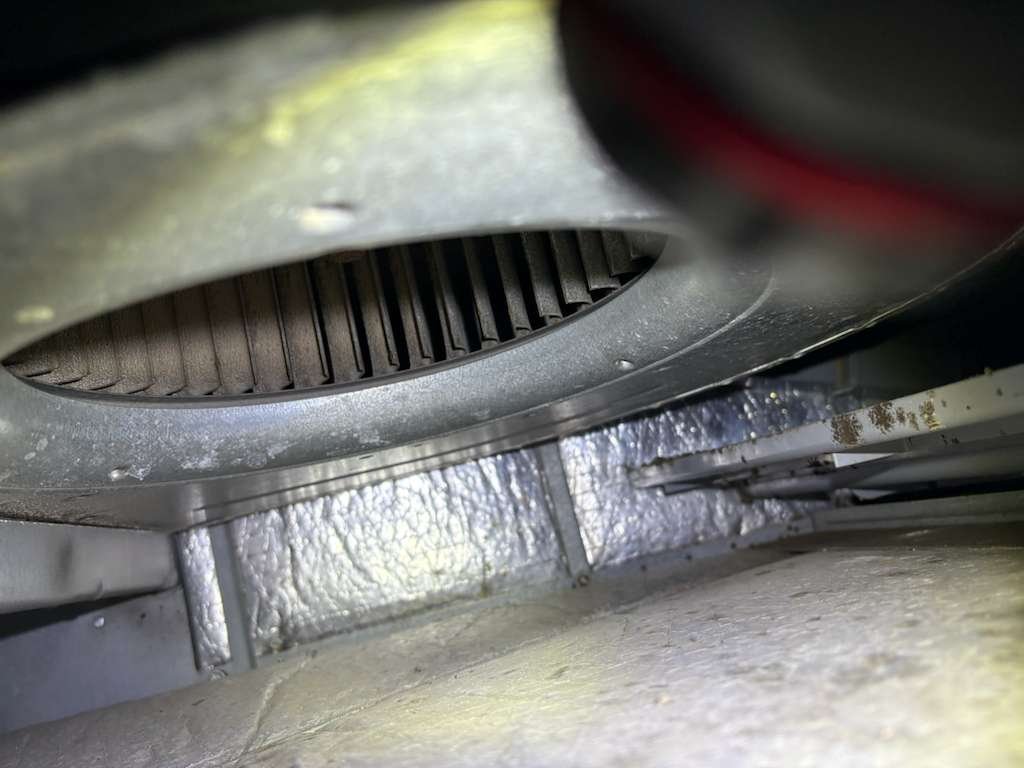
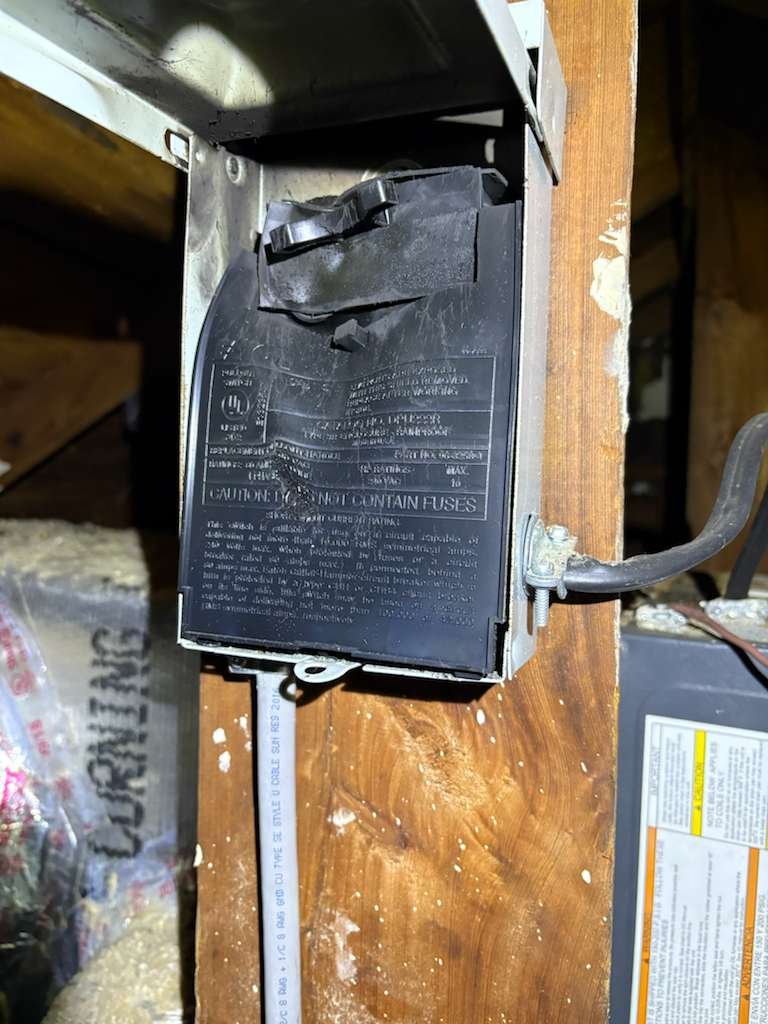
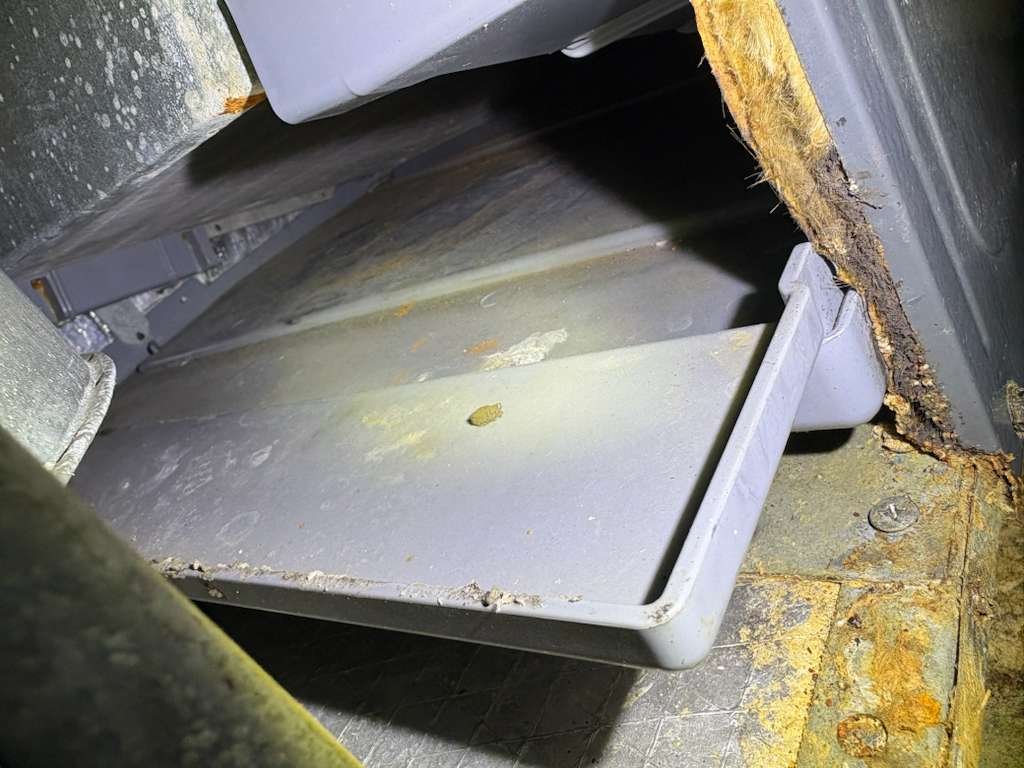
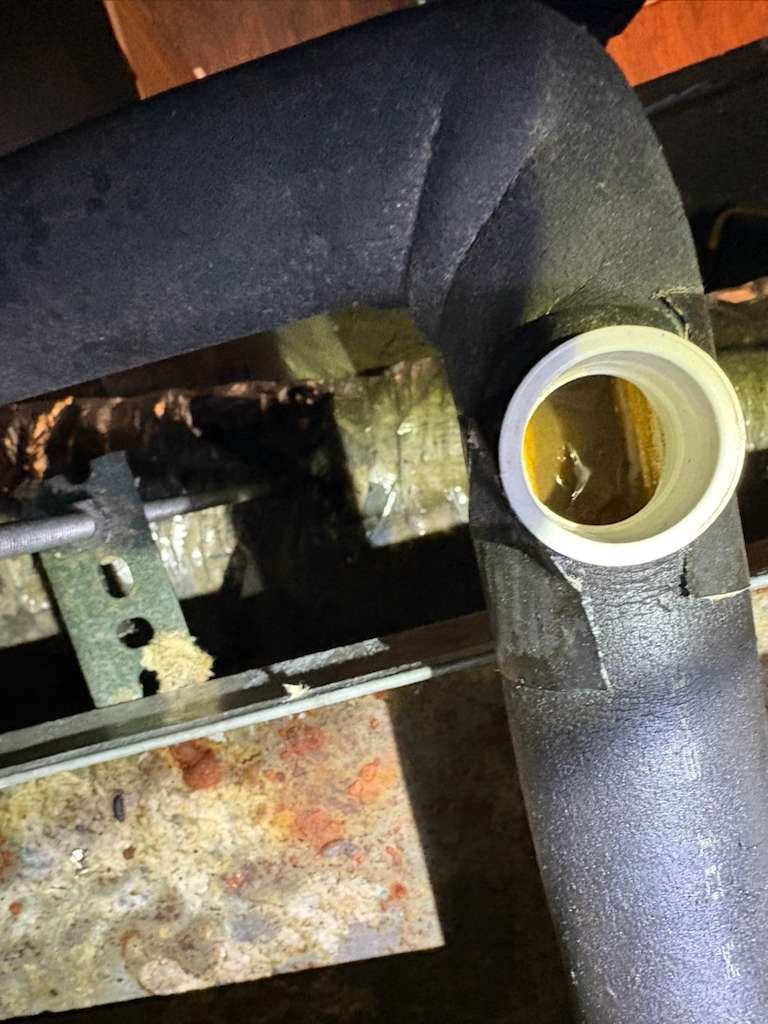
Russell Whidden Job 588f8565d84f4e489b73b6b201d50baf 2

Daikin Heat Pump and Ductwork Replacement in Valrico, FL 33596
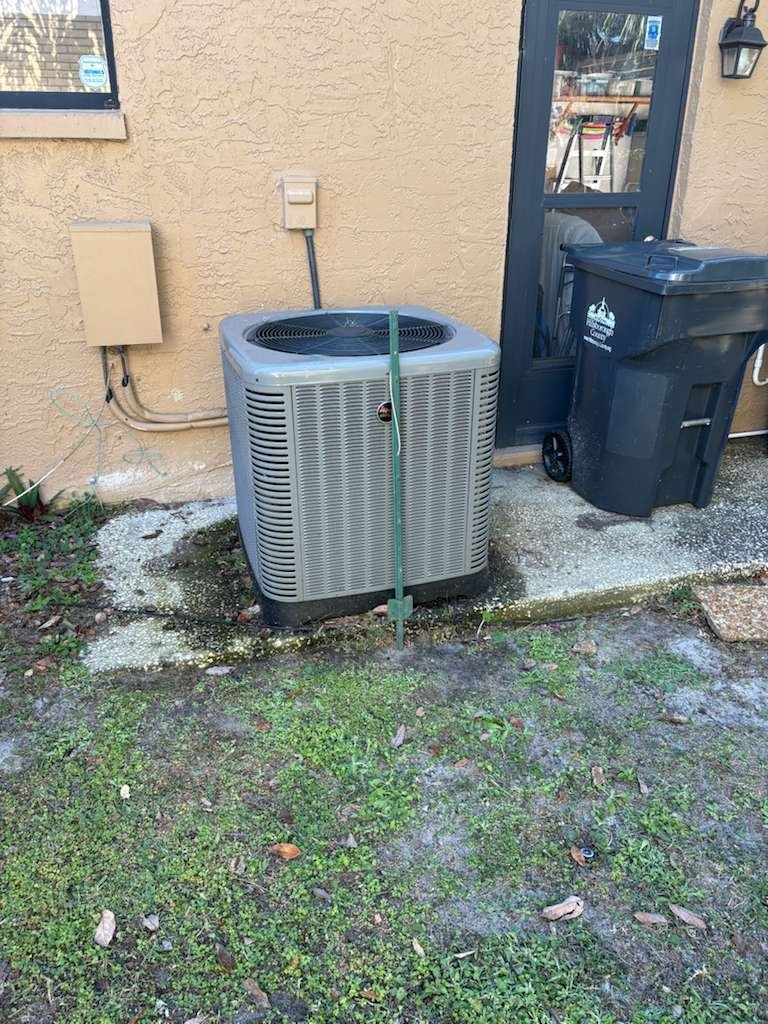
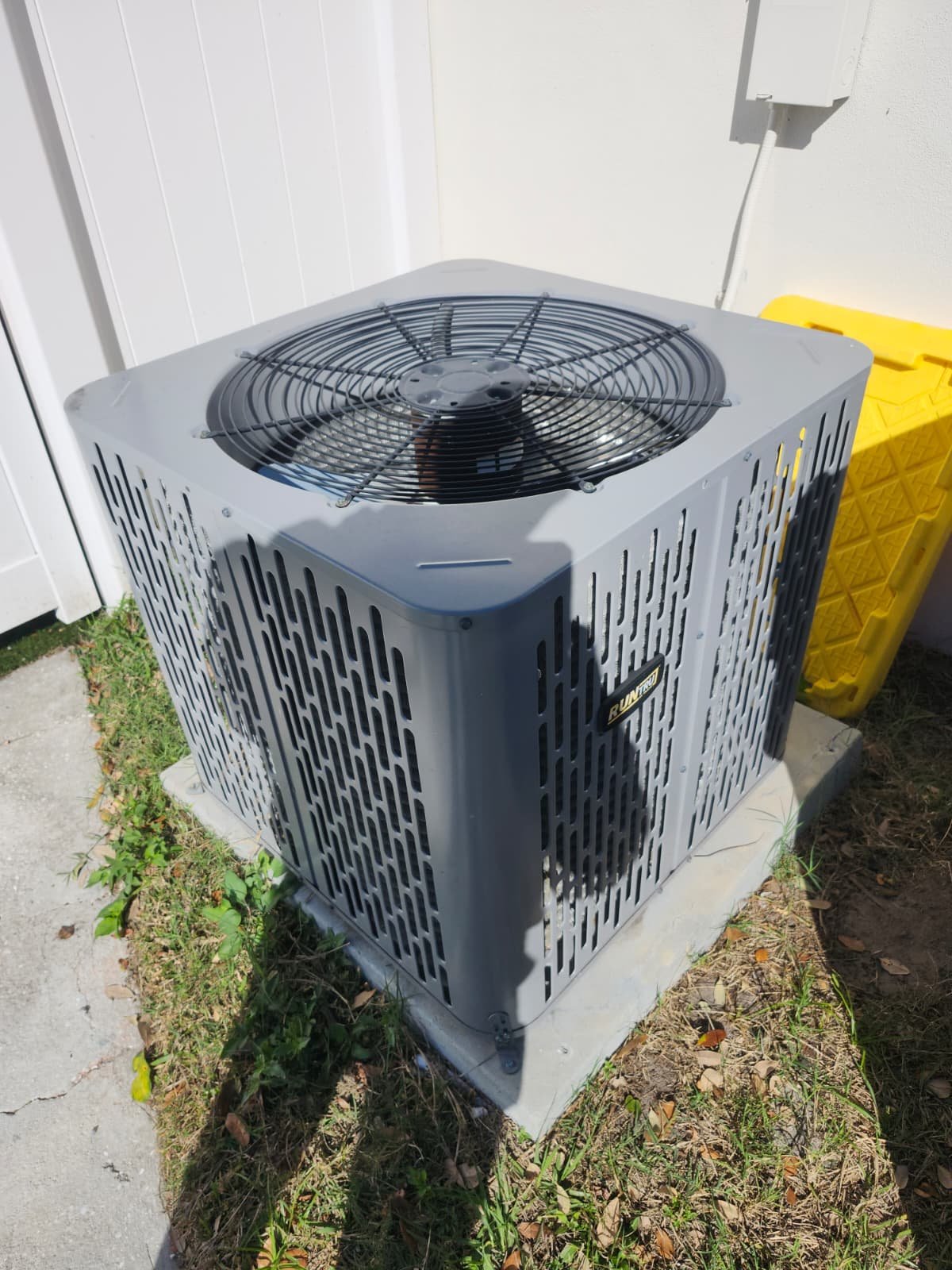
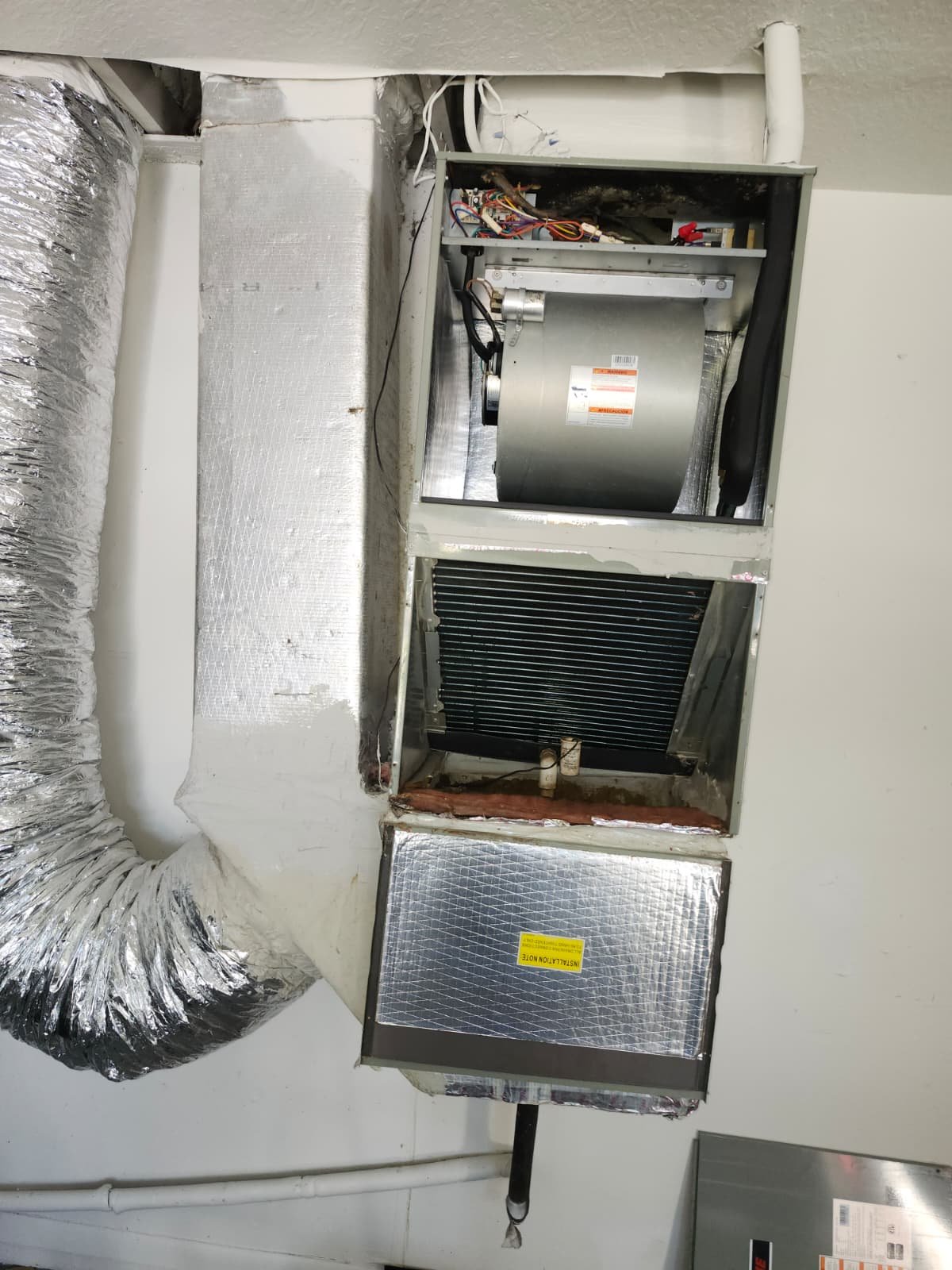
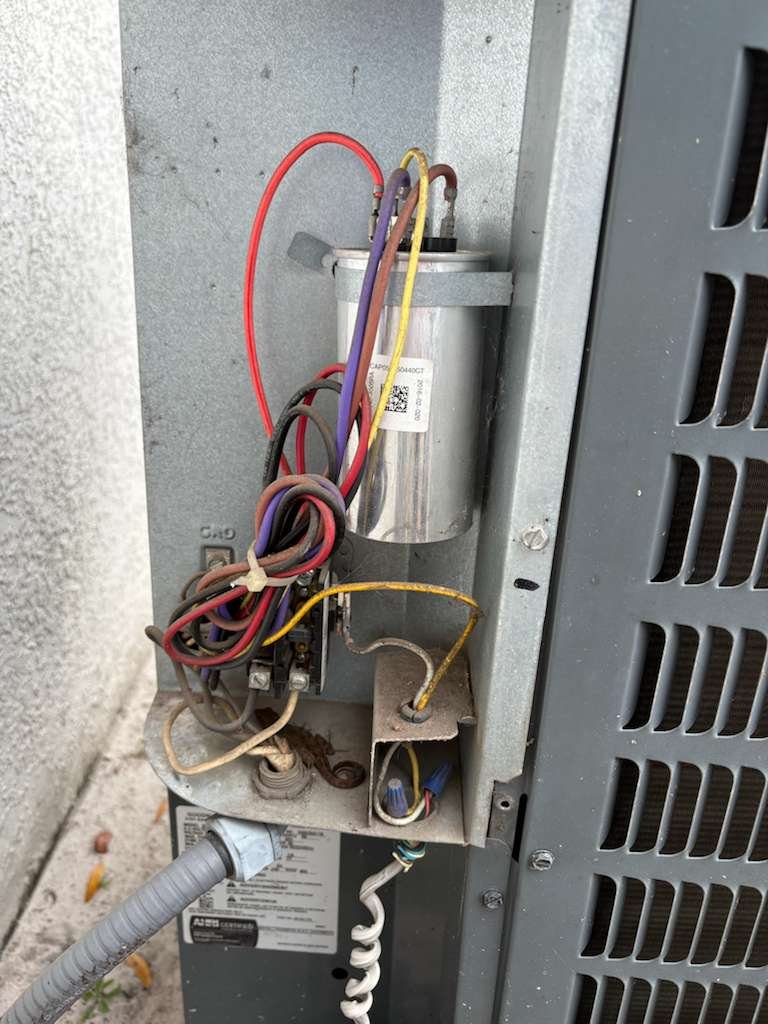
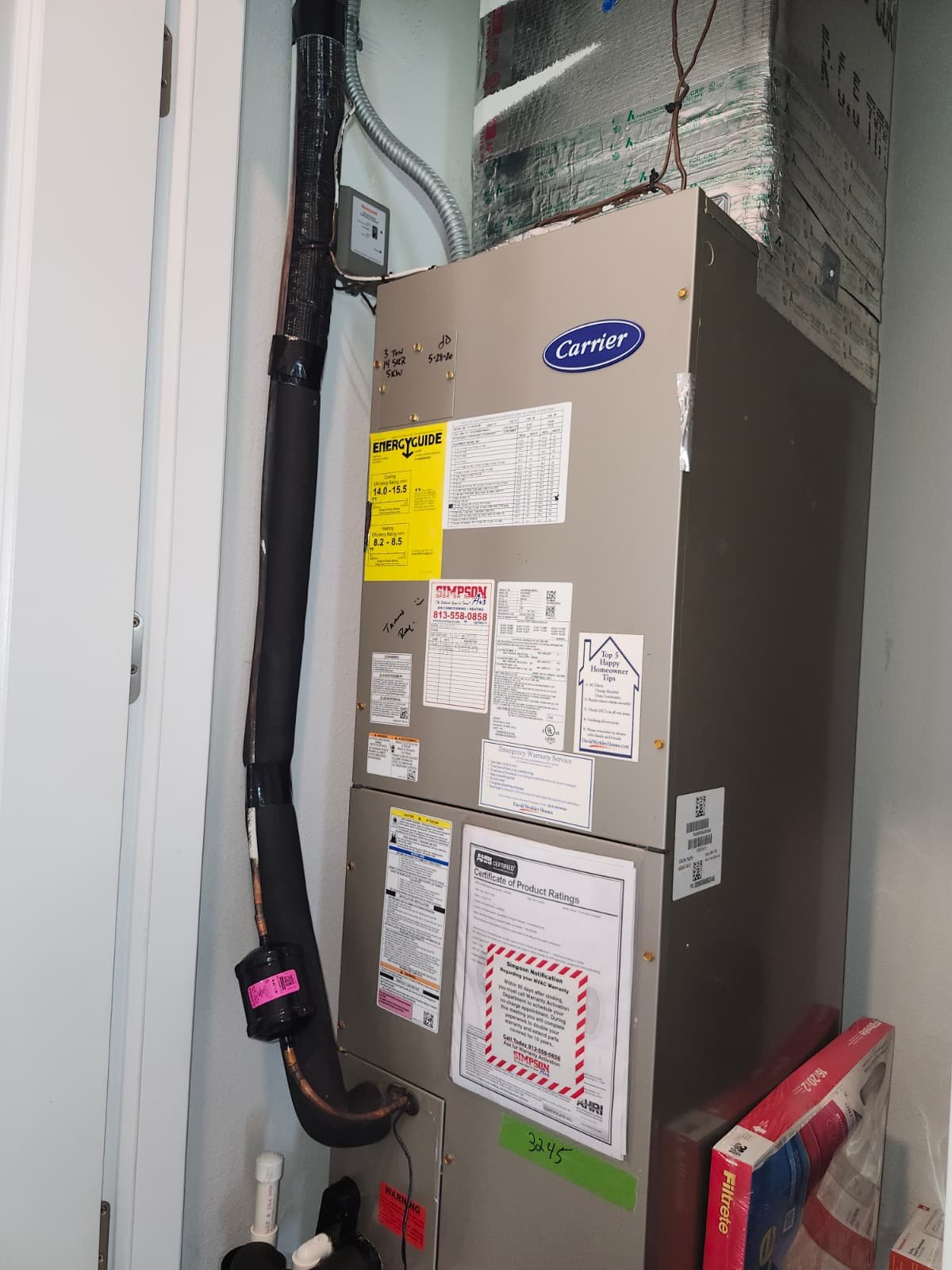
When the air conditioning and ductwork in a Florida home start to struggle, comfort goes downhill fast. For a homeowner in Valrico, FL 33596, that meant rooms that weren’t cooling evenly and an older system that was no longer the best fit for the home. Our Home Therapist team was called in to install a new Daikin 5-ton heat pump system and replace key duct runs with new R6 flex duct, all designed to restore comfort, improve efficiency, and set this home up for many reliable years in the Tampa Bay heat.

In this walkthrough, we’ll explain how we approached the project, what equipment we installed, how we handled the ductwork, and what this means for long-term comfort and reliability for homeowners in Valrico and the surrounding Tampa Bay area.

Case Recap

  • Location: Single-family home in Valrico, FL 33596
  • Service: New 5-ton Daikin Value Split heat pump system, horizontal configuration
  • Upgrades: R6 flexible duct replacement with new boots, grills, distribution boxes, and design
  • Comfort Goals: Better airflow, more even temperatures, and improved efficiency
  • Protection: Manufacturer parts and unit replacement warranties plus Home Therapist labor warranty
  • Outcome: Quieter, more efficient operation with cleaner airflow and properly designed duct distribution

Customer Problem

By the time we met this homeowner in Valrico, the existing air conditioning system had reached the point where replacement made more sense than more repairs. In our Tampa Bay climate, equipment runs hard most of the year, and older systems can struggle to keep up, especially if the ductwork is aging or not designed for today’s airflow needs.

The homeowner’s main concerns were:

  • Certain rooms not cooling as well as others
  • Rising energy bills compared to past seasons
  • An older system that was no longer as reliable as they wanted
  • Ductwork that had seen better days and needed to be brought up to current standards

They wanted a solution that would not only replace the equipment, but also address the airflow side of the system so they weren’t just putting a new unit on top of old, underperforming ductwork. As with many homeowners in Valrico, FL 33596, they were also thinking about long-term value, warranty coverage, and making sure the installation was done cleanly and professionally.

Inspection and Diagnosis

Before we install any new system, we slow down and look at the full picture. For this project, that meant paying attention to both the equipment and the ductwork.

Our inspection focused on:

  • Existing system capacity and condition – Confirming the current tonnage, layout, and how well it was matching the home’s needs.
  • Duct layout and sizing – Evaluating supply and return runs, drop sizes, and distribution boxes to see where airflow might be restricted or unbalanced.
  • Airflow and comfort complaints – Matching what the homeowner was feeling in different rooms with what we were seeing in the attic and at the vents.
  • Drainage and safety – Checking the existing drain pan and float protection, especially important in Florida where condensation is constant.

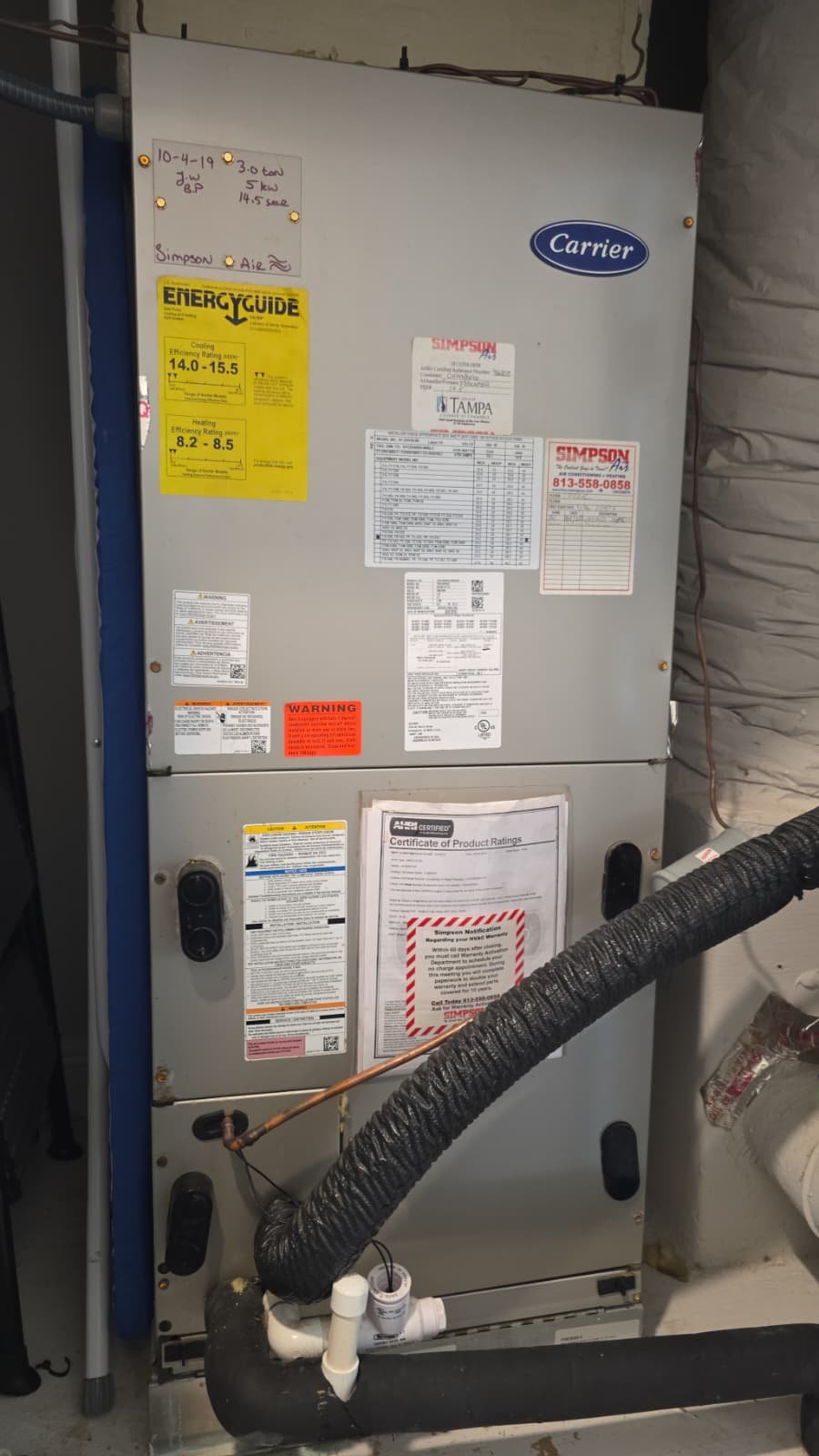
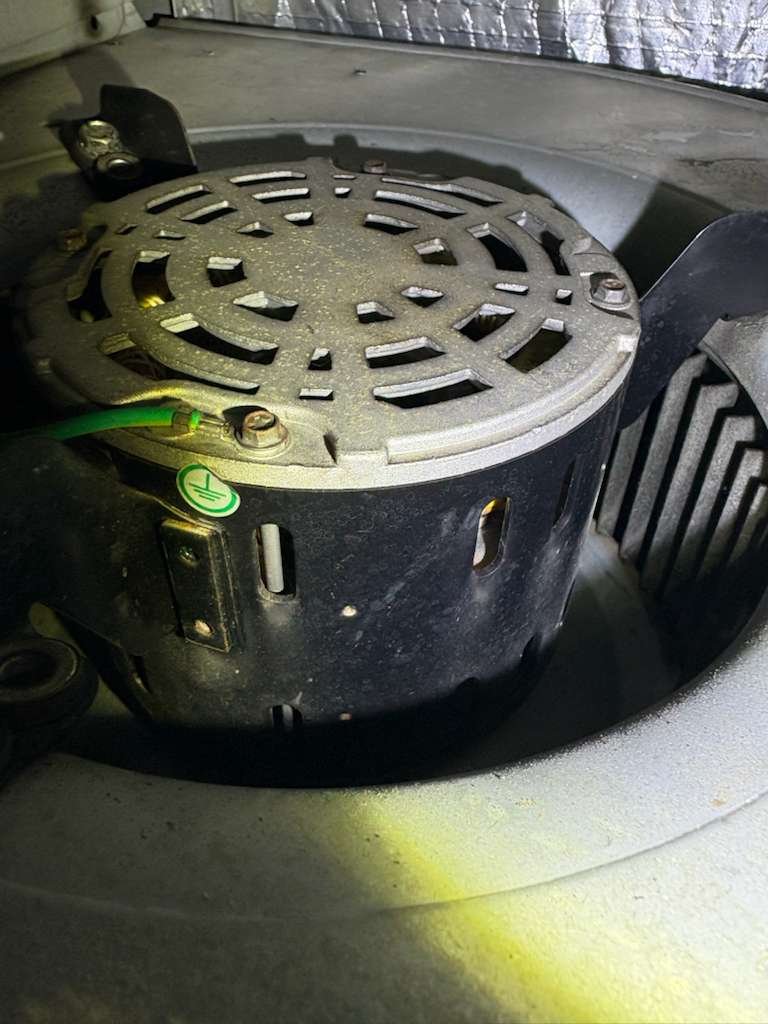
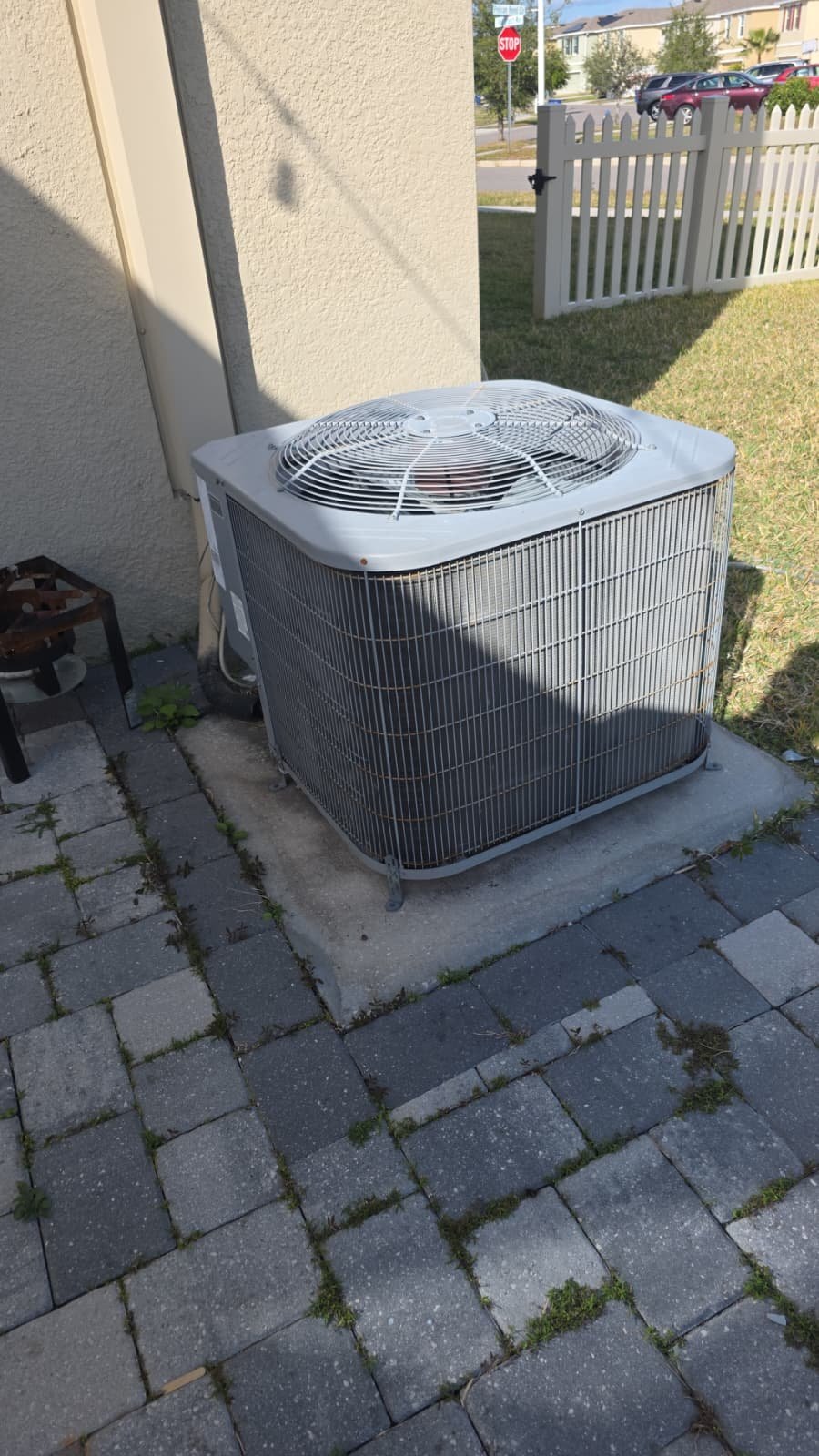
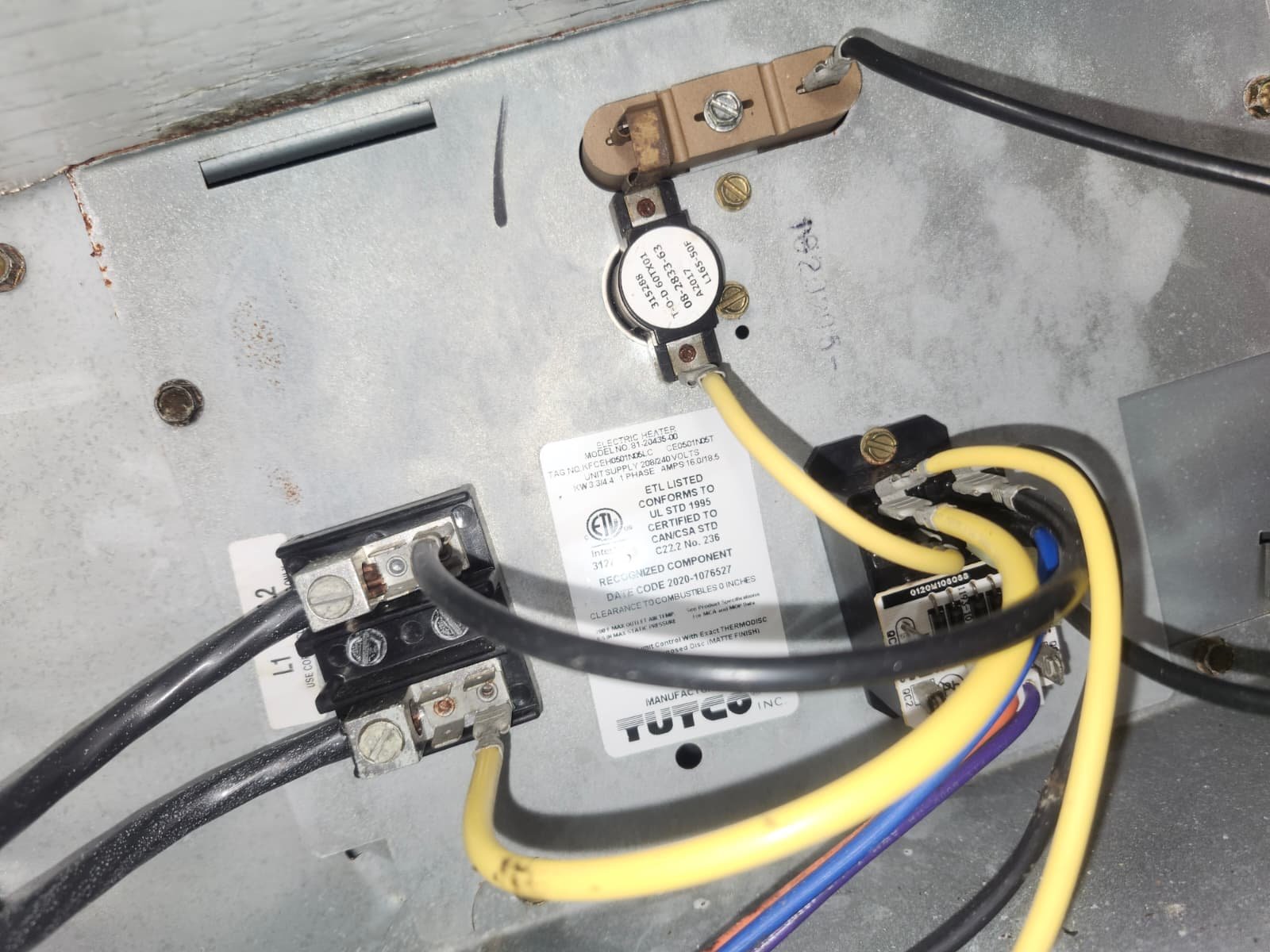
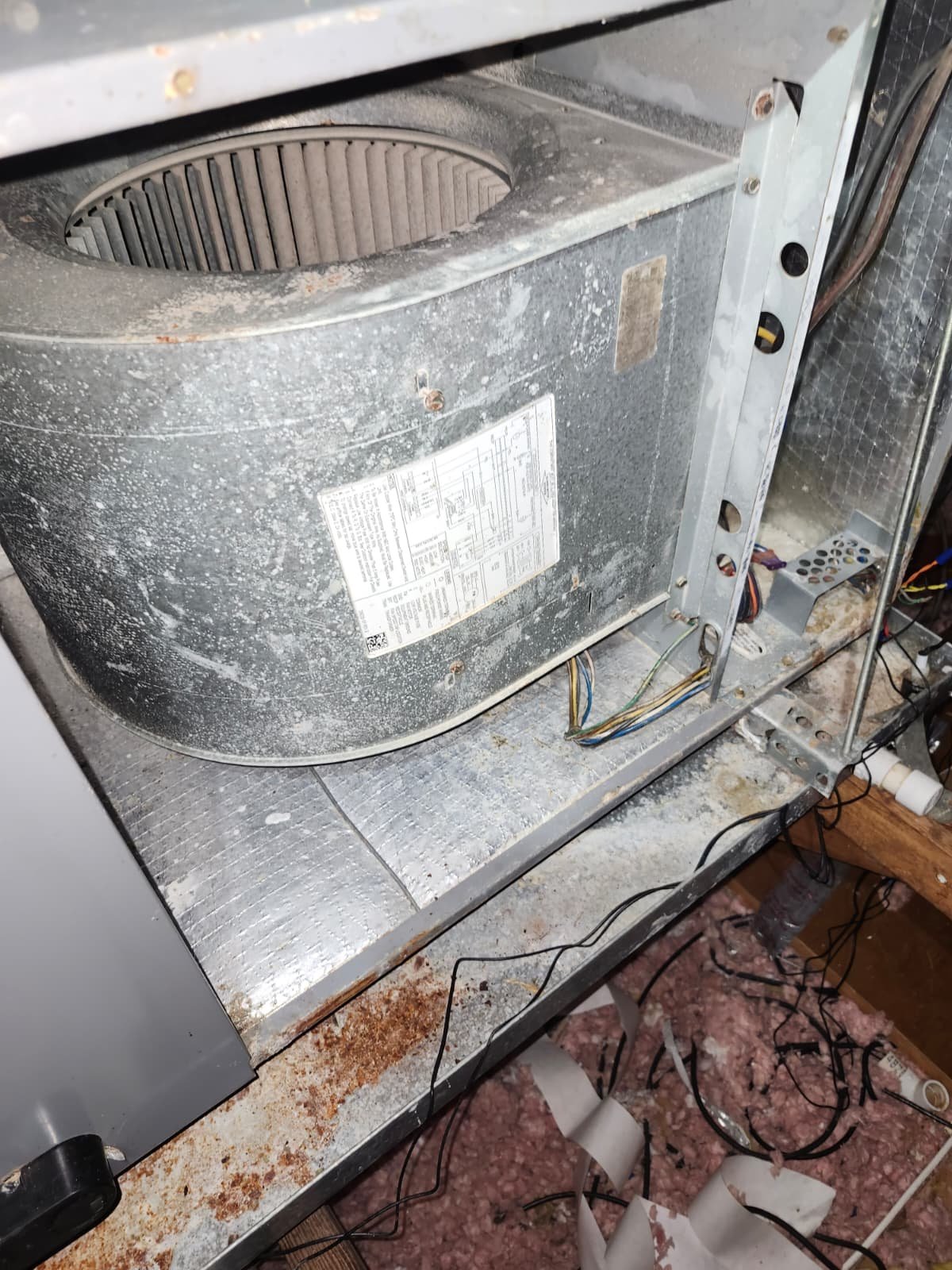
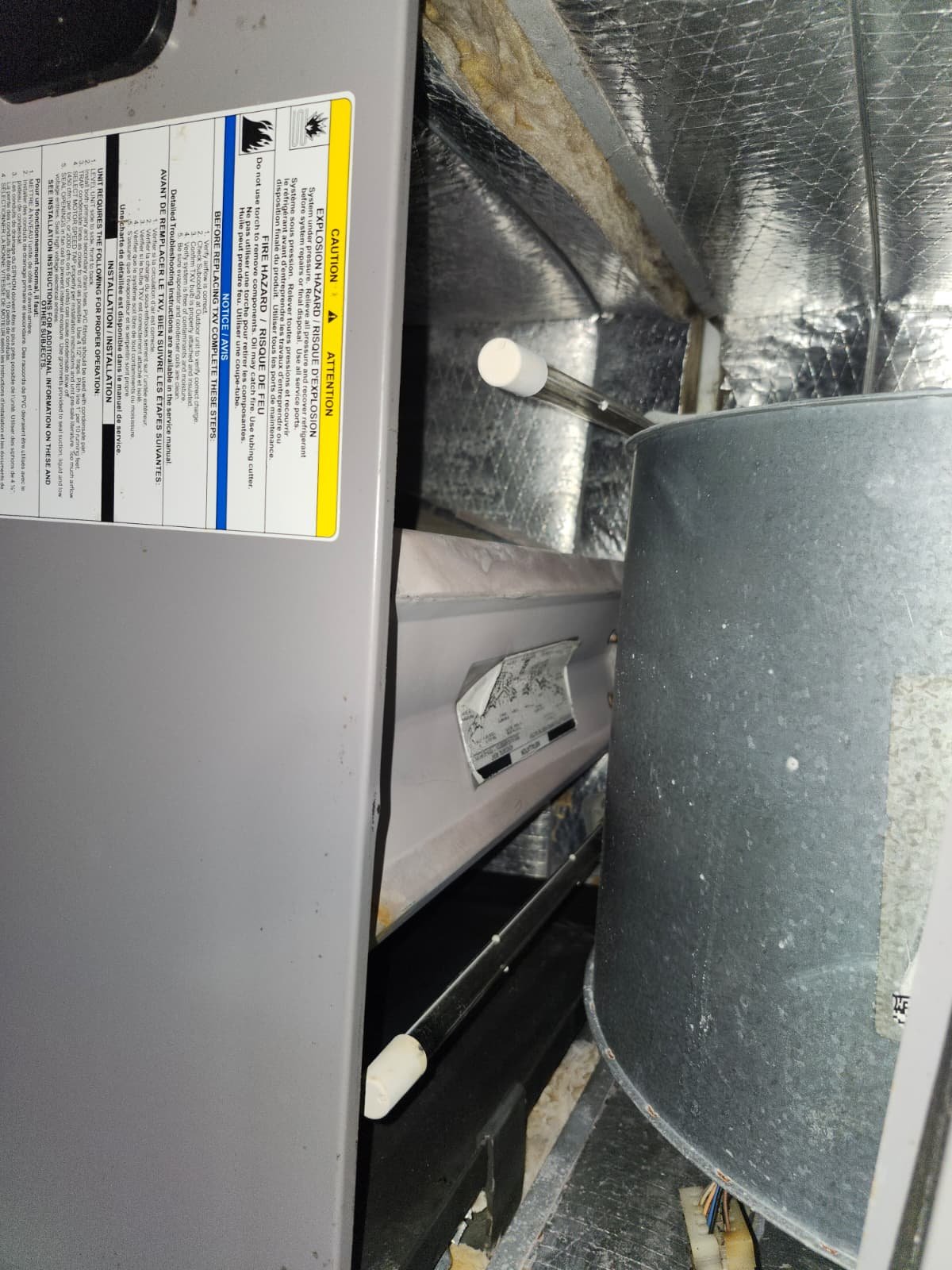
We confirmed that a 5-ton system was appropriate for the home when paired with properly designed ductwork. The older ducts and components were due for replacement: insulation quality, connections, and overall layout all had room for improvement. That’s why the plan included both a Daikin Value Split 5-ton heat pump and a complete R6 flex duct upgrade where needed.

If you’re curious how we think through full-system projects like this, our AC repairs, installs, and maintenance services overview gives a high-level look at how we design solutions for Tampa Bay homeowners.

Repair and Installation Process

With the plan approved, our team coordinated material pickup from our local distributor and scheduled the work so we could minimize disruption to the homeowner in Valrico, FL 33596. Here’s how we approached the installation step by step.

1. Removing and Preparing the Old System

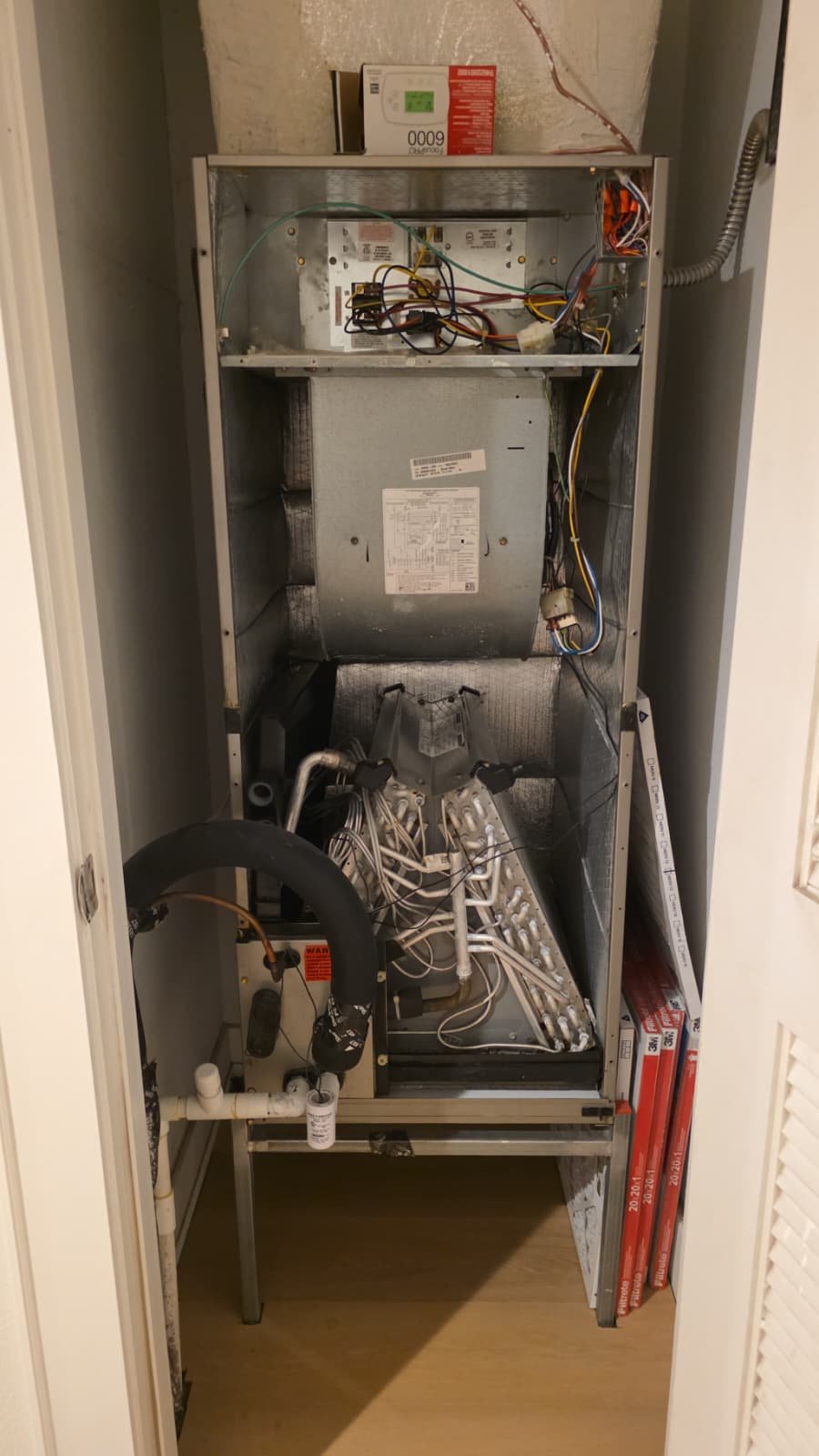
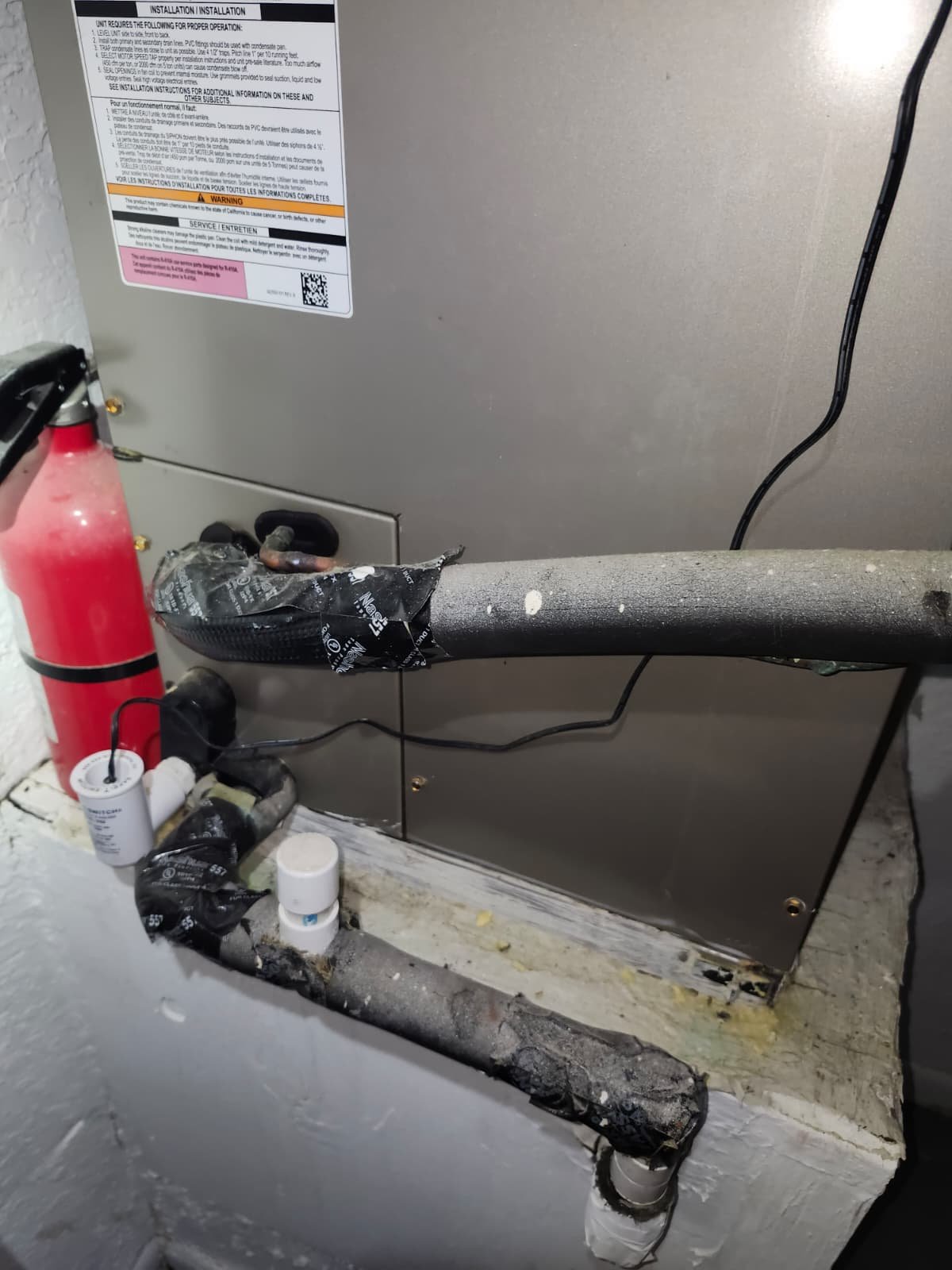
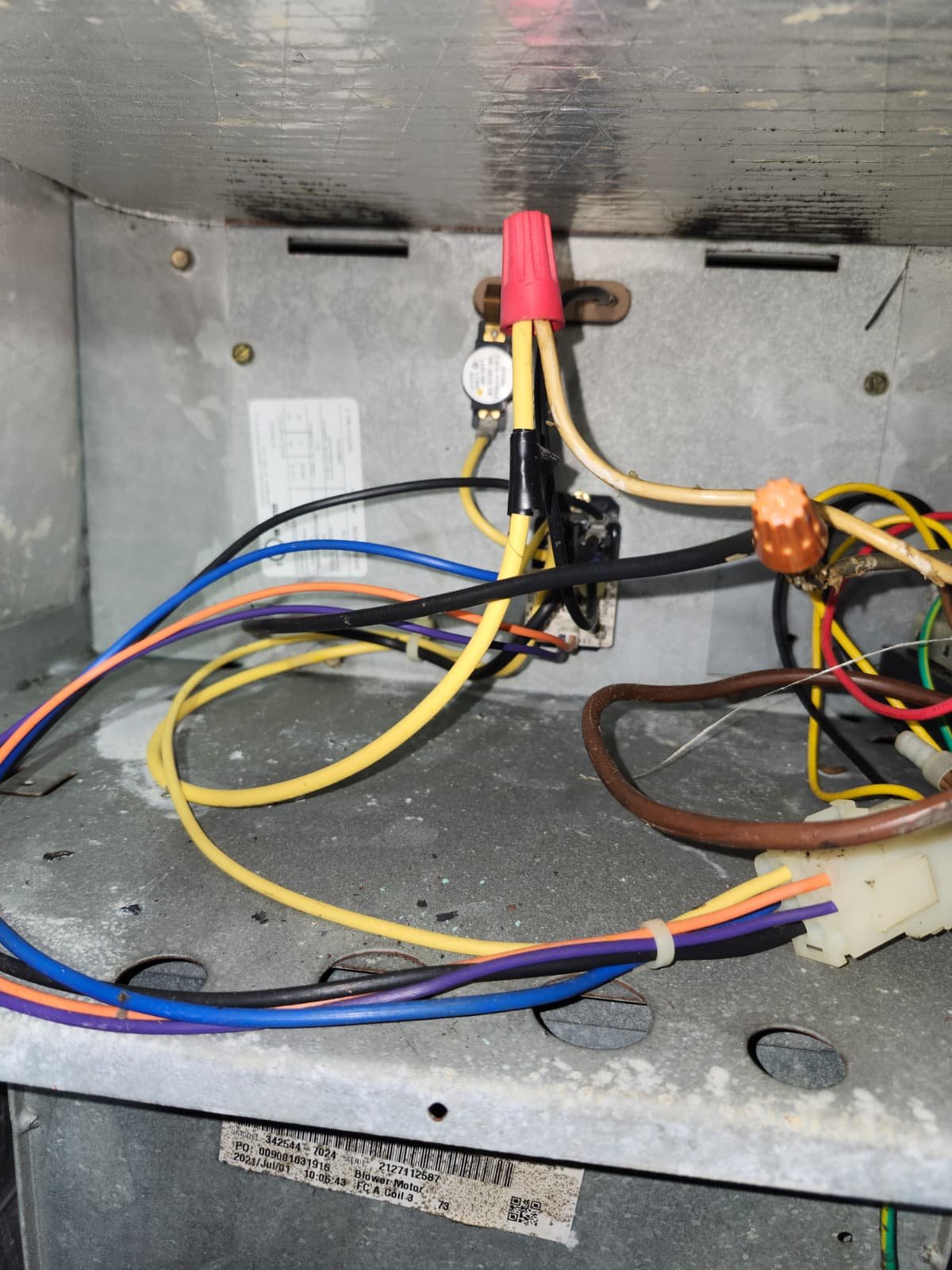
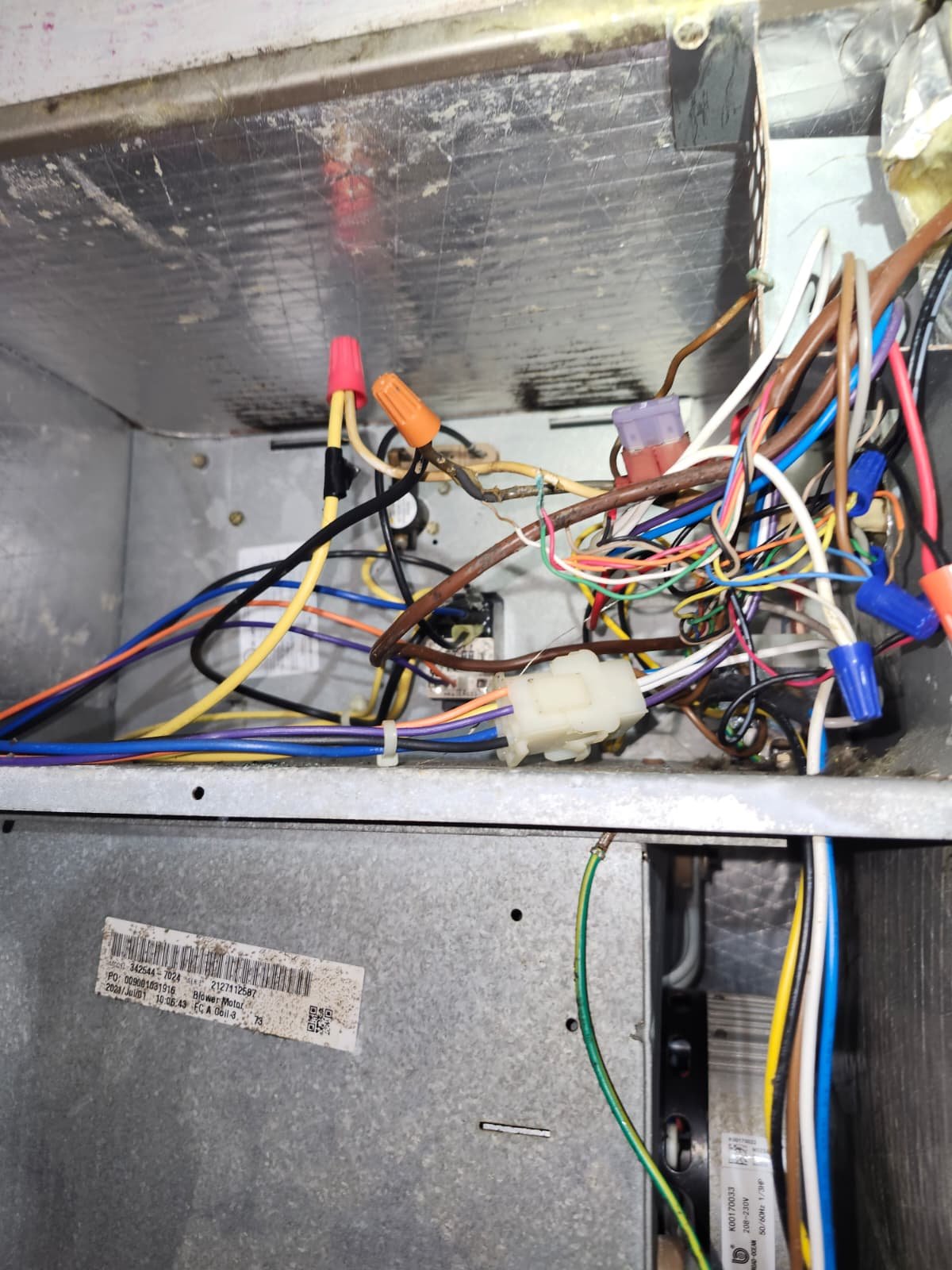
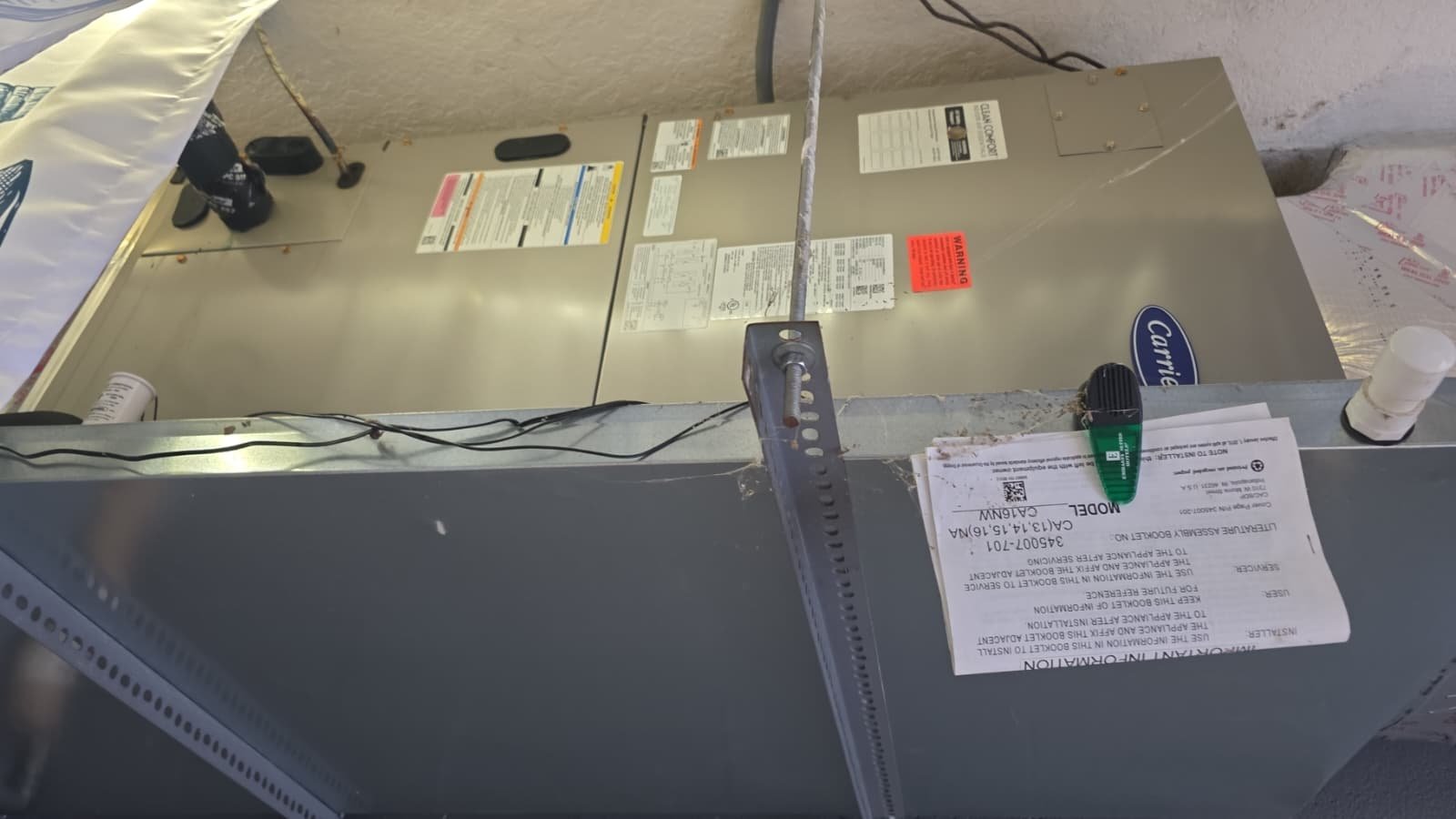
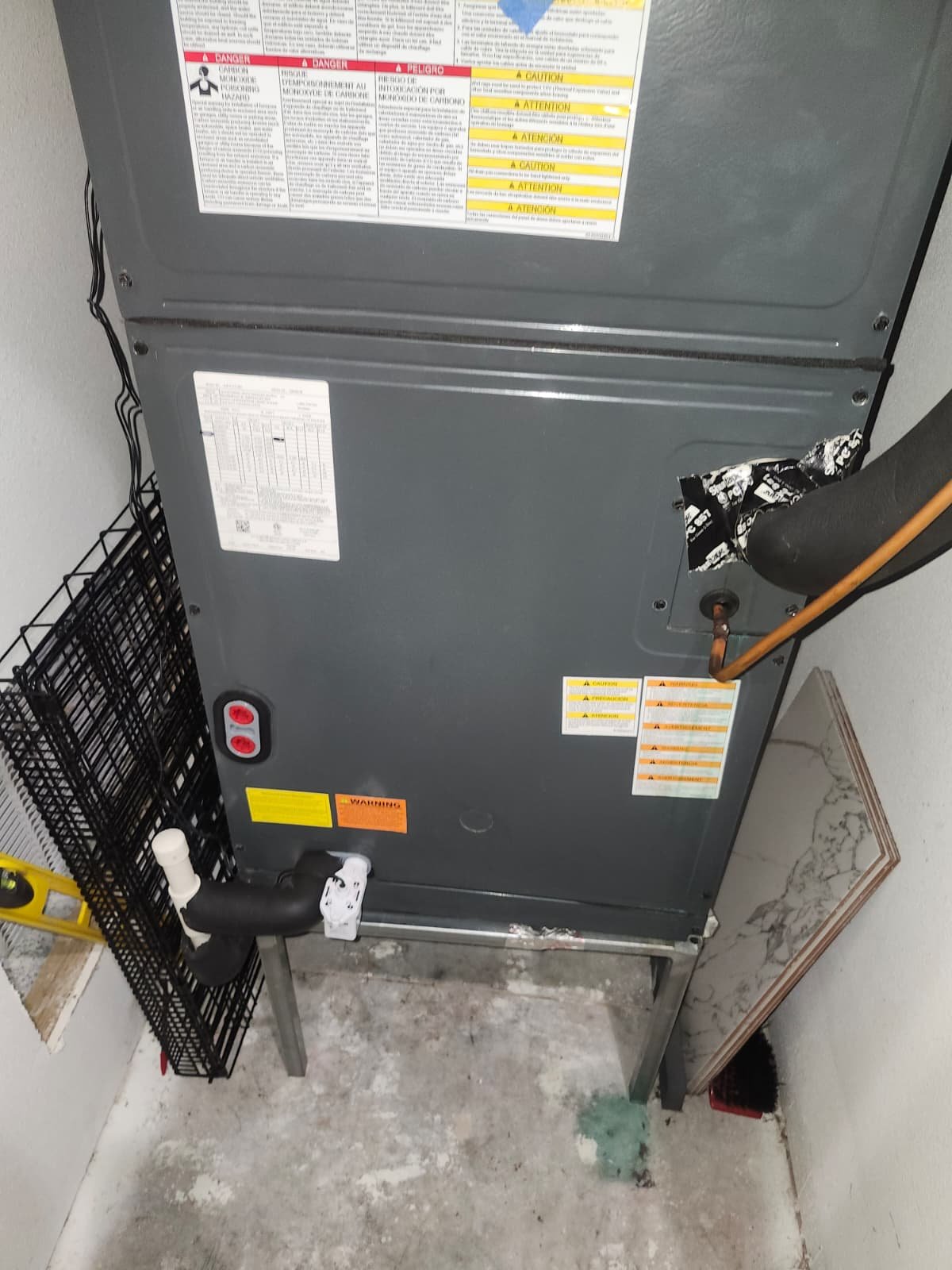
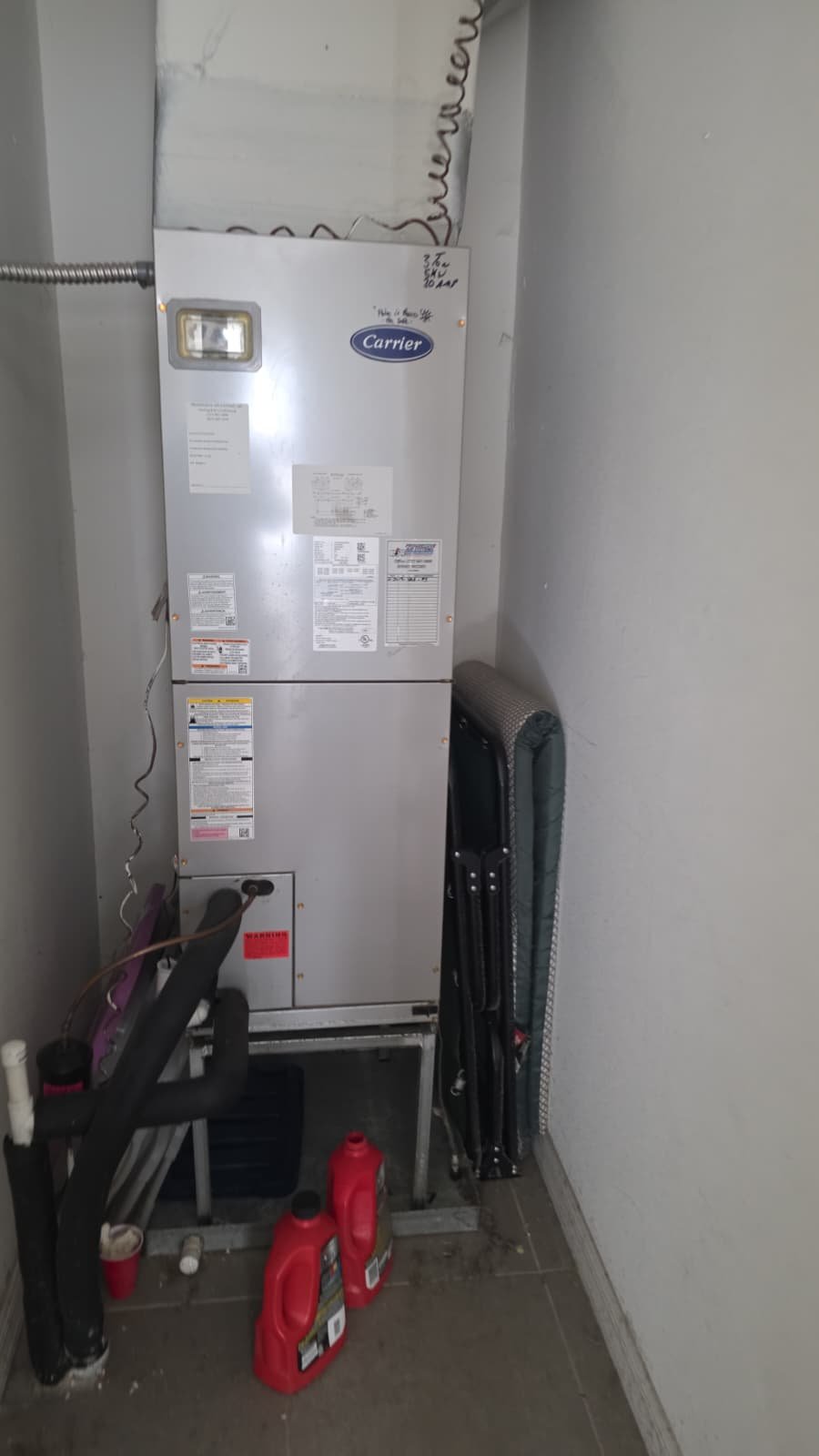
We carefully disconnected and removed the existing outdoor unit and air handler, following proper recovery and handling procedures for refrigerant and components. The homeowner requested to keep the old machine on-site for a family member, so we made sure it was safely set aside in the agreed area rather than hauling it away.

During this stage we also:

  • Protected work areas as best as possible from dust and insulation, especially around vents.
  • Confirmed where we might need access openings to route new ducts, and discussed that with the homeowner before proceeding.
  • Prepared the existing copper lines and drains for cleaning and flushing.

2. Installing the New Daikin 5-Ton Heat Pump System

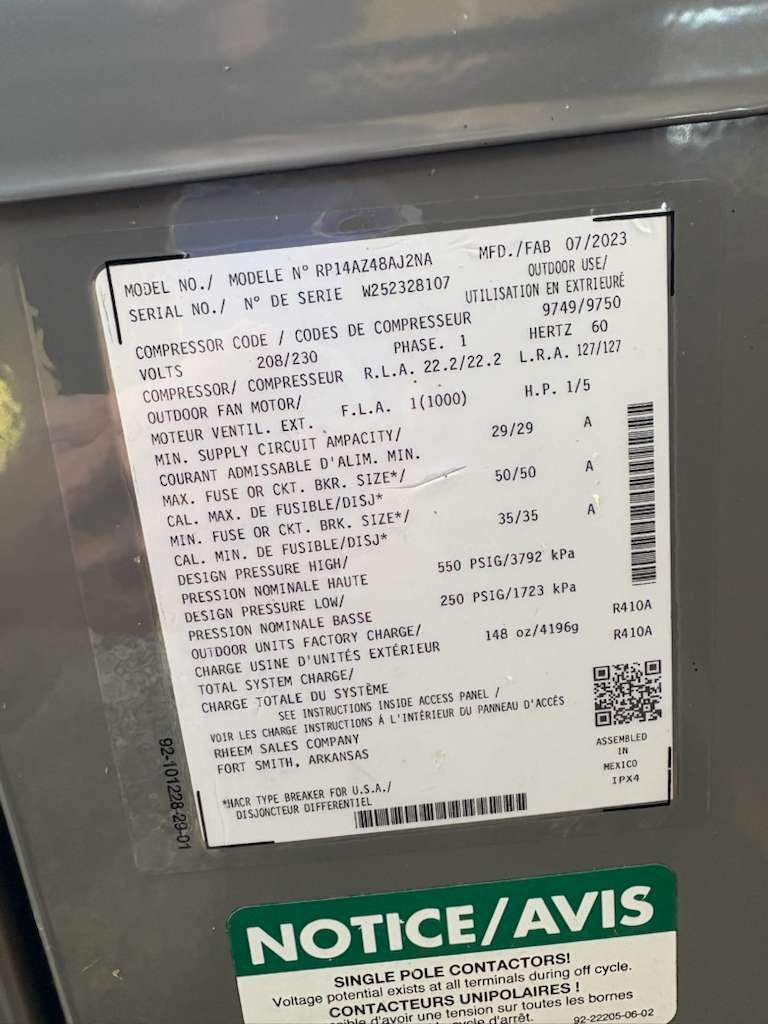
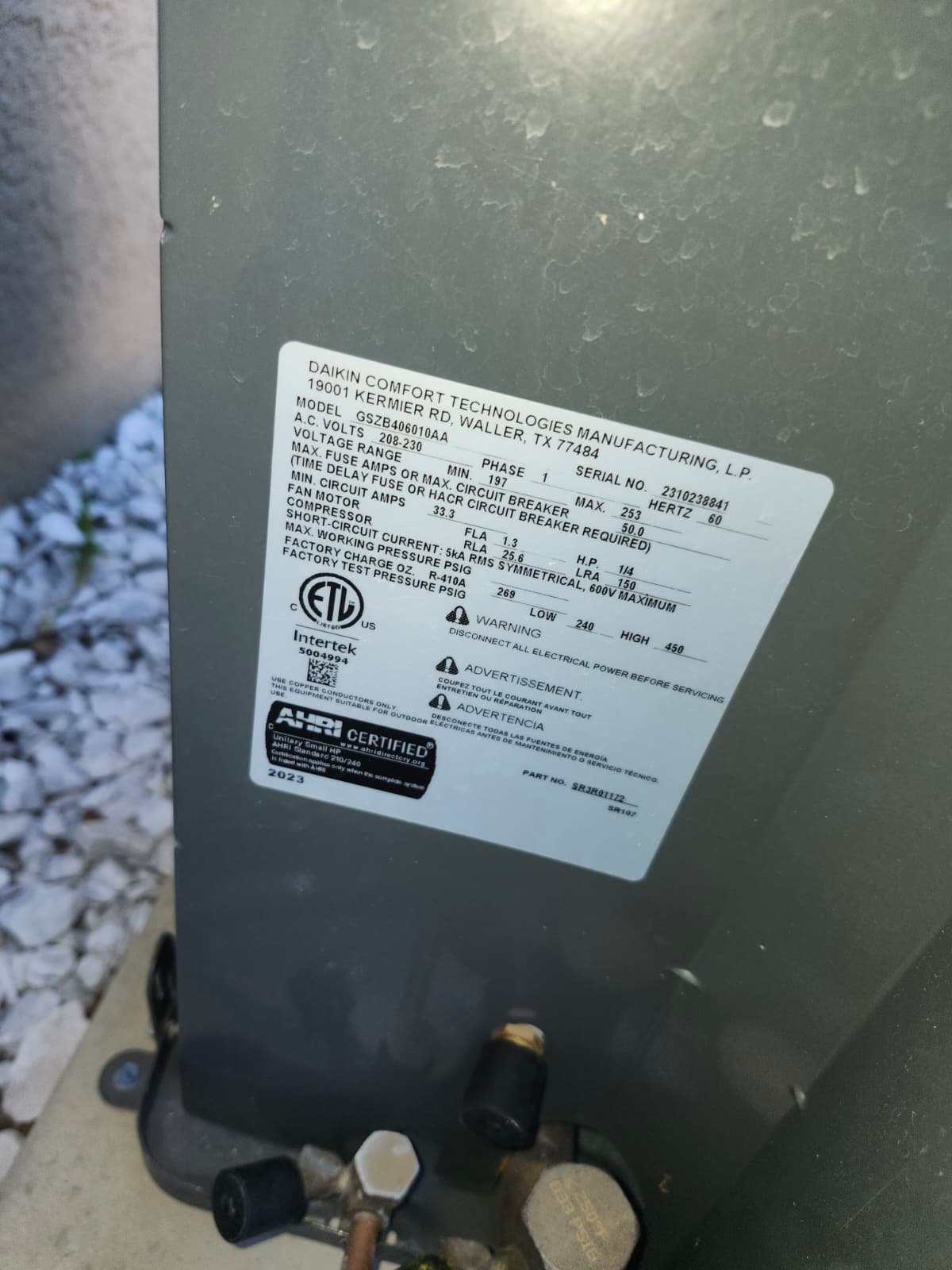
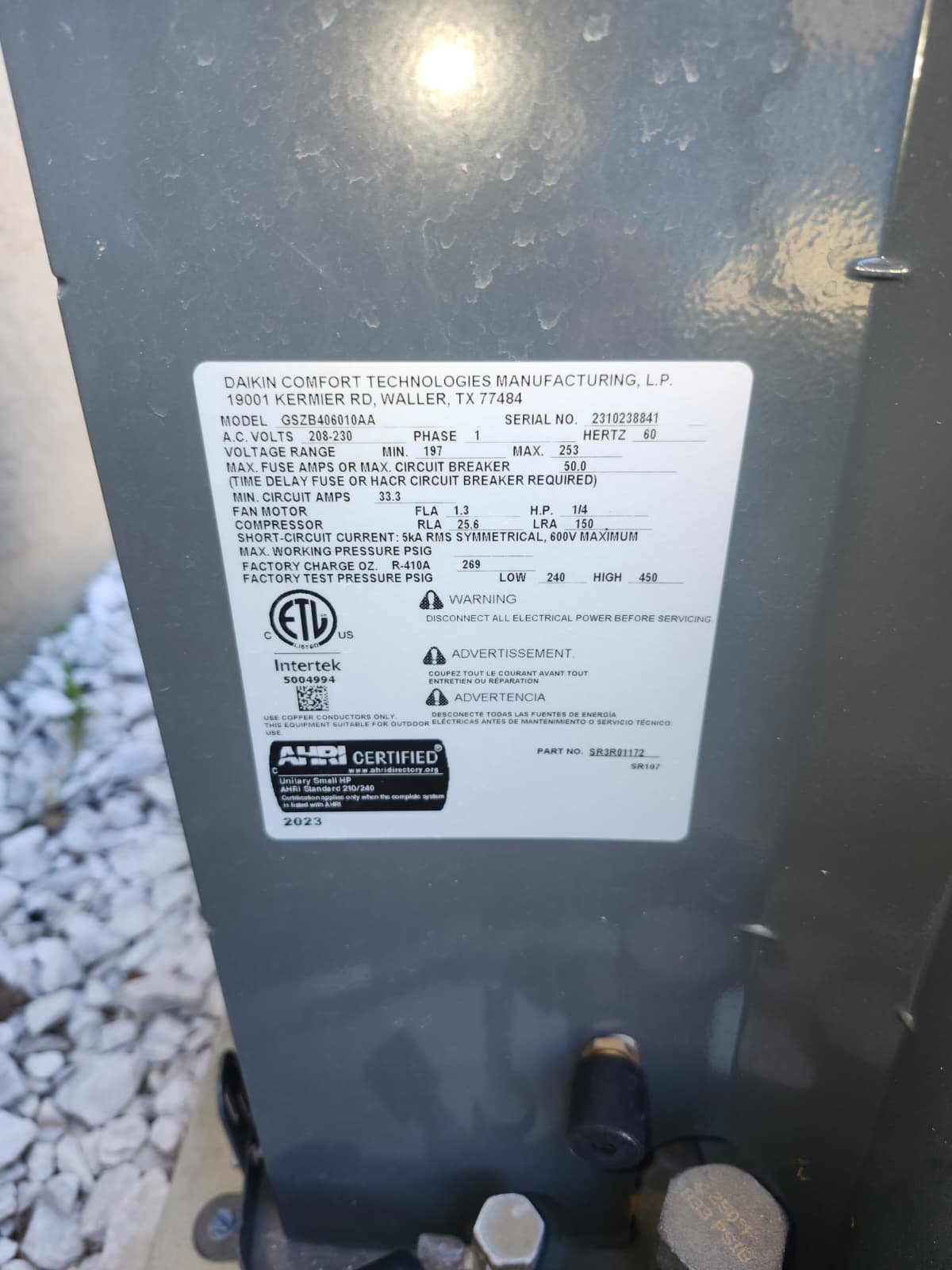
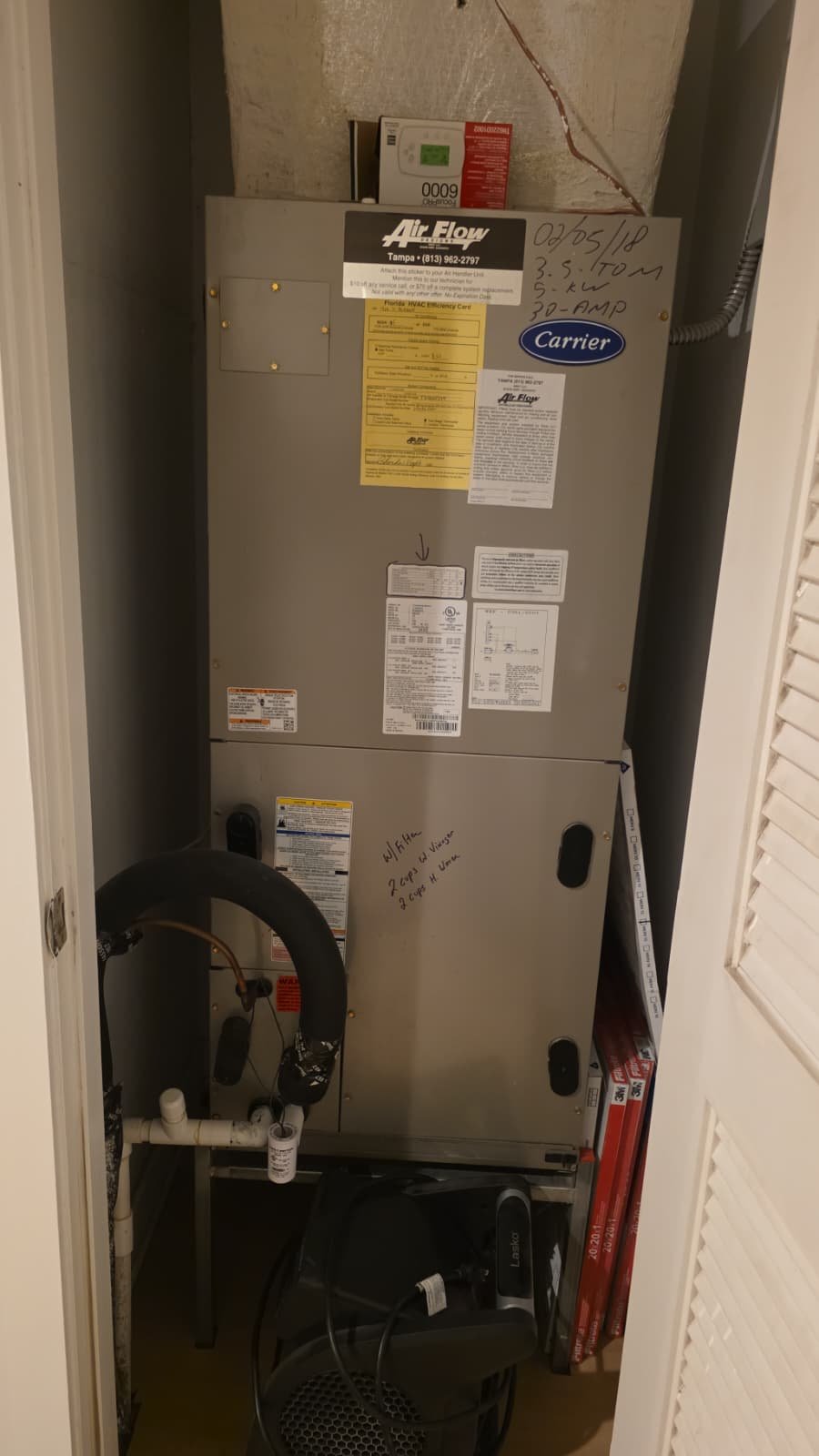
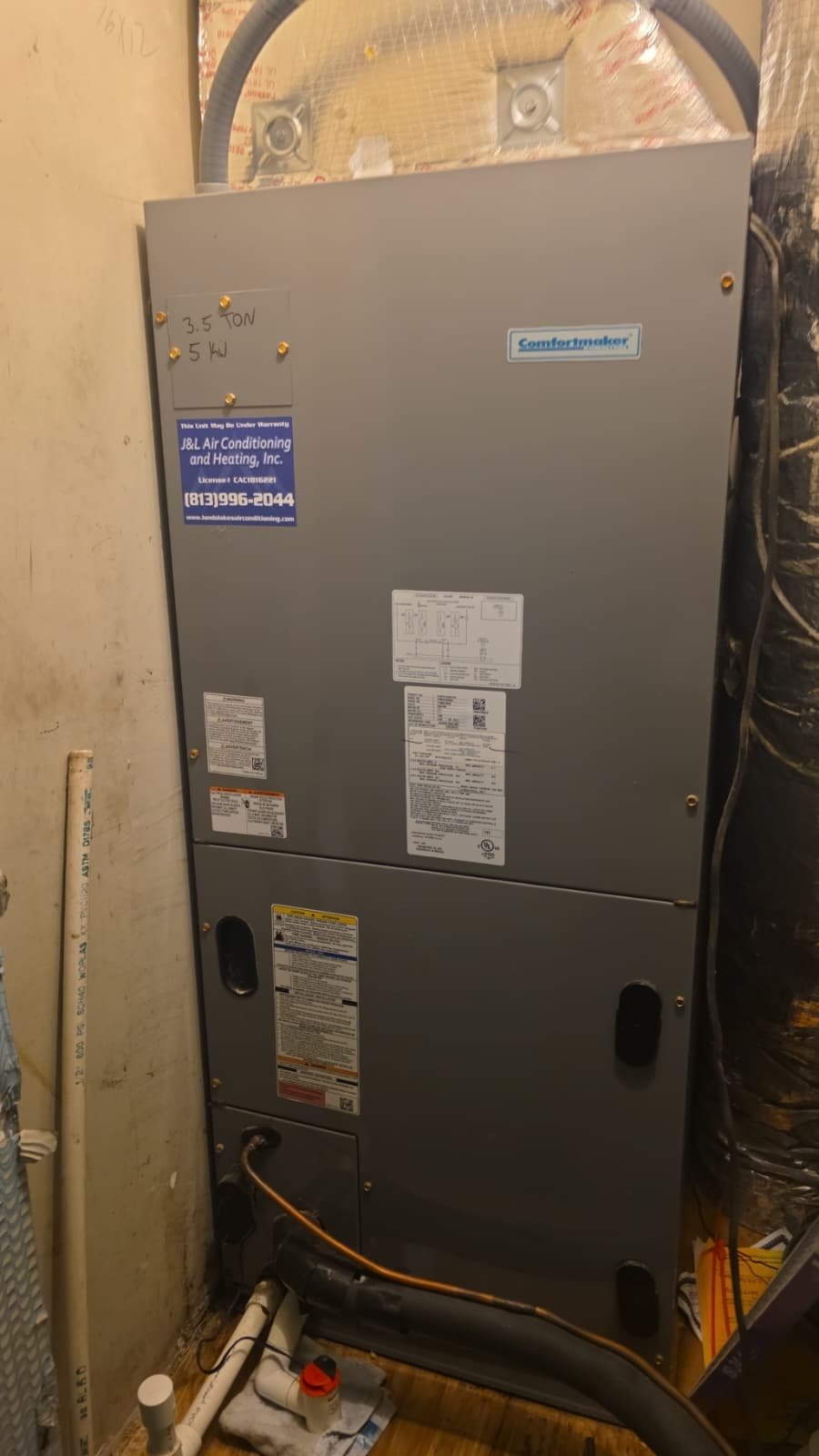
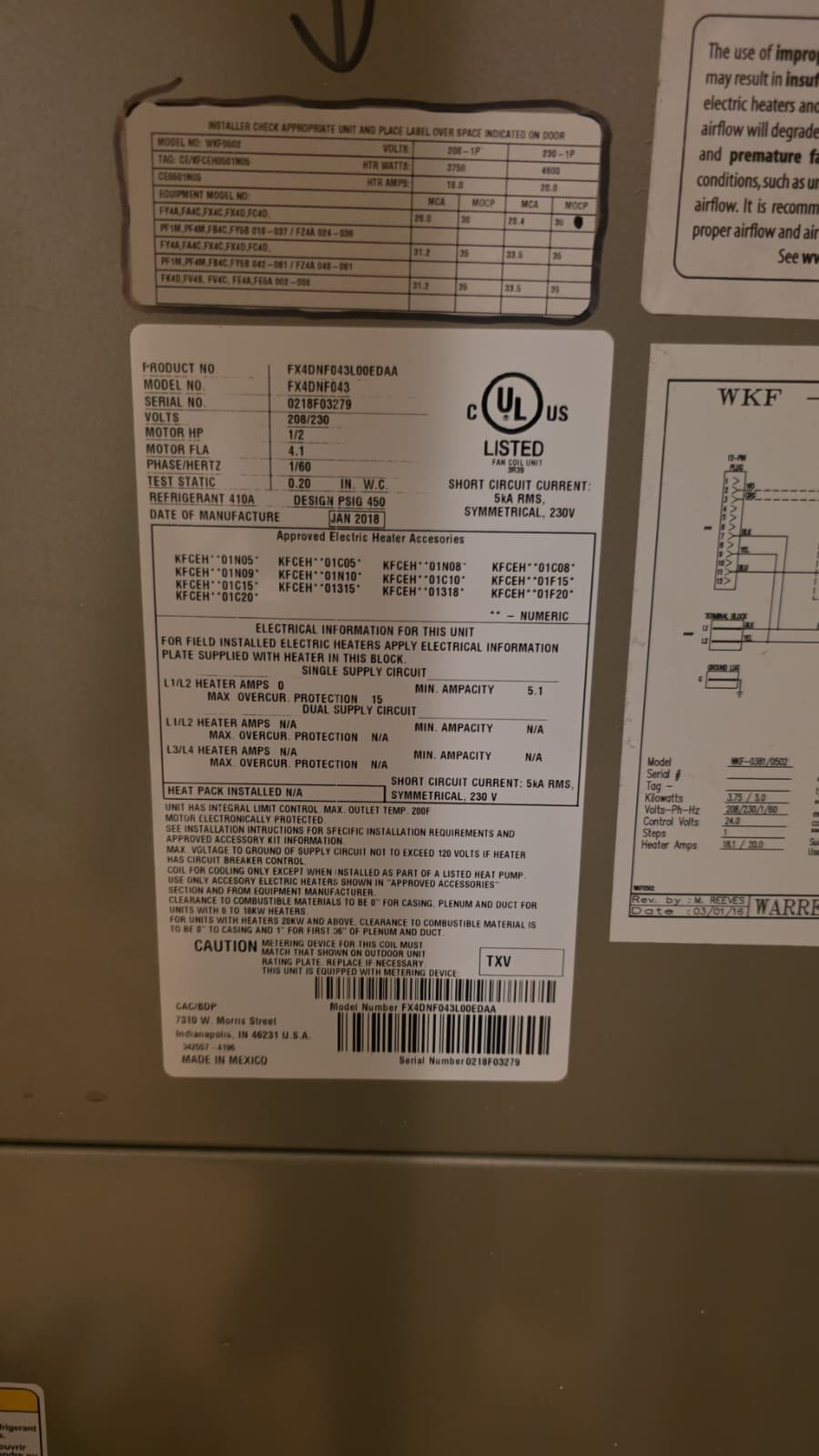
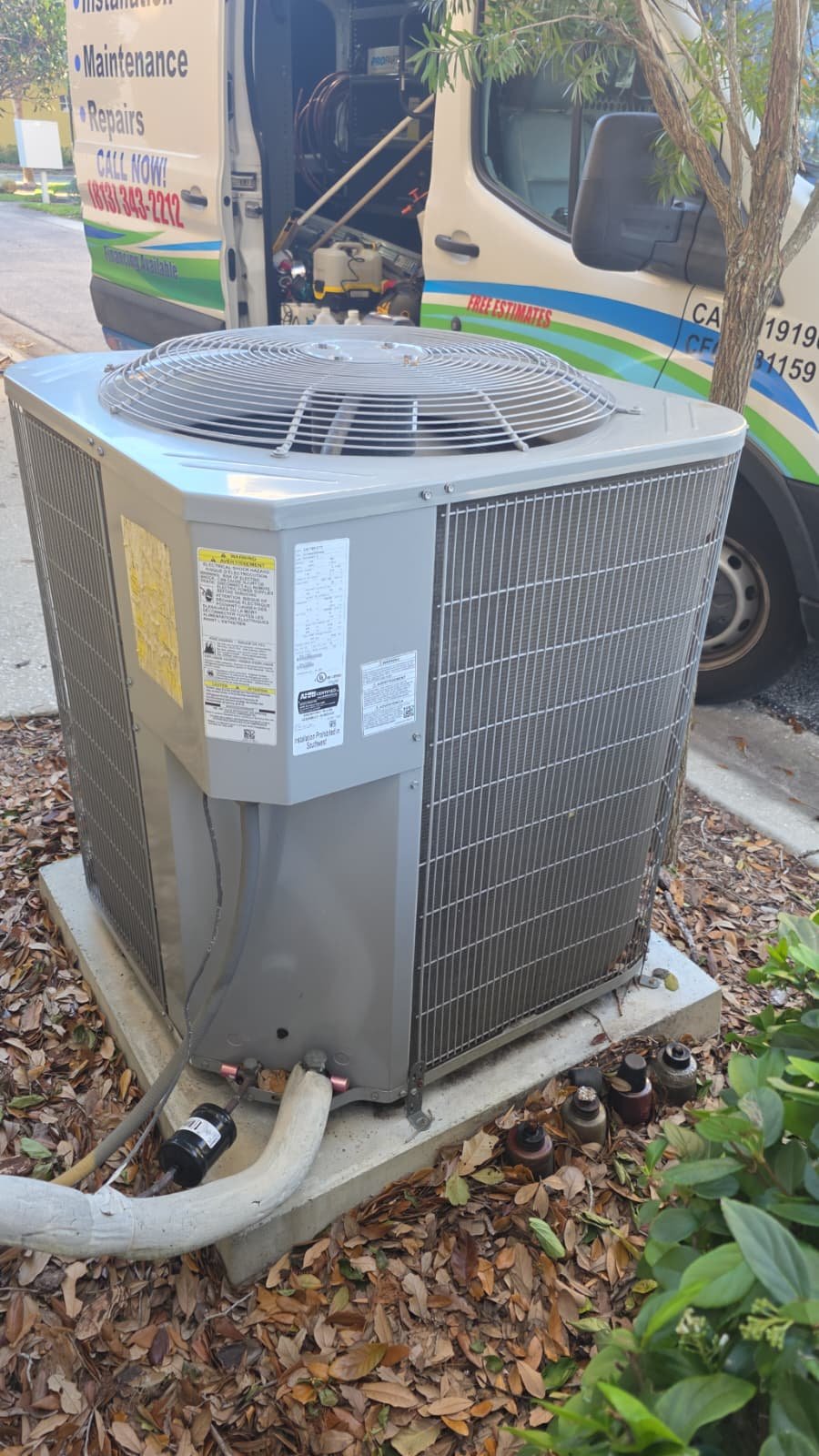
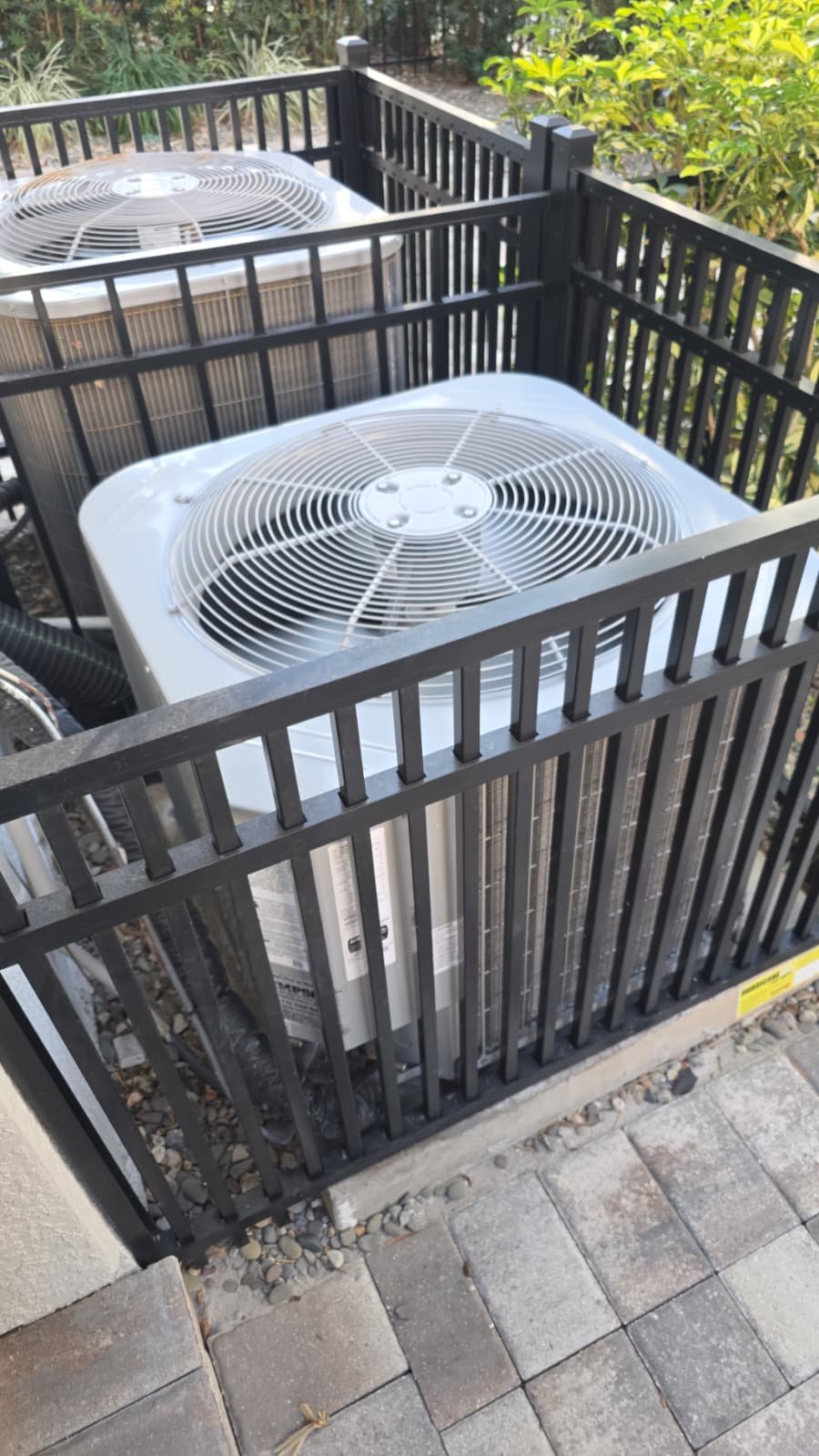
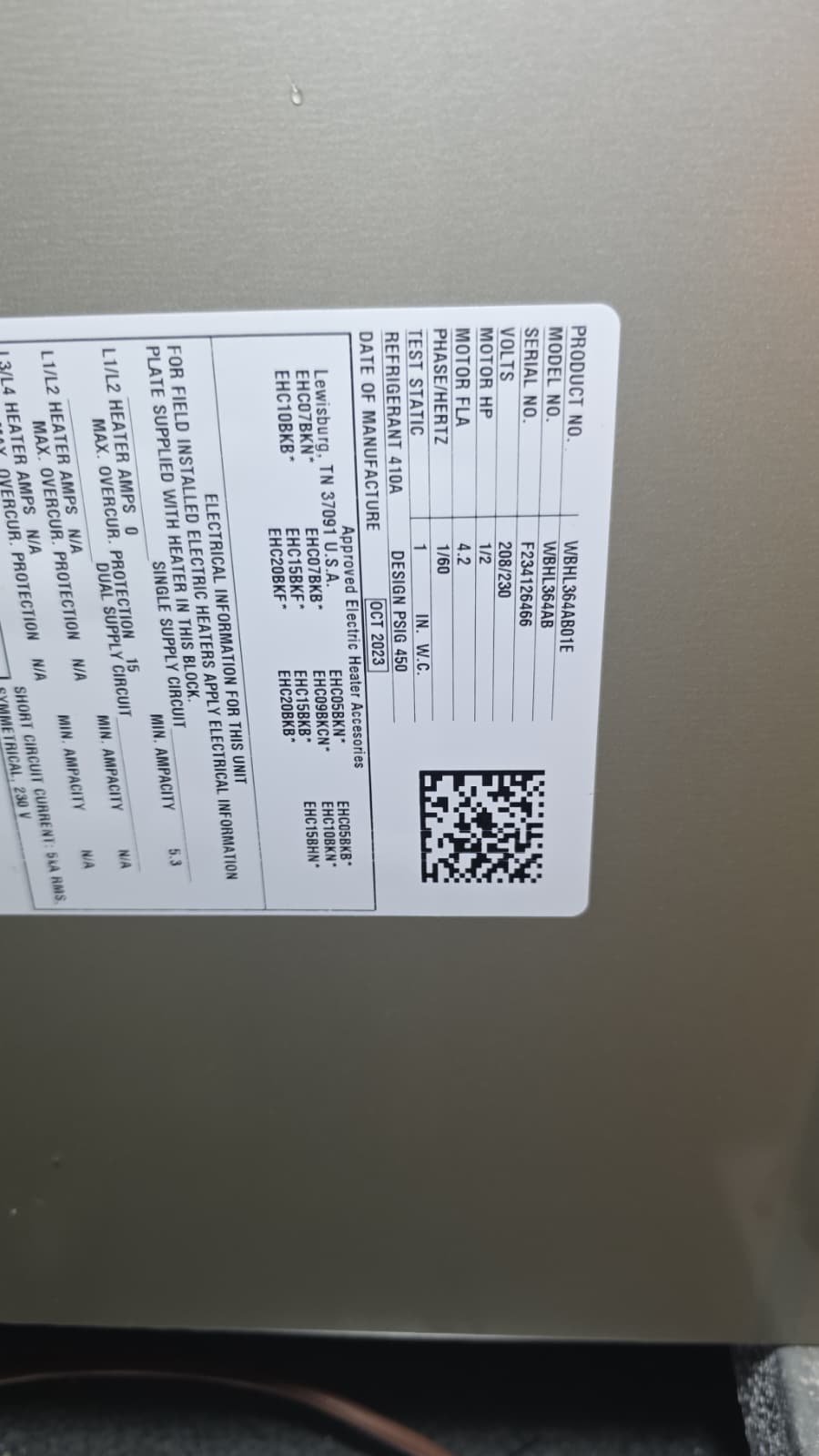
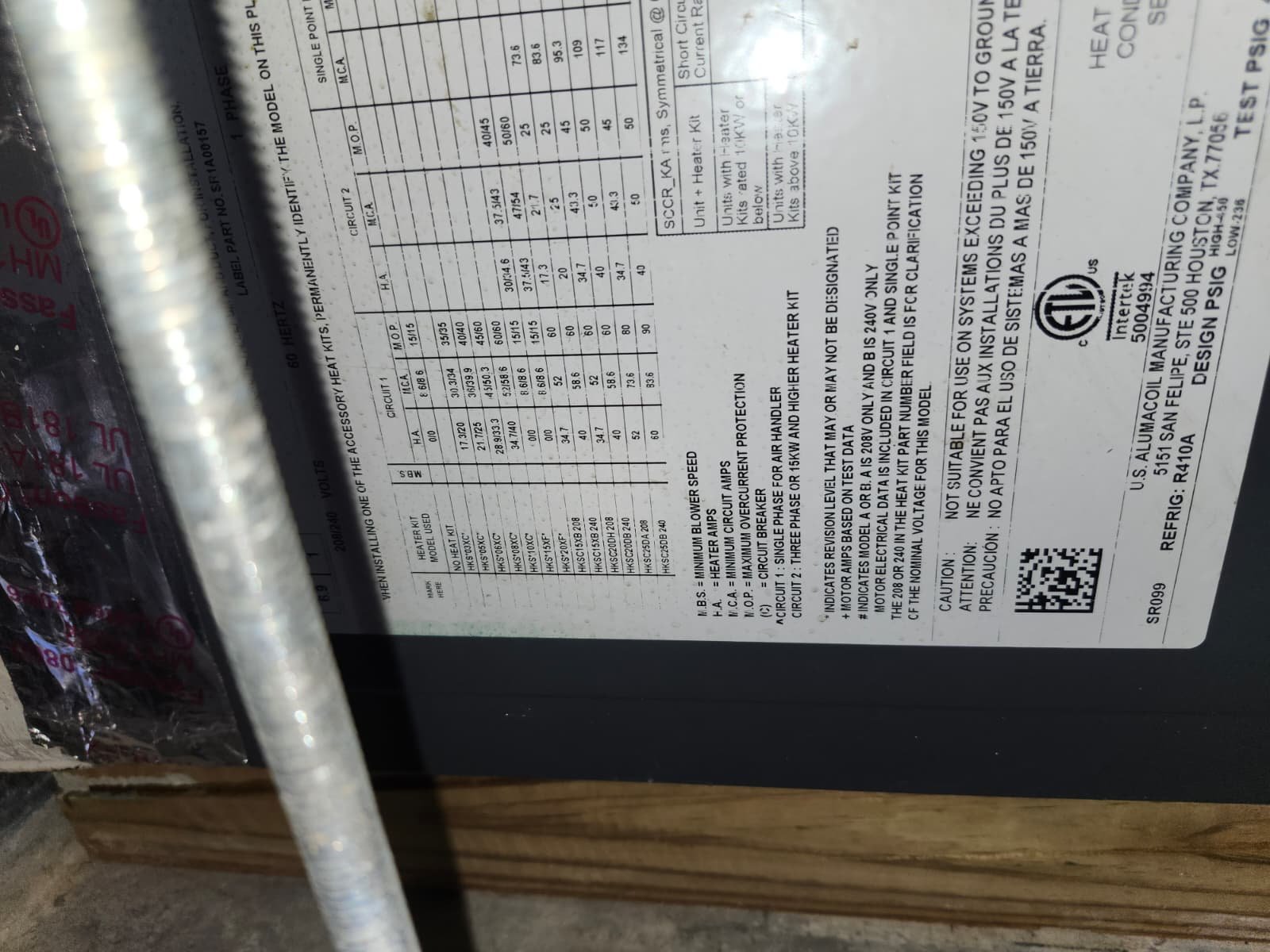
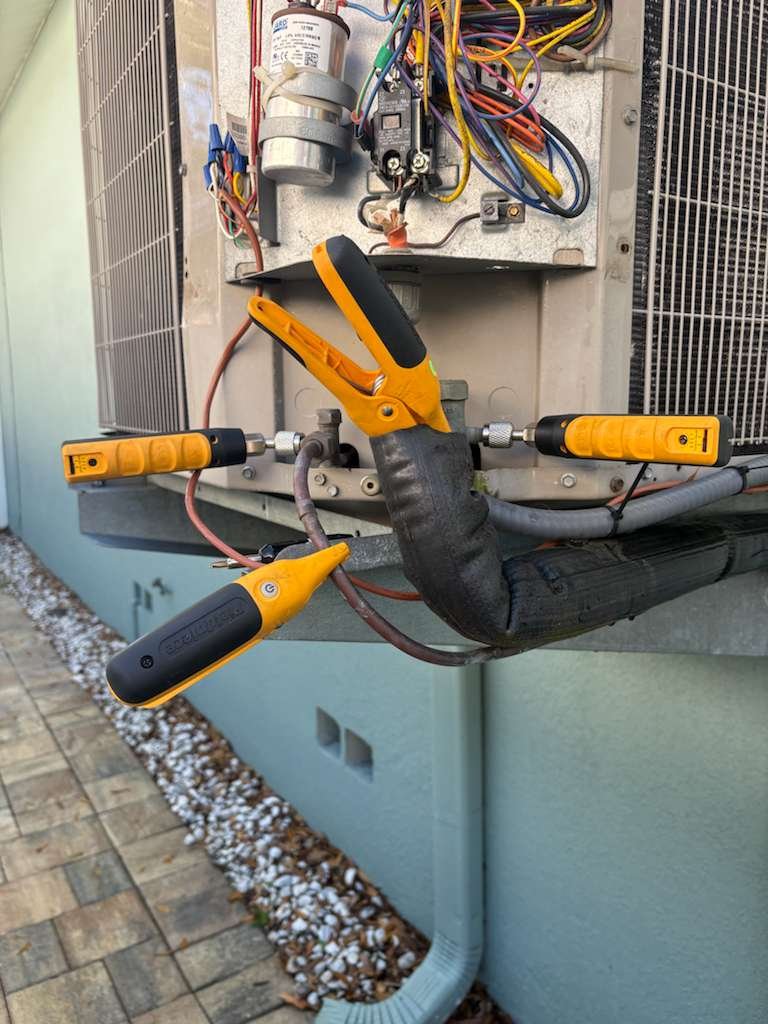
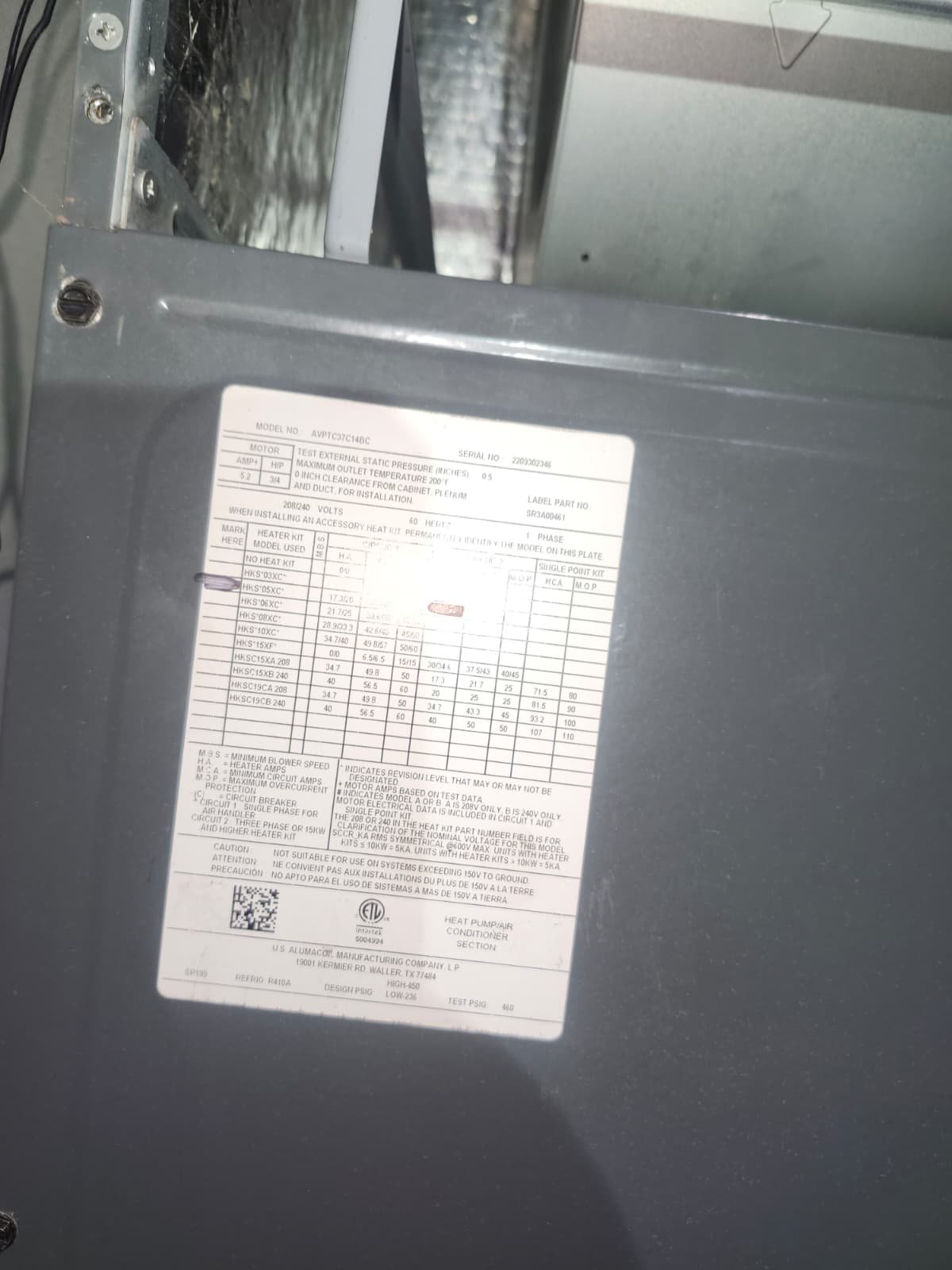
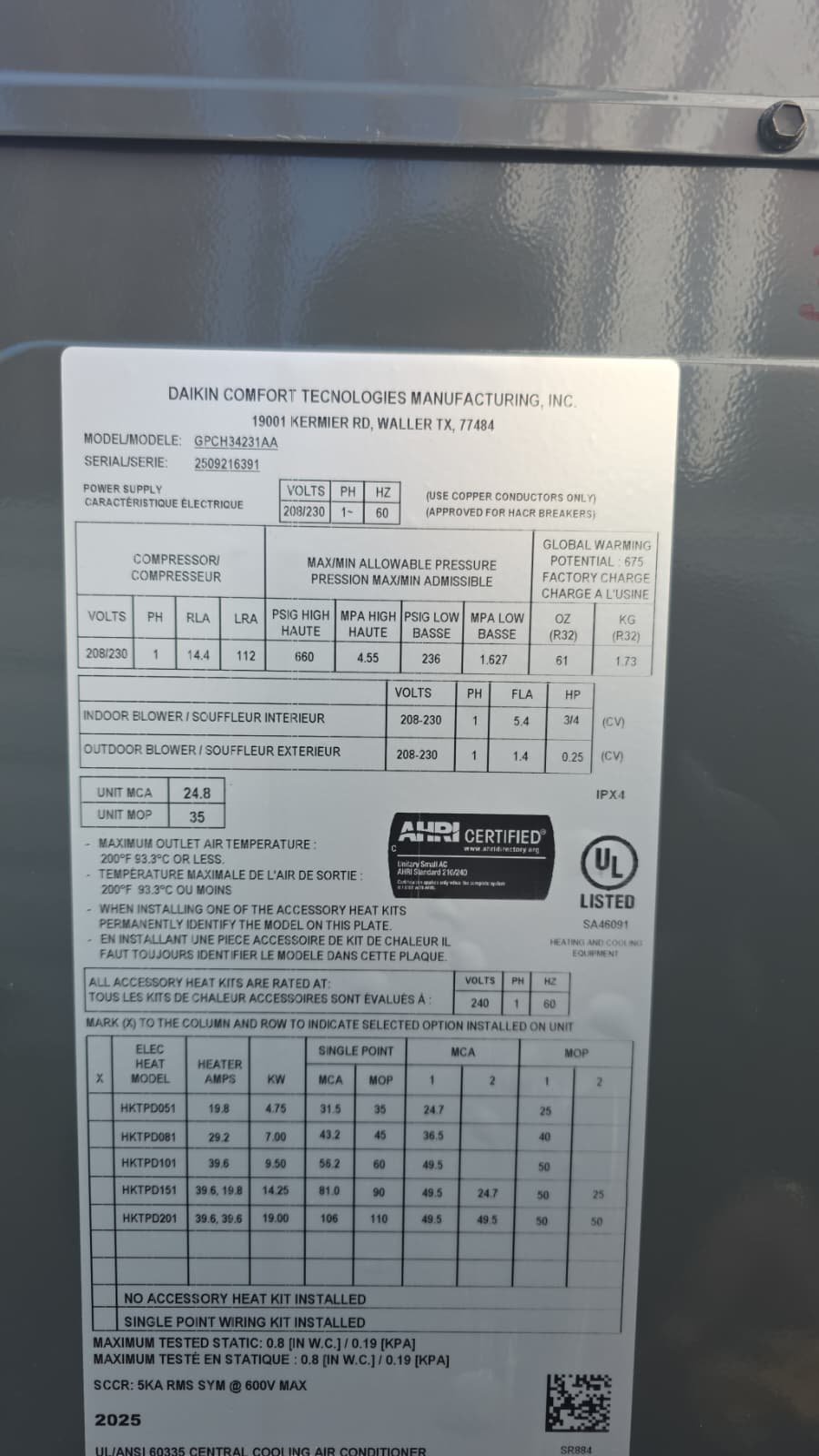
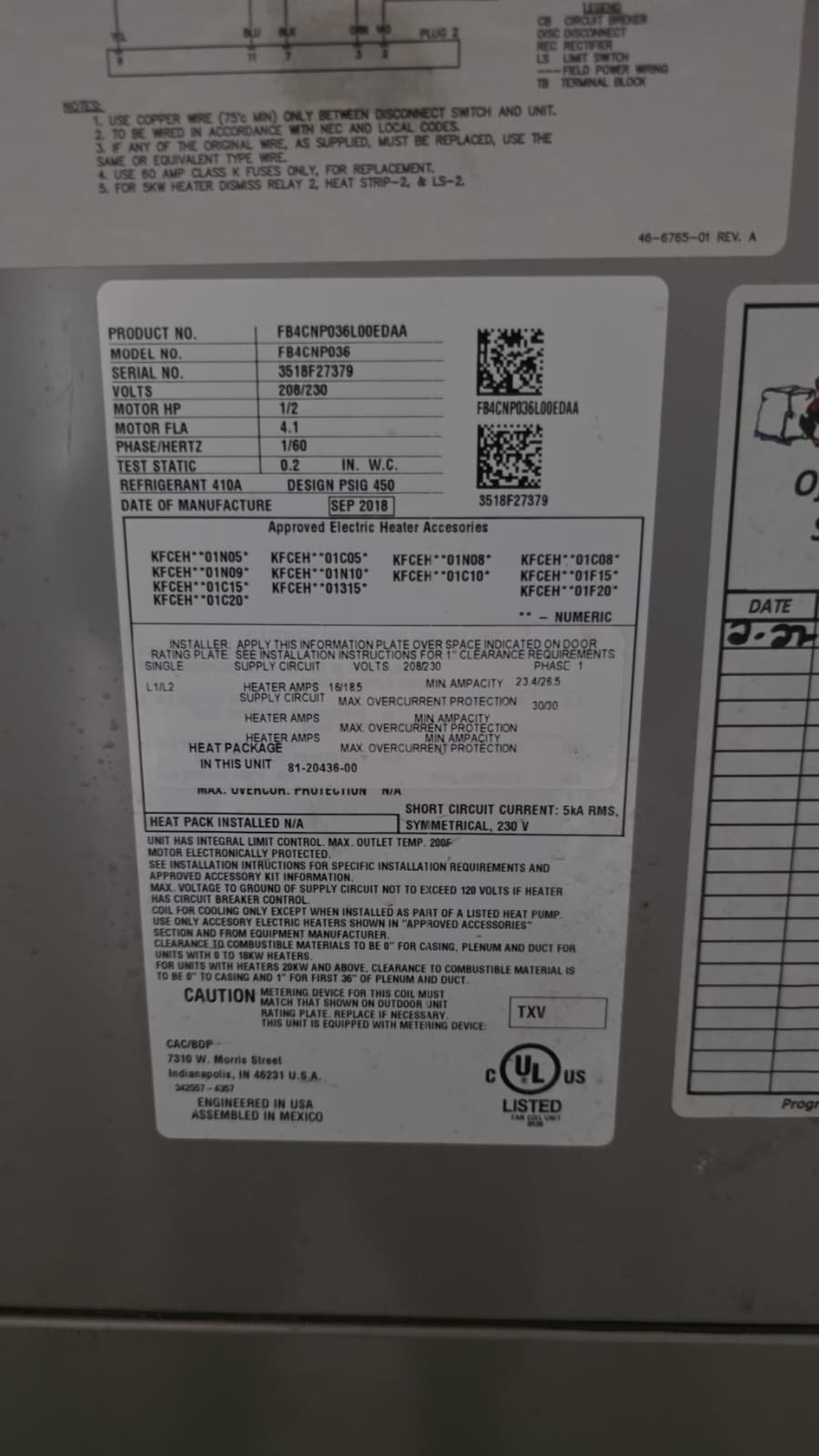
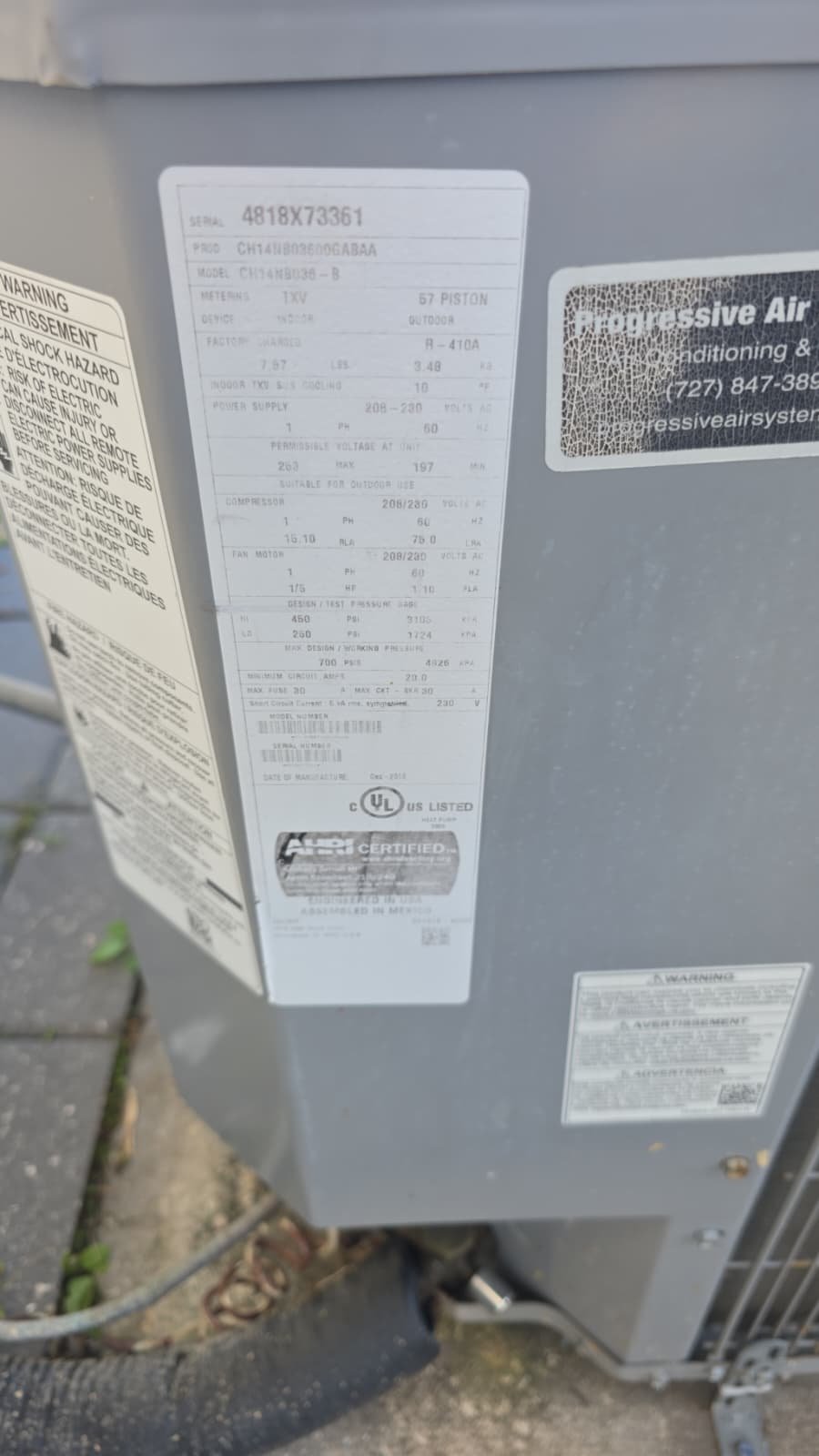
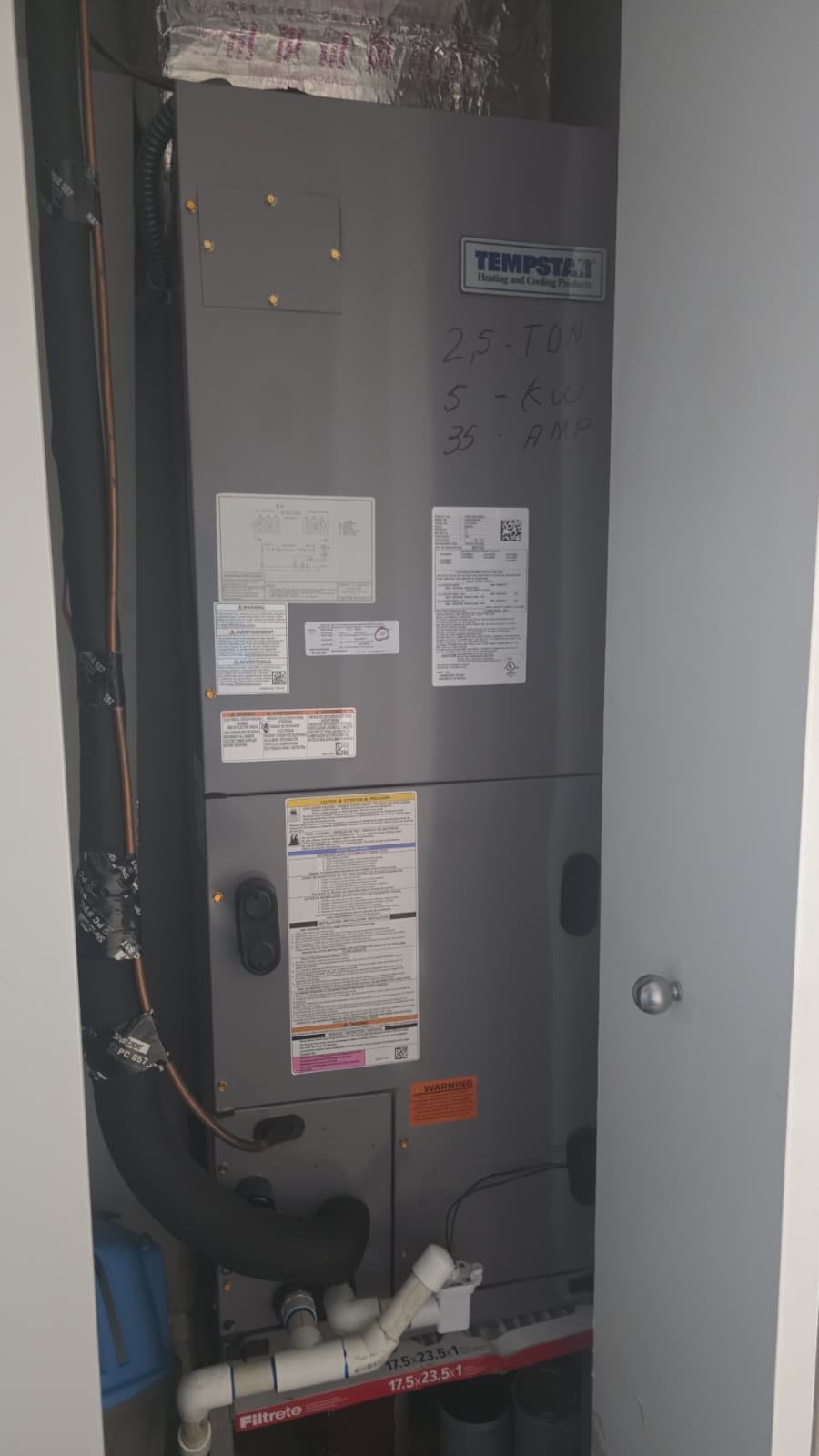
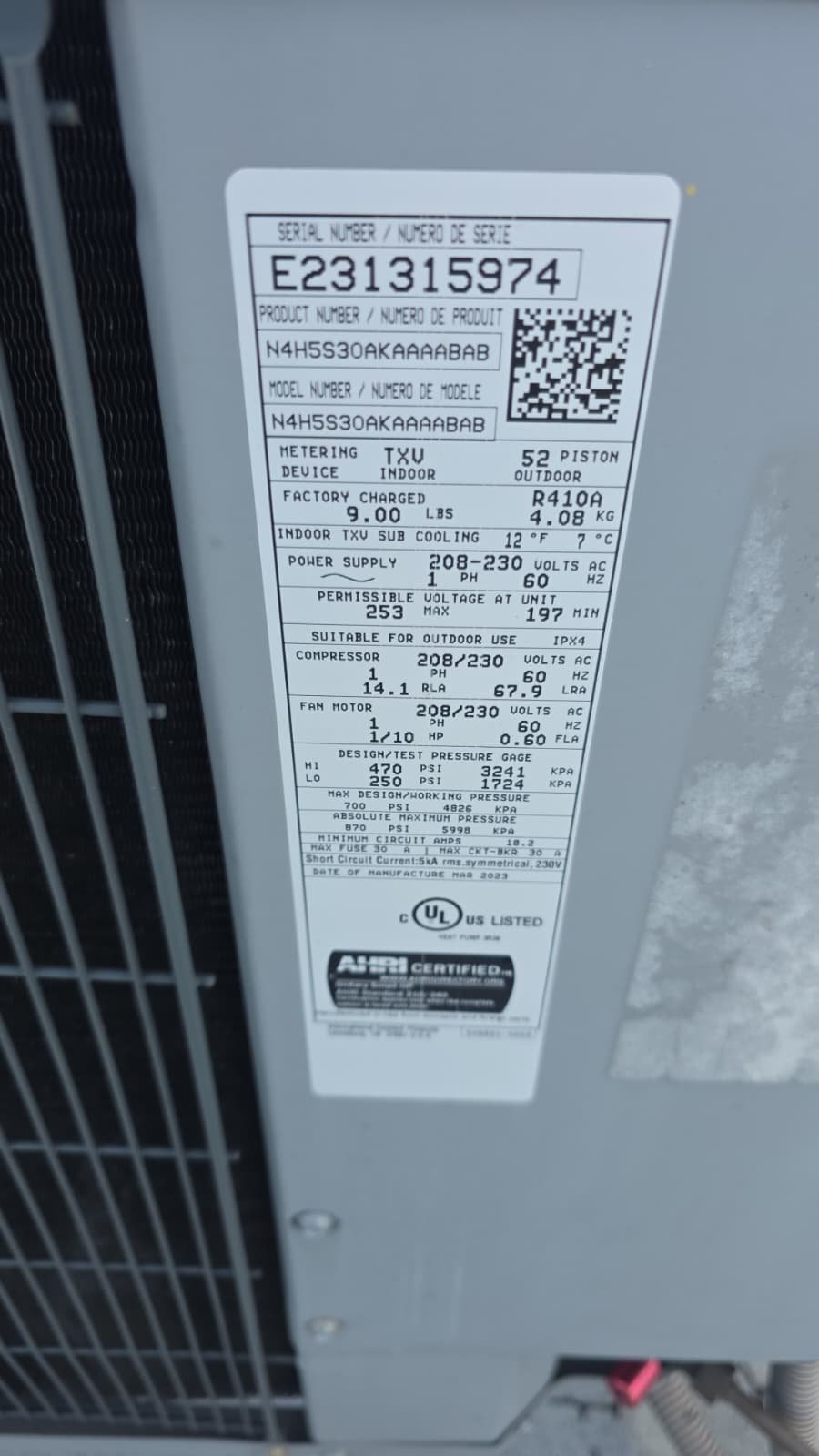
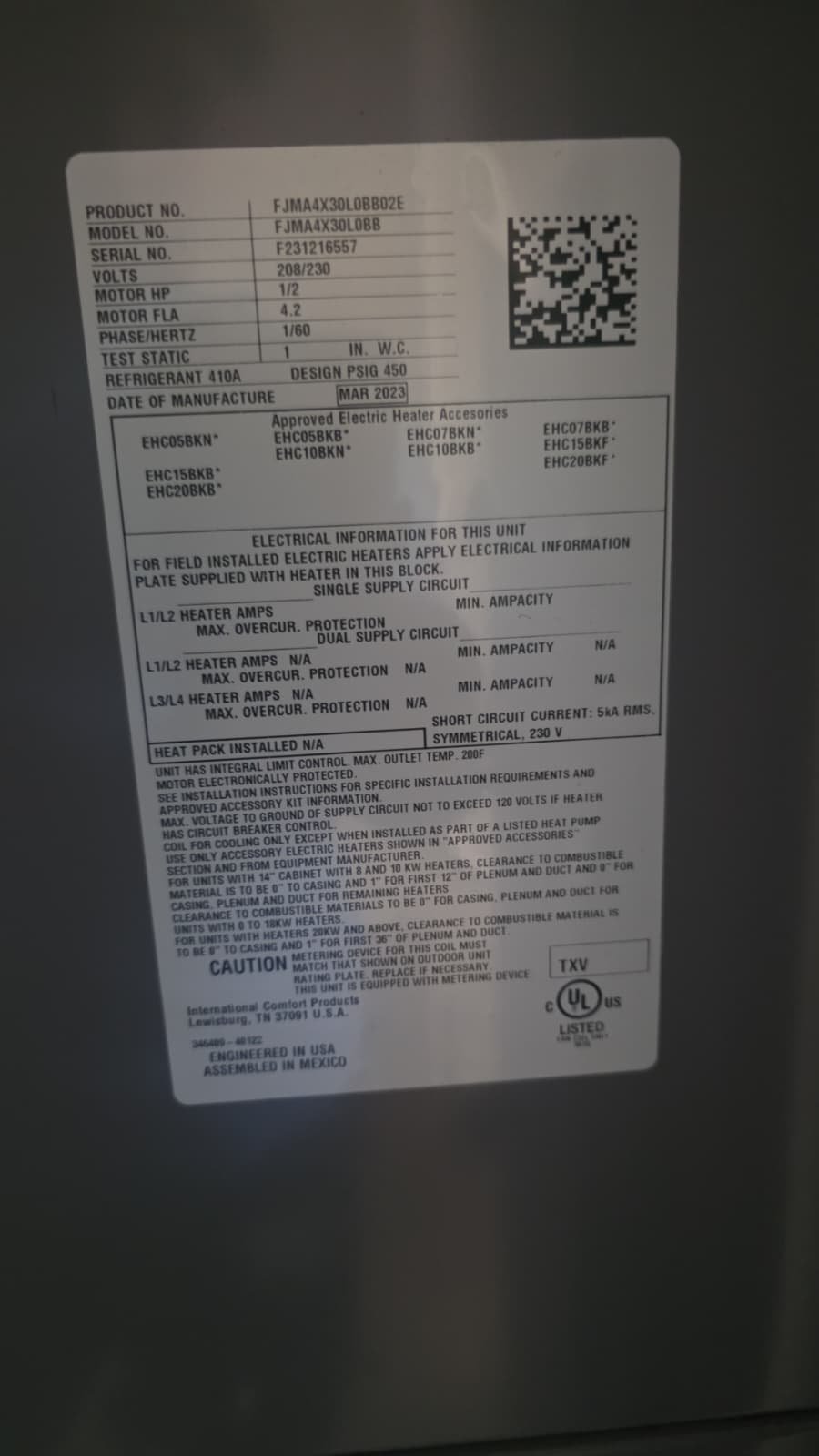
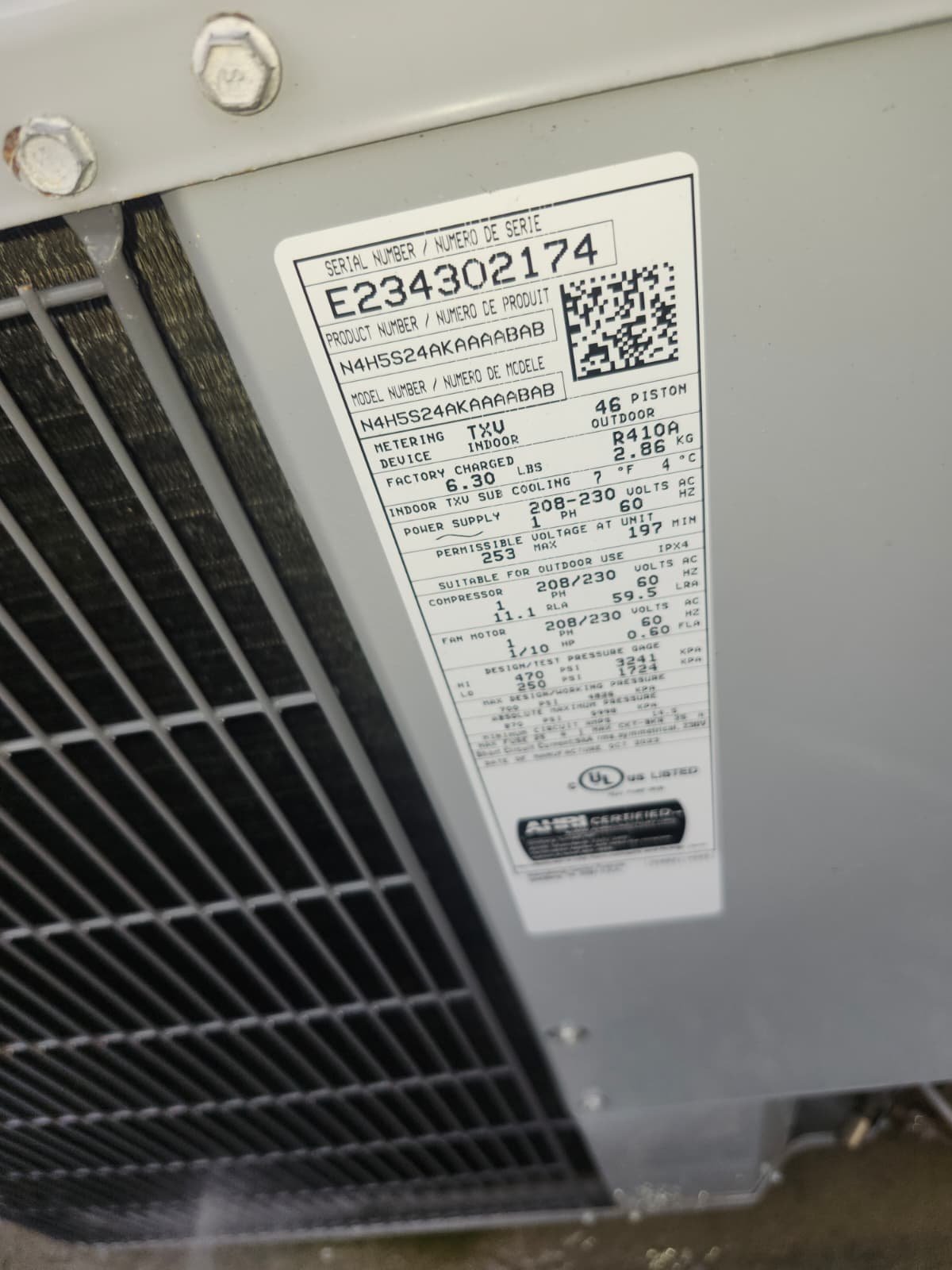
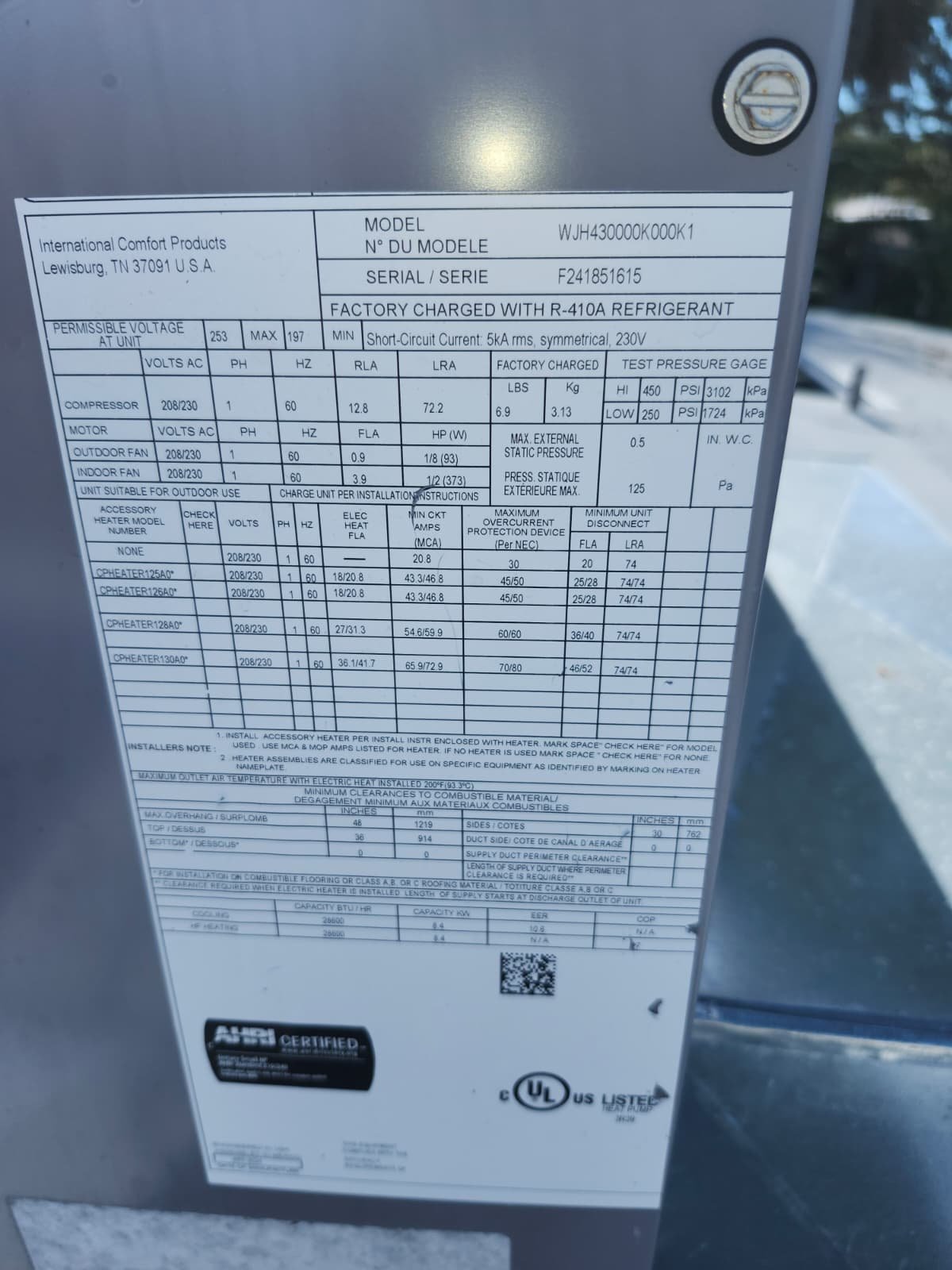
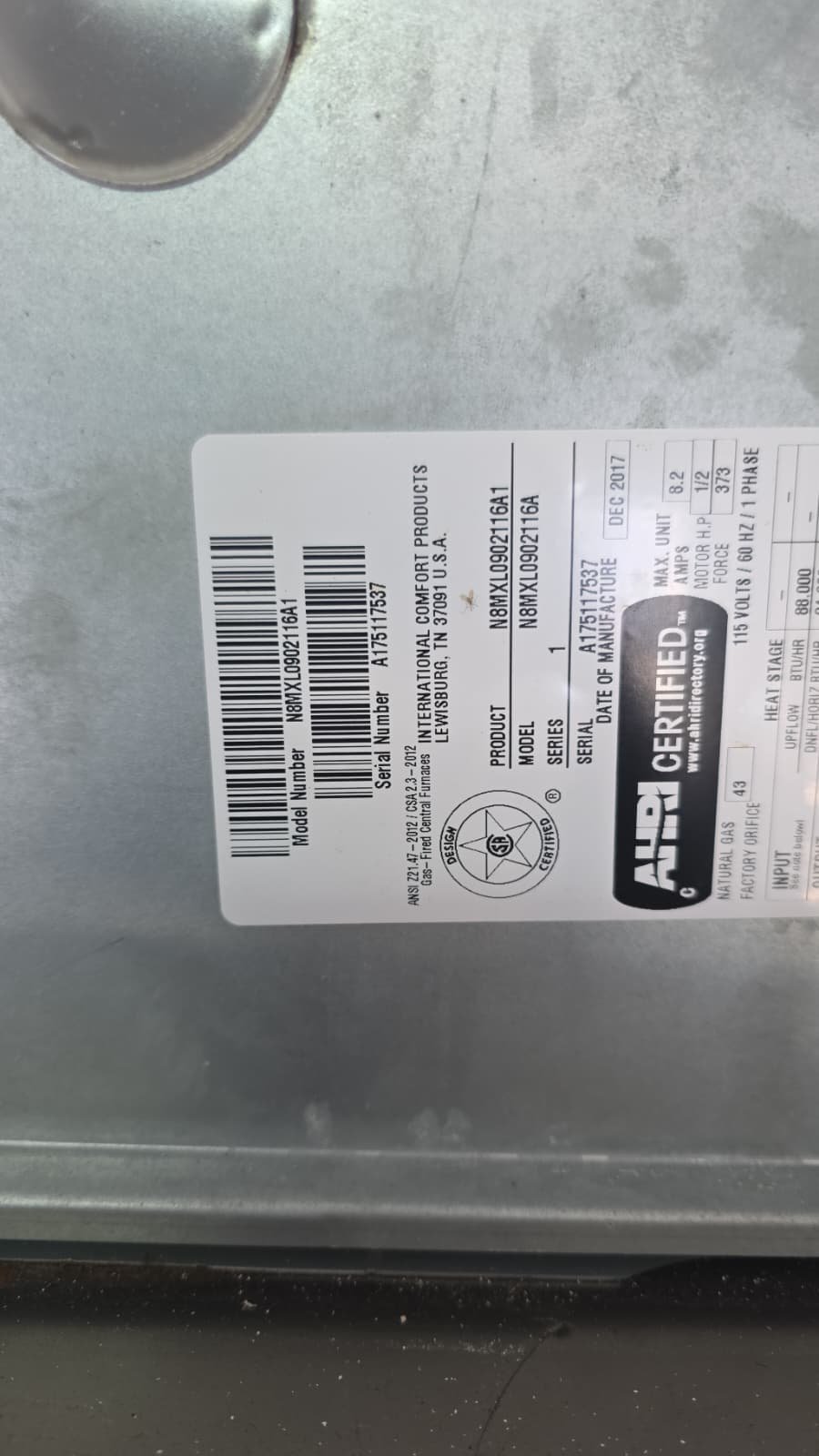
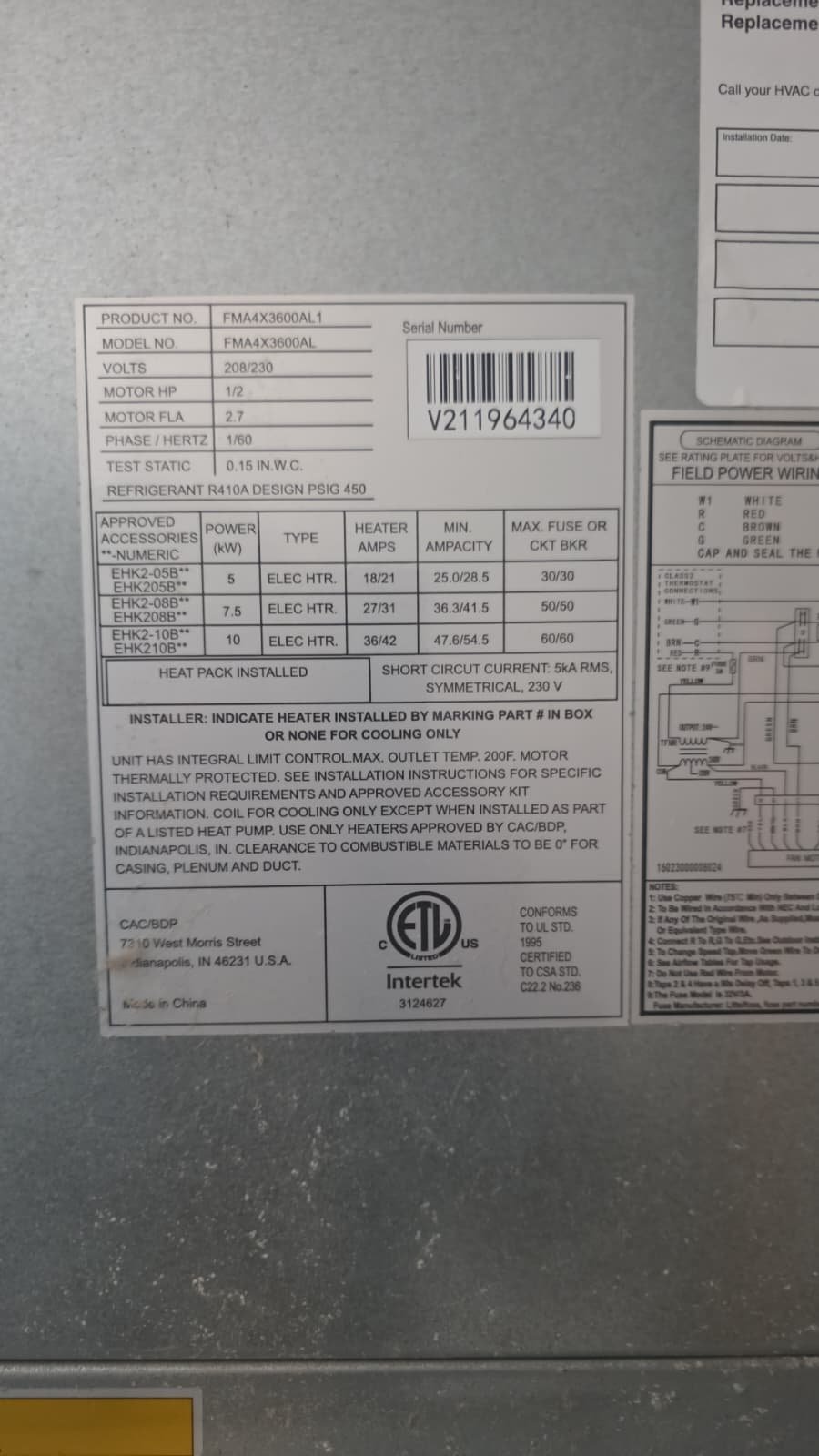
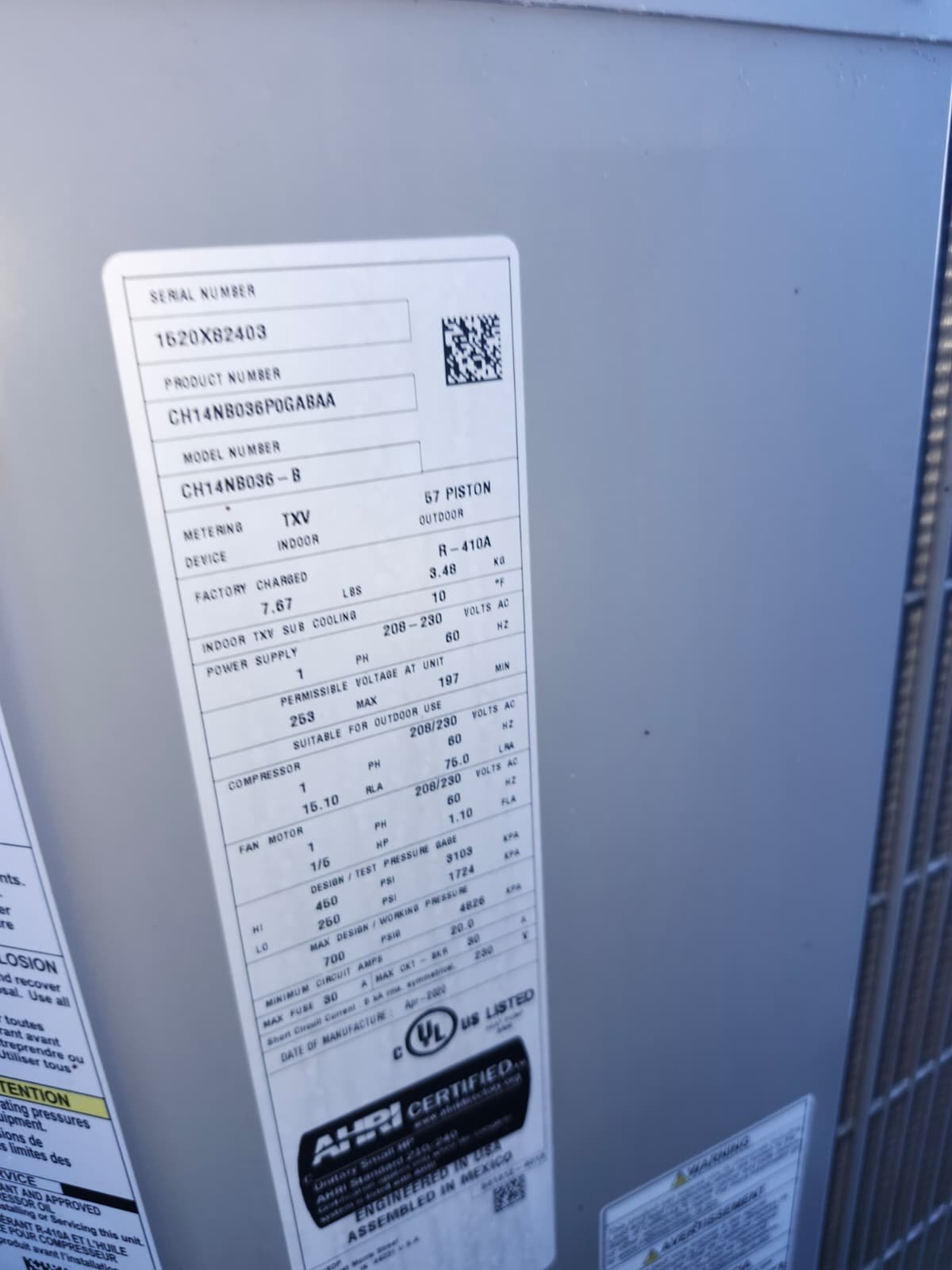
The heart of this project was the Daikin Value Split 5-ton horizontal heat pump system. This unit was chosen for its balance of comfort, efficiency, and strong manufacturer backing.

Key system details included:

  • Brand: Daikin – a global leader known for reliability and innovation.
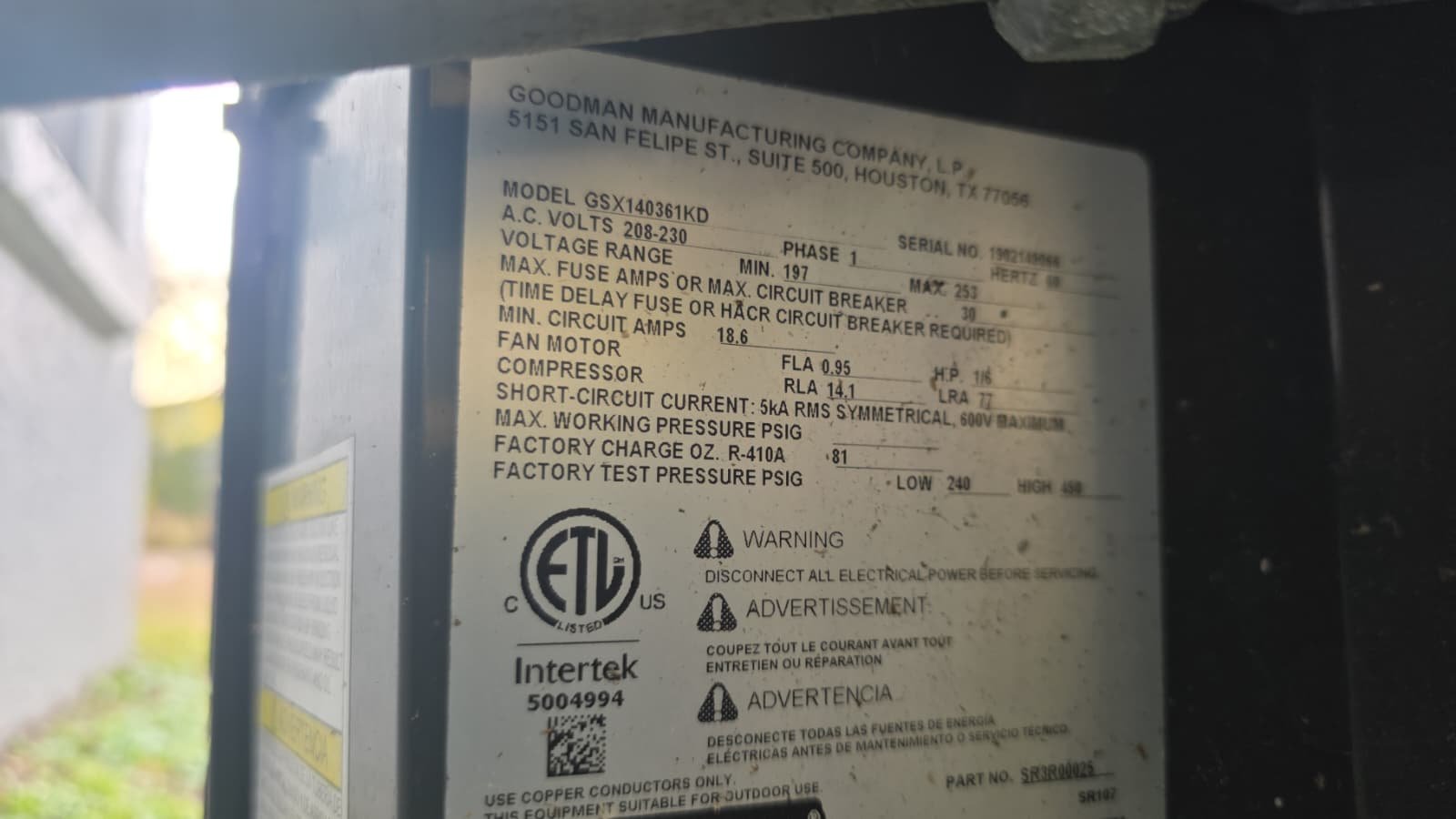
  • Capacity: 5-ton heat pump for cooling and heating.
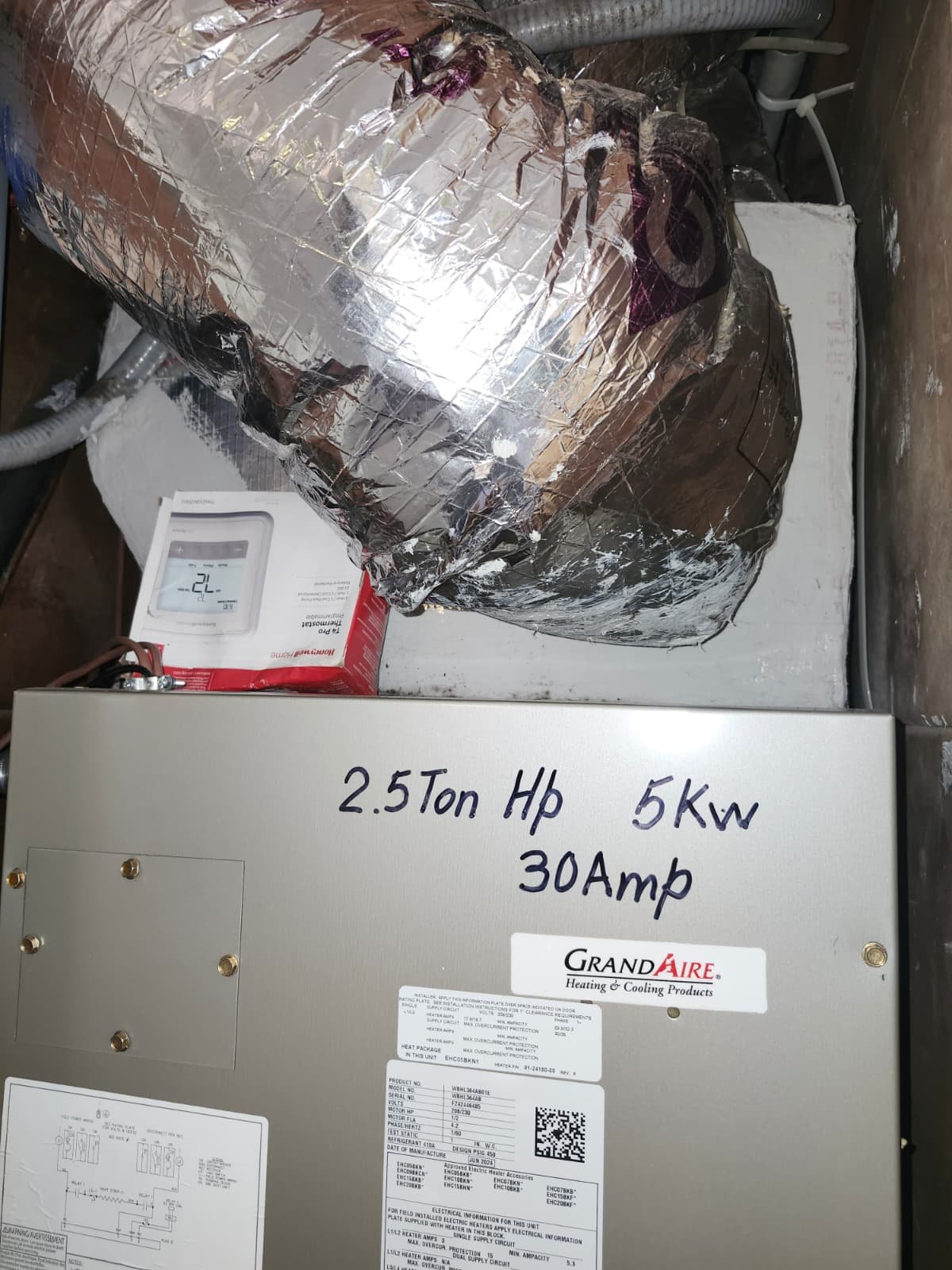
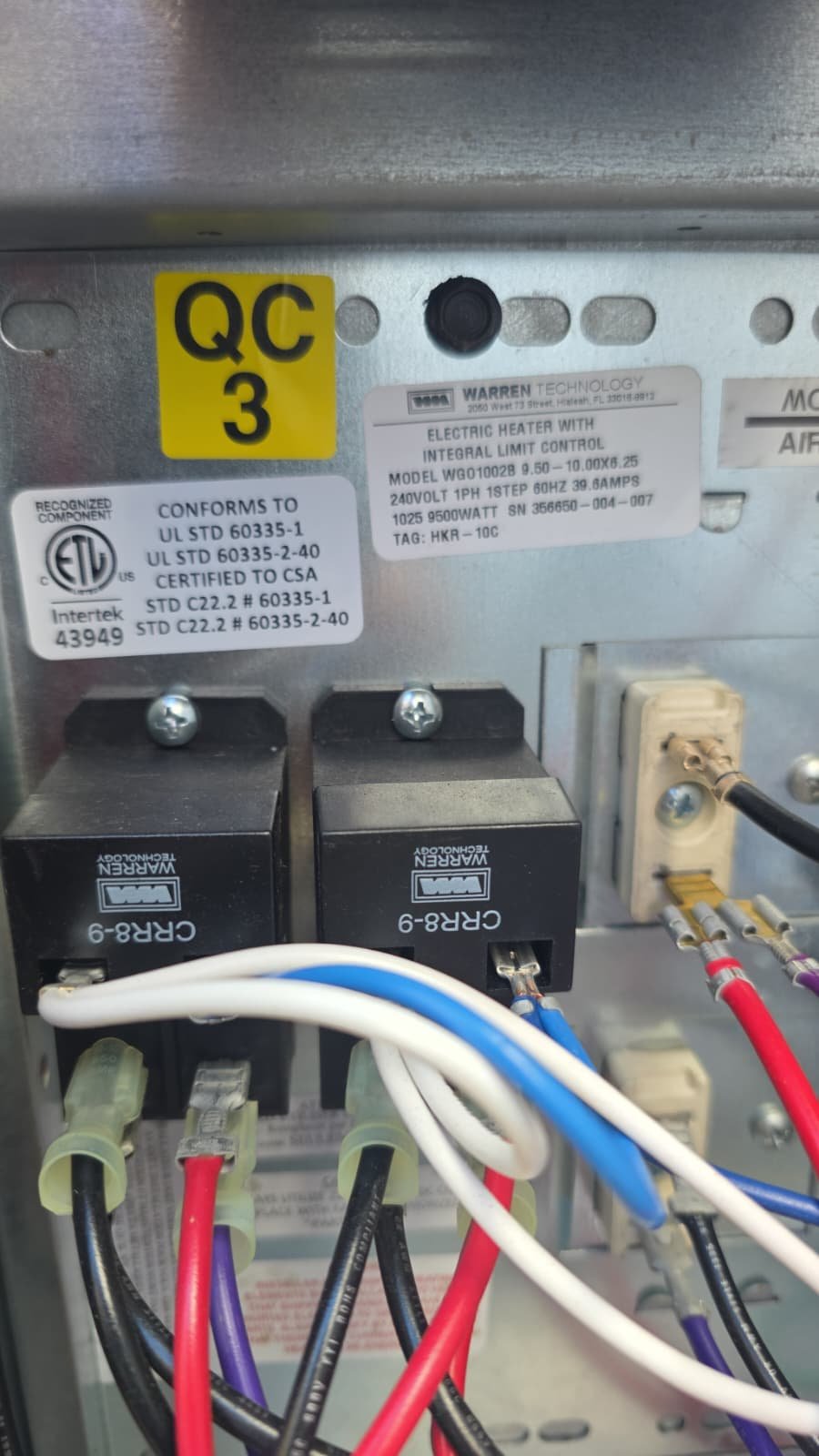
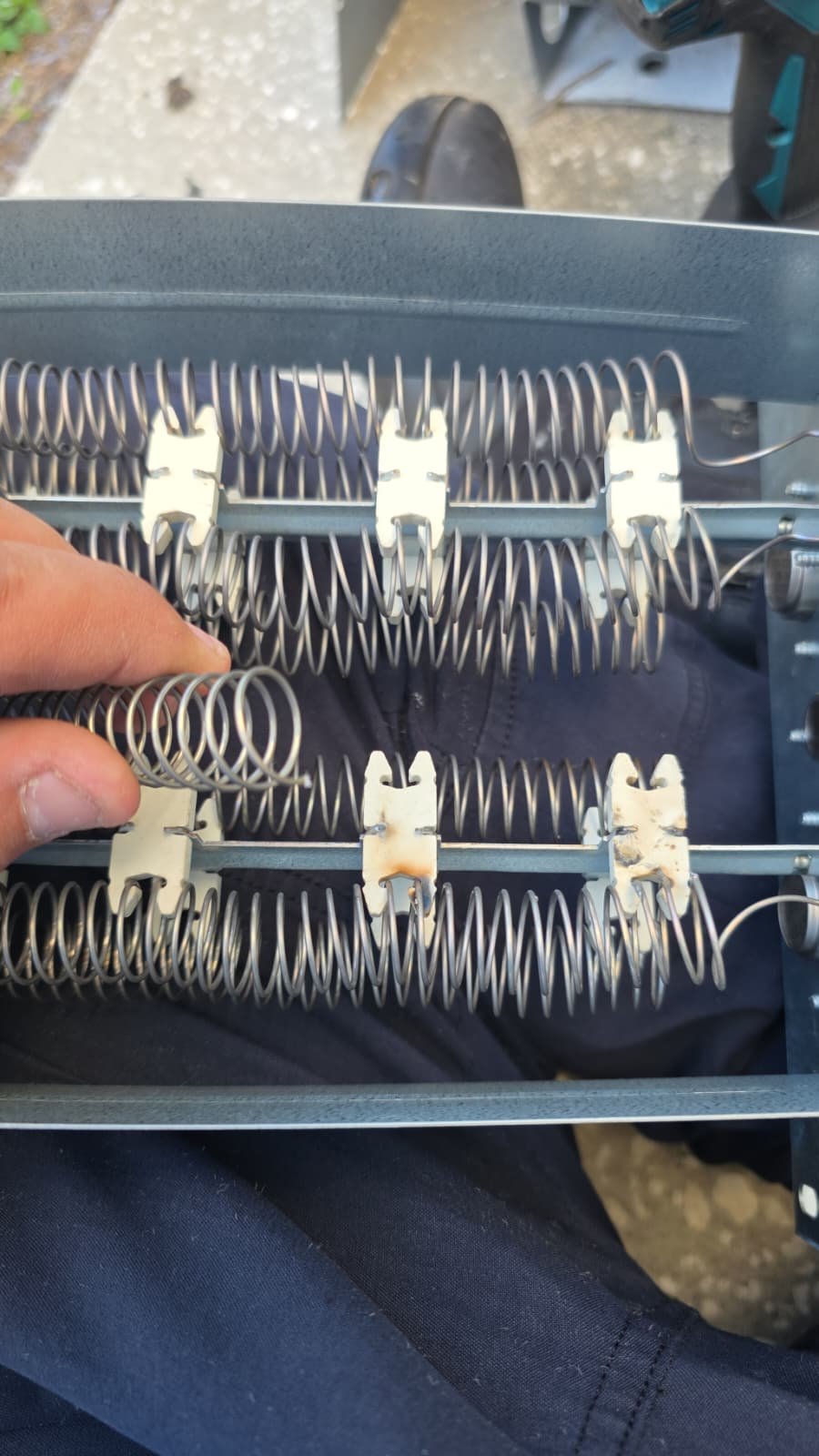
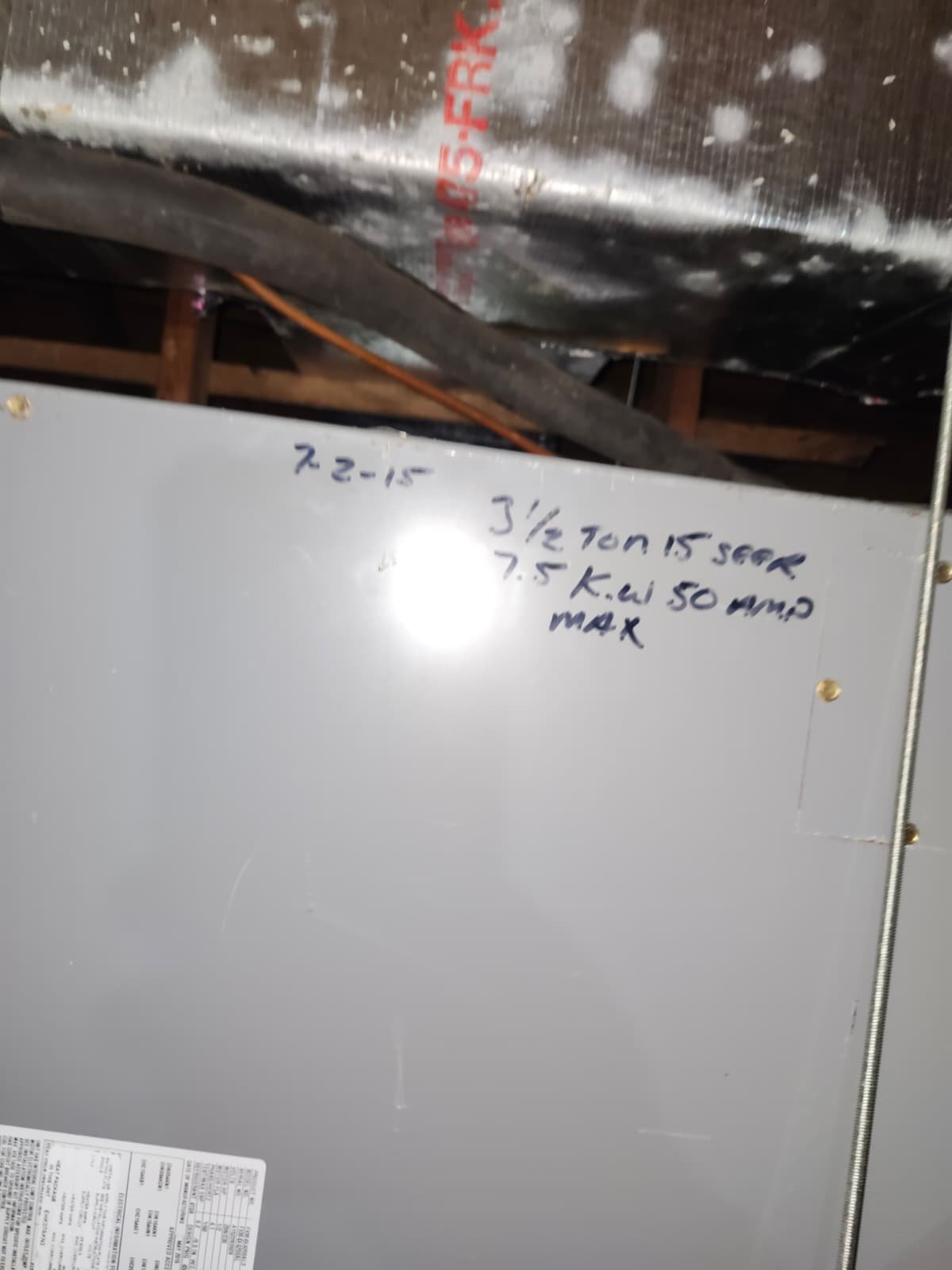
  • Supplemental heat: Approximately 5 kW of electric heat to support on cooler days.
  • Refrigerant: R32, an efficient and more environmentally friendly refrigerant option.
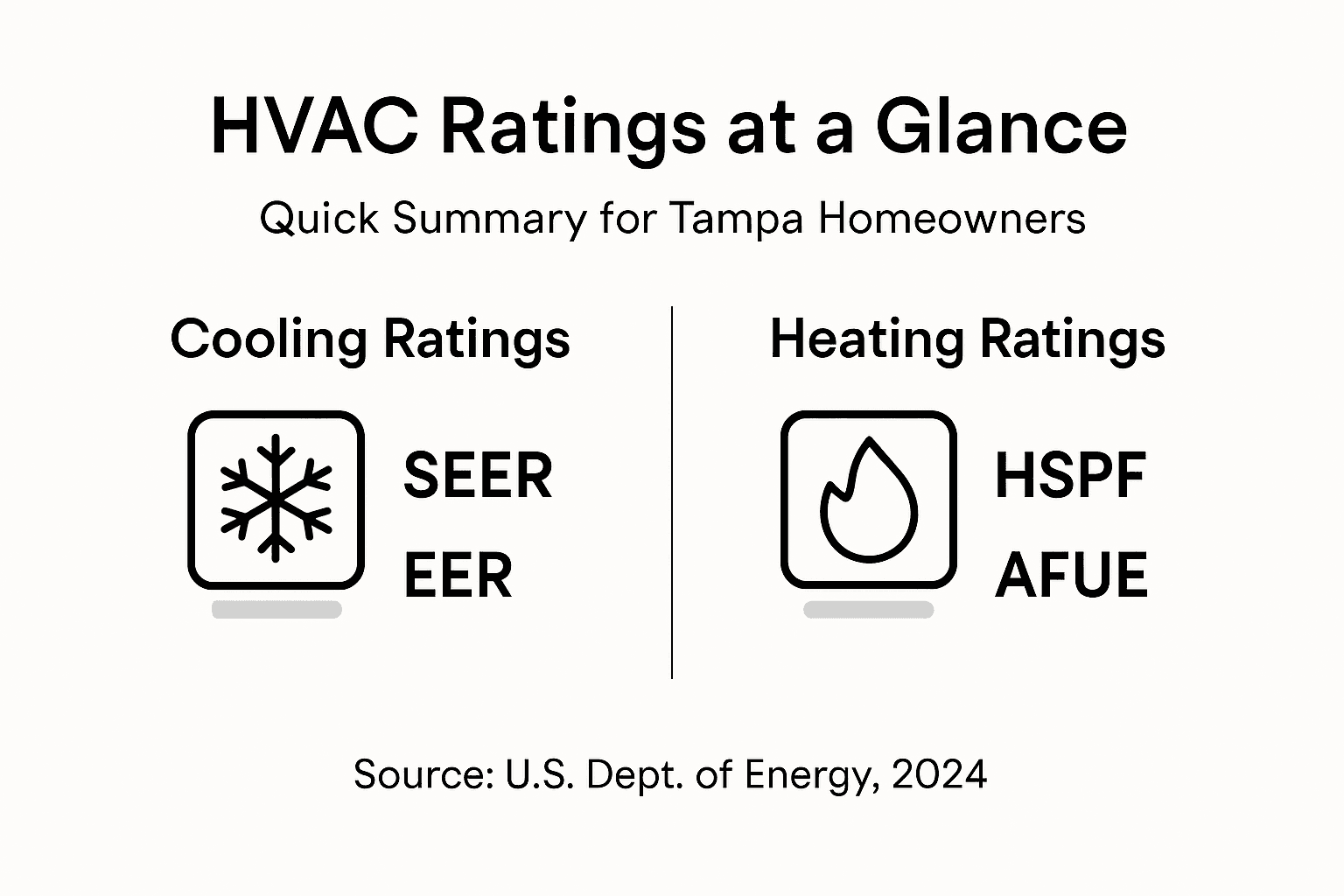
  • Efficiency: 14.5 SEER2, meeting current energy efficiency standards.

To protect the system in Florida’s climate, we also included:

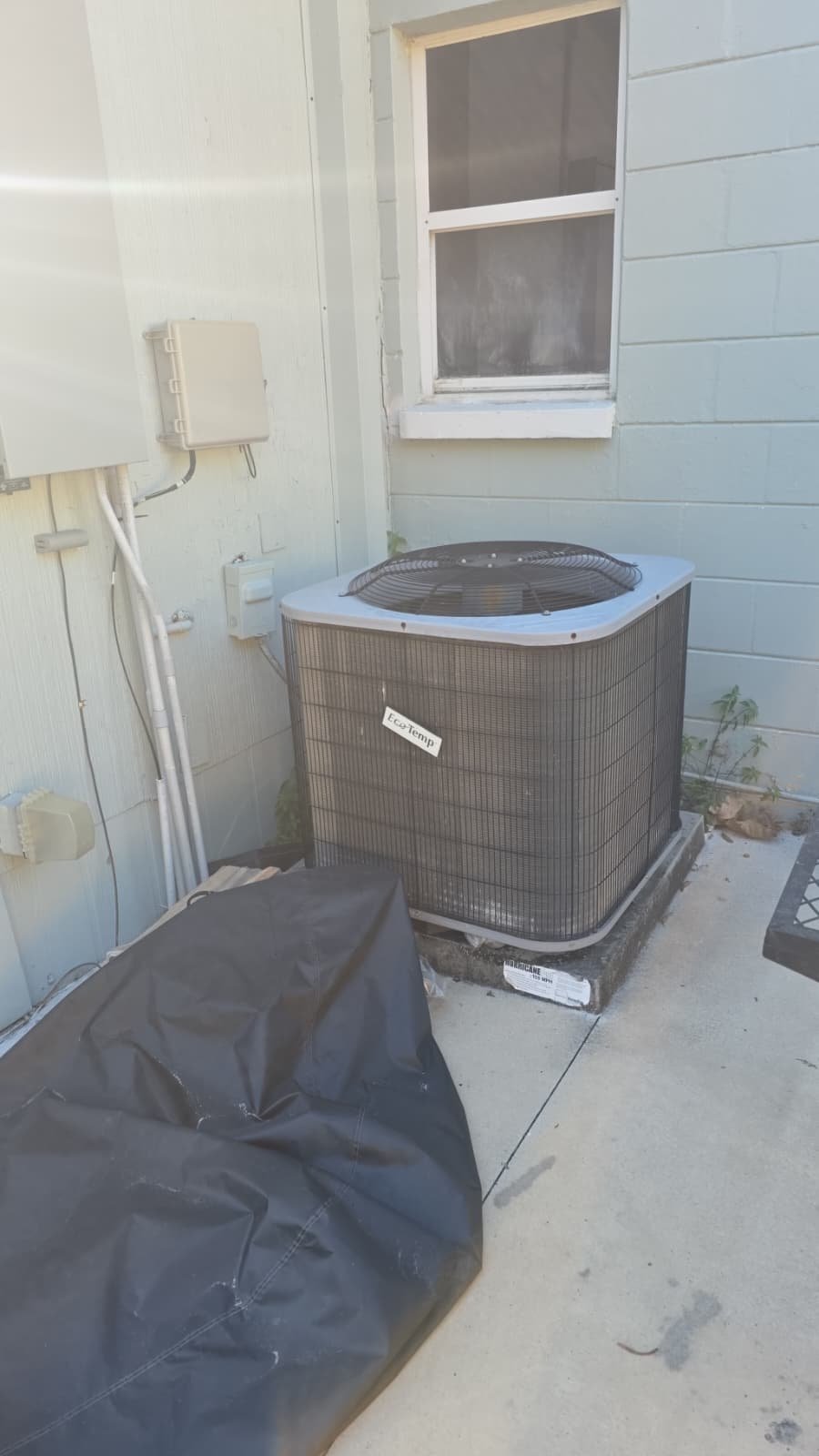
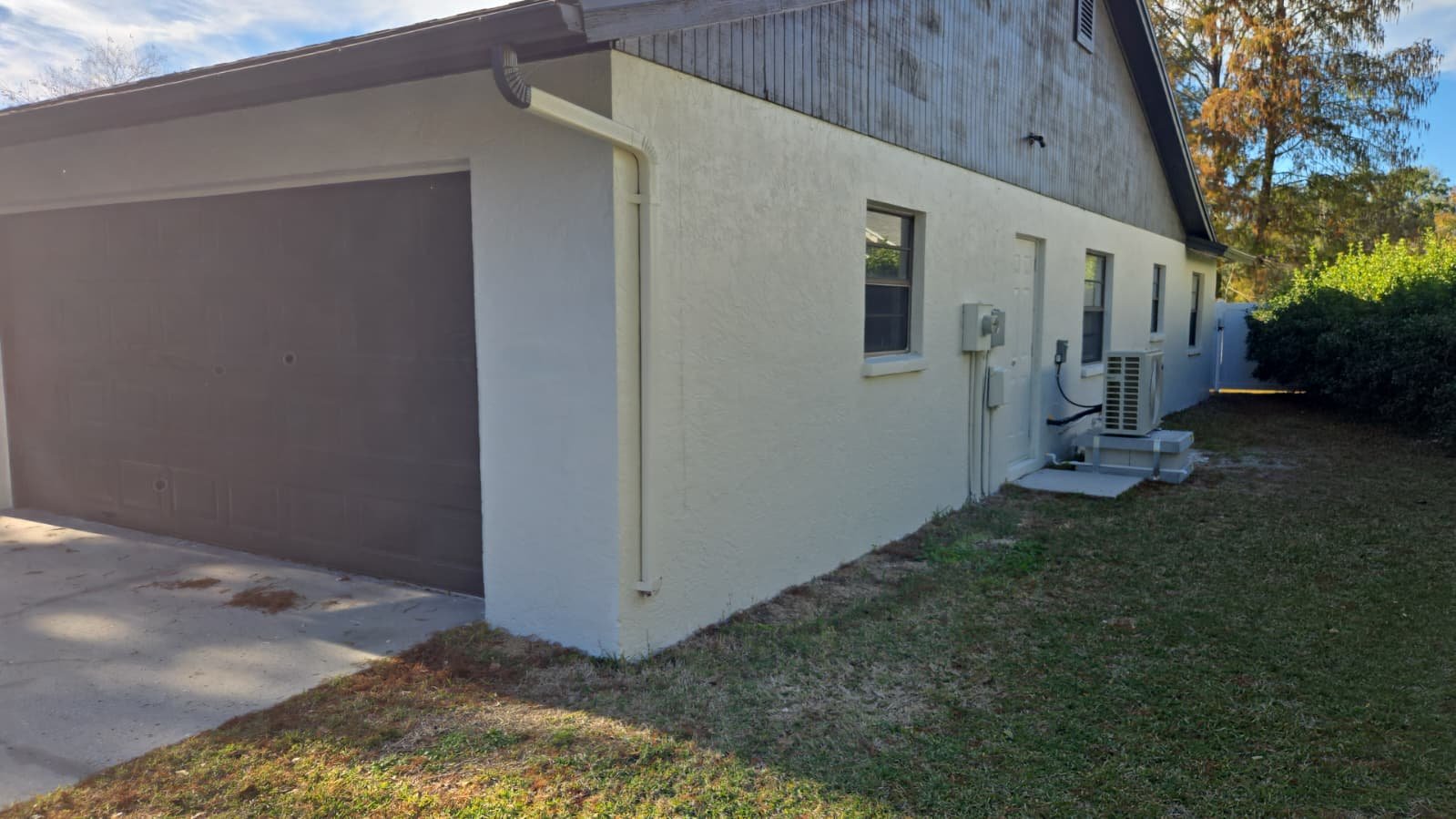
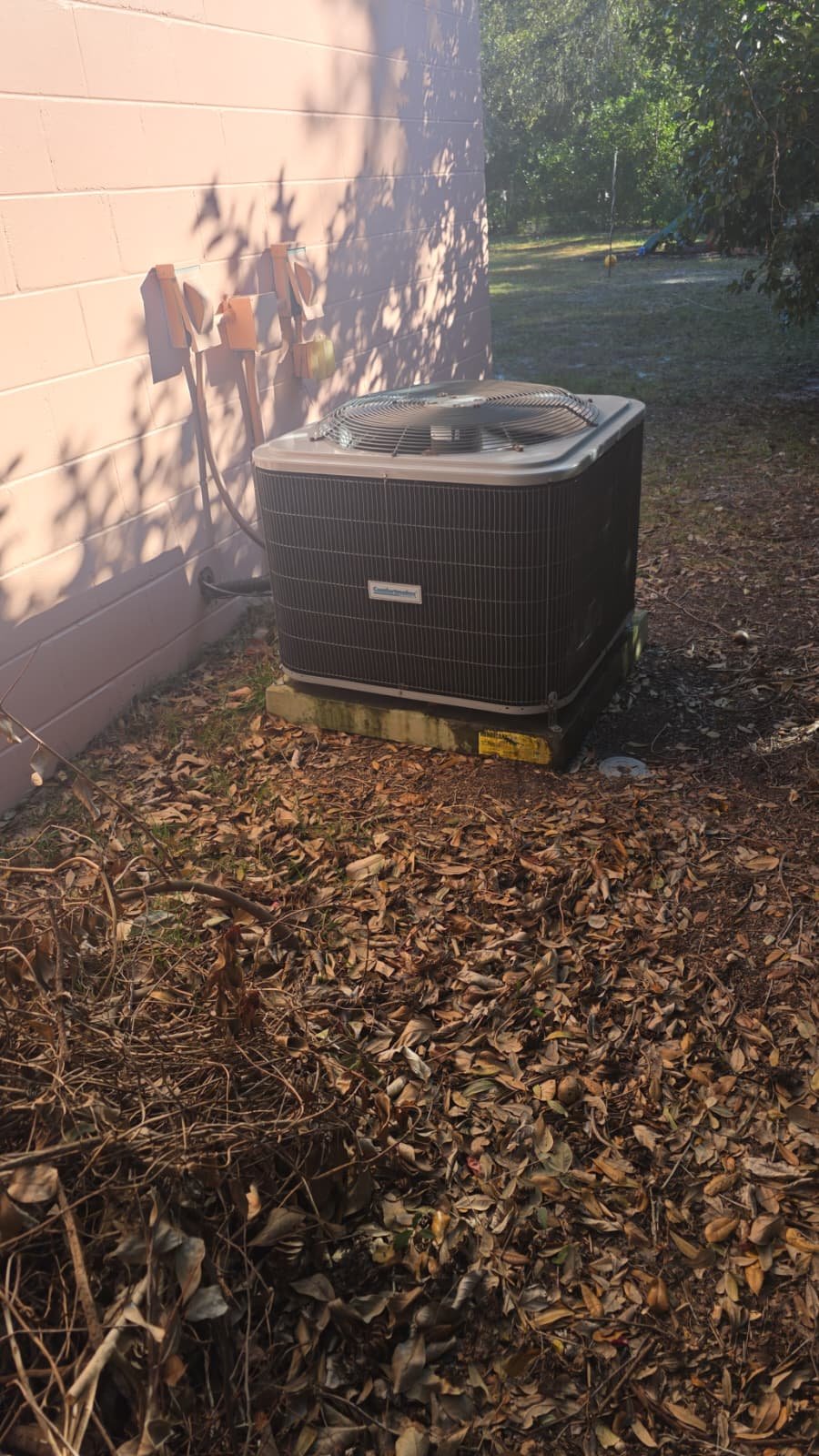
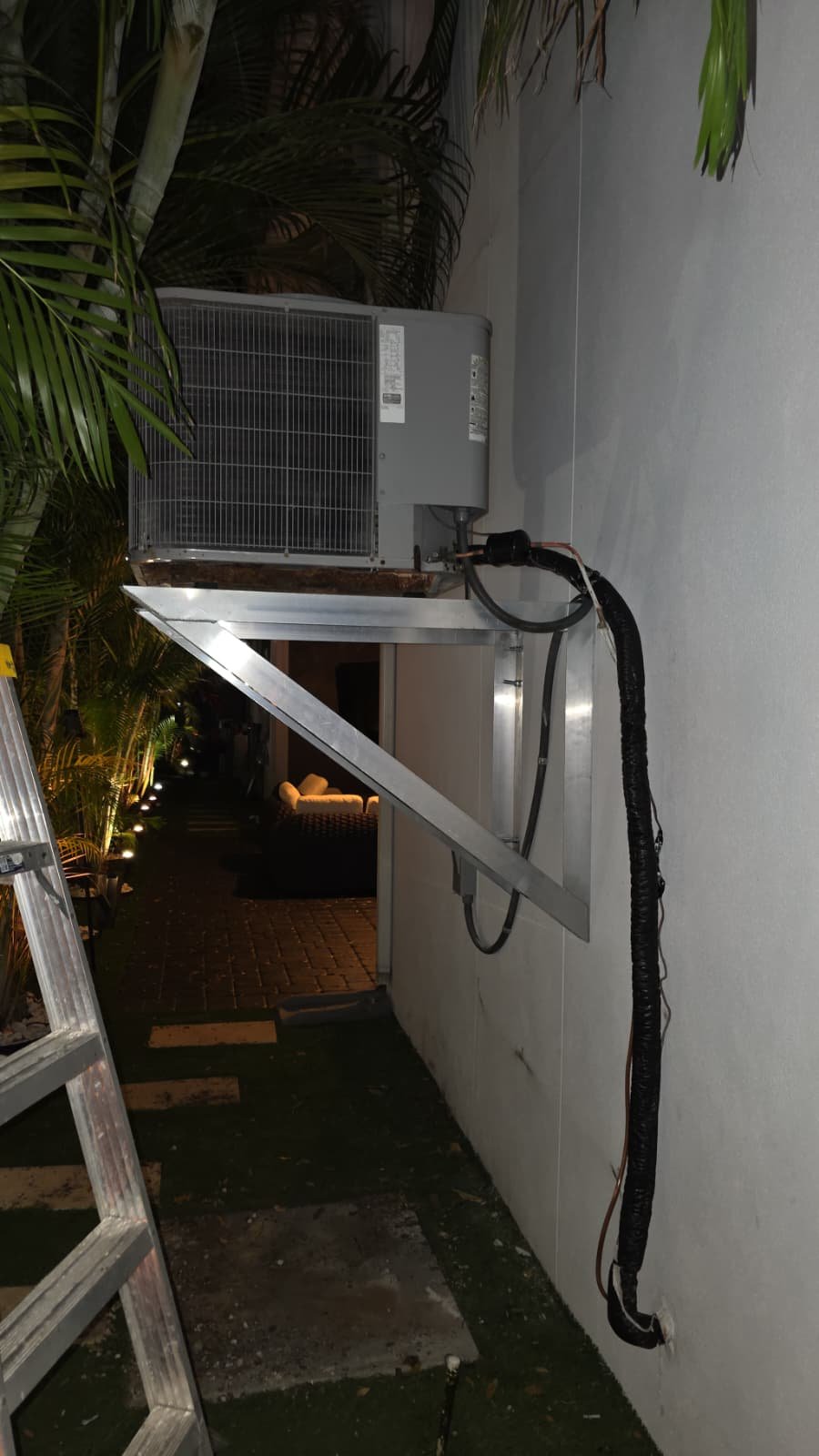
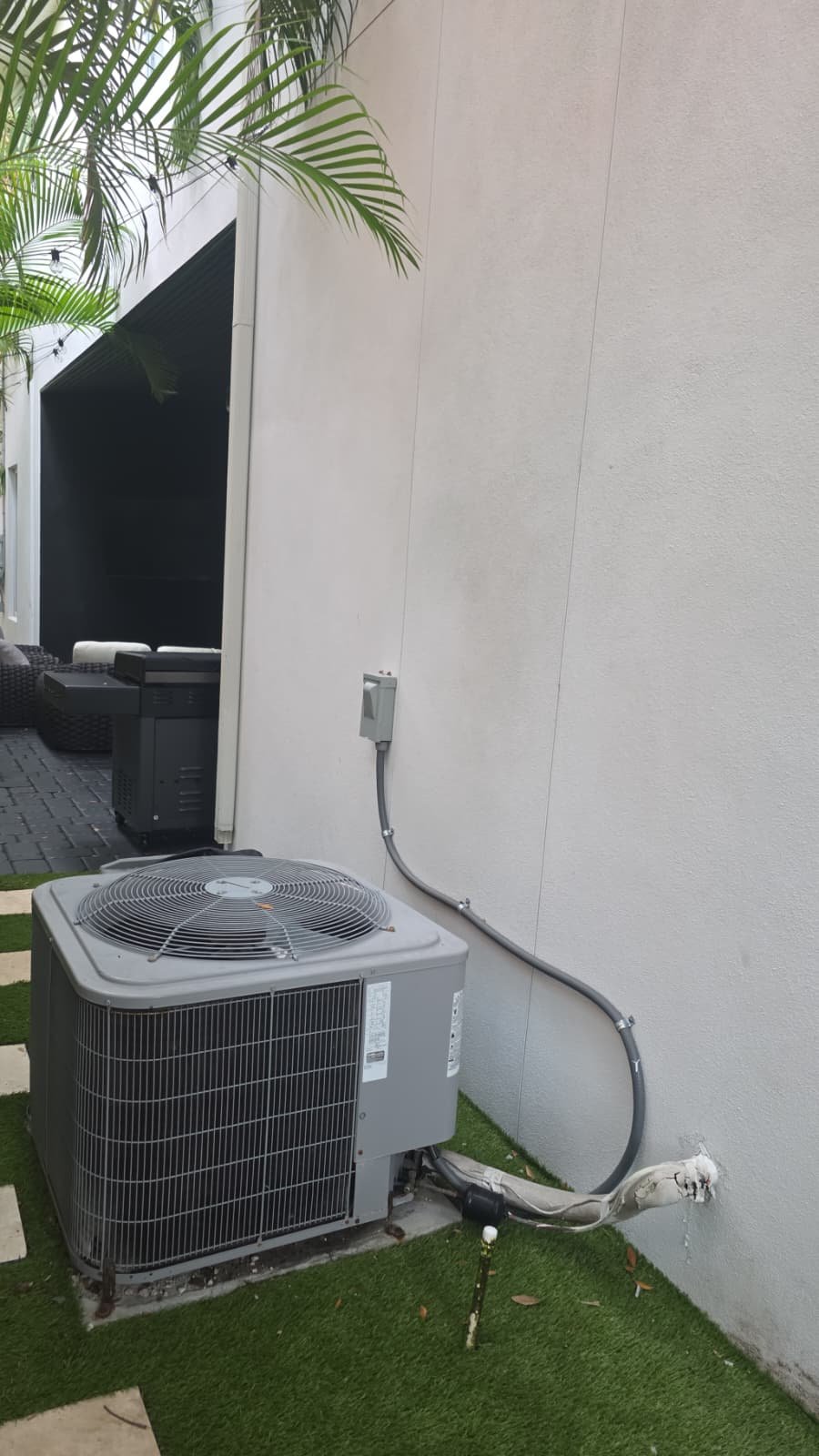
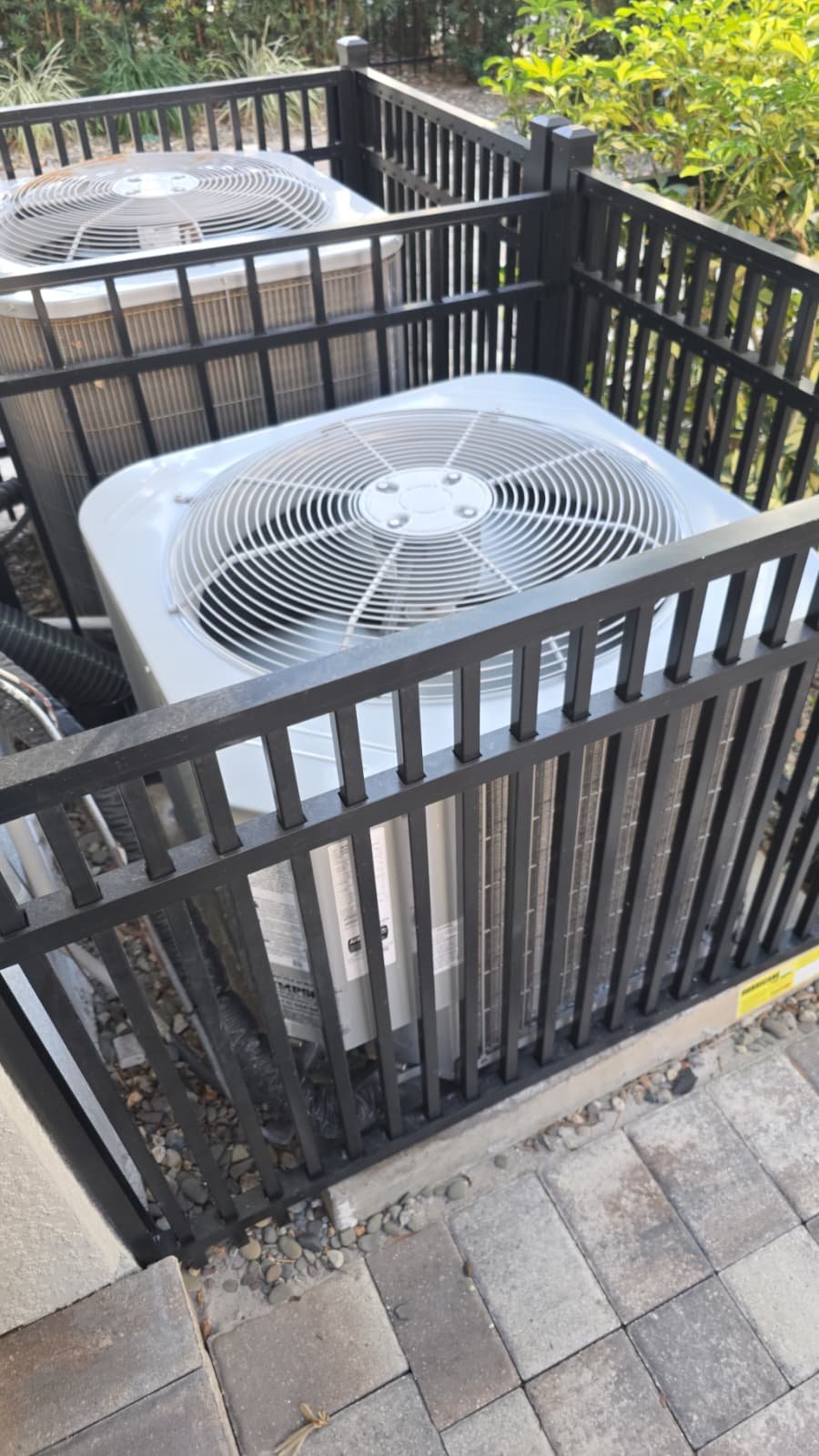
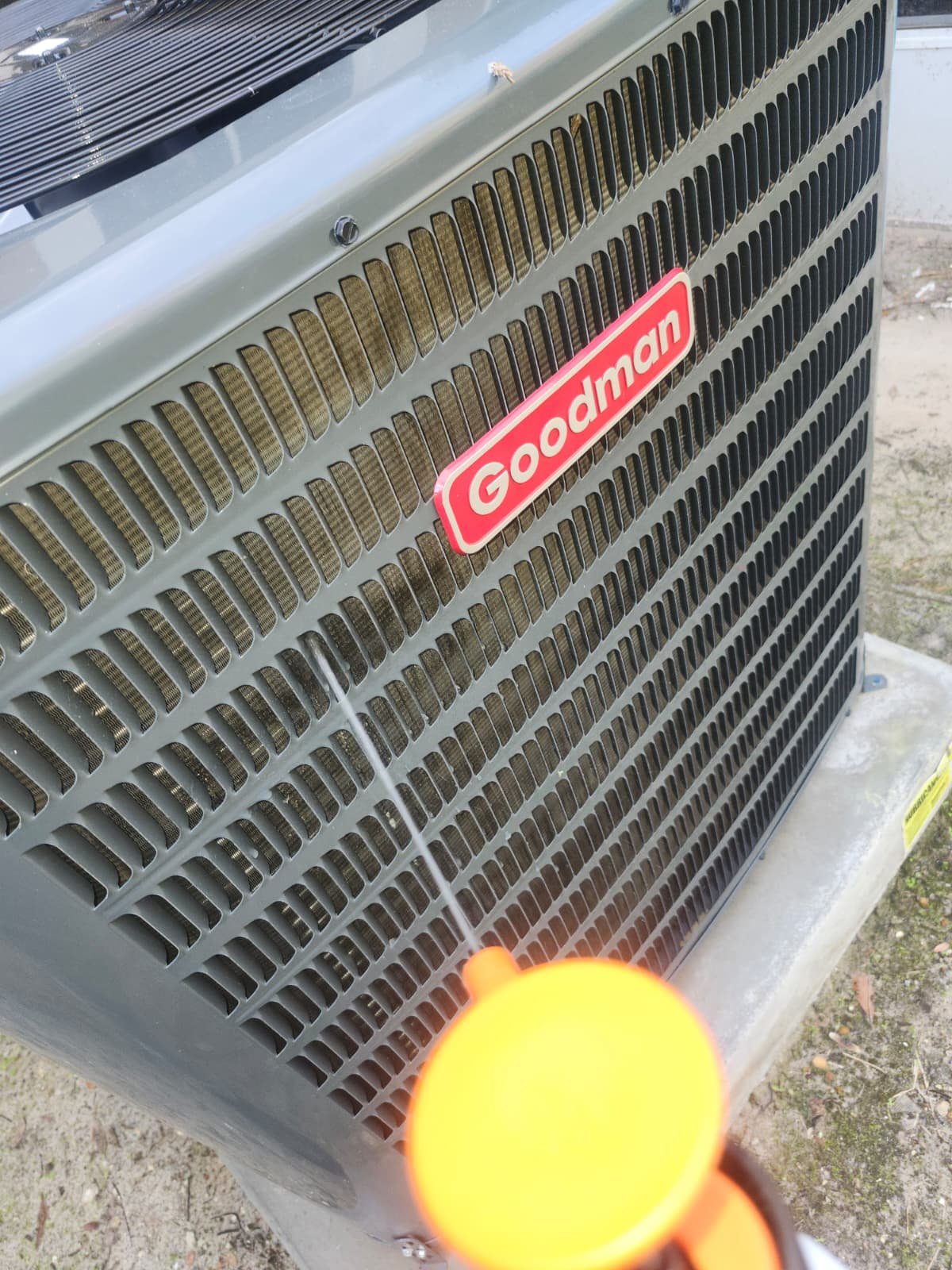
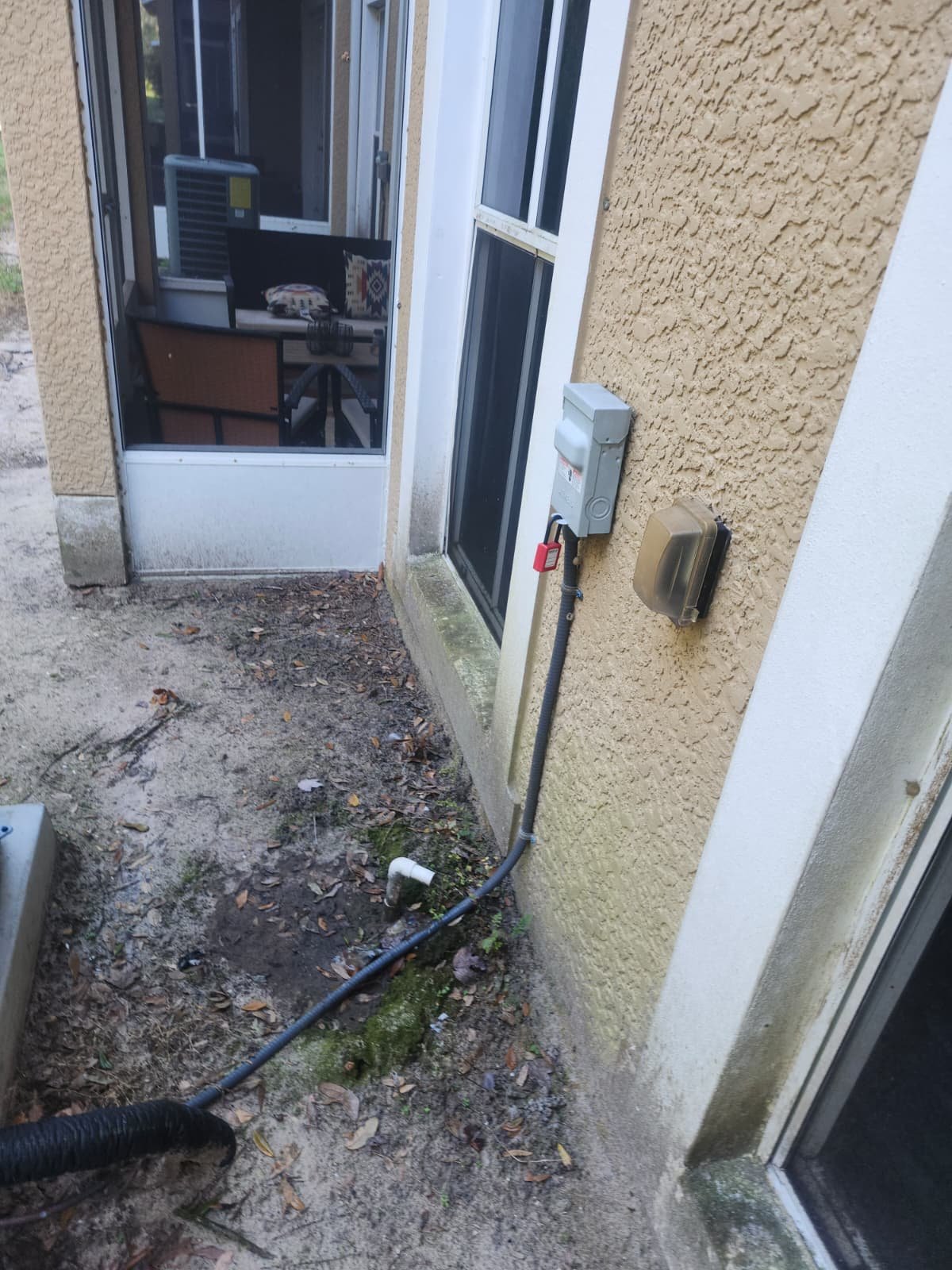
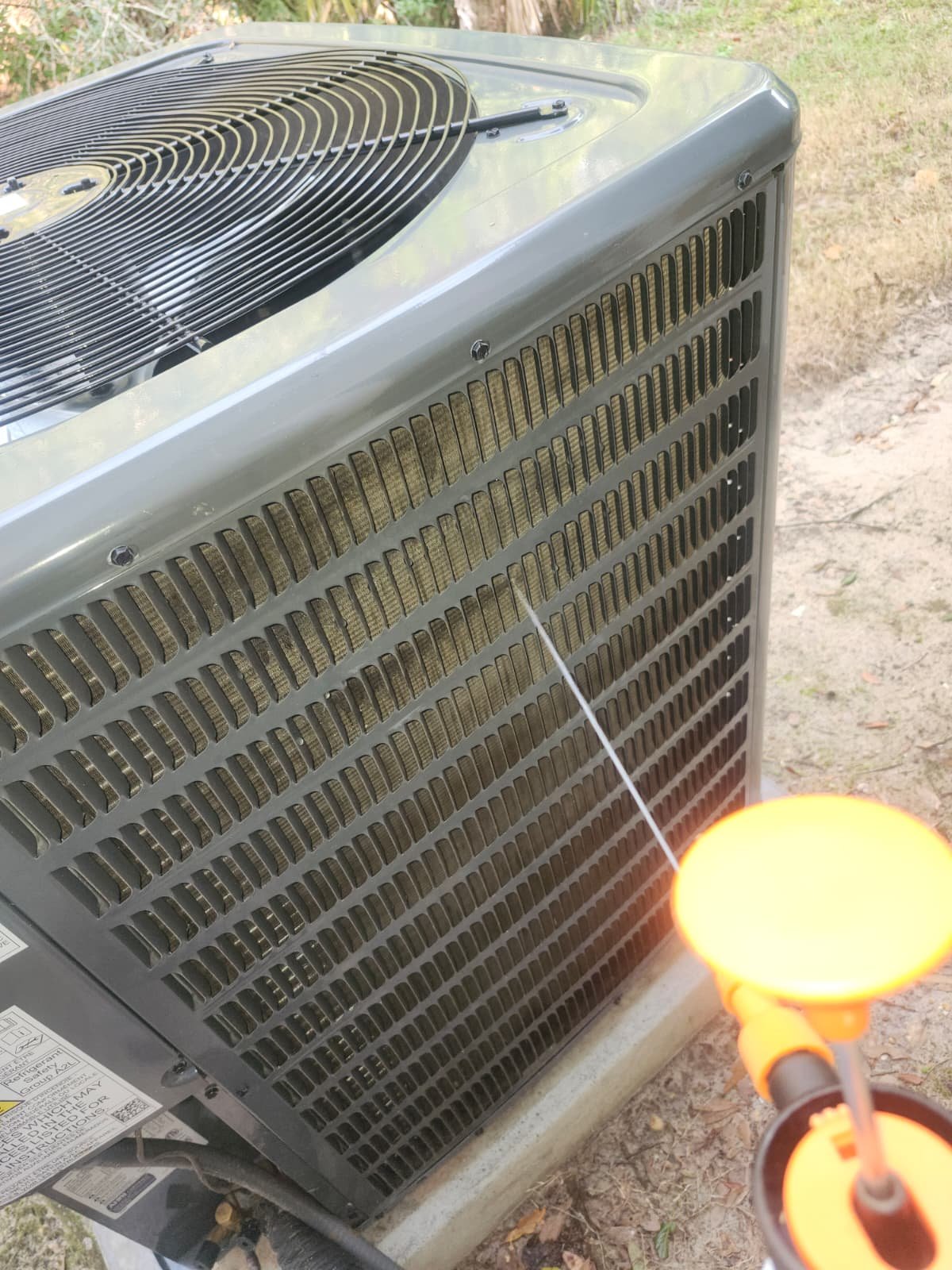
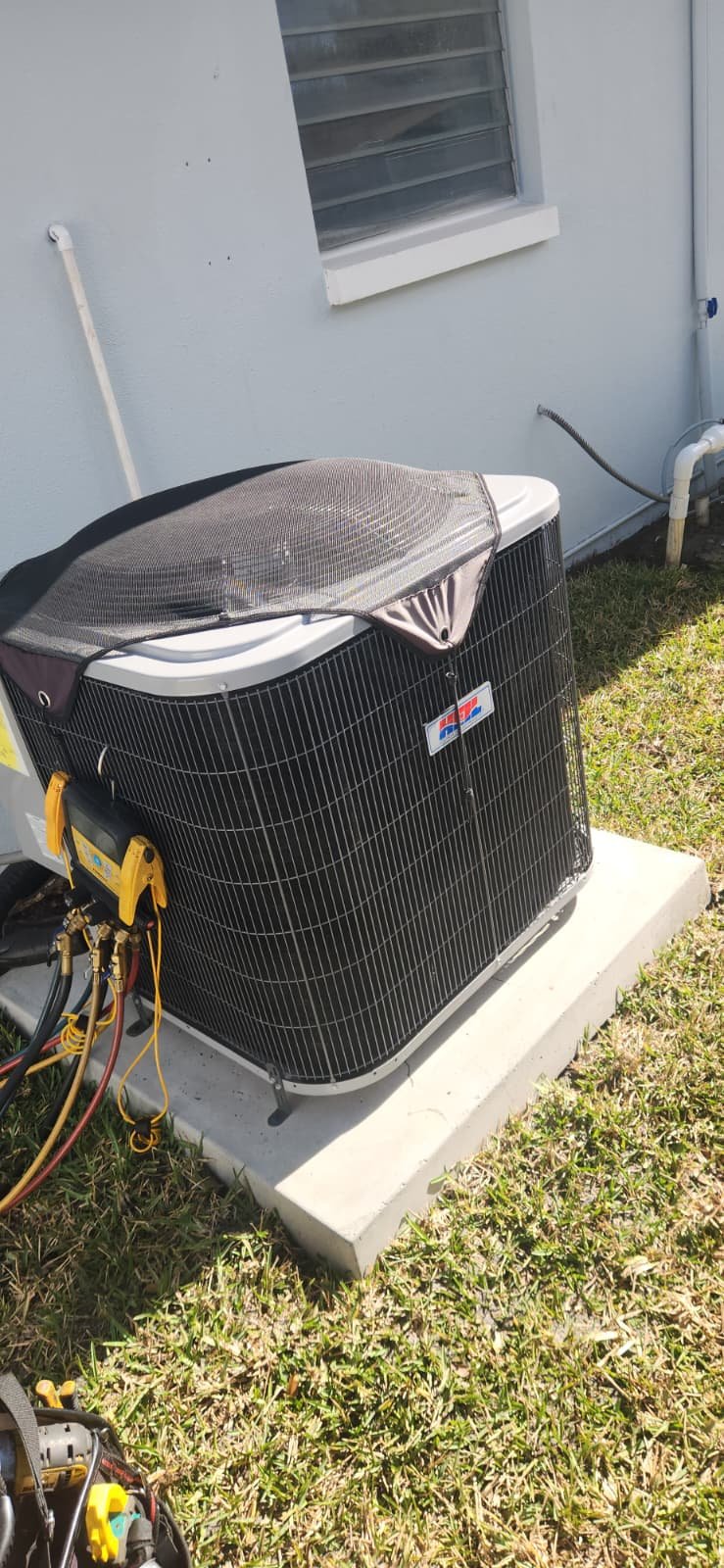
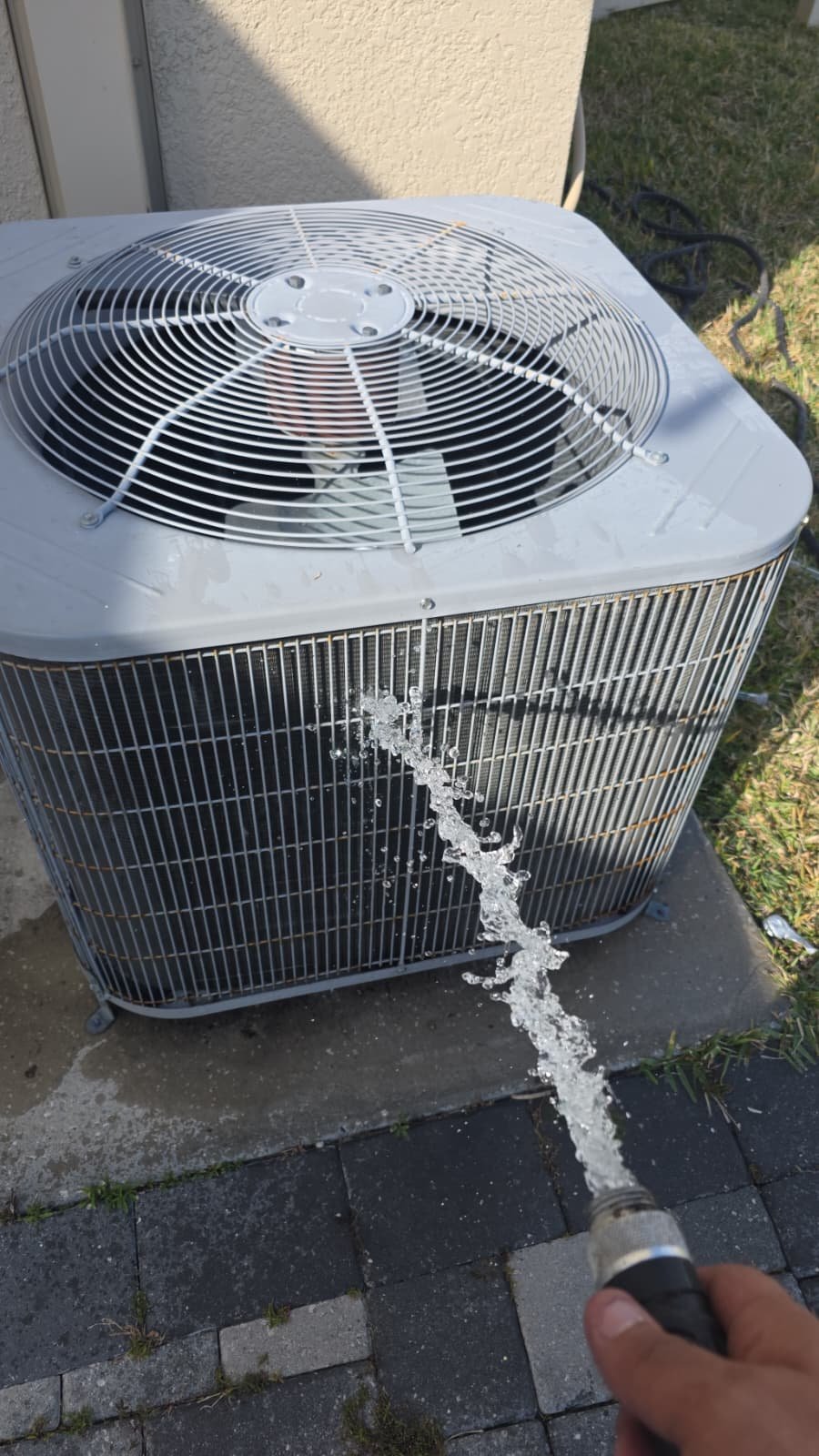
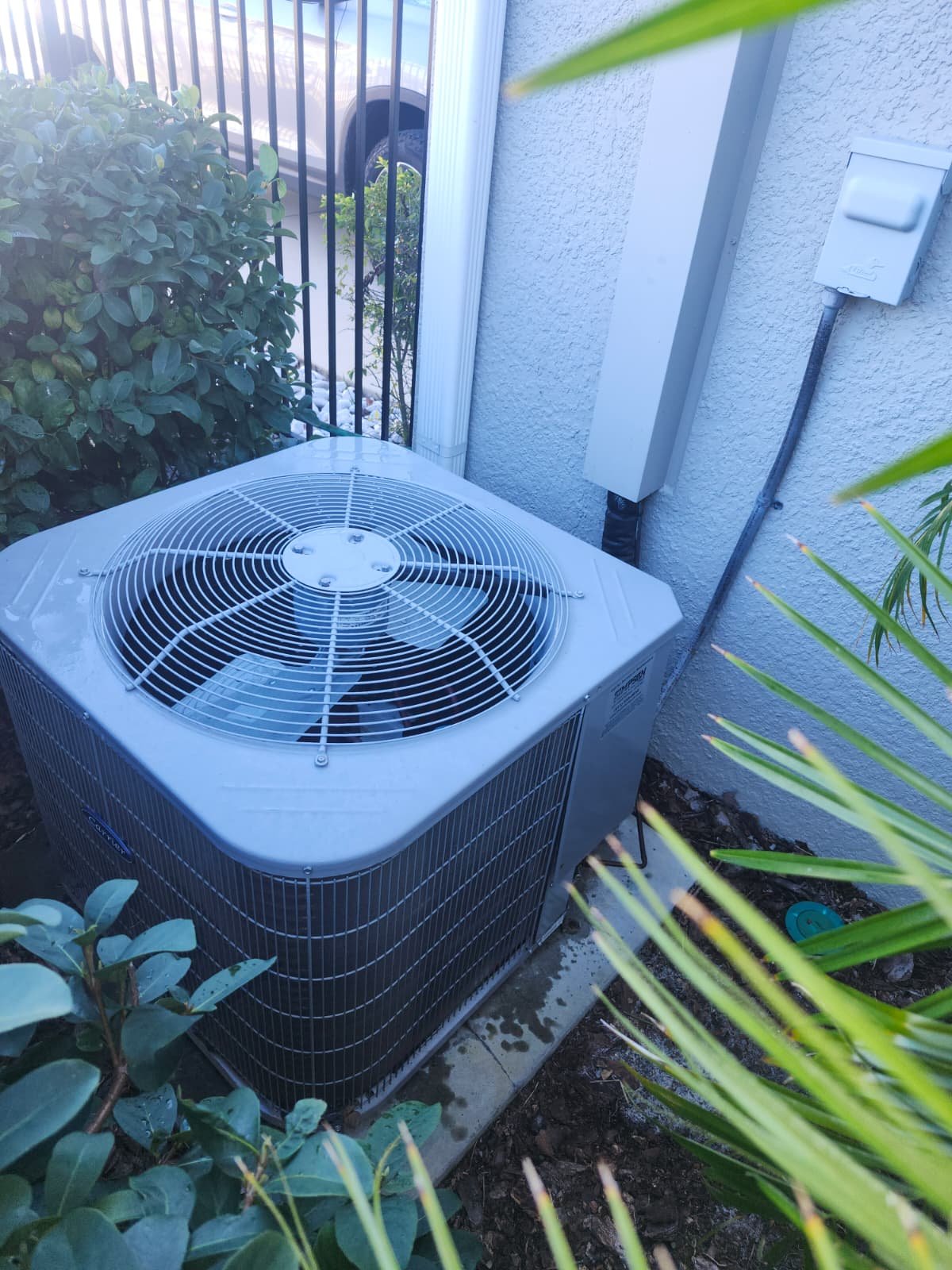
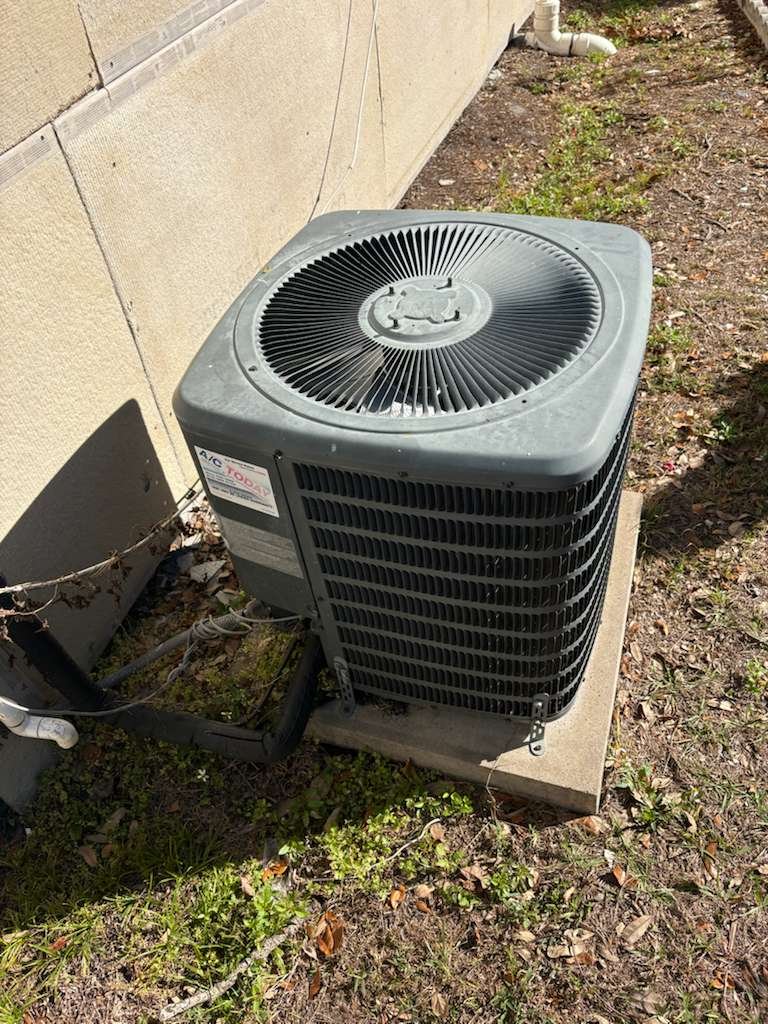
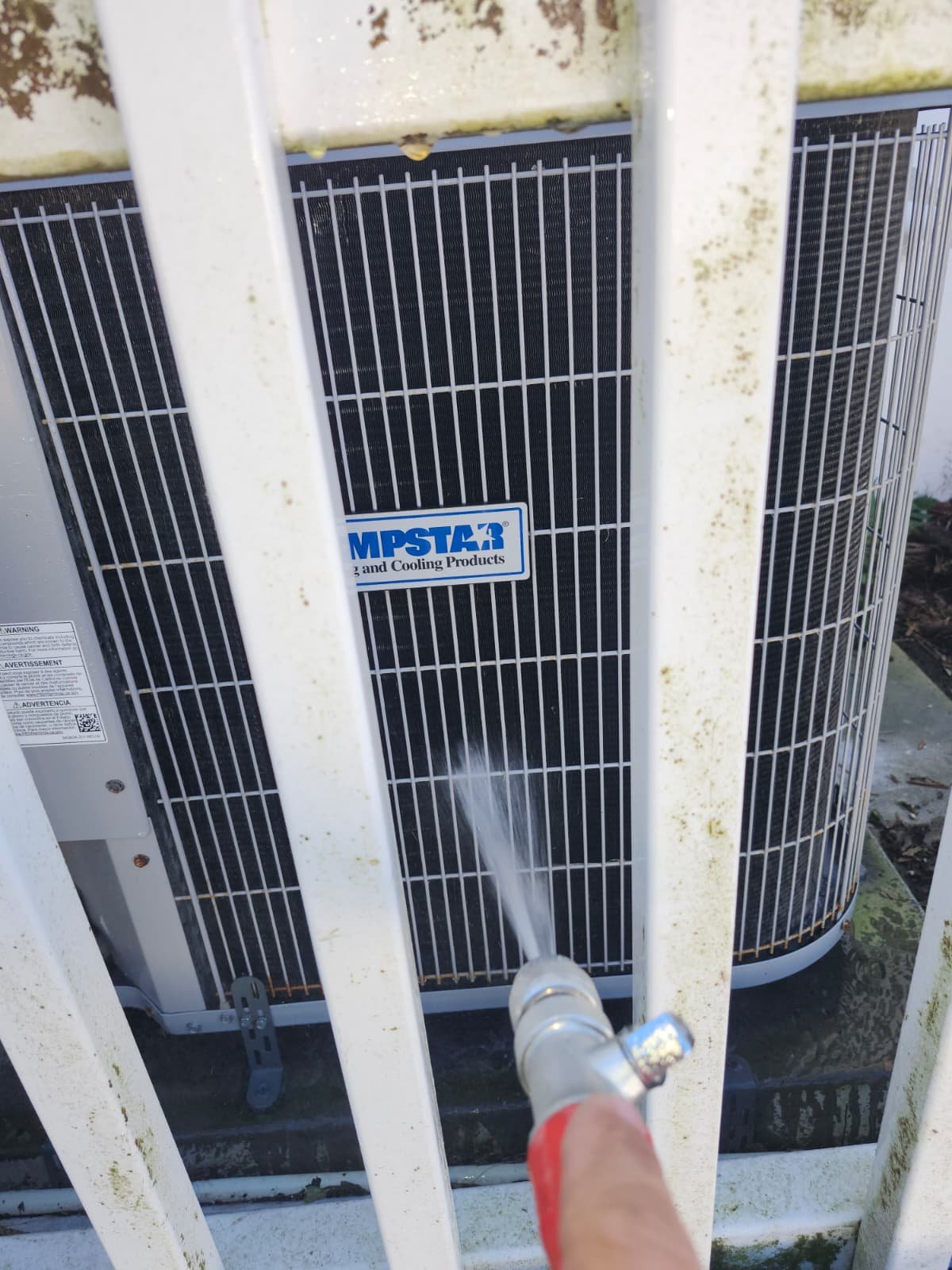
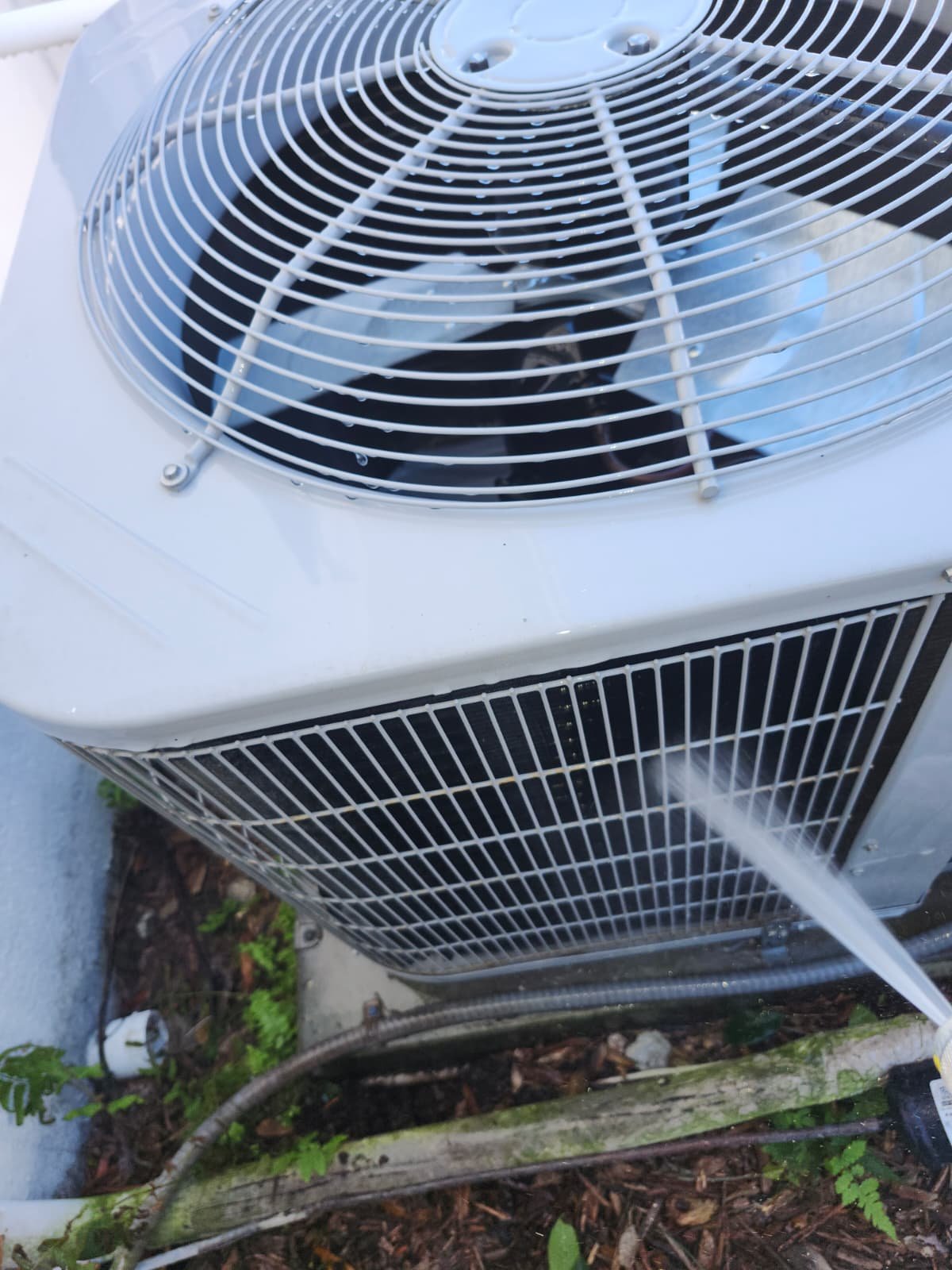
  • Hurricane-ready concrete pad and tie-down kit rated for up to 150 mph winds for the outdoor unit.
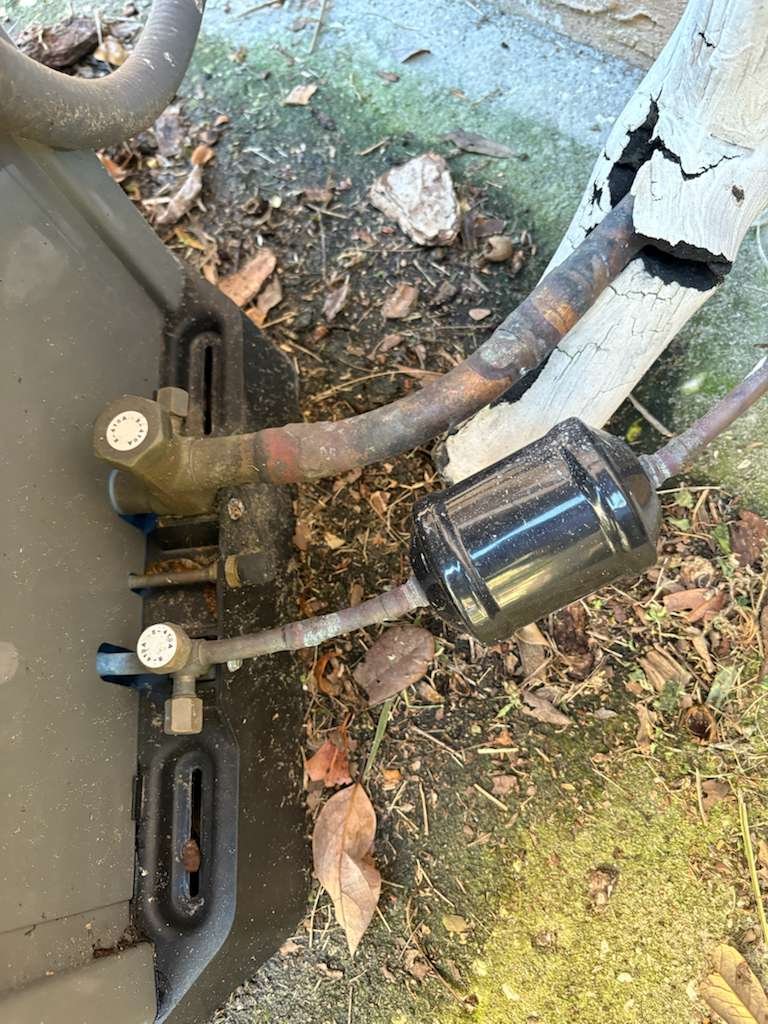
  • UV-protected copper insulation to resist sun and heat damage.
  • Locking condenser valve caps to help safeguard refrigerant and reduce tampering risks.
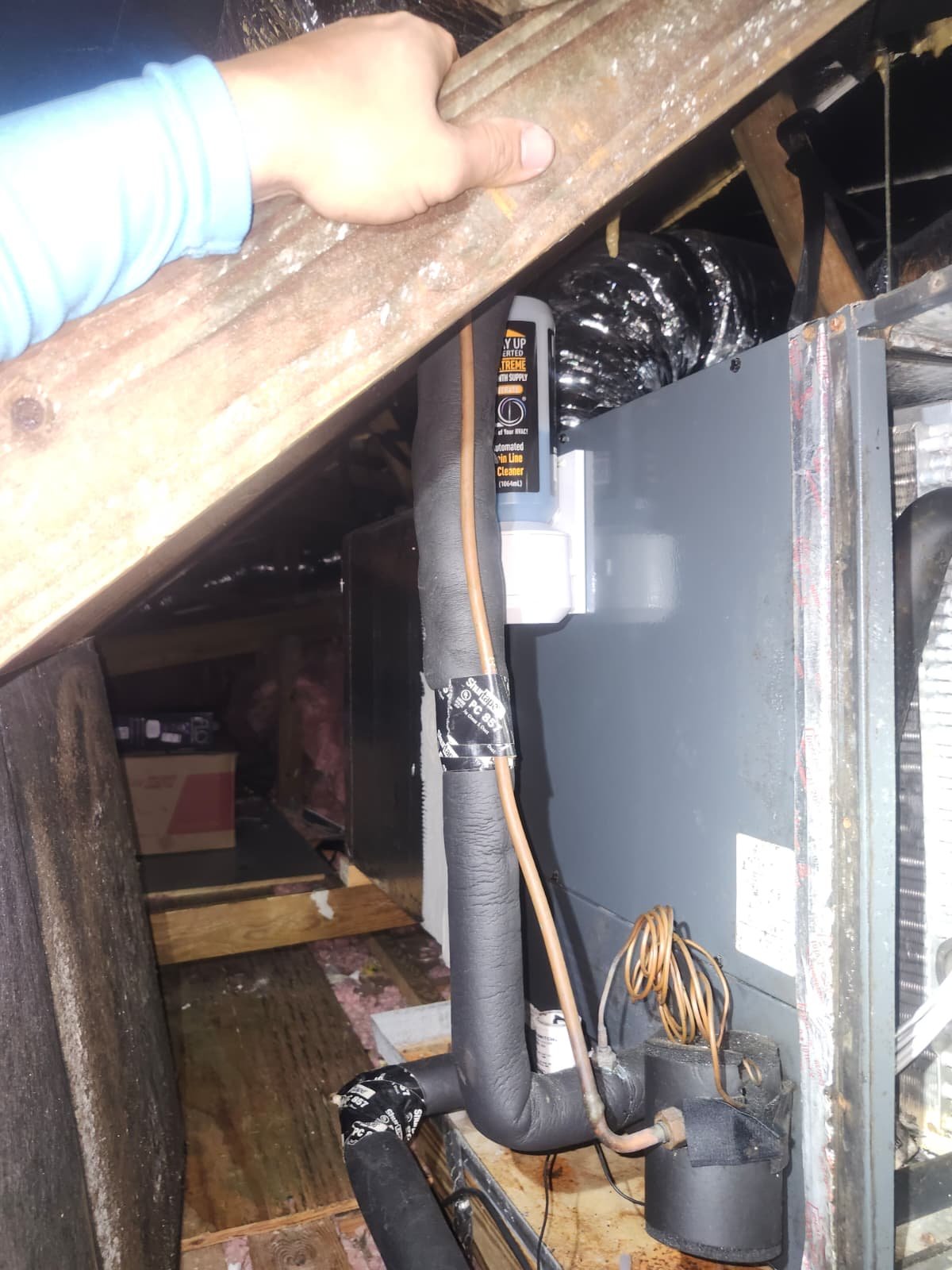
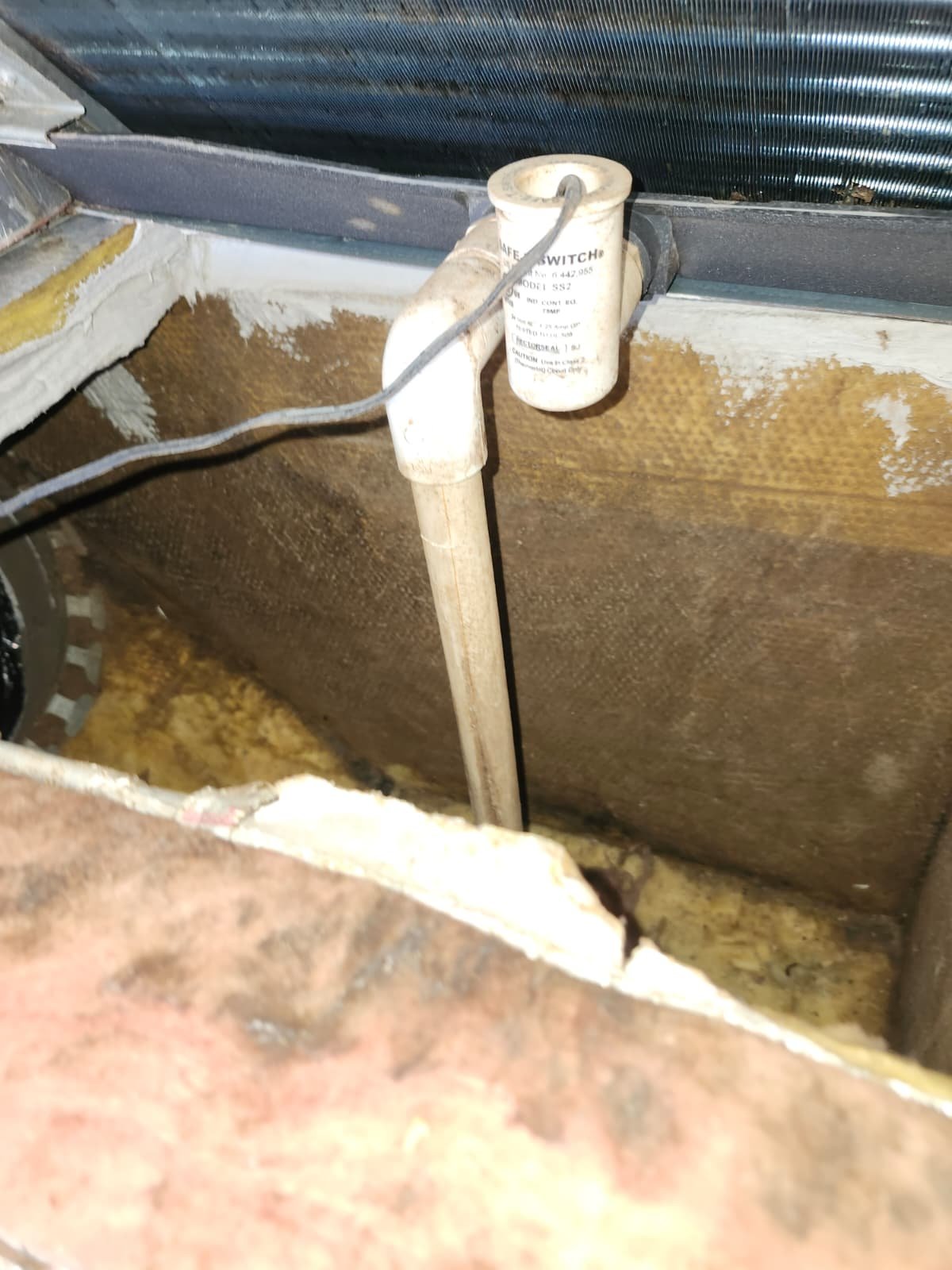
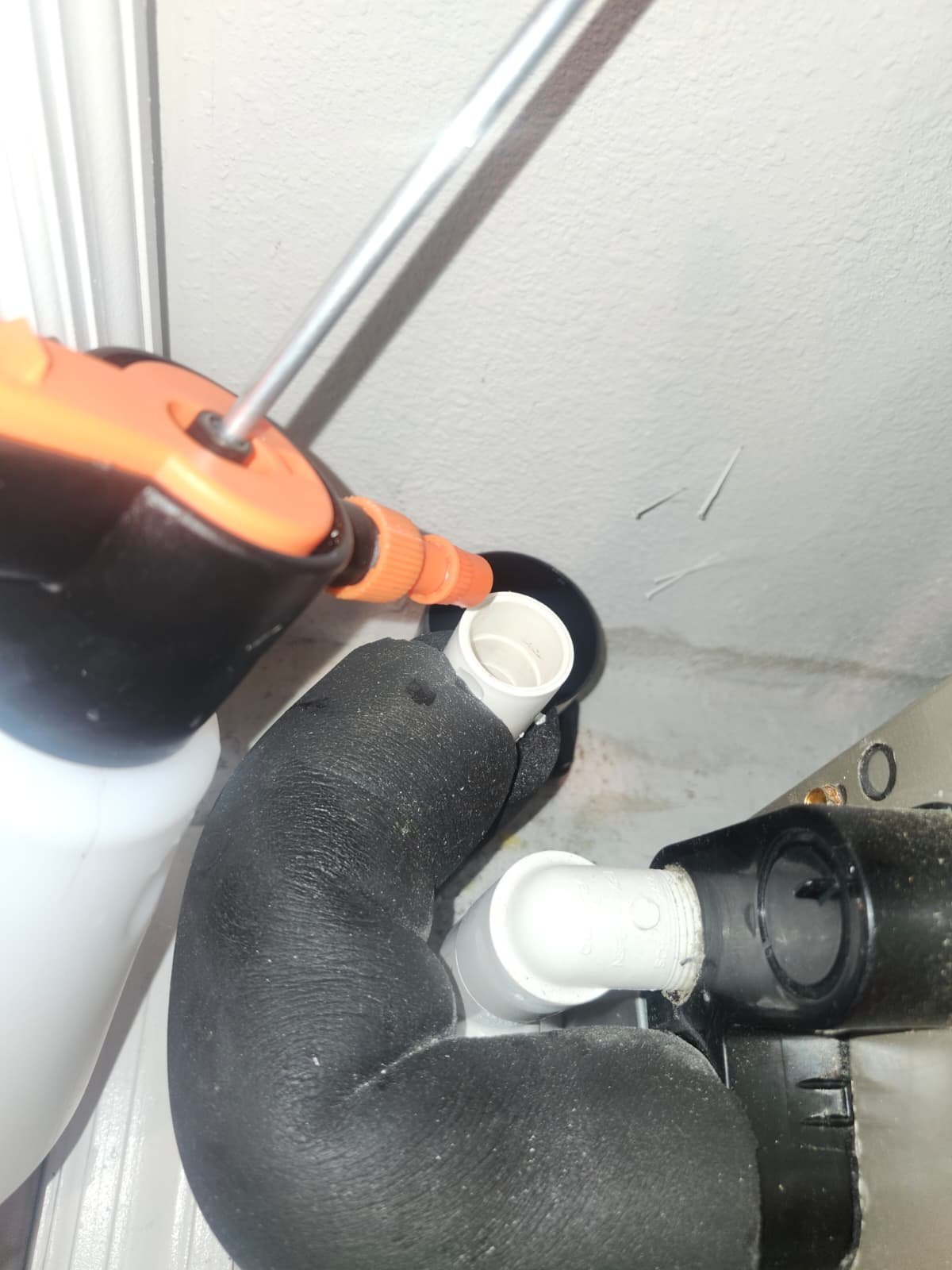
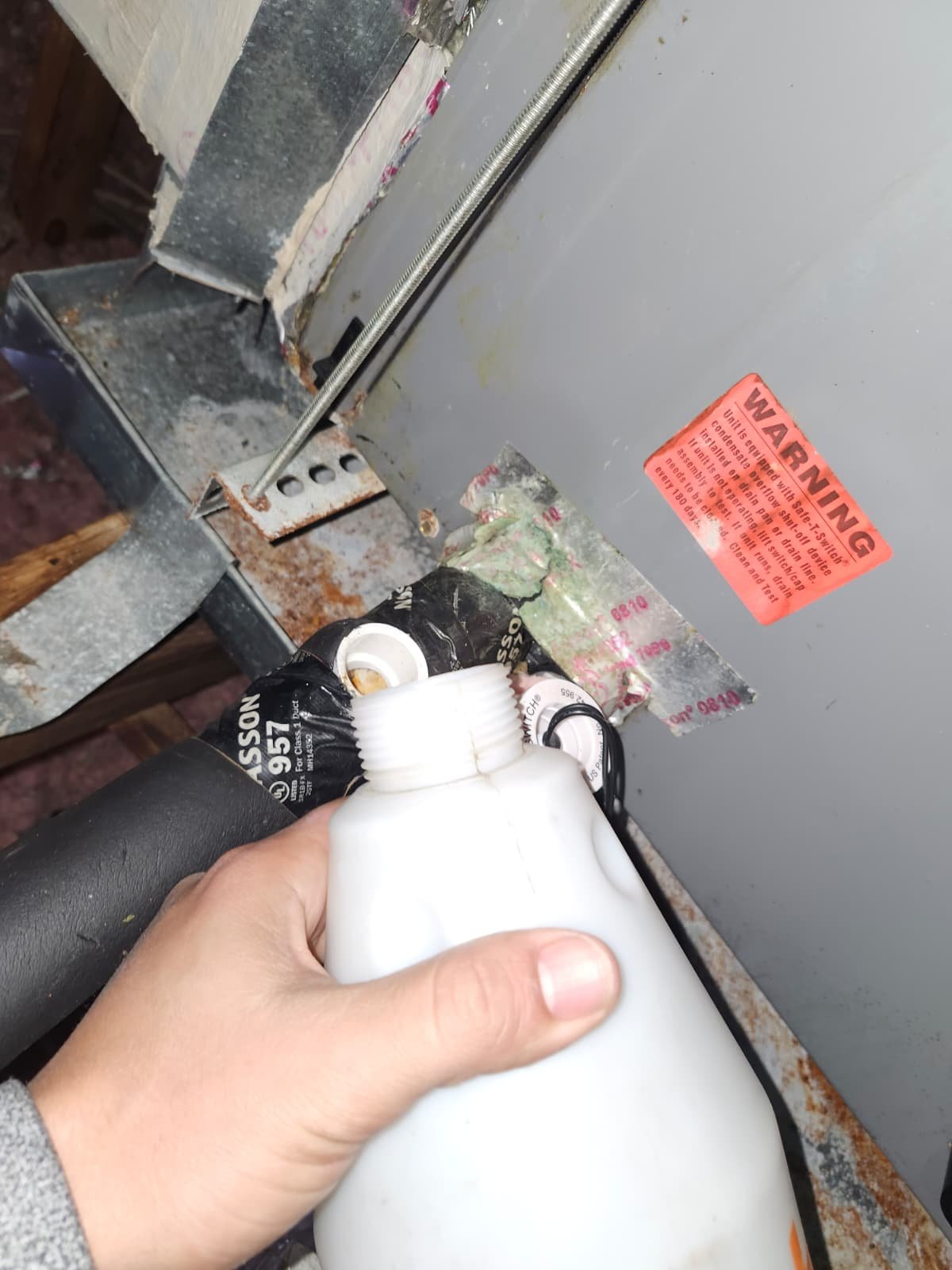
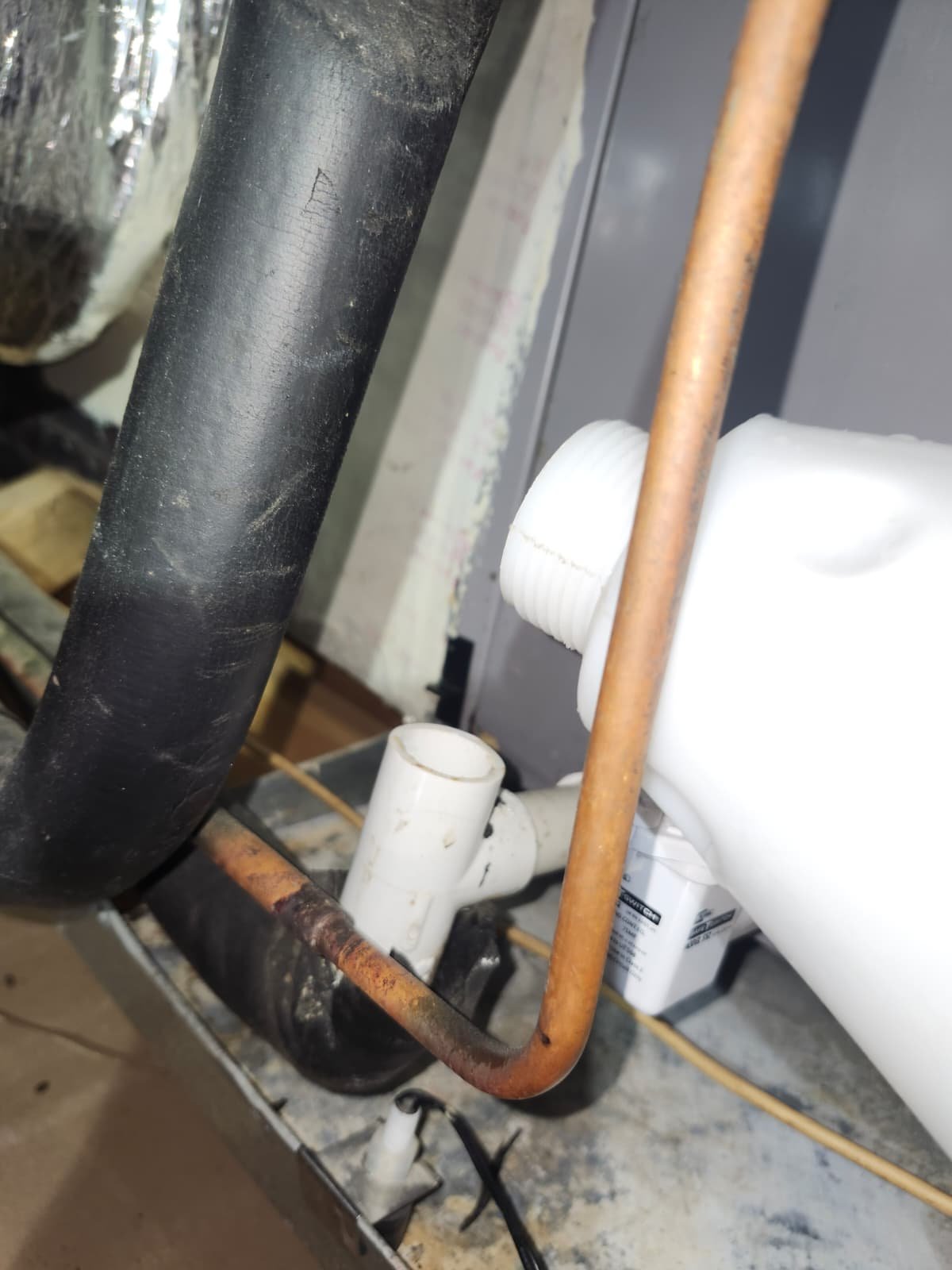
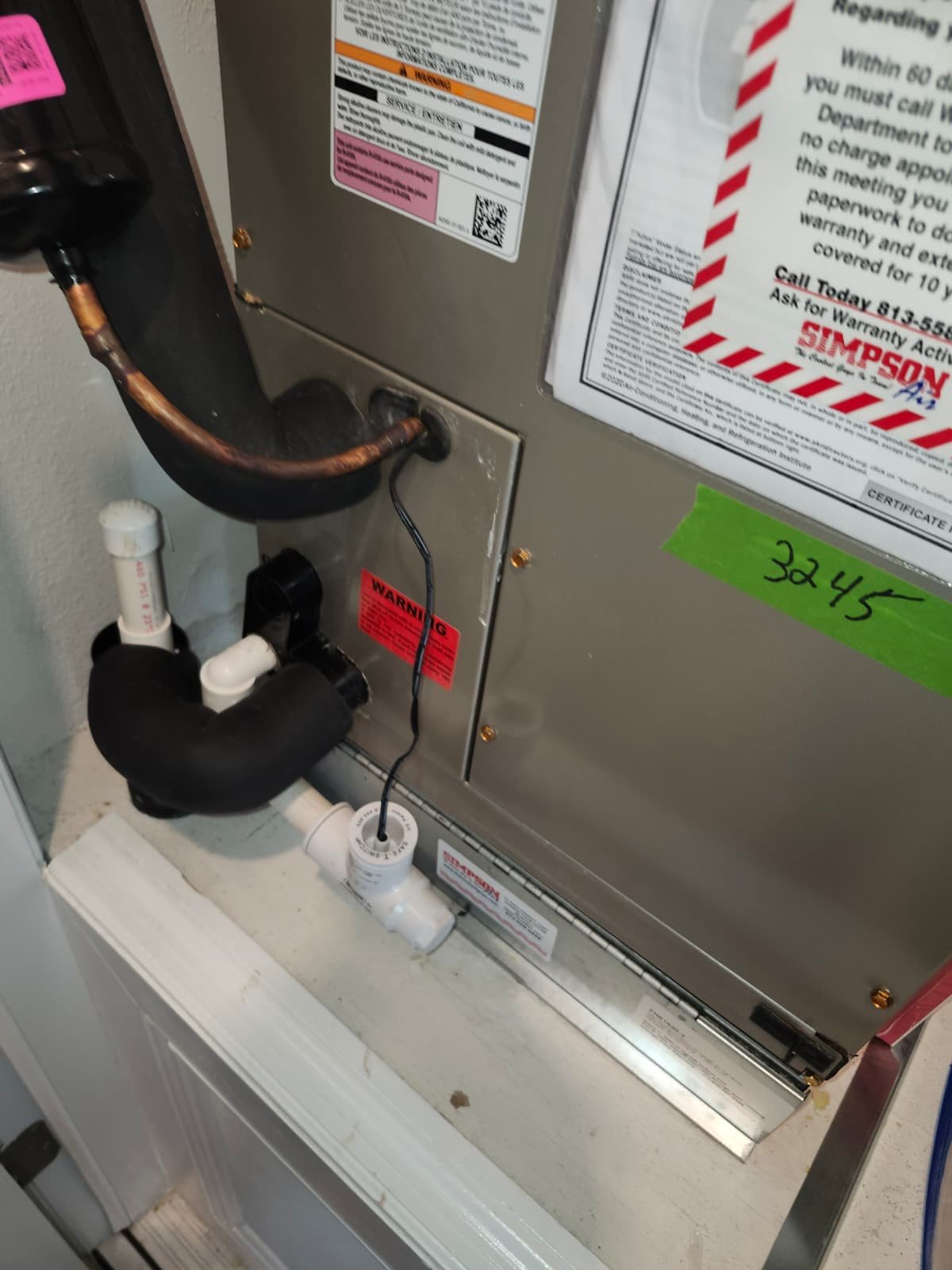
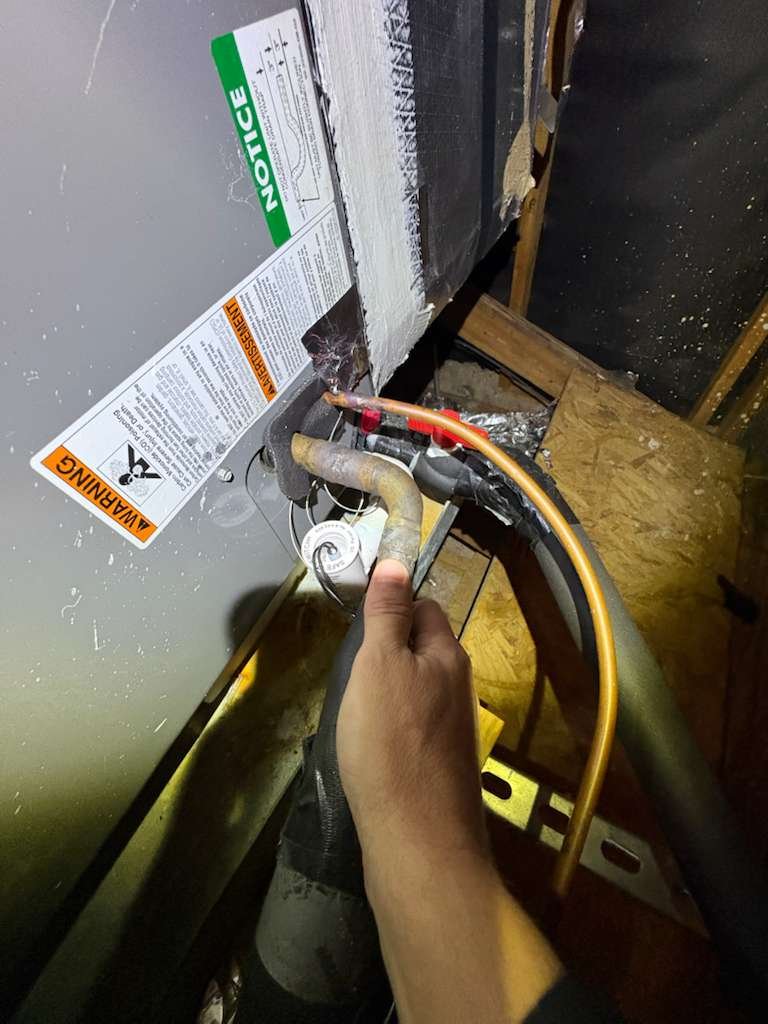
  • Secondary drain pan with float switch to help protect the home from condensate overflow.
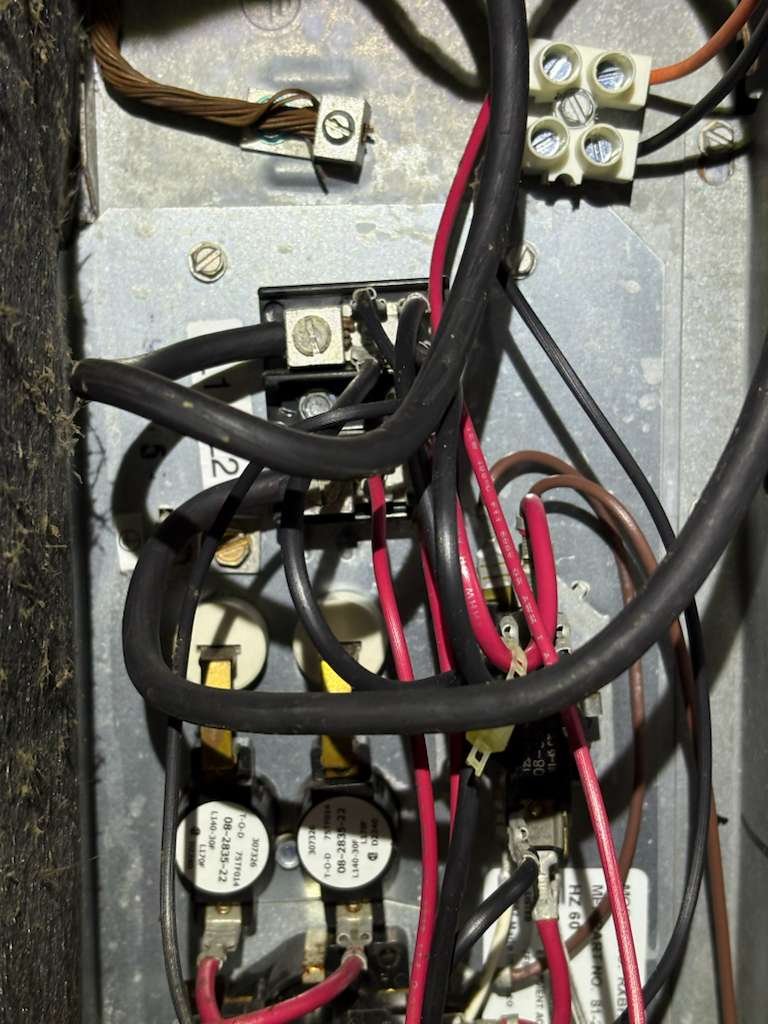
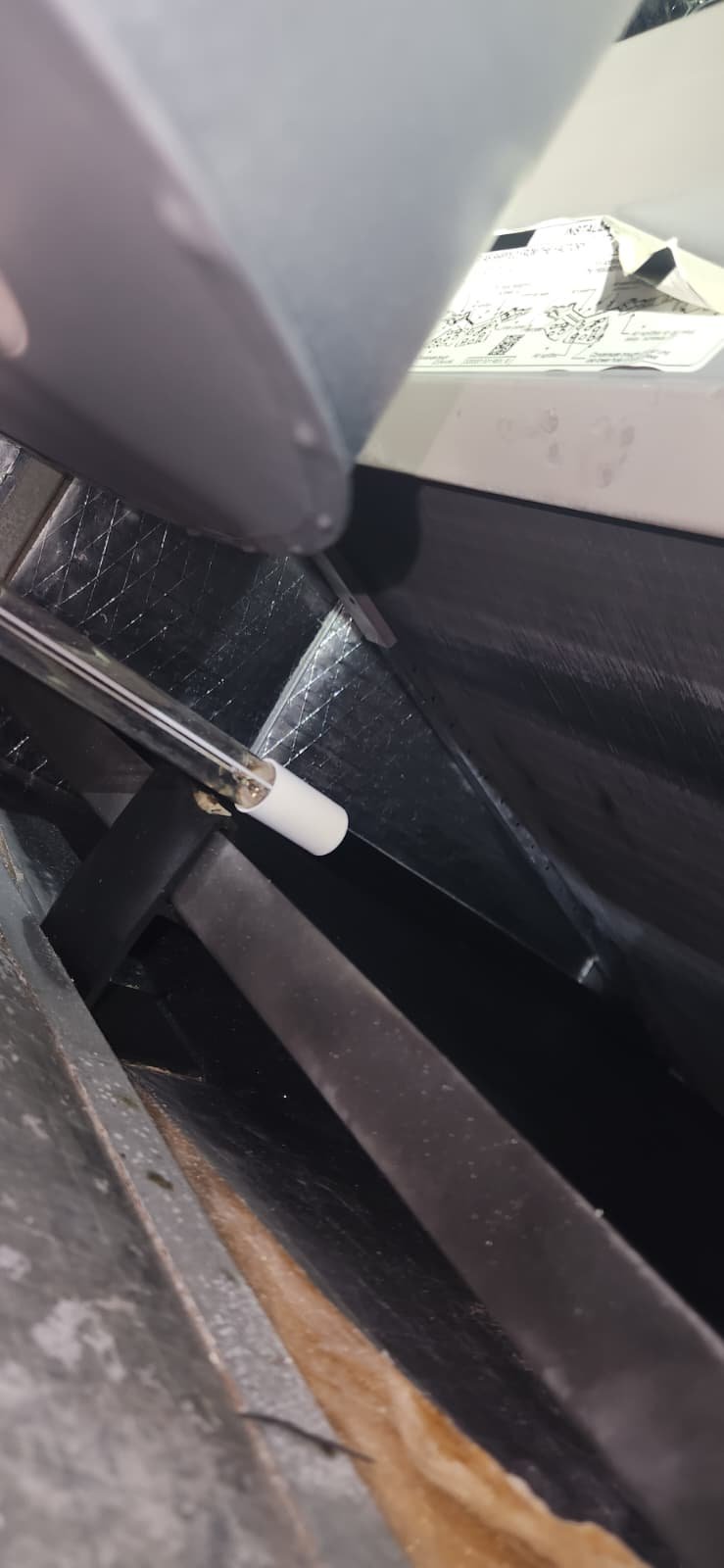
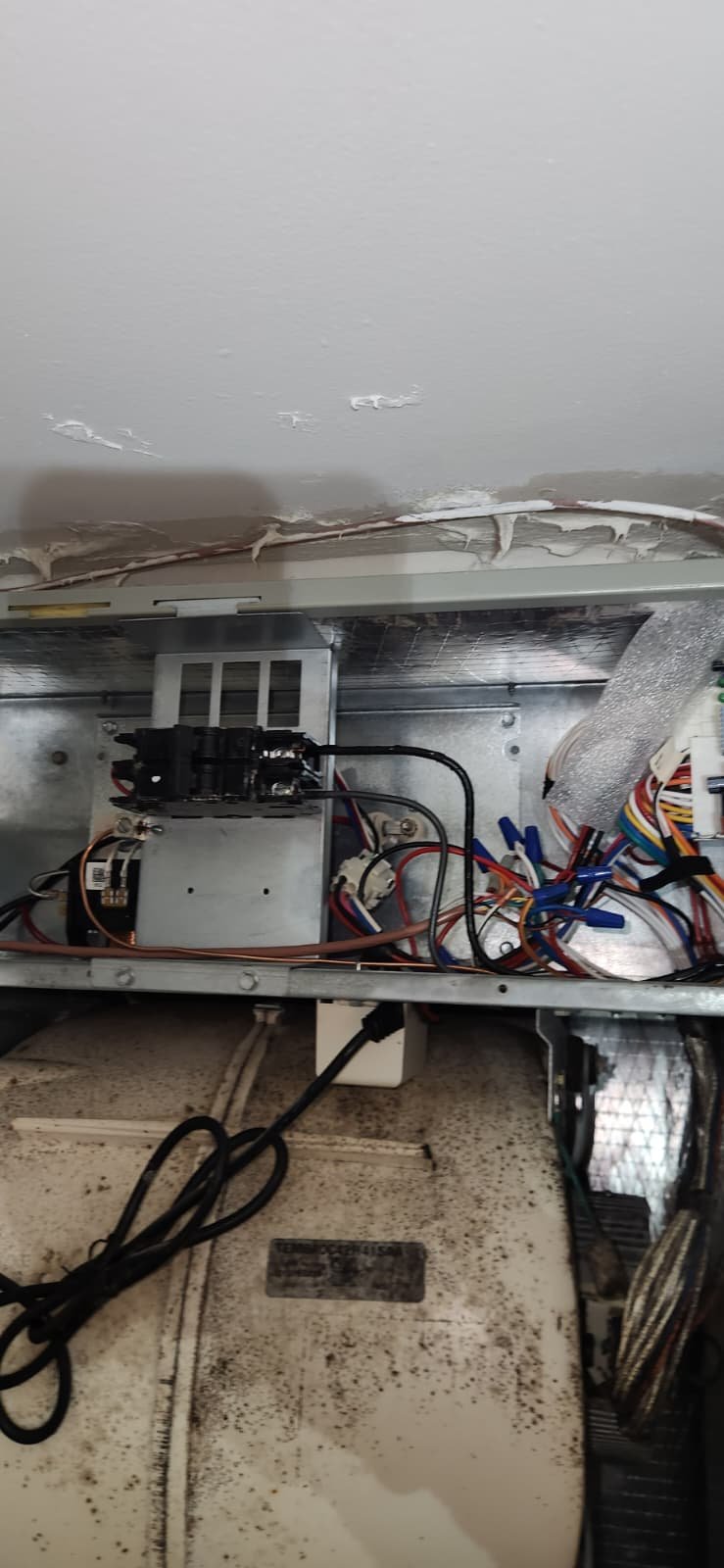
  • Air handler heat shields on returns and supplies for added safety and protection.
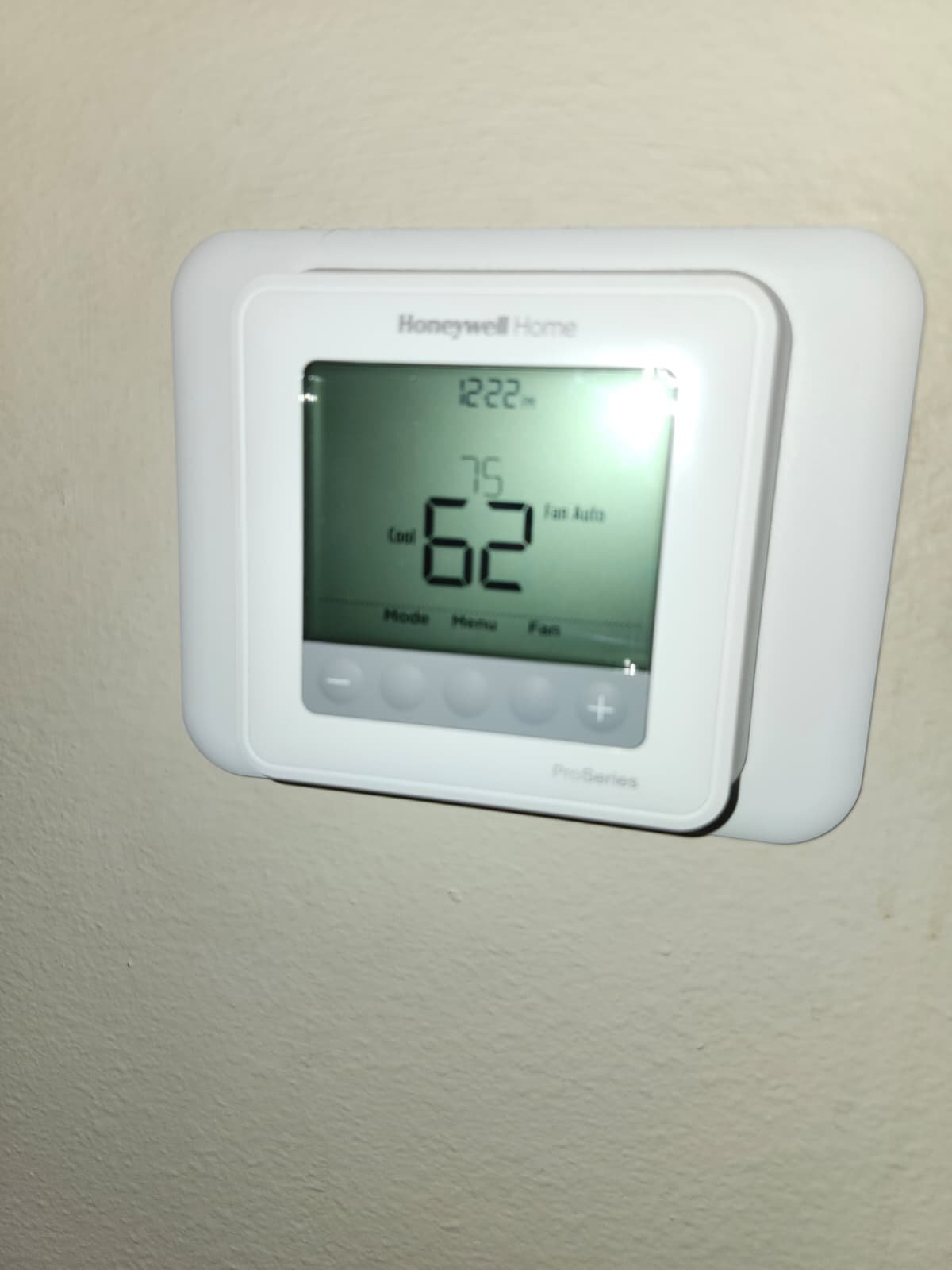
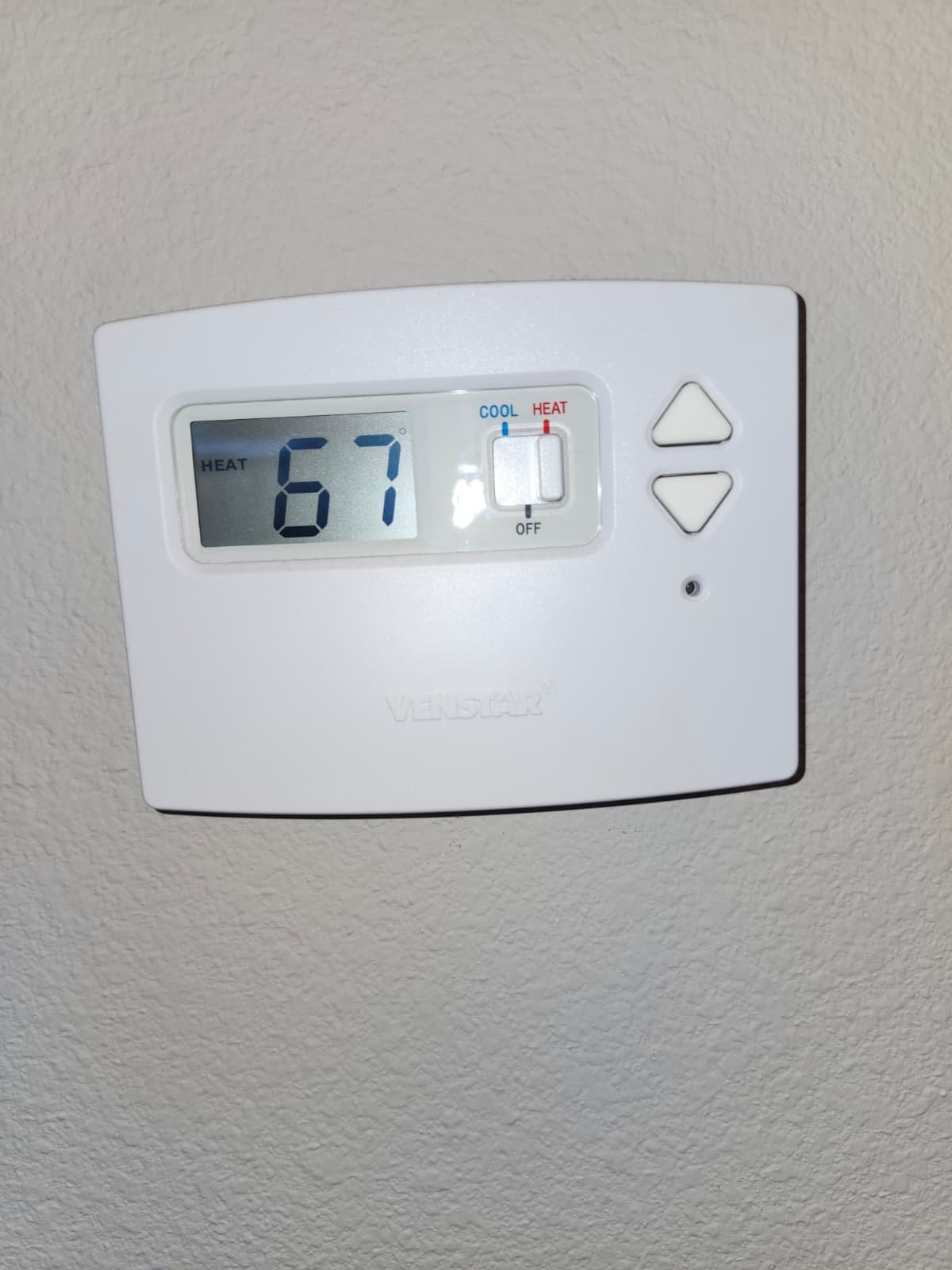
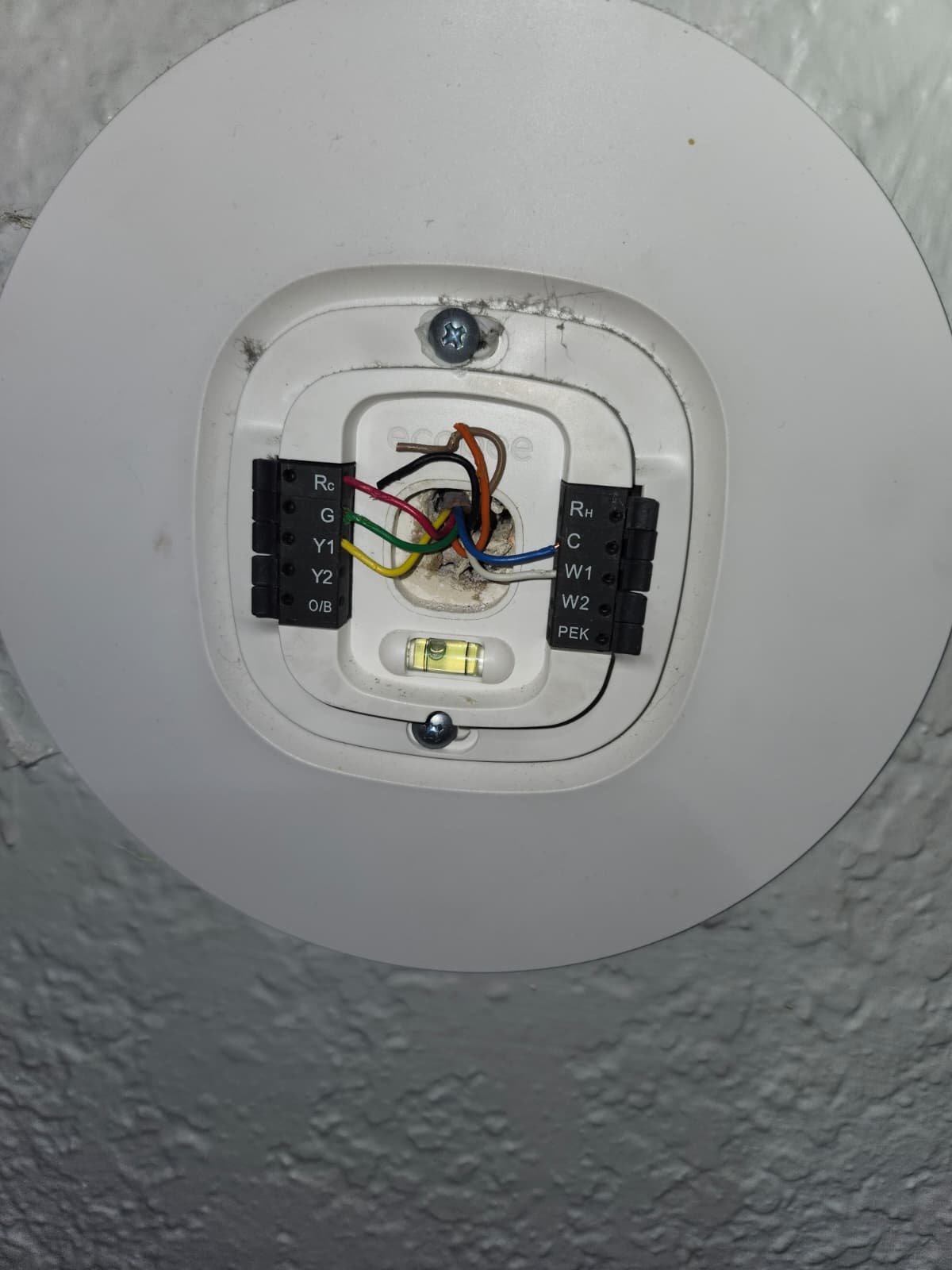
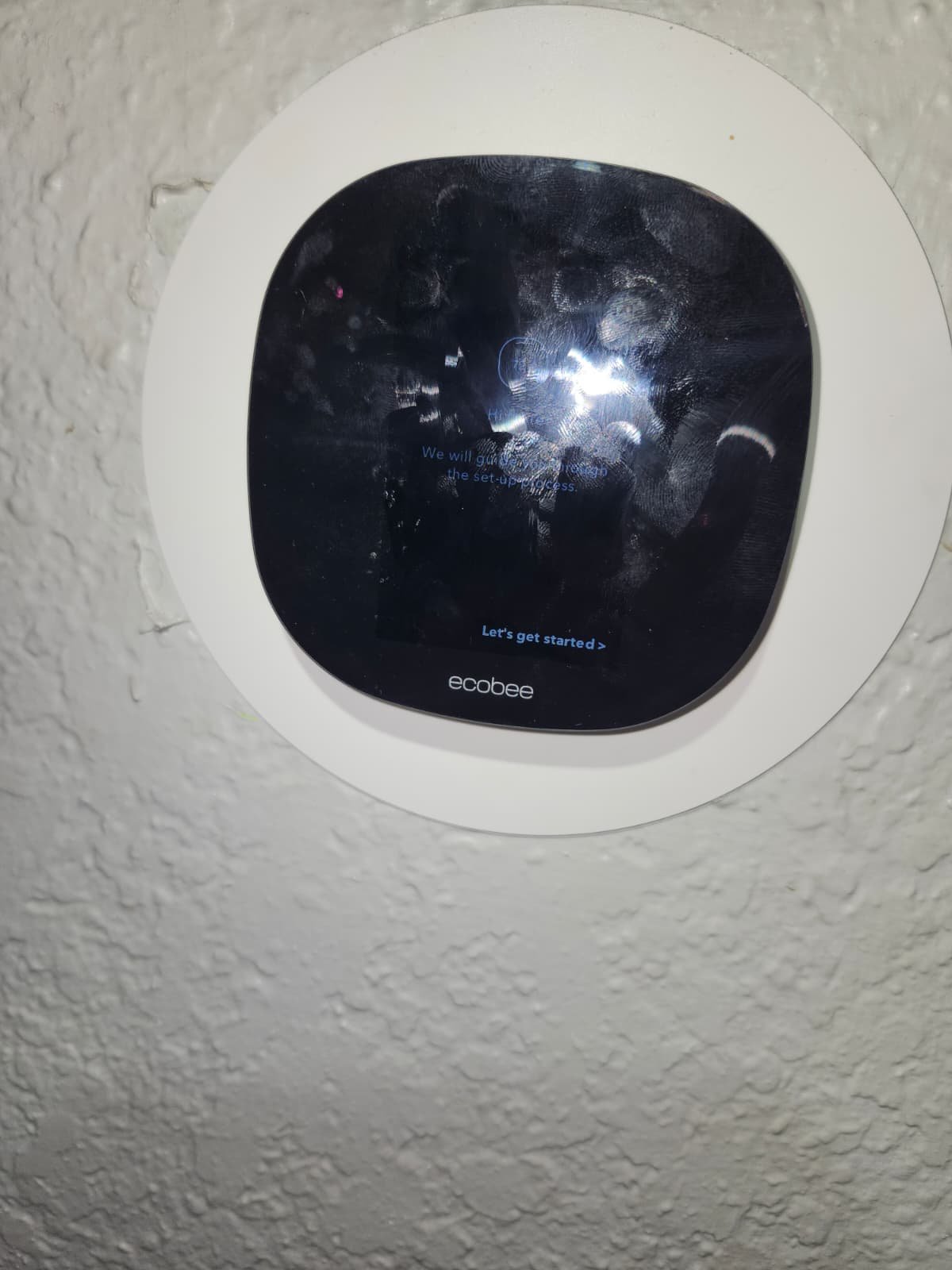
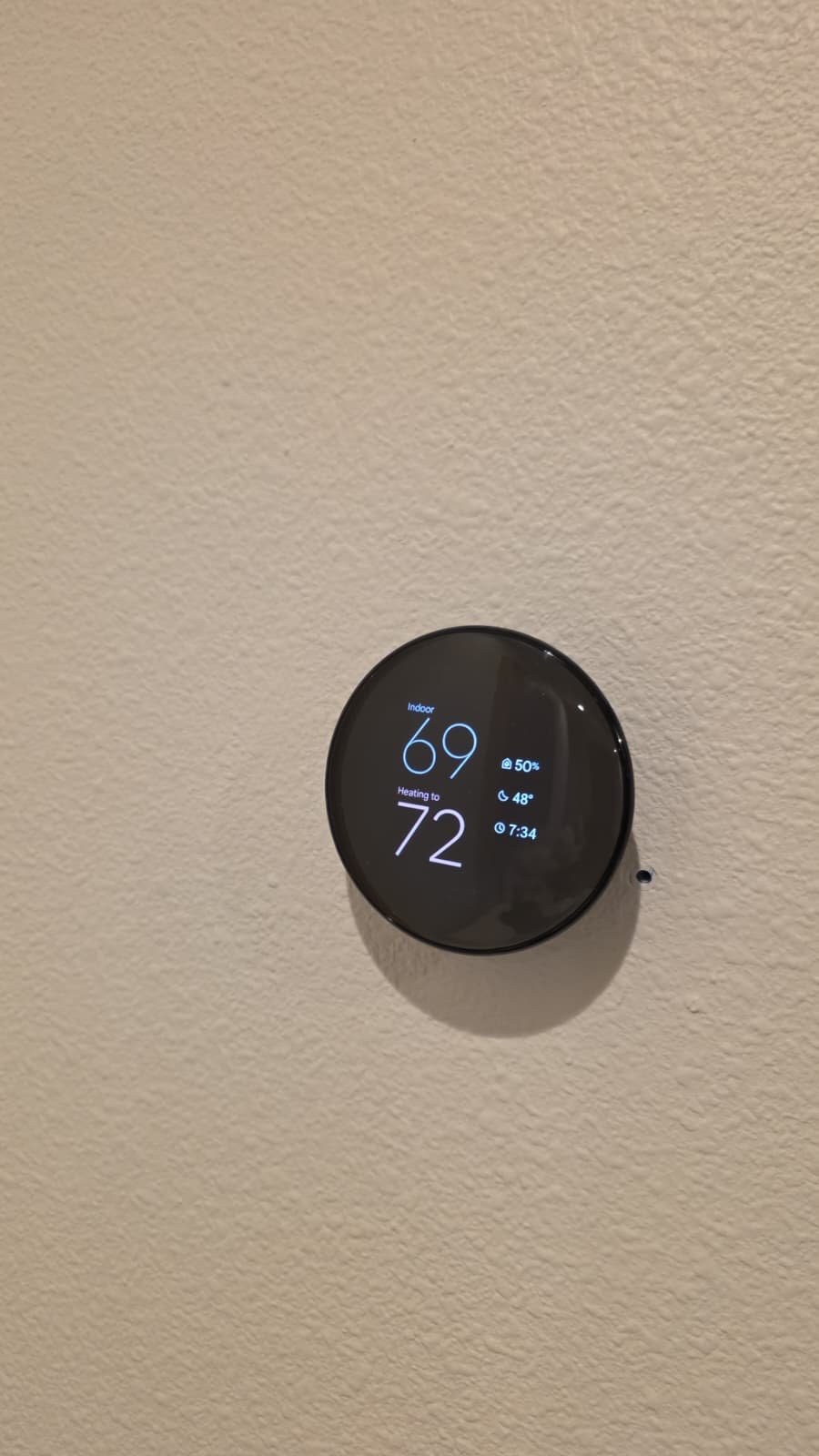
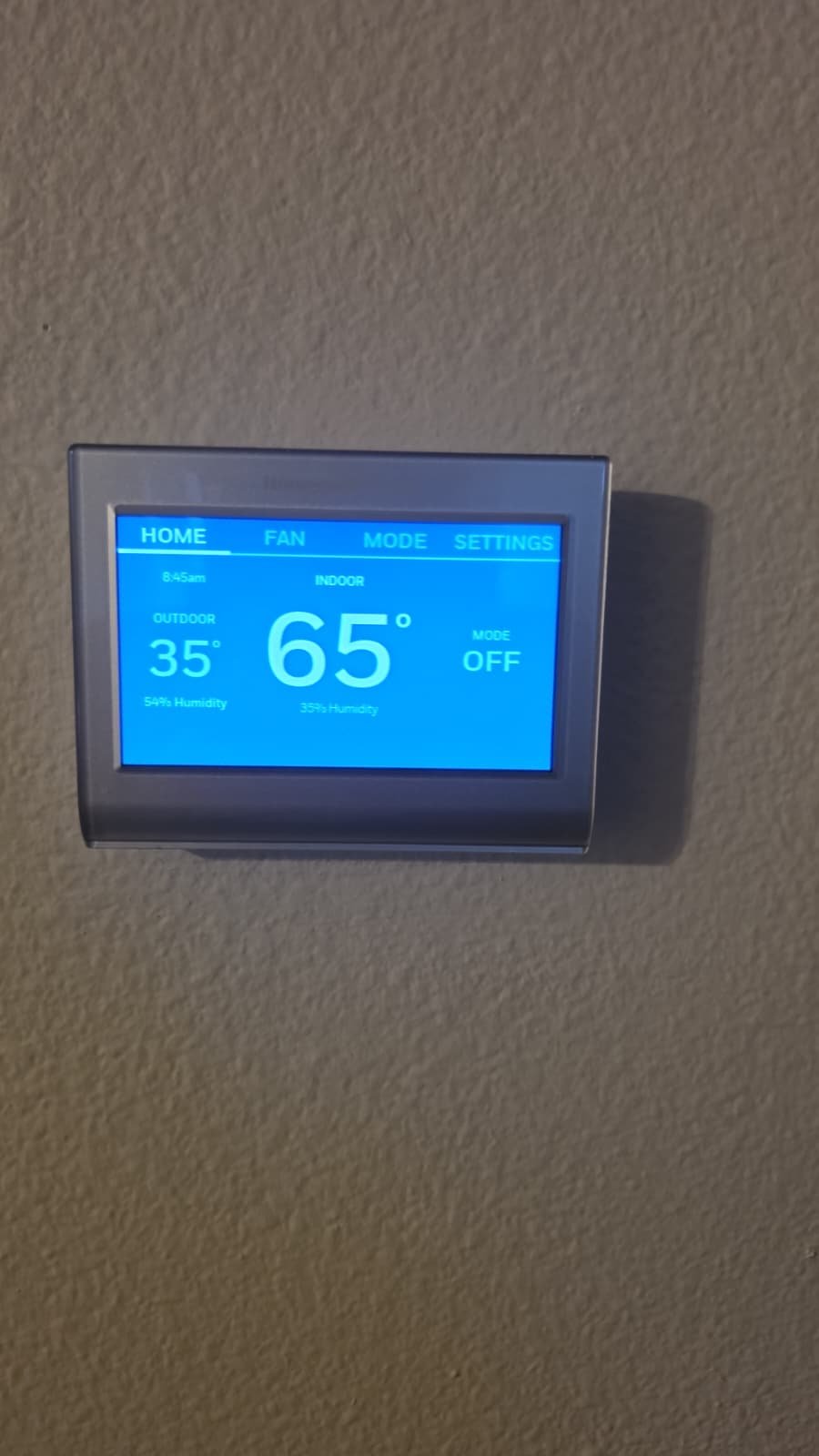
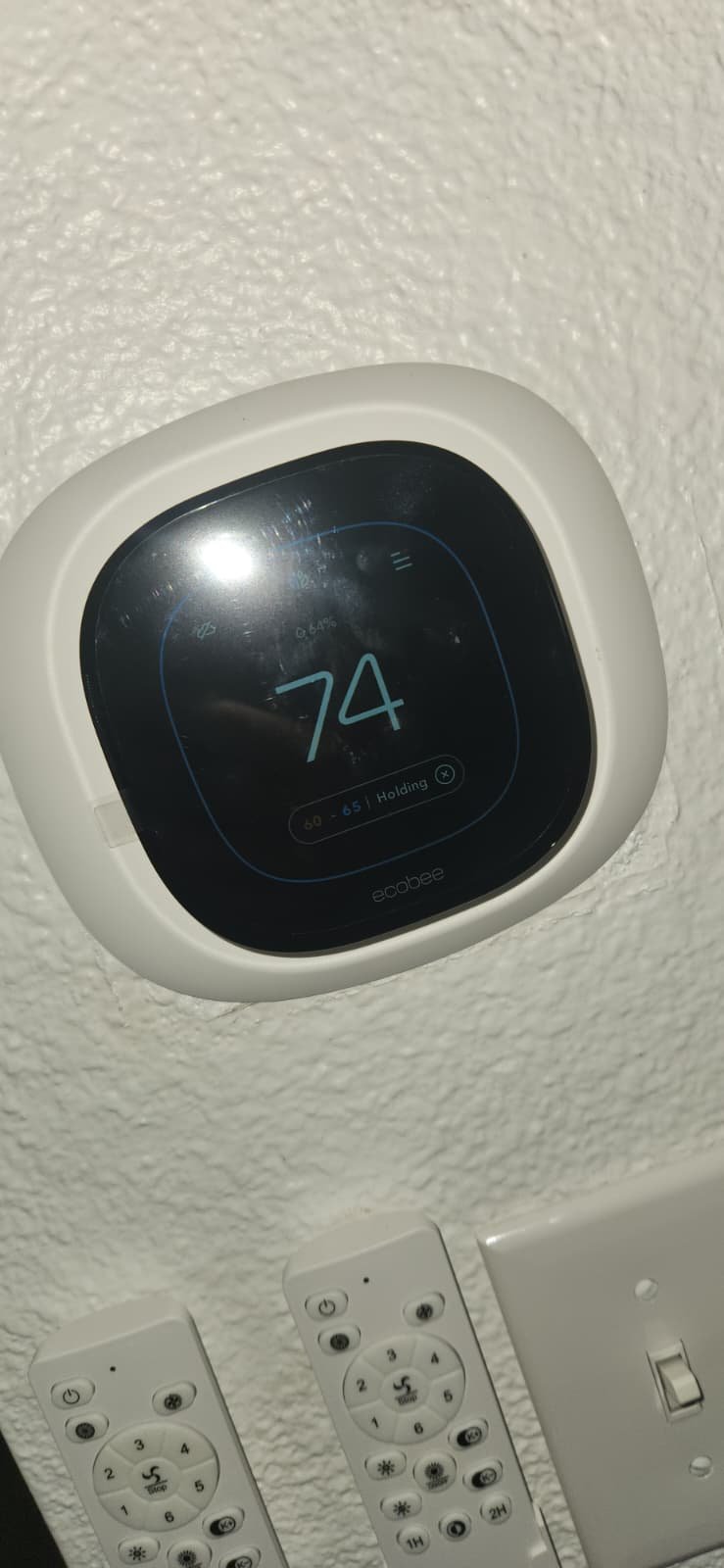
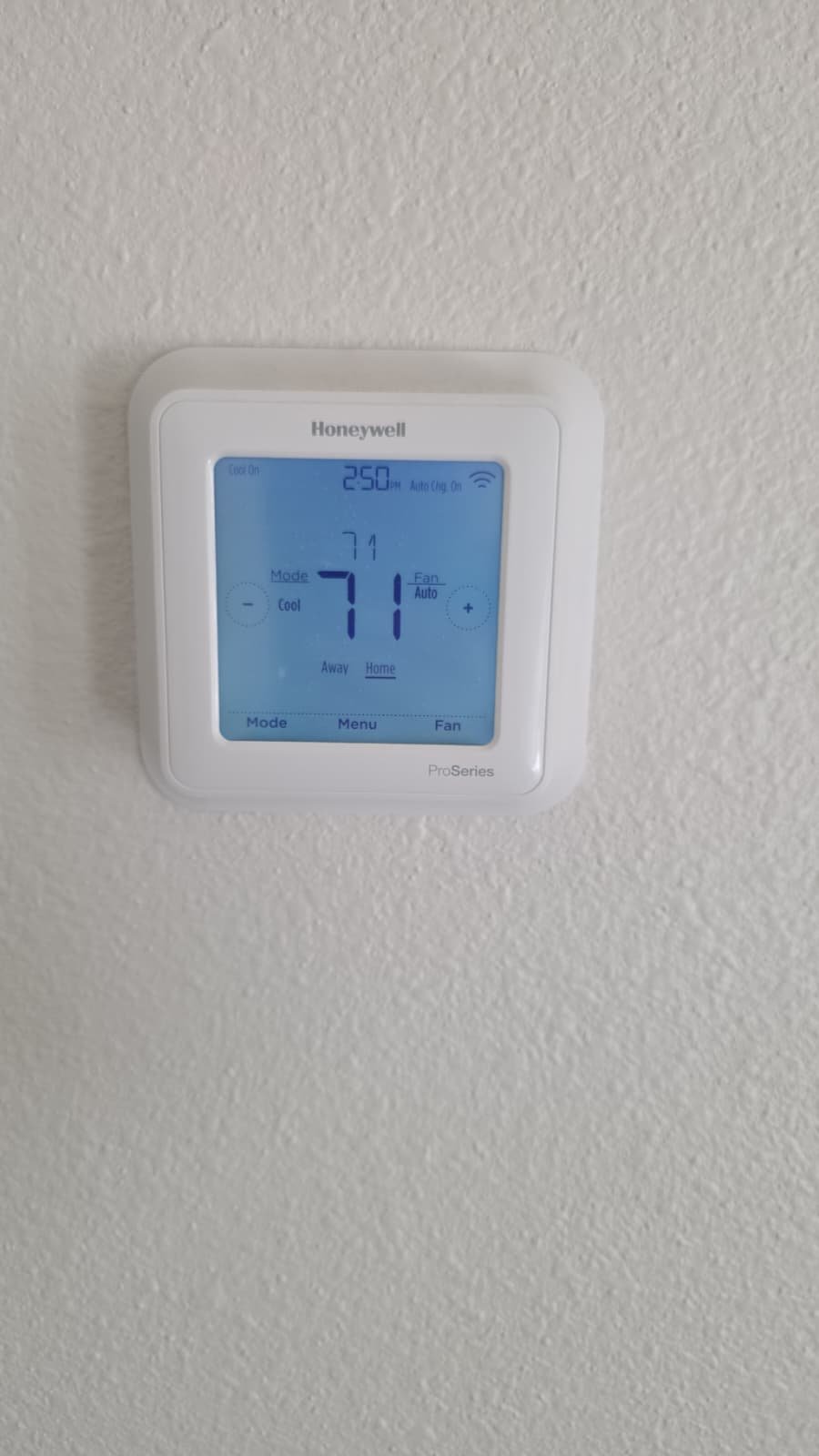
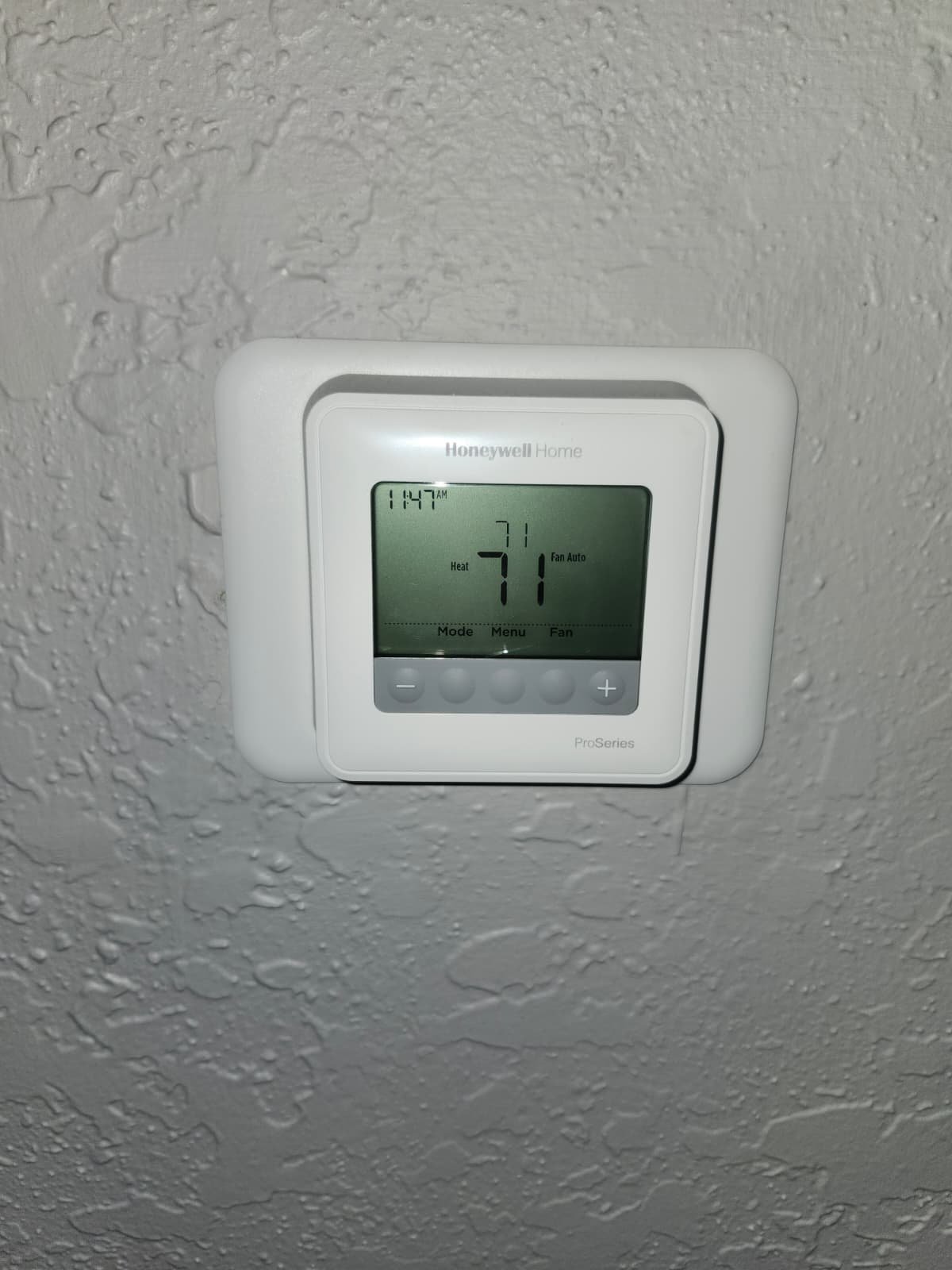
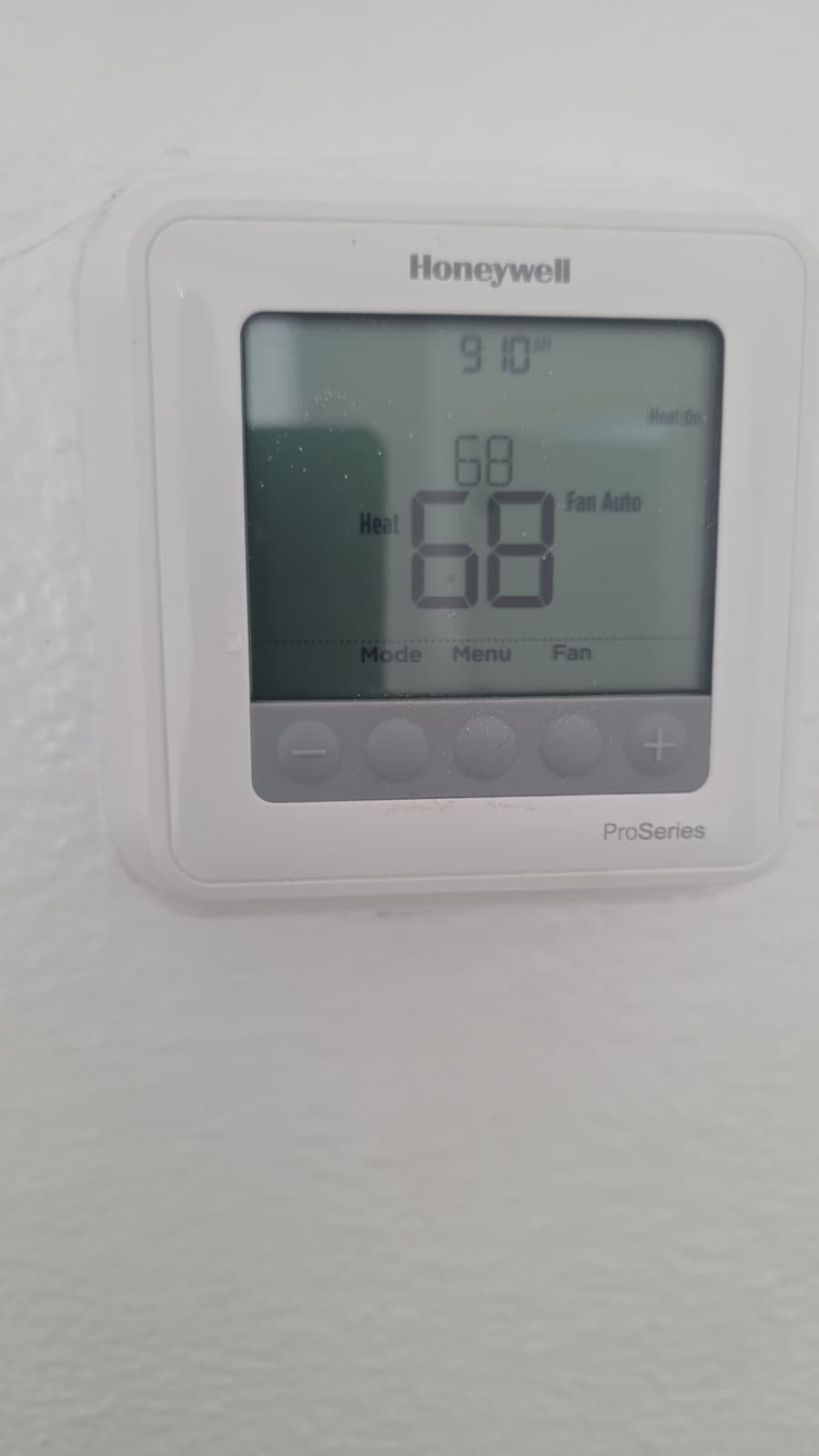
  • Programmable thermostat to give the homeowner better scheduling and comfort control.

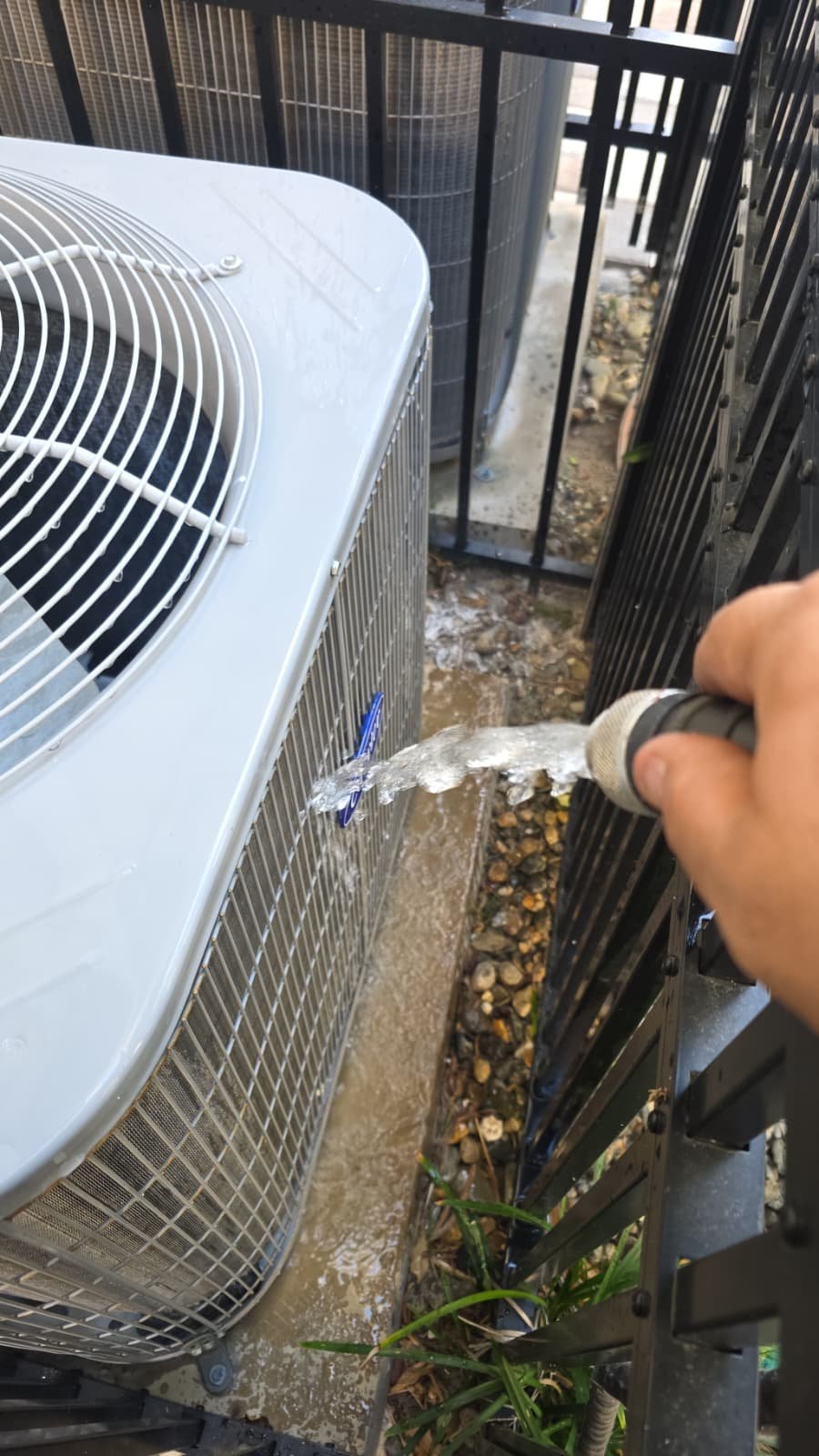
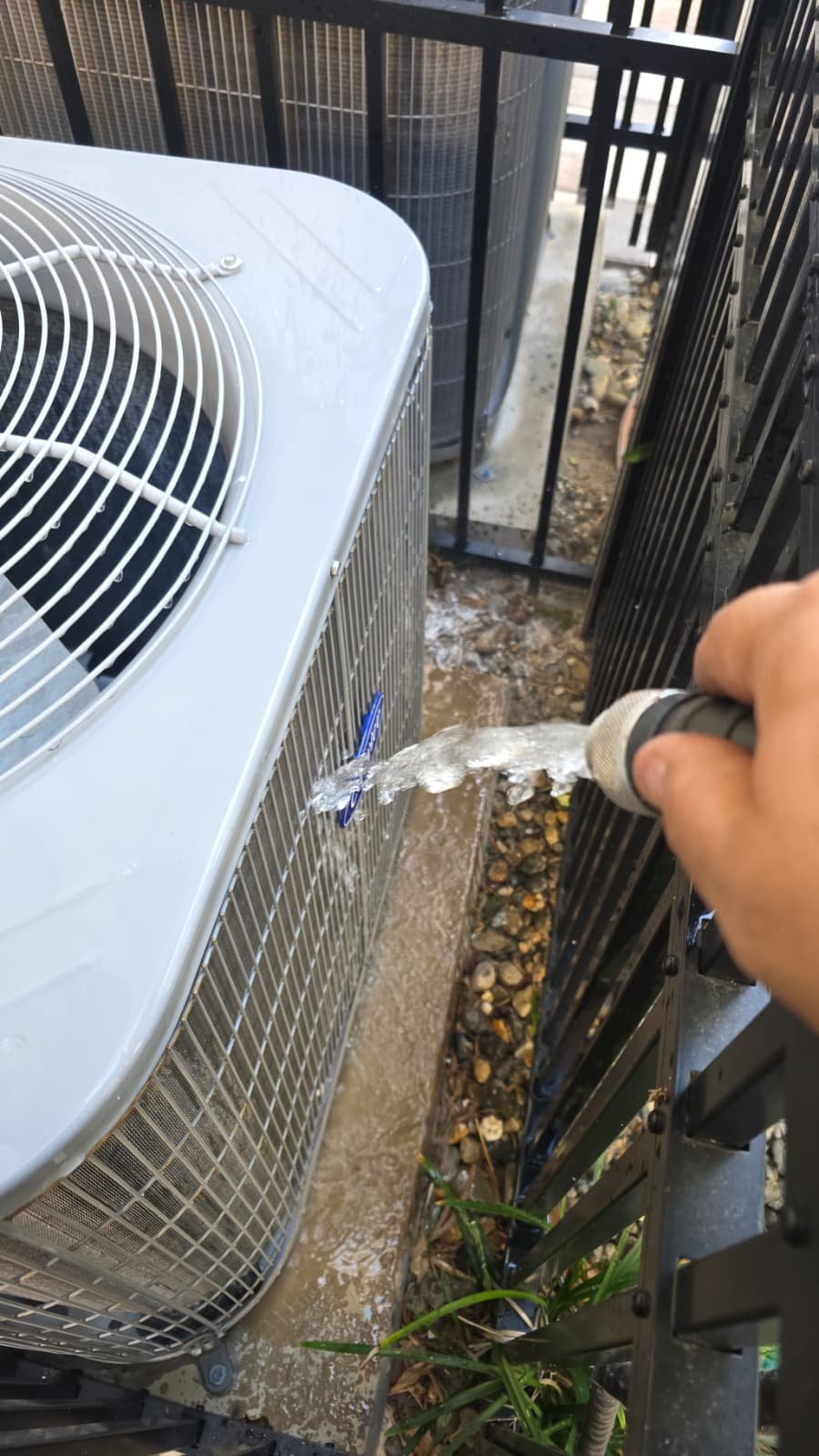
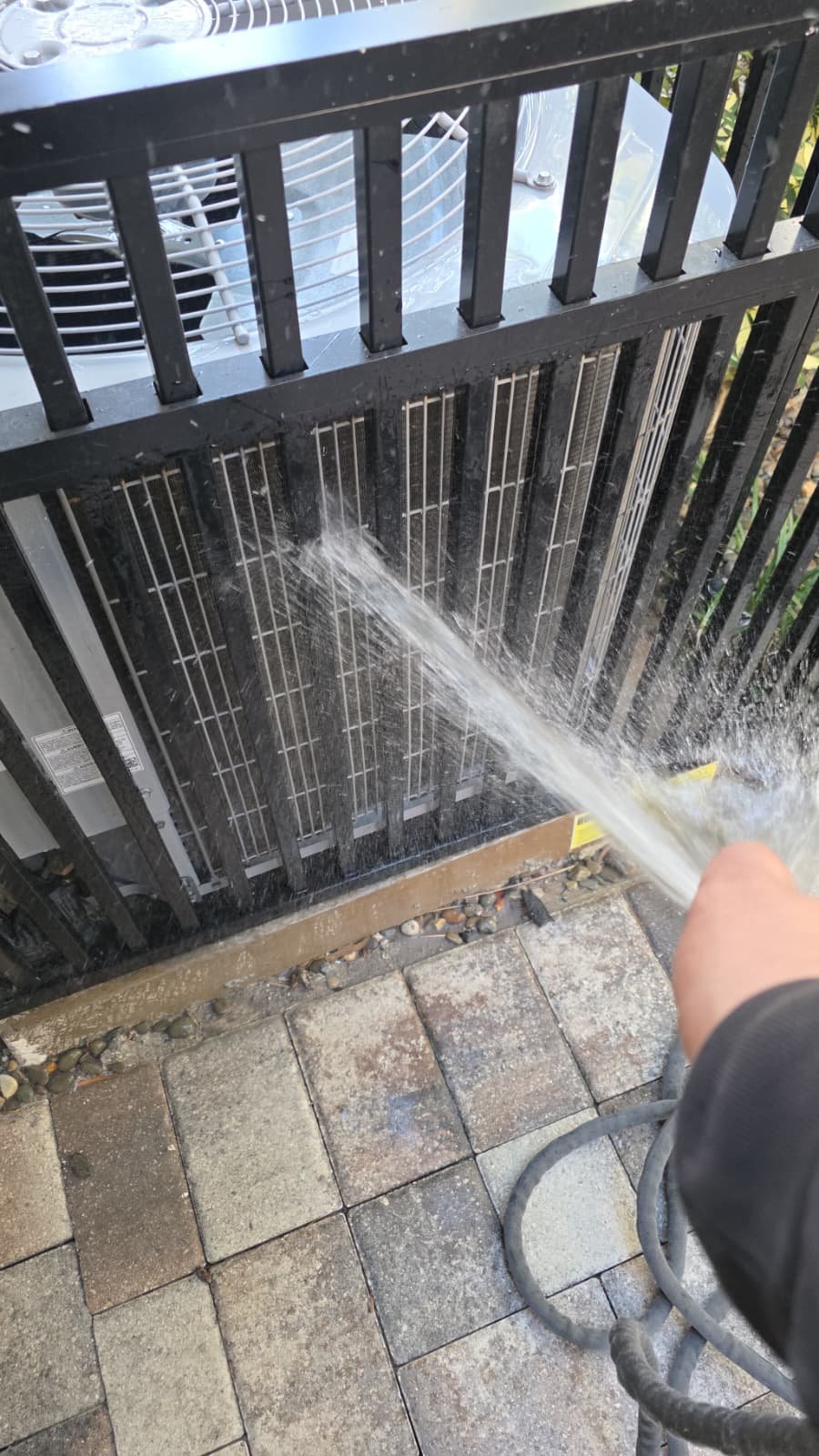
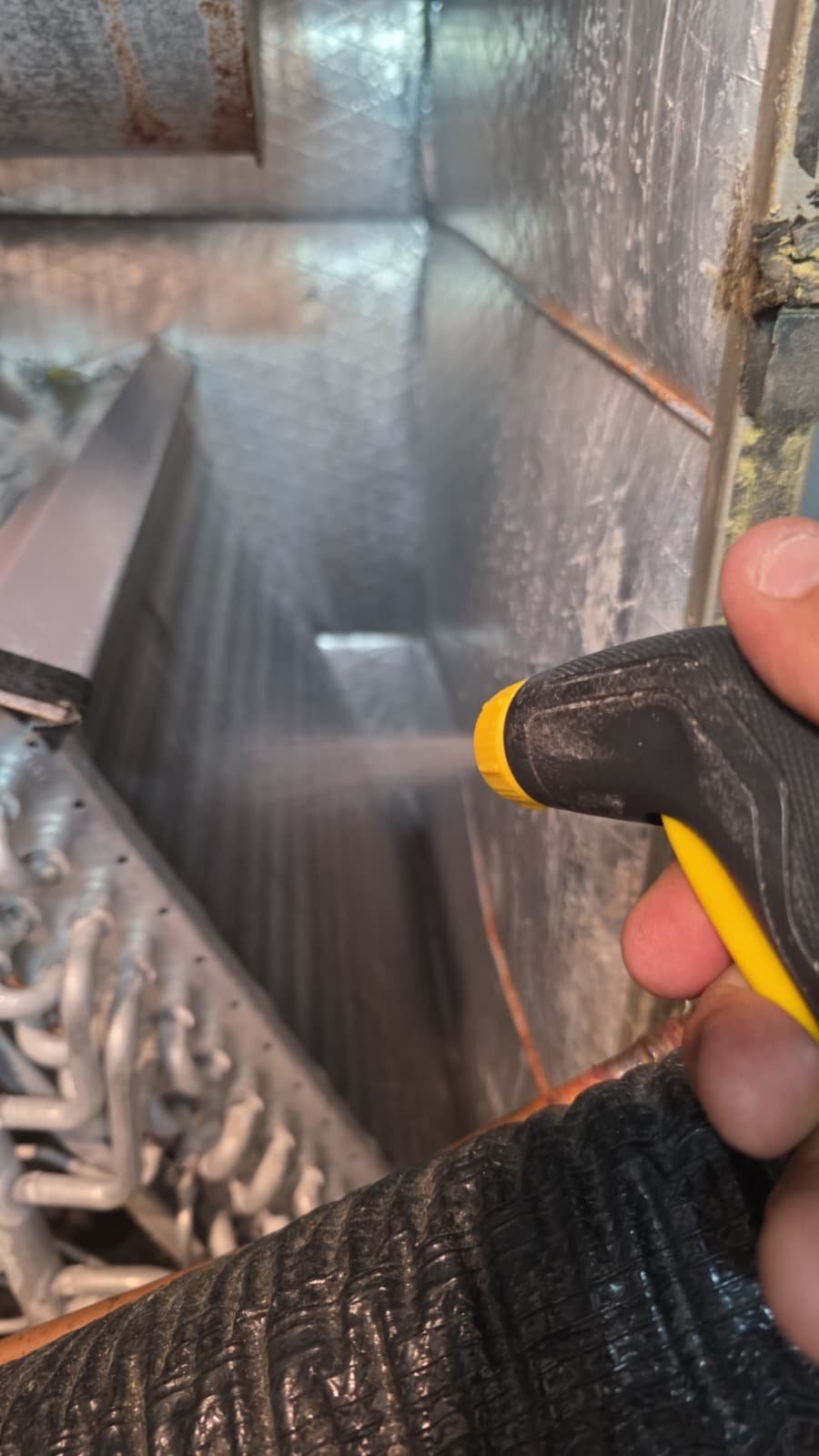
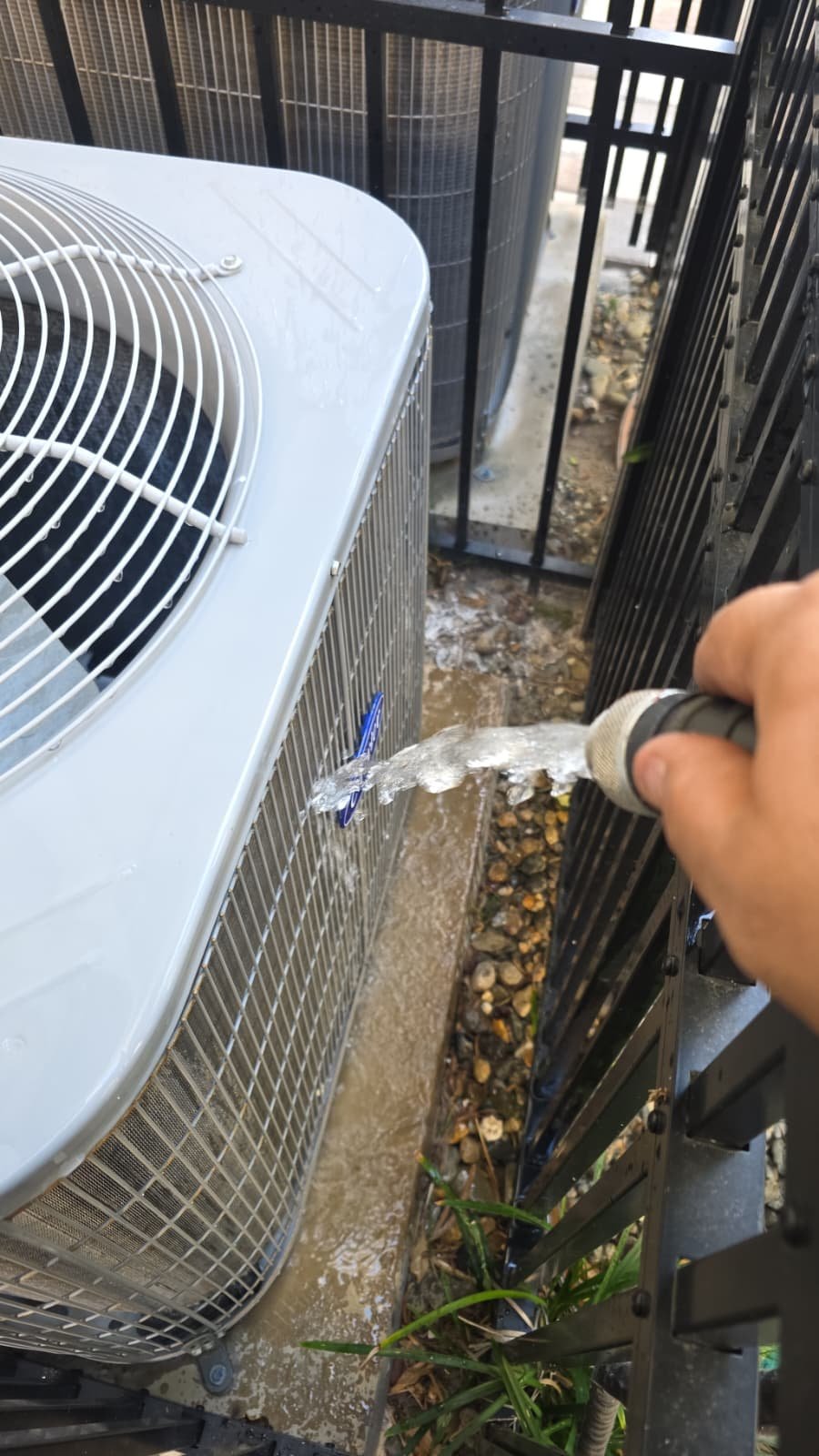
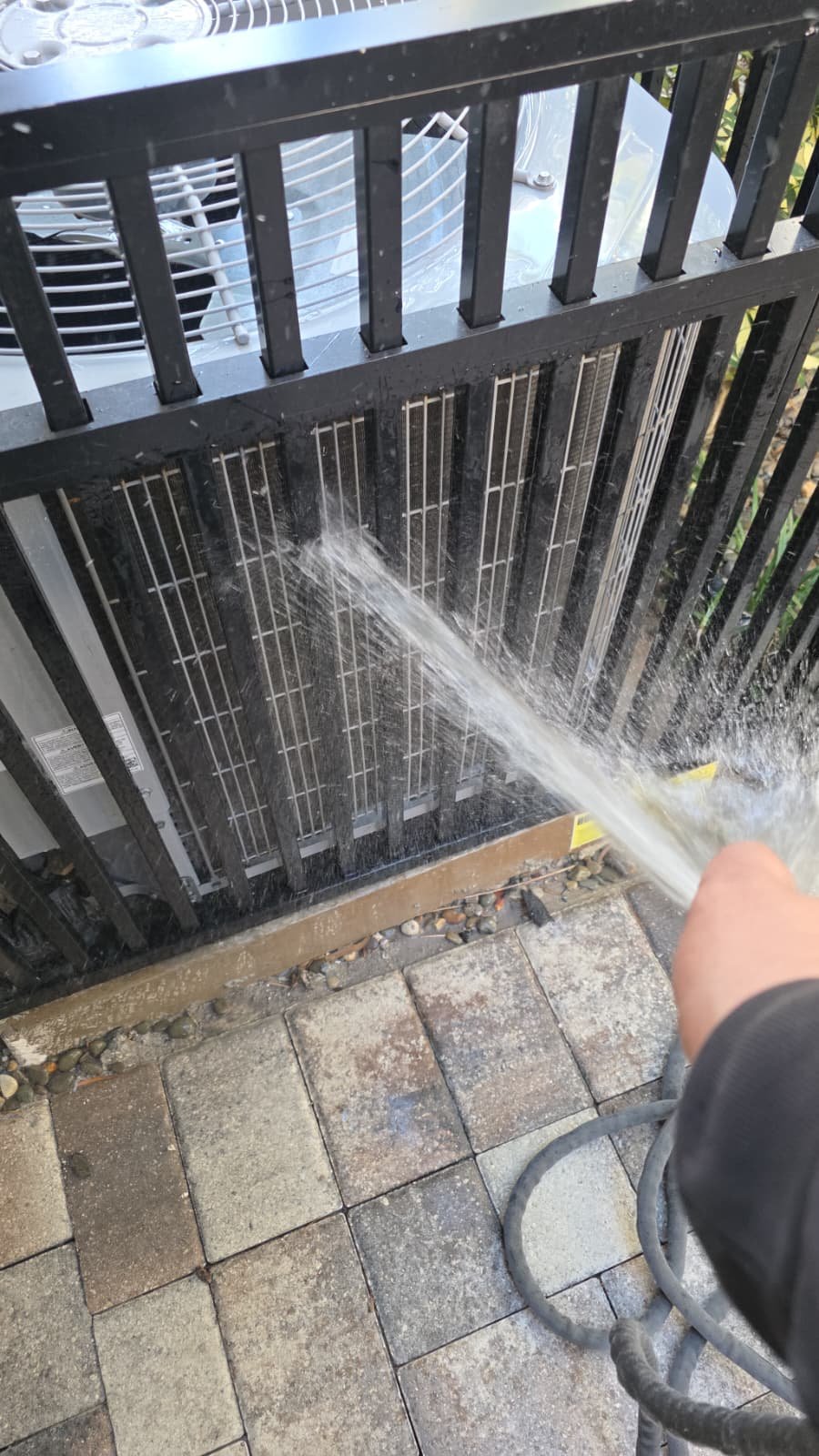
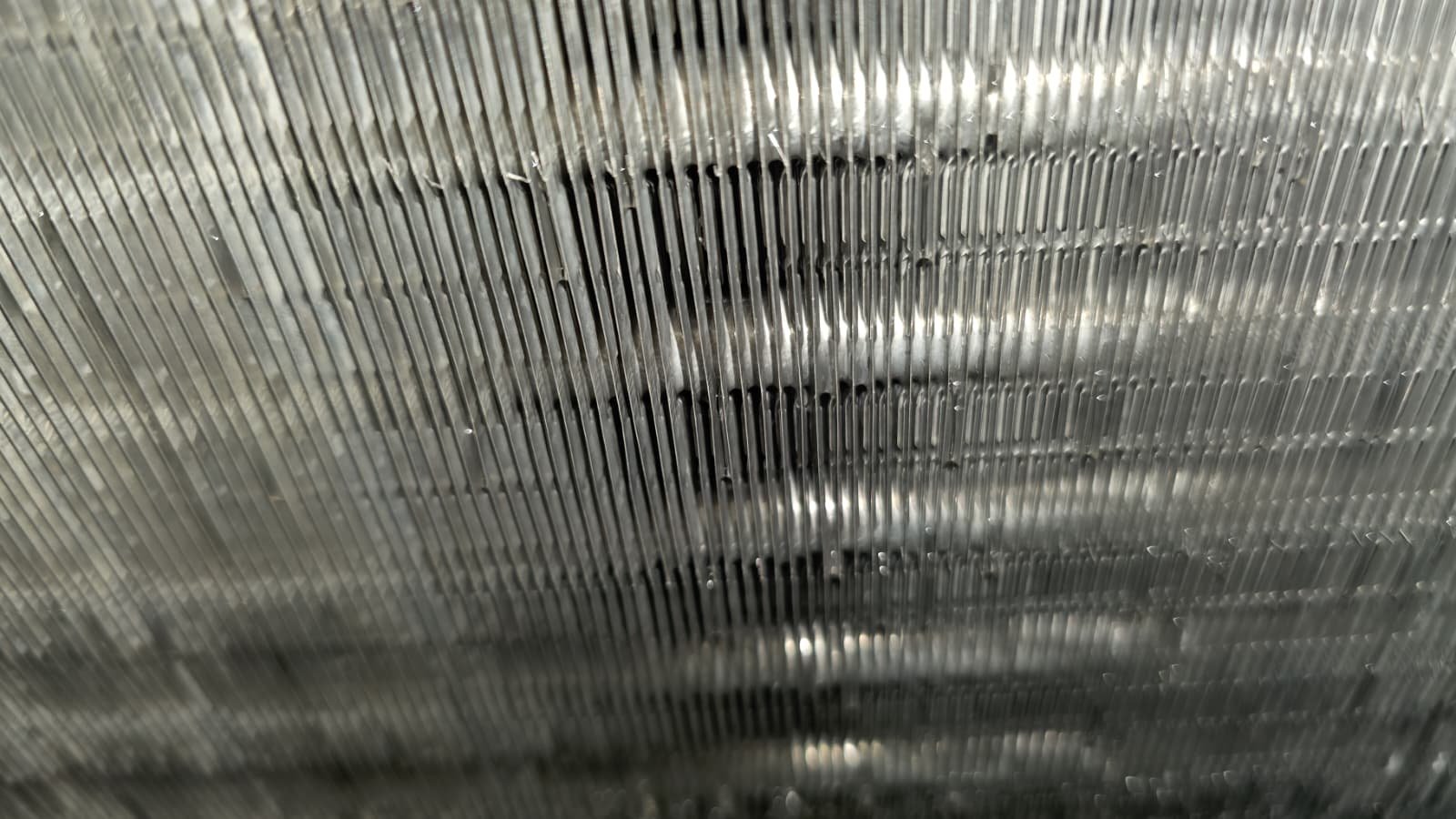
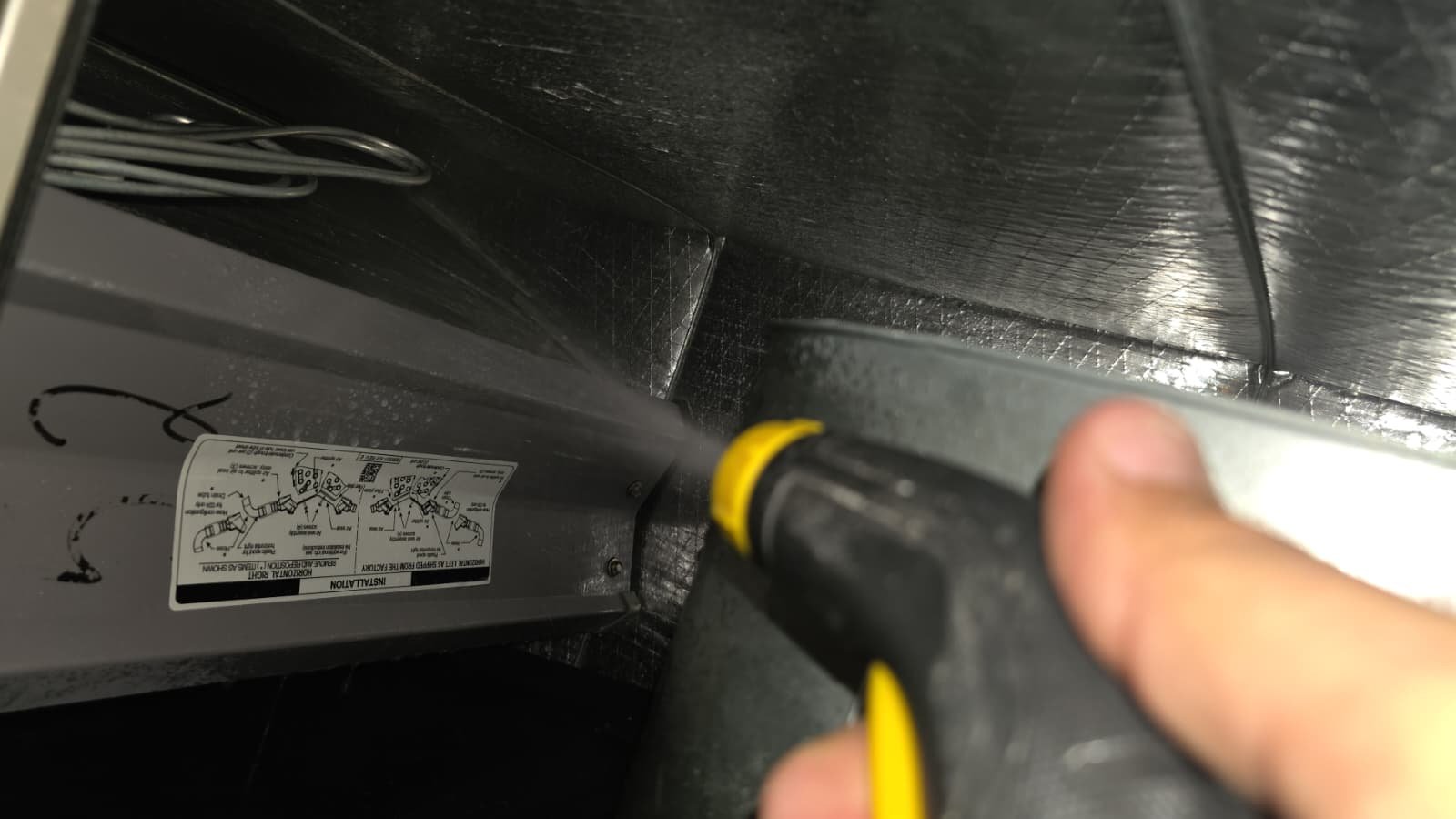
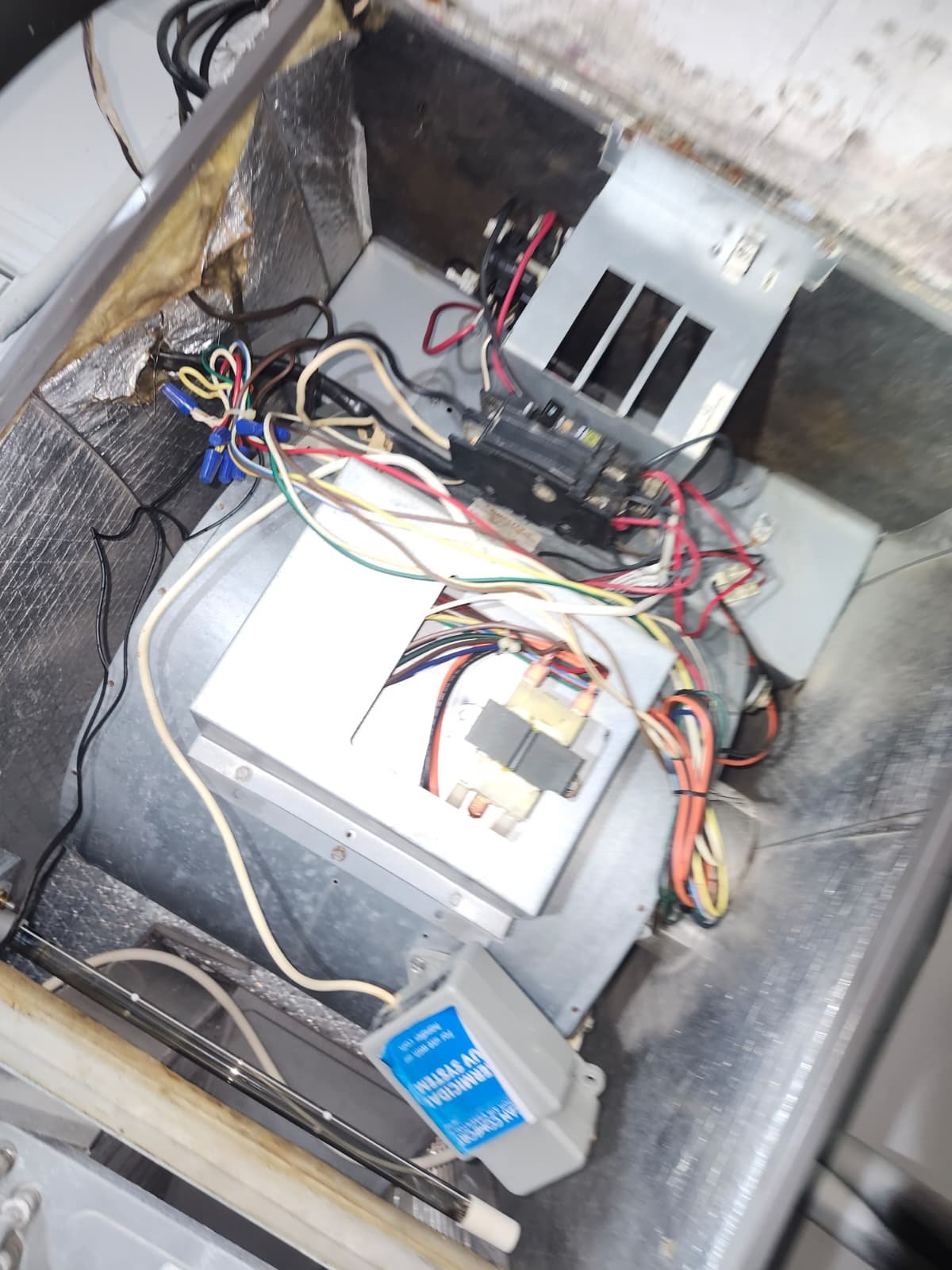
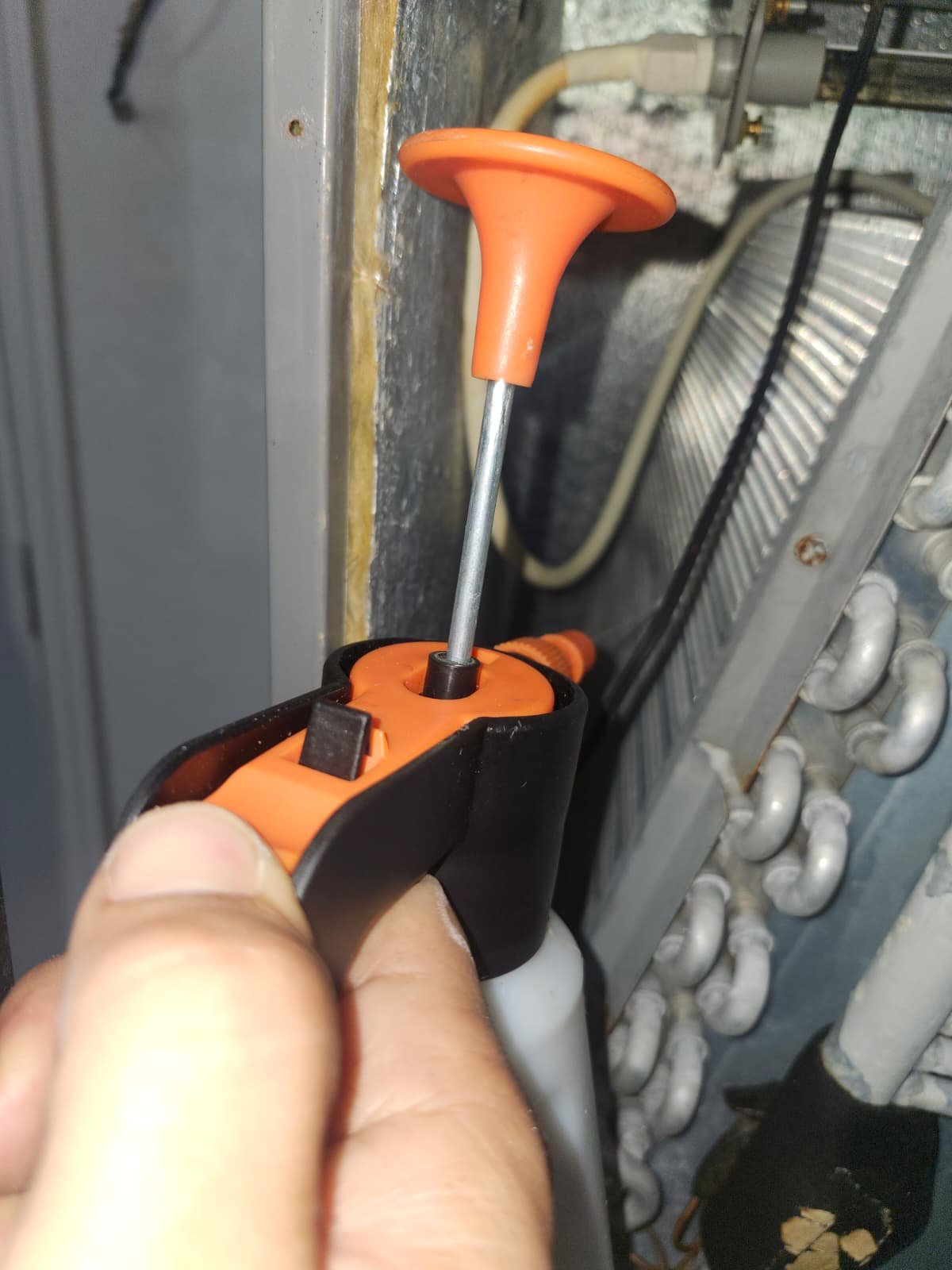
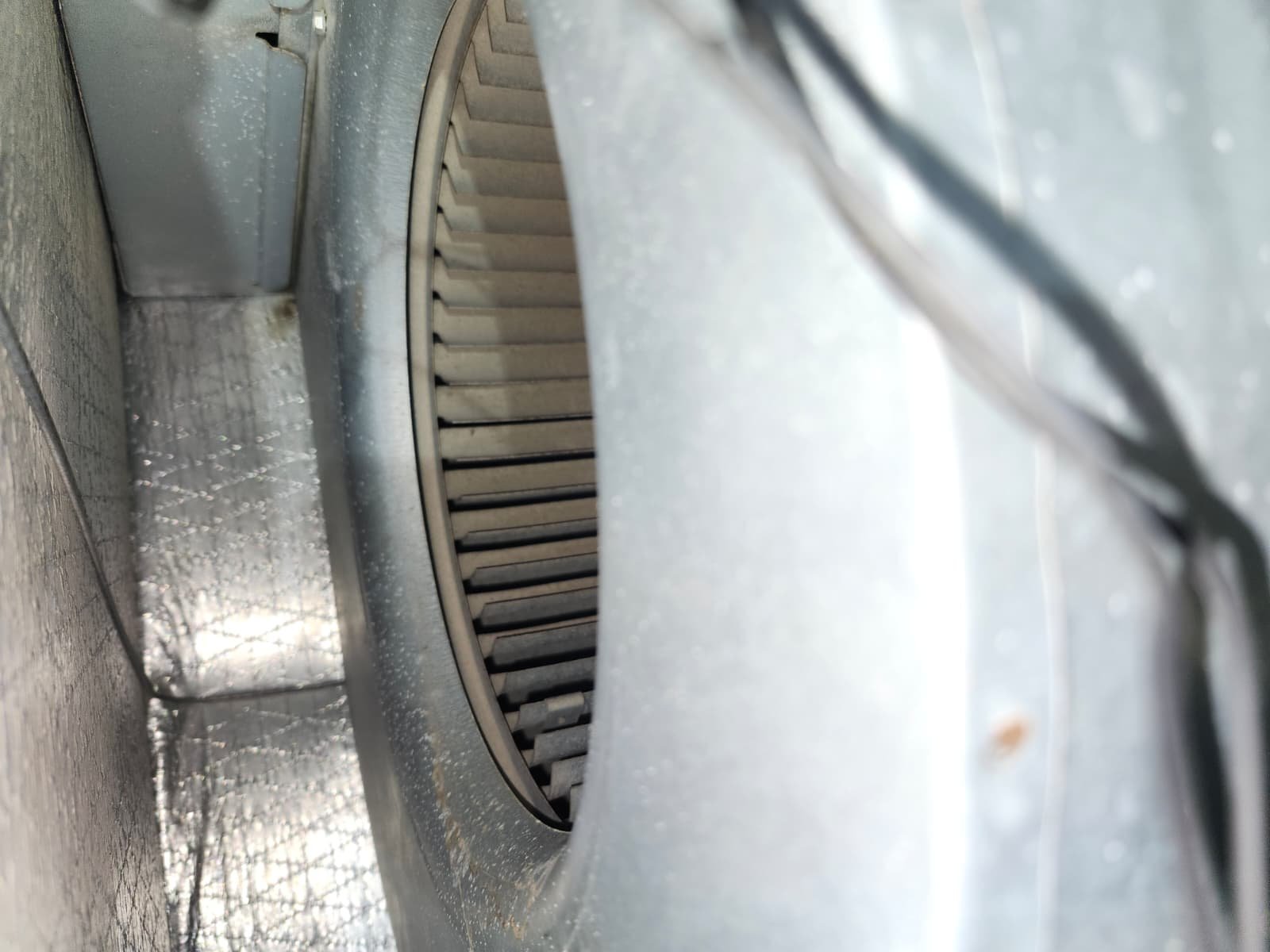
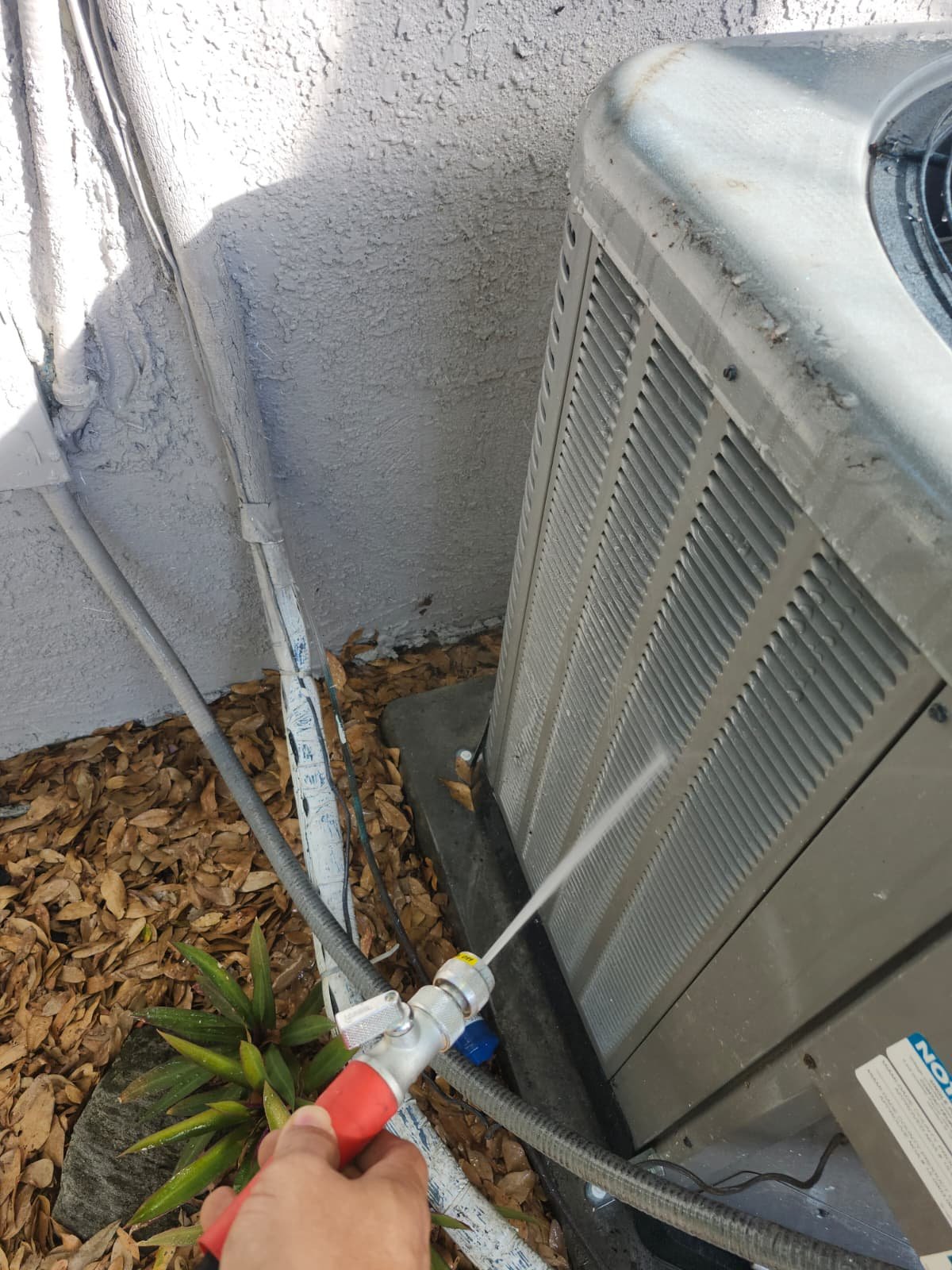
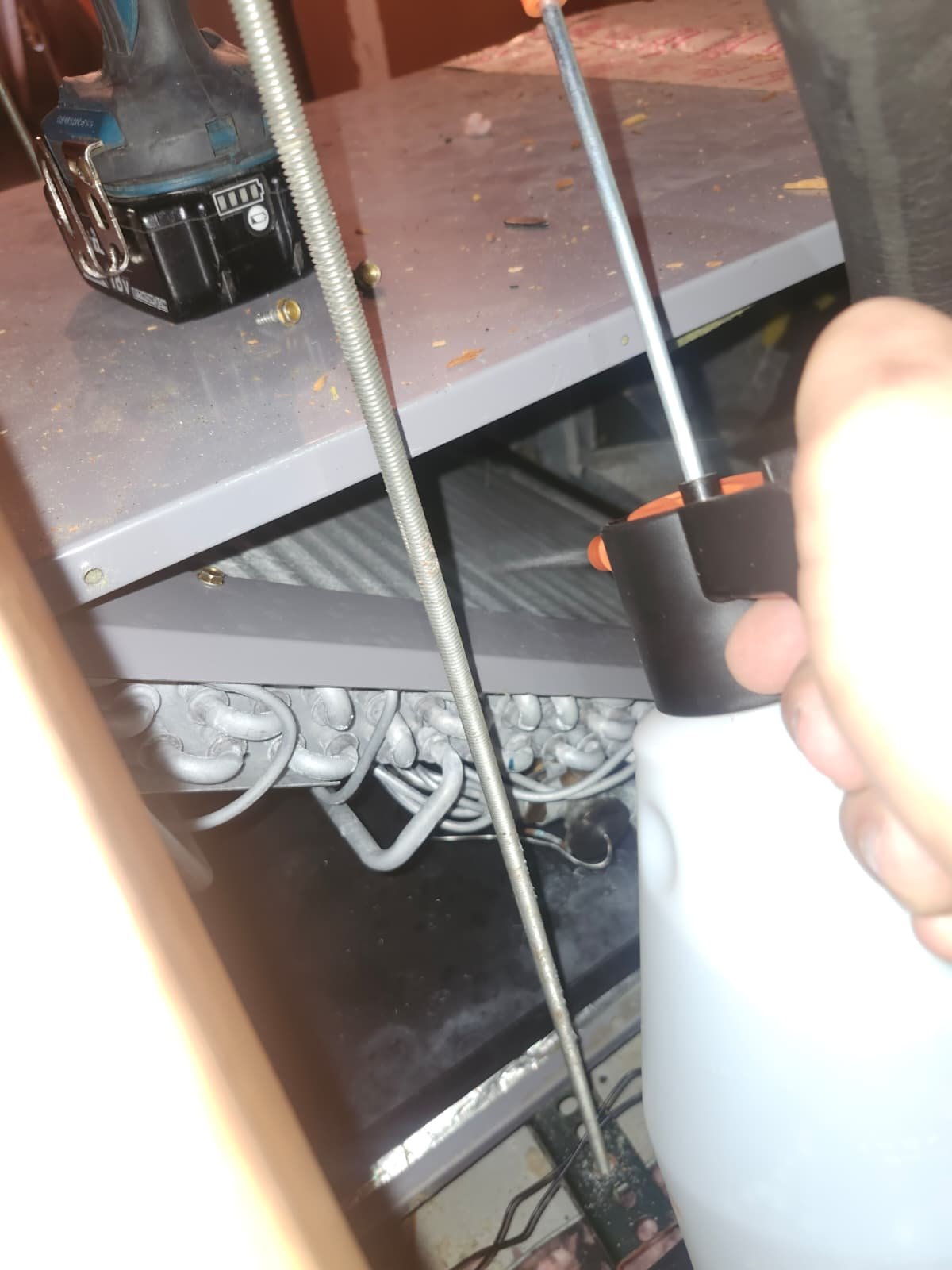
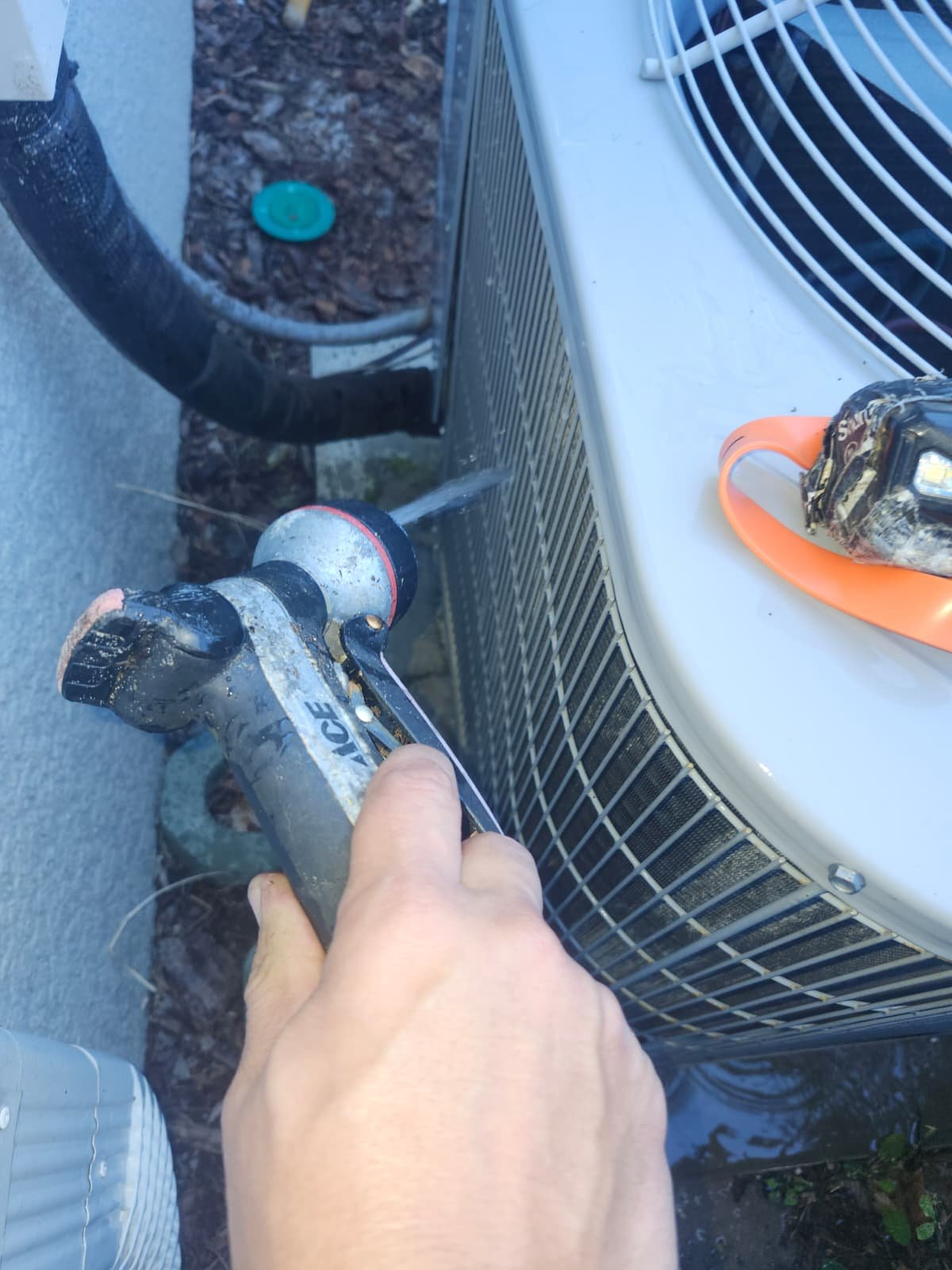
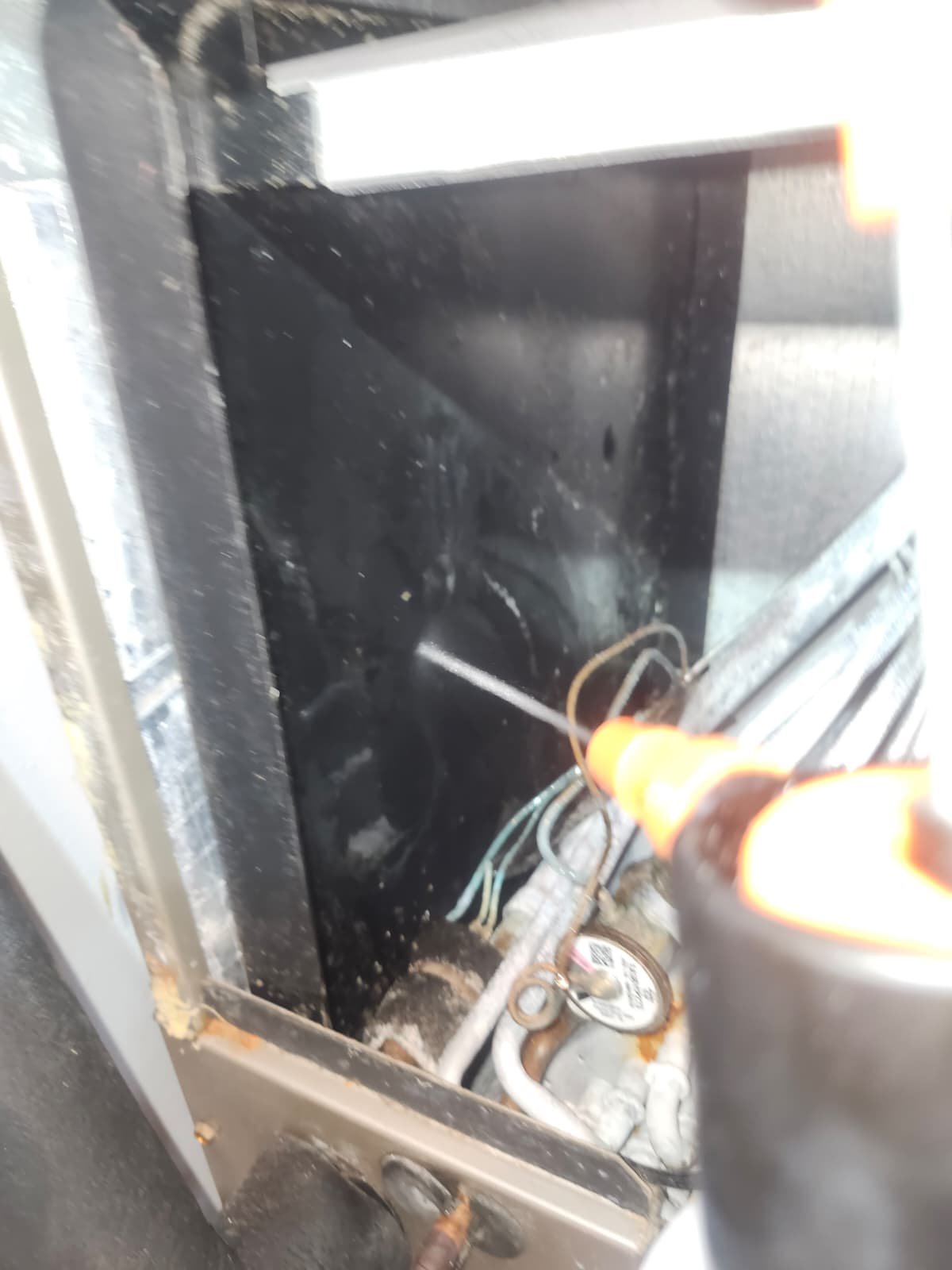
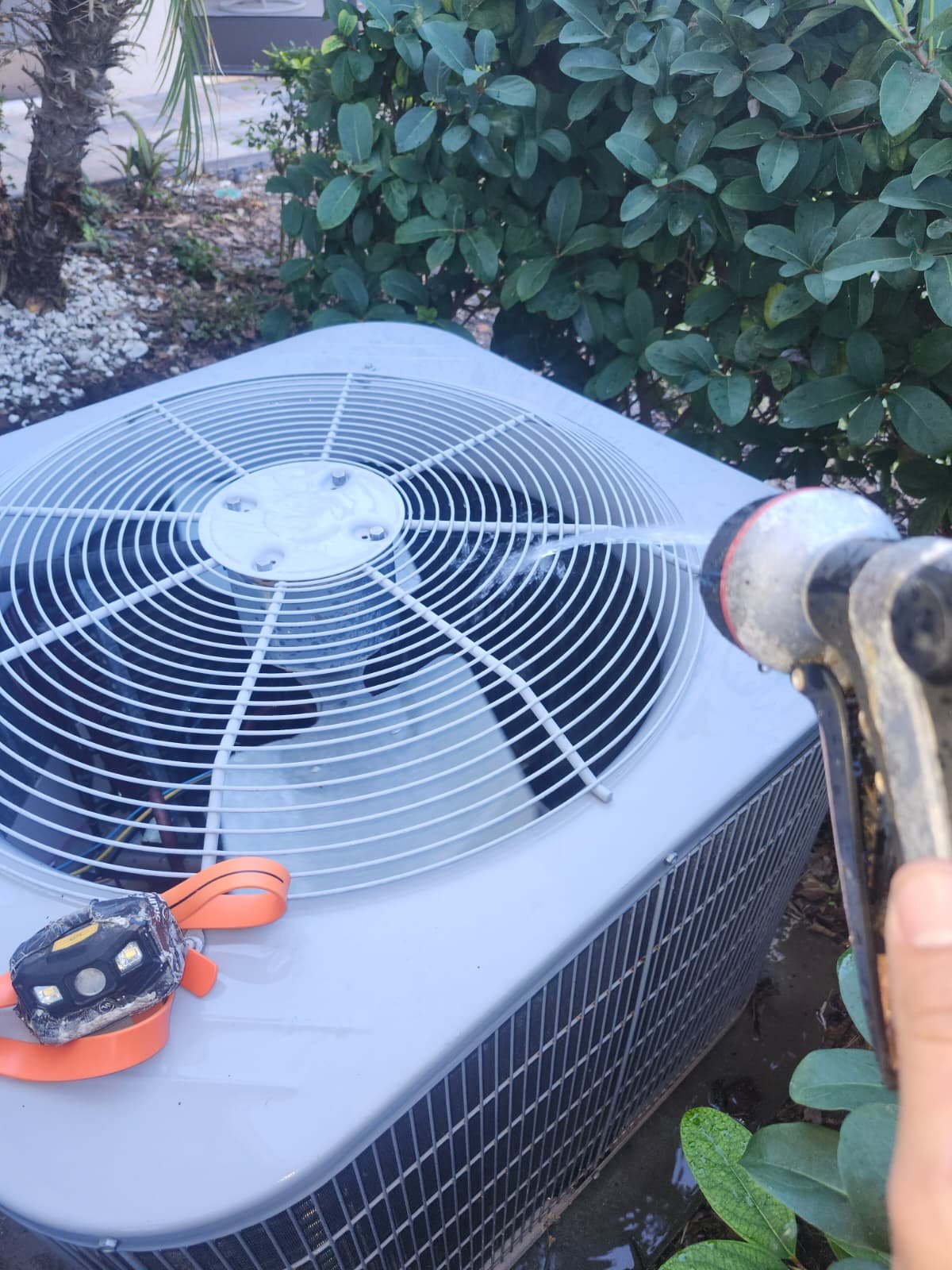
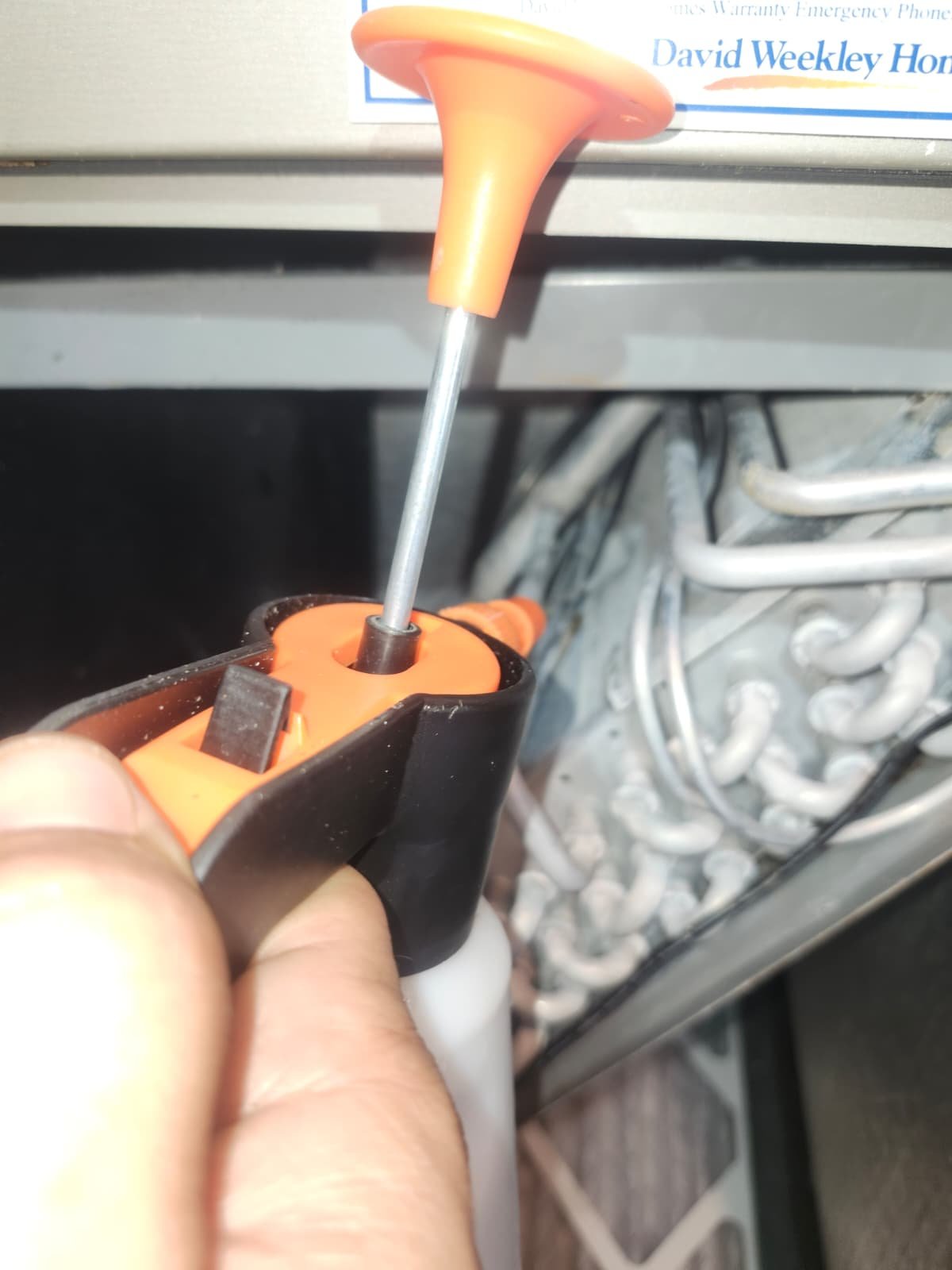
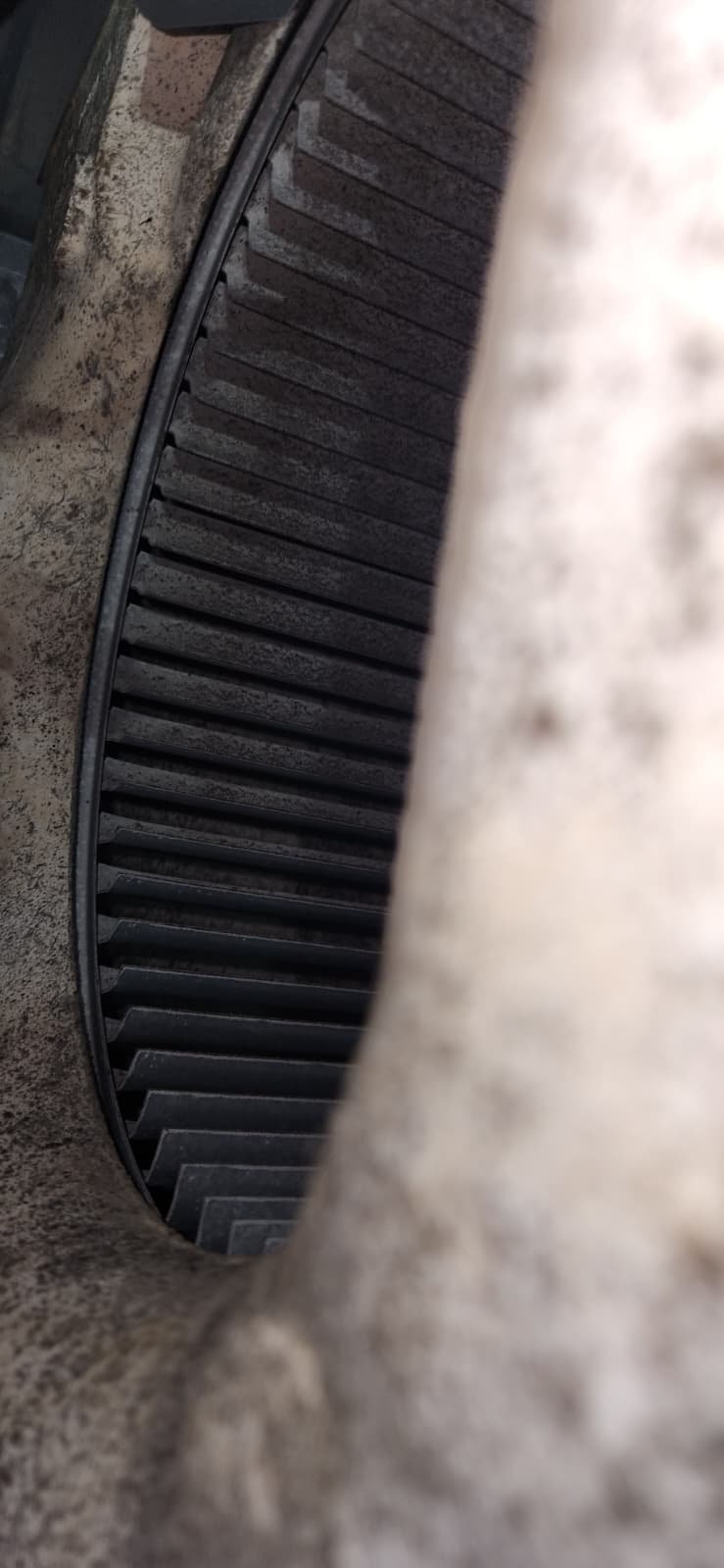
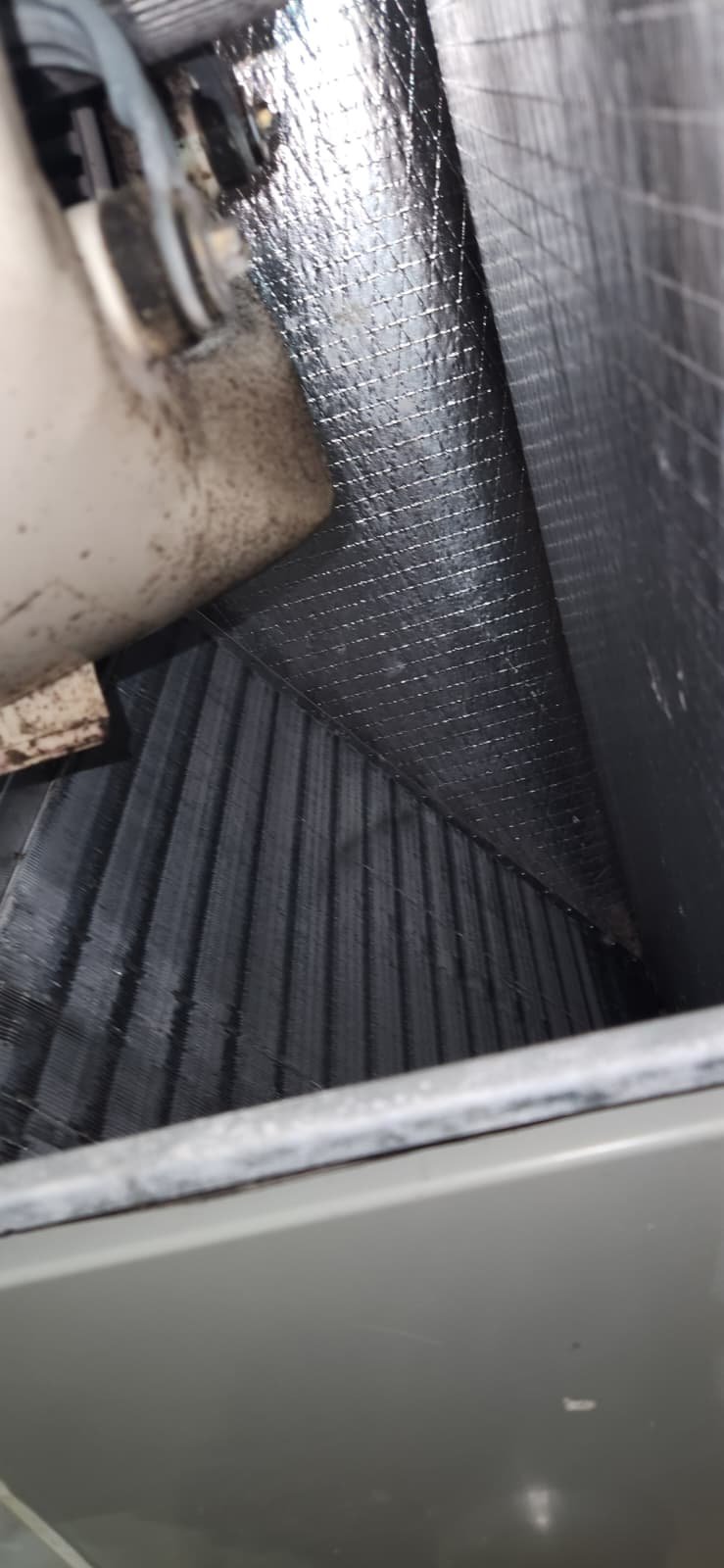
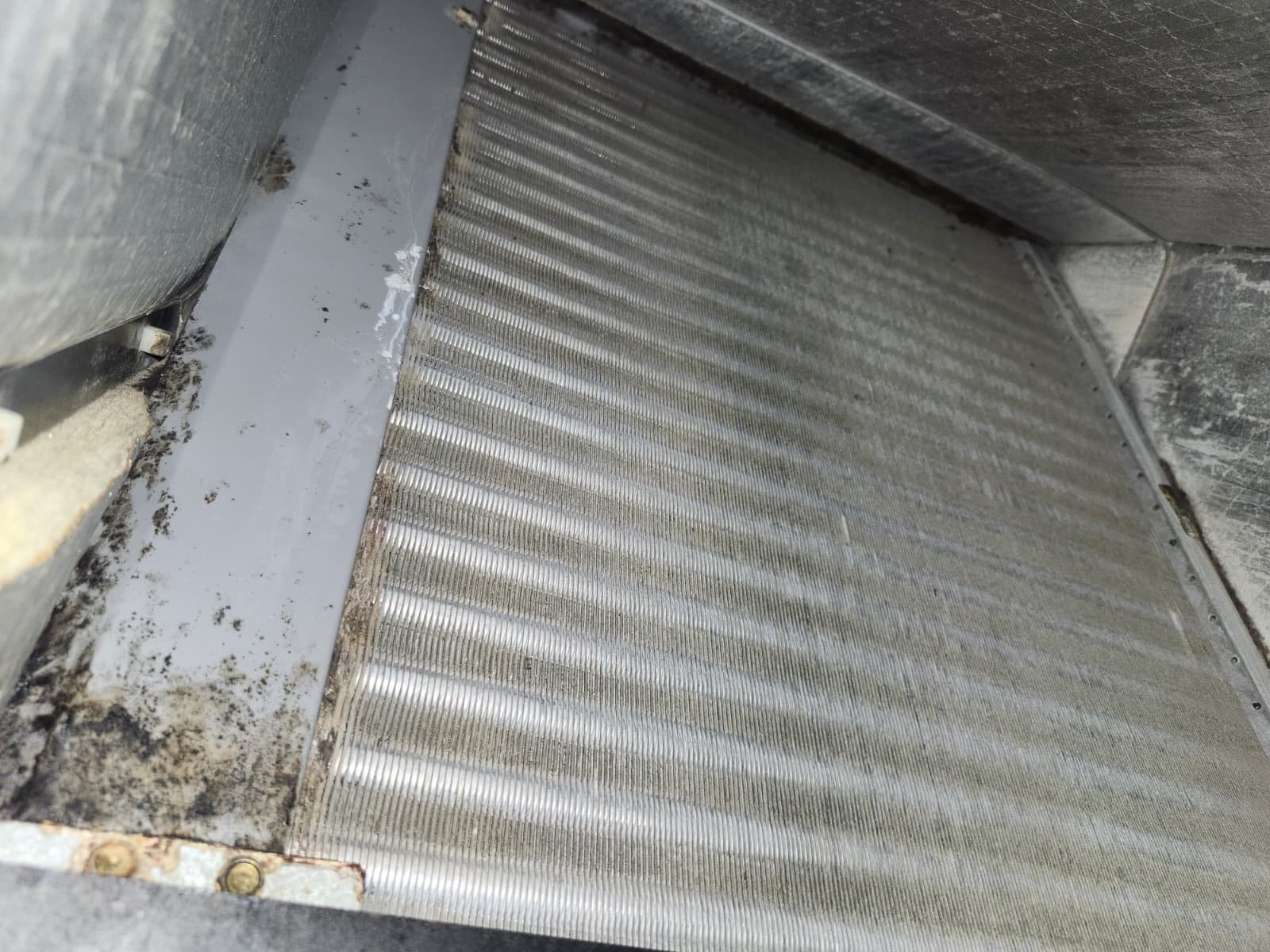
We also performed a complete system flush and sanitation of the copper lines and condensate drain, giving the new system a clean start and helping maintain cleaner indoor air and efficient drainage from day one.

3. R6 Ductwork Replacement and Air Distribution

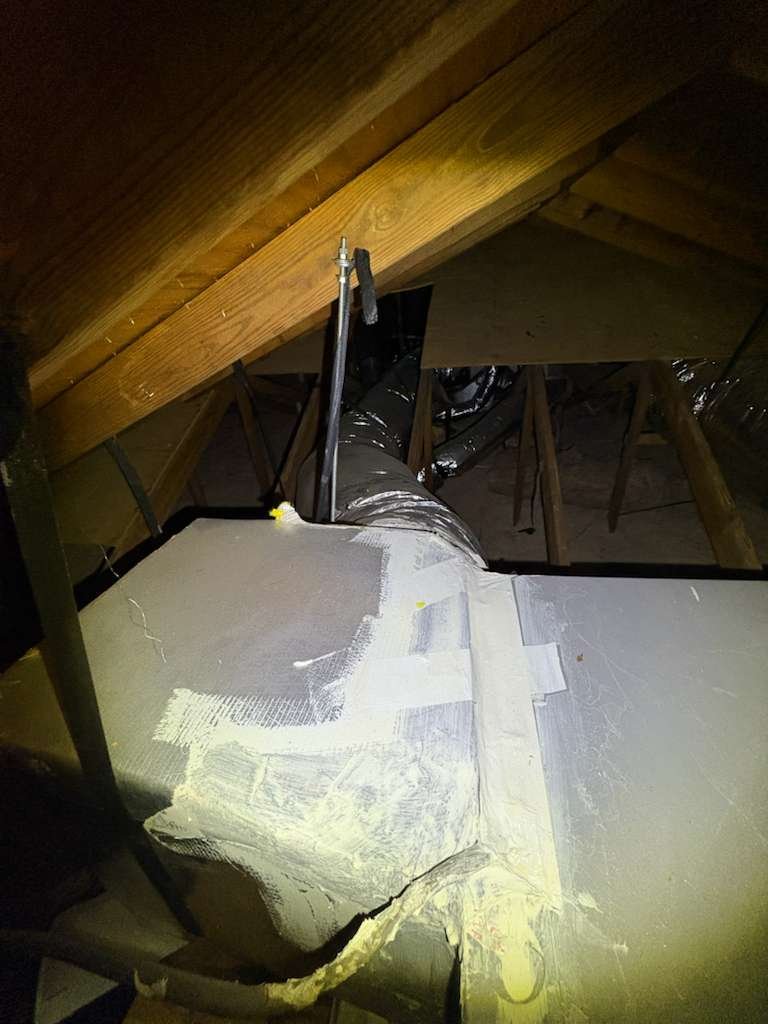
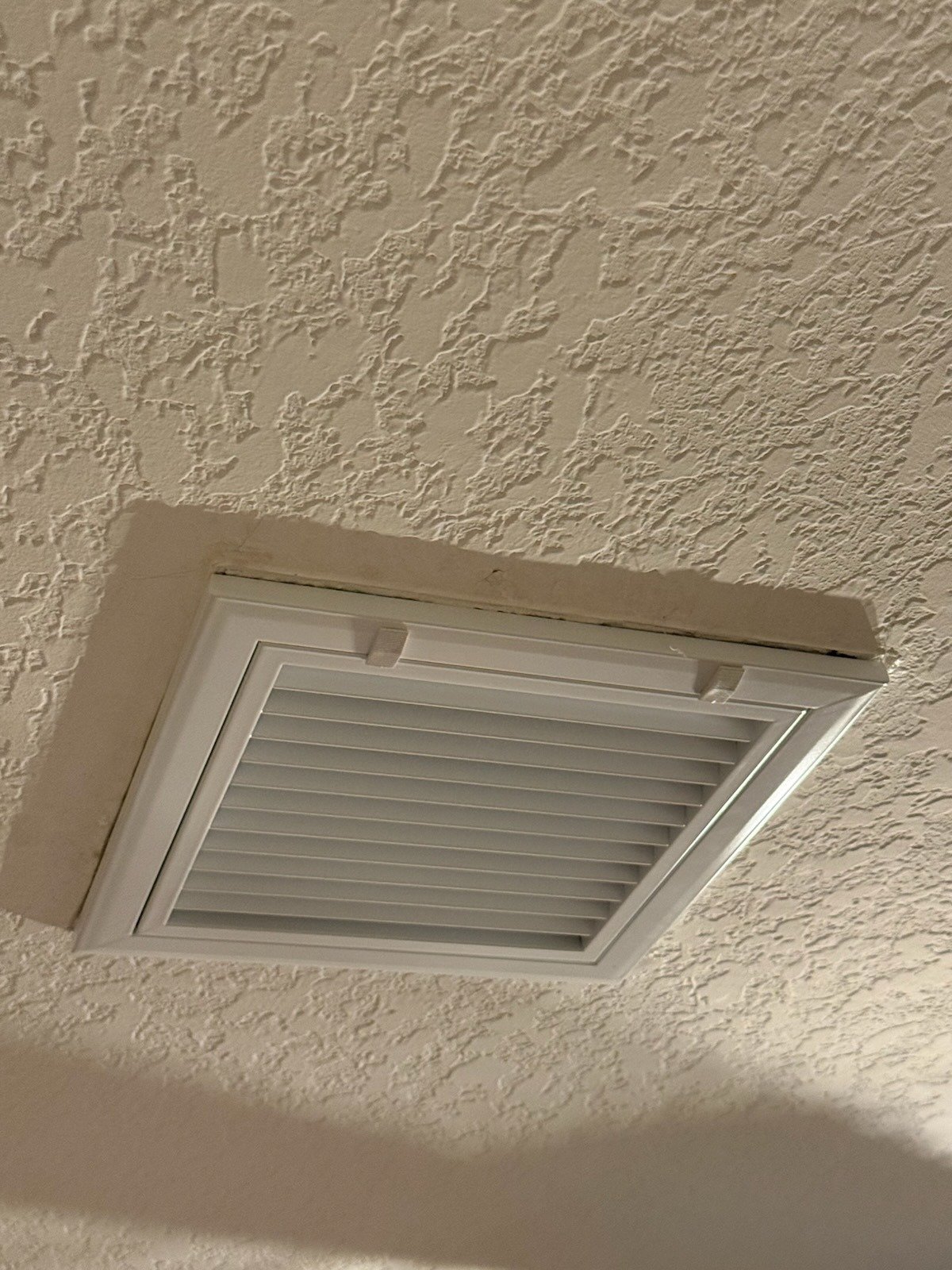
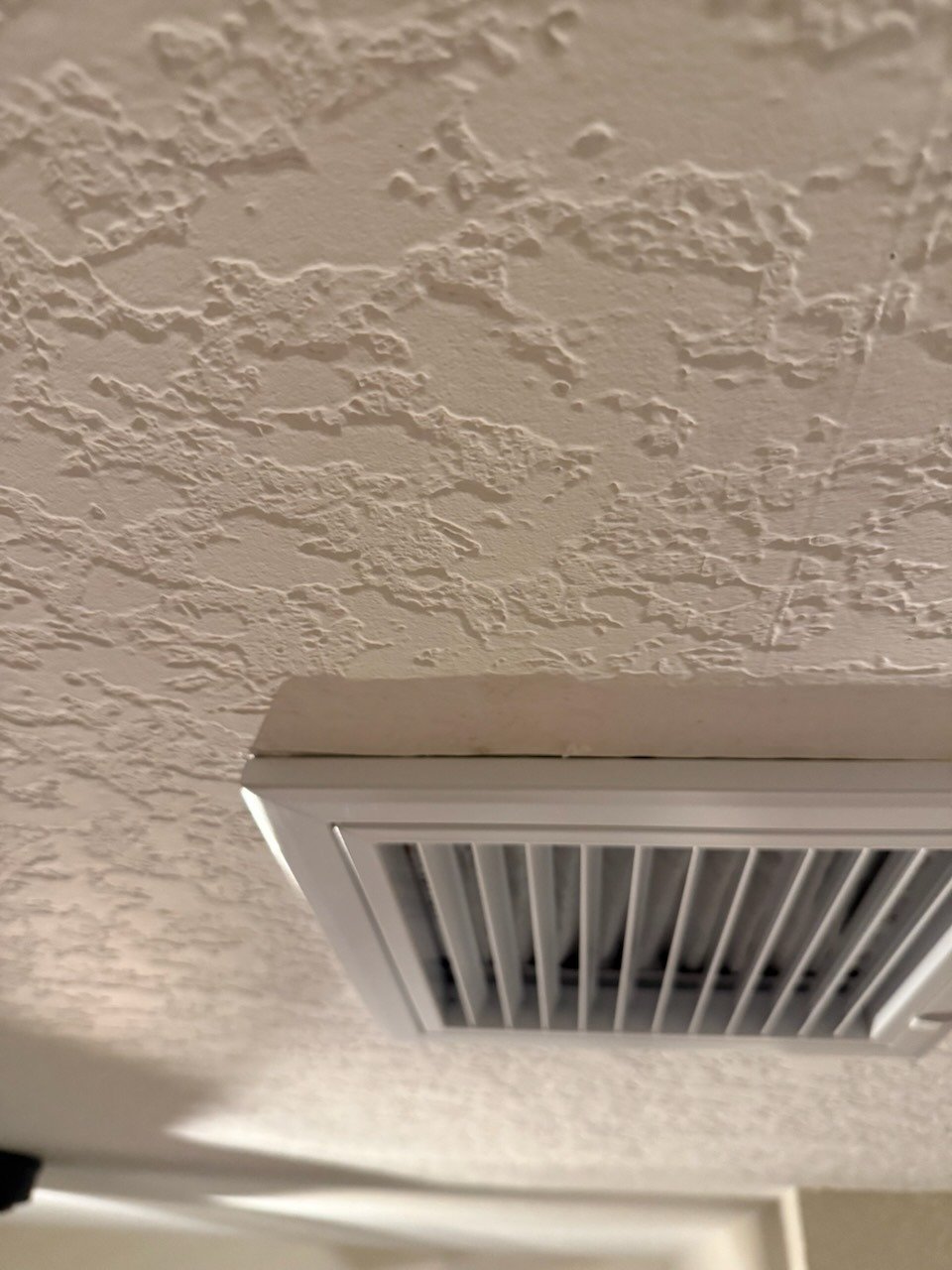
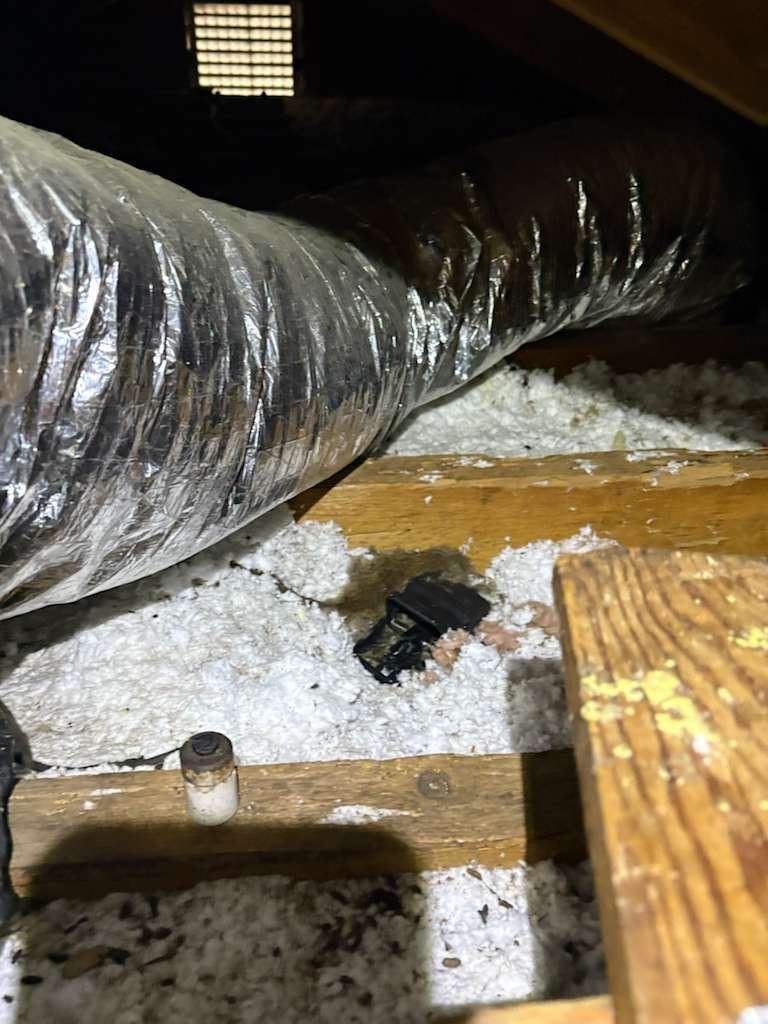
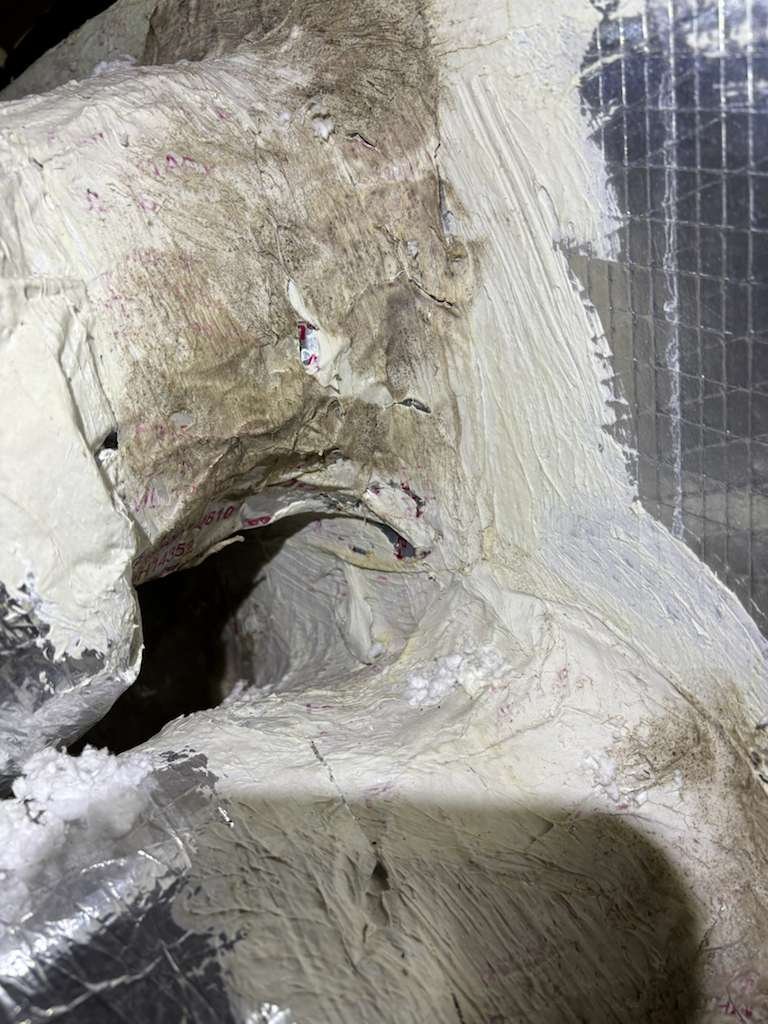
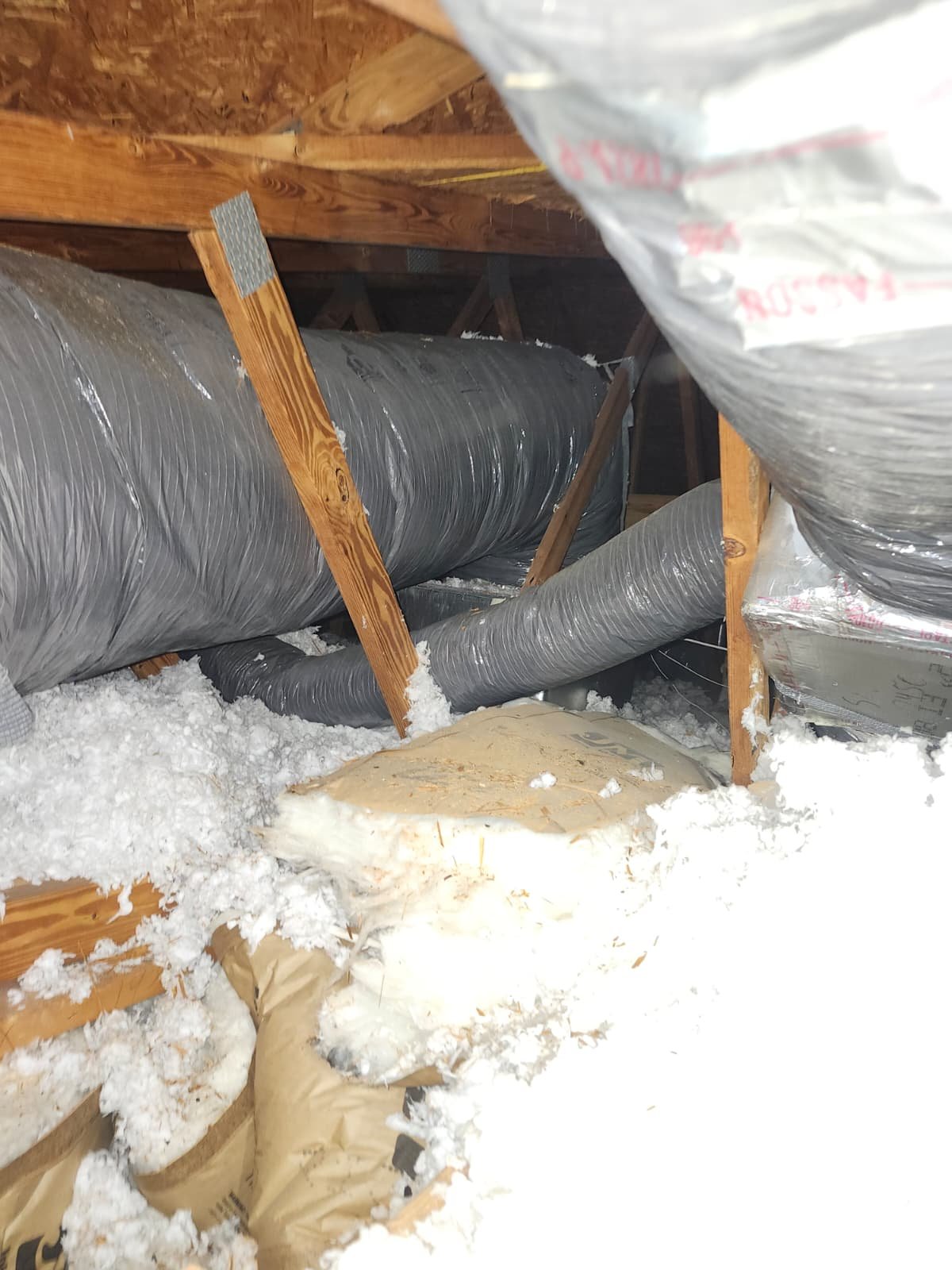
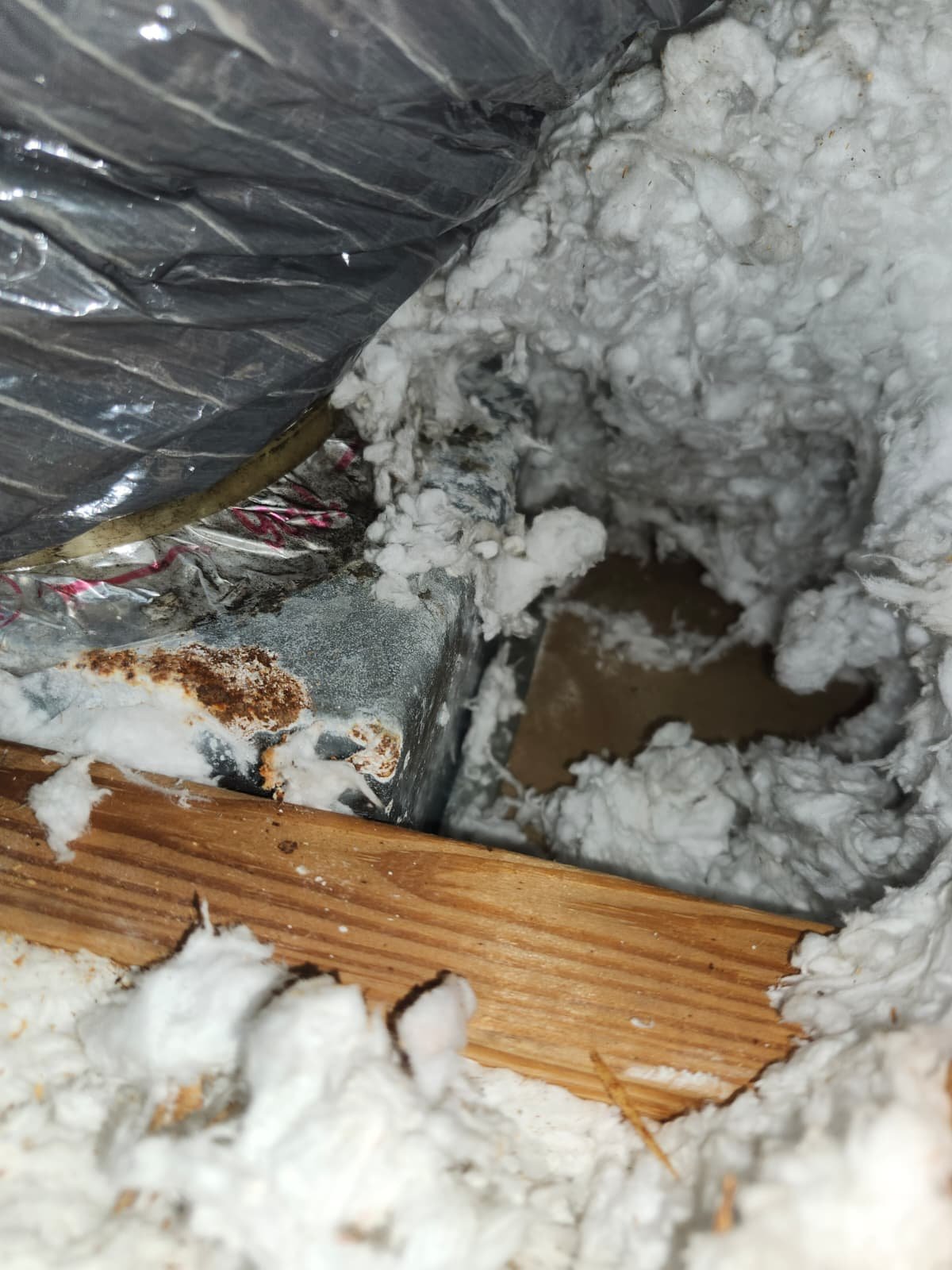
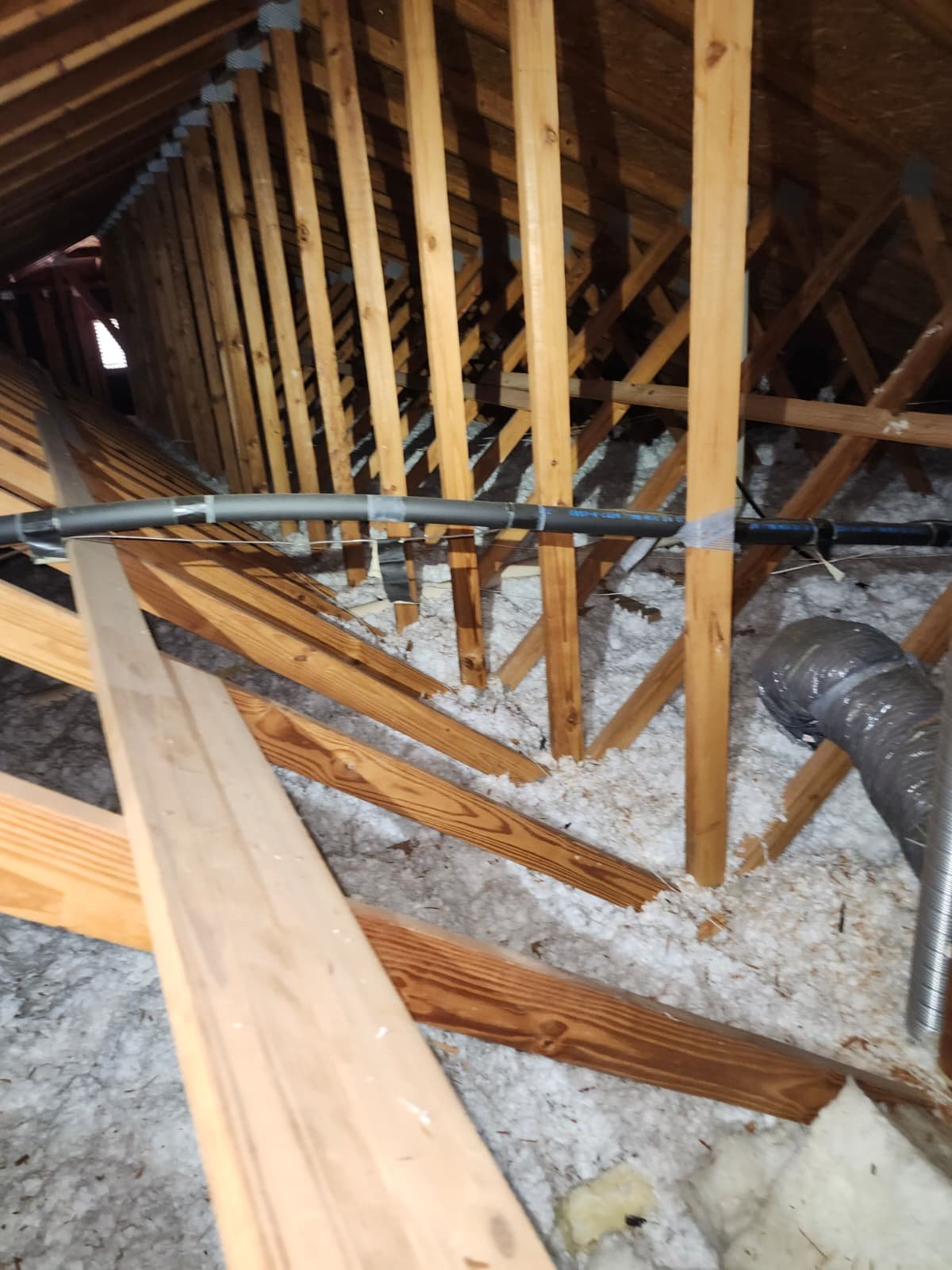
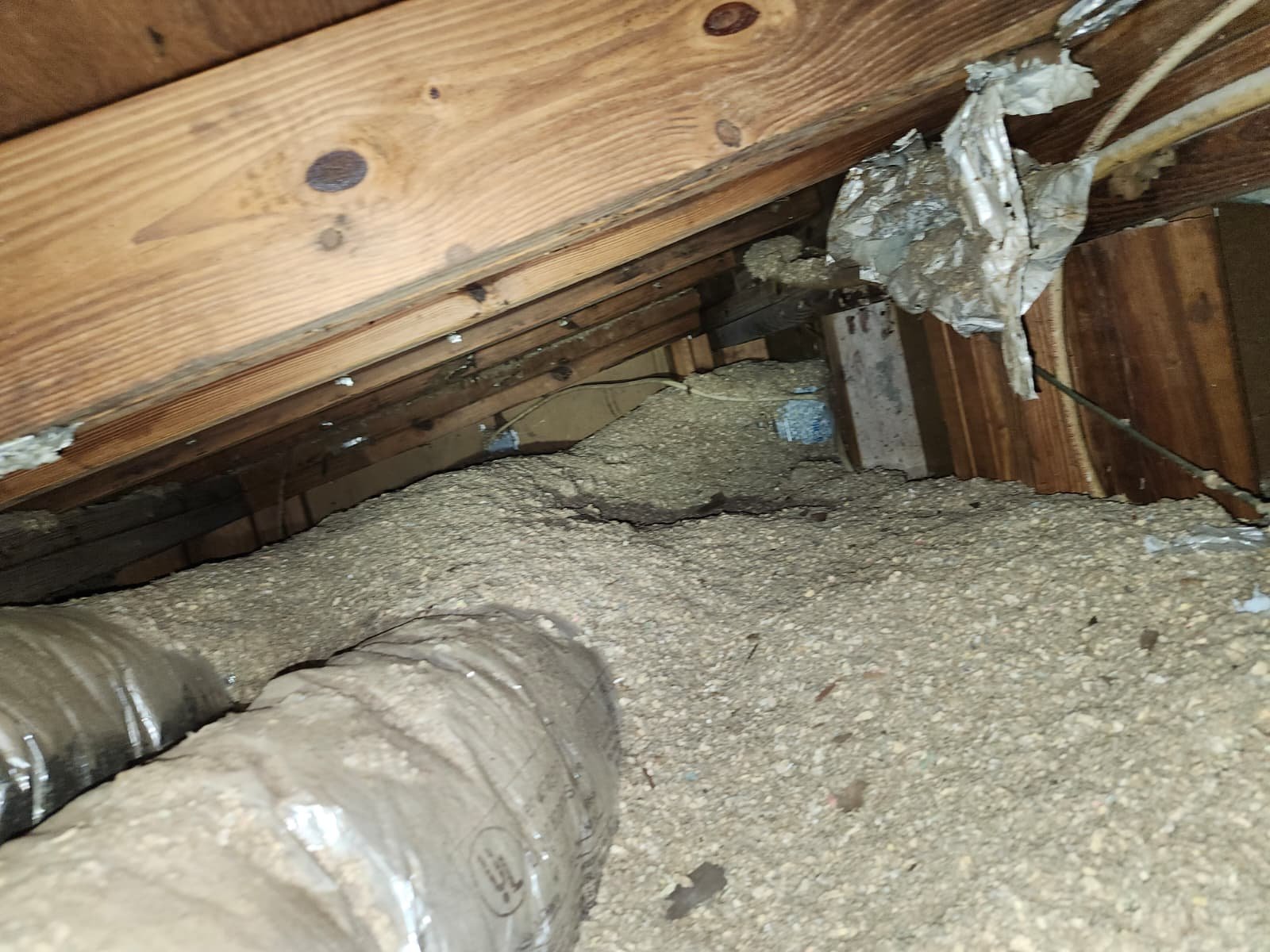
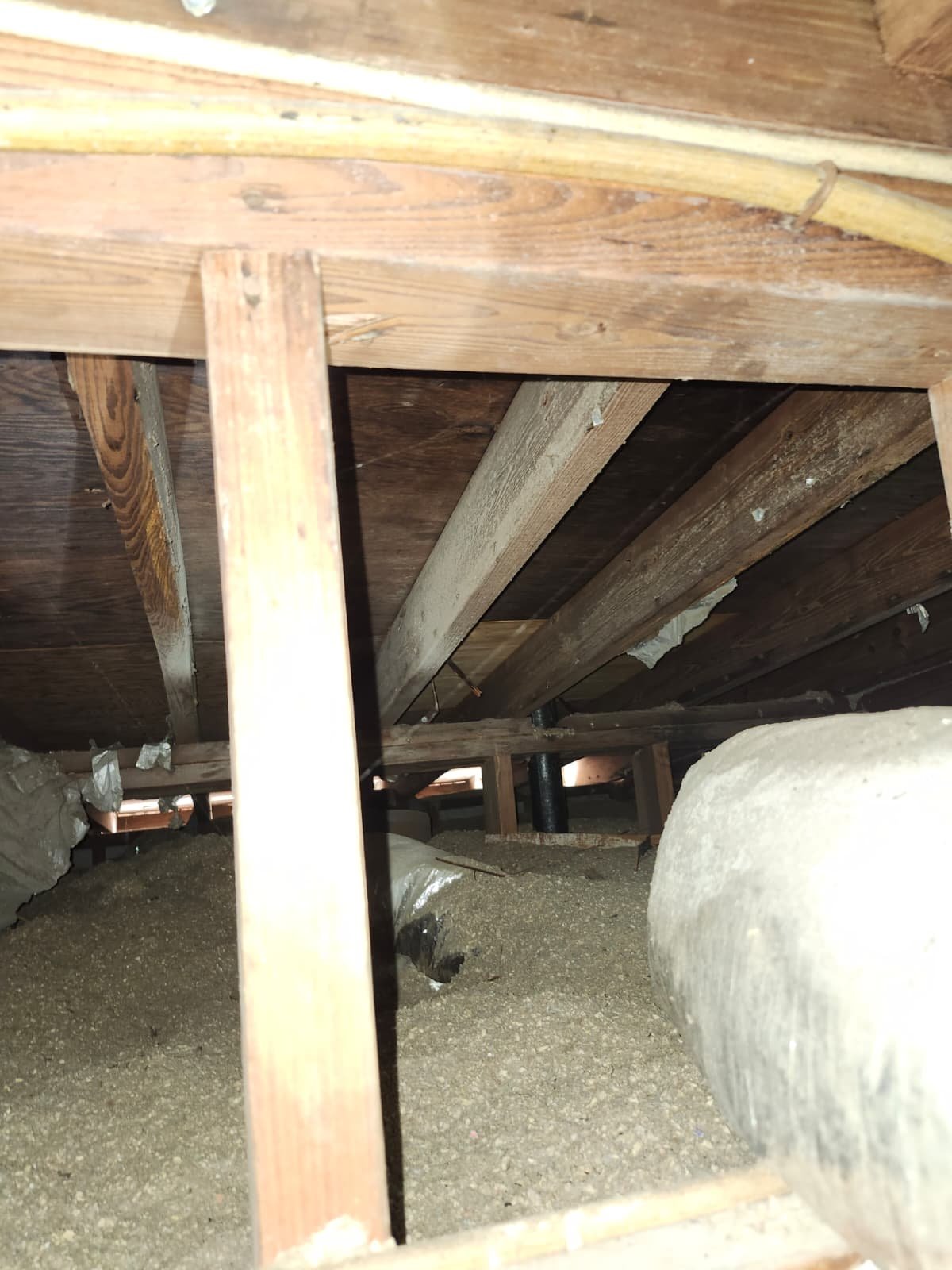
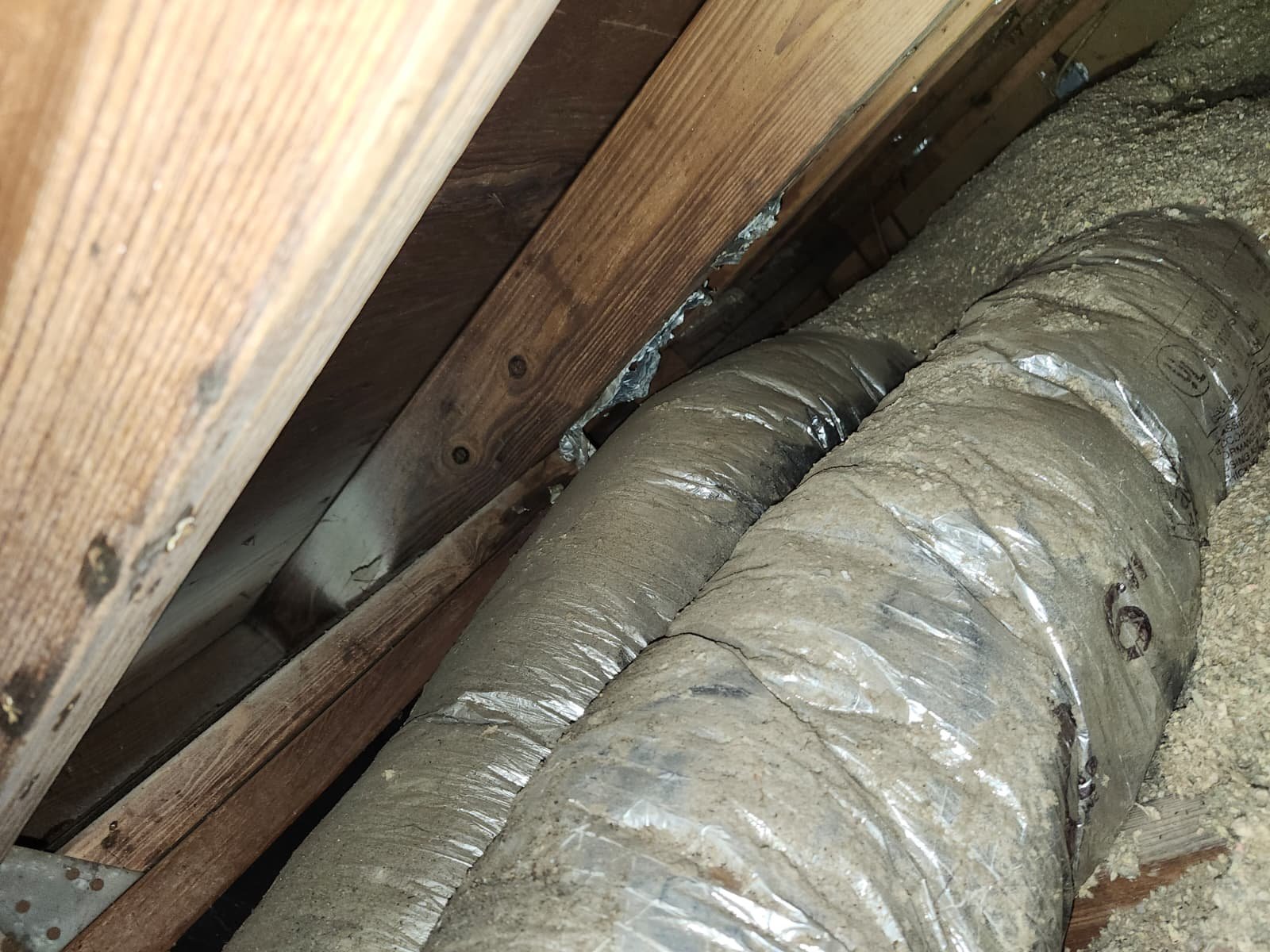
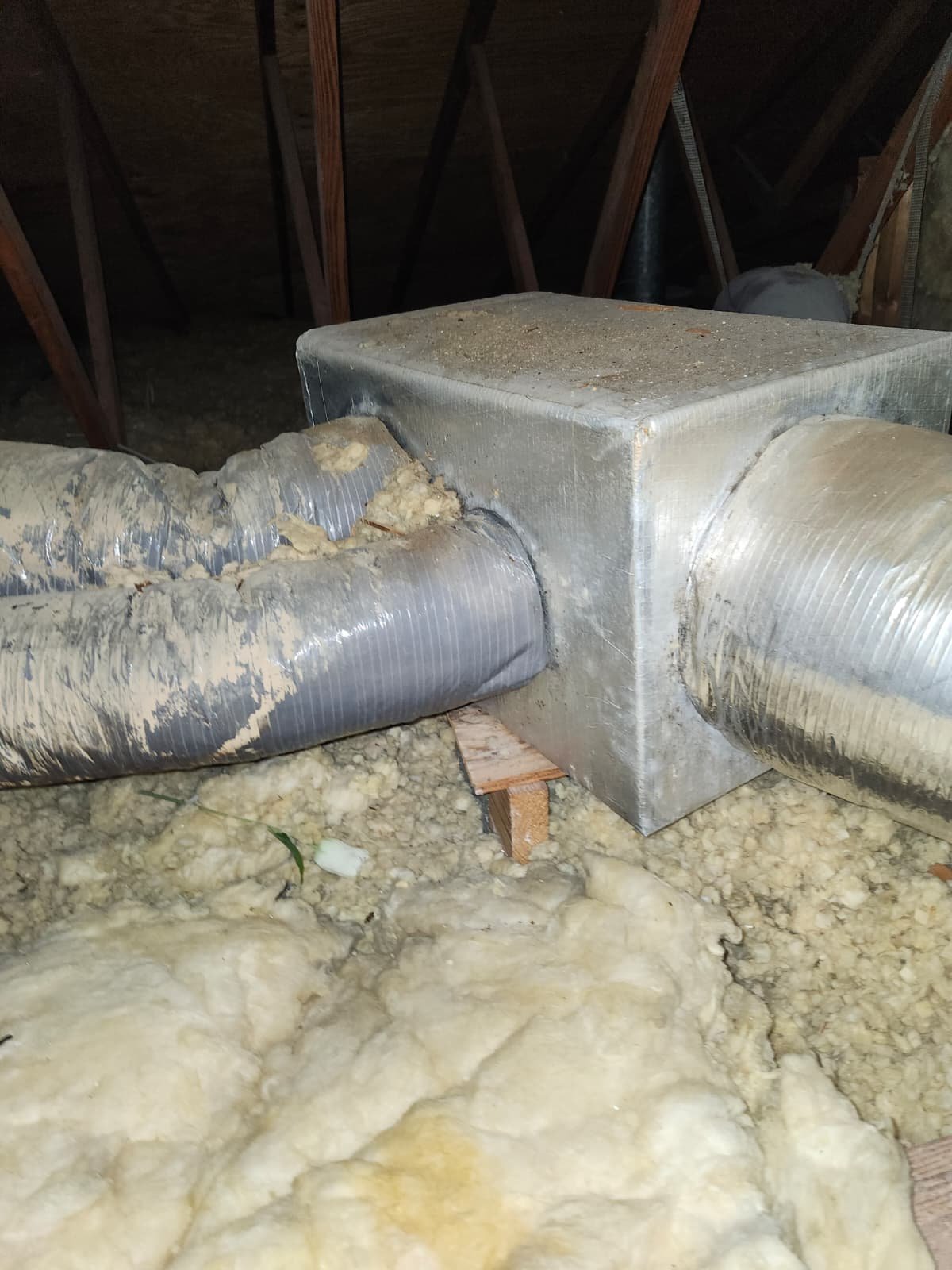
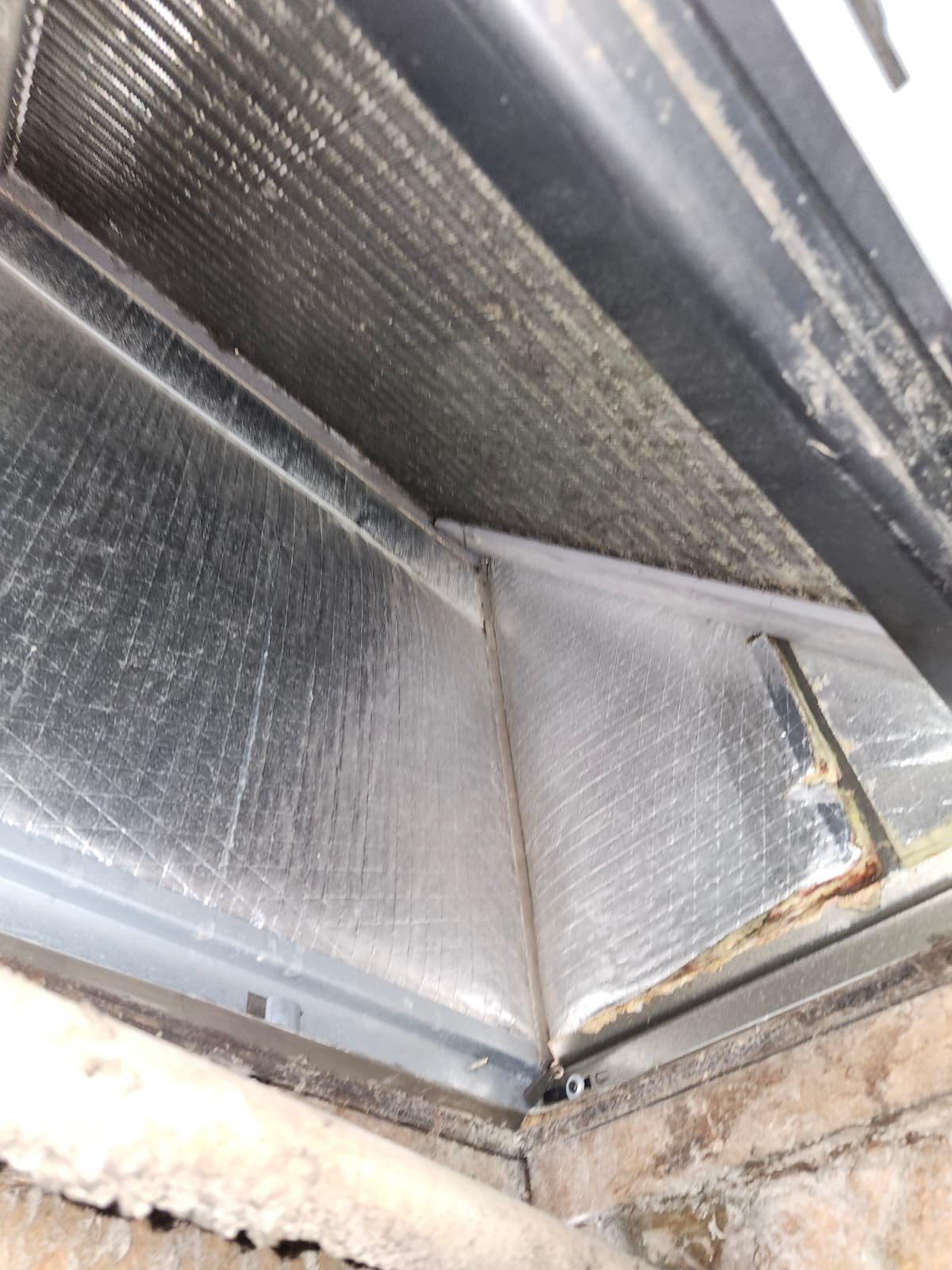
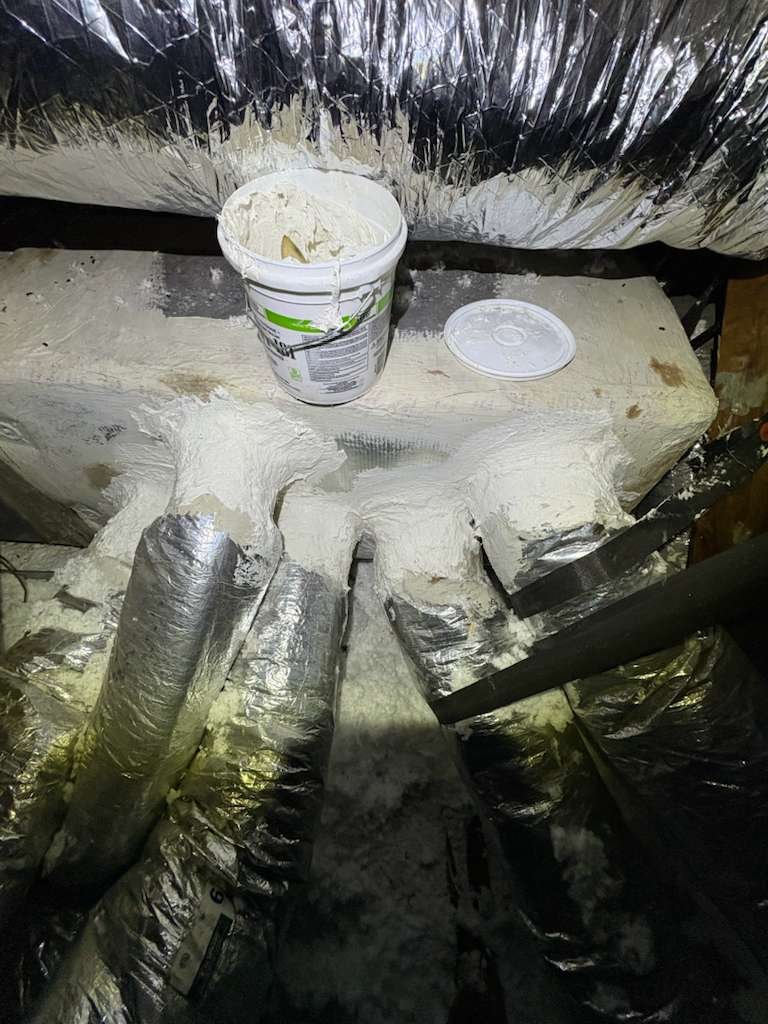
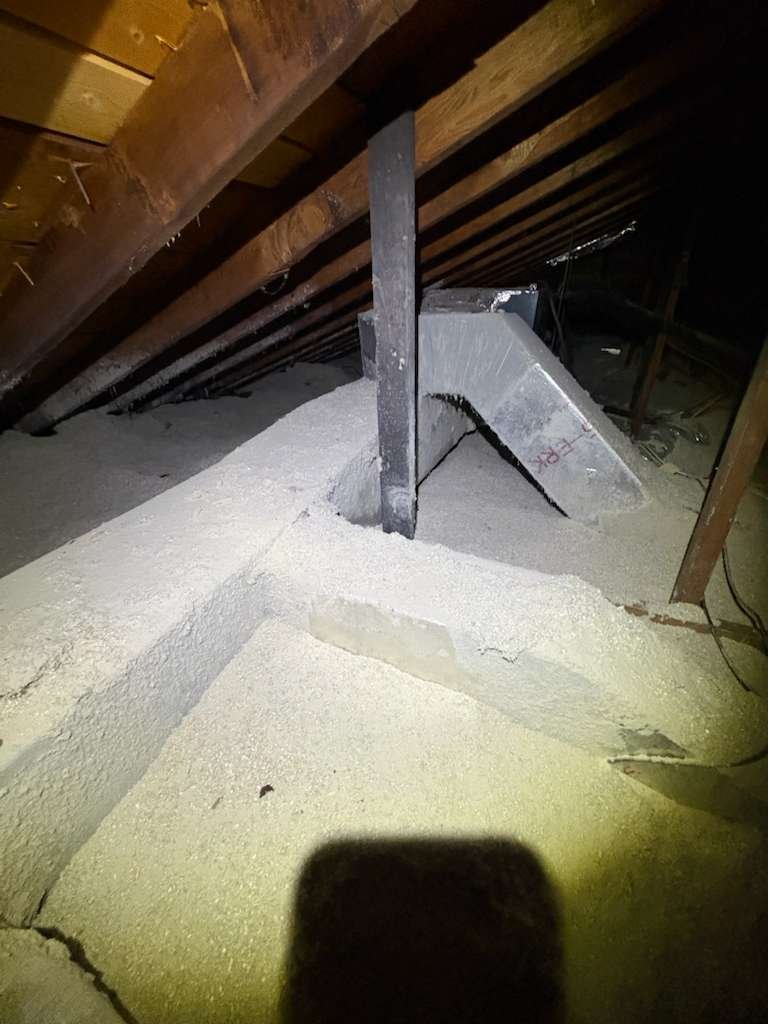
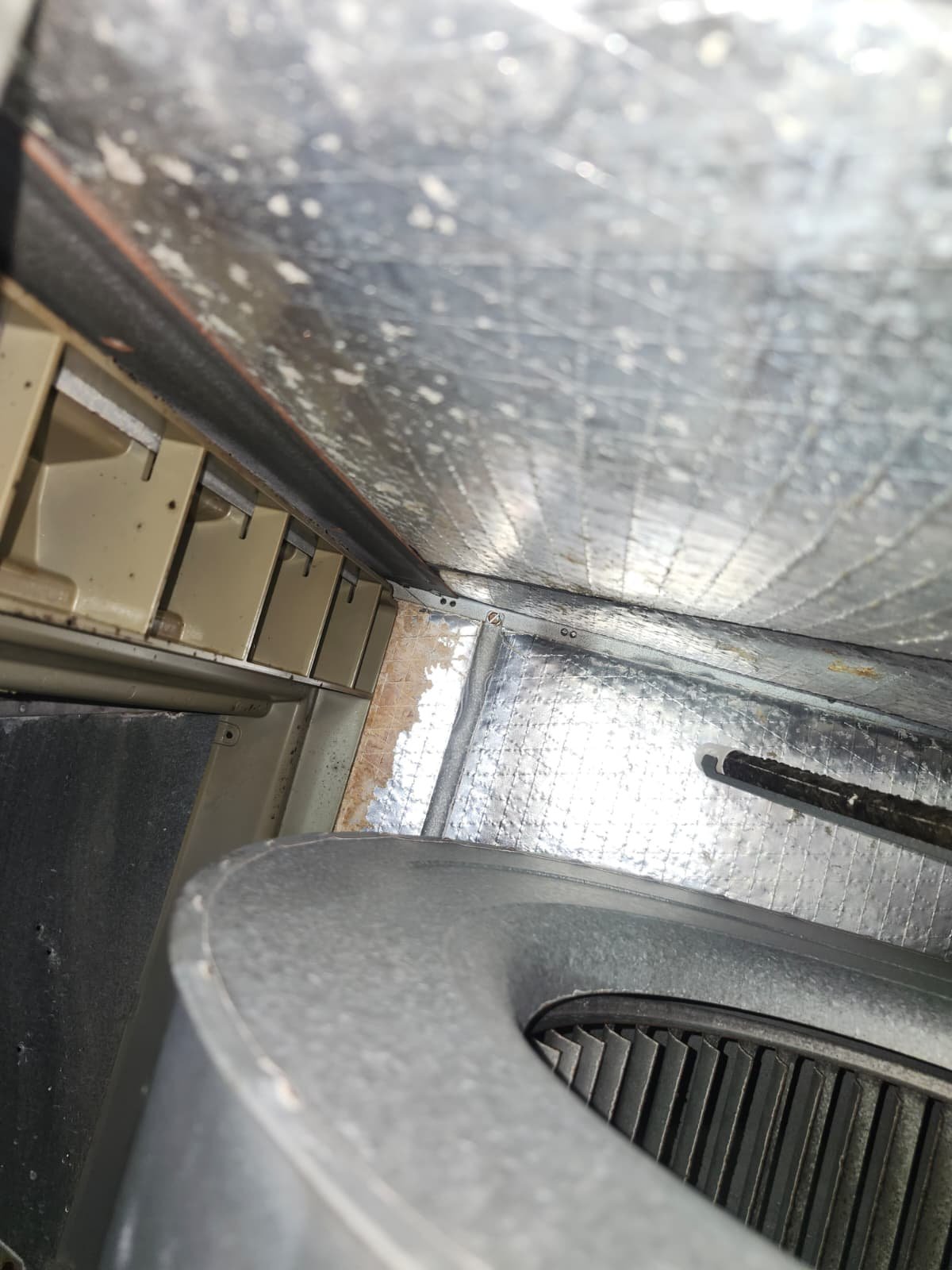
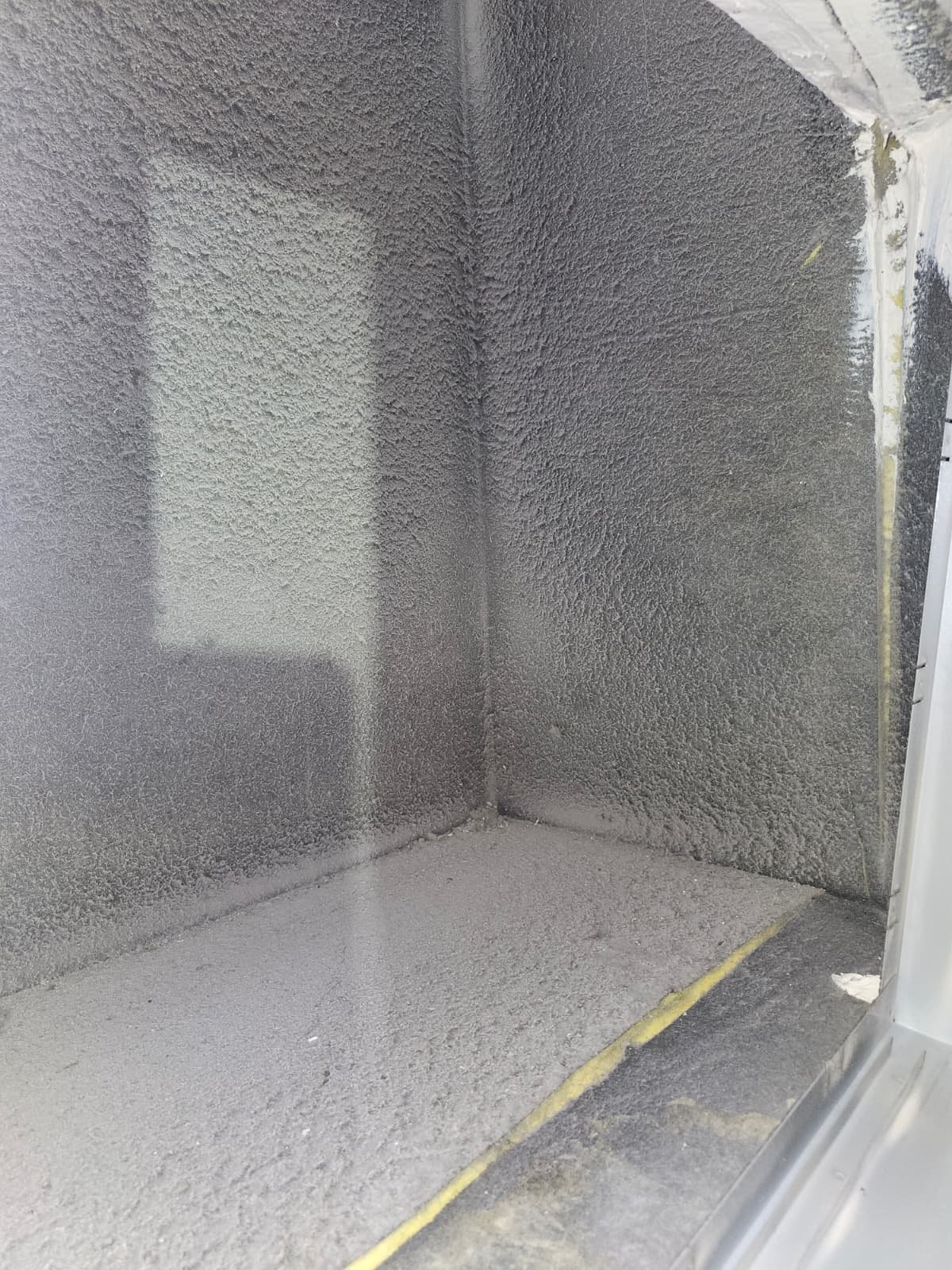
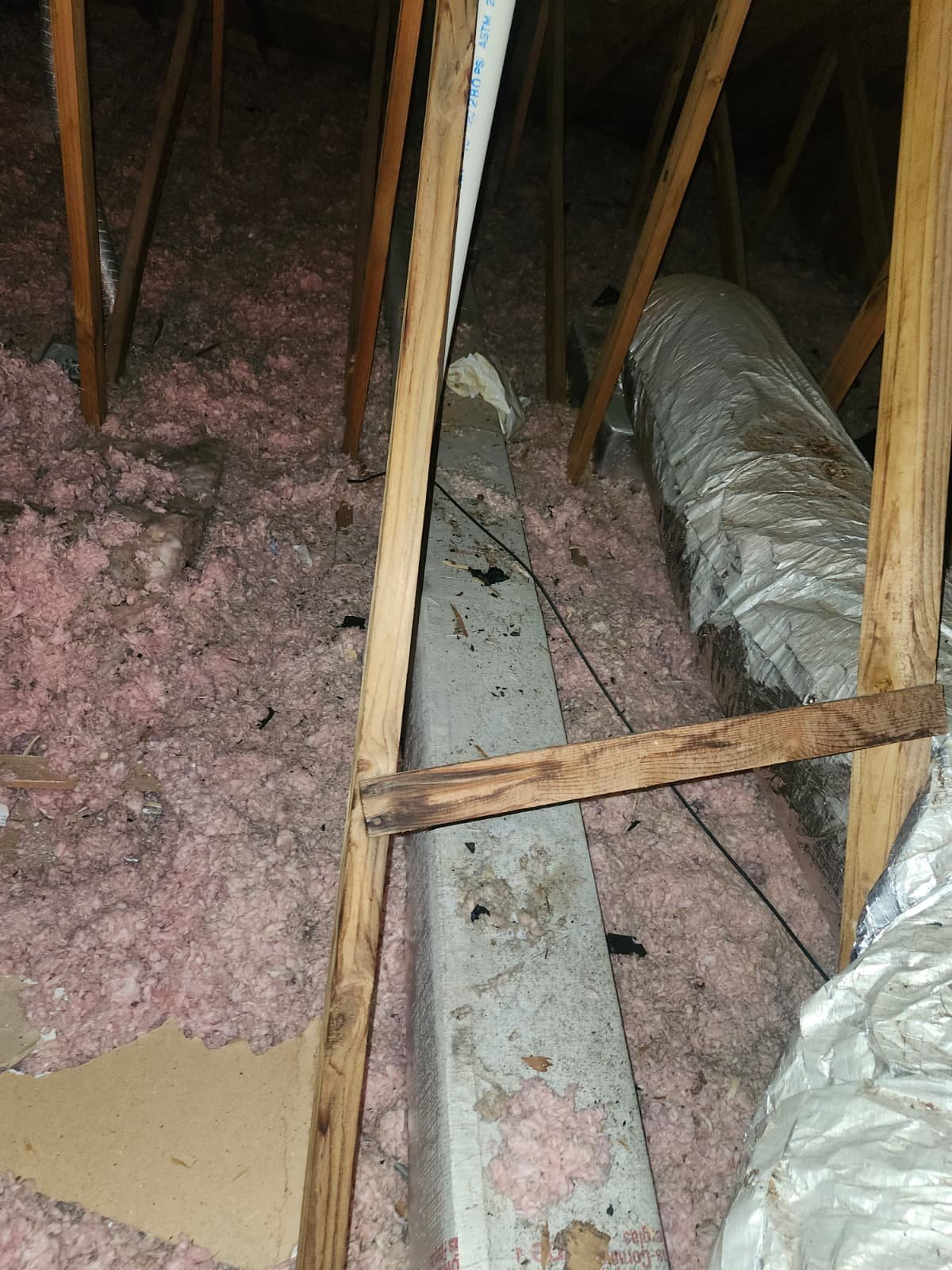
In Florida homes, ductwork is just as important as the equipment. For this Valrico, FL 33596 project, we replaced key duct sections with new R6 flexible ducts and updated the distribution components for better airflow and efficiency.

The duct scope included:

  • New boots at the ceiling or wall openings.
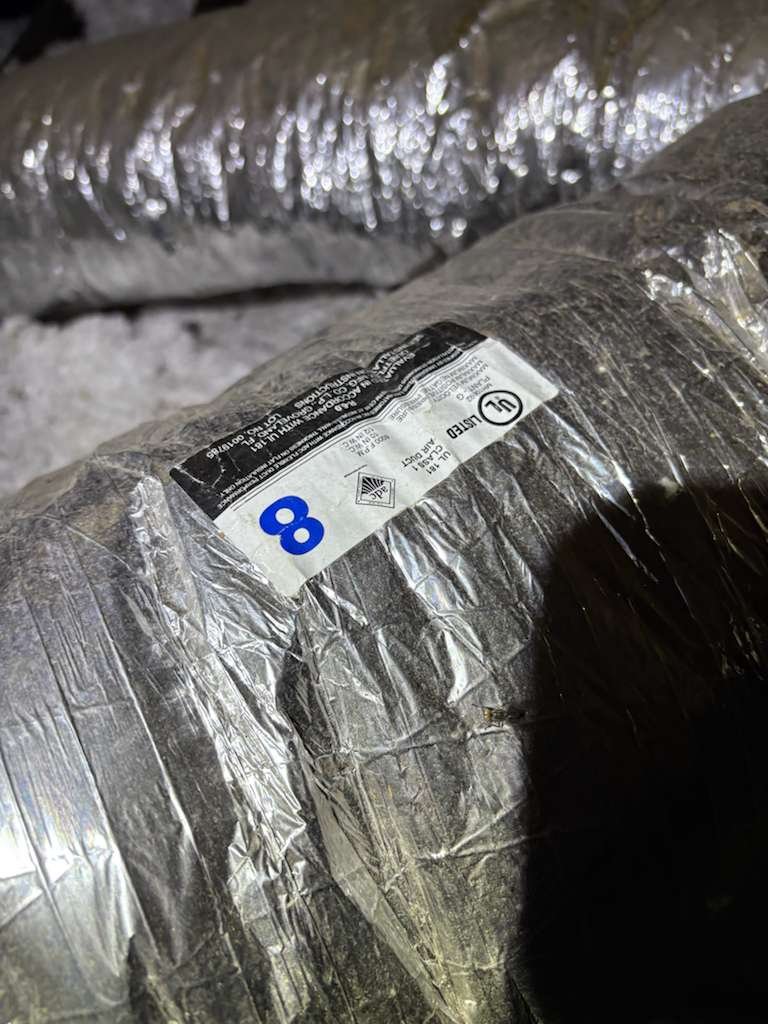
  • New R6 flexible ducts to match the updated duct design.
  • New grills for a cleaner appearance and better airflow.
  • New plenums, if needed based on the design and existing conditions.
  • New distribution boxes to properly split and balance airflow.
  • Removal and disposal of old duct materials.

We designed the duct system to include appropriately sized supply and return drops, including:

  • One 18″ supply drop.
  • One 20″ return drop.

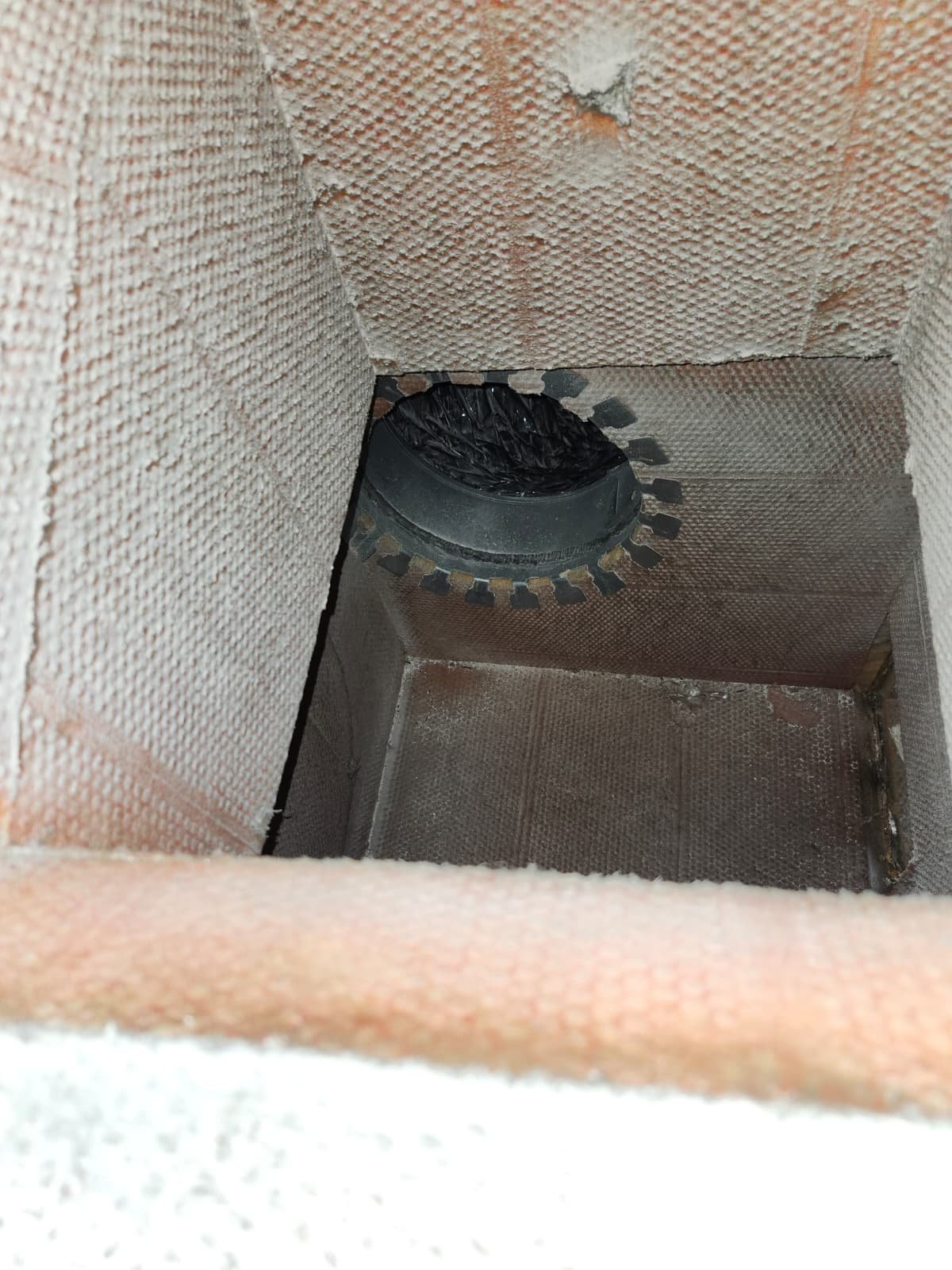
For duct insulation and construction, we used products such as Johns Manville Formaldehyde-free fiberglass insulation and GREENGUARD-certified insulated components. The Quietflex Rip Stop Silver Jacket provides a durable metalized vapor barrier with a special rip-stop reinforcement to resist tearing in attic conditions.

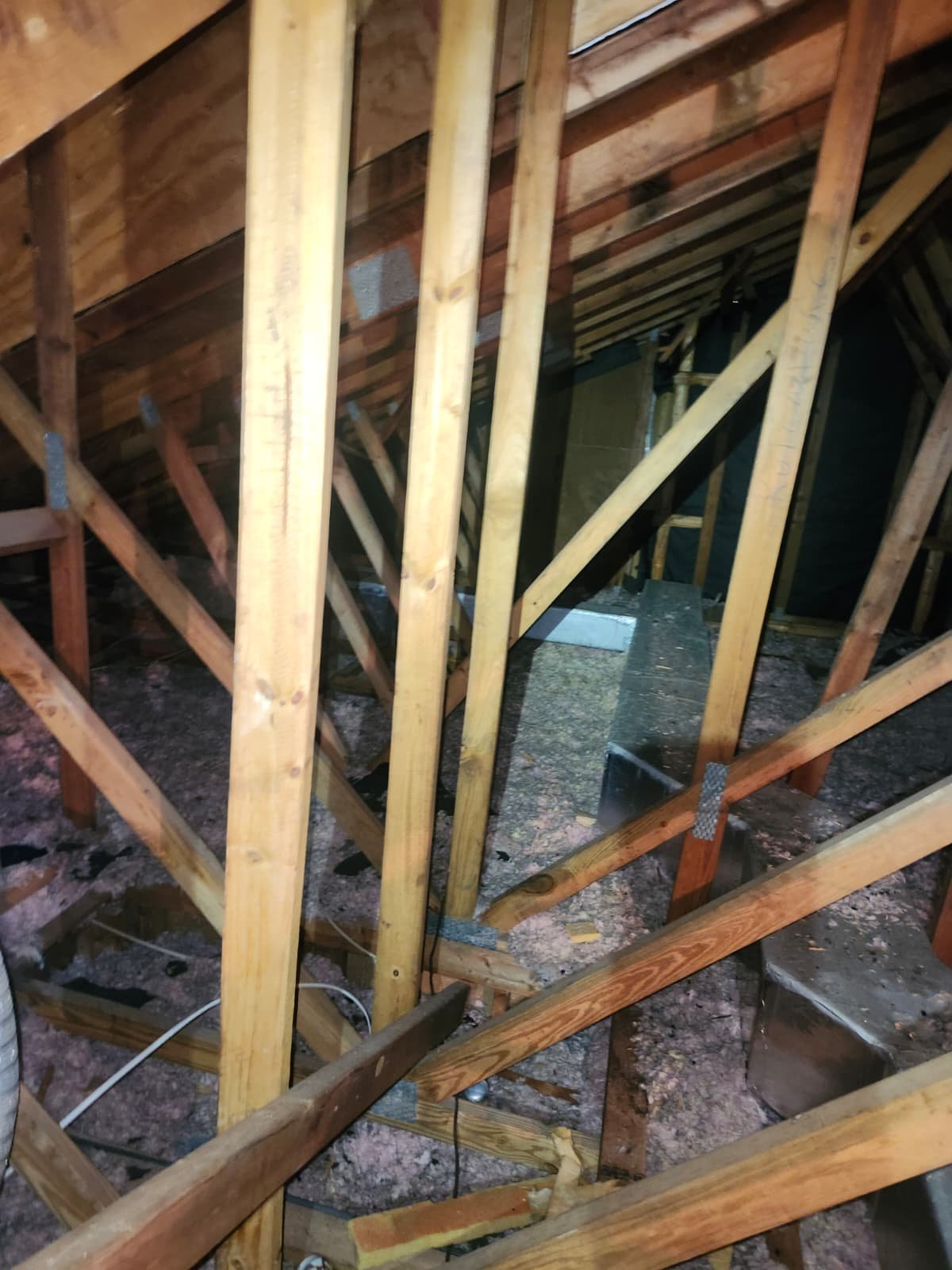
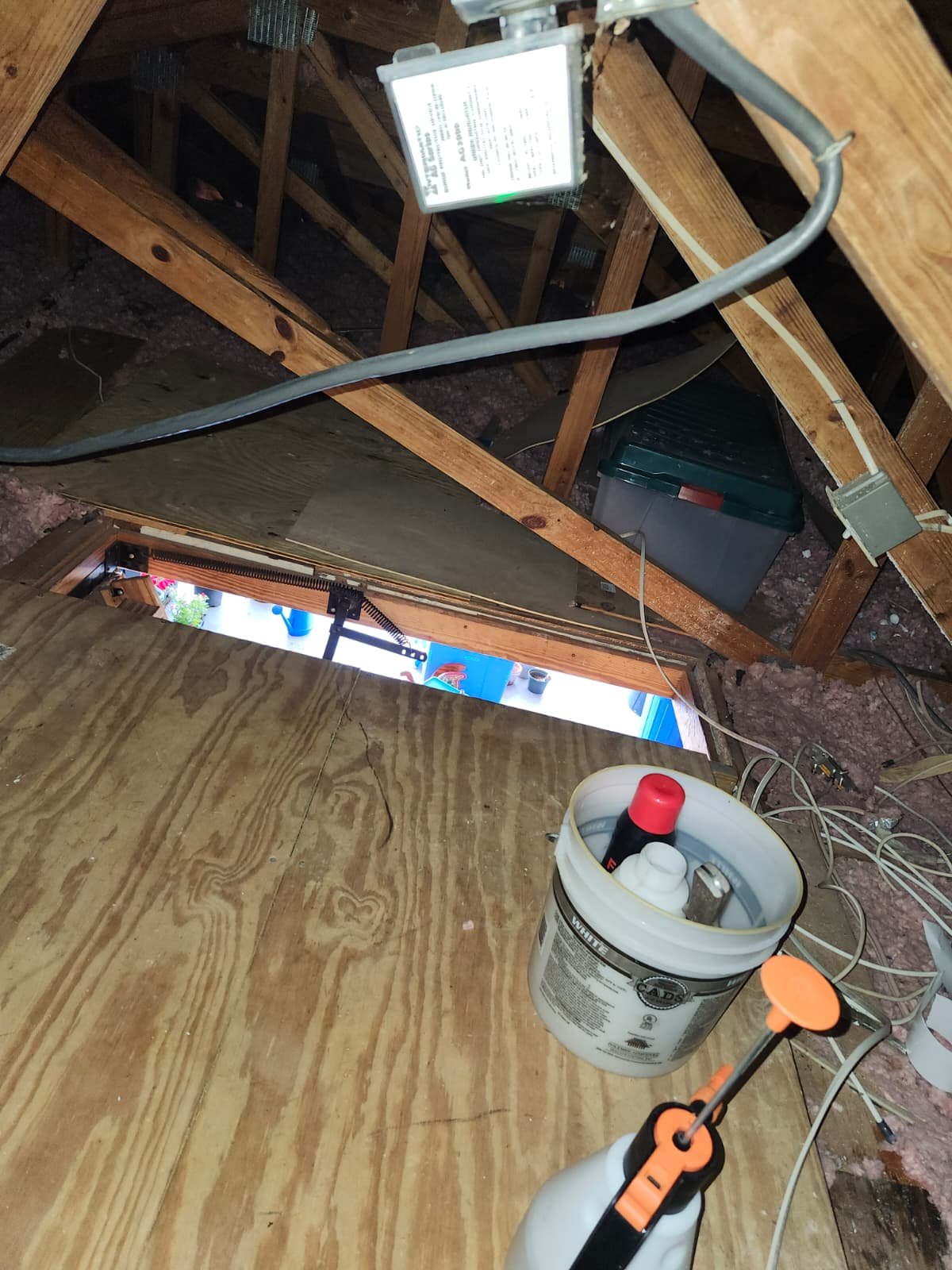
Attic work in Florida can be challenging, especially in tighter spaces. The pricing and planning for this job acknowledged attic height and access, as shorter attic clearances require more effort and can affect how quickly and safely ductwork can be installed.

4. Clean-Up, Protection, and Home Care

We always do our best to protect the home during ductwork and equipment changeouts. For projects like this in Valrico, we:

  • Ask homeowners to move or cover furniture below vents and to cover electronics, baby items, clothing, and food before we arrive.
  • Work directly under vents when swapping boots and grills and do our best to shield key areas from dust or insulation.
  • Clean up at the end of each workday, removing debris and old duct materials as agreed.

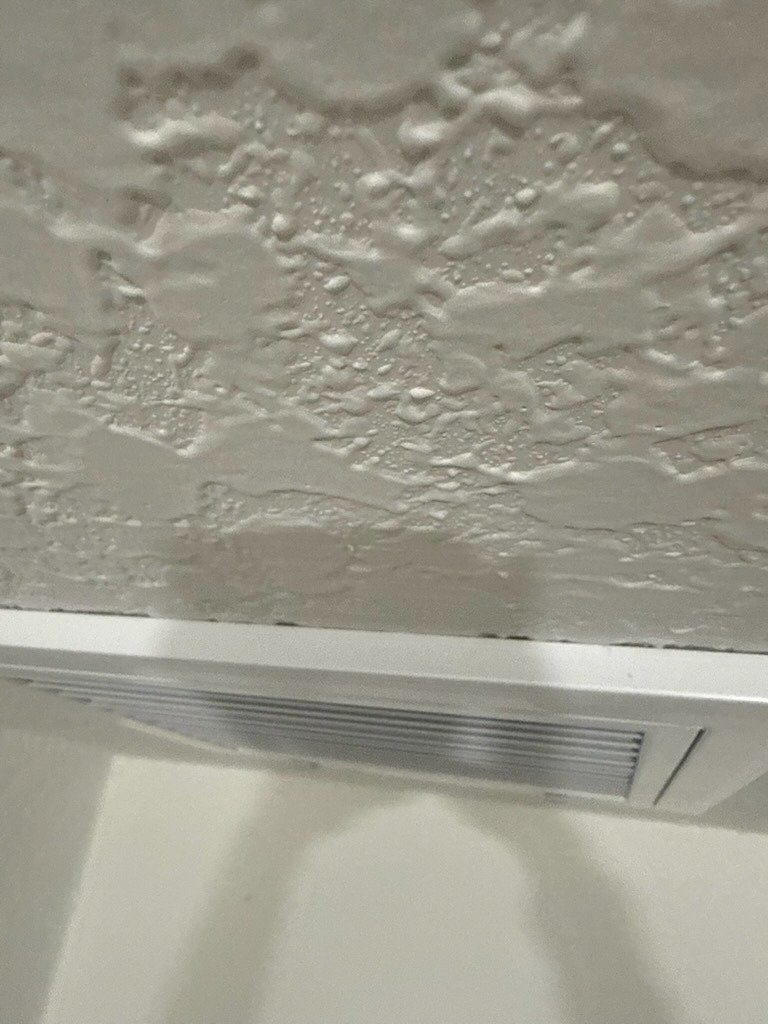
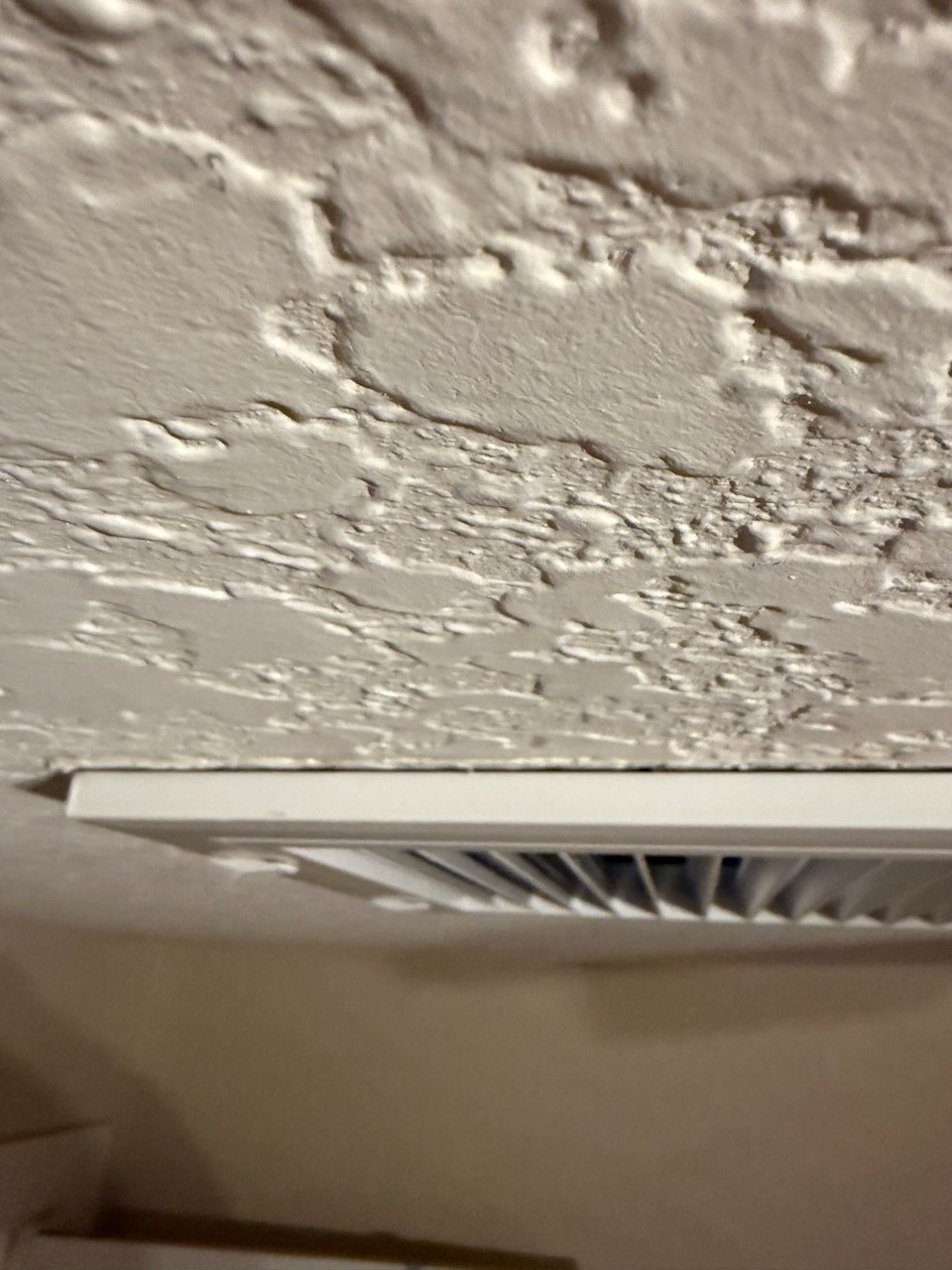
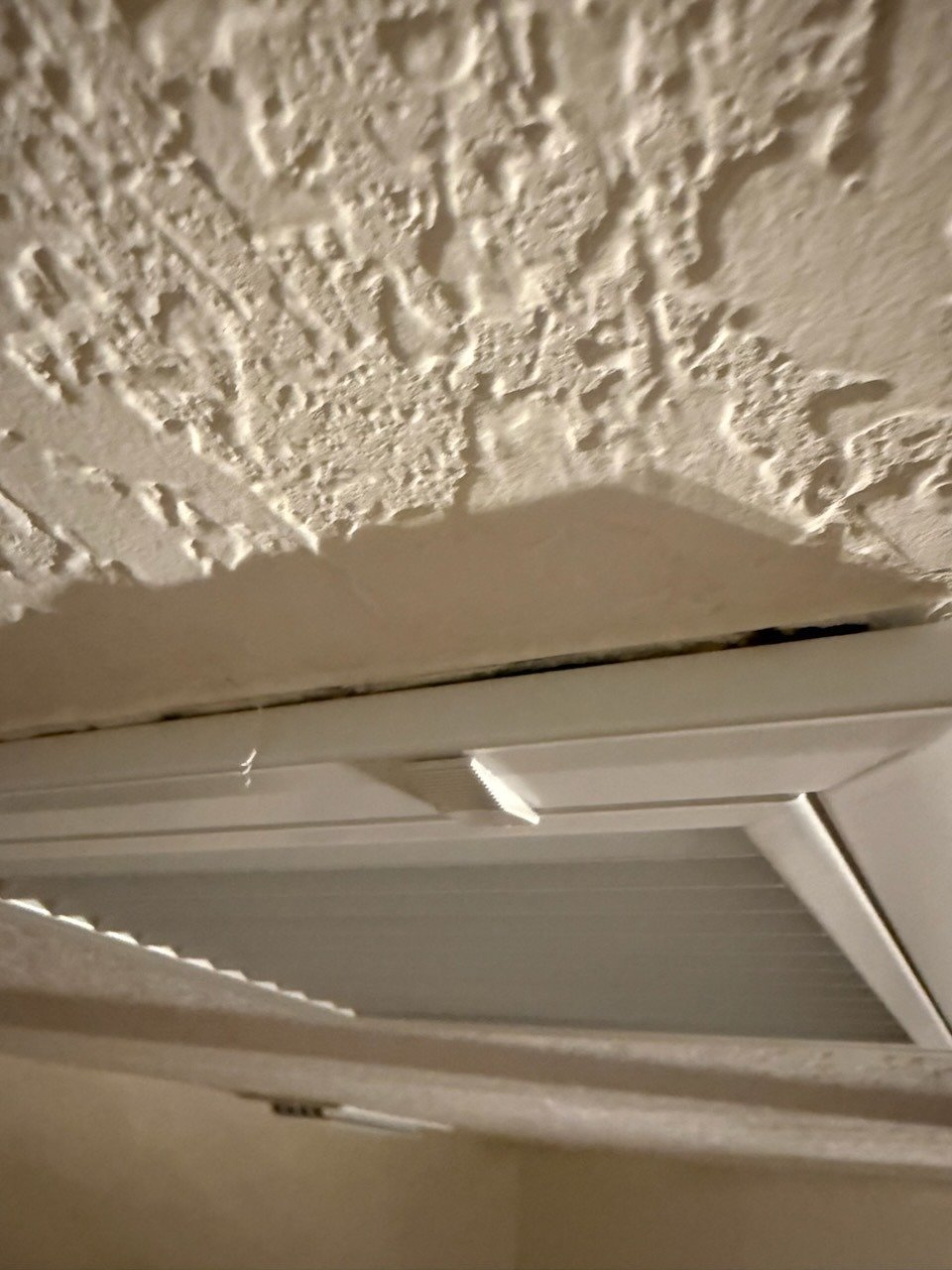
In some cases, we may need to open small access holes in sheetrock to run ducts correctly. When that’s necessary, we always inform the homeowner and get approval first. Our team can open access, but sheetrock repair and painting are typically handled separately.

5. Start-Up, Testing, and Warranty

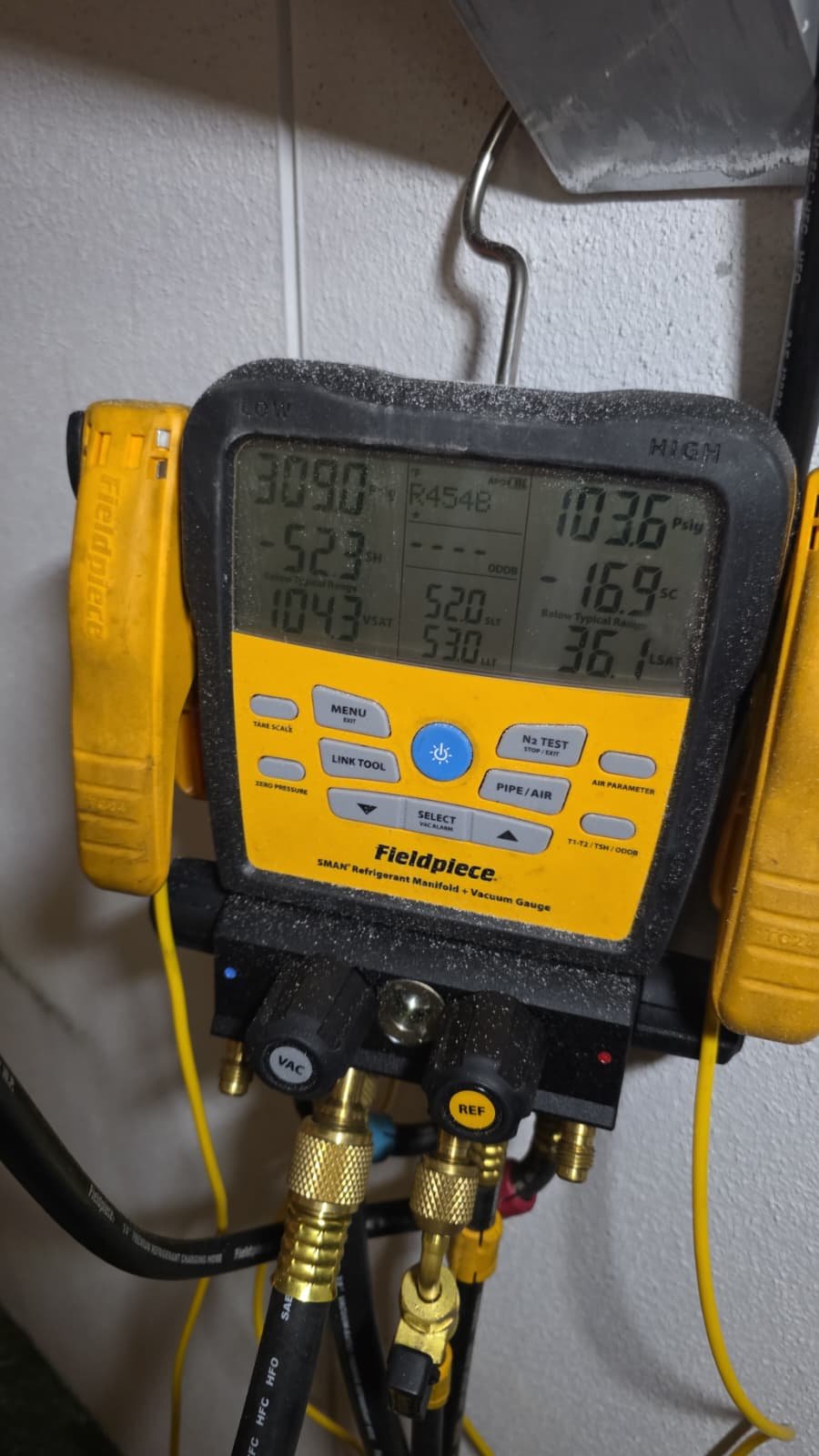
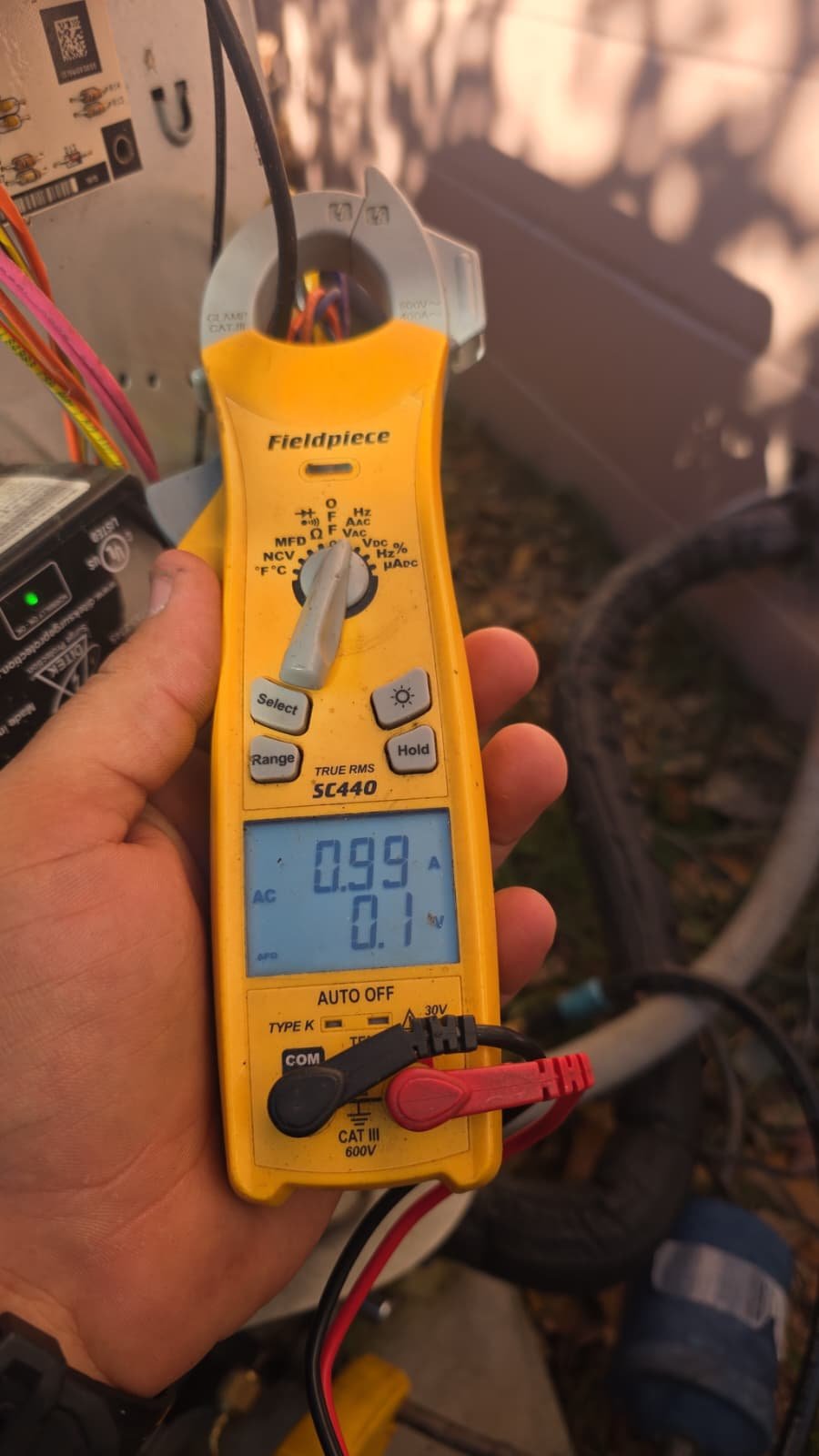
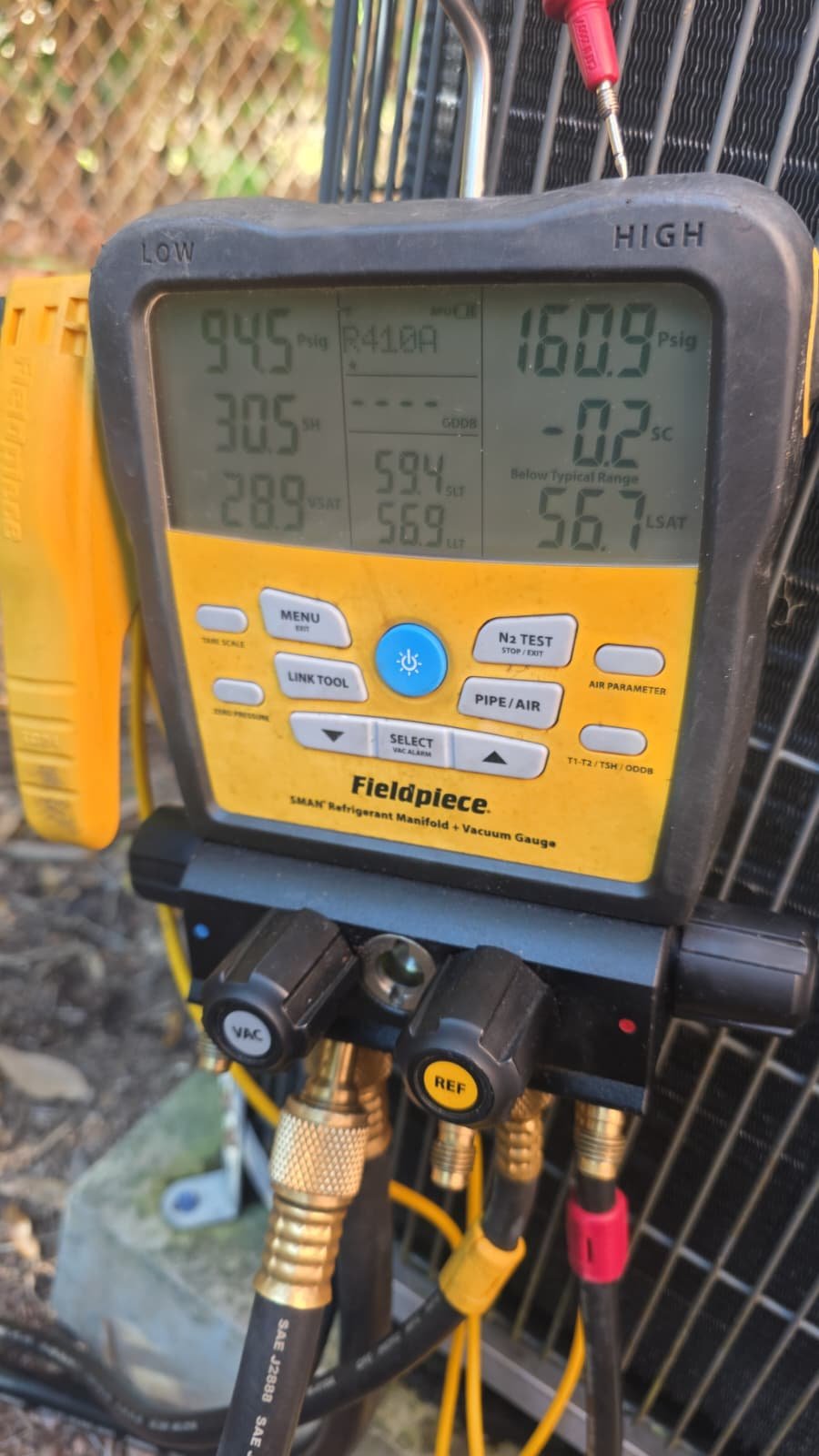
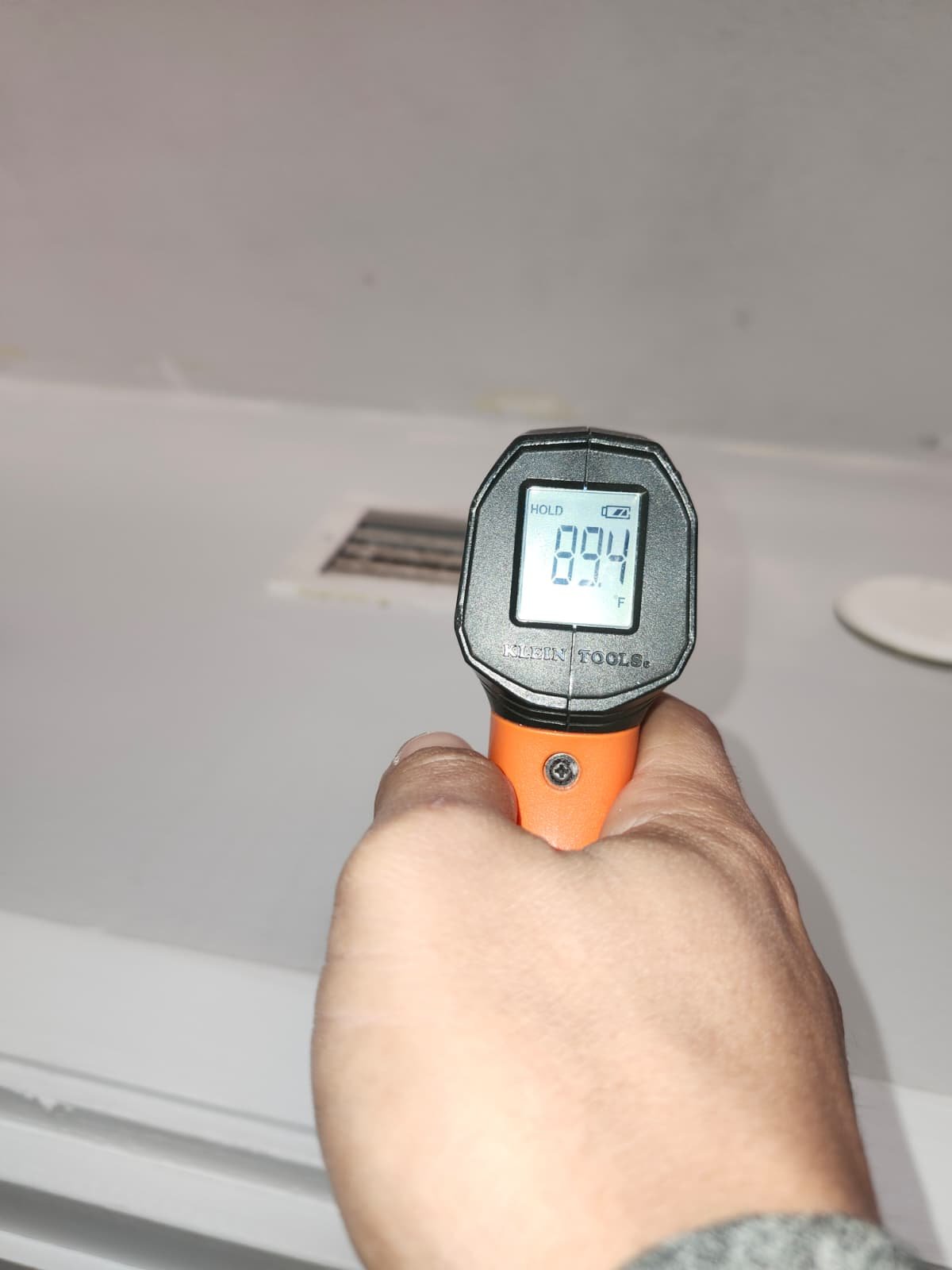
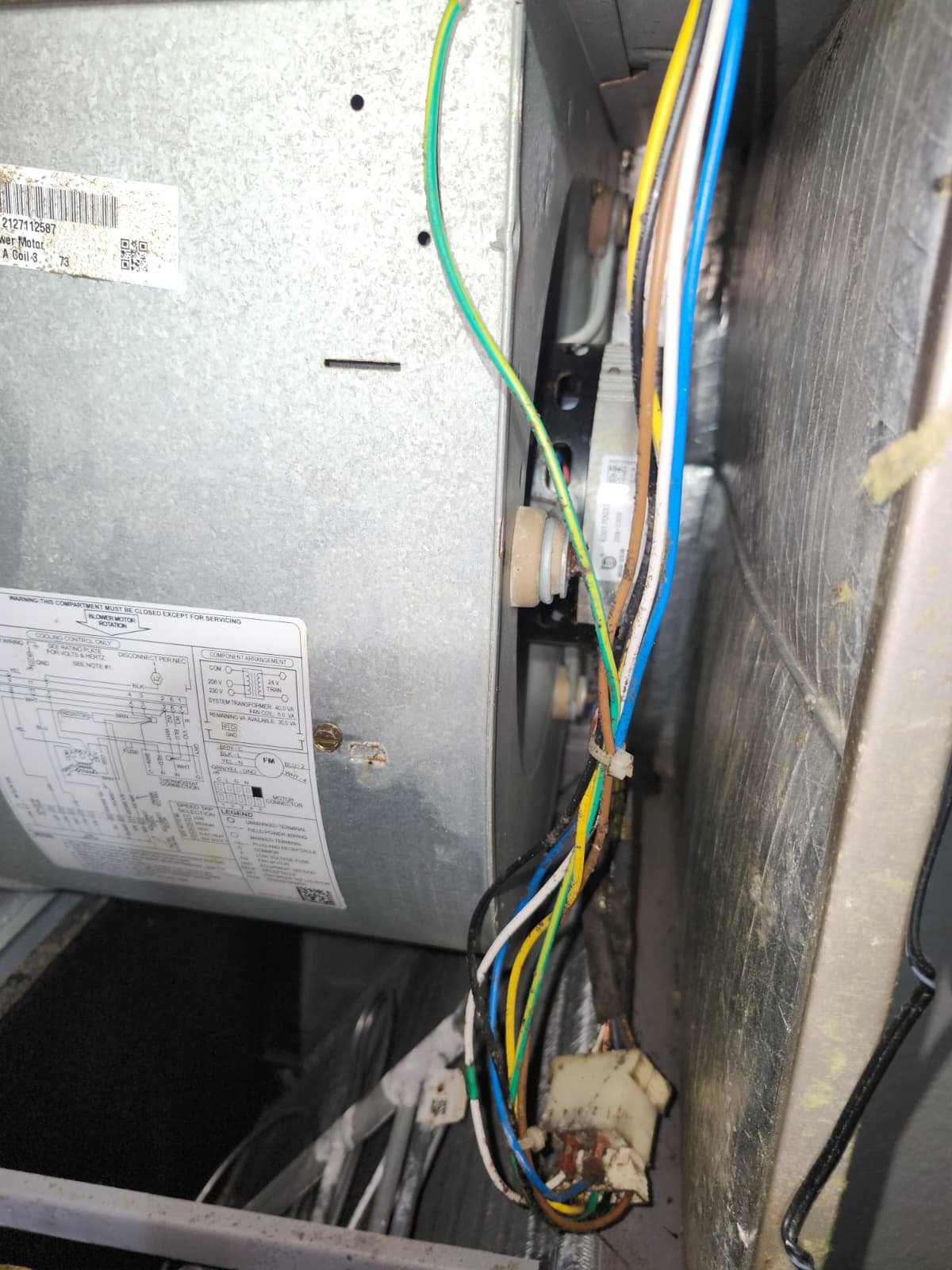
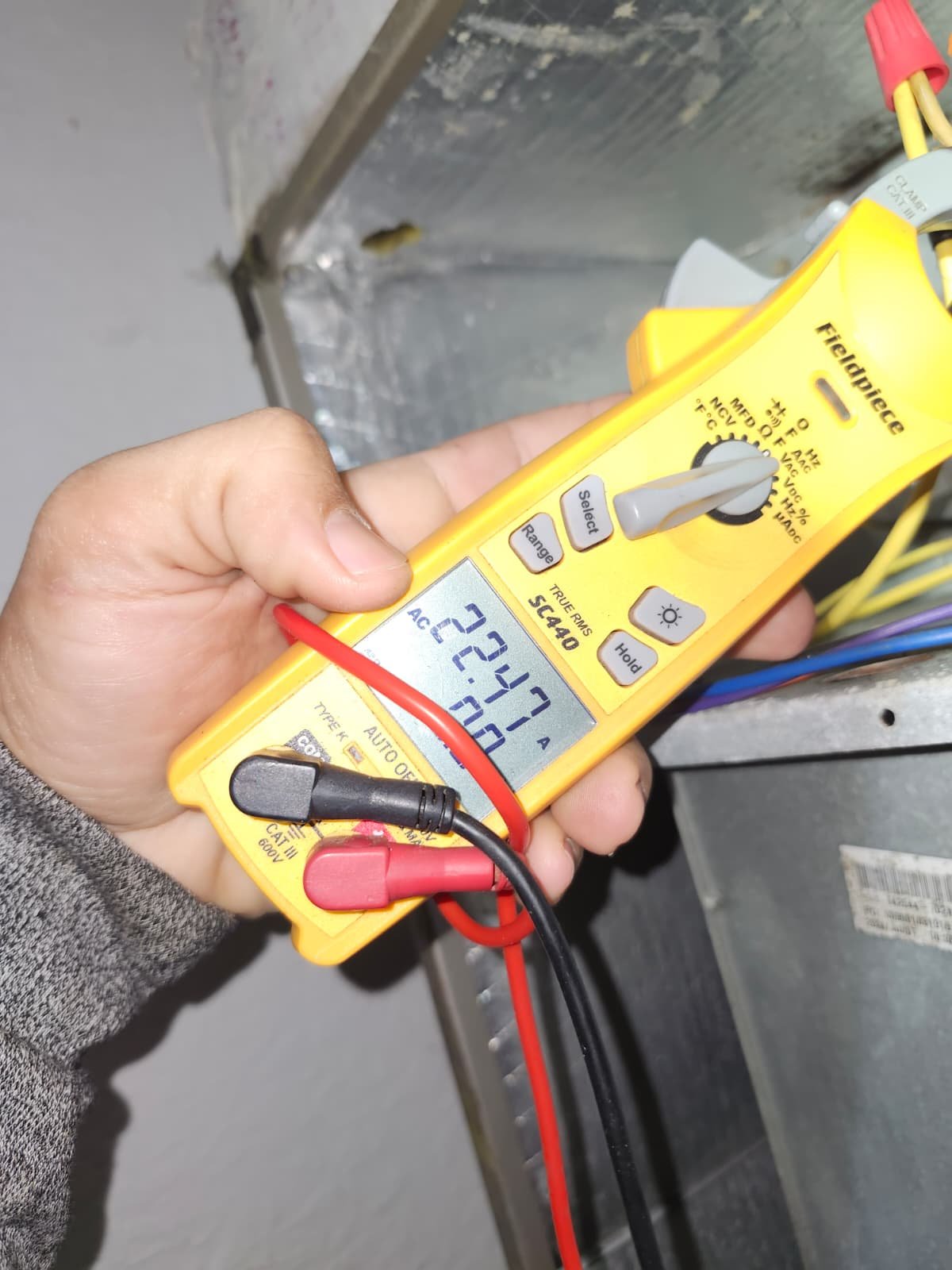
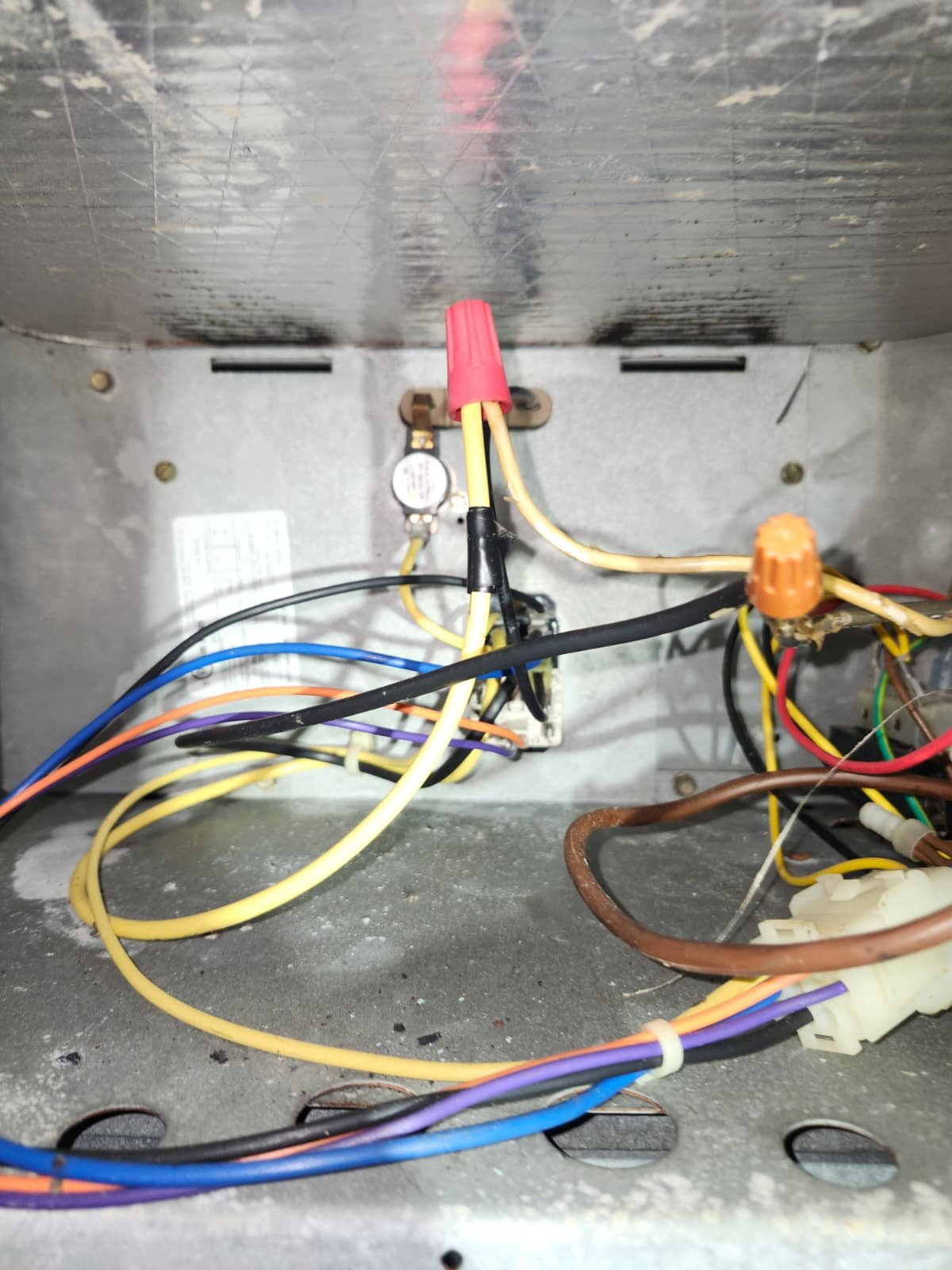
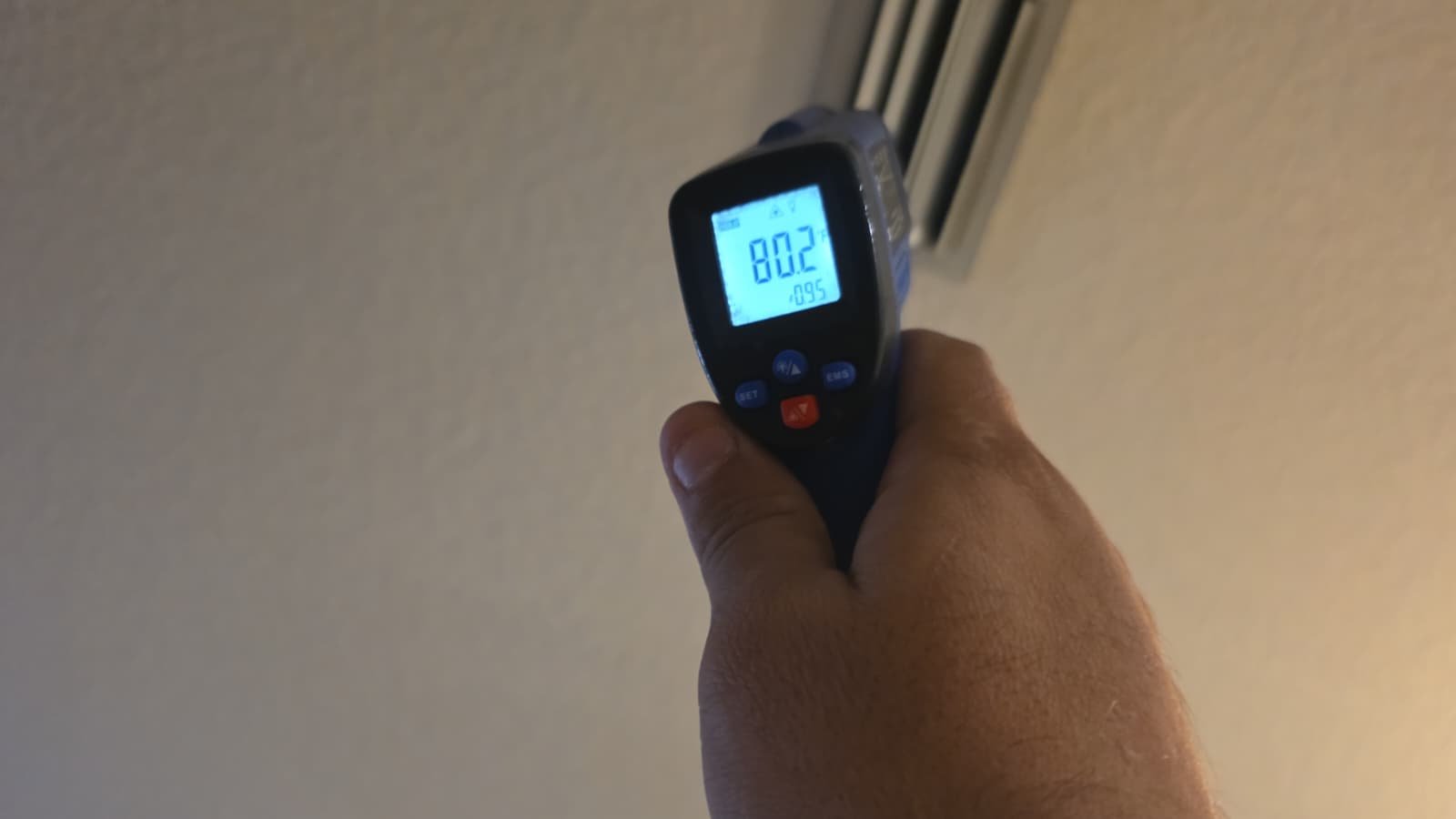
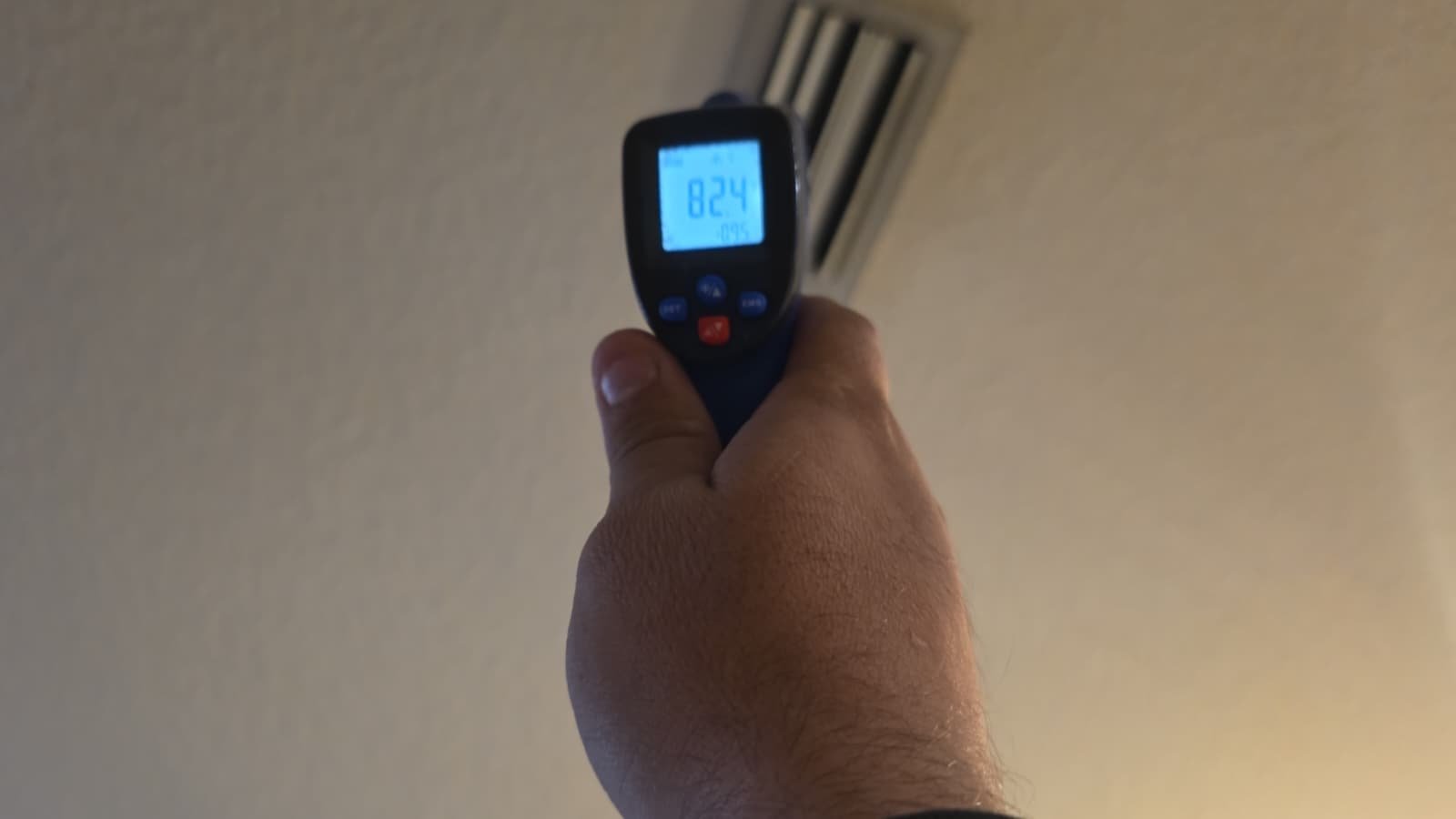
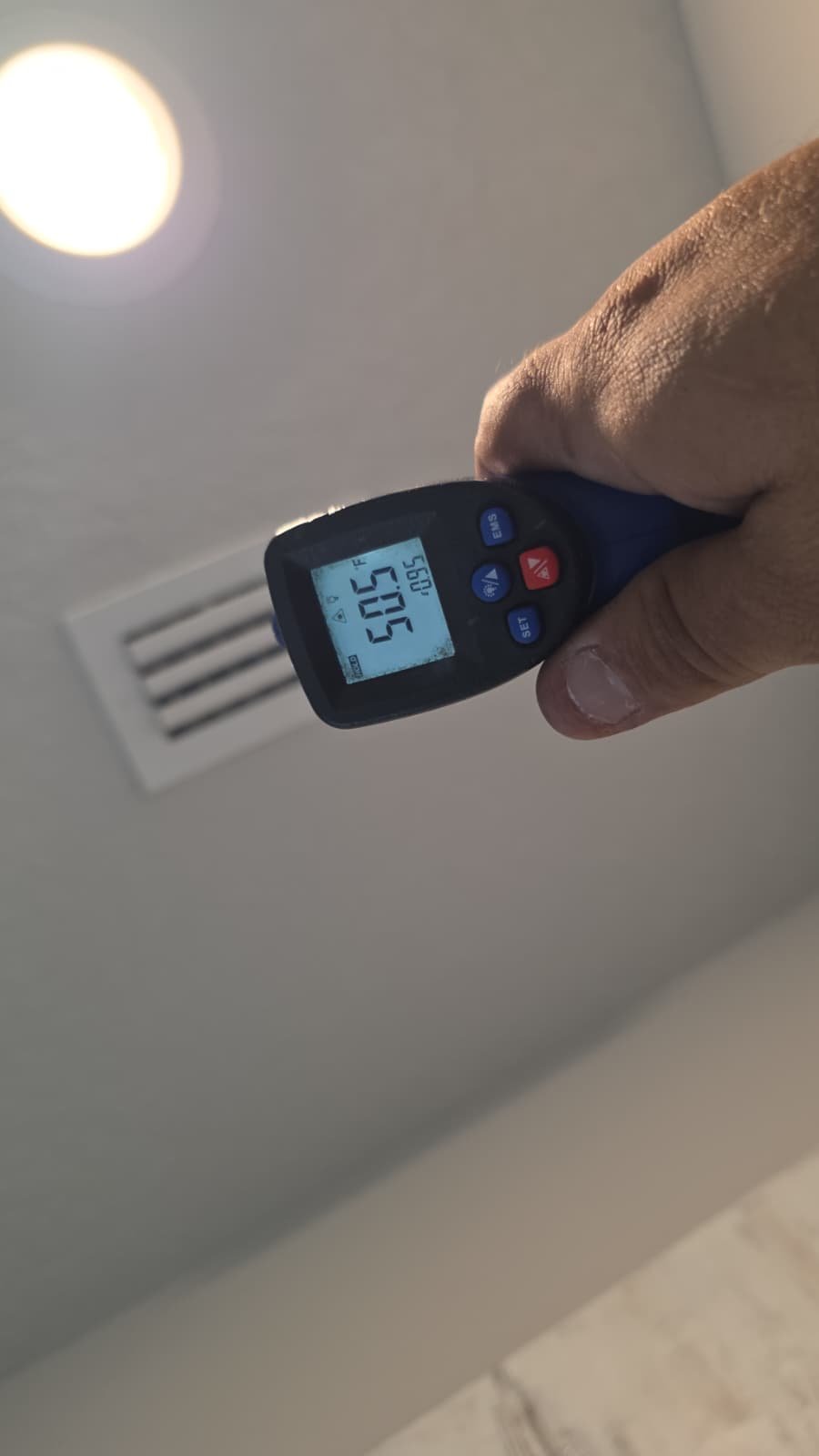
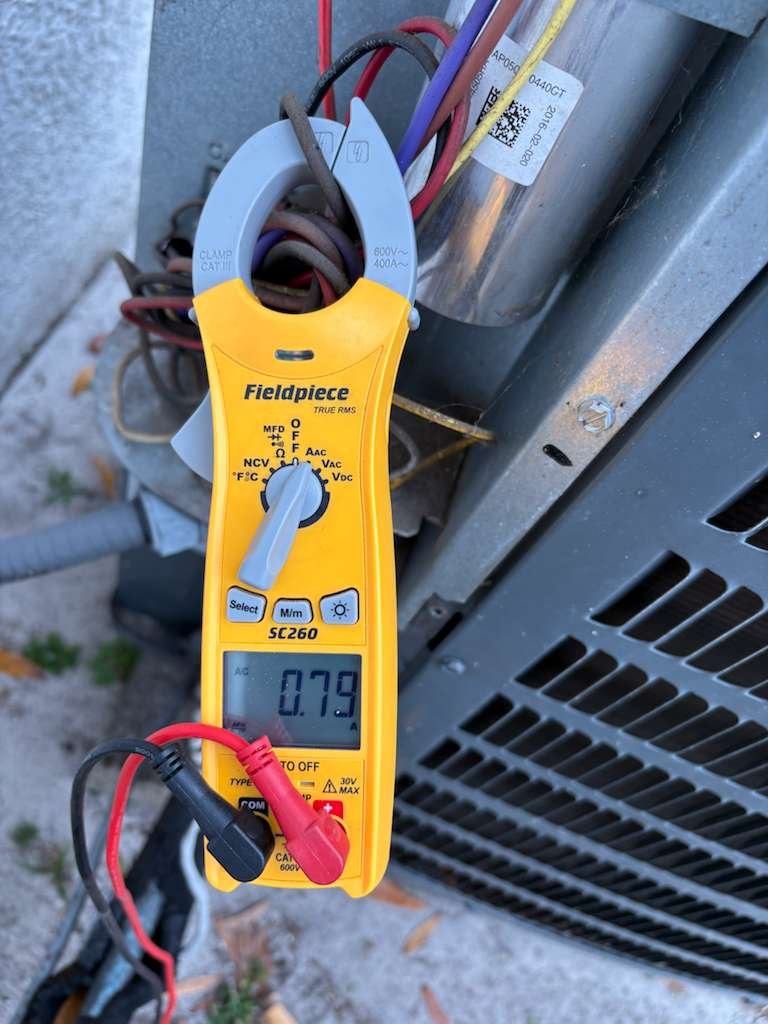
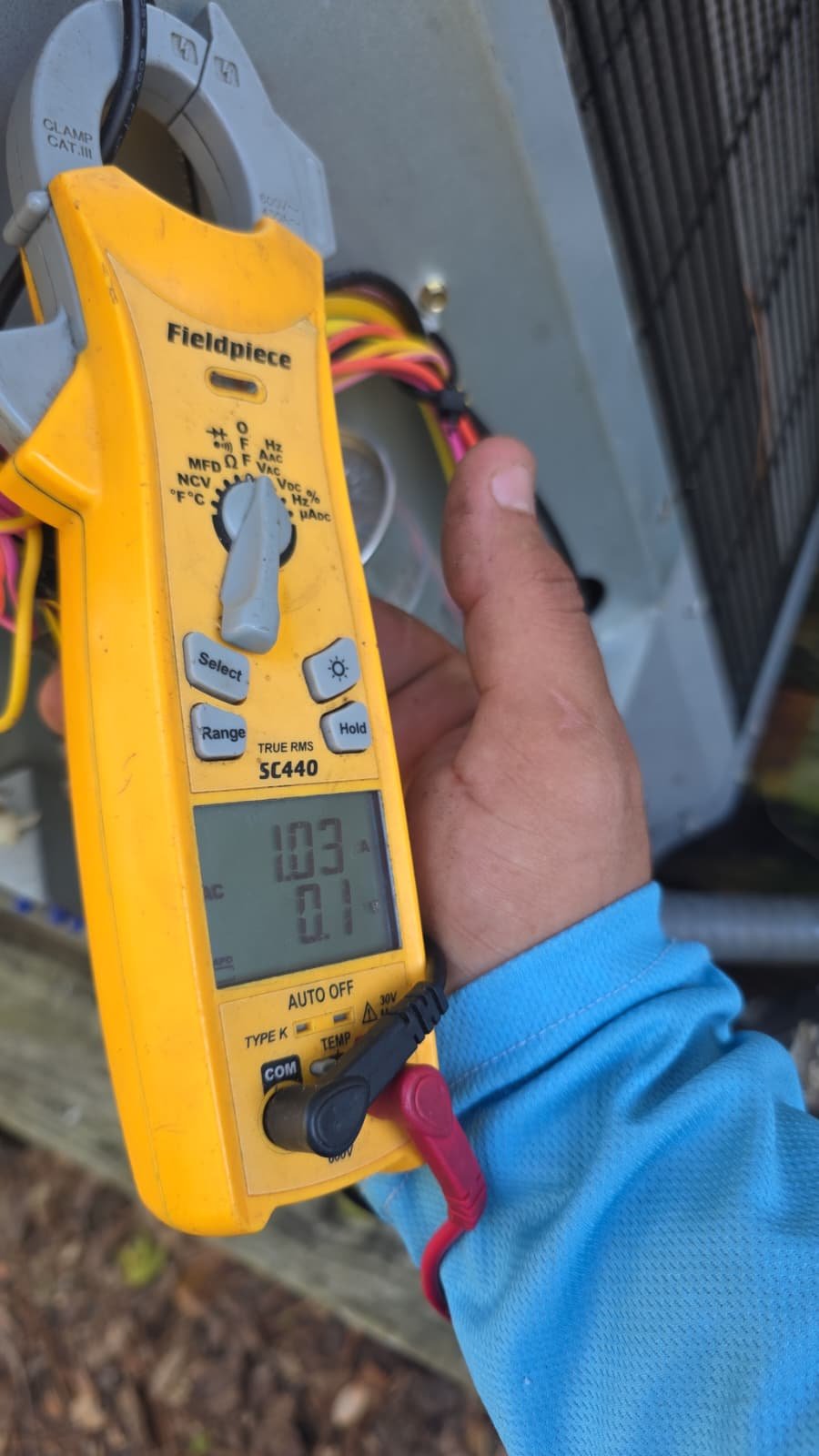
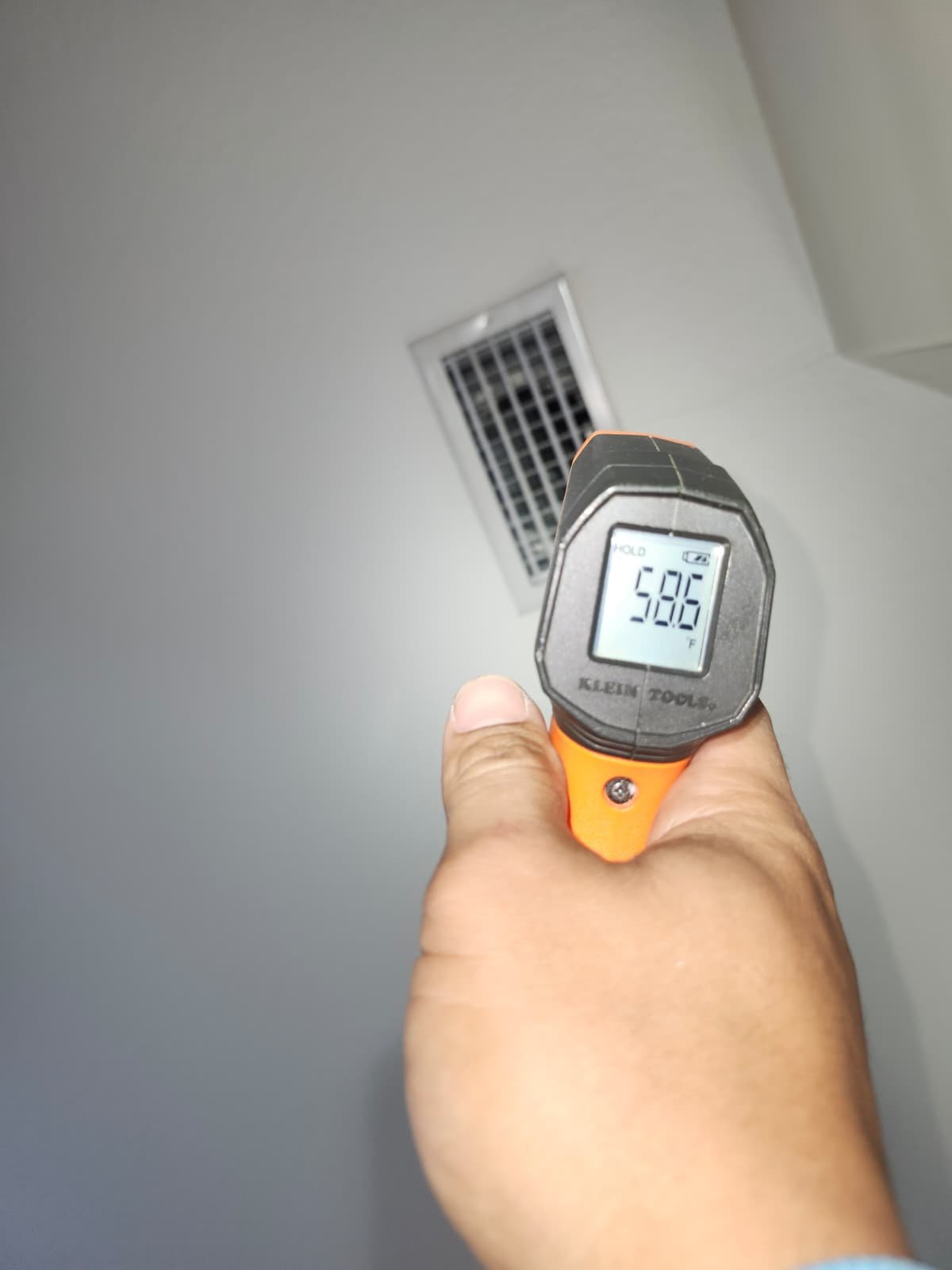
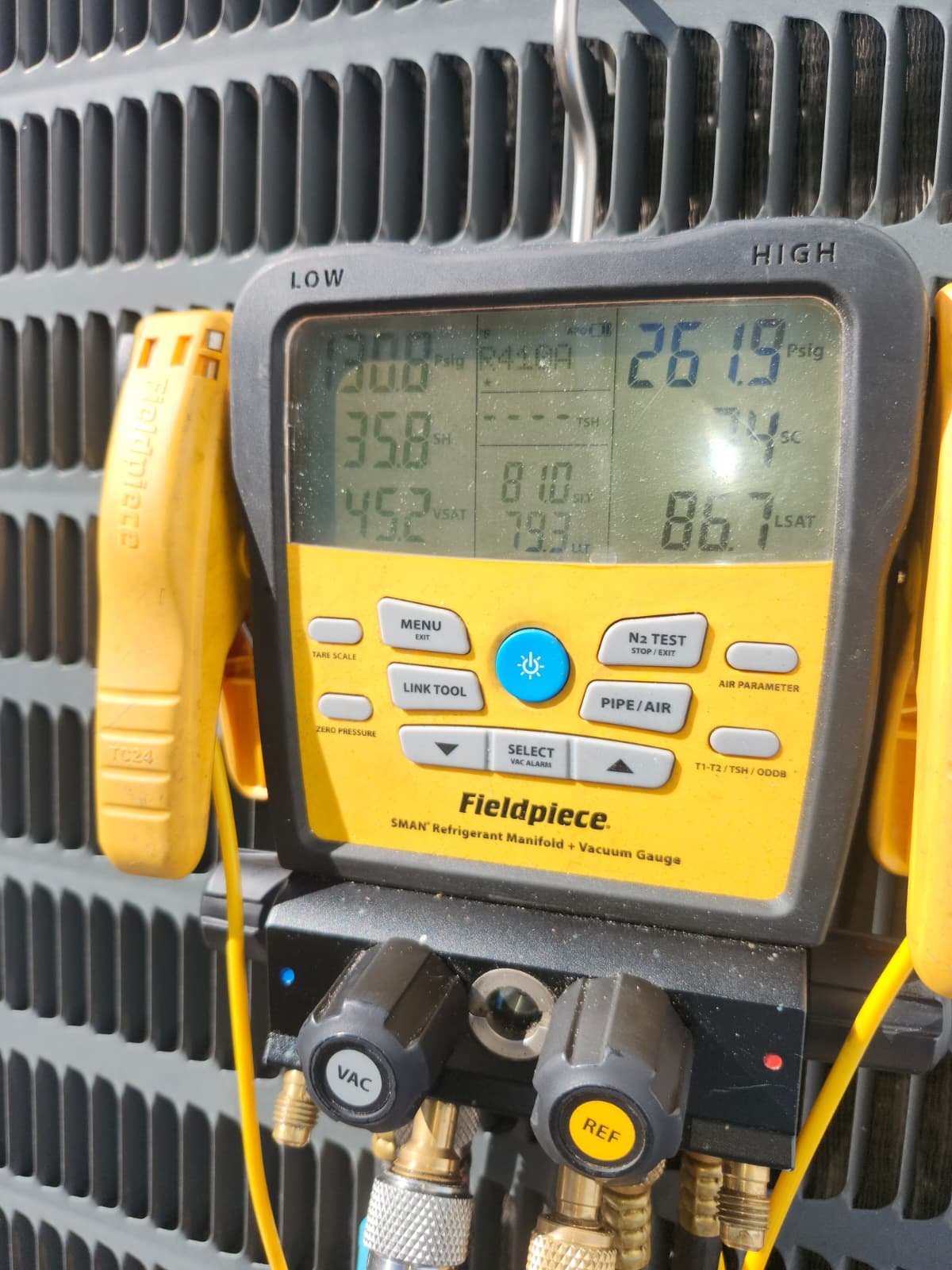
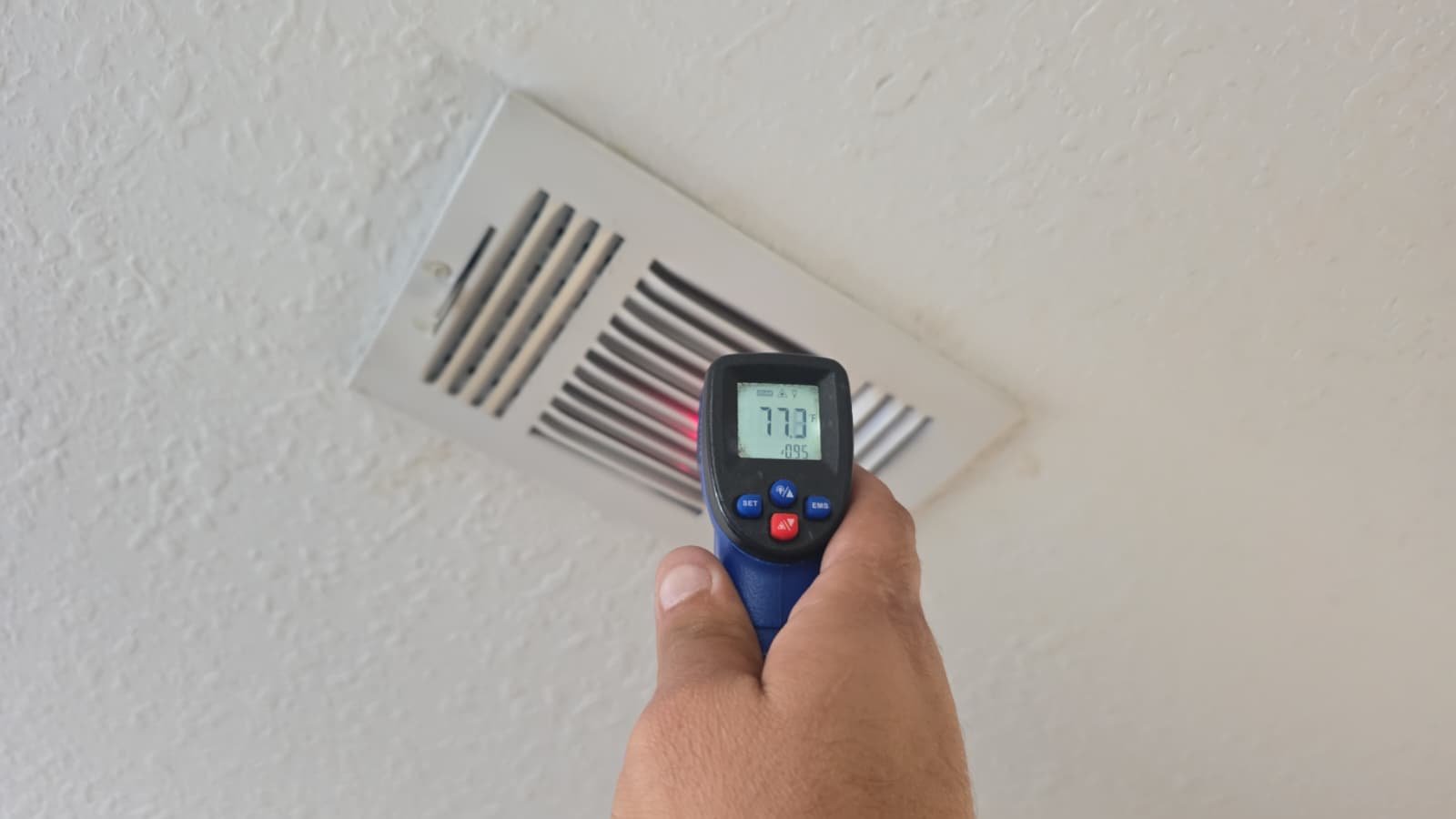
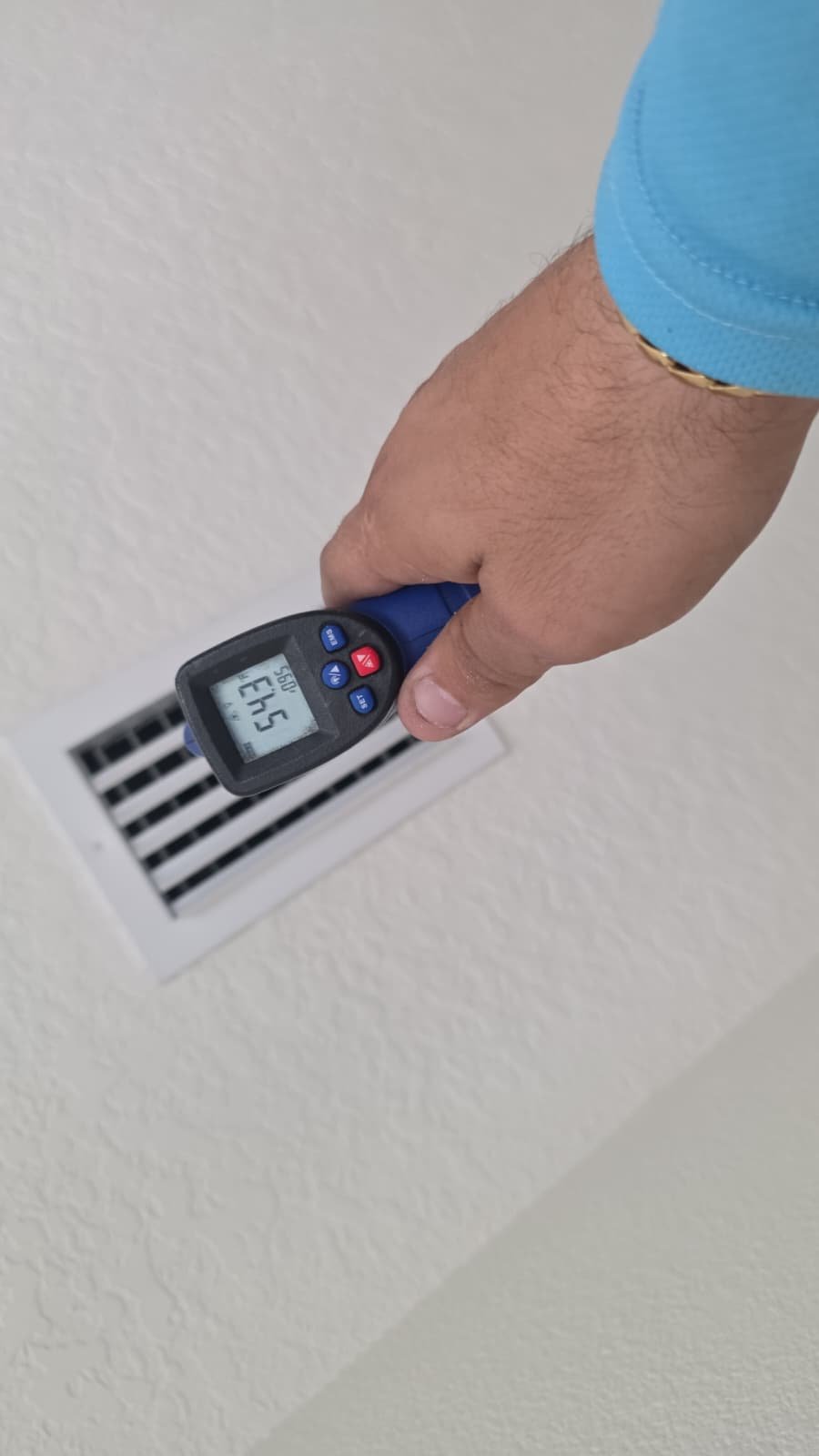
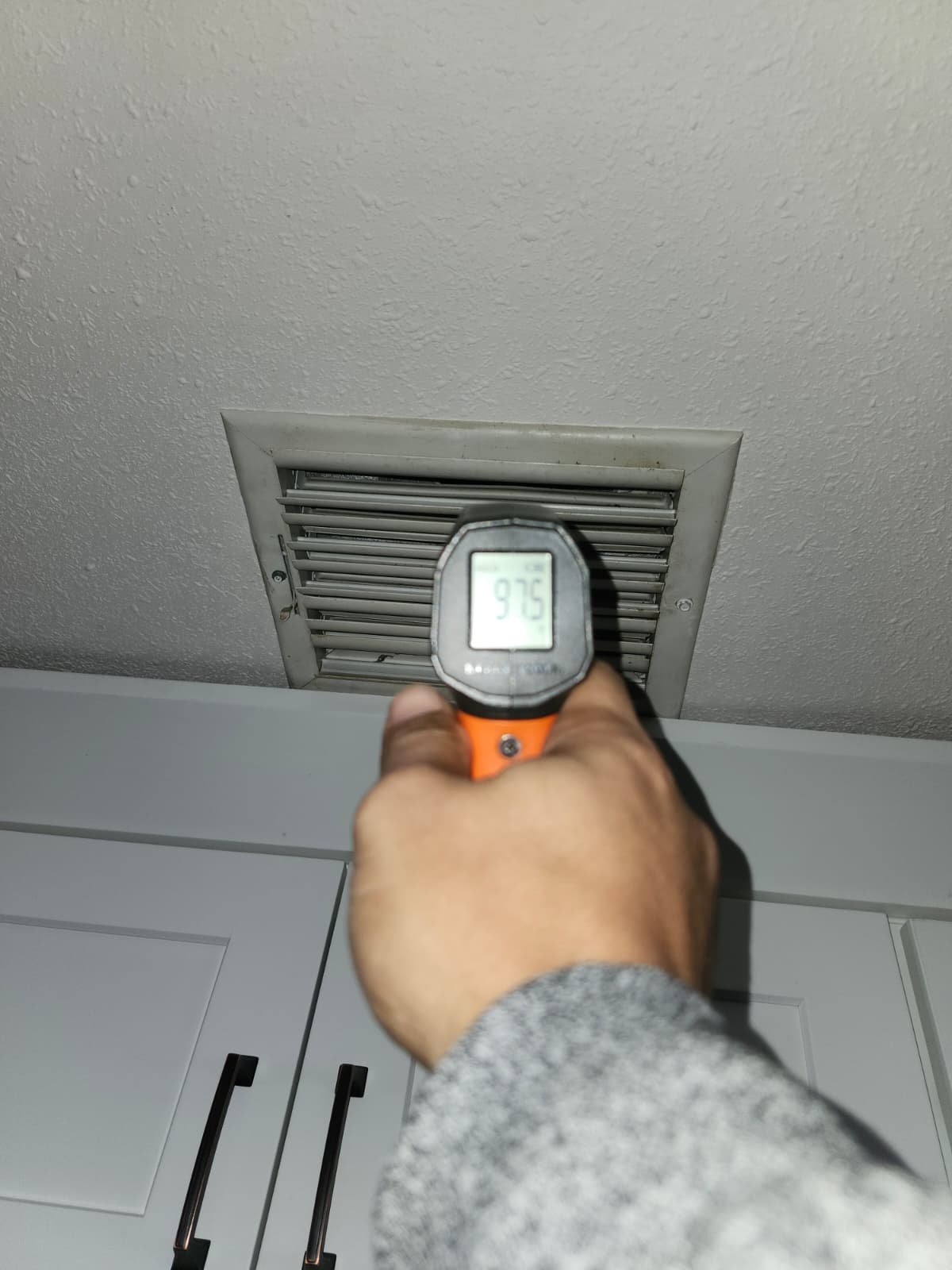
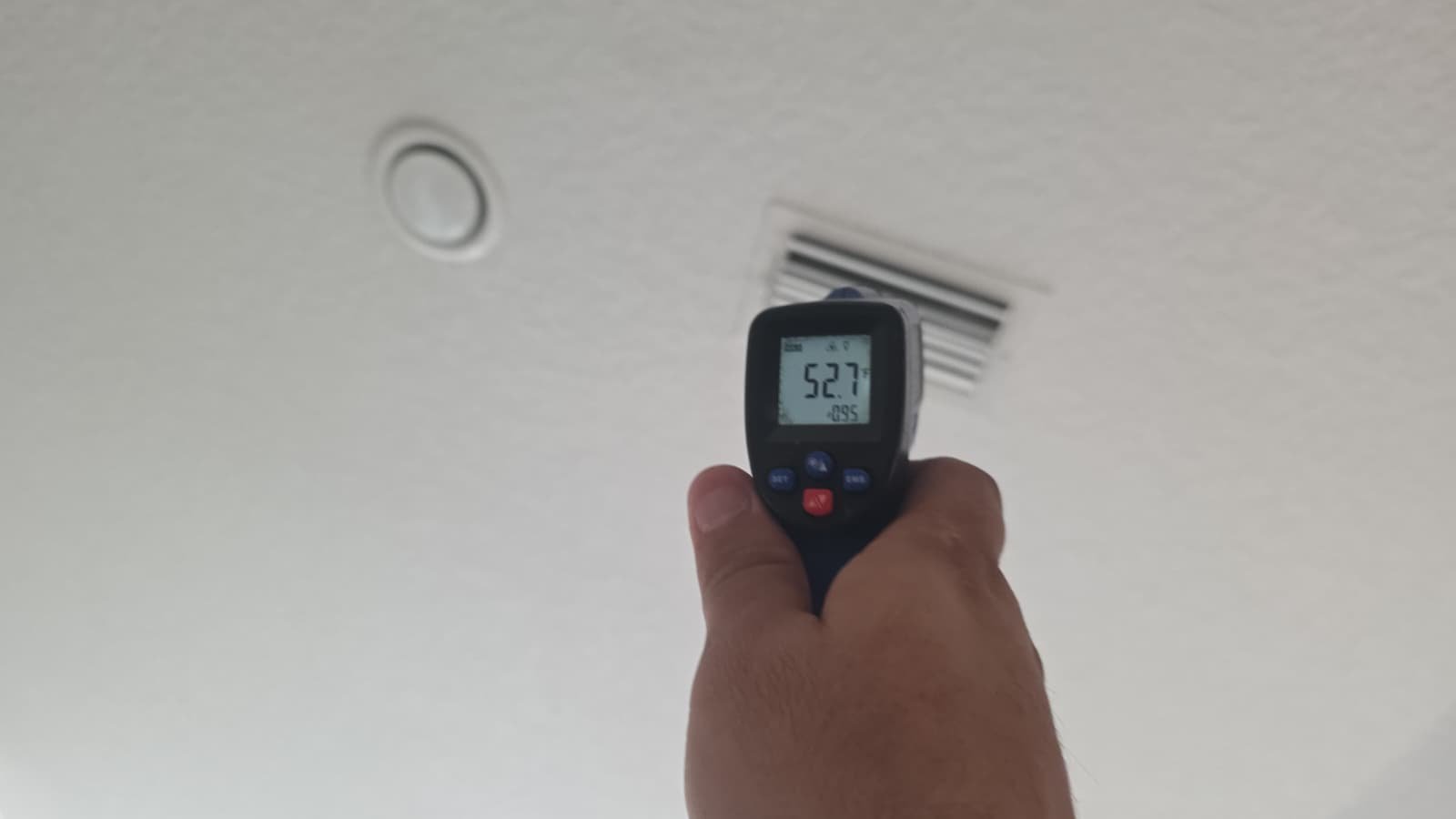
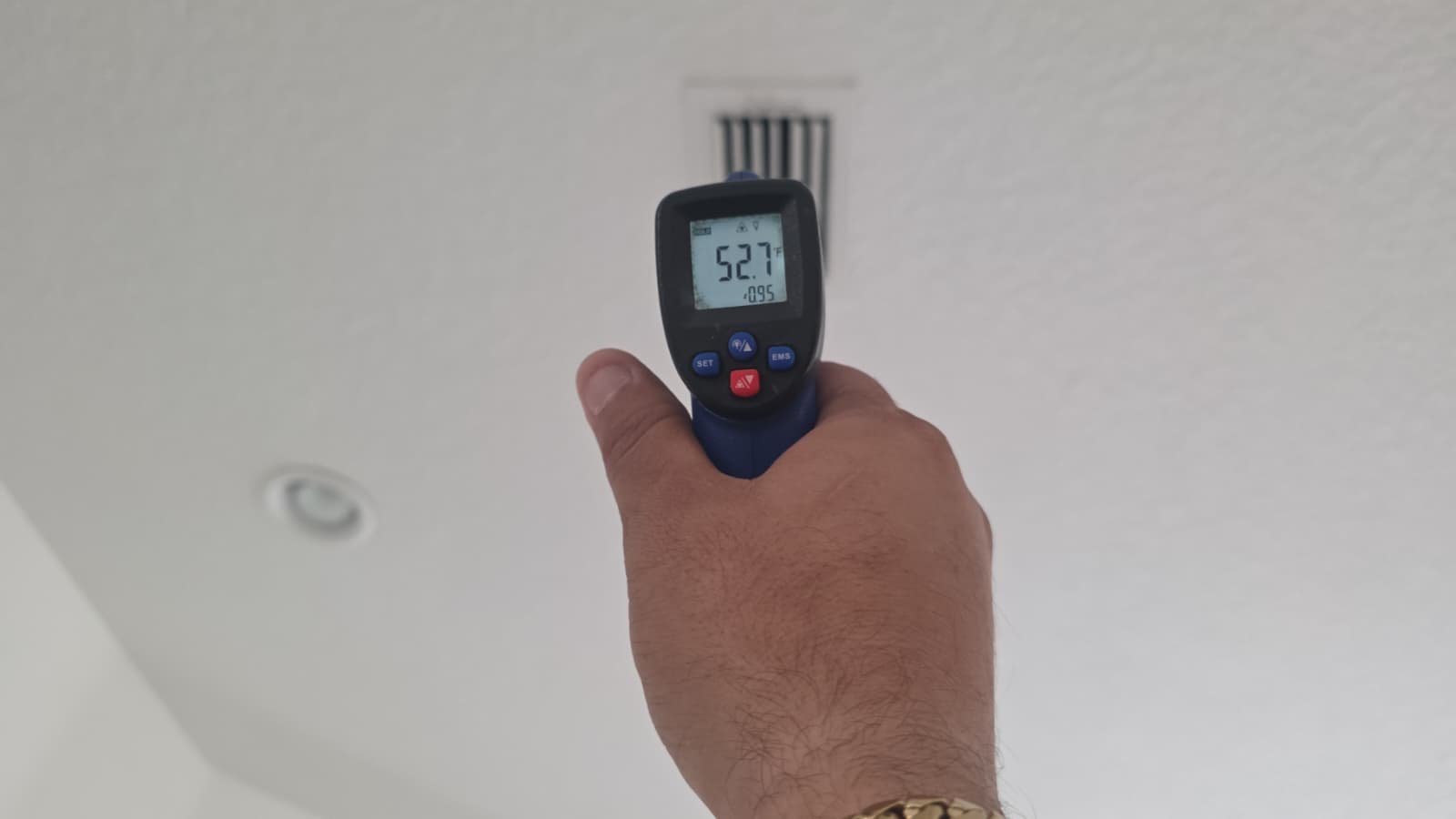
Once everything was installed and sealed, we started the system up and verified proper operation. We confirmed that the new Daikin heat pump was cycling correctly, that airflow was strong and balanced at the vents, and that the condensate system was draining as expected.

The homeowner’s new system is backed by Daikin manufacturer coverage and our own labor warranty:

  • Manufacturer parts warranty (up to 12 years on many residential systems, depending on model and registration).
  • Unit replacement coverage on select systems (typically up to 6 years, model dependent).
  • Home Therapist labor warranty starting from the installation date.

Routine maintenance items such as filters, drain cleaning, and coil cleanliness remain the homeowner’s responsibility, but our maintenance options make it easy to keep coverage and performance on track. For a deeper look at how we handle installs and follow-up, see our article on AC repairs, installs, and maintenance services.

Why This Fix Works

An air conditioning system is only as good as its design and installation. For homeowners in Valrico, FL 33596, this combination of a properly sized Daikin 5-ton heat pump and upgraded R6 ductwork improves comfort for a few key reasons:

  • Correct capacity with balanced airflow: The 5-ton system, paired with a thoughtfully designed duct layout, helps deliver consistent temperatures across the home, rather than hot and cold spots.
  • Improved efficiency: A 14.5 SEER2 system with R32 refrigerant and well-insulated R6 ductwork reduces wasted energy, especially when ducts are routed through hot attics.
  • Cleaner, healthier airflow: Fresh duct materials and a flushed refrigerant and drain line path support better indoor air quality and reduce the chance of debris from older duct interiors.
  • Moisture and leak protection: The secondary drain pan and float switch add a layer of protection against condensate overflows that can damage ceilings and walls.
  • Structural and weather resilience: A hurricane-rated pad and tie-down kit help keep the outdoor unit secure during storm season.

In short, we didn’t just swap a box. We matched the equipment, the ductwork, and the safety accessories to the home’s needs and our Florida climate, then tested it as a complete system.

If you’re comparing options for a similar project, you might also find our guide on ballpark estimates for AC installation and repair in Tampa Bay helpful when planning your budget.

Pro Tips for Homeowners in Valrico

Whether you’ve just installed a new system or are still living with an older one, a few simple habits can make a big difference in comfort and longevity for homes in Valrico, FL 33596 and the surrounding Tampa Bay area.

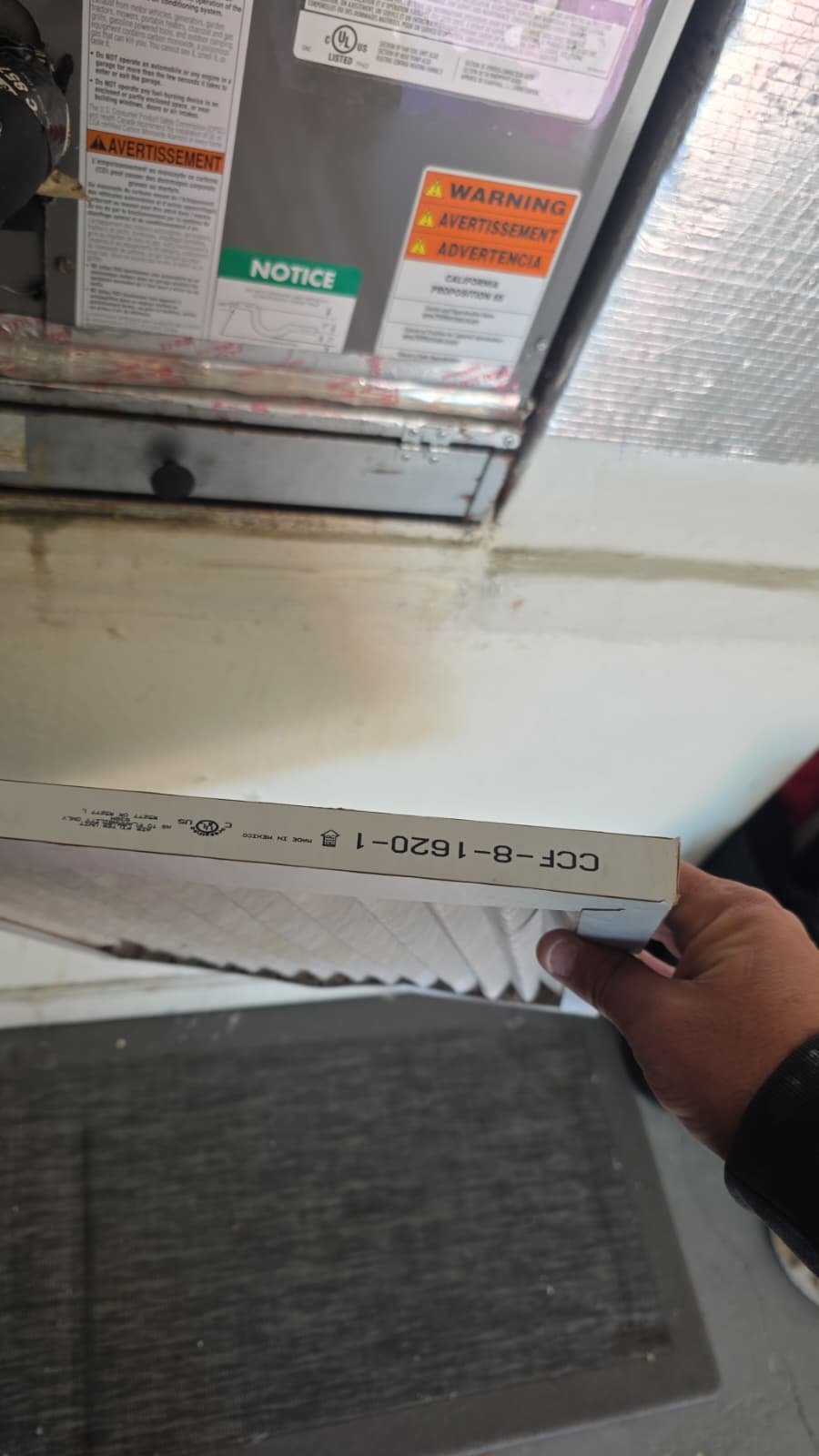
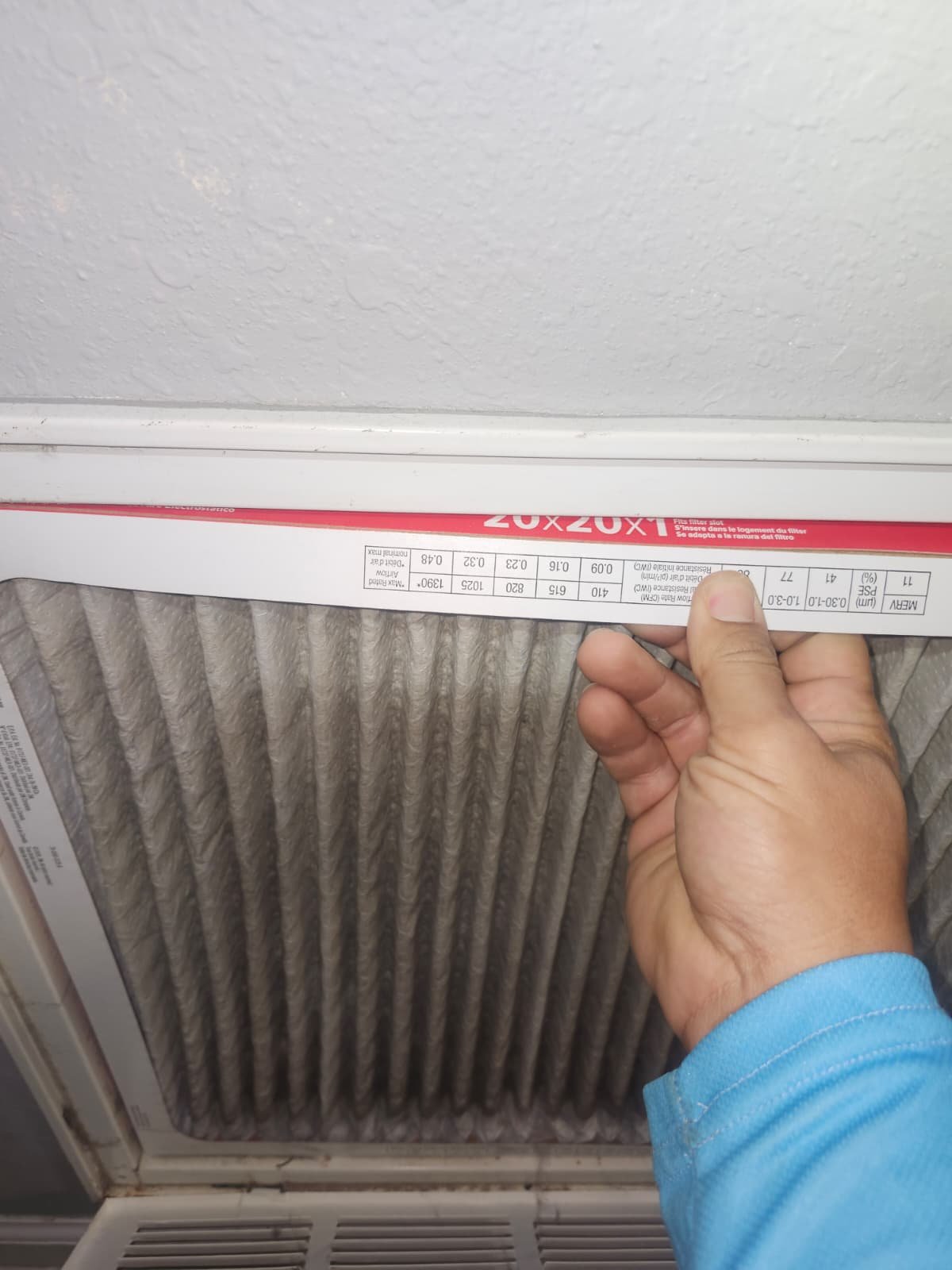
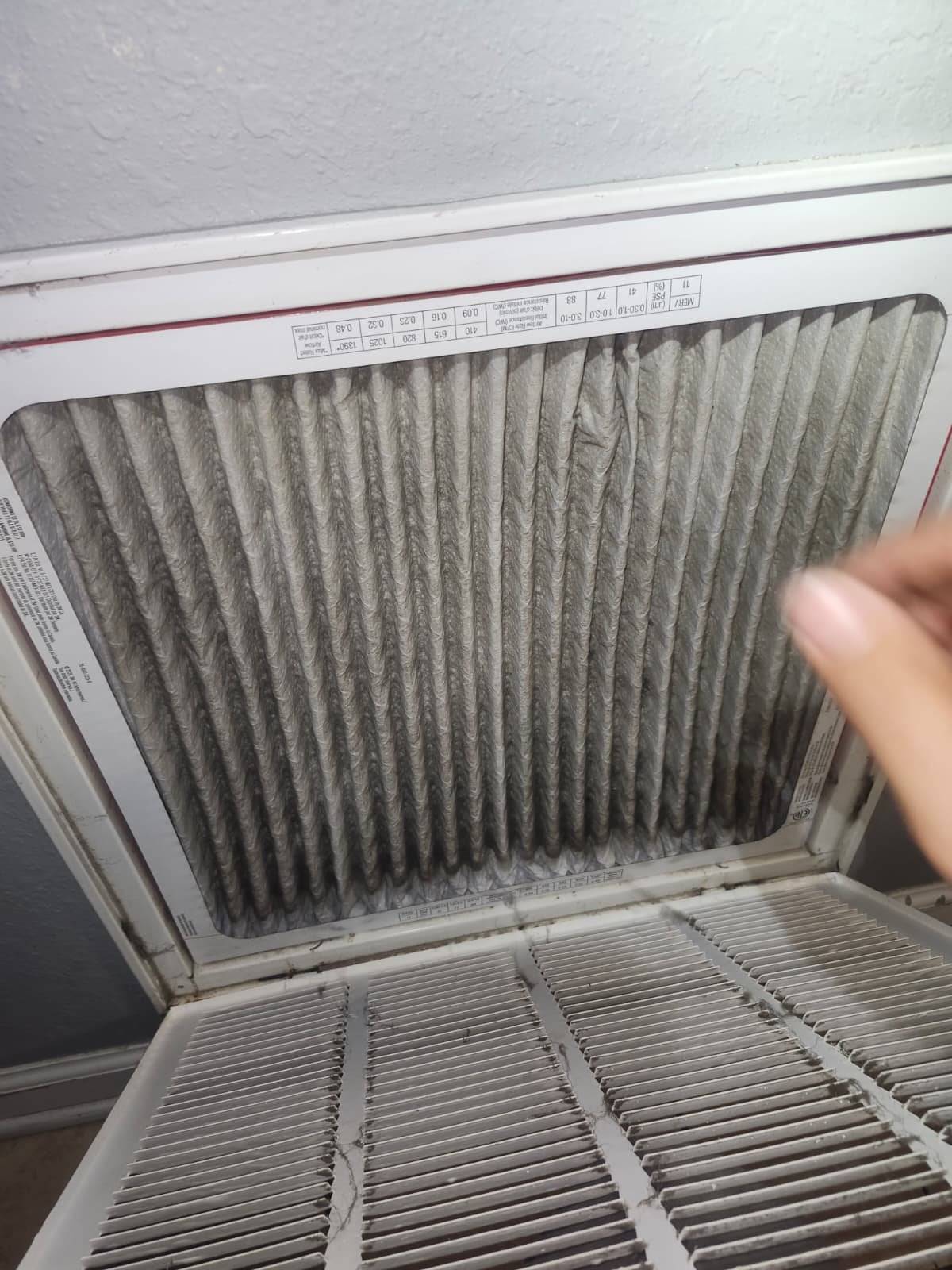
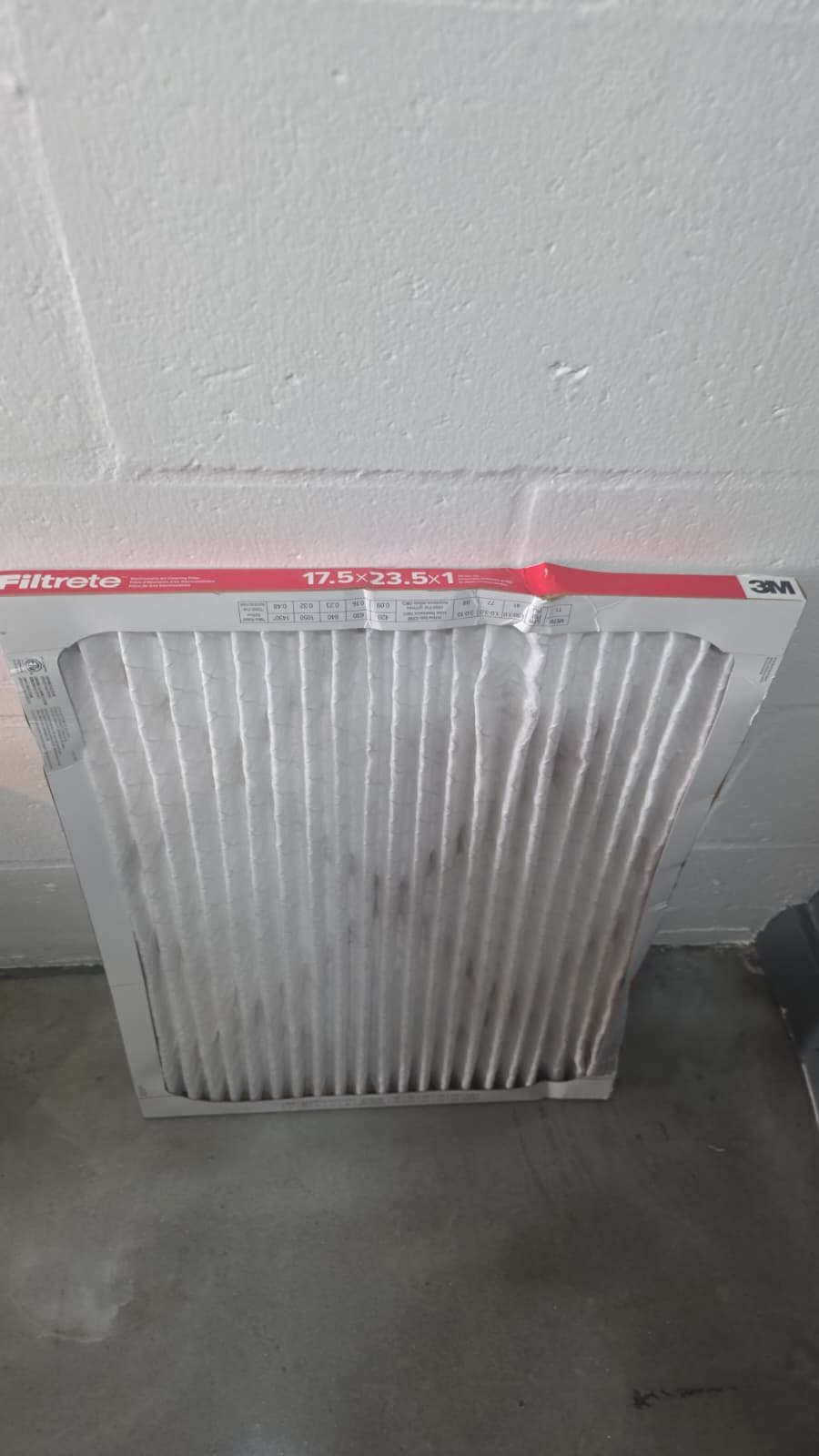
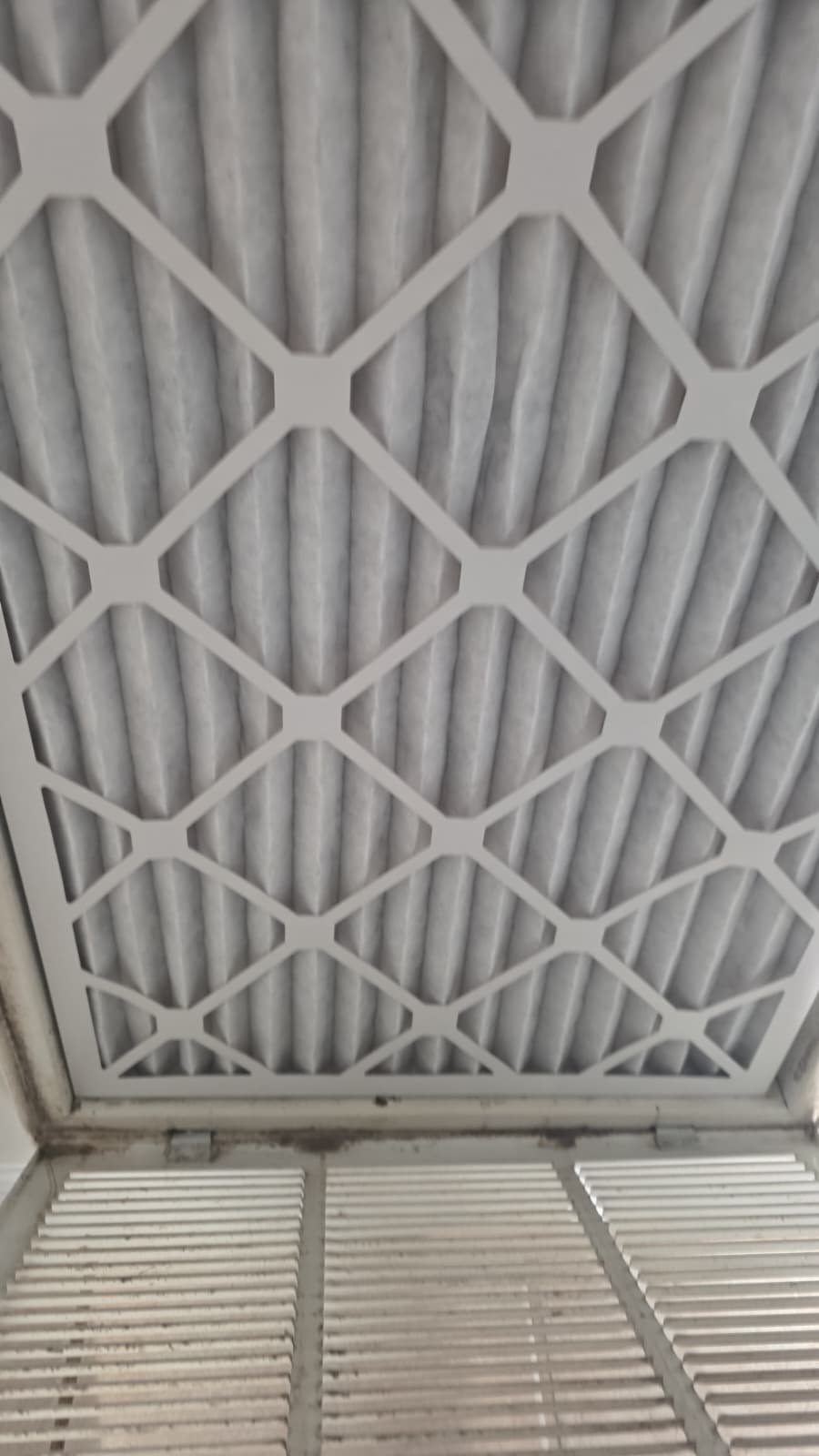
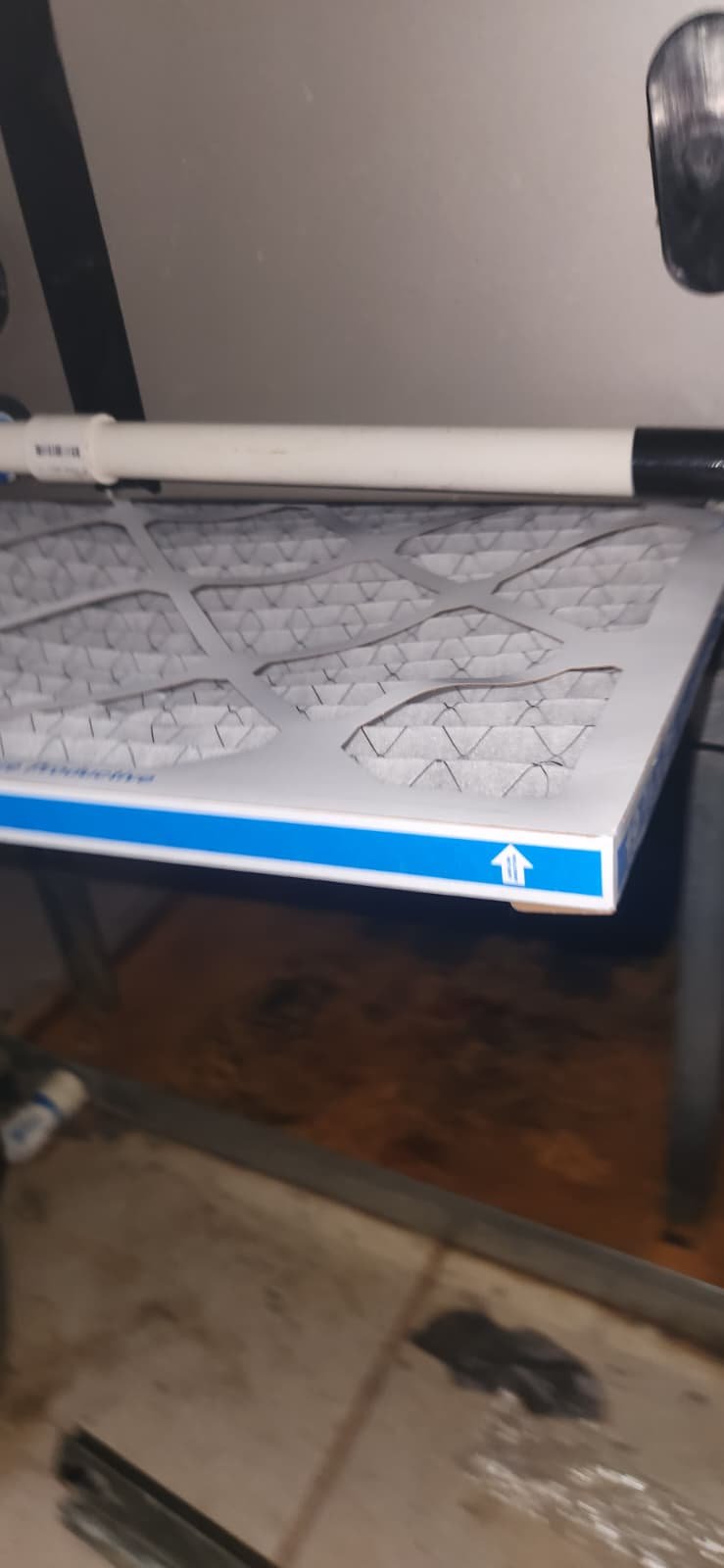
  • Change filters regularly in peak season. In our humid climate, a dirty filter will restrict airflow quickly. During summer, check your filter monthly and replace it as needed.
  • Keep supply and return vents unblocked. Avoid placing furniture, rugs, or large items directly over or in front of vents. Good airflow is critical for the system to work as designed.
  • Watch the drain line. If you see water around the air handler, hear the float switch shutting the system off, or notice musty odors, it may be time for a drain line cleaning.
  • Schedule routine maintenance before the heat hits. A yearly tune-up helps catch small issues early and keeps coils, electrical components, and refrigerant circuits in good shape before heavy use.
  • Use your programmable thermostat wisely. In our climate, big temperature setbacks can actually make your system work harder. Moderate set-backs and steady temperatures often work best.
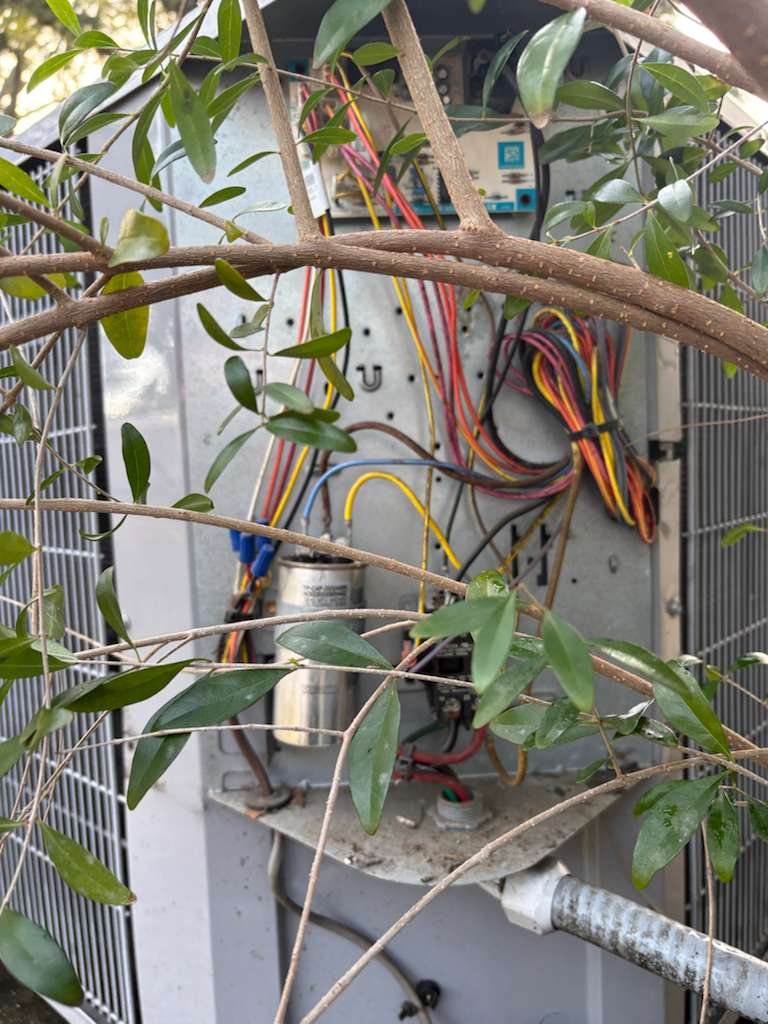
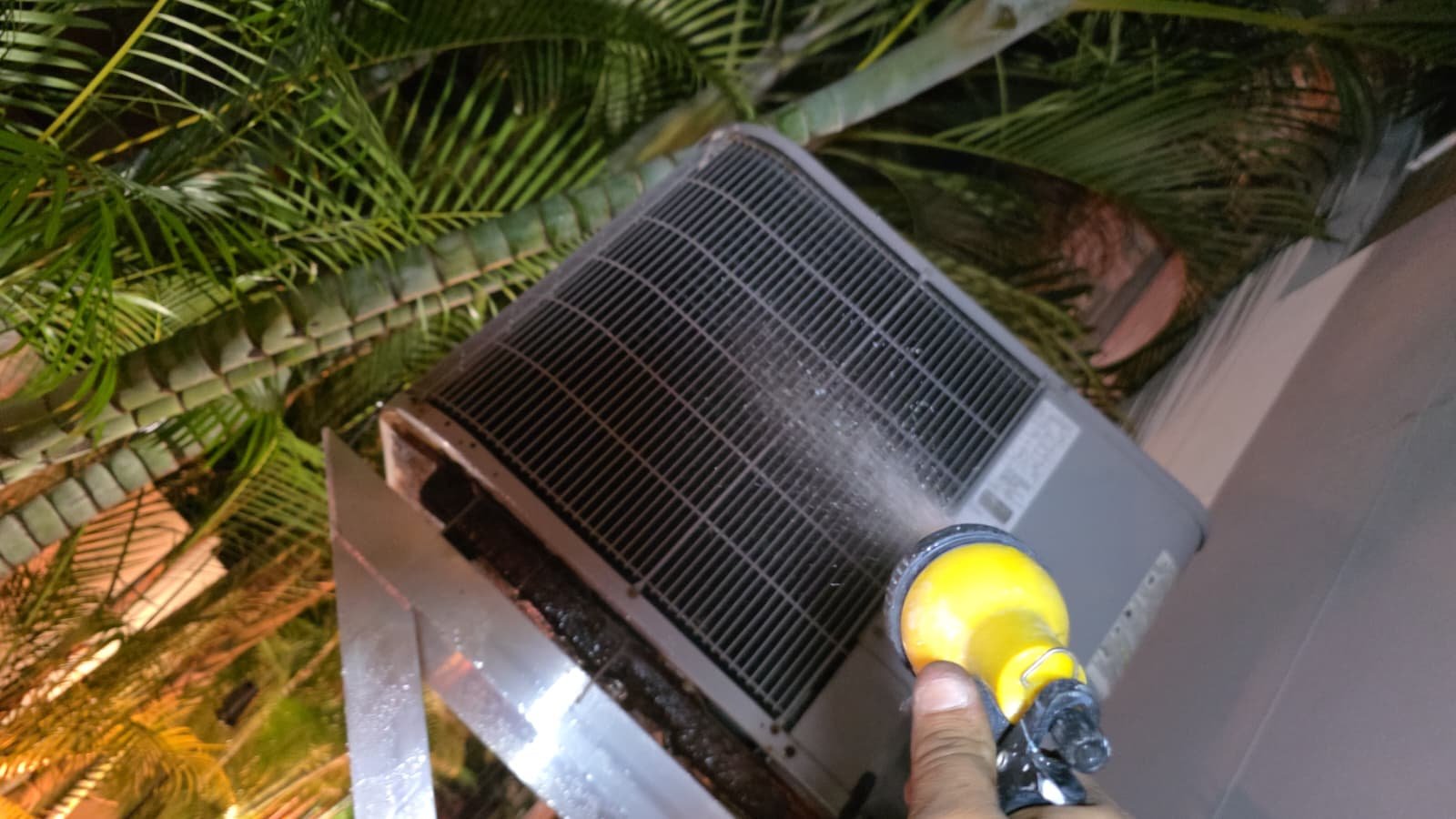
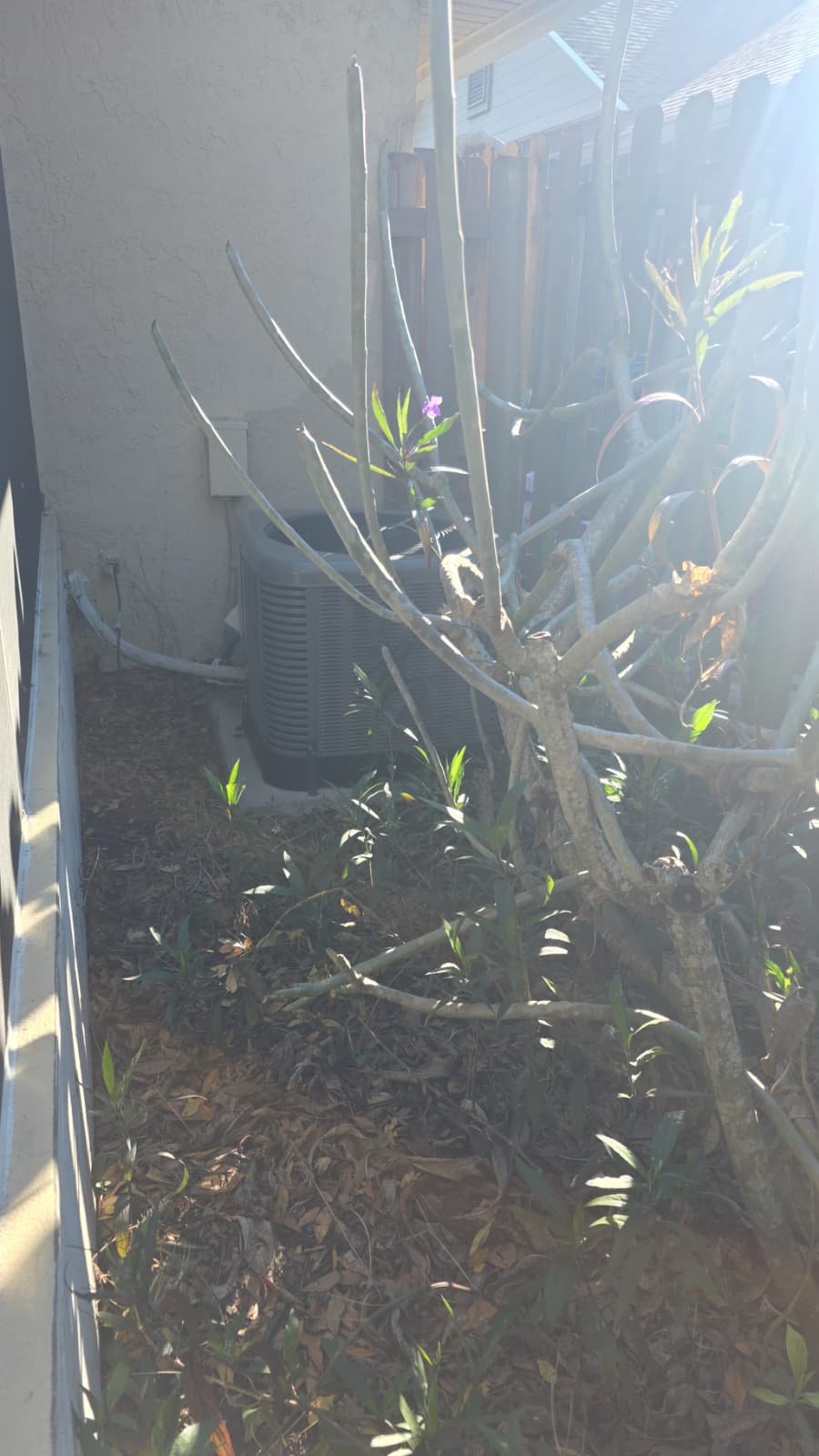
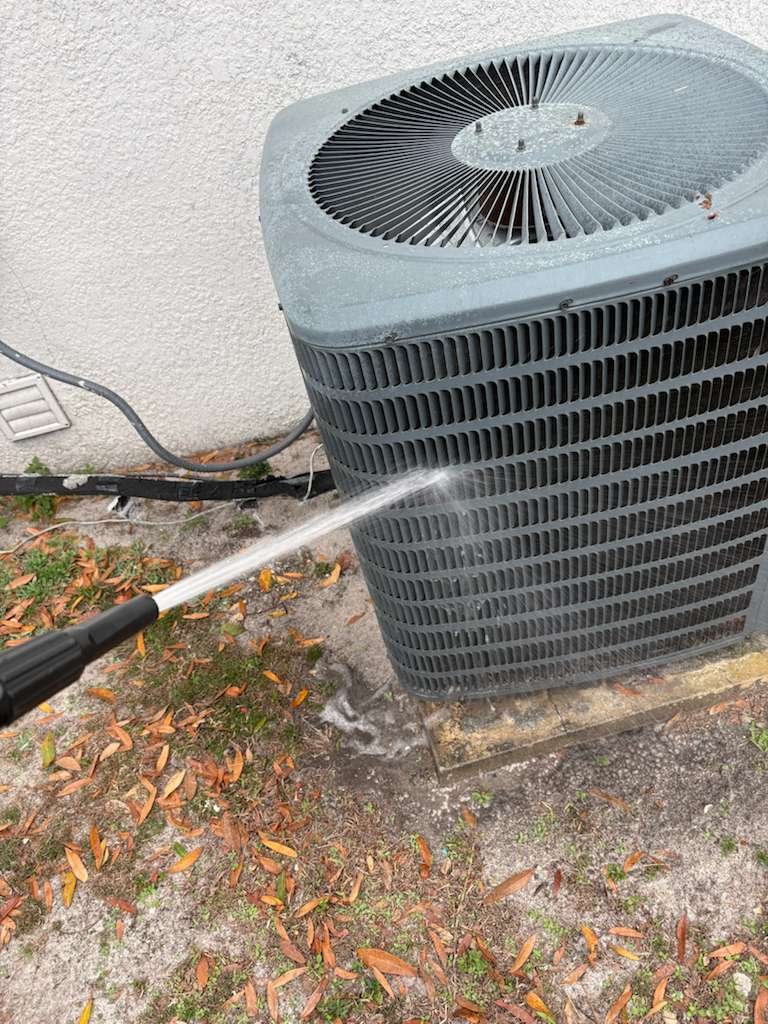
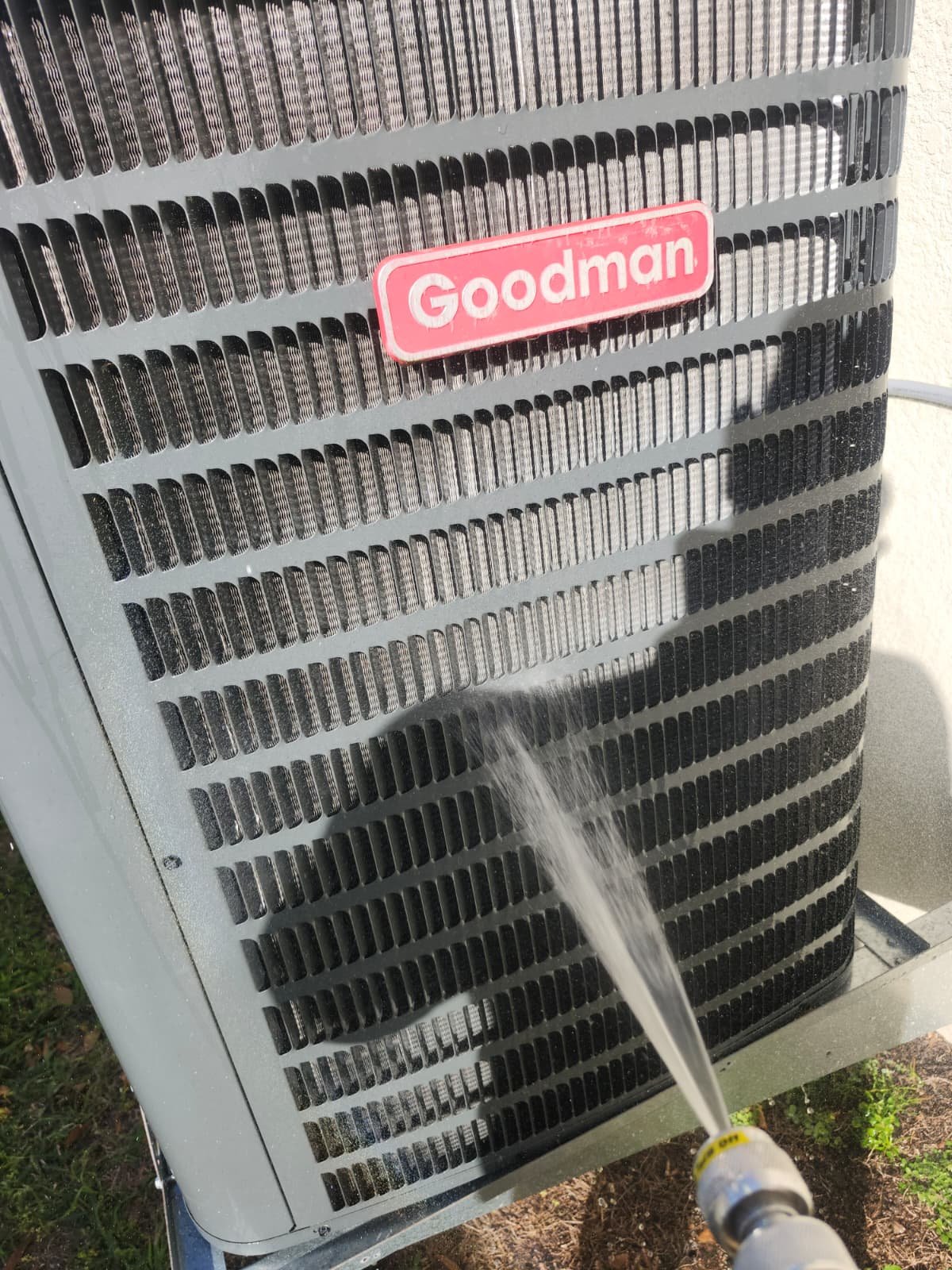
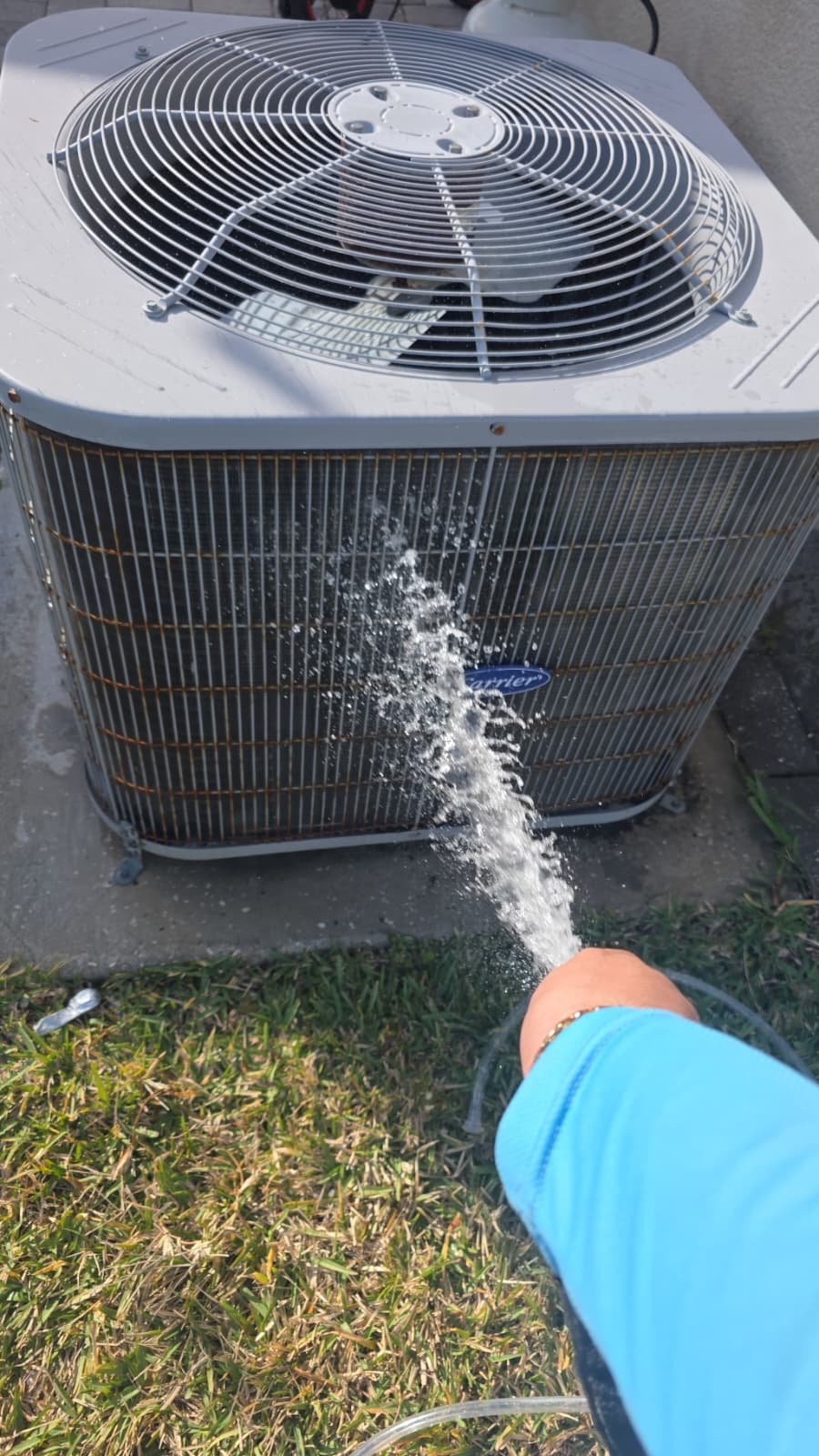
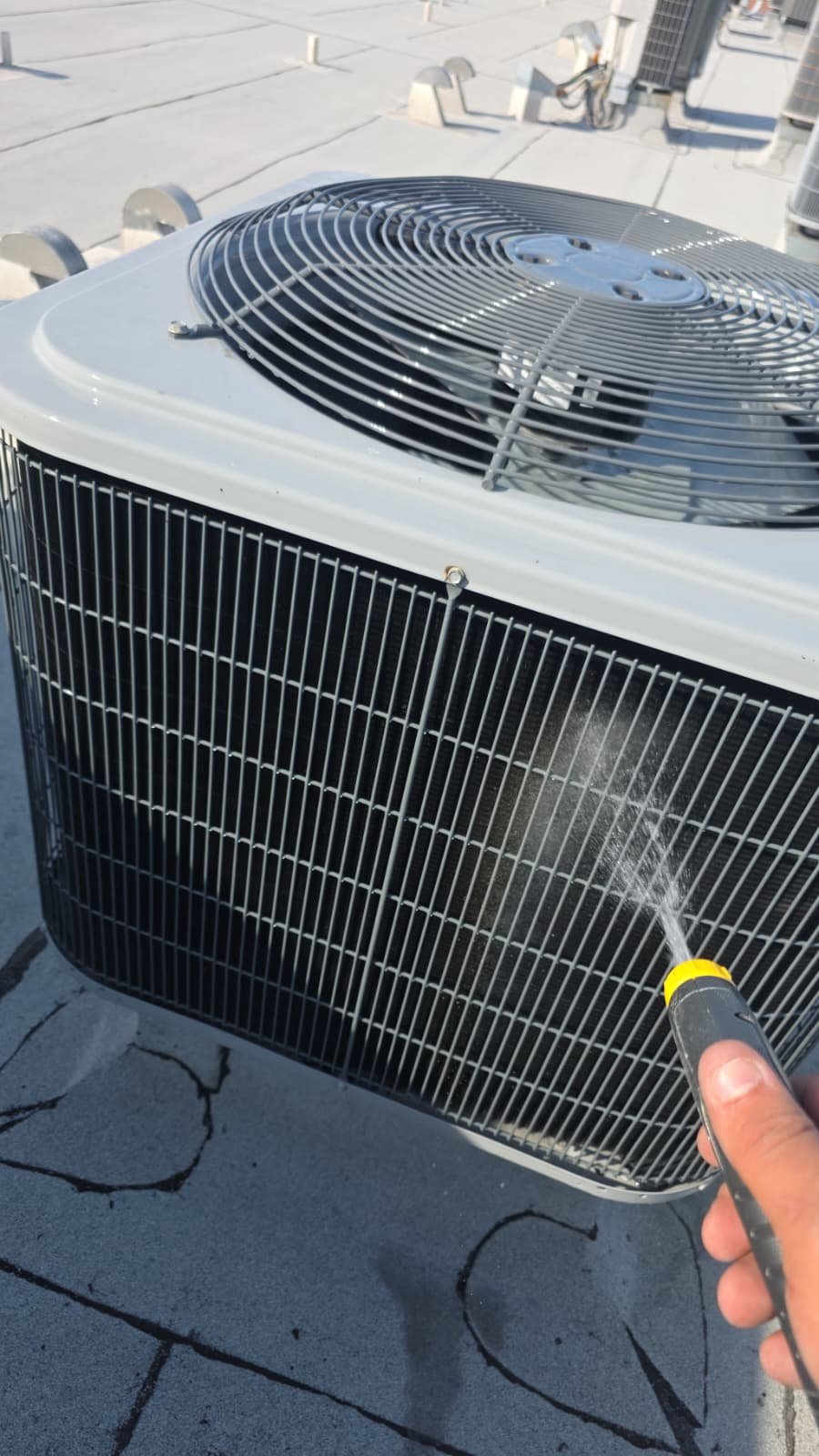
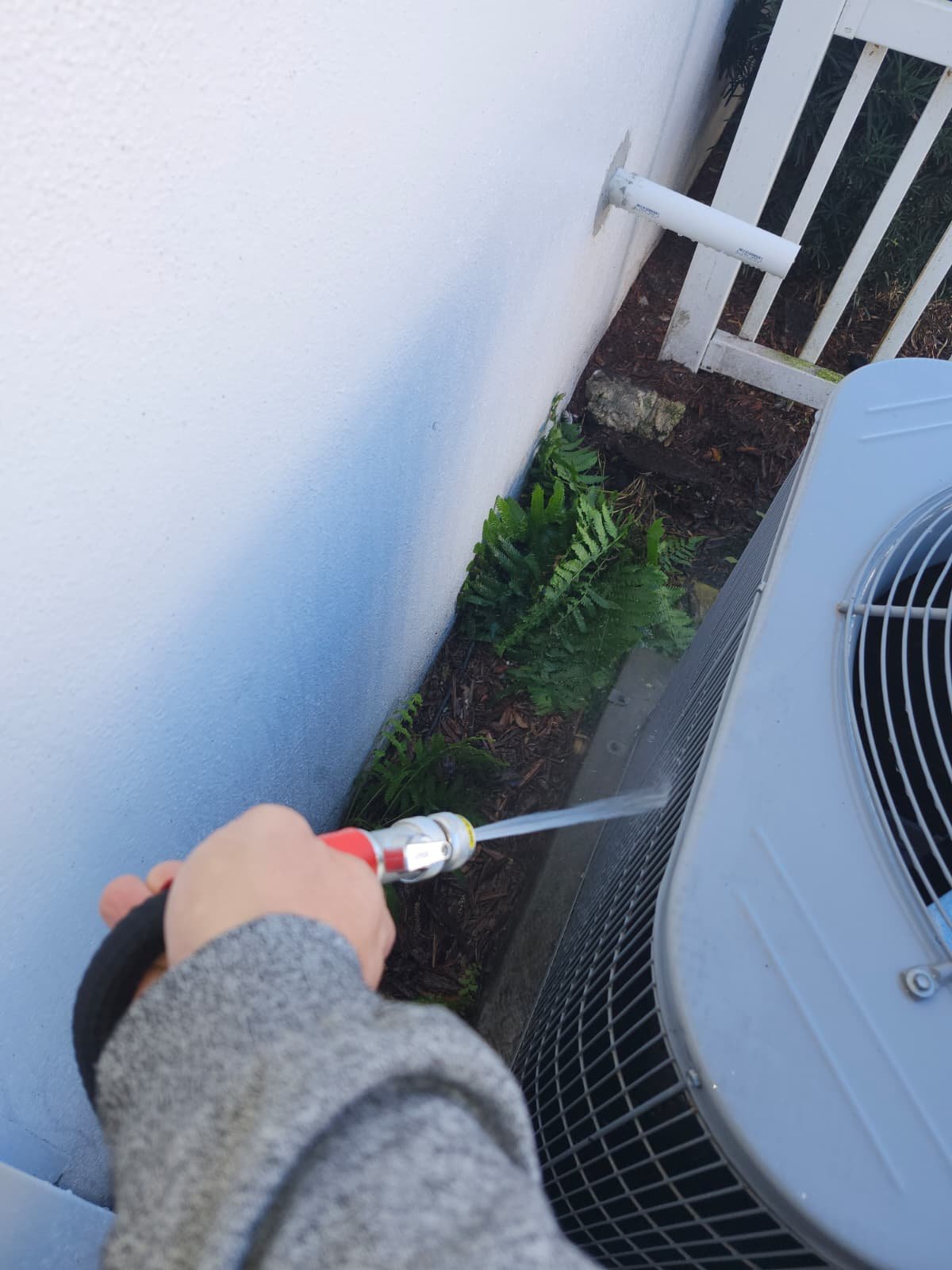
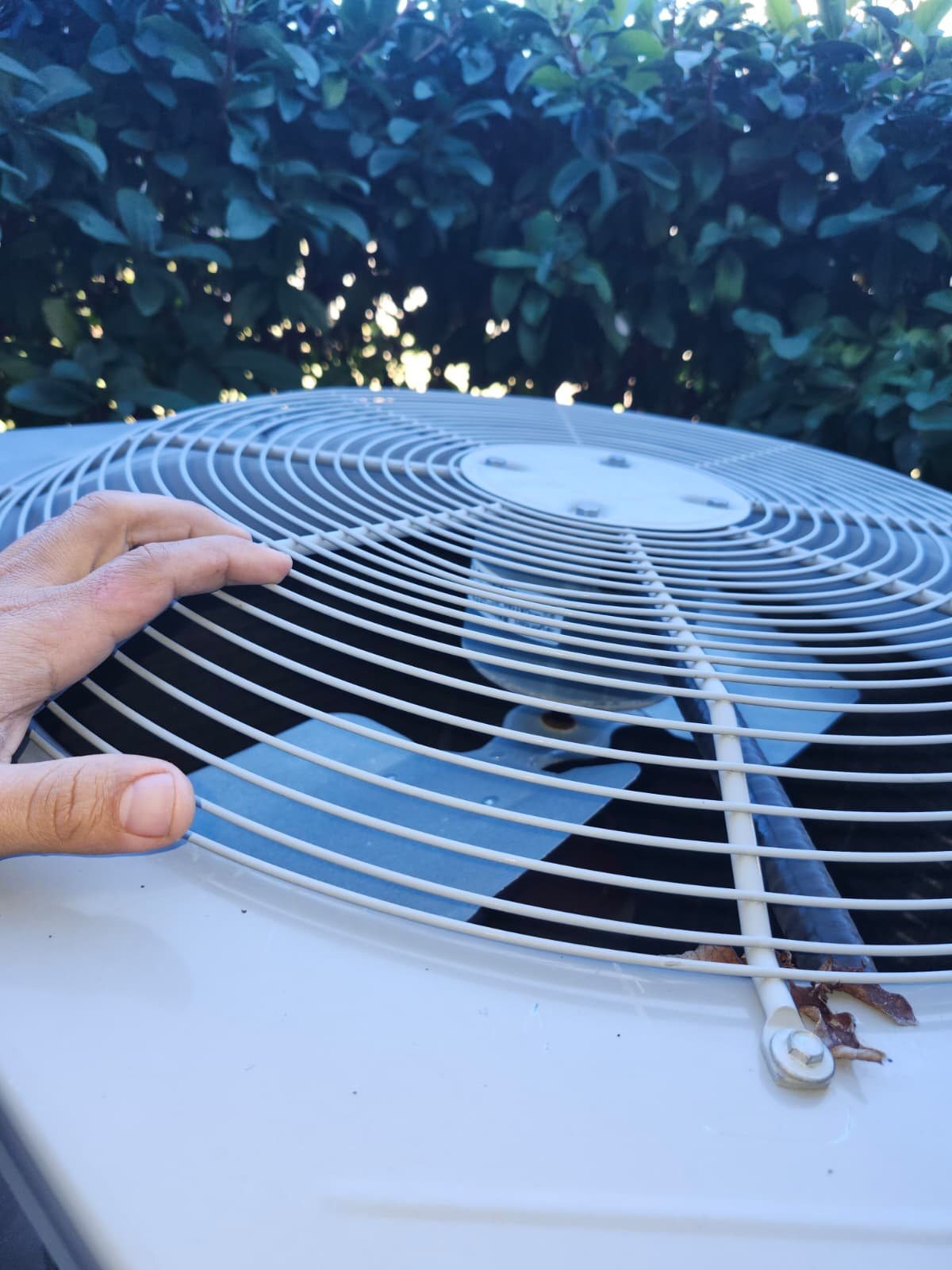
  • Keep the outdoor unit clear. Trim plants and remove debris at least a couple of feet around the condenser so it can breathe and reject heat efficiently.

For more detail on maintenance tasks and timing, our HVAC maintenance checklist for homeowners offers a straightforward seasonal guide.

FAQ: Daikin System and Ductwork Replacement in Valrico, FL 33596
Why did you recommend a 5-ton Daikin heat pump for this home?

The home’s size, layout, and existing system capacity supported a 5-ton replacement when paired with properly sized ductwork. Daikin provides a solid balance of reliability, comfort, and warranty support, which fit the homeowner’s goals for long-term value.

What does R6 ductwork mean, and why does it matter?

R6 refers to the insulation value of the duct. In hot attics like we have around Valrico, an R6 insulated duct helps reduce heat gain as the air travels through the attic, so more of the cooled air actually reaches your rooms. That supports better comfort and efficiency.

Do I need to repair sheetrock after a duct replacement?

Sometimes we need to create access openings to run ducts correctly. When that’s required, we inform you ahead of time. Our role is to open the necessary access for the ductwork; any sheetrock repair and painting are typically handled by a drywall or painting professional after our work is complete.

What is and isn’t covered under the labor and parts warranties?

The system comes with manufacturer parts and, on many models, unit replacement coverage for a defined period, plus our own labor warranty starting from the installation date. Routine maintenance items—like dirty filters, clogged drain lines, or dirty coils—are not covered. Damage from rodents, people, or lack of maintenance is also excluded. We’re always happy to walk you through the specific terms for your system.

Why is maintenance still important after installing a new system?

Even a brand-new system can lose efficiency or develop issues if filters aren’t changed or drains aren’t cleaned. Regular maintenance helps keep airflow strong, coils clean, and safety components working properly, which protects your investment and helps preserve warranty coverage.

Can I keep my old unit after replacement?

Yes, if you’d like to keep the old equipment, we can typically leave it on-site in a safe location instead of hauling it away, as long as it’s compliant with disposal and safety guidelines. In this Valrico project, the homeowner requested to keep the old machine for a family member, and we accommodated that.

Why Choose Home Therapist for HVAC and Ductwork in Tampa Bay

Projects like this Daikin heat pump and ductwork replacement in Valrico, FL 33596 are where our team’s experience really pays off. At Home Therapist Cooling, Heating, and Plumbing, we focus on more than just swapping equipment—we design and install full comfort systems for Tampa Bay homeowners.

Here’s what you can expect when you work with us:

  • Licensed, professional technicians who handle your home and equipment with care.
  • Transparent communication about options, pricing, and what is and isn’t covered by warranty.
  • Clean, respectful work habits, from protecting surfaces to daily clean-up.
  • Attention to long-term reliability, including duct design, drainage, and hurricane-ready installation details.
  • A commitment to Tampa Bay homeowners built on trust, quality workmanship, and clear expectations.

If you’d like to see what we’re up to or follow our work around the area, you can find us on social platforms like Pinterest and Reddit. We’re also proud to be listed with trusted organizations and directories, including the Tampa Bay Chamber of Commerce and the Better Business Bureau.

Need HVAC or Ductwork Help in Valrico, FL 33596?

If your system is struggling to keep up, your rooms aren’t cooling evenly, or your ductwork is showing its age, we’re here to help. Our team can evaluate your current setup, walk you through options like a Daikin heat pump upgrade, and design ductwork solutions tailored to your home in Valrico, FL 33596.

Whether you need a full system and duct replacement or just want a professional opinion on your next steps, we’ll explain everything in clear, straightforward terms so you can make the decision that’s right for your home and your budget.

When you’re ready, reach out to Home Therapist Cooling, Heating, and Plumbing to schedule your visit. We’ll treat your home the way we’d want ours treated and make sure your system is set up for safe, reliable comfort in the Tampa Bay heat.

John Conyers Job 8fa2eb7dc0f040f2b9fcc409ce52e4fc

Air Conditioning Repair for Blank Thermostat in Riverview, FL 33578

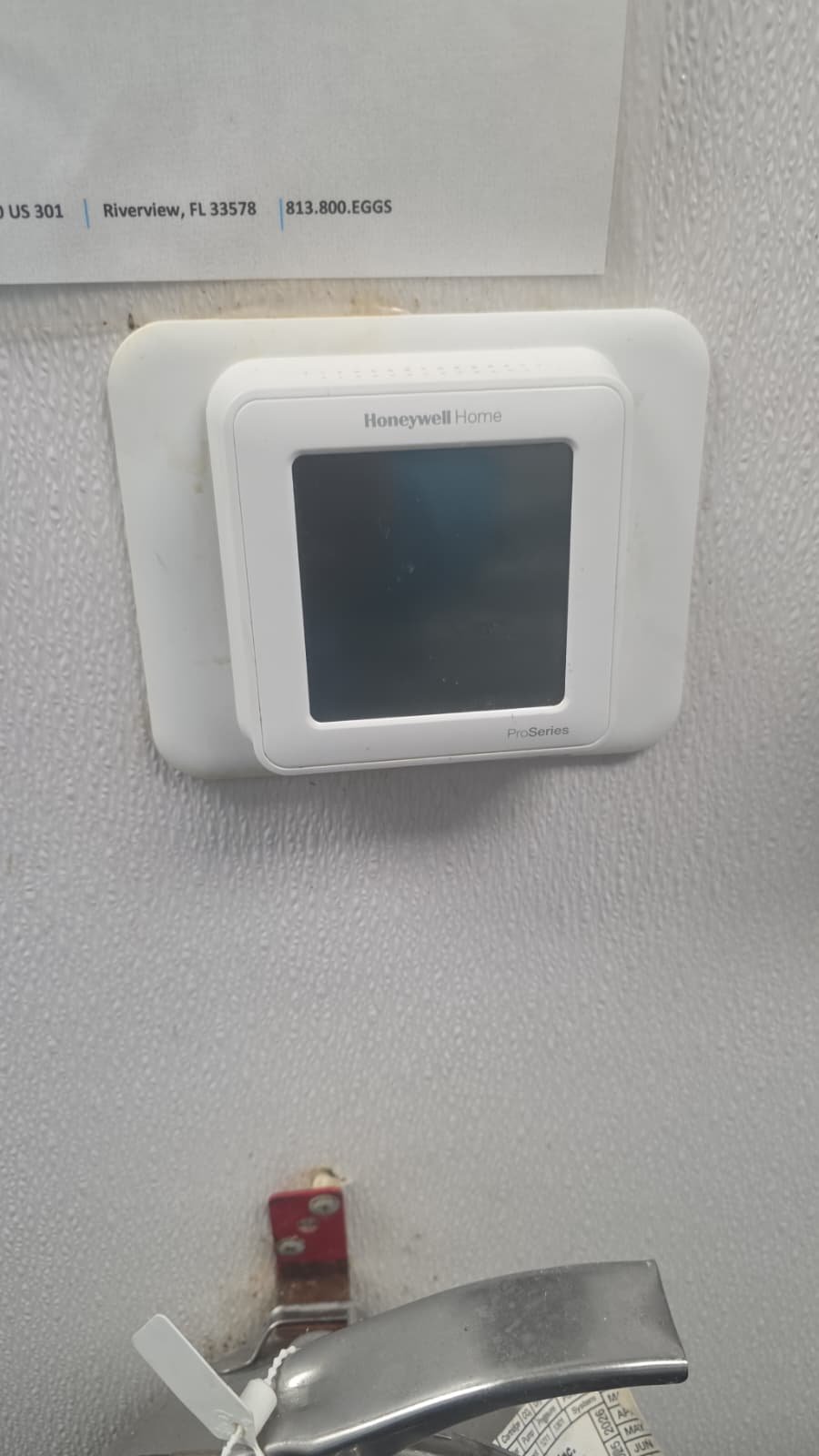
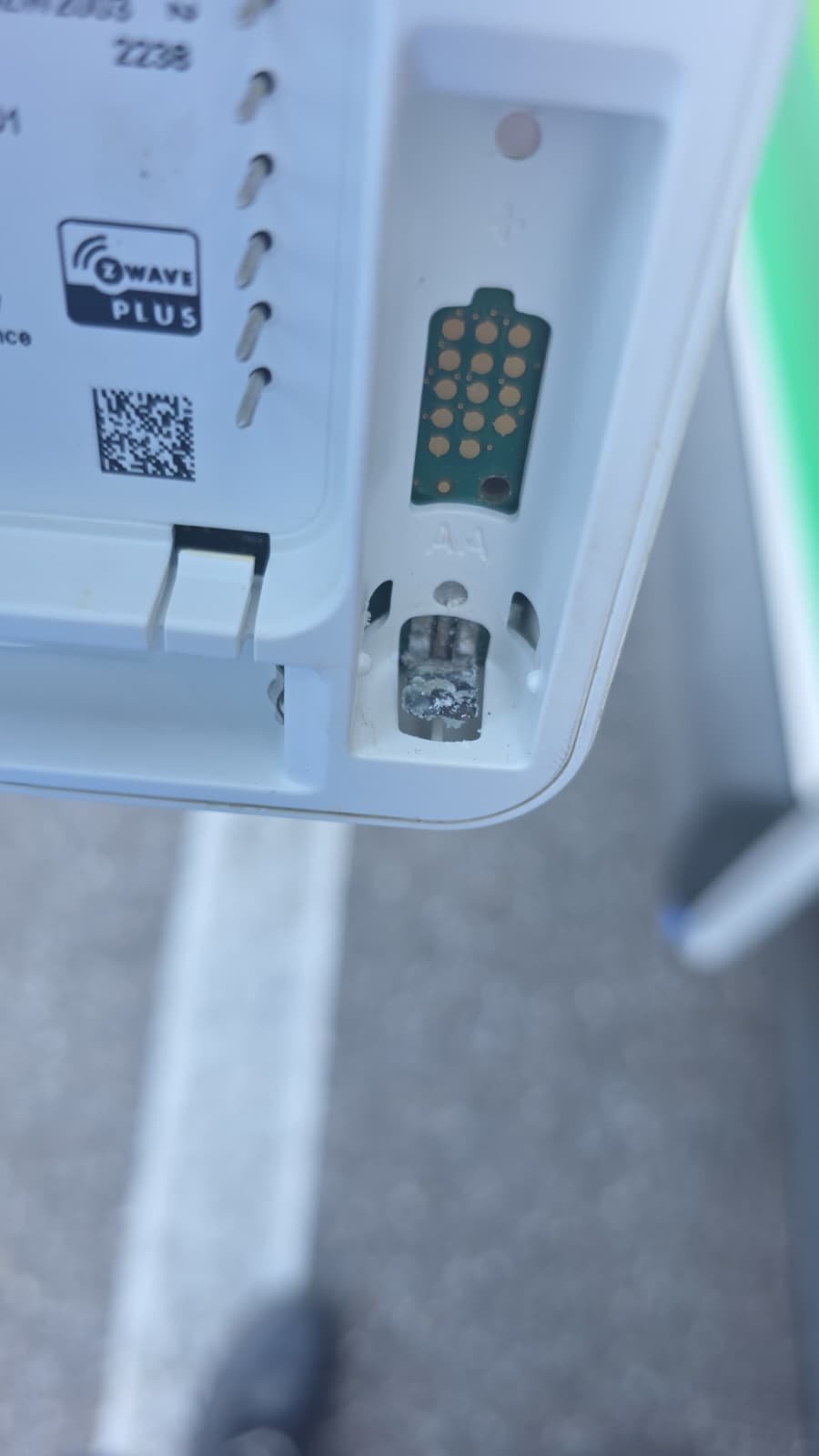
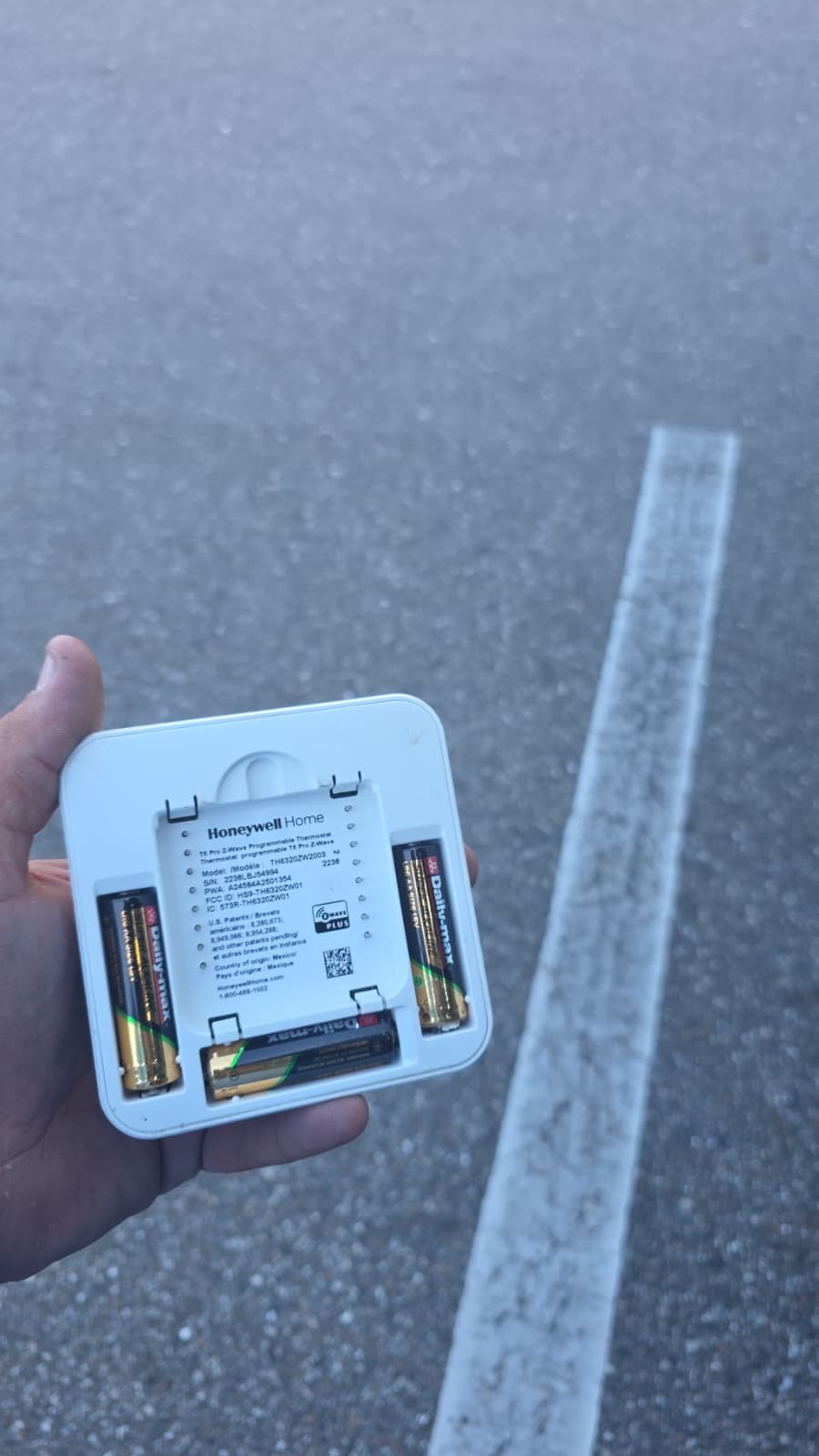
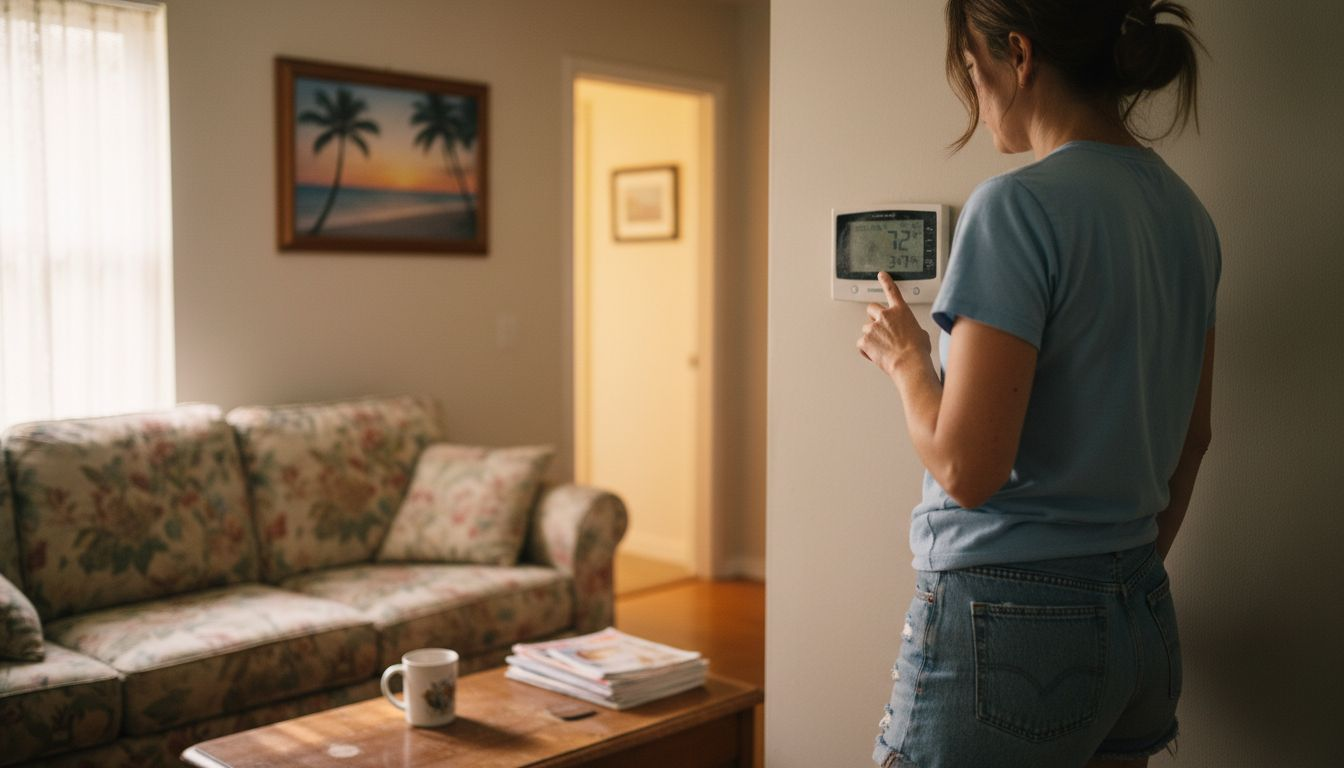
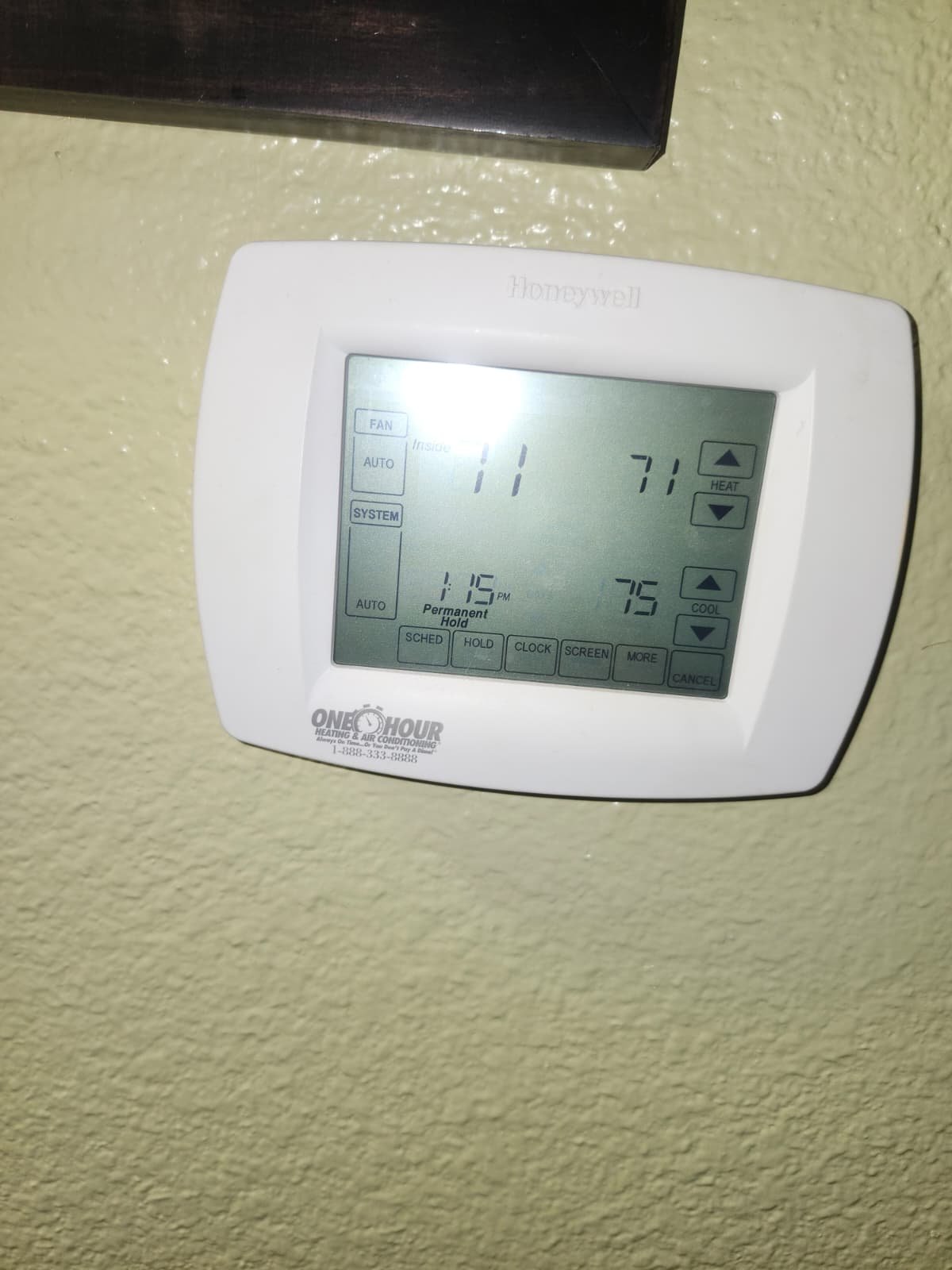
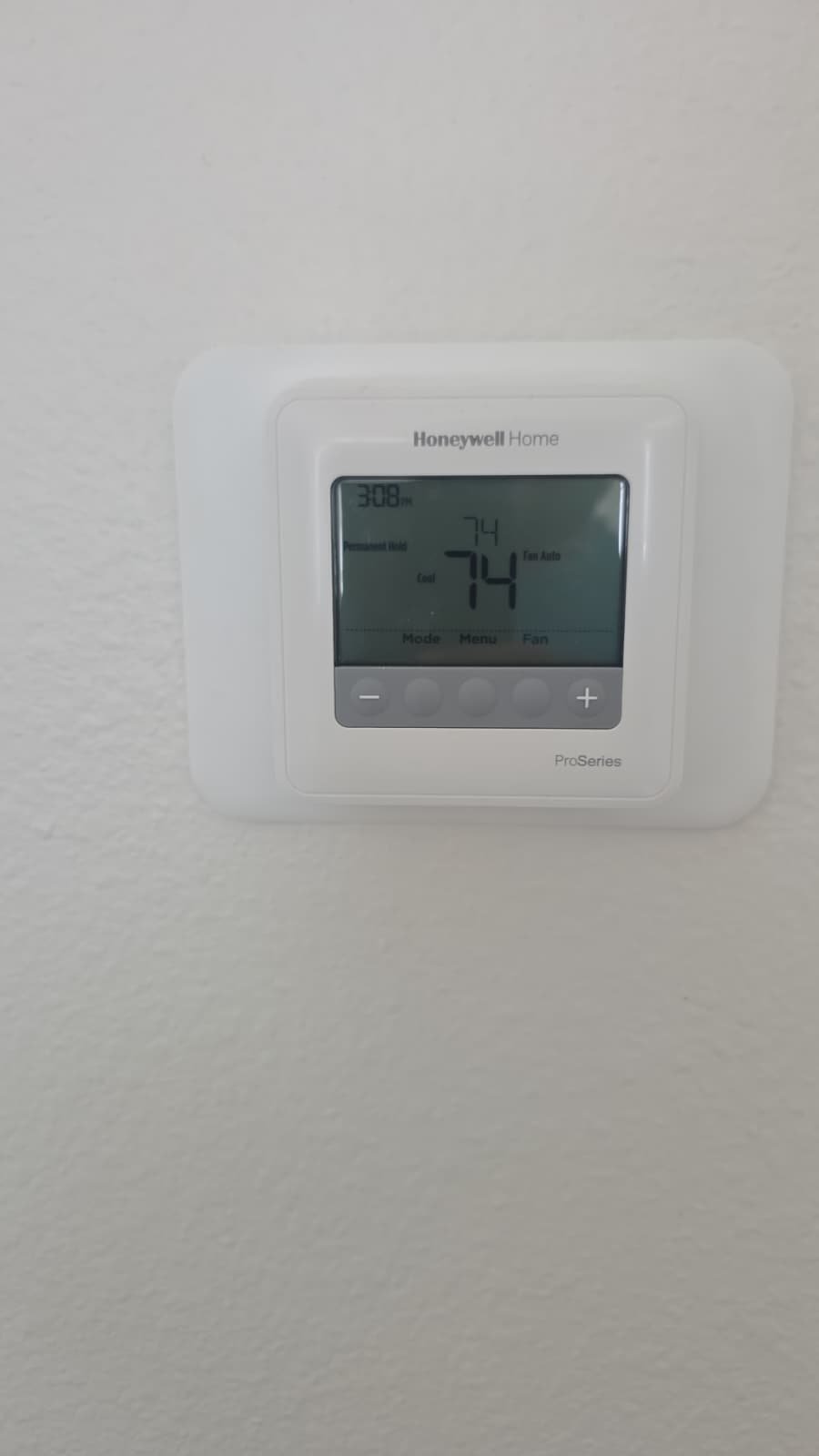
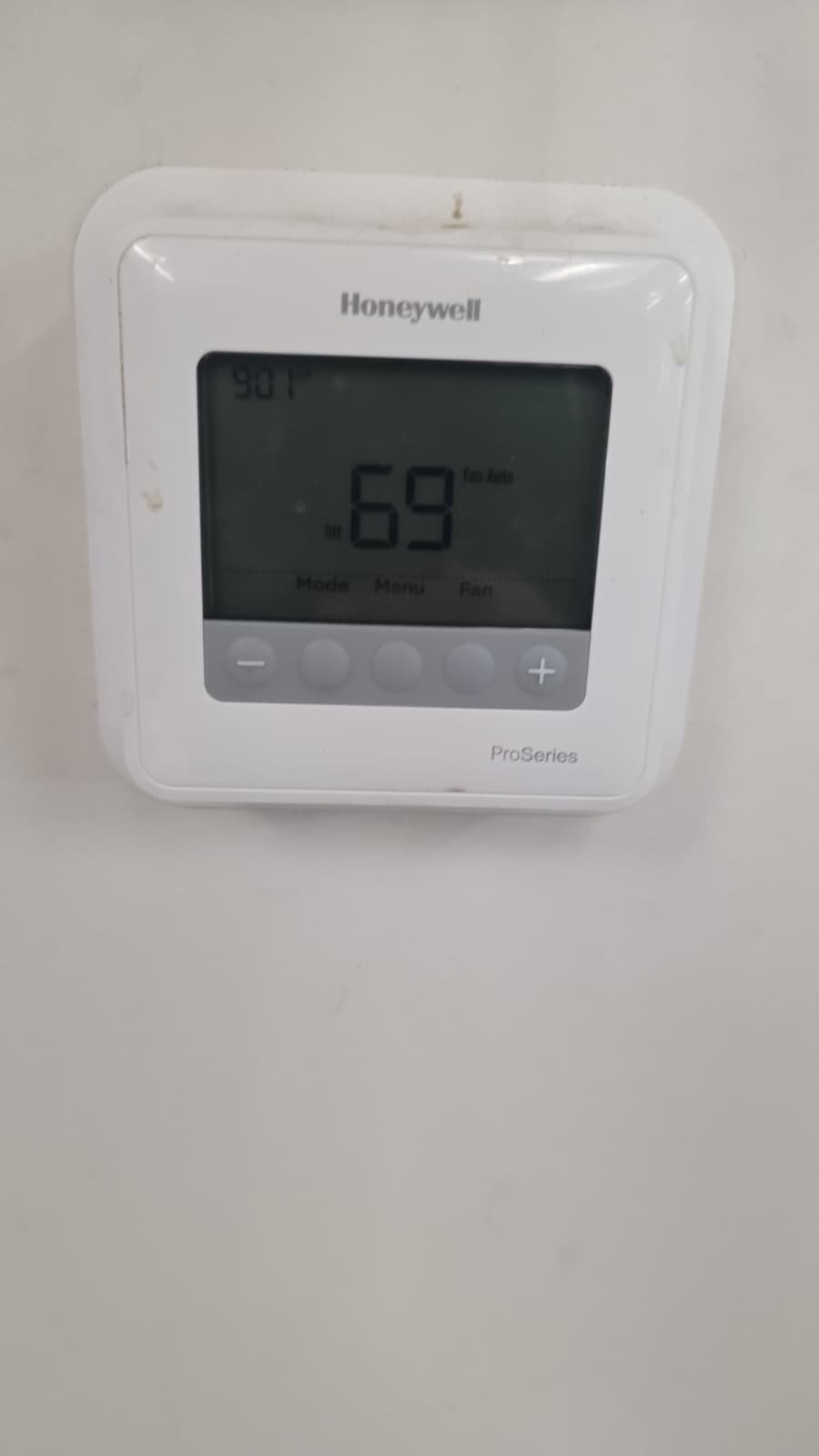
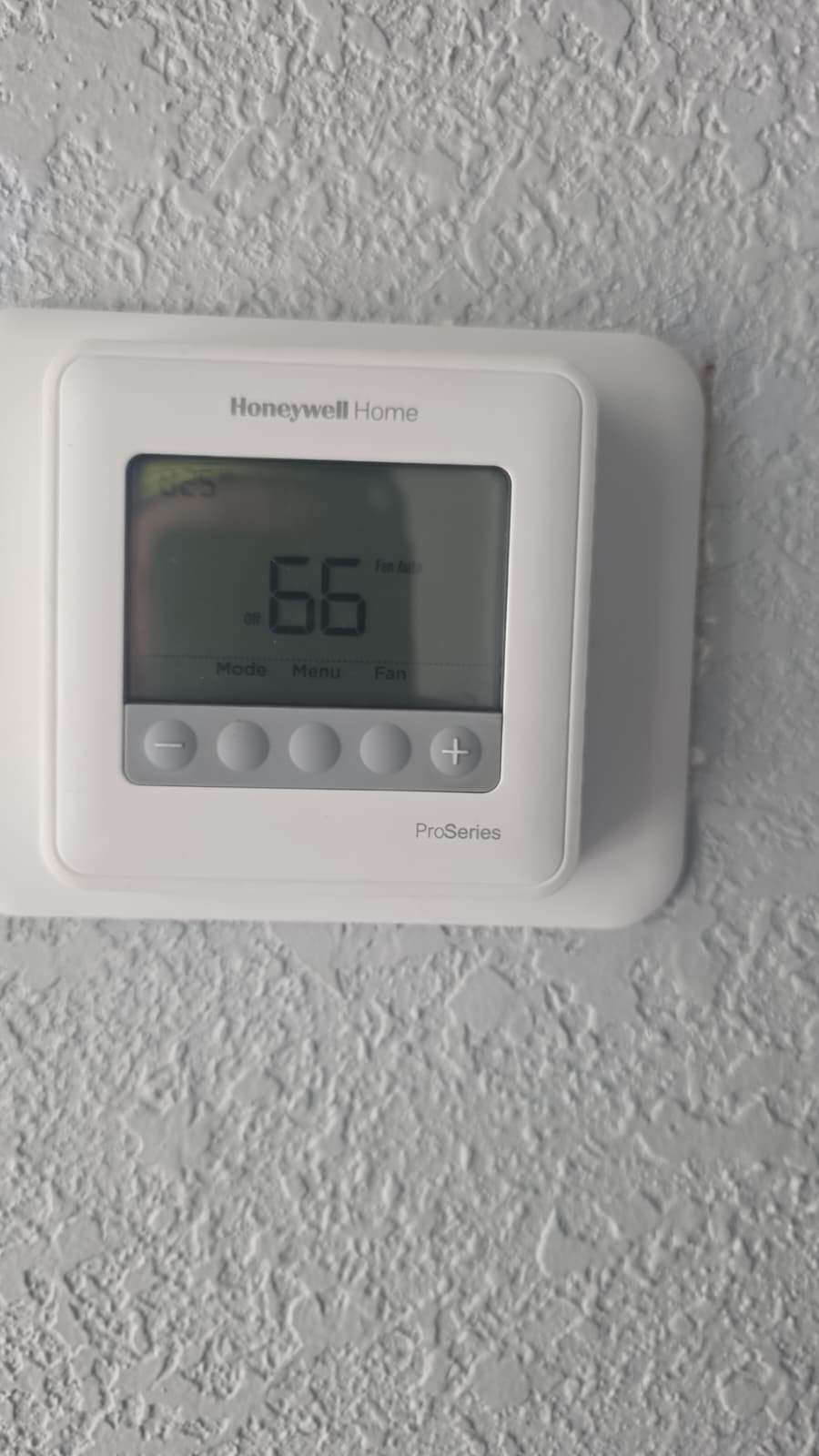
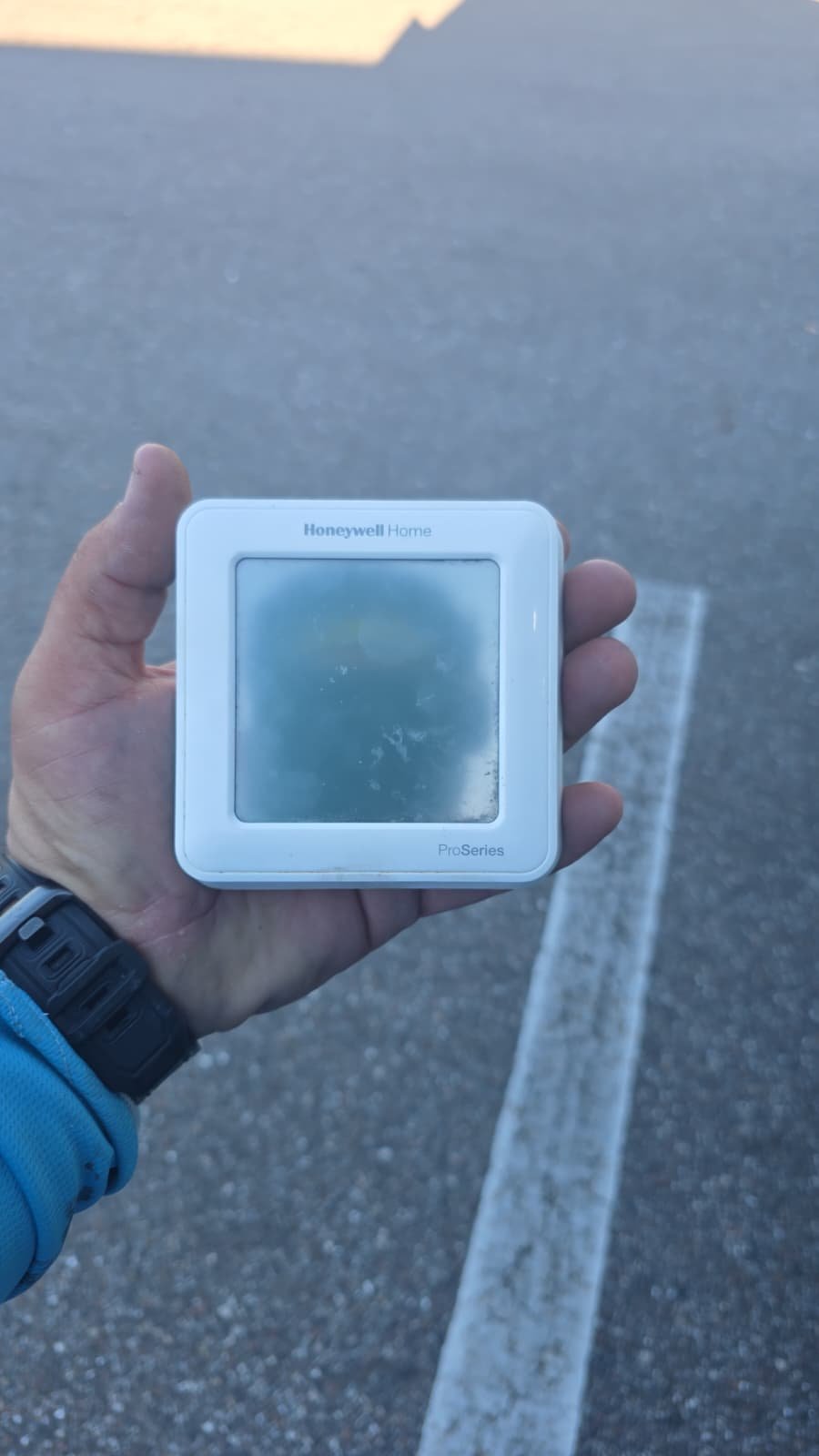
When an air conditioner suddenly stops working at a home or business in Riverview, FL 33578, it can bring everything to a halt—especially in our Florida heat. In this visit, we were called out because the AC had stopped running and the thermostat screen was completely blank. After a careful inspection, we found a simple cause: the thermostat batteries had died. Once we replaced them and verified operation, the system came back to life and started cooling again.

In this article, we'll walk through what the customer reported, how we approached the diagnosis, what we did to restore cooling, and some practical tips for homeowners and business owners in Riverview to avoid similar thermostat surprises.

Case Recap

  • Location: Commercial space in Riverview, FL 33578
  • Problem reported: Rear AC unit not working and thermostat completely blank
  • Customer had already checked breakers; no obvious electrical issue found
  • Diagnosis: Thermostat batteries were dead and needed replacement
  • Solution: Replace thermostat batteries, restart system, and confirm normal operation
  • Billing: Standard service trip fee for diagnosis and corrective work

Customer Problem: Blank Thermostat and No Cooling

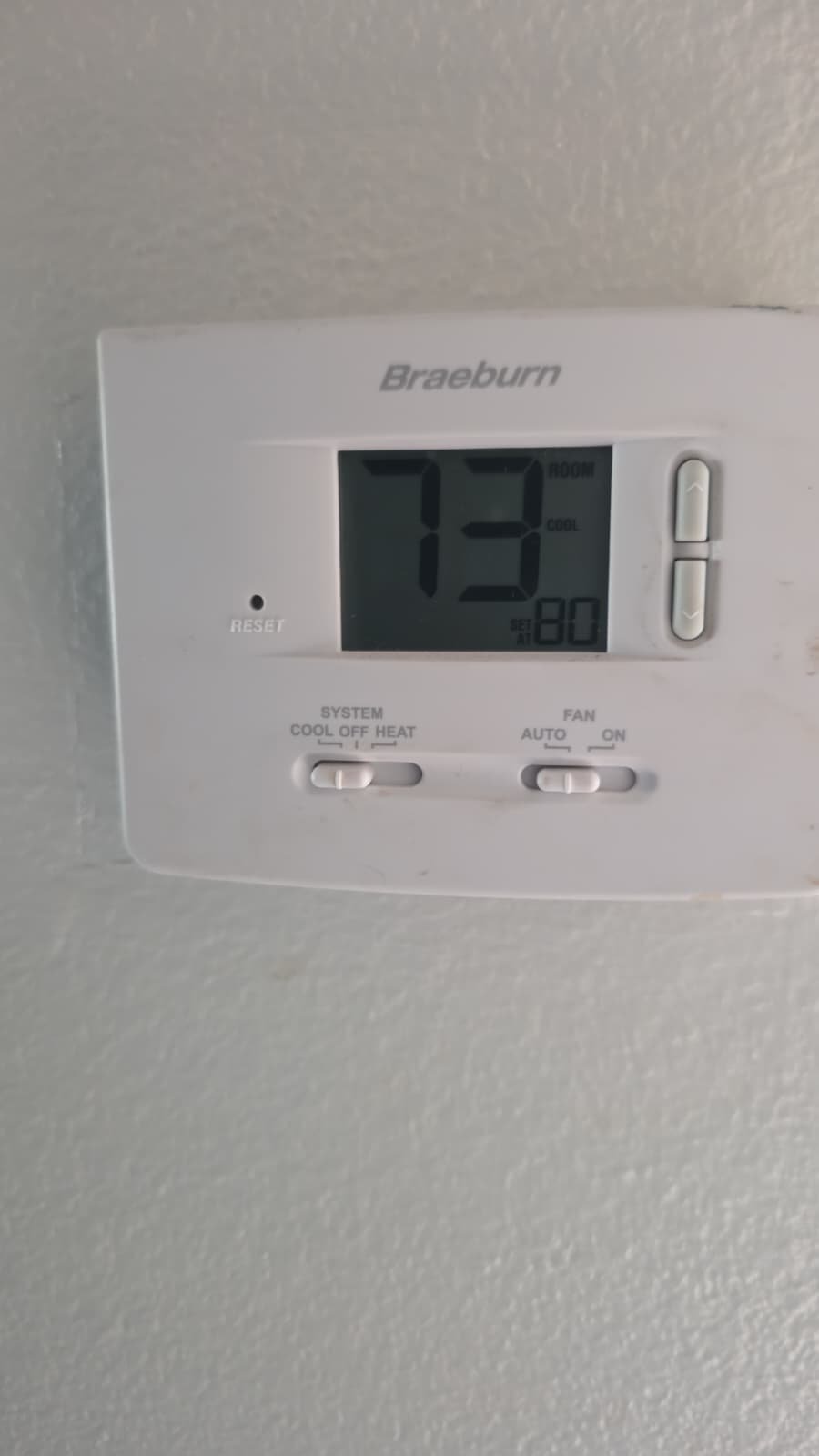
The call we received described a situation many property owners in Riverview run into at some point: the air conditioner in the back area of a restaurant had stopped working. The thermostat that controls that system was completely blank—no numbers, no icons, nothing. The staff had already checked the breakers and confirmed that nothing was tripped, but the system still would not turn on.

From the customer's perspective, this was more than an inconvenience. In a commercial kitchen or dining environment, losing AC can quickly affect comfort for employees and guests. Especially in the Tampa Bay area, including Riverview, FL 33578, a sudden loss of cooling can make spaces hot and stuffy in a matter of minutes.

The key concerns the caller expressed were:

  • The back area of the building was getting too warm for staff to work comfortably.
  • The thermostat was completely unresponsive and not displaying anything.
  • They wanted to know if there was a bigger electrical or equipment problem.

They asked us to come out, diagnose the issue, and get the system running again as quickly and safely as possible.

Inspection and Diagnosis

When we arrive on site—whether it's a home or a business in Riverview—we always start with a clear, step-by-step assessment. In this case, our technician introduced themselves, confirmed the problem description, and then went to inspect the thermostat and system.

Here's how we approached the diagnosis:

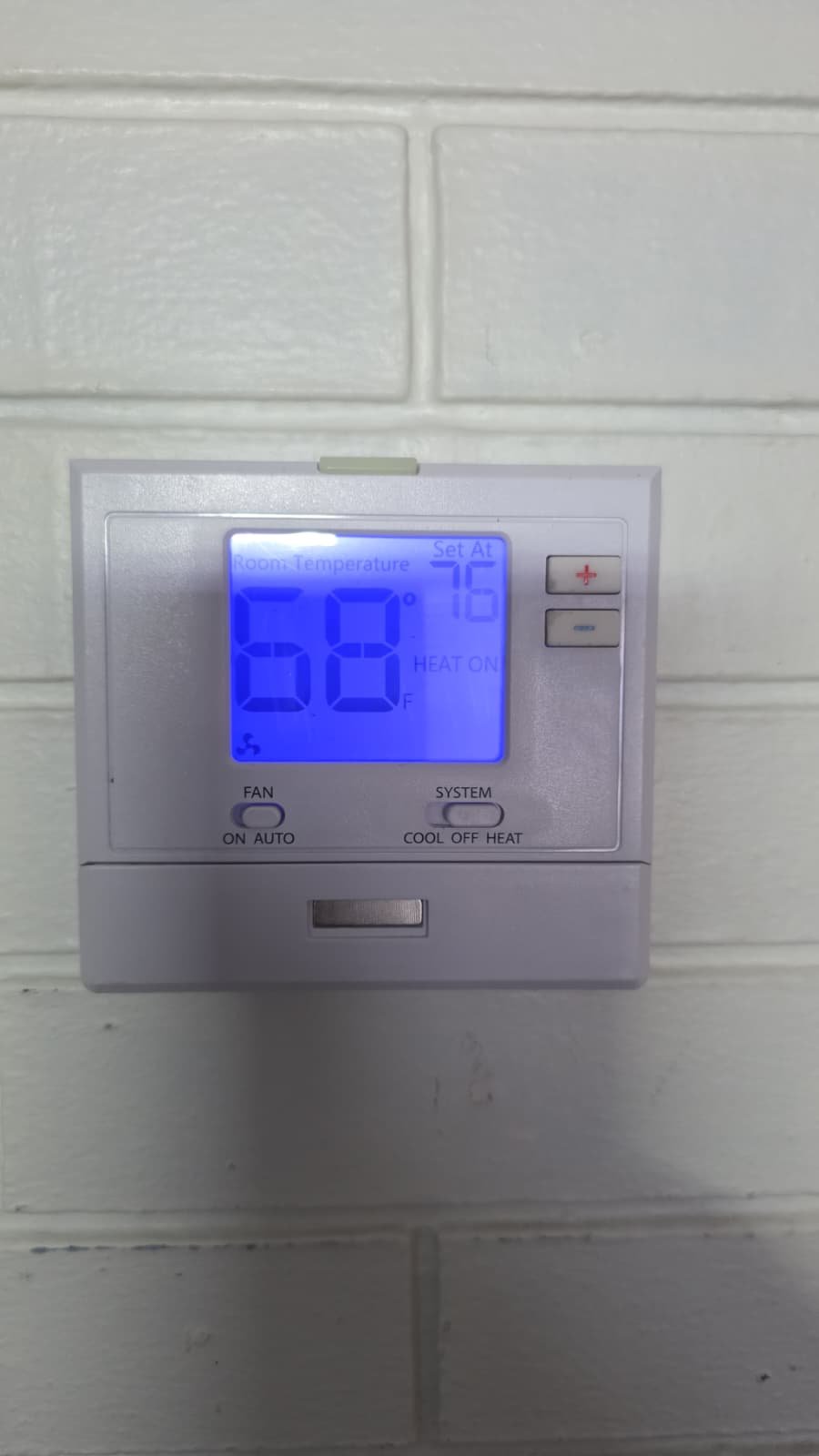
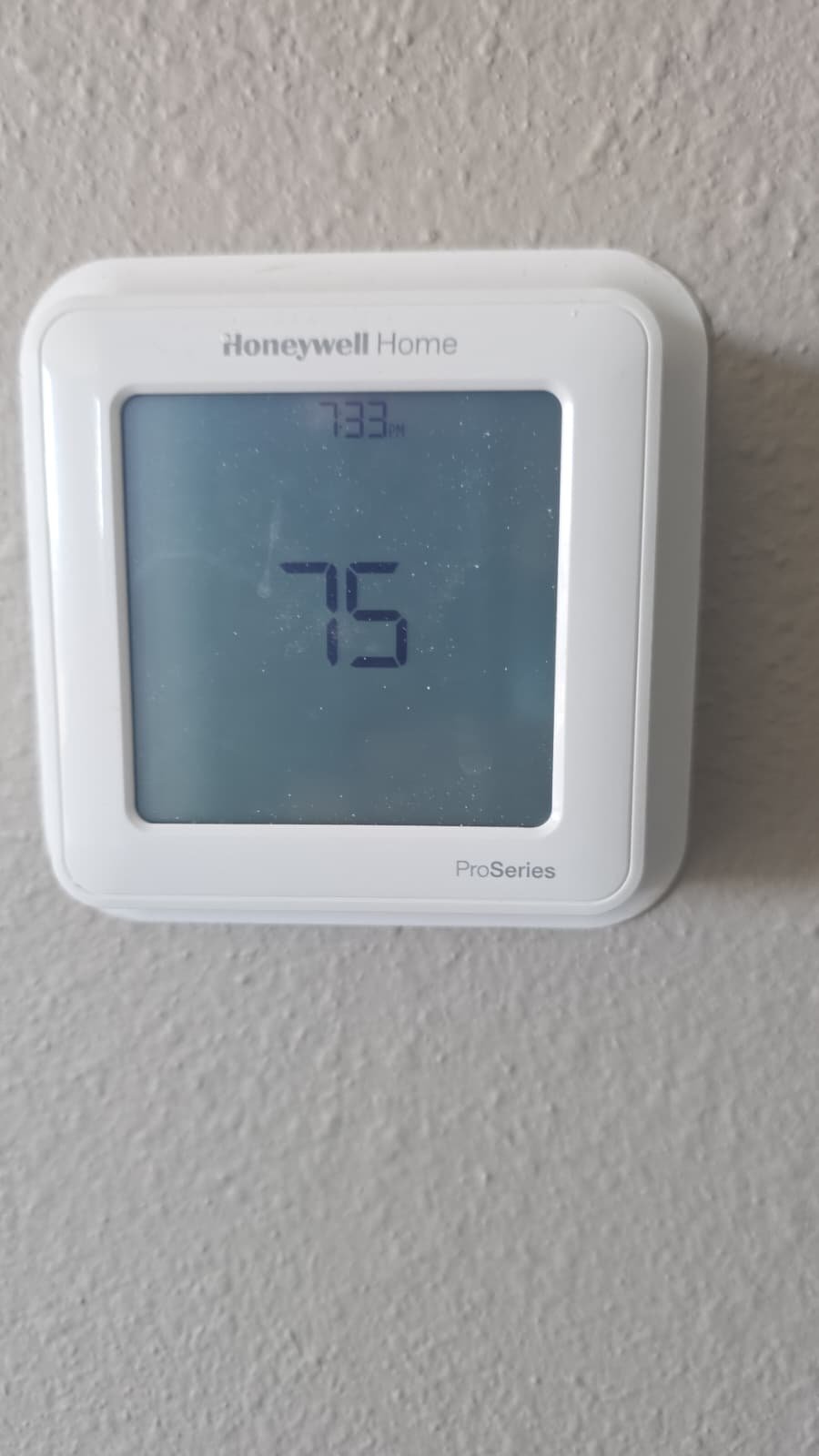
  • Visual check of the thermostat: We confirmed that the thermostat screen was indeed blank and unresponsive to button presses.
  • Breaker verification: We reviewed the electrical panel to make sure no breakers controlling the air handler or condenser were tripped, even though the customer had already checked.
  • Control wiring and power source: We verified that there was no obvious damage to thermostat wiring or the equipment that would explain a loss of power.
  • Battery check: Because the thermostat was a battery-powered model, a logical next step was to inspect and test the batteries.

Once we opened the thermostat and tested the batteries, it was clear they had reached the end of their life. This explained the blank screen and the complete loss of control to the AC system.

We always take care to confirm that there are no hidden issues. A blank thermostat can sometimes point to larger electrical problems, so verifying breakers, control power, and wiring is an important part of the process—especially for our customers in the Riverview, FL 33578 area, where AC systems often run hard during long cooling seasons.

Repair and Service Process

Once we identified the thermostat batteries as the issue, we walked the customer through what we found and what we planned to do. Even when the fix is simple, we believe in clear, transparent communication.

Here's how we resolved the problem step by step:

1. Safely Accessing the Thermostat

We carefully removed the thermostat cover to access the battery compartment. This is important because some thermostat models have delicate contacts, and forcing the cover can cause damage. We always treat equipment with care and keep the surrounding wall area clean.

2. Removing and Replacing the Batteries

We removed the old batteries, inspected the contacts to make sure there was no corrosion, and installed fresh batteries of the correct size and orientation. Even a flipped battery can keep a thermostat from powering up, so this step has to be done carefully.

3. Power-Up and Basic Programming Check

After installing the new batteries, the thermostat powered back on. We confirmed that:

  • The display was clear and functioning.
  • The thermostat was set to the correct mode (cooling) and temperature setting.
  • The fan and cooling calls were being sent to the system.

In some cases, a battery change can reset certain settings, so we take a moment to verify basic configuration to match how the homeowner or business owner wants the system to operate.

4. Confirming System Operation

With the thermostat back online, we called for cooling and listened for the air handler and outdoor unit to start. We confirmed that the system responded properly, air began flowing, and the space started cooling again.

We then allowed the system to run for a bit to verify that it continued operating as expected. Once we were satisfied that everything was stable, we wrapped up the visit, explained our findings, and applied our standard service trip fee for the diagnosis and correction.

Whenever we perform a repair like this in Riverview, FL 33578, we also remind customers that if a system can't be fully diagnosed without additional parts or repairs, there may be further issues that only become visible afterward. In this case, the problem was isolated to the thermostat batteries, and the system responded normally once they were replaced.

Why This Fix Works

Modern thermostats act as the brain of your HVAC system. Even though the main AC equipment is powered from your home or business electrical system, many thermostats rely on batteries for their display and certain control functions.

When those batteries die, the thermostat can no longer:

  • Display temperature or system mode
  • Send a signal to the air handler or condenser to turn on
  • Control fan operation or cooling cycles

Because of this, a dead set of batteries can make it look like the entire AC system has failed, even though the equipment itself is fine. Replacing the batteries restores power to the thermostat, allowing it to send the proper low-voltage signals to the HVAC system.

It's a simple fix, but it has a big impact on comfort—especially in a hot, humid area like Riverview and the greater Tampa Bay region, where indoor cooling is essential for both homes and businesses.

Pro Tips for Homeowners and Business Owners in Riverview

To help prevent similar surprises, here are some practical tips tailored for properties in Riverview, FL 33578 and surrounding Tampa Bay communities:

  • Replace thermostat batteries proactively: Don't wait for the screen to go blank. Make it a habit to replace thermostat batteries once a year, ideally before peak cooling season starts.
  • Note the battery type and keep spares on hand: Write down the battery size your thermostat uses and keep a spare set in a known spot. This can save you time during a hot day if the thermostat suddenly dies.
  • Check the thermostat first when the AC stops: If your system in Riverview stops cooling, look at the thermostat display. If it's dim, flickering, or blank, try replacing the batteries before resetting breakers.
  • Schedule regular HVAC maintenance: While thermostat batteries are an easy fix, your overall AC system still needs professional care. Our guide on how often you should service your AC in Florida explains why routine tune-ups are so important.
  • Consider smart thermostat options: Many smart thermostats can alert you when there is a power or connection issue. If you're thinking about an upgrade, our smart thermostat tips for Tampa homes are a helpful starting point.
  • Know when to call a pro: If battery replacement doesn't solve the issue—or if breakers are tripping, equipment is short-cycling, or you notice unusual noises—it's time to have a licensed technician inspect your system.

FAQ: Thermostat and AC Issues in Riverview, FL 33578

Why did my thermostat suddenly go blank?

For many Riverview homeowners and business owners, a blank thermostat is often caused by dead or weak batteries in battery-powered models. Other possible causes include a tripped breaker, a blown low-voltage fuse, or wiring issues. In this particular visit, the problem was simply worn-out thermostat batteries.

If my thermostat is blank, should I replace the batteries myself before calling?

Yes, if you're comfortable doing so and can remove the thermostat cover without forcing it, replacing the batteries is a reasonable first step. If the screen remains blank after fresh batteries, or you're unsure how to access the battery compartment, it's safer to call a professional.

Will my AC always shut down if thermostat batteries die?

On many battery-powered thermostats, yes. When the batteries die, the thermostat can no longer send a cooling call to the HVAC system, so the AC will stop running even though the equipment itself still has power. That's exactly what we saw on this job in Riverview, FL 33578.

Is there a service charge even if the repair is just batteries?

Yes. There is a standard service trip fee for sending a licensed technician to your property, diagnosing the issue, and performing the corrective work, even when the fix turns out to be simple. Our goal is always to provide honest, clear explanations so you understand what you're paying for.

How can I avoid emergency calls for simple thermostat problems?

Replace thermostat batteries annually, keep spares nearby, and familiarize yourself with how to remove the cover. Beyond that, scheduling routine system maintenance—like the steps outlined in our HVAC maintenance checklist and homeowner's HVAC maintenance guide—can help catch other issues before they turn into emergencies.

Why Choose Home Therapist for AC Service in Riverview

When your AC goes down in Riverview, FL 33578, you want more than a quick fix—you want a team you can trust inside your home or business. At Home Therapist Cooling, Heating, and Plumbing, we treat every visit as if we were working on our own property.

Here's what you can expect when you call us:

  • Licensed, professional technicians: Our team is trained, experienced, and equipped to diagnose both simple and complex HVAC issues safely and accurately.
  • Transparent communication: We explain what we find in plain English, go over your options, and make sure you understand any charges before we proceed.
  • Clean, respectful work: We take care around your walls, thermostats, and equipment, and we leave the work area as neat as we found it.
  • Focus on long-term reliability: Even when a fix is as simple as changing thermostat batteries, we still look for signs of underlying problems so you're not faced with repeat breakdowns.
  • Commitment to Tampa Bay homeowners and businesses: We proudly serve communities across Tampa Bay, including Riverview, and stand behind the work we do.

If you'd like to get a feel for who we are beyond a single visit, you can find us on social platforms and professional directories, including our Pinterest profile and our Reddit presence. You can also see more about our services and background through sites like the Better Business Bureau, the Tampa Bay Chamber of Commerce, and our contractor listing on BuildZoom.

Need AC or Thermostat Help in Riverview, FL 33578?

If your thermostat is blank, your AC won't turn on, or you're just not sure what's going on with your cooling system in Riverview, FL 33578, our local Tampa Bay technicians are ready to help. We'll arrive prepared to diagnose the issue, explain what we find, and get your system back to keeping you comfortable as quickly and safely as possible.

Whether it turns out to be a simple battery replacement or a more involved repair, you can count on Home Therapist Cooling, Heating, and Plumbing for honest guidance and professional workmanship. Reach out today to schedule your air conditioning service in Riverview and let us help keep your space cool, comfortable, and worry-free.

Andrew Cummings Job C7be4d6c10dc477aacf46dff8b1255a8

Air Conditioning and Heating Diagnosis in Tampa, FL 33602

When your air conditioning and heating system isn’t keeping up the way it should, it can be hard to know where to start. A homeowner in Tampa, FL 33602 called us out for a professional diagnosis after some ductwork changes and an added return left them with questions about airflow, filters, and gaps around a new return opening. Our goal on this visit was simple: evaluate the system, measure performance, explain everything in plain English, and recommend next steps so their home could stay comfortable and safe.

During this HVAC service in Tampa, FL 33602, we focused on static pressure, ductwork, and a newly added return. We confirmed that the work completed helped improve system performance, but we also found a few important items that still needed attention: proper filtration at the new return and sealing around the sheetrock. In this article, we’ll walk through what we saw, what those readings really mean, and what we recommended for a long-term, reliable solution.

Case Recap

  • Location: Single-family home in Tampa, FL 33602
  • Service: Air conditioning and heating diagnostic visit
  • Main concern: Questions and complaints after new return/ductwork was added
  • Key finding: Static pressure improved into normal residential range after work
  • Remaining issues: New return left without a filter and visible gaps at the sheetrock
  • Recommended solution: Add proper filtration (such as a media filter) and seal the new return opening

Customer Problem: Comfort, Cleanliness, and Confidence

When we arrived, the homeowner’s main concern wasn’t that the system had stopped working completely; it was that recent ductwork changes didn’t feel fully finished or fully explained. In particular, they were worried about the new return that had been added.

The homeowner in Tampa, FL 33602 reported two specific issues:

  • The added return was left without an air filter in place.
  • There were visible gaps around the new return where it met the sheetrock.

From a homeowner’s perspective, both of these concerns make a lot of sense:

  • No filter at a return means dust, debris, and other particles can make their way into the system more easily.
  • Gaps at the sheetrock don’t just look unfinished; they can also allow unconditioned, dusty attic or wall-cavity air to be pulled into the system.

On top of this, the homeowner wanted everyone on the same page. They requested that our technician and a supervisor come together so we could review the work, explain what had been done, and discuss the options moving forward. That kind of open conversation is something we encourage, especially for HVAC service in Tampa, FL 33602 where systems see heavy use almost year-round.

Inspection and Diagnosis: Looking at Static Pressure and Ductwork

For this visit, our main diagnostic focus was on static pressure and airflow. Static pressure is essentially the “blood pressure” of your HVAC duct system. It tells us how much resistance the air is experiencing as it moves through the ducts, filter, and equipment.

Here’s how we approached the diagnosis:

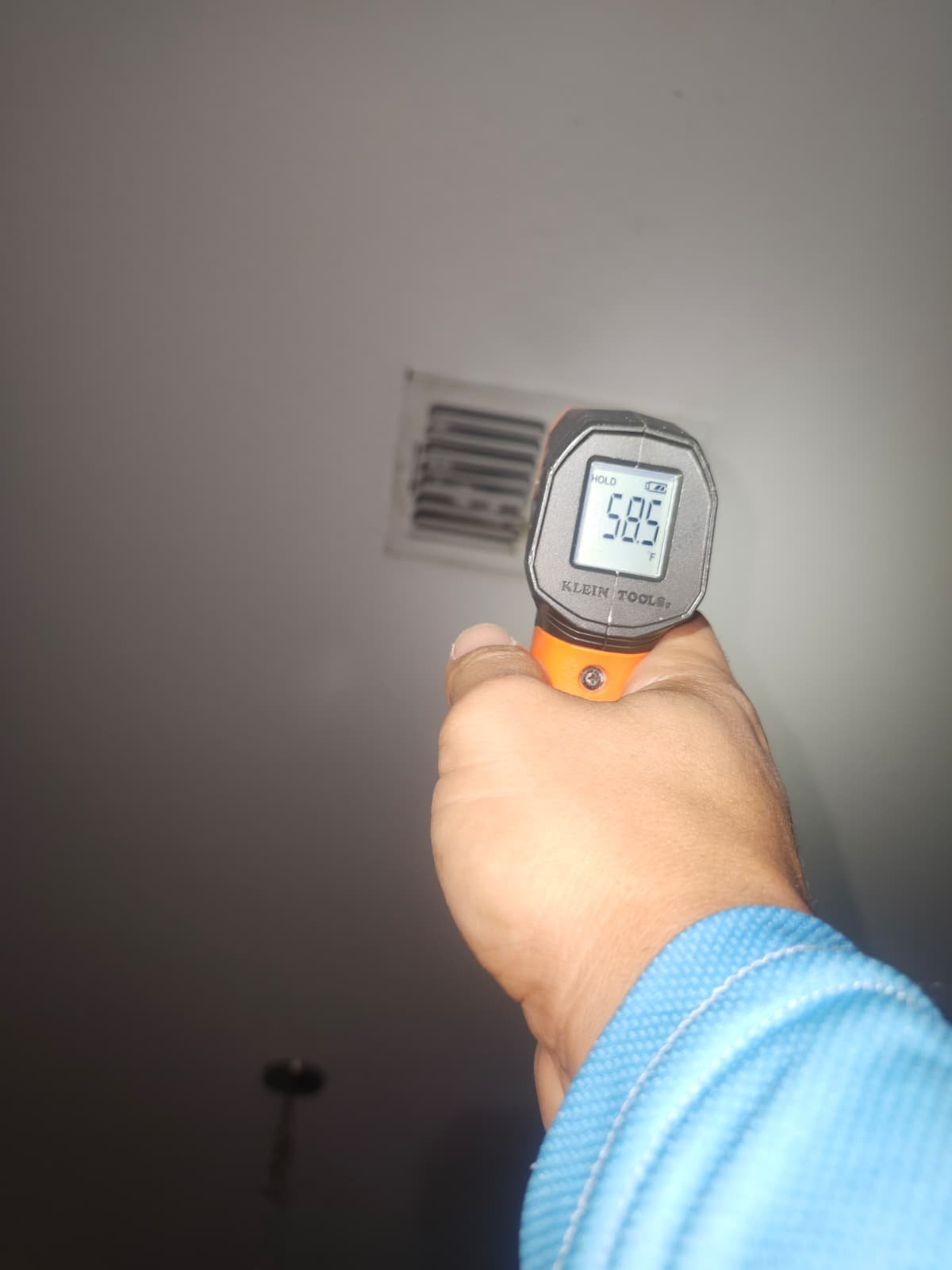
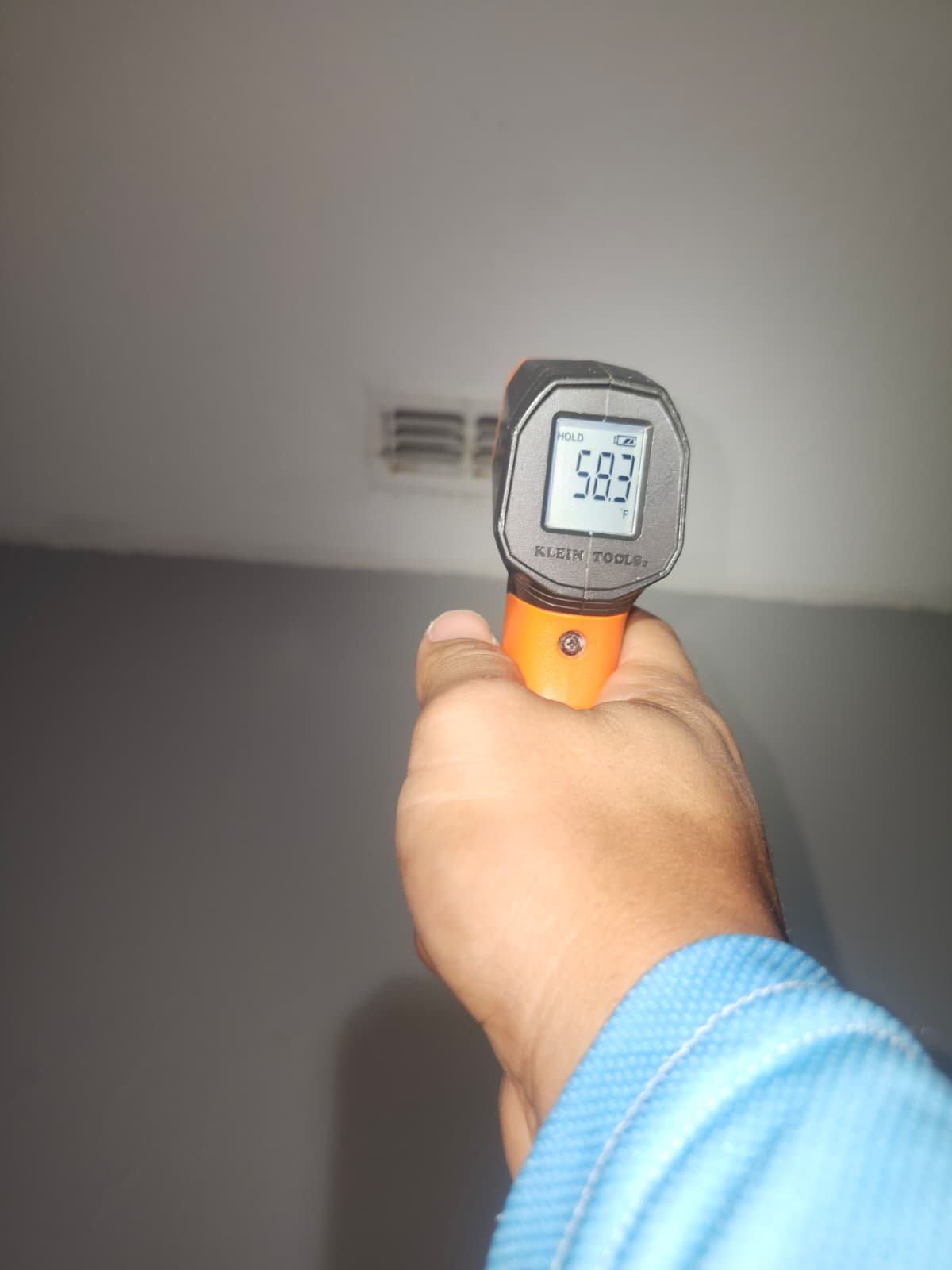
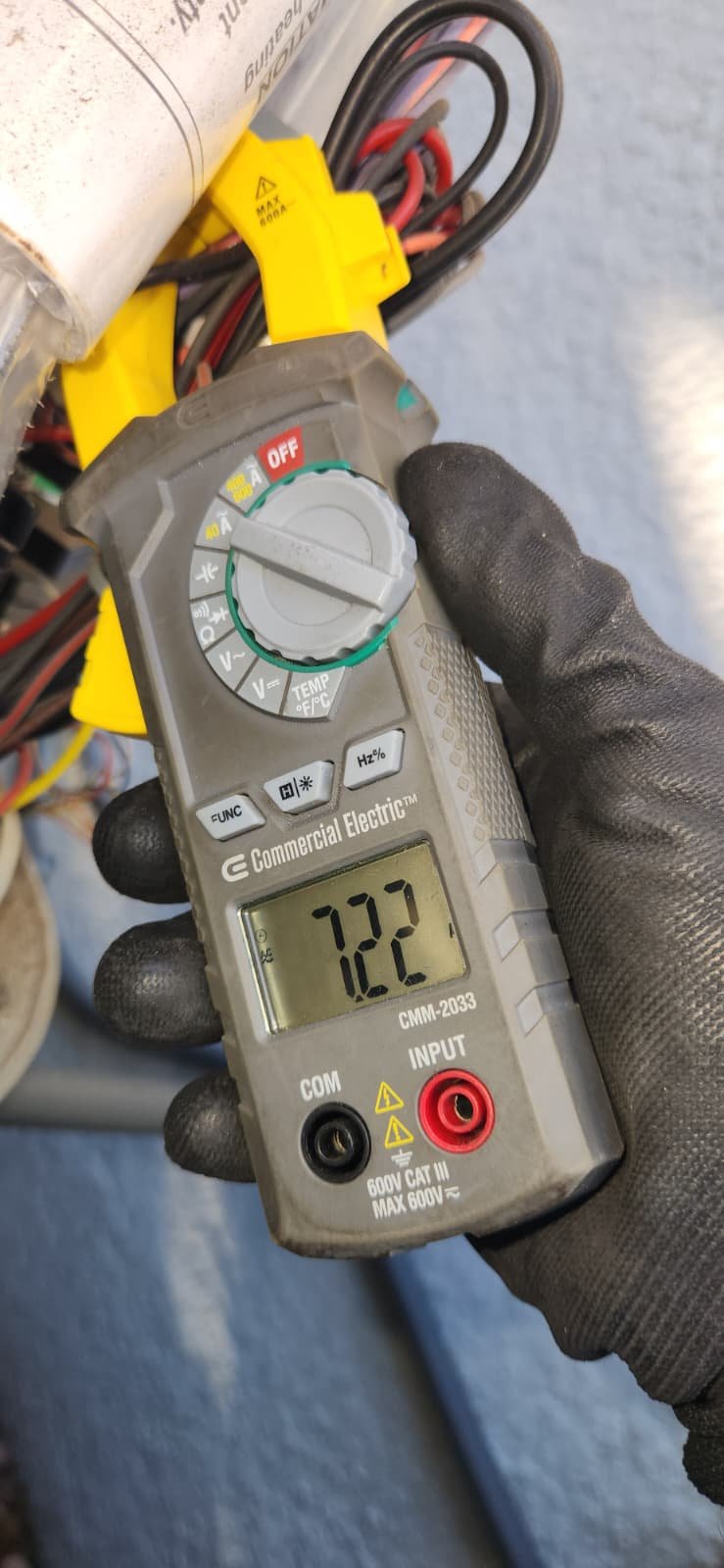
  • Measured static pressure before starting work: Before making any changes, we took a static pressure reading. It was very low compared to the manufacturer’s target, which told us that the system wasn’t operating in the intended range.
  • Reviewed manufacturer guidance: The equipment manufacturer specifies a certain static pressure for ideal performance. Our initial reading was well below that number, which can indicate issues like undersized return air, excessive leakage, or ductwork that isn’t doing its job effectively.
  • Evaluated existing return and new return: We looked at the existing return setup and the newly added return that was intended to help the system breathe better and reduce strain on the equipment.
  • Re-measured static pressure after work: Once the ductwork adjustments and added return were in place, we measured static pressure again. It had moved up into a range that is considered acceptable for many residential systems.

According to the notes from this visit, the manufacturer’s recommended static pressure was lower than where the system ended up, but the final reading landed inside a common residential range. That told us two things:

  • The work helped; the system was now operating more in line with typical residential expectations.
  • There was still room for fine-tuning, especially through filtration choices and sealing details.

We also reviewed the homeowner’s concerns about the missing filter and the gaps at the return. Those items aren’t just cosmetic; they directly affect indoor air quality and how hard the system has to work.

Repair and Service Process: What We Did and Why It Matters

On this project, the primary work involved improving return air and measuring how those changes affected static pressure. Here’s how we approached it and why each step mattered to the homeowner’s comfort and peace of mind:

1. Baseline Static Pressure Reading

We started by checking static pressure before making any adjustments. This gave us a baseline to compare against later. A reading that’s too low or too high can both point to underlying issues, so we never skip this step.

By documenting that initial reading, we could clearly show the homeowner in Tampa, FL 33602 how the system responded after the work was completed.

2. Adjusting and Adding Return Air

The system needed better return airflow to move closer to the manufacturer’s recommended operating range. Increasing return air can help the system:

  • Move air more efficiently through the coil and ducts
  • Reduce strain on the blower motor
  • Improve comfort in the living spaces

As part of this, a new return was added. The goal of that new return was to help the system “breathe” more easily, which typically improves both performance and longevity.

3. Re-Testing Static Pressure After Work

After the return and duct adjustments were completed, we measured static pressure again. The new reading moved into a more typical residential range. While it was still above the manufacturer’s ideal specification, it was within what’s generally considered acceptable for many homes.

This confirmed that the changes were having a positive impact. We always want to be transparent, so we made it clear that this job improved the situation but did not perfectly match the manufacturer’s target value. In many real-world Florida homes, the goal is to balance ideal specs with practical, achievable improvements.

4. Addressing Filtration Concerns

The homeowner was understandably concerned that the added return did not have a filter in place. A return without proper filtration can allow dust, insulation fibers, and other airborne particles into the system, which can:

  • Reduce indoor air quality
  • Lead to a dirtier coil and blower over time
  • Require more frequent cleaning and maintenance

We discussed options for adding proper filtration, including the use of a high-quality media filter. A media filter cabinet installed at the unit or at a central return can provide strong filtration without overly restricting airflow, as long as it’s sized and selected correctly.

The homeowner indicated interest in approving a media filter upgrade; our role was to explain how that would help and what to expect, and to wait for final approval before proceeding with that specific addition.

5. Sealing Gaps Around the New Return

The gaps at the sheetrock around the new return opening were another important concern. Even small openings can allow unconditioned, dusty air from wall cavities or attic spaces to be sucked into the system. That can lead to:

  • More dust and debris in the ducts and on surfaces
  • Energy loss as the system conditions air it was never meant to pull in
  • Hot or cold spots, especially in a warm, humid climate like Tampa Bay

Our recommendation was to properly seal and trim out that new return so that only conditioned indoor air is being drawn back to the system. This is a relatively small detail that can have a big impact on cleanliness and efficiency over time.

6. Clear Communication and Payment for Completed Work

Because this visit involved follow-up questions on work that had already been done, we spent time reviewing what was completed, what it accomplished, and what was still pending. We also made sure to handle payment for the ductwork that was already finished, while being honest about the fact that additional improvements—like a media filter cabinet and sealing work—would be separate items.

Whenever we perform AC repairs, installs, and maintenance services, our goal is to leave the homeowner informed, not pressured, and with a clear understanding of what they are paying for.

Why This Fix Works: Understanding Static Pressure and Airflow

To understand why these changes helped, it’s useful to look at the basics of airflow and static pressure in a home’s HVAC system.

Your system is designed to push and pull a certain amount of air through the equipment and ductwork. Static pressure is the resistance that air encounters along the way. If it’s too high, the blower has to work too hard. If it’s too low, the system may not be moving enough air to properly heat or cool your home.

In this Tampa, FL 33602 home, the initial static pressure reading was much lower than the manufacturer’s specified target. After adding and adjusting return air, the reading moved into a typical residential range. That means:

  • The system is now moving air more like it’s supposed to.
  • Rooms are more likely to receive the right amount of conditioned air.
  • The equipment has a better chance of running efficiently and reliably.

Adding proper filtration and sealing any gaps around returns supports this improvement by making sure the air being pulled into the system is cleaner and coming from the right places. Over time, that helps keep the coil, blower, and ducts cleaner, which supports both efficiency and indoor air quality.

For homeowners who want to learn more about how we approach airflow and projects like this, you can also see our write-up on a ductwork and air conditioning installation project we completed in another Florida home.

Pro Tips for Homeowners in Tampa

Living in Tampa Bay means your air conditioning and heating system works hard almost all year. Here are a few practical tips we share with homeowners in Tampa, FL 33602 and nearby neighborhoods:

  • Keep returns clear of obstructions. Avoid blocking return grilles with furniture, curtains, or large objects. Restricted returns make the system work harder and can push static pressure out of the ideal range.
  • Use the right filter type and change it regularly. A high-efficiency filter is helpful, but if it’s too restrictive or left in place too long, it can hurt airflow. Ask your technician what filter type and change interval make sense for your system and lifestyle.
  • Watch for dust streaks around vents and returns. Dark or dusty streaks on walls or ceilings near vents can be a sign of air leaks or filtration issues. Catching these early often prevents bigger problems later.
  • Schedule routine maintenance before peak seasons. A simple maintenance visit before the hottest months can catch airflow problems, dirty coils, or weak components before they lead to breakdowns. Our AC maintenance and cleaning specials in Tampa Bay are designed for this exact purpose.
  • Don’t ignore unusual temperature swings. If some rooms are consistently hotter or colder, or if the system seems to run constantly, it may be an airflow or ductwork issue, not just “Florida heat.” A diagnostic visit can give you clear answers.
  • Have static pressure checked when making duct changes. Any time new ducts or returns are added, ask your technician to document static pressure before and after. That’s the best way to know if the changes truly helped.

FAQ: Airflow, Static Pressure, and Returns

Why does static pressure matter for my HVAC system?

Static pressure tells us how hard your system has to work to move air through the ducts, coils, and filter. If it’s out of range—too high or too low—it can reduce comfort, increase energy use, and shorten equipment life. On this Tampa, FL 33602 project, we used static pressure readings before and after work to confirm that the system was moving into a healthier operating range.

Is it okay for a return to operate without a filter?

No. A return without a proper filter allows dust, debris, and other particles to enter the system. Over time, that can lead to a dirty coil, reduced efficiency, and poorer indoor air quality. Every return path should be protected by appropriate filtration, whether it’s at the grille or at a central filter cabinet.

What is a media filter, and how can it help?

A media filter is a thicker, high-capacity filter typically installed in a dedicated cabinet. It offers improved filtration compared to many 1-inch filters and can often do so without overly restricting airflow when it’s sized correctly. In homes like this one in Tampa, FL 33602, a media filter can be a good way to balance clean air with healthy static pressure.

Are small gaps around a return really a big deal?

They can be. Gaps around a return at the sheetrock can let unconditioned, dusty air from wall cavities or attic spaces into the system. That affects cleanliness, comfort, and efficiency. Sealing those gaps is a relatively simple step that helps the system pull in only the air it’s supposed to condition.

If you improve static pressure once, are you done?

Improving static pressure is a big step, but it’s not the end of the story. Any future changes—new duct runs, filter upgrades, renovations—can change how air moves. That’s why we recommend checking static pressure during major changes or during regular maintenance visits, especially in hardworking Tampa Bay systems.

Can one visit find every possible issue with my system?

Not always. If a system needs a repair or part replacement just to run, we may not be able to fully test everything until that primary issue is resolved. In those cases, we let homeowners know that additional findings and recommendations may come up after the initial repair. Our goal is always to be upfront about what we know now and what might appear later.

Why Choose Home Therapist for HVAC Service in Tampa, FL 33602

When you invite us into your home, you’re not just asking someone to “take a quick look” at your system. You’re trusting us to explain what’s going on, protect your comfort, and respect your home and budget. That’s a responsibility we take seriously.

Here’s what you can expect from Home Therapist Cooling, Heating, and Plumbing:

  • Licensed, professional technicians: Our team is trained to measure, test, and diagnose—not guess. From static pressure readings to duct inspections, we rely on real data to make recommendations.
  • Transparent communication: We walk you through what we found, what it means, and what your options are. If there’s a chance additional issues could appear after a primary repair, we tell you that upfront.
  • Clean and respectful work: We treat your home the way we’d want ours treated—protecting surfaces, minimizing dust, and cleaning up after ourselves.
  • Long-term reliability focus: Whether we’re adding a return, adjusting ductwork, or recommending a media filter, our goal is to support long-term comfort and system health, not just a quick fix.
  • Commitment to Tampa Bay homeowners: We live and work in this community, and we understand what Florida heat, humidity, and daily use can do to HVAC systems in areas like Tampa, FL 33602.

If you’d like to get a feel for our work and values, you can follow us on Pinterest or connect with us on Reddit. You can also review our ratings and standing with local and national organizations, including the Better Business Bureau, the Tampa Bay Chamber of Commerce, and BuildZoom.

For more examples of how we approach maintenance and cleaning, you can also read about an air conditioner maintenance and cleaning project in Tampa we’ve completed.

Need HVAC Diagnosis in Tampa, FL 33602?

If your system isn’t keeping up, if recent ductwork changes don’t feel quite right, or if you simply want a thorough check-up with clear explanations, we’re here to help. Our team specializes in air conditioning and heating diagnosis for homeowners in Tampa, FL 33602 and across the Tampa Bay area.

We’ll measure, test, and inspect your system, then walk you through what we found and what we recommend—at your pace, in plain language. Whether you need a small adjustment, a filtration upgrade, or a more in-depth repair, we’ll help you make a decision that fits your home and your comfort.

To schedule your appointment, reach out to Home Therapist Cooling, Heating, and Plumbing today. We’ll treat your home like our own and help your system run the way it should.

Andrew Cummings Job Fce4e10a9d154e1db9443aae72018c7a

Ductwork Replacement and Static Pressure Improvement in Tampa, FL 33602

When the airflow in your home isn’t quite right, comfort starts to slip long before the air conditioner itself fails. That was the situation for a homeowner in Tampa, FL 33602 who called us out with concerns about duct damage, poor return airflow, and questions about static pressure in their HVAC system. Our team at Home Therapist Cooling, Heating, and Plumbing was asked to evaluate the ductwork, replace damaged sections, add new returns, and document whether the changes actually improved system performance.

In this case, we focused on replacing damaged duct sections caused by rodent activity, installing new supply and return drops, sealing potential leakage points, and preparing the system for a possible 5″ media filter upgrade. We also measured static pressure before and after the work so the homeowner had clear, honest data on what changed and why it mattered.

Case Recap

  • Location: Single-family home in Tampa, FL 33602
  • Concerns: Duct damage from rodents, suspected return air leaks, poor airflow, and static pressure questions
  • Work performed: Replacement of damaged duct sections, new supply and return drops, sealing at the return boot, and preparation for a 5″ media filter housing
  • Static pressure measured before and after the ductwork changes
  • Outcome: Improved static pressure readings and better return air circulation within normal residential parameters
  • Homeowner now has a clearer path forward for future duct design or filtration upgrades

Customer Problem

This homeowner in Tampa, FL 33602 had multiple concerns centered around their duct system rather than the air conditioning equipment itself. They had experienced rodent activity in the attic, which had damaged sections of ductwork and allowed air to escape instead of reaching the living spaces. On top of that, one of the returns was not installed correctly, there were open or leaking areas, and they were worried about possible leaks around the return boot.

From the homeowner’s perspective, it felt like the system was working harder than it should, with uneven comfort and uncertainty about whether the duct system was helping or hurting airflow. They specifically requested:

  • Replacement of damaged duct sections to stop air loss caused by rodents
  • An additional return vent to improve circulation in a particular room
  • Another new return to an additional bedroom, with the exact location to be finalized on site
  • A static pressure test before and after the work, to confirm if the changes made a measurable difference
  • Evaluation of the existing return boot to see if it was leaking and if it could be sealed
  • Possibility of adding a 5″ media filter housing, depending on how it could be installed

The homeowner also understood that their concerns about static pressure might not be completely resolved just by replacing certain ducts. They agreed to a scope of work that focused on repairing damage and improving airflow in key areas, with the understanding that a full duct design and system evaluation would be required to fully optimize static pressure throughout the home.

Inspection and Diagnosis

When we arrive at any ductwork or airflow complaint in Tampa, we take a methodical approach. At this home, our first step was to visually inspect the existing duct system, focusing on the areas the homeowner mentioned:

  • Damaged or chewed duct sections from rodent activity
  • Improperly installed or leaking return duct connections
  • Existing return boot condition and possible leaks
  • Attic conditions and access, since duct runs in tight spaces can affect cost and feasibility

We also needed to plan ahead for duct sizing and placement. For proper ductwork design, we typically measure each room and attic space so the new ducts can be tailored to the home’s layout and load. In this case, the approved scope of work included:

  • One new supply drop (6″, 7″, or 8″, depending on final design and load needs)
  • One 8″ return drop with a 10×10 return box and grille
  • One additional return drop and grille to an extra bedroom, with the exact location selected on site with the homeowner

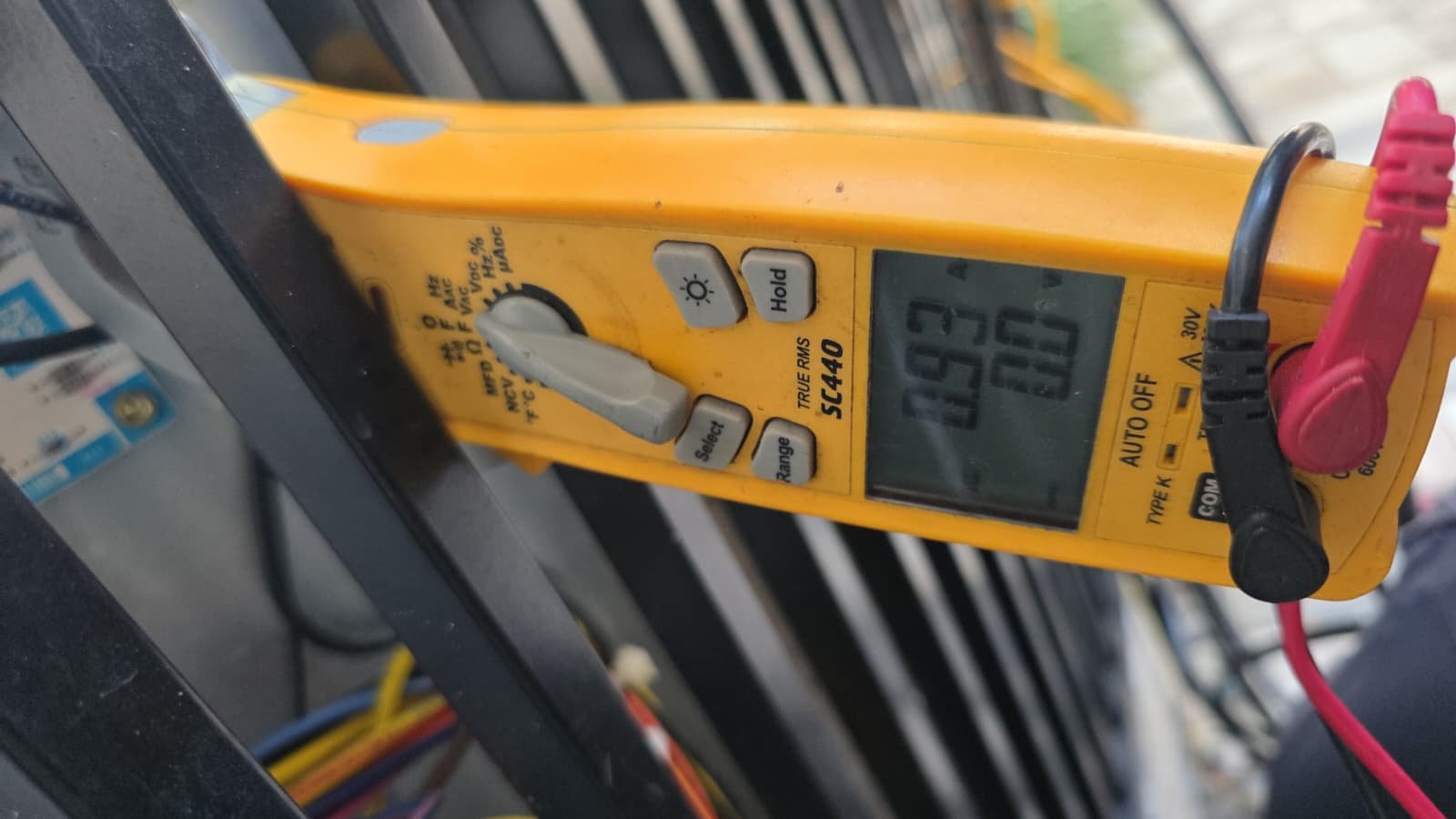
Because static pressure was a key concern, the homeowner requested that we test it before and after our work. This is a smart approach when you’re investing in duct improvements. On our follow-up visit when the work was performed, we measured static pressure before beginning any changes. The reading was approximately 0.01, while the equipment manufacturer specifies 0.2 as its target value. After completing the duct replacement and added returns, static pressure increased to about 0.3.

That post-work reading of 0.3 is slightly above the specific manufacturer’s stated target, but still within typical residential guidelines, which generally consider 0.3 to 0.5 as an acceptable range. The homeowner was informed that while this project significantly improved static pressure and airflow, a complete duct design overhaul would be required to fully optimize performance to the manufacturer’s preferred number.

Repair and Service Process

With the findings and scope confirmed, we moved into the actual ductwork replacement and installation. Our process for this Tampa, FL 33602 project included several key steps.

1. Protecting the Home and Work Area

Anytime we work in an attic and around vents, there’s a chance dust or insulation can be dislodged. As part of our standard practice, we:

  • Covered or moved critical items beneath vents as much as reasonably possible
  • Advised the homeowner to cover or move furniture, electronics, baby items, clothes, and food prior to our arrival
  • Kept pathways clear for the crew to move safely and efficiently

We also reminded the homeowner that ductwork is physically demanding and detailed work, so giving our technicians the space to focus helps us finish accurately and on time. At the end of each workday, we performed a cleanup of the areas we affected.

2. Removing and Replacing Damaged Duct Sections

We removed damaged duct runs that had been affected by rodent activity. These compromised sections were allowing conditioned air to escape into the attic rather than reaching the living areas. We then installed new R6 flexible ducts, boots, and, if needed and quoted, plenums and distribution boxes. The new duct materials included:

  • Johns Manville Formaldehyde-free fiberglass insulation
  • GREENGUARD certified insulated products
  • Quietflex Rip Stop Silver Jacket with a metalized polyester vapor barrier and reinforced “rip-stop” scrim

All old ducts removed during the process were hauled away as part of the project, keeping the attic cleaner and making future inspections easier.

3. Installing New Supply and Return Drops

Next, we installed:

  • One new supply drop (final size determined based on the layout and load needs of that branch)
  • One 8″ return drop, connected to a new 10×10 return box and grille
  • An additional return drop and grille to an extra bedroom specified by the homeowner on site

Adding return air capacity helps reduce strain on the system, supports more balanced airflow, and can significantly influence static pressure readings. In older or previously modified homes in Tampa, return air is often undersized or poorly placed, so these upgrades can have an outsized impact on comfort.

4. Addressing the Return Boot Concerns

The homeowner was particularly concerned that the return boot might be leaking. While on site, we examined the boot and surrounding connections. Where we found potential leakage paths, we sealed as appropriate to reduce unconditioned air infiltration and prevent conditioned air from being pulled from unwanted spaces. Proper sealing at this point is crucial because a leaky return can pull hot, dusty attic air into the system, hurting both efficiency and indoor air quality.

5. Preparing for a 5″ Media Filter Housing

The homeowner was also interested in improving filtration with a 5″ media filter housing on the return side of the air handler. Our scope of work included installing this housing, provided the configuration was feasible without removing or relocating the air handler. The homeowner was advised that if the air handler had to be removed for a vertical installation, that additional labor and materials would be a separate cost.

We came prepared with the necessary materials to evaluate the best location for the media filter housing and to move forward if the homeowner approved it on site. A properly installed media filter housing not only improves air quality but must also be considered in relation to static pressure, so it was important to tie this into our testing plan.

6. Static Pressure Testing Before and After

As requested, we performed static pressure testing before and after the ductwork changes. The readings were:

  • Before work: approximately 0.01
  • Manufacturer’s stated requirement for this equipment: 0.2
  • After work: approximately 0.3

While the after-reading of 0.3 is above the exact number listed by the manufacturer, it is within normal residential ranges of roughly 0.3 to 0.5. We explained this clearly to the homeowner in Tampa, FL 33602, and documented that the project did not claim to fully resolve every static pressure concern, but did measurably improve system conditions.

Why This Fix Works

Airflow in an HVAC system is all about balance. Static pressure is essentially the resistance the air encounters as it moves through the system. Several factors affect it:

  • Duct size and length
  • Number and layout of supply and return vents
  • Condition of ductwork (leaks, kinks, crushed sections)
  • Filters and accessories, including high-efficiency media filters

In this home, damaged ducts and limited return air paths were causing the system to operate outside of its ideal conditions. By replacing damaged duct sections, sealing leaks at the return boot, and adding new return drops, we reduced restrictions and brought more air back to the air handler. That’s why the static pressure moved into a more appropriate residential range after the work.

The upgraded materials—such as insulated, GREENGUARD certified duct and the Quietflex Rip Stop jacket—also help with long-term durability and condensation control. When paired with a correctly installed 5″ media filter housing, the system can filter air more effectively without introducing unnecessary restrictions, as long as the design accounts for that added resistance.

The key takeaway is that targeted duct replacement and added returns won’t always bring static pressure to a manufacturer’s exact preferred number, but they can significantly improve performance, comfort, and system health when designed and installed correctly.

Pro Tips for Homeowners in Tampa

For homeowners in Tampa, FL 33602 and the greater Tampa Bay area, the combination of heat, humidity, and attic conditions puts a lot of stress on ductwork. Here are some practical tips to keep your system healthy:

  • Have your ducts inspected if you hear critters. Rodent activity in the attic is more than a nuisance; it often leads to chewed insulation and torn ducts. If you’ve heard scratching or seen droppings, consider a professional duct inspection.
  • Pay attention to rooms that never feel right. A bedroom that’s always stuffy or a living room that cools slowly could be a sign of undersized ducts, poor return placement, or leaks that need attention.
  • Don’t overlook return air. Many Tampa homes were built with minimal return air. Adding returns, like we did in this project, can make a big difference in comfort and noise levels.
  • Be cautious with filter upgrades. High-efficiency filters and media filter cabinets are great, but they must be sized and installed correctly. Improperly selected filters can increase static pressure and strain the system.
  • Schedule routine maintenance. A regular AC tune-up that includes checking filters, drains, and basic airflow can catch issues early before they turn into bigger duct or comfort problems. Our AC maintenance services in Tampa are designed with that in mind.
  • Consider full duct design if you’re remodeling. If you’re already opening up ceilings or reworking rooms, that’s an ideal time to have a full duct design and evaluation done so your comfort matches your investment.

FAQ: Ductwork and Static Pressure in Tampa, FL 33602

Will replacing a few ducts completely fix my static pressure?

Not always. In this Tampa, FL 33602 home, we improved static pressure significantly, but we were clear with the homeowner that fully optimizing static pressure would require a complete duct system design and evaluation. Targeted repairs and added returns help, but they don’t always address every restriction or design limitation in the system.

Why did my static pressure go up after the work instead of down?

In this project, the pre-work reading was very low compared to the manufacturer’s stated requirement. After improving duct connections and return airflow, the static pressure moved into a more typical residential range. The goal isn’t always “lower is better”; it’s to reach a balanced, safe range where the equipment operates as intended.

Do new ducts really make my home more comfortable?

Yes, when installed correctly. Replacing damaged ducts, sizing supply and return drops properly, and sealing leaks help deliver the right amount of conditioned air to each room. In homes around Tampa, that often means more even temperatures, less noise, and shorter run times for your system.

What’s the benefit of a 5″ media filter housing?

A 5″ media filter housing allows you to use a deeper, high-quality filter that captures more dust and particles than a standard 1″ filter. It usually needs to be changed less often and can improve indoor air quality when installed correctly. However, it must be considered as part of your duct and airflow design so it doesn’t create excessive restriction.

Will you patch drywall if you need to open holes for ducts?

In this scope of work, as with many duct projects, we may need to open holes in sheetrock to run new ducts or reroute existing ones. We always inform the homeowner beforehand and proceed only with their approval. We do not perform drywall repair or patching as part of this type of HVAC ductwork project, so the homeowner arranges that separately.

How long is the warranty on this kind of ductwork job?

For this ductwork project, the homeowner received a one-year parts and labor warranty from The AC Therapist. That warranty does not cover damage caused by rodents, people, or similar issues like crushing or tearing ducts, nor does it cover ducts becoming dirty due to lack of maintenance.

Related Services for Tampa Bay Homeowners

If you’re dealing with similar duct or airflow concerns, you may benefit from some of our related services in the Tampa area:

Why Choose Home Therapist for Ductwork in Tampa Bay

When you invite us into your home, you’re trusting us with your comfort, safety, and property. We take that seriously. For this ductwork replacement and static pressure improvement in Tampa, FL 33602, our focus was on clear communication, careful workmanship, and realistic expectations about what the scope of work would and would not accomplish.

Here’s what you can expect when you work with Home Therapist Cooling, Heating, and Plumbing:

  • Licensed, professional technicians: Our team is trained to work safely in attics and tight spaces, handle duct design considerations, and test system performance honestly.
  • Transparent communication: We explain what we’re doing, why we’re doing it, and what results you can reasonably expect. If a job won’t fully solve a problem—like static pressure that really needs a full redesign—we’ll tell you that upfront.
  • Clean, respectful work: We do our best to protect critical areas from dust and debris, clean up at the end of the day, and treat your home as if it were our own.
  • Focus on long-term reliability: We use quality materials and proven installation practices to support durable, efficient duct systems and HVAC performance.
  • Commitment to Tampa Bay homeowners: We live and work in this climate, so we understand the unique challenges of Florida heat, humidity, and attic conditions.

If you’d like to get a feel for who we are and how we work, you can connect with us on social media:

And if you’re looking for extra peace of mind, you can view our company on local and national trust platforms:

Need Ductwork Help in Tampa, FL 33602?

If you’re noticing uneven temperatures, suspect duct damage, or you’ve been told your static pressure is off, we’re here to help. Our team can assess your ductwork, recommend practical next steps, and, if needed, plan a more complete duct design for your home in Tampa, FL 33602.

Whether you need targeted duct replacement, additional return vents, or upgrades like a 5″ media filter housing, we’ll walk you through the options in plain language and respect your home throughout the process. When you’re ready, you can reach out through our contact page to schedule a visit with one of our local Tampa Bay technicians.

Comfort issues don’t fix themselves. If your ductwork is part of the problem, we’d be glad to help make it part of the solution.

Mike Rojek Job Dc2f2e3c1a76404a9b92e60b52d8683f 1

AC Tune-Up and Cooling & Heating Maintenance in Odessa, FL 33556

When the air conditioning on the first floor of a home starts struggling in Odessa, FL 33556, it doesn’t take long for the heat and humidity to make things uncomfortable. On this visit, we were called out to inspect a 12-year-old cooling and heating system that hadn’t had recent maintenance and was showing some worrying signs of age and buildup. Our goal was simple: give the homeowner a clear picture of the system’s condition, perform a careful tune-up where appropriate, and help them make smart decisions about cleaning or future replacement.

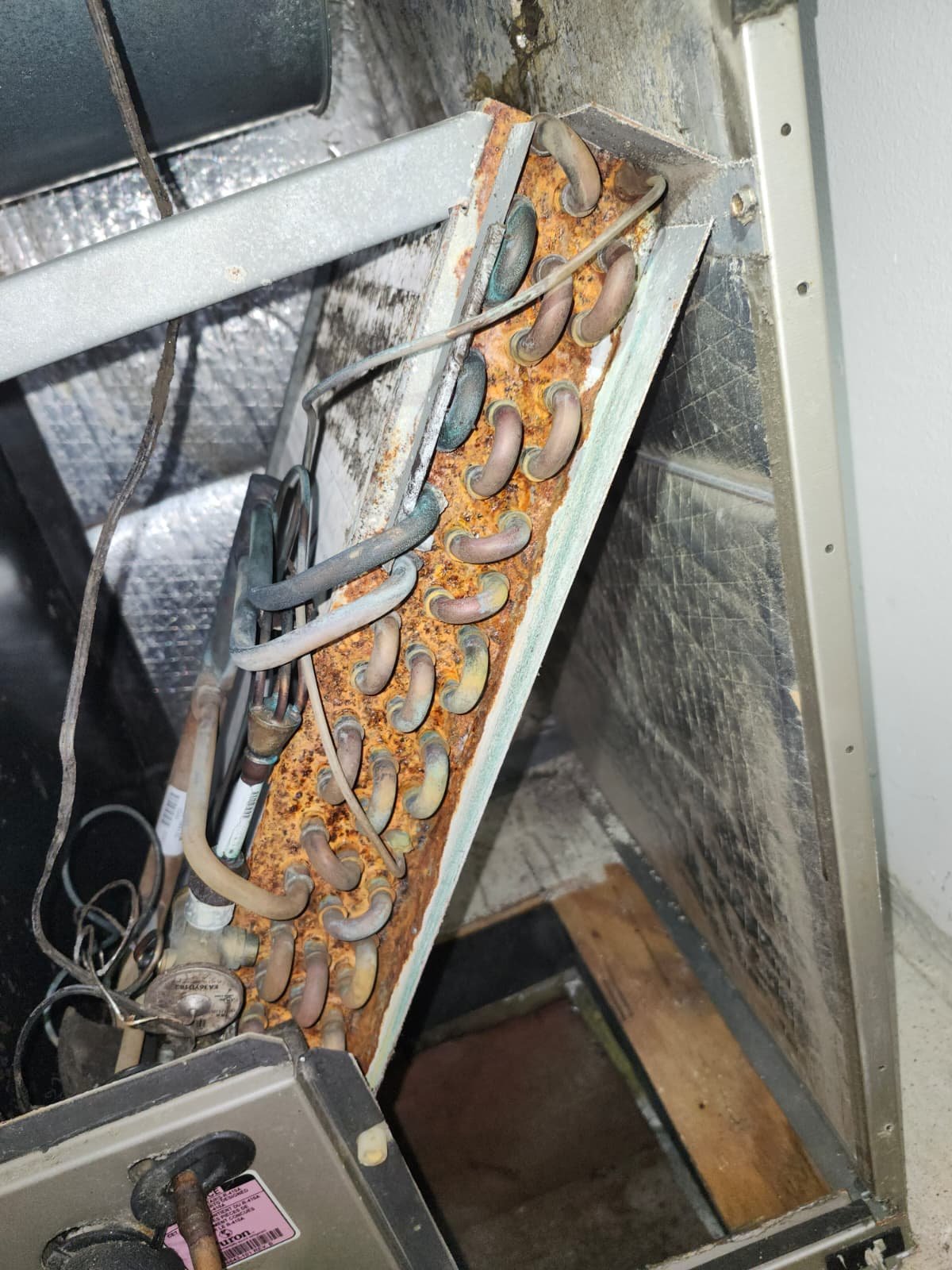
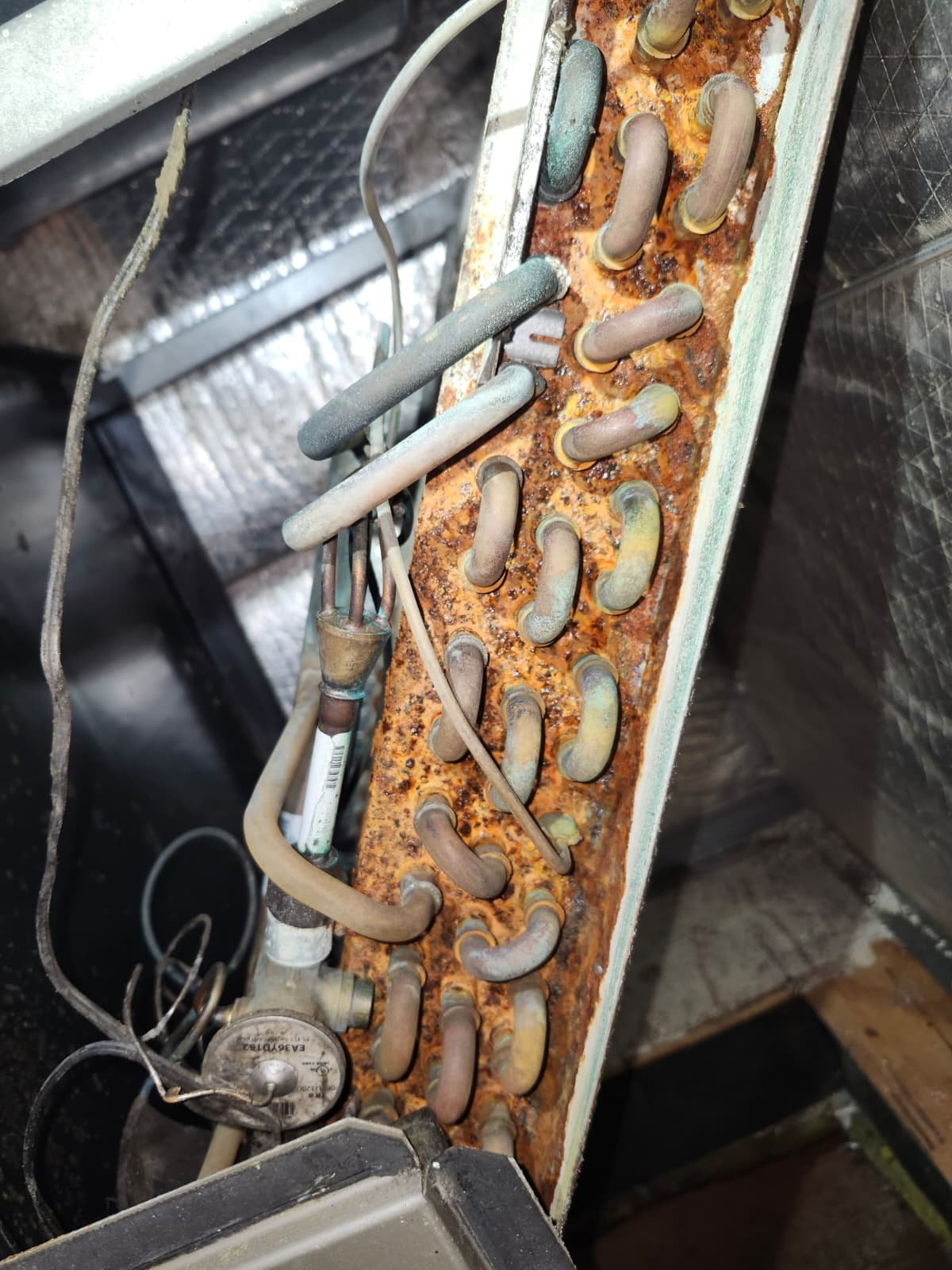
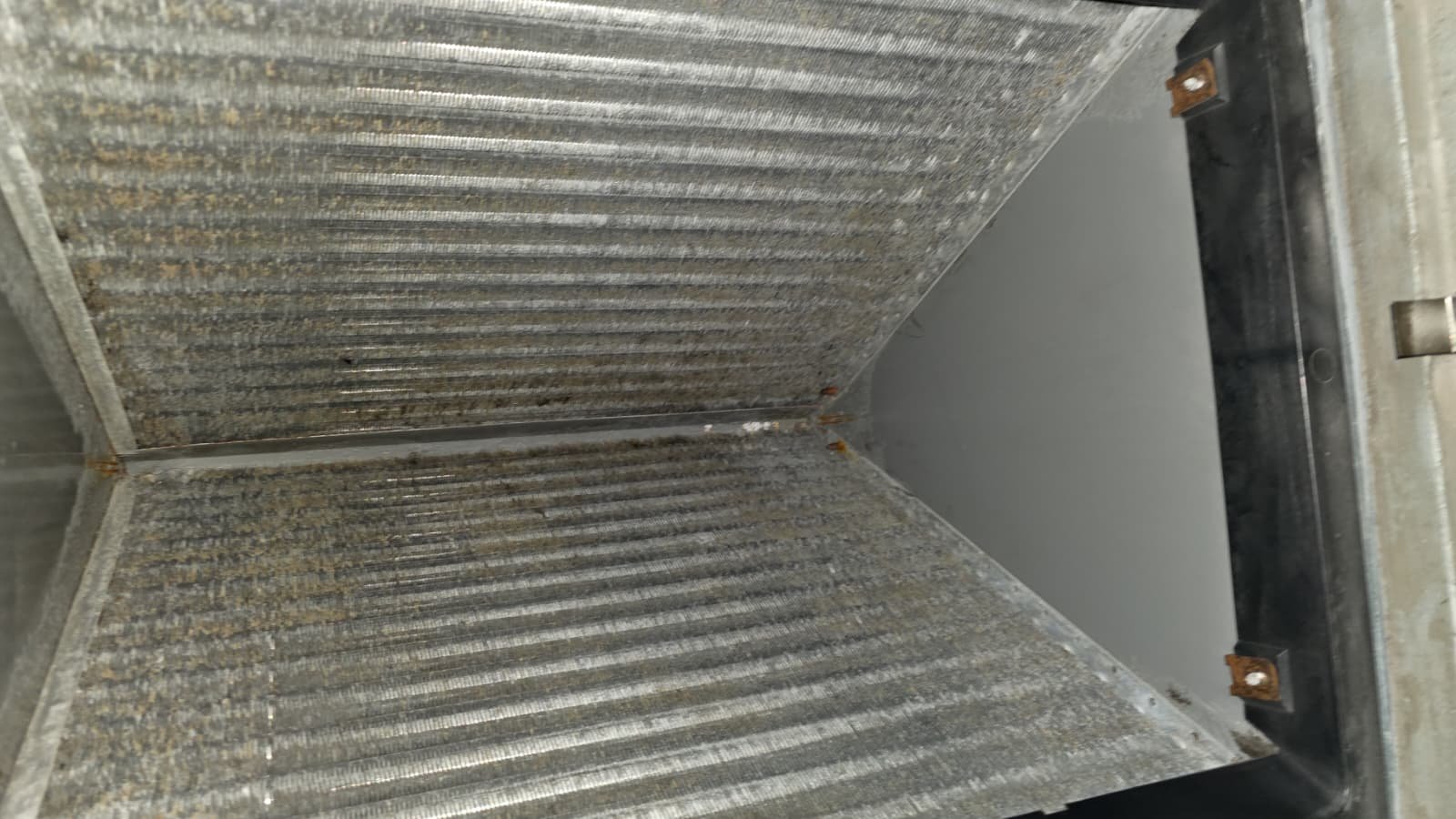
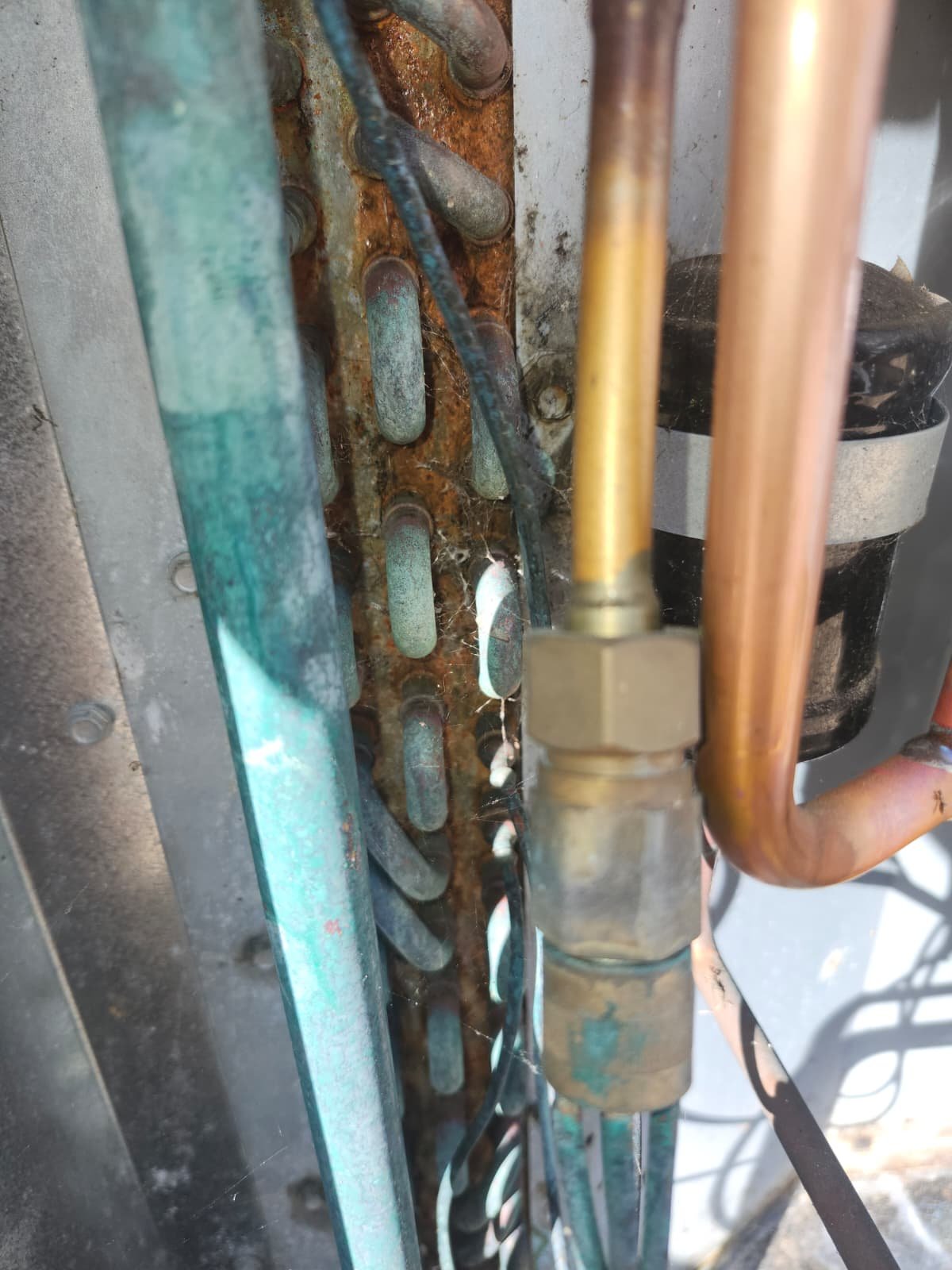
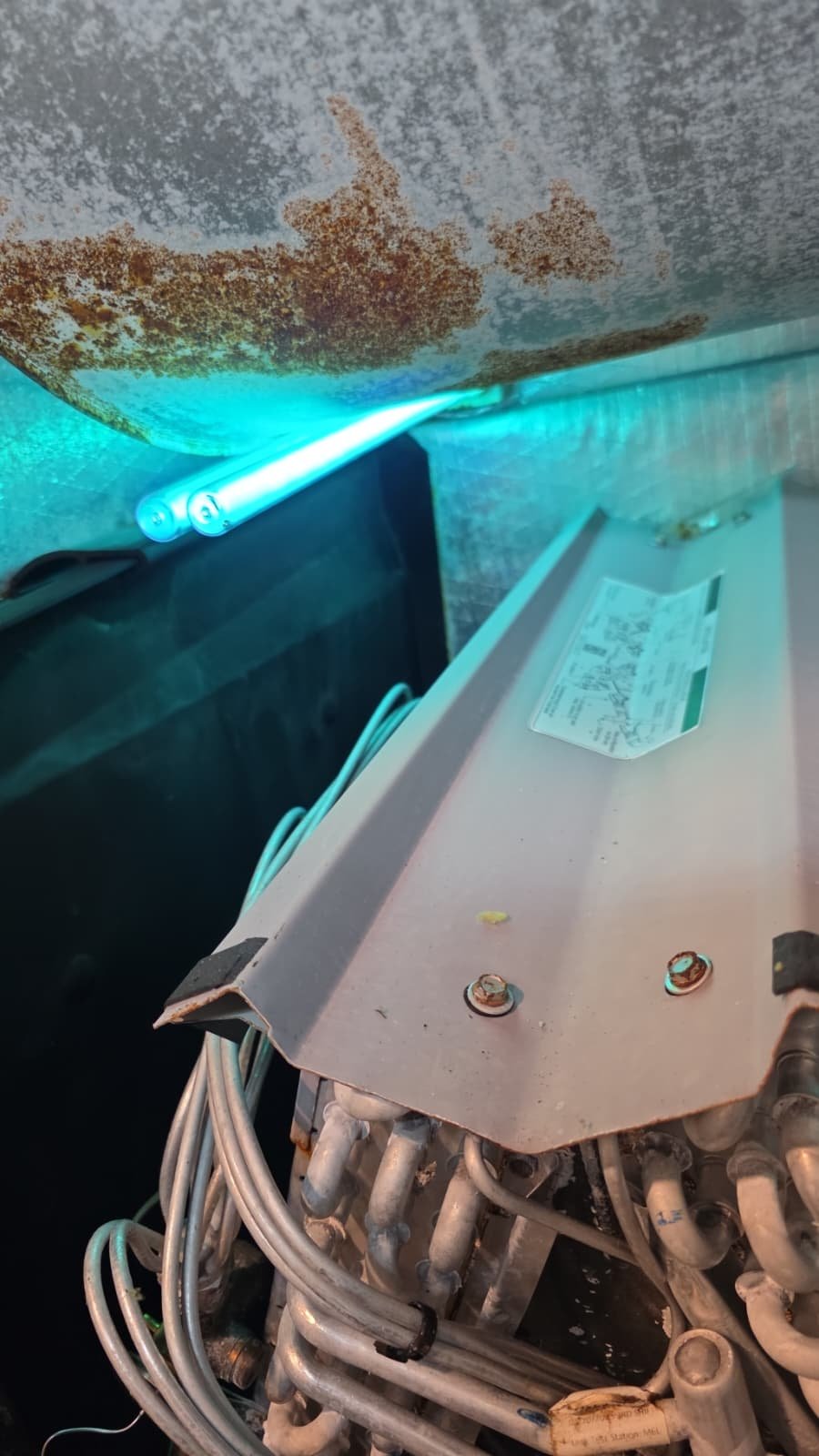
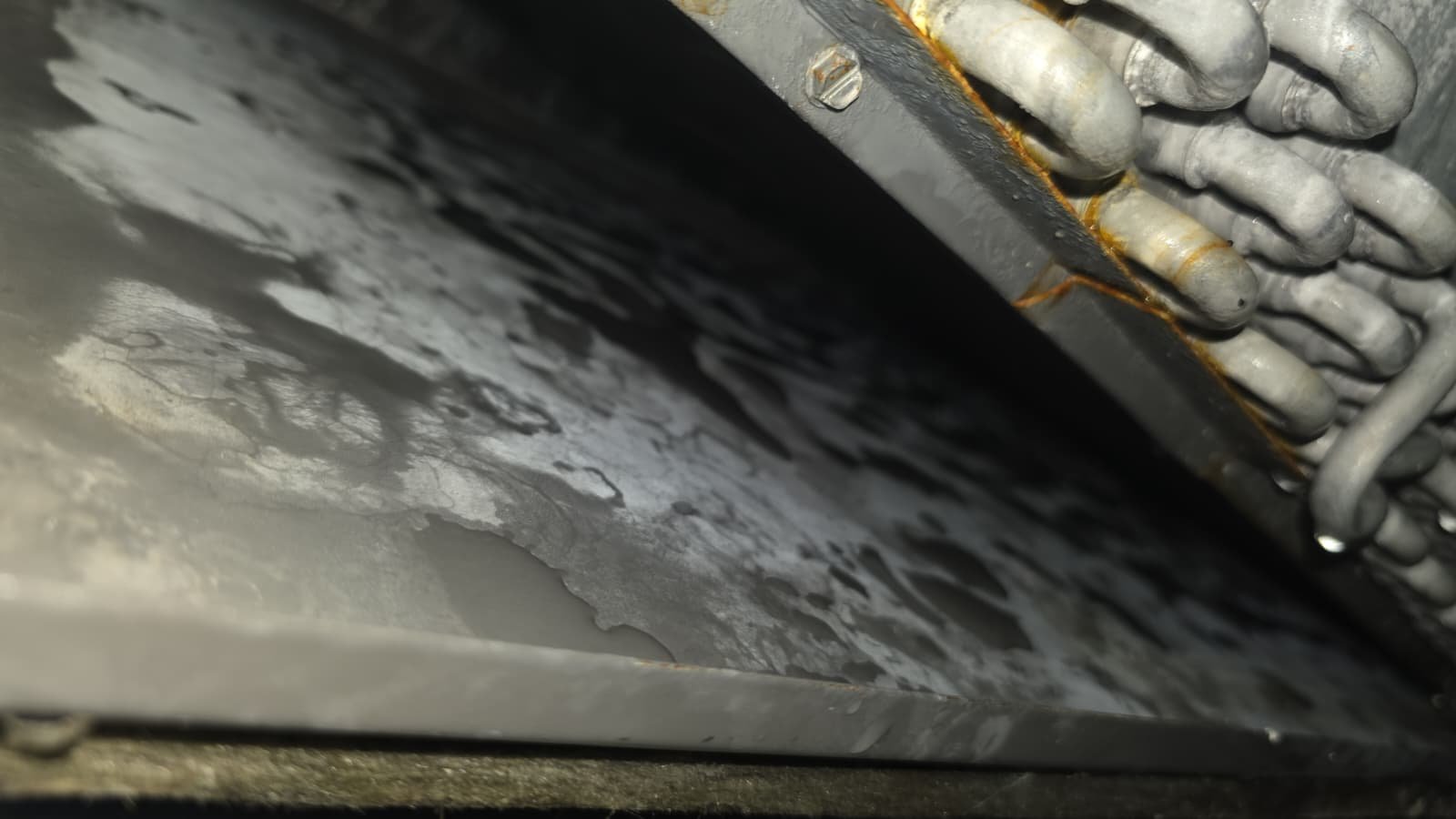
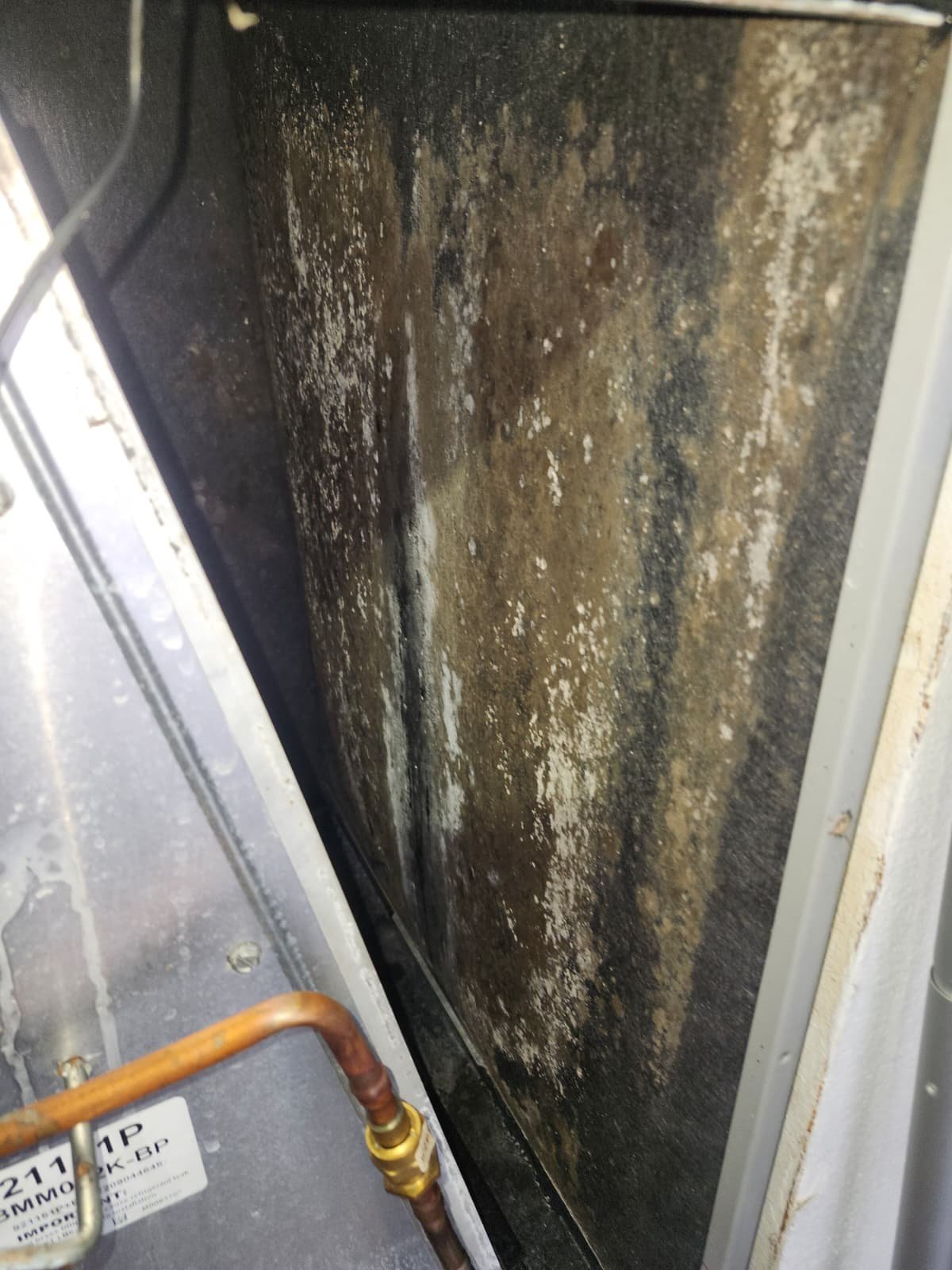
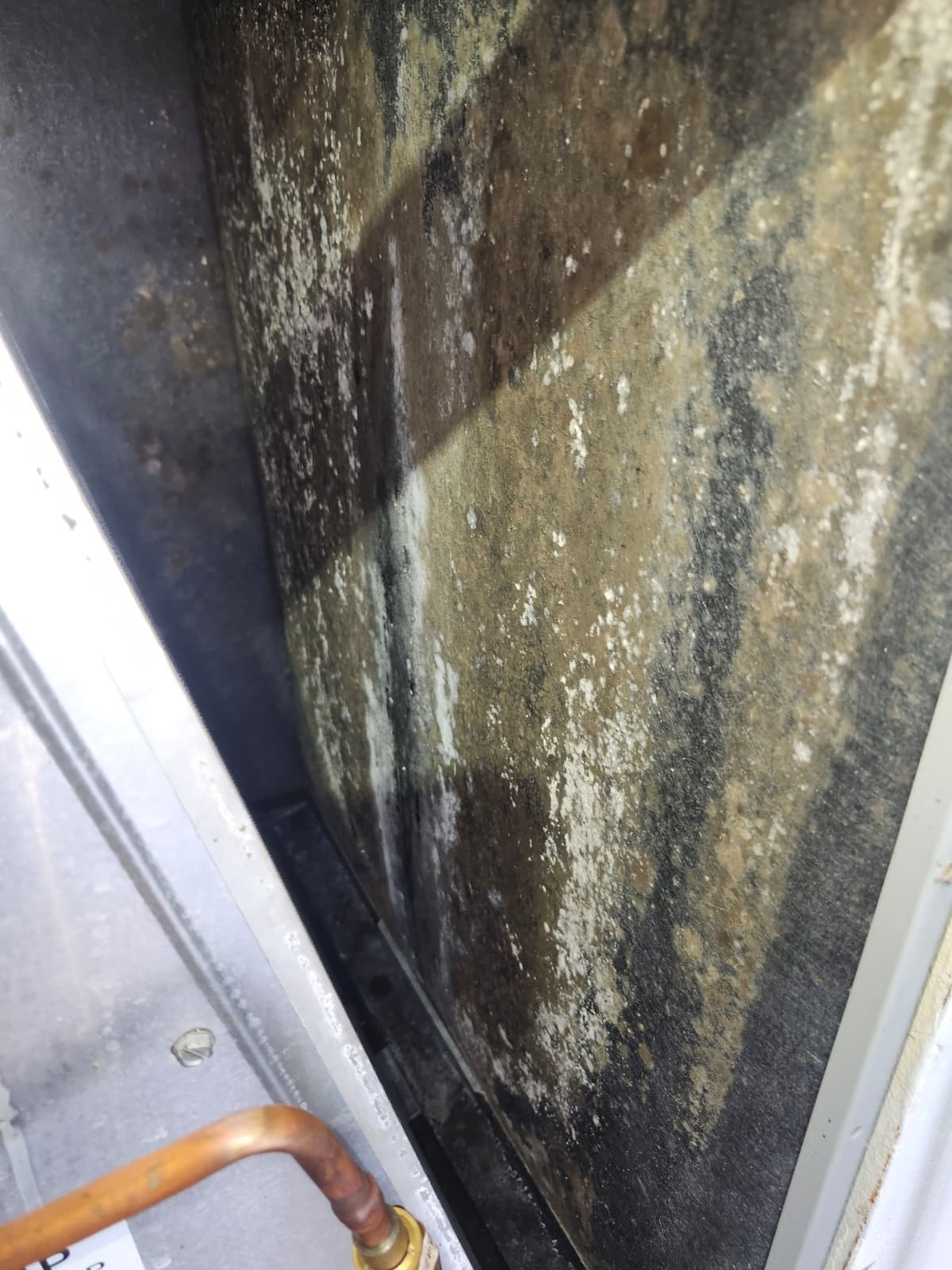
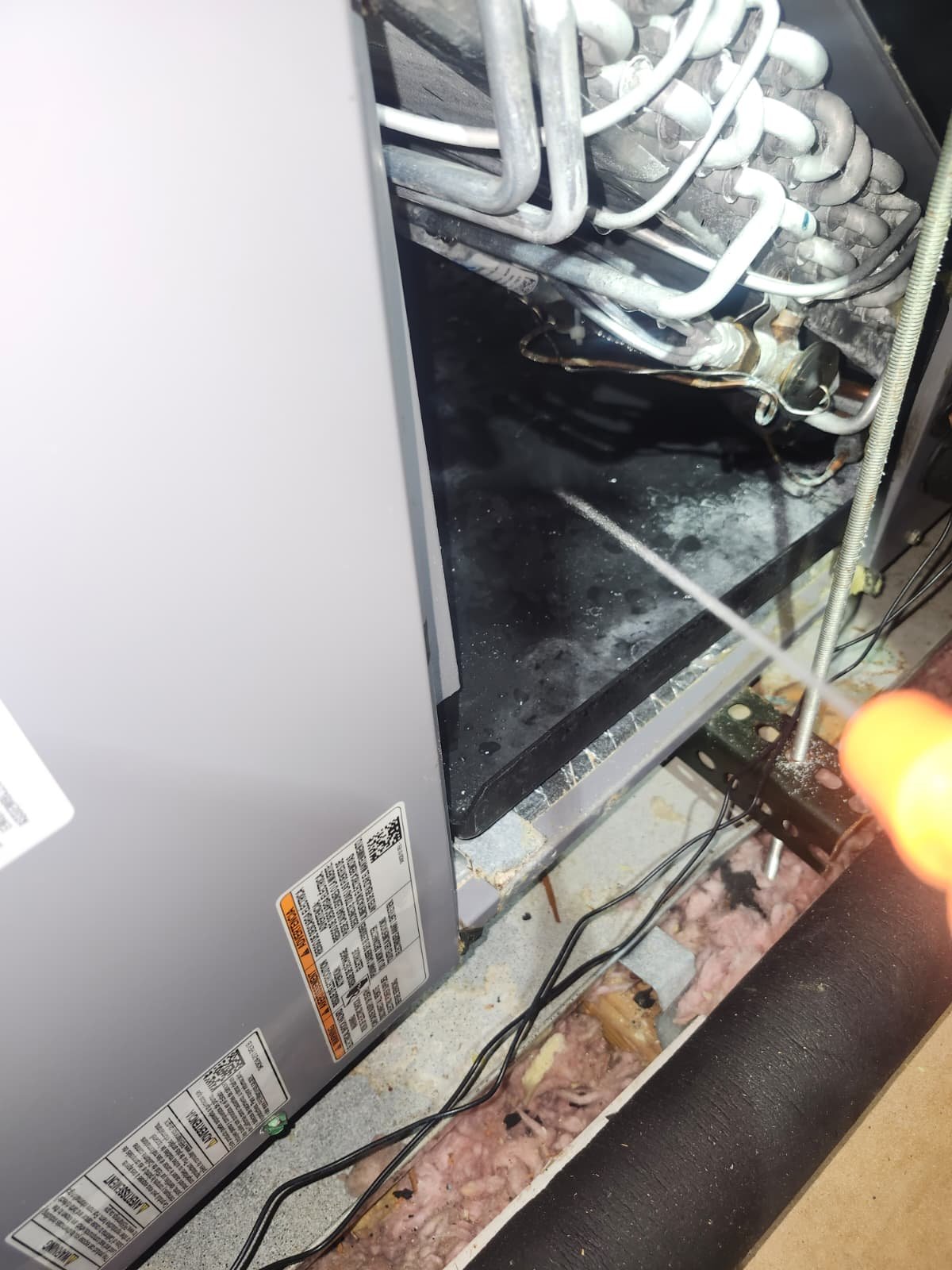
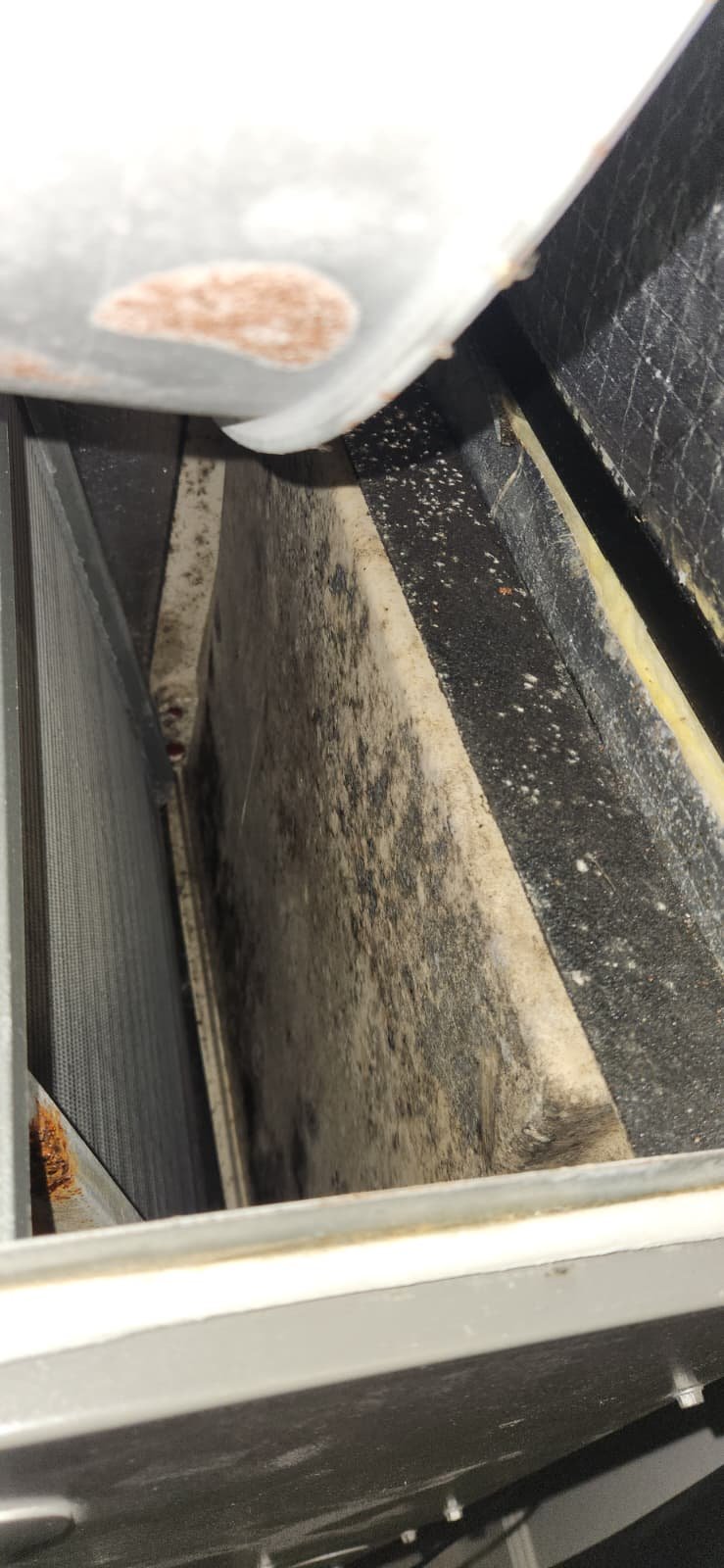
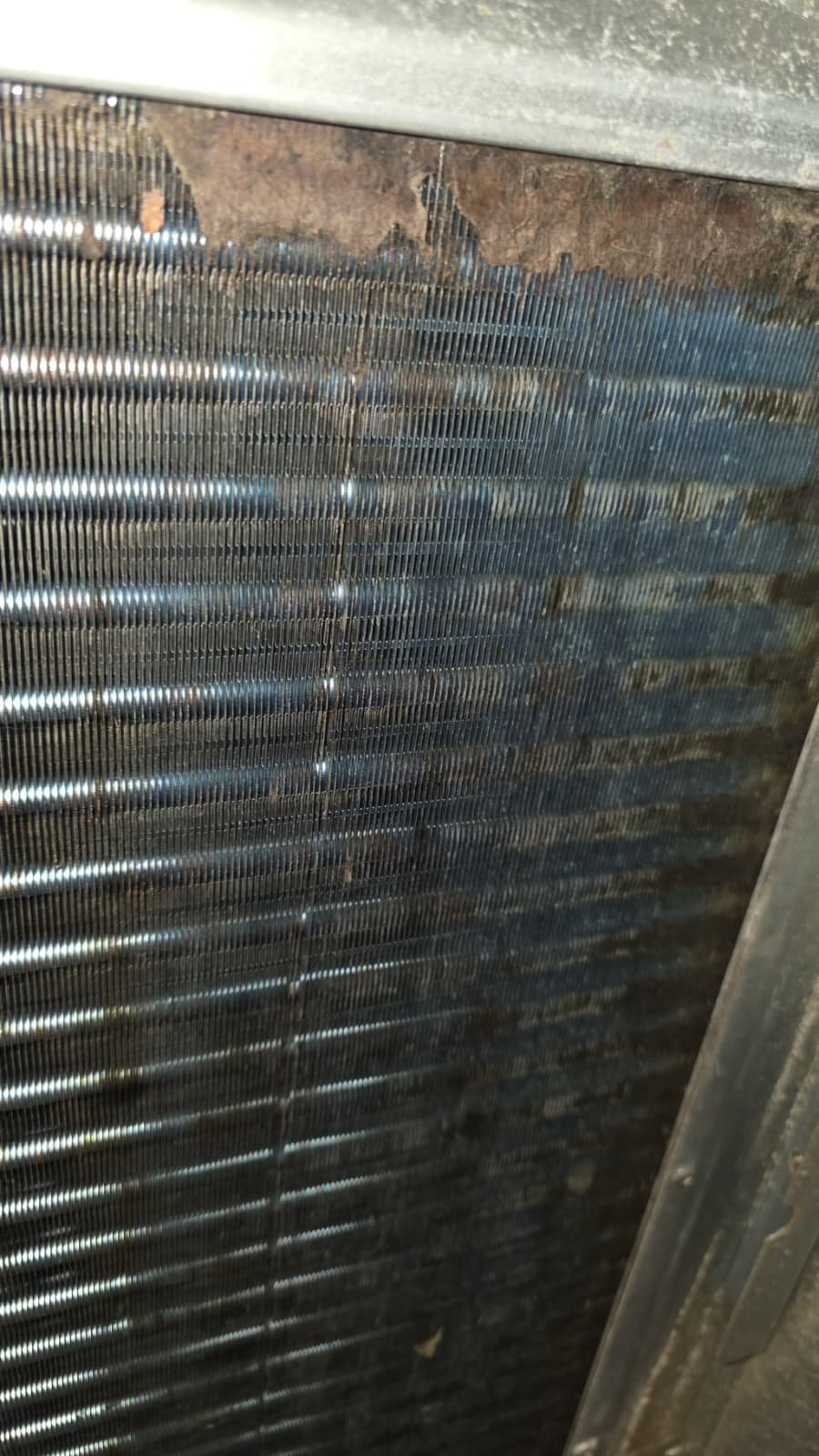
During our inspection, we found significant organic growth on the indoor coil, along with heavy rust and age-related wear. We walked the homeowner through why this was a concern, what could safely be done during a tune-up, and what carried a higher risk of damage. With clear communication and approval over the phone, we proceeded with a careful maintenance visit focused on improving performance, protecting the equipment as much as possible, and keeping the family comfortable.

Case Recap

  • Location: Single-family home on the first floor system in Odessa, FL 33556
  • Equipment age: Approximately 12 years old
  • Main findings: Heavy organic growth and a rusty, aging evaporator coil
  • Service provided: Cooling and heating tune-up with full system inspection
  • Communication: Risks of coil cleaning clearly explained and approved over the phone
  • Outcome: System tuned, inspected, and left operating as expected, with recommendations for future options

Customer Problem

For homeowners in Odessa, the combination of heat and humidity means your AC works hard nearly year-round. In this case, the first-floor system had reached about 12 years of service. Over time, dust, moisture, and organic material can collect on the indoor coil and in the air handler, especially in our Florida climate. The homeowner was concerned about performance, overall cleanliness, and making sure the unit could continue to carry the load as long as reasonably possible.

When we arrived, we already had notes indicating that the system was older and likely needed more than a quick once-over. The homeowner wanted a tune-up to improve efficiency and wanted an honest opinion about the condition of the equipment. During our visual inspection, we quickly confirmed:

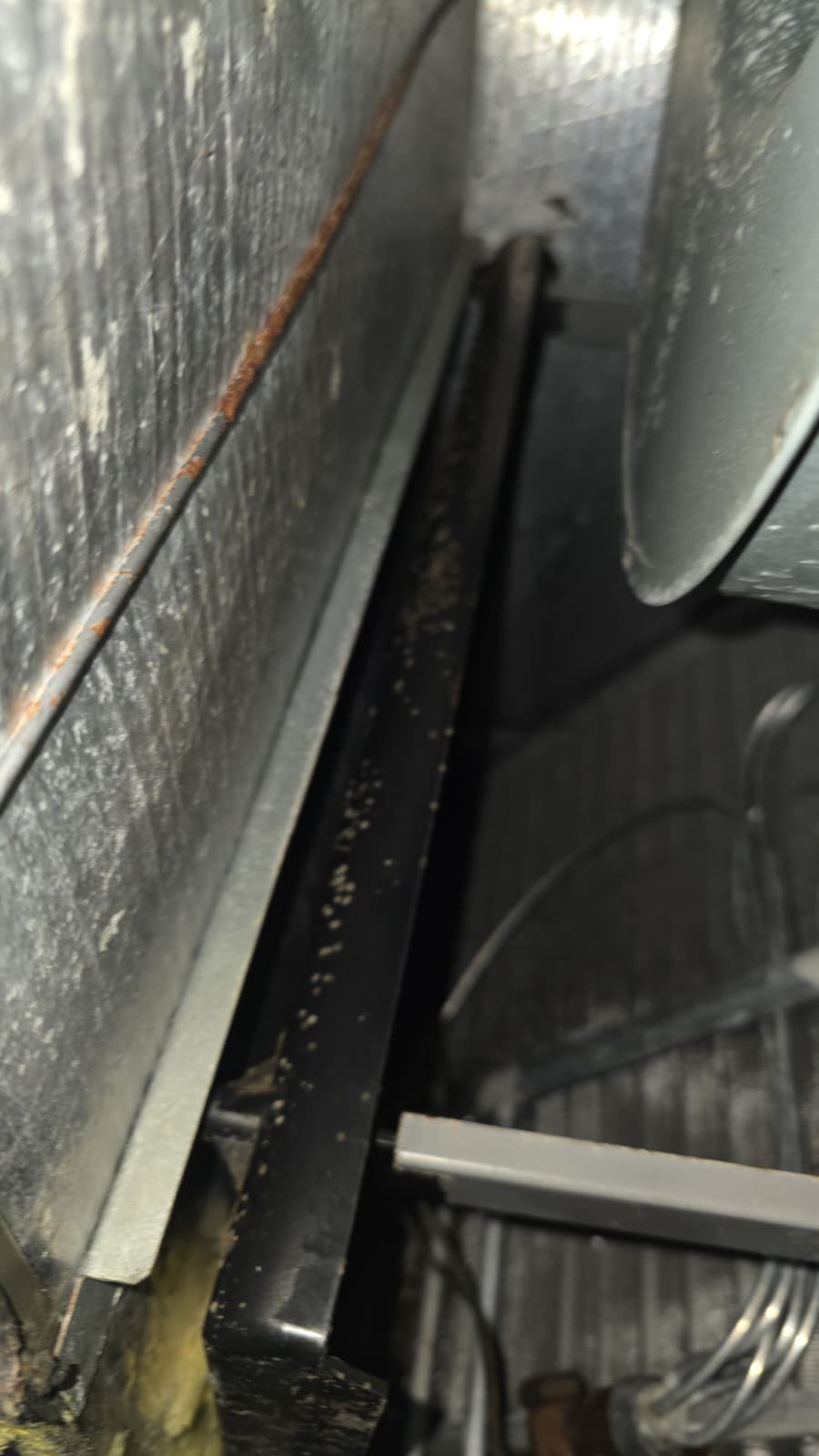
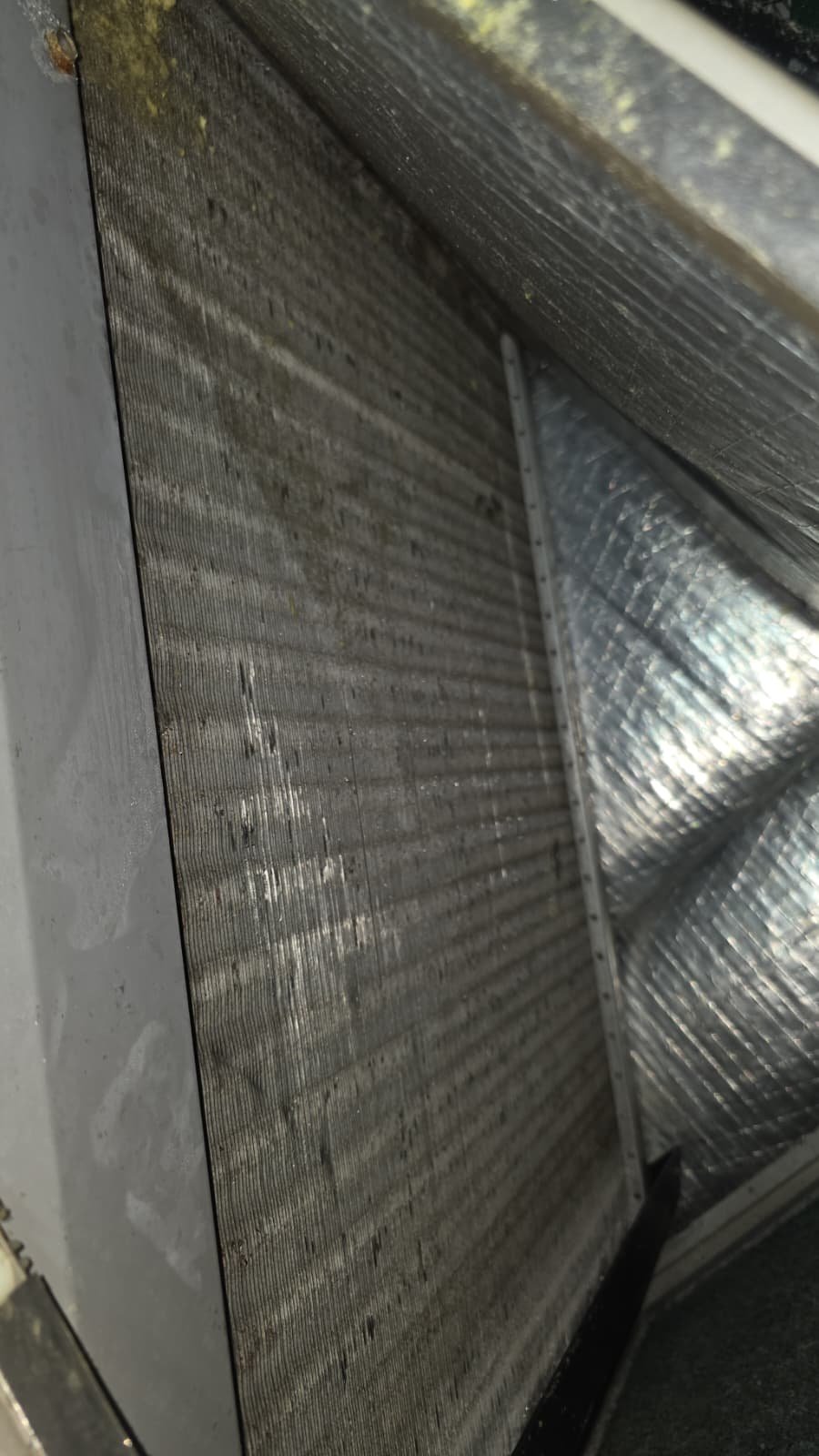
  • The indoor coil was heavily impacted with organic growth.
  • The coil metal itself was rusty and showing its age.
  • The system had not seen recent detailed cleaning.

The concern here is twofold. First, organic buildup can restrict airflow and reduce heat transfer, which means less cooling and higher energy use. Second, with a coil that is already rusted and thin from age, aggressive cleaning can sometimes do more harm than good. Our responsibility is to be transparent about those risks before we proceed with any work that could compromise the equipment.

Inspection and Diagnosis

Our technician started with a full inspection of the cooling and heating system to understand its overall health and identify any immediate red flags. For a 12-year-old system in Odessa, FL 33556, we focus on both performance and safety, especially with the amount of runtime systems see in this area.

Here’s what we walked through and why:

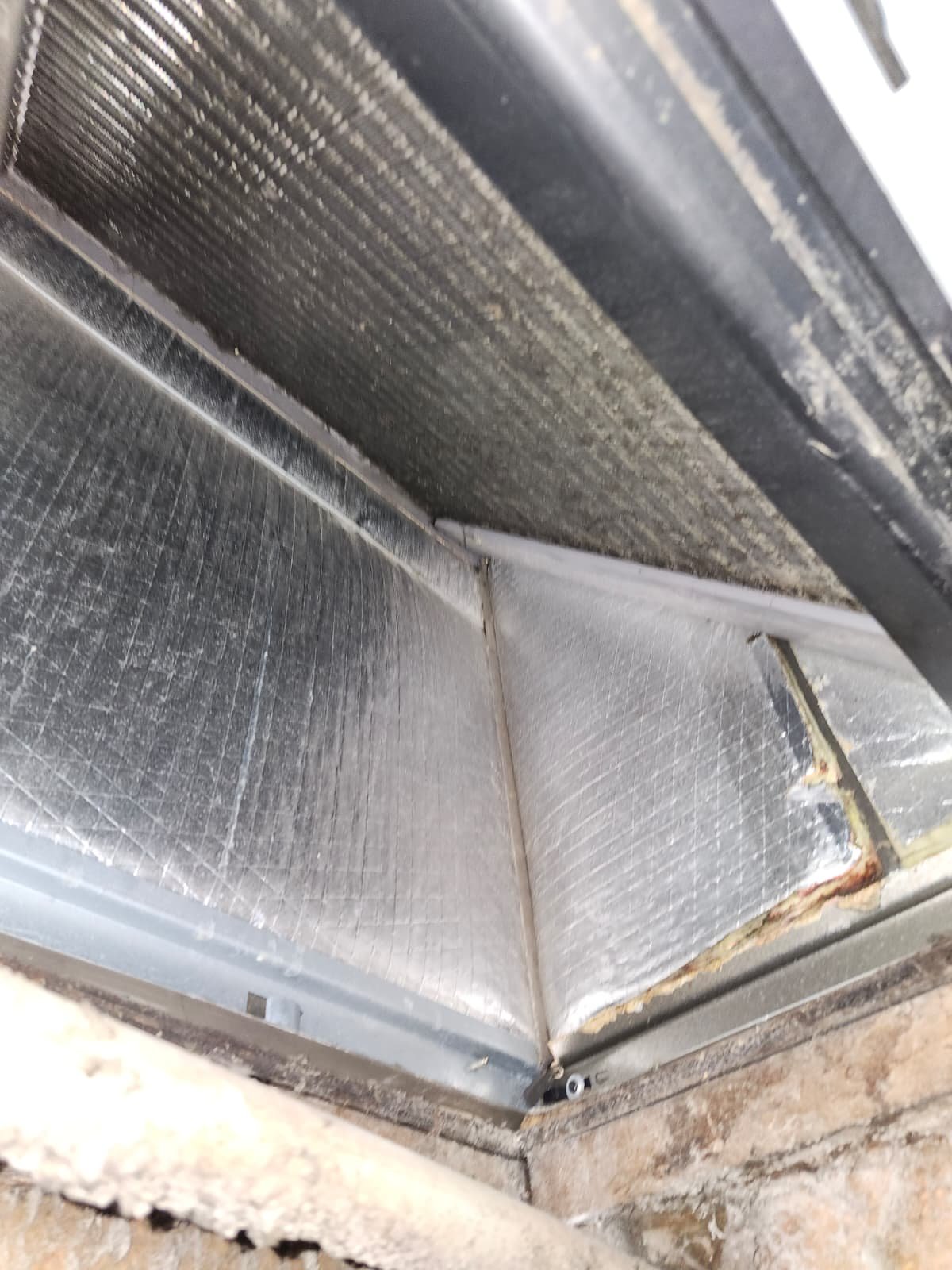
  • Indoor coil condition: We inspected the evaporator coil for cleanliness, corrosion, and structural integrity. This is where we confirmed heavy organic growth and visible rust.
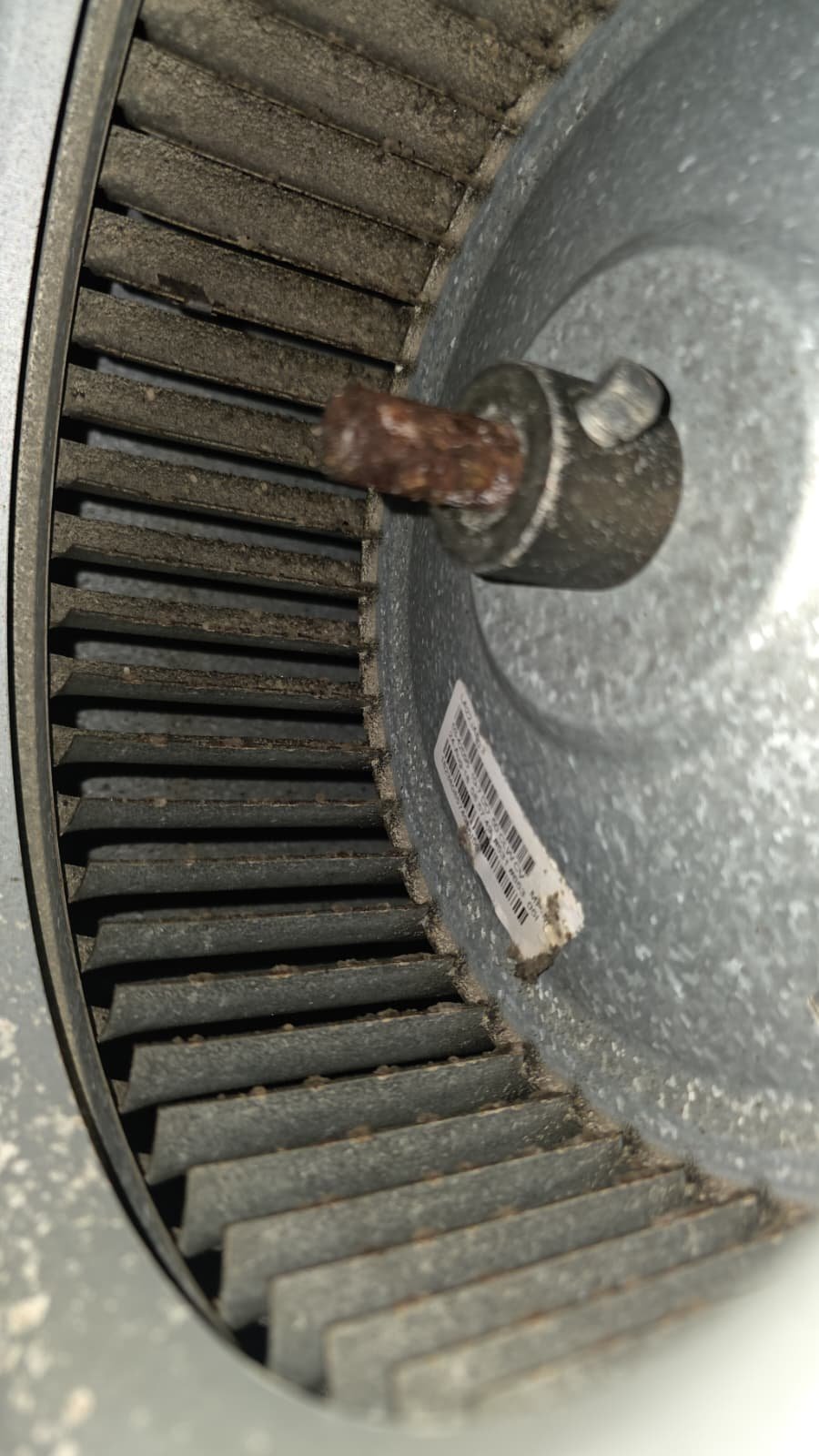
  • Airflow path: We looked at the blower wheel, filter area, and return side to check for blockages or significant dust buildup that could further strain the coil and fan motor.
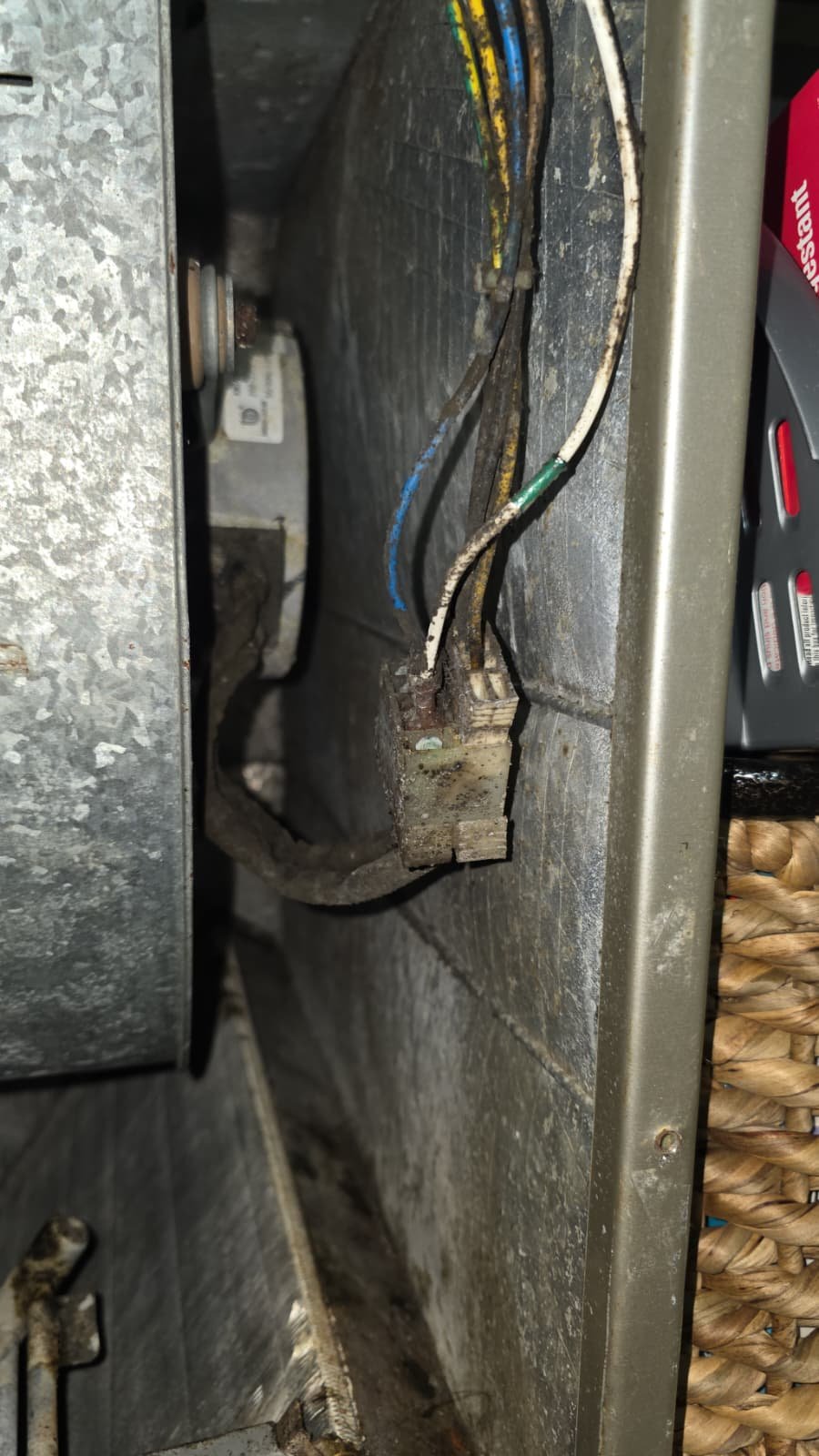
  • Electrical components: We inspected wiring connections and visible components for signs of overheating, wear, or loose terminals that could lead to intermittent failures.
  • Thermostat operation: We verified thermostat response and basic system cycling, making sure the system was commanding cooling and heating properly.
  • General system cleanliness: We checked the air handler area and immediate surroundings to see how much cleaning would be safe and effective during this tune-up.

After the inspection, we explained our findings to the homeowner. The key point was that the coil was not just dirty; it was also rusty and structurally compromised by age. That combination makes deep cleaning risky. We clearly stated that attempting to clean a heavily rusted coil can, in some cases, cause leaks or damage, and that we could not be responsible for any damage that might result from cleaning a coil in that condition.

Only after this conversation and explicit approval over the phone did we proceed with a conservative, careful approach to the tune-up.

Repair and Service Process

On a maintenance visit like this in Odessa, our goal is to get the system operating as efficiently and reliably as its condition allows, without introducing unnecessary risk. For this job, our process focused on a thorough tune-up while respecting the limitations of the aged coil.

Here’s how we approached the service:

1. System Tune-Up and Cleaning

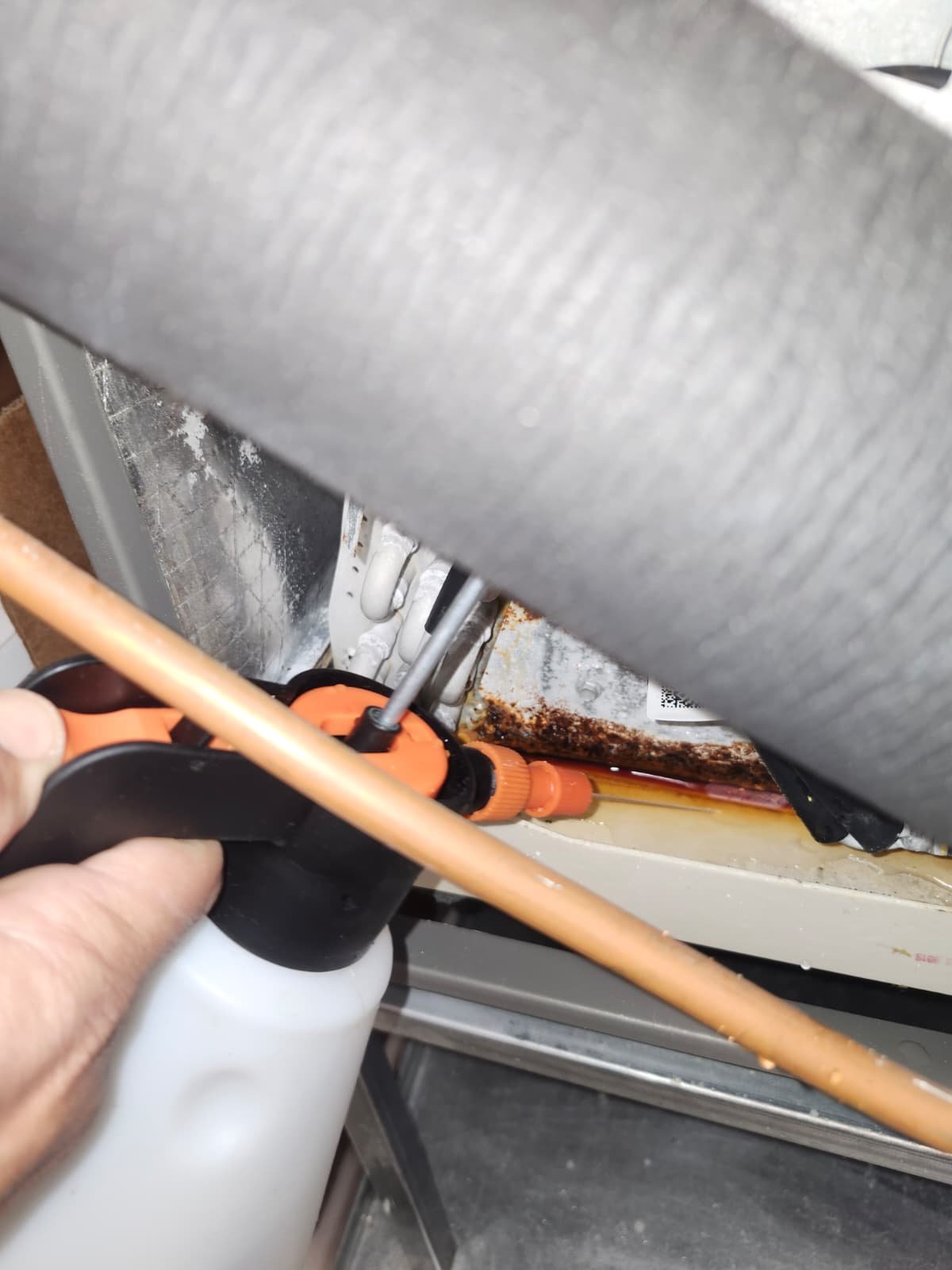
We started with a full tune-up, which typically includes cleaning key accessible components, flushing drain lines, and ensuring airflow is not being restricted by basic dirt and debris. Because the coil was so rusted and fragile, we only attempted light, on-the-spot cleaning where it could be done gently and safely. We did not push aggressive chemical cleaning or high-pressure methods that could have damaged the coil.

In a typical well-kept system, coil cleaning is a routine part of maintenance. In this case, we took a more cautious path and focused on improving performance around the coil, rather than forcing a deep cleaning that could cause a failure.

2. Drain and System Flushing

We checked the condensate drainage to help prevent backups and overflows, which are common issues in humid areas like Odessa. A clear, functioning drain line keeps moisture moving out of the air handler and reduces the chance of water damage around the unit.

3. Refrigerant Check

Within the scope of a tune-up, we checked that the system was operating as expected from a refrigerant standpoint for its current condition. We did not quote specific pressures or temperatures, but we confirmed that nothing immediately suggested a severe refrigerant issue during this visit.

4. Thermostat Adjustment and System Cycling

We verified that the thermostat was calling for cooling and heating properly and that the system was cycling on and off as expected. Small adjustments at the thermostat can go a long way in improving comfort and avoiding unnecessary runtime.

5. Wiring and Component Inspection

We inspected accessible wiring and components to make sure everything looked safe and secure. Loose or burned connections can lead to no-cool situations or intermittent failures, especially on older systems. Addressing these issues during maintenance helps prevent surprise breakdowns later.

6. Filter Check and Replacement Guidance

We checked the filter condition and confirmed that replacing filters on time is even more important when a coil is older and already challenged by organic growth. Proper filtration helps slow down further buildup on the coil and improves indoor air quality for the home.

Once all of these steps were complete, we tested the system to confirm it was operating as expected for its age and condition. We then shared clear recommendations with the homeowner for future options, which may include a more extensive cleaning or planning for eventual replacement. For homeowners in Odessa, FL 33556, this type of honest, step-by-step approach is critical for balancing budget, comfort, and long-term reliability.

Why This Fix Works for an Aging System

On an older system with a rusty coil, the safest and most practical approach is often to focus on optimizing what’s still working rather than forcing a deep repair or cleaning that might create new problems. The maintenance we performed helps in several key ways:

  • Airflow support: Cleaning the areas around the coil, checking filters, and keeping the blower and return path clear all help maintain airflow, even if the coil itself isn’t in perfect condition.
  • Heat transfer support: While we avoided aggressive coil cleaning, removing surface dust and keeping the system free of additional buildup helps the coil transfer heat more effectively than if everything were left untouched.
  • Moisture and drainage control: A properly flushing drain line helps prevent standing water and reduces the conditions that allow organic growth to worsen.
  • Electrical reliability: Tight, secure connections and healthy components reduce the chance of sudden shutdowns or intermittent operation.

The underlying principle is straightforward: an air conditioning and heating system in Odessa relies on clean airflow, consistent refrigeration performance, and safe electrical operation. Even when equipment is older, a careful tune-up helps the system run closer to its design capability and can reduce stress on already aged components.

We’re always clear that maintenance can’t reverse age or corrosion. But it can help keep an aging system stable while a homeowner plans for future upgrades. For those considering longer-term solutions, we often discuss options like new ductless mini-split installation or full-system replacements, depending on the home’s needs.

Pro Tips for Homeowners in Odessa

Living in Odessa, FL 33556 means your AC and heating system work hard in a hot, humid environment. Here are some practical, no-nonsense tips to help keep your equipment running more smoothly:

  • Stay consistent with filter changes: In our climate, many homes benefit from checking filters monthly and replacing them at least every 1–3 months, depending on filter type and indoor conditions.
  • Schedule routine maintenance before peak season: Having your system tuned up before the hottest months can help catch small issues early and improve comfort when you need it most. Our general HVAC services in Hillsborough County are designed with this in mind.
  • Watch for changes in airflow or run time: If you notice weaker air from vents or the system running much longer than usual, it’s a good sign to schedule a visit before it turns into a full breakdown.
  • Keep the area around your indoor unit clear: Avoid storing items right up against the air handler or return grille. Good airflow around the equipment helps it breathe and run more efficiently.
  • Consider thermostat upgrades: A properly set and programmed thermostat can help control humidity and reduce energy use. If you’re considering an upgrade, our guide on smart thermostat installation in Tampa Bay is a good place to start.
  • Don’t ignore visible rust or growth: If you see rust, water stains, or organic growth around your indoor unit, have it checked sooner rather than later. Early attention gives you more options and time to plan.

FAQ: AC Tune-Up and Aging Coils in Odessa, FL 33556

Is it safe to clean a rusty, 12-year-old evaporator coil?

It depends on the coil’s condition. On this Odessa job, the coil was heavily rusted and impacted with organic growth. We explained to the homeowner that any cleaning carried a higher risk of damage. With that understanding, we only attempted careful, limited cleaning and focused on surrounding components. On severely corroded coils, replacement is often the more reliable long-term solution.

What does your tune-up typically include?

Our tune-ups generally include cleaning accessible components, flushing the system drain, checking refrigerant operation, adjusting the thermostat as needed, inspecting wiring and key components, and addressing filter needs. Afterward, we share clear recommendations for any additional maintenance or repairs. For well-kept units in Odessa, this can help lower energy use and reduce the chance of breakdowns.

Can a tune-up fix all problems on an older system?

No. A tune-up is designed to optimize and protect the system you already have. It can improve performance, catch issues early, and extend useful life, but it cannot reverse age, rust, or severe wear. On this 12-year-old system, we improved operation but also advised the homeowner on future planning due to the coil condition.

How often should I schedule maintenance for my AC in Odessa?

For most Odessa homeowners, once-a-year professional maintenance is a good baseline, and in some heavy-use homes, twice a year is even better. Our HVAC service offerings in the Tampa Bay area are built around regular tune-ups to keep systems running smoothly through long cooling seasons.

What if my system needs more intensive cleaning than a basic tune-up?

If your equipment requires more than a standard tune-up, we will always discuss your options before proceeding. That can include deeper cleaning, component repair, or planning for replacement if the equipment is too far gone. We never push work without explaining the risks, benefits, and costs first.

Do I need to be home for a tune-up visit?

Many homeowners prefer to be home, but it’s not always required. We explain expectations clearly and provide updates so you know what was done and what we found. If you’re curious about scheduling and access details, our article on whether you need to be home for AC repairs or maintenance can be helpful.

Why Choose Home Therapist for HVAC Service in Odessa

When you invite a technician into your home in Odessa, FL 33556, you deserve more than a quick in-and-out visit. Our team at Home Therapist Cooling, Heating, and Plumbing focuses on thorough work, clear communication, and long-term reliability for Tampa Bay homeowners.

Here’s what you can expect from us:

  • Licensed, professional technicians: We treat your equipment and your home with the same care we’d want in our own homes.
  • Transparent communication: We explain what we find, what your options are, and any risks involved—like we did with this rusted coil—before moving forward.
  • Clean and respectful work: From wearing protective gear to cleaning up after ourselves, we take pride in leaving your space tidy.
  • Focus on long-term reliability: We’re not just looking for quick fixes; we want your system to run safely and predictably through our demanding Florida seasons.
  • Commitment to Tampa Bay homeowners: We serve Odessa and surrounding communities as part of the greater Tampa Bay area and stand behind the work we do.

If you’d like to see more of how we work and stay connected, you can follow us on social platforms like Pinterest or connect with us on Reddit. For added peace of mind, you can also review our standing with trusted organizations such as the Better Business Bureau, the Tampa Bay Chamber of Commerce, and independent review platforms like ProvenExpert.

Need AC Tune-Up or HVAC Help in Odessa, FL 33556?

If your system is aging, showing signs of rust or organic growth, or just hasn’t been serviced in a while, we’re here to help. Our team at Home Therapist Cooling, Heating, and Plumbing can perform careful, honest tune-ups and give you a clear understanding of your options—whether that’s continued maintenance, deeper cleaning, or planning for a future upgrade.

For homeowners in Odessa, FL 33556 and throughout the Tampa Bay area, we’re committed to keeping your home comfortable, safe, and efficient through every season. When you’re ready, reach out to schedule an AC tune-up or broader HVAC service in your area, and we’ll walk you through the process step by step.

Your comfort is our focus, and we’re always just a call away when you need a trusted local technician.

Lashonda Baker Job 1e15199020864c1082fb232c542123ba

Cooling and Heating Maintenance in Tampa, FL 33619

When your air conditioner and heater are working, it’s easy to forget about them—until something feels off. For a homeowner in Tampa, FL 33619, we came out to perform a scheduled cooling and heating maintenance visit. The goal was simple: give the system a full tune-up so it could run efficiently, keep energy bills under control, and reduce the chance of a mid-season breakdown.

During this special tune-up, we cleaned and flushed key components, checked refrigerant levels, inspected wiring and controls, verified thermostat settings, and addressed the air filter. By the time we wrapped up, the system was running smoother, the homeowner had a clear understanding of its condition, and they had practical recommendations to keep it that way.

Case Recap

  • Location: Single-family home in Tampa, FL 33619
  • Service: Cooling and heating maintenance / A/C tune-up
  • Work performed: Cleaning, system flushing, refrigerant check, thermostat adjustment, wiring and component inspection, and filter service
  • System condition: Generally well-kept, suitable for our promotional tune-up offer
  • Outcome: Improved system performance, better efficiency, and clear recommendations for future care

Customer Problem

In this Tampa, FL 33619 home, the system was still cooling and heating, but the homeowner didn’t want to wait for a breakdown to call for help. They were proactive and took advantage of our special tune-up offer for well-maintained units.

Their main concerns were:

  • Keeping monthly electric bills from creeping higher, especially during our long Tampa summers.
  • Making sure the system would switch smoothly between cooling and heating as the seasons change.
  • Getting a professional set of eyes on the equipment to catch any small issues before they turned into major repairs.

They had heard that regular maintenance can help avoid surprise breakdowns, but they wanted a technician to explain exactly what we do during a tune-up and why it matters for a home in the Tampa Bay area.

Inspection and Diagnosis

On a maintenance visit like this, our job is to give the system a thorough check-up. We aren’t just wiping things down; we’re looking at how each part of the system is working together. For this home in Tampa, FL 33619, our technician walked through a structured inspection process.

We started inside the home, speaking with the homeowner about any recent changes they’d noticed—hot or cold spots, unusual noises, or thermostat issues. Even if everything seems fine, this conversation helps us focus on any subtle concerns.

From there, we inspected the system step by step:

  • Thermostat and controls: Verified settings, checked basic operation, and confirmed the system responded properly to temperature changes.
  • Electrical components and wiring: Looked for loose connections, wear, or obvious damage that could lead to intermittent problems or safety concerns.
  • Indoor unit condition: Evaluated cleanliness, checked for signs of restricted airflow, and looked for any visible moisture issues.
  • Refrigerant-related checks: Assessed that the system appeared to be operating as expected without obvious signs of refrigerant problems.
  • Filter situation: Confirmed the homeowner-provided filter and reviewed how often they were changing it.

Because this system was reasonably well-kept, it qualified for our special tune-up rate. If we had found a heavily impacted coil, severe biological growth, or a clogged drain pan, we would have paused and reviewed options with the homeowner before continuing. That’s especially important for HVAC service in Tampa, FL, where humidity can quickly cause build-up if systems are neglected.

Repair and Service Process

This visit was focused on maintenance, not major repair. The goal was to reset the system to a clean, efficient baseline and document any developing issues. Here’s how we handled the tune-up step by step.

1. System Cleaning and Flushing

We performed targeted cleaning on accessible components to help air move smoothly through the system. In the Tampa Bay climate, dust, pet hair, and humidity can combine to slow down airflow and strain the equipment. By carefully cleaning and flushing key areas, we help the system breathe easier and reduce wear on the blower and outdoor fan.

2. Refrigerant and Cooling Performance Check

Next, we checked that the air conditioner was operating as expected from a cooling standpoint. Without speculating on exact pressures or amounts, our job is to verify that the system appears to be cycling and cooling normally for a well-maintained unit. If anything had suggested a refrigerant issue, we would have discussed that with the homeowner before moving forward.

3. Thermostat Adjustment and Verification

The thermostat is the brain of the system. For this Tampa, FL 33619 home, we verified that the thermostat was calling for cooling and heating properly, that the displayed temperature seemed reasonable, and that the system responded when we adjusted the setpoint. Small adjustments here can prevent short cycling and improve comfort, especially when paired with modern controls like smart thermostats.

4. Wiring and Component Inspection

We then inspected accessible wiring and components for signs of wear or heat damage. Over time, Florida’s heat and vibration can loosen connections or stress electrical parts. Catching a weak connection now is far better than dealing with a no-cool call on a 95-degree day. If we had found any critical issues, we would have reviewed them with the homeowner and provided clear repair options.

5. Filter Replacement and Airflow Check

The homeowner can provide their own filter, or we can supply one at an additional cost. In this case, we verified that the filter type and size were appropriate and that it was seated correctly. A restricted filter is one of the simplest causes of reduced airflow and higher energy bills. For many homeowners in Tampa, we recommend checking the filter more often during peak summer months due to our high run times and humidity.

6. Final Testing and Recommendations

Once the tune-up steps were complete, we ran the system through a normal cycle to confirm it was operating as expected. We listened for abnormal noises, checked for consistent airflow at the registers, and confirmed the thermostat satisfied the call for cooling or heating properly.

At the end of the visit, we walked the homeowner through what we found, what we cleaned, and any items we recommend watching over the next season. Our approach is always transparent—no pressure, just clear information so you can decide what’s best for your home.

Why This Fix Works

An HVAC system is a combination of airflow, refrigeration, and electrical control. When those three elements are in balance, you get steady comfort and reasonable utility bills. When any one of them drifts out of line, the system has to work harder to do the same job.

This tune-up for a homeowner in Tampa, FL 33619 focused on:

  • Airflow: A clean filter and clean components allow your blower to move air without fighting against dust and debris. Good airflow improves comfort in every room.
  • Refrigeration cycle: Verifying that the system cools as expected helps us confirm that heat is being removed effectively from your home.
  • Electrical and controls: Secure wiring and a correctly operating thermostat keep your system from short cycling or running unnecessarily.

By taking care of these fundamentals, we reduce strain on the system, support longer equipment life, and help lower the risk of surprise breakdowns. That’s especially important in Tampa, where your air conditioner works hard for much of the year and any downtime is felt quickly.

For homeowners considering upgrades in addition to maintenance, we often talk about options like ductless mini-split systems in Tampa or reviewing new air conditioner installation quotes when equipment is older or inefficient. Maintenance helps you get the most from your current system and plan ahead for the future.

Pro Tips for Homeowners in Tampa

Living in Tampa, FL 33619 means your HVAC system sees a lot of run time, high humidity, and rapid weather swings. Here are some practical, low-stress tips to keep your system in better shape between professional tune-ups.

  • Check your filter regularly: In our climate, checking the filter every 30 days is a good habit, even if you don’t always need to replace it that often. A clean filter is one of the easiest ways to support airflow and reduce stress on your system.
  • Keep supply and return vents open: Avoid blocking vents with furniture, rugs, or boxes. Restricting airflow can create hot or cold spots and add unnecessary strain to the blower motor.
  • Give the outdoor unit breathing room: Trim plants and remove debris around your outdoor condenser so it has clear space on all sides. Good airflow outdoors is just as important as indoors.
  • Use your thermostat wisely: Steady, reasonable settings usually work better than constantly making large adjustments. Pairing maintenance with a quality thermostat—such as options we install through our smart thermostat services—can improve comfort and efficiency.
  • Schedule annual maintenance: A yearly check-up helps catch wear and small issues early. For many Tampa Bay homeowners, spring is a great time to prepare for the heavy summer workload.
  • Pay attention to small changes: If rooms start feeling uneven, the system gets louder, or your utility bills jump for no clear reason, it’s a good time to schedule a visit before the problem grows.

FAQ: Cooling and Heating Maintenance in Tampa, FL 33619

What does your tune-up include?

Our tune-up for this Tampa, FL 33619 homeowner included cleaning key components, system flushing, a refrigerant performance check, thermostat adjustment, wiring and component inspection, and filter service (using a homeowner-provided filter or one we supply at an additional cost). Afterward, we reviewed our findings and any recommended next steps.

Is the $89 tune-up right for every system?

No. This special tune-up offer is designed for well-kept units only. If we arrive and find that your system needs more intensive cleaning or corrective work, we’ll stop, explain what we’re seeing, and discuss options before proceeding. That way, you always know what you’re approving.

How often should I schedule HVAC maintenance in Tampa?

For most homes in Tampa, FL 33619, we recommend at least one professional maintenance visit per year. Because systems here work so hard in summer, some homeowners prefer a cooling-focused visit in spring and a check before the heating season as well.

Do you check both cooling and heating during the same visit?

When conditions and equipment type allow, we review both cooling and heating operation during the same tune-up. Our goal is to make sure your system can transition smoothly between seasons so you’re not surprised when our few chilly nights arrive.

What happens if you find a problem during maintenance?

If we find something that needs attention, we’ll show or describe the issue, explain the options, and provide upfront pricing for any recommended repairs. You decide how you’d like to move forward—our role is to give you clear, honest information.

Will maintenance really help prevent breakdowns?

While no service can guarantee you’ll never have a breakdown, regular maintenance greatly reduces the chances of avoidable failures. By keeping components clean, connections tight, and performance checked, we help your system operate more reliably through Tampa’s hottest days.

Why Choose Home Therapist for HVAC Service in Tampa

When you invite someone into your home in Tampa, FL 33619, you deserve a team that treats your comfort and property with respect. At Home Therapist Cooling, Heating, and Plumbing, we approach every maintenance visit the same way we handled this tune-up: with care, clear communication, and a focus on long-term reliability.

Here’s what you can expect when you work with us:

  • Licensed, professional technicians: Our technicians are trained, experienced, and equipped to handle both routine tune-ups and complex HVAC issues.
  • Transparent communication: We explain what we’re doing, why it matters, and what we find—without pressure or confusing jargon.
  • Clean and respectful work: We treat your home like our own, take care around your property, and clean up our work area before we leave.
  • Long-term reliability focus: Our maintenance visits are designed to support efficiency and extend equipment life, not just get you through today.
  • Commitment to Tampa Bay homeowners: We live and work in the Tampa Bay area, and we stand behind the service we provide to our neighbors.

If you’d like to see what other homeowners say about us, you can check out our profiles on trusted platforms such as the Better Business Bureau and the Tampa Bay Chamber of Commerce.

You can also stay connected and see more of our work by visiting us on Pinterest or joining the conversation with us on Reddit.

Schedule Your Cooling and Heating Maintenance in Tampa, FL 33619

If it’s been a while since a professional has looked over your system, now is a great time to schedule a tune-up. A straightforward maintenance visit—like the one we performed for this homeowner in Tampa, FL 33619—can help your equipment run more efficiently, improve comfort, and reduce the risk of inconvenient breakdowns.

Whether you need a one-time tune-up, ongoing maintenance options, or you’re starting to think about future upgrades such as new equipment or additional AC repair or installation work, our team is here to help. Contact Home Therapist Cooling, Heating, and Plumbing today to schedule your cooling and heating maintenance in Tampa and the surrounding Tampa Bay communities.

James Watson Job 0d2d21b9a4f141c8854b9593983b3f8d

Water Pipe Replacement and Angle Valve Repair in Tampa, FL 33615

When a homeowner in Tampa, FL 33615 reached out about updating their water lines and old shut-off valves, the main concern was simple: they wanted reliable plumbing that wouldn’t surprise them with leaks or low pressure down the road. Our team at Home Therapist Cooling, Heating, and Plumbing was called in to plan a clean, professional water pipe replacement and angle valve repair that fit both the property and the tenant’s limited schedule.

In this visit, we focused on installing new water supply piping, pricing the job based on the length of new pipe that needed to be run, and replacing angle valves while we were already working in the area. By the time we wrapped up, the homeowner had a clear plan, transparent pricing, and a path to a safer, more dependable plumbing system in their Tampa, FL 33615 home.

Case Recap

  • Location: Single-family residence in Tampa, FL 33615
  • Services discussed: Water pipe replacement, new water supply line installation, and angle valve replacement
  • Pricing structured by base cost plus price per foot of new piping
  • Work scheduled around tenant availability and planned as a two-technician job
  • Goal: Improve reliability, reduce leak risk, and ensure easy shut-off at fixtures

Customer Problem

From the homeowner’s side, the main issue wasn’t a single dramatic leak; it was a growing concern that the existing water lines and shut-off (angle) valves were at the end of their useful life. In a humid climate like Tampa, older plumbing materials and aging valves can start to show their age with:

  • Corrosion or discoloration on visible piping
  • Stiff or non-working shut-off valves under sinks or behind toilets
  • Inconsistent water flow at certain fixtures

The homeowner wanted to get ahead of potential leaks and water damage by replacing older lines with new CPVC, PVC, or PEX water lines and updating the angle valves while the plumbing was already being worked on. Because this home was tenant-occupied, any work had to be carefully scheduled for specific days of the week, and we needed to plan the visit so that we could send two technicians and complete the most intrusive tasks efficiently.

They also wanted clarity on how the costs would be structured. Our estimate clearly separated the base cost for pipe replacement from the per-foot pricing to run new water supply lines, so there were no surprises once we arrived on-site.

Inspection and Diagnosis

On a job like this in Tampa, FL 33615, our first step is always to understand the existing plumbing layout and the homeowner’s goals. Before any pipe gets replaced, we walk through a few key checks:

  • Visual inspection of accessible piping: Looking under sinks, at the water heater connections, and in any accessible utility areas for signs of corrosion, past repairs, or mixed piping materials.
  • Review of shut-off (angle) valves: Testing whether existing valves can fully shut the water off and whether they operate smoothly or feel seized or brittle.
  • Mapping the new pipe route: Planning where new CPVC, PVC, or PEX lines will run, and confirming whether we can access those runs without major demolition.
  • Confirming scope with the homeowner: Clarifying that the base cost covers the pipe replacement itself, while trenching, concrete cutting, or other structural work are separate items if needed.

In this case, the conversation focused on running new water supply piping along a planned route and replacing the angle valves while we were already in those areas. Because the home was occupied, we also confirmed how long water would need to be shut off and coordinated that with the tenant’s schedule.

Repair and Service Process

Once the estimate is approved and scheduled, a water pipe replacement and angle valve update in Tampa, FL 33615 typically follows a careful, step-by-step process. For this type of project, here’s how we structure the work:

1. Coordinating Access and Water Shut-Off

With a tenant in place and limited days available, we scheduled the work for a day that fit their availability and ensured we had two technicians on site. This allows us to:

  • Shut the water off for the shortest realistic window
  • Work simultaneously in different areas of the home
  • Handle any unexpected access issues safely and efficiently

Before shutting water off, we walk the home with the occupant, explain what we’ll be doing, and confirm which fixtures are affected so there are no surprises.

2. Protecting the Home and Work Area

We lay down drop cloths, use shoe covers, and protect nearby surfaces before we start opening access panels or working under cabinets. For us, plumbing work in Tampa isn’t just about fixing pipes; it’s about leaving the home as clean as we found it.

3. Removing or Bypassing Old Piping

Depending on the existing setup, we either remove accessible old lines or safely cap and bypass them, then route the new CPVC, PVC, or PEX piping along the planned path. The key steps include:

  • Cutting out damaged or outdated sections where accessible
  • Cleaning and preparing connection points
  • Ensuring secure transitions between materials where needed

The cost structure for this type of work includes a base line item for pipe replacement plus a per-foot amount for running new water lines. This gives homeowners in Tampa, FL 33615 a straightforward way to understand how the total is calculated based on actual pipe length.

4. Installing New Water Supply Lines

Next, we lay out and secure the new water supply piping. Because this specific scope focused on laying the pipe itself, the estimate did not include trenching, concrete cutting, or other heavy-access work. If those items are needed in a different project, we explain and price them separately so everything is clear up front.

As we install, we:

  • Maintain proper supports and spacing for the new lines
  • Avoid unnecessary sharp turns to reduce stress and noise in the system
  • Use fittings rated for the specific materials and application

5. Replacing Angle Valves While on Site

Angle valves are the small shut-off valves typically found under sinks and behind toilets. Since we were already working on the water supply, it made sense to replace older or questionable valves at the same time. This “while doing other work” approach is more efficient and generally more cost-effective than scheduling a separate visit later.

We:

  • Shut water off and safely depressurize the line
  • Remove each old valve carefully to avoid damaging the supply stub-out
  • Install new angle valves and verify they open and close smoothly

6. Testing and Final Checks

Once the piping and valves are in place, we slowly restore water to the system and carefully inspect all new connections. We take time to:

  • Check each joint, fitting, and valve for leaks
  • Verify that all fixtures have normal water flow
  • Confirm angle valves operate properly and fully shut off water

We do not consider the job complete until we’ve verified proper operation after the work and walked the results with the homeowner or tenant when possible.

Why This Fix Works

Replacing older water lines and angle valves is about more than just new materials; it’s about control, reliability, and protecting the home from gradual damage.

New water supply piping provides:

  • Consistent flow: New lines are less likely to be restricted by internal buildup or partial blockages.
  • Lower leak risk: Fresh fittings and properly installed joints greatly reduce the chance of hidden drips in walls or cabinets.
  • Better compatibility with current fixtures: Modern plumbing materials pair well with today’s faucets, toilets, and appliances.

New angle valves make everyday maintenance easier and safer. If a faucet, toilet, or appliance ever needs repair, the homeowner can shut off water at that single fixture instead of affecting the entire house. That’s especially important in tenant-occupied properties in Tampa, FL 33615, where quick local shut-off can prevent minor issues from turning into bigger headaches.

Pro Tips for Homeowners in Tampa

For Tampa-area homeowners thinking about water pipe replacement or valve upgrades, a few practical habits can go a long way:

  • Exercise your valves once or twice a year. Gently turn shut-off valves fully off and back on. If they’re stuck or start leaking, it’s a good time to have them replaced.
  • Look under sinks regularly. In our humid Florida climate, even small drips can lead to cabinet damage and musty odors. Catching moisture early is key.
  • Note any changes in water pressure. If certain fixtures in your Tampa home lose pressure while others seem fine, it can point to aging or partially blocked lines in that area.
  • Plan piping projects ahead of major renovations. If you’re remodeling a kitchen or bathroom, it often makes sense to address older water lines and valves at the same time while everything is accessible.
  • Ask for clear, line-by-line pricing. For projects in Tampa, FL 33615, we recommend estimates that show base costs plus per-foot pricing for pipe runs so you can see exactly what you’re paying for.
  • Consider whole-home plumbing evaluations. If you suspect widespread aging piping, a full inspection can help you decide whether targeted repairs or a larger repipe is the better long-term solution.

FAQ: Water Pipe Replacement and Angle Valves in Tampa, FL 33615

Do I need to be home during a water pipe replacement project?

For homes in Tampa, FL 33615, we strongly prefer that either the homeowner or an authorized occupant (such as a tenant) be present when we start, so we can review access, shut-offs, and expectations. After that, we can often continue work while you step out, as long as we have access and a way to reach you if needed.

How is pricing calculated for new water line installation?

On this type of project, we separate the base cost to replace water pipes from the per-foot cost of running new water lines. That way, you can see the standard setup cost plus the additional amount based on how much pipe your home actually needs. Any extra work like trenching or cutting concrete is clearly listed as its own item if required.

What is an angle valve, and why should I replace it?

An angle valve is a small shut-off valve that controls water to a single fixture, like a sink or toilet. Over time, these valves can corrode, seize, or start to leak. Replacing them during a pipe project gives you reliable, easy control over each fixture and reduces the risk of sudden leaks.

Will my water be shut off all day?

We plan our work to minimize the time your water is off. The exact duration depends on the job’s size and layout, but we coordinate with homeowners and tenants in Tampa, FL 33615 in advance so the timing is as convenient as possible. We restore service as soon as it’s safe and we’ve tested the new piping and valves.

Is this the same as a full repipe?

Not always. Some projects focus on specific sections of the plumbing system, such as certain branches of the water supply or specific fixtures. A full repipe involves replacing most or all of the home’s water distribution piping. During our inspection, we’ll explain whether your situation calls for targeted repairs or if a more comprehensive solution is worth considering.

What if a leak is discovered later?

After any installation, we test our work to confirm it’s performing as expected. If you notice any unusual moisture, sounds, or pressure changes afterwards, contact us right away. Our team stands behind our workmanship and will evaluate the situation to determine the next steps.

Why Choose Home Therapist for Pipe Replacement in Tampa

When you invite a plumbing team into your home in Tampa, FL 33615, you deserve professionals who respect your space, your time, and your budget. At Home Therapist Cooling, Heating, and Plumbing, we approach every pipe replacement and angle valve repair as if we were working on our own homes.

Here’s what you can expect from us:

  • Licensed, professional technicians: Our plumbers are trained to work safely with water piping systems and follow industry best practices on every job.
  • Transparent communication and pricing: We explain what we’re doing, why we’re doing it, and how the pricing is structured—whether it’s a base pipe replacement cost or per-foot pricing for new water lines.
  • Clean, respectful work habits: We protect floors and surfaces, clean up our work areas, and coordinate with occupants so the project is as smooth as possible.
  • Focus on long-term reliability: We’re not just patching problems; we’re installing solutions aimed at dependable, everyday use in Tampa’s real-world conditions.
  • Commitment to Tampa Bay homeowners: As a local company, we’re invested in keeping plumbing systems in our community safe and reliable.

If you’d like to learn more about our credentials and what other homeowners are saying, you can connect with us on social media and review platforms:

For added peace of mind, you can also see our standing with local and national organizations:

Related Plumbing Services We Offer

Many homeowners who are considering new water lines or valve replacements also benefit from other plumbing services we provide in the Tampa Bay area. Depending on your home’s needs, you might be interested in:

Schedule Pipe Replacement in Tampa, FL 33615

If you’re noticing aging pipes, stiff angle valves, or just want the peace of mind that comes with updated plumbing, our team is here to help. We’ll walk you through the options, provide clear pricing, and schedule the work around your household’s needs in Tampa, FL 33615.

To get started, reach out to Home Therapist Cooling, Heating, and Plumbing and let us know you’re interested in water pipe replacement or valve upgrades in your Tampa home. We’ll take it from there—professionally, cleanly, and with your comfort at the center of every decision.

Jurgen Billhofer Job 3b4a1ce6643f47ba83a82fe69ca606d9 1

Water Heater Installation in Port Richey, FL 34668

When a water heater starts getting older or struggles to keep up with daily hot water needs, it quickly becomes a comfort issue for any home. A homeowner in Port Richey, FL 34668 reached out to our team at Home Therapist Cooling, Heating, and Plumbing to talk about replacing their water heater with a compact 30-gallon electric unit. Our technician, Adalberto, walked them through the options, measurements, and warranties so they could make a confident decision without pressure.

In this visit, we focused on a lowboy-style, short 30-gallon electric water heater from State Water Heaters (ProLine series). We explained how it would fit the available space, what was included with a proper installation, and how the manufacturer and our labor warranties work. By the end of the appointment, the homeowner had a clear written estimate and a solid understanding of what to expect on installation day.

Case Recap

  • Homeowner in Port Richey, FL 34668 considering replacement of an existing electric water heater.
  • Recommended a short, lowboy 30-gallon State Water Heaters ProLine model sized for tight spaces.
  • Reviewed included accessories: drain pan, discharge line, service valve, and hot water line insulation as needed.
  • Explained 6-year manufacturer parts warranty and 2-year labor warranty from Home Therapist.
  • Provided a clear written estimate and answered questions about reliability, safety, and maintenance.

Customer Problem

Like many homeowners in Port Richey, the customer was working with a small water heater closet and needed a replacement that wouldn’t require major renovation just to make it fit. They wanted to stay with an electric tank water heater but were concerned about:

  • Keeping enough hot water for daily showers and household use.
  • Finding a unit that would physically fit the short, tight space.
  • Understanding the real difference between a budget install and a professional, code-compliant installation.
  • Knowing how long the new water heater would be covered under warranty.

Adalberto’s job on this visit wasn’t just to “swap a tank.” It was to look at the home’s layout, listen to the homeowner’s concerns, and design a solution that would be safe, reliable, and practical for a Port Richey home and lifestyle.

Inspection and Diagnosis

Before recommending a specific water heater, we always take a few minutes to understand the existing setup. On this project in Port Richey, FL 34668, we focused on three main areas: space, plumbing connections, and safety.

1. Measuring the space
The homeowner’s water heater area required a short, lowboy-style tank. The proposed State ProLine model has an approximate size of 30 inches high by 20 inches in diameter, which works well in tight closets and low-clearance areas. We checked:

  • Height and width of the water heater location.
  • Clearance for piping, valves, and electrical connections.
  • Space for a proper drain pan and discharge line routing.

2. Reviewing plumbing connections
Next, we evaluated the existing hot and cold water lines and shutoff valve arrangement. We look for:

  • Condition and layout of the hot and cold water connections.
  • Whether a dedicated service valve is present or needs to be added.
  • Drainage path for the temperature and pressure relief (T&P) valve discharge line.

3. Checking safety considerations
Even at the estimate stage, we pay attention to safety. For a water heater installation in Port Richey, FL 34668, that includes verifying that we can:

  • Install an appropriate drain pan under the water heater.
  • Run the T&P discharge line to an approved termination point.
  • Insulate exposed hot water lines where needed to reduce heat loss and surface temperature.

By taking these steps up front, we can confirm that the chosen 30-gallon lowboy unit is a good match and that the installation can be done cleanly and safely.

Repair or Service Process: How We Install a 30-Gallon Lowboy Water Heater

Although this particular visit in Port Richey focused on providing an estimate and options, the homeowner also wanted to know exactly what our installation process looks like. Here’s how we typically handle a 30-gallon electric lowboy water heater installation with our team at Home Therapist.

Step 1: Carefully remove the old water heater
On installation day, we start by shutting off power to the existing water heater and turning off the water supply. We drain the old tank, disconnect the water lines and electrical connections, and safely remove the unit. We protect the work area and floors to keep the home as clean as possible.

Step 2: Prepare the new drain pan and location
We set a new drain pan in place, ensuring it is properly sized for the State lowboy model. The drain pan is there to help manage minor leaks or drips before they can damage surrounding flooring or structures. We also ensure that the pan’s drain line is pitched correctly toward a drain or an appropriate termination point.

Step 3: Position the new water heater
With the pan in place, we move the new 30-gallon ProLine unit into position, making sure:

  • The tank sits level in the pan.
  • Clearances for servicing and safety devices are maintained.
  • Future access to the elements, thermostat, and T&P valve remains practical.

Step 4: Install the service valve and connect plumbing
We install or replace the main service valve as needed so the homeowner can quickly shut off water to the heater if ever required. Then we connect the hot and cold water lines to the new heater using proper fittings and techniques suited to the existing plumbing.

Step 5: Install and route the discharge line
The temperature and pressure relief valve is a critical safety component on any water heater. We install a discharge line from the T&P valve and route it to an approved location. This line is designed to safely carry hot water away in the rare event the valve opens.

Step 6: Insulate hot water lines where needed
As part of the installation package, we include hot water line insulation as needed. This helps reduce heat loss from the first few feet of piping coming off the tank, which can improve efficiency and reduce the time it takes for hot water to reach fixtures.

Step 7: Power connection and start-up
Once the tank is filled and purged of air, we restore power and allow the elements to bring the tank up to temperature. We verify that the thermostat responds correctly and that the water heater cycles normally.

Step 8: Final safety and leak checks
Before we leave, we check all connections for leaks, confirm that the T&P valve and discharge line are installed properly, and verify that the water heater is operating as expected. We review the key features, safety tips, and warranty details with the homeowner so they know exactly how their new unit is set up.

Why This Fix Works for a Port Richey Home

For this homeowner in Port Richey, FL 34668, a 30-gallon lowboy electric water heater is a practical choice that balances space, capacity, and efficiency. Here’s why this approach works well:

Right size for the space
The lowboy design keeps the height down while still providing about 28–30 gallons of storage. That’s often enough for a smaller household or moderate hot water use, especially when combined with typical Florida usage patterns.

Efficient electric operation
Electric water heaters heat water using internal elements controlled by a thermostat. When installed and wired correctly, they provide consistent hot water without the combustion air and venting concerns that come with gas units.

Protection and safety features
The drain pan, discharge line, and T&P valve setup all work together to reduce the risk of water damage and pressure-related issues. Proper installation of these components is just as important as the tank itself.

Backed by clear warranties
With this ProLine model, the homeowner gets a 6-year manufacturer warranty on parts (starting from the day of installation) and a 2-year labor warranty from Home Therapist. That combination gives solid long-term peace of mind when paired with regular maintenance.

Pro Tips for Homeowners in Port Richey

Whether you live in Port Richey, FL 34668 or anywhere in the Tampa Bay area, a few simple habits can go a long way in extending the life of your electric water heater.

  • Know the age of your water heater. Most tank-style heaters last around 8–12 years. If yours is getting close, it’s smart to start planning a replacement before a leak or failure forces an emergency decision.
  • Consider a drain pan even on ground-level installs. In our humid Florida climate, small leaks can quickly lead to mold or flooring damage. A correctly installed drain pan and drain line are inexpensive protection.
  • Flush your tank periodically. Mineral buildup is common in this area and can reduce efficiency over time. Our team can include flushing as part of regular maintenance to help keep your system running smoothly.
  • Insulate exposed hot water lines. Short runs of pipe insulation near the heater help keep water hotter and reduce the time you wait for warm water at the tap.
  • Schedule a check-up if you notice changes. If you see discolored water, hear new noises from the tank, or notice hot water running out faster than usual, it’s worth having a licensed plumber look things over before it turns into a bigger problem.
  • Ask about maintenance plans. Our team offers water heater maintenance plans and promotions that can keep your system in good shape while spreading out the cost of routine service.

FAQ: Water Heater Replacement for Port Richey Homeowners

Is a 30-gallon water heater enough for my Port Richey home?

It can be, depending on the size of your household and your hot water usage. For smaller households or homes with limited space, a 30-gallon lowboy is often a good fit. During an in-home visit, we look at how many people live in the home, how often showers and laundry are done, and the available space to recommend the right size.

What’s included with a professional water heater installation?

With Home Therapist, a typical 30-gallon electric water heater installation includes the water heater itself, a new drain pan, a properly routed discharge line for the T&P valve, a service valve, and hot water line insulation where needed. We handle removal of the old unit, installation of the new one, start-up, and final safety checks. You can learn more about our professional water heater installation services on our website.

How do the warranties work on this kind of water heater?

For the ProLine electric tank discussed in this Port Richey, FL 34668 project, the manufacturer provides a 6-year warranty on parts, starting from the installation date. Home Therapist adds a 2-year warranty on our labor. We review these details at the time of installation and provide documentation so you know exactly what is covered. For more details, you can also review our water heater replacement warranty policy.

How long does a typical water heater replacement take?

Most standard electric water heater replacements can be completed in a single visit, often within a few hours, assuming the existing plumbing and electrical setup are in reasonable condition. We always take the time needed to do a clean, careful installation and to answer any questions before we leave.

Can you help if I have other plumbing issues at the same time?

Yes. Many homeowners in and around Port Richey schedule water heater work at the same time as other plumbing repairs. Our licensed plumbers handle a wide range of services, including leak repair, fixture replacement, and repiping. You can see more of what we offer on our other plumbing services and New Port Richey area plumbing repair pages.

Why Choose Home Therapist for Water Heater Service

When you invite us into your home in Port Richey, FL 34668, you’re not just getting a new water heater—you’re getting a team that treats your home and your time with respect.

Licensed, professional technicians
Our plumbers are trained, licensed, and experienced with electric water heater installations in the Tampa Bay area. We follow current best practices and local requirements, and we take the time to get the details right.

Transparent communication
From the first estimate to the final walkthrough, we explain what we’re doing, why we’re doing it, and what it will cost. No surprises, no pressure—just clear information so you can make the decision that’s best for your home.

Clean and respectful work
We protect your floors, clean up our work area, and haul away the old equipment. Our goal is to leave your Port Richey home looking as tidy as we found it, with the addition of a reliable new water heater.

Long-term reliability focus
We think beyond today’s installation. We design our work so your system is easier to service, inspect, and maintain down the road. That includes proper valve placement, clean piping runs, and clear access to key components.

Trusted by Tampa Bay homeowners
Home Therapist Cooling, Heating, and Plumbing is proud to serve Port Richey and the greater Tampa Bay community. You can connect with us and see more of our work on social channels like Facebook and Instagram. You can also learn more about our reputation and community involvement through trusted sources such as the Better Business Bureau and the Tampa Bay Chamber of Commerce.

Schedule Your Water Heater Service in Port Richey, FL 34668

If you’re considering a new 30-gallon electric water heater or simply want a professional opinion on the condition of your current system, our team is here to help. We serve homeowners throughout Port Richey, FL 34668 with calm, straightforward guidance and careful, professional installations.

Reach out to Home Therapist Cooling, Heating, and Plumbing today to schedule a visit, request a written estimate, or discuss options for your next water heater installation. We’ll take the time to understand your home, explain your choices, and make sure you’re comfortable with the plan before any work begins.

1769761404078 Image

HVAC Trends in 2025: Smarter, Greener Comfort for Tampa

Sweltering Florida summers and unpredictable weather make comfort a top priority for Tampa homeowners. The push for smarter, more energy-efficient HVAC solutions is stronger than ever, driven by technologies that offer real-time performance monitoring and remote control through mobile apps. Investing in these smart HVAC systems lets you enjoy lower utility bills, greater environmental responsibility, and personalized comfort. Get ready to discover how cutting-edge innovations and sustainability trends are reshaping home climate management in 2025.

Table of Contents

Key Takeaways

PointDetails
Smart HVAC IntegrationModern HVAC systems offer comprehensive ecosystem management, combining multiple functions like real-time monitoring and predictive maintenance.
Sustainable TechnologiesInnovative cooling and heating technologies focus on energy efficiency and reducing environmental impact, becoming essential for responsible homeowners.
Financial StrategiesHomeowners should leverage incentives and invest in advanced technologies to reduce long-term costs while enhancing comfort and efficiency.
Importance of DataUtilizing detailed metrics and machine learning helps homeowners optimize energy usage and maintain their HVAC systems effectively.

The HVAC landscape in 2025 has dramatically transformed from traditional cooling and heating approaches. Tampa homeowners now expect smart technologies that deliver precision comfort while minimizing energy consumption. Smart technologies are reshaping HVAC performance tracking through advanced data interpretation and mobile connectivity.

Contrary to previous misconceptions, modern HVAC systems represent far more than basic temperature regulation. These sophisticated systems now combine multiple functions:

  • Real-time performance monitoring
  • Automatic system diagnostics
  • Personalized energy efficiency optimization
  • Integrated environmental impact tracking

Consumers increasingly recognize that HVAC investments involve comprehensive ecosystem management rather than simple equipment replacement. IoT-enabled systems now provide remote access that allows homeowners unprecedented control over their indoor environments.

Modern HVAC isn’t just about comfort—it’s about intelligent, sustainable living.

The industry has witnessed significant shifts in technological integration and environmental responsibility. Updated refrigerant standards, improved SEER2 ratings, and advanced diagnostic capabilities demonstrate how HVAC systems have become more intelligent and environmentally conscious.

Here’s a comparison of traditional versus smart HVAC systems and their impact on home management:

AspectTraditional HVACSmart HVAC 2025
Main FunctionBasic temperature controlIntegrated climate ecosystem
Control MethodManual thermostatsRemote and automated access
MaintenanceScheduled checkupsPredictive, AI-powered
Energy EfficiencyFixed operationDynamic, usage-based
Environmental ImpactHigher emissionsSustainability-focused
User InsightMinimal trackingDetailed real-time metrics

Pro tip: Research your specific home’s energy profile before upgrading to ensure maximum compatibility with emerging HVAC technologies.

Smart HVAC Systems and Home Integration

In 2025, smart HVAC systems have evolved from luxury features to essential home management technologies. Advanced IoT technologies now enable predictive maintenance that transforms how Tampa homeowners interact with their home climate control systems. These intelligent systems go far beyond traditional temperature regulation, offering comprehensive environmental management.

The integration of smart HVAC technologies involves multiple sophisticated capabilities:

  • Real-time indoor air quality monitoring
  • Machine learning-powered performance optimization
  • Seamless connectivity with home automation platforms
  • Automated energy consumption tracking
  • Personalized comfort zone management

Home integration has become a critical consideration for modern HVAC systems. Smart sensors and AI are now fundamental to building management, allowing homeowners unprecedented control and insight into their living environments. These technologies enable precise climate control while simultaneously reducing energy consumption and environmental impact.

Smart HVAC isn’t just technology—it’s an intelligent ecosystem managing your home’s comfort and efficiency.

Moreover, the newest HVAC systems offer comprehensive data analysis, allowing homeowners to make informed decisions about energy usage, equipment maintenance, and environmental sustainability. By leveraging machine learning algorithms, these systems can predict potential maintenance issues, optimize performance, and provide transparent insights into home energy dynamics.

Pro tip: Consult with HVAC professionals who specialize in smart home integration to ensure your system is configured for maximum efficiency and compatibility.

Energy-Efficient Innovations for 2025

The HVAC industry in 2025 has undergone a transformative shift towards sustainable climate control technologies. Cloud-based energy management systems are revolutionizing how Tampa homeowners approach cooling and heating efficiency, delivering unprecedented control and environmental responsibility.

Key energy-efficient innovations for residential HVAC systems include:

  • Advanced AI-powered fault detection algorithms
  • Renewable energy source integration
  • Smart grid compatibility
  • Eco-friendly refrigerant technologies
  • Predictive maintenance capabilities

Modern HVAC technologies are now designed with comprehensive sustainability goals in mind. These systems go beyond traditional energy savings, implementing sophisticated strategies that dynamically adjust performance based on real-time environmental conditions and household usage patterns.

Energy efficiency is no longer an optional feature—it’s a fundamental design requirement for modern HVAC systems.

The newest innovations focus on holistic approaches to energy management. By leveraging machine learning and advanced sensors, these systems can optimize performance, reduce waste, and provide homeowners with transparent insights into their energy consumption. The result is a more responsive, intelligent approach to home climate control that balances comfort with environmental consciousness.

HVAC technician performing home energy audit

Pro tip: Consider scheduling an energy audit with a professional to identify your home’s specific efficiency opportunities and potential HVAC upgrade pathways.

Sustainable Cooling and Heating Technologies

The landscape of home climate control is undergoing a radical transformation, driven by urgent environmental imperatives and technological innovation. Elastocaloric solid-state cooling technologies represent a groundbreaking approach to zero-emission temperature management, moving beyond traditional refrigerant-based systems.

Key sustainable cooling and heating technologies for Tampa homeowners include:

  • Passive design strategies that minimize energy consumption
  • Natural refrigerant alternatives
  • Advanced thermal management systems
  • Zero-emission cooling technologies
  • Energy recovery ventilation methods

The newest sustainable technologies focus on comprehensive environmental strategies that go beyond simple energy efficiency. These innovations aim to dramatically reduce greenhouse gas emissions while maintaining optimal home comfort levels. By integrating cutting-edge materials science and intelligent design principles, modern HVAC systems can now deliver exceptional performance with minimal environmental impact.

Sustainable cooling is no longer a future concept—it’s an immediate necessity for responsible homeowners.

The global perspective on cooling technologies is shifting rapidly. Comprehensive approaches now combine advanced equipment design, smart energy management, and innovative materials to create holistic climate control solutions. These technologies not only reduce energy consumption but also provide homeowners with unprecedented control and transparency about their environmental footprint.

Infographic comparing sustainable HVAC technologies

Pro tip: Investigate local incentives and rebates for installing energy-efficient HVAC technologies that can offset initial investment costs.

Financial Impacts and Cost-Saving Strategies

The HVAC industry in 2025 is experiencing a complex financial landscape that demands strategic adaptation and innovative thinking. Strategic inventory management becomes critical for homeowners and contractors navigating rising equipment costs and evolving technological requirements.

Key financial strategies for Tampa homeowners include:

  • Leveraging government energy efficiency incentives
  • Investing in predictive maintenance technologies
  • Exploring service contracts with flexible terms
  • Implementing smart thermostat solutions
  • Conducting regular energy efficiency assessments

The financial dynamics of HVAC systems have transformed from simple equipment purchases to comprehensive investment strategies. Modern homeowners now view their climate control systems as long-term financial assets that require strategic planning and ongoing optimization.

Smart financial management in HVAC is about reducing costs while maximizing home comfort and efficiency.

Technological innovations are creating new opportunities for cost savings and revenue generation. Industry growth is driven by suburban expansion and increasing demands for energy-efficient solutions, which means homeowners who strategically invest in advanced technologies can potentially offset initial expenses through long-term savings.

The table below summarizes key financial benefits of adopting advanced HVAC in 2025:

BenefitDescriptionLong-term Impact
Incentive UtilizationLeverage federal or local rebatesReduces upfront costs
Predictive MaintenanceEarly issue detection cuts repair expensesLowers ownership costs
Smart Energy ManagementAutomated optimization of consumptionOngoing utility savings
Flexible Service TermsCustom contracts for individual needsBudget-friendly upgrades

Pro tip: Request multiple quotes and compare long-term operational costs, not just initial installation prices, when evaluating HVAC system investments.

Upgrade to Smart and Sustainable Comfort with Home Therapist

Navigating the 2025 HVAC landscape means embracing smarter, greener solutions that provide precise comfort while reducing energy usage and environmental impact. If you are a Tampa homeowner struggling with rising energy costs or outdated systems lacking predictive maintenance and remote control capabilities now is the time to take action. Our team understands the challenges of integrating smart HVAC technologies like AI-powered optimization and eco-friendly refrigerants designed for sustainability and cost savings.

https://callhometherapist.com

Explore expert guidance and services at our HVAC Archives – Home Therapist Cooling, Heating, and Plumbing. Partner with our certified technicians who specialize in smart home integration and energy-efficient upgrades tailored to your unique home profile. Don’t wait for costly breakdowns or inefficient systems to impact your comfort and budget. Visit Home Therapist Cooling, Heating, and Plumbing today to schedule a consultation and start transforming your home into a smart, sustainable living space. For real examples of success stories check out our Case Studies Archives and discover how smart HVAC solutions can change the way you experience comfort.

Frequently Asked Questions

What are the key features of smart HVAC systems in 2025?

Smart HVAC systems in 2025 offer integrated climate management, real-time performance monitoring, predictive maintenance capabilities, personalized energy efficiency optimization, and seamless connectivity with home automation platforms.

How do smart HVAC systems improve energy efficiency?

Smart HVAC systems enhance energy efficiency by utilizing AI-powered algorithms to optimize performance based on real-time environmental conditions and household usage patterns, leading to dynamic energy management and reduced waste.

What innovations make HVAC systems more sustainable in 2025?

Innovations in 2025 include elastocaloric solid-state cooling technologies, natural refrigerant alternatives, advanced thermal management systems, and energy recovery ventilation methods that aim to reduce greenhouse gas emissions while maintaining comfort.

How can homeowners maximize the financial benefits of upgrading their HVAC systems?

Homeowners can maximize financial benefits by leveraging government energy efficiency incentives, investing in predictive maintenance technologies, implementing smart energy management solutions, and regularly conducting energy efficiency assessments.

Jose Batista Job 2a5eebab210a4e3fab20548bbae667e6 1

Water Heater Flush and Plumbing System Inspection in Wesley Chapel, FL 33545

When a homeowner in Wesley Chapel, FL 33545 scheduled our $89 water heater flush and free plumbing system inspection, their main goal was simple: make sure the water heater was safe, clean, and ready to keep up with daily hot water needs. Over time, Florida’s hard water and sediment can quietly build up inside a tank, reduce efficiency, and add stress to the system. Our job was to give this water heater a thorough checkup, clean it out, and catch any potential issues early.

In this visit, we drained and flushed the tank, tested critical safety components, and inspected the heater for any visible signs of trouble. By the time we wrapped up, the homeowner had a clear, written report on the condition of their water heater and a much better sense of what to expect moving forward.

Case Recap

  • Location: Single-family home in Wesley Chapel, FL 33545
  • Service: $89 water heater flush plus free whole-home plumbing inspection
  • Tasks: Tested heating/ignition system, TPR valve, and anode rod; drained and flushed sediment; checked for leaks and corrosion
  • Goal: Improve safety, efficiency, and reliability of the water heater and identify any developing plumbing issues
  • Outcome: System cleaned, safety components checked, and homeowner received a clear report on current condition and any recommended future work

Customer Problem

Like many homeowners in Wesley Chapel and around Tampa Bay, this customer wanted peace of mind about their water heater. Even if the hot water still seems fine, sediment can accumulate at the bottom of the tank over time. That buildup can:

  • Make the heater work harder to produce the same amount of hot water
  • Create popping or rumbling sounds
  • Stress the tank and internal components

The homeowner took advantage of our limited-time $89 water heater flush, which normally runs at a higher price point, to get ahead of potential problems. They also liked that the special included a free plumbing system inspection, so we could check for any visible issues in the rest of the home’s plumbing while we were already on site.

There were no major active leaks reported, but the homeowner wanted to make sure the heater was safe, that the safety valve was working, and that there were no obvious signs of rust or failure starting inside or around the tank. For a busy household in Wesley Chapel, FL 33545, losing hot water unexpectedly can be a big disruption, so prevention was the priority.

Inspection and Diagnosis

Before we start draining anything, we always perform a full visual and functional inspection. For this water heater, we focused on the key components that affect both safety and performance.

Step one was verifying the basic setup and condition of the water heater. We looked for:

  • Visible rust, corrosion, or discoloration on the tank and fittings
  • Signs of past or active leaks around the base, connections, and valves
  • Loose or improperly supported piping and connections

Next, we moved to the internal and safety-related components listed in the special:

  • Heating elements or ignition system: We tested whether the heater’s heat source was operating as expected and evaluated whether it appeared to be nearing the end of its useful life.
  • Anode rod: We inspected the condition of the anode rod, which is designed to sacrifice itself to protect the tank from internal corrosion.
  • Temperature and pressure relief (TPR) valve: We tested the TPR valve to help confirm that it could operate properly if the tank ever experienced excessive pressure or temperature.

Finally, as part of the plumbing system inspection for this Wesley Chapel home, we walked through visible plumbing runs and fixtures to look for obvious leaks, corrosion, or red flags such as heavily corroded shutoff valves, exposed piping issues, or signs of past water damage around plumbing locations.

All of these checks help us decide if a simple flush is enough for now, or if we should recommend further repairs, a part replacement, or in some cases, start planning for a future replacement. When we finish, we provide a clear report so the homeowner knows where things stand.

Repair and Service Process

Once the initial checks were done, we moved on to the main part of the special: draining and flushing the water heater to help remove sediment.

1. Preparing the Water Heater

Safety comes first on every job we do in Wesley Chapel, FL 33545 and across Tampa Bay. Before opening any valves or lines, we safely shut down the water heater and isolated the unit as needed. This step helps protect both the equipment and the home, and it gives the tank a chance to cool to a safer working temperature when required.

2. Draining the Tank

We connected to the heater’s drain valve and began carefully draining water from the tank. As the water flows, we watch for signs of heavy sediment. In some homes, the drain can clog almost immediately because the bottom of the tank is packed with debris and mineral buildup.

As noted in the offer, if a heater is too clogged and water will not flow because of excess sediment, additional work is sometimes required to break up and remove that buildup. In those situations we explain the condition to the homeowner, discuss the additional cost, and only move forward with permission. On this job, our focus stayed on safely and steadily draining and flushing the tank as much as its condition allowed.

3. Flushing Out Sediment

Once the bulk of the water is out, we flush the tank to help push out remaining sediment. This process helps:

  • Reduce the insulating layer of minerals at the bottom of the tank
  • Lower the strain on the heating elements or burner
  • Promote more even heating and better overall efficiency

We continue flushing until the water runs clearer and we’re satisfied that we’ve removed as much loose sediment as is reasonable for a maintenance visit.

4. Inspecting Critical Components

While working on the heater, we inspected and tested the components included in the special:

  • Heating elements / ignition system: We checked operation and looked for signs of wear or malfunction that would justify a replacement recommendation.
  • Anode rod: We checked if the rod still had material left or if it was mostly consumed and nearing the point where it should be replaced to keep protecting the tank.
  • TPR valve: We tested the valve to help confirm that it could relieve excess pressure if needed, which is an important safety function.
  • Connections and exterior: We looked around the tank for rust staining, small drips, or damp areas that might indicate early leaks.

If we see anything that looks like it may require repair or replacement now or in the near future, we flag it in the final report and talk it through with the homeowner. We do not replace parts automatically without explaining why and getting approval.

5. Refilling and Restarting the System

After flushing, we closed the drain, refilled the tank, bled air from the lines as needed, and brought the system back online. We monitored the heater while it was running to help confirm that it was operating as expected after the flush.

For this Wesley Chapel homeowner, that meant verifying that the tank refilled correctly, that there were no new leaks at the drain or fittings, and that the heater cycled as it should. Once satisfied, we wrapped up our plumbing system inspection, cleaned up the work area, and prepared the written report.

6. Delivering the Report

As promised in the offer, we provided a report on the state of the water heater. This included our observations on sediment, visible condition, and the components we tested. The homeowner left the visit knowing whether the heater was in good shape for now, needed part replacements soon, or was approaching the point where planning for a future replacement might be wise.

Why This Fix Works

A water heater flush is a practical maintenance step, especially in areas like Wesley Chapel, FL 33545 where mineral content in the water can be significant. Here’s why it helps:

  • Sediment removal: Sediment settles at the bottom of the tank and can form a thick layer. That makes the heater work harder to push heat through, which can reduce efficiency and increase wear.
  • Better heat transfer: When the bottom of the tank is cleaner, the heating surface can transfer heat to the water more directly, which generally supports smoother operation.
  • Reduced stress on components: Excessive sediment can contribute to overheating in certain areas, which can shorten the life of heating elements or burners.
  • Safety and reliability: Testing the TPR valve and other components helps make sure the heater has a functioning backup if pressure or temperature ever rise too high.

Combined with a visual plumbing system inspection, this kind of appointment helps homeowners catch early signs of corrosion, leaks, or failing components before they turn into bigger issues. It’s a straightforward way to support long-term reliability.

If you’re curious about how often to schedule this kind of service, our article on water heater maintenance scheduling and annual inspections goes deeper into typical timelines and what’s usually checked during a visit.

Pro Tips for Homeowners in Wesley Chapel

Living in Wesley Chapel and the greater Tampa Bay area means your plumbing system deals with warm temperatures, seasonal storms, and water with mineral content that can lead to buildup over time. Here are some practical, low-stress tips to help protect your water heater and plumbing:

  • Schedule regular maintenance: A periodic flush and inspection can help extend the life of your water heater. Many homeowners choose annual or every-few-years maintenance depending on usage and water conditions.
  • Listen for new sounds: Popping or rumbling from the water heater can be a sign of sediment buildup. If you notice new noises, it’s worth having a professional take a look.
  • Check around the base of the tank: Every so often, peek around the bottom of your heater for damp spots, rust, or staining. Catching a small leak early is usually much easier and less expensive than waiting.
  • Know where your shutoff valves are: In the event of a leak, knowing how to shut off water to the heater or to specific fixtures can help limit damage.
  • Consider coverage and budgeting: If you’re wondering how maintenance fits into your budget, our page on monthly water heater maintenance payment options and our guide to whether annual water heater maintenance is covered in local services can help you plan ahead.
  • Watch your drains and fixtures: Slow drains, gurgling, or recurring clogs can indicate buildup elsewhere in the plumbing system. Our overview of drain cleaning services and options explains how we handle that side of the system if needed.

FAQ: Water Heater Flush & Plumbing Inspection in Wesley Chapel, FL 33545

How often should I flush my water heater in Wesley Chapel?

Frequency can depend on your water quality and how heavily you use hot water. Many homeowners in Wesley Chapel choose to have their water heater inspected and flushed about once a year or every few years. During a visit, we can give you a recommendation based on what we find in your specific tank.

What if my water heater is too clogged to flush?

Occasionally, a tank can be so full of sediment that water barely flows out of the drain. In those cases, additional work is needed to break up and remove the buildup, which is why the offer explains there can be an extra charge when the heater is too clogged. If we encounter that situation, we stop, show you what we’re seeing, explain the additional work and cost, and only proceed with your approval.

Will a flush fix all water heater problems?

A flush is maintenance, not a complete repair solution. It helps remove sediment and can support better performance, but it won’t fix issues like a failed heating element, a leaking tank, or a faulty TPR valve. That’s why our special includes testing and inspection of key components, so we can recommend further repairs if needed.

Is this service only for older water heaters?

No. Both newer and older water heaters in Wesley Chapel, FL 33545 benefit from proper maintenance. Flushing a newer unit helps keep it cleaner from the start, while flushing an older unit can reduce strain and help you understand how much useful life may be left.

Do I need to be home during the flush and inspection?

We do recommend that an adult be home during the appointment. That way, we can review what we find with you in real time, answer questions, and discuss any recommendations after the water heater flush and plumbing inspection are complete.

Can you help with other plumbing issues you find during the inspection?

Yes. If we spot active leaks, corrosion, or other concerns during the plumbing system inspection, we’ll explain what we see and go over your options. From fixture repairs to larger plumbing projects, we can help you plan the next steps at a pace that works for you.

Why Choose Home Therapist for Water Heater Service

When you invite us into your home in Wesley Chapel, FL 33545, you’re trusting us with your comfort, safety, and property. We take that seriously on every visit.

  • Licensed, professional technicians: Our team is trained and licensed to work on both plumbing and HVAC systems, so you get knowledgeable service, not guesswork.
  • Transparent communication: We explain what we’re doing, why we’re doing it, and what we find. If we recommend a repair or replacement, we tell you exactly what led us there.
  • Clean, respectful work: We treat your Wesley Chapel home as if it were our own, protecting work areas and cleaning up after the job.
  • Long-term reliability focus: We’re not just trying to get through today’s call. Our goal is to help you avoid surprise breakdowns and keep your plumbing and HVAC systems healthy for the long run.
  • Committed to Tampa Bay homeowners: We live and work in this area, and we’re proud to serve families all across Tampa Bay with honest, reliable service.

If you’d like to see more of what we do, you can follow us on Pinterest or connect with us on Reddit where we share information and updates about HVAC and plumbing topics. You can also see independent feedback and profiles on sites like Better Business Bureau (BBB) and the Tampa Bay Chamber of Commerce.

Need Water Heater Service in Wesley Chapel, FL 33545?

If it’s been a while since your last water heater flush, or you’re not sure when the last inspection was, this is a good time to have a professional take a look. A simple maintenance visit today can help you avoid bigger surprises later, especially with our local water conditions in Wesley Chapel, FL 33545.

Whether you’re interested in an $89 water heater flush, a full plumbing system inspection, or help with another plumbing concern, our team at Home Therapist Cooling, Heating, and Plumbing is ready to help. We’ll walk you through what we find, answer your questions in plain English, and leave you with a clear plan for keeping your home comfortable and protected.

When you’re ready, reach out to schedule your water heater maintenance or plumbing service in Wesley Chapel, FL 33545. We’ll take care of the details so you can focus on enjoying reliable hot water and a comfortable home.

Andrew Kosta Job A43eb2057e8f491f874505fadcd3ce3c 2

HVAC Repair and Low-Voltage Wiring Fix in St. Petersburg, FL 33703

When your heater fan turns on but no warm air comes out, it can be frustrating and worrying—especially during a cool snap in St. Petersburg, FL 33703. In this case, a local homeowner called us because their heating stopped working even though the blower was clearly running. Our inspection found a low-voltage wiring problem, along with a very dirty indoor unit that was affecting overall system health and air quality. We repaired the damaged low-voltage cables to restore proper operation and documented the system’s condition so the homeowner could address it with their home inspector.

Case Recap

  • Location: Single-family home in St. Petersburg, FL 33703
  • Customer concern: Blower runs in heat mode, but no heat is produced
  • Primary issue: Incorrect and damaged low-voltage wiring causing a short
  • System condition: Approximately 10-year-old unit with heavy dirt and mold buildup
  • Same-day service: Repaired broken low-voltage cable to restore system operation
  • Recommendations: Deep cleaning (coil, blower, full system) and UV light for mold control and better air quality

Customer Problem

The homeowner in St. Petersburg had purchased this property about a year ago. Since moving in, they hadn’t noticed any major issues with their air conditioning or heating. Recently, though, when they switched the thermostat to heat mode, the blower (fan) would start up, but the system never produced warm air.

They shared a few important details with us:

  • The home inspector at the time of purchase had indicated that the heater was working properly.
  • The homeowner believed the unit was installed around 2022 and considered it relatively new.
  • Now that the heater wasn’t working, they wanted a thorough evaluation and clear documentation of what we found so they could follow up with the inspector if needed.

From their perspective, this wasn’t just about comfort—it was also about trust in the home purchase process. They needed to understand whether this was a minor issue or a sign of something that should have been caught earlier. As licensed HVAC technicians serving St. Petersburg and the greater Tampa Bay area, our job was to diagnose the problem carefully, explain it in plain language, and document everything clearly.

Inspection and Diagnosis

On arrival, we started with a full system check focused on heating operation but also paying attention to overall system condition. In St. Petersburg, FL 33703, most homes rely on their HVAC system more for cooling than heating, but the heating components still need to be wired and maintained correctly for those colder days.

Here’s how we approached the diagnosis:

  • Thermostat and control check: We verified that the thermostat was calling for heat and that the low-voltage control signals were being sent properly.
  • Blower operation: The indoor blower started as expected, confirming that some parts of the control circuit were working.
  • Low-voltage wiring inspection: We traced the low-voltage wiring from the air handler to the outdoor condenser and other components. This is often where control problems show up.
  • Visual inspection of the air handler: While inside the air handler, we checked the blower wheel, evaporator coil, and interior surfaces for cleanliness and signs of biological growth.

We discovered two key things:

  1. Incorrect and damaged low-voltage wiring: The low-voltage installation had not been done correctly. Outside, the low-voltage cables going to the condenser had lost their protective covering. The wires rubbed against each other and created a short circuit. This kind of short can prevent the system from operating properly in heating or cooling modes, depending on which wires are affected.
  2. Heavily contaminated indoor unit: The air handler was in very poor condition. There was heavy dirt buildup, mold present inside the unit, a heavily soiled blower wheel, and a dirty coil. While this wasn’t the immediate cause of the no-heat issue, it was already impacting performance and indoor air quality—and would only get worse over time.

During diagnosis, we kept the homeowner informed step by step, showing them the damaged low-voltage cables and the condition of the indoor components so they could see exactly what we were talking about.

Repair or Service Process

Our first priority was restoring safe, reliable operation of the heating system for this St. Petersburg home. That meant addressing the low-voltage wiring problem right away.

1. Securing and Repairing the Low-Voltage Cables

The low-voltage cables running to the outdoor condenser had lost their protective jacket. With the insulation compromised, the wires had rubbed together and created a short circuit. Shorts like this can prevent the outdoor unit or certain heating components from receiving the correct signal.

Our steps included:

  • Isolating power and working safely around all wiring.
  • Exposing the damaged section of low-voltage cable and identifying the affected conductors.
  • Repairing or replacing the compromised length of cable as needed to remove the short.
  • Restoring proper connections according to standard low-voltage wiring practices.
  • Re-securing the cable so it would not rub or chafe against surfaces in the future.

Once the wiring was corrected, we restored power and re-tested the system in both cooling and heating modes as applicable, confirming that the short was resolved and the control circuit was behaving normally.

2. Verifying System Operation After the Wiring Repair

After repairing the low-voltage cables, we:

  • Re-tested thermostat operation.
  • Confirmed that the control signals were reaching the equipment correctly.
  • Monitored the system to ensure it responded as expected without nuisance trips or control failures.

We verified proper operation after the repairs and made sure the homeowner understood what had been done and why it mattered for safe, reliable heating in their St. Petersburg, FL 33703 home.

3. Documenting System Condition for the Homeowner

The homeowner specifically asked us to document our findings, since the home inspector had previously indicated that the heater was working. We provided a clear written summary describing:

  • The low-voltage wiring issues that were present.
  • The approximate age and condition of the system (around 10 years old).
  • The heavy dirt buildup, presence of mold, dirty blower wheel, and dirty coil.

This gave the homeowner something concrete to reference in any follow-up discussions with their inspector or any other party involved in the purchase process.

4. Recommending Deep Cleaning and UV Light

While the immediate problem was the wiring short, the overall condition of the indoor unit was a major concern. We recommended:

  • Coil cleaning (coil out): Removing and cleaning the evaporator coil to restore efficient heat transfer.
  • Blower wheel cleaning (blower out): Pulling the blower wheel for a thorough cleaning to improve airflow and reduce dust and debris.
  • Full system cleaning: Addressing the air handler interior, drain pan, and other surfaces where dirt and biological growth had accumulated.
  • UV light installation: Adding a UV light inside the air handler to help control mold growth and improve indoor air quality over time.

We provided a separate estimate for these services so the homeowner could plan and budget. In our humid Tampa Bay climate, including areas like St. Petersburg, these types of cleanings and UV solutions can make a significant difference in comfort and air quality.

Why This Fix Works

HVAC systems rely on low-voltage control wiring (typically 24 volts) to carry signals from the thermostat to the equipment—telling it when to heat, cool, and run the fan. When these small wires are miswired, damaged, or shorted together, the system may:

  • Fail to turn on in heat or cool mode.
  • Run only the blower without heating or cooling.
  • Cycle unpredictably or not respond to thermostat changes.

By repairing the low-voltage cable and eliminating the short, we restored a clean, clear communication path between the thermostat and the HVAC components. That allowed the heater to respond properly when called.

The cleaning recommendations we made address another critical side of system performance: airflow and air quality. A dirty coil and blower wheel restrict airflow and make the system work harder, often leading to:

  • Higher energy bills.
  • Uneven temperatures from room to room.
  • More dust and allergens circulating in the home.

In a humid place like St. Petersburg, mold can develop inside the air handler when moisture, dust, and still air combine. A properly installed UV light can help limit biological growth on surfaces it shines on inside the unit, supporting cleaner air and a healthier system over time.

Pro Tips for Homeowners in St. Petersburg

If you own a home in St. Petersburg, FL 33703 or nearby Tampa Bay communities, here are a few practical tips to help prevent issues like the one we found at this property:

  1. Have your HVAC wiring evaluated when you move in. If you’ve just purchased a home, consider a dedicated HVAC inspection in addition to the general home inspection. A professional HVAC check can catch wiring shortcuts or poor installation before they turn into failures.
  2. Schedule routine maintenance for both heating and cooling. Even if you use your AC more than your heat, both sides of the system need regular care. Annual or semiannual HVAC maintenance—like the kind described in our air conditioning maintenance guide for Tampa Bay homeowners—can help catch small issues early.
  3. Watch for signs of poor airflow or musty smells. Reduced airflow, unusual dust buildup, or musty odors when the system runs can be signs of a dirty coil, blower, or mold growth. Addressing this early can protect both your comfort and your indoor air quality.
  4. Consider a UV light for added protection. In our humid Florida climate, UV lights can be a smart add-on to help manage mold growth inside the air handler. You can learn more about this type of upgrade in resources like our article on adding UV light for air conditioner installations in Tampa Bay.
  5. Don’t ignore unusual system behavior. If your blower runs but you’re not getting heating or cooling, or if your system starts acting differently than it used to, it’s worth having a licensed technician inspect it. Simple control or wiring issues can turn into larger problems if they’re not corrected.
  6. Keep records of inspections and repairs. For homeowners in St. Petersburg and across Tampa Bay, keeping organized documentation can be very helpful if questions ever arise about past inspections or home purchase conditions.

FAQ: Heating and Low-Voltage Issues

Why did my blower run but no heat came out?

In this St. Petersburg home, the blower turned on but the heating side of the system wasn’t responding correctly because of damaged and incorrectly handled low-voltage wiring. The short in the control wires prevented the system from completing the proper heating sequence. Once we repaired the wiring, we were able to restore normal operation and confirm that the system responded properly to the thermostat.

What is low-voltage wiring and why is it important?

Low-voltage wiring is the control wiring (usually 24 volts) that connects your thermostat to your HVAC equipment. It tells the system when to heat, cool, and run the fan. If those small wires are miswired, damaged, or shorted, the system may not turn on, may only run the fan, or may behave unpredictably. Properly installed, protected low-voltage wiring is essential for reliable HVAC service in homes throughout St. Petersburg, FL 33703.

How did my low-voltage cables get damaged?

In this case, the outer protective cover of the cable deteriorated or was not installed with enough protection. Over time, the wires rubbed against each other and other surfaces, wearing through the insulation and creating a short. Sun exposure, poor routing, or lack of physical protection can all contribute to this kind of damage. Part of our repair was to secure the cable better to reduce the chance of future rubbing and shorts.

Why did you recommend a deep cleaning and UV light?

During the inspection, we found heavy dirt buildup, mold, a very dirty blower wheel, and a dirty coil. That kind of contamination affects both efficiency and indoor air quality. A deep cleaning (coil out, blower wheel out, full system cleaning) physically removes the buildup. A UV light helps slow down future mold growth inside the air handler. For homes in humid areas like St. Petersburg and the rest of Tampa Bay, these steps can make a noticeable difference in comfort and air quality.

Can I keep using my system if it’s dirty but still running?

Many systems will continue to run even when they’re quite dirty, but they’ll usually be working harder than they should and moving air that isn’t as clean as it could be. Over time, that can lead to higher bills, more wear on components, and more dust and allergens in your home. We recommend addressing heavy dirt and mold as soon as practical, especially when we see the level of buildup we found in this St. Petersburg, FL 33703 home.

How often should I have my HVAC system checked in St. Petersburg?

Most Tampa Bay homeowners benefit from at least one professional HVAC maintenance visit per year, and many choose twice-a-year service—once before cooling season and once before the cooler months. Regular maintenance and basic troubleshooting steps, like those outlined in our HVAC troubleshooting guide for homeowners, help reduce surprise breakdowns and extend equipment life.

Why Choose Home Therapist for HVAC Service in Tampa Bay

When you invite an HVAC company into your home in St. Petersburg or anywhere in Tampa Bay, you deserve more than a quick fix. You should expect clear communication, respectful service, and work that’s done the right way—not just the fastest way.

Here’s what we focus on at Home Therapist Cooling, Heating, and Plumbing:

  • Licensed, professional technicians: Our team is trained and licensed to safely handle electrical controls, low-voltage wiring, heating and cooling components, and indoor air quality solutions.
  • Transparent communication: We explain what we find, show you where it’s located, and walk you through your options. In this St. Petersburg, FL 33703 case, that included detailed documentation for the homeowner’s records.
  • Clean and respectful work: We treat your home as if it were our own—protecting work areas, cleaning up after ourselves, and respecting your time and schedule.
  • Long-term reliability: We don’t just reset breakers and walk away. We look for root causes—like damaged low-voltage cables or heavy system contamination—so that your system can run more reliably season after season.
  • Commitment to Tampa Bay homeowners: We live and work in the same communities we serve, including St. Petersburg, Tampa, Clearwater, and surrounding areas. Our reputation matters to us, which is why we maintain a presence on trusted platforms like the Better Business Bureau and the Tampa Bay Chamber of Commerce.

If you’d like to get a feel for who we are and how we work, you can also connect with us on social media:

  • Follow us on Facebook for updates and educational posts.
  • See behind-the-scenes work and projects on our Instagram.
  • Watch helpful HVAC tips and walkthroughs on our YouTube channel.

For more general guidance on selecting, maintaining, or upgrading your system in Tampa Bay, you can also explore resources like our HVAC maintenance checklist for homeowners and other educational articles on our website.

Need HVAC Help in St. Petersburg, FL 33703?

If your heater runs the fan but never actually warms your home, or if you’re concerned about wiring issues, dirt buildup, or mold in your HVAC system, we’re here to help. Our local Tampa Bay technicians regularly serve homeowners in St. Petersburg, FL 33703, and we’re familiar with the unique demands of Florida’s climate on your equipment.

Whether you need a careful diagnosis, a low-voltage wiring repair, a deep system cleaning, or just an honest opinion about your options, you can count on us to explain everything clearly and work with your comfort and safety in mind.

Schedule your HVAC service today, and let Home Therapist Cooling, Heating, and Plumbing help keep your St. Petersburg home comfortable, efficient, and healthy—season after season.

Donald Gulledge Job D59389dced964dde90cf2c989073bf9a

AC Tune-Up and Heating Maintenance in Valrico, FL 33596

When the Florida heat settles in around Valrico, FL 33596, even a small issue with your air conditioner can make your home uncomfortable fast. A homeowner in Valrico reached out to us at Home Therapist for a cooling and heating maintenance visit so they could stay ahead of problems, lower their energy bills, and keep their system running reliably through our long Tampa Bay cooling season.

Our technician Jandiel performed a full AC tune-up and heating maintenance service, including cleaning, system flushing, a refrigerant check, thermostat adjustments, wiring and component inspection, and a filter replacement. Everything was approved verbally before we got started, and by the time we wrapped up, the system was running smoothly and ready for the demands of Florida’s climate.

Case Recap

  • Service: Cooling and heating maintenance / AC tune-up
  • Location: Residential home in Valrico, FL 33596
  • Main tasks: Cleaning, system flushing, refrigerant check, thermostat tuning, electrical inspection, and filter replacement
  • Goal: Improve comfort, energy efficiency, and reliability before bigger problems could develop
  • Outcome: System operating as expected, with recommendations provided for future care

Customer Problem

This homeowner in Valrico understood how hard an HVAC system works in our Tampa Bay climate. Even if everything seems to be running, dust, humidity, and everyday wear can slowly chip away at performance. They didn’t want to wait for a breakdown during a heat wave or the first cool snap of the year. Instead, they called us in for a professional tune-up to confirm that both their cooling and heating functions were in good shape.

The main concerns were:

  • Keeping electric bills under control as summer ramps up
  • Preventing surprise breakdowns during peak heat
  • Making sure the system would switch to heating reliably when needed
  • Getting a professional set of eyes on the equipment and wiring for safety and peace of mind

They took advantage of our maintenance special, with pricing starting at $89 for well-kept units. Before we began, we explained exactly what the tune-up would include and confirmed that the system appeared to be in the kind of condition that qualifies as “well-kept”—in other words, not heavily neglected and not in need of deep, time-consuming cleaning. With that verbal approval, we moved forward.

Inspection and Diagnosis

On every maintenance visit in Valrico, FL 33596 and across Tampa Bay, we follow a structured process. Even when there isn’t a specific complaint (like warm air or strange noises), we check the system from end to end so small issues don’t get the chance to grow into big repairs.

Here’s how we approached the inspection on this job:

Visual and Safety Check

We start with a visual inspection of both the indoor and outdoor equipment. We look for anything obvious that could affect performance or safety, such as:

  • Signs of water around the air handler or drain line
  • Corrosion or damage on components
  • Loose panels or missing covers
  • Visible wiring concerns, like discoloration or damaged insulation

This helps us catch potential hazards early and sets the stage for a more detailed check.

Filter, Airflow, and Cleanliness

Next, we evaluated the air filter and general airflow. A dirty or improperly sized filter is one of the most common causes of poor performance in our region. During this tune-up, we replaced the filter (either provided by the homeowner or supplied at an additional cost) and confirmed that airflow was normal for a well-maintained system.

We also checked for dust buildup in accessible areas, making sure there wasn’t obvious restriction or debris that could affect comfort or efficiency. For homes that need deeper cleaning, we often recommend services like professional air duct cleaning or dryer vent cleaning to improve air quality and safety.

Refrigerant and Cooling Performance Check

As part of the tune-up, we performed a refrigerant check to make sure the system was operating within normal ranges for a well-kept unit. We do not guess or top off refrigerant without reason; instead, we look for signs that the system is cooling as it should. If a system shows symptoms of low charge or other issues, we discuss options and any additional work before proceeding.

Thermostat and Control System

We inspected and adjusted the thermostat so that it communicates correctly with the system. This included verifying basic settings and ensuring the thermostat responded properly when switching between cooling and heating modes. Small thermostat issues can lead to big comfort complaints, so we always make sure this part is behaving as expected.

Electrical Wiring and Components

Finally, we inspected accessible wiring and components to check for anything that could affect reliability or safety. While we never invent measurements, we do verify that:

  • Connections are tight where accessible
  • There are no obvious signs of overheating at terminals
  • Controls and relays are operating normally

At the end of the inspection and diagnostic phase, we were comfortable moving forward with the maintenance tasks since there were no immediate red flags requiring a different type of service.

Repair and Service Process

This visit in Valrico, FL 33596 was focused on maintenance rather than repair. The goal was to keep a well-kept unit in good shape so it could continue serving the home reliably and efficiently. Here’s what we completed step by step.

1. System Cleaning

We performed cleaning on accessible components that directly affect airflow and heat exchange. In our climate, even normal dust buildup can make the system work harder than it should. Cleaning helps:

  • Improve airflow through the system
  • Reduce strain on the fan and compressor
  • Support more consistent cooling and heating throughout the home

For heavily neglected systems that need deeper coil or duct cleaning, we always pause and discuss those options beforehand. This special offer is reserved for systems that are generally well cared for, as was the case here.

2. System Flushing

We flushed critical parts of the system to help clear built-up debris and support proper drainage. In the Tampa Bay area, including Valrico, condensate drain lines are a common trouble spot because of our humidity. Flushing helps reduce the risk of clogs that can lead to water leaks or overflow safety switch trips.

3. Refrigerant Check

As part of the tune-up, we checked refrigerant-related performance. Rather than focusing on specific numbers, our goal is to verify that the system is cooling as expected for a well-kept unit and that there are no obvious signs of a refrigerant problem. If we had seen anything concerning, we would have discussed next steps with the homeowner before making additional changes.

4. Thermostat Adjustment

We adjusted the thermostat to help the system cycle properly and hit the temperatures the homeowner actually wants. This can include:

  • Confirming the temperature readout feels accurate
  • Checking fan settings (auto vs. on)
  • Verifying the system responds promptly when settings are changed

Dialing in the thermostat helps avoid short-cycling, reduces unnecessary runtime, and keeps comfort more consistent from room to room.

5. Wiring and Component Inspection

We inspected accessible wiring and components inside the system cabinet. Over time, vibration and normal operation can loosen connections or stress certain parts. By checking for visible wear or damage, we reduce the chance of nuisance breakdowns and help keep everything operating safely.

6. Filter Replacement

Lastly, we replaced the air filter. The homeowner can either provide their preferred filter or purchase one from us at an additional cost. A clean filter is one of the simplest and most effective ways to keep a system healthy. It supports:

After completing all these steps, we verified proper operation and provided recommendations for any future maintenance the homeowner should keep on their radar.

Why This Fix Works

For a well-kept HVAC system in Valrico, the most powerful “repair” is often a thorough tune-up. Instead of waiting for something to fail, we focus on keeping air moving freely, controls responding correctly, and components running within normal expectations.

This approach works because:

  • Airflow is protected. Cleaning and filter replacement reduce resistance in the system, allowing the fan and compressor to work the way they were designed to.
  • Heat exchange stays efficient. Clean surfaces transfer heat more effectively, which means better cooling in the summer and better heating when you need it.
  • Electrical reliability improves. Inspecting wiring and components helps reduce the chance of sudden failures due to loose connections or worn parts.
  • Controls do their job. A properly set thermostat and healthy control wiring ensure the system responds when the home needs cooling or heat—without excessive cycling.

In short, this maintenance visit didn’t just “freshen up” the equipment; it supported long-term reliability and comfort for this Valrico, FL 33596 home.

Pro Tips for Homeowners in Valrico

Living in Valrico and the greater Tampa Bay area means your air conditioner works much harder than systems in cooler climates. Here are some practical, no-pressure tips to help keep your system in good shape:

  • Change your filter regularly. In our climate, many homes do best with a filter change every 1–3 months, depending on the filter type and household conditions. A clean filter is the simplest way to avoid strain on your system.
  • Keep the outdoor unit clear. Make sure there’s space around the outdoor unit for air to flow. Trim plants and avoid stacking items nearby so the system can “breathe” properly.
  • Use your thermostat wisely. Avoid frequent large temperature swings. Setting a comfortable temperature and letting the system maintain it can be easier on your equipment than constant drastic adjustments.
  • Watch for subtle changes. If you notice rooms getting less comfortable, airflow feeling weaker, or your system running longer than usual, it may be time for a professional checkup—even if it’s still cooling.
  • Schedule routine maintenance. A yearly visit for professional HVAC maintenance in Hillsborough County helps catch issues early and keeps your warranty and equipment life on track.
  • Pay attention to humidity. High indoor humidity can make your home feel warmer than it is. If your AC runs but the house still feels sticky, it’s worth having a technician evaluate overall system performance.

FAQ: AC Tune-Ups and Heating Maintenance in Valrico, FL 33596

How often should I get an AC tune-up in Valrico?

For most homes in Valrico, a professional tune-up once a year is a good baseline, given how much our systems run. Some homeowners choose to schedule maintenance before peak summer so they’re ready for heavy use.

What’s included in your $89 maintenance special?

For qualifying, well-kept units, our special maintenance offer includes cleaning, system flushing, a refrigerant check, thermostat adjustment, wiring and component inspection, and a filter replacement (provided by you or available at an additional cost). If we discover that the system needs more intensive cleaning or repair, we discuss options and pricing before doing additional work.

Does a tune-up help with heating too, or just cooling?

Yes, this visit supports both cooling and heating. We verify that the system responds correctly in both modes so you’re not caught off guard the first time temperatures drop and you switch from cool to heat.

Will a maintenance visit lower my electric bill?

While we never promise exact savings, a clean, well-tuned system generally runs more efficiently than a neglected one. Improved airflow, proper thermostat settings, and a clean filter all help your equipment do the same job with less strain.

What if you find something wrong during my tune-up?

If we discover that your system needs more than routine maintenance—such as deeper cleaning or specific repairs—we explain our findings, outline your options, and get your approval before moving forward. You stay in control at every step.

Is this special a one-time offer?

Yes. This maintenance special is a one-time offer per customer and address. Future tune-ups are billed at our standard rate, but many homeowners in Valrico find the long-term benefits of regular maintenance well worth the investment.

Why Choose Home Therapist for HVAC Maintenance in Tampa Bay

When you invite us into your home in Valrico, FL 33596, you’re trusting us with your comfort and your equipment. We take that seriously.

Here’s what you can expect from our team:

  • Licensed, professional technicians. Our technicians are trained, licensed, and experienced with Florida homes and Florida weather. We focus on doing the job the right way, not the fastest way.
  • Transparent communication. We explain what we’re doing, why it matters, and what we find—without pressure. If your system needs more than the basic tune-up, you’ll hear it from us in clear, straightforward language.
  • Clean and respectful work. We treat your home the way we’d want ours treated: careful, tidy, and respectful. Our goal is to leave your space as clean as we found it, with your system running better than when we arrived.
  • Long-term reliability focus. We’re not just trying to get your system through today. We’re looking for ways to protect your equipment, extend its life, and reduce surprise breakdowns over the long term.
  • Commitment to Tampa Bay homeowners. We live and work in this community, and we’re proud to serve Valrico and the greater Tampa Bay area with honest, reliable service.

If you’d like to see what other homeowners say about working with us, visit us on Facebook, follow along on Instagram, or check out our videos on YouTube.

For extra peace of mind, you can also review our standing with trusted organizations such as the Better Business Bureau and the Tampa Bay Chamber of Commerce. We work hard to earn and keep that trust on every job, large or small.

Ready to Schedule AC Tune-Up Service in Valrico, FL 33596?

If you’re in Valrico, FL 33596 and want your system checked before the next heat wave or cold snap, our team at Home Therapist is ready to help. Whether you need a straightforward tune-up for a well-kept unit or you’re concerned about specific performance issues, we’ll walk you through your options in clear, simple terms.

Schedule your next maintenance visit with our local Tampa Bay technicians today, and give your home the comfort, reliability, and efficiency it deserves—all with the calm, professional care you expect from a trusted HVAC partner.

To get started, reach out to our team and let us know you’re looking for cooling and heating maintenance in Valrico. We’ll take it from there.

Krishna Tewari Job Dd7eae3f391c41eaaee44a670b20c8d3 2

AC Maintenance and Indoor Air Quality in Tampa, FL 33606

During a recent Premium Home Therapy Plan visit in Tampa, FL 33606, we were called out to perform routine maintenance and evaluate the overall health of a homeowner’s air conditioning system. In our coastal Florida climate, AC isn’t a luxury — it’s a daily necessity, and even small issues can lead to higher bills, poor air quality, and uneven comfort.

On this visit, we found a dirty blower wheel, a missing UV light that the home would benefit from, and an air filter that was the wrong size for the system. We walked the homeowner through what we found, why it mattered, and what we recommended to keep their Tampa home comfortable, efficient, and clean.

Case Recap

  • Location: Single-family home in Tampa, FL 33606
  • Service type: Premium Home Therapy Plan maintenance visit
  • Main findings: Dirty blower wheel restricting airflow
  • Indoor air quality opportunity: System was missing a UV light
  • Filter issue: Incorrect filter size installed (not sealing correctly)
  • Outcome: Recommended blower wheel cleaning, proper filter sizing, and UV light upgrade to improve comfort and air quality

Customer Problem

When we arrived at this home in Tampa, the visit was scheduled as part of our Premium Home Therapy Plan rather than an emergency breakdown. That’s exactly how we like to see it — regular maintenance gives us a chance to catch small issues early before they turn into major repairs or system failures, especially with how hard AC systems work in Tampa, FL 33606.

While the homeowner wasn’t reporting a complete loss of cooling, they did want peace of mind that the system was running correctly and efficiently. They were also interested in keeping their indoor air as clean as possible, which is a common concern in our humid Florida climate where mold and biological growth can be more aggressive.

During our initial conversation, we focused on:

  • Whether any rooms felt warmer or more humid than others
  • How often they were changing their air filter
  • Any recent changes in utility bills
  • Concerns about dust, allergies, or musty odors

With that information, we moved into a full system inspection as part of their Premium Home Therapy Plan visit.

Inspection and Diagnosis

On any maintenance visit in Tampa, especially under our Premium Home Therapy Plan, our goal is to look at the entire system — not just whether cold air is coming out of the vents. Here’s how we approached this system.

1. Air Handler and Blower Assembly

We started at the air handler, where the blower wheel and motor are located. The blower is responsible for pushing conditioned air through the ductwork and into the home. If it’s dirty or obstructed, the whole system has to work harder to move the same amount of air.

Upon inspection, we found that the blower wheel needed to be removed and thoroughly cleaned. Dirt and buildup on the fins of the wheel can significantly reduce airflow and efficiency over time.

2. Filtration Setup

Next, we checked the air filter and its housing. The filter installed in the system was not the correct size for the opening. The proper filter size for this system is 19-7/8" x 21-1/2" x 3/4", but a different size was being used.

When a filter doesn’t fit snugly:

  • Air can bypass the filter around the edges instead of going through it
  • Dust and contaminants can get into the blower and coil
  • The system becomes dirtier faster, and air quality suffers

3. Indoor Air Quality Components

We also evaluated the system for indoor air quality accessories. In this case, we noted that the system did not have a UV light installed. While not required for operation, a properly installed UV light can help keep the interior of the air handler cleaner by targeting certain biological growth on coils and surfaces.

Given Tampa’s high humidity, a UV light can be a very helpful addition to a system that runs heavily throughout the year.

4. Overall Operation and Comfort

As part of the Premium Home Therapy Plan visit, we also checked overall system operation. Even though we are not listing out specific measurements here, we always verify that:

  • The system starts, runs, and shuts down normally
  • Airflow feels consistent at the registers
  • There are no obvious signs of water leaks or drainage issues

With all of this combined, our main concerns for this home in Tampa, FL 33606 were airflow efficiency, cleanliness of the blower, and long-term indoor air quality.

Repair and Service Process

Because this was a maintenance and evaluation visit, our approach focused both on what needed attention now and what should be planned as a follow-up service to protect the system long-term.

1. Blower Wheel Cleaning Recommendation

The blower wheel was dirty enough that simple surface cleaning in place wouldn’t do the job correctly. To properly restore airflow and efficiency, the blower assembly needs to be taken out and cleaned thoroughly.

We explained to the homeowner that this process involves:

  • Safely shutting down power to the air handler
  • Removing the blower assembly from the cabinet
  • Cleaning the blower wheel fins carefully to avoid damage
  • Reinstalling and verifying proper operation

We let them know we would send a detailed estimate for this blower cleaning so they could review the scope and make an informed decision.

2. Correct Filter Size Guidance

We then discussed the filter issue. The wrong filter size was causing poor sealing, which can let unfiltered air into the system. We provided the homeowner with the correct filter size for their system: 19-7/8" x 21-1/2" x 3/4".

We explained why this matters:

  • A properly sized filter protects the blower and coil from excess dust
  • Better filtration can improve indoor air quality
  • The system can maintain airflow as designed

We recommended that going forward, they always purchase and install filters in that exact size so the filter fits securely without gaps.

3. UV Light Recommendation

While the system was operating, we talked with the homeowner about indoor air quality and the benefits of adding a UV light inside the air handler. A UV light is not a filter and doesn’t replace regular maintenance, but it can be a helpful tool for:

  • Keeping the coil surfaces cleaner over time
  • Reducing certain types of biological growth inside the air handler
  • Supporting better indoor air quality, especially in humid climates like Tampa

We noted that the system was currently missing a UV light and offered to send a separate estimate for adding one. That way, the homeowner could see the cost, the installation details, and make a decision at their own pace.

4. Communication and Next Steps

Before leaving, we reviewed everything we had found and our recommendations in clear, simple terms. For this Premium Home Therapy Plan visit in Tampa, FL 33606, the key next steps were:

  • Schedule a blower wheel removal and cleaning
  • Begin using the correct-size filter on the next change
  • Review our estimate for installing a UV light in the air handler

We always want homeowners to feel informed, not pressured. Our role is to present the best options for comfort, efficiency, and air quality, then support whatever decision works best for the family and the home.

Why This Fix Works

Every recommendation we made on this visit ties back to basic HVAC principles: airflow, filtration, and cleanliness.

Airflow

The blower wheel is the heart of your indoor airflow. When the fins on the wheel are dirty, they can’t move air as effectively. The system may still run, but:

  • Cooling can become uneven from room to room
  • Run times can get longer to reach the same temperature
  • The equipment can experience more wear and tear over time

Removing and cleaning the blower wheel helps restore the system’s designed airflow, which supports better comfort and efficiency.

Filtration

The filter’s job is to protect the system and improve indoor air quality. But it can only do that when it fits tightly in place. Using the correct 19-7/8" x 21-1/2" x 3/4" filter ensures that air has to pass through the filter media instead of sneaking around the edges.

This helps:

  • Keep the blower and coil cleaner
  • Reduce dust recirculation in the home
  • Maintain better long-term performance

Indoor Air Quality and Cleanliness

A UV light, when properly installed and maintained, can add another layer of protection inside the air handler by targeting certain biological growth on wet surfaces like coils. In a humid area like Tampa, this can be a valuable upgrade for families who want cleaner air and less risk of musty odors originating from the HVAC system.

Together, these measures support a cleaner, more efficient system that serves the homeowner reliably through Tampa’s long cooling season.

Pro Tips for Homeowners in Tampa

For homeowners in Tampa, FL 33606 and across the Tampa Bay area, a few simple habits can go a long way toward extending the life of your AC system and improving comfort.

  • Use the exact filter size your system requires. Even a small mismatch can let unfiltered air bypass the filter. Check your system label or documentation, or ask your technician to confirm the correct size, and stick with it every time you purchase filters.
  • Change filters regularly, especially in peak season. In our humid, high-use climate, many homes need filter changes more often than “every three months.” If you run your AC heavily, check your filter monthly and replace it when it looks dirty.
  • Listen for changes in airflow or noise. If your system starts to sound louder, or the air coming from the vents feels weaker, it may be a sign of a dirty blower, clogged filter, or other airflow restriction. Addressing it early can prevent bigger problems.
  • Consider indoor air quality upgrades if you have allergies or sensitivities. UV lights, higher-quality filters (within your system’s design limits), and regular coil and blower cleanings can all help keep your indoor air cleaner in Tampa’s challenging climate.
  • Stay consistent with professional maintenance. Annual or semi-annual tune-ups under a maintenance plan give us a chance to catch issues like dirty blower wheels or incorrect filters before they impact comfort or cause damage.
  • Watch for musty or “wet” smells when the AC runs. These can be early signs of moisture or cleanliness issues inside the system. A checkup and cleaning can often resolve them before they become more serious.

FAQ: AC Maintenance and Air Quality in Tampa, FL 33606

Why is cleaning the blower wheel so important?

The blower wheel is what moves air through your ductwork. When it gets dirty, it can’t move as much air, which means your system has to work harder to keep your home comfortable. Cleaning the blower wheel restores proper airflow, supports better efficiency, and helps reduce strain on the equipment.

How does using the wrong filter size affect my AC?

An incorrect filter size often doesn’t seal properly in the filter slot. That allows air to bypass the filter around the edges, carrying dust and debris into the blower and coil. Over time, this can reduce efficiency, increase wear, and lead to more frequent cleanings or repairs.

Do I really need a UV light in my system?

You don’t need a UV light for your AC to run, but in a humid area like Tampa, a UV light can be a helpful upgrade. It’s designed to target certain biological growth on surfaces inside the air handler, such as the coil. Many homeowners choose it for added peace of mind and improved indoor air quality.

How often should I schedule maintenance under a plan like this?

For most homes in Tampa, having your system professionally checked at least once a year is important, and many homeowners benefit from twice-yearly visits. Under a Premium Home Therapy Plan, we can tailor the schedule to your usage and equipment type, but the key is to stay consistent.

What should I do if I’m unsure about my filter size?

If you’re not sure which filter size is correct for your system, don’t guess. You can check any labels on the unit, look at the current filter for a size marking, or contact a technician to verify. Once you know the correct size, like the 19-7/8" x 21-1/2" x 3/4" filter required for this Tampa home, use that same size every time.

Can a dirty blower wheel increase my energy bill?

Yes, it can. When the blower can’t move air efficiently because of dirt buildup, the system may run longer to achieve the same temperature. That extra run time can show up as higher utility bills over time. Cleaning the blower helps the system move air more efficiently.

Why Choose Home Therapist for Your Tampa HVAC Needs

When you invite someone into your home in Tampa, FL 33606 to work on your AC system, you deserve a team that treats your home and your comfort with respect. At Home Therapist Cooling, Heating, and Plumbing, we approach each visit — including routine maintenance — as an opportunity to protect your system and earn your long-term trust.

Licensed and Professional Technicians

Our technicians are trained, experienced, and licensed to work on modern HVAC systems. We take the time to inspect, explain, and recommend what’s truly in your best interest, whether it’s a blower cleaning, filter guidance, or an indoor air quality upgrade.

Transparent Communication

We believe homeowners should never feel in the dark about what’s happening with their system. On this Tampa service visit and every other, we clearly explain what we find, what we recommend, and why. We provide written estimates so you can review and decide without pressure.

Clean and Respectful Work

We work carefully in your home, protect your space, and clean up after ourselves. Whether we’re removing a blower wheel for cleaning or installing a UV light, we treat your equipment and your property as if it were our own.

Long-Term Reliability Focus

Our Premium Home Therapy Plan is built around long-term system health. Instead of waiting for breakdowns, we aim to catch and correct issues early — like dirty blower wheels, incorrect filters, or missing accessories that can impact efficiency and air quality over time.

Committed to Tampa Bay Homeowners

We live and work in the same Tampa Bay communities we serve. We understand how hard local weather can be on HVAC systems and how important reliable cooling is for families in Tampa, FL 33606 and the surrounding areas. Our goal is to keep your home comfortable, safe, and efficient through every season.

Schedule AC Maintenance in Tampa, FL 33606

If you’re a homeowner in Tampa, FL 33606 and you’re not sure when your blower wheel was last cleaned, whether your filter is the correct size, or if a UV light might benefit your home, we’re here to help. A maintenance visit like this one can uncover small issues before they become big problems and help improve your comfort and indoor air quality.

Reach out to Home Therapist Cooling, Heating, and Plumbing to schedule your next HVAC maintenance visit or to learn more about our Premium Home Therapy Plan. We’ll take the time to inspect your system, explain our findings in straightforward language, and recommend the best steps to keep your Tampa home comfortable and protected.

Cynthia Reyes Ferral Job 3260b62da51643af96ce9201d878eb17 2

Water Softener and Hose Bib Installation in Tampa, FL 33618

When a homeowner in Tampa, FL 33618 reached out about improving their water quality, they were dealing with the usual frustrations that come with hard water and impurities. On top of that, they wanted better outdoor water access with a more reliable hose bib. Our job was to design a clean, professional water softener and filtration setup inside the garage and provide an estimate for a hose bib replacement, without turning their home into a construction zone.

In this project, we walked the homeowner through their options, planned a new water filter/softener installation where the water line enters near the garage, and discussed how we would route piping through the block wall into the garage. We also provided a clear estimate for replacing an older hose bib, with transparent expectations about what we handle and what would be done by others afterward. In the end, the homeowner in Tampa, FL 33618 had a straightforward plan to get cleaner water throughout the home and a better setup for outdoor use.

Case Recap

  • Location: Single-family home in Tampa, FL 33618
  • Services discussed: New water filter/softener installation and hose bib replacement
  • Main goal: Improve whole-home water quality and upgrade an outdoor faucet
  • Water line enters near the garage, requiring piping to be moved through block into the garage
  • Homeowner preferred the work on a specific day and time so they could be on-site
  • Clear estimate provided for hose bib replacement with agreed discount applied

Customer Problem

Like many homeowners in Tampa, hard water and impurities were a concern for this family. They were interested in installing a water filtration or softening system to improve the taste, feel, and overall quality of their water throughout the home. They specifically requested that the new system be installed inside the garage for easy access and protection from the elements.

The existing water supply entered the home near the garage, but the piping wasn’t set up to bring the water service cleanly into the garage where the filter and softener would live. That meant we needed to plan how to re-route the line through the block wall and into the garage in a way that was safe, code-conscious, and serviceable in the future.

In addition to the water softener and filter, the homeowner also mentioned an outdoor hose bib (garden faucet) they wanted replaced. They use it for watering, washing, and general outdoor cleaning, so having a reliable, non-leaking, easy-to-use faucet was important.

They also had scheduling needs: they really wanted the visit on a Thursday, after 11:00 a.m., so they could be home to review the options in person and ask questions. We accommodated that window so they felt comfortable and involved in every step of the process.

Inspection and Diagnosis

On arrival, we treated this as both an inspection and a planning visit. For a project like this in Tampa, FL 33618, it’s not just about dropping in a water softener. It’s about understanding how the water comes into the home, how it’s distributed, and where the new equipment will fit best.

Here’s what we focused on during the visit:

  • Incoming water line location: We verified exactly where the main water line entered near the garage and how it was currently routed.
  • Garage layout: We looked at wall space, clearance, and access points inside the garage to find a good location for the water filter/softener that would be easy to service in the future.
  • Wall and block configuration: Because the water line needed to be moved through the block, we evaluated the best path to minimize disruption while still keeping the piping protected and accessible.
  • Hose bib condition and access: We inspected the hose bib that was being considered for replacement and checked how it tied into the existing plumbing, including any block or wall we might have to open.
  • Electrical needs: We confirmed that the homeowner planned to have a dedicated electrical outlet installed in the garage separately, which is common for many water softener systems that require power.

We carefully explained that to run new piping through block or wall, we may need to open up access holes. As we always do, we were transparent that we do not repair sheetrock, stucco, tile, or concrete after those openings are made. That work is typically handled by a handyman, drywall contractor, or another professional once plumbing rough-in is complete.

Repair and Installation Plan

Because this visit was focused on planning and estimating a new water softener installation and hose bib replacement, our work centered on designing a clear, step-by-step path so the homeowner knew exactly what to expect. Here’s how we laid it out.

1. Planning the Water Filter/Softener Location

We started by confirming that the garage was the best location for the new water treatment system. For Tampa homes, the garage is often ideal because it’s:

  • Protected from direct sun and weather
  • Easy to access for salt refills, filter changes, and maintenance
  • Close to where the water line enters, which reduces extra piping runs

We walked the homeowner through the available space, pointed out mounting and clearance needs, and discussed where future service access would be most convenient.

2. Routing the Water Line Through the Block

Next, we explained how we would re-route the water line into the garage. Because the main water line enters near the garage but not inside it, our plan involved:

  • Identifying the precise point where we would tap into the existing water supply
  • Running new piping along the outside or within the wall, depending on conditions
  • Penetrating the block wall in a controlled, professional way to bring the line into the garage

We made it clear that any access holes in block or wall surfaces are part of the plumbing process, but patching, stucco repair, or painting would be the homeowner’s responsibility with another contractor. That kind of transparency helps avoid surprises later.

3. Integrating the Water Softener and Filter

While we didn’t install the equipment on this visit, we outlined how the new system would tie into the plumbing:

  • Shutting off the main water line safely
  • Cutting into the line and routing it through the filter/softener system
  • Ensuring that the treated water then feeds the rest of the home’s fixtures

We also discussed drain and discharge needs, which are important for many water softeners during regeneration cycles. We always make sure any discharge routing follows best practices and avoids creating drainage or backflow issues.

4. Hose Bib Replacement Plan

For the hose bib, we prepared a level 1 repair estimate to replace the outdoor faucet. We explained that in some cases, we may need to open a small section of wall or block to reach the connections and install a new, reliable hose bib. The homeowner understood and approved an estimate that included a discount we applied to help with the project.

Again, we clearly stated that while we handle the plumbing work, we do not perform concrete or block patching once the plumbing portion is complete. This keeps expectations clear and allows the homeowner to schedule any cosmetic repairs separately.

5. Coordination with Electrical Work

The homeowner planned to have an electrical outlet installed in the garage with help from a family member. We simply confirmed the general location where a standard outlet would be convenient for the future softener or filtration equipment, so their electrician could plan accordingly.

By the end of the visit, the homeowner in Tampa, FL 33618 had a full picture of the scope, steps, and responsibilities for both the new water filter/softener system and the hose bib replacement.

Why This Fix Works

For water quality upgrades, the biggest wins often come from treating the water at the point where it enters the home. By intercepting the main supply line and sending it through a water filter or softener in the garage, every fixture downstream benefits.

This approach helps with:

  • Scaling and mineral buildup: Softer water is easier on pipes, fixtures, and appliances.
  • Water feel and appearance: Many homeowners notice smoother skin, cleaner dishes, and fewer spots on fixtures.
  • Appliance longevity: Water heaters, dishwashers, and washing machines often run more efficiently with reduced scale.

Locating the system in the garage makes ongoing maintenance much simpler. You don’t have to climb into tight spaces or go outside in bad weather to check the system, refill salt, or change filters.

On the hose bib side, replacing an older or failing outdoor faucet with a properly installed new one reduces leaks and makes everyday outdoor tasks easier. When the connection is solid and properly sealed, you’re less likely to run into issues like hidden wall leaks or constant dripping that wastes water.

Pro Tips for Homeowners in Tampa

For homeowners in Tampa, FL 33618 and across the Tampa Bay area, here are a few practical tips if you’re thinking about water filtration, softeners, or outdoor plumbing upgrades:

  • Plan for garage space: Before installing a water softener or filter, clear a section of wall in the garage so there’s room for the equipment and easy access for service.
  • Think about drainage: Many water treatment systems need a drain connection. If you don’t already have a floor drain or suitable drain nearby, let your plumber know so they can design a safe discharge path.
  • Check hose bibs yearly: Florida’s heat, sun, and constant use can wear out outdoor faucets. If you notice leaks, loose handles, or low flow at the hose bib, it’s a good time to have it inspected or replaced.
  • Account for humidity: In our humid Tampa climate, keep areas around plumbing equipment dry and ventilated. This helps prevent corrosion, mold, and mildew in garages and utility areas.
  • Schedule work when you can be home: For larger projects like re-routing water lines or installing new equipment, being on-site gives you a chance to review options and ask questions in real time.
  • Use licensed professionals: Water quality improvements affect your entire plumbing system. Having a licensed plumbing team do the work helps protect your home and your investment.

FAQ: Water Softeners and Hose Bib Work in Tampa, FL 33618

Can a water softener be installed in my garage if the water line is outside?

Yes, in many Tampa homes we can re-route the incoming water line through a block or exterior wall and bring it into the garage, just like we planned for this homeowner in Tampa, FL 33618. It typically involves carefully opening a section of block or wall, running new piping, and then tying into the system inside the garage.

Will you repair drywall, stucco, or concrete after running new pipes?

No. As we explain to all homeowners, we handle the plumbing work itself, including safely opening areas we need to access pipes. However, patching drywall, stucco, tile, or concrete is not part of our scope. Homeowners usually hire a drywall, stucco, or general repair professional to restore the surfaces afterward.

Do I need a dedicated electrical outlet for a water softener?

Many modern water softeners and filtration systems do require power. We recommend having a convenient outlet near the planned installation area, usually installed by a licensed electrician. During our visit, we can point out a suitable location so your electrician knows where to place it.

What should I expect with a hose bib replacement?

For a typical hose bib replacement, we shut off the water, access the piping that feeds the faucet, remove the old hose bib, and install a new one with proper sealing and support. In some cases, we may need to open a small section of wall or block to reach the connection. After the plumbing is complete, another contractor can patch the wall if needed.

Will a water softener improve water quality throughout my home?

When a water softener or filtration system is installed on the main line where water enters the home, it generally treats water for all downstream fixtures. That means showers, sinks, laundry, and dishwashers can all benefit, which is why whole-home installation at the garage entry point is a popular choice for Tampa homeowners.

How do I know if I should choose filtration, softening, or both?

It depends on your specific water concerns—taste, odor, hardness, staining, or scale. During a visit, we can talk through your priorities and explain how water filtration installation and water softener installation each help, so you can decide on the best combination for your Tampa home.

Why Choose Home Therapist for Plumbing and Water Quality Projects

When you invite someone to work on your home in Tampa, FL 33618, you want a team that treats it with the same care you do. At Home Therapist Cooling, Heating, and Plumbing, our licensed technicians focus on clear communication, neat workmanship, and long-term reliability—not quick, messy fixes.

Here’s what you can expect when you work with us:

  • Licensed, professional technicians: Our plumbers are trained to handle everything from simple hose bib replacements to full water softener installations in Tampa.
  • Transparent communication: We explain what we’re doing, why it’s needed, and what is and isn’t included—especially when walls, block, or concrete may need to be opened.
  • Clean and respectful work habits: We work carefully around your property, keep the area as tidy as possible, and treat your home like our own.
  • Long-term reliability: Our recommendations are based on durability and serviceability, not just the quickest or cheapest short-term solution.
  • Commitment to Tampa Bay homeowners: We live and work in the Tampa Bay area, and we’re proud to support local families with reliable plumbing and HVAC services.

If you’d like to see what other homeowners say about us or stay connected, you can find us on social media and local business platforms:

Need Water Softener or Hose Bib Help in Tampa, FL 33618?

If you’re a homeowner in Tampa, FL 33618 thinking about a new water softener, filtration system, or a simple hose bib replacement, our team at Home Therapist is ready to help. We’ll walk you through the options, explain the work step by step, and provide a clear estimate before anything begins.

Whether you want better-tasting water, less mineral buildup, or just a leak-free outdoor faucet, our local Tampa Bay technicians can design a solution that fits your home and your priorities. Reach out today to schedule your visit and take the next step toward better water and plumbing comfort in your Tampa, FL 33618 home.

To learn more about related plumbing services we offer, you can also explore our pages on other plumbing services in Tampa and plumbing repair throughout Hillsborough County.

Richard Conte Job B0f97967f0c84fceb63244a3e1a51d9c 9

HVAC Maintenance and System Evaluation in Tampa, FL 33634

For this visit, our Home Therapist team was called out to a commercial office space for a scheduled premium quarterly maintenance appointment in Tampa, FL 33634. The air conditioning system serving this space is about 13 years old, and the staff had noticed higher energy bills and concerns about the system’s long-term reliability. During this visit, we completed a full maintenance check, identified some age-related concerns with the equipment, and finished the appointment with the system operating as expected while also planning a path forward for replacement.

Case Recap

  • Location: Commercial office in Tampa, FL 33634
  • Service: Premium Quarterly Service Agreement — Visit #3
  • System age: Approximately 13 years old
  • Findings: High energy consumption, oxidized evaporator coil, outdated/inefficient system
  • Work completed: Full maintenance service, system checked and verified operating as expected at the end of the visit
  • Next step: Recommend planning a replacement of the existing HVAC system

Customer Problem

The property is an office that relies heavily on its air conditioning, especially in our Tampa Bay climate. As the new manager shared with us, the staff has limited availability during the day, so this appointment needed to be handled in the morning before the office became busy. That meant we needed to work efficiently, keep the space clean, and minimize disruption while still doing a thorough job.

From previous visits under their premium quarterly service agreement, the team already suspected that the system was beginning to show its age. The main concerns included:

  • Rising energy consumption compared to previous years
  • An older, outdated HVAC unit that may not be as efficient as current models
  • Worry about potential breakdowns during business hours

Our job for this third visit was to complete the scheduled maintenance, evaluate how the system was aging, and give the manager clear, honest feedback on whether it still made sense to keep investing in this unit or to start planning for a replacement. For a busy office in Tampa, FL 33634, comfort and reliability are critical—warm or inconsistent temperatures can directly affect staff productivity and customer experience.

Inspection and Diagnosis

When we arrive for a premium quarterly maintenance visit like this, we follow a structured diagnostic process so nothing important is missed. On this call, our technician started by confirming access and walking the manager through what we planned to do that morning. Clear communication is especially important when we’re working in an office environment with limited staff on-site.

From there, we moved into the system inspection. For this 13-year-old HVAC unit, we focused on:

  • Visual inspection of the air handler and evaporator coil to check for oxidation, corrosion, and signs of past or developing leaks.
  • Inspection of electrical components to verify connections were secure and no obvious heat damage or wear was present.
  • Filter condition and airflow to ensure the system was breathing properly and not being choked by dirt or restriction.
  • Outdoor unit condition (condenser) for cleanliness, obstructions, and any visible deterioration.

During this process, we confirmed that the evaporator coil was quite oxidized. Oxidation is common on older coils and, over time, can contribute to the development of small refrigerant leaks. We also confirmed that the system itself was an older, less efficient design compared to modern equipment. While the unit was still running, these findings helped explain the higher consumption the owner had noticed.

It’s important to point out that we did not guess or assume anything beyond what we could clearly observe: a visibly oxidized coil, an aging unit, and a system that, while functional, was relying on older technology and likely working harder than a newer system would to keep the office comfortable.

Repair and Service Process

Because this visit was part of a premium quarterly agreement, the focus was on prevention, cleaning, tuning, and honest evaluation. For this office in Tampa, FL 33634, that meant completing a careful maintenance service that would keep the current system running as reliably as possible while we help them plan ahead.

Here’s how we approached the visit:

1. Coordination with the Office Schedule

The notes on this appointment were very clear: the office doesn’t have full staff coverage later in the day, so the work needed to happen in the morning. We confirmed the time with the manager in advance, arrived on schedule, and made sure our work area was organized to avoid disrupting their setup. Respecting our customer’s time and space is a major part of how we operate.

2. Full System Cleaning and Basic Maintenance

Even an older, less efficient system can benefit significantly from regular maintenance. During this visit, our technician performed the standard tasks expected under a premium quarterly service, which commonly include:

  • Cleaning accessible components where appropriate
  • Checking the air filter and advising on replacement frequency if needed
  • Inspecting for debris or obstructions around the indoor and outdoor units
  • Visually reviewing drain lines to help ensure proper drainage

Keeping dirt and buildup under control helps protect the system from unnecessary strain, especially in humid Tampa Bay conditions. For homeowners and businesses alike, services like air filter installation and replacement and routine cleaning are some of the simplest ways to support system health.

3. Evaporator Coil Evaluation

The evaporator coil is where warm indoor air is cooled before being delivered back into the space. On this system, the coil showed significant oxidation. Oxidation itself doesn’t always mean an active leak is present, but it does mean the metal surface is aging and more vulnerable to future problems.

We documented this condition and explained to the manager that, over time, oxidized coils can become a weak point in older systems. If leaks develop later, they can be costly to address and may make replacement the more practical choice.

4. Overall System Condition and Efficiency Discussion

Once we completed the maintenance portion and visual inspections, we spoke with the manager about the bigger picture. A 13-year-old HVAC system in Tampa has already handled a lot of hot, humid summers. Even if it’s still running, an older design usually uses more energy to produce the same comfort a newer system can deliver more efficiently.

We explained that:

  • The current system is considered outdated compared to modern, higher-efficiency options.
  • The high energy consumption they’re seeing lines up with what we expect from a system at this age and efficiency level.
  • The oxidized evaporator coil is a sign that we should start planning ahead, not an emergency in itself.

From there, we let them know we would be preparing a proposal for full system replacement, focusing on efficiency, comfort, and reliability. For many customers in Tampa, FL 33634, this kind of planning prevents the stress of a mid-summer breakdown and allows them to budget on their own terms.

5. Final Checks and Confirmation

Before wrapping up, we reassembled anything we had opened, ensured our work areas were clean, and confirmed that the system was operating as expected when we left. While this aging unit is not as efficient as a new one, our goal for this visit was achieved: maintenance completed, condition clearly documented, and the next step (a replacement proposal) set in motion.

For customers interested in what a full upgrade can look like, we often recommend reviewing projects like our HVAC system installation with new ductwork in Tampa, which gives a sense of how modern systems can improve comfort and performance.

Why This Approach Works

In HVAC work, a good maintenance and evaluation visit is about more than just tightening a few screws and spraying some cleaner. It’s about understanding how airflow, refrigeration, and system age are working together in a particular home or business.

In this Tampa office, here’s why our approach made sense:

  • Airflow and filtration: Keeping filters clean and ensuring proper airflow reduces the strain on an older blower motor and coil. Restricted airflow can cause temperature imbalances, longer run times, and higher bills.
  • Refrigeration circuit health: The evaporator and condenser coils are key to moving heat out of the building. On an older system, oxidation and age can increase the risk of refrigerant leaks over time, which is exactly why we pay close attention to coil condition.
  • Energy consumption vs. system age: A 13-year-old system with older technology typically can’t compete with newer high-efficiency models. Even if it runs, it often does so at a higher operating cost.
  • Planned replacement vs. emergency failure: By documenting the coil oxidation and high consumption now, we give the customer time to plan a replacement instead of waiting until the unit fails during peak summer heat.

Routine maintenance and honest communication like this help Tampa, FL 33634 customers get the most out of their current equipment while preparing for the right long-term solution.

Pro Tips for Homeowners and Businesses in Tampa

Whether you’re managing an office or taking care of your home in Tampa, FL 33634, there are a few practical steps you can take to help your HVAC system last longer and run more efficiently in our Florida climate.

  • Stay consistent with maintenance. Our heat, humidity, and long cooling season put a lot of hours on your equipment. Professional maintenance at least once a year—and often more for commercial spaces—helps catch issues early and keep parts cleaner.
  • Don’t neglect your air filters. A dirty filter chokes airflow and forces your system to work harder. For many Tampa properties, checking filters monthly and changing them as needed is one of the best habits you can form. If you need help with better filtration options, our air filter services can walk you through your choices.
  • Keep indoor and outdoor units clear. Avoid stacking boxes, furniture, or storage around your air handler, and keep plants, debris, and obstructions away from the outdoor unit. Good airflow around equipment is critical to performance and efficiency.
  • Pay attention to rising bills. If your usage habits haven’t changed but your energy bill keeps climbing, that can be a sign of an aging, inefficient system. It doesn’t always mean immediate replacement, but it’s worth a professional evaluation.
  • Plan ahead for older systems. If your system is 10–15 years old or more, start talking with a licensed HVAC contractor about your options. Planning a replacement on your schedule is almost always less stressful than dealing with a failure on the hottest day of the year.
  • Consider air quality add-ons. In our humid, coastal environment, services like air duct cleaning and appropriate filtration can make a noticeable difference in comfort, especially for people sensitive to dust or allergens.

FAQ About This HVAC Maintenance Visit

Was the system still working at the end of the visit?

Yes. After we completed the maintenance and inspection, we verified that the existing system was operating as expected at the time we left. Our main concern is its age, energy use, and the oxidized coil, which is why we are recommending planning a replacement.

Does an oxidized evaporator coil mean there is already a leak?

Not necessarily. An oxidized coil is a sign of age and exposure, and it can increase the risk of future leaks, but it doesn’t automatically mean an active leak is present. That’s why we focus on documentation, monitoring, and planning instead of jumping to conclusions.

Why recommend replacement if maintenance was successful?

Maintenance helps keep the current system running as smoothly as possible, but it can’t reverse age or redesign an older unit to match modern efficiency standards. In this case, the combination of high energy consumption, coil oxidation, and system age makes it sensible to start budgeting for a new system.

How often should a business in Tampa schedule HVAC maintenance?

For most commercial spaces in Tampa, quarterly maintenance is a smart choice because the system typically runs many hours per day in high heat and humidity. This visit was part of a premium quarterly service agreement, which helps keep the system cleaner and more reliable throughout the year.

Can I avoid replacing an older system if it’s still cooling?

You can often continue to operate an older system as long as it is safe and functioning, but you may be paying more each month in energy and facing higher risk of breakdowns. Our job is to explain the trade-offs clearly so you can decide when replacement makes the most sense for your comfort, budget, and risk tolerance.

Why Choose Home Therapist for HVAC Service in Tampa

At Home Therapist Cooling, Heating, and Plumbing, we treat every visit—from a routine quarterly maintenance in Tampa, FL 33634 to a full system replacement—with the same level of care and professionalism.

Here’s what you can expect when you work with our team:

  • Licensed, professional technicians: Our technicians are fully trained and licensed to work on your HVAC system. We take the time to explain what we’re seeing and why we’re recommending certain options.
  • Transparent communication: You get clear, straightforward information about your system’s condition—no scare tactics, no pressure. If we recommend replacement, we’ll also explain how we arrived at that recommendation.
  • Clean, respectful work: Especially in offices and homes, we know we’re guests in your space. We arrive on time, protect your property, and clean up after ourselves.
  • Long-term reliability focus: We aren’t just looking at today’s cooling; we’re thinking about how to keep you comfortable through many Florida summers. That’s why we emphasize maintenance, honest evaluations, and properly designed replacements.
  • Commitment to Tampa Bay homeowners and businesses: We live and work in this community, and we understand the demands our climate places on your HVAC system.

If you’d like to get a feel for how we work and how we treat our customers, you can connect with us on social media or review platforms, including our Facebook page, our Instagram profile, and our YouTube channel. For added peace of mind, you can also view our standing with local and national organizations such as the Better Business Bureau listing for Home Therapist and our listing with the Tampa Bay Chamber of Commerce.

Schedule HVAC Service in Tampa, FL 33634

If you’re in Tampa, FL 33634 and your HVAC system is getting older, using more energy, or simply hasn’t had a thorough checkup in a while, we’re here to help. Our premium maintenance visits are designed to keep your equipment running as smoothly as possible today while giving you clear information about what to expect in the years ahead.

Whether you’re ready for a full system upgrade like the projects we feature on our main HVAC and plumbing services page or you just want a professional set of eyes on your current setup, our local Tampa Bay technicians are ready to serve you. Reach out to Home Therapist Cooling, Heating, and Plumbing to schedule your next maintenance visit or system evaluation, and we’ll help you keep your home or business comfortable, safe, and efficient through every season.

Toilet Installation in St. Petersburg, FL 33715

When a homeowner in St. Petersburg, FL 33715 reached out to us for help installing a new toilet they had already purchased, our goal was simple: make the change-out smooth, clean, and leak-free. Toilet replacements might seem straightforward, but in Florida homes—especially near the water in areas like St. Petersburg—age, corrosion, and mineral buildup can create surprises if you aren’t careful.

On this visit, our technician Alejandro was called out to handle a customer-supplied toilet installation and replace a braided supply line while we were already doing work in the bathroom. We walked through the options, checked for any hidden issues, and completed the installation so the homeowner could get back to a fully working, dependable bathroom.

Case Recap: Toilet Installation in St. Petersburg, FL 33715

  • Customer provided a new toilet and requested professional installation.
  • We inspected the existing toilet, flange, angle stop, and water connection for hidden issues.
  • Removed the old toilet, cleaned the area, and prepared the flange for the new unit.
  • Installed the customer-supplied toilet and replaced the braided supply line while onsite.
  • Checked for leaks, verified proper operation, and ensured the bathroom was left clean.

Customer Problem: A Needed Upgrade and Peace of Mind

The homeowner in St. Petersburg wanted to upgrade an older toilet and had already selected and purchased a new unit that fit their style and water usage preferences. While many people are comfortable buying their own fixtures, they also know that the actual installation is where things can go wrong if it isn’t done correctly.

They had a few specific concerns:

  • Making sure the toilet sealed properly so there would be no leaks around the base.
  • Ensuring the existing plumbing connections were safe and up to date.
  • Having the braided water supply line replaced while we were already working in the bathroom.

The job description also acknowledged something we see often in Tampa Bay plumbing work: sometimes a simple toilet swap reveals hidden problems. Common issues can include a cracked or rusted flange, a failing angle valve (shutoff), or a deteriorated water connection. Our responsibility is to identify those issues if they’re present and clearly explain any additional work before moving forward.

In this St. Petersburg, FL 33715 home, the priority was a safe, long-lasting installation that wouldn’t cause headaches down the road.

Inspection and Diagnosis: Checking the Plumbing Before the Swap

Before pulling the old toilet, Alejandro took time to inspect the visible plumbing and surrounding area. For homeowners in coastal Florida areas like St. Petersburg, this step is especially important because moisture and salt in the air can accelerate corrosion on metal parts.

Here’s what we focus on during a toilet installation inspection:

  • Toilet condition and mounting: We look at how the toilet is sitting now—does it rock, is there staining around the base, is there visible water damage?
  • Shutoff (angle) valve: We confirm that the valve can safely shut off water to the toilet and that it isn’t leaking or corroded.
  • Water supply line: We check the braided supply line for age, kinking, rust at the connections, or signs of past leakage.
  • Floor and subfloor around the flange: Any soft spots, discoloration, or odor may indicate a long-term leak.

The job notes for this particular visit did not indicate major hidden issues like a broken flange or failing valve, but we always keep the homeowner informed that if anything abnormal is found, we will provide a clear, separate price and explanation before proceeding. Transparency is a big part of how we work throughout Tampa Bay.

Once Alejandro confirmed that the existing setup could safely accept a new toilet with standard repair parts, he moved into the removal and installation phase.

Repair and Installation Process: Step-by-Step in This St. Petersburg Home

Toilet installations are all about details and cleanliness. In this St. Petersburg, FL 33715 bathroom, we followed a precise, methodical process to protect the home, ensure a solid seal, and avoid leaks.

1. Shutting Off Water and Protecting the Work Area

The first step was to shut off the water supply at the toilet’s angle valve and drain as much water as possible from the tank and bowl. We used towels and a small vacuum as needed to keep water from spilling onto the floor. Protecting the flooring is critical, especially in homes with wood, laminate, or older tile that can be sensitive to standing water.

2. Removing the Old Toilet

With the water off and drained, Alejandro:

  • Disconnected the existing braided supply line from the toilet tank.
  • Loosened and removed the closet bolts securing the toilet to the flange.
  • Lifted the old toilet straight up and away to avoid stressing the flange.

Once the toilet was out of the way, we carefully scraped away the old wax ring and cleaned the flange area. This is an important step for any toilet installation in Tampa Bay homes; leftover wax or debris can prevent the new toilet from sealing correctly.

3. Inspecting and Preparing the Flange

With the old toilet removed, we had clear access to the flange. Even though the original job description mentioned that broken flanges and other issues sometimes appear, nothing in the notes indicated a major defect here. Alejandro verified that:

  • The flange was intact and solidly anchored.
  • The drain opening was clear of obstructions.
  • The new closet bolts could be secured properly.

Once confirmed, we installed new closet bolts and set up the flange to accept the new wax ring and toilet.

4. Setting the New Wax Ring and Placing the Customer-Supplied Toilet

Next, we prepared the new toilet the homeowner had provided. With a fresh wax ring in place, Alejandro carefully lowered the toilet onto the bolts, making sure it was aligned properly over the drain opening.

We then:

  • Pressed the toilet down evenly to seat the wax ring and create a tight seal.
  • Tightened the mounting nuts gradually and evenly to avoid cracking the porcelain.
  • Checked that the toilet sat solidly without rocking or shifting.

Proper seating is critical—if the toilet isn’t level or moves even slightly, it can break the wax seal and eventually leak onto the floor.

5. Replacing the Braided Supply Line

While we were there, the homeowner also requested a Level 1 repair: replacing the braided supply line. This is a smart upgrade, especially in humid regions like St. Petersburg where metal components can corrode faster.

For the supply line replacement, we:

  • Removed the old braided hose from both the angle valve and the toilet tank.
  • Installed a new braided line, sized appropriately for the distance and layout.
  • Hand-tightened and then snugged connections to manufacturer-appropriate tightness without over-torquing.

A fresh braided line reduces the chance of sudden leaks due to age, kinking, or internal failure.

6. Turn-On, Testing, and Final Cleanup

Once everything was connected, Alejandro slowly opened the shutoff valve and allowed the tank to fill while watching for any leaks at the supply line, fill valve, and base of the toilet.

We then:

  • Flushed the toilet multiple times to verify proper operation.
  • Confirmed that the bowl refilled correctly and that there was no continuous running.
  • Checked around the base for any moisture that might indicate a seal issue.

After confirming normal operation, we wiped down the fixtures, removed any debris or packaging, and left the bathroom clean and ready to use. For homeowners in St. Petersburg and across Tampa Bay, we know that cleanliness and respect for your space are just as important as the plumbing work itself.

Why This Fix Works: The Plumbing Basics Behind a Good Toilet Install

A successful toilet installation comes down to a few key plumbing principles: sealing, support, and reliable water delivery.

Sealing: The wax ring acts as a gasket between the toilet and the flange, sealing the drain gases and keeping wastewater inside the pipe where it belongs. Proper cleaning of the old wax and correct placement of the new ring are vital to preventing leaks and odors.

Support: The flange and closet bolts hold the toilet in place. If the toilet isn’t properly supported, it can move slightly when someone sits, gradually breaking the wax seal and causing slow leaks. By confirming the flange was sound and securing the toilet level and solid, we helped ensure reliability.

Water Delivery and Shutoff: The braided supply line and the shutoff valve work together to bring water to the tank safely. An upgraded braided line, correctly sized and installed, reduces the risk of sudden bursting or slow drips that can damage floors and walls over time.

Putting these parts together correctly is what makes this type of plumbing service in St. Petersburg, FL both durable and low-maintenance for the homeowner.

Pro Tips for Homeowners in St. Petersburg

For homeowners in St. Petersburg, FL 33715 and the surrounding Tampa Bay area, here are a few practical tips to keep your bathrooms working smoothly:

  • Check around the base regularly: Every so often, look for staining, soft flooring, or a musty smell around the toilet. These can be early signs of a failing wax ring or a small leak.
  • Exercise your shutoff valves: Gently turn the toilet angle valve off and back on once or twice a year. This helps keep it from seizing up in Florida’s humid conditions.
  • Look over your supply lines: If you notice rust at the connections or the hose looks worn, it may be time for a replacement. Braided lines don’t last forever, especially in coastal environments.
  • Avoid harsh chemicals: Drain and bowl cleaners that promise quick fixes can be harsh on your plumbing. They’re often unnecessary if your toilet is installed correctly and maintained.
  • Schedule periodic plumbing checkups: Especially in older St. Petersburg homes, a whole-home plumbing inspection can catch small issues before they turn into water damage. Our team offers dedicated plumbing maintenance options designed for Tampa Bay homeowners.

FAQ: Toilet Installation and Supply Line Replacement

Can I buy my own toilet and still have Home Therapist install it?

Yes. In this St. Petersburg, FL 33715 project, the homeowner provided their own toilet and we handled the professional installation. As long as the toilet is appropriately sized and compatible with your existing plumbing, we can typically install customer-supplied fixtures and make sure everything is sealed and connected properly.

Why should I replace the braided supply line during a toilet install?

Supply lines can weaken over time, especially in humid Florida homes. Since we already have the toilet disconnected, replacing the braided line is a quick, low-cost way to reduce the risk of future leaks. It’s a smart add-on during any toilet service in St. Petersburg.

What happens if you find a broken flange or bad valve during the job?

If we discover issues like a cracked flange, a failing shutoff valve, or a damaged water connection, we stop and explain what we found. We provide a separate price and discuss your options before moving forward, so there are no surprises.

How do I know if my new toilet was installed correctly?

A properly installed toilet should sit solidly without rocking, flush smoothly, refill quietly, and show no signs of moisture at the base or from the supply line. During our visit, we always test the system and verify proper operation before we leave.

Do you offer other plumbing services besides toilet installation?

Yes. We handle a wide range of plumbing services for Tampa Bay homeowners, including plumbing repairs, drain line cleaning and flushing, and full-home plumbing inspections like those featured in our whole-home plumbing inspection project.

Why Choose Home Therapist for Plumbing in Tampa Bay

When you invite a technician into your home in St. Petersburg, you’re trusting them not only with your plumbing but also with your comfort and your property. At Home Therapist Cooling, Heating, and Plumbing, we take that responsibility seriously.

Licensed and professional technicians: Our team is trained, licensed, and experienced with Florida’s specific plumbing conditions. We don’t rush through jobs; we do them correctly and safely.

Transparent communication: From explaining potential issues like broken flanges or worn valves to reviewing pricing before any extra work, we keep you informed at every step. You always know what we’re doing and why.

Clean and respectful work: We protect your floors, clean up our workspace, and treat your bathroom as if it were our own. When we leave your St. Petersburg, FL 33715 home, the only thing that should look different is your improved plumbing.

Long-term reliability focus: Whether it’s a new toilet, a fresh braided supply line, or broader plumbing maintenance, we aim to prevent problems rather than just react to them. For more insights on how quality toilet work benefits your home, you can also read our dedicated guide on toilet installation and repair benefits for Tampa Bay homeowners.

We’re proud to serve Tampa Bay and to be part of the local community. You can connect with us and see more of our work and customer feedback on social and trusted platforms such as:

Need Toilet Installation in St. Petersburg, FL 33715?

If you’re planning to replace an older toilet or upgrade fixtures in your bathroom, you don’t have to tackle it alone. Whether you’ve already purchased a new toilet or need help choosing the right one, our local Tampa Bay technicians are ready to help with safe, professional installation.

Homeowners in St. Petersburg, FL 33715 can count on Home Therapist Cooling, Heating, and Plumbing for careful work, clear communication, and plumbing solutions that are built to last. Reach out today to schedule your toilet installation or to discuss other plumbing services for your home.

Penni Ferguson Job 4a6f3820d4374ca58d1c82111451def0

AC Tune-Up and Capacitor Replacement in Plant City, FL 33567

When the weather swings between hot afternoons and cooler evenings in Plant City, FL 33567, your air conditioner and heater need to be ready for both. On this visit, our Home Therapist technician performed a full cooling and heating maintenance and a capacitor replacement for a homeowner in Plant City. The goal was simple: get the system running efficiently, catch any early issues, and restore peace of mind before a small problem turned into a breakdown.

During this visit, we completed a full AC tune-up, inspected the wiring and components, checked refrigerant levels, cleaned and flushed key areas, and replaced a failing capacitor. After the work, we tested the system to confirm it was running as expected and ready to handle Florida’s heat and humidity.

Case Recap

  • Location: Residential home in Plant City, FL 33567
  • Services performed: Cooling and heating maintenance, capacitor replacement
  • Key tasks: Cleaning, system flushing, refrigerant check, thermostat adjustment, wiring and component inspection, and filter service
  • Corrective repair: Replacement of a worn capacitor to restore reliable system startup
  • Outcome: More efficient operation, reduced strain on the system, and improved reliability for the homeowner
  • Long-term benefit: Lower risk of unexpected AC outages during peak heat in Plant City

Customer Problem

The homeowner in Plant City reached out for our special cooling and heating maintenance visit. Like many homes in Hillsborough County, this system runs hard for much of the year. Even when it seems to be working “okay,” normal wear and tear on parts like capacitors, wiring connections, and coils can quietly build up.

The request was straightforward: perform a professional tune-up to keep the system efficient, catch any hidden issues, and help avoid surprise breakdowns. Our tune-up special is designed exactly for this—a well-kept unit that needs a thorough checkup and light cleaning, not a full restoration. We always make it clear that if we find the unit needs more intensive work or deeper cleaning, we pause, explain the situation, and discuss options before moving forward.

Once on site in Plant City, our technician began the standard maintenance process and quickly noticed that one of the system’s capacitors was worn and needed to be replaced to ensure reliable starting and smooth operation.

Inspection and Diagnosis

For any maintenance visit in Plant City, FL 33567, we start with a full visual and functional inspection. Even if the system appears to be cooling, we want to understand its overall health and how hard it’s working to keep the home comfortable.

During this visit, our technician:

  • Visually inspected the indoor and outdoor units for signs of wear, corrosion, or damage.
  • Checked the thermostat operation and settings to make sure the system responds correctly.
  • Inspected electrical wiring and components for loose connections, discoloration, or obvious stress.
  • Reviewed the condition of the air filter and airflow path through the system.
  • Verified that the system was draining properly and not showing signs of water backup.

During the electrical inspection, the technician identified a capacitor that was no longer in good condition. A weak or failing capacitor can make it harder for the compressor or fan motor to start and run properly. Left unaddressed, this can lead to intermittent operation, hard starts, or even a complete system failure on a hot Plant City afternoon.

Before replacing anything, we explain to the homeowner what a capacitor does in plain language, why it needs to be replaced, and what the options are. Once the homeowner approved, we proceeded with the capacitor replacement as part of the visit.

Repair and Service Process

Our visit combined a full system tune-up with the specific repair of replacing the worn capacitor. Here’s how we walked through the service in a clear, step-by-step way.

1. System Cleaning and Flushing

We started by cleaning and flushing the system as appropriate for this type of tune-up. A cleaner system simply works easier. Dirt, dust, and debris restrict airflow and force components to work harder than they should.

On this Plant City home, we focused on:

  • Removing built-up dirt where it could affect airflow and heat exchange.
  • Making sure the condensate system was clear so moisture could drain properly.

For homeowners who want to go further, we also offer dedicated services such as air duct cleaning and dryer vent cleaning to improve indoor air quality and safety, but those weren’t needed on this particular visit.

2. Refrigerant Check

Next, we checked the refrigerant circuit to make sure the system appeared to be operating as expected. While we’re not listing any specific readings here, the goal is always the same: ensure the system has what it needs to move heat efficiently out of the home.

Refrigerant issues can cause poor cooling, long runtimes, and can stress key components. During a tune-up, we look for signs that the system is operating within normal parameters so the homeowner in Plant City can rely on steady comfort.

3. Thermostat Adjustment and Operation

We then tested the thermostat to confirm it was responding correctly and sending the right signals to the system. A thermostat that’s out of calibration, mis-programmed, or in the wrong location can cause uneven temperatures or short cycling.

We made any needed adjustments so the system would start, run, and shut off in a controlled, efficient way.

4. Wiring and Component Inspection

Electrical components are a common source of trouble, especially in our hot and humid Florida climate. As part of our maintenance service in Plant City, FL 33567, our technician carefully inspected:

  • Wiring connections for looseness or signs of overheating.
  • Contactors and relays for pitting or wear.
  • Capacitors for visible issues and performance concerns.

This is where we identified the worn capacitor. A failing capacitor can lead to:

  • Fans or compressors struggling to start.
  • Intermittent AC operation.
  • Increased strain on motors, which can shorten equipment life.

5. Capacitor Replacement

After reviewing the situation with the homeowner and getting approval, we replaced the failing capacitor with a new one suited to the system. We do not guess on specs or cut corners; we use components that match the system’s requirements, installed safely and securely.

Once installed, we verified that:

  • The system started up smoothly.
  • The fan and compressor came on as expected.
  • There were no abnormal noises or signs of stress during startup.

6. Filter Service and Airflow Check

Part of our tune-up includes filter service. The homeowner can provide their own filter, or we can supply one at an additional cost. A clean filter is one of the simplest and most effective ways to protect your system.

For this Plant City home, we checked the filter area and overall airflow through the system. Restricted airflow can damage components and reduce comfort, so we always confirm that air is moving as it should. If you want ongoing help with filtration, our team can also assist with air filter installation and replacement.

7. Final Testing and Recommendations

After the tune-up and capacitor replacement, we restarted the system and let it run. We listened, observed, and confirmed that the system was cooling as expected and operating smoothly.

We then walked the homeowner through what we found, what we did, and any recommendations for future maintenance. Our goal is always transparency—no surprises, no pressure, just clear information so you can make the best choice for your home.

Why This Fix Works

A well-performed tune-up and a timely capacitor replacement work together to protect your system’s core functions: airflow, refrigeration, and electrical control.

The tune-up itself helps by:

  • Reducing dirt and buildup that block airflow and heat transfer.
  • Keeping drainage pathways clear so moisture can safely leave your home.
  • Confirming that controls and safety features are behaving as they should.

The capacitor replacement addresses the electrical side of the system. Capacitors store and release electrical energy to help motors start and keep running. When a capacitor weakens, motors can draw more current, run hotter, or struggle to start at all. Replacing a worn capacitor helps:

  • Reduce strain on motors.
  • Support reliable system startup.
  • Lower the risk of sudden breakdowns on hot days in Plant City, FL 33567.

Combined, this maintenance and repair give the homeowner a more stable, efficient system that’s better prepared for our Florida climate.

Pro Tips for Homeowners in Plant City

Here are a few practical ways homeowners in Plant City, FL 33567 can support their cooling and heating systems between professional visits:

  • Change filters regularly. In our humid, dusty Florida environment, most homes should check their filter monthly and replace it as needed. This simple habit can prevent many airflow and comfort issues.
  • Keep outdoor units clear. Trim back plants, remove leaves, and avoid stacking items around your outdoor condenser. Good airflow around the unit helps it run more efficiently and reduces strain.
  • Watch for subtle changes. If you notice longer run times, new noises, or rooms that just don’t cool or heat like they used to, schedule a checkup before it becomes an emergency.
  • Use your thermostat wisely. Avoid frequent large temperature swings. Setting a reasonable temperature and letting the system work steadily is easier on your equipment and your electric bill.
  • Schedule regular maintenance. A professional tune-up once or twice a year helps identify small issues—like a weakening capacitor—before they turn into a breakdown in the middle of a Plant City heatwave.
  • Consider system upgrades thoughtfully. If your system is older or struggling, we can walk you through options like high-efficiency equipment or even ductless mini-split systems that may better fit certain spaces.

FAQ: AC Tune-Up and Capacitor Replacement in Plant City

How does an AC tune-up help my system in Plant City, FL 33567?

A tune-up helps your AC run more efficiently and reliably by cleaning key components, checking refrigerant operation, inspecting wiring and controls, and confirming proper airflow. In a hot, humid area like Plant City, regular maintenance can reduce breakdowns, extend system life, and support more consistent comfort.

Why did my capacitor need to be replaced if the AC was still running?

Capacitors can weaken over time before they fail completely. Your system might still run, but it may struggle to start or put extra stress on motors in the process. Replacing a worn capacitor proactively helps protect your equipment and avoid sudden failures—especially during peak heat.

Is a tune-up different from a repair visit?

Yes. A tune-up is a preventative maintenance service focused on cleaning, inspection, and adjustments. A repair visit is focused on fixing a specific problem. In this Plant City case, we combined both: we performed a full tune-up and also replaced a failing capacitor that we discovered during the inspection.

How often should I schedule AC maintenance in Plant City?

For most homes in Plant City, FL 33567, we recommend at least one professional maintenance visit per year, and ideally twice—once before the heavy cooling season and once before heating needs begin. Regular maintenance helps catch issues early and keep your system running smoothly.

Will a tune-up lower my electric bill?

While every home is different, a properly maintained system doesn’t have to work as hard to keep you comfortable. Cleaning, proper airflow, and resolving issues like weak capacitors can help your equipment run more efficiently, which can contribute to lower energy use over time.

What if you find that my system needs more than a standard tune-up?

If we discover that your system needs more intensive cleaning or repairs beyond a well-kept-unit tune-up, we pause and talk it through with you. We explain what we found, outline your options, and only move forward with additional work once you’re comfortable with the plan and cost.

Why Choose Home Therapist for HVAC Service in Plant City

When you invite us into your home in Plant City, FL 33567, you’re trusting us with your comfort. We take that seriously. Our team is made up of licensed, professional technicians who treat your equipment as if it were in our own homes.

Here’s what you can expect when you work with Home Therapist:

  • Licensed, experienced professionals. We’re trained to service and repair a wide range of cooling, heating, and plumbing systems across Tampa Bay.
  • Transparent communication. We explain what we find, what your options are, and what we recommend—without pressure or scare tactics.
  • Clean, respectful work. We protect your home, clean up after ourselves, and respect your time and space.
  • Long-term reliability focus. We’re not just looking for a quick fix. We’re looking for the solution that will keep your system dependable through our Florida seasons.
  • Commitment to Tampa Bay homeowners. From Plant City to the wider Tampa Bay area, we’re focused on helping our neighbors stay comfortable and safe.

If you’d like to see what other homeowners say about us, you can visit our social pages and review sites:

We’re also listed with local and national organizations that focus on trust and professionalism:

For more real-world examples of our work around the area, you can also browse our project and education blog or explore our main HVAC and plumbing services.

Need AC Service in Plant City, FL 33567?

If your system is due for a tune-up, making strange noises, or just not keeping up with the Florida heat, we’re here to help. Our local Tampa Bay technicians are experienced with the specific challenges homes face in Plant City, FL 33567—from heavy summer humidity to long cooling seasons.

Whether you need a preventative maintenance visit, a capacitor replacement, or a deeper look at an aging system, Home Therapist will walk you through every step clearly and calmly. Reach out today to schedule your AC service in Plant City and keep your home comfortable, efficient, and ready for whatever the weather brings.

Janet Stevenson Job E9caf2d5b07947bcbfea70a452f2f00e 2

AC Tune-Up and HVAC Maintenance in Lutz, FL 33549

When a homeowner in Lutz, FL 33549 reached out to us for an $89 air conditioning tune-up, they wanted peace of mind that their cooling and heating system was ready for Florida’s heat and humidity. During this maintenance visit, we confirmed that the system was operating properly overall, but we did uncover a few important issues: a heavily soiled blower wheel, organic growth inside the air enhancer, and aging duct insulation. In this article, we’ll walk through what we found, what we recommended, and how simple preventive steps can protect comfort and air quality in a Lutz home.

Case Recap: $89 Tune-Up and Inspection in Lutz

  • Location: Single-family home in Lutz, FL 33549
  • Service requested: $89 AC and heating tune-up and system check
  • System status: Cooling and heating working properly at time of visit
  • Key findings: Very dirty blower wheel, organic growth in air enhancer, aging duct insulation
  • Recommendations: Tune-up, blower cleaning, UV light installation, duct insulation discussion
  • Goal: Improve efficiency, air quality, and long-term reliability for this Lutz homeowner

Customer Problem: Routine Tune-Up for Peace of Mind

For many homeowners in Lutz, FL 33549, HVAC maintenance is about staying ahead of problems. In this case, the homeowner called us specifically for our $89 tune-up special. They wanted:

• A professional check of their AC and heating system before problems started.
• Honest feedback on the condition of their indoor unit and ductwork.
• Clear recommendations on any cleaning or upgrades that would help air quality and comfort.

They approved the $89 tune-up over the phone, and arranged for a family member to be home for the visit. There was no major breakdown or emergency at the time—just a smart move to have a licensed technician inspect the system and make sure everything was running as it should.

That’s something we always encourage for homeowners in Lutz and across Tampa Bay: a small, scheduled visit is almost always easier and less stressful than an after-hours emergency service call.

Inspection and Diagnosis: What We Checked and What We Found

During a maintenance visit like this in Lutz, our goal is simple: verify that the system is working properly today, and look for early signs of wear, dirt buildup, or air quality concerns that could cause trouble later.

On this visit, we performed a thorough inspection, including:

  • Checking blower, compressor, and condenser fan amperage
  • Confirming refrigerant pressures were within normal range
  • Inspecting the indoor unit, including the blower wheel and air enhancer
  • Looking over the visible ductwork insulation for age and condition

Here’s what we observed in this Lutz, FL 33549 home:

1. Overall system operation was good.
We tested the system in operation and confirmed it was cooling and heating properly. Blower, compressor, and condenser fan amperage readings were within a normal range for the way the system was running at the time. Refrigerant pressures also appeared normal. That’s exactly what you want to hear during a tune-up—no immediate performance problems.

2. The blower wheel was excessively dirty.
Inside the air handler, we found that the blower wheel (the part that looks like a metal drum with fins that moves air through your duct system) had heavy dirt buildup. Over time, dust and debris can cling to the fins, reducing airflow, efficiency, and potentially contributing to uneven temperatures around the house.

3. Organic growth was present inside the air enhancer.
We also noted organic growth inside the air enhancer. In Florida’s humid climate, when moisture, dust, and darkness all come together inside HVAC components, organic growth can develop. This can affect indoor air quality and can sometimes lead to musty odors when the system runs.

4. Duct insulation was worn and aging.
We inspected the ductwork insulation and found many sections of older fiberglass lining. While we did not see holes or active air leaks during this visit, the insulation was clearly worn and deteriorated due to age. Older duct insulation can lose effectiveness over time, which can impact comfort and efficiency, especially in hot attic spaces common in Lutz and the greater Tampa Bay area.

Everything we found was explained clearly to the homeowner so they understood both the “good news” (system working properly now) and the “needs attention” items (blower cleanliness, organic growth, and aging duct insulation).

Repair and Service Process During the $89 Tune-Up

Our $89 tune-up is designed for systems that are generally well kept and in working order. It focuses on cleaning, safety checks, and efficiency checks, so that homeowners in Lutz, FL 33549 can keep their equipment running smoothly.

During this visit, our maintenance process included:

1. Basic system cleaning and flushing.
We performed light cleaning and system flushing as appropriate for a standard tune-up. This helps remove minor buildup, supports good drainage, and helps your system run more efficiently.

2. Refrigerant level and performance check.
We checked refrigerant pressures and system performance to confirm the AC was operating within normal ranges at the time of service. This is critical in our Florida climate, where systems run hard for much of the year.

3. Thermostat review and adjustment.
We verified basic thermostat operation and made any needed adjustments requested by the homeowner. Even small thermostat issues can cause discomfort or higher bills if not addressed.

4. Wiring and component inspection.
We inspected accessible wiring and system components for obvious signs of damage or wear. Catching loose connections or overheating components early can prevent breakdowns later.

5. Filter replacement discussion.
The tune-up includes a filter change when the homeowner provides the filter, or we can supply one at an additional cost. A clean filter is one of the simplest ways for Lutz homeowners to protect their system and indoor air quality between visits.

Because the blower wheel was heavily soiled and organic growth was present, we recommended additional, more detailed services beyond what is included in the $89 tune-up. We always talk through this before proceeding so there are no surprises.

Recommended Options: Blower Cleaning, UV Light, and Duct Insulation

We never push repairs that aren’t needed. In this Lutz home, the system was running properly, but we did see clear signs that some preventive work would benefit both comfort and air quality.

Based on our inspection, we recommended:

1. Professional blower wheel cleaning.
Because the blower wheel was excessively dirty, a full blower cleaning was recommended. This is more detailed than the basic cleaning included with the $89 tune-up. A proper blower cleaning can:

  • Restore stronger, more even airflow
  • Help the system run more efficiently
  • Reduce strain on the blower motor

2. Installing a UV light for organic growth concerns.
To address organic growth inside the air enhancer and help protect air quality in the future, we recommended installing a UV light. When installed correctly inside the HVAC system, UV technology is designed to help control organic growth on surfaces where the light shines. That’s especially useful in humid areas like Lutz and the broader Tampa Bay region.

For homeowners who want to learn more about this type of solution, we’ve also completed dedicated UV projects which we describe in detail in our UV light installation overview for Tampa Bay systems.

3. Discussing future duct insulation replacement.
While there were no active air leaks observed during this visit, the duct insulation was clearly aged and deteriorating. We discussed this with the homeowner so they could plan ahead for future duct or insulation upgrades if needed. Replacing worn insulation can improve comfort and reduce wasted energy, particularly when ducts run through hot attics or garages.

We’ve documented similar projects—like our air duct and insulation replacement service project—to help homeowners see what’s involved when the time is right.

4. Continuing regular maintenance.
The homeowner in Lutz had already made a smart choice by scheduling maintenance instead of waiting for a breakdown. We encouraged them to keep up with routine tune-ups, which we explain in more detail in our HVAC maintenance guide for homeowners and our system tune-up and cleaning project in nearby Lutz.

Why These Fixes Work for Lutz, FL 33549 Homes

Each recommendation is based on how air conditioning and heating systems work, especially in Florida’s hot, humid climate.

Blower cleaning: The blower wheel is the “air mover” for your system. When its fins are caked with dust and debris, it can’t pull and push air as efficiently. That means the system may run longer to cool or heat the home, which can raise energy bills and wear out parts faster. Cleaning the blower restores proper airflow and supports even temperatures from room to room.

UV light for organic growth: HVAC systems in humid areas like Lutz often deal with condensation on coils and in air enhancers. That moisture, combined with dust, can support organic growth on surfaces inside the equipment. A properly installed UV light helps treat surfaces where growth tends to occur, which can support better air quality and reduce some musty odors that homeowners sometimes notice when the system runs.

Duct insulation upgrades: Ducts are the pathways that carry cooled or heated air throughout your home. When insulation around those ducts is old and deteriorated, more of your comfortable air can be lost to hot or cold attic spaces before it reaches your rooms. Replacing worn insulation helps keep more of that conditioned air where it belongs, which supports both comfort and efficiency for Lutz, FL 33549 homeowners.

Together, these solutions help keep the system running smoothly, support healthier indoor air, and reduce unnecessary strain on the equipment.

Pro Tips for Homeowners in Lutz

Whether you’re in Lutz, FL 33549 or elsewhere in Tampa Bay, a few simple habits can make a big difference in how your HVAC system performs:

1. Change your filter regularly.
In Florida’s climate, most homes benefit from checking their filter monthly and changing it as soon as it looks dirty. A clean filter keeps the blower cleaner longer, helps maintain airflow, and supports better indoor air quality.

2. Keep supply and return vents clear.
Avoid blocking vents with furniture, curtains, or boxes. Restricted airflow forces your blower to work harder and can make rooms feel unevenly cooled or heated.

3. Schedule annual maintenance before peak season.
For homeowners in Lutz, it’s smart to schedule AC tune-ups before the hottest months and to keep heating components checked before our rare but chilly snaps. Our air conditioning maintenance guide for Tampa Bay goes deeper into what to expect.

4. Watch for musty or unusual odors.
If you notice musty smells when the AC starts, it’s a good idea to have the system inspected for moisture and organic growth. That’s when solutions like professional cleaning and UV light installation can be especially helpful.

5. Pay attention to energy bill changes.
If your comfort level stays the same but your bills jump significantly, it may be a sign of airflow restriction, dirty components, or other issues developing in your system. A maintenance visit can help track down the cause.

6. Plan ahead for duct and insulation upgrades.
Older homes around Lutz often have aging duct systems and insulation. Even if things look “okay” today, starting a conversation about long-term duct and insulation health can help you budget and plan when the time does come to replace or upgrade.

FAQ: HVAC Tune-Up and Air Quality in Lutz, FL 33549

Is the $89 tune-up enough if my system is already working?

For a well-kept system that is running properly, the $89 tune-up is a great starting point. It covers basic cleaning, flushing, checks of refrigerant levels, thermostat adjustments, and a wiring and component inspection. If we find more intensive cleaning needs—like a heavily soiled blower wheel—we’ll explain the situation and discuss additional options before doing anything beyond the special.

Why does a dirty blower wheel matter if my home still feels comfortable?

You might not notice problems right away, but a dirty blower wheel gradually restricts airflow and forces the system to work harder. Over time, that can mean higher utility bills, more wear on the blower motor, and rooms that start to feel less evenly cooled or heated. Cleaning the blower helps your system perform closer to how it did when it was new.

How does a UV light help with organic growth in my HVAC system?

UV lights are installed inside the HVAC system in areas where organic growth is most likely to appear, such as near coils or air enhancers. The UV energy is designed to help control that growth on the surfaces it shines on. For Lutz homeowners dealing with humidity and moisture, a UV light can be a helpful tool as part of an overall air quality plan that also includes good filtration and regular maintenance.

Do I need to replace my duct insulation if there are no air leaks?

Not necessarily right away. In this Lutz home, we didn’t see active air leaks during the visit, but the insulation was clearly aging. Over time, deteriorated insulation loses effectiveness and can allow more heat to enter the ductwork in summer or leave it in winter. We typically recommend planning ahead so you can upgrade insulation when it makes sense for your comfort and budget, rather than waiting for a major issue.

How often should I schedule HVAC maintenance in Lutz?

Most homeowners in Lutz, FL 33549 benefit from professional HVAC maintenance at least once a year, and in many cases twice—especially if the system runs heavily year-round for both cooling and heating. Regular tune-ups help catch issues early and keep the system clean and efficient.

Will you tell me if additional work is needed beyond the tune-up?

Yes. If we find that your system needs more than what’s included in the $89 tune-up—such as detailed blower cleaning or component replacement—we will explain what we found, why it matters, and what your options are. You’ll always know the cost and scope of work before we move forward.

Why Tampa Bay Homeowners Choose Home Therapist

When we visit a home in Lutz, FL 33549 or anywhere in the Tampa Bay area, we treat it with the same care we’d want for our own families. Our technicians are licensed professionals who take the time to explain what they’re seeing, what it means for your system, and what your options are—clearly and without pressure.

Licensed, professional technicians: Our team is trained and experienced in both cooling and heating systems specific to Florida homes. We follow proven processes during tune-ups, cleanings, and repairs so nothing important is overlooked.

Transparent communication: On this Lutz tune-up, we confirmed that the system was working properly, but we still pointed out the dirty blower wheel, organic growth, and aging duct insulation. We believe homeowners deserve the full picture, both the good and the not-so-good, so they can make informed decisions.

Clean, respectful work: We understand that we’re guests in your home. That means working neatly, protecting your floors where needed, and leaving the work area as clean as we found it.

Focus on long-term reliability: Our recommendations are always geared toward keeping your system running well over time, not just “getting through today.” That’s why we talk about blower cleaning, UV lights, and duct insulation health—not just quick fixes.

If you’d like to see more about who we are and how we serve Tampa Bay, you can connect with us on social and review our credentials:

Need an AC Tune-Up in Lutz, FL 33549?

If you live in Lutz, FL 33549 and aren’t sure when your system was last serviced, an $89 tune-up is a simple way to get clarity on your HVAC’s condition. We’ll inspect the system, confirm how it’s running, and let you know—plainly and honestly—if we see any concerns like dirty blower components, organic growth, or aging duct insulation.

When you’re ready to schedule HVAC service in Lutz, our local Tampa Bay team is here to help keep your home comfortable, efficient, and healthy for the long term. Just reach out, and we’ll take it from there.

Melissa Mackey Job 32fb6f7e5fb64b3495185e6aa521719a 4

Water Heater Flush and Plumbing Inspection in Tampa, FL 33609

When a homeowner in Tampa, FL 33609 scheduled our $89 water heater flush and free plumbing inspection, they were really looking for peace of mind. Hot water is something you don’t think about until there’s a problem, and here in Tampa Bay, our water quality and year-round use can be tough on water heaters.

In this visit, our Home Therapist technician performed a complete water heater flush, tested the key safety and performance components, and inspected the plumbing system for any potential issues. By the time we left, the homeowner had a clearer picture of their system’s condition and a water heater that was better protected against sediment buildup and premature failure.

Case Recap

  • Service: $89 water heater flush with free plumbing system inspection
  • Location: Single-family home in Tampa, FL 33609
  • Work performed: Drained and flushed the water heater tank, inspected key components, and evaluated the plumbing system
  • Goal: Improve water heater performance, remove sediment, and identify any developing plumbing issues
  • Outcome: Cleaner tank, confirmed safe operation, and professional recommendations for any future maintenance needs

Customer Problem

This homeowner in Tampa, FL 33609 took advantage of our limited-time water heater flush offer. While they weren’t facing an emergency, they were aware that Florida’s water can be hard on water heaters and wanted to stay ahead of potential problems.

The main concerns we typically hear in situations like this include:

  • Worry about unexpected loss of hot water
  • Uncertainty about the age or condition of the water heater
  • Questions about whether sediment buildup is affecting efficiency
  • Desire to avoid surprise leaks or failures that could damage the home

Even if everything seems to be working, a water heater that hasn’t been flushed in years can collect a significant amount of sediment. Over time, that can shorten the system’s life, make it work harder than it should, and increase the risk of noisy operation or eventual leaks.

On top of that, the homeowner appreciated that this service included a free plumbing system inspection. That gave them a chance to have a licensed professional look over their home’s plumbing, not just the water heater, and point out anything that might need attention now or down the road.

Inspection and Diagnosis

On arrival, our technician Alejandro introduced himself, discussed the service in plain terms, and confirmed access to the water heater and key plumbing areas. For homeowners in Tampa, FL 33609, this is a great opportunity to ask questions face-to-face and understand the condition of one of the most important appliances in the home.

The inspection and diagnostic process included:

  • Visual inspection of the water heater: Checking the tank, connections, and surrounding area for signs of rust, corrosion, moisture, or active leaks.
  • Review of shut-off valves and connections: Making sure water and gas/electric shut-offs (as applicable) are accessible and appear to be in good condition.
  • Component inspection: Looking at the thermostat area, wiring or gas lines, and any visible fittings for damage or wear.
  • Plumbing system overview: A general inspection of exposed plumbing where accessible, looking for signs of leaks, corrosion, drips, or water staining.

Because this was a maintenance and inspection visit, the goal wasn’t to chase an existing problem but to confirm that the system was operating safely and to see whether any components were starting to show their age. Where necessary, we make recommendations if parts like the anode rod, heating elements, or safety valve are nearing the end of their useful life.

Repair or Service Process

After confirming that it was safe to proceed, Alejandro began the full water heater flush and detailed component checks that are included in this special offer.

1. Testing the Heating Elements or Ignition System

For any water heater – electric or gas – the heat source is critical. As part of this service, we:

  • Tested the heating elements (for an electric water heater) or ignition system (for a gas unit) for proper function.
  • Looked for any signs of inconsistent operation, delayed ignition, or elements that may not be cycling correctly.

If we see clear signs that a heating element or ignition component is not performing as it should, we explain the finding, discuss replacement options, and provide pricing before any additional work is done. For this homeowner in Tampa, FL 33609, the focus was on confirming that the existing components were doing their job safely.

2. Inspecting the Anode Rod

The anode rod is one of the most important and most overlooked parts of a traditional tank water heater. Its job is to slowly corrode so that the inside of your tank doesn’t. Over time, that rod can wear down to the point that it no longer protects the tank effectively.

As part of this service, we:

  • Inspected the anode rod condition, where accessible.
  • Checked for heavy wear, pitting, or the rod being consumed to a small core.
  • Determined whether replacement would be recommended to help extend the life of the tank.

If we find that the anode rod is heavily worn, we’ll clearly explain that to the homeowner, outline replacement options, and answer any questions about cost-benefit compared to the age of the water heater.

3. Testing the TPR (Temperature and Pressure Relief) Valve

The TPR valve is a major safety component. Its job is to relieve excess pressure or temperature in the tank so the water heater can operate safely. A stuck or failing TPR valve is something you don’t want to ignore.

During this visit, we:

  • Tested the TPR valve to verify that it opens and closes as expected.
  • Checked for signs of leaking or constant dripping from the discharge line.
  • Evaluated whether replacement should be recommended for safety or reliability.

Any time there are concerns with the TPR valve, we let the homeowner know right away and explain the risk of leaving it as-is versus replacing it. Safety always comes first.

4. Draining the Tank and Flushing Out Sediment

This is the heart of the water heater flush service. Over time, minerals and sediment in Tampa’s water supply settle to the bottom of the tank. That layer forces the water heater to work harder, can cause popping or rumbling noises, and can contribute to premature wear.

Our process included:

  • Shutting off power or gas and allowing the water to cool to a safe level for service.
  • Connecting a hose to the drain valve and safely directing water to an appropriate drain point.
  • Draining the tank and flushing it until the discharge water ran clearer, helping remove accumulated sediment.

In cases where a water heater is extremely clogged with sediment, water may not flow properly through the drain valve. In those situations, additional labor and techniques are required to break up and remove the buildup, and that can incur an extra charge. As noted in the offer, if the water heater is too clogged for normal flushing, there is an additional $200 charge to remove the excess sediment. That is always communicated and approved with the homeowner before proceeding.

5. Checking for Rust, Leaks, and Loose Connections

Once the tank was flushed and refilled, we took time to carefully inspect the water heater body and connections. This included:

  • Looking for rust spots or corrosion on the tank shell, especially around seams and fittings.
  • Inspecting water lines, fittings, and unions for any signs of leakage or mineral buildup.
  • Confirming that electrical or gas connections appeared secure and properly supported.

Even small signs of rust or moisture can indicate that a tank is nearing the end of its life. When we see that, we don’t use scare tactics. We simply explain what we’re seeing, what it may mean over the next few years, and what options are available if the homeowner wants to plan ahead.

6. Whole-Home Plumbing System Inspection

As part of this limited-time offer, the homeowner also received a free plumbing system inspection. This is a visual and functional check of accessible plumbing components, customized to the home.

During this portion of the visit, we may:

  • Look for visible leaks under sinks and around toilets.
  • Check for slow drains, constant running toilets, or dripping faucets if the homeowner has noticed them.
  • Inspect exposed supply lines and shut-off valves for corrosion or deterioration.
  • Listen for unusual plumbing noises when fixtures are operated.

The goal isn’t to sell unnecessary repairs. It’s to give homeowners in Tampa, FL 33609 a clear understanding of their plumbing’s overall health and identify any small issues before they turn into expensive water damage or inconvenient breakdowns.

7. Final Testing and Report

After the flush and inspections were complete, we restored power or gas, allowed the water heater to return to normal operating temperature, and verified that it was running as expected. That included checking for leaks, confirming normal operation, and making sure hot water was available at the fixtures.

Before leaving, we provided the homeowner with a report outlining what we found, any concerns we noticed, and our professional recommendations. That way, they had everything documented for future reference and could make informed decisions about any next steps.

Why This Fix Works

A water heater flush is one of the simplest ways to protect your equipment and keep it running more smoothly, especially in a humid, high-use environment like Tampa Bay.

Here’s why this service is so effective for homeowners in Tampa, FL 33609:

  • Removing sediment: By draining and flushing the tank, we remove the mineral buildup that collects at the bottom. This helps the burner or elements transfer heat more efficiently to the water, instead of wasting energy heating a layer of sludge.
  • Protecting the tank: Sediment and mineral buildup can create hot spots that stress the tank lining from the inside. Keeping that buildup under control helps reduce the risk of premature tank failure.
  • Maintaining safety: Testing the TPR valve and verifying proper operation of the heating components helps keep the water heater within its designed temperature and pressure range.
  • Extending useful life: Regular maintenance, including anode rod checks and flushing, can help extend the practical life of a water heater when compared to a unit that is never serviced.

It’s not about making the water heater last forever; it’s about getting the most reliable and efficient years out of it while reducing the chance of surprise problems.

Pro Tips for Homeowners in Tampa

Based on what we see every day providing plumbing service in Tampa and across Tampa Bay, here are some practical tips to help you keep your water heater and plumbing in good shape:

  • Schedule regular flushing: In our area, having your tank-style water heater flushed about once a year is a smart routine. It keeps sediment from building up to the point that it becomes difficult or costly to remove.
  • Watch for subtle warning signs: Popping or rumbling noises from the water heater, rusty-looking hot water, or a noticeable drop in hot water volume can be early signs of sediment or internal wear.
  • Check around the tank monthly: Take a quick look at the area around your water heater for moisture, rust streaks, or dampness. Catching a small leak early can prevent damage to floors, walls, and belongings.
  • Know your water heater’s age: Most tank water heaters have a suggested service life. If yours is getting older, it doesn’t mean it must be replaced immediately, but it’s wise to start planning and budgeting rather than waiting for an emergency.
  • Protect against Tampa’s humidity: High humidity can accelerate corrosion on exposed metal surfaces and fittings. Keeping the area around the water heater clean, dry, and well-ventilated where possible can help.
  • Address plumbing issues early: Small drips, slow drains, and running toilets are usually easier and less expensive to fix when they first appear. Mention any concerns when you schedule service so we can evaluate them while we’re already at your home.

FAQ: Water Heater Flush and Plumbing Inspection in Tampa, FL 33609

How often should I have my water heater flushed?

In the Tampa Bay area, many homeowners benefit from flushing a tank-style water heater about once a year. The exact frequency can depend on your water quality and usage, but regular flushing helps reduce sediment buildup and keeps the system running more efficiently.

Will a water heater flush fix all hot water problems?

A flush can improve performance and efficiency, but it is not a cure-all. If heating elements, ignition components, or the tank itself are worn or damaged, additional repairs or replacement may be needed. That’s why we also test critical components and inspect the tank during the visit.

What happens if my water heater is too clogged to flush normally?

In some cases, heavy sediment buildup can block the drain and prevent water from flowing out normally. When that happens, more time and specialized work are needed to break up and remove the excess sediment. As described in this offer, there is an additional $200 charge for that level of service, and we always explain and get your approval before proceeding.

Do you check the rest of my plumbing during this visit?

Yes. This special includes a free plumbing system inspection. We visually check accessible plumbing components, look for signs of leaks or corrosion, and can evaluate concerns you mention, like slow drains or dripping fixtures. The goal is to catch small issues before they turn into bigger problems.

Will I get a written report of your findings?

Yes. At the end of the visit, we provide a summary of what we found, any issues we noticed, and our professional recommendations. That way, you have clear documentation for your records and can make informed decisions about maintenance or future upgrades.

Is this service disruptive to my day?

Most water heater flush and inspection visits are completed within a relatively short window, and we work to minimize disruption. We coordinate with you on timing, protect the work area, and clean up before we leave so your home is left as tidy as we found it.

Why Choose Home Therapist

When you invite someone into your home in Tampa, FL 33609, you want to know that they’re qualified, respectful, and focused on doing the job the right way. At Home Therapist Cooling, Heating, and Plumbing, that’s how we approach every visit.

Licensed, professional technicians: Our plumbers and HVAC technicians are properly trained and licensed to work on your home’s most important systems. We take the time to diagnose, explain, and answer questions, not just rush through the appointment.

Transparent communication: From promotional pricing like this $89 water heater flush to any additional work that might be needed, we explain your options clearly before we proceed. If extra labor is required—such as when a water heater is too clogged for a standard flush—we review the cost and get your approval first.

Clean and respectful work: We treat your home as if it were our own. That means using care around your belongings, protecting work areas as needed, and cleaning up when the job is done. You shouldn’t be left with a mess after a service visit.

Long-term reliability focus: Our goal isn’t just to get through today’s appointment; it’s to help your water heater and plumbing system last longer and perform better. Maintenance visits like this give us a chance to spot developing issues early and help you plan ahead instead of reacting to emergencies.

Committed to Tampa Bay homeowners: We live and work in the same communities we serve, including Tampa, FL 33609 and surrounding areas. That local connection matters. We understand how Florida’s climate and water conditions affect plumbing systems and tailor our recommendations accordingly.

Whether you need a simple maintenance visit or you’re facing a more serious plumbing concern, our team is here to help you feel comfortable and confident about the systems that keep your home running.

Schedule Your Water Heater Flush in Tampa, FL 33609

If you’re a homeowner in Tampa, FL 33609 and you’re not sure when your water heater was last flushed or inspected, this is a simple way to protect your hot water, your safety, and your peace of mind.

Our Home Therapist technicians will:

  • Flush your water heater to help remove sediment
  • Inspect key safety and performance components
  • Look over your plumbing system and share honest, clear recommendations

When we leave, you’ll have a cleaner system, a better understanding of your water heater’s condition, and a plan for any future maintenance or upgrades. If you’re ready to schedule a visit, reach out to Home Therapist Cooling, Heating, and Plumbing and let us take care of your water heater and plumbing needs in Tampa, FL 33609.

Lisa Chen Job C63ce0a567694ee6a247c59597f274a2

Faucet and Angle Valve Replacement in Tampa, FL 33647

When a faucet starts acting up, it can quickly turn from a small annoyance into a daily frustration. For one homeowner in Tampa, FL 33647, a simple fixture issue had reached the point where replacement was the best option. Our Home Therapist plumber came out to provide a clean, professional faucet replacement along with new angle valves to keep everything safe, reliable, and easy to service in the future.

In this walk-through, we’ll explain what the homeowner was dealing with, how we diagnosed the situation, what we replaced, and why these upgrades matter for long-term plumbing health in a Tampa home. We’ll also share some practical tips any Tampa, FL 33647 homeowner can use to keep faucets and shut-off valves in good shape.

Case Recap

  • Location: Single-family home in Tampa, FL 33647
  • Main concerns: Problem faucet that needed replacement and outdated angle valves
  • Services performed: Faucet replacement and angle valve replacement during the same visit
  • Goal: Restore a smooth-operating faucet, prevent leaks, and improve shut-off safety at the fixture
  • Outcome: New faucet and valves installed, plumbing tested, and the area left clean and dry

Customer Problem

By the time we were called out to this Tampa, FL 33647 home, the homeowner had already decided that repairing the old faucet no longer made sense. Whether it’s constant dripping, stiff handles, poor water flow, or a fixture that’s simply worn out, there comes a point where replacement is the more reliable and cost-effective option.

The job requested was a full faucet replacement, along with replacement of the angle valves (also called shut-off valves) beneath the sink while we were already working in the area. Angle valves are the small valves with handles you see on the hot and cold water lines under sinks and behind toilets. Over time, they can:

  • Seize up and refuse to turn
  • Develop slow leaks around the stem or connection
  • Fail internally when you need them most during a leak or emergency

The homeowner wanted the peace of mind that, along with a new faucet, they also had reliable shut-off control at that fixture. That’s especially important in Tampa homes, where plumbing works hard year-round and even a small leak can cause damage if it’s not easy to shut the water off quickly.

There was also a bit of confusion earlier in the process with a previous estimate approval. Our technician made sure to resend the correct estimate and clearly review it with the homeowner before any work began. We never move forward until our Tampa customers are comfortable with the scope and cost of the work.

Inspection and Diagnosis

Before replacing anything, our technician took time to inspect the existing faucet and the plumbing connections under the sink. Even when a customer requests a specific replacement, we still verify what’s going on behind the scenes so there are no surprises later.

During the inspection, we focused on:

  • Condition of the existing faucet: Looking for corrosion, mineral buildup, leaks at the base, and loose or damaged handles or spout connections.
  • Supply lines and angle valves: Checking for signs of past leaks, rust, or stiff valves that don’t fully open or close.
  • Mounting area around the sink: Making sure the sink deck or countertop was solid and not water-damaged where the faucet mounts.
  • Drain and surrounding area: Ensuring that the workspace under the sink was safe and clear for clean installation.

Based on what we saw, a straight replacement of the faucet along with new angle valves was a solid solution. It allowed us to address not only the visible problem (the faucet) but also the behind-the-scenes components that keep everything safe and serviceable.

Because this was a planned repair and not an active emergency, we could take the time to do the work carefully, confirm the correct parts, and make sure the homeowner in Tampa, FL 33647 understood exactly what we were going to do.

Repair and Service Process

Once the correct estimate was approved, our technician walked the homeowner through the plan, laid down protective materials to keep the work area clean, and got started with the faucet and angle valve replacement.

1. Shutting Off Water and Protecting the Area

The first step was to safely shut off the water supply to the sink. We verify that the main shut-off or branch shut-off is holding properly before disconnecting anything. Towels and a small catch bucket were placed under the connections to capture any residual water, and we protected the cabinet floor and surrounding surfaces from tools and debris.

2. Removing the Old Faucet

Removing an old faucet can be straightforward, or it can be tricky depending on age, corrosion, and how it was installed. Our process typically includes:

  • Disconnecting the hot and cold water supply lines from the angle valves
  • Loosening the mounting nuts or brackets that hold the faucet to the sink or countertop
  • Carefully lifting the faucet away without scratching the sink or surrounding surfaces
  • Cleaning away old sealant, mineral deposits, and grime from the mounting area

A clean surface is critical for the new faucet to sit level and seal properly, reducing the chance of leaks at the base.

3. Replacing the Angle Valves

With the old faucet out of the way and the area more accessible, we moved on to the angle valves. Replacing these while other work is being done is often the most efficient and cost-effective time to do it.

The steps generally include:

  • Disconnecting old supply lines and removing the existing angle valves from the water lines
  • Cleaning the pipe ends and threads to ensure a good seal for the new valves
  • Installing new angle valves rated for typical residential plumbing use
  • Securing them with the proper sealing method for that specific pipe type

Once installed, we gently operate each valve to confirm smooth movement and proper shut-off function.

4. Installing the New Faucet

With fresh angle valves in place, we installed the new faucet. Every model has its own mounting style, but the fundamentals remain the same:

  • Setting the faucet into the mounting holes with the correct gasket or sealant
  • Aligning the faucet so it sits straight and centered
  • Tightening mounting hardware evenly to avoid twisting or stressing the sink
  • Connecting the faucet’s hot and cold supply lines to the new angle valves

We also check any included components like pull-out sprayers, side sprayers, or soap dispensers for proper movement and secure installation.

5. Turning Water Back On and Testing

Once everything was reconnected, we slowly turned the water back on and checked carefully for leaks at every connection:

  • At the new angle valves
  • At the supply line connections
  • At the faucet base and spout

We verified that hot and cold were correctly oriented, the handle(s) operated smoothly, and the water flow was consistent. We also opened and closed the new angle valves to confirm proper shut-off and ensure there were no drips at the stems or fittings.

Only after all tests passed did we clean up the workspace, wipe down the faucet and sink, and walk the homeowner through the finished work.

Why This Fix Works

Replacing both the faucet and the angle valves addresses more than just the visible part of the problem. It improves the function, safety, and serviceability of that plumbing fixture as a whole.

Here’s why this combination of repairs is effective for Tampa homeowners:

  • New faucet, fewer internal issues: Old faucets can develop internal wear, mineral buildup, and worn seals. A quality new faucet restores smooth operation and reliable shut-off at the handle.
  • Fresh angle valves improve safety: If there’s ever a leak at the faucet, being able to quickly shut water off right under the sink can prevent damage. New valves are far more likely to operate correctly in that moment.
  • Better protection in humid climates: In Tampa’s humidity, metal components are under more stress from moisture and mineral-rich water. New, properly installed fixtures are better equipped to handle those conditions.
  • Easier future maintenance: Plumbers can service or replace the faucet more efficiently when angle valves work as intended, which can save time and money down the road.

The end result for this Tampa, FL 33647 homeowner was a faucet that works the way it should, with dependable valve control underneath and no signs of leaks after testing.

Pro Tips for Homeowners in Tampa

If you live in Tampa, FL 33647 or anywhere in the greater Tampa Bay area, these tips can help extend the life of your faucets and valves:

  • Exercise your angle valves once or twice a year. Gently turn them off and back on to keep them from seizing. If a valve is stiff or starts to leak when you touch it, that’s a sign to call a licensed plumber.
  • Watch for moisture under sinks. In a humid Tampa home, even a small drip can lead to musty odors or cabinet damage. Check under your kitchen and bathroom sinks periodically for dampness, staining, or swelling in the wood.
  • Don’t ignore slow drips. A dripping faucet is more than a noise issue—it can waste water and sometimes indicates internal wear. Addressing it early can keep your plumbing in better shape and reduce utility costs.
  • Use the right cleaners on your fixtures. Harsh chemicals can damage faucet finishes and gaskets. Stick with manufacturer-recommended cleaners so your faucet looks good and seals last longer in Tampa’s high-humidity environment.
  • Schedule professional plumbing help before a busy season. Before holidays, hosting guests, or peak summer months in Tampa, it’s wise to take care of any known faucet or valve problems so you’re not dealing with an inconvenient surprise.

Related Plumbing Services for Tampa Homeowners

Faucet and angle valve replacement often go hand-in-hand with other plumbing needs. For homeowners in and around Tampa, you can learn more about our plumbing services here:

FAQ: Faucet and Angle Valve Replacement in Tampa Homes

How do I know it’s time to replace my faucet instead of repairing it?

If your faucet has multiple ongoing issues—such as leaks, poor water flow, loose handles, or heavy corrosion—and it’s already been repaired once or twice, replacement is often the more reliable long-term solution. In many Tampa homes, hard water and constant use wear fixtures down over time. During a visit, we’ll let you know honestly whether a repair or replacement makes more sense for your specific faucet.

Why would you replace angle valves while working on a faucet?

Angle valves are the shut-off valves under your sink that control water to the faucet. If they’re old, stiff, or showing signs of corrosion, it’s smart to replace them while the faucet work is being done. That way, you end up with a complete, reliable setup—new faucet above the sink and dependable shut-off control below it—without paying for a separate service call later.

Is faucet replacement a messy job?

It doesn’t have to be. We protect the area under and around your sink, use towels and a catch bucket to control water from disconnected lines, and clean up thoroughly when we’re finished. Our goal is to leave your Tampa, FL 33647 home as clean as we found it, with the only difference being your new, properly working faucet.

How long does a typical faucet and angle valve replacement take?

Most straightforward faucet and angle valve replacements can be completed in a single visit. The exact time depends on how accessible the plumbing is, whether old parts are heavily corroded, and if there are any surprises behind the scenes. We always communicate expectations upfront and keep you updated throughout the visit.

Can I provide my own faucet for you to install?

Many homeowners like to choose their own fixture style, and we can usually install customer-provided faucets as long as they are appropriate for your sink configuration and home plumbing. During scheduling, let us know what you have in mind so we can confirm compatibility and give you a clear estimate before the work starts.

What if I approved the wrong estimate by mistake?

It happens. In this Tampa, FL 33647 job, the homeowner accidentally approved the wrong estimate, and we simply resent the correct one for review. We always confirm the scope and pricing before starting work. If anything looks off to you in an estimate, just let us know—we’re here to clarify, not pressure.

Why Tampa Homeowners Choose Home Therapist

When you invite a plumber into your home, you deserve more than a quick fix. At Home Therapist Cooling, Heating, and Plumbing, we approach every faucet replacement and valve repair in Tampa as if we’re working on our own homes.

Here’s what you can expect from our team serving Tampa, FL 33647 and the surrounding Tampa Bay area:

  • Licensed, professional technicians: Our plumbers are trained, licensed, and experienced with fixtures and piping in Florida homes. We focus on safe, code-compliant work on every visit.
  • Transparent communication: We review the estimate, explain options in plain English, and only proceed when you’re comfortable. If something changes during the job, you hear it from us right away.
  • Clean and respectful service: We protect your home, work neatly, and clean up before we leave. Your sink, counters, and under-sink area are left tidy and ready to use.
  • Long-term reliability: Our goal is not just to stop today’s drip, but to leave you with a setup that’s easier to maintain and less likely to fail in the near future.
  • Commitment to Tampa Bay homeowners: As a local company, we understand how Tampa’s water quality, humidity, and building styles affect your plumbing. That local knowledge guides the recommendations we make.

If you’d like to see more of our work and hear from other Tampa Bay homeowners, you can connect with us here:

  • Follow us on Facebook for updates, photos, and customer reviews.
  • Check out our projects and tips on Instagram.
  • Watch behind-the-scenes service clips on TikTok.

For added peace of mind, you can also review our standing with trusted organizations:

Need Faucet or Valve Help in Tampa, FL 33647?

If you’re dealing with a stubborn faucet, a slow drip, or angle valves that won’t budge, you don’t have to live with the hassle. Our local team is ready to help homeowners in Tampa, FL 33647 with faucet replacement, valve upgrades, and a full range of plumbing repairs.

Whether you’re planning ahead, updating fixtures, or responding to an urgent problem, we’ll walk you through your options, provide a clear estimate, and complete the work with the care your home deserves.

Contact Home Therapist Cooling, Heating, and Plumbing today to schedule plumbing service in Tampa, FL 33647, and enjoy fixtures that work the way they should—without the leaks, noise, or worry.

1769687662711 Image

HVAC Emergency Shutdown Steps for Tampa Bay Homeowners

Sudden HVAC problems can disrupt the comfort—and safety—of Tampa Bay homes when you least expect it. In a real emergency, knowing where to find your system’s main power controls makes all the difference for preventing hazards or costly damage. This guide lays out practical steps any homeowner can follow to shut down their HVAC system quickly and confidently, giving you peace of mind until professional help arrives.

Table of Contents

Quick Summary

Key PointExplanation
1. Identify HVAC Power ControlsKnow the locations of your circuit breaker panel, main disconnect switch, and thermostat for quick access in emergencies.
2. Shut Down the Thermostat FirstTurn off the HVAC system through the thermostat to prevent potential risks and electrical complications during emergencies.
3. Cut Power at Circuit BreakerSwitch off the HVAC circuit breakers in the electrical panel for complete electrical disconnection during emergencies.
4. Check for Gas LeaksAfter shutting down the system, look for signs of gas leaks, such as unusual odors or sounds, to ensure safety.
5. Confirm Full System ShutdownVerify that the system is completely off by checking the thermostat, circuit breakers, and listening for sounds.

Step 1: Prepare by locating all main power controls

Safety starts with knowing exactly where your HVAC system’s power controls are located. In an emergency, you’ll need quick access to disconnect the system and prevent potential damage or hazards. Understanding primary control locations is crucial for Tampa Bay homeowners who want to protect their cooling and heating systems.

Begin by identifying the main electrical components responsible for your HVAC system’s power. Your primary targets are:

  • Circuit breaker panel in the main electrical box
  • Main disconnect switch near the outdoor HVAC unit
  • Interior control panel typically located in garage or utility room
  • Thermostat mounted on an interior wall

Carefully map out these power controls before an emergency strikes. Take a few minutes to walk through your home and visually confirm each control point’s exact location. Proper emergency shutdown preparation requires knowing precisely where to cut power quickly and safely.

Here’s a quick reference for HVAC power control locations and their access tips:

Control LocationTypical PlacementQuick Access Tip
Circuit breaker panelMain electrical boxMark panel with HVAC label
Main disconnect switchNear outdoor HVAC unitKeep area clear of obstacles
Interior control panelGarage or utility roomInstall clear signage
ThermostatInterior hallway or wallEnsure unobstructed visibility

Pro tip: Create a simple, laminated emergency control location map and keep it near your primary electrical panel for quick reference during stressful situations.

Step 2: Turn off the HVAC system using the thermostat

During an HVAC emergency, shutting down your system quickly and correctly is crucial to prevent potential damage. Stopping system operation at the thermostat is your first defensive action to minimize risks and electrical complications.

To turn off your HVAC system effectively, follow these specific steps:

  1. Locate your home’s primary thermostat
  2. Check the current system mode (cooling or heating)
  3. Switch the system control to the off position
  4. Verify the system has stopped running

Most modern thermostats offer multiple shutdown options. Thermostat control methods typically include switching both heating and cooling functions to off, which halts all system cycles and prevents unnecessary electrical draw.

Quickly turning off your thermostat can prevent potential system damage and reduce the risk of electrical surges during an emergency.

Pro tip: If your thermostat has a programmable or smart feature, manually override any scheduled heating or cooling cycles to ensure complete system shutdown.

Person switching off home digital thermostat

Step 3: Cut power at the circuit breaker panel

Cutting power at the circuit breaker panel is a critical safety step during an HVAC emergency that prevents potential electrical risks. Hazardous energy isolation requires careful and deliberate action to ensure complete system shutdown.

Follow these systematic steps to safely cut power:

  1. Locate the main electrical panel in your home
  2. Open the panel cover carefully
  3. Identify the specific circuit breakers for your HVAC system
  4. Switch those breakers to the off position

Your circuit breakers are typically labeled, but if they aren’t, look for breakers near the top of the panel or marked with HVAC or air conditioning identifiers. Circuit breaker shutdown procedures recommend using lockout devices to prevent accidental re-energization during maintenance.

This table outlines differences between shutting down your HVAC via thermostat versus circuit breaker:

MethodSpeed of ShutdownElectrical Isolation Level
Thermostat shutdownImmediateSystem remains powered, not in use
Circuit breaker switchFew secondsComplete electrical disconnection

Proper circuit breaker shutdown protects your equipment and prevents potential electrical hazards during emergency situations.

Pro tip: Consider using a flashlight or headlamp when working near the electrical panel to ensure clear visibility and safe navigation.

Step 4: Check for gas leaks or unusual odors

After shutting down your HVAC system, carefully assessing your environment for potential gas leaks or suspicious smells is crucial for ensuring your family’s safety. Natural gas safety protocols recommend immediate action when detecting any unusual odors.

Know how to recognize potential gas leak indicators:

  • Rotten egg smell (added to natural gas)
  • Hissing sounds near gas lines
  • Dead vegetation around gas line areas
  • Visible dirt or dust blowing from ground or connection points

Indoor air quality assessment suggests that identifying odor sources quickly can prevent potential hazards. If you detect a strong gas smell, follow these immediate steps:

  1. Do not turn on any electrical devices
  2. Avoid creating sparks
  3. Open windows if possible
  4. Evacuate the area immediately
  5. Call emergency services from a safe location

Rapid identification and response to gas leaks can prevent potentially dangerous situations and protect your home and family.

Pro tip: Install battery-powered carbon monoxide and natural gas detectors to provide an additional layer of safety monitoring in your home.

Infographic showing key HVAC emergency shutdown steps

Step 5: Confirm system shutdown and ensure safety

After completing the emergency shutdown process, a thorough safety verification is essential to prevent potential risks or unexpected system reactivation. System safety protocols require comprehensive checks to confirm complete power isolation and system inactivity.

Perform these critical safety verification steps:

  • Check thermostat display to confirm it is completely off
  • Inspect circuit breaker panel to verify HVAC switches are fully disconnected
  • Listen for any unusual sounds from HVAC equipment
  • Verify no indicator lights are active on system components

Emergency system shutdown verification recommends multiple confirmation methods to ensure complete system deactivation. Use both visual and tactile checks to validate the shutdown:

  1. Touch system components to check for unexpected heat
  2. Confirm no mechanical movement or vibration
  3. Double-check all power sources are disconnected
  4. Ensure no residual electrical signals remain

Complete system shutdown requires meticulous verification to prevent potential safety hazards or unintended reactivation.

Pro tip: Take a quick smartphone photo of your circuit breaker panel after shutdown to document the exact switch positions for future reference.

Stay Safe and Prepared with Expert HVAC Support in Tampa Bay

Facing an HVAC emergency can be overwhelming, especially when you need to act fast to protect your home and family. This article highlights critical steps like locating power controls, shutting down your system safely at the thermostat and circuit breaker, and checking for gas leaks. These actions are vital but not always easy to execute under pressure. If you want peace of mind knowing your HVAC system is professionally maintained and emergency-ready, Home Therapist Cooling, Heating, and Plumbing has you covered. Our certified technicians specialize in prompt, reliable service tailored to Tampa Bay homeowners who prioritize safety and comfort.

https://callhometherapist.com

Explore real situations where expert intervention made all the difference in our Case Studies Archives – Home Therapist Cooling, Heating, and Plumbing. For in-depth solutions and ongoing support, visit our HVAC Archives – Home Therapist Cooling, Heating, and Plumbing. Don’t wait for an emergency to strike. Contact us today at Home Therapist to secure reliable HVAC service that keeps your home safe year-round.

Frequently Asked Questions

What should I do first during an HVAC emergency?

Start by quickly locating all main power controls for your HVAC system. Identify the circuit breaker panel, main disconnect switch, interior control panel, and thermostat to ensure you can cut power safely and swiftly.

How can I turn off my HVAC system using the thermostat?

To turn off your HVAC system, locate your thermostat and switch it to the off position. This action immediately halts system operation and reduces electrical risks during an emergency.

How do I safely cut power at the circuit breaker panel?

Begin by locating your home’s main electrical panel and opening the cover carefully. Identify the breakers related to your HVAC system and switch them to the off position to ensure complete electrical disconnection.

What signs indicate a gas leak after shutting down my HVAC system?

Be alert for a rotten egg smell, hissing sounds near gas lines, or visible dirt blowing from ground connections. If you detect any of these signs, evacuate the area immediately and call emergency services from a safe location.

How can I confirm that my HVAC system is completely shut down?

Check the thermostat display to ensure it is off, inspect the circuit breaker panel for disconnected switches, and listen for any unusual sounds. Confirm that there are no active indicator lights on system components to ensure complete shutdown.

What additional safety measures can I take during an HVAC emergency?

Consider installing battery-powered carbon monoxide and natural gas detectors for added safety. Regularly check these devices to ensure they are functioning properly, which can help protect your home and family from potential hazards.

Luis Vargas Job B32c8d0cf60f4cd4b193e9b6dd4f0174

Cooling and Heating Maintenance in Riverview, FL 33579

When your air conditioning and heating system is working hard through our hot, humid summers and cooler winter nights in Riverview, FL 33579, a good tune-up can be the difference between a comfortable home and a surprise breakdown. On this visit, we performed a full cooling and heating maintenance service for a homeowner in Riverview, walking through our standard tune-up checklist from cleaning and flushing to electrical checks and thermostat adjustments.

In this article, we’ll walk you through what we did, why it matters, and how regular maintenance can help keep energy bills reasonable, reduce breakdowns, and extend the life of your system in our Tampa Bay climate.

Case Recap: Quick Summary of This Riverview Maintenance Visit

  • Location: Single-family home in Riverview, FL 33579
  • Service: Cooling and heating system tune-up / maintenance
  • Work performed: Cleaning, system flushing, refrigerant check, thermostat adjustment, wiring and component inspection, and filter service
  • Goal: Improve efficiency, protect against breakdowns, and verify safe operation
  • Outcome: System operating as expected, with clear recommendations for ongoing care

Customer Problem: Keeping the System Reliable and Efficient

For this visit in Riverview, the homeowner’s main concern was simple but important: they wanted to keep their air conditioning and heating system running reliably through the seasons without surprise failures or rising power bills. They weren’t calling because of a complete system failure, but because they understood that a well-kept unit is less likely to break down when it’s needed most.

In Tampa Bay and especially in communities like Riverview, FL 33579, systems run almost year-round. That constant workload can cause:

  • Dirt and dust buildup on coils and components
  • Clogged drain lines and water leaks
  • Refrigerant-related performance issues
  • Loose electrical connections or worn parts

The homeowner wanted a thorough tune-up that would:

  • Clean and refresh the system
  • Catch small issues before they turned into major problems
  • Help keep energy costs under control
  • Confirm that both cooling and heating functions were ready for the season

That’s exactly what our cooling and heating maintenance visit is designed to do. We also make it clear that this special tune-up offer is intended for units that are reasonably well-kept. If we arrive and find a system that needs heavy restoration cleaning or major repair, we pause, explain what we’ve found, and discuss options before moving forward.

Inspection and Diagnosis: What We Checked and Why

When we arrive for a maintenance appointment in Riverview, FL 33579, we treat it like a full health check for your HVAC system, not just a quick filter change. On this visit, our technician walked through a structured inspection to make sure we covered both cooling and heating performance, safety, and efficiency.

Our inspection typically includes:

  • Visual inspection: Checking the indoor and outdoor units for obvious signs of wear, damage, or previous water issues.
  • Electrical and control checks: Looking over wiring, connections, and major components for signs of overheating, corrosion, or looseness.
  • Refrigerant-related performance check: Evaluating whether the system appears to be operating within normal ranges without guessing specific pressures or charge levels.
  • Drainage inspection: Making sure condensate lines are clear and that water is draining where it should, not toward walls or ceilings.
  • Thermostat operation: Confirming that the thermostat responds properly, cycles the system on and off, and is set up in a way that makes sense for the home.
  • Airflow and filter check: Inspecting the air filter, return grilles, and supply vents for restrictions that can strain the system.

Throughout the process, we keep the homeowner informed. If we see something that might need extra attention or future repair, we point it out, explain the impact in plain English, and answer any questions. We never move into more intensive work without a conversation first.

For homeowners who want to better understand what to expect during HVAC appointments, we’ve also written about what to expect when you’re home for AC repairs, installs, or maintenance appointments. That guide goes deeper into how we approach visits like this across the Tampa Bay area.

Repair and Service Process: Step-by-Step Tune-Up

Once we completed our initial inspection on this Riverview home, we moved into the actual maintenance work. Our goal is to leave the system cleaner, safer, and better prepared for daily use.

1. System Cleaning

We started by cleaning accessible areas of the system where dust and debris commonly collect. A dirty system has to work harder to move air and transfer heat, which can shorten equipment life and increase energy use.

This cleaning step can include carefully brushing or wiping surfaces, clearing debris from around the outdoor unit, and making sure nothing is blocking the airflow around the equipment. With Florida’s landscaping and pollen, this step is especially important for homes in Riverview, FL 33579.

2. System Flushing and Drainage Check

Next, we focused on drainage. A clogged condensate line can cause water backups, ceiling leaks, and even system shutdowns. As part of our tune-up, we flush the drain line where needed and confirm that condensate is moving freely away from the air handler.

We also check the drain safety components (if present) to make sure they are set up to protect your home from overflow. Proper drainage is a big part of keeping both comfort and property safe, especially in our humid Tampa Bay climate.

3. Refrigerant Performance Check

We reviewed the system’s cooling performance to confirm it was operating as expected. While we don’t guess at exact pressures or refrigerant quantities without data, we do make sure there are no obvious signs that the system is struggling due to refrigerant-related issues.

If we ever find concerns during a maintenance visit, we pause and discuss options with the homeowner before recommending further diagnostic or repair work. For anyone curious about when action is truly required, we’ve outlined more detail in our article on when AC repairs, installs, or maintenance services really need prompt attention.

4. Thermostat Adjustment and Testing

We then moved to the thermostat. A thermostat that’s not reading correctly or not set up for your lifestyle can cause uneven temperatures and extra wear on your equipment.

During this Riverview visit, we:

  • Confirmed that the thermostat was responding correctly to adjustments
  • Verified that the system cycled on and off as expected
  • Reviewed basic settings with the homeowner so they understood how to get the most comfort and efficiency

For homes dealing with humidity and comfort swings, a properly set and functioning thermostat is a major part of the solution.

5. Wiring and Component Inspection

Next, we inspected accessible electrical connections and major components. Over time, vibration, temperature changes, and normal operation can loosen connections or cause parts to wear.

Our technician checked for signs of:

  • Loose or discolored wiring
  • Burn marks or evidence of overheating around terminals
  • Components that might be nearing the end of their life

If we see something that may cause future trouble, we explain what it is, what it does, and whether it’s something to plan for or something that needs attention sooner. We prefer to catch issues early so homeowners can plan, rather than be surprised by an emergency call in the middle of a heat wave.

6. Filter Service

Finally, we addressed the air filter. The tune-up includes replacing the filter with one provided by the homeowner or one we can supply at an additional cost. A clean filter is one of the simplest and most important parts of keeping your system healthy.

On this Riverview, FL 33579 visit, we made sure the correct size filter was in place, seated properly, and not overly restrictive for the system. Then we confirmed normal airflow after replacement.

Once the full maintenance checklist was completed, we ran the system and verified proper operation. Before leaving, we shared any recommendations for future maintenance or potential upgrades that could improve comfort or efficiency, such as system enhancements or planning ahead for replacement when the time is right. For homeowners exploring their options, we also discuss broader choices in our article on choosing affordable heating and air solutions for your comfort needs.

Why This Fix Works: The Principles Behind Proper Maintenance

Cooling and heating systems rely on a few key principles: good airflow, clean heat transfer surfaces, correct refrigerant performance, safe electrical control, and proper drainage. Our maintenance visit in Riverview, FL 33579 was built around protecting each of those areas.

Here’s how the work ties together:

  • Cleaning and filter service keep airflow strong and even, reducing strain on the blower motor and improving comfort in all rooms.
  • System flushing and drainage checks help prevent water damage and nuisance shutdowns, especially important in our humid Tampa Bay environment.
  • Refrigerant performance checks support efficient cooling and heating, helping the system do its job without working harder than it should.
  • Thermostat adjustments allow the system to cycle properly, avoiding needless starts and stops that increase wear and tear.
  • Wiring and component inspections reduce the risk of unexpected electrical failures and help keep safety front and center.

When all of these areas are in good shape, you usually see lower electric bills, fewer surprise breakdowns, and a more comfortable home. That’s why preventive maintenance is so valuable for homeowners in Riverview and across the Tampa Bay area.

Pro Tips for Homeowners in Riverview

Here are some practical, no-nonsense tips we share with homeowners in Riverview, FL 33579 who want to keep their systems in good shape between professional maintenance visits:

  • Change filters regularly. In our humid, dusty Florida climate, many homes benefit from monthly filter checks. If the filter looks dirty, replace it rather than pushing it longer.
  • Keep the outdoor unit clear. Trim bushes and remove leaves or debris within a couple of feet around the unit. Good airflow outdoors helps your system cool more efficiently.
  • Watch for drainage issues. If you see water around your indoor unit, ceiling staining, or a frequently full drain pan, call before it becomes a bigger problem.
  • Use reasonable thermostat settings. Extremely low cooling or high heating setpoints can stress the system. In Tampa Bay, a small adjustment in setpoint can make a noticeable difference in energy use.
  • Schedule regular maintenance before peak seasons. For Riverview homeowners, it’s smart to schedule cooling-focused maintenance before the hottest months and to verify heating operation before our cooler spells.
  • Ask questions during your visit. When we’re in your home, take a few minutes to ask about anything that doesn’t look or sound right. We’re always happy to explain what you’re seeing or hearing.

If you’re ever unsure whether something needs urgent attention, our guide on when emergency HVAC services really matter can help you decide what to do next.

FAQ: Cooling and Heating Maintenance in Riverview, FL 33579

How often should I schedule a cooling and heating tune-up?

For homes in Riverview, FL 33579, we generally recommend a professional tune-up at least once a year. Because systems in Tampa Bay run more than in many other parts of the country, some homeowners choose maintenance every six months to prepare for the heaviest cooling and heating periods.

What’s included in your maintenance visit?

Our tune-up includes cleaning key areas, system flushing where needed, a refrigerant-related performance check, thermostat adjustment and testing, wiring and component inspection, and filter replacement (with a filter you provide or one we can supply at additional cost). Afterward, we share clear recommendations for any additional maintenance or repairs.

Will you do major repairs during the same appointment?

If we find that your system needs more intensive cleaning or repair than what’s covered in the tune-up, we stop and talk with you first. We explain what we found, what your options are, and what any next steps would cost before moving forward. There’s no pressure and no surprise work.

Can maintenance really lower my electric bill?

While every home and system is different, a clean, well-maintained HVAC system typically operates more efficiently than one that’s dirty or neglected. Good airflow, proper drainage, and well-functioning controls all help your equipment do the same job with less effort, which can contribute to lower energy use over time.

What if my system is already older or has had problems?

Even older systems in Riverview, FL 33579 can benefit from a careful maintenance visit. We’ll tune it up as much as is sensible, point out any concerns we see, and help you plan for repair or replacement if that becomes the most practical long-term option. For more perspective on choosing the right path, our article on finding reliable air conditioning service and repair near you offers additional guidance.

Why Choose Home Therapist for Maintenance in Tampa Bay

When you invite us into your home in Riverview, FL 33579, we treat your system like it’s in our own house. Our focus is on long-term reliability, clear communication, and respectful workmanship.

Here’s what you can expect from Home Therapist Cooling, Heating, and Plumbing:

  • Licensed, professional technicians: Our team is trained, experienced, and equipped to work on both cooling and heating systems safely and correctly.
  • Transparent communication: We explain what we’re doing, why we’re doing it, and what we find. If additional work is needed, we talk it through with you first.
  • Clean and respectful work: We work carefully in your home, aim to keep our work areas tidy, and treat your property with respect from start to finish.
  • Long-term reliability focus: We look beyond today’s visit and help you plan ahead so you can avoid unnecessary emergency calls and uncomfortable surprises.
  • Commitment to Tampa Bay homeowners: We live and work in this community, and we’re invested in keeping homes across Riverview and the wider Tampa Bay area safe and comfortable.

If you’d like to see more of how we interact with the community and share practical tips, you can visit our social profiles on Pinterest and Reddit. For an outside look at our reputation and standing, you can also find us on the Better Business Bureau, through the Tampa Bay Chamber of Commerce, and on ProvenExpert.

Need Cooling and Heating Maintenance in Riverview, FL 33579?

If you’re in Riverview, FL 33579 and you’d like your cooling and heating system checked, cleaned, and tuned up by a licensed local technician, we’re here to help. Whether your goal is lower energy use, fewer breakdowns, or simply peace of mind before the next heat wave, a professional maintenance visit is a smart step.

Schedule your service with Home Therapist Cooling, Heating, and Plumbing, and we’ll walk you through each step of the process, answer your questions, and leave you with a system that’s ready for the demands of Tampa Bay weather. When you’re ready, reach out and let us know how we can help keep your home comfortable, safe, and reliable all year long.

Katrina Hall Job 5009be0e8d9741dd9e96545b587a3f98

AC Maintenance and Indoor Air Quality in Tampa, FL 33617

On a recent Elite Therapy maintenance visit in Tampa, FL 33617, we checked in on a relatively new air conditioning system that our team installed last year. The homeowner wanted to make sure everything was running smoothly and that their indoor air was as clean and comfortable as possible, especially with Florida’s heat and humidity. While the AC equipment itself was in great shape, we did find some concerns with older, dirty ductwork and the lack of a UV light for additional air quality protection.

In this walkthrough, we’ll explain what we found, why duct cleanliness and filtration matter so much for comfort in Tampa homes, and how add-ons like UV lights and regular filter changes can help keep your AC system healthy for the long term.

Case Recap: Elite Therapy Plan Visit in Tampa, FL 33617

Here’s a quick summary of this maintenance visit for homeowners in Tampa and the surrounding Tampa Bay area who want the short version:

  • Location: Single-family home in Tampa, FL 33617
  • Service: Scheduled maintenance under our Elite Therapy maintenance plan
  • System: Central AC system installed by our team last year
  • Key findings: Equipment operating well; ductwork older and visibly dirty
  • Air quality note: No UV light installed on the air handler
  • Recommendations: Duct cleaning or duct replacement, UV light installation, and proper-size filter replacements

Customer Problem: Comfort Today, Air Quality for the Long Run

When we arrived, this Tampa homeowner wasn’t calling us out for a breakdown or emergency. This was Visit #3 under their Elite Therapy Plan, part of keeping up with regular AC maintenance in Tampa so small issues never turn into big, expensive ones.

The main concerns were:

  • Staying ahead of issues with a system that was installed last year
  • Making sure the AC was running efficiently in Tampa’s hot, humid climate
  • Looking for ways to improve indoor air quality and keep dust and allergens down

Because the equipment itself was relatively new, the homeowner wanted reassurance that everything was still dialed in correctly and that they were getting the most out of their Elite Therapy Plan. During earlier visits, we had already confirmed that the system was sized and installed properly, so this visit focused more on the condition of the ductwork and the air being delivered into the home.

Inspection and Diagnosis: Equipment vs. Ductwork

On every maintenance visit in Tampa, FL 33617, our first goal is to separate two things in our minds:

  • Is the equipment itself doing its job?
  • Is the air distribution (ducts, filters, and air quality) supporting that equipment?

Here’s how we approached this visit:

1. Checking the AC Equipment

Since the system was installed by our team last year, we already had a good baseline of how it should perform. During this visit, we:

  • Visually inspected the air handler and outdoor unit for any obvious wear, damage, or leaks
  • Listened for unusual noises or vibration
  • Confirmed the system was cycling on and off normally

Everything with the equipment checked out. We verified proper operation after the inspection so the homeowner could feel confident that the main AC components are working as expected.

2. Looking Closer at the Ductwork

Next, we turned to the ductwork. In Florida homes, ducts often live in hot, dusty attics or tight spaces. Over several years, dust and debris can build up inside the duct system, even when the AC equipment is newer.

On this visit in Tampa, we noted:

  • The ductwork was several years old, older than the current AC system
  • There were visible signs of dirt and buildup inside the ducts
  • No obvious major damage, but the cleanliness and age were a concern

This kind of buildup doesn’t always cause an immediate failure, but it can contribute to:

  • More dust circulating in the home
  • Reduced airflow in severe cases
  • Extra strain on the blower over time

3. Air Quality Add-Ons: No UV Light Installed

Many Tampa homeowners are choosing to go beyond basic filtration, especially if anyone in the home has allergies or respiratory sensitivities. On this system, there was no UV light installed on the air handler.

That’s not a defect—but it is a missed opportunity for better indoor air quality. UV lights are one of several tools we can use to help keep the coil cleaner and reduce certain airborne contaminants as air moves through the system.

4. Filter Sizing and Planning Ahead

As part of this Elite Therapy Plan visit, we also noted the filter needs for upcoming maintenance. This system uses 16x20x1 filters, and we planned to bring six of those filters on the next confirmed visit. Staying on top of filter changes is a simple but powerful way to protect both the equipment and your air quality.

Repair and Service Process: What We Did (and What We Recommended)

Because the AC unit itself was functioning properly, the service on this visit in Tampa, FL 33617 was more preventative and advisory. Here’s how we handled it step by step.

1. Verified System Operation

We started by confirming the system was:

  • Starting and stopping normally from the thermostat
  • Moving air consistently through the supply registers
  • Not presenting any unusual sounds or visible issues at the equipment

Once we verified proper operation, we shifted our focus to the parts of the system that directly affect air quality and long-term reliability.

2. Documented the Condition of the Ductwork

We carefully inspected accessible duct sections and noted the age and visible dirt buildup. For the homeowner, we explained that:

  • The ducts were not failing, but they were clearly older and not as clean as we’d like to see
  • Dust and debris inside the ducts can be recirculated into the home
  • Dirty ducts can make a clean, newer system feel less effective and less comfortable

We always try to be transparent about what’s urgent and what’s more of a quality-of-life upgrade. In this case, ductwork cleanliness fell into that second category—important for comfort and cleanliness, even if nothing is “broken” today.

3. Recommended Duct Cleaning or Duct Replacement

For this Tampa homeowner, we presented two main options:

  • Duct cleaning – A thorough cleaning of the existing duct system to remove dust and debris inside the ducts.
  • Duct replacement – Installing new ductwork, which can help with both cleanliness and, if designed properly, improved airflow and comfort room-to-room.

We discussed that the best choice depends on the exact condition of the ducts, the homeowner’s budget, and how long they plan to stay in the home. Our job is to lay out the pros and cons and help them pick the option that fits their comfort and priorities.

4. Recommended a UV Light for the Air Handler

Next, we talked through adding a UV light to this system. A UV light is installed in or near the air handler so that as the air passes through, the UV exposure helps reduce certain microorganisms and keep the coil cleaner.

We explained that in Tampa’s humid climate, coils can stay damp longer, which can contribute to growth on the coil surface. A UV light does not replace filtration or cleaning, but it can be a solid extra layer of protection to keep the system cleaner between maintenance visits.

5. Planned for Proper Filter Replacements

Finally, we noted that this system uses 16x20x1 filters and planned to bring six filters on an upcoming visit. Under our maintenance plans, we often help homeowners stay on a regular filter-change schedule so they don’t have to remember sizes, quantities, or timelines.

If you’re in Tampa, FL 33617 or nearby and want similar support, our therapy maintenance plans are designed to make this easy and predictable.

Why These Recommendations Work for Tampa Homes

Everything we recommended on this visit comes back to three core principles: airflow, cleanliness, and equipment protection.

1. Clean Ducts Support Healthy Airflow

Over time, dust and debris in ducts can begin to restrict airflow. Even if the restriction is mild, it can shift how evenly the home cools and how hard the blower has to work. By cleaning or replacing older ducts:

  • Air can move more freely through the system
  • Rooms are more likely to cool evenly
  • The blower motor can operate under less strain

2. UV Lights Help Keep the Coil Cleaner

In a humid area like Tampa, moisture and organic particles can settle on the indoor coil. A UV light does not clean dust, but it helps reduce certain biological growth on surfaces in the area it shines on. A cleaner coil supports:

  • More consistent heat transfer
  • More stable cooling performance
  • Less odor from buildup on coil surfaces

3. Fresh Filters Protect Equipment and Air Quality

Correctly sized, regularly replaced filters are still your first line of defense. Keeping up with filter changes:

  • Protects the coil and blower from dust and debris
  • Helps maintain proper airflow
  • Reduces how much dust is recirculated back into the home

When we pair a well-installed AC system with clean ducts, a good filtration schedule, and optional add-ons like UV lights, Tampa homeowners get a system that not only cools well but also supports better indoor air quality.

Pro Tips for Homeowners in Tampa

If you’re in Tampa, FL 33617 or anywhere in Tampa Bay, here are some practical, low-stress steps you can take to keep your AC and air quality in good shape:

  • Check your filters monthly in summer. Our heat and humidity mean your AC runs hard. Even if you don’t change it every month, at least take a look so you’re not surprised by a clogged filter.
  • Know your filter size. This homeowner’s system uses 16x20x1 filters. Write your size on the air handler door or in your phone so you always have it handy.
  • Pay attention to dust levels. If you’re dusting more often than usual or seeing dust around supply vents, it may be time to talk about duct cleaning or a higher-quality filter.
  • Watch for hot or stuffy rooms. Rooms that never quite cool off like the rest of the house can point to duct design issues, restricted ducts, or leaks that are worth checking out.
  • Consider air quality add-ons. UV lights and upgraded filtration can be especially helpful if anyone in the home has allergies, asthma, or is sensitive to indoor air.
  • Schedule regular maintenance. A yearly or twice-yearly visit, like our Elite Therapy Plan offers, keeps your system tuned and gives you an early warning on duct or air quality issues.

For more details on what a professional visit includes, you can also review our AC tune-up services in Tampa and our broader AC maintenance options.

FAQ: AC Maintenance and Duct Concerns in Tampa, FL 33617

Is something wrong if my AC is new but my ducts are old?

Not necessarily. It’s common in Tampa to replace the AC equipment but keep existing ductwork. However, older ducts can be less efficient, dirtier, or less balanced than we’d like. That’s why we inspect ducts during maintenance visits and may recommend cleaning or replacement if it makes sense for your comfort and air quality.

Do I have to replace my ductwork if it’s dirty?

No. Many homeowners choose duct cleaning as a more budget-friendly option when the ducts are structurally sound but dirty inside. We’ll walk you through whether cleaning, partial replacement, or full replacement is the most sensible path for your home.

What does a UV light actually do for my AC system?

A UV light is installed near the indoor coil to shine on surfaces where moisture and organic particles can accumulate. It helps reduce certain microorganisms on those surfaces and can keep the coil cleaner between maintenance visits. It doesn’t replace filters or cleaning, but it works alongside those to support better air quality.

How often should I change my AC filter in Tampa?

Most 1-inch filters, like the 16x20x1 filters on this system, should be checked monthly and changed every 1–3 months, depending on use, pets, and dust levels. In Tampa’s busy cooling season, many homeowners benefit from more frequent changes.

What’s included in an Elite Therapy Plan visit?

While details can vary depending on the plan, visits typically include a system inspection, checking critical components, verifying operation, and reviewing filters, ducts, and air quality options. We use these visits to keep your system running well and to flag any upcoming concerns early.

Can I add a UV light or duct cleaning to my existing AC system?

Yes. You don’t need a brand-new system to add a UV light or schedule duct cleaning. We regularly retrofit these solutions onto existing systems for homeowners in Tampa, FL 33617 and across Tampa Bay.

Why Tampa Bay Homeowners Choose Home Therapist

When you invite us into your home in Tampa, you’re not just asking for a quick fix—you’re trusting us with your comfort, your air, and your investment in your AC system. We take that seriously.

Here’s what you can expect from Home Therapist Cooling, Heating, and Plumbing:

  • Licensed, professional technicians – Our team is trained, experienced, and equipped to handle both routine maintenance and complex comfort issues.
  • Transparent communication – We explain what we see, what it means, and what your options are, without pressure or scare tactics.
  • Clean and respectful work – We treat your home like it’s our own, working neatly and leaving our workspace tidy when we’re done.
  • Long-term reliability focus – We don’t just look at today’s visit; we think about how your system will perform over the coming years in Tampa’s demanding climate.
  • Committed to Tampa Bay homeowners – Our entire business is built around serving Tampa, FL 33617 and the surrounding communities with dependable HVAC and plumbing service.

If you’d like to see more of what we do and how we take care of our neighbors across Tampa Bay, you can connect with us on social media:

For added peace of mind, you can also review our standing with local and national organizations:

Ready to Improve Your AC and Air Quality in Tampa, FL 33617?

If your system is running but you’re not sure about your ductwork, air quality, or filter setup, you’re in the same situation as many homeowners we help throughout Tampa Bay. A scheduled maintenance visit—like this Elite Therapy Plan appointment in Tampa, FL 33617—can give you a clear picture of where you stand and what’s worth upgrading.

Whether you need routine AC maintenance, a deeper AC tune-up in Tampa, or you want to talk about duct cleaning, duct replacement, or UV light options, our local technicians are here to help. You can get started anytime by reaching out through our contact page or by exploring our AC services in Tampa.

We’ll walk your home just like we did on this visit—patiently, carefully, and with your comfort and peace of mind leading every recommendation.

George Iacono Job Fa784f89ac964f479dec59dedae811d7 2

Water Heater Flush and Plumbing Inspection in Clearwater, FL 33767

When the hot water system in your Clearwater, FL 33767 home isn’t quite right, it can be stressful. You depend on your water heater every day for showers, dishwashing, and laundry, so any drop in performance or reliability gets your attention quickly. For this homeowner in Clearwater, we were called out to complete a professional water heater flush along with a full plumbing system inspection at a special $89 promotional rate. By the time we left, the water heater was cleaned out, key safety components were tested, and the plumbing system had been fully checked for early warning signs of leaks or failures.

Case Recap

  • Service: Promotional $89 water heater flush plus complimentary whole-home plumbing inspection
  • Location: Single-family home in Clearwater, FL 33767
  • Scope: Drain and flush water heater, inspect critical components, and visually inspect overall plumbing system
  • Key checks: Heating elements/ignition, anode rod, temperature and pressure relief (TPR) valve, tank condition, connections, and visible piping
  • Outcome: Sediment removed, safety devices tested, no active leaks found, and homeowner received a clear, written report
  • Future planning: Homeowner informed about maintenance intervals and when to start budgeting for eventual water heater replacement

Customer Problem

Like many homeowners in Clearwater, this customer wanted to stay ahead of costly breakdowns. Florida’s water can be hard on water heaters because of mineral content and warm temperatures, which encourage sediment build-up inside the tank over time. Even if the water heater is still producing hot water, sediment can:

– Reduce efficiency
– Shorten the life of the tank
– Make the unit noisier
– Put extra strain on heating elements or the burner

In this case, the homeowner took advantage of our limited-time $89 water heater flush and free plumbing inspection offer. There wasn’t a major failure yet, but there was a very reasonable concern: they wanted to know whether their water heater was still in good shape, whether it was safe, and how much life it likely had left.

They also liked that the visit included a whole-home plumbing inspection. In Clearwater’s coastal environment, corrosion and small leaks can creep up slowly. Catching those issues early is a lot less disruptive than waiting for a burst pipe or major water damage.

Inspection and Diagnosis

When we arrive for a water heater flush and plumbing inspection in Clearwater, FL 33767, we start with safety and a methodical check of all the components that keep your system running reliably.

Water Heater Evaluation

Before flushing the tank, we performed a visual and functional inspection of the water heater. That included:

  • Verifying power or gas was properly supplied and safely shut off before any work
  • Checking for obvious signs of leaks, rust, or corrosion around the tank and fittings
  • Inspecting visible hot and cold water connections for looseness or mineral build-up
  • Reviewing the general installation to make sure it appeared safe and up to current best practices

We then moved on to the core components described in the service offer:

  • Heating elements or ignition system: We tested operation to see whether the system was heating water as expected and to identify any signs that elements or the ignition system might need replacement.
  • Anode rod: We inspected the anode rod, which is designed to corrode in place of your tank. If it’s heavily worn, that’s a strong indicator that the tank could be at higher risk of internal rusting.
  • Temperature and pressure relief (TPR) valve: We tested the TPR valve to confirm that it was operating as a safety device should. If a water heater ever builds up excessive pressure, this valve is critical.

Whole-Home Plumbing Inspection

With the water heater assessment underway, we also completed a complimentary plumbing system inspection. For homeowners in Clearwater, this is especially valuable due to humidity, salt air, and shifting soils. During the inspection, we:

  • Reviewed visible supply lines where accessible for signs of corrosion, wear, or previous repairs
  • Checked exposed drain lines for slow drainage, leaks, or unusual staining
  • Looked around fixtures, shut-off valves, and under sinks for moisture or active drips
  • Noted any plumbing components that may be older or approaching the end of their expected life span

Throughout the visit, we communicated clearly with the homeowner about what we saw, explaining which findings were normal for the age of the system and which items might need attention in the future.

Repair and Service Process

Once we confirmed it was safe and appropriate to proceed, we carried out the full water heater flush and plumbing inspection process step-by-step.

1. Preparing the Water Heater

We started by shutting off power to the unit (or gas supply for gas systems) and allowing the water to cool if needed. This is essential for safety and to prevent damage to the heating elements during draining.

We then closed the cold-water supply to the heater and connected a drain hose to the tank’s drain valve, running it to a suitable drain point.

2. Draining the Tank and Flushing Sediment

With everything safely set up, we opened the drain valve and began draining the tank. Depending on how much sediment has built up inside, water can come out fairly clear—or it can be dark and gritty at first. In this Clearwater home, the goal was to wash sediment out until the water ran clean.

If a tank is so heavily clogged that water barely flows, we’re always upfront that additional work may be needed. As part of this promotional offer, we clearly state that an extra charge may apply in extreme cases where the tank is too impacted with sediment to drain normally. That helps homeowners understand the possible scenarios before we begin.

We continued flushing until the drain water indicated that a substantial portion of the sediment had been removed. This helps reduce strain on the water heater and often quiets popping or rumbling noises caused by water trapped under mineral deposits.

3. Inspecting for Rust, Leaks, and Loose Connections

With the tank drained and being refilled, we rechecked the exterior of the heater and its piping. We looked closely for:

  • Rust around seams, fittings, and the base of the tank
  • Active leaks or dried mineral trails that hint at slow leaks
  • Loose connections that could turn into leaks under pressure

These signs help us gauge how much longer the current tank is likely to serve reliably. While we don’t guess specific timelines, we do share when a water heater is clearly near the older end of its typical life range.

4. Testing Key Safety and Performance Components

After the flush, we turned the water supply back on, purged air from the lines, and restored power or gas to the heater. Then we confirmed that the unit began heating again normally.

We verified operation of:

  • The heating elements or ignition system, ensuring they were functioning as expected
  • The anode rod’s condition and whether replacement should be considered soon
  • The TPR valve’s basic operation, confirming it could still open if needed

We do not guess at specific temperatures or pressures; instead, we focus on whether the system is operating normally, safely, and consistently with best practices.

5. Final Plumbing System Check and Report

With the water heater back online, we finished the plumbing inspection, double-checking the areas we’d identified earlier. If we see areas for improvement—such as aging shut-off valves or signs of corrosion—we document them and explain them clearly.

At the end of the visit, the homeowner received a report summarizing the state of the water heater and plumbing system. This included which items were in good condition, which might need attention later, and options they could consider down the road, such as future water heater replacement or ongoing plumbing maintenance.

Why This Fix Works

Flushing a water heater and inspecting the plumbing system isn’t just a one-time clean-up; it’s about protecting the entire hot water and plumbing infrastructure in your Clearwater home.

Inside a traditional tank-style water heater, minerals naturally settle to the bottom over time. If they’re not removed periodically:

  • The heating surface can be insulated by sediment, making the unit work harder
  • Hot spots can form on electric elements or gas-heated surfaces, stressing the tank
  • Noise increases as water boils and pops around trapped mineral deposits

By draining and flushing the tank, we remove much of that sediment so the heater can transfer heat more efficiently and operate with less strain.

The inspection of the anode rod and TPR valve helps with long-term safety and reliability. The anode rod is your first line of defense against internal tank rust, while the TPR valve is there to relieve excess pressure in an emergency. Confirming that both are in acceptable condition gives homeowners more confidence in their system.

Finally, the whole-home plumbing inspection ties everything together. Even a perfectly maintained water heater won’t help if there are hidden leaks or failing components elsewhere in the plumbing system. Catching those early is one of the best ways to avoid disruptive and expensive emergencies.

Pro Tips for Homeowners in Clearwater

For homeowners in Clearwater, FL 33767, the combination of warm weather, humidity, and local water quality makes regular water heater and plumbing maintenance especially important. Here are a few practical, low-stress tips:

  • Schedule regular water heater flushes: Depending on your water quality and usage, having your tank professionally flushed about once a year can help extend its life and maintain efficiency.
  • Keep an eye on noises: If your water heater starts popping, rumbling, or banging, that’s often a sign of sediment build-up. It’s a good time to schedule a flush before the issue gets worse.
  • Check around fixtures periodically: Every month or two, take a quick look under sinks and around toilets and water lines. Early signs of moisture, staining, or corrosion are worth paying attention to.
  • Know the age of your water heater: Most tank-style units have a typical life span. If yours is older, talk with a licensed plumber about planning for replacement instead of waiting for a surprise failure.
  • Be mindful of Clearwater’s coastal environment: Salt air and humidity can speed up corrosion on some plumbing components. Regular inspections can help you spot outdoor or exposed piping issues before they turn into leaks.
  • Consider ongoing maintenance options: Homeowners who prefer not to worry about remembering schedules often benefit from structured plumbing maintenance plans that include periodic inspections.

FAQ: Water Heater Flush and Plumbing Inspection in Clearwater, FL 33767

How often should I flush my water heater in Clearwater?

In the Clearwater area, many homeowners benefit from a professional water heater flush about once a year, especially if they notice noises from the tank or reduced hot water performance. The exact interval can vary based on water quality and usage, but annual service is a solid starting point.

Will a water heater flush fix all hot water problems?

A flush can improve efficiency, reduce noise, and remove sediment, but it doesn’t fix every issue. If heating elements, the ignition system, or the tank itself are failing, additional repairs or a replacement may be needed. During our inspection, we’ll let you know if we see signs that parts should be replaced or if the heater is nearing the end of its life.

What happens if my water heater is too clogged to flush normally?

If a water heater is so impacted with sediment that water barely flows, additional work may be required to remove the excess build-up. As we explain up front, that level of cleaning involves extra labor and may come with an additional charge. We always discuss those findings and options with you before proceeding.

Is the TPR valve really that important?

Yes. The temperature and pressure relief (TPR) valve is a critical safety device. If pressure inside the tank ever rises beyond a safe level, this valve is designed to open and relieve that pressure. As part of our service, we test the TPR valve’s basic function and let you know if replacement is recommended.

What’s included in a plumbing inspection with a water heater flush?

During this type of visit, we visually inspect accessible plumbing components for signs of corrosion, leaks, and wear. That includes exposed supply lines, drains, shut-off valves, and areas around fixtures. If we see potential issues, we point them out and explain your options, so you can plan repairs on your schedule.

Do you handle plumbing repairs in Clearwater beyond just water heaters?

Yes. In addition to water heater maintenance and replacement, our licensed plumbers handle a wide range of plumbing repairs for homeowners in Clearwater, from leaks and clogged drains to fixture replacements. You can learn more on our Clearwater plumbing repair services page.

Why Choose Home Therapist for Plumbing Service

When you invite us into your Clearwater, FL 33767 home, you’re trusting us with your comfort and safety. Our team doesn’t take that lightly.

  • Licensed and professional technicians: Our plumbers are trained, licensed professionals who understand both the technical side of plumbing and the everyday realities of living with these systems in Tampa Bay homes.
  • Transparent communication: We explain what we’re doing, why we’re doing it, and what we find—without pressure or scare tactics. You’ll know the condition of your water heater and plumbing, along with any reasonable next steps.
  • Clean and respectful work: We protect your home while we work, clean up when we’re done, and treat your property like it’s our own. That respect is a core part of every visit.
  • Long-term reliability focus: Our goal isn’t just to fix one problem and move on. We look at how your entire plumbing system is performing so we can help you avoid future surprises.
  • Committed to Tampa Bay homeowners: We live and work in the Tampa Bay area, serving communities like Clearwater with dedicated plumbing and water heater services tailored to our local climate and water conditions.

If you’d like to stay connected and see more about how we work, you can follow us on Facebook, Instagram, or watch helpful videos on our YouTube channel.

For added peace of mind, you can also see our standing with local and national organizations. We’re listed with the Better Business Bureau, featured by the Tampa Bay Chamber of Commerce, and easy to find on Google Maps when you need us.

Plan Your Next Water Heater Service in Clearwater, FL 33767

If you’re in Clearwater, FL 33767 and aren’t sure when your water heater was last flushed or inspected, this is a good time to get ahead of potential problems. A straightforward maintenance visit now can help reduce the risk of cold showers, leaks, or emergency replacements later.

Whether you need a professional water heater flush, a full plumbing inspection, or you’re starting to think about future water heater replacement options, our team is here to help. We also offer broader plumbing maintenance plans and options for Tampa Bay homeowners who want ongoing peace of mind.

To learn more about water heater care or promotions like the one described in this project, you can explore our dedicated water heater maintenance plans and promotions page. When you’re ready, scheduling service is simple—we’ll walk you through the process, answer your questions, and make sure your Clearwater home’s hot water and plumbing systems are taken care of with care and professionalism.

Donovan Franklin Job D311bf2010fa4c609bfaa6782f283e44 7

Air Handler Relay Replacement and Thermostat Repair in Clearwater, FL 33755

When the air conditioning stops working the way it should in the middle of a warm, humid day in Clearwater, FL 33755, the whole house feels it. For this homeowner, the system had become unreliable and frustrating. Our team was called out to inspect the air handler, track down the root cause, and restore dependable comfort. The solution ended up being a combination of air handler relay replacement and correcting the thermostat setup so everything could communicate properly again.

In this walkthrough, we’ll break down what we found, how we diagnosed the problem, and what we did to get the system back to normal. If you’re a homeowner in Clearwater or anywhere in Tampa Bay, this will give you a clear picture of what happens when a relay fails and a thermostat isn’t configured correctly—and how a proper repair puts you back in control of your home’s comfort.

Case Recap

  • Location: Single-family home in Clearwater, FL 33755
  • Main issues: Air handler not responding reliably, thermostat not communicating correctly
  • Core repair: Replacement of a faulty air handler relay
  • Additional work: Reconnecting and configuring the thermostat correctly
  • Result: Restored cooling, consistent system operation, and reliable thermostat control
  • Peace of mind: Verified proper operation of the air handler and controls before leaving

Customer Problem: An AC System That Wouldn’t Behave

By the time we were called out to this home in Clearwater, the homeowner was dealing with a system that simply wouldn’t behave. The air handler wasn’t coming on consistently when the thermostat called for cooling. At times, the system might start, but not reliably enough to trust it—especially in our Florida heat and humidity.

From the homeowner’s perspective, it looked like a thermostat problem: the display was on, settings were adjusted, but the indoor unit wasn’t following commands. That’s a stressful situation in Clearwater, where a few hours without cooling can make the house uncomfortably warm and sticky.

The work order we received focused on two main concerns:

  • Replacement of the air handler relay – addressing a suspected control issue inside the air handler cabinet.
  • Reconnect and configure the thermostat correctly – making sure wiring and settings were correct so the thermostat could properly control the system.

Our goal was simple: find out whether the issue was electrical, control-related, or a combination of both, then restore reliable cooling as efficiently and safely as possible.

Inspection and Diagnosis

When we arrive at a home in Clearwater, FL 33755 for an HVAC service call, we don’t jump straight to changing parts. We start with a structured inspection so we can confirm what’s actually failing and what’s still in good shape.

For this visit, our diagnostic process focused on two key areas: the air handler controls and the thermostat.

1. Thermostat and Control Signals

We began at the thermostat, because that’s the brain of the system from the homeowner’s point of view. We verified:

  • The thermostat had power and was properly mounted.
  • Settings were appropriate for cooling mode and fan operation.
  • There were no obvious configuration issues, such as incorrect system type selected in the thermostat menu.

From there, we moved to the air handler to see whether the thermostat’s demand for cooling was actually reaching the equipment. If the thermostat is calling for cooling but the indoor unit never receives a proper signal, you’ll see the exact symptoms this homeowner was experiencing.

2. Inside the Air Handler Cabinet

Next, we inspected the air handler controls. The relay inside the air handler is a key component that tells the blower and other circuits when to turn on and off. A failing relay can cause intermittent or complete loss of operation, even if the thermostat is working perfectly.

During our inspection, we looked for:

  • Signs of wear or damage on the relay and control board.
  • Loose or improperly connected control wires.
  • Any burnt marks, discoloration, or obvious mechanical failure at the relay contacts.

Based on the behavior of the system and the condition of the relay, we confirmed that the relay was not functioning reliably. That matched the original concern: the air handler relay needed to be replaced.

3. Confirming the Thermostat Configuration

Once we identified the relay issue, we still needed to confirm that the thermostat was properly configured and wired so that, once the relay was replaced, the system would respond exactly the way it should.

We reviewed the thermostat wiring connections and system settings so that:

  • The thermostat was matched to the type of system installed.
  • Cooling, heating, and fan calls were assigned to the correct terminals.
  • Any previous wiring or configuration mistakes were corrected.

With the diagnosis complete, we moved on to the repair phase.

Repair and Service Process

Once we were confident in our diagnosis, we walked the homeowner through the plan: replace the failing air handler relay and properly reconnect and configure the thermostat. We always explain the work in plain language so homeowners in Clearwater know exactly what they’re approving.

1. Safely Preparing the System

Before working inside the air handler, safety comes first. We shut down power to the indoor unit at the appropriate disconnect and confirmed that the system was de-energized. This protects both the equipment and our technicians and helps avoid accidental damage to sensitive components.

2. Removing the Faulty Air Handler Relay

With the panel off and power safely off, we accessed the control area inside the air handler. We then:

  • Documented existing wire positions so everything could be returned to its proper place.
  • Carefully removed the faulty relay from the circuit.
  • Inspected surrounding wiring and components for any signs of heat damage or wear.

This step is important because a relay rarely fails in isolation. We want to be sure nothing else nearby has been compromised and that the replacement part will have a stable environment to operate in.

3. Installing the New Relay

We then installed the new air handler relay, making sure all connections were clean, tight, and properly secured. We avoid forcing wires or leaving anything under stress that could loosen over time; that kind of attention to detail helps keep Clearwater homes comfortable for the long term.

Once the relay was installed, we re-verified all control and power connections against our notes and standard wiring practices.

4. Reconnecting and Configuring the Thermostat

After the relay replacement, we turned our attention back to the thermostat. For this home in Clearwater, FL 33755, the thermostat needed to be:

  • Wired correctly to match the air handler and outdoor unit configuration.
  • Configured with the proper system type and stages (if applicable).
  • Set up with sensible fan and temperature preferences for local conditions.

We corrected the wiring where necessary, then walked through the thermostat’s setup menus to ensure it was telling the system exactly what to do, and when. A thermostat that’s slightly misconfigured can easily create confusion: the homeowner thinks the system is broken, but the equipment is simply not being commanded correctly.

5. Testing System Operation

With the new relay in place and the thermostat properly wired and configured, we restored power and ran the system through a full cooling cycle. We verified that:

  • The thermostat called for cooling and the air handler responded as expected.
  • The blower engaged consistently and stayed on while cooling was active.
  • The system turned off cleanly when the temperature setpoint was reached.

We also listened for any unusual noises and watched for any irregular start-stop patterns. Only after confirming normal operation did we button up the panels, tidy the workspace, and review the results with the homeowner.

Why This Fix Works

Every air conditioning system in Clearwater, FL 33755 relies on a few key control components to operate smoothly. The air handler relay and thermostat are two of the most important pieces.

The Role of the Air Handler Relay

The relay acts like a switch that’s activated by low-voltage signals from the thermostat and control board. When the thermostat calls for cooling, that signal tells the relay to close its contacts and supply power to the blower motor and other circuits inside the air handler.

When a relay wears out or its contacts fail, those signals don’t translate into reliable operation. You might hear clicking with no blower response, see delayed starts, or have the system fail to come on at all. Replacing the failed relay restores a clean, dependable connection between the control signal and the blower power.

The Importance of Correct Thermostat Wiring and Setup

Even with a brand-new relay, the system won’t behave correctly if the thermostat isn’t wired and configured the right way. Each terminal on the thermostat is responsible for specific functions—cooling call, heating call, fan, common, and so on.

When those connections are wrong, the air handler may not receive the right information, or it may receive conflicting signals. By correcting the wiring and configuration, we ensure that every thermostat command is clear and that the air handler responds consistently. The result is predictable, reliable comfort and less frustration for the homeowner.

Pro Tips for Homeowners in Clearwater

Living in Clearwater means your HVAC system works hard almost year-round. Here are some practical tips to help protect your air handler, thermostat, and overall comfort:

  • Pay attention to inconsistent starting and stopping. If your system sometimes starts and sometimes doesn’t, or if it clicks but the blower doesn’t run, don’t ignore it. Early attention can prevent bigger failures.
  • Keep thermostat changes reasonable. Avoid constantly bouncing the thermostat up and down. Set a comfortable temperature and let the system do its job. Rapid changes can make it harder to tell whether there’s a real problem with the controls.
  • Protect your system with a clean air filter. Restricted airflow makes every part of the system work harder. Regularly replacing your air filter—especially during peak cooling season in Clearwater—helps reduce strain on the blower and controls. If you’d like help with this, our team also provides air filter installation and replacement services.
  • Schedule routine maintenance. A professional tune-up gives us a chance to spot worn relays, loose connections, or thermostat issues before they interrupt your comfort. Regular service is especially valuable in the Tampa Bay climate, where cooling systems see heavy use.
  • Don’t hesitate to ask for a system walkthrough. When we’re at your home, we’re happy to show you how to adjust the thermostat, what to watch for, and when to call us. A few minutes of explanation can save a lot of worry later.

If you’re in Clearwater, FL 33755 and you’re not sure whether a strange system behavior is “normal” or not, a quick professional check can give you peace of mind.

Frequently Asked Questions About Relay and Thermostat Repairs

What are common signs of a bad air handler relay?

Typical signs include the blower not turning on when the thermostat calls for cooling, the system working only sometimes, or clicking sounds from the air handler without actual blower operation. If you’re in Clearwater and you notice these symptoms, a professional inspection can confirm whether the relay is at fault.

Can thermostat wiring really cause my system not to work?

Yes. If the thermostat wires are not connected to the right terminals, or if the thermostat is set up for the wrong system type, the air handler and outdoor unit may not receive proper signals. That can look like a bad unit when the real issue is with the controls and wiring.

Is relay replacement a major repair?

Relay replacement is an important repair, but it’s focused on a specific control component inside the air handler. While it requires safe handling and proper wiring, it’s generally more straightforward than replacing major mechanical parts. What matters most is accurate diagnosis and careful installation.

Will I need a new thermostat as well?

Not always. In many cases, we can correct wiring and configuration on your existing thermostat, as we did for this home in Clearwater, FL 33755. If the thermostat itself is failing or outdated, we’ll explain your options and let you decide whether replacement makes sense.

How can I avoid similar control issues in the future?

Regular maintenance and prompt attention to unusual behavior go a long way. Having a licensed HVAC professional inspect your system, tighten connections, and review control components helps catch small issues before they interrupt your comfort.

Why Choose Home Therapist for HVAC Service in Clearwater

When your AC system in Clearwater isn’t responding to the thermostat, you want a team that can quickly sort through the possibilities and fix the real problem. At Home Therapist Cooling, Heating, and Plumbing, we approach every job with the same priorities: safety, clarity, and long-term reliability.

Here’s what you can expect when you choose us for HVAC service in Clearwater, FL 33755:

  • Licensed and professional technicians who are trained to work safely inside air handlers, control panels, and thermostats.
  • Transparent communication about what we find, what we recommend, and why—no jargon, no pressure.
  • Clean, respectful work in your home, including careful panel handling, wire management, and tidy job sites.
  • A focus on long-term reliability so your system not only runs today but continues to serve you through our demanding Florida seasons.
  • Commitment to Tampa Bay homeowners, including those throughout Clearwater and surrounding communities.

If you’d like to get to know us a bit more, you can visit us on social media:

And if you’re looking for third-party information about our company, you can find us on trusted platforms as well:

If you want a deeper look at the types of HVAC and plumbing work we perform throughout the region, you can also explore our main Clearwater HVAC and plumbing service page and browse more real project write-ups on our company blog.

Closing: Need Reliable AC Controls in Clearwater, FL 33755?

If your air handler isn’t responding to your thermostat, or your AC in Clearwater, FL 33755 is acting inconsistently, it doesn’t have to turn into an emergency. Issues with relays, wiring, and thermostat configuration are common—and fixable—when handled by a licensed professional.

Home Therapist Cooling, Heating, and Plumbing is here to help you sort out the cause, explain your options, and complete the repair with care. Whether you need a relay replacement, thermostat correction, or a broader system checkup, our local Tampa Bay technicians are ready to restore your comfort.

To schedule HVAC service in Clearwater, FL 33755, contact Home Therapist today and let our team get your system back to running the way it should.

Steven Walker Job 46f3ae2850c64442a673751843769903 2

HVAC Maintenance with Elite Therapy Plan in Clearwater, FL 33763

For a homeowner in Clearwater, FL 33763, staying ahead of HVAC problems is especially important with our heat, humidity, and long cooling seasons. On this Elite Therapy Plan visit, we came out for a scheduled preventive maintenance appointment to keep a roughly four-year-old air conditioning system in great shape. By the end of the visit, both indoor units were cleaned, the drain line was flushed, sanitizing was completed, performance checks were done, and the system was running correctly with extra filters left on site for future use.

Case Recap

  • Location: Preventive HVAC maintenance in Clearwater, FL 33763
  • Plan: Elite Therapy Plan visit (Visit #5 with member discount)
  • System age: Approximately four (4) years old
  • Work performed: Indoor unit cleaning, drain line cleaning, and two sanitations
  • Checks completed: Refrigerant pressures and compressor amperage within normal range
  • Extras: Six (6) additional filters delivered and left on site

Customer Problem

This homeowner in Clearwater relies heavily on air conditioning almost year-round. Instead of waiting for something to break, they enrolled in our Elite Therapy Plan so their system could be inspected and cleaned on a regular schedule.

By the time we arrived for Visit #5, the system was still cooling the home. There was no emergency breakdown, but like many homes in Clearwater, the combination of daily use and coastal humidity can quickly lead to issues such as:

  • Build-up of dust and biological growth on indoor coils and blower components
  • Clogged or partially restricted condensate drain lines
  • Musty smells from standing water or dirty air-handling surfaces
  • Reduced airflow from dirty filters and dust accumulation

The homeowner wanted to make sure the system stayed reliable, efficient, and clean going into more hot and humid weather. As part of the Elite Therapy Plan, they also requested that we bring six replacement filters sized 16x20x1 so they could stay ahead on filter changes between visits.

Inspection and Diagnosis

Even when everything seems to be working, we treat an Elite Therapy Plan visit the same way we would a diagnostic call: we verify, measure, and visually inspect critical components. During this preventive maintenance in Clearwater, FL 33763, our technician walked through a structured checklist.

Here is how we approached the inspection:

  • Visual inspection of indoor units: We checked both indoor air handlers for dust buildup, signs of moisture, and any visible corrosion or wear.
  • Filter and airflow check: We confirmed the current filters were properly installed and looked at the overall condition of the return and supply areas.
  • Condensate drain line inspection: Because of Clearwater’s high humidity, drain issues are common. We inspected the line for restrictions, buildup, or signs of past overflow.
  • Refrigerant pressures: We measured system pressures to confirm they were within a normal operating range for this equipment and conditions, without guessing or charging refrigerant unnecessarily.
  • Compressor amperage/consumption: We checked the dual compressor amp draw to ensure it fell within a normal range, helping us confirm the compressors were not under unusual strain.
  • General operation check: We listened for abnormal noises, checked temperature split at the registers, and verified that the system cycled and ran as expected.

All the performance readings came back in the normal range, which meant the main focus for this visit was to clean, sanitize, and protect the system to keep it that way.

Repair or Service Process

Preventive maintenance visits are about doing the small, important steps that extend equipment life and reduce surprise breakdowns. For this Elite Therapy Plan visit in Clearwater, FL 33763, we followed a detailed service process.

1. Thorough Cleaning of Both Indoor Units

First, we cleaned both indoor units. Over time, dust, dander, and other particles in the home can collect on the evaporator coils, blower wheel, and other internal surfaces. Even a relatively young system (around four years old) can see efficiency drop if this buildup is not addressed.

By carefully cleaning these components, we helped:

  • Restore and maintain proper airflow
  • Support better heat transfer across the coil for more effective cooling
  • Reduce the chances of musty odors coming from the indoor unit

All cleaning is done with respect for the home—we protect nearby surfaces, manage debris carefully, and leave the work area as clean as we found it.

2. Drain Line Inspection and Cleaning

Next, we focused on the condensate drain line. In Florida, this line constantly carries moisture away from your air handler while the system runs. Any buildup of algae, debris, or sludge can cause the drain to slow down or clog, leading to leaks or water damage around the unit.

On this visit, we:

  • Inspected the drain line for restrictions and buildup
  • Cleaned and flushed the line to restore clear drainage
  • Verified that condensate was flowing properly after the cleaning

This simple step goes a long way toward preventing overflow issues and the need for emergency visits later in the season.

3. Two Sanitations Completed

We then completed two sanitation procedures as part of the Elite Therapy Plan service. Sanitizing targeted surfaces within the indoor units and drain areas that are prone to moisture and microbial growth.

The goal of this sanitizing process is to:

  • Help reduce microbial buildup in key areas
  • Support cleaner indoor air moving through the ductwork
  • Keep the system fresher between scheduled maintenance visits

For homeowners in Clearwater, where homes stay closed up with the AC running much of the year, this kind of attention to cleanliness can make a noticeable difference in comfort.

4. System Performance Verification

After cleaning and sanitizing, we re-checked the system’s performance. We confirmed that:

  • Refrigerant pressures remained within a normal operating range
  • Dual compressor amperage and power consumption were normal
  • Airflow felt strong at the registers
  • The system started, ran, and cycled off as expected

We do not guess at readings or make unnecessary changes. If everything is in range and operating properly, we focus on preserving that good performance instead of pushing extra services the system doesn’t need.

5. Providing Six Extra Filters

At the homeowner’s request, and as noted in our scheduling and job notes, we brought six (6) 16x20x1 filters and left them on site. In between maintenance visits, filter changes are one of the most important things a homeowner can keep up with.

By leaving a supply of filters behind, we helped this Clearwater homeowner:

  • Stay on track with regular filter changes
  • Protect airflow and indoor air quality
  • Extend the benefit of the cleaning we just performed

We also reviewed how often to change filters based on their home’s conditions and usage, so they had clear guidance going forward.

Why This Fix Works

Even though this visit wasn’t about fixing a sudden breakdown, every step we took plays a direct role in keeping the system reliable and efficient for homeowners in Clearwater, FL 33763.

Airflow: Clean indoor units and fresh filters support proper airflow. When air moves freely across the evaporator coil, the system doesn’t have to work as hard to cool your home, helping maintain comfort and efficiency.

Refrigeration cycle: With refrigerant pressures within a normal range and compressors drawing normal amperage, we can see that the refrigeration cycle is operating as intended. That means the system is removing heat from the home effectively and the compressors are not being pushed beyond their limits.

Drainage: A clear condensate drain allows moisture to leave the system continuously. This reduces the risk of water damage, microbial growth around the unit, and emergency calls due to clogs or overflows.

Cleanliness and sanitation: Sanitizing key components and cleaning indoor units helps keep surfaces cleaner for longer. In a humid climate, this can prevent unpleasant odors and contribute to better air quality in the living space.

All of these factors work together to keep a four-year-old HVAC system on track for a long, efficient life instead of sliding toward early failure or frequent repairs.

Pro Tips for Homeowners in Clearwater

If you live in Clearwater or anywhere in the Tampa Bay area, your HVAC system works harder than systems in cooler climates. Here are a few practical tips to keep it running smoothly between service visits:

  • Change filters regularly: In our climate, many homes benefit from changing 1-inch filters every 1–2 months, especially if you have pets, allergies, or heavy system use.
  • Watch your drain line: Periodically check the area around your indoor unit for signs of moisture or water staining. If you notice water around the air handler, call for service before it becomes damage.
  • Keep supply and return vents clear: Avoid blocking registers and returns with furniture, curtains, or rugs. Good airflow makes a big difference in comfort and efficiency.
  • Use your thermostat wisely: During peak heat in Clearwater, try to avoid large temperature swings. Keeping your thermostat at a steady, comfortable setting reduces stress on your system.
  • Schedule routine maintenance: An annual or semi-annual maintenance visit, like this Elite Therapy Plan appointment, helps catch small issues before they become costly breakdowns.
  • Consider air quality upgrades if needed: If you notice persistent dust, odors, or allergies, talk with us about options such as indoor air quality solutions or air duct sanitizing that fit your home and budget.

FAQ: Elite Therapy Plan HVAC Maintenance in Clearwater, FL 33763

How often should I schedule HVAC maintenance in Clearwater?

In the Clearwater area, we typically recommend at least one full maintenance visit per year for most homes, and in many cases, two visits work even better due to the long cooling season. Elite Therapy Plan members have their visits scheduled and tracked for them so nothing gets missed.

What does an Elite Therapy Plan visit include?

On this visit, we performed thorough cleaning of both indoor units, inspected and cleaned the drain line, completed two sanitations, checked refrigerant pressures, verified compressor amperage, and confirmed the system was operating correctly. Plan details can vary, but the focus is always on preventive care and system reliability.

Do you always check refrigerant and compressor readings during maintenance?

Yes, when appropriate for the system and conditions, we check refrigerant pressures and compressor amperage to confirm they are within normal ranges. If the readings are normal and the system is operating properly, we do not make unnecessary adjustments.

Why did you leave extra filters at the home?

The homeowner requested six extra 16x20x1 filters so they could keep up with filter changes between visits. Providing filters on-site makes it easier for them to maintain proper airflow and helps extend the benefits of the cleaning we performed.

Can maintenance really prevent breakdowns?

No maintenance plan can guarantee you will never have a breakdown, but regular cleaning, inspection, and performance checks significantly reduce the risk. Many issues we find during preventive maintenance in Clearwater, FL 33763 are small problems that can be corrected before they turn into major failures.

Is this type of service available outside of Clearwater?

Yes. Home Therapist Cooling, Heating, and Plumbing serves homeowners across Tampa Bay, including Clearwater and surrounding communities. Our Clearwater HVAC and plumbing service page is a good place to see how we support local neighborhoods.

Why Choose Home Therapist for HVAC Maintenance

When you invite someone into your home in Clearwater, FL 33763, you deserve a team that treats your system and your space with care. That’s how we approach every Elite Therapy Plan visit.

Licensed, professional technicians: Our technicians are trained, experienced, and licensed to work on modern HVAC systems, from basic maintenance to more complex repairs and replacements.

Transparent communication: We explain what we’re doing, what we found, and what it means for your home’s comfort—in clear, plain language. If readings are normal, we tell you that. If something needs attention, we explain why and what your options are.

Clean and respectful work: We protect your floors and furnishings, clean up after ourselves, and handle dust and debris carefully during coil and blower cleanings. Your home should look as good when we leave as it did when we arrived.

Focus on long-term reliability: Maintenance visits like this Elite Therapy Plan appointment are all about long-term performance, not quick fixes. We aim to help your system serve you reliably season after season.

Committed to Tampa Bay homeowners: We’re a local company serving Clearwater and the entire Tampa Bay region. You can see more about who we are and what we do on our Therapy maintenance plans page and our AC maintenance services overview.

If you’d like to get a feel for us before scheduling, you can connect with Home Therapist on social media here:

And if you prefer to check third-party platforms, these resources share more about our reputation and standing in the Tampa Bay community:

Ready to Schedule HVAC Maintenance in Clearwater, FL 33763?

If you’re in Clearwater, FL 33763 and want your air conditioner to stay clean, efficient, and reliable, we’re here to help. Whether you’re interested in a one-time tune-up or an ongoing Elite Therapy Plan, our team will walk you through your options and schedule a visit at a time that works for you.

You can learn more about our services for your area by visiting our Clearwater HVAC and plumbing services page or reviewing our AC tune-up service details. When you’re ready, reach out and we’ll make sure your system gets the same careful, thorough attention this Clearwater homeowner received.

Home Therapist Cooling, Heating, and Plumbing is committed to keeping Tampa Bay families comfortable—one well-maintained system at a time.

Donovan Franklin Job D311bf2010fa4c609bfaa6782f283e44 1

Air Handler Relay Replacement and Thermostat Service in Clearwater, FL 33755

When your air conditioning doesn’t respond the way it should, it’s more than a minor inconvenience in Clearwater, FL 33755. A homeowner called us because their system wasn’t behaving correctly, and the problem traced back to the air handler relay and thermostat wiring. In this visit, we replaced the faulty relay and corrected how the thermostat was connected and configured. By the time we left, the system was operating normally again and the homeowner had full, reliable control over their cooling.

Case Recap

  • Location: Single-family home in Clearwater, FL 33755
  • Main issues: Air handler relay failure and thermostat not configured correctly
  • Work performed: Air handler relay replacement and thermostat reconnection/configuration
  • Goal: Restore proper system response to thermostat commands and reliable cooling
  • Outcome: System cycled correctly, responded to temperature changes, and operated as expected

Customer Problem

By the time most people call us for help with their HVAC system in Clearwater, the symptoms have usually been building for a while. In this case, the homeowner reported that the system either was not coming on when it should, or it was acting inconsistently when they adjusted the thermostat.

From the homeowner’s perspective, it felt like the thermostat and the air handler were “not talking” to each other. They would set a temperature, but:

  • The system might not start when expected, or
  • The air handler might not respond correctly to on/off calls from the thermostat.

In Clearwater, FL 33755, where humidity and heat are constant factors, that kind of unreliability quickly turns into real discomfort. The concern wasn’t just comfort, either. Any time an air handler isn’t controlled properly, it can lead to unnecessary wear on components and unpredictable run times.

The job requested was very clear:

  • Replace the air handler relay
  • Reconnect and configure the thermostat correctly

Our job was to find out exactly what had failed, make the needed electrical control repair, and make sure the thermostat and air handler were fully in sync before we left.

Inspection and Diagnosis

When we arrive at a home in Clearwater for an HVAC control issue like this, we start with a calm, methodical inspection. Even when the homeowner is fairly sure it’s the relay or the thermostat, we still verify what’s really going on before replacing parts.

On this visit, we focused on three main areas:

  • Thermostat: How it was wired and what settings were programmed.
  • Air handler control compartment: Especially the relay responsible for switching power to the blower and other components when the thermostat calls.
  • System response: What actually happened when we changed thermostat settings and called for cooling.

The air handler relay is essentially an electrical switch that responds to the thermostat’s signal. If the relay is failing or sticking, the air handler may not turn on, may not turn off properly, or may behave unpredictably. If the thermostat is wired incorrectly or configured for the wrong type of system, it can send the wrong signals or no signal at all.

By carefully checking the control wiring paths and the condition of the relay, we confirmed that the relay itself needed to be replaced and that the thermostat connections and configuration also needed correction. With that diagnosis in place, we moved on to the repair.

Repair and Service Process

Once we had a clear diagnosis, we walked the homeowner through the plan in plain language. For local HVAC service in Clearwater, FL 33755, we want you to know exactly what we’re doing and why, especially when it involves electrical and control components.

1. Safely powering down the system

Before touching any wiring or control components, we safely shut off power to the air handler and verified that the controls were de-energized. This step protects both the equipment and our technicians, and it eliminates the risk of accidental short circuits while working on the relay or thermostat wiring.

2. Removing the faulty air handler relay

With the panel opened and power off, we accessed the air handler’s control section and located the relay that was responsible for switching the blower and related functions. We documented the existing wiring connections so that the new relay could be installed correctly, and then we removed the failed relay from the circuit.

Any time we replace a control component, we pay close attention to wiring integrity, insulation condition, and connection tightness. Weak or loose connections can lead to intermittent issues that are hard for a homeowner to pin down.

3. Installing the new relay

Next, we installed the new relay in place, making sure that all control and line connections were properly landed and secured exactly where they needed to go. After installation, we visually inspected the connections and the surrounding wiring to ensure there were no pinched wires, stray strands, or misrouted conductors that could cause trouble later.

4. Reconnecting the thermostat correctly

With the relay in place, we turned our attention to the thermostat. The work order called for reconnecting and configuring the thermostat correctly, which can involve:

  • Confirming each thermostat wire is attached to the correct terminal
  • Verifying compatibility with the HVAC system type
  • Ensuring that cooling calls, fan calls, and (if present) heating calls are all properly assigned

We carefully checked each conductor at the thermostat and the air handler control board, correcting the wiring layout so that the thermostat’s signals would match the system’s control expectations.

5. Configuring the thermostat settings

Thermostats today often have various setup menus: system type, number of stages, fan preferences, and other advanced functions. If these are not set correctly, the system may not respond as designed. On this visit in Clearwater, FL 33755, we went through the thermostat configuration to ensure it matched the equipment’s capabilities and the homeowner’s needs.

We also reviewed basic operating modes with the homeowner—such as cool, off, and fan modes—so they would know exactly how to use the thermostat going forward.

6. Restoring power and testing operation

With the new relay installed and the thermostat correctly wired and configured, we restored power to the system. We then tested:

  • System response to a call for cooling from the thermostat
  • Fan operation and cycling behavior
  • System shut-off when the set temperature was reached or when switched off at the thermostat

We verified proper operation after the repair. The air handler responded promptly to thermostat commands, and the cooling cycle started and stopped as expected. Before leaving, we made sure the homeowner was comfortable with the thermostat settings and that the home was returning to a comfortable temperature.

Why This Fix Works

At its core, this job in Clearwater was about restoring proper electrical control and communication between the thermostat and the air handler.

The thermostat is the “brain” that decides when your system should run. The relay is one of the main “hands” that actually turns pieces of equipment on and off. When the relay is faulty, the brain may be sending the right command, but the hand can’t carry it out. When the thermostat is miswired or misconfigured, the brain itself is confused, so the right commands never get sent.

By replacing the defective air handler relay, we restored a reliable switching mechanism that can respond consistently to the control signal. By reconnecting and configuring the thermostat correctly, we ensured that the signal being sent matches what the system expects.

That combination is what brings the system back to reliable, predictable operation—an important part of staying comfortable in the Clearwater, FL climate.

Pro Tips for Homeowners in Clearwater

For homeowners in Clearwater and across Tampa Bay, the heat and humidity put a lot of extra stress on HVAC systems. Here are a few practical tips to keep your system’s controls and overall performance in good shape:

  • 1. Don’t ignore early control issues. If your system doesn’t always respond when you change the thermostat, or cycles in a way that feels odd, that can be an early sign of a control or relay problem. Addressing it early can prevent additional wear on your air handler and other components.
  • 2. Keep your air filters clean. Restricted airflow from a dirty filter makes everything work harder, including your blower motor and control components. Regular filter changes help your entire system—from the relay to the blower—operate under less stress. If you need help with filter options or upgrades, our air filter installation and repair services can help you choose the right solution.
  • 3. Schedule routine HVAC checkups. A professional inspection can catch loose connections, worn controls, and other small issues before they lead to a breakdown. Our team provides full HVAC services in Clearwater designed for our local climate.
  • 4. Protect your equipment from Florida’s dust and moisture. Over time, dust and moisture can affect control boards and relays. Keeping return grills clean and considering periodic air duct cleaning can reduce debris moving through your system.
  • 5. Don’t guess with thermostat wiring. Thermostat replacement might look simple, but an incorrect connection can lead to issues just like the ones we saw on this job. If you’re unsure, it’s safer to have a licensed technician in Clearwater handle the installation and configuration.
  • 6. Know where your shutoffs are. If your system ever behaves erratically, it’s helpful to know where your air handler disconnect and breaker are located so you can safely shut the system down and call for service.

FAQ: Air Handler Relay and Thermostat Issues

What are common signs of a bad air handler relay?

Common signs include the air handler not turning on when the thermostat calls for cooling, the blower staying on when it should shut off, or the system responding inconsistently. If you notice these symptoms in your Clearwater, FL 33755 home, it’s a good idea to have a technician inspect the controls.

Can thermostat wiring cause my system not to turn on?

Yes. If thermostat wires are connected to the wrong terminals or a setting is misconfigured, the system may never receive a proper call for cooling or may operate in the wrong mode. On this job, correcting the thermostat wiring and configuration was an important part of restoring normal operation.

Is relay replacement a major repair?

Relay replacement is a focused electrical control repair, not a full system replacement. It does require safe handling of electrical components and proper wiring practices, but when done correctly, it can quickly restore reliable control to your air handler.

Will I need a new thermostat if there’s a wiring issue?

Not necessarily. Many problems can be resolved by correcting wiring and configuration, as we did on this Clearwater job. A thermostat is only replaced if it’s actually faulty, outdated, or not compatible with the system.

How can I prevent future control problems?

Regular maintenance, proper filter changes, keeping moisture and dust under control, and having any new thermostat professionally installed are all good ways to reduce the risk of control issues. Routine service visits for HVAC systems in Clearwater also give us a chance to spot loose connections or stressed components before they fail.

Why Choose Home Therapist

When you call Home Therapist for HVAC service in Clearwater, you’re getting more than a quick fix. You’re getting a licensed, professional team that cares about your comfort, your home, and the long-term reliability of your equipment.

Here’s what we bring to every visit:

  • Licensed and professional technicians: We work on relays, thermostats, air handlers, and full systems every day. Our training and experience help us diagnose control issues accurately and safely.
  • Transparent communication: We explain what we find, what we recommend, and why. On this Clearwater, FL 33755 job, the homeowner understood exactly why the relay and thermostat work were necessary.
  • Clean and respectful work: We treat your home carefully, clean up our work area, and take the time to leave everything in good order before we go.
  • Long-term reliability focus: We’re not just trying to get your system to start once; we want it to run reliably after we leave. That’s why we verify operation and help you understand how to use your thermostat correctly.
  • Commitment to Tampa Bay homeowners: We’re local to the Tampa Bay area and serve communities like Clearwater every day. Your comfort in our climate is our priority.

If you’d like to see more about how we serve homeowners, you can connect with us on social media. Visit us on Facebook, follow along on Instagram, or check out our videos on TikTok.

For added peace of mind, you can also review our standing with local and national organizations. We’re listed with the Better Business Bureau and featured by the Tampa Bay Chamber of Commerce, and you can easily find us on Google Maps when you’re ready to schedule service.

Need Help with Your HVAC Controls in Clearwater, FL 33755?

If your air handler isn’t responding properly, your thermostat feels “off,” or your system simply isn’t running the way it should, we’re here to help. Our local Tampa Bay technicians regularly service homes in Clearwater, FL 33755 and understand how our climate affects your HVAC system.

Whether you need a relay replacement, thermostat correction, or a more complete system evaluation, Home Therapist will take the time to diagnose the problem, explain your options, and leave your home comfortable again. When you’re ready, reach out to schedule professional HVAC service in Clearwater, FL 33755, and let us help you get your cooling system back to steady, reliable operation.

Kitchen Drain Strainer Replacement in Tampa, FL 33618

When a kitchen sink isn’t draining right or starts to drip underneath, it disrupts the whole routine in a home. Recently, our technician Alejandro was called out to help a homeowner in Tampa, FL 33618 with a faulty kitchen drain strainer that was causing ongoing issues at the sink. In this article, we’ll walk through what we found, how we approached the repair, and what homeowners in Tampa can do to prevent similar problems.

Case Recap: Kitchen Drain Strainer Fix in Tampa, FL 33618

  • Service type: Level 1 repair – kitchen drain strainer replacement
  • Location: Single-family home in Tampa, FL 33618
  • Main concern: Drain problems and potential leakage at the kitchen sink strainer assembly
  • Solution: Removed old strainer, installed a new, properly sealed strainer, and reconnected the drain piping
  • Outcome: Restored proper drainage, eliminated leaks, and protected the cabinet and surrounding area from water damage

Customer Problem: Kitchen Sink Drain Just Wasn’t Right

For this Tampa homeowner, the kitchen sink is used all day—cooking, rinsing dishes, cleaning up after kids, and everything in between. They noticed the sink area wasn’t performing like it used to. Common signs in situations like this include:

  • Water collecting around the drain opening
  • Drips or small puddles under the sink inside the cabinet
  • Odors coming from the drain area
  • Needing to constantly wipe up around the drain after use

Even when the drain seems to be flowing, a failing kitchen drain strainer can cause hidden moisture under the sink. Over time, that can damage the cabinet floor, swell or warp the wood, and create a perfect environment for mildew and unpleasant smells.

When the homeowner in Tampa, FL 33618 reached out, they wanted a straightforward, long-term fix. No band-aid solutions, no guessing—just a clean, professional repair that would keep their kitchen dry and reliable.

Inspection and Diagnosis: Focusing on the Kitchen Drain Strainer

On arrival, Alejandro started with a visual and functional inspection of the kitchen sink area. Even for what sounds like a simple repair, we always take a methodical approach. The goal is to confirm the actual problem and make sure nothing else is contributing to it.

During a visit like this, we typically:

  • Run water through the sink at different flow rates to watch how it drains
  • Inspect the strainer body, lock nut, and rubber or fiber gaskets from underneath
  • Check for old plumber’s putty that has dried, cracked, or washed away
  • Look at the P-trap and drain piping connections for any signs of misalignment or leaks
  • Check the surrounding cabinet for soft spots, staining, or swelling from past water exposure

In this case, the issue was centered on the kitchen drain strainer assembly itself. The sealing surfaces and components were no longer providing a tight, reliable seal. Even small gaps at the strainer can allow water to seep through each time the sink is used.

Because of that, a proper replacement of the kitchen drain strainer was the best option for a long-lasting fix, instead of trying to patch or tighten an already failing assembly.

Repair Process: Step-by-Step Kitchen Drain Strainer Replacement

Kitchen drain strainer replacement sounds simple, but doing it right makes a big difference in how long the repair lasts. Here’s how we handle this type of service for Tampa homeowners:

1. Preparing the Work Area

First, we protect the homeowner’s space. Alejandro cleared out the cabinet area, laid down protective material as needed, and made sure tools and parts were organized. A clean, organized setup under the sink keeps the repair safe and prevents accidental damage to cabinet surfaces or belongings.

2. Disconnecting the Drain Piping

The next step is separating the drain connections from the existing strainer. This often involves:

  • Loosening slip nuts on the P-trap and tailpiece
  • Supporting the piping to avoid stressing other joints
  • Carefully moving the trap assembly out of the immediate work area

By taking our time here, we help ensure that other parts of the drain system aren’t disturbed or damaged during the repair.

3. Removing the Old Strainer Assembly

With the piping out of the way, we remove the old strainer. That usually means loosening the large lock nut that holds the strainer tight to the sink from below. Once it’s free, we can lift the old strainer body out from the top.

We also remove any hardened plumber’s putty or old gasket material still stuck to the sink surface. This cleaning step is critical. If that surface isn’t clean and smooth, even the best new strainer won’t seal properly.

4. Preparing and Installing the New Strainer

For the homeowner in Tampa, FL 33618, we installed a new kitchen drain strainer and made sure it was properly sealed. This includes:

  • Setting the new strainer body into the sink opening with the appropriate sealing material
  • Aligning the strainer so it sits flat and even in the drain opening
  • Installing the gasket(s) and lock nut from below
  • Tightening the assembly evenly to create a solid, watertight seal without over-tightening

We always verify that the new strainer sits correctly in the sink and that the sealing surfaces are fully engaged.

5. Reconnecting the Drain Piping

Once the new strainer is firmly in place, we reconnect the drain piping. This typically involves:

  • Installing or reattaching the tailpiece to the bottom of the strainer
  • Reassembling the P-trap and any additional fittings
  • Ensuring everything is properly aligned to avoid stress on the new strainer

Alignment is important. If the piping is pulling or pushing too hard on the strainer outlet, it can create future leaks even if the initial seal is good.

6. Testing for Leaks and Proper Drainage

After everything is reassembled, we test the system. For this Tampa kitchen, Alejandro ran water at normal and higher flow levels, both with and without a small amount of debris rinsing through, to mimic everyday use.

We carefully checked all the joints, especially around the new strainer and the trap connections, to confirm everything stayed completely dry. We verified proper operation after the repair and made sure the homeowner felt comfortable with the results before wrapping up.

Why This Fix Works: The Role of the Kitchen Drain Strainer

The kitchen drain strainer is more than just a metal ring around your drain opening. It’s the main connection point between your sink and your home’s drain system. When it’s properly installed and sealed, it:

  • Prevents water from seeping between the sink and the drain
  • Helps keep food particles from going directly into the drain line
  • Provides a stable, leak-free connection for the tailpiece and P-trap

In a humid climate like Tampa Bay, any small leak can quickly lead to musty smells and cabinet damage. Replacing a worn or poorly sealed strainer restores that watertight barrier. Combined with a correctly aligned P-trap and drain assembly, it protects your kitchen from unseen moisture and keeps your plumbing system working as intended.

When we complete a strainer replacement, we’re not just swapping parts—we’re re-establishing the integrity of the entire connection between your sink and your drain line, which is a key part of long-term plumbing reliability.

Pro Tips for Homeowners in Tampa, FL

For homeowners in Tampa and across the Tampa Bay area, kitchen drains work hard, especially with year-round cooking and high humidity. Here are a few practical tips to help keep your kitchen sink and drain strainer in good shape:

  • Watch under the sink regularly. Every few weeks, open the cabinet and run the water while you look and feel around the drain connections and strainer area. Catching moisture early can prevent cabinet damage.
  • Limit grease in the drain. Even if your strainer is new, hot grease poured into the sink can cool and coat the pipes. Over time, that builds up and restricts flow. Wipe greasy pans with a paper towel before washing.
  • Use the strainer basket properly. Let the strainer basket catch food particles, then empty it into the trash instead of forcing solids down the drain. This helps avoid clogs farther down the line.
  • Avoid harsh chemical drain cleaners. Many of these products are hard on piping and can damage finishes or seals. If you’re noticing slow drains, consider professional drain cleaning services instead.
  • Schedule periodic plumbing checkups. A quick overall inspection of your home’s plumbing can catch small issues at sinks, toilets, and water heaters before they become bigger repairs. Our plumbing maintenance plans and options are designed with Tampa homeowners in mind.
  • Plan ahead for kitchen upgrades. If you’re thinking about new sinks, faucets, or a full remodel, talking with a licensed plumber early helps ensure your drain, vent, and supply lines are sized and set up correctly. You can start that process with our kitchen plumbing estimate services.

FAQ: Kitchen Drain Strainers and Plumbing in Tampa, FL 33618

How do I know if my kitchen drain strainer needs to be replaced?

Common signs include water leaking under the sink, moisture or staining around the drain opening, a loose or wobbly strainer, or repeated need to tighten connections with only temporary relief. If you’re in Tampa, FL 33618 and notice any of these, it’s worth having a licensed plumber take a look.

Is a kitchen drain strainer replacement a big job?

For an experienced plumber with the right tools, a standard kitchen drain strainer replacement is usually a straightforward Level 1 repair. The key is doing it carefully—cleaning the sealing surfaces, using the correct materials, and aligning the piping so the repair lasts.

Will replacing the strainer help with slow drainage?

If the only issue is slow drainage, the main cause is usually buildup farther down the drain line rather than the strainer itself. A new strainer is mainly about stopping leaks and making sure the sink-to-drain connection is solid. For slow drains, professional drain cleaning and cleanout services may be needed in addition to any work at the sink.

Can I try tightening the strainer myself instead of replacing it?

You can certainly try gently tightening the lock nut underneath if it’s accessible, but if the gasket is worn, the sink surface isn’t clean, or the strainer body is corroded, tightening may only provide a temporary fix—or even crack old components. When leaks keep returning, replacement is usually the more reliable solution.

How can I prevent future drain problems after a new strainer is installed?

Use the strainer basket to catch food, avoid sending grease and fibrous scraps down the drain, and have your drains professionally cleaned when you notice recurring slowdowns. Our drain inspection tips for Tampa homeowners can help you spot early warning signs before they turn into clogs or backups.

Do you only handle small repairs, or can you help with larger plumbing projects too?

We handle everything from small Level 1 repairs, like this kitchen drain strainer replacement in Tampa, FL 33618, to larger plumbing projects such as whole-home inspections, repiping, and renovation work. If water runs through it, we can help you maintain, repair, or replace it.

Why Choose Home Therapist for Plumbing Repairs in Tampa

When you invite someone into your home to work under your kitchen sink, you want to know they’ll treat your space with respect and take your concerns seriously. That’s how we approach every visit across Tampa Bay.

  • Licensed, professional technicians. Our plumbers and HVAC techs are trained, experienced, and focused on safe, code-compliant work.
  • Transparent communication. We explain what we find, why we’re recommending a repair, and what your options are—so you can make an informed decision.
  • Clean, respectful work habits. We protect your home, keep the work area as tidy as possible, and clean up when we’re done, whether we’re replacing a kitchen strainer or inspecting your whole plumbing system.
  • Long-term reliability. Our goal is to fix the issue in a way that lasts, not just patch it up for today. We think in terms of years of reliable use, not just days.
  • Committed to Tampa Bay homeowners. We live and work in this community, and we’re proud to support homeowners throughout Tampa and the surrounding areas.

If you’d like to get a better feel for who we are, you can connect with us on social media. Check out our updates and educational content on Facebook, follow us on Instagram, or see more behind-the-scenes and tips on TikTok.

Many Tampa homeowners also find it helpful to review third-party sites. You can see our presence and feedback on Google Business, read experiences from others on Yelp, or view our professional profile on BuildZoom.

Need Kitchen Drain Help in Tampa, FL 33618?

If your kitchen sink is leaking, draining slowly, or showing signs of wear around the drain opening, it’s worth addressing before it turns into cabinet damage or a larger plumbing issue. A properly installed kitchen drain strainer is a small part that makes a big difference in everyday comfort and cleanliness.

Whether you need a simple strainer replacement, professional drain cleaning, or a broader look at your home’s plumbing, our local team is here to help. We proudly provide plumbing repair and maintenance services for homeowners in Tampa, FL 33618 and throughout the Tampa Bay area.

When you’re ready, reach out to Home Therapist Cooling, Heating, and Plumbing to schedule your visit. We’ll take the time to understand what’s going on at your kitchen sink, explain your options clearly, and complete the work with the care and professionalism your home deserves.

Air Handler Relay Replacement and Thermostat Reconnection in Clearwater, FL 33755

When your air conditioner suddenly stops responding to the thermostat, it can be stressful—especially in the Florida heat. A homeowner in Clearwater, FL 33755 reached out to us because their system wasn’t kicking on reliably, and the thermostat no longer seemed to be in control of the air handler. Our inspection led us to a failing relay inside the air handler and a thermostat that needed to be correctly reconnected and configured. Once we replaced the air handler relay and set the thermostat up properly, the system started running smoothly again and the home was back to a comfortable temperature.

Case Recap

  • Location: Single-family home in Clearwater, FL 33755
  • Main issues: Air handler not responding correctly to thermostat commands
  • Primary repair: Replacement of the air handler relay
  • Additional work: Reconnected and configured the thermostat correctly
  • Goal: Restore reliable cooling, proper system control, and homeowner comfort
  • Outcome: System responding as expected and cooling the home consistently

Customer Problem

By the time we arrived at this home in Clearwater, the homeowner was concerned that something serious was going on with their HVAC system. The main complaint was simple but frustrating: the thermostat didn’t seem to “do” anything anymore. Sometimes the air handler would run, sometimes it wouldn’t, and the behavior didn’t match the temperature settings.

In our experience providing HVAC service in Clearwater, this kind of symptom often points to a control issue somewhere between the thermostat and the air handler. The homeowner described:

  • Inconsistent system operation when changing thermostat modes or setpoints
  • Periods where the system stayed off even though the thermostat was calling for cooling
  • Concern that wiring or internal electrical parts might be failing

They did the right thing by turning to a licensed HVAC company rather than trying to troubleshoot electrical components on their own. Our job was to pinpoint the control problem, confirm the failed part, and restore safe, dependable operation.

Inspection and Diagnosis

Whenever we’re called out for thermostat or control issues in a Clearwater, FL 33755 home, we follow a consistent diagnostic process. We want to make sure we’re fixing the root cause, not just the symptom.

Here’s how we approached this call:

  • Visual inspection of the thermostat: We checked the thermostat display, settings, and basic functions to see if it powered on correctly and responded to mode and temperature changes.
  • Check thermostat wiring and connections: Behind the thermostat, we inspected the low-voltage wiring for signs of loose connections, miswiring, or damage.
  • Inspection at the air handler: We opened the air handler cabinet to look at the control wiring, including the relay and associated components that tell the blower and other parts when to run.
  • Functional testing: With the system powered properly and safety in mind, we tested how the air handler responded to thermostat calls for cooling.

The behavior we saw pointed strongly to a problem with the air handler relay. The relay is essentially an electrically controlled switch that allows low-voltage signals from the thermostat to control higher-power components in the air handler. When a relay starts to fail, you may see:

  • Intermittent operation
  • Delayed response to thermostat changes
  • Complete failure to start the blower when called

In this case, the relay was no longer providing reliable switching. We also found that the thermostat needed to be properly reconnected and configured so that its settings matched the system’s requirements. Together, those two issues explained exactly what the homeowner was experiencing.

Repair and Service Process

Once we confirmed the air handler relay was the culprit, we moved into the repair phase. On control and electrical jobs like this, we take our time to work safely and keep everything neat inside the equipment cabinet.

1. Power Down and Safety Checks

Before touching any wiring or electrical components, we shut down power to the air handler at the appropriate disconnect or breaker. This step protects both the homeowner and our technician, and it prevents accidental damage to the equipment.

2. Remove the Faulty Air Handler Relay

With the system safely off, we accessed the relay inside the air handler. We noted how the existing wires were connected so that the new relay would be installed exactly as needed. Then we removed the failing relay assembly.

Even though relay replacement is a relatively small repair compared to a full system change-out, it’s still a critical control component. A clean, correct installation is important for long-term reliability.

3. Install the New Relay and Verify Wiring

We installed the replacement air handler relay, carefully reconnecting each wire to the proper terminal. We made sure all connections were tight and routed neatly, avoiding strain on the wires or interference with access panels.

Good electrical work is not just about making the system run today; it’s about keeping things organized and serviceable for any future maintenance or repairs.

4. Reconnect and Configure the Thermostat

Next, we turned our attention to the thermostat. To make sure the homeowner’s thermostat could properly control their system, we:

  • Confirmed that each thermostat wire was on the correct terminal
  • Checked that the thermostat was set up for the type of system in the home (cooling stages, fan operation, etc.)
  • Reviewed basic settings with the homeowner so they knew how to adjust temperature and modes

This reconnection and configuration step is key. Even a brand-new relay won’t help if the control signals from the thermostat aren’t being sent correctly or if the thermostat itself is misconfigured.

5. Restore Power and Test Operation

After double-checking all wiring, we restored power to the system. Then we tested the air handler and thermostat together:

  • Set the thermostat to call for cooling
  • Observed the air handler’s response
  • Verified that the blower started as expected
  • Listened for any unusual noises and checked for normal airflow

We verified proper operation after the repair. The air handler responded consistently to thermostat commands, and the homeowner was able to easily adjust the temperature and see the system respond.

6. Clean-Up and Final Walkthrough

Before leaving, we closed up the air handler cabinet, ensured panels were securely in place, and cleaned up our work area. We walked the homeowner through what we found, what we replaced, and how their system should behave going forward.

We also answered questions about ongoing maintenance and options for future service. For homeowners who want a broader view of their cooling options, we often recommend reading our overview of AC repairs, installs, and maintenance services and exploring our AC service options at Home Therapist.

Why This Fix Works

At the heart of this repair in Clearwater, FL 33755 is the relationship between low-voltage controls and higher-voltage equipment. The thermostat sends signals using low-voltage wiring. The relay takes those low-voltage signals and uses them to switch on the components in the air handler that actually move air and support cooling.

When the relay is working properly:

  • The thermostat calls for cooling or fan operation.
  • The relay receives that signal.
  • The relay closes the appropriate circuit and allows the air handler components to run.

If the relay fails or becomes unreliable, the signal doesn’t translate into action. You can press buttons on the thermostat all day long, but the blower may not start when it should—or it might start and stop at the wrong times.

By replacing the faulty relay and ensuring the thermostat was correctly wired and configured, we restored the proper “conversation” between the thermostat and the air handler. That’s why the system now responds consistently and keeps the home comfortable.

Control repairs like this also help protect your investment. A properly functioning control system reduces unnecessary short cycling and strange operating patterns that can put extra wear and tear on other HVAC components over time.

Pro Tips for Homeowners in Clearwater

For homeowners in Clearwater, FL 33755 and throughout Tampa Bay, a reliable cooling system is essential. Here are some practical tips to help prevent control-related issues and keep your system running smoothly:

  • Don’t ignore unusual behavior: If your air handler responds slowly—or not at all—to thermostat changes, schedule service promptly. Catching control issues early can prevent larger problems down the road.
  • Keep the thermostat area clear: Avoid placing lamps, electronics, or other heat-generating items near your thermostat. Extra heat can cause inaccurate readings and odd system behavior, especially in Florida’s already warm climate.
  • Change filters regularly: While this repair was electrical, restricted airflow from dirty filters can cause systems to work harder and cycle more often, which puts additional stress on control components.
  • Schedule routine AC maintenance: Annual service with a licensed technician gives us a chance to check electrical connections, controls, and safety switches before summer heat in Clearwater and the rest of Tampa Bay puts extra strain on your system. Our AC maintenance and cleaning specials in Tampa Bay are designed to make this easy.
  • Avoid DIY electrical work inside the air handler: Low-voltage wiring can look simple, but miswiring or improper connections can damage equipment or create unsafe conditions. When in doubt, call a licensed professional.
  • Consider a system check after major electrical events: Power surges or outages during storms—common in the Clearwater area—can stress control boards and relays. If your system behaves differently after a storm, it’s worth having it inspected.

FAQ: Air Handler Relay and Thermostat Repairs

What does the air handler relay actually do?

The air handler relay is an electrical switching device that allows the low-voltage signal from your thermostat to control higher-voltage components inside the air handler. When the thermostat calls for cooling or fan operation, the relay responds and allows the blower and related components to run.

How do I know if I might have a relay or control problem?

Common signs of a relay or control issue include inconsistent response to thermostat changes, the air handler not turning on when it should, or the system starting and stopping unexpectedly. If you’re in Clearwater, FL 33755 and notice these symptoms, it’s a good idea to have a licensed technician inspect your system.

Why did you also need to reconnect and configure the thermostat?

Even with a new relay, the system won’t operate properly if the thermostat wiring or settings are incorrect. Reconnecting and configuring the thermostat ensures the system type, modes, and wiring all match so that every command from the thermostat is correctly translated into action at the air handler.

Is a relay replacement a major repair?

Relay replacement is generally considered a focused electrical repair rather than a major system overhaul. However, it’s a critical part of your control system. Done correctly, it can restore reliable operation without the cost of replacing larger components.

Can routine maintenance help prevent control issues like this?

Routine maintenance can’t prevent every electrical component from ever failing, but it does give us a chance to spot loose connections, signs of overheating, or other early warning signs. Regular checkups for your HVAC system in Clearwater help catch small issues before they become bigger, more disruptive problems.

Why Choose Home Therapist for HVAC Service in Clearwater

When something as important as your air handler controls or thermostat stops working the way it should, you want a team you can trust in your home. At Home Therapist Cooling, Heating, and Plumbing, we approach every service call in Clearwater and the greater Tampa Bay area with the same priorities: safety, clarity, and long-term reliability.

Here’s what you can expect when you choose us:

  • Licensed and professional technicians: Our team is trained to safely diagnose and repair electrical and control issues inside your HVAC system. We don’t guess—we follow a structured diagnostic process.
  • Transparent communication: We explain what we’re looking at, what we find, and what your options are. No confusing jargon and no pressure tactics—just clear information so you can make a confident decision.
  • Clean and respectful work: We treat your Clearwater home like it’s our own, keeping our work area organized and cleaning up before we leave.
  • Long-term reliability focus: We’re not just trying to get your system running for the day. We aim to resolve the root cause so your equipment can run as reliably as possible in Florida’s demanding climate.
  • Commitment to Tampa Bay homeowners: As a local company, we understand the unique cooling needs of homes in Clearwater and across Tampa Bay, from heavy summer humidity to frequent storms.

If you’d like to see more about how we serve the community, you can connect with us on social media. We regularly share updates, tips, and behind-the-scenes looks at our work on Facebook, Instagram, and YouTube.

For added peace of mind, you can also check out our presence on trusted platforms such as Google Maps, Yelp, and BuildZoom to see how we support homeowners throughout Tampa Bay.

Need HVAC Help in Clearwater, FL 33755?

If your air handler isn’t responding to your thermostat, or your cooling system just isn’t behaving the way it should, you don’t have to live with the frustration. Our local Tampa Bay technicians are ready to help homeowners in Clearwater, FL 33755 with prompt, professional service.

Whether you need a control repair like this relay replacement, a thermostat issue resolved, or a broader system evaluation, we’re here to get your home comfortable again. You can learn more about our HVAC and plumbing services in Clearwater and explore our full range of AC repair and maintenance options online.

When you’re ready, reach out to schedule your service. We’ll show up on time, explain what we find, and leave you with an HVAC system you can feel confident in.

Krishna Tewari Job Dd7eae3f391c41eaaee44a670b20c8d3 2

AC Maintenance Plan Visit and Blower Cleaning Recommendations in Tampa, FL 33606

During a recent Premium Home Therapy Plan visit for a homeowner in Tampa, FL 33606, our technician performed a full system check and uncovered a few important issues: a blower wheel that needs to be pulled and cleaned, a missing UV light for indoor air quality, and an incorrect filter size installed in the system. In a climate like Tampa, where your air conditioner works hard almost year-round, these details make a big difference in comfort, efficiency, and air quality.

In this walkthrough, we’ll explain what we found during this AC maintenance visit in Tampa, FL 33606, why it matters for your home, and how we recommended addressing each concern. We’ll also share some practical tips to help you keep your system running smoothly between visits.

Case Recap

If you just want the quick version of this Premium Home Therapy Plan visit, here’s a simple recap:

  • Location: Single-family home in Tampa, FL 33606
  • Service type: Premium Home Therapy Plan (preventative AC maintenance)
  • Key findings: Dirty blower wheel that needs removal and cleaning
  • Indoor air quality issue: System currently has no UV light installed
  • Filter issue: Wrong filter size in place; correct size is 19-7/8″ x 21-1/2″ x 3/4″
  • Next steps: Provide estimate for blower pull-and-clean and UV light installation, and correct the filter sizing going forward

Customer Problem

As part of the Premium Home Therapy Plan, we schedule regular maintenance for homeowners in Tampa so we can catch issues early, before they become breakdowns or costly repairs. In this case, the homeowner in Tampa, FL 33606 was not reporting a total system failure, but they wanted to make sure their AC was operating as efficiently and cleanly as possible.

With Tampa’s heat and humidity, even a system that seems to be cooling can hide problems like:

  • Reduced airflow from a dirty blower wheel
  • Extra strain on the blower motor
  • Dust and biological growth inside the air handler
  • Improper filtration from a wrong-sized filter

The Premium Home Therapy Plan visit is designed to look beyond basic “is it blowing cold” checks. Our technician, Barbaro, went through the system carefully to protect the homeowner’s comfort, efficiency, and indoor air quality.

Inspection and Diagnosis

During a maintenance visit like this in Tampa, our first goal is to evaluate how the system is running today and how it’s likely to hold up through upcoming hot and humid weather. On this visit, we focused on several key areas.

Air Handler and Blower Assembly

We inspected the air handler and blower section, because that’s the heart of your home’s airflow. This includes:

  • Visual inspection of the blower wheel and housing
  • Checking for dirt buildup on the blades
  • Listening for unusual noises that might indicate imbalance

In this case, the blower wheel had enough buildup on it that we recommended a full removal and cleaning. Light dust can sometimes be brushed or vacuumed in place, but once the buildup reaches a certain point, the right way to do it is to pull the wheel out and clean it properly.

Filtration and Filter Sizing

Next, we reviewed the air filter currently installed in the system. The filter is the first line of defense for your indoor air and for the equipment inside your system. Here we found a mismatch: the filter size installed did not match the actual opening and design of the return.

Our technician confirmed the correct filter size for this system is:

19-7/8″ x 21-1/2″ x 3/4″

Using the wrong filter size can allow air to bypass the filter altogether around the edges, pulling unfiltered dust and debris straight into the system. Over time, that contributes directly to dirty blower wheels, coils, and more frequent cleanings.

Indoor Air Quality and UV Light

We also checked whether the system had an ultraviolet (UV) light installed. UV lights are not standard on every system, but they are a common upgrade in Tampa Bay homes to help manage biological growth inside the air handler.

On this system, there was no UV light installed at all. Given the Florida humidity, this homeowner is a good candidate for a UV light to help keep the coil and interior surfaces cleaner between professional cleanings. Because of that, we noted the absence of a UV light and planned to send an estimate for adding one.

All key components were then visually inspected for any obvious damage or concerns, and we confirmed the system was running after the visit. No speculative readings or numbers are being reported here—our focus is on what we actually observed and recommended.

Repair or Service Process

During this visit, our work was primarily diagnostic and preventative. We identified problems that need a scheduled follow-up rather than performing rush, in-place fixes that might not fully address the issue. Here’s how we approached it.

1. Premium Maintenance Checklist

As part of the Premium Home Therapy Plan, we follow a structured maintenance process similar to what we describe in our air conditioning maintenance guide for Tampa Bay homeowners. This includes:

  • Checking overall system operation while the unit is running
  • Inspecting accessible components for cleanliness and condition
  • Reviewing airflow paths and filter configuration
  • Scanning for obvious air leaks, blockages, or visible moisture issues

This structured approach helps us catch hidden issues like dirty blower wheels before they cause major comfort or reliability problems.

2. Blower Wheel Assessment and Recommendation

Once we inspected the blower wheel and confirmed visible buildup on the blades, we did not try to do a superficial quick clean in place. For a blower wheel that’s noticeably dirty, the most effective method is:

  • Shut down the system safely
  • Remove the blower assembly
  • Pull the blower wheel out of the housing
  • Thoroughly clean the wheel and housing
  • Reinstall and test for proper operation

Because this is more involved than a routine maintenance task and may require scheduling time and materials, we noted the need for a blower pull-and-clean and planned to send a formal estimate. This keeps the homeowner informed and lets them schedule the work at a convenient time.

3. Filter Size Correction

We documented the correct filter size—19-7/8″ x 21-1/2″ x 3/4″—and advised that the wrong-sized filters should be replaced with properly sized filters going forward. Correct sizing helps ensure all return air passes through the filter media instead of sneaking around the edges.

Going forward, we can help the homeowner source the right filters and make sure they’re installed correctly during maintenance visits. This is a small detail that pays off over time in cleaner equipment and better indoor air.

4. UV Light Recommendation

Since the system did not currently have a UV light, we recommended adding one as an upgrade. UV lights help keep the indoor coil and surrounding components cleaner by targeting biological growth in the areas they illuminate.

Rather than pressure-selling during the visit, we noted the absence of a UV light and committed to sending a clear, written estimate. For homeowners who want to learn more before deciding, we also provide resources like our article on adding UV light to an air conditioner in Tampa Bay.

5. Final System Check

After the inspection, we confirmed the system was operating. No immediate failure or safety hazard required emergency repair at that moment. The next step for this homeowner will be scheduling the recommended blower cleaning and reviewing the UV light estimate so we can help keep the system in top shape.

Why This Fix Works

The recommendations from this visit are all about airflow, cleanliness, and indoor air quality—three areas that are especially important for AC systems in Tampa, FL 33606.

Blower Wheel Cleaning and Airflow

The blower wheel is responsible for moving air across the evaporator coil and through your ductwork. When dirt builds up on its blades:

  • The wheel can’t move as much air as it was designed to
  • Air may be directed incorrectly, reducing efficiency
  • The motor can experience extra strain

By removing and thoroughly cleaning the blower wheel, we help restore proper airflow. That makes it easier for the system to cool your home, can reduce unnecessary wear, and helps your home feel more comfortable room-to-room.

Correct Filter Sizing and System Protection

A properly sized filter seals the return opening so all of the air entering the system is forced through the filter media. That means:

  • Less dust and debris make it into the blower wheel and coil
  • Surfaces inside the air handler stay cleaner for longer
  • Maintenance cleanings can be less frequent and less intensive

Using the wrong filter size may seem minor, but over time it’s one of the main reasons we see premature dirt buildup inside systems in the Tampa Bay area.

UV Light and Indoor Air Quality

In a humid climate like Tampa, moisture and darkness inside the air handler create conditions where biological growth can occur on damp surfaces. A properly installed UV light helps by:

  • Providing targeted UV exposure near the coil and interior surfaces
  • Reducing biological growth in the areas it reaches
  • Supporting cleaner coils and air handler components between professional cleanings

UV lights are not a replacement for filters or regular maintenance, but they can be a strong partner in a full indoor air quality strategy—especially in homes that run the AC most of the year.

When you combine proper filtration, clean mechanical components, and optional UV lights, you create a system that can cool more effectively and stay cleaner longer. That’s exactly what we aim for with our AC maintenance and cleaning services in Tampa Bay.

Pro Tips for Homeowners in Tampa

For homeowners in Tampa, FL 33606 and nearby areas, here are a few practical steps you can take to support what we do on maintenance visits:

  • Double-check your filter size. Look at the label on the frame and compare it to what your system actually calls for. In this case, the right size was 19-7/8″ x 21-1/2″ x 3/4″—a nonstandard dimension that’s easy to mix up. If you’re unsure, ask us to label it clearly during your next visit.
  • Change filters regularly in peak season. In Tampa’s hot, humid months, your system runs more than average. That means filters may need changing more often than the standard “every three months” rule of thumb. Many homes benefit from a monthly check during summer.
  • Pay attention to airflow changes. If you notice weaker airflow from vents, new noises at the air handler, or more dust around the home, let us know. These can be early signs of a dirty blower wheel or airflow restriction.
  • Consider indoor air quality upgrades. For homes in Tampa with high humidity, pets, or allergy concerns, options like UV lights and higher-quality filters can make a noticeable difference in comfort.
  • Schedule preventative maintenance, not just repairs. Regular visits under a plan—like the Premium Home Therapy Plan—let us catch issues early. You can read more about our repair and maintenance options in our AC repairs, installs, and maintenance overview.
  • Keep the area around your air handler clear. Good access helps us perform a proper inspection and safe removal of components like blower wheels when needed.

FAQ: Premium Home Therapy Plan Visit in Tampa, FL 33606

Why does my blower wheel need to be removed to be cleaned?

Light dust can sometimes be brushed off in place, but once buildup gets heavier, cleaning the blower wheel properly usually means removing it from the housing. That allows us to clean the blades thoroughly and evenly, helping restore proper airflow and reducing strain on the motor.

Is it a problem to use a slightly different filter size?

Yes, using the wrong filter size can create gaps where unfiltered air bypasses the filter and goes straight into your system. Over time, that can dirty the blower wheel, coil, and other components more quickly. That’s why we documented the correct size—19-7/8″ x 21-1/2″ x 3/4″—for this particular system and recommended using only that size moving forward.

Do I need a UV light if my filter is good?

A proper filter is essential, but it mainly targets particles in the air passing through it. A UV light is aimed at interior surfaces near the coil and inside the air handler where moisture and darkness can support biological growth. Many Tampa homeowners choose UV lights as an added layer of protection, especially in humid conditions, but it’s an optional upgrade we’re happy to explain and price out for you.

Will my system work while I wait for the blower cleaning?

In this case, the system was running at the time of the visit, and we did not identify an immediate safety issue. However, a dirty blower wheel can reduce efficiency and comfort over time. We recommended scheduling the cleaning so we can restore proper airflow and reduce unnecessary wear on the blower assembly.

How often should I schedule AC maintenance in Tampa?

Most Tampa Bay homeowners benefit from at least one thorough maintenance visit per year, and many choose twice per year—before and after the heaviest cooling season. Our Premium Home Therapy Plan is designed around these needs. For more details, you can review our guide to HVAC maintenance for homeowners.

Can I clean the blower wheel myself?

We do not recommend homeowners attempt to remove and clean the blower wheel themselves. It requires safely shutting down power, knowing how to access and disconnect the assembly, and ensuring everything is reinstalled and balanced correctly. An incorrect reinstallation can cause noise, vibration, or damage. Our licensed technicians handle this as part of a scheduled service so it’s done safely and correctly.

Why Choose Home Therapist

For homeowners in Tampa, FL 33606 and across the Tampa Bay area, our goal at Home Therapist Cooling, Heating, and Plumbing is to be the calm, reliable partner you call for your home’s comfort systems.

Licensed and professional technicians: Every visit, whether it’s a Premium Home Therapy Plan checkup or a repair call, is performed by trained, licensed technicians who take the time to inspect your system thoroughly and explain what they find in plain language.

Transparent communication: In this case, we didn’t just note that the blower wheel was dirty—we explained that it needs to be pulled and cleaned and committed to sending a clear estimate for the work and for the optional UV light. We believe you should always know what’s recommended and why before you approve anything.

Clean and respectful work: When we remove components like blower wheels or install upgrades such as UV lights, we protect your home, clean up after ourselves, and treat your equipment as if it were our own. That’s part of what makes us a trusted choice in local directories and review platforms such as the Better Business Bureau and the Tampa Bay Chamber of Commerce.

Long-term reliability focus: We don’t just reset thermostats and walk away. Our Premium Home Therapy Plan and other services are built to protect your system for the long run—cleaner blower wheels, proper filter sizing, and smart upgrades like UV lights all support fewer surprises and more consistent comfort. For a broader look at how we approach repairs, installations, and maintenance in Tampa Bay, you can review our AC services overview.

Connected to the Tampa Bay community: We’re proud to serve local homeowners, and you can see more of our work and updates on platforms like Pinterest and Reddit, as well as through service directories such as HomeGuide. We’re also easy to find on maps and local listings if you search for us in Tampa.

Ready to Schedule Service in Tampa, FL 33606?

If you live in Tampa, FL 33606 and you’re not sure whether your blower wheel is clean, your filter size is correct, or your system could benefit from a UV light, we’re here to help. A visit like this Premium Home Therapy Plan checkup can uncover small issues before they grow into big ones, and we’ll always explain our findings clearly so you can make confident decisions.

Whether you need a one-time AC tune-up, a deeper cleaning, or ongoing maintenance under a plan, reach out to Home Therapist Cooling, Heating, and Plumbing. Our local Tampa Bay technicians will inspect your system, answer your questions, and help keep your home comfortable and reliable through every season.

To get started, simply contact us and ask about AC maintenance or the Premium Home Therapy Plan for your home in Tampa, FL 33606. We’ll take it from there.

Krishna Tewari Job 84c7cc1059954f8796e1ad501020ff30

AC Condenser Relocation and Tune-Up in Tampa, FL 33606

For a homeowner in Tampa, FL 33606, an air conditioner condenser sitting on the ground was taking up valuable space and getting in the way. They wanted the unit lifted up safely onto a wall-mounted bracket and, while we were there, a full maintenance visit to make sure the system was ready for the Tampa heat and humidity.

In this project, we relocated the existing outdoor condenser up onto a sturdy wall bracket, extended the copper and control wiring as needed, protected the refrigerant charge by pumping the system down, pulled a proper vacuum, added R410A as necessary, and finished with a full AC tune-up. The end result was a cleaner, safer, and more convenient setup that still cools the home comfortably.

Case Recap

  • Location: Single-family home in Tampa, FL 33606
  • Homeowner wanted the outdoor AC condenser raised off the ground to free up space.
  • We installed a wall-mounted condenser bracket approximately six feet above the original location.
  • Copper lines and low-voltage wiring were adjusted and extended to reach the new position.
  • We pumped down the system to preserve the existing refrigerant, pulled a vacuum, and added R410A as needed.
  • A full AC system tune-up was performed to confirm proper operation and improve reliability.

Customer Problem: A Ground-Level Condenser Taking Up Space

When the homeowner in Tampa, FL 33606 reached out, their main concern wasn’t that the system had stopped cooling—it was the location of the outdoor condenser unit. The condenser was sitting on the ground and occupying space they wanted to use, and it also made the area feel cluttered.

They requested that we raise the condenser on a platform or bracket attached to the wall, about six feet up from where it currently sat. The goal was to free up ground space, keep the unit more out of the way, and still ensure the system worked correctly and safely.

They also mentioned they wanted general maintenance while we were on site. That’s a smart move in our Tampa climate: with long cooling seasons, a system that’s already being moved or adjusted is a perfect candidate for a complete tune-up to catch small issues before they become big problems.

Inspection and Diagnosis: Planning a Safe Relocation

Before we move any condenser, we start by looking at the whole setup to make sure the relocation is safe and practical. For this Tampa home, we focused on:

  • Existing electrical connections – We confirmed that the existing whip (high-voltage electrical line) had enough length and flexibility to reach the new position without strain, bends, or unsafe tension.
  • Copper refrigerant lines – We checked the routing and available slack to determine how much copper line adjustment would be needed to move the unit about six feet up.
  • Low-voltage control wiring – We assessed the thermostat/control wires to plan how to extend them cleanly to the new height.
  • Wall structure for bracket mounting – We evaluated the mounting location to ensure it could support the weight and vibration of the condenser once elevated.
  • System condition for maintenance – We looked for obvious signs of wear, dirty coils, or drainage issues that we would address during the tune-up.

We confirmed that the electrical whip did not need replacement and was long enough for the move, but the copper lines and low-voltage wiring would need to be adjusted and extended approximately the same six feet that the condenser was being lifted. We also verified that there was a suitable spot on the wall to securely mount a condenser bracket.

Because any time we open the refrigerant circuit or move a unit there is a risk of leaks or contamination, we planned the work to preserve as much of the existing refrigerant as possible and keep the system protected internally.

Repair and Service Process: Moving the Condenser and Tuning the System

Once we had a clear plan, we walked the homeowner through the steps so they knew exactly what we would be doing and why. Then we moved into the relocation and tune-up process.

1. Pumping Down the System to Preserve Refrigerant

Before disconnecting the condenser lines, we performed a pump-down of the system. That means we used the system’s compressor to move the refrigerant into a safe storage area within the system so that we didn’t simply vent it to the atmosphere.

This step helps:

  • Protect the environment by avoiding unnecessary refrigerant loss.
  • Reduce the amount of new R410A needed after the relocation.
  • Keep the system as close to its original charge as reasonably possible.

2. Adjusting and Moving the Copper Lines

With the system pumped down and safe to work on, we carefully adjusted the copper refrigerant lines to reach the new height and position of the condenser. This involved:

  • Extending the lines for the roughly six-foot vertical move.
  • Routing the copper so it had smooth bends and proper support.
  • Ensuring there were no kinks or stress points that could lead to leaks later on.

Clean, correctly routed copper lines are vital for smooth refrigerant flow and long-term reliability. We took our time here to make sure the lines were properly placed and secured.

3. Extending Low-Voltage Wiring and Verifying the High-Voltage Connection

Next, we extended the low-voltage control wiring by about the same six feet, making sure all connections were tight, protected, and clearly organized. These control wires allow the indoor thermostat and control board to communicate with the outdoor unit, so any loose or poorly made connection can cause intermittent issues.

We confirmed that the existing high-voltage whip was sufficient for the new location, so we did not need to add a new one. We simply rerouted it to the new mounting height so it remained secure and within code-based best practices.

4. Installing the Wall Bracket and Mounting the Condenser

With lines and wiring prepared, we installed the wall bracket rated to safely support the condenser. Even though bracket models can vary, what matters most is strength, proper anchoring, and level placement.

We:

  • Anchored the bracket into appropriate structural points in the wall.
  • Checked that it was level and square to avoid vibration and stress.
  • Placed the condenser onto the bracket and secured it firmly.

This lifted the unit off the ground, freed up the area below, and also helped keep the condenser away from standing water, debris, and day-to-day foot traffic around the home.

5. Pulling a Vacuum and Adding R410A as Needed

Any time we open up the refrigerant lines for work like this, air and moisture can potentially enter the system. To protect the equipment, we pulled a deep vacuum on the lines and condenser after reconnecting everything. This step removes air and moisture from the refrigerant circuit.

Once the vacuum step was completed and stable, we restored the system’s refrigerant charge and added R410A as necessary. We then brought the system back online and verified that it was operating as expected.

6. Performing a Full AC Tune-Up

With the condenser now securely mounted on the wall and the system running, we moved into a complete maintenance tune-up for this Tampa home. Our tune-up process for this visit included:

  • Acid washing and sanitizing the evaporator coil.
  • Acid washing and sanitizing the condenser coil.
  • Flushing and sanitizing the drain line, with a short guarantee on the cleared line.
  • Inspecting refrigerant levels and pressures.
  • Checking and adjusting the thermostat.
  • Tightening wiring, contacts, capacitors, and relays.
  • Checking the outdoor disconnect and tightening connections.
  • Tightening the condenser fan motor and blades.
  • Inspecting the compressor at startup.
  • Replacing the air filter if provided by the homeowner (or supplying one at additional cost, depending on size and quantity).

When we were done, we went over any recommendations for future maintenance or potential repairs so the homeowner had a clear picture of the system’s health.

Why This Fix Works for Homes in Tampa, FL 33606

Raising the condenser on a properly installed wall bracket and then fully servicing the system addresses both space concerns and long-term performance.

Here’s why this solution works well for homes around Tampa, FL 33606:

  • Improved clearance and protection – Getting the condenser off the ground helps keep it away from flooding, lawn equipment, and debris buildup, all of which can shorten the life of the unit.
  • Stable refrigerant flow – Properly routed and supported copper lines maintain consistent refrigerant flow, which is essential for efficient cooling.
  • Reliable electrical and control connections – Secure high- and low-voltage wiring reduces nuisance failures and intermittent cooling problems.
  • Clean coils and drain line – In humid Florida weather, dirty coils and clogged drains are common issues. Cleaning them restores heat transfer, helps prevent water leaks, and supports better energy efficiency.
  • Overall system health check – A tune-up like this helps catch developing issues early so the system can keep up with Tampa’s long cooling season.

By combining the relocation with a full tune-up, this homeowner ended up with both a cleaner layout and a more reliable system.

Pro Tips for Homeowners in Tampa

If you live in Tampa or nearby neighborhoods, here are a few practical tips to keep your system running smoothly and avoid surprises:

  • Keep the area around your condenser clear – Whether your unit is on the ground or on a wall bracket, keep at least a couple of feet of open space around it so it can breathe. Avoid stacking items or landscaping too close.
  • Change or clean your air filter regularly – In our hot, humid climate, filters can clog quickly. Check them monthly during peak season. For filter help, our air filter installation and replacement services can keep things simple.
  • Watch for drain line issues – High humidity in Tampa means AC systems produce a lot of condensate water. If you notice water near the air handler or backups, it may be time for a professional drain line cleaning and flushing.
  • Schedule annual maintenance – A yearly tune-up helps your system stay efficient and avoids many surprise breakdowns. Our team provides HVAC services across Hillsborough County, including Tampa homes like this one.
  • Consider equipment placement early – If you’re planning renovations, decks, or patios, think ahead about where your condenser will go. We can help design or relocate systems, including ductless mini-split installations, to fit your home’s layout.

FAQ: AC Condenser Relocation and Tune-Ups in Tampa, FL 33606

Can I relocate my AC condenser without losing refrigerant?

In many cases, we can preserve most of your existing refrigerant by performing a proper pump-down before disconnecting lines. After relocation, we pull a vacuum and then add refrigerant, such as R410A, only as needed. The exact process depends on system condition and layout, but our goal is always to protect your equipment and minimize unnecessary refrigerant loss.

Is it safe to mount my condenser on a wall bracket?

Yes, when installed correctly. We use brackets that are designed to handle the weight and vibration of the unit and anchor them into solid structural points. For this Tampa, FL 33606 home, the wall was suitable, and elevating the condenser helped free up space while also keeping it farther from ground-level debris and standing water.

Will moving the condenser affect how well my AC cools?

When the relocation is done properly—correct line lengths, good routing, tight connections, and a proper vacuum and recharge—the system should continue to cool just as effectively. After any relocation, we always test the system to confirm it’s running as expected before we leave.

What’s included in a full AC tune-up like the one on this job?

For this homeowner, we cleaned and sanitized the indoor and outdoor coils, flushed the drain line, inspected refrigerant levels, checked electrical components and connections, verified thermostat operation, and addressed filter needs. We also provided recommendations for any additional maintenance or repairs that could help extend the life of the system.

How often should I schedule AC maintenance in Tampa?

With how hard systems work in Tampa’s heat and humidity, we generally recommend at least one professional tune-up per year. For older systems or homes that run the AC heavily, more frequent maintenance can be beneficial. Regular care reduces emergency calls and helps keep energy costs in check.

Can you help if my condenser placement is in the way of a renovation project?

Yes. If you’re planning to build a patio, deck, walkway, or other project and the existing condenser location is in the way, we can evaluate options for relocating or elevating the unit. We’ll walk you through the steps, costs, and any limitations so you can plan your project with confidence.

Why Tampa Homeowners Choose Home Therapist

At Home Therapist Cooling, Heating, and Plumbing, we treat every visit to a Tampa, FL 33606 home like we’re working on our own property. On this condenser relocation and tune-up, that meant careful planning, clear communication with the homeowner, and clean, respectful work from start to finish.

Here’s what you can expect when you call us:

  • Licensed, professional technicians – Our team is trained and licensed to handle HVAC work safely, from simple tune-ups to more involved projects like condenser relocations and system replacements.
  • Transparent communication – We explain what we’re doing, why we’re doing it, and what your options are. The homeowner on this job knew exactly what to expect before we started moving the unit.
  • Clean, respectful work – We take care around your home, clean up after ourselves, and leave the area organized. The new elevated condenser location not only worked better—it looked better too.
  • Long-term reliability focus – Our goal isn’t just to get you through today but to keep your system running reliably through many Florida summers.
  • Commitment to Tampa Bay homeowners – We serve homeowners throughout the Tampa Bay area with the same level of care you see on this project.

If you’d like to see more of our work and stay in touch, you can find us on social media:

And if you’re checking reviews or confirming our reputation, you can also find us here:

Need AC Condenser Relocation or Maintenance in Tampa, FL 33606?

If your outdoor unit is in the way, too low to the ground, or you’re planning a project around it, we can help you evaluate safe relocation options—whether that means raising it on a wall bracket like this Tampa, FL 33606 home or exploring other placement solutions.

We also offer thorough AC tune-ups to keep your system clean, efficient, and reliable through our long Florida cooling season. When you’re ready, schedule your visit with our local Tampa Bay technicians and we’ll walk you through the best options for your home and your comfort.

1769566692747 Image

7 Types of Air Conditioning Units for Cool Tampa Homes

Facing the Florida heat in your Tampa home can quickly turn from manageable to miserable without the right cooling solution. Whether you need comfort for a single room or your entire house, choosing the best air conditioner is often confusing and time consuming. The right choice can make a noticeable difference in your electricity bills and indoor comfort year round.

This guide reveals the most effective air conditioner options available for Tampa homeowners. You will discover practical details about each cooling system including unique benefits, installation tips, and smart energy-saving features. Get ready to find straightforward insights that help you select the perfect air conditioning solution for your home and enjoy cool, reliable comfort during the hottest months.

Table of Contents

Quick Summary

TakeawayExplanation
1. Invest in Central Air ConditioningCentral air systems provide whole-home cooling and improve indoor air quality, making them ideal for complete comfort in Tampa homes.
2. Consider Ductless Mini-Split SystemsThese versatile systems allow targeted cooling in individual rooms, resulting in significant energy savings and comfort customization.
3. Choose Energy-Efficient Window UnitsWindow air conditioners should be ENERGY STAR certified to ensure optimal performance while keeping energy costs low.
4. Utilize Portable Air ConditionersPortable units offer convenient, flexible cooling solutions for spaces lacking traditional installation options with ease of mobility.
5. Explore Hybrid Air ConditionersHybrid systems use multiple energy sources for efficient cooling, significantly reducing utility bills and environmental impact.

1. Central Air Conditioners for Whole-Home Cooling

Central air conditioners are the powerhouse cooling solution for Tampa homes, delivering consistent comfort throughout every room. These comprehensive systems use a network of ducts to distribute cool air efficiently, making them an ideal choice for homeowners seeking whole-house temperature control.

Unlike window units or portable models, central air conditioners use a split system design with indoor and outdoor components that work together to remove heat and humidity from your living spaces. The outdoor unit contains the compressor and condenser, while the indoor unit houses the evaporator coil, which cools and dehumidifies the air before circulating it through your home’s ductwork.

Homeowners in Tampa appreciate central air conditioning for its ability to maintain steady temperatures and improve indoor air quality. These systems can reduce humidity levels, filter out dust and allergens, and provide a more comfortable environment compared to individual room cooling solutions.

Modern central air conditioners have significantly improved in energy efficiency. Newer models offer higher SEER (Seasonal Energy Efficiency Ratio) ratings, which translate to lower electricity bills and reduced environmental impact. Investing in an energy-efficient central air system can help Tampa residents save money while keeping their homes comfortably cool during intense Florida summers.

Pro tip: Schedule annual professional maintenance to ensure your central air conditioning system operates at peak efficiency and catches potential issues before they become costly repairs.

2. Ductless Mini-Split Systems for Flexible Comfort

Ductless mini-split systems represent a revolutionary approach to home cooling, offering Tampa homeowners unprecedented flexibility and efficiency. These innovative systems provide targeted temperature control without the complexity of traditional ductwork.

Mini-split systems work through a simple yet sophisticated design featuring an outdoor compressor connected to indoor air handling units that can be mounted on walls or ceilings. This configuration allows you to cool specific rooms or zones independently, creating customized comfort throughout your home.

One of the most significant advantages of mini-split systems is their energy efficiency. By cooling only occupied spaces, you can dramatically reduce electricity consumption and lower monthly utility bills. These systems are particularly beneficial for homes with unique layouts, room additions, or spaces that struggle to maintain consistent temperatures.

Installation is remarkably straightforward compared to traditional central air conditioning. Technicians can mount indoor units and connect them to the outdoor compressor with minimal structural disruption, making mini-splits an excellent solution for older homes or spaces without existing ductwork.

Pro tip: Consider installing mini-split units in areas with specific temperature needs, such as home offices, sunrooms, or rooms with varying sun exposure to maximize personal comfort and energy savings.

3. Window Units for Affordable Cooling Solutions

Window air conditioning units offer Tampa homeowners a budget friendly and flexible cooling solution perfect for targeted room temperature control. These compact units provide an affordable alternative to whole home cooling systems.

Window air conditioners work by drawing warm air through cooling coils and exhausting heat outside while circulating chilled air back into the room. Their straightforward design makes them incredibly accessible for renters and homeowners seeking immediate cooling relief.

Size matters significantly when selecting a window unit. You will want to match the unit’s cooling capacity to the specific room dimensions to ensure optimal performance. A unit too small will struggle to cool the space effectively while an oversized unit wastes energy and creates unnecessary humidity.

Modern window air conditioners come with impressive energy efficiency features. Many models now include programmable timers, multiple fan speeds and sleep modes that help reduce electricity consumption. Look for ENERGY STAR certified units to maximize your potential energy savings and minimize environmental impact.

Pro tip: Install your window unit on a slightly tilted angle toward the outside to help condensation drain properly and prevent water damage to your window frame or interior walls.

4. Portable Air Conditioners for Easy Room Cooling

Portable air conditioners offer Tampa homeowners a flexible and convenient cooling solution for spaces where traditional units cannot be installed. These compact devices provide targeted cooling for specific rooms or areas with remarkable mobility.

Unlike fixed cooling systems, portable units allow you to move cooling power from room to room based on your immediate comfort needs. Most models feature either single or dual hose configurations that exhaust warm air through a window or wall vent while circulating cool air inside.

These units work best in smaller well insulated spaces such as home offices, apartments, or rooms without window access. Modern portable air conditioners come equipped with smart features like programmable timers, multiple fan speeds and digital temperature controls that enhance user experience and energy efficiency.

When selecting a portable air conditioner, consider the square footage of the space you want to cool. Most units are rated by British Thermal Units (BTU), with higher numbers indicating greater cooling capacity. A unit too small will struggle to cool the room effectively while an oversized model wastes electricity and creates unnecessary humidity.

Pro tip: Position your portable air conditioner near a window and ensure the exhaust hose is as straight and short as possible to maximize cooling efficiency and reduce strain on the unit.

5. Hybrid Air Conditioners for Modern Energy Savings

Hybrid air conditioners represent a cutting edge solution for Tampa homeowners seeking maximum energy efficiency and environmental responsibility. These innovative cooling systems combine multiple technologies to deliver superior performance while minimizing electricity consumption.

By switching between electric and alternative energy sources, hybrid air conditioners optimize cooling based on ambient conditions and energy pricing. The system intelligently selects the most cost effective and efficient power source, whether that means drawing from electricity or alternative fuel options.

Traditional air conditioning systems operate at full capacity regardless of actual cooling needs, but hybrid models use advanced inverter driven compressors that adjust output dynamically. This approach means the system only uses precisely the amount of energy required to maintain your desired temperature, resulting in significant utility bill savings.

Innovative refrigerant technologies and smart control systems further enhance hybrid air conditioners performance. These units can learn your home’s thermal patterns, automatically adjusting cooling cycles to maximize comfort while minimizing energy waste. For Tampa residents facing hot and humid summers, this translates to reliable cooling without excessive electricity expenses.

Pro tip: When shopping for a hybrid air conditioner, prioritize ENERGY STAR certified models and look for units with variable speed compressors to maximize your potential energy savings.

6. Geothermal Cooling Systems for Sustainable Comfort

Geothermal cooling systems represent the pinnacle of sustainable home temperature control, utilizing the earth’s constant underground temperatures to provide efficient heating and cooling. These innovative systems tap into a renewable energy source right beneath your property, offering unprecedented energy efficiency for Tampa homeowners.

The core principle of geothermal technology involves installing underground heat exchange pipes that circulate liquid through stable ground temperatures. During summer months, these pipes absorb heat from your home and transfer it underground, effectively cooling your living space without traditional energy intensive methods.

Unlike conventional air conditioning systems that work hard to combat outside temperatures, geothermal systems leverage the earth’s consistent thermal properties. The ground maintains a relatively stable temperature between 50 and 60 degrees Fahrenheit year round, providing a natural heat sink that dramatically reduces electricity consumption.

While initial installation costs are higher than traditional HVAC systems, geothermal cooling offers significant long term benefits. Homeowners can expect substantial energy savings, reduced carbon footprint, and substantially lower monthly utility bills. Most geothermal systems can reduce energy consumption by up to 70 percent compared to standard air conditioning units.

Pro tip: Consider consulting a local geothermal specialist to assess your specific property’s geological conditions and potential energy savings before making an installation decision.

7. Smart Air Conditioners for Enhanced Control

Smart air conditioners represent the cutting edge of home cooling technology, offering Tampa homeowners unprecedented control and energy efficiency. These intelligent systems transform traditional air conditioning into a responsive, data driven comfort solution.

By integrating advanced sensors and automated controls, smart air conditioners can dynamically adjust cooling based on real time conditions. These systems learn your temperature preferences, monitor occupancy, track outdoor weather patterns, and optimize energy consumption with remarkable precision.

Modern smart air conditioners go far beyond basic temperature settings. They can connect to your home wifi network, allowing you to control cooling through smartphone apps from anywhere. Some models even integrate with voice assistants like Amazon Alexa or Google Home, enabling hands free temperature adjustments and creating a seamless smart home experience.

The most advanced smart air conditioning units can provide detailed energy consumption reports, helping you understand and reduce your electricity usage. By tracking cooling patterns and suggesting optimized settings, these systems can potentially save homeowners significant money on monthly utility bills while maintaining consistent indoor comfort.

Pro tip: When selecting a smart air conditioner, prioritize models with comprehensive smartphone integration and energy reporting features to maximize your control and potential savings.

Below is a comprehensive table summarizing the cooling system options discussed throughout the article, highlighting their descriptions, features, and benefits.

Cooling SystemDescriptionKey FeaturesBenefits
Central Air ConditionersWhole-home cooling via ductworkSplit-system design with indoor and outdoor unitsConsistent temperature and improved air quality
Ductless Mini-Split SystemsZoned cooling without ductworkOutdoor compressor and indoor air handlersEnergy-efficient, adaptable, easy installation
Window UnitsAffordable single-room coolingCompact, frame-installed unitsBudget-friendly, accessible, customizable capacity
Portable Air ConditionersMobile cooling for specific areasSingle or double hose configurationsFlexibility, ease of use, suitable for smaller spaces
Hybrid Air ConditionersEnergy-efficient systems using dual energy sourcesInverter-driven compressors and smart controlsReduced environmental impact, cost savings
Geothermal Cooling SystemsSustainable cooling leveraging underground temperaturesHeat exchange pipes beneath the propertyLong-term energy savings, reduced carbon footprint
Smart Air ConditionersIntelligent systems with remote control capabilitiesReal-time adjustments via sensors and smart integrationsEnhanced convenience, detailed energy reports

Find the Perfect Air Conditioning Solution for Your Tampa Home Today

Choosing the right air conditioning system can be challenging with so many types available from central AC to smart and geothermal options. This article highlights the specific benefits and pain points like energy efficiency, flexible installation, and targeted cooling for your unique Tampa home needs. If you want expert guidance tailored to your property’s layout and comfort goals, look no further than Home Therapist Cooling, Heating, and Plumbing.

https://callhometherapist.com

Explore our HVAC Archives – Home Therapist Cooling, Heating, and Plumbing to learn more about top-quality air conditioning solutions. Our certified technicians bring years of experience solving exactly these challenges with personalized cooling options you can trust. Contact us now at https://callhometherapist.com for reliable service that keeps your Tampa home cool, comfortable, and energy efficient all year round.

Frequently Asked Questions

What are the main benefits of central air conditioners for homes in Tampa?

Central air conditioners provide consistent cooling throughout every room, effectively managing temperature and improving indoor air quality. To enjoy these benefits, consider installing a central air system and scheduling regular maintenance to enhance its efficiency.

How do ductless mini-split systems work for targeted cooling?

Ductless mini-split systems use indoor air handling units connected to an outdoor compressor to cool specific rooms independently. For optimal performance, identify areas in your home that require special temperature control and consult a technician for installation.

What size window air conditioner do I need for my room?

Choose a window air conditioner that matches the cooling capacity (measured in BTU) to your room’s square footage for effective cooling. As a general rule, a unit should offer around 20 BTU per square foot of living space to maintain comfort.

Can I use a portable air conditioner in multiple rooms?

Yes, portable air conditioners can be easily moved from room to room, making them a flexible cooling option. To maximize efficiency, position your unit near a window and ensure the exhaust hose is as short and straight as possible.

How do hybrid air conditioners save energy?

Hybrid air conditioners switch between electric and alternative energy sources to optimize cooling based on conditions and energy costs. To capitalize on energy savings, look for models with variable speed compressors and consider a professional evaluation of your energy needs for tailored recommendations.

What are the advantages of geothermal cooling systems?

Geothermal cooling systems leverage the earth’s stable underground temperatures for efficient temperature control, reducing electricity consumption significantly. If you are considering this option, consult with a geothermal specialist to assess your property’s suitability and potential savings.

Maksym Kharchenko Job 111d8a9ac919468e9870115c1854b4bf

Electric Heater Repair and Breaker Replacement in Largo, FL 33774

When your electric heater stops keeping up, it doesn’t just mean a chilly home—it usually means something in the system is working harder than it should. For a homeowner in Largo, FL 33774, that turned into an uncomfortable situation and a safety concern when the electric heater kit needed to be replaced and the circuit breaker didn’t match the heater’s electrical needs. Our team stepped in to replace the heater, upgrade the breaker to the correct size, and verify safe, reliable operation for the cooler nights we get here in Pinellas County.

In this recap, we’ll walk through what the homeowner was experiencing, what we found, and how replacing the electric heater kit and installing a properly sized 50-amp Square D breaker restored both comfort and peace of mind.

Case Recap

  • Location: Single-family home in Largo, FL 33774
  • Services: Electric heater kit replacement (labor) and circuit breaker replacement
  • Issue: Electric heat not operating properly and existing breaker not matched to heater’s amperage needs
  • Solution: Install a replacement heater kit (customer-supplied) and upgrade to a 50-amp Square D breaker at the panel
  • Turnaround: Heater kit ordered with an estimated 2–3 business day lead time before installation
  • Outcome: Heat restored, breaker properly matched to equipment, and system tested for safe, reliable operation

Customer Problem

By the time we were called out to this Largo home, the homeowner was dealing with a heater that just wasn’t doing its job. In Florida, we may not use the heat as often as the AC, but when a cold front comes through, you really notice when the electric heat isn’t working correctly.

The homeowner described inconsistent or weak heating performance from their system’s electric heater section. Because this was an electric heater kit (the type commonly installed in air handlers and heat pumps for backup or primary heat), there are two main concerns when it isn’t working as it should:

  • Comfort – rooms not reaching the set temperature or taking too long to warm up
  • Safety and equipment health – electric elements and breakers must be properly matched and protected

Along with the heater performance issue, there was a concern that the existing circuit breaker wasn’t sized correctly for the heater’s amperage requirements. That’s not something to ignore. When a breaker doesn’t match the equipment, it can either trip constantly or, worse, fail to provide the protection it’s supposed to.

The homeowner wanted the heater restored, but they also wanted to know it was safe and set up properly. That’s exactly what we focused on.

Inspection and Diagnosis

When we arrive at a heating call like this in Largo, FL 33774, our first step is always to listen to the homeowner and then verify what the system is actually doing. Our technician, Aridel, started with a basic operational check and then moved into a focused electrical and heater inspection.

Here’s what we look at on an electric heater job like this:

  • Thermostat call for heat: Confirm the thermostat is calling for heat and sending the proper signal to the air handler.
  • Air handler behavior: Check that the blower starts correctly and that any relays or sequencers for the heater are responding.
  • Heater kit condition: Inspect the existing heater assembly for obvious damage, wear, or signs of overheating.
  • Electrical connections: Look at wiring, terminations, and lugs for loose or discolored connections.
  • Breaker size and type: Compare the installed breaker’s amperage and type with the heater kit’s listed requirements.

From the evaluation, it was clear the existing heater kit was due for replacement, and we confirmed that the circuit breaker needed to be changed to a 50-amp Square D breaker to match the equipment’s electrical needs. That breaker sizing information came directly from the heater specifications, and matching the two is critical for protection and compliance.

Because the heater kit itself had to be ordered, we provided a clear quote (including a reference quote number from the manufacturer) and explained the expected 2–3 business day lead time for the part to arrive. The labor for installation was separated from the cost of the part, so the homeowner knew exactly what they were paying for on each line.

Repair and Service Process

Once the heater kit was available, we scheduled the return visit to complete the work. For homeowners in Largo and across Tampa Bay, we always plan heater repairs to minimize downtime and make sure the work is done safely and cleanly.

Here’s how we handled this electric heater repair and breaker replacement step by step:

1. Power Off and Safety Prep

Before touching any electrical components, we shut down power at the main disconnect and verified that the heater circuit was de-energized. Electrical work on heaters involves high amperage, so lockout and verification are non-negotiable safety steps.

2. Remove the Old Heater Kit

With the power safely off, we opened the air handler panel and removed the existing heater assembly. That included:

  • Disconnecting wiring from the heater terminals
  • Removing any mounting screws or brackets securing the heater kit
  • Inspecting the compartment for any signs of damage or overheating

In this case, the homeowner was providing a replacement heater kit. Our labor covered the removal of the old heater and installation of the new one, so the part cost itself stayed separate, just as we had outlined from the beginning.

3. Install the Replacement Heater Kit

Next, we installed the new heater kit in place of the old one. That involved properly seating the heater assembly, securing it mechanically, and reconnecting the wiring according to the unit’s wiring diagram and manufacturer instructions.

We paid close attention to:

  • Torque on electrical lugs and connections
  • Routing of wires to avoid rubbing or pinching
  • Verifying that over-temperature safeties and limit switches were correctly in place

4. Replace the Circuit Breaker with a 50-Amp Square D

At the electrical panel, we removed the existing breaker serving the heater circuit and replaced it with a 50-amp Square D breaker, as required by the heater’s amperage needs. This ensures the breaker rating matches what the equipment is designed to draw under normal operation.

During this step, we:

  • Verified conductor sizes were appropriate for the 50-amp circuit
  • Re-terminated wires securely into the new breaker
  • Confirmed the breaker seated properly on the bus bar with no looseness

5. Restore Power and Test the System

With the heater kit and the breaker both in place, we restored power and tested the system under normal operating conditions. That included:

  • Calling for heat from the thermostat
  • Confirming the air handler fan and heater stages engaged as expected
  • Checking for abnormal noises, smells, or breaker trips

We verified proper operation after the repair and confirmed the system was running as expected. The homeowner now had heat restored and a properly matched electrical protection setup for their heater.

If you’re a homeowner in Largo, FL 33774 dealing with similar heater issues, our local HVAC and plumbing services in Largo are designed to address exactly this type of problem with clear, step-by-step communication.

Why This Fix Works

Electric heaters are straightforward in concept but unforgiving if things aren’t sized and protected correctly. The heater elements draw a significant amount of current, and that current has to be safely carried by the wiring and controlled by a properly rated breaker.

This repair works for two key reasons:

  1. New heater kit restores heating performance. When the electric heater kit is worn or damaged, it can fail to energize correctly or operate inefficiently. Replacing the heater kit brings the heating section back to its intended output, so the home actually reaches the thermostat setpoint.
  2. Correct breaker sizing protects the circuit and equipment. A 50-amp breaker matched to the heater’s amperage needs provides the right level of overcurrent protection. If a fault occurs or the heater tries to draw more than it should, the breaker is designed to trip and protect the wiring and equipment.

Instead of just getting the heat to turn on, this approach makes sure the system is both functional and properly protected—exactly what we want for homeowners throughout Largo and the greater Tampa Bay area.

Pro Tips for Homeowners in Largo

Electric heaters in Florida don’t run as often as cooling systems, but our humidity, salt air, and seasonal use patterns can still be tough on equipment. Here are a few practical tips for homeowners in Largo, FL 33774 and surrounding communities:

  • Run your heat briefly before the first cold front. Switch your system to heat for a short test run in the fall. That way, if anything is wrong with the heater kit or breaker, you’ll find out before you really need it.
  • Keep filters clean year-round. Even in mild months, clogged filters restrict airflow across the heater and can cause the elements and limits to run hotter than they should. Regular filter changes help both heating and cooling.
  • Pay attention to unusual smells or frequent breaker trips. A slight dusty smell the first time you run the heat can be normal. But strong burning smells or a heater breaker that trips repeatedly are signs you should have a professional take a look.
  • Don’t upsize breakers on your own. If a heater breaker trips, it’s tempting to install a larger one. That’s unsafe unless the entire circuit (wiring, heater, and terminals) are designed for that amperage. Always let a licensed technician evaluate the cause.
  • Schedule routine HVAC checkups. A seasonal visit gives us a chance to look at both the cooling and the electric heat sections. Our maintenance plans are built for Tampa Bay homes and can help catch issues early.

For more involved issues like no heat, breaker sizing questions, or unusual system behavior, our team can also provide emergency heating repair when you need help quickly.

FAQ: Electric Heater and Breaker Replacement in Largo, FL

How long does it take to get a replacement electric heater kit?

In this Largo, FL 33774 project, the heater kit had an estimated lead time of about 2–3 business days to arrive once it was ordered. Actual timing can vary by brand and supplier availability, but we always communicate the expected window up front so you can plan around it.

Why did the breaker need to be changed to 50 amps?

The heater kit has specific amperage requirements listed by the manufacturer. The breaker has to match those requirements to protect the circuit properly. In this case, a 50-amp Square D breaker was required to align with the heater’s design, so we replaced the existing breaker to meet that requirement.

Is the cost of the heater part always separate from labor?

On this job, the homeowner supplied the heater, so our invoice clearly listed labor only and noted that the cost of the part was not included. In other cases, when we provide the part, we still itemize labor and materials so you can see exactly what you’re paying for.

Can I keep using my system if the heat isn’t working but cooling is fine?

Often, the cooling side will still work when the electric heater has a problem, especially in combined air handler systems. However, if there’s any concern about the breaker size or electrical safety, it’s important to have the system checked before continued use. We can help you decide what’s safe for your specific situation.

Will you test the system after replacing a heater or breaker?

Yes. After any heater kit replacement or breaker change, we restore power, run the system through a full heating cycle, and verify it’s operating as expected. We don’t consider the job complete until we’ve confirmed normal operation and gone over the results with you.

Do you service other HVAC issues in Largo, FL?

Absolutely. In addition to electric heater repairs, we handle AC and heat pump repairs, new heating installations, air quality solutions, and more across Tampa Bay. Our Largo service page gives a good overview of the services available in your area.

Why Choose Home Therapist for Heating Repairs in Largo

When you invite us into your home in Largo, FL 33774, you’re trusting us with your comfort and your safety. We take that seriously.

Our technicians are fully licensed and trained to work on electric heaters, breakers, and full HVAC systems. That means we don’t just swap parts—we evaluate the whole picture to make sure everything is sized, wired, and protected correctly. You’ll always know what we’re doing, why we’re doing it, and what it costs before we move forward.

We focus on:

  • Licensed, professional technicians: Experienced pros who understand both the mechanical and electrical sides of your system.
  • Transparent communication: Clear explanations, written notes, and straightforward pricing with no surprise add-ons.
  • Clean, respectful work: We treat your home as if it were our own—protecting work areas, cleaning up after ourselves, and respecting your time.
  • Long-term reliability: We’re not just fixing today’s problem; we’re looking for anything that might cause trouble down the road.
  • Commitment to Tampa Bay homeowners: From Largo to Clearwater to Tampa, we’re a local team serving our neighbors across the bay.

If you’d like to get a better feel for who we are and how we work, you can find us on social media:

We’re also listed with trusted organizations and directories, so you can verify our reputation and licensing for yourself:

Need Electric Heater Help in Largo, FL 33774?

If your electric heater isn’t keeping up, your breaker keeps tripping, or you’re just not sure your system is set up safely, we’re here to help. Our local Tampa Bay technicians regularly serve homeowners in Largo, FL 33774 with heater repairs, breaker replacements, and full-system evaluations.

We’ll walk you through what we find, give you clear options, and complete the work with the same care we’d want in our own homes. Whether you need a simple electric heater replacement, a circuit breaker upgrade, or a more in-depth heating evaluation, you can count on Home Therapist to keep your home comfortable and safe.

Schedule your service today and let our team get your heating system back to reliable, worry-free operation.

Utility Sink Faucet Labor-Only Plumbing Service in Lutz, FL 33548

When a homeowner in Lutz, FL 33548 needed help finishing a utility sink project, our team at Home Therapist Cooling, Heating, and Plumbing stepped in to provide professional, labor-only plumbing service. The homeowner already had the sink and faucet but wanted a licensed technician to handle the installation safely, without leaks or surprises.

Utility sinks see a lot of use in Florida homes—laundry, rinsing tools, cleaning up after projects—so it’s important they’re set up correctly. In this visit, our technician Adalberto provided labor-only installation for a utility sink faucet, verified the connections, and confirmed the system was working properly before leaving. The result was a clean, functional workspace the homeowner could count on.

Case Recap

  • Location: Residential home in Lutz, FL 33548
  • Service type: Labor-only plumbing service for a utility sink faucet
  • Homeowner supplied the faucet and sink; we supplied professional installation
  • Scope and pricing confirmed over the phone prior to work
  • Water connections, shutoff valves, and drainage checked for proper operation
  • Final inspection to ensure no leaks and a clean work area

Customer Problem

The homeowner had a utility sink project underway but needed a licensed plumber to bring everything together. They had purchased their own faucet and had the utility sink ready, but didn’t feel comfortable handling the final water and drain connections on their own.

Like many homeowners in Lutz, they wanted:

  • A safe, leak-free connection to their existing plumbing
  • Proper mounting of the new faucet
  • Peace of mind that everything was hooked up correctly before the sink went into heavy use

There was also some confusion with options on their end, so our office confirmed the details directly by phone. As noted in our internal job notes, the homeowner approved the work over a call. This allowed us to clearly outline that we would provide labor-only service—installing and connecting the utility sink faucet they supplied, and verifying that it operated correctly.

For homeowners in Lutz, FL 33548, this kind of situation is common: you may already have the fixture picked out, you’re comfortable doing part of the work, but you want a professional to handle the critical plumbing connections. That’s exactly where our team comes in.

Inspection and Diagnosis

When Adalberto arrived, the first step was to evaluate the existing setup and confirm the scope. Even for what sounds like a simple labor-only faucet job, we still take time to inspect and plan so there are no surprises.

Our inspection typically includes:

  • Water supply lines: Checking that hot and cold supplies are accessible, secure, and in good condition.
  • Shutoff valves: Confirming there are working shutoff valves near the sink location so we can safely turn the water off and on.
  • Drain connection: Looking at the existing drain pipe, trap, and tie-in to be sure the utility sink will drain correctly.
  • Sink and faucet compatibility: Making sure the homeowner’s faucet fits the sink openings and can be mounted securely.
  • Work area: Checking that the area is clear enough to work cleanly and safely.

Once Adalberto confirmed that the existing plumbing and the new faucet were compatible, he walked the homeowner through the steps he’d be taking. Clear communication is important to us, especially when we’re handling a labor-only job and the homeowner has already invested in their own materials.

If we had found anything that could have caused leaks or drainage issues, we would have explained the options before moving forward. In this case, the conditions were suitable for a straightforward installation.

Repair or Service Process

With the inspection complete and the homeowner’s approval confirmed, Adalberto moved into the installation phase. Even for a utility sink, following a careful sequence of steps helps ensure a reliable result.

1. Safely shutting off the water

Before touching any connections, Adalberto shut off the water to the utility sink lines using the existing shutoff valves. This prevents water damage and allows us to work in a clean, controlled way.

2. Preparing the sink and faucet area

He verified that the sink was set firmly in place and that the faucet mounting holes aligned with the homeowner’s faucet. Any old sealant or debris around the faucet area was cleaned so the new faucet could sit flat and seal properly.

3. Mounting the new faucet

Next, the faucet was mounted to the utility sink according to its design. The goal here is a secure, stable installation so the faucet doesn’t wobble or shift over time. This step also included setting any gaskets or seals that help prevent water from seeping under the faucet base.

4. Connecting the supply lines

With the faucet in place, Adalberto connected the hot and cold water lines. On a labor-only job, we carefully check the condition and fit of the existing supply lines and any connectors the homeowner has on site. Each connection was tightened appropriately to reduce the risk of future leaks, while avoiding overtightening that could stress fittings.

5. Verifying the drain alignment

Even though the main focus was the faucet, a utility sink isn’t complete without proper drainage. Adalberto confirmed that the sink drained smoothly into the existing plumbing and that the trap and connections were secure. Any visible joints were checked for signs of past leaking or misalignment.

6. Turning the water back on and testing

Once all connections were made, Adalberto slowly turned the water back on at the shutoff valves. He tested both hot and cold sides of the faucet, checking under the sink for any signs of moisture around the connections.

During testing, he looked for:

  • Leaks at faucet connections and supply line fittings
  • Proper flow from the faucet (no excessive sputtering or restriction)
  • Steady draining without backup or slow flow

Only after confirming everything was working as expected did he consider the job complete.

7. Clean-up and final walkthrough

Before leaving, Adalberto wiped down the work area and made sure there were no tools or debris left behind. He then walked the homeowner through what was done, showed them how the faucet operated, and reminded them how to use the shutoff valves if they ever needed to turn the water off for maintenance.

Why This Fix Works

A utility sink is a simple system on the surface: water in, water out. But the reliability of that system depends on how well the parts are connected. For homeowners in Lutz, FL 33548, where sinks often see heavy, year-round use, small mistakes in installation can turn into slow leaks or annoying drips over time.

This labor-only service works because it focuses on correct, secure connections and proper support for the fixtures you already own:

  • Water supply: Correctly tightened connections and good-quality seals help prevent drips under the sink that might otherwise go unnoticed.
  • Fixture stability: A firmly mounted faucet is less likely to loosen or stress the piping below when it’s used frequently.
  • Drain reliability: Proper alignment and secure traps reduce the chances of odors, backups, or leaks in the future.

By having a licensed technician handle the installation, the homeowner gets the benefit of professional plumbing practices while still using the specific sink and faucet they selected.

Pro Tips for Homeowners in Lutz

If you have a utility sink or are planning to add one in Lutz, here are a few practical tips for keeping it in good shape in our Florida climate:

  • Check under the sink regularly: Every month or so, take a quick look and run your hand along the supply lines and drain trap to make sure there’s no moisture or slow seepage.
  • Avoid harsh chemicals when you can: Utility sinks often get used for paints, cleaners, and other chemicals. Whenever possible, avoid pouring harsh products down the drain, as they can damage seals over time. If you do get a clog, consider professional drain cleaning services instead of repeated chemical cleaners.
  • Use strainers for debris: In a utility space, it’s easy for bits of trash, dirt, or hair to end up in the sink. A simple strainer can help protect your drain from buildup.
  • Know where your shutoff valves are: Make sure everyone in the home knows how to turn the water off at the sink in case of a leak. That quick step can prevent a small issue from becoming water damage.
  • Plan for the long term: If your home in Lutz is older or you’ve had multiple plumbing issues, it may be worth talking with us about broader plumbing repair options or even future whole-home repiping if the piping is at the end of its life.
  • Think about water quality: If you use your utility sink for rinsing delicate items or washing hands frequently, a water filtration system can improve taste and reduce mineral buildup on fixtures.

FAQ: Utility Sink and Labor-Only Plumbing Service

Can I buy my own faucet and just pay for installation?

Yes. In this Lutz, FL 33548 project, the homeowner supplied the faucet and sink, and we provided the labor to install and connect it properly. We’ll still inspect the setup to make sure it’s safe and compatible before starting.

What does “labor-only” mean for a plumbing visit?

Labor-only means you provide the fixtures and materials—such as the faucet and sink—and we provide the professional installation. We focus on safe, proper connections and testing to confirm everything is operating the way it should.

Will you still test everything if I supply the parts?

Absolutely. Whether we supply the materials or you do, we always test the faucet and drain before we leave. We confirm there are no visible leaks and that the sink fills and drains as expected.

What if you find a problem with my existing plumbing?

If we discover issues with the existing water lines, shutoff valves, or drain during a labor-only visit, we’ll explain what we see and discuss options before doing additional work. Our goal is to be transparent so you can make an informed decision.

Do you only work on utility sinks?

No. We handle a full range of plumbing services for Tampa Bay homeowners, including general plumbing repairs, drain cleaning, and more. Utility sinks are just one part of what we do for homes in and around Lutz.

How do I know if I should call a plumber for a small project like this?

If a project involves connecting to your home’s water supply or drain system, it’s often worth having a licensed plumber handle it—especially in areas like utility rooms, garages, and laundry spaces where leaks can go unnoticed. We’re happy to talk through your project and help you decide what makes the most sense.

Why Choose Home Therapist for Plumbing in Lutz

When you invite us into your home in Lutz, FL 33548, you’re trusting us not just with your plumbing, but with your comfort and your property. We take that seriously.

  • Licensed, professional technicians: Our team is trained to handle everything from simple faucet installs to more complex plumbing issues, always with safety and reliability in mind.
  • Transparent communication: For this utility sink project, we confirmed the homeowner’s approval by phone and clearly outlined that this was a labor-only service. We take the same approach with every job—no surprises.
  • Clean, respectful work: We protect your space, keep the work area tidy, and clean up before we leave. You shouldn’t be left with a mess after a service visit.
  • Long-term reliability focus: Even on a small installation, we think about how it will hold up over time. That’s why we take the extra few minutes to check for leaks, test operation, and answer your questions.
  • Committed to Tampa Bay homeowners: We’re a local company, and we stand behind our work across Tampa Bay, including homeowners in Lutz and surrounding communities.

If you’d like to get a feel for who we are and how we serve the area, you can find us on social media and local platforms:

We’re also listed with trusted local and national directories, so you can review our standing and feedback from other homeowners:

Need Plumbing Help in Lutz, FL 33548?

Whether you’re finishing a utility sink, swapping out a faucet, or dealing with a more involved plumbing concern, our team is ready to help. We regularly assist homeowners in Lutz, FL 33548 with everything from small labor-only projects to larger plumbing repairs and upgrades.

If you’d like a professional, straightforward experience—clear communication, clean work, and careful testing before we leave—reach out to Home Therapist Cooling, Heating, and Plumbing to schedule your next plumbing service in Lutz. We’ll treat your home with the same care we’d want for our own.

Joe Boone Job 39798c8b07194c6f82e2076914af5161 1

Thermostat Heating Repair and Configuration in Tampa, FL 33625

When cooler weather finally reaches Tampa, FL 33625, the last thing you want is a heater that doesn’t actually heat. For this homeowner, the air conditioner seemed to run, the equipment came on, but the warm air they expected just wasn’t there. Our Home Therapist technician visited the home to track down the problem, confirm the system was installed correctly, and restore reliable heating.
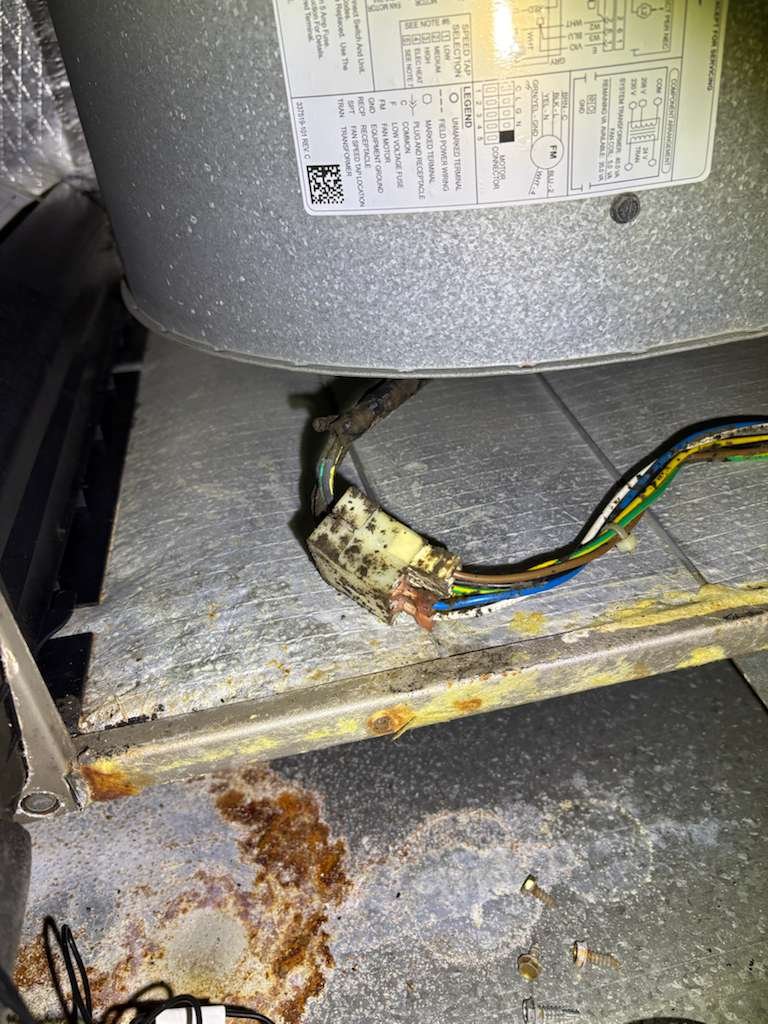
In this case, the issue wasn’t a failed heater or a major wiring mistake—it was an incorrectly configured thermostat. Once we corrected the settings, the system began sending the proper signal for heating mode, and the home started warming up the way it should.

Case Recap

  • Location: Single-family home in Tampa, FL 33625
  • Complaint: Heater not warming the home even though the system turned on
  • System behavior: Compressor and air handler starting together with no noticeable heat
  • Diagnosis: Thermostat not configured correctly for proper heating operation
  • Solution: Reconfigured thermostat settings so the system can send the correct signal in heat mode
  • Result: Heating system operating as intended, with clear expectations set for the homeowner

Customer Problem: No Heat on a Chilly Tampa Morning

The homeowner in Tampa, FL 33625 told us that their air conditioner had been installed a few years ago and had always worked well for cooling. Because our winters are usually mild, they had never really tried to use the heater until a recent cold spell.

When they switched the thermostat over to heat, they noticed something didn’t feel right. The outdoor compressor and the indoor air handler were both starting up, but the air inside the home didn’t feel warm. The family was understandably concerned that something might have been done incorrectly during the original installation or that there might be crossed wires or another hidden issue causing the system to behave oddly.

They asked us to:

  • Verify that the installation had been done correctly
  • Check for any miswiring or configuration problems
  • Explain clearly what was happening and what needed to be fixed

As with every visit, our focus was to give the homeowner in Tampa a clear, honest explanation—no scare tactics, no unnecessary upsells—just a solid diagnosis and a reliable fix.

Inspection and Diagnosis

Our technician started with a step-by-step evaluation of the system. When a heater isn’t producing heat, we look at both the equipment and the controls. In this home in Tampa, FL 33625, the main clues were:

  • The system was turning on when set to heat.
  • Both the outdoor compressor and indoor air handler were starting together.
  • The delivered air did not feel properly warmed.

Rather than jump straight to assumptions about a bad component, we followed a logical diagnostic path:

1. Thermostat settings and configuration
We checked the thermostat mode, temperature setpoint, and system configuration. Many modern thermostats have advanced settings that tell them what type of system they are controlling. If those options are incorrect, the thermostat may send the wrong signal in heat mode.

2. Control signals to the system
We verified what the thermostat was actually commanding when switched to heat. The goal is to make sure that in heating mode, the correct stages and components are being called to operate, and that it matches how the system is designed.
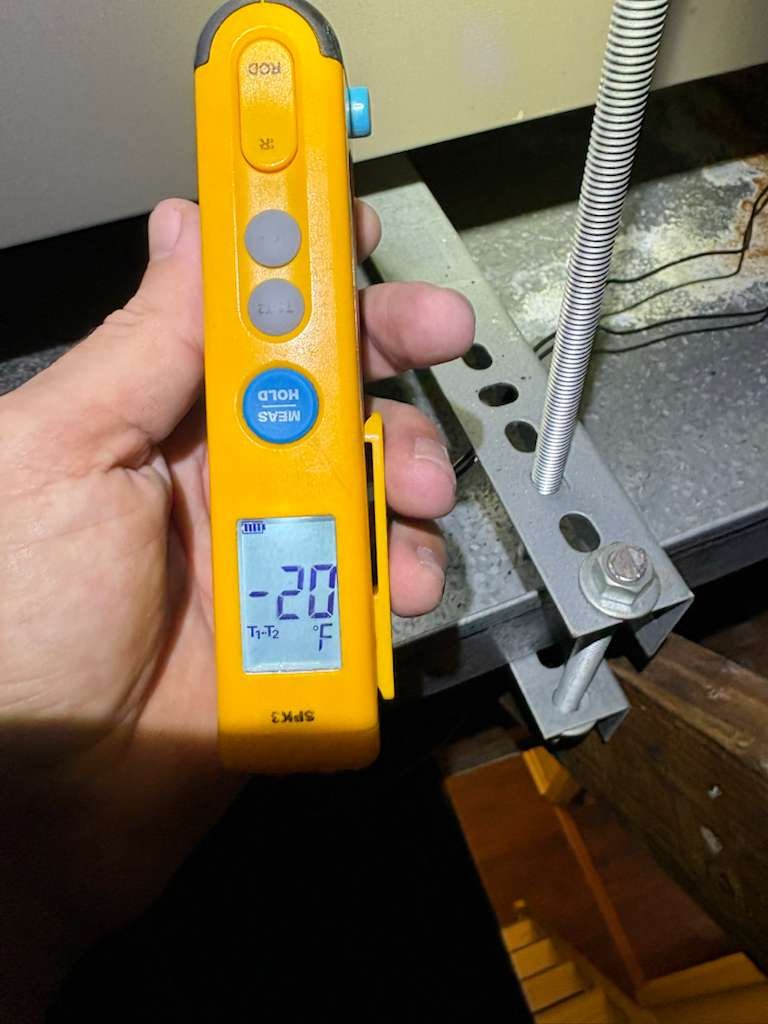
3. Visual inspection of wiring and equipment
Because the homeowner was concerned about a possible crossed wire, we inspected the accessible control wiring at the thermostat and the indoor unit to see if anything looked out of place or improperly labeled.

During this process, it became clear that the heart of the issue was not a damaged part or a major installation error, but a thermostat configuration that did not match how the system should operate in heat mode. That incorrect configuration kept the system from properly switching to the heating sequence, so the home never felt truly warm.

Repair and Service Process

Once we confirmed that the thermostat configuration was the root cause of the problem, we focused on correcting the control settings so the homeowner could reliably use their heater whenever Tampa’s temperatures drop.

Step 1: Review system design and thermostat capabilities
Before changing anything, we confirmed the type of HVAC system installed and how it is supposed to operate in heating mode. This ensures the thermostat is programmed to match the actual equipment. Taking a few minutes to verify this prevents future confusion and protects the homeowner from unnecessary callbacks.

Step 2: Correct thermostat configuration
We then went into the thermostat’s setup menu and adjusted the system configuration to the proper settings for this home’s equipment. This process can include options such as system type, stages, and how heating calls are sent to the equipment. By aligning these settings with the system’s design, we allowed the thermostat to send the correct signal when the homeowner selects heat.

Step 3: Test heating mode operation
After reconfiguring the thermostat, we switched the system to heat and allowed it to run. We verified that the correct equipment responded and that the system was operating as expected. We also confirmed that the air temperature from the vents felt appropriately warm for a heating call.

Step 4: Explain operation and expectations to the homeowner
We walked the homeowner through how to use the thermostat in both cooling and heating modes, showing them what to look for and how to avoid accidental misconfigurations. We also set expectations: if a system ever needs a part or repair to get running, there’s always a possibility that additional hidden issues may show up afterward. We made sure they understood that if further repairs are ever required, we’ll provide clear estimates before proceeding.

By the time we left, the thermostat in this Tampa, FL 33625 home was properly configured, the system was responding correctly in heat mode, and the family knew exactly how to operate it.

Why This Fix Works

The thermostat is the “brain” of your HVAC system. Even if the equipment itself is working, incorrect instructions from the thermostat can make it behave as if something is broken.

In this case, the system wasn’t switching properly into the correct heating operation because the thermostat configuration didn’t match the way the equipment is supposed to run. When the thermostat thinks it is controlling one type of system but is actually connected to another type, it may:

  • Turn on the wrong components at the wrong time
  • Fail to send the proper heat call
  • Run without delivering the comfort you expect

By correcting the thermostat configuration, we ensured that:

  • The thermostat sends the right signal when you switch to heat
  • The HVAC equipment responds in the proper sequence
  • The home sees real, noticeable warming during cold snaps

This approach is consistent with how we handle all HVAC service calls in Tampa: start with the controls and basics, verify how the system is designed to operate, and then make targeted corrections rather than immediately jumping to major component replacements.

Pro Tips for Homeowners in Tampa

Living in Tampa, we use our air conditioners far more often than our heaters. Because of that, heating issues sometimes don’t show up until years after a system is installed. Here are a few practical tips to keep your comfort on track in Tampa, FL 33625 and nearby areas:

  • Test your heat before a cold front. Turn your heater on for a short run in the fall. If something doesn’t seem right, you’ll have time to schedule service before temperatures drop.
  • Don’t ignore thermostat menus. Many modern thermostats have advanced settings that can affect both cooling and heating. If something looks confusing, it’s better to ask a professional than to guess.
  • Keep filters clean for both heating and cooling. Airflow matters year-round. A clogged filter can reduce comfort and strain the system. Our air filter installation and repair services can help if you’re unsure what you need.
  • Consider your indoor air quality. While we’re checking your thermostat or heating operation, it’s often a good time to think about cleaner ducts and vents. Our air duct cleaning services in Tampa can improve airflow and help your system breathe easier.
  • Schedule routine HVAC checkups. Even if everything seems fine, an occasional professional check can catch configuration issues early and keep both heating and cooling working smoothly.

If you ever decide to add or upgrade systems, such as a ductless mini-split installation in Tampa, proper thermostat or control setup will once again be a key piece of making sure everything works the way you expect.

FAQ: Thermostat and Heating Issues in Tampa, FL 33625

Why would my heater stop working if the AC worked fine all summer?

In Tampa, many homeowners rarely use their heat. A system can cool properly while a thermostat configuration issue or unused setting goes unnoticed for years. When you finally switch to heat, that misconfiguration shows up as poor or no heating, even though the equipment itself may still be in good shape.
How do I know if my thermostat is set up correctly?

If your system doesn’t respond as expected when you change modes—such as no warm air in heat, or strange behavior when switching modes—it’s a sign that the thermostat settings may not match your system. A professional can verify the configuration, wiring, and operation without guessing.

Can I reconfigure my thermostat myself?

Some homeowners are comfortable adjusting basic settings, but the more advanced configuration options can be easy to misinterpret. If you are unsure about system type or wiring, it’s safer to have a licensed technician handle the configuration so you don’t accidentally create new issues.
Will fixing the thermostat configuration solve all heating problems?

Not always. In this Tampa, FL 33625 home, correcting the configuration resolved the issue. However, if a system has underlying mechanical or electrical problems, those will still need to be addressed. We always explain that if a system needs parts or repairs to get going, there could be additional issues discovered afterward, and we provide new estimates before doing more work.

How often should I have my HVAC system checked in Tampa?

Once a year is a good rule of thumb, especially because our systems work hard during Tampa’s long cooling season. A routine check gives us a chance to confirm thermostat settings, inspect components, and make sure both heating and cooling are ready when you need them.

Why Tampa Homeowners Choose Home Therapist

For homeowners in Tampa, FL 33625 and throughout the Tampa Bay area, having a team you can trust with your HVAC system matters. At Home Therapist Cooling, Heating, and Plumbing, we approach every call with the same priorities: safety, clarity, and long-term reliability.

Licensed and professional technicians
Our technicians are trained and licensed to work on residential HVAC systems. Whether we are configuring a thermostat or troubleshooting more complex issues, we follow proven processes and manufacturer guidelines.

Transparent communication
We explain what we find in plain language, outline your options, and are upfront that sometimes additional issues only appear after a primary repair is completed. You’ll always know what we recommend and why before approving any work.

Clean and respectful work
We treat your home as if it were our own—wearing protective gear when needed, cleaning up after ourselves, and respecting your time and space. Our goal is to leave you with a properly working system and a clean work area.

Long-term comfort and reliability
We are not just interested in quick fixes. Our focus is on helping your system run reliably through Tampa’s long cooling season and those occasional cold snaps. From thermostat configuration to airflow and filtration, we look at the bigger picture of your comfort.

If you’d like to see what other Tampa Bay homeowners say about working with us, you can visit us on Facebook, follow our updates and project highlights on Instagram, or watch helpful videos on our YouTube channel.

For added peace of mind, you can also review our standing with trusted organizations, including our listing with the Better Business Bureau and our presence with the Tampa Bay Chamber of Commerce.

To explore more real-world projects and tips, you can also browse our HVAC and plumbing blog, where we share service stories from across Tampa Bay.

Need Thermostat or Heating Help in Tampa, FL 33625?

If your heater isn’t keeping up, your thermostat is confusing, or your system behaves differently than you expect, we’re here to help. Our local Tampa Bay technicians regularly serve homeowners in Tampa, FL 33625, and we’re happy to take the time to explain what’s going on with your system.

Whether you need a simple thermostat configuration, routine maintenance, or broader HVAC help, Home Therapist Cooling, Heating, and Plumbing is ready to restore your comfort with clear communication and professional service. Reach out today to schedule heating or thermostat service in Tampa, FL 33625, and let our team make sure your system is ready for the next cold snap.

Richard Conte Job B0f97967f0c84fceb63244a3e1a51d9c

Premium AC Maintenance and System Evaluation in Tampa, FL 33634

For homes and small offices in Tampa, FL 33634, air conditioning isn’t a luxury—it’s how you stay productive and comfortable through our long, humid seasons. During a recent Premium Quarterly Service Agreement visit in Tampa, our team was called out to inspect and maintain an older AC system that had started showing its age and using more energy than it should.

During this visit, we completed the scheduled maintenance, took a close look at the evaporator coil and overall efficiency, and had an honest conversation with the property manager about planning for a future system replacement. The goal was simple: keep the current system running as reliably as possible today, while helping them prepare for what’s coming next.

Case Recap

  • Location: Commercial office space in Tampa, FL 33634
  • Service: Premium Quarterly AC maintenance visit under a Service Agreement
  • System condition: Approximately 13-year-old unit with high energy consumption
  • Findings: Oxidized evaporator coil and overall outdated, less efficient system
  • Work performed: Full maintenance completed and system operation verified
  • Next step: Recommendation to plan for a new AC system replacement

Customer Problem: Keeping an Older AC Running in a Busy Tampa Office

For this Premium Quarterly Service Agreement visit, we were scheduled to service an AC system in an office in Tampa, FL 33634. The appointment needed to happen in the morning because the business doesn’t have regular staff in the office later in the day. That’s common for many small businesses we serve across Tampa Bay—there’s usually one manager coordinating everything, and they need service that respects their time and schedule.

The main concern here wasn’t a total system failure. Instead, the property manager wanted to stay ahead of problems. The AC unit is about 13 years old, and they were already noticing higher utility bills and were understandably worried about the risk of a breakdown during the workday.

From our conversation with the manager, their priorities were clear:

  • Keep the current system running safely and as efficiently as possible.
  • Avoid surprise breakdowns that would shut down the office in the middle of the day.
  • Get a professional opinion on whether it was time to start planning for a system replacement.

That’s exactly what a Premium Quarterly Service Agreement is designed to do—regular, detailed checkups that protect comfort today and help homeowners and business owners in Tampa make smart, informed decisions about the future of their HVAC systems.

Inspection and Diagnosis: What We Checked and Why

On this visit, our Home Therapist technician started with a full inspection of the AC system to understand its current health. For an older system in Tampa, FL 33634, there are a few key areas we always pay close attention to because of our heat, humidity, and long run times.

Our inspection focused on:

  • Overall system condition – Visual inspection of the indoor and outdoor units for corrosion, wear, and age-related issues.
  • Evaporator coil – Checking for oxidation, buildup, and any signs that could lead to future refrigerant leaks.
  • Airflow components – Filter condition, blower area cleanliness, and visible duct connections.
  • Drainage – Condensate drain line condition to help prevent water backups and potential ceiling or equipment damage.
  • Energy consumption patterns – Evaluating how hard the system has to work and how that lines up with its age and design.

During this inspection, we found:

1. High energy consumption for a 13-year-old system
Based on the system’s age and performance, it’s clear that the unit is working harder than a modern, high-efficiency system would need to for the same space. That’s common once a system gets past the 10–12 year mark, especially in a high-demand climate like Tampa Bay.

2. Oxidized evaporator coil
The evaporator coil had noticeable oxidation. Over time, oxidation can weaken the coil material and may eventually contribute to refrigerant leaks. We did not find an active leak during this visit, but the coil’s condition is a sign that this system is nearing the end of its expected lifespan.

3. Outdated system design and efficiency
The system itself uses older technology that simply can’t compete with today’s more efficient options. That doesn’t mean it has to be replaced immediately, but it does mean that energy costs and repair risk will continue to increase over time.

After our inspection, we discussed the findings clearly with the property manager so there were no surprises. We then moved into the service portion of the visit to give the system the best chance to keep running reliably for now.

Repair and Service Process: Step-by-Step Care for an Aging AC System

Even when we know a system is getting older and less efficient, proper maintenance still matters. For this Tampa, FL 33634 office, our technician completed the Premium Quarterly maintenance service in full.

Here’s how we approached it:

1. Thorough cleaning where needed
We addressed accessible areas that commonly accumulate dust and debris. Keeping coils, blower compartments, and filters cleaner helps the system move air more efficiently, which in turn can reduce strain on an already aging unit.

2. Checking and clearing the condensate drainage path
In Tampa’s humidity, an AC system pulls a significant amount of moisture out of the air. That water needs a clear path to drain away. We inspected the condensate line and components to help prevent clogs that could cause water damage or unit shutdowns.

3. Verifying airflow and basic operation
We confirmed that airflow through the system was normal for its condition. Proper airflow is critical to both comfort and system longevity, especially in a commercial or office setting where people rely on consistent temperatures to work comfortably.

4. General safety and performance check
We reviewed key aspects of the system’s performance to confirm it was operating as expected at the time of service. While we do not list individual readings or measurements here, we always verify proper operation after maintenance is completed.

5. Documenting the system’s condition for future planning
Because this was Visit #3 under a Premium Quarterly Service Agreement, we took the time to document the condition of the evaporator coil and the system’s overall age and efficiency. That documentation is important for future decisions about repairs versus replacement.

At the end of the service, the maintenance was successfully completed, and the system was running as expected for its age and design.

Why We Recommended Planning for a Replacement

Our role as a licensed HVAC company serving Tampa Bay isn’t just to fix what’s in front of us—it’s to help homeowners and business owners make smart, long-term decisions. In this case, we recommended that the client start planning to replace this 13-year-old system.

Here’s why that recommendation makes sense for a property in Tampa, FL 33634:

1. Age and wear
Most residential and light commercial AC systems in Florida reach their practical lifespan somewhere around the 10–15 year mark, depending on usage and maintenance. At about 13 years old, this unit is approaching the upper end of that range.

2. Oxidized evaporator coil
Oxidation on the evaporator coil indicates the metal is slowly breaking down. While there was no active leak identified during this visit, continued wear increases the chance of future refrigerant leaks and performance issues. Coil replacement can be expensive, and on an older unit, that cost often makes more sense put toward a new system instead.

3. Higher energy consumption
Older systems often use considerably more energy than newer models designed to meet current efficiency standards. For a business or home in Tampa, that difference shows up month after month on the electric bill—especially through summer.

4. Risk of future downtime
While we completed maintenance and verified operation during this visit, the age and condition of this system mean the risk of future breakdowns will continue to increase. Planning ahead helps the owner avoid making a rushed, emergency decision during a heat wave.

We will follow up with a proposal for a new, properly sized, and more efficient AC system. For anyone in Tampa looking ahead to replacement, you can learn more about our installation services and options in our AC repair and installation services overview and our detailed guide to AC repair, install, and maintenance options.

How This Service Protects Comfort and Efficiency

Even though this system is older and less efficient, the work we performed during this Premium Quarterly Service Agreement visit still provides real benefits for the property in Tampa, FL 33634.

Better airflow
Cleaning and inspecting key components helps the system move air more freely. Good airflow means rooms cool more evenly and the system doesn’t have to work as hard to reach the thermostat setting.

Improved reliability
Regular maintenance is one of the best ways to catch problems early—before they become major breakdowns. By keeping coils cleaner, drains clear, and airflow normal, we reduce unnecessary strain on an already aging system.

Reduced risk of water issues
In our humid Tampa Bay climate, a clogged condensate line can lead to water damage or system shutdowns. Inspecting and maintaining drainage helps prevent that.

Informed decision-making
Perhaps most importantly, detailed maintenance visits give the owner clear information about system condition. Instead of being surprised by a major failure, they now know the system is older, the evaporator coil is oxidized, and it’s time to plan realistically for replacement.

For many homeowners and business owners, pairing regular maintenance with a thoughtful replacement plan is the most cost-effective approach over the long run.

Pro Tips for Homeowners and Businesses in Tampa, FL

If you’re in Tampa, FL 33634 or anywhere in the greater Tampa Bay area, here are some practical tips to help your AC system last longer and perform better—especially in our hot, humid climate:

  • 1. Don’t skip routine maintenance. Our weather puts heavy demand on AC systems for much of the year. A professional tune-up at least once a year—and often quarterly for commercial or high-use systems—helps catch issues early and keep efficiency up. Our AC maintenance and cleaning specials in Tampa Bay are designed around exactly that need.
  • 2. Pay attention to energy bill trends. If your usage and thermostat settings haven’t changed but your bill keeps creeping up, it may be a sign your system is working harder than it should or aging out of its efficient years.
  • 3. Replace filters regularly. Clogged filters restrict airflow, making the system run longer and hotter. That’s especially important in Florida homes with pets, high occupancy, or lots of dust and pollen.
  • 4. Keep vents and returns clear. Avoid blocking supply vents or return grilles with furniture, boxes, or equipment. Good airflow is essential for comfort and for protecting the system from unnecessary stress.
  • 5. Plan ahead for replacement once your system passes 10–12 years. You don’t have to replace a system just because it hits a certain age, but starting the planning process early means you can choose the right equipment and timing instead of making a rushed emergency decision.
  • 6. Use a trusted local HVAC partner. Working with a licensed, local Tampa Bay team that understands our climate and building types helps ensure your system is properly sized, installed, and maintained for real-world conditions.

FAQ: AC Maintenance and Aging Systems in Tampa, FL 33634

How often should I schedule AC maintenance for an older system?

For most homes in Tampa, an annual maintenance visit is the bare minimum. For older systems—especially those in constant use or in light commercial settings—a quarterly plan like this Premium Service Agreement visit provides extra protection. It helps catch wear-and-tear issues earlier, which can sometimes extend the useful life of the system and reduce the risk of surprise breakdowns.

Does an oxidized evaporator coil mean I have a refrigerant leak?

Not necessarily. Oxidation on the coil means the metal is aging and reacting to its environment. It can be a contributing factor to future leaks, but oxidation alone does not automatically mean there is an active leak. During our visit in Tampa, FL 33634, we noted the oxidation as a concern for the future and recommended planning ahead for system replacement, even though the maintenance was successfully completed and the system was operating at the time of service.

Is it worth maintaining a system that’s already 13 years old?

Yes, in many cases it is. Proper maintenance helps an older system run as safely and efficiently as possible while you plan for replacement. In this case, our Premium Quarterly Service helped keep the unit in working order, reduced some strain, and gave the owner time to evaluate their options instead of being forced into an emergency decision.

When should I seriously consider replacing my AC system?

We usually suggest a closer look at replacement options once your system is in the 10–15 year range, especially in a climate like Tampa Bay. Strong signs it may be time include frequent repairs, significant increases in energy use, major component issues like a failing coil or compressor, and uneven comfort. This Tampa, FL 33634 system checked several of those boxes, which is why we recommended planning ahead for a new unit.

Can a new system really save that much on my power bill?

While exact savings vary from home to home, today’s high-efficiency systems are typically much more efficient than units installed 10–15 years ago. For many Tampa homeowners and businesses, upgrading from an older, high-consumption system to a properly sized, modern unit can make a noticeable difference in monthly bills, especially during our hottest months. We review those expectations during our estimate process so you know what to expect.

Do I have to be on-site for maintenance visits?

It depends on your property and access, but we work with you to schedule visits at convenient times. In this case, the appointment in Tampa, FL 33634 was set for the morning to match the office’s staffing needs. Clear communication before and during the visit is part of how we respect your time and keep you informed about your system.

Why Tampa Bay Homeowners and Businesses Choose Home Therapist

Homeowners and property managers across Tampa Bay trust Home Therapist Cooling, Heating, and Plumbing because we focus on long-term comfort, not quick fixes. On this Premium Quarterly Service Agreement visit in Tampa, FL 33634, that meant completing the maintenance thoroughly, documenting the condition of an aging system, and giving a straightforward recommendation about planning for replacement.

Here’s what you can expect when you work with us:

  • Licensed and professional technicians – Our team is trained, experienced, and fully licensed to work on HVAC systems across Tampa Bay. We treat every home and office with the same care we’d want for our own.
  • Transparent communication – We explain what we find in plain language, review your options, and answer your questions without pressure. If we recommend replacement, we tell you why and what that means for your comfort and budget.
  • Clean, respectful work – From wearing shoe covers when needed to cleaning up after ourselves, we respect your home or business. Our goal is to leave your space as clean—or cleaner—than we found it.
  • Focus on long-term reliability – Whether it’s a maintenance visit, a repair, or a new installation, we’re always thinking about how to keep your system reliable and cost-effective over the long run.
  • Deep roots in the Tampa Bay community – We live and work here too. Serving neighborhoods like Tampa, FL 33634 is personal to us, and we’re committed to being a trusted partner you can call year after year.

If you’d like to see more of how we work and connect with our team, you can find us on social media:

And if you’re looking for independent reviews and local credentials, you can learn more about us here:

Need AC Maintenance or a System Evaluation in Tampa, FL 33634?

If you’re in Tampa, FL 33634 and your AC system is getting older, running more often, or simply hasn’t had a proper checkup in a while, we’re here to help. Our Premium Quarterly Service Agreements and one-time maintenance visits are designed to keep your system running as smoothly as possible while giving you clear, honest information about its true condition.

Whether you’re ready to schedule a routine maintenance visit, explore replacement options, or just ask a few questions, our local Tampa Bay technicians are ready to talk. You can also explore our broader AC maintenance specials in Tampa Bay and other AC repair and installation services anytime.

Reach out today, and let Home Therapist Cooling, Heating, and Plumbing help keep your home or business in Tampa, FL 33634 comfortable, efficient, and ready for whatever our Florida weather brings.

1769480464087 Image

7 Plumbing Tips Every Homeowner in Tampa Bay Should Know

Plumbing problems can catch you off guard and threaten your home’s safety and your wallet. Whether it’s a burst pipe, an unexpected leak, or a stubborn clog, small issues quickly become costly disasters if you aren’t prepared. Tampa Bay homes face extra challenges with humidity and aging pipes, which means plumbing upkeep is never optional.

You deserve clear steps to keep your plumbing running smoothly year-round. This guide lays out proven ways to handle leaks, prevent backups, and take control in any emergency. You’ll discover smart strategies that protect your property and help you avoid expensive repairs.

Get ready to learn practical insights that put you in charge of your home’s plumbing. Each tip is designed to make maintenance simple and give you confidence the next time trouble strikes.

Table of Contents

Quick Summary

TakeawayExplanation
1. Locate Your Main Water Shut-Off ValveKnowing its location prevents extensive water damage during emergencies, saving you time and money. Teach family members to find it as well.
2. Regularly Check for LeaksLeaks can waste thousands of gallons and increase your water bill. Use the water meter test to detect hidden leaks efficiently.
3. Maintain Your Drains to Avoid ClogsUse drain screens and avoid pouring grease down the sink to prevent build-up and costly backups in your plumbing system.
4. Replace Aging Fixtures PromptlyOlder fixtures waste water and money. Replace them to improve efficiency and reduce your utility bills.
5. Insulate Exposed Pipes Before Cold WeatherProtect vulnerable pipes from freezing and bursting, preventing devastating water damage, especially in unheated areas of your home.

1. Understand Your Main Water Shut-Off Valve Location

Your main water shut-off valve is your home’s emergency switch for water flow. When a pipe bursts, a fixture leaks, or you need repairs, knowing exactly where this valve lives can mean the difference between a minor inconvenience and water damage totaling thousands of dollars. Yet many Tampa Bay homeowners have never even looked for theirs.

The main shut-off valve controls the entire flow of water entering your house from the municipal supply. Main water shut-off valves are typically located near your water meter, usually in a covered box underground near the street or sidewalk. Some homes have them inside, particularly in the garage or basement where the water line enters the building. Check both locations if your home was built before the 1980s, as older construction sometimes kept valves indoors.

Beyond the main shut-off, your home likely has secondary valves too. Look under sinks, behind toilets, and near washing machines and water heaters for fixture-level shut-off valves. These localized valves let you stop water to one appliance without shutting down your entire home. This matters when a toilet keeps running or a sink leaks but the rest of your plumbing needs to stay functional.

Once you locate these valves, test them at least once yearly. Turn the handle slowly to ensure it operates smoothly and doesn’t stick or seize from sitting unused. If a valve won’t budge, it may need professional attention. Don’t wait for an emergency to discover a broken valve that won’t turn.

Tampa Bay’s humid climate and older pipes in many neighborhoods mean plumbing issues happen more frequently than in drier regions. Knowing your valve’s location puts you in control rather than at the mercy of rising water damage. Take a few minutes this week to locate yours and teach your family members where it is too.

Pro tip: Mark your main shut-off valve location with bright tape or a small sign so any household member can find it instantly during a plumbing emergency, even in panic or darkness.

2. Check Regularly for Leaks in Faucets and Pipes

A single dripping faucet might seem harmless, but that tiny leak wastes thousands of gallons annually and drives up your water bill. What feels minor today becomes expensive damage tomorrow. Regular leak checks are one of the simplest ways to protect your home and wallet.

Leaks hide everywhere in your plumbing system. A worn toilet flapper wastes water silently in the tank. A loose connection under the sink drips slowly into your cabinet. A showerhead leaks where you cannot see it. These common leaks waste enormous amounts of water without making obvious sounds, so many homeowners ignore them until their next utility bill arrives.

Start with a simple water meter test. Turn off all water fixtures in your home, including the toilet and any running appliances. Check your water meter. Wait two hours without using any water. If the meter changed, you have a leak somewhere. This method catches hidden leaks you might otherwise miss for months.

Next, inspect visible areas monthly. Look under bathroom and kitchen sinks for moisture or water stains. Check behind the toilet for seeping. Listen for dripping sounds, especially at night when other noise fades. Apply food coloring into your toilet tank and watch to see if the color appears in the bowl without flushing. If it does, your flapper needs replacement.

Tampa Bay homes deal with higher humidity and older infrastructure than many regions, making leak detection even more critical. Water damage from undetected leaks can affect your foundation, insulation, and structural integrity. Catching leaks early saves thousands in potential repairs.

Pro tip: Mark your water meter location and write down the reading monthly to track trends that might signal developing leaks before they become visible problems.

3. Avoid Clogs with Proper Drain Maintenance

Clogged drains are one of the most common plumbing problems homeowners face, yet many clogs are completely preventable. Regular maintenance keeps water flowing freely and saves you from messy backups and expensive repairs. Think of drain maintenance as an investment in your home’s health.

Your home’s plumbing system includes drain pipes, vents, and traps that work together to remove waste safely. When debris accumulates in these passages, water slows down and eventually stops flowing. Hair, soap residue, food particles, and grease build up over time, especially in bathroom and kitchen drains. Regular drain cleaning prevents sewage backups and water damage before they become costly problems.

Prevent clogs by being intentional about what enters your drains. Use drain screens or strainers in sinks and showers to catch hair and debris before they go down the pipe. Never pour grease down kitchen drains, even when hot. Grease solidifies as it cools and creates stubborn blockages. In Tampa Bay’s older neighborhoods especially, grease buildup causes major backups in aging pipes.

Address slow drains immediately rather than waiting for complete blockages. If water drains slowly from your tub or sink, remove visible debris and run hot water for several minutes. For tougher blockages, a plunger often works better than chemical drain cleaners, which can damage pipes over time. Know where your drain clean-outs are located so you can access them if needed.

Tampa Bay homes sometimes face additional drainage challenges due to humid climate conditions and shifting soil. Preventive maintenance catches problems early before they create foundation issues or sewage backups into your home. Small habits now prevent large headaches later.

Pro tip: Pour boiling water down drains weekly and use a drain strainer to catch hair, creating a simple routine that prevents most common clogs before they start.

4. Know When to Replace Aging Fixtures

Older plumbing fixtures look tired and function poorly, but they also waste water and money. A fixture that made sense 20 years ago is probably costing you hundreds of dollars annually in wasted water. Knowing when to replace aging fixtures keeps your home efficient and modern.

Plumbing fixtures like toilets, faucets, and showerheads wear out over time from constant use, corrosion, and mineral buildup. Older fixtures typically leak, operate with difficulty, or simply fail to shut off completely. These problems compound into higher water bills and eventual complete failure. Newer WaterSense labeled fixtures reduce water use by up to 60 percent compared to older models while improving performance.

Watch for red flags that signal replacement time. A toilet that runs constantly after flushing, a faucet that drips even when handles are tight, or corrosion spots around fixtures all indicate aging. If a fixture requires frequent repairs or your water bill climbs without explanation, replacement makes financial sense. Persistent leaks mean water is escaping where you cannot see it, potentially damaging walls or cabinets.

Tampa Bay homes often have 40, 50, or even 60 year old plumbing systems. Fixtures from past decades were not designed with today’s conservation standards in mind. Replacing them with modern alternatives reduces your environmental impact and utility costs simultaneously. New fixtures also offer updated designs and improved durability compared to older models.

Consider replacement not just for leaking fixtures but for fixtures approaching 15 to 20 years of age. Even if they work, newer options deliver better performance and water efficiency. Calculate the payback period by comparing water savings to replacement cost, which often happens within just a few years.

Pro tip: Replace multiple fixtures at once when renovating bathrooms or kitchens to save on labor costs and minimize disruption to your home.

5. Prevent Damage by Insulating Exposed Pipes

Exposed pipes in unheated areas of your home are vulnerable to freezing and bursting, which can cause thousands of dollars in water damage. A few hours of preparation now can save you from catastrophic damage later. Pipe insulation is one of the simplest and most cost-effective protections available to Tampa Bay homeowners.

Water inside pipes freezes when temperatures drop below 32 degrees Fahrenheit. Once frozen, water expands and puts pressure on pipe walls until they crack or burst. A single burst pipe can release 250 gallons of water daily into your home, walls, and foundation. Insulating exposed pipes slows the freezing process and dramatically reduces rupture risk during cold snaps.

Identify vulnerable pipes in your home. Pipes in garages, crawl spaces, attics, basements, and exterior walls are most at risk. Look for any pipes that are not surrounded by heated living space or insulation. Even though Tampa Bay rarely sees extended freezing, occasional cold fronts can drop temperatures rapidly, catching unprotected pipes off guard.

Wrap exposed pipes with foam insulation sleeves, which slide over the pipe easily. These sleeves come in various thicknesses and are inexpensive to purchase at any hardware store. For pipes in extremely cold areas, consider multiple layers or specialized pipe wrap tape. Pay special attention to corners and bends where freezing is more likely.

Beyond insulation, keep cabinet doors under sinks open during cold nights to allow warm air circulation around pipes. Remove outdoor garden hoses before winter arrives. Cover outdoor faucets with protective caps. If freezing threatens, allow a small trickle of water to run from faucets, which prevents standing water from freezing solid.

Tampa Bay homes sometimes lack proper insulation in attics and crawl spaces where pipes run. This regional characteristic means many homeowners underestimate freeze risk until a rare cold snap causes damage.

Pro tip: Insulate pipes in autumn before freezing weather arrives, making it easy to access areas that become difficult to reach once temperatures drop.

6. Use Water Pressure Regulators for Safety

Your home’s plumbing system operates under water pressure from the municipal supply, but too much pressure can damage pipes and fixtures faster than you might expect. A water pressure regulator acts as a safety guardian, keeping pressure within safe limits and protecting your entire plumbing system. Installing one is one of the smartest investments a homeowner can make.

Water pressure from the city typically arrives at your home between 40 and 80 PSI, though it can spike higher during peak demand times. This constant pressure works fine for normal use, but excessive pressure stresses pipes, connections, and fixtures. Over time, high pressure causes small leaks, accelerates corrosion, and eventually leads to burst pipes. Water pressure regulators stabilize pressure within safe limits to prevent these problems before they start.

Without a regulator, pressure fluctuations throughout the day expose your plumbing to stress that accumulates over months and years. You might notice symptoms like banging pipes when you turn off the shower, leaking connections under sinks, or premature fixture failures. These are signs that excess pressure is working against your system.

Installing a regulator is straightforward for most homes. The device typically mounts near where the water line enters your house, usually under the kitchen sink or in a basement. Many Tampa Bay plumbers recommend regulators as preventive maintenance. If your home does not have one, having a professional install it costs far less than repairing burst pipes or replacing damaged fixtures.

Check your water pressure periodically using an inexpensive pressure gauge available at any hardware store. If readings exceed 70 PSI, adjustment is warranted. A regulator typically maintains pressure between 50 and 60 PSI, which protects pipes while delivering adequate water flow to your fixtures.

Tampa Bay homes with older plumbing infrastructure particularly benefit from pressure regulation, as aging pipes become more vulnerable to pressure related damage.

Pro tip: Install a pressure gauge on your regulator so you can monitor water pressure monthly and catch any changes that might signal a developing problem.

7. Recognize When to Call a Professional Plumber

Not every plumbing problem requires a professional, but knowing which ones do is critical. Attempting complex repairs without proper expertise can turn a minor issue into a costly disaster. Learning when to call a licensed plumber protects your home, your wallet, and your safety.

Some plumbing tasks are genuinely DIY friendly. A running toilet or a slowly draining sink might respond to simple fixes you can handle yourself. But major problems demand professional attention. Burst pipes, sewage backups, gas line issues, and water heater failures all require licensed expertise. Licensed plumbers adhere to technical standards and ensure code compliance that protect your home and family from safety hazards.

Permitting and inspections are critical reasons to hire professionals. Any plumbing work involving new installations, major replacements, or system modifications requires permits and inspections. Attempting this work without proper authorization creates legal liability and voids warranties. Professional plumbers handle permits and inspections as part of their service, ensuring everything meets local codes.

When do you absolutely need a professional? If water is actively leaking from pipes, if sewage is backing up into your home, if you smell gas, or if water heater problems persist beyond basic troubleshooting, call someone immediately. These situations need immediate expert response. Delaying professional help in emergencies leads to thousands of dollars in damage that could have been prevented.

Tampa Bay’s hot, humid climate and aging infrastructure in many neighborhoods mean plumbing problems develop differently than in other regions. Local plumbers understand these unique challenges and know exactly how to address them. They also have proper licensing and insurance to protect you if something goes wrong.

Budget matters, but attempting a complex repair to save money often costs far more when things go wrong. A professional charges for their time, but that investment is far smaller than replacing water damaged drywall, flooring, or structural components.

Pro tip: Keep the contact information for a trusted licensed plumber readily available before emergencies strike, so you can call immediately when serious problems develop.

Below is a comprehensive table summarizing the main strategies and considerations for home plumbing maintenance discussed throughout the article.

TopicDescriptionKey Considerations
Main Water Shut-Off ValvesEssential for preventing water damage in emergencies.Locate and mark their placement for easy access.
Leak Inspection PracticesRegular checks prevent unnoticed water wastage and damage.Monitor water meters and conduct monthly visual inspections.
Clog Prevention TechniquesMaintain drain cleanliness to avoid blockages.Use drain strainers and avoid disposing grease improperly.
Fixture Replacement AwarenessUpdating old fixtures improves efficiency and reduces costs.Replace fixtures displaying wear or causing utility spikes.
Pipe Insulation ImportanceProtect exposed pipes from freezing during cold snaps.Install cost-effective foam sleeves or specialized wraps.
Water Pressure RegulationEnsure safe pressure levels to protect plumbing systems.Install and monitor regulators for stable water pressure.
Professional Plumber NecessityRecognize when complex issues require licensed services.Professional solutions avoid legal and safety risks.

Take Control of Your Tampa Bay Home Plumbing Today

Protecting your home from costly water damage and plumbing failures starts with expert knowledge and trusted support. This article highlights important challenges like locating your main shut-off valve, preventing leaks, avoiding clogs, and knowing when to replace fixtures. These issues can feel overwhelming without professional help, especially in Tampa Bay’s unique climate and aging infrastructure. Do not let minor problems turn into major expenses or disrupt your daily life.

https://callhometherapist.com

Ready to safeguard your home with trusted plumbing solutions from experienced professionals? Explore our Plumbing Archives for expert tips and service options. Whether you need help locating water valves, installing pressure regulators, or emergency repairs, Home Therapist Cooling, Heating, and Plumbing is here to serve Tampa Bay homeowners with certified technicians who care. Visit our main site at Home Therapist Cooling, Heating, and Plumbing today to schedule your service and avoid plumbing headaches tomorrow.

Frequently Asked Questions

How can I find my main water shut-off valve?

Knowing the location of your main water shut-off valve is crucial for emergency situations. Check near your water meter, typically located in a covered box underground or inside your garage or basement if your home is older. Take a moment to mark it for easy access during plumbing emergencies.

What should I do if I notice a leak in my home?

If you find a leak, act quickly to prevent water damage. Start by turning off the water to the affected area or the main shut-off valve if necessary, then inspect and repair the source of the leak or call a professional plumber if it’s beyond your expertise. Regularly check for leaks to catch them early and save on water bills.

How can I prevent clogs in my drains?

To prevent clogs, use drain screens to catch debris and avoid pouring grease down your kitchen sink. Make it a habit to flush your drains with hot water once a week; this simple practice can significantly reduce the buildup of materials that lead to blockages.

When should I consider replacing my plumbing fixtures?

Consider replacing fixtures when they show signs of wear, are over 15 years old, or are wasting water. If your fixtures require frequent repairs or your water bill increases without explanation, it’s time to install new, efficient options. A good rule of thumb is to replace fixtures as part of any major renovation for better performance.

How can I protect exposed pipes from freezing?

To protect exposed pipes, insulate them with foam sleeves, especially those in unheated areas like garages or basements. Do this in the fall before the weather turns cold to avoid serious damage from frozen pipes. This quick action can save you from costly repairs later.

How do I know if my water pressure is too high?

If you hear banging pipes or notice leaking connections, your water pressure may be too high. Check your water pressure with a gauge; if it exceeds 70 PSI, consider installing a water pressure regulator to protect your plumbing system and reduce the risk of damage.

David Gundermann Job A605d65638fb47c7bff59f2a9f85e8db 19

Premium AC Maintenance in St. Petersburg, FL 33701

For homeowners in St. Petersburg, FL 33701, a reliable air conditioning system isn’t a luxury—it’s a necessity. On this visit, our Home Therapist technician performed a Premium Home Therapy Plan maintenance on a seven-year-old HVAC system. The goal was simple: keep the home comfortable, prevent surprise breakdowns, and make sure everything was running safely and efficiently.

During this maintenance visit, we thoroughly cleaned both the indoor and outdoor units, cleared the condensate drain line, inspected all major components, verified electrical consumption, and confirmed that the existing UV light system was operating as intended. By the time we wrapped up, the system was in excellent condition with no issues found.

Case Recap

  • Location: Residential AC system in St. Petersburg, FL 33701
  • Service: Premium Home Therapy Plan preventive AC maintenance
  • System age: Approximately seven (7) years old
  • Work performed: Full indoor and outdoor cleaning, drain line clearing, system inspection, and performance checks
  • Findings: All components functioning correctly; electrical consumption and pressures within normal ranges
  • Outcome: System left in excellent condition with no issues present at the time of service

Customer Problem: Staying Ahead of Breakdowns

In the Florida heat, especially around St. Petersburg, even a short period without air conditioning can feel miserable. This homeowner wasn’t calling because the system had already failed. Instead, they wanted to stay ahead of problems through our Premium Home Therapy Plan.

The system is around seven years old—right in that zone where regular preventive maintenance makes a big difference. At this age, parts are no longer brand-new, and the combination of high heat, heavy usage, and coastal humidity can accelerate wear. The homeowner’s main priorities were:

  • Keeping the home cool and comfortable through long, humid summers
  • Reducing the risk of unexpected breakdowns or emergency calls
  • Maintaining efficiency so energy bills stay under control
  • Making sure the existing UV light system was still working properly

With our Premium Home Therapy Plan, visits like this one in St. Petersburg, FL 33701 are designed to catch small issues early, keep equipment clean, and confirm that the system is running the way it should.

Inspection and Diagnosis: What We Checked and Why

Even when everything appears to be running fine, a proper maintenance visit is more than a quick filter change. On this job, we worked through a structured checklist to make sure nothing was overlooked.

Here’s an overview of what we inspected:

Indoor Unit (Air Handler)

Inside the home, we focused on the air handler and airflow components. We:

  • Visually inspected the blower assembly for dust buildup and wear
  • Checked electrical connections for signs of overheating or looseness
  • Verified the blower fan was running smoothly and quietly
  • Inspected the evaporator area and confirmed proper drainage

We also confirmed that airflow was consistent and that there were no obvious restrictions. For homeowners who want to go even further with air quality and airflow, services like professional air duct cleaning and proper air filter installation and replacement can make a big impact.

Outdoor Unit (Condenser)

Outside, we inspected the condenser unit. This is where the system rejects heat picked up inside the home. We:

  • Checked the condenser fan motor operation
  • Visually inspected the coil condition
  • Confirmed there were no obstructions restricting airflow around the unit
  • Verified the compressor started and ran as expected

Electrical Consumption and System Pressures

Beyond the visual inspection, we confirmed that key components were operating within normal ranges. The job notes indicate:

  • Fan motor electrical consumption was within normal operating ranges
  • Blower fan electrical consumption was within normal operating ranges
  • Compressor electrical consumption was within normal operating ranges
  • System pressures were normal at the time of service

We did not need to adjust refrigerant or replace any electrical components because everything was already performing correctly.

UV Light System

The home already had a UV light installed as part of the HVAC system. We confirmed that the UV light was installed correctly and currently operating properly. UV lights can help keep parts of the system cleaner, but only if they are actually on and positioned correctly. During this visit, there were no issues with the UV light.

Repair or Service Process: Step-by-Step Preventive Maintenance

Since this was a Premium Home Therapy Plan visit for a homeowner in St. Petersburg, FL 33701, the focus was on preventive care, cleaning, and verification—not emergency repair. Here’s how we worked through the system.

1. Thorough Cleaning of Indoor Unit

We started by cleaning the indoor components. Dust and debris inside the air handler can restrict airflow, force the blower motor to work harder, and impact comfort. During this step we:

  • Cleaned accessible surfaces and components that tend to collect dust
  • Ensured the blower area was free of heavy buildup
  • Confirmed there were no signs of moisture accumulation where it shouldn’t be

Keeping the indoor unit clean supports better airflow and helps maintain overall system efficiency. Combined with proper filter habits and, when appropriate, services like dryer vent cleaning, homeowners can improve both safety and indoor air quality over time.

2. Thorough Cleaning of Outdoor Unit

Next, we cleaned the outdoor condenser unit. In Florida, outdoor equipment is exposed to leaves, grass clippings, salt air, and general debris. If the condenser coil can’t “breathe” properly, the system has to work harder to move heat out of the home.

Our cleaning included:

  • Clearing debris from around the base of the unit
  • Cleaning the coil surface so air can pass through more easily
  • Visually confirming that the fan blades and guard were in good condition

These steps help protect the compressor from unnecessary stress and can extend the system’s life.

3. Condensate Drain Line Cleaning

We then cleaned the condensate drain line. This is a critical step for AC service in humid areas like St. Petersburg, FL. When your system runs, it pulls moisture out of the air, and that moisture has to go somewhere—down the drain line.

Over time, algae, debris, and sludge can build up inside that line. If it clogs, water can back up into the air handler and, in some homes, lead to ceiling damage or water around the indoor unit. By clearing the condensate drain line during this visit, we helped reduce the risk of these water-related issues.

4. Component Operation Check

With the system clean, we checked the operation of all major components:

  • Blower motor start-up and run performance
  • Condenser fan operation
  • Compressor start-up and run behavior
  • Thermostat communication with the system

All components were functioning correctly at the time of service. There were no abnormal noises, hard starts, or obvious signs of impending failure.

5. Electrical and Pressure Verification

We verified that the fan motor, blower fan, and compressor electrical consumption were all within normal operating ranges. System pressures were also normal. While we are not listing specific readings here, the important point is that nothing was out of line or indicating a hidden issue.

Because everything looked good, there was no need for parts replacement, refrigerant adjustments, or additional corrective work during this visit.

6. Final UV Light Check and System Test

Before wrapping up, we confirmed that the existing UV light was installed and operating properly. After that, we performed a final system run test to make sure:

  • The system started up smoothly
  • Airflow from the vents felt consistent and strong
  • There were no unusual sounds or concerns during operation

At the end of the appointment, the system in this St. Petersburg, FL 33701 home was running in excellent condition with no issues to report.

Why This Preventive Maintenance Works

Preventive AC maintenance is about protecting comfort, equipment life, and safety. Here’s what made this visit effective.

Airflow and Heat Transfer

A clean indoor blower and clean outdoor coil help maintain proper airflow and heat transfer. When the system can move air freely and reject heat efficiently, it doesn’t have to run as long or work as hard to cool the home. That often means:

  • More consistent temperatures from room to room
  • Less wear on motors and the compressor
  • Better chance of avoiding mid-season breakdowns

Drainage and Humidity Control

Clearing the condensate drain line is especially important in Florida’s humid climate. When your AC is working properly, it’s not just cooling the air—it’s removing moisture. If the water can’t drain, that can lead to water damage, odors, or system shutdowns. A simple cleaning visit like this prevents issues that can be much more expensive to repair later.

Electrical and Refrigeration Health

By confirming that electrical consumption and system pressures were within normal ranges, we gained a snapshot of the system’s health. If something had been off—like a motor drawing too much power or pressures indicating a restriction or low charge—we would have recommended corrective action.

In this case, everything checked out. That’s the ideal outcome of a preventive maintenance visit for an HVAC system in St. Petersburg: peace of mind that your equipment is in good shape heading into more heavy-use months.

Pro Tips for Homeowners in St. Petersburg

Here are a few practical tips to help homeowners in St. Petersburg, FL keep their AC systems running smoothly between professional visits.

  • Change filters regularly. In our climate, filters often need changing more frequently due to heavy use and humidity. Follow manufacturer guidelines, but if you run the system a lot, checking monthly is a good habit.
  • Keep the outdoor unit clear. Trim back plants and remove leaves or debris within a couple of feet of the condenser. Good airflow around the outdoor unit is essential.
  • Watch for water around the air handler. If you ever see water near your indoor unit or notice a secondary drain pan filling up, call for service. That’s often a sign of a drain line issue.
  • Set realistic thermostat temperatures. In the middle of a hot, humid St. Petersburg summer, asking your system to maintain extremely low temperatures can put unnecessary strain on equipment.
  • Schedule maintenance before peak season. Regular maintenance like this Premium Home Therapy Plan visit is most effective when done before the hottest months, giving your system the best chance to handle summer demand.
  • Consider air quality upgrades. If allergies or dust are a concern, ask us about improved filtration or additional services. Our team page explains more about how we approach long-term comfort and indoor air quality.

FAQ: Premium AC Maintenance in St. Petersburg, FL 33701

How often should I schedule preventive maintenance for my AC in St. Petersburg?

For most homes in St. Petersburg, FL 33701, we recommend at least one thorough maintenance visit per year. Many homeowners on Premium plans choose twice per year—typically before and after the heaviest cooling season—to keep everything in top shape.

My system is about seven years old. Is it still worth investing in maintenance?

Yes. Around seven years is exactly when consistent maintenance becomes even more important. Components are aging, but with proper cleaning, inspections, and adjustments, we can often extend the useful life of the equipment and help reduce the likelihood of surprise breakdowns.

What does a Premium Home Therapy Plan visit include?

On this visit, the Premium Home Therapy Plan included thorough cleaning of the indoor and outdoor units, condensate drain line cleaning, a full operational inspection of all major components, electrical consumption checks, system pressure verification, and confirmation that the UV light was operating properly. We also ran the system to confirm it was cooling as expected.

Do you always find problems during maintenance?

No. Sometimes, like with this St. Petersburg home, we complete our checklist and find that everything is operating as it should. That’s a good thing. It means your system is healthy, and the visit helps keep it that way by cleaning and verifying performance.

What if you had found something wrong during the visit?

If we had seen abnormal readings, unusual noises, or visible wear, we would have clearly explained our findings, discussed options, and provided upfront pricing before moving forward with any repair. Our approach is to be transparent and give you the information you need to make a comfortable decision.

Can maintenance help with indoor air quality?

Yes. Clean equipment, clear drain lines, and proper filtration all affect indoor air quality. We confirmed the UV light was operating properly on this visit, which is one tool some homeowners use as part of their air quality strategy. We can also discuss filter upgrades and related services during your visit.

Why Choose Home Therapist for AC Maintenance

When you invite our team into your home in St. Petersburg, FL 33701, you’re trusting us with your comfort. We take that seriously.

Here’s what you can expect from Home Therapist Cooling, Heating, and Plumbing:

  • Licensed, professional technicians. Our techs are trained, experienced, and focused on doing the job right the first time.
  • Transparent communication. We explain what we’re doing, what we find, and what your options are—without pressure or scare tactics.
  • Clean, respectful work. We treat your home as if it were our own, working neatly and leaving the work area clean when we’re done.
  • Long-term reliability. Our Premium Home Therapy Plan is built around preventing breakdowns and helping your system last as long as reasonably possible.
  • Commitment to Tampa Bay homeowners. We’re a local company serving Tampa Bay communities, including St. Petersburg, and we plan to be here for you for the long haul.

If you’d like to get a feel for who we are and what other homeowners experience, you can connect with us on social media or review our public profiles:

  • Follow us on Facebook for tips, updates, and local content.
  • See behind-the-scenes and project highlights on Instagram.
  • Watch helpful videos and educational content on our YouTube channel.

For added peace of mind, you can also see our standing with trusted organizations and directories:

For more information about our team and services across the area, you can also visit our About Us page or explore recent projects on our blog.

Schedule Your AC Maintenance in St. Petersburg, FL 33701

If you live in St. Petersburg, FL 33701 and want the same level of careful, preventive maintenance for your home, our team at Home Therapist is ready to help. Whether your system is brand new or, like this one, around seven years old, a structured maintenance visit can help keep it running smoothly and reliably.

Reach out to schedule a Premium Home Therapy Plan visit or standard AC tune-up, and we’ll walk you through each step so you know exactly what’s being done and why. Our goal is simple: keep your home comfortable, your system dependable, and your experience with us calm, clear, and stress-free.

When you’re ready for professional, local AC maintenance in St. Petersburg, FL 33701, Home Therapist Cooling, Heating, and Plumbing is here for you.

David Gundermann Job A605d65638fb47c7bff59f2a9f85e8db 19

Premium AC Maintenance Plan in St. Petersburg, FL 33701

When you live in St. Petersburg, FL 33701, your air conditioning system isn’t a luxury—it’s part of staying comfortable and healthy almost year-round. On this visit, we were performing a scheduled Premium Home Therapy maintenance on an AC system that’s about seven years old. The homeowner wasn’t calling with a breakdown; they simply wanted to keep everything running smoothly and avoid surprise repairs.

During this visit, our technician completed a full preventive maintenance service: cleaning both the indoor and outdoor units, clearing the condensate drain line, inspecting all major components, and confirming that the existing UV light was working properly. By the time we wrapped up, the system was clean, running efficiently, and operating in excellent condition.

Case Recap: Premium AC Maintenance in St. Petersburg

  • Location: Routine Premium Home Therapy maintenance for a homeowner in St. Petersburg, FL 33701
  • Age of system: Approximately seven years old
  • Service provided: Full preventive maintenance under our Premium Maintenance Plan
  • Work performed: Deep cleaning of indoor and outdoor units, condensate drain cleaning, full system inspection
  • Findings: All components functioning correctly; electrical consumption and system pressures within normal ranges
  • Outcome: System left in excellent operating condition with the UV light working as intended

Customer Problem: Staying Ahead of AC Issues

In this case, the homeowner in St. Petersburg wasn’t dealing with a sudden breakdown or a comfort emergency. Instead, they were focused on being proactive. With a system that’s around seven years old and working hard through our hot, humid Florida seasons, they wanted to make sure it stayed reliable and efficient.

Under their Premium Home Therapy Plan, we schedule regular visits to:

  • Catch small issues early, before they turn into major repairs
  • Keep energy usage in check by maintaining clean coils and proper airflow
  • Verify that safety-related components are operating as they should
  • Extend the overall life of the equipment

There were no active complaints like strange noises, warm air, or water leaks. This visit was all about checking the health of the system and making sure a busy household in St. Petersburg, FL 33701 could trust their AC to keep up with the weather.

Inspection and Diagnosis: A Full System Health Check

Even when a system seems to be running fine, our approach is to treat every preventive maintenance visit like a full checkup. That’s the whole idea behind our Therapy Maintenance Plans: look deeper than the thermostat reading and make sure the equipment is truly healthy.

On this maintenance visit, we inspected:

  • Indoor unit: Blower assembly, evaporator coil area, electrical connections, and condensate drainage
  • Outdoor unit: Condenser coil, fan motor, compressor area, and accessible wiring
  • Electrical consumption: Fan motor, blower fan, and compressor usage were checked and found to be within normal operating ranges
  • System pressures: Verified to be in normal ranges for proper cooling performance
  • UV light: Confirmed that the UV light was installed correctly and operating properly

Since the homeowner is on a Premium plan, we’re not just looking for immediate problems—we’re also watching for signs of wear that might turn into issues later. On this particular visit, everything checked out. No unusual noises, no signs of overheating, no abnormal readings reported, and no water backing up in the drain system.

Repair or Service Process: What We Did Step by Step

This visit focused on cleaning, inspection, and verification. Here’s how we approached the Premium Home Therapy maintenance for this St. Petersburg home:

1. Thorough cleaning of the outdoor unit

The outdoor condenser sits in some tough conditions—heat, rain, wind-blown debris, and often lawn clippings or leaves. We cleaned the outdoor unit to help it “breathe” properly. Keeping the condenser coil clean allows the system to release heat efficiently, which is essential for comfort and energy savings in our Florida climate.

2. Cleaning the indoor unit and airflow path

Inside, we cleaned the indoor section as part of the maintenance. A clean blower and coil area help maintain strong airflow and support even cooling throughout the home. Dirt buildup in this area can strain the blower motor and reduce efficiency over time, which is exactly what we’re trying to prevent with a maintenance plan.

3. Condensate drain line cleaning

In a humid place like St. Petersburg, the condensate drain line is especially important. Your AC is constantly removing moisture from the air, and that water has to go somewhere. We cleaned the condensate drain line to help prevent clogs and backups that can lead to water damage, ceiling stains, or system shutdowns.

4. Electrical and component check

We inspected major components and electrical consumption for the fan motor, blower fan, and compressor. Everything was operating within normal ranges. While we don’t list out every reading in a blog, what matters to the homeowner is that:

  • No electrical components were running unusually hot
  • No signs of excessive strain or abnormal operation were observed
  • Connections appeared secure and in good condition at the time of service

5. System pressures and cooling operation

We verified system pressures and general operation. Pressures were normal, which tells us that the refrigeration side of the system is functioning as expected and that there were no obvious signs of performance-related issues at the time of the visit.

6. UV light operation check

The system had a UV light installed, which is designed to help improve indoor air quality by targeting microbial growth on surfaces like the indoor coil area. We confirmed the UV light was installed properly and operating as intended during the visit. For many homeowners in the Tampa Bay and St. Petersburg area, UV lights are a smart add-on to help complement other indoor air quality solutions.

7. Final verification and run test

After cleaning and inspection, we ran the system to make sure it was cooling normally, draining properly, and operating smoothly. At the time of service, no issues were found, and we left the system in excellent condition.

Why This Preventive Maintenance Works

A well-done maintenance visit like this one in St. Petersburg, FL 33701 is about more than just a quick check. It directly supports comfort, efficiency, and reliability.

Here’s what’s happening behind the scenes:

  • Airflow: Clean indoor components and proper blower operation help maintain strong, consistent airflow. Good airflow means your system doesn’t have to overwork to move air through your home.
  • Heat transfer: A clean outdoor condenser coil lets your AC release heat effectively. When the coil is dirty, the system has to run longer and harder to reach the same temperature.
  • Moisture control: A clear condensate drain line allows all that Florida humidity to drain away safely instead of backing up into the unit or home.
  • Electrical health: Checking that motors and compressors are drawing power within normal ranges helps catch early signs of stress that might lead to breakdowns.
  • Air quality: A functioning UV light can help reduce microbial growth on key surfaces, supporting cleaner air as part of a complete air filtration strategy.

By staying ahead of dirt buildup, drain clogs, and early wear, Premium Home Therapy maintenance visits help extend equipment life and reduce the chance of losing cooling on a hot St. Petersburg afternoon.

Pro Tips for Homeowners in St. Petersburg

Whether you’re in downtown St. Petersburg, FL 33701 or elsewhere in Tampa Bay, a few simple habits can make a big difference in how your AC performs between professional visits.

  • 1. Change or clean your air filter regularly. In our humid, often dusty climate, most homes should inspect their filter monthly and replace it as soon as it looks dirty. Restricted filters strain the system and hurt both comfort and efficiency.
  • 2. Keep the outdoor unit clear. Trim back plants, remove leaves, and avoid stacking items around the condenser. The more open space it has, the easier it is for your system to release heat.
  • 3. Watch for early warning signs. If you notice unusual noises, reduced airflow, uneven temperatures, or water near the air handler, don’t wait. A quick visit can prevent a minor issue from turning into a no-cool situation.
  • 4. Use your thermostat wisely. In St. Petersburg’s heat, setting the thermostat much lower than normal won’t cool your home faster; it only makes the system run longer. Choose a comfortable temperature and let the AC work steadily.
  • 5. Consider air quality upgrades. For families with allergies or concerns about indoor air, combining UV lights with whole-home air purification can make a noticeable difference. Our whole-home air purifier options are designed to work alongside your existing AC system.
  • 6. Stay on a regular maintenance plan. A structured plan, like our Premium Home Therapy program, keeps your system on a set schedule so you don’t have to remember when service is due.

FAQ: Premium AC Maintenance in St. Petersburg, FL 33701

How old was the AC system at this St. Petersburg home?

The system we serviced in St. Petersburg, FL 33701 was approximately seven years old. That’s a great age to stay consistent with maintenance so the equipment can keep running reliably for years to come.

Was anything wrong with the system during this visit?

No. During this Premium Home Therapy maintenance, all components were functioning correctly. Electrical consumption for the fan motor, blower fan, and compressor was within normal operating ranges, and system pressures were normal. At the time of service, the system was operating in excellent condition.

What exactly was cleaned during this maintenance service?

Both the indoor and outdoor units were thoroughly cleaned, and the condensate drain line was cleared as part of the preventive maintenance. This helps the AC move air efficiently, release heat effectively, and drain moisture properly—three key pieces of reliable cooling in the Tampa Bay area.

Why is the condensate drain line so important in Florida?

Our humidity in St. Petersburg means your AC pulls a lot of moisture out of the air. If the condensate drain line clogs, that water can back up, shut down the system, or cause water damage. Cleaning the drain line during maintenance helps prevent these issues.

What role does the UV light play in this system?

The UV light installed in this system is designed to help control microbial growth on surfaces within the indoor unit, such as near the evaporator coil. On this visit, we confirmed that the UV light was installed and operating properly. It’s one part of a broader indoor air quality strategy, which can also include filtration and purification solutions.

How often should I schedule this type of maintenance in St. Petersburg?

Most AC systems in the St. Petersburg and Tampa Bay area benefit from professional maintenance at least once a year, and many homeowners choose twice-yearly visits. Our AC maintenance services and seasonal tune-ups are structured to keep your system ready for our longest and hottest stretches.

Why Choose Home Therapist for Your AC Maintenance

For homeowners in St. Petersburg, FL 33701 and across Tampa Bay, choosing the right team for AC maintenance is about more than just cleaning a unit. It’s about trusting who’s in your home and knowing the work is done the right way.

When you call Home Therapist Cooling, Heating, and Plumbing, you can count on:

  • Licensed and professional technicians: Our techs are trained, experienced, and fully licensed to work on your HVAC system safely and correctly.
  • Transparent communication: We explain what we’re doing, what we’re seeing, and what (if anything) we recommend—without pressure or scare tactics.
  • Clean and respectful work: We treat your home like it’s our own, from how we enter and move through your space to how we leave the work area when we’re finished.
  • Long-term reliability focus: Our maintenance plans and services are built to help your system last longer, run more efficiently, and stay dependable in Florida’s demanding climate.
  • Commitment to Tampa Bay homeowners: We’re a local company serving the greater Tampa Bay and St. Petersburg area, and we take pride in earning trust one home at a time.

If you’d like to learn more about who we are and see what other Tampa Bay homeowners are saying, you can connect with us on social and review platforms:

  • Follow us on Facebook for updates, tips, and project highlights.
  • See behind-the-scenes work and system transformations on Instagram.
  • Check out more of our educational content and videos on YouTube.

For added peace of mind, you can also review our credentials and reputation with trusted organizations:

Need AC Maintenance in St. Petersburg, FL 33701?

If you’d like the same level of care this homeowner received, we’re here to help. Whether your system is brand new or closer to seven years old like the one we serviced, regular maintenance is one of the best ways to protect your comfort and your investment.

Home Therapist offers AC maintenance, tune-ups, and ongoing Therapy Maintenance Plans tailored for the Tampa Bay climate. We can also pair your maintenance with options like UV light installation and other indoor air quality upgrades if that’s a priority for your home.

If you’re in St. Petersburg, FL 33701 and want a clean, efficient, and reliable AC system, reach out to schedule your next maintenance visit. Our local team is ready to keep your home comfortable—and keep your equipment in excellent condition—season after season.

Eva Halpern Job F803b96f4841437187b48a0f31858b56 3

HVAC Tune-Up and UV Light Options in Tampa, FL 33647

During a recent HVAC tune-up for a homeowner in Tampa, FL 33647, we were called out for a routine maintenance visit on a system we originally installed. The air conditioner and heater seemed to be running fine, but the homeowner wanted to stay ahead of any problems and take advantage of our $89 tune-up offer. During our inspection, we confirmed that the main components were operating within acceptable parameters. However, we did find one important issue: the UV light system that helps keep the air and equipment cleaner was not working.

In this article, we’ll walk you through what we found, why the UV light matters for indoor air quality in a Tampa home, and the options we recommended to get everything back to a clean, healthy baseline. If you live in Tampa, FL 33647 and are wondering whether a tune-up or UV light is worth it, this real job recap will help you understand what’s involved.

Case Recap

  • Location: Residential home in Tampa, FL 33647
  • Service requested: $89 HVAC tune-up and maintenance visit
  • System history: Installed by our team in 2022; previous maintenance by us in 2023
  • Key finding: UV light system not functioning; other components operating normally
  • Recommended options: Replace UV light only or upgrade to a full duct sanitation package
  • Outcome: System confirmed to be running correctly; homeowner given clear choices to restore and improve indoor air quality

Customer Problem: Staying Ahead of Issues, Not Waiting for a Breakdown

This homeowner in Tampa, FL 33647 didn’t call us because of a breakdown or comfort emergency. The system was cooling and heating the home, and there were no obvious warning signs. Instead, the homeowner wanted a preventative maintenance visit to keep the equipment running efficiently and to avoid surprise repairs during the peak season.

They scheduled our $89 HVAC tune-up, which is designed for well-kept systems that are already in reasonably good condition. On a typical tune-up, we focus on cleaning, flushing key components, checking refrigerant levels, inspecting electrical wiring and controls, confirming thermostat operation, and looking over safety and performance items. The goal is to catch emerging issues early and keep energy bills and wear-and-tear under control.

Because this was a system we installed in 2022 and maintained again in 2023, the homeowner felt comfortable that the equipment was in good shape but wanted professional eyes on everything at least once a year. That’s especially important for Tampa-area systems, which run hard in our hot, humid climate.

Inspection and Diagnosis: What We Checked and What We Found

On arrival, our technician confirmed the appointment details, walked through the homeowner’s concerns, and then began a standard tune-up procedure. During an HVAC tune-up in Tampa, we typically look at both performance and cleanliness, since humidity and long run times can create conditions for mold and buildup inside the system.

Here’s the type of work that goes into a tune-up like this:

  • Visually inspecting the indoor and outdoor units for signs of wear, corrosion, or damage
  • Checking electrical connections, wiring, and controls for safety and proper operation
  • Verifying thermostat operation and basic system response
  • Flushing and cleaning key components as needed for a well-kept unit
  • Confirming that refrigerant levels and operating behavior are within normal ranges
  • Inspecting the drain line for signs of blockage or overflow risk

On this visit, all of the major mechanical and electrical components were operating properly and within acceptable parameters. That’s exactly what we like to see on a tune-up for a relatively new system in Tampa, FL 33647.

The one issue we found was with the UV light system. The UV light, which is installed as part of the homeowner’s indoor air quality setup, was not functioning. A non-working UV light doesn’t usually stop the air conditioner from running, but it does mean you’re losing a layer of protection against biological growth inside the HVAC system.

We confirmed that the UV lamp was not operating and discussed this finding with the homeowner, including what that light is supposed to do and what it means when it’s out.

Repair and Service Options: UV Light Replacement and Duct Sanitation

Because the rest of the HVAC system was running correctly, there was no need for major repairs during this visit. The main decision point for the homeowner was how they wanted to address the non-functioning UV light and whether they wanted to go beyond that to a more complete sanitation service.

We presented two clear options:

Option 1: Install a New UV Light Only

The first option was to replace the non-working UV light with a new one. This restores the original design of the system, giving the homeowner back that added layer of protection against mold, bacteria, and other microorganisms on surfaces inside the equipment where the light shines.

Replacing the UV light is a focused, targeted service. It’s a good fit for homeowners in Tampa who are generally happy with their air quality but want to maintain what they already have and protect their system from buildup over time.

Option 2: Upgrade to a Duct Sanitation Package

The second option was to upgrade to a more comprehensive duct sanitation package. This includes:

  • Installation of a new UV light
  • A full duct sanitation service to address contaminants within the ductwork

This package is especially beneficial for homeowners who:

  • Have family members with allergies or respiratory sensitivities
  • Have pets that contribute to dander and hair in the home
  • Have had recent illness in the home and want a cleaner baseline
  • Haven’t had their ductwork cleaned or sanitized in many years

For this homeowner in Tampa, FL 33647, we explained that either option would restore proper UV operation, but the sanitation package would go further in addressing the cleanliness of the duct system itself.

Why This Fix Works: How UV Lights and Duct Sanitation Help

The main issue in this home was not cooling or heating capacity—it was air quality and system hygiene. In our Tampa climate, with high humidity for much of the year, HVAC systems can become a breeding ground for mold and bacteria if not kept clean.

Here’s how these solutions help:

UV Light Replacement

A properly installed HVAC UV light helps reduce biological growth on the surfaces where the light is directed, typically near the evaporator coil or in the air stream. Over time, this can help:

  • Limit mold and mildew buildup in key parts of the system
  • Reduce musty odors that sometimes come from dirty systems
  • Support better airflow by keeping coils cleaner between deep cleanings

It’s important to remember that a UV light complements, but does not replace, good filtration and regular maintenance. It’s one part of a layered indoor air quality strategy.

Duct Sanitation Package

Duct sanitation goes beyond the equipment and treats the air pathways themselves. When combined with a new UV light, it helps:

  • Reduce contaminants that may have accumulated in ducts over time
  • Create a cleaner starting point after years of regular use
  • Support healthier indoor air for families with allergies, pets, or sensitivities

For homeowners in Tampa, FL 33647, where air conditioning runs heavily much of the year, keeping both the equipment and ductwork clean can make a noticeable difference in comfort, air freshness, and system longevity.

How Our $89 Tune-Up Fits Into Overall System Health

We also reviewed what’s involved in our promotional tune-up so the homeowner had full transparency. For well-kept units, this special includes:

  • Cleaning and light system flushing appropriate for a maintained system
  • Refrigerant check to confirm normal operation
  • Thermostat adjustment and basic calibration as needed
  • Wiring and component inspection to spot early signs of trouble
  • Filter replacement using the homeowner’s filter, or one we provide at additional cost

After each tune-up, we provide honest recommendations for any follow-up maintenance or repairs. In this case, the only issue we found was the non-functioning UV light, so our recommendations focused on restoring and improving indoor air quality, not fixing performance problems.

We’re also upfront about an important limitation: if a system can’t be fully tested because it will not run properly until a certain repair is done, there may be additional issues that only appear after the primary repair. We always explain this ahead of time so Tampa homeowners can budget and plan realistically, rather than being caught off-guard.

Pro Tips for Homeowners in Tampa

If you own a home in Tampa, FL 33647 or elsewhere in the Tampa Bay area, here are some practical steps to keep your HVAC system and indoor air in good shape:

  • Schedule annual tune-ups. Our climate is tough on equipment. A yearly AC tune-up helps keep efficiency up and surprises down.
  • Stay on top of filter changes. Dirty filters strain your system and reduce indoor air quality. Check them monthly and replace as needed, especially if you have pets or allergies.
  • Consider indoor air quality upgrades. UV lights, better filtration, and other solutions can make a real difference. Our indoor air quality services in Tampa are designed for our local conditions.
  • Watch for musty or “dirty sock” odors. Persistent smells when the system runs can be a sign of growth on coils or inside ductwork. That’s when services like air duct sanitizing and UV light installation are worth discussing.
  • Protect your investment with regular maintenance. If you prefer predictable care instead of one-time visits, our AC maintenance options in Tampa help keep your system covered year after year.
  • Ask questions during visits. When we’re at your home, use that time to ask about humidity levels, airflow, or indoor air quality. We’re happy to walk you through what we see.

FAQ: HVAC Tune-Ups and UV Lights in Tampa, FL 33647

Do I need a UV light for my HVAC system to work properly?

No. Your air conditioner and heater will run without a UV light. However, a working UV light can help reduce biological growth inside parts of your system and support better indoor air quality over time. It’s an add-on for cleanliness and comfort, not a requirement for basic operation.

How often should I replace my HVAC UV light?

Most UV lamps are designed to be replaced periodically, even if they haven’t completely burned out yet. The exact timing depends on the specific product and installation. During your tune-ups, we can check the UV system and let you know when it’s time to plan for replacement, rather than waiting until it fails.

What does the $89 tune-up include for Tampa homeowners?

Our $89 tune-up special for well-kept units includes cleaning and flushing appropriate for a maintained system, a refrigerant check, thermostat check and adjustment, wiring and component inspection, and a filter replacement (using your filter or one we provide at an additional cost). Afterward, we share clear recommendations for any additional maintenance or repairs.

What happens if you find more problems after a repair?

If a system can’t be fully tested until a necessary repair is completed, there is always a chance we’ll uncover additional issues once it’s running again. We explain this ahead of time so you can be prepared for possible follow-up estimates. Our goal is to keep communication clear and avoid surprises.

Is duct sanitation worth it if my home already feels comfortable?

Comfort is one piece of the puzzle; cleanliness and air quality are another. If everyone in the home feels fine and you don’t have concerns about odors, allergies, or dust, a simple UV light replacement might be enough. If you’ve noticed more sneezing, musty smells, or you have pets and high dust levels, a duct sanitation package can offer a more thorough reset.

How often should I schedule HVAC maintenance in Tampa, FL 33647?

For most homes in Tampa, we recommend at least one professional maintenance visit per year, and in some cases spring and fall visits for systems that see heavy use. Our climate puts extra strain on equipment, and regular maintenance helps protect your comfort, your energy bills, and your system’s lifespan.

Why Tampa Bay Homeowners Choose Home Therapist

At Home Therapist Cooling, Heating, and Plumbing, we treat every tune-up and air quality service as if we were working in our own home. For homeowners in Tampa, FL 33647 and across the Tampa Bay area, that means:

  • Licensed, professional technicians who are trained to work on both standard HVAC systems and indoor air quality accessories like UV lights.
  • Transparent communication about what we find, what’s working well, and what may need attention now or in the future—without scare tactics or unnecessary upselling.
  • Clean, respectful work in your home, from protecting floors and surfaces to cleaning up before we leave.
  • A focus on long-term reliability so your system runs efficiently year after year, not just the day we’re there.
  • A commitment to Tampa Bay homeowners built on local experience with our climate, building styles, and utility demands.

If you’d like to get to know us better, you can connect with our team and see what other homeowners are saying on our social channels, including Facebook, Instagram, and TikTok.

For added peace of mind, you can also review our standing with trusted organizations and directories, such as our listing with the Better Business Bureau and our profile with the Tampa Bay Chamber of Commerce. These third-party profiles help show how seriously we take our reputation and your trust.

Need an HVAC Tune-Up or UV Light Service in Tampa, FL 33647?

If you’re in Tampa, FL 33647 and your system hasn’t had a recent checkup, or you’re curious about UV lights and duct sanitation, we’re here to help. Whether your equipment is brand new or a few years old, a thoughtful tune-up can keep it running smoothly and help catch issues like a failed UV light before they’re forgotten.

Reach out to schedule an HVAC tune-up in Tampa, discuss UV light installation or replacement, or explore our broader indoor air quality solutions. Our local Tampa Bay technicians will take the time to explain what we find, outline your options clearly, and leave your home as clean and comfortable as we found it.

When you’re ready, we’ll be here to keep your home comfortable, efficient, and healthy—season after season.

Andrew Cummings Job 64728acccc4b4b70839847b4eab376b7 2

AC Maintenance and Ductwork Repair in Tampa, FL 33602

When your air conditioner and ductwork aren’t working the way they should, it shows up fast in a place like Tampa, FL 33602. Higher electric bills, rooms that never quite cool down, and musty or dusty air can make your home uncomfortable, even with the AC running. A homeowner in Tampa, FL 33602 reached out to us for an $89 AC maintenance visit along with ductwork repair and sealing. Our goal was simple: get their system cleaned up, tuned, sealed, and running as efficiently and comfortably as possible.

In this visit, we performed a full AC tune-up, including coil cleaning, drain line service, electrical checks, and thermostat adjustments. We also repaired and resealed several sections of ductwork using professional-grade sealant. In total, four duct joints were repaired and sealed, starting with a primary seal and then addressing additional problem areas. By the time we wrapped up, the system was running smoothly, airflow was improved, and the homeowner had a much more reliable setup heading into Tampa’s heat and humidity.

Case Recap

  • Location: Single-family home in Tampa, FL 33602
  • Services: $89 AC maintenance/tune-up plus ductwork repair and sealing
  • Work performed: Coil cleaning, drain line flush and sanitize, refrigerant and electrical inspection, thermostat check, and four duct joints repaired and resealed
  • Goal: Improve comfort, air quality, and efficiency while reducing the risk of breakdowns
  • Outcome: Cleaner system, tighter ductwork, better airflow, and a more reliable AC for the Tampa summer

Customer Problem

Like many homeowners in Tampa, FL 33602, this family wanted to stay ahead of surprise breakdowns and high power bills. They took advantage of our $89 AC tune-up offer to make sure the system was in good shape before the peak of the cooling season. At the same time, they had concerns about their ductwork. Over time, ducts can develop gaps, loose joints, or small openings that you may not see but you definitely feel as:

  • Uneven temperatures from room to room
  • More dust than usual
  • Longer AC run times to reach the same temperature

The homeowner wanted to know two things:

  • Is the air conditioning system itself being properly maintained so it can last and run efficiently?
  • Are the ducts contributing to higher bills and comfort issues, and if so, what can be done about it?

Because Tampa’s humidity and heat put a lot of strain on AC systems and ductwork, combining a full tune-up with duct repair in one visit is a smart way to protect both comfort and budget.

Inspection and Diagnosis

On arrival, we started with a quick conversation with the homeowner. We asked about any recent changes in comfort, noises, odors, or visible issues around vents and ductwork. Even small comments from a homeowner can point us in the right direction during our inspection.

From there, we moved into a structured diagnostic process:

AC System Inspection

For the AC tune-up, we followed our standard maintenance checklist that focuses on the major areas that affect performance, efficiency, and reliability. That included:

  • Inspecting the evaporator coil inside the air handler for dirt or buildup
  • Inspecting the condenser coil outside for debris, dirt, or restrictions
  • Checking the system’s drain line to ensure it was clear and draining properly
  • Reviewing refrigerant levels and pressures to see if anything looked out of line
  • Testing the thermostat operation and basic settings
  • Inspecting electrical connections, wiring, capacitors, and relays
  • Listening to the compressor and condenser fan motor on startup

The goal in this part of the visit is to catch anything that could turn into a bigger issue, such as restricted airflow, weak electrical components, or drainage problems that can lead to water damage or biological growth.

Ductwork Inspection

Next, we turned our attention to the ductwork. For a homeowner in Tampa, FL 33602, ducts often run through hot attics or tight spaces, which makes them more vulnerable to wear and small leaks over time. We looked for:

  • Loose or separated duct joints
  • Old or failing tape or mastic on seams
  • Signs of air leakage, such as dust streaks around joints
  • Areas where ducts may be pinched, kinked, or poorly supported

During our inspection, we identified multiple joints that were not sealed as tightly as they should be. While the ducts were still functional, they were allowing conditioned air to escape into unconditioned spaces instead of delivering it into the living areas. That’s wasted energy and reduced comfort.

Based on what we found, we recommended repairing and resealing several sections using professional duct sealant. The homeowner agreed, and we proceeded with a plan to address four key joints that were contributing most to the leakage.

Repair and Service Process

Once the homeowner understood the issues and approved the work, we moved into the service and repair phase. The visit covered both AC maintenance and duct sealing, so we approached it in a clear, step-by-step way.

1. Deep Cleaning of Coils

First, we cleaned the evaporator and condenser coils using an appropriate cleaning solution. The evaporator coil sits inside the air handler, where it can collect dust and buildup from the indoor air. The condenser coil is outdoors and picks up dirt, grass clippings, and outdoor debris.

We performed an acid wash and sanitation on both coils. Keeping these coils clean is critical because dirty coils make the system work harder to move heat, which raises energy use and reduces cooling capacity. In Tampa’s long cooling season, that extra strain can add up quickly on both your bill and your equipment.

2. Drain Line Flush and Sanitation

Next, we flushed and sanitized the system’s condensate drain line. This is the line that carries moisture away from the air handler. In Florida’s humidity, that line can easily build up algae or sludge that can lead to clogs and water leaks.

As part of this service, we provide a 60-day guarantee on the drain line cleaning. That means if the line clogs again within that window, we’ll come back and take care of it. Clear drainage helps prevent water damage and keeps the indoor unit operating safely.

3. Refrigerant, Thermostat, and Electrical Checks

We then checked refrigerant levels and operating pressures to make sure nothing obvious was out of range. We do not guess or top off refrigerant without cause; instead, we verify that the system appears to be operating as expected based on its condition and behavior.

We also:

  • Checked and adjusted the thermostat operation
  • Tightened wiring connections, contacts, capacitors, and relays
  • Tightened the outdoor disconnect
  • Confirmed the condenser fan motor and blades were secure
  • Observed the compressor during startup

This type of electrical and control inspection helps reduce the risk of nuisance failures, especially on the hottest days when the system is under the most stress.

4. Filter and Airflow Considerations

We always check the air filter as part of a tune-up. Filter replacement is included during our visits when the customer provides the filter, or we can supply a filter at an additional cost depending on size and quantity. A clean filter is one of the simplest ways for homeowners in Tampa, FL 33602 to protect their system and maintain good airflow.

5. Ductwork Repair and Sealing

With the equipment tuned, we focused on the ductwork.

This project involved sealing four duct joints. Our duct sealant pricing for this job followed a straightforward structure: the first duct sealant application was billed at $289, and each additional sealant point was $79. In this home, that totaled four separate repaired and resealed connections.

The process included:

  • Cleaning the area around each joint to remove dust and debris
  • Re-joining any separated or loose sections
  • Applying professional duct sealant to fully cover and seal the seams
  • Allowing the sealant to set and then checking for any obvious remaining leakage

By concentrating on the worst joints first, we ensured that every dollar the homeowner invested went toward the spots that would make the biggest difference in airflow and efficiency.

6. Final System Check

After the AC tune-up and duct sealing were complete, we ran the system and confirmed normal operation. We checked that the unit was cycling correctly, that there were no unusual noises, and that air was moving strongly through the vents. While we do not publish specific temperature or pressure readings, we always verify that the system is behaving as expected after any maintenance or repair work.

We wrapped up by sharing our findings with the homeowner, explaining what we did and what to watch for in the future. If we see anything that may need attention down the road, we call it out so there are no surprises.

Why This Fix Works

AC maintenance and duct sealing might seem like two separate services, but they work together to protect comfort and efficiency in a Tampa home.

Cleaner Equipment = Easier Cooling

Clean evaporator and condenser coils allow heat to move in and out of your home more easily. When coils are dirty, the system has to run longer to do the same job. That leads to higher electric bills and more wear on components. Regular maintenance, especially in Tampa, FL 33602 where the AC runs for much of the year, helps keep the system running within its normal operating range.

Clear Drainage = Safer Operation

A clear, sanitized drain line helps prevent water from backing up into the air handler or spilling into the surrounding area. In a humid climate, drainage issues are a common cause of leaks and water damage around AC units. Staying ahead of this with periodic flushing and sanitation reduces that risk.

Tight Ducts = More Comfort, Less Waste

Every leak in your ductwork is cooled air that never reaches your living spaces. Instead, it escapes into attics, crawlspaces, or wall cavities. By repairing and resealing duct joints, more of the air you are paying to cool actually makes it into the rooms where you need it.

For homeowners in Tampa, FL 33602, that means:

  • More consistent temperatures throughout the home
  • Reduced runtime for the AC
  • Less strain on the equipment and potentially lower energy bills

In short, the combination of a thorough AC tune-up and targeted duct repair addresses both the source of the cooling and the pathway that delivers it.

Pro Tips for Homeowners in Tampa

If you own a home in Tampa, FL 33602 or the surrounding Tampa Bay area, there are a few simple habits that can keep your AC and ductwork in better shape between professional visits:

  • Change filters regularly. In our humid, dusty environment, many homes need filter changes more often than once every three months. Check monthly at first until you learn how quickly yours gets dirty.
  • Keep outdoor units clear. Trim back plants, remove leaves, and avoid stacking items around your outdoor condenser. Clear airflow around the unit helps it run more efficiently.
  • Watch for signs of duct issues. If certain rooms stay warmer, you hear whistling near vents, or notice dust streaks around supply grills, you may have duct leakage that’s worth checking.
  • Schedule annual AC maintenance. A once-a-year tune-up, especially before peak summer, goes a long way toward avoiding emergency breakdowns and extending system life. Our AC maintenance and cleaning specials in Tampa Bay are designed exactly for this purpose.
  • Address small concerns early. Slight changes in noise, odor, or performance can be early warning signs. Having a technician look sooner rather than later often leads to simpler, more affordable fixes.

FAQ: AC Tune-Ups and Ductwork Repair in Tampa, FL 33602

How often should I schedule an AC tune-up in Tampa?

In the Tampa Bay climate, we recommend at least one professional AC maintenance visit per year. With long cooling seasons and high humidity, systems work hard almost year-round. An annual tune-up like the $89 visit we performed for this home in Tampa, FL 33602 helps keep coils clean, drains clear, and electrical components in good shape.

What does your $89 AC maintenance include?

Our $89 tune-up is designed for systems that are generally well-kept. It includes coil cleaning and sanitation, drain line flush and sanitation (with a limited guarantee on the cleaning), refrigerant and electrical checks, thermostat inspection, and filter service options. If a system is extremely dirty or in poor condition, we’ll always discuss any need for a more in-depth tune-up and pricing with you before moving forward.

How do I know if my ducts need repair or sealing?

Common signs include uneven temperatures between rooms, excessive dust, whistling or airflow noises near duct joints, and higher-than-expected energy bills. In this Tampa, FL 33602 project, several loose or poorly sealed joints were allowing conditioned air to escape. Once we repaired and sealed four key duct sections, airflow and efficiency improved.

Is duct sealing worth it if my AC is already running?

Yes. Even if your AC is cooling, leaks in the ductwork mean part of that cool air is being lost before it reaches your living spaces. Repairing and sealing ducts can improve comfort, reduce waste, and help your system run less to achieve the same indoor temperature.

Will you recommend extra work without asking?

No. Our approach is to inspect, explain, and then let you decide. With this Tampa, FL 33602 home, we clearly outlined what we found in both the AC system and the ducts, recommended a straightforward sealing plan, discussed pricing (including the initial and additional sealant points), and only proceeded after the homeowner approved.

Do you offer other HVAC maintenance resources?

Yes. We’ve created several HVAC maintenance guides and project walk-throughs, such as our HVAC maintenance guide for homeowners and detailed project posts like this air duct repair and cleaning project in Tampa. You can also explore checklist-style HVAC maintenance tips to stay ahead of issues.

Why Tampa Bay Homeowners Choose Home Therapist

When you invite someone into your home in Tampa, FL 33602, you want to know they’ll treat it with respect and do the job the right way. At Home Therapist Cooling, Heating, and Plumbing, that’s how we approach every visit.

Our technicians are fully licensed professionals who focus on clear communication and careful work. We show you what we find, explain your options in plain language, and never pressure you into services you don’t need. On jobs like this AC tune-up and duct sealing project, that means walking you through what we see in your system and why we’re recommending specific steps.

We also prioritize cleanliness. From coil cleaning and drain sanitation to carefully sealing duct joints, we aim to leave your system cleaner and your home tidier than we found it. Our goal is long-term reliability and comfort, not quick band-aid fixes. That’s why so many Tampa Bay homeowners come back to us for ongoing maintenance, repairs, and upgrades.

If you’d like to see more of what we do, you can follow us on social media or review our track record with local organizations:

Every review, rating, and repeat customer matters to us, and we work hard on each visit to earn that trust.

Need AC or Duct Help in Tampa, FL 33602?

If your home in Tampa, FL 33602 could use a thorough AC tune-up, ductwork repair, or both, our local Tampa Bay technicians are ready to help. We’ll inspect your system, explain what we see, and recommend sensible options that fit your home and budget.

Whether you’re looking to schedule a one-time maintenance visit, explore ongoing cleaning and tune-up options like those in our AC maintenance specials, or you’re concerned about duct leaks and air quality, we can walk you through the next steps.

Reach out to Home Therapist Cooling, Heating, and Plumbing today to schedule service in Tampa, FL 33602. We’ll help keep your home comfortable, efficient, and ready for whatever the Florida weather brings.

Cecelia Mansfield Job D1ea0df83ef54a82ba304b5a2ea5352e 1

Air Conditioning Maintenance in New Port Richey, FL 34655

For homeowners in New Port Richey, FL 34655, a reliable air conditioning and heating system isn’t a luxury—it’s what keeps your home livable through Florida’s heat and humidity. On this visit, our Home Therapist technician came out for a routine cooling and heating maintenance check on a 2022 system. The equipment itself was operating well, but we uncovered some hidden issues with the ductwork and organic growth that were important to address.

In this article, we’ll walk you through what we found, why old and dirty ducts can create problems even when your A/C is relatively new, and how recommendations like duct replacement and UV light installation help protect both your comfort and your equipment. We’ll also share some practical tips for New Port Richey homeowners to keep their systems running smoothly year-round.

Case Recap

Here’s a quick recap of this air conditioning maintenance visit for a homeowner in New Port Richey, FL 34655:

  • Performed a full cooling and heating tune-up on a 2022 HVAC system.
  • Verified that system operation and key performance parameters were in good shape.
  • Found significant organic growth on the indoor unit.
  • Discovered original ductwork around 30 years old with heavy dirt buildup inside.
  • Recommended replacing the aging ducts and adding a UV light to help control organic growth.
  • Left the system running properly and provided maintenance and upgrade options to the homeowner.

Customer Problem

This visit started as a routine maintenance request. The homeowner in New Port Richey wanted to make sure their relatively new system stayed in good shape and continued to run efficiently for both cooling and heating. That’s exactly the kind of proactive approach we like to see in Tampa Bay—regular tune-ups go a long way toward preventing surprise breakdowns during our hottest months.

While there weren’t reports of a major comfort problem like no cooling or strange noises, the homeowner was concerned with keeping the system well maintained and wanted a professional set of eyes on everything. With Florida’s humidity and year-round use, it’s very common for systems to develop buildup over time even when they’re only a few years old.

Our technician arrived on time, introduced himself, and discussed the scope of the tune-up, including what would be checked and what kinds of recommendations might come out of the visit. We always aim to be clear and straightforward up front so there are no surprises later.

Inspection and Diagnosis

During this maintenance visit in New Port Richey, FL 34655, we followed our standard tune-up process for a well-kept system. This includes:

  • Cleaning key components where safe and appropriate.
  • Checking system operation in both cooling and heating modes.
  • Verifying refrigerant-related performance (without guessing or altering factory settings without cause).
  • Inspecting wiring and electrical connections for safety.
  • Ensuring the thermostat is functioning and responding correctly.
  • Reviewing air filters and airflow conditions.

On this particular system, we confirmed that the equipment itself—installed in 2022—was working properly and that the operating parameters we could verify in the field appeared normal. From a mechanical and electrical standpoint, the unit was in good shape.

However, once we opened the air handler and looked more closely at the components, we noticed quite a bit of organic growth on the machine. That’s not unusual in Florida’s climate, but it’s not something to ignore either. Organic growth and dirt can collect on coils, drain pans, and nearby surfaces, and over time this buildup can affect efficiency and indoor air quality.

Any time we see this level of growth on a relatively new unit, we start asking the question: where is all this contamination coming from? That’s what led us to inspect the ductwork more closely.

We checked the supply ducts and returns and found that the duct system was approximately 30 years old—much older than the equipment itself. Inside, we observed heavy dirt buildup and contamination. When ducts have been in place that long, especially in a humid area like New Port Richey, it’s very common for them to accumulate dust, debris, and organic material over decades of use.

In this case, the dirty, aging ducts were likely a major contributor to the organic growth we saw on the indoor unit. Air passes through those ducts every time the system runs, so whatever is inside the ductwork can get carried toward the air handler and coil.

Repair and Service Process

While this visit was primarily a maintenance and inspection call, there were several important steps we took and a few key recommendations we made to protect the homeowner’s investment in their 2022 system.

1. Complete Tune-Up Tasks

Our tune-up service, which we offer for qualifying well-kept systems in areas like New Port Richey, includes:

  • Cleaning accessible components where appropriate.
  • System flushing and checking for proper drainage.
  • Verifying refrigerant-related performance without guessing or overcharging.
  • Thermostat adjustment to ensure proper response and setpoint control.
  • Inspection of wiring and components for visible issues or safety concerns.
  • Filter replacement if the homeowner provides a filter, or installation of a new one if requested at an additional cost.

After completing these steps, we ran the system to confirm it was operating as expected in both heating and cooling modes.

2. Documenting Organic Growth on the Unit

We carefully documented the organic growth present on the unit. Rather than downplaying it or using scare tactics, we explained clearly what we were seeing and why it matters:

  • Organic buildup can reduce efficiency if it collects on coils and other surfaces.
  • It can contribute to musty odors and impact indoor air quality.
  • In Florida’s climate, it tends to worsen over time if the root cause isn’t addressed.

We showed the homeowner what we could safely point out and talked through the options in plain language.

3. Inspecting and Evaluating the Ductwork

The next step was to look at the duct system feeding the indoor unit. We found ducts that were roughly three decades old with noticeable dirt and contamination inside. This is an important finding because even a brand-new unit can only do so much if the air it’s moving is traveling through old, dirty, leaky, or poorly insulated ducts.

Based on the age and condition of the ductwork, as well as the visible buildup, we recommended replacing the ducts rather than trying to repeatedly clean a system that has essentially reached the end of its practical lifespan.

For homeowners who want to understand more about duct-related services in the Tampa Bay area, we have additional information about air duct cleaning and ways to improve air distribution and cleanliness in the home.

4. Recommending UV Light Installation

To help control future organic growth on the unit, we also recommended installing a UV light system specifically designed for HVAC applications. A properly installed UV light can help inhibit microbial growth on surfaces inside the air handler, especially in areas that tend to stay damp, such as near the coil and drain pan.

We explained to the homeowner that UV light is not a cure-all, and it works best as part of a broader strategy that includes clean ducts, proper filtration, and regular maintenance. But in a humid environment like New Port Richey, adding UV can be an effective way to reduce future growth and keep the system cleaner between tune-ups.

5. Discussing Filtration and Ongoing Maintenance

Filtration plays a major role in how much dust and debris get pulled into both the ducts and the indoor unit. We reviewed the filter type and size the homeowner was using and discussed replacement frequency based on their home conditions.

For homeowners around New Port Richey, we often recommend exploring better filtration options when appropriate. You can learn more about this on our air filter installation and repair page, which covers how proper filtration helps protect your equipment and indoor air quality.

We wrapped up by confirming the system was running correctly after our tune-up and making sure the homeowner understood the condition of their ducts, the reasons behind the organic growth, and the options for moving forward.

Why This Fix and These Recommendations Work

The heart of this visit in New Port Richey, FL 34655 was understanding the relationship between a relatively new HVAC system and very old ductwork. Even when the equipment is in good mechanical shape, the duct system and surrounding conditions can drive a lot of what you see on the unit itself.

Here’s how our recommendations address the root issues:

  • Duct replacement: Old ducts often have accumulated dirt, potential leaks, and insulation that may not perform as well as modern materials. Replacing them helps improve airflow, reduce the amount of debris moving toward the unit, and support better comfort and efficiency.
  • UV light installation: UV systems are designed to help control organic growth on indoor coils and nearby surfaces. By shining UV light continuously on those areas, they make it harder for microbial growth to establish and spread.
  • Ongoing tune-ups: Regular maintenance helps catch early signs of buildup, drainage issues, or airflow problems before they turn into breakdowns or major comfort complaints.
  • Proper filtration: Appropriate filters, changed on schedule, reduce the dust and debris entering both the duct system and the air handler, which in turn reduces how much can accumulate on the equipment.

Together, these steps help keep the air moving through your home cleaner, protect the indoor unit from unnecessary contamination, and support the long-term performance of your system.

Pro Tips for Homeowners in New Port Richey

Living in New Port Richey means dealing with heat, humidity, and long cooling seasons. Here are some practical, no-nonsense tips to keep your system running smoothly and to help avoid the kind of duct and organic growth issues we saw on this job:

  • Change filters regularly: In our climate, many homes benefit from monthly filter checks. Replace them as soon as they start looking dirty rather than waiting for a set date on the calendar.
  • Pay attention to smells and dust: If you notice musty odors when the A/C starts or see more dust than usual on surfaces, it can be a sign that your ducts or unit need attention.
  • Schedule routine maintenance: A yearly tune-up for your cooling and heating system goes a long way toward preventing surprises during peak summer heat or those cooler winter nights.
  • Ask about your duct age: If your home is older and you’ve replaced the A/C but not the ducts, it’s worth asking a technician to evaluate the duct condition, insulation, and cleanliness.
  • Monitor humidity indoors: High indoor humidity can make organic growth more likely. Use your system’s settings, exhaust fans, or additional solutions recommended by a professional to keep humidity in a comfortable range.
  • Consider upgrades when they make sense: Options like UV lights, improved filtration, or new ductwork are most effective when they’re tailored to your home’s actual condition—not just sold as a one-size-fits-all add-on.

FAQ: Air Conditioning Maintenance and Duct Issues

How often should I schedule A/C maintenance in New Port Richey?

For most homes in New Port Richey, we recommend at least one professional tune-up per year. Because Florida systems run so much, some homeowners choose twice-a-year visits—once before the heavy summer cooling season and once before using the heating side. Regular maintenance helps catch issues like dirty coils, weak airflow, or organic growth before they turn into bigger problems.

Is it normal to see organic growth on a fairly new A/C unit?

In Florida’s humid climate, it’s not unusual to see some organic growth even on relatively new systems, especially if the ducts are older or if filtration and humidity control aren’t ideal. While it’s common, it’s still worth addressing. A combination of clean ducts, good filtration, proper drainage, and optional UV light can help reduce growth and keep the system cleaner.

When should I replace my ductwork?

Ductwork that’s a few decades old, visibly dirty on the inside, or no longer sealing and insulating well is a good candidate for replacement. If you’ve installed a new system but kept original ducts, it’s worth having them inspected. In this New Port Richey home, ducts around 30 years old with heavy buildup made replacement a smart recommendation.

Will a UV light fix all air quality problems?

No single product fixes everything. A UV light helps control organic growth on surfaces inside the air handler, but it works best as part of an overall plan that includes clean ducts, properly sized and maintained filters, and regular maintenance. We always explain what each option can and cannot do so you can make an informed decision.

What’s included in your tune-up service?

Our tune-ups for well-kept systems include cleaning specific components, system flushing, checking refrigerant-related performance, thermostat adjustment, wiring and component inspection, and filter replacement (with a homeowner-provided filter or one we supply at an additional cost). Afterward, we go over any findings and recommendations before doing anything beyond the agreed maintenance.

Do you serve the New Port Richey area specifically?

Yes. Home Therapist provides local HVAC and plumbing services throughout Tampa Bay, including dedicated HVAC service in New Port Richey. Our technicians are familiar with the specific conditions in Pasco County homes and tailor recommendations to your property, not just a generic checklist.

Why Choose Home Therapist

When you invite a technician into your home in New Port Richey, FL 34655, you deserve more than a quick in-and-out visit. Our goal at Home Therapist is to make sure you understand what’s going on with your system, what we recommend, and why.

Here’s what you can expect from us:

  • Licensed, professional technicians: Our team is trained to work on modern HVAC systems and to recognize when related components—like ductwork—are affecting performance.
  • Transparent communication: We explain findings in plain language, review options before we proceed with any additional work, and avoid scare tactics or pressure.
  • Clean and respectful work: We treat your home with care, from how we move around your property to how we leave the workspace when we’re done.
  • Long-term reliability focus: We don’t just look for quick fixes. We aim to protect your system, ductwork, and comfort for the long run, especially in tough Florida conditions.
  • Commitment to Tampa Bay homeowners: We’re proud to serve communities across Tampa Bay, including New Port Richey, and we stand behind the work we do.

If you’d like to get a feel for who we are beyond the service call, you can connect with us on social media or review sites:

  • Follow us on Facebook for tips, updates, and seasonal reminders.
  • See behind-the-scenes service and installations on Instagram.
  • Check out short educational clips on TikTok.

For added peace of mind, you can also read more about us on independent platforms and local organizations:

Schedule Your A/C Maintenance in New Port Richey, FL 34655

If you’re in New Port Richey, FL 34655 and you’re not sure when your system or ductwork was last checked, a professional maintenance visit is a simple way to get clear answers. Whether your equipment is brand new or a few years old, we can help you understand its current condition, spot potential issues early, and talk through options for keeping it clean and efficient.

From tune-ups to duct evaluations, filtration upgrades, and more, Home Therapist is here to support your comfort and peace of mind throughout Tampa Bay. When you’re ready, reach out to schedule service and we’ll take it from there—carefully, clearly, and with your home’s long-term reliability in mind.

To learn more about related projects and upgrades, you can also explore our blog, including our article on an HVAC system installation with new ductwork, or review additional duct and airflow solutions such as dryer vent cleaning for Tampa Bay homeowners.

Devin Johnson Job 5a492cb8854241ec901ebea3b39a4911 1

AC Tune-Up, Duct Sealing, and Capacitor Replacement in Tampa, FL 33610

When your air conditioner or heat pump starts struggling in the Tampa, FL 33610 heat, it affects more than just your comfort. Higher bills, hot and cold spots, or a system that just does not sound right can make you wonder if a breakdown is around the corner. For one homeowner in Tampa, a scheduled cooling and heating maintenance visit turned into a smart catch: we found duct leakage and a failing capacitor, addressed both, and left the system running reliably again.

In this walkthrough, we will explain what we found during this tune-up in Tampa, FL 33610, how we handled the duct sealing and capacitor replacement, and what it means for performance, safety, and long-term reliability.

Case Recap

  • Location: Residential home in Tampa, FL 33610
  • Service requested: Cooling and heating maintenance (AC tune-up special)
  • What we discovered: Duct leakage and a failing capacitor
  • Repairs performed: Duct sealing and capacitor replacement (labor-focused visit)
  • Outcome: Improved comfort, better system reliability, and more efficient operation

Customer Problem

This visit started as a routine tune-up. The homeowner in Tampa scheduled our cooling and heating maintenance service to keep their system running efficiently before the weather put even more strain on it. Like most people in Tampa Bay, they wanted:

  • Reliable cooling during the hottest parts of the day
  • Lower risk of surprise breakdowns
  • Reasonable electric bills, especially with frequent AC use

Our tune-up option is designed for systems that are reasonably well-kept. It focuses on detailed cleaning, system flushing, refrigerant checks, thermostat adjustment, wiring and component inspection, and a filter replacement (either supplied by the homeowner or provided by us at an additional cost). At the end of every visit, we share clear recommendations for any additional maintenance or repairs, so there are no surprises.

During this Tampa, FL 33610 service call, the homeowner was mainly concerned with staying ahead of issues. They were not calling because of a complete no-cool emergency, but they knew that regular maintenance helps prevent those sudden failures that always seem to happen on the hottest afternoon of the year.

Inspection and Diagnosis

We started with our standard cooling and heating maintenance checklist, tailored for Florida homes. That includes both indoor and outdoor equipment. Here is how we approached the inspection and diagnosis for this particular home in Tampa, FL 33610.

System Cleaning and Visual Inspection

First, we inspected the accessible parts of the system:

  • Indoor air handler and evaporator coil area
  • Outdoor condenser unit
  • Accessible duct connections and visible ductwork
  • Thermostat and basic control wiring

We were looking for obvious red flags such as heavy dust buildup, blocked airflow, corrosion, oil stains that might hint at refrigerant issues, and loose or damaged duct connections. Even though this tune-up was for a well-kept system, Florida humidity and long run times can still cause issues over time.

Electrical and Component Check

Next, we inspected the critical electrical components that help the compressor and fan motors start and run, including the capacitor. During this inspection we identified that the capacitor was no longer in normal condition and needed to be replaced. A weak or failing capacitor can cause:

  • Hard starting or failure to start
  • Intermittent cooling problems
  • Extra stress on the compressor and fan motors

While we follow careful testing procedures, we never guess at numbers or readings. In this case, the condition of the capacitor and the way the system was operating clearly indicated that replacement was the right call to protect the equipment.

Ductwork and Airflow Review

We also paid close attention to the ductwork. In Tampa homes, leaky ducts are a common source of uneven temperatures and high electric bills. As we inspected the accessible sections, we found areas where the ducts were not sealed as tightly as they should be. That means conditioned air that should be cooling your living spaces can escape into attics, garages, or wall cavities instead.

Based on the condition of the duct connections and the homeowner’s desire for better efficiency, we recommended duct sealing as part of this visit.

Repair and Service Process

Once we had walked the homeowner through what we found, we moved ahead with the agreed-upon work: completing the tune-up, sealing duct leaks, and replacing the failing capacitor. Here is how we handled each step.

1. Completing the Tune-Up

Our cooling and heating maintenance service includes a series of tasks focused on reliability and efficiency. For this home in Tampa, FL 33610, that included:

  • Cleaning accessible components to help maintain proper heat transfer and airflow
  • Flushing key parts of the system where needed to keep drainage and operation normal
  • Checking refrigerant levels for signs of obvious issues
  • Verifying thermostat operation and making necessary adjustments
  • Inspecting wiring connections and components for signs of wear, overheating, or looseness
  • Replacing or installing the air filter (using either the homeowner’s filter or one supplied at additional cost)

Each of these steps supports the same goals: stable temperatures, smoother operation, and reduced stress on the system over time.

2. Duct Sealing

After confirming there were leak points in the ductwork, we performed duct sealing on the accessible sections. We focused on sealing joints and connections where air was most likely escaping. Proper duct sealing helps:

  • Deliver more of your cooled or heated air to the rooms where you actually live
  • Reduce wasted energy from air escaping into unconditioned spaces
  • Improve comfort by reducing temperature swings between rooms

We worked carefully to keep dust and debris to a minimum and to leave the work areas clean when we were finished. For homeowners in Tampa, where attic and crawlspace conditions can be hot and humid, even modest duct improvements can make a noticeable difference in comfort.

3. Capacitor Replacement (Labor-Focused Work)

With the duct sealing underway, we turned to the failing capacitor. This part is responsible for helping the compressor and/or fan motors start and run smoothly. Once we confirmed that replacement was necessary, we safely powered down the system, discharged the old capacitor, and installed a new one.

This particular job was categorized as a labor-focused visit, which simply means our main role was to professionally perform the work required for the capacitor replacement and related tasks. We handled the installation with care, ensured proper secure mounting and connections, and double-checked surrounding wiring for signs of stress or overheating.

4. Final Testing and Verification

Once the duct sealing and capacitor replacement were complete, we restored power and ran the system through a full cooling cycle. We verified:

  • Proper system start-up and smooth operation
  • Normal airflow from the vents
  • No unusual noises or vibrations from the outdoor unit
  • Reasonable temperature change at the supply vents relative to the return

We confirmed the system was operating as expected before wrapping up the visit. We then shared our findings and results with the homeowner in plain language, including what we did and why it mattered for their comfort and equipment life.

Why This Fix Works

The combination of a professional tune-up, duct sealing, and capacitor replacement addresses several key parts of how an HVAC system does its job in a Florida home.

Healthy Airflow and Duct Performance

Airflow is one of the most important ingredients in HVAC performance. Even the best equipment cannot cool or heat your home properly if the air does not make it where it needs to go. By sealing duct leaks in this Tampa, FL 33610 home, more of the conditioned air now reaches the living spaces instead of being lost to hot attics or other unconditioned areas. That supports:

  • More even room temperatures
  • Reduced runtime because the system can satisfy the thermostat more efficiently
  • Less strain on the equipment over time

Reliable Electrical Support from the Capacitor

The capacitor helps motors in your HVAC system start and run properly. When a capacitor weakens or fails, it can cause hard starts, intermittent running, or complete failure to start. Replacing the failing capacitor restores normal electrical support, which helps:

  • Protect the compressor and fan motors from unnecessary stress
  • Reduce the chance of sudden, no-cool breakdowns
  • Support smoother, quieter operation day to day

Routine Maintenance for Long-Term Reliability

The tune-up itself ties everything together. Cleaning, flushing, and checking critical parts helps keep the system running within normal ranges and can catch emerging problems before they become emergencies. For a Tampa homeowner who runs their AC for much of the year, that translates into fewer surprises, more predictable comfort, and better control over energy costs.

If you want to learn more about what regular service includes, our air conditioning maintenance guide for Tampa Bay homeowners and our detailed HVAC maintenance checklist offer a helpful overview of what to expect.

Pro Tips for Homeowners in Tampa

Living in Tampa, FL 33610 means your AC system works hard nearly all year. Here are some practical tips, based on what we see in homes across Tampa Bay.

1. Change Filters Regularly

Clogged filters are one of the most common causes of poor airflow and strain on the system. In our humid, dusty, and often pollen-heavy climate, inspect your filter every month and replace it as needed. A clean filter supports better airflow, cleaner indoor air, and lower stress on your equipment.

2. Watch for Early Warning Signs

Do not ignore new noises, longer run times, or rooms that never quite feel comfortable. These can be early signs of issues such as duct leaks, weak capacitors, or other wear-and-tear problems. Addressing them early is usually less expensive than waiting for a full breakdown.

3. Keep Outdoor Units Clear

Make sure there is good clearance around your outdoor unit. Keep plants, yard debris, and stored items at a safe distance. This allows for proper airflow across the coil and helps the system reject heat more efficiently, which is especially important in the Tampa heat.
4. Schedule Maintenance Before Peak Heat

Scheduling your cooling and heating maintenance before the peak of summer gives you the best chance of catching issues early. Regular service, like the visit we performed at this Tampa, FL 33610 home, can reduce the risk of emergency calls when technicians across Tampa Bay are booked solid.

5. Consider a Maintenance Plan

If you want ongoing peace of mind, a maintenance plan can help ensure your system gets checked on a regular schedule. Our AC maintenance and cleaning specials in Tampa Bay are designed to keep your system in good shape while giving you predictable service options.

FAQ: Tune-Ups, Duct Sealing, and Capacitors

Do I really need a tune-up if my AC is still cooling?

Yes, a tune-up can be worthwhile even if your system is technically cooling. In this Tampa, FL 33610 home, the AC was still running, but we found a failing capacitor and duct leaks during routine maintenance. Addressing those issues early helps prevent breakdowns and can improve comfort and efficiency.

What does duct sealing actually do for my home?

Duct sealing helps keep conditioned air inside your ductwork until it reaches your rooms. When ducts leak, cooled or heated air can escape into attics, garages, or wall spaces, which means your system has to run longer to achieve the same comfort level. Sealing those leaks can improve comfort and help manage your energy use.

What happens if I ignore a weak or failing capacitor?

A weak capacitor can cause your system to struggle to start or run properly. Over time, that extra strain can damage expensive components like the compressor or fan motors. Replacing a failing capacitor is usually a straightforward repair that protects the rest of your equipment.

How often should I schedule AC maintenance in Tampa?

For most Tampa Bay homeowners, once a year is a good baseline for professional maintenance, though heavy use or special conditions may call for more frequent checkups. Our overview of AC repairs, installs, and maintenance services explains how these visits fit into a long-term care plan.

Is duct sealing and capacitor replacement a big, disruptive job?

In most cases, no. For this homeowner in Tampa, FL 33610, we were able to perform duct sealing on accessible sections and replace the capacitor during the same visit as the tune-up. We work carefully to protect your home, minimize disruption, and leave the work area clean when we are done.

Why Choose Home Therapist for HVAC Service in Tampa

When you invite a technician into your home, you deserve more than just a quick repair. At Home Therapist Cooling, Heating, and Plumbing, we approach every visit—whether it is a tune-up, duct sealing, or a capacitor replacement—with the same standards.

  • Licensed and professional technicians: Our team is trained, licensed, and experienced with the types of systems commonly found in Tampa Bay homes.
  • Transparent communication: We explain what we find, why it matters, and what your options are before moving forward. No pressure, no surprises.
  • Clean and respectful work: We treat your home with care, work neatly, and clean up after ourselves so you are not left with a mess.
  • Long-term reliability focus: We are not just focused on today’s repair. Our goal is to help your system run reliably and safely for the long haul.
  • Committed to Tampa Bay homeowners: We live and work in this community, and we understand the demands that our climate puts on HVAC systems.

If you would like to see more of what we do and how we serve our neighbors, you can follow us on Pinterest or connect with us on Reddit. You can also review our standing with trusted organizations such as the Better Business Bureau and the Tampa Bay Chamber of Commerce.

For additional context on service options, our article on AC repairs, installs, and maintenance options explains how we tailor solutions to each home.

Need AC Service in Tampa, FL 33610?

If your system has not had a tune-up in a while, or if you suspect issues like duct leaks or electrical component problems, we are here to help. Our local Tampa Bay technicians regularly serve homeowners in Tampa, FL 33610 and the surrounding communities with careful, thorough maintenance and repair work.

Reach out to schedule your cooling and heating maintenance, duct inspection, or capacitor replacement. We will arrive prepared, explain everything in clear terms, and leave you with a system that has been professionally checked and serviced.

Your comfort and peace of mind are our priority—one Tampa home at a time.

1769393677373 Image

HVAC Efficiency Ratings: What They Mean for Tampa Homes

Shopping for a new air conditioner or heat pump in Tampa Bay can feel confusing when every unit boasts numbers and ratings like SEER or EER. These labels are not just industry jargon. Understanding HVAC efficiency ratings gives you the power to spend less on electricity while keeping your home comfortable through Tampa’s long, humid summers. Learn how these ratings work and why myths about equipment size and performance could end up costing you more than necessary.

Table of Contents

Key Takeaways

PointDetails
Understand HVAC RatingsFamiliarize yourself with SEER, EER, and HSPF ratings to make informed purchasing decisions for HVAC systems.
Myth vs. RealityBe aware that higher SEER ratings do not necessarily guarantee better comfort; they indicate energy efficiency over time.
Importance of SizingProper sizing of HVAC units is crucial to avoid inefficiencies and ensure effective humidity control, especially in Tampa’s climate.
Financial PlanningExplore financing options and rebates to make high-efficiency HVAC upgrades more accessible while benefiting from long-term energy savings.

Defining HVAC Efficiency Ratings and Common Myths

When you start shopping for a new air conditioning or heating system in Tampa, you’ll see numbers like SEER, EER, and HSPF plastered across product labels. These aren’t random figures. SEER (Seasonal Energy Efficiency Ratio) measures how much cooling you get per watt of electricity consumed over an entire cooling season, while EER (Energy Efficiency Ratio) measures the same thing but for a single operating condition. HSPF (Heating Seasonal Performance Factor) does the equivalent job for heat pumps during winter months. Think of these ratings as fuel economy labels for your HVAC system. Just like a car’s miles-per-gallon tells you efficiency on the road, these ratings show how much cooling or heating output you receive for every dollar you spend on electricity. Understanding SEER, EER, and HSPF ratings helps you make informed purchasing decisions instead of guessing which system will actually save you money.

But here’s where myths start creeping in. Many Tampa homeowners believe that a higher SEER rating automatically means better comfort in their home. Not quite. A SEER 16 unit won’t cool your house faster than a SEER 13 unit on a scorching July afternoon. What it does is use less electricity to achieve the same temperature over the course of an entire season. Another common misunderstanding involves confusing tonnage with weight. When an HVAC technician mentions a 3-ton system, they’re not talking about how heavy the outdoor unit is. Tonnage refers to cooling capacity, specifically the amount of heat the system can remove from your home per hour. A 3-ton unit moves the same amount of heat whether it weighs 85 pounds or 120 pounds. Additionally, some folks assume that bigger is always better for their home. Installing an oversized unit actually wastes energy and cycles on and off frequently, which reduces efficiency and increases wear on components. Conversely, an undersized system runs constantly without reaching your desired temperature, driving up electricity bills.

Another myth worth addressing is the idea that air conditioning creates cold. It doesn’t. Your AC system moves heat from inside your home to the outside environment. This is why efficiency ratings focus on heat removal rather than cold production. A properly functioning HVAC system maintains the temperature difference you want by actively transferring thermal energy, not by generating cold air from nothing. When you understand what these ratings actually measure and what they don’t promise, you can compare systems accurately and choose one that fits both your budget and your home’s square footage.

Pro tip: Request a Manual J load calculation from your HVAC technician before purchasing a new system. This assessment determines your home’s actual heating and cooling needs based on insulation, windows, and climate, ensuring you select the right capacity unit rather than oversizing or undersizing.

Key Rating Types: SEER, EER, HSPF, AFUE

Now that you understand efficiency ratings aren’t magic numbers, let’s break down what each specific rating actually measures. If you’re shopping for cooling equipment, you’ll encounter SEER (Seasonal Energy Efficiency Ratio) and EER (Energy Efficiency Ratio). SEER looks at your air conditioner’s performance over an entire cooling season, accounting for temperature swings from mild spring days to brutal Tampa summer heat waves. It’s the broader picture of efficiency. EER, by contrast, measures cooling performance at one specific outdoor temperature, typically 95 degrees Fahrenheit. Think of SEER as your annual gas mileage and EER as your efficiency during highway driving at a consistent speed. Both matter when comparing units, but SEER gives you the better sense of real-world savings on your electricity bill throughout the year.

For heating systems, you’ll see HSPF (Heating Seasonal Performance Factor) on heat pump equipment and AFUE (Annual Fuel Utilization Efficiency) on furnaces. HSPF measures how efficiently a heat pump moves heat into your home during the entire heating season, making it particularly relevant for Tampa’s mild winters where heat pumps perform well. AFUE applies to furnaces and measures how much of the fuel you burn actually gets converted into usable heat for your home, with the remainder lost up the chimney or through other means. When comparing air conditioner ratings, you’re primarily looking at SEER and EER numbers, but understanding HSPF and AFUE helps you make smart decisions if you install a heat pump or need backup heating during those rare Florida cold snaps.

Here’s the practical difference these ratings create in your wallet. A SEER 16 system might cost you 15 to 20 percent more upfront than a SEER 13 system, but it could save you 15 to 20 percent on cooling costs each month during the cooling season. In Tampa’s climate where you’re running your AC from April through October, that compounds quickly. Similarly, federal minimum efficiency requirements set baseline standards for what manufacturers can sell, so every unit on the market meets a minimum threshold. The ratings become your tool for comparing what’s available and estimating payback periods. A higher-rated unit typically costs more but uses less electricity, while a lower-rated unit is cheaper initially but will cost more to operate over its lifespan.

Technician checking HVAC EnergyGuide label

Pro tip: Compare units using the EnergyGuide labels on appliances, which show estimated annual energy costs based on national averages. Adjust that number down by 10 to 15 percent for Tampa’s climate since we use cooling more frequently than the national average, giving you a more accurate picture of your potential savings.

Here is a quick reference comparing common HVAC efficiency ratings and what each measures:

Rating TypePrimary UseWhat It MeasuresTypical Value Range
SEERCooling systemsSeasonal cooling output per watt13–22 (higher is better)
EERCooling systemsOutput at specific high heat8–14 (higher is better)
HSPFHeat pumpsSeasonal heating efficiency7–13 (higher is better)
AFUEFurnaces% fuel converted to heat80–98% (higher is better)

How Ratings Are Determined and Interpreted

HVAC efficiency ratings don’t appear out of thin air. Manufacturers test their equipment under controlled laboratory conditions that follow strict federal standards. For cooling systems, technicians measure SEER by running the unit through a simulated cooling season with varying outdoor temperatures ranging from 62 degrees to 104 degrees Fahrenheit. EER gets measured at one specific condition: 95 degrees outdoor temperature and 80 degrees indoors. This standardized approach lets you compare apples to apples when looking at different brands and models. The testing happens in a lab, not in someone’s actual home, which is important to understand. Real-world performance depends on installation quality, ductwork design, thermostat settings, and maintenance practices. A perfectly rated unit installed incorrectly won’t deliver the efficiency it promises.

When you look at an efficiency rating, you’re seeing a number calculated from laboratory test data, but that doesn’t mean your actual home will achieve exactly those results. How SEER and EER ratings are measured under specific temperature conditions helps explain why a unit performing great in testing might perform differently in your Tampa home depending on factors like sun exposure, insulation quality, and how often your doors and windows stay open. This gap between rated efficiency and actual efficiency is why installation matters tremendously. A technician from Home Therapist Cooling, Heating, and Plumbing will properly size your ductwork, seal connections, and calibrate your system to help you achieve closer to the rated efficiency. Additionally, HVAC performance degradation over time means your unit won’t maintain peak efficiency forever. A 10-year-old SEER 16 system won’t perform like a brand-new one due to refrigerant leaks, compressor wear, and coil fouling.

To interpret ratings accurately for Tampa, remember that higher numbers always mean lower energy consumption, but the real benefit depends on your current system’s age and efficiency. Replacing a 20-year-old 8 SEER unit with a modern 16 SEER system will deliver dramatic savings because the efficiency jump is so large. Upgrading from a 13 SEER to a 16 SEER saves money too, but the payback period stretches longer. You’ll also see ratings combined with rebate information and utility incentives. Tampa Bay and Florida utility companies sometimes offer rebates for upgrading to higher-efficiency equipment, effectively reducing your upfront cost and accelerating payback. These incentives appear and disappear, so timing your purchase strategically can add significant value to your investment.

Pro tip: Ask your HVAC technician for a written baseline of your current system’s efficiency before recommending replacement. Many older units can be tested to show actual performance, which helps you calculate real savings from an upgrade rather than relying solely on theoretical ratings.

2026 Federal and Florida Efficiency Standards

If you’re thinking about replacing your HVAC system soon, timing matters more than you might realize. The U.S. Department of Energy has mandated significant changes to federal efficiency standards taking effect May 26, 2026. Starting that date, manufacturers cannot sell new central air conditioning units, heat pumps, or air handlers that don’t meet substantially higher minimum efficiency requirements. This isn’t optional compliance for manufacturers. It’s a hard deadline that will reshape what’s available on the market and affect pricing for everyone buying equipment in Tampa. The regulations apply nationwide, but Florida faces particularly interesting implications because our climate profile differs from colder regions. Since Tampa homeowners rely heavily on cooling and minimally on heating, the new standards focus intensely on cooling efficiency metrics like SEER while also raising heating performance requirements for heat pumps.

What do these new standards actually mean for your wallet? 2026 federal efficiency standards for room air conditioners will push minimum SEER ratings upward significantly. Currently, the federal minimum for most regions is SEER 13 for central air conditioners and SEER 15 for heat pumps. Come May 2026, expect those minimums to jump substantially, potentially to SEER 15 and SEER 16 or higher depending on cooling capacity. This means every unit you can legally purchase in the United States will be more efficient than most systems currently running in Tampa homes. Manufacturers have already begun phasing out lower-efficiency models to prepare for this transition. Consequently, if you buy replacement equipment after May 2026, you’ll automatically get a more efficient system than older standards allowed, though you’ll also pay more upfront for that efficiency.

For Tampa specifically, the implications center on cost recovery and energy savings. The new 2026 efficiency standards for heat pumps particularly benefit homeowners considering heat pump installations as their primary heating and cooling solution. A heat pump with higher HSPF ratings will perform better during Florida’s rare winter days while maintaining excellent summer cooling efficiency. Higher initial equipment costs will be offset by faster energy bill reductions, meaning payback periods shrink. If you’re planning an HVAC replacement, purchasing before May 2026 lets you choose from lower-efficiency, lower-cost options currently legal. Waiting until after May 2026 means you’ll have no choice but to buy high-efficiency equipment, which costs more initially but delivers stronger long-term savings. Neither timing is wrong, but understanding this regulatory shift helps you make strategic decisions aligned with your budget and energy goals.

Infographic of HVAC efficiency ratings for Tampa

Pro tip: Contact Home Therapist Cooling, Heating, and Plumbing now to discuss your system’s remaining lifespan and plan replacement timing strategically. Proactive planning before the 2026 standards take effect lets you leverage current rebates and avoid premium pricing during the transition period when manufacturers are converting their product lines.

Choosing Efficient HVAC for Tampa’s Climate

Tampa’s subtropical climate presents unique challenges that don’t apply to homeowners in northern states. You’re not fighting brutal winters or occasional cooling needs. You’re managing nearly year-round heat and oppressive humidity that makes your air conditioning run hard from March through November. This reality shapes what efficiency ratings matter most and which system types perform best in your specific environment. A heat pump excels in Tampa because it handles both cooling and heating, though heating rarely demands serious work here. A traditional air conditioner paired with a furnace makes less sense in Florida since you’ll rarely use that furnace. Selecting equipment optimized for hot, humid climates means prioritizing units with strong SEER ratings, excellent humidity removal capability, and proven durability in corrosive salty air near coastal Tampa areas. ENERGY STAR certified equipment provides a reliable baseline, but you want to dig deeper into what performs best when your outdoor temperature hits 95 degrees and the humidity sits at 80 percent.

When choosing your next system, properly sizing the unit matters as much as its efficiency rating. An undersized unit runs constantly without adequately dehumidifying your home, leaving you uncomfortable despite high electricity bills. An oversized unit cycles on and off, wasting energy and failing to remove humidity effectively. How to choose HVAC systems for Tampa involves considering your home’s square footage, insulation quality, window orientation, and existing ductwork. This is where professional guidance from Home Therapist Cooling, Heating, and Plumbing becomes invaluable. A Manual J load calculation determines your actual cooling and heating needs based on Tampa’s climate data, preventing costly oversizing or undersizing mistakes. You should also consider HVAC system strategies for home cooling that extend beyond just the equipment itself. Proper attic insulation, window shading, ceiling fans, and ductwork sealing all enhance your HVAC system’s efficiency by reducing the cooling load it must handle.

Tampa’s humidity presents another critical consideration often overlooked in efficiency discussions. High-efficiency air conditioning systems sometimes sacrifice dehumidification performance if not properly configured. HVAC choices for Florida’s subtropical environment emphasize selecting systems with variable-speed compressors and enhanced humidity control features. These systems run at reduced capacity during mild days, removing more moisture from your home without over-cooling. Variable-refrigerant-flow heat pumps represent cutting-edge technology for Tampa, delivering exceptional efficiency while managing the humidity challenges that plague the region. Older single-stage systems run full speed or off, providing less precise humidity control. You want equipment that adjusts output based on actual demand, keeping your home comfortable while using minimal energy. Durability matters too. Coastal corrosion from salt air requires systems with quality construction and appropriate materials. Cheaper units may offer attractive upfront pricing but fail prematurely in Tampa’s corrosive environment, negating any initial savings through replacement costs and inefficiency during their declining years.

Pro tip: Request your HVAC technician to conduct humidity measurements in your home before and after system installation. Proper humidity control in Tampa should keep indoor relative humidity between 40 and 60 percent. If your new system can’t achieve this range despite excellent SEER ratings, something’s wrong with sizing or configuration that needs correction.

The table below highlights key decision factors when choosing a new HVAC system for Tampa:

FactorWhy It MattersTampa Consideration
Sizing AccuracyPrevents waste, improves comfortEssential for humidity control
Humidity HandlingReduces mold, increases comfortHigh priority due to climate
Salt Air DurabilityExtends system lifespanCrucial near coast
Variable-Speed TechImproves efficiency, comfortEspecially effective in Tampa

Financial Impacts, Common Pitfalls, and Alternatives

The sticker shock of a new HVAC system can make you hesitate. A high-efficiency unit costs significantly more upfront than a basic model, sometimes 20 to 40 percent more depending on the equipment tier. But this upfront investment generates measurable savings that compound over years. A SEER 16 system running for 15 years in Tampa’s climate saves thousands of dollars in electricity compared to a SEER 13 unit. The payback period typically falls between 5 to 8 years, after which you’re enjoying pure savings. However, this calculation only works if you maintain your system properly and install it correctly. Common pitfalls undermine these financial benefits faster than you might expect. Improper installation, oversizing, undersizing, neglected maintenance, and ignoring local climate factors all reduce efficiency and inflate operating costs. A perfectly rated unit installed by someone who doesn’t properly seal ductwork or set your thermostat correctly will underperform its specifications. Similarly, skipping annual maintenance allows refrigerant leaks, coil fouling, and compressor wear to degrade efficiency by 5 to 15 percent annually.

Many Tampa homeowners face upfront cost barriers that prevent them from upgrading to efficient equipment despite knowing the long-term benefits. This is where financial alternatives become game changers. Financing options for energy efficiency upgrades include utility rebates, tax credits, equipment financing programs, and performance contracting models that spread costs over time. Tampa Electric Company and other local utilities frequently offer rebates for installing high-efficiency air conditioners and heat pumps. Federal tax credits available through the Inflation Reduction Act provide additional incentives for qualifying HVAC upgrades. Some HVAC contractors offer financing plans with zero or low interest rates, letting you spread payments across 60 to 84 months. This transforms a 6,000 dollar system into a 100 dollar monthly payment aligned with your energy savings. Performance contracting represents another alternative where a company guarantees specific energy savings and finances the system, recouping costs from the savings you generate. These options exist specifically because financing barriers shouldn’t prevent you from accessing efficiency benefits.

Beyond financing, alternatives exist to traditional replacement. Smart thermostats and advanced controls can improve your current system’s efficiency by 10 to 15 percent without replacing anything. Ductless mini-split heat pumps offer exceptional efficiency for zone cooling or heating without extensive ductwork renovation. Hybrid systems pair your existing furnace with a heat pump to optimize efficiency for Tampa’s climate. Understanding performance degradation in HVAC systems helps you decide whether repairing an aging unit or replacing it makes financial sense. A 15-year-old system running at 40 percent below its original efficiency might cost less to replace with a high-efficiency unit than to keep repairing. Conversely, a 5-year-old system with a minor refrigerant leak costs hundreds to fix but works another decade at high efficiency. The decision depends on your system’s age, current efficiency, repair history, and remaining lifespan. Home Therapist Cooling, Heating, and Plumbing can assess your specific situation and model different scenarios showing financial outcomes for replacement versus repair.

Pro tip: Schedule a comprehensive energy audit before deciding on HVAC replacement. Many utility companies offer free or subsidized audits identifying your home’s biggest energy waste. This helps you prioritize spending on HVAC versus insulation, windows, or other upgrades that might deliver better returns for your investment.

Maximize Your Home Comfort with Expert HVAC Solutions in Tampa

Understanding HVAC efficiency ratings like SEER, EER, and HSPF is essential to avoid overspending on energy bills and mismatched systems. If you want to beat common pitfalls such as improper sizing or poor installation that reduce efficiency and comfort, trust the certified professionals at Home Therapist Cooling, Heating, and Plumbing. We specialize in tailoring HVAC solutions that match Tampa’s unique climate challenges including high humidity and salty coastal air.

https://callhometherapist.com

Ready to upgrade to a system that actually saves you money and improves your indoor environment? Visit our HVAC Archives – Home Therapist Cooling, Heating, and Plumbing to explore expert advice and services designed specifically for Tampa Bay homes. Don’t wait until the 2026 federal efficiency standards increase costs—start planning your replacement or upgrade now. Contact us today at Home Therapist Cooling, Heating, and Plumbing and get a customized assessment that ensures the right sizing, optimal humidity control, and lasting durability. Your comfort and energy savings deserve expert care and reliable solutions.

Frequently Asked Questions

What do SEER, EER, and HSPF ratings mean?

SEER (Seasonal Energy Efficiency Ratio) measures cooling output per watt consumed over a cooling season, EER (Energy Efficiency Ratio) measures cooling efficiency at a specific high temperature, and HSPF (Heating Seasonal Performance Factor) measures heating efficiency for heat pumps during the heating season.

How does SEER rating affect my energy bills?

A higher SEER rating indicates a more efficient air conditioning unit, which can lead to lower energy bills. For example, upgrading from a SEER 13 to a SEER 16 unit may result in monthly savings of 15 to 20 percent on cooling costs.

Is it better to have a larger HVAC unit for my home?

No, larger HVAC units can waste energy and cause inefficiencies. An oversized unit cools too quickly without adequately removing humidity, while an undersized unit will run constantly without reaching the desired temperature. Proper sizing is essential for optimal performance and efficiency.

Why is humidity control important in HVAC systems?

Humidity control is crucial in HVAC systems because high humidity can affect comfort levels and lead to issues like mold growth. High-efficiency systems with variable-speed technology can improve humidity management by running at reduced capacity to effectively remove moisture without over-cooling the space.

1769319764687 Image

Smart Plumbing Explained: Tech Benefits for Tampa Bay Homes

Modern Tampa Bay homes are no longer satisfied with plumbing that quietly hides behind walls, never communicating issues until it turns into an emergency. As technology transforms everything from lighting to security, smart plumbing stands out by adding real-time monitoring and intelligent automation to your water system. This new approach helps you spot leaks early, control usage from your phone, and make the most of your existing home infrastructure without a full remodel. Tampa Bay homeowners now have practical options to combine energy savings, convenience, and peace of mind with local expertise.

Table of Contents

Key Takeaways

PointDetails
Smart plumbing adds efficiencyIntegrating sensors with traditional plumbing allows for real-time monitoring and proactive adjustments to optimize water usage and prevent leaks.
Types of systems cater to specific needsSmart plumbing solutions can be tailored as supply-side, drainage-side, greywater/rainwater systems, or integrated whole-home systems based on homeowner priorities.
Financial benefits often outweigh costsAlthough initial installation is higher, savings on water and energy bills, along with insurance discounts, can provide significant long-term value.
Security and installation are crucialEnsure systems are installed by certified professionals and use secure connections to mitigate risks associated with smart technology.

Defining Smart Plumbing and Core Concepts

Smart plumbing is essentially your home’s water system equipped with intelligent technology that monitors, controls, and optimizes how water flows through your pipes and fixtures. Unlike traditional plumbing that simply delivers water on demand, smart plumbing adds a layer of awareness to your system. It can detect leaks before they become expensive disasters, track water consumption in real time, and adjust water pressure automatically. Think of it as giving your pipes the ability to communicate with you and respond to problems on their own.

To understand smart plumbing, you first need to grasp the fundamentals of how residential plumbing works. Pipes, valves, fixtures, and fittings form the backbone of your system, and these components vary in material composition from copper to modern plastics. Tampa Bay homes typically use a combination of these materials depending on their age and previous renovations. Your plumbing system includes three main parts: the water supply lines bringing fresh water in, the drainage system removing used water, and the vent system allowing gases to escape safely. When you layer smart technology onto this infrastructure, you’re adding sensors and controllers that work with your existing pipes rather than replacing them. This is why smart plumbing retrofits are so practical for older homes in the Tampa Bay area.

The core concepts behind smart plumbing center on three capabilities: monitoring, automation, and optimization. Monitoring means your system continuously tracks water usage, temperature, and pressure throughout your home. Automation allows devices to respond without you lifting a finger. For example, a smart valve might shut off water to a specific zone if it detects an unusual leak pattern. Optimization goes further by analyzing your usage patterns and adjusting your system to reduce waste and energy consumption. The 2024 National Standard Plumbing Code reflects how modern plumbing now incorporates advanced materials and sustainable practices, which aligns perfectly with how smart plumbing systems operate. These concepts work together to transform your plumbing from a passive delivery system into an active participant in your home’s efficiency and safety.

The real benefit for Tampa Bay homeowners is that smart plumbing bridges the gap between your traditional water infrastructure and modern convenience. When integrated with smart home systems, you can receive alerts on your phone if a pipe bursts, adjust water temperature remotely, or monitor your water bill in real time. This proactive approach saves money on water consumption and prevents the kind of catastrophic water damage that Florida humidity can accelerate.

Pro tip: Start with smart water monitoring devices on your main water line rather than upgrading your entire system at once. This gives you baseline data on your household consumption patterns before you invest in additional smart fixtures or valves.

Key Features and Sensor Technology

The heart of any smart plumbing system lies in its sensors and the data they collect. These are not complicated industrial devices, but rather intelligent monitoring tools that work quietly in the background of your home. Smart sensor technology involves devices capable of measuring specific quantities and transmitting data for further processing, which is exactly what makes smart plumbing possible. Temperature sensors detect when pipes are freezing or when water reaches unsafe temperatures. Pressure sensors monitor fluctuations that might indicate a leak or a blockage. Water level sensors track how much water is flowing through your system at any given moment. Motion sensors can detect unusual vibrations in pipes that signal potential failures. What makes these sensors “smart” is their ability to communicate findings instantly to your phone, a hub, or a central control system.

Plumber installing smart water sensor in basement

Beyond individual sensors, smart plumbing systems rely on real-time monitoring and dynamic controls to optimize performance. Smart sewer technologies utilize sensors and real-time controls to continuously monitor infrastructure conditions and enable data-driven decision-making. For Tampa Bay homes, this means your system can adapt to changes in water pressure from municipal supplies, adjust flow rates during peak hours, and respond immediately if something goes wrong. When a sensor detects an anomaly, the system doesn’t just alert you, it can actually take action. A smart shut-off valve might isolate a leaking section of pipe before water damage spreads throughout your home. Automated controls can redistribute water pressure to maintain consistent flow while preventing wasteful overflow. The system learns from patterns in your household and makes micro-adjustments throughout the day without any effort on your part.

The practical features you’ll actually notice include leak detection alerts, water usage dashboards, temperature presets, and pressure optimization. Leak detection works by establishing a baseline of normal water flow, then flagging anything unusual. Usage dashboards break down your consumption by fixture, helping you identify which shower or toilet is wasting water. Temperature controls let you set and maintain precise water temperatures while preventing scalding. Pressure optimization ensures you get strong flow where you need it without straining your pipes. These features work together to create a system that’s not just efficient, but also responsive to your household’s unique needs.

The beauty of smart plumbing sensor technology is that it scales from simple single-device monitors to whole-home integrated systems. You don’t need to replace your entire plumbing infrastructure to start benefiting from this technology. A small smart water meter on your main supply line gives you valuable consumption data. Add a smart leak detector under your sink and you’ve significantly reduced your risk of costly water damage. Gradually integrate additional sensors around your home as your comfort level and budget allow.

Pro tip: Install a smart water meter at your main water shutoff valve first to establish baseline consumption data, then use that information to identify which specific fixtures or areas of your home would benefit most from additional sensors.

Types of Smart Plumbing Systems

Smart plumbing systems come in several distinct configurations, each designed to solve different problems and work at different scales within your home. The main types break down into supply-side systems, drainage-side systems, and hybrid whole-home solutions. Understanding which type fits your needs depends on what you want to accomplish. Are you primarily concerned about water waste and consumption? Then a supply-side smart system makes sense. Worried about catastrophic leaks and water damage? A leak detection system becomes your priority. Looking for maximum efficiency across all water use? A whole-home integration is worth exploring.

Smart water supply systems monitor and control the flow of potable water entering your home. These systems sit at your main water line and track every gallon flowing through your pipes. They can detect unusual consumption patterns that indicate a hidden leak, adjust pressure to reduce waste, and even shut off water entirely if a major break occurs. Some supply-side systems integrate with your faucets and shower heads to optimize temperature and flow without requiring replacement of existing fixtures. For Tampa Bay homes with older infrastructure, supply-side systems are particularly valuable because they work with whatever pipes are already in place.

Smart drainage and wastewater systems handle the water leaving your home. Smart sewer systems incorporate sensors and controls to dynamically manage how wastewater moves through your drainage lines, detecting blockages before they become backups. These systems monitor for issues like tree root intrusion, pipe degradation, or sediment buildup that plague Florida homes in particular. Unlike municipal sewer systems that handle overflow after the fact, residential smart drainage systems can alert you to problems before they affect your home, giving you time to schedule maintenance with a professional plumber.

Greywater and rainwater systems represent a specialized category that’s gaining traction in Florida. Specialized systems like rainwater catchment and greywater reuse offer distinct design considerations for homes looking to reduce municipal water dependence. Smart technology makes these systems practical by automatically managing water quality, storage levels, and distribution. Greywater from showers and sinks gets treated and reused for irrigation or toilet flushing. Rainwater collected from your roof supplements these supplies during dry spells. The smart components ensure water quality meets safety standards and that systems operate efficiently without constant manual intervention.

Integrated whole-home systems tie everything together. These sophisticated setups combine supply monitoring, drainage management, leak detection, and greywater systems into one coordinated network. Your phone becomes a command center showing real time usage data, receiving alerts, and allowing remote control of key functions. Water pressure balances automatically across your home, temperature management optimizes energy use, and the system learns your household patterns to make predictive adjustments.

Most Tampa Bay homeowners start with one system type, then expand over time. Beginning with supply side monitoring gives you valuable baseline data before adding drainage sensors or specialty systems.

Here’s a summary of smart plumbing system types and their typical benefits for homeowners:

System TypeMain FocusKey BenefitSuitable For
Supply-sideWater entry, monitoringCatch leaks early, manage usageHomes with older pipes
Drainage-sideWastewater managementDetect blockages, prevent backupsHomes in high-risk flood areas
Greywater/rainwaterReuse & supplemental supplyLower utility use, eco-friendlyHomes seeking sustainability
Whole-home integrationFull plumbing automationEfficiency, remote controlTech-forward or large homes

Pro tip: Begin with a smart water meter on your main supply line to identify your baseline consumption, then prioritize either leak detection or pressure management based on whether your primary concern is water damage prevention or reducing your water bill.

How Smart Plumbing Improves Home Efficiency

Home efficiency starts with understanding where your water and energy are going. Smart plumbing systems give you visibility into consumption patterns that traditional plumbing simply cannot provide. IoT-based smart water meter systems monitor and analyze water consumption, offering real-time data that helps you identify waste before it becomes a costly problem. When you see that your toilet is running constantly or your shower is using twice the water you thought, you can take action. This awareness alone reduces water waste by 10 to 15 percent in most households. For Tampa Bay residents dealing with high water costs and environmental concerns, this transparency translates directly into lower bills and reduced environmental impact.

Beyond monitoring, smart plumbing actively optimizes how your home uses water. Temperature management becomes automatic rather than manual. Smart systems learn when you shower, when you do laundry, and when you water your garden, then pre-heat water exactly when needed rather than keeping a tank hot around the clock. This reduces the energy required to heat water, which is typically the second largest energy expense in American homes after heating and cooling. Pressure optimization prevents the constant strain on pipes from excessive flow, which reduces the wear and tear that leads to leaks and failures. Flow restriction devices installed at fixtures ensure you get adequate water where you need it without allowing wasteful overflow anywhere else. These features work in concert to reduce both water consumption and the energy required to deliver and heat that water.

The efficiency gains expand when you integrate smart plumbing with smart water heaters. New efficiency standards for residential water heaters include heat pump technology, providing significant energy savings by reducing utility bills and carbon emissions. When combined with smart plumbing controls that optimize when and how much hot water is needed, these advanced water heaters achieve efficiency levels that traditional systems cannot match. A smart system might preheat water during off-peak hours when electricity rates are lower, or it might adjust temperature based on whether anyone is home. The integration between smart plumbing sensors and smart water heaters creates a synergy where the whole system performs better than its individual components.

Detecting leaks before they cause damage represents another major efficiency gain. A small dripping faucet wastes 3,000 gallons annually. A running toilet doubles that. Smart leak detection catches these problems within hours rather than weeks or months, saving both water and the secondary damage water causes to your home. This preventive approach protects your property investment while keeping your water bills reasonable.

For Tampa Bay homeowners, efficiency improvements also translate into resilience. During water restrictions, which occur regularly during dry seasons, homes with smart plumbing systems can adjust consumption automatically to stay within limits without sacrificing comfort. The data collected also helps professional plumbers diagnose problems faster, reducing service time and costs.

Pro tip: Review your water usage dashboard for three weeks to establish your baseline, then identify your single highest consumption point and address it first, whether that is a leak, an inefficient fixture, or a behavioral pattern.

Installation Costs and Insurance Impacts

Let’s talk about what smart plumbing actually costs to install. The upfront investment is higher than traditional plumbing because you are paying for sensors, controllers, and integration technology in addition to pipes and fixtures. A basic smart water monitoring system on your main line might run between $800 and $1,500 installed. Adding smart leak detectors under sinks and near water heaters adds $500 to $1,000. A complete whole-home smart plumbing system with integrated supply, drainage, and automation can range from $3,000 to $8,000 depending on your home’s size and complexity. These numbers are higher than traditional plumbing, but they reflect the advanced technology involved. The plumbing industry is rapidly adopting smart technologies like pipe leak detectors, which are growing at an annual rate of 11 percent, suggesting that costs are stabilizing and becoming more competitive as adoption increases.

Infographic of smart plumbing costs and savings

The good news is that smart plumbing often pays for itself through water and energy savings. If a smart leak detection system prevents even one catastrophic pipe failure, it has essentially paid for itself and then some. A major water damage claim can cost $10,000 to $25,000 in repairs, mold remediation, and structural damage. Prevention is substantially cheaper than repair. Water savings alone typically amount to 10 to 15 percent of your monthly bill, which for a Tampa Bay household using 150 gallons per day adds up to significant annual savings. Energy savings from optimized water heating can reduce your utility costs by another 5 to 10 percent annually. Over five years, these savings often exceed the installation cost entirely.

Insurance impacts work in your favor with smart plumbing. Homeowners insurance companies are increasingly aware that smart leak detection and water monitoring systems reduce the likelihood of catastrophic claims. Some insurers offer discounts ranging from 5 to 15 percent on your homeowner’s policy if you have active smart water monitoring in place. This recognizes that prevention is better than paying for damage. Additionally, compliance with plumbing codes and regulations influences insurance costs through requirements on system design and safety provisions, meaning that code-compliant smart plumbing installations may be viewed more favorably by insurers. Some policies may even waive certain water damage deductibles if you have smart monitoring active. It is worth contacting your insurance agent before installation to ask about available discounts and how they calculate them.

Financing options make smart plumbing more accessible than you might think. Many plumbing contractors offer payment plans that spread costs over 12 to 24 months. Some utility companies offer rebates or financing programs for water conservation upgrades. Federal tax credits occasionally become available for home improvements that increase energy efficiency. Check with your local Tampa Bay utility provider about current rebate programs, as these change regularly.

The combination of lower operating costs, insurance discounts, and protection from catastrophic damage creates a compelling financial case for smart plumbing investment. While the initial cost is higher, the total cost of ownership over five to ten years typically favors smart systems significantly.

Here is a comparison of estimated smart plumbing installation costs versus typical savings for a Tampa Bay home:

ItemUpfront Installed CostAnnual Savings PotentialNotes
Basic monitoring$800–$1,500$120–$250Leak alerts, usage tracking
Leak detectors$500–$1,000$100–$200Targeted damage prevention
Whole-home system$3,000–$8,000$400–$900Integrated automation
Insurance discount$05–15% off premiumWith documentation

Pro tip: Obtain written quotes from at least two certified plumbers before committing, and ask specifically about available insurance discounts your provider offers, as these can offset a portion of installation costs immediately.

Common Risks, Limitations, and What to Avoid

Smart plumbing systems are not without their challenges, and understanding potential risks helps you make informed decisions. The primary concern involves data security and privacy. Your smart plumbing system collects detailed information about when you use water, how much you consume, and patterns that reveal when people are home or away. Smart home devices pose privacy and security risks due to data exposure within local networks, including leakage of device identity and behavioral data. This means choosing devices from reputable manufacturers with strong security protocols matters significantly. Avoid bargain-brand smart plumbing devices with no track record of security updates. Never install smart systems on an unsecured Wi-Fi network. Ask your plumbing contractor about encryption standards and whether the system uses local processing (better privacy) versus cloud processing (more convenient but riskier). When you are evaluating devices, check if the manufacturer publishes security patches regularly and commits to supporting the product for at least five years.

Another limitation involves system complexity and interdependencies. Smart plumbing systems with many integrated components create situations where a single failure cascades across multiple functions. If your smart water heater controller fails, it might affect not just heating but also pressure regulation and leak detection. Traditional plumbing fails in isolated ways, but smart systems fail more comprehensively. This argues for starting with simple single-function devices rather than jumping immediately to full integration. Safe plumbing practices emphasize resilience and addressing risks such as material degradation and complex system configurations to maintain effective plumbing systems. Build your smart system gradually, testing each component thoroughly before adding more. This approach also lets you learn the system incrementally rather than facing a steep learning curve.

Physical material limitations remain relevant even with smart technology. Smart sensors and controllers cannot compensate for aging pipes, corroded fittings, or materials prone to failure. If your home has original galvanized steel pipes from the 1970s, installing smart monitoring will tell you when they fail, but it will not prevent the failure itself. Smart plumbing works best when layered onto sound underlying infrastructure. Before investing heavily in smart systems, have a professional plumber evaluate your actual pipes and fixtures. If major components need replacement, address those first. Adding sensors to a failing system is like putting a new engine in a car with rotted frame.

WiFi dependency creates vulnerability during internet outages. Most smart plumbing systems require active internet connectivity to send alerts and allow remote control. During storms, when you are most likely to experience water damage, your internet might be down, leaving you without monitoring. Some systems offer local hub options that continue functioning during outages. Prioritize systems with this capability.

Finally, avoid the temptation to install smart plumbing yourself. These systems integrate with your home’s critical water infrastructure. Improper installation can cause leaks, water damage, or system failures. Always hire licensed plumbers certified in smart plumbing installation.

Pro tip: Start with a basic smart water meter on your main line and a simple leak detector before expanding to whole-home integration, allowing you to verify security, reliability, and user experience before committing to larger investments.

Enhance Your Tampa Bay Home with Expert Smart Plumbing Solutions

Understanding smart plumbing technology is just the first step toward protecting your home from costly water damage and reducing waste. If you are ready to take control of your water system with advanced monitoring, leak detection, and automation, trust the certified technicians at Home Therapist Cooling, Heating, and Plumbing. We specialize in integrating smart plumbing systems that work seamlessly with your existing pipes and infrastructure for both efficiency and safety.

https://callhometherapist.com

Don’t wait for a leak or high water bills to force action. Explore our comprehensive Plumbing Archives – Home Therapist Cooling, Heating, and Plumbing to learn how smart plumbing upgrades can fit your home. Combine these improvements with smart HVAC solutions from our HVAC Archives to maximize comfort and efficiency all year long. Visit https://callhometherapist.com today to schedule a consultation and start your home protection and savings journey now.

Frequently Asked Questions

What is smart plumbing?

Smart plumbing is a modern water system that integrates intelligent technology to monitor, control, and optimize water flow in your home. It detects leaks, tracks consumption, and can adjust water pressure automatically, transforming traditional plumbing into a proactive system that communicates and responds to problems.

How does smart plumbing improve home efficiency?

Smart plumbing systems provide real-time data on water consumption, helping identify waste and lower utility bills. They also optimize energy use by managing water heating and flow rates, leading to significant savings on water and energy costs over time.

What types of smart plumbing systems are available?

Smart plumbing systems can be categorized into supply-side systems that monitor incoming water, drainage-side systems that manage wastewater, specialized greywater and rainwater systems, and integrated whole-home solutions that combine various functionalities for maximum efficiency.

What are the potential risks of installing smart plumbing?

Key risks include data security and privacy concerns, system complexity leading to interdependencies, and vulnerability due to physical material limitations like aging pipes. It’s essential to choose reputable products, ensure sound infrastructure, and consider the potential for internet outages when implementing smart plumbing solutions.

Fabio Valentin Del Orbe Job A8007bc704284b30ba9886ea26efff7f 4

Premium AC Maintenance Visit and Water Heater Check in Tampa, FL 33610

As part of our Premium Home Therapy Plan, we recently visited a homeowner in Tampa, FL 33610 who wanted to make sure their air conditioning system and home comfort were on track heading into our hot, humid seasons. Because weekday schedules are tight for this homeowner, we arranged a time that worked best and completed a full AC checkup on a system we installed last year, including its UV light. The air conditioner was in excellent condition, running the way it should, and there were no issues to report. During our visit, we also took a look at the home’s water heater and found that it was around 15 years old, so we recommended planning for a replacement before it becomes a bigger problem.

Case Recap

  • Premium Home Therapy Plan maintenance visit for a homeowner in Tampa, FL 33610
  • AC system installed by Home Therapist in July of the previous year
  • Full inspection of the air conditioner and existing UV light
  • No AC or indoor air quality problems detected; system operating as expected
  • Water heater found to be approximately 15 years old
  • Recommendation to replace the aging water heater to avoid future breakdowns and leaks

Customer Problem

This Tampa homeowner has a busy weekday schedule and usually doesn’t arrive home until after 5:40 p.m. That can make it hard to keep up with regular HVAC service in Tampa, FL 33610, even when you’re on a maintenance plan. They were doing the right thing by staying on their Premium Home Therapy Plan, but they needed weekend or flexible timing to make sure their visit could actually happen.

The AC system itself had not given them any trouble. Since we installed it in July of the previous year, there had been no breakdowns, no strange noises, no loss of cooling, and no water leaks reported. The system also has a UV light installed inside the air handler to help keep the coil cleaner and support better indoor air quality, which is especially helpful in Tampa’s humid climate.

Even though nothing was “wrong,” the homeowner wanted reassurance that everything was still in great shape and that their maintenance plan visits were worth it. During our routine conversation, they also mentioned that their water heater was getting pretty old. That opened the door for us to take a quick look and give them a straightforward opinion on its condition and what to expect in the next few years.

Inspection and Diagnosis

On this Premium Home Therapy Plan visit in Tampa, FL 33610, our focus was to confirm the AC system’s health and flag any issues early. Since this system was installed by our team, we already knew the layout and prior work, which makes seasonal checkups more efficient and consistent.

During our inspection, we:

  • Visually checked the indoor and outdoor units for signs of wear, corrosion, or leaks
  • Looked over electrical connections and components for anything loose or damaged
  • Verified that the system started, ran, and shut off normally
  • Inspected the UV light installation inside the system to ensure it was mounted properly and operating as intended
  • Confirmed there were no unusual sounds, odors, or vibration coming from the equipment

We did not find any concerns with the air conditioner or the UV light. Everything appeared clean, secure, and operating as expected. This is exactly what we like to see on a system that’s just a little over a year old and on a maintenance plan.

When the homeowner mentioned their water heater was about 15 years old, we also evaluated its general condition. Without guessing on model numbers or exact specs, we focused on what we could see and what we know from experience:

  • Approximate age (around 15 years, based on the homeowner’s information)
  • Visible signs of wear or corrosion on the tank and connections
  • General installation condition and accessibility

Nothing was actively leaking during our visit, and we did not see an emergency situation. Still, based on the age alone, we advised the homeowner to begin planning a replacement. Most traditional tank-style water heaters do not reliably last far beyond that 10–15 year window in our Florida environment.

Repair or Service Process

Because the AC system was in very good condition, this visit was more about preventative care and reassurance than about performing major repairs. That’s one of the biggest benefits of a Premium Home Therapy Plan for homeowners in Tampa, FL 33610 – catching problems early or confirming that everything is still on track.

Here’s how we handled this visit step by step:

1. Confirming the homeowner’s comfort and concerns

We started by talking with the homeowner about how the system had been performing. They reported that the home was cooling well, they hadn’t noticed any changes in comfort, and there had been no past service calls for this AC unit. This conversation helps us focus on anything they might be worried about, even if it seems minor, and it builds a clear picture of how the system has behaved since installation.

2. Inspecting the indoor air handler and UV light

Next, we took a careful look inside at the air handler. We checked the general cleanliness of the cabinet area, looked at the coil and drain pan area, and confirmed that the UV light was securely in place. UV lights help discourage biological growth on the coil and other surfaces that are regularly exposed to moisture.

We verified that the UV system was powered and properly installed. We did not see any damage to the housing or wiring, and there were no signs of overheating or improper operation. From an indoor air quality perspective, this was exactly what we want to see in a Tampa home where humidity is high for much of the year.

3. Checking the outdoor unit

We then inspected the outdoor condenser. We visually checked the coil surface, cabinet, and fan area to ensure there were no obstructions or obvious issues. We looked at the surrounding area for anything that could restrict airflow, like heavy debris or vegetation too close to the unit.

The outdoor unit was in good shape, with no visible damage or signs of stress. We confirmed that it was level and had appropriate clearance to breathe, both of which help with long-term efficiency and reliability.

4. Verifying system operation

With the visual inspection complete, we cycled the system on and confirmed that it started up, ran, and shut down normally. We listened for unusual noises, watched for abnormal behavior, and made sure air was moving well through the vents. While we’re not sharing specific numbers or readings from this visit, we can say that the system operated the way we expect from a properly installed and maintained AC in Tampa’s climate.

5. Evaluating the water heater

Finally, we turned our attention to the water heater after the homeowner mentioned its age. We examined the visible portions of the tank, fittings, and surrounding area. There were no active leaks at the time of our visit, but the water heater is around 15 years old.

At that age, tank-style water heaters are much more likely to develop leaks, lose efficiency, or fail suddenly. Instead of waiting for an emergency, we recommended that the homeowner plan a proactive replacement through our plumbing team. For homeowners in Tampa, it’s usually better to schedule water heater maintenance or replacement on your own timing rather than being forced into a rushed decision when the unit fails.

Why This Fix (and Plan) Works

In this case, there wasn’t a major repair to fix. Instead, the “fix” is consistent, professional maintenance under a Premium Home Therapy Plan and smart planning for future replacements. Here’s why that works so well for HVAC service in Tampa, FL 33610:

1. Protecting airflow and cooling performance
Your AC depends on clean coils, good airflow, and proper drainage to cool your home. Regular inspections help catch clogged filters, dirty coils, and blocked drain lines before they create comfort problems or water damage. This Tampa homeowner’s system was still clean and running as expected, which is exactly what ongoing maintenance is meant to deliver.

2. Supporting better indoor air quality with UV light
UV lights don’t replace filters, but they do help reduce biological growth on moist surfaces inside the air handler. In a humid area like Tampa, this can support a cleaner coil, more stable airflow, and better overall indoor air quality. By checking the UV light installation on each visit, we help ensure it keeps doing its job safely.

3. Reducing surprise breakdowns
Detecting aging equipment—like a 15-year-old water heater—early gives homeowners time to budget and schedule a replacement. Rather than waiting for a leak or failure, we can help plan the project on a normal schedule with less stress and less risk of water damage.

4. Extending equipment life
While no system lasts forever, regular maintenance visits support the long-term health of both your AC and your plumbing systems. For example, our HVAC maintenance guide for homeowners explains how consistent care helps keep parts cleaner and reduces wear.

Pro Tips for Homeowners in Tampa

If you’re a homeowner in Tampa, FL 33610 or anywhere in Tampa Bay, here are a few practical tips to help keep your AC and water heater in good shape:

  • Stay consistent with AC maintenance. In Florida’s climate, your system works almost year-round. Combine a maintenance plan with routine filter changes and you’ll be in much better shape than waiting for something to break. Our regular HVAC maintenance guide is a good place to learn what’s involved.
  • Keep an eye on system age. If your AC or water heater is over 10 years old, start asking questions during maintenance visits about realistic life expectancy and replacement options. That way, you’re prepared instead of surprised.
  • Protect airflow around your outdoor unit. Make sure shrubs, grass, and debris stay cleared away from your outdoor condenser. Good airflow helps your system run cooler and more efficiently in Tampa’s heat.
  • Watch for subtle changes. A slight drop in hot water supply, new noises from the water heater, or a change in how often your AC cycles can all be early signs that something needs attention. Bring these up during your maintenance visit so we can check them properly.
  • Consider plumbing inspections with aging equipment. If your water heater or plumbing fixtures are older, ask about broader plumbing checkups or plumbing maintenance options. It’s often easier and more affordable to address small issues before they become big ones.
  • Plan ahead for replacements. In Tampa, many homeowners wait until a failure happens. Instead, use maintenance visits like this one to map out a sensible replacement timeline for older equipment, including water heaters.

FAQ: Premium Plan Visit in Tampa, FL 33610

Do I still need maintenance if my AC is only a year old?

Yes. Even a newer system in Tampa, FL 33610 benefits from regular maintenance. Your equipment runs through long cooling seasons here, and early maintenance helps keep it clean, verifies proper operation, and protects your warranty and long-term performance.

What does a UV light do inside my AC system?

A UV light is installed to shine on surfaces inside the air handler, such as the coil area, where moisture is present. Its role is to help discourage biological growth on those surfaces, which can support cleaner coils and more stable airflow. It’s not a replacement for filters, but it can be a helpful part of an overall indoor air quality strategy.

My schedule is tight. Can you work around my availability?

We understand that many Tampa homeowners don’t get home until later in the day or have limited weekday availability. In this visit, the homeowner could not be available any weekday before the evening, so we coordinated a time that worked for them. When you schedule HVAC service in Tampa, FL 33610 with us, we do our best to work within your realistic schedule.

Is a 15-year-old water heater automatically unsafe?

Not automatically, but it is at the far end of typical life expectancy for many tank-style water heaters, especially in Florida. Even if it’s not leaking yet, the risk of leaks and failures increases as it ages. That’s why we advised this homeowner to start planning a replacement, rather than waiting for an urgent problem.

Can you help with both AC and water heater needs?

Yes. Home Therapist Cooling, Heating, and Plumbing handles both HVAC and plumbing services. On a visit like this in Tampa, FL 33610, we can review your AC under a maintenance plan, check your water heater’s condition, and then help you schedule a separate appointment if you decide to move forward with a water heater replacement or maintenance.

Where can I learn more about maintenance plans and services?

We have several resources on our website to help you understand your options, including overviews of AC repairs, installs, and maintenance services and detailed water heater maintenance plans and promotions for Tampa Bay homeowners.

Why Choose Home Therapist for Your Tampa Home

When you invite us into your home in Tampa, FL 33610, you’re trusting us with your comfort, safety, and equipment. We take that seriously on every visit, whether we’re installing a new AC, checking a UV light, or advising you about an aging water heater.

Licensed and professional technicians. Our technicians are trained, licensed, and experienced with both HVAC and plumbing systems. On this Premium Home Therapy Plan visit, we were already familiar with the installation history, which helps us catch any changes quickly and maintain consistent quality.

Transparent communication. We explain what we see in plain language, without scare tactics. When we told this Tampa homeowner their water heater was about 15 years old, we didn’t push for an immediate replacement—we simply laid out realistic expectations and recommended planning ahead.

Clean and respectful work. We treat your home with respect: shoe covers when appropriate, clean work areas, and careful handling of your equipment. Our goal is to leave your home as clean as we found it, with your system in better shape.

Long-term reliability focus. We don’t just chase quick fixes. Maintenance plans, system inspections, and early replacement recommendations are all about long-term reliability. Whether we’re tuning an AC or reviewing your water heater options, we’re thinking about your comfort in the years ahead.

Committed to Tampa Bay homeowners. We live and work in the same region you do, and we’re proud to serve Tampa Bay. You can connect with us and see more of what we do on our social channels, including Facebook, Instagram, and YouTube. For added peace of mind, you can also review our standing with trusted organizations like the Better Business Bureau and the Tampa Bay Chamber of Commerce.

Need AC or Water Heater Help in Tampa, FL 33610?

If you’re in Tampa, FL 33610 and want the same level of care this homeowner receives under our Premium Home Therapy Plan, we’re here to help. Whether your AC is brand new or over a decade old, regular service keeps it running more reliably in our tough Florida climate. And if your water heater is reaching that 10–15 year mark, it’s the perfect time to talk through your replacement or maintenance options.

Reach out to schedule your next HVAC or plumbing visit in Tampa, FL 33610, and let our local Home Therapist team keep your home comfortable, safe, and prepared for the seasons ahead.

Fabio Valentin Del Orbe Job A8007bc704284b30ba9886ea26efff7f 4

HVAC Maintenance and Water Heater Check in Tampa, FL 33610

When we visit a homeowner in Tampa, FL 33610 for a Premium Home Therapy Plan appointment, our goal is simple: make sure their comfort systems are running safely, efficiently, and reliably. On this visit, we checked a relatively new air conditioning system that we installed last year and took a closer look at an older water heater that had the homeowner a little concerned.

The AC system was in excellent condition, with a UV light already in place for added air quality protection. Nothing was malfunctioning, nothing was leaking, and there were no performance complaints. What did stand out, though, was the age of the home’s water heater—about 15 years old—so we had an honest conversation about planning for replacement before it becomes an emergency.

Case Recap

  • Location: Homeowner in Tampa, FL 33610
  • Service: Premium Home Therapy Plan visit (routine HVAC maintenance)
  • AC system: Installed last year by our team, with a UV light inside the air handler
  • Findings: HVAC equipment in excellent condition, no issues reported or observed
  • Additional concern: Original water heater approximately 15 years old
  • Outcome: Confirmed AC is operating properly and recommended proactive water heater replacement

Customer Problem

This appointment in Tampa, FL 33610 was scheduled as part of our Premium Home Therapy Plan—essentially a routine wellness check for the home’s HVAC system. The homeowner has a busy weekday schedule and can’t typically be home during regular business hours, so we coordinated a time that worked for them in the evening. That flexibility is especially important in Tampa Bay, where many homeowners commute or work late and still need reliable HVAC service in Tampa, FL without having to take time off.

From the start, the homeowner told us there hadn’t been any problems with the AC since we installed it in July of the previous year. No strange noises, no uneven cooling, and no unusually high energy bills. They were mainly looking for peace of mind that everything was still in good shape going into another hot and humid Florida season.

During our conversation, the homeowner mentioned something else: their water heater had been in place since they moved in—around 15 years ago. While it was still producing hot water, they were understandably starting to wonder how much longer it would last, especially with Tampa’s hard water and year-round demand on plumbing systems.

So our visit had two goals:

Inspection and Diagnosis

On every Premium Home Therapy Plan visit in Tampa, FL 33610 and across Tampa Bay, we follow a consistent process so nothing important is missed. We don’t just glance at the equipment—we work through each part of the system and talk through what we see with the homeowner.

AC System Check

Because we installed this system last year, we already knew its basic layout and configuration. During this visit, we focused on verifying that it was still operating the way it should. While we won’t list every internal reading or measurement, the general steps included:

  • Visual inspection of the indoor unit, including the blower compartment and the UV light assembly.
  • Check for signs of water issues around the drain line and drain pan.
  • Verify that airflow felt normal at the registers and that there were no obvious blockages.
  • Listen for unusual noises from the indoor and outdoor units.
  • Confirm that the system cycled on and off normally from the thermostat.
The UV light installed inside the system is there to help treat air as it passes through, supporting cleaner indoor air. We confirmed that the components we could see were in place and that there were no visible issues. All other parts of the AC system looked clean, secure, and well maintained.

Water Heater Evaluation

Next, we shifted our attention to the water heater. While this visit in Tampa, FL 33610 was scheduled primarily for HVAC maintenance, we always keep an eye out for anything that might affect comfort or safety in the home.

During our conversation, we confirmed:

  • The water heater is approximately 15 years old.
  • It is still operating and producing hot water.
  • There had been no major leaks or failures yet.
At around 15 years of service, many traditional tank-style water heaters are approaching or past their typical life expectancy—especially in Florida homes where they are used heavily year-round. While we did not find an active leak or a current failure, the age alone is an important factor in planning ahead.
Repair or Service Process

This particular visit did not require any major repairs. Instead, our role was to thoroughly inspect, confirm good operation, and provide clear guidance. Here’s how the process played out step-by-step.

1. Verifying AC Operation Under the Premium Plan

As part of the Premium Home Therapy Plan, our technician:

  • Confirmed that the system started, ran, and shut off correctly from the thermostat.
  • Checked accessible components for signs of wear, damage, or loose connections.
  • Observed the system’s performance long enough to make sure cooling felt consistent and steady.

We also confirmed with the homeowner that they had not noticed any unusual odors, noises, or cooling issues in the months since the system was installed. This reinforced what we were seeing: the equipment is currently operating as expected.

For homeowners who want to go a step further in protecting their system, we often recommend pairing regular maintenance with services like professional air filter installation and replacement and, when appropriate, air duct cleaning to keep airflow smooth and clean throughout the home.

2. Confirming UV Light Status

The AC system in this Tampa, FL 33610 home includes a UV light inside the unit. While we didn’t perform a replacement on this visit, we visually checked the assembly and spoke with the homeowner about typical replacement cycles for UV lamps. Keeping that lamp in good working order helps support cleaner indoor air, especially in our humid Florida climate.

3. Discussing the Water Heater’s Age and Risks

After reviewing the water heater’s age and condition, we talked through what a 15-year-old unit typically means in a Florida home. Again, we did not find an active failure during this visit, but we explained that aging water heaters can be more prone to issues like:

  • Sudden loss of hot water
  • Leaks from the tank or fittings
  • Reduced efficiency compared to newer models

Rather than using scare tactics, we simply shared the facts and recommended planning a replacement before the unit fails unexpectedly. This is especially helpful for busy homeowners in Tampa who can’t easily take off work to deal with emergency plumbing situations.

We also mentioned that when the time comes, our team can coordinate water heater replacement as part of our wider plumbing services across Hillsborough County, highlighted on our HVAC and plumbing services in Hillsborough County page.

4. Answering Scheduling and Access Questions

Because this homeowner in Tampa, FL 33610 usually doesn’t get home until around 5:40 p.m., scheduling was a key part of our conversation. We confirmed the times that work best for them and talked about how future appointments can be set up so they don’t have to stress about missing work or being unavailable.

For many Tampa Bay homeowners, that flexibility—paired with clear communication—is just as important as the technical work we perform.

Why This Fix (and Plan) Works

In this case, there was no emergency repair to perform, and that is actually the ideal outcome for a maintenance visit. Here’s why our approach works so well for homeowners in Tampa, FL 33610 and the surrounding area.

Staying Ahead of AC Problems

Routine maintenance under a plan like this keeps your AC system running the way it was designed. By checking airflow, drainage, electrical components, and basic operation, we can often spot early signs of trouble before they affect your comfort—especially during peak summer heat in Tampa.

For example, pairing good maintenance habits with services like properly installed ductwork and HVAC systems helps ensure that cool air moves efficiently through the home, without unnecessary strain on the equipment.

Planning Ahead for Plumbing Equipment

With the water heater, the benefit isn’t a quick fix—it’s a clear plan. By identifying that the unit is around 15 years old, we help the homeowner avoid being caught off guard by a sudden failure or leak. Instead of reacting in a panic, they can choose a replacement timeline that fits their budget and schedule.

This proactive approach is a core part of how we handle both HVAC and plumbing work in Tampa Bay: protect comfort now, and reduce surprise breakdowns later.

Pro Tips for Homeowners in Tampa

If you’re a homeowner in Tampa, FL 33610 or anywhere in the Tampa Bay area, here are a few practical tips to keep both your AC and water heater in good shape:

  • Stay consistent with AC maintenance. Our climate is hot and humid for much of the year, so your system works harder than in many other parts of the country. Regular tune-ups help maintain efficiency and comfort.
  • Change or clean your air filters on schedule. Whether you handle them yourself or use a service like our air filter installation and replacement, keeping filters clean supports better airflow, lower energy use, and cleaner indoor air.
  • Pay attention to any changes in your hot water. If your showers start to cool off faster than they used to, or you hear unusual noises from the water heater, that may be a sign it’s time for an inspection.
  • Know the age of your water heater. If it’s over 10–12 years old, especially in Florida, start talking with a professional about replacement options before it reaches the end of its life.
  • Keep outdoor AC units clear. Make sure plants, debris, and outdoor items are kept away from the condensing unit. Good airflow around the unit helps it run more efficiently, especially during Tampa’s hottest months.
  • Consider whole-home improvements. If your home has older plumbing or ductwork, projects like whole-home repiping or duct improvements can make your home more reliable and comfortable for years to come.

FAQ: Premium Home Therapy Plan Visit in Tampa, FL 33610

What is a Premium Home Therapy Plan visit?

It’s a scheduled maintenance appointment where we inspect and service your HVAC system to confirm it’s running properly. In this Tampa, FL 33610 visit, we verified that the AC we installed last year was still in excellent condition and checked on the homeowner’s concerns about their older water heater.

Why didn’t you replace anything on this visit?

Because the AC system was operating normally and there were no signs of failure, there was nothing that needed to be replaced at this time. Our job is to be honest—if everything looks good, we say so. We did, however, recommend planning for water heater replacement due to its age.

Is a 15-year-old water heater a problem?

Not always immediately, but it does mean you’re in the typical range where many water heaters start to fail. In this Tampa home, the unit was still working, but we recommended planning ahead for replacement to avoid a sudden loss of hot water or an unexpected leak.

Do I need to be home for maintenance visits?

In most cases, yes, we do need access to your equipment inside the home. For this homeowner in Tampa, FL 33610, we worked around their schedule since they typically arrive home after 5:40 p.m. We do our best to find appointment windows that fit your routine.

Can you handle both HVAC and plumbing issues in one visit?

Often, yes. While this appointment was scheduled under the Premium Home Therapy Plan for HVAC, we also discussed the status of the homeowner’s water heater and made recommendations. Our team provides combined HVAC and plumbing services across Hillsborough County and the greater Tampa Bay area.

How often should I schedule HVAC maintenance in Tampa?

For most homeowners in Tampa, once or twice a year is ideal, depending on how often the system runs and the type of equipment you have. The important thing is consistency—regular maintenance can help reduce surprise breakdowns and keep your AC running efficiently.

Why Choose Home Therapist

When we visit a home in Tampa, FL 33610, we’re there as licensed professionals, but also as guests in your space. We treat your home with respect, communicate clearly, and focus on solutions that support long-term comfort—not quick, short-lived fixes.

Here’s what you can expect when you work with Home Therapist Cooling, Heating, and Plumbing:

  • Licensed, professional technicians: Our team is trained to handle both HVAC and plumbing systems safely and correctly.
  • Transparent communication: We walk you through what we find, explain your options in plain English, and never pressure you into work you don’t need.
  • Clean and respectful work: We protect your home, clean up after ourselves, and treat your property as if it were our own.
  • Focus on long-term reliability: From new system installs to maintenance plans and plumbing upgrades, we aim to reduce surprise breakdowns and improve overall comfort.
  • Committed to Tampa Bay homeowners: We live and work in this community, and we’re proud to serve our neighbors throughout Tampa and the surrounding areas.

If you’d like to see more of how we work and hear from other homeowners, you can visit us on social media, including Facebook, Instagram, and TikTok. You can also check out independent reviews and our local presence on trusted platforms like Yelp and our Google business listing.

Need HVAC or Water Heater Help in Tampa, FL 33610?

If you’re in Tampa, FL 33610 and want the same kind of careful, honest checkup for your AC system—or you’re starting to wonder if your older water heater is due for replacement—our team at Home Therapist is here to help.

Whether it’s routine HVAC maintenance, AC installation, duct and air quality improvements, or plumbing work like water heater replacement, we’re ready to serve homeowners across Tampa Bay with calm, straightforward, and professional care.

Reach out today to schedule your next visit in Tampa, FL 33610, and let us keep your home’s comfort systems running the way they should—quietly, safely, and reliably.

Fabio Valentin Del Orbe Job A8007bc704284b30ba9886ea26efff7f 1

Premium AC Maintenance Plan Visit and Water Heater Evaluation in Tampa, FL 33610

For homeowners in Tampa, FL 33610, keeping the AC running reliably isn’t just a comfort issue—it’s a necessity. During a recent Premium Home Therapy Plan visit, we met with a homeowner whose air conditioning system we installed last year. Our job was simple on paper: perform the scheduled maintenance, confirm everything was working properly, and listen carefully to any concerns.

During this visit, we verified that the AC system and its UV light were in excellent condition. Nothing was malfunctioning, and the homeowner hadn’t experienced any comfort issues. However, in our conversation we uncovered another important topic: the home’s water heater was about 15 years old. While it was still operating, that age puts it in the range where proactive replacement becomes a smart conversation.

In this article, we’ll walk through what we checked on the AC, what we discussed about the water heater, and how regular maintenance and honest evaluation help homeowners in Tampa, FL 33610 avoid surprise breakdowns and stay comfortable.

Case Recap

  • Location: Single-family home in Tampa, FL 33610
  • Service: Scheduled Premium Home Therapy Plan visit (AC maintenance)
  • System: AC unit installed by our team in July of the previous year, with UV light installed inside the system
  • Findings: AC and UV light in excellent condition; no issues or prior complaints
  • Additional concern: Existing water heater is approximately 15 years old
  • Recommendation: Plan and budget for water heater replacement before age-related failure occurs

Customer Problem

This homeowner in Tampa, FL 33610 wasn’t calling us out for an emergency. In fact, they hadn’t reported any problems with the AC since we installed it the year before. What they needed was a routine visit under their Premium Home Therapy Plan and a time that worked with their schedule.

Because of their work hours, weekdays were difficult. The homeowner explained that the earliest they typically arrive home is around 5:40 p.m., which can make traditional appointment windows tough to manage. Our goal was to respect their schedule, perform a thorough maintenance visit, and make the most of the time we had in the home.

From the start, their main concerns were:

  • Confirming that the newer AC system was still in great shape
  • Making sure the UV light inside the air handler was doing its job
  • Talking through anything we noticed that might need attention in the near future

During our conversation, the homeowner mentioned their water heater. It wasn’t leaking or failing, but they knew it was older. When we learned it was about 15 years old, that became an important point to address while we were already onsite.

Inspection and Diagnosis

With every Premium Home Therapy Plan visit, our first responsibility is to inspect the system methodically and document what we see. For this homeowner in Tampa, FL 33610, that meant a full AC health check plus a visual evaluation of the water heater’s age and condition.

On the AC side, we focused on:

  • General system condition: Visual inspection of the air handler and outdoor unit for signs of wear, corrosion, or damage.
  • UV light assembly: Verifying that the UV light installed in the system was properly mounted and operating as intended.
  • Airflow and cleanliness: Checking for obvious airflow restrictions and overall cleanliness of accessible components.
  • Drainage and safety: Looking at the condensate drainage path to help prevent clogs that could lead to water damage.

Everything with the AC checked out very well. The unit looked almost like new, which is what we want to see on a relatively recent installation that’s being maintained correctly. There were no noises, no performance complaints, and no signs of strain.

When we turned to the water heater, the homeowner shared the key detail: it was about 15 years old. We did not have any active leaks or emergency conditions to report, but the age alone is a major diagnostic factor. Most standard residential water heaters are typically expected to last around 8–12 years, depending on usage, water quality, and maintenance. Once they move into the mid-teens, the likelihood of leaks or unexpected failure increases.

Based on the age and our conversation with the homeowner, we recommended planning for a replacement rather than waiting for a surprise failure.

Repair or Service Process

Even when everything looks good, we still go step by step. A Premium Home Therapy Plan visit in Tampa, FL 33610 is about confirming that your system is healthy today and helping you avoid problems tomorrow.

Here’s how we approached this visit:

1. Confirming the AC Installation and History

The homeowner’s AC system had been installed by our team in July of the previous year. That matters because we know exactly how it was set up and what components were used, including the UV light. The homeowner confirmed they’d had no issues and no prior service calls related to the unit. That history, combined with the relatively young age of the system, told us we should expect the equipment to be in good condition—but we still verify.

2. Visual Inspection and Basic Operation Check

We performed a detailed visual inspection of the system, including the indoor and outdoor units. We looked for any visible damage, loose connections, or signs of overheating or corrosion. We then operated the system to ensure it started up normally and ran smoothly.

Because the system is newer and well cared for, there were no red flags. We verified proper operation after our checks so the homeowner could feel confident that their AC was ready for continued service in the Tampa heat.

3. UV Light Condition and Placement

The system includes a UV light installed inside, designed to help keep internal components cleaner and support better indoor air quality. We verified that the UV light was installed correctly, securely mounted, and operating as expected.

For homeowners who use UV lights, this step is important. Over time, bulbs weaken and eventually need replacement. While this particular light was still well within its expected service life, we made sure the homeowner understood that it will have a replacement interval down the road. If you’re interested in similar upgrades, we also offer dedicated UV light installation services in Tampa.

4. Conversation About the Water Heater

Once we finished with the AC, we talked more with the homeowner about their plumbing equipment. That’s when the age of the water heater came up—around 15 years.

We didn’t find an active failure during our visit, but based on that age alone, we recommended planning a water heater replacement in the near future. Our focus here was transparency: not pushing an emergency replacement, but explaining that a unit that old is much more likely to leak or fail without much warning.

For homeowners who want to dig deeper into this topic, we have resources like our article on water heater replacement services and what to expect from invoices, which can help with budgeting and planning.

5. Scheduling Around the Homeowner’s Time Constraints

Because the homeowner can’t typically be home during weekday hours, we worked within the time window that fit their schedule. For many Tampa, FL 33610 residents, this is a real concern—long appointment windows can make it hard to get maintenance done.

One of the advantages of being on a plan like our Therapy Maintenance Plans is that you can stay ahead of issues and schedule visits at times that make sense for you, instead of waiting for an emergency when you have no flexibility.

Why This Fix (and Recommendation) Works

In this case, there wasn’t a traditional “repair” to perform on the AC system. The value of the visit came from three main things: confirming proper operation, protecting long-term performance, and identifying a separate risk area in the home—the aging water heater.

Here’s why that matters for homeowners in Tampa, FL 33610:

1. Preventive AC Maintenance Preserves Efficiency

Tampa’s hot, humid climate puts AC systems under heavy daily load for much of the year. Even newer equipment benefits from regular checks. By catching issues early—before they affect airflow, refrigerant balance, or drainage—you reduce the risk of breakdowns during the hottest days and help maintain efficient operation.

We design our AC maintenance services in Tampa around this idea: small checkups that protect comfort and help avoid bigger repairs later.

2. UV Lights Help Keep Internal Components Cleaner

While every home is different, UV lights are commonly used to help inhibit the growth of certain microbes on internal surfaces of the HVAC system. This can support cleaner coils and improved indoor air quality when combined with proper filtration and regular maintenance.

By verifying that the UV light was operating correctly, we helped ensure that the homeowner continues to get the intended benefits of the upgrade they invested in when the system was installed.

3. Proactive Water Heater Planning Reduces Surprise Emergencies

Once a water heater reaches around 15 years old, it’s simply more prone to failure. Tanks can develop internal corrosion over time, and that can eventually lead to leaks or a complete tank rupture. Instead of waiting for a sudden leak that could damage floors, walls, or belongings, it’s usually smarter to plan a controlled, scheduled replacement.

By talking about water heater age during a routine HVAC visit, we gave the homeowner time to budget and plan. This kind of proactive approach is exactly what we want for Tampa Bay homeowners: fewer surprises, more control.

Pro Tips for Homeowners in Tampa

If you live in Tampa, FL 33610 or anywhere in the Tampa Bay area, here are some practical tips to help keep your AC and water heater running reliably:

  • Stay consistent with maintenance: In Florida’s climate, annual AC maintenance isn’t a luxury—it’s a basic part of home care. A plan like our Therapy Maintenance Plans makes it easier to stay on track.
  • Know the age of your equipment: Take a moment to note the installation year of your AC and water heater. Once a water heater passes 10–12 years, start discussing replacement options rather than waiting for a problem.
  • Watch for subtle changes: Even if your AC is cooling, pay attention to changes in noise, run times, or humidity levels in the home. These can be early signs that something needs attention.
  • Respect Florida’s humidity: High humidity makes AC systems work harder. Keep indoor filters clean and ensure that condensate drains stay clear to avoid water damage and efficiency loss.
  • Ask about air quality upgrades: If you have allergies or concerns about indoor air, talk to us about UV lights and filtration options. Our dedicated AC tune-up services in Tampa are a great time to review these upgrades.
  • Schedule around your real life: If your schedule makes weekday appointments tough, let us know. We’ll work with you to find times that make sense so you don’t have to choose between work and home comfort.

FAQ: Premium Plan Visit and Water Heater Concerns

Do I need maintenance if my AC was just installed last year?

Yes. Even a newer system in Tampa, FL 33610 benefits from annual maintenance. Our climate is hard on equipment, and a quick, professional check helps catch small issues early and keep your warranty and performance on track.

How long does a Premium Home Therapy Plan visit usually take?

The exact time can vary by system and home, but most routine visits are completed within a reasonable appointment window that allows for a thorough inspection and testing. We also factor in a few minutes to talk with you about any concerns or questions you have.

What does it mean if my water heater is 15 years old but still working?

It means you’ve gotten good service life from the unit—but it’s also a sign that you should start planning for replacement. At that age, the risk of leaks and sudden failure is much higher, even if everything looks fine today.

Can you help me decide when to replace my water heater?

Absolutely. We can look at the unit’s age, condition, and your household’s hot water needs, then walk you through replacement options and timing. Our goal is to help you schedule the work before it becomes an emergency.

Is the UV light in my AC something I need to service regularly?

UV lights generally have a specific service life for the bulb. They don’t need constant attention, but they do eventually need replacement. During maintenance visits, we check that the light is operating and will let you know when it’s time to plan for a new bulb.

What if I can’t be home during normal weekday hours?

You’re not alone—many Tampa homeowners have the same challenge. Let us know your constraints and we’ll work to schedule your maintenance or repair at a time that fits your life, not the other way around.

Why Choose Home Therapist for Your Tampa Home

When you invite us into your home in Tampa, FL 33610, you’re trusting us not just with equipment, but with your comfort and peace of mind. We take that seriously.

Our team is made up of licensed, professional technicians who handle both HVAC and plumbing needs. Whether we’re inspecting a brand-new AC system or discussing the future of a 15-year-old water heater, we focus on clear, honest communication. If we say something is in great shape, it’s because we’ve checked it. If we recommend a replacement, it’s because the age or condition truly calls for it.

We also pride ourselves on working cleanly and respectfully. That means protecting your home, minimizing disruption, and leaving our work areas as tidy as we found them—or better. Our focus is long-term reliability, not quick band-aid fixes. We’d rather help you plan ahead than rush in during a preventable emergency.

If you’d like to see what other Tampa Bay homeowners say about us, you can visit our social channels and profiles:

  • Connect with us on Facebook for updates, tips, and real homeowner feedback.
  • See photos and behind-the-scenes looks on our Instagram.
  • Watch educational content and project walk-throughs on our YouTube channel.

For added peace of mind, you can also check out our listings with trusted organizations:

These third-party profiles reflect our ongoing commitment to Tampa Bay homeowners and our reputation for honest, dependable service.

Ready to Schedule Service in Tampa, FL 33610?

If you’re in Tampa, FL 33610 and want the same peace of mind this homeowner enjoys—knowing your AC is in great shape and that you have a plan for older equipment like a 15-year-old water heater—we’re here to help.

Whether you’re interested in a Premium Home Therapy Plan visit, a one-time AC tune-up, or guidance on when to replace your water heater, our team will walk you through your options in clear, straightforward language. No pressure, no scare tactics—just honest recommendations and clean, professional work.

Reach out to Home Therapist Cooling, Heating, and Plumbing to schedule your next maintenance visit or consultation in Tampa, FL 33610. We’ll help keep your home comfortable today and better prepared for tomorrow.

1769221634255 Image

Why Upgrade Plumbing System in Tampa Homes

Frequent leaks and low water pressure disrupt daily life for many Tampa Bay homeowners. In Florida’s humid climate, older plumbing systems wear down rapidly, making homes vulnerable to costly repairs and water damage. Upgrading with modern materials and efficient fixtures offers more than quick fixes—it can improve safety, water quality, and property value while lowering utility bills. Discover how a plumbing upgrade built to Florida code delivers decades of reliable performance without the headaches of outdated pipes.

Table of Contents

Key Takeaways

PointDetails
Importance of UpgradingUpgrading plumbing systems is essential for efficiency, safety, and compliance with modern standards, particularly in humid climates like Tampa’s.
Signs for UrgencyHomeowners should recognize signs such as leaks, discoloration, and low water pressure that indicate the need for an upgrade.
Cost vs. ValueAlthough plumbing upgrades require upfront investment, they lead to significant long-term savings on utility bills and enhance property value.
Choosing the Right MaterialsSelecting modern materials like PEX and energy-efficient fixtures is key to ensuring durability, safety, and water conservation.

What Upgrading a Plumbing System Means

Upgrading your plumbing system means replacing or updating the pipes, fixtures, and equipment that carry water in and waste out of your home. In Tampa’s climate, this isn’t just about cosmetic improvements. According to the 2024 National Standard Plumbing Code, upgrading a plumbing system involves updating materials, fixtures, and equipment to meet modern standards while improving water efficiency, safety, and functionality. Your current system might still work, but that doesn’t mean it’s working well or safely. Older pipes corrode, fixtures leak, and outdated installation methods can create health hazards that newer systems prevent entirely.

When we talk about upgrading in the Tampa area, we’re addressing real problems that homeowners face. Florida’s humid climate, mineral-rich water, and temperature fluctuations all wear on plumbing faster than in other regions. An upgrade might involve replacing corroded copper or galvanized steel pipes with modern materials, installing new water heaters that use less energy, updating fixtures to reduce water waste, or improving drainage systems that have become inefficient over decades. The good news? These upgrades do more than just fix problems. Repiping and plumbing service involvement can dramatically reduce your monthly water bills, eliminate annoying low water pressure, stop those random leaks that disrupt your day, and protect your family from contaminated water sources that older pipes might harbor.

The scope of your upgrade depends on what your home needs. Some people need a complete system overhaul, replacing everything from the main water line to the final fixtures in each room. Others might upgrade just their water heating system or focus on the most problematic sections of pipe. The 2024 code updates emphasize that upgrades align with industry advances and local health requirements, meaning your new system will be built to protect your home for the next 30 to 50 years. That’s a significant difference from patching up a 40-year-old system that’s already on borrowed time.

Pro tip: Before investing in an upgrade, have a professional plumber inspect your system to identify exactly what needs replacing rather than upgrading everything at once, which can save you thousands while addressing your actual problems.

Signs Your Plumbing Needs an Upgrade

Your plumbing system sends signals when it’s time for an upgrade, and Tampa homeowners need to recognize them before a small problem becomes an expensive disaster. Frequent leaks, corrosion, low water pressure, and discolored water are the most common warnings that your system has reached the end of its useful life. If you’re noticing water pooling under your sink, stains on basement walls or ceilings, or that annoying drip from a faucet that just won’t stop, these aren’t minor inconveniences. They’re your plumbing’s way of telling you the pipes have deteriorated beyond simple repairs. In Florida’s climate, with its humidity and mineral-heavy water, pipes age faster than in other parts of the country. A system that might last 50 years elsewhere might need serious attention after just 30 or 40 years in Tampa.

Discolored water coming from your taps is particularly concerning and shouldn’t be ignored. When water looks brownish, rusty, or cloudy, it means rust, scaling, and contamination are occurring inside your pipes. This is especially problematic if your home has older galvanized steel or lead pipes, which pose serious health risks. Low water pressure that develops gradually across multiple fixtures also signals system-wide problems rather than isolated issues. You might notice your shower dribbles instead of flows, your washing machine fills slowly, or your toilet runs constantly trying to refill its tank. Persistent blockages that keep backing up even after plumbing visits indicate the underlying pipes themselves have deteriorated or accumulated buildup that can’t be cleared anymore.

Woman examining discolored tap water

Another telltale sign appears in your water bill. If you haven’t changed your usage habits but your bill climbs month after month, hidden leaks are draining both your water and your wallet. Key signs your drain may need replacement include slow drainage, gurgling sounds, or sewage smells around your property. When multiple drains back up simultaneously or you see wet spots in your yard during dry weather, the main sewer line likely needs attention. The International Plumbing Code requires plumbing systems to meet current safety standards, and if your system is more than 40 years old, it probably doesn’t meet today’s requirements anymore.

Pro tip: Schedule a video pipe inspection if you’re unsure whether your system needs upgrading; this diagnostic tool lets you see exactly what’s happening inside your pipes and helps prioritize which sections need attention first.

Key Benefits for Tampa Bay Homeowners

Upgrading your plumbing system delivers tangible benefits that go far beyond just stopping leaks. The most immediate payoff hits your wallet through lower utility bills. Modern fixtures and piping systems use significantly less water and energy than outdated counterparts, and in Tampa’s hot climate where air conditioning costs soar, reducing your overall water heating demands creates noticeable savings month after month. A new water heater alone can cut energy consumption by 20 to 30 percent compared to a unit that’s been running for 15 or 20 years. When you multiply that savings across an entire upgraded system with low-flow toilets, efficient showerheads, and properly insulated pipes, you’re looking at meaningful reductions on your monthly bill that add up to thousands over a decade.

Beyond the financial gains, upgraded plumbing protects your family’s health and your home’s structural integrity. Modern plumbing materials resist corrosion and wear far better in Florida’s humid climate than aging pipes made from galvanized steel or copper. Newer systems eliminate the contamination risks that plague older setups, where bacterial growth and mineral buildup degrade water quality. You’ll notice the difference immediately when you turn on your tap and see clear water instead of that brownish tint that hints at rust particles. Your appliances benefit too. When your water heater, dishwasher, and washing machine aren’t fighting mineral deposits and corroded pipes, they run more efficiently and last significantly longer, further reducing your maintenance headaches.

One benefit that surprises many homeowners is how much an upgraded plumbing system increases property value. Prospective buyers in Tampa immediately understand the climate challenges that wear out plumbing, so they value homes with modern systems. Upgrading plumbing systems saves water and energy costs while increasing property value and reducing future maintenance expenses. When you eventually sell your home, that investment in new plumbing becomes a selling point. Additionally, modern systems comply with Florida’s building codes that emphasize safety and durability, which means fewer surprises during home inspections or appraisals. You also gain peace of mind knowing your plumbing meets current standards rather than operating on borrowed time with a system held together by temporary fixes.

Pro tip: After upgrading your plumbing, ask your technician about water conservation features like aerators and dual-flush toilets that maximize your savings and align with Tampa Bay’s increasing focus on sustainable water usage.

Modern Materials and Efficient Fixtures Explained

When upgrading your plumbing system in Tampa, you’re not just replacing old pipes with new ones. You’re choosing from materials and technologies that didn’t exist a decade ago. The most significant innovation in residential plumbing is cross-linked polyethylene (PEX) piping, which has transformed how plumbers approach system design. Unlike rigid copper or galvanized steel, PEX is flexible, durable, and resists the corrosion that Florida’s humid climate inflicts on traditional materials. It won’t develop the pinhole leaks that plague copper pipes in areas with acidic water, and it won’t rust like galvanized steel. PEX piping provides durability, flexibility, and corrosion resistance compared to outdated materials, making it the preferred choice for Tampa Bay plumbing upgrades. Installation is faster too, which means lower labor costs and less disruption to your home.

Equally important are the fixtures themselves. Modern toilets use 20 to 60 percent less water per flush than models from the 1980s and 1990s, while delivering better performance. Low-flow showerheads and faucets save thousands of gallons annually without leaving you feeling like you’re showering under a dribble. These aren’t sacrifices either. WaterSense labeled fixtures reduce water consumption without compromising pressure or performance because they’re engineered to direct water more efficiently. Think of it like the difference between an old engine that wastes fuel and a modern one that gets better mileage from the same tank. Your showers feel better, your toilets flush completely, and your water bill drops. The latest National Standard Plumbing Code emphasizes these efficient fixtures and materials specifically because they reduce operational costs while meeting rigorous performance standards that protect system longevity.

Water heaters have evolved dramatically too. Tankless models heat water on demand rather than keeping 40 or 50 gallons constantly hot, reducing energy waste significantly. Heat pump water heaters use ambient air temperature to help warm water, making them exceptionally efficient in Florida’s warm climate. Traditional tank water heaters lose heat constantly through the sides and bottom, wasting energy 24 hours a day. Upgrading to a modern unit typically cuts water heating costs by 20 to 40 percent depending on which technology you choose. When combined with PEX piping that loses less heat as water travels through your home, the efficiency gains compound dramatically. Your initial investment gets recovered through monthly savings within just a few years.

Here’s a comparison of common plumbing pipe materials used in Tampa Bay upgrades:

Material TypeDurability PotentialCorrosion ResistanceCost Performance Ratio
Cross-linked Polyethylene (PEX)40-50 yearsExcellentHigh value, lower labor
Copper40-60 yearsGood but can corrodeHigher, labor intensive
Galvanized Steel30-50 yearsPoor, rusts in humidityLower, rarely used now
CPVC (Chlorinated PVC)40-50 yearsGood, handles minerals wellModerate value

Pro tip: Ask your plumber which fixture brands offer the best warranty coverage and whether they recommend PEX for your entire system or just specific problem areas, as the optimal approach depends on your home’s current pipe material and layout.

Costs, Value, and Common Mistakes to Avoid

Plumbing upgrades require upfront investment, but the numbers make sense when you understand the full picture. A complete system replacement for a typical Tampa home runs between $8,000 and $25,000 depending on your home’s size, pipe material choices, and how much of the system needs replacing. Partial upgrades cost less, sometimes $3,000 to $8,000 for targeting specific problem areas. Yes, that’s a significant expense. But here’s what matters: that investment begins paying dividends immediately through lower water and energy bills, and those monthly savings typically recover your costs within 10 to 15 years. Beyond the payback period, you’re living with a system that won’t fail unexpectedly, that won’t contaminate your water, and that won’t flood your basement at 2 a.m. The real value emerges when you factor in avoided water damage repair costs, which routinely run $5,000 to $50,000 when old pipes fail catastrophically.

Infographic outlining benefits of plumbing upgrades

The table below summarizes where your investment in a plumbing upgrade delivers lasting value:

Investment AreaImmediate PayoffLong-Term Impact
Efficient FixturesLower water billsOngoing utility savings
Modern Piping MaterialFewer leaks, better waterSystem reliability for decades
Professional InstallationProper code complianceBoosted property resale value

The biggest mistakes Tampa homeowners make start with choosing the wrong contractor or cutting corners on materials. Using substandard materials, improper installation, or neglecting local code compliance can lead to premature failure and expensive repairs that negate any savings from choosing cheap options initially. Some contractors rush through inspections, miss code violations, or use materials not suited to Florida’s climate. You end up with the same problems within five years that you were trying to solve. Another common mistake involves underestimating the full scope of work needed. Failure to adhere to codes or ignoring maintenance planning can lead to project delays and budget overruns that derail your entire upgrade. Get multiple inspections from licensed plumbers. Ask specifically what Florida and Tampa codes your upgrade must meet. Don’t let anyone pressure you into choosing materials based solely on price.

Another critical error is timing the upgrade incorrectly. Homeowners often wait until a crisis forces the issue, then they’re stuck paying emergency rates for rushed work with limited options. Planning ahead lets you choose the right contractor, select quality materials, and schedule work when it’s convenient. Some people also fail to plan for increased home value. A proper plumbing upgrade increases your home’s appraised value and makes it more attractive to buyers. Get this in writing from your realtor before upgrading, so you understand exactly how much value the improvement adds. Avoid the temptation to DIY any part of the work. Plumbing mistakes create code violations that hurt home sales and create liability issues. Licensed plumbers carry insurance and understand what inspectors will require.

Pro tip: Request detailed written estimates from at least three licensed plumbers that break down material costs separately from labor, and verify they’re licensed and insured before signing any contract.

Upgrade Your Tampa Home Plumbing with Trusted Experts

Facing frequent leaks, corrosion, or low water pressure in Tampa homes signals it is time to take action with a professional plumbing system upgrade. These common challenges outlined in the article can lead to costly repairs and health risks if left unattended. At Home Therapist Cooling, Heating, and Plumbing, we understand that upgrading to modern materials like PEX piping and installing efficient fixtures not only improves water quality and reduces utility bills but also boosts your home’s value and safety.

https://callhometherapist.com

Discover our reliable plumbing services tailored for Tampa Bay homeowners who want peace of mind and long-lasting performance. Explore the full range of solutions in our Plumbing Archives – Home Therapist Cooling, Heating, and Plumbing. Don’t wait for emergencies to strike. Contact us today at https://callhometherapist.com to schedule a professional inspection and start your upgrade journey. See how we have helped others succeed by browsing our Case Studies Archives. Your plumbing system deserves expert attention now for a safer, more efficient home tomorrow.

Frequently Asked Questions

What are the signs that my plumbing system needs an upgrade?

Common signs include frequent leaks, corrosion, low water pressure, discolored water, and increased water bills. If you notice water pooling under sinks, slow drainage, or persistent blockages, it’s time to consider an upgrade.

What are the benefits of upgrading my plumbing system?

Upgrading your plumbing can lower utility bills, improve water quality, enhance your home’s structural integrity, and increase property value. Modern systems resist corrosion, improve energy efficiency, and help eliminate health risks associated with older pipes.

Cross-linked polyethylene (PEX) piping is highly recommended due to its durability, flexibility, and corrosion resistance. Compared to traditional materials like copper and galvanized steel, PEX has a longer lifespan and is less prone to leaks.

How much does it typically cost to upgrade a plumbing system?

The cost to upgrade varies widely, typically ranging from $8,000 to $25,000 for a complete system replacement. Partial upgrades can cost between $3,000 and $8,000. Although it is a significant investment, the long-term savings on utility bills and maintenance often justify the expense.

John Alexandris Job Cc0828fb6707429f974b543fd3de797d 11

AC Tune-Up and Water Heater Flush in Clearwater, FL 33756

When you live in Clearwater, FL 33756, your air conditioner and water heater both work overtime. On this visit, a homeowner in Clearwater scheduled our $89 AC or heating maintenance special along with our $89 water heater flush. Their system and ductwork were installed by our team in 2024, and they wanted to keep everything running like new before Florida’s heat and humidity really ramp up.

In this recap, we’ll walk you through what we did during the AC tune-up and water heater flush, why each step matters, and how regular maintenance protects your comfort, electric bill, and equipment life here in the Tampa Bay area.

Case Recap: Quick Look at This Clearwater Service Visit

  • Location: Single-family home in Clearwater, FL 33756
  • Services: Promotional AC/heating tune-up and $89 water heater flush
  • System background: HVAC system and ductwork installed by Home Therapist in 2024
  • AC service: Coil cleaning, drain line flush, electrical checks, thermostat verification, and overall performance check
  • Water heater service: Tank flush, sediment removal, safety component checks, and condition report
  • Outcome: Both systems inspected, cleaned, and tested with recommendations provided for future maintenance

Customer Problem: Staying Ahead of Breakdowns in Clearwater

This Clearwater homeowner wasn’t calling because something was broken. Instead, they wanted to stay ahead of problems. They knew their HVAC system and ductwork were still fairly new, installed in 2024, and wanted to keep them that way. At the same time, they took advantage of our $89 water heater flush promotion to make sure their hot water system stayed reliable.

Like a lot of homeowners in Clearwater, they were mainly concerned about:

  • Keeping the AC efficient to avoid high electric bills as the weather heats up
  • Preventing unexpected breakdowns when the system is running hardest
  • Checking that their newer equipment was still in good shape after its first full season
  • Making sure the water heater wasn’t building up too much sediment inside the tank

Our job was to come in, perform a thorough tune-up on the HVAC system, flush the water heater, and then give them an honest report on what we saw so they could plan any future maintenance the right way.

Inspection and Diagnosis: What We Looked At and Why

For homeowners in Clearwater, FL 33756, the mix of heat, humidity, and frequent use puts a lot of strain on both AC systems and water heaters. That’s why our tune-up promotion is designed to be more than a quick visual check. We go through a structured process so we don’t miss anything important.

HVAC System Inspection

On the air conditioning and heating side, we focused on the main components that impact cooling performance, safety, and efficiency. During this tune-up, our technician:

  • Inspected the evaporator coil and condenser coil for dirt, buildup, and potential corrosion
  • Checked the system’s drain line to make sure it was flowing freely
  • Verified refrigerant levels and operating pressures (without changing anything that wasn’t needed)
  • Tested the thermostat for proper response and accurate control
  • Visually inspected electrical wiring, contacts, capacitors, relays, and disconnects for looseness or wear
  • Observed the compressor during startup for any signs of hard starting or unusual noise

Because we installed the unit and ductwork in 2024, we also paid close attention to how the system was aging in its first couple of years. This helps us spot developing issues early and protect the customer’s investment.

Water Heater Inspection

For the $89 water heater flush and inspection, we focused on both safety and long-term reliability. Our technician:

  • Checked the heating elements or ignition system, depending on the unit type, to see if any replacement might be needed
  • Inspected the anode rod, which helps protect the tank from corrosion
  • Tested the temperature and pressure relief (TPR) valve, a key safety component
  • Looked for signs of rust, leaks, or loose connections on and around the tank
  • Evaluated how much sediment was present in the tank as it drained

If a water heater is heavily clogged with sediment, flushing can become a bigger job and sometimes requires extra work to break up and remove the buildup. As we always do, we made sure the homeowner would be informed and approved before any additional work beyond the promotional service would be performed.

Repair and Service Process: How We Completed the Tune-Up and Flush

Once we finished the initial checks, we moved step-by-step through the cleaning and maintenance work. The goal is always the same: leave the home in Clearwater, FL 33756 with clean equipment, safe operation, and a clear understanding of the system’s condition.

AC and Heating Tune-Up Steps

This promotional tune-up is designed for reasonably well-kept systems, like this one. Here’s how we proceeded:

  1. Coil cleaning and sanitizing: We performed an acid wash and sanitize on the evaporator coil and condenser coil. Clean coils are critical for efficient heat transfer. When coils get coated with dirt, dust, and biofilm, the system has to work much harder to move heat, which drives up energy use and can shorten equipment life.
  2. Drain line flush and sanitize: We flushed and sanitized the AC drain line and provided our standard 60-day guarantee on that drain cleaning. In Clearwater’s humid climate, condensate lines can quickly grow algae and clog, leading to water leaks and potential ceiling or wall damage. A properly flushed drain line helps prevent those surprises.
  3. Refrigerant and pressure check: We inspected refrigerant levels and pressures to confirm the system was operating within normal ranges. We don’t guess or top off refrigerant without cause; we simply verify that everything looks correct based on system behavior and readings.
  4. Thermostat check and adjustment: We confirmed that the thermostat responded correctly, cycled the system appropriately, and could be adjusted accurately. Even a simple calibration or setting change can improve comfort and efficiency.
  5. Electrical tightening and safety checks: We tightened wiring connections, inspected contacts, capacitors, and relays, and made sure the outdoor disconnect and condenser fan motor hardware were secure. Loose electrical connections can cause intermittent problems, nuisance trips, and premature part failure.
  6. Compressor startup evaluation: We observed the compressor during startup to check for any abnormal sounds, delays, or signs of stress. This helps us spot issues early before they turn into a no-cool call in the middle of a hot Clearwater afternoon.
  7. Filter review: Filter replacement is included in this type of visit when the customer provides filters, or we can supply them at an additional cost depending on size and quantity. For this visit, we verified that filtration was appropriate for the system and usage.

After the tune-up, we ran the system to confirm it was operating as expected and maintaining proper airflow and drainage.

Water Heater Flush and Inspection Steps

Next, we handled the water heater flush, which is especially important in Florida where mineral content and heat can accelerate sediment buildup:

  1. Heating system test: We tested the heating elements or ignition system to see if there were any signs of inconsistency, slow heating, or potential failure. If we saw anything concerning, we would recommend replacement, but we do not replace parts without clear cause and customer approval.
  2. Anode rod inspection: The anode rod is a sacrificial component that helps protect the tank from corrosion. We inspected it and noted its condition in the final report. If the rod is significantly worn, replacing it can help extend tank life.
  3. TPR valve safety test: The temperature and pressure relief valve is a critical safety device. We tested it to make sure it operated as it should. If it fails to open when it should, pressure can build up in the tank, which is a situation we never ignore.
  4. Tank drain and sediment removal: We drained the tank and flushed out sediment from the bottom. This is where minerals and debris tend to accumulate. A thick layer of sediment makes the heater work harder to heat water and can cause popping or rumbling noises.
  5. Leak and connection inspection: While the tank was draining and refilling, we inspected for rust, leaks, and loose connections on the piping and at the tank fittings.

We always let customers know that if the water heater is extremely clogged and water doesn’t flow properly during a flush, additional work may be required at an extra cost to break up and remove heavy sediment. On this visit, we completed the included flush and inspection and documented our findings for the homeowner.

Why This Fix Works for Clearwater Homes

The steps we took during this visit in Clearwater, FL 33756 weren’t just box-checking. Each part of the process supports a specific principle of how HVAC and plumbing systems work.

AC and Heating: Airflow, Heat Transfer, and Electrical Health

For the HVAC system, three main ideas apply:

  • Clean coils improve heat transfer: Your AC’s job is to move heat from inside to outside. Dirt on the evaporator or condenser coils acts like a blanket, making it harder for the system to move that heat. Clean coils mean better cooling, shorter run times, and less wear on parts.
  • Clear drains prevent water damage: As warm, humid air passes over the cold coil, moisture condenses and drains away. If that drain is clogged, water backs up and can overflow into the air handler, ceilings, or walls. Flushing the drain line dramatically reduces that risk.
  • Solid electrical connections protect components: Loose wires and weak connections create resistance and heat, which can damage components over time. Tightening connections helps the system operate smoothly and reduces the chance of sudden failures.

Water Heater: Sediment Control and Safety

For the water heater, the main principles are:

  • Sediment removal restores efficiency: Sediment acts like insulation between the burner or element and the water. The heater has to work longer to deliver the same hot water, which means more energy use and more wear.
  • Anode rod and TPR valve protect the tank: The anode rod helps fight internal corrosion, while the TPR valve protects against dangerous pressure and temperature buildup. Regular checks keep these safeguards working as designed.
  • Early detection prevents surprise failures: Rust stains, small leaks, and connection issues are much easier and cheaper to deal with when caught early, before the tank fails completely.

By combining an AC tune-up with a water heater flush, this Clearwater homeowner took care of two of the most critical comfort systems in their home in one visit.

Pro Tips for Homeowners in Clearwater

If you’re in Clearwater, FL 33756 or nearby Tampa Bay communities, here are some practical ways to keep your AC and water heater in good shape between visits:

  • Change or clean filters regularly: In our humid, sandy environment, filters clog faster. For many homes, checking filters monthly during peak cooling season is a good habit.
  • Keep the outdoor unit clear: Trim back plants and remove leaves or debris around the condenser so it can breathe. A clear 2–3 foot space around the unit is ideal.
  • Watch for new noises: Popping sounds from the water heater or new buzzing or grinding noises from the AC can be early signs of sediment buildup or mechanical wear. Don’t ignore them.
  • Use a reasonable thermostat setting: In Clearwater’s climate, setting your thermostat extremely low doesn’t cool the home faster, it just makes the system run longer. A steady, comfortable setting will treat your equipment better and keep bills in check.
  • Schedule annual maintenance: Having your HVAC system and water heater professionally checked once a year helps catch small issues before they turn into “no cool” or “no hot water” emergencies.
  • Consider a maintenance plan: If you like predictable care and reminders, our Therapy Maintenance Plans can be a good fit for busy Clearwater homeowners.

FAQ: AC Tune-Ups and Water Heater Flushes in Clearwater

How often should I schedule an AC tune-up in Clearwater, FL 33756?

In our Tampa Bay climate, we recommend at least one professional AC tune-up per year. For homes that run the system heavily or have pets, it can make sense to have us look at it before each major cooling season. A yearly visit helps keep coils clean, drains clear, and electrical components in good shape.

Is the $89 water heater flush enough if my heater is older?

The $89 flush and inspection is a great starting point, even for older heaters. During the visit, we’ll see how much sediment is present and how the system responds. If the tank is heavily clogged and needs more extensive work, we’ll explain what we’re seeing and discuss any additional costs with you before moving forward.

Will you recommend extra work without my approval?

No. Our approach is always to inspect, explain, and then let you decide. If your AC or water heater needs more than what’s included in the promotional tune-up or flush, we’ll review options, answer your questions, and only proceed with work you approve.

Does my newer system still need maintenance?

Yes. Even a system installed recently, like this one in Clearwater that was put in during 2024, benefits from regular maintenance. New equipment can still develop clogged drains, dirty coils, or loose connections over time. Tune-ups help protect your warranty and extend the life of your investment.

Can I bundle AC maintenance and plumbing services in one visit?

In many cases, yes. When scheduling, just let our team know that you’d like both HVAC and plumbing maintenance. Whenever possible, we’ll coordinate to handle your AC tune-up and water heater service in a single visit, which is exactly what we did for this Clearwater homeowner.

Why Clearwater Homeowners Choose Home Therapist

For homeowners in Clearwater, FL 33756, it’s important to have a team you can trust with both your HVAC and plumbing systems. At Home Therapist Cooling, Heating, and Plumbing, we focus on more than just fixing problems—we focus on long-term comfort, safety, and reliability.

  • Licensed, professional technicians: Our techs are fully trained and licensed to work on your air conditioning, heating, and plumbing systems. We take the time to explain what we see in plain language, without pressure.
  • Transparent communication: You’ll know what we’re doing, why we’re doing it, and what it costs before we start any additional work. If we recommend a more in-depth tune-up or repair, it’s because we genuinely see a need.
  • Clean and respectful work: We treat your Clearwater home like our own—wearing protective gear when needed, cleaning up after ourselves, and respecting your time and schedule.
  • Long-term reliability focus: Whether it’s an AC tune-up, a plumbing repair in Clearwater, or a water heater service, we look for root causes, not just quick fixes.
  • Commitment to Tampa Bay homeowners: We’re a local company serving Clearwater and the surrounding Tampa Bay communities, and we stand behind our work.

If you’d like to learn more about our AC services, you can explore our AC tune-up options and AC maintenance services. For combined HVAC and plumbing needs, our Clearwater HVAC and plumbing services overview is a good place to start.

To see what other Tampa Bay homeowners are saying about us or to stay connected, you can follow Home Therapist on Facebook, Instagram, and TikTok. For independent reviews and our standing in the community, you can also find us on the Better Business Bureau, Google Maps, and through the Tampa Bay Chamber of Commerce.

Schedule Your Next Tune-Up in Clearwater, FL 33756

If you’re in Clearwater, FL 33756 and want to keep your home comfortable and your systems running smoothly, we’d be glad to help. Whether you need an AC tune-up, a water heater flush, or a full HVAC and plumbing checkup, our local Tampa Bay technicians will walk you through the process step by step.

Reach out to Home Therapist Cooling, Heating, and Plumbing to schedule your next maintenance visit. We’ll show up on time, treat your home with care, and leave you with the peace of mind that your AC and hot water systems are in good working order.

Chad Finster Job Bd50d1dadd564e31bf2f8eecf8aa335c

Premium AC Maintenance Visit in Tampa, FL 33615

For homeowners in Tampa, FL 33615, a reliable air conditioner isn’t a luxury—it’s how you stay comfortable and healthy through our long, humid seasons. On this Premium Therapy Plan visit, we serviced a three-year-old AC system in Tampa to make sure it stayed clean, efficient, and ready for the workload ahead. The system was operating well, and we wrapped up the visit with a clear recommendation for a preventative UV light installation inside the air handler.

In this recap, we’ll walk you through what the homeowner was looking for, what we inspected, what we found, and why ongoing maintenance and optional upgrades like UV lights are such a smart move for Tampa Bay homes.

Case Recap

  • Location: Single-family home in Tampa, FL 33615
  • Service: Scheduled visit under our Premium Therapy maintenance plan (Visit #4)
  • Equipment age: Approximately three years old
  • Work performed: Full maintenance on both systems, including cleaning and drain line service
  • Diagnostics: System pressures and electrical consumption checked and found normal
  • Recommendation: Add a UV light in the air handler as a preventative measure against future organic growth, viruses, and bacteria

Customer Problem

For this visit in Tampa, the homeowner was enrolled in our Premium Therapy Plan, so this wasn’t an emergency breakdown call. Instead, it was Visit #4 in their scheduled maintenance cycle. That’s exactly how we like to see it—preventative Tune-Ups instead of stressful mid-summer failures.

The homeowner’s main goal was simple: keep both AC systems in great shape and avoid surprises. The equipment is only about three years old, so it’s still relatively new, but Tampa’s heat and humidity can put a lot of hours on a system in a short time. Even younger systems benefit from regular maintenance, especially when they’re running almost year-round.

We were also notified ahead of time that the primary contact wouldn’t be home, but someone else would be there to let us in. That meant clear communication and respect for the home were extra important—making sure whoever greeted us understood what we’d be doing, how long it would take, and what we found before we left.

There were no specific comfort complaints, odd noises, or cooling issues reported. This was truly a proactive HVAC service visit in Tampa, FL 33615: make sure the system stays clean, catch any developing issues early, and keep efficiency as high as possible.

Inspection and Diagnosis

On a Premium Therapy Plan visit, we follow a detailed checklist so nothing is missed. For this Tampa home, we serviced both units and focused on three big areas: cleanliness, mechanical health, and electrical performance.

1. Visual inspection and safety check
We started with a full visual inspection of both indoor and outdoor units. That includes checking for obvious damage, loose panels, signs of water around the air handler, and any discoloration or staining that could hint at past leaks or drainage concerns. We also verify that disconnects, panels, and covers are properly in place for safety.

2. Cleaning the systems and drain line
Next, we cleaned the components that were accessible as part of the maintenance plan. For a home in Tampa, where humidity is high, a clean drain line is especially important. A partially clogged drain can lead to water backups, overflow, and even ceiling damage if it goes unnoticed long enough.

As part of this visit, we:

  • Cleaned both units according to the Premium Therapy Plan
  • Cleared and flushed the condensate drain line
  • Visually checked for any signs of organic growth inside the air handler

No organic growth was observed during the inspection, which is what we want to see, especially at the three-year mark.

3. System pressures and refrigeration health
We then connected our gauges and checked system pressures to confirm the refrigerant side of the system was operating within normal ranges. This helps us confirm:

  • The system is properly charged
  • The refrigerant is moving through the system as designed
  • The compressor isn’t under undue stress

On this visit, pressures were within the expected range, which tells us the system is cooling as it should and there are no obvious signs of a leak or major refrigeration issue at this time.

4. Electrical performance checks
We measured electrical consumption for the blower motor, compressor, and condenser fan. Instead of guessing, we rely on readings and trends over time to spot problems before they become big ones.

Our checks confirmed that:

  • The blower motor was drawing normal electrical current
  • The compressor was operating within expected consumption levels
  • The condenser fan motor was running properly

With pressures normal, electrical readings on target, and no visible growth inside the air handler, we were able to confirm the system was operating correctly at the time of service.

Repair or Service Process

Since this was a maintenance visit, not a repair call, our focus was on cleaning, verifying performance, and advising the homeowner on preventative upgrades that make sense for Tampa conditions.

Step 1: Confirm access and protect the home
Because the main homeowner in Tampa, FL 33615 wasn’t present, we made sure to introduce ourselves clearly to the person who greeted us, explain the scope of the visit, and protect flooring and work areas before starting. Respecting the home is just as important as working on the equipment.

Step 2: Perform full maintenance on both units
We followed the Premium Therapy Plan checklist, which included:

  • Cleaning accessible components on both indoor and outdoor units
  • Flushing the condensate drain line to help prevent water backups
  • Checking filters and airflow paths
  • Inspecting wiring connections and visible components for signs of wear

This kind of regular visit is designed to help reduce unexpected breakdowns and keep energy bills from climbing due to neglected maintenance.

Step 3: Verify performance through readings
After cleaning and visual checks, we took system readings to verify that our work left the system operating correctly. We checked:

  • System pressures (found within normal range)
  • Blower motor electrical consumption
  • Compressor electrical consumption
  • Condenser fan electrical consumption

All three major electrical loads were operating properly, and the system was functioning without any issues at the time of service.

Step 4: Inspect for organic growth and discuss air quality
Inside the air handler, we looked for signs of organic growth on the coil, drain pan, and interior surfaces. Nothing concerning was found during this visit, which is exactly what we want to see on a relatively new, three-year-old system.

Even with a clean inspection, we took time to explain to the homeowner why this is a good moment to consider a UV light—before growth shows up, not after.

Step 5: Recommend a UV light as a preventative upgrade
Based on the system age and our experience with Tampa homes, we recommended installing a UV light in the air handler. We were clear that this wasn’t a repair that had to be done that day. Instead, it’s a preventative measure aimed at:

  • Helping reduce and prevent organic growth on the coil and interior surfaces
  • Improving indoor air quality by targeting certain viruses and bacteria
  • Supporting better airflow over time by keeping the coil cleaner

We answered questions, outlined what the installation would involve, and left the decision in the homeowner’s hands without pressure.

Why This Fix and Maintenance Approach Works

Staying ahead of problems is always easier—and usually less expensive—than reacting after a breakdown. For homeowners in Tampa, FL 33615, systems run hard through the long cooling season and even through our milder months, so a proactive strategy makes a big difference.

Routine maintenance protects efficiency and comfort
Cleaning coils, checking refrigerant pressures, and verifying electrical consumption all work together to keep the system running within its designed operating range. When a system is clean and properly charged, it doesn’t have to work as hard to move heat out of your home. That means:

  • More stable temperatures in all rooms
  • Less strain on major components like the compressor and blower motor
  • Better energy efficiency and more predictable utility bills

Drain line care prevents water damage
In Tampa’s humidity, the AC system produces a lot of condensation. If that moisture can’t drain correctly, it can back up into the air handler or overflow the pan. Regularly cleaning and flushing the drain line helps reduce the risk of leaks and water damage around the unit.

UV lights support cleaner indoor air and cleaner equipment
A UV light installed near the evaporator coil shines directly on surfaces where moisture and organic particles tend to collect. Over time, that constant exposure helps inhibit the growth of mold and certain microorganisms on those surfaces. While no single solution can address every air quality concern, a UV light is a strong preventative tool when combined with:

  • Regular filter changes
  • Proper humidity control
  • Routine coil and drain maintenance

For this three-year-old system in Tampa, our recommendation to add a UV light now is about staying ahead of growth before it ever becomes a visible or odor-related problem.

Pro Tips for Homeowners in Tampa

If you live in Tampa or nearby Tampa Bay communities, here are a few practical steps you can take to keep your AC system healthy between professional visits:

  • Change or clean filters regularly. In our climate, filters can load up quickly with dust, pollen, and pet hair. Check them monthly and replace them as needed to protect airflow and indoor air quality. If you need help with filter options, our air filter installation and repair services can guide you on what works best for your home.
  • Keep outdoor units clear. Make sure there’s space around your outdoor condenser—no stacked items, overgrown shrubs, or debris blocking the airflow. A few feet of clearance on all sides is ideal.
  • Watch for drain line signs. If you ever see water near your indoor unit, or notice a secondary drain line dripping outside when it normally doesn’t, that can be an early sign of a drain issue. Addressing it early prevents bigger headaches.
  • Consider an annual or semi-annual plan. Structured plans like our Premium Therapy Plan make it easier to stay on top of maintenance. You don’t have to remember when to schedule—visits are planned around the Tampa cooling season to keep your system ready.
  • Think about air quality, not just temperature. Clean ducts, good filtration, and options like UV lights can all support a healthier indoor environment. If you haven’t had your ducts looked at recently, our air duct cleaning services in Tampa can be a good next step.
  • Use your thermostat wisely. Smart and programmable thermostats can help you stay comfortable without overworking the system. If you’re curious about options, our blog on AC maintenance plans in Tampa is a helpful resource.

FAQ: Premium AC Maintenance and UV Lights

How often should I schedule AC maintenance in Tampa, FL 33615?

For most homes in Tampa, we recommend at least one full maintenance visit per year, and in many cases two—one before peak summer and another after heavy use. Under our Premium Therapy Plan, visits like this one are spaced so your system gets regular attention before problems develop.

My system is only three years old. Do I really need maintenance?

Yes. Even a three-year-old system can lose efficiency or develop issues if it isn’t cleaned and checked. Tampa’s long cooling season means a lot of runtime in a short number of years. Maintenance helps protect your warranty, extend equipment life, and keep your utility bills more predictable.

Why did you recommend a UV light if you didn’t see any organic growth?

We recommended a UV light as a preventative step, not because there was a current problem. As systems age and coils stay wet for long periods, organic growth can become more likely—especially in humid areas like Tampa. Installing a UV light now helps reduce the chance of growth taking hold on the coil and interior surfaces later.

Is a UV light a replacement for regular maintenance?

No. A UV light complements maintenance; it doesn’t replace it. You still need filter changes, coil and drain care, and periodic system checks. The UV light is an added layer of protection focused on coil cleanliness and certain microorganisms inside the air handler.

Do I need to be home during my AC maintenance visit?

Not always. As long as we have safe access and clear instructions, someone else can let us in, just like on this visit. It’s helpful if we can speak with a decision-maker by phone if any issues come up. For more on what to expect, you can read our blog about AC repairs, installs, and maintenance steps, which explains how we handle communication and approvals.

How do I know my system is running properly after a visit?

At the end of every maintenance visit, we verify proper operation and go over our findings with you. In this Tampa, FL 33615 home, we confirmed normal system pressures and proper electrical consumption for the blower, compressor, and condenser fan, and we confirmed the system was functioning without issues at that time.

Why Choose Home Therapist for AC Maintenance in Tampa

When you invite someone to service your AC system, you’re trusting them with your comfort, your home, and your safety. At Home Therapist Cooling, Heating, and Plumbing, we take that responsibility seriously on every visit in Tampa, FL 33615 and across the Tampa Bay area.

Licensed, professional technicians
Our technicians are fully licensed and trained to handle both HVAC and plumbing needs, so we’re prepared for everything from routine AC maintenance to more complex system issues.

Transparent communication—whether you’re home or not
We explain what we’ll do before we start, keep you updated if anything unexpected comes up, and review our findings in clear, plain language. Even if you can’t be there in person, you’ll still know exactly what was done and why.

Clean, respectful work
We treat your home like we would our own—protecting surfaces, cleaning up after ourselves, and being mindful of noise and disruption. That’s especially important when a family member or tenant is home on your behalf.

Focused on long-term reliability, not quick sales
On this visit, we didn’t find any mechanical issues that needed immediate repair, and we said so. Our recommendation for a UV light was clearly presented as an optional, preventative upgrade. Our goal is to earn your trust for the long term, not sell you something you don’t need.

Rooted in the Tampa Bay community
We’re proud to serve Tampa and the surrounding Tampa Bay communities. If you’d like to get a feel for who we are and how we work, you can connect with us on social media or see what other homeowners are saying:

We’re also listed with trusted local and national organizations that care about service quality and professionalism:

Need AC Maintenance in Tampa, FL 33615?

If it’s been a while since your last Tune-Up, or if you’re ready to put your home on a regular plan like our Premium Therapy Plan, we’re here to help. Whether your system is brand new or around three years old like the one in this case, scheduled maintenance is one of the best ways to protect your comfort and your investment.

Contact Home Therapist Cooling, Heating, and Plumbing today to schedule AC maintenance in Tampa, FL 33615. We’ll arrive on time, respect your home, walk you through our findings, and leave your system running as it should—clean, efficient, and ready for Tampa’s heat.

John Alexandris Job Cc0828fb6707429f974b543fd3de797d 11

AC Maintenance and Water Heater Flush in Clearwater, FL 33756

For a homeowner in Clearwater, FL 33756, staying comfortable in our hot, humid climate means keeping both the air conditioner and the water heater in top shape. On this visit, our Home Therapist technician was called out to perform an $89 AC tune-up and an $89 water heater flush and inspection at a home where we had already installed the system and ductwork. The goal was simple: make sure everything we installed was still running clean, efficient, and reliable, and catch any potential problems early.

Case Recap

  • Location: Single-family home in Clearwater, FL 33756
  • Services: AC tune-up and water heater flush with full system inspections
  • Systems: Central AC and ductwork installed previously by our team; existing tank-style water heater
  • AC work: Coil cleaning, drain line cleaning, electrical checks, thermostat check, and performance verification
  • Plumbing work: Full water heater flush, safety valve testing, anode rod and tank inspection, and leak check
  • Outcome: Both systems cleaned, tested, and confirmed to be operating as expected, with recommendations for future maintenance

Customer Problem

Because this system and ductwork were installed by our team in 2024, this homeowner in Clearwater wanted to protect their investment with regular maintenance rather than wait for something to break. They took advantage of our $89 AC tune-up and $89 water heater flush special, and asked us to give both systems a thorough checkup.

There wasn’t a major breakdown or emergency. Instead, their main concerns were:

  • Keeping electric bills under control during long, hot Clearwater summers
  • Making sure the new AC system stayed clean so it would last longer
  • Preventing clogs in the AC drain line that could lead to leaks or water damage
  • Avoiding surprise hot water issues by flushing sediment out of the water heater

They scheduled a firm arrival window in the afternoon, and we committed to calling 30 minutes before heading over. From the moment we booked the job, the focus was on clear communication and respectful, on-time service—something we take seriously for every HVAC and plumbing visit in Clearwater, FL.

Inspection and Diagnosis

When we arrived, we started with a conversation. We asked about any changes they had noticed in comfort, noise, water temperature, or utility bills. Even when everything seems fine, these details help us know where to focus.

For the AC tune-up, our inspection steps included:

  • Visual inspection of the outdoor condenser unit and indoor air handler
  • Checking the condition of the evaporator and condenser coils
  • Inspecting the condensate drain line for buildup or slow drainage
  • Verifying refrigerant levels and system pressures (without guessing numbers)
  • Inspecting electrical connections, wiring, capacitors, relays, and disconnect
  • Confirming thermostat operation and settings

Because this system was recently installed, we didn’t expect heavy wear, but Clearwater’s salty air and humidity can still cause buildup and corrosion faster than many homeowners realize.

For the water heater flush and plumbing inspection, we focused on:

  • Inspecting the exterior of the tank for rust, corrosion, or signs of previous leaks
  • Testing the TPR (temperature and pressure relief) valve for proper operation
  • Inspecting the anode rod condition where accessible to gauge internal tank protection
  • Checking connections for tightness and any visible drips
  • Assessing hot water delivery and listening for popping or rumbling sounds that can indicate sediment

In this case, both systems were generally in good shape, which is what we’d expect from a fairly new installation that’s starting maintenance early. That allowed us to proceed with the standard tune-up and flush included in the promotion, rather than needing a more intensive restoration cleaning.

Repair and Service Process

Once we completed our initial checks and confirmed there were no immediate red flags, we moved into the actual maintenance work. Here’s how we handled each part, step by step.

AC Tune-Up Process

For AC maintenance at this Clearwater, FL 33756 home, we followed our standard tune-up procedure:

1. Coil cleaning and sanitizing
We performed an acid wash and sanitize on both the evaporator coil (indoor) and the condenser coil (outdoor). Clean coils matter because:

  • Dirty coils reduce heat transfer, forcing the system to run longer
  • That extra run time means higher electric bills and more wear on components
  • Organic buildup can contribute to musty odors and reduced indoor air quality

2. Drain line flush and sanitize
We flushed and sanitized the AC drain line and provided our 60-day guarantee on that drain cleaning. In our climate, algae buildup is extremely common and can lead to water backing up into the air handler or overflows into the home. A clean drain line is a simple but critical part of AC maintenance.

3. Refrigerant and performance checks
We inspected refrigerant levels and system pressures to make sure the system was operating within normal ranges for this equipment and installation. We do not guess or quote numbers we didn’t measure; instead, we focus on confirming the system is running as expected and not showing signs of leaks or strain.

4. Electrical and safety inspection
We tightened wiring and checked contacts, capacitors, relays, the outdoor disconnect, and the condenser fan motor and blades. Loose electrical connections can lead to intermittent operation, hard starts, or premature component failure. Tightening everything down and verifying condition helps keep the system reliable, especially during peak summer demand.

5. Thermostat and startup check
We checked and adjusted the thermostat as needed and watched the compressor at startup. This helps verify that the control system, safety circuits, and major components are working together the way they should.

If the homeowner provides filters, we replace them during maintenance; if not, we can supply them at an additional cost based on size and quantity. Filter changes are one of the simplest ways to protect any AC system in Clearwater.

Water Heater Flush and Inspection

Next, we moved to the water heater flush portion of the visit. For plumbing maintenance in Clearwater homes, this is one of the best values you can get, because it targets sediment—the main cause of many water heater issues.

1. Safety and control checks
We started by testing the heating elements or ignition system (depending on the type of heater) to verify that it was operating normally and didn’t show obvious signs of failure. We also tested the TPR valve to confirm that it could still open properly if pressure or temperature inside the tank ever became unsafe.

2. Anode rod and tank inspection
Where accessible, we inspected the anode rod, which is a sacrificial component designed to corrode instead of the tank. If that rod is used up, the tank itself can start rusting much faster. Based on its condition, we can recommend if replacement should be planned.

3. Full tank drain and sediment flush
We drained the tank and flushed out sediment at the bottom. Over time, minerals in Clearwater’s water supply can settle and harden, reducing efficiency, taking up space in the tank, and creating popping or rumbling sounds as the heater operates. Flushing helps restore effective capacity and reduce stress on the heating elements or burner.

4. Final leak and connection check
Once the tank was flushed and refilled, we inspected for any leaks around fittings, valves, and connections. We confirmed that everything was dry and tight and that hot water was flowing as expected.

If a water heater is so heavily clogged that water will not flow for flushing, there can be an extra charge to remove severe sediment. On this Clearwater job, the system was serviceable within the standard promotion, which is ideal.

Why This Fix Works

The services we performed here aren’t band-aid fixes—they’re preventive steps that work because they address the basic physics of how HVAC and plumbing systems run in Florida’s climate.

For the AC system:

  • Clean coils improve heat transfer, so the system can remove heat from your indoor air more efficiently.
  • A clear drain line lets condensate flow away freely, preventing overflows and reducing the risk of water damage or pan float-switch shutoffs.
  • Proper refrigerant charge keeps pressures in the right range, which protects the compressor and avoids freezing or overheating issues.
  • Secure electrical connections reduce voltage drops and arcing, which can shorten the life of motors and capacitors.

Together, these steps help the system run smoother, often with shorter cycles, which can reduce energy use and extend the life of the equipment. That’s a big deal for homeowners relying on routine AC maintenance to stay ahead of breakdowns.

For the water heater:

  • Flushing sediment keeps heating surfaces in direct contact with water, instead of heating through a layer of hardened mineral buildup.
  • A healthy anode rod helps protect the steel tank from corrosion, often adding years of life.
  • A working TPR valve is a key safety device to relieve excess pressure.

By handling both HVAC and plumbing maintenance in one visit in Clearwater, FL 33756, we helped this homeowner keep their home comfortable, safe, and efficient without waiting for a costly emergency.

Pro Tips for Homeowners in Clearwater

Based on what we see every day providing HVAC and plumbing service around Clearwater, here are a few simple habits that go a long way:

  • Change or clean your AC filter regularly. In our humid, coastal environment, once a month is a good rule for many homes, especially if you have pets or allergies.
  • Pour a small cup of vinegar into your AC drain line every month or two. This can help slow algae growth between professional drain cleanings.
  • Schedule professional AC tune-ups before peak summer heat. Preventive AC tune-up service lets us find small issues before they turn into no-cool calls on a 95°F day.
  • Flush your water heater annually. Regular flushing, or enrolling in one of our water heater maintenance plans, helps reduce sediment buildup common in Florida homes.
  • Listen for changes. New noises from your AC or popping sounds from your water heater are early warning signs—don’t ignore them.
  • Know who to call before there’s an issue. Having a trusted local team ready for HVAC and plumbing services in Clearwater makes problems much less stressful when they do pop up.

FAQ: AC Tune-Ups and Water Heater Flushes in Clearwater, FL 33756

How often should I schedule an AC tune-up in Clearwater?

For homes in Clearwater, FL 33756, we generally recommend a professional AC tune-up once a year. Our climate runs systems hard for many months, so annual cleaning and inspection help control utility bills and reduce the chance of breakdowns at the worst time.

Is an $89 AC tune-up really enough for an older or dirty system?

The $89 tune-up is designed for systems that are reasonably well-kept. If we arrive and find the unit is extremely dirty or neglected, we’ll explain the condition and recommend a more in-depth tune-up at a higher cost before doing anything beyond the basic special. You’re always informed and in control of the decision.

What does the 60-day drain line guarantee mean?

When we flush and sanitize your AC drain line as part of the tune-up, we stand behind that work for 60 days. If the line backs up again within that window due to normal use, we’ll take care of it under that guarantee as described in our promotion.

How often should my water heater be flushed in Florida?

With our water quality and mineral content, an annual flush is a good target for most standard tank water heaters in Clearwater. Regular flushing, combined with inspecting the anode rod and TPR valve, helps extend the life of the tank and maintain consistent hot water.

What happens if my water heater is too clogged to flush normally?

If a water heater is so clogged that we can’t get flow through it for a normal flush, additional work is required to remove heavy sediment. In those cases, there can be an extra charge, and we’ll discuss your options with you before moving forward.

Can you handle both HVAC and plumbing issues in one visit?

Yes. Home Therapist is licensed for both HVAC and plumbing, so we can often combine an AC tune-up, water heater flush, or even plumbing repairs in Clearwater in a single visit when scheduling allows. It saves you time and keeps your home’s comfort systems working together the way they should.

Why Choose Home Therapist for Your Clearwater Home

When you invite us into your home in Clearwater, FL 33756, you’re not just getting a quick special—you’re getting a licensed, professional technician who treats your equipment like it was in our own home.

Here’s what we focus on every visit:

  • Licensed, professional technicians: We’re trained in both HVAC and plumbing so we can look at your home’s comfort systems as a whole, not just in pieces.
  • Transparent communication: If we find something beyond the original special, we stop, explain what we see, and review options before doing any extra work.
  • Clean, respectful work: We protect your floors, clean up after ourselves, and respect your time with clear arrival windows and call-ahead notices.
  • Long-term reliability: Our goal is not just today’s visit; it’s helping your systems last longer and perform better year after year.
  • Commitment to Tampa Bay homeowners: We live and work here too, and we’re proud to serve Clearwater and the entire Tampa Bay area.

If you’d like to see what other Tampa Bay homeowners say about us, you can visit our Facebook page or check out our latest updates and projects on Instagram and TikTok.

For additional peace of mind, you can also review our standing with local and national organizations:

Schedule AC and Water Heater Service in Clearwater, FL 33756

If you’re in Clearwater, FL 33756 and want your home to stay comfortable and efficient, an AC tune-up and water heater flush are two of the best preventive steps you can take. Whether your system is brand new or a bit older, we’re here to help you keep it running smoothly.

To schedule service, learn more about our AC maintenance options, or explore ongoing protection through our Therapy maintenance plans, reach out to the Home Therapist team. We’ll walk you through your options, give you clear pricing, and treat your Clearwater home with the care it deserves.

When you’re ready, our local Tampa Bay technicians are here to handle your next AC tune-up, water heater flush, or combined HVAC and plumbing visit—calm, thorough, and on your schedule.

Kevin Scott Job 209e2f1b05604f318d8c34dbd7f5daa5

HVAC Maintenance Tune-Up in Wesley Chapel, FL 33543

For a homeowner in Wesley Chapel, FL 33543, keeping the air conditioning running smoothly is a big deal, especially with our long, hot, and humid Florida seasons. On this visit, we came out as part of our Premium Home Therapy Plan to perform a routine HVAC maintenance tune-up on a system that’s about six years old. The goal was simple: make sure everything was clean, safe, and operating correctly before any problems had a chance to show up.

During this visit, we fully inspected both units, cleaned critical components, flushed the condensate drain line, confirmed the UV light was working properly, and verified that the system’s electrical and refrigerant performance were within normal ranges. At the end of the appointment, the system in this Wesley Chapel home was operating normally with no issues found.

Case Recap

If you just want the highlights of this Premium Home Therapy Plan visit in Wesley Chapel, FL 33543, here’s a quick recap:

  • Performed scheduled maintenance on a six-year-old HVAC system under our Premium Home Therapy Plan.
  • Cleaned both units and flushed the condensate drain line to help prevent clogs and water leaks.
  • Completed a full system inspection, including electrical, airflow, and refrigerant performance checks.
  • Verified refrigerant pressures were within normal range and electrical consumption of the blower and compressor was normal.
  • Confirmed the previously installed UV light was operating correctly and continuing to protect the system.
  • No issues were found; the system is currently running properly and ready for ongoing use in Wesley Chapel’s climate.

Customer Problem

This visit wasn’t about a breakdown or emergency. Instead, the homeowner in Wesley Chapel, FL 33543 wanted to stay ahead of problems by keeping up with their Premium Home Therapy Plan maintenance visits. During earlier visits, we had already installed a UV light as part of a promotion and performed a full tune-up with no abnormal findings reported.

For this visit, there were no new complaints such as warm air, strange noises, or high energy bills. The main concerns were:

  • Making sure the system continued running efficiently through the demanding Florida seasons.
  • Verifying there were no hidden issues developing inside the equipment.
  • Ensuring the tenant’s comfort and reliability of cooling in the home.

Because Wesley Chapel weather puts a lot of strain on HVAC systems, it’s smart for homeowners to use maintenance visits like this one to protect their comfort and avoid surprise repairs. That was exactly the purpose of this scheduled tune-up.

Inspection and Diagnosis

Even when there isn’t an obvious problem, we treat every maintenance visit as an opportunity to catch small issues before they turn into major repairs. On this system in Wesley Chapel, FL 33543, we followed a detailed inspection process to confirm everything was operating as it should.

Here’s what we focused on during the inspection:

  • Visual inspection of both units: We looked over the indoor and outdoor units for any signs of wear, corrosion, or damage, as well as loose wiring or panels.
  • Electrical checks: We monitored the blower motor and compressor’s electrical consumption to ensure they were operating within normal ranges, which helps confirm the motors and controls are healthy.
  • Refrigerant performance: We checked refrigerant pressures to verify they were within normal operating range for this system. This helps confirm there are no major leaks or charge issues.
  • Airflow and cleanliness: We assessed the condition of the coils, blower area, and general airflow path to make sure the system could move air efficiently throughout the home.
  • Drainage and condensate line: We inspected the condensate drain line for any signs of restriction or buildup, which can lead to water leaks if not addressed.
  • UV light operation: We verified that the UV light we installed previously was still operating correctly and positioned properly.

After going through this full inspection, we did not find any issues. For this homeowner in Wesley Chapel, the system was clean, pressures were normal, and electrical usage looked as expected for a healthy, six-year-old unit.

Repair or Service Process

Because this was a planned Premium Home Therapy Plan visit, we focused on cleaning, preventive care, and verification rather than reactive repairs. Here’s how we approached the service step by step, and why each step matters for a home in Wesley Chapel, FL 33543.

1. Cleaning Both Units

We started by cleaning both the indoor and outdoor units. Over time, dust, dirt, and debris can build up on coils, fan blades, and other surfaces. In Florida’s climate, where systems run many months out of the year, that buildup can happen quickly.

Cleaning helps:

  • Maintain efficient heat transfer at the coils.
  • Reduce strain on the blower and compressor.
  • Support better indoor air quality.

For homeowners who want to take cleanliness even further, we often recommend pairing routine tune-ups with services like professional air duct cleaning or proper air filter installation and replacement, especially in homes with allergies, pets, or dust issues.

2. Flushing the Condensate Drain Line

Next, we flushed the condensate drain line. In our humid Wesley Chapel area, your air conditioner pulls a lot of moisture out of the air. That water needs a clear path to drain away from the indoor unit.

Flushing the drain line helps:

  • Prevent algae and debris buildup.
  • Reduce the risk of water backing up and causing leaks or ceiling damage.
  • Keep float switches and safety devices from tripping due to clogs.

Regular maintenance like this is one of the simplest ways to avoid water-related AC issues in Florida homes.

3. Verifying Electrical Consumption

We checked the electrical consumption of the blower motor and compressor to make sure everything was operating within normal expectations. While we don’t share specific readings in a public summary, this type of check helps us spot motors that are starting to struggle or failing components that could cause future breakdowns.

For this Wesley Chapel system, both components were drawing normal power, which is a strong sign that the equipment is healthy and not straining more than it should.

4. Checking Refrigerant Pressures

We confirmed that refrigerant pressures were within normal range. This doesn’t just tell us that the system is cooling properly—it also gives us a snapshot of how the refrigerant circuit is performing overall.

Normal pressures typically indicate:

  • No major refrigerant leaks.
  • Proper refrigerant flow through the system.
  • Coils that are clean enough to allow normal operation.

Because this system in Wesley Chapel, FL 33543 showed pressures in the expected range, there was no need to adjust or recharge the refrigerant during this visit.

5. Confirming UV Light Operation

On a previous visit, we installed a UV light as part of a promotion. During this maintenance, we checked that the UV light was still operating properly and positioned as intended.

While UV lights are not a replacement for good filtration or duct cleanliness, they can help keep certain internal surfaces cleaner over time. Knowing the UV system was still functioning correctly gave this homeowner additional peace of mind about their indoor air and system cleanliness.

6. Final Operational Check

After cleaning, flushing, and inspecting, we ran the system to verify normal operation. We listened for unusual sounds, checked airflow from the vents, and made sure the thermostat was communicating with the system properly.

At the end of the visit, we confirmed that the system was operating normally with no problems found. For this Wesley Chapel home, that means the equipment is ready for continued daily use in our demanding Florida climate.

Why This Fix (and Maintenance) Works

In this case, there wasn’t a single “fix” because nothing was broken. Instead, the value came from preventive maintenance. For homeowners in Wesley Chapel, FL 33543, this kind of service is one of the most effective ways to avoid emergency calls and extend the life of your equipment.

Here’s why regular tune-ups and cleaning matter so much:

  • Airflow: Clean coils and components allow air to move freely through the system. Restricted airflow makes your system work harder and can lead to higher energy use and premature wear.
  • Refrigeration cycle health: Keeping refrigerant pressures in the normal range and watching for changes over time helps catch leaks or failing components before they lead to a loss of cooling.
  • Drainage: A clear condensate drain line prevents water from backing up into your air handler or overflowing into your home.
  • Electrical safety and reliability: Checking electrical consumption and connections helps identify failing motors or overloaded components before they fail completely.
  • System cleanliness: A clean system operates more efficiently and can better maintain comfort and indoor air quality.

By combining regular tune-ups with good filtration and optional services like dryer vent cleaning and duct care, homeowners in Wesley Chapel can greatly reduce the chances of unexpected HVAC problems.

Pro Tips for Homeowners in Wesley Chapel

If you live in Wesley Chapel, FL 33543 or nearby, here are some practical ways to keep your HVAC system running smoothly between professional visits:

  • Change your air filter regularly: In our humid, high-usage climate, many homes benefit from checking filters monthly and replacing them as needed. A clean filter protects your system and supports better airflow.
  • Keep the outdoor unit clear: Make sure there’s at least a couple of feet of open space around the outdoor unit. Trim plants, remove leaves, and keep debris away so the system can breathe.
  • Watch for drainage issues: If you see water around your indoor unit or notice the system shutting off unexpectedly, it could be a drain or safety switch issue. Don’t ignore water where it shouldn’t be.
  • Use your thermostat wisely: Avoid constantly changing the temperature. Setting a reasonable temperature and letting the system run steadily is easier on the equipment than frequent drastic adjustments.
  • Schedule maintenance before peak season: For homes in Wesley Chapel, it’s helpful to schedule your tune-ups ahead of the hottest months. That way, your system is clean and checked before it’s working its hardest.
  • Consider indoor air quality upgrades: If you have allergies, pets, or dust concerns, talk with us about filtration and UV solutions. These upgrades can complement maintenance and help keep your system and air cleaner.

FAQ: HVAC Maintenance in Wesley Chapel, FL 33543

How often should I schedule HVAC maintenance in Wesley Chapel?

For most homes in Wesley Chapel, FL 33543, we recommend at least one thorough maintenance visit per year, and often two—one before the main cooling season and one before any heavier heating use. Premium plans, like the one used for this home, help keep those visits on schedule.

What is included in a Premium Home Therapy Plan visit?

While details can vary, visits like this one typically include cleaning of key components, flushing the condensate drain line, checking electrical consumption, verifying refrigerant performance, inspecting safety and control systems, and confirming overall system operation. Our goal is to catch issues early and keep your equipment running reliably.

Do you always find something wrong during maintenance?

No. In this Wesley Chapel, FL 33543 home, we didn’t find any problems at all—and that’s a good outcome. Maintenance is about prevention. Sometimes we identify issues that need attention, and other times we simply confirm that the system is healthy and operating as expected.

How does a UV light help my HVAC system?

A UV light, like the one installed previously in this home, is designed to shine on certain internal areas of the system. It can help reduce the growth of certain types of contaminants on those surfaces and support long-term system cleanliness. It’s most effective when combined with good filtration, duct care, and regular maintenance.

What signs should tell me it’s time to call for service between tune-ups?

If you notice warm air when the system should be cooling, weak airflow, unusual noises, water around the indoor unit, frequent cycling, or unexpectedly high energy bills, it’s a good idea to schedule a service visit. For homeowners in Wesley Chapel, catching these signs early can help avoid larger repairs.

Can maintenance really help my system last longer?

While no system lasts forever, consistent maintenance can help reduce unnecessary strain, identify small issues before they become big repairs, and keep components operating within normal ranges. Over time, that can support a longer, more reliable life for your equipment.

Why Choose Home Therapist for Your Wesley Chapel HVAC Needs

When you invite us into your home in Wesley Chapel, FL 33543, you’re trusting us with your comfort and your equipment. We take that seriously on every visit, whether it’s a simple tune-up or a complex repair.

Here’s what you can expect from our team:

  • Licensed and professional technicians: Our technicians are trained, experienced, and qualified to work on modern HVAC systems, from routine maintenance to more advanced diagnostics.
  • Transparent communication: We explain what we’re doing, what we find, and what your options are in clear, straightforward language. No pressure, no surprises.
  • Clean and respectful work: We treat your home like it’s our own—working neatly, protecting your space, and cleaning up after the job is done.
  • Focus on long-term reliability: Our goal is not just to get your system running today, but to help it stay reliable through many Florida seasons.
  • Commitment to Tampa Bay homeowners: We’re local, and we’re dedicated to serving Wesley Chapel and the broader Tampa Bay community with honest, reliable service.

If you’d like to see more from our team, you can connect with us on social media and review platforms:

We’re also proud to be listed with trusted organizations and directories:

Schedule Your Next HVAC Tune-Up in Wesley Chapel, FL 33543

If you’re in Wesley Chapel, FL 33543 and want the same level of careful, preventive maintenance for your home, our team at Home Therapist is here to help. Whether you’re interested in a Premium Home Therapy Plan, a one-time tune-up, or upgrading your filtration and air quality, we’ll walk you through your options and take care of the details.

Reach out today to schedule your HVAC service in Wesley Chapel and keep your home comfortable, efficient, and prepared for the Florida heat.

John Alexandris Job Cc0828fb6707429f974b543fd3de797d

AC and Water Heater Maintenance in Clearwater, FL 33756

For a homeowner in Clearwater, FL 33756, staying comfortable isn’t just about cold air in summer. It’s also about reliable hot water, safe equipment, and systems that won’t surprise you with a breakdown when you least expect it. On this visit, we were called out to perform an AC tune-up and a water heater flush under our $89 specials, both on equipment we originally installed in 2024.

In this article, we’ll walk through what the homeowner was concerned about, what we checked, and how this kind of routine HVAC and plumbing maintenance keeps Clearwater homes running smoothly in our hot, humid Florida climate.

Case Recap: AC Tune-Up + $89 Water Heater Flush

Here’s a quick overview of what we did for this Clearwater, FL 33756 homeowner:

  • Performed a full air conditioning tune-up to keep the system running efficiently.
  • Washed and sanitized coils, inspected controls, and flushed the AC drain line.
  • Completed an $89 water heater flush and inspected key safety components.
  • Checked for signs of rust, leaks, or loose connections on the water heater.
  • Verified that both systems were operating as expected after service.
  • Provided recommendations for any future maintenance needs.

Customer Problem: Keeping a Newer System in Top Shape

This visit in Clearwater, FL 33756 was a little different from the typical “something’s broken” call. The AC system and ductwork had been installed by our team in 2024, so the equipment was still relatively new. The homeowner wasn’t calling with a no-cool emergency or a leaking water heater. Instead, they wanted to stay ahead of problems by scheduling:

They understood that even new systems in Clearwater’s climate work hard almost year-round. High humidity, salt in the air, and long cooling seasons can wear on both HVAC and plumbing equipment. By booking maintenance now, they were aiming to:

  • Keep energy bills as low as reasonably possible.
  • Protect their investment in a newer AC system and ductwork.
  • Avoid surprise breakdowns during our hottest months.
  • Extend the life of their water heater and reduce sediment buildup.

They also requested a firm window for our arrival and asked that we call about 30 minutes before heading over. We always respect time windows as much as possible, especially for busy homeowners across Clearwater and the greater Tampa Bay area.

Inspection and Diagnosis

Because this visit in Clearwater, FL 33756 was preventive maintenance rather than an emergency repair, our focus was on a thorough inspection and cleaning. The goal was to confirm that both the AC system and water heater were operating properly and to catch any early signs of wear.

AC System Inspection

For the AC tune-up, we followed our standard maintenance procedure, which is designed specifically for Florida homes:

  • Evaporator coil condition: We checked the indoor evaporator coil for dirt, biological growth, and buildup that can restrict heat transfer.
  • Condenser coil condition: We inspected the outdoor condenser coil for debris, dirt, and corrosion from the coastal environment.
  • Drain line: We verified that the condensate drain line was flowing and not showing signs of blockage.
  • Refrigerant levels & pressures: We inspected refrigerant conditions to ensure the system was operating within expected ranges, without specifying any numbers that weren’t in the job data.
  • Thermostat operation: We checked that the thermostat was reading and responding correctly.
  • Electrical components: We inspected wiring, contacts, capacitors, relays, disconnects, and fan motor mounting hardware for secure connections and signs of wear.
  • Compressor startup: We observed the compressor as it started to ensure it was engaging smoothly.

Because this unit had been installed in 2024 and the homeowner was keeping up with maintenance, the system was a good candidate for our standard tune-up instead of a more extensive deep cleaning. If we had found the system excessively dirty or in poor condition, we would have paused, explained the situation, and recommended a more in-depth tune-up at a different price before proceeding.

Water Heater Inspection

For the water heater portion of the visit, we focused on both performance and safety. During the $89 water heater flush in this Clearwater, FL 33756 home, we:

  • Tested the heating elements or ignition system to confirm proper operation and note if replacement might be recommended.
  • Inspected the anode rod to evaluate whether it was nearing the end of its useful life.
  • Tested the temperature and pressure relief (TPR) valve for proper function.
  • Checked for signs of rust, active leaks, or loose water and electrical connections.

If the water heater had been too clogged with sediment to drain properly, our standard policy, as stated in the offer, would be to discuss an additional charge for extra work to remove heavy buildup. That kind of situation can occur in Florida homes with hard water and many years of no maintenance. When that happens, we always explain the situation clearly and get approval before proceeding.

Repair and Service Process

Once the inspections were complete and we confirmed that a standard tune-up and flush were suitable, we moved step by step through the service work.

Step 1: Coil Cleaning and Sanitizing

We started with the evaporator and condenser coils. For the AC system:

  • We performed an acid wash and sanitize of the evaporator coil to remove buildup that can restrict airflow and reduce cooling capacity.
  • We followed with an acid wash and sanitize of the condenser coil, which helps the system reject heat more efficiently.

Clean coils help the system cool better with less runtime, which can lower electric bills and reduce stress on components. In a humid area like Clearwater, dirty coils can also contribute to poor dehumidification and musty odors, so this step directly improves comfort and air quality.

Step 2: Drain Line Flush and Sanitize

Next, we flushed and sanitized the system’s condensate drain line. This is a critical part of AC maintenance in Clearwater, FL 33756 because:

  • High humidity leads to a lot of condensate water.
  • Algae and debris can build up in the line.
  • A clogged drain can cause water to back up and leak into ceilings or closets.

Our tune-up includes a thorough drain line flush and sanitizing solution, and we provide a 60-day guarantee on that drain line cleaning. That gives the homeowner peace of mind going into the more demanding cooling months.

Step 3: Electrical and Control System Checks

With the water management side addressed, we went through the system’s controls and electrical components:

  • Tightened wiring connections.
  • Inspected and secured contacts, capacitors, and relays.
  • Tightened the outdoor disconnect connections.
  • Checked and secured the condenser fan motor and blades.
  • Checked and adjusted the thermostat settings as needed.

These steps help prevent nuisance trips, hard starts, or intermittent cooling issues that can be tough for homeowners to diagnose. We then started the system and confirmed that the compressor and fans were cycling on properly.

Step 4: Filter and Airflow Check

Air filters are the first line of defense for your AC system. During a tune-up, we:

  • Inspect the air filter for dirt and restriction.
  • Replace it if the homeowner provides one, or supply a new filter at an additional cost depending on size and quantity.

Good airflow helps protect the blower motor and coils and supports more even temperatures throughout the home. While we do not quote specific airflow numbers here, we confirmed that the system was moving air as expected after maintenance was completed.

Step 5: Water Heater Flush and Internal Cleaning

With the AC system serviced, we turned our attention back to the water heater. For the $89 flush, we:

  • Turned off power or gas to the water heater according to proper safety procedure.
  • Connected a hose to the drain valve and carefully drained water from the tank.
  • Flushed the tank to help wash out accumulated sediment.

Sediment naturally settles at the bottom of most storage water heaters, especially in areas like Tampa Bay where many homes have moderately hard water. Over time, this can reduce efficiency, create noise, and increase stress on the tank.

Step 6: Safety and Condition Checks

After flushing, we revisited the critical safety and condition checks:

  • Confirmed that the heating elements or ignition system were operating as expected.
  • Reviewed the condition of the anode rod and noted whether future replacement should be considered.
  • Tested the TPR valve to be sure it could relieve pressure if needed.
  • Inspected for any signs of rust, leaks, or loose connections around the tank.

Once everything was verified, we restored power or gas, checked for normal operation, and confirmed that hot water was returning to the home as expected.

Step 7: Final System Check and Recommendations

At the end of the visit, we performed a final operational check of both the AC system and the water heater. We verified proper operation based on what we can observe directly on site and then provided the homeowner with recommendations for any future maintenance or repairs to consider down the road.

Because every home and every family uses their systems differently, we tailor these recommendations to the actual condition of the equipment, not a one-size-fits-all checklist.

Why This Fix Works

Even though nothing was “broken” when we arrived, this preventive visit in Clearwater, FL 33756 accomplished a lot. Here’s why it makes a real difference.

AC Performance and Efficiency

The heart of AC performance is heat transfer and airflow. Clean coils allow the refrigerant inside the system to absorb and release heat more efficiently. Clear drain lines let moisture leave the home rather than backing up. Accurate thermostat control and solid electrical connections help the system start, run, and stop the way it was designed.

When these pieces are in good shape, the system doesn’t have to work as hard to keep your home comfortable. That can translate into:

  • More consistent indoor temperatures.
  • Reduced runtime and lower strain on components.
  • Potentially lower electric bills over time.

Water Heater Health and Safety

For the water heater, flushing sediment and testing safety devices addresses three big concerns:

  • Efficiency: Sediment acts like insulation between the burner or elements and the water, so removing it helps your heater warm water more effectively.
  • Noise and wear: Sediment can cause popping or rumbling sounds and add stress to the tank over the years.
  • Safety: A properly working TPR valve and anode rod help protect both the tank and your home.

By combining an AC tune-up and a water heater flush in one visit, this Clearwater homeowner is giving both systems a better chance at long, reliable service life.

Pro Tips for Homeowners in Clearwater

If you own a home in Clearwater, FL 33756 or anywhere in Tampa Bay, here are some practical ways to keep your HVAC and plumbing systems in good shape:

  • Change filters regularly: In our humid climate, most homes need AC filters checked every 30–60 days. A clean filter protects your system and helps maintain airflow.
  • Watch your drain line: If you see water around the indoor unit or notice a musty smell, it may be a sign of a clogged drain. Regular maintenance, like the drain cleaning included in our tune-ups, is the best prevention.
  • Don’t ignore small noises: New rattles, buzzing, or banging from your AC or water heater are worth a quick check. Addressing issues early is usually simpler and less expensive.
  • Schedule annual maintenance: A yearly AC tune-up and periodic water heater flush can go a long way towards avoiding emergencies. You can learn more about our AC repairs, installs, and maintenance services and our AC maintenance specials in Tampa Bay on our website.
  • Ask about water heater care: If you’re not sure how often your water heater should be serviced, take a look at our article on annual water heater maintenance services or ask your technician during a visit.
  • Keep outdoor equipment clear: Make sure your outdoor condenser has space around it and isn’t blocked by plants, furniture, or debris. Good airflow outside is just as important as inside.

FAQ: AC and Water Heater Maintenance in Clearwater, FL 33756

How often should I get an AC tune-up in Clearwater?

For most homeowners in Clearwater, scheduling a professional AC tune-up once a year is a good rule of thumb. Our climate puts a lot of hours on your system, so annual maintenance helps catch issues early, maintain efficiency, and reduce the risk of breakdowns during peak heat.

What does your AC tune-up include?

Our tune-up includes cleaning and sanitizing the evaporator and condenser coils, flushing and sanitizing the drain line, checking refrigerant levels and pressures, tightening electrical connections, checking and adjusting the thermostat, inspecting the compressor at startup, and addressing the air filter. Afterward, we provide recommendations for any additional maintenance or repairs your system may need.

What’s involved in the $89 water heater flush?

The $89 water heater flush includes draining the tank, washing out sediment, testing the heating elements or ignition system, inspecting the anode rod, testing the TPR valve, and checking for rust, leaks, or loose connections. If the tank is severely clogged and can’t drain properly, we may need to perform additional work at an added cost, which we always explain beforehand.

Will this kind of maintenance lower my electric bill?

While we don’t promise specific savings, a clean and well-maintained system generally doesn’t have to work as hard to cool your home. That can help reduce runtime and energy use. Many homeowners in Clearwater, FL 33756 schedule tune-ups primarily to maintain comfort and reliability, with lower bills as a potential added benefit.

Is maintenance still important if my system is only a couple of years old?

Yes. Even newer systems, like the one in this 2024 installation, benefit from regular maintenance. In Florida’s climate, humidity, long cooling seasons, and outdoor exposure can start to affect performance within the first couple of years. Maintenance helps protect your warranty, extend equipment life, and prevent early wear.

Do I need to be home during the appointment?

We recommend that someone be home, especially if it’s our first visit or we’re servicing indoor equipment like the air handler and water heater. That way we can walk you through what we find, discuss any recommendations, and answer questions on the spot. If you’re curious about how our maintenance visits work, you can also review our guide to HVAC maintenance for homeowners.

Why Clearwater Homeowners Choose Home Therapist

When you invite us into your home in Clearwater, FL 33756, you’re trusting us with your comfort and your safety. We take that seriously on every visit.

Licensed, professional technicians: Our team is trained, experienced, and licensed to work on both HVAC and plumbing systems. The same attention to detail that went into installing this homeowner’s system in 2024 goes into every tune-up and water heater flush we perform.

Transparent communication: We explain what we’re going to do, why it matters, and what we find. If a system needs more than a standard tune-up, we discuss options and pricing before doing the extra work. No surprises.

Clean, respectful work: We treat your home like our own—protecting work areas, cleaning up after ourselves, and respecting your time windows and scheduling requests.

Long-term reliability focus: Our goal isn’t just to get you through today. It’s to keep your systems running reliably year after year. That’s why we emphasize preventative maintenance, careful inspections, and clear recommendations.

Committed to Tampa Bay homeowners: We’re proud to serve Clearwater and the wider Tampa Bay area. If you’d like to see more of what we do, you can follow us on Pinterest or connect with us on Reddit. For independent reviews and credentials, you can also find us on the Better Business Bureau, the Tampa Bay Chamber of Commerce, and BuildZoom.

Need AC or Water Heater Maintenance in Clearwater, FL 33756?

If you’re in Clearwater, FL 33756 and want to keep your AC and water heater running safely and efficiently, we’re here to help. Whether you’re interested in a tune-up special, a water heater flush, or a customized maintenance plan, our local Tampa Bay technicians can walk you through your options and schedule a visit that fits your day.

Reach out to Home Therapist Cooling, Heating, and Plumbing to schedule your next maintenance visit. We’ll take the time to inspect, clean, and explain—so you can enjoy reliable comfort and hot water without the stress.

Emilio Grande Garcia Job Ff8161a726a24907b740dd599c0c1ec9 2

AC Tune-Up and UV Light Air Treatment in Seffner, FL 33584

When your air conditioning and heating system is working hard through our hot, humid Florida weather, a little preventive care goes a long way. For a homeowner in Seffner, FL 33584, we completed a full cooling and heating maintenance visit and installed a new UV light air treatment system to improve indoor air quality and help protect the equipment long term.

In this visit, we focused on a thorough system tune-up, safety and performance checks, and then added a UV light inside the air handler to help control microbial growth on the coil and surrounding components. By the time we wrapped up, the system was cleaner, operating more efficiently, and better protected against mold growth inside the air handler.

Case Recap

  • Location: Residential home in Seffner, FL 33584
  • Services: Heating and cooling tune-up plus new UV light air treatment installation
  • Main goals: Improve comfort, efficiency, and indoor air quality
  • Work performed: Cleaning, system flushing, wiring and component inspection, refrigerant check, thermostat check, and filter service
  • Upgrade: UV light installed inside the air handler to help control mold and other microorganisms on the coil
  • Outcome: System running more smoothly with added protection for cleaner air and better long-term performance

Customer Problem

Like many homeowners in Seffner and across Tampa Bay, this customer wanted to stay ahead of breakdowns and keep utility bills under control. The system was generally well kept, but it had been working through our typical Florida heat and humidity, and they wanted a professional tune-up to make sure everything was in good shape going into the next season.

The homeowner also had a concern that will sound familiar to a lot of people in Seffner: indoor air quality. With high humidity and an air conditioner running almost every day, it’s easy for microbial growth to develop inside the air handler, especially on the evaporator coil and other damp surfaces. They were interested in a UV light air treatment system to help keep the inside of the air handler cleaner over time.

In short, the goals were:

  • Give the cooling and heating system a complete tune-up
  • Look for any developing issues before they turned into bigger repairs
  • Add UV protection to help with mold control inside the air handler
  • Support better comfort and indoor air quality for the home in Seffner, FL 33584

Inspection and Diagnosis

On arrival, we started with a conversation about how the system had been performing. We asked about any recent changes in comfort, unusual noises, or concerns about odors or air quality. Even when a system seems to be running fine, small symptoms can give us early clues about what needs attention.

Next, we moved into a structured inspection. For an AC and heating tune-up in a Seffner home, our process typically includes:

  • Visual inspection of indoor and outdoor units – Checking for obvious wear, corrosion, damage, or signs of leakage.
  • Electrical inspection – Inspecting wiring connections and components for signs of overheating, looseness, or deterioration.
  • Refrigerant-related checks – Evaluating system behavior to ensure the refrigerant circuit is operating as expected. (We do not guess at pressures or amounts; we follow readings and manufacturer guidance.)
  • Airflow and filtration review – Looking at the filter, return and supply areas, and any signs of airflow restriction.
  • Thermostat and controls check – Making sure the thermostat is set up properly and communicating correctly with the system.

We also looked inside the air handler where the UV light would be installed. We wanted to confirm there was a good location for the bulb where it could shine directly on the coil and internal surfaces without interfering with other components.

The system was overall in serviceable condition, which is exactly the type of scenario where a special tune-up offer is appropriate: a well-kept unit that mainly needs cleaning, adjustments, and a thorough check-up rather than heavy restoration work.

Repair and Service Process

Once we verified that the equipment in this Seffner, FL 33584 home was a good candidate for our tune-up service, we walked the homeowner through the plan and then got to work.

1. System Cleaning and Flushing

We started by cleaning critical areas of the system. Keeping components clean is one of the simplest and most effective ways to maintain efficiency and reliability. Dirt and buildup can restrict airflow, interfere with heat transfer, and stress motors and other parts.

We also flushed key sections of the system as needed to help clear any minor buildup. This is especially important in a humid climate like Seffner, where condensate drain lines can accumulate debris and growth over time. A restricted drain can lead to leaks, water damage, or safety shutoffs, so we make sure water can move freely through the system.

2. Filter Service

Next, we addressed the air filter. In this case, our tune-up included a filter replacement, using either the customer-provided filter or one supplied at an additional cost. A clean, properly sized filter is critical for:

  • Maintaining good airflow through the system
  • Protecting the coil and blower from dust buildup
  • Supporting better indoor air quality for the home

We made sure the filter was installed correctly and discussed with the homeowner how often it should be changed for our Florida conditions.

3. Wiring and Component Inspection

We carefully inspected electrical connections, contact points, and major components. Loose or overheated connections can lead to intermittent problems, nuisance trips, and in some cases, damage to larger parts of the system.

During this step, we look for:

  • Signs of overheating or discoloration at terminals
  • Loose or corroded connections
  • Wear on components like contactors or relays

If we see anything that needs attention, we discuss it with the homeowner and review options before proceeding with any repair work beyond the scope of the tune-up.

4. Refrigerant and Performance Check

We then checked the system’s performance under normal operating conditions, including a refrigerant-related evaluation. While we do not guess at exact pressures or amounts unless readings indicate a problem, we look for any signs that the refrigerant circuit is not behaving as it should, such as notable performance issues or abnormal system response.

When everything looks normal, we document that and move on. If something appears off, we explain the findings and offer options for further diagnostics or repair.

5. Thermostat Adjustment and Controls

The thermostat is the brain of the HVAC system. As part of this AC tune-up in Seffner, we confirmed that the thermostat was responding correctly, cycling the equipment on and off as expected, and properly set for the homeowner’s comfort preferences.

We can often make small adjustments that improve comfort and reduce unnecessary system cycling, which can help lower wear and energy use over time.

6. UV Light Air Treatment Installation

With the tune-up completed, we moved on to the UV light installation inside the air handler. UV lights are typically mounted so that they shine directly on the evaporator coil and nearby surfaces where moisture is present. That’s where mold and other microorganisms are most likely to grow in a Florida home.

For this Seffner, FL 33584 project, the installation steps included:

  • Selecting a safe, effective mounting location inside the air handler
  • Installing the UV bulb and housing according to manufacturer guidelines
  • Routing and securing wiring for reliable operation
  • Verifying that the light turns on and runs as intended

We also reviewed UV lamp maintenance expectations with the homeowner, including typical replacement intervals recommended by manufacturers so they can keep the system effective long term.

7. Final Testing and Clean-Up

Once all work was complete, we restored power, ran the system through a full cooling cycle, and verified that everything was operating as expected. We checked airflow, listened for unusual sounds, and confirmed that the equipment responded properly to thermostat calls.

Before leaving, we cleaned up our work area, removed any debris, and made sure the homeowner understood what we had done and what to expect from the system moving forward.

Why This Fix Works

This combination of a professional tune-up and UV light installation helps in several key ways for homeowners in Seffner and the rest of Tampa Bay:

  • Airflow and efficiency: Cleaning, flushing, and filter service help keep air moving freely through the system. Good airflow allows the system to cool and heat more effectively, which can help reduce run times and energy use.
  • Mechanical reliability: Inspecting wiring, components, and overall operation lets us catch early signs of wear before they turn into no-cool or no-heat situations.
  • Moisture management: A clear condensate path helps prevent water backups and the extra strain that can come from moisture issues inside the system.
  • Indoor air quality and cleanliness: UV light targets microorganisms on surfaces within line-of-sight of the bulb, especially on the coil. By helping keep the coil cleaner, the system can maintain better heat transfer and reduce microbial buildup in that area.

For a humid climate like Seffner, FL 33584, these steps work together to support comfort, system longevity, and cleaner air moving through the home.

Pro Tips for Homeowners in Seffner

Whether you live in Seffner or anywhere else in the Tampa Bay area, a few simple habits can help your AC and heating system run better and last longer:

  • Stay on top of filter changes: In our climate, many homes benefit from checking filters monthly and replacing them as soon as you see noticeable buildup. A clean filter protects your coil and keeps airflow strong.
  • Keep outdoor units clear: Make sure there is space around the outside condenser. Clear leaves, weeds, and debris so air can move freely through the coil.
  • Watch for drain issues: If you notice water around the indoor unit or the drain line, or your system shuts off unexpectedly, that may be a drain concern. Addressing it early can prevent water damage.
  • Schedule regular maintenance: An annual or seasonal tune-up helps keep your system running efficiently through Seffner’s long cooling season and our shorter heating needs.
  • Consider indoor air quality upgrades: If you struggle with dust, allergies, or odors, solutions like UV lights or filtration upgrades can help. Our indoor air quality services are designed for Tampa Bay homes just like yours.
  • Address small changes early: If you notice rooms not cooling evenly, unusual noises, or new odors from the vents, it’s worth having a professional take a look before the issue grows.

FAQ: AC Tune-Ups and UV Light Air Treatment in Seffner

How often should I schedule an AC tune-up in Seffner, FL 33584?

With how hard systems work in our Florida heat, we generally recommend at least once a year for most homeowners. Some households with heavier usage, multiple pets, or allergy concerns may benefit from more frequent maintenance. Our AC tune-up services are set up to cover the key checks and cleanings your system needs.

What does your tune-up service include?

Our tune-up typically includes cleaning, system flushing, a refrigerant-related performance check, thermostat and control review, wiring and component inspection, and filter service (using a customer-supplied filter or one we provide at an additional cost). Afterward, we share any recommendations for additional maintenance or repairs, so you can decide how you want to move forward.

Is a UV light system worth it for my Seffner home?

Many homeowners in Seffner and across Tampa Bay find UV light helpful because it targets microorganisms on the coil and nearby surfaces inside the air handler. By helping keep those areas cleaner, UV can support better coil performance and reduce microbial buildup where moisture is present. It’s not a replacement for filtration or regular maintenance, but it can be a strong addition to an overall indoor air quality plan. You can learn more about our UV light installation services here.

Will a tune-up fix existing problems with my system?

A tune-up is designed primarily for systems that are generally running but need cleaning, adjustment, and inspection. If we find that your system needs more intensive cleaning or repair work, we’ll discuss it with you before proceeding. Our goal is to be transparent so you understand the condition of your system and your options.

Can a tune-up help lower my electric bill?

Many homeowners see efficiency benefits from regular maintenance. Clean components, proper airflow, and correct system operation all help your equipment avoid working harder than it needs to. While we never promise a specific percentage of savings, tune-ups are an important part of keeping energy use under control, especially in a high-demand area like Seffner, FL 33584.

Do UV lights replace the need for duct cleaning or filter changes?

No. UV lights work in a targeted area, usually inside the air handler, and help keep the coil and nearby surfaces cleaner. You still need regular filter changes and, in some cases, duct cleaning or sanitizing for other parts of your system. For broader solutions, we also offer services like air filtration improvements and routine AC maintenance.

Why Choose Home Therapist for Your Seffner HVAC Needs

When you invite someone into your home in Seffner, you deserve a team that treats your system and your space with respect. At Home Therapist Cooling, Heating, and Plumbing, that’s how we operate on every visit.

  • Licensed, professional technicians: Our techs are trained to work safely and correctly on your HVAC equipment, from routine tune-ups to UV light installations.
  • Transparent communication: We explain what we find, what we recommend, and why. If additional work is needed beyond a standard tune-up, we review options before any extra steps are taken.
  • Clean, respectful work: We treat your home as if it were our own—protecting work areas, picking up after ourselves, and leaving the space neat when we’re done.
  • Long-term reliability focus: Our maintenance and upgrade recommendations are designed to support the long-term health of your system, not just quick fixes.
  • Committed to Tampa Bay homeowners: We live and work in the same communities we serve throughout Tampa Bay, including Seffner, FL 33584, and we stand behind our work.

If you’d like to see what other homeowners are saying or stay connected with us, you can find Home Therapist on Facebook, Instagram, and TikTok. For additional peace of mind, you can also review our standing with organizations like the Better Business Bureau and the Tampa Bay Chamber of Commerce.

Need AC Tune-Up or UV Light Installation in Seffner, FL 33584?

If it’s been a while since your last maintenance visit, or you’re ready to add UV light air treatment to your system, we’re here to help. Our team regularly serves homeowners in Seffner, FL 33584 with thorough tune-ups, AC tune-up services, and professional UV light installations designed for Florida homes.

Reach out to schedule a visit that fits your day, and we’ll take care of the details—so your home stays comfortable, efficient, and better protected through every season in Tampa Bay.

Tim Trainor Job A2eb5d5378d84becab7fc3b6c484a8f6 1

Cooling and Heating Maintenance in Tampa, FL 33616

When you live in Tampa, FL 33616, your air conditioner and heater don’t get many days off. Between long, humid summers and the occasional chilly front, your system needs regular maintenance to stay reliable and efficient. On this visit, we provided our cooling and heating maintenance service for a homeowner in Tampa, walking through a full tune-up from top to bottom.

Our goal with every maintenance appointment is simple: clean the system, check the key components, catch small issues early, and make sure everything is running the way it should. By the end of this visit, the system was operating smoothly, and the homeowner had a clear understanding of its condition and any recommended follow-up.

Case Recap

  • Location: Single-family home in Tampa, FL 33616
  • Service: Professional cooling and heating maintenance (seasonal tune-up)
  • Work performed: Cleaning, system flushing, refrigerant check, thermostat adjustment, wiring and component inspection, and filter change
  • Outcome: System operating efficiently with improved comfort and peace of mind
  • Homeowner benefit: Better reliability, potential for lower electric bills, and fewer surprise breakdowns

Customer Problem

In Tampa, it’s common for systems to run almost year-round. This homeowner wanted to stay ahead of problems rather than wait for a breakdown on a hot day. They reached out for our cooling and heating maintenance visit—an in-depth tune-up designed for well-kept systems that need professional cleaning and a thorough checkup.

The main concerns were:

  • Keeping the electric bill under control during long cooling seasons
  • Making sure the system was ready for the next stretch of hot, humid weather
  • Avoiding unexpected failures or noisy operation
  • Getting an honest, professional opinion on the overall health of the equipment

Because this was a maintenance appointment (not a repair call), the system was still running, but the homeowner understood that neglecting tune-ups can lead to higher energy use, uneven temperatures, and bigger repair costs down the line. Our job was to go through the full checklist, tidy up the system, and let them know exactly where things stood.

Inspection and Diagnosis

When we arrive for a maintenance visit in Tampa, FL 33616, we start with a visual and operational inspection. Before taking anything apart, we turn on the system and listen, feel, and observe how it starts up and runs. That gives us a baseline.

From there, a typical tune-up inspection includes:

  • Thermostat and controls: Confirming the thermostat is set up properly, responds correctly, and communicates with the system without short-cycling or delays.
  • Airflow path: Looking at the filter, return area, and supply vents to make sure the system can breathe and distribute air throughout the home.
  • Electrical components: Inspecting wiring connections and major components for visible wear, corrosion, or heat damage.
  • Drainage: Checking the condensate drain line and pan for signs of blockage, algae buildup, or moisture where it doesn’t belong.
  • Indoor and outdoor units: Looking for dirt buildup, bent fins, and anything that could restrict airflow or cause strain on the system.

During this visit, we didn’t find any emergency issues, but like many systems in Tampa Bay, the unit had normal wear and some buildup that needed cleaning. That’s exactly what a maintenance visit is designed to address.

Repair or Service Process

Once we complete the initial inspection and confirm that the system qualifies for our maintenance special (meaning it’s generally well-kept and not in need of heavy restoration), we move into the cleaning and tune-up steps.

1. System Cleaning and Flushing

Over time, dust, pollen, pet hair, and outdoor debris can collect on coils, fans, and in the drain line. Even a thin layer of dirt makes your system work harder.

For this Tampa, FL 33616 home, we:

  • Cleaned key accessible components to improve airflow and heat transfer
  • Flushed the condensate drain line to help prevent clogs and overflows
  • Visually checked the coil surfaces and surrounding areas for excessive buildup

This kind of cleaning reduces strain on the system and supports better comfort at lower energy use. If we ever find that a unit needs more intensive cleaning than what’s included in a maintenance special, we stop and discuss options with the homeowner before going further.

2. Refrigerant Check

We then verify that the refrigerant circuit is operating as expected. On a maintenance visit, this doesn’t mean guessing or adding refrigerant without cause. Instead, we look for signs of improper operation and confirm the system is behaving normally.

For this tune-up, we confirmed there were no obvious issues that would suggest a refrigerant problem. If we had found evidence of a leak or improper charge, we would have explained the situation, discussed next steps, and obtained approval before performing any additional work.

3. Thermostat Adjustment and System Settings

We checked the thermostat calibration, mode settings, and basic programming to ensure the system responds properly. Even small issues—like incorrect fan settings or temperature swings—can make a home feel uncomfortable.

We verified that:

  • The thermostat called for cooling and heating correctly
  • The system started and stopped in a normal sequence
  • Settings were appropriate for the homeowner’s comfort needs

4. Wiring and Component Inspection

Electrical components are the backbone of modern HVAC systems. Loose connections, signs of overheating, or worn parts can lead to nuisance trips or complete system failure.

We carefully inspected visible wiring and major components to check for:

  • Loose or discolored connections
  • Damaged or brittle insulation
  • Signs of arcing, burning, or corrosion

Nothing during this visit required immediate repair, but this inspection is critical to catching issues early and keeping the system safe.

5. Filter Replacement

A clean filter is one of the simplest, most effective ways to protect your HVAC system. For this homeowner, we replaced the filter—either with one provided by the homeowner or supplied by us for an additional cost, depending on what the customer prefers.

After the filter change, we confirmed that airflow through the return was strong and unobstructed.

6. Final Testing and Recommendations

At the end of the cooling and heating maintenance visit, we ran the system again to verify operation after cleaning and adjustments. We listened for unusual noises, checked for consistent airflow, and confirmed that the system was cycling as expected.

Finally, we reviewed our findings with the homeowner, including:

  • The current condition of the system
  • Any items to watch over time
  • Recommended future maintenance or potential upgrades

Our goal is always to give clear, honest feedback—not to pressure anyone into work they don’t need.

Why This Fix Works

Cooling and heating maintenance is all about protecting three key areas: airflow, heat transfer, and controls.

Airflow: Your system can’t condition air it can’t move. Dirty filters, clogged coils, and blocked returns make the blower work harder and reduce the amount of conditioned air reaching each room. Cleaning components and installing a fresh filter keeps airflow closer to the level your system was designed for.

Heat transfer: In cooling mode, your system is moving heat from inside the home to the outside. In heating mode (depending on your setup), it may be doing the opposite or relying on electric heat. When coils and outdoor fins are dirty, the system has to run longer to achieve the same comfort level. Regular cleaning supports efficient heat transfer and helps lower strain on the equipment.

Controls and safety: Thermostats, contactors, and wiring all need to be in good shape to start and stop the system safely and reliably. An annual inspection catches loose or worn components before they become a bigger problem.

For homeowners in Tampa, FL 33616, where systems often run many hours a day for much of the year, these maintenance steps can make a noticeable difference in comfort, potential energy savings, and system life.

Pro Tips for Homeowners in Tampa

Here are some practical suggestions we share with Tampa Bay homeowners to keep their systems in better shape between professional visits:

  • Change your filter regularly: In our hot, humid climate, filters can load up quickly. Check your filter monthly and replace it as soon as it looks dirty, especially during peak summer months.
  • Keep outdoor units clear: Make sure there’s at least a couple of feet of open space around your outdoor unit. Trim plants back and keep grass clippings and yard debris away from the coil area.
  • Don’t block returns or vents: Avoid placing furniture, rugs, or boxes over supply vents or return grilles. Restricted airflow makes your system work harder and can lead to comfort issues.
  • Use reasonable thermostat settings: In Tampa, setting your thermostat just a few degrees higher in the summer or a bit lower in the winter can reduce strain and still keep you comfortable. Large swings up and down often don’t help much and can stress the system.
  • Schedule yearly professional maintenance: A yearly tune-up—like the one we performed for this Tampa, FL 33616 homeowner—is the best way to catch small issues early, keep your system clean, and protect your investment.
  • Pay attention to new noises or smells: If you notice unusual odors, rattling, buzzing, or changes in how long the system runs, it’s worth scheduling an inspection before things get worse.

FAQ: Cooling and Heating Maintenance in Tampa, FL 33616

What’s included in a typical cooling and heating maintenance visit?

Our tune-up typically includes cleaning key components, flushing the drain line, checking refrigerant operation, adjusting thermostat settings as needed, inspecting wiring and major components, and replacing the air filter (provided by you or available through us at an additional cost). We also give you clear recommendations for any further maintenance or repairs.

How often should I schedule maintenance for my system?

For most Tampa homeowners, a professional maintenance visit once a year is a good minimum. With how hard systems work in our climate, some homeowners prefer twice-a-year visits—before the peak summer and again before cooler weather.

Will a tune-up lower my electric bill?

While we can’t promise a specific percentage, a clean, well-maintained system generally runs more efficiently than one that’s dirty or neglected. That can help reduce energy use, especially during long cooling seasons in Tampa, FL 33616.

What if you find a problem during maintenance?

If we uncover anything that needs more than basic tune-up service, we stop and talk it through with you. We explain what we found, what your options are, and what it would cost. We don’t move ahead with additional work without your approval.

Is this maintenance special right for older systems?

Our maintenance special is designed for well-kept units. If a system is extremely dirty or in rough shape, it may need more intensive cleaning or repairs first. In those cases, we explain the situation clearly and discuss appropriate options before proceeding.

Do I need to be home during the visit?

For most maintenance appointments, we do need access to both the indoor and outdoor units and the thermostat, so it’s best for someone to be home or to arrange access ahead of time. We coordinate scheduling to make the visit as convenient as possible.

Why Choose Home Therapist

When you invite us into your home for cooling and heating maintenance, you’re trusting us with your comfort and safety. We take that seriously.

Our technicians are fully licensed professionals with hands-on experience in Tampa Bay homes. We show up on time, in uniform, and ready to work. Throughout your appointment, we explain what we’re doing in plain language, so you always know what’s happening with your system.

We focus on:

  • Licensed and professional technicians: Trained, qualified, and experienced with the types of systems commonly found in Tampa, FL 33616.
  • Transparent communication: Clear explanations of what we find and what we recommend—no surprises.
  • Clean and respectful work: We treat your home as if it were our own, keeping our work area tidy and minimizing disruption.
  • Long-term reliability: We’re not just looking to fix what’s urgent today. We help you plan for the long run, so your system stays dependable year after year.
  • Commitment to Tampa Bay homeowners: We live and work in this community and understand the demands our climate puts on HVAC systems.

If you’d like to see what other homeowners say about working with us, you can find us on social platforms like Pinterest and Reddit. You can also review our standing with trusted organizations such as the Better Business Bureau and the Tampa Bay Chamber of Commerce.

For more details on our AC services, you can learn about our AC repair, installation, and maintenance services, explore your AC repair and maintenance options, or read about our AC maintenance and cleaning specials in Tampa Bay.

Schedule Cooling and Heating Maintenance in Tampa, FL 33616

If you’d like the same level of care for your system that we provided for this homeowner in Tampa, FL 33616, we’re here to help. A professional cooling and heating maintenance visit is one of the best ways to keep your home comfortable, your equipment protected, and your energy use in check.

Whether your system is newer and you want to keep it that way, or it’s older and you’d like an honest assessment, schedule a tune-up with our local Tampa Bay team. We’ll clean, inspect, test, and walk you through exactly what we find—so you can enjoy reliable comfort throughout the year.

Contact Home Therapist today to book your cooling and heating maintenance in Tampa, FL 33616 and keep your home feeling the way it should.

Robin Bunce Job Fe1c0d41e00643ab9f7f7468ef7f7d91 1

Water Heater Flush and Plumbing Inspection in St. Pete Beach, FL 33706

When your water heater isn’t cared for, it usually doesn’t fail on a convenient day. In a coastal community like St. Pete Beach, FL 33706, hard water, sediment, and constant use can quietly build up inside the tank until you’re dealing with lukewarm showers, rusty water, or even leaks. On this visit, we were called out to perform our $89 water heater flush with a free plumbing system inspection for a homeowner in St. Pete Beach. By the time we finished, the water heater was cleaned out, safety components were tested, and the homeowner had a clear report on the true condition of their system.

Case Recap

  • Location: Single-family home in St. Pete Beach, FL 33706
  • Service: $89 water heater flush plus free whole-home plumbing checkup
  • Work performed: Drained and flushed tank, inspected safety devices, checked for rust, leaks, and loose connections
  • System evaluation: Tested heating elements/ignition, anode rod, and TPR valve with recommendations as needed
  • Outcome: Cleaner tank, verified operation, and a written report so the homeowner knows what to plan for next

Customer Problem

Most homeowners call us because something feels “off” with their hot water, and that was the concern here in St. Pete Beach. Over time, Florida’s mineral-rich water leaves a layer of sediment at the bottom of the water heater tank. That buildup can:

  • Make the water heater work harder to heat the same amount of water
  • Create popping or rumbling noises when the burner or elements turn on
  • Reduce available hot water and shorten the life of the tank

On top of that, the homeowner wanted reassurance that there were no hidden issues with the rest of the plumbing system. In St. Pete Beach, where homes often see a lot of guests and vacation traffic, plumbing fixtures get more use than average, so a full checkup is a smart move.

They took advantage of our limited-time $89 flush and inspection offer, which includes not just cleaning the tank but also a thorough visual and functional inspection of the water heater and key safety parts.

Inspection and Diagnosis

When we arrive at a home in St. Pete Beach, FL 33706 for a water heater flush, we don’t just hook up a hose and drain it. We start with a careful inspection to understand the current condition of the unit and any safety concerns.

Here’s what we look at before and during the flush:

  • Heating elements or ignition system: For electric water heaters, we test the heating elements. For gas units, we look at the ignition/burner area to see if it’s operating and responding correctly. If we see signs that the heat source is weak or failing, we note it and recommend replacement as needed.
  • Anode rod inspection: The anode rod is the sacrificial part inside your tank that slowly corrodes to protect the tank walls from rust. If it’s heavily depleted, the tank is more vulnerable to corrosion. During this visit, we inspected the rod and documented its condition so the homeowner knows whether replacement is recommended.
  • Temperature and pressure relief (TPR) valve test: This is a key safety device that prevents dangerous pressure buildup. We tested the TPR valve to confirm it opens and closes properly and noted any signs of wear that might call for replacement.
  • Visual tank and connection check: We looked for rust stains, water marks, corrosion at fittings, and any loose or questionable connections at the top and bottom of the tank.

We also kept an eye out for anything that would indicate the tank is severely clogged with sediment. In rare cases where water won’t flow properly out of the drain valve because of extreme buildup, additional labor is required to break up and remove that excess sediment. As our offer states, that kind of heavy remediation can involve an extra charge because it takes significantly more time and care.

Repair and Service Process

Once we’d completed our initial checks, we moved into the actual flushing and cleaning process for this St. Pete Beach water heater.

1. Shutting down and making the system safe

We safely shut off power (for electric) or gas (for gas units) and closed the water supply to the heater. This step is about protecting both the homeowner and the equipment. Working on a live, pressurized system is never a good idea, so we always secure everything before we start.

2. Draining the tank

We connected a hose to the drain valve and routed it to a proper discharge location. Then we opened the valve and allowed water and sediment to flow out of the tank. At first, the water typically runs cloudy or discolored as built-up sediment is flushed away.

During this phase we watch the flow closely. If the discharge slows or stops, that can be a sign that the sediment is so thick that it’s blocking the valve. On this visit, we were able to maintain flow and continue the flush without needing extreme measures, but we’re always prepared if a tank is more heavily clogged.

3. Washing out sediment

Once the bulk of the water was out, we used fresh water to stir up and rinse remaining sediment at the bottom of the tank. The goal is to remove as much grit, scale, and debris as reasonably possible so the burner or elements are heating water, not a layer of rock-like buildup.

4. Inspecting for rust, leaks, and loose connections

With the tank drained, it’s easier to spot issues around fittings, valves, and the base of the unit. We checked for:

  • Rust streaks down the side or base of the tank
  • Active drips or dried water marks that might indicate a slow leak
  • Loose unions, flex connectors, or shutoff valves

We tightened connections where appropriate and documented anything that may need attention in the near future.

5. Refilling, restoring power, and testing operation

After flushing, we closed the drain, reopened the water supply, and carefully bled air from the hot water lines. Once we confirmed the tank was full and the system was purged, we restored power or gas and brought the heater back online.

We then verified that:

  • The heating elements or burner responded properly
  • There were no new leaks at the connections we touched
  • The TPR valve remained dry and properly seated after testing

We don’t leave until we’ve confirmed proper operation after the flush and inspection.

6. Providing a clear, written report

One of the most valuable parts of this $89 water heater flush and plumbing inspection in St. Pete Beach is the final report. We document:

  • The condition of the anode rod
  • Any concerns with the TPR valve or safety devices
  • Signs of corrosion, leaks, or age-related wear
  • Any recommended repairs or future replacement timelines

That means the homeowner doesn’t have to guess. They know where things stand and can plan, whether that means simple maintenance now or budgeting ahead for eventual replacement.

Why This Fix Works

Flushing a water heater isn’t just about appearance—it’s about efficiency, safety, and lifespan. In coastal areas like St. Pete Beach, mineral content and sediment buildup are a real concern. Over time, that sediment creates a barrier between the heat source and the water you actually want to warm.

By draining and washing out sediment:

  • The heating elements or burner can transfer heat more directly to the water.
  • The water heater doesn’t have to run as long to achieve the same temperature.
  • Stress on the tank and components is reduced, which can support a longer service life.

Checking the anode rod and TPR valve adds a safety and reliability layer. The anode rod protects against internal corrosion, and the TPR valve protects against unsafe pressure or temperature conditions. When those parts are inspected regularly, problems are more likely to be caught early, rather than after a leak or failure.

Combined with a professional plumbing system inspection, this kind of visit helps St. Pete Beach, FL 33706 homeowners stay ahead of issues instead of reacting to emergencies.

Pro Tips for Homeowners in St. Pete Beach

Here are a few practical steps we recommend for anyone in St. Pete Beach or the surrounding Tampa Bay area:

  • Schedule regular water heater maintenance: In our climate, annual or at least every 18–24 month flushing is a smart habit. It doesn’t just improve performance—it gives a licensed tech a chance to spot problems early. You can learn more about options in our article on water heater maintenance in Tampa Bay.
  • Watch and listen for changes: New noises, less hot water, or discolored water from your hot tap are all signs your water heater may need attention. Don’t ignore new symptoms; they rarely fix themselves.
  • Know the age of your water heater: If your unit is getting older, pairing a flush with an honest condition report helps you decide whether to maintain or start planning for a replacement. When that time comes, our water heater installation services are available throughout Tampa Bay.
  • Protect your plumbing as a whole: St. Pete Beach homes can experience corrosion from salt air and hard water. A periodic whole-home plumbing inspection—like the one included with this offer—helps keep fixtures, shutoff valves, and supply lines in check. For broader help, we offer a range of other plumbing services tailored to Tampa Bay homeowners.
  • Have a go-to plumber before an emergency: Choosing a trusted company now means you’re not scrambling when there’s a leak or a failed water heater. Our team handles plumbing repairs across Pinellas County, including communities like St. Pete Beach.

FAQ: Water Heater Flush and Plumbing Inspection in St. Pete Beach, FL 33706

How often should I flush my water heater in St. Pete Beach?

With Florida’s mineral-rich water, we typically recommend flushing a tank-style water heater about once a year. In some cases, every 18–24 months may be acceptable, but if you start hearing rumbling or lose hot water capacity, it’s usually a sign it’s time for a flush and inspection.

What’s included in your $89 water heater flush offer?

This limited-time service includes testing the heating elements or ignition system, inspecting the anode rod, testing the TPR safety valve, draining and washing out sediment from the tank, visually checking for rust, leaks, or loose connections, and providing a written report with recommendations.

Can a flush fix all water heater problems?

No. Flushing addresses sediment buildup and helps improve efficiency and performance, but it doesn’t repair a failing tank, badly worn anode rod, or damaged heating components. During the visit, we identify where maintenance is enough and where repairs or replacement may be the better long-term solution.

What if my water heater is too clogged to flush normally?

In some cases, sediment can be so heavy that water doesn’t flow properly from the drain valve. When that happens, extra labor is needed to break up and remove the buildup. As we explain up front, that level of work can involve additional charges because of the time and care required. We always discuss options and costs with you before moving forward.

Do you check the rest of my plumbing during this visit?

Yes. This promotion includes a free plumbing system inspection. We visually check key fixtures and exposed plumbing for leaks, corrosion, or other concerns. If we spot anything that needs attention, we explain it clearly and outline your options so you can decide what works best for your home and budget.

Do you offer ongoing plumbing maintenance plans?

We do offer maintenance options that help Tampa Bay homeowners stay ahead of both water heater and plumbing issues. For more detail on what those look like, you can read our overview of plumbing maintenance plans and options and our article on water heater maintenance plans and promotions.

Why Choose Home Therapist for Plumbing in Tampa Bay

When you invite a technician into your home in St. Pete Beach, you deserve more than a quick in-and-out service. At Home Therapist Cooling, Heating, and Plumbing, our approach is simple: treat your home like our own, communicate clearly, and focus on the long-term health of your systems.

Here’s what you can expect from us:

  • Licensed, professional technicians: Our plumbers are trained, licensed, and experienced with Florida homes and local conditions, from coastal humidity to older plumbing systems.
  • Transparent communication: We explain what we’re doing, why we’re doing it, and what we find—without jargon or pressure. You get straightforward recommendations and honest options.
  • Clean, respectful work: We protect work areas, clean up when we’re finished, and respect your schedule and your property.
  • Long-term reliability focus: Our goal is to keep your plumbing and water heater working safely and efficiently, not just patch things up for today.
  • Commitment to Tampa Bay homeowners: We live and work here too, and we’re proud to serve communities across the region, including St. Pete Beach, FL 33706.

If you’d like to see what other homeowners say about working with us, you can visit our Facebook page or check out photos and updates on Instagram. For additional peace of mind, you can review our standing with the Better Business Bureau and our listing with the Tampa Bay Chamber of Commerce, or confirm our location and service area on Google Maps.

Need Water Heater Service in St. Pete Beach, FL 33706?

If your water heater is noisy, inconsistent, or overdue for maintenance, our team at Home Therapist is ready to help. An $89 water heater flush with a free plumbing system inspection is a simple way to restore performance, check safety components, and get a clear picture of what your home in St. Pete Beach, FL 33706 needs—without any guesswork.

Whether you’re looking to maintain your current system, plan for a future replacement, or address a plumbing concern anywhere in Tampa Bay, we’re here to make the process calm, clear, and straightforward. Reach out today to schedule your water heater flush and plumbing inspection, and let a local, licensed technician take care of the rest.

Selena Coates Job 4399e8ab9d654cbe911f3a011cf4a6d7 3

Air Conditioner Tune-Up and Capacitor Replacement in Tampa, FL 33619

When we’re called out for an air conditioner tune-up in Tampa, FL 33619, homeowners are usually hoping for two things: to avoid a surprise breakdown and to keep their energy bills under control. On this visit, our technician Jandiel was scheduled for an $89 maintenance appointment. The system was a 2022 Goodman unit, so still fairly new, but the homeowner wanted to stay ahead of problems before the peak Florida heat really settles in.

During the inspection, most of the equipment checked out well, but we did find one important issue: the capacitor was out of range. That’s a common cause of hard-starting systems and no-cool situations if it’s left alone too long. We recommended a capacitor replacement, completed a full tune-up, and verified that everything was running correctly before we wrapped up the job.

Case Recap

  • Location: Single-family home in Tampa, FL 33619
  • Equipment: Goodman air conditioning system installed in 2022
  • Service: $89 AC maintenance tune-up and system inspection
  • Finding: System generally in good shape, but capacitor was out of range
  • Solution: Full AC tune-up plus new capacitor installation
  • Result: System operating normally with improved reliability and protection against future failures

Customer Problem

In Tampa, our weather is tough on air conditioners, even newer ones. This homeowner wanted to be proactive. The system was cooling the home, but they understood that with our heat and humidity, skipping maintenance can shorten the life of any unit—Goodman or otherwise.

They scheduled our discounted AC or heating maintenance for $89, which is ideal for systems that are generally well-kept and not completely clogged or neglected. There were no major comfort complaints like warm rooms or system shutdowns, but the homeowner’s main concerns were:

  • Keeping the 2022 system running efficiently for as many years as possible
  • Reducing the risk of a breakdown during the hottest part of the year
  • Getting a professional opinion on the overall condition of the equipment

That’s exactly what a detailed AC tune-up is designed to do—catch developing issues early, clean and sanitize key components, and confirm that the system is working the way it should for a Florida home.

Inspection and Diagnosis

When we arrive for an AC maintenance visit in Tampa, FL 33619, we follow a consistent process so nothing important gets overlooked. Even on a newer system, we treat the inspection just as seriously as we would on an older unit.

For this Goodman system, our inspection included:

  • Visual and safety check: Looking for obvious signs of damage, corrosion, loose panels, or burnt wiring.
  • Coil condition: Checking both the indoor evaporator coil and the outdoor condenser coil for dirt, biological growth, and restricted airflow.
  • Drainage: Inspecting the condensate drain line for buildup that could lead to clogs and water leaks.
  • Refrigerant behavior: Reviewing refrigerant-related performance indicators to ensure there were no signs of serious issues (without guessing at any specific pressures or numbers).
  • Electrical components: Examining the capacitor, wiring, contacts, relays, and disconnect for wear or looseness.
  • Thermostat and controls: Making sure the thermostat was responding properly and calling for cooling as expected.

Most of the system looked good, which is what we like to see with a 2022 unit that’s been cared for. The main concern we found was with the capacitor. It was still running the system, but it was out of its proper operating range. Left unresolved, that kind of capacitor can quickly turn into a no-cool call—often on the hottest, most inconvenient day.

Based on that finding, we recommended replacing the capacitor during the same visit. The homeowner agreed, and we moved forward with both the tune-up and the repair.

Repair and Service Process

Our $89 AC tune-up is designed for systems that are relatively clean and in decent condition, like this one in Tampa, FL 33619. It’s not a deep restoration for neglected equipment; it’s a detailed maintenance service to keep things on track. Here’s how we handled this visit.

1. Coil Cleaning and Sanitizing

We started with the coils, because they are critical for efficient heating and cooling.

  • Evaporator coil: We acid washed and sanitized the indoor evaporator coil. A clean evaporator coil helps the system remove heat and humidity more effectively, which matters a lot in Tampa’s humid climate.
  • Condenser coil: We acid washed and sanitized the outdoor condenser coil. This allows the system to release heat efficiently outdoors, reducing strain on the compressor and improving overall performance.

Keeping both coils clean helps lower energy usage and reduces wear and tear on the equipment.

2. Drain Line Flush and Sanitizing

Next, we flushed and sanitized the system’s drain line. Over time, algae, slime, and debris can build up inside the condensate line, especially in warm, humid areas like Tampa. That can lead to backups, ceiling damage, and system shutdowns if not addressed.

This service came with a 60-day guarantee on the drain line. That means if the drain line backs up again within that period under normal operation, we stand behind our work and make it right.

3. Electrical Checks and Capacitor Replacement

Electrical components are a common failure point, so we always spend time here. On this visit, we:

  • Tightened wiring connections to reduce the risk of overheating or intermittent operation.
  • Inspected contacts, relays, and capacitors for signs of wear.
  • Checked the outdoor disconnect and ensured it was secure.
  • Verified the condenser fan motor and blades were properly tightened.

During these checks, we confirmed that the existing capacitor was out of range. Rather than waiting for it to fail completely, we replaced it with a new capacitor that matched the system’s requirements. After the installation, we verified that the system was starting and running normally.

4. Refrigerant and Compressor Review

We inspected the refrigerant-related performance and observed the compressor at startup. While we don’t publish specific readings or numbers, our goal is to confirm that:

  • The compressor starts smoothly.
  • The system is cooling as expected.
  • There are no obvious signs of a refrigerant issue.

Everything checked out well for this 2022 Goodman system.

5. Thermostat and System Controls

We then checked and adjusted the thermostat as needed, making sure it was communicating correctly with the air conditioner and holding the requested temperatures. In Tampa homes, especially those with varying sun exposure, a properly set thermostat helps keep comfort consistent across the house.

6. Filter and Final Recommendations

Filter replacement is included with our visit when the homeowner provides the filter, or we can supply filters at an additional cost depending on size and quantity. On this maintenance appointment, we handled the filter as requested and then provided our overall recommendations for the system’s future care.

By the time we finished, the tune-up and capacitor replacement were complete, and the system was running as it should. We confirmed proper operation and left the homeowner with peace of mind going into the hotter months.

Why This Fix Works

Two main principles made this visit effective for the homeowner in Tampa, FL 33619: healthy airflow/heat transfer and reliable electrical operation.

Airflow and Heat Transfer

Clean coils and a clear drain line help the system move heat and moisture efficiently. In practical terms:

  • A clean evaporator coil lets the system pull heat and humidity out of your indoor air more effectively.
  • A clean condenser coil helps the system reject that heat outdoors without overworking the compressor.
  • A clear drain line ensures the moisture removed from your home actually leaves the system instead of backing up and causing damage.

When these parts are dirty or restricted, the system has to run longer and harder to achieve the same results, which shortens its life and increases energy bills.

Electrical Reliability and the Capacitor

The capacitor’s job is to support the motors during startup and, in some cases, while running. When a capacitor drifts out of range, it may still run for a while, but it puts more stress on the motors and can eventually cause them to fail.

By replacing a failing capacitor early, we help:

  • Reduce the chance of a sudden no-cool situation.
  • Protect expensive components like the compressor and fan motors.
  • Keep starts smoother and more consistent.

Combined with the cleaning and adjustments, this tune-up and capacitor replacement set the system up for more stable, efficient operation.

Pro Tips for Homeowners in Tampa

For homeowners in Tampa, FL 33619 and the surrounding area, a little routine care goes a long way toward keeping your AC running smoothly. Here are some practical, low-stress tips:

  • Schedule annual maintenance: In Florida’s climate, once-a-year maintenance is the minimum for most homes. If your system runs nearly nonstop all summer, it may benefit from more frequent checkups. Our air conditioner tune-up services in Tampa are built around local conditions.
  • Change filters regularly: Check your filter every month during heavy use. Replace it when it looks dirty rather than waiting for a set date on the calendar.
  • Keep outdoor units clear: Trim vegetation and remove debris around the outdoor condenser so it can breathe. Good airflow helps your system run more efficiently and protects the compressor.
  • Watch for early signs of trouble: If you notice longer run times, unusual noises at startup, or warm air from the vents, don’t ignore it. Early attention can prevent bigger repairs later.
  • Use your thermostat wisely: In Tampa’s heat, setting the thermostat extremely low won’t cool the home faster, but it can push the system harder than necessary. A reasonable setpoint with steady operation is usually the most comfortable and efficient.
  • Consider a maintenance plan: If you prefer not to worry about scheduling and upkeep, our AC maintenance plans and services can help you stay on top of routine care with predictable costs.

FAQ About This AC Tune-Up and Capacitor Replacement

Why did my capacitor need to be replaced if the system was still running?

Capacitors often drift out of their proper range before they fail completely. The system may still start and run, but it’s operating under extra stress. Replacing the capacitor early helps protect the compressor and fan motors and reduces the chance of an unexpected breakdown.

Is an $89 tune-up enough for every system?

No. This special is designed for systems that are generally well-kept and not extremely dirty or neglected. If we arrive and find a system in poor condition, we’ll recommend a more in-depth tune-up at a higher cost and always explain the situation before doing anything.

How often should I schedule AC maintenance in Tampa, FL 33619?

Most homeowners in Tampa should plan on at least one professional maintenance visit per year. Because our systems work hard in long, hot seasons, more frequent service can be beneficial for homes with heavy use, older equipment, or a history of issues. Our guide to HVAC maintenance for homeowners offers more detail.

My system is from 2022—do I really need maintenance already?

Yes. Newer systems still need cleaning, electrical checks, and drain line maintenance. In this case, the Goodman unit was from 2022, but the capacitor was already out of range. Early maintenance on newer equipment helps you protect your investment and can support long-term reliability.

What happens during an AC tune-up from Home Therapist?

A typical tune-up includes cleaning and sanitizing coils, flushing and sanitizing the drain line, inspecting refrigerant-related performance, tightening electrical connections, checking the thermostat, and reviewing components like capacitors, relays, and disconnects. At the end, we provide recommendations for any additional maintenance or repairs. You can also read more in our AC repairs, installs, and maintenance overview.

Will you let me know about additional costs before doing work?

Yes. If we find that your system needs more than a standard tune-up—such as more advanced cleaning or component replacement—we explain what we found, what it means for your comfort and safety, and what the cost will be. We don’t proceed without your approval.

Why Tampa Homeowners Choose Home Therapist

For homeowners in Tampa, FL 33619 and across the Tampa Bay area, we know it’s important to have an HVAC company you can trust in your home. At Home Therapist Cooling, Heating, and Plumbing, our technicians are licensed professionals who treat your home with the same care we’d want in our own.

Here’s what you can expect when you work with us:

  • Licensed and professional technicians: Our team is trained to handle everything from basic tune-ups to more complex diagnostic work and repairs.
  • Transparent communication: We explain what we find in plain language, share options clearly, and don’t move forward without your approval.
  • Clean and respectful work: We take care around your property, keep our work area tidy, and aim to leave your home as clean as we found it.
  • Focus on long-term reliability: Our goal isn’t just to get your system running today—it’s to help it run longer, more efficiently, and more reliably over time.
  • Commitment to Tampa Bay homeowners: We live and work in this community, and we tailor our services to what systems really go through in our local climate.

If you’d like to get a feel for who we are and how we work, you can connect with us or see more about our reputation here:

Schedule Your AC Tune-Up in Tampa, FL 33619

If you’re in Tampa, FL 33619 and want your air conditioner checked before the next heat wave, we’re here to help. Whether your system is brand new or a few years into service like this 2022 Goodman unit, a professional tune-up and timely repairs—such as a capacitor replacement—can make a real difference in comfort and reliability.

Reach out to Home Therapist Cooling, Heating, and Plumbing to schedule your next AC maintenance visit. We’ll inspect your system, explain what we find, and help you keep your home comfortable and safe all year long in Tampa and the surrounding Tampa Bay communities.

Trung Pham Job E53c8d9c67fe4d30827d3a3a4d8b029c

Sheetrock Cutting & Access Repair in Zephyrhills, FL 33542

When something is going wrong inside a wall or ceiling, there’s only so much we can see from the surface. For this homeowner in Zephyrhills, FL 33542, our team was called out to perform a Level 1 repair that required careful sheetrock (drywall) cutting to access the underlying problem area. Our goal was to open up the wall in a controlled, professional way so we could inspect the hidden issue without causing unnecessary damage or mess.

Anytime we have to cut drywall in a lived-in home, we know it can feel stressful. You’re worried about damage, dust, and what we might find behind the wall. In this case, our technician Alejandro focused on creating a clean access opening, inspecting the area, and leaving the home in safe, orderly condition when we were done.

Case Recap

  • Location: Single-family home in Zephyrhills, FL 33542
  • Service: Level 1 sheetrock cutting to access and inspect a hidden issue inside the wall/ceiling
  • Scope: Cut drywall in a controlled way, inspect the cavity, and provide findings to the homeowner
  • Cleanliness: Contained dust, protected nearby areas, and cleaned up after the work
  • Responsibility: We could re-set the original drywall piece, but painting and texturing remained the homeowner’s responsibility

Customer Problem

By the time we’re asked to cut into drywall, the homeowner is usually dealing with symptoms that don’t have an obvious source. For this Zephyrhills homeowner, there was a concern about a hidden problem inside the wall or ceiling—something that couldn’t be confirmed without opening the area up. Common reasons for this kind of visit include:

  • Suspected plumbing leaks or moisture behind the wall
  • Stains or discoloration in the ceiling
  • Soft or bulging drywall
  • Unusual odors or signs of past water damage
  • Unknown noises or air movement behind the wall (often HVAC or duct related)

In Zephyrhills and across the Tampa Bay area, high humidity and frequent storms mean that hidden moisture or slow leaks can quickly turn into bigger issues if they aren’t inspected in time. The homeowner’s main concern was getting a clear look at what was going on behind the sheetrock so they could make an informed decision about the next steps—whether that meant plumbing repair, HVAC work, or patch and paint.

Inspection and Diagnosis

Before we make any cuts, we walk through the situation carefully with the homeowner. In this Zephyrhills, FL 33542 home, Alejandro started by talking through the symptoms, past history in the area, and any recent changes—like new plumbing fixtures, AC work, or roof issues. Then we moved into a structured inspection approach:

1. Visual and Surface Inspection

We first looked for visible clues on the drywall surface and surrounding areas, such as:

  • Water staining, bubbling paint, or soft spots
  • Previous patchwork or repairs
  • Any nearby plumbing lines, fixtures, or AC components
  • Ceiling or wall areas closest to where symptoms were noticed

2. Locating the Best Access Point

We never just randomly cut into drywall. The goal is to pick an access location that:

  • Is as close as possible to the suspected issue
  • Avoids important structural framing where possible
  • Minimizes the size of the opening while still giving us a clear view
  • Can be reasonably patched later by the homeowner or a drywall professional

3. Discussing Expectations

Before any cutting began, we explained our process to the homeowner in plain language. We were clear that:

  • We would cut and remove a controlled section of sheetrock
  • We could set the original piece back in place after the inspection if desired
  • We do not perform painting or texturing as part of this visit
  • Final drywall finishing is the homeowner’s responsibility

For homeowners in Zephyrhills and across Tampa Bay, we also often talk about next steps if we do find evidence of leaks or damage. For example, depending on what’s discovered behind the wall, it may make sense to schedule a dedicated plumbing leak inspection and diagnosis or a more detailed leak detection service.

Repair or Service Process

Once everything was explained and approved, Alejandro moved forward with the Level 1 sheetrock cutting and inspection. Here’s how we handle that process professionally and safely.

1. Protecting the Work Area

Drywall dust can travel if it isn’t contained. We began by protecting nearby surfaces, which may include:

  • Covering floors under the work area
  • Moving or covering furniture where needed
  • Setting tools and equipment on protective mats

This is an important step in any home in Zephyrhills, FL 33542 or the greater Tampa Bay area—especially if the space is lived-in and furnished.

2. Marking the Cut

Instead of cutting blindly, we carefully marked a square or rectangular section on the sheetrock. This makes it easier to:

  • Remove the piece cleanly
  • Inspect the cavity behind the wall or ceiling
  • Reinstall the original piece if the homeowner prefers

3. Cutting the Sheetrock

Using appropriate cutting tools, we opened the wall or ceiling along the marked lines. We take our time at this step because:

  • We want to avoid cutting into wires, pipes, or ductwork that may be very close behind the surface
  • A clean cut makes any future patch and paint much easier
  • It reduces extra cracking or collateral damage

4. Inspecting the Cavity

With the sheetrock section removed, we inspected the area behind the wall. Depending on the situation, this can involve:

  • Looking for moisture, staining, or active leaks
  • Checking nearby plumbing lines or fittings
  • Visually confirming the condition of insulation or ductwork
  • Documenting our findings so the homeowner has a clear picture of what’s going on

If we see signs that a plumbing or drain issue is involved, we may recommend a follow-up service such as drain cleaning and cleanout location services to address the root cause.

5. Reinstalling the Drywall Piece (If Requested)

As part of a Level 1 repair like this, we can put the original cut piece of sheetrock back in place after the inspection. This helps close up the opening and keeps the space safer until final repairs and finishing are completed. However, we are always transparent about the limitation:

  • We do not perform paint or texture matching as part of this visit
  • Final finishing needs to be completed by the homeowner or another trade

6. Cleanup and Final Walkthrough

Before leaving, we clean up our work area thoroughly. That includes collecting debris, wiping down the immediate surroundings, and making sure there is no loose dust or scrap left behind. We then review our findings with the homeowner and discuss recommended next steps, whether that is plumbing repair, further leak detection, or coordination with a drywall/painting professional.

Why This Fix Works

Cutting into sheetrock is rarely anyone’s first choice, but in many cases it’s the only way to get reliable information about what’s happening behind the surface. Especially in a humid climate like Zephyrhills and the Tampa Bay area, hidden issues can stay out of sight while still causing damage.

The principle behind this service is simple: you can’t properly diagnose what you can’t see. By creating a controlled access point, we can:

  • Verify whether moisture is present or if a leak is active
  • Check the condition of nearby plumbing or AC components
  • Confirm whether there is structural or material damage
  • Give the homeowner a clear recommendation based on actual inspection, not guesswork

This approach is much safer and more accurate than trying to treat symptoms alone. It also helps avoid repeated patchwork or trial-and-error repairs. Once we know exactly what’s going on behind the wall, we can recommend the right service—whether that’s a targeted plumbing repair, a focused plumbing service visit with clear communication, or coordination with other trades.

Pro Tips for Homeowners in Zephyrhills

For homeowners in Zephyrhills, FL 33542 and the surrounding Tampa Bay area, here are a few practical tips to help you stay ahead of hidden wall or ceiling issues:

  • Don’t ignore small stains. A faint yellow or brown spot on a ceiling or wall may not look serious, but it can be an early sign of a leak. Addressing it early can avoid more invasive cuts and larger repairs later.
  • Pay attention after heavy rain. If you notice new stains or soft spots shortly after storms, especially on upper ceilings or exterior walls, it’s worth having a professional look at it before the damage spreads.
  • Monitor your water bill. A slow, hidden plumbing leak may show up as an unexplained increase in your water usage. If your bill jumps and you can’t explain it, a leak inspection can be a smart next step.
  • Use exhaust fans and dehumidifiers when needed. In the Tampa Bay climate, keeping humidity under control reduces the chance that minor condensation or small leaks will lead to mold or long-term drywall damage.
  • Ask for access-friendly repairs. When having new plumbing or HVAC work done, ask your contractor to keep future access in mind. Sometimes, planning access panels or logical routing can reduce the need for disruptive drywall cuts in the future.
  • Document any hidden issues. If we do open your wall in Zephyrhills and find a problem, take photos and notes. This helps when working with insurance, other contractors, or planning future improvements.

FAQ: Sheetrock Cutting & Hidden Issue Inspections

Do you repair and repaint the sheetrock after cutting?

For a Level 1 repair like this, our focus is on safely cutting the sheetrock, accessing the problem area, and inspecting what’s going on behind the wall or ceiling. We can place the original sheetrock piece back, but we do not handle painting or texture work. Final finishing is the homeowner’s responsibility, either DIY or with a drywall/painting professional.

Will there be a lot of dust in my home?

Any drywall cutting creates some dust, but we take steps to control and minimize it. We protect nearby surfaces, work carefully, and clean up the work area when we’re done. Our goal is to leave your Zephyrhills home as tidy as possible after the inspection.

Can you tell me if I have a plumbing leak behind the wall?

Cutting the sheetrock allows us to visually inspect the area behind the wall or ceiling. If we see moisture, staining, or other signs of a leak, we’ll explain what we find and recommend appropriate next steps. Often that may include a more detailed plumbing leak inspection or leak detection service so we can accurately pinpoint and repair the problem.

Is it really necessary to open the wall?

We only recommend cutting sheetrock when there’s a strong reason to believe something is happening behind the surface that we cannot safely or accurately diagnose from the outside. In homes around Zephyrhills, FL 33542, this is often the most straightforward way to confirm whether there’s damage, an active leak, or another issue that needs attention.

What should I do after you’ve finished the inspection?

After we complete the inspection, we’ll review our findings with you and outline your options. Depending on what we discover, that might involve plumbing repair, AC or ductwork service, or scheduling a contractor to patch and paint the drywall. We’ll make sure you understand the next steps before we leave.

Why Choose Home Therapist for Work in Your Walls

When someone is cutting into your walls or ceilings, you want a team you can trust in your home. At Home Therapist Cooling, Heating, and Plumbing, we treat every Zephyrhills and Tampa Bay homeowner with the same level of care we’d want in our own houses.

Licensed, Professional Technicians
Our technicians are trained, licensed professionals who understand both HVAC and plumbing systems. That means when we open up a wall, we know what we’re looking at and how it connects to the rest of your home’s systems.

Transparent Communication
We explain what we’re doing before we do it, keep you updated as we work, and review our findings in clear, straightforward language. If you’d like to get a feel for how we work and communicate, you can follow us on social platforms like Pinterest or connect with our community presence on Reddit.

Clean and Respectful Work
We know we’re guests in your home. We protect your floors and furnishings, keep our work area organized, and clean up after the job. Even when a service requires something disruptive—like cutting sheetrock—we aim to keep the impact on your daily life as small as possible.

Long-Term Reliability Focus
Our goal isn’t just to open a wall and leave you with more questions. We focus on giving you a clear understanding of what we find and how it affects the long-term reliability of your plumbing or HVAC systems. From there, we can recommend logical, step-by-step solutions.

Trusted in Tampa Bay
Home Therapist Cooling, Heating, and Plumbing is proud to be part of the Tampa Bay community. We’re listed with respected organizations and directories such as the Better Business Bureau (BBB), the Tampa Bay Chamber of Commerce, and industry resources like BuildZoom. These profiles reflect our ongoing commitment to quality service for homeowners throughout Zephyrhills and the surrounding Tampa Bay area.

Need Help with a Hidden Issue in Your Walls in Zephyrhills, FL 33542?

If you’re seeing stains, soft spots, or other signs that something may be happening behind your walls or ceilings, it’s better to get answers sooner rather than later. Our team at Home Therapist Cooling, Heating, and Plumbing is here to help homeowners in Zephyrhills, FL 33542 access, inspect, and understand what’s going on—safely and professionally.

We’ll walk you through the process, perform clean and careful sheetrock cutting where needed, and give you clear recommendations based on what we find. When you’re ready to schedule service in Zephyrhills or anywhere in the Tampa Bay area, reach out to Home Therapist and let our local technicians take care of your home with the attention it deserves.

Elliot Rosa Job 981980584dee48929591a8ce8d5c78bc 4

Electric Heater Replacement and Heating Repair in Tampa, FL 33637

When your heat won’t keep up on a cool Florida morning, it’s frustrating—especially when someone works from home and needs to be comfortable all day. That’s exactly what happened for a homeowner in Tampa, FL 33637. Their relatively new HVAC system would turn on, but the heat just wasn’t there. Our Home Therapist technician went out, found the electric heater was only running at half capacity, and set up a full heater replacement under warranty to restore proper heating.

Case Recap: Electric Heater Only Working at Half Capacity

For readers in a hurry, here’s a quick summary of this heating repair visit in Tampa, FL 33637:

  • Homeowner reported the heat would turn on but was not warming the house, even after multiple attempts.
  • We found the electric heater breaker had tripped and the 10kW heater was only operating at about half capacity.
  • Diagnosis showed one half of the heater assembly was bad, so only roughly 5kW was heating.
  • We recommended a complete electric heater replacement so the system could run at full capacity again.
  • The new electric heater was covered under warranty; our visit covered the labor to replace it.
  • Parts were ordered and coordinated through the supplier so we could complete the warranty repair efficiently.

Customer Problem: Heat On, But House Still Cold

This home in Tampa, FL 33637 had a system that was installed just a few months earlier, around November. On a recent cool night, the homeowner tried to use the heat like normal. The thermostat showed that the heating mode was on, and the air handler was running, but the house stayed cold.

They tried several things on their own:

  • Turned the heat on at the thermostat and let it run for about 10 minutes – still no noticeable warmth.
  • Turned the system off, waited a few minutes, and tried again – same result.
  • Repeated this process a couple of times, but the home never really heated up.

At that point, the homeowner shut the system down completely. The home was uncomfortably cold, and they were understandably concerned that a newer system was already having problems. They sent a photo of the thermostat showing that the heat call was active, but the house temperature wasn’t moving. They asked us to come out and get to the bottom of it as soon as possible.

Because one spouse works from home, they let us know the door would be left unlocked and that they might be on calls. We coordinated communication through their Ring doorbell as needed so we could work without disrupting their day, while still keeping them informed about what we were finding.

Inspection and Diagnosis: Tracking Down a Half-Working Heater

On site, our focus was to figure out why the equipment looked like it was running, but the heat output was so weak. With electric heaters, there are a few usual suspects: thermostat issues, control problems, electrical supply, or a failure within the heater assembly itself.

Our technician followed a logical diagnostic path:

  • Thermostat and system call for heat: Verified that the thermostat was correctly calling for heat and that the air handler was responding.
  • Electrical panel and breaker: Checked the breaker for the electric heater section and found that it had tripped at some point.
  • Reset and observe: After safely resetting the breaker, we confirmed the heater came back on—but the system still wasn’t putting out the level of heat we would expect from a 10kW heater.
  • Heater performance: Based on our checks, we confirmed that only half of the heater was operating. In practical terms, a 10kW electric heater was now functioning like a 5kW heater because one half of the heating assembly had failed.

This explained exactly what the homeowner was feeling inside the house: air that wasn’t truly cold, but not nearly warm enough to raise the indoor temperature quickly or comfortably. It also aligned with the tripped breaker—partial failures in electric heater assemblies can affect electrical load and reliability.

Because the system was relatively new and this was a heater component issue, we also verified warranty status and coordinated with our supplier to ensure the correct replacement electric heater and required breaker were ordered. In this case, the new electric heater was confirmed to be covered under warranty.

Repair Plan and Service Process: Full Heater Replacement Under Warranty

Once we confirmed that half of the electric heater was bad, we discussed options with the homeowner. The clearest, most reliable solution was a full replacement of the heater assembly.

Here’s how we approached the fix for this Tampa, FL 33637 home:

1. Explain Findings and Options

We walked the homeowner through what we found in simple terms:

  • The electric heater is rated at 10kW, but only about half of it is functioning.
  • The breaker had tripped, which is a sign of an electrical protection response.
  • Continuing to run on a partial heater could mean slow or uneven heating, more stress on the system, and recurring breaker issues.

Our recommendation was to replace the entire electric heater assembly so the heat mode could operate at full design capacity again. We also explained that the new heater would be under warranty and that our work would cover the labor to remove the old unit and install the new one.

2. Order the Correct Replacement Heater and Breaker

To keep things smooth for the homeowner, we coordinated with our supplier to order the correct replacement heater kit and associated breaker. In this case, the heater and breaker were ordered through the manufacturer’s distribution channel and set aside for pickup by our team. That way, when we returned, we would have everything ready to complete the job with minimal downtime.

3. Prepare for Safe Heater Replacement

On any electric heater replacement, safety is the top priority. Our process includes:

  • Shutting off power at the breaker panel and verifying that power is fully off to the heater assembly.
  • Gaining clean access to the air handler and heater compartment.
  • Protecting the surrounding area so no debris or tools are left behind.

We also make sure we have the correct documentation and wiring diagrams on hand so the installation matches manufacturer specifications.

4. Remove the Failed Heater Assembly

With the power safely off, we disconnect the wiring and carefully remove the existing heater assembly from the air handler. Any signs of damage, overheating, or wear are noted for our internal records and for the homeowner if there’s anything useful to share. Even when a part is under warranty, we still treat the removal and replacement with the same level of care as a full-price repair.

5. Install the New Electric Heater

The new 10kW electric heater assembly is then installed into the air handler and wired according to the manufacturer’s specifications. This step is critical for both safety and performance. Proper tightening of connections, correct breaker sizing, and correct staging (if applicable) all impact how the heater behaves under load.

Since this was a relatively new system in Tampa, FL 33637, restoring it to full factory performance is especially important. The homeowner invested in this equipment recently, and our goal is for it to deliver comfortable, reliable heating for years to come.

6. Test, Verify, and Clean Up

Once the new heater is in place and the breaker is properly set up, we restore power and run a full heat cycle test. While we don’t list specific numbers in a public write-up, we always confirm:

  • That the heater responds correctly when the thermostat calls for heat.
  • That airflow feels appropriately warm at the supply vents.
  • That the breaker holds and there are no abnormal noises or smells.

We then clean up the work area, remove any old parts or packaging, and leave the space as neat as we found it. Before we go, we explain what we did, what was covered under warranty, and what the homeowner can expect from the system going forward.

Why This Fix Works: Getting Full Capacity Back

Electric heaters in air handlers work by using resistance heating elements—essentially heavy-duty coils that get hot as electricity passes through them. A 10kW heater is designed to provide a certain amount of heat output that matches the home’s heating load and the system’s airflow.

When only half of that heater is working, a few things happen:

  • The system still runs, so it seems like it’s working, but the heat is weak.
  • The home takes much longer to warm up, if it warms up enough at all.
  • The equipment may run longer than it should, leading to more wear and higher energy use.

By replacing the entire 10kW heater assembly, we restore the system to its intended design. The air handler can now deliver full heat output when the thermostat calls for it, which means:

  • Faster, more noticeable temperature rise in the home.
  • Shorter run times to reach the setpoint.
  • Less strain on electrical components and breakers.

For a homeowner in Tampa, FL 33637, where we see mild winters but still get chilly mornings and cold snaps, having a properly sized and fully functional heater is the difference between “barely taking the edge off” and a home that genuinely feels comfortable.

Pro Tips for Homeowners in Tampa

If you live in Tampa, FL 33637 or anywhere in the Tampa Bay area, your heater might not run every day in winter, but it needs to be ready when you need it. Here are some practical tips:

  • Test your heat before the first cold front: Turn your system to heat for 10–15 minutes on the first cooler evening of the season. If it doesn’t warm up, schedule a visit before temperatures drop more.
  • Watch for tripped breakers: If a breaker for your HVAC system trips, don’t ignore it. You can reset it once, but repeated trips are a sign something needs professional attention.
  • Change filters regularly: Even though this was a heater issue, airflow still matters. A clogged filter makes your system work harder in both heating and cooling modes.
  • Don’t rely on emergency heat alone: If you have a heat pump with electric backup heat, problems with the electric heater can leave you with weak or no heat on the coldest days. If something feels off, get it checked before the next cold snap.
  • Use your thermostat wisely: Large temperature swings (like jumping from 68°F to 78°F at once) can cause longer run times and unnecessary stress. Moderate adjustments are kinder to your system.
  • Schedule routine HVAC checks: Annual or seasonal maintenance helps catch issues with heaters, breakers, and controls before they become full outages.

If you’re not sure whether your system needs a repair or a full replacement, our team can walk you through the options. For more details on heater installation and upgrade options, you can also review our heating installation and replacement services in Tampa.

FAQ: Electric Heater and Heating Repair in Tampa, FL 33637

Why was my electric heater only heating at half capacity?

In this case, the 10kW electric heater had a failure in one half of the heater assembly, so only about 5kW of heating was actually operating. The fan still ran, so it felt like the system was working, but the heat output was too low to warm the home properly.

What does a tripped heater breaker usually mean?

A tripped heater breaker is a sign that the electrical protection did its job when it saw something outside of normal conditions. It can be caused by issues inside the heater assembly, wiring problems, or other electrical faults. It’s okay to reset it once, but if it trips again, it’s important to have a licensed technician inspect the system.

Is electric heater replacement covered under warranty?

Warranty coverage depends on the equipment, installation date, and manufacturer terms. In this Tampa, FL 33637 case, the electric heater was covered under warranty, so the replacement part itself was not an out-of-pocket cost to the homeowner. We confirmed coverage and handled the process, while clearly explaining what was and wasn’t included.

How long does it take to replace an electric heater in an air handler?

Once the correct heater kit and breaker are on hand, the actual replacement can typically be completed in a single visit. The exact time depends on access to the air handler, wiring complexity, and any additional issues we might find, but our goal is always to restore heat as quickly and safely as possible.

Can I keep using my system if only half the heater is working?

It might still run, but it won’t heat your home properly, and it can put extra strain on the system. You may notice longer run times, higher bills, or more frequent breaker trips. It’s better to have the problem diagnosed and corrected so the heater can operate at full, reliable capacity.

What if another problem shows up after the heater is replaced?

Sometimes, a failed part can hide other issues until it’s replaced. We always explain that if we can’t fully test the entire system until a key part is installed, additional repairs might be recommended afterward. Our promise is to be upfront about what we find and to provide clear estimates before any extra work is done.

Why Choose Home Therapist for Heating Repair and Heater Replacement

When you call Home Therapist for heating repair in Tampa, FL 33637, you’re getting more than a quick fix. You’re getting a licensed, professional team that treats your home and your comfort with respect.

  • Licensed and professional technicians: Our techs are trained to safely diagnose and repair electric heaters, breakers, and full HVAC systems, following manufacturer and code requirements.
  • Transparent communication: We explain what we find in plain language, outline your options, and make sure you understand costs, warranty coverage, and next steps before work begins.
  • Clean and respectful work: We protect your home, keep our work area organized, and clean up before we leave—especially important when someone is working from home.
  • Long-term reliability focus: We’re not just resetting breakers and walking away. We aim to find and fix root causes so your system runs reliably for the long term.
  • Committed to Tampa Bay homeowners: We live and work in this community, and we’re proud to serve homeowners across Tampa Bay with honest, dependable HVAC service.

If you’d like to get a better feel for who we are, you can see more of what we do on our Pinterest page or connect with us on Reddit. For additional peace of mind, you can also review our standing with trusted organizations like the Better Business Bureau and the Tampa Bay Chamber of Commerce.

For more details on how we handle heating system issues similar to this one, you can also explore our dedicated heating repair services in Tampa and our furnace and heater repair options. If you have broader HVAC needs, our team also provides full AC installation services in Tampa.

Need Heating Help in Tampa, FL 33637?

If your heater is running but your home still feels cold, or if you’ve noticed tripped breakers or weak heat, we’re here to help. Our team at Home Therapist can diagnose electric heater issues, handle warranty replacements, and make sure your system is operating safely and efficiently.

Homeowners in Tampa, FL 33637 and the surrounding Tampa Bay area can reach out to schedule service, ask questions, or request an estimate. Just contact us through our website’s contact page, and we’ll help you get comfortable again as quickly and calmly as possible.

1769134799876 Image

What Is Split System HVAC: Comfort and Efficiency Focus

Trying to stay cool during a Tampa summer often means searching for HVAC solutions that balance comfort with lower energy bills. If the idea of an efficient system without the hassle of bulky ductwork appeals to you, split system HVAC might be the smartest option. A split-system air conditioner consists of at least two separate assemblies connected by refrigerant piping. This setup delivers targeted cooling or heating right where you need it, ideal for homes facing unpredictable Florida weather and demanding year-round climate control.

Table of Contents

Key Takeaways

PointDetails
Understanding Split SystemsSplit systems consist of separate outdoor and indoor units, offering efficient heating and cooling without extensive ductwork.
Benefits of ZoningZoning capability allows for independent temperature control in different rooms, translating to lower energy bills, especially in hot climates like Tampa Bay.
Installation AdvantagesSplit systems are generally easier and less costly to install than traditional systems, making them ideal for homes with architectural limitations.
Energy EfficiencyProper installation and maintenance can lead to significant energy savings, with potential reductions in cooling costs by 30-40% compared to older central air systems.

Split System HVAC Defined for Homeowners

If you’ve been researching HVAC options for your Tampa Bay home, you’ve probably heard the term “split system” thrown around quite a bit. But what exactly is it, and more importantly, why should you care? A split-system air conditioner consists of at least two separate assemblies connected by refrigerant piping, according to Department of Energy regulations. Think of it as a team where each player has a specific job. The outdoor unit handles the heavy lifting, housing the compressor, condenser coil, and fan. Meanwhile, the indoor unit stays tucked away inside your home, containing the evaporator coil and potentially a blower or furnace. This separation allows efficient heat exchange between your indoor and outdoor air, delivering cooling or heating right where you need it.

What makes split systems particularly appealing for Tampa Bay homeowners is their flexibility and efficiency. Unlike traditional central air systems that rely on extensive ductwork running through your walls and attic, many split systems operate without ducts altogether. Mini-split systems are a popular variant that uses an outdoor compressor unit connected to one or more indoor air handlers by refrigerant lines. Each indoor unit can be controlled individually, which means you’re not cooling or heating rooms you’re not using. This zoning capability translates directly into lower energy bills, especially during those scorching Tampa summers when you might want the living room cooled down but can leave the spare bedroom warmer. If you’re considering how a split system fits into your broader home cooling strategy, understanding the different types of HVAC systems available can help you make the best decision for your specific situation.

The real advantage of going with a split system becomes obvious when you look at installation and efficiency side by side. Because these systems don’t require the ductwork that traditional systems need, they’re often easier and less costly to install in existing homes. This is a game changer if you’ve got a home with architectural limitations or you’re looking to add climate control to a space like a new sunroom or converted garage. Split systems also tend to operate more quietly than their ducted counterparts, since the outdoor unit contains most of the mechanical noise. For Tampa Bay homes dealing with hot, humid conditions year-round, the efficiency gains from these systems can mean real money in your pocket every month.

Pro tip: When evaluating a split system installation, ask your technician about the seasonal energy efficiency ratio (SEER) rating for the specific units being considered, as higher SEER ratings mean lower cooling costs in Florida’s climate and can affect your long-term savings significantly.

Key Parts and How Split Systems Operate

A split system HVAC might sound complicated, but once you understand the individual components and how they work together, it becomes pretty straightforward. Think of it like a relay race where each runner has a specific job to pass off to the next person. The system contains four essential components working in harmony. The outdoor unit houses the compressor and condenser coil, which handles the heavy mechanical work. The indoor unit contains the evaporator coil and blower, responsible for delivering conditioned air throughout your home. These two units connect via refrigerant piping, which carries the cooling or heating medium between them. Finally, there’s the electrical wiring that powers everything and allows the units to communicate. In ductless mini-split systems, refrigerant moves between the outdoor condenser and indoor air handlers, with heat absorbed or expelled from the indoor air through the evaporator coil. For Tampa Bay homeowners looking at installation options, understanding how mini-split installation and repair services work can help you prepare for the process.

Now let’s talk about how this system actually operates. The process starts when you set your thermostat to your desired temperature. The compressor kicks in and pressurizes refrigerant gas, which then flows to the outdoor condenser coil where it releases heat to the outside air during cooling mode (or absorbs heat during heating mode). This refrigerant then travels through the piping to your indoor evaporator coil, where it expands and absorbs heat from your indoor air. Fans inside the indoor unit circulate this now-cooled air back into your home. The beauty of this design is that the system operates continuously, cycling the compressor on and off as needed to maintain your set temperature. Unlike traditional central air systems that push conditioned air through extensive ductwork, split systems deliver air directly from the indoor unit into the room. This targeted delivery means less energy wasted on air traveling through ducts, which is especially valuable in Tampa’s humid climate where duct losses can be significant.

Homeowner maintaining indoor split system unit

What makes split systems particularly efficient for Tampa Bay homes is their ability to handle individual room control. In ductless mini-split setups, you can have one, two, or even multiple indoor units all connected to a single outdoor unit. Each indoor unit has its own thermostat, so you could cool your master bedroom to 72 degrees while keeping a guest room at 78 degrees or even completely off. The refrigerant lines and electrical wiring connect through a small wall opening, making installation less intrusive than traditional systems. This zoning capability translates directly into energy savings because you’re only conditioning the spaces you’re actively using. During those long, sweltering Tampa summers when you spend most of your time in the living room, you can zone cooling there while minimizing cooling in bedrooms or other spaces. The system itself operates more efficiently too, since smaller, more frequent compressor cycles use less energy than the larger cycles traditional systems require.

Pro tip: Ask your technician about the refrigerant charge level during installation or maintenance, as an undercharged system works harder and costs more to run, while overcharging damages the compressor and reduces efficiency.

Types of Split System HVAC Setups

Not all split systems are created equal. The beauty of this technology is that it comes in different configurations designed for different home layouts and cooling or heating needs. Understanding which type works best for your Tampa Bay home depends on your specific situation, so let’s break down the main options.

The single-split system is the most straightforward setup. You have one outdoor compressor unit connected to one indoor evaporator coil. This configuration works well for smaller homes, apartments, or situations where you only need to condition one main area. The simplicity of single-split systems means lower installation costs and fewer potential points of failure. However, if you’ve got a larger home or multiple rooms that need different temperature control, this setup might leave you running one unit to cool the whole house, which wastes energy in unused spaces. Single-split systems with one outdoor unit connected to one indoor evaporator coil are ideal for focused cooling or heating rather than whole-home climate control.

Then there’s the multi-split system, which offers significantly more flexibility. This setup uses one outdoor compressor unit but connects it to multiple indoor units, typically between two and four. Each indoor unit can be controlled independently with its own thermostat, meaning you can cool your living room to 72 degrees while keeping your bedroom at 76 degrees or even completely off. This zoning capability is a game changer for Tampa Bay homeowners dealing with inconsistent sun exposure throughout the day. The west-facing bedroom gets brutally hot in the afternoon while the north side of the house stays relatively cool. With a multi-split system, you respond to these differences rather than fighting them with one thermostat. Mini-split heat pumps provide both heating and cooling without ductwork and come in single-zone setups serving one room or multi-zone configurations with multiple units controlled independently, making them highly efficient for homes lacking duct systems.

Then we have the distinction between ductless and ducted split systems. Traditional ducted split systems distribute conditioned air through ductwork hidden in your walls and attic, similar to how central air works but with the efficiency advantage of split system technology. This works fine if your home already has ducts in place, but it requires that infrastructure to function. Ductless mini-split systems, by contrast, deliver air directly from the indoor units into your rooms without any ductwork. This direct delivery approach eliminates the energy losses that occur when air travels through ducts, which can amount to 20 to 30 percent of conditioned air in poorly maintained duct systems. For Tampa Bay homeowners, ductless systems offer another major advantage: easier installation. If you’re adding an addition to your home or converting a garage space, running refrigerant lines and electrical wiring through a small wall opening is far less invasive than installing extensive ductwork. Questions about how these systems fit into your specific home often come up during mini-split installation FAQs, where homeowners learn about sizing requirements and placement considerations.

Here’s a quick reference to help you think through which setup makes sense:

  1. Single-split ductless – Best for one room or small apartment
  2. Multi-split ductless – Best for whole-home zoning without ductwork
  3. Single-split ducted – Best for homes with existing ducts needing replacement
  4. Multi-split ducted – Best for larger homes with existing duct systems

For most Tampa Bay homeowners considering a new system, ductless options make the most sense because they offer superior efficiency, easier installation, and flexible zoning. Ducted systems make sense primarily if you’re replacing an existing central air system and your ductwork is in good condition. The upfront cost might be similar, but the efficiency gains and comfort control make ductless systems increasingly popular in our region.

Pro tip: When evaluating multi-split systems, ask your technician about the maximum distance and height differences allowed between your outdoor and indoor units, as installations exceeding these specifications may compromise efficiency and warranty coverage.

Comparing Split Systems to Other Options

When you start shopping for a new HVAC system, you’ll quickly realize there are multiple paths to climate control. Split systems have gained serious traction in recent years, but that doesn’t mean they’re the only choice. Understanding how they stack up against other options helps you make an informed decision for your Tampa Bay home.

Infographic comparing split system to central air

Central Air Systems have dominated American homes for decades. These packaged systems house all the mechanical components in one outdoor unit, pushing conditioned air through extensive ductwork that runs through your walls, attic, and crawlspace. Central air works fine if your home already has ducts installed and in good condition. The main problem is efficiency loss. That ductwork can lose anywhere from 20 to 30 percent of your conditioned air through leaks, poor insulation, and inefficient routing. In Tampa’s humid climate, those losses compound quickly, driving up your cooling costs every summer. Window Air Conditioners represent the other extreme. Cheap to install and requiring no ductwork, they chill a single room and that’s it. They’re loud, they block your window views, they consume significant energy, and they only cool. If you need heating, forget it. Most homeowners tolerate them as temporary solutions, not permanent comfort systems.

Packaged HVAC Systems combine all components into a single outdoor unit, unlike split systems that offer flexibility by physically separating the indoor evaporator and outdoor condenser units. Packaged systems still require ductwork and suffer the same efficiency problems as central air. They’re sometimes used in commercial buildings or homes without attic space, but they’re not ideal for residential Tampa Bay properties where zoning and efficiency matter. Here’s where split systems truly shine. They eliminate ductwork entirely, which means no energy losses to leaking ducts. The direct delivery of conditioned air from indoor units to your living spaces means you get more of what you pay for. Mini-split heat pumps provide efficient heating and cooling with ductless installation, offering individualized temperature control for different rooms, resulting in potential energy savings compared to standard ducted and window air conditioning units. For most Tampa Bay homeowners, this translates to cooling costs that are 15 to 40 percent lower than central air systems.

The zoning capability of split systems puts them in a different league entirely. Central air cools your entire house from one thermostat. Want your bedroom cooler than your living room? Too bad. Want to skip cooling the guest room you’re not using? Not happening. Split systems let you set different temperatures in different zones, or shut off cooling in rooms that don’t need it. This flexibility is invaluable in a place like Tampa where sun exposure varies dramatically throughout the day. Your west-facing living room might need aggressive cooling at 3 PM while your eastern bedrooms are already in shade. A split system responds to these real-world conditions. Central air just keeps running at the same speed regardless of what’s actually happening in your home.

Installation tells another important story. Central air installation requires opening walls to run ductwork, dealing with potential asbestos in older homes, and disrupting your living space for weeks. Split system installation involves running small refrigerant lines and electrical wiring through a single wall opening. The process is cleaner, faster, and less invasive. For homes with additions, converted spaces, or older properties where duct installation would be prohibitively expensive, split systems offer a practical solution that central air simply cannot match.

Costs vary based on your specific situation. Central air is typically cheaper upfront if your home already has quality ductwork. But if you need new ducts installed, split systems often cost less overall and deliver superior efficiency and comfort. When you factor in 20 to 30 years of energy bills, split systems almost always win the financial comparison for Tampa Bay homeowners.

Here’s a concise comparison of common HVAC system types and their pros and cons for Tampa Bay homes:

System TypeMain AdvantagesKey DrawbacksBest Use Case
Split SystemHigh efficiency, zoning, quiet operationUpfront cost, technical installationWhole-home, flexible zones
Central AirFamiliar, works with existing ductworkDuct leakage, no zoningExisting ducted homes
Window ACLow cost, easy installNo heating, noisy, blocks windowSingle rooms, temporary use
Packaged SystemAll-in-one, suitable for limited spacesRequires ductwork, less efficientHomes with no attic/crawlspace

Pro tip: When comparing system quotes, ask contractors for the seasonal energy efficiency ratio (SEER) ratings and ask specifically about ductwork conditions if you’re considering central air, as poorly sealed existing ducts can negate any efficiency advantage over a new split system.

Energy Savings, Costs, and Common Mistakes

Split systems deliver impressive energy savings, but only when they’re installed and maintained correctly. This is where the rubber meets the road for Tampa Bay homeowners. A system that looks identical on paper can deliver wildly different real-world performance depending on who installs it and how well you maintain it. The potential savings are substantial. Mini-split heat pumps can deliver up to 60 percent energy savings compared to electric resistance heating, and they eliminate the ductwork leaks that plague traditional central air systems. In Tampa’s climate, where cooling costs consume a significant portion of your energy bill, these savings add up quickly. A well-installed split system can reduce your annual cooling costs by 30 to 40 percent compared to older central air. Over a 20-year lifespan, that’s tens of thousands of dollars staying in your pocket.

But here’s what trips up many homeowners. Common installation mistakes can wipe out most or all of those savings. The most dangerous error is incorrect refrigerant charge. Too little refrigerant means your system works harder and delivers less cooling, consuming more energy while providing less comfort. Too much refrigerant damages the compressor and reduces efficiency just as badly. Many homeowners don’t realize this is happening because the system still cools, just inefficiently. Improper line sizing creates additional problems, as does poor placement of indoor units. If an indoor unit is tucked in a corner or blocked by furniture, air doesn’t distribute properly and your system cycles more frequently than necessary. Improper refrigerant charge, incorrect airflow, and poor duct sealing reduce system efficiency and lifespan, leading to increased operational costs and occupant discomfort. These mistakes often go unnoticed until you see your energy bills spike or the system fails completely.

Costs for split system installation typically range from $3,000 to $8,000 for a single-zone ductless system, depending on your home’s layout and electrical requirements. Multi-zone systems run higher, often $8,000 to $15,000 or more. This upfront investment is significant, but the payback period is surprisingly short. If you’re replacing an older central air system with a new split system, you typically recover the difference in energy savings within 5 to 7 years. After that, every year of operation saves you money compared to your previous system. For Tampa Bay homeowners, the math is even more favorable because cooling dominates your energy consumption. You’re not just saving money on cooling for a few months per year like Northern homeowners. You’re saving year-round on the biggest energy consumer in your home. Quality matters more than price when selecting an installer. The cheapest quote often comes from contractors cutting corners on refrigerant charge, improper airflow setup, or inadequate electrical work. These shortcuts cost you thousands in lost efficiency over the system’s lifespan. When evaluating HVAC maintenance requirements, prioritize regular professional servicing as part of your cost-saving strategy, since well-maintained systems operate at peak efficiency and catch problems before they become expensive.

Below is a summary of split system installation costs and their expected payback periods:

System TypeTypical Cost RangeEnergy Savings PotentialPayback Period (Years)
Ductless Single-Zone$3,000–$8,00030–40% lower bills5–7
Ductless Multi-Zone$8,000–$15,000+Up to 60% vs resistance4–8
Central Air Replace$5,000–$12,00010–30% lower bills7–12

Maintenance directly impacts both your energy bills and your system’s lifespan. Split systems need professional service once per year, ideally before cooling season. During this service, a technician checks refrigerant charge, cleans coils, verifies airflow, and inspects electrical connections. Neglecting maintenance leads to reduced efficiency, higher operating costs, and premature system failure. In Tampa’s humid climate with year-round cooling needs, maintenance is not optional. The combination of dust, pollen, and moisture creates conditions that degrade system performance quickly. A $150 annual maintenance appointment prevents $1,500 in lost efficiency and repairs.

Here are the mistakes to actively avoid as you move forward with your installation:

  1. Choosing the lowest-price installer – You’re paying for expertise and quality workmanship, not just equipment
  2. Inadequate system sizing – Oversized systems short-cycle and waste energy; undersized systems run constantly and never reach set temperature
  3. Poor indoor unit placement – Blocked vents, high placement that recirculates air, or locations with restricted airflow all degrade performance
  4. Skipping the post-installation inspection – Verify that refrigerant charge and airflow were done correctly before your installer leaves
  5. Ignoring maintenance – One missed annual service can cost you hundreds in lost efficiency that season alone

Pro tip: Before signing an installation contract, ask your technician to show you the refrigerant pressure readings and explain how they verified correct charge, and request a post-installation energy efficiency verification test to confirm your system is operating at its rated performance.

Discover Expert Split System HVAC Solutions for Your Tampa Bay Home

Understanding how a split system HVAC works is essential to unlocking superior comfort and energy savings in your home. If you are facing challenges like uneven temperatures, high cooling costs, or complicated installation concerns, this article helped you identify important terms such as refrigerant charge, zoning capability, and ductless systems. These concepts are critical in choosing the right heating and cooling solution that fits your unique needs.

https://callhometherapist.com

Don’t settle for inefficient options when you can trust Home Therapist Cooling, Heating, and Plumbing, a family-owned business dedicated to your comfort year-round. Our certified technicians specialize in installing and servicing split system HVAC units tailored to Tampa Bay’s climate. Whether you want expert advice on mini-split installation, maintenance tips, or efficient multi-zone systems, we have you covered. Visit our HVAC Archives for insightful resources and let us help you make the switch to better comfort today. Contact us directly at Home Therapist and experience the difference of trusted, reliable HVAC solutions.

Frequently Asked Questions

What is a split system HVAC?

A split system HVAC consists of at least two separate units: an outdoor unit with a compressor and condenser, and an indoor unit with an evaporator coil. This configuration allows for efficient heating and cooling of a space by removing the need for extensive ductwork.

How do mini-split systems work?

Mini-split systems have an outdoor compressor connected to one or more indoor air handlers via refrigerant lines. Each indoor unit can be controlled separately, allowing for customized temperature settings in different rooms, optimizing energy efficiency and comfort.

What are the main benefits of split system HVAC over central air systems?

Split systems are more efficient because they eliminate ductwork, which can lose energy. They also allow for zoning, so you can cool or heat only the rooms in use, resulting in lower energy bills and improved comfort.

How often should I maintain my split system HVAC?

Regular maintenance for a split system HVAC is recommended at least once a year. This includes checking refrigerant levels, cleaning coils, and ensuring proper airflow to maintain efficiency and prolong the system’s lifespan.

Loutfi Su Job C86183807a2f4fbcb2f2c01e9c335105 1

AC Maintenance Premium Therapy Plan in Wesley Chapel, FL 33545

For a homeowner in Wesley Chapel, FL 33545, staying comfortable in the Florida heat means keeping their air conditioner clean, efficient, and reliable year-round. During a recent Premium Therapy Plan visit, we performed scheduled AC maintenance on an approximately eight-year-old system, fully inspected both units, and uncovered early-stage issues like organic growth and a slightly dirty blower. By catching these concerns early, we were able to keep the system operating properly and recommend proactive improvements for cleaner air and long-term reliability.

Case Recap

  • Location: Single-family home in Wesley Chapel, FL 33545
  • Service: Premium Therapy Plan maintenance visit
  • System age: Approximately eight years old
  • Work performed: Full maintenance on both units, drain line cleaning, and operational check
  • Findings: System operating properly, normal refrigerant pressures and electrical consumption
  • Recommendations: UV light installation and blower cleaning due to organic growth and a slightly dirty blower

Customer Problem

On this visit, the homeowner in Wesley Chapel wasn't reporting a specific breakdown or major comfort issue. Instead, this was a scheduled Premium Therapy Plan maintenance appointment. The goal was straightforward: keep the system running smoothly, protect it from unexpected failures, and improve indoor air quality where possible.

In Florida, especially in areas like Wesley Chapel, AC units work almost year-round. Even when everything seems to be working fine from a comfort standpoint, hidden issues can develop inside the air handler and duct system. Moisture, dust, and Florida's humidity can combine to create organic growth on internal surfaces, while normal usage slowly builds up dirt on blower components and in the drain system.

By staying on a regular maintenance plan, this homeowner wanted to avoid surprise breakdowns and make sure their system was operating safely and efficiently, rather than waiting until something went wrong in the middle of a hot stretch.

Inspection and Diagnosis

Because this was a Premium Therapy Plan visit, we treated it as a full checkup for the home's cooling system, not just a quick filter swap. Our goal was to confirm that the system was working properly today and to look for early warning signs that might affect performance in the near future.

During the visit in Wesley Chapel, FL 33545, we focused on several key areas:

  • Overall system operation: We verified that both units were cycling correctly and delivering consistent cooling throughout the home.
  • Refrigerant performance: We confirmed that refrigerant pressures were within normal operating range for this system.
  • Electrical health: We checked the blower fan and compressor electrical consumption and found it to be normal.
  • Drainage and cleanliness: We inspected and cleaned the drain line and visually checked the blower and internal cabinet surfaces.

The good news: the system was operating properly. There were no signs of low refrigerant, electrical strain, or major mechanical concerns during this visit.

However, during our internal inspection we observed two important issues:

  • The blower assembly showed signs of light dirt buildup.
  • There was visible organic growth inside the unit.

These findings are very common in Florida homes but are still important to address. Left untreated, they can slowly reduce airflow, strain the system, and contribute to musty odors or poorer indoor air quality.

Repair or Service Process

As part of the Premium Therapy Plan maintenance for this Wesley Chapel homeowner, we followed a thorough, step-by-step process to clean and verify the AC system.

1. Cleaning Both Units

We began by cleaning both units covered under the plan. This typically includes the accessible parts of the indoor and/or outdoor equipment depending on the system design. Cleaning is not just about appearance – it impacts efficiency, airflow, and how hard each component has to work to cool your home.

By removing buildup from critical surfaces, we help the system move air more freely and transfer heat more effectively. For an approximately eight-year-old system, this type of routine care makes a meaningful difference in long-term performance.

2. Clearing and Cleaning the Drain Line

Next, we cleaned the drain line. In our humid Florida climate, the air conditioner pulls a lot of moisture out of the air. That moisture drains away through a small line, which can slowly clog with algae, debris, or sediment.

Keeping the drain line clean helps prevent water backup, potential leaks, and water damage. It also reduces the chance of float switch trips that might shut the system down to protect the home. This is a simple but critical part of reliable AC maintenance in Wesley Chapel and across Tampa Bay.

3. Verifying Refrigerant Pressures

We checked the system's refrigerant pressures and confirmed they were within the normal operating range. Proper pressures are a strong indicator that the system is charged correctly and that there are no obvious refrigerant-related issues at the time of service.

We did not need to add or remove refrigerant on this visit; instead, we documented that performance was normal and that the system was cooling as expected.

4. Checking Electrical Consumption

The blower fan and compressor are the main electrical consumers in your AC system. We verified that their electrical consumption was normal and consistent with healthy operation for this equipment.

Unusual electrical readings can sometimes point to failing motors, hard-starting compressors, or other developing issues. In this case, everything checked out, which is exactly what we want to see during a routine maintenance visit.

5. Inspecting the Blower and Internal Surfaces

During our internal inspection, we noted that the blower was slightly dirty and that the unit showed organic growth. This is common in Florida, where warm, humid air passes over cold evaporator coils hundreds of times per day.

While the system was still operating properly, the presence of organic growth and a dirty blower told us it was time to talk about deeper cleaning and air-quality-focused upgrades. That's why we recommended a blower cleaning and the installation of a UV light inside the unit.

6. Recommending UV Light and Blower Cleaning

Because the system in Wesley Chapel, FL 33545 is around eight years old and already showing signs of organic growth, a UV light is a smart, proactive upgrade. A dedicated blower cleaning would also remove accumulated dirt from the blower blades and housing, helping restore optimal airflow.

We explained these recommendations clearly to the homeowner, including:

  • What we saw inside the unit
  • How organic growth and blower dirt can affect comfort and air quality over time
  • How UV treatment and cleaning help keep the system cleaner between maintenance visits

As with every visit, we left the decision with the homeowner, answered all questions, and made sure they understood that their system was currently operating properly.

Why This Fix Works

Even though no major repair was required on this visit, the work we performed and the recommendations we made are all about protecting comfort and reliability for this Wesley Chapel home.

Airflow and Efficiency

The blower is responsible for moving air across the evaporator coil and through the duct system. When the blower wheel or housing gets dirty, each blade moves less air. Over time, that can lead to:

  • Longer run times to reach the thermostat setpoint
  • Uneven temperatures between rooms
  • Higher energy bills as the system works harder

Regular cleaning restores airflow closer to what the system was designed for, which supports better comfort and energy efficiency.

Drainage and Moisture Control

A clean drain line ensures condensate water leaves the system the way it should. When water backs up, it can increase the moisture level inside the air handler cabinet, which encourages organic growth. Clearing the drain helps control that moisture and reduces the risk of water-related issues.

UV Light and Organic Growth

UV light systems are installed inside the air handler and directed at the coil or other internal surfaces where organic growth tends to form. The principle is simple: UV-C light disrupts the ability of microorganisms to grow on treated surfaces.

When combined with good filtration and regular maintenance, a UV light can help:

  • Keep the coil and internal surfaces cleaner over time
  • Reduce organic growth on key components
  • Support better airflow and more consistent performance

For a Florida home with an eight-year-old system, these upgrades help the system stay cleaner between visits and can contribute to better indoor air quality.

Pro Tips for Homeowners in Wesley Chapel

If you live in Wesley Chapel or the surrounding Tampa Bay area, your AC system faces long cooling seasons, high humidity, and frequent start-stop cycles. Here are some practical, low-stress tips to keep your system in good shape:

  • Stay consistent with maintenance: Annual or semi-annual maintenance, like this Premium Therapy Plan visit, helps catch issues such as organic growth and dirty blowers early, before they affect comfort.
  • Change filters on schedule: Even with professional maintenance, a neglected air filter can quickly reduce airflow. Follow the recommended change interval based on your filter type and household conditions.
  • Watch for drain line symptoms: If you notice water near the indoor unit, a full drain pan, or a system that won't turn on and uses a float safety switch, the drain line may need attention.
  • Consider air quality upgrades: In humid areas like Wesley Chapel, UV lights and high-quality filtration can help keep your system cleaner between tune-ups and support better air quality.
  • Pay attention to subtle changes: Longer run times, new smells, or slight uneven cooling can all be early signs that the system needs cleaning or inspection, even if it still “seems to work.”
  • Use a trusted local team: Working with a local Tampa Bay HVAC company that knows Florida conditions means your system is maintained with our climate in mind.

FAQ: AC Maintenance & UV Light in Wesley Chapel, FL

How often should I schedule AC maintenance in Wesley Chapel, FL 33545?

For most homes in Wesley Chapel and the Tampa Bay area, we recommend at least one professional maintenance visit per year, and often two for systems that run heavily. A plan like our Premium Therapy Plan builds those visits into a schedule so your system gets checked before peak seasons.

What does a Premium Therapy Plan visit include?

On this visit, we cleaned the units, cleared the drain line, checked refrigerant pressures, and verified blower and compressor electrical consumption. We also inspected for internal issues like organic growth and blower dirt. The goal is to keep the system operating properly and flag any concerns early.

Why did you recommend a UV light if the system is still working?

We recommended a UV light because we observed organic growth inside the unit. The system was operating properly during the visit, but a UV light helps keep internal surfaces cleaner over time. It's a proactive step for air quality and long-term system cleanliness, especially in Florida's humid climate.

Is blower cleaning really necessary if the AC is cooling my home?

A slightly dirty blower might not cause an immediate breakdown, but it can reduce airflow and efficiency over time. Cleaning the blower helps restore proper air movement, which supports even cooling, lower strain on the system, and potentially improved energy usage.

What are signs of organic growth in my AC system?

Common signs can include a musty smell when the system runs or visible discoloration on internal surfaces. In many cases, only a technician opening the unit can see early growth, which is why thorough inspections during maintenance visits are so important.

Does regular maintenance extend the life of an eight-year-old system?

While no one can guarantee a specific lifespan, regular maintenance helps reduce unnecessary strain, catch issues early, and keep components operating within normal ranges. For an eight-year-old system in Wesley Chapel, staying on a maintenance plan is one of the best ways to support safe, reliable operation for as long as possible.

Why Choose Home Therapist for AC Maintenance in Tampa Bay

When you invite us into your home in Wesley Chapel, FL 33545 or anywhere in Tampa Bay, you're trusting us with your comfort and your equipment. We take that seriously.

Our licensed technicians focus on clear, honest communication at every visit. We explain what we're checking, what we find, and what we recommend – without pressure. If we see organic growth, a dirty blower, or any other concern, we show you what's going on in plain language, so you can make an informed decision.

We're also committed to clean, respectful work. That means treating your home with care, keeping our work area tidy, and making sure everything is secure and operating properly before we leave. Our goal is not just to get your system running today, but to help it run reliably for the long term.

If you'd like to see more of how we work and stay connected with our team, you can find us on social platforms and professional directories, including Pinterest and Reddit, as well as contractor and service sites like Networx.

For added peace of mind, you can also review our standing and reputation with trusted organizations, including our profile with the Better Business Bureau, our membership listing with the Tampa Bay Chamber of Commerce, and project details on BuildZoom.

Whether you need a routine plan visit like this one in Wesley Chapel or are exploring broader options for your home's comfort system, we bring the same careful, long-term mindset to every job.

Learn More & Schedule Service

If you're considering a maintenance plan, want to understand your options for AC upkeep, or are ready to schedule your own visit in Wesley Chapel, FL 33545, we're here to help. You can read more about our AC repair, installation, and maintenance services and explore our AC service options to see what best fits your home.

For homeowners across the Tampa Bay area, we also offer AC maintenance and cleaning specials and resources that explain how upgrades like UV lights can fit into a complete comfort plan, such as our articles on planning for UV light installation and scheduling UV light and heater cleaning services.

When you're ready, reach out to schedule AC maintenance or discuss a Premium Therapy Plan visit in Wesley Chapel, FL 33545. We'll walk you through the process, answer your questions, and help keep your home cool, clean, and comfortable in every season.

Loutfi Su Job Ee51382d1f8245d5bbfa70d17a9d4024

Blower Wheel Cleaning and UV Light Air Treatment in Wesley Chapel, FL 33545

When you live in Wesley Chapel, FL 33545, your air conditioner works hard almost year-round. That constant run time can lead to organic buildup inside the system and air quality issues in the home. On this visit, we were called out to a home in Wesley Chapel to address concerns about indoor air quality and to make sure the system stayed reliable through our hot, humid weather.

During the tune-up, we found organic growth on the blower wheel and recommended a full cleaning, as well as installing a UV light air treatment system to help control microbial growth in the air handler. We also helped the homeowner enroll in a maintenance plan so their system gets regular care going forward.

Case Recap

  • Location: Single-family home in Wesley Chapel, FL 33545
  • Services: Blower wheel removal and cleaning, UV light air treatment installation, and maintenance plan enrollment
  • Main issue: Visible organic growth on the blower wheel and concern about indoor air quality
  • Solution: Thorough cleaning of the blower wheel and installation of a UV light near the coil inside the air handler
  • Outcome: Cleaner airflow, reduced risk of microbial growth, and a proactive maintenance plan for ongoing protection

Customer Problem

By the time we arrived at this Wesley Chapel home, the main concern was what was happening inside the air handler that they couldn’t see. The system was still cooling, but the homeowner wanted to make sure the air their family was breathing was as clean as possible.

During our tune-up, we inspected the components inside the air handler and found visible organic growth built up on the blower wheel. That buildup can:

  • Break loose and circulate through the ductwork and into living spaces
  • Contribute to musty odors and irritation for allergy- or asthma-prone family members
  • Reduce the blower’s ability to move air efficiently, which can affect comfort and efficiency

In Florida’s humidity, especially in communities like Wesley Chapel, growth on internal AC parts is very common if the system doesn’t get deep cleaning and air treatment over time. The homeowner wanted a solution that would address what we found now and also help prevent it from quickly returning.

Inspection and Diagnosis

On every visit, our first priority is to understand exactly what the system is doing and why. For this home in Wesley Chapel, FL 33545, we started with a full cooling tune-up and visual inspection inside the air handler.

Here’s what we focused on to reach our diagnosis:

  • Air handler interior: We opened the unit to inspect the blower assembly, coil area, drain pan, and cabinet surfaces for signs of dust and organic growth.
  • Blower wheel condition: We checked for buildup on the fins of the blower wheel. This is a critical area, because any material on those fins directly affects airflow and what gets carried into your ductwork.
  • Signs of microbial growth: We looked for discoloration or growth on surfaces inside the air handler that typically stay damp, such as around the coil and nearby sheet metal.
  • Overall system performance: We verified that the unit was operating, but with the understanding that a dirty blower wheel can slowly reduce comfort and efficiency even before a homeowner notices a major problem.

The key finding was visible organic growth on the blower wheel. Because of that, we recommended a full blower wheel cleaning, not just a light dusting in place. We also recommended installing a UV light air treatment system inside the air handler to help limit future microbial growth on surfaces within line-of-sight of the bulb.

Repair and Service Process

Once we walked the homeowner through our findings and explained the options, they decided to move forward with both the blower wheel cleaning and UV light installation. Here’s how we handled the work, step by step.

1. Safe Shutdown and Preparation

We started by safely shutting down the system at the thermostat and electrical disconnect so we could work inside the air handler. Protecting the home is always a priority, so we used drop cloths and took care to keep the work area tidy while removing and cleaning components.

2. Removing the Blower Assembly

The blower wheel sits inside a housing (often called the scroll) and is driven by a motor. To clean it correctly, we removed the entire blower assembly from the air handler. This gives us access to all sides of the wheel, not just what you can see from the access panel.

With the assembly out of the unit, we carefully removed the blower motor from the wheel and scroll. This step is important. Trying to clean the wheel without removing the motor and housing usually leaves debris behind and can risk bending fins or damaging the motor.

3. Washing and Cleaning the Blower Wheel

Once the motor was separated, we cleaned the blower wheel itself using water and an appropriate cleaning solution designed for HVAC components. The goal is to remove the organic buildup and debris without damaging the wheel or throwing it off balance.

We thoroughly rinsed the wheel so there was no residue left behind, then allowed it to dry completely before reassembly. A properly cleaned blower wheel has open, clear fins that can grab and move air efficiently through the system.

4. Reassembling and Reinstalling the Blower

After cleaning, we reinstalled the blower motor onto the wheel and housing, then slid the entire assembly back into the air handler. We secured it in place, reconnected wiring and any necessary controls, and ensured everything was positioned correctly so the wheel could spin freely without rubbing or vibration.

5. Installing the UV Light Air Treatment System

With the blower back in place, we moved on to the UV light installation. For this Wesley Chapel home, we installed a new UV light inside the air handler in a location that allows the bulb to shine on critical areas where moisture and organic material tend to collect—typically around the evaporator coil and nearby surfaces.

The UV light is designed to operate continuously when the system has power. This constant exposure helps control mold and other microbial growth on surfaces within the bulb’s line-of-sight, keeping the coil and surrounding components cleaner over time.

We mounted the UV assembly securely, routed wiring as needed, and tied it into the system in a code-compliant manner. Then we verified the bulb was operating and that its placement would be effective without interfering with normal service access.

6. Enrolling in a Maintenance Plan

To keep the system in good shape going forward, the homeowner chose to enroll in one of our Premium Therapy maintenance plans. That plan includes scheduled tune-ups and priority care so small issues—like early signs of buildup—can be caught before they become larger problems.

For homeowners in Wesley Chapel, FL 33545, a plan like this is especially helpful because the AC runs so often. Regular visits give us a chance to keep the blower, coil, and drain system cleaner and to confirm that the UV light is still operating properly.

7. Final Testing and Clean-Up

Once everything was reassembled and the UV light was installed, we restored power and started the system back up. We listened for abnormal noises, checked for proper blower operation, and confirmed that airflow felt normal at the supply registers.

We also double-checked for any air leaks around the air handler access panels and made sure the work area was as clean as when we arrived. Before leaving, we reviewed what we had done with the homeowner, answered questions, and talked through what to expect from the UV system and maintenance plan.

Why This Fix Works

The combination of blower wheel cleaning and UV light air treatment addresses both the current buildup and the conditions that allow it to come back.

Cleaner Airflow from the Blower Wheel

The blower wheel is essentially the “lungs” of your HVAC system. When the fins are coated with dust and organic material, two things happen:

  • The blower has to work harder to move the same amount of air, which can reduce efficiency and increase wear on the motor.
  • Any loose material on the wheel can be thrown into the airstream and carried through the ducts into your living space.

By completely removing, washing, and rinsing the wheel, we restore its ability to move air properly and reduce the amount of debris that can circulate in the home. That’s especially valuable for families in Wesley Chapel dealing with allergies, asthma, or sensitivity to dust and odors.

UV Light for Microbial Control

The air handler stays cool and damp whenever the system runs, which makes it a natural place for microbial growth. UV light doesn’t filter particles out of the air the way a filter does, but it helps control growth on surfaces where the light shines—like the coil and nearby interior panels.

Over time, that means:

  • Less mold growth on the coil and drain pan surfaces
  • Cleaner heat-transfer surfaces, which supports more efficient operation
  • Reduced risk of musty odors from the air handler

Pairing a clean blower wheel with a UV light is a strong, practical approach to keeping the heart of your system cleaner between visits, especially in a high-humidity area like Wesley Chapel and the greater Tampa Bay region.

Pro Tips for Homeowners in Wesley Chapel

If you’re a homeowner in Wesley Chapel, FL 33545 or nearby, here are a few simple steps to help protect your indoor air quality and your HVAC system:

  • Change filters regularly: In our Florida climate, most homes do best with filter changes every 1–2 months, depending on the filter type and household conditions. A clean filter supports airflow and helps keep your blower and coil cleaner.
  • Keep supply and return vents unblocked: Make sure furniture, rugs, or curtains aren’t blocking vents. Good airflow is critical for comfort and for preventing moisture issues inside the system.
  • Watch for musty or “dirty sock” smells: If you notice odors when the AC starts, it can be a sign of microbial growth on internal components. The sooner it’s checked, the easier it is to address.
  • Schedule routine tune-ups: Regular maintenance helps catch early signs of buildup, drainage problems, or worn parts before they affect comfort. Our AC tune-up service is designed around Florida homes like yours.
  • Consider indoor air quality upgrades: For families with allergies or respiratory concerns, solutions like indoor air quality improvements or UV light installation can add another layer of protection.
  • Use maintenance plans to stay ahead: A plan such as our Therapy maintenance plans can make it easier to stay on schedule with service visits.

FAQ: Blower Wheel Cleaning and UV Light in Wesley Chapel Homes

How do I know if my blower wheel needs cleaning?

Most homeowners in Wesley Chapel can’t see the blower wheel without opening the air handler, so it usually shows up during a tune-up. Signs that you might need cleaning include reduced airflow, more dust on surfaces, or musty odors when the system runs. A proper inspection by a technician can confirm whether there’s visible buildup or organic growth on the wheel.

Will a UV light replace my air filter?

No. UV lights and filters do different jobs. The filter catches particles like dust and lint as air passes through, while the UV light helps control microbial growth on surfaces inside the air handler that are exposed to the light. For the best results in a humid area like Wesley Chapel, FL 33545, you want both a clean filter and a properly installed UV system.

How often does a UV light need maintenance?

Most UV bulbs are designed to operate continuously and need periodic replacement based on the manufacturer’s recommendation. Even if a bulb still looks like it’s glowing, the UV output can decline over time. During regular maintenance visits, we check that the light is operating and discuss when replacement may be due.

Can blower wheel cleaning improve my energy bills?

While we don’t promise specific savings, a clean blower wheel allows the motor to move air more easily. When the wheel is heavily coated, the system has to work harder to push air through your ductwork. Cleaning the wheel restores proper airflow, which supports efficient operation and can help the system run more smoothly.

Is this kind of service messy or disruptive?

We remove the blower assembly carefully and do the washing in a controlled area to avoid splashing or mess in your home. Our goal is to leave your home in Wesley Chapel as clean as we found it. You can expect some time with the system off while we work, but once we’re finished, we restore power, test operation, and confirm that everything is running as expected.

Why Choose Home Therapist for Your Wesley Chapel HVAC Needs

When you invite us into your home, you’re trusting us with your family’s comfort and safety. Our team of licensed, professional technicians treats that seriously on every visit in Wesley Chapel, FL 33545 and throughout Tampa Bay.

Here’s what you can expect from us:

  • Licensed, professional care: Our technicians are trained to work safely inside your home and on your equipment, whether we’re cleaning a blower wheel or installing a UV light.
  • Clear, transparent communication: We show you what we find, explain it in plain language, and walk through options before any work is done. There are no surprises.
  • Clean and respectful work: We protect your floors, minimize disruption, and clean up our work area before we leave.
  • Focus on long-term reliability: Our recommendations are based on keeping your system running safely and comfortably for the long haul, not just fixing today’s issue.
  • Dedicated to Tampa Bay homeowners: We live and work in the same climate you do, so our solutions are tailored to real conditions in Wesley Chapel and surrounding communities.

If you’d like to see more of what we do day-to-day, you can follow us on social media. We share project highlights, maintenance reminders, and educational content on platforms like Facebook, Instagram, and YouTube.

For extra peace of mind, you can also review our standing with trusted organizations. Home Therapist Cooling, Heating, and Plumbing is listed with the Better Business Bureau and is a member of the Tampa Bay Chamber of Commerce. You can also find us on Google Maps when you’re ready to schedule service.

Need Blower Cleaning or UV Light Installation in Wesley Chapel, FL 33545?

If you’re noticing musty odors, dust issues, or you simply want cleaner air from your AC system in Wesley Chapel, FL 33545, our team is here to help. Whether you need a blower wheel cleaning, a thorough AC maintenance visit, or professional UV light installation, we’ll walk you through every step and treat your home with care.

Reach out to Home Therapist Cooling, Heating, and Plumbing to schedule your next visit. We’ll inspect your system, explain what we find, and recommend honest, practical options to keep your home comfortable and your air as clean as possible.

Ruslan Davletshin Job 7bfb1d77bbdb4d56836313c81fccb3ac 2

Water Heater Flush and Plumbing Inspection in Lutz, FL 33558

For a homeowner in Lutz, FL 33558, we were called out to perform a professional water heater flush and a full plumbing system inspection. Hot water issues and hidden plumbing problems can be stressful, especially in the Florida heat, so our goal was to make the process simple, transparent, and effective. During this visit, we drained and cleaned the tank, tested key safety components, inspected for wear and leaks, and provided a clear report on the overall health of the water heater and plumbing system.

Case Recap: Water Heater Flush & Free Plumbing Inspection

If you prefer the short version, here’s a quick summary of what we did for this home in Lutz, FL 33558:

  • Performed a professional water heater flush to remove built-up sediment from the tank.
  • Tested the heating elements or ignition system to check performance and identify any replacement needs.
  • Inspected the anode rod to evaluate corrosion protection inside the tank.
  • Tested the TPR (temperature and pressure relief) valve for safe operation.
  • Visually inspected the water heater for rust, leaks, and loose connections.
  • Completed a free plumbing system inspection and provided a clear status report for the homeowner.

Customer Problem: Concern About Water Heater Health

In many homes around Lutz, FL 33558, the water heater quietly does its job day after day—until something feels off. Even without a major failure, homeowners often notice smaller signs like:

  • Hot water not lasting as long as it used to.
  • Odd popping or rumbling sounds from the tank.
  • Water that seems cloudy or has a slight discoloration.
  • Worry about the age of the water heater and risk of leaks.

In this case, the homeowner took advantage of our limited-time $89 water heater flush with a free plumbing system inspection. It’s a smart move, especially in a place like Lutz where hard water and sediment buildup can shorten the life of a water heater if it’s not maintained.

The main concern was simple: make sure the water heater was clean, safe, and operating efficiently—and catch any early signs of trouble before they turn into an emergency leak or no-hot-water situation. Our technician Alejandro arrived prepared to perform the full service, walk the homeowner through what we found, and answer any questions along the way.

Inspection and Diagnosis: What We Checked and Why

When we perform a water heater flush and inspection for our neighbors in Lutz, FL 33558, we follow a careful, step-by-step process. The goal is not just to clean the tank, but to understand the overall condition of the heater and plumbing system.

Here’s how we approached this call:

1. Visual Inspection of the Water Heater

We started with a visual inspection around the water heater and its connections. We look for:

  • Rust or corrosion on the tank body or fittings.
  • Any signs of active or past leaks (water stains, pooling, or dried mineral deposits).
  • Loose or poorly supported piping and connections.
  • Obvious safety concerns like missing discharge piping on the TPR valve.

This helps us spot immediate risks and gives us a baseline for the heater’s age and overall condition.

2. Testing the Heating Elements or Ignition System

Whether the water heater is electric or gas, the heating components need to be in good shape to deliver reliable hot water. We tested the heating elements (on electric units) or the ignition system and burner (on gas units) to see whether they were operating as expected or showing signs of wear.

We never guess or make up numbers; instead, we rely on safe checks to determine if replacement should be recommended. If we see slow heating, inconsistent ignition, or signs of overheating, we’ll clearly explain that to the homeowner along with options.

3. Inspecting the Anode Rod

The anode rod is a sacrificial metal rod inside most tank-style water heaters. Its job is to attract corrosion so the tank itself doesn’t rust as quickly. Over time, this rod is consumed. During our visit in Lutz, we assessed the state of the anode rod to determine whether it was still offering good protection or nearing the end of its life.

If the rod is heavily worn, we’ll recommend replacement to extend the lifespan of the tank. It’s one of the best long-term investments you can make in your water heater.

4. Testing the TPR Safety Valve

The TPR (temperature and pressure relief) valve is a critical safety component. It’s designed to open and relieve pressure if the temperature or pressure inside the tank climbs too high. A stuck or failed TPR valve can be a serious safety risk.

We tested the TPR valve to confirm it could open and reseat properly. If it shows signs of sticking, leaking, or failure, replacement is strongly recommended for the safety of the home and everyone in it.

5. Plumbing System Check

As part of this special offer, we also completed a free plumbing system inspection. That typically includes looking over visible piping, fixtures, and shutoff valves to identify obvious issues like:

  • Active leaks or moisture where it shouldn’t be.
  • Corroded or damaged supply lines and fittings.
  • Weak or inconsistent water pressure at key fixtures.
  • Signs of past repairs that may need attention.

This broader look helps homeowners in Lutz, FL 33558 understand the overall condition of their plumbing, not just the water heater.

Repair and Service Process: How We Flushed and Protected the System

Once the inspection was complete and we had explained our plan, Alejandro walked the homeowner through the steps of the water heater flush and service.

1. Preparing the Tank and Work Area

We start by turning off power or gas to the water heater and allowing it to cool to a safe temperature. We also shut off the incoming water supply. Protecting the home is a priority, so we set up hoses, tools, and any necessary protection for nearby flooring or walls before opening the tank’s drain.

2. Draining the Tank

Next, we connect a hose to the drain valve at the bottom of the water heater and safely route the water to an appropriate drain point. We then open the valve and allow the tank to drain. This step begins flushing out sediment that naturally collects at the bottom of the tank over time.

In some cases, the tank can be so clogged with sediment that water doesn’t flow properly. When that happens, extra time and work are needed to break up and remove the buildup, and additional charges may apply, as we clearly explain up front. On this Lutz visit, we followed our standard approach while monitoring flow and sediment levels carefully.

3. Washing Out Sediment

After the initial drain, we open the cold water supply in a controlled way to help stir up and flush out remaining sediment. This rinse-and-drain process is repeated until the water runs clearer, which indicates that much of the loose buildup has been removed from the bottom of the tank.

Removing this sediment helps the water heater operate more efficiently and can reduce noise, improve recovery times, and limit wear on the tank.

4. Final Checks and Refill

Once flushing is complete, we close the drain valve, ensure all connections are secure, and refill the tank. After the tank is full and all air has been bled from the hot water lines, we restore power or gas to the unit.

We then verify that the water heater is cycling normally, there are no leaks at the fittings or drain valve, and the TPR valve and other safety components are in the correct position.

5. Providing a Clear Report

When we finish a job like this in Lutz, FL 33558, we don’t just pack up and leave. We summarize what we found, what we did, and any recommendations for the future. For this homeowner, we provided a report on the condition of:

  • The tank body and visible signs of rust or wear.
  • Heating elements or ignition system performance.
  • The anode rod’s remaining protective life (if accessible and inspected).
  • The TPR valve’s function and any concerns.
  • Notable plumbing system observations from the free inspection.

That way, the homeowner can make informed decisions about future maintenance or eventual replacement—on their timeline, not in an emergency.

Why This Fix Works: Protecting Efficiency and Safety

In our Florida climate, water heaters in places like Lutz work hard. Sediment in the water settles at the bottom of the tank, especially when the water is heated. Over time, this layer of sediment acts like an insulating blanket between the burner or heating elements and the water. The result:

  • The water heater has to work harder and longer to heat the same amount of water.
  • The bottom of the tank runs hotter than it should, which can accelerate wear.
  • Noises like popping or rumbling become more common.

By draining and flushing the tank, we remove much of that insulating sediment. That allows heat to transfer more efficiently into the water and helps reduce stress on the tank. Coupled with checking the anode rod and TPR valve, this service supports:

  • Better energy efficiency.
  • More consistent hot water delivery.
  • Improved safety through a functioning relief valve.
  • Extended overall lifespan of the water heater when maintained regularly.

The free plumbing inspection adds another layer of protection, helping Lutz, FL 33558 homeowners catch small issues before they lead to water damage, high water bills, or sudden loss of service.

Pro Tips for Homeowners in Lutz

If you live in Lutz, FL 33558 or elsewhere in the Tampa Bay area, these practical tips can help you keep your water heater and plumbing system in better shape:

  • Schedule regular flushes: In our region, yearly or routine water heater flushing helps manage sediment buildup and keep the heater working more efficiently.
  • Keep the area around the water heater clear: Avoid storing items directly against the tank. Clear access lets you (and your technician) spot leaks early and perform safe maintenance.
  • Listen for new sounds: Popping, banging, or rumbling from the water heater can be an early sign of sediment buildup. Don’t ignore those new noises.
  • Check for moisture regularly: A quick look around the base of the water heater and under sinks once a month can help catch leaks before they cause serious damage.
  • Know your shutoff valves: Make sure you know where the main water shutoff is and how to turn off water to the heater. This can make a big difference in an emergency.
  • Consider a maintenance plan: Ongoing plumbing maintenance can make budgeting easier and help extend the life of your home’s systems.

For homeowners who want more structured options, our team offers plumbing maintenance services and water heater tune-up options discussed in detail on our plumbing maintenance plans page and our dedicated article on water heater maintenance plans and promotions.

FAQ: Water Heater Flush and Plumbing Inspection

How often should I flush my water heater in Lutz, FL 33558?

In our area, with warm weather and typical water conditions, many homeowners benefit from having their water heater flushed about once a year. Regular flushing helps manage sediment buildup, supports efficiency, and can extend the life of the tank. We can adjust recommendations based on what we find in your particular system.

What happens if my water heater is too clogged to flush normally?

Occasionally, a water heater can be so full of sediment that water doesn’t flow properly through the drain valve. When that happens, additional time, tools, and careful steps are needed to break up and remove the excess buildup. In those situations, extra charges apply, and we’ll explain that clearly before proceeding so there are no surprises.

Will a water heater flush fix all hot water problems?

A flush can greatly help with sediment-related issues like noise, slow heating, or reduced efficiency, but it can’t fix everything. Problems caused by failed heating elements, ignition issues, or a severely corroded tank may require repairs or replacement. That’s why we combine the flush with a full inspection and honest recommendations.

What is a plumbing system inspection and do I need one?

A plumbing system inspection is a general check of visible plumbing components—such as piping, shutoff valves, and key fixtures—to look for leaks, corrosion, or obvious concerns. It’s especially helpful for homeowners in Lutz, FL 33558 who haven’t had their plumbing looked at in a while and want peace of mind about the condition of their home’s pipes and connections.

Do I need to be home during the service?

For a water heater flush and plumbing inspection, we strongly prefer that an adult be home. That allows us to review access, explain what we find, and ensure you’re comfortable with any recommendations. Clear communication is an important part of how we work.

Can I pair this service with other plumbing work?

Yes. Many homeowners schedule a water heater flush alongside other plumbing services, such as leak checks or fixture updates. We also handle larger projects like whole-home plumbing inspections and repiping, as shown in our whole-home plumbing inspection and water heater flush case study and our whole-home repiping services.

Why Choose Home Therapist for Plumbing in Tampa Bay

When you invite someone into your home in Lutz, FL 33558, you deserve a team that treats your space with respect and takes your comfort seriously. That’s how we approach every call at Home Therapist Cooling, Heating, and Plumbing.

Here’s what sets our team apart:

  • Licensed and professional technicians: Our plumbers are trained, licensed, and experienced with real homes throughout Tampa Bay, not just textbook scenarios.
  • Transparent communication: We explain what we’re checking, what we found, and what your options are—without pressure. You get clear recommendations, not scare tactics.
  • Clean and respectful work: We protect your home, work carefully, and clean up our work area when we’re done. Your home should look as good as or better than when we arrived.
  • Long-term reliability focus: We’re not just looking for a quick fix. We aim to help you get the most life and value from your water heater and plumbing system.
  • Commitment to Tampa Bay homeowners: We live and work in the same communities we serve, including Lutz and the greater Tampa Bay area. Taking good care of our neighbors matters to us.

If you’d like to see more of what we do day to day, you can follow our team on social media. We share project highlights, tips, and behind-the-scenes looks at how we care for homes just like yours on Facebook, Instagram, and TikTok.

For added peace of mind, you can also review our standing with trusted organizations. Learn more about our reputation through our Better Business Bureau profile and our listing with the Tampa Bay Chamber of Commerce.

Need Water Heater Service in Lutz, FL 33558?

If your water heater is noisy, slow to heat, or just overdue for maintenance, a professional flush and inspection is a smart step. Our licensed technicians can inspect your system, flush the tank, and give you a clear picture of your water heater’s health—before you’re stuck without hot water.

Homeowners in Lutz, FL 33558 and the surrounding Tampa Bay area can count on us for straightforward advice, careful workmanship, and respectful service. Whether you need a simple maintenance visit or are dealing with a more serious plumbing concern, we’re here to help you protect your home and your comfort.

To learn more about ongoing options, you can also explore our plumbing maintenance plans or our focused plumbing repair services in nearby communities. When you’re ready, reach out to schedule your water heater flush and plumbing inspection, and we’ll take it from there.

Dawn Mcknight Job F16b4e056a454404b650578820b59bea 3

HVAC Maintenance and Thermostat Troubleshooting in Tampa, FL 33625

During a recent Premium Home Therapy Plan visit, we helped a homeowner in Tampa, FL 33625 who was dealing with an air conditioner that simply would not shut off, even after the set temperature was reached. On top of that, tenants were noticing musty odors and weak airflow in certain rooms. Our goal on every visit is to leave the home more comfortable, healthier, and better protected, so we treated this as more than just a quick tune-up.

On this visit, we completed a full maintenance service, uncovered a thermostat control problem, identified organic growth inside the air handler, and found several factors contributing to poor airflow and comfort. We also provided a clear, prioritized plan so the homeowner could address immediate issues now and plan for long-term improvements over time.

Case Recap: HVAC Visit in Tampa, FL 33625

  • Homeowner scheduled a routine HVAC maintenance visit under a Premium Home Therapy Plan.
  • System was not shutting off at the set temperature and had recently had a fan motor and capacitor replaced by another company.
  • We found a thermostat control issue, organic growth inside the air handler, and aging ductwork likely causing musty odors.
  • Airflow was weak in certain rooms, and the system appeared slightly undersized for the home.
  • We recommended replacing the thermostat and low-voltage control wire, cleaning the blower, adding UV protection, and evaluating ductwork and system sizing.
  • Our recommendations focused on restoring proper control, improving air quality, and planning for long-term comfort and efficiency.

Customer Problem: AC Wouldn’t Shut Off and Indoor Air Felt Stale

For this Tampa, FL 33625 home, the visit started as a routine maintenance appointment under the homeowner’s Premium Home Therapy Plan. However, the tenant on site let us know about some concerns they were experiencing day to day.

The main complaint was that the air conditioning system would not shut off when it reached the desired temperature. The homeowner had already taken steps by hiring another company to replace the condenser fan motor and capacitor, but the problem persisted. When they scheduled this visit with us, they specifically asked that we check whether the thermostat could be the cause.

In addition to the constant run time, tenants reported:

  • A musty odor in the home
  • Weak airflow in certain rooms
  • Overall comfort that didn’t match what the thermostat was showing

When an HVAC system in Tampa doesn’t shut off properly, it not only wastes energy, it can also mask other problems like poor airflow, indoor air quality issues, and ductwork limitations. That’s why, under our maintenance plans, we always look at the whole system, not just one component.

Inspection and Diagnosis: Looking Beyond the Surface

On any maintenance or AC tune-up in Tampa, we start by listening to the homeowner’s concerns, then move through a structured inspection. For this Tampa, FL 33625 visit, our technician focused on a few key areas.

Thermostat and Control System

Because the main complaint was that the system would not shut off at the set temperature, we began with the thermostat and low-voltage control wiring. The goal was to see whether the thermostat was sending a proper signal to the air handler and outdoor unit to cycle off when the temperature was satisfied.

During this part of the inspection, we found that the thermostat was not sending the correct shutoff signal. In other words, the system was doing what it was being told to do – but the thermostat was giving it the wrong instructions.

Air Handler and Organic Growth

Next, we inspected the air handler, blower assembly, and coil area. Inside the air handler we found organic growth. In a humid climate like Tampa, this often develops when moisture, dust, and dark surfaces create a friendly environment for growth. It doesn’t just affect equipment; it can also impact the air the occupants are breathing.

We looked closely at the blower components, where dust and organic buildup can restrict airflow and further contribute to that musty smell reported by tenants.

Ductwork and Air Distribution

We then evaluated the visible ductwork and asked additional questions about which rooms felt uncomfortable. The ductwork appeared to be original to the home. Older ducts in Florida homes can lose efficiency over time, develop leaks, and collect dust and debris. Combined with organic growth in the air handler, this can easily produce the musty odor the tenants described.

Reported weak airflow in certain rooms pointed to a distribution issue, not just an equipment problem. From what we could see on this visit, the system also appeared slightly undersized for the home’s square footage, which can make airflow and comfort problems more noticeable, especially during Tampa’s summer heat.

Low-Voltage Wiring

As part of diagnosing the control issue, we also inspected the low-voltage wiring that carries signals between the thermostat and system components. We found multiple splices in the low-voltage control wire. While splices are not automatically a failure, too many of them – or ones that aren’t secured properly – can create reliability issues and intermittent problems over time.

Repair and Service Process: What We Recommended and Why

After completing the maintenance inspection and documenting what we found, we walked the homeowner through a set of clear, prioritized recommendations. Our approach is always to separate the “must-do now” items from the “plan-ahead” improvements, so homeowners in Tampa can make decisions that fit their budget and comfort goals.

1. Replace the Thermostat (Minimum Required Repair)

Because the thermostat was not sending the correct shutoff signal, replacing it became the minimum required repair. A properly functioning thermostat is the brain of the system. When it fails, you can see symptoms like:

  • System running continuously
  • Short cycling (turning on and off too often)
  • Incorrect temperature readings

By recommending a new thermostat, we aimed to restore proper temperature control and allow the system to cycle on and off the way it was designed to.

2. Replace the Low-Voltage Control Wire

Multiple splices in the low-voltage wire can introduce weak points in the control circuit. Over time, this can lead to intermittent problems, nuisance failures, or hard-to-trace issues.

We recommended replacing the low-voltage control wire to create a clean, reliable path for thermostat signals. This step is about long-term stability – fewer splices, fewer chances for loose connections or corrosion to interrupt communication between the thermostat and equipment.

3. Remove and Clean the Blower Assembly

The blower is responsible for pushing conditioned air through the duct system and into every room. When the blower wheel and housing are contaminated with dust and organic growth, it can:

  • Reduce airflow and comfort
  • Increase strain on the motor
  • Spread particles throughout the home

We recommended pulling the blower assembly out of the air handler so it can be thoroughly cleaned. This isn’t a simple wipe-down; it’s a detailed cleaning designed to restore airflow and help improve indoor air quality.

4. Install a UV Light in the Air Handler

To address ongoing organic growth concerns, we recommended installing a UV light inside the air handler. In the Tampa climate – with high humidity almost year-round – UV lights are a practical tool to help keep coils and internal surfaces cleaner between maintenance visits.

For homeowners looking to actively improve indoor air quality, we often pair UV solutions with other indoor air quality services to create a healthier overall environment.

5. Evaluate and Consider Replacing Ductwork

Given that the ductwork appears to be original to the home and the tenants reported a musty smell with weak airflow in specific areas, we advised the homeowner to evaluate the duct system more closely and consider replacement.

New ductwork, especially when installed with modern design practices, can:

  • Improve airflow balance between rooms
  • Reduce leaks that waste conditioned air
  • Help reduce dust and odor problems

Our ductwork replacement services in Tampa focus on both efficiency and comfort, not just swapping out old ducts for new ones.

6. Add Return Vents in Affected Rooms

Rooms with weak airflow often suffer from an imbalance between supply and return air. If air can’t easily return to the air handler, the system struggles to move air effectively through that space.

We recommended adding return vents in the rooms with poor airflow. This helps the system “breathe” better and can make a noticeable difference in comfort, especially in homes where doors are often closed.

7. Consider Full System Replacement and Upsizing

Finally, because the existing HVAC unit appears slightly undersized for the home, we discussed the option of a full system replacement in the future. This would include properly sizing the equipment, reconfiguring the duct layout if needed, and ensuring that both the equipment and distribution system are working together.

For some Tampa Bay homeowners, that may mean moving up to a properly sized system with higher efficiency ratings and upgraded ductwork. When the time is right, our AC installation team in Tampa can design a system that better matches the home’s true cooling needs.

Why These Fixes Work: Comfort, Control, and Airflow

All of our recommendations for this Tampa, FL 33625 home centered around three core principles: proper control, clean air, and balanced airflow.

Proper Control: Thermostat and Wiring

The thermostat and low-voltage control circuit act like the nervous system of your HVAC equipment. When they’re working properly, your system:

  • Starts when the home needs cooling
  • Stops once the set temperature is reached
  • Responds predictably to temperature changes

By replacing a faulty thermostat and cleaning up the control wiring, we give the equipment accurate instructions. That alone can solve issues like constant run time and inconsistent comfort.

Clean Air: Organic Growth and UV Protection

Organic growth inside the air handler doesn’t just look unpleasant – it can affect both equipment performance and the air the occupants breathe. Cleaning the blower removes existing buildup, while a UV light helps limit new growth on internal surfaces between maintenance visits.

Combined with regular filter changes and, when appropriate, professional air duct cleaning in Tampa, these steps can significantly improve indoor air quality over time.

Balanced Airflow: Ducts and Returns

Airflow problems are common in Florida homes, especially when older duct systems are paired with modern comfort expectations. Undersized or aging ducts, limited returns, and an undersized system all compound the problem.

By evaluating ductwork, adding returns where needed, and planning for properly sized equipment, we help ensure that each room gets the right amount of conditioned air. That’s how we move from “the AC is running” to “the home actually feels comfortable.”

Pro Tips for Homeowners in Tampa

If you own a home in Tampa or the surrounding Tampa Bay area, here are some practical steps you can take to keep your HVAC system running more reliably and comfortably:

  • Schedule regular maintenance under a plan. A maintenance plan like our Therapy Maintenance Plans helps catch issues like thermostat problems, organic growth, and duct concerns before they become major headaches.
  • Pay attention to run time changes. If your system starts running much longer than usual in similar weather conditions, it can be an early sign of a thermostat issue, refrigerant problem, or airflow restriction.
  • Don’t ignore musty odors. Persistent musty smells, especially when the AC turns on, are often tied to moisture, organic growth, or duct issues. Addressing these early helps protect both equipment and indoor air quality.
  • Check vents and returns seasonally. Make sure supply vents and return grilles are not blocked by furniture, rugs, or drapes. Restricted airflow can make rooms uncomfortable and stress the system.
  • Consider UV and IAQ upgrades in humid climates. In Tampa’s humidity, UV lights and other air quality solutions can help keep your system cleaner between professional services.
  • Ask about system sizing before replacing. When it’s time for a new system, have a proper evaluation done so the equipment is sized correctly for your home, not just matched to what was there before.

FAQ: HVAC Maintenance and Thermostat Issues in Tampa, FL 33625

Why would my AC keep running after reaching the set temperature?

One of the most common reasons is a thermostat that is not sending the correct shutoff signal to the system. Wiring issues, incorrect settings, or internal thermostat failures can all cause the equipment to run longer than it should. That’s why we always test thermostat operation and low-voltage controls during maintenance visits in Tampa homes.

Is organic growth inside my air handler dangerous?

Organic growth in the air handler is a sign that moisture and particles are collecting where they shouldn’t. While we do not make medical claims, we treat it as a concern for both air quality and system performance. Cleaning the affected components and adding preventive measures like UV lighting can help reduce growth and keep internal surfaces cleaner.

How do I know if my ductwork needs to be replaced?

Common signs include persistent musty odors, rooms that never feel comfortable, visible damage or deterioration, and ducts that are clearly original to an older home. In this Tampa, FL 33625 home, the combination of age, airflow complaints, and odors made duct evaluation and potential replacement a smart long-term recommendation.

Will a new thermostat really make a big difference?

Yes, if your current thermostat is malfunctioning. A new, properly installed thermostat restores accurate temperature control and proper cycling. It can also offer better scheduling options, which can help manage energy use in the Tampa climate.

What does cleaning the blower assembly actually do?

Cleaning the blower removes dust and organic buildup from the blower wheel and housing. This can improve airflow, reduce strain on the motor, and help limit the spread of particles through your duct system. It’s a key part of deeper HVAC maintenance when we find significant contamination.

Why would I need additional return vents in some rooms?

If a room doesn’t have adequate return airflow, the system struggles to pull air back to the air handler from that space. Adding return vents allows the system to circulate air more effectively, which often improves comfort and can help reduce hot or cold spots.

Why Tampa Bay Homeowners Choose Home Therapist

For homeowners in Tampa, FL 33625 and across Tampa Bay, we know that inviting a technician into your home is a matter of trust. Our team is fully licensed and trained to handle both HVAC and plumbing work, but just as important, we focus on how we do the job – not only on what we repair.

Here’s what you can expect when you work with Home Therapist:

  • Licensed, professional technicians: We bring real-world experience and proper licensing to every job, from routine maintenance to complex system evaluations.
  • Transparent communication: We walk you through what we found, what’s urgent, what can wait, and why we recommend each option. No pressure, no surprises.
  • Clean and respectful work: We treat your home as if it were our own, protect work areas, and clean up before we leave.
  • Long-term reliability focus: We’re not just trying to get your system running today; we’re looking for ways to make it last longer and run more efficiently.
  • Commitment to Tampa Bay homeowners: We live and work in this climate too, so our recommendations are grounded in what actually works in Florida heat and humidity.

If you’d like to see more of what we do day to day, you can follow us on Facebook or check out project photos and updates on Instagram. You can also find us on Google Maps to read local reviews and see our Tampa Bay service area.

For added peace of mind, we’re listed with respected organizations, including the Better Business Bureau and the Tampa Bay Chamber of Commerce. Our reputation is built on long-term relationships with homeowners just like you.

Need HVAC Help in Tampa, FL 33625?

If your system is running constantly, your home has a musty smell, or certain rooms never seem to get enough air, we’re here to help. Whether you need routine HVAC maintenance in Tampa, ductwork evaluation, or a conversation about future system replacement, our team will walk you through your options clearly and calmly.

Homeowners in Tampa, FL 33625 can reach out through our online contact form or give us a call to schedule service. We’ll take the time to listen, inspect thoroughly, and recommend solutions that fit your home, your comfort, and your long-term plans.

When your home needs a cooling, heating, or air quality checkup, think of us as your Home Therapist – here to keep your system steady, your air cleaner, and your Tampa Bay home as comfortable as it should be.

Mark Mira Job B924f89e6301434f8f60099754cf0c83 1

AC Maintenance and Ductwork Inspection in Pinellas Park, FL 33781

On a recent Elite Therapy Plan visit in Pinellas Park, FL 33781, we were called out for routine HVAC maintenance on a homeowner’s system. What started as a standard tune-up turned into an important conversation about energy use, air quality, and the long-term health of both the air conditioner and the ductwork.

During this visit, we inspected the main 4-ton system, checked his filters, and evaluated the condition of the ductwork. We also spoke with the homeowner about a ductless mini split in one room that wasn’t starting. The main findings were an aging central system that’s no longer running efficiently and ductwork with visible organic growth and sealing issues—both of which can affect comfort, energy bills, and indoor air quality.

In this article, we’ll walk through what we found, how we approached the visit, and what we recommended to keep this Pinellas Park home comfortable and safe in our hot, humid Florida climate.

Case Recap

  • Location: Residential home in Pinellas Park, FL 33781
  • Service: Elite Therapy Plan maintenance visit #6
  • Equipment: 4-ton central AC system installed in 2017 (aging, higher energy usage)
  • Findings: Inefficient system with high energy consumption and ductwork showing visible organic growth at joints
  • Recommendations: Replace deteriorated ductwork and plan for eventual system replacement to improve efficiency and air quality
  • Additional concern: A ductless mini split in one room that was not starting, discussed with the homeowner

Customer Problem

This homeowner in Pinellas Park relies on his AC nearly year-round, just like most of us in Tampa Bay. He’s enrolled in our Elite Therapy Plan, so we visit regularly to keep his system running as well as it can. On this maintenance visit, there were a few main concerns:

First, the central AC system itself is from 2017, which puts it around nine years old. That’s right in the window where many systems in our climate start to lose efficiency from years of heavy use, salt in the air, and high humidity. The homeowner wanted to be sure the unit was still safe to operate and not wasting electricity.

Second, there were concerns about the air moving through the home. Over time, small duct leaks, poor sealing, and insulation issues can cause dust, odors, and unconditioned air to mix with the air you breathe. The homeowner had noticed some musty smells at times and wanted reassurance that everything was okay.

Finally, he mentioned a ductless mini split in one of the rooms that was not starting at all. During this visit, our primary focus was the Elite Therapy Plan maintenance on the main system and a thorough check of the ductwork, with mini split options discussed separately.

Inspection and Diagnosis

When we perform an Elite Therapy Plan maintenance visit for a homeowner in Pinellas Park, FL 33781, we treat it as a full health checkup for the system—not just a quick filter swap. Here’s how we approached this visit.

1. Central AC System Evaluation

We started with the 4-ton outdoor and indoor units. Because the system is around nine years old, we paid close attention to how hard it seemed to be working and how efficiently it was running. Without inserting specific numbers or readings, we can say that we observed:

  • Higher-than-expected energy demand from the compressor
  • Increased fan usage, suggesting the system is working harder than it should to move air
  • General signs of age that are typical for a system that has handled many Florida summers

These findings tell us that the unit is no longer operating as efficiently as a newer, properly sized and tuned system would. It’s still functioning, but it’s using more electricity than it should to deliver the same level of comfort.

2. Ductwork Inspection

The next step was to inspect the duct system, because even a good air conditioner can’t perform well if the ductwork is compromised. In this home, we found:

  • Visible organic growth (black discoloration) on the exterior of some duct sections
  • Growth and staining around joints and connections where ducts are not properly sealed
  • Areas that suggest air leakage, which can pull in unconditioned air from attics or other spaces

Organic growth on or around ducts is a warning sign that moisture and temperature differences are creating a favorable environment for contaminants. It can also be a sign that conditioned air is escaping and unconditioned, sometimes musty air is being pulled in.

For homeowners in Pinellas Park and the rest of Tampa Bay, our hot and humid climate makes duct issues more likely if the system and ductwork aren’t properly designed, sealed, and maintained.

3. Filtration and Airflow Basics

As part of this Elite Therapy Plan visit, we also made sure the correct filters were on hand for the system. This home uses six 20x20x1 filters, which are set aside at our office in advance so we can keep his filtration consistent. Proper filtration is a key part of minimizing dust and helping protect the system’s internal components.

4. Mini Split Concern

The homeowner also mentioned a ductless mini split in one room that was not starting. While this visit concentrated on the main central system and ductwork, we discussed the issue with him and reviewed options for how we could further evaluate the mini split to see whether repair or replacement would make the most sense.

Repair and Service Process

Because this was a maintenance and inspection visit, our role was to clean, check, and tune what we could—and to be honest and transparent about what needed more than a simple adjustment.

Step 1: Full Elite Maintenance on the 4-Ton System

We performed our standard Elite Therapy Plan maintenance, which typically includes:

  • Inspecting key components for signs of wear or damage
  • Checking airflow and general operation
  • Cleaning accessible areas that commonly collect dust and debris
  • Confirming the system starts, runs, and shuts off as expected

After cleaning and tuning what we could on this 2017 system, we confirmed that it was operating, but still drawing more energy than we’re comfortable with for long-term efficiency. That’s when the conversation shifted from short-term maintenance to long-term planning.

Step 2: Documenting Ductwork Issues

For the duct issues, we carefully documented what we saw so we could clearly explain it to the homeowner:

  • Locations where organic growth was visible on the outside of the ducts
  • Joints and seams where sealing had failed or was never done correctly
  • Areas where air leakage was likely, raising the risk of odors and contaminants mixing into the supply air

We explained that this type of problem doesn’t usually show up overnight. It often develops slowly as insulation ages, seals dry out, or ducts are exposed to our hot, humid attic conditions year after year.

Step 3: Clear, No-Pressure Recommendations

Our recommendations to this Pinellas Park homeowner were straightforward:

  • Plan to replace the ductwork that is showing organic growth and sealing failures.
  • Begin budgeting and planning for a system replacement, since the current unit is older, inefficient, and working harder than it should.

We did not pressure the homeowner into same-day replacements. Instead, we laid out the options, talked about likely timelines, and helped him understand what to prioritize based on comfort, health, and budget.

If you’d like to see what a full duct solution can look like, you can learn more about our air duct services in Tampa Bay or review how we handle systems and ductwork upgrades in our HVAC system and new ductwork projects.

Why This Fix (and Plan) Works

There were two main issues here: an aging, inefficient AC system and compromised ductwork. Addressing both is important for homeowners in Pinellas Park, FL 33781 who want reliable comfort and clean air.

1. System Efficiency and Energy Use

As air conditioners age, internal components wear down, coils get more difficult to keep clean, and the system struggles to move the same amount of heat with the same amount of electricity. That’s why this 2017 system is now drawing more energy from both the compressor and the fan.

Regular maintenance helps slow that decline and can prevent sudden breakdowns, but it can’t reverse the clock entirely. By planning for a properly sized, modern replacement, the homeowner can look forward to:

  • Lower monthly energy bills
  • More consistent temperatures throughout the home
  • Quieter, more reliable operation

2. Ductwork, Airflow, and Air Quality

Ductwork is the highway that delivers cooled air to every room. When joints leak, insulation fails, or organic growth is present, you can end up with:

  • Conditioned air escaping into attics or wall cavities
  • Unconditioned, sometimes musty air being pulled into the system
  • Odors and contaminants mixing with the air you breathe

Replacing or properly rebuilding problem ductwork removes the contaminated materials, improves sealing, and restores designed airflow. Paired with the right filtration and regular filter changes, this helps protect both the system and your lungs.

For homeowners throughout Tampa Bay who are sensitive to dust, odors, or allergies, this combination—efficient equipment, solid ductwork, and good filtration—is one of the most effective ways to improve overall comfort. If you’re curious about filter options, our team also offers dedicated air filter installation and replacement services.

Pro Tips for Homeowners in Pinellas Park

Whether your system is nine years old like this one or brand new, a few simple habits can make a big difference for homes in Pinellas Park and the rest of Tampa Bay.

1. Stay Consistent with Filter Changes

Our humidity and pollen counts are no joke. Check your filters monthly and replace them as often as your technician recommends. If you have multiple returns and several filters, like this homeowner, keep a small stock on hand so you never run out.

2. Pay Attention to Odors and Hot Spots

If you notice musty smells, rooms that never cool properly, or unusually high dust, it might not just be the AC unit—it could be your ductwork. Catching those signs early can prevent bigger comfort and air quality issues later.

3. Don’t Ignore System Age

In our Florida climate, many systems start to show wear between 8–12 years, depending on usage and maintenance history. If your system is in that range, ask your technician to be honest about its condition so you can plan ahead rather than being surprised by an emergency breakdown.

4. Keep Outdoor Equipment Clear

Make sure there’s good airflow around your outdoor unit. Keep plants, debris, and storage items at least a couple of feet away so the system can breathe and reject heat properly. Restricted airflow makes your system work harder and run longer.

5. Consider Duct and Vent Services

For older homes in Pinellas Park, ducts and vents sometimes haven’t been looked at in many years. Having a professional evaluate and, if needed, clean or improve them—similar to our dryer vent cleaning services—can reduce fire risk from lint buildup in dryers and improve airflow in HVAC systems when ducts are addressed properly.

FAQ: AC Maintenance and Ductwork in Pinellas Park, FL 33781

How often should I schedule AC maintenance in Pinellas Park?

For our Tampa Bay climate, we typically recommend at least one full maintenance visit per year, and many homeowners prefer two—one before the main cooling season and one after. An Elite Therapy Plan, like the one this homeowner has, helps keep those visits on a regular schedule so nothing gets overlooked.

Is visible growth on my ducts always a problem?

Visible organic growth or black discoloration on or around ducts is a sign that moisture and temperature conditions are not ideal. It doesn’t automatically mean your air is unsafe, but it does tell us there’s a problem worth addressing. A professional inspection is the best way to decide whether cleaning, sealing, or replacement is needed.

My AC is still cooling. Why worry about efficiency?

A system can still cool and yet be using much more energy than it should. In this Pinellas Park home, the 2017 system was working, but drawing higher energy from the compressor and fan. That extra usage shows up on your power bill and can shorten the life of the equipment. Planning ahead lets you upgrade on your schedule instead of during an emergency.

Can duct issues really affect the air I breathe?

Yes. Leaky or poorly insulated ducts can allow attic or crawlspace air—often dusty and musty—to mix with your supply air. Over time, that can contribute to odors, uneven temperatures, and more dust in the home. Properly designed and sealed ductwork is essential for maintaining healthier indoor air.

What if my mini split or extra room unit won’t start?

If a ductless mini split isn’t starting at all, the safe first step is an inspection to determine whether the issue is electrical, mechanical, or related to the control system. In this visit, we discussed a non-starting mini split with the homeowner and reviewed how we could further evaluate it. We never guess—we inspect and then explain your options clearly.

Do I need to replace my ducts and system at the same time?

Not always, but it’s often the most efficient way to restore full performance. In cases like this Pinellas Park home, where the ducts show clear issues and the system is aging, tackling both lets you start fresh with a matched, efficient setup. That said, we’re happy to phase improvements based on your budget and priorities.

Why Choose Home Therapist for Your HVAC Needs

When you invite us into your home in Pinellas Park, FL 33781, you’re trusting us with your comfort, your safety, and your energy bills. We take that seriously.

Our technicians are fully licensed HVAC and plumbing professionals who handle every visit—from maintenance to full replacements—with care and attention to detail. We communicate clearly about what we find, what’s urgent, and what can wait, so you’re never left guessing or feeling pressured.

Clean, respectful work is part of our standard. We protect your floors and belongings, work neatly in attics and mechanical spaces, and leave the area as tidy as we found it. Our focus is not just on fixing today’s problem but on setting you up for long-term reliability, whether that means better filtration, improved ductwork, or a thoughtfully planned system upgrade.

If you’d like to learn more about our team, you can visit our About Us page or explore the range of HVAC and plumbing services we offer across Tampa Bay. For homeowners considering a ductless option for bonus rooms or additions, we also provide ductless mini split installation services designed for our local climate.

We stay connected with our Tampa Bay community through social channels as well. You’re welcome to follow us on Facebook, Instagram, or YouTube to see more real-world projects, maintenance tips, and behind-the-scenes looks at how we work.

For added peace of mind, you can also review our standing with trusted organizations like the Better Business Bureau and the Tampa Bay Chamber of Commerce. Our reputation matters to us, and we work hard every day to earn and keep that trust.

Ready to Schedule Service in Pinellas Park, FL 33781?

If you’re a homeowner in Pinellas Park, FL 33781 and you’re concerned about rising energy bills, musty odors, or an aging air conditioner, we’re here to help. Whether you need a thorough maintenance visit like this Elite Therapy Plan checkup, a ductwork evaluation, or honest guidance on when to replace your system, our local Tampa Bay team is ready to step in.

Reach out to Home Therapist to schedule your next HVAC visit. We’ll inspect your equipment and ductwork carefully, explain everything in plain language, and help you choose the path that makes the most sense for your comfort, health, and budget—today and for years to come.

Yulieth Elejalde Job 95e66edc02de402bb039e4cfad35bc93 2

Shower Cartridge and Trim Repair in Plant City, FL 33567

When a shower stops working the way it should, it disrupts your whole routine. For a homeowner in Plant City, FL 33567, the problem was exactly that: a shower that no longer delivered reliable, comfortable water control. Our Home Therapist plumbing technician, Alejandro, was called out to replace a worn Delta shower cartridge and install a new matching handle and trim plate.

In this walkthrough, we will explain what we found, how we approached the repair, and how we made sure the shower was working properly again. If you are in need of shower or plumbing repairs in Plant City or anywhere in the Tampa Bay area, this gives you a clear idea of what to expect from our team.

Case Recap

  • Location: Residential home in Plant City, FL 33567
  • Services performed: Shower cartridge replacement, Delta handle and plate (trim) replacement
  • Parts: Delta cartridge, handle, and plate (with parts either supplied by the homeowner or sourced as needed)
  • Scope: Level 1 shower repair focused on the internal cartridge and visible trim, not a full valve replacement
  • Outcome: Restored smooth operation of the shower handle and more consistent water control

Customer Problem

The homeowner in Plant City reached out because their shower was no longer operating reliably. With cartridge-style showers, you may notice:

  • The handle becoming hard to turn or feeling rough as it rotates
  • Difficulty getting a stable water temperature
  • Dripping from the shower head even when the handle is in the “off” position
  • Visible wear or looseness in the handle or trim

In this case, the system used a Delta-style valve with a replaceable cartridge. Over time, cartridges wear out internally. Rubber seals and moving parts inside the cartridge can become stiff, distorted, or damaged from age, mineral buildup, or simple everyday use. When that happens, the shower can leak, lose temperature control, or just feel awkward to use.

The homeowner also wanted the visible parts of the shower to look cleaner and more updated. That meant replacing not just the internal cartridge, but also the handle and escutcheon plate (the trim plate that sits flat against the wall). The work order specified that this was a Level 1 repair: focused on parts that can be accessed from the front of the shower, without opening up the wall and without replacing the entire shower valve body.

Inspection and Diagnosis

When Alejandro arrived, the first step was a careful inspection. Even on a relatively straightforward shower cartridge replacement in Plant City, FL 33567, we always slow down at the beginning to confirm exactly what is going on and to avoid surprises.

Here is how we typically approach this kind of inspection:

  • Visual check of the trim: Look for signs of water staining, corrosion, mineral buildup, or loose screws around the handle and plate.
  • Functional test of the handle: Turn the handle through its full range to feel for stiffness, grinding, or dead spots. We also listen for any unusual sounds in the valve.
  • Leak check at the shower head: With the valve in the off position, we check whether water still drips or streams from the shower head.
  • Temperature control test: Run the water and move the handle slowly from cold to hot to see how the temperature responds.

The symptoms confirmed that the internal cartridge was no longer performing as it should. The trim itself (handle and plate) was also due for replacement. Because there were no signs of a broken or cracked valve body behind the wall, a Level 1 cartridge and trim replacement was the appropriate, cost-effective path.

We also verified that the style of Delta cartridge provided or selected would be compatible with the existing valve. Matching the correct cartridge to the valve is essential; otherwise, the handle may not align, and the water may not shut off or mix properly.

Repair and Service Process

Once the diagnosis was clear and the homeowner had provided approval, Alejandro moved forward with the Level 1 shower repair. For homeowners in Plant City and across Hillsborough County, we follow a clean, step-by-step process designed to protect your home and deliver a reliable fix.

1. Protecting the Work Area

Before touching any plumbing components, we protect the immediate work area:

  • Lay down a small drop cloth or towel to catch any drips or debris
  • Keep tools organized to avoid scratching finishes
  • Ensure the shower area is dry enough to work safely

Our goal is always to leave the bathroom at least as clean as we found it.

2. Shutting Off Water and Depressurizing

Next, we make sure the water supply is safely controlled. Depending on the home setup, this may involve shutting off the main water supply or a local shutoff serving that bathroom. Once off, we open the valve briefly to relieve any pressure in the line before removing parts. This prevents unexpected sprays when we disassemble the valve.

3. Removing the Old Handle and Trim Plate

With the water safely off, Alejandro carefully removed the old handle and trim plate. This step usually includes:

  • Removing decorative caps or covers to access handle screws
  • Unscrewing and gently pulling the handle off the cartridge stem
  • Removing mounting screws holding the escutcheon plate
  • Inspecting the opening behind the trim for any signs of moisture or damage

This is also when we confirm the cutout behind the plate. As noted in our service notes, if a job ever requires new holes in tile, fiberglass, or drywall to access deeper components like the full shower valve, the labor to patch or repair those surfaces is not included in this type of repair. For this Level 1 project, we were able to work entirely through the existing opening.

4. Extracting the Old Delta Cartridge

Once the trim was removed and the valve was exposed, Alejandro removed the old Delta cartridge. Delta cartridges are designed to be replaceable, but age and mineral buildup can sometimes make them stubborn. The process typically involves:

  • Removing any retaining clip or screw that holds the cartridge in place
  • Carefully pulling the cartridge straight out of the valve body
  • Inspecting the old cartridge for visible wear or damage
  • Checking the inside of the valve body for debris or buildup

The old cartridge often tells the story: worn seals, stiffness, or distortion confirm that it is time for replacement.

5. Installing the New Delta Cartridge

With the valve body ready, we installed the new Delta cartridge:

  • Aligning the cartridge properly with the valve body (orientation matters for correct hot/cold operation)
  • Seating the cartridge fully so seals contact evenly
  • Reinstalling the retaining clip or screw to secure it firmly

Having the correct cartridge, matched to the valve, is key. If a homeowner provides the cartridge, we always double-check compatibility before installation. If we are supplying the part, we source the right Delta component and simply pass the part cost through on the invoice, keeping labor and material costs clearly separated.

6. Replacing the Handle and Plate (Trim)

After the new cartridge was secured, Alejandro installed the new Delta handle and trim plate:

  • Positioning the new escutcheon plate flat and centered over the valve opening
  • Securing it snugly without overtightening, to protect tile or wall finishes
  • Installing the new handle onto the cartridge stem and tightening the set screw or mounting screw
  • Adding any decorative caps or covers for a finished appearance

This step restores the visual side of the shower: fresh trim not only looks better but can also operate more smoothly than older, worn parts.

7. Restoring Water and Testing Operation

Finally, we turned the water supply back on and tested the shower:

  • Checked for leaks around the trim and at the valve
  • Turned the handle through its full travel to confirm smooth movement
  • Verified that the shower turned fully off without dripping after a brief wait
  • Confirmed that hot and cold responded properly as the handle was moved

Once we confirmed proper operation and a dry, clean work area, the repair was complete.

Why This Fix Works

Cartridge-style shower valves, like many Delta systems, rely on a single replaceable cartridge to manage on/off control and hot/cold mixing. Over time, the internal seals, springs, and surfaces inside that cartridge wear out. When that happens, you may see symptoms such as:

  • Inconsistent water temperature
  • Persistent dripping even when the handle is off
  • Stiff or jerky handle movement

By replacing the cartridge, we are essentially giving the interior of the valve a fresh set of internal components while keeping the main valve body and rough-in plumbing in place. This is a common, cost-effective repair for many homeowners in Plant City, FL 33567 who do not need a full shower remodel or valve replacement.

Replacing the handle and plate at the same time helps in two ways:

  • Function: A properly matched handle ensures smooth interaction with the new cartridge, which means more precise control.
  • Appearance: New trim covers small cosmetic flaws around the opening and gives the shower a cleaner, updated look.

Because we confirmed normal operation after the work, the homeowner was able to get back to a comfortable, predictable shower without the higher cost and disruption of opening walls or changing out the entire valve.

Pro Tips for Homeowners in Plant City

The Tampa Bay climate, including Plant City, brings warm temperatures, high humidity, and mineral-rich water in many neighborhoods. All of this affects plumbing and shower fixtures. Here are some practical tips to help keep your shower and bathroom plumbing in good shape:

  • Watch for early signs of stiffness: If your shower handle starts to feel harder to turn, do not ignore it. Early cartridge wear is easier to address before it turns into a full leak.
  • Address drips promptly: A slow, steady drip from the shower head when the handle is off is a sign that the cartridge may need attention. Fixing it sooner can help prevent wasted water and extra moisture in the bathroom.
  • Consider water quality: If your home has hard water, mineral buildup inside cartridges and fixtures is more likely. A properly sized water treatment system can help protect all your plumbing fixtures long-term.
  • Be cautious with DIY trim swaps: Swapping handles or trim without confirming cartridge compatibility can lead to poor operation or leaks. When in doubt, have a licensed plumber verify the parts.
  • Schedule routine plumbing checks: A periodic whole-home plumbing review can catch shower issues, toilet leaks, and under-sink problems before they become emergencies. Our other plumbing services in Tampa page explains more about the different types of work we handle.
  • Know where your main shutoff is: In Florida homes, storms and unexpected leaks happen. Knowing how to shut off the water quickly can prevent damage while you wait for a professional.

FAQ: Shower Cartridge and Trim Repairs

How do I know if my shower cartridge needs to be replaced?

Common signs include a handle that is hard to turn, difficulty getting a consistent temperature, or dripping from the shower head even when the valve is fully off. In this Plant City job, symptoms and inspection confirmed that the Delta cartridge had worn to the point that replacement was the right solution.

Do I have to replace the handle and plate when I replace the cartridge?

Not always, but it is often a good time to do it. If the existing handle and plate are worn, corroded, or outdated, replacing them along with the cartridge can improve both appearance and function. In this case, the homeowner chose a Level 1 repair that included a new Delta handle and plate for a cleaner look.

Can I provide my own Delta shower parts?

Yes. You can supply the cartridge, handle, and trim if you prefer, or we can purchase the parts and simply pass the cost through on your invoice. Either way, we verify compatibility before installation so the shower operates correctly.

What is the difference between a cartridge replacement and a full valve replacement?

A cartridge replacement is considered a Level 1 repair: we work from the front, through the existing opening, to change the internal moving parts. A full valve replacement usually means cutting into tile, fiberglass, or drywall to remove and replace the entire valve body. That is a more extensive job and is priced separately. As noted in our service descriptions, if we ever need to open walls or tile for access, patching those surfaces is not included in this type of repair.

Is this kind of shower repair covered under your general plumbing services?

Yes. Shower cartridge and trim work falls under our typical plumbing repair services. If you are elsewhere in Hillsborough County, you can learn more on our plumbing repair in Hillsborough County page, which covers many of the common issues we handle throughout the area.

What if I have a leak or shower issue after hours?

If a shower issue turns into an urgent leak, you can shut off the water and reach out for prompt assistance. Our emergency plumbing services page explains how we support Tampa Bay and surrounding communities when problems cannot wait.

Why Choose Home Therapist for Shower Repairs

When you invite a technician into your home in Plant City, FL 33567, you are trusting them not just with your plumbing, but with your space and your peace of mind. At Home Therapist Cooling, Heating, and Plumbing, we take that seriously.

  • Licensed, professional technicians: Our plumbers are trained, experienced, and licensed to work on shower valves, cartridges, and plumbing systems throughout Tampa Bay.
  • Transparent communication: We explain what we are doing in plain language, outline your options, and keep labor separate from parts so you understand the cost of the repair.
  • Clean and respectful work: We protect the work area, avoid unnecessary damage, and leave your bathroom tidy when we are done.
  • Long-term reliability focus: Rather than quick, patchy fixes, we focus on repairs that restore proper function and help extend the life of your plumbing.
  • Committed to Tampa Bay homeowners: From Plant City to the rest of Hillsborough and Pinellas counties, we serve our neighbors with honest, dependable plumbing and HVAC service.

If you would like to see more about how we work and connect with us online, you can find us on social media:

For added peace of mind, you can also review our standing and reputation with trusted third-party organizations:

For more information on related bathroom work we perform, you can also visit our shower installation and repair for Tampa Bay residents page, or explore other services like toilet installation and repair to see the full range of help available for your bathroom.

Schedule Shower Repair in Plant City, FL 33567

If your shower handle is hard to turn, your water temperature is inconsistent, or you are tired of a constant drip, a cartridge and trim repair may be all you need. Our team regularly helps homeowners in Plant City, FL 33567 with this exact kind of Level 1 shower repair, restoring comfort without unnecessary demolition or expense.

Reach out to Home Therapist Cooling, Heating, and Plumbing to schedule service, discuss your symptoms, or ask about other plumbing repair options in your home. We will walk you through the process, explain your choices clearly, and treat your bathroom with the same care we would in our own homes.

Jean Stracci Job Cbae72fccb1043ad9530d9c704813d0a 2

Premium AC Maintenance for an Older System in South Pasadena, FL 33707

When your air conditioner is around 20 years old, every summer in South Pasadena, FL 33707 can feel like a bit of a gamble. That’s exactly why this homeowner enrolled in our Premium Home Therapy Plan. On this visit, we performed a full maintenance service on both AC units, verified safe operation, and confirmed that—despite its age—the system is still cooling properly and running within normal ranges.

In this case study, we’ll walk you through what we did on this visit, what we look for on an older system, and how regular AC maintenance helps homeowners in South Pasadena stay comfortable and prepared for the Florida heat.

Case Recap

  • Location: Single-family home in South Pasadena, FL 33707
  • Service: Premium Home Therapy Plan visit (Visit #5)
  • System age: Approximately 20 years old, considered an older AC system
  • Work performed: Full maintenance on both units, including thorough cleaning and drain line service
  • Findings: Electrical consumption and system pressures within normal operating ranges
  • Outcome: System verified to be operating correctly and cooling the home properly at this time

Customer Problem

This homeowner in South Pasadena, FL 33707 understands that an air conditioner that has made it to about 20 years old has already done a lot of work. Even if it seems to be running fine, age can increase the risk of breakdowns—especially during high heat and humidity.

Instead of waiting for the system to fail in the middle of summer, they chose to enroll in our Premium Home Therapy Plan. This visit, listed as Visit #5, was all about staying ahead of problems:

  • Making sure both AC units were clean and breathing properly
  • Clearing and treating the drain line to prevent water leaks or clogs
  • Checking that the older equipment was not drawing excessive power
  • Verifying that refrigerant pressures were within normal ranges
  • Confirming that the home was cooling evenly and comfortably

The homeowner’s main concern was simple and very common: “The system is old—can it still get me through our Florida summers safely and reliably?” Our job on this visit was to answer that question clearly and honestly through a detailed inspection and maintenance service.

Inspection and Diagnosis

With older systems, we approach maintenance in South Pasadena, FL 33707 with extra care. The goal is not only to clean the equipment, but also to identify any warning signs that could point toward future issues.

Here’s how we approached the inspection on this Premium Home Therapy Plan visit:

Visual and Safety Checks

We start by giving both indoor and outdoor units a thorough visual inspection. On a roughly 20-year-old system, things we pay particular attention to include:

  • Condition of wiring and electrical connections
  • Signs of overheating or discoloration on components
  • Rust, corrosion, or physical damage on the cabinet and coils
  • Any water buildup around the air handler or drain line

Even small signs of wear can hint at future troubles, so this step is crucial for older HVAC systems in Tampa Bay and surrounding areas.

Electrical Consumption Checks

Next, we checked the electrical consumption of the compressor and blower fan. While we’re not sharing specific readings here, we confirmed that both were operating within normal ranges for this system.

Why that matters:

  • Abnormally high electrical draw can indicate a failing motor or compressor.
  • Consistent, normal operation helps keep utility bills more predictable.
  • Stable electrical consumption typically means less stress on components.

System Pressures and Cooling Performance

We also verified that system pressures were normal and that the unit was cooling properly. Again, we avoid guessing or exaggerating; we simply confirm whether the readings match what we expect for this type of equipment under current conditions.

In this case, the pressures were in the normal range and the home was cooling as expected. That’s a good sign for a system of this age, and it allowed us to reassure the homeowner that the unit is still performing its job today.

Repair or Service Process

This visit under the Premium Home Therapy Plan was focused on maintenance rather than major repair. For a homeowner in South Pasadena, FL 33707 with a 20-year-old AC, this type of service is one of the best ways to reduce the risk of surprise breakdowns.

Here’s what we did step by step.

1. Thorough Cleaning of Both Units

We performed a detailed cleaning on both the indoor and outdoor units. Clean equipment can’t turn back the clock on age, but it does help the system operate more efficiently and with less strain.

By removing built-up dust, dirt, and debris, we help maintain proper airflow through the coils and filters. For homeowners across Tampa Bay, this step is especially important because of our high pollen, salt air, and year-round cooling demand.

2. Drain Line Service

The drain line was thoroughly cleaned as part of this visit. A clogged or partially blocked drain line can lead to water leaks, ceiling damage, or system shutdowns—issues we frequently see during AC service in South Pasadena and the broader Tampa Bay area.

By clearing and treating the drain line during routine maintenance, we reduce the chance of:

  • Water overflow from the air handler
  • Algae growth inside the drain line
  • Nuisance float switch trips that shut down the system

3. Electrical and Component Checks

We inspected the compressor and blower sections, ensuring that electrical consumption was within normal operating ranges. This is especially important with older motors and compressors.

During this step we:

  • Checked for abnormal noises or operating behavior
  • Looked for signs of overheating or wear on components
  • Confirmed that the system started, ran, and shut off properly

4. System Operation Verification

After cleaning and inspection, we put everything back together and verified overall system operation. We confirmed that:

  • Airflow felt strong and consistent from the supply vents
  • The thermostat was communicating properly with the system
  • The unit was able to bring the indoor temperature down to the set point

At the end of the visit, we were able to reassure the homeowner that, although the system is about 20 years old and considered an older unit, it is currently operating correctly and cooling the home properly.

Why This Fix Works for an Older AC System

The work on this visit wasn’t about replacing a specific failed part. It was about keeping an aging system functioning as reliably as possible for as long as it still operates within normal parameters.

Here’s why this maintenance approach is effective for older AC systems in South Pasadena, FL 33707:

Airflow

Clean coils, filters, and blower assemblies allow air to move through the system with less resistance. Better airflow means the system doesn’t have to work as hard to cool your home.

Refrigeration Cycle

Normal system pressures are a strong indicator that the refrigerant circuit is functioning as intended—no obvious restrictions or major charge issues at the time of service. With proper airflow and clean coils, the system can remove heat from your home more effectively.

Electrical Efficiency

By confirming that compressor and fan blower electrical consumption are within normal ranges, we help ensure that components are not being overworked. For an older unit, this can be the difference between a system that coasts through the season and one that fails under peak demand.

Regular maintenance visits like this one, especially under a plan designed for ongoing care, allow us to catch changes over time. If we start to see abnormal readings or performance changes, we can have honest conversations about repair vs. replacement before you end up without cooling.

For additional reading on the value of regular AC care, you can explore our regular HVAC maintenance guide and our HVAC maintenance guide for homeowners.

Pro Tips for Homeowners in South Pasadena

Living in South Pasadena, FL 33707 means your air conditioner works hard nearly all year. Here are some practical, low-stress tips to help your system—new or old—stay in better shape between professional visits:

  • Change or clean your air filter regularly. In our humid Florida climate, filters can load up faster due to dust, pollen, and general usage. Check them monthly and replace as needed.
  • Keep the outdoor unit clear. Trim plants and remove debris so the outdoor condenser has room to “breathe.” At least 2–3 feet of clearance around the unit helps airflow.
  • Watch for drain issues. If you notice water around your indoor air handler or ceiling spots near the unit, turn the system off and call for service. This can be a sign of a clogged drain line.
  • Use reasonable thermostat settings. Setting the thermostat extremely low won’t cool the home faster—it just makes the system run longer. Aim for a temperature that is comfortable but not extreme.
  • Schedule preventative maintenance. For most homes in Tampa Bay, twice-yearly AC maintenance is a smart way to reduce surprises. Our article on how often you should service your AC in Florida goes into more detail.
  • Plan ahead for older systems. If your unit is 15–20 years old or more, use each maintenance visit as a chance to discuss long-term plans. That way, you’re not forced into a rushed decision during an emergency breakdown.

FAQ: Premium Home Therapy Plan & Older AC Systems

Does a 20-year-old AC in South Pasadena, FL 33707 always need to be replaced?

Not always. In this case, the system is about 20 years old but is still operating correctly, with normal pressures and electrical consumption, and cooling the home properly. Our approach is to evaluate how the system is actually performing today and give you honest feedback. We also talk about planning ahead so you’re prepared when replacement does make sense.

What does a Premium Home Therapy Plan visit include?

On this visit, we completed a full maintenance service for both units. That included thorough cleaning, drain line service, and checking system operation. We verified that compressor and blower electrical consumption were within normal ranges and that the system was cooling properly. Each visit is focused on keeping your equipment running safely and reliably, and documenting how it’s performing over time.

How does maintenance help if my system is already old?

Maintenance can’t make an old system brand new, but it can help it run as efficiently and reliably as its condition allows. Cleaning, drain line care, and performance checks reduce stress on parts, help prevent avoidable breakdowns, and give you clearer insight into when it may be time to consider replacement.

How often should I schedule AC maintenance in South Pasadena?

Because of our climate, most Tampa Bay homeowners benefit from at least annual maintenance, and often twice per year for systems that run heavily. Your specific schedule can vary based on system age, usage, and home conditions. For more detail, you can read our article on AC maintenance and cleaning options in Tampa Bay or our air conditioning maintenance guide for Tampa Bay.

What should I watch for between maintenance visits?

Pay attention to any new noises, reduced airflow, warm spots in the home, unusual smells, water around the air handler, or sudden changes in your utility bill. These can all be early signs that something is changing in the way your system is operating. If you notice any of these, it’s a good idea to schedule service before the issue worsens.

Why Choose Home Therapist for AC Maintenance

At Home Therapist Cooling, Heating, and Plumbing, we approach every visit in South Pasadena, FL 33707 the same way we did on this Premium Home Therapy Plan service—professionally, carefully, and with your long-term comfort in mind.

Here’s what you can expect when you choose us for HVAC maintenance in the Tampa Bay area:

  • Licensed, professional technicians. Our team is trained to work on systems of all ages, from brand-new installs to 20-year-old units that have been through many Florida summers.
  • Transparent communication. We explain what we find in plain language, share what’s working well, and point out where you might want to plan ahead. No scare tactics, no pressure.
  • Clean, respectful work. We treat your home like it’s our own—protecting work areas, cleaning up after ourselves, and being mindful of your schedule.
  • Long-term reliability focus. Our maintenance plans, including visits like this one, are designed to help you get the most out of your system while preparing for the future.
  • Commitment to Tampa Bay homeowners. We’re local, we understand the demands of our climate, and we build relationships that last beyond a single service call.

If you’d like to stay connected and see more of what we do around Tampa Bay, you can follow us on Pinterest or connect with us on Reddit. You can also learn more about our reputation and community presence through our Better Business Bureau profile and our listing with the Tampa Bay Chamber of Commerce.

Need AC Maintenance in South Pasadena, FL 33707?

If you have an older AC system—or even a fairly new one—and you want it to handle our South Pasadena, FL 33707 summers reliably, we’re here to help. Whether you’re interested in a one-time tune-up or a ongoing plan like our Premium Home Therapy Plan, our team will walk you through your options and recommend what makes sense for your home.

Schedule your AC maintenance with Home Therapist Cooling, Heating, and Plumbing, and let our local Tampa Bay technicians keep your system clean, checked, and ready for the heat—without the stress.

Samuel Berger Job 45201b79dd504408b820be44ad922839 1

AC Maintenance Tune-Up in Tampa, FL 33605

When you live in Tampa, FL 33605, your air conditioner does a lot of heavy lifting almost year-round. For this homeowner, we had installed a new AC system in 2023, and it had been running well ever since. Now they were ready to take advantage of our $89 maintenance visit to keep everything in top shape before problems started.

In this visit, our technician performed a full air conditioning tune-up on a system that had never been serviced since installation. There were no comfort issues or breakdowns, but the homeowner wanted to protect their investment, lower the risk of surprise repairs, and make sure the system would keep up with Tampa’s heat and humidity. We walked through a full cleaning, safety, and performance check, and left the system running as it should with clear recommendations for future care.

Case Recap

  • Location: Residential home in Tampa, FL 33605
  • Service: $89 air conditioning maintenance tune-up on a relatively new system
  • History: System installed by our team in 2023, no reported issues since installation
  • Homeowner concern: Preventive care before problems appear, no maintenance done since install
  • Work performed: Full coil cleaning, drain line flush, electrical and thermostat checks, refrigerant inspection, and system operation verification
  • Outcome: System operating as expected, with guidance on ongoing maintenance and future visits

Customer Problem

This homeowner in Tampa, FL 33605 reached out because they were interested in our $89 AC maintenance special. We had installed their system in 2023, and they mentioned that they had not experienced any issues at all since then. That’s a good sign, but even a well-installed system needs periodic care, especially in our hot and humid Florida climate.

Their main concern wasn’t a specific noise, smell, or comfort issue. Instead, they were thinking ahead:

  • They wanted to make sure the system continued running efficiently.
  • They didn’t want to wait for a breakdown during a heat wave.
  • They knew maintenance could help extend the life of the equipment.

Because this was a newer system we installed, in good apparent condition, the $89 tune-up was a perfect fit. This special is designed for systems that are generally well-kept and not heavily neglected or extremely dirty. If we arrive and find a unit in very poor condition, we’re always upfront about any additional work or more in-depth cleaning that may be needed and discuss costs clearly before moving forward.

Inspection and Diagnosis

Even though there were no obvious problems, we treat every AC tune-up in Tampa, FL 33605 as a detailed inspection. The goal is to confirm that everything is working the way it should and to catch small issues before they turn into big repairs.

During this visit, our technician followed a structured process that included:

  • Visual inspection of indoor and outdoor units – Looking for signs of corrosion, biological growth, debris, and any physical damage.
  • Evaporator coil condition check – Ensuring the indoor coil wasn’t coated in dust or buildup that could restrict airflow and cooling performance.
  • Condenser coil condition check – Inspecting the outdoor coil for dirt, grass clippings, and environmental buildup that can make the system work harder.
  • Drain line and pan inspection – Checking for clogs, standing water, or algae that could lead to leaks or water damage.
  • Thermostat operation – Confirming the thermostat was responding correctly and accurately calling for cooling.
  • Electrical and safety check – Inspecting wiring connections, capacitors, contacts, relays, and the outdoor disconnect for tightness and obvious wear.
  • Refrigerant-related inspection – Checking system behavior to make sure the unit was cooling as expected and did not show signs of under- or over-charge.

Because the system was newer and had been running without complaints, our focus was on confirming that everything matched what we would expect from a healthy system and addressing any early signs of wear or buildup.

Repair or Service Process

Once we completed our initial inspection, we moved into the core of the $89 AC tune-up. For homeowners in Tampa, FL 33605, this kind of maintenance visit is one of the best ways to protect both comfort and energy bills.

Here is what we performed during this service and why each step matters:

1. Cleaning and Sanitizing the Coils

We carefully cleaned and sanitized both the indoor evaporator coil and the outdoor condenser coil using appropriate coil cleaners.

  • Evaporator coil: This coil lives inside near your air handler. Even with a filter, fine dust and contaminants can land on the coil fins over time. A dirty coil reduces heat transfer, which means the system has to run longer and work harder to cool the home.
  • Condenser coil: The outdoor coil is constantly exposed to dirt, pollen, grass clippings, and other debris. When this coil is dirty, it can’t release heat efficiently into the outside air, which again forces the system to work harder and can shorten compressor life.

By thoroughly cleaning both coils, we help restore efficient heat transfer, reduce strain on the system, and support lower electric bills.

2. Flushing and Sanitizing the Drain Line

In Tampa’s humid climate, your air conditioner pulls a significant amount of moisture from the air. That moisture runs through the drain pan and out the drain line. Over time, algae, slime, and sediment can build up inside the line and cause clogs.

We flushed and sanitized the drain line and pan to help prevent water backups and leaks. Our tune-up includes a drain line service with a short guarantee period, which gives the homeowner peace of mind that they’re less likely to see a sudden ceiling stain or water around the air handler after we’ve been there.

3. Checking Thermostat Operation

Next, we checked the thermostat for proper settings and response. A thermostat that doesn’t sense temperature correctly or doesn’t communicate properly with the system can lead to hot and cold spots, short cycling, or unnecessary run time.

We confirmed that the thermostat was calling for cooling as expected and that the system responded appropriately. If a thermostat adjustment is needed, we handle that as part of the tune-up and explain any recommended changes to the homeowner.

4. Inspecting and Tightening Electrical Connections

Loose electrical connections and worn components can cause intermittent issues, nuisance shutdowns, or even component failures. As part of this maintenance visit, we:

  • Inspected wiring connections in the air handler and outdoor unit.
  • Checked capacitors, relays, and contactors for normal appearance and secure connections.
  • Verified that the outdoor disconnect was tight and in good condition.

When we find a connection that can be safely tightened or a component that needs attention, we address it and let the homeowner know what we did and why. This helps prevent many common no-cool calls we see in the middle of summer.

5. Verifying System Startup and Operation

We then cycled the system through a normal cooling call to observe:

  • Startup behavior of the compressor and condenser fan motor.
  • Indoor blower operation.
  • Airflow from the supply vents.
  • General responsiveness of the system to thermostat commands.

We confirmed that the system started and ran as expected, with no unusual noises or behaviors during operation. While we do not share specific pressures or readings unless there’s a concern, we always make sure the system appears to be operating within normal ranges for a healthy unit.

6. Filter Check and Recommendations

Filter changes are one of the simplest but most important maintenance tasks. During this visit, we checked the air filter and discussed replacement. Our tune-up includes filter replacement when the homeowner provides filters, or we can supply them at an additional cost depending on filter size and quantity.

We also explained a reasonable filter replacement schedule based on Tampa’s dusty environment and heavy AC use.

7. Clear Communication About Next Steps

At the end of the appointment, we provided a straightforward summary of what we did and what we saw. For any maintenance visit, we also explain an important point: if a system has hidden issues that require a repair or part replacement before we can fully test everything, additional work may be needed.

In this case, the system was operating normally, so no immediate repairs were required. If we ever run into a situation where a failing part prevents full diagnosis, we make sure the homeowner understands that there could be additional findings after that primary repair is made. That way there are no surprises.

Why This Fix Works

For homeowners in Tampa, FL 33605, preventive AC maintenance is less about fixing a single problem and more about protecting the whole system. Every step in this tune-up supports basic HVAC principles:

  • Airflow: Clean coils and a clean filter help maintain strong, even airflow, which keeps rooms more comfortable and reduces the time the system needs to run.
  • Heat transfer: The job of your AC is to move heat from inside the home to the outside. Dirty coils interrupt that process, so cleaning them keeps your system working efficiently.
  • Drainage: A clear drain line prevents water from backing up into the unit or your home, helping you avoid water damage and musty odors.
  • Electrical reliability: Tight connections and healthy components lower the risk of unexpected shutdowns or hard-to-trace intermittent problems.
  • System longevity: By reducing strain, cleaning buildup, and verifying normal operation, we help extend the overall lifespan of the equipment.

The end result is a system that runs smoother, with fewer surprises, better comfort, and a more predictable energy bill month to month.

Pro Tips for Homeowners in Tampa

If you’re a homeowner in Tampa, FL 33605 or anywhere in the Tampa Bay area, here are some simple habits that go a long way in keeping your AC in good shape between professional tune-ups:

  • Change or check filters regularly. In our climate, many homes benefit from checking filters every month and replacing them as soon as they show noticeable dirt. Restricted airflow is one of the most common causes of poor performance.
  • Keep the outdoor unit clear. Trim back plants, remove leaves, and avoid stacking items around the condenser. You want at least a couple of feet of clear space around the unit so it can breathe.
  • Use your thermostat wisely. Avoid frequent large temperature swings. Setting a comfortable, consistent temperature and using reasonable setbacks when you’re away can reduce wear on the system.
  • Pay attention to drainage. If you ever see water around your air handler or notice a safety float switch tripping often, call for service. Catching drain issues early is much easier than repairing water damage later.
  • Schedule yearly professional maintenance. Even a newer system, like this one installed in 2023, should be checked at least once a year. An annual AC maintenance visit in Tampa keeps small issues from turning into major repairs.
  • Consider a maintenance plan. If you prefer not to worry about remembering when to schedule service, our Therapy Maintenance Plans can help keep your system on a regular schedule.

FAQ: AC Maintenance for Tampa, FL 33605 Homeowners

Do I really need maintenance if my AC has no problems?

Yes. In this project, the system in Tampa, FL 33605 was running fine, but it had never been serviced since installation in 2023. Maintenance is about preventing problems—cleaning coils, clearing the drain, tightening connections, and catching wear early so you’re less likely to face a breakdown during peak heat.

What does the $89 AC maintenance visit include?

This $89 tune-up is designed for systems that are generally well-kept. It includes cleaning and sanitizing the coils, flushing and sanitizing the drain line, inspecting refrigerant-related performance, checking and adjusting the thermostat, tightening electrical connections where accessible, verifying startup and general operation, and replacing filters if provided by the homeowner (or supplying them at an additional cost depending on size and quantity). Afterward, we share any recommendations for further maintenance or repairs.

What if my system is very dirty or in poor shape?

If we arrive and find the unit is heavily soiled, neglected, or requires more in-depth work than this special covers, we’ll explain that and recommend a more detailed tune-up at a different cost. We always talk with you first before performing work outside of the original $89 scope so you can decide how you’d like to proceed.

Could there be additional repairs recommended after the tune-up?

It’s possible. If a failing part or serious issue prevents us from fully diagnosing the system, we may need to repair that first. Once the system is running again, other issues can sometimes appear. We’re upfront about this possibility and make sure you understand that additional estimates may follow if new problems show up after a primary repair.

How often should I get AC maintenance in Tampa?

For most homes in Tampa, FL 33605, once a year is a good baseline. Because our AC systems run hard in our climate, some homeowners prefer a spring check before the peak cooling season, and others add a second visit before the short heating season. Our AC tune-up services in Tampa are set up to support that kind of regular schedule.

How long does a typical tune-up appointment take?

Most maintenance visits are completed within a single visit, with enough time for a thorough inspection, cleaning, and testing. The exact time can vary based on system condition and access, but we plan the visit so we’re not rushing and you have time to ask questions.

Why Choose Home Therapist for AC Maintenance

When you schedule an AC tune-up or AC installation in Tampa with Home Therapist, you’re not just getting a quick once-over. You’re getting a licensed, professional technician who treats your home with care and respects your time.

Here’s what homeowners throughout Tampa Bay, including Tampa, FL 33605, can expect from us:

  • Licensed, experienced technicians: Our team works with cooling, heating, and plumbing systems every day. We know how Florida homes are built and how our climate affects your equipment.
  • Transparent communication: We explain what we’re doing, what we find, and why we recommend certain options. If additional work is needed beyond a special offer, we discuss costs with you before moving ahead.
  • Clean, respectful work: We treat your home like our own—keeping work areas tidy and minimizing disruption as we inspect, clean, and test your HVAC system.
  • Long-term reliability focus: Our goal isn’t just to get you through today. We want your system to run reliably for years, which is why we emphasize routine AC maintenance in Tampa and realistic recommendations.
  • Dedicated to Tampa Bay homeowners: We live and work in the same area you do, so we take pride in being a dependable local resource for comfort and safety.

If you’d like to get a feel for who we are beyond a service visit, you can see more of our work and updates on our Pinterest page or join the conversation in our Reddit community.

For extra peace of mind, you can also review our standing with trusted organizations. Our company maintains an active Better Business Bureau profile, is listed with the Tampa Bay Chamber of Commerce, and has a detailed contractor listing on BuildZoom.

Ready to Schedule Your AC Tune-Up in Tampa, FL 33605?

If your system is running but hasn’t been serviced in a while—whether we installed it or not—now is a great time to schedule maintenance. A simple tune-up can help you avoid breakdowns, improve comfort, and keep energy use in check.

Homeowners in Tampa, FL 33605 can reach out to Home Therapist for straightforward, professional service. Whether you’re interested in a one-time AC tune-up in Tampa, ongoing care through our maintenance plans, or future upgrades like new AC installation, we’re here to keep your home comfortable and your system running as it should.

When you’re ready, contact our team and we’ll schedule a convenient time to visit your Tampa, FL 33605 home and take care of your HVAC system the right way.

1769047294386 Image

Step by Step HVAC Cleaning for Better Home Air Quality

Stepping into your garage on a humid Florida afternoon, you realize that cleaner air and lower bills start with your HVAC system. Improving air quality and cutting energy costs matters for every Tampa Bay homeowner, yet many overlook simple DIY cleaning steps. This guide covers proper tool selection and personal protective equipment along with key safety tips and cleaning strategies designed for the unique climate and needs of Greater Tampa Bay households.

Table of Contents

Quick Summary

Key PointExplanation
1. Gather essential tools and PPEAssemble hand tools like screwdrivers and safety gear such as gloves and goggles before starting, ensuring safety and efficiency during cleaning.
2. Shut down the HVAC system properlyTurn the thermostat to OFF and disconnect power at the switch or breaker to avoid hazards while performing maintenance tasks.
3. Clean air filters and ventsRegularly locate and clean or replace air filters and vents to enhance air quality, reduce allergens, and improve system efficiency.
4. Vacuum and wipe down componentsRemove dust from the outdoor condenser and indoor systems carefully to ensure optimal airflow and prevent future damage to HVAC components.
5. Conduct a thorough inspection post-cleaningInspect air filters, panels, and connections before reassembling to confirm everything is secure and operating safely after maintenance.

Step 1: Gather Necessary Tools and Safety Gear

Before you touch your HVAC system, you need to assemble the right equipment. This step sets up your entire cleaning project for success, safety, and efficiency. Having everything within arm’s reach means you won’t waste time hunting for tools mid-task or, worse, using the wrong tool because the right one isn’t available. Think of this as preparing your workspace before starting any important project.

Start by gathering your basic hand tools. You’ll need a screwdriver set (both Phillips and flathead), an adjustable wrench, a socket set, needle-nose pliers, and a fin comb for straightening AC condenser fins. A flashlight or headlamp is absolutely essential because you’ll be peering into dark spaces inside your HVAC unit. Add a vacuum with a hose attachment to your collection, along with soft-bristled brushes and a coil cleaning brush specifically designed for HVAC condensers. A fin comb looks a bit like a metal rake and is specifically made to straighten damaged fins on your outdoor condenser without causing more problems. Many homeowners in the Tampa Bay area keep these basic tools already, so you might be further along than you think.

Now for the critical part: your personal protective equipment. This is where safety stops being theoretical and becomes practical. Safety glasses protect your eyes from dust, debris, and anything that might kick up when you’re cleaning. Wear nitrile gloves to shield your hands from dirt, mold spores, and potentially sharp edges inside the unit. A dust mask or respirator is particularly important in Florida’s humid climate because mold and mildew can accumulate in your HVAC system, and you don’t want to breathe that in. Wear long pants and a long-sleeved shirt to protect your skin from sharp metal fins and any chemicals you might encounter. Closed-toe shoes with good grip are non-negotiable. Proper tool selection and appropriate PPE are critical for preventing injuries during maintenance tasks.

Here’s a summary of key HVAC safety gear and its specific function:

Safety GearFunctionWhy It’s Important
Safety glassesShields eyes from dust and debrisPrevents eye injuries
Nitrile glovesProtects hands from contaminantsKeeps hands clean, reduces cuts
Dust mask or respiratorBlocks mold and dust inhalationPrevents respiratory problems
Long pants and sleevesCovers skin against sharp metal edgesReduces risk of cuts and scrapes
Closed-toe shoesProvides grip, protects feetPrevents slipping, foot injuries

Before you start work, inspect every tool you plan to use. Look for cracks, bent metal, loose handles, or damaged cords on power tools. If a tool looks worn or damaged, don’t use it. Set those aside and either replace them or get them repaired. This is your safeguard against accidents that could derail your entire project or worse. Walk your work area and remove any obstacles, loose items, or potential tripping hazards. Clear the space around your outdoor unit so you have room to move and won’t accidentally damage any plants or outdoor furniture while you’re working.

Pro tip: Lay all your tools out on a clean towel in your work area before you start, arranged in the order you’ll use them. This saves you from making multiple trips, keeps your tools organized, and prevents you from accidentally stepping on something or losing a small tool in tall grass around your outdoor unit.

Step 2: Shut Down the HVAC System Safely

Shutting down your HVAC system properly is the foundation of safe cleaning work. You cannot begin any maintenance or cleaning task while the system is running, as it creates both electrical hazards and physical dangers from moving components. This step protects you, your equipment, and ensures you can work methodically without interruptions or unexpected system activation.

Start by locating your thermostat. Most homes in the Tampa Bay area have a simple digital or programmable thermostat mounted on a wall inside. Set the thermostat to OFF mode. Do not simply lower the temperature. Turning it to the OFF position completely stops the system from running, preventing the compressor and blower from engaging while you work. This is different from reducing the temperature, which keeps the system in standby mode and ready to fire up if the indoor temperature drops below your setting. When you switch to OFF, the system enters a true shutdown state. Take a moment to verify that you hear the system stop. You should notice the humming or whooshing sounds disappear within a few seconds. If you have a smart thermostat or a system with a separate breaker, this becomes even more straightforward.

Next, you need to address the electrical supply. This is where safety becomes non-negotiable. Locate your HVAC system’s electrical disconnect switch, which looks like a small box mounted near your outdoor unit or on the wall nearby. Flip this switch to the OFF position. This physically cuts power to the system and prevents accidental activation while you’re working. If your system doesn’t have a visible disconnect switch, you’ll need to turn off the circuit breaker that powers your HVAC system in your home’s electrical panel. Open your breaker box, locate the breaker labeled for your HVAC system (usually 30 to 60 amps), and switch it to OFF. Many homeowners don’t realize that HVAC systems must be de-energized following proper safety protocols before any maintenance work to prevent electrical shock or fire hazards. After switching off the breaker, place a piece of tape across it or have someone watch it to ensure nobody accidentally turns it back on while you’re working. Some people even leave a note on the breaker box explaining why it’s off.

One final consideration involves your home’s temperature. During Florida’s hot months, shutting down your AC even for a couple of hours can make your indoor temperature rise quickly. However, you don’t need to worry about frozen pipes or system damage from setting temperatures too low in the Tampa Bay area since freezing is rarely a concern. If you’re working in the middle of summer, plan your maintenance for early morning or late evening when outdoor temperatures are cooler. This minimizes how much indoor temperature rises while your system is offline. Open some windows if weather permits to help with air circulation. Your cleaning work typically takes one to three hours, so your home won’t reach uncomfortable temperatures in that timeframe.

Before you move to the actual cleaning, do a final safety check. Touch the outdoor unit’s metal casing to confirm it’s not hot from recent operation. Try the thermostat once more to confirm it stays off and doesn’t engage the system. Listen carefully near the breaker or disconnect switch to ensure there’s no humming sound indicating power. These small confirmations take 30 seconds and could prevent a serious accident.

Pro tip: Set a phone timer for your expected cleaning duration so you remember to restore power when you’re finished. This prevents you from accidentally leaving your system off overnight, which could cause damage in extreme temperature swings or leave your home uncomfortable for longer than necessary.

Step 3: Access and Clean Air Filters and Vents

Your air filters are the frontline defense against dust, pollen, and allergens circulating through your home. Accessing and cleaning them is one of the most impactful tasks you can do for both air quality and system efficiency. This step will show you exactly where to find these filters and how to clean them properly, improving everything from your breathing air to your energy bills.

Removing and cleaning home air filter

Start by locating your main air filter. This is typically found in one of three places: in the return air duct or blower compartment of your furnace or air handler, behind a return air grill in a wall or ceiling somewhere in your home, or in a filter rack mounted on the outside of your HVAC unit. If you’re not sure where yours is located, look for a large rectangular opening with a grill or filter visible when you pull open an access panel. Your filter looks like a thick, pleated rectangle, usually white or blue, and it slides into a frame. Turn off your system if you haven’t already, then note the size printed on the edge of your filter. Write it down or take a photo because you’ll need this size later. Now gently slide the filter out of its frame. Do this slowly to avoid shaking loose dust everywhere. You’re likely to see accumulated dust on the surface, which confirms the filter is doing its job by trapping particles that would otherwise circulate through your home.

Examine your filter closely. If it’s covered in a thick layer of dust and you can barely see through it when you hold it to light, it needs replacement rather than cleaning. Some modern filters are designed for one-time use and shouldn’t be reused. However, if there’s a light to moderate dust coating and the filter structure still looks intact, you can clean it. Use your vacuum with a soft brush attachment to gently remove surface dust. Work from the clean side toward the dirty side so you’re pushing dust out rather than deeper into the filter material. Never wash a filter with water unless it’s specifically labeled as reusable and washable, which most residential filters are not. While you have the filter out, take time to inspect the area around it for visible dirt, debris, or mold growth. Clean any dust from the filter frame itself using a dry cloth or soft brush.

Now move to your return air vents and registers throughout your home. These are the grilles where air gets pulled back into your system. Inspect and clean vents throughout your home to ensure unobstructed airflow and reduce dust accumulation, which improves both efficiency and air quality. Start by vacuuming the surface of each vent with your soft brush attachment, removing dust and pet hair that accumulates on the grilles. Then use a damp cloth to wipe down the vent covers themselves. Don’t force anything or damage the dampers that might be inside. Pay special attention to returns in bedrooms, living areas, and hallways where you spend the most time. While you’re working through your home, also check your supply vents and registers where conditioned air comes out. These don’t need as thorough cleaning as returns, but a quick vacuum and wipe keeps them free of dust and improves air distribution. If you notice any visible mold or musty smell coming from a vent, that’s a sign of moisture problems that require professional attention from someone like Home Therapist.

Before you finish this step, assess whether your filter needs immediate replacement. If it’s very dirty or you can’t easily see light through it even after vacuuming, you should replace it now rather than wait. If you have an older filter that’s been in place for months, replacement is the better choice. Clean filters maintain better airflow and system performance than filters pushed to their limit.

Use this filter and vent care quick reference when cleaning:

ItemSigns It Needs ReplacementCleaning MethodPotential Health Impact
Air filterThick dust, low light passesVacuum or replaceImproves air quality
Return air ventDust accumulation visibleVacuum, then damp wipeReduces allergen circulation
Supply registerLight dust buildupQuick vacuum and wipeEnhances airflow
Filter frameVisible dirt or mold growthDry cloth or soft brushPrevents mold exposure

Infographic summarizing HVAC cleaning essentials

Pro tip: Take a photo of your filter’s size and MERV rating before removing it, then set a calendar reminder for three months from today to check it again. This simple habit prevents you from forgetting about filter maintenance and catches problems before they affect your air quality or energy efficiency.

Step 4: Vacuum and Wipe Down HVAC Components

Now comes the hands-on work that truly transforms your system’s performance. Vacuuming and wiping down the internal components of your HVAC unit removes the dust and debris that accumulates over months of operation. This cleaning directly impacts how efficiently your system runs and how clean the air flowing through your home actually is.

Start with your outdoor condenser unit if you have one. This is where most of the visible dirt collects. Using your soft-bristled brush attachment, gently vacuum around the aluminum fins, the fan blades, and all the external surfaces. Work methodically from top to bottom so gravity helps move loose debris downward. Be gentle around the fins because they bend easily and sharp creases damage the unit’s efficiency. If you see stubborn dirt caked on the fins, use your fin comb to straighten any bent sections and help dislodge debris. After vacuuming, use a slightly damp cloth to wipe down the outer casing and fan housing. Avoid spraying water directly into the unit, and never hose it down. Your goal is light cleaning, not a deep wash. Pay special attention to the area where the fan meets the housing because dust accumulates there and restricts airflow.

Next, move to your indoor air handler or furnace. Open the access panels carefully. You’ll likely see your blower motor and fan, the cooling coil if you have AC, and various ductwork connections. Use your vacuum with the soft brush attachment to gently clean around these components. Vacuuming dust from areas around the blower motor, coils, and ductwork removes accumulated buildup that impairs system function, directly improving your air quality. Start with the blower wheel itself, working carefully to vacuum dust without touching the moving parts. Then work on the coils, using your coil cleaning brush if needed for stubborn buildup. Move slowly and deliberately. Your condenser coil is delicate, and rough scrubbing causes permanent damage. Wipe down the blower housing with a damp cloth to remove any remaining dust film. Check the condensate drain pan at the bottom of the unit, and if it’s dirty or smelly, clean it out with a cloth or small brush. This pan collects water from your AC operation, and a clean pan prevents mold growth and odors.

If you can safely access any visible ductwork, vacuum those areas as well. Duck your head inside the return air duct opening if accessible and vacuum whatever you can reach. Don’t force anything or attempt to reach deep into ducts unless you’re very comfortable doing so. Many homeowners in the Tampa Bay area find that this accessible cleaning provides substantial benefit without requiring professional duct cleaning equipment. As you work through each component, look for any signs of mold, moisture damage, or corrosion. If you spot something concerning like visible mold growth or significant corrosion, that’s a signal to contact a professional. Your job is regular maintenance cleaning, not repair work.

Throughout this process, avoid touching electrical components unnecessarily. Don’t vacuum near motor bearings, capacitors, or any parts with wires. Keep moisture away from anything electrical. If you accidentally spray water near an electrical component, let it dry completely before restoring power. Once you’ve finished vacuuming and wiping, take a moment to inspect your work. The unit should look noticeably cleaner, with no visible dust layers and clear airflow paths. Replace any access panels you removed, making sure they seal properly.

Pro tip: Take photos of your HVAC components before and after cleaning so you can see the actual difference your work made. These before and after pictures also serve as documentation of your maintenance efforts, which is valuable if you ever need to reference your system’s care history or discuss it with a technician.

Step 5: Inspect and Reassemble for Safe Operation

You’re almost finished. Now comes the critical inspection phase that ensures your cleaned system operates safely and effectively. This step protects your investment and confirms that all your cleaning work actually translates into better performance. Taking time to inspect and properly reassemble everything prevents problems down the road.

Start by doing a thorough visual inspection of every component you cleaned. Look at your air filter first. If you installed a new one, confirm it’s the correct size and that it slides into the frame smoothly without gaps around the edges. A filter with gaps around the edges means dirty air bypasses the filter entirely, defeating the whole purpose. The filter should slide in and sit flush with no air gaps on any side. Check your blower motor and fan for any loose debris you might have missed during vacuuming. Shine your flashlight into tight spaces and look for dust clouds or visible accumulation. If you see significant dust still present, vacuum those spots again. Examine all access panels and covers to make sure nothing is cracked or warped. If a panel doesn’t sit properly, it creates air leaks that reduce efficiency. Check any fasteners or clips holding panels in place and ensure they’re secure but not over-tightened, which can crack plastic components. Look at your condensate drain pan and the drain line connected to it. Make sure the pan is empty and the drain opening isn’t blocked. A clogged drain causes water to back up and potentially damage your system.

Next, inspect your outdoor condenser unit. Look at the aluminum fins you cleaned earlier. They should stand upright and parallel to each other without major bends or creases. If you notice bent fins, straighten them carefully with your fin comb. Check the fan blades for any damage, cracks, or loose parts. Spin the fan by hand if it’s safe to do so to confirm it rotates freely without binding or unusual sounds. Look at all the connections where lines enter the unit, checking for any visible damage or corrosion. Pay special attention to the area where refrigerant lines connect because leaks there are serious problems requiring professional service. After cleaning, inspection includes checking filter integrity, duct sealing, and control functionality to ensure safe HVAC performance. Take a moment to verify that all panels and access covers are properly secured on the outdoor unit as well.

Now it’s time to restore power to your system. If you switched off a breaker, go back to your electrical panel and flip it back to the ON position. Listen carefully for the system to engage. You should hear the blower motor start with a low hum and sense air beginning to flow from your supply registers. If your system has a thermostat with a display, watch it for a few seconds to confirm it’s responding normally. Set your thermostat back to your desired temperature or return it to the mode you had it in before. Let the system run for about 10 minutes while you stand near several vents in your home. Feel the air quality coming from those vents. It should feel noticeably cleaner and fresher than before your cleaning. The airflow should be strong and steady without any unusual sounds from the outdoor unit.

Walk around your home and check each return air vent and supply register you cleaned earlier. Confirm that air is flowing freely from supply vents and being pulled back through return vents. If a vent feels blocked or weak, there might be an issue with how you reinstalled something. Turn on your thermostat’s fan setting to confirm the blower is working properly. If you have a cooling system, set the thermostat to cool and listen for the outdoor compressor to kick in after a minute or two. The system shouldn’t make grinding sounds, screech, or rattle. If something sounds wrong, turn it off immediately and investigate before running it further. Take note of your system’s performance. Does it feel quieter? Does the air smell fresher? These observations confirm your cleaning made a real difference.

One final check involves looking at your system’s documentation if you have it. Some HVAC systems have maintenance logs or records. If yours does, jot down today’s date and what you cleaned. This creates a record of when you performed maintenance, which is helpful if you ever need to discuss your system’s care history with a technician. If you replaced your air filter, note the size and when you installed it so you know when to check it again.

Pro tip: Run your system for at least 30 minutes after reassembly before leaving it unattended, watching for any unusual noises, smells, or performance issues that might indicate something wasn’t reassembled correctly. This brief observation period catches problems early while you’re still there to address them rather than discovering them hours later.

Keep Your HVAC System Clean and Your Home Air Fresh

Cleaning your HVAC system is essential for maintaining better air quality and system efficiency as this article highlights. From safely shutting down your unit to carefully vacuuming components and inspecting filters you have many hands-on steps to keep your home healthy and comfortable. However some challenges like spotting mold, ensuring proper filter fits and reassembling parts can be tricky without professional experience. If you want peace of mind knowing your HVAC receives expert care for lasting performance and cleaner air consider the trusted team at Home Therapist Cooling Heating and Plumbing. Explore our HVAC Archives to learn more about our comprehensive solutions.

https://callhometherapist.com

Do not wait until your system shows signs of wear or poor air quality affects your family. Contact Home Therapist Cooling Heating and Plumbing today for professional HVAC maintenance tailored to Tampa Bay homes. Our certified technicians provide reliable service that meets your unique needs and ensures safety and efficiency. Visit us at https://callhometherapist.com and review our Case Studies Archives to see how we have helped other homeowners improve their comfort and breathe easier.

Frequently Asked Questions

What tools do I need for HVAC cleaning?

To clean your HVAC system, gather essential tools such as a screwdriver set, adjustable wrench, vacuum with a hose attachment, and soft-bristled brushes. Assemble your tools before starting to ensure efficiency and safety during the cleaning process.

How do I turn off my HVAC system safely before cleaning?

Start by setting your thermostat to the OFF position to shut down the system completely. Then locate the electrical disconnect switch or circuit breaker and switch it off to prevent any accidental activation while you work.

How do I clean the air filters in my HVAC system?

Check your air filter’s location, typically found in the return air duct or unit. If it is dirty with visible dust, vacuum it gently, or replace it if it’s too dirty, ensuring to note its size for future replacements.

What are the steps to clean the outdoor condenser unit?

Begin by vacuuming around the fins and fan blades of the outdoor condenser unit using a soft brush attachment. Wipe down the outer casing with a damp cloth, avoiding direct water spray, and straighten any bent fins with a fin comb to maintain efficiency.

How can I tell if my HVAC system is running properly after cleaning?

After cleaning, restore power and let the system run for about 10 minutes. Check for steady airflow from the vents and listen for any unusual noises; if everything sounds normal, your system is functioning properly.

How often should I perform HVAC cleaning to maintain air quality?

It’s recommended to clean your HVAC system and change air filters every 3 months for optimal air quality. Regular maintenance helps reduce dust, allergens, and energy costs significantly over time.

Virginia Chilcote Job A2d8d1fcfc574199b549cd32c659b6ea 6

Ductwork Replacement and Thermostat Upgrade in Clearwater, FL 33763

When a homeowner in Clearwater, FL 33763 reached out about replacing aging ductwork and updating their thermostat, comfort and efficiency were the main priorities. In our Tampa Bay climate, your air conditioning runs hard most of the year, so leaky or poorly designed ducts can really drive up bills and leave parts of the home too hot or too cold. A basic thermostat can also limit how well you manage that comfort.

For this Clearwater ductwork project, we designed a complete new duct system with R-6 flexible ducting, new boots, grills, plenums, and distribution boxes, along with a new programmable thermostat. We also discussed including our Premium Therapy Plan to help protect the investment with ongoing maintenance.

In this article, we’ll walk you through how we approach a full ductwork replacement and thermostat upgrade for homeowners in Clearwater, what’s included, what to expect during the job, and why thoughtful duct design makes such a big difference in comfort and air quality.

Case Recap

  • Location: Single-family home in Clearwater, FL 33763
  • Requested service: Full ductwork replacement with R-6 flex ducts and a new programmable thermostat
  • Scope: New boots, flexible ducts, grills, plenums (as needed), and distribution boxes, plus removal of old ductwork
  • Design: 8 supply drops, 3 return drops, and 2 plenums sized and laid out for the home
  • Comfort goal: More even temperatures, better airflow, and improved air quality throughout the home
  • Future care: Option to enroll in a Premium Therapy Plan for long-term maintenance and warranty support

Customer Problem

By the time homeowners in Clearwater, FL get to the point of discussing full duct replacement, they’re usually feeling a combination of frustration and fatigue. Even if it’s not all written in the notes, the patterns are common:

Rooms at the far end of the house can feel warmer than the rest, the system runs long cycles to try to keep up, and utility bills don’t quite match what you’d expect for the size of the home. Older ducts may have kinks, crushed sections, or insulation that’s breaking down. In some Florida attics, rodents or foot traffic from previous work can also damage ductwork over time.

For this homeowner in Clearwater, the answer wasn’t just to patch individual runs. They were interested in a clean, long-term solution: remove the old, inefficient duct system and install new R-6 flexible ducts with a fresh design and new termination points (boots and grills). At the same time, they wanted thermostat options that would give them better control over scheduling and temperature without making things complicated to use.

We also discussed budget and logistics up front. Notes on the job reflected the need to coordinate our installation crew and confirm a payment at the time of work, which is typical for a project of this size. Our team stayed in touch with the homeowner while updating the estimate and making sure the scope matched their expectations.

Inspection and Diagnosis

Before we recommend full ductwork replacement for any home in Clearwater, FL 33763, we take the time to understand the existing system and the home’s layout. Even when a homeowner is still at the estimate and planning stage, our design process follows very clear steps.

Here’s what we focus on during the inspection and design phase for a duct project like this:

  • Existing duct condition: We look for visible leaks, sagging or crushed ducts, disconnected runs, and signs of wear on the insulation jacket.
  • Air distribution issues: We listen to the homeowner’s comfort complaints and match them to the current duct layout—hot rooms, noisy vents, or weak airflow.
  • Supply and return balance: With 8 supply drops and 3 return drops planned, it’s important that the layout supports proper circulation so the system can breathe.
  • Attic access and height: The height of the attic directly affects the difficulty and time required for ductwork. The job notes and disclaimers address how pricing can change when working in tighter spaces.
  • Thermostat location and wiring: For a new programmable thermostat, we check that existing wiring and the location on the wall make sense for accurate temperature readings.

We also discuss with the homeowner what kind of disruptions to expect inside the home. Because we’re often working directly below vents, we talk through furniture movement, covering electronics and personal items, and the possibility of needing to open limited sections of sheetrock to route ducts correctly.

Repair and Service Process: Full Ductwork Replacement

Once a homeowner in Clearwater, FL 33763 approves a ductwork replacement, we treat it as a carefully sequenced project rather than just a series of quick fixes. Here’s how we typically handle a job with 8 supply drops, 3 return drops, and 2 plenums using R-6 flex ducts.

1. Protecting the Home and Preparing the Work Area

Before we get into the attic, we walk the home with the owner (when possible) and confirm which areas need extra protection. We explain that while we always try to shield furniture and floors from dust and insulation, some dust is inevitable when we’re working above ceilings and around vents.

We recommend ahead of time that homeowners:

  • Move or cover furniture located directly below vents
  • Cover electronics, baby items, clothes, food, and other sensitive items
  • Keep pathways clear for our crew to move safely with ladders and materials

Our team lays down protective coverings where needed and keeps the work area as tidy as possible throughout the day, with a full cleanup at the end of the job.

2. Removing the Old Ductwork

Next, we remove the old duct system. This includes carefully detaching ducts from existing plenums, boots, and distribution boxes. Any damaged or poorly sealed connections are cut out and removed. We haul the old ducts away so the homeowner isn’t left dealing with large, dusty debris in the garage or by the curb.

This step is not just about making room; it also gives us a clear view of the structure so we can route new ducts more neatly and efficiently.

3. Installing New Plenums and Distribution Boxes (As Needed)

In this Clearwater project, the design called for 2 plenums and new distribution boxes to serve 8 supplies and 3 returns. Where existing plenums are in good condition and compatible with the new design, we may reuse them; in other cases, we install new plenums to match the updated layout.

Properly sized and sealed plenums are critical. They act like the “heart” of the duct system, distributing conditioned air evenly to each run. Any leakage or turbulence at this point reduces efficiency across the whole system.

4. Running New R-6 Flexible Ducts

With the plenums and boxes set, we install the new R-6 flexible ducts. For this type of project, the design included:

  • 8 supply drops to feed conditioned air to different rooms
  • 3 return drops to bring air back to the system

We route each duct run to minimize sharp bends and kinks, support the ducts properly, and avoid contact with sharp edges. R-6 insulation helps reduce heat gain in the hot Clearwater attic, which means more of your cooled air actually reaches the living spaces instead of warming up before it gets there.

5. New Boots, Grills, and Final Connections

At the ceiling level, we install new boots and grills. Boots create the sealed transition from the duct to the grill, and the grill helps direct airflow into the room. Old or leaky boots can cause air to spill into the attic instead of the living space, so replacing them is an important part of a full duct job.

We seal connections carefully and secure the grills so they sit cleanly against the ceiling. This not only improves performance but also gives the home a fresher, updated look at each vent.

6. Handling Tight Attic Spaces and Sheetrock Access

In some homes in Clearwater, attic height or framing makes it challenging to route ducts exactly where we’d like. As we explain during the estimate, pricing can vary depending on attic height, and in rare cases, we may need to open limited holes in the sheetrock to route certain ducts safely and correctly.

If that becomes necessary, we always:

  • Inform the homeowner before any drywall is opened
  • Explain why the access is needed and what it allows us to fix
  • Clarify that our team does not perform the drywall repair, so the homeowner can plan for a finisher afterward

7. Installing the New Programmable Thermostat

Alongside the ductwork, this project in Clearwater, FL 33763 included a new programmable thermostat such as a Honeywell T4 Pro or similar model. We remove the old thermostat, verify wiring compatibility, mount the new thermostat on a solid base, and walk through basic programming with the homeowner.

The thermostat upgrade typically includes manufacturer parts warranty (for example, 5 years) and a labor warranty period from our team. While specifics can vary by product and promotion, our goal is to give the homeowner more precise control over temperatures and scheduling without creating something that’s frustrating to use day-to-day.

8. Cleanup, Testing, and Walkthrough

After all ducts, boots, grills, and the thermostat are installed, we clean up our work areas, remove debris, and vacuum where needed. Then we test the system to ensure it is running as expected.

We check for airflow at each new supply and return, verify that the thermostat communicates correctly with the equipment, and listen for any unusual noises or air leaks around the grills. Once everything checks out, we walk the homeowner through what we’ve done and answer any final questions.

Why This Fix Works

A full ductwork replacement combined with a programmable thermostat upgrade addresses both sides of the comfort equation for homeowners in Clearwater, FL 33763: how air moves and how it’s controlled.

On the duct side, properly designed and sealed R-6 flexible ducts help in several ways:

  • Better airflow: Smoother, correctly sized runs reduce resistance so your system doesn’t have to work as hard.
  • Improved efficiency: Insulated ducts in a hot attic lose less cool air before it reaches your rooms.
  • Even comfort: A balanced layout with the right number of supply and return drops reduces hot and cold spots.
  • Cleaner air: Sealed connections reduce the chance of pulling dusty attic air into the system.

On the control side, a programmable thermostat lets you set temperatures to match your schedule. Instead of constantly adjusting the dial, you can create simple routines—for example, slightly higher temperatures while you’re away and cooler settings when you’re home and relaxing. Over time, that can support lower energy use without sacrificing comfort.

When you pair a thoughtfully designed duct system with proper controls and ongoing maintenance, your HVAC equipment can operate closer to its intended performance, often with fewer breakdowns and more consistent comfort.

Pro Tips for Homeowners in Clearwater

If you’re considering ductwork replacement or a thermostat upgrade for your home in Clearwater, FL 33763, here are some practical tips based on what we see every day in the Tampa Bay area:

  • Pay attention to rooms that never feel right. If certain rooms are always warmer or more humid, that’s often a duct layout or airflow issue—not just the age of your AC unit.
  • Look up at your vents. Stained, rusted, or loose grills, or visible gaps around the vent, can hint at air leaks or moisture issues that are worth addressing.
  • Don’t overlook returns. Many homes in our area are short on return air. If the system can’t pull enough air back, it strains the equipment and reduces comfort.
  • Program your thermostat in small steps. Start with simple schedules—morning, daytime, evening—and adjust in 1–2 degree increments so your home and energy use stay comfortable.
  • Schedule regular maintenance. Clean filters, clear drain lines, and routine checks through a plan like our Therapy Maintenance Plans can extend the life of both your AC and your ductwork.
  • Plan ahead for big projects. For larger duct and AC upgrades, ask about timelines, crew size, and any preparation you should do in advance so the work goes smoothly.

FAQ: Ductwork Replacement and Thermostat Upgrades

Do I need to replace all my ducts at once?

Not every home requires a complete duct replacement, but when ducts are aged, damaged, or poorly designed throughout, replacing the full system often gives the best and most predictable result. For this Clearwater project, a full replacement made sense because we could redesign the layout, update all connections, and ensure consistent insulation and airflow.

Will ductwork replacement make my home less dusty?

Replacing leaky or poorly sealed ducts can help reduce the amount of attic dust and insulation entering the system. While ductwork alone can’t solve every dust issue, properly sealed connections and clean new runs are a solid step toward cleaner indoor air, especially when combined with regular filter changes and, if appropriate, air quality solutions like those on our indoor air quality page.

How long does a duct replacement usually take?

Most residential ductwork replacement projects in the Clearwater area take one to a few days, depending on attic access, home size, and how many supply and return drops we’re installing. Tight or low attics can add time and effort. During the estimate, we’ll give you a realistic timeframe based on your specific home.

Will you repair any sheetrock openings you make?

If we need to open limited sections of sheetrock to route ducts properly, we’ll discuss it with you before any cuts are made. Our team handles the HVAC side of the work but does not perform drywall patching or painting. This lets you choose your preferred finisher and ensures each part of the job is handled by the right specialist.

Is a programmable thermostat hard to use?

Modern programmable thermostats—like the Honeywell T4 Pro or similar models we install—are designed to be straightforward. During installation, we’ll show you how to set simple schedules and make quick adjustments. Most homeowners in Clearwater get comfortable using them very quickly and appreciate the extra control over comfort and energy use.

What kind of HVAC services do you offer in Clearwater?

Beyond ductwork replacement and thermostat upgrades, our licensed team provides a full range of HVAC and plumbing services for Clearwater, including AC repair, AC installation, and ongoing maintenance. You can see an overview of our local offerings on our Clearwater HVAC and plumbing services page, along with options for ductwork replacement and AC installation.

Why Choose Home Therapist for Your Clearwater Ductwork Project

When you trust us with a full ductwork replacement and thermostat upgrade in Clearwater, FL 33763, you’re not just getting new materials—you’re getting a team that treats your home with care and takes the time to do the job right.

Our technicians are fully licensed professionals who work in attics and mechanical spaces every day. We plan our projects carefully, communicate clearly about what we’re doing, and respect your time and your home. That means:

  • Licensed and professional technicians with experience in complete duct system design and installation
  • Transparent communication about scope, pricing factors (like attic height), and any potential sheetrock access
  • Clean and respectful work, including daily cleanup and protection of critical areas in your home
  • Focus on long-term reliability rather than quick, temporary fixes
  • Ongoing support for Tampa Bay homeowners through maintenance plans and responsive service

If you’d like to see how we work and how we interact with our community, you can find us on social media:

For additional peace of mind, you can also review our standing with trusted organizations and review platforms:

Ready to Improve Your Comfort in Clearwater, FL 33763?

If you’re dealing with uneven temperatures, noisy ducts, or a thermostat that never seems to keep up, a properly designed ductwork replacement and a modern programmable thermostat could make a real difference in your home.

Our local Tampa Bay team serves homeowners throughout Clearwater, FL 33763 and the surrounding communities with thoughtful, detail-oriented duct and HVAC solutions. Whether you’re ready to move forward with a full duct project or you’re just gathering estimates and information, we’re here to help you make a clear, confident decision.

To learn more about duct upgrades, you can also explore our dedicated duct upgrade services and see how they pair with AC installation and maintenance options across the Tampa Bay area. When you’re ready, contact Home Therapist to schedule a visit and discuss the best path to a more comfortable, efficient home in Clearwater.

Rick Brandstetter Job D445fb6cd7b84dbd86b3e75d0590377b

AC Tune-Up and Maintenance in Tampa, FL 33634

When you live in Tampa, FL 33634, your air conditioner isn’t a luxury—it’s part of staying comfortable and healthy in our heat and humidity. That’s why regular AC maintenance makes such a difference. On this visit, we performed a full system tune-up for a homeowner in Tampa to clean, inspect, and fine‑tune their equipment so it could keep up with Florida weather without wasting energy or breaking down unexpectedly.

In this article, we’ll walk through what our professional AC tune-up services in Tampa include, why each step matters, and what homeowners in Tampa, FL 33634 can expect when we come out for an $89 maintenance visit. We’ll keep it in plain English so you can understand exactly what we do and how it helps your home.

Case Recap: AC Maintenance Visit in Tampa, FL 33634

For quick readers, here’s a simple recap of this tune-up visit.

  • Service: One-time AC maintenance / system tune-up
  • Location: Single-family home in Tampa, FL 33634
  • Main goals: Improve efficiency, reduce risk of breakdowns, and verify safe operation
  • Key tasks: Clean evaporator and condenser coils, flush and sanitize drain line, inspect refrigerant levels, tighten electrical connections, verify thermostat operation
  • Outcome: System cleaned, inspected, and running as expected with clear recommendations for future upkeep

Customer Problem: Keeping Cool Without Surprise Breakdowns

Most homeowners who call us for an $89 tune-up in Tampa have a similar concern: the system is still cooling, but they don’t want to wait until something fails on the hottest day of the year. That was the case here.

The homeowner in Tampa, FL 33634 wanted to:

  • Lower their electric bill if possible
  • Keep the existing equipment running as long as it reasonably can
  • Avoid surprise emergency calls in the middle of summer
  • Get a professional’s eyes on the system to catch small issues before they become big ones

They weren’t reporting any major symptoms like no cooling or loud noises. Instead, they were being proactive—exactly the kind of situation this $89 AC or heating maintenance visit is designed for. The unit was generally well-kept, which is what this special is intended for. If we arrive and find a system in very rough shape, we’ll always explain that a more in-depth tune-up or cleaning may be needed before proceeding.

Inspection and Diagnosis: What We Looked At and Why

Even when a system is still cooling, we perform a thorough inspection. The goal is to make sure everything is operating safely, efficiently, and within normal expectations for a Florida home. On this Tampa, FL 33634 visit, our technician worked through a structured checklist.

Here’s how we approach it and why each area matters:

1. Airflow and Coils

We started by inspecting the evaporator coil (the indoor coil) and the condenser coil (the outdoor coil). These coils are where heat exchange happens—removing heat from inside the home and releasing it outside.

  • Evaporator coil inspection: We checked for dirt buildup, biological growth, and restrictions that could reduce cooling performance and airflow.
  • Condenser coil inspection: We looked for debris, leaves, and grime that can make the outdoor unit work harder than it should.

2. Condensate Drain Line

In our Tampa humidity, AC systems pull a lot of moisture out of the air. That water drains through a thin PVC line. If it clogs, you can end up with water leaks, ceiling damage, or a unit that shuts off on a safety switch.

We inspected the drain line for signs of buildup, slow drainage, or algae growth.

3. Refrigerant Levels and System Operation

Next, we checked refrigerant levels and operating conditions to see whether the system appeared to be running within normal range for a tuned system. We do not guess at specific readings or pressures—if something appears off, we investigate further and discuss findings with the homeowner before recommending repairs.

4. Thermostat and Controls

We verified that the thermostat was responding properly, cycling the system on and off as expected, and set up in a way that made sense for the homeowner’s comfort and schedule.

5. Electrical Connections and Safety

Loose electrical connections or worn components can cause nuisance shutdowns, noisy operation, or even damage to motors and compressors over time. We inspected the key electrical components and tightened what needed tightening.

6. Overall System Start-Up and Operation

Finally, we observed the system starting up and running. We listened for unusual noises, watched for abnormal cycling, and made sure air was moving properly through the supply and return vents.

After this full inspection, we had a clear picture of how the system in this Tampa, FL 33634 home was performing and what needed attention during the tune-up.

Repair and Service Process: Step-by-Step Tune-Up

Once the inspection was complete, we moved into the actual maintenance work. This is where the $89 AC or heating maintenance visit really pays off, especially in a climate like Tampa Bay.

1. Acid Wash and Sanitize the Evaporator Coil

The evaporator coil lives in the indoor unit, typically above the furnace or in the air handler. Over time, dust, dander, and moisture combine on this coil, which can:

  • Reduce cooling efficiency
  • Restrict airflow
  • Create musty odors or contribute to poor indoor air quality

We applied an appropriate cleaning solution to acid wash and sanitize the coil. The goal is to remove buildup so the coil can transfer heat efficiently and allow proper airflow. This helps the system cool better using less energy and reduces strain on the blower motor.

2. Acid Wash and Sanitize the Condenser Coil

Outside, the condenser coil is exposed to the elements—grass clippings, dust, and road grit. When this coil gets dirty, the system has to work harder to dump heat outside.

We carefully cleaned and sanitized the condenser coil, helping the outdoor unit breathe better and operate more efficiently. This is especially important for homes in Tampa, FL 33634, where high outdoor temperatures can already push systems to their limits.

3. Flush and Sanitize the Drain Line (With a 60-Day Guarantee)

Drain line clogs are one of the most common AC issues we see in Tampa Bay. As part of this tune-up, we flushed and sanitized the system’s drain line to help prevent algae and sludge buildup.

This service included a 60-day guarantee on the drain line cleaning. That means if a clog related to this line reappears within that window, we’ll address it under that guarantee. Keeping this line clear helps prevent leaks, water damage, and unexpected system shutdowns.

4. Inspect Refrigerant Levels and System Performance

Next, we inspected refrigerant conditions to make sure there were no obvious signs of a problem. We do not guess or make up numbers; instead, we verify whether the system appears to be operating as expected for a typical residential unit in our climate.

If we ever see something outside the norm, we clearly explain our findings and discuss repair options before moving forward. On this Tampa tune-up, the focus was on confirming the system was running as expected after cleaning and adjustments.

5. Check and Adjust the Thermostat

We verified that the thermostat was set properly, responding to temperature changes, and communicating with the system as it should. Small tweaks here can improve comfort and cut down on short cycling, which is hard on equipment.

6. Tighten Wiring, Contacts, Capacitors, and Relays

Electrical components loosen and wear with age and vibration. During this maintenance visit, we:

  • Tightened low-voltage and high-voltage wiring where needed
  • Inspected contacts, capacitors, and relays for visible wear
  • Verified that connections at the outdoor disconnect were secure

This reduces the risk of intermittent failures, hard starts, and other issues that can leave you without cooling on a hot Tampa afternoon.

7. Tighten Condenser Fan Motor and Blades

The outdoor fan is responsible for moving air across the condenser coil. If the blades are loose or the motor mount is not secure, you can end up with noise, vibration, and reduced performance.

We checked and tightened the fan motor and blades to help ensure smooth, quiet operation.

8. Inspect the Compressor at Start-Up

The compressor is the heart of the AC system. We observed it during start-up and early run cycles to confirm that it was starting smoothly and sounding normal. We did not guess at pressures or internal conditions; we focused on visible and audible signs of normal operation.

9. Filter Replacement (When Provided or As Requested)

Filter replacement is included on every visit when the homeowner provides the filters or chooses to have us supply them for an additional cost, depending on size and quantity. For homes in Tampa, FL 33634, staying on top of filter changes is one of the simplest ways to improve air quality and system longevity.

After all work was complete, we tested the system again to verify proper operation and discussed any recommendations for future maintenance or repairs.

Why This Fix Works for Tampa, FL 33634 Homes

This type of AC tune-up focuses on the fundamentals: airflow, heat transfer, drainage, and electrical reliability. When those four pillars are in good shape, most systems in Tampa perform noticeably better.

  • Airflow: Clean coils and filters allow your blower to move air without fighting against dirt and restriction. That means better comfort in your living spaces.
  • Heat transfer: Clean evaporator and condenser coils allow the refrigerant to absorb and release heat efficiently, which can help reduce energy use.
  • Drainage: A clear drain line safely removes moisture from your home’s air without risking water leaks or shutdowns.
  • Electrical reliability: Tight, clean connections and healthy components reduce the risk of nuisance trips and sudden no-cool situations.

When you combine all of this into a single visit, you get a system that runs more smoothly, keeps you more comfortable, and is less likely to surprise you with an emergency breakdown—exactly what homeowners in Tampa, FL 33634 are looking for.

If you want to dive deeper into the bigger picture of routine care, our team also shares education through resources like our air conditioning maintenance guide for Tampa Bay homeowners and a detailed explanation of how often you should service your AC in Florida.

Pro Tips for Homeowners in Tampa

Based on what we see every day in Tampa and the surrounding Tampa Bay communities, here are some practical tips to help your AC last longer and run more efficiently:

  • Change filters regularly: In our humid, dusty environment, many homes in Tampa benefit from changing filters every 1–2 months, especially during the peak cooling season.
  • Keep the outdoor unit clear: Trim plants and remove debris at least 2–3 feet away from the condenser. This lets it breathe and cool properly.
  • Watch for slow-draining lines: If you notice water near the air handler or see the drain line dripping less than usual, don’t ignore it. A quick check can prevent water damage.
  • Use reasonable thermostat settings: Extremely low thermostat settings can overwork the system. A steady, comfortable temperature is usually easier on equipment and your electric bill.
  • Schedule annual maintenance: Once a year, having a professional tune-up—like the one we performed in Tampa, FL 33634—keeps small issues from turning into bigger repairs.
  • Listen for new noises: If you hear something unusual, it’s better to have it checked sooner rather than later. Catching problems early often saves money.

FAQs About AC Tune-Ups in Tampa, FL 33634

How often should I schedule an AC tune-up in Tampa?

For most homes in Tampa, we recommend a full AC tune-up once a year. Our climate runs systems hard for much of the year, so regular maintenance helps keep them reliable and efficient.

What’s included in your $89 AC maintenance visit?

This one-time tune-up includes cleaning and sanitizing the evaporator and condenser coils, flushing and sanitizing the drain line, checking refrigerant conditions, tightening electrical connections, verifying thermostat operation, inspecting the compressor at start-up, and replacing filters when provided by the homeowner or supplied at an additional cost.

Is the $89 tune-up right for an older or very dirty system?

This special is designed for systems that are generally well-kept. If we arrive and find that the unit is extremely dirty or in poor condition, we’ll explain the situation and may recommend a more in-depth tune-up or cleaning at a different price. We always talk through options before doing anything beyond the agreed visit.

Will a tune-up fix problems like no cooling or loud noises?

A tune-up focuses on cleaning, inspection, and adjustment. If your system is not cooling or making loud or unusual noises, that may require diagnostic repair service in addition to or instead of a standard tune-up. We’ll let you know what we find and what the best next step is.

Can a tune-up really lower my electric bill?

While we don’t promise specific savings, a clean, well-maintained system usually runs more efficiently than a neglected one. Clean coils, proper airflow, and good electrical connections help the system do the same amount of cooling using less effort.

Do I need to be home during the tune-up?

We prefer that someone be available, especially if we need access to the thermostat, indoor unit, or filter locations. It also allows us to review what we found and share recommendations with you before we leave.

Why Choose Home Therapist for AC Maintenance in Tampa

When you invite us into your home in Tampa, FL 33634, you’re trusting us with your comfort. We take that seriously. Our goal is to treat your system with the same care we’d want for our own families.

Here’s what sets Home Therapist Cooling, Heating, and Plumbing apart:

  • Licensed, professional technicians: Our techs are trained, experienced, and properly licensed to work on your HVAC equipment.
  • Transparent communication: We explain what we find in clear terms, present your options, and get your approval before moving forward with any additional work.
  • Clean, respectful work: We protect your home, clean up after ourselves, and respect your time and space from arrival to departure.
  • Long-term reliability focus: We don’t just chase quick fixes. Our tune-ups are designed to support the long-term health of your system.
  • Committed to Tampa Bay homeowners: We live and work in this community, and we stand behind the service we provide.

If you’d like to get a better feel for who we are, you can see what your neighbors are saying and follow our work on social media. Visit us on Facebook, check out our updates on Instagram, or see more of our content on TikTok.

We’re also proud to be listed with trusted organizations. You can view our profile with the Better Business Bureau and our membership with the Tampa Bay Chamber of Commerce. These listings reflect our commitment to doing right by Tampa Bay homeowners.

Schedule Your AC Tune-Up in Tampa, FL 33634

If you’re in Tampa, FL 33634 and want your AC system cleaned, inspected, and tuned up by a licensed professional, we’re here to help. A simple maintenance visit now can go a long way toward keeping you comfortable through our long Florida cooling season.

Whether you’re interested in a one-time special or exploring ongoing maintenance options, you can start with our Home Therapist Cooling, Heating, and Plumbing website or learn more about our dedicated air conditioner services in the Tampa Bay area. When you’re ready, reach out to schedule a visit that works with your schedule.

We’ll show up on time, walk you through what we’re doing, and leave your system running as it should—so your home in Tampa, FL 33634 stays cool, comfortable, and ready for whatever the Florida weather brings.

Rick Brandstetter Job 4d31e1206a6740748ad3f635c683c215 3

Water Heater Flush and Plumbing Inspection in Tampa, FL 33634

When a homeowner in Tampa, FL 33634 scheduled our $89 water heater flush and free plumbing system inspection, they were doing exactly what we like to see: taking care of their home before a small issue turns into a big, expensive problem. A water heater that hasn’t been serviced in years can quietly lose efficiency, build up sediment, and eventually fail at the worst possible time.

In this visit, our Home Therapist technician performed a full water heater maintenance service and plumbing checkup. We inspected key safety components, drained and flushed the tank to remove sediment, and evaluated the overall condition of the system. By the time we left, the water heater was operating as expected, and the homeowner had a clear understanding of its current state and what to plan for in the future.

Case Recap

For readers in Tampa, FL 33634 who just want the quick overview, here’s what this visit included:

  • Performed an $89 professional water heater flush for a homeowner in Tampa, FL 33634.
  • Tested the heating elements or ignition system to check performance and identify any potential need for replacement.
  • Inspected the anode rod and TPR (temperature and pressure relief) valve for safety and longevity concerns.
  • Drained the tank and washed out accumulated sediment to help improve efficiency and extend equipment life.
  • Checked the heater for rust, leaks, and loose connections as part of a broader plumbing system inspection.
  • Provided a clear report on the condition of the water heater and recommendations moving forward.

Customer Problem

Most of the time, homeowners call us for a water heater flush in Tampa because of one or more of these concerns:

  • Hot water doesn’t last as long as it used to.
  • Water temperature is inconsistent or slow to heat.
  • Popping or rumbling noises coming from the tank.
  • Worries about the age and reliability of the water heater.

In this case, the homeowner wanted to take advantage of our limited-time $89 water heater flush special, which normally runs at a higher price point. They understood that Tampa Bay’s hard water and Florida’s year-round demand for hot water can be tough on water heaters. Rather than waiting for a breakdown, they chose preventive maintenance that also included a free plumbing system inspection.

There were no dramatic leaks or obvious failures when we arrived, but that doesn’t mean everything is fine inside the tank. Sediment buildup, corrosion, and worn safety components often develop quietly over time. Our goal on this job in Tampa, FL 33634 was to open the hood, so to speak, and make sure the water heater and related plumbing were still in good working order.

Inspection and Diagnosis

Before we start draining anything, we perform a careful inspection. With water heaters, especially in the Tampa, FL 33634 area where mineral content in the water can be significant, we focus on a few key areas.

Here’s what we checked and why it matters:

  • Heating elements or ignition system: On an electric water heater, the heating elements do the hard work of bringing water up to temperature. On a gas unit, the ignition system and burner handle that job. Testing these components helps us understand whether the heater is performing efficiently or struggling to keep up.
  • Anode rod: This sacrificial rod is designed to corrode instead of your tank. Over time, it wears away. If it’s mostly consumed, the tank itself can start rusting from the inside out. We inspect the condition to determine whether replacement should be recommended.
  • TPR valve (temperature and pressure relief): This is a critical safety device. If pressure or temperature inside the tank gets too high, the TPR valve is designed to open and relieve that pressure. Testing and inspecting it helps ensure the water heater can operate safely.
  • Exterior of the tank: We look for any signs of rust, moisture, or staining that might indicate a slow leak or corrosion. We also check the fittings and connections for any evidence of drips or loose joints.
  • General plumbing inspection: As part of the offer, we look at the broader plumbing system—visible piping, shutoff valves, and other key areas—to help catch potential issues early.

Throughout the inspection, we explain what we’re looking at in plain language. Homeowners in Tampa, FL 33634 don’t need to be plumbing experts; that’s our job. But they do deserve to know what’s going on with their equipment and why we might recommend a repair or future replacement.

Repair and Service Process

Once the inspection portion was complete and we understood the condition of the water heater, we moved on to the main service: flushing the tank and washing out sediment. Here’s how that process typically goes and why each step matters.

1. Safely shutting down the system

We start by safely turning off power (for electric units) or setting a gas unit to a safe position. We also close the cold water supply to the water heater. This ensures we can work on the tank without risk of live electrical components or unexpected water flow.

2. Connecting the drain and preparing for sediment removal

Next, we connect a drain hose to the heater’s drain valve. This allows us to route the water and sediment to a safe discharge area. In homes around Tampa, FL 33634, we’re always careful not to create messes in garages, utility rooms, or closets. Protecting the home is part of every job.

3. Draining the tank

With the drain line set, we open the valve and begin draining the tank. If a heater hasn’t been serviced in a long time, this is where you can see how much sediment has built up. In some cases, the tank can become so clogged with hardened sediment that water struggles to pass through, which is why we’re always upfront that extremely clogged tanks can require additional labor to clear.

4. Flushing and washing out sediment

After the initial draining, we use fresh water to help stir up and flush out the remaining sediment. The goal is to wash away as much buildup as reasonably possible so the heating surface inside the tank can do its job more efficiently. This process also helps reduce some of the popping or rumbling noises many homeowners notice from older water heaters.

5. Inspecting for leaks, rust, and loose connections

Once the tank is drained and flushed, we close the drain valve, turn the water supply back on, and allow the tank to refill. As it refills, we carefully inspect all visible piping, joints, and fittings for any signs of leaking or weeping. We also look closely at the base and body of the tank for rust or corrosion that could point to a tank nearing the end of its service life.

6. Testing operation and controls

After the tank is full again, we restore power or gas to the water heater. We check that it starts operating as expected and that there are no unusual sounds, smells, or visible issues. We also verify that the temperature control is set to a reasonable level for safety and comfort.

7. Providing a clear, written report

When everything is complete, we document what we found and what we did. The homeowner receives a straightforward report on the state of the water heater: its general condition, any worn or borderline components, and our recommendations. That might include simple “keep an eye on this” notes, timing suggestions for future flushes, or planning for eventual replacement if the tank is aging or showing signs of deterioration.

For this service visit in Tampa, FL 33634, the end result was a freshly flushed water heater, fully tested safety components, and a homeowner who understood exactly where their system stood.

Why This Fix Works

A water heater flush and inspection might sound simple, but it addresses several important issues that are especially relevant in the Tampa Bay area.

Sediment and efficiency

Over time, minerals and debris in the water settle at the bottom of the tank. This sediment layer forces the water heater to work harder because the heat has to pass through that buildup before it reaches the water. In gas heaters, it can also create hot spots on the bottom of the tank. By draining and flushing the tank, we help restore more direct heat transfer and reduce unnecessary strain on the system.

Protecting the tank from corrosion

The anode rod is designed to attract corrosive elements, sacrificing itself to protect the steel tank. Once that rod is mostly consumed, the tank’s interior becomes more vulnerable to rust. Regular inspection allows homeowners to replace the rod when needed, which can add meaningful years to the life of the water heater.

Safety through proper pressure relief

The TPR valve is a small component with a big job: it provides a safe outlet if temperature or pressure inside the tank gets too high. Testing and inspecting this valve helps ensure it will be able to operate if it’s ever needed. This is an important safety check for any water heater, in Tampa, FL 33634 or anywhere else.

Early detection instead of surprise failures

By looking for rust, moisture, or loose connections, we can often spot early warning signs of leaks or age-related issues. That gives homeowners time to plan and budget for a future replacement rather than dealing with an emergency loss of hot water or water damage.

In short, this kind of maintenance service helps water heaters in Tampa work more efficiently, more safely, and usually for a longer period of time.

Pro Tips for Homeowners in Tampa

Living in Tampa, FL 33634 means dealing with warm temperatures, high humidity, and water that can be harder on plumbing fixtures and equipment. Here are some practical tips to help protect your water heater and plumbing system:

  • Schedule regular flushes: In our area, many water heaters benefit from an annual or at least every-few-years flush, depending on usage and water quality. This helps limit sediment buildup and keeps performance more consistent.
  • Know the age of your water heater: If you’re not sure how old your heater is, check the label on the tank or ask a professional to help you identify it. Once a unit is getting up there in years, it’s smart to plan ahead rather than wait for a failure.
  • Listen for new noises: Popping, banging, or rumbling sounds from the tank are often signs of sediment collecting at the bottom. If you start hearing those noises, that’s a good time to schedule a flush.
  • Keep the area around the heater clear: Give your water heater some breathing room. Storing items right up against the unit can trap heat, make inspections harder, and in some cases create safety concerns.
  • Watch for moisture and rust: A small amount of condensation can be normal in some conditions, but persistent dampness, rust streaks, or water pooling around the base of the heater should be checked by a professional.
  • Consider your whole plumbing system: The water heater is just one piece of the puzzle. Periodic inspections of valves, visible piping, and fixtures can help catch issues like slow leaks or failing shutoffs before they create damage.

FAQ: Water Heater Flush and Inspection in Tampa, FL 33634

How often should I flush my water heater in Tampa, FL 33634?

Frequency depends on water quality and how much hot water your home uses, but many homeowners in the Tampa area benefit from a flush every one to two years. Regular maintenance helps control sediment, supports better efficiency, and can extend the life of the tank.

Will a water heater flush fix all hot water problems?

A flush helps with issues related to sediment buildup and can improve performance, but it won’t solve every possible problem. Worn heating elements, ignition issues, failing anode rods, or an aging tank may still need separate repairs or eventual replacement. That’s why we pair the flush with a full inspection.

Is it safe to keep using my water heater if the TPR valve is questionable?

The TPR valve is a critical safety component. If it’s not operating properly or shows signs of damage, it should be addressed promptly. During our inspections in Tampa, FL 33634, we check the valve and let homeowners know if we recommend replacement so the heater can continue to operate safely.

What happens if my tank is too clogged with sediment to flush normally?

In some cases, long-term buildup can partially block the drain and make it difficult for water to flow out. When that happens, additional effort is required to clear the sediment and restore drainage. We’re always upfront about any extra work that might be needed so there are no surprises.

Will you tell me if it’s time to start planning for a new water heater?

Yes. Part of our job is to give you an honest assessment. If we see signs that your tank is nearing the end of its life, we’ll explain what we’re seeing and help you plan ahead. Our goal is to help homeowners in Tampa, FL 33634 avoid emergency “no hot water” situations whenever possible.

Why Choose Home Therapist

When you invite us into your home in Tampa, FL 33634, you’re not just paying for a quick flush or a basic inspection. You’re trusting us with your comfort, safety, and one of the most important systems in your house. We take that seriously.

Here’s what we focus on during every visit:

  • Licensed, professional technicians: Our team is trained to work on water heaters and full plumbing systems, with the knowledge to spot issues and explain them clearly.
  • Transparent communication: We walk you through what we’re checking, what we find, and why we’re recommending any next steps. No pressure, no scare tactics—just straight answers.
  • Clean and respectful work: We treat your home like it’s our own. That means careful preparation, attention to cleanliness, and a thorough check for leaks or drips before we leave.
  • Long-term reliability: We’re not interested in quick, short-term fixes that don’t last. Our goal is to help your equipment run reliably and to give you a realistic picture of its remaining life.
  • Committed to Tampa Bay homeowners: We live and work in this community, and we understand the specific demands Florida’s climate and water can place on plumbing systems.

Whether you’re dealing with an older water heater, planning preventive maintenance, or just not sure where things stand, we’re here to help you make informed decisions about your home’s plumbing.

Schedule Your Water Heater Service in Tampa, FL 33634

If you’re in Tampa, FL 33634 and you haven’t had your water heater flushed or inspected in a while, now is a good time to take care of it. A simple maintenance visit can improve performance, support safety, and help you avoid unexpected breakdowns.

Contact Home Therapist to schedule a professional water heater flush and plumbing inspection. We’ll arrive on time, explain everything in clear terms, and leave you with a better-running system and a clear understanding of its condition. Our calm, thorough approach is designed to keep your home comfortable and your mind at ease.

Gabriel Stephan Job C121f307efa84102ace489d116dcbd30 3

HVAC Maintenance and Blower Wheel Cleaning Recommendations in Plant City, FL 33566

When the air conditioner is doing its job in a Florida home, most people don’t think twice about it. For a homeowner in Plant City, FL 33566 on our Elite Therapy Plan, the goal of this visit wasn’t to fix a breakdown — it was to stay ahead of problems and keep their comfort steady through our hot, humid seasons.

During this preventive maintenance visit, we serviced both HVAC systems, thoroughly cleaned key components, sanitized the ductwork, and verified that everything was operating within normal parameters. The equipment is around seven years old and still in good shape, but we did find one area that needs attention soon: a dirty blower wheel that’s starting to collect buildup and restrict airflow.

In this case study, we’ll walk through what we did during this maintenance visit in Plant City, what we found, and why we strongly recommended a blower wheel cleaning to protect efficiency, indoor air quality, and long-term reliability.

Case Recap

  • Location: Residential HVAC maintenance in Plant City, FL 33566
  • Service type: Elite Therapy Plan preventive maintenance visit
  • Work performed: Full system inspection, cleaning of both HVAC units, drain line cleaning, and duct sanitation
  • System condition: Approximately seven years old; all components operating within normal ranges
  • Main finding: Blower wheel has noticeable buildup and needs a thorough cleaning
  • Recommendation: Continue routine maintenance and schedule blower wheel removal and cleaning for improved airflow and efficiency

Customer Problem: Staying Ahead of Breakdowns in Florida Heat

In the Tampa Bay area, including Plant City, HVAC systems work almost year-round. That constant workload makes routine maintenance more than just a “nice to have” — it’s essential for preventing surprise breakdowns during peak heat and humidity.

This homeowner is enrolled in our Elite Therapy Plan and scheduled Visit #6 as part of their ongoing maintenance agreement. There wasn’t an active failure or a comfort emergency. Instead, their main concerns were:

  • Keeping both AC systems running reliably through the upcoming seasons
  • Maintaining good indoor air quality
  • Avoiding large surprise repair costs by catching issues early

On a previous visit, we had already replaced a capacitor and advised cleaning the blower wheel, but at that time the homeowner chose to hold off. Since then, the system has continued to run, but like any HVAC system in Plant City’s humid climate, it naturally collects dust, debris, and microbial buildup over time.

This visit was the perfect opportunity to recheck the condition of the equipment, verify that the earlier repair was holding up, and take another close look at the blower and ductwork.

Inspection and Diagnosis: What We Checked and Why

On every Elite Therapy Plan maintenance visit, our goal is to look at the system as a whole — not just one part. For this home in Plant City, FL 33566, we performed a full top-to-bottom inspection on both HVAC systems.

Here’s what we focused on during the diagnostic portion of the visit:

Visual and Mechanical Inspection

We started with a visual check of the indoor and outdoor units, looking for signs of wear, damage, or contamination. This included:

  • Inspecting the blower assembly, including the blower wheel
  • Checking the air handler cabinet for dust, debris, or moisture issues
  • Inspecting accessible ductwork and connection points
  • Confirming that filters were present and oriented correctly

We also confirmed that the recently replaced capacitor appeared in good condition and that there were no loose electrical connections or visible overheating.

Operational and Performance Checks

Next, we ran the systems and checked their overall performance. While we don’t publish raw numbers in a case study like this, we can share what we were looking for:

  • Blower motor amperage draw within normal operating range
  • Compressor amperage draw within expected limits
  • Refrigerant pressures behaving normally for current conditions
  • Steady, consistent airflow at the supply registers

On this visit, all these checks came back normal. The equipment is aging but still operating as it should.

Ductwork and Drainage

Because Florida homes see a lot of humidity, we also pay close attention to drainage. A clogged or sluggish condensate line can lead to leaks, ceiling damage, and mold issues if not caught early.

We inspected and cleaned the drain lines to help ensure proper drainage. We also performed a duct sanitation service to reduce contaminants inside the ductwork and help support cleaner indoor air.

Blower Wheel Condition

The blower wheel is the heart of your air movement. During this inspection, we found that the blower wheel was in the same condition we noted on the last visit: functional, but with a noticeable layer of buildup on the fins.

That buildup may not cause an immediate failure, but it does start to restrict airflow and reduce system efficiency. This is exactly the kind of issue a good maintenance plan is designed to catch early.

Repair and Service Process: What We Did During the Visit

After the inspection, we moved into the actual maintenance tasks for this Plant City home. Even when everything is technically working, there’s still plenty to do to keep the system healthy.

1. Cleaning Both HVAC Units

We performed a detailed cleaning on both indoor units. Removing dust and debris from key components helps the system breathe easier and reduces stress on motors and electrical parts.

In particular, we focused on areas that commonly collect buildup in Florida homes:

  • Cabinet interiors and accessible surfaces
  • Areas around the blower assembly
  • Components that can impact airflow if they become dirty

This level of cleaning supports better airflow and helps keep the system running closer to its original design efficiency.

2. Drain Line Cleaning

We thoroughly cleaned the condensate drain lines to help ensure proper water removal from the air handlers. In our climate, this step is especially important. As your system removes humidity from the air, that moisture needs a clear path to drain away.

Clearing the lines helps prevent:

  • Water backing up into the unit
  • Ceiling or wall damage in finished spaces
  • Algae growth and musty odors around the air handler

3. Duct Sanitation

We completed a duct sanitation service to reduce contaminants inside the duct system. Over time, dust, dander, and microbial growth can collect in the ductwork and recirculate through the home every time the AC runs.

Sanitizing the ductwork is not the same as a simple filter change. It targets the interior surfaces of the ducts to help support:

  • Cleaner indoor air
  • Reduced odors
  • A more comfortable environment for those with sensitivities

4. Full System Operational Check

Once cleaning was complete, we ran both systems through their normal cooling cycles. We verified that:

  • Blowers started and ran smoothly
  • Compressors operated as expected
  • Airflow felt consistent at the registers
  • There were no unusual noises, smells, or vibrations

All signs pointed to properly operating equipment, which is exactly what we want to see on a maintenance visit in Plant City.

5. Blower Wheel Recommendation

Finally, we revisited the blower wheel condition. The buildup on the fins had not gone away on its own — which is completely normal. Over time, that buildup gradually thickens, narrowing the spaces where air is supposed to flow.

We recommended a dedicated visit to remove and clean the blower wheel. This is more involved than a basic tune-up task, since it requires taking the assembly out, cleaning it thoroughly, and reinstalling it correctly. We prepared to send a detailed estimate so the homeowner can review the scope and decide on timing.

Why This Fix Works: The Role of the Blower Wheel and Routine Maintenance

For homeowners in Plant City, FL 33566, the blower wheel may not be something you think about, but it has a direct impact on how comfortable and efficient your home feels.

How the Blower Wheel Affects Airflow

The blower wheel is a round, finned component that pulls air through your return ducts, across the evaporator coil, and then pushes it out through your supply ducts. When those fins are clean, they can move the designed amount of air with minimal effort from the motor.

When dust and debris build up on those fins:

  • Each fin becomes thicker and more rounded
  • The wheel can’t grab and move air as effectively
  • The motor has to work harder to move the same amount of air

That leads to reduced efficiency, potential hot and cold spots, and more wear on the blower motor over time.

Why Cleaning Helps

Removing the blower wheel and cleaning it restores the shape of the fins and the space between them. That allows the wheel to move air more freely again, which helps:

  • Improve airflow through the duct system
  • Support more even temperatures across the home
  • Reduce strain on the blower motor
  • Maintain better indoor air quality by reducing dust buildup

Paired with regular maintenance — cleaning, inspections, and performance checks — this kind of targeted service can significantly extend the useful life of HVAC equipment in the Tampa Bay area.

If you’d like to dig deeper into how maintenance supports system life and efficiency, you might find our guide on why scheduling HVAC maintenance matters helpful, along with our broader HVAC maintenance guide for homeowners.

Pro Tips for Homeowners in Plant City

Whether you’re on a maintenance plan or just trying to keep your system healthy between visits, here are some practical tips tailored to homes in Plant City and the greater Tampa Bay area.

1. Stay Consistent with Filter Changes

In our climate, filters often need to be changed more frequently than the generic “every 3 months” advice you see online. High pollen, dust, and nearly year-round AC use all load filters faster. Staying on top of filter changes helps protect your blower wheel, coil, and ductwork from excessive buildup.

2. Don’t Ignore Subtle Airflow Changes

If you notice rooms that feel stuffier, vents that seem weaker than before, or a system that runs longer to reach the same temperature, it can be an early sign of airflow restriction. Catching that early — sometimes with a service like blower wheel cleaning — is much easier than waiting for a major failure.

3. Keep the Area Around Your Air Handler Clear

Make sure there’s some open space around your indoor units. Storing boxes, paint, or chemicals right against the air handler can block access and sometimes contribute to air quality issues. A clear work area helps us service your system safely and thoroughly.

4. Have Your Drain Line Professionally Cleaned

With Florida’s humidity, drain lines are a common source of water damage when they clog. Basic homeowner maintenance can help, but periodic professional cleaning — like we performed on this Plant City home — goes a long way toward preventing leaks and overflows.

5. Consider Deeper Cleanings as Systems Age

As your system gets older, targeted services such as blower wheel cleaning and duct sanitation often become more important. They’re not needed at every visit, but at the right time they can restore performance and help delay the need for full system replacement.

If you’re interested in more general maintenance guidance, we’ve put together an HVAC maintenance checklist for homeowners and an air conditioning maintenance guide specifically for Tampa Bay.

FAQ: Preventive HVAC Maintenance in Plant City, FL 33566

How often should I schedule HVAC maintenance in Plant City?

For most homes in Plant City and the wider Tampa Bay area, we recommend maintenance at least once a year, and often twice a year for systems that run heavily. Maintenance plans like our Elite Therapy Plan are designed to keep you on a consistent schedule so important items don’t get overlooked.

Is blower wheel cleaning really necessary if my system is still cooling?

Yes, it can still be very important. A system can cool while running less efficiently and placing extra strain on components. Cleaning a dirty blower wheel restores proper airflow, helps your system run more efficiently, and can extend the life of the blower motor. It’s the kind of proactive step that prevents bigger issues later.

What’s included in a typical maintenance visit like this one?

A standard preventive maintenance visit usually includes a full system inspection, cleaning of key components, drain line cleaning, basic electrical checks, operational testing, and confirmation that the system is running within normal limits. In this Plant City case, we also performed duct sanitation for improved indoor air quality.

Will duct sanitation fix all air quality issues in my home?

Duct sanitation is a strong step toward cleaner air, but it’s only one piece of the puzzle. Filter quality, humidity control, and general cleanliness in the home all play a role. That said, sanitizing ducts can significantly reduce certain contaminants that circulate through your HVAC system.

How do I know when it’s time for deeper services like blower wheel cleaning?

Often, these services are recommended after a technician visually inspects your equipment and sees noticeable buildup, like in this Plant City home. You may also notice reduced airflow, uneven temperatures, or more dust than usual. During maintenance visits, we let you know when a deeper cleaning would be beneficial, and we explain why before you decide.

Can regular maintenance really extend the life of my HVAC system?

Routine maintenance can’t stop normal aging, but it does help limit unnecessary wear and tear. By keeping components clean, verifying safe operation, and addressing small issues early, we often see systems in Tampa Bay last longer and perform better compared to similar units that never receive proper care.

Why Plant City Homeowners Choose Home Therapist

When you invite an HVAC company into your home, you’re trusting them with your comfort, your safety, and often a significant investment in equipment. At Home Therapist Cooling, Heating, and Plumbing, we take that responsibility seriously — especially for our neighbors in Plant City, FL 33566 and across the Tampa Bay area.

Here’s what we focus on every visit:

  • Licensed, professional technicians: Our technicians are trained, licensed, and experienced with Florida’s demanding climate and local home construction styles.
  • Transparent communication: We explain what we find in clear terms, share options, and respect your decisions. On this visit, for example, we clearly laid out the benefits of blower wheel cleaning and left the timing up to the homeowner.
  • Clean and respectful work: We treat your home like it’s our own, from protecting work areas to cleaning up before we leave.
  • Long-term reliability: We’re not just trying to get your system through today; we want it to run safely and efficiently for as many years as reasonably possible.
  • Commitment to Tampa Bay homeowners: We live and work in this community. Our reputation in Plant City and throughout Tampa Bay matters to us.

If you’d like to see more of how we work and connect with us online, you can find Home Therapist on Facebook, follow our updates and behind-the-scenes looks on Instagram, or watch educational and project videos on our YouTube channel.

For added peace of mind, you can also review our standing with trusted organizations. We’re listed with the Better Business Bureau and proudly recognized by the Tampa Bay Chamber of Commerce. You can also confirm our local presence and reviews through our Google business listing.

Need HVAC Maintenance in Plant City, FL 33566?

If you’re in Plant City, FL 33566 and want your HVAC system to run smoothly through our long cooling season, preventive maintenance is one of the best investments you can make. Whether you’re already on a plan or it’s been a while since your last tune-up, our team at Home Therapist Cooling, Heating, and Plumbing is here to help.

We can provide the same level of detailed inspection, cleaning, and honest recommendations we delivered on this visit — including blower wheel cleaning, duct sanitation, and ongoing maintenance options tailored to your home.

When you’re ready, reach out to schedule HVAC service in Plant City. We’ll walk you through what to expect, answer your questions, and make sure your system is prepared for the demands of Tampa Bay’s heat and humidity.

Your comfort is our priority, and we’re here to keep your home feeling the way it should — cool, clean, and reliable.

Amber Miller Job 3b3a09c2bac84791b18c3d12b8777b4b 2

AC Maintenance in Tampa, FL 33616: How a Simple Tune-Up Keeps Cooling on Track

When your air conditioner has been running fine, it can be easy to put off maintenance. For one homeowner in Tampa, FL 33616, the system had been cooling well but hadn’t seen a full tune-up since our last visit in 2023. With Florida’s heat and humidity, that gap can start to catch up with any unit. They called us out for a one-time AC maintenance visit, and we made sure the system was cleaned, protected, and ready for the long Tampa cooling season.

During this visit, we performed a full AC maintenance service: cleared the drain line, cleaned both the evaporator and condenser coils, checked electrical components like the capacitor and amp draws, and inspected overall operation. The good news—everything was running at its full potential, and we didn’t find any issues that needed repair at this time. We did, however, notice the ductwork showing signs that could be consistent with microbial growth, which we discussed with the homeowner so they could plan next steps for indoor air quality.

Case Recap

  • Location: Single-family home in Tampa, FL 33616
  • Service requested: One-time AC maintenance/tune-up
  • History: Last tune-up and float switch install performed in 2023
  • Work completed: Cleared condensate drain, cleaned evaporator and condenser coils, checked amp draws and capacitor, verified operation
  • Outcome: System operating at full potential with no current repair recommendations
  • Additional note: Ductwork showing signs that may indicate mold or microbial growth; homeowner advised on air quality considerations

Customer Problem

The homeowner in Tampa, FL 33616 reached out because they understood the value of maintenance, especially in our climate. The system had been running, but they knew it had been a while since anyone had serviced it. The last time we visited was in 2023 for a tune-up and to install a float switch for added protection against condensate overflows. Since then, the equipment had been working properly, but no professional maintenance had been performed.

They were interested in our $89 tune-up option and wanted to make sure:

  • The AC was still operating efficiently after going a stretch without service
  • The drain line and safety devices were functioning properly to prevent water damage
  • The coils and electrical components were clean and in good shape
  • There were no hidden issues that could turn into an unexpected breakdown during peak heat

In addition to performance concerns, the homeowner mentioned that ductwork was showing signs that could be consistent with mold growth. In a humid area like Tampa, that’s a very reasonable concern, and part of our visit was to take note of anything that might impact indoor air quality and comfort.

Inspection and Diagnosis

On arrival, we started by listening to the homeowner’s concerns and reviewing the system’s history. Because we’d been there before, we knew a float switch had already been installed, and that the unit had previously received a tune-up. From there, we moved into a structured inspection of the cooling system.

Here’s how we approached the diagnostic side of this AC maintenance visit in Tampa, FL 33616:

Visual and Safety Check

We began with a general visual inspection of the indoor and outdoor equipment. We look for obvious red flags—signs of water damage around the air handler, corrosion, damaged insulation, or anything that might indicate electrical issues. This is also where we verify that safety devices like the float switch are still properly installed and accessible.

Drain Line and Condensate System

Next, we focused on the condensate drain. In Florida, a clogged drain line is one of the most common causes of leaks and water damage around AC systems. We checked for any signs of restriction, buildup, or standing water that might indicate poor drainage.

Coils and Airflow Components

We inspected both the evaporator coil (inside) and the condenser coil (outside). Dirty coils force the system to work harder to move heat, which increases energy use and shortens equipment life. We also took note of the condition of the surrounding ductwork and confirmed the homeowner’s observation that sections of duct appeared to show signs that could be associated with microbial growth. We did not perform lab testing, but we made sure the homeowner was aware of what we saw so they could consider air quality options.

Electrical and Performance Checks

We then checked electrical components, including amp draws and the capacitor, to confirm everything was operating within expected ranges. We don’t list specific readings unless they’re documented in the job data, but what matters most is whether the components are performing the way they should for safe, reliable operation. After that, we observed the system through startup and run to confirm that it cycled correctly, cooled properly, and didn’t show any irregular behavior.

By the end of our inspection, we confirmed that the system was operating at its full potential and didn’t require any repairs at this time.

Repair or Service Process

This call was primarily a maintenance visit rather than a repair, but the steps we took directly protect comfort, efficiency, and long-term reliability for this Tampa, FL 33616 home.

1. Clearing the Condensate Drain Line

We cleared the AC drain line to remove any buildup that could lead to clogs. In our climate, condensation from the cooling coil can be constant for much of the year, and algae or debris can gradually restrict the line. A blocked line can back water up into the air handler, trip the float switch, and sometimes cause leaks into ceilings or closets.

By proactively clearing the drain, we helped:

  • Reduce the risk of water damage around the air handler
  • Ensure the float switch only trips when there’s a real problem
  • Keep the system running instead of shutting down due to a preventable clog

2. Cleaning the Evaporator Coil

We cleaned the evaporator coil located inside the home. This is where warm indoor air passes over cold refrigerant to remove heat and humidity. When that coil is dirty, it can’t transfer heat as efficiently, which forces the system to run longer and harder to maintain temperature.

A clean evaporator coil helps:

  • Improve cooling performance and comfort
  • Support better humidity control in Tampa’s moist climate
  • Reduce strain on the compressor and other components

3. Cleaning the Condenser Coil

Outside, we cleaned the condenser coil. This coil releases heat from your home out into the outdoor air. Dirt, grass clippings, and debris can block airflow across the fins, making it much harder for the system to reject heat.

Cleaning the condenser coil:

  • Improves energy efficiency
  • Helps the unit cool more effectively on hot Tampa afternoons
  • Supports a longer compressor life by keeping operating conditions closer to design intent

4. Checking Amp Draws and Capacitor

We checked amp draws and the capacitor to ensure the major electrical components were drawing appropriate current and had proper support to start and run. While we don’t list specific values here, the key is whether readings are in a normal range for that equipment. Abnormal readings can indicate motors that are working too hard, failing capacitors, or other issues that may not yet show up as obvious symptoms for the homeowner.

In this case, everything checked out, and there were no signs that any component was struggling or near failure.

5. Verifying Overall Operation

After the cleaning and checks, we ran the system and verified normal operation. We confirmed that airflow felt appropriate, the system started up smoothly, and it cooled as expected during the test period. Based on our inspection and testing, we did not have any repair or replacement recommendations at this time.

6. Discussing Ductwork Concerns

We also spoke with the homeowner about the ductwork showing signs that could be consistent with mold or microbial growth. In Tampa, where humidity stays high for much of the year, duct systems can be vulnerable to moisture issues and organic buildup. While we did not perform specialized testing as part of this visit, we encouraged the homeowner to monitor air quality and consider future options for duct cleaning or indoor air quality improvements if needed.

Why This Fix (and Maintenance) Works

Even when nothing is “broken,” AC maintenance has a very real impact on comfort, safety, and energy use—especially for homeowners in Tampa, FL 33616.

The work we performed on this call supported:

Better Heat Transfer

Clean evaporator and condenser coils allow heat to move in and out of the system the way it was designed. That means:

  • More effective cooling inside the home
  • Less runtime to reach the thermostat setpoint
  • Reduced wear on the compressor and fans

Proper Drainage and Moisture Control

A clear condensate drain helps ensure that the moisture pulled from your indoor air is safely carried away. When the drain is free-flowing and the float switch is correctly installed, you’re less likely to experience surprise leaks or AC shutdowns tied to water problems.

Stable Electrical Operation

Capacitors and motors are central to your system’s ability to start and run reliably. By checking amp draws and the capacitor, we make sure the electrical side of the system isn’t under unnecessary stress. This supports:

  • Fewer nuisance breakdowns on hot days
  • Smoother startups, which can reduce noise and wear
  • A more predictable life span for major components

Put together, these maintenance steps help keep the AC operating at its full potential, which is exactly what we confirmed on this Tampa service call.

Pro Tips for Homeowners in Tampa

For homeowners in Tampa, FL 33616 and across the Tampa Bay area, a little routine attention goes a long way toward keeping your AC healthy between tune-ups.

  • Change or clean your air filter regularly. In our dusty, humid climate, filters can load up quickly. Check them monthly and replace them as needed so your system can breathe easily.
  • Keep the outdoor unit clear. Trim plants and remove debris at least 18–24 inches around the condenser. Good airflow outdoors is just as important as clean coils.
  • Watch for water around the air handler. If you see moisture, rust, or staining near the indoor unit, it may point to a drain or condensate issue that needs attention before it turns into damage.
  • Use your thermostat wisely. Avoid big swings in temperature. Setting it to a comfortable, steady range reduces strain on the system and can help manage humidity better in Tampa’s climate.
  • Pay attention to air quality. If you notice musty odors, visible buildup on vents, or allergy symptoms getting worse indoors, it may be time to have your ductwork and indoor air quality evaluated.
  • Schedule regular professional maintenance. An annual or semi-annual AC tune-up helps catch small issues early and keeps the system cleaned and checked, much like the visit we performed at this Tampa, FL 33616 home.

FAQ: AC Maintenance for Tampa, FL 33616 Homeowners

How often should I schedule AC maintenance in Tampa?

In our hot and humid climate, we generally recommend at least one full AC maintenance visit per year, and many homeowners benefit from twice-yearly service. On this job, the system had gone since 2023 without a tune-up, and while it was still operating well, cleaning the coils and clearing the drain were important preventive steps.

What’s included in an AC maintenance visit like this?

Each visit is tailored to the system, but for this Tampa, FL 33616 home we cleared the condensate drain line, cleaned the evaporator and condenser coils, checked electrical components including amp draws and the capacitor, and verified that the system was operating at its full potential. We also visually inspected the ductwork and noted signs that may indicate microbial growth.

Do you always find problems during maintenance?

No. In this case, we did not find any issues requiring repair, and the system was running properly after cleaning and checks. Maintenance is as much about confirming that everything is in good shape as it is about finding problems. When we do see concerns, we explain them clearly and make recommendations.

Should I be worried if my ductwork shows signs that look like mold?

It’s understandable to be concerned. During this visit, we observed that the ductwork showed signs that could be consistent with microbial growth, which we discussed with the homeowner. The right next steps depend on the specific situation. We can help evaluate air quality concerns and talk through options such as duct cleaning or other indoor air quality solutions if needed.

What does an $89 tune-up actually do for my AC?

An $89 tune-up is designed to give your system a focused cleaning and inspection at a predictable cost. For this homeowner, that included clearing the drain, cleaning both coils, and checking critical electrical components. The result was a system operating at its full potential, without surprise repair recommendations.

Will you recommend replacements I don’t really need?

No. Our approach is to be straightforward about what we see. On this Tampa, FL 33616 visit, we did not recommend any additional repairs because the system was performing as it should after maintenance. When we do find issues, we explain the condition, options, and likely impact so you can make an informed decision.

Why Choose Home Therapist for AC Maintenance in Tampa

When you invite someone into your home, you deserve technicians who treat your space with respect and your questions with care. That’s how we approach every AC maintenance visit in Tampa, FL 33616 and throughout the Tampa Bay area.

Here’s what you can expect from Home Therapist Cooling, Heating, and Plumbing:

  • Licensed and professional technicians. Our team is trained to work safely on your HVAC system, from electrical checks to coil cleaning and drain maintenance.
  • Transparent communication. We explain what we’re doing, what we find, and what that means for your system. On this visit, that meant clearly sharing that the system was operating at full potential and that there were no repair recommendations at this time.
  • Clean, respectful work. We treat your home as if it were our own—working neatly around the air handler and outdoor unit and cleaning up after ourselves.
  • Long-term reliability focus. We don’t just look for quick fixes. We look at the whole system—drainage, coils, electrical components, and ductwork—to help you avoid surprise breakdowns.
  • Committed to Tampa Bay homeowners. We live and work in this community, and we understand what Florida heat, humidity, and salt air can do to HVAC systems.

If you’d like to see more of how we work, you can connect with us on social media. Check out our updates and tips on Facebook, follow along on Instagram, or see more behind-the-scenes content and information on TikTok.

For added peace of mind, you can also review our presence on trusted platforms, including our Google business listing and our profile and reviews on Yelp.

If you’re comparing service options or learning more about what maintenance includes, you may also find it helpful to explore our resources, such as our overview of AC repairs, installs, and maintenance services, our current AC maintenance and cleaning specials in Tampa Bay, or our homeowner-focused guide to HVAC maintenance. For a deeper dive into how routine care protects your cooling system, you can also read our air conditioning maintenance guide for Tampa Bay.

Schedule Your AC Maintenance in Tampa, FL 33616

If it’s been a while since your last tune-up—or you’re simply not sure when your system was last serviced—now is a good time to schedule. A straightforward maintenance visit like the one we performed at this home in Tampa, FL 33616 can clear the drain, clean critical components, and give you a clear picture of your AC’s condition.

Whether you’re interested in an $89 tune-up or want to set up regular maintenance for long-term peace of mind, our local Tampa Bay technicians are here to help. Reach out to Home Therapist Cooling, Heating, and Plumbing today to schedule AC maintenance in Tampa, FL 33616 and keep your home comfortable, efficient, and prepared for the Florida heat.

David Gundermann Job A605d65638fb47c7bff59f2a9f85e8db 3

HVAC Maintenance Service in St. Petersburg, FL 33701

For homeowners in St. Petersburg, FL 33701, a reliable air conditioning system isn’t a luxury—it’s what keeps the house livable through long, hot, and humid seasons. On this visit, we completed a Premium Home Therapy Plan maintenance service on a roughly seven-year-old HVAC system. Our goal was simple: give the system a full checkup, keep it spotless inside and out, and make sure everything was running safely and efficiently.

By the time we wrapped up, both the indoor and outdoor units were cleaned, the condensate drain line was cleared, all electrical and mechanical components were checked, and the existing UV light was confirmed to be operating properly. The best news for this homeowner in St. Petersburg was that the system was in excellent condition with no issues found.

Case Recap

  • Location: Single-family home in St. Petersburg, FL 33701
  • Service type: Premium Home Therapy Plan preventive HVAC maintenance
  • System age: Approximately seven years old
  • Work performed: Full indoor and outdoor cleaning, condensate drain line cleaning, and complete operational inspection
  • Findings: All components operating within normal ranges; UV light installed and functioning properly
  • Outcome: System left in excellent condition, ready for continued reliable cooling

Customer Problem

This visit in St. Petersburg, FL was part of the homeowner’s ongoing Premium Home Therapy Plan. There wasn’t a specific breakdown or emergency—this was preventive maintenance done the right way and on schedule. That’s exactly how we like it.

The homeowner’s main concerns were:

  • Keeping the existing system running as long as reasonably possible
  • Staying ahead of surprise breakdowns, especially during peak summer heat
  • Making sure the UV light and overall indoor air quality features were still doing their job

In Florida, it’s common for systems to run hard most of the year. A seven-year-old air conditioner in St. Petersburg, FL 33701 has already seen a lot of hours. Even when the system “seems fine,” wear, dirt, and minor issues can build up quietly in the background. That’s why this homeowner chose a structured maintenance plan instead of waiting for something to go wrong.

Inspection and Diagnosis

With preventive maintenance, we treat the visit like a full health checkup for the system. Before we touch any tools, we start by listening—asking if the homeowner has noticed anything unusual: higher bills, odd noises, hot or cold spots, or strange smells. In this case, the homeowner reported no symptoms. That’s a good sign, but we still verify everything.

Here’s what we focused on during the inspection:

  • Indoor unit: We inspected the evaporator area, blower section, electrical connections, and safety components to make sure everything was clean, secure, and operating as expected.
  • Outdoor unit: We checked the condenser coil, fan motor, contactor, and wiring for signs of wear, damage, or overheating.
  • Electrical consumption: We confirmed that the fan motor, blower fan, and compressor electrical draw were within normal operating ranges for this system. No abnormal behavior was observed.
  • System operating pressures: We confirmed that system pressures were normal for current operating conditions.
  • Condensate drainage: We inspected and cleaned the condensate drain line to prevent future clogs and water damage.
  • UV light: We verified that the existing UV light was properly installed and operating at the time of service.

Everything we saw supported the same conclusion: this seven-year-old system was being taken care of, and it showed. No performance issues, no safety concerns, and no early warning signs of failure.

Repair or Service Process

Even when nothing is broken, there’s a lot of meaningful work that goes into a proper maintenance visit. For this homeowner in St. Petersburg, FL 33701, here’s how we approached the service step by step.

1. System Start-Up and Baseline Check

We began by running the system under normal cooling conditions. This tells us how it’s behaving before any cleaning or adjustments. We listened for unusual sounds, checked supply and return airflow at the vents, and made sure the thermostat was communicating properly with the equipment.

2. Indoor Unit Cleaning and Inspection

Next, we moved to the indoor equipment. The indoor unit is where a lot of hidden issues can develop—dust on the blower, dirty coils, or a restricted drain.

On this visit we:

  • Carefully cleaned the accessible areas of the indoor unit to remove dust and debris
  • Inspected the blower assembly and verified that the blower fan was running smoothly
  • Checked electrical connections for signs of overheating or looseness
  • Confirmed that the fan motor’s electrical consumption was within a normal operating range

Keeping the indoor components clean is key to maintaining good airflow and efficiency. It also helps protect your investment in any indoor air quality upgrades such as UV lights or filtration systems. For homeowners who want to go deeper into indoor air quality, we often recommend reviewing our indoor air quality solutions.

3. Outdoor Unit Cleaning and Inspection

The outdoor condenser is constantly exposed to weather, salt air, and debris—especially in coastal areas around St. Petersburg. If the coil becomes clogged with dirt or plant material, the system has to work harder to reject heat.

During this maintenance visit we:

  • Cleaned the outdoor unit to remove dirt and debris from the coil area
  • Inspected the condenser fan motor for smooth, quiet operation
  • Checked compressor and fan electrical consumption and found everything within normal ranges
  • Visually inspected the contactor and wiring for any obvious signs of wear or damage

By keeping the outdoor unit clean and free of buildup, we help the system cool more efficiently, especially during the hottest afternoons in St. Petersburg, FL 33701.

4. Condensate Drain Line Cleaning

One of the most common service calls we see across Tampa Bay is a clogged condensate drain line. That’s why we include a thorough drain line cleaning as part of our Premium Home Therapy Plan service.

For this home, we:

  • Cleared and flushed the condensate drain line
  • Verified that water was draining properly away from the indoor unit

This simple step helps prevent water damage, ceiling leaks, and potential mold or mildew issues that can develop when water backs up into the unit or surrounding areas.

5. UV Light Operation Check

The system already had a UV light installed. Our role during maintenance is to confirm that it’s still installed correctly, powered, and operating as designed.

On this visit, we verified that the UV light was on and functioning properly at the time of service. UV systems are a valuable part of many homeowners’ air quality strategies, and for those interested in adding this feature, we offer dedicated UV light installation services.

6. Final System Check and Documentation

After cleaning and inspection, we returned the system to normal operation and confirmed that:

  • Airflow felt strong and consistent
  • System pressures remained within normal ranges
  • All components cycled properly

We documented our findings, confirmed that everything was in excellent condition, and reviewed the results with the homeowner so they knew exactly where their system stood. Maintenance is only as good as the communication that comes with it, so we always make sure our Premium Home Therapy Plan customers understand what we did and what we saw.

Why This Fix (and Maintenance) Works

In this case, there wasn’t a sudden repair—there was a thorough maintenance visit that helped prevent repairs. Here’s why that matters for homeowners in St. Petersburg, FL 33701.

HVAC systems rely on a few basic principles:

  • Airflow: Clean indoor components and filters allow the system to move air efficiently through the home and across the coils.
  • Heat transfer: Clean evaporator and condenser coils allow the refrigerant to absorb and release heat effectively.
  • Electrical reliability: Motors, compressors, and controls need to operate within their normal electrical ranges to avoid overheating or early failure.
  • Drainage: Proper condensate drainage prevents water from backing up and causing damage or biological growth.
  • Indoor air quality: UV lights and filtration work best when the mechanical system around them is clean and functioning correctly.

By cleaning, inspecting, and verifying each of these areas, we help the system maintain efficiency, comfort, and reliability. It’s the same philosophy behind our dedicated AC maintenance services and AC tune-up visits across the Tampa Bay area.

Pro Tips for Homeowners in St. Petersburg

Living in St. Petersburg, FL means your air conditioner works harder and longer than in many other parts of the country. Here are some practical tips to help keep your system running smoothly between professional visits:

  • Change filters regularly: In our humid Florida climate, most homes do best with filter changes every 1–2 months, depending on the type of filter and household activity.
  • Keep the outdoor unit clear: Trim plants back and keep at least a couple of feet of clearance around the outdoor condenser so it can breathe and reject heat properly.
  • Watch for drain line issues: If you notice water around the indoor unit or unusual dripping, call for service promptly—drain issues can escalate quickly in humid weather.
  • Use your thermostat consistently: Avoid constantly changing the temperature. Choose a comfortable setting and let the system maintain it; this usually reduces strain.
  • Consider a maintenance plan: Enrolling in a structured plan like our Therapy Maintenance Plans helps ensure your system receives timely inspections and cleanings before peak seasons.
  • Address small changes early: If you ever notice new noises, reduced airflow, or rooms that no longer cool evenly, mention it during your next maintenance visit or schedule a separate check. Early attention often prevents larger repairs.

FAQ: Preventive HVAC Maintenance in St. Petersburg, FL 33701

How often should I schedule HVAC maintenance for my home in St. Petersburg?

For most homes in St. Petersburg, FL 33701, we recommend professional HVAC maintenance at least once a year, and often twice—typically before the peak summer season and, if needed, before heavier heating use. A Premium Home Therapy Plan helps keep those visits consistent and on the calendar.

My system seems to be working fine. Do I really need a maintenance plan?

Yes, even when everything feels fine, components are still aging and can slowly become dirty or stressed. Regular maintenance helps catch small issues before they become breakdowns, improves comfort, and can help extend the life of your system. This visit is a good example—no issues were found, and that’s exactly the outcome we want.

What does a Premium Home Therapy Plan visit usually include?

Visits under our Premium Home Therapy Plan typically include cleaning of indoor and outdoor units, condensate drain line cleaning, inspection of electrical and mechanical components, verification of system operation, and any plan-specific checks such as confirming UV light operation. We also provide clear feedback so you know the true condition of your HVAC system.

Is a seven-year-old system considered old in our climate?

A seven-year-old system in St. Petersburg has seen a lot of runtime, but with consistent maintenance, many systems continue to perform well beyond that age. The key is regular cleaning, inspection, and addressing any issues early. On this particular visit, the system was still in excellent condition.

Do UV lights really help with indoor air quality?

UV lights are one tool in an indoor air quality strategy. When installed and maintained properly, they can help treat certain microorganisms around the coil area. They work best when paired with a clean system, proper filtration, and good airflow. If you’re considering adding one, we offer dedicated UV light installation services and can help you decide if it’s right for your home.

How do I know if my system is running within normal ranges?

The safest way is to have a licensed technician evaluate the system during a maintenance visit. We look at electrical consumption, pressures, and general performance to confirm that everything is operating as expected. After the visit, we explain our findings in plain language so you know where things stand.

Why Choose Home Therapist for Your HVAC Maintenance

When you invite us into your home in St. Petersburg, FL 33701, you’re trusting us with your comfort and safety. We take that seriously.

Here’s what you can expect from our team:

  • Licensed, professional technicians: Our technicians are trained, experienced, and licensed to work on modern HVAC systems. We handle your equipment carefully and follow proven maintenance procedures.
  • Transparent communication: We explain what we’re doing, what we find, and what (if anything) needs attention—without pressure or scare tactics.
  • Clean, respectful work: We treat your home like it’s our own, keeping work areas tidy and minimizing disruption while we service your system.
  • Long-term reliability focus: Our goal isn’t just to get you through today; it’s to help your system run reliably season after season.
  • Commitment to Tampa Bay homeowners: We live and work in this community, serving homeowners across Tampa Bay, including St. Petersburg, with the same standard of care.

If you’d like to see more of who we are and how we work, you can connect with us on social media or review our presence on trusted platforms:

Schedule Your HVAC Maintenance in St. Petersburg, FL 33701

If you’re a homeowner in St. Petersburg, FL 33701 and you’d like the same level of detailed, preventive care for your system, our team at Home Therapist is ready to help. Whether you’re interested in a one-time tune-up or a structured plan like our Therapy Maintenance Plans, we’ll walk you through your options and recommend what makes the most sense for your home.

Regular maintenance gives you peace of mind, helps prevent surprise breakdowns, and keeps your home comfortable through Florida’s heat and humidity. When you’re ready, schedule your HVAC maintenance service in St. Petersburg, FL 33701, and we’ll take care of the rest—professionally, thoroughly, and with your comfort as our top priority.

Chris Talmont Job 21def07581664ab6b370822a6904309c

AC Maintenance and Safety Inspection in Tampa, FL 33629

For homeowners in Tampa, FL 33629, air conditioning isn’t a luxury—it’s how you stay comfortable and safe in our heat and humidity. On this visit, we were called out to perform an Elite Home Therapy Plan tune-up for a homeowner in Tampa. What started as routine maintenance turned into an important safety catch: a worn high-voltage wire to the outdoor unit and a capacitor that was no longer operating within normal range.

In this article, we’ll walk through what we did during this AC maintenance visit, what we found, why it matters for comfort and safety, and what homeowners in Tampa can learn from this job.

Case Recap

  • Location: Single-family home in Tampa, FL 33629
  • Service: Elite Home Therapy Plan AC tune-up for an attic air handler
  • Work performed: Cleaned condenser and evaporator coils, cleared drain line, checked electrical components including amp draws and capacitors
  • Findings: Outdoor unit capacitor out of normal operating range; high-voltage wire whip to condenser worn and exposing internal conductors
  • Recommendations: Replace the capacitor and the weathered wire whip to restore safe, reliable operation
  • Outcome: System cleaned, drain verified, operation checked; homeowner chose to handle the recommended electrical repairs personally

Customer Problem

This visit in Tampa, FL 33629 was part of an ongoing relationship with this homeowner under our Elite Home Therapy Plan. We had already been out earlier in the year to replace the evaporator coil (on May 6) and again in July to replace a short piece of PVC drain line. This tune-up was specifically for the unit located in the attic.

As with many homeowners in our area, the main concern wasn’t a specific breakdown this time—it was prevention. With our Florida heat and humidity, an attic air handler works especially hard. The homeowner wanted to stay ahead of problems and make sure the system was clean, draining properly, and running safely.

There was also a secondary concern related to the Elite plan itself: filters. This homeowner hadn’t received the full year’s worth of filters yet, so part of our responsibility on this visit was to verify filter sizes and make sure they received what they were owed:

  • Six (6) 12x12x1 filters
  • Six (6) 12x18x1 filters

On earlier visits, filters had not been fully delivered, so we made sure that on this visit the 12×12 filters were provided on-site and the 12×18 filters were arranged for delivery (sent via Amazon with confirmation documented).

From the homeowner’s perspective, the requests were simple and reasonable:

  • Make sure the AC system in the attic is clean and maintained.
  • Check that everything is running safely and as it should.
  • Ensure their Elite plan benefits, including filters, were fully honored.

Inspection and Diagnosis

During an Elite Home Therapy Plan visit in Tampa, FL, we approach the system methodically. Even when everything seems to be running fine, we treat the visit as an opportunity to uncover hidden issues before they turn into breakdowns.

Here’s how we approached this tune-up:

1. Visual and Safety Inspection

We started with a visual check of both the attic unit and the outdoor condenser. We look for:

  • Signs of corrosion, rust, or water damage
  • Loose or damaged wiring
  • Improperly supported drain lines
  • Any signs of past leaks or icing on refrigerant lines

Right away at the outdoor unit, we noted that the high-voltage wire whip feeding the condenser had been weathered over time. The outer jacket was worn to the point where the internal wiring was starting to be exposed. That’s a safety concern and something we never ignore.

2. Coil Condition and Cleaning Needs

Next, we examined both the evaporator coil (inside) and the condenser coil (outside). Even relatively new or recently replaced coils can collect dust, dirt, and debris quickly—especially in Tampa’s humid, salty environment.

To restore proper heat transfer and efficiency, we cleaned both coils with a self-cleaning coil cleaner appropriate for HVAC use. This helps loosen and remove buildup without harsh residues.

3. Drain Line and Moisture Management

Given that we’d previously replaced a section of PVC drain at this home, we paid special attention to the condensate drain line. A clogged or restricted drain can lead to water damage, ceiling stains, and even system shutdowns.

We cleared the drain line and verified that it was flowing as expected. In a humid area like Tampa, FL 33629, keeping the drain clear is just as important as keeping the air cold.

4. Electrical Checks: Amp Draws and Capacitor Testing

We then moved on to the electrical side of the system. This included checking amp draws on the motor circuits and inspecting capacitors. While we don’t list specific readings here, our goal is always the same: make sure the components are operating within their normal expected range.

On this visit, the key finding was the capacitor serving the condenser. It was out of its normal operating range, which means it was no longer supporting the motor the way it should. Left alone, a failing capacitor can lead to hard-starting, nuisance trips, or eventually a no-cool situation.

5. Filter Verification for the Elite Plan

Finally, we verified filter sizes and quantities. Because this homeowner is on the Elite Home Therapy Plan, filters are part of their benefits. We confirmed the correct sizes—12x12x1 and 12x18x1—and ensured the annual allotment was supplied or shipped.

Repair or Service Process

The core of this visit in Tampa, FL 33629 was preventive maintenance, but every step was designed to protect comfort, safety, and long-term reliability.

Step 1: Cleaning the Evaporator and Condenser Coils

We applied a self-cleaning coil cleaner to both the indoor evaporator coil and the outdoor condenser coil. This process helps:

  • Improve airflow across the coils
  • Restore more efficient heat transfer
  • Reduce strain on the compressor and fan motors

Cleaner coils mean the system doesn’t have to run as long or as hard to keep the home comfortable, especially during peak summer afternoons in Tampa.

Step 2: Clearing and Verifying the Drain Line

We cleared the condensate drain line and verified proper drainage. This is especially important for attic units, where a clogged drain can cause water to overflow and damage ceilings or insulation. By clearing the line, we help minimize the risk of water-related damage and keep humidity under control.

Step 3: Electrical Inspection and Capacitor Evaluation

We checked amp draws and inspected the capacitors. When we tested the condenser capacitor, it was not operating within its normal expected range. Even if the system is still cooling at that moment, a capacitor in this condition is a sign that failure is likely on the horizon.

We recommended replacing the capacitor to restore reliable operation and prevent unexpected failure during heavy use.

Step 4: Identifying the Worn High-Voltage Wire Whip

At the outdoor unit, we inspected the incoming high-voltage line—the flexible whip that connects the home’s electrical system to the condenser. Weather and UV exposure had worn down the outer jacket, and wiring inside the whip was exposed.

We recommended replacing the wire whip to restore full insulation and reduce the risk of electrical issues. This is a straightforward but important safety repair.

Step 5: Reviewing Options with the Homeowner

Our approach in Tampa Bay is always to be transparent. We explained:

  • What the capacitor issue meant for future reliability
  • Why the worn wire whip was a safety concern
  • What replacement would involve

The homeowner ultimately chose to take care of these recommended items themselves. While we always recommend having licensed professionals handle electrical work, we respect each homeowner’s decision and document our findings clearly.

Before leaving, we confirmed that, aside from the noted capacitor and whip concerns, the system was operating as it should after cleaning and maintenance.

Why This Fix Works

Even though no components were replaced on this visit, the maintenance we performed—and the issues we identified—directly impact how well and how safely the system runs.

Clean Coils = Better Heat Transfer

Air conditioning is all about moving heat. The evaporator coil inside absorbs heat from the home’s air, and the condenser coil outside releases that heat to the outdoors. When these coils are dirty, heat transfer is restricted. That means:

  • Longer run times to cool the home
  • Higher energy bills
  • Increased strain on the compressor

By cleaning both coils, we help the system move heat more efficiently, which is critical for AC performance in Tampa, FL 33629’s hot climate.

Clear Drain Line = Reduced Water and Humidity Issues

As the system cools your home, it also removes moisture from the air. All that moisture has to go somewhere, and that’s what the drain line is for. When the line is blocked, water can back up into the drain pan and overflow.

By clearing the drain line, we help prevent water damage and keep indoor humidity under better control—both big concerns for Florida homeowners.

Healthy Electrical Components = Reliable Starts

The capacitor and wiring whip are part of the electrical system that allows motors to start and run smoothly. A capacitor out of range is like a weak battery assist; it can cause hard-starting or failure under load. A damaged or exposed whip can raise safety concerns and increase the risk of electrical faults.

Our recommendations focused on restoring strong, reliable, and safe electrical operation—exactly what you want when your AC is working its hardest in Tampa’s summer heat.

Pro Tips for Homeowners in Tampa

Based on what we see every day providing HVAC service in Tampa, FL, here are some practical tips to keep your system running smoothly:

  • Change filters on schedule. If you’re on an Elite plan, make sure you’re receiving and using the correct filter sizes. In Tampa’s dusty and humid climate, a clogged filter makes your system work much harder.
  • Keep vegetation away from the outdoor unit. Trim bushes and remove debris so your condenser can breathe. Good airflow is essential for efficiency.
  • Check your drain line occasionally. Look near the air handler or by the drain termination outside. If you see consistent dripping where you normally don’t, or no dripping when you usually do, it may be time for a drain check.
  • Schedule annual maintenance before peak season. A spring or early-summer tune-up helps catch issues like bad capacitors before the hottest days arrive.
  • Keep an eye on your electrical components. If you notice the outdoor unit buzzing but not starting, or your breaker tripping repeatedly, turn the system off and call a licensed technician.
  • Use a reputable local HVAC company. For homeowners in Tampa, FL 33629, working with a licensed, local team familiar with our climate makes a real difference in system performance and lifespan.

FAQs About This AC Maintenance Visit

Why did you recommend replacing the capacitor if the system was still running?

We recommended replacing the capacitor because it was operating outside its normal range. A weak capacitor can still allow the system to run—for a while—but it increases the risk of a sudden failure, often on the hottest days when the system is under the most stress. Replacing it proactively helps avoid inconvenient breakdowns.

Is a worn wire whip to the outdoor unit really a safety issue?

Yes, it can be. The whip carries high-voltage power to the condenser. When the outer jacket wears away and internal wiring becomes exposed, it can increase the risk of electrical faults or damage. Replacing the whip restores proper insulation and protection for that wiring.

How often should I have AC maintenance done in Tampa, FL 33629?

We strongly recommend at least one full maintenance visit per year for most homes in Tampa, and in some cases, twice a year if the system runs heavily. Regular maintenance—like what we performed here under the Elite Home Therapy Plan—helps keep the system clean, efficient, and safe.

Why is coil cleaning so important if the system still cools?

The system may still cool, but dirty coils force it to run longer and harder to reach the same temperature. That means higher energy usage and more wear on components. Regular coil cleaning is one of the best ways to protect your investment and keep monthly bills under control.

What does the Elite Home Therapy Plan include?

While details can vary, the Elite Home Therapy Plan typically includes scheduled maintenance visits, thorough system inspections, and filter support based on the sizes your system needs. The goal is to provide proactive care so you can avoid major breakdowns and extend the life of your HVAC equipment.

If I choose to do some work myself, can you still maintain my system?

Yes. Our job is to clearly explain what we find and what we recommend. If you choose to handle certain items yourself, we respect that decision and will continue to support you with maintenance, inspections, and any future repairs you’d like us to perform.

Why Choose Home Therapist for AC Service in Tampa

At Home Therapist Cooling, Heating, and Plumbing, we treat every visit—whether it’s a repair or a routine tune-up—as an opportunity to protect your comfort and your home. For homeowners in Tampa, FL 33629, that means:

  • Licensed, professional technicians. Our team is trained, experienced, and familiar with the specific challenges of Tampa Bay’s climate.
  • Transparent communication. We explain what we find, why it matters, and what your options are—without pressure or scare tactics.
  • Clean, respectful work. We’re working in your home, around your family and belongings. We take that seriously and keep our work areas tidy.
  • Focus on long-term reliability. From identifying worn electrical parts to cleaning coils and drains, we look beyond the quick fix to help your system last longer.
  • Commitment to Tampa Bay homeowners. This is our community too, and we’re proud to serve our neighbors across the Tampa Bay area.

If you’d like to see more about how we work and how we care for our customers, you can follow us on social platforms like Pinterest or connect with us on Reddit. For additional peace of mind, you can review our standing with trusted organizations such as the Better Business Bureau, the Tampa Bay Chamber of Commerce, or our contractor profile on BuildZoom.

For more information about our air conditioning services, you can learn about our AC repair, installation, and maintenance services and explore your AC service options with Home Therapist. If you’re interested in keeping your system especially clean and efficient, be sure to read about our AC maintenance and cleaning specials in Tampa Bay or how we handle drain line cleaning and flushing services.

Schedule AC Maintenance in Tampa, FL 33629

If you live in Tampa, FL 33629 and you’re not sure when your system was last cleaned or inspected, you don’t have to wait for a breakdown. A routine tune-up like this one can uncover worn parts, protect against water damage, and keep your AC running efficiently through our long cooling season.

Whether you need a one-time checkup or want to enroll in an Elite Home Therapy Plan, our local Tampa Bay technicians are ready to help. Contact Home Therapist Cooling, Heating, and Plumbing to schedule your next AC maintenance visit and keep your home comfortable, safe, and reliable all year long.

Corey Raphael Job 69d57b12afbf4bfb906d1ea84f5b4802 2

Water Heater Flush and Plumbing Inspection in Tampa, FL 33604

When your water heater isn't maintained regularly, it doesn't just affect your hot water—it can impact the safety and comfort of your entire home. Recently, our Home Therapist plumbing team was called to help a homeowner in Tampa, FL 33604 who took advantage of our $89 water heater flush and free whole-home plumbing inspection. This visit was all about making sure their system was clean, safe, and ready for everyday use in our hot, humid Florida climate.

During this visit, we drained and flushed the water heater to clear out sediment, tested key safety and heating components, and inspected the plumbing system for any signs of leaks, corrosion, or loose connections. By the time we were finished, the homeowner had a clearer picture of their water heater's condition and greater peace of mind about their plumbing.

Case Recap

  • Location: Single-family home in Tampa, FL 33604
  • Service: $89 water heater flush with free plumbing system inspection
  • Technician: Alejandro from our Home Therapist plumbing team
  • Tasks: Flush sediment from the tank, test heating/ignition components, test TPR valve, inspect anode rod, and check for rust, leaks, or loose connections
  • Outcome: Cleaner tank, verified safety components, and a clear report on the water heater's overall health

Customer Problem

In Tampa, FL 33604, many homes rely on standard tank-style water heaters. Over time, minerals in our local water supply settle at the bottom of the tank, building up as sediment. That buildup can cause longer heat times, reduced hot water capacity, and in more serious cases, strange noises or even leaks.

This homeowner contacted us through our limited-time $89 water heater flush promotion, which also includes a complimentary overview of the plumbing system. They weren't necessarily in crisis—no major leaks or no-hot-water emergency—but they were concerned about:

  • How long it had been since the water heater was last serviced
  • Whether sediment buildup was shortening the life of the unit
  • Safety devices like the temperature and pressure relief (TPR) valve working properly
  • Hidden issues in the rest of their plumbing that might be developing unnoticed

Living in the Tampa Bay area, where water heaters work hard year-round, these are smart concerns to address before problems turn into breakdowns or water damage.

Inspection and Diagnosis

Our technician, Alejandro, arrived at the Tampa, FL 33604 home and started with a safety check and visual inspection. Even on what seems like a simple water heater flush, we always take a methodical approach. The goal is to make sure the system is not only cleaned, but also operating safely and efficiently.

Here's how we approached the inspection:

Initial Visual and Safety Check

We began with the basics:

  • Verified power or gas shutoff locations and ensured we could safely service the unit
  • Looked for any obvious signs of leaks around the tank and plumbing connections
  • Checked for rust, corrosion, or staining on and around the water heater

Even hairline leaks or light rust can be early warning signs that the tank or fittings are starting to fail. Catching these signs early is especially important for homeowners in Tampa, where humidity can accelerate corrosion around metal components.

Component Checks

Next, we focused on the components that directly impact performance and safety:

  • Heating elements or ignition system: We tested the heating elements (for electric) or ignition system (for gas) to make sure they were functioning as expected and not showing signs of failure.
  • Anode rod: We inspected the anode rod, which helps protect the tank from internal rust. If this rod is heavily worn, the tank itself can start corroding faster.
  • TPR valve: We tested the temperature and pressure relief valve. This safety valve is critical; it helps protect the water heater from dangerous pressure buildup.

We also checked all visible connections for looseness or leakage and noted the overall condition of the tank and its fittings for the homeowner's final report.

Whole-Home Plumbing Overview

As part of the promotion, we also performed a general inspection of the plumbing system. This isn't an invasive inspection, but it does involve:

  • Checking for visible leaks around plumbing fixtures and accessible piping
  • Listening for signs of water hammer or pressure-related issues
  • Scanning for any obvious signs of water staining or previous water damage

For a more in-depth look at what a full plumbing inspection can involve, we cover this in more detail in our plumbing maintenance plans and options and in one of our project write-ups on a whole-home plumbing inspection and water heater flush.

Repair or Service Process

Once we completed the initial inspection and confirmed the system was safe to work on, we moved into the main task: flushing the water heater and clearing sediment from the tank.

1. Safely Shutting Down the Water Heater

We first shut off power (or gas) to the water heater and turned off the water supply going into the tank. This step prevents damage to heating components and keeps the service safe for both the home and our technician.

2. Draining the Tank

Next, we connected a hose to the drain valve at the bottom of the tank and began draining the water. As the water flows out, sediment that has collected at the bottom is carried out with it.

In some cases, if the sediment is extremely heavy and the tank is fully clogged, extra labor and time are required to break up the buildup. For situations like that, we explain to homeowners that an additional charge may apply to remove severe sediment blockage, as noted in the promotion terms. On this visit, we proceeded according to conditions observed on-site and ensured drainage was restored.

3. Flushing to Remove Sediment

After the initial drain, we use water flow to further stir up and flush remaining sediment inside the tank. The goal is to remove as much buildup as is reasonably possible during the service.

Removing sediment helps in a few important ways:

  • Improves energy efficiency by restoring better heat transfer
  • Helps maintain more consistent hot water temperatures
  • Reduces stress on the tank and components

4. Component Testing and Final Checks

With the tank flushed, we turned our attention back to the components:

  • We tested the heating elements or ignition system to confirm they were operating as expected.
  • We examined the anode rod and, if it was significantly worn, explained replacement options.
  • We tested the TPR valve to ensure it was moving and relieving pressure properly.
  • We checked for any new leaks or drips once the tank was refilled and back under normal pressure.

Once all checks were complete, we restored power or gas, brought the unit back online, and verified that the water heater was heating and cycling normally. As with all our plumbing and maintenance services, we confirmed proper operation before wrapping up.

5. Providing a Clear Report

At the end of the visit, we prepared a straightforward report for the homeowner summarizing:

  • The current condition of the water heater
  • Any signs of wear on the anode rod or other components
  • Whether the TPR valve was functioning as expected
  • Any recommended maintenance or future planning (such as considering a replacement in the coming years, if appropriate)

We focus on clear, no-pressure communication. Our job is to give Tampa, FL 33604 homeowners honest information so they can make decisions that fit their home and budget.

Why This Fix Works

A water heater flush and inspection might sound simple, but it addresses several core issues that matter a lot for long-term reliability in Tampa Bay homes.

Managing Sediment Buildup

Our local water contains minerals that settle inside the tank over time. As that layer gets thicker, it can:

  • Act as insulation between the heating source and the water
  • Force the heater to run longer to reach the same temperature
  • Cause popping or rumbling noises as water bubbles through the sediment

By flushing the tank, we remove a significant portion of that buildup, making it easier for your water heater to do its job. This can help reduce wear and tear and keep your hot water more consistent.

Protecting the Tank from Corrosion

The anode rod is designed to corrode so your tank doesn't. Once that rod is heavily depleted, the tank itself becomes more vulnerable to rust from the inside out. Regular inspections allow us to recommend replacement before the tank wall becomes the weak point.

We discuss this topic in more depth in some of our educational resources, such as our articles on water heater maintenance services and what annual water heater maintenance involves.

Verifying Safety Devices

The TPR valve is a simple component, but it plays a critical safety role. If temperature or pressure gets too high, this valve opens to relieve that pressure. Testing it during maintenance helps ensure it isn't seized or stuck.

Testing heating elements or ignition systems also helps identify early signs of failure, so you're less likely to wake up one morning with no hot water.

Pro Tips for Homeowners in Tampa

For homeowners in Tampa, FL 33604 and across the Tampa Bay area, a little preventative care goes a long way. Here are some practical tips based on what we see every day in local homes:

  • Schedule regular flushes: In our climate and with our water quality, many homeowners benefit from an annual or routine water heater flush to keep sediment in check.
  • Know where your shutoff valves are: Make sure you know how to shut off water and power (or gas) to your water heater. In an emergency, quick action can minimize damage.
  • Watch for early warning signs: Popping noises from the water heater, rusty-looking hot water, or water pooling around the base of the tank are all signals to have a professional take a look.
  • Keep the area around the heater clear: Give your water heater some breathing room. Avoid storing items up against it so air can circulate and so we can safely access it for service.
  • Ask about maintenance plans: If you prefer not to worry about remembering maintenance dates, consider enrolling in a plan. We outline options and benefits in our resources on water heater maintenance plans and promotions.

FAQ: Water Heater Flush and Plumbing Inspection in Tampa, FL 33604

How often should I flush my water heater in Tampa, FL 33604?

Frequency can vary based on water quality and how heavily your water heater is used, but many Tampa-area homeowners benefit from having their water heater flushed about once a year. During each visit, we can also reassess the condition of the tank and components and adjust recommendations based on what we see.

What happens if my water heater is too clogged to flush normally?

In cases where sediment buildup is extremely heavy and water will not flow properly through the drain valve, extra time and labor are often needed to break up and remove the material. As noted in the promotional offer, there can be an additional charge if the heater is too clogged and requires deeper sediment removal. We always explain this clearly and get approval before proceeding.

Will a flush fix all water heater problems?

A flush is very effective for addressing sediment-related issues and maintaining efficiency, but it does not repair physical damage, severe corrosion, or failing components. During the inspection, we test heating elements or ignition systems, the TPR valve, and inspect the anode rod. If we find concerns, we discuss repair or replacement options with you so you know what to expect.

Is it safe to test the TPR valve?

When performed by a trained technician, TPR valve testing is a normal, safe part of maintenance. We know how to test the valve while managing hot water and pressure properly. If the valve does not operate as expected, we'll recommend replacement to help keep your system protected.

Do you check the rest of my plumbing during this visit?

Yes. With this $89 water heater flush in Tampa, FL 33604, we include a complimentary overall look at your home's plumbing system. It's not a full remodel-level inspection, but we do check for visible leaks, obvious signs of wear, and other concerns that might need attention now or in the near future.

How will I know the condition of my water heater after the visit?

At the end of the service, we provide a simple, clear report on the state of your water heater and any other notable plumbing findings. We highlight what looks good, what to monitor, and any recommended next steps so you can plan ahead instead of being surprised by an unexpected failure.

Why Choose Home Therapist for Water Heater Service

When you invite us into your home in Tampa, FL 33604, you're trusting us with your comfort and safety. We take that seriously on every visit.

  • Licensed, professional technicians: Our plumbing team is trained, licensed, and experienced with Tampa Bay homes, from older properties to newer builds.
  • Transparent communication: We explain what we're doing, why it matters, and what we find—without pressure or scare tactics. You get honest recommendations you can actually use.
  • Clean, respectful work: We protect the work area, clean up after ourselves, and treat your home as carefully as we would our own.
  • Focus on long-term reliability: Our goal is not just to get your water heater through today, but to help you avoid bigger problems down the road with practical, preventative care.
  • Committed to Tampa Bay homeowners: We live and work in the Tampa Bay community and understand the specific plumbing challenges in our area—from mineral-heavy water to high humidity and year-round system use.

If you'd like to learn more about how we approach ongoing care, take a look at our resources on water heater maintenance plans and benefits and our other water heater maintenance services.

Schedule Water Heater Service in Tampa, FL 33604

If you're in Tampa, FL 33604 and aren't sure when your water heater was last serviced, this is a simple, affordable way to get answers and protect your home. An $89 water heater flush with a free plumbing system inspection can help you clear sediment, verify safety components, and get a professional set of eyes on your plumbing before small issues turn into major headaches.

When you're ready, reach out to the team at Home Therapist Cooling, Heating, and Plumbing. We'll send a licensed, courteous technician—like Alejandro did for this homeowner—to walk you through the process, answer your questions, and make sure your hot water system is in the best shape possible for everyday life in Tampa, FL 33604.

Dereck Mateos Job 8256c7ebebc344589e8d1931559bc6a1 2

Heating Repair and Low-Voltage Wiring Service in Tampa, FL 33603

When your heat stops working on a cool Florida morning, it’s frustrating and stressful, especially if the air conditioner still runs but the heating mode will not. That’s exactly what happened to a homeowner in Tampa, FL 33603 who called us because their package unit would no longer produce heat. In this case study, we’ll walk you through what we found, how we repaired the low-voltage wiring issue, and how we made sure the system could safely and reliably heat the home again.

As local Tampa Bay HVAC technicians, we see a lot of issues caused by weather, sun exposure, and wear on outdoor equipment. This job is a good example of how something as small as a low-voltage wire can keep an entire heating system from doing its job. The end result: the wiring was repaired, the short was eliminated, and the package unit in this Tampa home was able to heat normally again.

Case Recap

For homeowners in Tampa, FL 33603 who just want the quick version, here’s a short recap of this heating repair visit.

  • Location: Single-family home in Tampa, FL 33603
  • System type: Package unit providing both air conditioning and heat
  • Main complaint: AC would run, but heating would not produce warm air
  • Cause: Damaged, low-voltage wiring making intermittent contact and shorting
  • Service performed: Repair of broken low-voltage cables and correction of faulty connections
  • Outcome: Heater restored to reliable operation after wiring repair and system testing

Customer Problem: Heat Worked Briefly, Then Stopped

The call for this Tampa, FL 33603 home actually started the way many heating calls do in our area. The homeowner tried to turn the heat on, and at first it seemed to work. The system ran for a while, produced heat, and then by the next morning there was no warm air at all.

Here’s how it was described to us:

  • The thermostat was set to heat.
  • The package unit would turn on and the blower and outdoor section would run.
  • Cooling mode still worked fine, but the heat would not come on again.

This is a confusing situation for many homeowners in Tampa. The machine is clearly turning on, so it doesn’t feel like a total breakdown. But when the air coming out of the vents is not warm, the home never gets comfortable. That was the concern here: why would the largest unit on the property run in cooling mode, but not provide heat anymore?

Anytime we hear that a system works intermittently and then quits, we start thinking about electrical control issues, low-voltage wiring problems, or safety controls shutting the system down. In this case, the symptoms pointed us toward the low-voltage side of the system rather than a major mechanical failure.

Inspection and Diagnosis

When we arrived at the Tampa, FL 33603 property, our first step was to listen carefully to the homeowner’s description of what happened. That gives us valuable clues before we even open the panel on the package unit.

From there, our inspection focused on the control side of the system:

  • Thermostat call for heat: Confirming that the thermostat was sending a proper signal to the unit when switched to heating mode.
  • Low-voltage wiring inside the package unit: Checking for loose connections, damaged insulation, or wires making intermittent contact.
  • Cables to the outdoor section (condenser area): Inspecting the low-voltage cables running to the condenser to see if they had been rubbed, pinched, or exposed to the elements.

Our technician found two key issues:

  1. Faulty low-voltage wiring inside the package unit. The wires that carry the low-voltage signals were giving “false contact.” In other words, they would make contact sometimes and fail at other times. This explains why the heat might work for a short period and then stop.
  2. Damaged low-voltage cables going to the condenser. The protective cover on the low-voltage cables had worn away, and the wires had rubbed against each other. This allowed them to short out when they touched.

When low-voltage wiring is damaged like this, the control circuit can’t reliably tell the heating components when to turn on. The system may try to start and then shut down, or it may not respond to a call for heat at all. That’s exactly what this homeowner in Tampa, FL 33603 was experiencing.

Repair and Service Process

Once we confirmed that the problem was in the low-voltage wiring and not in a major component like the heat strips or control board, we recommended a focused repair. Our goal was to restore safe, consistent operation of the heater in the most cost-effective way for the homeowner.

Here’s how we approached the repair:

1. Securing the Work Area

We started by safely shutting off power to the unit and making sure we had clear access to the wiring compartments. Safety is always our first step, for both our technicians and the homeowner’s equipment.

2. Identifying All Damaged Sections of Wiring

Low-voltage issues can sometimes show up in more than one spot. We carefully traced the low-voltage circuits inside the package unit and along the cables going to the condenser. Wherever we found insulation rubbed off, exposed copper, or loose splices, we marked those sections for repair.

3. Repairing the Broken Low-Voltage Cables

The cables going to the condenser had lost their protective cover in places, and the individual conductors had rubbed together. This can create a short and interrupt the heating call. We corrected this by:

  • Cutting out sections of wire that were badly damaged or compromised.
  • Re-splicing conductors using proper connectors and protection.
  • Restoring insulation and ensuring the wires were not rubbing against sharp edges or each other.

4. Correcting Faulty Low-Voltage Connections Inside the Unit

Inside the package unit, we addressed the intermittent-contact issue. That typically means:

  • Tightening or re-terminating low-voltage connections.
  • Replacing any connectors that were loose, corroded, or unreliable.
  • Organizing and securing the wiring so it stays in place and doesn’t chafe over time.

5. Testing the System in Heating Mode

After the repairs, we restored power and switched the thermostat to heat. We then observed the sequence of operation to make sure the signals were clean and consistent. While we do not quote specific temperatures or readings here, we verified that:

  • The thermostat call for heat reached the unit properly.
  • The control circuit responded as expected.
  • The package unit produced heat and continued operating without dropping out.

We also explained to the homeowner that when a system has been unable to run correctly because of a wiring problem, there is always a small possibility that other issues could show up once it’s running again. If additional problems appear later, they can be addressed with a separate estimate. Being upfront about that helps avoid surprises and keeps communication clear.

Why This Fix Works

The heart of this repair in Tampa, FL 33603 was the low-voltage control circuit. In a typical HVAC system, the low-voltage wiring is what tells the equipment what to do—whether to cool, heat, or simply circulate air. When those control wires are damaged, pinched, or shorted, the system can’t reliably follow the thermostat’s commands.

By repairing and securing the low-voltage wiring, we achieved a few important things:

  • Reliable communication: The thermostat’s call for heat now reaches the heating components consistently.
  • Reduced risk of short circuits: Re-insulated and properly routed wires are far less likely to short or trip controls.
  • More predictable comfort: With the control signals working properly, the homeowner can expect the heater to run when it’s needed.

Even though low-voltage wires carry a relatively small amount of power, they control the most important decisions your system makes. That’s why taking the time to repair them correctly is critical to long-term reliability for any HVAC system in Tampa’s climate.

Pro Tips for Homeowners in Tampa

If you live in Tampa, FL 33603 or anywhere in the Tampa Bay area, your HVAC equipment spends most of its life outdoors in heat, humidity, and sun. Here are some practical tips to help protect your system and avoid wiring problems like the one we saw on this job:

  • Schedule regular HVAC maintenance. An annual check-up gives a technician a chance to spot worn insulation, loose connections, or exposed wiring before it causes a failure. Our general HVAC maintenance checklist tips for homeowners explain what should be checked.
  • Keep landscaping away from your outdoor unit. Plants, vines, and weeds can rub against wiring or pull on cables over time. Keeping a clear space around the unit helps keep wiring visible and protected. For a broader look at caring for your AC, see our air conditioning maintenance guide for Tampa Bay.
  • Don’t ignore intermittent problems. If your heat or AC works sometimes and then stops, that’s often a sign of a control or wiring issue. Catching it early can prevent larger breakdowns.
  • Use your system regularly in both modes. In Tampa, many homeowners run cooling almost year-round and only test the heat on the first “cold” morning. It’s smart to test your heat briefly earlier in the season, so any problems can be fixed before you truly need it.
  • Consider a professional inspection if your system is older. Older units, especially package units exposed to the elements, benefit from a thorough look at wiring and controls. Our HVAC troubleshooting guide for homeowners can help you understand common issues, but a licensed technician should handle electrical repairs.
  • Learn what type of system you have. Knowing whether you have a split system, package unit, heat pump, or other configuration helps you describe issues more clearly when you call. If you’re unsure, our overview of HVAC system types for Tampa Bay homeowners is a helpful starting point.

FAQ: Heating and Low-Voltage Issues in Tampa, FL 33603

Why did my heater work once and then stop the next day?

Intermittent problems like this often point to control or wiring issues rather than a completely failed component. In this Tampa, FL 33603 case, the low-voltage wiring was making false contact. That allowed the system to run briefly and then fail once the wires shifted or shorted.

Is a low-voltage wiring repair a major job?

Not necessarily. In many cases, repairing or replacing the damaged sections of low-voltage cable is a focused, cost-effective fix. The important part is carefully inspecting the entire run of wiring to make sure all damage is addressed, not just the most obvious spot.

Can I tape over damaged low-voltage wires myself?

We do not recommend DIY electrical repairs. Simply taping over damaged insulation doesn’t correct loose connections, internal corrosion, or hidden shorts. A licensed technician can properly cut out damaged sections, re-splice connections, and secure the wiring so it doesn’t fail again.

Why does my AC work but the heat doesn’t?

Cooling and heating modes can share many of the same components, but they do not operate exactly the same way. If low-voltage control wiring for the heat side is damaged, the AC can still appear to run normally while the heat never engages. That’s what we corrected at this home in Tampa, FL 33603.

Will fixing the wiring guarantee that nothing else is wrong?

Repairing the wiring restores the system’s ability to run correctly, but if the system could not operate for a period of time, other issues might only become visible once it is running again. We are always transparent about this possibility and will provide additional estimates if anything else shows up after the primary repair.

How often should my HVAC system be inspected in Tampa?

For homes in Tampa and the surrounding Tampa Bay area, we generally recommend at least one maintenance visit per year, and many homeowners benefit from twice-yearly checks due to the long cooling season. Regular inspections help catch wiring wear, drainage issues, and airflow problems before they turn into breakdowns.

Why Tampa Homeowners Choose Home Therapist

When your heater quits on a cool morning in Tampa, FL 33603, you want more than just a quick patch—you want a technician you can trust inside and outside your home. At Home Therapist Cooling, Heating, and Plumbing, we approach every service call with the same priorities: safety, clarity, and long-term reliability.

Here’s what we bring to every job:

  • Licensed, professional technicians: Our team is trained to handle electrical control issues, low-voltage wiring repairs, and complex HVAC problems safely and correctly.
  • Transparent communication: We explain what we find in plain language, outline your options, and make sure you understand what we’re recommending before we do the work.
  • Clean and respectful work habits: Whether we’re working on a rooftop package unit or at the side of your home, we treat your property with care and keep our work area as neat as possible.
  • Focus on long-term reliability: We don’t just get the heat running today—we pay attention to how to reduce the chances of repeat failures, especially in Tampa’s demanding climate.
  • Commitment to Tampa Bay homeowners: We live and work in this community, and we take pride in keeping local families comfortable year-round.

If you’d like to see more of what we do and how we serve Tampa Bay, you can follow our updates and projects on platforms like Pinterest and Reddit. You can also review our reputation and community involvement through trusted organizations such as the Better Business Bureau and the Tampa Bay Chamber of Commerce.

Need Heating or AC Help in Tampa, FL 33603?

If your heater isn’t keeping up, your package unit in Tampa, FL 33603 is acting up, or you suspect an electrical or low-voltage issue, we’re here to help. Our Home Therapist technicians can diagnose the problem, explain your options, and carry out repairs with your comfort and safety in mind.

Whether you need a focused low-voltage wiring repair, a full HVAC check-up, or ongoing maintenance, we’re ready to take care of your home like it’s our own. Schedule your service today and let a local Tampa Bay professional get your system running the way it should.

Niupen Patel Job 26d05806dfac4d4c9b454c8b3d5873b5 2

Water Heater Flush and Plumbing Inspection in Odessa, FL 33556

When the water heater in a home starts to age or hasn’t been serviced in a while, it can quietly build up sediment, lose efficiency, and increase the risk of leaks or inconsistent hot water. For a homeowner in Odessa, FL 33556, our team at Home Therapist Cooling, Heating, and Plumbing was called out to perform an $89 water heater flush along with a free whole-home plumbing inspection. By the time we wrapped up, the water heater was cleared of sediment, critical safety components were checked, and the plumbing system had been evaluated for early signs of trouble.

Case Recap

  • Location: Single-family home in Odessa, FL 33556
  • Service: $89 water heater flush with complimentary plumbing system inspection
  • Scope: Tested heating/ignition components, inspected anode rod, tested TPR valve, drained and flushed tank, checked for rust, leaks, and loose connections
  • Additional Value: Whole-home plumbing inspection to catch hidden issues early
  • Outcome: Water heater cleaned and operating as expected, homeowner reassured about overall plumbing health

Customer Problem

Like many homeowners in Odessa and across Tampa Bay, this customer wanted to protect their water heater investment and avoid surprise breakdowns. Florida’s hard water and warm climate can accelerate mineral buildup inside the tank, which can eventually lead to:

– Rumbling or popping noises from the water heater
– Reduced hot water volume
– Longer heat-up times
– Higher energy bills
– Increased risk of leaks or premature tank failure

Instead of waiting for a failure, the homeowner took advantage of our limited-time $89 water heater flush offer, which also included a free plumbing system inspection. The goal was simple: clear out sediment, make sure the major safety and heating components were in good condition, and get a professional set of eyes on the rest of the home’s plumbing.

For homeowners in Odessa, FL 33556, this kind of proactive plumbing service is one of the best ways to extend water heater life and avoid inconvenient, costly emergencies.

Inspection and Diagnosis

When our technician arrived, the first step was to safely assess the condition of the water heater and surrounding plumbing. We start with safety and basic functionality before moving into more detailed checks.

Here’s what we focused on during this visit in Odessa:

  • Visual inspection of the water heater: We looked for signs of rust on the tank and fittings, active or dried leaks, corrosion around connections, and any visible damage or deterioration.
  • Check for loose or compromised connections: We examined the cold and hot water lines, shut-off valve, and any visible unions or fittings to make sure nothing was loose or weeping.
  • Heating elements or ignition system test: Depending on whether the unit is electric or gas, this step helps us determine if the components responsible for heating the water are operating normally or showing signs of wear.
  • Anode rod inspection: The anode rod is a sacrificial component designed to corrode instead of the tank. If it is heavily deteriorated, we recommend replacement to help extend the life of the water heater.
  • TPR (Temperature and Pressure Relief) valve test: This valve is a crucial safety device. We verify that it can open properly so it can relieve excess pressure if needed.

In addition to the heater-specific checks, we completed a complimentary plumbing system inspection. For plumbing repair and inspection work in Odessa, one of our goals is to spot small leaks, corrosion, or outdated components before they become disruptive emergencies.

If a water heater is too clogged with sediment and water cannot flow properly through the drain valve, removing the excess buildup becomes a more involved process. As noted in this service’s terms, in those severe cases we would need to charge an additional fee due to the extra time and labor required. We always explain this clearly on site before proceeding.

Repair and Service Process

Once we completed the initial assessment and confirmed it was safe to proceed, we moved step-by-step through the water heater flush and detailed inspection. Here’s how we handle this kind of job for Odessa, FL homeowners:

1. System Shutdown and Safety Preparation

We started by turning off power or gas to the water heater and verifying that it was safe to work on. This is essential for the technician’s safety and to protect the home. We also allowed the water to cool to a safe temperature where needed.

2. Testing Heating Elements or Ignition Components

Before draining the tank, we tested the heating elements or ignition system. This helps us determine whether the water heater is heating effectively or struggling. If we see clear signs that a heating element or ignition part is failing, we recommend replacement. For this visit, we were focused on confirming that the existing components were functioning as expected after maintenance.

3. Inspecting the Anode Rod

The anode rod was checked for wear. When an anode rod is heavily consumed, it can no longer protect the inside of the tank, which may accelerate rust and shorten the heater’s lifespan. If we see that kind of deterioration, we recommend a new anode rod as a cost-effective way to help the tank last longer.

4. Testing the TPR Valve

The temperature and pressure relief (TPR) valve is a critical safety feature. We carefully tested it to confirm that it could open and relieve pressure if the tank ever experienced unusually high temperature or pressure.

5. Draining the Tank and Flushing Sediment

The main part of this Odessa, FL 33556 service call was the water heater flush. We attached a hose to the drain valve and safely routed the water to an appropriate drain location. Then we:

  • Opened the drain valve to let water and built-up sediment exit the tank.
  • Used fresh water to help stir and carry out remaining debris from the bottom.
  • Repeated the process until the water ran clearer and we were confident most sediment was removed.

In cases where sediment is extremely heavy and clogs the drain, the job becomes more complex and may require additional work to break up and remove that buildup. As the original offer notes, this would involve an additional charge. Our technicians always communicate this transparently before doing any extra work.

6. Checking for Rust, Leaks, and Loose Connections

After flushing, we inspected the tank and connections again. The goal is to spot any small leaks, rust spots, or weakened fittings that might indicate the water heater is nearing the end of its useful life or could benefit from further repairs. We tightened what needed tightening and confirmed there were no immediate concerns around the heater.

7. Whole-Home Plumbing Inspection

As part of this promotional service, we also conducted a free plumbing inspection throughout the home. For plumbing repair and maintenance in Odessa, we look over key items such as main shut-off valves, visible piping, and common leak points. The goal is early detection—finding small issues before they become major headaches.

8. System Restart and Final Verification

Once everything was flushed, inspected, and reassembled, we restored power or gas to the water heater and allowed it to heat up. We then verified that the unit cycled and operated as expected. We also checked for leaks around the drain valve and connections after the flush.

Before leaving, we provided the homeowner with a clear summary of the water heater’s condition and any recommendations for future maintenance or upgrades.

Why This Fix Works

Water heaters in Odessa, FL work hard year-round, and the local water quality often leads to mineral and sediment buildup inside the tank. That buildup settles at the bottom, where the heating elements or burner are located. Over time, this can:

  • Act as insulation between the heat source and the water, reducing efficiency.
  • Create hot spots that stress the tank lining.
  • Increase operating noise as water bubbles through the sediment layer.

By draining the tank and flushing out sediment, we remove that insulating layer, allowing the heater to warm water more effectively and reducing stress on the tank. Testing the heating components, TPR valve, and anode rod helps confirm that critical parts are still in good working order or need attention.

Paired with a general plumbing inspection, this kind of service helps homeowners in Odessa maintain reliable hot water, reduce the risk of sudden leaks, and plan ahead for eventual water heater replacement rather than being caught off guard by a failure.

Pro Tips for Homeowners in Odessa

If you live in Odessa, FL or anywhere in the Tampa Bay area, here are some practical steps to help your water heater and plumbing system stay in good shape:

  • Schedule regular water heater flushes: In our climate and with typical Florida water conditions, periodic flushing can help reduce sediment buildup and extend the life of your heater.
  • Listen for new noises: Popping, rumbling, or banging sounds from your water heater can be a sign of sediment accumulation. That’s a good time to schedule a service visit.
  • Check around the heater periodically: Every month or so, take a quick look for moisture around the base of the heater, rust streaks, or damp spots on nearby walls or floors.
  • Know where your main shut-off is: In case of a plumbing emergency, every Odessa homeowner should know how to quickly shut off water to the home.
  • Consider a whole-home plumbing inspection: An inspection, like the one bundled with this $89 water heater flush, can help catch aging valves, slow leaks, or outdated components before they cause damage.
  • Plan ahead for replacement: If your water heater is older, talk with a licensed plumber about realistic remaining life and replacement options so you can budget and plan instead of rushing during an emergency.

If you’d like to dive deeper into caring for your system, our article on water heater maintenance in your home shares additional best practices that apply to many Odessa households.

Related Services for Odessa, FL 33556 Homeowners

Water heater flushing is just one piece of a complete plumbing care plan. Depending on what we see during an inspection, we may discuss additional options or future services, such as:

For homes across Odessa and the wider Tampa Bay area, staying proactive with plumbing maintenance is one of the best ways to protect your home and avoid unexpected disruptions.

FAQ: Water Heater Flush and Plumbing Inspection in Odessa

How often should I flush my water heater in Odessa, FL?

The ideal frequency depends on your water quality and usage, but many Tampa Bay homeowners benefit from having their tank-style water heaters flushed on a regular basis. During a visit, we can look at the amount of buildup and help you decide on a schedule that makes sense for your home.

What happens if my water heater is too clogged to flush normally?

In some cases, sediment can become so compacted that it blocks the drain valve. When that happens, more time and specialized work are needed to safely loosen and remove the buildup. As noted in this promotion, that extra work involves an additional charge, which we always explain and approve with you before continuing.

Will a flush fix all hot water problems?

A flush can improve efficiency and reduce noise, but it’s not a cure-all. If heating elements, ignition components, or the tank itself are failing, additional repairs or replacement may be needed. During your appointment, we test key components and let you know what we find so you can make an informed decision.

Is the TPR valve test really necessary?

Yes. The temperature and pressure relief valve is a major safety device that protects against dangerous pressure buildup. Testing it during a water heater service visit is a simple step that helps confirm your system’s safety.

What’s included in the free plumbing inspection?

The complimentary inspection focuses on visible plumbing components and common trouble spots. We look for signs of leaks, corrosion, or worn parts and let you know if we see anything that may need attention. It’s designed to give Odessa homeowners a clearer picture of their plumbing system’s overall condition.

Can I combine a water heater flush with other plumbing services?

Yes. Many homeowners in Odessa schedule a water heater flush at the same time as other plumbing work so we can take care of multiple needs in a single visit. When you call to book, just let our team know what you’d like addressed.

Why Choose Home Therapist for Plumbing in Odessa

At Home Therapist Cooling, Heating, and Plumbing, we approach every water heater flush and plumbing inspection as if we were working in our own home. For Odessa, FL 33556 homeowners, that means:

  • Licensed, professional technicians: Our plumbers are trained, experienced, and fully licensed to work on your home’s plumbing system.
  • Transparent communication: We explain what we’re doing, what we find, and what your options are—including pricing and any potential additional work, such as severe sediment removal.
  • Clean, respectful workmanship: We protect your home, clean up after ourselves, and treat your property with respect from start to finish.
  • Focus on long-term reliability: Our goal isn’t just to fix today’s issue. We look for ways to help your plumbing and water heater perform reliably for years to come.
  • Commitment to Tampa Bay homeowners: We live and work in this area, and we take pride in serving our neighbors throughout Odessa and the Greater Tampa Bay region.

If you’d like to see what others are saying about us or stay connected, you can find Home Therapist on social platforms and trusted directories, including:

Schedule Your Water Heater Flush in Odessa, FL 33556

If your water heater hasn’t been flushed in a while, or you’re not sure how your plumbing system is holding up, we’re here to help. Our licensed technicians provide professional water heater service and plumbing repair for homeowners in Odessa, FL 33556 and across Tampa Bay.

Whether you’re interested in a promotional water heater flush, a full plumbing inspection, or help with a specific issue, reach out to the Home Therapist team. We’ll walk you through your options, schedule a convenient appointment, and treat your home with the care it deserves.

When you’re ready, contact Home Therapist Cooling, Heating, and Plumbing to schedule your water heater flush and plumbing inspection in Odessa, FL 33556, and enjoy the peace of mind that comes with a clean, well-checked system.

1768966922447 Image 1768966922002

7 Types of Plumbing Pipes Every Homeowner Should Know

Choosing the right pipes for your home can leave you feeling uncertain, especially when you weigh costs, lifespan, and water quality. Each pipe material offers its own strengths and trade offs, making it challenging to know which option fits your needs best. Picking the wrong one can lead to leaks, reduced water pressure, or expensive repairs down the line.

This list breaks down what makes each type of plumbing pipe stand out, from flexible PEX and cost effective PVC to the durability of copper and cast iron. You will discover the practical pros, potential drawbacks, and key uses for each material based on expert insights. With this knowledge, you will feel more confident in protecting your home from plumbing surprises and making the right choice for every project.

Table of Contents

Quick Summary

Key MessageExplanation
1. Copper pipes offer longevityWith proper maintenance, copper pipes can last up to 50 years, making them a dependable choice for plumbing.
2. PEX pipes provide flexibilityPEX pipes require fewer connections and can easily bend, reducing potential leak points during installation.
3. PVC pipes are cost-effectiveTheir affordability and durability make PVC pipes a popular choice for residential drainage systems, with a lifespan of 50 to 100 years.
4. CPVC pipes resist high temperaturesDesigned for hot water systems, CPVC pipes can withstand temperatures up to 200°F, making them ideal for heating applications.
5. Cast iron pipes ensure strengthWith a lifespan of 80 to 100 years, cast iron pipes offer exceptional durability and are suited for critical sewer infrastructures.

1. Copper Pipes: Reliable and Long-Lasting

Copper pipes represent the gold standard in residential plumbing for Tampa Bay homeowners seeking durability and performance. These metallic conduits have been the backbone of water distribution systems for decades, offering exceptional resistance to corrosion and impressive longevity.

Manufactured through precision engineering, copper pipes deliver remarkable benefits for residential water systems. They naturally resist bacterial growth, maintain water quality, and can withstand extreme temperature variations common in Florida’s dynamic climate. Copper repiping solutions provide homeowners with a reliable infrastructure that can last up to 50 years with proper maintenance.

The two primary types of copper pipes homeowners encounter are rigid copper and flexible copper. Rigid copper typically connects main water lines and runs through walls, while flexible copper works best for shorter connections and areas requiring more maneuverability. Their thermal conductivity and structural integrity make them superior to many alternative materials.

Copper pipes also excel in both hot and cold water applications. They maintain consistent water pressure, resist mineral buildup, and provide excellent heat transfer characteristics. Professional plumbers frequently recommend copper for its proven track record of performance and minimal maintenance requirements.

Pro tip: When installing copper pipes, always use lead free solder and ensure proper joint sealing to maximize their potential lifespan and prevent potential water contamination.

2. PEX Pipes: Flexible for Home Renovations

PEX pipes represent a modern breakthrough in residential plumbing technology that provides homeowners with unprecedented flexibility and performance. These innovative plastic pipes have transformed how professionals approach water system installations in modern homes.

PEX pipes come in three distinct variants—PEX-A, PEX-B, and PEX-C—each offering unique manufacturing characteristics. PEX repiping solutions have gained significant popularity due to their remarkable ability to resist corrosion, handle temperature fluctuations, and adapt to complex home layouts.

Unlike traditional rigid piping materials, PEX delivers exceptional thermal insulation properties. This means your water remains at a more consistent temperature while reducing energy consumption. The material can expand and contract without compromising structural integrity, making it ideal for areas experiencing dramatic temperature changes.

Homeowners appreciate PEX pipes for their ease of installation. They require fewer connections, can bend around corners without additional fittings, and significantly reduce potential leak points. The lightweight nature of PEX also makes it easier to work with during renovation projects compared to copper or metal alternatives.

Pro tip: When installing PEX pipes, always use manufacturer approved tools and fittings to ensure a secure and long lasting plumbing system.

3. PVC Pipes: Cost-Effective for Drain Systems

PVC pipes represent an economical and practical solution for residential drainage systems, offering homeowners a reliable and budget friendly plumbing option. These versatile plastic pipes have become a standard in modern home construction due to their unique combination of performance and affordability.

Understanding the plumbing pipe characteristics reveals why PVC pipes are so popular. They boast exceptional durability with a potential lifespan ranging from 50 to 100 years, making them an excellent long term investment for home infrastructure. The smooth interior surface of PVC pipes ensures optimal water flow and minimizes potential blockage risks.

While PVC pipes excel in drain and waste applications, homeowners should be aware of their limitations. They are not suitable for hot water lines due to heat sensitivity and can become brittle when exposed to prolonged sunlight. This makes them ideal for underground drainage systems, exterior irrigation, and cold water applications.

Professional plumbers appreciate PVC pipes for their lightweight nature, ease of installation, and resistance to corrosion. Unlike metal alternatives, these pipes do not rust or degrade when exposed to moisture, providing reliable performance in challenging environments.

Pro tip: When installing PVC pipes, always use primer and appropriate solvent cement to ensure leak proof connections and maintain the integrity of your drainage system.

4. CPVC Pipes: Heat Resistant for Hot Water

CPVC pipes represent a specialized plumbing solution designed specifically to handle high temperature water systems in residential and commercial applications. These remarkable plastic pipes offer homeowners a robust alternative to traditional metal piping for hot water distribution.

Understanding pipe performance characteristics reveals why CPVC stands out. These pipes can withstand water temperatures up to 200°F without compromising structural integrity, making them ideal for water heater connections, kitchen and bathroom hot water lines, and other high temperature applications.

CPVC pipes deliver exceptional chemical resistance and durability. Their fire retardant properties provide an additional layer of safety compared to other plastic pipe materials. Unlike standard PVC, CPVC has been chlorinated during manufacturing, which enhances its temperature tolerance and overall performance.

Professional plumbers appreciate CPVC for its lightweight design, ease of installation, and cost effectiveness. The material resists corrosion, scale buildup, and mineral deposits that can plague metal piping systems, ensuring long term reliability and consistent water flow.

Pro tip: When working with CPVC pipes, always use specialized CPVC cement and primer to ensure proper bonding and prevent potential leaks in high temperature water systems.

5. Galvanized Steel Pipes: Older Home Solutions

Galvanized steel pipes represent a classic plumbing solution prevalent in mid-20th century homes, offering homeowners a glimpse into historical residential construction techniques. These distinctive pipes feature steel coated with protective zinc to initially prevent rust and corrosion.

Residential pipe inspection techniques reveal critical insights about these aging plumbing systems. Commonly installed in homes before the 1970s, galvanized steel pipes gradually deteriorate over time, leading to potential water quality and pressure issues that can compromise your home’s entire water distribution network.

The zinc coating on these pipes provides initial protection but eventually wears down, causing interior corrosion that remains invisible until significant damage occurs. Homeowners with properties built before 1970 should be particularly vigilant about potential pipe degradation, as these systems can develop unexpected leaks, reduce water pressure, and potentially contaminate drinking water.

Professional plumbers recommend thorough inspections and proactive replacement of galvanized steel pipes with modern materials like PEX or copper. These newer alternatives offer superior durability, improved water quality, and more reliable long term performance for residential water systems.

Pro tip: Schedule a comprehensive plumbing inspection if your home was constructed before 1980 to identify potential galvanized pipe risks and prevent unexpected water system failures.

6. ABS Pipes: Durable Choice for Waste Lines

ABS pipes represent a specialized plumbing solution designed specifically for underground drainage and waste management systems. These distinctive black plastic pipes offer remarkable durability and performance for residential waste line applications.

Understanding plumbing pipe performance reveals why ABS pipes are prized by professional plumbers. Constructed from Acrylonitrile Butadiene Styrene, these pipes deliver exceptional chemical and impact resistance, making them ideal for challenging underground environments.

The key advantages of ABS pipes include their ability to withstand extreme temperature variations and their lightweight design. Professional installers appreciate the straightforward one step cement installation process, which reduces complexity and potential connection failures. Unlike some plastic piping alternatives, ABS pipes provide superior structural integrity for drain and waste systems.

Homeowners should note that while ABS pipes excel underground, they have limitations with prolonged sunlight exposure. These pipes work best in subterranean or protected environments where ultraviolet radiation cannot degrade their molecular structure.

Pro tip: When installing ABS pipes, always ensure proper underground depth and use specialized cement designed specifically for ABS pipe connections to guarantee long term performance.

7. Cast Iron Pipes: Strength for Sewer Systems

Cast iron pipes represent a time tested solution for robust sewer systems, offering unparalleled durability and performance in residential and commercial plumbing infrastructure. These heavyweight pipes have been a cornerstone of municipal and residential drainage networks for generations.

Understanding sewer line pipe technologies reveals why cast iron remains a preferred material for serious plumbing applications. With an impressive potential lifespan of 80 to 100 years, these pipes provide exceptional structural integrity that modern alternatives struggle to match.

The remarkable characteristics of cast iron pipes include superior sound dampening properties, outstanding fire resistance, and remarkable corrosion resilience. Professional plumbers appreciate their ability to withstand significant environmental stress and maintain consistent performance under challenging conditions. Modern coating technologies have further enhanced their longevity and protective capabilities.

While cast iron pipes are significantly heavier and more expensive to install compared to plastic alternatives, they offer unmatched reliability for critical sewer system infrastructure. Their density and weight contribute to their ability to resist movement and maintain precise alignment in underground environments.

Pro tip: When considering cast iron pipe installations, always consult professional plumbers who can assess your specific infrastructure needs and recommend appropriate modern coating strategies.

Below is a comprehensive table summarizing the various plumbing pipe options discussed in the provided article, along with their characteristics and applications.

Pipe TypeKey FeaturesBest Applications
Copper PipesDurable, resistant to corrosion, handles extreme temperatures.Residential water systems, both hot and cold water lines.
PEX PipesFlexible, resists corrosion, easy to install, thermally insulating.Home renovations, modern flexible installations.
PVC PipesCost-effective, lightweight, corrosion-resistant.Drain systems, cold water applications, exterior irrigation.
CPVC PipesHeat-resistant, durable, specialized for high-temperature water.Hot water systems, kitchen and bathroom connections.
Galvanized Steel PipesZinc-coated for corrosion resistance, historical construction material.Older homes built before the 1970s; recommended for replacement.
ABS PipesDurable, impact-resistant, easy to install.Underground waste and drainage systems.
Cast Iron PipesLong-lasting, sound dampening, fire-resistant.Residential and municipal sewer systems.

Ensure Your Home’s Plumbing Stands the Test of Time

Choosing the right type of plumbing pipe is essential for safeguarding your home against leaks, corrosion, and costly repairs. From copper’s durability to PEX’s flexibility and the heat resistance of CPVC, understanding these options helps you make informed decisions that protect your family and investment. If you are facing uncertain pipe conditions or planning an upgrade, addressing these critical challenges now prevents emergencies later.

https://callhometherapist.com

Explore our expert services in the Plumbing Archives – Home Therapist Cooling, Heating, and Plumbing to find trusted solutions tailored for Tampa Bay homes. Our certified technicians specialize in pipe inspections, repiping with materials like copper or PEX, and efficient leak repairs. Don’t wait for pipe failure to disrupt your comfort. Visit Home Therapist Cooling, Heating, and Plumbing today and schedule your consultation for reliable plumbing that lasts a lifetime.

Frequently Asked Questions

What are the main types of plumbing pipes every homeowner should know?

Copper, PEX, PVC, CPVC, galvanized steel, ABS, and cast iron are the seven main types of plumbing pipes. Familiarize yourself with each type’s characteristics and applications to choose the best plumbing solution for your home.

How long can I expect copper pipes to last in my home?

Copper pipes can last up to 50 years with proper maintenance. Regularly inspect your plumbing system to ensure its longevity and address any issues promptly.

What advantages do PEX pipes offer for home renovations?

PEX pipes provide flexibility, allowing for easier installation around corners and reduced connection points, minimizing potential leak risks. Consider using PEX during renovations for a more efficient plumbing system.

PVC pipes are cost-effective, durable, and have a potential lifespan of 50 to 100 years, making them an excellent choice for drainage systems. Opt for PVC when planning for long-term drainage solutions to reduce maintenance costs.

When should I replace galvanized steel pipes in older homes?

Homeowners should consider replacing galvanized steel pipes if their home was built before 1970, as these pipes can deteriorate and affect water quality. Schedule a comprehensive plumbing inspection to identify potential risks and plan for replacements if necessary.

What should I know about the installation of cast iron pipes?

Cast iron pipes are heavy and provide excellent durability for sewer systems but can be more expensive to install. Consult a professional plumber to assess your specific infrastructure needs and determine the best installation practices.

Larry Vogt Job C23c81d59535459581d15063c4e4eca6 2

3-Ton Heat Pump Installation in Land O’ Lakes, FL 34638

When a homeowner in Land O’ Lakes, FL 34638 reached out about upgrading their comfort, they wanted a dependable, efficient system that would handle our Florida heat and humidity without constant worry. Our team at Home Therapist Cooling, Heating, and Plumbing recommended and installed a new 3-ton vertical Goodman heat pump system with a matching air handler, safety protections, and a smart thermostat for easy control.

In this walkthrough, we’ll explain what we installed, how we approached the job, and why details like the drain pan, float switch, insulation, and thermostat setup really matter for long-term comfort in Land O’ Lakes homes.

Case Recap: New 3-Ton Vertical Heat Pump Installation

For quick reference, here’s a simple recap of this project in Land O’ Lakes, FL 34638:

  • Installed a 3-ton vertical Goodman heat pump system with a 5 kW supplemental heater.
  • Set the outdoor unit on a hurricane-ready concrete pad with a tie-down kit rated up to 150 mph.
  • Added UV-protected copper insulation and locking safety caps to protect the refrigerant circuit.
  • Installed a secondary drain pan with a float switch to help prevent water damage.
  • Upgraded to a smart programmable thermostat for better comfort and energy control.
  • Provided clear parts and labor warranty coverage, plus a 5% discount on the project.

Customer Problem: Wanting Reliable, Efficient Comfort

For this Land O’ Lakes homeowner, the goal was straightforward: get a properly sized, reliable system installed by a licensed professional, and know that it was protected with solid warranty coverage. Everything was approved over the phone so we could move quickly and keep the process as smooth as possible.

Behind that simple request are the everyday concerns we hear from a lot of Tampa Bay area homeowners:

  • They want consistent comfort through long, hot summers and occasional winter chill.
  • They don’t want to worry about the system failing in the middle of a heat wave.
  • They want a clear understanding of what is and isn’t covered under warranty.
  • They appreciate upfront pricing and any available savings—here, that included a 5% discount.

With those expectations in mind, we selected a 3-ton vertical Goodman heat pump with a 5 kW supplemental heater, matched it to the home’s setup, and planned the installation so that everything—from the pad and tie-downs to the drain protections and thermostat—worked together as one clean, reliable system.

Inspection and Diagnosis: Preparing for the New Heat Pump

Even when we’re installing a brand-new system, we still start by inspecting the existing setup. In a Florida home like this in Land O’ Lakes, FL 34638, that means checking more than just the equipment we’re replacing.

Our inspection and prep work typically includes:

  • Evaluating the existing air handler space: This was a vertical configuration, so we confirmed the new vertical air handler would fit correctly and allow proper airflow.
  • Reviewing electrical capacity: We confirmed compatibility for the 5 kW supplemental electric heat. Heater size can vary depending on existing wiring, so this step is important for both safety and performance.
  • Inspecting the drain line and pan area: Florida humidity means heavy condensate. We verify that the drain routing, pan placement, and termination make sense before we install new hardware.
  • Checking line set routing: Before flushing and reusing copper lines, we make sure they’re in sound condition and properly supported.

This prep work helps us avoid surprises and ensures the new 3-ton vertical heat pump system will operate as intended once we power it up and start testing.

Repair and Installation Process: Step-by-Step

After the homeowner in Land O’ Lakes approved the project over the phone, we coordinated equipment and materials. The system was ordered and staged so our installation team could complete the job efficiently and cleanly. Payment was arranged in two parts—half up front and the remaining balance when the work was finished—so the homeowner only paid in full once the installation was complete.

1. Setting the Hurricane-Ready Foundation

The outdoor unit was installed on a durable concrete pad specifically designed for HVAC equipment. Because we’re in a hurricane-prone region, we also installed a tie-down kit rated up to 150 mph.

This protects:

  • The equipment from shifting or tipping during severe weather.
  • Refrigerant and electrical connections from being stressed or damaged.
  • The home itself from impact damage if winds get aggressive.

2. Installing the Vertical Air Handler and 5 kW Heater

Inside, we installed a matching vertical air handler with a 5 kW supplemental electric heater. Vertical air handlers are common in closets and garages throughout Tampa Bay and Land O’ Lakes, and proper positioning is critical for airflow and service access.

We carefully leveled and secured the air handler, then connected the ductwork and verified that the return and supply transitions were tight and properly sealed. We also installed heat shields on returns and supplies to enhance system protection and keep materials around the unit safer from heat where needed.

3. Protecting the Home from Water Damage

Condensation management is a big deal in our climate. For this system, we installed a secondary safety drain pan under the air handler along with a float switch.

The float switch is designed to shut the system down if water begins to collect in the pan instead of draining as it should. This helps protect ceilings, floors, and surrounding areas from water damage if the primary drain ever clogs.

4. Line Set Flush, Sanitation, and Insulation

Instead of automatically replacing the copper line set, we performed a system flush and sanitation of the existing copper lines. This helps remove old oil, debris, and contaminants that could affect the new Goodman heat pump’s performance and longevity.

We then installed UV-protected copper insulation. In a place like Land O’ Lakes, FL 34638, with strong sun and high temperatures, standard insulation can break down over time. UV-protected insulation helps:

  • Reduce energy loss along the refrigerant lines.
  • Prevent sweating and condensation on cold lines.
  • Extend the life of the insulation in exposed areas.

5. Securing the Refrigerant Circuit

The system uses R32 refrigerant, and keeping that circuit sealed and secure is critical. We installed locking safety caps on the condenser valves. These caps:

  • Help prevent tampering with the refrigerant ports.
  • Add an extra layer of leak protection at the service valves.
  • Discourage unauthorized access to the system.

6. Smart Thermostat Installation and Setup

We upgraded the control side with a smart programmable thermostat, which offers better scheduling, remote access (depending on the model and app), and more precise temperature control.

Our technician completed wiring, configuration, and initial setup, then walked through the basic operation so the homeowner could comfortably adjust modes, schedules, and fan settings. For many homeowners in Land O’ Lakes and across Tampa Bay, pairing a new system with a smart thermostat is a simple way to get more value out of their investment.

7. Final Testing, Cleanup, and Walkthrough

Once everything was installed and wired, we:

  • Verified correct airflow and that the system cycled on and off as expected.
  • Confirmed that the drain line was flowing properly and that the float switch was wired correctly.
  • Checked for refrigerant leaks and confirmed normal operation at startup.

After testing, we cleaned up our workspace, removed old materials from the property, and performed a final walkthrough with the homeowner to answer questions about operation, filter changes, and warranty coverage. The remaining balance was collected after the job was completed, as planned.

Why This Fix Works for a Land O’ Lakes Home

A properly installed 3-ton vertical heat pump system is a strong fit for many homes in Land O’ Lakes, FL 34638 because it addresses three key needs: cooling, heating, and humidity control.

Here’s why this setup works well:

  • Balanced capacity: A 3-ton system is a common size for typical single-family homes, providing enough output to handle long, hot summers without constant short cycling when properly matched to the home.
  • Heat pump + 5 kW heater: The heat pump handles most of the heating efficiently, and the 5 kW electric heat kit provides supplemental heat when outdoor temperatures dip.
  • Drain protection: The secondary pan and float switch greatly reduce the risk of water damage from a clogged drain line—one of the most common issues we see in Florida attics and closets.
  • Insulation and safety caps: UV-protected insulation and locking caps support efficiency, durability, and refrigerant safety.
  • Smart thermostat: Better control and scheduling help keep energy use in check while maintaining comfort.

All of this is anchored by a professional installation. Even the best equipment can underperform if it’s not installed, secured, and drained correctly. Our role is to make sure the system is set up to run the way the manufacturer intended, in real-world Tampa Bay conditions.

Pro Tips for Homeowners in Land O’ Lakes

Whether you’re in Land O’ Lakes, FL 34638 or elsewhere in the Tampa Bay area, a few simple habits can keep a new heat pump system running smoothly:

  • Change filters regularly: In our climate, it’s common to need filter changes every 30–60 days, especially if you have pets or higher dust levels. A clean filter protects airflow and efficiency.
  • Keep the outdoor unit clear: Maintain at least 2–3 feet of clearance around your outdoor unit. Trim shrubs and keep debris away so the system can breathe.
  • Watch the drain line area: From time to time, visually check the drain area and secondary pan (if accessible). If you ever see water in the pan or signs of overflow, it’s time to call for service.
  • Use your smart thermostat’s scheduling: Take advantage of built-in schedules to avoid big temperature swings. Gradual adjustments are easier on the system and can help manage your energy use.
  • Schedule professional maintenance: Annual or semi-annual maintenance helps catch small issues early and keeps warranties in good standing. This is especially important in hot, humid places like Land O’ Lakes.
  • Ask questions about your warranty: Parts and labor warranties are valuable, but they have limits. For example, routine maintenance items and certain consumable components aren’t typically covered.

If you’d like a deeper overview of what to expect from an AC installation in the Tampa area or how we handle heating installation and replacement, we break those processes down step-by-step on our website.

FAQ: New Heat Pump Installation in Land O’ Lakes, FL 34638

What size system was installed for this Land O’ Lakes home?

For this project, we installed a 3-ton vertical Goodman heat pump system with a 5 kW supplemental electric heater. The equipment was selected to match the home’s configuration and provide dependable year-round comfort.

Why is a secondary drain pan and float switch so important in Florida?

In our humid climate, air conditioners pull a lot of moisture out of the air. If a primary drain line clogs, water can overflow into the surrounding area. A secondary pan with a float switch helps catch that water and shut the system down before it causes damage, which is especially important for systems located over living spaces.

What kind of warranty protection did the homeowner receive?

The equipment is backed by a 10-year manufacturer parts warranty (subject to registration and usage conditions), plus a 1-year labor warranty from Home Therapist. Routine maintenance items, certain consumable components, refrigerant, and damage from storms or power surges are not covered. Any work performed by another provider can affect warranty coverage, so we always encourage homeowners to contact us first.

Is regular maintenance still needed on a brand-new system?

Yes. Even with new equipment and strong warranty coverage, regular maintenance is essential to keep the system operating as intended. Tasks like filter changes, drain line cleaning, and coil inspections help prevent issues that aren’t covered under warranty. Our team offers maintenance options, and you can also review our HVAC maintenance checklist for homeowners for guidance.

What’s the benefit of adding a smart thermostat to a new heat pump?

A smart thermostat allows you to fine-tune your schedule, monitor usage, and often control the system from your phone (depending on the model and app). When paired with a properly installed heat pump, it can improve comfort and make it easier to manage energy use. We go into more detail in our guide on smart thermostat upgrades for Tampa Bay homeowners.

Can I split my payment for a new installation like this homeowner did?

For this Land O’ Lakes project, we arranged payment in two parts: half up front and the balance after completion. We also offer additional options and can walk you through current choices when you contact us about an installation.

Why Tampa Bay Homeowners Choose Home Therapist

When you invite us into your home in Land O’ Lakes, FL 34638, you’re trusting us with your comfort and your property. We take that seriously.

Here’s what we focus on every day:

  • Licensed, professional technicians: Our installers and service technicians are trained, licensed, and experienced with Florida’s specific HVAC demands.
  • Transparent communication: From phone approval to final walkthrough, we explain what we’re doing, why we’re doing it, and what’s covered—so there are no surprises.
  • Clean, respectful work: We protect floors and work areas, remove old equipment, and leave the space as clean as we can when we’re done.
  • Long-term reliability: We don’t just drop in a unit and walk away. We pay attention to details like drainage, insulation, and controls that affect performance years down the road.
  • Committed to Tampa Bay homeowners: We live and work in this community and are proud to serve Land O’ Lakes and the greater Tampa Bay area.

If you’d like to get a feel for how we work and how we treat our customers, you can connect with us on social media and review platforms:

  • Follow us on Facebook for updates and project highlights.
  • See behind-the-scenes work and installs on our Instagram.
  • Check out short videos and tips on our TikTok channel.

For added peace of mind, you can also review our standing with trusted organizations:

Need a New Heat Pump in Land O’ Lakes, FL 34638?

If you’re planning a new heat pump or air conditioning installation in Land O’ Lakes, FL 34638, our team at Home Therapist is here to help you through every step—from equipment selection to final testing and cleanup.

We’ll walk you through your options, explain the warranties clearly, and complete the installation with the same level of care we used on this 3-ton Goodman heat pump project. Whether you’re just gathering information or ready for a quote, we’re happy to talk through what makes sense for your home.

To learn more about our installation process, you can also visit our pages on AC installation and heating installation and replacement. When you’re ready, reach out and we’ll help you get comfortable, safely and reliably, in your Land O’ Lakes home.

Sabrina Cosby Job Bb71575b501c40f18fdfe32238034712 3

AC Maintenance Tune-Up in Wimauma, FL 33598

When your air conditioner is working hard through our long Florida cooling season, a simple maintenance visit can make a big difference in comfort and reliability. Recently, our team was called out to a home in Wimauma, FL 33598 for an $89 AC maintenance tune-up. The homeowner wanted peace of mind before the next stretch of hot, humid weather rolled in.

In this visit, we performed a full system tune-up: deep cleaning key components, checking electrical connections, verifying refrigerant conditions, and making sure the thermostat and safety controls were doing their job. By the time we wrapped up, the system was operating smoothly and the homeowner knew exactly where things stood with their equipment.

Case Recap

  • Service: $89 AC maintenance tune-up on a central cooling system
  • Location: Single-family home in Wimauma, FL 33598
  • Goals: Improve reliability, protect against surprise breakdowns, and keep electric bills in check
  • Work performed: Coil cleaning, drain line flush and sanitizing, electrical tightening, thermostat check, and full operational inspection
  • Outcome: System left clean, inspected, and running as expected, with clear recommendations for future care

Customer Problem

Like many homeowners in Wimauma, this customer relies on their AC almost year-round. They weren’t calling because the system was completely down, but they had a few concerns:

The AC had been running more often, and with Florida power rates and humidity, they wanted to make sure it wasn’t working harder than it needed to. They also understood that emergency breakdowns tend to happen on the hottest days, when the system is under the most strain. Rather than waiting for a no-cool situation, they chose our $89 AC or heating maintenance offer as a proactive step.

The goal for this visit was straightforward: give the system a thorough tune-up, address any cleanliness or drainage issues, and identify any developing problems before they turned into bigger, more expensive repairs. For a homeowner in Wimauma, FL 33598, that kind of preventive care can mean fewer uncomfortable days and more predictable energy bills.

Inspection and Diagnosis

On arrival, we started with a conversation about how the system had been performing. We always like to hear directly from the homeowner about any recent changes in comfort, humidity, or sounds from the equipment. Even small details can point us in the right direction.

From there, we performed a full inspection of the cooling system, which included:

  • Looking over the indoor unit (air handler) and evaporator coil
  • Inspecting the outdoor condenser coil and cabinet
  • Checking the condensate drain line for signs of buildup or slow drainage
  • Inspecting electrical connections, contacts, capacitors, and relays
  • Verifying thermostat operation and settings
  • Observing the compressor and fan at startup
  • Reviewing refrigerant levels and system pressures for normal operation

Because this service was an $89 tune-up designed for reasonably well-kept systems, a big part of our initial inspection is making sure the equipment is in a condition where a standard tune-up is appropriate. If a system is heavily impacted by dirt, biological growth, or years of deferred maintenance, we’ll always explain that a more in-depth cleaning or repair is needed before a basic tune-up will be effective.

In this Wimauma home, the system had normal signs of use for our Florida climate: some coil contamination, drain line buildup, and the usual wear on electrical connections. That made it a great candidate for a standard maintenance tune-up.

Repair and Service Process

Once we completed the inspection and confirmed the system was a good fit for this $89 special, we moved step-by-step through the maintenance process. Our goal with every tune-up in Wimauma, FL 33598 is the same: clean, safe operation and clear communication with the homeowner.

1. Cleaning and Sanitizing the Evaporator Coil

The evaporator coil sits in the indoor unit and is responsible for absorbing heat from the air in your home. When dust, debris, and biological growth build up on this coil, several problems can follow: reduced cooling, higher energy use, and potential icing issues.

As part of this tune-up, we applied an appropriate acid wash and sanitizing treatment to the evaporator coil. This helped remove buildup and improve the coil’s ability to transfer heat. Cleaner coils mean the system can cool your Wimauma home more efficiently and with less run time.

2. Cleaning and Sanitizing the Condenser Coil

Outside, the condenser coil releases heat into the outdoor air. Florida’s environment—pollen, dust, grass clippings, and salt in the air—can clog this coil over time. When that happens, the system has to work harder and run longer to remove the same amount of heat.

We performed an acid wash and sanitizing treatment on the outdoor condenser coil as well. By restoring cleaner coil surfaces, we support more efficient heat rejection, which can help reduce strain on the compressor and contribute to more stable cooling performance in Wimauma’s high temperatures.

3. Flushing and Sanitizing the Drain Line (With a 60-Day Guarantee)

Next, we focused on the condensate drain line. In our humid Florida climate, this line constantly carries moisture away from your indoor unit. Over time, algae and debris can build up, leading to clogs and water backups.

As part of this tune-up, we flushed and sanitized the system’s drain line and provided a 60-day guarantee on that drain cleaning. This gives the homeowner extra peace of mind that they’re protected against one of the most common causes of water leaks around air handlers.

4. Electrical Checks and Tightening

Reliable cooling also depends on healthy electrical components. Loose connections and worn contacts can lead to intermittent operation, nuisance shutdowns, or premature component failure.

During this AC maintenance in Wimauma, FL 33598, we:

  • Tightened wiring and inspected electrical connections
  • Checked contacts, capacitors, and relays for visible issues
  • Tightened the outdoor disconnect connections
  • Secured the condenser fan motor and blades

These steps help keep the system starting smoothly and running consistently, especially during peak summer afternoons when the equipment is under the most stress.

5. Thermostat and System Operation Check

We then checked and adjusted the thermostat as needed to ensure it was calling for cooling correctly and cycling the system as expected. A thermostat that isn’t calibrated or set properly can cause temperature swings and wasted energy.

We also observed the compressor at startup and monitored the system as it ran, confirming that it was operating normally from a performance and sound standpoint.

6. Refrigerant Level and Pressure Check

As part of the tune-up, we inspected refrigerant levels and pressures. While we don’t guess or quote numbers without data, our focus is to make sure the system is operating within expected conditions for that type of equipment.

If we ever see signs of an issue—like suspected low charge or other refrigerant concerns—we explain what we find and talk through next steps with the homeowner before doing anything further.

7. Filter Consideration and Final Recommendations

Filter replacement is included with this type of visit when the homeowner provides the filters, or we can supply them at an additional cost depending on size and quantity. Clean filters are one of the simplest ways to protect airflow and system health.

Once the maintenance steps were complete, we wrapped up with a clear set of recommendations for any future maintenance or repair needs. That way, the homeowner knew what was working well, what to watch, and how to plan ahead before the next cooling season in Wimauma.

Why This Fix Works

This visit wasn’t about fixing a single broken part; it was about protecting the entire system. AC maintenance like this works because it focuses on the fundamentals that keep your system efficient and dependable:

  • Airflow: Clean coils and filters reduce resistance and allow air to move freely through the system.
  • Heat Transfer: Cleaner evaporator and condenser coils improve the system’s ability to absorb and release heat, which is crucial in the Florida climate.
  • Drainage: A clear, sanitized drain line helps prevent water backup and potential water damage around the indoor unit.
  • Electrical Reliability: Tight connections and healthy components support consistent starts and fewer nuisance shutdowns.
  • Controls: A properly set thermostat keeps temperatures more stable and can help reduce unnecessary run time.

All of these pieces work together. By addressing them in one visit, we help our Wimauma, FL 33598 homeowners enjoy better comfort, fewer surprises, and more predictable energy use.

Pro Tips for Homeowners in Wimauma

Living in Wimauma means long cooling seasons, high humidity, and heavy run time on your AC. Here are a few practical tips to help keep your system in good shape between professional tune-ups:

  • Check Your Filter Regularly: In our humid, dusty climate, many homes benefit from inspecting filters monthly and replacing them as soon as they look noticeably dirty.
  • Keep the Outdoor Unit Clear: Trim plants and remove debris around the condenser so it has at least a couple of feet of clear space to breathe.
  • Watch for Drain Issues: If you notice water near the air handler or signs of moisture damage, call for service quickly. Drain line issues are common in Florida, but they’re easier to handle when caught early.
  • Use Reasonable Thermostat Settings: Extremely low settings can drive up bills and strain equipment. Setting the thermostat at a comfortable but realistic temperature can help balance comfort and efficiency.
  • Schedule Preventive Maintenance: An annual AC maintenance visit helps catch small issues early and keep your system ready for our hottest days in Wimauma.

If you’d like a deeper dive into what professional maintenance includes and why it matters for Tampa Bay area homes, you can also review our air conditioning maintenance guide and our detailed HVAC maintenance checklist for homeowners.

FAQ: AC Maintenance for Wimauma Homeowners

What does the $89 AC tune-up include?

This special AC or heating maintenance visit is designed for systems that are reasonably well-kept. It includes cleaning and sanitizing the evaporator and condenser coils, flushing and sanitizing the drain line (with a 60-day guarantee on that drain), checking refrigerant levels and pressures, tightening electrical connections, confirming the thermostat is operating as expected, and reviewing the system’s overall performance. Filter replacement is included when you provide the filter, or we can supply one at an additional cost depending on size and quantity.

What if my system is very dirty or hasn’t been serviced in years?

If we arrive and find that the system is too dirty or in poor condition for a standard tune-up, we’ll explain exactly what we’re seeing and recommend a more in-depth cleaning or maintenance option at a higher cost. We never proceed with extra work without discussing it with you first. The goal is to make sure any money you spend actually restores performance and protects the equipment.

How often should I schedule AC maintenance in Wimauma, FL 33598?

Most homeowners in Wimauma benefit from a maintenance visit about once a year due to our long cooling season and high humidity. Regular service helps maintain efficiency, can reduce the chance of emergency breakdowns, and keeps warranties in better standing when applicable.

Will this tune-up lower my electric bill?

While we don’t promise specific savings amounts, proper maintenance supports more efficient operation. Cleaning coils, confirming proper drainage, and making sure electrical components are healthy all help the system run closer to its intended performance, which can contribute to more manageable energy use over time.

Do I need to be home during the maintenance visit?

It’s helpful when the homeowner is present at least for part of the visit so we can review concerns, discuss what we find, and go over recommendations. That said, we understand busy schedules and can often work with you to make the appointment as convenient as possible.

What happens after the tune-up?

After we finish the maintenance tasks, we review our findings with you and provide recommendations for any future maintenance or repair needs. You’ll know what looks good, what might need attention later, and how to plan for long-term comfort in your Wimauma home.

Why Choose Home Therapist for AC Maintenance

When you invite us into your home in Wimauma, FL 33598, you’re trusting us with your comfort. We take that seriously. Our team is made up of licensed, trained professionals who treat every system as if it were in our own home.

Here’s what you can expect when you choose Home Therapist for your AC tune-ups and repairs:

  • Licensed and Professional Technicians: We bring real field experience to every job, backed by proper licensing and ongoing training.
  • Transparent Communication: We explain what we’re doing, what we find, and what your options are—before any additional work is done.
  • Clean and Respectful Work: We respect your home, keep our work areas tidy, and take care to leave things as clean as we found them—or better.
  • Long-Term Reliability Focus: We’re not just chasing quick fixes. Our goal is to help your equipment last longer and perform more reliably, especially in the demanding Tampa Bay climate.
  • Commitment to Tampa Bay Homeowners: We live and work in this community. Serving homeowners across Tampa Bay, including Wimauma, means we understand the local weather, typical home setups, and what your system goes through each season.

If you’d like to get a feel for how we approach AC care beyond this single visit, you can explore our overview of AC repair, installation, and maintenance services, read about our AC maintenance and cleaning specials, and learn more about why regular HVAC maintenance is so important for Tampa Bay homes.

You can also connect with us and see more of our work and homeowner education on social media. Visit us on Facebook, follow along on Instagram, or watch tips and explanations on our YouTube channel.

For extra peace of mind, you can review our standing with trusted local and national directories. We’re listed with the Better Business Bureau, part of the Tampa Bay Chamber of Commerce, and you can find us on Google Maps to see where we’re based and read customer feedback.

Need AC Maintenance in Wimauma, FL 33598?

If your system is due for a checkup—or if you simply want the peace of mind that comes with a professional tune-up—our team is ready to help. Whether you’re dealing with minor comfort concerns or just want to stay ahead of the next Florida heat wave, scheduling AC maintenance in Wimauma, FL 33598 is a smart way to protect your home and your comfort.

Reach out to Home Therapist Cooling, Heating, and Plumbing to schedule your next tune-up. We’ll take the time to inspect, clean, and test your system properly, explain what we find, and help you keep your home comfortable all year long.

Tasha Fairrow Job Ba77693e2fe44fedbab57dae281d4cee

AC Disconnect and High-Voltage Wiring Replacement in St. Petersburg, FL 33712

When your air conditioner’s power connections start to fail, it’s not just a comfort issue—it can quickly become a serious safety concern. A homeowner in St. Petersburg, FL 33712 called us because the electrical components feeding power to their air handler were in rough shape. During this visit, we replaced the outdoor disconnect switch, installed a new whip (the flexible conduit and wiring from the disconnect to the unit), and addressed dangerously damaged high-voltage wiring that had begun to melt. We also documented a potential refrigerant concern so the homeowner knows exactly what to watch for moving forward.

Case Recap: AC Disconnect and Wiring Repair in St. Petersburg, FL 33712

  • Replaced a failing AC disconnect switch to restore safe power shutoff and serviceability.
  • Installed a new electrical whip and wiring from the disconnect to the outdoor unit.
  • Removed melted, unsafe high-voltage wiring between the disconnect and air handler that was a major fire hazard.
  • Inspected the heater section and electrical load to help rule out the heater as the primary cause of damage.
  • Noted a small amount of oil at the air handler coil connection, which can indicate a minor refrigerant leak.
  • System tested after repairs, with clear recommendations for monitoring performance and planning ahead.

The Customer’s Problem: Safety Concerns Around the AC Power Feed

In a Florida home, especially in a place like St. Petersburg, losing air conditioning is uncomfortable enough. But in this case, the bigger worry was safety. The homeowner reached out because there were issues with the power going to their indoor unit and concerns about the outdoor disconnect that supplies power to the system.

On arrival, we found that the high-voltage wiring between the disconnect and the air handler had been damaged so badly that it had melted approximately eight inches down the line. This isn’t just wear and tear—this level of damage is a significant fire hazard if it’s left in place. The disconnect itself also needed to be replaced, and the whip that connects the disconnect to the outdoor unit was due for an upgrade.

The homeowner simply wanted to know two things:

  • Is my home safe?
  • Will my AC keep running without more expensive surprises?

Our job was to make the system safe, restore proper power delivery, and give honest guidance about what we saw during the visit.

Inspection and Diagnosis: What We Checked and Why

Any time we see melted wiring or heat damage on an HVAC circuit, we slow down and work methodically. For this St. Petersburg, FL 33712 home, our inspection focused on three main areas:

1. The Outdoor Disconnect Switch

The disconnect is the small box mounted near the outdoor unit. It lets us safely shut off power when we’re working on the system and is part of the overall safety design of the installation. We inspected:

  • The condition of the switch and internal contacts.
  • Signs of overheating, corrosion, or loose connections.
  • The wiring terminations inside the disconnect.

The existing disconnect showed enough wear and concern that replacement was the right call for both safety and reliability.

2. The Whip from the Disconnect to the Outdoor Unit

The whip is the flexible conduit and wire set that runs from the disconnect box to the outdoor condenser. In the Florida heat and sun, these can break down over time. We evaluated:

  • Condition of the conduit and insulation.
  • Any physical damage, brittleness, or exposed copper.
  • Overall length and routing to ensure a proper fit for a standard 6-foot replacement.

Based on condition and age, we recommended replacing the whip along with the disconnect so that the entire power path to the outdoor unit would be brought up to a safe, reliable standard.

3. High-Voltage Wiring to the Air Handler and Heater Section

The most serious issue was the melted high-voltage wiring feeding the indoor air handler. We inspected:

  • How far the damage had traveled down the wire.
  • The connection points at the air handler and disconnect.
  • The electric heater section (heat strips) to check for signs of overloading or abnormal operation.

The wiring was, in our professional opinion, “too far gone to save.” Roughly eight inches of melted insulation and heat damage is not something that can be patched or taped. It demands full replacement of that section of wiring. While the heater is a strong electrical load, we did not find clear signs that the heater itself was malfunctioning during this visit. However, any time wiring overheats to this extent, we document it carefully and make sure the homeowner understands that we’re treating it as a fire hazard correction, not just routine maintenance.

4. Refrigerant Circuit Check at the Air Handler

While working near the air handler, we also noticed a small amount of oil around the threaded connection near the coil. In refrigeration systems, oil often travels with the refrigerant, so oil at a connection can be one sign of a slow refrigerant leak. Because outdoor temperatures were unusually low at the time of our visit, proper refrigerant pressure readings would not have given us an accurate picture of system health.

Instead of guessing, we documented the finding and recommended monitoring system performance over the next several days, with a follow-up check if any comfort issues show up.

Repair and Service Process: How We Made the System Safe Again

Once we had a clear picture of the issues, we walked the homeowner through our plan and obtained approval before starting any work. Here’s what we did step by step at this St. Petersburg, FL 33712 property.

Step 1: Safe Power Shutdown and Verification

We started by shutting off power to the system at the breaker and at the existing disconnect. Whenever we work on high-voltage components, we verify power is off with proper instruments before touching any wiring. This protects both the home and our technicians.

Step 2: Removing the Old Disconnect

We removed the old disconnect box and inspected the mounting surface and incoming wires. Any signs of arcing or overheating are addressed before installing the new equipment. Removing the old box also lets us verify that the incoming feed from the main panel is in acceptable condition.

Step 3: Installing the New Disconnect Switch

We installed a new, properly rated disconnect switch to serve the outdoor unit. The new disconnect provides a reliable way to cut power at the equipment during future service and helps protect the system from unsafe power connections. We secured it properly, made clean terminations, and ensured that the enclosure closes and seals correctly.

Step 4: Replacing the Whip from Disconnect to Outdoor Unit

Next, we installed a new whip, including fresh wiring and flexible conduit, between the disconnect and the outdoor unit. For most residential systems, a 6-foot whip provides enough length for proper routing without leaving excessive slack. We kept the run neat and protected to minimize strain on the connections.

This step ensures that the final leg of the circuit, which is heavily exposed to weather, is solid and safe going forward.

Step 5: Replacing the Damaged High-Voltage Wiring to the Air Handler

The most critical part of this job was addressing the melted wiring between the disconnect and the indoor air handler. We removed the damaged wiring and replaced it with new, properly rated conductors sized appropriately for the system’s electrical load. Connections at both ends were cleaned up, tightened, and inspected.

Because the previous damage represented a major fire hazard, bringing this wiring back to code-conscious standards is one of the best safety upgrades we can provide for a system like this.

Step 6: Heater and Load Review

Given that this system uses electric heat strips, we also double-checked that the heater section appeared to be operating normally at the time of service. We looked for visible damage, signs of overheating at the terminals, and any issues that could have contributed to the wiring failure. While we did not see clear evidence that the heater was the direct cause, we always encourage homeowners to keep an eye on how the system behaves in both heating and cooling modes after any major electrical repair.

Step 7: System Testing and Final Checks

After completing all wiring and hardware replacements, we restored power and tested the system. We verified that:

  • The outdoor unit powers on and off correctly.
  • The air handler and heater respond to thermostat calls.
  • There were no abnormal noises, smells, or immediate signs of electrical stress.

We also reminded the homeowner about the oil observed at the air handler coil connection and the limitations of refrigerant testing in cold outdoor temperatures. The unit is around eight years old, so we discussed that, depending on how it performs and what we find in any future diagnostics, a full system replacement may eventually be recommended.

Why This Fix Works: Safety and Reliability for Your AC Power Circuit

HVAC systems in St. Petersburg and across Tampa Bay work hard almost year-round, pulling a lot of electrical power—especially when electric heat strips are involved. When wiring is undersized, loose, damaged, or simply aged out, heat builds up at the connections. Over time, that heat can melt insulation and damage copper, just like we saw in this home.

By replacing the disconnect, whip, and compromised high-voltage wiring, we restored three critical pieces of the safety chain:

  • Proper disconnect function: The new switch provides a dependable way to shut off power for service and emergencies.
  • Healthy wiring and terminations: Fresh, appropriately rated wire reduces the risk of overheating under normal load.
  • Protected outdoor run: A new whip shields conductors from weather, movement, and sun damage.

Combined, these steps reduce the fire risk, help your breakers function the way they’re supposed to during a fault, and support the long-term reliability of your air conditioning system.

Pro Tips for Homeowners in St. Petersburg

For homeowners in St. Petersburg, FL 33712 and the greater Tampa Bay area, electrical and AC issues often show up the most during peak heat or when using heat strips on cooler nights. Here are a few practical tips to keep your system safer and more reliable:

  • Look at your disconnect and whip once or twice a year. Without opening anything, just visually check for cracked conduit, rusted boxes, or anything that looks obviously damaged. If you see it, call a licensed HVAC pro.
  • Pay attention to burning smells. If you ever smell a burning or electrical odor when your AC or heat strips turn on, shut the system off at the thermostat and breaker, and schedule service immediately.
  • Don’t ignore short-cycling or breaker trips. Frequent on/off cycles or repeated tripped breakers can be signs of deeper electrical or mechanical problems. They’re worth checking before they turn into bigger failures.
  • Schedule routine AC maintenance. Regular maintenance helps catch loose connections, early refrigerant issues, and airflow restrictions. Our Tampa Bay team offers AC maintenance and cleaning specials designed for Florida homes.
  • Watch for changes in performance after a repair. If your system starts running longer, struggling to maintain set temperature, or cooling unevenly, that can be a sign of a refrigerant or airflow issue that deserves a closer look.
  • Plan ahead as systems age. Around the 8–10 year mark, it’s smart to start budgeting for future repairs or a full system replacement. If you’re not sure where you stand, we can provide clear air conditioner installation quotes tailored to Tampa Bay homes.

FAQ: AC Disconnect and Wiring Issues for St. Petersburg Homeowners

Is melted AC wiring really that dangerous?

Yes. When high-voltage AC wiring has melted insulation or visible heat damage, it’s a serious fire hazard. That wiring carries enough current that a bad connection can overheat, arc, and damage nearby materials. In this St. Petersburg home, replacing the damaged wiring was not optional—it was essential for safety.

Why didn’t the breaker trip if the wiring overheated?

Breakers are designed to trip under certain overload or fault conditions, but not every overheating situation triggers them right away. Loose connections, gradual heat buildup, and marginal contact can damage wiring over time without ever crossing the breaker’s trip threshold. That’s why regular inspections and visual checks by a professional matter, especially in high-demand climates like Tampa Bay.

What does the disconnect actually do for my AC system?

The disconnect is a safety switch located near your outdoor unit. It allows a technician to shut off power at the equipment when performing service or repairs. A worn, corroded, or damaged disconnect can lead to unreliable power delivery and unsafe working conditions, so replacement is recommended when they show signs of failure.

What is an AC whip, and why did it need to be replaced?

The whip is the flexible conduit and wiring that runs from the disconnect to your outdoor unit. Over time, Florida sun, heat, and weather can crack the conduit and weaken insulation. Replacing the whip ensures the final stretch of power to your AC is well-protected and properly connected.

Should I be worried about a little oil near my air handler coil?

A small amount of oil at a refrigerant connection doesn’t always mean an active leak, but it is something to take seriously. Oil often travels with the refrigerant, so oil at a threaded joint can be an early indicator of a slow leak. In this case, we recommended monitoring system performance and scheduling follow-up diagnostics if cooling declines, run times increase, or the system struggles to hold your set temperature.

My system is around 8 years old—should I repair or replace?

It depends on the overall condition, repair history, and how well the system is performing today. For this homeowner in St. Petersburg, FL 33712, we made the electrical repairs needed for safety and reliability now, and we were transparent that, depending on what future inspections reveal, a full system replacement may make sense down the road. We’re always happy to walk you through repair-versus-replace options so you can make a confident decision for your home.

Why Tampa Bay Homeowners Choose Home Therapist

At Home Therapist Cooling, Heating, and Plumbing, we approach every job the same way we handled this AC disconnect and wiring repair in St. Petersburg—by putting safety, honesty, and long-term reliability first.

  • Licensed and professional technicians: Our team is trained to handle both HVAC and related electrical work, so you get thorough diagnostics and repairs done to professional standards.
  • Transparent communication: We explain what we find in plain language, show you the problem when possible, and review your options before we start any work.
  • Clean and respectful work: We treat your home like it’s our own—protecting work areas, cleaning up after ourselves, and respecting your time and schedule.
  • Focus on long-term reliability: Whether it’s correcting a fire hazard in your wiring or guiding you toward a future system upgrade, we’re thinking about how your system will perform for years, not just today.
  • Committed to Tampa Bay homeowners: We live and work in the same communities we serve, from St. Petersburg and Clearwater to Lutz and beyond.

If you’d like to see more of how we work and what other homeowners are saying, connect with us on social media or check our profiles:

  • Follow us on Facebook for tips, updates, and real project stories.
  • See behind-the-scenes work and Tampa Bay projects on Instagram.
  • View our location, photos, and reviews on our Google Business Profile.
  • Check independent details and credentials on BuildZoom or find us on Yelp.

For more about our service options and how we handle AC repairs, installs, and maintenance across Tampa Bay, you can also visit our main website at Home Therapist Cooling, Heating, and Plumbing or explore our overview of AC repairs, installs, and maintenance services.

Need AC Electrical or Disconnect Repair in St. Petersburg, FL 33712?

If you’re in St. Petersburg, FL 33712 and you’ve noticed melted wiring, a worn-out disconnect, a damaged whip, or just something that doesn’t look right near your AC equipment, it’s worth having it checked by a licensed professional. Issues like the ones we corrected at this home can start quietly and turn into major safety concerns if they’re ignored.

Our local Tampa Bay team is here to help you restore safety, protect your home, and keep your system running as reliably as possible. Whether you need targeted electrical repairs, routine maintenance, or you’re starting to think about a future system replacement, we’ll walk you through your options clearly and calmly.

When you’re ready, reach out to Home Therapist Cooling, Heating, and Plumbing to schedule AC service in St. Petersburg, FL 33712. We’ll take the time to do it right, explain what we find, and leave you feeling confident about the system that keeps your home comfortable.

Bill Ruleford Job 0eeddbe0b4524b54987bb074cacc6ae2

Water Heater Flush and Plumbing Inspection in Oldsmar, FL 34677

When a homeowner in Oldsmar, FL 34677 scheduled our $89 water heater flush with a free plumbing system inspection, their main goal was simple: make sure the water heater was safe, reliable, and not on the verge of an expensive surprise. In a Florida home, especially around Oldsmar where heat and humidity are constant, your water heater quietly does a lot of work behind the scenes. If it’s neglected, sediment, corrosion, and worn safety components can quickly turn into leaks, lukewarm water, or even safety hazards.

On this visit, our technician Adalberto carried out a complete water heater flush and a careful inspection of the heater’s critical parts, then checked the broader plumbing system. By the end of the appointment, the homeowner knew exactly what condition their system was in, what looked good, and what should be planned for in the future. The water heater was cleaned out, tested, and operating as expected.

Case Recap: Water Heater Flush & Plumbing Check in Oldsmar

  • Location: Homeowner in Oldsmar, FL 34677
  • Service: $89 water heater flush with free whole-home plumbing inspection
  • Work performed: Drained tank, flushed sediment, inspected safety components and connections
  • Key items checked: Heating elements/ignition system, anode rod, TPR valve, visible rust/leaks/loose fittings
  • Outcome: System flushed, water heater condition documented, homeowner informed of any recommended future work
  • Benefit: Improved reliability, reduced sediment buildup, clearer picture of plumbing health

Customer Problem: Peace of Mind About Hot Water and Plumbing

Most homeowners in Oldsmar don’t call asking for a technical checklist; they call because something doesn’t feel right, or because they want to stay ahead of problems. In this case, the homeowner wanted to take advantage of a limited-time offer to:

  • Clear out built-up sediment from the water heater
  • Have a professional look over the heater for any early signs of trouble
  • Get a free overview of the home’s plumbing system while we were there

A water heater can look fine from the outside and still be struggling internally. Sediment from our local water supply settles to the bottom of the tank over time. That buildup makes the heater work harder, can cause noise, reduce hot water volume, and shorten the life of the tank. In a humid coastal area like Oldsmar, FL 34677, corrosion is also a constant concern, especially around fittings and safety valves.

The homeowner’s main concerns were:

  • Is the water heater safe to keep using?
  • Is there anything about to fail that could lead to a leak or no hot water?
  • Is it worth maintaining this unit, or should they budget for a replacement later?

Our job on a visit like this isn’t just to flush the tank and rush out. It’s to look at the whole picture, explain what we see in plain English, and help the family make good decisions about their home’s plumbing.

Inspection and Diagnosis: What We Checked and Why

When we arrive for a water heater flush and plumbing inspection in Oldsmar, our approach is very methodical. Before we connect a hose or open a valve, we visually inspect the area and the unit itself. On this visit, Adalberto followed a detailed process based on the scope of the offer.

Here’s what we focused on and why each step matters:

1. Visual Inspection of the Water Heater

We start by checking the outside of the tank and surrounding area:

  • Look for rust or corrosion on the tank body and fittings
  • Check for moisture, staining, or signs of past leaks around the base
  • Inspect visible water lines, shutoff valves, and connections for drips or loose joints

This tells us right away whether we’re dealing with a heater that’s in generally good shape or one that may be close to the end of its life. In many Tampa Bay homes, small rust spots or minor seepage can be early warning signs that the tank is thinning out.

2. Testing Heating Elements or Ignition System

Depending on whether the water heater is electric or gas, we test the heating elements or the ignition system. The goal is to confirm that the water is being heated reliably and that the system is responding as it should when called for hot water. If performance is weak or inconsistent, we’ll recommend further diagnosis or replacement of components.

3. Inspecting the Anode Rod

The anode rod is a sacrificial metal rod inside the tank that helps protect the steel tank from rusting. Over time, the rod is consumed instead of the tank. If the rod is badly depleted, the tank becomes more vulnerable to corrosion.

On this visit in Oldsmar, we evaluated the condition of the anode rod to determine whether it was still doing its job or getting close to the point where replacement would be a smart move. If we see heavy wear or advanced corrosion, we explain that to the homeowner and recommend replacement to extend tank life.

4. Testing the TPR (Temperature & Pressure Relief) Valve

The TPR valve is a crucial safety device. It is designed to open and relieve pressure if the water heater ever overheats or builds up excessive pressure. If this valve fails, pressure can build inside the tank, which is a serious safety concern.

As part of the offer, we test the TPR valve to make sure it is not stuck, seized, or obviously compromised. If we see any issues with operation or signs of leaking, we explain those findings and recommend replacement.

5. Whole-Home Plumbing System Inspection

Beyond the heater itself, we also perform a free plumbing system inspection. While every home is different, we typically look at:

  • Main visible supply lines for signs of corrosion or leaks
  • Exposed drain lines where accessible
  • Toilets, sinks, and exposed traps for slow drains or visible leaks
  • Any obvious water pressure concerns the homeowner might mention

This gives homeowners in Oldsmar, FL 34677 a broader picture of how their plumbing is doing, not just the water heater alone.

Repair and Service Process: Step-by-Step Flush and Safety Check

Once we’ve done our initial inspection, we move into the actual water heater flush. The goal is to safely remove as much sediment as possible without causing damage to the tank, valves, or connections.

1. Preparing the Area and Shutting Down the Heater

We protect the work area, confirm we have a safe drain location, and then shut off power or gas to the water heater. This is important for safety and helps avoid damage to the heating components while the tank is being emptied.

2. Draining the Tank and Washing Out Sediment

We connect a hose to the drain valve at the bottom of the tank and begin draining. Sediment naturally settles at the bottom over time; by fully draining and then flushing the tank, we help clear out that buildup.

In some cases, the tank can be so clogged with sediment that water will not flow properly from the drain. As noted in the offer, if a tank is excessively clogged, additional work and time may be required to remove the excess sediment, which can incur an additional charge. When that happens, we explain it clearly so there are no surprises.

3. Evaluating Water Clarity and Flow

As the tank flushes, we pay attention to how the water looks and how it flows. Heavy discoloration or very poor flow can indicate long-term buildup or internal tank issues. Once the water runs relatively clear and flow improves, we know we’ve removed a good portion of the sediment that was sitting at the bottom.

4. Checking for Rust, Leaks, and Loose Connections

With the tank drained and partially open, we can more easily spot evidence of:

  • Rust streaks around fittings
  • Active leaks or previous dry leak marks
  • Loose or corroded connections on the hot and cold lines

We tighten or address minor issues where possible and document anything that may require more extensive repair or future planning.

5. Restoring Power/Gas and Testing Operation

After the tank is refilled and all valves are returned to their normal positions, we restore power or gas and test the system. We verify that the heater responds correctly and that there are no drips from the drain, TPR discharge line, or fittings we worked around.

We do not guess at numbers; instead, we focus on whether the system is operating normally for that home and explain our observations in clear terms to the homeowner.

6. Providing a Written Report and Recommendations

At the end of the appointment, the homeowner receives a report on the state of the water heater and any findings from the plumbing inspection. If we see parts that are wearing out—such as the anode rod, TPR valve, or old shutoff valves—we’ll outline what we recommend, why, and whether it is urgent or something that can be planned for later.

Why This Water Heater Flush Works

A flush and inspection may sound simple, but the benefits are real, especially for homeowners in Oldsmar, FL 34677 dealing with warm, humid conditions and year-round water heater use.

Here’s what’s happening behind the scenes:

  • Sediment removal: Sediment acts like an insulating blanket at the bottom of the tank. The heater has to work harder to push heat through it, which wastes energy and stresses the tank. Flushing removes much of that barrier.
  • Reduced noise and wear: Sediment can cause popping or rumbling sounds as water bubbles through the debris. Clearing it helps the heater run more quietly and smoothly.
  • Corrosion control: An anode rod in good condition helps protect the tank’s steel from rusting out. Checking its condition lets you know if your tank is still protected.
  • Safety assurance: A functioning TPR valve is essential. Testing it confirms that the heater has a way to safely relieve temperature and pressure if anything goes wrong.
  • System-wide awareness: The free plumbing inspection ensures you’re not overlooking small leaks, corrosion, or drain issues that could turn into larger repairs later.

Combined, these steps help extend the life of the water heater, reduce the risk of sudden failure, and keep hot water more dependable for daily use.

Pro Tips for Homeowners in Oldsmar, FL

Living in Oldsmar, FL 34677 and the greater Tampa Bay area comes with a few unique plumbing and water heater challenges. Here are some practical, non-alarmist tips you can use:

  • Schedule regular flushes: Even a basic flush every year or two can make a noticeable difference in sediment buildup, especially if your home’s water supply leaves a lot of mineral residue.
  • Keep the area around the heater clear: Give your water heater some breathing room. Avoid storing boxes, chemicals, or flammables right up against the tank, especially for gas units.
  • Glance at the TPR discharge line periodically: If you ever notice consistent dripping or pooling water under that line, it’s time to have it checked.
  • Watch for changes in hot water quality: Cloudy water that clears from the bottom up, or water that smells metallic or musty, can be early signs of tank or plumbing issues.
  • Ask about maintenance options: If you prefer not to think about your water heater at all, a maintenance plan can help keep you on schedule. Our water heater maintenance plans and promotions are designed for exactly that.
  • Think ahead about replacement: When a water heater gets older, it’s wise to plan instead of waiting for a leak. Our guide on water heater installs in Tampa Bay can help you understand your options before you’re in an emergency.

FAQ: Water Heater Flush and Plumbing Inspection in Oldsmar

How often should I flush my water heater in Oldsmar, FL 34677?

For most homeowners in Oldsmar, a professional flush every 1–2 years is a reasonable target, depending on water quality and how heavily the home uses hot water. During your visit, we can share what we see inside your tank and give a recommendation tailored to your situation.

What if my water heater is too clogged to flush properly?

Occasionally, a tank has so much sediment that water barely moves through the drain valve. In those cases, extra time and work are required to break up and remove the buildup. As outlined in this offer, that may involve an additional charge, which we explain clearly before proceeding.

Will you tell me if I should replace my water heater?

Yes. If we see advanced corrosion, active leaks, a depleted anode rod, or other signs that the heater is near the end of its life, we’ll explain what we see and talk through replacement options. We also have resources like our water heater repairs payment and invoicing FAQs to help you plan financially.

Does the free plumbing inspection include my drains?

We visually assess accessible drains and look for slow drainage, leaks, or signs of backup risk. If we find areas of concern, we may recommend dedicated services such as drain line cleaning and flushing to thoroughly clear those problem spots.

Can I combine this flush with broader plumbing maintenance?

Absolutely. Many homeowners in Oldsmar, FL 34677 choose to bundle services or enroll in ongoing care. Our plumbing maintenance plans and options are designed to keep both your water heater and plumbing system on a regular schedule.

Why Choose Home Therapist for Plumbing in Tampa Bay

When you invite us into your home in Oldsmar, you’re not just paying for a quick flush or inspection. You’re trusting us with your comfort, safety, and property. We take that seriously.

Here’s what you can expect from Home Therapist Cooling, Heating, and Plumbing:

  • Licensed, professional technicians: Our plumbers and HVAC technicians are trained, experienced, and fully licensed to work on your home’s systems.
  • Transparent communication: We walk you through what we see, why we recommend certain repairs or maintenance, and what can wait. No pressure, no scare tactics.
  • Clean, respectful work: We treat your home as if it were our own—protecting work areas, cleaning up when we’re finished, and being mindful of your family’s routines.
  • Long-term reliability: We focus on solutions that protect your home for the long run, not just quick fixes for today.
  • Commitment to Tampa Bay homeowners: We’re local, and we’re invested in taking care of families across Oldsmar, Tampa Bay, and surrounding communities.

If you’d like to get a feel for how we work and how we treat our customers, you can connect with us on social media:

You can also check out independent profiles and listings that help show who we are as a company:

Schedule Water Heater Service in Oldsmar, FL 34677

If you’re in Oldsmar, FL 34677 and aren’t sure when your water heater was last flushed or inspected, you don’t have to wait for a problem to show up. A simple visit can clear sediment, verify safety devices, and give you a clear report on your system’s condition.

Whether you need a basic water heater flush, a deeper plumbing inspection, or you’re starting to think about future replacement, our team at Home Therapist is here to help you make informed, comfortable decisions for your home. Reach out today to schedule plumbing service in Oldsmar or anywhere in the Tampa Bay area, and let us take care of the details while you enjoy consistent, reliable hot water.

Kirk Phillips Job Ce690727b28e43ba877e3afd1fc1bb1d

HVAC Maintenance Visit for Rooftop Package Unit in Largo, FL 33773

During a recent Premium Home Therapy Plan visit for a homeowner in Largo, FL 33773, we performed a full checkup on a rooftop package HVAC unit that was installed in 2024. As technicians, our goal on these visits is simple: catch small issues before they become big ones, keep your system efficient, and make sure your indoor air stays as clean and comfortable as possible.

On this visit, the system itself was running very well. The UV lights we had installed about six months earlier were also working exactly as they should. Instead of finding major problems, this appointment was about confirming that everything was in good shape and then making smart preventative recommendations: surge protection for storm season and improvements to the duct system grilles for cleaner airflow.

Case Recap

  • Location: Rooftop package HVAC unit serving a home in Largo, FL 33773
  • Service type: Premium Home Therapy Plan maintenance visit
  • System condition: Newer package unit (installed in 2024), operating normally
  • Indoor air quality: Existing UVC lights inspected and confirmed fully functional
  • Recommendations: Add surge protector, schedule duct cleaning, replace old vent grilles
  • Outcome: System left running properly with a clear plan for long-term protection and cleaner airflow

Customer Problem: Staying Ahead of Issues, Not Waiting for a Breakdown

For this homeowner in Largo, the goal wasn’t fixing a broken air conditioner. They’re enrolled in our Premium Home Therapy Plan, which means we come out on a regular schedule to check the health of the system and keep everything tuned up. That’s especially important in Tampa Bay, where the heat, humidity, and storms can be tough on HVAC equipment.

Their system is a rooftop package unit installed in 2024. Being a newer unit, it should give reliable performance for years, but only if it’s maintained properly. The homeowner wanted reassurance that:

  • The new equipment was still in great shape
  • The UV lights we installed were working the way they should
  • There weren’t any hidden problems with airflow or air quality starting to show up

They hadn’t reported any big comfort issues, strange noises, or high energy bills. This visit was more about peace of mind and making sure the unit and duct system were set up for a long service life in Largo’s hot, humid climate.

Inspection and Diagnosis: What We Checked and Why

On a Premium Home Therapy Plan visit like this one in Largo, FL 33773, we don’t just do a quick visual and leave. We walk through a structured inspection so we know the system is truly healthy, not just “working for now.”

Here’s how we approached this rooftop package unit:

Visual and Safety Check

First, we inspected the overall condition of the rooftop package system. We look for obvious signs of wear, damage, or installation issues that could affect performance or safety down the road. We also confirm that access panels are secure and that nothing is obstructing airflow around the unit.

Operational Check

Next, we ran the system through a normal cooling cycle. We listened for unusual sounds, watched the way the unit started and stopped, and verified that it appeared to be cooling properly. While we don’t list out specific readings here, we always make sure the system is behaving the way a healthy unit should.

UV Light System Check

About six months before this visit, we installed UVC lights on the system to help improve indoor air quality. On this appointment, we:

  • Confirmed the UVC lights were on and operating correctly
  • Verified their placement was still secure and undisturbed
  • Looked for any signs of damage or premature wear

Everything checked out perfectly. For homeowners in Largo and across Tampa Bay, UV lights are a helpful addition because systems run heavily most of the year and can be prone to biological growth in dark, damp areas.

Ductwork and Vent Grille Review

We then took a closer look at the ductwork and the vent grilles inside the home. The ducts themselves looked fine, which is good news. However, the vent grilles were clearly older. Old grilles can:

  • Restrict airflow if they’re bent, rusty, or clogged with buildup
  • Collect dust and debris that keeps recirculating into the air
  • Take away from the clean, finished look of a room

From a performance standpoint, worn-out grilles can cause uneven airflow, extra noise, and even extra strain on the system over time.

Electrical Protection Consideration

Because this is a rooftop package unit in the Tampa Bay area, we also paid close attention to electrical protection. In a place like Largo, storms and lightning are a normal part of life. That’s why we recommended adding a surge protector, even though the equipment is newer and running properly today.

Repair and Service Process: What We Did During the Visit

Since there were no active failures, this visit was mostly about maintenance and planning. Here’s how we handled it step by step:

1. Confirmed System Health

We completed our multi-point maintenance inspection on the rooftop package unit. That included checking the general operation, listening for unusual noises, and paying attention to how the unit cycled on and off. We verified that, at the time of the visit, the system was running as expected for a newer installation.

2. Verified UV Light Operation

We inspected the UVC lights installed about six months earlier. The lights were functioning correctly, and there were no visible issues with their setup. Because UV systems work constantly in the background, it’s important for us to confirm they’re still operating so the homeowner continues to receive the benefits for indoor air quality.

3. Evaluated Ducts and Vent Grilles

For the duct system, we took a look at both the ducts and the visible grilles. The ducts themselves appeared to be in acceptable condition for this home in Largo, FL 33773. However, the grilles told a different story—older, worn, and ready for an update.

Our recommendation was straightforward:

  • Schedule professional duct cleaning to remove built-up dust and debris.
  • Replace the old vent grilles with new ones after cleaning to support cleaner airflow and a fresher look.

4. Recommended Surge Protection

We discussed the benefits of adding a surge protector to this rooftop package unit. While no surge device can prevent lightning from happening, a properly installed surge protector can help protect sensitive HVAC electronics from many power spikes and surges that are common during Florida storms.

The idea here is simple: the system is new, and the homeowner has already invested in UV lights and a maintenance plan. Surge protection is another layer of insurance to help protect that investment instead of waiting for an electrical event to damage the equipment.

5. Reviewed Next Steps with the Homeowner

We wrapped up by reviewing what we found and what we recommended:

  • System and UV lights are currently working well.
  • Consider adding a surge protector for storm season peace of mind.
  • Plan for duct cleaning and new vent grilles to improve cleanliness and airflow.

We always take time to answer questions and explain everything in clear terms so the homeowner can decide what makes the most sense for their home and budget.

Why These Recommendations Work

The suggestions we made on this Largo, FL 33773 visit weren’t about selling unnecessary work. They were about protecting a newer system and improving day-to-day comfort in a practical way.

Surge Protection

Your HVAC system has sensitive electrical and electronic components. In a storm-prone area like Largo, voltage spikes from utility issues or nearby lightning strikes can damage control boards and other parts. A surge protector is designed to:

  • Divert excess voltage away from the system
  • Reduce the risk of sudden electrical damage
  • Help extend the life of your HVAC equipment

Duct Cleaning and New Vent Grilles

Even if your ducts look structurally sound, dust, debris, and buildup can collect over time. Pair that with older vent grilles and you can end up with:

  • More dust circulating through the home
  • Uneven airflow or noisy vents
  • Extra strain on the blower as it tries to push air through restricted openings

Professional duct cleaning combined with fresh, well-sized grilles helps air move more freely, which supports comfort and system efficiency. When the ducts are clean and the grilles are in good condition, the system doesn’t have to work as hard to condition your home.

Consistent Maintenance

Being on a Premium Home Therapy Plan ensures that potential problems are caught early. For homeowners in Largo and across Tampa Bay, that means fewer surprise breakdowns, especially during the peak summer months when you rely on your system the most.

Pro Tips for Homeowners in Largo

If you own a home in Largo, FL 33773 or nearby, here are some practical steps you can take to keep your HVAC system healthy and your indoor air comfortable:

  • Change your air filter regularly. In our hot, humid climate, systems run a lot. Check your filter every month and replace it as needed to protect airflow and indoor air quality.
  • Keep vents and returns clear. Avoid blocking supply vents or return grilles with furniture, rugs, or decor. Good airflow is essential for comfort and efficiency.
  • Pay attention to small changes. If you notice new noises, reduced airflow, or rooms that stay warmer than others, schedule a checkup before it turns into a full breakdown.
  • Consider UV and duct solutions. For homes in humid areas like Largo, UV lights and periodic duct cleaning can help reduce buildup inside the system and support cleaner air.
  • Protect against storms. Talk with a licensed technician about surge protection and overall electrical safety for your HVAC equipment, especially with frequent summer storms in Tampa Bay.
  • Use a smart or programmable thermostat wisely. Gentle temperature setbacks can help reduce wear on your system and keep energy bills predictable without sacrificing comfort.

Helpful Resources for Tampa Bay Homeowners

If you’re exploring options to improve your HVAC system or indoor air quality beyond routine maintenance, you may find these articles useful:

FAQ: Maintenance and Protection for HVAC Systems in Largo

How often should I schedule maintenance for my HVAC system in Largo?

For our climate, we recommend at least one professional visit per year, and many homeowners benefit from twice-yearly checkups. A plan like the Premium Home Therapy Plan helps make sure your system is inspected and serviced on a regular schedule so small issues are caught early.

Do I really need a surge protector if my system is new?

New systems have advanced electronics that can be sensitive to voltage spikes. In an area like Largo, FL 33773 with frequent storms, a surge protector is a smart way to help protect that investment. It doesn’t stop storms, but it can help reduce the risk of electrical damage to your HVAC equipment.

What are the signs that my vent grilles need to be replaced?

If your grilles are visibly rusty, bent, heavily discolored, or difficult to clean, it’s often time to replace them. You might also notice more dust around vents or uneven airflow from room to room. New grilles, installed after duct cleaning, can improve both appearance and airflow.

Why check UV lights during a maintenance visit?

UV lights usually run continuously in the background, so homeowners can’t always tell at a glance if they’re working. During a maintenance visit, we verify operation and condition so you know your indoor air quality equipment is doing its job and you’re not just assuming it is.

My system is on the roof. Does that change how it should be maintained?

Rooftop package units face more direct sun, rain, and wind exposure than indoor equipment. Regular maintenance is especially important to check for weather-related wear, debris around the unit, and proper operation. The basic principles are the same, but access and exposure make routine inspections even more valuable.

Are duct cleaning and grille replacement messy?

Done properly, duct cleaning and grille replacement should be handled in a controlled, professional way. Our technicians take care to protect your home, manage dust as we work, and clean up before we leave so you’re not left with a mess.

Why Choose Home Therapist for HVAC Service in Largo

When you invite us into your home in Largo or anywhere in Tampa Bay, you’re trusting us with your comfort and your equipment. We take that seriously.

Here’s what you can expect from our team:

  • Licensed, professional technicians: Our techs are trained, experienced, and up to date on current HVAC best practices.
  • Transparent communication: We explain what we find, what we recommend, and why—without pressure or scare tactics.
  • Clean, respectful work: We treat your home as if it were our own, from protecting work areas to cleaning up when we’re done.
  • Long-term reliability focus: We don’t just fix what’s broken; we look for ways to extend the life of your system and improve comfort over time.
  • Commitment to Tampa Bay homeowners: We live and work in this community, and we understand the specific challenges that our heat, humidity, and storms bring to your HVAC system.

If you’d like to see more of how we work and connect with us online, you can find Home Therapist on social media:

  • Follow us on Facebook for updates, tips, and real project stories.
  • See behind-the-scenes clips and quick education on TikTok.
  • Check out photos and projects on Instagram.

If you’re looking for third-party information about our company, you can also review our listings with trusted organizations:

Ready to Schedule HVAC Maintenance in Largo, FL 33773?

If you’re a homeowner in Largo, FL 33773 and you want the same level of care this rooftop package system received, we’re here to help. Whether your system is brand new or has been running for years, regular maintenance, smart protection like surge devices, and attention to your ductwork and grilles can make a big difference in comfort and reliability.

Reach out to Home Therapist to schedule your maintenance visit, discuss a Premium Home Therapy Plan, or ask questions about surge protection, UV lights, and duct cleaning. We’ll walk you through your options in clear, simple terms so you can make the best decision for your home and your family’s comfort.

Aj Zahoor Job C58205d2fb3c4f7b886d2273470e41db 2

Elite HVAC Maintenance and Blower Motor Issue in New Port Richey, FL 34652-3110

On a recent Elite maintenance visit in New Port Richey, FL 34652-3110, we were called out to check on a homeowner’s HVAC system as part of their ongoing plan. What started as a routine visit turned into an important catch: the blower motor in the air handler was not shutting off on its own. While the outdoor condenser was operating properly, this blower issue needed attention, and the ductwork showed signs of age and heavy buildup. In the end, we left the system operating safely for the day, with clear recommendations to protect comfort, efficiency, and indoor air quality.

Case Recap

  • Location: Single-family home in New Port Richey, FL 34652-3110
  • Service: Elite HVAC maintenance visit (Visit #4 on plan)
  • Main issue found: Blower motor in the air handler not shutting off
  • Condenser: Newer unit (about 1.5 years old) operating within normal parameters
  • Additional concern: Very old, dirty ductwork affecting air quality and efficiency
  • Recommendations: Blower motor replacement and ductwork replacement estimate

Customer Problem

For this homeowner in New Port Richey, FL 34652-3110, the visit was scheduled as part of their Elite Therapy Plan – a routine maintenance check to keep their cooling and heating system running smoothly. They weren’t calling in with a specific breakdown; instead, they wanted peace of mind that everything was operating correctly before Florida’s heat and humidity really pushed the system.

During visits like this, our goal is simple: catch small issues before they turn into expensive repairs or comfort problems. In this case, the homeowner had a relatively new outdoor condenser that we had installed about a year and a half earlier, and they wanted to make sure the rest of the system was still in good shape.

As we moved through the maintenance steps, we noticed something that the homeowner hadn’t necessarily connected to a specific problem yet: the indoor blower motor in the air handler was not shutting off when it should. That can show up as:

  • Air continuing to blow even when the thermostat is no longer calling for cooling
  • Unnecessary fan noise and constant air movement
  • Potentially higher electric bills over time

On top of the blower issue, our inspection revealed another concern that can be easy for homeowners to miss: the ductwork was very old and dirty on the inside. In a humid area like New Port Richey, Florida, aging and dirty ducts don’t just affect efficiency; they can also impact indoor air quality and long-term comfort.

Inspection and Diagnosis

As part of our Elite Therapy Plan visit, we always perform a full system check—not just a quick glance at the outdoor unit. For this home in New Port Richey, FL 34652-3110, our technician walked through each major component step by step.

Here’s how we approached the inspection and diagnosis:

1. Air Handler and Blower Check

The air handler is the indoor half of the system that moves conditioned air through your ducts. When we arrived, we verified operation at the thermostat and watched how the system responded. We found that:

  • The blower motor in the air handler continued running when it should have cycled off.
  • This behavior pointed to a problem with the blower motor itself or its controls.

Given the symptoms and the way the system was behaving, it was clear that the blower motor was damaged and not responding correctly when it received the signal to stop.

2. Outdoor Condenser Evaluation

The outdoor condenser was a newer unit we installed about a year and a half ago for this New Port Richey homeowner. We completed a standard performance check to ensure it was still operating properly. While we won’t list exact readings here, we verified that:

  • System pressures were within normal operating ranges.
  • Power consumption was appropriate for the equipment and conditions.
  • The unit was starting, running, and cycling off as expected.

This confirmed that the heart of the cooling system outside was in good condition.

3. Ductwork Inspection

We then inspected the visible sections of the duct system. In this home, the ductwork was clearly old and showed significant internal buildup. While it’s not something most homeowners ever see, it can be felt through:

  • Uneven temperatures between rooms
  • More dust circulating in living spaces
  • Stale or “dirty” smelling air when the system runs

Given the age and condition of the ducts, we noted that no amount of filter changes could fully overcome the limitations of the existing duct system. That observation became an important part of our recommendations for this homeowner in New Port Richey, FL.

4. Filter and General System Check

As part of routine maintenance, we also checked filters and general system condition. Our notes included specific filter sizes to ensure the homeowner always has the correct replacement filters on hand. Consistent, proper filter use is one of the simplest ways homeowners can protect both their equipment and their air quality.

Repair or Service Process

Because this visit was part of an ongoing Elite Therapy Plan, our approach focused on both immediate performance and long-term reliability. Here’s how we handled the service for this New Port Richey, FL 34652-3110 home.

Step 1: Full Operational Check

We began by running the system through normal cycles to see how it behaved from the thermostat down to the air handler and outdoor unit. This confirmed the main issue: the blower motor continued running even when it should have shut down.

Step 2: Blower Motor Evaluation

Once we confirmed the symptom, we focused on the blower motor and its controls. Based on the way the motor responded, the conclusion was that the blower motor was damaged and not operating within normal limits. Instead of waiting for a complete failure, we recommended proactive replacement.

We explained to the homeowner that a blower motor that doesn’t shut off can:

  • Run up electric costs
  • Place unnecessary wear on components
  • Lead to sudden failure at a less convenient time, such as during peak summer heat

Our technician laid out the options, answered questions, and provided a professional recommendation to replace the blower motor to restore proper control.

Step 3: Condenser Maintenance

Even though the outdoor condenser was newer, we still performed a full maintenance check. We verified that the system was clean, connections were secure, and the unit was running as expected. This helps ensure that the investment the homeowner made in a newer unit continues to pay off in efficiency and reliability.

Step 4: Ductwork Assessment and Estimate

When we inspected the ductwork, we found that it was old and very dirty internally. Instead of simply noting it and moving on, we took the time to explain what that means to the homeowner:

  • Air quality can suffer when air has to travel through contaminated or deteriorating ducts.
  • Airflow can be restricted by buildup, forcing the system to work harder.
  • Leaks and poor design in older duct systems can waste cooled air into attics or other unconditioned spaces.

We provided an estimate for ductwork replacement, so the homeowner has a clear picture of what it would take to upgrade their air distribution system in the future. We also framed it as a health and comfort improvement, not just an equipment upgrade.

Step 5: Final Checks and Home Care

Before wrapping up, we confirmed that the system was operating safely for the day and reviewed our findings with the homeowner. As always, we respected the property, kept our work areas clean, and made sure the homeowner in New Port Richey, FL 34652-3110 understood every recommendation before we left.

Why This Fix Works

The core of this visit came down to airflow and control. In any central HVAC system, especially in a climate like New Port Richey, Florida, two things must work together:

  • The outdoor unit must cool or heat the air efficiently.
  • The indoor components and ductwork must move that conditioned air properly throughout the home.

A properly functioning blower motor is essential. It pulls air from the home, pushes it across the evaporator coil, and sends it through the ducts to each room. When the blower doesn’t shut off when it should, it means the system is not responding correctly to the thermostat’s commands. Replacing a damaged blower motor restores that control, so the system can:

  • Cycle on and off as needed
  • Manage humidity more effectively
  • Operate more efficiently and predictably

Upgrading or replacing old, dirty ductwork is just as important in the long run. Clean, well-designed ducts help maintain even temperatures, reduce dust, and support healthier indoor air. For homeowners in New Port Richey, FL, where systems run hard for much of the year, these improvements can make a noticeable difference in comfort and energy use.

Pro Tips for Homeowners in New Port Richey

If you live in or around New Port Richey, FL 34652-3110, your HVAC system works in a challenging environment—high humidity, long cooling seasons, and frequent start-stop cycles. Here are some practical tips based on what we saw on this visit:

  • Stay consistent with filter changes. Using the correct size and changing filters regularly is one of the easiest ways to protect your blower motor, coil, and ducts from dust and debris.
  • Pay attention to fan behavior. If you notice your indoor fan seems to run constantly, or doesn’t shut off when the system stops cooling, it’s worth having it checked before it turns into a larger repair.
  • Don’t overlook ductwork age. In many New Port Richey homes, the ducts are original to the house even when equipment has been replaced. If your ducts are several decades old, it’s a good idea to have them professionally evaluated.
  • Use your maintenance plan. An Elite-style maintenance plan makes it easier to catch issues like a failing blower motor early. Regular visits also keep your newer equipment, like this homeowner’s condenser, running efficiently.
  • Watch for comfort changes, not just breakdowns. Hot or cold spots, extra dust, or musty smells can all be early signs of duct or airflow problems, even if the system still turns on.
  • Plan ahead for upgrades. If you know your ducts are old or your blower is showing early signs of trouble, planning a replacement before peak summer can keep you from being without cooling when you need it most.

FAQ: Elite HVAC Maintenance and Blower Motor Issues

Why was my blower motor running nonstop?

In this New Port Richey, FL 34652-3110 home, the blower motor in the air handler was damaged and not responding correctly to the system’s control signals. Instead of shutting off when the thermostat stopped calling for cooling, it continued to run. That’s why we recommended replacement to restore proper operation.

Is it safe to keep running my AC if the blower doesn’t shut off?

As long as air is flowing and the system isn’t showing signs of overheating or electrical issues, it may continue to run, but it’s not ideal. A blower that won’t shut off can increase energy use and stress components. We recommend having it inspected and repaired promptly, as we did during this Elite visit in New Port Richey.

Do I really need to worry about old ductwork?

Yes. Old, dirty ductwork can restrict airflow, waste energy, and negatively impact your indoor air quality. In this home, the ducts were clearly aged and dirty inside, so we provided an estimate for replacement. Upgrading ducts can make the entire system more efficient and comfortable.

My outdoor unit is new—why are there still issues?

Replacing the outdoor condenser is only part of the system. The indoor air handler, blower motor, and ductwork all play critical roles. In this case in New Port Richey, FL, the newer condenser was performing well, but the blower motor and ducts needed attention. A system is only as strong as its weakest component.

What does an Elite maintenance plan include?

While details can vary, the goal of an Elite-type maintenance plan is regular, thorough inspections of both indoor and outdoor components, along with cleaning, performance checks, and early detection of issues. For this homeowner, that plan is exactly what allowed us to catch the blower motor problem and the ductwork condition before they caused a major comfort disruption.

How often should I schedule maintenance in New Port Richey, FL?

In the Tampa Bay and New Port Richey area, we recommend at least two maintenance visits per year—typically one before the heavy cooling season and one before the cooler months. This helps keep your system ready for Florida’s long, humid summers and catches small issues early.

Why Choose Home Therapist

When you invite us into your home in New Port Richey, FL 34652-3110, you’re not just getting someone to “take a quick look” at your AC. You’re getting licensed, professional technicians who treat your comfort and safety like our own.

On this Elite maintenance visit, we didn’t stop at confirming that the newer condenser was running well. We tracked down the blower motor issue, evaluated the ductwork, and took the time to explain every finding in plain language. That’s how we approach every visit in the Tampa Bay area:

  • Licensed and professional technicians who know how to diagnose more than just the obvious problems.
  • Transparent communication so you understand what we found, what we recommend, and why.
  • Clean and respectful work, from protecting your home while we’re inside to cleaning up before we leave.
  • Focus on long-term reliability so your system can handle our Florida climate season after season.
  • Commitment to Tampa Bay homeowners with service tailored to local conditions and real-world needs.

Whether it’s a blower motor that won’t shut off, aging ductwork, or simply staying ahead of wear and tear with an Elite maintenance plan, we’re here to keep your home comfortable and your system reliable.

Schedule Service in New Port Richey, FL 34652-3110

If you’re a homeowner in New Port Richey, FL 34652-3110 and you’ve noticed your indoor fan running more than usual, uneven temperatures, or you just want the peace of mind that comes with regular maintenance, we’re ready to help. Our technicians will walk you through what your system needs, explain every recommendation, and treat your home with the same care we showed on this visit.

Reach out to Home Therapist to schedule your next HVAC maintenance or to talk about blower motor or ductwork concerns. We’ll make sure your system is ready for whatever the Tampa Bay weather has in store—calmly, professionally, and with your comfort as our top priority.

Susana Rodriguez Job 53dac10eb00d456baa0e73fa267994a8 1

Premium Therapy Plan HVAC Maintenance in Tampa, FL 33626

During a recent Premium Therapy Plan visit for a homeowner in Tampa, FL 33626, our team performed a full preventive maintenance service on their HVAC system. In our area, even a well-installed air conditioner needs regular care to keep up with the heat and humidity, and this home was no exception.

On this visit, we inspected and cleaned both units, flushed the drain line, checked critical electrical components, and verified that the system is operating properly. Everything is running well at this time, with one item flagged for future monitoring: the indoor fan motor is drawing slightly elevated electrical consumption, though still within a usable range.

In this case study, we’ll walk through what the homeowner was looking for, what we checked, what we found, and why regular HVAC maintenance in Tampa, FL 33626 is so important for comfort, safety, and long-term performance.

Case Recap

  • Location: Residential home in Tampa, FL 33626
  • Service type: Visit #4 under our Premium Therapy Plan preventive maintenance
  • Equipment: Central HVAC system, approximately 7 years old
  • Work performed: Full system tune-up, cleaning of both units, and drain line service
  • Key finding: Fan motor electrical consumption slightly elevated and noted for ongoing monitoring
  • Outcome: System operating properly and ready for continued use in Tampa’s heat and humidity

Customer Problem: Staying Ahead of Breakdowns in a Tampa Home

For this homeowner in Tampa, FL 33626, there wasn’t an emergency breakdown or a hot house. Instead, the main concern was staying proactive. They’re enrolled in our Premium Therapy Plan, which is designed for homeowners who want to prevent surprise failures, improve efficiency, and extend the life of their system.

By the time a system stops working in Florida, the home can heat up quickly. Our customer wanted to avoid that situation by keeping everything cleaned, inspected, and tuned up before the heavy cooling season puts extra strain on the equipment.

On this particular visit (Visit #4 under their Premium Therapy Plan), our task was straightforward:

  • Perform the scheduled preventive maintenance
  • Clean and inspect both units
  • Flush the drain line to protect against clogs and leaks
  • Check electrical consumption on key components
  • Verify that the system is running safely and efficiently

The homeowner’s goal was simple: keep the system running smoothly so the home stays comfortable, without unexpected downtime or surprise repair costs.

Inspection and Diagnosis: What We Checked and Why

Preventive maintenance under our Premium Therapy Plan is more than a quick filter change. For this Tampa, FL 33626 home, we followed a structured process to look at the system as a whole. Because the equipment is around 7 years old, it’s at a stage where regular inspections can make a big difference in how long it lasts and how well it performs.

Here’s how we approached the visit.

System Overview and Visual Inspection

We started with a visual inspection of both the indoor and outdoor units. This included checking for obvious issues such as:

  • Signs of corrosion or wear on panels and accessible components
  • Loose or damaged wiring or connections
  • Evidence of past water leaks around the air handler or drain line
  • Debris or obstructions around the outdoor condenser

A quick but trained visual inspection can reveal small issues before they turn into larger problems—especially in Tampa’s humid climate, where moisture and debris are constant challenges.

Cleaning Both Units and the Drain Line

Next, we cleaned both units as included in the Premium Therapy Plan. Dirt and buildup reduce airflow and efficiency, causing the system to work harder than necessary. In our area, it’s very common for systems to accumulate dust, pet hair, and other contaminants faster than homeowners expect.

A big part of this visit was also cleaning the condensate drain line. Florida humidity means the air conditioner pulls a lot of moisture out of the air, and that moisture has to go somewhere. If algae or buildup form in the line, it can clog and back up, leading to leaks or water damage around the indoor unit.

Checking Electrical Consumption

After cleaning, we moved on to checking electrical consumption on key components. During this visit we focused on:

  • Fan motor electrical consumption
  • Blower motor electrical consumption
  • Compressor electrical consumption

The blower motor and compressor readings were within acceptable operating ranges at the time of the visit, which is what we want to see on a system of this age.

The fan motor, however, showed slightly elevated electrical consumption compared to what we typically expect. It was not high enough to cause immediate concern or affect operation, but it’s a sign we’ll be keeping an eye on during future visits. This is exactly the type of issue preventive maintenance is designed to catch early.

Verifying Overall Operation

With the system cleaned and major components checked, we confirmed overall operation. We looked for:

  • Normal system start-up and shut-down
  • Steady cooling performance
  • Normal airflow from the registers
  • Proper drainage after cleaning the line

At the end of the inspection and diagnostic phase, the system in this Tampa, FL 33626 home was operating properly, providing consistent comfort for the homeowner.

Repair or Service Process: Step-by-Step Preventive Care

Because this was a preventive maintenance visit and not an emergency repair, our focus was on cleaning, testing, and documenting. Here’s how we carried out the service.

1. Cleaning and Clearing the Drain Line

The condensate drain line is a common trouble spot in Florida homes. During this visit, we:

  • Flushed the drain line to clear any early buildup
  • Verified that water was draining properly from the system
  • Checked for any signs of past water damage or overflow

This step matters because a clogged drain line can shut down the system or create water damage inside the home. Keeping it clear is one of the simplest ways to avoid a preventable AC “emergency.”

2. Cleaning the Indoor and Outdoor Units

We thoroughly cleaned both units as part of the Premium Therapy Plan service. Proper cleaning supports:

  • Better airflow through the indoor coil and blower
  • More efficient heat transfer at the outdoor condenser
  • Reduced strain on motors and electrical components

For homeowners throughout Tampa Bay, pairing regular cleaning with quality air filter installation and service is one of the best ways to maintain indoor comfort and air quality.

3. Checking Electrical Consumption on Motors and Compressor

We then evaluated electrical consumption for the fan motor, blower motor, and compressor. While we’re not listing specific readings here, our focus was on whether each component was within an acceptable range for normal operation.

Findings during this visit:

  • Fan motor: Slightly elevated electrical consumption—still working properly, but noted as something to monitor over time.
  • Blower motor: Electrical consumption within acceptable operating range at this time.
  • Compressor: Electrical consumption within acceptable operating range at this time.

We documented these findings for future visits so we can track any changes and advise the homeowner if a component starts trending toward failure.

4. Confirming Proper Operation

Finally, we tested the system as a whole to ensure it was running as expected. We verified that the system cycled correctly, produced consistent cooling, and maintained normal airflow and drainage.

At the end of the visit, we confirmed with the homeowner that the system in their Tampa, FL 33626 home was operating properly and ready for continued use. We also explained what we found with the fan motor and how we’ll be monitoring it moving forward.

Why This Fix (and Ongoing Maintenance) Works

In this case, there wasn’t a specific “repair” performed. Instead, the value came from preventive maintenance and early detection.

Here’s why this approach works so well for HVAC systems in Tampa Bay:

Airflow and Cleanliness

Airflow is the foundation of HVAC performance. When coils, blower wheels, or filters are dirty, the system has to work harder to move air. That extra strain shows up as:

  • Higher electrical consumption
  • Hotter, more stressed motors and compressors
  • Less effective cooling and higher utility bills

By cleaning both units and keeping the drain line clear, we support proper airflow and drainage, which in turn protects key components.

Electrical Health and Component Life

Motors and compressors are the heart of your air conditioning system. Tracking their electrical consumption over time can reveal:

  • Components that are beginning to work harder than they should
  • Potential mechanical or electrical wear before it causes a breakdown
  • Opportunities to plan a repair or replacement on your schedule

In this Tampa, FL 33626 home, the slightly elevated fan motor consumption is not an emergency, but it’s a yellow flag. Because the homeowner is on a maintenance plan, we can keep monitoring this trend and recommend action if it changes, rather than waiting for a surprise failure.

Comfort, Safety, and Reliability

Regular visits under a maintenance plan also give us the chance to spot issues like loose connections, clogged drains, or reduced airflow—all of which can affect safety, comfort, and reliability. It’s a low-stress way for homeowners in Tampa Bay to protect their investment and keep their home comfortable year-round.

Pro Tips for Homeowners in Tampa

Based on what we see every day in homes across Tampa, FL 33626 and the surrounding Tampa Bay communities, here are a few practical tips to help keep your system running smoothly.

  • 1. Change or clean your filters regularly. In our humid, dusty climate, filters can clog quickly—especially with pets or high household activity. Pairing regular filter changes with professional air duct cleaning can help improve airflow and air quality.
  • 2. Keep the outdoor unit clear. Make sure plants, mulch, and debris are kept away from the outdoor condenser. Good airflow around the unit helps it run more efficiently and can reduce strain on the compressor.
  • 3. Watch for drainage issues. If you ever notice water around your indoor unit or dripping from unexpected places, call for service quickly. A simple drain line issue can turn into water damage if ignored in our humid environment.
  • 4. Listen for changes in sound. If your system starts making unusual noises—rattling, squealing, or grinding—have it checked. Changes in sound can be an early warning sign that a motor or fan is under stress.
  • 5. Consider a maintenance plan. A structured plan like our Premium Therapy Plan helps homeowners in Tampa stay ahead of breakdowns with scheduled visits, thorough cleanings, and documented system checks.
  • 6. Don’t wait for total failure. If your technician flags a part for monitoring, like we did with the fan motor in this home, stay in touch and plan ahead. Addressing issues before a peak-heat breakdown is almost always less stressful.

FAQ: Preventive HVAC Maintenance in Tampa, FL 33626

Why did you note the fan motor electrical consumption if the system is still working?

We document anything that looks slightly outside the typical range so we can track it over time. In this home, the fan motor is still operating properly, but slightly elevated electrical consumption can be an early indicator of wear. Monitoring it allows us to recommend repair or replacement before it becomes an urgent problem.

Is my system in danger if a motor has slightly elevated consumption?

Not necessarily. In this case, the system is running correctly and cooling the home. Slightly elevated consumption simply means we’re going to keep an eye on it. If the trend continues or worsens, we’ll talk with the homeowner about options before it fails.

What does the Premium Therapy Plan include?

The Premium Therapy Plan is designed to keep your system clean, efficient, and reliable. While details can vary, it typically includes scheduled maintenance visits, thorough cleaning, drain line service, and a full system inspection to confirm proper operation. It’s a proactive way for Tampa homeowners to protect their comfort.

How often should I schedule maintenance for my HVAC system in Tampa?

For most homes in Tampa, we recommend at least one comprehensive check-up per year, and many homeowners prefer two—before and after peak cooling season. Our maintenance plans are structured around the needs of Tampa Bay’s climate and usage patterns.

Do you clean air ducts during every maintenance visit?

Standard preventive maintenance focuses on the equipment, drain line, and basic cleanliness of the system. Full duct cleaning is a separate service. When needed, we can provide dedicated air duct cleaning in Tampa to address dust, debris, or air quality concerns.

Can maintenance really extend the life of a 7-year-old system?

Yes. While no system lasts forever, regular maintenance helps reduce stress on motors and compressors, keeps airflow and drainage in good shape, and allows us to catch developing issues early. For a 7-year-old system in Tampa, maintenance can make a noticeable difference in performance and longevity.

Why Choose Home Therapist for HVAC Maintenance in Tampa Bay

When you invite us into your home in Tampa, FL 33626, you’re trusting us with your comfort and safety. We take that seriously.

Our technicians are fully licensed and experienced with the specific demands of Tampa Bay’s climate. We focus on clear, honest communication—explaining what we find in plain language, just like we did with the slightly elevated fan motor consumption on this Premium Therapy Plan visit. You’ll know what we’re seeing, why it matters, and what your options are.

We also take pride in working cleanly and respectfully. That means protecting your home, cleaning up after ourselves, and treating your equipment as if it were in our own house. Our goal isn’t just to get your system running today; it’s to support long-term reliability so you can feel confident through every Florida season.

If you’d like to see what other Tampa Bay homeowners say about us, you can visit our Facebook page or check out recent work and updates on Instagram. You can also find us on Google Maps to confirm our local presence and service area.

For additional peace of mind, we’re listed with trusted organizations such as the Better Business Bureau and the Tampa Bay Chamber of Commerce. These listings reflect our ongoing commitment to professionalism and service in the communities we serve.

Whether we’re performing preventive maintenance, duct cleaning, or specialized services like dryer vent cleaning in Tampa, our priority is always the same: reliable comfort, honest guidance, and long-term value for Tampa Bay homeowners.

Ready to Schedule Your HVAC Maintenance in Tampa, FL 33626?

If you live in or near Tampa, FL 33626 and want your system to run reliably through our long cooling season, we’re here to help. This visit under our Premium Therapy Plan is a good example of how regular maintenance can keep your system operating properly while giving you a heads-up on developing issues.

Whether you’re interested in a one-time tune-up or an ongoing plan that includes scheduled visits, clear documentation, and proactive recommendations, our local Tampa Bay technicians are ready to take care of your home’s comfort system.

Contact Home Therapist today to schedule HVAC maintenance in Tampa, FL 33626 and keep your home comfortable, efficient, and prepared for the Florida heat.

1768878519058 Image 1768878518785

Energy Saving HVAC Tips for Lower Tampa Bay Home Bills

Rising energy bills can make Tampa Bay summers feel even hotter. For many homeowners, inefficient HVAC systems quietly drive up monthly costs and leave rooms less comfortable than they should be. Learning how to assess your HVAC performance and address common pitfalls like air leaks or outdated thermostats can help you take control of your home’s energy use and enjoy a cooler, more comfortable living space year-round.

Table of Contents

Quick Summary

Important InsightExplanation
1. Assess HVAC EfficiencyRegularly check your HVAC’s performance and track energy usage to identify wasteful patterns and potential improvements.
2. Seal Air LeaksIdentify and seal air leaks in common areas like windows and doors to improve energy efficiency and comfort in your home.
3. Upgrade to a Smart ThermostatInstalling a smart thermostat can help automate temperature control, optimizing your HVAC’s energy consumption based on your daily routines.
4. Perform Regular MaintenanceConduct seasonal HVAC maintenance to ensure optimal performance and prevent costly repairs by inspecting key components consistently.
5. Track Energy SavingsMonitor changes in your utility bills after implementing energy-saving strategies to verify improvements and adjust as necessary.

Step 1: Assess Current HVAC Performance and Energy Usage

Understanding your home’s HVAC system efficiency is the first critical step toward reducing energy bills in Tampa Bay. This assessment helps you pinpoint exactly where your heating and cooling systems are losing energy and costing you money.

Start by examining your current system’s performance through key performance metrics. Pull out your recent utility bills and compare energy consumption across different months. Look for unusual spikes or consistent high usage. Check your HVAC system’s age, maintenance history, and manufacturer efficiency ratings. Older systems typically operate at lower efficiency levels compared to modern units.

Next, conduct a visual inspection of your ductwork, air filters, and external HVAC components. Look for signs of wear, dust accumulation, or visible damage. These elements can significantly impact your system’s overall performance. Pay special attention to air filter cleanliness, as dirty filters force your system to work harder and consume more energy.

Consider scheduling a professional HVAC energy audit to get a comprehensive evaluation. Professional technicians can use specialized equipment to measure airflow, detect air leaks, and provide precise recommendations for improving your system’s efficiency.

Pro tip: Keep a detailed log of your HVAC system’s performance, including maintenance dates, energy consumption, and any unusual behaviors to track improvements over time.

Infographic with energy saving tips for HVAC

Step 2: Seal Air Leaks to Maximize System Efficiency

Air leaks can dramatically reduce your HVAC system’s efficiency and increase your energy bills. This step focuses on identifying and sealing potential air leak points throughout your home to improve overall system performance and comfort.

Start by conducting a comprehensive air sealing inspection around your home’s critical areas. Focus on common leak locations such as window frames, door edges, baseboards, electrical outlets, and areas where different building materials meet. Use weatherstripping for movable components like doors and windows, and apply caulk to seal stationary gaps and cracks. Pay special attention to areas where plumbing pipes, electrical wiring, and ventilation systems penetrate walls, as these are prime spots for air infiltration.

Using incense stick to detect window leaks

For more complex leak sources, consider using foam sealants or hiring a professional to perform a detailed energy audit. The Whole Building Design Guide recommends focusing on ductwork connections, attic penetrations, and basement interfaces where significant air leakage often occurs. Inspect your ductwork for loose connections, holes, or deteriorating insulation that could compromise your HVAC system’s efficiency.

Consider using a leak seal application service for professional assessment and comprehensive sealing. Professional technicians can identify hidden leaks and apply specialized sealing techniques that might be challenging for DIY homeowners.

Pro tip: On a windy day, walk around your home holding a lit incense stick to detect air movement that indicates potential leaks, marking these spots for immediate sealing.

Step 3: Upgrade Thermostat and Adjust Temperature Settings

Reducing your energy bills starts with smart thermostat management and strategic temperature control. By understanding how to optimize your home’s temperature settings, you can significantly lower your HVAC energy consumption without sacrificing comfort.

Consider upgrading to a smart thermostat system that learns your household patterns and automatically adjusts temperatures for maximum efficiency. These advanced devices can intelligently reduce energy usage by programming temperature setbacks during peak hours and when you are away from home. Focus on creating a temperature schedule that matches your daily routine precise temperature changes can save up to 10 percent annually on heating and cooling costs.

Implement a strategic temperature management approach by setting your thermostat slightly higher in summer and lower in winter. During summer, aim for 78 degrees when home and 82 degrees when away. In winter, target 68 degrees when active and 58 degrees during sleeping hours or when absent. Detailed thermostat programming can help you maximize these savings by understanding time of day energy rate schedules and your specific household needs.

Explore smart thermostat installation options that can provide additional energy management features. Many modern systems offer mobile app controls, allowing you to adjust temperatures remotely and receive energy consumption insights.

Pro tip: Create a consistent temperature schedule and avoid drastic temperature swings to help your HVAC system operate more efficiently and prevent unnecessary energy consumption.

Step 4: Maintain HVAC Components for Peak Performance

Maintaining your HVAC system is crucial for ensuring energy efficiency, preventing costly breakdowns, and extending the lifespan of your equipment. This step focuses on proactive maintenance strategies that can help you save money and keep your home comfortable.

Start by implementing comprehensive maintenance protocols that address key system components. Regularly inspect and clean air filters every 30 to 90 days, depending on your home’s dust levels and system usage. Check your outdoor unit for debris, ensuring at least two feet of clear space around it. Examine condenser coils and clean them carefully to prevent efficiency loss. Pay special attention to refrigerant levels, as improper levels can significantly impact your system’s performance and energy consumption.

The HVAC Assessment Handbook recommends conducting thorough seasonal inspections to catch potential issues early. Schedule professional maintenance at least twice a year once before summer and once before winter to ensure your system operates at peak efficiency. During these inspections, a technician will check electrical connections, lubricate moving parts, verify thermostat calibration, and perform comprehensive system diagnostics.

Explore regular HVAC maintenance guides to develop a consistent care routine. Consider creating a maintenance calendar to track filter replacements, professional inspections, and system performance.

Pro tip: Take photos of your HVAC system components during maintenance to track changes and help professionals diagnose potential issues more quickly during future inspections.

Here’s a quick reference for typical HVAC energy-saving actions and their impact:

ActionAverage Energy SavingsAdditional Benefit
Sealing air leaks10-20% annuallyImproved home comfort
Upgrading to smart thermostatUp to 10% annuallyRemote control, automation
Regular filter changes5-15% annuallyBetter air quality
Seasonal professional maintenancePrevents costly repairsProlongs equipment life

Step 5: Verify Results and Monitor Energy Savings

After implementing energy saving strategies, tracking your HVAC system’s performance becomes crucial to understanding the actual impact of your improvements and ensuring continued efficiency. This final step helps you validate the effectiveness of your energy conservation efforts.

Utilize advanced data analytics tools to monitor your home’s energy consumption patterns. Compare your current utility bills with previous months, paying close attention to kilowatt hour usage and total energy costs. Use digital tracking apps or smart meter technologies that provide real time energy consumption data, allowing you to see precise changes in your HVAC system’s performance. Look for consistent reductions in energy usage across different seasons and identify any unexpected spikes that might indicate system inefficiencies.

The International Energy Agency’s tracking methods recommend creating a comprehensive baseline of your energy consumption before implementing changes. Calculate your average monthly energy costs from the previous year, then track your new expenses to quantify actual savings. Consider creating a spreadsheet or using online energy tracking platforms to visualize your progress, recording details such as temperature settings, maintenance dates, and corresponding utility expenses.

Periodically review your energy savings data with a professional HVAC technician who can provide expert insights and help you make further optimization recommendations.

Below is a summary comparing DIY and Professional HVAC improvements:

AspectDIY ApproachProfessional Service
CostLower upfront expensesHigher initial investment
ThoroughnessMay overlook key issuesComprehensive assessment
Time RequiredMore homeowner timeMinimal homeowner effort
Results VerificationRelies on personal trackingAccess to advanced tools

Pro tip: Take screenshots or print monthly utility bills to create a physical record of your energy savings journey, which can help you stay motivated and track long term improvements.

Take Control of Your Tampa Bay Home Energy Costs with Expert HVAC Support

Saving money on your HVAC energy bills begins with identifying inefficiencies like air leaks, outdated thermostats, and system maintenance gaps discussed in this article. If you want to move beyond DIY tips and ensure your home comfort system works at peak performance with real savings, trust the professionals at Home Therapist Cooling, Heating, and Plumbing. We specialize in tackling the exact challenges Tampa Bay homeowners face by delivering comprehensive HVAC solutions tailored to your unique needs.

https://callhometherapist.com

Explore our proven services in the HVAC Archives – Home Therapist Cooling, Heating, and Plumbing and see how our certified technicians can help you seal leaks, upgrade smart thermostats, and maintain your system for maximum efficiency. Don’t wait for your energy bills to spike again. Visit Home Therapist Cooling, Heating, and Plumbing today to schedule your personalized HVAC evaluation and start lowering your Tampa Bay home’s energy costs now.

Frequently Asked Questions

How can I assess the current performance of my HVAC system?

To assess your HVAC system’s performance, start by reviewing your recent utility bills for energy consumption patterns. Look for unusual spikes in usage and check the age and maintenance history of your system to identify any inefficiencies. Consider scheduling a professional HVAC energy audit to get a more detailed evaluation and recommendations.

What are the most common areas to seal air leaks in my home?

The most common areas to seal air leaks include window frames, door edges, baseboards, and areas where different building materials meet. Inspect these locations for gaps and use weatherstripping or caulk to seal them. Targeting these spots can improve your HVAC system’s efficiency and may save you 10-20% annually on energy bills.

How does upgrading to a smart thermostat help reduce energy costs?

Upgrading to a smart thermostat enables automatic temperature adjustments based on your household patterns, which can reduce energy consumption significantly. By programming your thermostat to adjust settings during peak hours or when you’re away, you could save about 10% on heating and cooling costs annually. Consider installing a smart thermostat to take advantage of these features.

What regular maintenance should I perform on my HVAC system?

Regular maintenance should include checking and changing air filters every 30 to 90 days, inspecting outdoor units for debris, and examining refrigerant levels. Schedule professional maintenance at least twice a year to ensure everything is operating efficiently. This proactive care can prevent costly repairs and extend your system’s lifespan.

How can I track my energy savings after implementing HVAC improvements?

To track your energy savings, compare your current utility bills with those from previous months to note changes in kilowatt hour usage. Consider creating a spreadsheet to log your energy consumption, temperature settings, and maintenance activities. Regular monitoring will help you quantify the effectiveness of your energy-saving strategies and stay motivated.

Alan Weiss Job Bbbf2762f7454103a7f9683129c267d7 1

Shower Valve Replacement in Valrico, FL 33596

Showers are one of those everyday comforts you really miss when something isn’t working right. For a homeowner in Valrico, FL 33596, a worn shower valve needed to be replaced so the shower could be used safely and reliably again. Our plumbing team at Home Therapist Cooling, Heating, and Plumbing was scheduled for an afternoon block to make sure we had all the time needed, worked around the homeowner’s tight schedule, and completed a careful shower valve replacement that restored normal operation.

Case Recap

  • Location: Valrico, FL 33596 (single-family home)
  • Service: Level 2 shower valve installation and replacement
  • Scope: Remove failing shower valve and install a new valve body; reuse existing trim if acceptable or install customer-supplied trim
  • Access: Prepared for potential drywall or tile opening to reach plumbing behind the wall
  • Scheduling: Homeowner requested a specific day and time window with no rescheduling
  • Outcome: New shower valve installed, tested, and confirmed to operate properly for safe, comfortable showers

Customer Problem

When a shower valve starts to fail, it can show up as difficulty controlling temperature, inconsistent pressure, or a handle that simply doesn’t feel right anymore. In this Valrico home, the shower valve had reached the point where replacement was the best long-term solution.

The homeowner had been working with our office on pricing and timing. They wanted the job done for a set amount and needed it scheduled in a specific window because of their work and home commitments. They also made it clear they did not want the appointment moved again after a previous reschedule. Our office noted those concerns carefully and locked in the appointment for the afternoon, with a note that arriving a bit earlier would actually be even better for them.

Like many shower valve projects we handle for homeowners in Valrico and across Tampa Bay, this job also had a couple of variables:

  • The homeowner could choose to provide their own shower trim (head, plate, and handle), or we could reuse existing trim if it was still in good shape.
  • The work was labor-only, meaning our role was to professionally install the valve and trim while the homeowner handled any material decisions or costs.

The main goal: replace the shower valve with quality workmanship, keep the area as clean as possible, respect the homeowner’s schedule and home, and make sure the new setup worked smoothly before we left.

Inspection and Diagnosis

On arrival, we took a moment to meet the homeowner, review what they had been experiencing, and walk through the bathroom. As with every plumbing call we handle in Valrico, FL 33596, we began with a basic inspection before opening anything up.

Our technician checked:

  • Existing valve condition: How the handle moved, whether it felt loose, stiff, or uneven, and whether the water shut off fully.
  • Visible plumbing connections: Any signs of past leaks around the shower trim, staining, or moisture damage on the wall or ceiling near the shower.
  • Water supply behavior: How quickly hot and cold responded, and whether there were obvious signs of internal valve wear or imbalance.

Because this call was already scoped as a valve replacement (rather than a minor adjustment or quick rebuild), the diagnosis phase was about confirming that replacement was still the right path and identifying the best way to access the valve body behind the wall.

We also discussed a key point with the homeowner: if drywall or tile needed to be cut to reach the plumbing, our role would be to make a clean access opening, but another professional might be needed to patch or finish the wall afterward. Being upfront about this protects the homeowner from surprises later.

Repair and Service Process

Once we agreed on the plan, our technician in Valrico started the actual shower valve replacement. We follow a consistent, careful process on these jobs to protect both your home and your plumbing system.

1. Protecting the Work Area

Before touching any plumbing, we laid down protection in the work area to keep floors and nearby surfaces as clean as possible. This is especially important in bathrooms where debris from cutting drywall or tile can spread quickly. We also set up our tools and materials so everything stayed organized and out of the homeowner’s main walking paths.

2. Shutting Off the Water

Next, we shut off the water supplying the shower. Depending on the home, this can be done at a local shutoff or at the main. Shutting the water off is critical for:

  • Preventing accidental leaks or spray while we open the wall and disconnect the valve
  • Allowing us to work safely on the copper or PEX lines without pressure in the system

3. Accessing the Old Shower Valve

Many shower valves are located behind finished walls. To reach them, we either remove existing access panels (if present) or cut a neat opening on the back side of the wall, often from an adjacent room or closet when possible. When cutting is required, we keep the opening as small and clean as we can while still leaving enough room to work safely with a torch or press tools if needed.

In this Valrico, FL 33596 job, we followed the same principle: careful, intentional access that balances the need to reach the valve with respect for the finished spaces in the home.

4. Removing the Old Valve

With the old valve exposed, we disconnected the hot and cold supply lines and the tub/shower outlet connection. This step has to be done methodically to avoid damaging surrounding piping. We then removed the valve body itself, checking the ends of the existing pipes for any visible corrosion or damage that might affect the new installation.

5. Installing the New Shower Valve

The new shower valve was then set in place and aligned so that the finished trim (handle and escutcheon plate) would sit properly on the shower wall. Alignment matters both for appearance and for function: a crooked valve can cause the handle to bind, leave gaps, or cause long-term wear.

We attached the hot, cold, and outlet lines to the new valve using appropriate methods for the existing plumbing. Every connection was secured and visually checked for proper fit.

6. Pressure Testing for Leaks

Before closing anything back up, we turned the water supply on slowly and watched the valve body and all connections. If there are any drips, this is when they show up. Only after confirming everything stayed dry did we move forward.

7. Handling the Shower Trim

The homeowner had the option to provide their own trim (shower head, plate, handle). In jobs like this, if the existing trim is still in good condition and compatible with the new valve, it can sometimes be reused. If the homeowner brings new trim, we install it according to the manufacturer’s instructions so everything lines up and seals properly.

We carefully mounted the escutcheon plate, installed the handle, and attached the shower head, paying close attention to gaskets and seals to prevent future leaks behind the wall.

8. Final Testing and Cleanup

With everything installed, we tested the shower:

  • Checked hot and cold response and overall temperature range
  • Verified smooth handle movement and proper shutoff
  • Confirmed there were no leaks around the trim or at the valve connections

Once the system passed testing, we cleaned up the work area, picked up any debris, and made sure the homeowner knew exactly what had been done before we left.

Why This Fix Works

A shower valve is essentially the control center for your shower. It blends hot and cold water and controls the flow to the shower head (and sometimes a tub spout). When the internal components wear out, you can end up with:

  • Difficulty getting the right temperature
  • Poor water control or drips after shutoff
  • Stiff or wobbly handles

Replacing the entire valve body, rather than just a few internal parts, gives you a fresh, properly calibrated control point. That’s especially helpful for homes in Valrico and the greater Tampa Bay area, where mineral content and heavy use over time can be tough on plumbing fixtures.

By installing a new valve, securing solid connections, and setting it at the proper depth, we’re restoring:

  • Safety: More predictable temperature control reduces the risk of sudden hot or cold bursts.
  • Reliability: New internal components are less likely to leak or stick.
  • Comfort: Smooth handle movement and consistent water flow make everyday showers easier and more enjoyable.

Pro Tips for Homeowners in Valrico

Florida’s humidity, water conditions, and year-round use can be hard on bathroom fixtures. Here are some practical tips for homeowners in Valrico, FL 33596 and surrounding communities:

  • Watch for early signs of valve wear. If your shower handle starts to feel loose, stiff, or you notice occasional drips when it’s off, mention it during your next service visit. Catching issues early can prevent wall damage from hidden leaks.
  • Use gentle cleaners on trim. Harsh chemicals can damage finishes on handles and plates. Mild, non-abrasive cleaners help keep fixtures looking good without breaking down seals.
  • Ventilate your bathroom. With Florida humidity, a good exhaust fan (and using it consistently) reduces moisture buildup that can lead to mold and damage around the shower area.
  • Consider professional shower service if you see staining or soft spots. Discoloration on ceilings below the bathroom or soft drywall around the shower can indicate a slow leak that needs attention.
  • Plan ahead if you’re changing styles. If you’re thinking about upgrading your shower fixtures, it can be efficient to coordinate trim changes with a valve replacement so you only open the wall once.
  • Schedule periodic plumbing checkups. A quick plumbing review along with other home maintenance can catch small leaks and aging shutoff valves before they become bigger issues.

If you’re considering a larger shower project, our team also provides professional shower installation and repair services throughout Tampa Bay.

Related Services for Valrico Homeowners

Shower valve replacement is just one piece of keeping your home’s plumbing in good shape. Many homeowners in Valrico and nearby areas like to bundle or plan additional services over time, such as:

  • Whole-home plumbing inspections and preventative maintenance
  • Water heater service and flushing to support consistent hot water
  • Drain cleaning to keep showers and tubs draining properly

For more ideas on long-term care, you can explore our plumbing maintenance plans and options or review our payment options for plumbing services to see how we help make projects easier to budget.

If you’d like to see another real-world example similar to this Valrico job, we’ve also documented a shower valve and handle replacement project in Riverview, FL that walks through the process from another angle.

FAQ: Shower Valve Replacement in Valrico, FL 33596

Do I need to supply my own shower head, plate, and handle?

In this type of shower valve replacement, homeowners often have the option to provide their own trim (head, plate, handle) if they want a specific style or finish. If the existing trim is in good condition and compatible with the new valve, we may be able to reuse it. During the visit, we’ll review what you have and confirm the best approach.

Will you repair drywall or tile after opening the wall?

Our primary role is to safely access the plumbing, replace the valve, and ensure it operates correctly. When we must cut drywall or tile to reach the valve, we make clean, intentional openings, but final drywall or tile repair is typically handled by a drywall or tile professional. We’re always happy to explain exactly where and why we needed to open the wall so you can plan the finish work.

How long does a shower valve replacement usually take?

We often block out a generous time window—like we did for this homeowner in Valrico—because the time can vary based on wall access, plumbing layout, and trim details. The goal is not to rush, but to do the job correctly and test everything thoroughly before we leave. We’ll always communicate clearly about timing when we schedule your visit.

Can you work within a specific budget for labor?

For this project, the homeowner had a set budget for labor, and we worked within that amount after confirming the scope. If you have a target budget, let our office know in advance. We’ll be transparent about what can be done within that range and whether any changes might affect pricing.

Is it safe to use the shower immediately after a valve replacement?

Yes. Once we’ve installed the new valve, checked for leaks, and tested operation, the shower is ready for normal use. We make sure the handle moves smoothly, water shuts off properly, and there are no visible leaks before we leave your Valrico, FL 33596 home.

What if I’m nervous about pets or access during the visit?

We work in plenty of homes with pets and understand that each home is unique. Let our office know about any pets, access instructions, or schedule concerns when you book. We’ll note everything clearly—just as we did for this visit—so our technician arrives prepared and respectful of your home and routines.

Why Choose Home Therapist for Shower Valve Work

When you invite a plumber into your home in Valrico, FL 33596, you’re trusting them not just with your plumbing, but with your time, your comfort, and your space. At Home Therapist Cooling, Heating, and Plumbing, we take that responsibility seriously.

  • Licensed, professional technicians: Our team is trained and licensed to handle shower valve replacements and a full range of plumbing services, with a focus on safe, code-compliant work.
  • Transparent communication: From confirming labor-only arrangements to respecting firm appointment times, we keep you informed so there are no surprises.
  • Clean, respectful work: We protect floors, minimize dust, and clean up our work areas before we leave, treating your Valrico home as carefully as we would our own.
  • Long-term reliability: Our goal isn’t just to get the water running today—it’s to leave you with a shower valve installation you can count on for years.
  • Rooted in Tampa Bay: We live and work in the same communities we serve, and we’re committed to supporting homeowners across Tampa Bay, including Valrico and surrounding neighborhoods.

If you’d like to see more about how we work and stay connected, you can follow us on social media. We regularly share helpful tips, project highlights, and updates for Tampa Bay homeowners on Facebook, Instagram, and YouTube.

For added peace of mind, you can also review our profiles with local and national organizations, including our listing with the Better Business Bureau and our membership with the Tampa Bay Chamber of Commerce. Many homeowners also find it helpful to view our location and reviews on Google Maps before scheduling.

Need Shower Valve Help in Valrico, FL 33596?

If your shower is hard to control, dripping, or showing its age, a professional shower valve replacement can restore safe, comfortable use. Our team at Home Therapist Cooling, Heating, and Plumbing is ready to help homeowners in Valrico, FL 33596 and throughout Tampa Bay with careful, respectful service that fits your schedule and your home.

Whether you already know you need a new valve or you’d like a technician to assess your shower and explain your options in plain language, we’re here to make the process straightforward. Reach out today to schedule your visit, and we’ll take it from there—so you can get back to enjoying your shower without the stress.

Phavienne Celestin Job 04c7587446f24fafa16fad5976ff3f95

Plumbing Inspection, Toilet Reseating, and Sink Drain Repair in Tampa, FL 33647

When a homeowner in Tampa, FL 33647 reached out to us, they were concerned about a toilet that didn’t feel quite right and a bathroom sink that wasn’t behaving the way it should. As part of their Elite Home Therapy Plan visit, we completed a full plumbing inspection focused on that bathroom and also flushed the home’s water heater. By the time we wrapped up, the toilet was secure, the leaking lines and valves under the sink were replaced, the deteriorated P-trap was corrected, and the water heater was running properly.

Case Recap: Plumbing Visit in Tampa, FL 33647

  • Performed an Elite Home Therapy Plan plumbing inspection for a homeowner in Tampa, FL 33647.
  • Found a loose toilet that could compromise the seal and lead to leaks or wobbling.
  • Identified leaking braided supply lines and angle stop valves under a bathroom sink.
  • Noted a deteriorated P-trap that needed replacement to ensure proper drainage.
  • Flushed the water heater and confirmed it was operating properly at this time.
  • Provided repair options to protect the home from water damage and restore reliable plumbing.

Customer Problem: A Wobbly Toilet and a Problem Sink

During this visit in Tampa, FL 33647, the homeowner asked us to take a close look at a bathroom where a few things just didn’t feel right. The main concerns were:

First, the toilet felt loose. When a toilet rocks, shifts, or moves when someone sits down, it’s not just an annoyance. It’s often a sign that the toilet is no longer seated firmly to the floor, which can stress the wax ring and potentially lead to slow, hidden leaks around the base.

In the same bathroom, the sink had become a trouble spot. The homeowner suspected there might be an issue underneath the cabinet, and they were right to be cautious. Under the sink, the braided water supply lines and the angle stop valves (the shutoff valves attached to those lines) were leaking. Even small, slow leaks under a vanity can damage wood, create musty odors, and eventually lead to mold or warped materials.

We also inspected the drain assembly and found that the P-trap under the sink was deteriorated and in need of replacement. A compromised P-trap can lead to leaks, odors, and unreliable drainage.

As part of their Elite Home Therapy Plan plumbing visit, the homeowner also had a scheduled water heater flush. Regular water heater flushing is especially important in the Tampa Bay area because of our water quality and mineral content, which can lead to sediment build-up over time.

Inspection and Diagnosis: What We Checked and Why

On a visit like this, our goal is to be thorough and clear. For a homeowner in Tampa, FL 33647, that means not only addressing the symptoms, but understanding the causes so future problems are less likely.

Toilet Inspection

Our technician started at the toilet:

  • Checked for movement or rocking when applying pressure from different angles.
  • Inspected the base for any signs of moisture or discoloration around the toilet.
  • Looked at the mounting hardware and surrounding flooring condition.

The toilet was indeed loose. Even if you don’t see water on the floor, a loose toilet can slowly break the seal created by the wax ring. Over time, that can allow moisture to seep into flooring or subfloor materials.

Sink Supply Lines and Valves

Next, we moved to the bathroom sink. Under the cabinet, we inspected:

  • Braided water supply lines that deliver hot and cold water to the faucet.
  • Angle stop valves, which are the shutoff valves used to isolate the sink for repairs.
  • Surrounding cabinet surfaces for signs of water staining or softness.

We confirmed active leaks at the braided lines and the angle stop valves. Even if the leak rate is small, those components are under constant water pressure whenever the home’s water is on, so a small drip can turn into significant damage over time.

Drain and P-Trap Inspection

While we were under the sink, we also checked the drain assembly and P-trap. The P-trap is the curved section of pipe that holds water to block sewer gases from coming back up through the drain. In this bathroom, the P-trap was deteriorated and needed replacement to ensure reliable drainage and to prevent leaks and odors.

Water Heater Flush

As part of the Elite Home Therapy Plan visit, we completed a water heater flush. During this service, we:

  • Turned off the water heater and isolated it for safe service.
  • Flushed water through the tank to help remove built-up sediment.
  • Checked for any visible signs of leaks or obvious concerns.

At the end of the process, the water heater was functioning properly with no concerns observed during this visit. For Tampa homeowners, keeping sediment under control is a key part of extending water heater life and maintaining consistent hot water performance.

Repair and Service Process: Step by Step

Once we had a clear picture of the plumbing issues in this Tampa, FL 33647 home, we walked the homeowner through our recommended options. All recommendations were focused on preventing leaks, protecting the home, and ensuring long-term reliability.

1. Reseating and Securing the Loose Toilet

A loose toilet is more than just a wobble. It can put stress on the wax ring and even the flooring. Our plan was to:

  • Carefully unseat the toilet from the existing flange.
  • Inspect the flange area and the surrounding floor for obvious damage or moisture.
  • Install a proper sealing material (such as a new wax ring or approved alternative, as appropriate for the situation).
  • Reset the toilet and securely tighten the mounting bolts to eliminate movement.

By reseating and securing the toilet correctly, we help restore stability and reduce the risk of hidden leaks that can damage subflooring or cause odors over time.

2. Replacing Leaking Braided Water Supply Lines and Angle Stop Valves

Because the braided lines and angle stop valves were leaking, replacement was the best option. Repairing old, compromised valves or lines is often not a long-term solution. Our approach included:

  • Shutting off water to the sink and verifying that pressure was relieved.
  • Removing the deteriorated or leaking braided lines and old angle stop valves.
  • Installing new, properly sized braided supply lines.
  • Installing new angle stop valves and checking for proper operation.

After installation, we pressurized the lines again and checked carefully for any signs of leaks. New valves and lines give the homeowner better control at the sink and reduce the chance of unexpected water damage in the cabinet.

3. Replacing the Deteriorated P-Trap

The P-trap under the sink had reached the point where replacement was the right call. A deteriorating trap can leak or fail and may allow sewer gas odors into the bathroom if it can’t maintain the proper water seal. Our process was to:

  • Remove the old P-trap and inspect connecting drain components.
  • Install a new, properly fitted P-trap assembly.
  • Reconnect the drain and ensure all slip joints were secure and aligned.
  • Run water through the sink to confirm smooth drainage and check for leaks at each joint.

With the new P-trap in place, the sink drain is better protected against leaks and odors, and it supports normal daily use.

4. Confirming Proper Operation After the Water Heater Flush

After flushing the water heater, we brought the system back online and verified:

  • Normal operation based on the unit’s current condition.
  • No visible leaks at the drain valve, connections, or piping we interacted with.
  • Stable performance during the period we observed it.

The water heater was functioning properly at the time of service, and the flush helped address sediment that naturally accumulates over time in homes throughout Tampa Bay.

Why These Fixes Work

Every recommendation we made in this Tampa, FL 33647 plumbing visit was tied to a simple goal: protect the home and keep the plumbing system reliable.

Toilet Stability and Sealing

A properly seated toilet distributes weight evenly and keeps the wax ring (or equivalent seal) compressed in the way it was designed. When the toilet doesn’t move, that seal can do its job—keeping wastewater in the drain line and out of the flooring. Securing the toilet reduces the risk of slow, hidden leaks that can be costly to repair if they go unnoticed.

Supply Lines and Angle Stop Valves

The braided water supply lines and angle stop valves remain under pressure much of the time. When they begin to leak, even slowly, that water has nowhere to go except into the cabinet, onto the floor, or into nearby materials. Replacing them with new components eliminates existing leaks and reduces the chance of a sudden failure. New shutoff valves also make it easier to isolate the sink in the future if another repair is needed.

P-Trap and Drainage

The P-trap’s water seal is what keeps sewer gases out of your bathroom. When the trap is deteriorated, corroded, or cracked, it can’t reliably hold that water seal. Replacing it with a solid, well-fitted trap restores both proper drainage flow and odor protection. It also reduces the chance of drip leaks under the sink.

Water Heater Flushing

Flushing the water heater helps remove sediment that naturally settles to the bottom of the tank. Over time, that sediment can interfere with heating efficiency and contribute to popping or rumbling noises, and in some cases can shorten the useful life of the water heater. Routine flushing, as part of an ongoing maintenance plan for homeowners in Tampa and the surrounding area, helps the system run more smoothly and can support more consistent hot water delivery.

Pro Tips for Homeowners in Tampa

For homeowners in Tampa, FL 33647 and across the Tampa Bay area, a few simple habits can go a long way toward preventing plumbing headaches like the ones we addressed on this visit.

  • Pay attention to movement at the toilet. If a toilet starts to rock or shift, don’t ignore it. Call for service before that movement has a chance to damage the wax ring or flooring.
  • Check under sinks regularly. Every month or so, open bathroom and kitchen cabinets and run your hand along the bottom (dry) surfaces, feeling for dampness or spotting any discoloration. Catching a small leak early can prevent warped wood or musty odors.
  • Know where your shutoff valves are. Make sure you can locate and operate the angle stop valves under sinks and behind toilets. If you notice a leak, turning off a valve quickly can limit damage while you wait for a technician.
  • Schedule periodic water heater maintenance. In the Tampa climate, sediment build-up is common. Having your water heater flushed on a regular schedule helps maintain performance and may help reduce unnecessary strain on the unit.
  • Look for signs of drain trouble. Slow draining, recurring clogs, or gurgling sounds from sinks can be early warning signs of drain issues. Addressing them early is usually simpler than waiting until the line is fully blocked.
  • Use professional help for persistent issues. If you’ve already tightened something or tried basic troubleshooting and the problem persists, it’s safer to have a licensed plumber handle it than to risk damaging pipes, valves, or fixtures.

FAQ: Plumbing Inspection and Repairs in Tampa, FL 33647

Why is a loose toilet such a big concern?

A loose toilet can slowly break the seal between the toilet and the drain, allowing moisture to reach the flooring or subfloor. Over time, that can cause damage you may not see right away. Reseating and securing the toilet helps protect your home and makes the fixture feel stable and safe to use.

How do I know if my sink’s supply lines or valves are leaking?

Common signs include dampness or water spots at the bottom of the cabinet, a musty smell, or visible corrosion on the valves or braided lines. If you see any of these, it’s a good idea to have a licensed plumber inspect them, especially in a humid area like Tampa where moisture problems can escalate.

What does a P-trap actually do?

The P-trap is the curved piece of pipe under your sink that holds a small amount of water at all times. That water acts as a barrier to keep sewer gases from traveling up into your bathroom. If the P-trap is deteriorated or leaking, it can’t do its job properly, so replacement is often the best solution.

Is a water heater flush really necessary?

In many Tampa Bay homes, sediment naturally builds up inside the water heater over time. Flushing helps remove some of that sediment, which supports more efficient operation and may help prevent certain performance issues. While every home is different, routine flushing is a smart part of an overall plumbing maintenance plan.

When should I call a plumber versus trying a DIY fix?

Tightening a loose faucet handle or clearing a simple hair clog with a safe tool can be reasonable DIY tasks. But if you notice persistent leaks, loose toilets, deteriorated P-traps, or anything involving shutoff valves and pressurized lines, it’s safer to call a licensed professional. This helps prevent accidental damage and ensures your home’s plumbing meets safety and performance expectations.

Can one plumbing inspection catch issues in more than one area?

Yes. During this visit in Tampa, FL 33647, a single inspection helped identify issues with a toilet, supply lines, angle stop valves, a P-trap, and allowed us to flush the water heater. A focused, professional inspection can uncover multiple small problems before they become larger repairs.

Why Choose Home Therapist for Plumbing in Tampa Bay

When you invite Home Therapist Cooling, Heating, and Plumbing into your home, you’re trusting us with your comfort and your property. We take that seriously, whether we’re reseating a loose toilet, replacing leaking valves, or flushing your water heater as part of a maintenance visit in Tampa, FL 33647.

Our team is fully licensed and trained to handle a wide range of plumbing needs—from targeted repairs like this bathroom project to larger work such as whole-home repiping or water filtration installation. We communicate clearly about what we find, what we recommend, and why, so you always know what’s happening in your home.

We also focus on keeping our work areas clean and respectful. That means protecting surfaces, minimizing disruption, and leaving the space in good order when we’re done. Our technicians are committed to long-term reliability, not just quick fixes, which is why many Tampa Bay homeowners rely on us for ongoing plumbing and HVAC care. If you’d like to see how we’ve helped others with plumbing services in the Tampa area, we invite you to explore our existing projects and reviews.

If you want to get a better feel for who we are, you can connect with us on social media. Follow us on Facebook, see more of our day-to-day work on Instagram, or check out helpful content on our YouTube channel.

For added peace of mind, Home Therapist Cooling, Heating, and Plumbing is listed with trusted organizations and directories, including the Better Business Bureau and the Tampa Bay Chamber of Commerce. You can also find us on Google Maps when you’re looking for a local, dependable plumbing partner.

Need Plumbing Help in Tampa, FL 33647?

If you’re noticing a loose toilet, a suspicious drip under a sink, or it’s time for a water heater flush in your Tampa, FL 33647 home, our local Tampa Bay team is here to help. We’ll inspect the issue, explain our findings in plain language, and recommend the most practical next steps—whether that’s a focused repair, routine maintenance, or a more in-depth solution such as plumbing repair services in the broader Tampa Bay area.

Reach out to Home Therapist Cooling, Heating, and Plumbing to schedule your visit. We’ll work with your schedule, respect your home, and make sure your plumbing system is treated with the same care we’d want in our own homes.

Mary Kay Costello Job F00c5e07fe96461cb676f5ac71284473

AC Tune-Up, Blower Cleaning, UV Light & Capacitor Replacement in Tampa, FL 33618

When the weather heats up in Tampa, FL 33618, your air conditioner doesn’t get a day off. A homeowner in this area called us out for a full system tune-up, and during the visit we also performed a blower wheel cleaning, installed a new UV air treatment system, and replaced a failing capacitor. By the time we wrapped up, the system was cleaner, safer, and better prepared for the long Florida cooling season.

Case Recap

  • Location: Single-family home in Tampa, FL 33618
  • Services: Full AC tune-up, blower wheel cleaning, UV light installation, and capacitor replacement
  • Main goals: Improve efficiency, indoor air quality, and system reliability
  • Findings: Dirty blower wheel, aging capacitor, and opportunity to improve coil cleanliness and mold control
  • Outcome: Cleaner airflow, stabilized electrical components, and enhanced protection against mold and microbial growth

Customer Problem

Like many homeowners in Tampa, this customer wanted to stay ahead of problems instead of waiting for a breakdown in the middle of a hot afternoon. The system was still running, but there were a few concerns:

They wanted:

  • More reliable cooling through the long, humid season
  • Better indoor air quality and less concern about mold inside the air handler
  • Peace of mind that the system was operating safely and efficiently

The appointment was set up as a full AC tune-up. During our initial checks, we identified that the blower wheel had buildup that would benefit from a full cleaning. The homeowner also wanted to add a UV air treatment system to help control mold and microbial growth inside the air handler. On top of that, we found a capacitor that was no longer in ideal condition and recommended replacement to help prevent an unexpected no-cool situation.

Inspection and Diagnosis

On any visit like this in Tampa, FL 33618, we start with a thorough inspection before we make changes. For this home, we followed a step-by-step approach based on our standard tune-up process.

During the tune-up inspection, we:

  • Visually inspected the indoor air handler and outdoor condenser for signs of corrosion, damage, or heavy dirt buildup.
  • Checked the evaporator coil condition and accessibility for cleaning.
  • Inspected the condenser coil outdoors to assess how much cleaning was needed.
  • Tested the thermostat for proper operation and communication with the system.
  • Inspected electrical components, including contacts, wiring, capacitors, and relays.
  • Monitored system start-up to observe how the compressor and fan motors kicked on.
  • Checked the drain line for proper flow and signs of algae buildup.

While performing these checks, we noted:

  • The blower wheel had visible dust and debris on the blades, enough to justify a full removal and cleaning.
  • The capacitor readings were not where we like them to be for dependable operation, which can put extra strain on the compressor or fan motor over time.
  • The customer was concerned about possible mold growth inside the air handler, which made them an excellent candidate for a UV air treatment system.

None of these findings meant the system was beyond repair; they simply showed the normal wear and buildup we often see in Tampa Bay homes due to high humidity, long cooling seasons, and daily use.

Repair and Service Process

After explaining everything to the homeowner and getting approval, we moved forward with a full service: tune-up, blower wheel cleaning, UV light installation, and capacitor replacement.

1. Full AC Tune-Up

The tune-up is the baseline for good HVAC service in Tampa, FL. Our process on this visit included:

  • Evaporator coil cleaning: We performed an acid wash and sanitizing treatment on the evaporator coil inside the air handler. This helps remove buildup that can restrict airflow and reduce cooling performance.
  • Condenser coil cleaning: Outside, we acid washed and sanitized the condenser coil. Clean condenser coils allow the system to release heat more easily, which supports better efficiency and reduces strain on the compressor.
  • Drain line flush and sanitize: We flushed and sanitized the drain line and provided a 60-day guarantee on that drain cleaning. In Tampa’s humid climate, this is extremely important for preventing clogs, overflows, and water damage.
  • Refrigerant level and pressure inspection: We inspected refrigerant levels and pressures to make sure they were within a normal range for this system. If anything looked off, we would have discussed next steps, but in this case we confirmed proper operation rather than guessing or adding refrigerant unnecessarily.
  • Thermostat check and adjustment: We tested the thermostat for accurate response and made sure the settings matched the homeowner’s comfort preferences.
  • Electrical tightening: We tightened wiring connections, contacts, capacitors, and relays, as well as the outdoor disconnect and condenser fan motor components. Tight and secure connections help avoid nuisance failures and overheating.
  • Compressor start-up inspection: We observed the compressor at start-up to make sure it was engaging smoothly and not showing obvious signs of electrical or mechanical distress.
  • Filter replacement: We verified the filter condition and replaced it as appropriate, based on what the homeowner provided and the system requirements.

This full tune-up gave us a clean, safe baseline to build on before addressing the blower, UV light, and capacitor.

2. Blower Wheel Removal and Cleaning

The blower wheel is responsible for pushing air through your duct system. Even with a decent filter, dust and debris will eventually accumulate on the blades in our Florida environment.

For this Tampa, FL 33618 home, we:

  • Safely shut down power and confirmed the system was off.
  • Removed the blower assembly from the air handler cabinet.
  • Separated the blower motor from the wheel (also called the scroll or squirrel-cage).
  • Washed and cleaned the wheel using water and an appropriate cleaning solution designed for HVAC components.
  • Reassembled the motor and wheel and reinstalled the assembly into the unit.

This deeper cleaning step goes beyond a simple wipe-down; it allows the blower to move air more efficiently and helps reduce dust blowing back into the home.

3. UV Light Air Treatment System Installation

To address concerns about mold and microbial growth, we installed a UV air treatment system inside the air handler. UV systems are not a replacement for good filtration, but they are an excellent addition for many homeowners in Tampa Bay.

Our process included:

  • Selecting an appropriate mounting location inside the air handler so the UV light would have a clear line of sight to the coil and problem areas.
  • Mounting the UV fixture securely and routing power according to manufacturer specifications.
  • Confirming that the light energized properly and that all connections were secure.

The UV light is designed to remain on continuously, helping to control mold and microbial growth on surfaces it can directly reach inside the air handler. Over time, this helps keep the coil cleaner, supports better airflow, and can improve indoor air quality.

4. Capacitor Replacement

Capacitors provide the electrical boost motors need to start and run properly. When a capacitor weakens, motors can struggle on start-up, run hotter, and eventually fail.

On this system we:

  • Identified an aging capacitor that was no longer within the ideal performance range.
  • Turned off power and confirmed it was safe to work on the component.
  • Removed the failing capacitor and installed a new one rated appropriately for this system.
  • Secured and labeled wiring connections to match the unit’s specifications.

After installing the new capacitor, we restarted the system and confirmed proper motor operation.

Final Testing and Verification

Once all work was completed, we:

  • Restarted the air conditioner and observed operation at start-up and during a complete cooling cycle.
  • Verified proper airflow and listened for any unusual noises from the blower or outdoor unit.
  • Checked for proper drainage at the condensate line.
  • Confirmed the UV system was operating as expected.

We left the homeowner with a clean work area, explained what we had done, and answered questions about ongoing maintenance and filter changes.

Why This Fix Works

Everything we did in this Tampa, FL 33618 home ties back to a few core principles of HVAC performance: airflow, refrigeration, cleanliness, and electrical reliability.

  • Airflow: A clean blower wheel and coils allow air to move across the system the way it was designed to. Restricted airflow can cause uneven temperatures, longer run times, and higher energy bills.
  • Refrigeration cycle: Clean coils and proper refrigerant levels allow the system to absorb and release heat more efficiently. That translates into better comfort with less energy use.
  • Cleanliness and microbial control: The UV light focuses on mold and microbial growth in the air handler, especially on the coil. Keeping those surfaces cleaner supports both performance and indoor air quality.
  • Electrical stability: A healthy capacitor helps motors start smoothly and run at the right speed, which protects expensive components like the compressor and fan motors.

When all of these pieces are working together, you get more consistent comfort, fewer breakdowns, and a system that’s better suited to Tampa’s demanding climate.

Pro Tips for Homeowners in Tampa

If you live in Tampa, FL 33618 or nearby, here are a few simple habits that go a long way toward keeping your system running well:

  • Change filters regularly: In our humid climate, most homes benefit from checking filters monthly and changing them at least every 1–2 months, depending on usage and filter type.
  • Keep the outdoor unit clear: Trim plants and remove debris around the condenser. Air needs to move freely around the unit for efficient heat release.
  • Schedule annual tune-ups: A yearly tune-up helps catch small issues—like a weakening capacitor or a dirty blower wheel—before they lead to a breakdown.
  • Watch for drain line issues: If you notice water near the air handler or a safety switch tripping, it may be a clogged drain line. Don’t ignore it; a quick service call can prevent water damage.
  • Consider UV or air quality upgrades: In Tampa Bay’s humid environment, UV lights and proper filtration can help keep your coil cleaner and reduce mold growth inside the air handler.
  • Don’t ignore unusual sounds or smells: Changes in noise, smells, or system behavior are worth checking early. Most problems are easier and less expensive to handle when caught early.

FAQ: AC Tune-Ups and UV Systems in Tampa, FL 33618

How often should I schedule an AC tune-up in Tampa?

For homes in Tampa, FL 33618, we generally recommend a professional tune-up once per year. Our climate puts a lot of hours on AC systems, and a regular tune-up helps maintain efficiency, catch wear-and-tear, and reduce the risk of unexpected breakdowns.

Why did my system need a blower wheel cleaning if I use filters?

Even with filters, fine dust and debris still make it past and collect on the blower wheel over time. In Florida’s long cooling season, the blower runs for many hours, so buildup is normal. A full removal and cleaning restores proper airflow and can help reduce dust and hot or cold spots in the home.

What does a UV light actually do inside my air handler?

A UV light installed in the air handler shines directly on surfaces like the evaporator coil. It helps control mold and microbial growth on those surfaces by exposing them to ultraviolet light over time. It doesn’t replace filtration, but it’s a strong support tool for keeping the coil cleaner and improving indoor air quality.

Why was capacitor replacement important if my AC was still running?

Capacitors can weaken gradually. Your AC may still run, but the motors can struggle to start or run hotter than they should. Replacing a weak capacitor is a relatively small, proactive repair that can prevent larger failures, such as a burned-out compressor or fan motor.

Will this tune-up and cleaning lower my electric bill?

While we can’t promise a specific number, cleaning the coils and blower wheel, securing electrical connections, and ensuring proper operation all support better efficiency. Most homeowners in Tampa see more stable operation and may notice more consistent comfort and reduced runtime after a thorough tune-up like this.

Do UV lights and tune-ups replace the need for duct cleaning?

No. UV lights treat surfaces inside the air handler, and tune-ups focus on the mechanical system. If your ductwork is dirty or contaminated, that’s a separate issue. For that, we may recommend services like air duct cleaning when appropriate.

Why Choose Home Therapist for HVAC Service in Tampa

When you invite us into your home in Tampa, FL 33618, you’re trusting us with your comfort and your equipment. We take that seriously on every visit.

  • Licensed, professional technicians: Our team is trained, licensed, and experienced with HVAC systems throughout the Tampa Bay area. We handle everything from routine tune-ups to more complex repairs and upgrades.
  • Transparent communication: We explain what we find, why it matters, and what your options are—before we move forward. You get clear recommendations, not pressure.
  • Clean, respectful work: We treat your home with care: using drop cloths where needed, cleaning up after ourselves, and leaving the work area neat when we’re done.
  • Long-term reliability focus: We don’t just try to get your system running for today. We look for ways to protect your equipment, extend its life, and reduce the chances of inconvenient breakdowns.
  • Committed to Tampa Bay homeowners: We live and work in this community, and we’re proud to serve neighbors across the Tampa Bay region.

If you’d like to see more of our work, updates, and tips, you can connect with us on social media:

For extra peace of mind, you can also review our standing on trusted platforms:

To learn more about our services and broader coverage across the region, you can also visit our Hillsborough County HVAC and plumbing services page, our air filter installation and repair service page, and our article on adding UV light for air conditioner installations in Tampa Bay.

Need AC Service in Tampa, FL 33618?

If your system hasn’t had a tune-up in a while, or if you’re interested in blower cleaning, UV air treatment, or preventative capacitor replacement, we’re here to help. Our local Tampa Bay technicians regularly serve homeowners in Tampa, FL 33618 and nearby communities.

Reach out to schedule your service visit, and we’ll make sure your AC is clean, safe, and ready to handle our Florida heat and humidity—without the stress of surprise breakdowns.

Andreas Grossgold Job 1e063b5175204e738170c73b5239effa

AC Maintenance and UV Light Check in Belleair, FL 33756

When your air conditioner is working hard through our hot, humid Florida weather, staying ahead on maintenance makes a big difference in comfort and reliability. On this Elite Home Therapy Plan visit in Belleair, FL 33756, we were called out to perform routine AC maintenance and check the home’s UV lights and electrical components.

Even though we ran into a small access issue that kept us from getting into the attic on this trip, we were still able to perform a full check on the accessible equipment. We found a UV light that had reached the end of its life and a capacitor that was operating out of range. The good news: the system is about four years old, overall it’s running quite well, and we left it operating within its current parameters while planning a follow-up visit to finish the attic-side work.

Case Recap

  • Location: Residential home in Belleair, FL 33756
  • Service: Elite Home Therapy Plan AC maintenance and system check
  • Main findings: One failed UV light and one capacitor operating out of range
  • Constraints: Car blocking attic access, so attic-side maintenance will be completed on a rescheduled visit
  • System age: Approximately four years old
  • Outcome: Maintenance completed on accessible equipment, system verified running within its parameters, recommendations made for UV light and capacitor replacement

Customer Problem

For this homeowner in Belleair, FL 33756, the goal was simple: keep their AC system healthy and efficient through regular maintenance under our Elite Home Therapy Plan. In our climate, a well-maintained system is not a luxury—it’s how you avoid surprise breakdowns when it’s 90+ degrees with high humidity.

There wasn’t an emergency cooling failure on this visit. Instead, the concern was proactive: make sure the system is cleaned, inspected, and safe, and confirm that the UV lights and key electrical parts are doing their job to protect indoor air quality and the equipment itself.

When our technician arrived, there was one practical challenge: a vehicle was parked in a way that blocked the access point to the attic from the garage. Only the homeowner could move that car, and they weren’t able to at that moment. That meant we couldn’t safely get into the attic side of the system on this particular visit.

We explained the situation clearly to the homeowner, let them know which parts of the maintenance we could complete, and what would need to be finished on a rescheduled visit. From there, we focused on thoroughly checking all the accessible components to make sure their system in Belleair was still running correctly.

Inspection and Diagnosis

On an Elite Home Therapy Plan appointment, our process is always systematic. Even though we couldn’t access the attic this time, we still performed a full check on the equipment we could safely reach.

For this AC maintenance visit in Belleair, FL 33756, our inspection included:

  • Visual inspection of the indoor and outdoor units we could access
  • Check of the system’s overall operation
  • Inspection of the UV light equipment
  • Check of the capacitor performance and condition

During our UV light check, we confirmed that the system uses two UV lamps. One of those UV lights was still operating correctly. The other UV light was off—it was no longer lighting up at all, which tells us it has reached the end of its service life. UV bulbs don’t usually fail dramatically; they simply stop producing effective light after so many operating hours.

We also tested the capacitor serving the unit and found that it was out of its proper operating range. A capacitor that’s out of range may still allow the system to run, but it’s a warning sign that the part is wearing out and could lead to harder starts, reduced efficiency, or a future no-cool situation if it fails completely.

Outside of those two issues, we did not find any major concerns. For a four-year-old system, that’s encouraging. We verified that the system, as it’s currently configured, is running within its parameters.

Repair or Service Process

Even though we weren’t replacing parts on this particular visit, there were still important steps we took to protect the homeowner’s comfort and prepare for the follow-up work.

1. Performing the Elite Home Therapy Plan Checkup

We started with the standard procedures included in our maintenance plans, similar in spirit to what we describe on our Therapy Maintenance Plans page. This type of visit is designed to catch small issues early, before they become big expenses.

That includes verifying the general operation of the system, listening for unusual sounds, and checking for signs of wear or distress on accessible components. In Belleair and the greater Tampa Bay area, where systems run almost year-round, these small checks go a long way.

2. Verifying UV Light Operation

Next, we inspected the UV lights. This home has two UV lamps as part of its indoor air quality setup. These lights are typically installed to help keep the indoor coil cleaner and reduce microbial growth inside the air handler.

We found:

  • One UV light still operating as expected.
  • One UV light completely off, indicating it has reached the end of its life and is no longer providing any benefit.

We documented this for the homeowner and recommended replacing the failed UV light so they can continue to get the air quality and coil protection benefits they’re paying for. For homeowners who want to understand more about this type of upgrade, we also have resources like our UV light installation service page and several blog posts about adding UV lights to AC systems.

3. Checking the Capacitor

We then inspected the capacitor. Capacitors are small electrical components that help the compressor and fan motors start and run smoothly. Over time, heat and electrical stress can cause them to drift out of range.

During this visit in Belleair, we found the capacitor operating out of its proper range. The system was still running, but this is a clear sign the part is nearing the end of its useful life. Leaving it in place until it completely fails can lead to:

  • Harder starts or failure to start
  • Increased stress on motors
  • Unexpected loss of cooling, often on the hottest days

We recommended replacing the capacitor proactively. That way, the homeowner reduces the risk of a future no-cool call and helps protect the rest of the equipment.

4. Communicating Access Limitations and Planning a Return Visit

Because of the car blocking the attic access in the garage, we could not safely complete the attic-side maintenance. We always prioritize safety—for our team and for your home. For this visit, that meant clearly explaining to the homeowner which portions of the maintenance were completed and which items would be finished once access is available.

We coordinated to reschedule the remaining attic work so that on the next visit, we can fully complete the Elite Home Therapy Plan checklist, replace the failed UV lamp, and install the new capacitor (if approved).

5. Final Operational Check

Before leaving, we verified that the system was operating within its parameters based on the components currently in place. We confirmed that the unit was running and providing cooling as expected. While the failed UV light and out-of-range capacitor both need attention, the homeowner in Belleair, FL 33756 did not leave this visit without cooling.

Why This Fix Works

The recommendations we made on this job target two important aspects of AC performance: indoor air quality protection and electrical reliability.

UV Lights: Cleaner Coil, Healthier Airflow

When UV lights are working properly and installed correctly, they shine on key surfaces like the indoor coil and drain pan. This light helps reduce microbial buildup on those surfaces. In a humid coastal area like Belleair, that’s especially helpful because moisture in the air can contribute to organic growth inside the air handler.

When a UV bulb reaches the end of its life, it may still physically be in place, but it’s no longer producing effective UV light. At that point, it’s just taking up space. Replacing a failed UV bulb restores the intended benefits: cleaner coil surfaces, better airflow across the coil, and a reduced chance of odors or growth in that part of the system.

Capacitors: Smooth, Reliable Starts

A capacitor that’s in range gives the compressor and fan motors the proper electrical boost they need to start and run. When it drifts out of range, the system may still run, but it’s working harder to get going. That extra strain can shorten the life of motors and increase the chance of a sudden breakdown.

By replacing an out-of-range capacitor before it fails, we help:

  • Maintain consistent starts
  • Protect expensive components, like the compressor
  • Reduce the risk of inconvenient, no-cool events

Combined with regular AC maintenance, addressing these parts proactively keeps your system steadier and more dependable during our toughest weather.

Pro Tips for Homeowners in Belleair

Living in Belleair, FL, you feel the full impact of Tampa Bay’s heat, humidity, and salty air. Here are a few practical tips to help you get the most from your AC system and indoor air quality equipment:

  • Stay consistent with maintenance. Systems in our area work hard almost year-round. Scheduling routine service—like our Elite Home Therapy Plan—helps catch small issues early and can extend the life of your equipment. Our AC tune-up services are built with Florida conditions in mind.
  • Don’t ignore UV light replacement dates. If your system uses UV lights, ask your technician how often the bulbs should be replaced. Mark it on your calendar so you’re not running on dead bulbs and thinking you still have protection.
  • Watch for subtle performance changes. Capacitor issues and other electrical problems can start as minor symptoms—like the system taking longer to start or occasional humming noises. If something seems off, have it checked before the peak of summer hits.
  • Protect your indoor air quality. Between pollen, coastal humidity, and everyday living, indoor air can get stuffy. Consider pairing UV lights with proper filtration and, where appropriate, other indoor air quality solutions to keep your home more comfortable.
  • Keep access areas clear. When possible, make sure attic or closet access points are clear before your technician arrives. It helps us complete your maintenance in one efficient visit—and keeps your system in Belleair fully checked from top to bottom.

FAQ: AC Maintenance and UV Lights in Belleair, FL 33756

Do I need to replace a UV light if my AC is still cooling?

Yes. If a UV light has gone out, it’s no longer providing any benefit, even if your AC is still cooling. The UV bulb’s job is to help keep the coil and surrounding surfaces cleaner and reduce microbial growth. Replacing a dead bulb restores those benefits but doesn’t change the basic cooling function of the system.

Is it safe to keep running my system with a capacitor that’s out of range?

The system may continue to run for a while, but a capacitor that’s out of range is a sign of wear. Over time, it can cause harder starts and extra stress on motors, and it can eventually lead to a sudden breakdown. We usually recommend replacing an out-of-range capacitor proactively to help avoid a no-cool situation.

What happens if you can’t access my attic during maintenance?

If we can’t safely reach the equipment—like an air handler in an attic—we’ll complete all the checks we can and clearly explain what still needs to be done. Then we’ll work with you to reschedule a visit once access is available. We handled this the same way for this homeowner in Belleair, FL 33756.

How old is “too old” for an AC system in our area?

It depends on how well the system has been maintained, how often it runs, and how it was installed. In this case, the system was about four years old and still in good shape overall. Regular maintenance, like the services we outline on our maintenance plan page, is one of the best ways to help any system last longer in Florida’s climate.

Can I wait until my UV light and capacitor fail before replacing them?

You can, but we don’t usually recommend it. Waiting for failure often means dealing with problems at the worst possible time—like during a heatwave. Replacing worn parts and expired UV bulbs during a planned maintenance visit is more convenient and helps protect your comfort.

Why Choose Home Therapist

When we visit a home in Belleair or anywhere in the Tampa Bay area, our goal is to treat your system the way we’d treat our own. That means being thorough, honest, and respectful—whether we’re handling a simple maintenance visit or a more complex repair.

Here’s what you can expect from Home Therapist Cooling, Heating, and Plumbing:

  • Licensed and professional technicians. Our team is trained to work safely in attics, garages, and tight spaces, and to follow best practices for HVAC maintenance and repair.
  • Transparent communication. If there’s an access issue—like we encountered on this Belleair visit—we’ll tell you exactly what we can and cannot do during that appointment, and what we recommend next.
  • Clean and respectful work. We treat your home with care, protect work areas, and clean up after ourselves so you’re not left with a mess.
  • Focus on long-term reliability. We don’t just look for today’s quick fix. We look ahead, recommending proactive replacements like capacitors and UV bulbs to help you avoid future breakdowns.
  • Commitment to Tampa Bay homeowners. We’re a local company, and we understand what AC systems face in Belleair, Clearwater, Tampa, and surrounding communities. Our Facebook page, Instagram account, and YouTube channel share more about how we serve our neighbors.

If you’d like to see what others say about working with us, you can also find us on trusted platforms like the Better Business Bureau and the Tampa Bay Chamber of Commerce, as well as on Google Maps.

Need AC Maintenance in Belleair, FL 33756?

If you’re in Belleair, FL 33756 and want to keep your system running smoothly—whether you’re concerned about UV lights, capacitors, or just staying ahead on maintenance—our local Tampa Bay technicians are ready to help.

We can schedule a convenient visit, complete a thorough checkup similar to this Elite Home Therapy Plan service, and take care of any needed repairs or adjustments so your home stays comfortable and your system stays protected.

To get started, reach out to Home Therapist Cooling, Heating, and Plumbing today and let us help you keep your AC in Belleair running the way it should.

Aaron Hood Job 9ec428fd6cc34600b22e494f83e638a6

AC Condenser Cleaning and Tune-Up Advice in Riverview, FL 33578

When your air conditioner is working and you haven’t noticed any problems, it’s easy to think a quick exterior cleaning is all it needs. For a homeowner in Riverview, FL 33578, that was the situation: the system seemed fine, and they simply wanted an $89 service focused on cleaning the outdoor condenser. Our technician followed that request, but this visit is a good example of why a complete HVAC tune-up matters in our Tampa Bay climate.

In this case, we cleaned the condenser as asked, but the air handler (the indoor part of the system) was not inspected because access was not approved. The AC was running, and there were no reported issues, but we could not verify the overall health or safety of the full system. Below, we’ll walk through what we did, what we couldn’t do, and why we still recommend a full inspection for homeowners in Riverview and across Tampa Bay.

Case Recap

  • Location: Single-family home in Riverview, FL 33578
  • Service requested: $89 AC tune-up focused only on outdoor condenser cleaning
  • System status: No current comfort issues reported; last maintenance about a year ago
  • Work completed: Outdoor condenser coil cleaning per homeowner’s request
  • Limitations: Indoor air handler not inspected or serviced at the homeowner’s direction
  • Recommendation: Schedule a full HVAC inspection and tune-up to assess the entire system

Customer Problem: What the Homeowner Asked For

When we arrived at the Riverview home, the homeowner explained that they were interested in our $89 maintenance visit but only wanted the outdoor condenser cleaned. They mentioned that the air handler was used mainly for heating and did not want us to inspect it during this trip.

They also shared that the system had not given them trouble and that the last maintenance was about a year ago. From their perspective, a quick cleaning outside seemed like enough to keep things going smoothly while keeping costs predictable.

We understand that completely. As technicians serving the Riverview, FL 33578 area, we respect every homeowner’s budget and boundaries. Our job is to clearly explain what we can and cannot confirm when a visit is limited, then perform the work professionally within those limits.

Inspection and Diagnosis: What We Could and Couldn’t Check

On a normal AC maintenance visit in Riverview or anywhere in Tampa Bay, our team would perform a full-system tune-up that includes both the outdoor unit (condenser) and the indoor unit (air handler). That allows us to look at:

  • Refrigerant circuit performance (without guessing about specific pressures or readings)
  • Electrical components, controls, and safety devices
  • Airflow through the indoor coil and duct system
  • Condensate drainage and potential water issues

On this particular visit in Riverview, the homeowner only authorized us to service the outdoor condenser. Because of that, our technician:

  • Visually inspected the outdoor condenser area
  • Confirmed the unit was accessible and safe to clean
  • Performed a targeted condenser cleaning service

However, the indoor air handler was not inspected at all. We did not open the cabinet, check the indoor coil, evaluate the blower, or inspect the drain line. That means we could not fully diagnose the overall condition of the system or confirm that everything inside is operating as efficiently and safely as it should.

We always want to be transparent with Riverview homeowners: when we can only see half of the system, we can only speak confidently about that half. Any unseen issues at the air handler, thermostat wiring, or drain system would remain undiscovered until a future visit.

Repair and Service Process: How We Cleaned the Condenser

Even with the limited scope, we still treated this condenser cleaning with the same care and professionalism we bring to every job in Riverview, FL 33578. Here’s what that process typically involves and why it matters.

1. Preparing the Work Area

We started by making sure the area around the outdoor unit was safe and accessible. That includes:

  • Confirming the disconnect location and safe power shutoff
  • Checking for debris, vegetation, or obstructions around the coil
  • Protecting nearby surfaces as needed from overspray or runoff

Creating a safe, clean work zone helps avoid accidental damage and keeps the service neat for the homeowner.

2. Powering Down the Unit

Before any cleaning, the condenser must be powered off. This is about both safety and protecting the equipment. With power off, we can work around the fan, electrical components, and coil surfaces without risk of moving parts or electrical hazards.

3. Cleaning the Condenser Coil

The condenser coil’s job is to release heat that your system pulls out of your home. In Florida’s dusty, pollen-heavy, and often windy environment, that coil can collect:

  • Grass clippings
  • Leaves and outdoor debris
  • Dirt and dust

We performed a coil cleaning to remove this buildup. Keeping the coil cleaner helps the system reject heat more efficiently, which can improve performance and reduce strain on the compressor.

4. Visual Check of the Outdoor Components

Within the limitations of this visit, we visually checked the general condition of the condenser components we could see while cleaning. We did not take detailed measurements or open up the indoor components, but we did ensure there were no obvious concerns at the outdoor unit that would stop it from running.

5. Restoring Power and Confirming Operation

Once cleaning was complete, we restored power to the condenser and confirmed that the unit came back on and operated as expected. Because we were not authorized to inspect the air handler, we did not complete a full performance evaluation of the entire system. However, we did verify that the outdoor unit resumed normal operation after the cleaning process.

Why This Fix Helps – and Why It’s Not the Whole Picture

A clean condenser is an important part of AC efficiency, especially in Riverview and the broader Tampa Bay area where systems run hard for much of the year. When the coil is clogged with dirt and debris, the unit has to work harder to push heat outside. Cleaning that coil can help:

  • Reduce strain on the compressor
  • Support more consistent cooling performance
  • Potentially lower energy use compared to a dirty coil

However, an HVAC system is just that—a system. The air handler inside is just as critical as the condenser outside. While we won’t speculate on specific issues that might or might not be present, some of the most common problems we find during full AC maintenance in the Riverview, FL 33578 area involve:

  • Dirty or restricted indoor coils
  • Blocked or partially clogged condensate drains
  • Airflow issues caused by filters, duct leaks, or blower problems
  • Electrical or control issues at the air handler or thermostat

These indoor problems can’t be identified when we’re limited to condenser cleaning only. That’s why our written recommendation for this visit was clear: schedule a complete system inspection and tune-up, including the air handler, to properly evaluate the overall condition of the system.

It’s also important to understand that if, in the future, the system needs a repair or part replacement, we may not be able to see any additional issues until that primary problem is addressed. Sometimes one repair reveals another concern that was previously hidden. In those cases, homeowners should be prepared for potential additional estimates after we complete the main repair.

Pro Tips for Homeowners in Riverview, FL

Living in Riverview and the Tampa Bay region means your AC does a lot of heavy lifting. Here are some practical tips to help protect your comfort and your system:

1. Don’t Rely on Outdoor Cleaning Alone

Condenser cleaning is helpful, but it’s only part of the picture. At least once a year, consider a full AC maintenance visit that includes both the indoor and outdoor components. This allows us to look at drainage, airflow, and electrical connections throughout the system.

2. Keep Vegetation Away from the Condenser

Give your outdoor unit at least a couple of feet of clearance on all sides. Trim back bushes, remove leaves, and avoid storing items against the unit. Better airflow around the coil helps the condenser do its job more efficiently in our hot Riverview summers.

3. Change Filters Regularly

Even though we did not access the air handler on this visit, we always remind homeowners in Riverview, FL 33578 to stay on top of filter changes. A clogged filter restricts airflow, which can stress both the air handler and condenser. Follow the manufacturer’s guidelines, and consider checking filters more often during peak cooling season.

4. Schedule Yearly Professional Tune-Ups

For most homes in the Tampa Bay area, annual professional maintenance is a smart baseline. Our AC tune-up services are designed to catch small issues before they grow and to help keep your system operating as efficiently and safely as possible.

5. Ask Questions Before Limiting Service

If you’re thinking about limiting a visit to just one part of your system, talk it through with your technician first. We’ll always respect your decision, but we’ll also explain what we can and can’t verify when we only see part of the system. That way you can make an informed choice about your Riverview home’s comfort and safety.

6. Consider a Maintenance Plan

Many homeowners in Riverview appreciate having their maintenance scheduled and managed for them. Our maintenance plan options can help keep routine tune-ups on track and may make it easier to budget for regular care instead of waiting until there’s a breakdown.

FAQ: AC Condenser Cleaning and Tune-Ups in Riverview, FL 33578

Is cleaning the outdoor condenser enough to maintain my AC?

Cleaning the condenser is important, but it’s not a complete maintenance service. For Riverview homes, we recommend a full-system tune-up that includes both the outdoor condenser and the indoor air handler so we can evaluate airflow, drainage, and overall system health.

Why didn’t you inspect the air handler during this visit?

On this particular Riverview, FL 33578 visit, the homeowner specifically requested that we only clean the condenser and not inspect the air handler. We always follow the homeowner’s instructions, so no air handler inspection or maintenance was performed.

Can there be hidden issues even if my AC seems to run fine?

Yes. Systems can run while developing issues that aren’t easy to notice at first, especially indoors at the air handler or drain line. That’s why we recommend periodic full maintenance, not just targeted cleaning of the condenser.

How often should I schedule AC maintenance in Florida?

For most homes in Riverview and Tampa Bay, once a year is a good starting point for professional AC maintenance. In some high-use situations, twice a year may be beneficial. Our AC repair and maintenance overview explains how our services are structured.

What happens if a repair reveals more problems?

Sometimes we need to repair or replace one part before we can fully see how the rest of the system is doing. In those cases, additional issues may only become clear after the primary repair is complete. If that happens, we provide clear estimates and talk through options before moving forward.

Do you offer AC services specifically in Riverview?

Yes. Home Therapist Cooling, Heating, and Plumbing serves Riverview and surrounding Tampa Bay communities. You can learn more about our local coverage on our Riverview HVAC and plumbing services page.

Why Choose Home Therapist for AC Service in Riverview

When you invite us to your home in Riverview, FL 33578, you’re trusting us with your comfort and your equipment. We take that seriously on every visit, whether it’s a full tune-up or a limited service like this condenser cleaning.

Here’s what you can expect from our team:

  • Licensed and professional technicians – Our techs are trained, experienced, and prepared to handle a wide range of HVAC situations safely and correctly.
  • Transparent communication – We clearly explain what we’re doing, what we find, and any limitations when parts of the system can’t be inspected.
  • Clean and respectful work – We treat your Riverview home like our own, keeping the work area tidy and being mindful of your property.
  • Long-term reliability focus – We don’t just look for quick fixes; we recommend options that support the long-term health of your system whenever possible.
  • Commitment to Tampa Bay homeowners – Our company is built around serving local families throughout the Tampa Bay area, including Riverview, Brandon, and surrounding communities.

If you’d like to get a feel for who we are beyond the jobsite, you can connect with us on social media. We regularly share helpful information and updates on our Facebook page, Instagram profile, and TikTok channel.

Homeowners who want additional peace of mind about who they hire can also check our standing with trusted local and national organizations. You’ll find us listed with the Better Business Bureau and the Tampa Bay Chamber of Commerce, and you can see our location and reviews on our Google business profile.

Need AC Maintenance in Riverview, FL 33578?

If you’re in Riverview, FL 33578 and you’d like more than just a quick condenser cleaning, our team is ready to help with a complete AC maintenance and tune-up. We’ll take the time to explain what we’re checking, what we find, and any recommendations so you can make informed decisions about your home’s comfort.

Whether you’re due for yearly service, want to learn more about AC maintenance in Tampa Bay, or need help with a specific concern, Home Therapist Cooling, Heating, and Plumbing is here to support you with clear, honest, and professional service.

Schedule your next visit today and let our local Tampa Bay technicians keep your system running the way it should—inside and out.

James Watson Job 366e0a9eec244c019a0e6788675f50d0 5

Air Handler Relay Replacement in Tampa, FL 33615

When your air conditioner suddenly stops responding at your thermostat, it can be stressful—especially in the Tampa, FL 33615 heat. For this homeowner, the issue turned out to be a failed relay inside the air handler. Once we diagnosed the problem and replaced the relay, their system was back up and running, providing reliable cooling again.

In this case study, we’ll walk through how we approach an air handler relay replacement in Tampa, what we look for during diagnosis, how the repair is performed, and what homeowners can do to reduce the risk of similar issues in the future.

Case Recap

For readers who like a quick overview, here’s a short recap of this AC repair in Tampa, FL 33615:

  • Homeowner reported that the AC system was not turning on or responding properly to the thermostat.
  • Our technician inspected the air handler and electrical components that control the blower and cooling functions.
  • We traced the issue to a failed relay inside the air handler, which was preventing the system from engaging as designed.
  • The faulty relay was removed and replaced with a compatible new relay assembly.
  • After the replacement, we tested the system to confirm proper operation and normal cycling.
  • The home in Tampa, FL 33615 was once again receiving consistent cooling and airflow.

Customer Problem

When we arrived at this home in Tampa, FL 33615, the homeowner’s main concern was simple: the AC would not come on reliably. In our climate, even a few hours without cooling can quickly make a home uncomfortable and humid.

From the homeowner’s perspective, the symptoms often look like this:

  • Thermostat set to cool, but no air coming from the vents.
  • System sometimes trying to start, then shutting back off.
  • Indoor humidity building up and rooms feeling stuffy.

When an air conditioner is unresponsive like that, it can feel like a complete system failure. In reality, the issue is often related to one or two key electrical components, such as a relay, contactor, or control board. In this particular job, our notes and on-site evaluation pointed us toward the air handler’s internal controls.

Because this is a home in the Tampa Bay area, where AC systems run hard for many months of the year, components like relays are under constant stress. Over time, heat, electrical arcing, and mechanical wear can cause these parts to fail and interrupt normal operation.

Inspection and Diagnosis

Our technician Barbaro followed a systematic diagnostic process to get to the root of the problem. Instead of guessing and replacing random parts, we inspect each part of the control chain to see where the signal stops.

Here’s how that looks on a typical service call like this in Tampa, FL 33615:

  • Thermostat and control signal check: We verify that the thermostat is sending the call for cooling and that the control wiring is intact and properly connected.
  • Air handler inspection: We open the air handler panel to visually inspect the wiring, relays, and control components for signs of overheating, corrosion, or physical damage.
  • Safety devices review: We confirm that float switches, doors, and other safety interlocks are not tripped, which could prevent the system from running.
  • Relay behavior check: We evaluate whether the relay is engaging when it should, and whether it is actually passing power on to the blower or other components.

During this inspection, the air handler relay stood out as the clear problem. The component was no longer functioning as intended, so even when the thermostat called for cooling, the system couldn’t properly energize the necessary parts of the air handler.

Once we confirmed that other related components were in acceptable condition, we recommended an air handler relay replacement as the appropriate and cost-effective repair.

Repair and Service Process

With the issue identified, we moved on to the repair. For homeowners in Tampa, it’s important that we work efficiently and safely to restore cooling as soon as possible, while also protecting your equipment from accidental damage.

Here’s how we approached this relay replacement:

1. Safety and Power Off

We began by shutting off power to the air handler at the appropriate disconnect or breaker. This is critical any time we work on electrical components. Cutting power helps protect both the technician and your equipment from accidental shorts or shocks.

2. Accessing the Air Handler Interior

Next, we removed the access panels to reach the relay and related control components. While the panel is open, we also take a quick look at general wiring condition, cleanliness, and any obvious issues that could become problems later.

3. Identifying and Removing the Faulty Relay

Once we confirmed the exact relay that was failing, we carefully disconnected the wiring from the old component, noting the positions of each connection. This helps ensure that the new relay is wired correctly and the system operates as designed.

We then removed the old relay from its mounting point in the air handler.

4. Installing the New Relay

The new relay was installed in place of the original. We secured it mechanically, then reconnected the wires to their proper terminals, following manufacturer guidance and standard best practices.

This step has to be done carefully to maintain safe connections and correct operation. A loose or mis-wired connection can cause intermittent problems or, in some cases, damage other components.

5. Visual Checks and Panel Reassembly

After installing the new relay, we performed a final visual inspection of the wiring and made sure all connections were tight and positioned away from sharp edges or moving parts. Once everything checked out, we reinstalled the air handler panels.

6. Power Restoration and System Testing

With everything back in place, we restored power to the unit and ran the system through a complete cooling cycle. We verified that:

  • The system responded properly to thermostat commands.
  • The blower came on as expected.
  • The system cycled normally without unexpected shutdowns.

Only after confirming proper operation do we consider the job complete. For this homeowner in Tampa, FL 33615, the system resumed normal cooling and the indoor comfort level quickly improved.

Why This Fix Works

The air handler relay is essentially an electrically controlled switch. When your thermostat calls for cooling, it sends a signal through your control wiring. That signal tells components like relays and contactors to close, which allows full power to flow to motors and other parts of your system.

When a relay fails, a few things can happen:

  • It may not close at all, so the blower or other components never receive power.
  • It may become stuck, causing improper or continuous operation.
  • It may operate inconsistently, leading to intermittent cooling problems.

By replacing the faulty relay, we restore the intended control path between the thermostat and the air handler. This means that when the thermostat calls for cooling, the relay now responds properly, allowing the blower and other components to run only when they’re supposed to.

In a humid climate like Tampa, that reliability is crucial. Consistent operation keeps humidity under better control, improves comfort, and helps protect your home from the effects of excess moisture.

Pro Tips for Homeowners in Tampa

While a relay failure isn’t something a homeowner typically repairs themselves, there are several practical steps you can take to reduce stress on your system and catch early warning signs before small issues turn into big problems.

  • Schedule regular AC maintenance: Annual or seasonal maintenance helps catch electrical wear, loose connections, and early relay issues before they cause a complete shutdown. Our AC maintenance services in Tampa are designed to keep systems running reliably in Florida’s long cooling season.
  • Pay attention to short cycling: If your system starts and stops frequently, even when the temperature hasn’t changed much, mention this to your technician. It can be a sign of control issues or other problems that need attention.
  • Keep the air handler area clear: Avoid storing items right up against your air handler. Good airflow around the unit can help keep components cooler and make service easier and safer.
  • Use the thermostat correctly: In Tampa’s heat, it’s tempting to constantly adjust the thermostat. Large, frequent changes can cause more cycling and wear. Pick a comfortable setting and let the system do its job.
  • Consider a tune-up before peak season: Having an AC tune-up in Tampa before the hottest months helps ensure that relays, contactors, and other electrical parts are inspected and operating normally.
  • Watch for changes in airflow or sound: If you notice the blower behaving differently—delayed starts, unusual noises, or inconsistent airflow—those are good reasons to have a professional take a look.

FAQ: Air Handler Relay Replacement in Tampa, FL 33615

What are common signs that an air handler relay has failed?

Typical signs include the system not turning on when the thermostat calls for cooling, the blower not running, or intermittent operation where the system sometimes starts and sometimes stays off. If your home in Tampa, FL 33615 suddenly loses cooling without any obvious reason, a failed relay can be one of the possible causes.

Is a relay replacement a major repair?

Relay replacement is usually considered a focused electrical repair rather than a major overhaul. It does require proper training and safety practices, but when diagnosed correctly, it’s often a straightforward way to restore normal operation without replacing the entire system.

Will replacing the relay fix all my AC problems?

Replacing a failed relay addresses that specific issue—restoring the ability of the system to switch power on and off correctly. However, if there are additional problems such as airflow restrictions, refrigerant issues, or thermostat faults, those would need to be addressed separately. During a visit, we always look for signs of other concerns and let you know what we find.

How long does an air handler relay replacement usually take?

Most relay replacements can be completed within a standard service visit, assuming the air handler is accessible and there are no additional complications. Our goal is to restore comfort as quickly as possible while still taking the time to do thorough testing afterward.

Can I prevent future relay failures?

No part can last forever, but regular maintenance, clean electrical connections, and proper system operation can help reduce stress on relays and other components. Enrolling in one of our Therapy Maintenance Plans is a good way for Tampa Bay homeowners to keep up with needed inspections.

Is it safe to keep trying to reset the breaker if my AC won’t start?

If your AC in Tampa, FL 33615 keeps tripping a breaker or simply won’t start, it’s best to avoid repeatedly resetting the breaker. Frequent resets can mask an underlying issue and potentially lead to more damage. It’s safer to leave the breaker off and call a licensed HVAC professional to diagnose the cause.

Why Choose Home Therapist for AC Repairs in Tampa

When something like an air handler relay fails, you want it handled by a team that treats your home with care and takes the time to explain what’s going on. At Home Therapist Cooling, Heating, and Plumbing, that’s how we approach every service call in Tampa and throughout the Tampa Bay area.

Here’s what you can expect when you call us for AC repair or relay replacement:

  • Licensed and professional technicians: Our team is trained to work safely on electrical and mechanical components so your system is repaired the right way.
  • Transparent communication: We explain what we found, why a part needs to be replaced, and what your options are—no pressure, no confusing jargon.
  • Clean and respectful work: We treat your home as if it were our own, keeping work areas tidy and minimizing disruption.
  • Focus on long-term reliability: During each visit, we look beyond the immediate issue to spot potential problems, helping you avoid surprise breakdowns.
  • Commitment to Tampa Bay homeowners: Our reputation in the community matters to us, and we work hard on every job to earn your trust.

If you’d like to get to know us better, you can find more about our work and customer feedback on platforms like Pinterest and Reddit. For added peace of mind, you can also see our standing with trusted organizations such as the Better Business Bureau, the Tampa Bay Chamber of Commerce, and our contractor profile on BuildZoom.

Beyond focused repairs, we also help Tampa homeowners with broader comfort solutions, including AC repair services in Tampa, AC installation, and indoor air quality improvements tailored to our humid Florida climate.

Closing: Need AC Help in Tampa, FL 33615?

If your air conditioner isn’t responding, your blower won’t come on, or your system just doesn’t seem to be running the way it should, our local team is here to help. From simple electrical repairs like air handler relay replacement to more complex diagnostics, we work carefully and clearly to get your home comfortable again.

Homeowners in Tampa, FL 33615 can count on Home Therapist Cooling, Heating, and Plumbing for prompt, professional service that puts safety and reliability first. When you’re ready, reach out to schedule an AC service visit, and we’ll take it from there—so you can get back to enjoying a cool, comfortable home.

Kevin Eaton Job 76654817f55647b3b01c31cb7882d894 2

AC Maintenance Service in Tampa, FL 33634

When we visit a homeowner in Tampa, FL 33634 for an AC maintenance service, our goal is simple: keep the home comfortable, catch issues early, and give clear guidance so there are no surprises—especially when the homeowner is in the middle of selling the property. On this Elite Therapy Plan visit, we inspected a 7-year-old air conditioning system, found a condenser fan motor drawing higher than normal power and some buildup inside the blower, and helped the homeowner decide what made the most sense given their upcoming closing.

Case Recap: Elite Plan Maintenance Visit in Tampa, FL 33634

  • Location: Single-family home in Tampa, FL 33634
  • Service: Scheduled Elite Therapy Plan maintenance visit (Visit #6)
  • System: Approx. 7-year-old central AC system
  • Findings: Condenser fan running with higher power consumption; gunk and growth inside the blower area
  • Overall health: System operating at roughly 90% performance at time of visit
  • Homeowner decision: No additional repairs for now, as the home is under contract and scheduled to close soon; plan to cancel the maintenance plan after this visit

Customer Problem: Keeping the AC Reliable While Selling the Home

For this homeowner in Tampa, FL 33634, comfort was important—but so was practicality. They are in the process of selling the house, with closing planned soon. Our visit was part of their Elite Therapy Plan, and this was one of their routine maintenance checkups.

Because the system is around seven years old, it’s past the brand-new honeymoon phase but still has useful life left if it’s maintained properly. The homeowner’s main concerns were:

  • Making sure the AC was running well enough to keep the home comfortable during showings and until closing
  • Avoiding big investments right before selling
  • Getting an honest picture of the system’s condition for peace of mind

They weren’t reporting any major comfort complaints, like rooms not cooling or strange sounds. Instead, this visit was more about preventative care and a status check: is everything okay, and is there anything urgent that could affect the home sale?

Inspection and Diagnosis: What We Checked and What We Found

On an Elite Therapy Plan visit like this in Tampa, FL 33634, we follow a consistent process so nothing important gets overlooked. We approach each maintenance visit much like a medical checkup for the AC system.

Outdoor Unit (Condenser) Check

Outside at the condenser, we inspected:

  • The fan operation and rotation direction
  • General condition and cleanliness of the unit
  • Electrical components and wiring for any visible issues

During this check, we noted that the condenser fan was running with higher power consumption than we’d like to see for a system in this age range. While we’re not listing specific readings here, the important takeaway is that the fan motor is working harder than normal. That usually means it’s under extra stress, and over time it can lead to premature failure.

Indoor Unit (Blower and Air Handler) Check

Inside, at the air handler and blower, we checked:

  • Blower wheel and housing for dust, debris, and biological growth
  • Drain pan and visible parts of the condensate line
  • General airflow and filter condition

We found some gunk and growth inside the blower area. In Florida’s humid climate, it doesn’t take long for moisture, dust, and organic material to collect and form buildup. Over time, this can restrict airflow, contribute to odors, and reduce efficiency.

Even with these findings, the system was still operating at about 90% of what we’d expect for its age and condition. In other words, not perfect, but not in a failure state either.

Overall System Health

Putting everything together, our diagnosis for this Tampa, FL 33634 home was:

  • The system is generally performing well enough to keep the home comfortable.
  • The condenser fan motor is a developing concern—it’s not failed, but it is working harder than it should.
  • The blower needs a more thorough cleaning to address gunk and growth and to protect long-term airflow and air quality.

We documented everything for the homeowner so they could make an informed decision based on their timeline for selling.

Repair or Service Process: What We Did During This Elite Visit

Every visit under our Elite Therapy Plan has a structured approach. For this AC maintenance service in Tampa, FL 33634, here’s how we handled the appointment.

1. Arrival, Access, and Filters

We arrived within the agreed timeframe and used the access details provided ahead of time. We also brought the six 20x20x1 filters requested for this home. Having the correct filter size on hand means we can replace them right away instead of delaying or leaving the homeowner to track them down.

Clean filters are one of the simplest ways to protect a system. Dirty or clogged filters strain the blower, reduce airflow, and can increase energy use. Swapping filters as part of an Elite plan visit supports both comfort and system longevity.

2. Visual and Safety Inspection

Before getting into deeper checks, we always start with a visual and safety inspection. This includes:

  • Checking panels, covers, and disconnects for proper fit and condition
  • Looking for obvious damage, corrosion, or signs of overheating
  • Making sure there are no immediate safety concerns

This step helps confirm that it’s safe to proceed with more detailed maintenance and that there are no visible red flags that require immediate attention.

3. Condenser Fan Evaluation

Once we confirmed the outdoor unit was safe to work on, we observed the fan running and evaluated how hard it was working. The fan is responsible for moving air across the condenser coil, allowing heat to be released outdoors. When it begins to draw more power than expected, it’s a sign that:

  • Internal components may be wearing
  • Bearings or internal friction might be increasing
  • The motor is under more stress than normal

At this visit, the fan was still operating, but we noted its higher consumption as an advisory item for the homeowner. On a different job—especially if the homeowner planned to stay in the property long-term—we might recommend proactive replacement. In this case, with the sale approaching, we focused on clear documentation and honest recommendations.

4. Blower and Indoor Unit Inspection

Inside the home, we opened the air handler compartment to inspect the blower area. We identified gunk and growth inside the blower assembly. This kind of buildup is common in Tampa Bay homes due to high humidity and regular cooling demand. Over time, it can:

  • Restrict airflow
  • Contribute to musty odors
  • Increase stress on the blower motor

A detailed cleaning would help restore the blower to a cleaner state and support better airflow and indoor air quality. Again, given the homeowner’s plans to move, we discussed the finding rather than immediately performing more extensive work they did not request.

5. Performance Check and Final Status

After our checks, we verified that the system was cooling the home as expected. Based on the visit, we estimated the system was operating at about 90% of what we’d consider ideal for its age and condition. That’s not a precise lab number, but a practical way to communicate that the system is functional, with some wear and minor issues beginning to show.

We then walked the homeowner through our findings, including:

  • The condenser fan’s higher power consumption
  • The presence of gunk and growth inside the blower
  • The overall status of the system as it stands today

Because the homeowner is in the process of closing on the property, they chose not to proceed with additional repairs or cleaning at this time. We also confirmed that once this Elite visit is complete, the maintenance plan will be canceled per their request, so the new owners can make their own decisions going forward.

Why This Approach Works for the Homeowner

For homeowners in Tampa, FL 33634, the key to smart AC decisions is matching the technical reality of the system with your real-world plans. In this case, the homeowner was selling soon, so investing heavily in proactive component replacement didn’t make sense to them.

Our job is to:

  • Identify developing issues (like a fan motor working too hard)
  • Spot conditions that could affect comfort or airflow (such as blower buildup)
  • Confirm that the system is operating safely and reasonably for the immediate future

An AC system works by moving air and transferring heat. When the blower is dirty, airflow drops, which makes the system work longer to cool the home. When the condenser fan motor is strained, it has a harder time pushing heat out of the refrigerant outdoors. Both issues push the system toward higher energy use and potential breakdowns if left alone long enough.

By catching these issues during a maintenance visit, we give the homeowner options. For someone staying long-term, that might mean planning for cleaning and possibly replacing a tired fan motor. For someone selling shortly, like this homeowner in Tampa, it may simply mean understanding the system’s condition and choosing not to invest further right now.

If you’re curious how repairs, installs, and maintenance typically play out, we’ve put together a helpful overview of what to expect when AC repairs, installs, or maintenance are needed.

Pro Tips for Homeowners in Tampa

Whether you live in Tampa, FL 33634 or elsewhere in the Tampa Bay area, here are some practical tips to keep your AC system healthy in our hot, humid climate.

1. Stay Consistent With Filter Changes

In a climate like ours, your AC often runs for many months straight. Check filters monthly and replace them as needed—especially standard 1-inch filters like the 20x20x1 filters used in this home. Clean filters protect your blower, improve airflow, and help your system run more efficiently.

2. Keep the Outdoor Unit Clear

Make sure your outdoor condenser has space to breathe. Trim back plants, remove leaves, and avoid stacking items around the unit. Clear airflow around the condenser helps the fan do its job and reduces stress on the motor.

3. Schedule Routine Maintenance Before Peak Season

Plan your AC maintenance visit before summer heat peaks in Tampa. Regular checkups—like this Elite Therapy Plan visit—help catch issues such as fan stress and blower buildup before they lead to a midsummer breakdown.

4. Watch for Changes in Airflow or Noise

If you notice reduced airflow from vents, new noises from the indoor or outdoor unit, or rooms that suddenly feel stuffier, it’s worth having a technician take a look. Those small changes can be early signs of blower or fan problems.

5. Plan Ahead if You’re Selling or Buying

If you’re selling a home in Tampa, FL 33634, or buying one, a recent AC maintenance report can be helpful. It can document the current condition, outline any developing issues, and give both parties a clearer understanding of what to expect. Our team frequently helps homeowners navigate these decisions with transparent notes and recommendations.

6. Consider System Upgrades When You’ll Stay Long-Term

If you’re planning to stay in your home, that’s when it makes more sense to invest in deeper cleanings, fan motor replacements, or even upgraded thermostats and equipment. For more on what to expect with system upgrades, check out our guide to air conditioner installation quotes in Tampa and our article on smart thermostat installation in Tampa Bay.

FAQ: AC Maintenance for Home Sellers in Tampa, FL 33634

Do I need to repair everything you find if I’m selling my home soon?

Not necessarily. Our role is to give you an honest assessment of the system’s condition. In this Tampa, FL 33634 visit, we found a fan motor under extra stress and gunk in the blower, but the homeowner chose not to proceed with repairs because they were close to closing. We’ll always explain what’s urgent, what’s recommended, and what’s simply good to know so you can decide based on your goals and timeline.

Is a fan motor with higher power consumption an emergency?

It depends on how it’s behaving overall. A motor drawing more power is a sign of wear and stress, and it can eventually fail, but it isn’t always an emergency the day you discover it. In this case, the fan was still running and the system was cooling. We flagged it as a concern to watch and discussed options with the homeowner.

How serious is gunk or growth inside the blower?

Gunk and growth in the blower can gradually impact airflow and contribute to musty odors. It’s something we recommend addressing through proper cleaning, especially if you plan to stay in the home long-term or if anyone in the home is sensitive to air quality issues. It’s usually not an immediate safety emergency, but it’s not something to ignore for years either.

Will a maintenance visit help my system last longer?

Regular maintenance visits, like this Elite Therapy Plan check in Tampa, FL 33634, help catch issues early, keep components cleaner, and reduce strain on motors and fans. While nothing can make a system last forever, consistent care typically supports better reliability and fewer surprise breakdowns. We explain more about our process in our article on being home for AC repairs and maintenance appointments.

What happens to my maintenance plan if I sell my home?

If you’re selling, you can cancel your plan after your final scheduled visit, as we did here. Some homeowners choose to have one last checkup for documentation, then stop the plan so the buyer can decide how they want to handle future maintenance. We’ll help you handle that process smoothly and make sure the last visit is clearly documented.

Why Tampa Bay Homeowners Choose Home Therapist

At Home Therapist Cooling, Heating, and Plumbing, we treat every maintenance visit like a professional checkup, not a sales pitch. For homeowners in Tampa, FL 33634 and across Tampa Bay, that means:

  • Licensed, professional technicians: Our team is trained, licensed, and experienced with Florida’s climate and the demands it places on HVAC systems.
  • Transparent communication: We explain what we find in plain language—like a fan working harder than normal or blower buildup—so you understand the true condition of your system.
  • Clean and respectful work: We respect your time, your schedule, and your home. From entry codes to filters, we handle the details professionally.
  • Long-term reliability focus: We think beyond today’s visit, helping you understand what’s urgent, what’s optional, and what can be planned for later.
  • Commitment to Tampa Bay homeowners: We live and work in this area, and we know how important dependable cooling is in our climate.

If you’d like to see how we interact with our community, you can connect with us on social media. We share tips, behind-the-scenes looks, and real projects from around Tampa Bay on Facebook, Instagram, and TikTok.

For extra peace of mind, you can also review our standing with trusted organizations. We’re listed with the Better Business Bureau and the Tampa Bay Chamber of Commerce, and you can easily find us on Google Maps when you’re ready to schedule.

Need AC Maintenance in Tampa, FL 33634?

If you’re planning to sell, recently bought a home, or just want a professional checkup on your system in Tampa, FL 33634, our team at Home Therapist Cooling, Heating, and Plumbing is here to help. We’ll inspect your system, explain what we find, and give you straightforward options—no pressure, no scare tactics.

Whether you’re interested in a one-time maintenance visit, an ongoing plan, or exploring future upgrades like new equipment or smart controls, we’re ready to walk you through the process. You can learn more about planning bigger projects in our articles on ductwork and AC installation projects and other Tampa Bay services on our website.

When you’re ready, reach out to schedule your AC service in Tampa, FL 33634. We’ll make sure your system gets the professional attention it deserves so you can focus on the rest of your to-do list with confidence.

1768799237789 Image 1768799237406

UV Light in HVAC – Allergy Relief for Tampa Homes

For many Tampa Bay families struggling with allergies or breathing concerns, finding relief at home can seem out of reach. Dust, mold, and microscopic germs often slip past ordinary air filters, triggering symptoms and discomfort. Recent advances in HVAC UV light systems offer promising solutions by actively targeting and neutralizing harmful microorganisms before they circulate through your air. Discover how this technology brings cleaner, safer air to your living spaces while addressing the real sources of indoor irritation.

Table of Contents

Key Takeaways

PointDetails
Effectiveness of UV LightUV light technology can neutralize harmful microorganisms and improve indoor air quality significantly.
Type Selection is CrucialChoosing the appropriate UV light type and wavelength is essential for maximizing effectiveness.
Professional Installation RequiredProper installation by certified technicians is vital to ensure safety and optimal performance.
Combination with Filtration NeededCombining UV lights with high-efficiency filtration systems provides comprehensive air quality management.

How UV Light Improves Indoor Air Quality

UV light offers a powerful solution for purifying indoor air, targeting microscopic contaminants that traditional filtration systems might miss. By utilizing specific wavelengths, these systems can effectively neutralize harmful microorganisms lurking in your home’s HVAC system. Advanced UV technology has demonstrated remarkable capabilities in rapidly reducing airborne microbes, making indoor environments significantly safer.

The science behind UV light air purification is fascinating. When strategically installed within HVAC systems, ultraviolet light disrupts the DNA of microorganisms like bacteria, viruses, and mold spores, preventing them from reproducing and effectively rendering them harmless. Research indicates that far-UVC light can reduce infectious airborne particles by more than 98% within just minutes of continuous operation, providing continuous protection for Tampa homes.

However, homeowners should be aware that not all UV light systems are created equal. Proper installation and selecting the right wavelength are crucial for maximizing effectiveness while minimizing potential byproducts. Research from MIT highlights potential concerns about chemical reactions that can produce secondary pollutants, underscoring the importance of professional assessment and installation.

Pro Tip: When considering UV light for your HVAC system, always consult with a certified technician who can recommend the most appropriate wavelength and installation method for your specific home environment.

Types of HVAC UV Lights and Their Functions

HVAC UV light systems come in two primary configurations, each designed to target specific areas of indoor air quality improvement. Coil Sanitizing UV Lights are strategically placed near air conditioning coils, focusing on eliminating microorganisms that accumulate on these surfaces. These lights work by directly attacking mold, bacteria, and other microbial growth that can develop on cooling system components, which not only improves air quality but also enhances the overall efficiency of your HVAC system.

The second type, Air Sanitizing UV Lights, operates within the air duct system to provide comprehensive whole-home air purification. Ultraviolet germicidal irradiation (UVGI) typically employs low-pressure mercury vapor lamps emitting UV-C light around 254 nanometers. These lights are specifically designed to disrupt the DNA of airborne pathogens, effectively neutralizing viruses, bacteria, and other harmful microorganisms as air circulates through your HVAC system.

Understanding the technical specifications is crucial for Tampa homeowners considering UV light installation. Most HVAC UV light systems use specific wavelengths that target microorganisms without producing harmful ozone or additional pollutants. The key is professional installation and selection of the right type of UV light system that matches your specific home’s air circulation patterns and potential contaminant challenges.

Pro Tip: Consider having a professional HVAC technician conduct an indoor air quality assessment before selecting a UV light system to ensure you choose the most effective configuration for your home’s unique environment.

Allergy Relief and Other Health Benefits

UV light technology offers significant potential for reducing indoor allergens and improving respiratory health, particularly for Tampa residents battling year-round environmental triggers. UV systems help kill bacteria, viruses, and mold at their source, providing a proactive approach to managing indoor air quality. By neutralizing microorganisms directly within HVAC systems, these lights create an environment less hospitable to allergy-inducing particles that can circulate throughout homes.

While UV light technology demonstrates promising health benefits, homeowners should understand its limitations. Ultraviolet germicidal irradiation (UVGI) devices can destroy many viruses and bacteria, but they may not completely eliminate all microscopic threats. Dead mold spores, for instance, can still trigger allergic reactions, which means UV light should be considered part of a comprehensive air quality strategy rather than a standalone solution.

Technician replacing HVAC UV lamp

For Tampa residents with respiratory sensitivities, combining UV light systems with high-quality air filtration can provide more comprehensive protection. The technology works best when integrated into a holistic approach that includes regular HVAC maintenance, proper humidity control, and additional air purification methods. By targeting microorganisms at their growth sites, UV lights can significantly reduce the potential for airborne irritants that exacerbate allergies and respiratory conditions.

Pro Tip: Consult with an HVAC professional to design a customized air quality solution that combines UV light technology with appropriate filtration systems for maximum allergy relief.

Installation, Maintenance, and Safety Guidelines

Installing UV light systems in HVAC units requires careful planning and professional expertise to ensure optimal performance and safety. Proper installation involves selecting appropriate lamp types and strategic positioning within the system to maximize microbial inactivation. Technicians must consider factors like lamp intensity, placement, and coverage area to guarantee comprehensive air purification throughout your Tampa home’s HVAC system.

Maintenance is crucial for sustained effectiveness of UV light technology. Regular cleaning and timely lamp replacement are essential, as UV output naturally declines over time. Most manufacturers recommend annual lamp replacement to maintain peak performance. Critical safety protocols include completely shielding UV lamps within ductwork to prevent any potential human exposure, ensuring that the powerful germicidal rays remain contained within the HVAC system where they can effectively neutralize harmful microorganisms.

UV light safety demands stringent precautions for both homeowners and HVAC technicians. UV-C radiation safety guidelines emphasize the importance of avoiding direct exposure, as these rays can cause significant skin and eye damage. During any maintenance or servicing, technicians should completely shut off UV sources and wear appropriate personal protective equipment, including UV-rated face shields and specialized protective goggles. Additionally, proper ventilation helps control potential ozone production from certain UV lamp types, further mitigating any associated health risks.

The table below summarizes key steps for safe and effective UV light system installation and maintenance:

StepPurposeFrequency
Professional AssessmentEnsures proper system selectionBefore installation
Correct Lamp PlacementMaximizes microbial inactivationAt installation
Lamp CleaningMaintains UV intensityEvery 6-12 months
Annual Lamp ReplacementSustains germicidal effectivenessOnce per year
Shielding & SafetyPrevents UV exposureOngoing

Pro Tip: Always hire certified HVAC professionals with specific experience in UV light system installation to ensure safe and optimal setup for your home’s unique air quality needs.

Comparing HVAC UV Light to Other Air Purifiers

HVAC UV light systems offer unique advantages compared to traditional air purification methods, providing whole-home protection directly within your ventilation system. Unlike portable air purifiers that only clean air in specific rooms, UV light technology works continuously throughout your entire HVAC system, targeting microorganisms at their source before they can circulate through living spaces. This comprehensive approach means UV lights can neutralize bacteria, viruses, and mold more systematically than standalone units.

However, homeowners should understand that UV light technology is not a complete standalone solution. While extremely effective at destroying biological contaminants, these systems do not filter out particulate matter like dust, pet dander, or allergens. Air cleaners vary significantly in their technological capabilities, which means combining UV light with high-quality HEPA filtration provides the most comprehensive indoor air quality strategy. HEPA filters physically trap small particles, while UV lights inactivate microscopic biological threats, creating a multi-layered defense against indoor air contamination.

The key difference between UV light systems and other air purifiers lies in their mechanism of action. Traditional air purifiers rely on physical filtration or chemical processes, whereas UV light disrupts the DNA of microorganisms, preventing their reproduction and effectively neutralizing them. For Tampa homeowners with allergies or respiratory sensitivities, this means not just capturing contaminants, but actually rendering them harmless. The integration of UV light within HVAC systems offers a proactive approach to air purification that goes beyond surface-level cleaning.

Infographic showing UV light and air purifier comparison

Here’s a quick comparison of common air purification technologies and their main characteristics:

TechnologyPrimary ActionRemoves MicrobesRemoves Particulates
UV Light (HVAC systems)Inactivates microorganismsHighly effectiveDoes not filter dust
HEPA FiltrationPhysically traps particlesLimited effectCaptures tiny particulates
IonizersCharges particles for filtrationVariableMay reduce some dusts
Activated Carbon FiltersAdsorbs gases and odorsLowNot designed for dust removal

Pro Tip: Consider a comprehensive air quality solution that combines UV light technology with high-efficiency particulate air filters to maximize protection against both biological and physical indoor air contaminants.

Enhance Your Tampa Home’s Air with Expert UV Light HVAC Solutions

Many Tampa homeowners struggle with persistent indoor allergens and airborne microbes that worsen allergies and respiratory discomfort. The article explains how UV light technology is a remarkable tool for inactivating bacteria, viruses, and mold spores directly inside your HVAC system. However, choosing the right UV system and ensuring proper installation can be challenging. This is where expert guidance matters most to maximize allergy relief and indoor air quality.

Home Therapist Cooling, Heating, and Plumbing specializes in professional HVAC services tailored to Tampa homes. Our certified technicians understand the importance of selecting the appropriate UV light wavelength and installation methods to safely and effectively reduce airborne contaminants. We combine UV light integration with comprehensive HVAC maintenance and expert filtration upgrades to create healthier home environments year-round.

Discover more about how our HVAC services deliver enhanced allergy relief and air purification.

https://callhometherapist.com

Ready to breathe easier and protect your family from invisible allergens? Contact Home Therapist today for personalized UV light HVAC solutions designed specifically for Tampa Bay homes. Don’t wait for allergy season to worsen. Take action now for cleaner, safer indoor air with trusted experts by your side.

Frequently Asked Questions

What are the benefits of using UV light in HVAC systems for allergy relief?

UV light technology helps improve indoor air quality by neutralizing harmful microorganisms like bacteria, viruses, and mold, which can exacerbate allergies. This proactive approach reduces airborne irritants, creating a healthier environment for individuals with respiratory sensitivities.

How does UV light work to improve indoor air quality?

UV light disrupts the DNA of microorganisms when installed in HVAC systems, rendering them harmless. This inactivation process significantly reduces the presence of airborne pathogens as air circulates through the system, effectively filtering these contaminants from indoor environments.

Can UV light systems completely eliminate indoor allergens?

While UV light systems are effective at neutralizing many pathogens and allergens, they may not completely eliminate all microscopic threats. For example, dead mold spores can still cause allergic reactions. Therefore, UV light should be part of a comprehensive air quality strategy that includes proper filtration.

How often should UV light lamps be replaced in HVAC systems?

Most manufacturers recommend replacing UV light lamps annually to maintain their effectiveness. Regular maintenance, including lamp cleaning and replacement, is crucial for ensuring the continuous performance of UV light systems in purifying indoor air.

1768735897524 Image 1768735897223

7 Key Signs of HVAC Inefficiency Every Homeowner Should Know

Does your home feel stuffy in one room and chilly in the next, no matter how you adjust the thermostat? Rising energy bills and uncomfortable indoor climates can leave you wondering if your HVAC system is working as it should. Aging equipment and unbalanced airflow often lead to serious comfort problems and unnecessary expenses.

The right information can help you catch early signs of HVAC inefficiency before they become costly headaches. You will discover specific symptoms that point to deeper issues lurking in your heating and cooling system. Stay tuned to learn what to watch for so you can protect your comfort and your wallet.

Table of Contents

Quick Summary

TakeawayExplanation
1. High Energy Bills Indicate InefficiencyIf utility bills increase suddenly, your HVAC may be struggling, consuming more energy than necessary to maintain comfort.
2. Address Uneven Temperatures QuicklyNoticeable temperature differences between rooms suggest airflow or insulation problems, requiring immediate inspection for effective climate control.
3. Frequent Cycling Signals IssuesIf your HVAC turns on and off excessively, it may indicate problems like oversized units or malfunctioning components, leading to inefficiency.
4. Weak Airflow Affects ComfortInsufficient airflow can result from clogged filters or duct issues, increasing energy use and impacting overall home comfort.
5. Age of HVAC MattersAn HVAC system over ten years old may be inefficient and prone to breakdowns, necessitating a professional assessment for potential replacement.

1. Unusually High Energy Bills

If your monthly utility bills seem to be climbing without explanation, your HVAC system might be signaling serious inefficiency. Energy costs can quickly spiral out of control when your heating and cooling system struggles to maintain comfortable temperatures.

Homeowners in the Tampa Bay area often experience unexpected bill increases due to aging or poorly maintained HVAC equipment. Energy inefficiency dramatically impacts household expenses, with some households spending significantly more than necessary on utility costs.

Unusually high energy bills typically indicate that your HVAC system is working harder than it should. This means the system consumes more electricity to produce the same amount of cooling or heating, resulting in higher monthly expenses. Older systems or units with accumulated wear and tear can consume up to 30 percent more energy compared to well-maintained equipment.

To understand if your bills are abnormally high, compare your current utility statements with previous years during the same season. Sudden jumps of 20 percent or more could signal underlying HVAC performance issues that require professional assessment.

Pro Tip: Keep a detailed record of your monthly energy bills and track potential increases to identify patterns of HVAC inefficiency early.

2. Rooms with Uneven Temperatures

Notice some rooms feeling like a freezer while others resemble a sauna? Uneven temperatures throughout your home are a telltale sign of HVAC inefficiency that should not be ignored.

Temperature variations between rooms occur due to multiple potential issues. HVAC systems are engineered for uniform temperature distribution, yet problems with airflow, insulation, or system design can disrupt this balance. Common culprits include blocked air vents, poorly designed ductwork, inadequate insulation, or an improperly sized heating and cooling system.

Some rooms might feel significantly warmer or cooler due to factors like sun exposure, room location, or proximity to external walls. Second floor spaces often experience higher temperatures because heat naturally rises, creating additional challenges for maintaining consistent comfort.

To diagnose the problem, use a digital thermometer to measure temperature differences between rooms. Significant variations greater than 3 to 5 degrees indicate your HVAC system is struggling to maintain balanced indoor climate control. These disparities not only impact comfort but can also increase energy consumption as your system works overtime to compensate.

Pro Tip: Consider using fan settings on your thermostat to help circulate air more evenly and reduce temperature inconsistencies across different rooms.

3. Constant HVAC Cycling On and Off

Is your HVAC system turning on and off more frequently than a restless teenager changes TV channels? Constant cycling is a red flag signaling potential system inefficiency that demands immediate attention.

Advanced HVAC control systems prevent short cycling by maintaining stable equipment operation. When your system repeatedly starts and stops within short time intervals instead of running smoothly, it indicates underlying problems that can significantly reduce your system’s performance and lifespan.

Constant cycling typically occurs due to several potential issues: an oversized HVAC unit, malfunctioning thermostat, clogged air filters, low refrigerant levels, or electrical control problems. Each start stop cycle consumes extra energy and places substantial mechanical stress on your system’s components, potentially leading to premature equipment failure.

Homeowners should pay attention to cycling frequency. If your system turns on and off more than 4 to 6 times per hour, it is likely experiencing short cycling. This not only increases energy consumption but also creates uncomfortable temperature fluctuations and reduces overall system reliability.

Pro Tip: Schedule a professional HVAC inspection at least once annually to diagnose and prevent persistent short cycling issues before they cause expensive equipment damage.

4. Weak or Inconsistent Airflow

Feeling like you are breathing through a straw when your HVAC system is running? Weak or inconsistent airflow is a serious indicator of potential system problems that can compromise both comfort and efficiency.

Proper airflow is fundamental to HVAC system performance, impacting everything from energy consumption to indoor air quality. When your system struggles to move air effectively, it signals underlying issues that demand immediate attention.

Multiple factors can contribute to weak airflow. Clogged air filters restrict air movement, forcing your system to work harder and less efficiently. Leaky or poorly designed ductwork can cause air to escape before reaching intended rooms, creating uneven temperature distribution. Blocked vents or registers due to furniture placement or accumulated dust can also significantly reduce airflow performance.

Homeowners should conduct simple airflow tests. Place a tissue near air vents when the system runs. If the tissue does not move consistently or appears to be sucked against the vent, you are likely experiencing airflow problems. Weak airflow not only reduces comfort but can increase energy consumption by up to 15 percent as your system overcompensates for poor air circulation.

Pro Tip: Check and replace your air filters every 90 days and ensure all vents remain unobstructed to maintain optimal HVAC airflow and system efficiency.

5. Excessive Humidity or Dust Indoors

Are you constantly dusting surfaces or feeling like your home is more humid than a tropical rainforest? Excessive indoor humidity and dust accumulation are telltale signs of HVAC system inefficiency that can compromise both comfort and health.

Humidity control is crucial for healthy indoor environments, with optimal levels ranging between 30 and 60 percent. When your HVAC system fails to regulate moisture effectively, it creates a breeding ground for dust mites, mold, and other allergens that can trigger respiratory issues and exacerbate existing health conditions.

High humidity levels not only make your home feel uncomfortable but can also cause significant damage to your property. Wooden furniture may warp, paint can peel, and electronic equipment can suffer from moisture related corrosion. Dust accumulation compounds these problems, circulating allergens and reducing overall air quality throughout your living spaces.

Simple tests can help you identify these issues. Use a hygrometer to measure indoor humidity levels, and pay attention to condensation on windows, musty odors, or visible dust buildup on surfaces and vents. These are clear indicators that your HVAC system is struggling to maintain proper air quality and circulation.

Pro Tip: Invest in a dehumidifier and regularly replace your HVAC air filters to help control humidity and reduce dust accumulation in your home.

6. Strange Noises or Odors from Vents

Hearing bizarre sounds or catching unexpected whiffs from your HVAC system? These sensory signals are your system’s way of screaming for attention and potential professional intervention.

Burning smells from vents require immediate investigation as they might indicate serious mechanical or electrical problems. Unusual noises like rattling, buzzing, squealing, or grinding can signal anything from loose components to imminent system failure.

Different odors communicate distinct issues. A burning smell could suggest dust buildup on heating elements or overheating electrical components. Musty odors often indicate mold growth inside ductwork. Metallic or sharp scents might result from electrical issues or ozone production from UV light systems. Persistent chemical or burning smells should never be ignored, as they could potentially lead to fire hazards.

Some common noises indicate specific problems. Loud banging might mean loose internal components. High pitched squealing could signal failing motor bearings. Rattling often suggests loose ductwork or unsecured parts. Each sound is a diagnostic clue about your system’s health.

Pro Tip: When you notice unusual sounds or smells, turn off your HVAC system immediately and contact a professional technician to prevent potential damage or safety risks.

7. HVAC System Over Ten Years Old

Has your HVAC system been faithfully serving your home for a decade or more? Age can significantly impact your system’s performance, efficiency, and reliability.

HVAC systems typically deteriorate after ten years, with performance and energy efficiency declining dramatically. Most forced air furnaces and air conditioning units have an average operational lifespan between 10 and 15 years, after which they become increasingly unreliable and expensive to maintain.

Older systems consume substantially more energy compared to newer models. Technological advancements in HVAC design mean modern units can be up to 60 percent more energy efficient than decade old equipment. This translates to higher utility bills and reduced comfort for homeowners with aging systems.

Beyond energy inefficiency, older HVAC units are more prone to unexpected breakdowns. Repair frequency increases exponentially after the ten year mark, with component failures becoming more common and repair costs escalating. What might have been a simple fix in earlier years can become a major system replacement issue.

Pro Tip: Schedule a comprehensive professional assessment of your aging HVAC system to determine whether repair or replacement will provide the most cost effective long term solution.

Below is a comprehensive table summarizing the key indicators of HVAC system inefficiency as discussed in the article.

IssueIndicatorsRecommended Actions
Unusually High Energy BillsUnexpected increase in monthly utility costs; comparing bills shows spikes of 20% or more.Check past utility bills, and schedule a professional inspection of the HVAC system.
Uneven Temperature DistributionRooms experiencing varying temperatures; differences between floors or proximity to external walls affecting comfort.Use a thermometer to measure temperature variations across rooms, and address ductwork or airflow issues.
Frequent HVAC CyclingThe system turns on and off more than 4 to 6 times per hour, causing energy inefficiency and wear.Schedule an annual professional system inspection to prevent short cycling problems.
Weak AirflowTissue near vents does not move significantly during operation; uneven air distribution.Replace filters every 90 days, ensure vents are unobstructed, and inspect ductwork for leaks.
Excessive Humidity/DustNoticeable humidity, dust accumulation on surfaces; potential mold presence and discomfort.Use a hygrometer to assess humidity levels and replace filters regularly. Invest in a dehumidifier if needed.
Strange Noises/OdorsRattling, buzzing, squealing sounds or burning, musty smells from vents.Turn off the system and contact a professional technician to inspect for potential issues or hazards.
Aging HVAC SystemUnits over ten years old showing reduced performance, efficiency, and increasing repair costs.Schedule a system assessment and consider replacing with a newer, more energy-efficient model.

Take Control of Your HVAC Efficiency Today

Struggling with unusually high energy bills, uneven room temperatures, or constant cycling of your HVAC system? These common signs of HVAC inefficiency threaten your comfort and increase your monthly expenses. At Home Therapist Cooling, Heating, and Plumbing, we understand the frustration that comes with an underperforming system. Our expert team delivers expert solutions tailored to bring balance and efficiency back to your home environment.

https://callhometherapist.com

Don’t wait for your HVAC problems to worsen. Explore our HVAC Archives – Home Therapist Cooling, Heating, and Plumbing to learn more about maintaining system health or see how we have helped other customers in the Case Studies Archives – Home Therapist Cooling, Heating, and Plumbing. Take the first step toward better comfort and savings by contacting us today at Home Therapist. Your efficient, worry-free home starts now.

Frequently Asked Questions

What are the signs of HVAC inefficiency to look for in my home?

Unusually high energy bills, rooms with uneven temperatures, constant cycling on and off, weak airflow, excessive humidity or dust, strange noises or odors, and having a system over ten years old are key signs of HVAC inefficiency. Monitor your energy bills and indoor comfort levels regularly to identify any of these symptoms early.

How can I check if my HVAC system is cycling on and off too frequently?

Observe how often your HVAC system turns on and off. If it cycles more than 4 to 6 times per hour, it may be experiencing short cycling, which indicates potential inefficiency. Schedule a professional inspection to diagnose the cause and prevent further issues.

What steps should I take if I notice uneven temperatures in my home?

If some rooms feel significantly warmer or cooler than others, start by checking for blocked air vents or registers. Use a digital thermometer to measure temperature differences; if they exceed 3 to 5 degrees, consider consulting a professional to evaluate airflow and system design.

How can I improve weak airflow from my HVAC system?

To enhance airflow, begin by checking and replacing your air filters every 90 days. Also, ensure that all vents and registers are unobstructed to allow for optimal air circulation throughout your home.

What should I do if I smell strange odors coming from my HVAC system?

If you detect unusual smells like burning or musty odors, turn off your HVAC system immediately. Contact a professional technician for an inspection, as these odors could indicate serious mechanical or electrical issues that need urgent attention.

How can I determine if my HVAC system is too old and inefficient?

If your HVAC system is over ten years old, it may be time to assess its efficiency. Consider scheduling a comprehensive professional evaluation to explore whether repair or replacement is a more cost-effective long-term solution.

1768616101925 Image 1768616101651

Why Clean Air Ducts Matter for Tampa Homes

Dust settles in every corner of Tampa homes, hidden deep inside air ducts where it mixes with pollen, pet dander, and other allergens. For local families battling allergies or respiratory concerns, these unseen pollutants can quietly undermine daily comfort and health. Understanding how clean air ducts support better indoor air quality and more efficient HVAC performance lets you take real control over the air you breathe every day.

Table of Contents

Key Takeaways

PointDetails
Importance of Duct MaintenanceRegular inspection and maintenance of air ducts are essential to prevent energy loss and ensure indoor air quality. Schedule professional inspections every 2-3 years.
Health Risks from ContaminantsDirty ducts can harbor dust, mold, and allergens, leading to respiratory issues, especially for vulnerable individuals. Install high-quality air filters and consider annual duct cleaning.
Energy EfficiencyClean and well-maintained ducts improve HVAC efficiency and reduce energy costs by 25% to 40%. Neglected ducts can lead to increased bills and premature system failure.
Identifying Problems EarlyLook for warning signs like dust buildup and persistent odors to determine when ducts need cleaning. Keeping a maintenance log can help track issues effectively.

Air ducts in Tampa homes explained

Air ducts form the critical circulatory system of home heating and cooling in Tampa, serving as silent pathways that distribute conditioned air throughout residential spaces. Ductwork networks typically consist of interconnected metal or synthetic passages designed to transport heated or cooled air efficiently from your HVAC system to every room in the house.

In Tampa’s unique climate, these duct systems play a crucial role in maintaining indoor comfort. They comprise two primary components: supply ducts that push conditioned air into living spaces and return ducts that pull used air back to the HVAC unit for reconditioning. The intricate network includes a main trunk line that branches into smaller pipes, strategically routing air to different zones of your home with precision and purpose.

Homeowners should understand that ductwork is more than just metal passageways. Poorly sealed or damaged ducts can lead to significant energy inefficiencies, potentially causing up to 40% energy loss. This means your HVAC system works harder, driving up utility costs and reducing overall comfort. Regular inspection and maintenance of these hidden air channels become essential for preserving both system performance and indoor air quality.

Pro tip: Schedule a professional duct inspection every two to three years to catch potential leaks, blockages, or wear before they become costly problems.

Types of contaminants found in ducts

Home air ducts in Tampa can become breeding grounds for a variety of harmful contaminants that compromise indoor air quality. Dust and debris accumulation represents the most common type of contamination, with particles settling in complex airflow regions like duct connectors and bends. These microscopic particles include dead skin cells, fabric fibers, and environmental pollutants that gradually build up over time.

Biological contaminants pose a significant health risk within ductwork systems. Mold spores, bacteria, pollen, and pet dander can proliferate in dark, humid environments, creating potential respiratory hazards for Tampa residents. Moisture accumulation from Florida’s humid climate particularly increases the likelihood of microbial growth, which requires professional laboratory analysis to fully assess and address.

Moreover, some duct systems might harbor more serious contaminants like vermin droppings, insect remains, or even small pest colonies. These unexpected inhabitants can introduce additional health risks and compromise the overall efficiency of your HVAC system. Particle size, airflow dynamics, and environmental conditions all play crucial roles in determining how these contaminants accumulate and spread throughout your home’s ventilation network.

Pro tip: Consider using high-efficiency air filters and scheduling annual professional duct cleaning to minimize contaminant buildup and protect your family’s respiratory health.

Here’s a summary of common air duct contaminants and their potential health impact:

Contaminant TypeTypical SourceHealth Risks
Dust & DebrisSkin cells, fabrics, pollenAllergies, sinus irritation
Mold & BacteriaMoisture, humidityRespiratory infections
Pet Dander & PollenPets, outdoor airAsthma, allergy flare-ups
Vermin & Insect RemainsRodents, pestsInfection, persistent odors

How dirty ducts impact health and comfort

Dirty air ducts can create significant health challenges for Tampa homeowners, particularly those with respiratory sensitivities. Indoor air quality deterioration occurs when accumulated contaminants circulate through your home’s ventilation system, potentially triggering allergies, asthma attacks, and other respiratory complications. The microscopic particles trapped in ductwork include dust mites, pet dander, pollen, and potentially harmful microorganisms that continuously cycle through living spaces.

The impact extends beyond immediate health concerns, affecting overall home comfort and thermal regulation. Contaminated ducts can disrupt proper airflow, creating uneven temperature distributions and reducing the efficiency of heating and cooling systems. Florida’s humid environment compounds these issues, as moisture trapped in ductwork creates ideal conditions for mold and bacterial growth, which can further compromise respiratory health and system performance.

People with pre-existing health conditions face heightened risks from contaminated air ducts. Children, elderly residents, and individuals with allergies or compromised immune systems are particularly vulnerable to the potential health hazards circulated by dirty ventilation systems. Symptoms may include increased respiratory irritation, persistent coughing, sinus congestion, and unexplained fatigue that can be directly linked to poor indoor air quality.

Pro tip: Install high-quality HEPA filters and schedule professional duct cleaning every 3-5 years to minimize health risks and maintain optimal indoor air quality.

Energy efficiency and HVAC performance benefits

Clean and well-maintained air ducts are crucial for maximizing home energy efficiency in Tampa’s demanding climate. Duct sealing significantly reduces energy losses, with studies showing potential savings of 25% to 40% on cooling and heating costs. When ducts develop leaks or accumulate debris, HVAC systems must work substantially harder to maintain desired temperatures, leading to increased energy consumption and higher utility bills.

Technician cleaning air duct vent in hallway

The performance impact of clean ducts extends beyond simple energy savings. Properly maintained ductwork ensures balanced airflow throughout your home, preventing hot or cold spots and creating more consistent indoor comfort. Unobstructed air pathways allow your HVAC system to operate at peak efficiency, reducing mechanical strain and potentially extending the equipment’s operational lifespan. This is particularly important in Tampa’s challenging environment, where high humidity and temperature fluctuations already place significant stress on cooling systems.

Homeowners should understand that inefficient ductwork acts like a hidden energy drain. Leaky or dirty ducts force HVAC systems to compensate by running longer and working more intensely, which not only increases energy costs but also accelerates equipment wear. The cumulative effect can result in premature system failure, expensive repairs, and reduced overall home comfort. Regular professional inspection and maintenance become critical strategies for preserving both energy efficiency and system performance.

Infographic listing air duct health and home benefits

Compare the impact of clean versus neglected air ducts on home performance:

Duct ConditionIndoor Air QualityEnergy BillsHVAC Longevity
Well-MaintainedFresh, low contaminantsLower costsExtends lifespan
Neglected/DirtyPolluted, allergen-richHigher costsRisk of failure

Pro tip: Schedule a professional duct performance assessment annually to identify and seal potential air leaks, ensuring optimal HVAC efficiency and energy savings.

Signs your air ducts need cleaning

Detecting when your Tampa home’s air ducts require professional attention involves recognizing several critical warning signs. Key indicators of duct contamination include visible dust buildup around air vents, persistent musty odors, and unexplained respiratory issues among household members. These signals suggest that your ductwork may be harboring significant amounts of dust, debris, and potentially harmful contaminants that compromise indoor air quality.

Physical evidence provides powerful clues about duct condition. Homeowners should watch for excessive dust accumulation on furniture and surfaces shortly after cleaning, inconsistent airflow between rooms, and unusual whistling or rattling sounds from the HVAC system. Visible mold growth near air vents, rodent or insect droppings, and unexplained increases in energy bills can also indicate serious ductwork problems that demand immediate professional assessment.

Certain health symptoms serve as subtle but important warning signs that your air ducts might need thorough cleaning. Increased allergy flare-ups, recurring respiratory infections, unexplained headaches, and persistent coughing among family members could signal poor indoor air quality stemming from contaminated ductwork. These symptoms are particularly critical for households with children, elderly residents, or individuals with pre-existing respiratory conditions, who are more vulnerable to airborne pollutants.

Pro tip: Keep a detailed maintenance log tracking dust accumulation, energy bills, and family health symptoms to help identify potential duct cleaning needs early.

Risks of neglect and common mistakes

Neglecting air duct maintenance can transform your home’s ventilation system into a potential health hazard. Common duct maintenance errors include ignoring early warning signs, attempting DIY cleaning without proper knowledge, and failing to conduct regular professional inspections. These mistakes can lead to compounded problems that significantly compromise indoor air quality and HVAC system performance.

Homeowners often underestimate the cascading consequences of duct system neglect. Accumulated contaminants like mold, dust, and bacterial growth can spread throughout living spaces, triggering respiratory issues and allergic reactions. Unaddressed leaks and blockages force HVAC systems to work harder, dramatically increasing energy consumption and potentially causing premature equipment failure. The financial implications extend beyond increased utility bills to potential costly repairs or complete system replacement.

Perhaps the most critical risks involve improper intervention. Many well-intentioned homeowners inadvertently worsen duct conditions by using inappropriate cleaning methods or chemical treatments. Applying biocides without professional verification, attempting amateur sealing techniques, or hiring unqualified contractors can introduce additional contaminants or cause structural damage to the ductwork. These misguided efforts not only fail to resolve underlying issues but can create more extensive and expensive problems.

Pro tip: Always verify a contractor’s certifications and request detailed documentation before allowing any duct cleaning or maintenance procedure.

Protect Your Tampa Home with Expert Air Duct Care

Dirty or leaky ducts can threaten your indoor air quality and drive up energy bills as explained in the article “Why Clean Air Ducts Matter for Tampa Homes.” If you want to eliminate hidden contaminants like mold, dust, and pet dander while improving HVAC efficiency, trust Home Therapist Cooling, Heating, and Plumbing for professional duct inspection and cleaning. Our certified technicians understand how critical proper ductwork maintenance is to a healthy, comfortable home.

https://callhometherapist.com

Don’t wait until poor air quality and rising energy costs impact your family’s well-being. Contact Home Therapist today for reliable, family-owned service tailored to Tampa’s unique climate and your home’s needs. Visit our website now to schedule your duct cleaning or HVAC evaluation and breathe easier with confidence.

Frequently Asked Questions

What are the benefits of cleaning air ducts in my home?

Cleaning air ducts improves indoor air quality by removing dust, mold, and other contaminants, leading to better health, reduced allergens, and increased comfort in your living space.

How often should I have my air ducts cleaned?

It is recommended to schedule a professional duct cleaning every 3 to 5 years, or more frequently if you notice significant dust buildup or if household members have respiratory issues.

What signs indicate that my air ducts need cleaning?

Visible dust around vents, persistent musty odors, inconsistent airflow, and unexplained respiratory issues among family members are all signs that your air ducts may need cleaning.

Can dirty air ducts affect the efficiency of my HVAC system?

Yes, dirty air ducts can lead to leaks and blockages, forcing your HVAC system to work harder, which increases energy consumption and can lead to higher utility bills and premature system failure.

Larry Vogt Job 3f664306676e476d80c87c7532ff6ef6 1

Heat Pump Heating Repair and Coil Leak Diagnosis in Land O’ Lakes, FL 34638

When a homeowner in Land O’ Lakes, FL 34638 called us under their Premium Home Therapy Plan, they were dealing with a frustrating problem: the heat on their heat pump system simply wasn’t keeping up. The air conditioner had been maintained, but when they switched over to heat, the outdoor unit (the condenser) kept turning on and off more than it should. On cooler Florida mornings, that kind of performance can make a home feel uncomfortable very quickly.

During this visit, we performed a full maintenance check, tracked down why the heat mode wasn’t working properly, found a refrigerant leak in the air handler coil, and explained why replacement of that coil is the long-term solution. By the end of the visit, the homeowner understood exactly what was going on with their system, what their options were, and how to move forward confidently.

Case Recap

  • Location: Single-family home in Land O’ Lakes, FL 34638
  • Plan: Premium Home Therapy Plan maintenance visit
  • Complaint: Heat pump in heat mode not working correctly; condenser short cycling
  • Finding: Low refrigerant (“freon”) levels caused by a leak in the air handler coil
  • Impact: Heat pump could not maintain stable heating operation
  • Solution: Completed maintenance, documented coil leak, and sent estimate to replace the air handler coil

Customer Problem

For homeowners in Land O’ Lakes, Florida, it’s easy to think of your AC as a strictly cooling system, but many homes here rely on heat pumps that both cool in summer and provide heat in the cooler months. In this case, the homeowner reached out because “the heat doesn’t work.”

They noticed that when they set the thermostat to heat, the system would try to run, but the comfort just wasn’t there. The outdoor unit would kick on, then off again, over and over. That short cycling is not only annoying—it’s also a sign that something deeper is wrong with the system.

This visit was part of their Premium Home Therapy Plan. Their last maintenance had been completed in July, so by the time we arrived for this visit, it was due for its next service. Our goals were:

  • Confirm why the heat mode wasn’t working properly
  • Check for any issues that might damage the equipment if left alone
  • Complete the scheduled maintenance to keep the system in the best possible shape
  • Give the homeowner in Land O’ Lakes, FL 34638 a clear, honest path forward

Inspection and Diagnosis

When we arrive at any home in Land O’ Lakes, FL 34638 for a heat pump issue, we treat it like a full system evaluation, not just a quick once-over. A heat pump depends on a balance of airflow, refrigerant, and controls, so the diagnosis has to be thorough.

Here’s how we approached this visit:

1. Talked with the homeowner
We always start by listening. The homeowner explained that:

  • The heat setting on the thermostat wasn’t keeping the home comfortable.
  • The outdoor unit seemed to be cycling on and off more than usual.
  • The system had been fine for cooling after the last maintenance in July.

2. Checked thermostat and basic settings
We confirmed the thermostat was set correctly for heat pump operation and that no obvious setting (like emergency heat, fan-only, or incorrect mode) was causing the issue. A mis-set thermostat can mimic equipment problems, so we always rule that out first.

3. Inspected the air handler
Inside, we inspected the air handler cabinet, filters, and coil area. During maintenance we look for:

  • Clean filters and good airflow
  • Signs of moisture or corrosion
  • Oil stains or residue that might indicate a refrigerant leak

4. Observed system operation in heat mode
We ran the system in heat mode and watched how both the air handler and the outdoor condenser responded. The outdoor unit was indeed cycling more frequently than it should, which lined up with the homeowner’s concern.

5. Identified low refrigerant and coil leak
Based on system behavior and physical inspection, we confirmed that the system was running with low refrigerant charge. Further inspection of the air handler coil showed evidence of a refrigerant leak. That leaking coil is the root cause behind the low refrigerant, and that low refrigerant is what keeps the heat pump from operating correctly in heating mode.

Once we had a clear diagnosis, we reviewed everything with the homeowner so they understood exactly what was going on and what that meant for their comfort and their equipment.

Repair or Service Process

This visit in Land O’ Lakes, FL 34638 was both a maintenance appointment and a troubleshooting call. We focused on doing three things well: performing the Premium Home Therapy Plan maintenance, protecting the equipment, and giving the homeowner a clear repair plan.

1. Completed scheduled maintenance tasks
We performed the standard maintenance items for this type of system, which typically include:

  • Cleaning or replacing air filters as needed
  • Inspecting the blower compartment and electrical connections
  • Checking the condensate drainage path for proper flow
  • Visually checking refrigerant components for signs of wear or leaks

This maintenance helps the system run as efficiently and reliably as possible given its current condition. It also ensures that any future repairs start from a clean, well-maintained baseline.

2. Documented the leaking air handler coil
Once we identified the coil as the source of the refrigerant loss, we documented our findings. A leaking coil typically means:

  • The system will continue to lose refrigerant over time
  • Performance in both heating and cooling modes will suffer
  • Any temporary recharge without addressing the leak would be short-lived

We made sure the homeowner understood that the leak was the core issue—not just the low refrigerant itself.

3. Explained why the heat pump was struggling
We walked through, in plain language, how a heat pump uses refrigerant to move heat. With low refrigerant levels caused by the coil leak, the system can’t move enough heat to keep the home comfortable. The result is poor heating performance and frequent cycling from the outdoor unit.

4. Provided an estimate for coil replacement
Because a leaking coil is a hardware problem, the correct long-term fix is to replace the air handler coil. We sent the homeowner a detailed estimate for coil replacement, including parts and labor. We also discussed timing, so they could plan around their schedule and budget.

5. Verified operation and safety for the moment
Before we left, we confirmed that the system was operating as expected given its condition, and that there were no immediate safety concerns. We were transparent that performance would remain limited in heat mode until the leaking coil is replaced and the refrigerant charge is properly restored and tested.

Why This Fix Works

A heat pump is essentially an air conditioner that can run in reverse. In cooling mode, it moves heat from inside your home to the outside. In heating mode, it pulls heat from the outdoor air and brings it indoors. The key ingredient in both directions is the refrigerant circulating between the indoor coil (in the air handler) and the outdoor unit.

When the air handler coil develops a leak, refrigerant escapes from the system. That causes several problems:

  • Reduced heat transfer: With less refrigerant, there’s less capacity to absorb and release heat.
  • Unstable operation: The system struggles to reach the temperature set on the thermostat, so it may cycle more frequently.
  • Extra strain on components: Motors, compressors, and other parts can experience more wear and tear when the system isn’t running within its designed range.

By replacing the leaking air handler coil and restoring the proper refrigerant charge, we give the heat pump what it needs to operate the way it was designed. That means more stable heating and cooling, better comfort, and greater reliability for the homeowner in Land O’ Lakes, FL 34638.

If you’d like to learn more about how regular care supports this, our guide to HVAC maintenance for homeowners and our air conditioning maintenance guide for Tampa Bay are great resources.

Pro Tips for Homeowners in Land O’ Lakes

The climate in Land O’ Lakes, Florida is warm and humid most of the year, with a few cooler months where a heat pump’s heating mode really matters. Here are some practical tips to help your system stay reliable:

  • 1. Don’t ignore short cycling. If you notice your outdoor unit turning on and off more frequently than usual—especially in heat mode—schedule a visit. Catching refrigerant issues early can limit damage and discomfort.
  • 2. Stick to regular maintenance. Twice-yearly professional maintenance is ideal in our climate. For more detail, see our article on how often you should service your AC in Florida.
  • 3. Keep filters clean. Dirty filters restrict airflow and can make any underlying problem worse. In a busy household with pets or allergies, monthly checks are a smart habit.
  • 4. Pay attention to electric bills. A gradual climb in your energy bill—without a clear reason—can hint at issues like low refrigerant, airflow restrictions, or aging components.
  • 5. Don’t rely on repeated recharges. Simply adding refrigerant without repairing a leak is usually a temporary fix and can add up in cost. Addressing the leaking coil or line is almost always the better long-term choice.
  • 6. Ask questions. When we come to your home in Land O’ Lakes, FL 34638, we encourage you to ask anything you’re unsure about. Understanding your system helps you make better decisions.

FAQ: Heat Pump Heating and Coil Leaks

Why did my heat work fine before, but now it doesn’t?

In this Land O’ Lakes home, the cooling worked after the last maintenance, but over time the leaking air handler coil allowed refrigerant to escape. As the refrigerant level dropped, the heat pump lost its ability to move enough heat in heating mode, so the home stopped feeling comfortable and the outdoor unit began short cycling.

Is it safe to keep running the system with a leaking coil?

In many cases, a system with a refrigerant leak will still run, but it won’t run correctly and can experience extra strain. We recommend having it properly evaluated, as we did here, and planning for coil replacement so you’re not putting unnecessary wear on your equipment or living with poor comfort.

Can’t you just top off the refrigerant instead of replacing the coil?

Adding refrigerant without addressing the source of the leak is a short-term band-aid. Because the coil in this Land O’ Lakes, FL 34638 home was leaking, the refrigerant would simply escape again. Coil replacement is the proper long-term fix to restore reliable heating and cooling.

How do I know if my heat pump problem is serious?

Any of these signs are worth a professional checkup: the system runs but doesn’t heat or cool well, the outdoor unit turns on and off frequently, you hear unusual noises, or your bills jump unexpectedly. Our HVAC troubleshooting guide for homeowners can help you decide when to call.

When should I consider replacing more than just the coil?

If your system is older, has a history of frequent repairs, or is significantly less efficient than newer options, it may be worth comparing coil replacement to a more comprehensive upgrade. Our HVAC replacement checklist for homeowners walks through the main factors to consider.

Why Choose Home Therapist

When you invite us into your home in Land O’ Lakes, FL 34638, you’re trusting us with your comfort and your equipment. We take that seriously.

Licensed, professional technicians: Our team is trained to handle complex HVAC issues like heat pump heating problems and refrigerant leaks, not just quick filter changes. You get a thorough, code-conscious approach on every visit.

Transparent communication: In this case, we clearly explained that the air handler coil was leaking, how that affected refrigerant levels, and why that caused the heating problem. We provided a written estimate for coil replacement so the homeowner could make an informed decision without surprises.

Clean, respectful work: We protect your home while we work—wearing shoe covers when appropriate, cleaning up our workspace, and treating your home as if it were our own. That’s just standard practice for us across Tampa Bay, including Land O’ Lakes, Florida.

Long-term reliability focus: Our goal isn’t a quick patch. We look at the full system and recommend repairs that will keep you comfortable and confident over time, not just for today’s weather.

If you’d like to see more of how we work and what homeowners say about us, you can find us on Pinterest and connect with us on Reddit. You can also review our professional standing through trusted organizations like the Better Business Bureau, the Tampa Bay Chamber of Commerce, and our reviews on Proven Expert.

Schedule Heat Pump Service in Land O’ Lakes, FL 34638

If your heat pump isn’t keeping up, the outdoor unit is cycling on and off too often, or you suspect a refrigerant leak, we’re here to help. Our team at Home Therapist Cooling, Heating, and Plumbing serves homeowners throughout Tampa Bay, including Land O’ Lakes, FL 34638, with careful diagnostics, clear explanations, and repairs you can trust.

Whether you’re already on a Premium Home Therapy Plan or you’re looking for a reliable local HVAC partner, reach out to schedule a visit. We’ll evaluate your system, explain what we find in plain language, and help you choose the right next step for your home and your comfort.